



Montevideo
The city was established in 1724 by a Spanish soldier as a strategic move amidst the Spanish-Portuguese dispute over the platine region. It was also under brief British rule in 1807, but eventually the city was retaken by Spanish who defeated the British invasion of the River Plata.
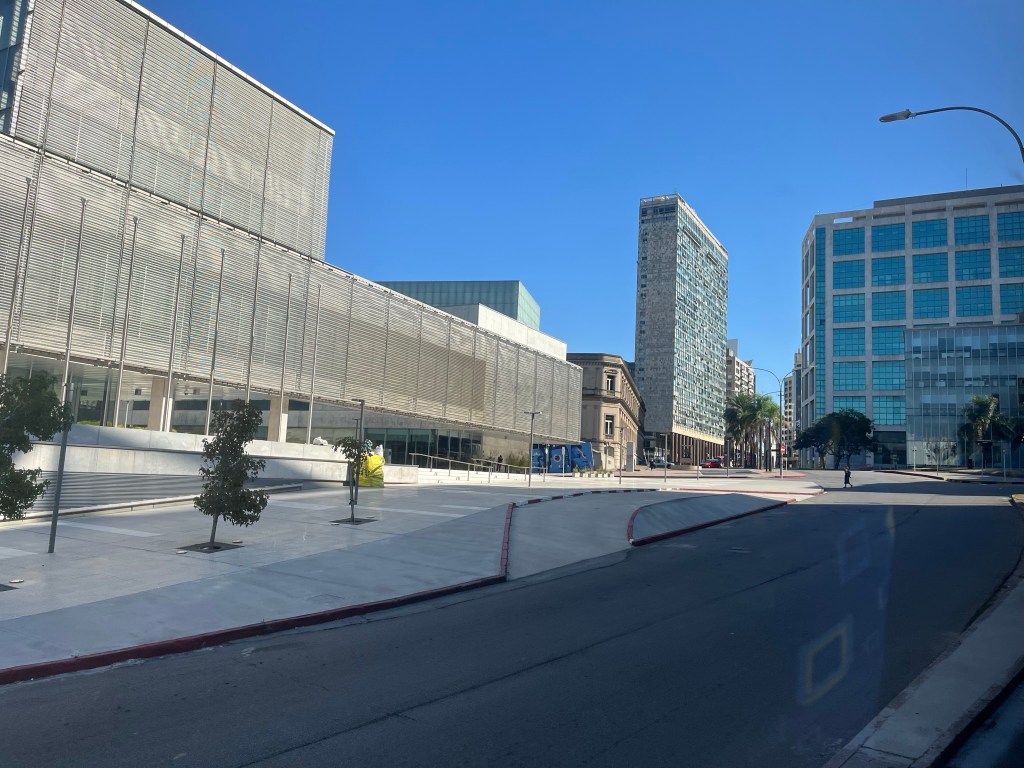
A few years after its foundation, Montevideo became the main city of the region north of the Río de la Plata and east of the Uruguay River, competing with Buenos Aires for dominance in maritime commerce.
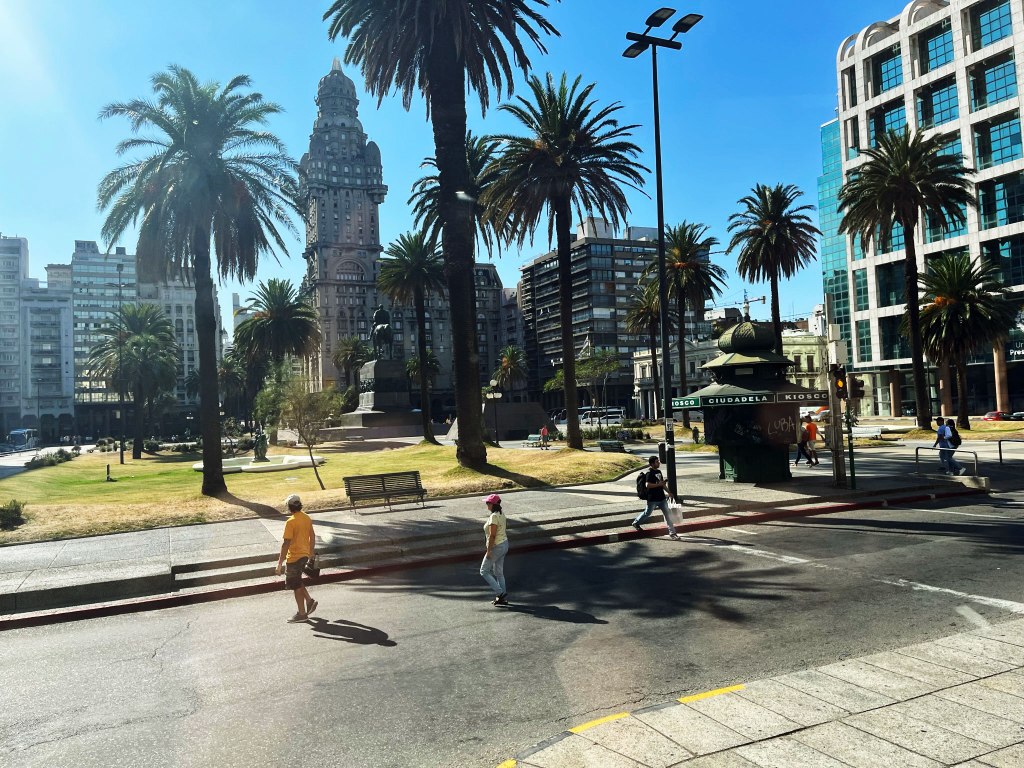
The importance of Montevideo as the main port of the Viceroyalty of the Río de la Plata brought it in confrontations with the city of Buenos Aires in various occasions, including several times when it was taken over to be used as a base to defend the eastern province of the Viceroyalty from Portuguese incursions.
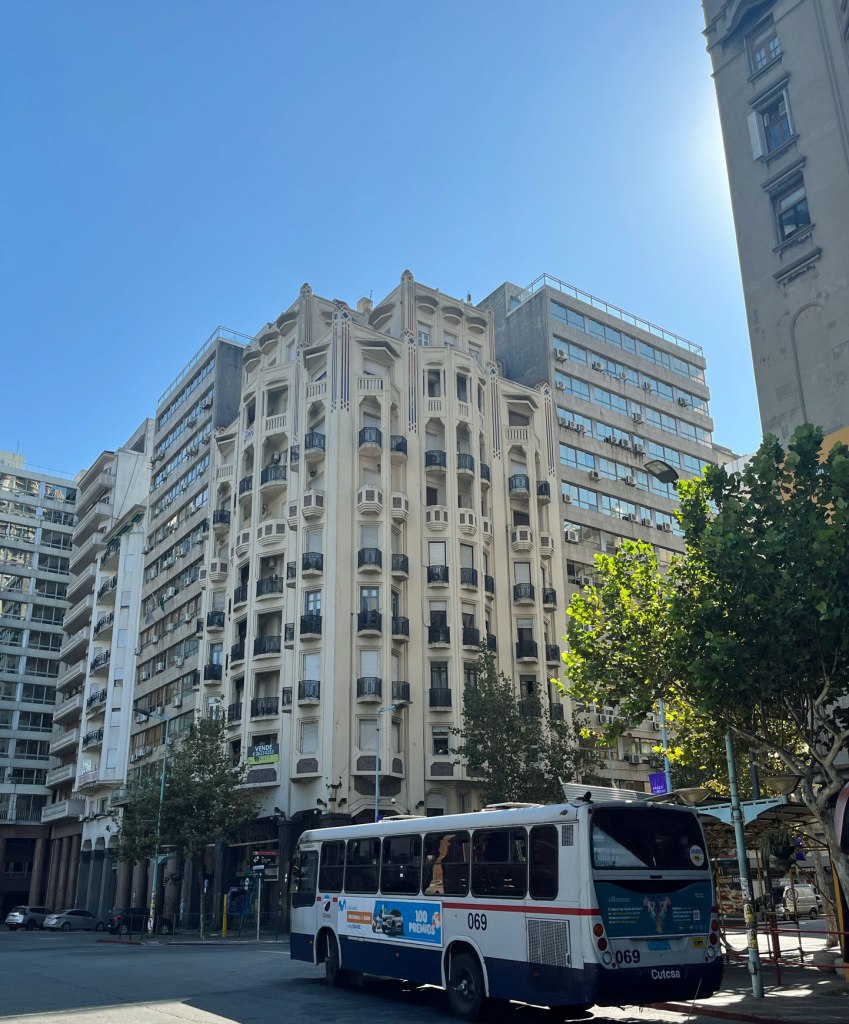
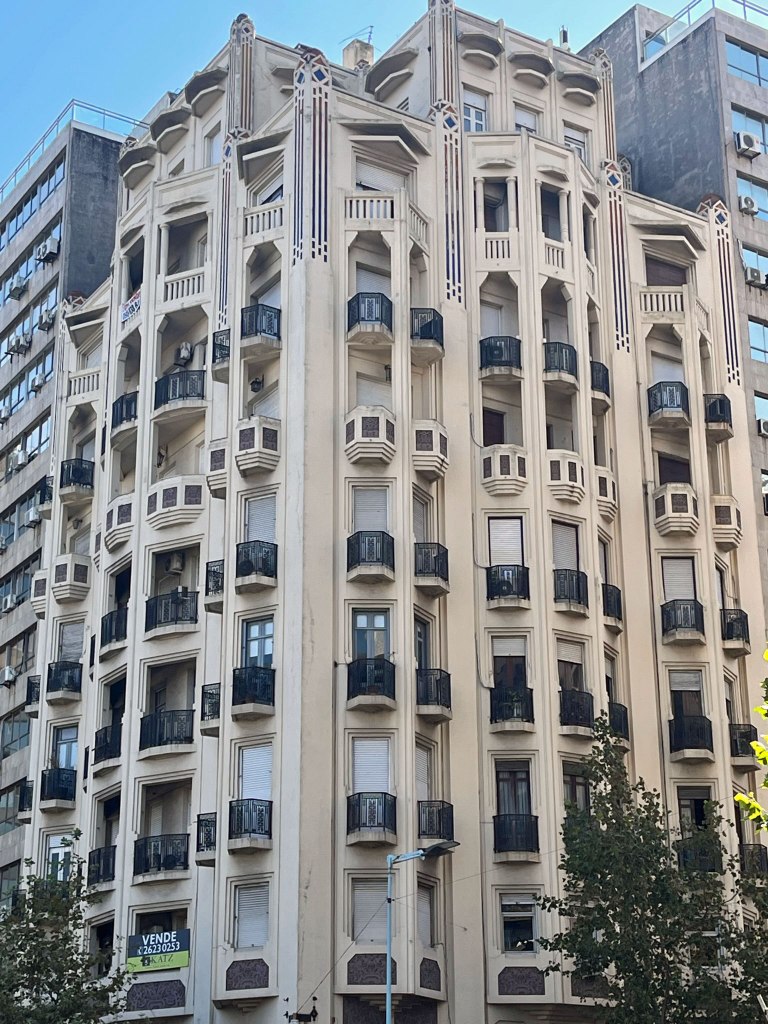

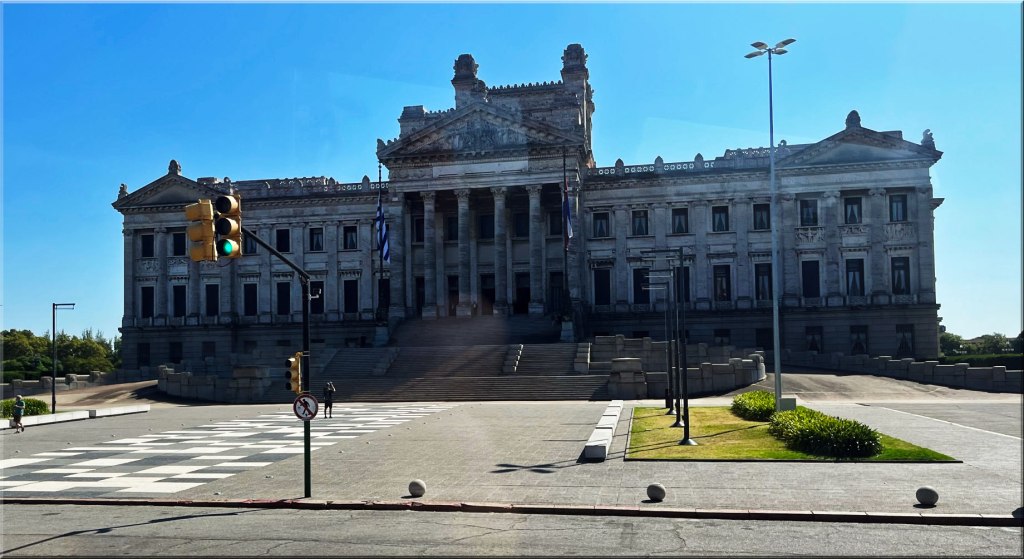
Constructed between 1904 and 1925, the building was inaugurated on August 25, 1925, in commemoration of the centenary of the Declaration of Independence.
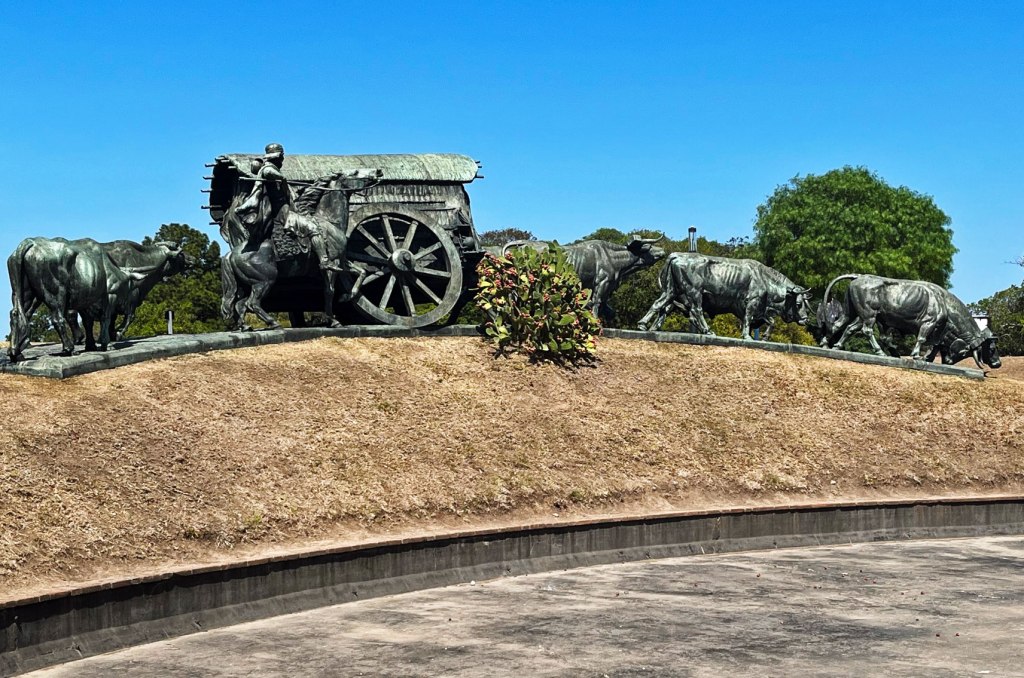
In 1934, sculptor Jose Belloni’s “La Carreta”, a bronze monument on granite base, was installed on Avenida Lorenzo Merola near Estadio Centenario. One of several statues in the park, it depicts yoked oxen pulling a loaded wagon. It was designated a national monument in 1976.
Punta del Este
Starting as a small town, Punta del Este later became internationally known as a resort for the Latin and North American jet set and tourists.
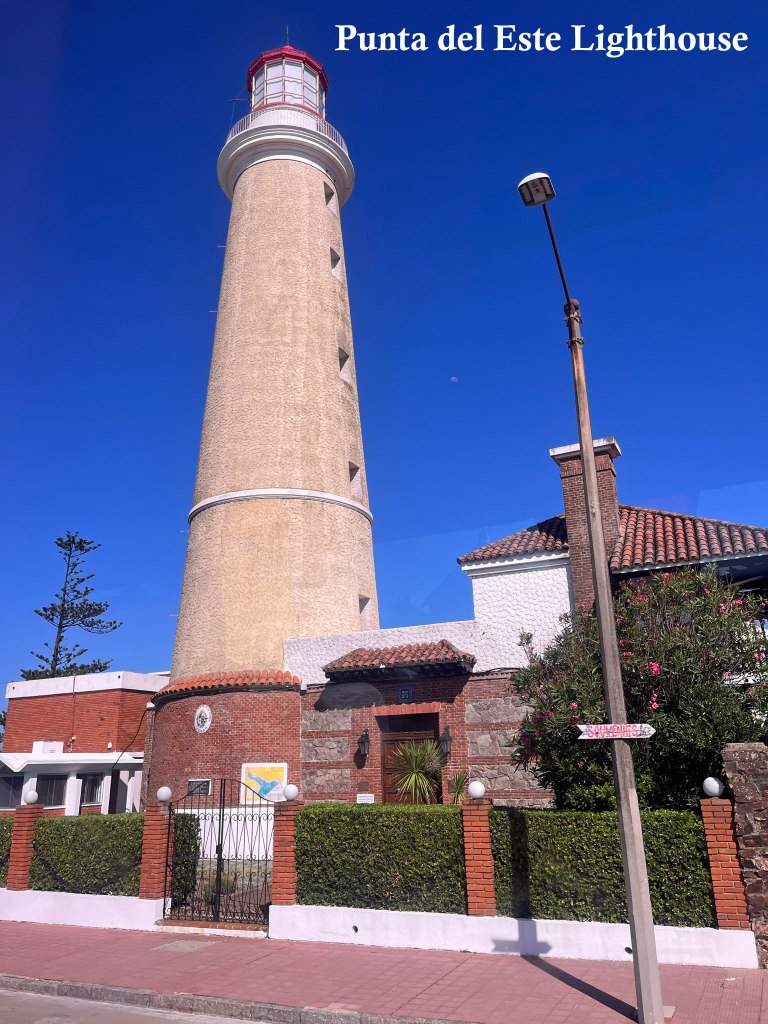
The lighthouse is 45 metres tall, and the crystal panels which are part of its illumination system were brought from France. It works by electricity, with acetylene gas as emergency backup. It is possible to climb the 150 steps of its spiral staircase.
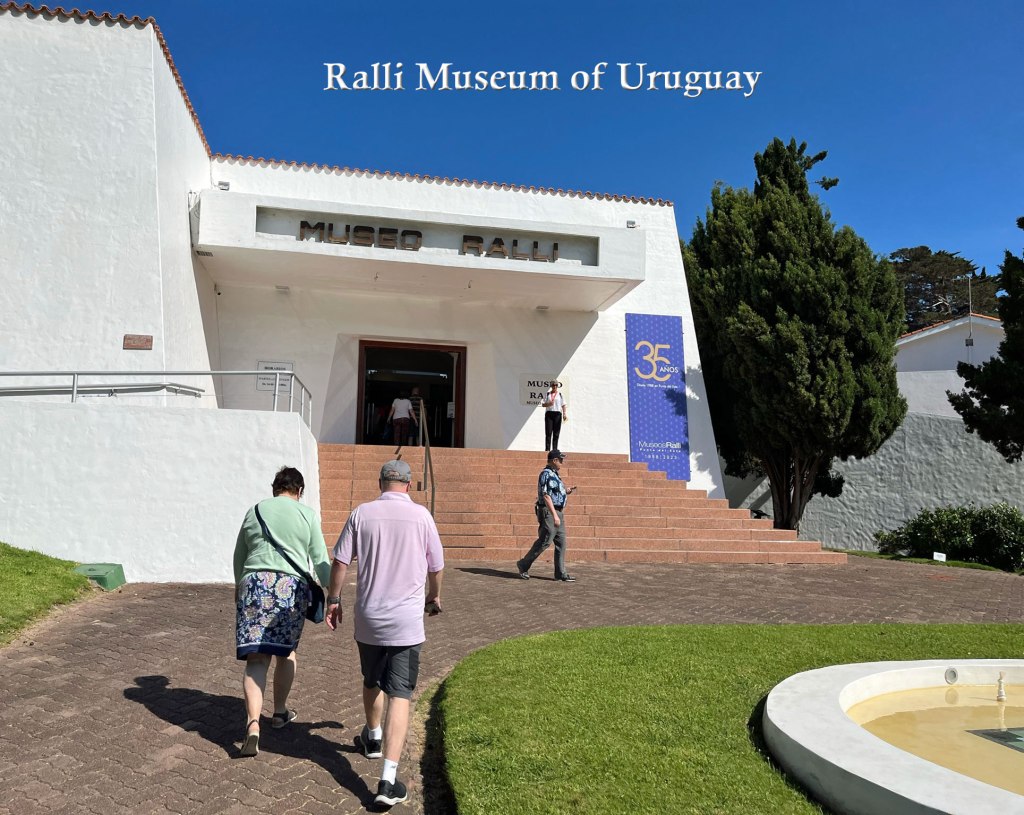
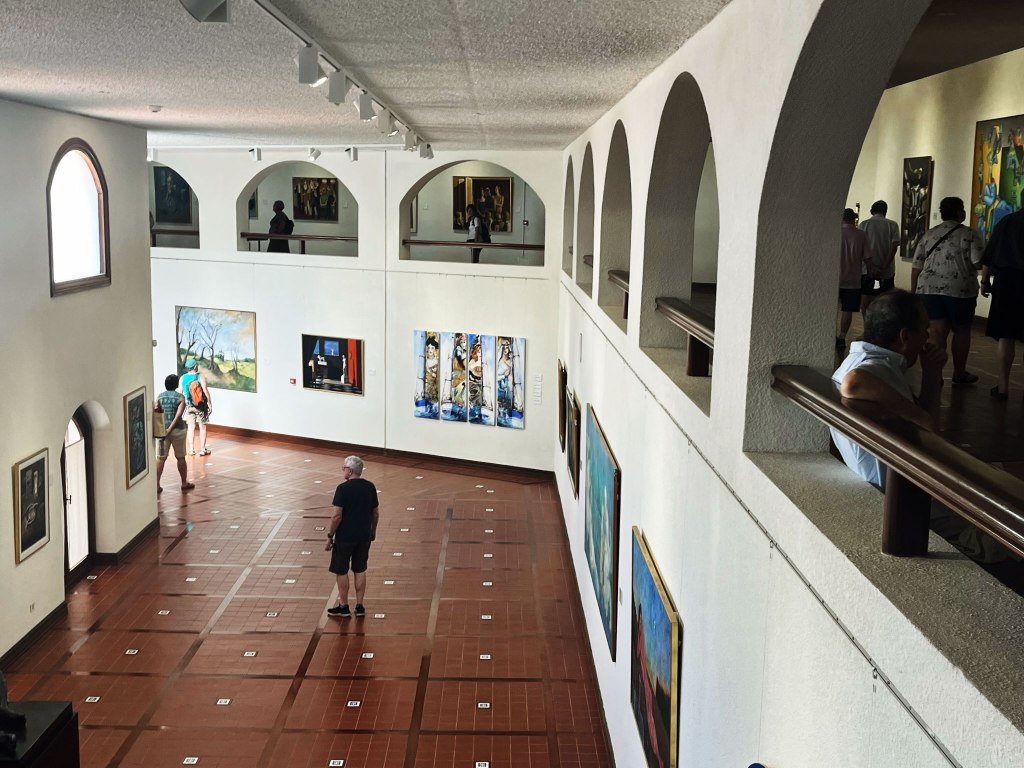
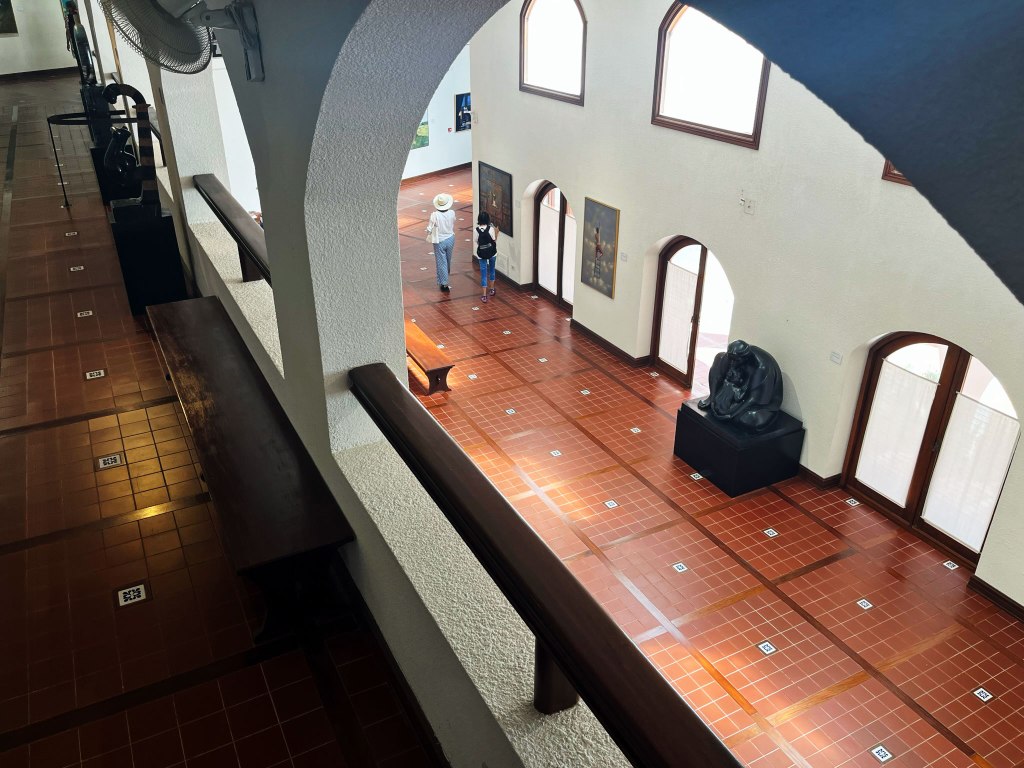
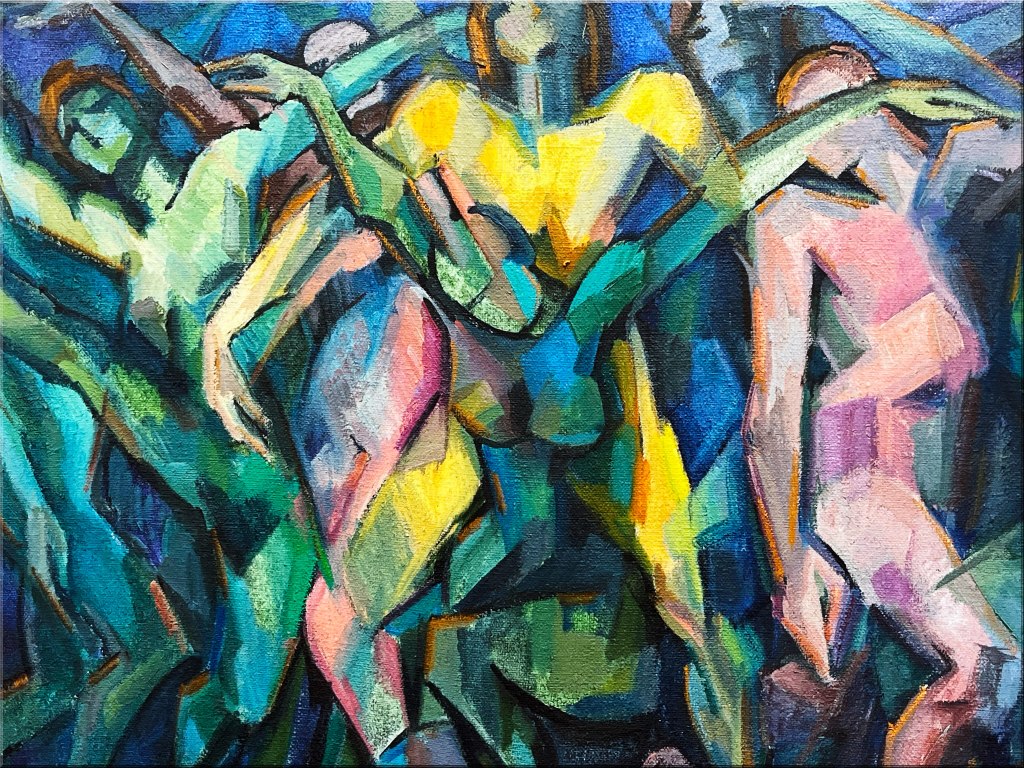
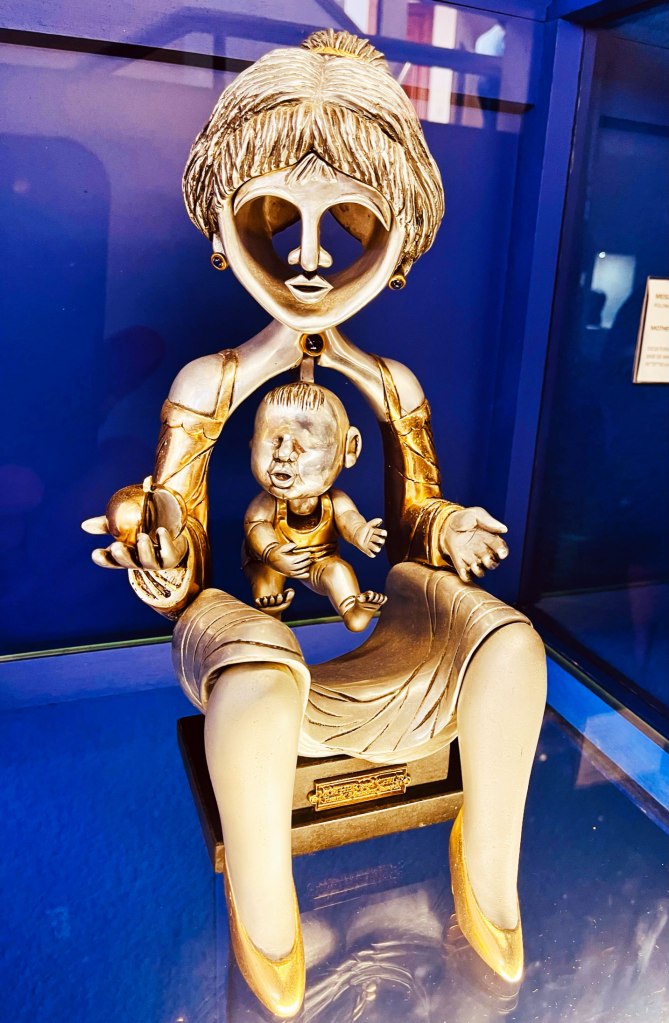
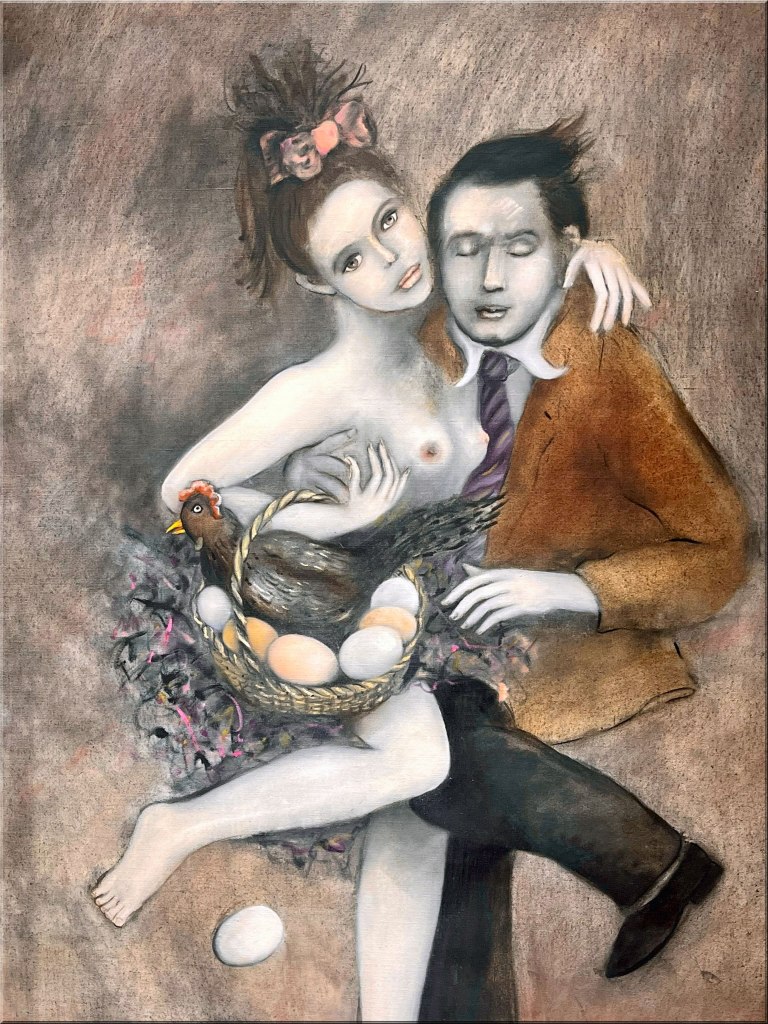
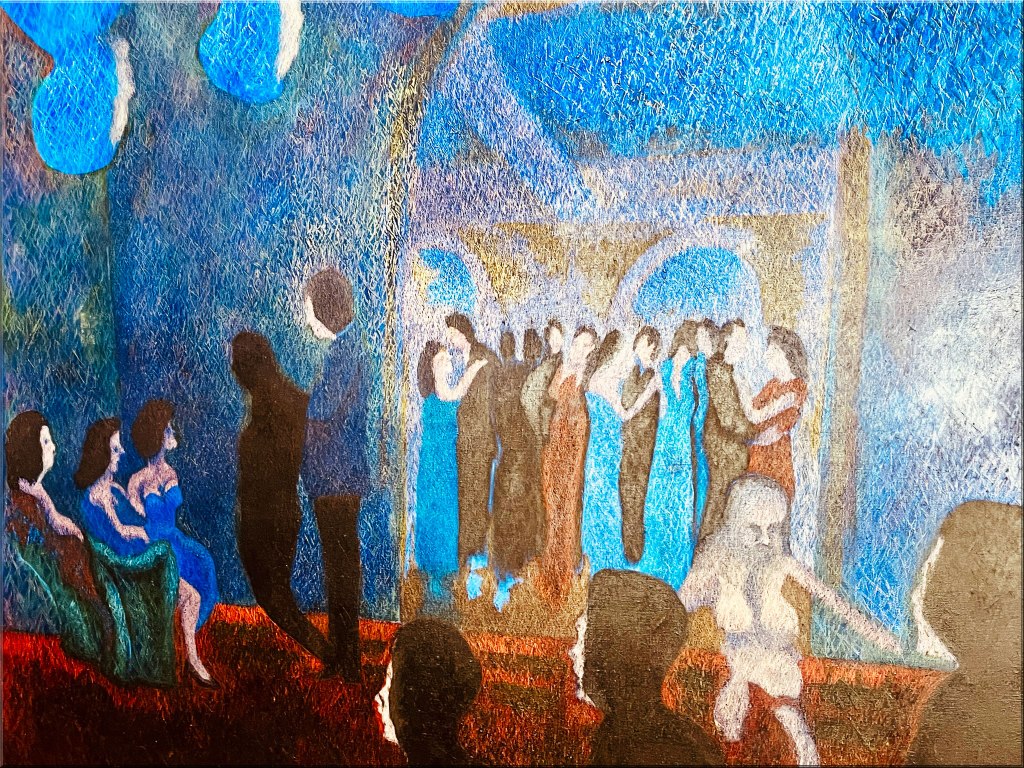
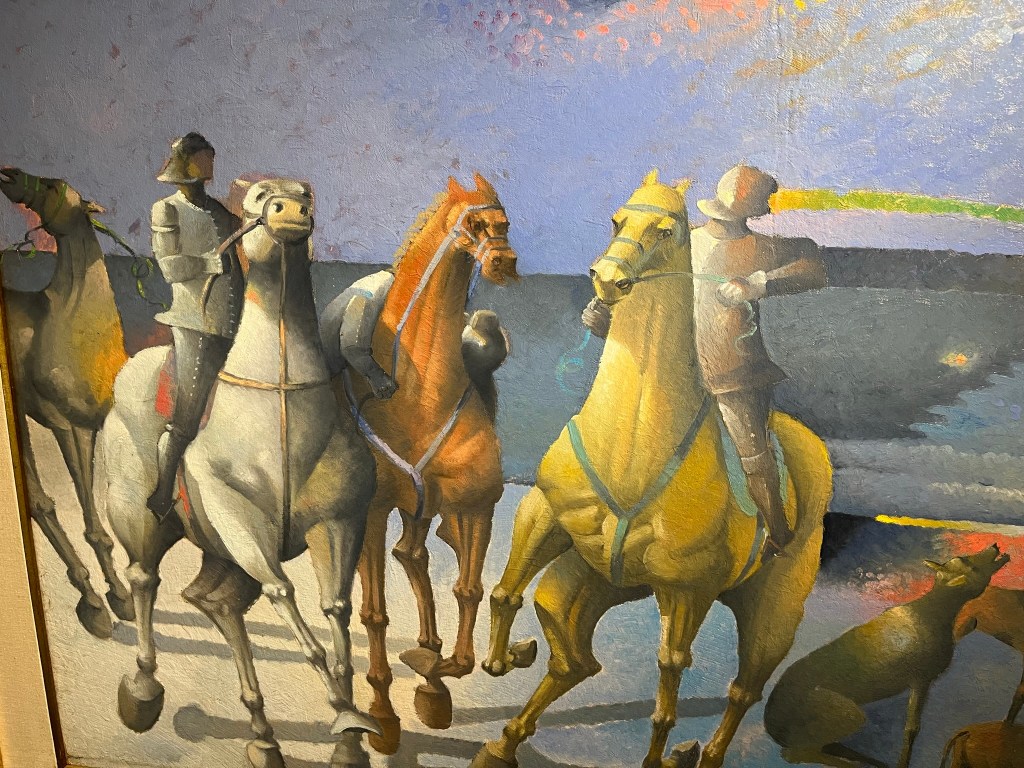
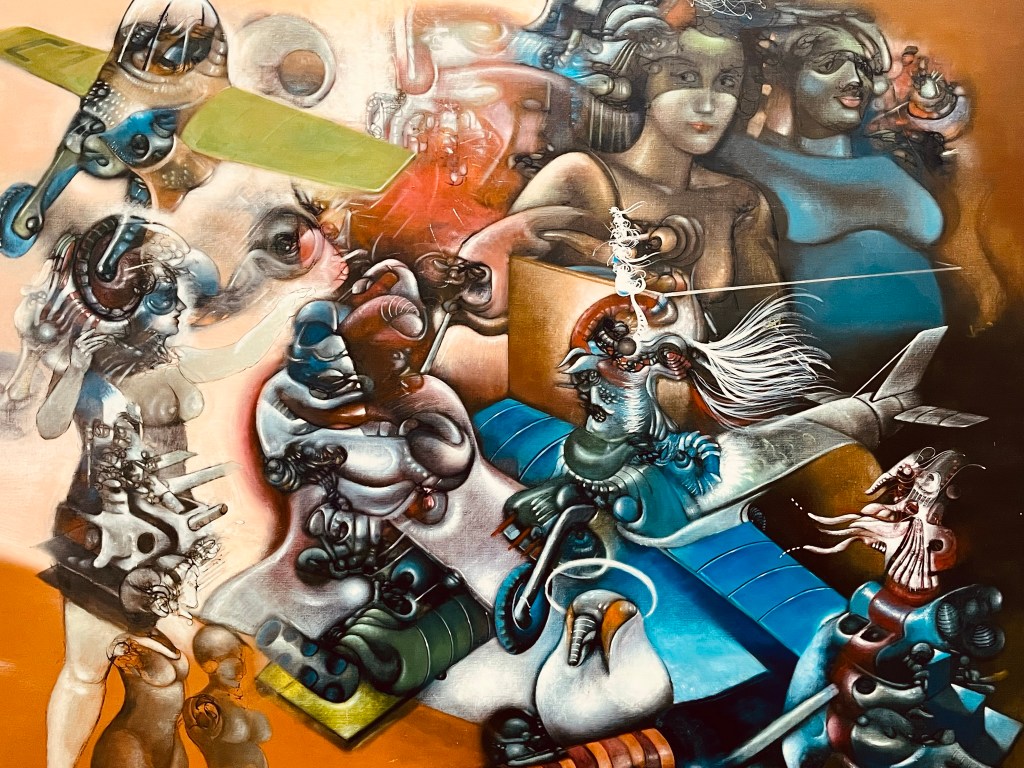
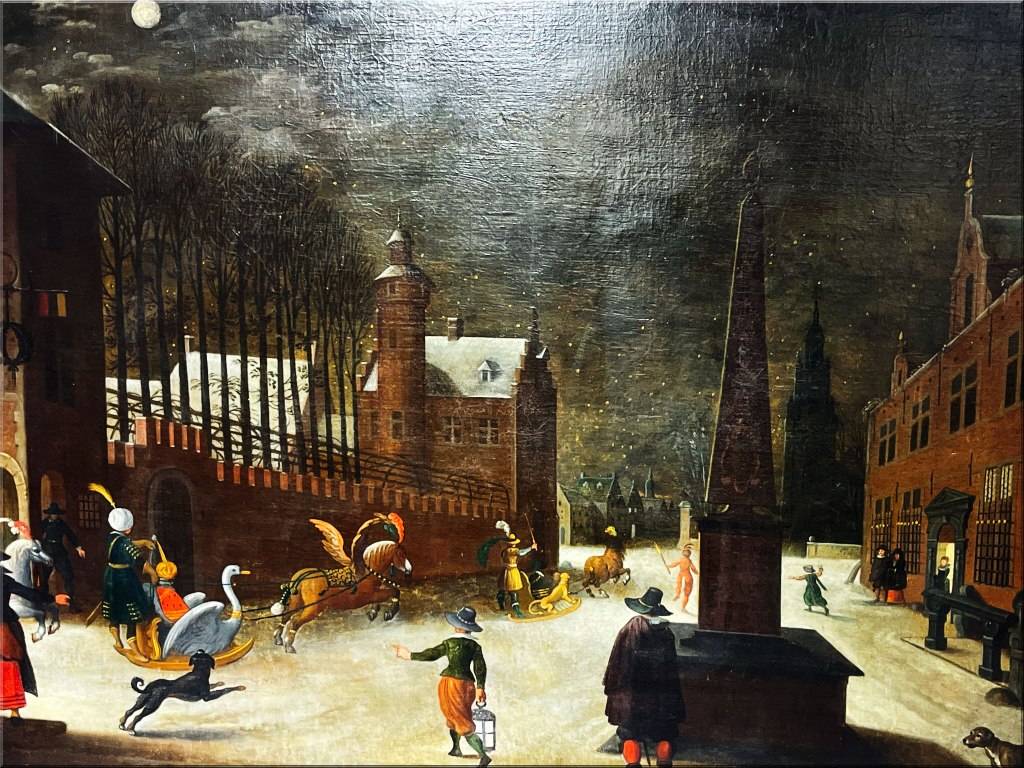
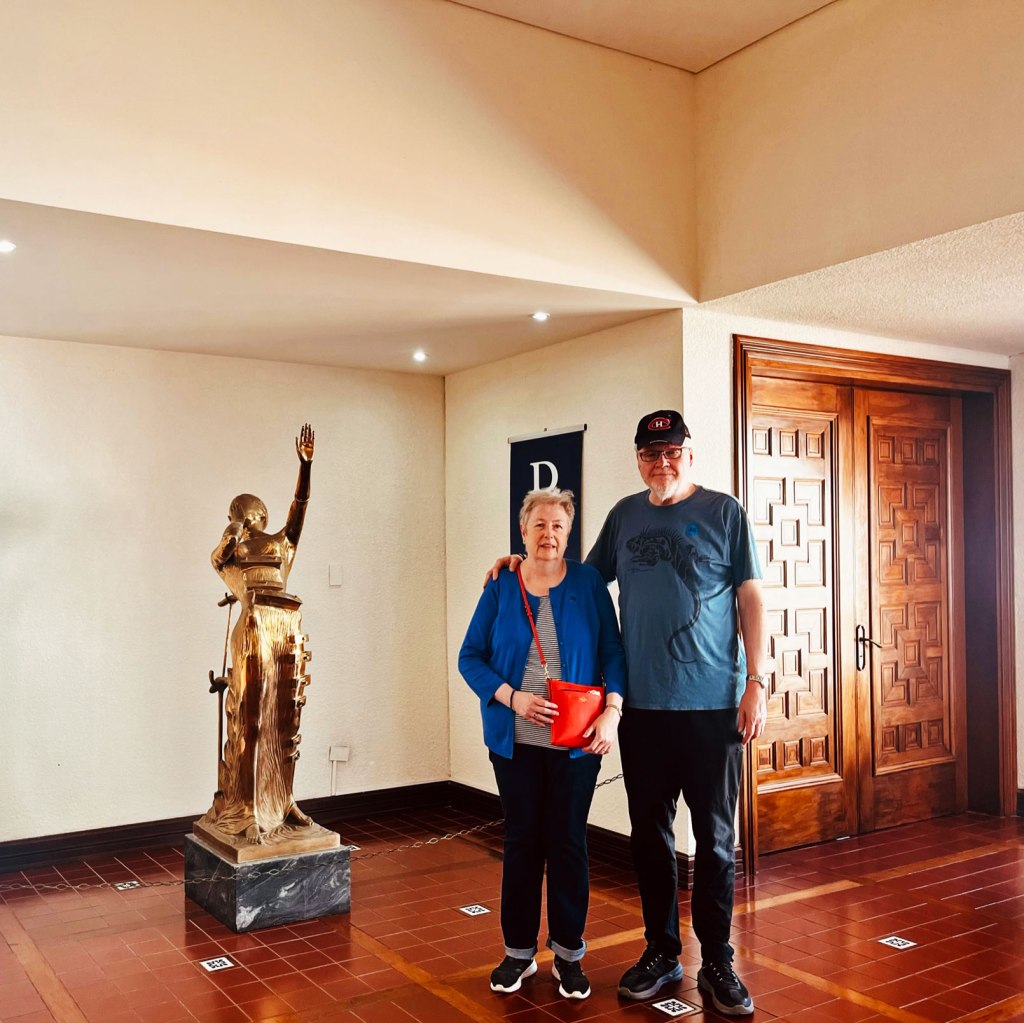
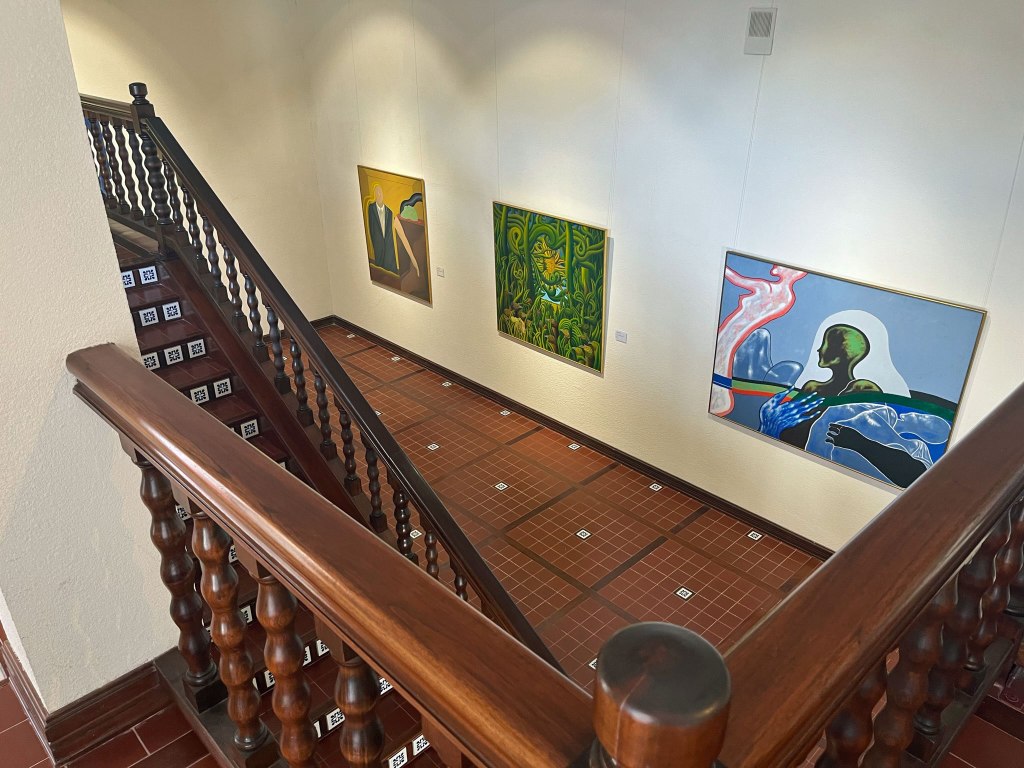
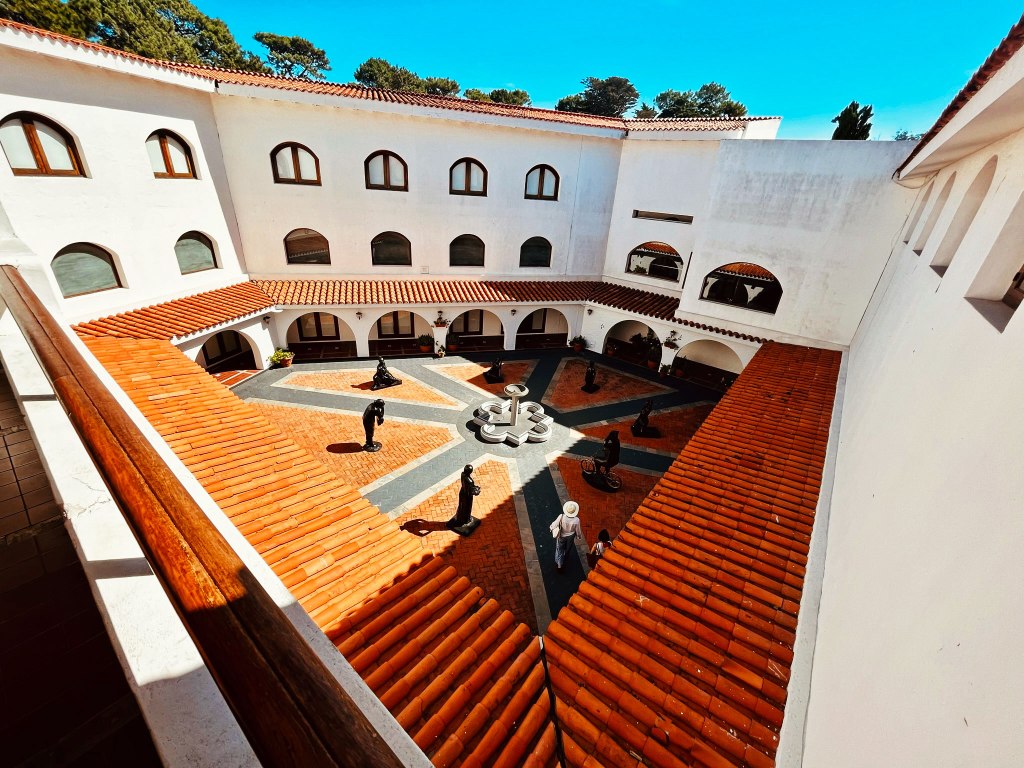
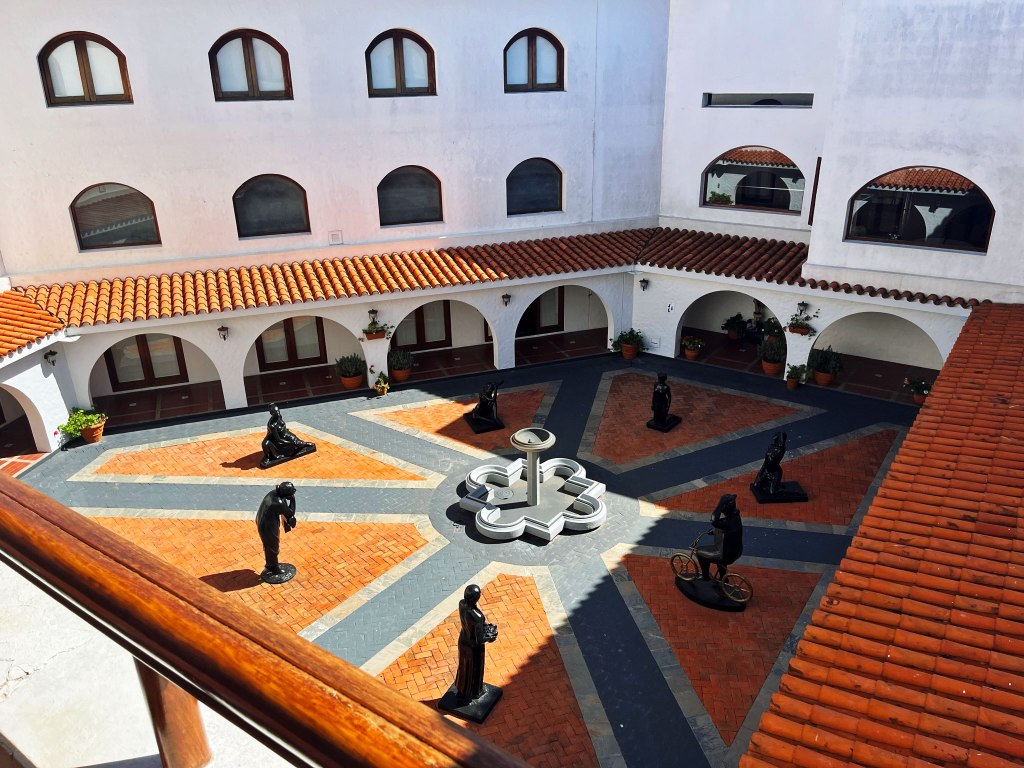
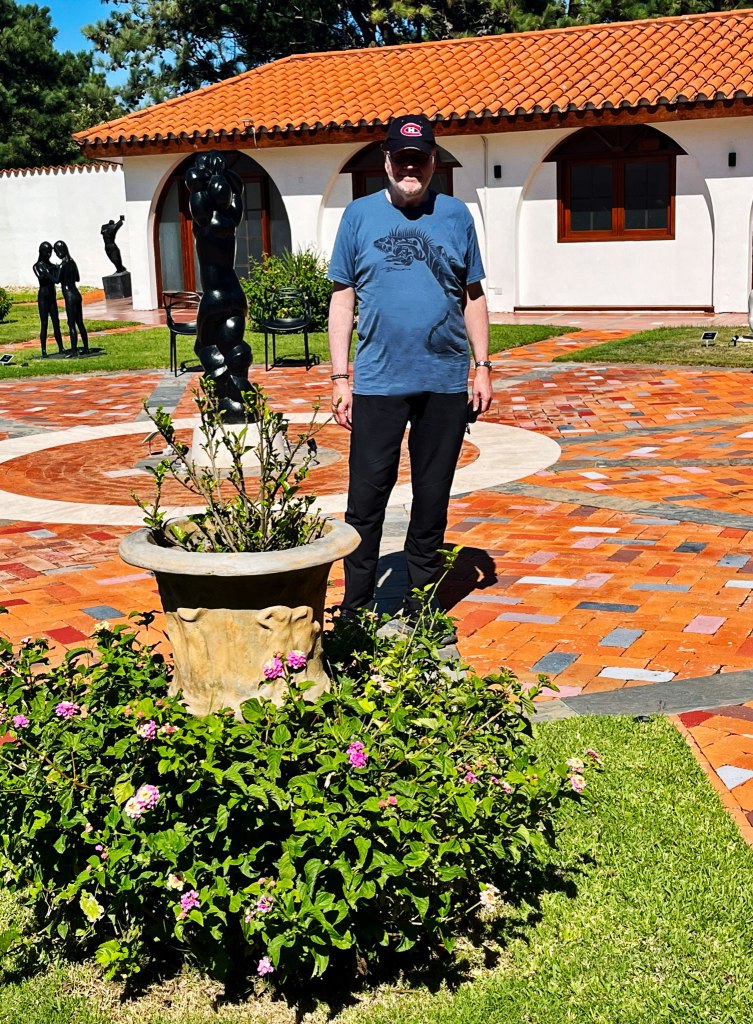
The museum exhibits a varied collection of Latin American art, including paintings and sculptures, among which you can find pieces by the Colombian artist Fernando Botero or the Uruguayan Manuel Pailós, as well as works by Salvador Dalí, unique in Uruguay, one of the artists most represented in the Ralli Museums (there are pieces by this Catalan artist in all their locations). In addition to the collections of paintings and sculptures by contemporary Ibero-American artists, European works from the 15th and 18th centuries are also exhibited , and other more contemporary ones.


 s
s 