



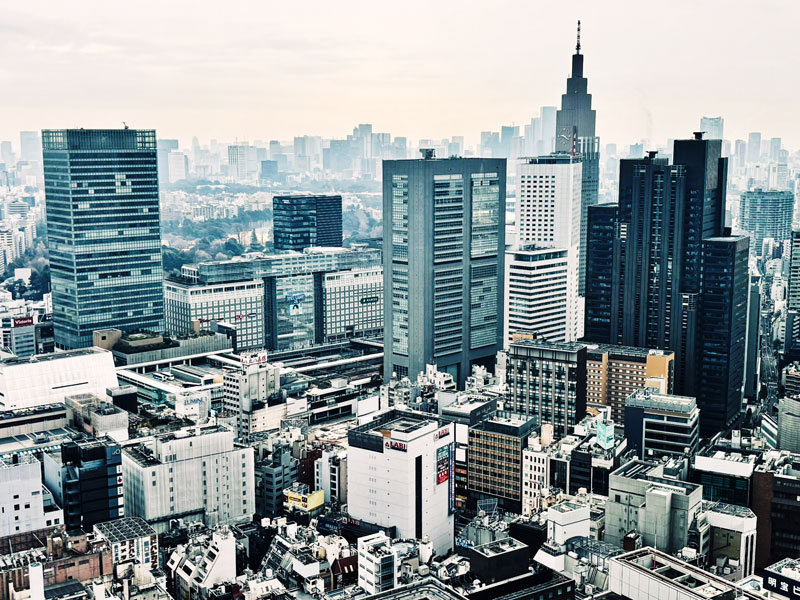
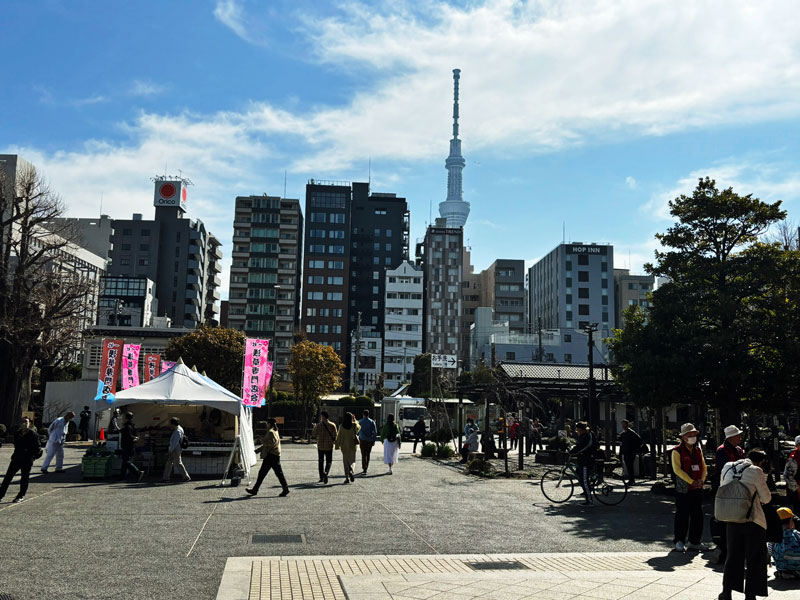
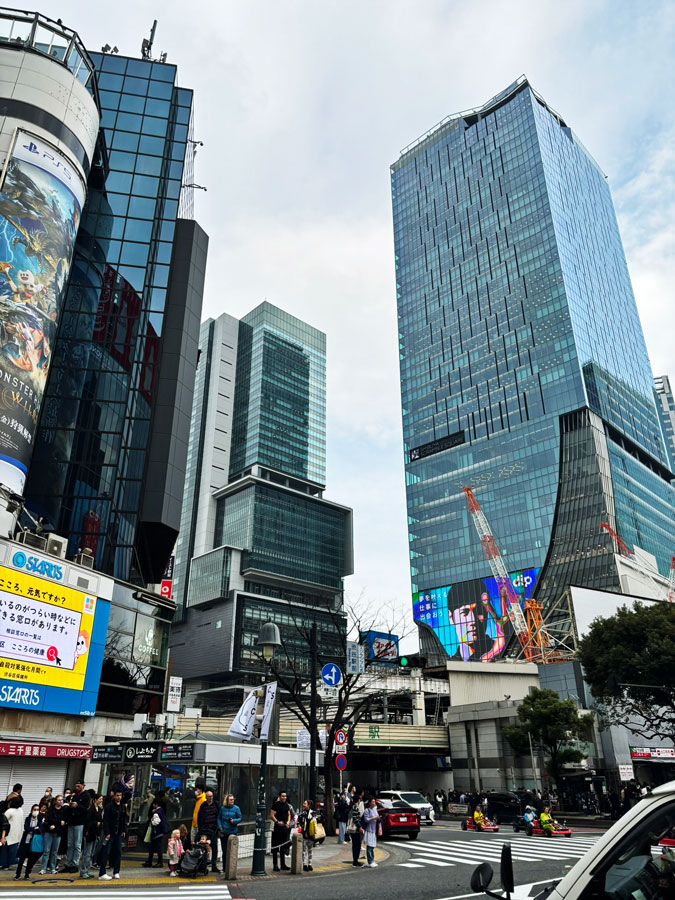
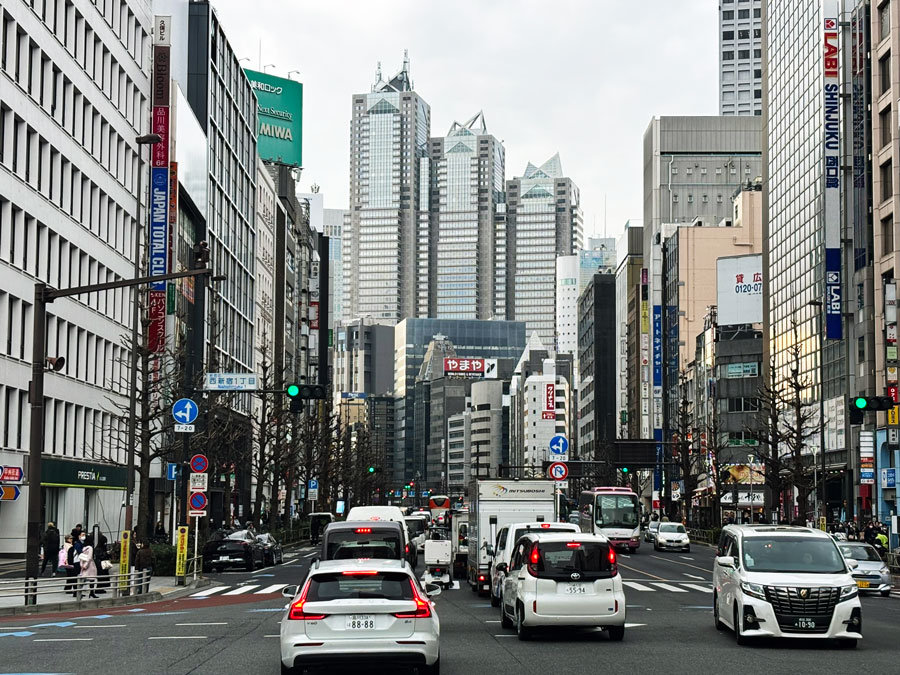
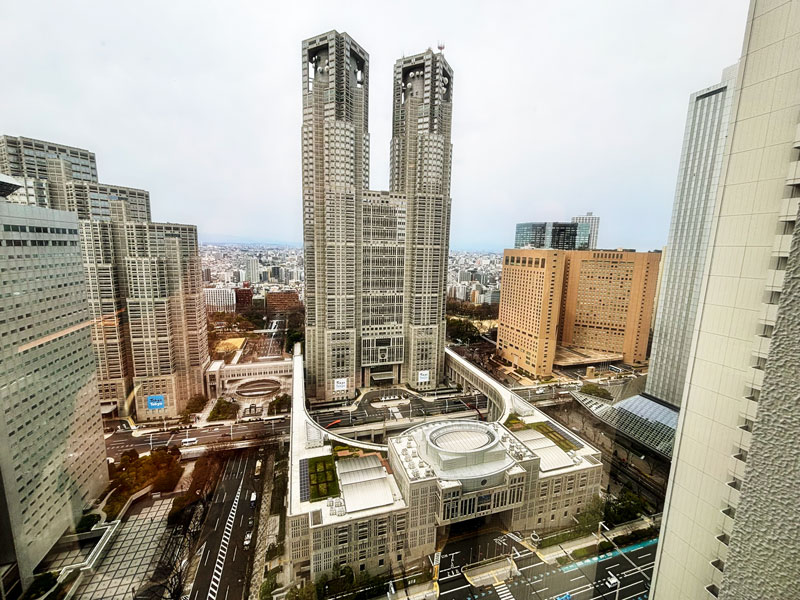
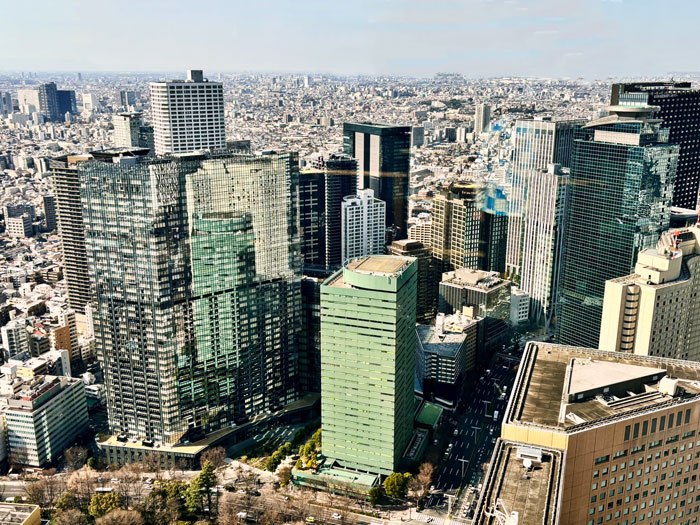
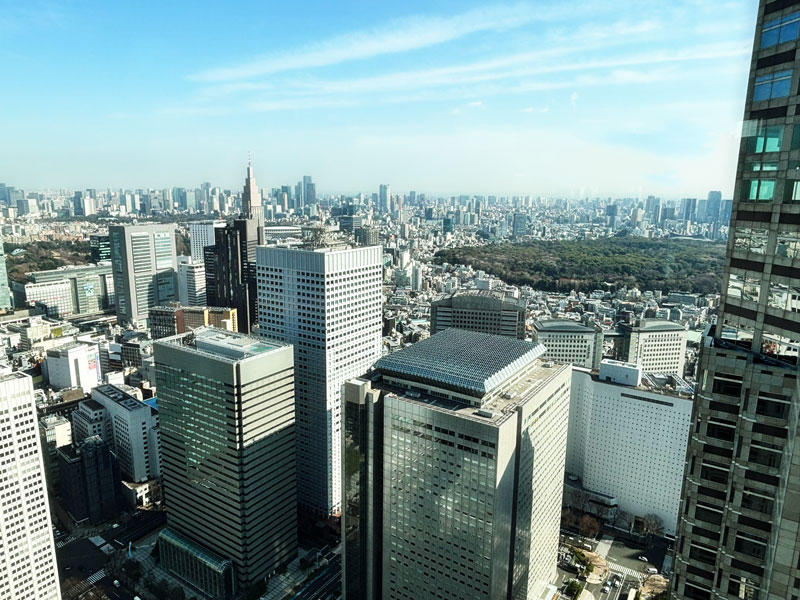
Tokyo, officially the Tokyo Metropolis, is the capital and most populous city in Japan. With a population of over 14 million in the city proper in 2023, the Greater Tokyo Area, which includes Tokyo and parts of six neighboring prefectures, is the most populous metropolitan area in the world, with 41 million residents as of 2024.
There are 47 prefectures in Japan, which rank immediately below the national government and form the country’s first level of jurisdiction and administrative division.
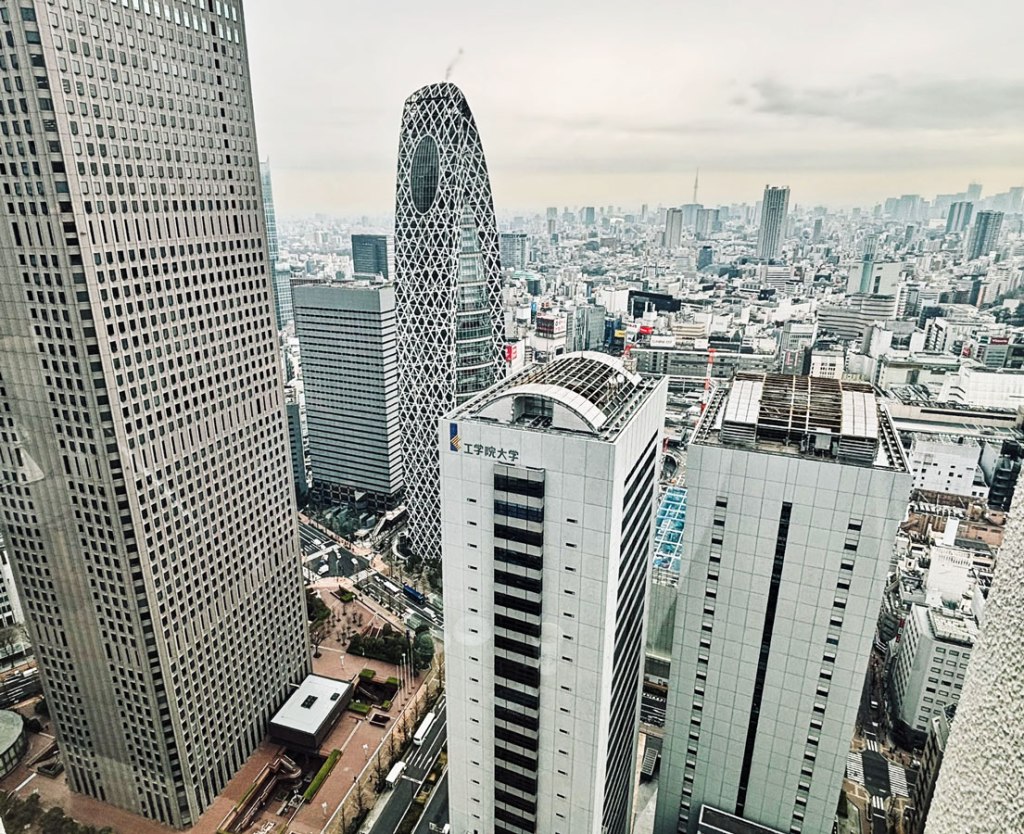
Lying at the head of Tokyo Bay, Tokyo is part of the Kanto Region, on the central coast of Honshu, Japan’s largest island.
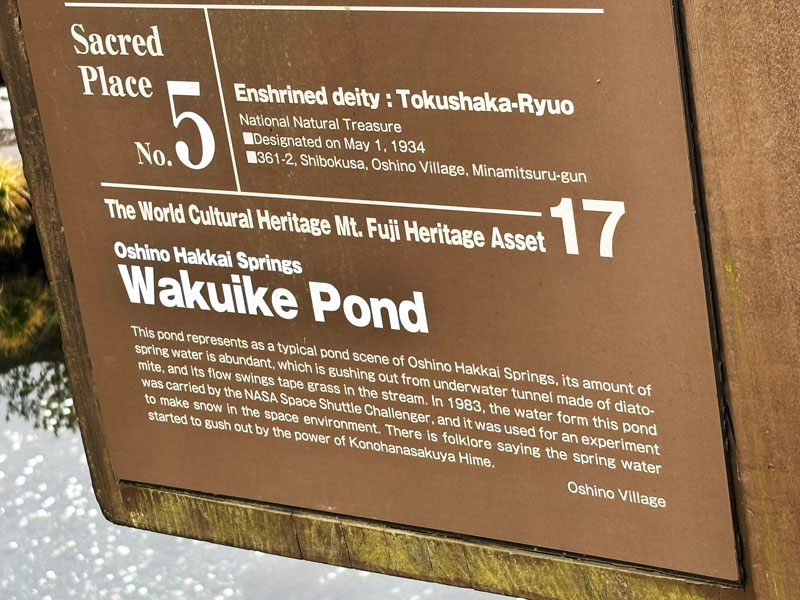
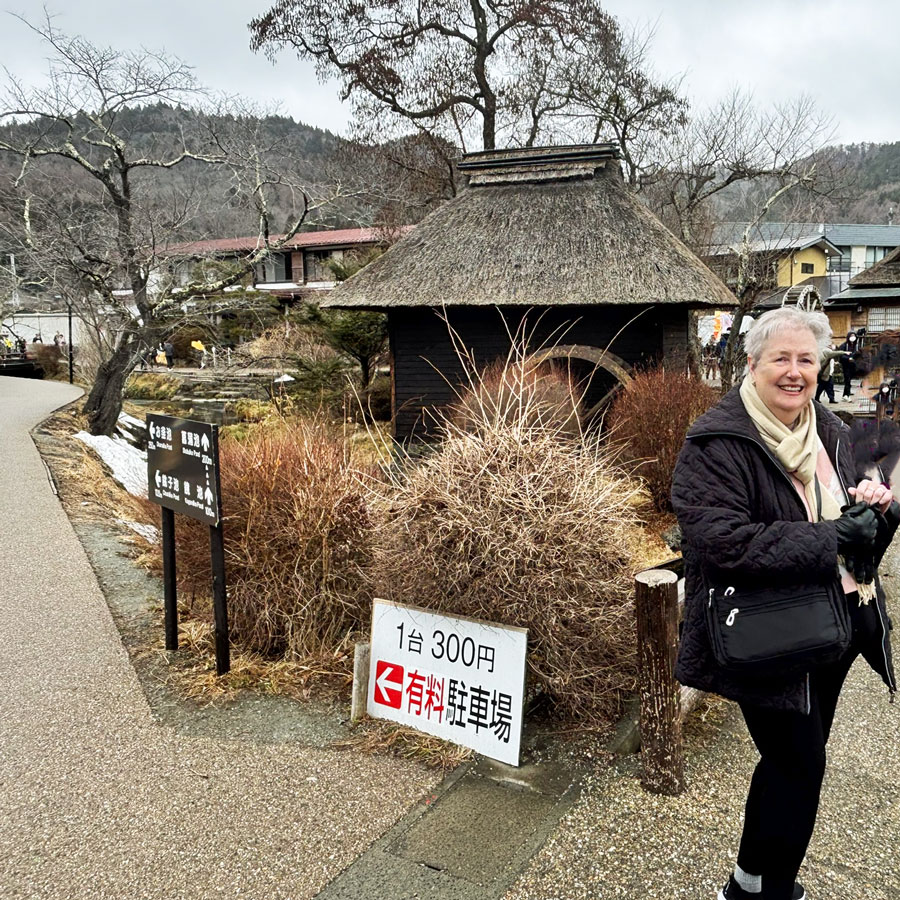
Information sign for Wakuike Pond at Oshino Hakkai Springs, detailing its significance and historical context.
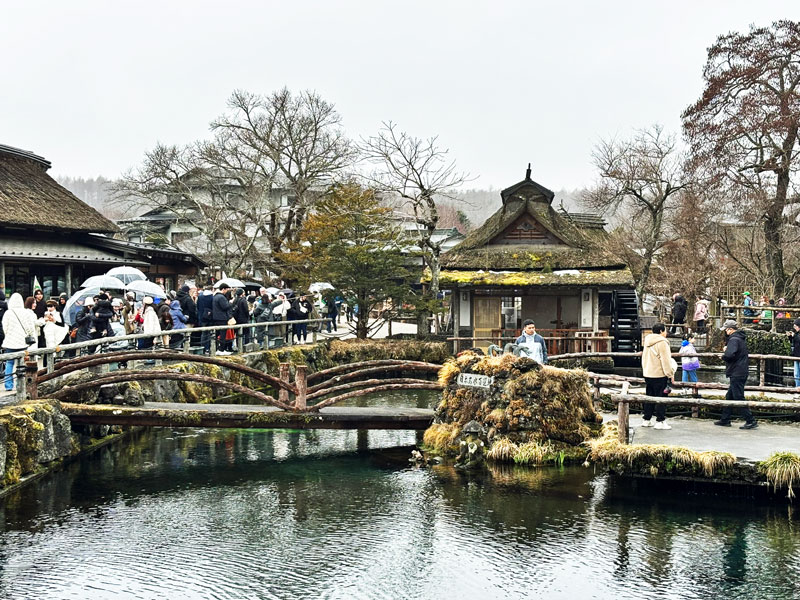
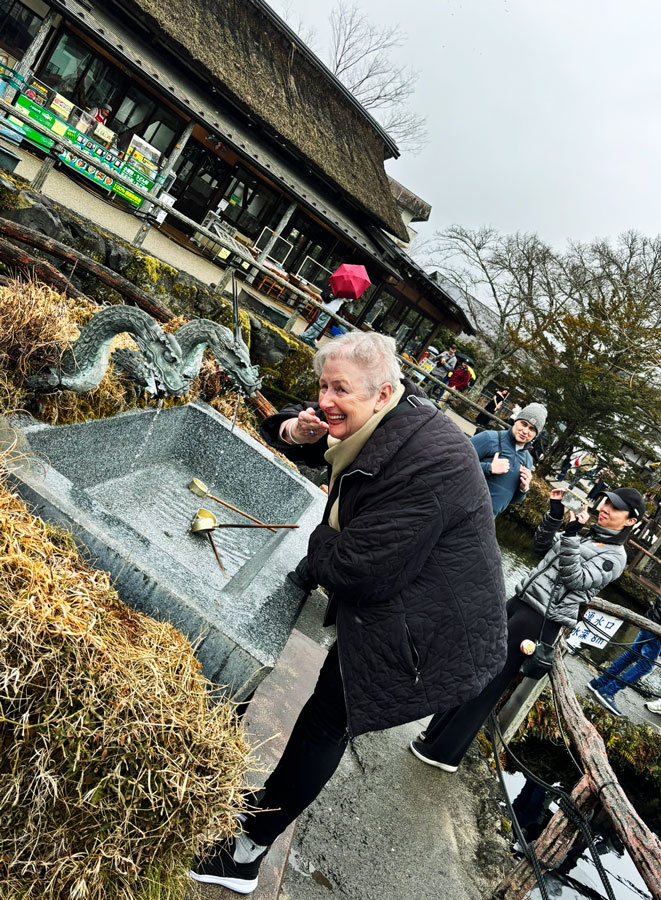
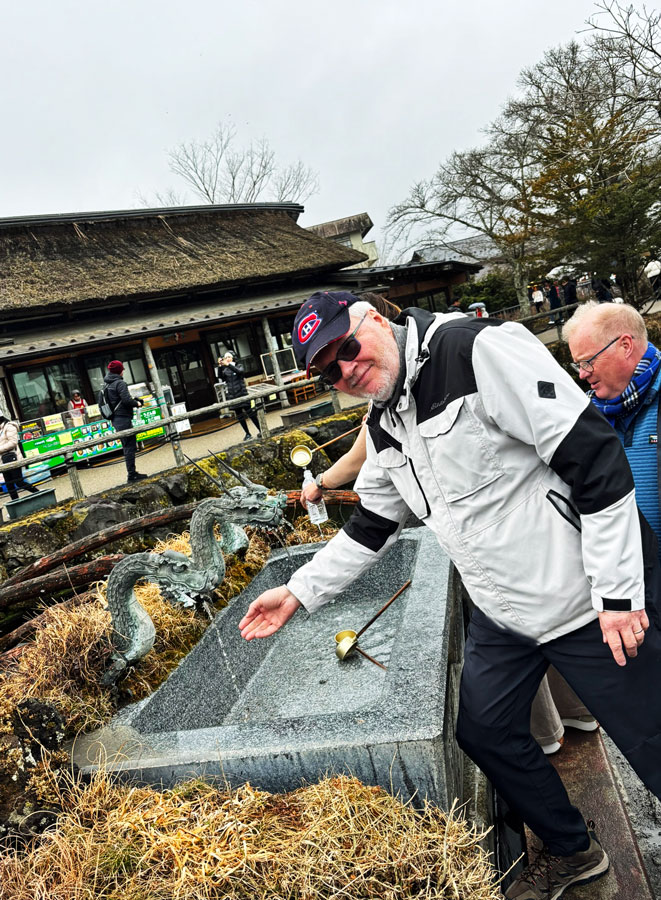
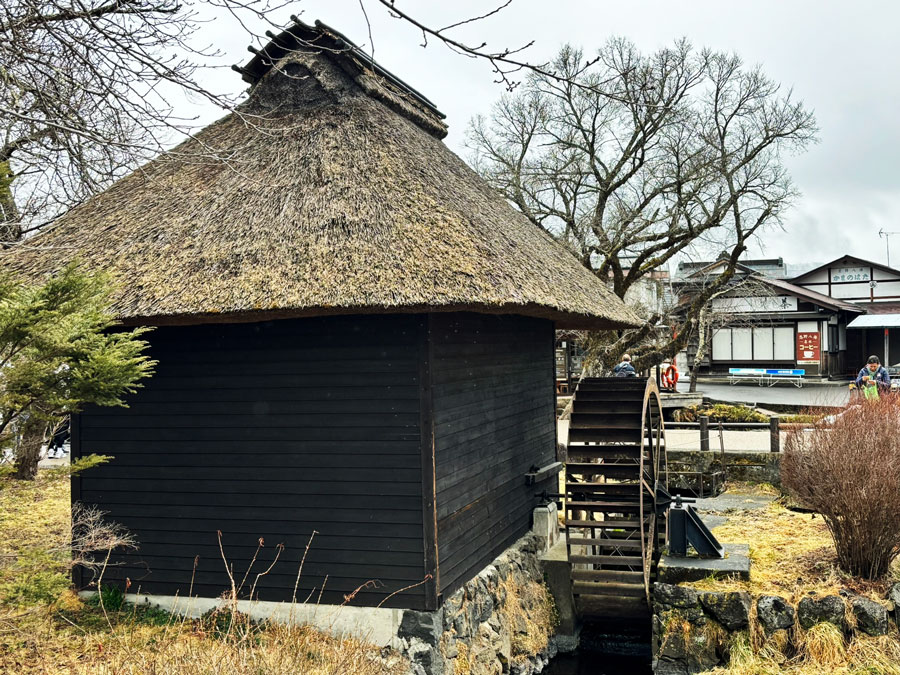
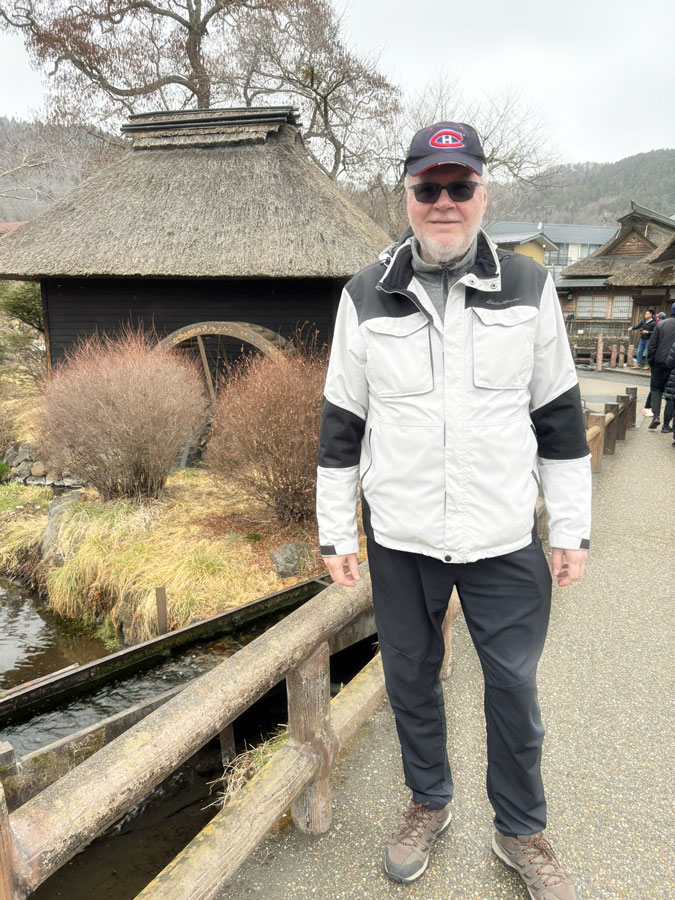
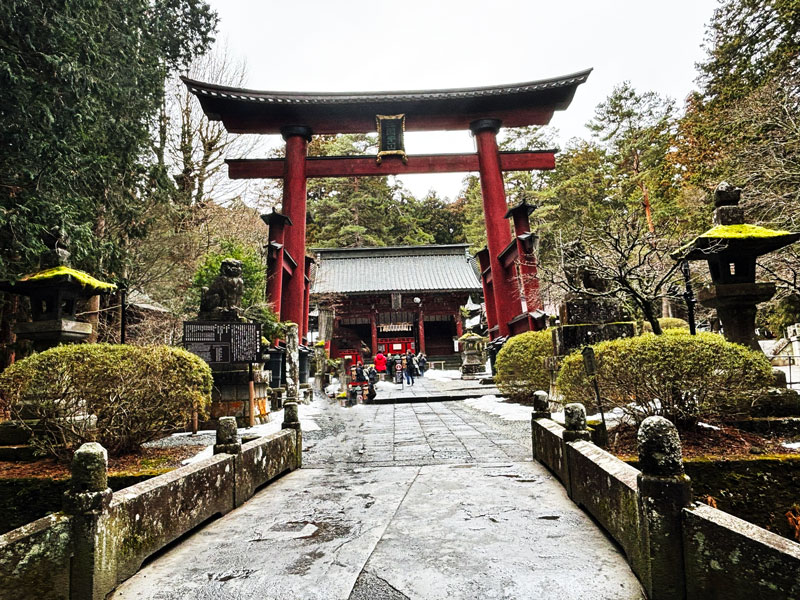
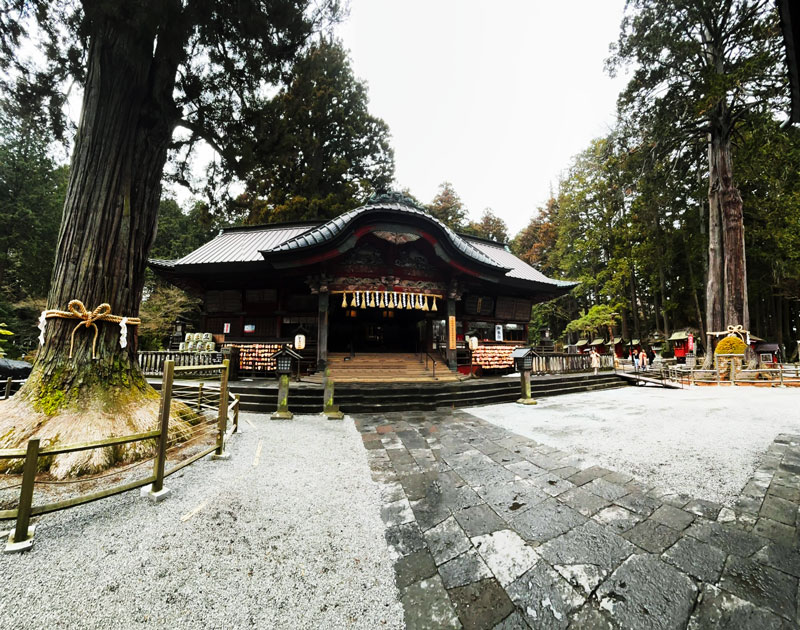
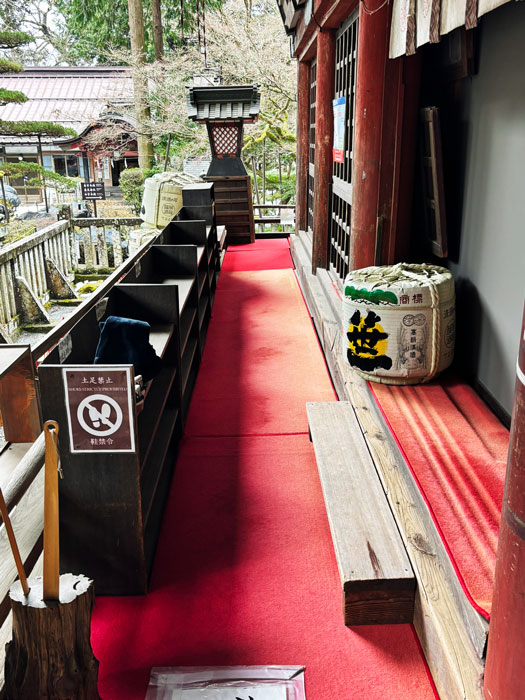
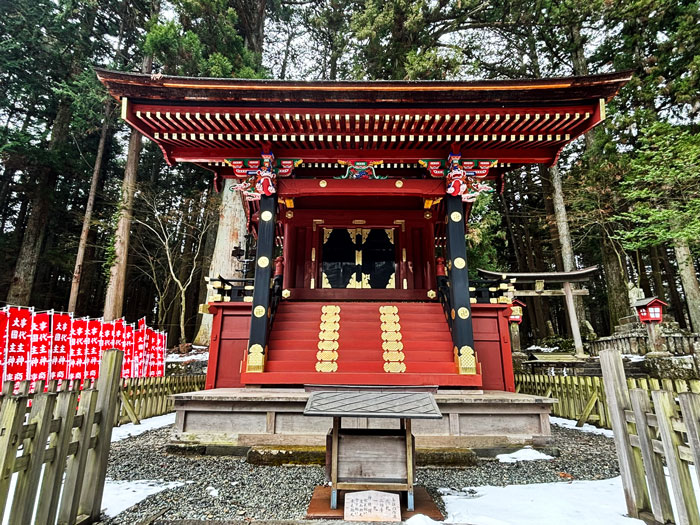
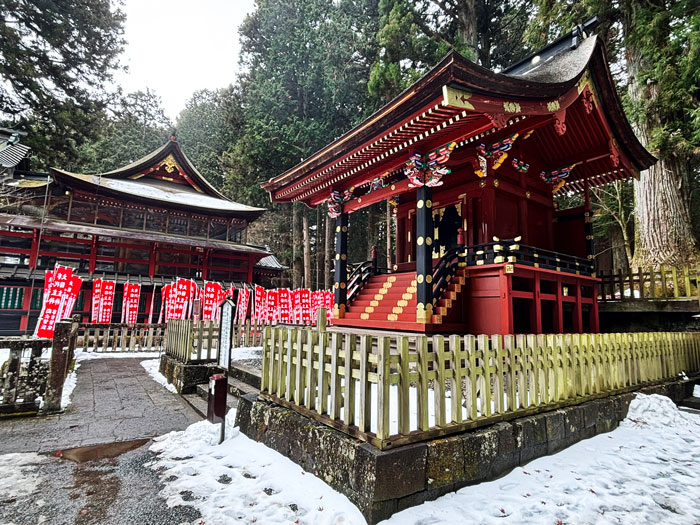
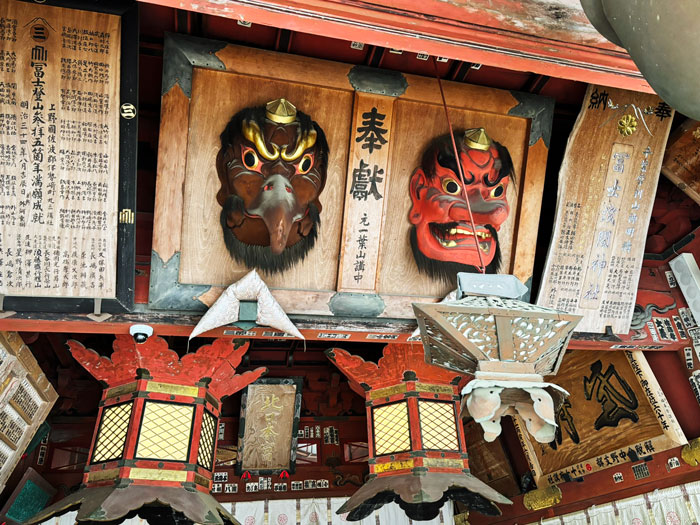
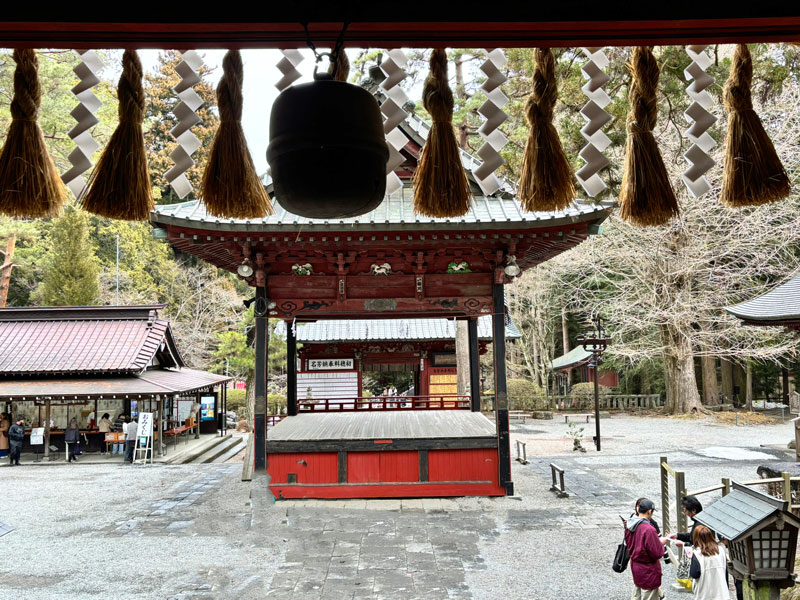
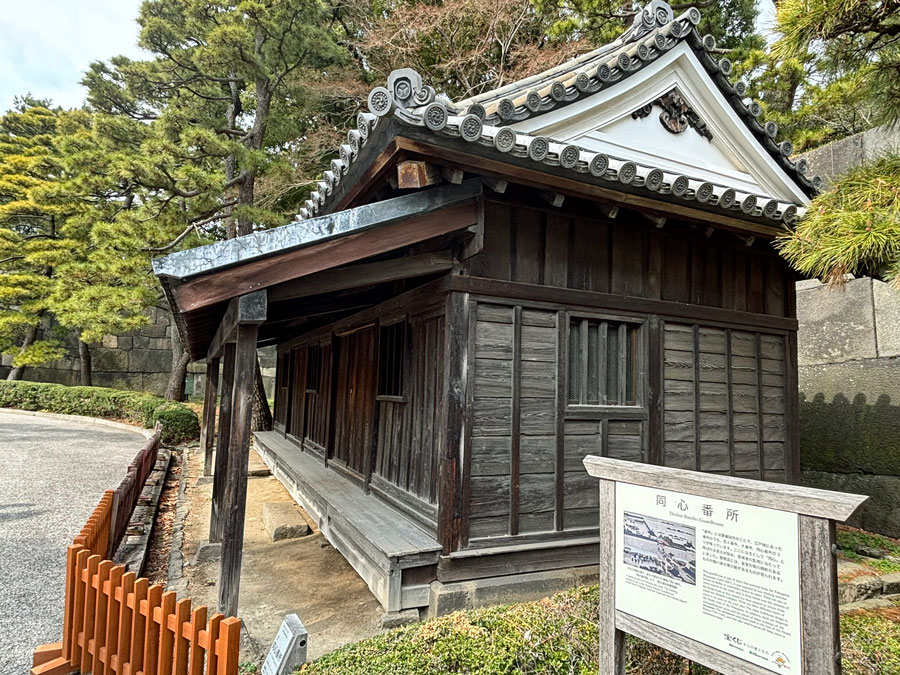
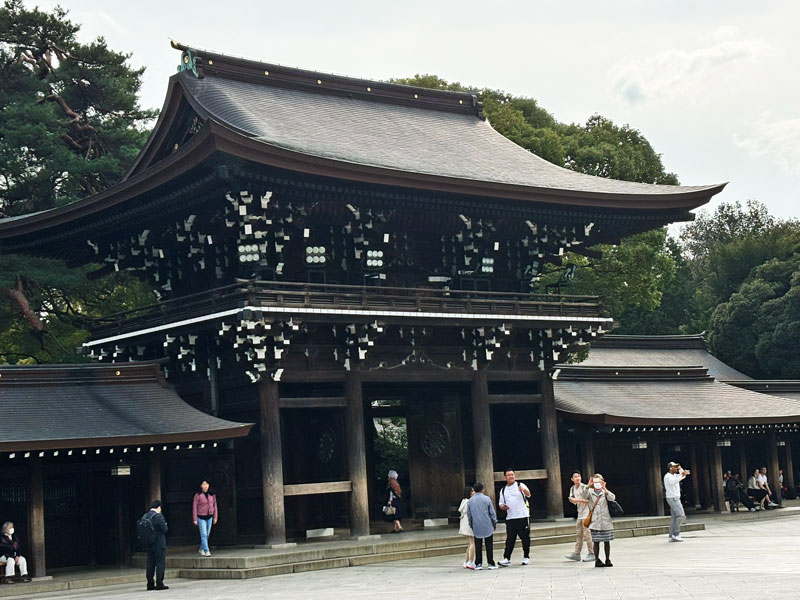
Traditional Japanese temple set amidst tall trees, featuring an intricate roof and wooden architecture. The entrance is adorned with ceremonial decorations.


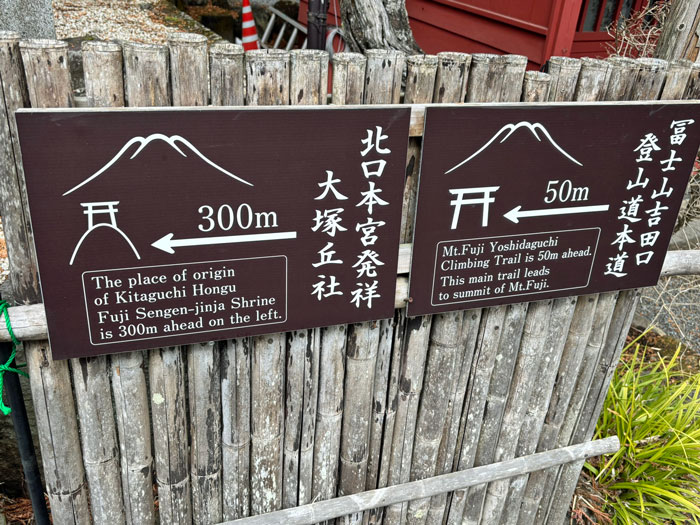
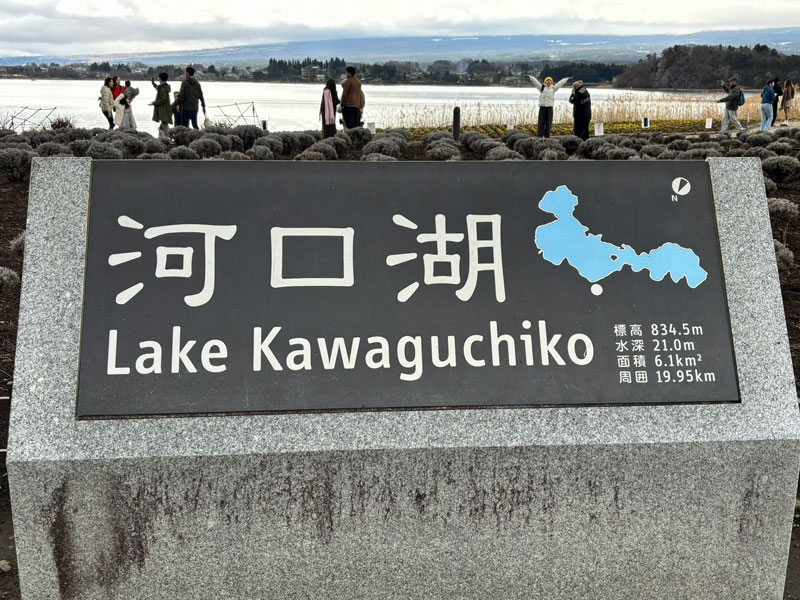
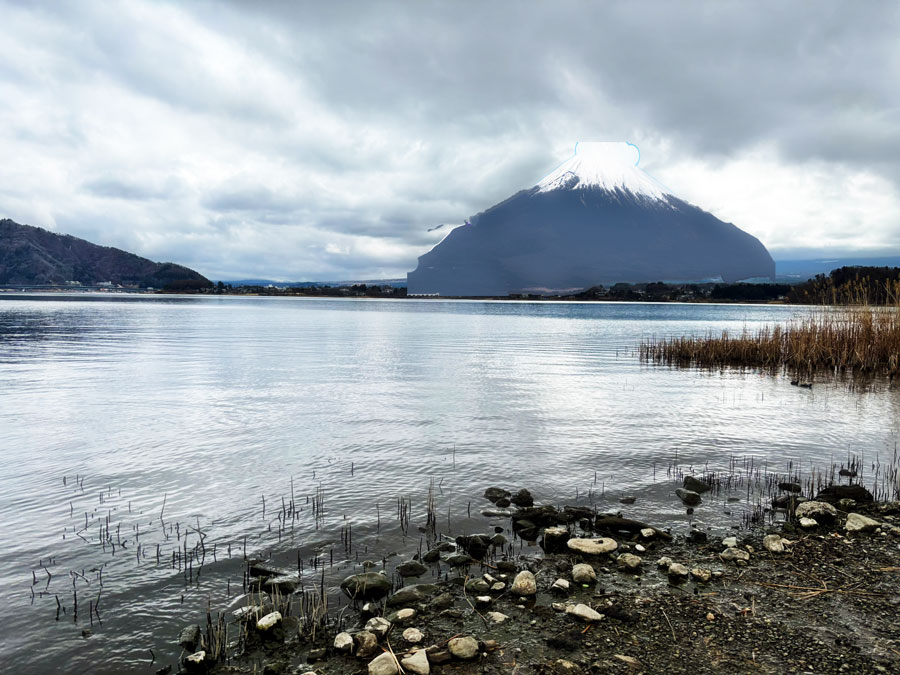
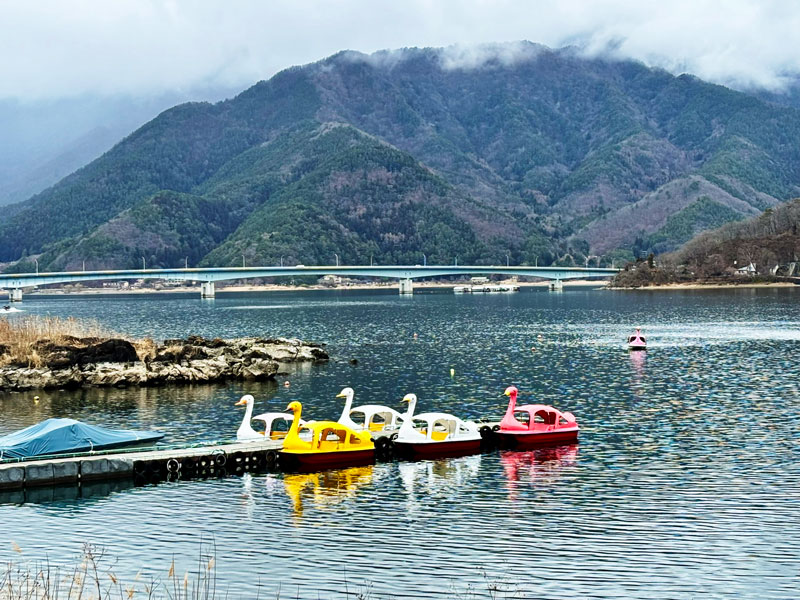
Lake Kawaguchi, literally ‘Estuary Lake’ is located in the southern Yamanashi Prefecture near Mount Fuji. It is the second largest of the Fuji Five Lakes in terms of surface area, and is located at the lowest elevation. It is situated at an altitude of approximately 800 m, which accounts for its relatively cool summers and frequently icy winters. It also has the longest shoreline of any of the Fuji Five Lakes.
The lake is within the borders of the Fuji- Hakone-Izu National Park.
The lake has no natural outlet, and flooding of settlements on its shores was a problem until the construction of a canal, completed in 1914, to connect it to a tributary of the Sagami River.
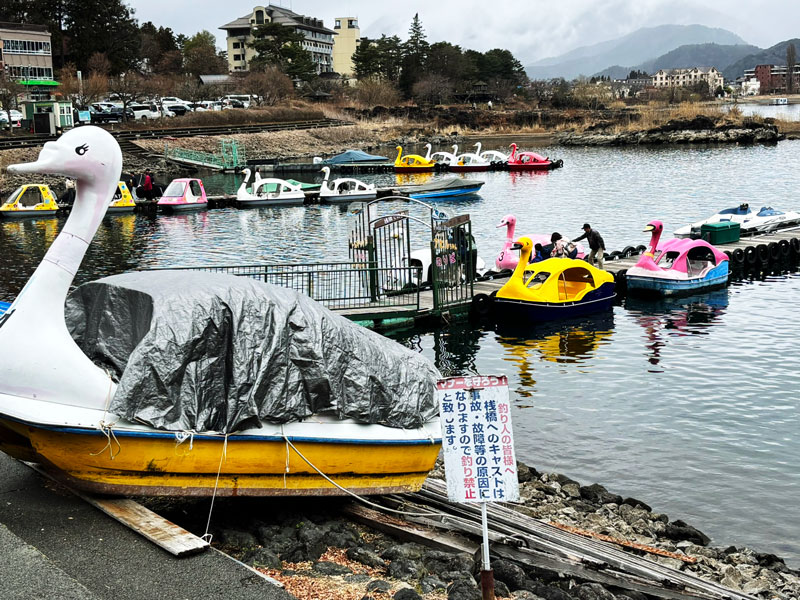
Lake Kawaguchi is the most popular of the Fuji Five Lakes in terms of tourists, and has the most developed tourist infrastructure. The area also serves as a major hub for those wishing to climb Mount Fuji during the climbing season (July and August), and is also popular with photographers due to the panoramic views of the mountain from the shore.




















- -Japan
 s
s 