



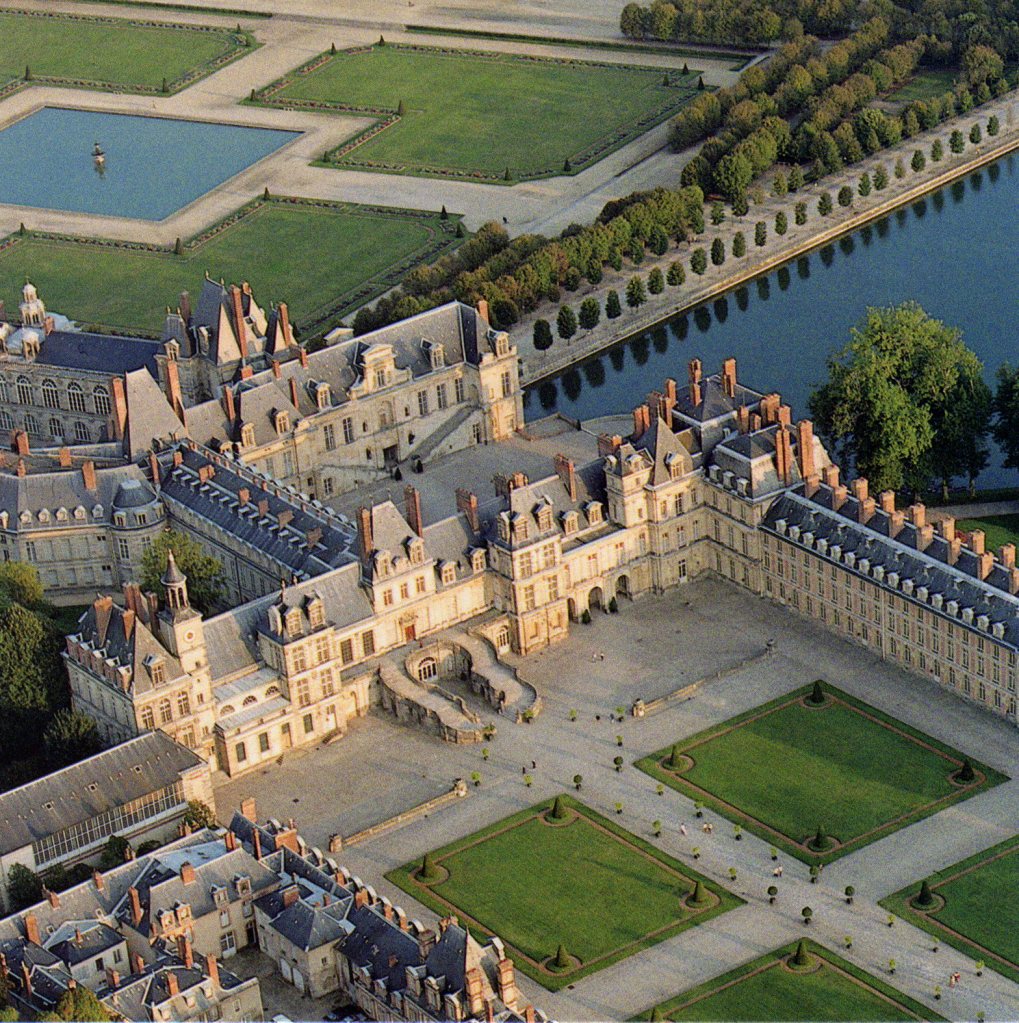
Palace of Fontainebleau, located 55 kilometers southeast of the center of Paris, in the commune of Fontainebleau, is one of the largest French royal palaces.
The medieval castle and subsequent palace served as a residence for the French monarch from Louis VII to Napoleon III. Francis I and Napoleon were the monarchs who had the most influence on the palace as it stands today.
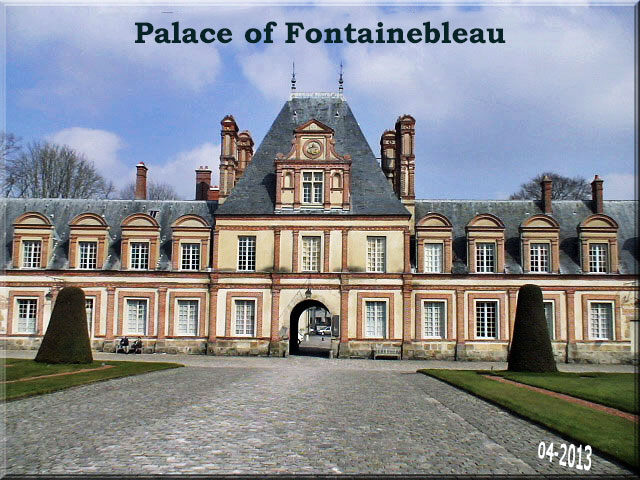
The earliest record of a fortified castle at Fontainebleau dates to 1137. It became a favorite residence and hunting lodge of the Kings of France because of the abundant game and many springs in the surrounding forest. It took its name from one of the springs, the fountain de Bliaud, located now in the English garden, next to the wing of Louis XV.
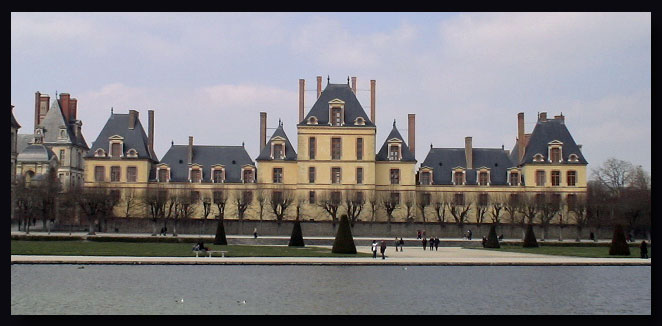
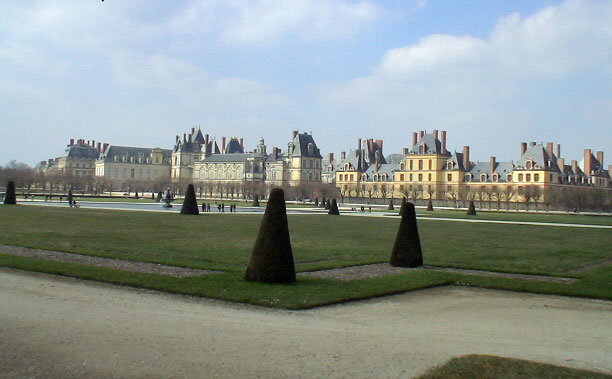
It was used by King Louis VII , for whom Thomas becket consecrated the chapel in 1169; by Philip I; by Louis IX , who built a hospital and a monastery, the Couvent des Trinitaires, next to the castle; and by Philip IV, who was born and died in the castle.
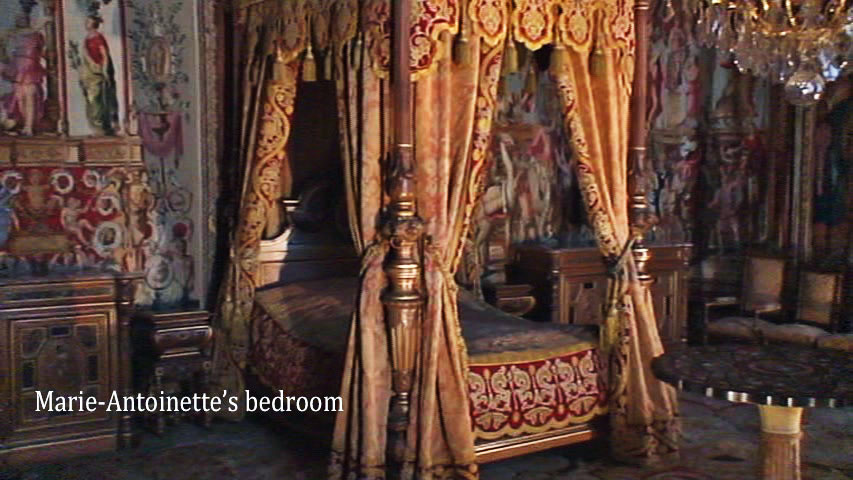
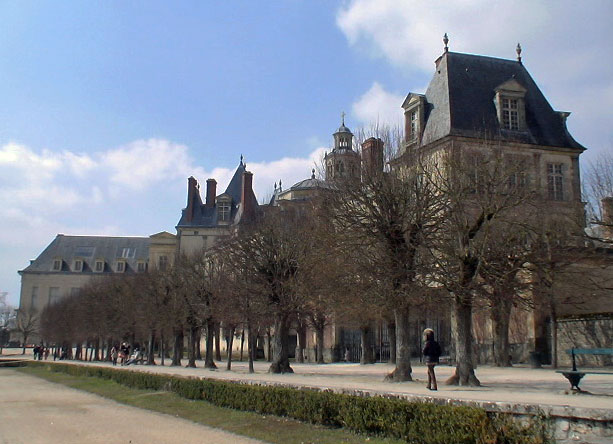
Napoleon’s visits to Fontainebleau were not frequent, because he was occupied so much of the time with military campaigns. Between 1812 and 1814, the château served as a very elegant prison for Pope Pius VII. On 5 November 1810, the chapel of the château was used for the baptism of Napoleon’s nephew, the future Napoleon III , with Napoleon serving as his godfather, and the Empress Marie-Louis as his godmother.
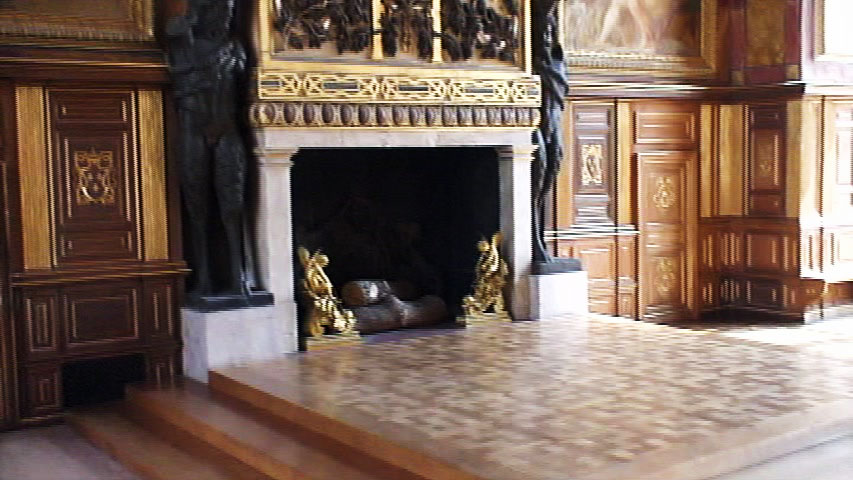
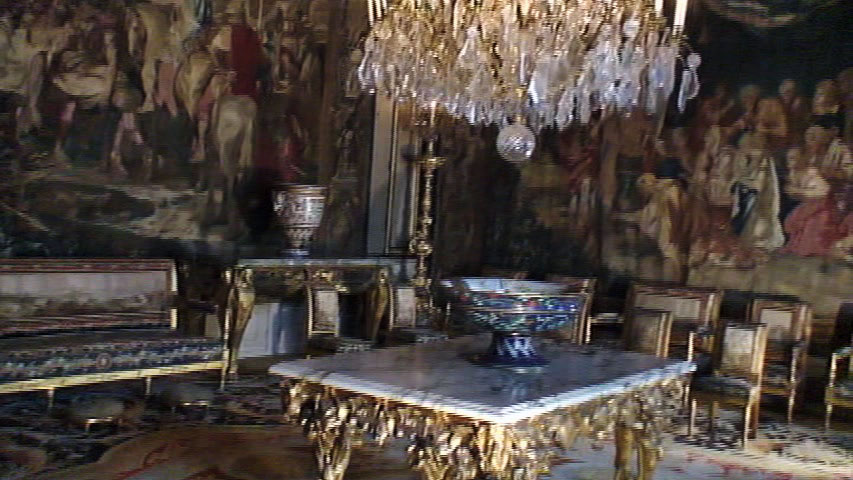
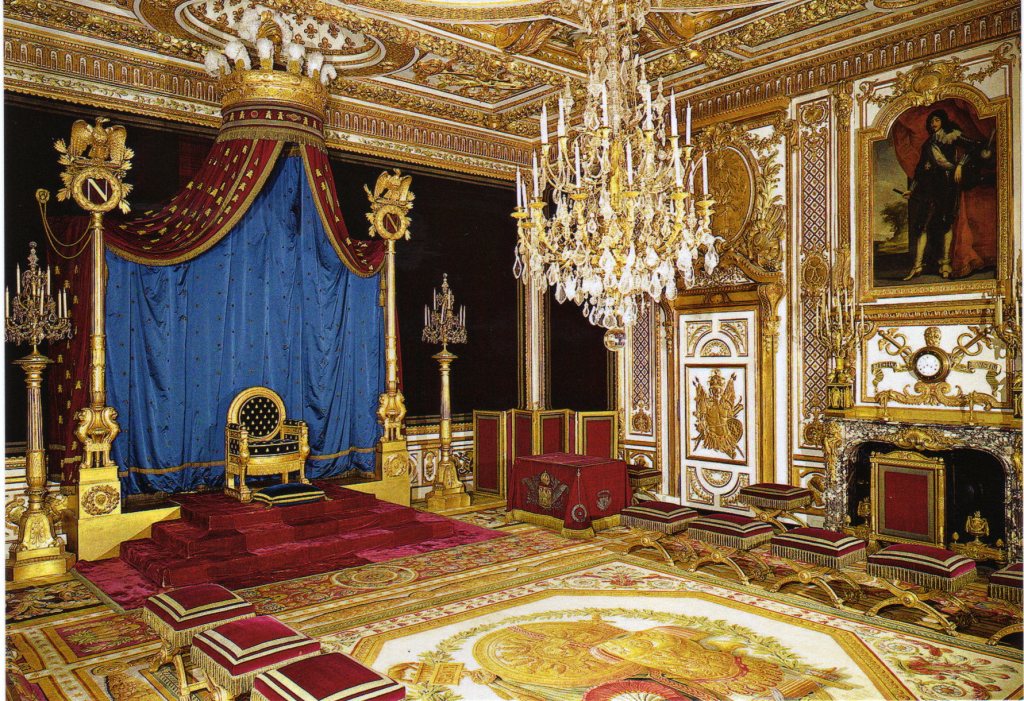
During the French Revolution the Château did not suffer any significant damage, but all the furniture was sold at auction. The buildings were occupied by the Central School of the Department of Seine-et-Marne , until 1803, when Napoleon installed a military school there. As he prepared to become Emperor, Napoleon wanted to preserve as much as possible the palaces and protocol of the Old Regime.
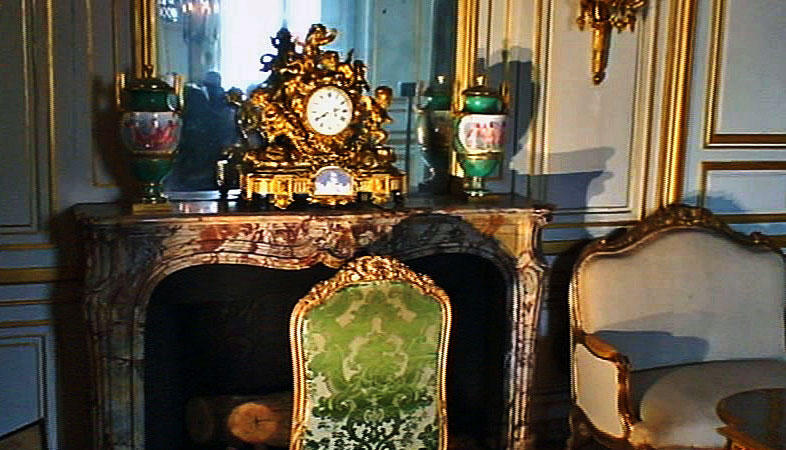
Napoleon spent the last days of his reign at Fontainebleau, before abdicating there on 4 April 1814.
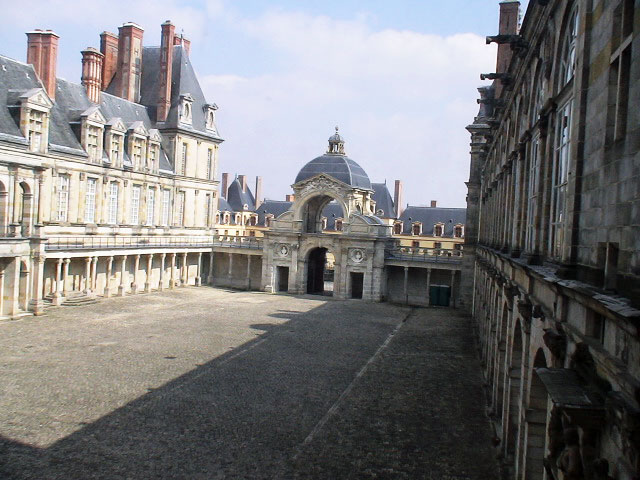
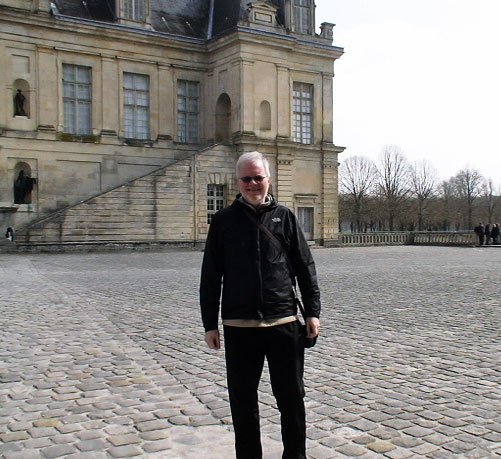
On 20 April, after failing in an attempt to commit suicide, he gave an emotional farewell to the soldiers of the Old Guard , assembled in the Court of Honor.
Later, during the Hundred Days , he stopped there on 20 March 1815.
In his memoirs, written while in exile on Saint- Helena , he recalled his time at Fontainebleau; “…the true residence of Kings, the house of the centuries. Perhaps it was not a rigorously architectural palace, but it was certainly a place of residence well thought out and perfectly suitable. It was certainly the most comfortable and happily situated palace in Europe.”


 s
s 