


Updated
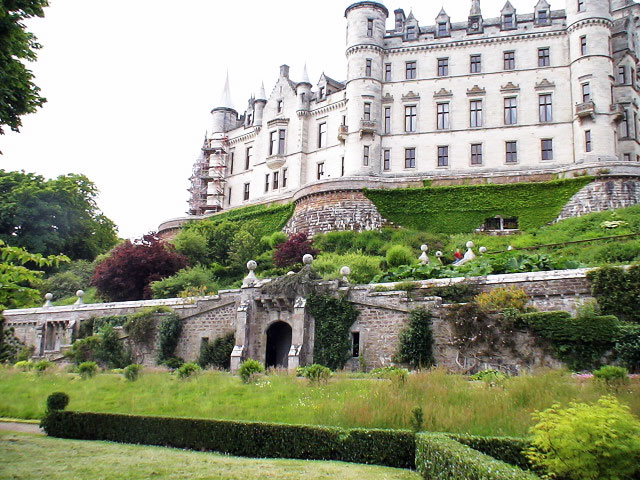
Dunrobin Castle (07-2025)
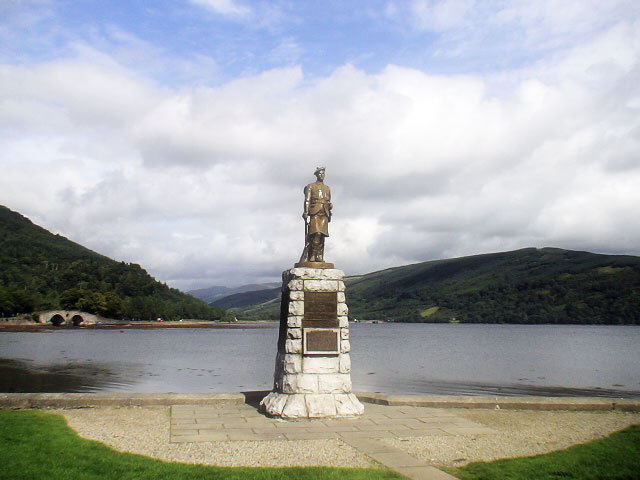
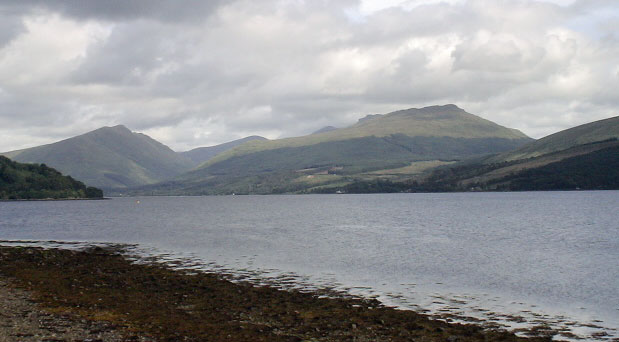
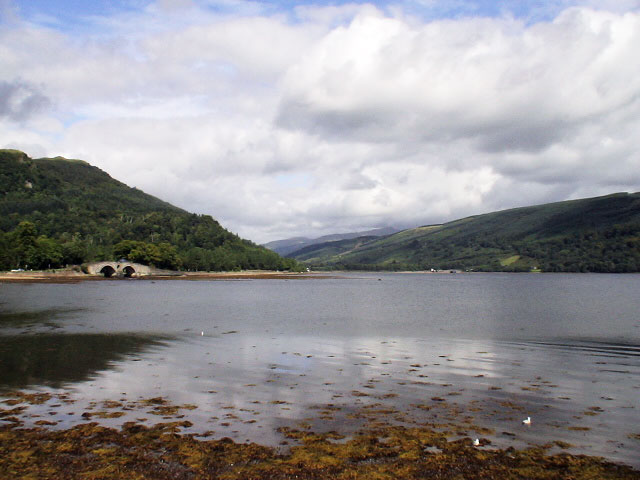
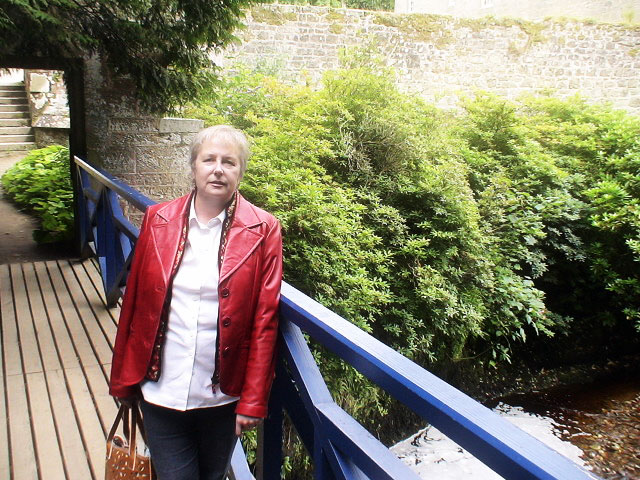
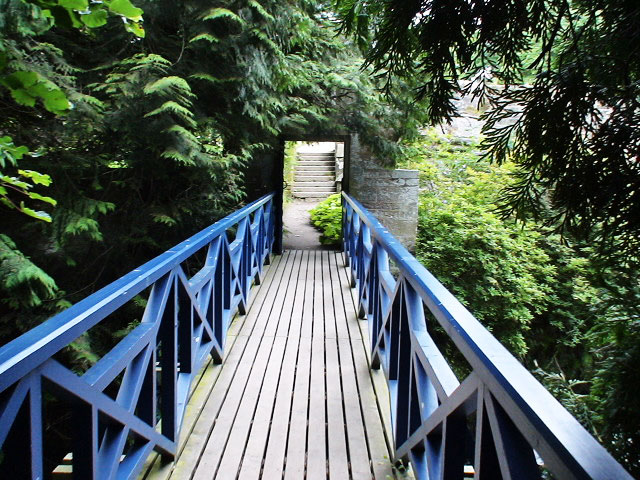
Inverary Bridge on Loch Fyne (pictured on the left)
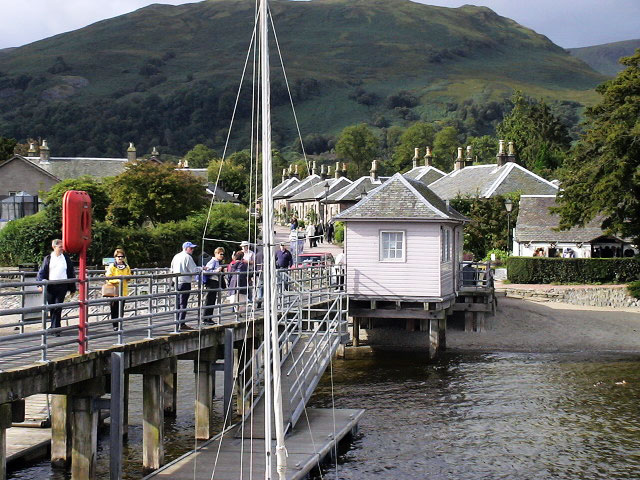
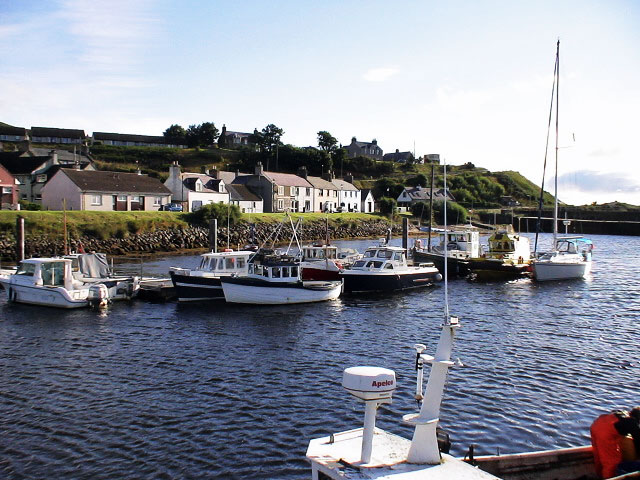
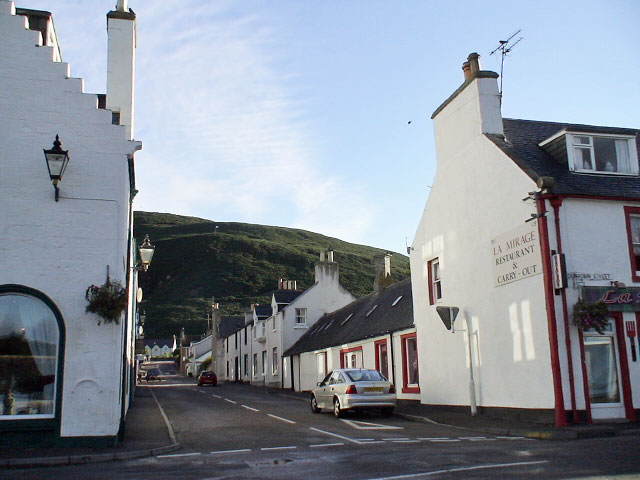

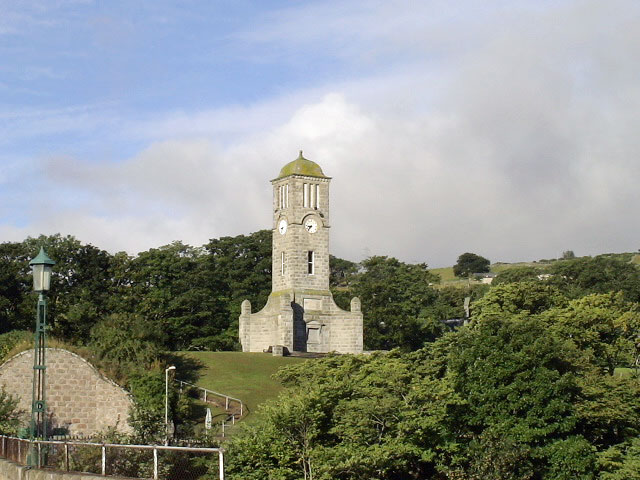
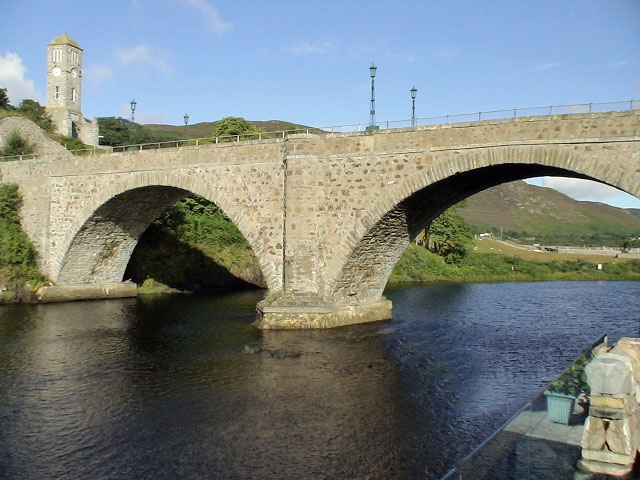
Inveraray is a town located on the western shore of Loch Fyne near its head. It is the traditional county town of Argyll and ancestral home to the Duke of Argyll.
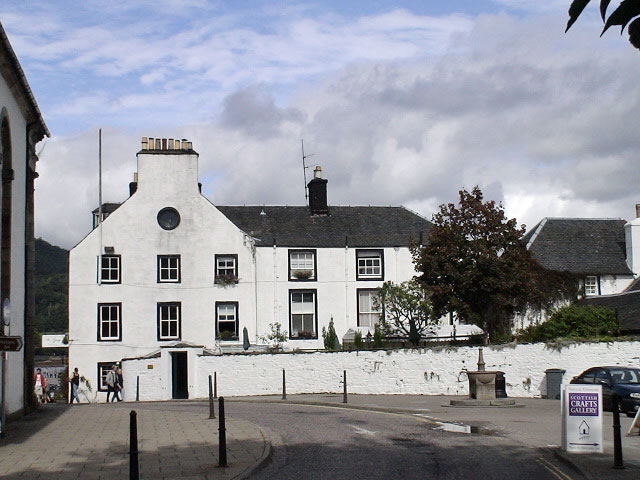
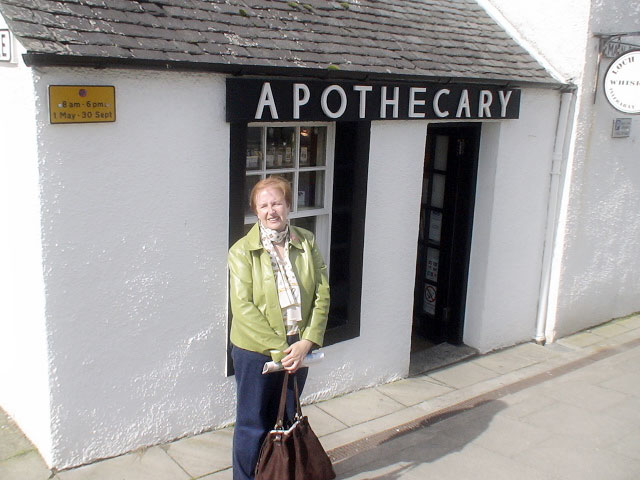
Much of the town, including the church, was designed and built by the Edinburgh-born architect Robert Mylne between 1772 and 1800.
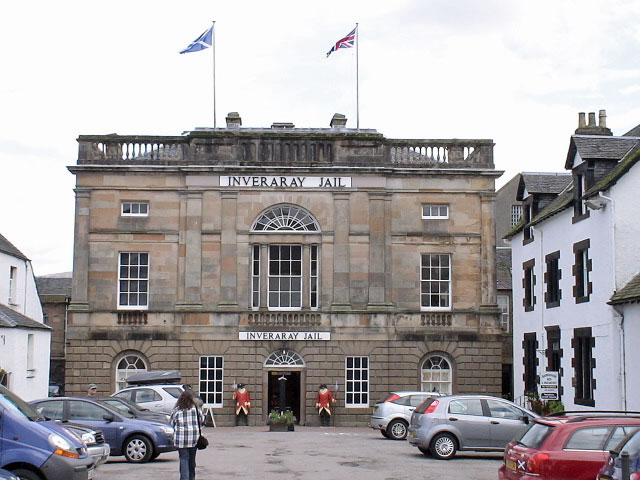
Its distinctive white buildings on the loch shore make it photogenic. The Georgian Inverary Jail (pictured below) in the burgh is now a museum.
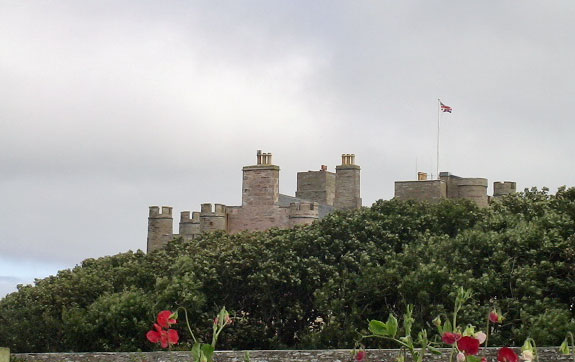
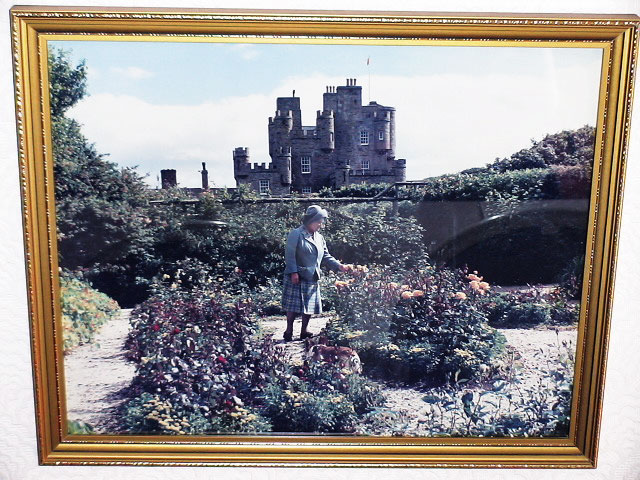
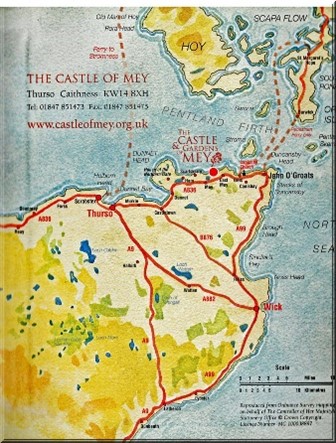
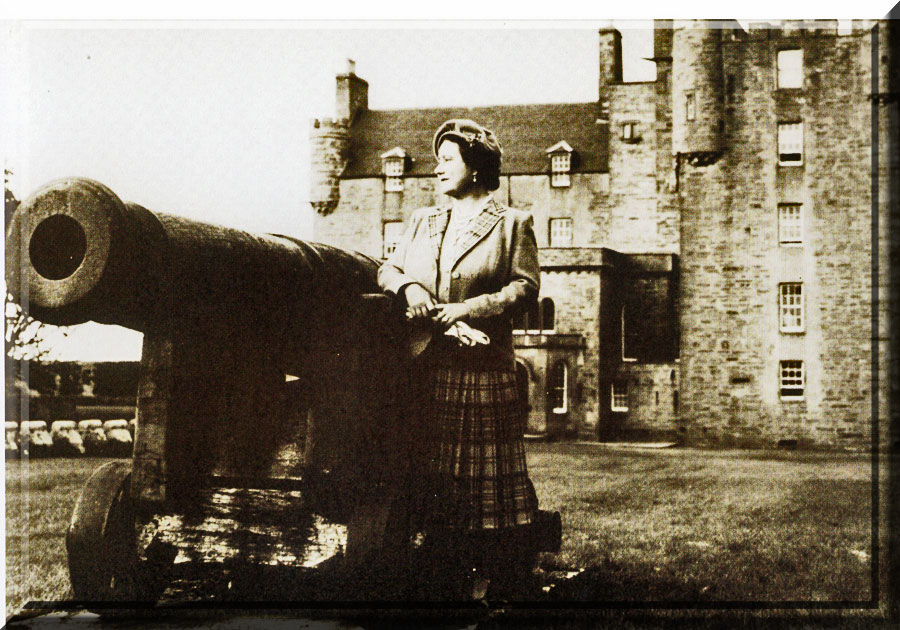
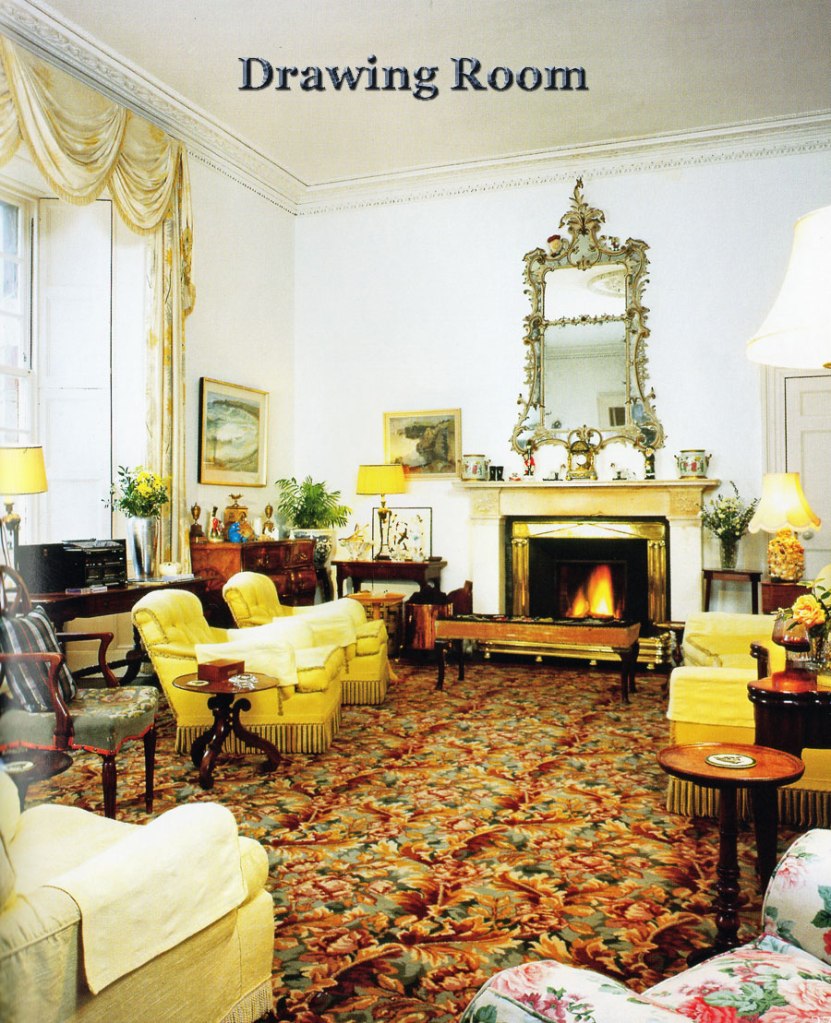
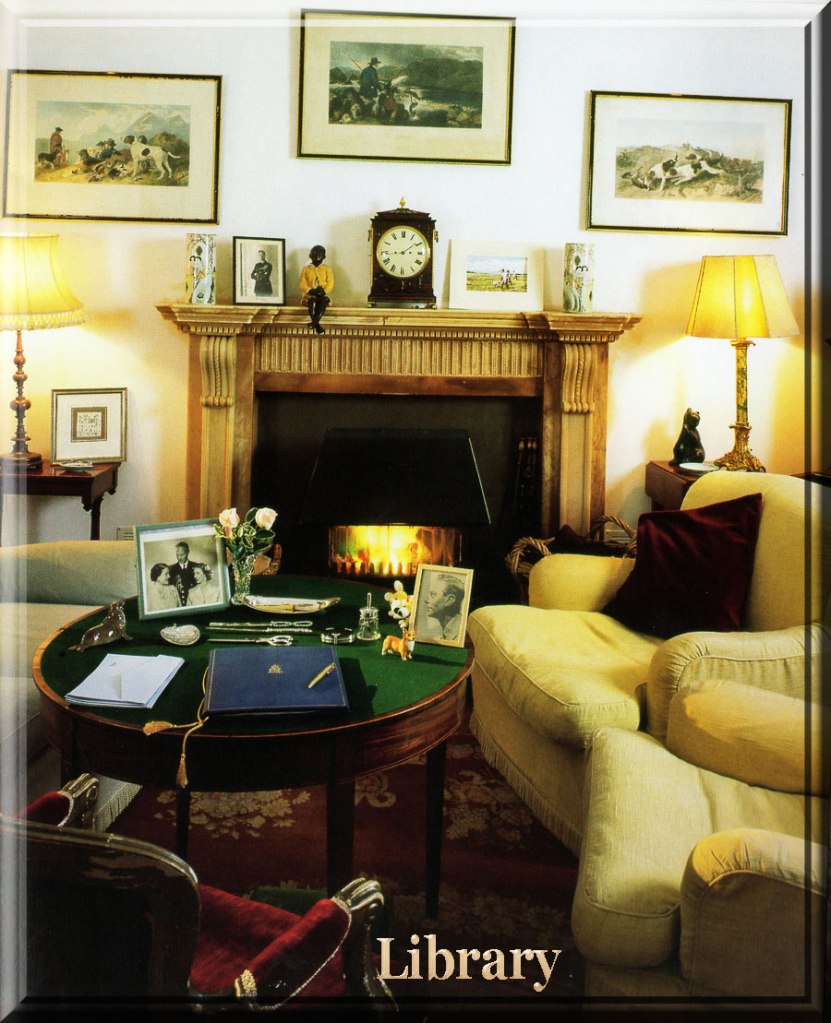
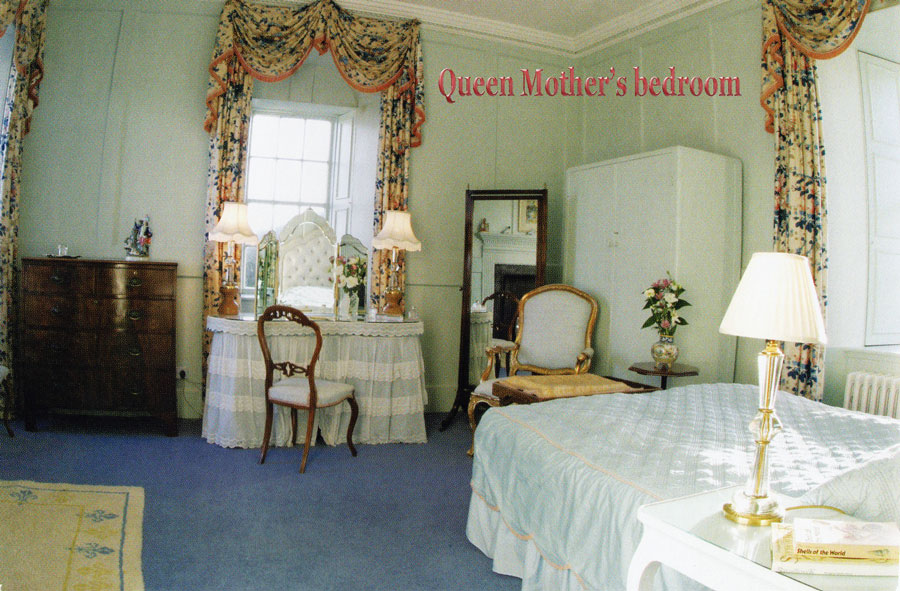
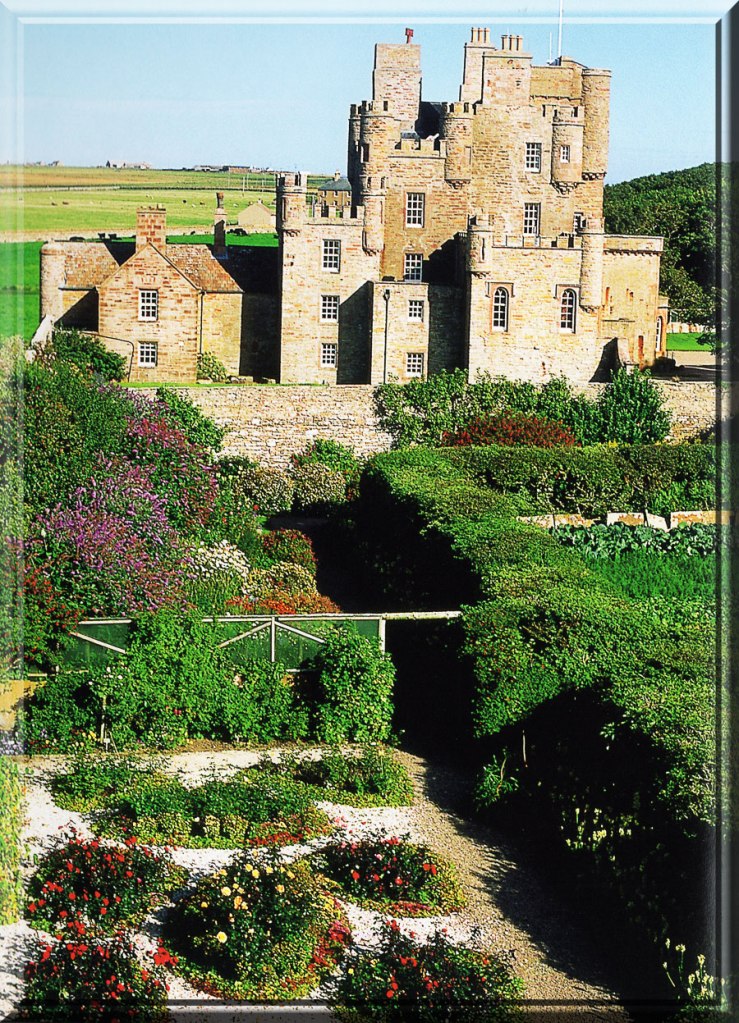
The Castle of Mey in Caithness, Scotland
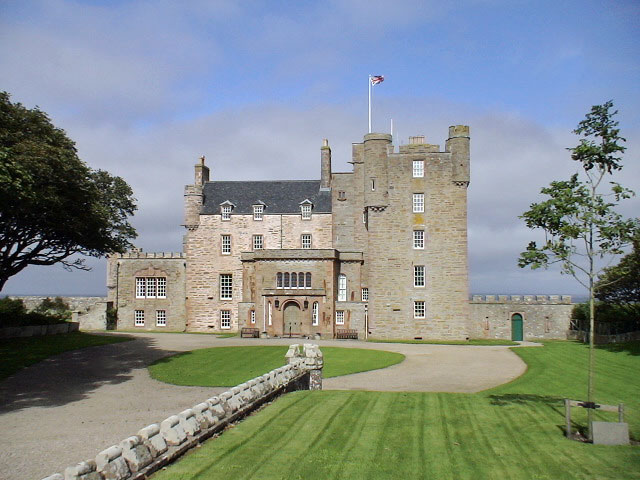
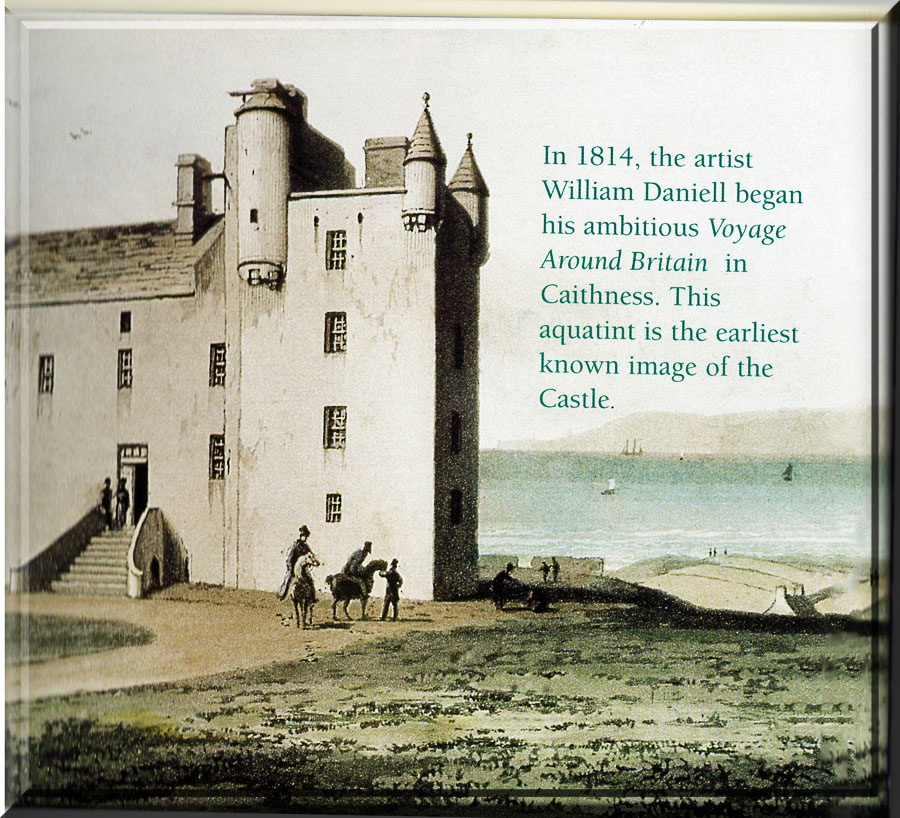
The Castle was built by George, 4th Earl of Caithness, who passed it to his second son, William Sinclair. On his death a short time later, it went to the third son, George Sinclair,
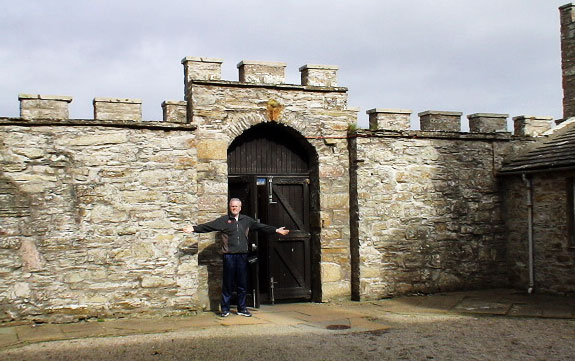
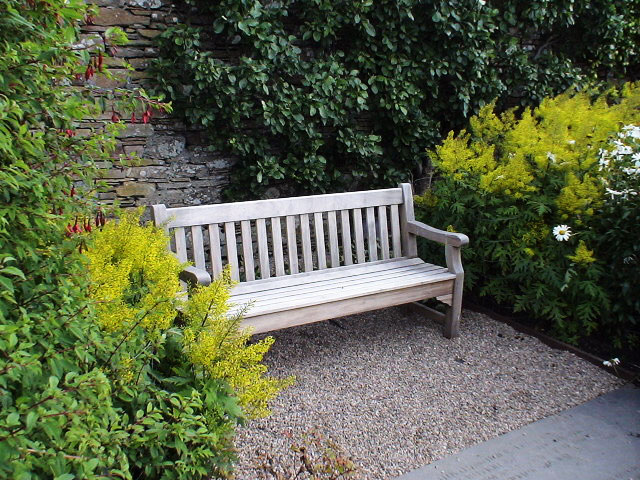
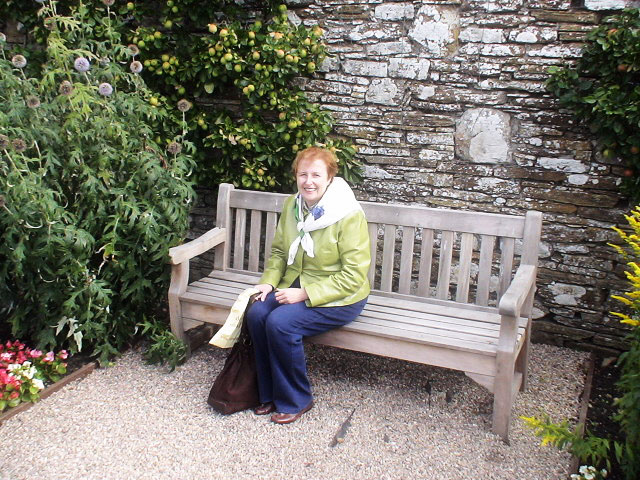
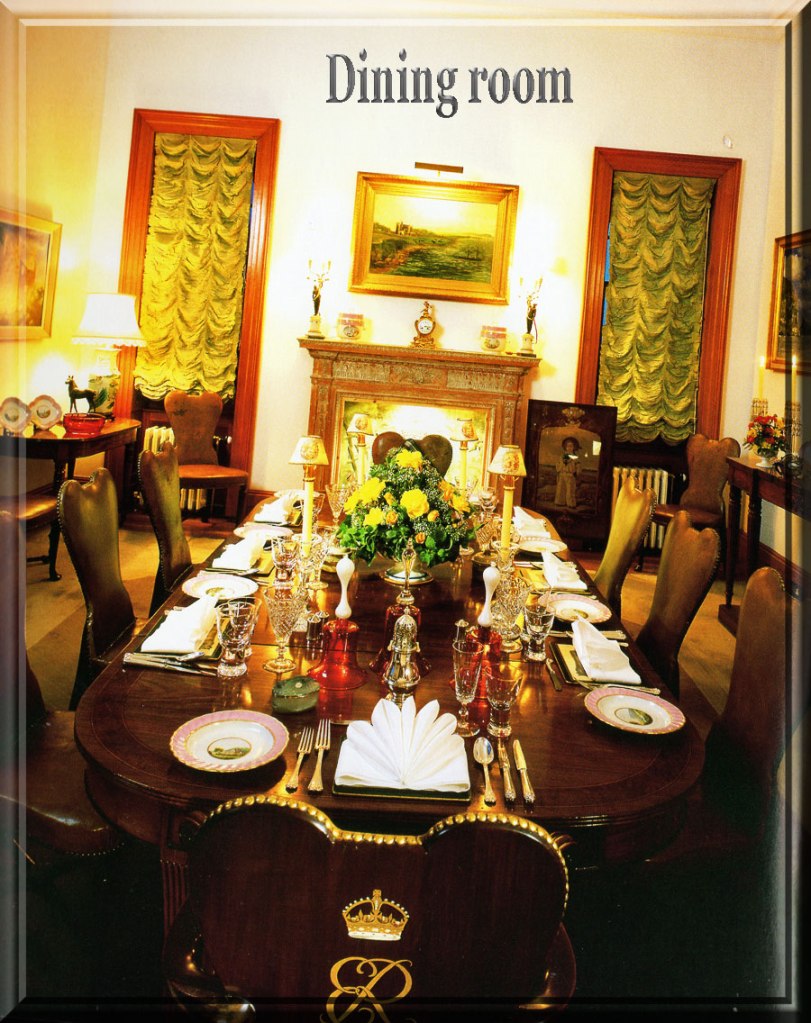
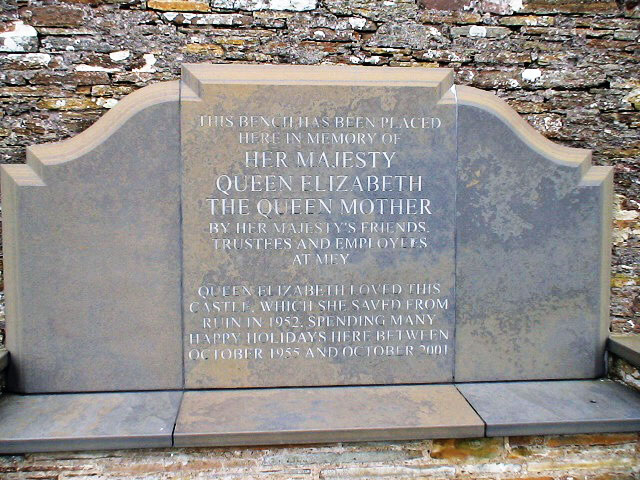
The Castle became the seat of the Earls of Caithness for the next 100 years. Originally known as the Castle of Mey, the name was then altered to Barrogill Castle. It changed hands several times over the next fifty years before coming into the possession of Captain F B Imbert-Terry in 1929, who subsequently sold it to the Queen Mother in 1952.
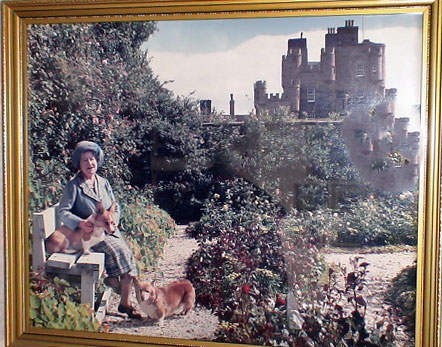
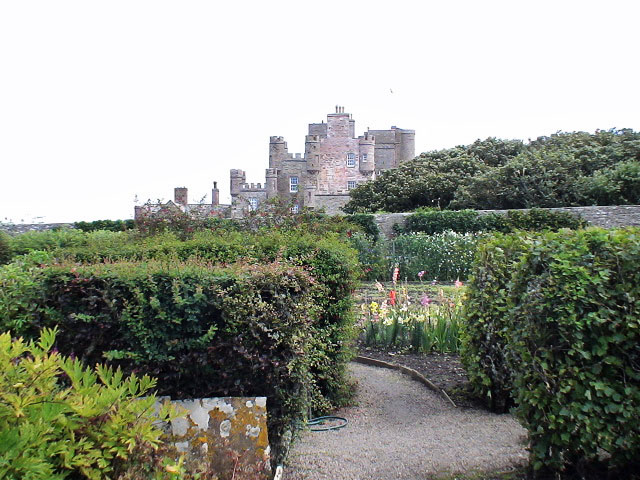
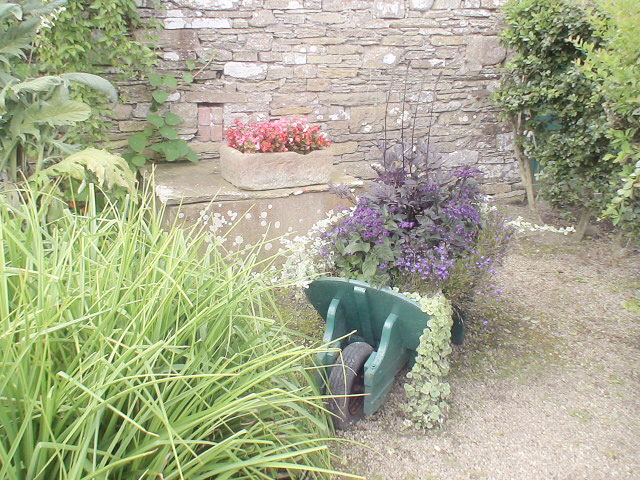
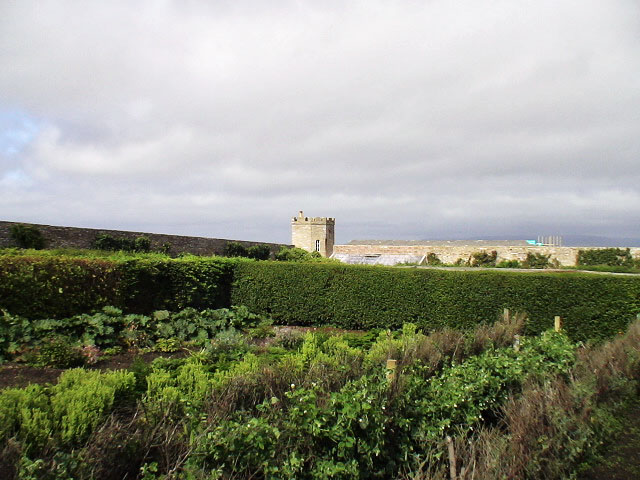
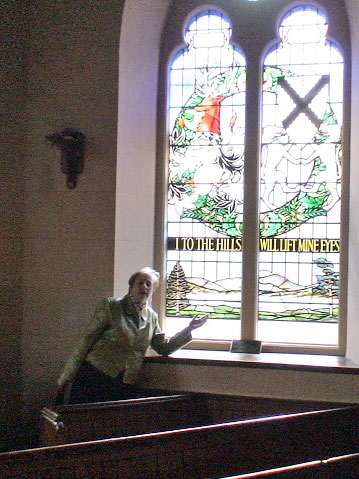
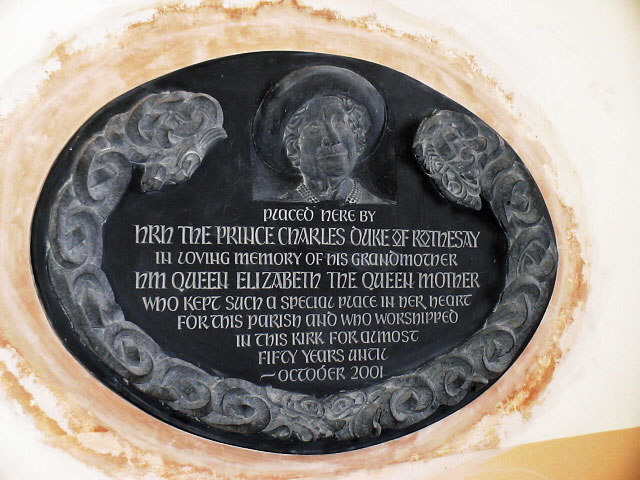
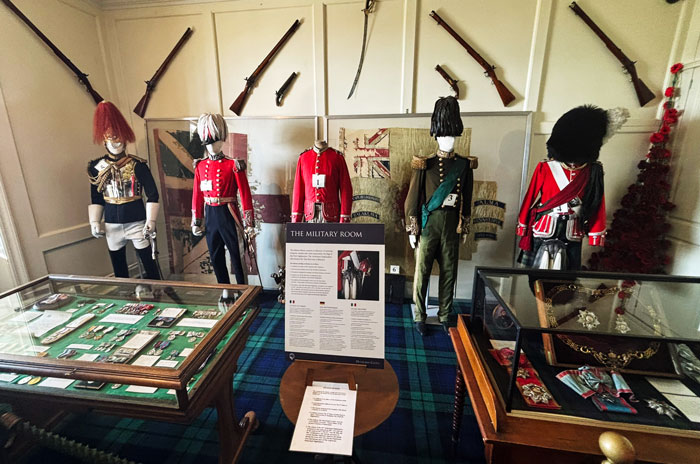
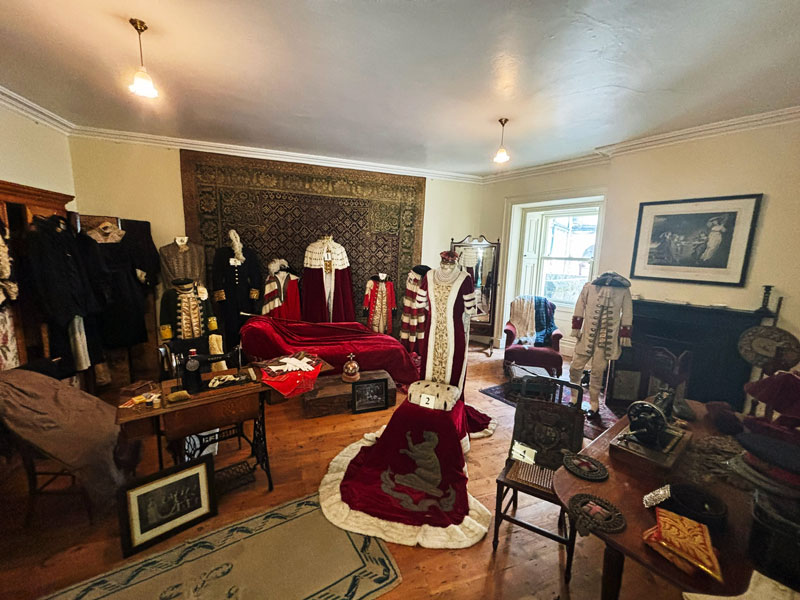
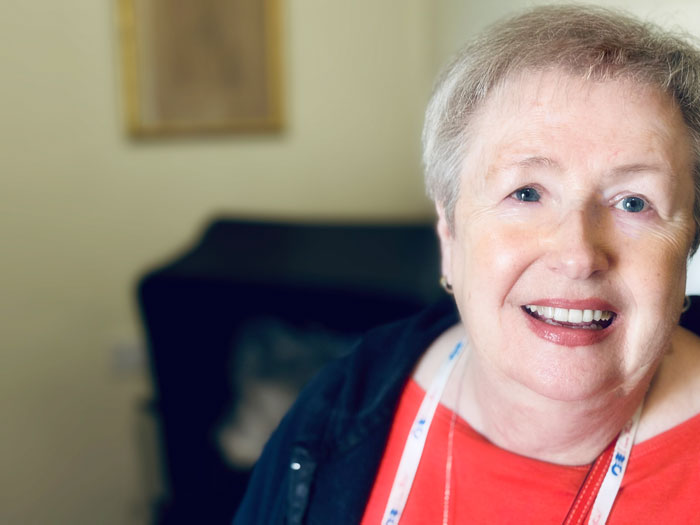
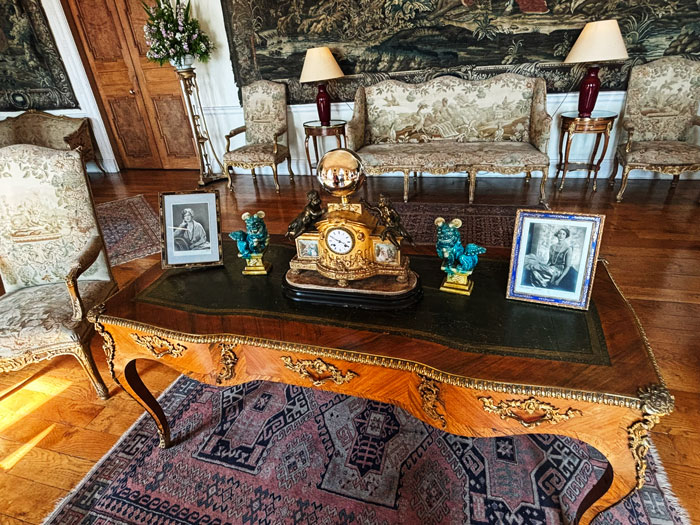
The tour of the castle was conducted by her former staff members who shared with us a number of personal stories about the Queen Mother. She had parties almost every day. Prince Charles still visits the place on occasion. It was enjoyable visit to a castle only recently opened to the public.
Clan Donald
The Massacre of Glencoe occurred in Glen Coe in the early morning of 13 February, 1692.
The massacre began simultaneously in three settlements along the glen—Invercoe, Inverrigan, and Achacon—although the killing took place all over the glen as fleeing MacDonalds were pursued. Thirty-eight MacDonalds from the Clan MacDonald of Glencoe were killed by the guests who had accepted their hospitality, on the grounds that the MacDonalds had not been prompt in pledging allegiance to the new king, William of Orange. Another forty women and children died of exposure after their homes were burned.
Judy’s heritage… The search for her Clan begins…
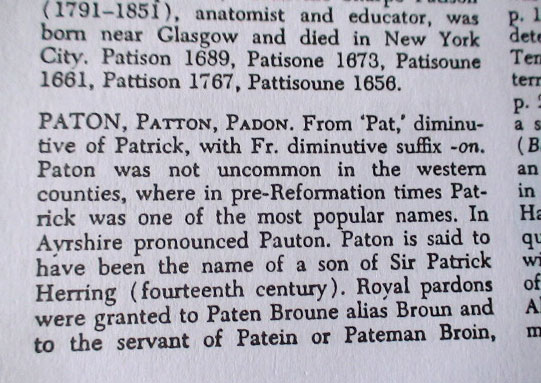
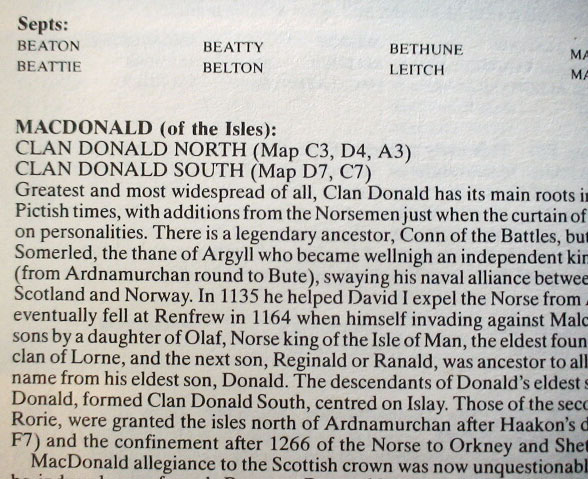
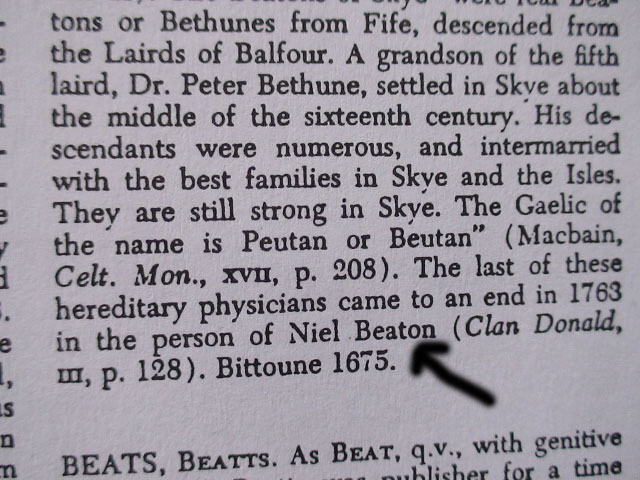
Patton in Gaelic is Beaton… She has Macbeth blood in her…
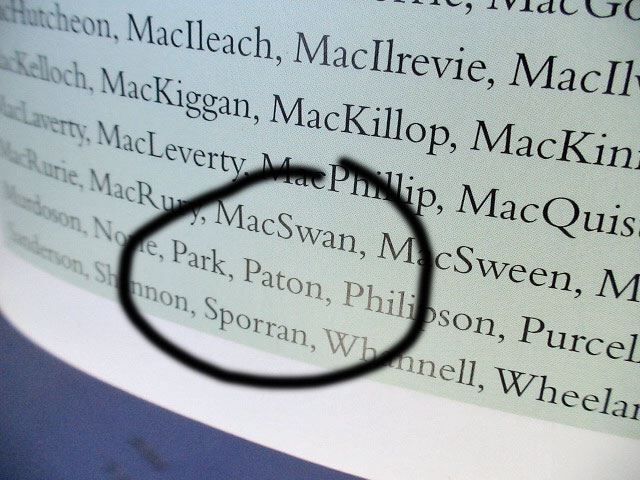
Judy’s tartan colours… The same tartan as Prince Charles.


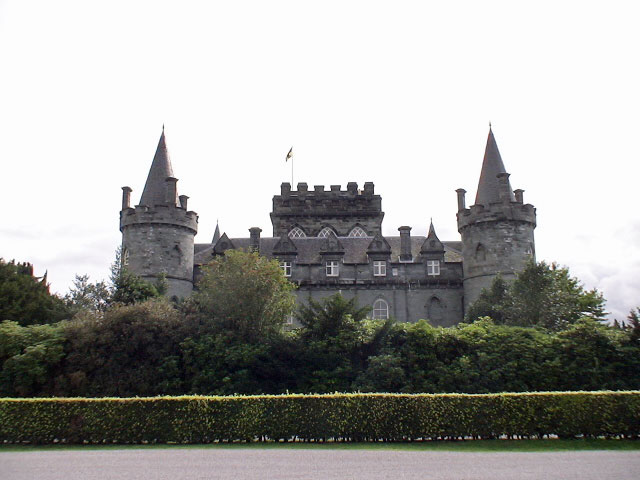
Glamis Castle is the home of the Earl and Countess of Starthmore and Kinghorne and is open to the public. Glamis Castle was the childhood home of Elizabeth Bowes-Lyon, best known as the Queen Mother. Her second daughter, Princess Margaret, was born there.
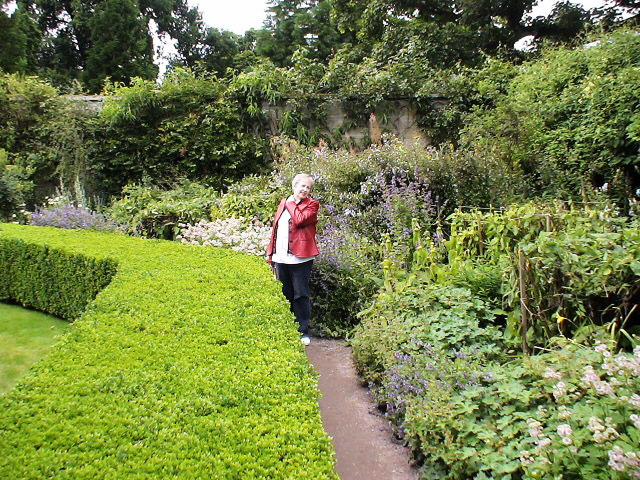
I know that some of you might be thinking: “Just another castle”, but we just love visiting them for the wealth of history in the. (Not to mention the beautiful gardens)
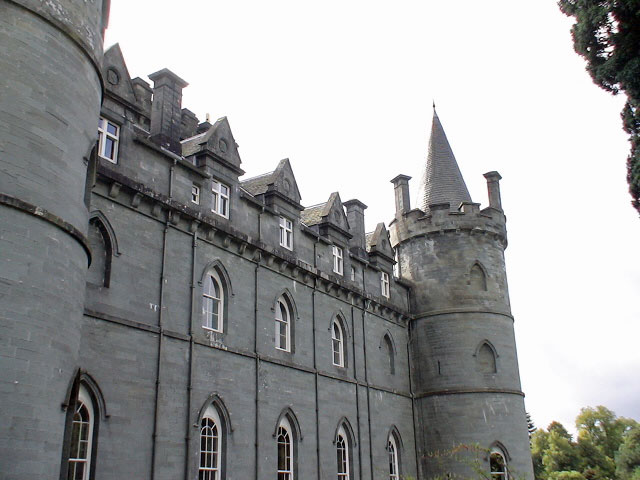
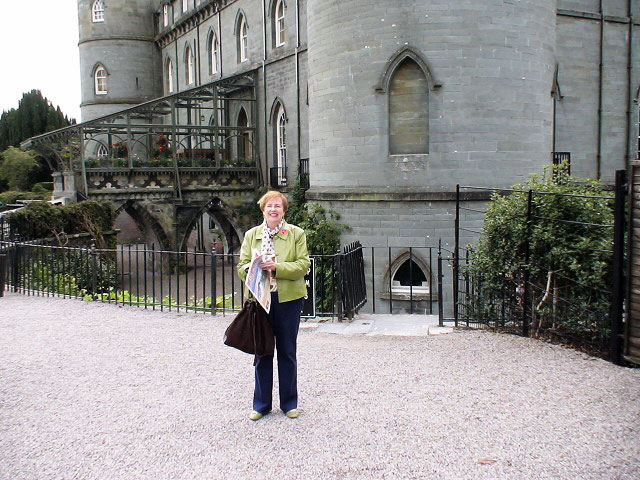
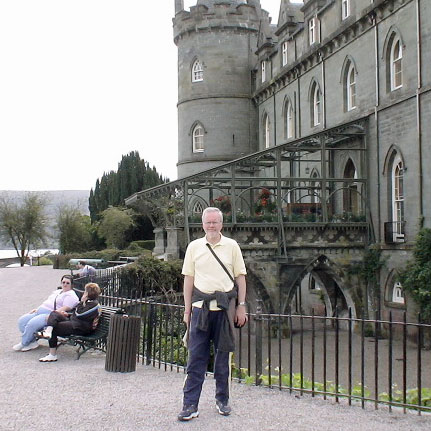
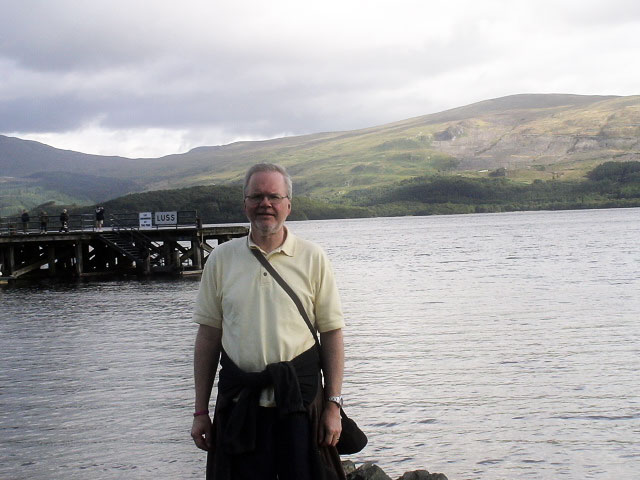
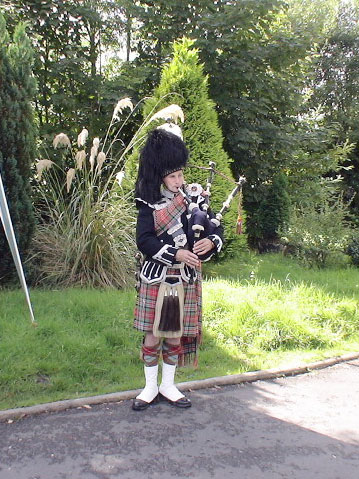
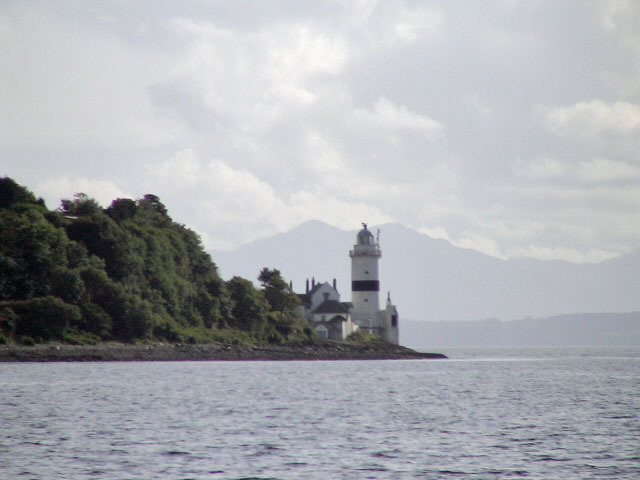
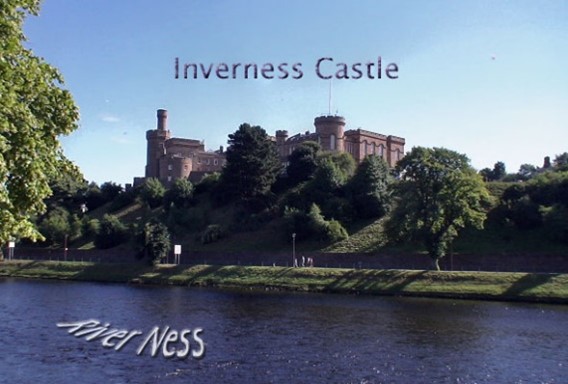
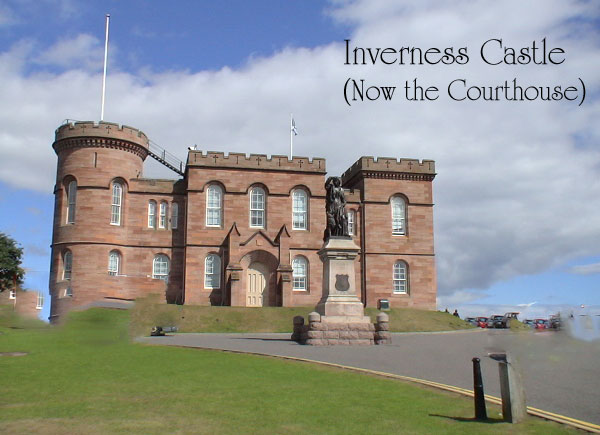
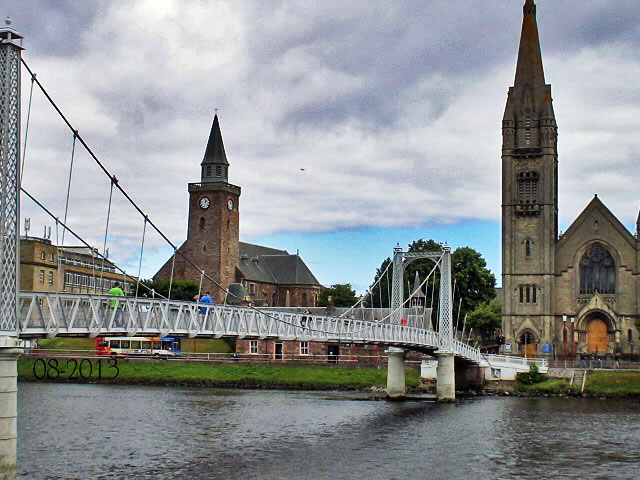
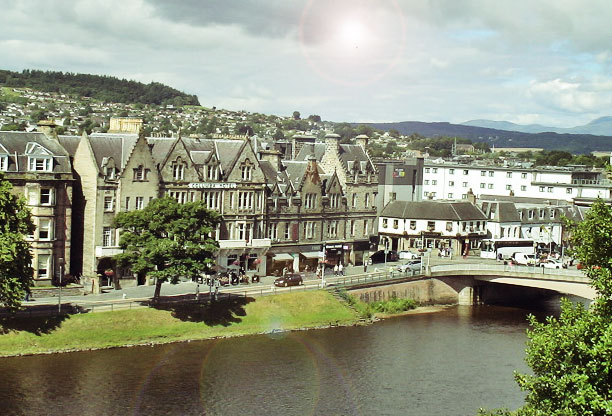
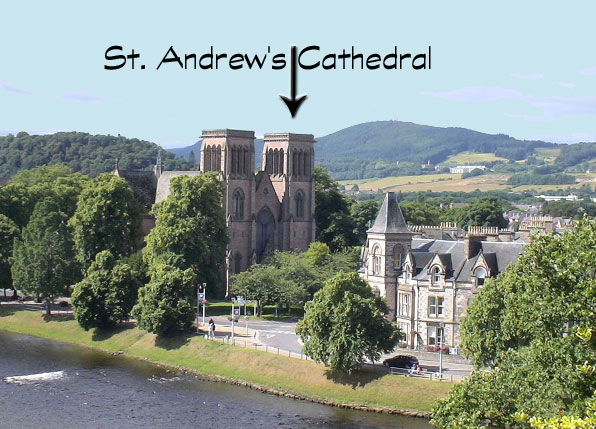
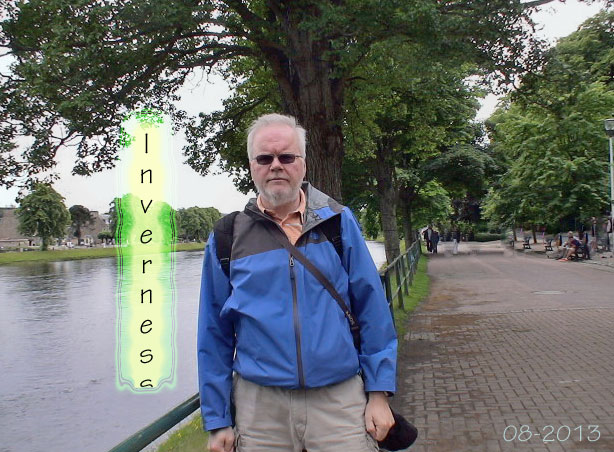
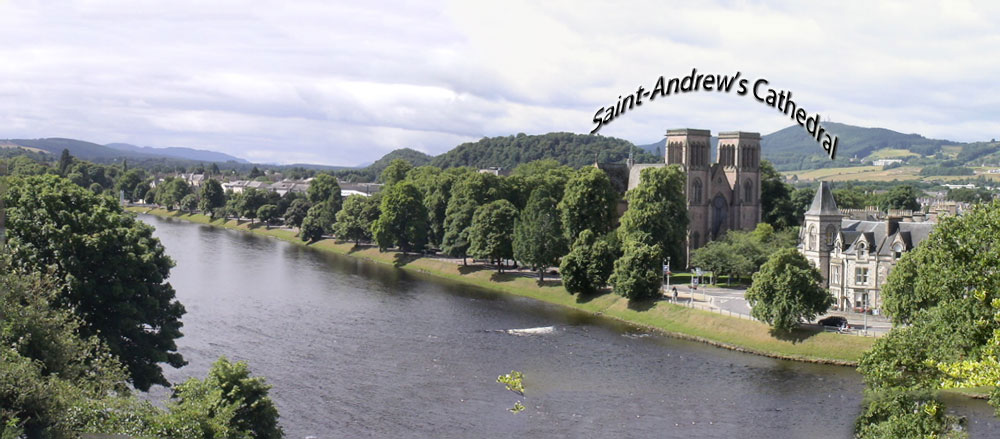
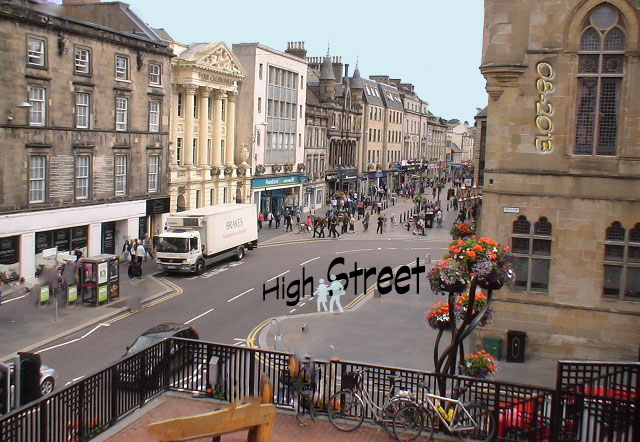
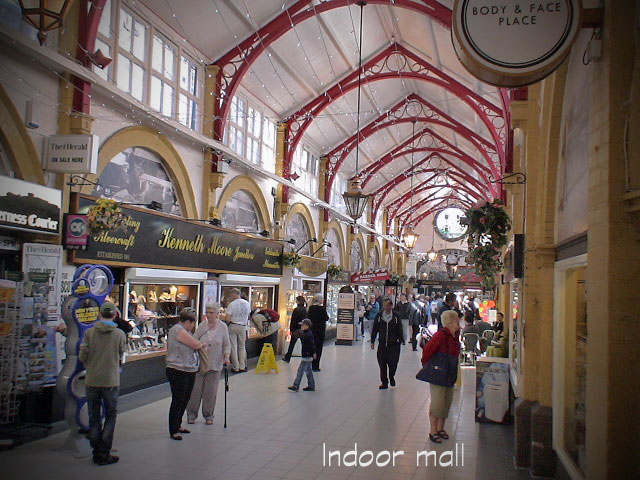
Inverness is a city in the Scottish Highlands.
It was one of the chief strongholds of the Picts, and in AD 565 was visited by St-Columba with the intention of converting the Pictish king Brude, A 93 oz (2.6 kg) silver chain dating to 500-800 was found just to the south at Torvean in 1983.

Invergordon
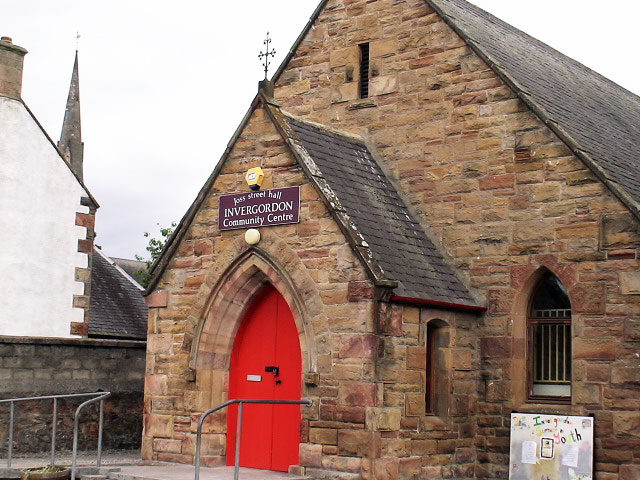
Invergordon is a town and port in Easter Ross.
A naval base in the early 20th century, evidence of which remains in the tank farm lying behind the town centre, which used to contain fuel oil and water for admiralty ships, and the Admiralty Pier, where once warships docked, and which is now used for cruise ships in the summer and oil field support vessels through the year.
A little Scottish town. We had some tea and biscuits at the local church.
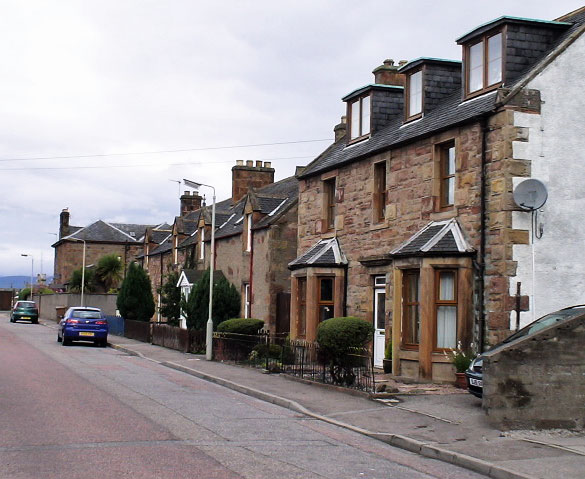
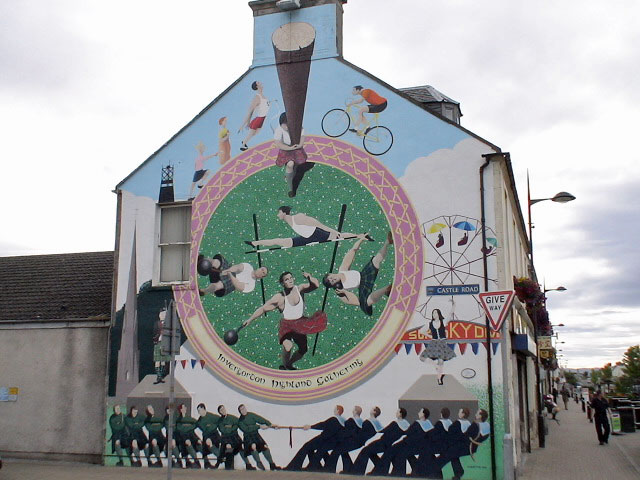
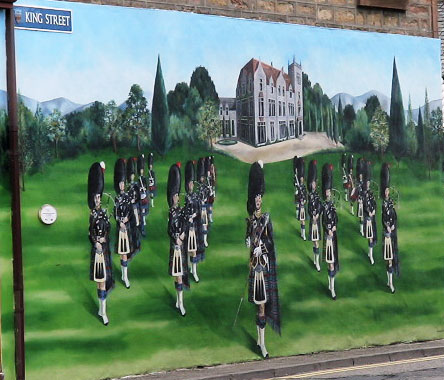
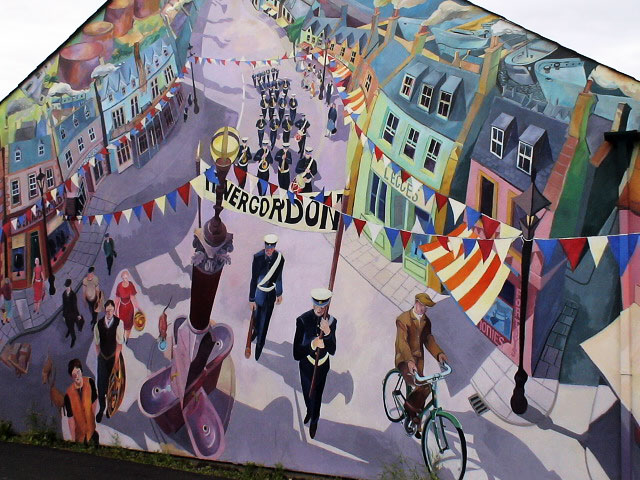
More murals in Invergordon
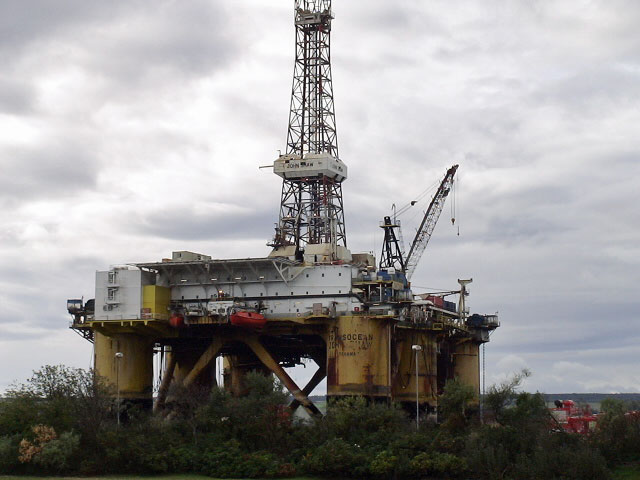
Oil rig being repaired. It will them be floated back to the North Sea.
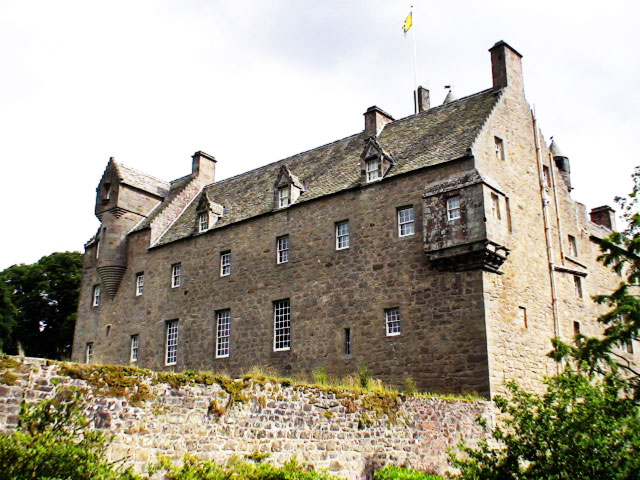
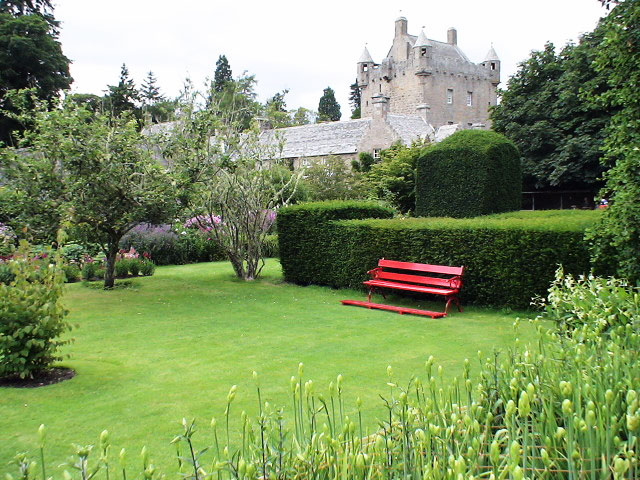
Cawdor Castle
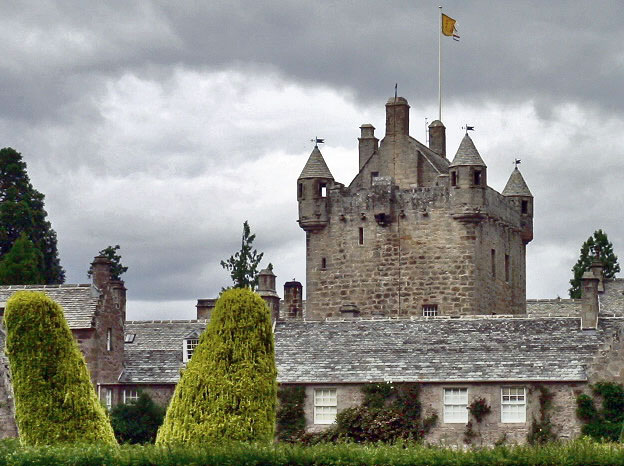
Cawdor Castle is a tower house set amid beautiful gardens in the parish of Cawdor. It belonged to the Clan Calder. The castle is perhaps best known for its literary connection to William Shakespeare’s tragedy Macbeth, the title character of which was made Thane of Cawdor. However, the story is highly fictionalised, and the castle itself was built many years after the events of the play.
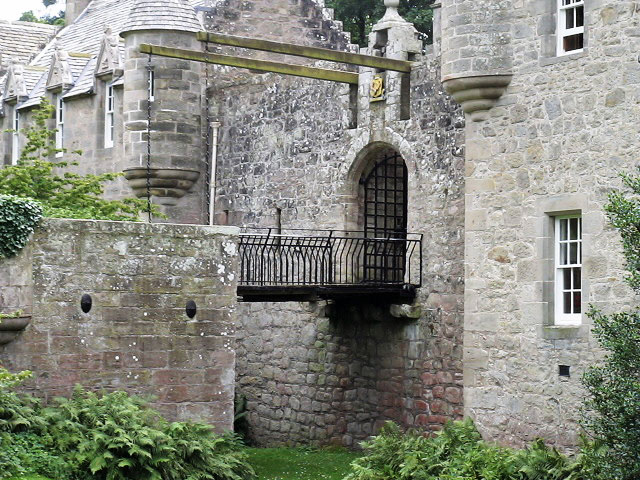
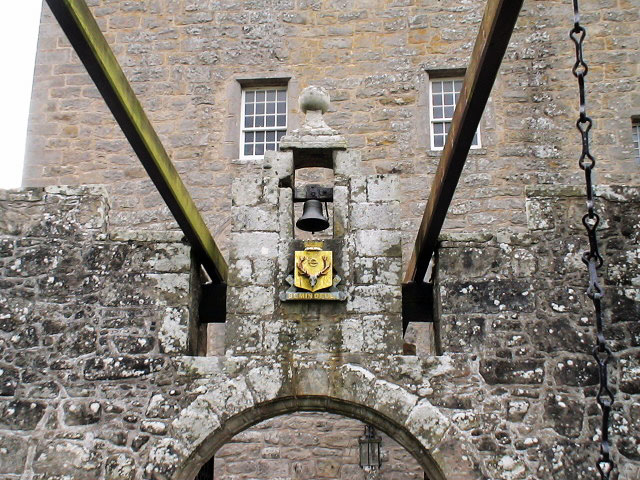
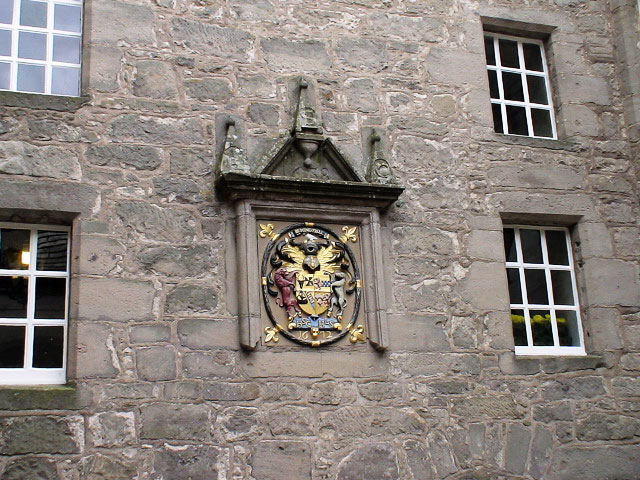
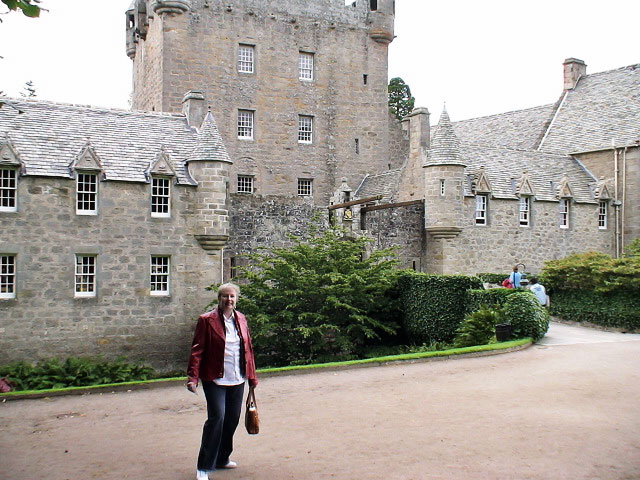
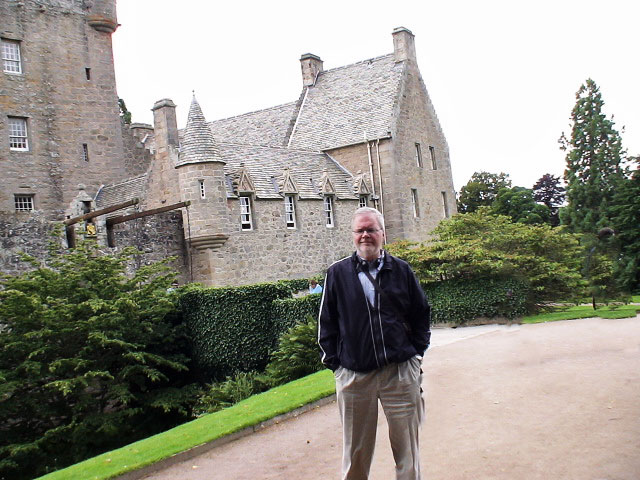
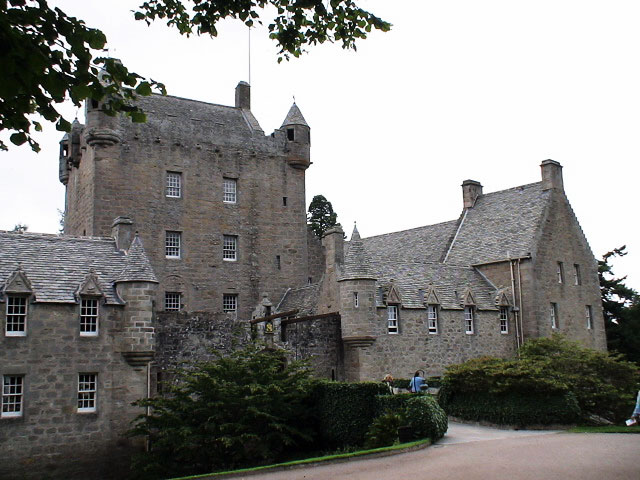
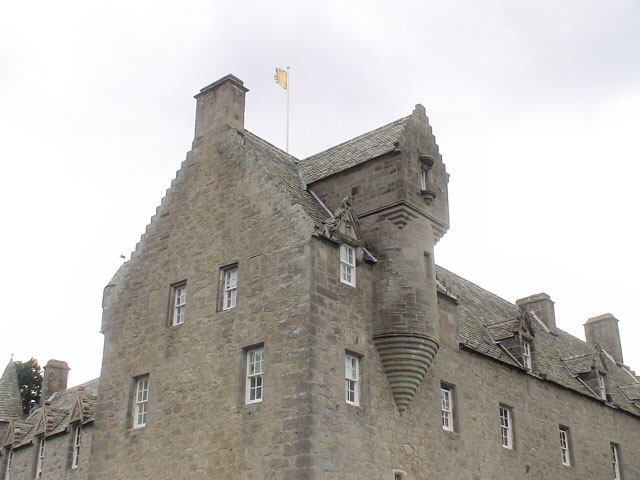
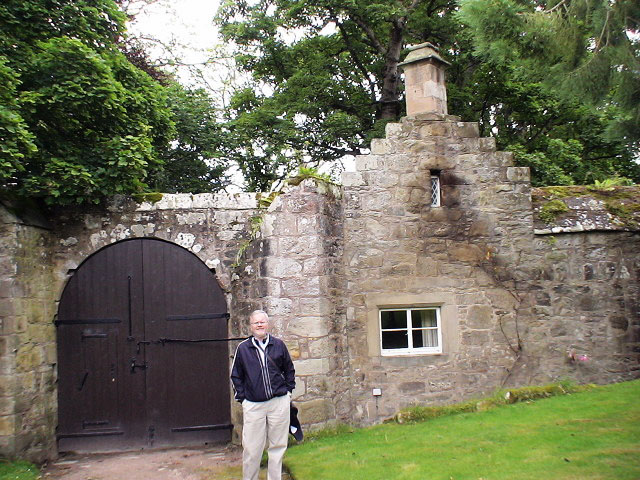
Architectural historians have dated the style of stonework in the oldest portion of the castle to approximately 1380.
The Battle at Cullonden
The Battle of Culloden (16 April 1746) was the final clash between the French-supported Jacobites and the Hanoverian British Government in the 1745 Jacobite Rising. Culloden brought the Jacobite cause—to restore the House of Stuart to the throne of the Kingdom of Great Britain —to a decisive defeat.
The aftermath of the battle was brutal and earned the victorious general the nickname “Butcher” Cumberland. Charles Edward Stuart eventually left Britain and went to Rome, never to attempt to take the throne again. Civil penalties were also severe. New laws attacked the Highlanders’ clan system, and Highland dress was outlawed.
A Lieutenant Wolfe was also at that battle. He would soon leave for the New World and die as General Wolfe at the famous battle at Les Plaines D’abraham in Quebec, Canada.
The Blue line: The Jacobite forces
The Red line: The British forces
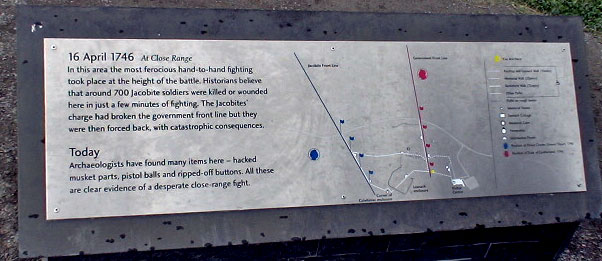
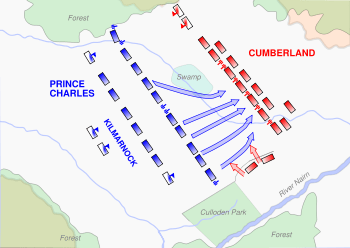
In a total of about 60 minutes the duke was victorious, around 1,250 Jacobites were dead, a similar number were wounded, and 558 prisoners (336 Scots and Irish as well as 222 Frenchmen) were taken. Cumberland had about 52 dead and 259 wounded among his government forces.
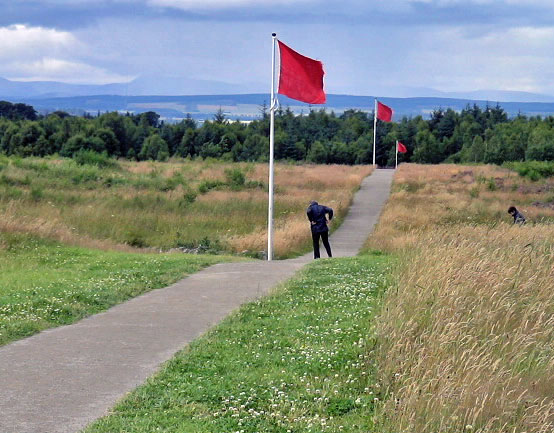
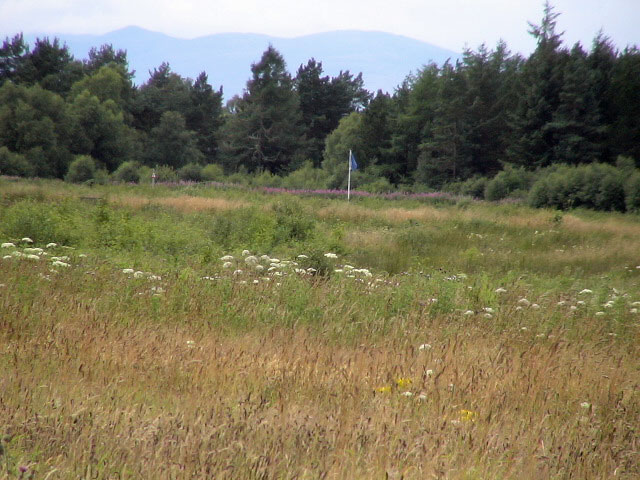
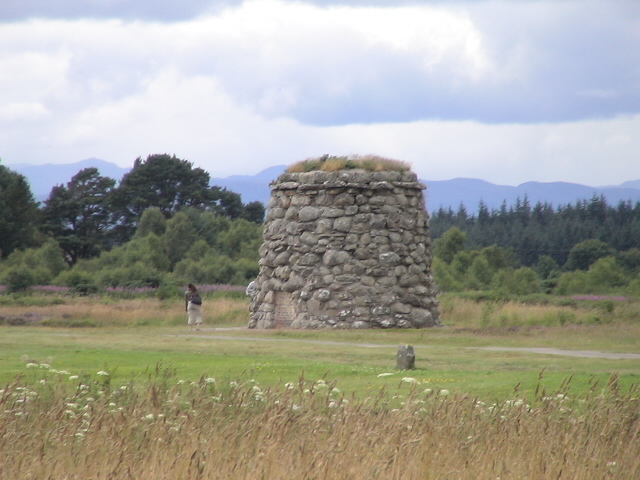
One hundred years later this monument was erected for the Jacobite who had perished at the battle.
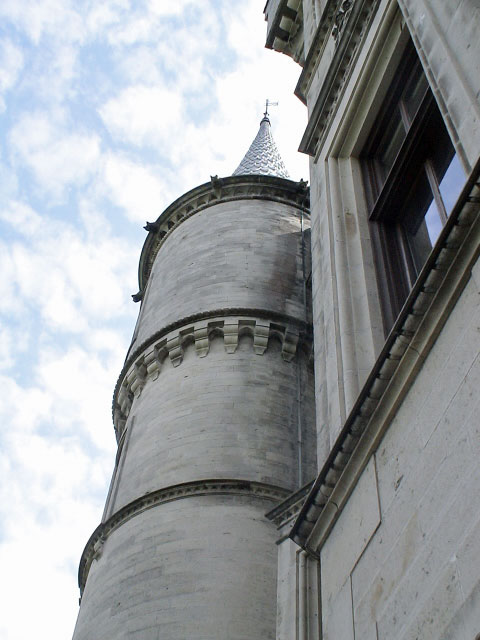
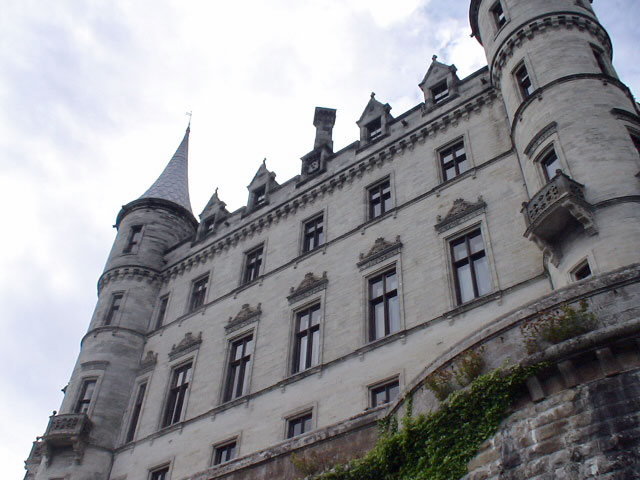
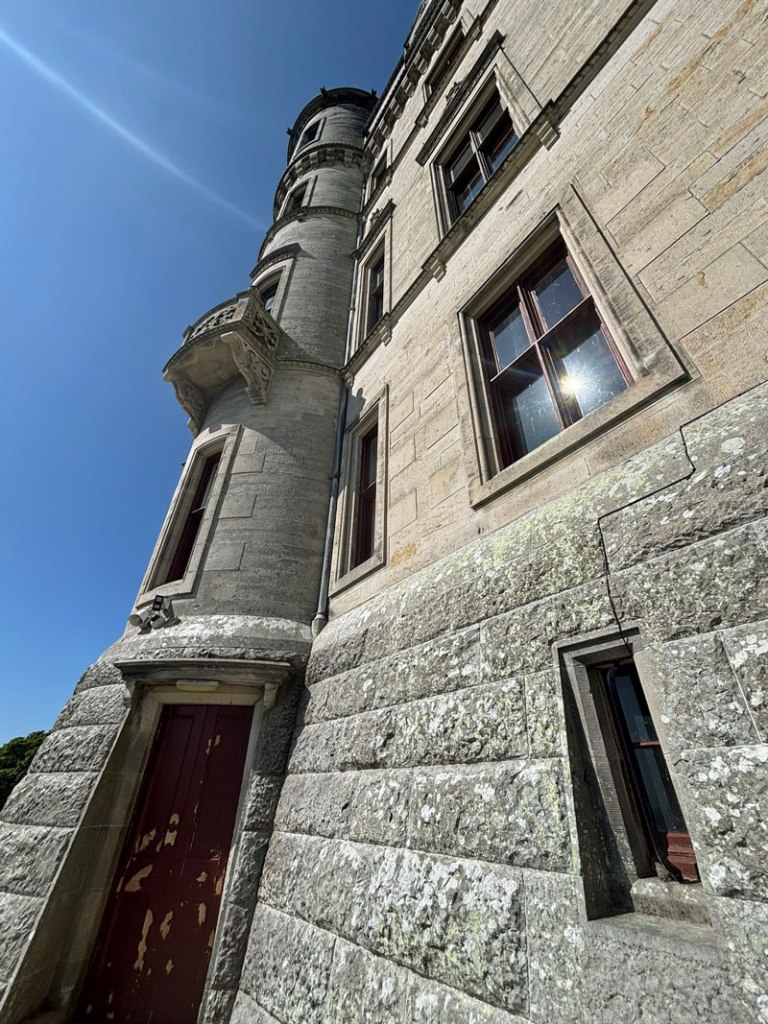
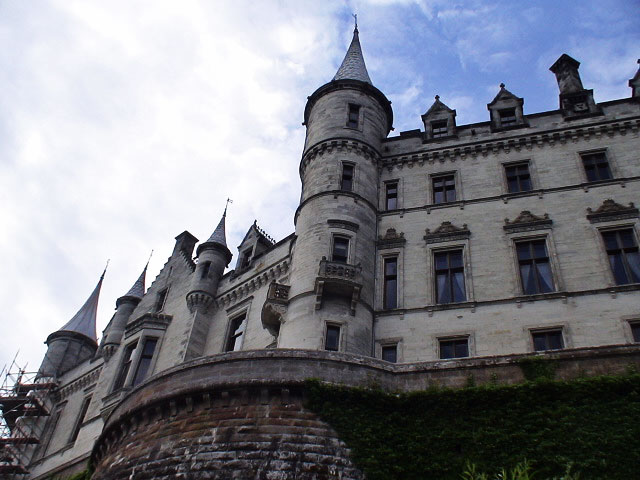
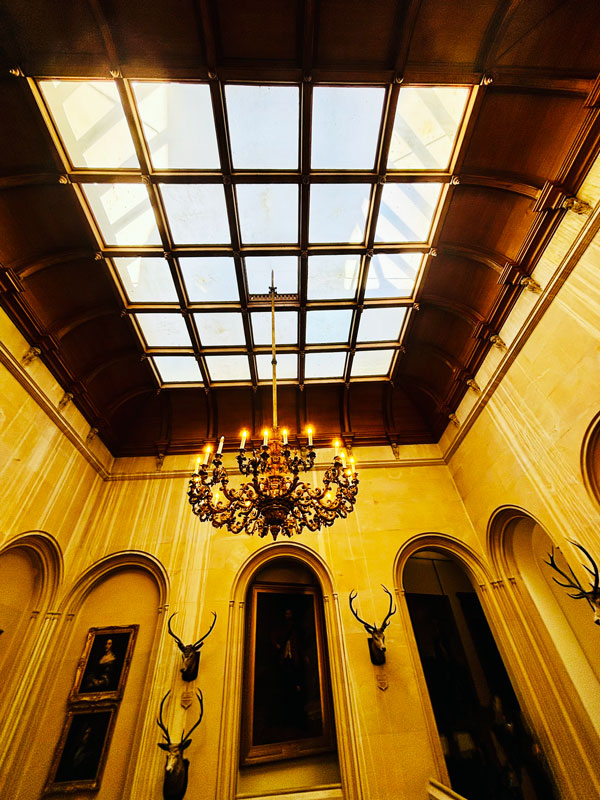
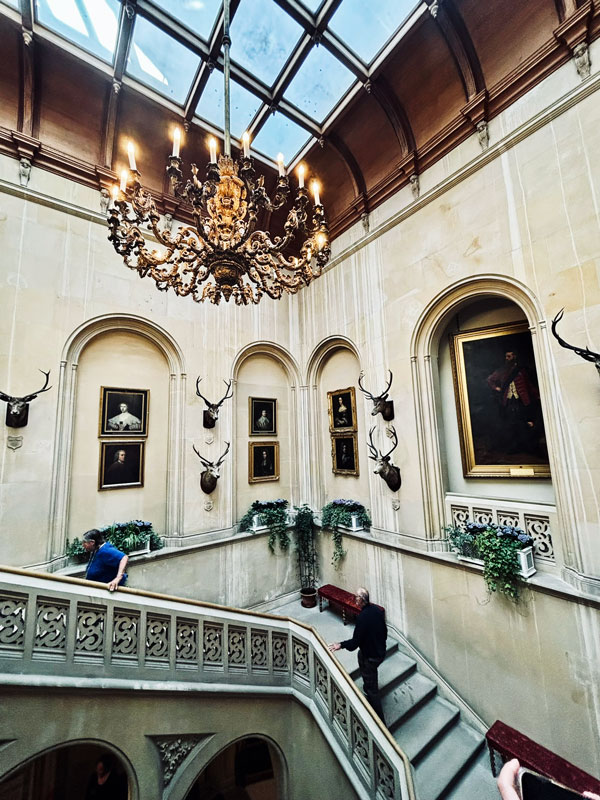
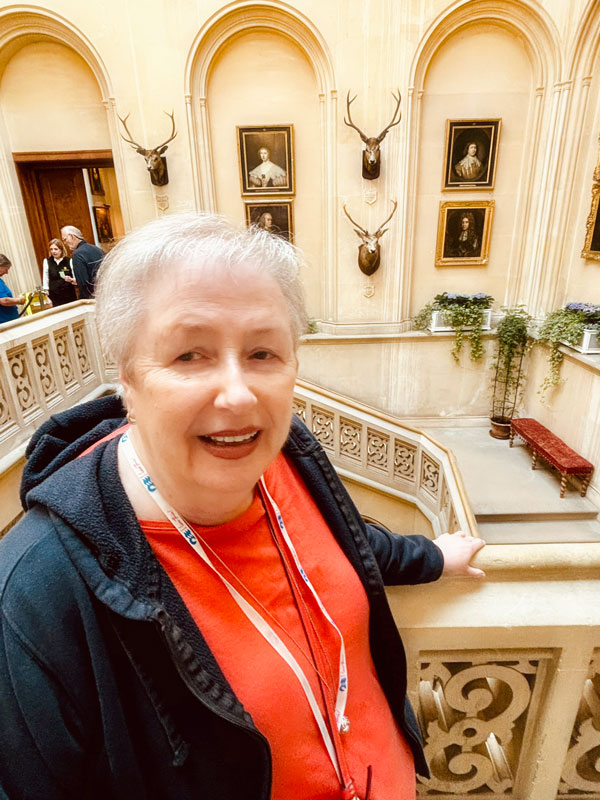
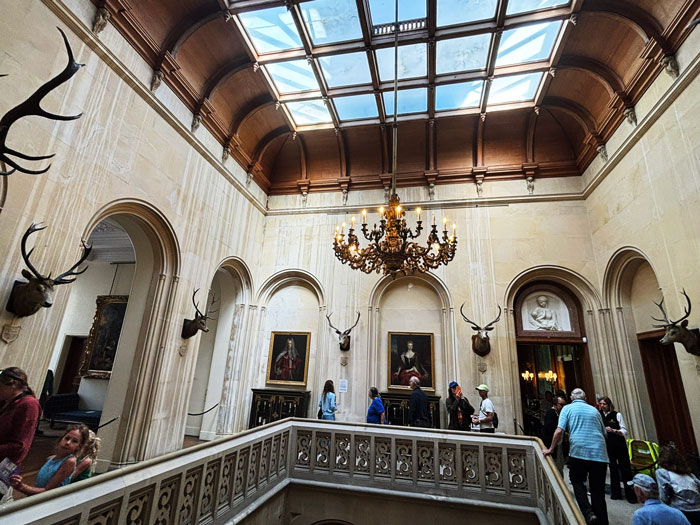
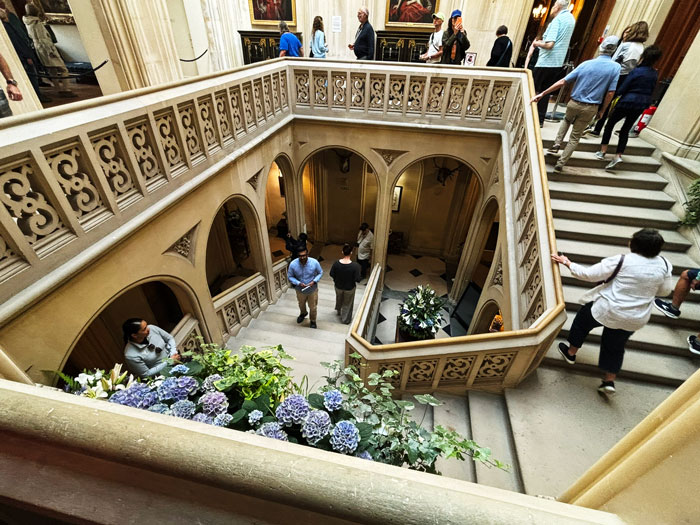
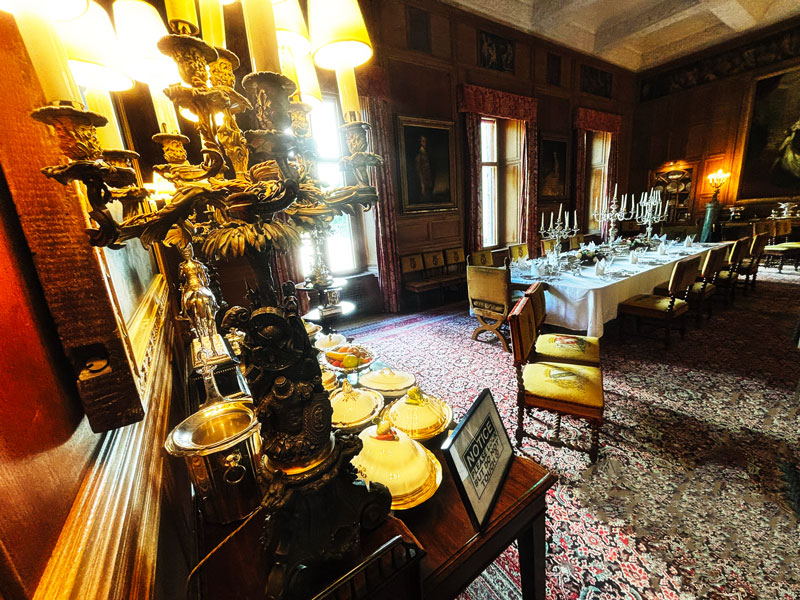
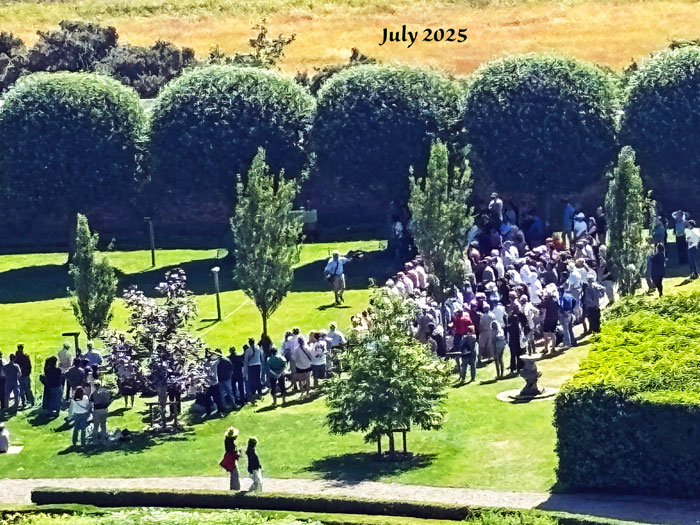
Dunrobin Castle (updated 07-2025)
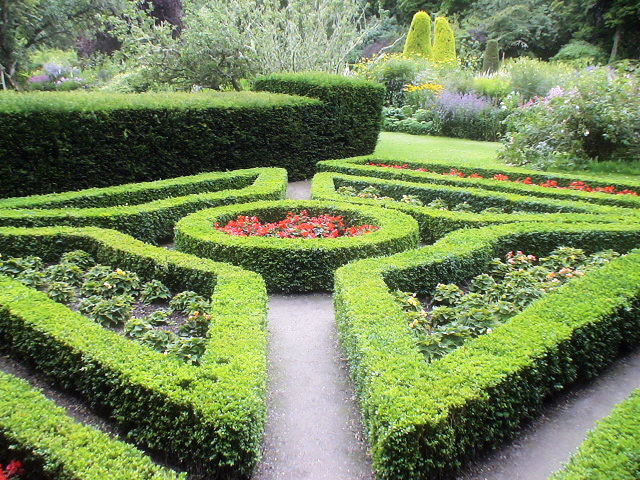
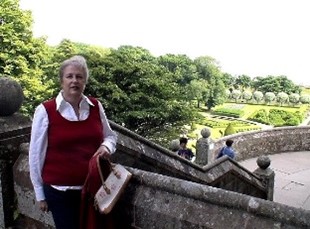
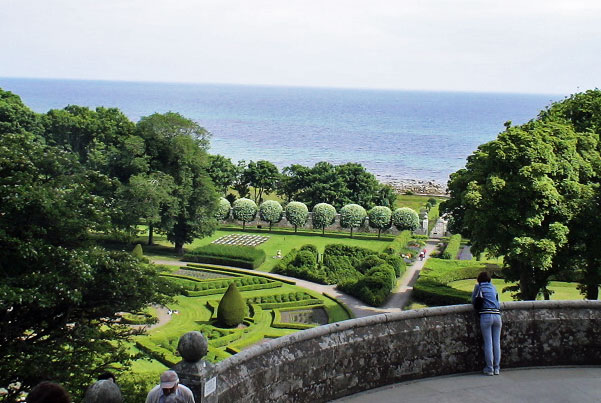
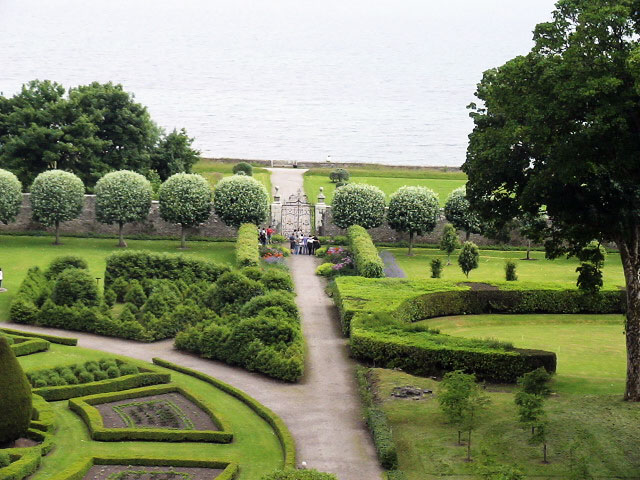
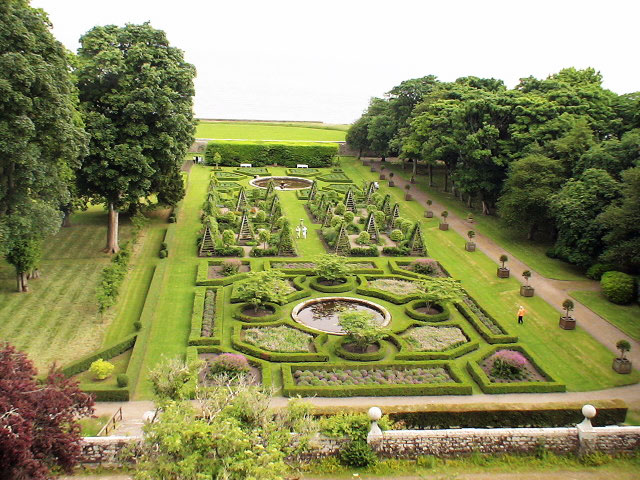
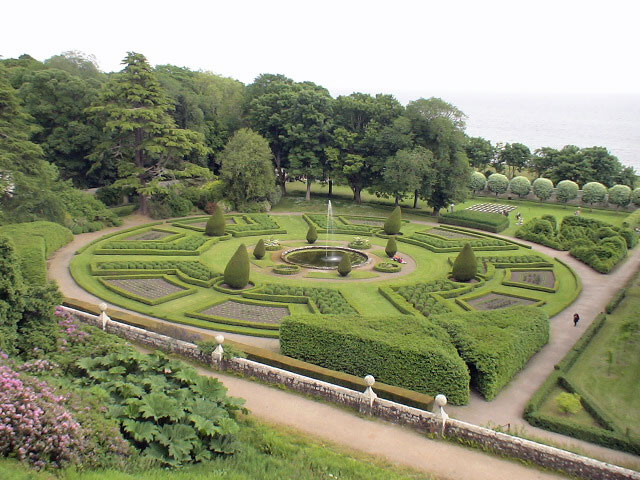
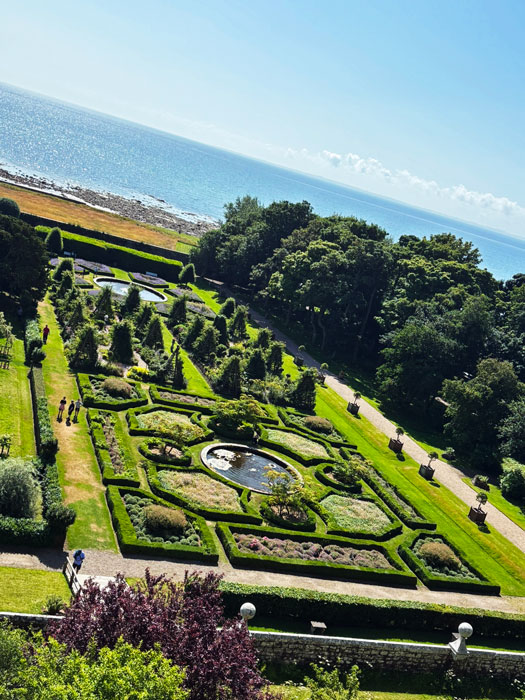
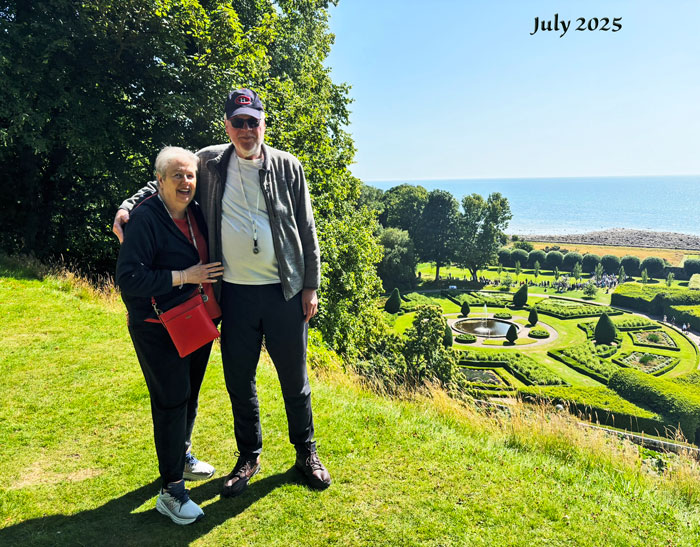
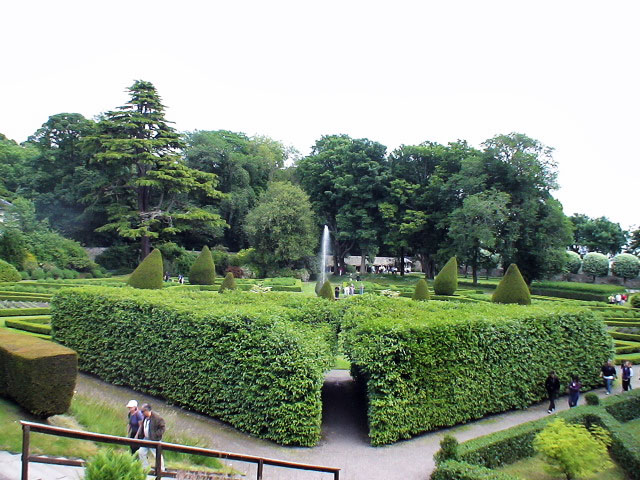
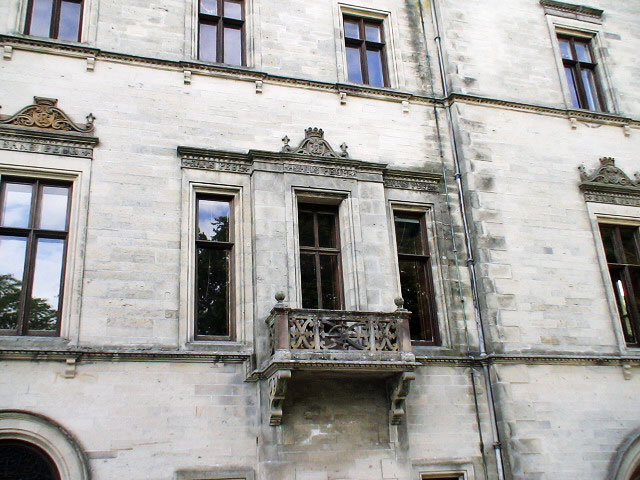
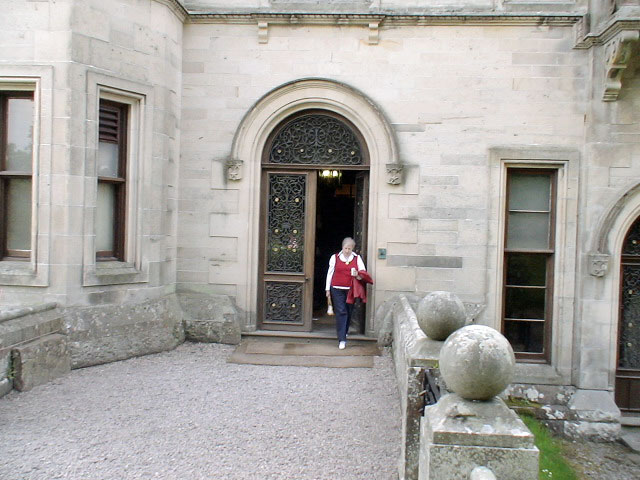
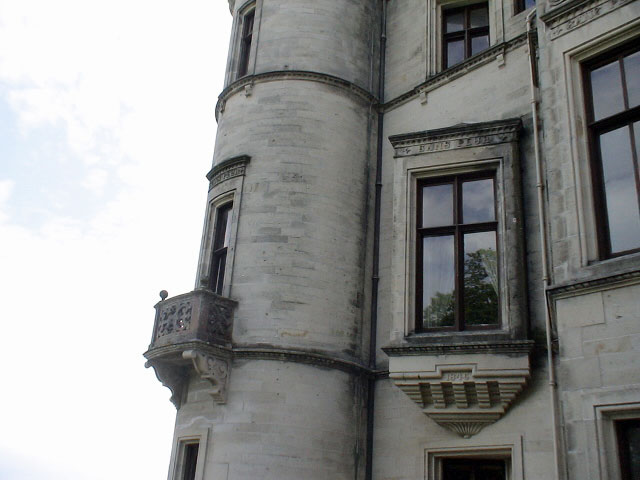
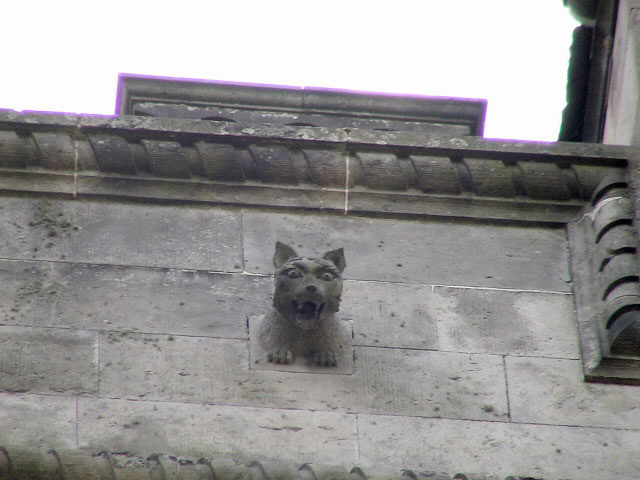
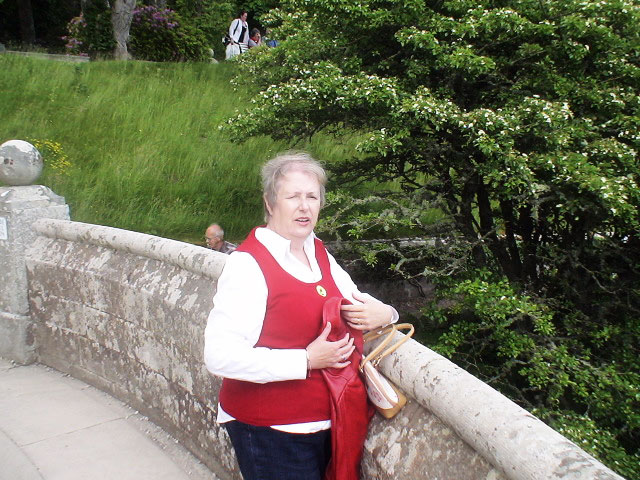
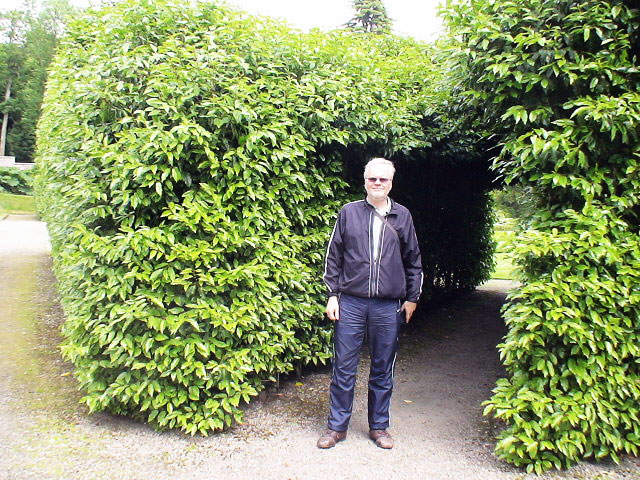
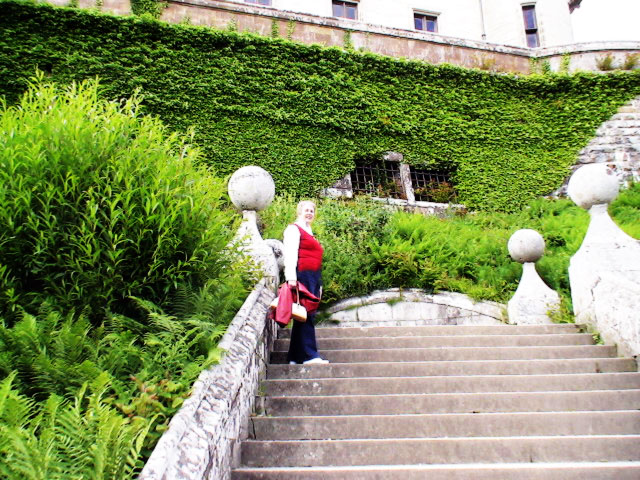
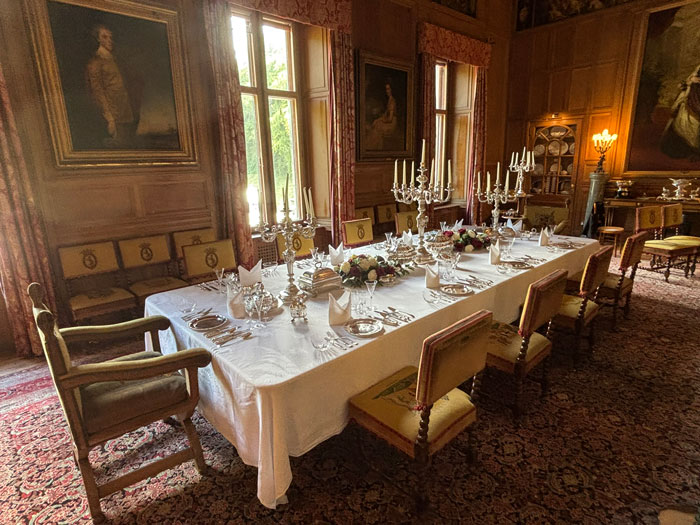
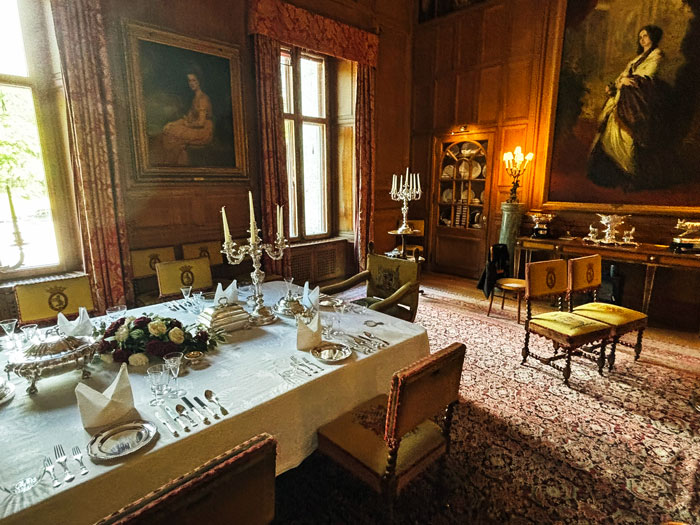
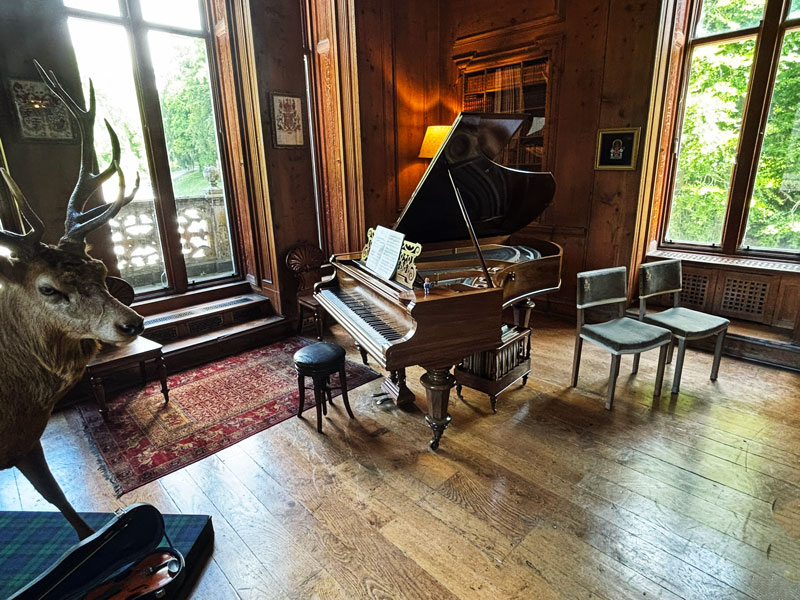
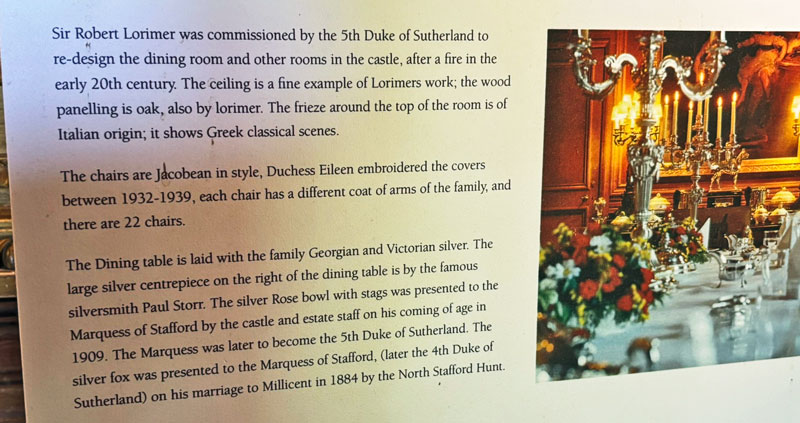
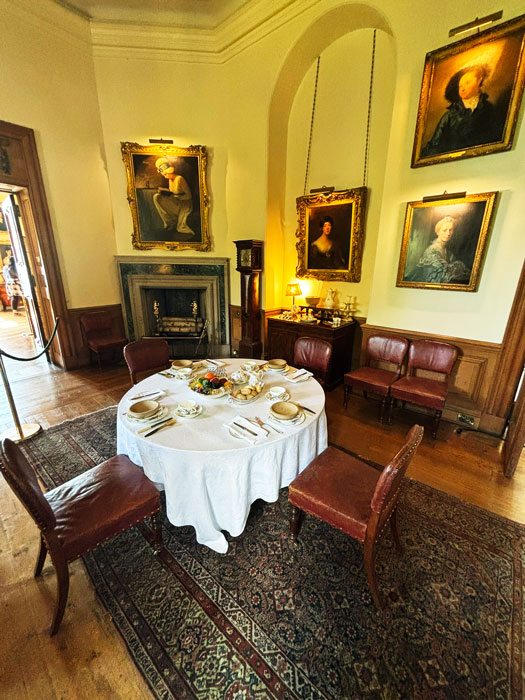
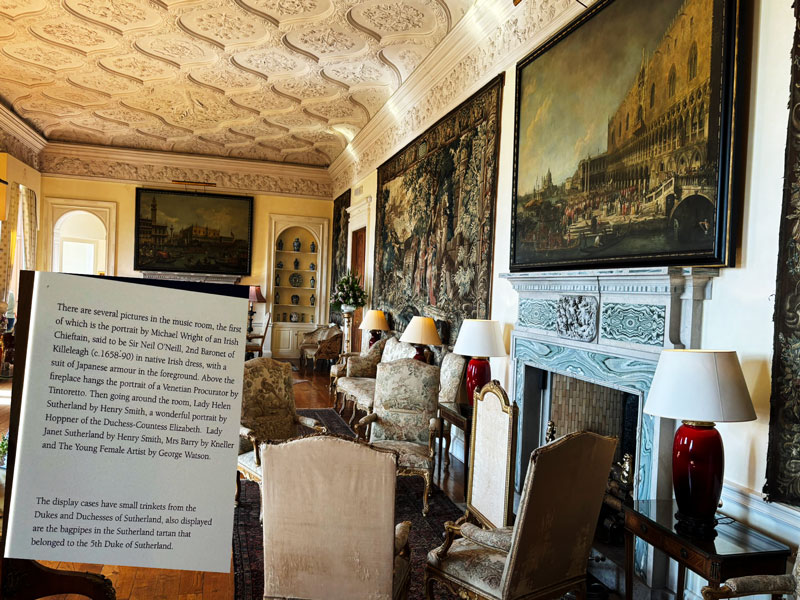
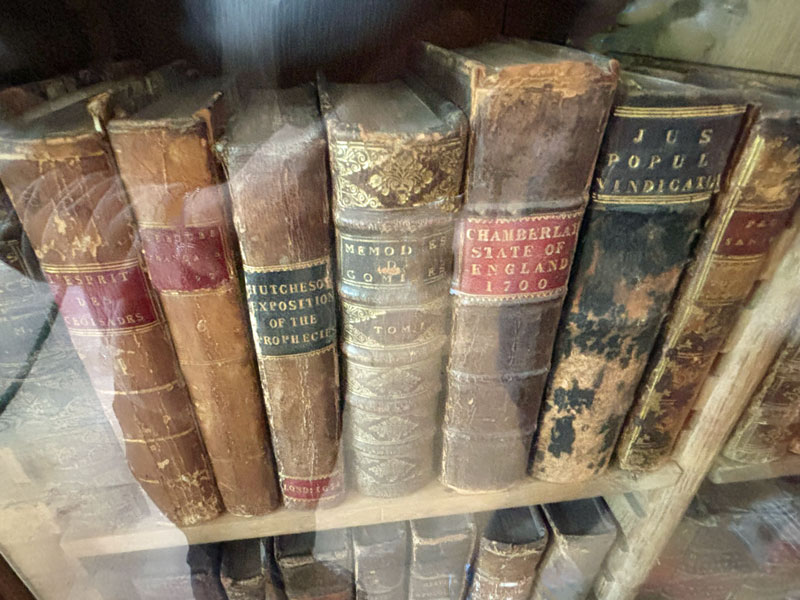
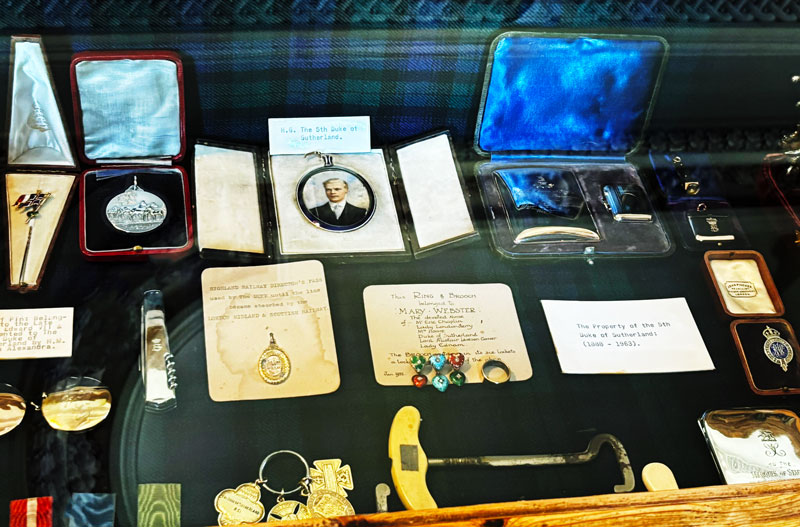
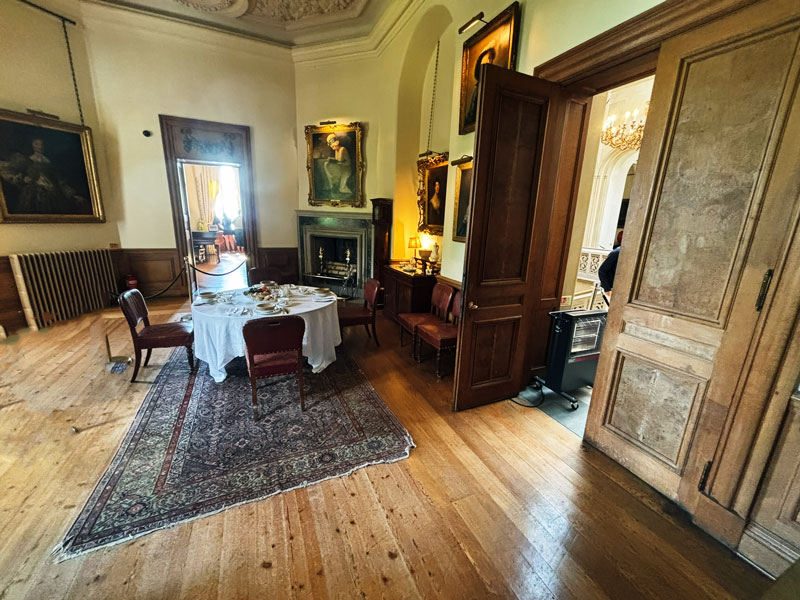
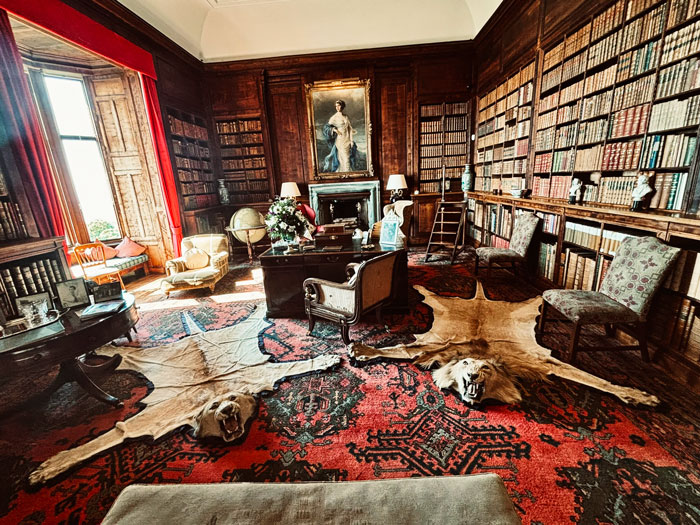
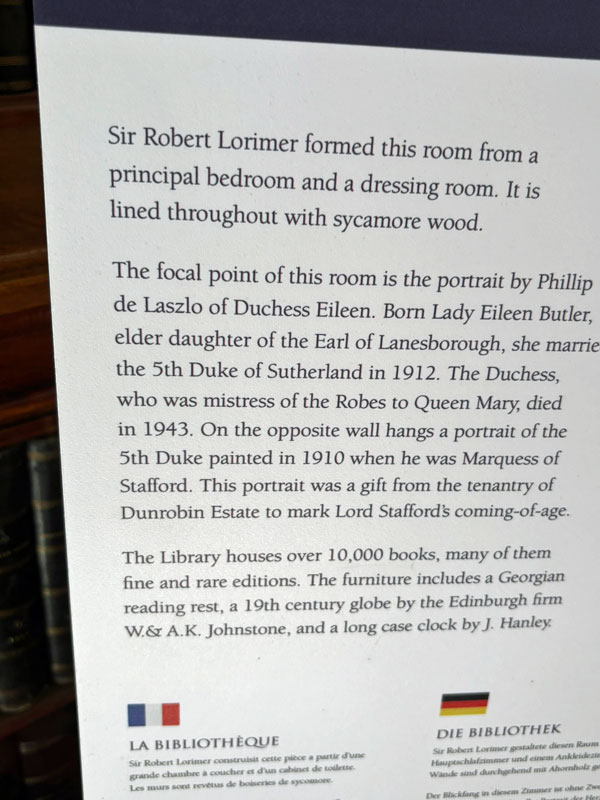
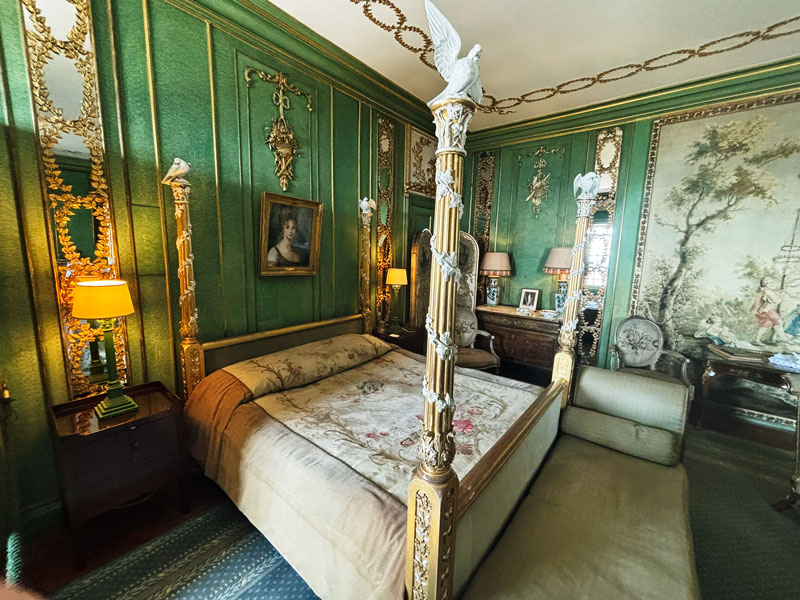
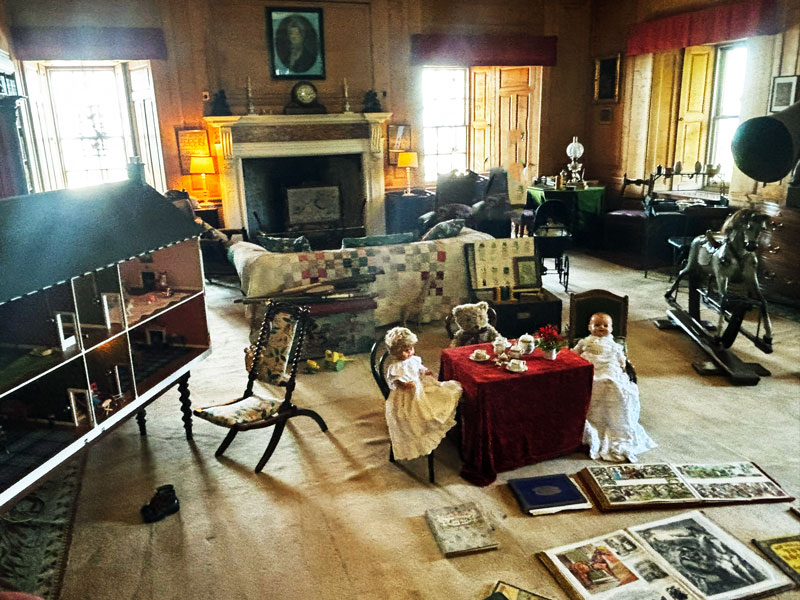
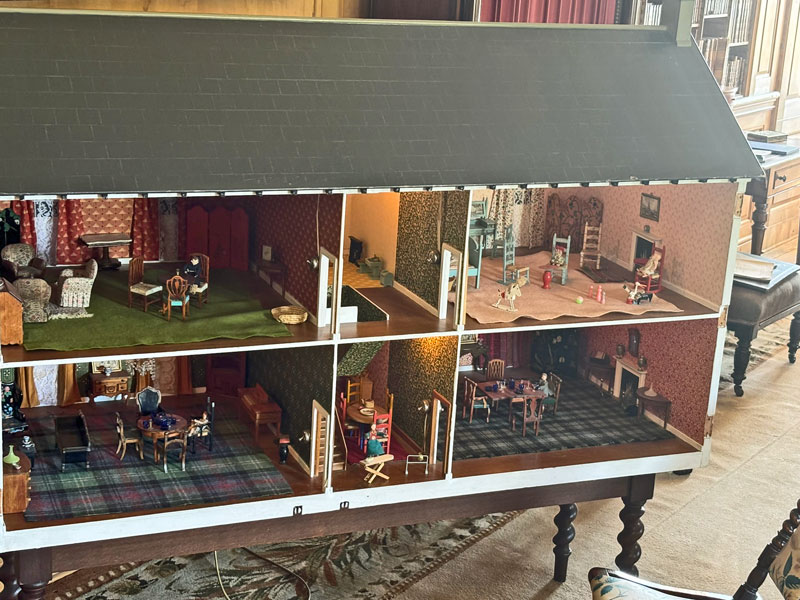
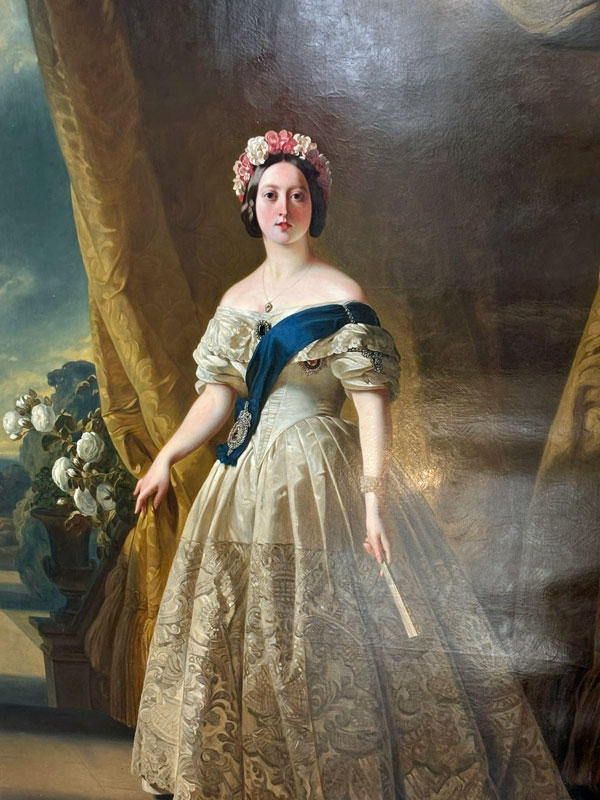
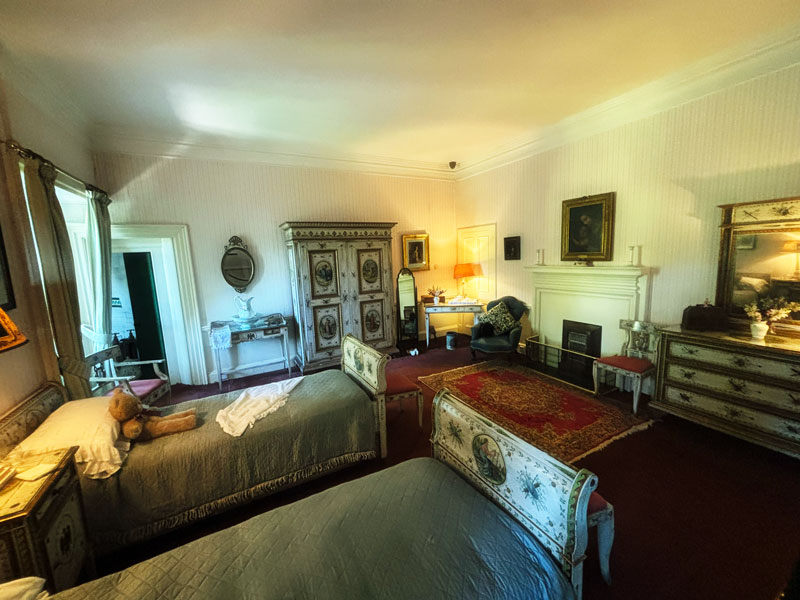
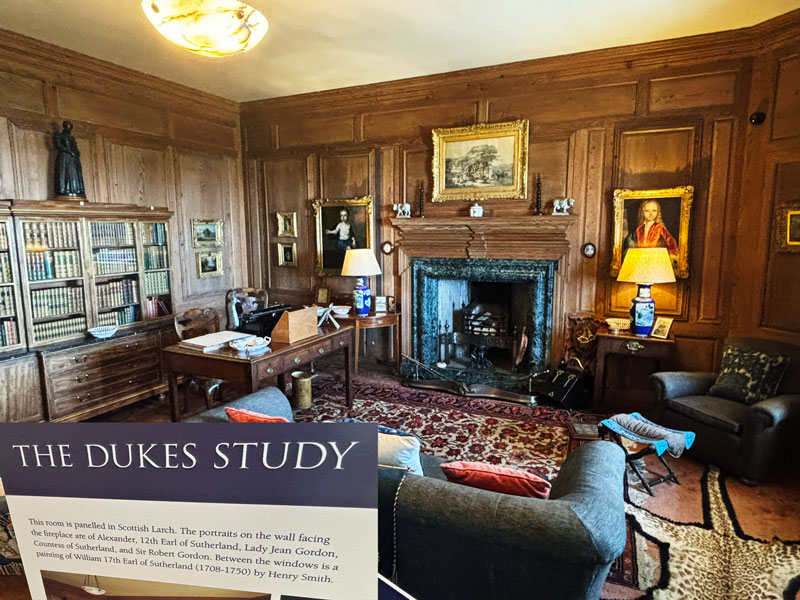
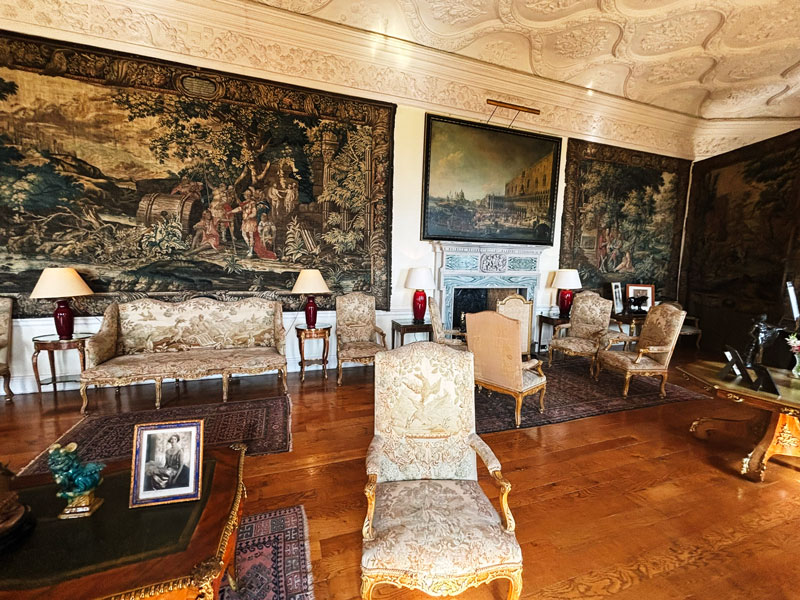
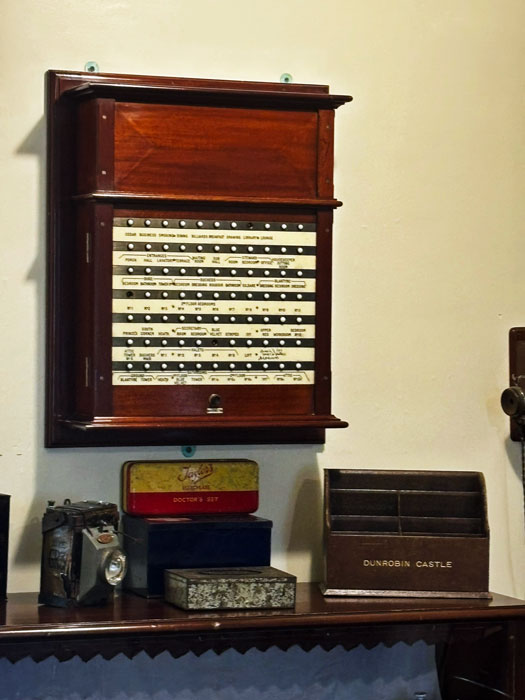
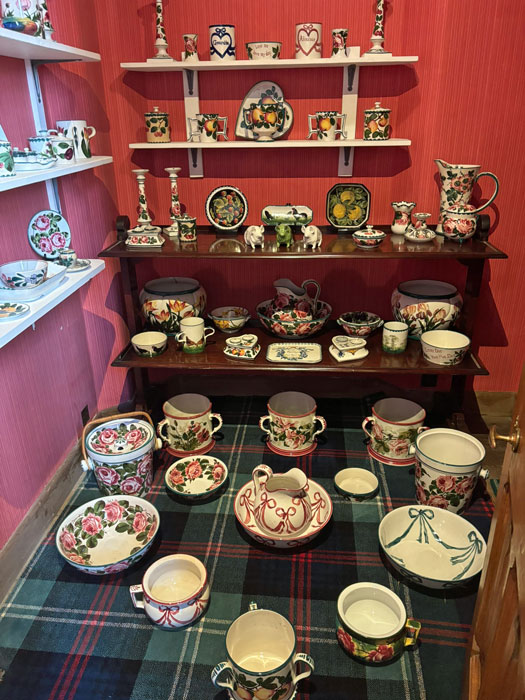
Dunrobin Castle is not a castle but a stately home in Sutherland, in the Highland. It is the seat of the Countess of Sutherland and the Clan Sutherland. Dunrobin’s origins lie in the Middle Ages, but most of the present building is the work of Sir Charles Barry, the architect of the Palace of Westminster in London, who greatly extended the building in 1845. The French gardens is one of the highlights of this home.
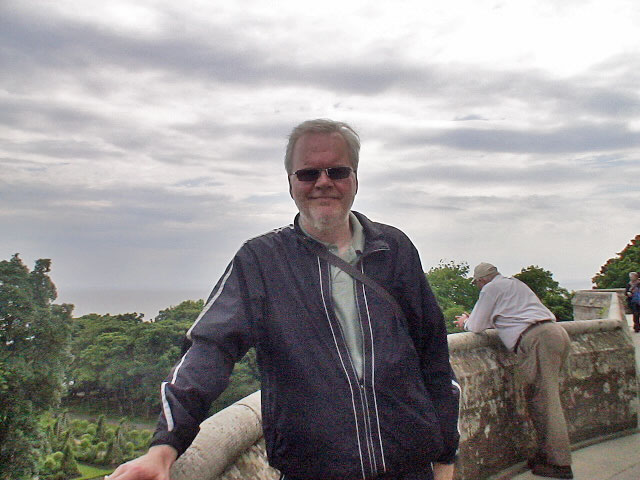
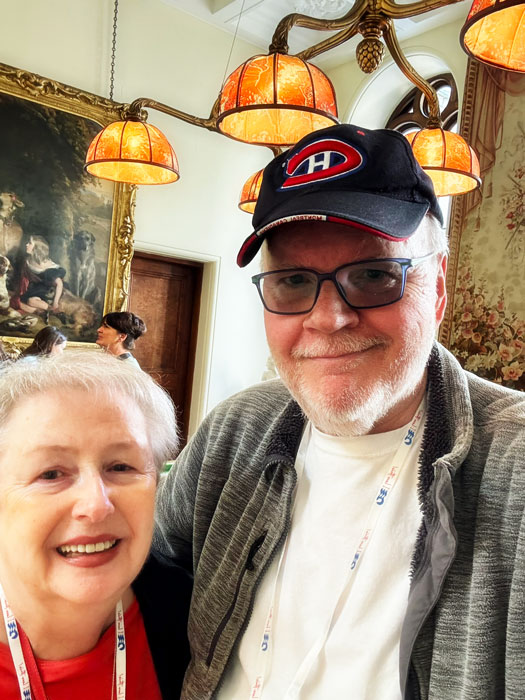
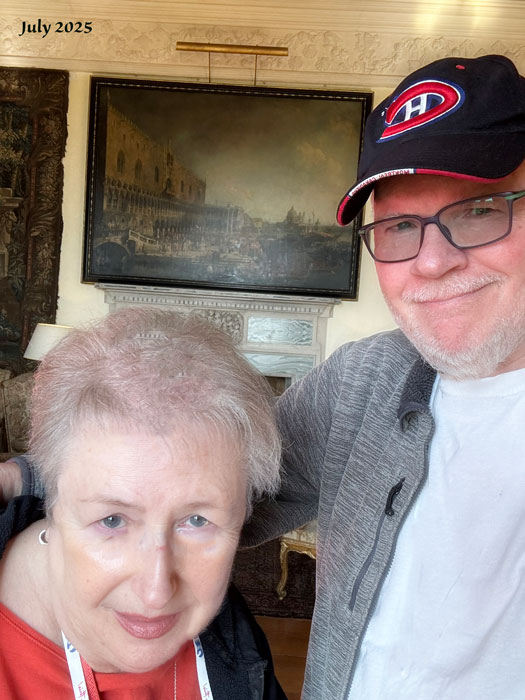
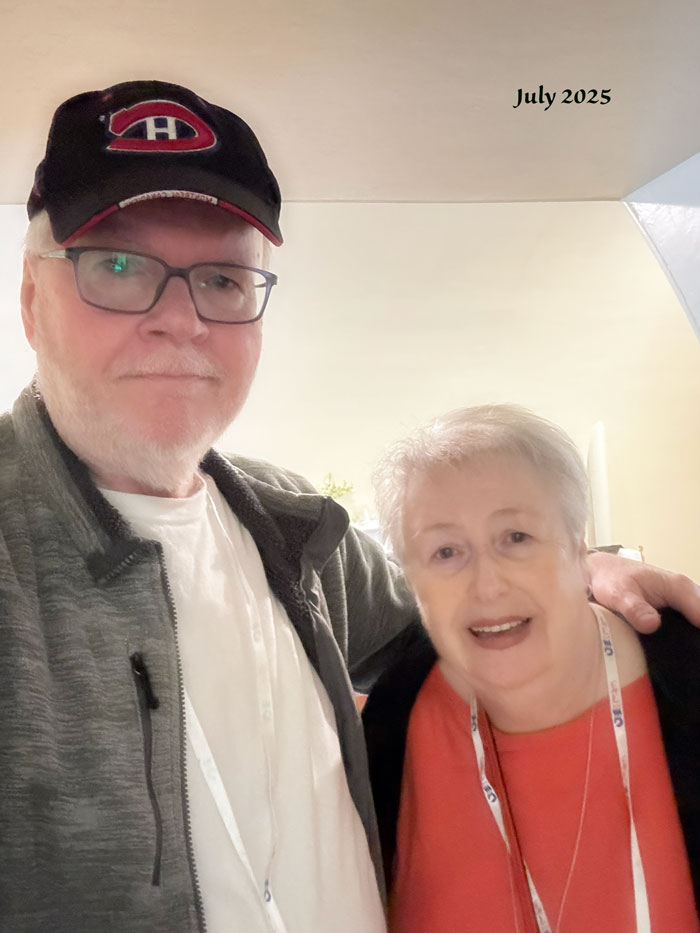
We visited in August 2013 and again in July 2025.
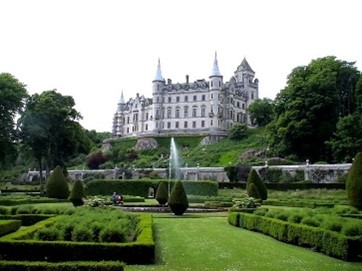
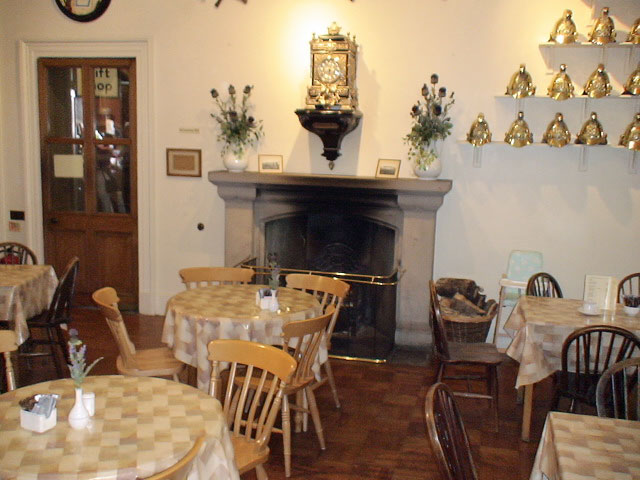
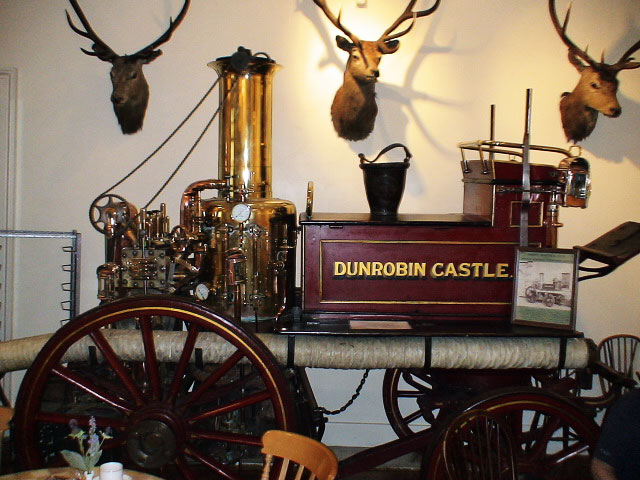
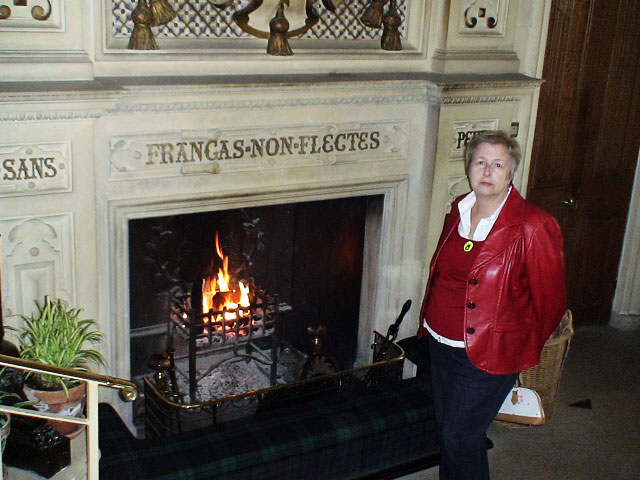
July 2025
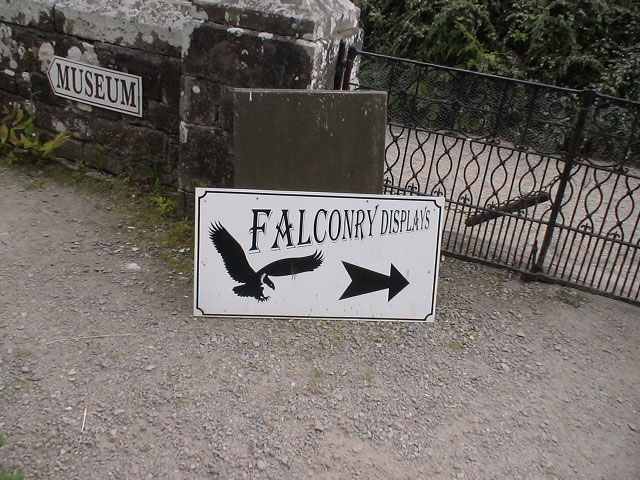
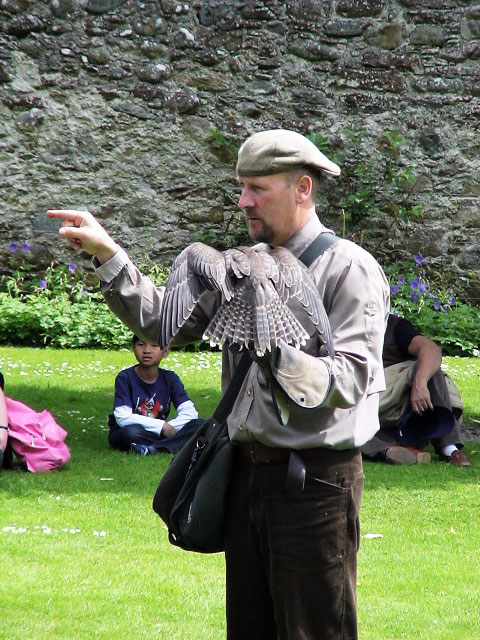
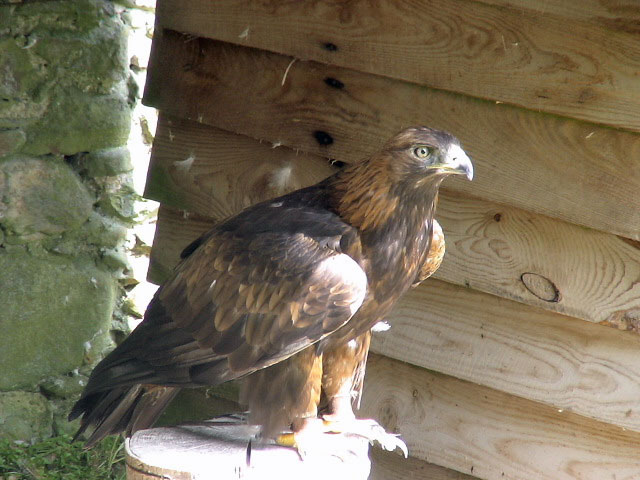
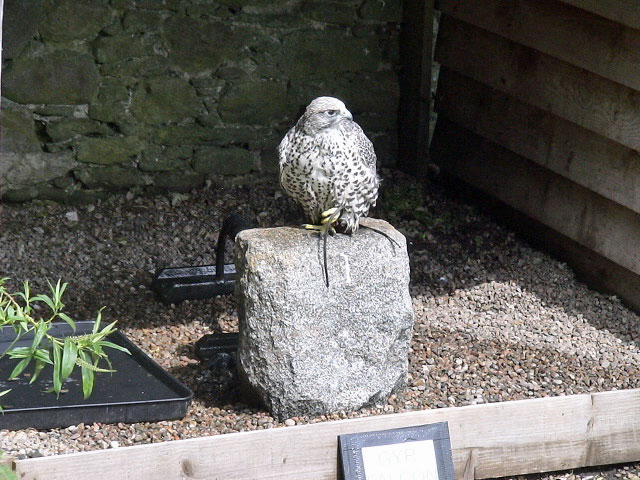
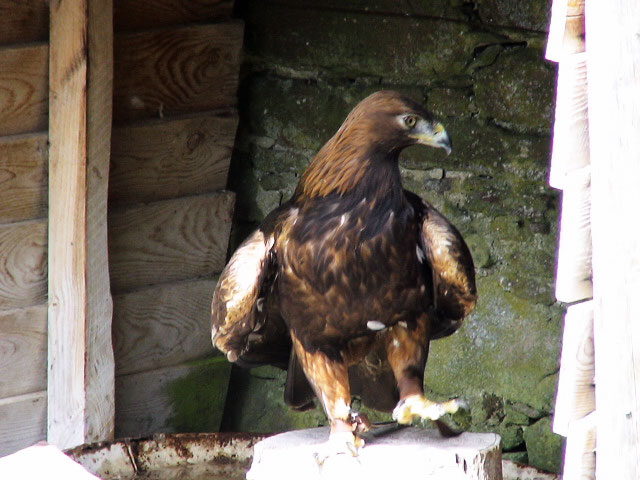
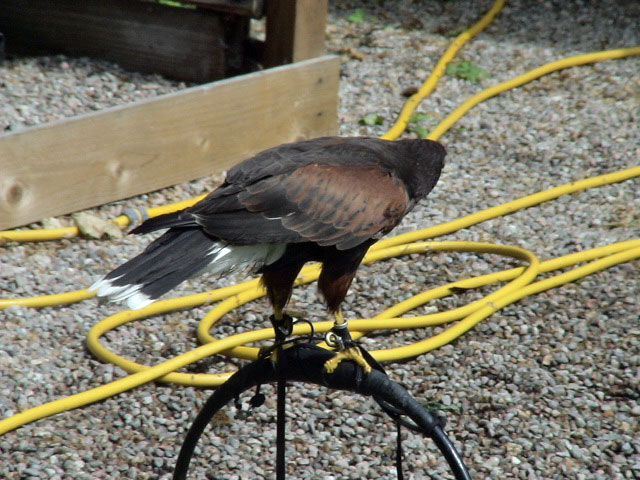
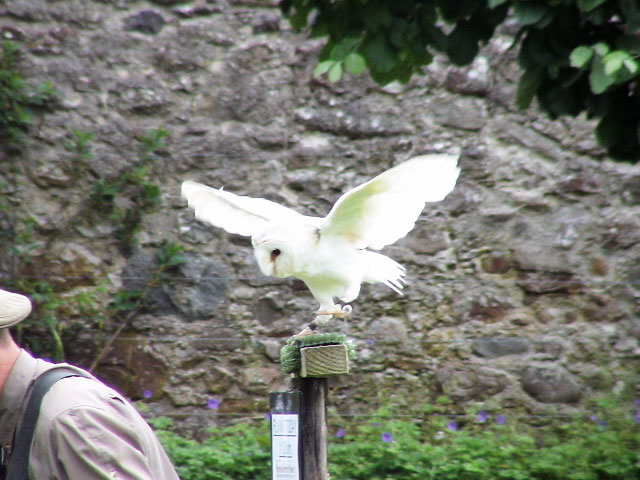
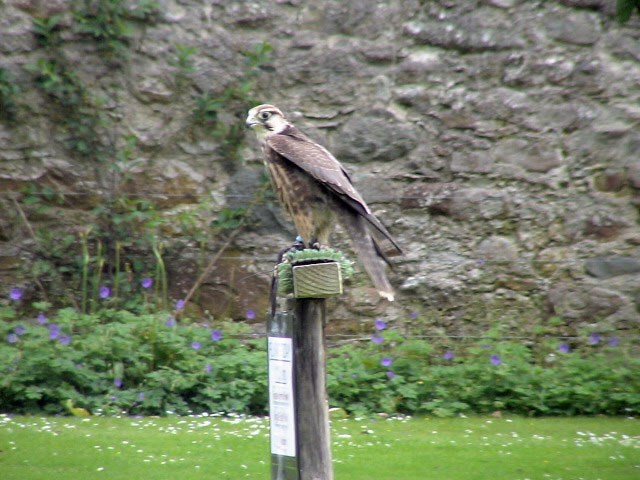
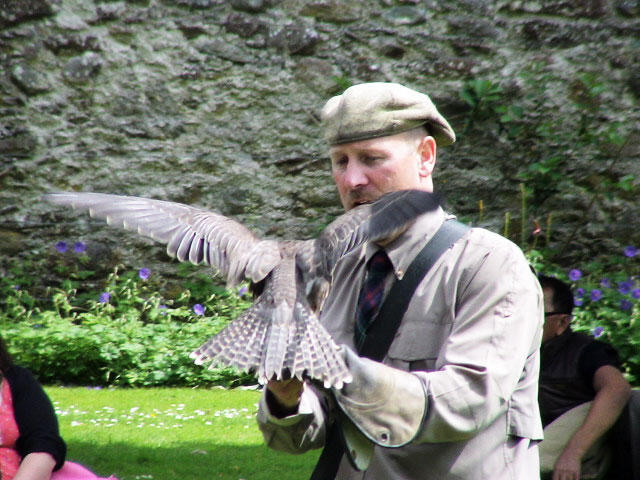
We were treated to a Falconry display. It was quite unexpected, but fun to watch.

 s
s 