



including Carrick-a-Rede Rope Bridge
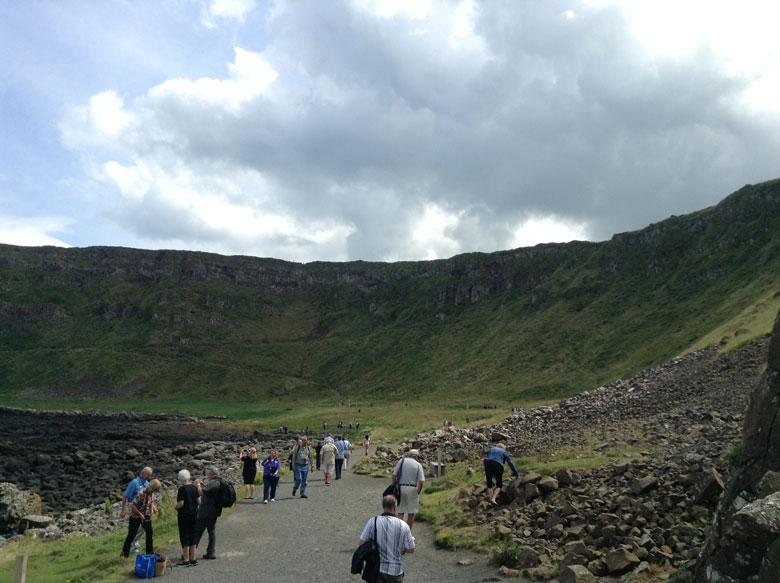
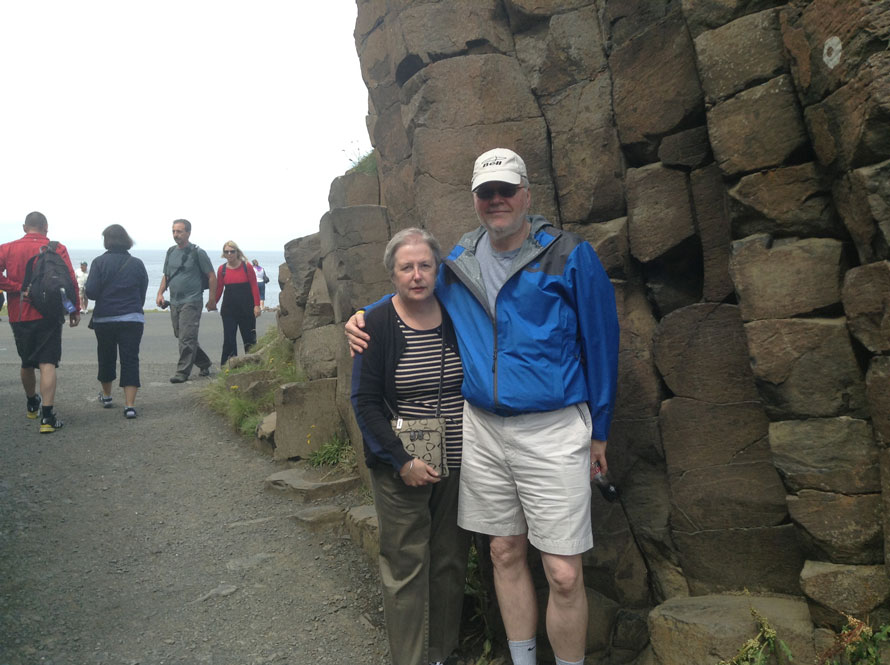
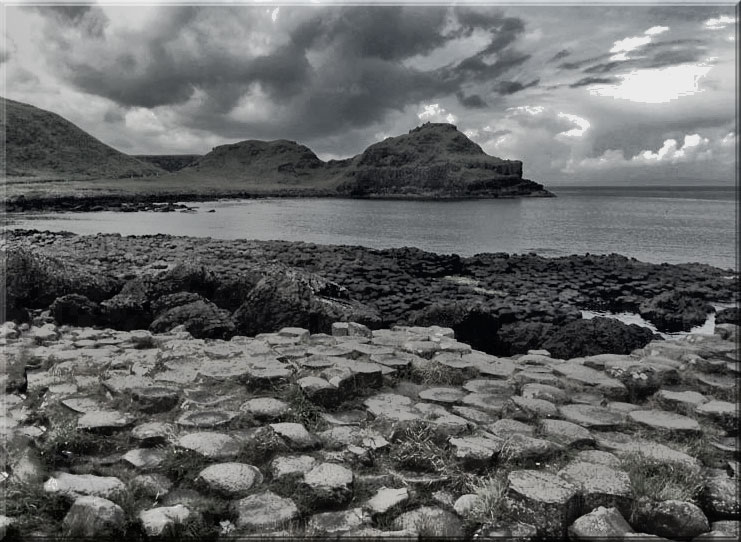
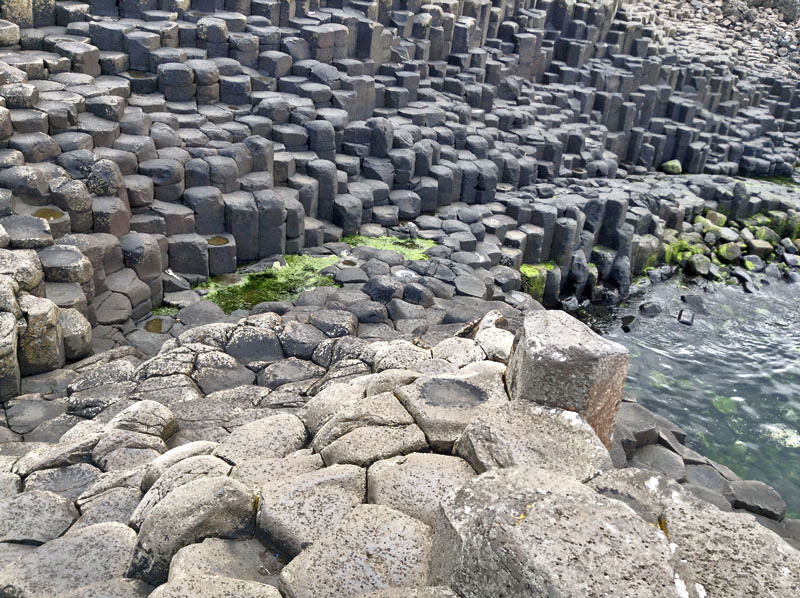
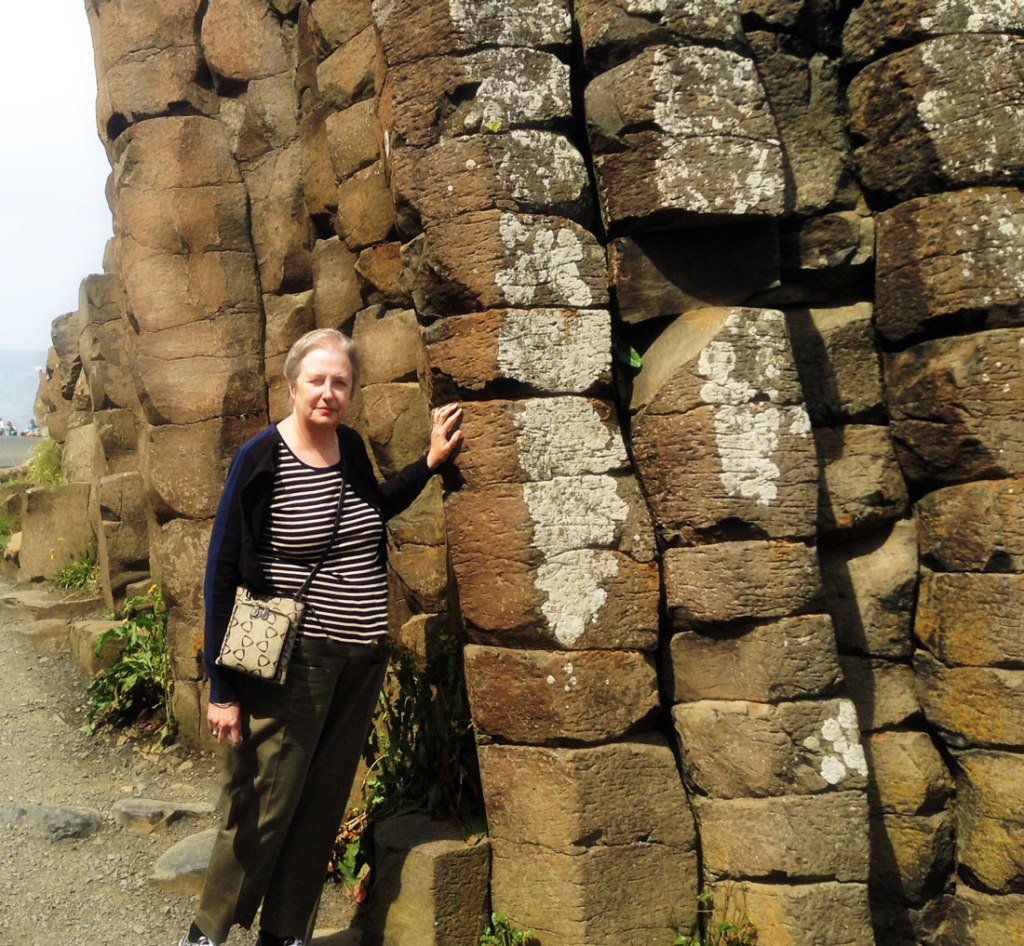
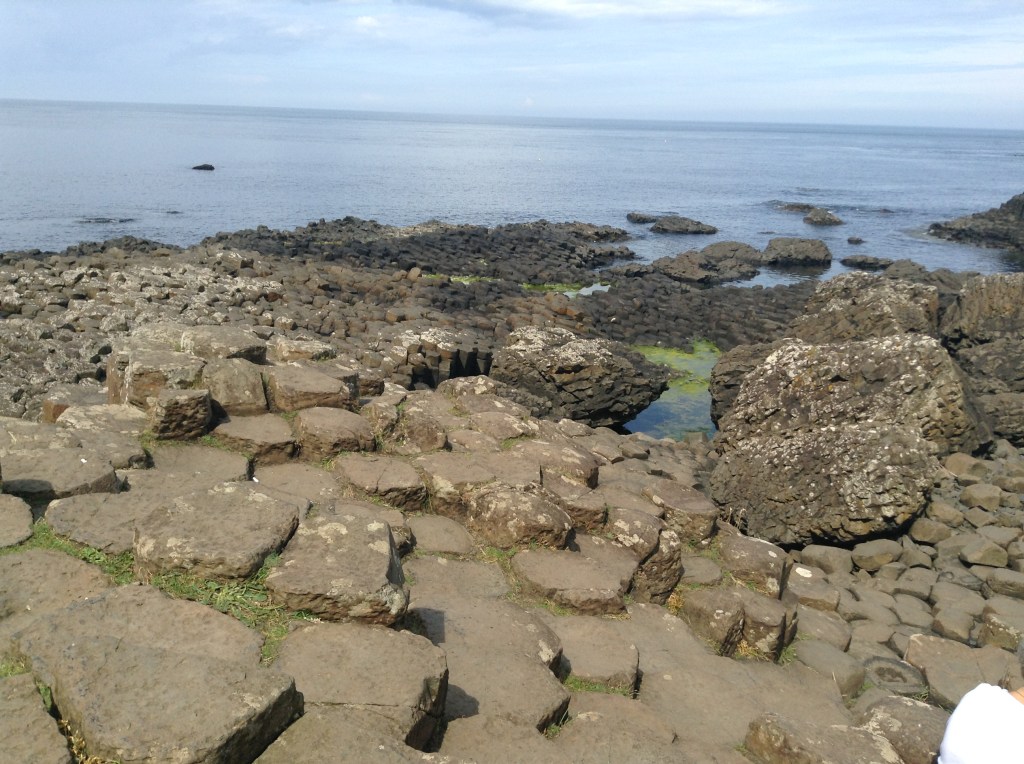
The Giant’s Causeway is an area of about 40,000 interlocking basalt columns the result of an ancient volcanic eruption
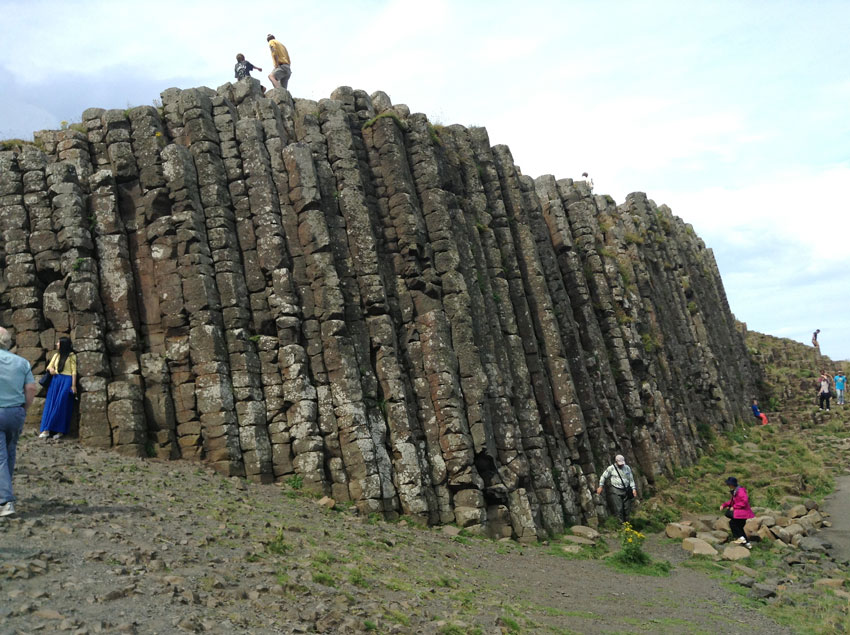
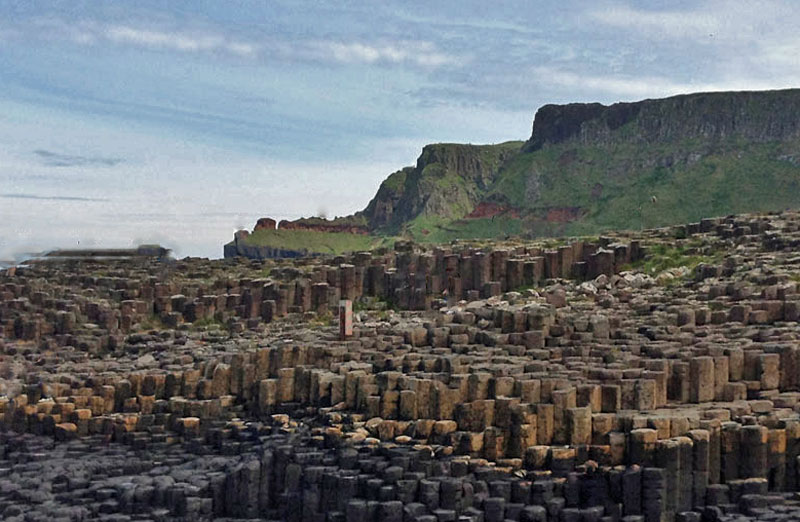
The tops of the columns form stepping stones that lead from the cliff foot and disappear under the sea. Most of the columns are hexagonal, although some have four, five, seven, or eight sides. The tallest are about 12 metres high, and the solidified lava in the cliffs is 28 metres thick in places.
Much of the Giant’s Causeway and Causeway Coast World Heritage Site is owned and managed by the National Trust. Access to the Giant’s Causeway is free of charge: it is not necessary to go via the visitor centre, which charges a fee. The remainder of the site is owned by the Crown Estate and several private landowners.
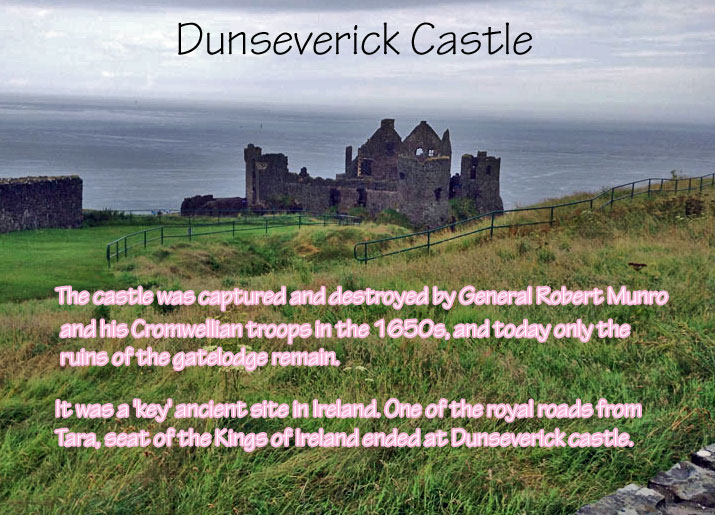
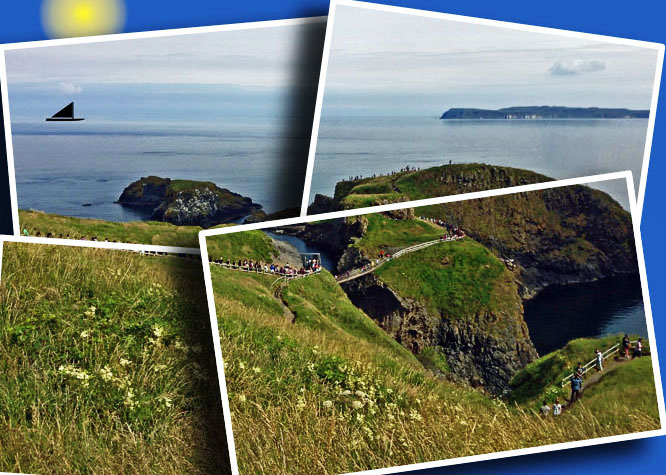
Carrick-a-Rede Rope Bridge
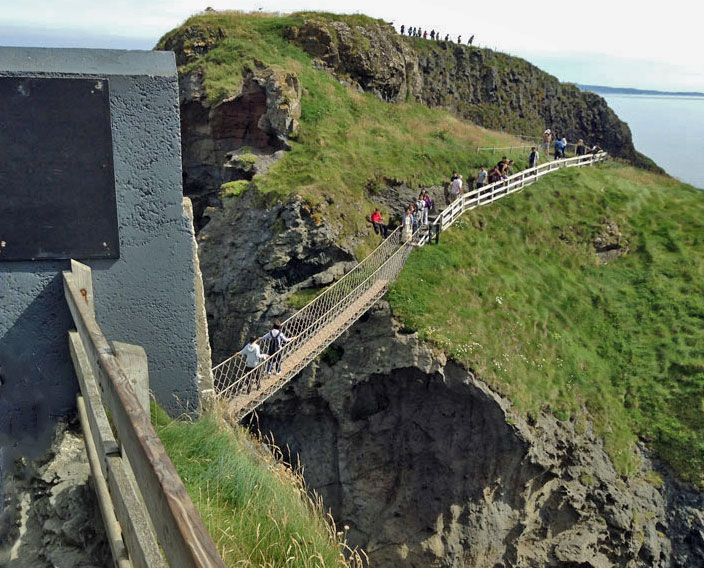
Carrick-A-Rede and the Giant’s Causeway.
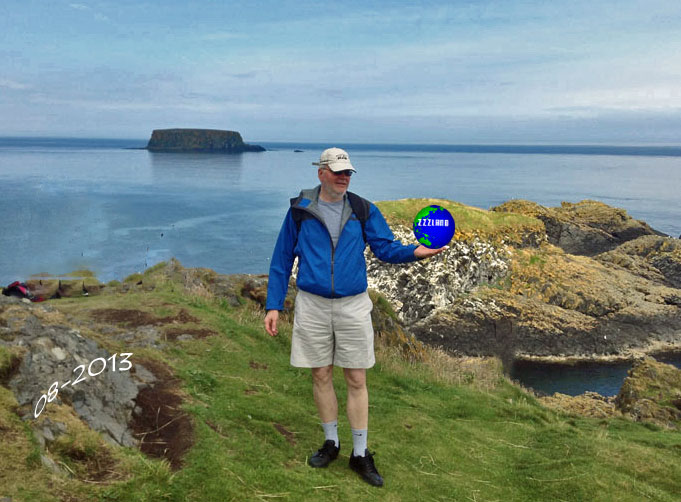
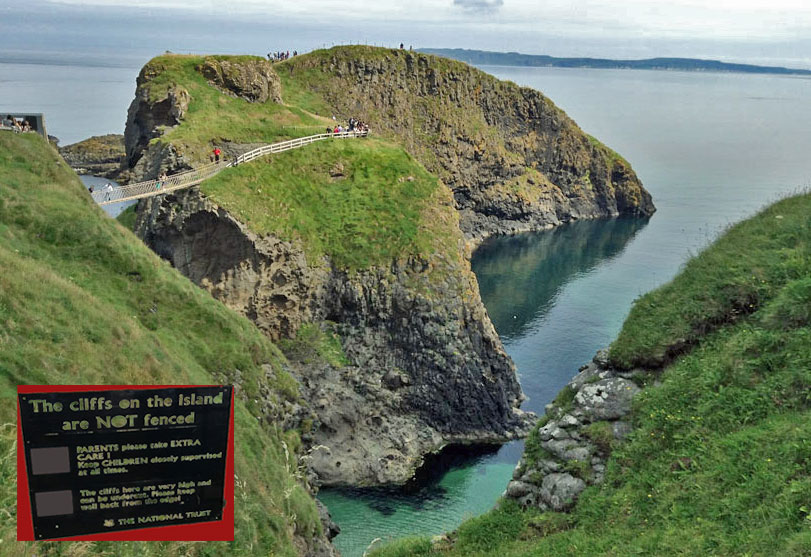
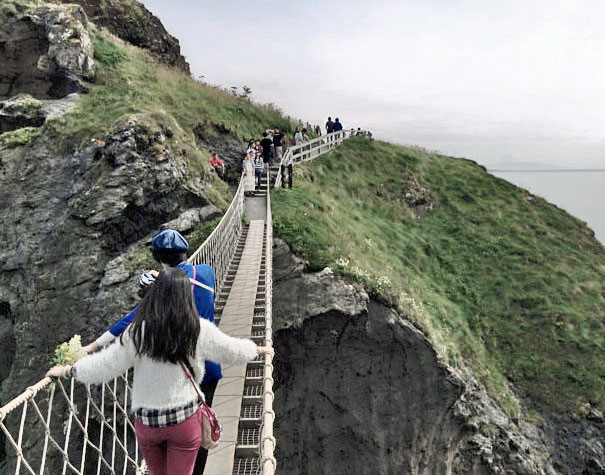
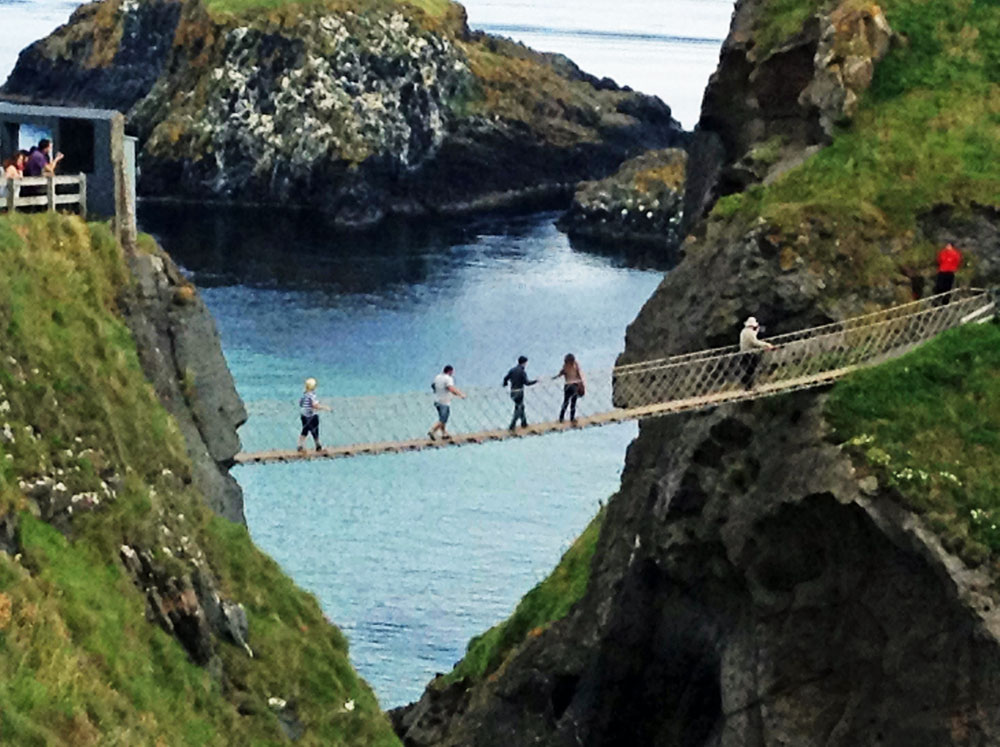
Carrick-A-Rede (from the Scottish Gaelic Carraig-a-Rade) means the rock in the road. The road is the sea route for Atlantic salmon on their westward journey past Carrick Island. For over 350 year, fishermen have strung a rope bridge 30m above the sea to allow them to access the best places to catch the migrating salmon. For a few pounds you walk 1km to the rope bridge.

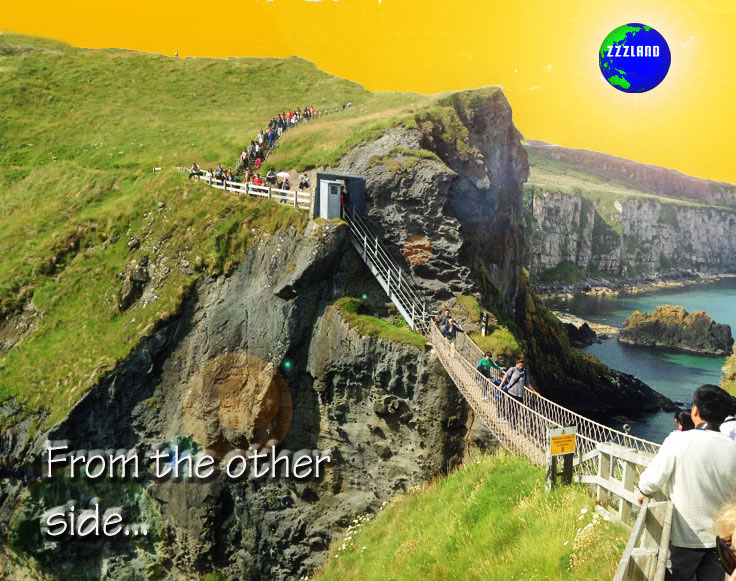
It was glorious day and our private tour got there before the morning bus tours so we were able to get there with ease. As we made our way back we noticed the line-ups along the path to get on the bridge.
The Giant’s Causeway is an area of about 40,000 interlocking basalt columns the result of an ancient volcanic eruption.

 s
s 