


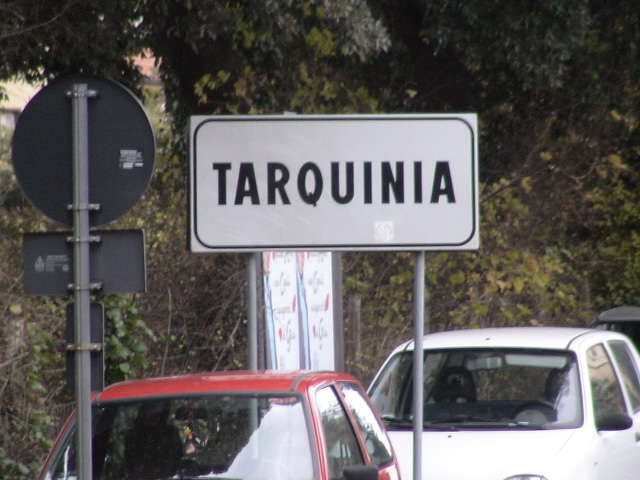
Tarquinia (Etruscan Tarchnal) is said to have been already a flourishing city when Demaratus of Corinth brought in Greek workmen. It was the chief of the twelve cities of Etruria, and appears in the earliest history of Rome as the home of two of its kings, Tarquinius Pricus and Tarquinius Sperbus. A fascinating place to visit. We visited in 2010,
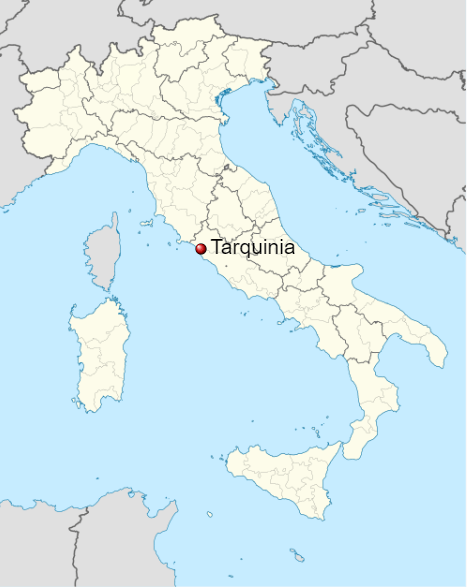
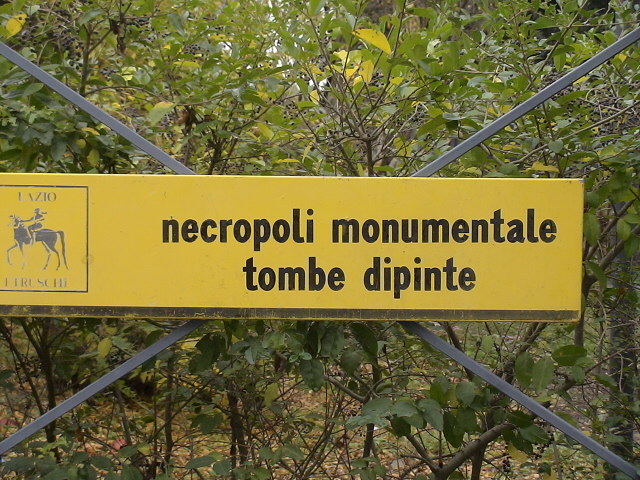
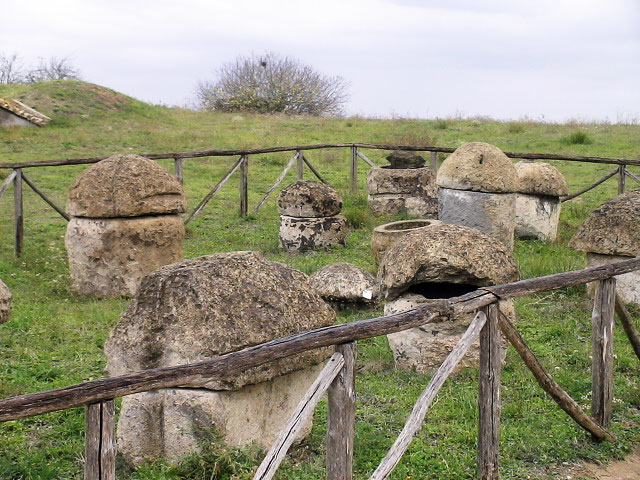
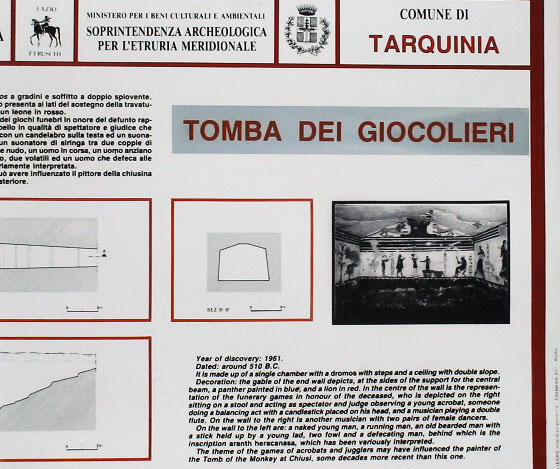
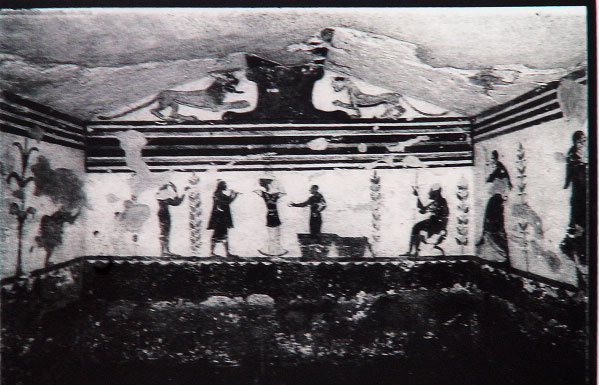
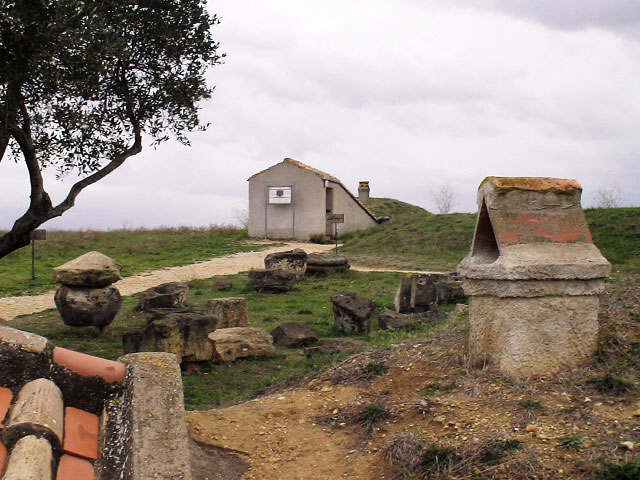
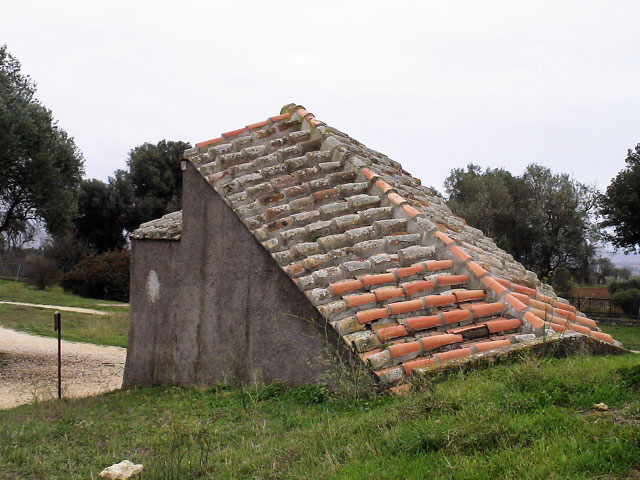
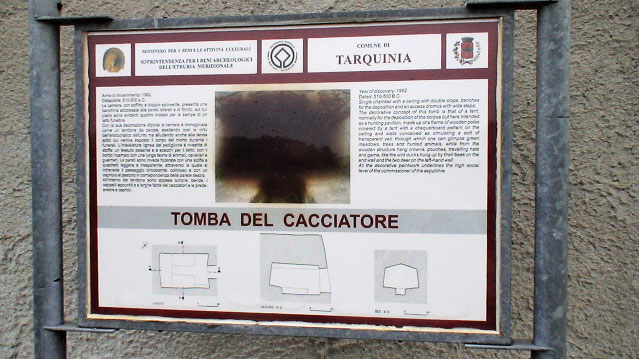
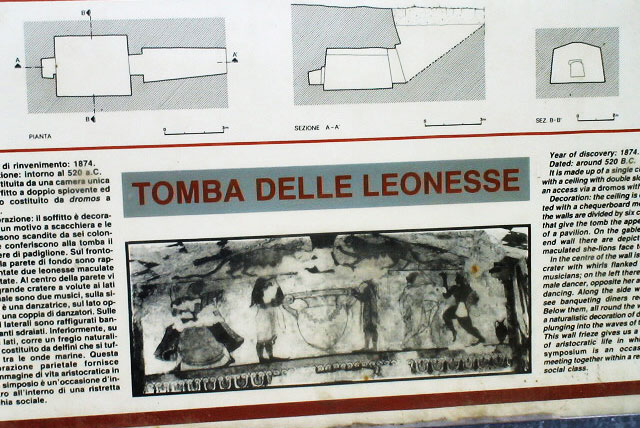
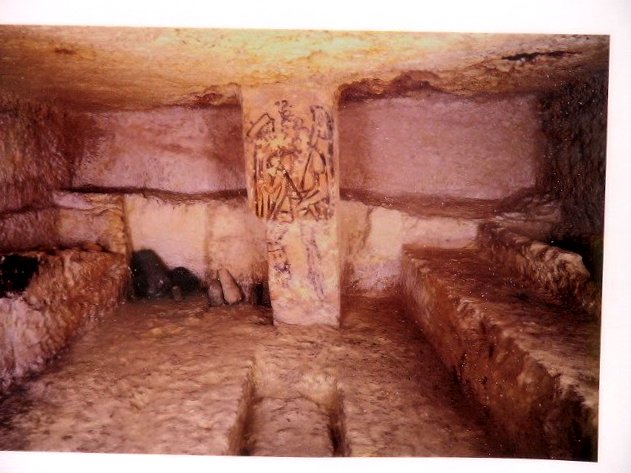
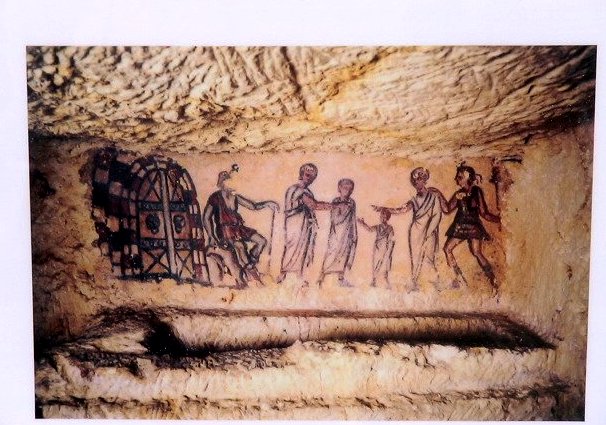
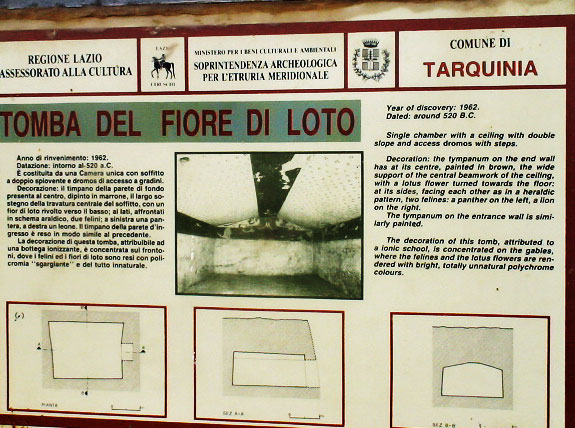
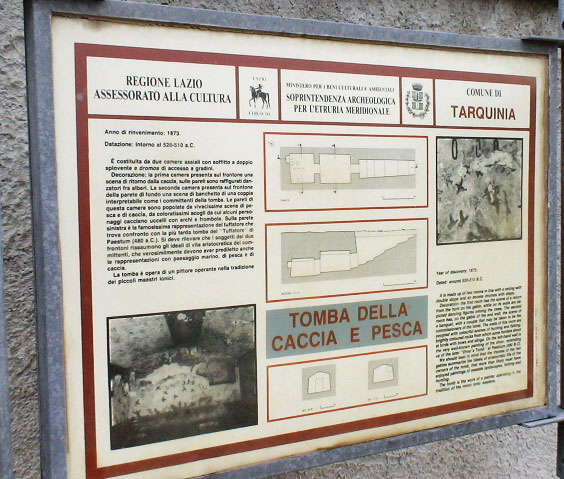
The Etruscan necropolises, with some 6,000 tombs, 60 of which include wall paintings.
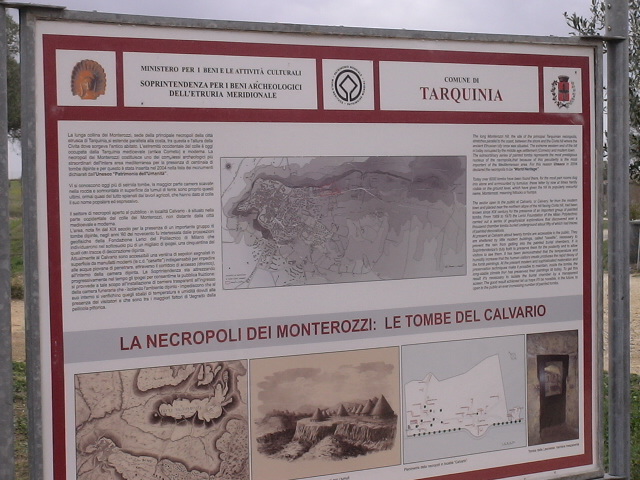
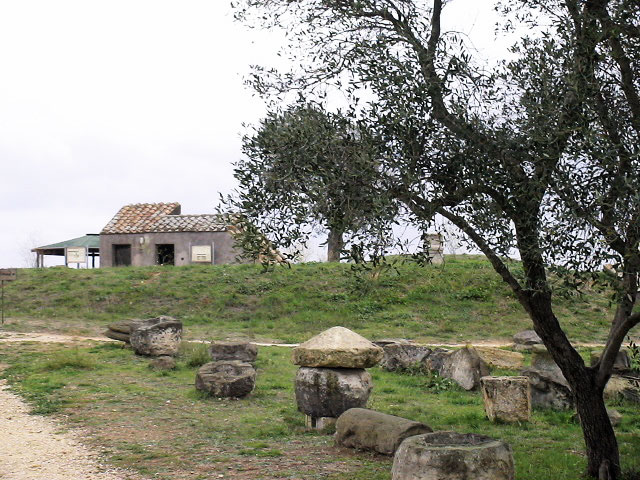
And observing the drawing and painting of these tombs reveals a lot about Etruscan way of life.
However, during the 4th century BC when Tarchuna’s expansion was at its peak, a bitter struggle with Rome took place. In 358 BC, the citizens of Tarchuna captured and put to death 307 Roman soldiers; the resulting war ended in 351 BC with a forty years’ truce, renewed for a similar period in 308 BC.
When Tarchuna came under Roman domination is uncertain, as is also the date at which it became a municipaly.
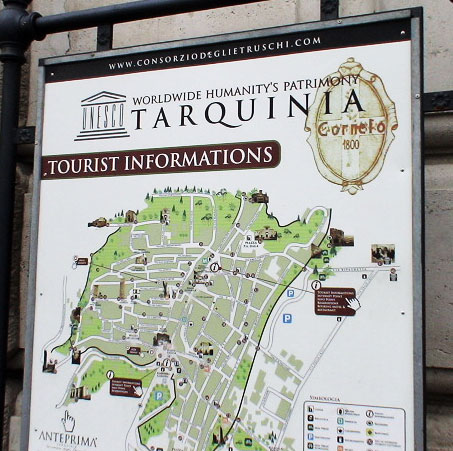
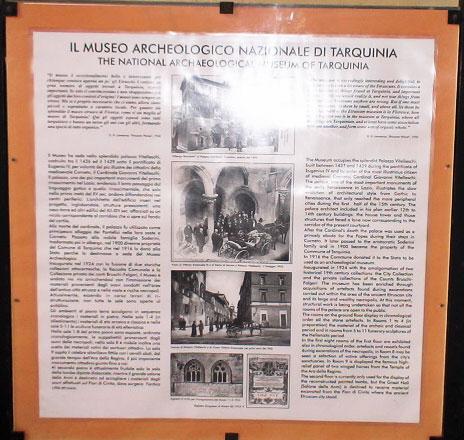
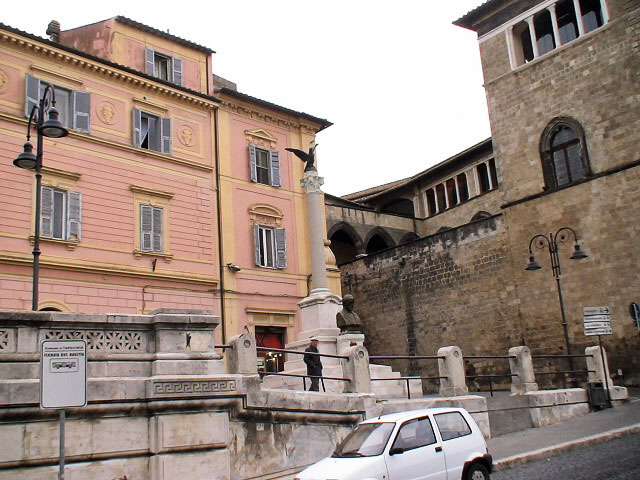
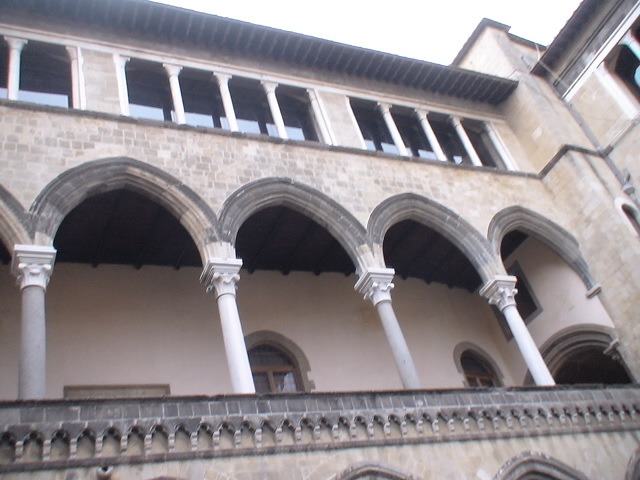
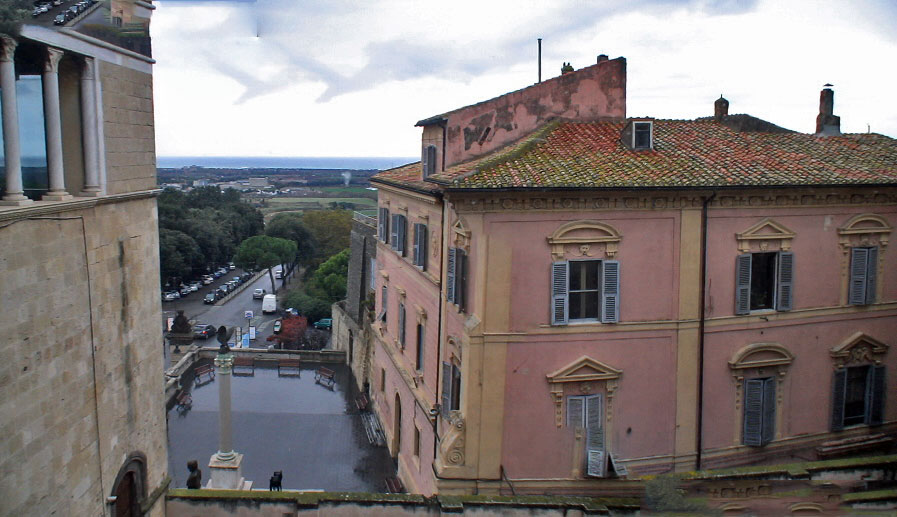
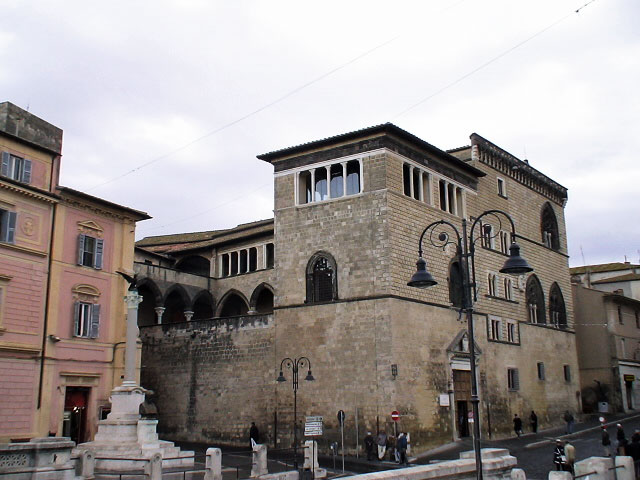
The National Museum, with a large collection of archaeological findings. It is housed in the Renaissance Palazzo Vitelleschi, begun in 1436 and completed around 1480-1490. It is the main attraction of the city.

The Etruscans were the first major civilization in what is now Tuscany; large enough to lay down a transport infrastructure, implement agriculture and mining, and produce vivid art. The people who formed the civilization lived in the area (called Etruria) well into prehistory.
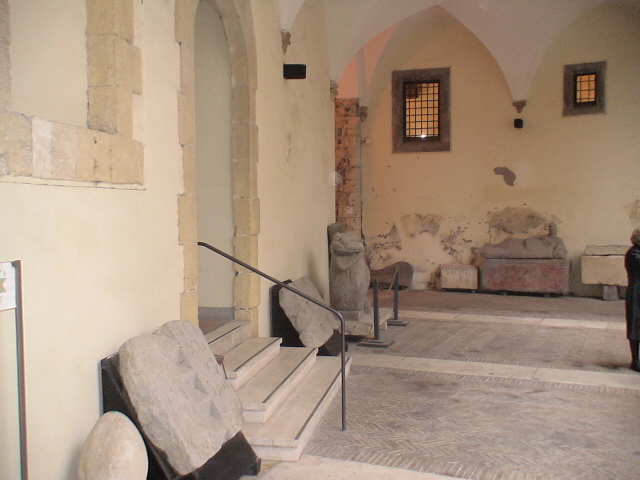
The civilisation grew to fill the area between the rivers Arno and Tiber from the eighth century BC, reaching their peak during the seventh and sixth centuries BC, and finally ceded all power and territory to the Romans by the first century BC.

 s
s 