



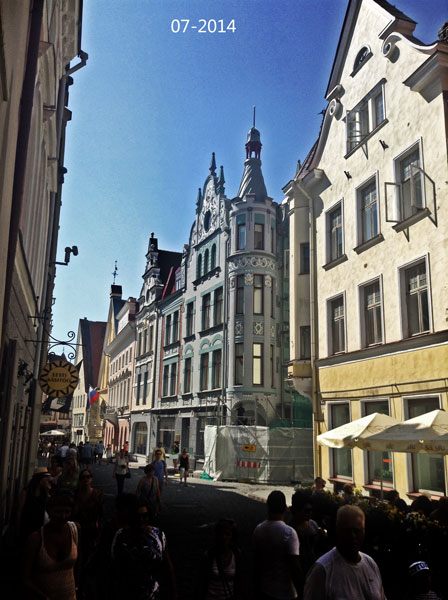
Tallinn means Danish town.
Eastern Europe, bordering the Baltic Sea and Gulf of Finland, between Latvia and Russia.


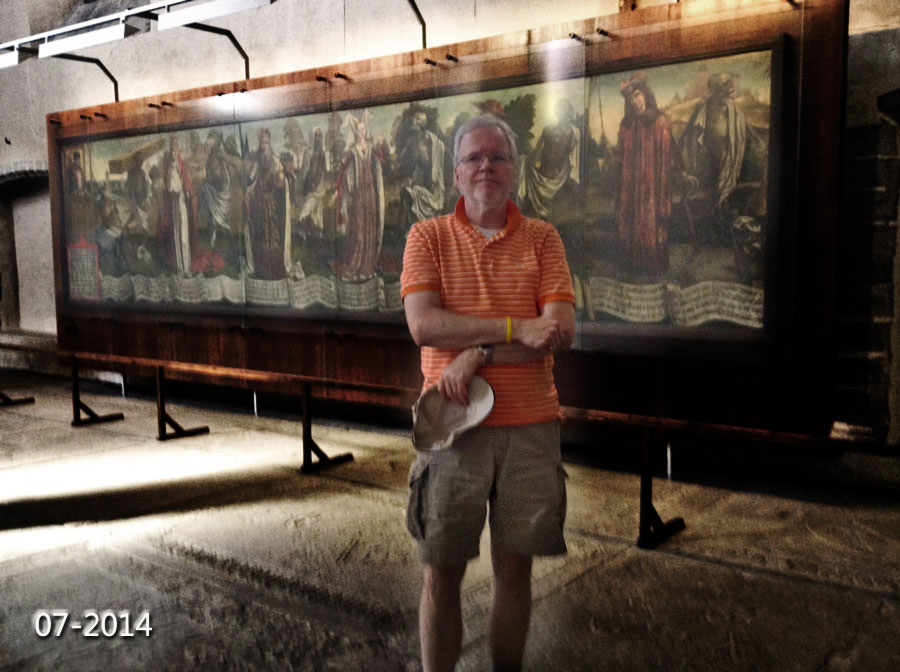
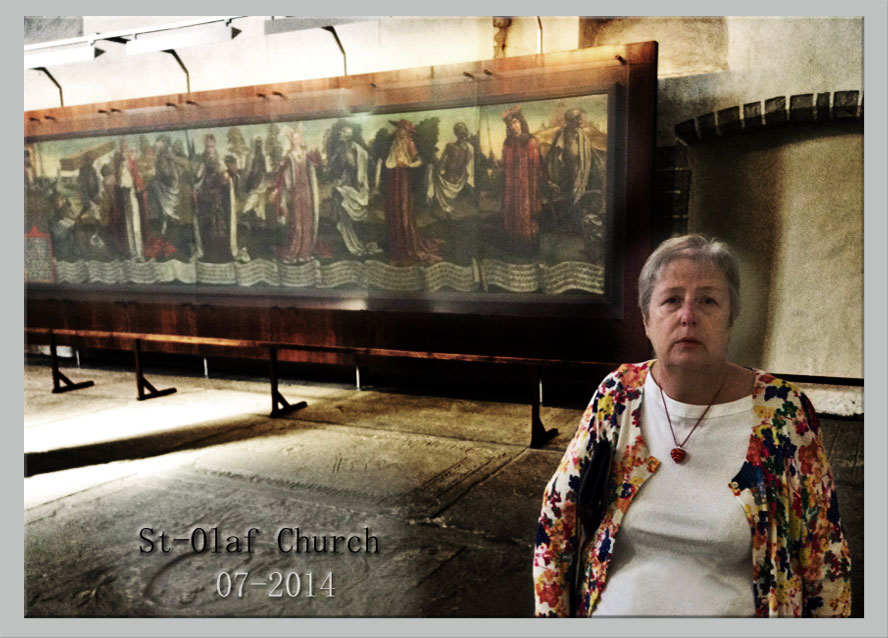
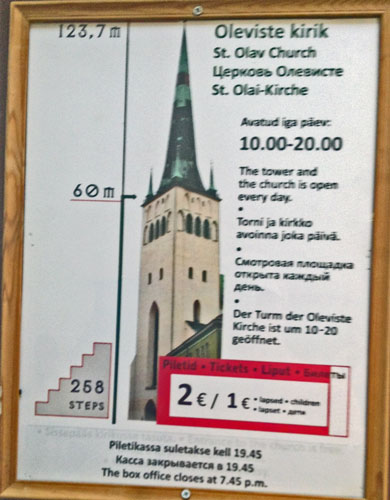
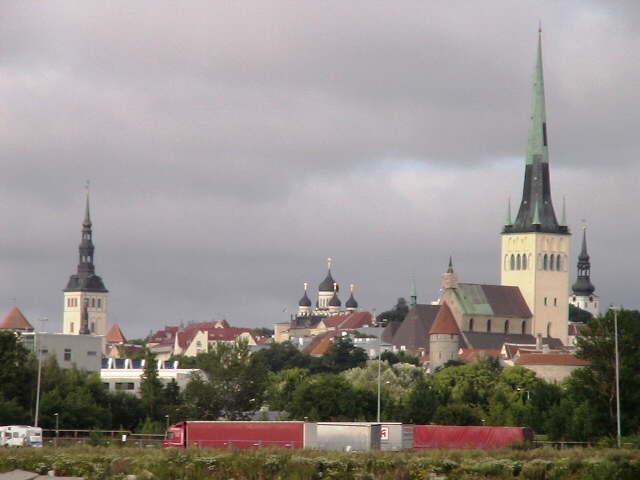
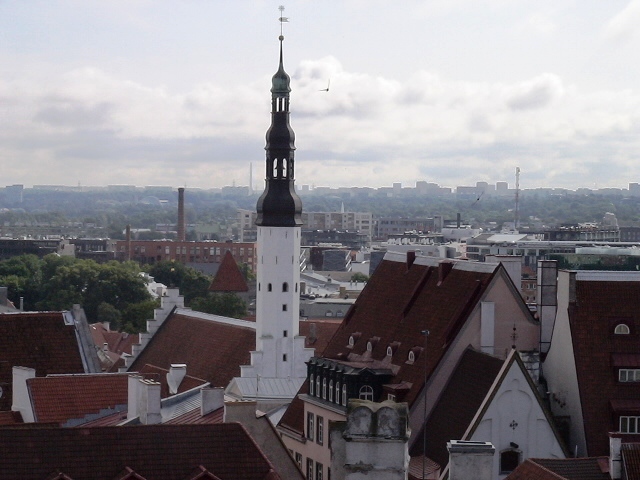
Climbed the steps of St-Olaf Church to get this vista of Tallinn. (123.7 m)
St-Olav Church
Once upon a time, from 1549 to 1625 to be exact, this 13th-century church was the tallest building in the world. But its gigantic, 159-metre spire, which was probably meant to act as a signpost for approaching ships, also turned out to be a very effective lightning rod. Throughout the church’s history its steeple has been hit repeatedly by lightning, completely burning down the structure three times.
Nowadays its smaller, 124-metre steeple still dwarfs most of Tallinn?s buildings and remains an important symbol of the town.
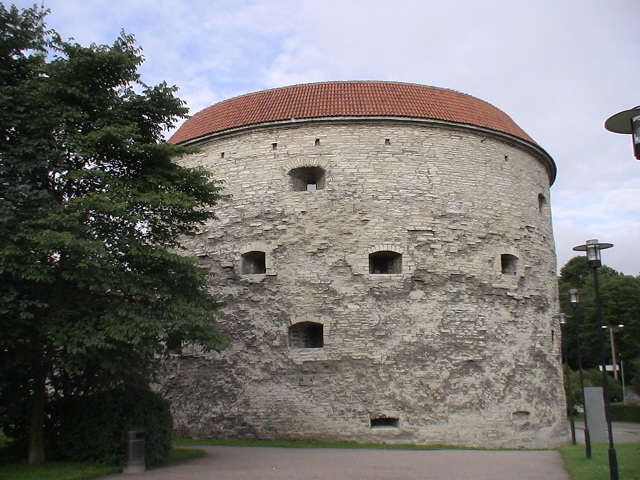
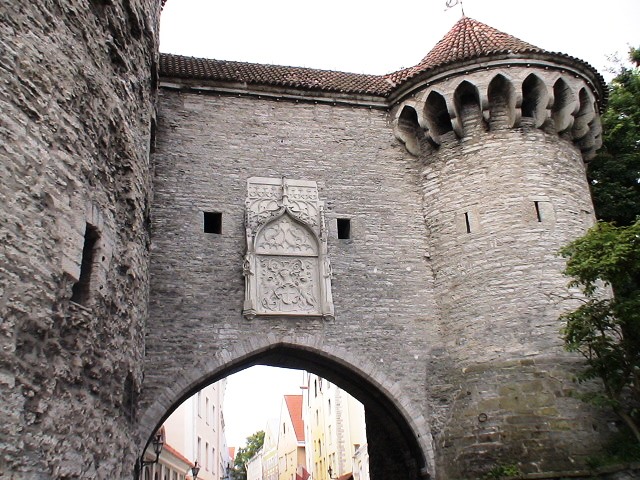
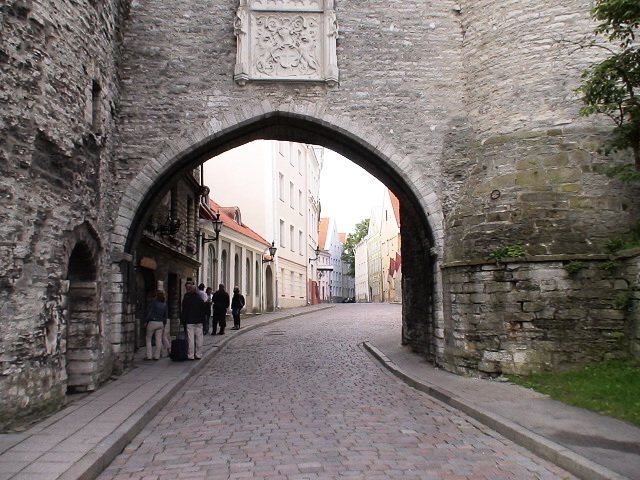
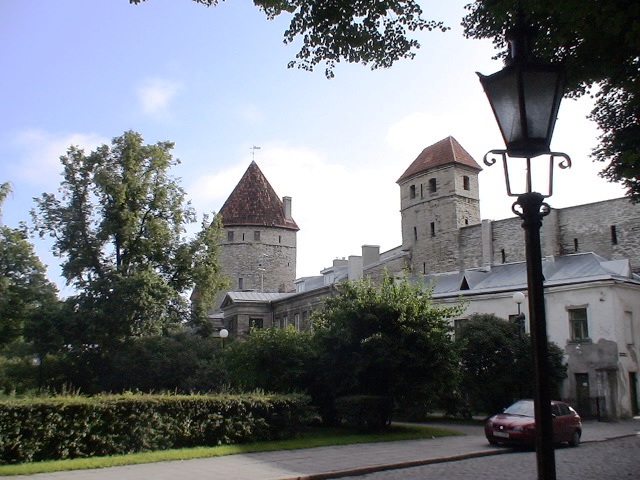
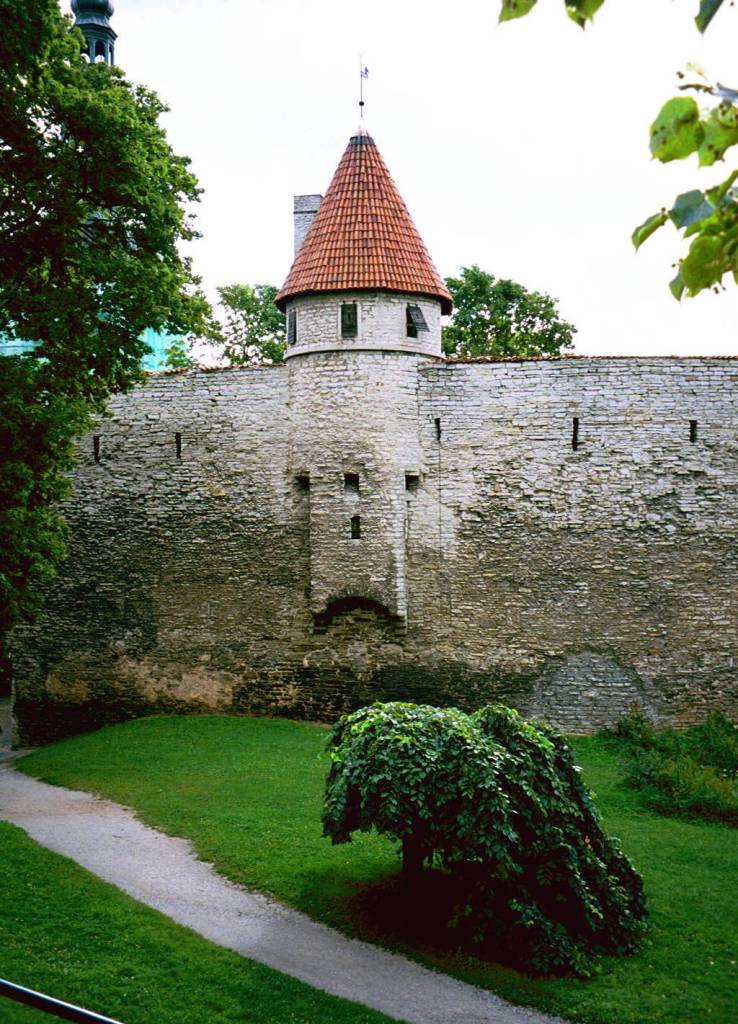
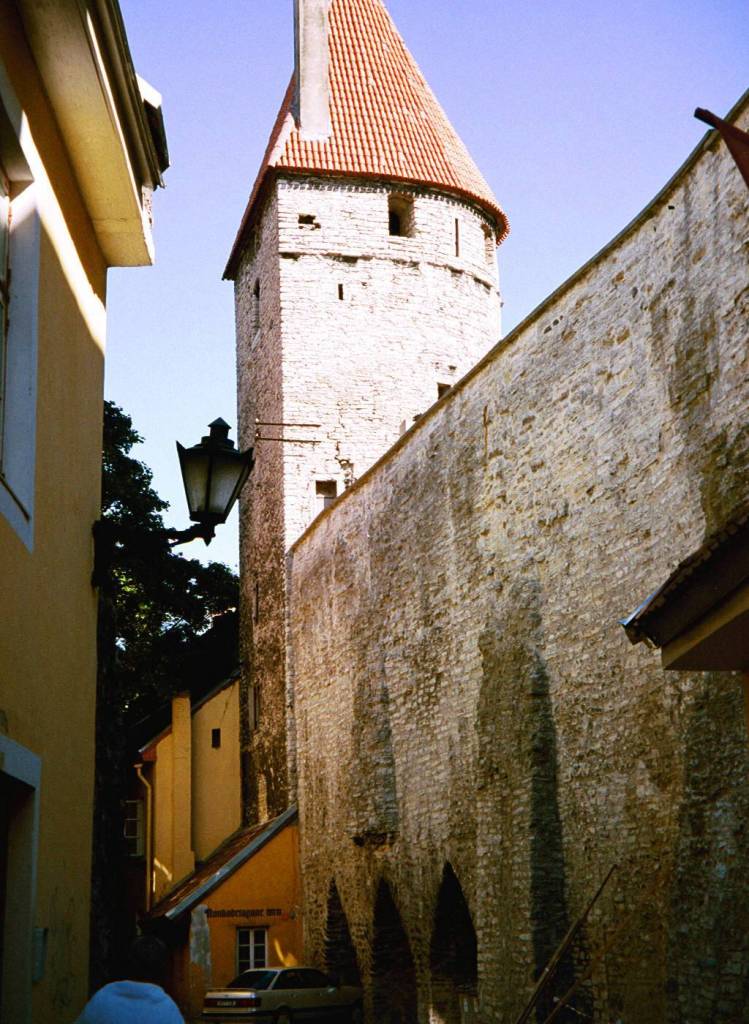
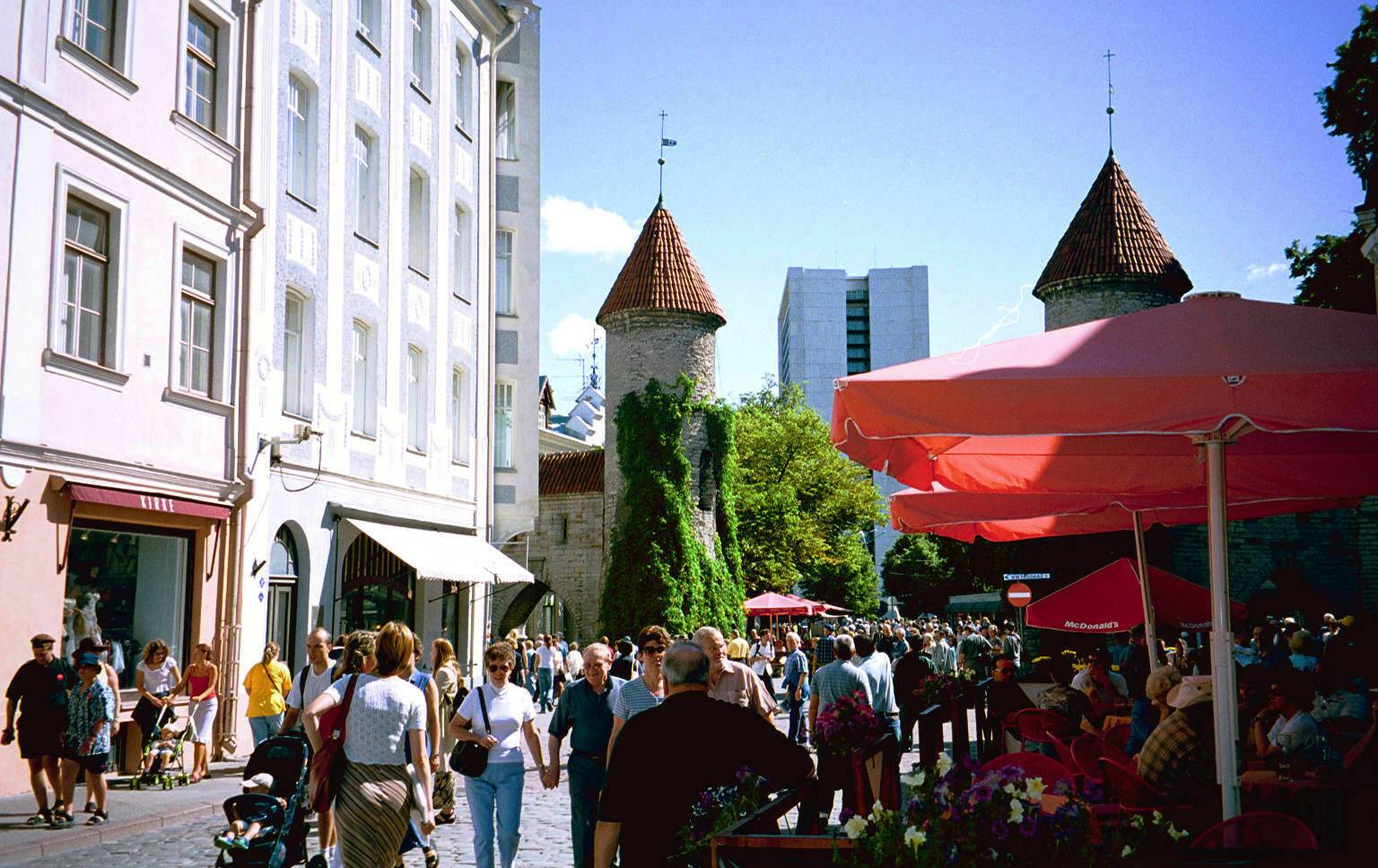
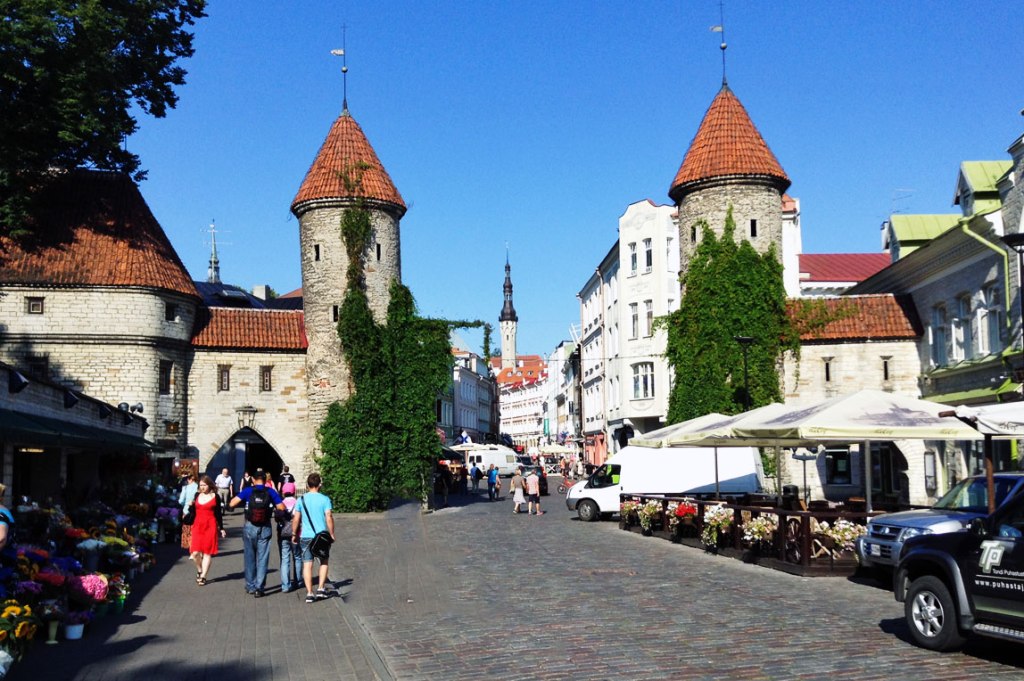
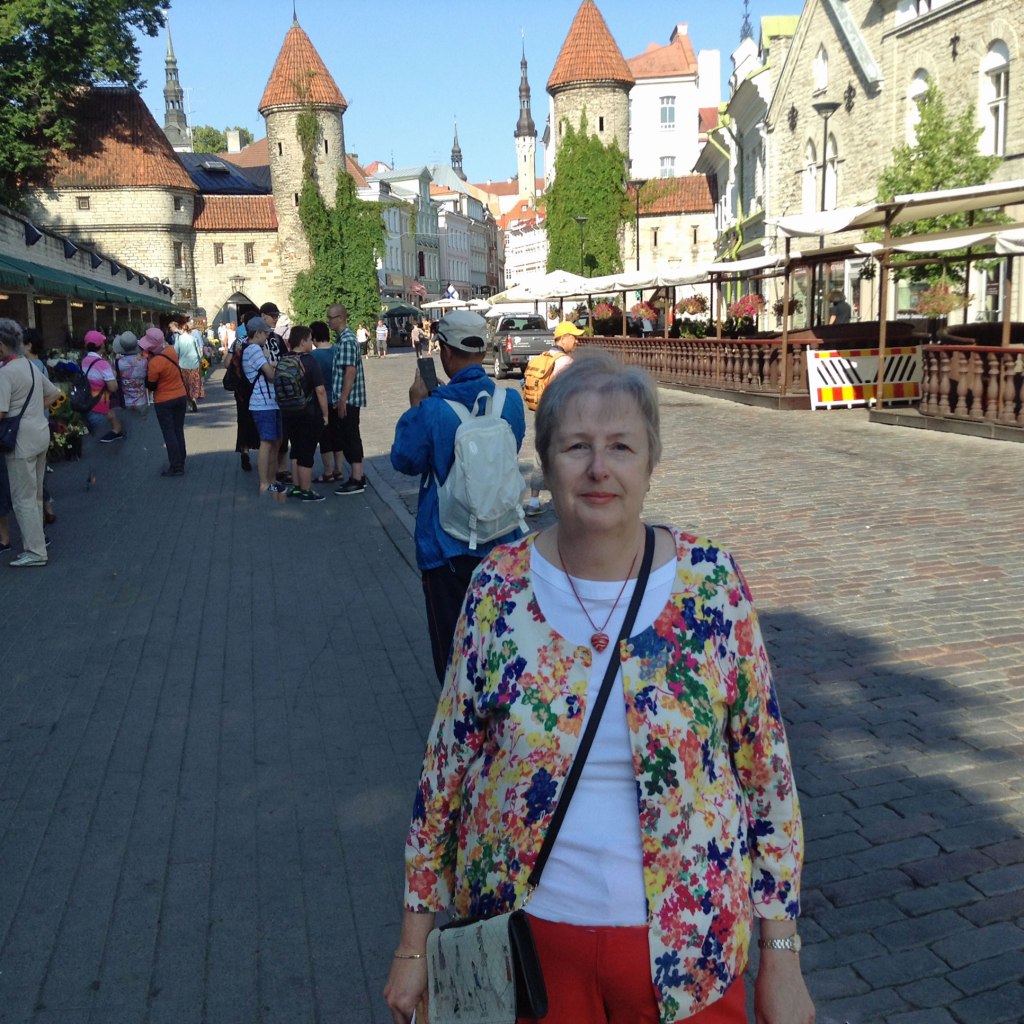
Viru Gate, entrance to the Old Town. One of two remaining towers that were once part of a larger gate system built in the 14th century.
Historically, the city has been attacked, sacked, razed and pillaged on numerous occasions. Although extensively bombed by Soviet air forces during the latter stages of World War II, much of the medieval Old Town still retains its charm.
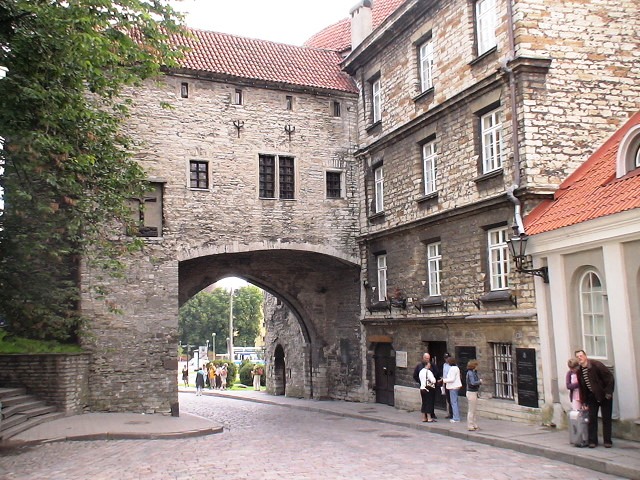
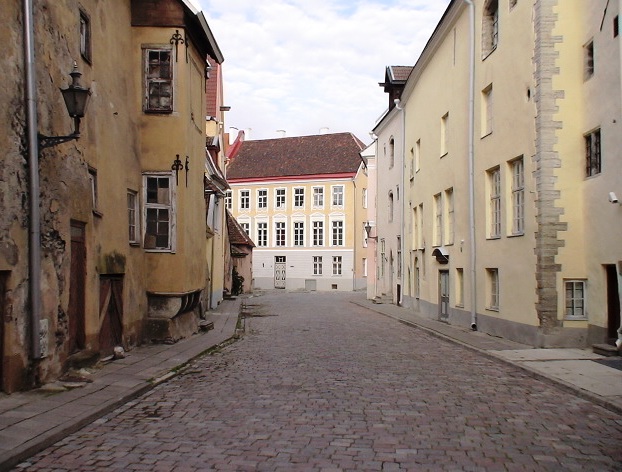
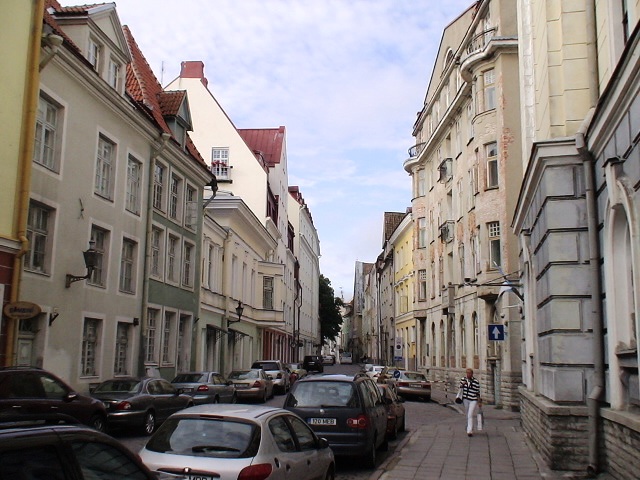
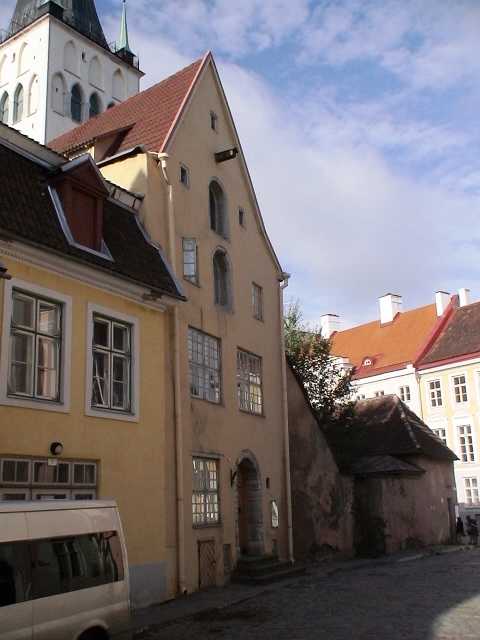
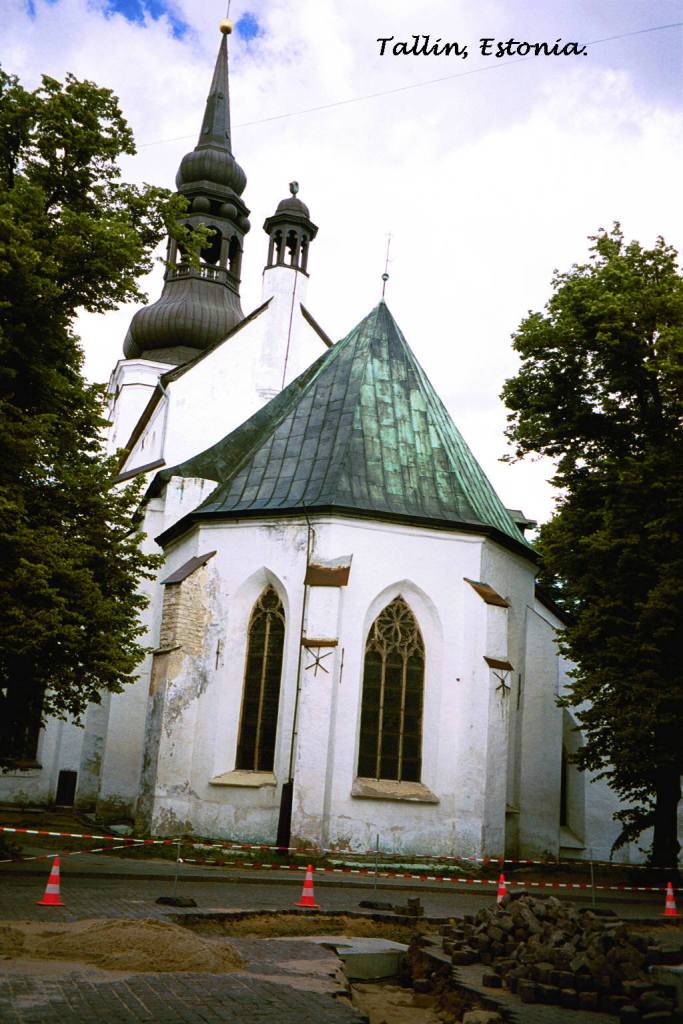
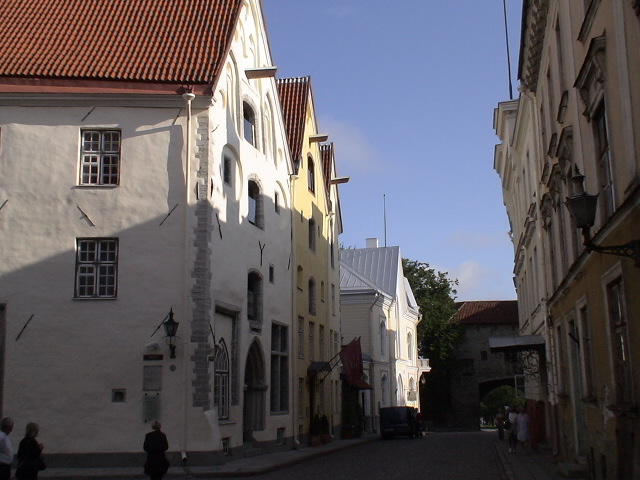
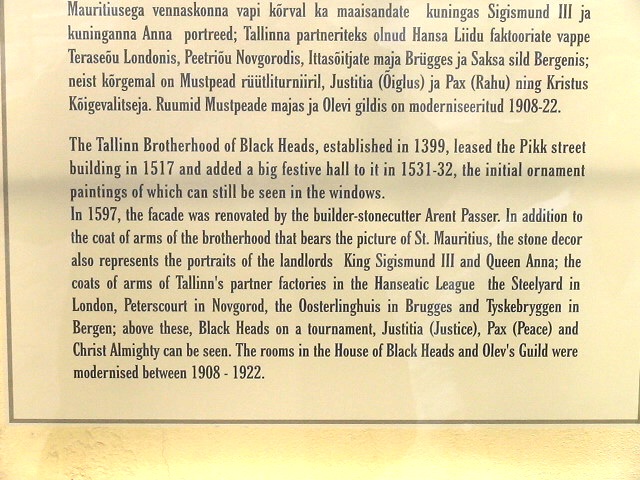
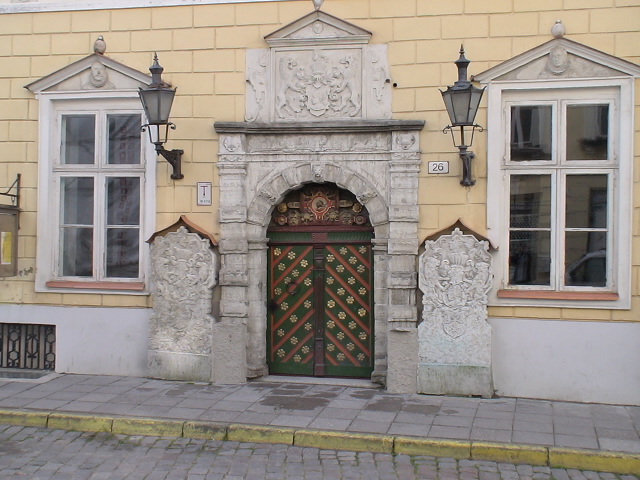
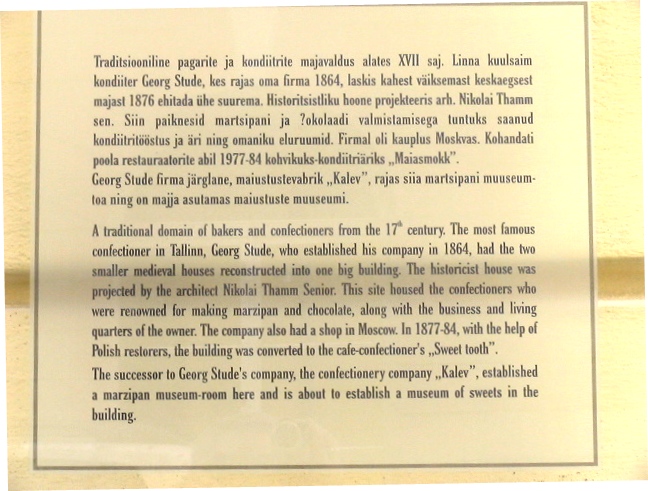
Dominican Monastery is the oldest cloister in downtown Tallinn. The Monastery was founded in 1246. The structure of the building is that of a typical Catholic cloister. The most powerful building in the cloister complex is the church. St. Catherine?s Church is thought to have reached its present state at the end of the 14th century and in surface area was the largest downtown church of its time.
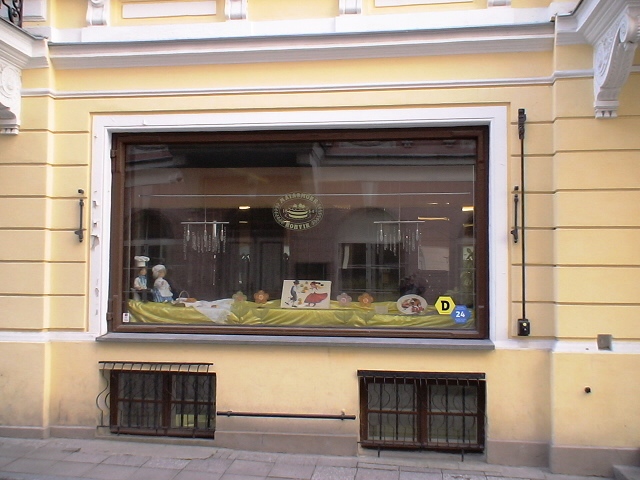
Coffee shop
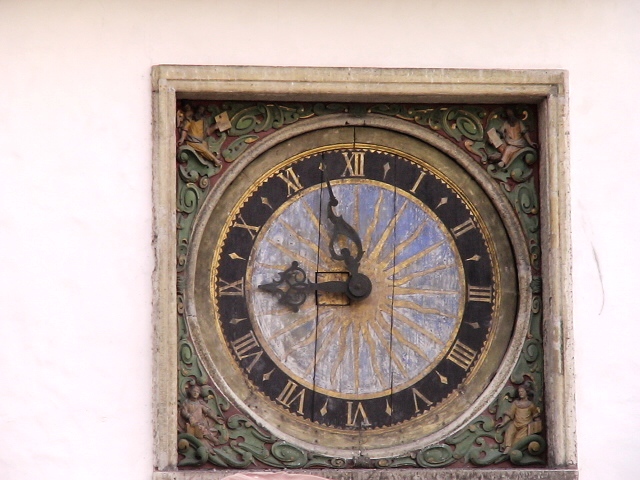
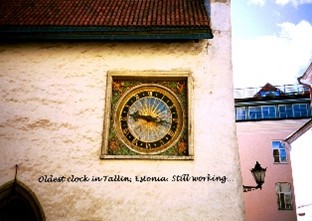
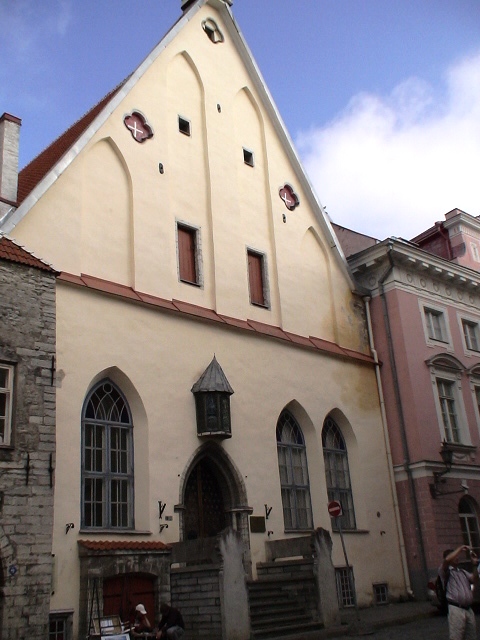
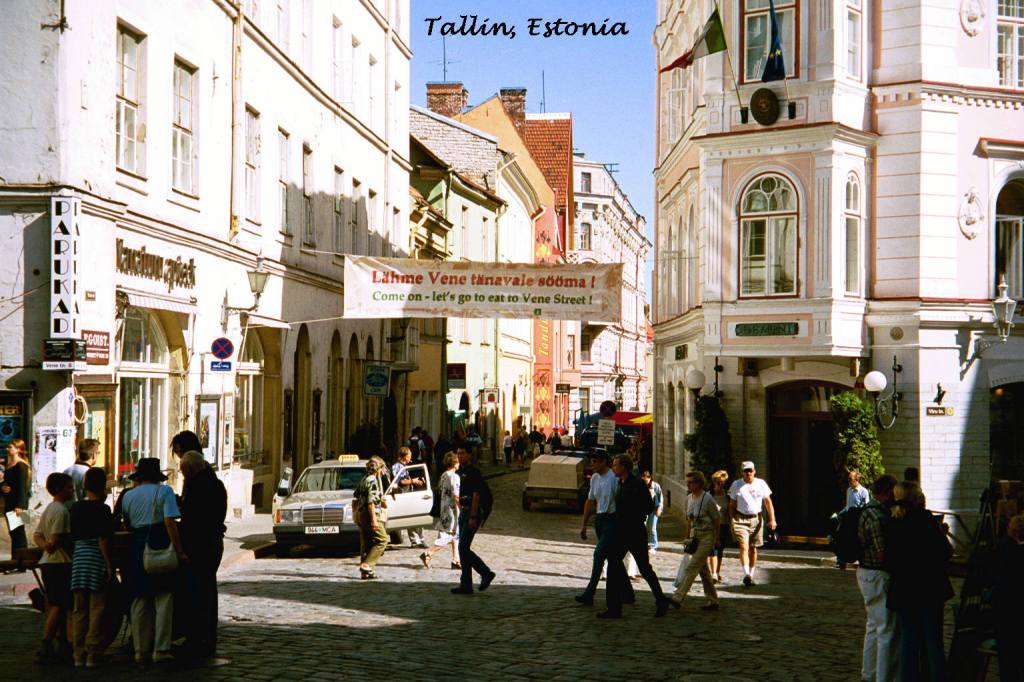
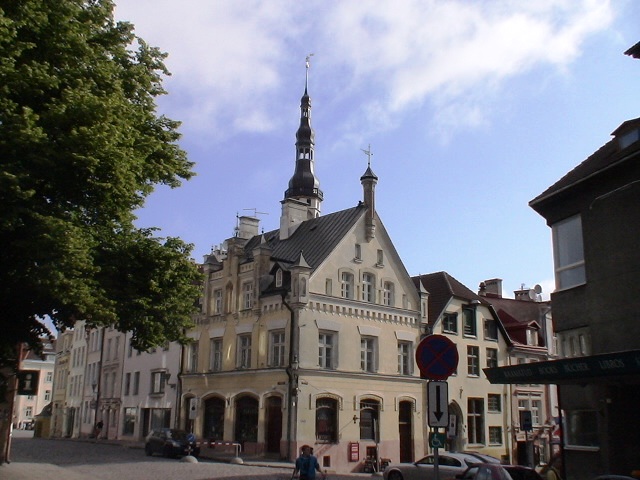
The Old Town
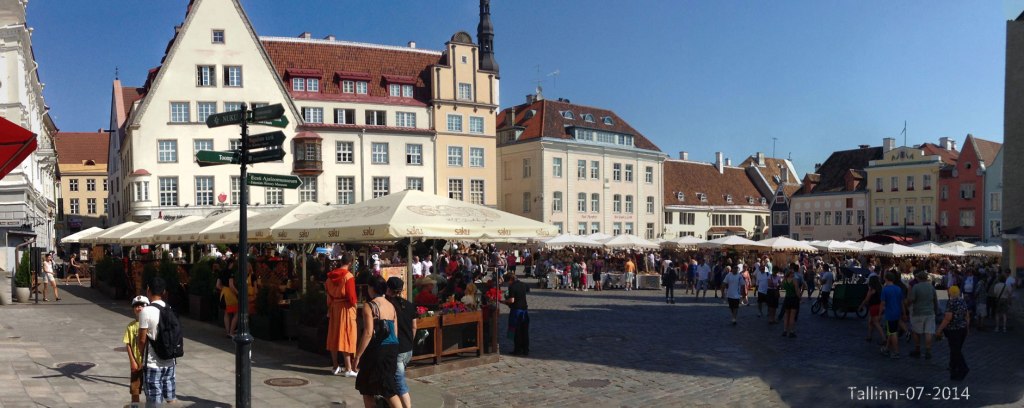
Town square in this charming city. It was also the site of executions in Medieval Times. Estonia is one three Baltic countries, the other two being Latvia and Lithuania.
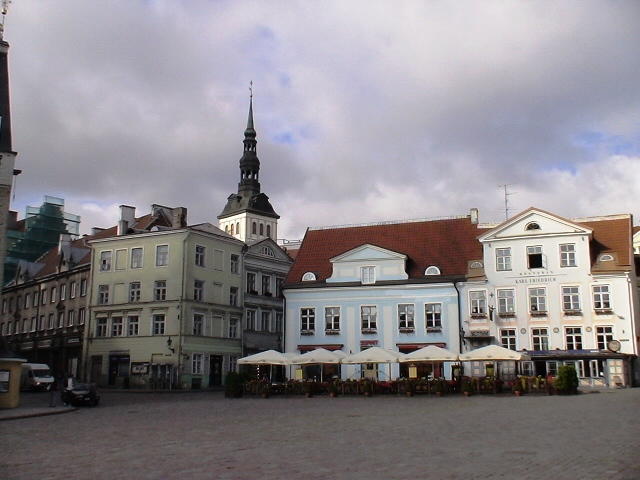
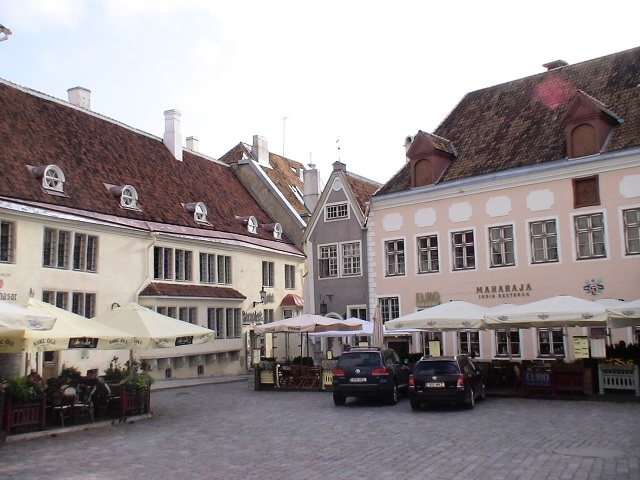
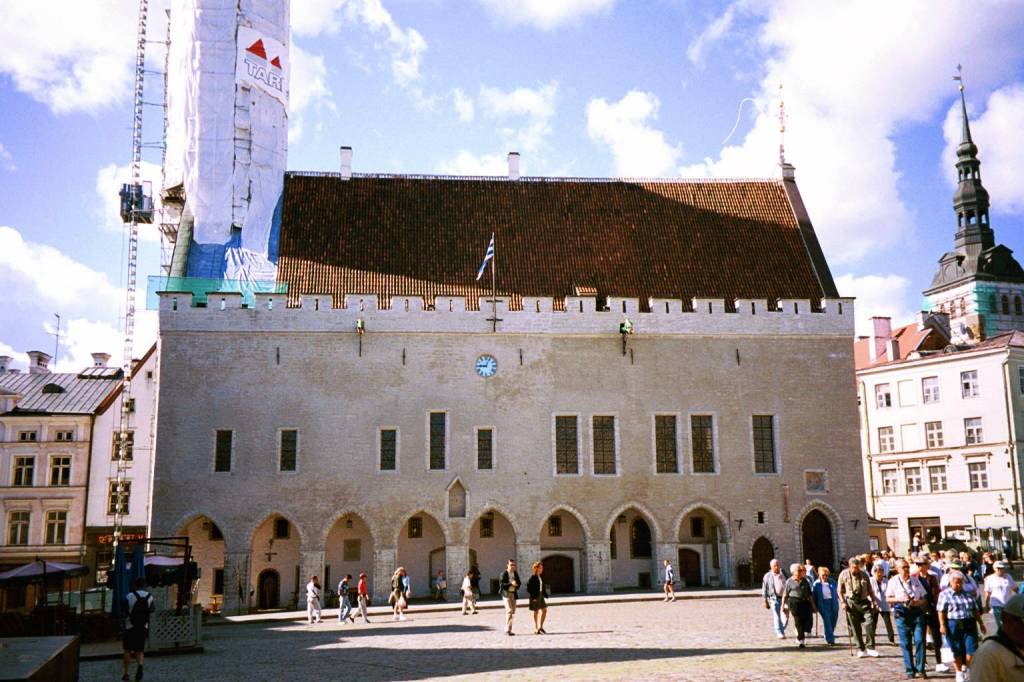
Tallinn has historically consisted of three parts:
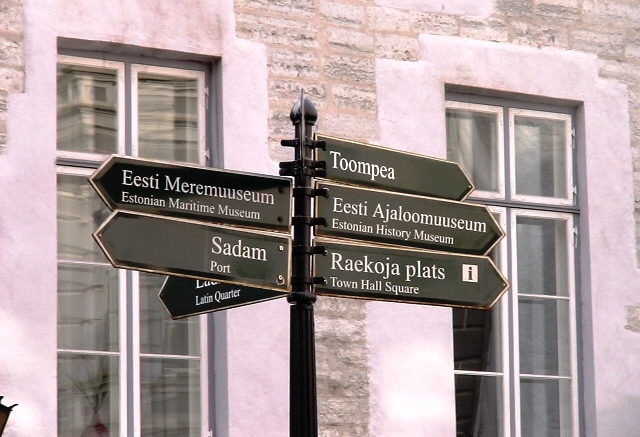
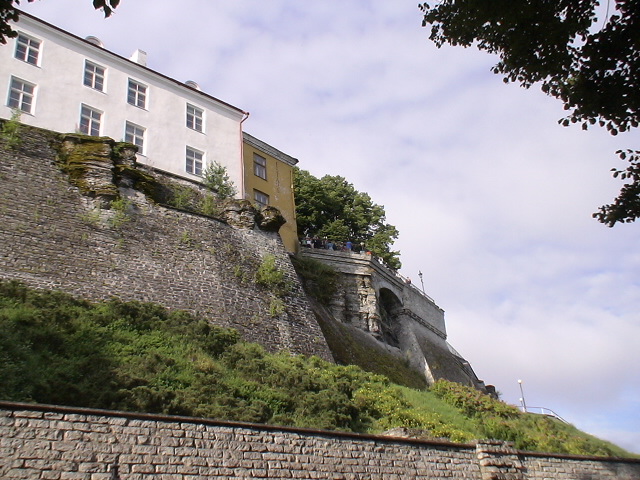
- The Toompea or “Cathedral Hill”, which was the seat of the central authority: first the Danish captains, then the komturs of the Teutonic Order, and Swedish and Russian governors. It was until 1877 a separate town (Dom zu Reval), the residence of the aristocracy; it is today the seat of the Estonian government and many embassies and residencies.
- The Old Town, which is the old Hanseatic town, the “city of the citizens”, was not administratively united with Cathedral Hill until the late 19th century. It was the centre of the medieval trade on which it grew prosperous.
- The Estonian town forms a crescent to the south of the Old Town, where the Estonians came to settle. It was not until the mid-19th century that ethnic Estonians replaced the local Baltic Germans as the majority amongst the residents of Tallinn.
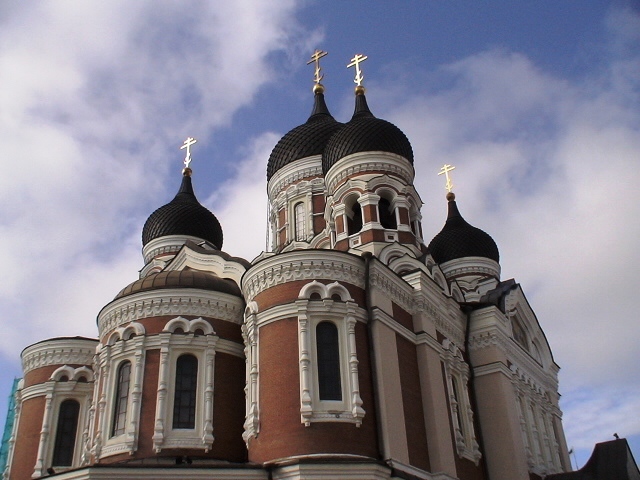
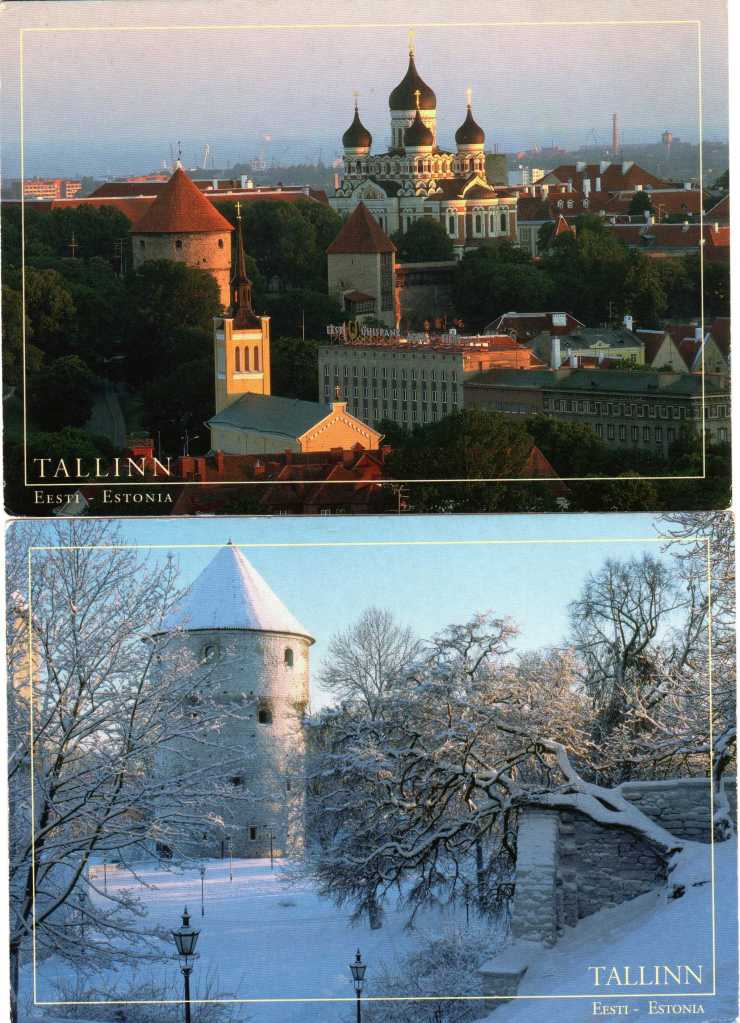
The Alexander Nevsky Cathedral of Tallinn is an Eastern Orthoox cathedral. It was built in 1894–1900, when the country was part of the former Russian Empire. The cathedral is the city’s largest cupola church.
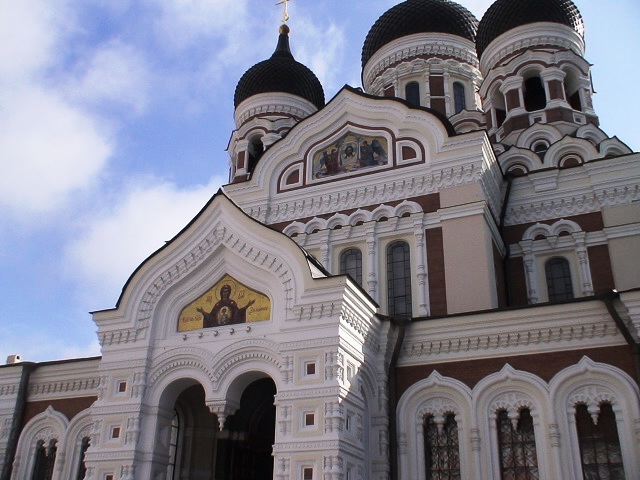
The cathedral was built onto the Toompea hill in central Tallinn.
The church is dedicated to the grand prince of Kiev, and later Russian orthodox saint, Alexander Nevsky,
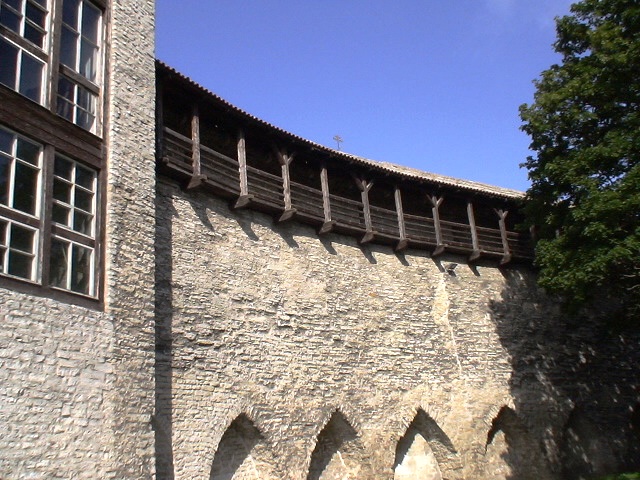
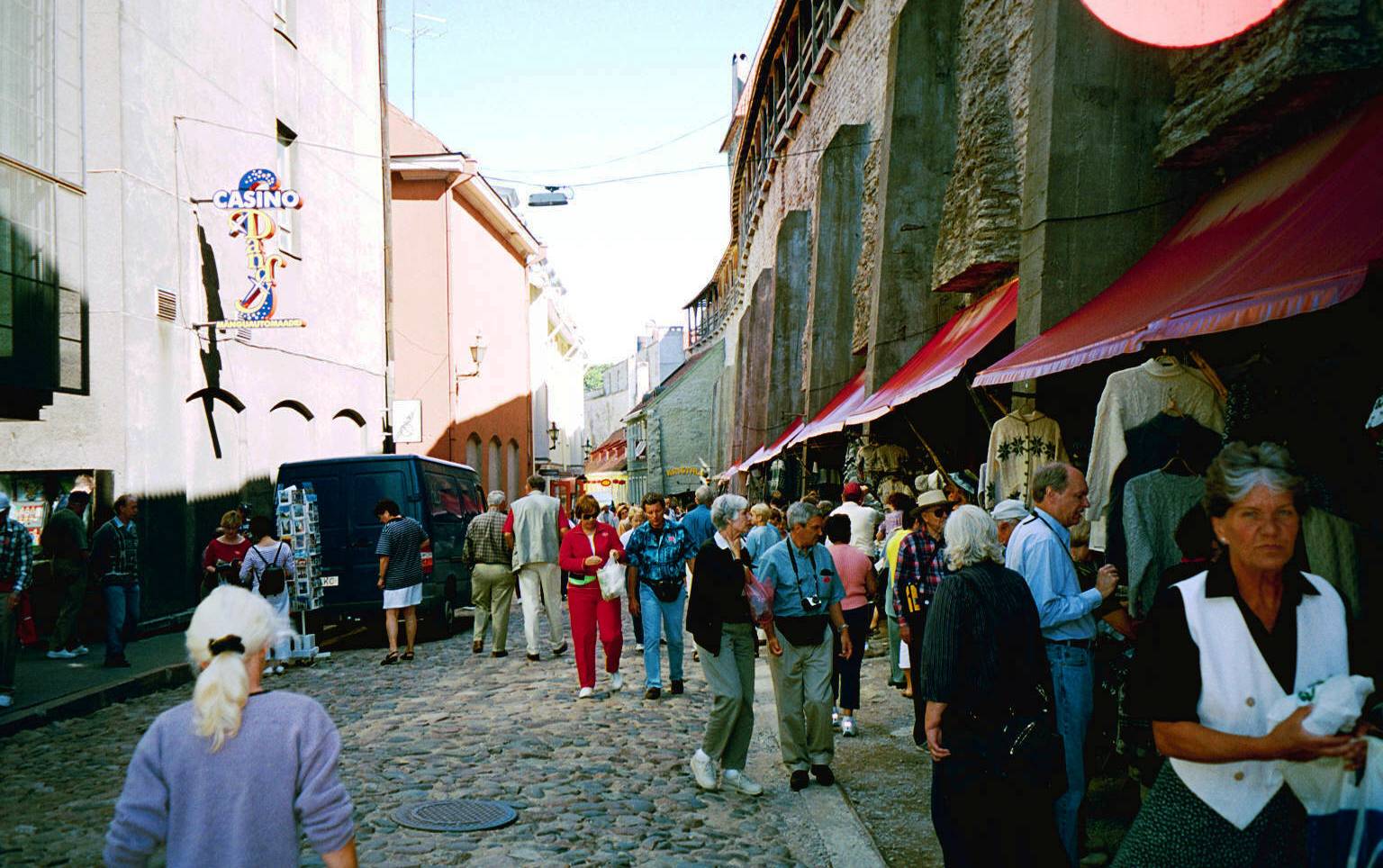
Bought a nice hand-woven wool sweater in this market. Prices are a lot cheaper than can be found on the other side of the Baltic in, for instance, Oslo.

 s
s 