




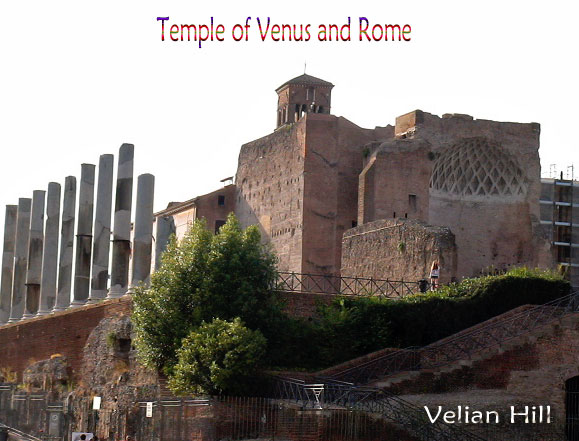
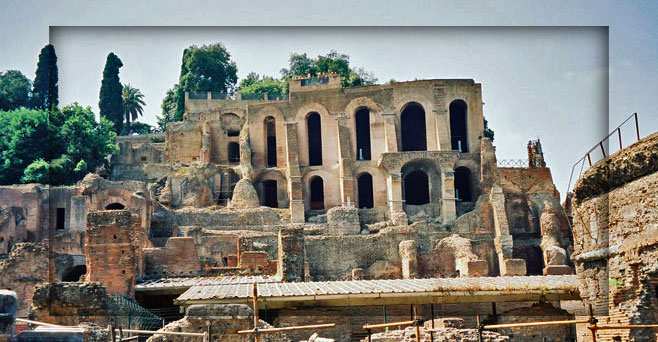
The House of the Vestal Virgins was the place where Vestal Virgins lived. It was located just behind their circular Temple of Vesta at the eastern edge of the Roman Forum, between the Regia and the Palatine Hill. The domus publicae where the Pontifex Maximus dwelled, was located near the Atrium until that role was taken up by the emperors.
*Latin: Atrium Vestae See diagram below. You can find it on the above diagram 4pm
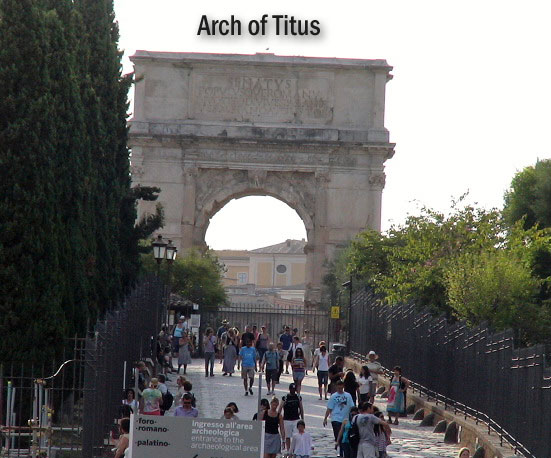
The Arch of Titus is a marble triumphal arch with a single arched opening, located on the Via Sacra just to the south-east of the Forum. It was constructed by the emperor Domitian shortly after the death of his older brother Titus, commemorating the capture and sack of Jerusalem in 70, which effectively terminated the Jewish War begun in 66 (although the Romans did not achieve complete victory until the fall of Masda in 73).
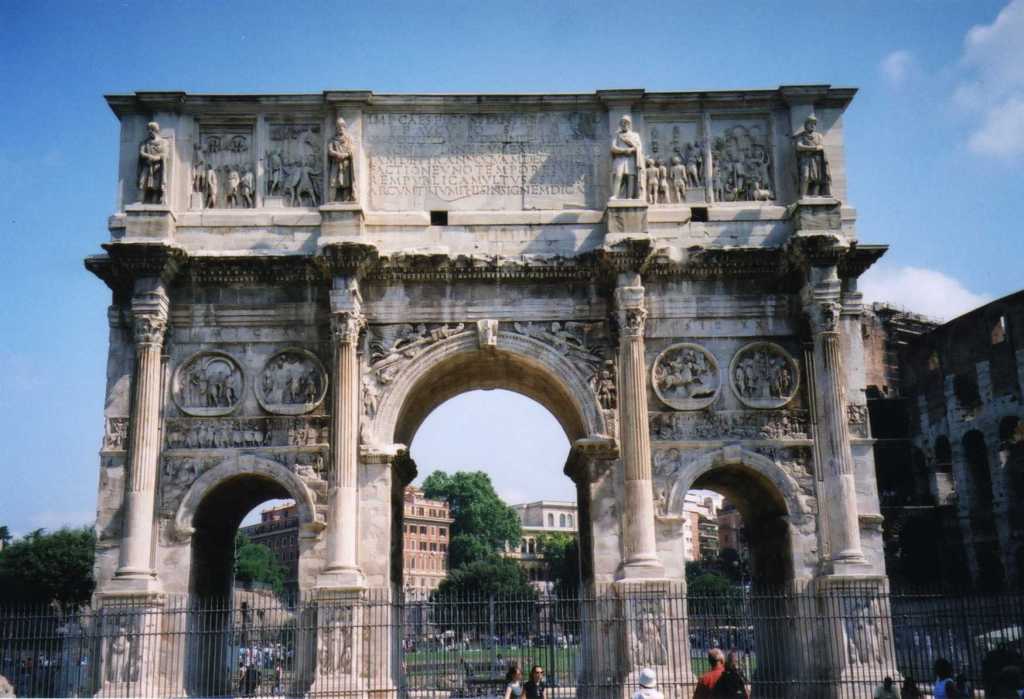
The white marble Arch of Septimius Severus at the northeast end of the Roman Forum is a triumphal arch dedicated in AD 203 to commemorate the Parthian victories of Emperor Septimius Severus and his two sons, Caracalla and Geta, in the two campaigns against the Parthians of 194-195 and 197-199.
I ate all this history up… I remember the day I took this picture… A very hot day. There wasn’t much shade around. And yes, there was a lot of people on the site. Continuous streams our tours… You had to put yourself in a a little bubble not to feel overwhelmed by the crowds.
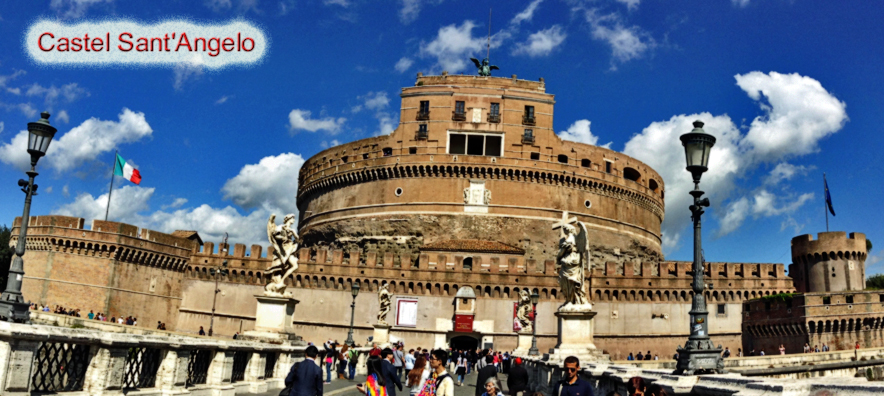
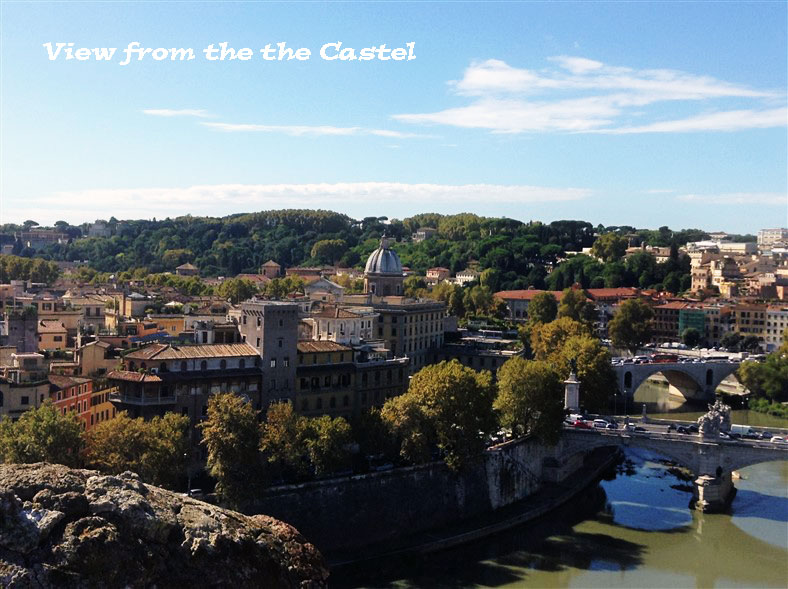
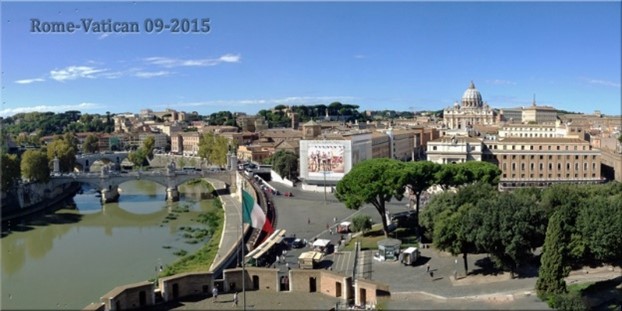
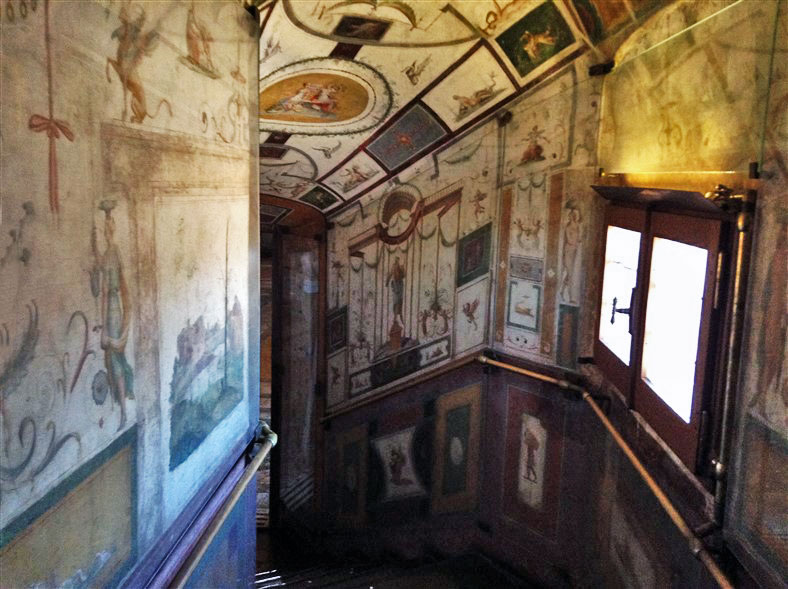
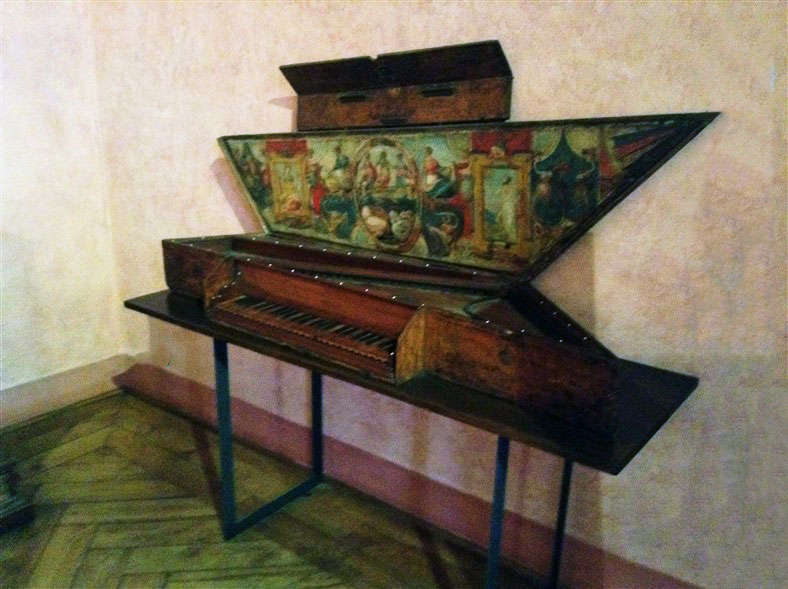
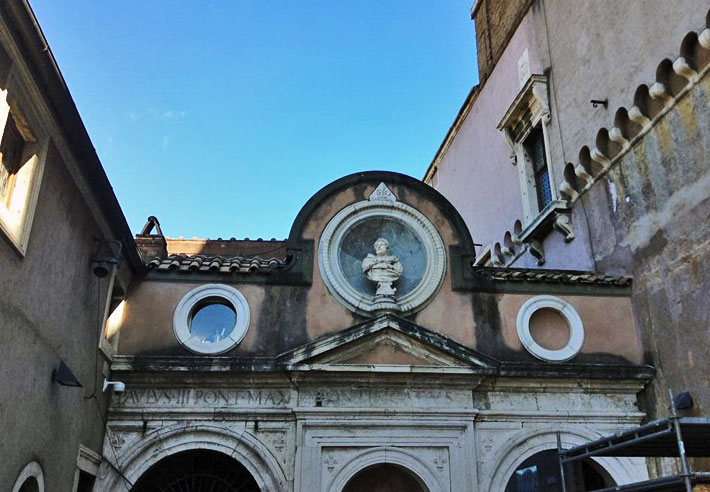
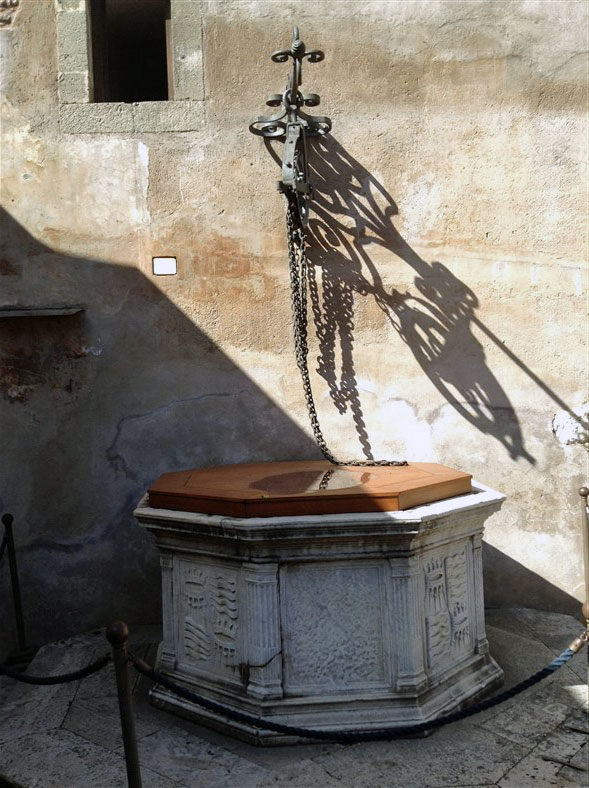
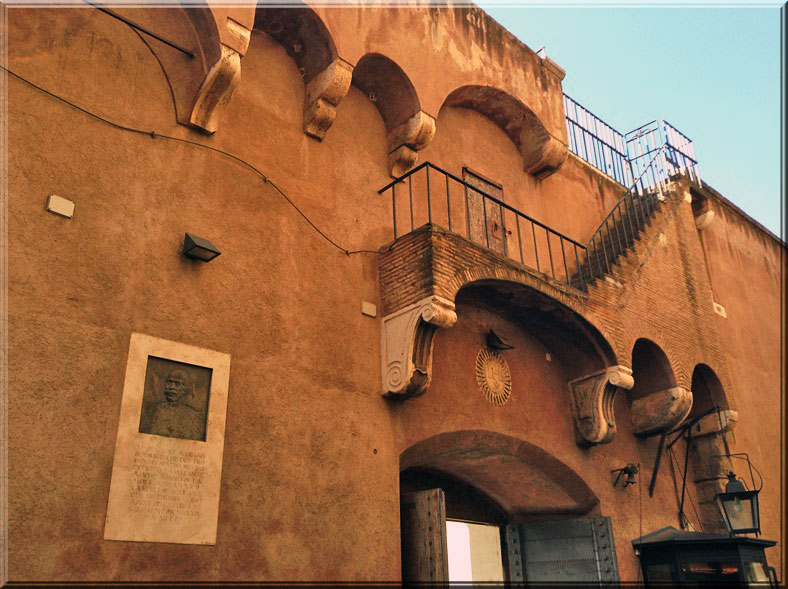
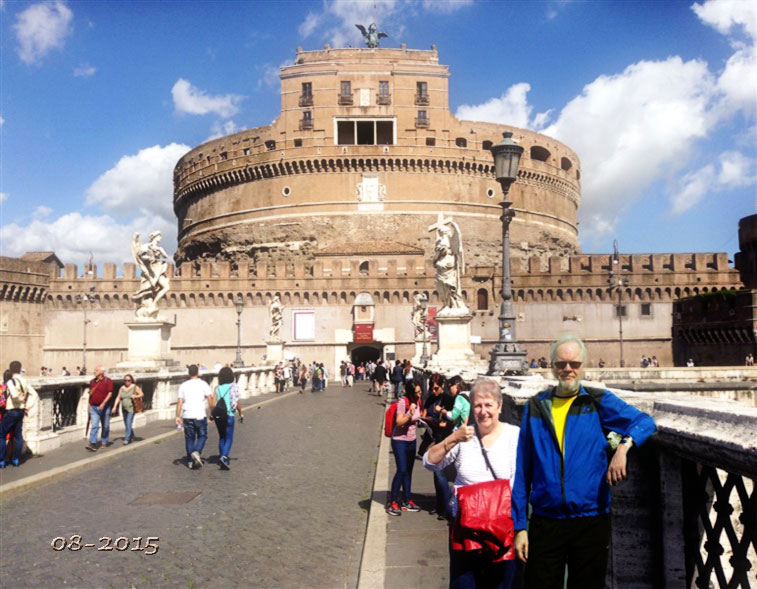
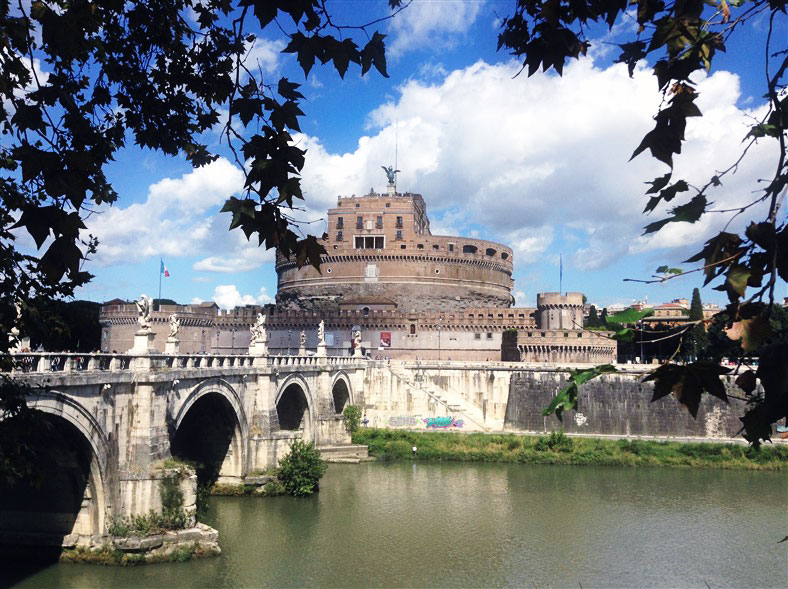
The Mausoleum of Hadrian, usually known as Castel Sant’Angelo was initially commissioned by the Roman Emperor Hadrian as a mausoleum for himself and his family. The building was later used by the popes as a fortress and castle and is now a museum. The structure was once the tallest building in Rome.
The popes converted the structure into a castle, beginning in the 14th century; Pope Nicholas III connected the castle to St- Peter’s Basilica by a covered fortified corridor called the Passetto di Borgo.
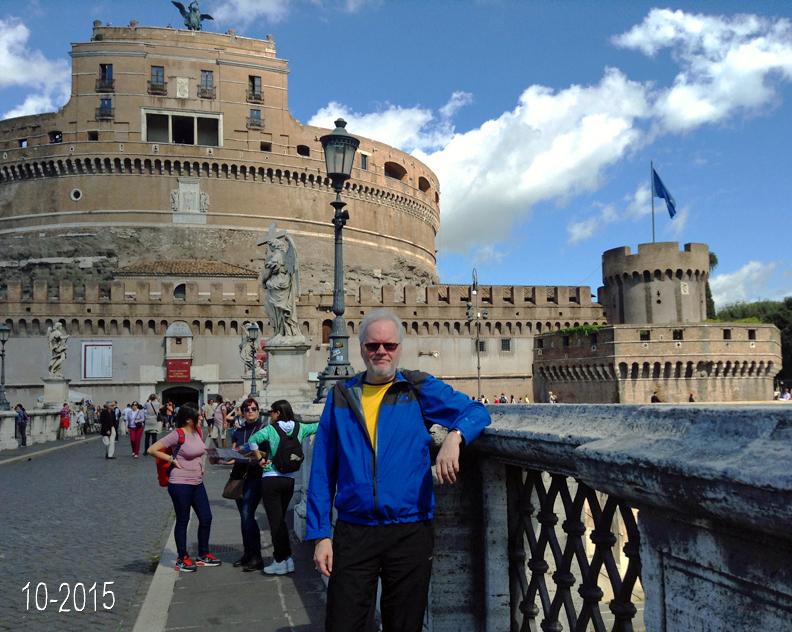
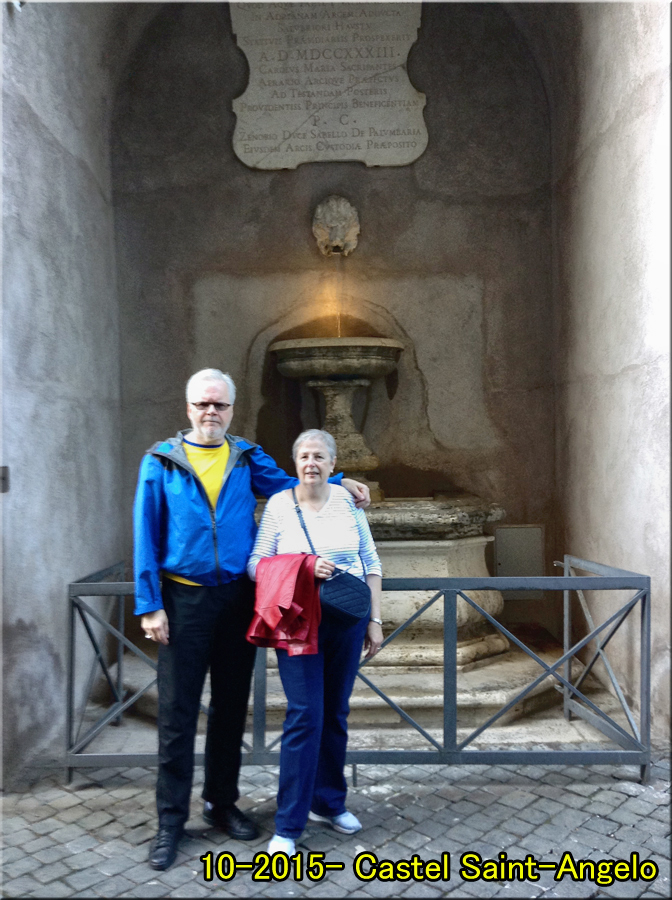

The Papal state also used Sant’Angelo as a prison. Executions were performed in the small inner courtyard. As a prison, it was also the setting for the third act of Puccini’s 1900 opera TOSCA; the eponymous heroine leaps to her death from the Castel’s ramparts.
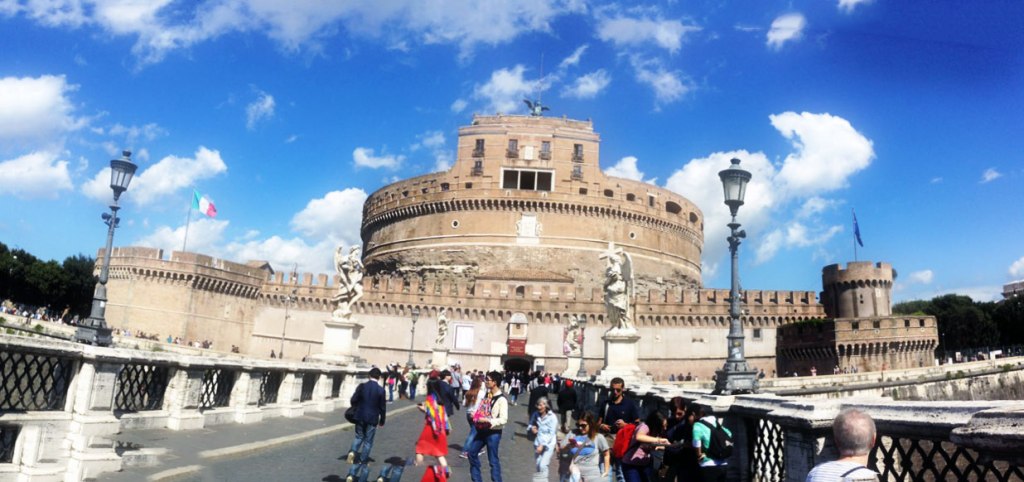

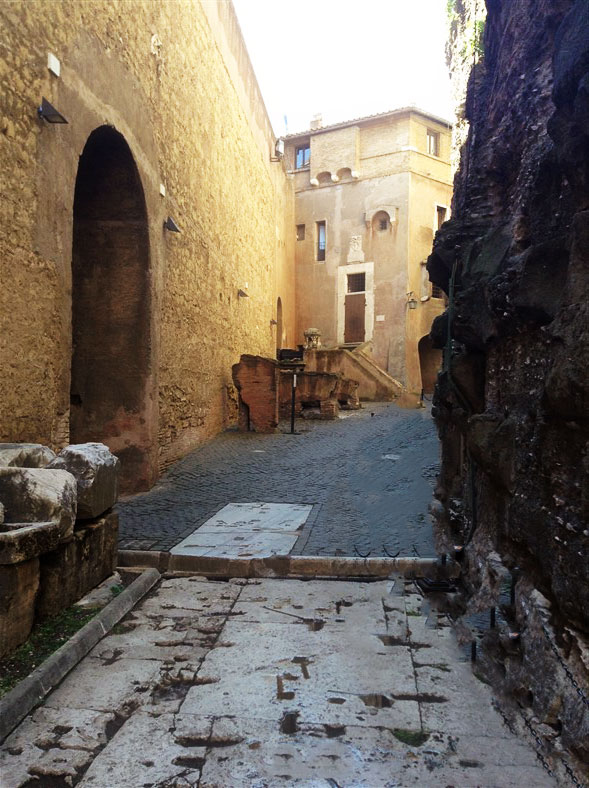

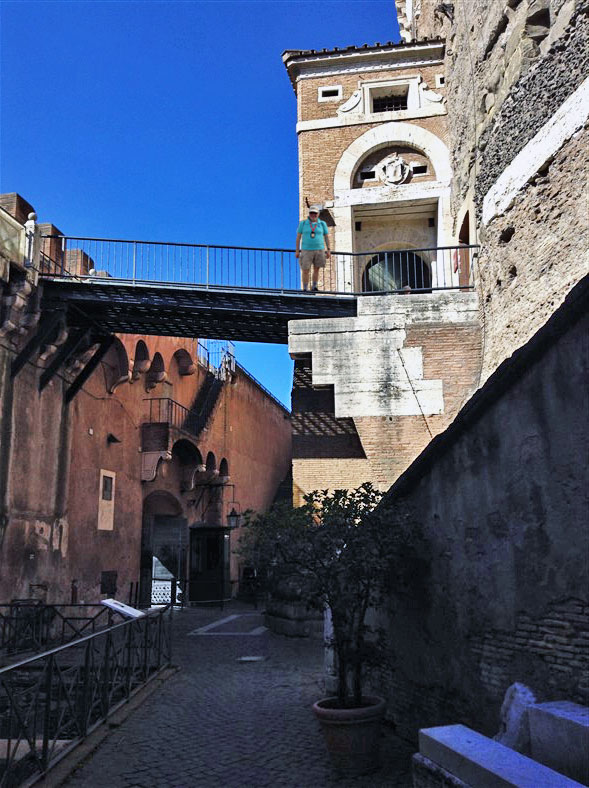
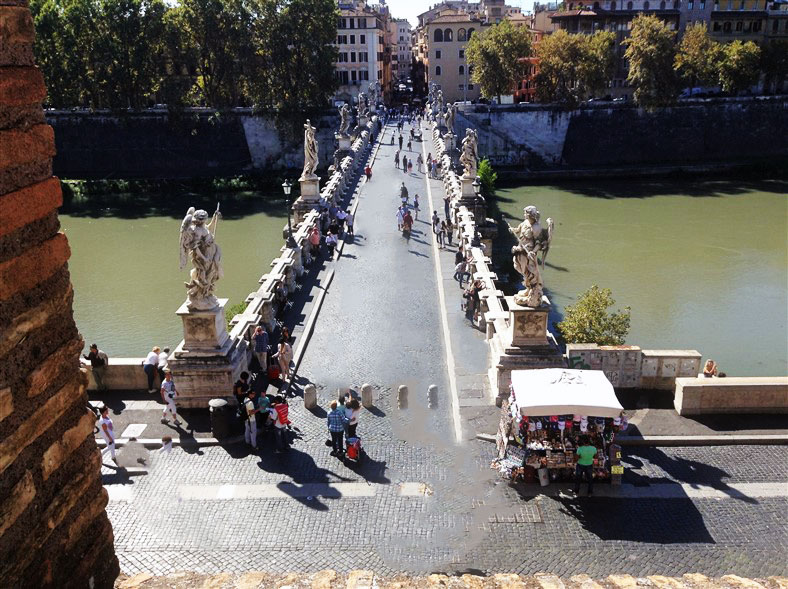
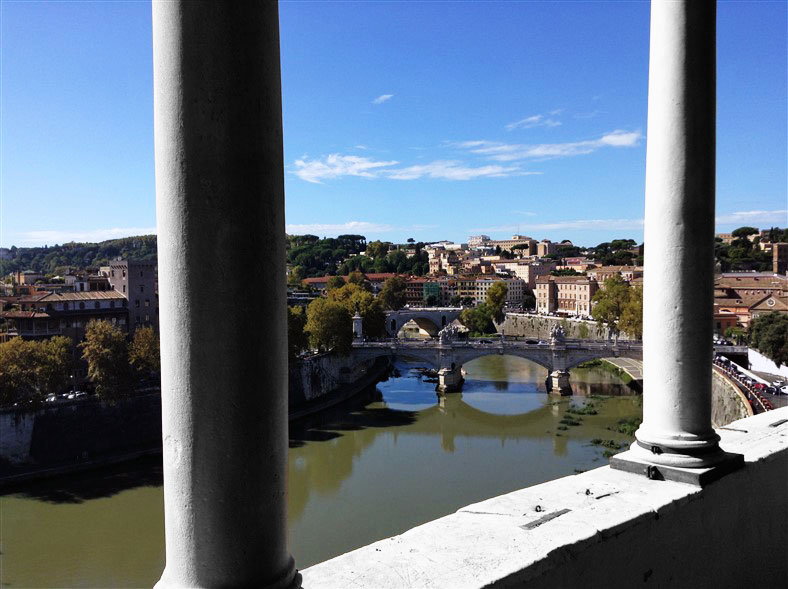
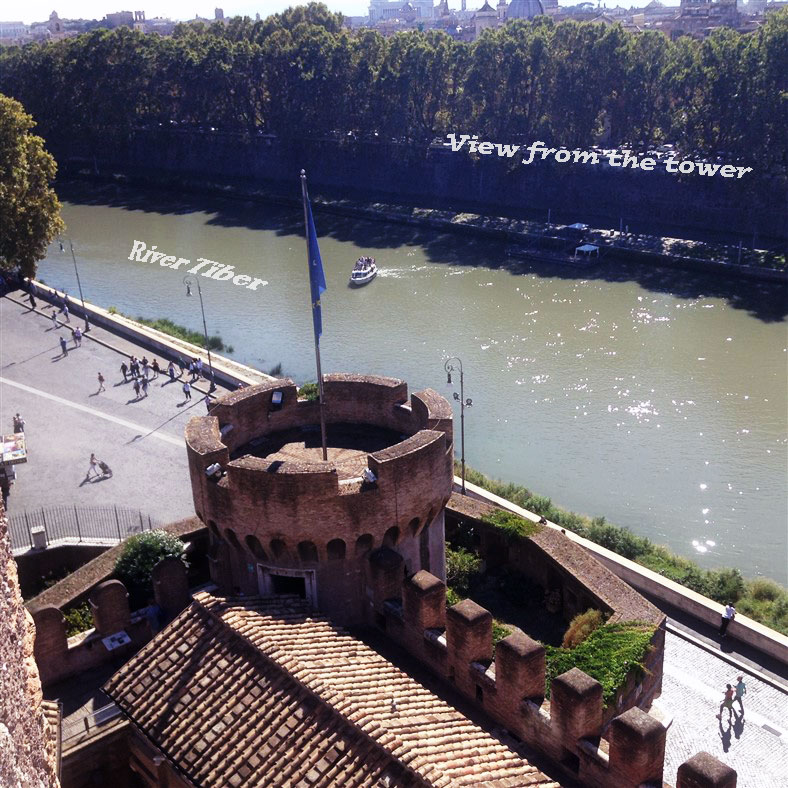
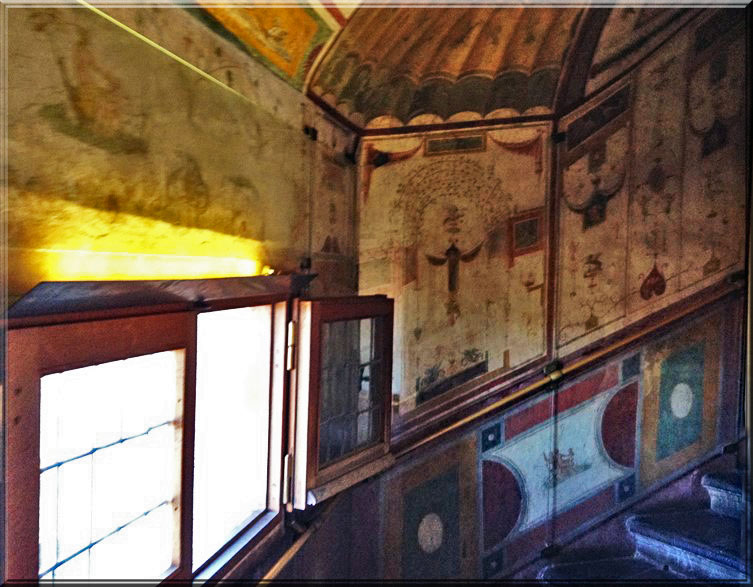
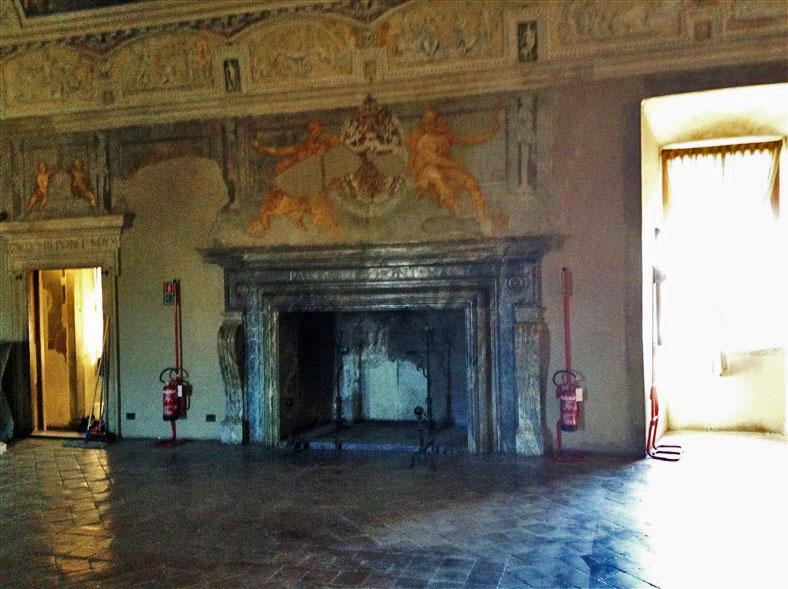
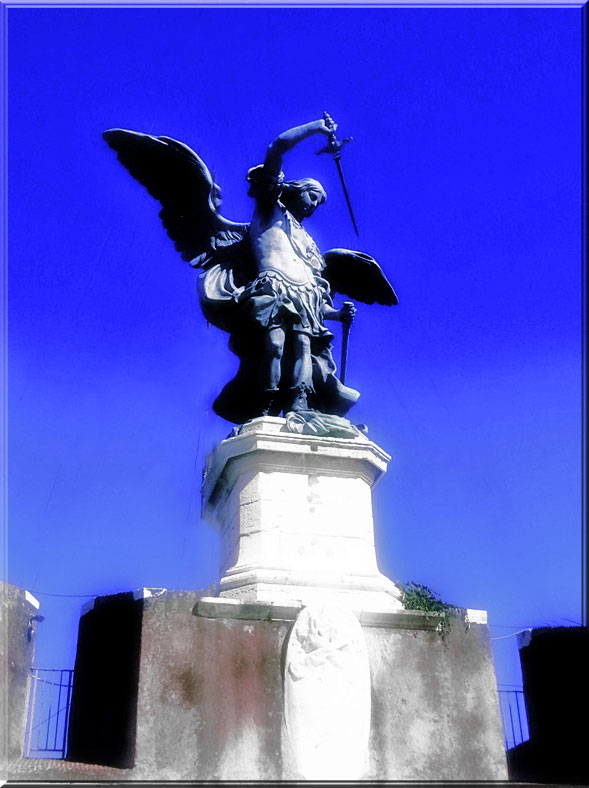
At the top of the Castel Sant’Angelo, the Archangel Michael stands mighty and proud, sheathing his sword.
The bronze statue was created by the Flemish sculptor Pieter Van Verschaffelt in 1798.
Legend holds that the Archangel Michael appeared atop the mausoleum, sheathing his sword as a sign of the end of the plague of 590, thus lending the castle its present name.
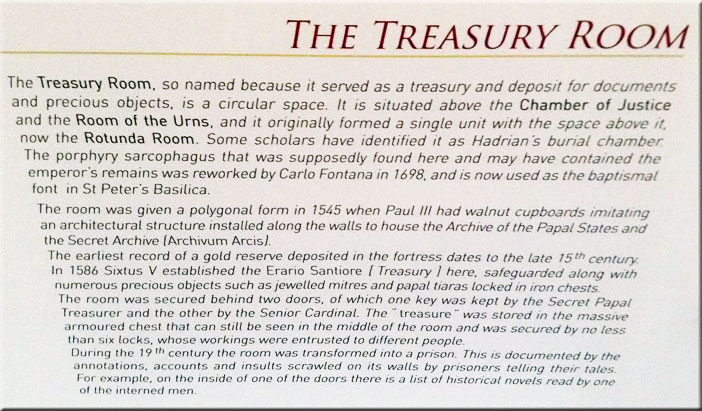
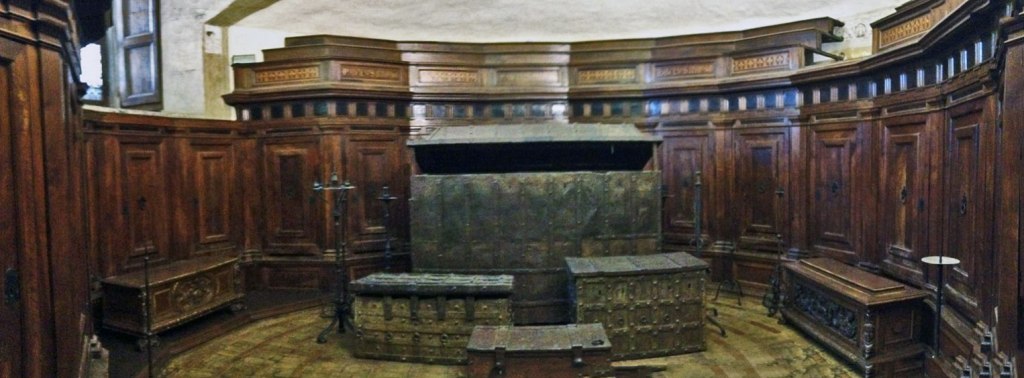
The Monumento Nazionale a Vittorio Emanuele II (National Monument of Victor Emmanuel II) or Altare della Patria (Altar of the Fatherland) or “Il Vittoriano” is a monument to honour Victor Emmanuel, the first king of a unified Italy. It occupies a site between the Piazza Venezia and the Capitoline Hill. It was inaugurated in 1911 and completed in 1935. Romans like to nickname it: the wedding cake.
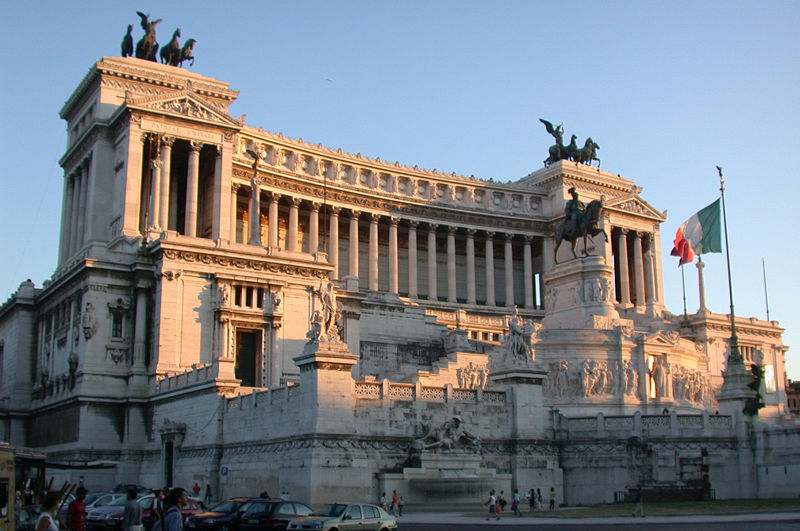
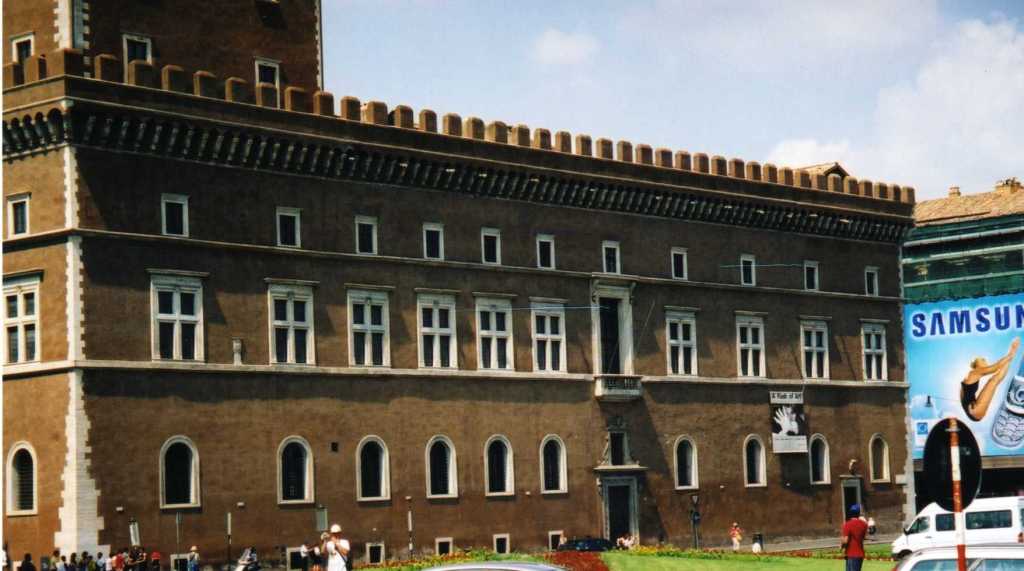
Mussolini (IL Deuce to most) gave his famous speeches from this balcony. Not one joke was ever cracked during his speeches. (I doubt that anyone ever said to him… Hey Il Deuce, lighten up!) It is well known fact that dictators lack a sense of humour. Food for thought.
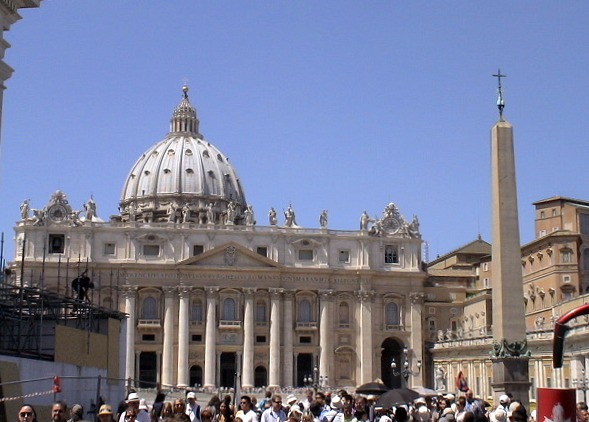

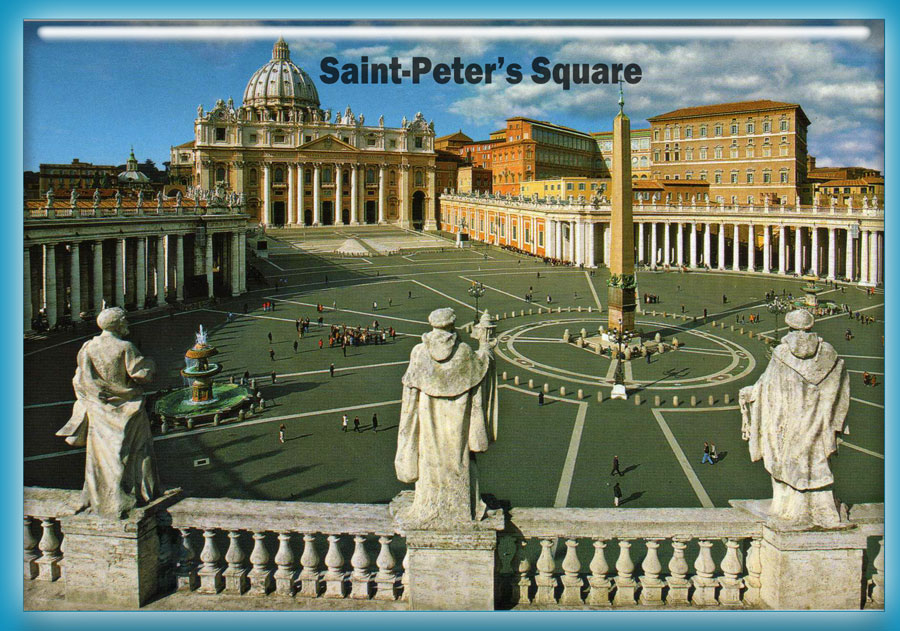
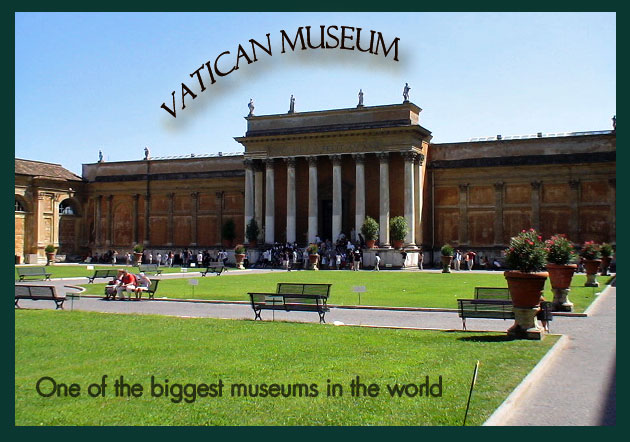
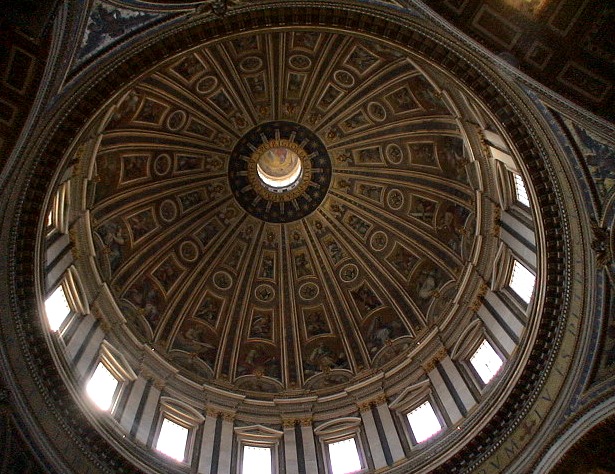
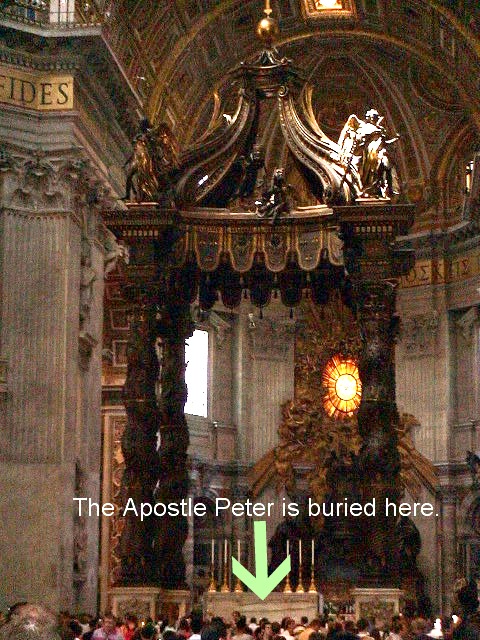
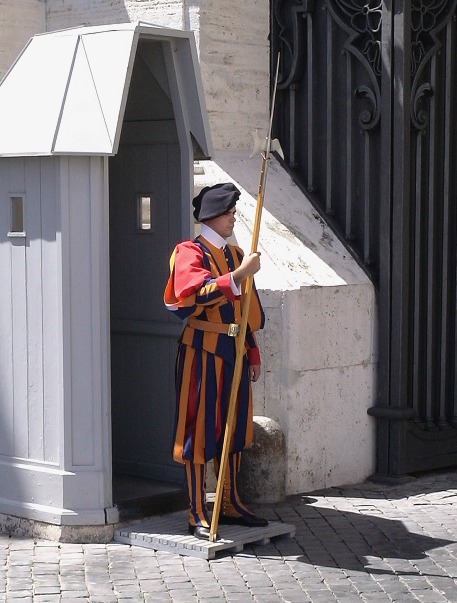
Swiss Guards or Schweizergarde is the name given to the Swiss soldiers who have served as bodyguards, ceremonial guards, and palace guards at foreign European courts since the late 15th century.

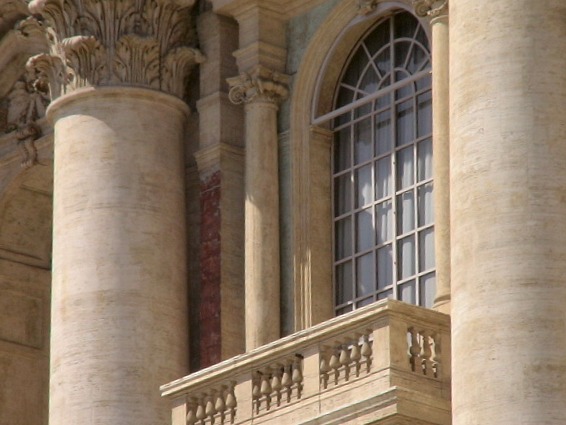


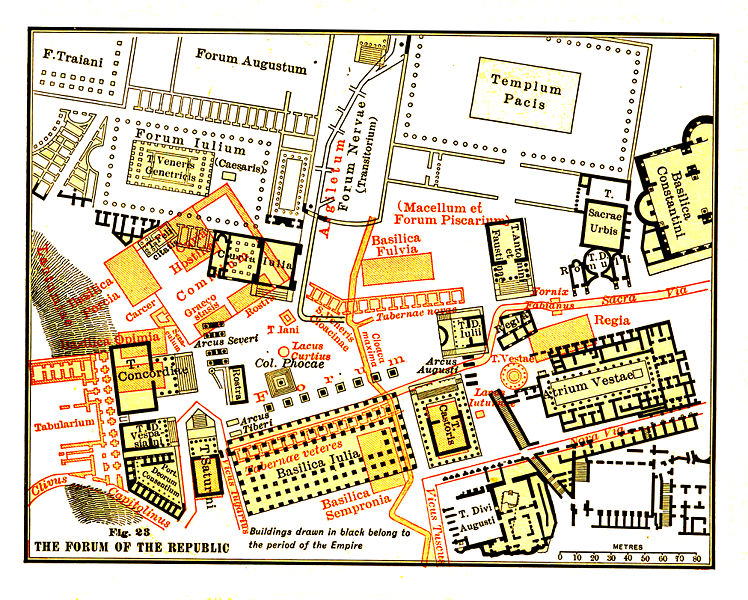
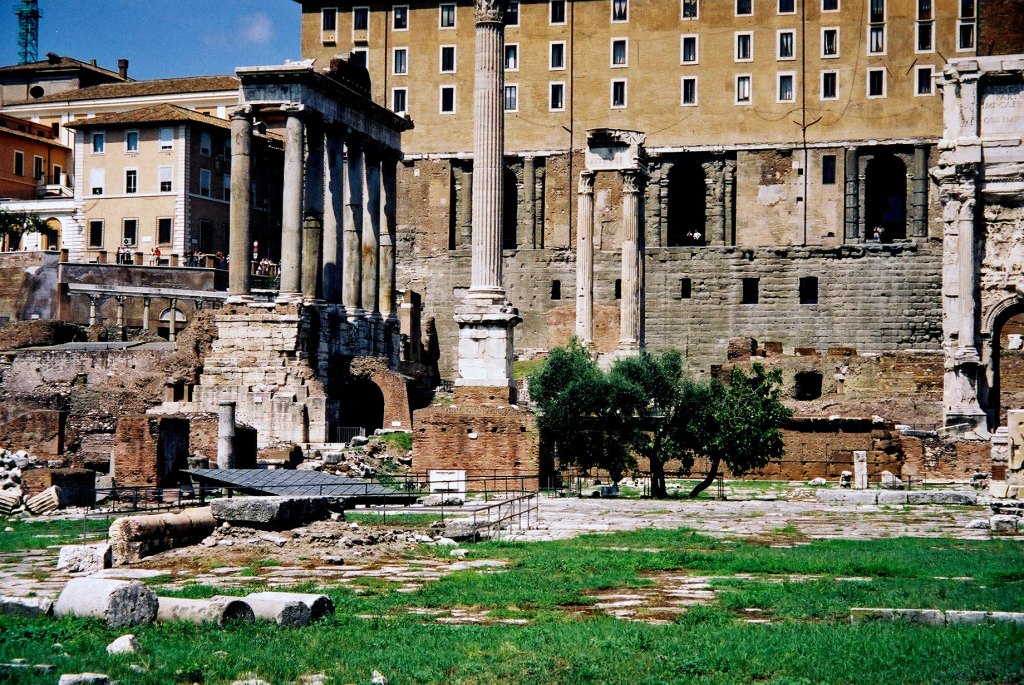
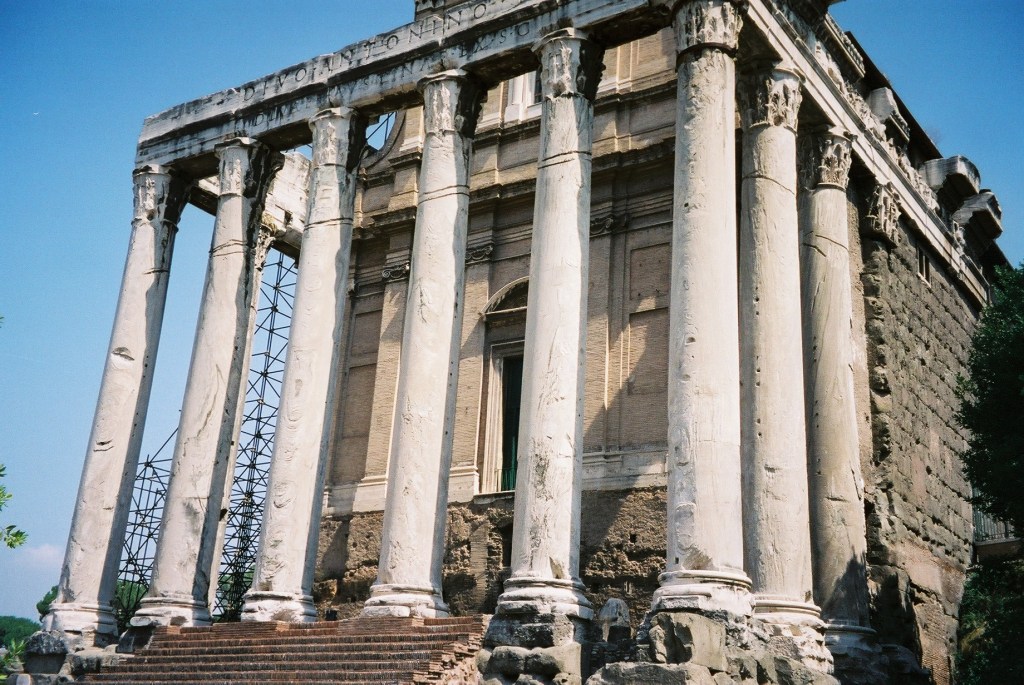
The Roman Forum, sometimes known by its original Latin title, is located between the Palatine Hill and the Capatoline Hill. It is the central area around which the ancient Roman civilization developed. Citizens referred to the location as the “Forum Magnum” or just the “Forum”.
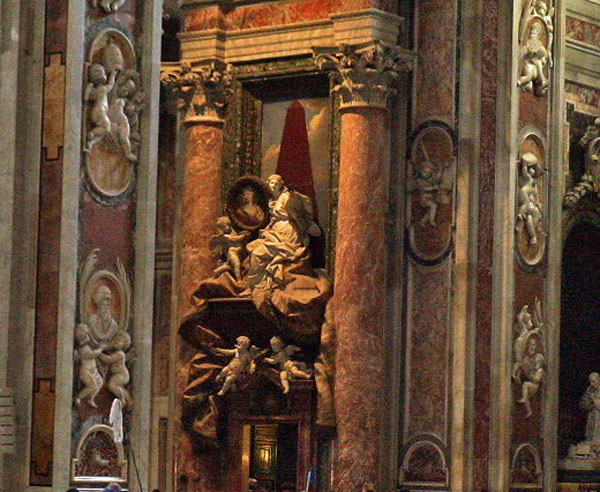
San Pietro in Vincoli (Saint Peter in Chains) is a Basilica, best known for being the home of Michelangelo’s magnificent statue of Moses. (see below)

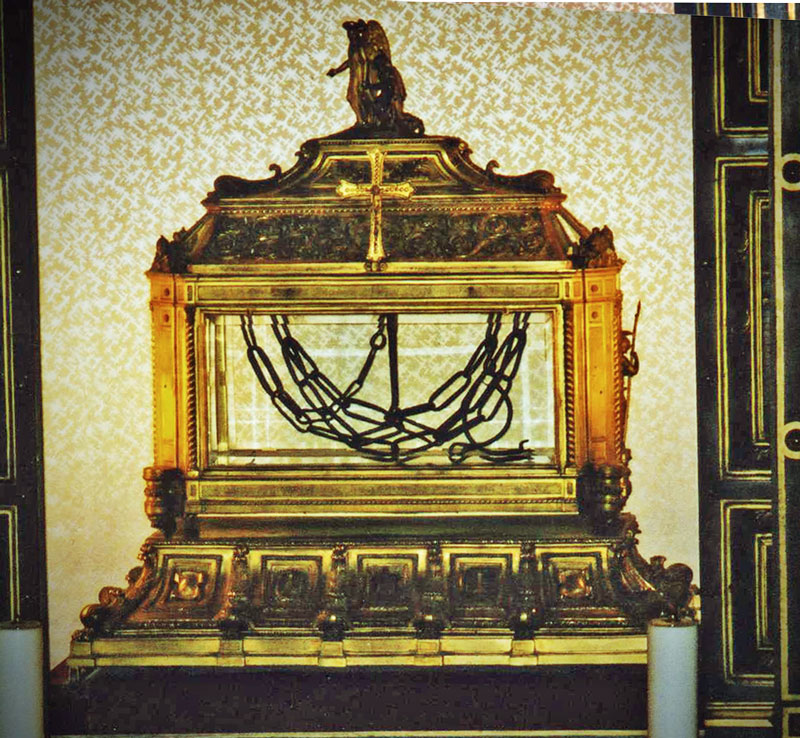
Reliquary containing the chains of St. Peter.
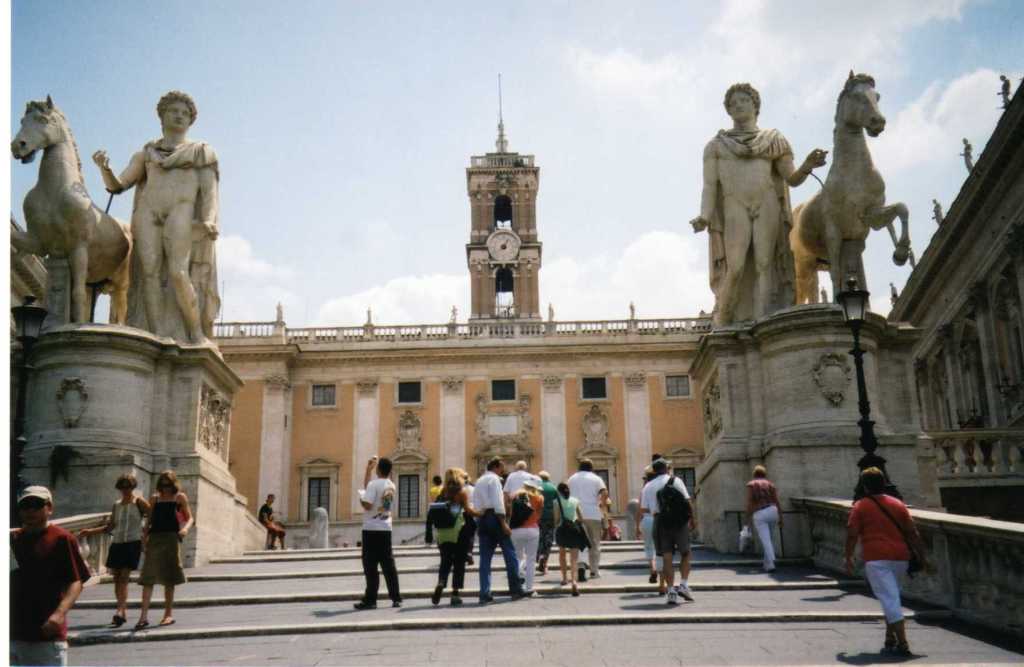
The Palazzo dei Conservatori was built in the Middle Ages for the local magistrate on top of a sixth century BC temple dedicated to Jupiter “Maximus Capitolinus”. It was the first use of a giant order that spanned two storeys, here with a range of Cornthean pilasters and subsidiary Ionic columns flanking the ground-floorloggia openings and the second-floor windows. Another giant order would serve later for the exterior of St-Peter’s Basilica. Its facade was updated by Michelangelo in the and again later numerous times 1530s.
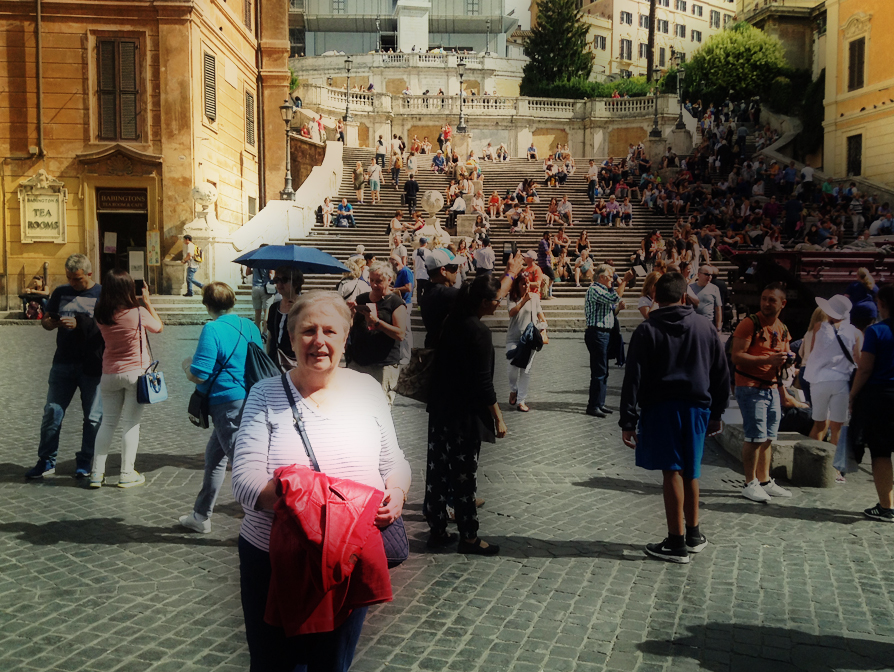
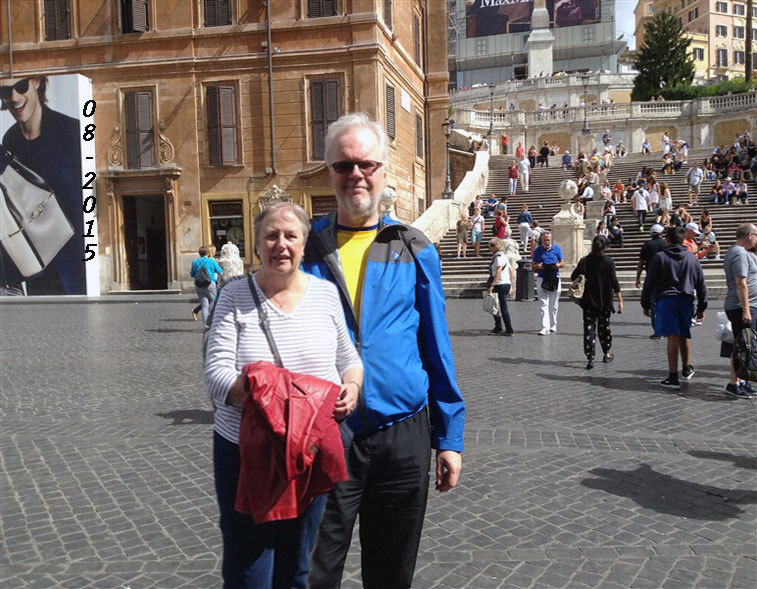
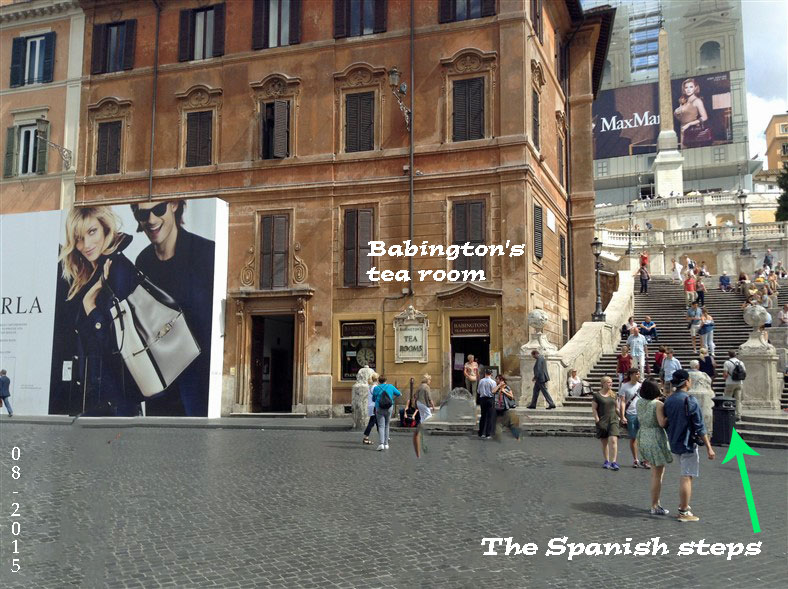
Babington’s tea room
The tea room itself was founded by two young English ladies who arrived in Rome in 1893. They were Isabel Cargill, daughter of Captain Cargill, founder of the city of Dunedin in New Zealand and Anna Maria Babington, descendant of Antony Babington who was hanged in 1586 for conspiring against Elizabeth I.
The two young women decided to invest their savings by opening a tearoom and reading room in the capital for the Anglo-Saxon. The company at the time involved considerable risks, above all because in Italy it was not common to drink tea, which was sold only in pharmacies.
The Babington’s tearoom was an immediate success both because Italy was the destination of the Grand Tour for the English and because it was part of a Rome that celebrated the Jubilee and the silver wedding of the royals Umberto and Margherita.
The Spanish Steps climb a steep slope between the Piazza di Spagna at the base and Piazza Trinita dei Monti, dominated by the Trinita dei Monti church at the top.
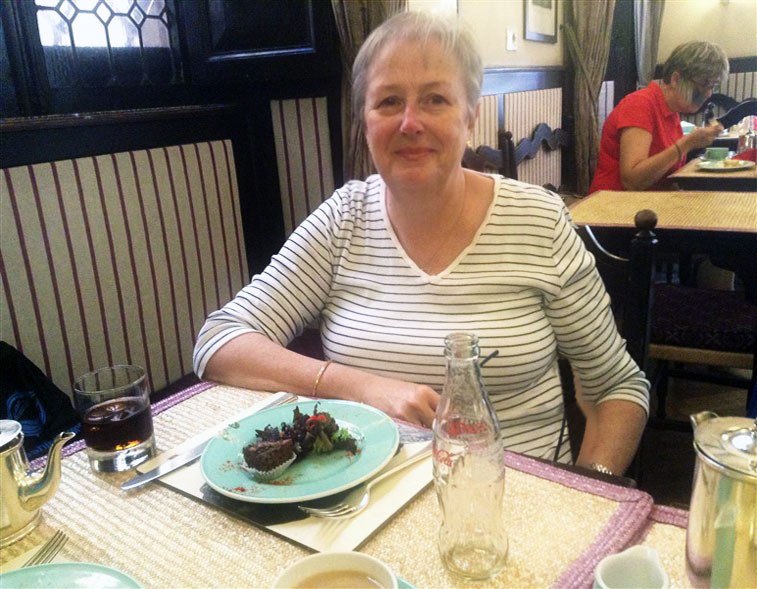
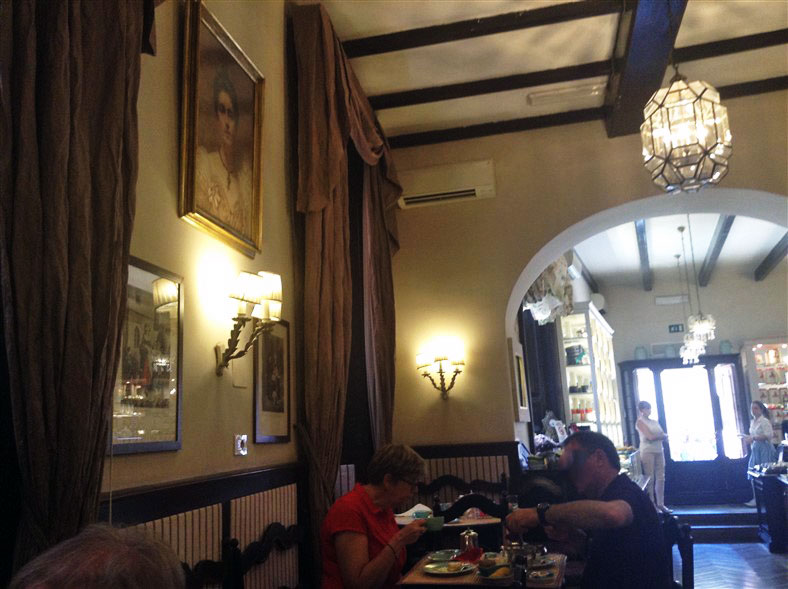
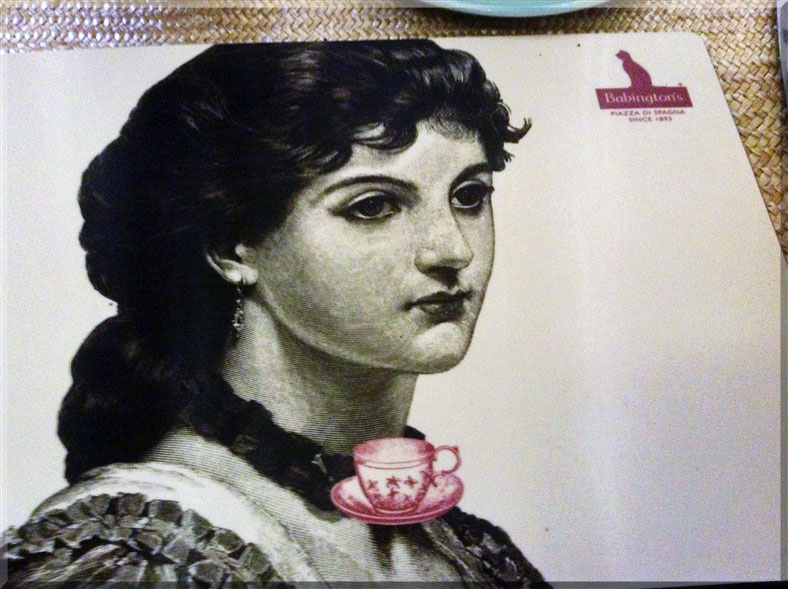

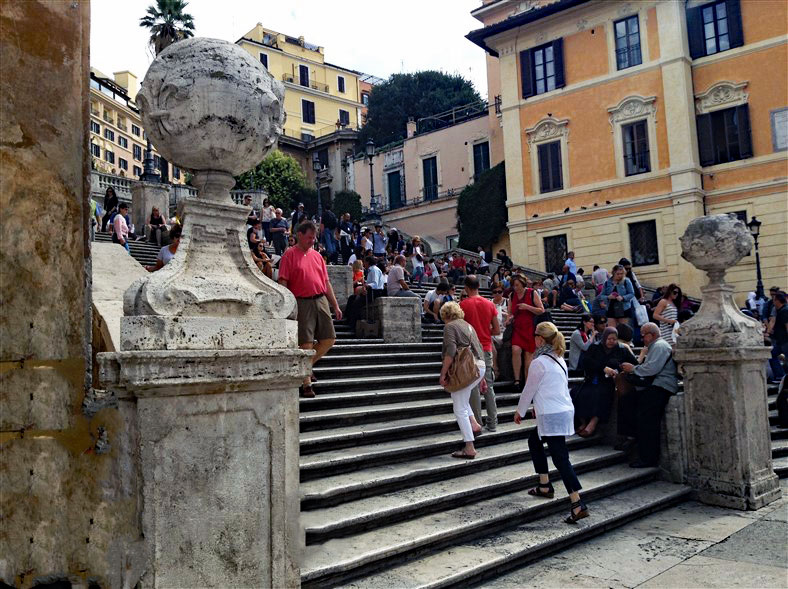
The monumental stairway of 135 steps was built linking the Trinità dei Monti church that was under the patronage of the Bourbon kings of France and the Bourbon Spanish Embassy at the top of the steps to the Holy See in the Palazzo Monaldeschi at the bottom of the steps.
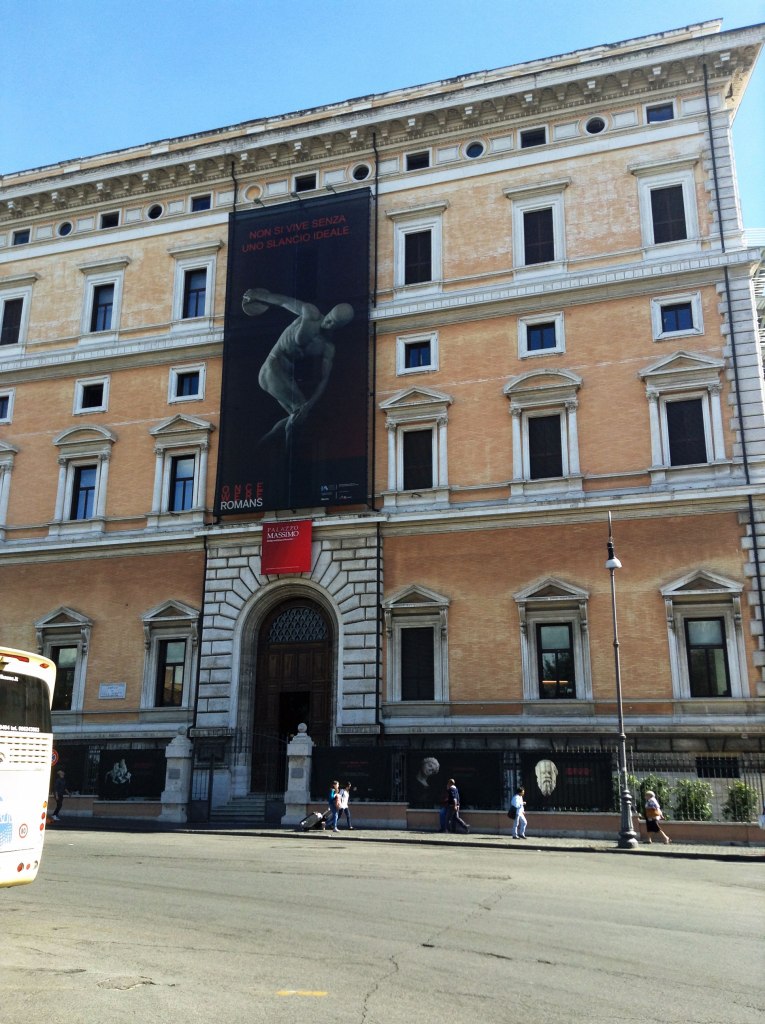
We visited this site in August 2015
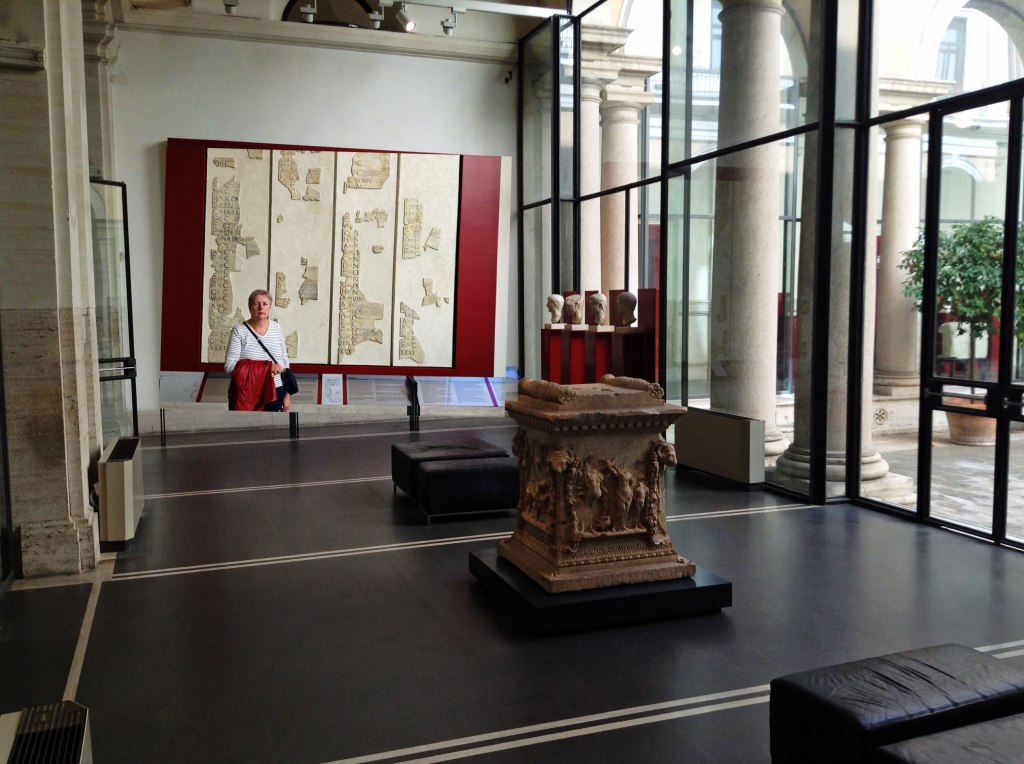
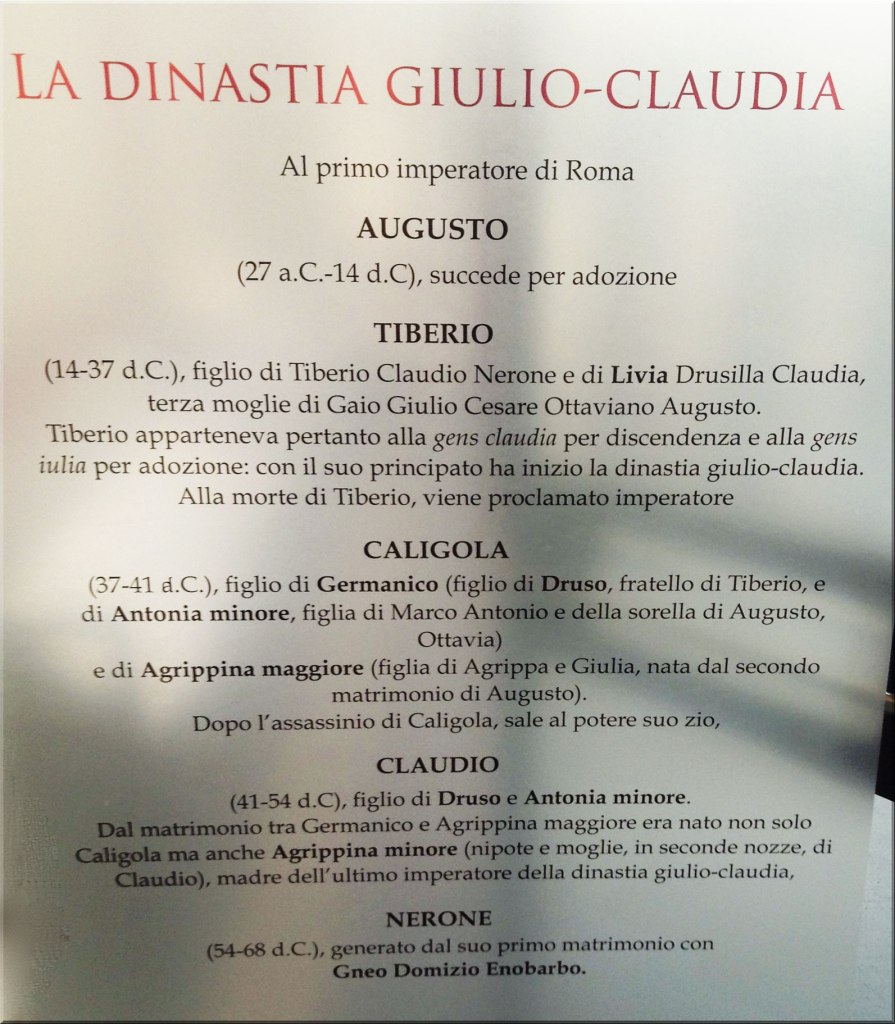
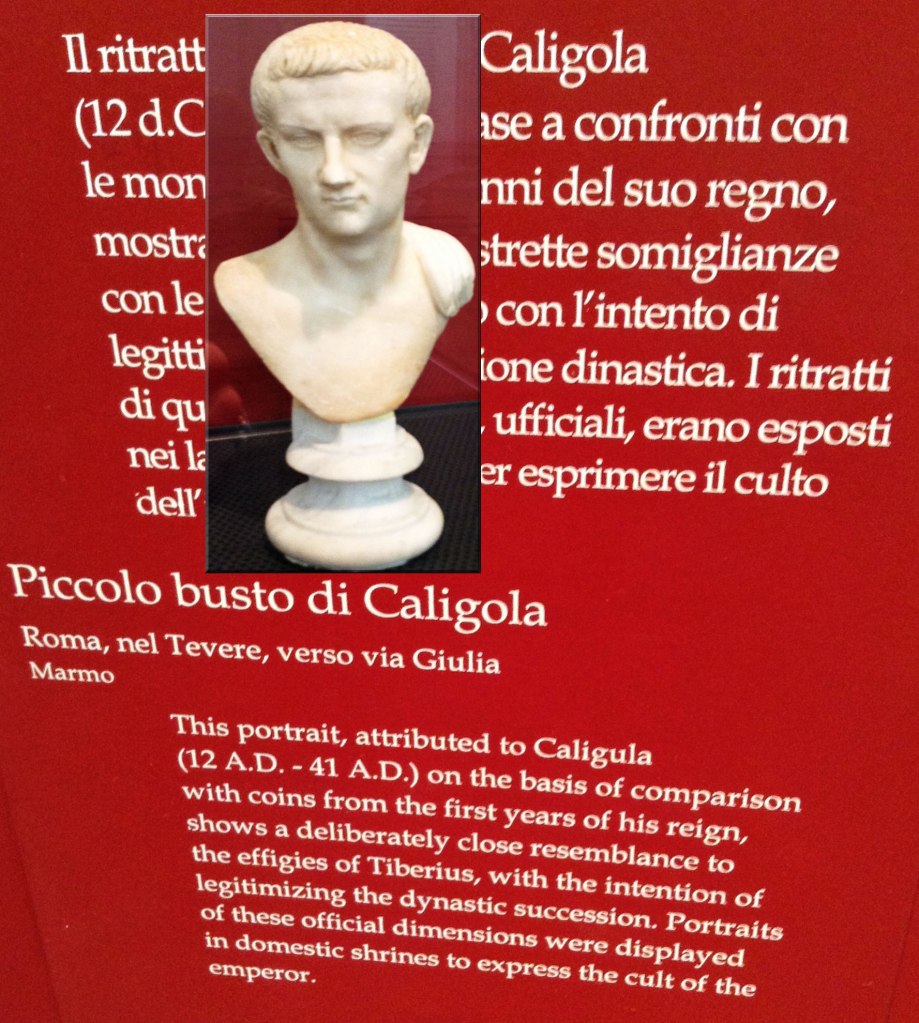
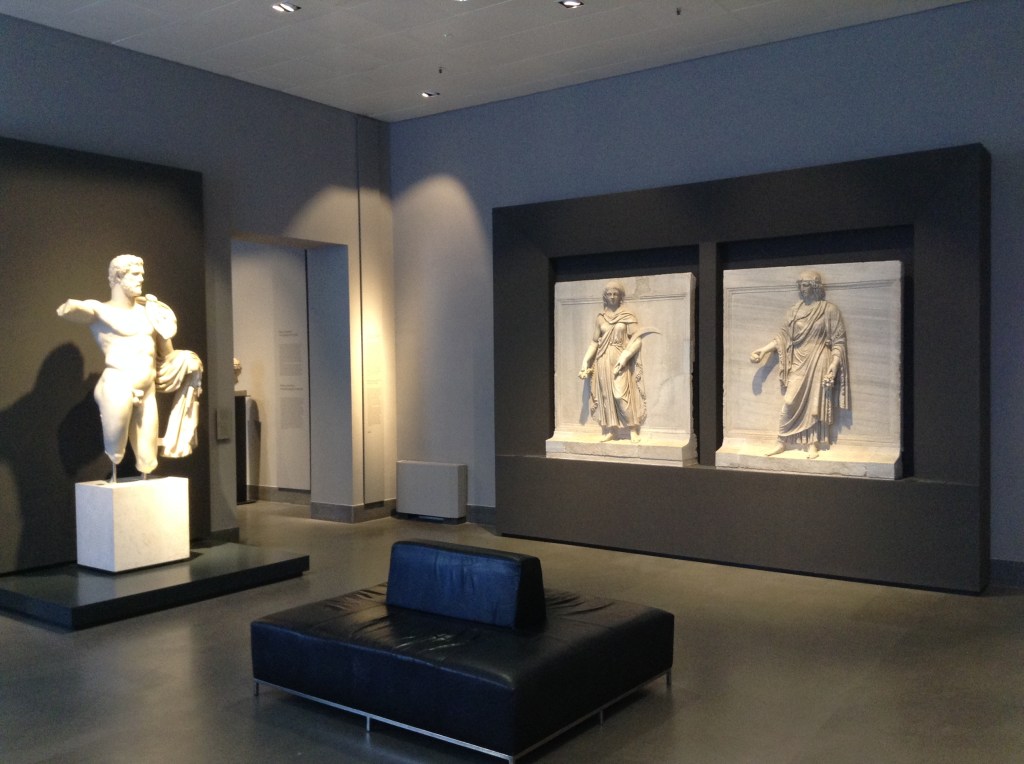
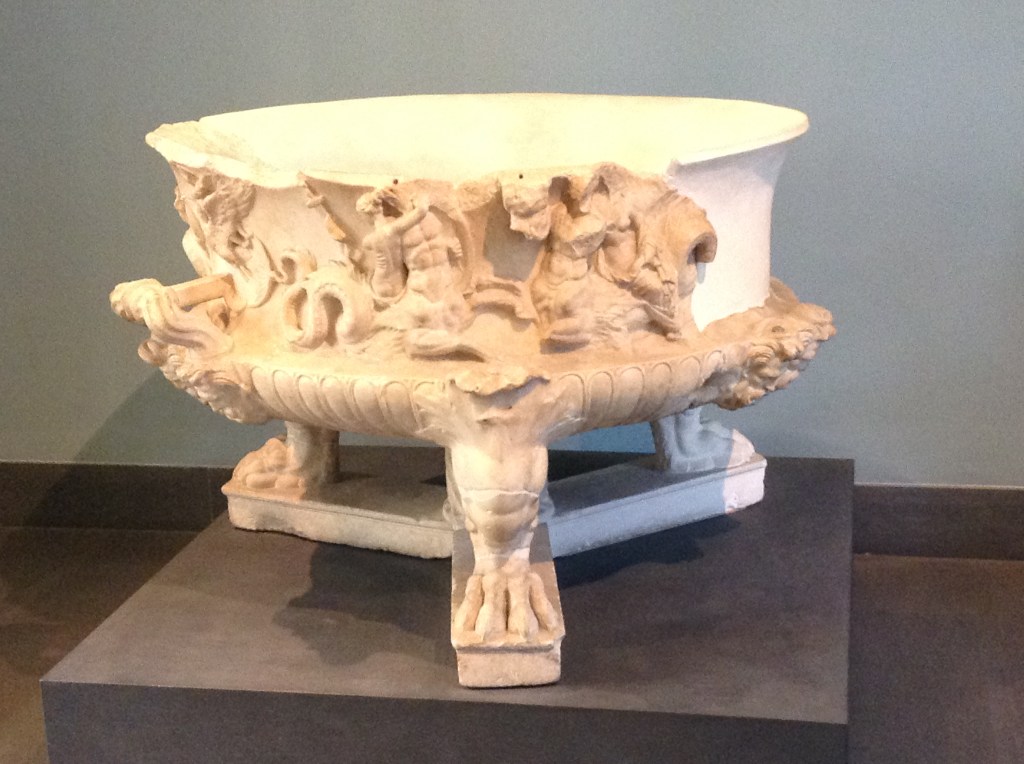
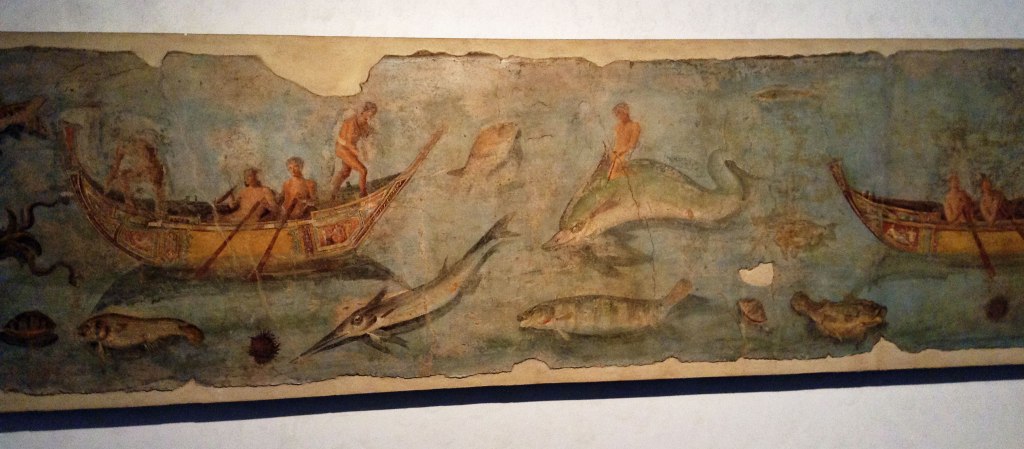
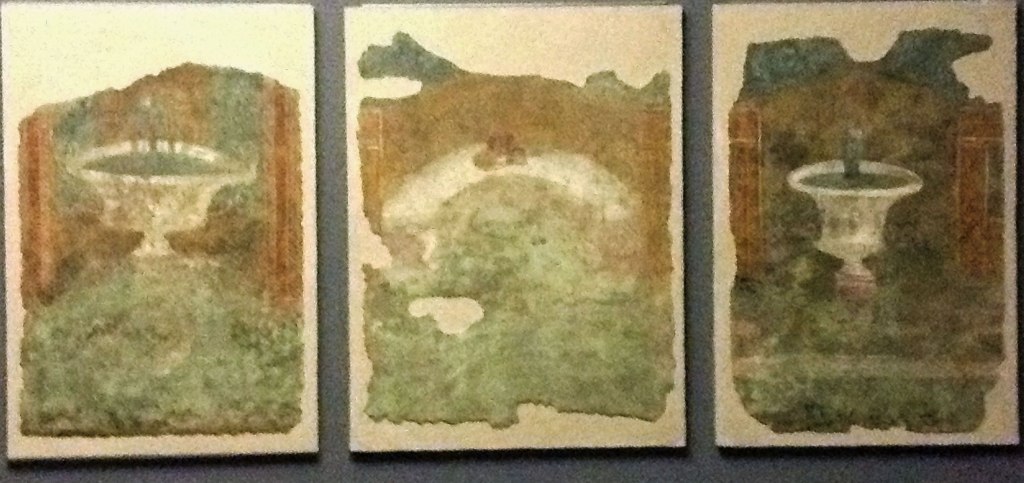
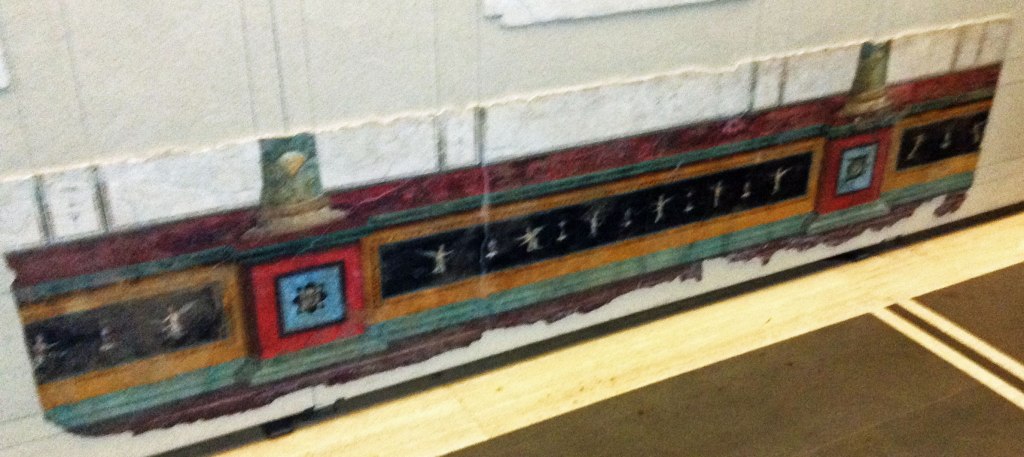
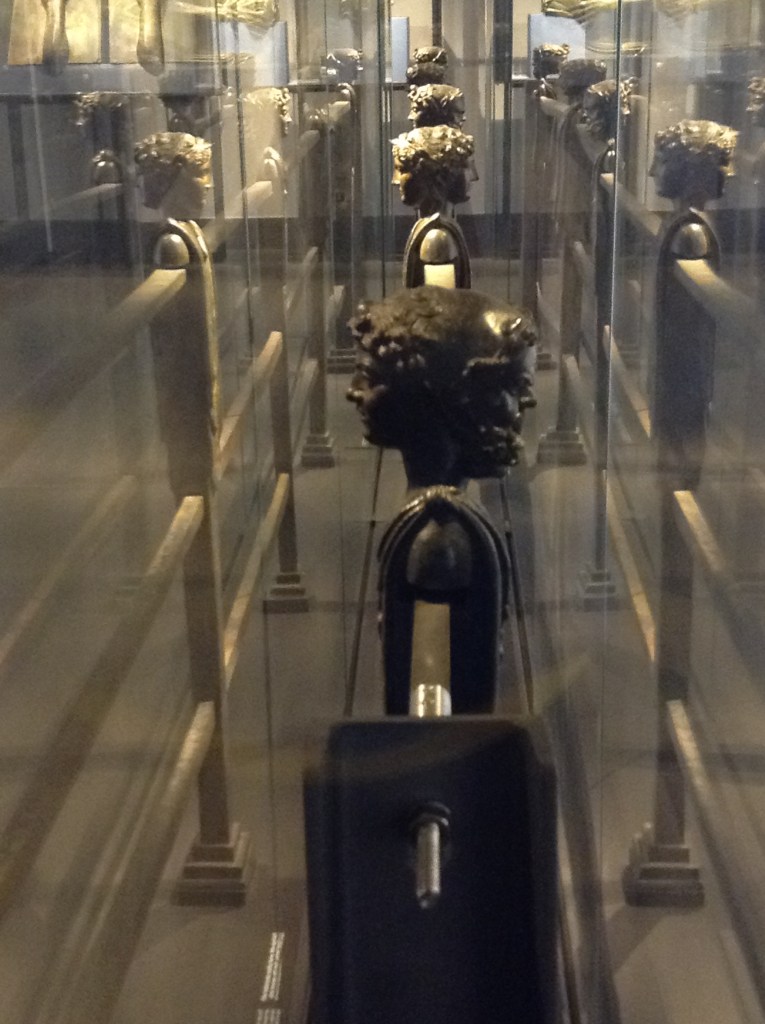
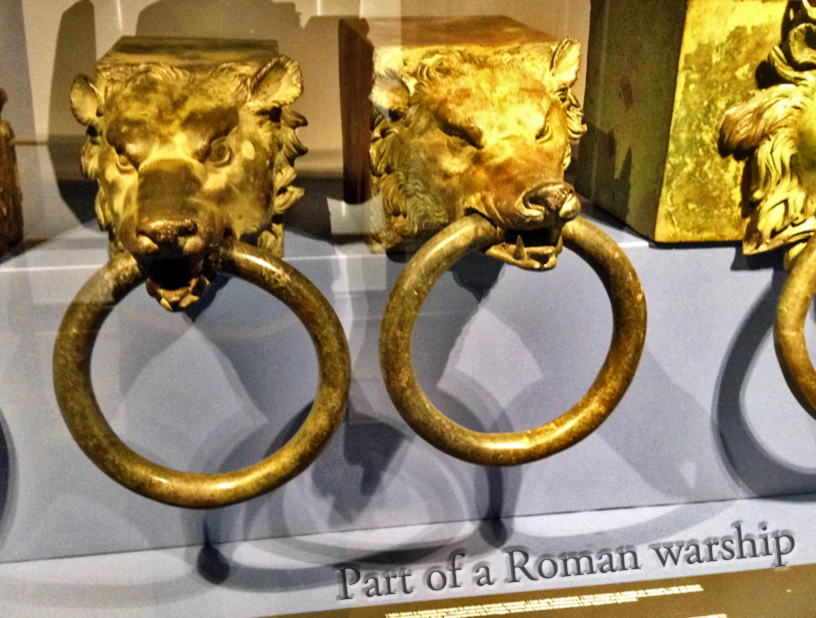
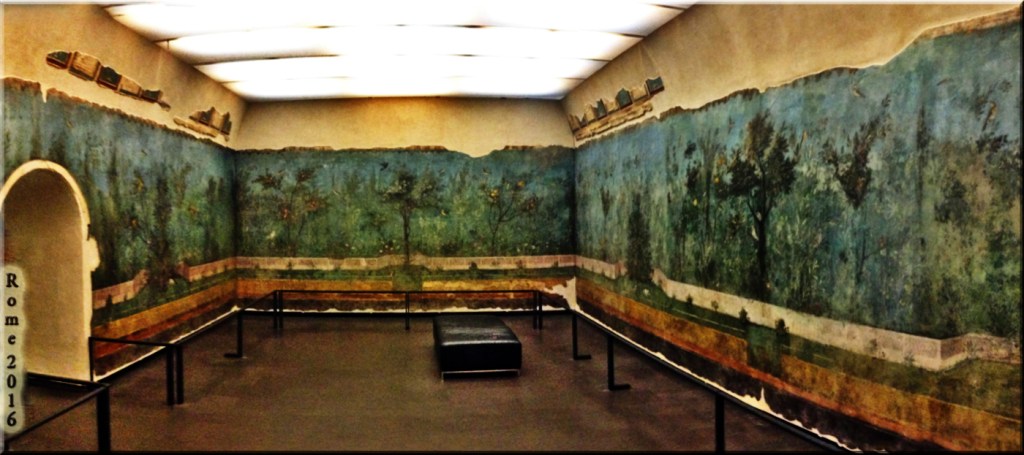
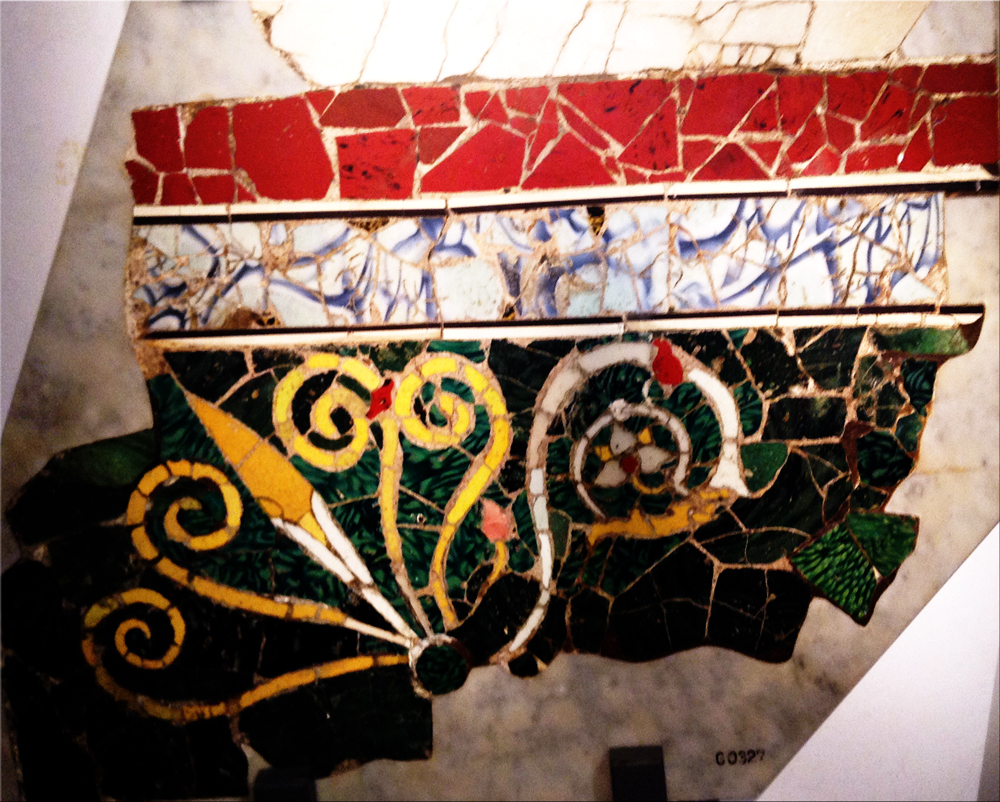
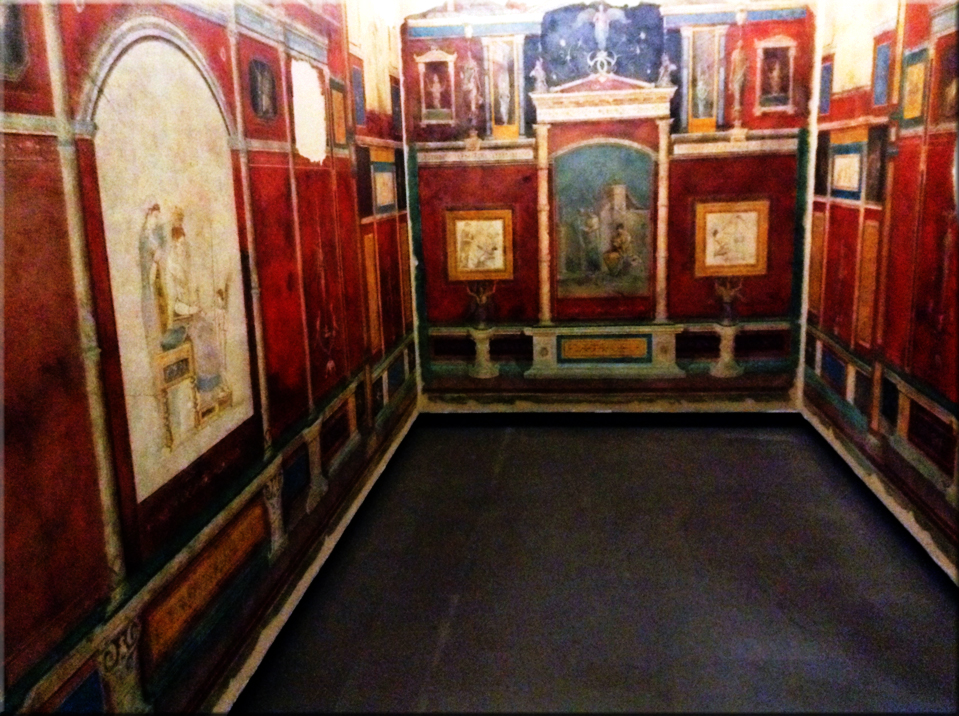
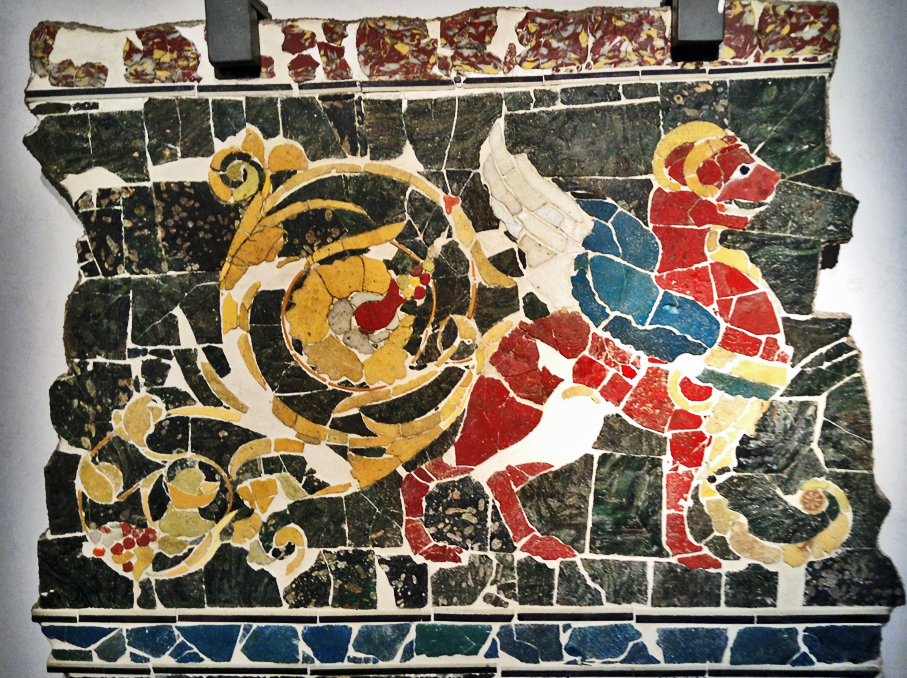
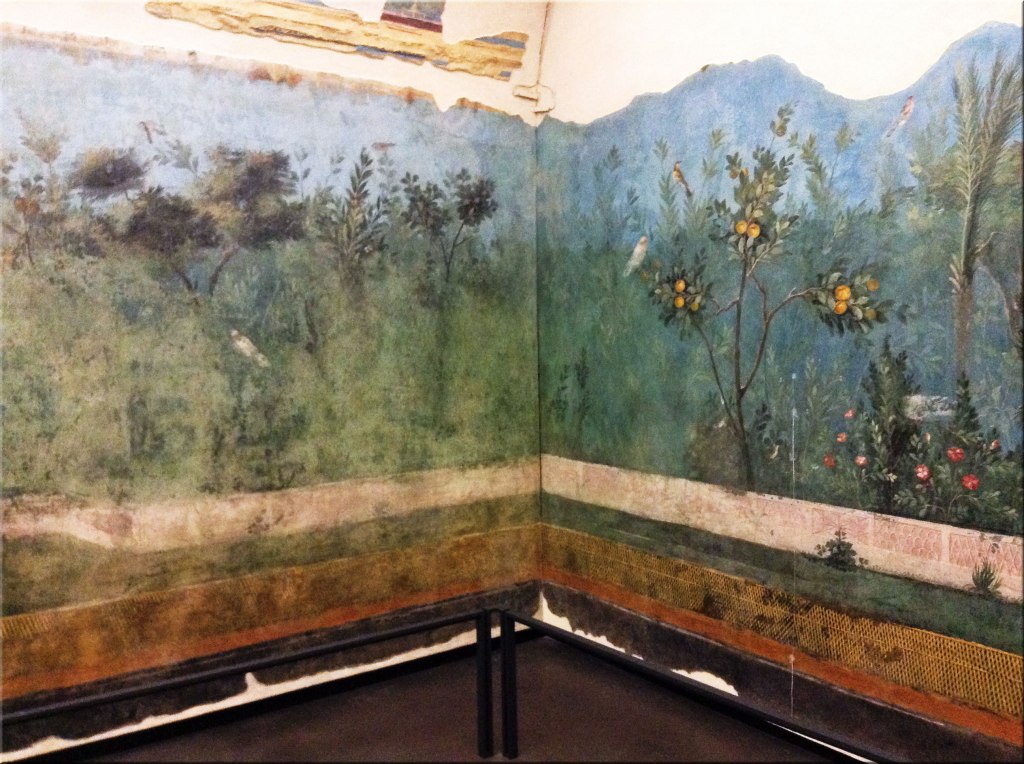
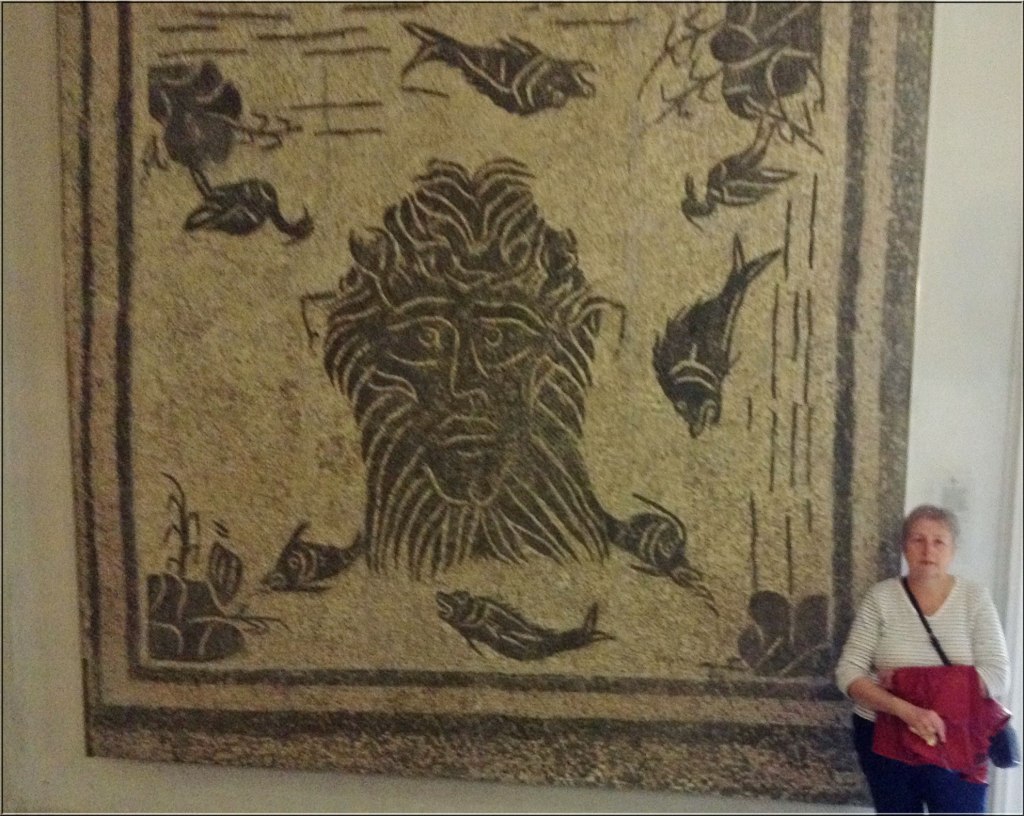
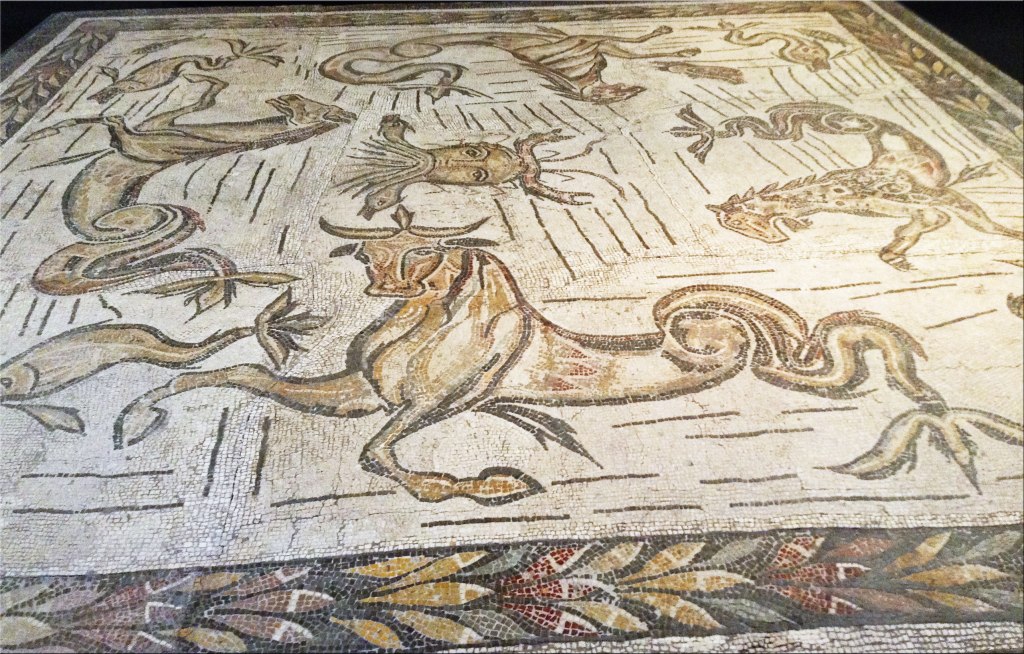
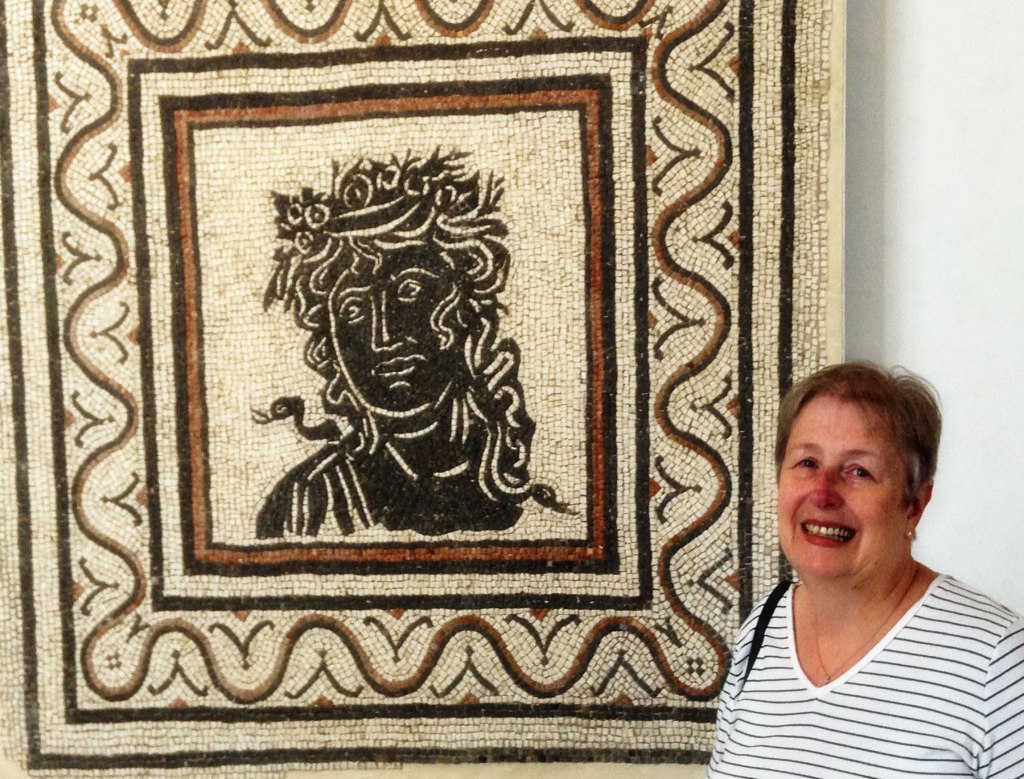
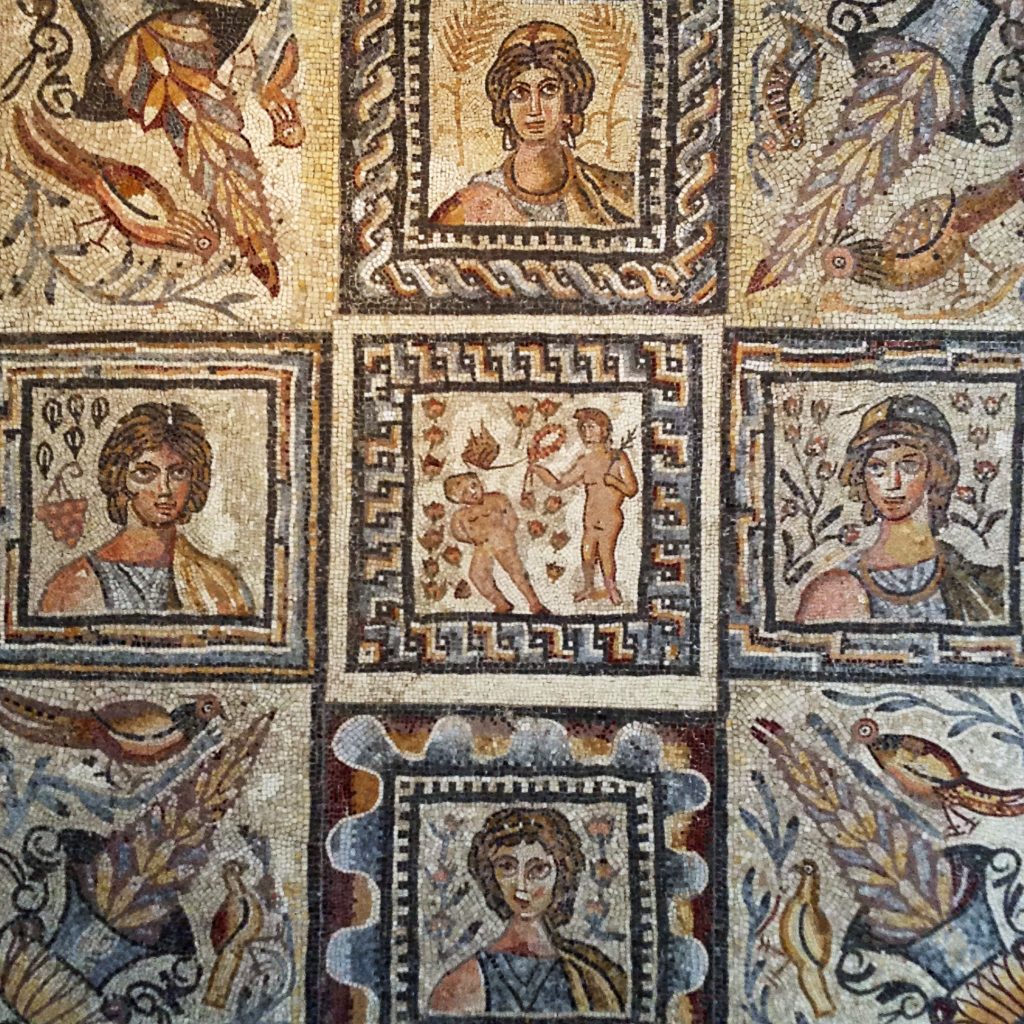
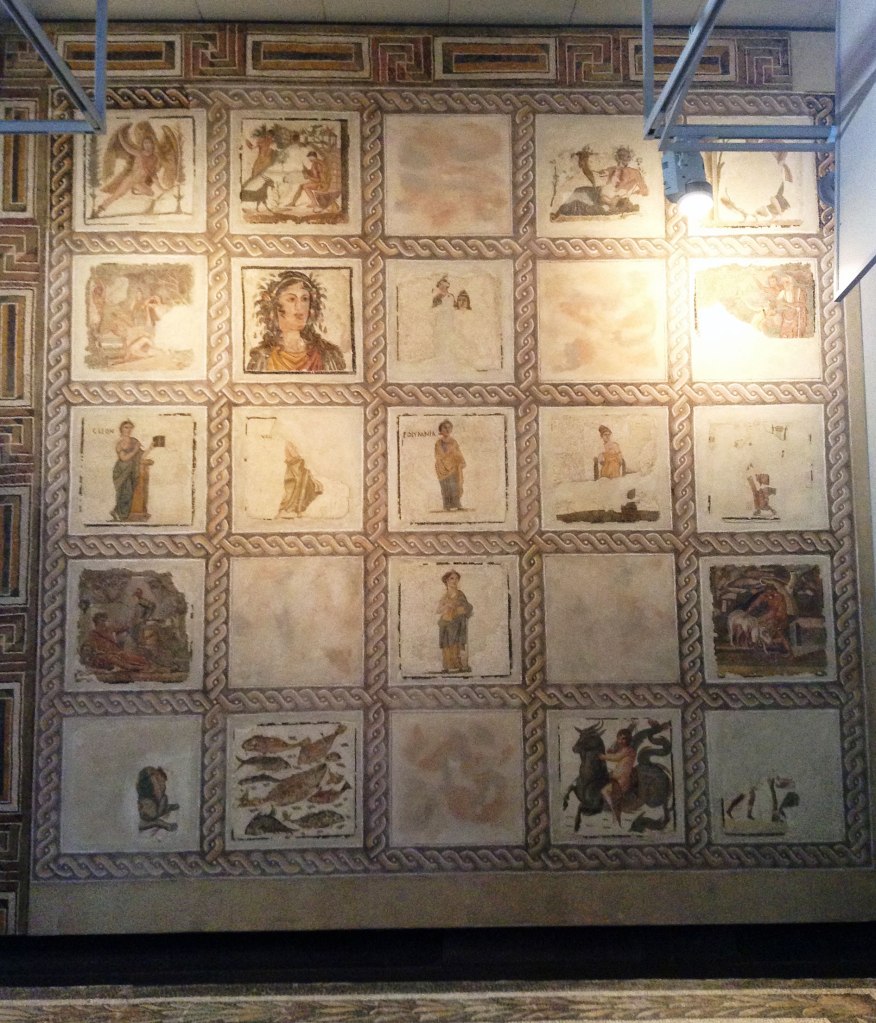
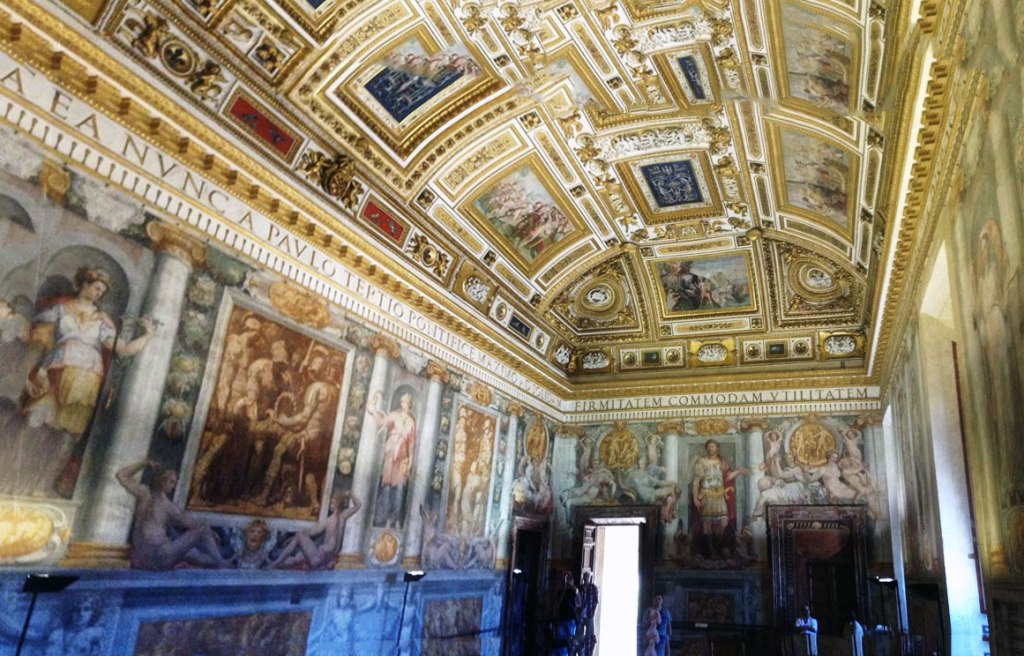
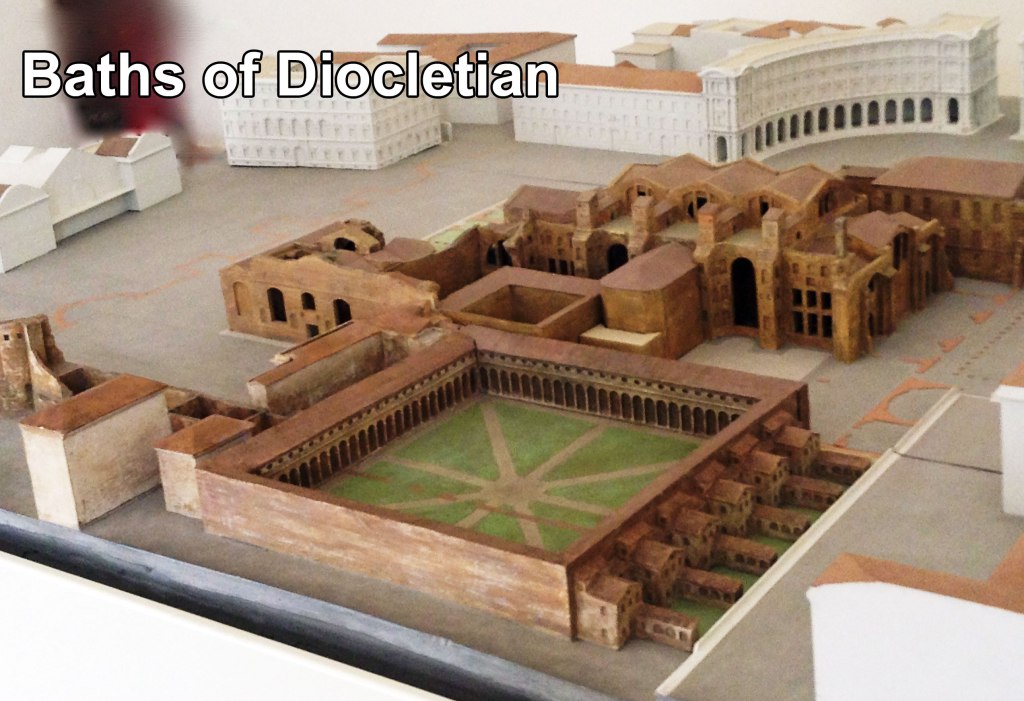
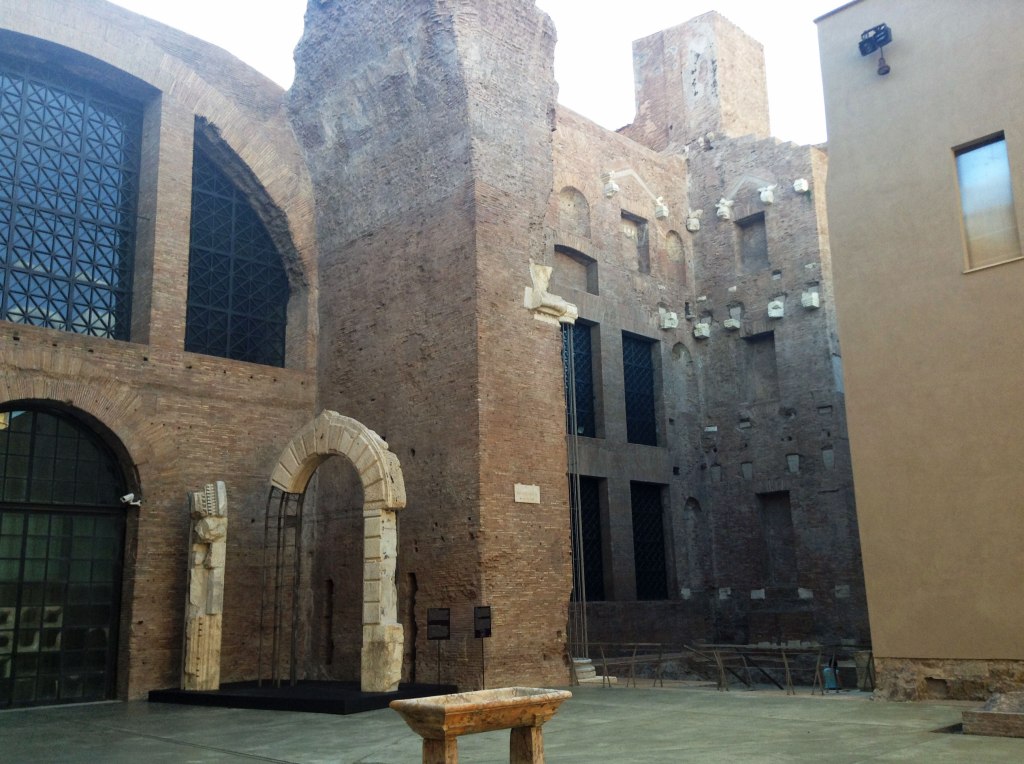
The Baths of Diocletian are a unique monumental complex because of their size and exceptional state of preservation. They were constructed in a period of only eight years, between 298 and 306 AD, and extend over an area of 13 hectares, in the area between the Viminal and Quirinal Hills.
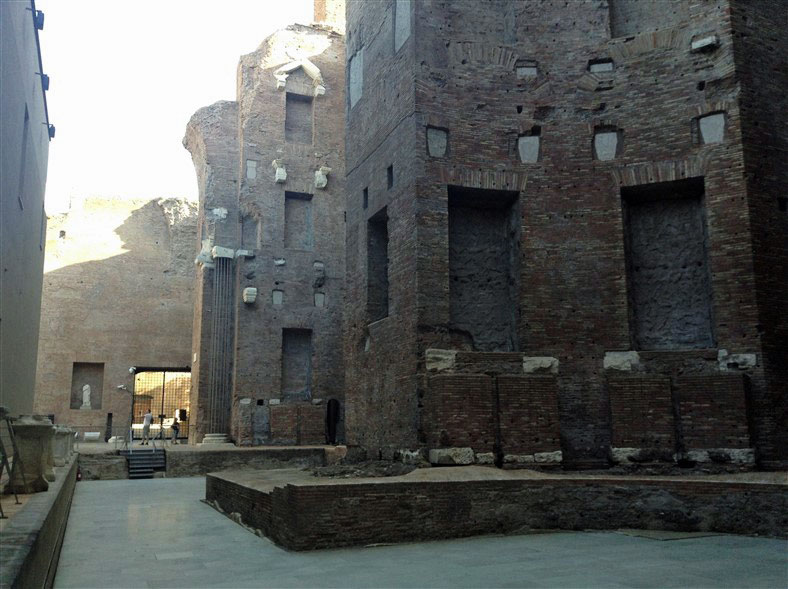
The complex was able to accommodate up to 3,000 people at one time and was constructed according to the usual model used for the great imperial baths, with the principal rooms of the bathing ritual distributed along a central axis. The caldarium, the hot chamber heated using a complex system of air ducts beneath the floors and around the walls, led to the tepidarium, a chamber with an intermediate temperature, and then to the frigidarium, the vast chamber for cold bathing, recognisable today in the Basilica of Santa Maria degli Angeli.
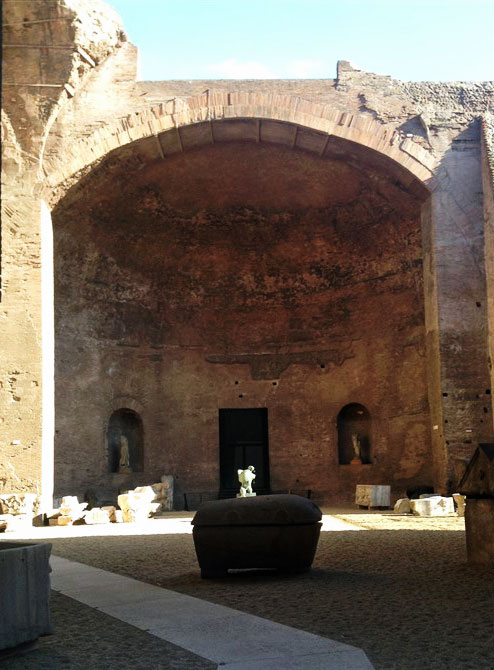
There was also the natatio, a vast open-air swimming pool measuring 4,000 square metres and embellished with a majestic monumental façade, two enormous gymnasiums arranged symmetrically to the sides of the central building, and a series of large halls with various functions.
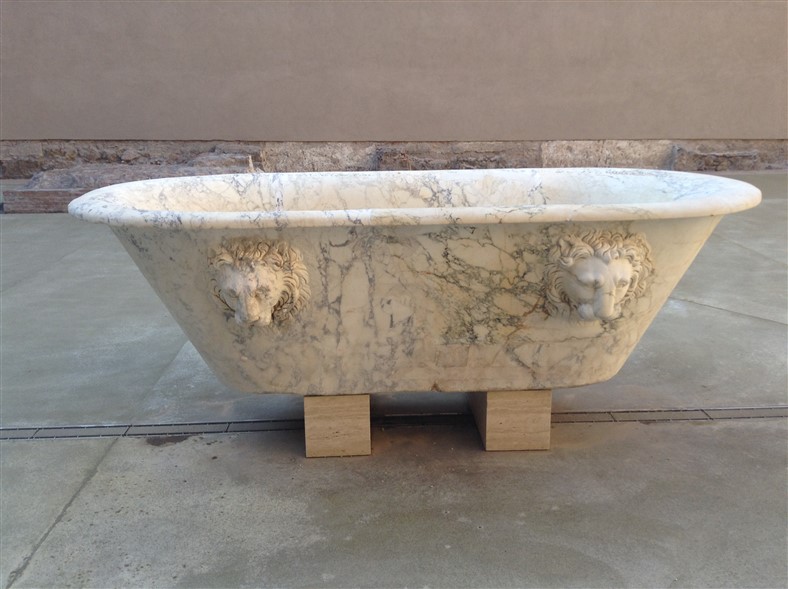
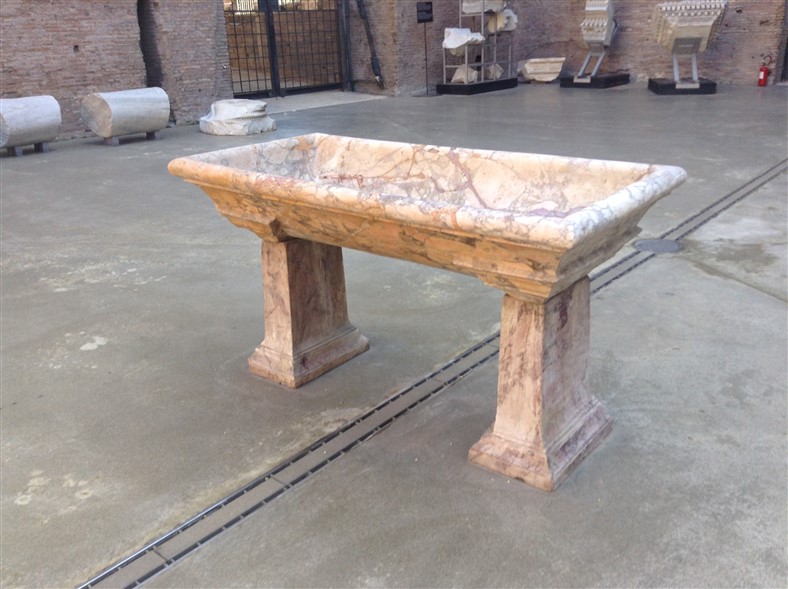
The most famous of these is the Aula Ottagona (Octagonal Hall), also known as the Planetarium because of its use in the 20th century, when its majestic umbrella dome was employed as a background against which the celestial vault was reproduced.
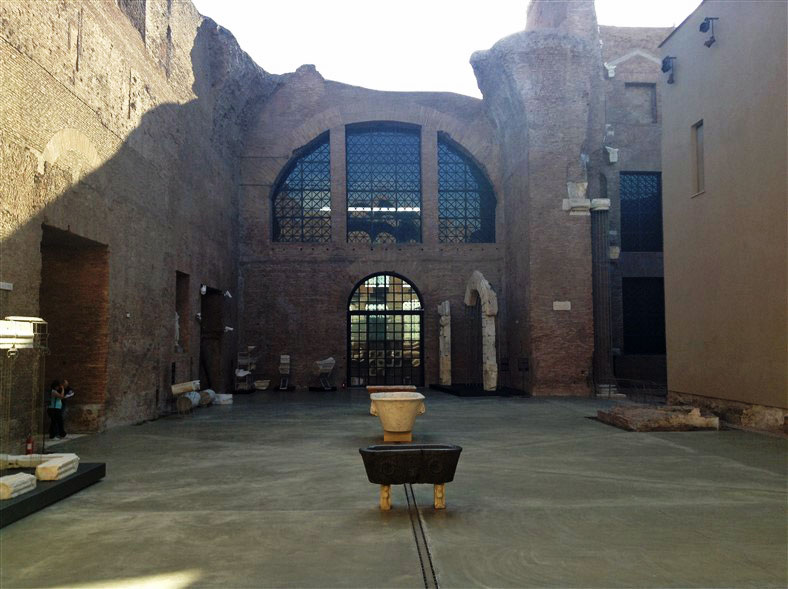
The construction of the Baths was commissioned by the emperor Maximian, who dedicated them to his co-emperor Diocletian. This was the last great act of imperial propaganda: as the inscription originally affixed to the entrance notes, the emperor created a work of such magnificence to give it to his people.
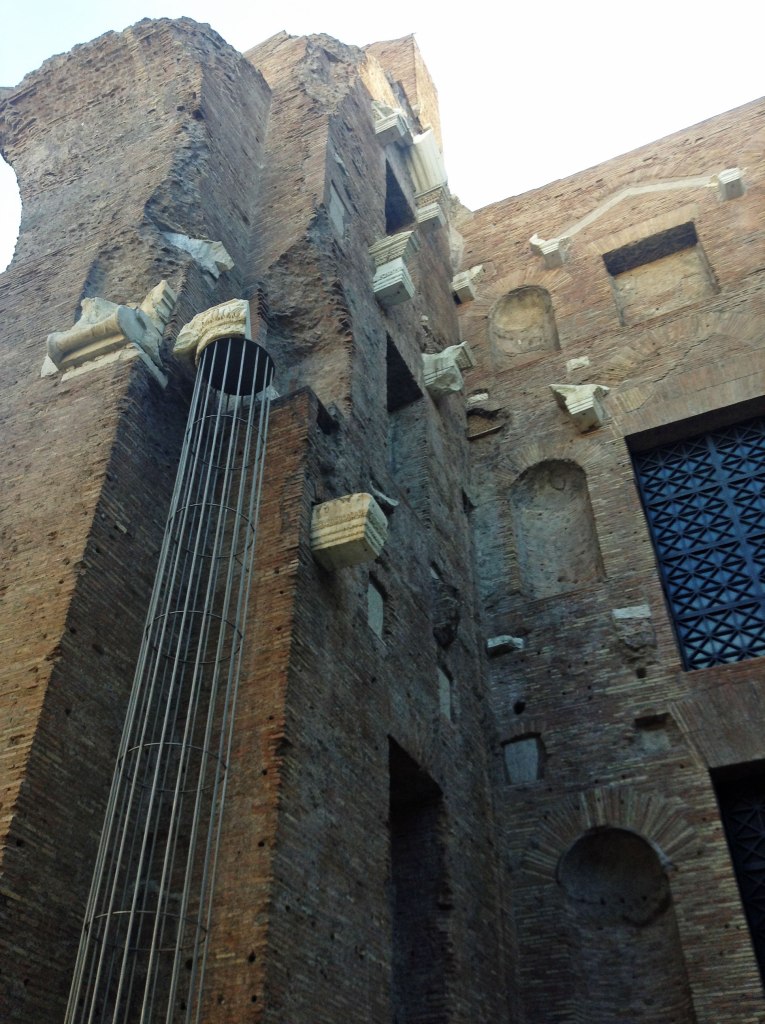
The complex remained in operation until the mid-6th century, when the Gothic War between the Eastern Roman Empire during the reign of Emperor Justinian I and the Ostrogothic Kingdom of Italy caused major damage to the city and its aqueducts, disrupting the water supply.
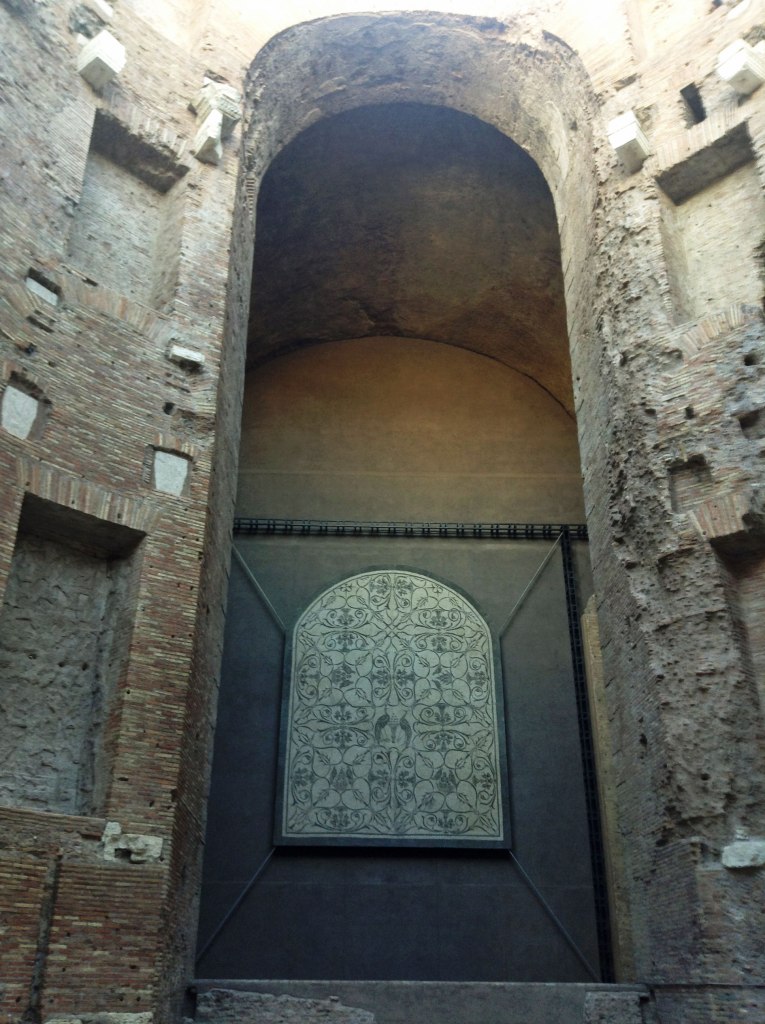
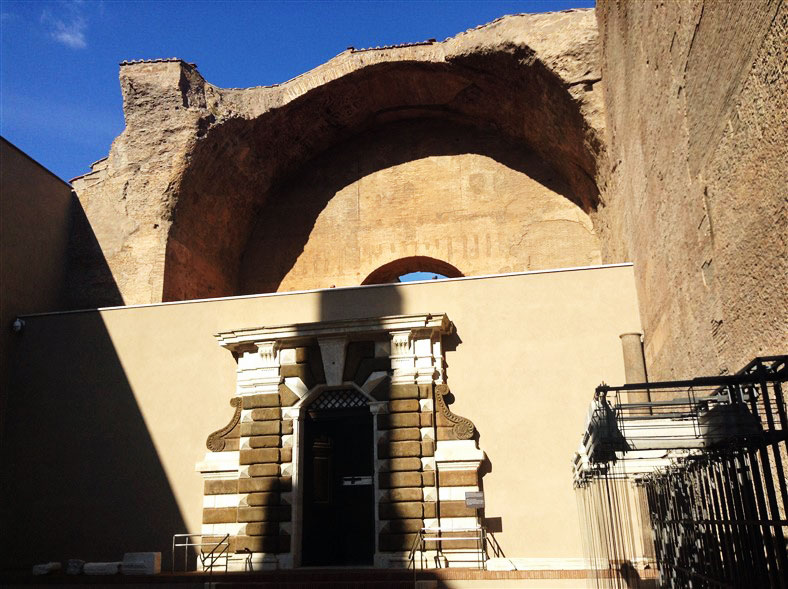
Michelangelo’s Cloister
The Baths were abandoned for approximately 1,000 years until 1561, when Pope Pius IV ordered the construction of a church and a charterhouse on the site of the ancient baths, entrusting the project to Michelangelo.
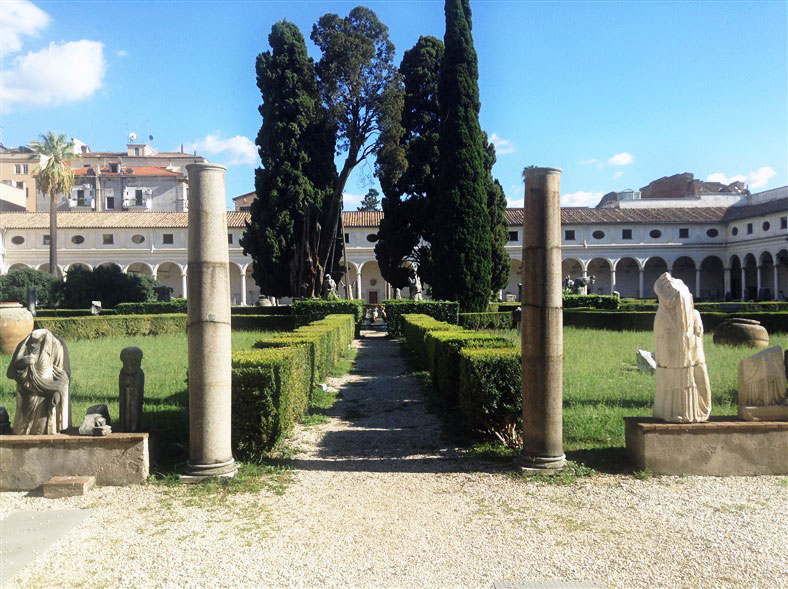
The church was dedicated to Our Lady of Angels and Christian Martyrs, in remembrance of the many Christians who were believed to have died in the construction of the Baths. Michelangelo designed the church by transforming the tepidarium, frigidarium and part of the natatio, while the rooms of the Charterhouse, and in particular the main cloister containing the rooms of the monks and the small cloister, occupy the northern section of the bath complex.
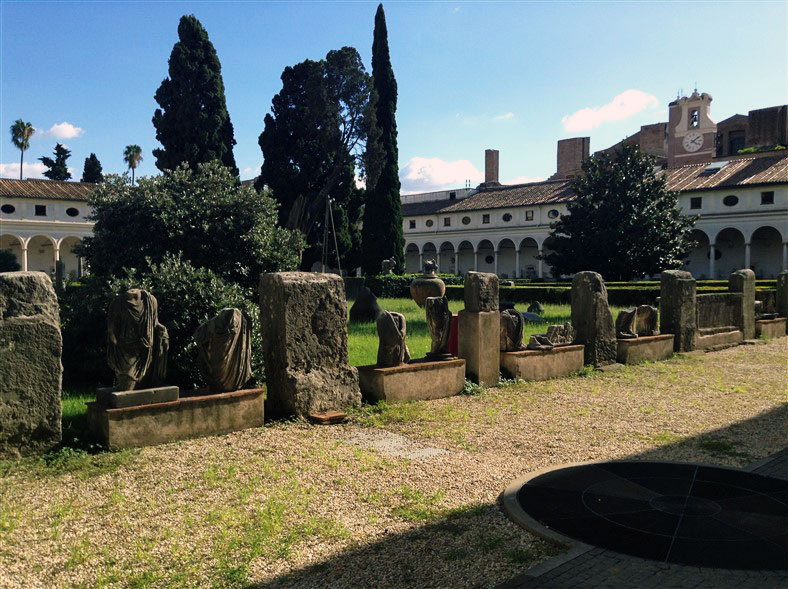
The cloister of the charterhouse of the church of Santa Maria degli Angeli e dei Martiri , this is often referred to as “Michelangelo’s Cloister” as he was tasked by the Pope with transforming the Baths into a church and chapterhouse. However, it is more likely that Michelangelo just came up with the layout and that a pupil of his, Giacomo del Duca, was responsible for most of the actual architecture, at least in the initial phase of construction.
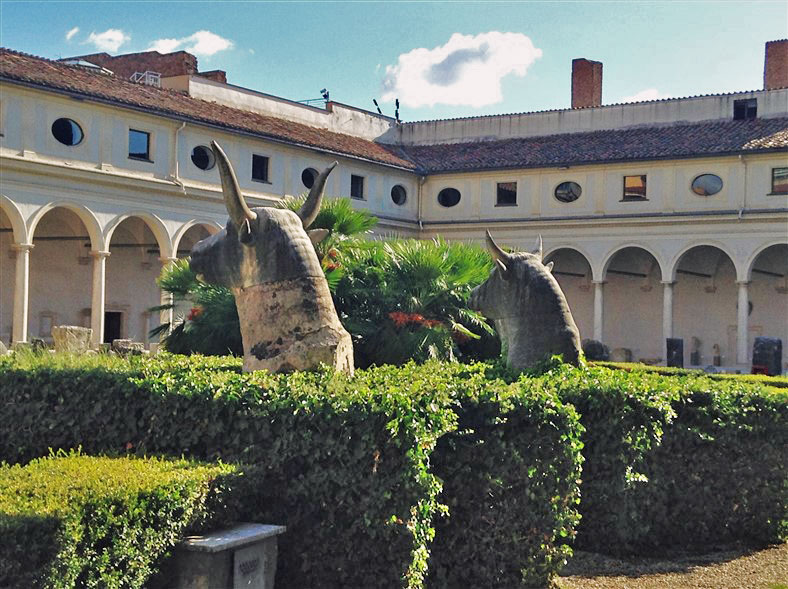
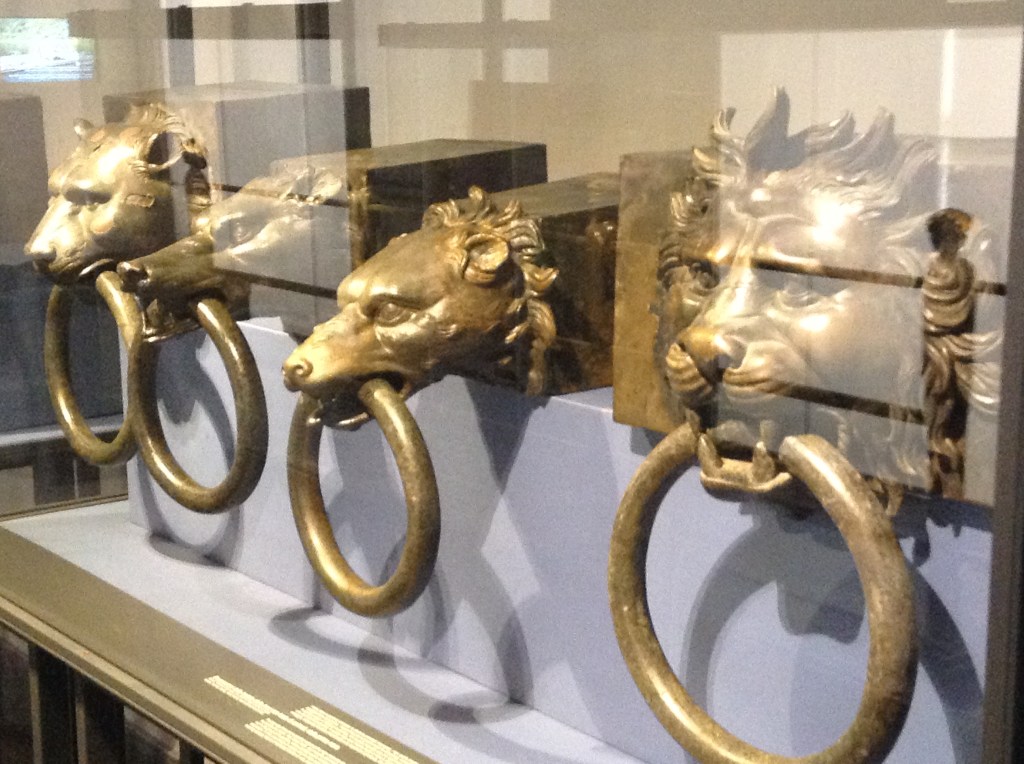
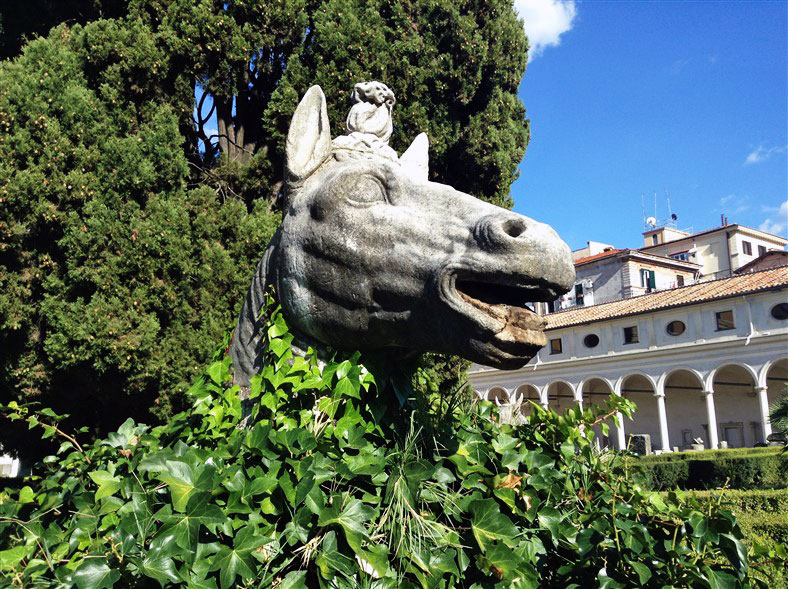
Inside the square of the cloister, a 16th-century garden features outdoor displays of altars and funerary sculpture and inscriptions. These notably include some colossal animal heads, several of which date from Antiquity and were found near Trajan’s Column in 1586.
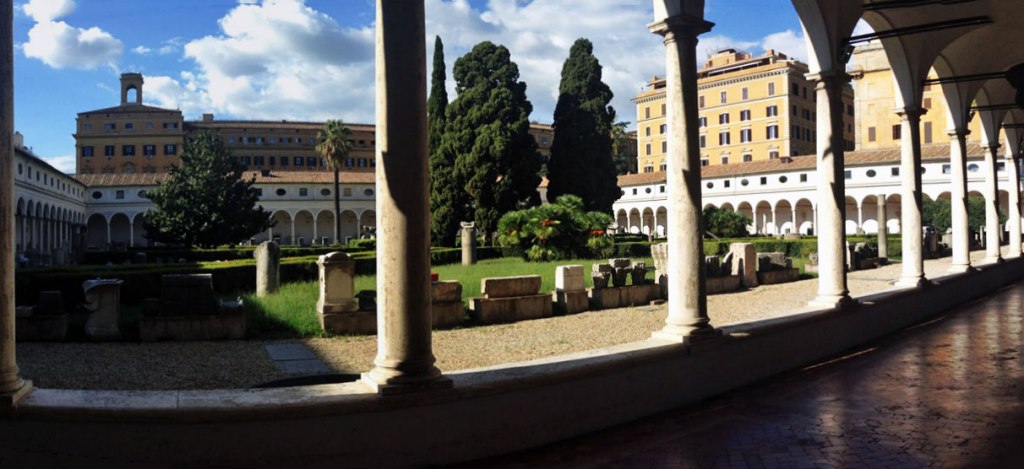
From 1575, starting under Pope Gregory XIII, some of the remaining halls of the Baths were transformed into the grain stores of the Pontifical Food Administration and into oil stores.
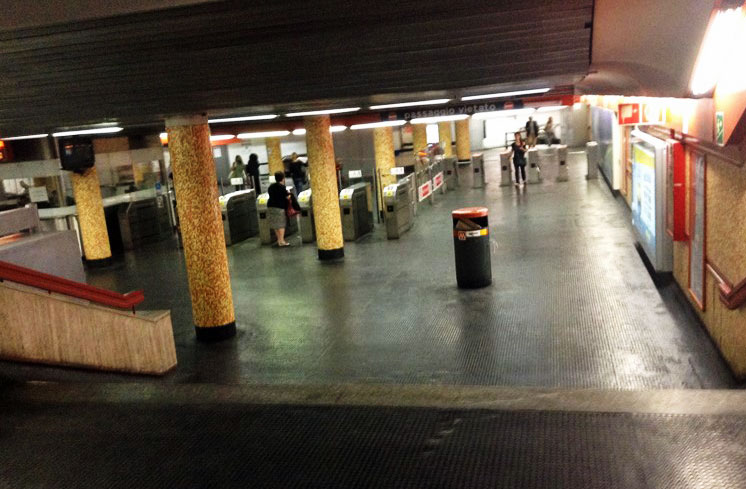
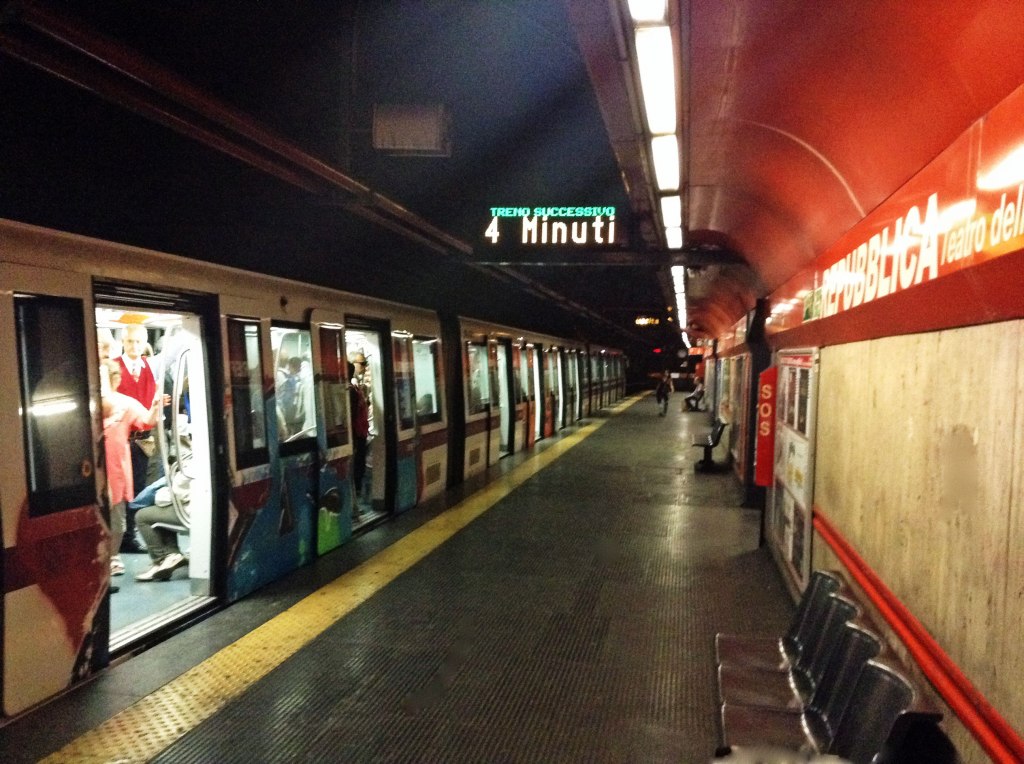
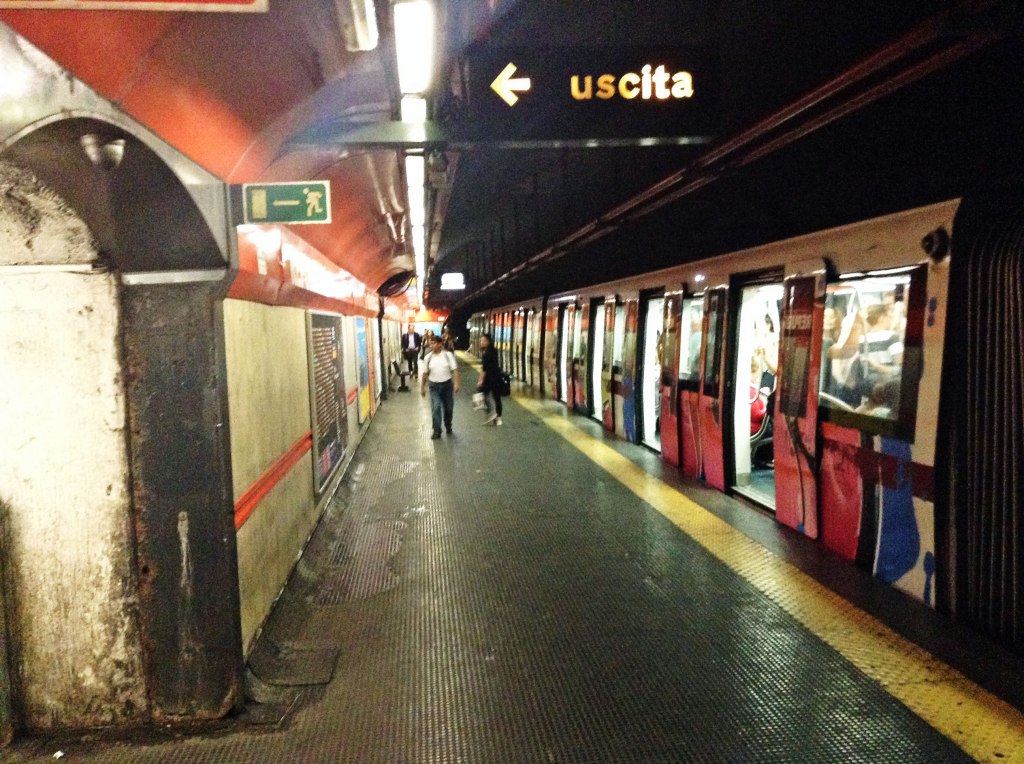
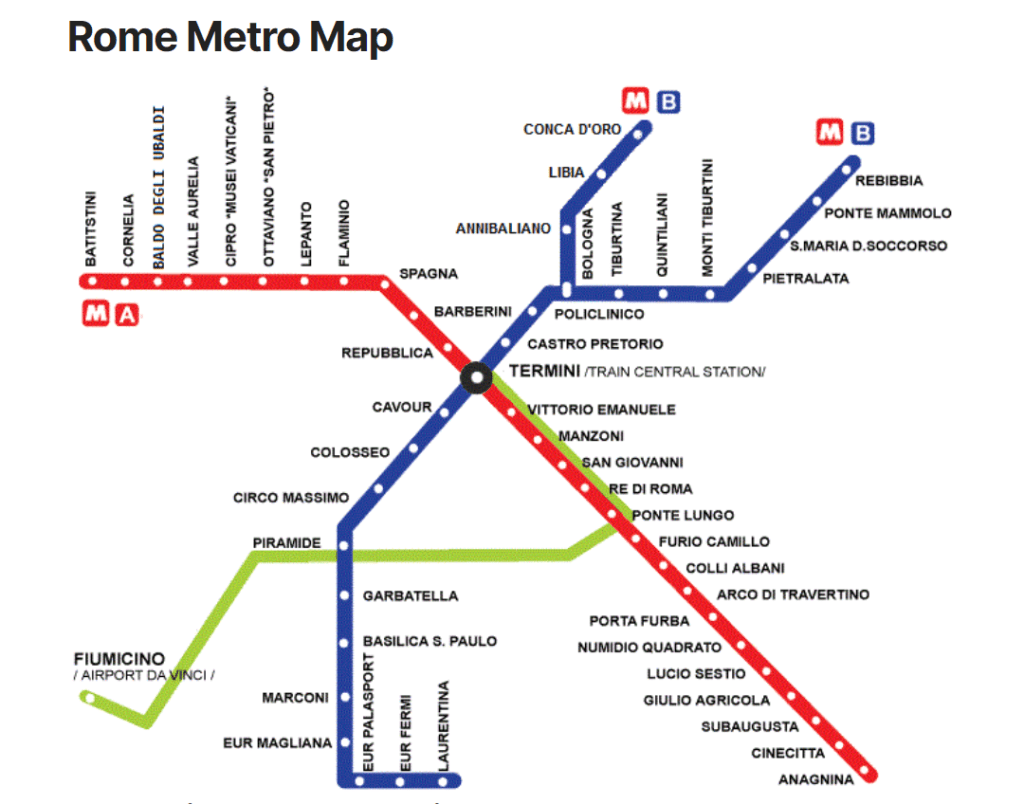
Rome’s subway
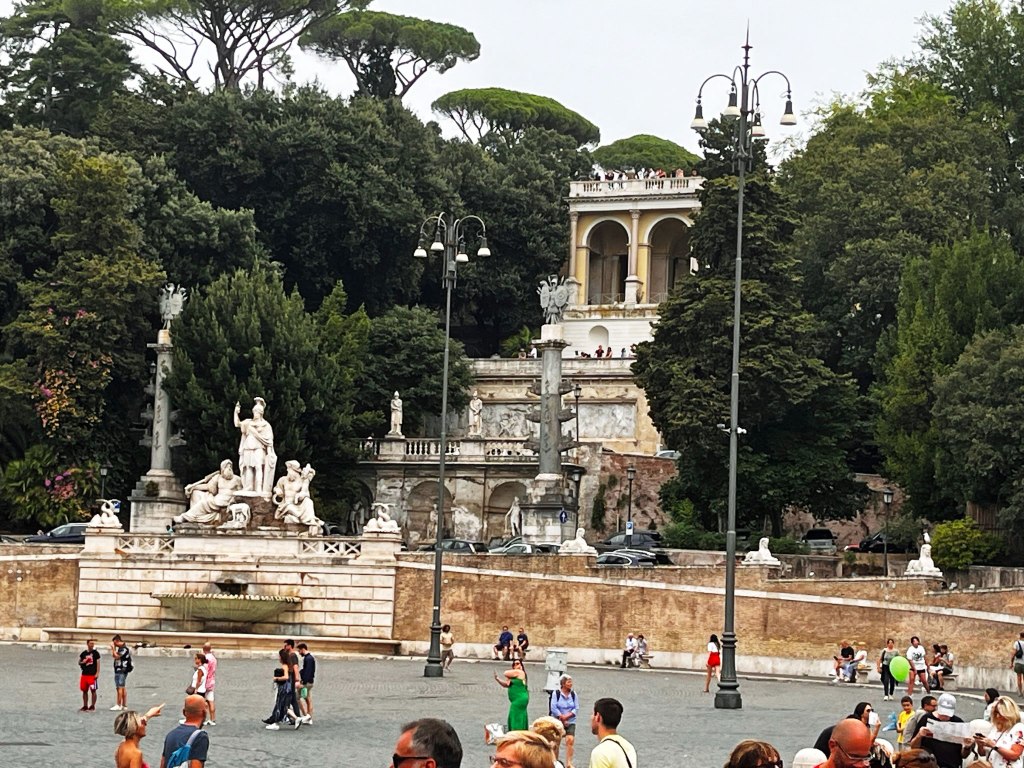
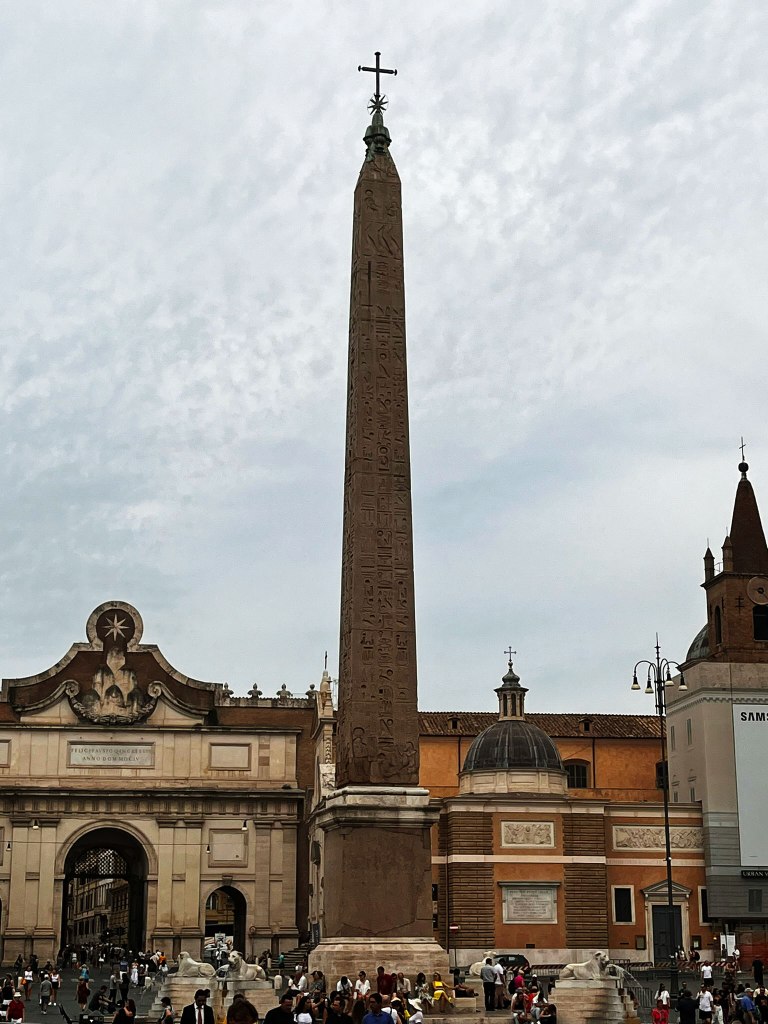
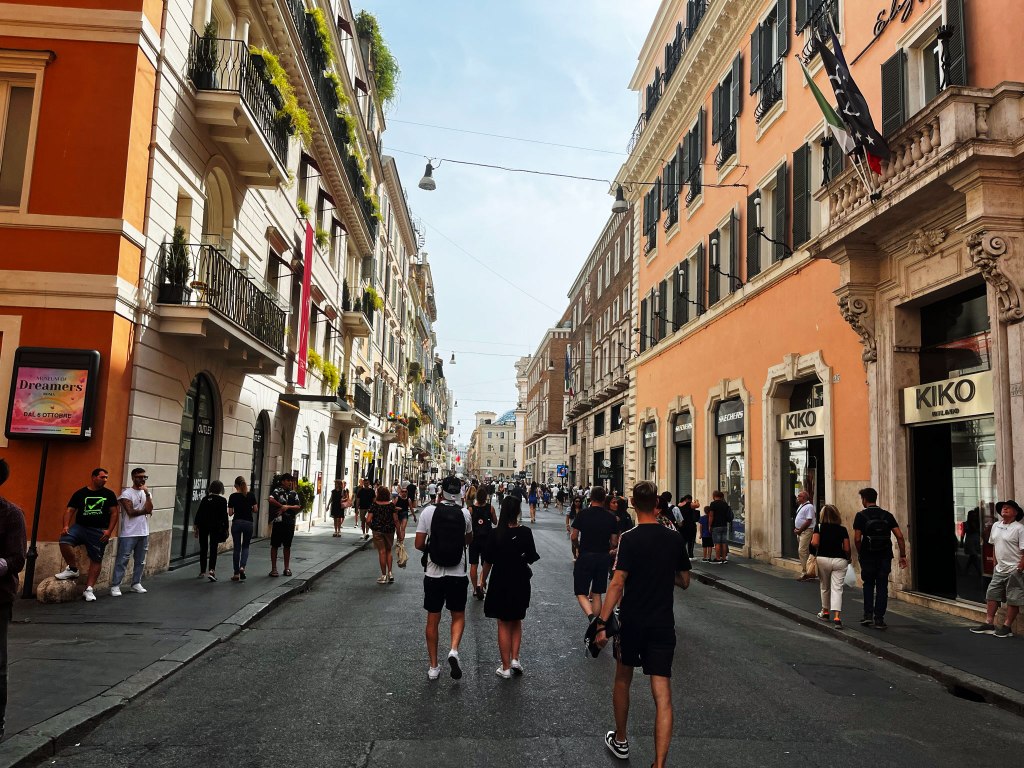
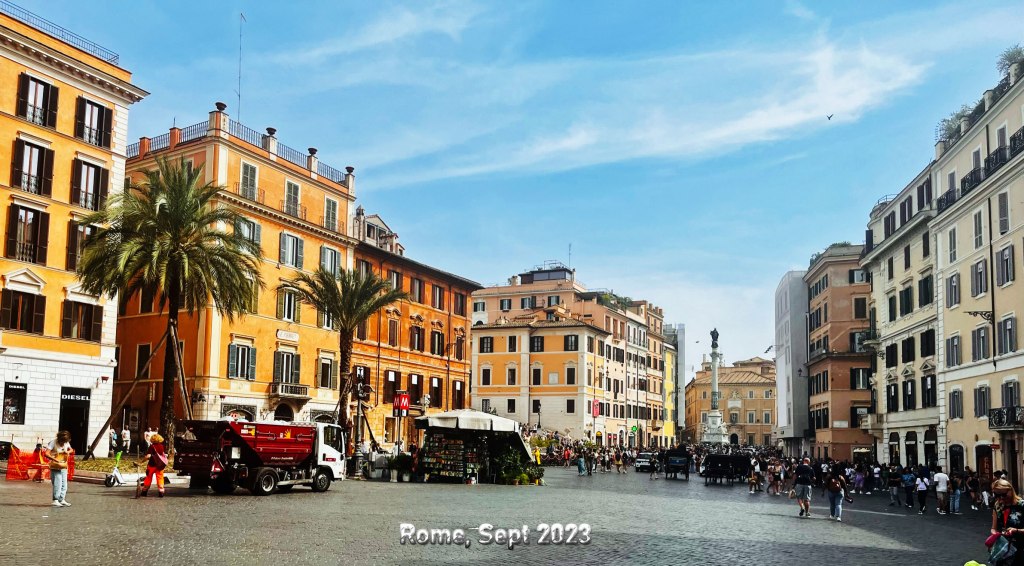
French Academy in Rome – Villa Medici
In ancient times, the site of the Villa Medici was part of the gardens of Lucullus , which passed into the hands of the Imperial family with Messalina , who was murdered in the villa.
In 1564, when the nephews of Cardinal Giovanni of Montepulciano acquired the property, it had long been abandoned to viticulture.
The sole dwelling was the Casina of Cardinale Marcello Crecenzi, who had maintained a vineyard here and had begun improvements to the villa under the direction of the Florentine Nanni Lippi, who had died however, before work had proceeded far.
The new proprietors commissioned Annibale Lippi , the late architect’s son, to continue work. Interventions by Michelangelo are a tradition.
In 1576, the property was acquired by Cardinal Ferdinando de’ Medici , who finished the structure.
The Villa Medici became at once the first among Medici properties in Rome, intended to give concrete expression to the ascendancy of the Medici among Italian princes and assert their permanent presence in Rome. Under the Cardinal’s insistence, Ammanati incorporated into the design Roman bas-reliefs and statues that were coming to sight with almost every spadeful of earth, with the result that the facades of the Villa Medici, as it now was, became a virtual open-air museum.
A series of grand gardens recalled the botanical gardens created at Pisa and at Florence by the Cardinal’s father, sheltered in plantations of pines, cypresses and oaks. Ferdinando de’ Medici had a studiolo, a retreat for study and contemplation, built to the north east of the garden above the Aurelian wall.
For a century and a half the Villa Medici was one of the most elegant and worldly settings in Rome, the seat of the Grand Dukes’ embassy to the Holy See. When the male line of the Medici died out in 1737, the villa passed to the house of Lorraine and, briefly in Napoleonic times, to the Kingdom of Etrura. In this manner Napoleon Bonaparte came into possession of the Villa Medici, which he transferred to the French Academy of Rome.
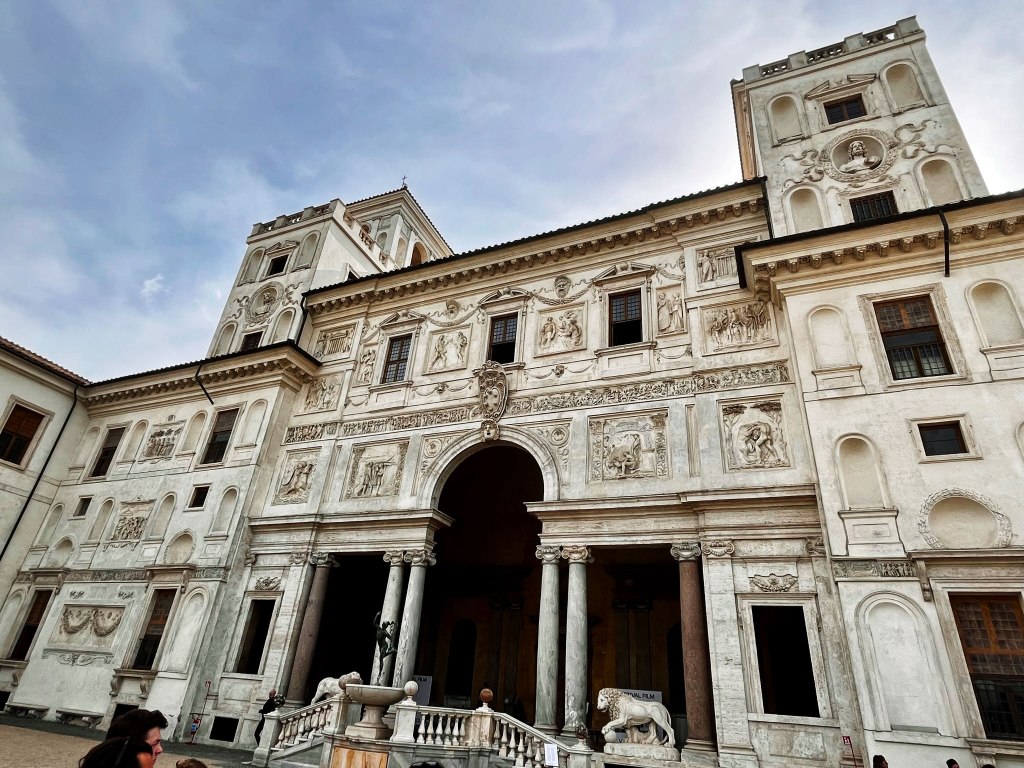
The creation of the French Academy in Rome was part of the policy of great work of King Louis XlV at the end of the 17th century. Those works transformed the Louvre, the Tuileries, and Versailles. The Academy was created in 1666 under the leadership of Colbert, Le Brun and Gian Lorenzo Bernini. It welcomed artists who won the First Prize of Rome and several protégés of powerful lords. Young artists pensioned by the king got broadened training, being in touch with Rome and Italy. At the time pensioners followed a regime of strict discipline and devoted their stay to the realisation of copies of Antique or Renaissance art. In 1720 architects joined the sculptors and painters as pensioners.

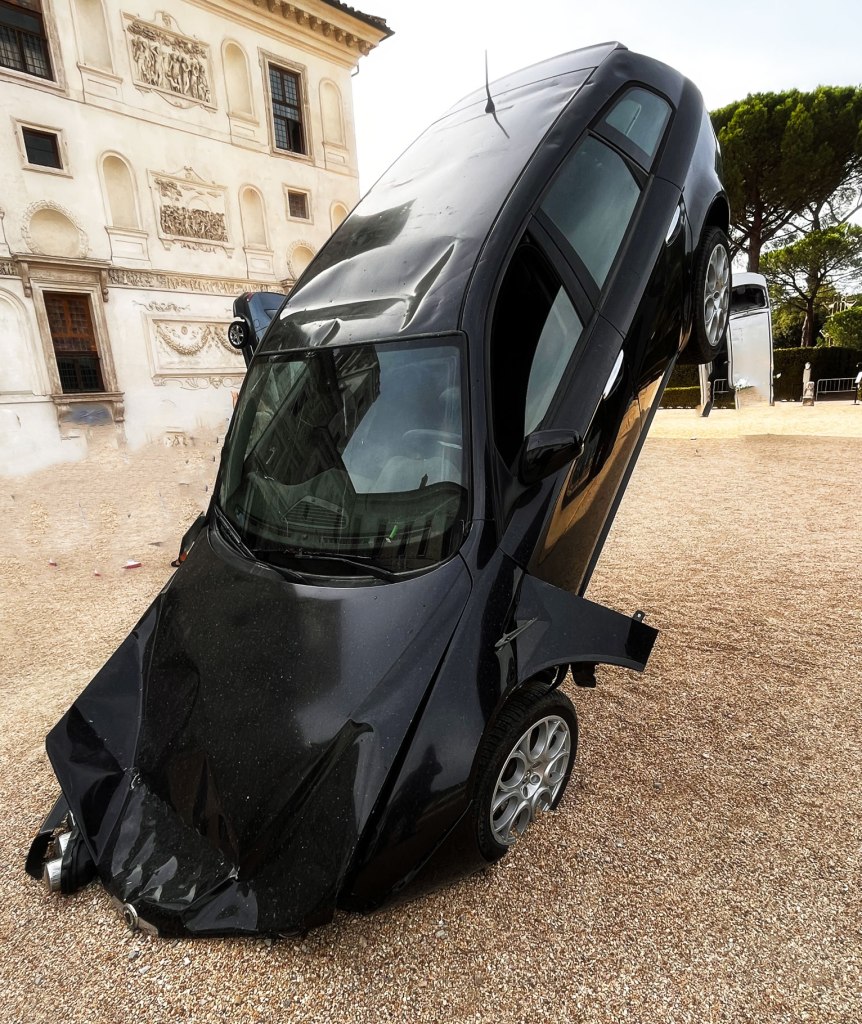
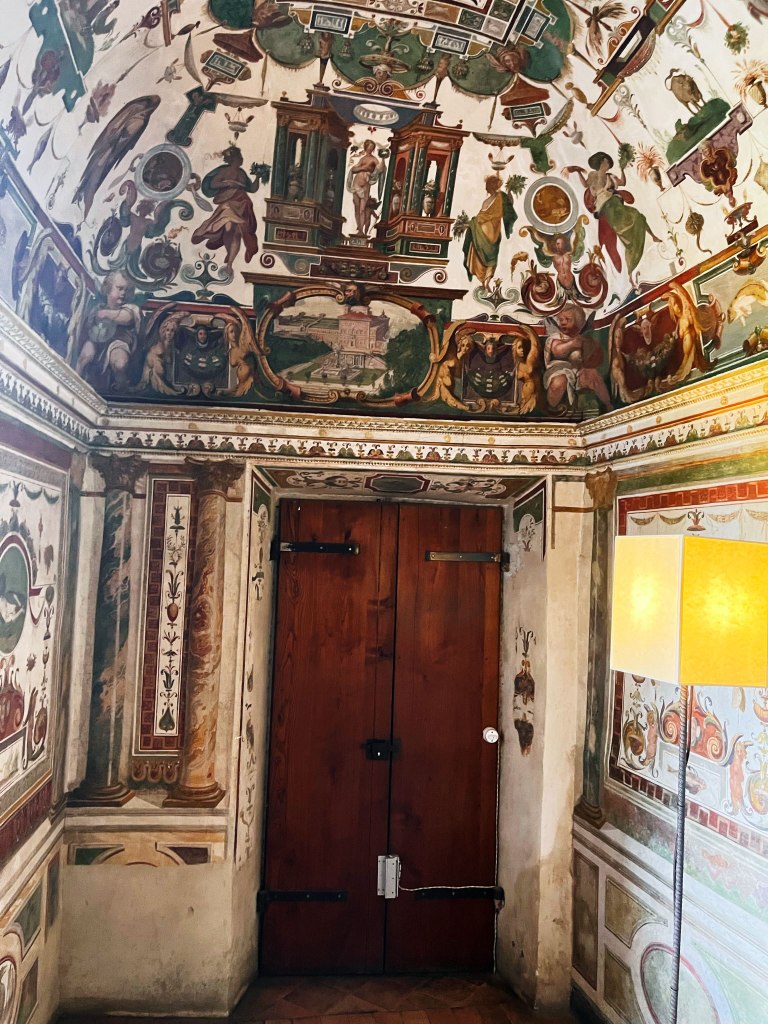
During the Revolution the function of director was abolished. The Mancini palace had been plundered and devastated by Roman counter-revolutionaries in February 1793. Some pensioners fled to Naples or Florence. After those events the Academy was removed. It was reinstated in 1795 by the Directory, but it needed a new place to be welcomed. On May 18, 1803 France and the Court of Etrury decided to trade the Mancini palace for the Villa Medici.
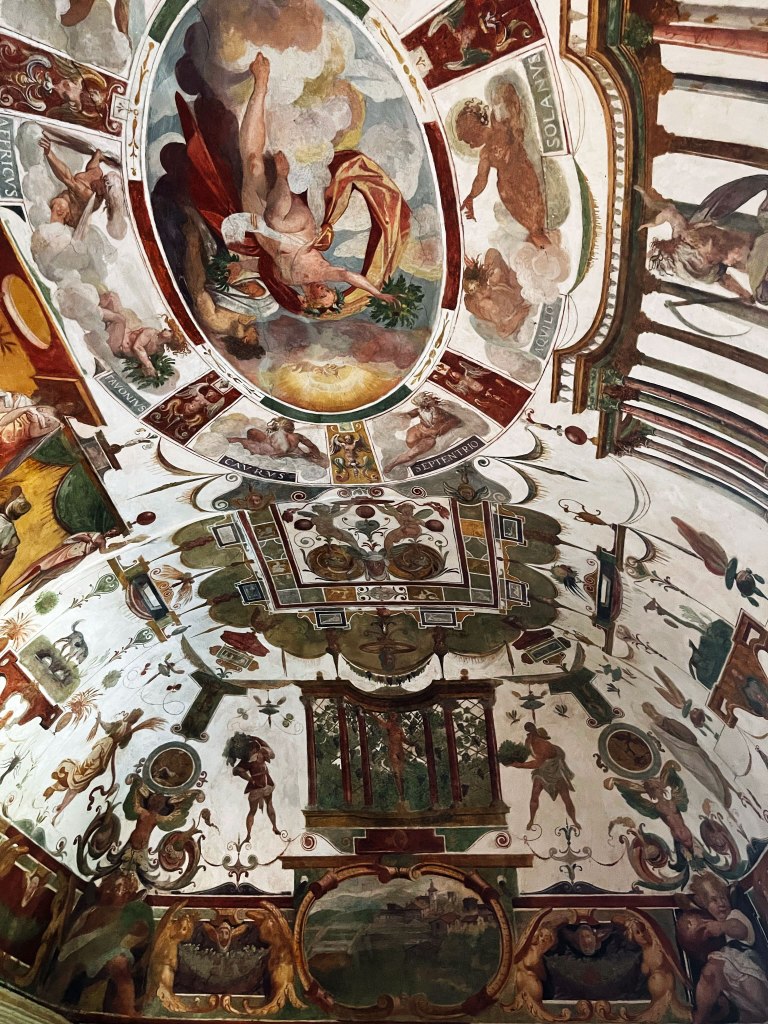
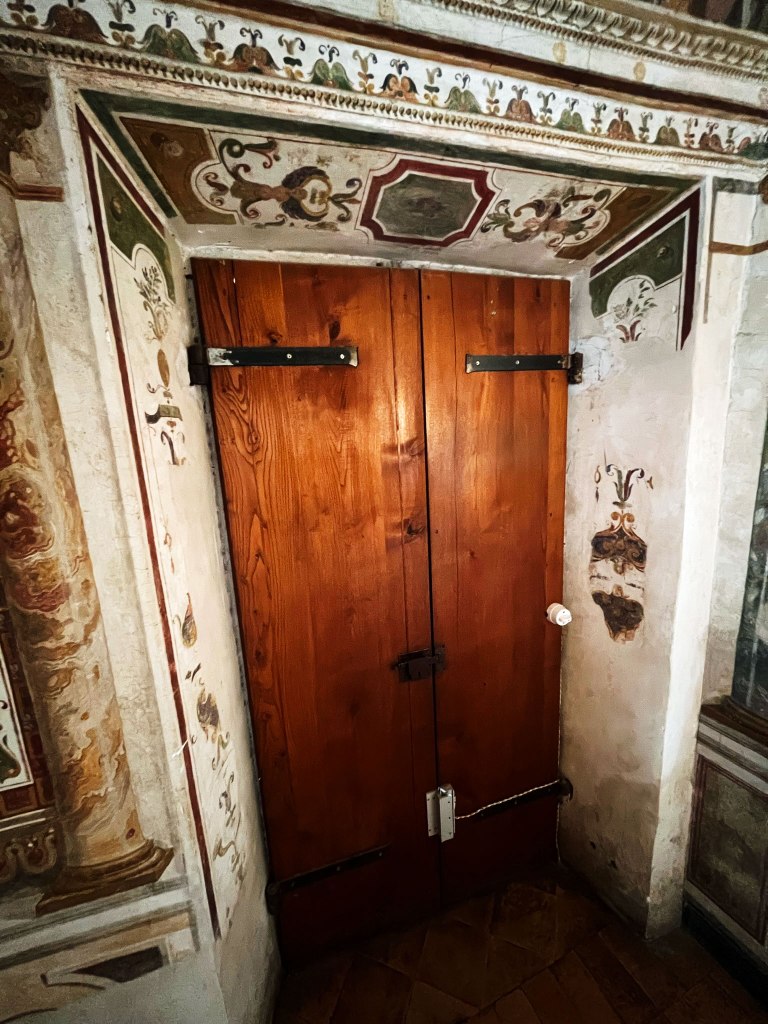
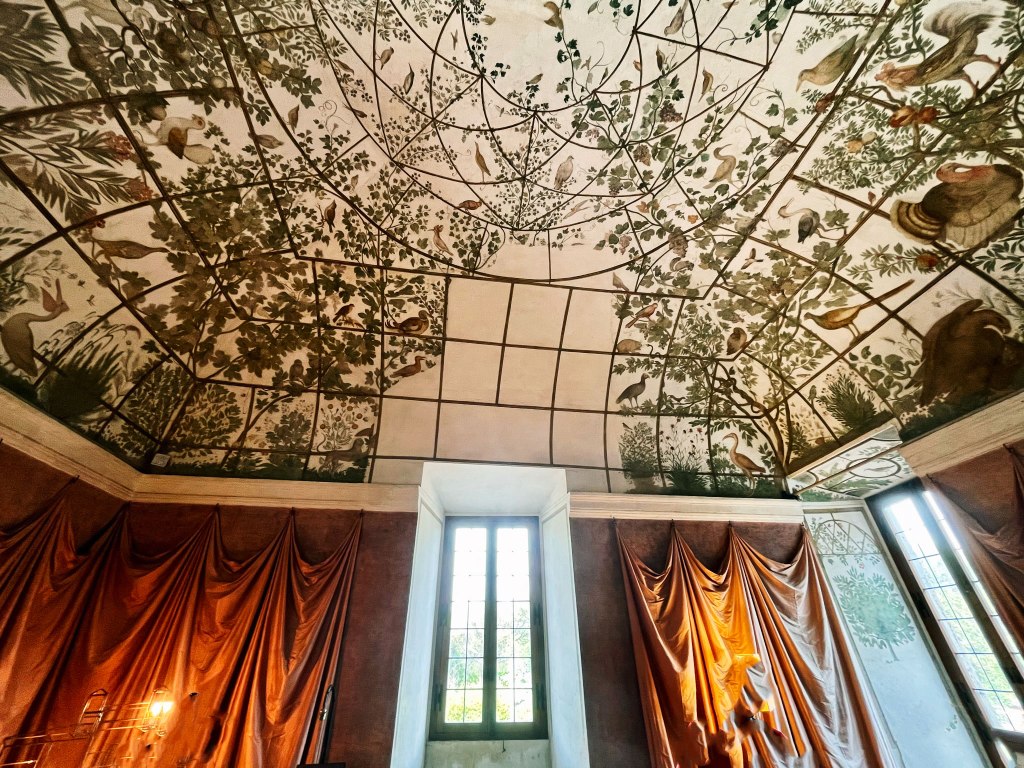
The vast project to refurnish and refurbish the interior of Villa Medici was launched by the French Academy in Rome in 2022 on the initiative of its director Sam Stourdzé in order to promote contemporary design and arts and crafts in a spirit of dialogue with the heritage of Villa Medici.
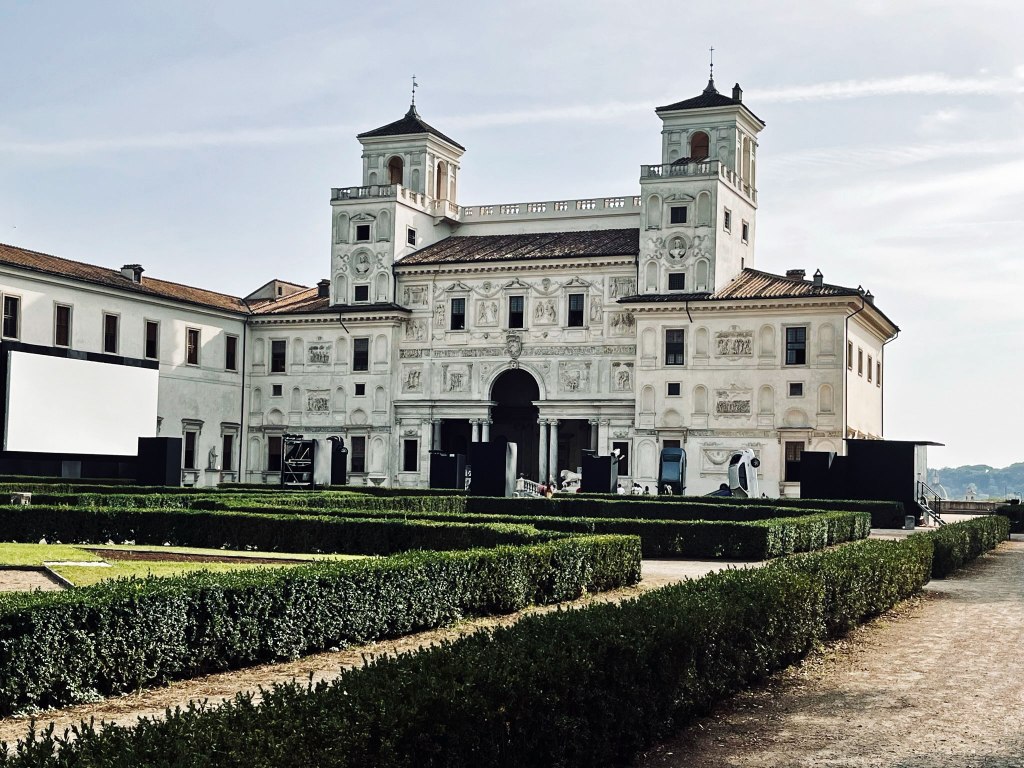
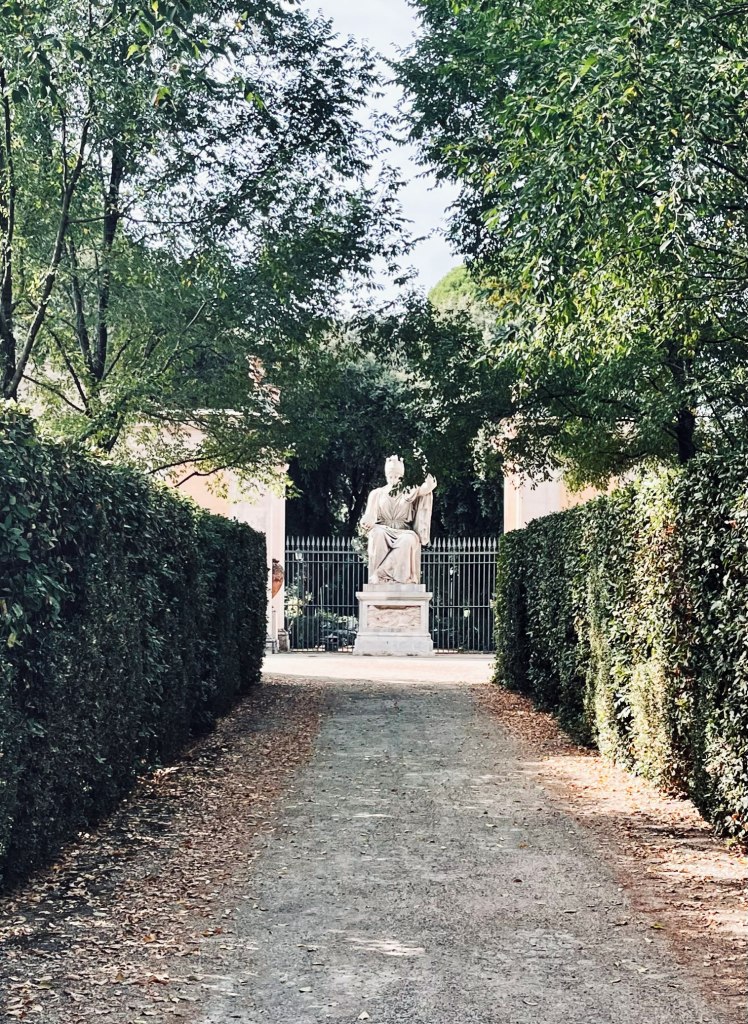
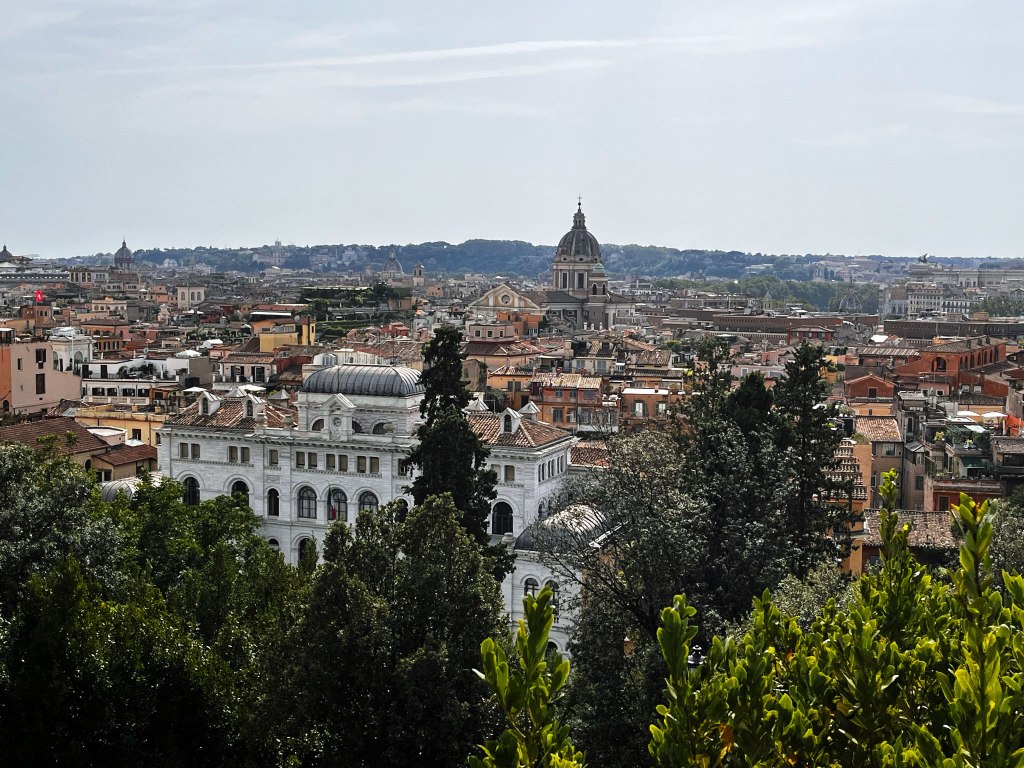
The gardens of the Villa Medici, with an extention of over 7 hectares from north to south, it maintains a XVIth century style. In 1564 it only consisted of a farm in the middle of an area with vineries when Cardinal Ricci bought the Casina Crescenzi, on the Collis Hortulorum (The hill of Gardens). Afterwards, massive terracing programs were begun. The gardens are surrounded by walls, close to the Santa Maria Del Popolo vineyard on its northern border. The garden’s design is divided into sixteen squares and six lawns, following the principles of the time period. Thanks to irrigation projects by the Milanese mathematician and architect Camillo Agrippa, lots of pools and fountains decorate the place. In the southern part, a silva (or bosco) seemed to have partially been constructed in 1570, between the aisle of the Via Pinciania on the west, Aurelus Wall on the east, and the gardens’ terrace on the north. That dedicated plot still contains buried ruins of a Roman temple probably devoted to Fortune.
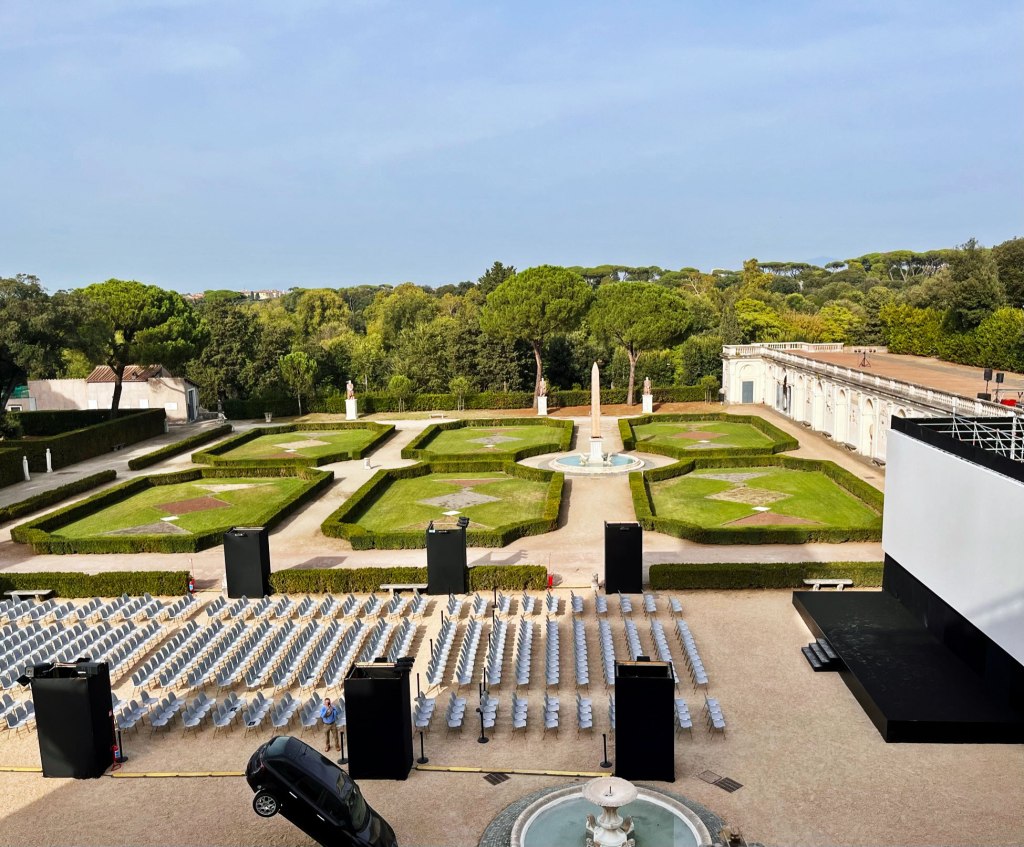
Ferdinando de’ Medici committed himself to finish the works started by Cardinal Ricci when he bought the domain from Cardinal Ricci’s heirs in 1576. He also bought the vineyard of Giulio Bosco in 1580, in the southern portion of the silva, to eventually close the area of the villa, between the Aurelus Wall and via di porta Pinciana. He set up a new north-south route, the viale lungo, connecting the gardens to the Parnassus, and built a tiny artificial hill on the ruins of the antique temple. This Parnassus seemed to put the owner of the property under the protection of Apollo. At the end of the 15th century the group of Niobids was discovered by archaeological excavation. Ferdinando de’ Medici bought it and put it at the end of a lawn in his garden. Although the gardens lost most of their sculptures, they kept their essential design until the end of the 19th century.
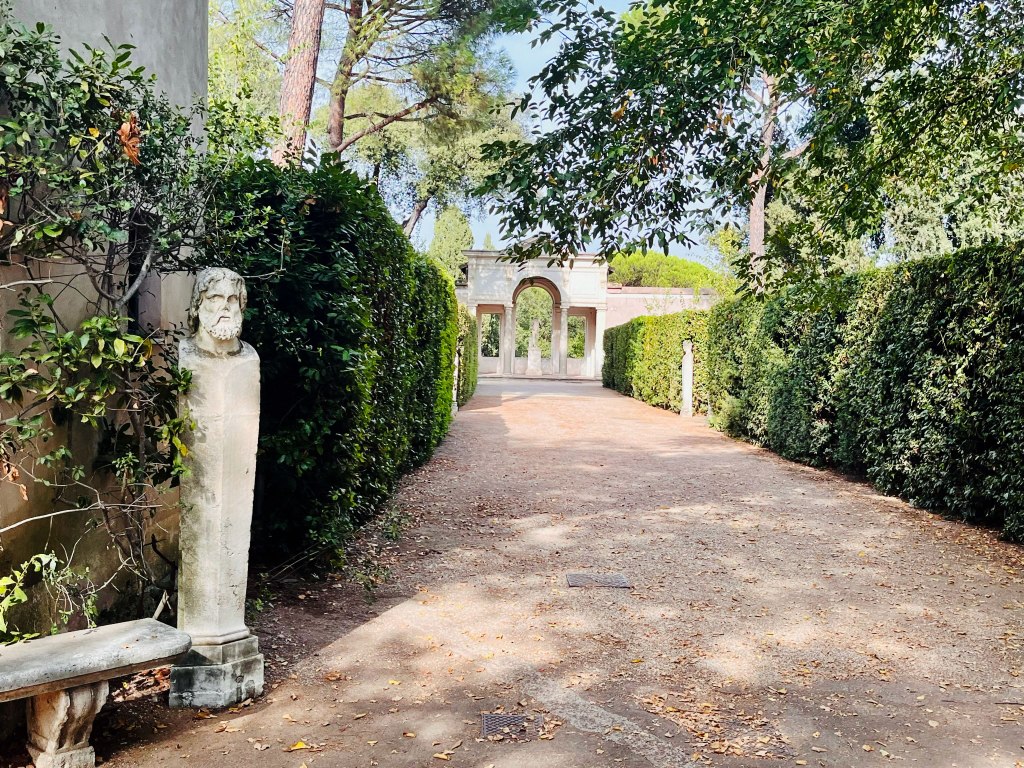
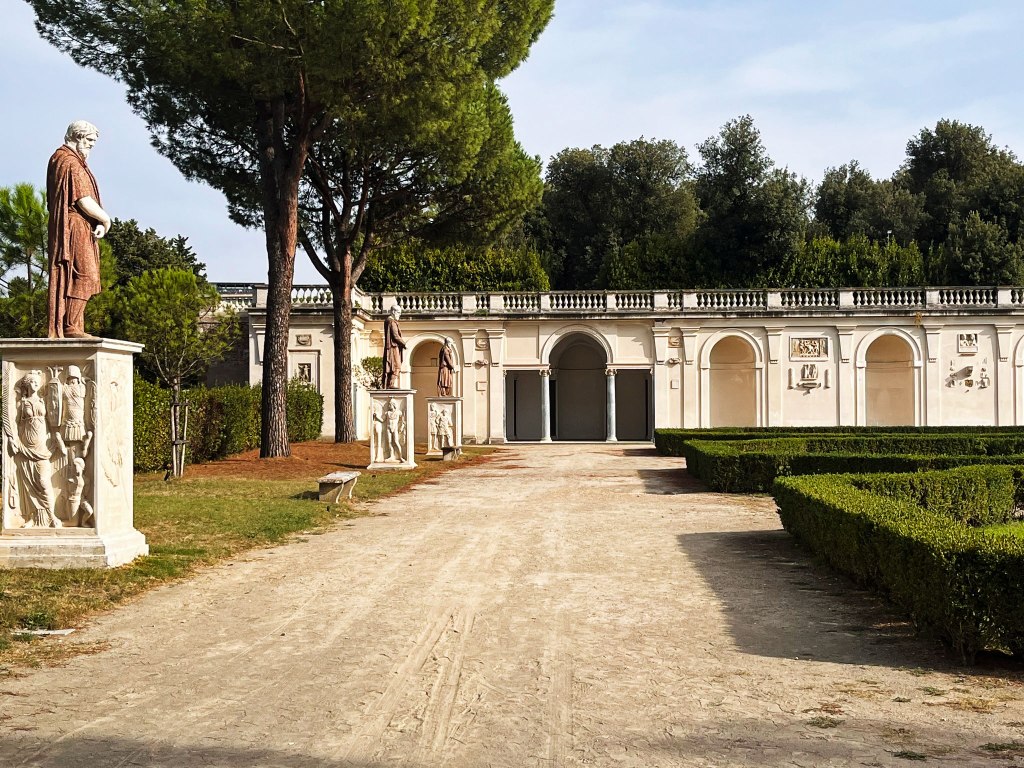
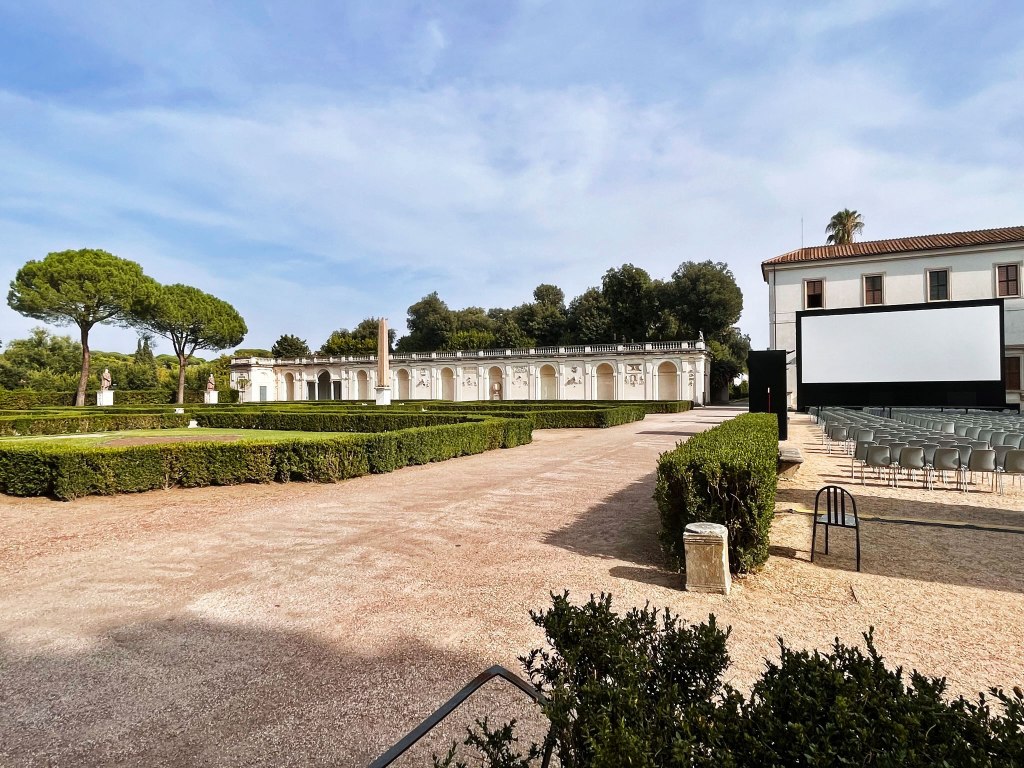
The design of the plots in front of the villa was apparently modified under the directorship of Ingres. Umbrella pines were added. They are now a distinctive element of the Villa. The painter Balthus, director of the Villa (1960-1977) changed some elements in order to restore the Villa’s old prestige. He cleaned cleaned up the 19th century’s modifications except for the umbrella pines. Because of the sanitary degradation encountered on the great pines and hurdles, it was decided in 2000 to fully restore the Academy’s gardens in order to give back to them their ancient appearance.


 s
s 