


Potsdam sits on the River Havel, a tributary of the Elbe , downstream of Berlin, and lies embedded in a hilly moranic landscape dotted with many lakes, around 20 of which are located within Potsdam’s city limits. It lies some 25 kilometres southwest of Berlin’s city centre. The name of the city and of many of its boroughs are of Slavic origin.
Potsdam was a residence of the Prussian kings and the German Emperor until 1918. Its planning embodied ideas of the Age of Enlightment: through a careful balance of architecture and landscape, Potsdam was intended as “a picturesque, pastoral dream” which would remind its residents of their relationship with nature and reason.
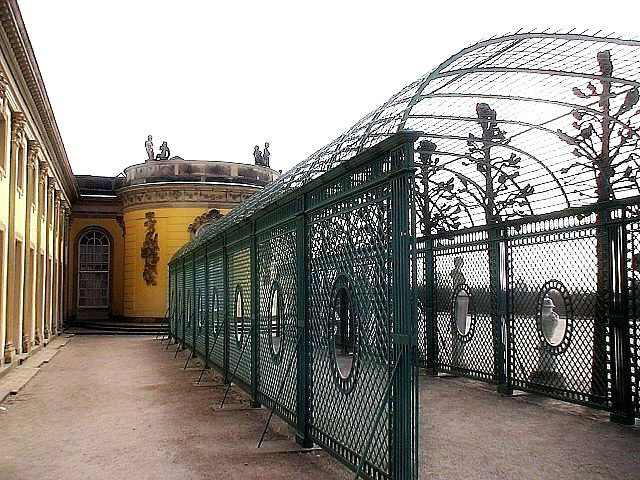
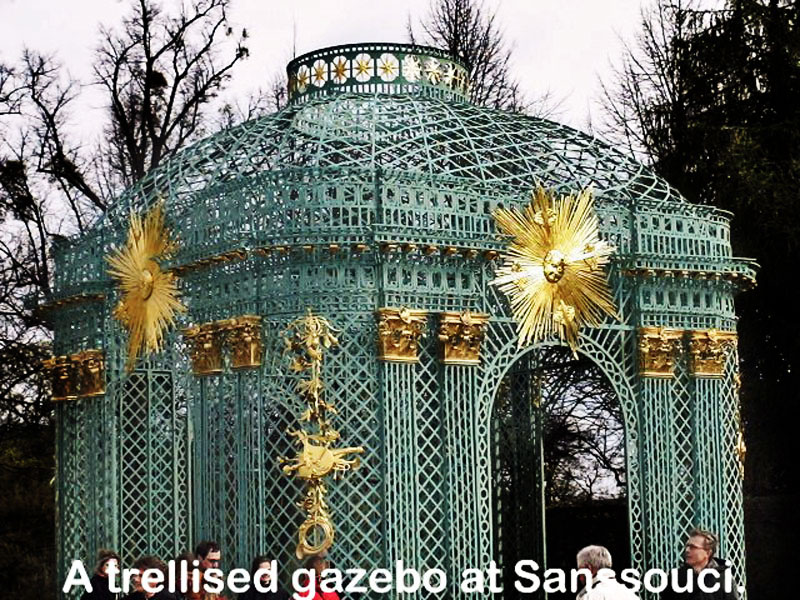
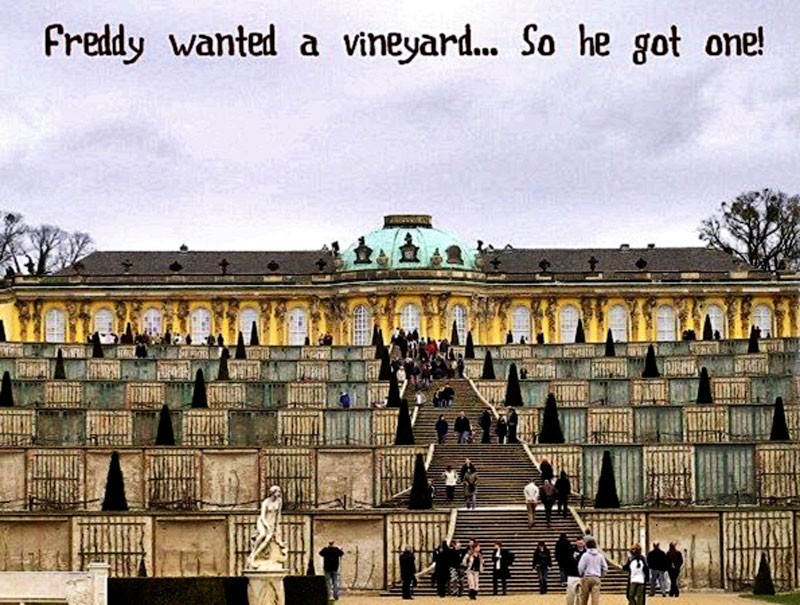
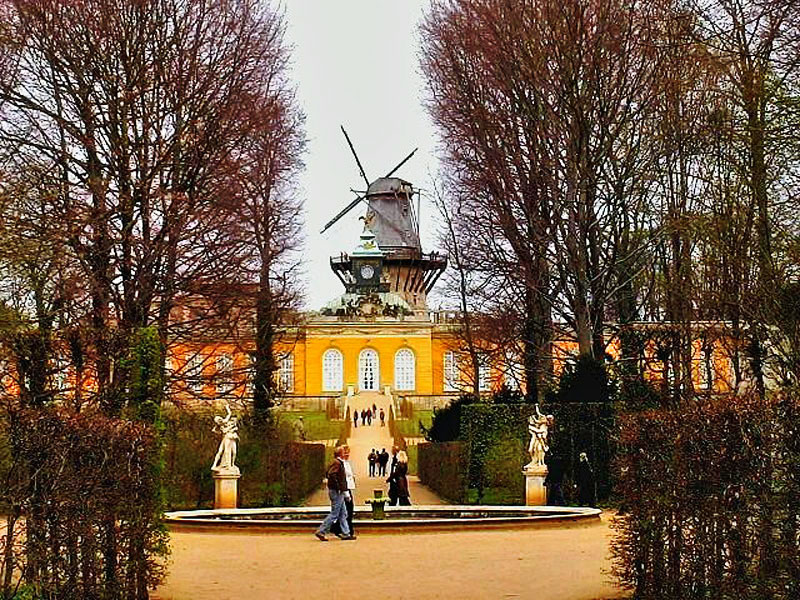
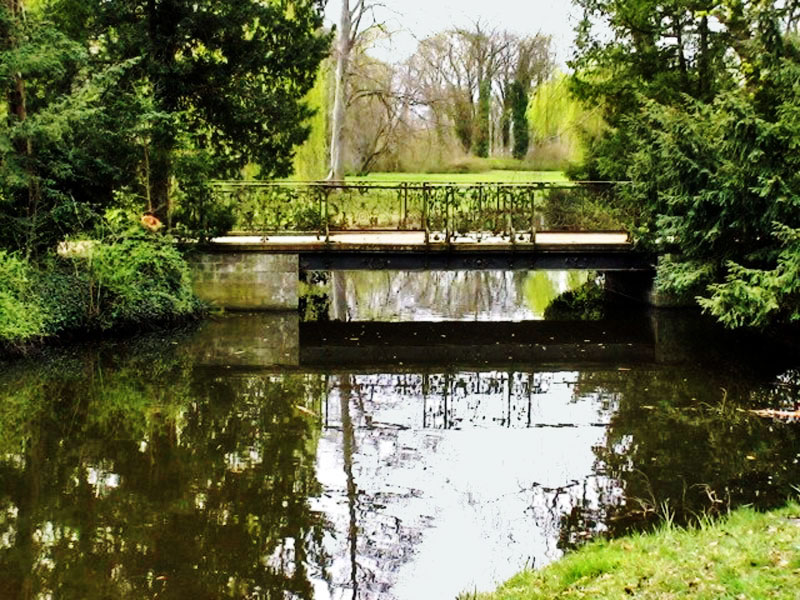
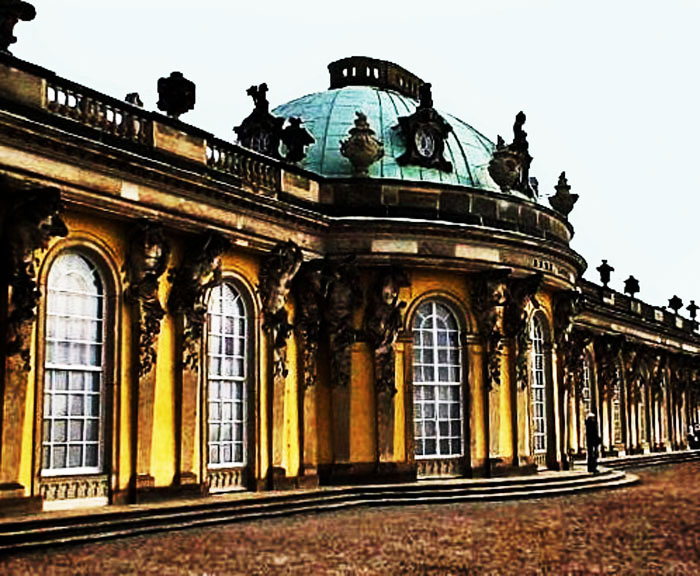
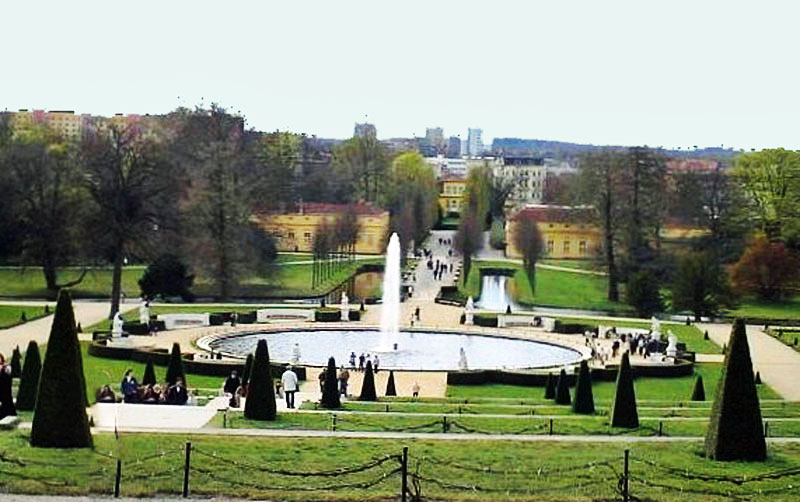
Sanssouci
Built by Prussian King Frederick the Great as his summer palace, it is often counted among the German rivals of Versailles . While Sanssouci is in the more intimate Rococo style and is far smaller than its French Baroque counterpart, it, too, is notable for the numerous temples and follies in the surrounding park. The palace was designed and built between 1745 and 1747 to meet Frederick’s need for a private residence where he could escape the pomp and ceremony of the royal court. The palace’s name is a French phrase (sans souci) meaning “without worries” or “carefree”, emphasising that the palace was meant as a place of relaxation rather than a seat of power.
Cecilienhof Palace
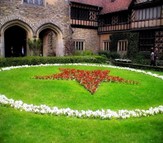
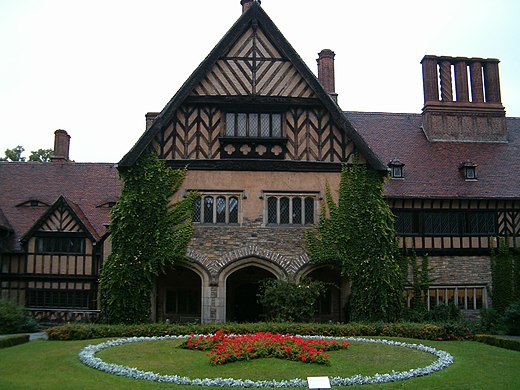
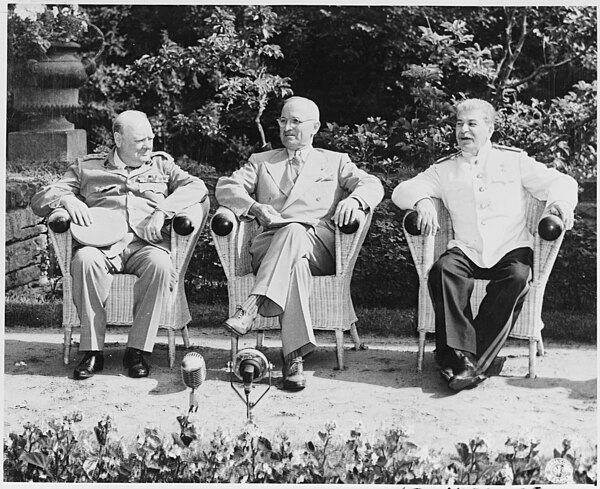
The palace was the scene of the Potsdam Conference from 17 July to 2 August 1945, at which the victorious Allied leaders met to decide the future of Germany and postwar Europe in general.
The Allies thought that this surprise would make Stalin feel good. Well, it drew the only smile they saw on his face during the conference. The star is replanted every year since the Conference.
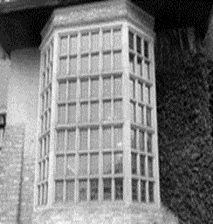
The Allies met with Stalin in the room behind these windows…to carve out Europe.
 s
s 