



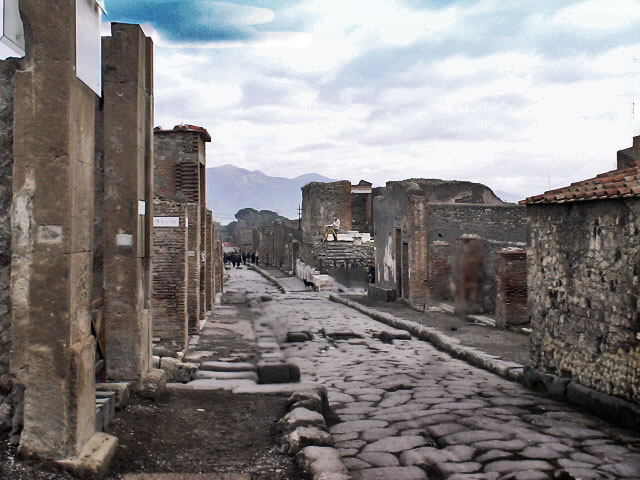
Pompeii was an ancient city located in what is no the commune of Pompeii near Naples.
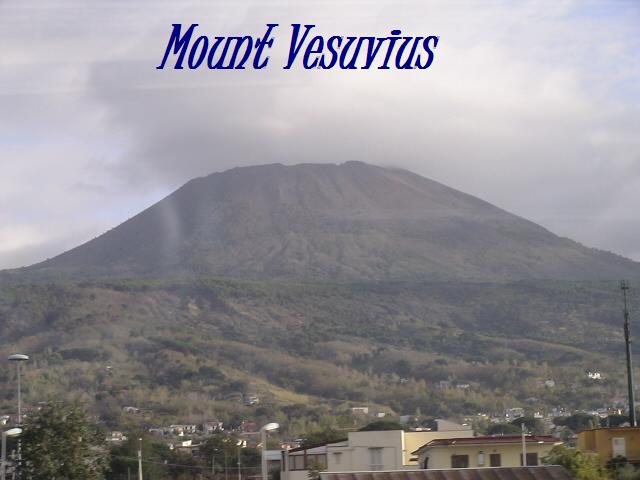
Pompeii, along with Herculaneum and many villas in the surrounding area was buried under 4 to 6 m of volcanic ash in the eruption of Mount Vesuvius in 79 AD.
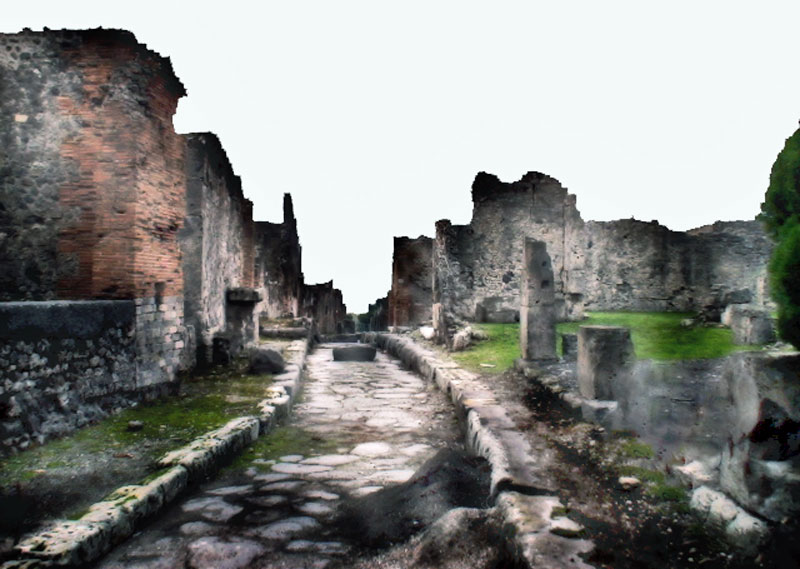
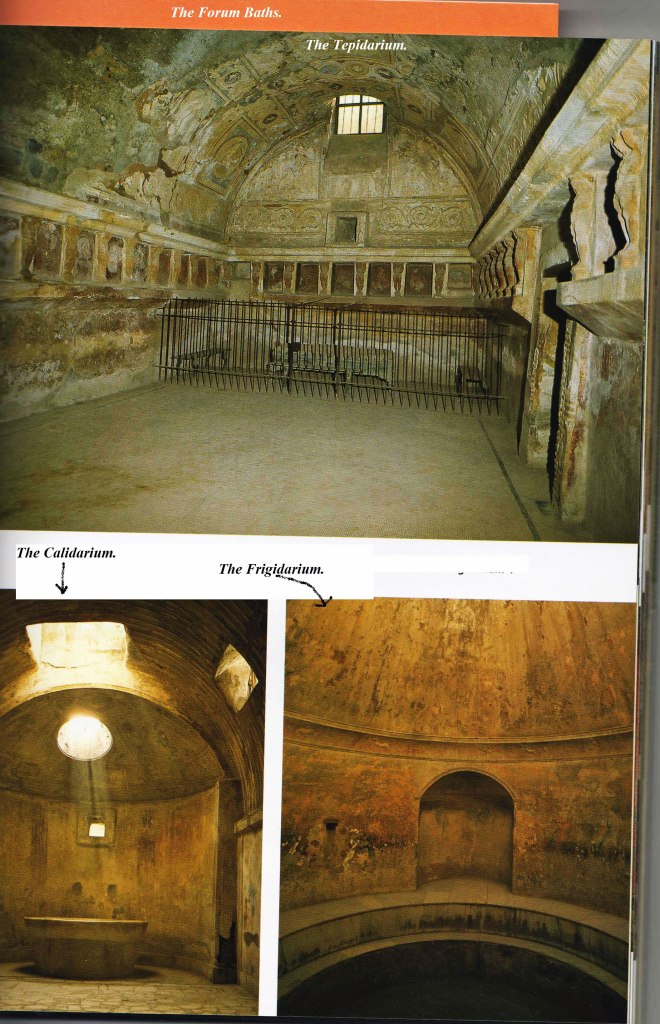
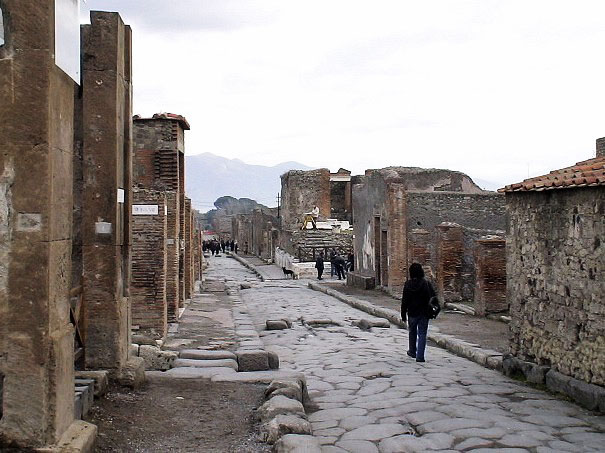
Largely preserved under the ash, the excavated city offers a unique snapshot of Roman life, frozen at the moment it was buried, although much of the detailed evidence of the everyday life of its inhabitants was lost because of excavations.
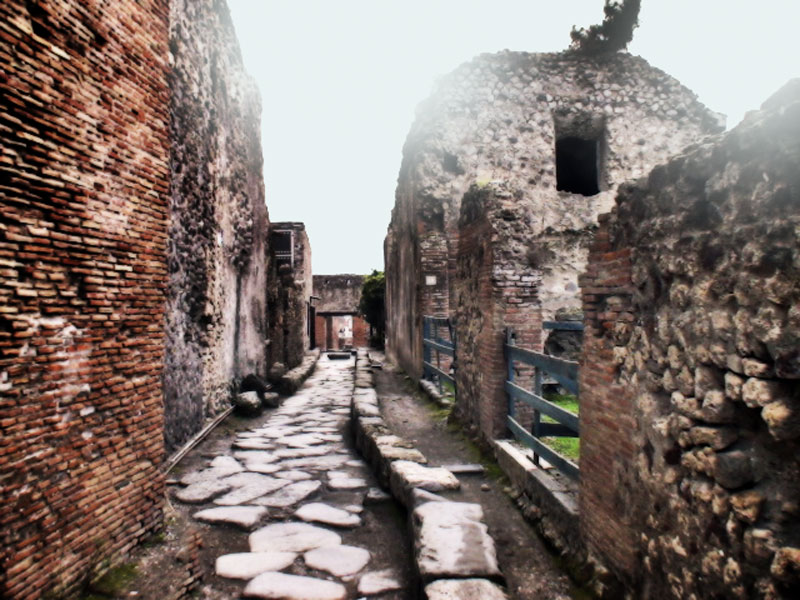
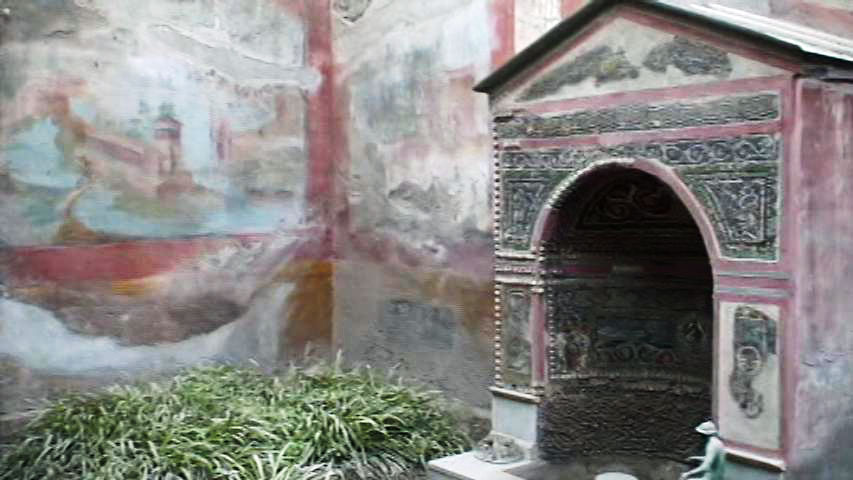
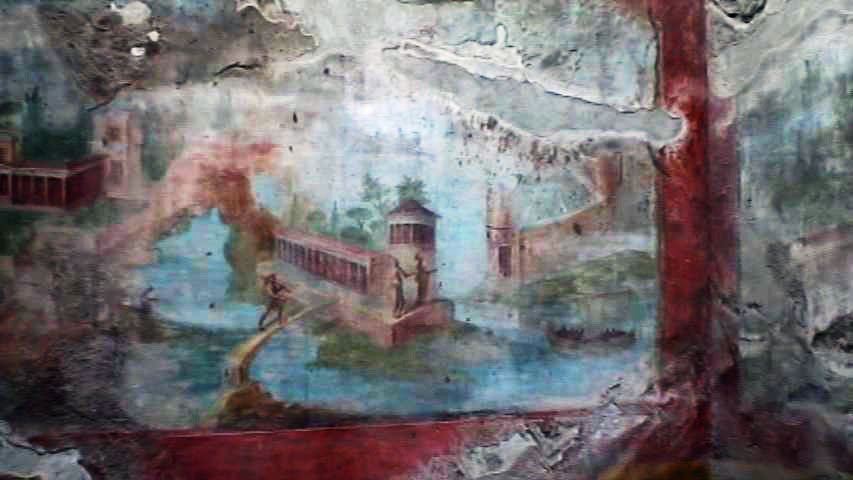
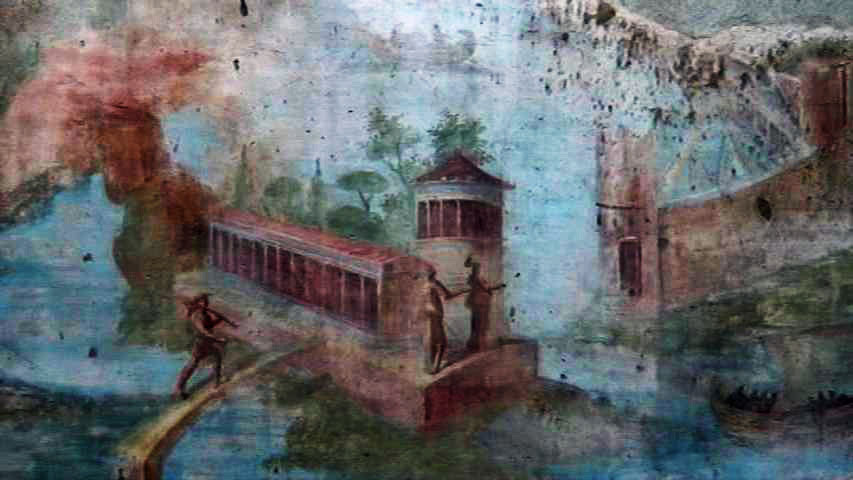
It was a wealthy town, with a population of ca. 11,000 in AD 79, enjoying many fine public buildings and luxurious private houses with lavish decorations, furnishings and works of art which were the main attractions for the early excavators. Organic remains, including wooden objects and human bodies, were interred in the ash.
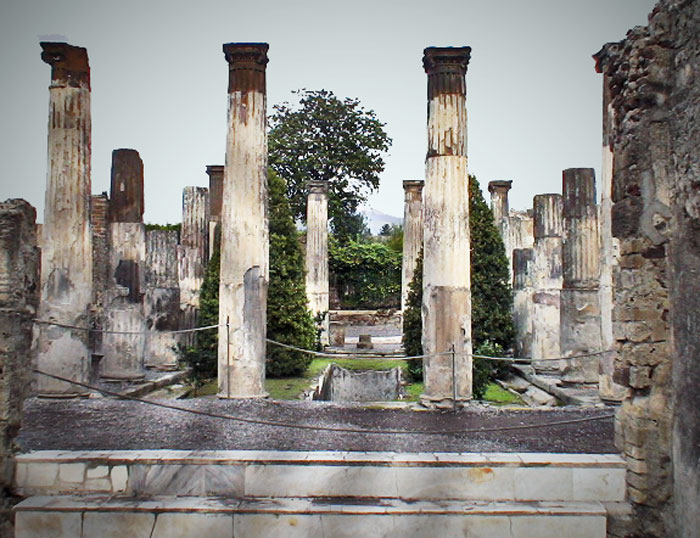

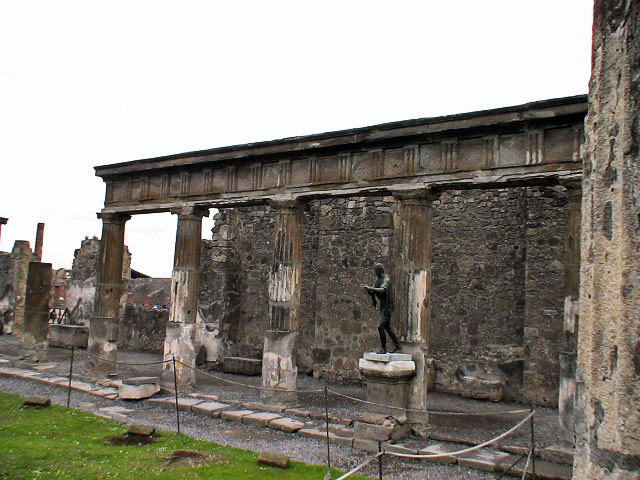
Etruscan Temple of Apollo
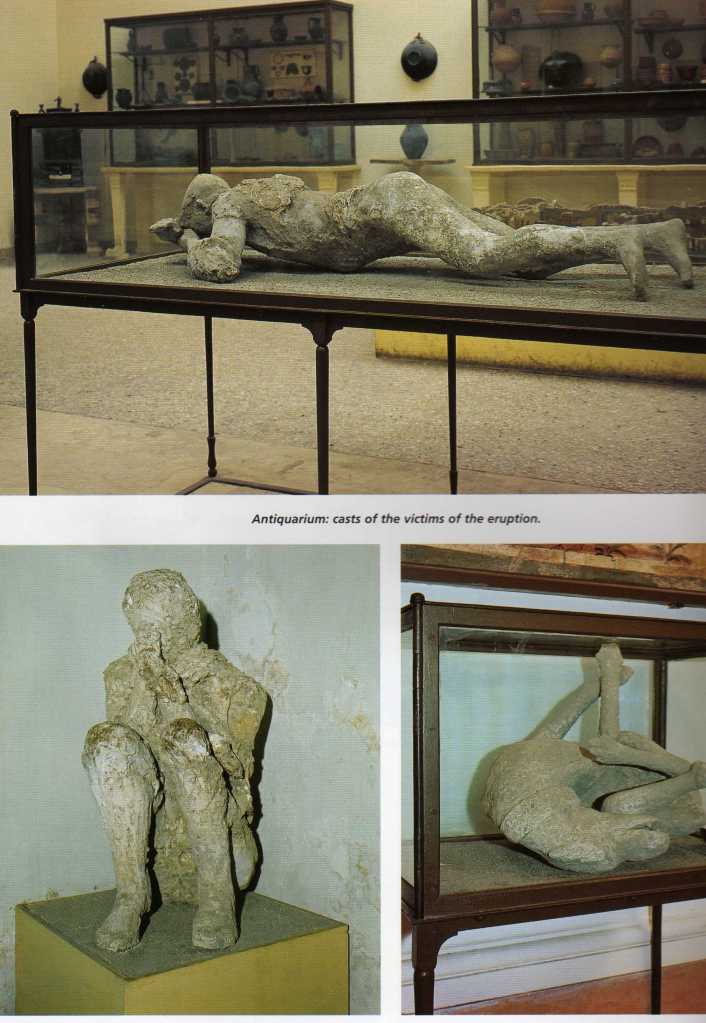

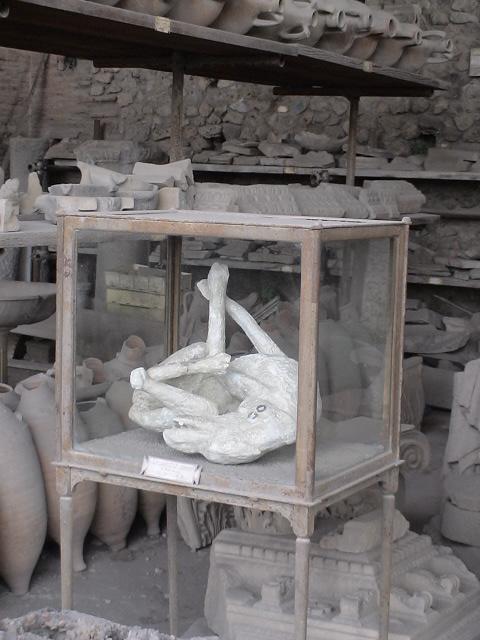
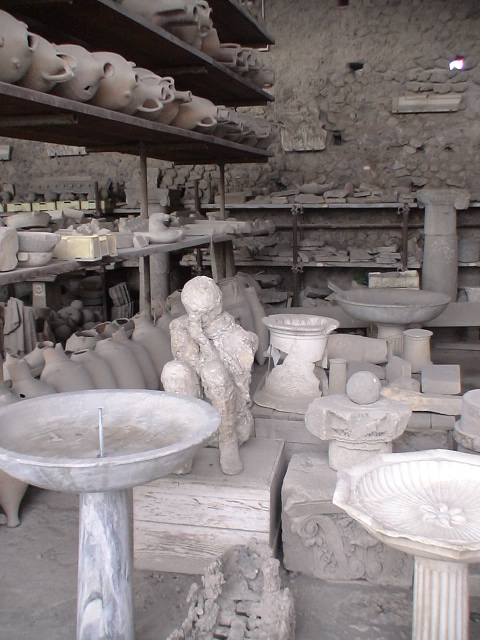
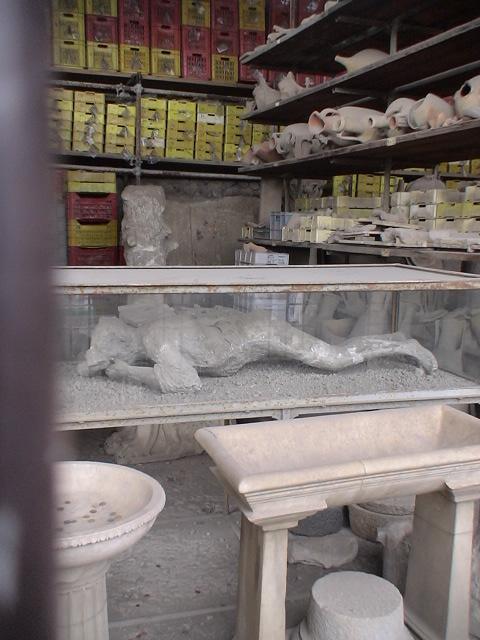
Over time, they decayed, leaving voids that archaeologists found could be used as moulds to make plaster casts of unique, and often gruesome, figures in their final moments of life. The numerous graffiti carved on the walls and inside rooms provide a wealth of examples of the largely lost vulgar Latin spoken colloquially at the time, contrasting with the formal language of the classical writers.

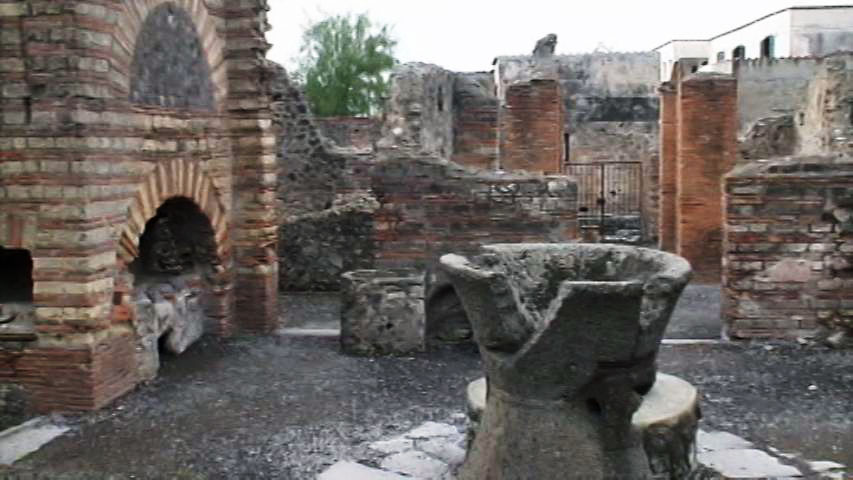
Bakery
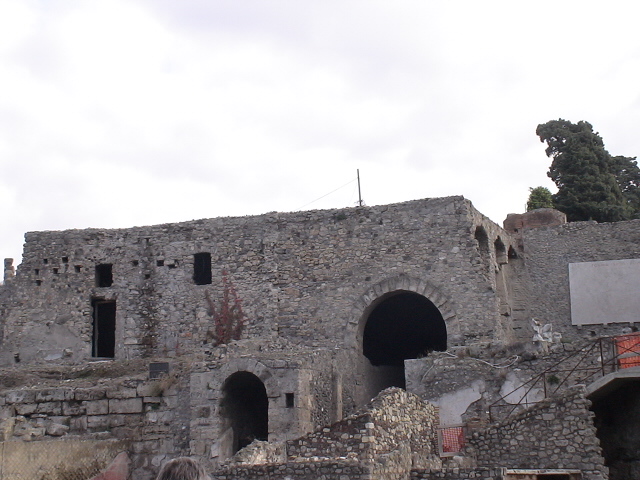
After many excavations prior to 1960 that had uncovered most of the city but left it in decay, further major excavations were banned or limited to targeted, areas. In 2018, these led to new discoveries in some previously unexplored areas of the city.
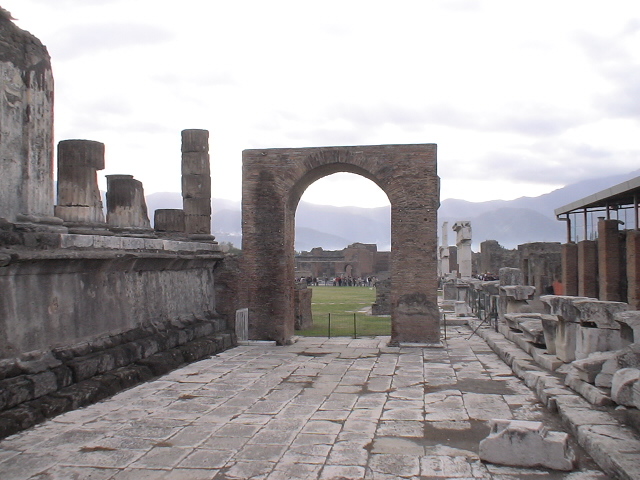
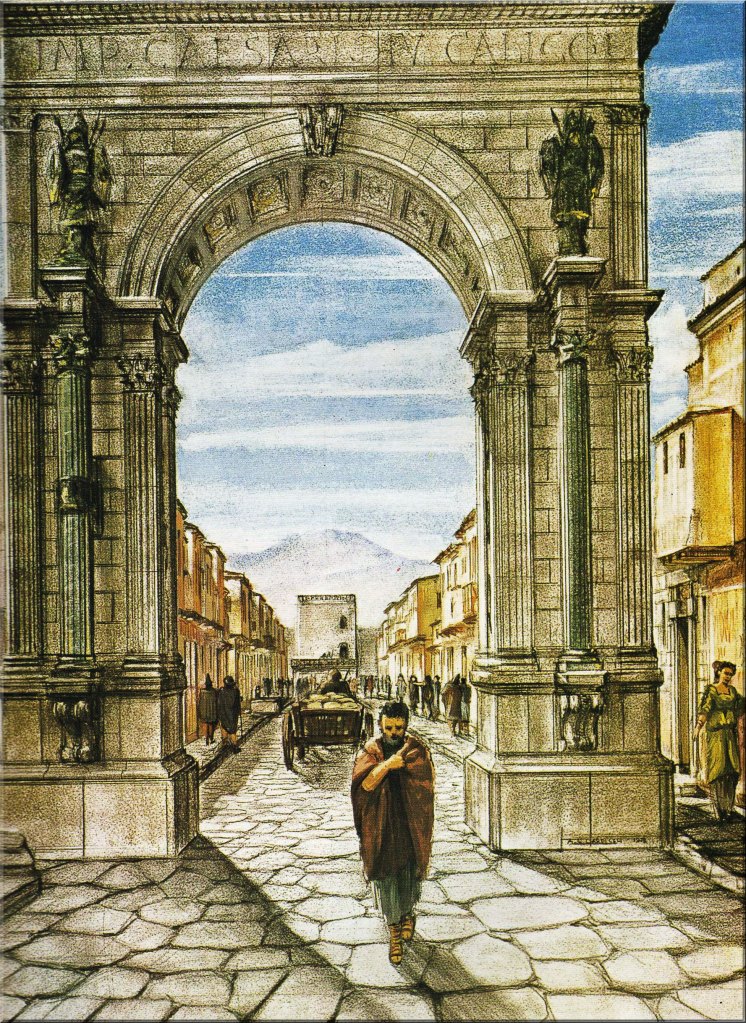
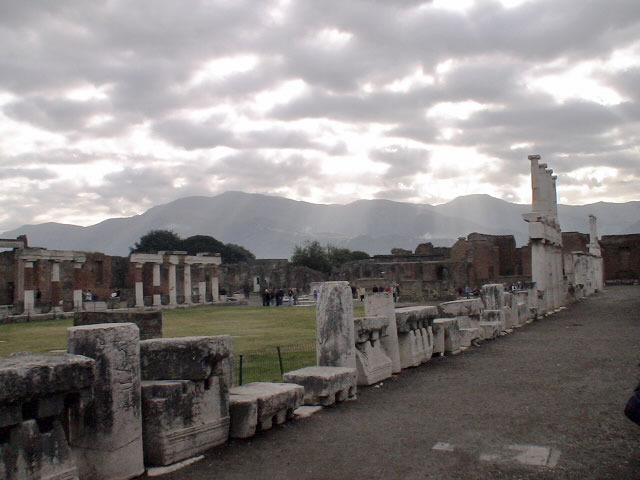

 s
s 