



NOTE: We’ve just spent a wonderful week in Paris. It was cooler than usual, but there was no rain. I’ve labelled the NEW pictures “04-2013”. The last time we visited Paris was in May, 5 years ago. Update: We have just returned from 6 marvelous days in Paris.
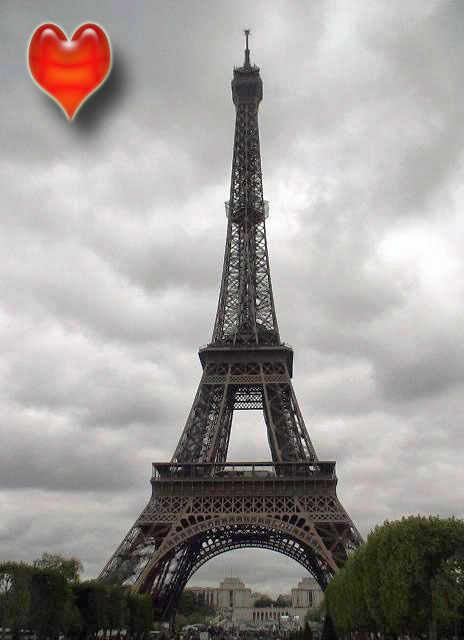
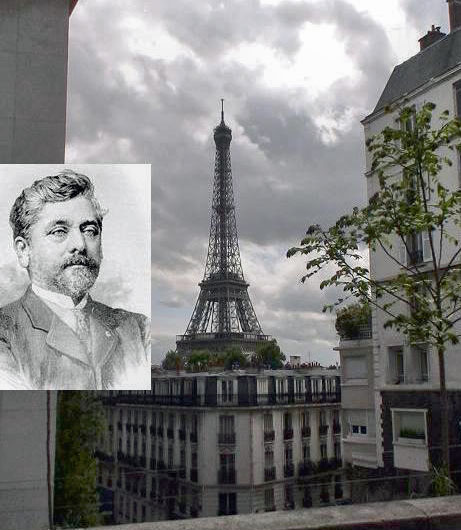
The Eiffel Tower is an iron tower built on the Champ de Mars beside the Seine River. The tower has become a global icon of France and is one of the most recognizable structures in the world.
We did not climb the structure… and I regret it. Pour une prochaine fois.
However, we loved our 9-day trip to Paris. It was one of our best trips, if not the best !
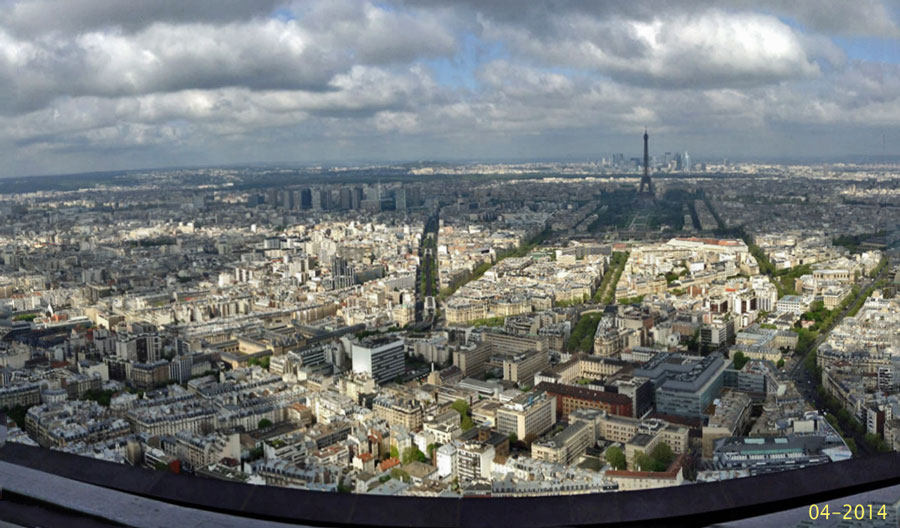
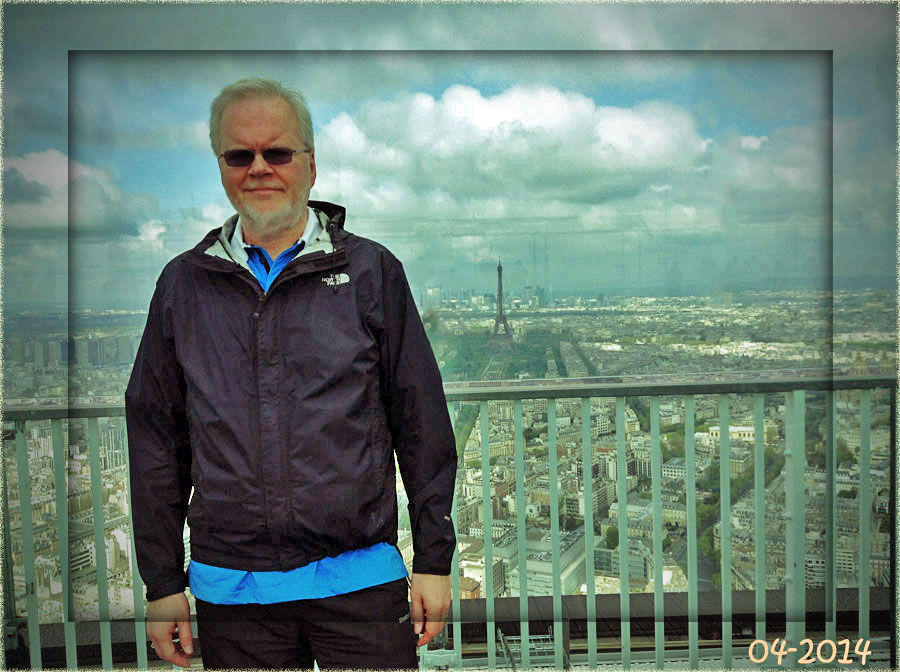
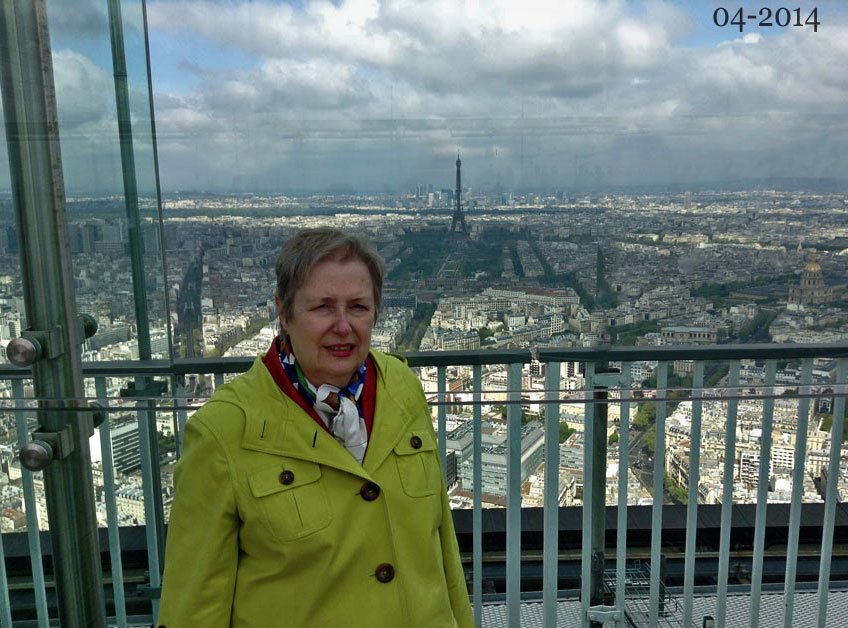
On the top of Tour Maine-Montparnasse
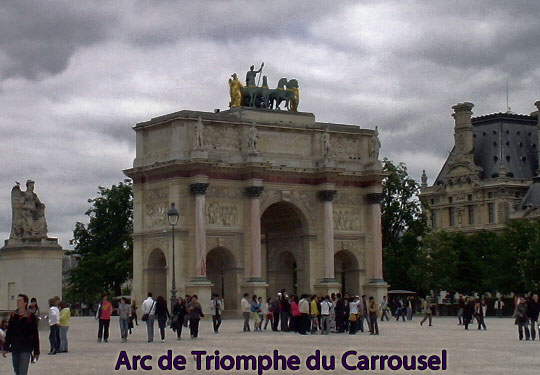
The Arc de Triomphe du Carrousel is located on the Place du Carrousel, within the precincts of the Palais du Louvre and was commissioned in 1806 to commemorate Napoleon’s (who else ?)military victories of the previous year. The more famous, and nearby, Arc de Triomphe was designed in the same year, but took 30 years longer to build and is about twice as big.
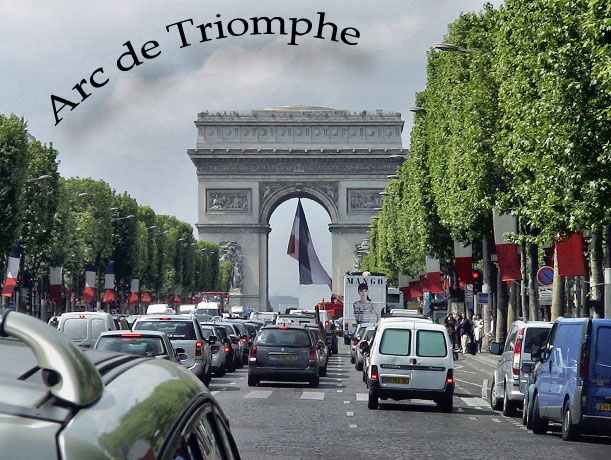
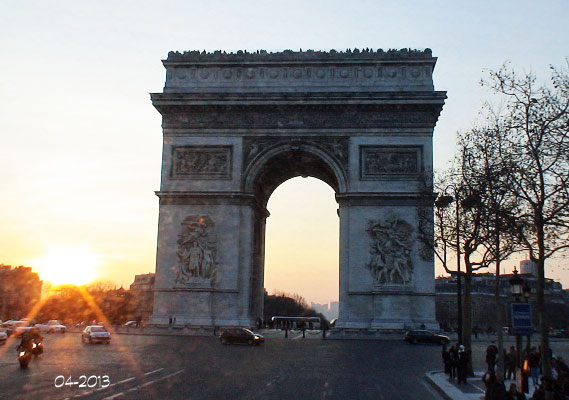
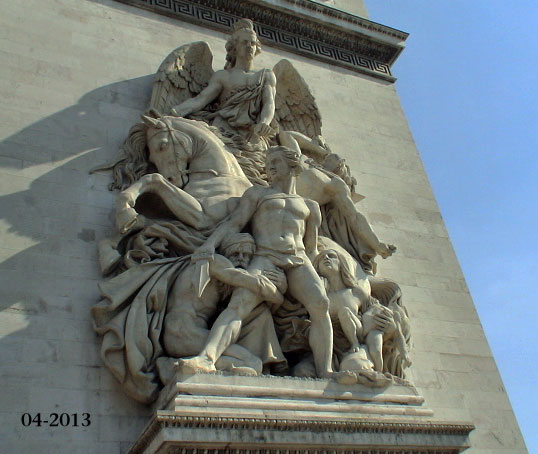
The Arc de Triomphe is a monument that stands in the centre of the Place Charles de Gaulle, also known as the Place de L’Étoile.
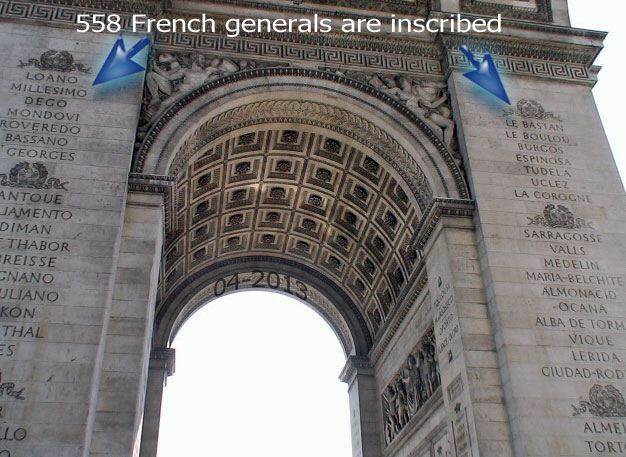
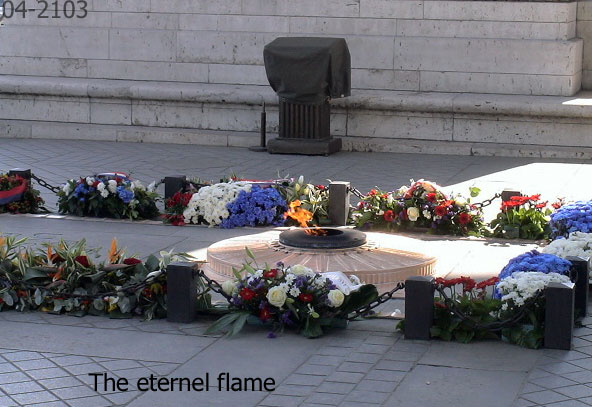
It is at the western end of the Champs-Élyssés. The arch honors those who fought for France, particularly during the Napoleonic wars. On the inside and the top of the arc there are all of the names of generals and wars fought. Underneath is the tomb of the unknown soldier from World War I.
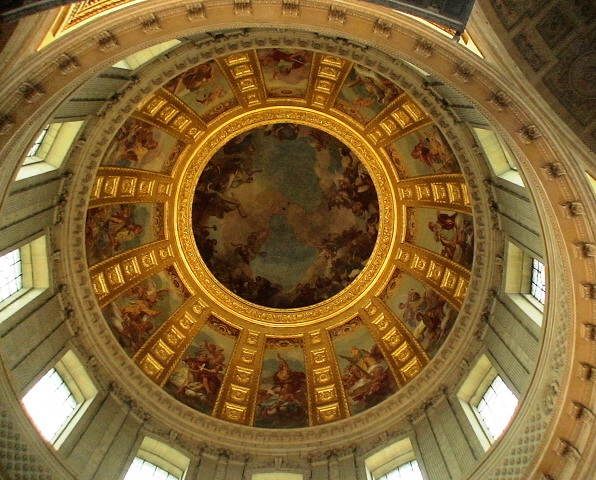
Les Invalides, built in 1670, is a complex of buildings in the city’s 7th arrondissement containing museums and monuments, all relating to the military history of France, as well as a hospital and a retirement home for war veterans, the building’s original purpose.
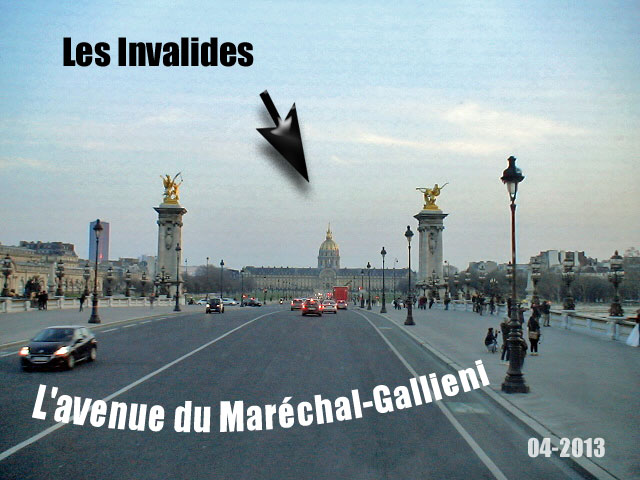
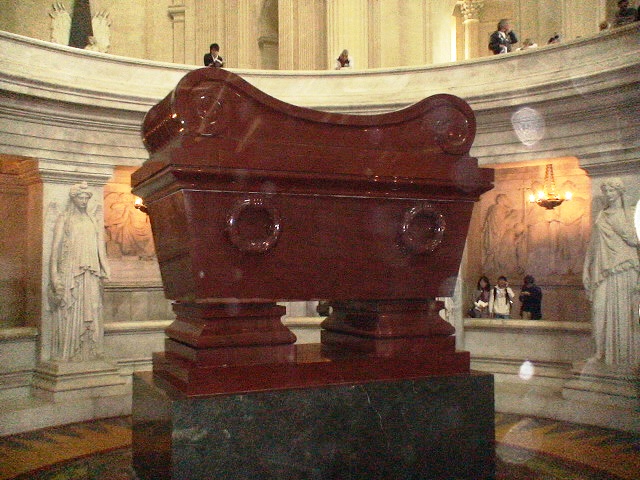
The buildings house the Musée de l’Armée, the military museum of the Army of France, the Musée des Plans-Reliefs, and the Musée d’histoire Contemporaine, as well as the burial site for some of France’s war heroes, notably Napoleon Bonaparte.
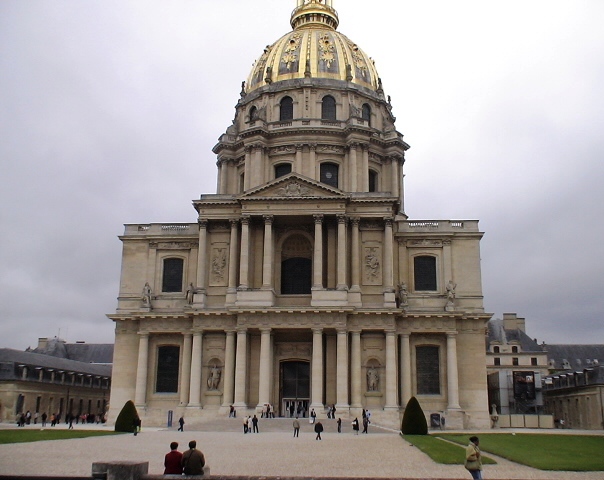
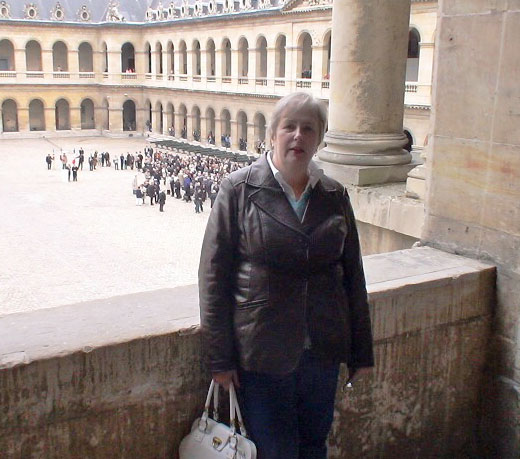
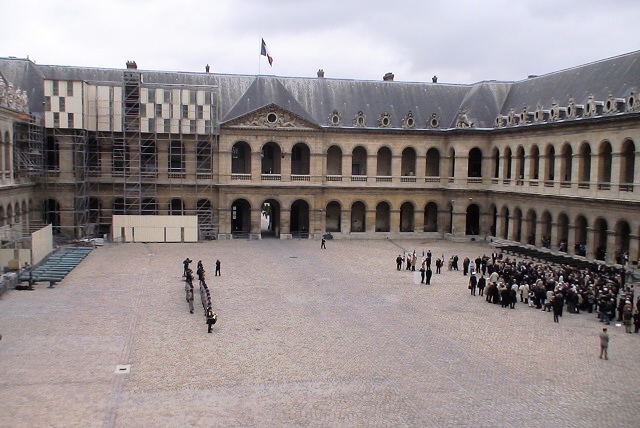
La cour d’honneur
This where all the official military ceremonies take place.
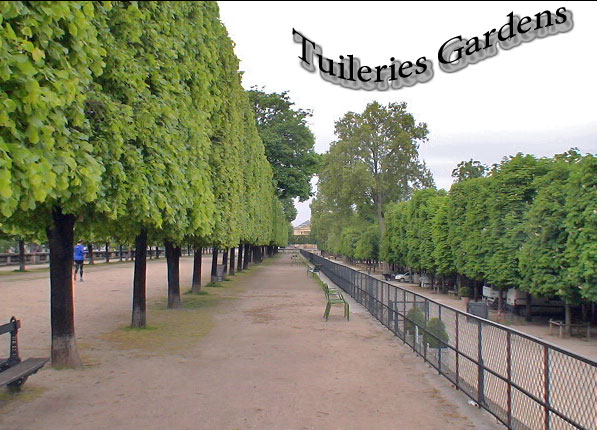
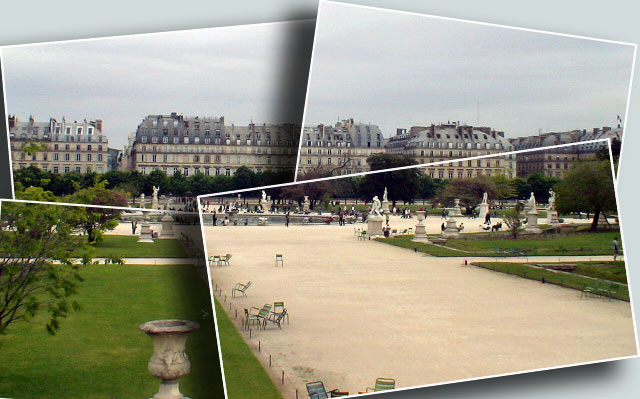
The Palais des Tuileries was a royal palace in Paris. It stood on the right bank of the Seine River until 1871, when it was destroyed in the upheaval during the suppression of the Paris Commune. It closed off the western end of the Louvre courtyard, which has remained open since the destruction of the palace. Louis XIV resided at the Tuileries Palace while Versailles was under construction.
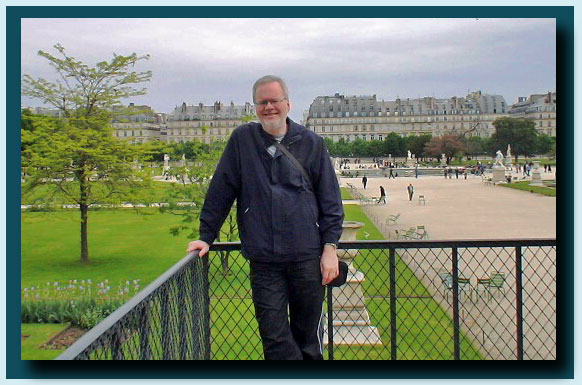
His garden designer laid out parterres for the Tuileries in 1664, but when the king left, the building was virtually abandoned. It was used only as a theater, and its gardens became a fashionable resort of Parisians.
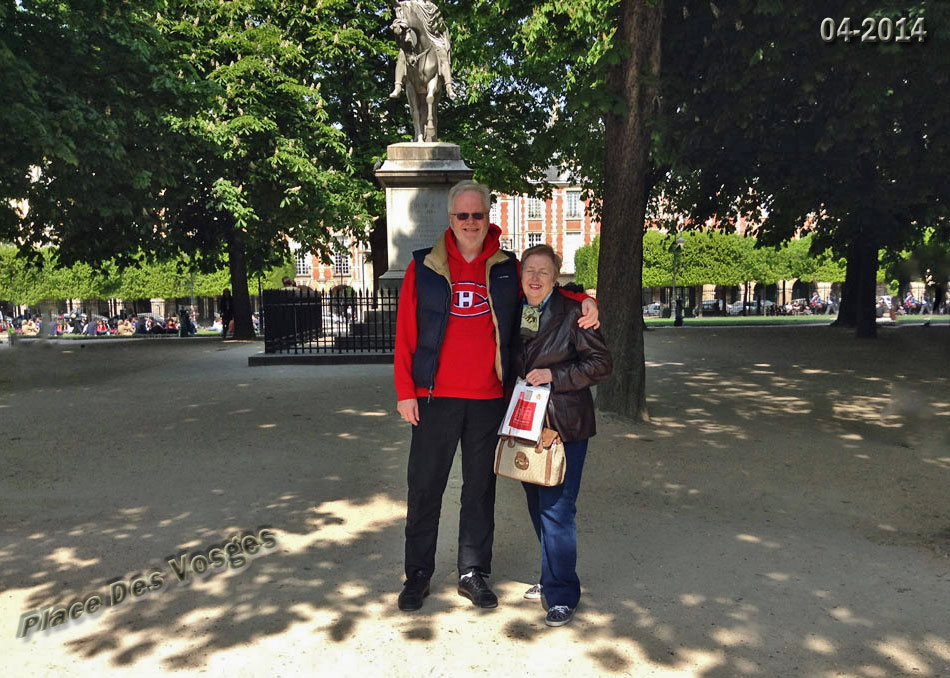
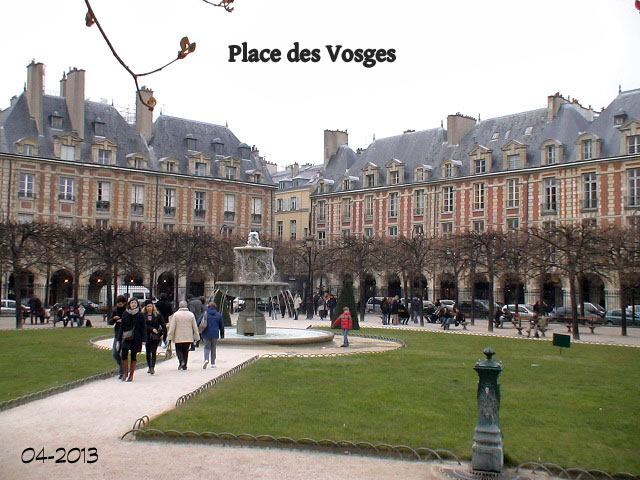
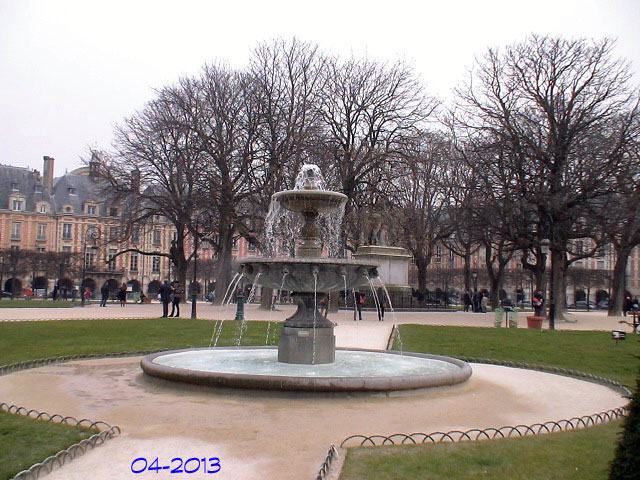
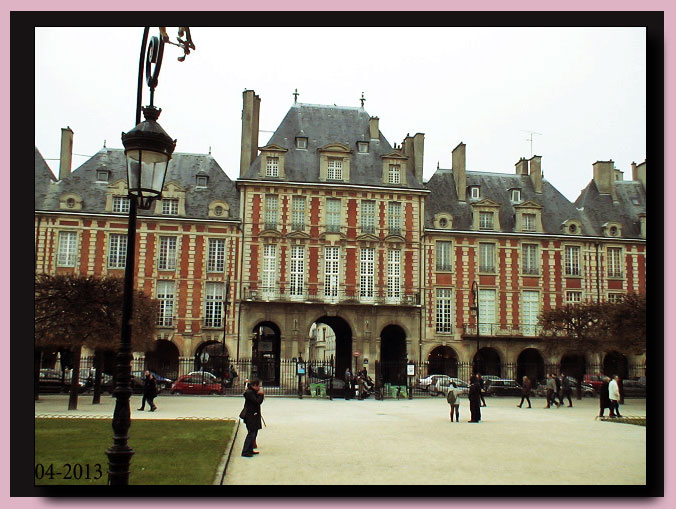
Place des Vosges
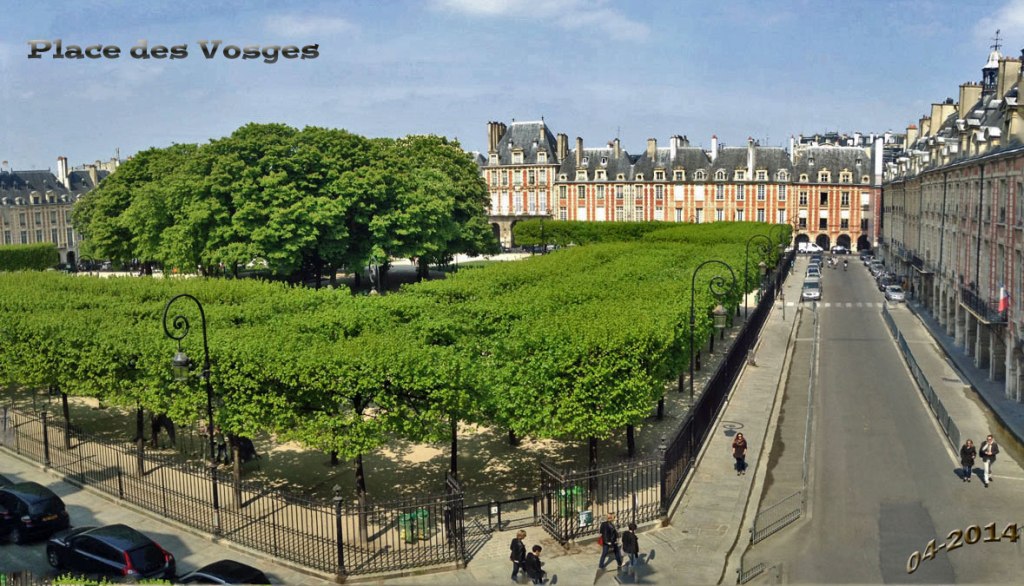
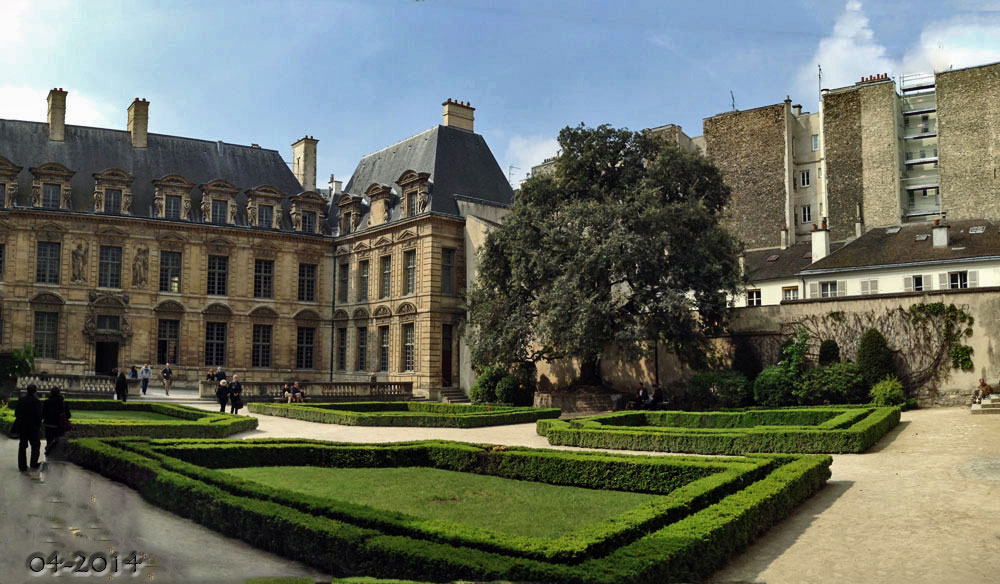
Originally known as the Place Royale, the Place des Vosges was built by Henry IV from 1605 to 1612. It is a true square (140 m × 140 m), it embodied the first European program of royal city planning. It was built on the site of the Hôtel des Tournelles and its gardens: at a tournament at the Tournelles, a royal residence, Henry II was wounded and died. Catherine de Medicis had the Gothic complex demolished, and she removed to the Louvre. Victor Hugo and Cardinal Richelieu lived here.
We found this square while visiting the Marais district. It is packed with history. A little bit of old Paris. it’s located in the Marais District.

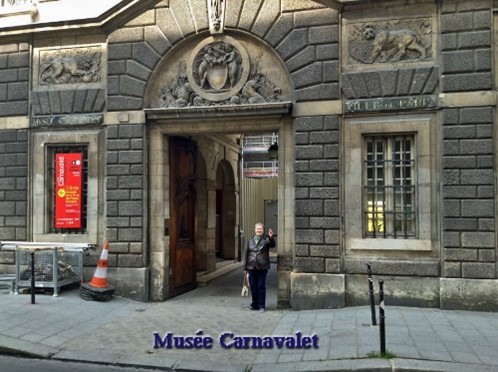
The Musée Carnavalet is dedicated to the history of the city.
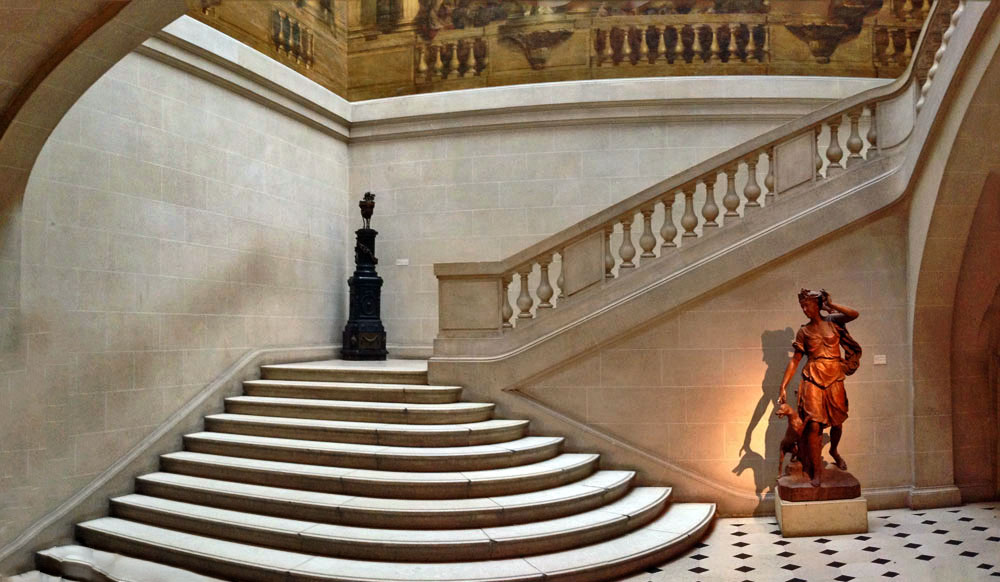
The museum occupies two neighboring mansions: the Hotel Carnavalet and the former Hotel Le Peletier de Saint Fargeau.
On the advice of Baron Haussmann , the civil servant who transformed Paris in the latter half of the 19th century, the Hôtel Carnavalet was purchased by the Municipal Council of Paris in 1866; it was opened to the public in 1880. By the latter part of the 20th century, the museum was full to capacity. The Hôtel Le Peletier de Saint Fargeau was annexed to the Carnavalet and opened to the public in 1989.
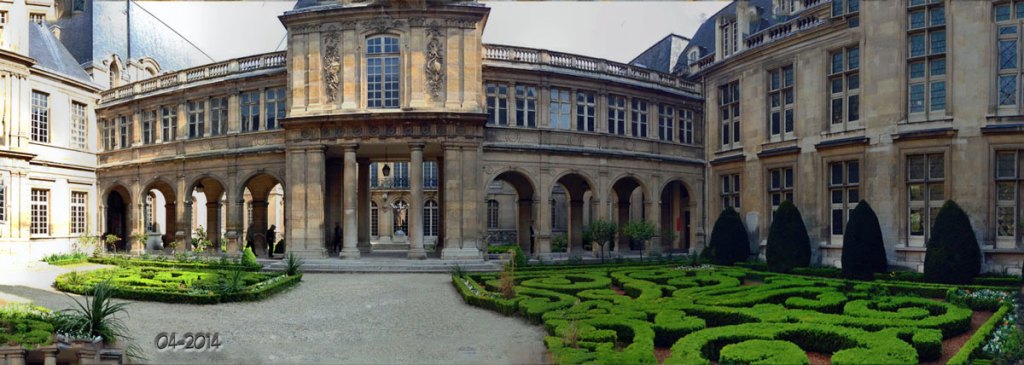
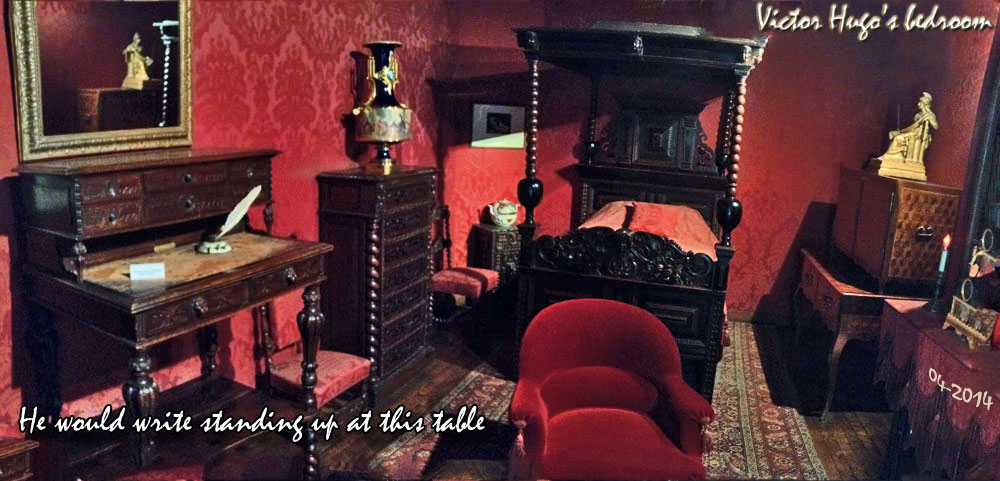
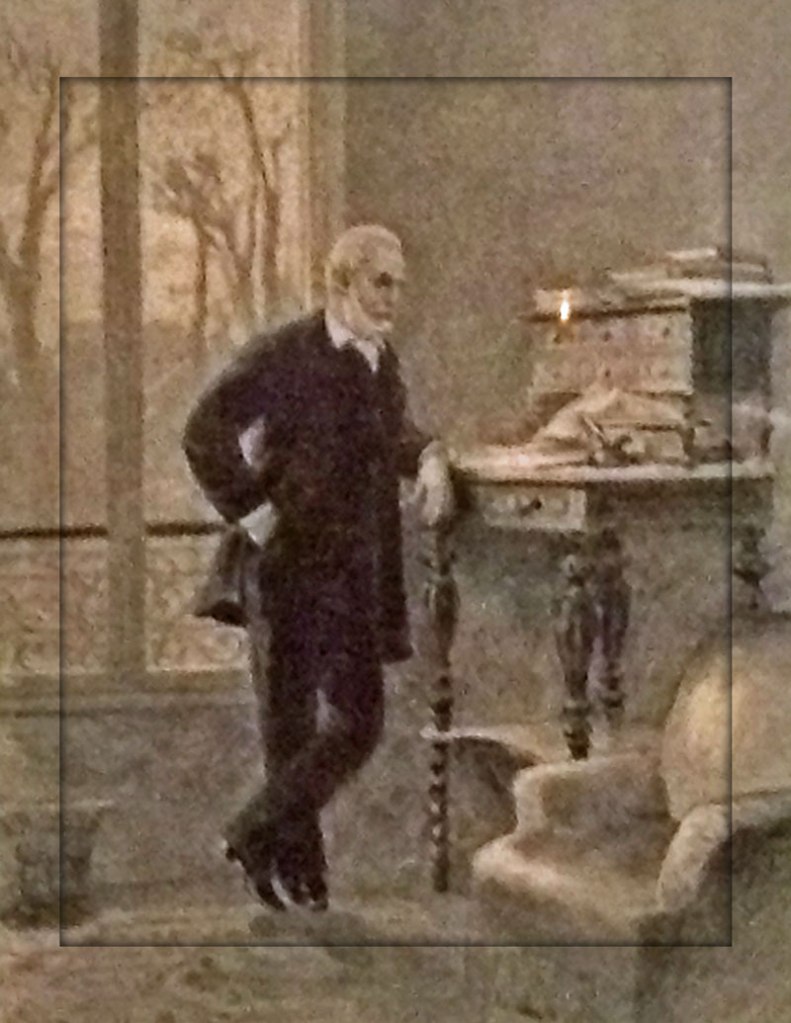
Victor Hugo– House (Place des Vosges)
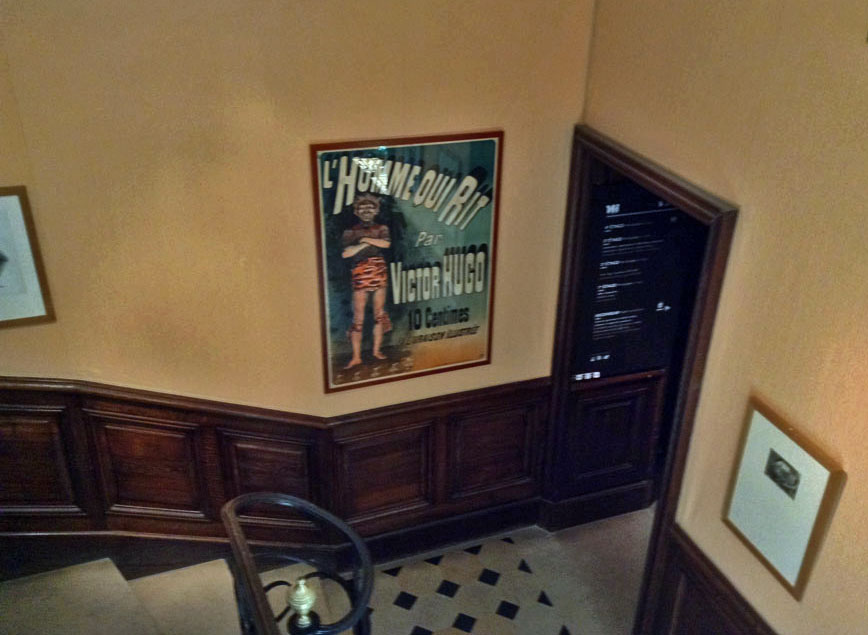
Maison de Victor Hugo is the house where Victor Hugo lived for 16 years from 1832?1848. The museum is in the Place des Vosges and dates from 1605. The lot is located in the south-east corner of the square. Victor Hugo was 30 when he moved into the house in October 1832 with his wife Adèle. They rented a 280 square meter apartment on the second floor.

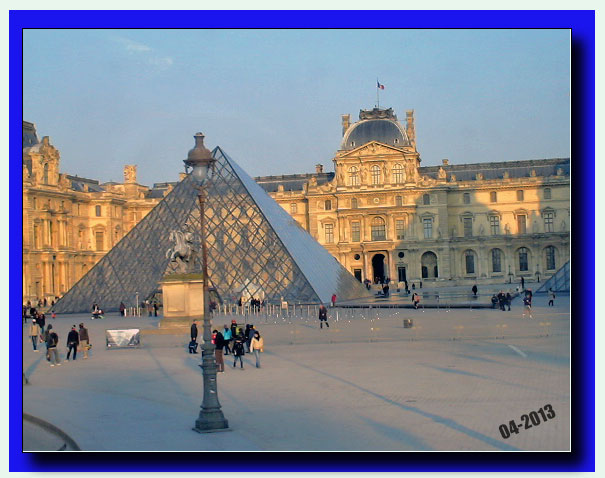
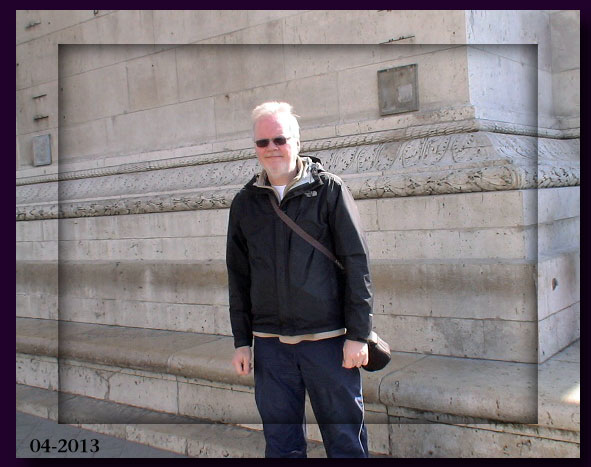
Michel standing in front of the Louvre Museum. We did not vist the Museum. We will keep that for another visit. It was still nice to stroll around the site.
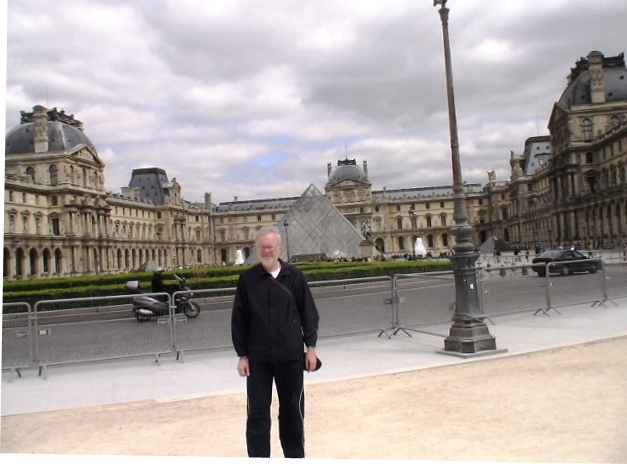
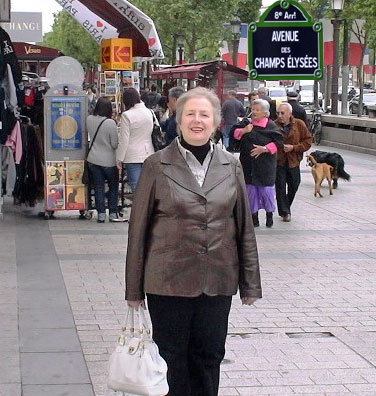
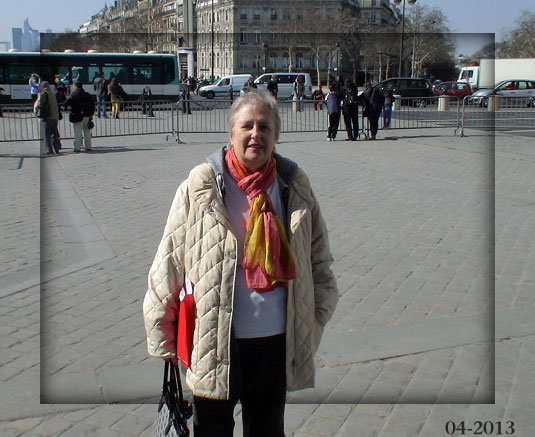
Here’s Judy walking towards the camera.
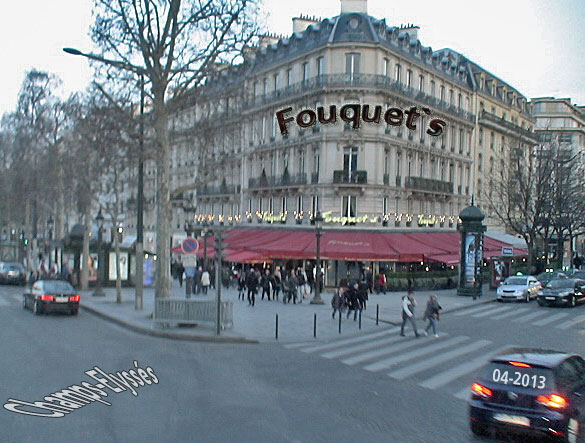
Fouquet’s has been collecting anecdotes and a patina since it was founded in 1901.
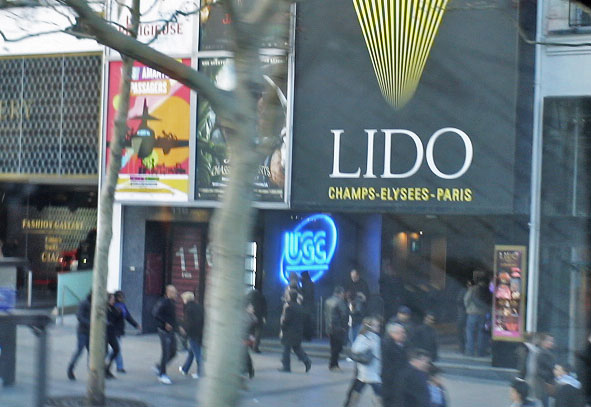
Le Lido is a cabaret and burlesque house famous for its exotic shows, which rival those of Las Vegas and where, as an American GI on leave with some army friends, Elvis Presley gave an impromptu concert. Other famous names to perform there include:
Edith Piaf, Maurice Chevalier, Marlene Dietrich, Josephine Baker and Noel Coward.
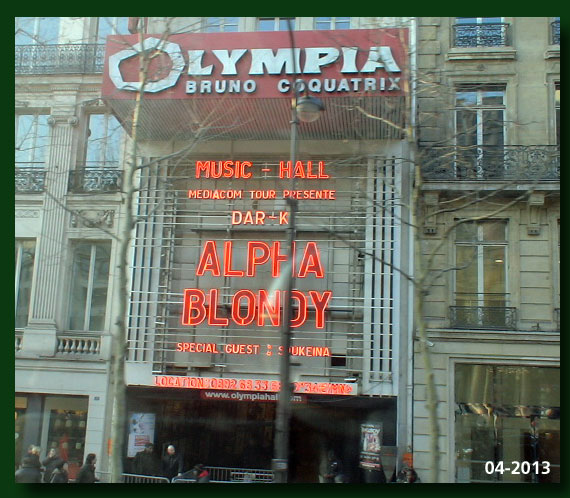
This famous music hall on the Boulevard des Capucines was founded in 1888 by the same people who created the Moulin Rouge. Edith Piaf achieved great acclaim at the Olympia giving several series of recitals from January 1955 until October 1962. Jacques Brel often performed here.

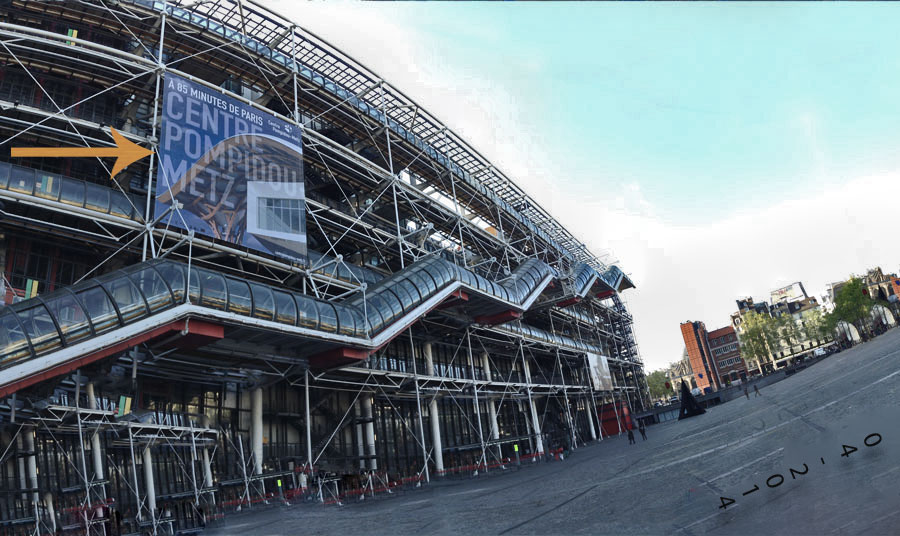
Centre Pompidou is a complex in the Beaubourg area of the 4th arrondissement, near Les Halles and the Marais. It was designed in the style of high-tech architecture by the architects Richards Rodgers and Renzo Piano. All the elevators and piping can be found on the exterior of the building.
It houses the Bibbliothèque publique d’information, a vast public library, the Musée National d’art Moderne which is the largest museum for modern art in Europe, and IRCAM, a centre for music and acoustic research. Because of its location, the Centre is known locally as Beaubourg.
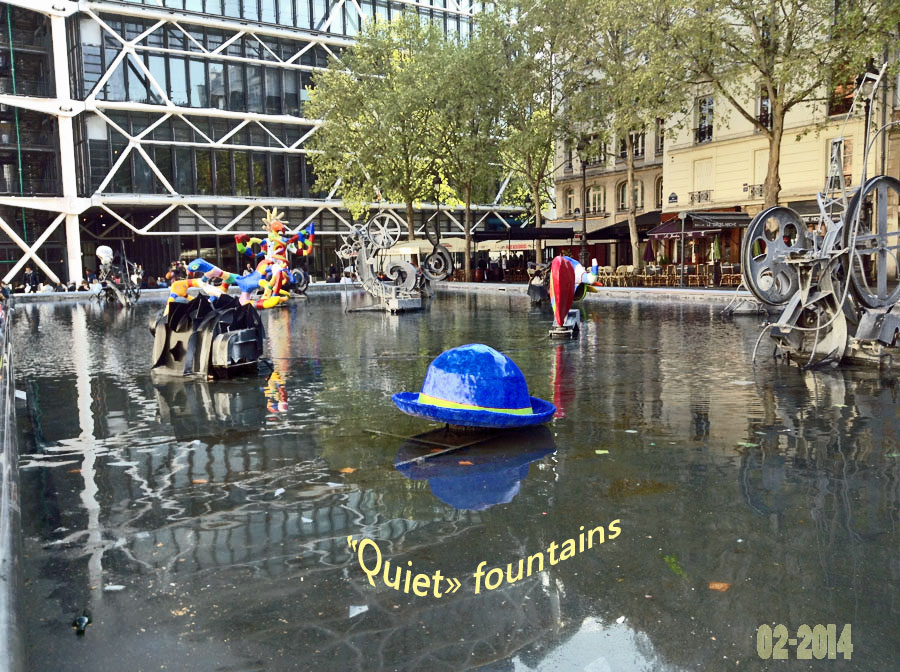
The fountains were sadly “quiet” the day of our visit.
We did not have a change to visit it on this trip to Paris. Pour une autre fois!
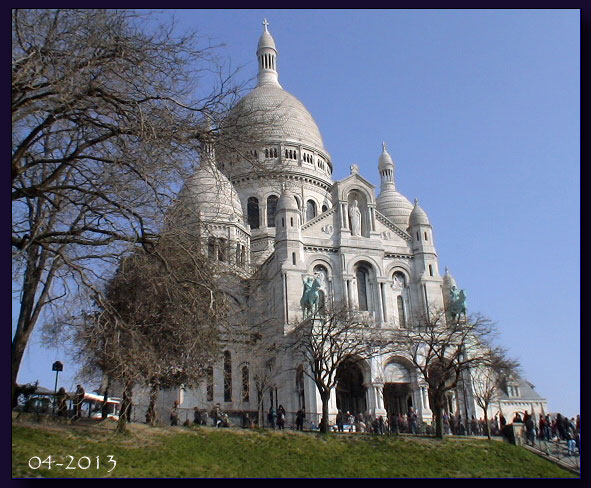
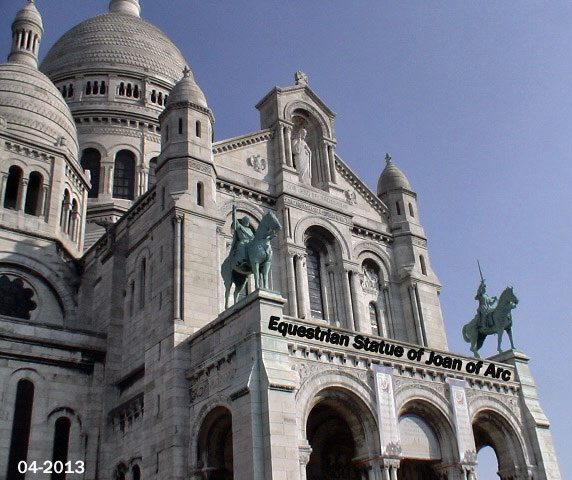
The Sacré-Coeur Basilica is a popular landmark dedicated to the Sacred Heart of Jesus. The basilica is located at the summit of the butte Montmatre, the highest point in the city. With delays in assembling the property, the foundation stone was finally laid 16 June 1875. We could have walked up the steps, but decided to take the easy way… It cost a Metro fare up.
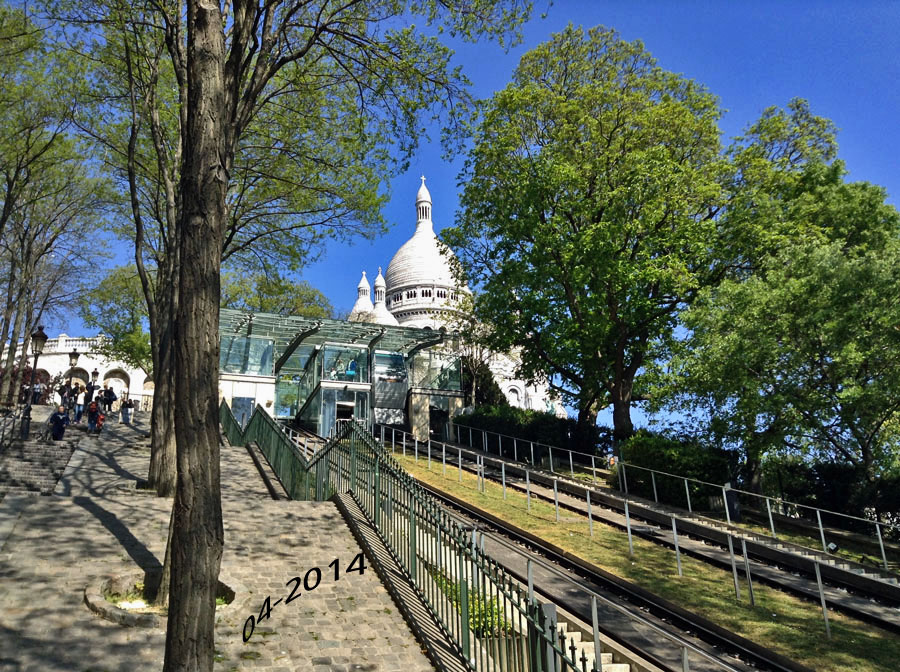
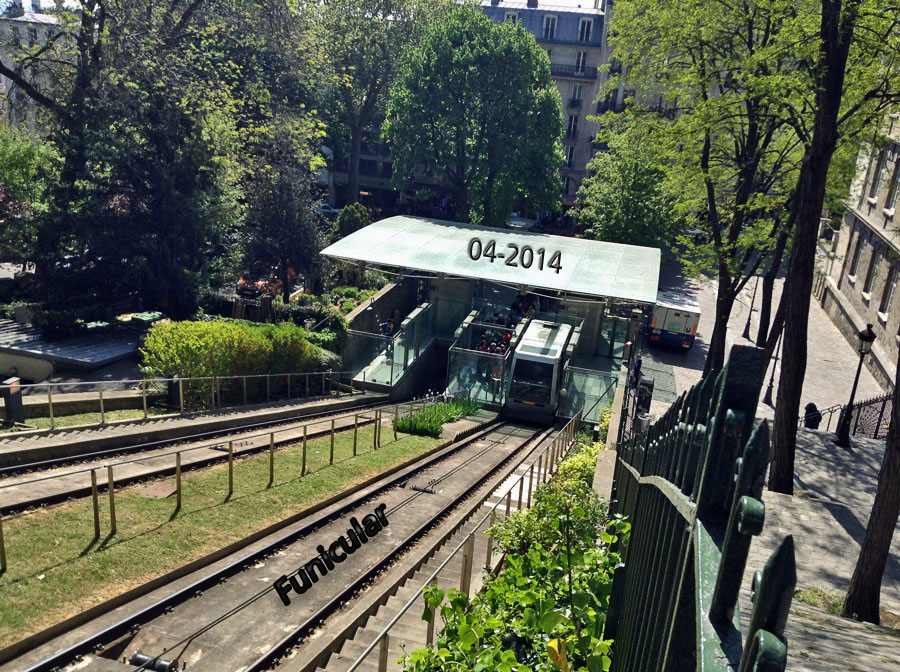
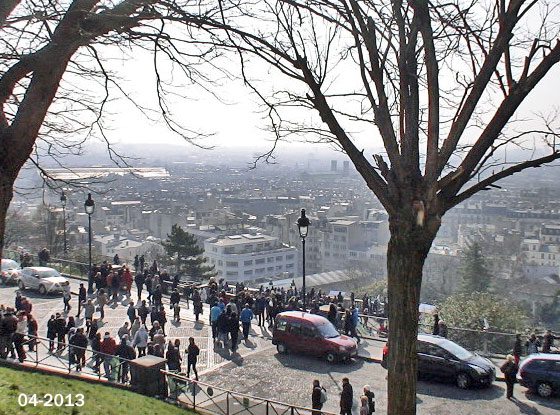
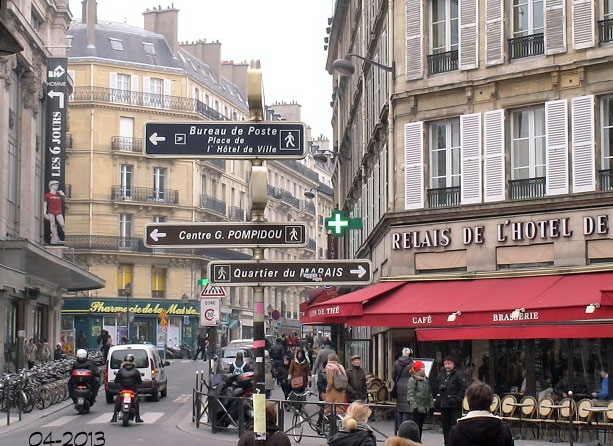
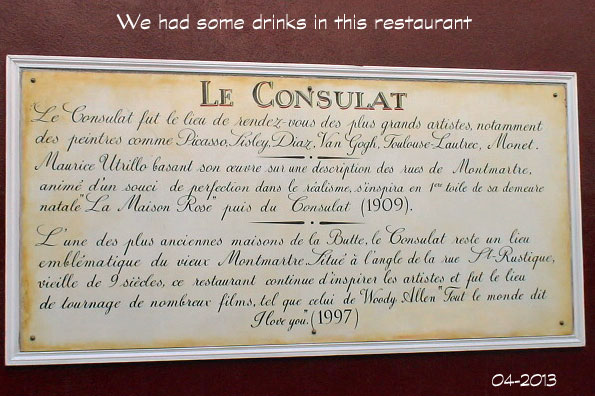
La Place du Tertre is a square in the 8th arrondissement. Only a few streets away from Sacré-Coeur, it is the heart of the city’s elevated Montmatre quarter.
While now full of shops and a street painter looking for tourists, the Place du Tertre is a reminder of the time when Montmartre was the mecca of modern art. At the beginning of the 29th century, many penniless painters lived here. Picasso was one of them.
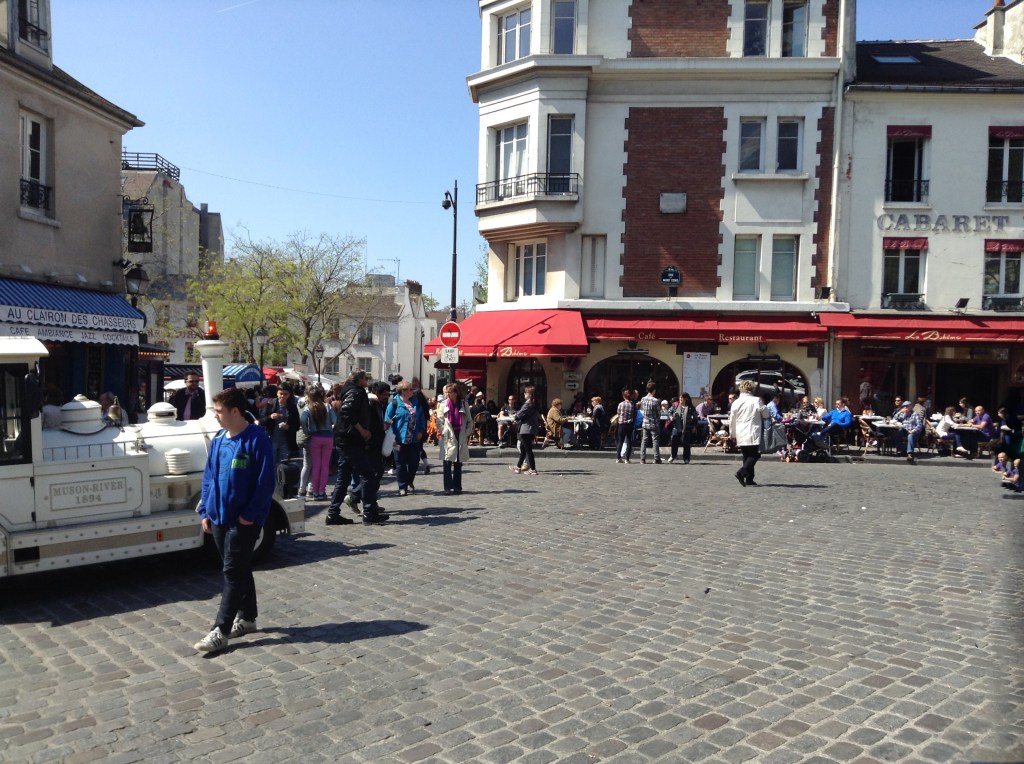
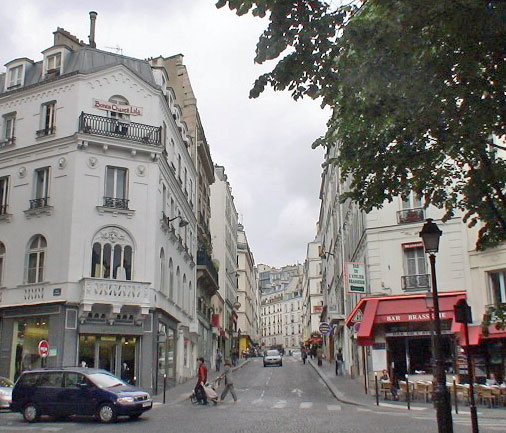
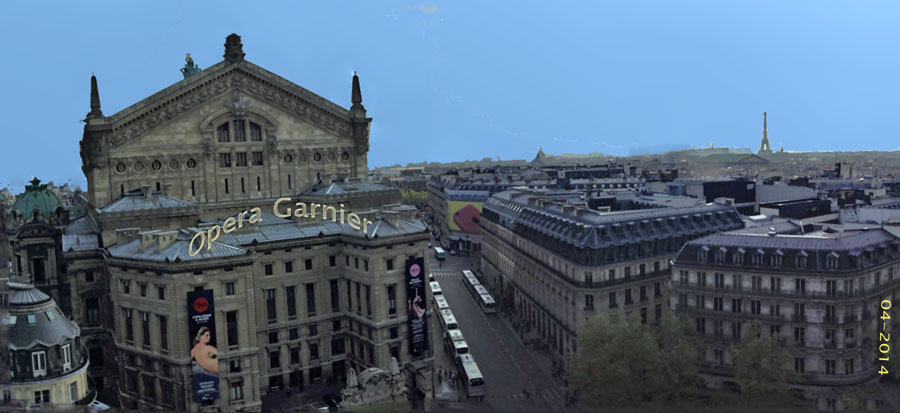
The Palais Garnier, also known as the Opéra de Paris or Opéra Garnier, but more commonly as the Paris Opéra, is a 2,200-seat opera house. A grand landmark designed by Charles Garnier.

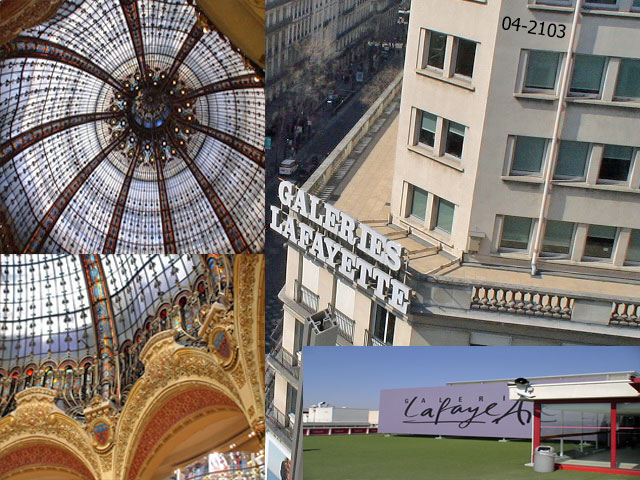
The building is located in the 9th arrondissement and is served by the metro station Opéra. It is located in proximity of Les Galleries Lafayette.
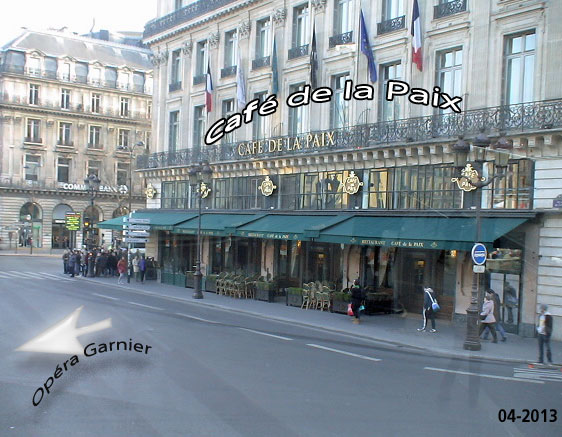
The Café de la Paix opened June 30, 1862, to serve the Grand-Hôtel de la Paix (named after the nearby rue de la Paix), whose name was later shortened to Grand-Hôtel It serviced visitors of Expo exhibition in 1867. Its proximity to the Opéra attracted many famous clients, including jules Massenet, Émile Zola and Guy de Maupassant. The Café is also the setting for the poem “The Absinthe Drinker” by the Canadian poet,Robert Service. During la Belle Époque, visitors included the Prince of Wales and future King of the U.K. Edward VII.
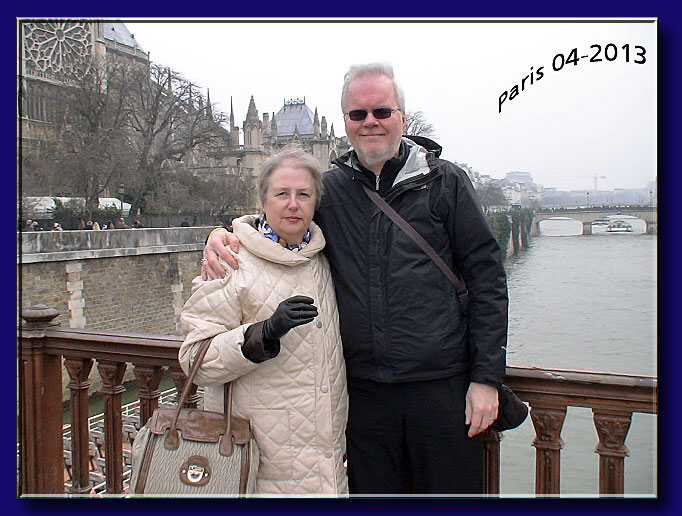
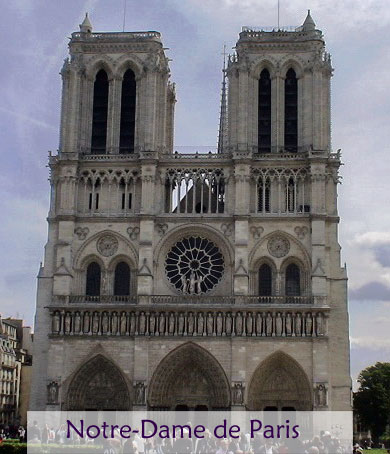
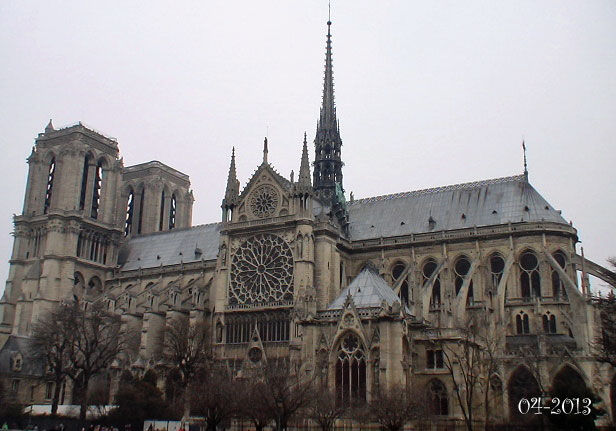
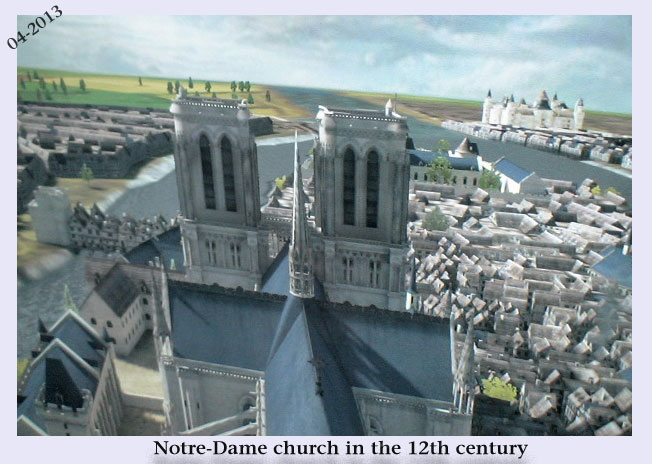
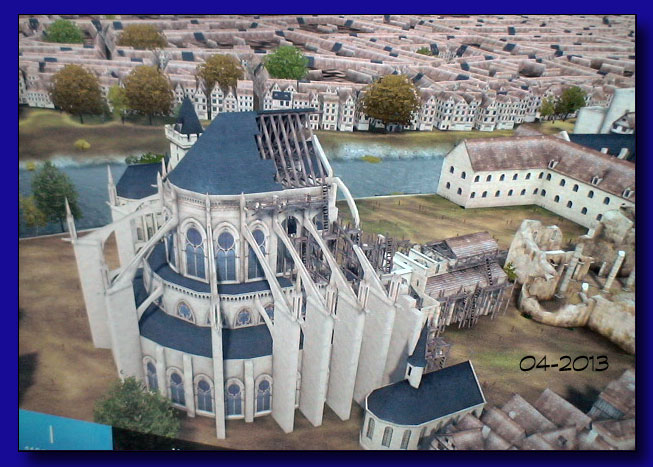
Notre Dame de Paris is a Gothic cathedral on the eastern half of the Ile de la Cité in the fourth arroundissement, with its main entrance to the west. It was restored and saved from destruction by Viollet-Leduc, one of France’s most famous architects.
Notre Dame de Paris was one of the first Gothic cathedrals, and its construction spanned the Gothic period. The cathedral suffered desecration during the radical phase of the French Revolution in the 1790s, when much of its religious imagery was damaged or destroyed.
This next picture was shot from the Seine River. (Before the major fire)
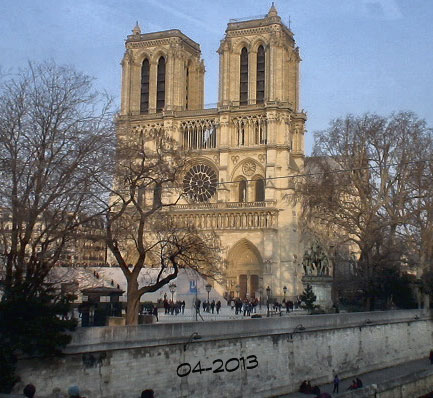
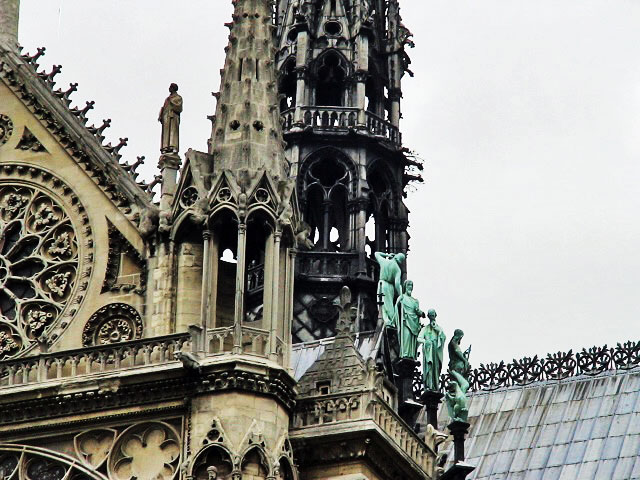
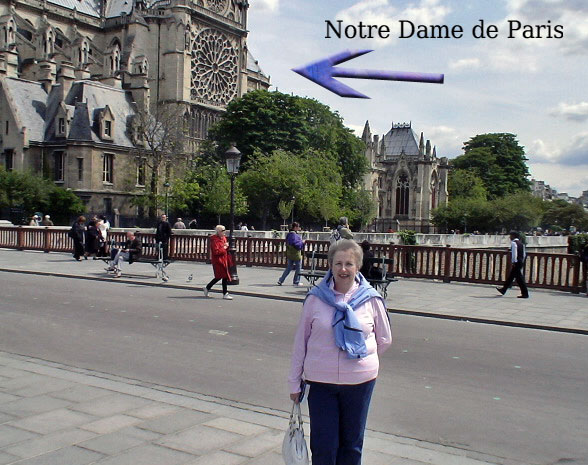
View from a top Notre Dame de Paris
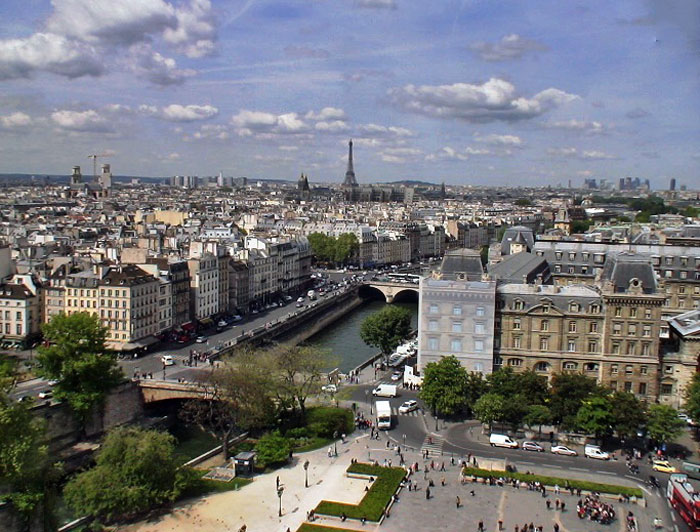
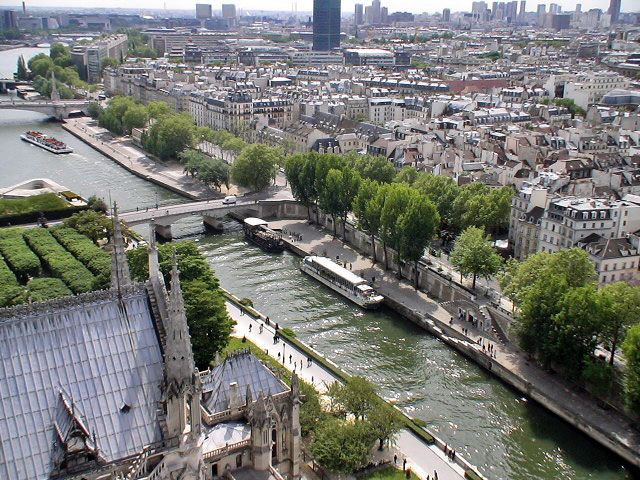
Views from the top of the Notre-Dame Tower. Climbed all those 400 steps up…but it was worth the 8 Euros.
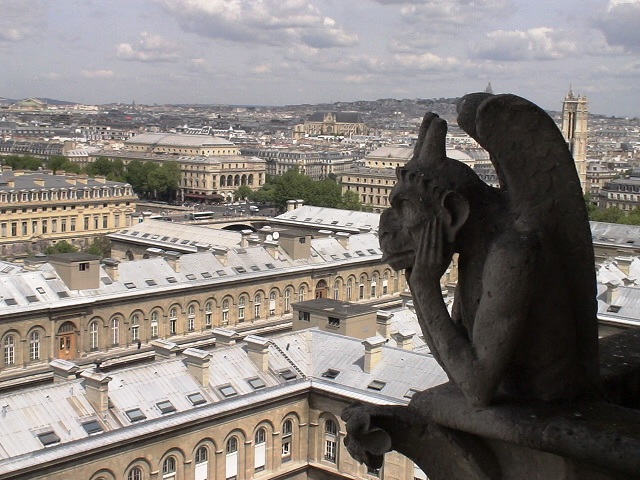
A view from the Gallerie des chimères. A chimera or a grotesque figure, is a sculpture that does not work as a waterspout and serves only an ornamental or artistic function.

The creatures, designed by Viollet-le-Duc in the 19th century, are fantastic birds, hybrid beasts and mythical monsters perching on a tower. The one below seems to be gazing at the ever-changing capital city.
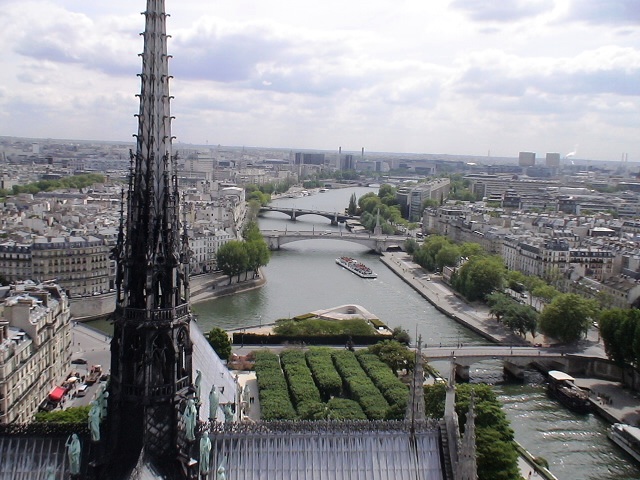
The Notre-Dame de Paris spire and the various bridges spanning the Seine River.
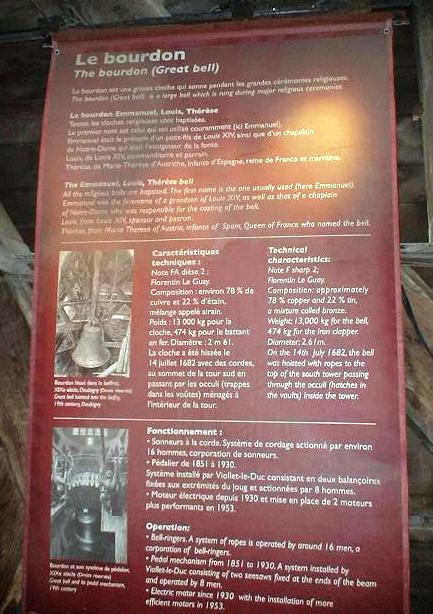
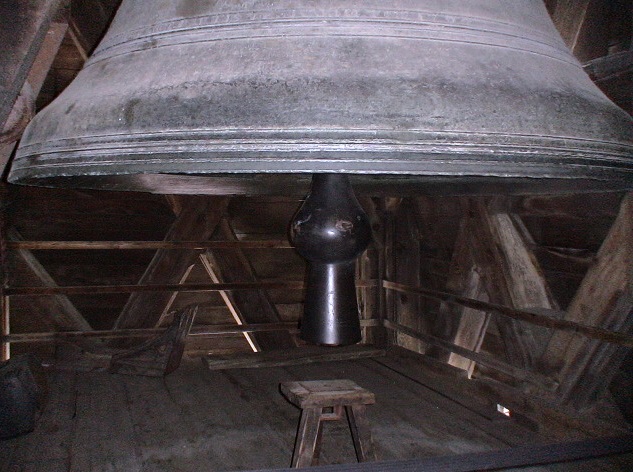
The South tower is home to the 15th century Emmanuel bell which was recast in 1681 upon the request of Louis XIV who named the bell. It weighs 13 tons and is tuned to F-Sharp.
This chimère seems bored as it gazes over Paris.
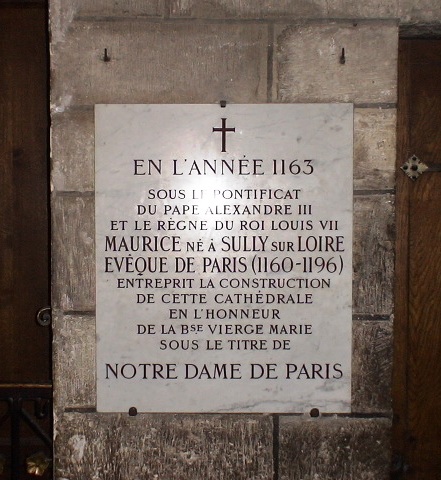
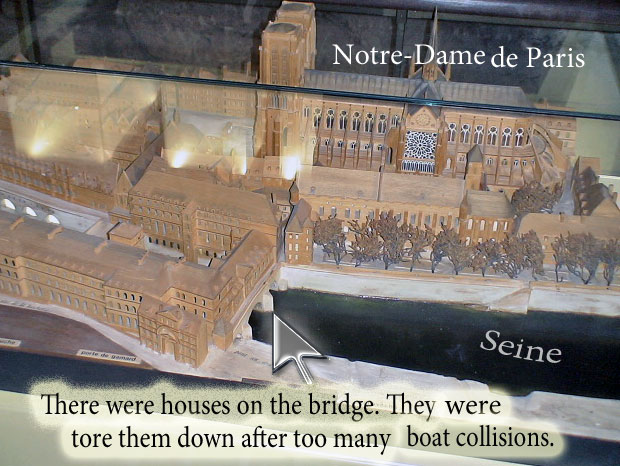
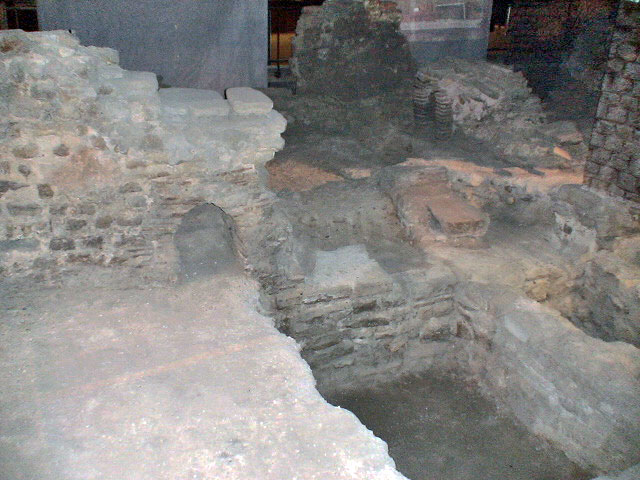
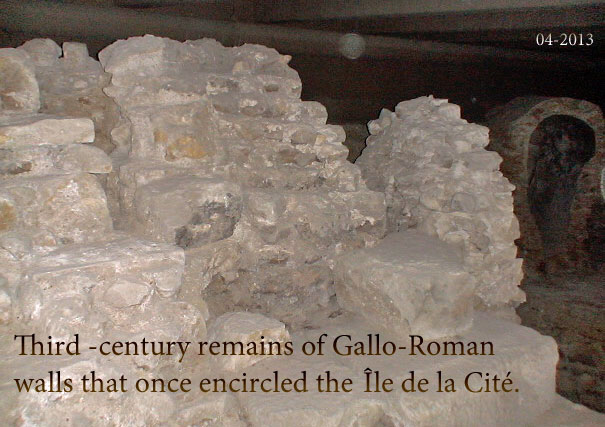
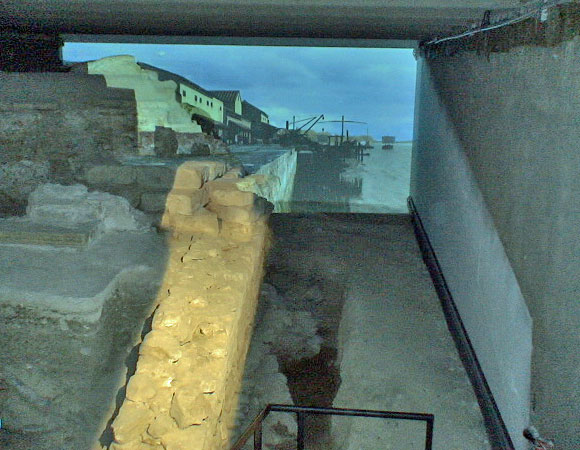
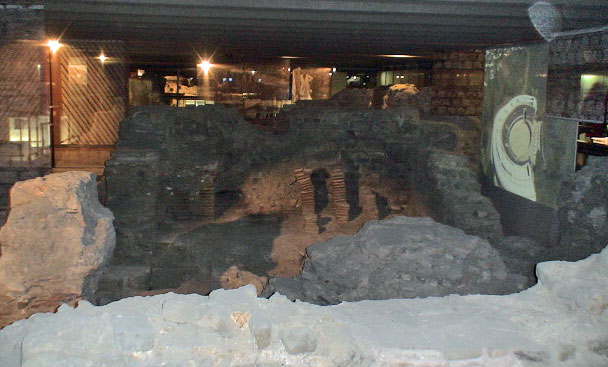
The Archaeological Crypt of Notre-Dame was built in 1965 to protect a range of historical ruins, discovered during construction work and spanning from the earliest settlement in Paris to the modern day. The crypts are managed by the Musée Carnavalet and contain a large exhibit, combining detailed models of the architecture of different periods, and how they can be viewed within the ruins. The main feature still visible is the under-floor heating installed during the Roman occupation. The walls were built by the Romans to protect Gallo-Roman Paris (Lutetia) from barbarian attacks.
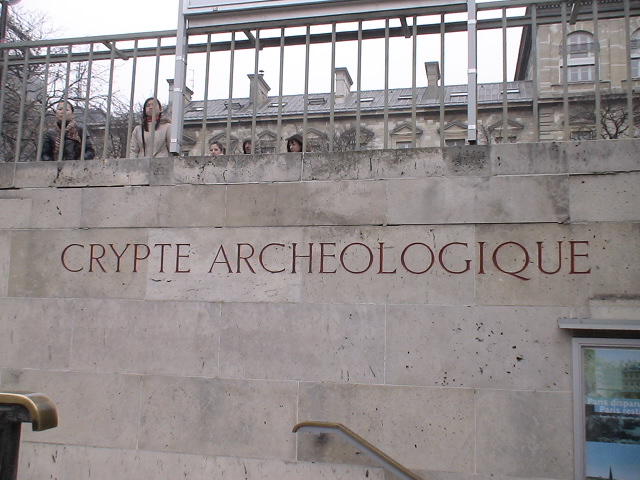
Two outstanding fourth-century structures, ramparts and bath, whose remains can be seen in the crypt, illustrate the transitions in the city at a time when the ancient era was coming to a close and the first barbarian invasions were taking place.
The foundations of the ramparts which encircled the Ile de la Cité, are made of large stone blocks salvaged from the necropolis and abandoned monuments on the left bank.
The remains of the bath house occupy the central area of the crypt. Because they are displayed, you can imagine a bather?s route from the entrance in the changing room, right through to the warm rooms, whose sub-heating system is still visible floor.
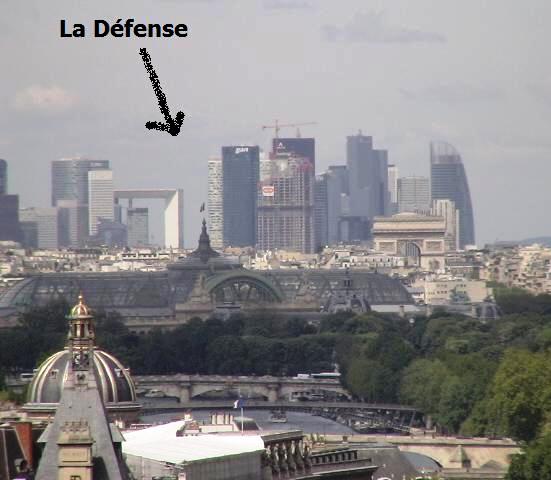
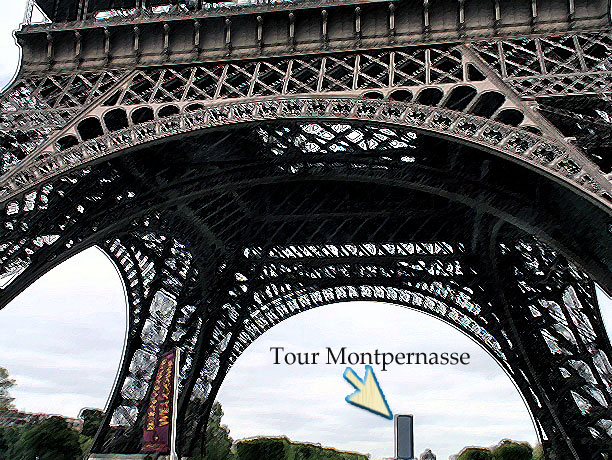
La Défense is a major business district, bordering Neuilly-sur-Seine, west of the city itself. The district is at the westernmost extremity of Paris’ 10 km long Historical Axis, which starts at the Louvre in Central Paris and continues along the Champs-Élysées, well beyond the Arc de Triomphe before culminating at La Défense. This was to avoid building towers in the historical areas. The Montparasse tower built in the 70’s near in the Saint-Germain-des-Près area was very controversial. It was then that it was decided to create La Défense.
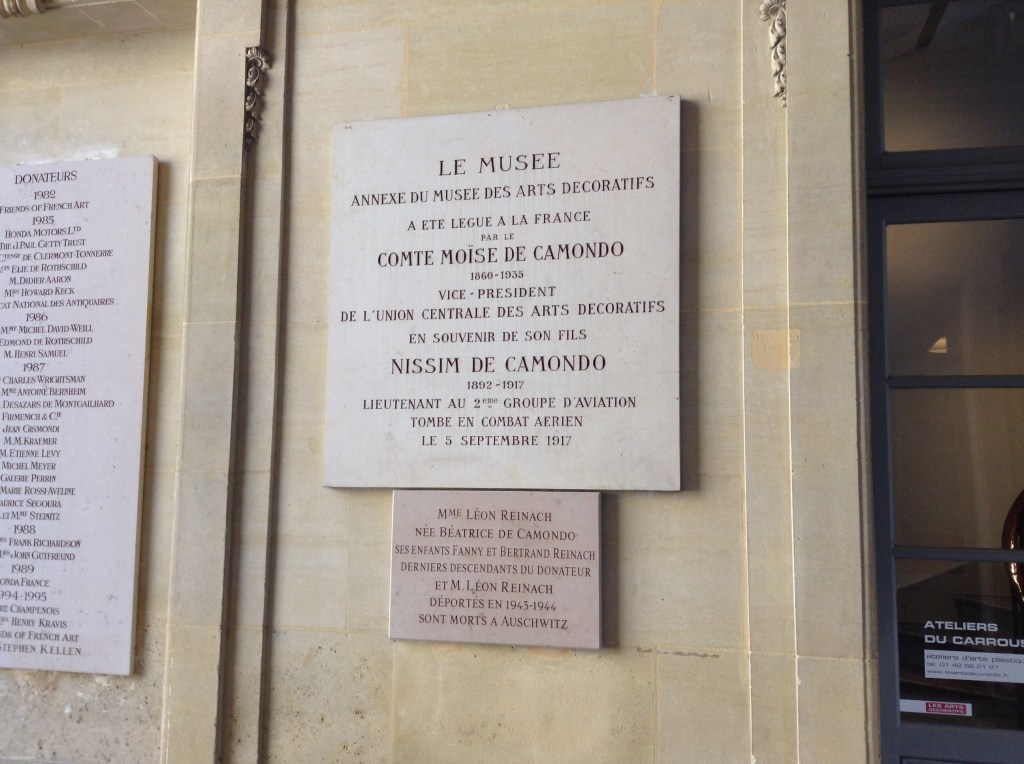


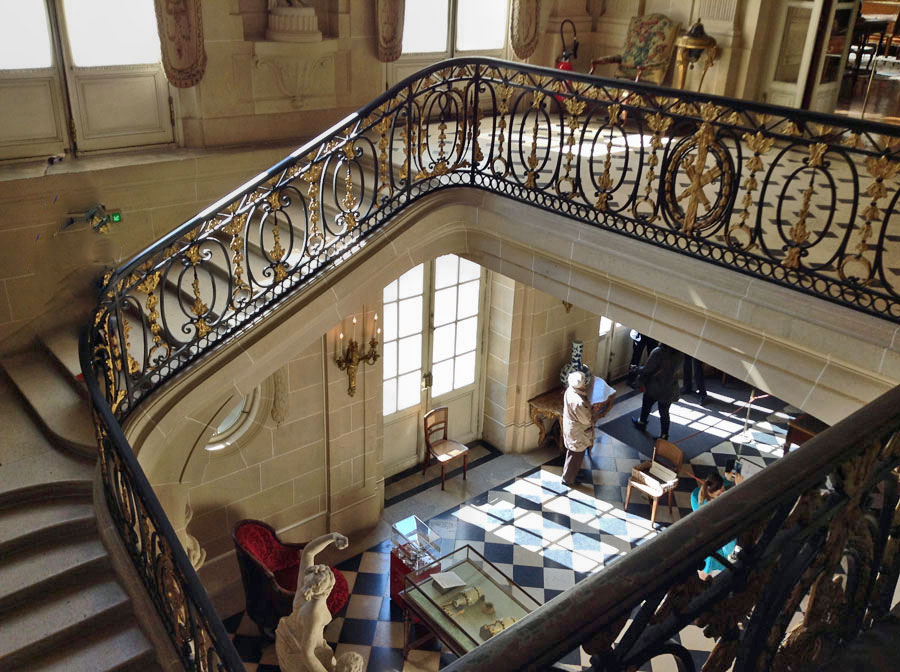
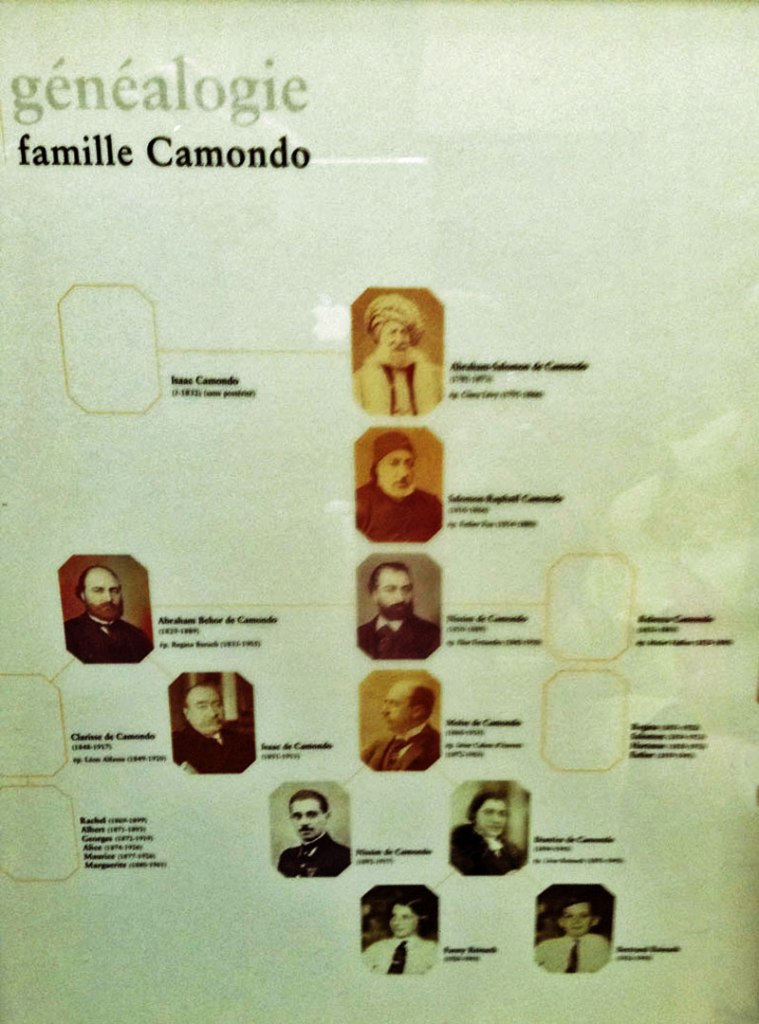
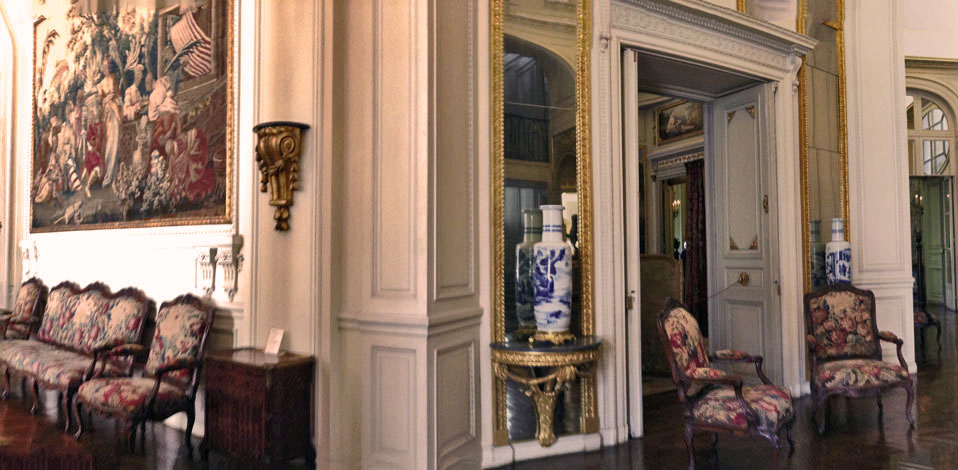
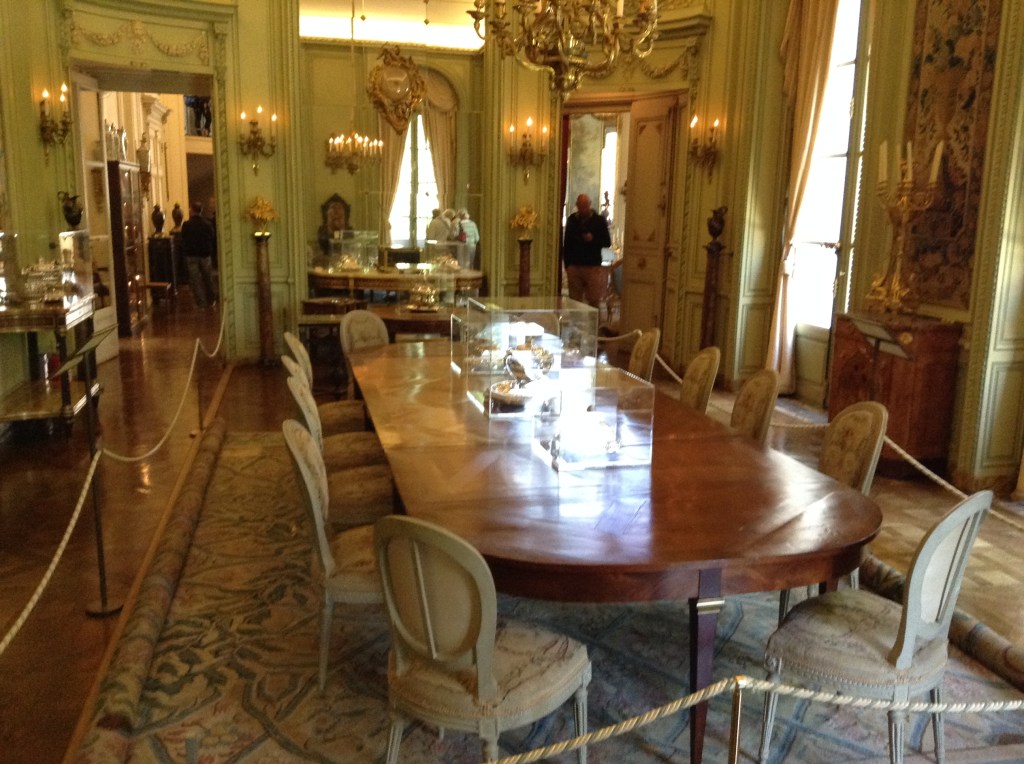
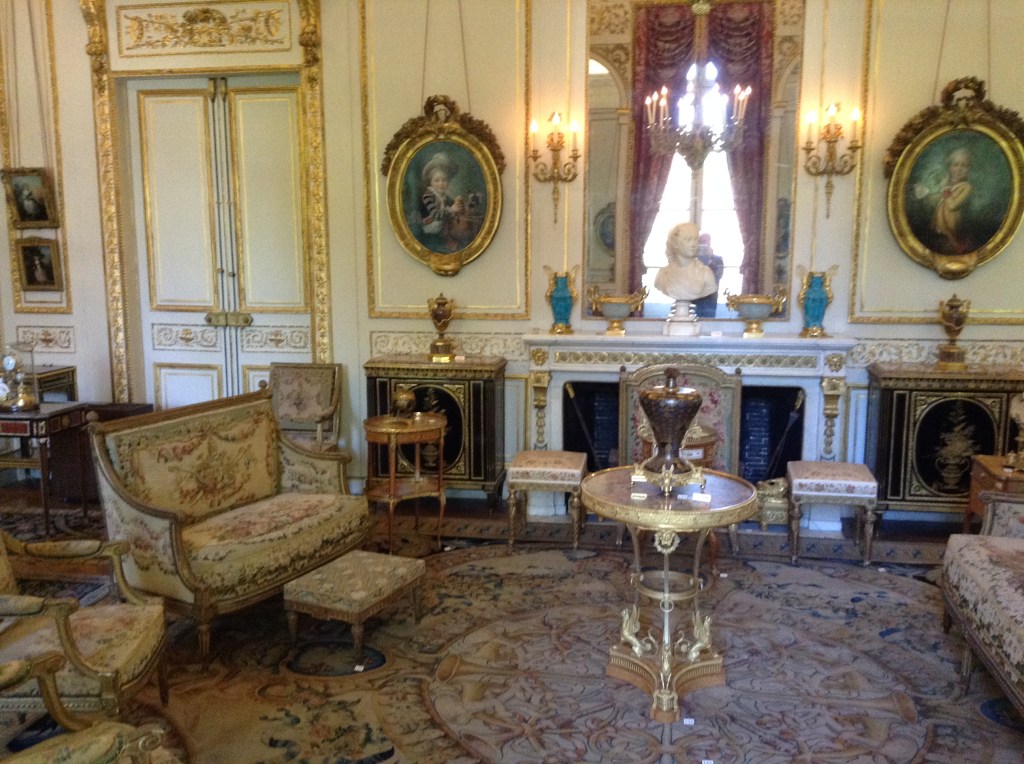
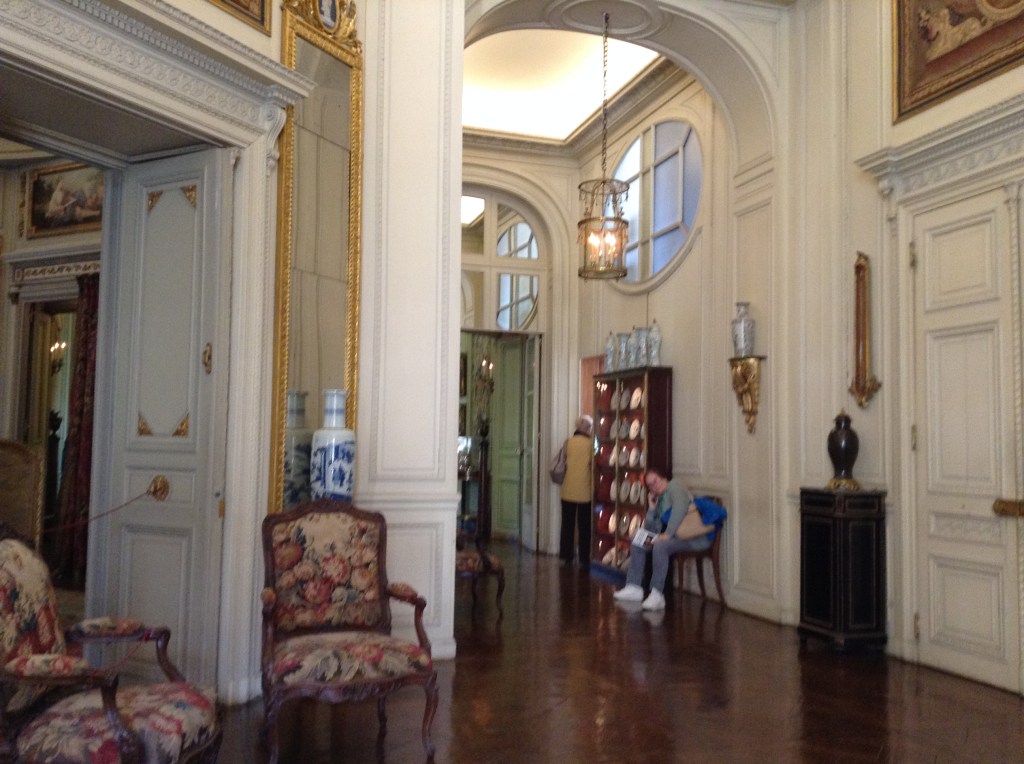
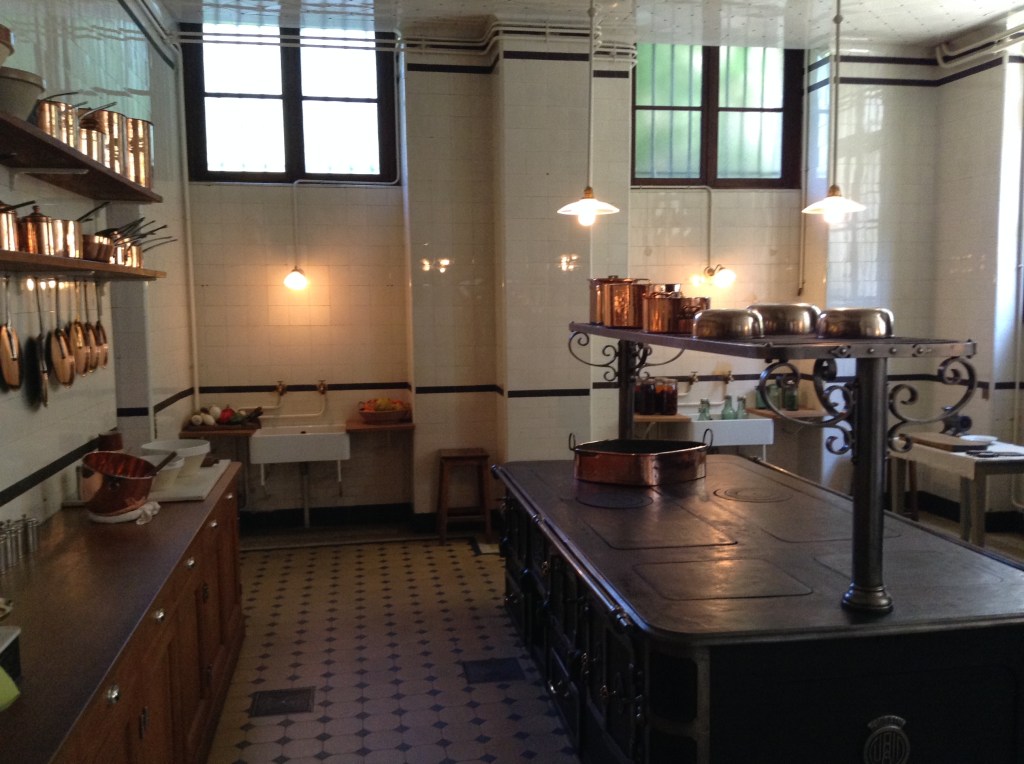
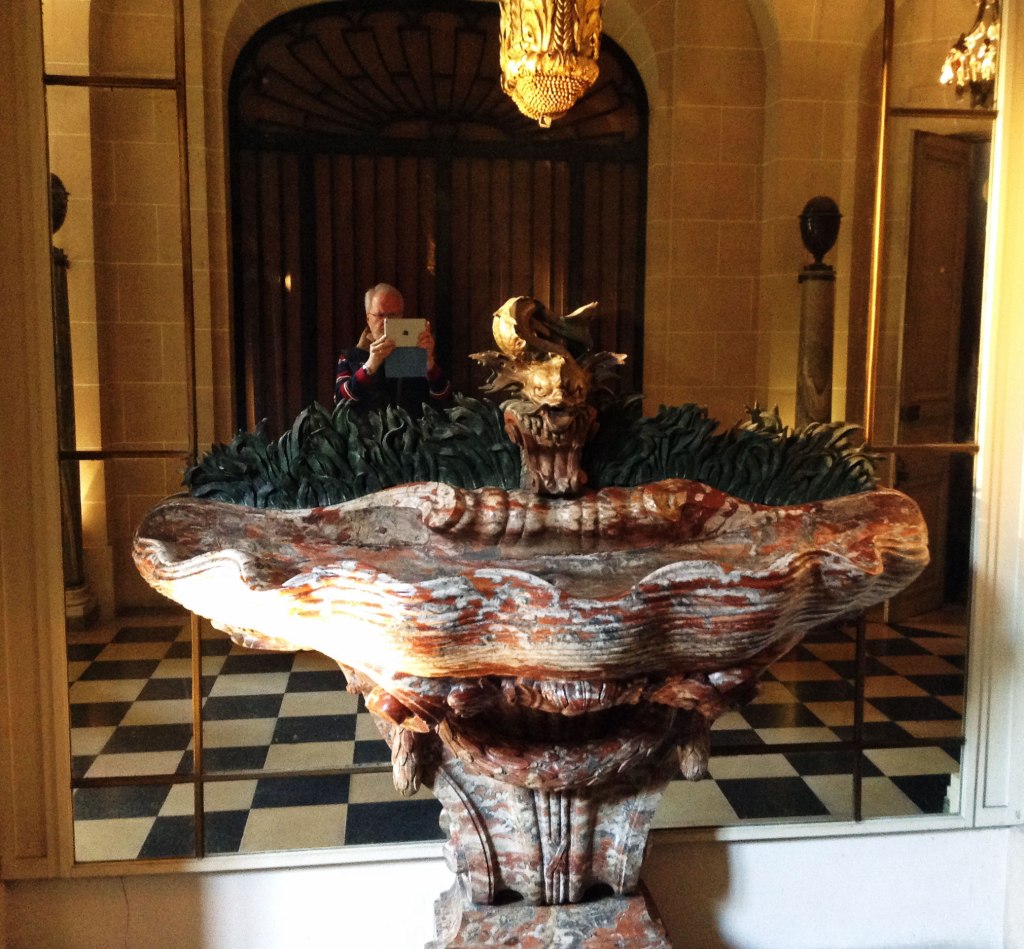
The mansion was built in 1911 by the Comte Moise de Camondo, a banker, with architect Rné Sergent, to set off his collection of eighteenth-century French furniture and art objects. Its design was patterned upon the Petit Trianon at Versailles, though with modern conveniences.
Both house and collections were bequeathed to Les Arts Décoratifs in honor of his son, Nissim de Commando, killed in WWI, and opened as a museum in 1935. More tragedy followed when a few years later Moise’s daughter and her family were deported to Auschwitz where they died.
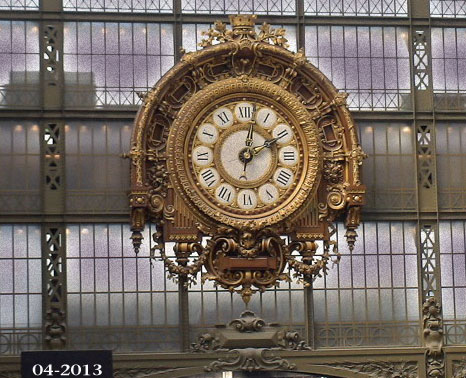
Le Musée D’Orsay
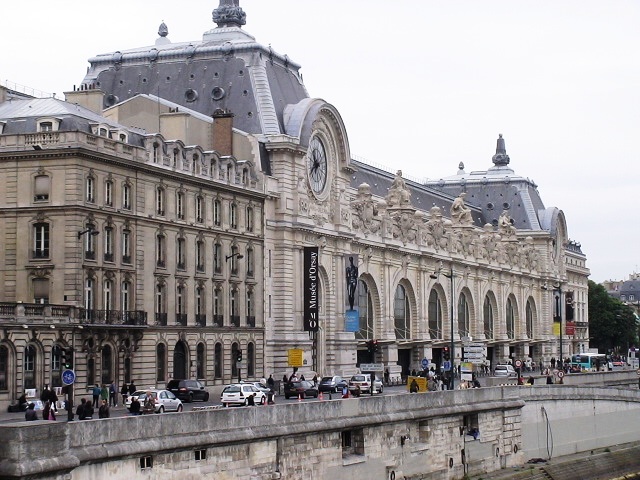
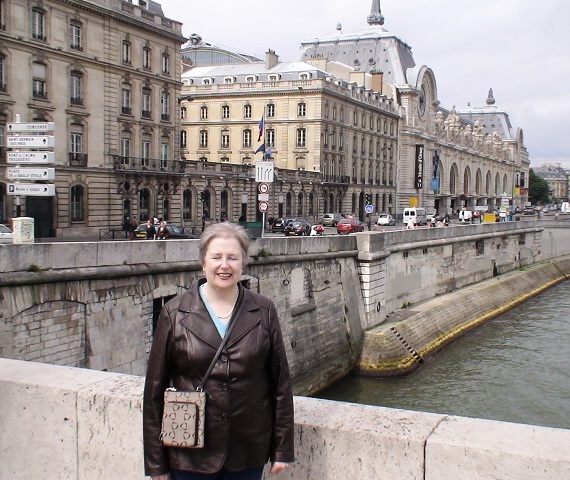
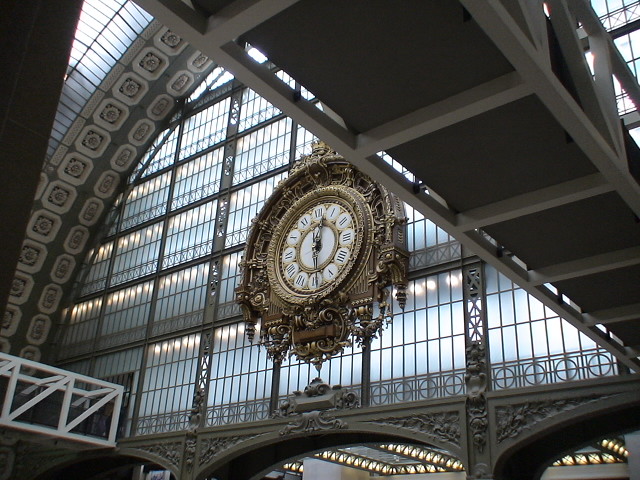
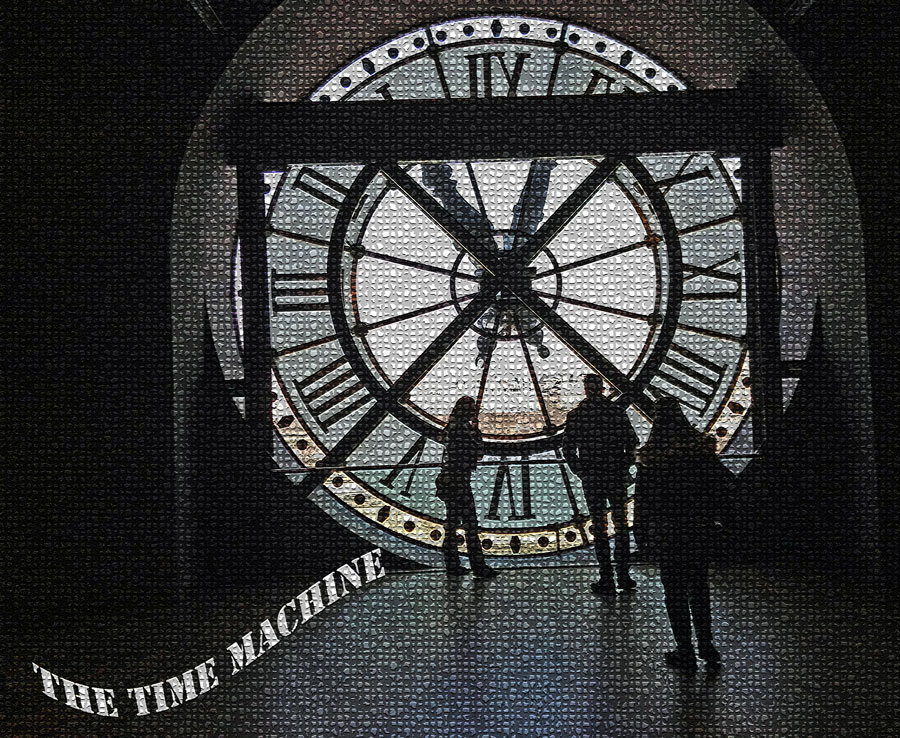
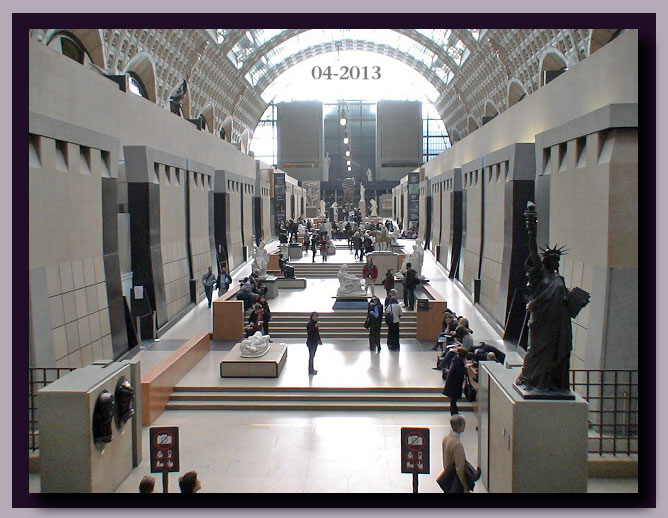
The museum is located on the left bank of the Seine, housed in the former railway station, the Gare D’Orsay, (Notice the “Paris to Orleans” displayed on the building). an impressive collection of of mainly French art dating from 1848 to 1915, including paintings, sculptures, furniture and photography, and is probably best known for its extensive collection of impressionist masterpieces by such painters such as Monet, Degas, Renoir and Cezanne.
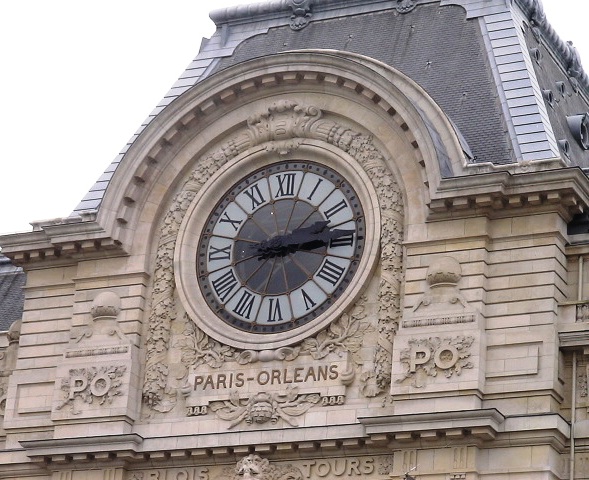
This was our favorite museum. The building is wonderful and the paintings etc… Well, it was truly stunning.
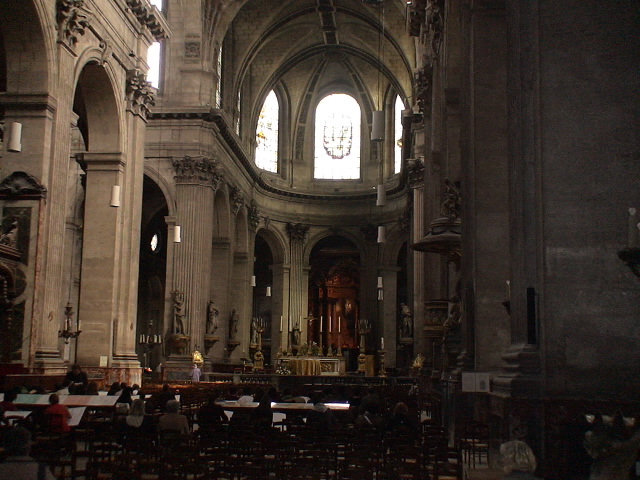
Église Saint-Sulpice is a Roman Catholic church on the east side of the Place Saint-Sulpice, in the Luxembourg Quarter of the 6e arrondissement At 113 metres long, 58 metres in width and 34 metres tall, it is only slightly smaller than Notre-Dame and thus the second largest church in the city.
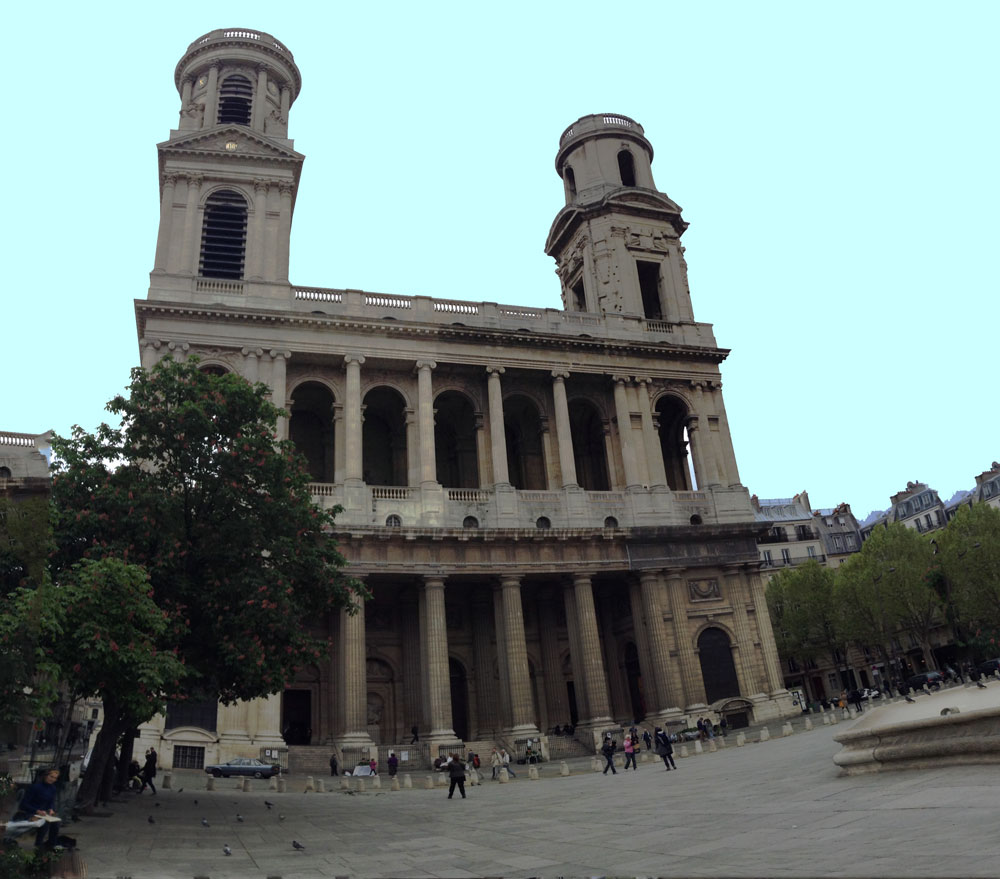
The Marquis de Sade and Charles Beaudelaire were baptized in Saint-Sulpice (1740 and 1821, respectively), and the church also saw the marriage of Victor Hugo to Adèle Foucher (1794).
The Da Vinci Code alleged that the church was associated with the Priory of Sion, called a shadowy organization guarding some secret (usually taken to be that the line of Merovinglan kings survives into modern times; further embellishment would make the Merovingians descendants of Jesus and Mary Magdalene.
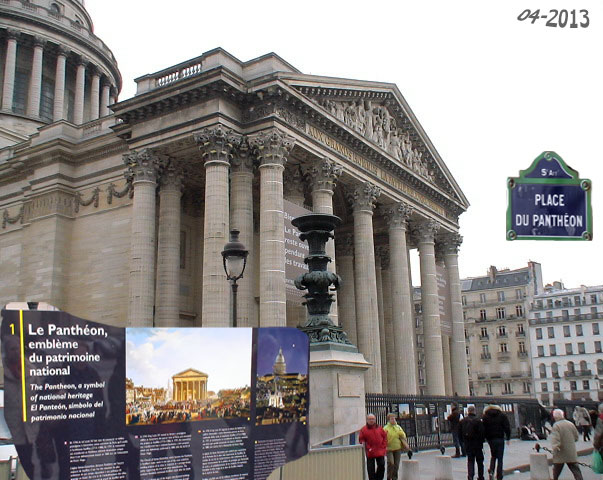
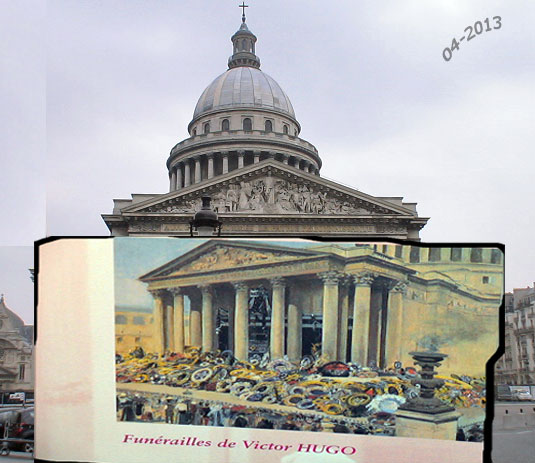
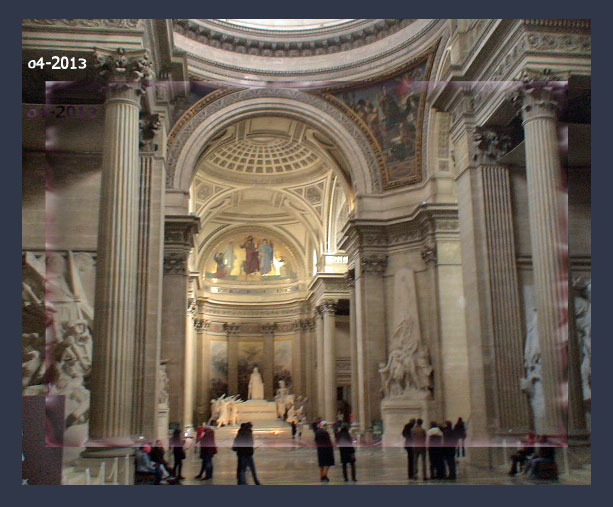
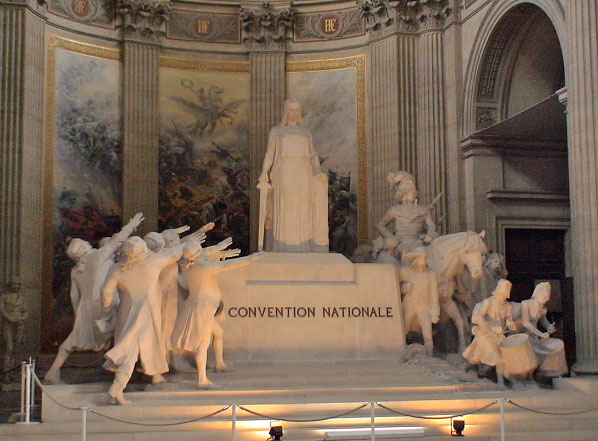
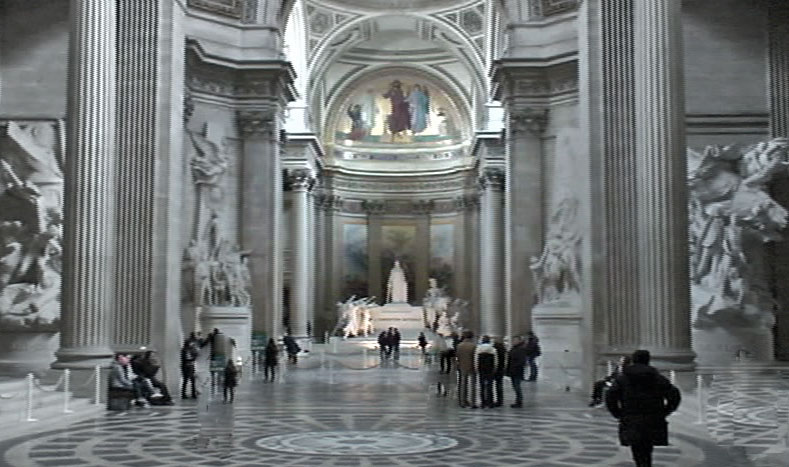
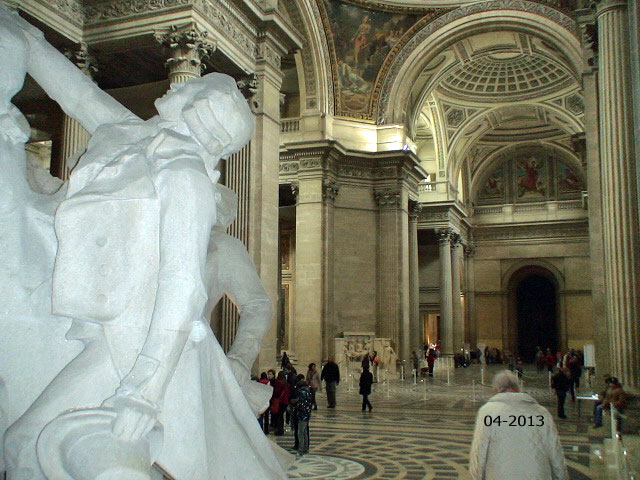
Le Panthéon
Among those buried in its necropolis are Voltaire, Rousseau, Victor Hugo, Émile Zola, Jean Moulin, Marie Curie and Louis Braille.

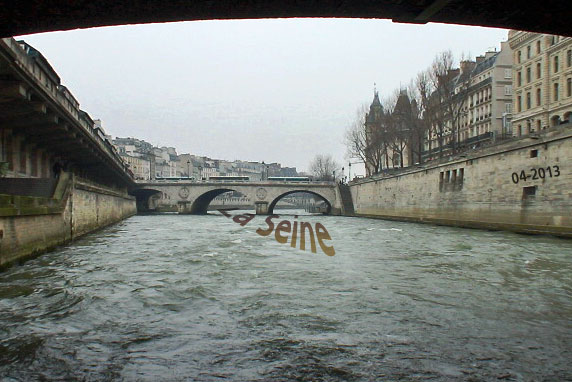
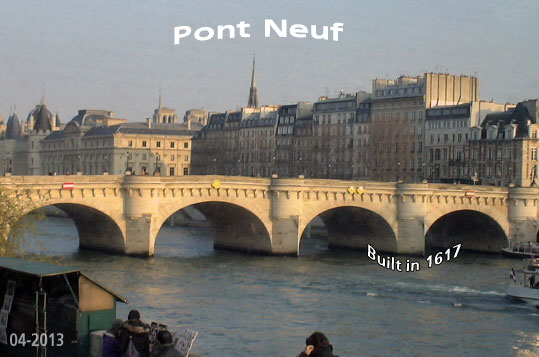
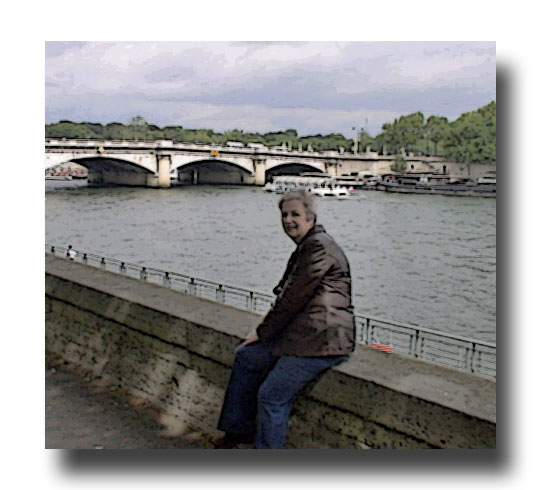
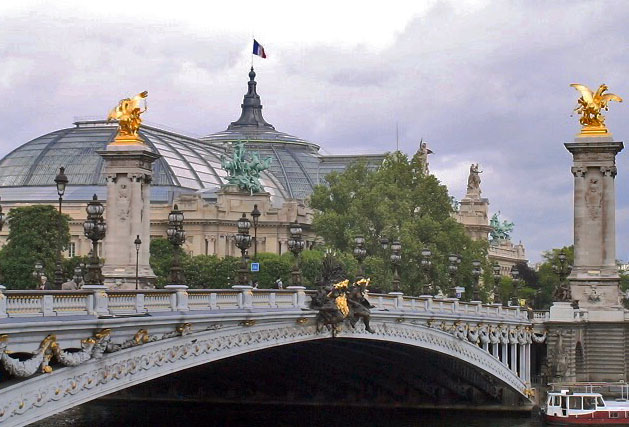
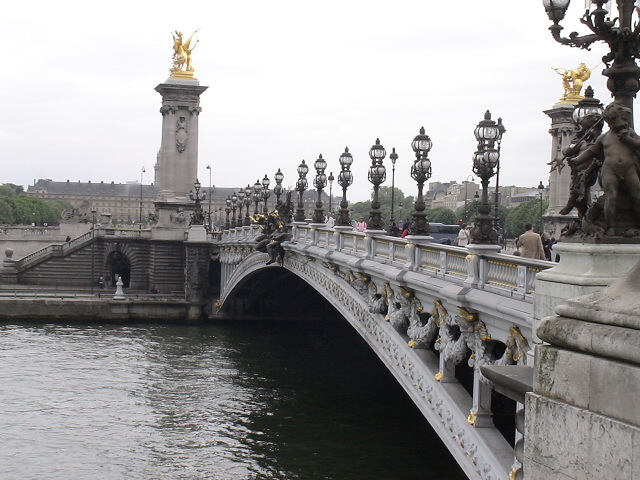
The many bridges on the Seine. This one had been donated by the Czar of Russia. (Pont Alexandre III) The Grand Palais is in the foreground. le Petit and Grand Palais, and the Alexander III bridge were built for the 1900 Paris exhibition.
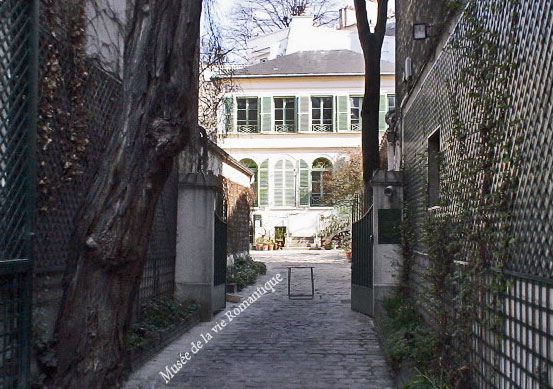
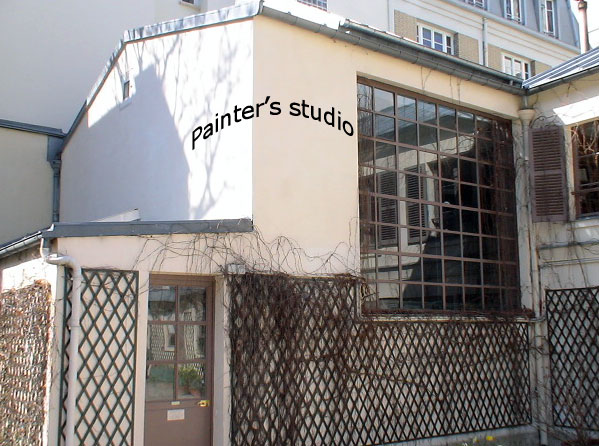
Le Musée de la Vie Romantique displays on the first-floor numerous mementos of most notorious romantic character and writer George Sand, including family portraits, household possessions, pieces of jewelry and memorabilia among which plaster casts of the writer’s sensuous right arm and Chopin‘s delicate left hand, plus several of her own unique and rare water colours called “dendrites”. The owner hosted his parties in his studio. Chopin would play for them.
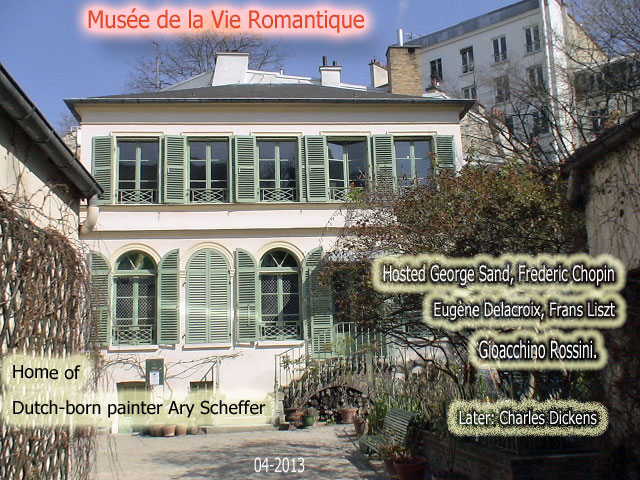
Free admission to this small but interesting museum. Purchasing their audio tour makes sense and adds to the pleasure. The house is interesting in itself. A hidden gem.


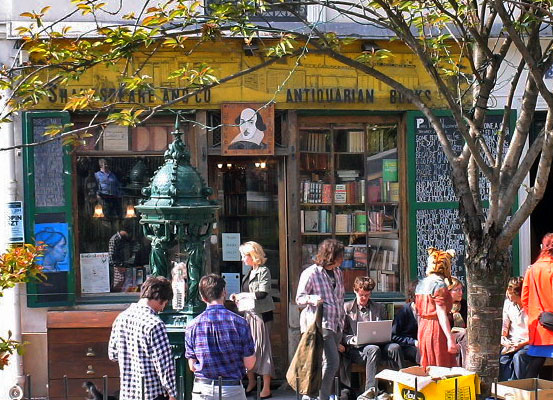
Shakespeare and Company is an English-language bookstore opened in 1951 by George Whitman , located on Paris’s Left Bank.
The store was named after Sylvia Beach’s bookstore of the same name founded in 1919 on the Left Bank, which closed in 1941. Whitman adopted the “Shakespeare
and Company” name for his store in 1964.
The bookstore is situated at 37 rue de la rue de la Bûcherie, in the 5th arrondissement. Opened in 1951 , it was originally called “Le Mistral”, but was renamed to “Shakespeare and Company” in 1964 in tribute to Sylvia Beach’s store and on the 400th anniversary of William Shakespeare’s birth.
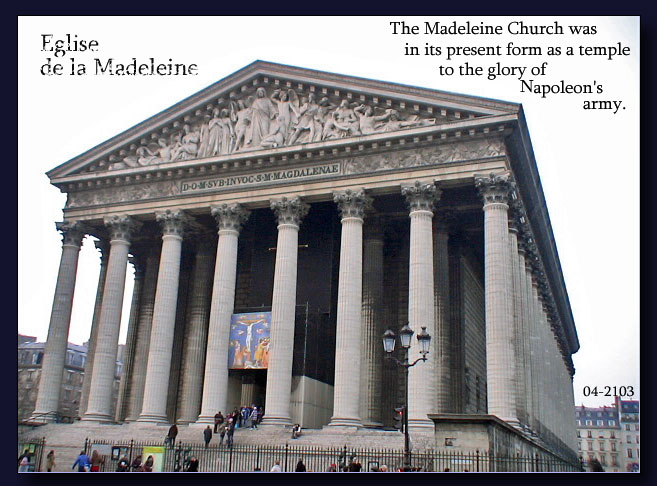
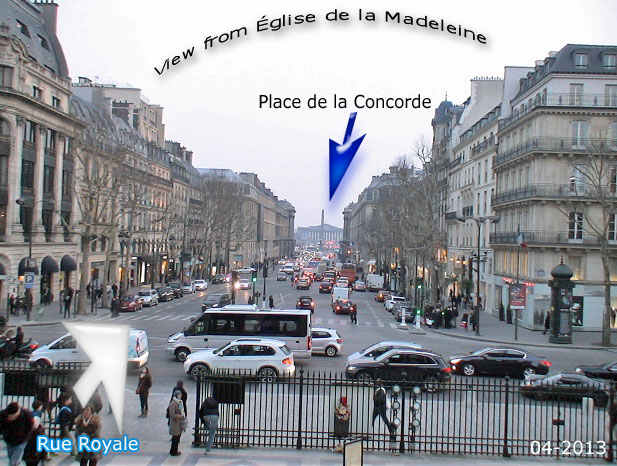
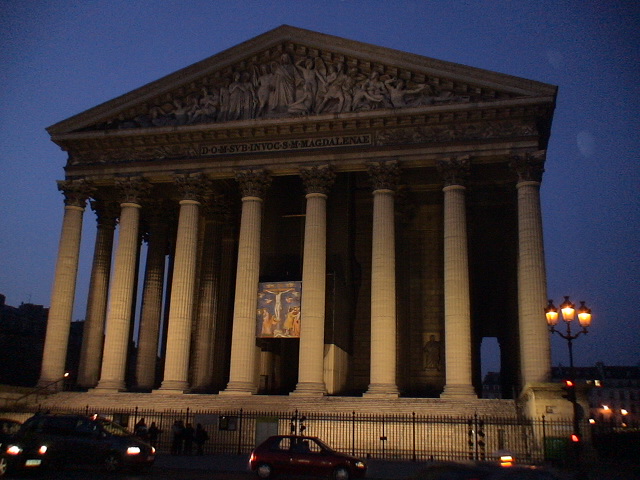
The funeral of Chopin at the Church of the Madeleine was delayed almost two weeks, until October 30, 1849. Chopin had requested that Mozart’s Requiem be sung. The Requiem had major parts for female voices, but the Church of the Madeleine had never permitted female singers in its choir. The Church finally relented, on condition that the female singers remain behind a black velvet curtain
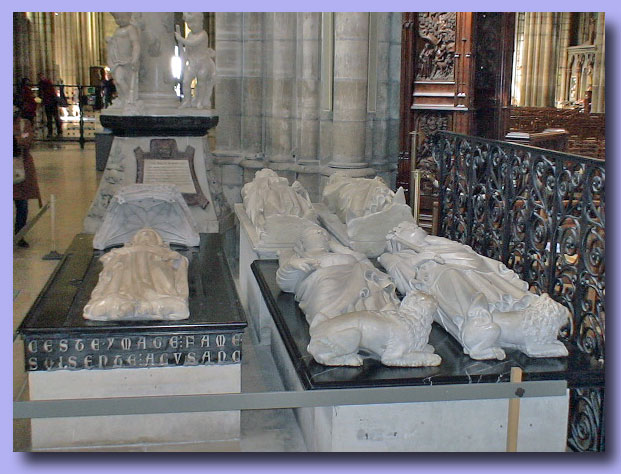
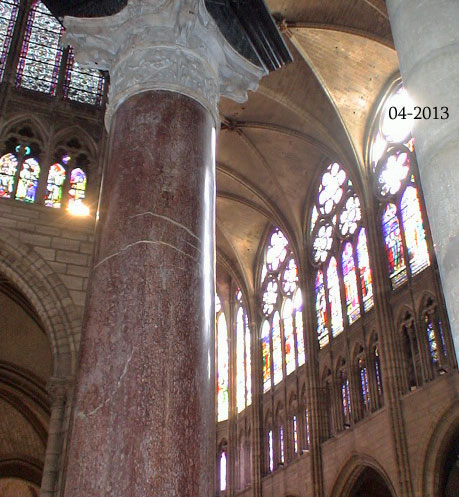


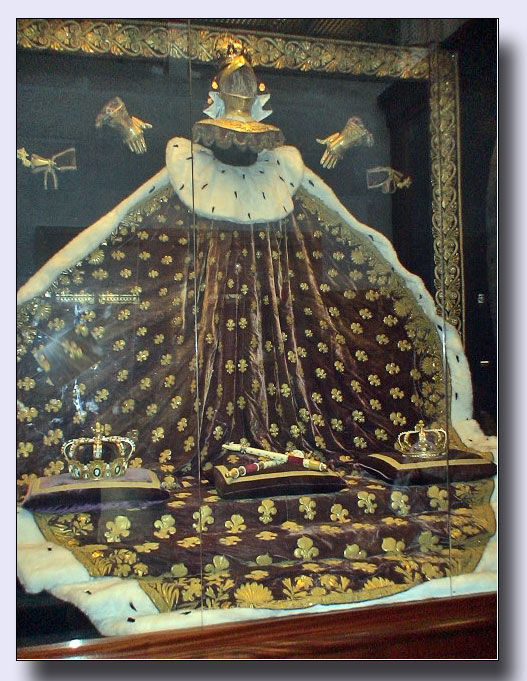
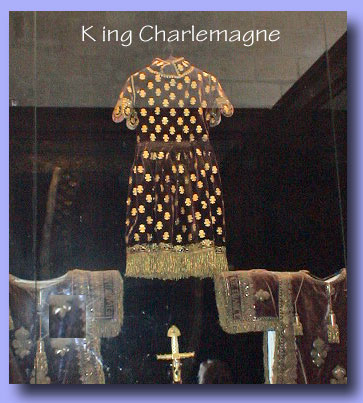
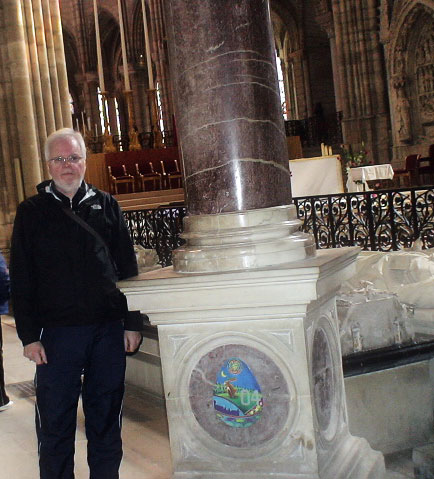
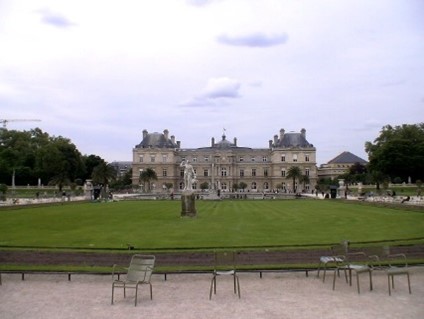
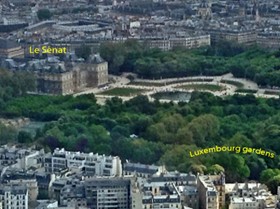
The Luxembourg Gardens
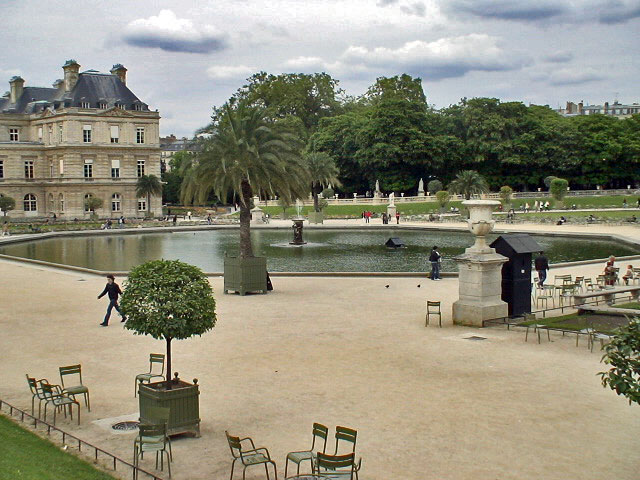

The Jardin du Luxembourg is the largest public park located near our hotel in the 6th arrondissement. Luxembourg is the garden of the French Senate, which is itself housed in the Luxembourg Palace.
It was in proximity of our hotel. We had some nice strolls through this park at various times of the day, but at sunset it quite pleasant. Very relaxing. No music blaring… Nobody bothering you. Almost like stepping into a time-machine back to La Belle Époque.
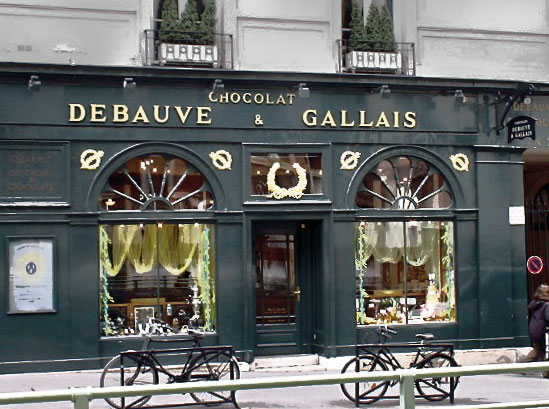
Debauve & Gallais is a French chocolate manufacturer founded by Sulpice Debauve in 1800. After his nephew Antoine Gallais joined the company in 1823, the company adopted their current name. In 1819 the company received the royal warrant as purveyors to the French court, and was the official chocolate supplier for Emperor Napoleon and of the kings Louis XVIII, Charles X and Louis Philippe.
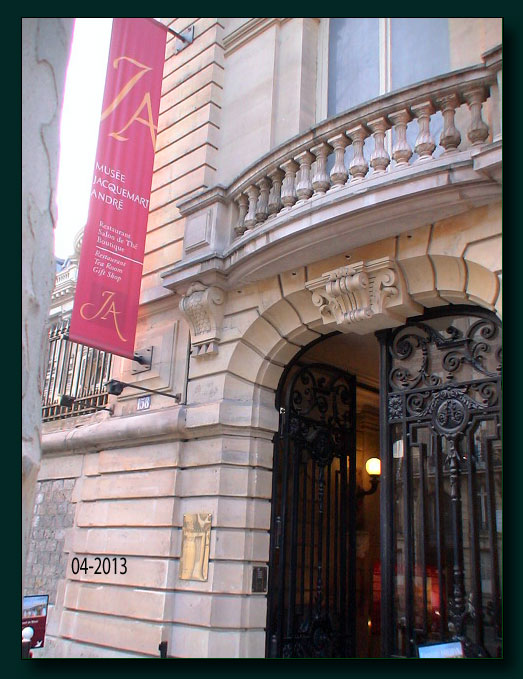
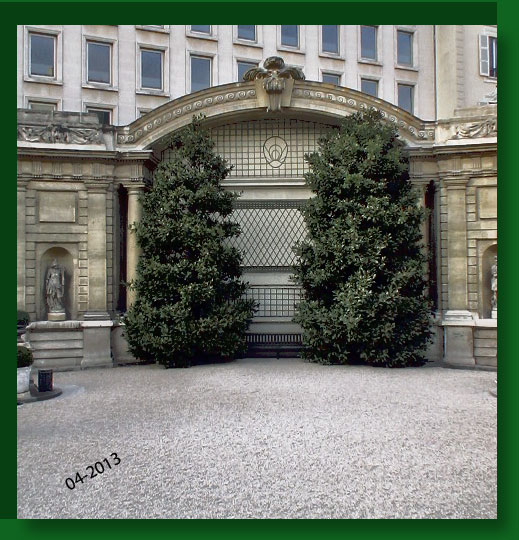
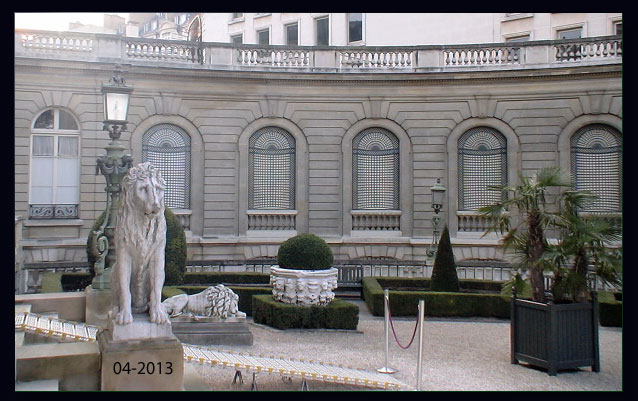
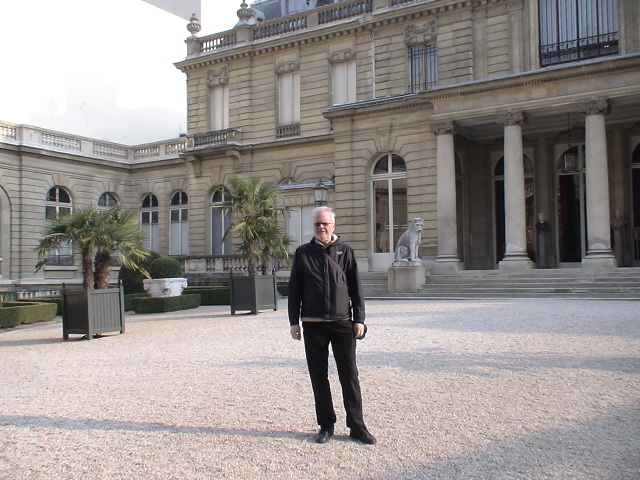
Le Musée Jacquemart-André was created from the private home of Édouard André (1833-1894) and Nèle Jacquemart (1841-1912) to display the art they collected during their lives. This was an hidden gem. If you like your museums in period houses you should enjoy this one.

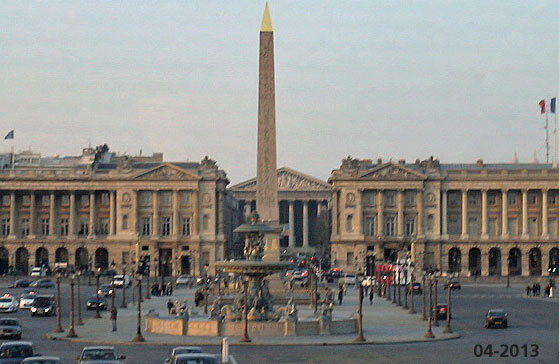
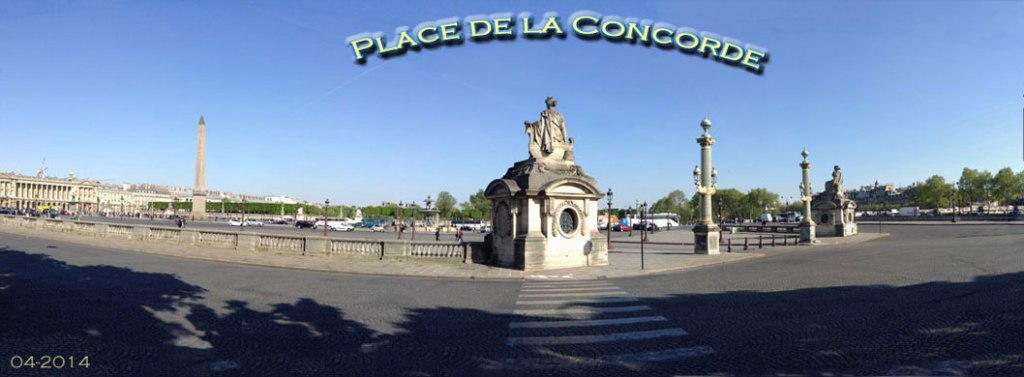
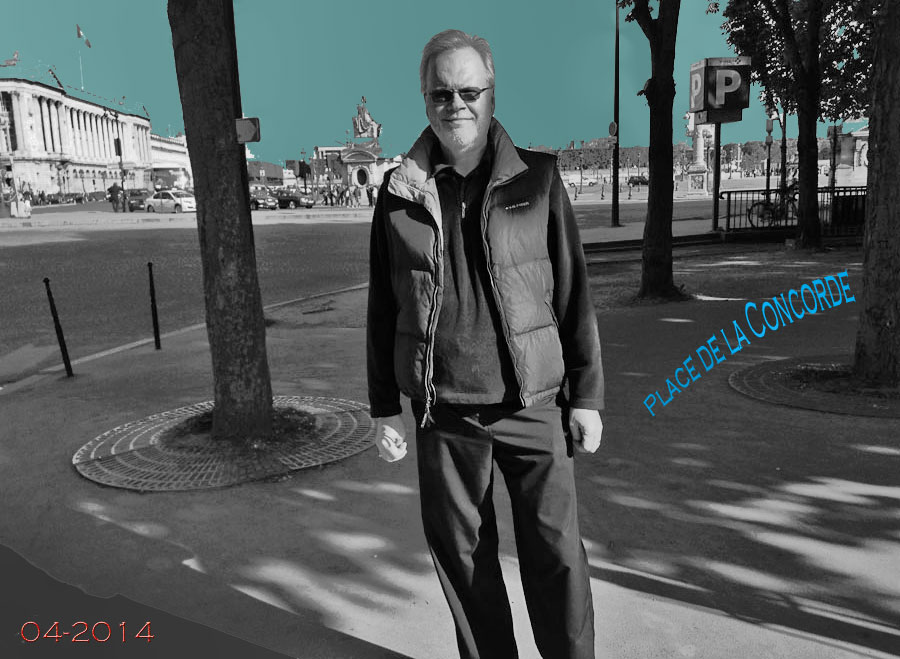
The Place de la Concorde was designed by Ange-Jacques Gabriel in 1755 as a moat-skirted octagon between the Champs-Élysées to the west and the Tuileries Gardens to the east.
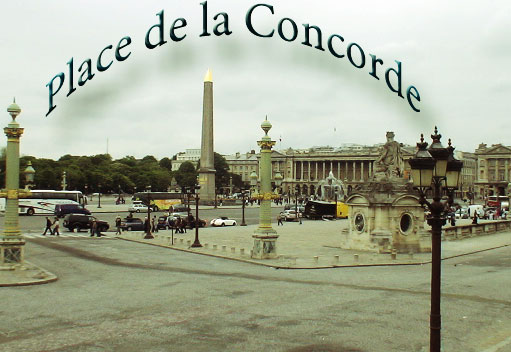
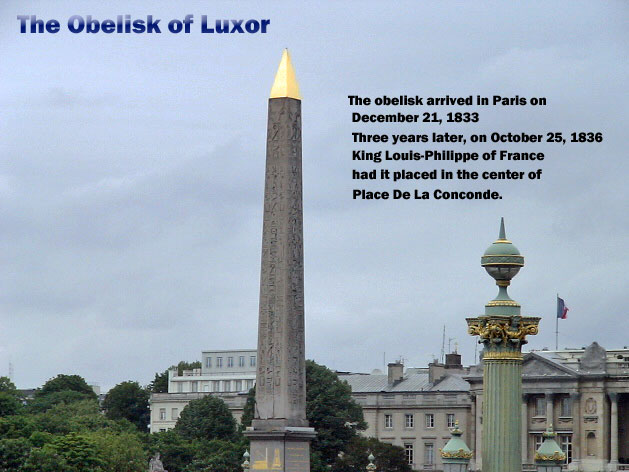
During the French Revolution the statue of Louis XV was torn down and the area renamed “Place de la Révolution”. In a grim reminder to the nobility of a gruesome past, when the Place de Grève was a site where the nobility and members of the bourgeoisie were entertained watching convicted criminals being dismembered alive, the new revolutionary government erected the guillotine there.

 s
s 