



Founded in the year 1040, and established as a trading place in 1048 by Harald Hardrada, the city was elevated to a bishoric (Note: Oslo bishopric is the Church of Norway’s bishoptic for the municipalities of Oslo) in 1070 and a capital under Haakon V of Norway around 1300.
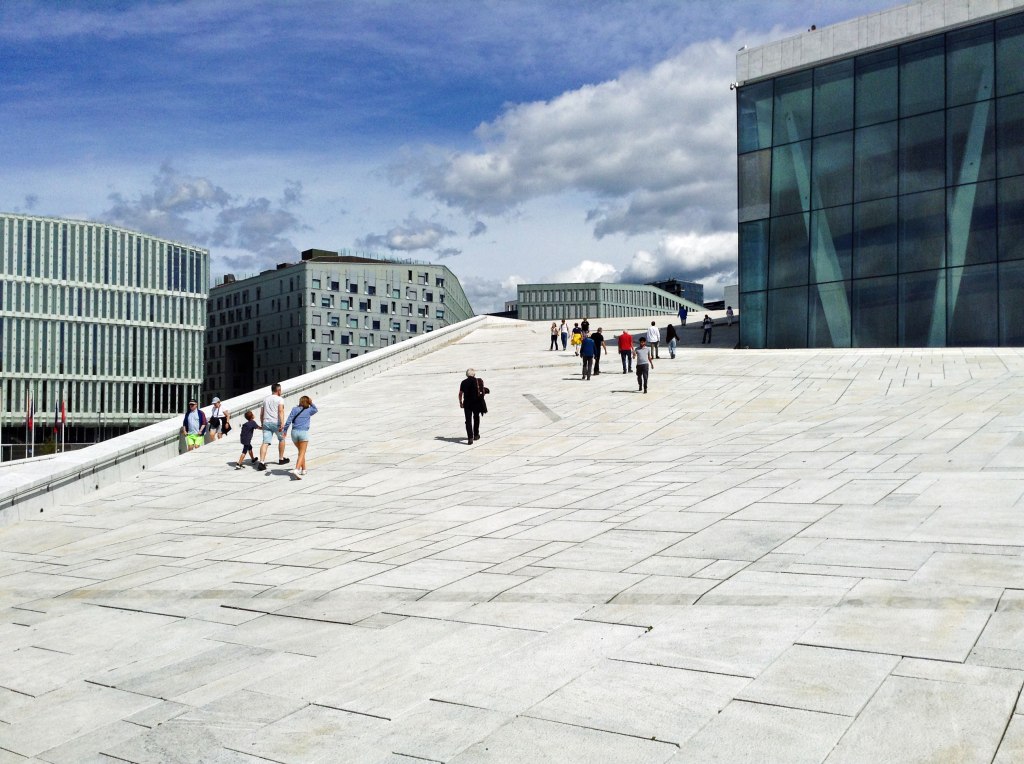
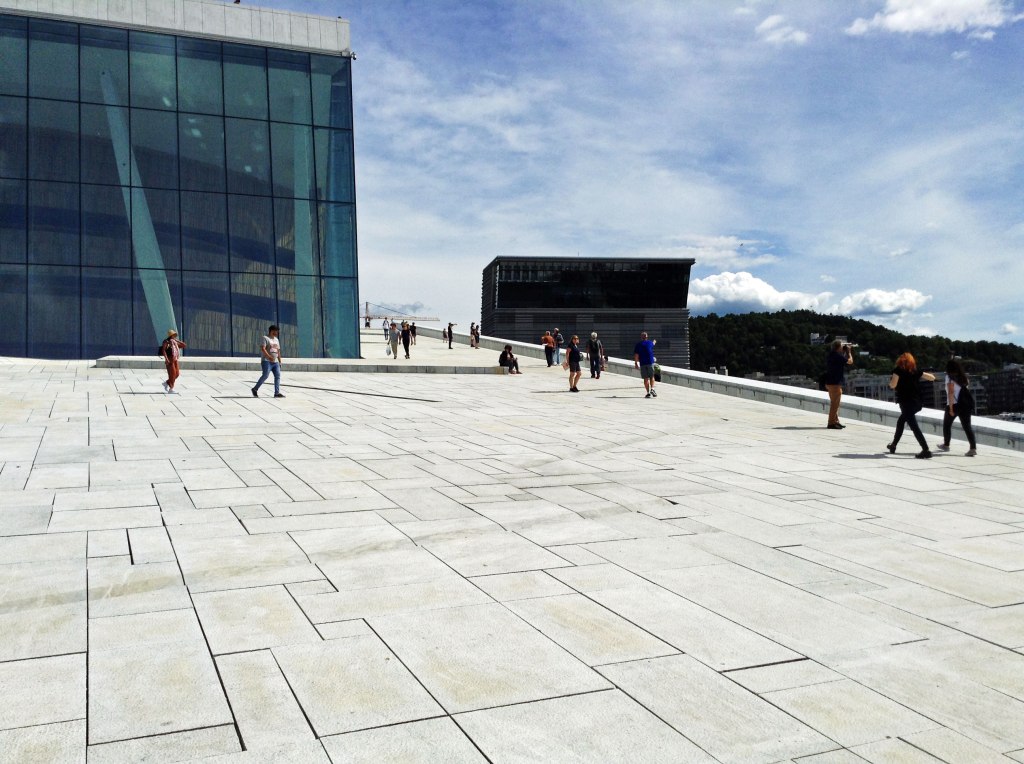
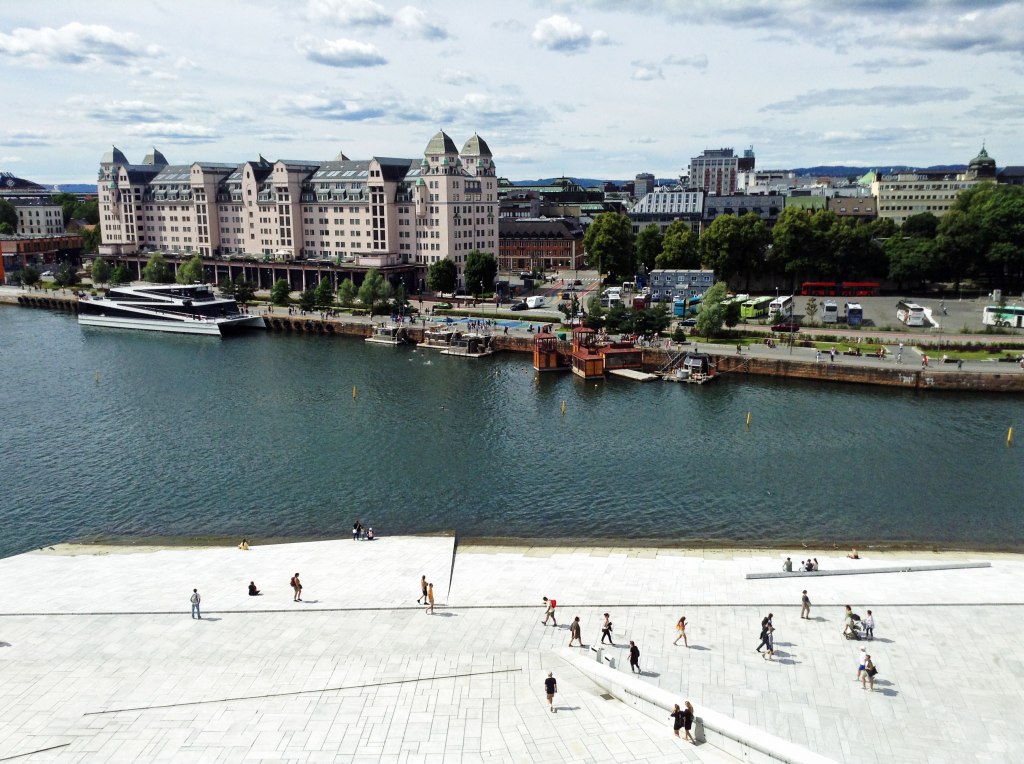
Personal unions with Denmark from 1397 to 1523. and again from 1536 to 1814 (Note: A personal union is the combination of two or more states that have the same monarch while their boundaries, laws, and interests remain distinct) and with Sweden from 1814 to 1905 reduced its influence.
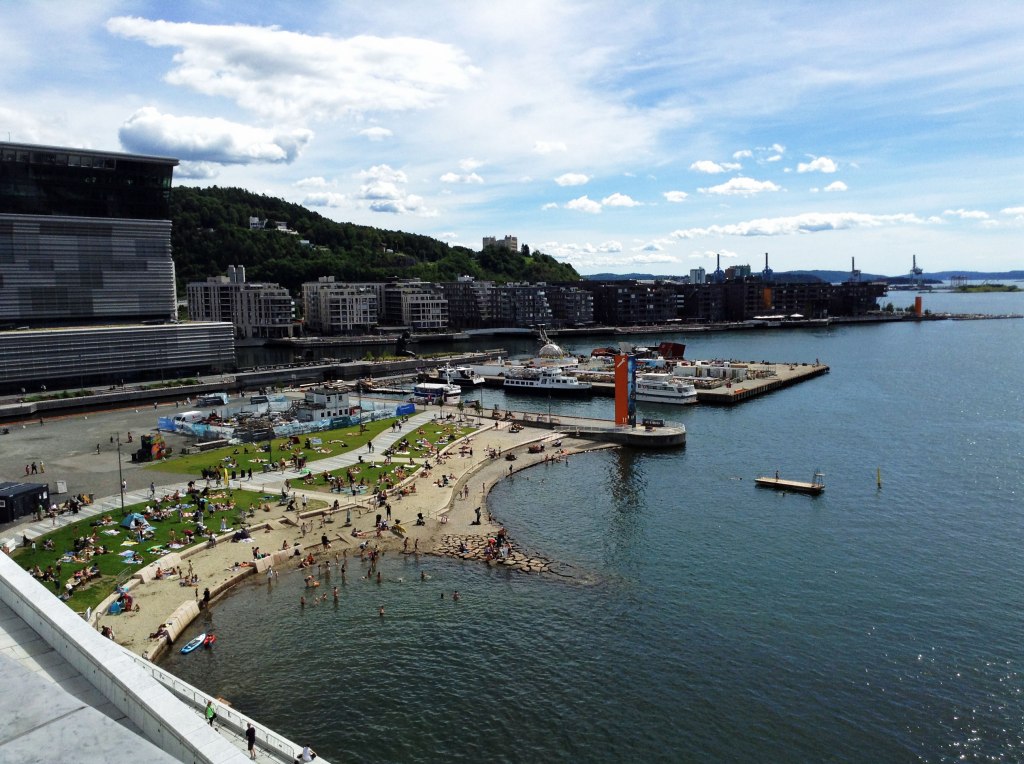
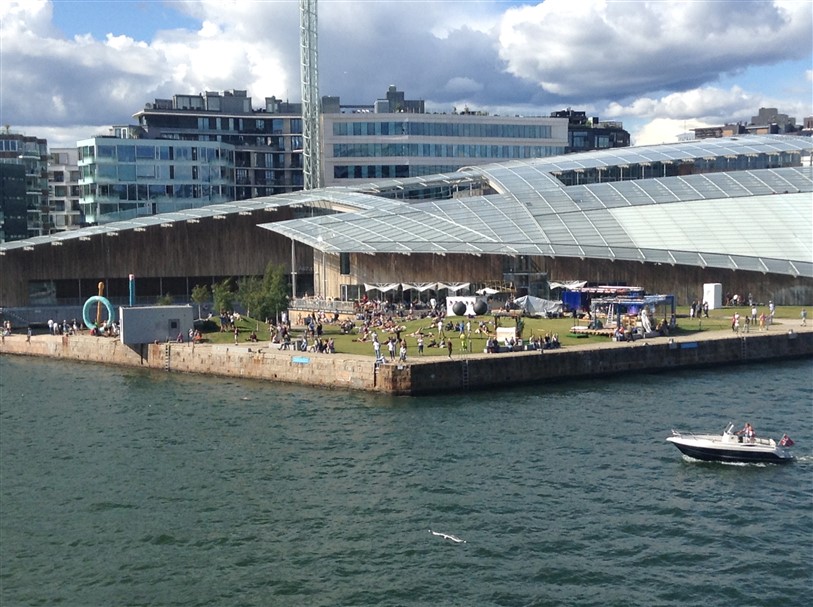
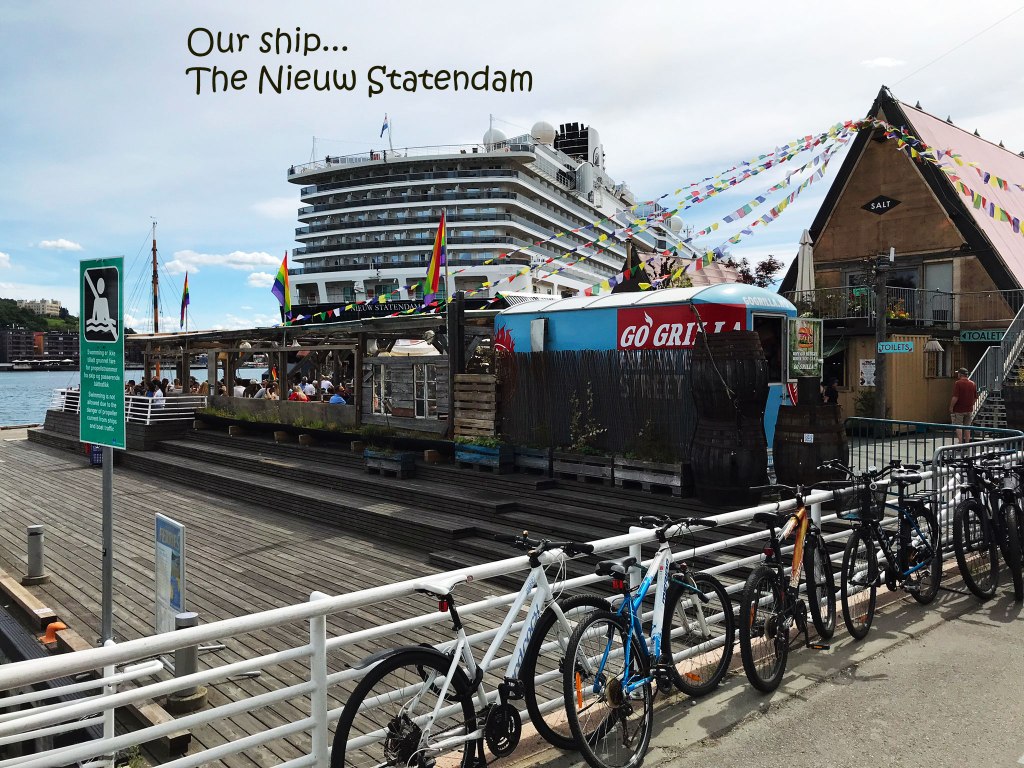
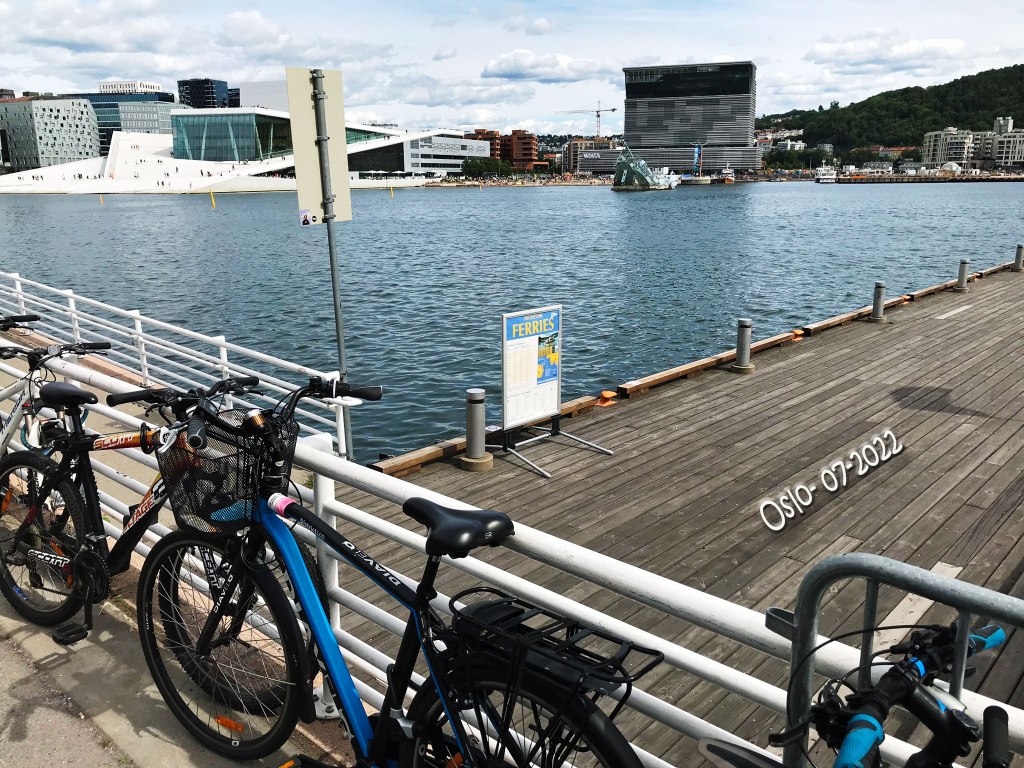
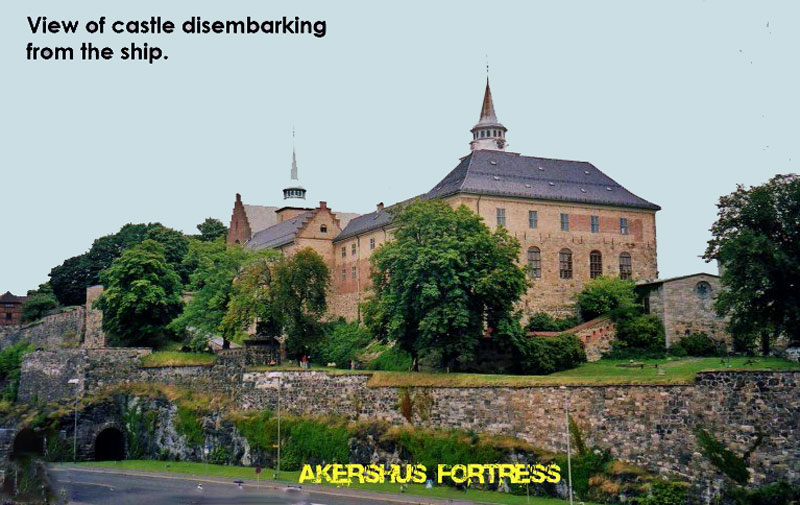
After being destroyed by a fire in 1624, during the reign of King Christian IV, a new city was built closer to Akesrhus fortress and named Christiana in the king’s honour
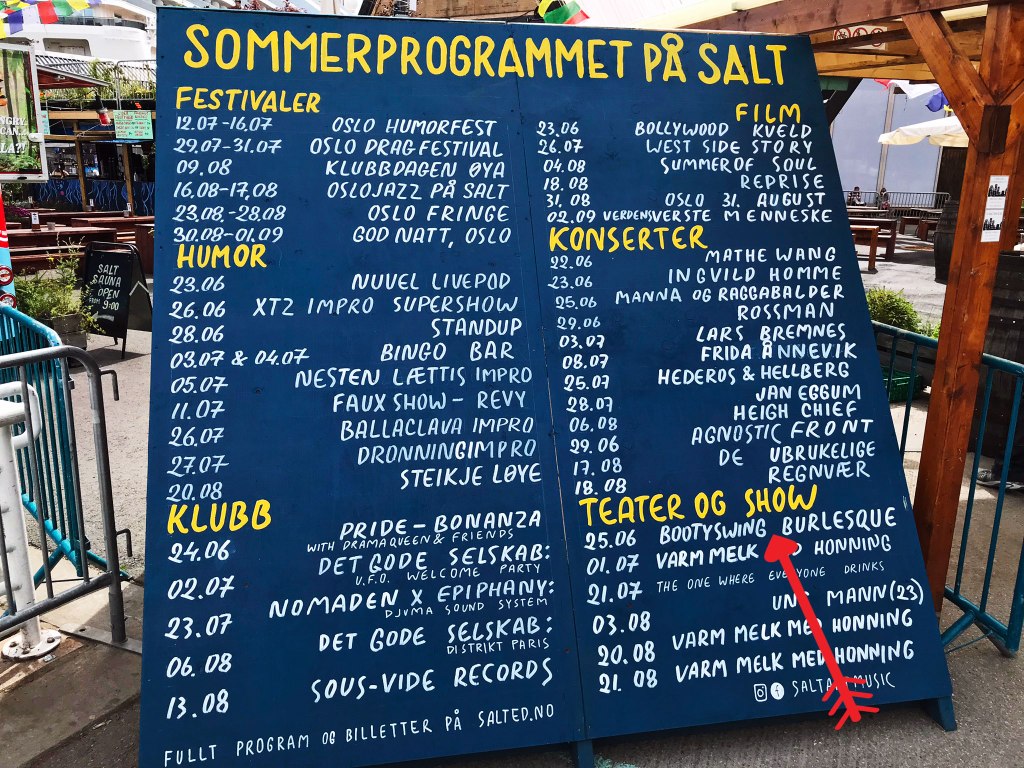
It was established as a municipality on 1 January 1838.
The city’s name was spelled Kristiania from 1877 and 1897 by state and municipal authorities, respectively.
In 1925 it was renamed Oslo.
Vigeland
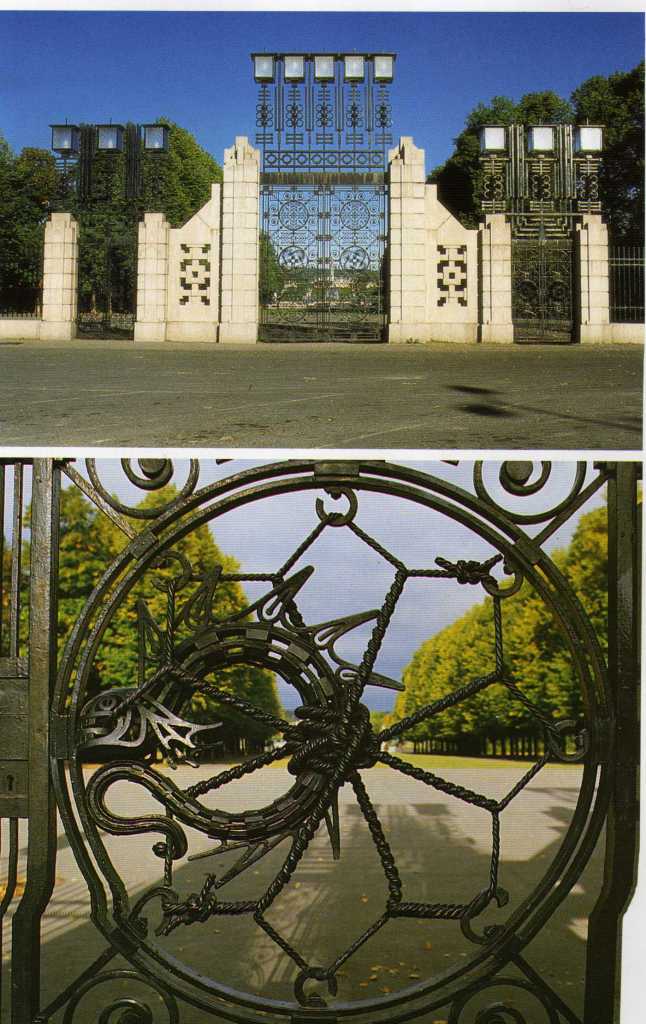
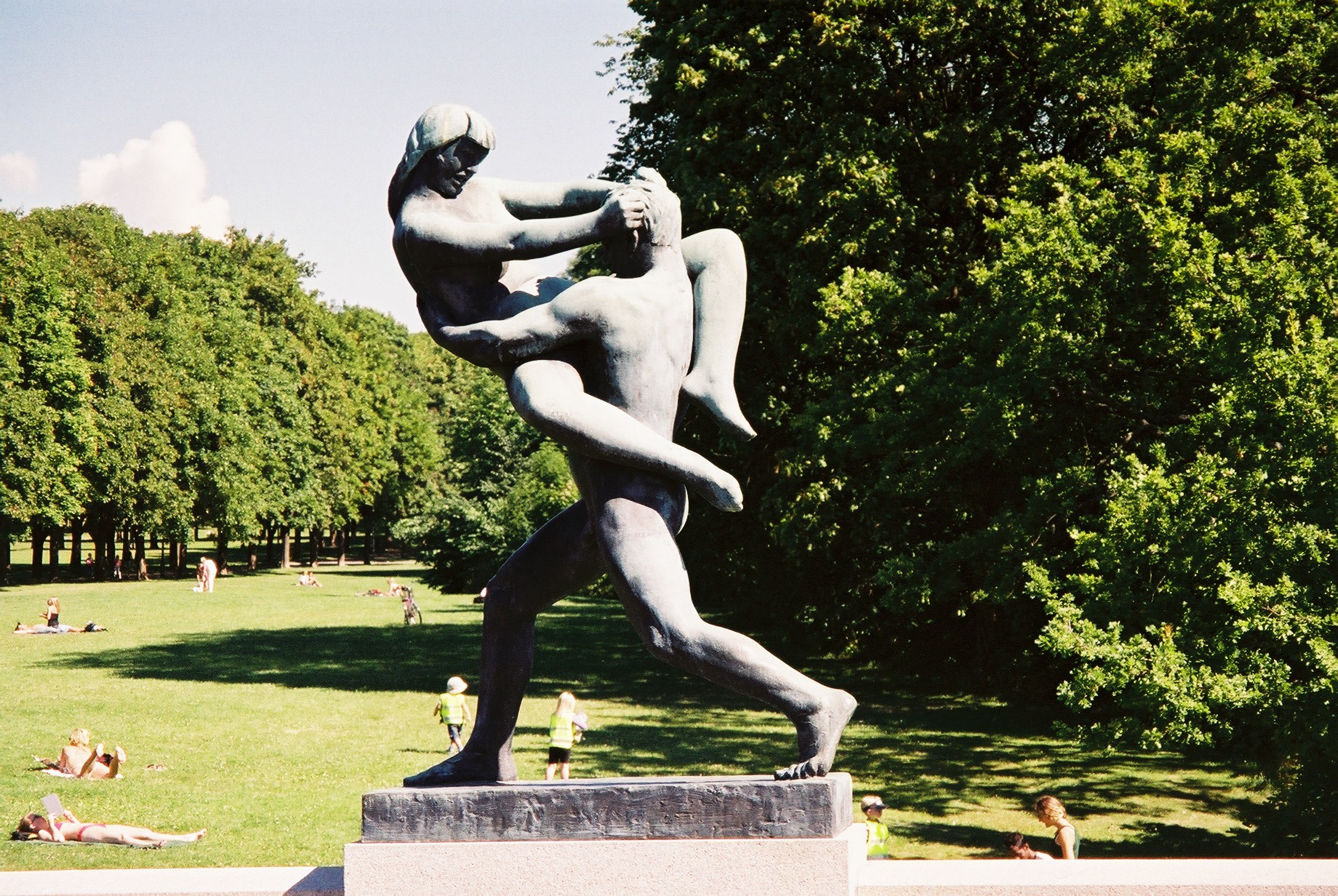
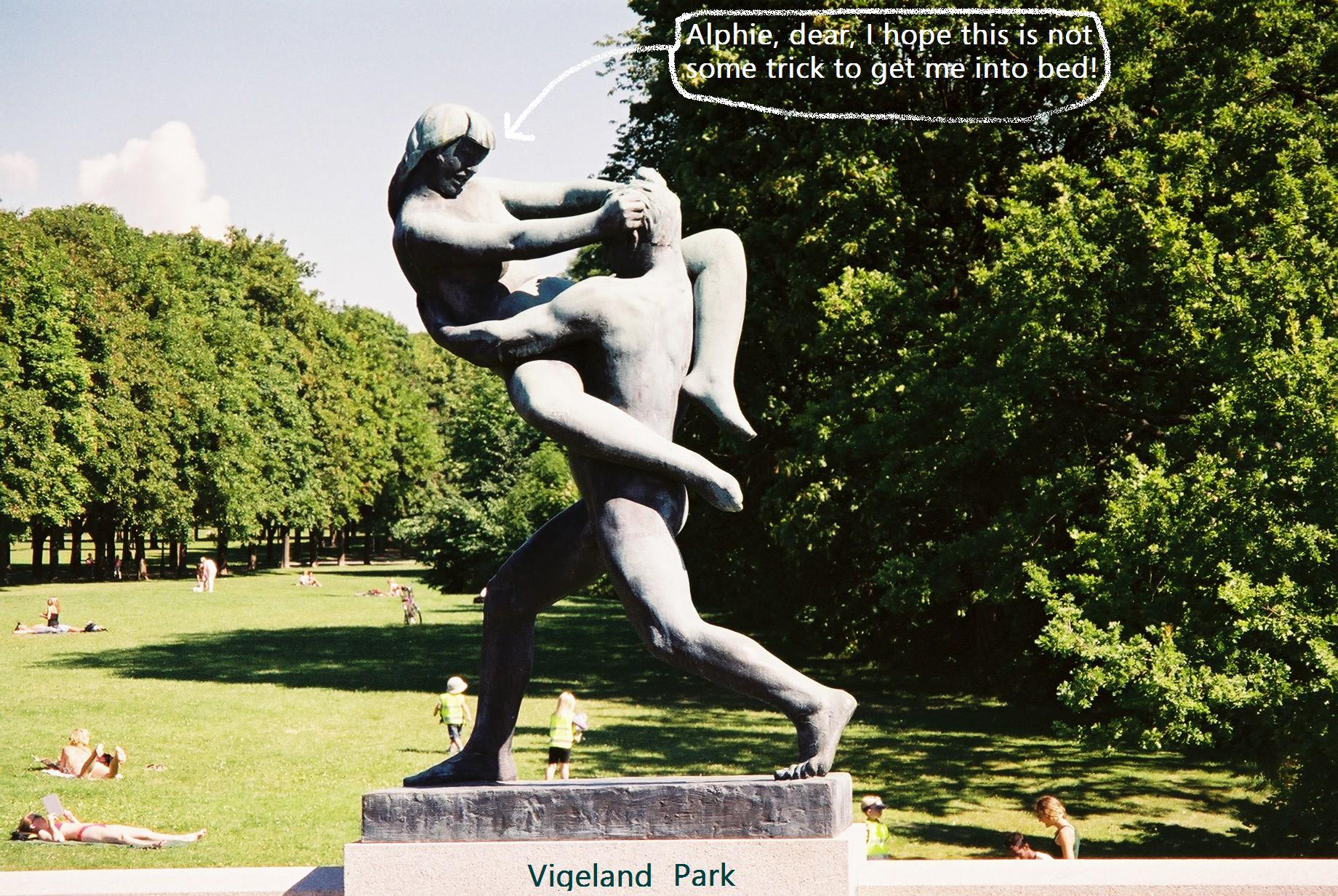
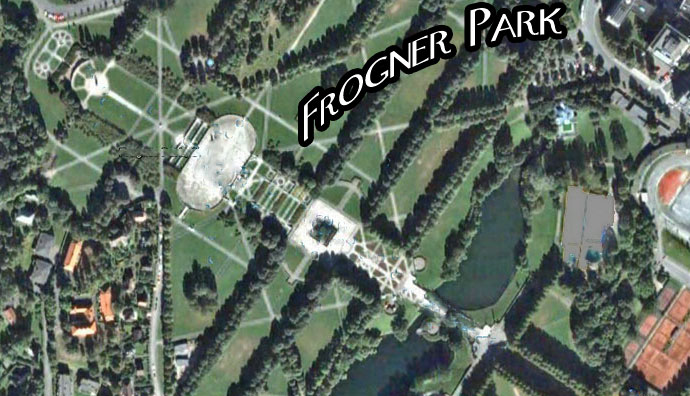
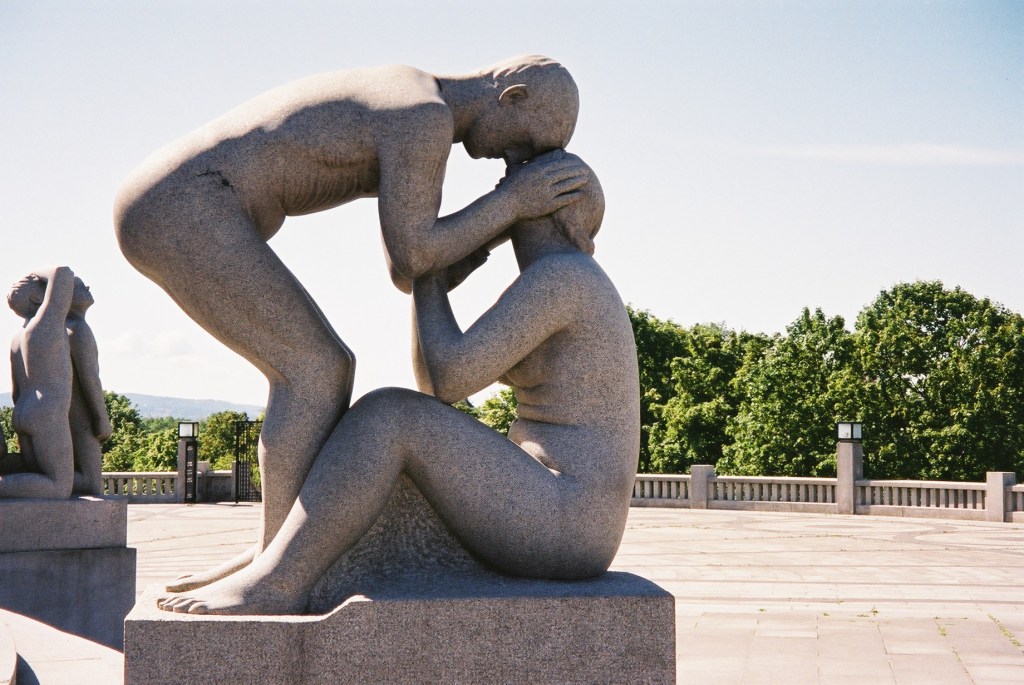
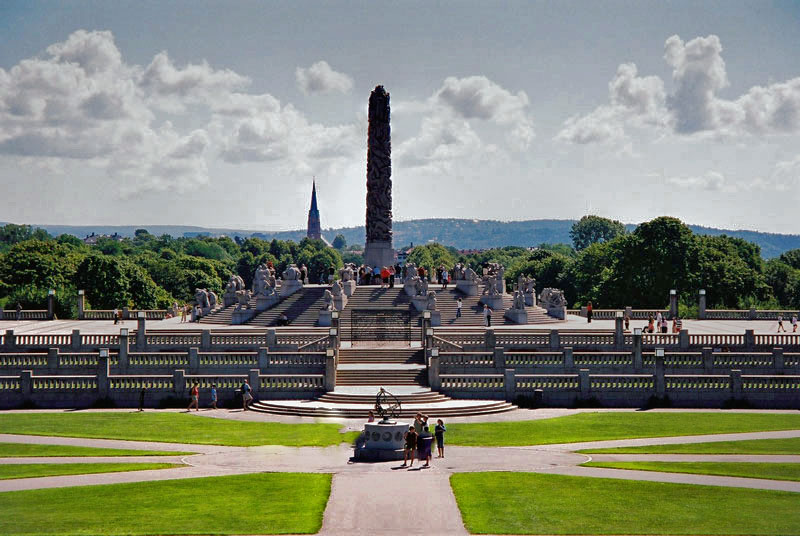
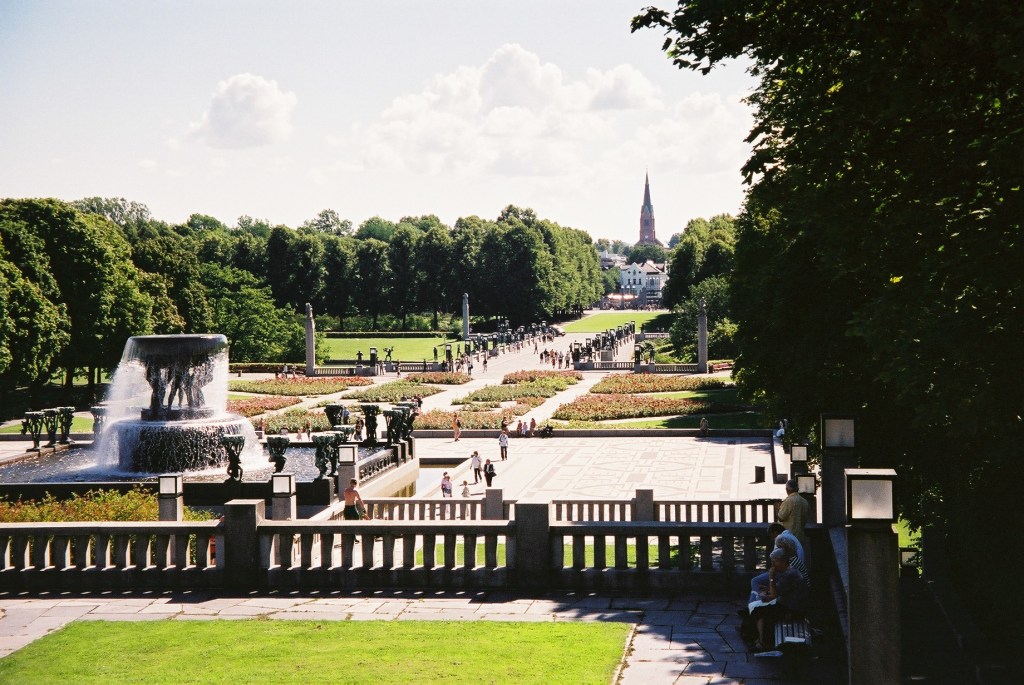
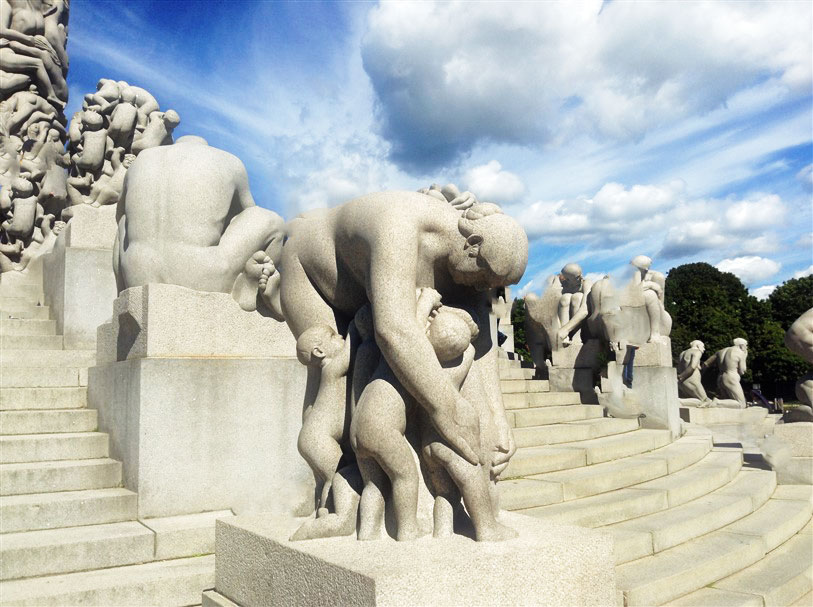
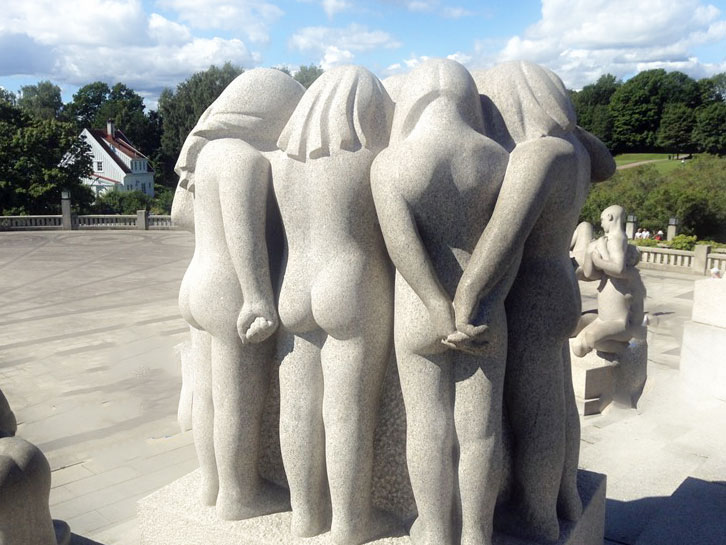
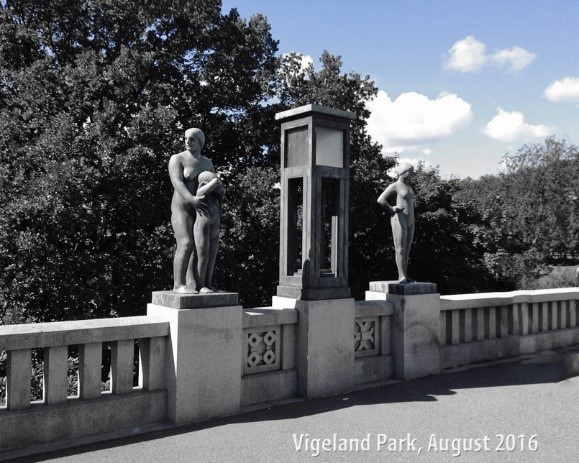
Vigeland Park, which has partially become an integrated part of the older Frignor Park, covers an area of 80 acres.It functions both as a sculpture park and a public park. The park contains 212 sculptures with more than 600 figures, all modeled in full size by Gustav Vigeland.
Vigeland moved to his new studio in Kirkeveien in 1924. It was located in the vicinity of Frogner Park, which he had chosen as the definitive location for his fountain. In the following twenty years Vigeland was devoted to the project of an open exhibition of his works, which later turned into what is universally known as “Vigeland Park”.
A sight to behold!
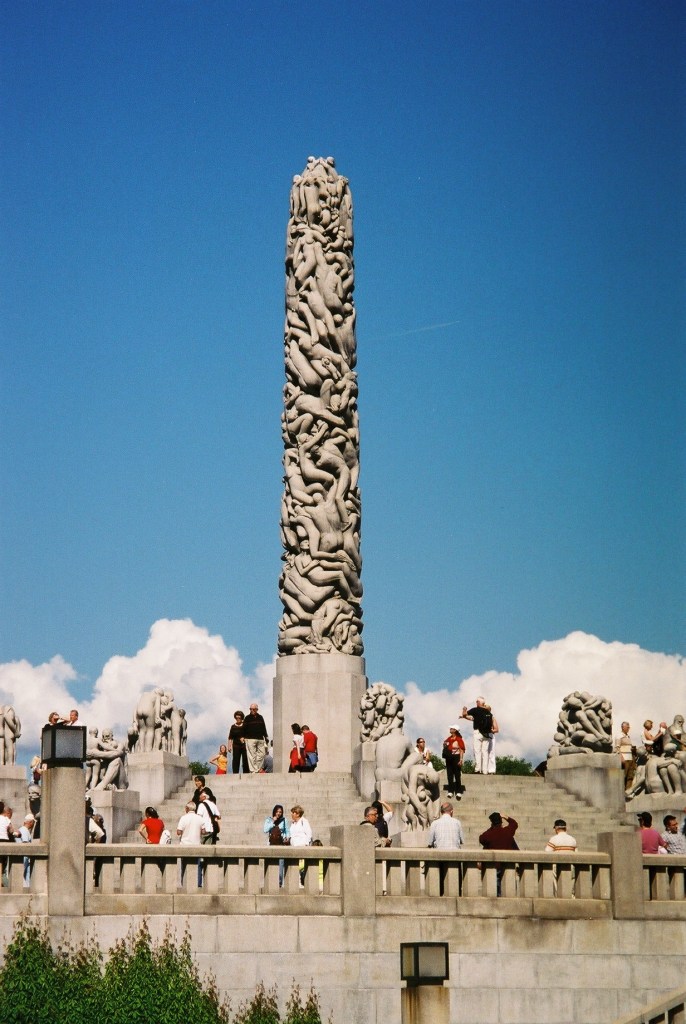
The monolith towers 14.12 meters high and is comprised of 121 human figures rising toward heaven. This is meant to represent man’s desire to become closer with the spiritual and divine. It portrays a feeling of togetherness as the human figures embrace one another as they are carried toward salvation.
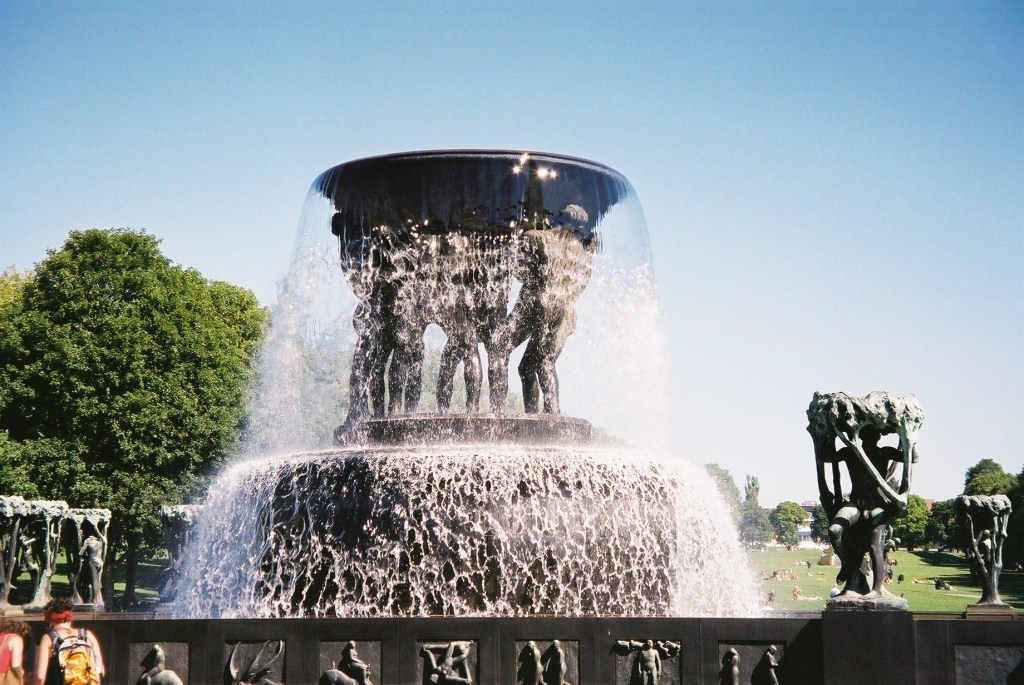
Originally designed to stand in front of Parliament (Eidsvolls Plass), the Fountain was fabricated from bronze and adorned with 60 individual bronze reliefs. Portraying children and skeletons in the arms of giant trees, the Fountain suggests that from death comes new life.
On the ground surrounding the Fountain lies an 1800 square meter mosaic laid in black and white granite. It took Vigeland a great deal of time to establish the monument: from 1906 to 1947.
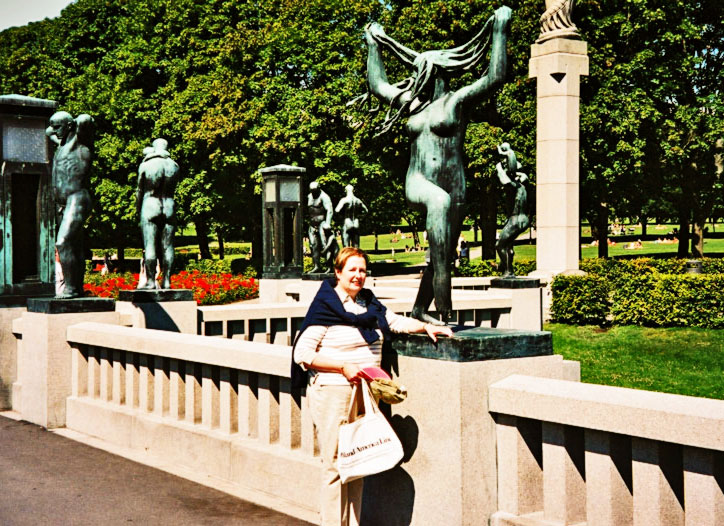
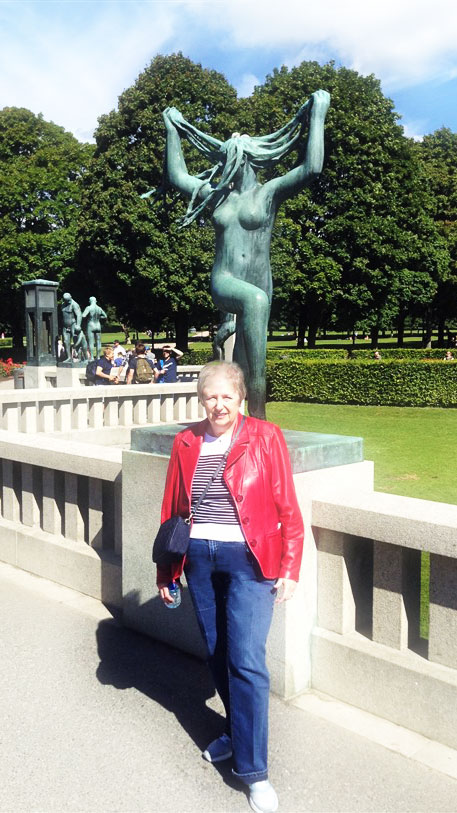
Judy, 10 years later...
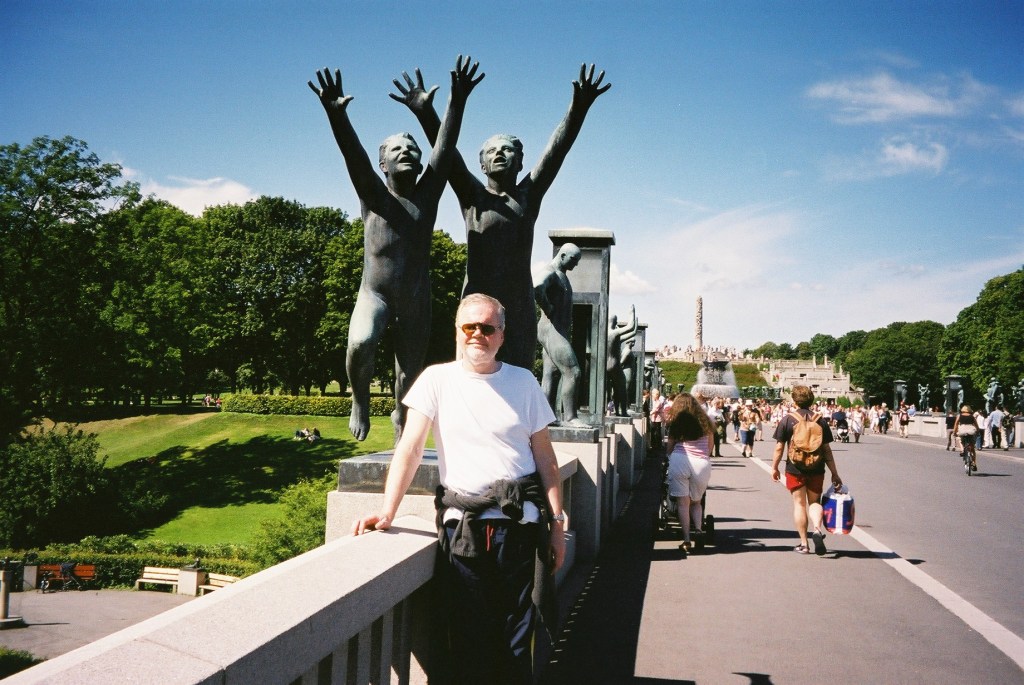
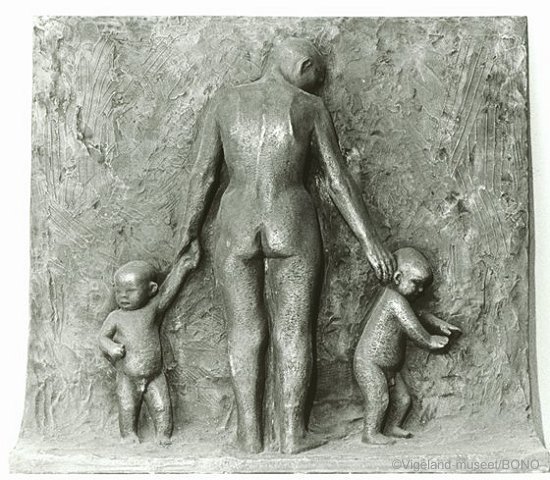
The bronze reliefs along the outer side of the above pool render the eternal life cycle of mankind.
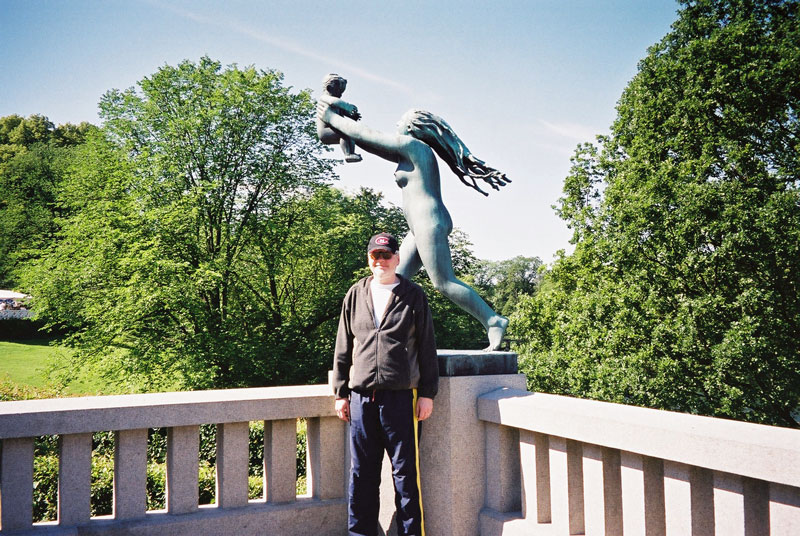
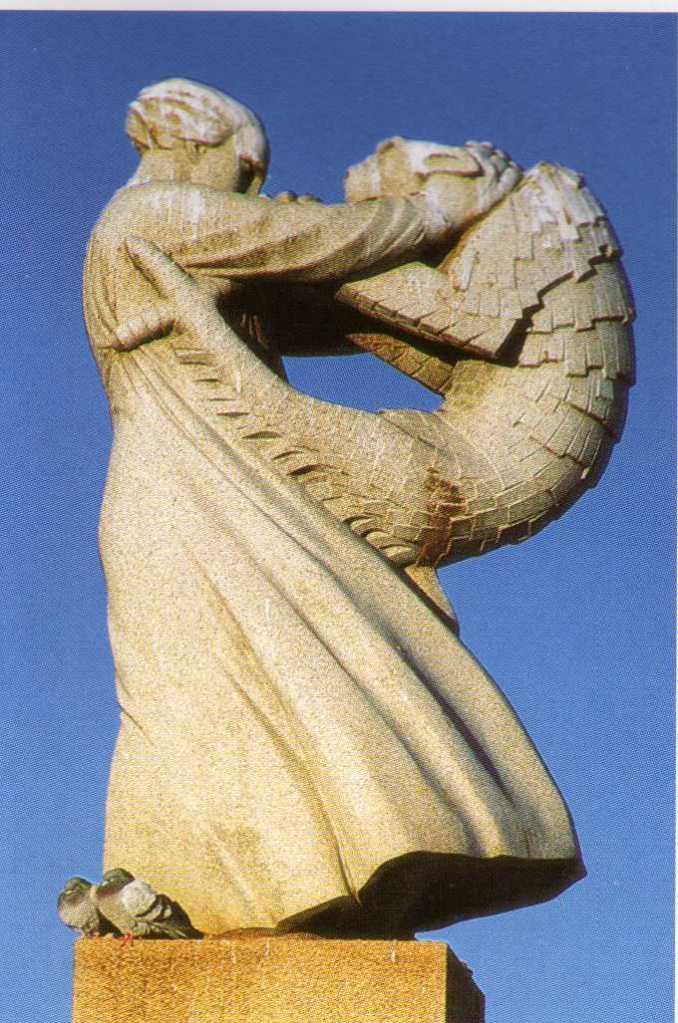
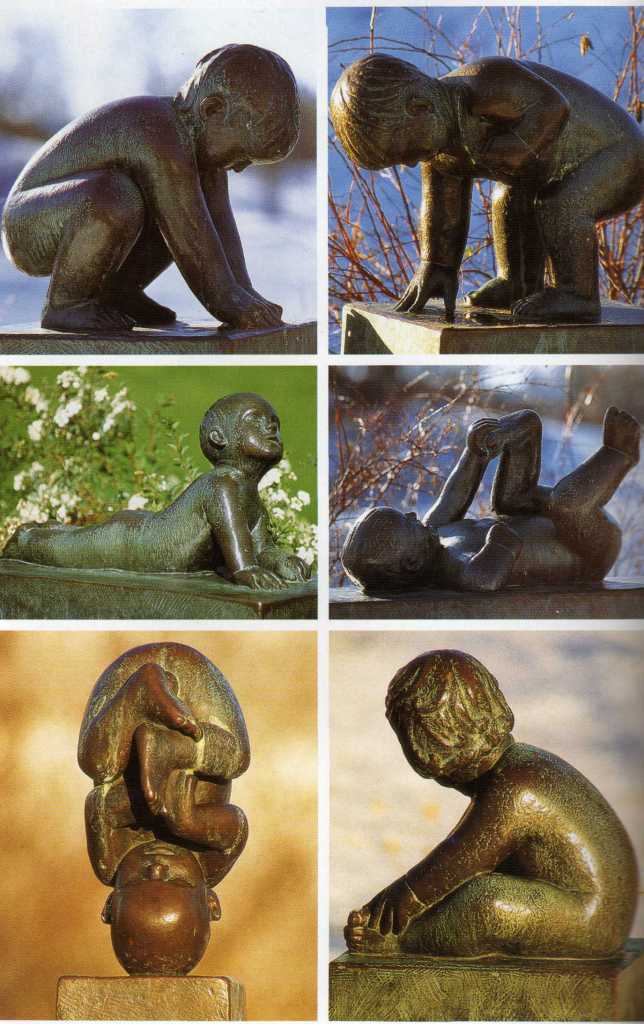
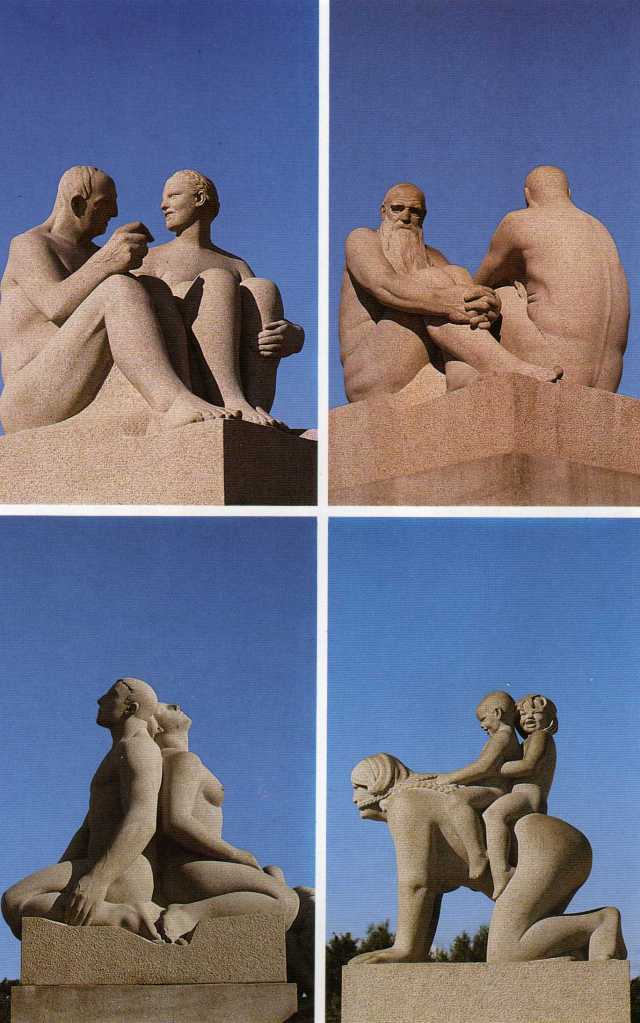
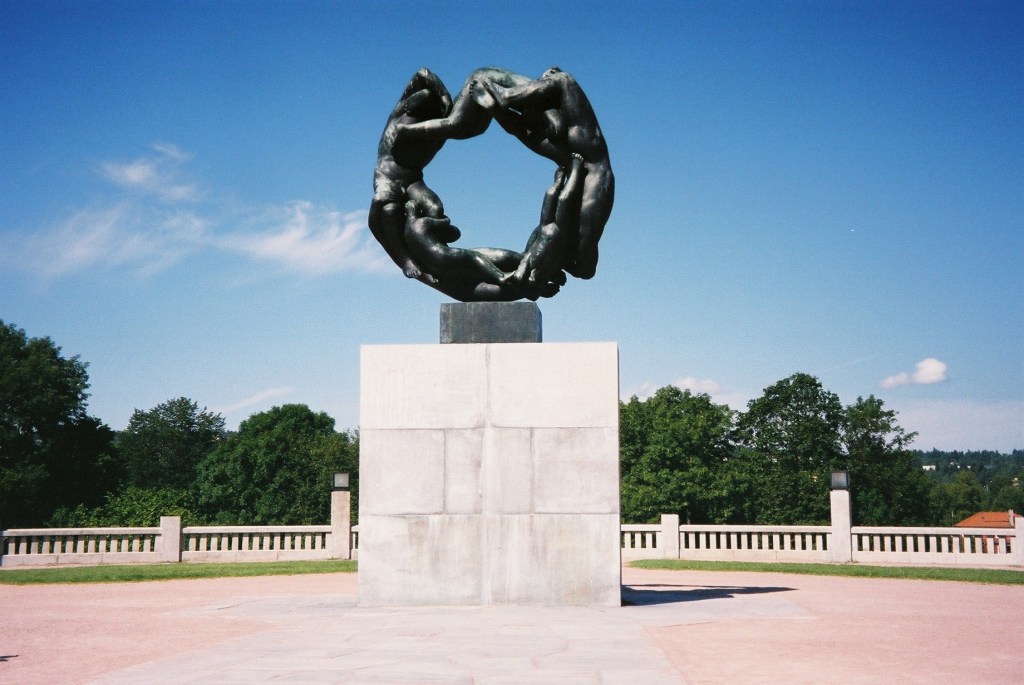
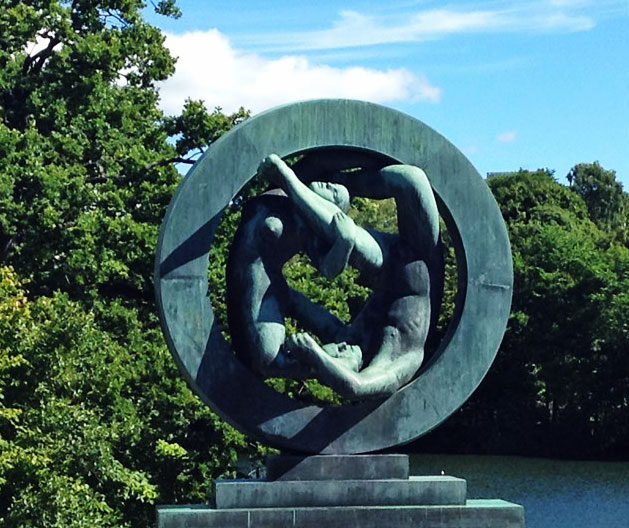
At the end of the 850-meter-long axis lies a sundial, forged in 1930, and finally the Wheel of Life, crafted in 1933-34. The wheel is more or less a wreath depicting four people and a baby floating in harmony. It is a symbol of eternity, and implies the overall theme of the park: man’s journey from the cradle to the grave.
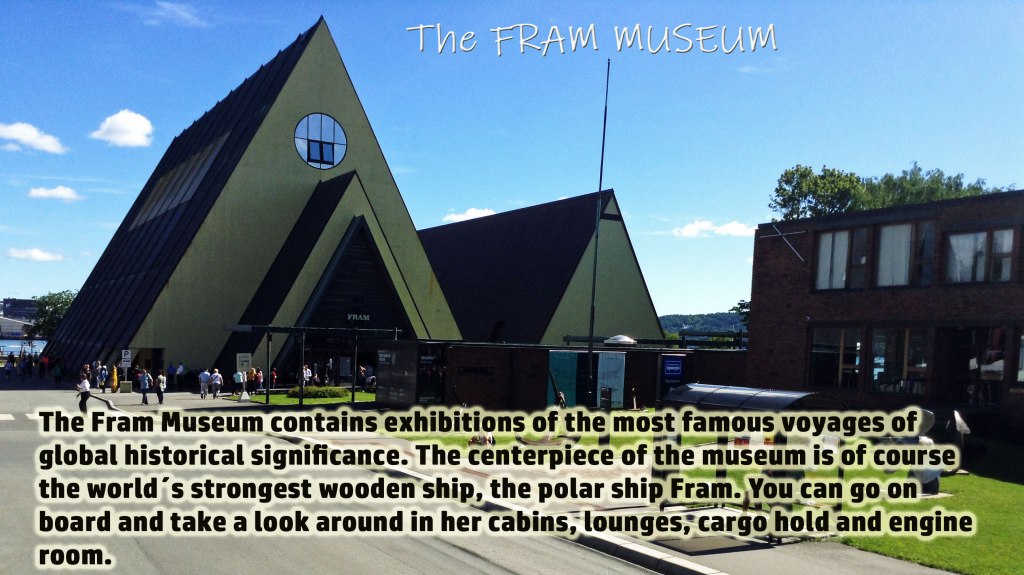
The FRAM MUSEUM
+
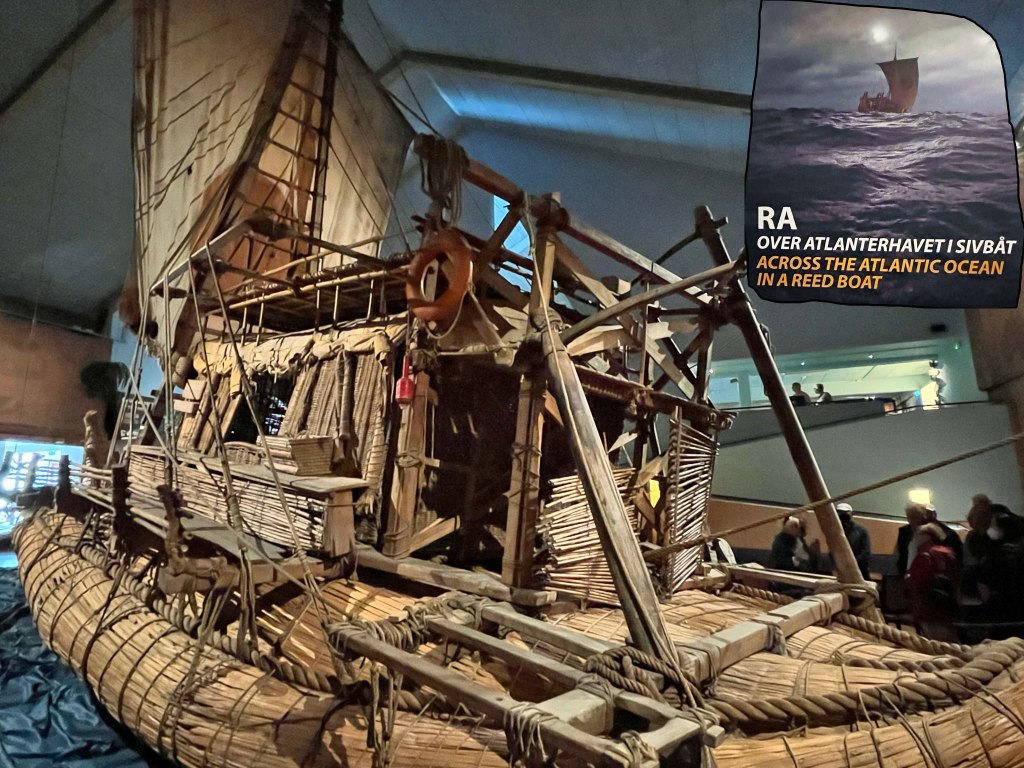
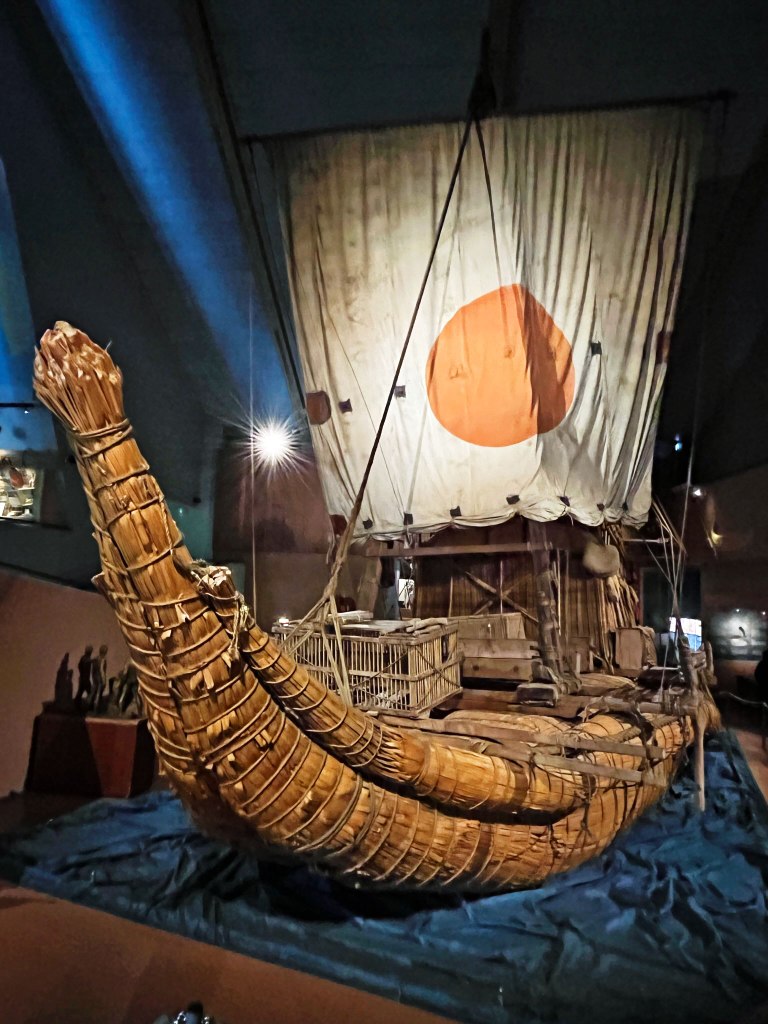
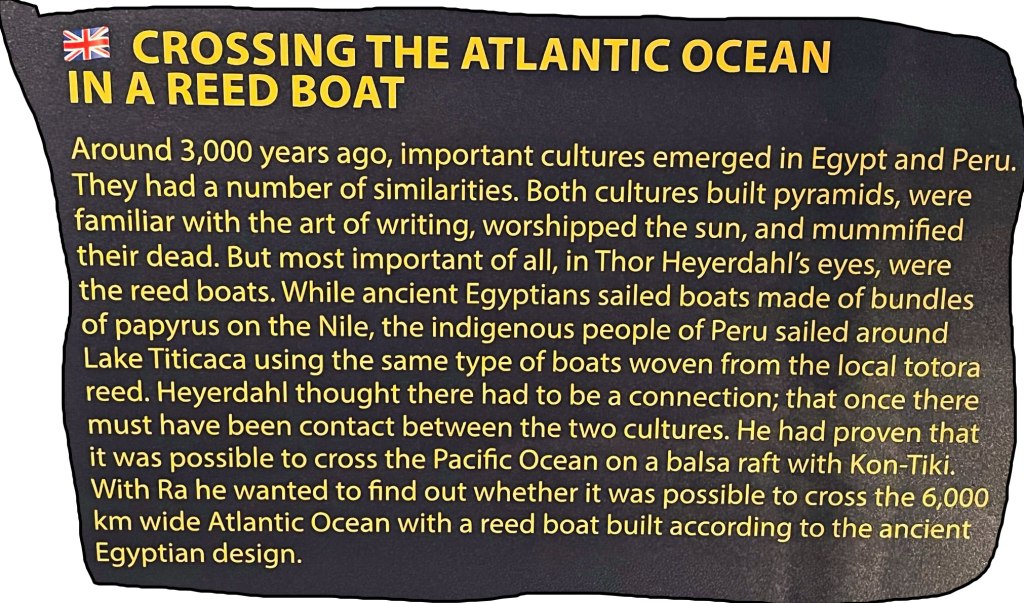
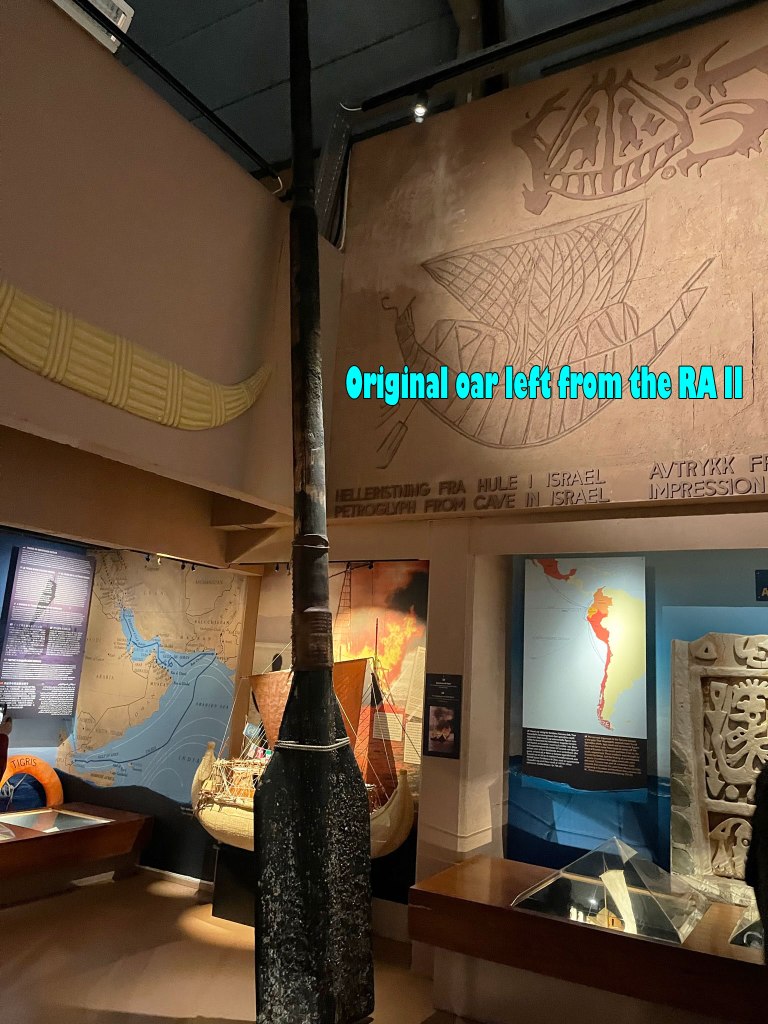
RA II
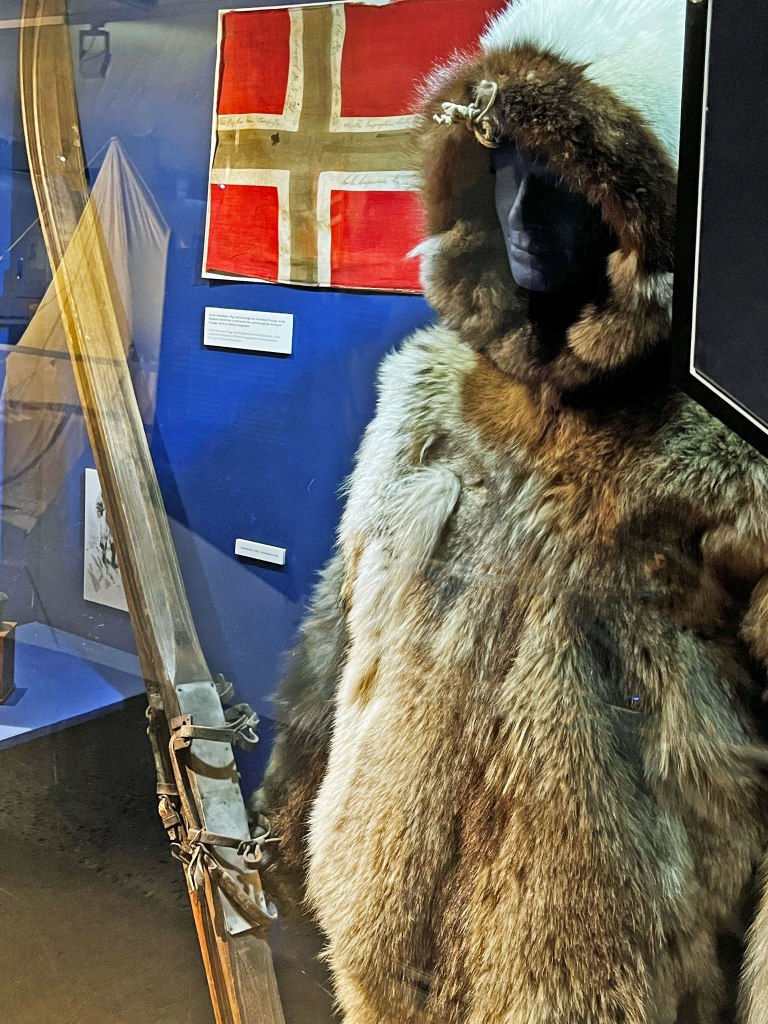
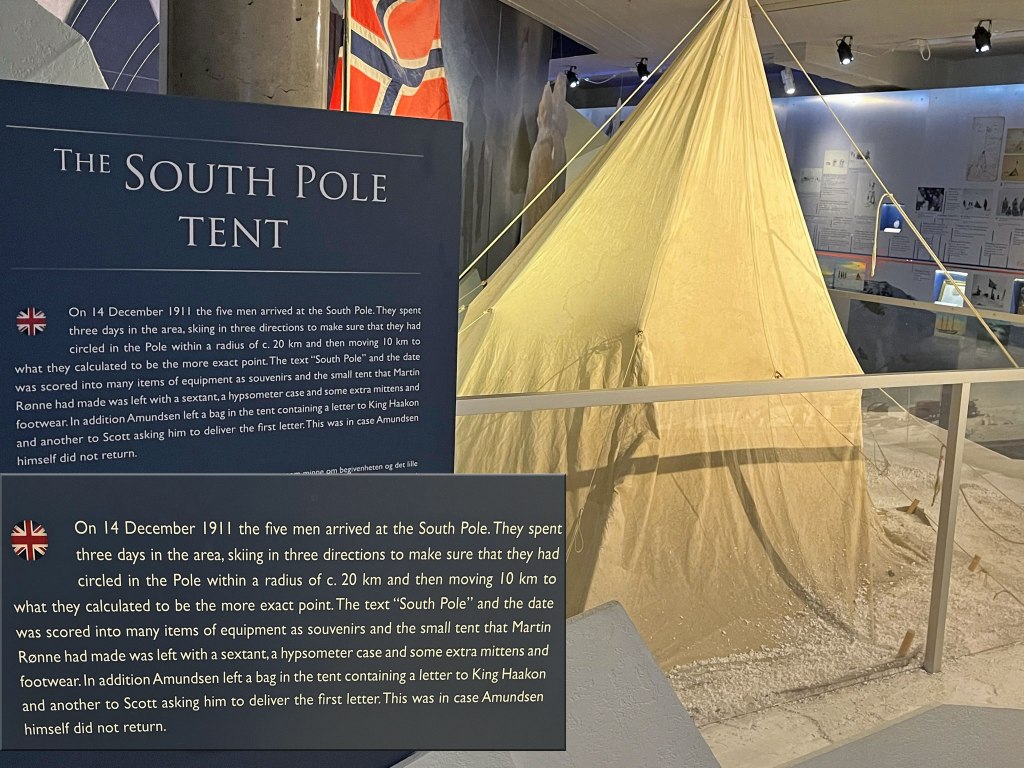
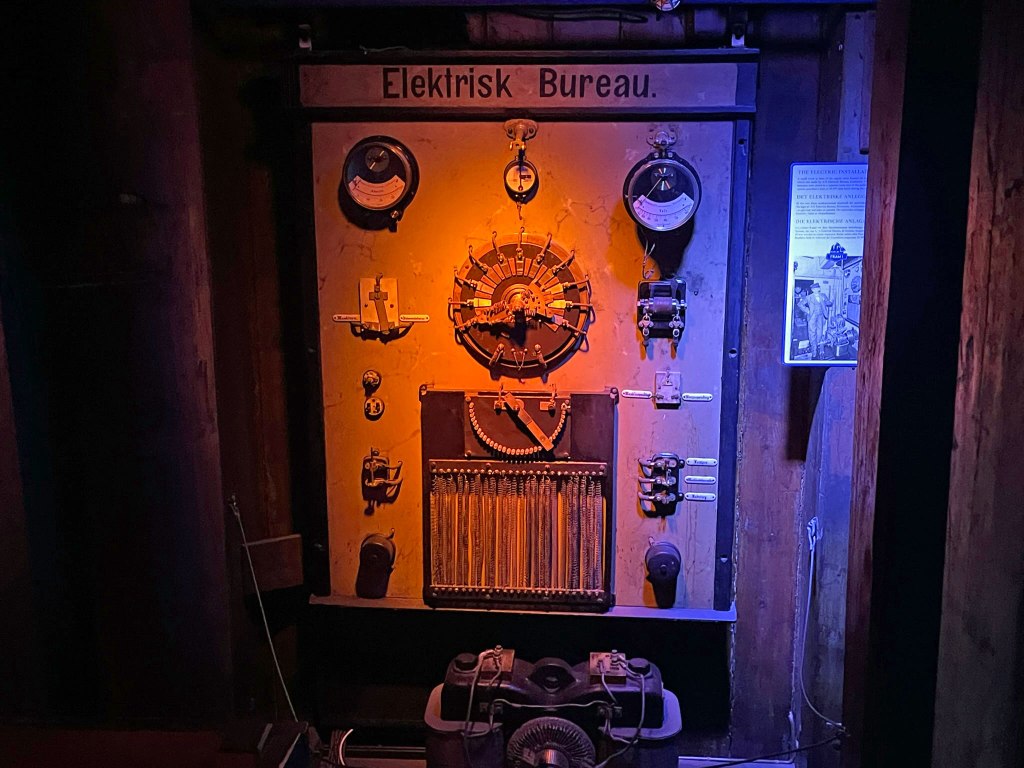
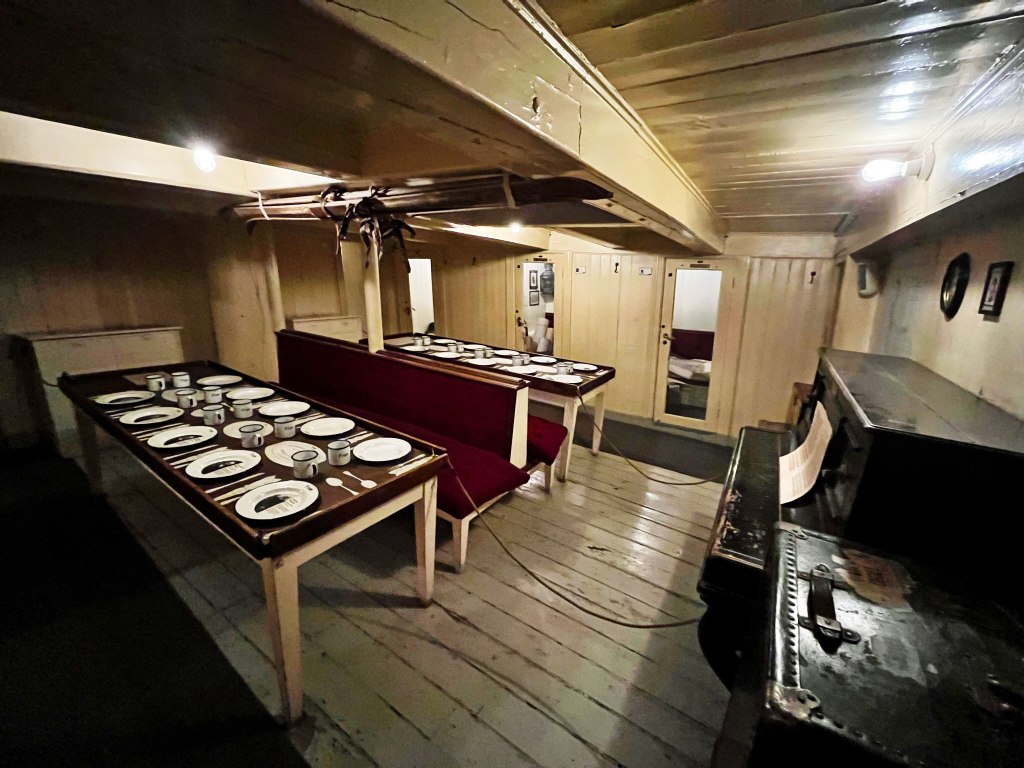
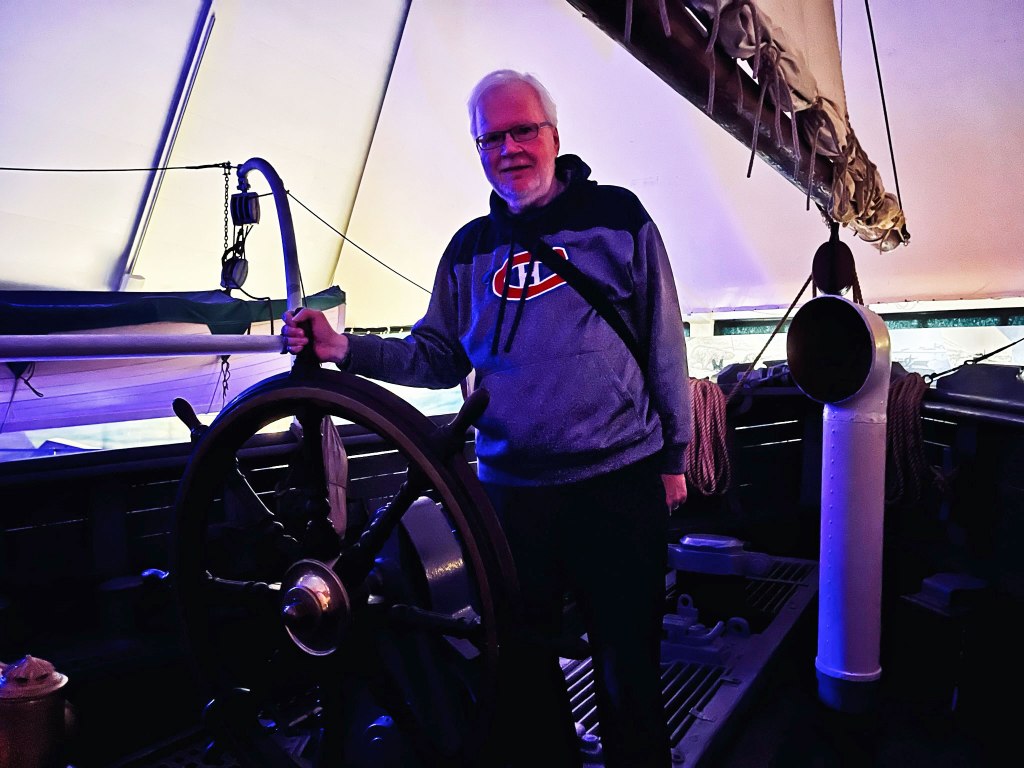
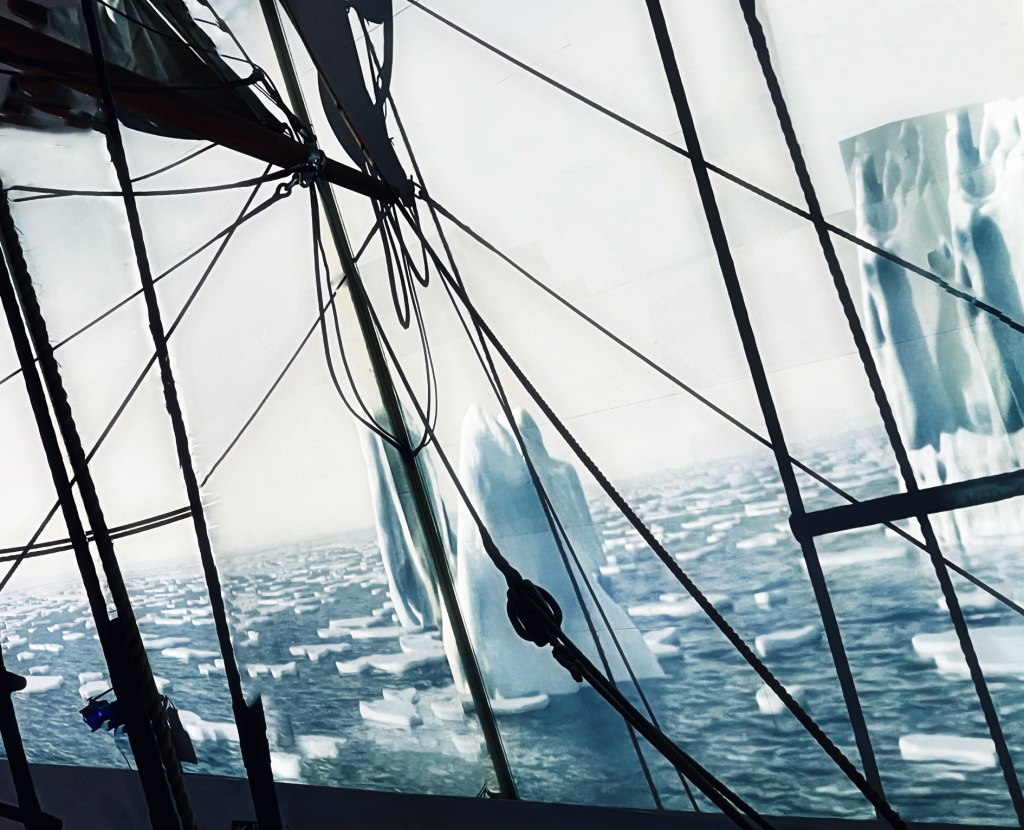
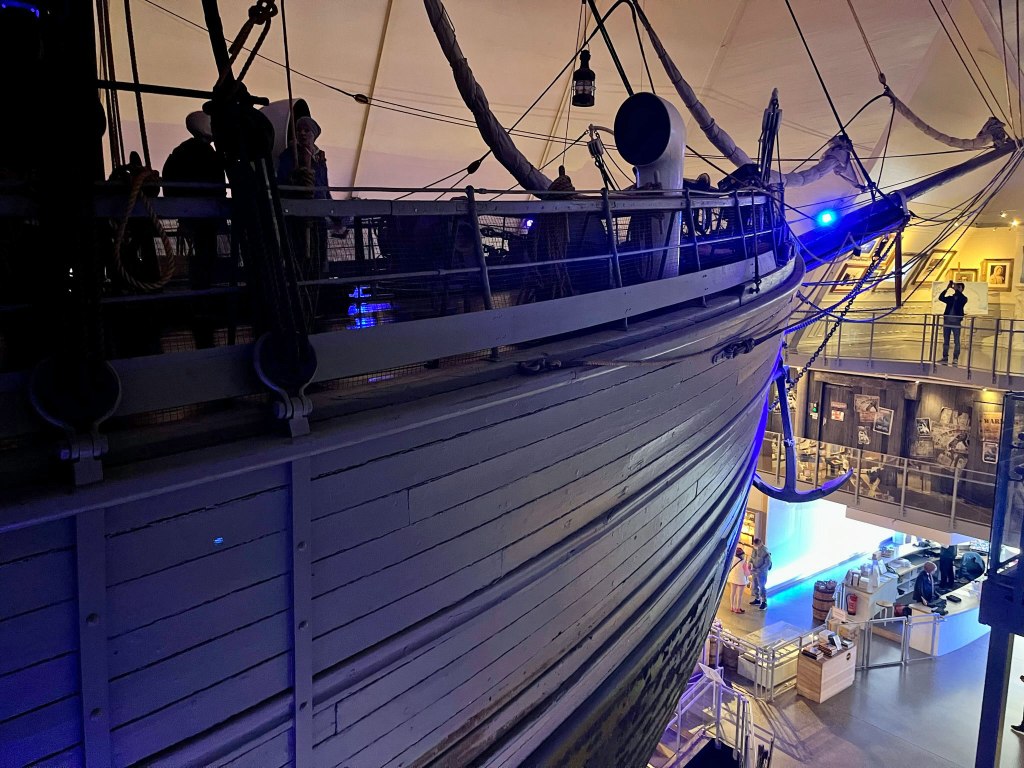
Amundsen left Norway in June 1910 on the ship FRAM and reached Antarctica in January 1911.
His party established a camp at the Bay of Whales and a series of supply depots on the Barrier (now known as the Ross Ice Shelf) before setting out for the pole in October.
The party of five, led by Amundsen, became the first to successfully reach the South pole on 14 December 1911.
Following a failed attempt in 1918 to reach the North Pole by traversing the Northeast Passage on the ship MAUD, Amundsen began planning for an aerial expedition instead.
On 12 May 1926, Amundsen and 15 other men in the airship Norge became the first explorers verified to have reached the North Pole.
Amundsen disappeared in June 1928 while flying on a rescue mission for the airship Italia in the Arctic.
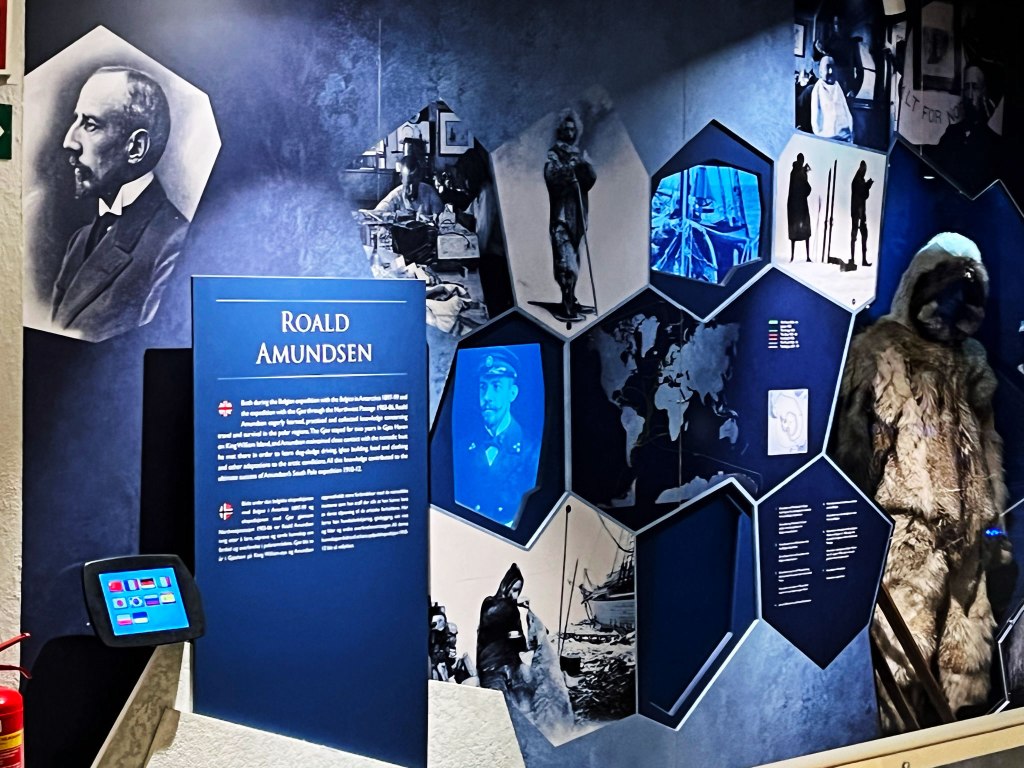
The search for his remains, which have not been found, was called off in September of that year.
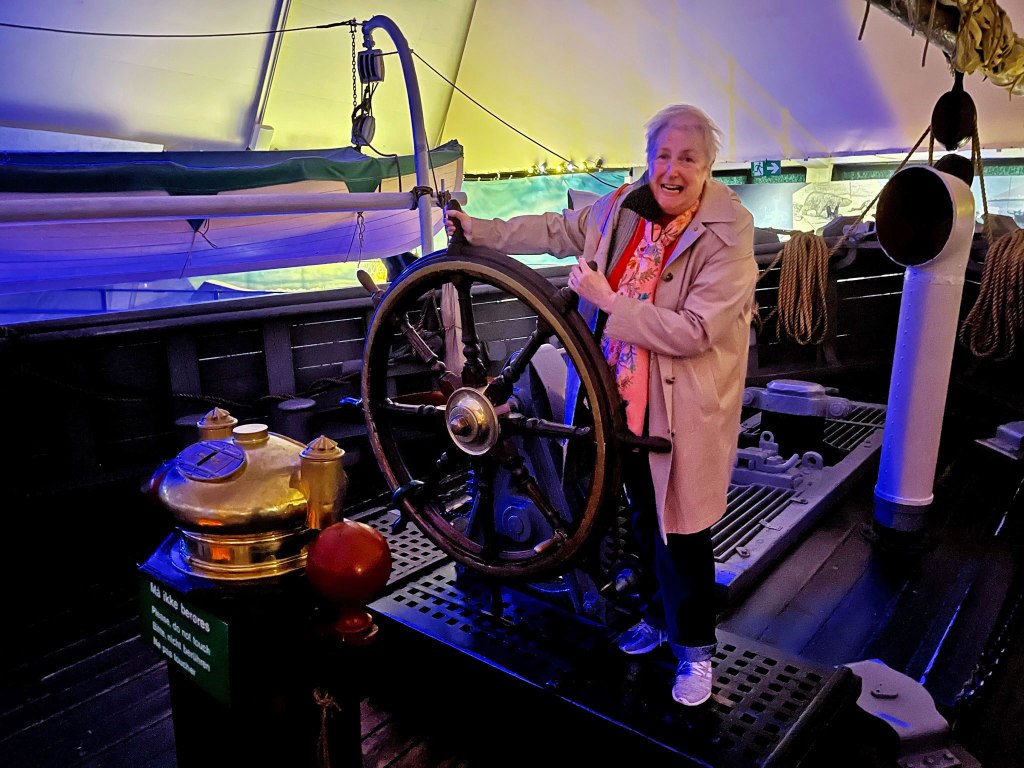
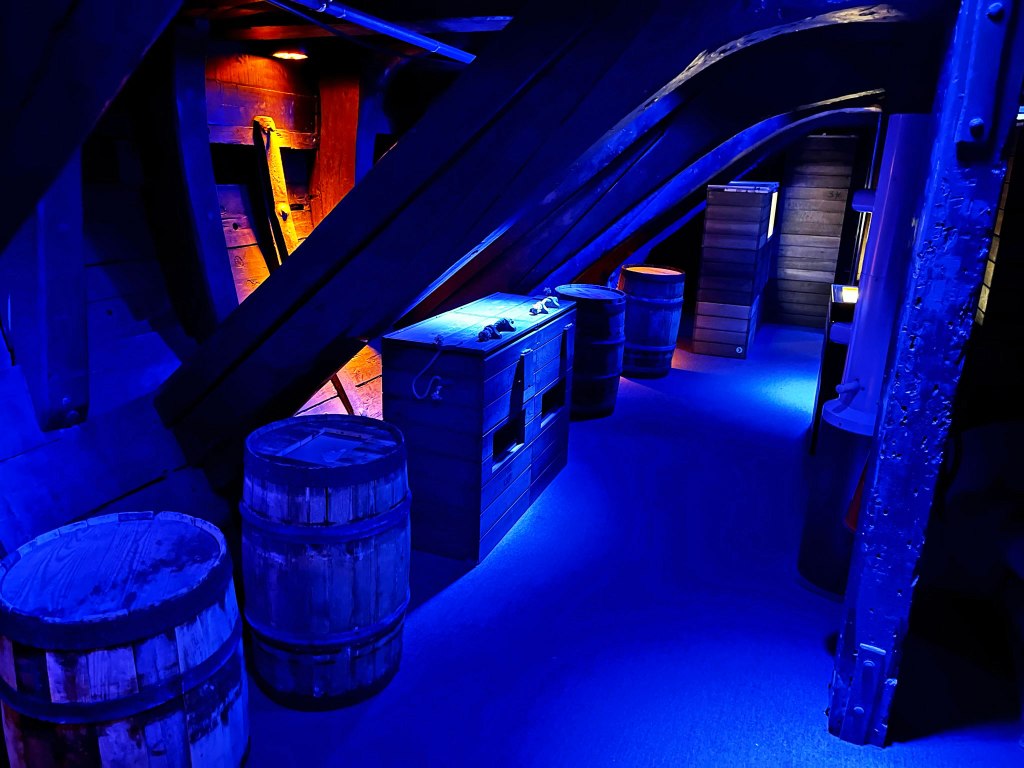
Gjøa was returned to Norway in 1972. After a 45-day trip from San Francisco on a bulk carrier, she was placed on land outside the FRAM Museum where she is now situated inside her own dedicated building at the museum.
This was an enjoyable visit.

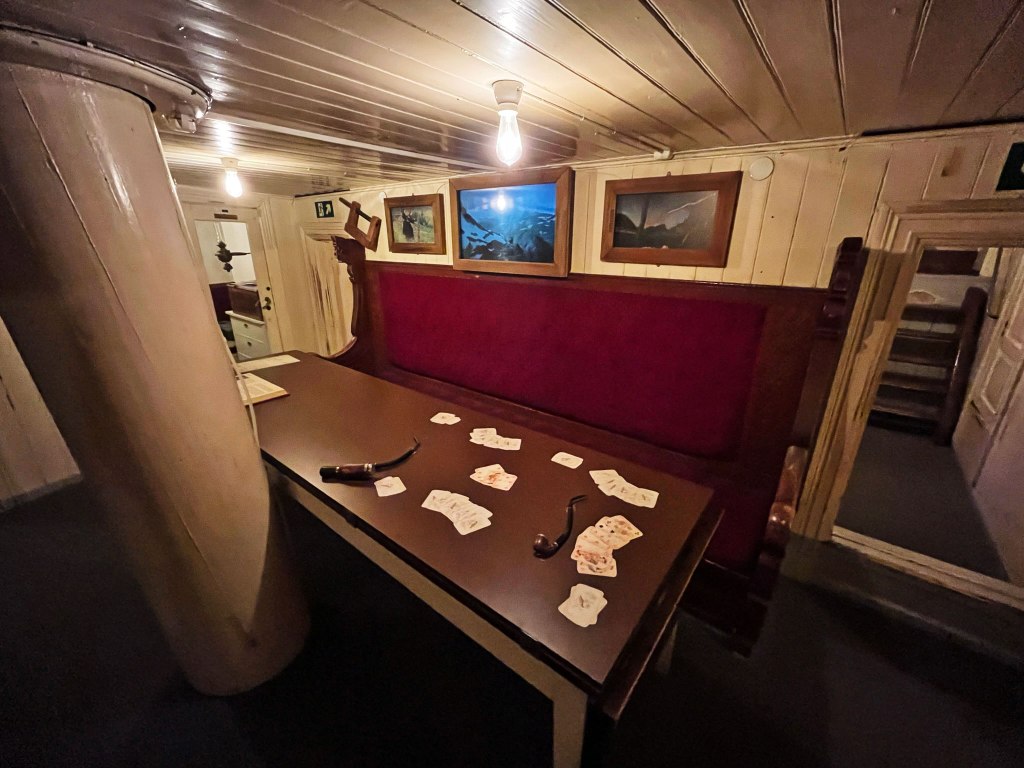
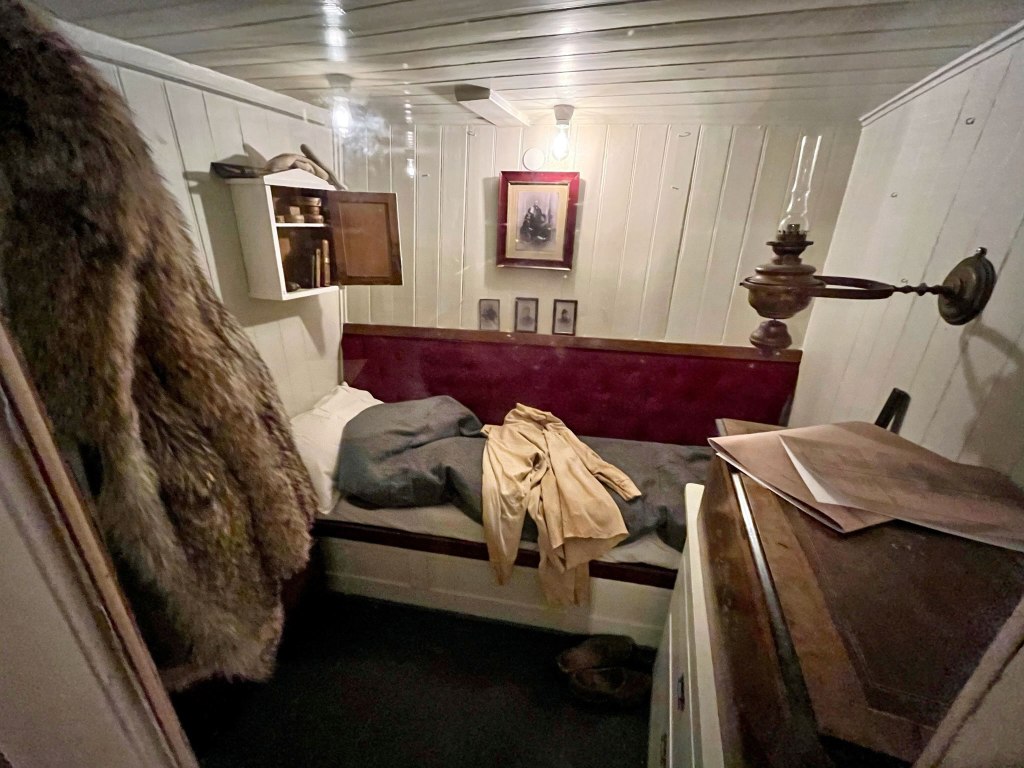
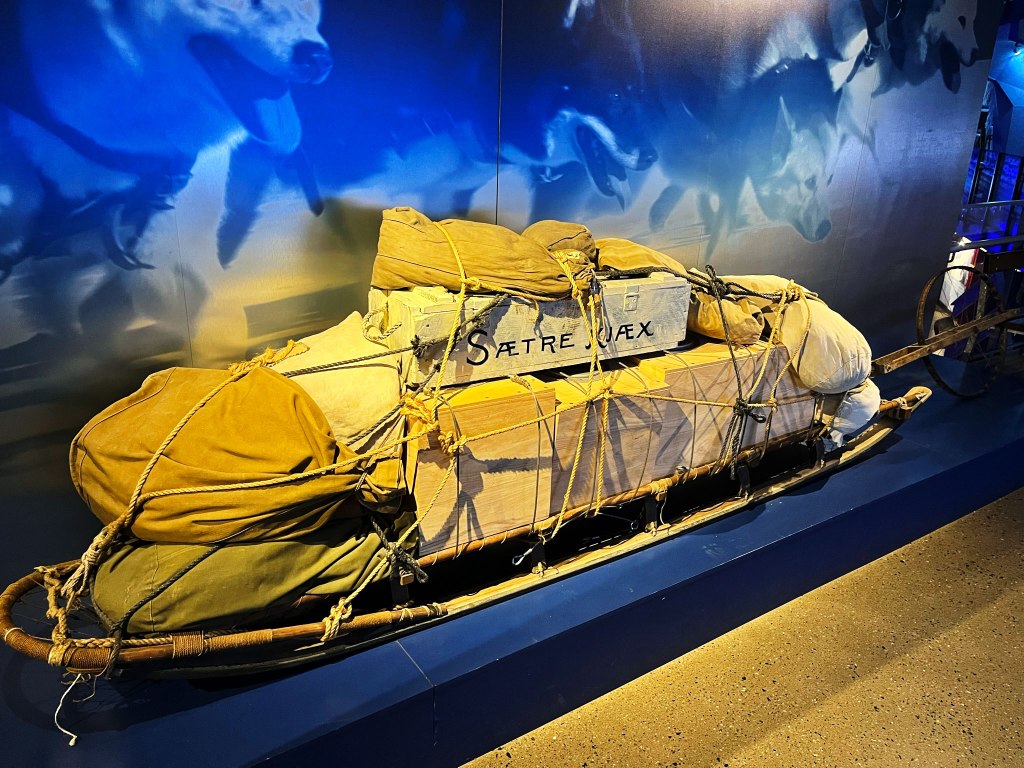
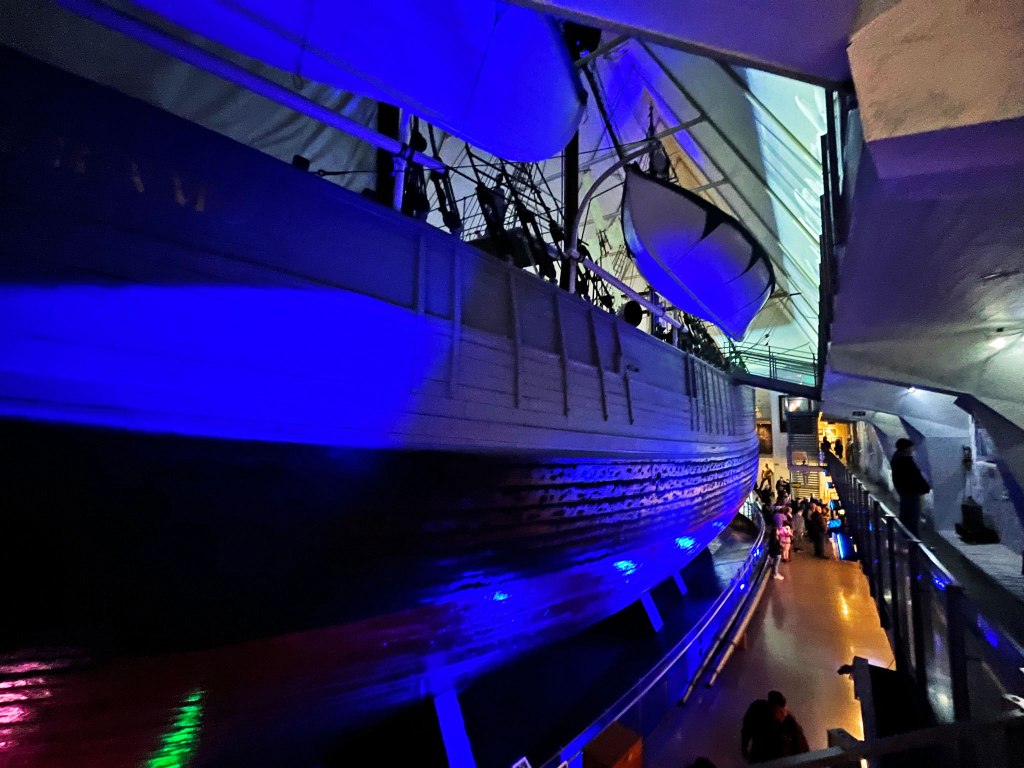
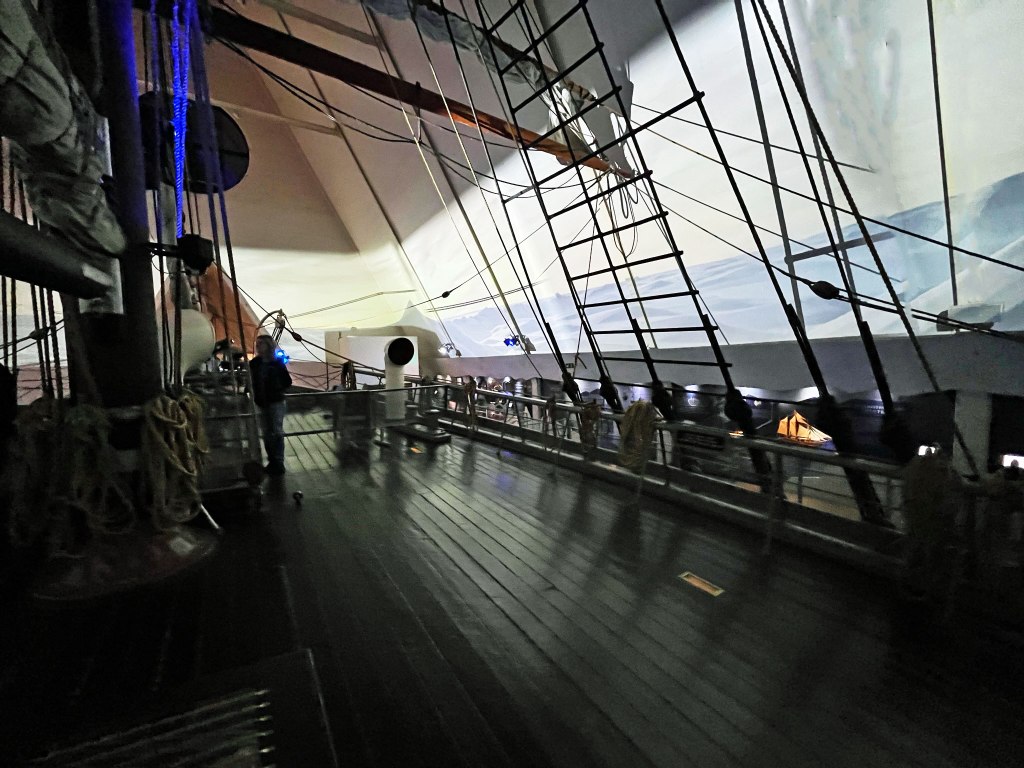
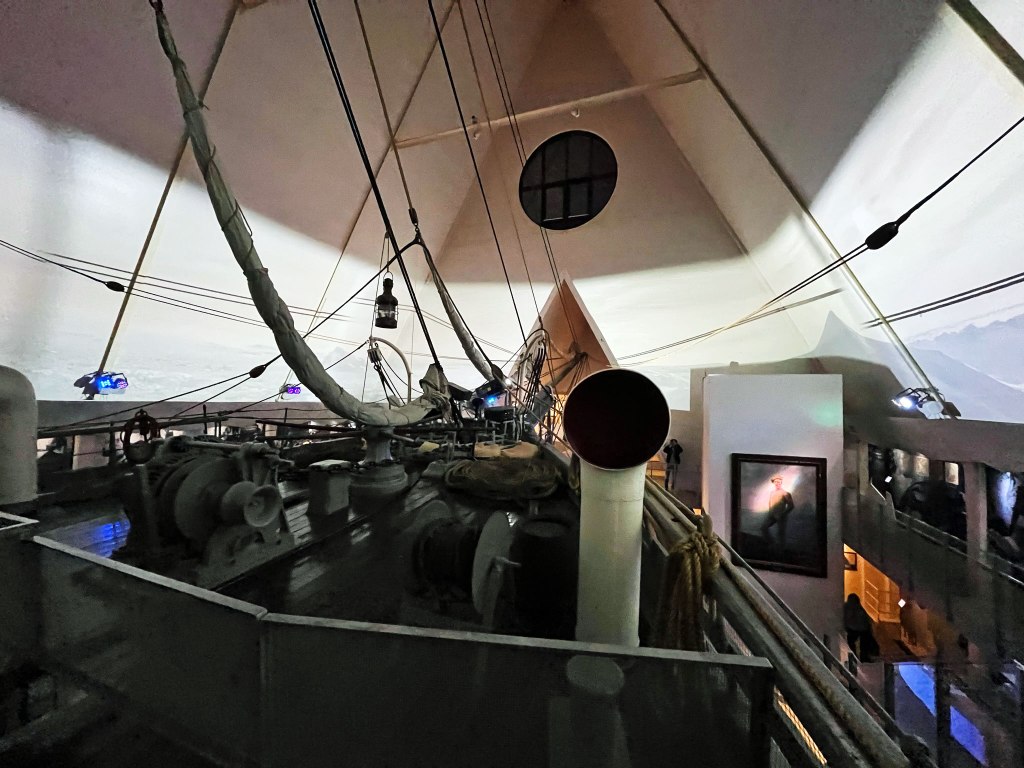
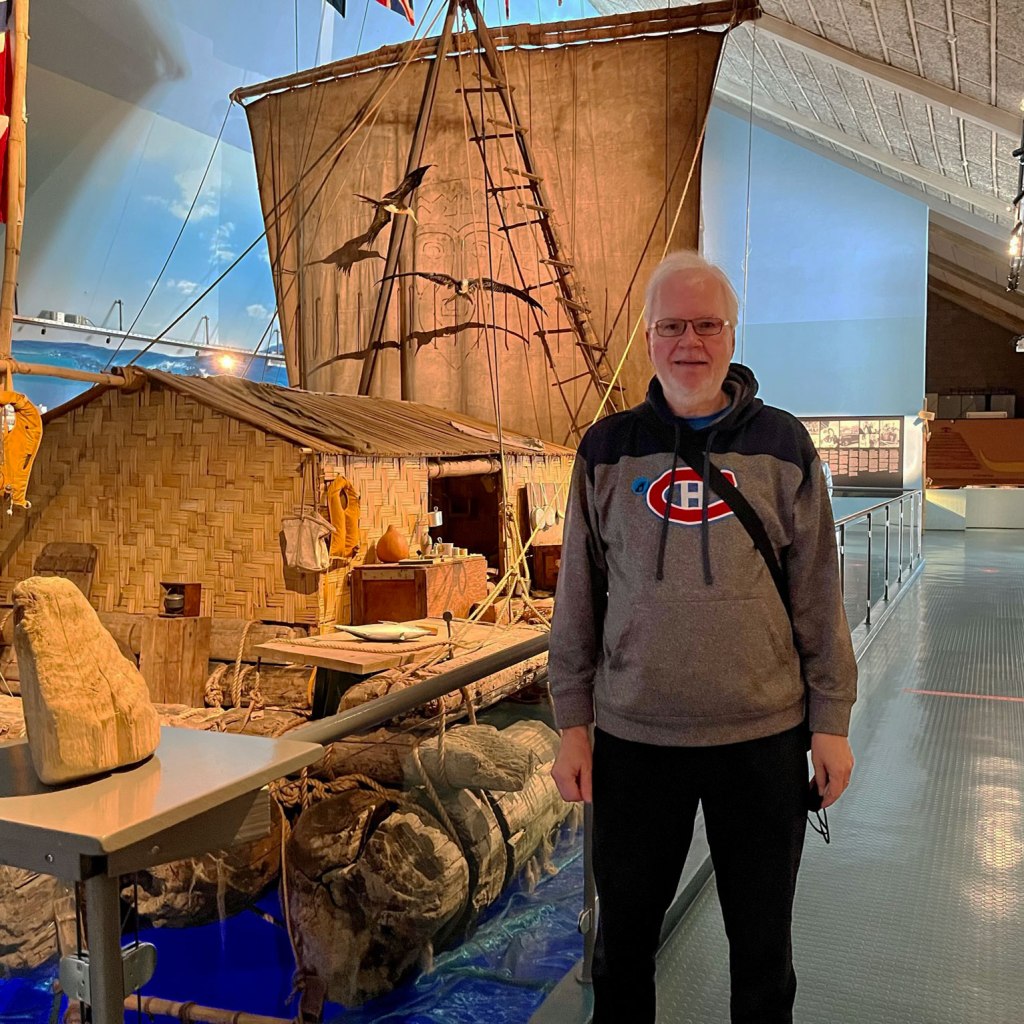
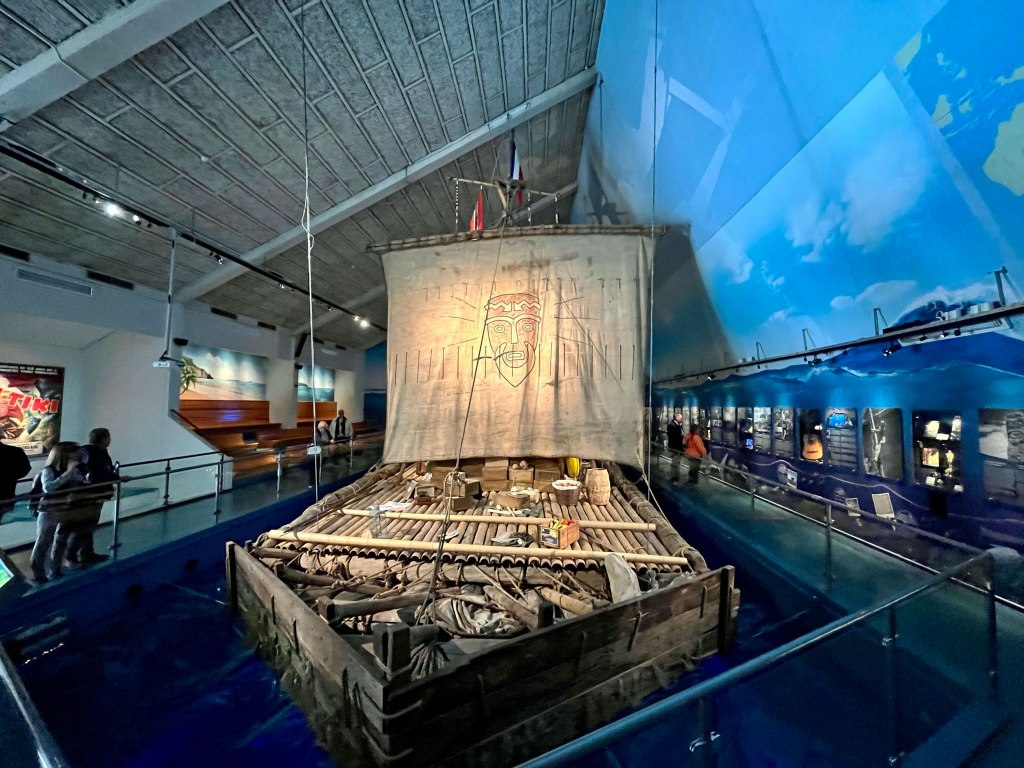
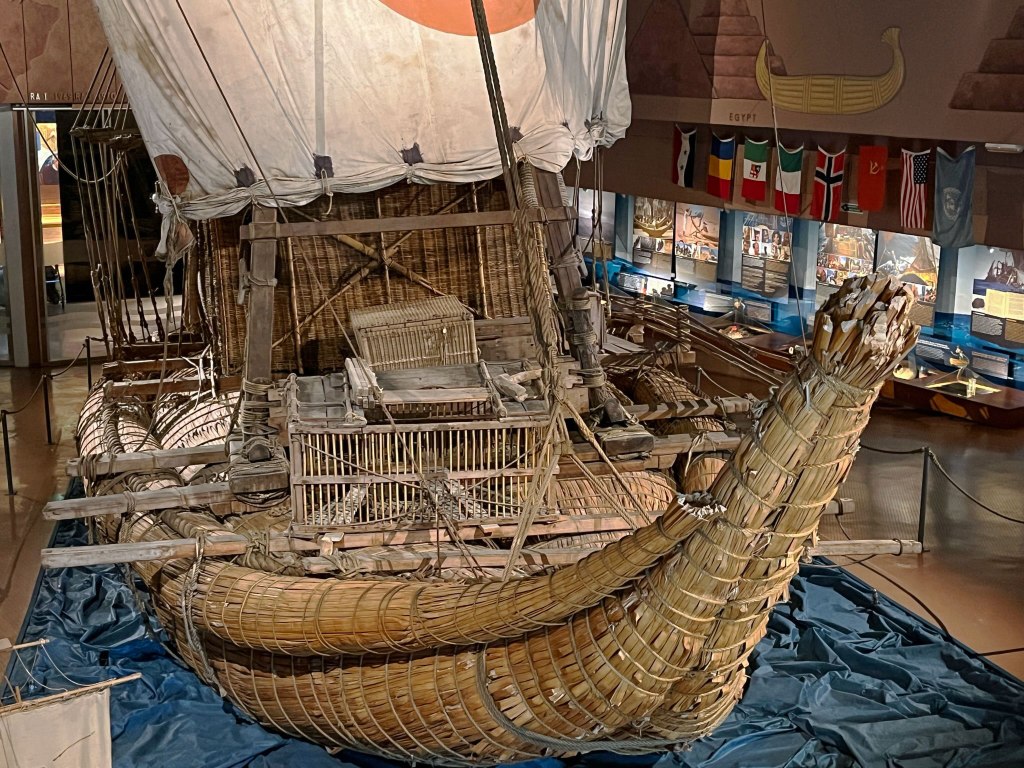
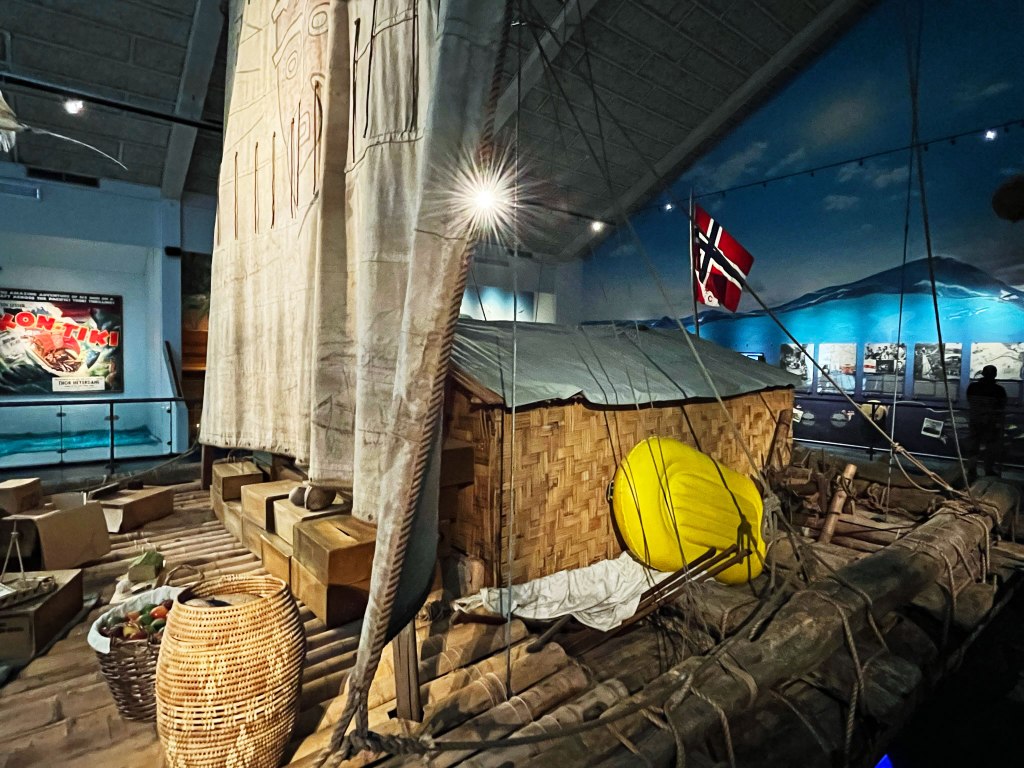
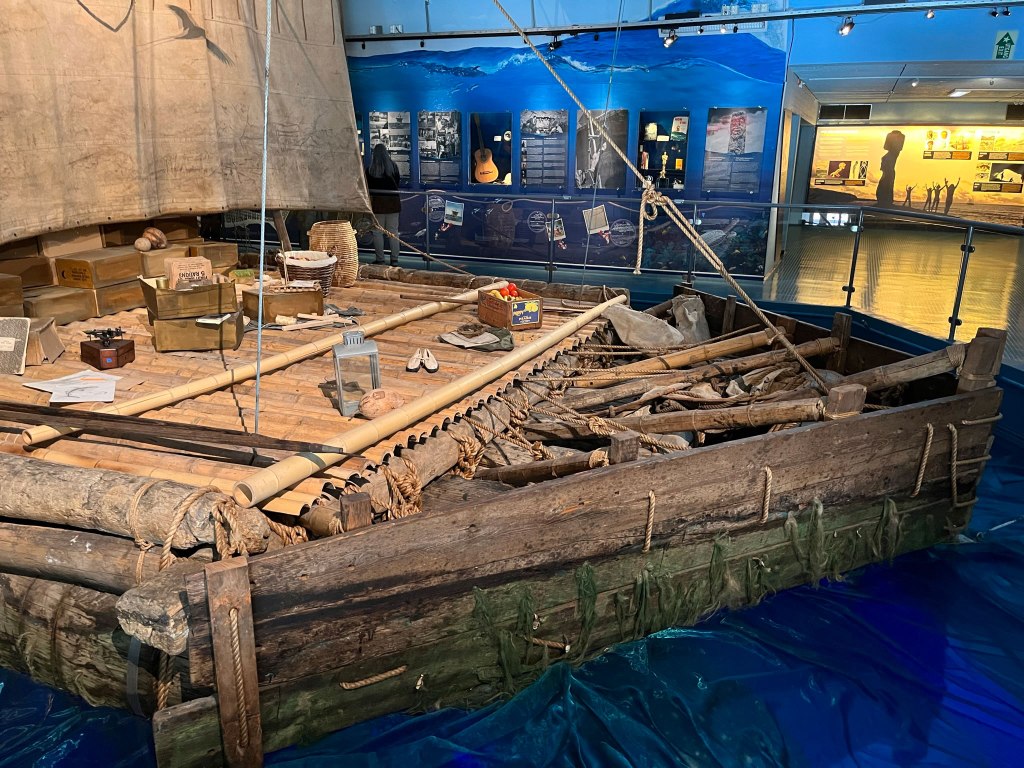
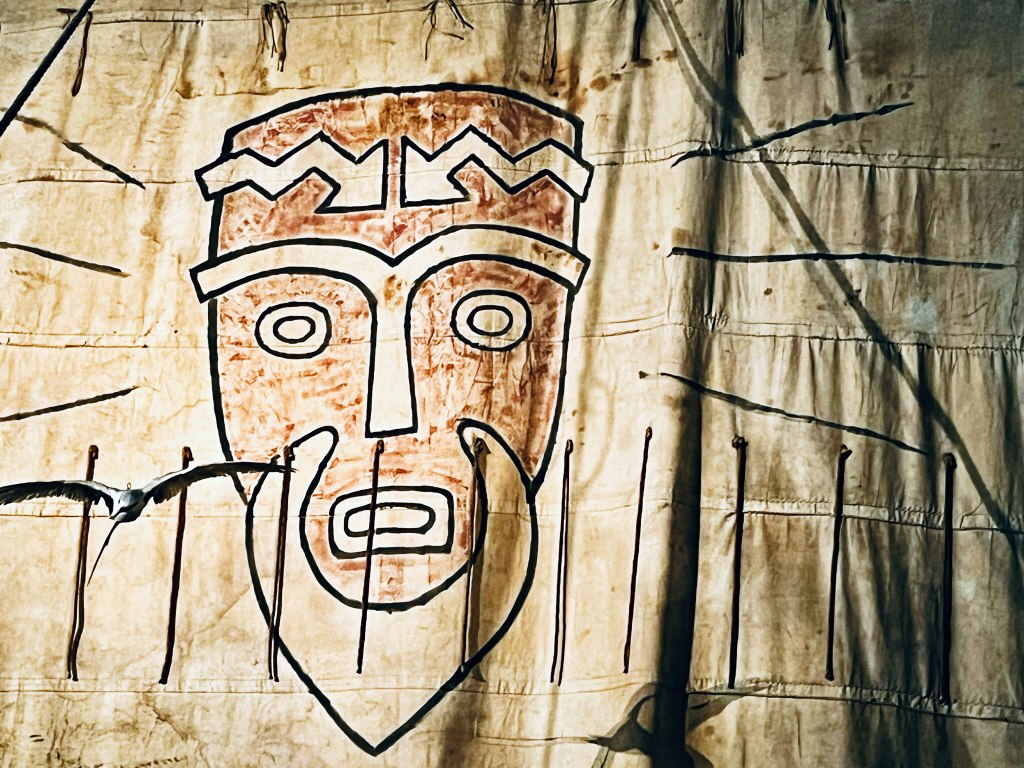
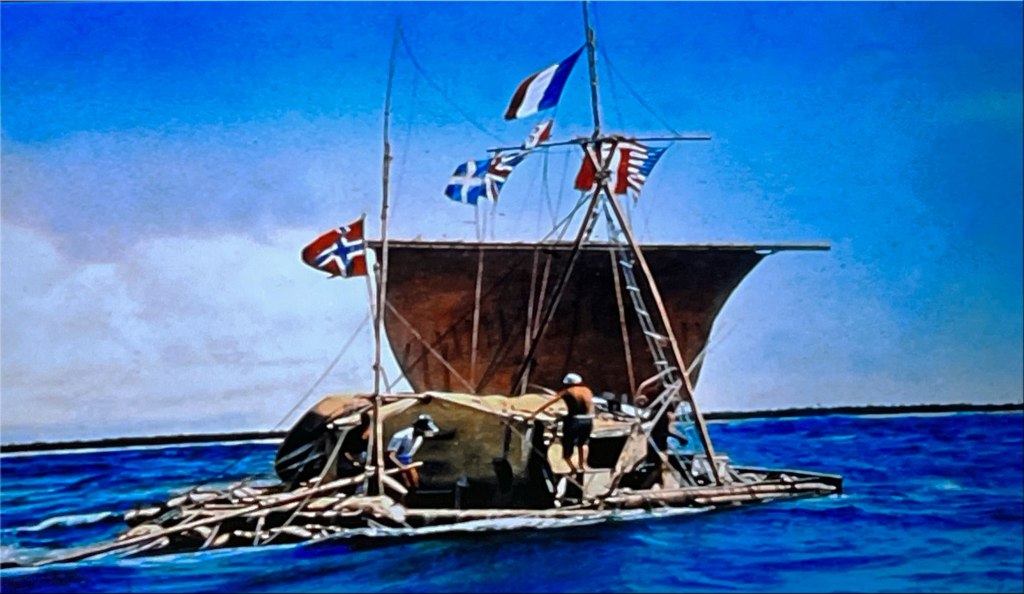
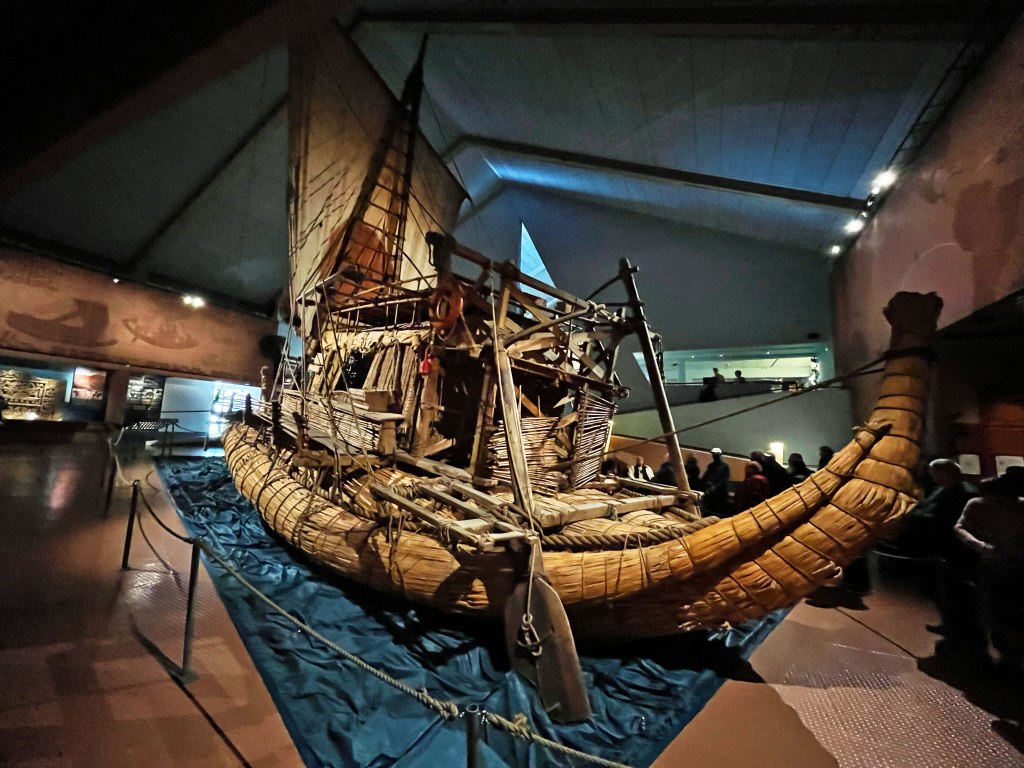
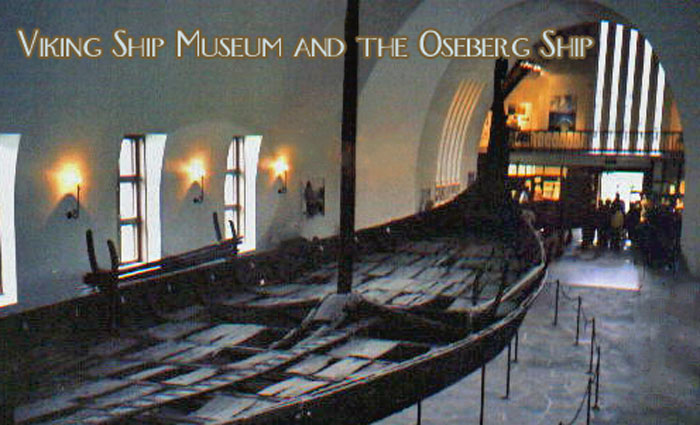
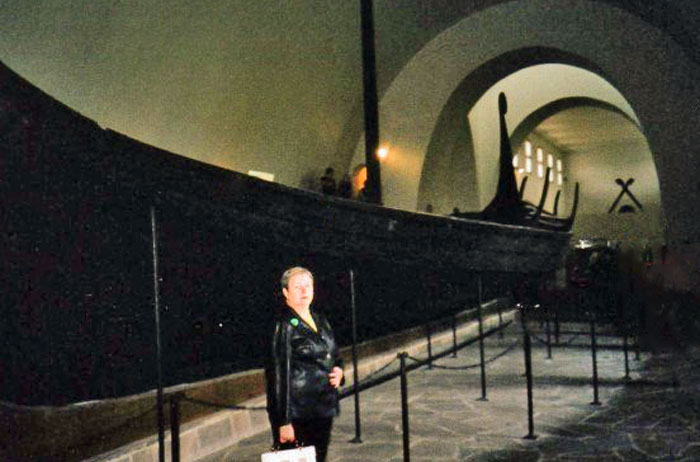
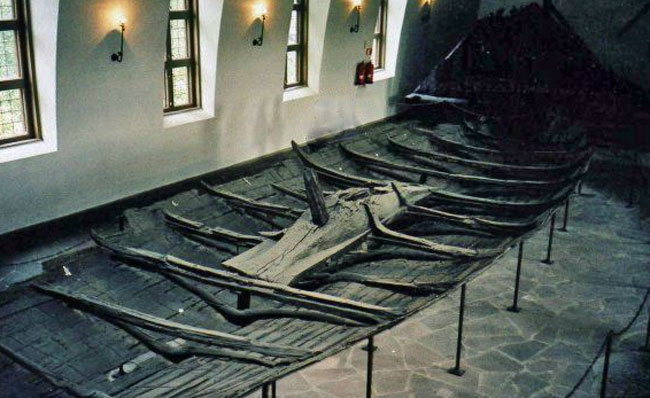
The museum is most famous for the completely whole Oseberg ship, excavated from the largest known ship burial in the world. Additionally, the Viking Age display includes sledges, beds, a horse cart, wood carving, tent components, buckets, and other grave goods.

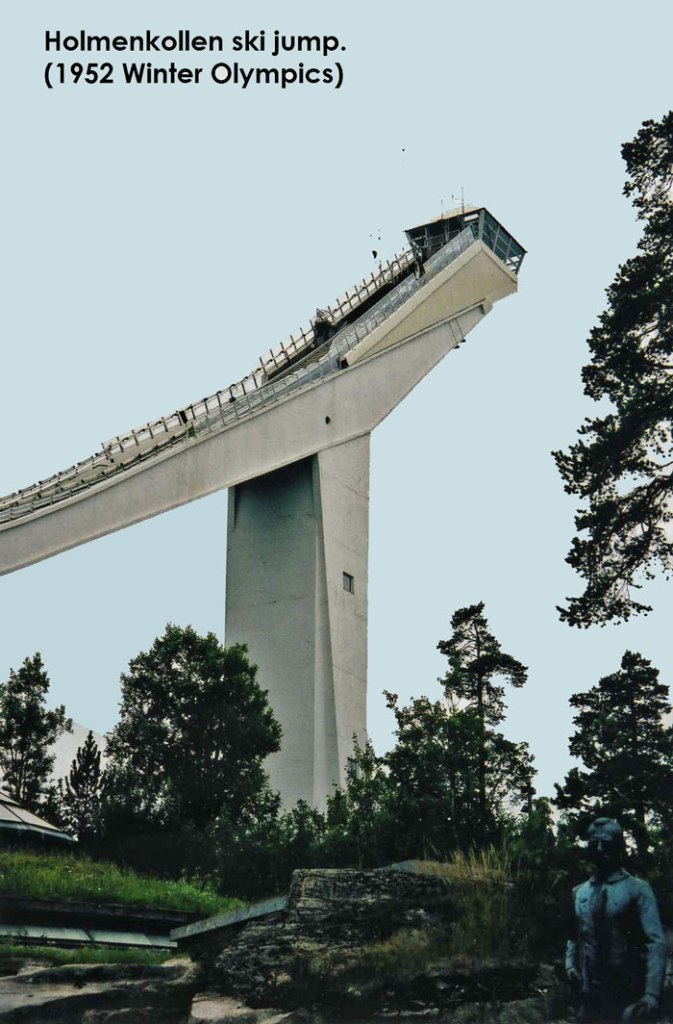
Holmenkollbakken is a large ski jumping hill located at Holmenkollen Oslo, Norway.
Holmenkollen has hosted the 1952 Winter Olympics.
We visited the installations.

 s
s 