



Osaka is a designated city in the Kansai region of Honshu. It is the capital of and most populous city in Osaka Prefecture, and the third-most populous city in Japan, following the special ward of Tokyo and Yokohama.
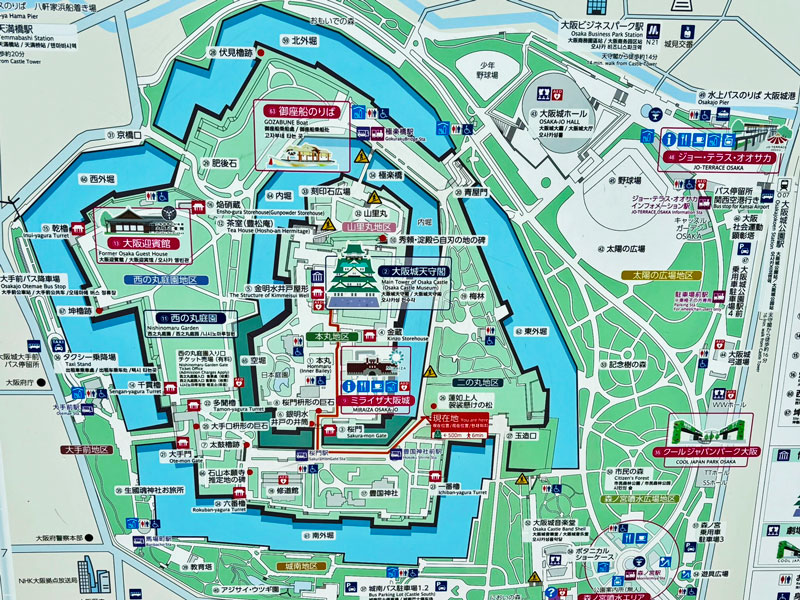
Osaka Castle
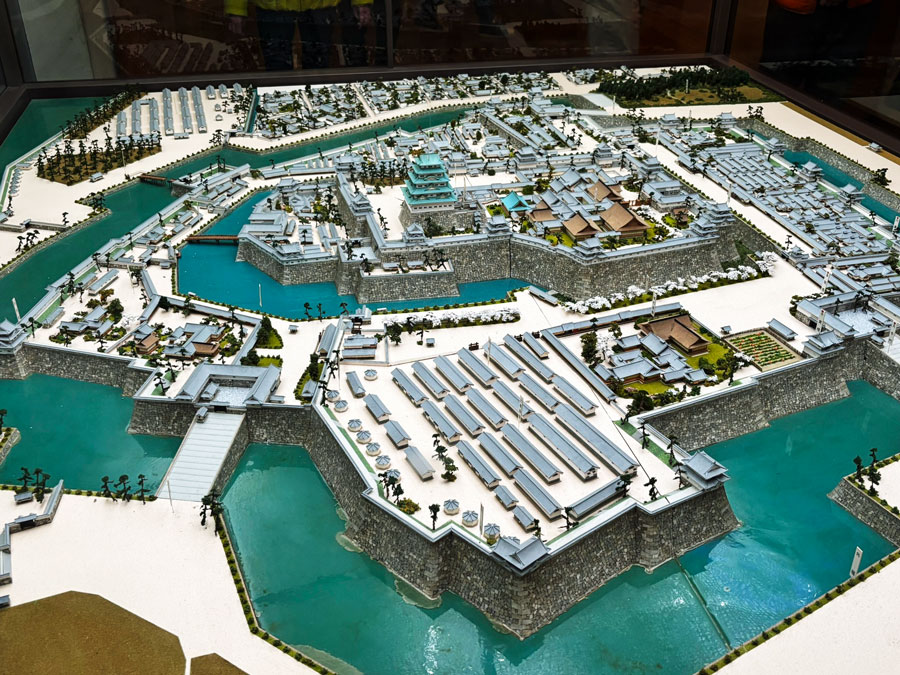
Miniature model of the castle complex after the Tokugawa rebuilding.
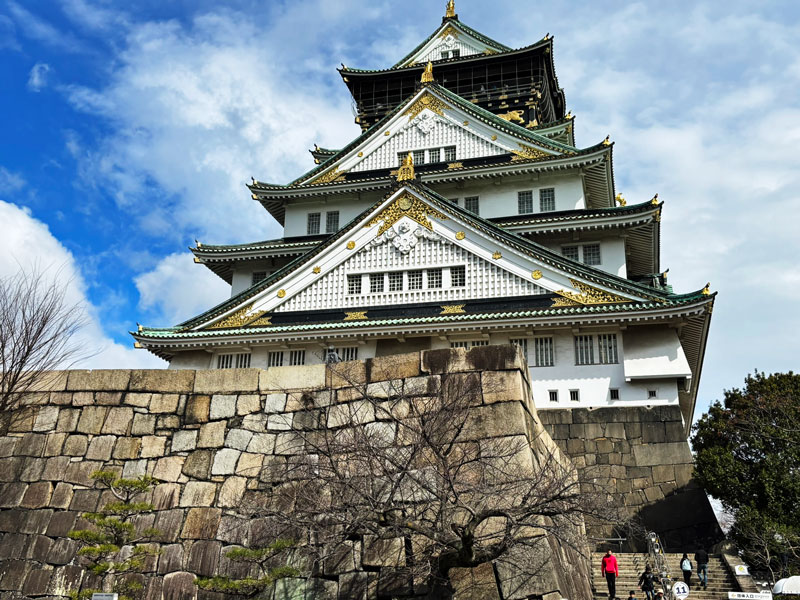
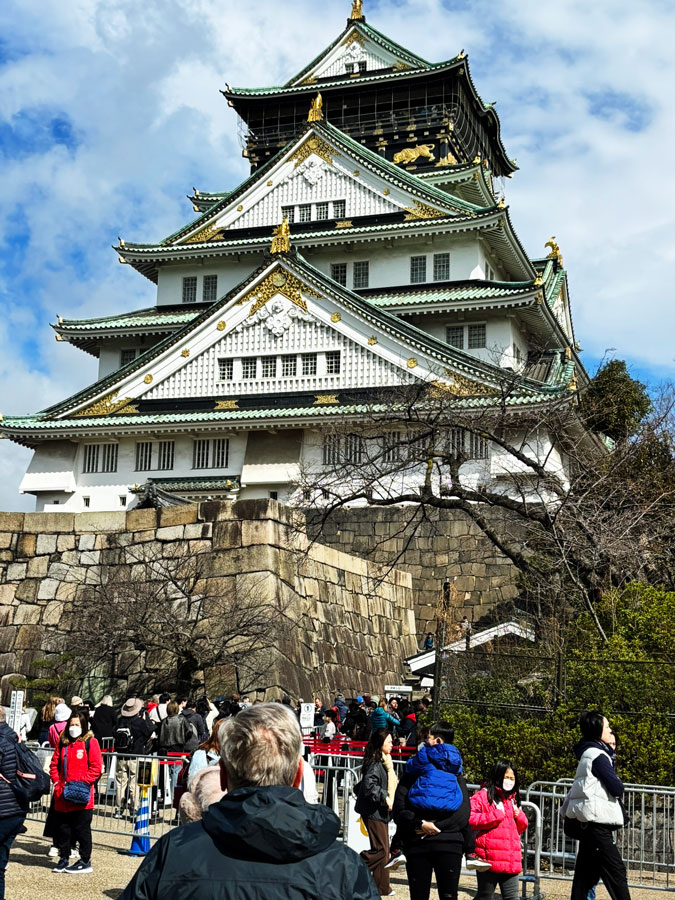
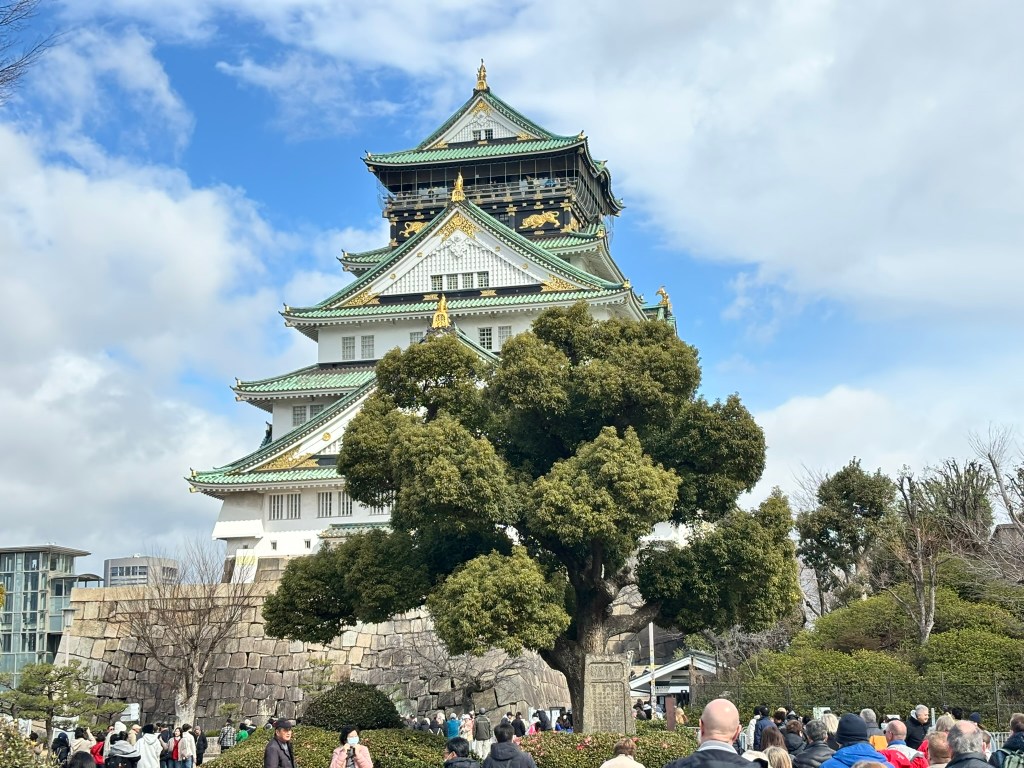
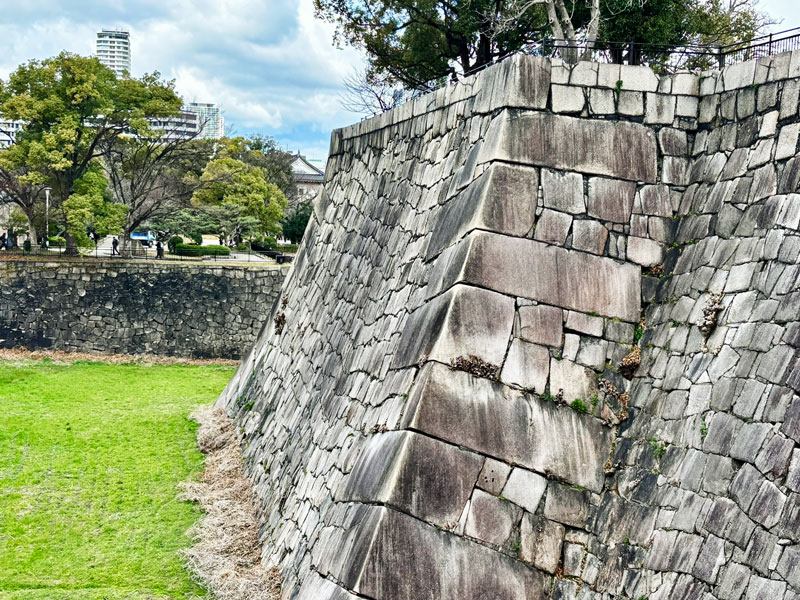
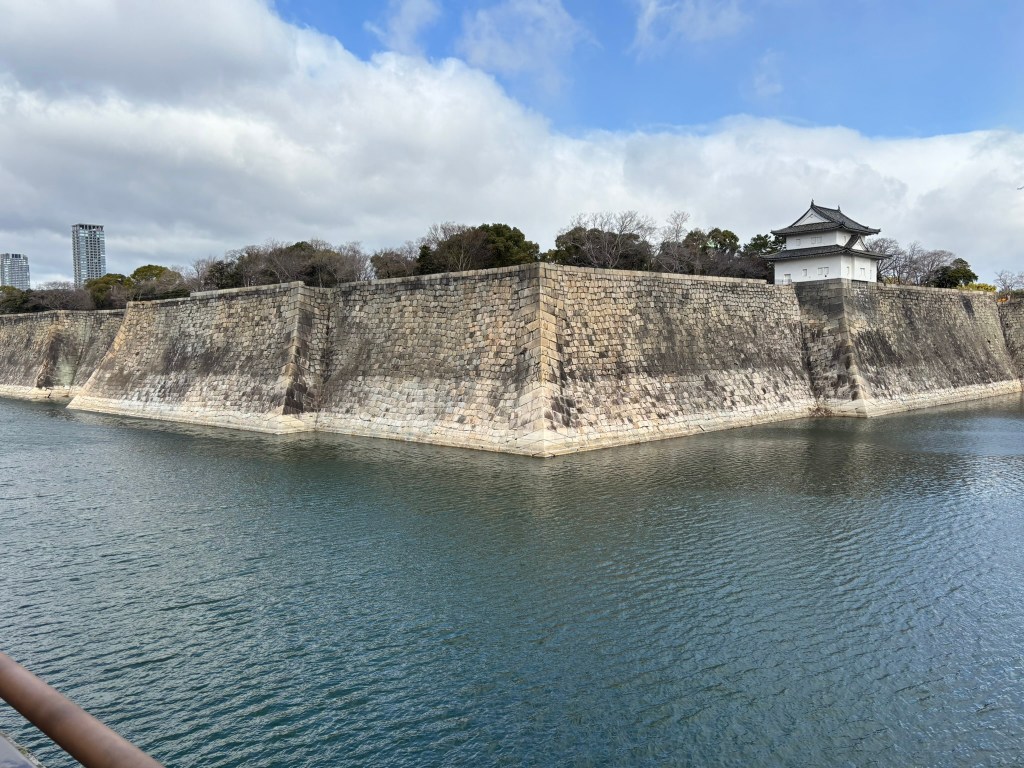
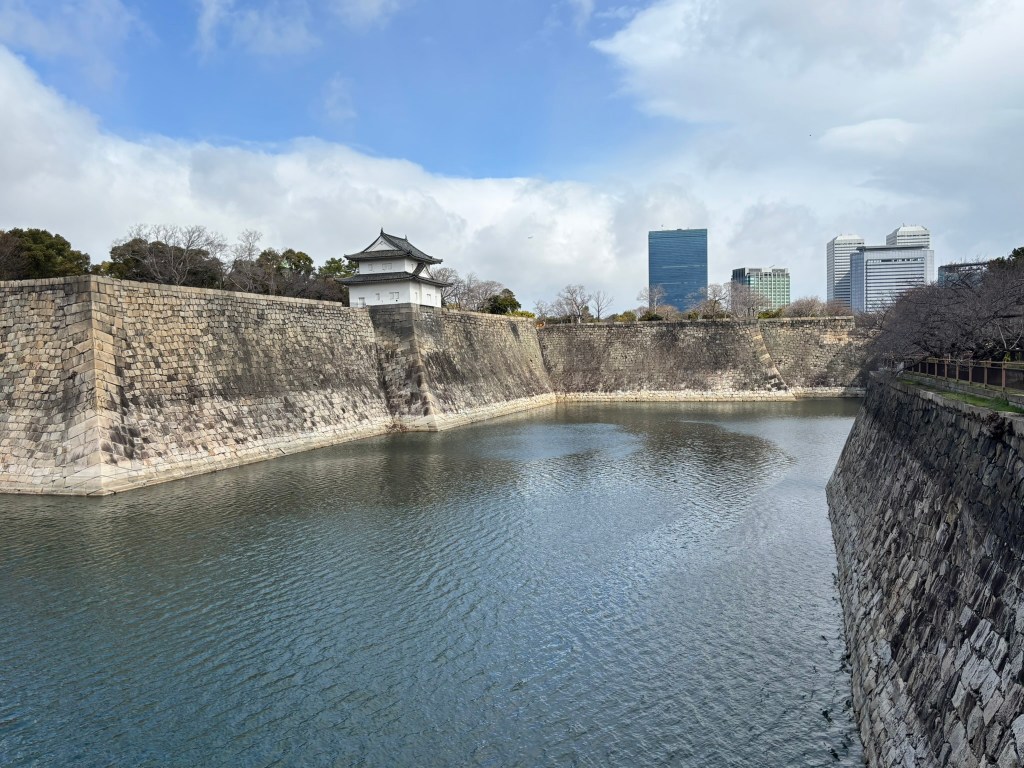
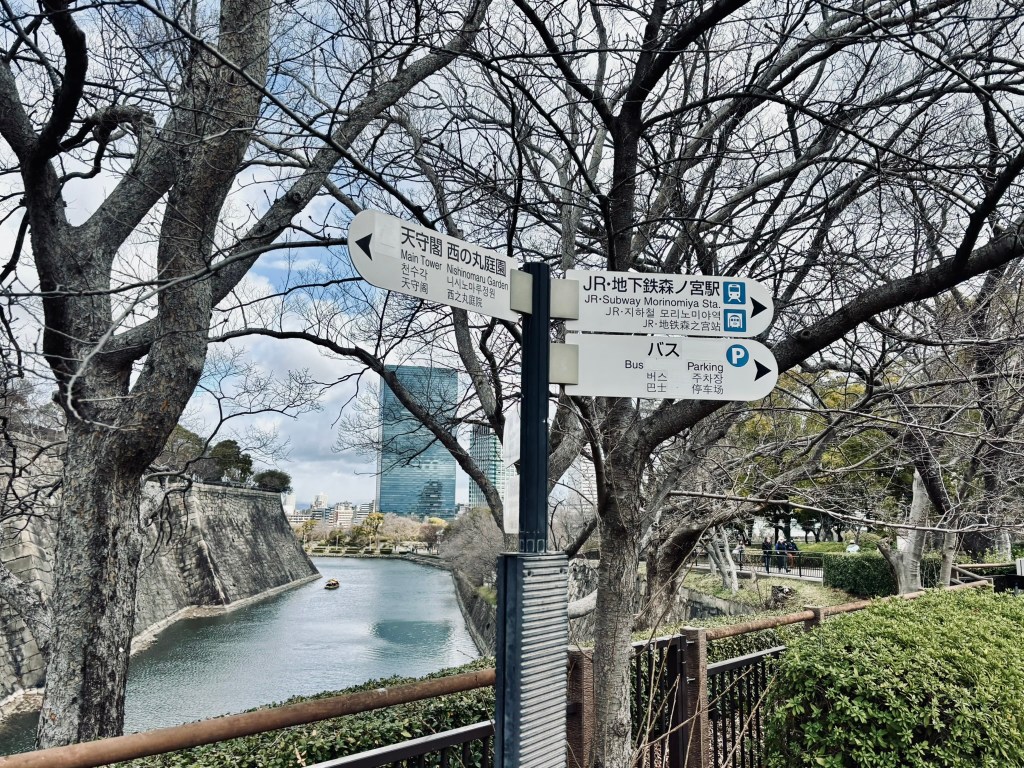

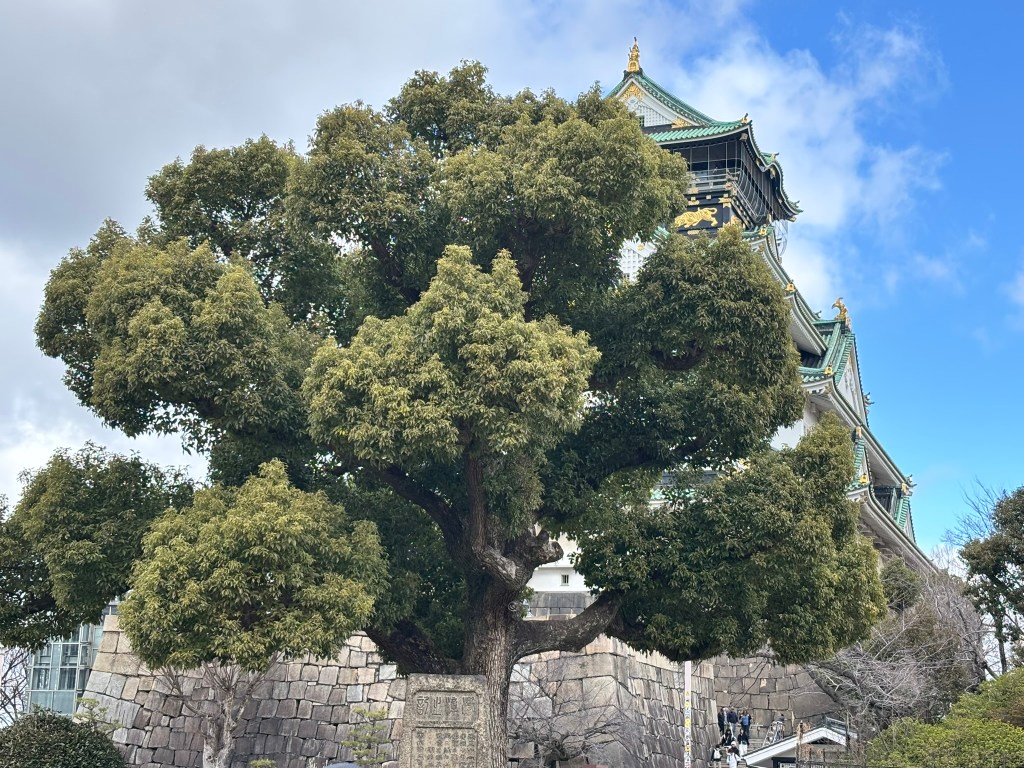
Osaka Castle played a major role in the unification of Japan during the sixteenth century of the Azuchi-Momoyama period.
The inner keep of Osaka Castle is situated on a plot of land roughly one square kilometre. It is built on two raised platforms of landfill supported by sheer walls of cut rock, using a technique called burlock-pilling, each overlooking a moat. The keep is five stories on the outside and eight stories on the inside and built atop a tall stone foundation to protect its occupants from attackers.
The main keep is surrounded by a series of moats and defensive fortifications. The castle has two moats (an inner and an outer one). The inner castle moat lies within the castle grounds and consists of two types: wet (northern-easterly) and dry (south-westerly). The outer moat meanwhile surrounds the entire castle premise, denotes the castle’s outer limits, and consists of four individual water-filled sections, each representing a cardinal direction (North, East, South, West).
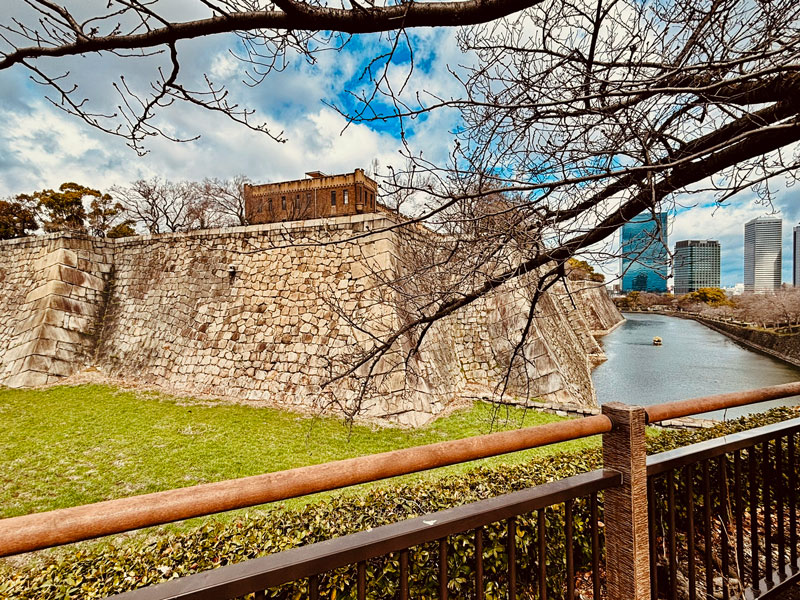
In 1583, Toyotomi Hideyoshi commenced construction on the site of theIkko-ikki temple of Ishiyama Hongan-ji, .
In 1597 construction was completed and Hideyoshi died the year after. Osaka Castle passed to his son.
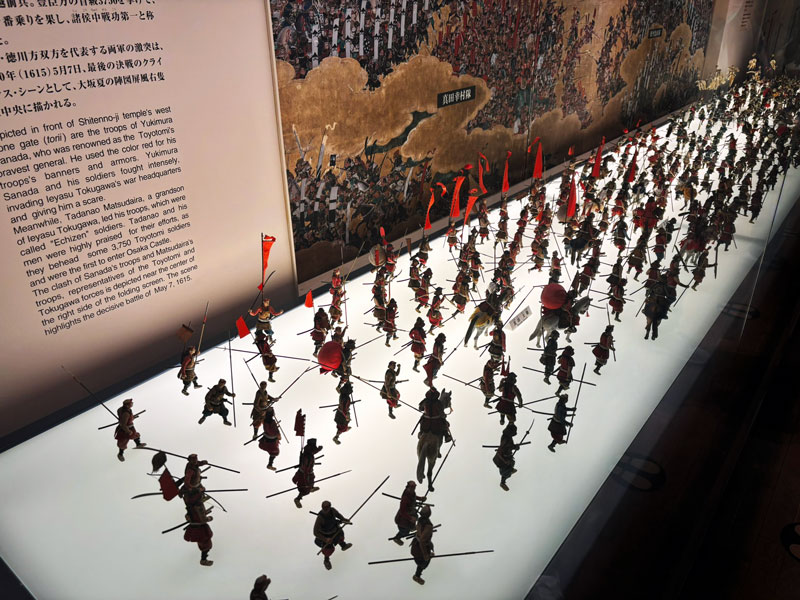
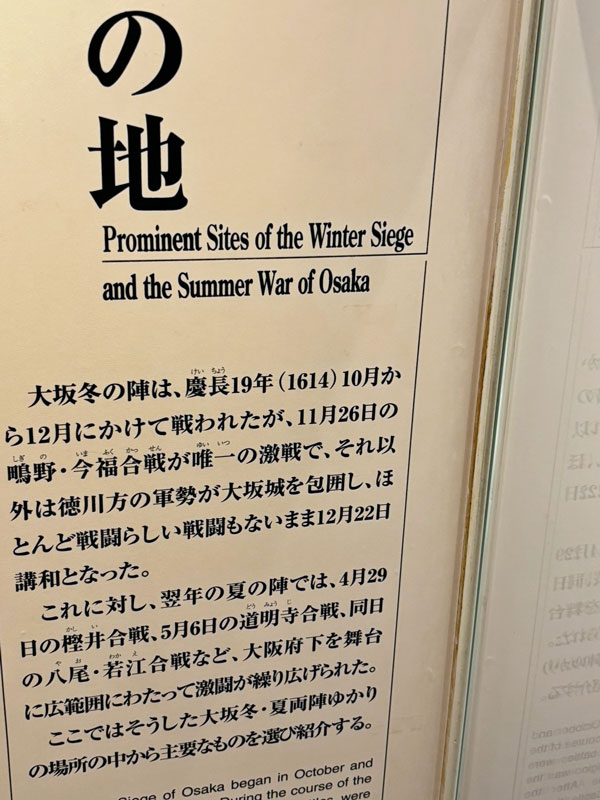
In 1614, Tokugawa Ieyasu besieged the Toyotomi clan forces in Osaka castle during the winter, starting the Siege of Osaka. Although the Toyotomi forces were outnumbered approximately two to one, they managed to fight off Tokugawa’s 200,000-man army and protect the castle’s outer walls.
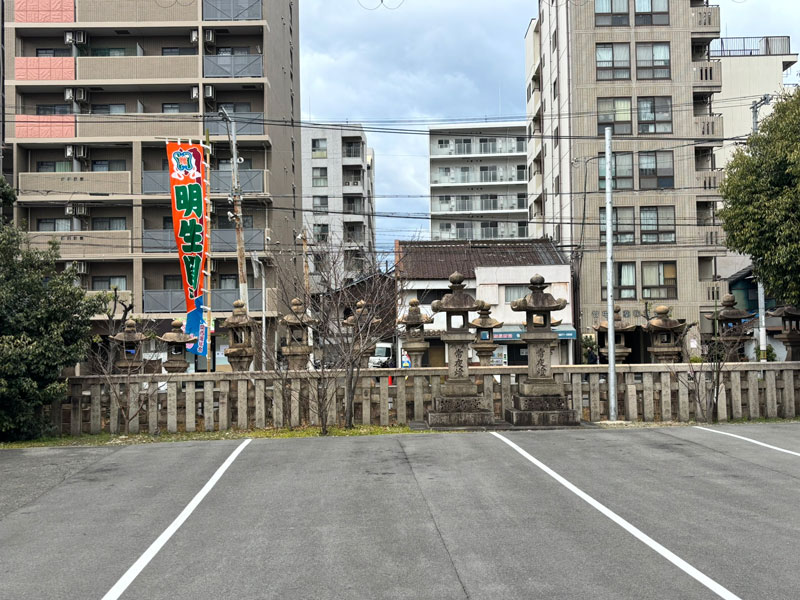
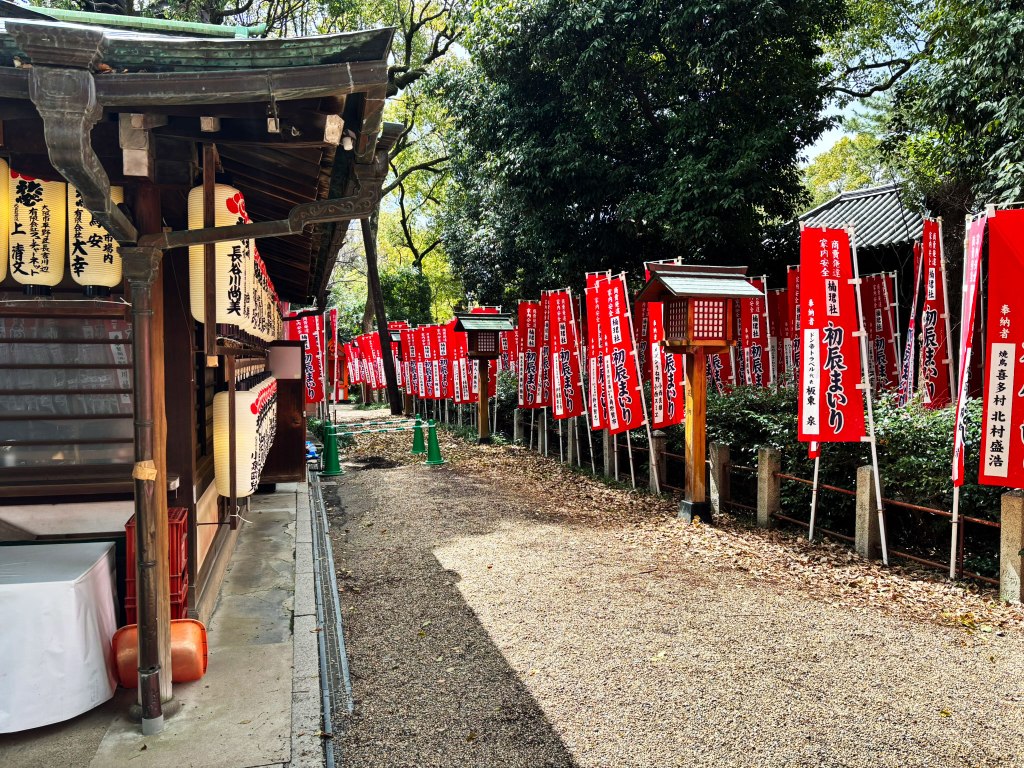
Sumo wrestlers stay in the shrine during tournaments. There was one going on while we where there. (See there banner above)
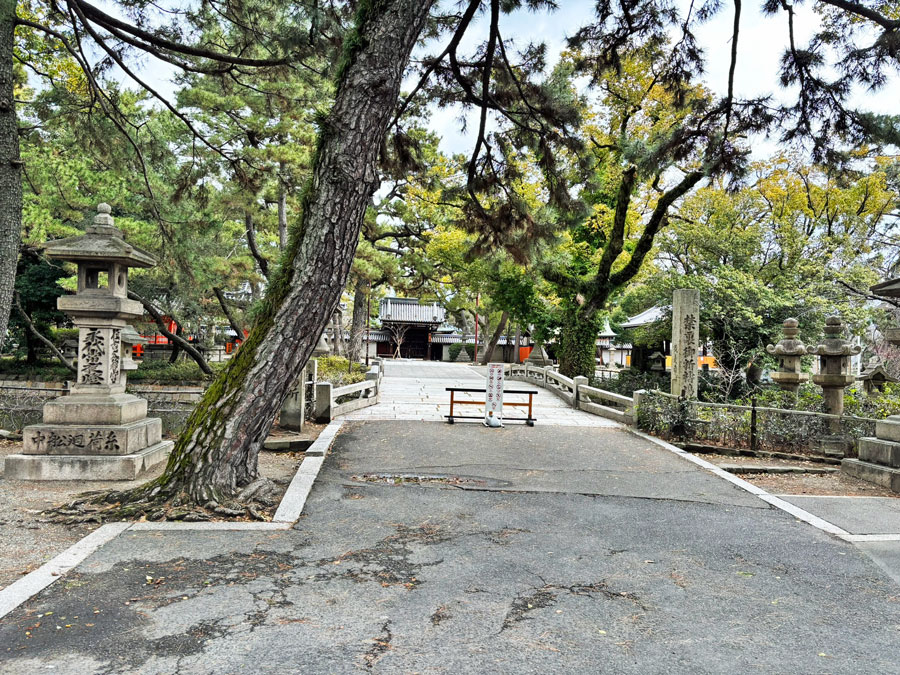
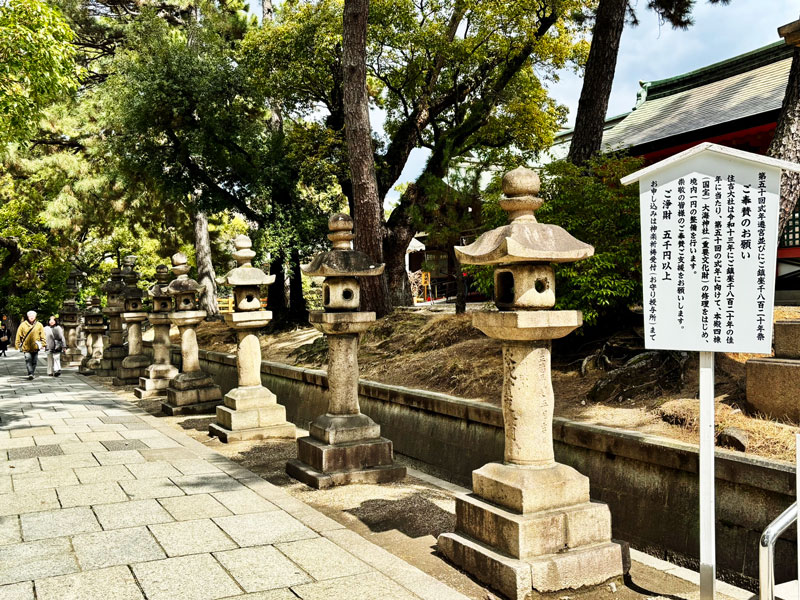
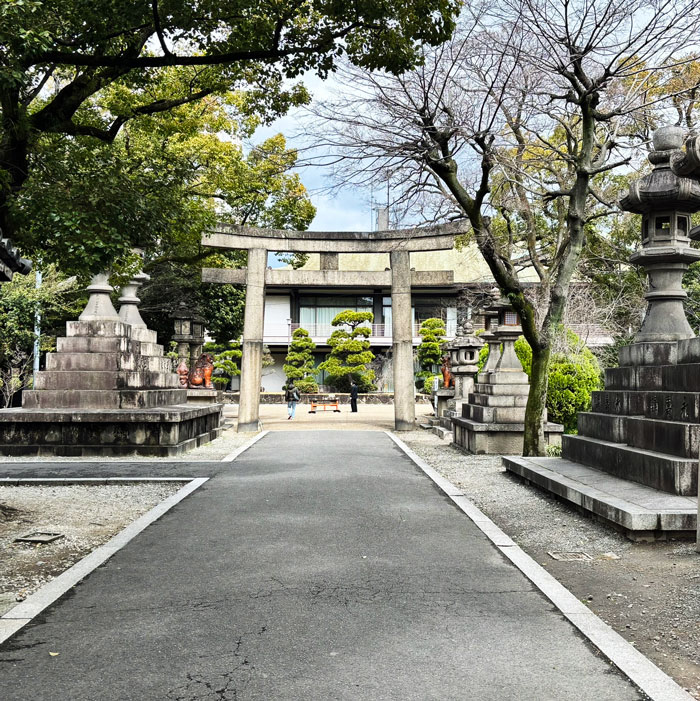
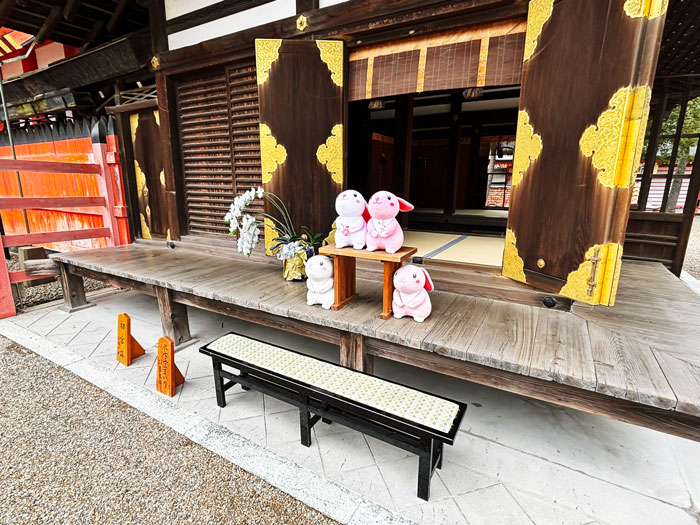
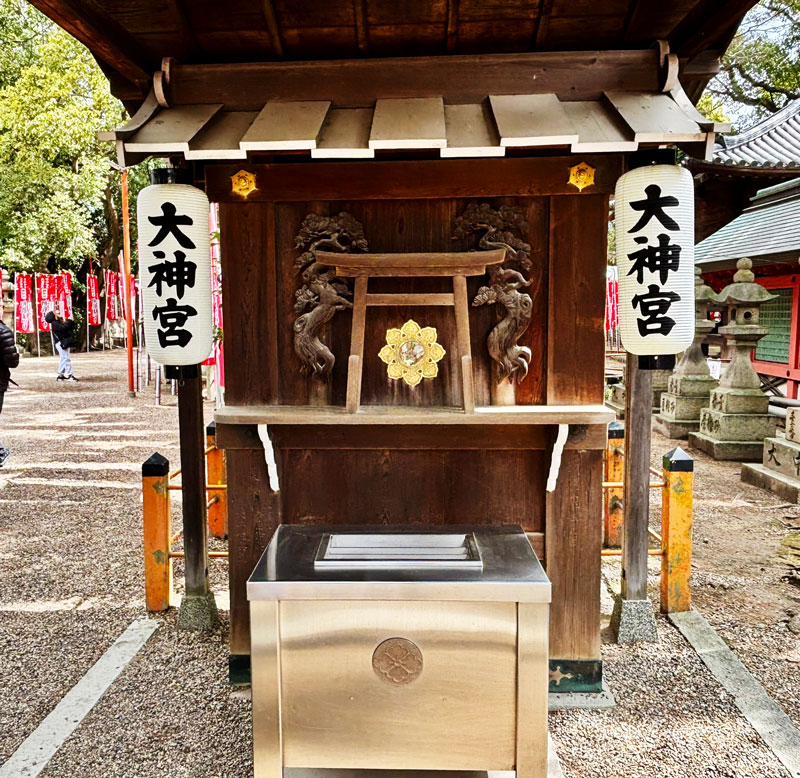
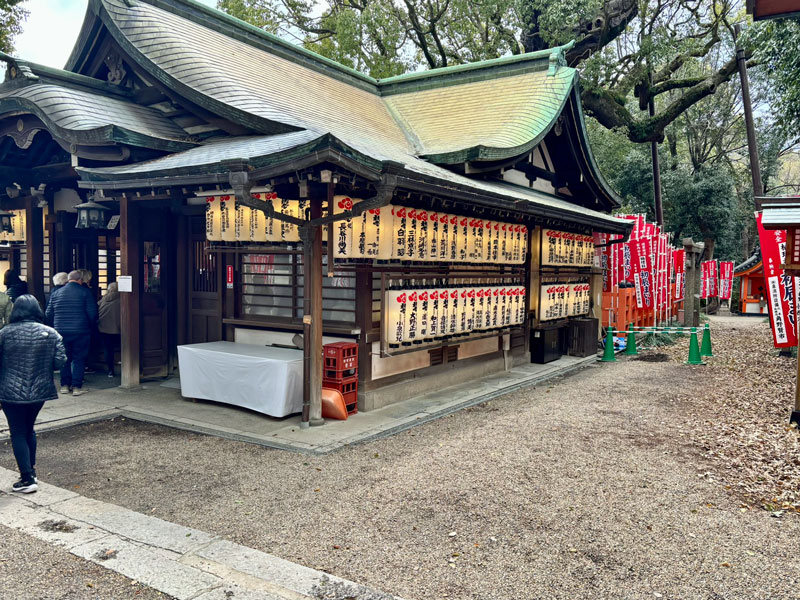
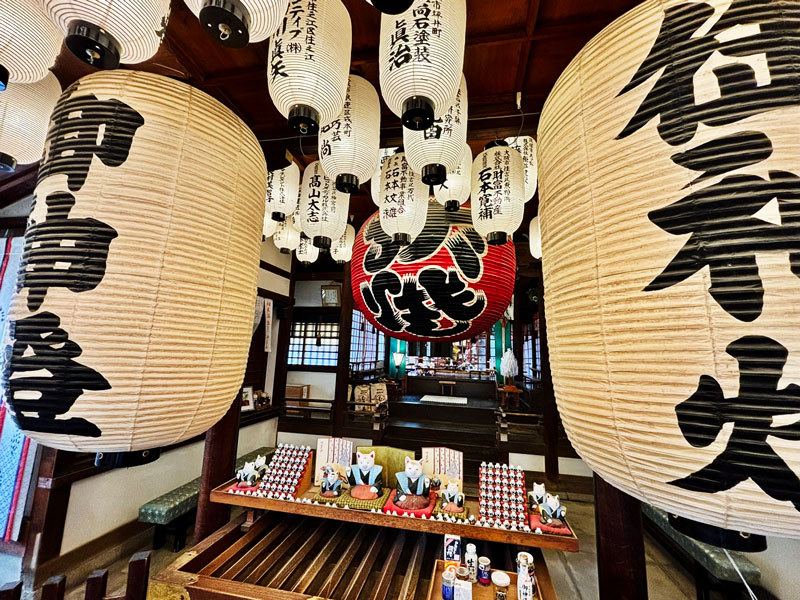
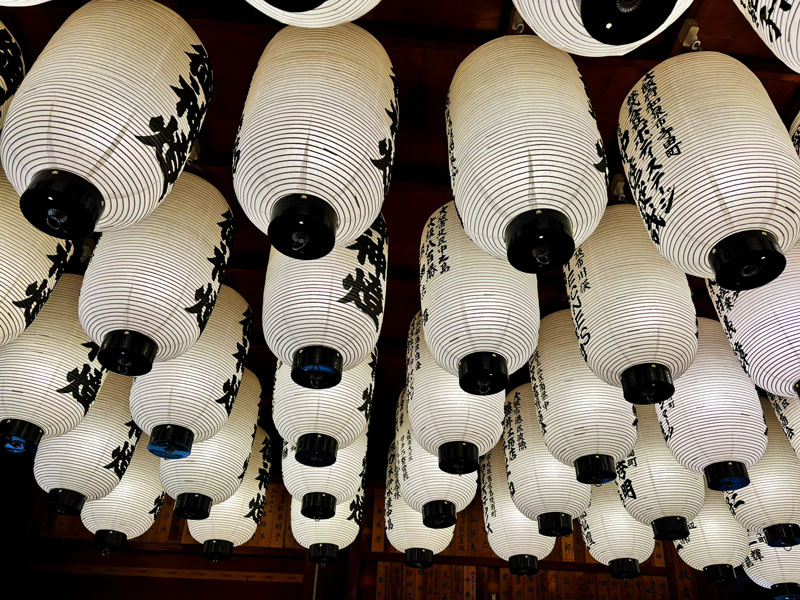
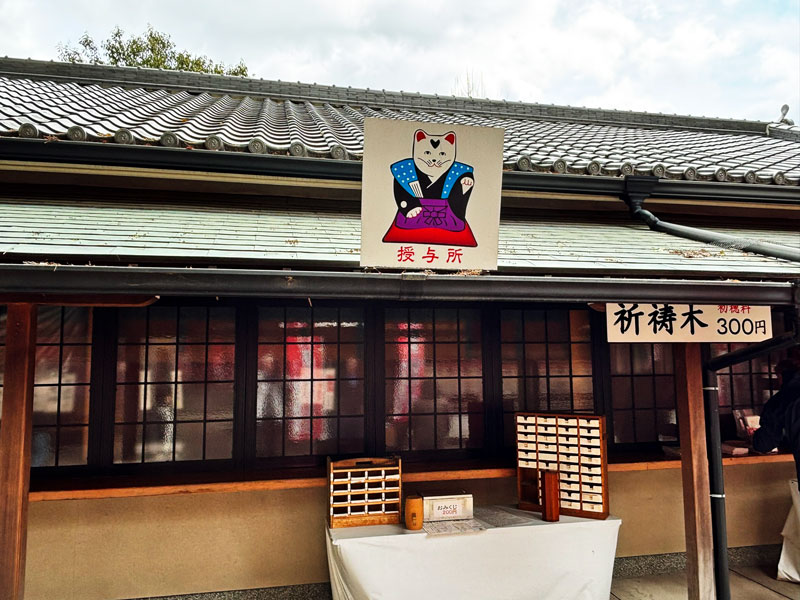
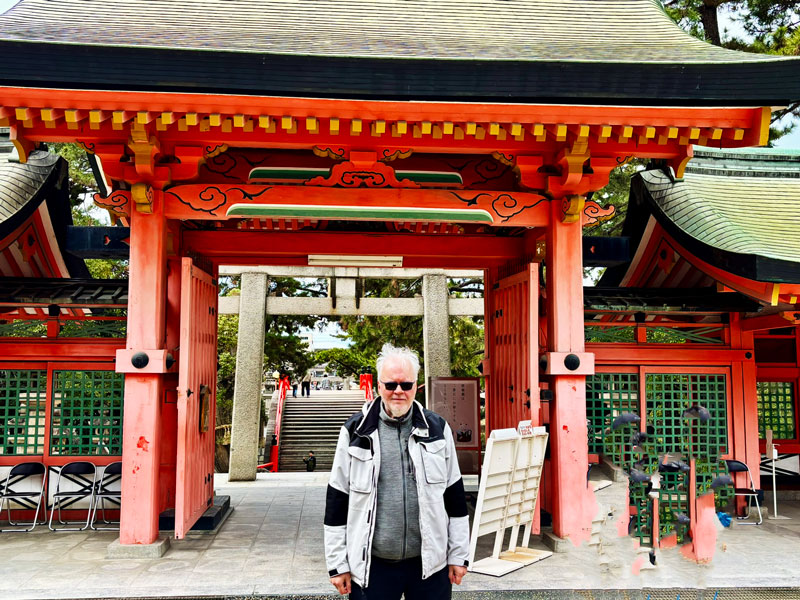
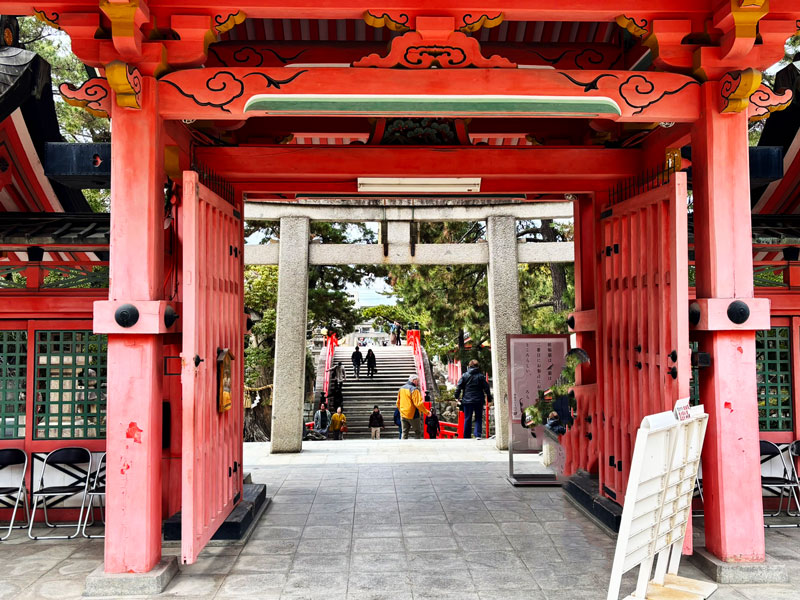
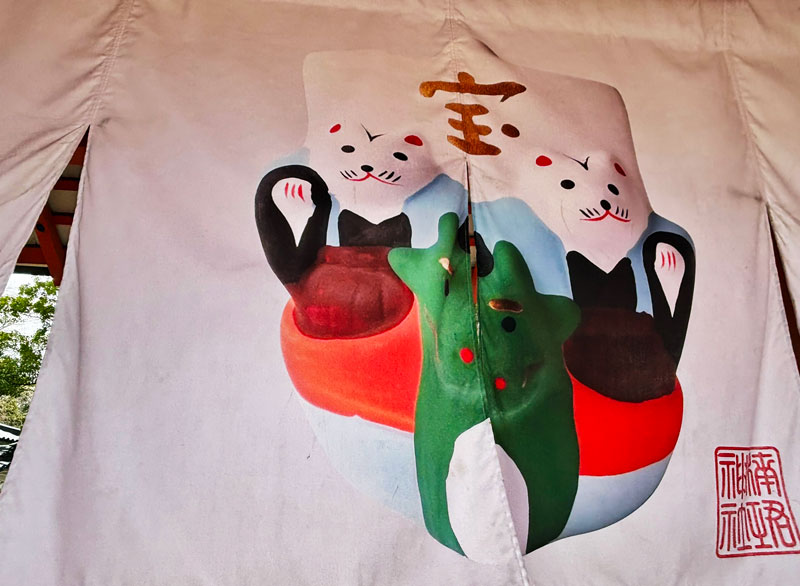
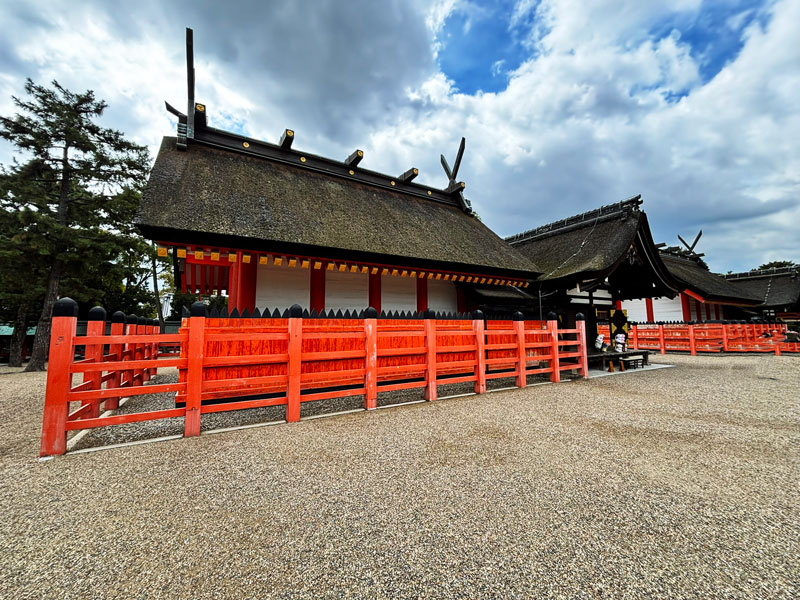
Sumiyoshi-taisha , also known as Sumiyoshi Grand Shrine.
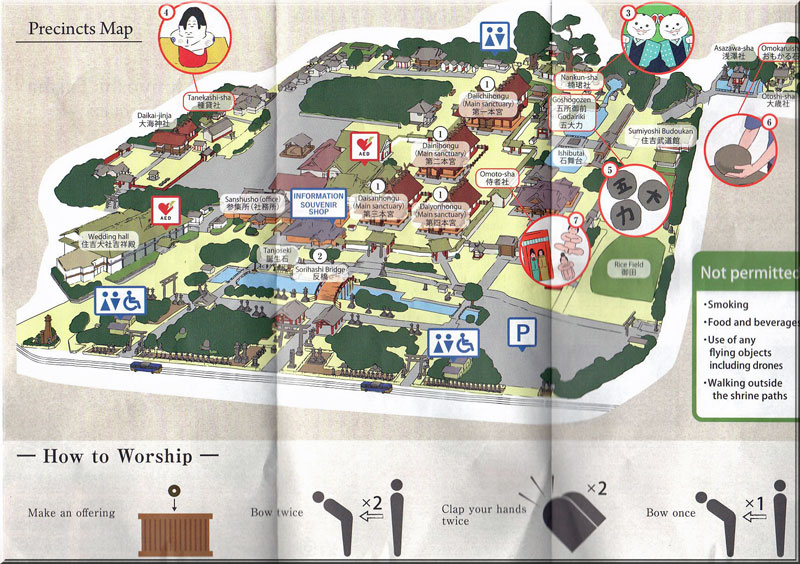
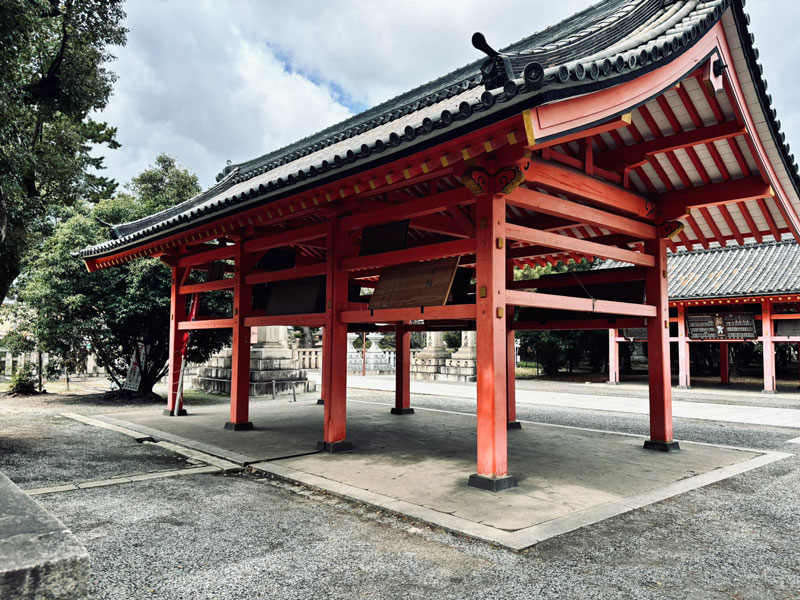
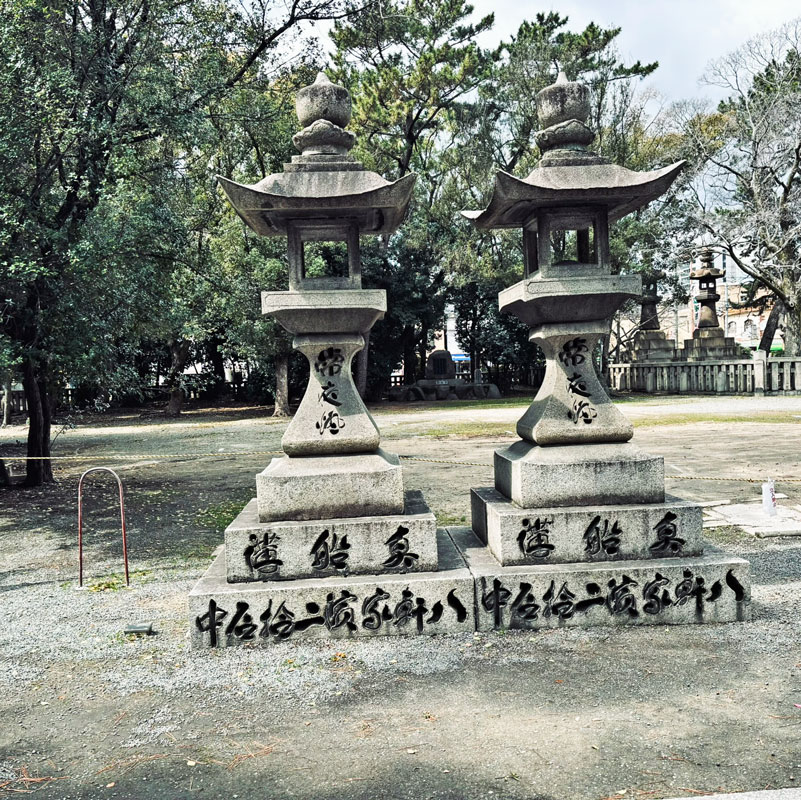
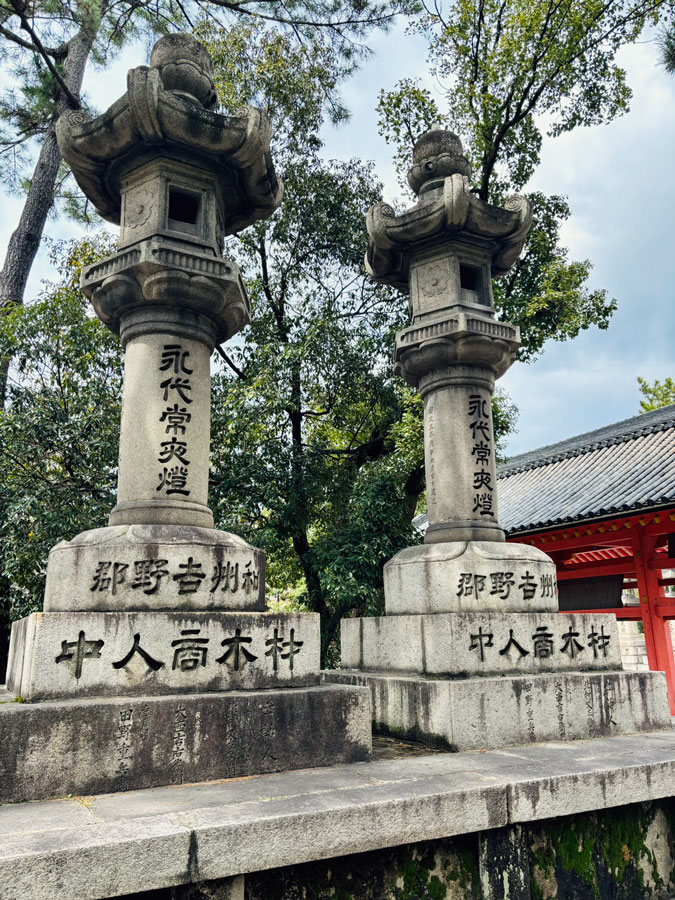
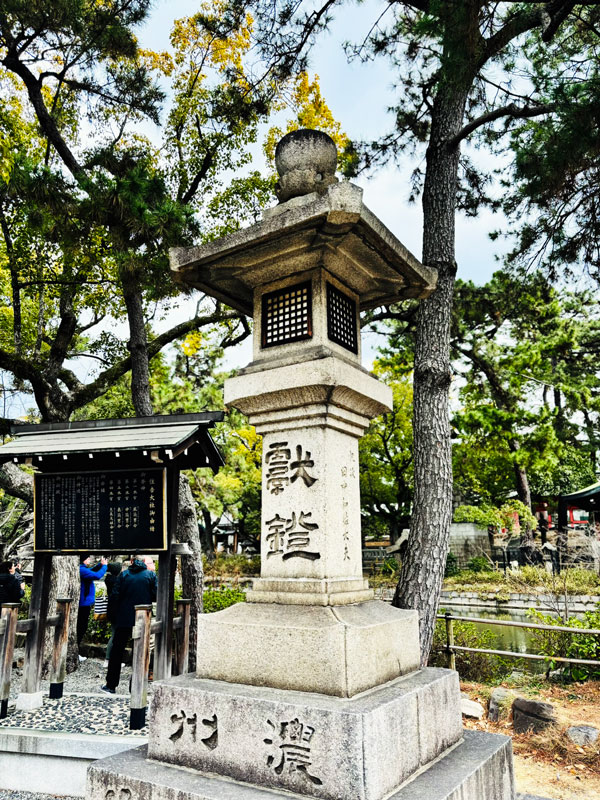
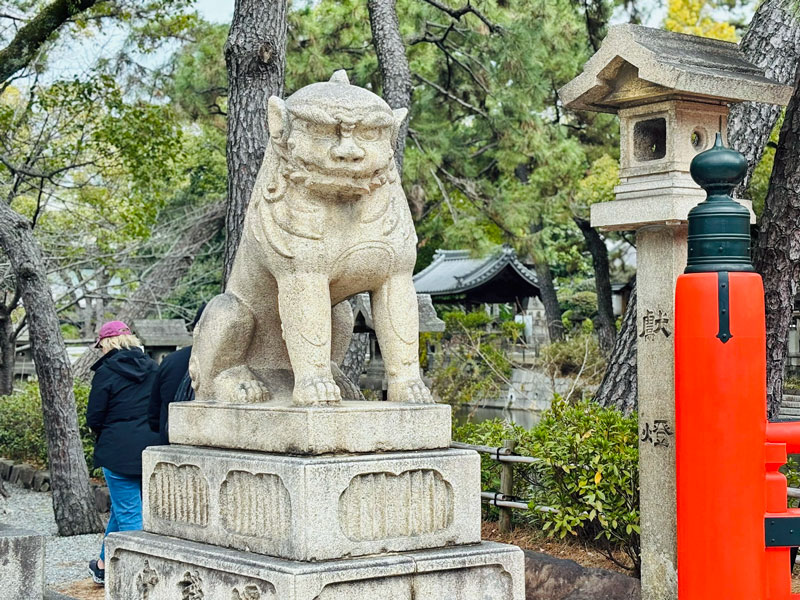
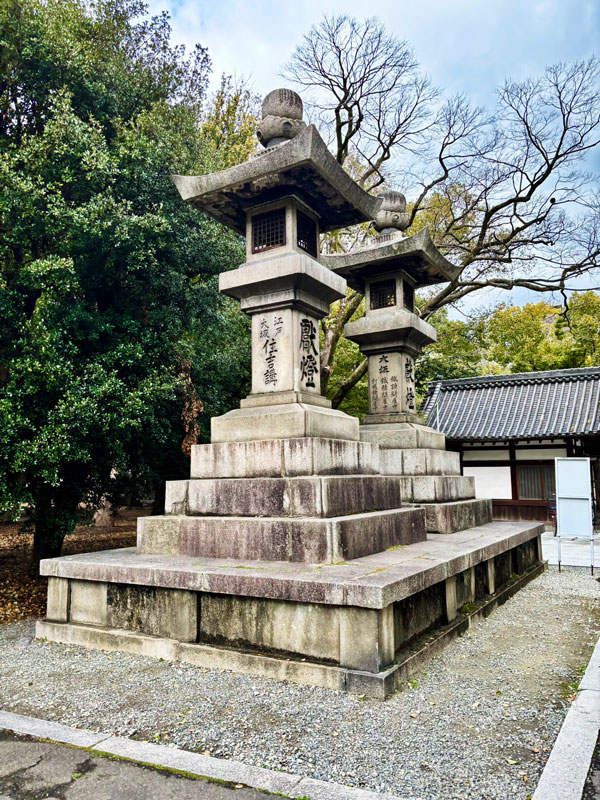
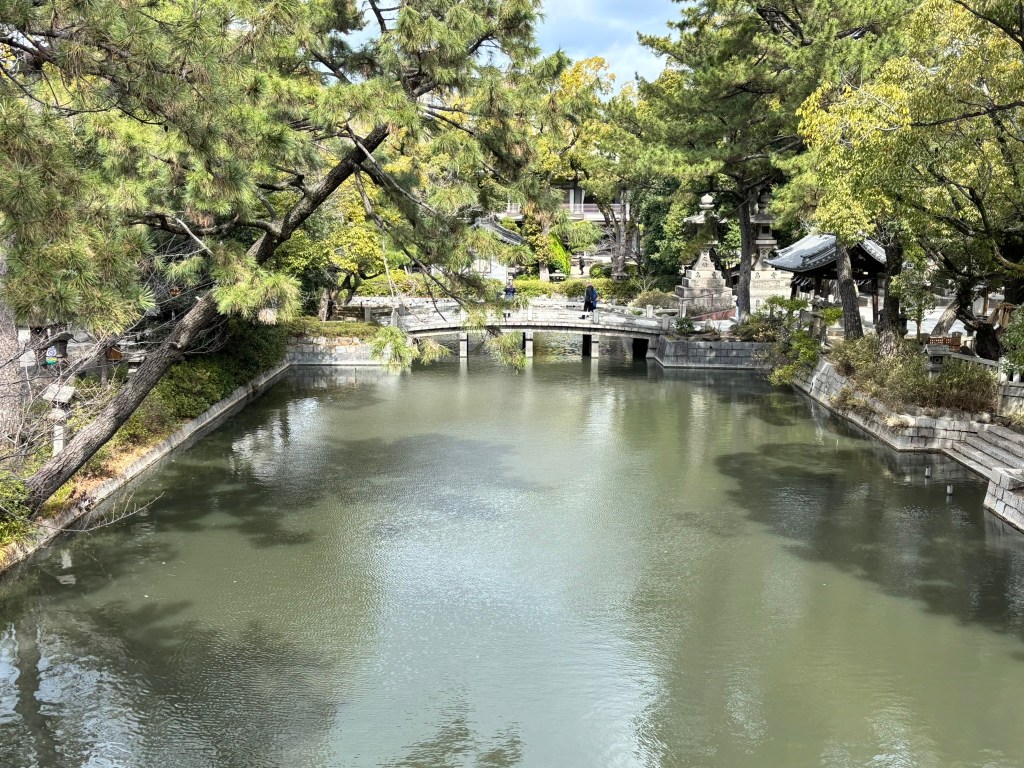
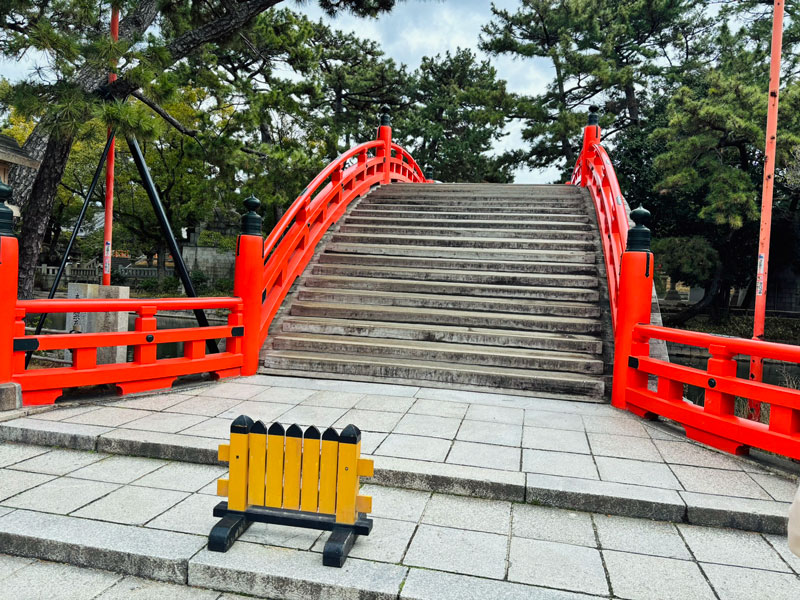
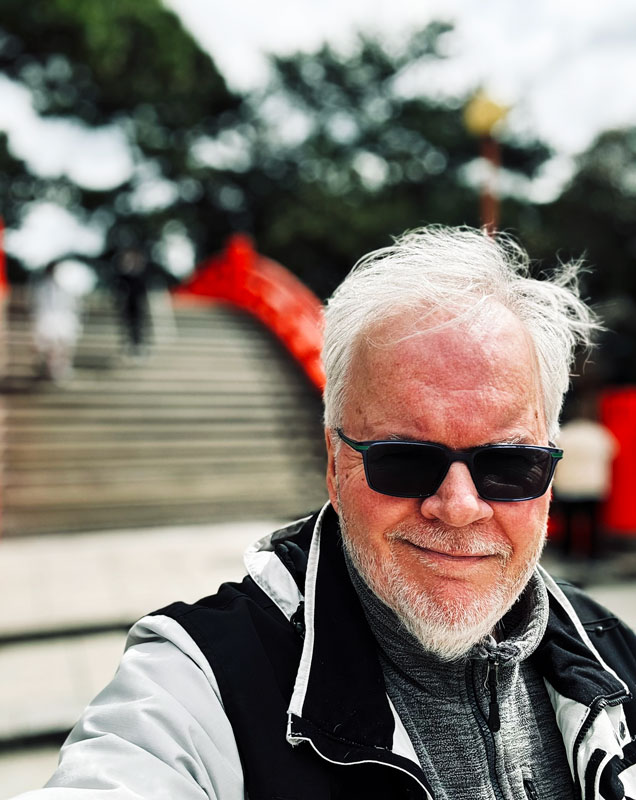
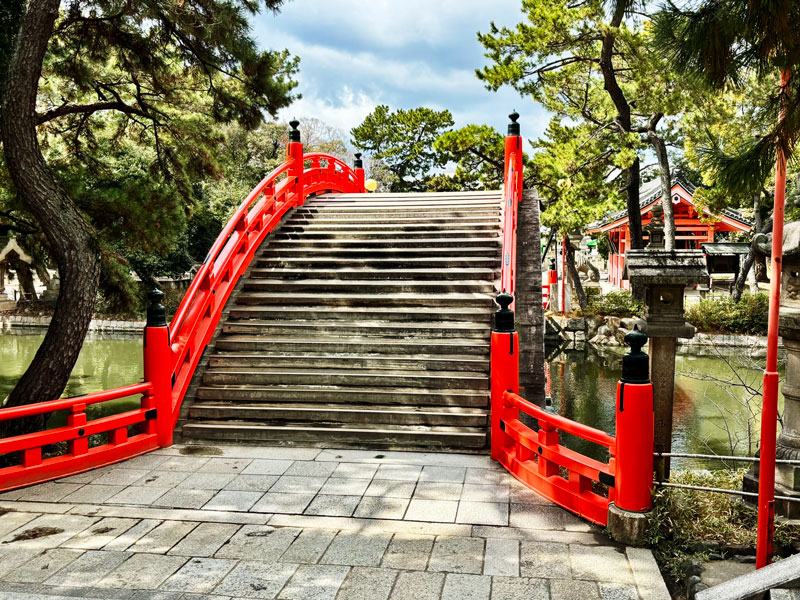
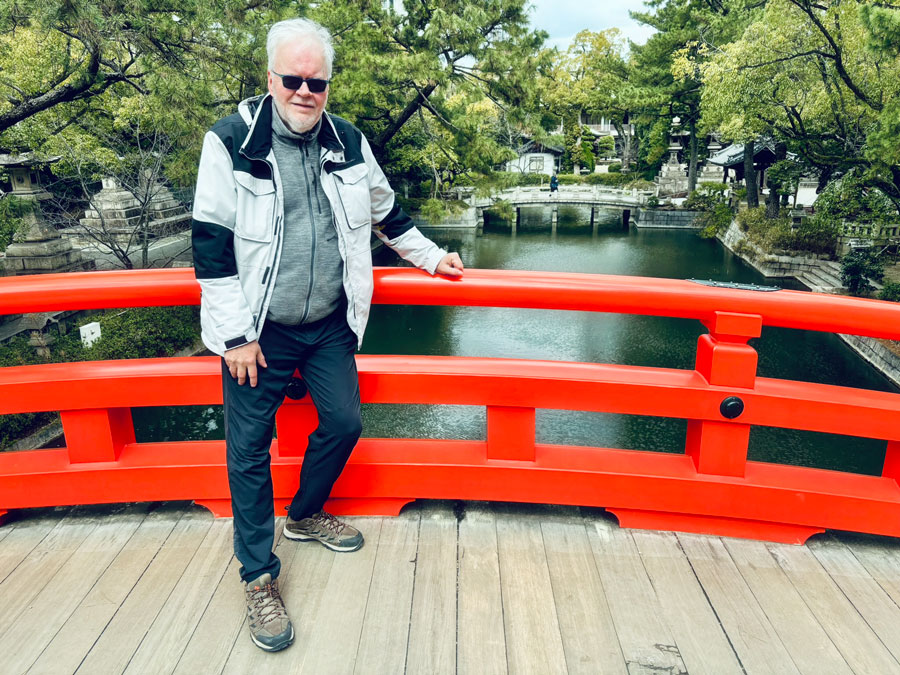
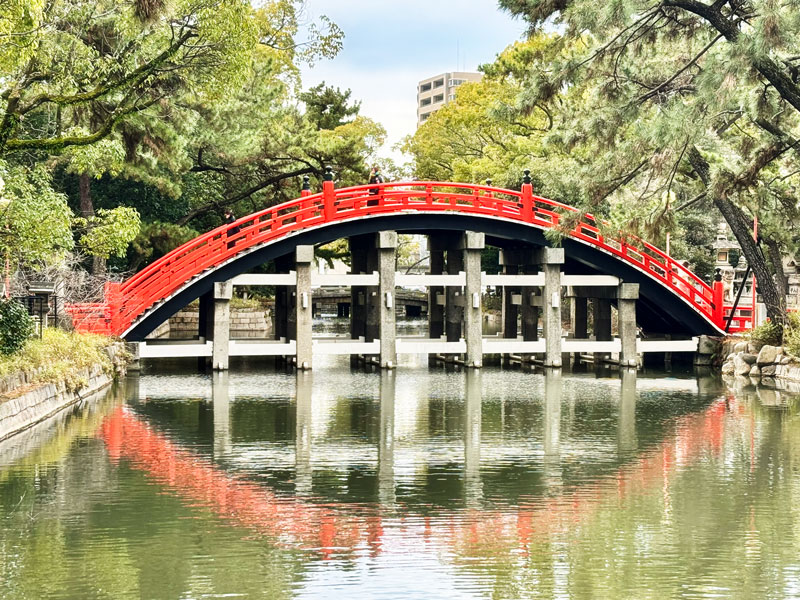
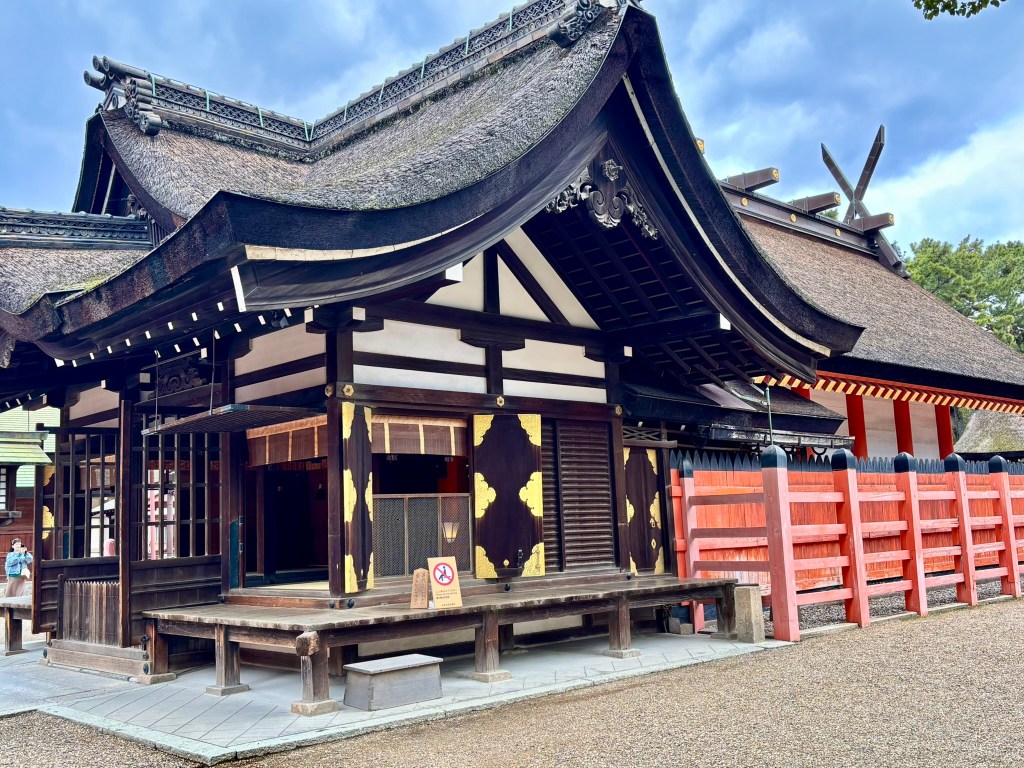
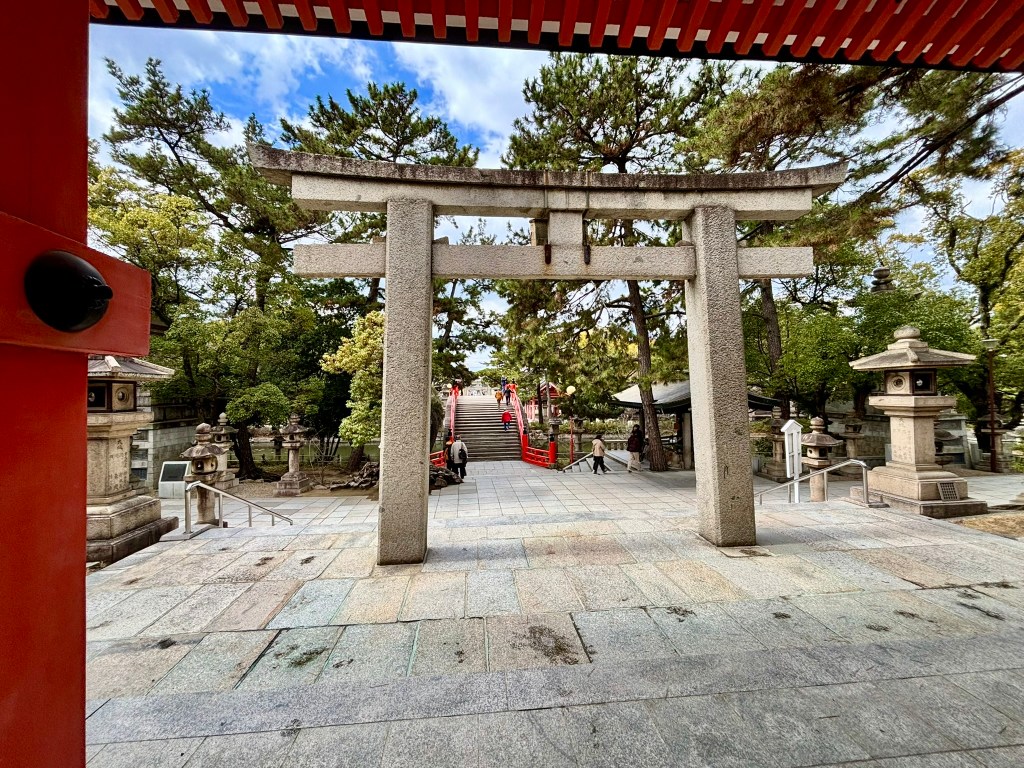
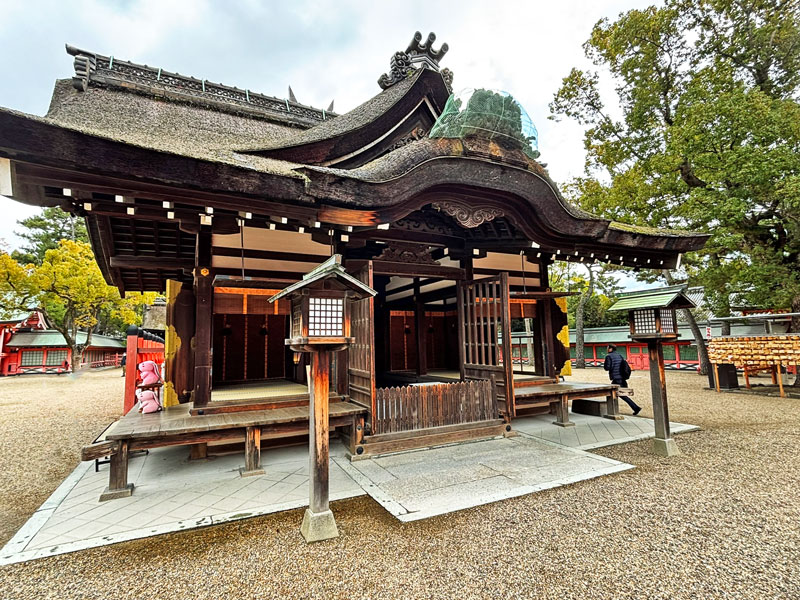

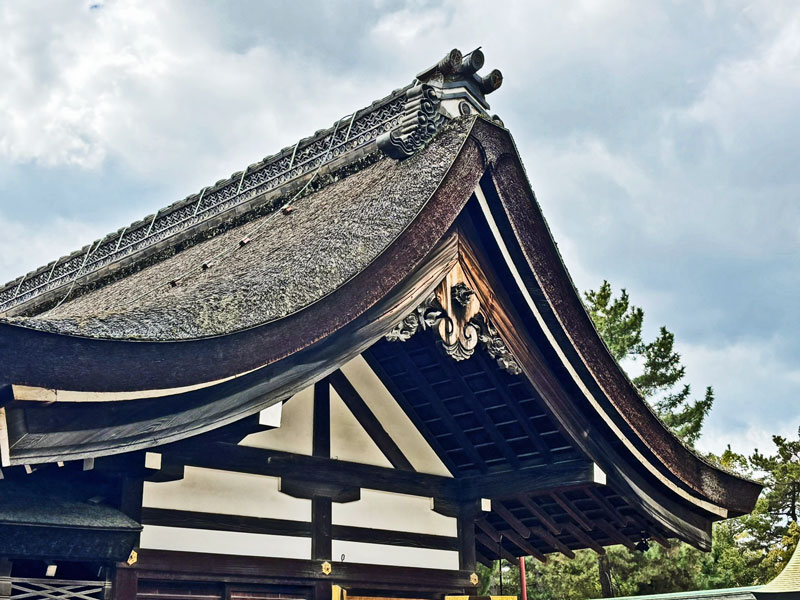
The shrine became the object of Imperial patronage during the early Helan period. In 965 Emperor Murakami, ordered that Imperial messengers were sent to report important events to the guardian kami of Japan. These heihaku were initially presented to 16 shrines including Sumiyoshi.
Sumiyoshi was designated as the chief Shinto shrine (ichinomiya) for the former Settsu Province.
From 1871 through 1946, Sumiyoshi taisha was officially designated one of theKappei-taisha, meaning that it stood in the first rank of government supported shrines.
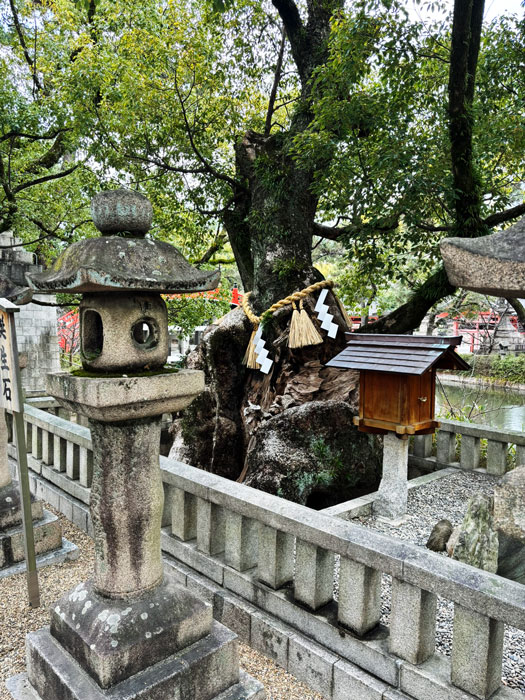
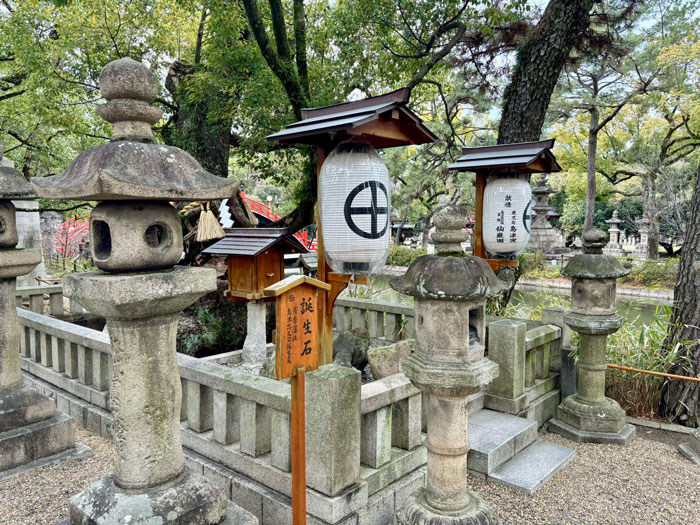

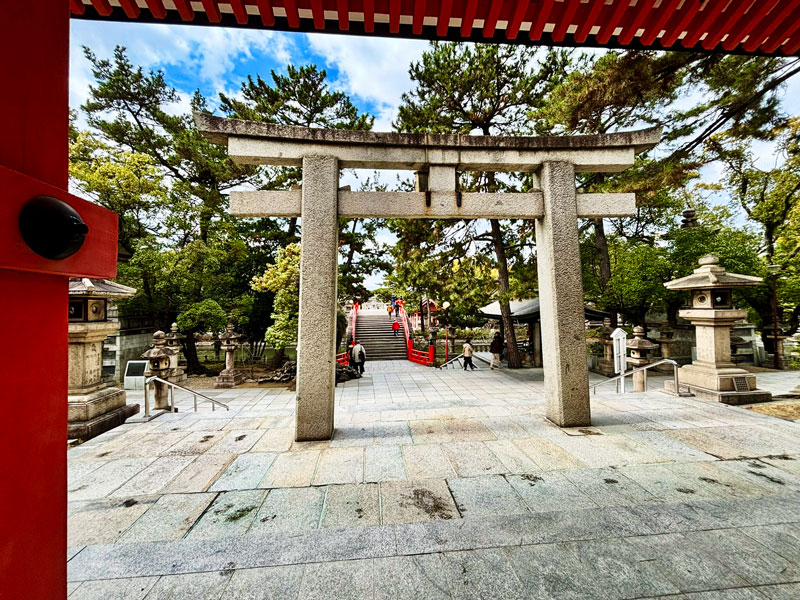
Yamato Diplomacy and the Silk Road
Sumiyoshi-taisha is a shrine with connections to the ancient Yamato royalty’s diplomacy and sailing, protecting the Imperial embassies to China. As the head priests, the Tsumori clan also boarded these embassy ships. The embassies departed from Sumineo no Tsu, a port on the Hosoe-gawa (also known as Hosoi-gawa. Known as Suminoe no Hosoe in ancient times), a river located to the south of the shrine. Suminoe no Tsu is the oldest international port in Japan, and was opened by Emperor Nintoku. It was the Silk Road’s entrance into Japan.
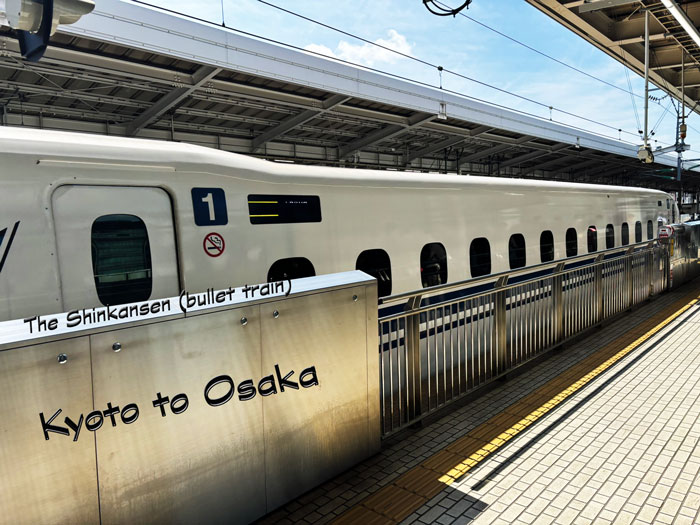
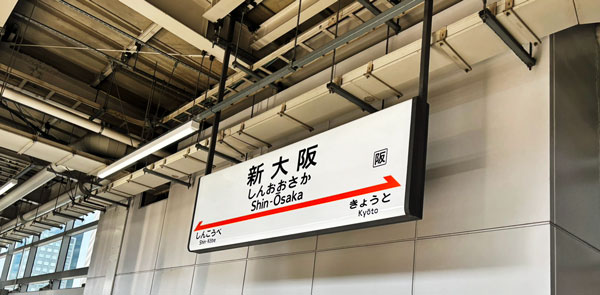
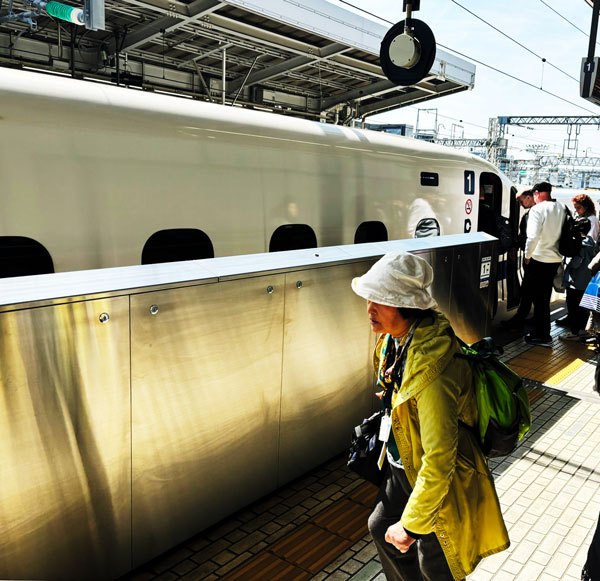
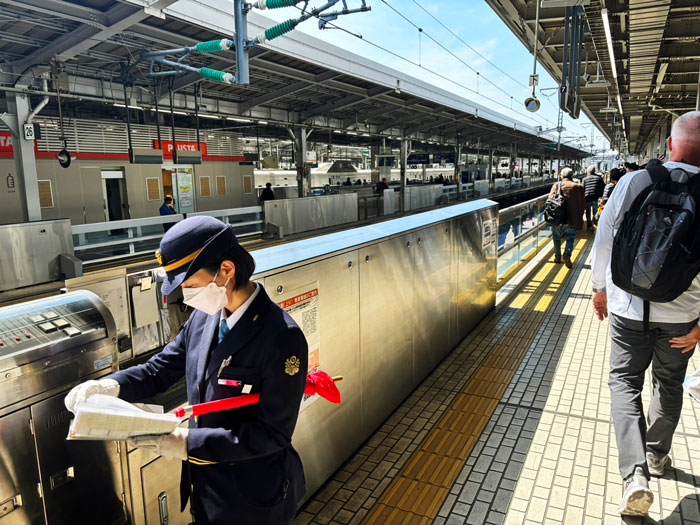
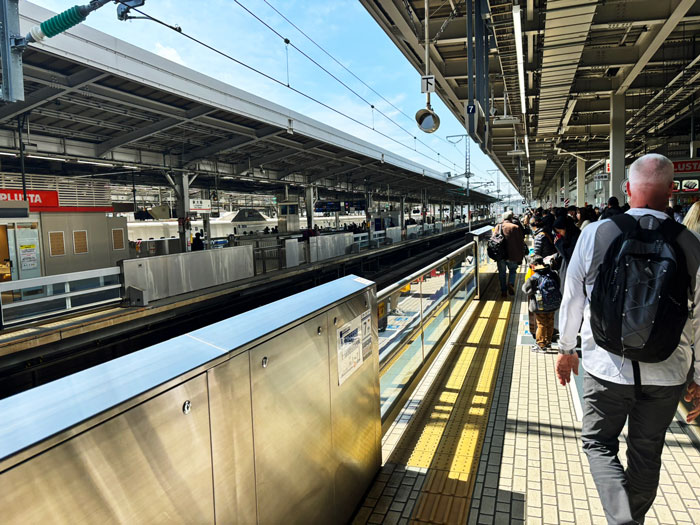
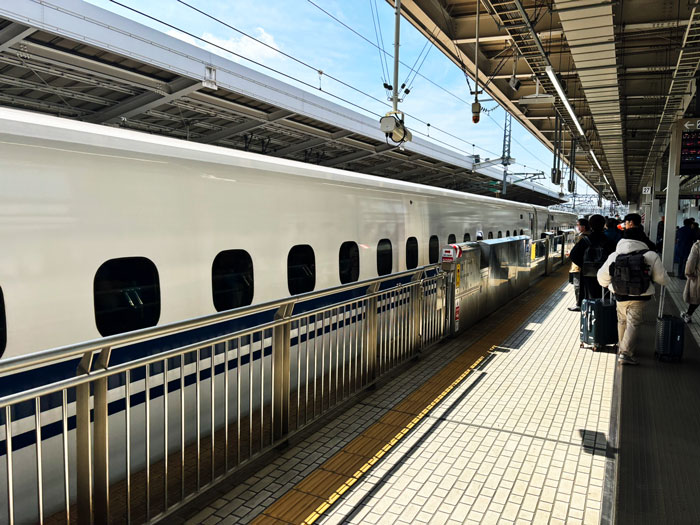
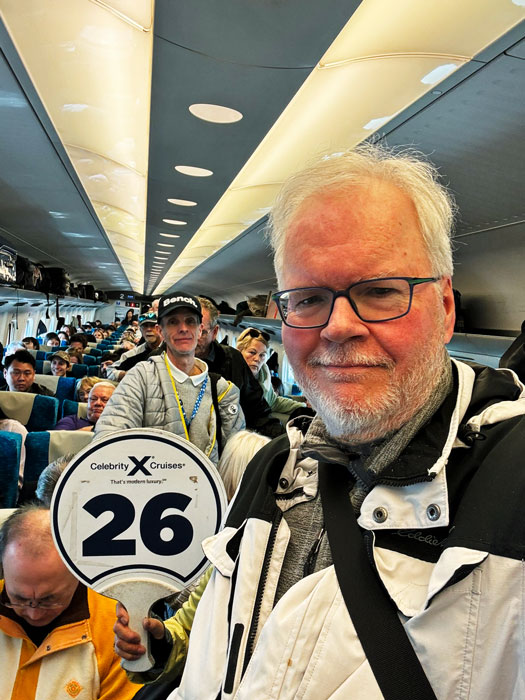
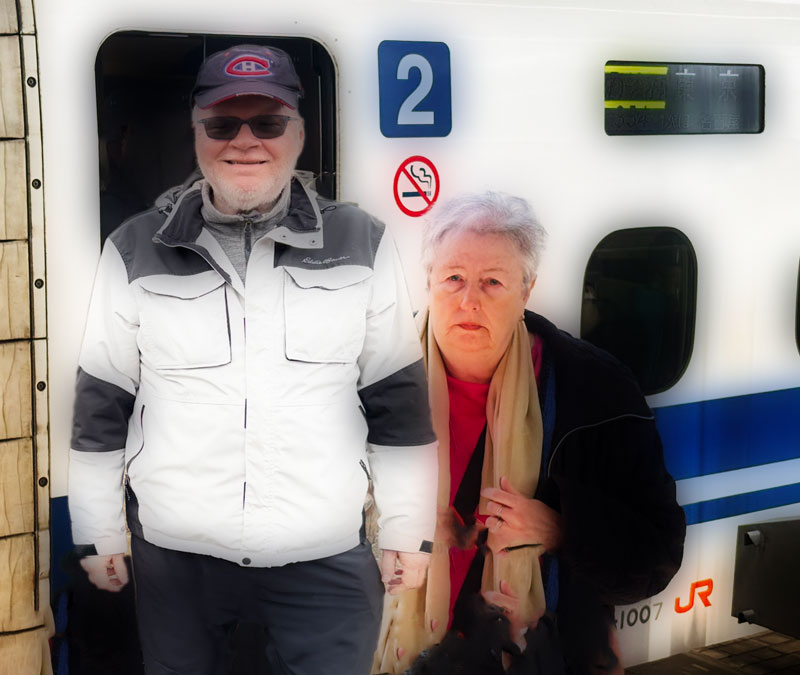
The Shinkansen, or bullet train, is Japan’s high-speed railway system. It’s a network of lines that connect major cities, offering efficient and comfortable travel at speeds up to 320 km/h. The Shinkansen is known for its punctuality, safety, and comfort, and it’s a popular way to travel between major cities in Japan.
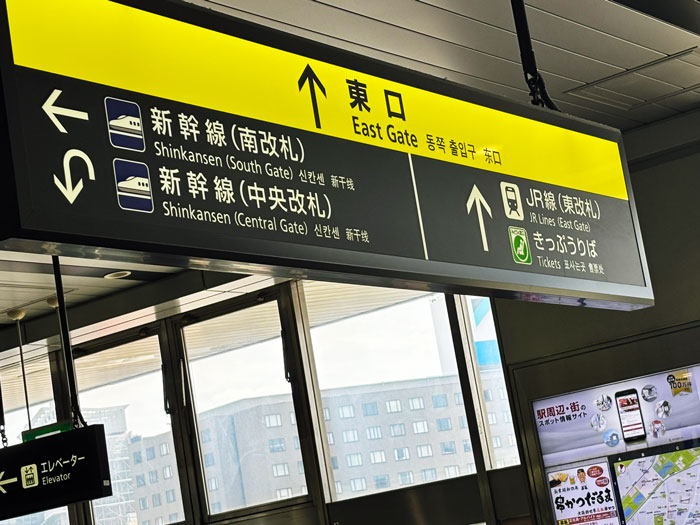
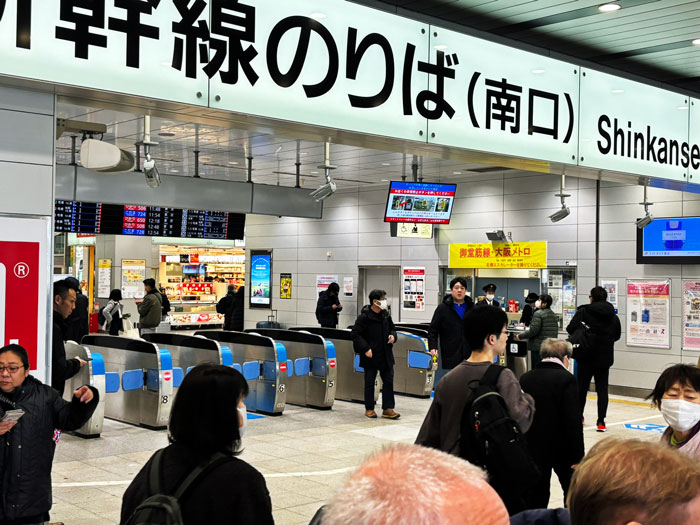
Starting with the Tokaido Shinkansen (515.4 km) in 1964, the network has expanded to consist of 2,951.3 km of lines with maximum speeds of 260–320 km/h , 283.5 km of Mini-shinkansen lines with a maximum speed of 130 km/h, and 10.3 km of spur lines with Shinkansen services.

- Japan
 s
s 