



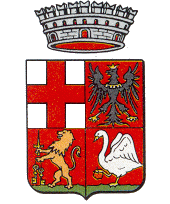
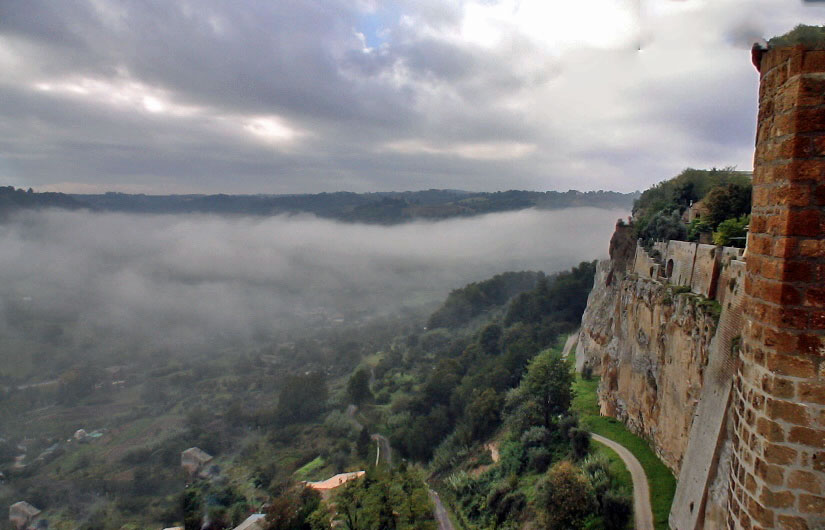
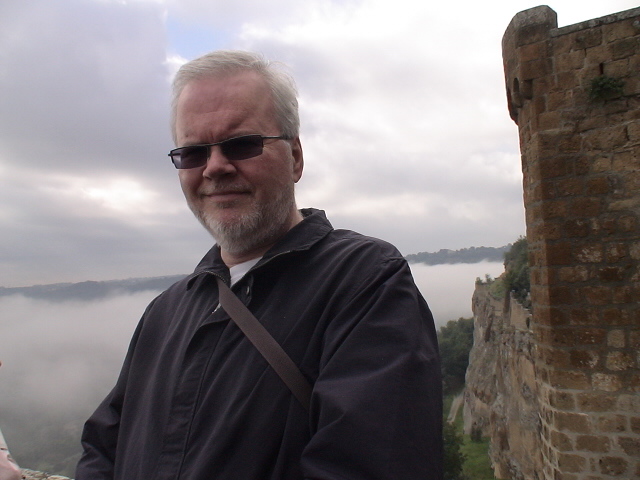
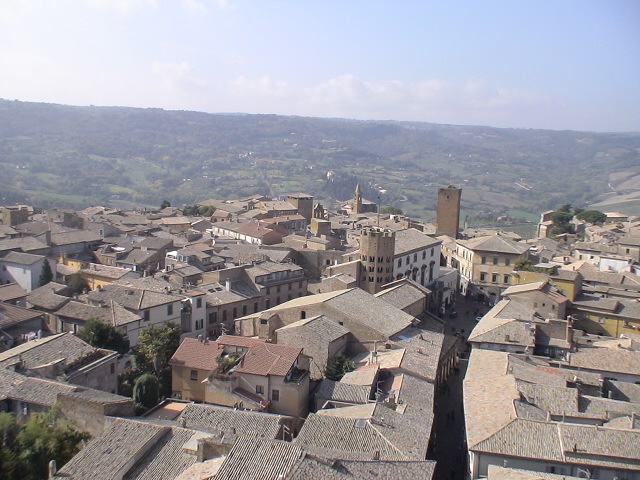
Orvieto is a city in southwestern Umbria, Italy, situated on the flat summit of a large butte of volcanic tuff . The city rises dramatically above the almost-vertical faces of tuff cliffs that are completed by defensive walls built of the same stone.
The ancient city populated since Etruscan times, has usually been associated with Etruscan Velzna , but some modern scholars differ.
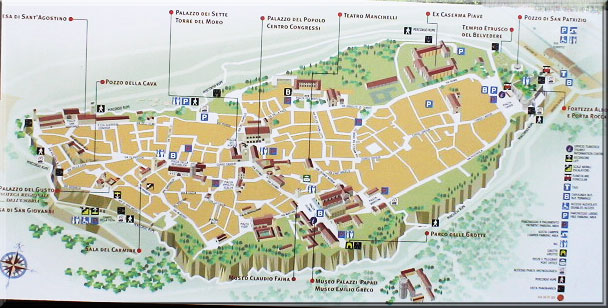
Visited in October 2010
Orvieto was certainly a major centre of Etruscan civilization ; the archaeological museum (Museo Claudio Faina e Museo Civico) houses some of the Etruscan artifacts that have been recovered in the immediate area.
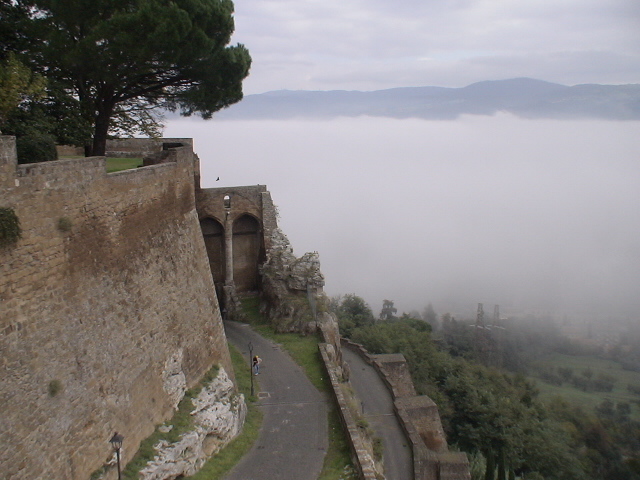
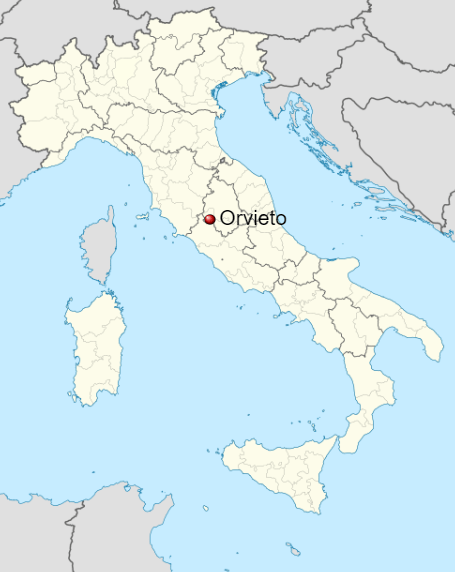
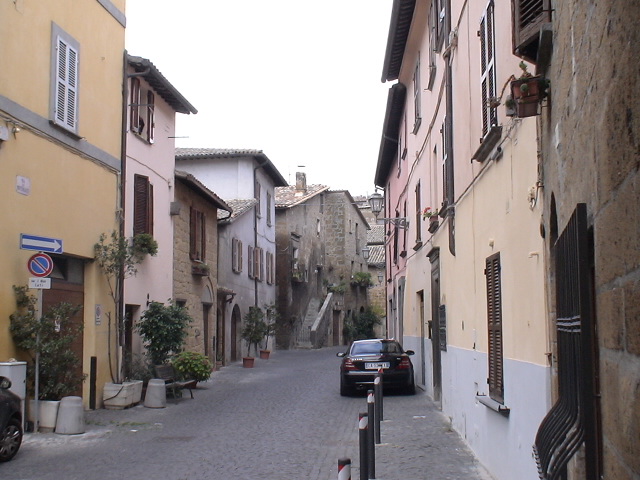
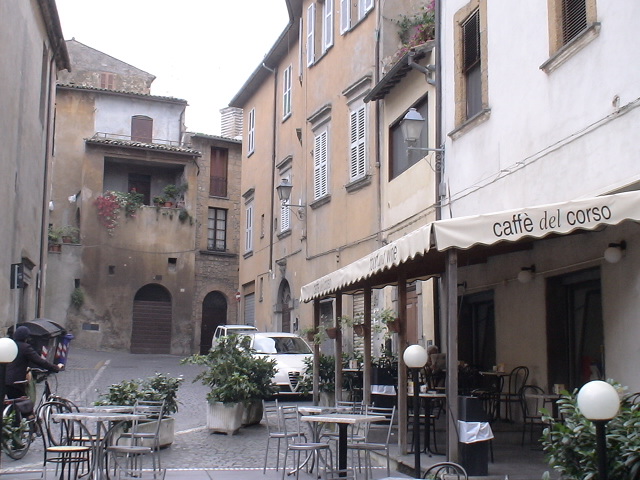

Orvieto, sitting on its impregnable rock controlling the road between Florence and Rome where it crossed the Chiana, was a large town: its population numbered about 30,000 at the end of the 13th century.
Its municipal institutions already recognized in a papal bull of 1157, from 1201 Orvieto governed itself through a podesta, who was as often as not the bishop, however, acting in concert with a military governor, the “captain of the people”.
In the 13th century bitter feuds divided the city, which was at the apogée of its wealth but found itself often at odds with the papacy,
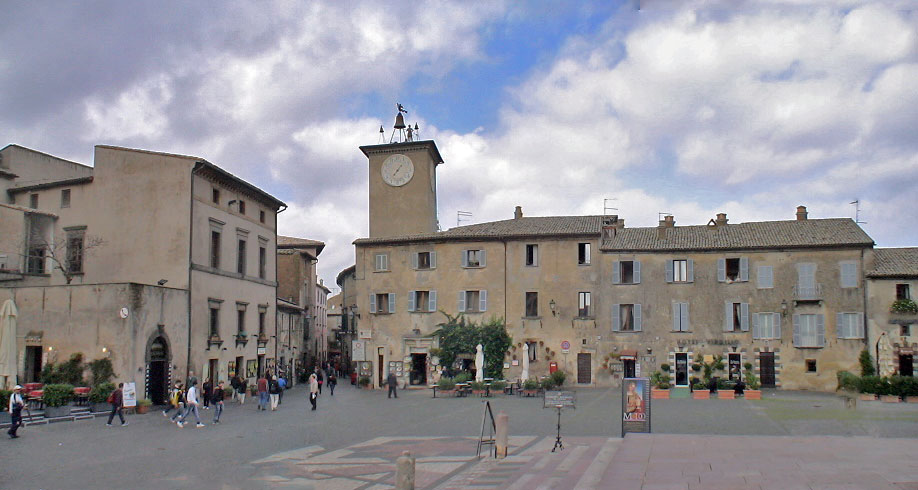
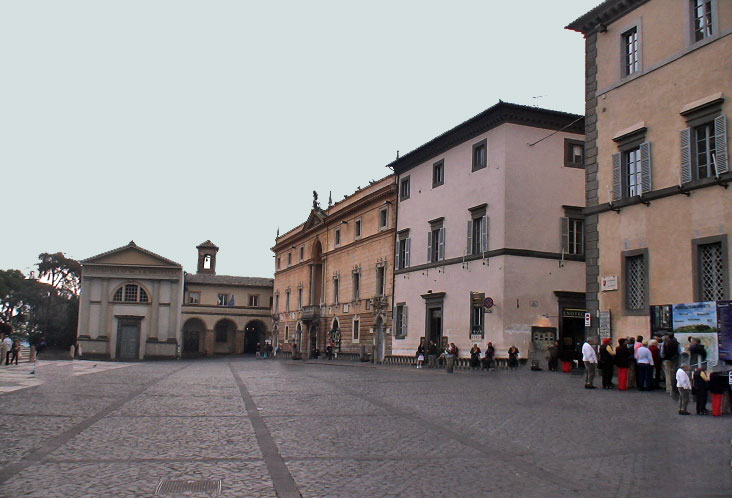
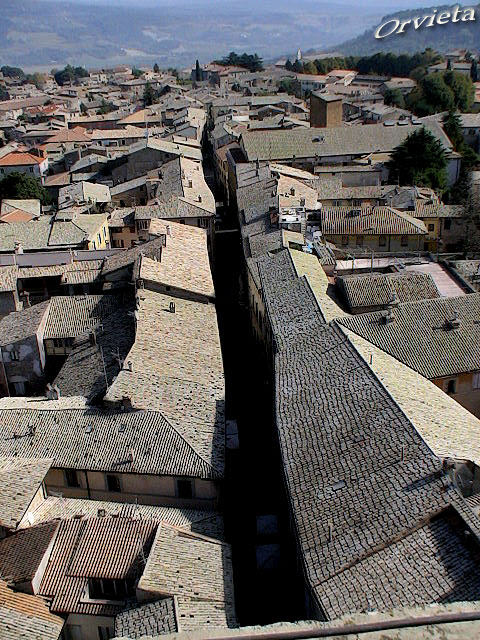
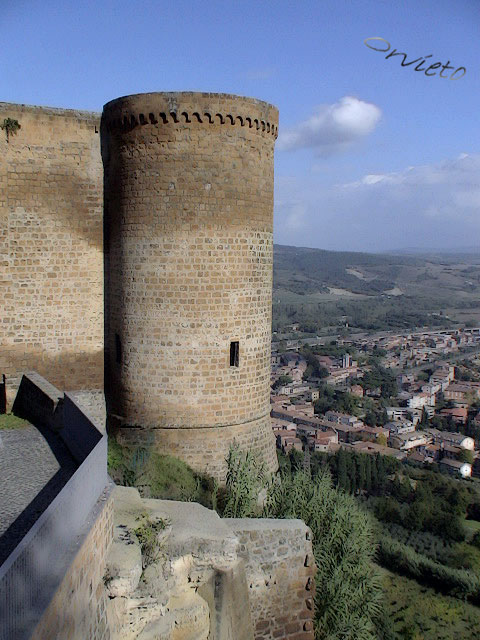
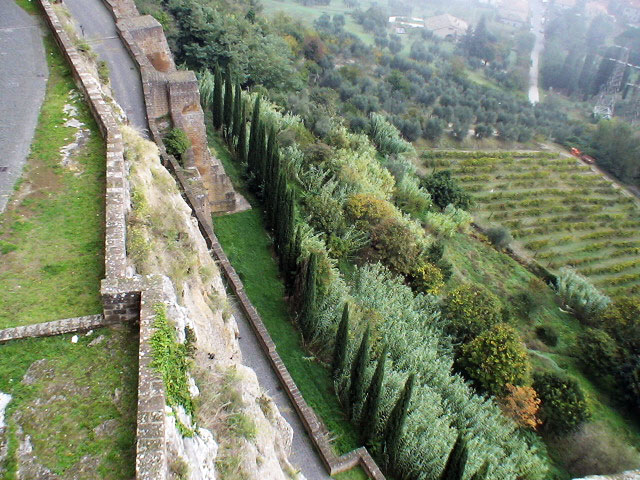
The territory of Orvieto was under papal control long before it was officially added to the Papal states. It remained a papal possession until 1860, when it was annexed to unified Italy.
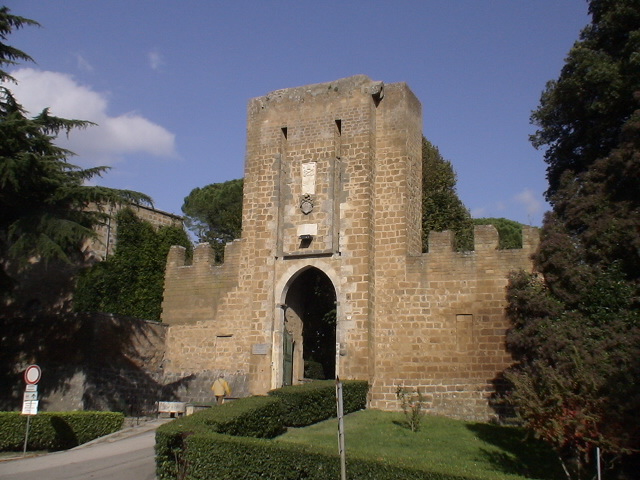
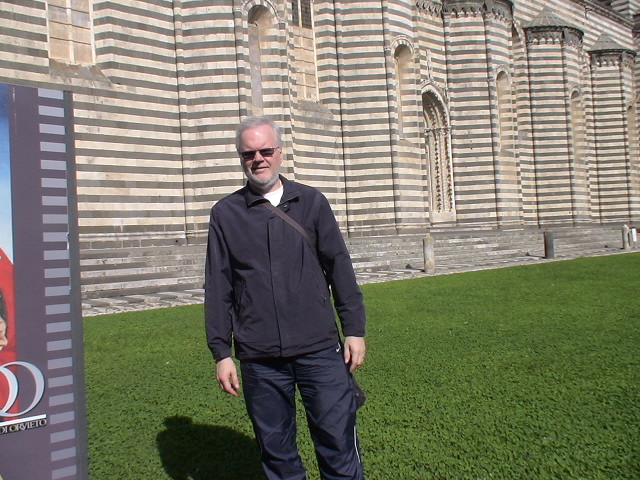
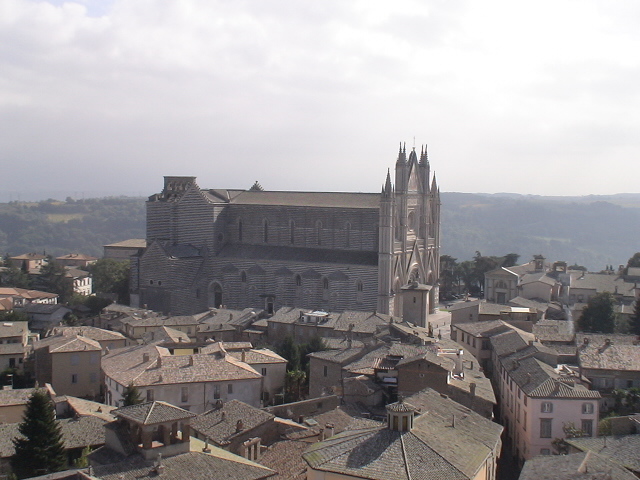

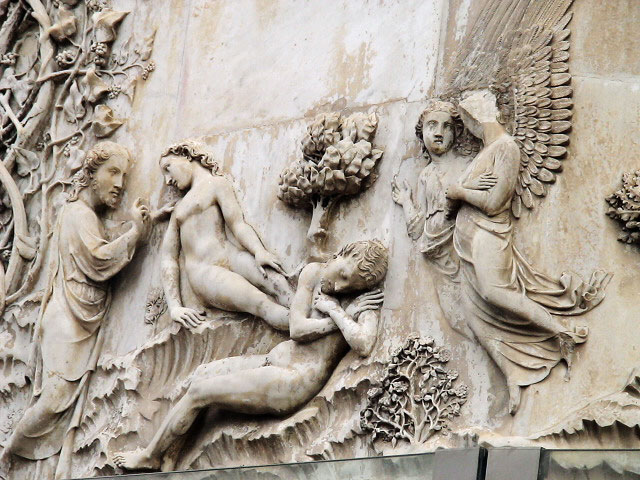
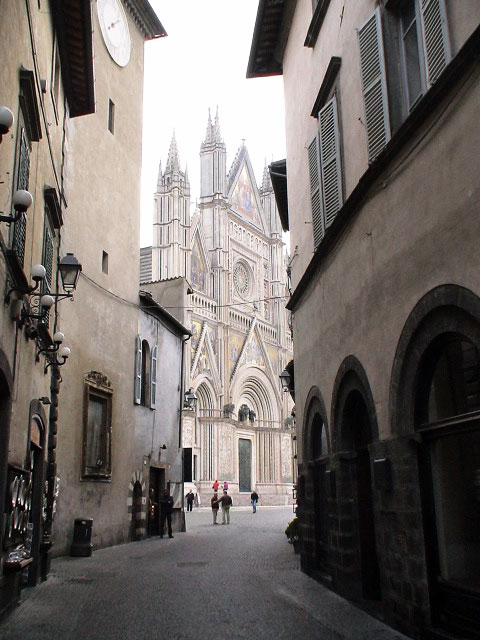
Orvieto Cathedral is a large 14th-century Roman Catholic cathedral dedicated to the Assumption of the Virgin Mary. Since 1986, the cathedral has been the episcopal seat of the former Diocese of Todi as well.
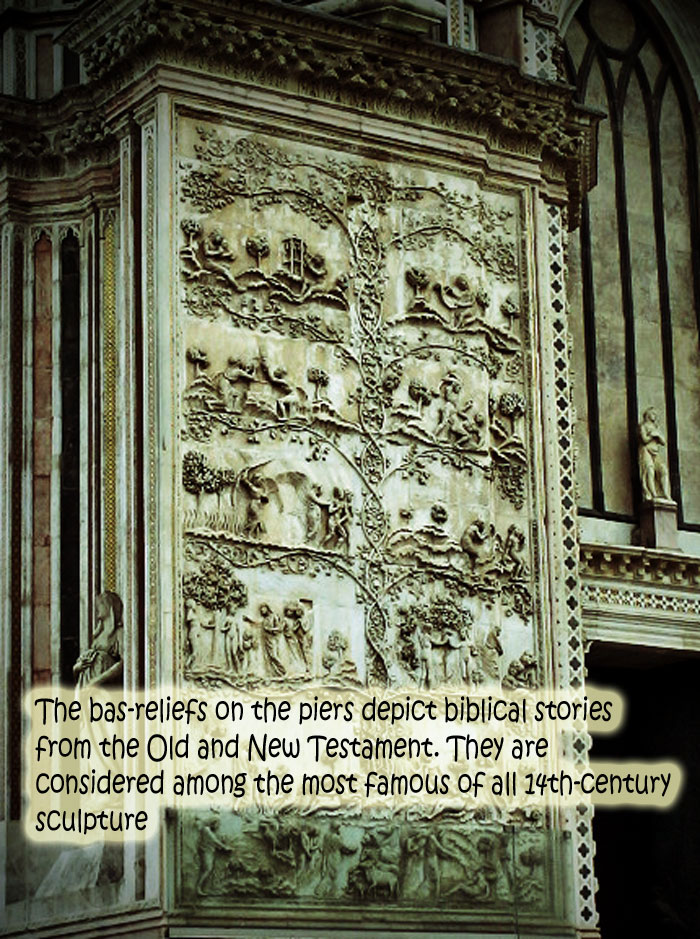
The building was constructed under the orders of Pope Urban IV to commemorate and provide a suitable home for the Corporal of Bolsena, the relic of miracle which is said to have occurred in 1263 in the nearby town of Bolsena, when a traveling priest who had doubts about the truth of transubstantiation found that his Host was bleeding so much that it stained the altar cloth. The cloth is now stored in the Chapel of the Corporal inside the cathedral.
The flagstone of the cathedral was laid on 13 November 1290 by pope Nicholas IV.

 s
s 