
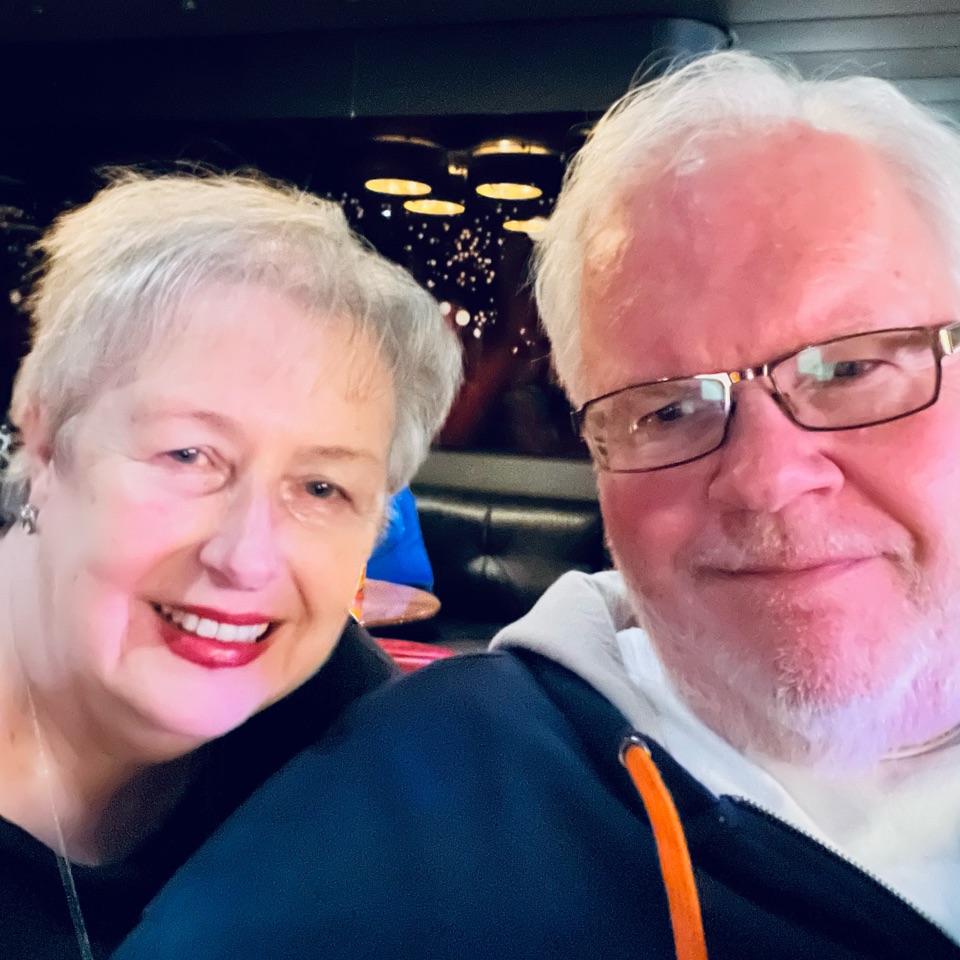


We visited this fine city in October 2025
Nuremberg in the local East Franconian is the largest city in Franconia and the second-largest city in the German State of Bavaria. It has approximately 550,000 inhabitants.
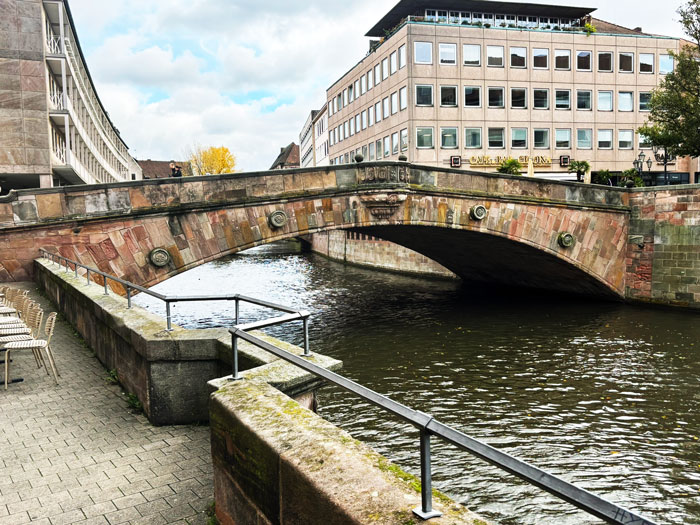
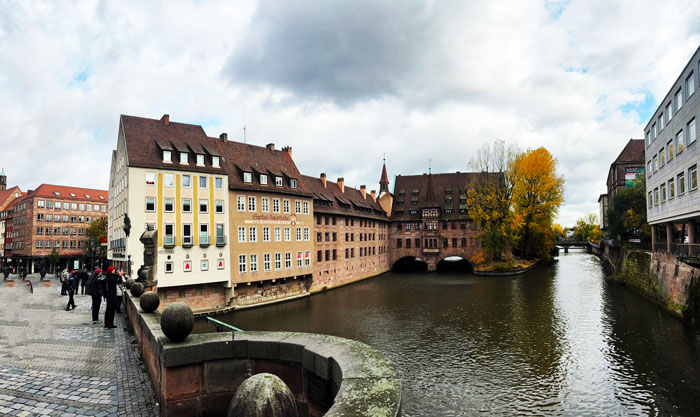
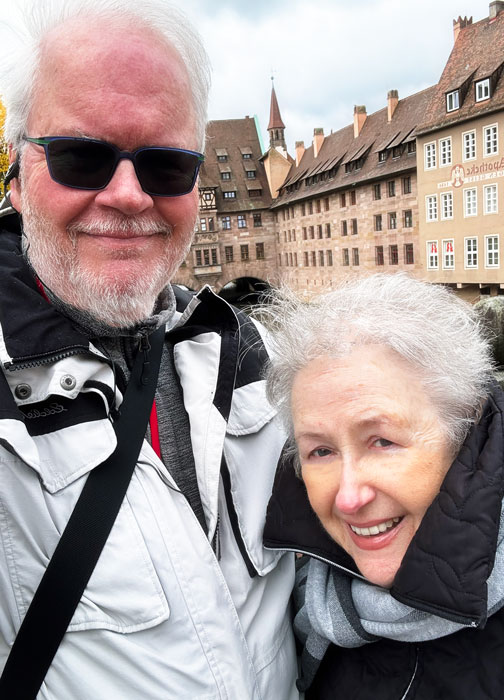
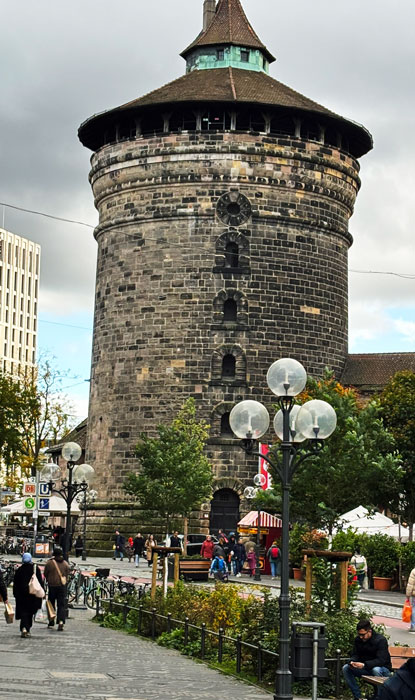
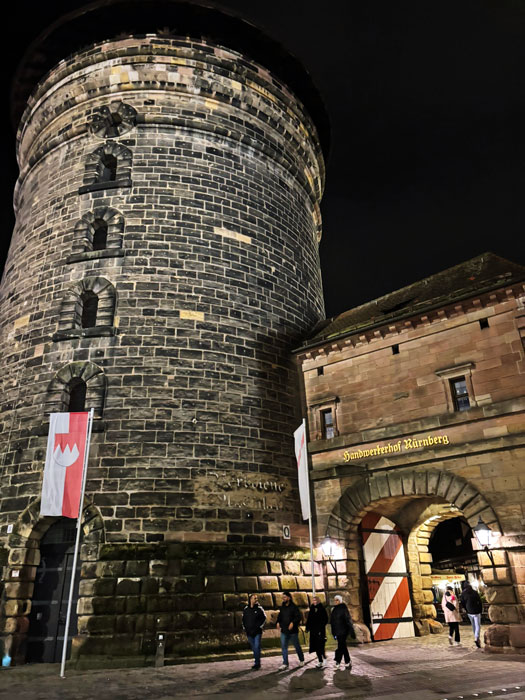
Le Méridien Grand Hotel Nürnberg

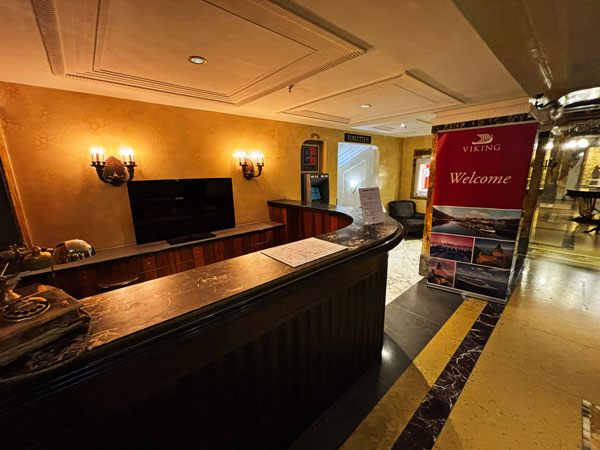
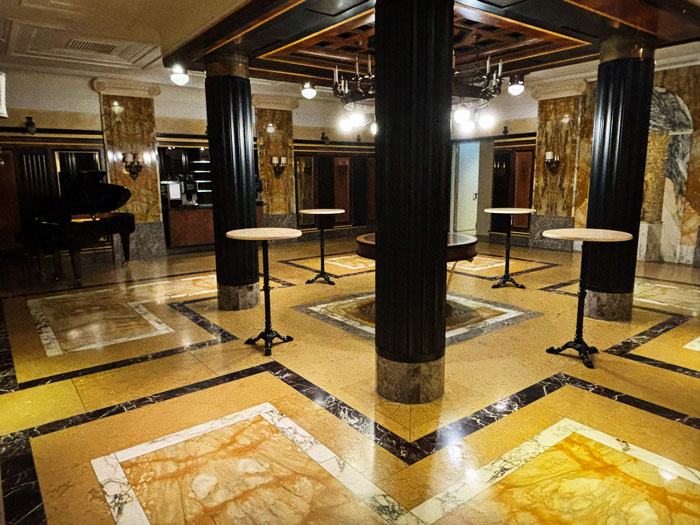
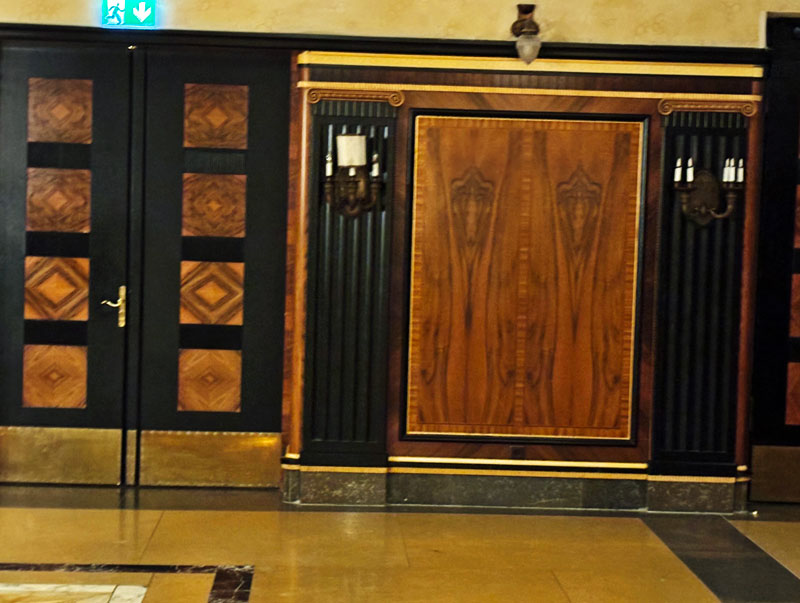
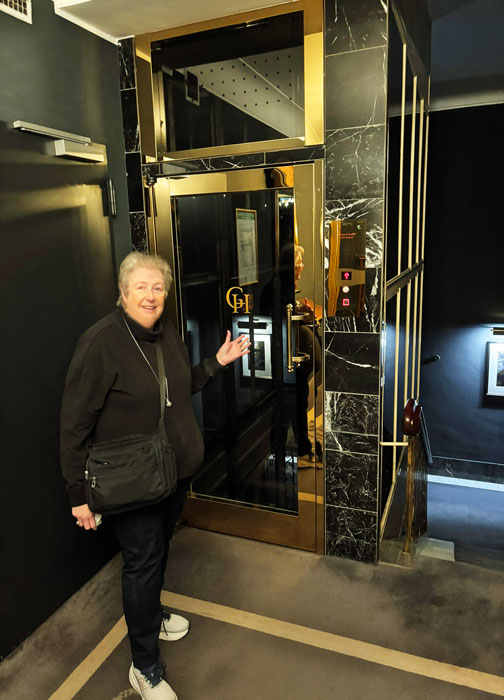
We stayed at this Art Deco hotel. The Nazis never stayed here, because they did not like anything Modern.
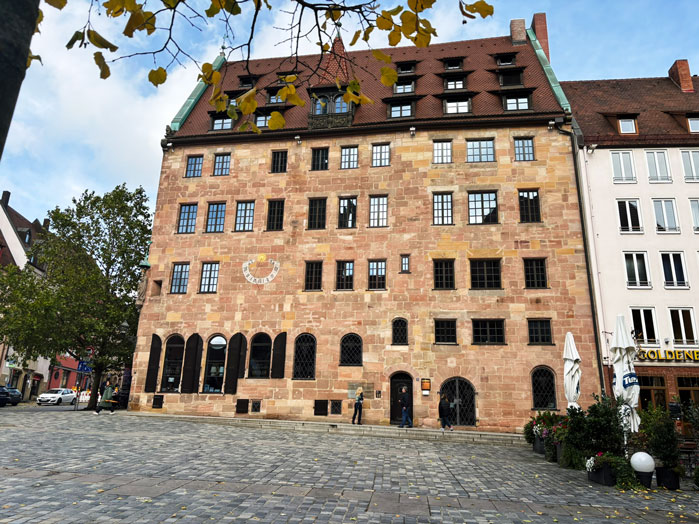
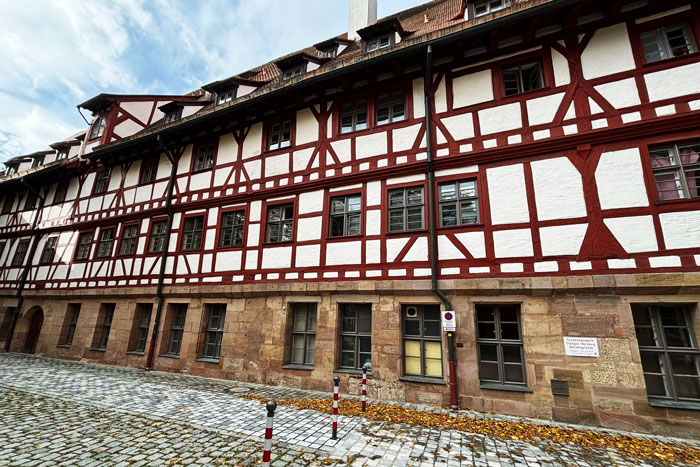
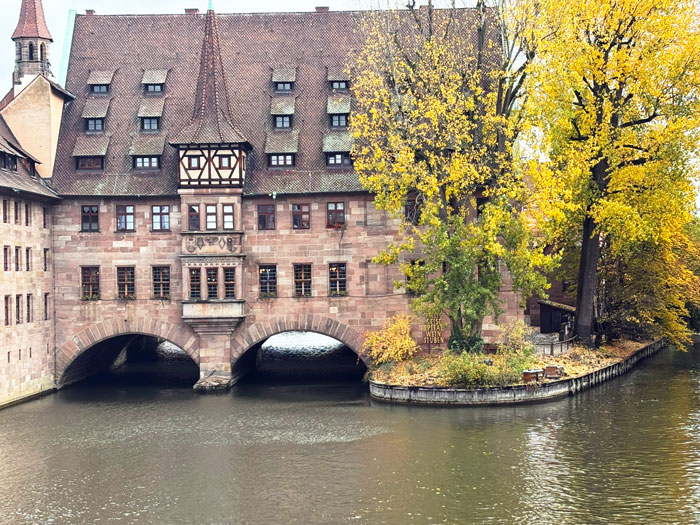
This is one of the few original buildings still standing (post-WW II). It was used to house lepers,
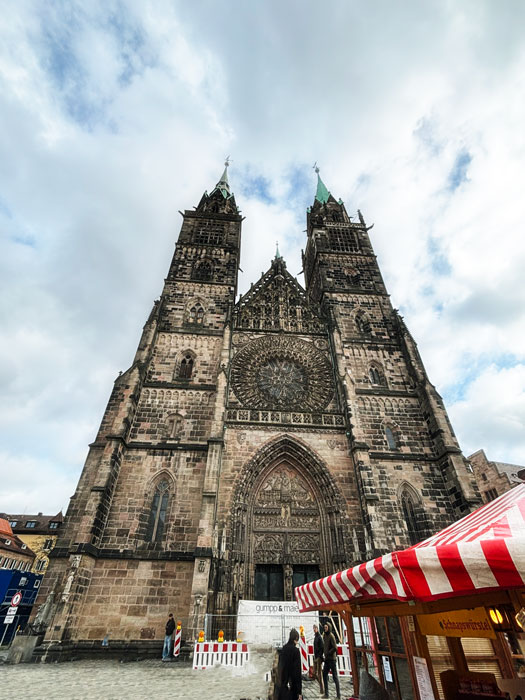
Church of St. Sebald
Nuremberg’s oldest city parish church was built around 1215 as a three-aisled late Romanesque pillared basilica with two choirs. As early as 1309 the original side aisles were widened and altered in the Gothic style. The church – as well as many other buildings in the historic city center of Nuremberg – was destroyed during World War II.
St. Sebald was reconstructed in 1957 and reconsecrated. The reliquary shrine (ca. 1397) in the tomb cast in bronze by Peter Vischer and his sons (1508-1519) is prominently located in the interior of the church. The bones of Nuremberg patron saint Sebaldus are presumed to rest in the silver embossed “casket”.
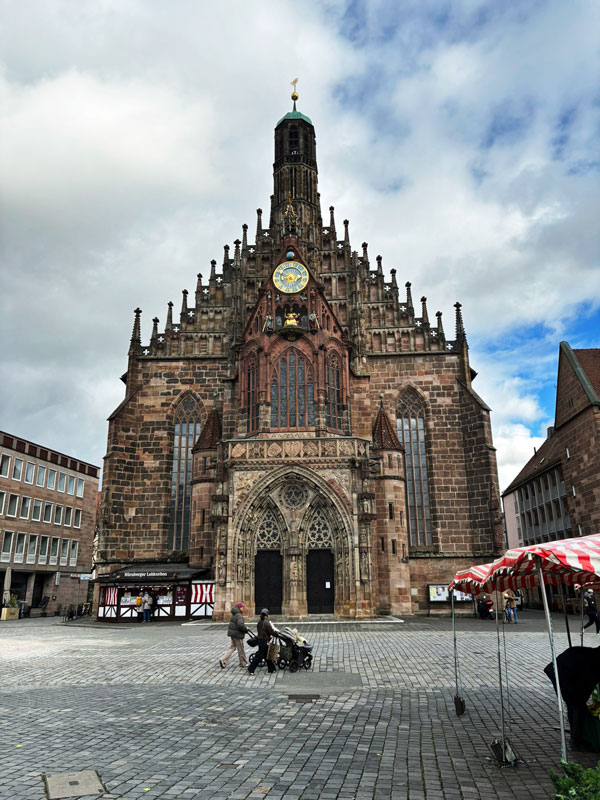
The Frauenkirche stands on the eastern side of the main market. It was built on the initiative of Charles IV, Holy Roman Emperor between 1352 and 1362. The church contains many sculptures, some of them heavily restored. Numerous works of art from the Middle Ages are kept in the church, such as the so-called Tucher Altar (c. 1440, originally the high altar of the Augustinian church of St-Vitus), and two monuments by Adam Kraft (c. 1498). It has been a parish church of the Catholic Church since 1810.
Following an outbreak of the Black Death in 1349, a Christian pogrom against the Jewish inhabitants took place, and they were expelled from the city. Emperor Charles IV ordered the synagogue of Nuremberg to be destroyed to make way for the development of the grand market (Hauptmarkt), at which also a church was to be built on the rubble. This became the Frauenkirche.
Charles IV’s son Wenceslas was baptized in the church in 1361.
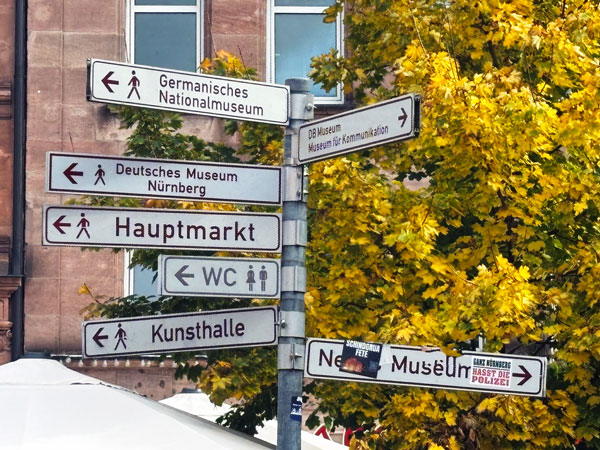
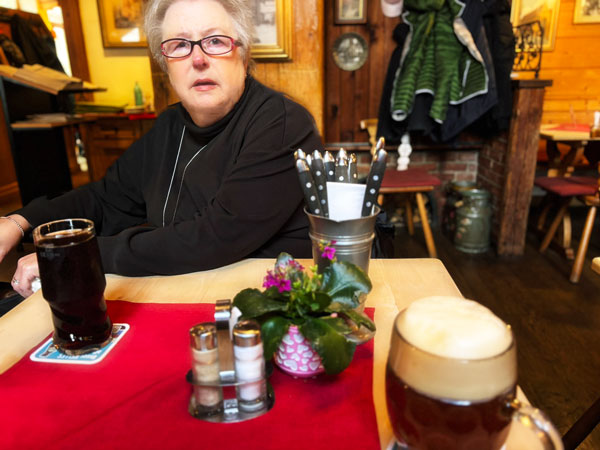
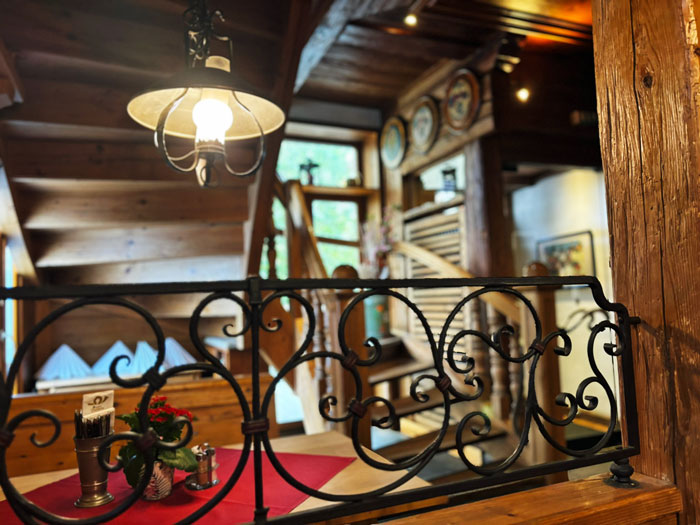
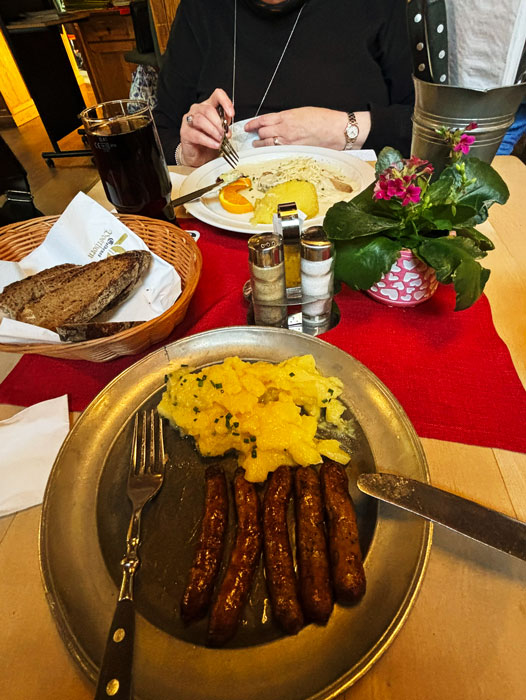
Goldenes Posthorn Restaurant, Glockleinsgasse 2, Nuremberg
Traditional Franconian food.
Nuremburg Stadium- Zeppelin Field
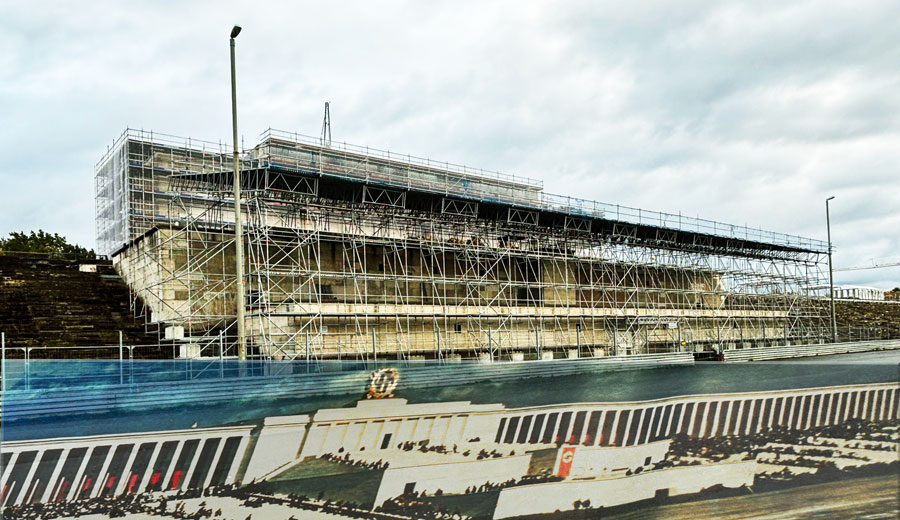
Repairing the stadium.
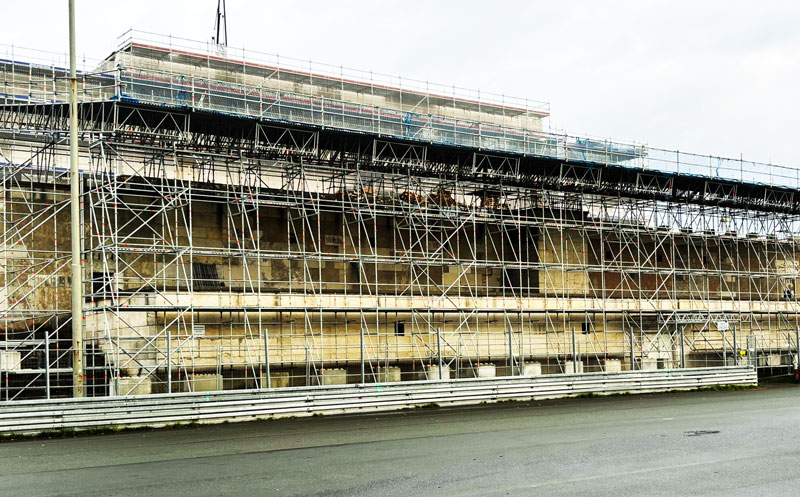
Zeppelin Field
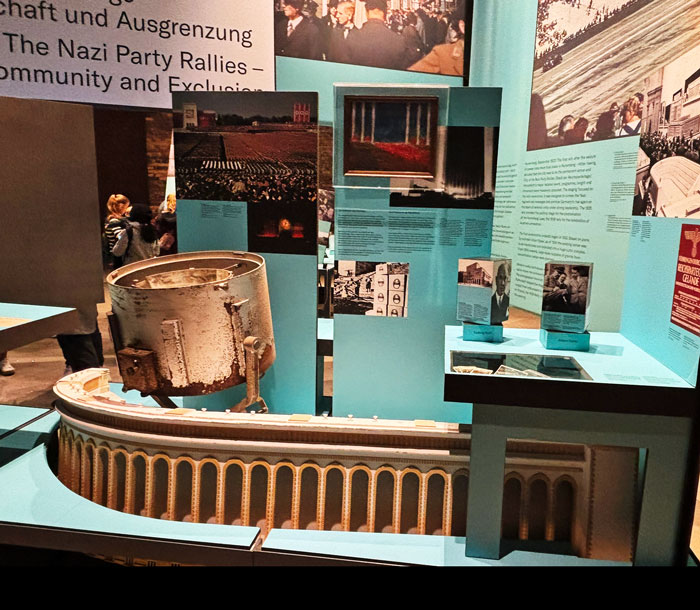
The Nuremberg rallies were a series of celebratory events coordinated by the Nazi Party and held from 1923 to 1938. The first nationwide party convention took place in Munich in January 1923, but the location was shifted to Nuremberg that September. The rallies usually occurred in late August or September, lasting several days to a week. They played a central role in Nazi propaganda , using mass parades, “military rituals”, speeches, concerts, and varied stagecraft methods to project the image of a strong and united Germany under Nazi leardership.
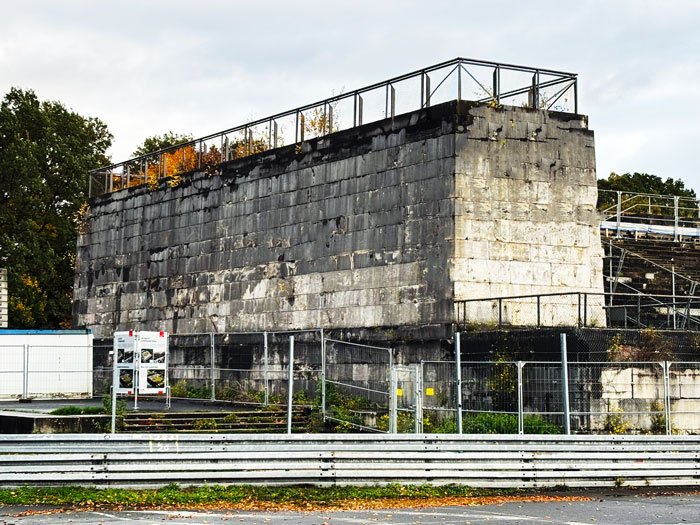
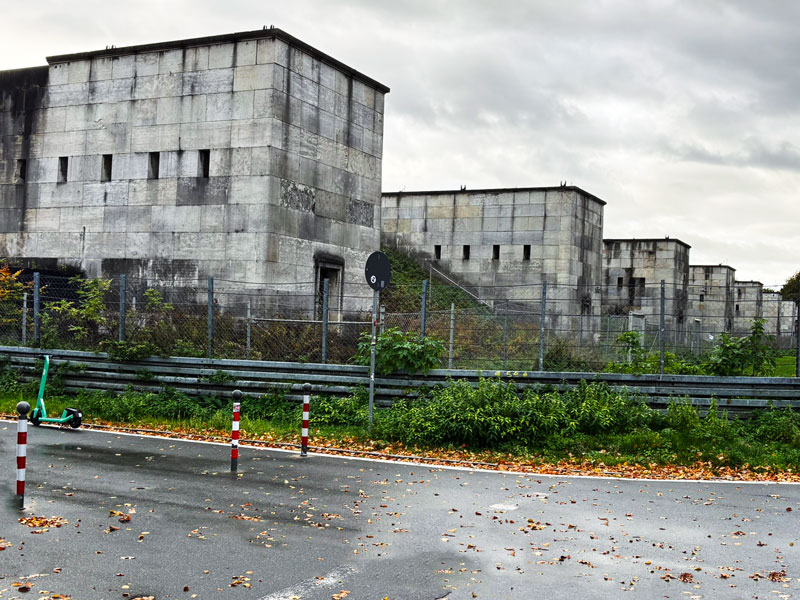
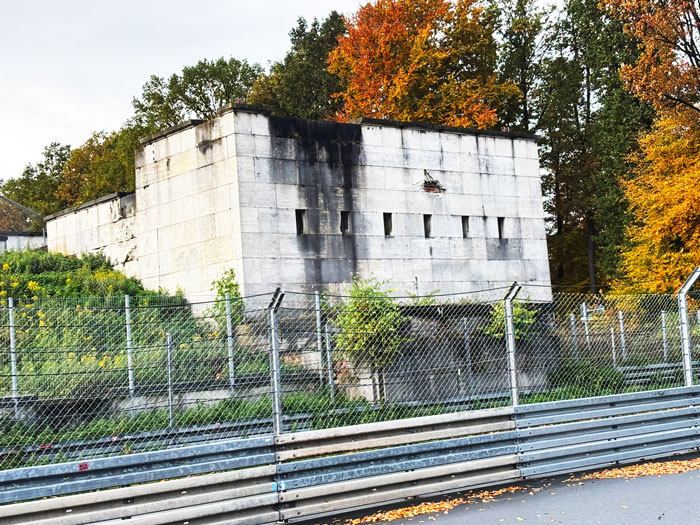
Note: The blocks seen above were actually public washrooms for the thousands gathered at the rallies. The holes in the walls were air ventsé
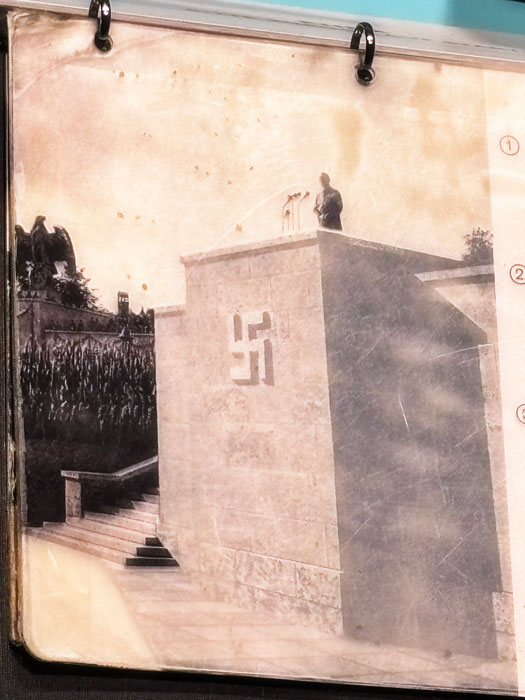
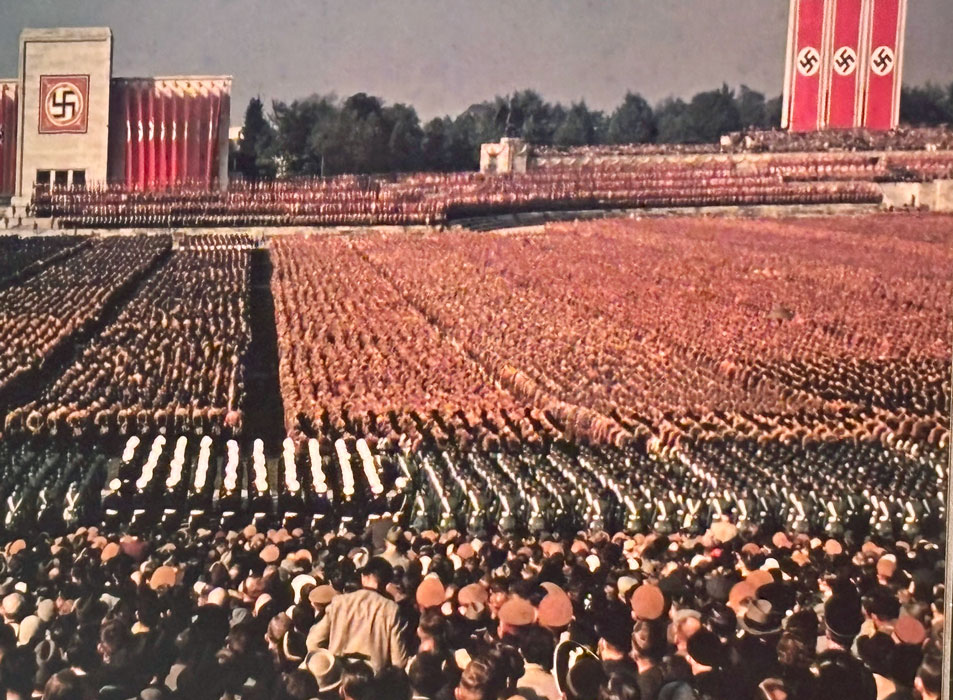
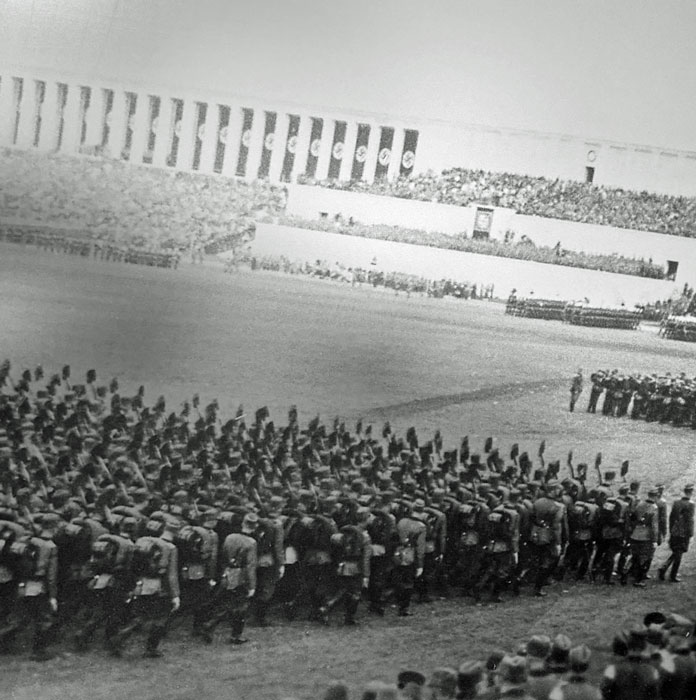
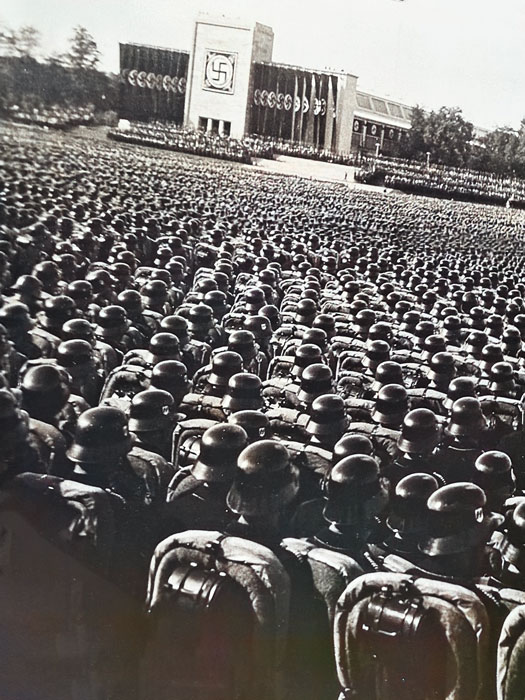
Hitler chose architect Albert Speer to improve the rally complex and, in the summer of 1933, Speer “reshaped Nuremberg” to make it “suitable for hosting what was now the party in power”.
In 1934, he enlarged the Zeppelin Field structures and built them in stone, specifically pink and white granite. In Speer’s own words, he designed a “mighty flight of stairs topped and enclosed by a long colonnade , flanked on both ends by stone abutments. Undoubtedly it was influenced by the Pergamum altar.
Hitler agreed with Speer’s plan, and the finished stadium had a capacity of hundreds of thousands of people. Speer also used lighting to highlight the architecture—and present Hitler in an impressive way—with “130 aircraft searchlights” arranged around and above the stadium. Speer’s so-called Cathedral of light was a key feature of the event, and has been described as the “single most dramatic moment of the Nazi Party rallies”.
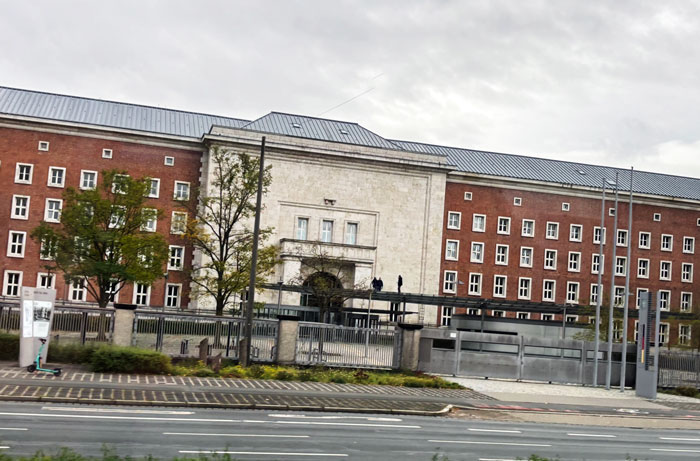
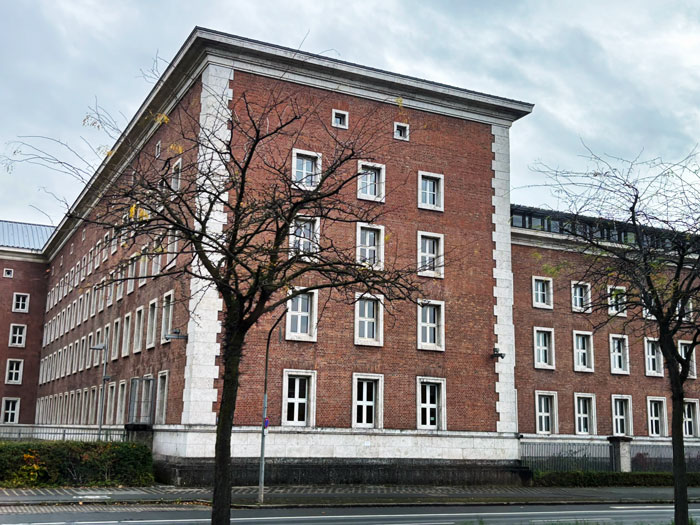
Building complex used for housing for the S.S.
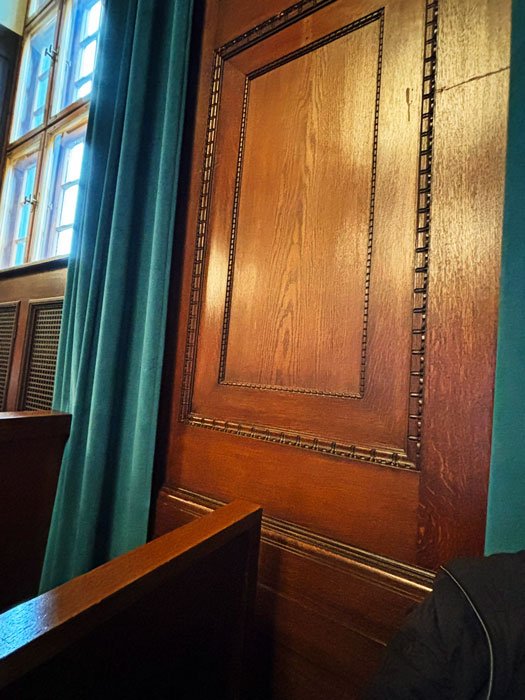
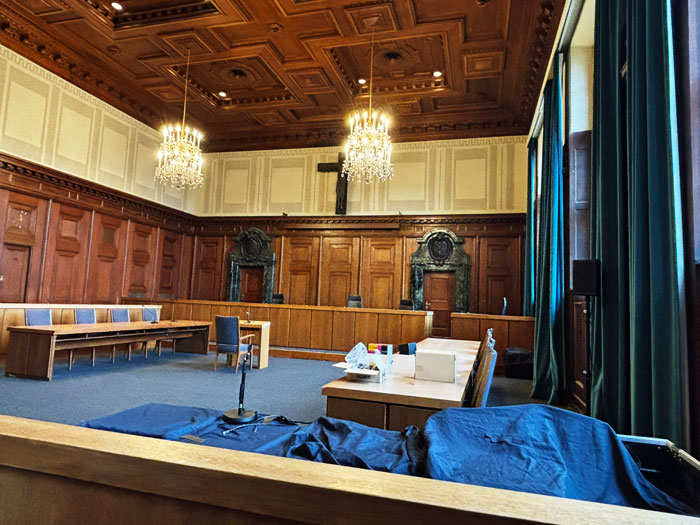
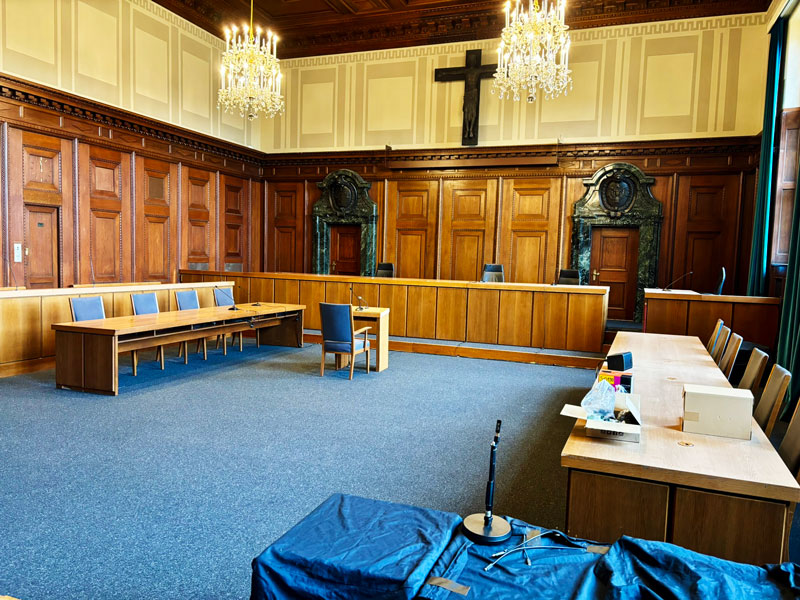
Note: The wood wall panels (walls in ceiling) are original. The furniture is not. The cross was added in the 60’s. This was actually used as a courtroom.
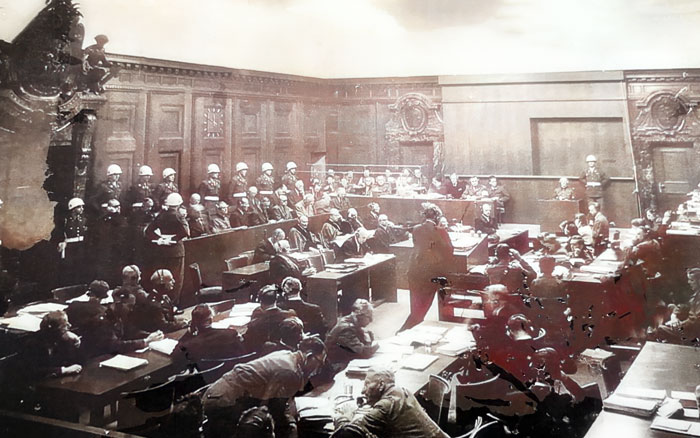
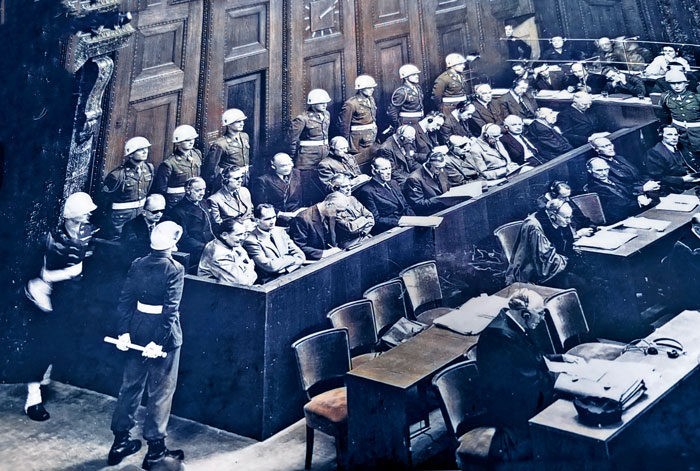
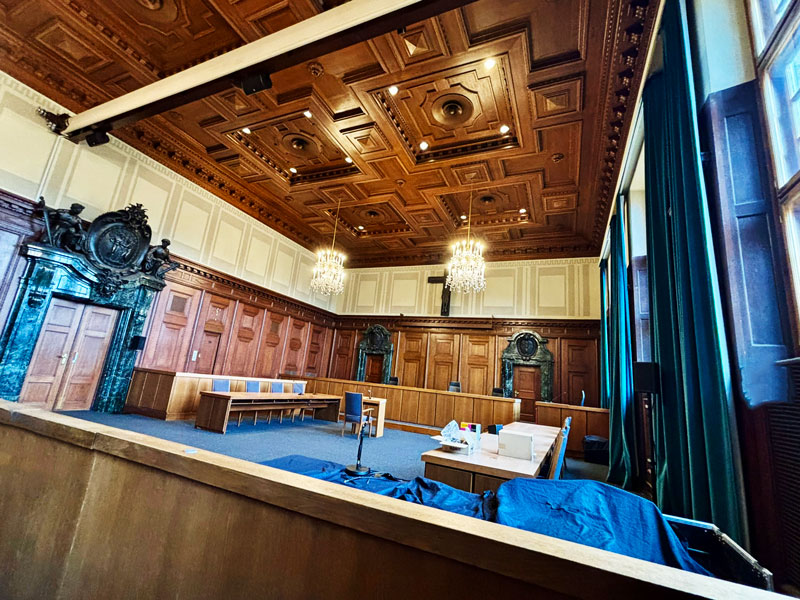
Why did the trials take place in Nuremberg?
The city had been the location of the Nazi Party’s Nuremberg rallies and the laws stripping Jews of their citizenship were passed there. There was symbolic value in making it the place of Nazi accountability.
The Palace of Justice was spacious and largely undamaged (one of the few that had remained largely intact despite extensive Allied bombing. The already large courtroom was reasonably easily expanded by the removal of the wall at the end opposite the bench, thereby incorporating the adjoining room. A large prison was also part of the complex.
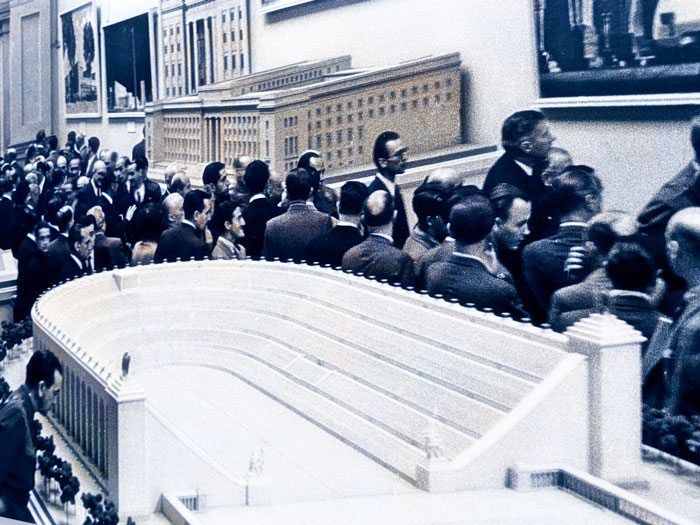
The never completed Congress Hall.
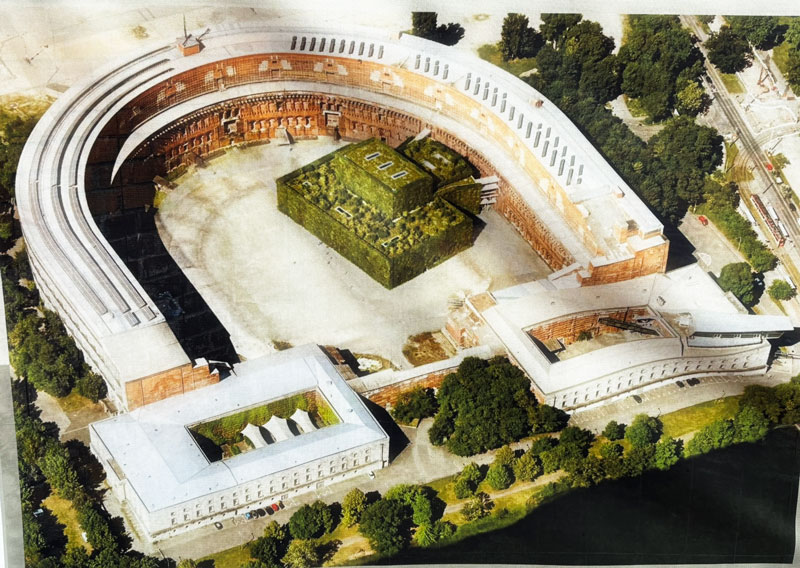
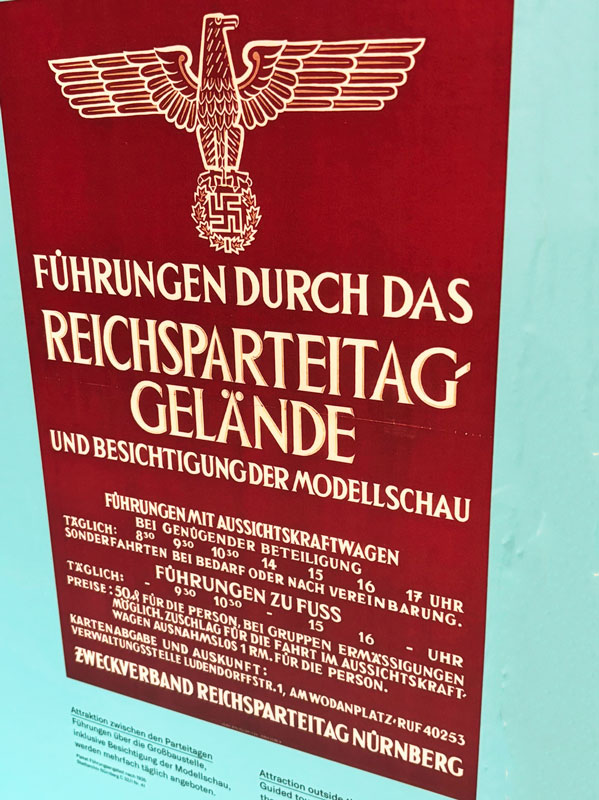
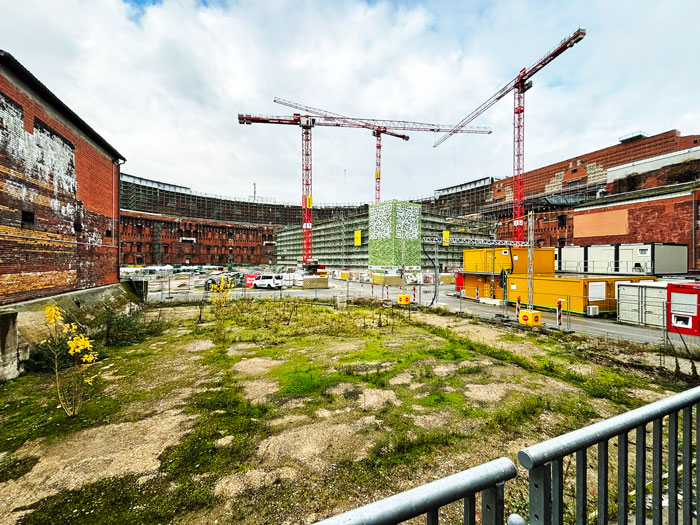
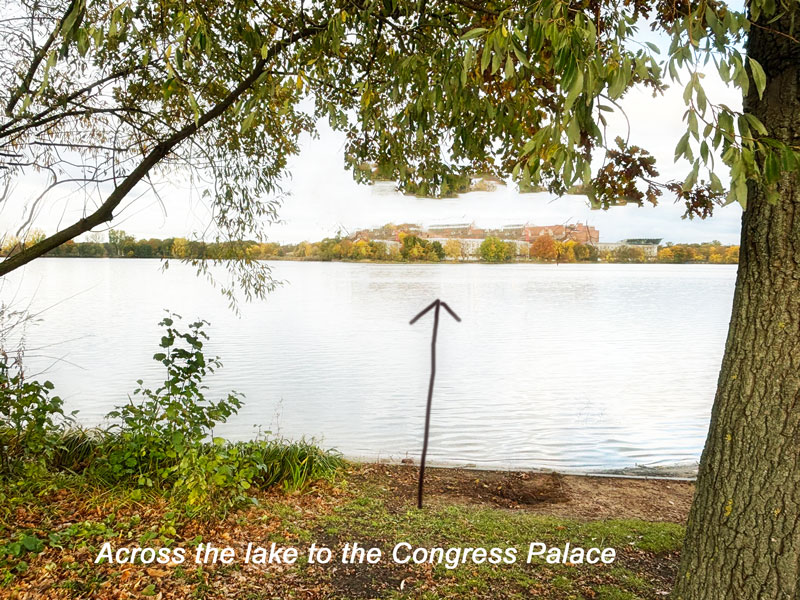
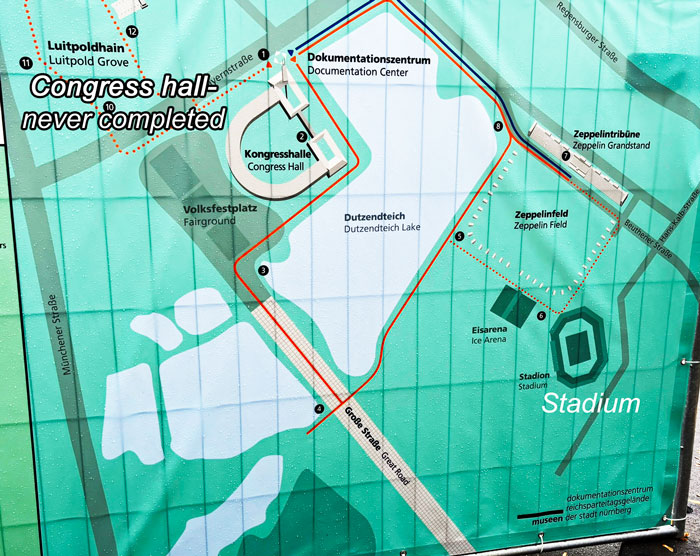
This structure-never completed-could be found across the lake from the stadium. It is now being renovated to house the Nuremburg Opera.

 s
s 