




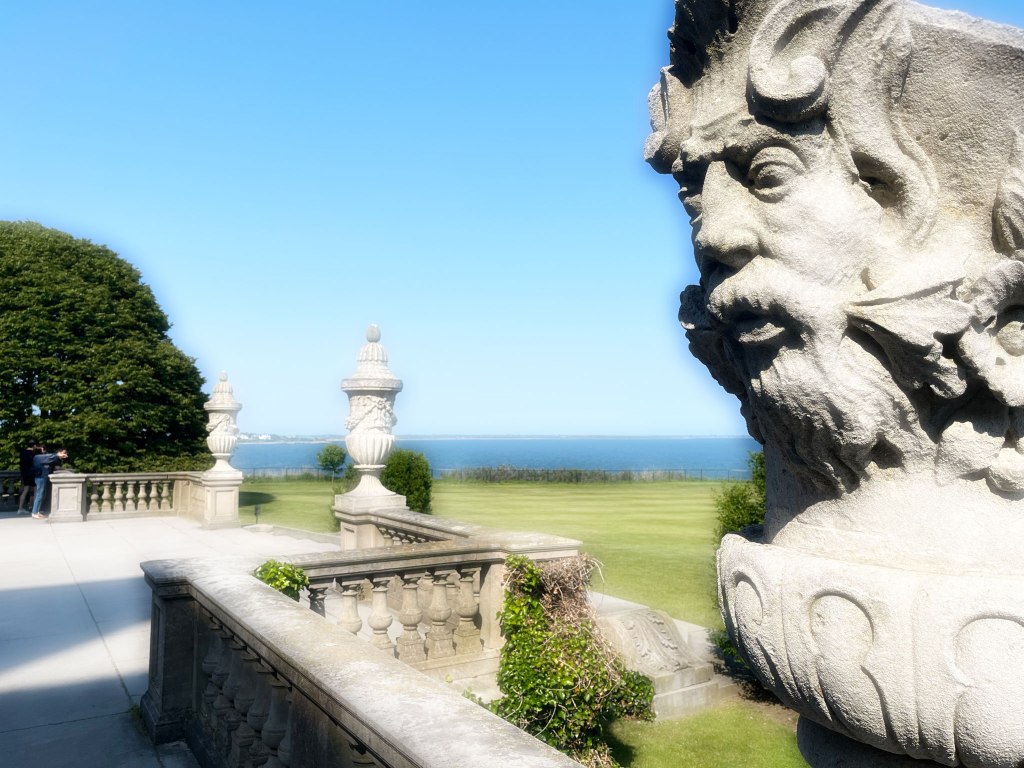
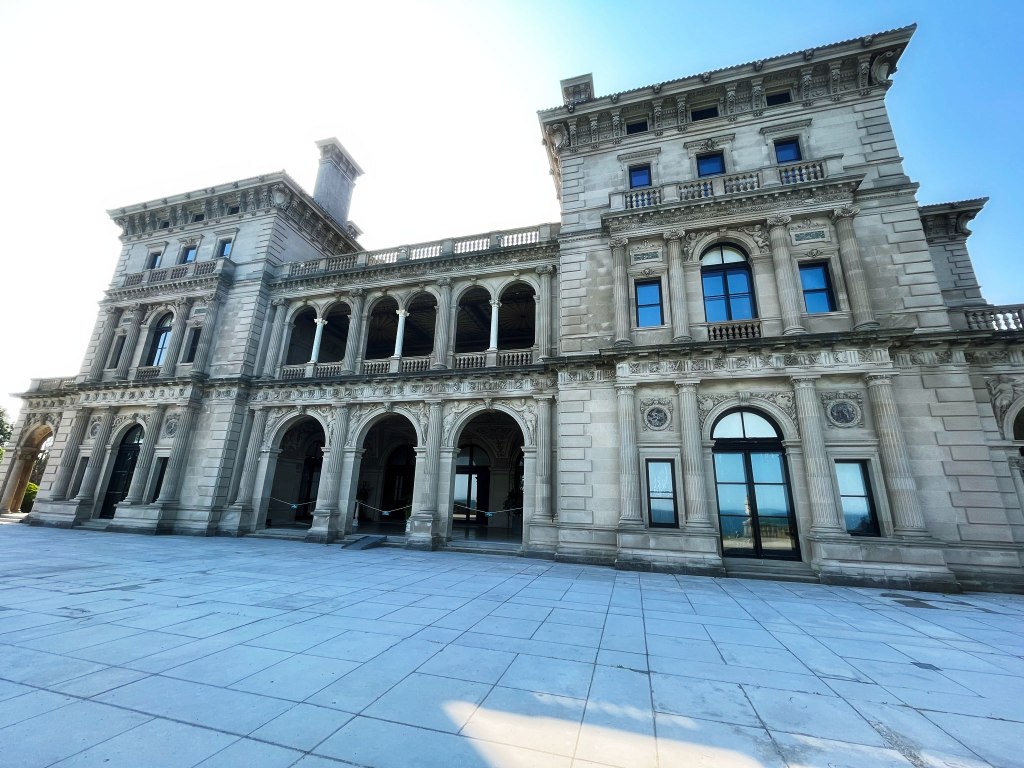
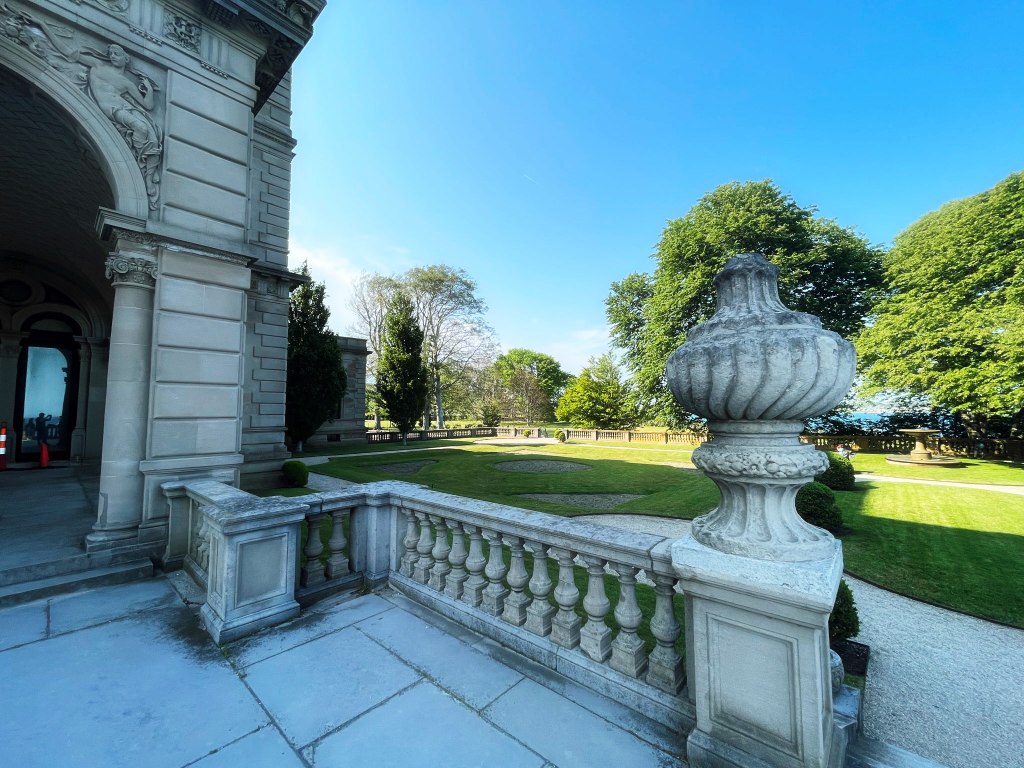
On a May 2023 Bermuda Charleston cruise on Celebrity Summit, we stopped in Newport. We visited The Breakers. the Gilded Age’s the most amazing ‘summer’ cottage of the Vanderbilts.
Newport is a seaside city. It is located approximately 53 km southeast of Providence, 119 km south of Boston, and 290 km northeast of New York City. It is known as a New England summer resort and is famous for its historic mansions and its rich sailing history. The city has a population of about 25,000 residents.
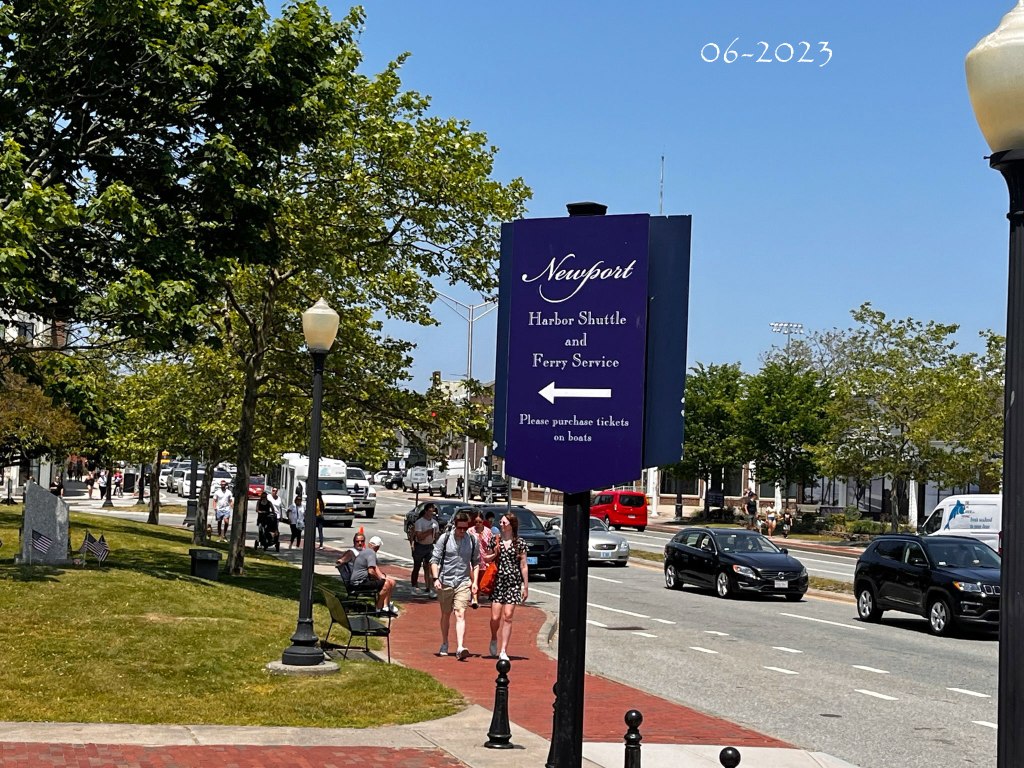
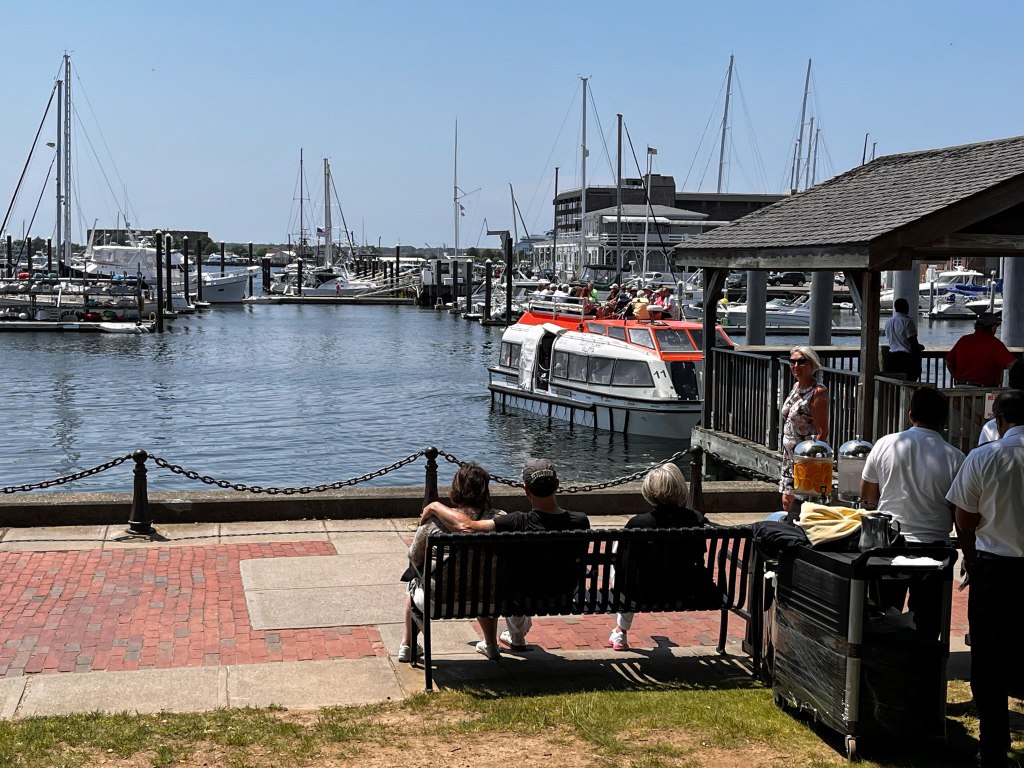
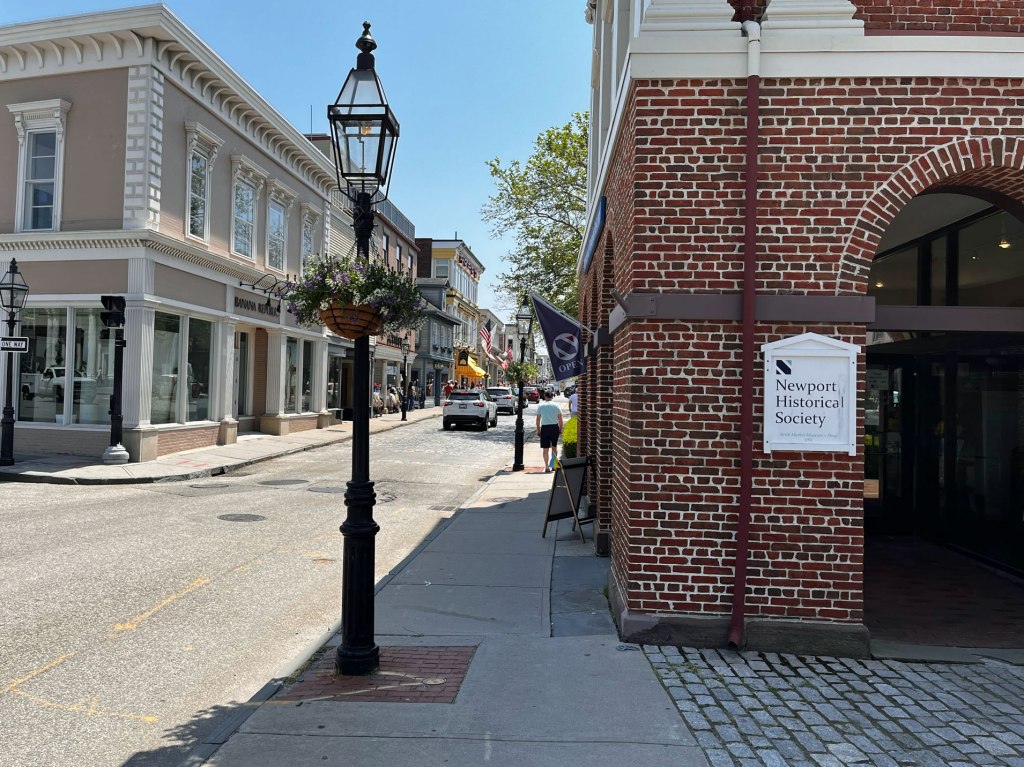
Newport hosted the first U.S. Open tournaments in both tennis and golf , as well as every challenge to the America’s between 1930 and 1983. It was a major 18th-century port city and boasts many buildings from the colonial era.

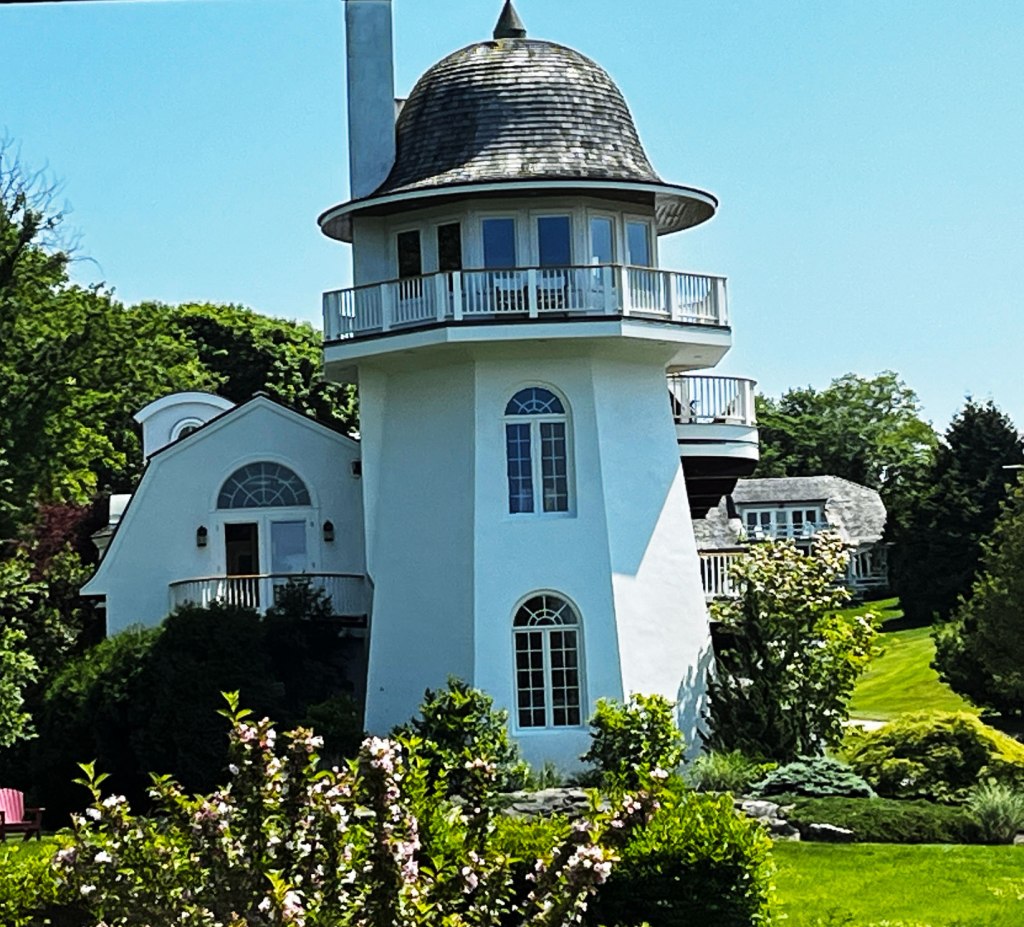
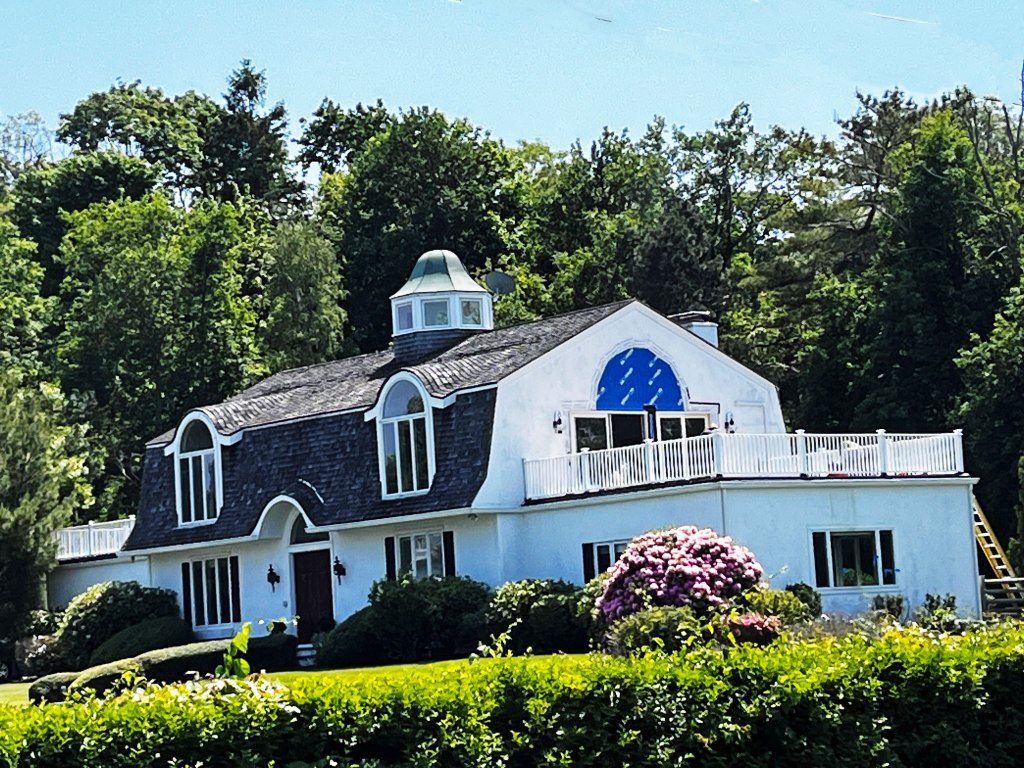
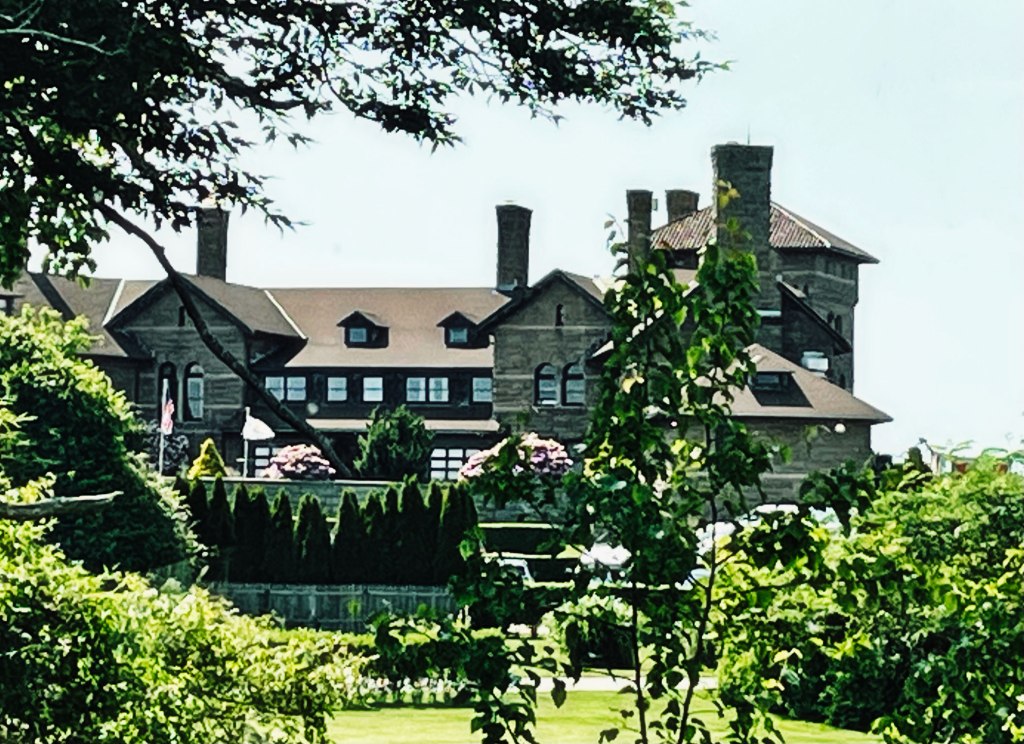
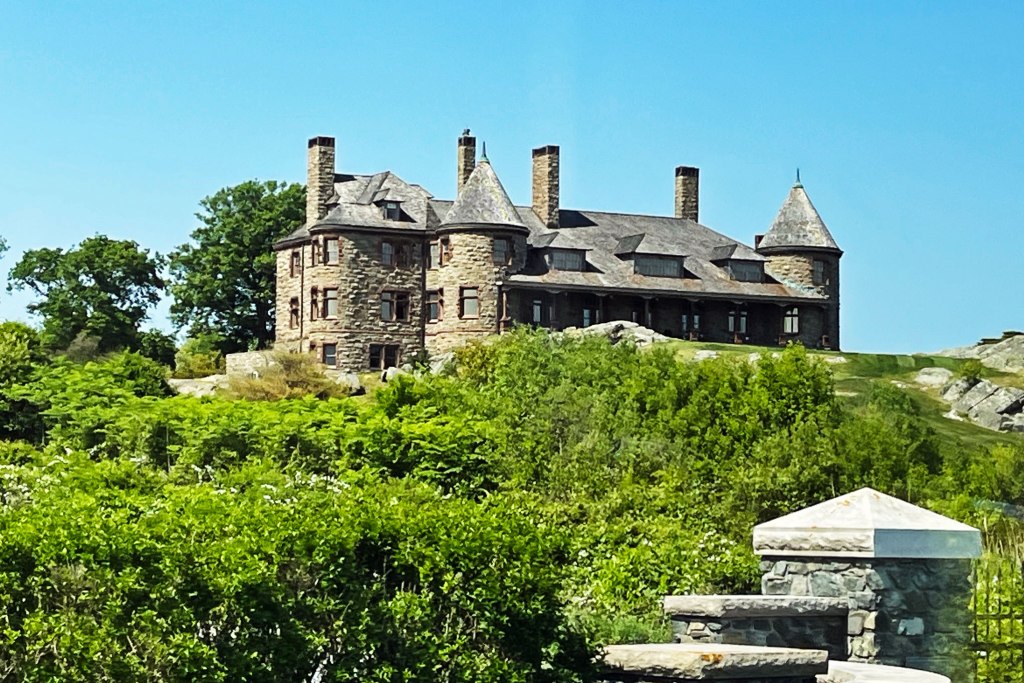
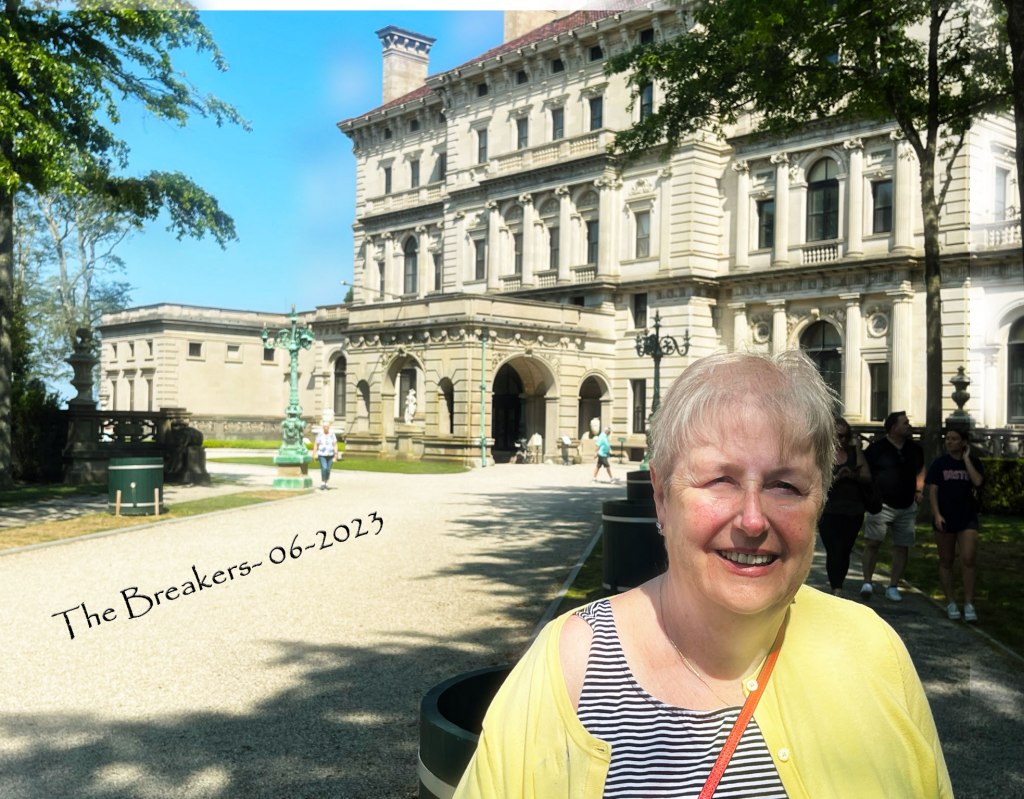
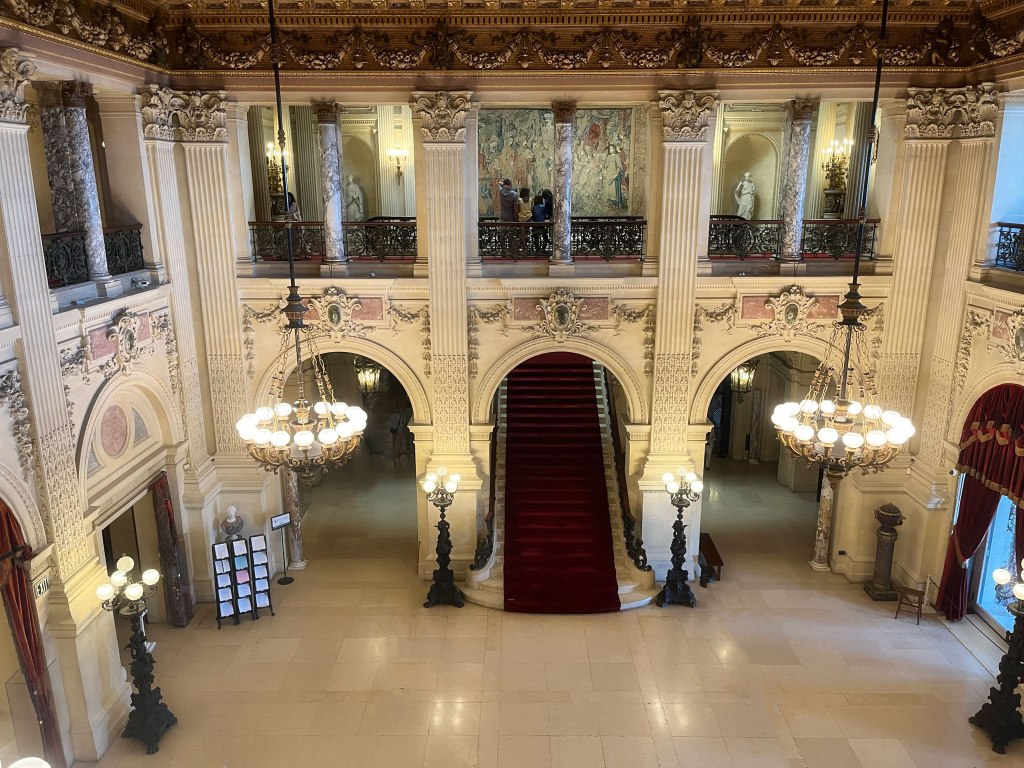
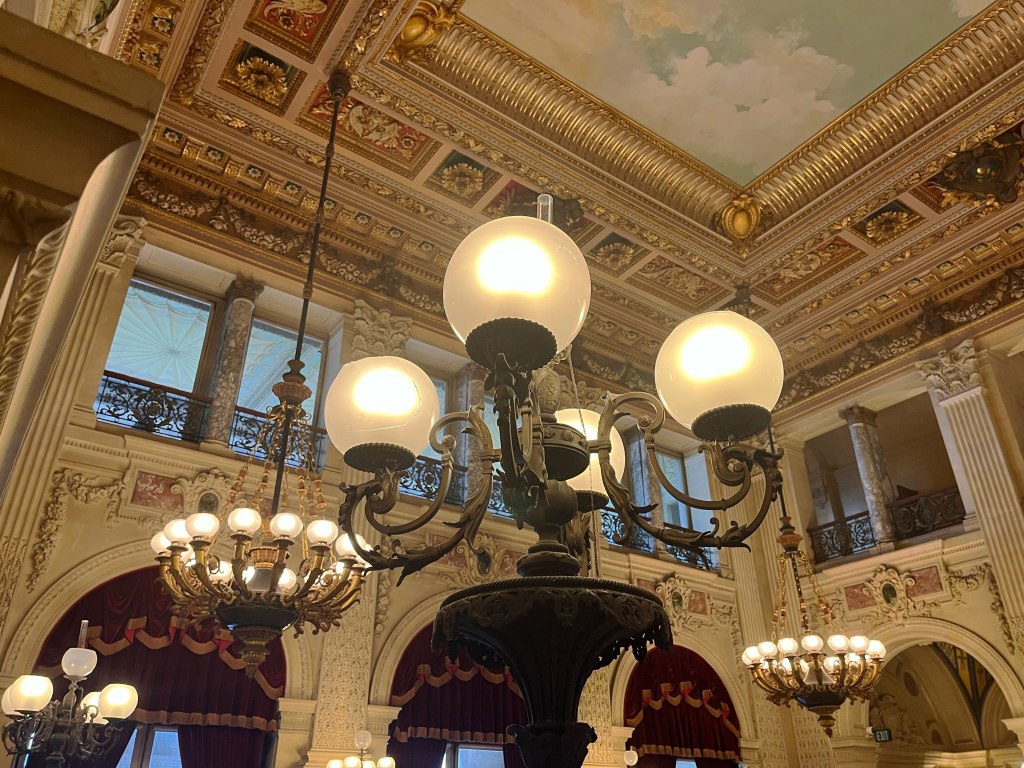
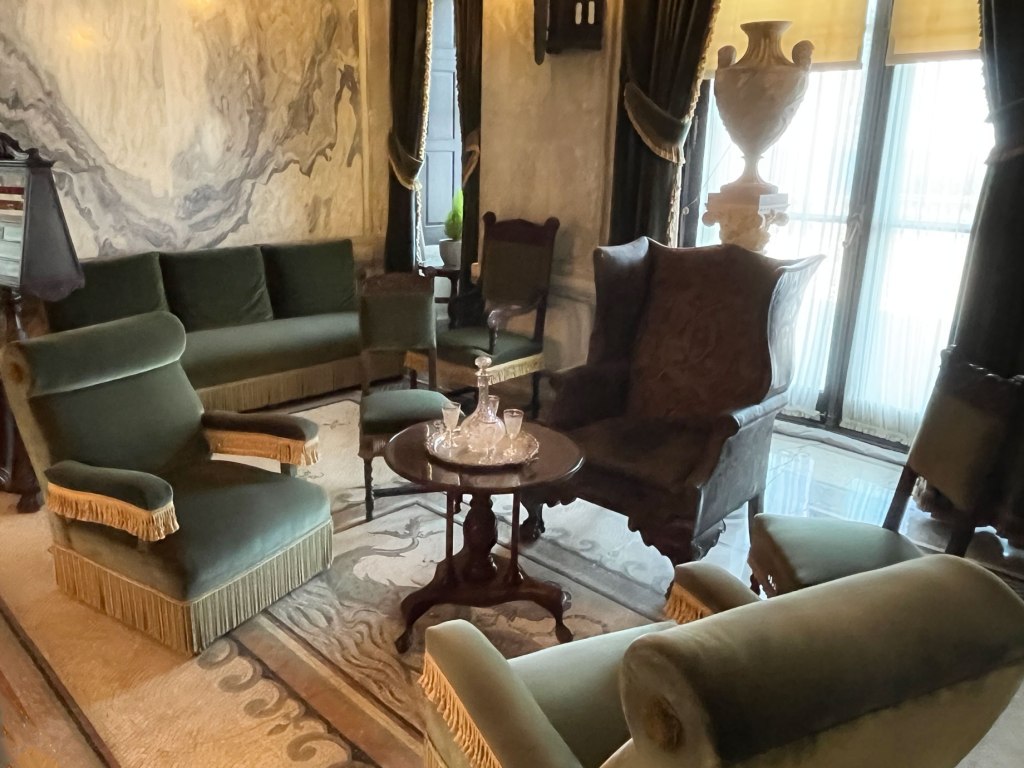
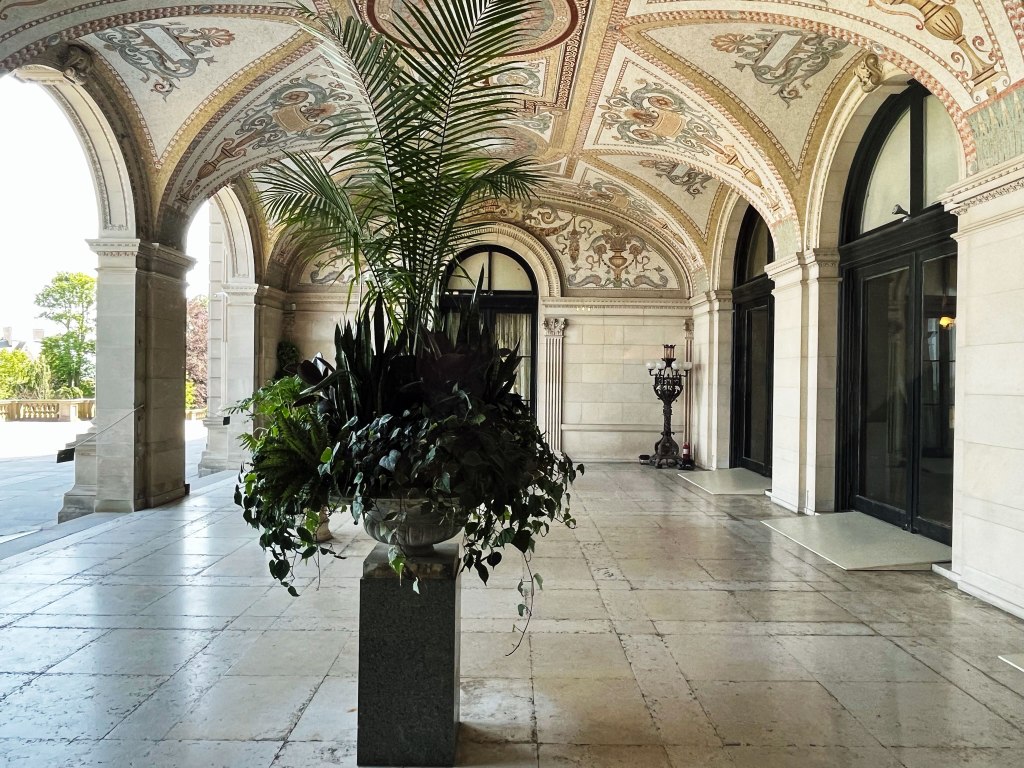
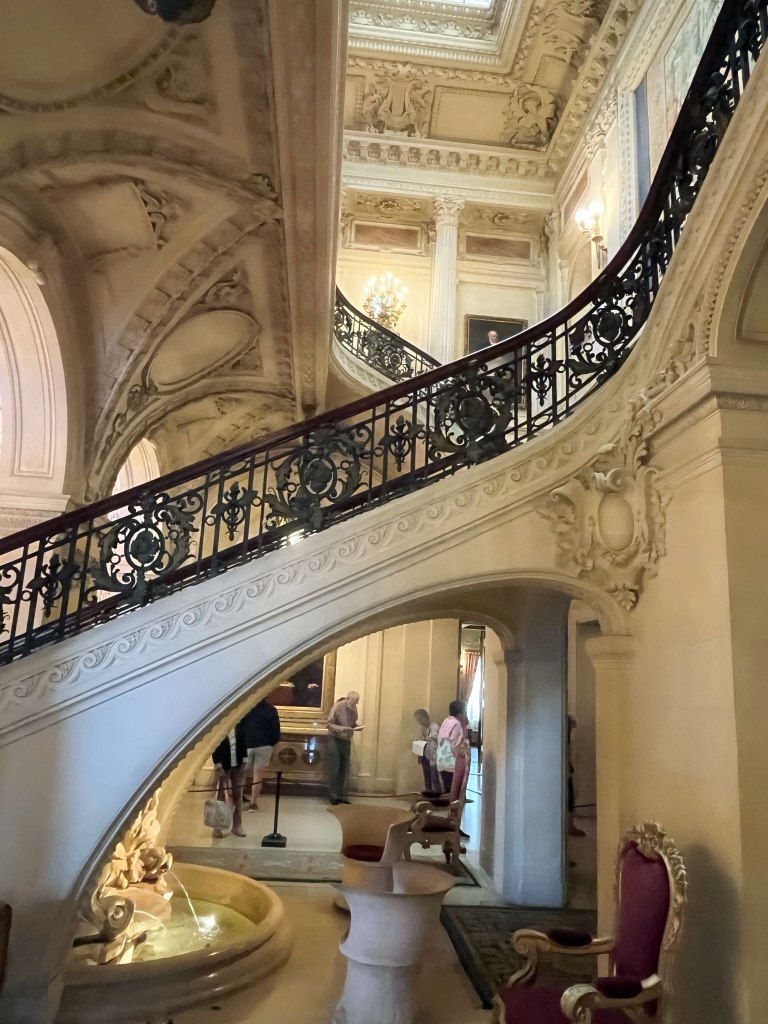
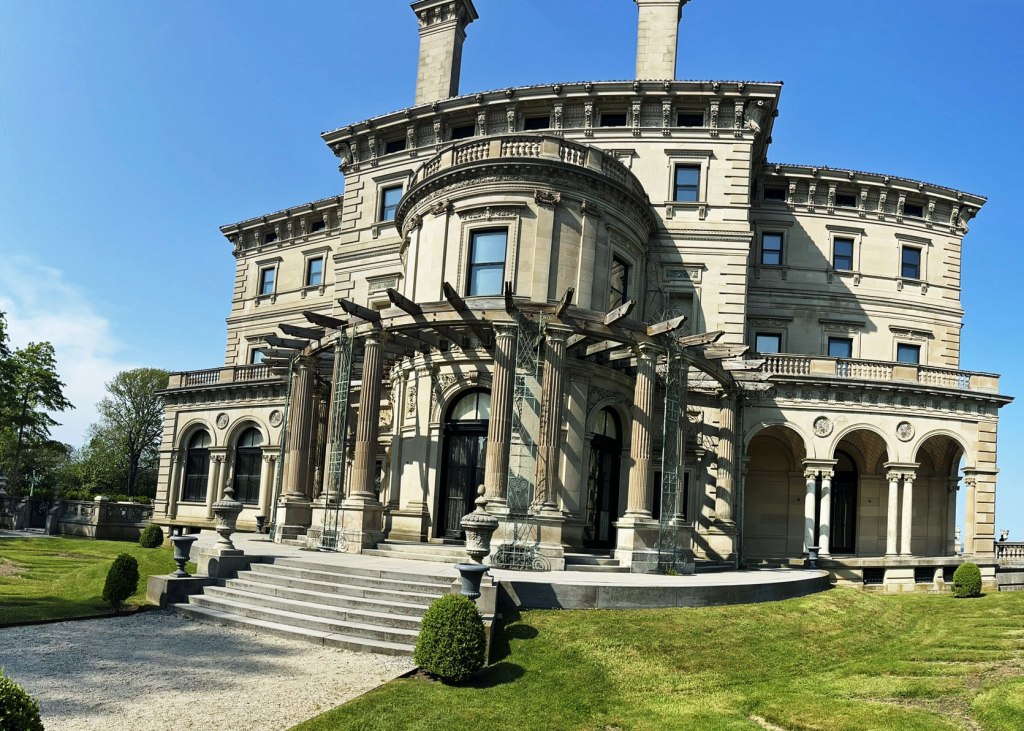
The Breakers is a Gilded Age 70-room mansion built between 1893 and 1895 as a summer residence for Cornelius Vanderbilt II, a member of the wealthy Vanderbilt family.
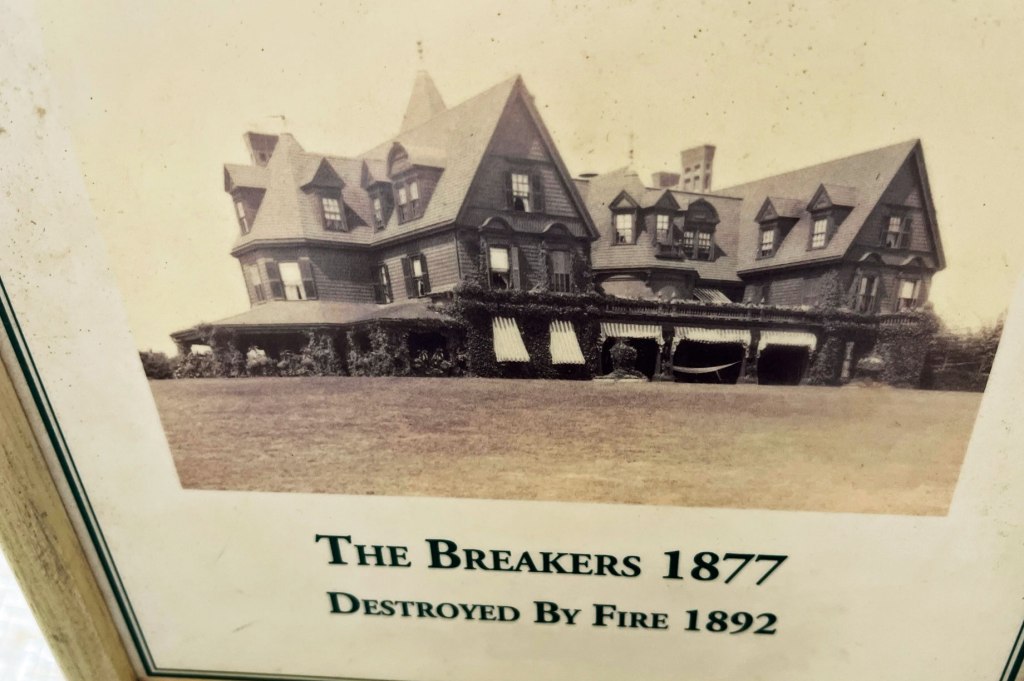
We enjoyed our visit. Cornelius Vanderbilt II purchased the grounds in 1885 for $450,000 ($14.7 million today). The previous mansion on the property was owned by Pierre Lorillard IV; it burned on November 25, 1892, and Vanderbilt commissioned famed architect Richard Morris hunt to rebuild it in splendor
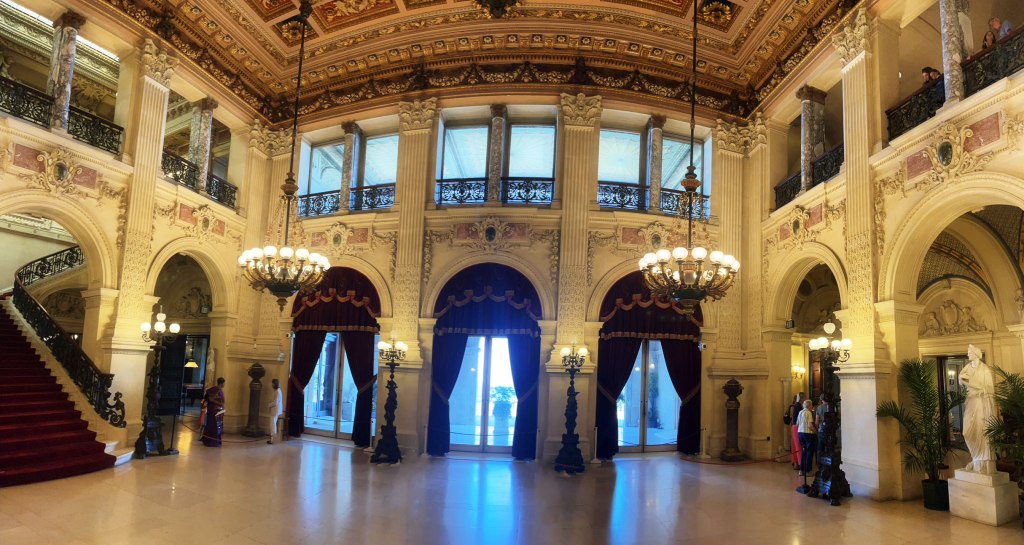
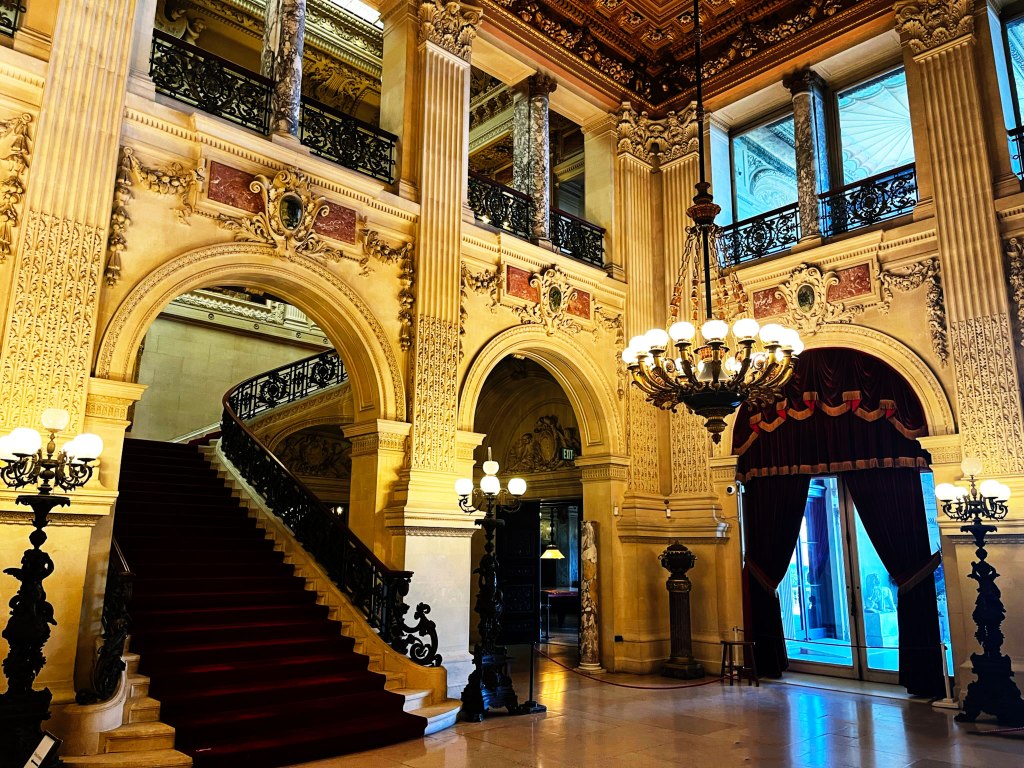
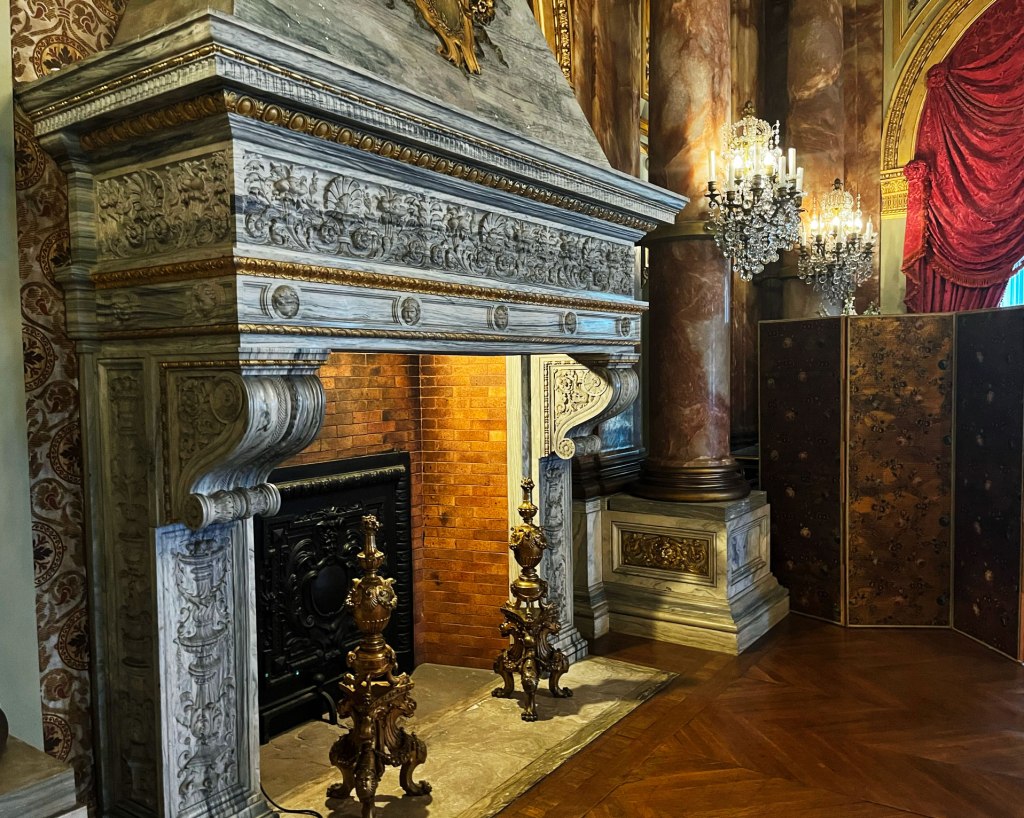
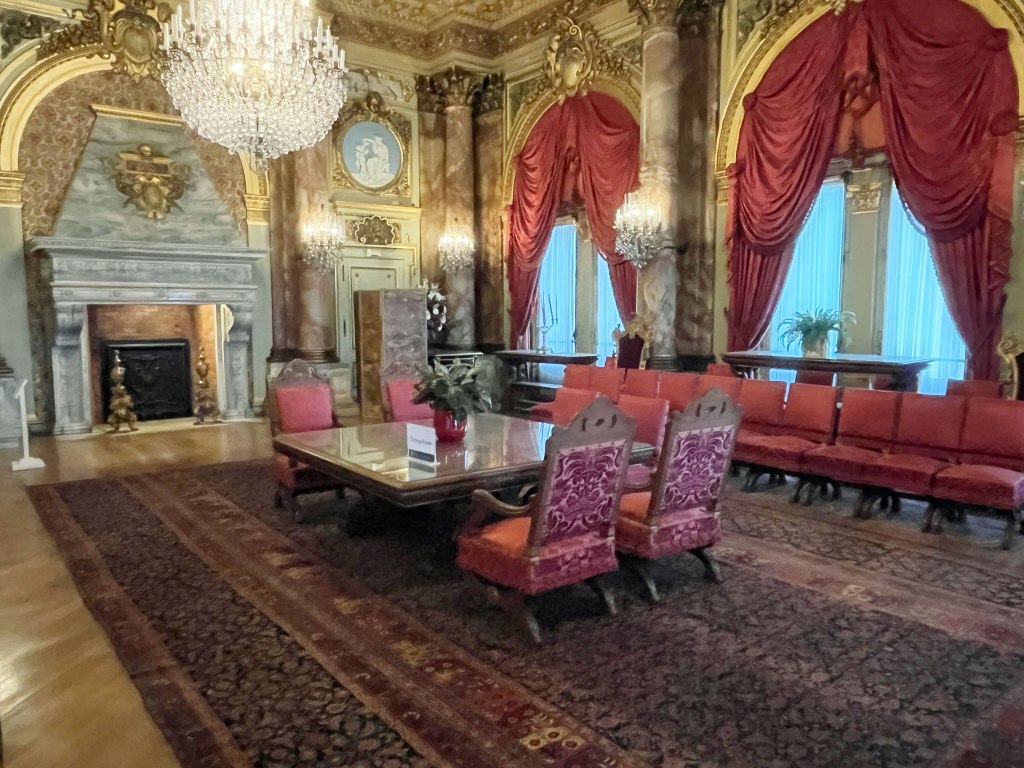
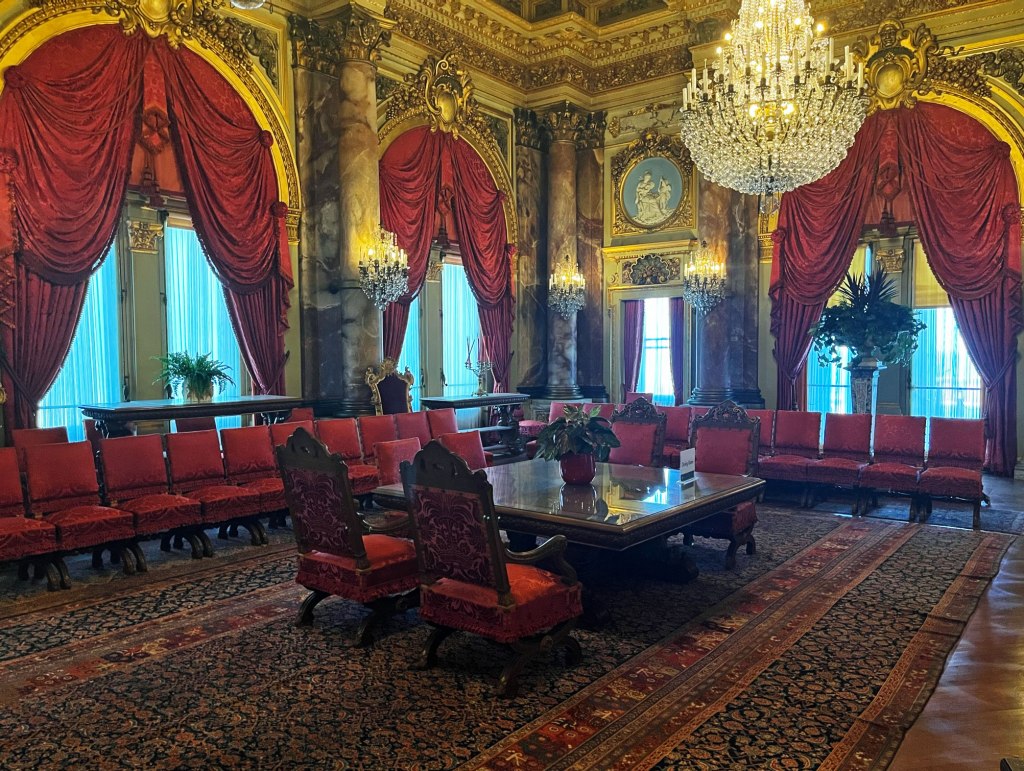

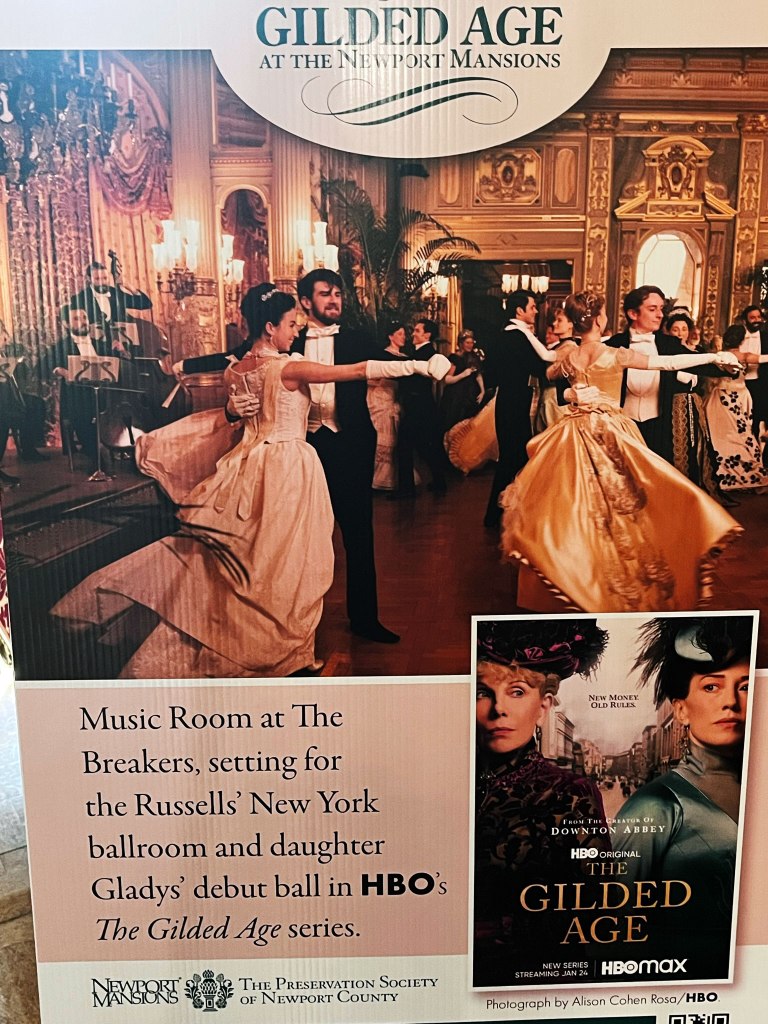

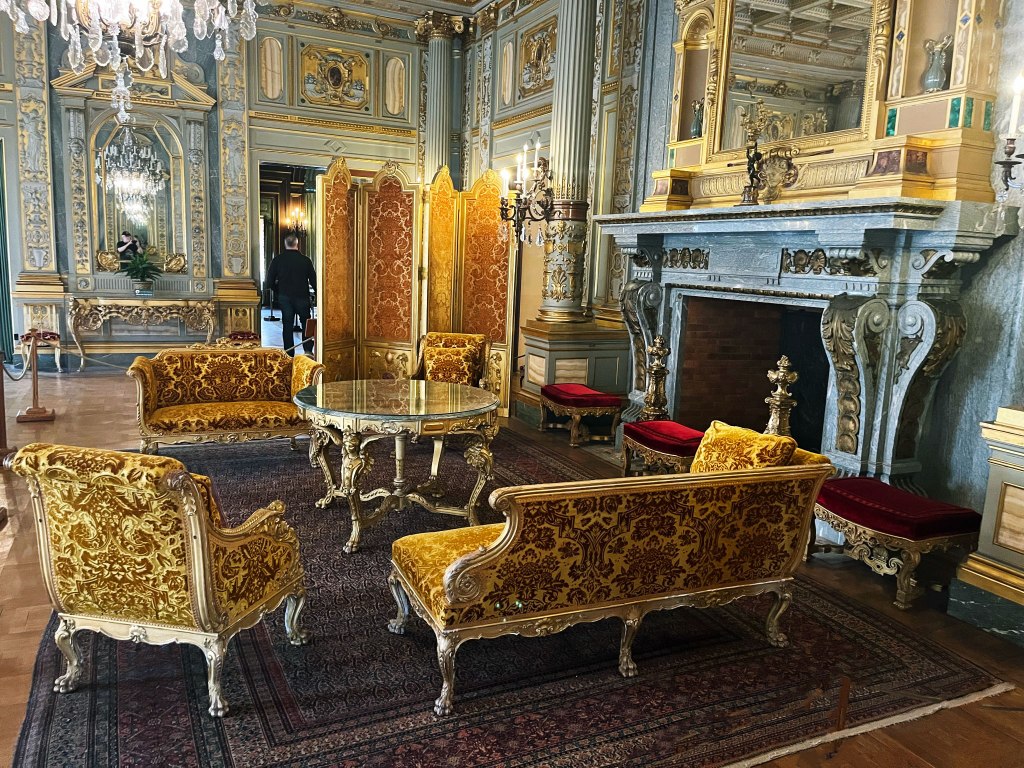
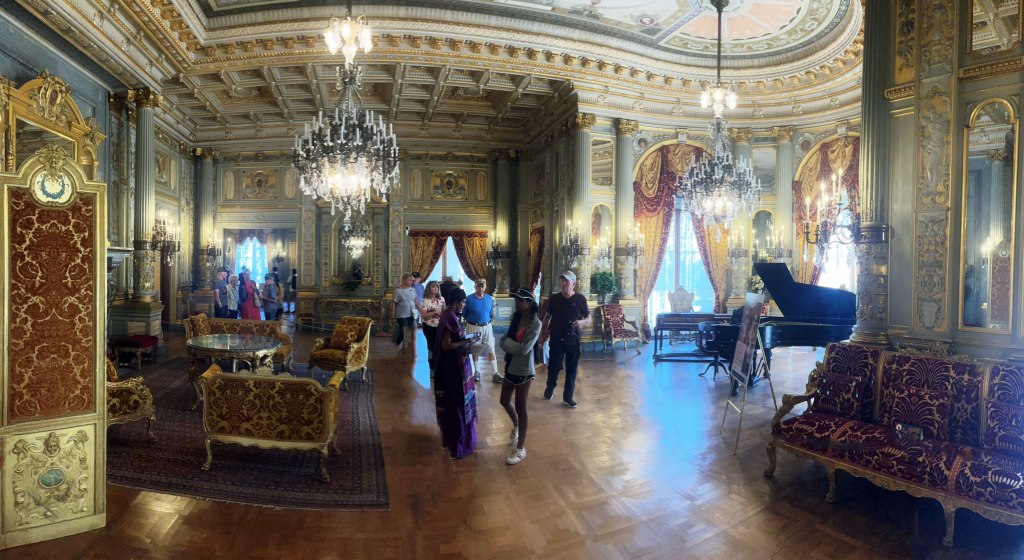
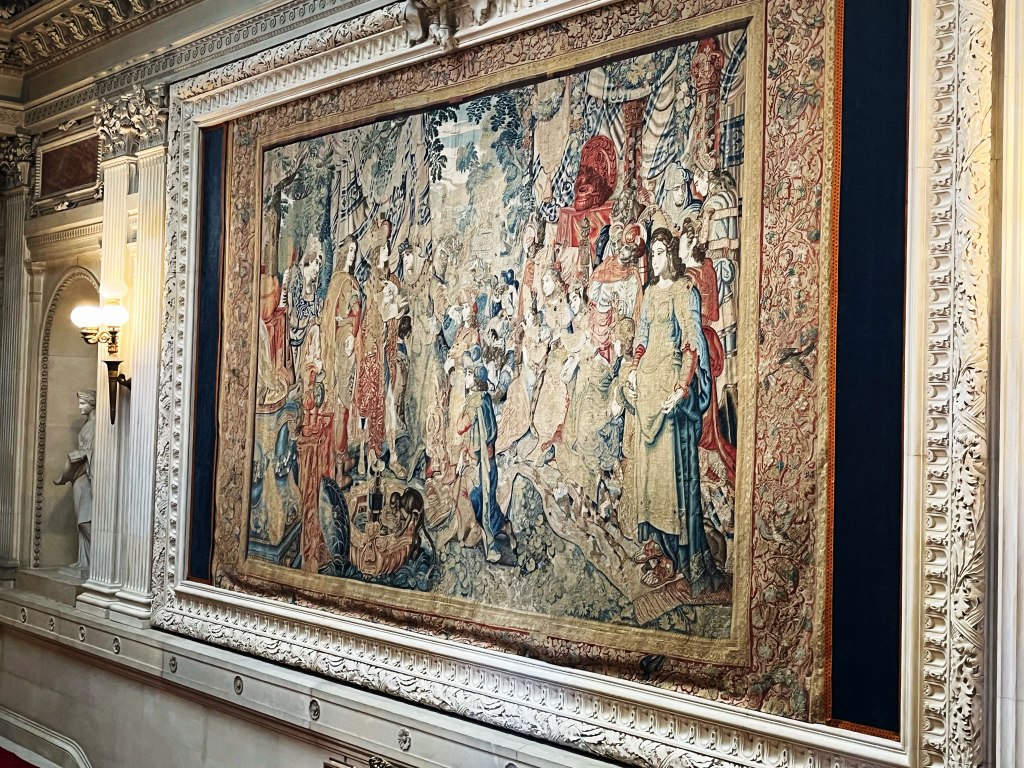
The music room, designed by Richard van der Boyen and ALLARD et Fills, reflects the French Baroque interior the VANDERBILTS would have seen in places like Paris Opera House, and was the setting for family weddings and debutante parties.
Gold and silver leaf, blue grey Campan marble from France, mirrors, and crystal light fixtures combine to mkae a glittering effect for evening concerts and receptions.
The spirit of music and numerous great composers are celebrated in the ceiling painting.
This room and furnishings, in addition to those in the MORNING ROOM, were designed and constructed in France then shipped to this location for installation.
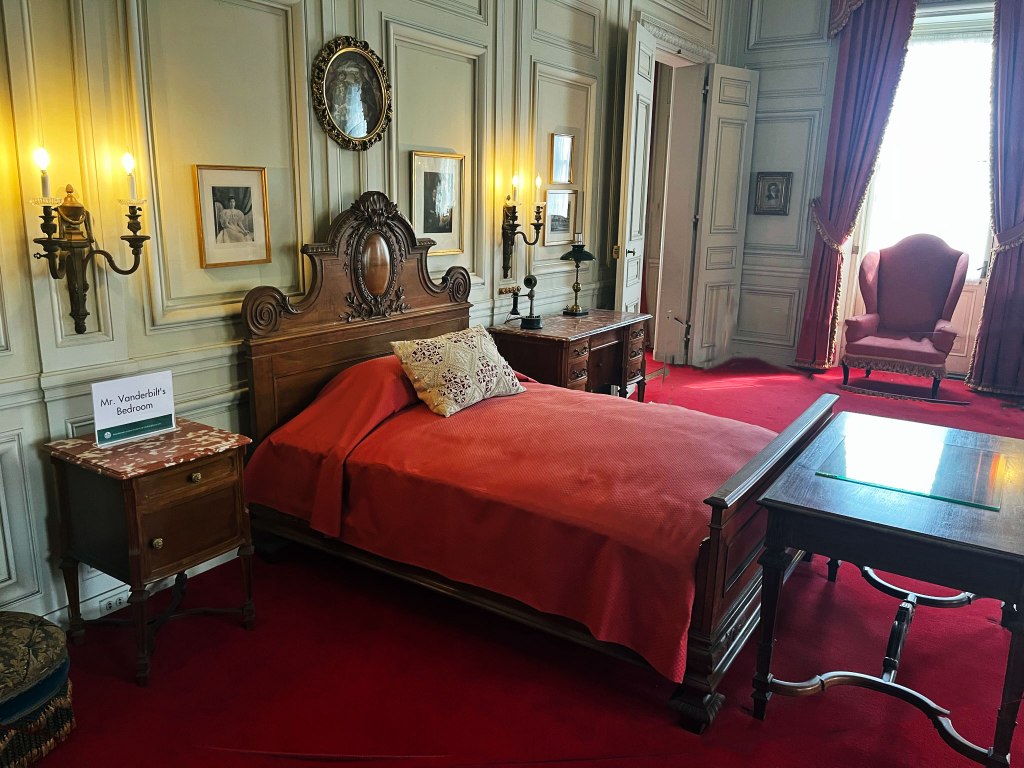
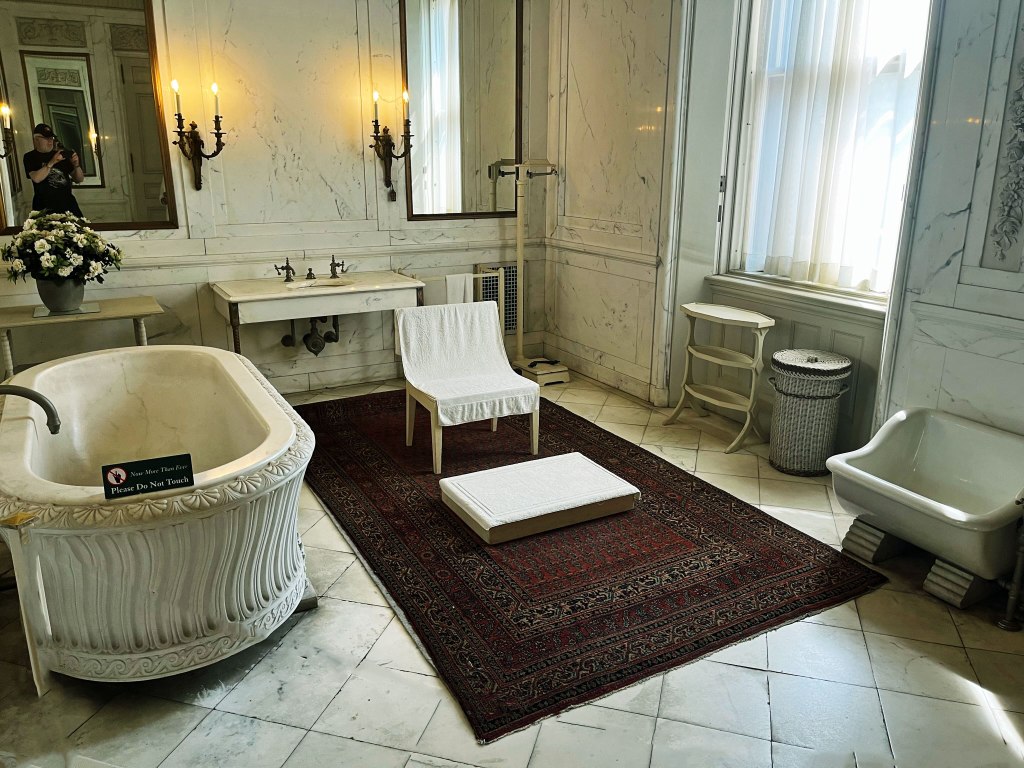
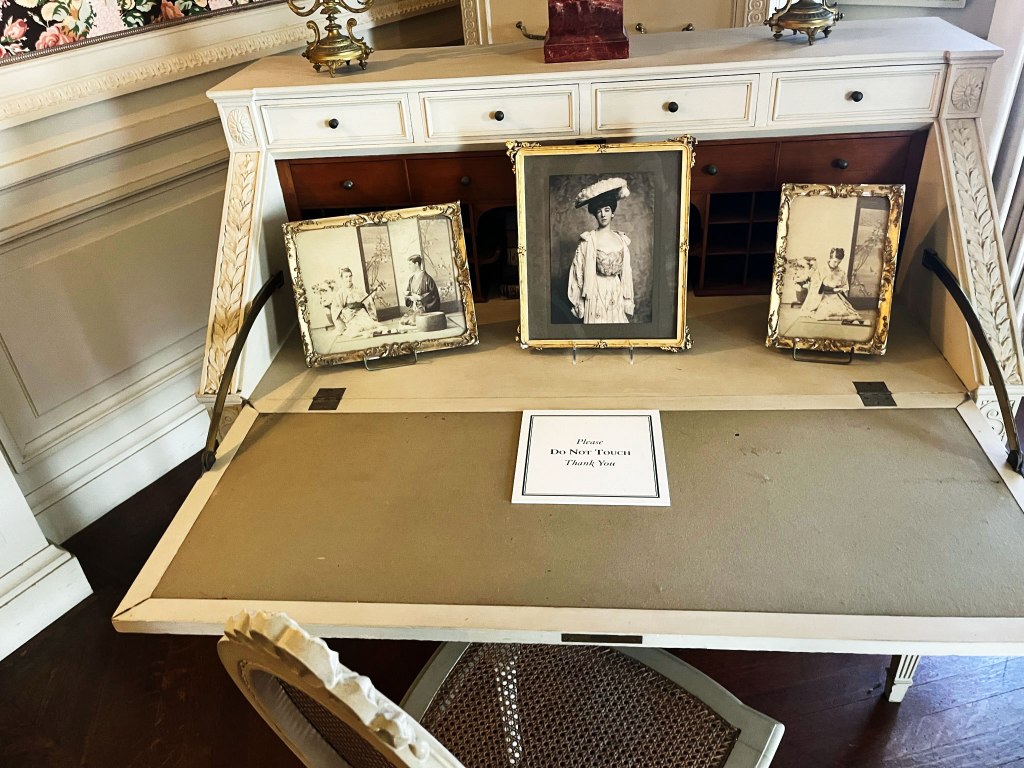
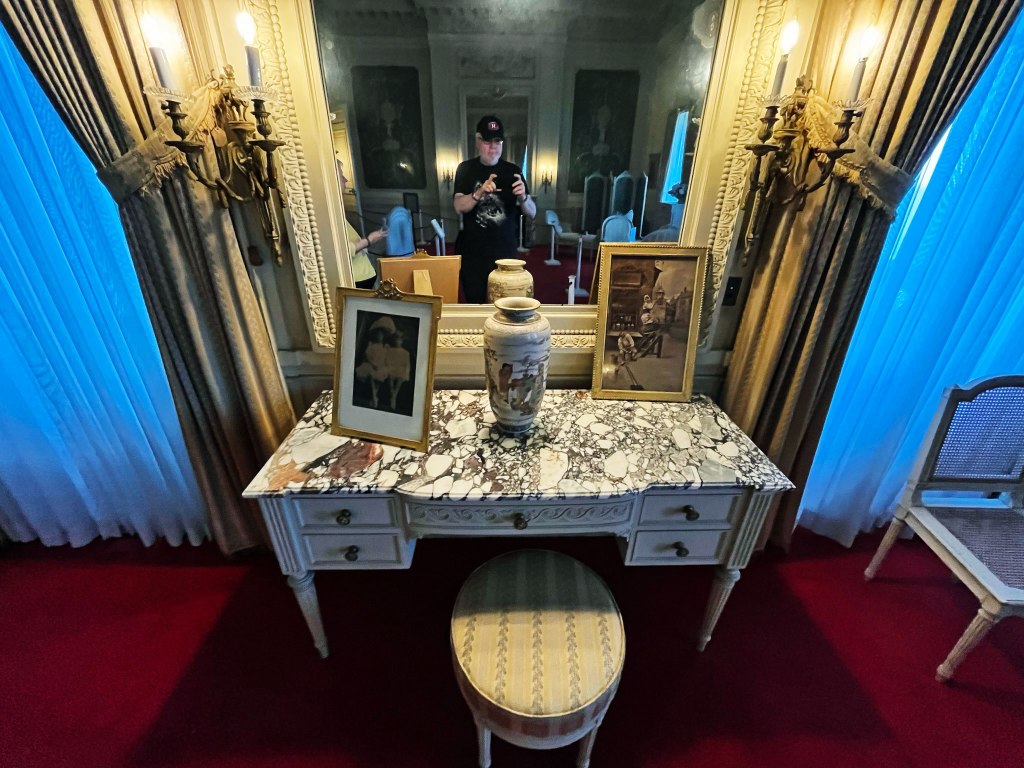
Mr. Vanderbilt’s bedroom is decorated in The Louis XVI style with carved walnut furnishings.
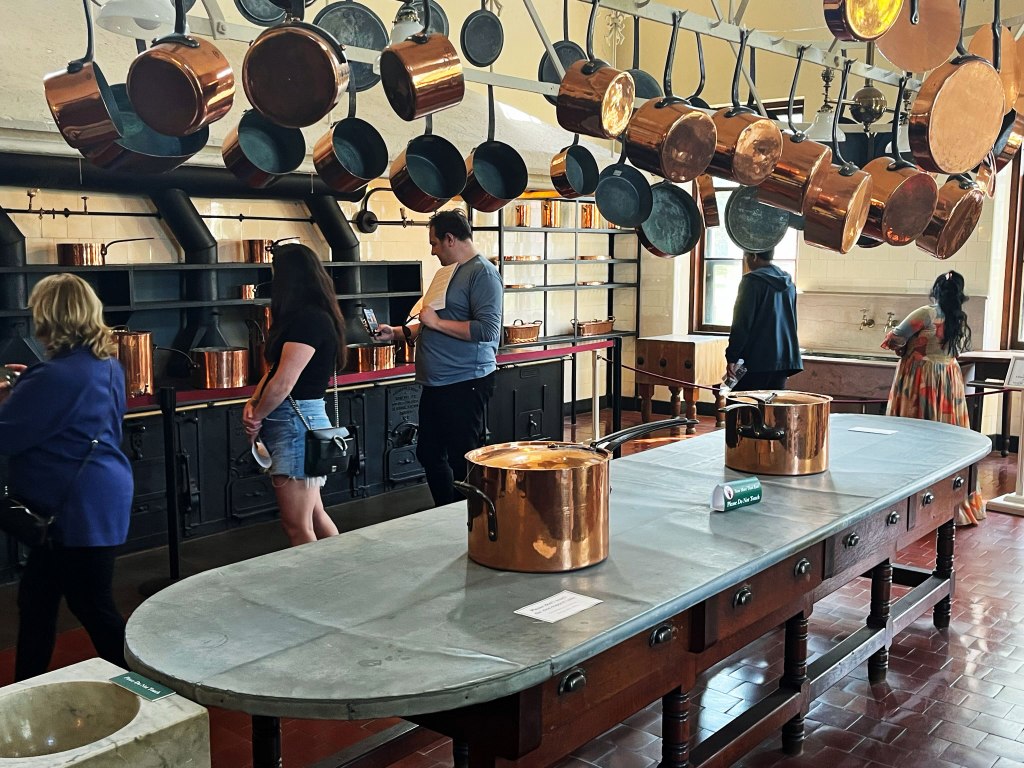
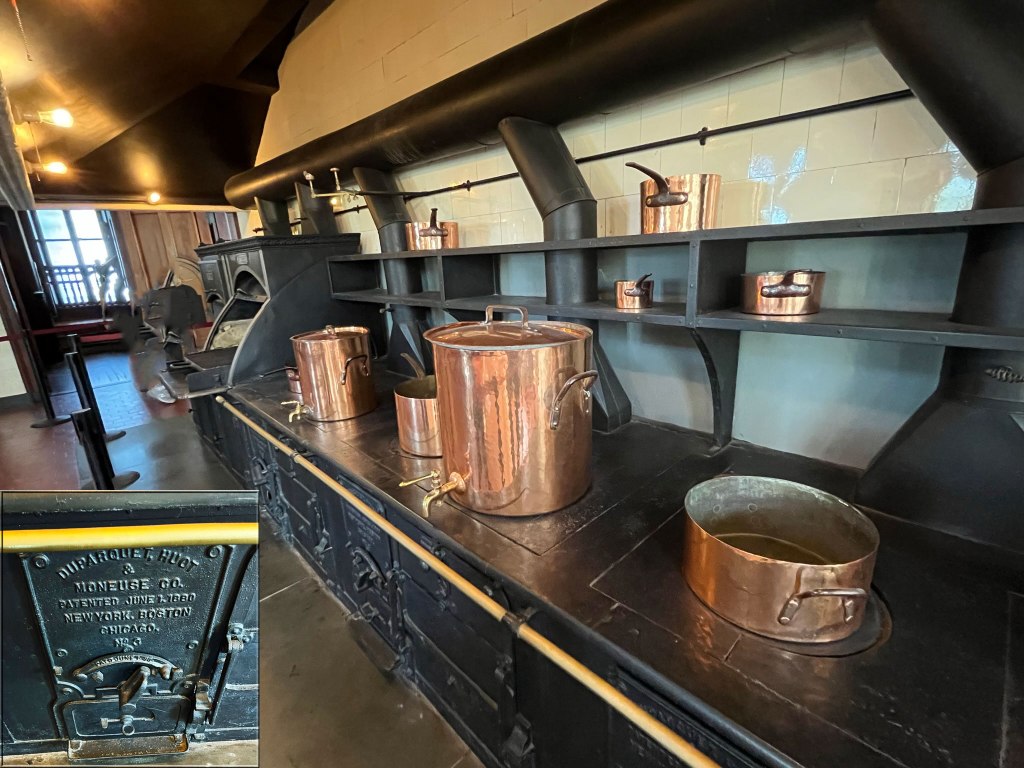
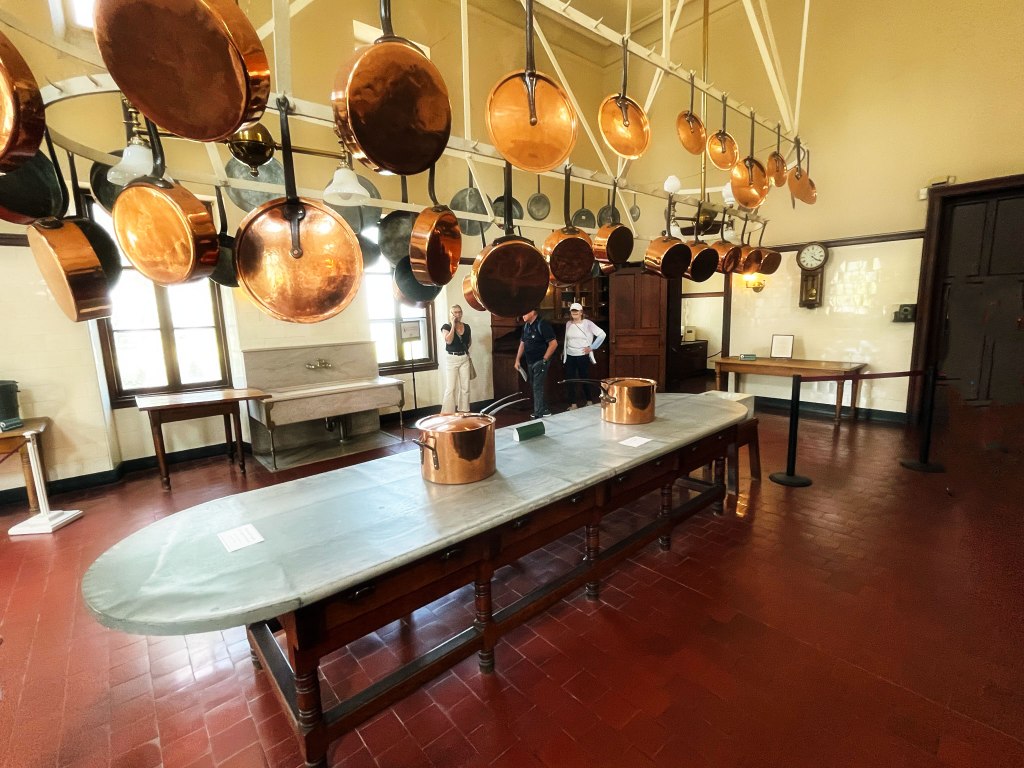
The kitchen was placed in a separate wing to prevent the potential spread of fire, cooking odors and noise into the main house. The French style cast iron stove was heated by coal and wood. The center worktable is covered in zinc, and the copper pots and pans are late 19th century pieces donated to the house. Countess Széchenyi (Gladys Moore Vanderbilt) donated the original pots to the scrap metal drive during WWII.
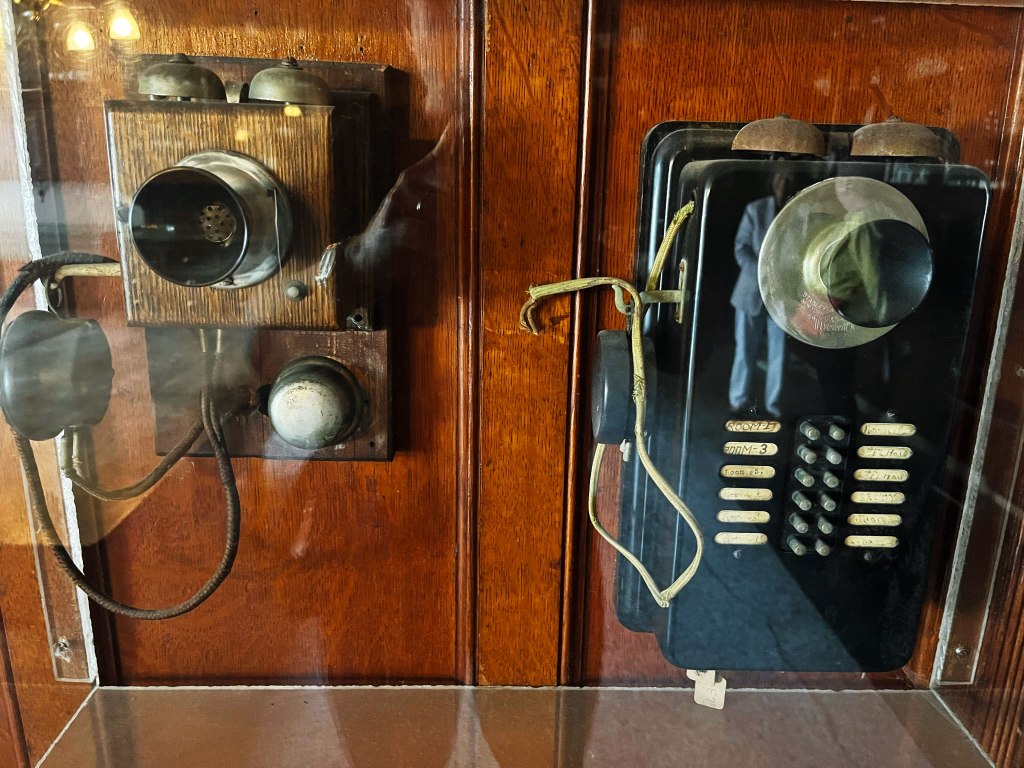
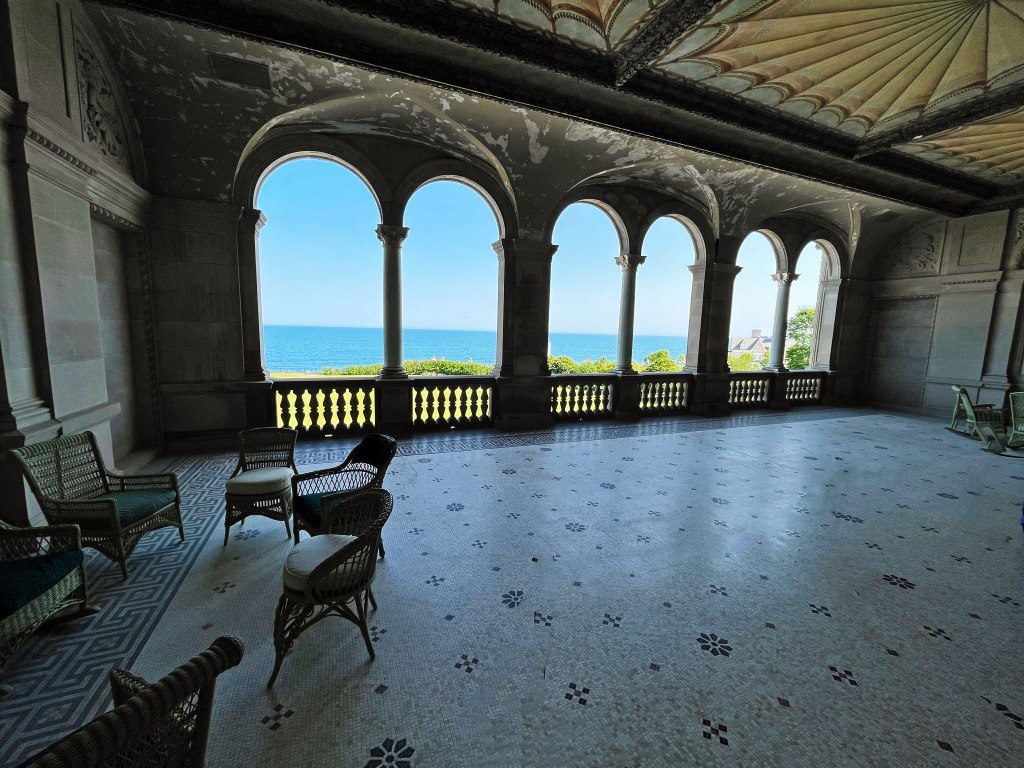
Vanderbilt insisted that the building be made as fireproof as possible, so the structure of the building used steel trusses and no wooden parts. He even required that the boiler be located away from the house in an underground space below the front lawn.
 s
s 