


The French Quarters
Let the good times roll!
Visited in May 2018
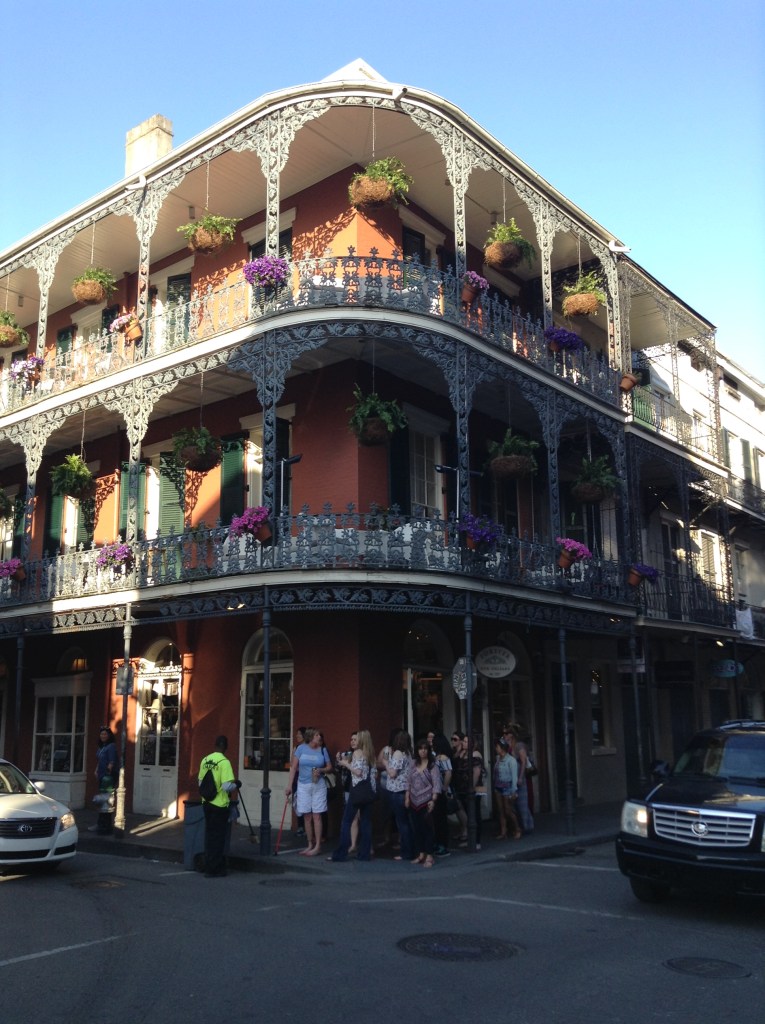
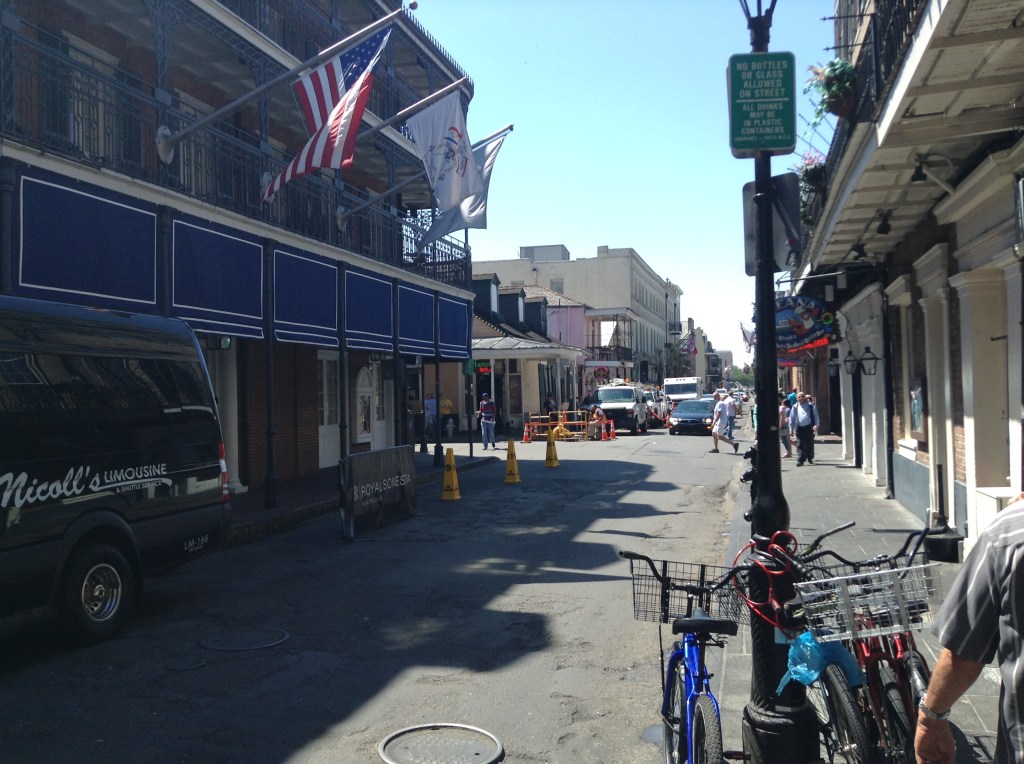
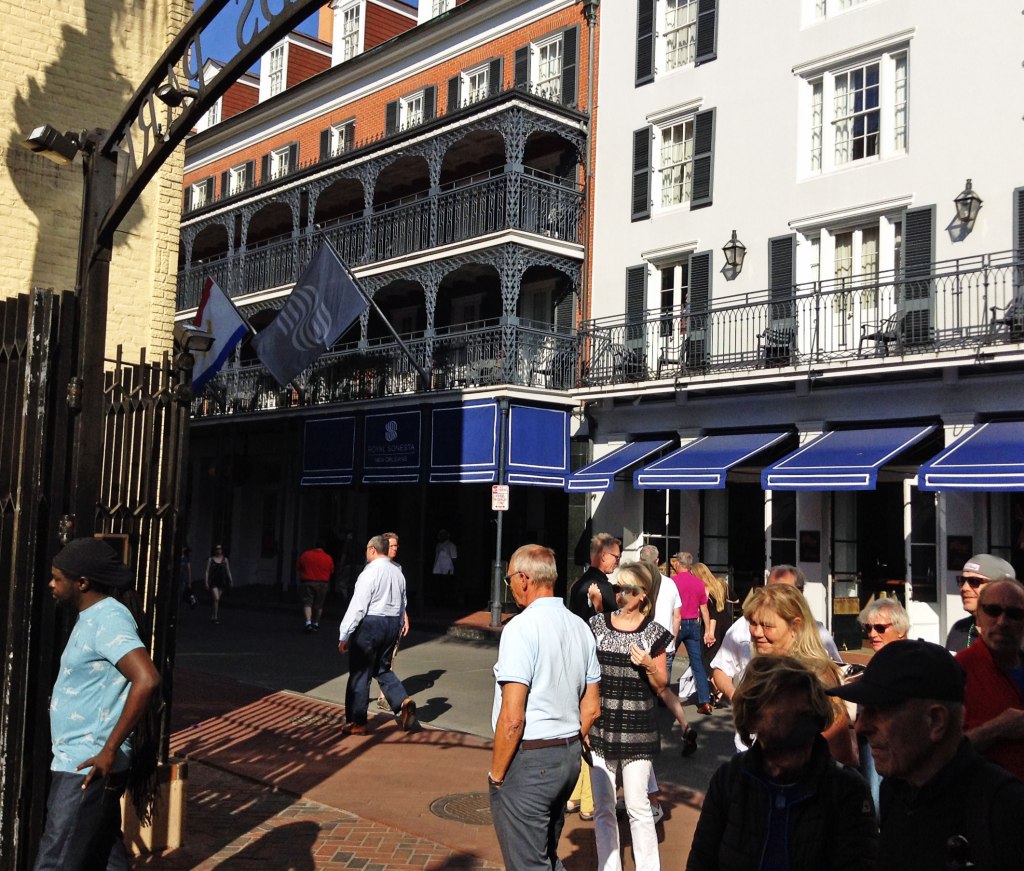
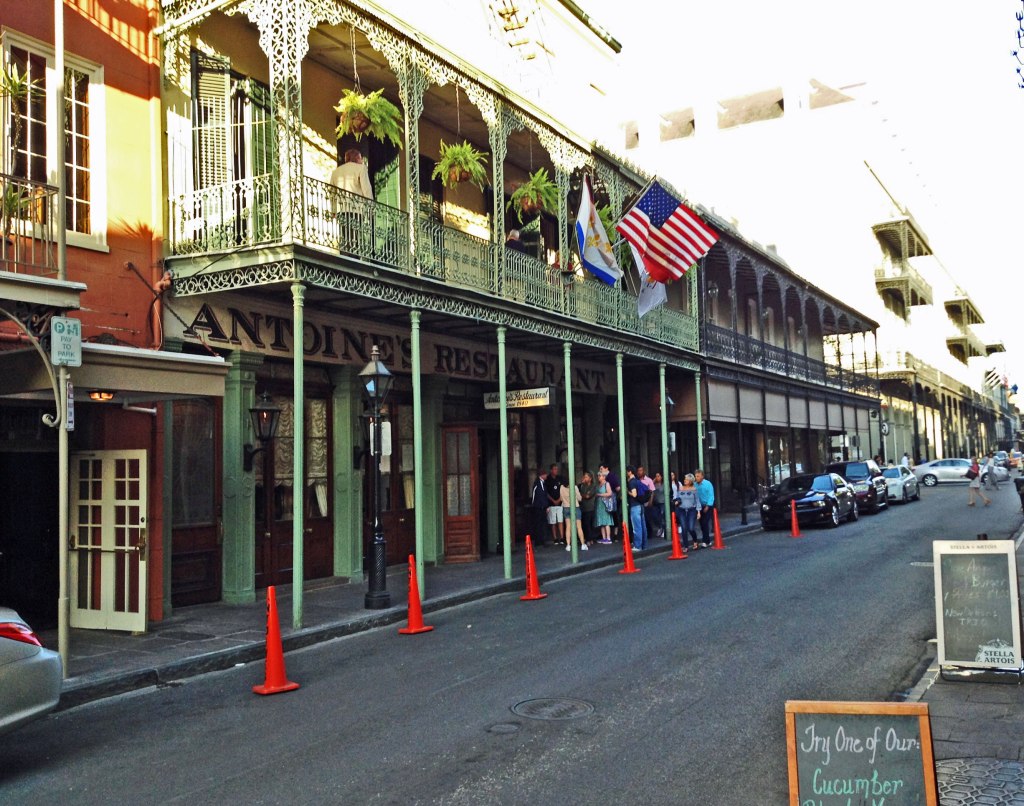
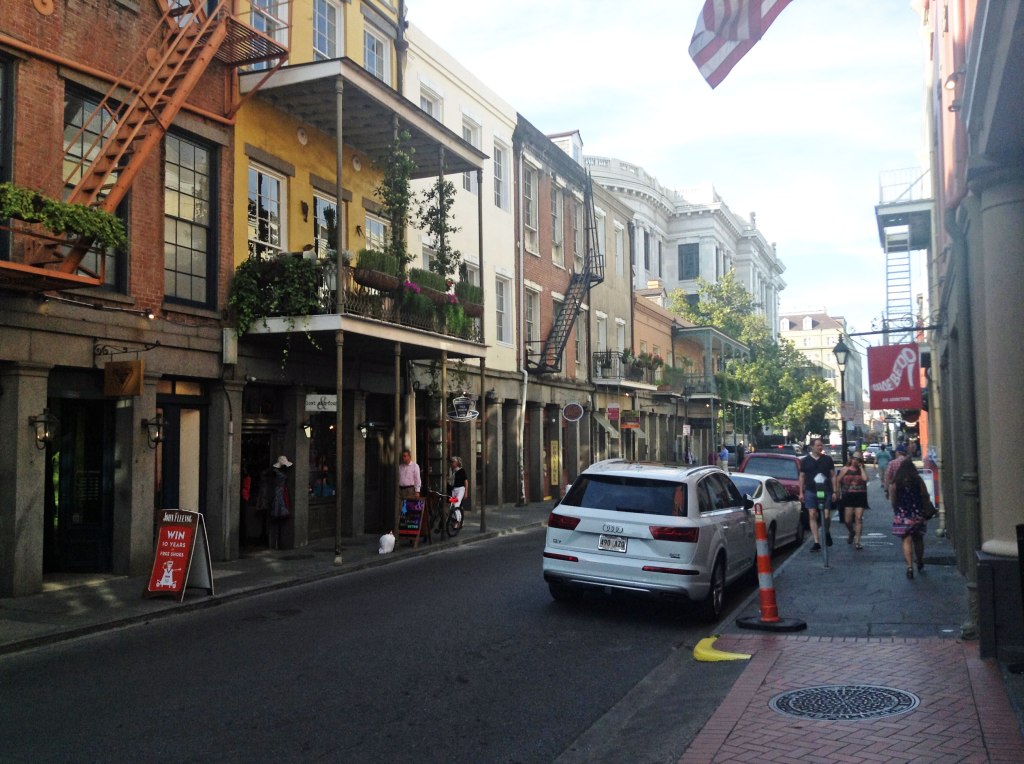
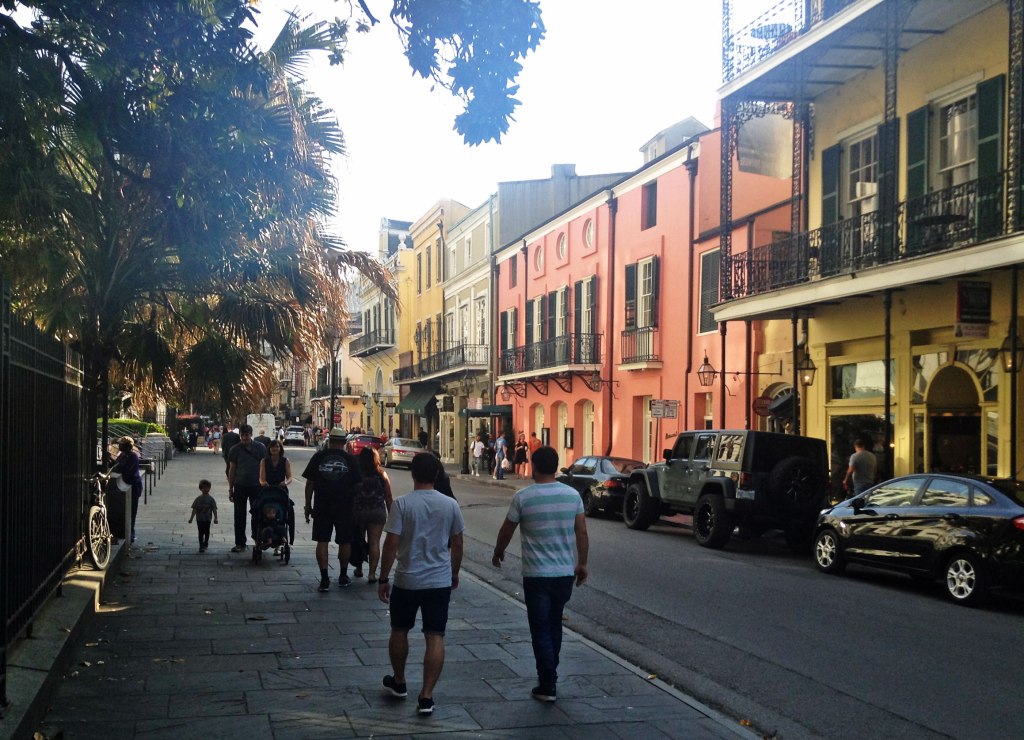
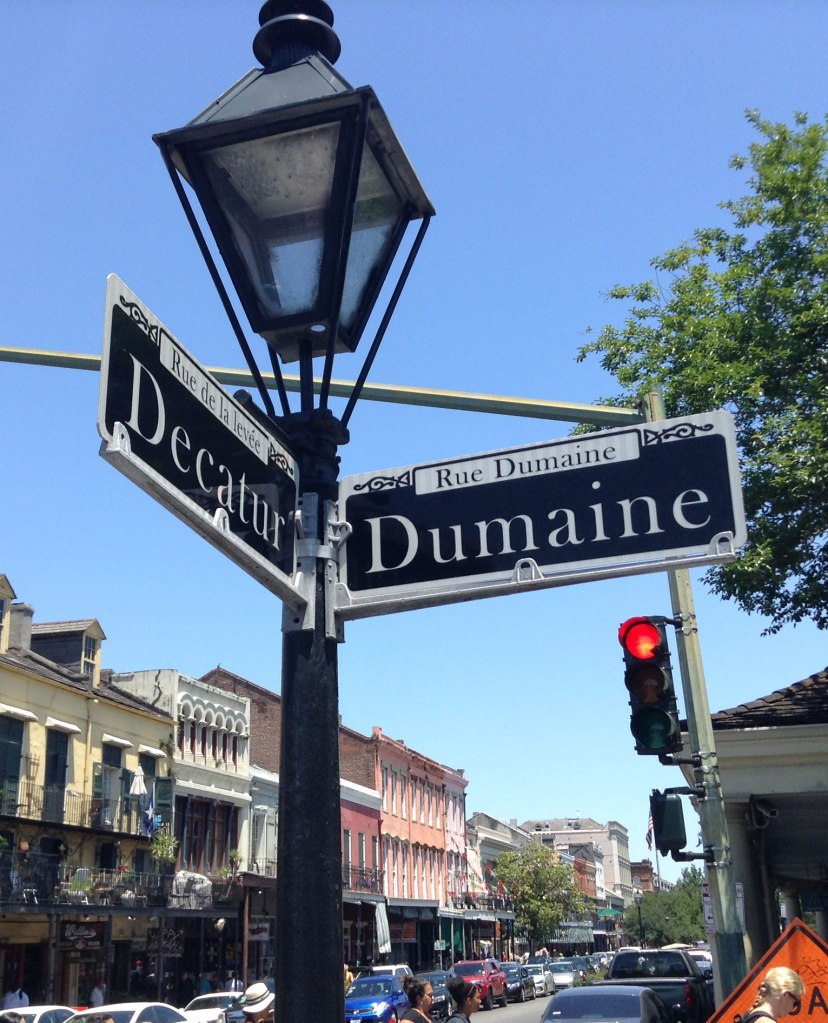
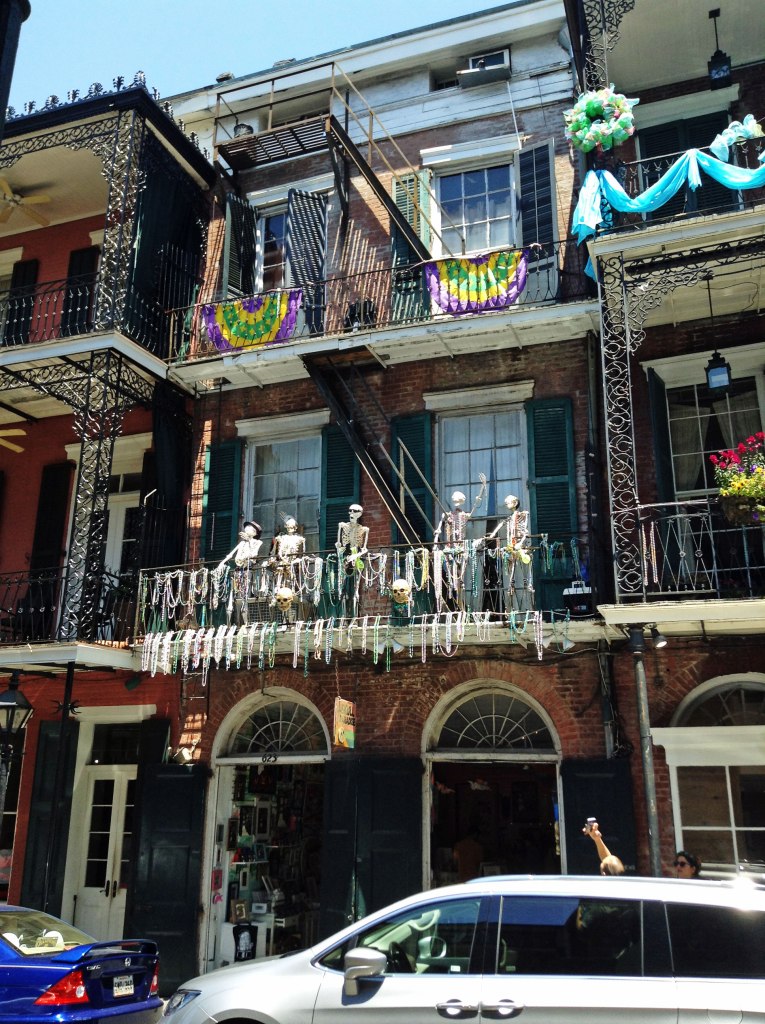
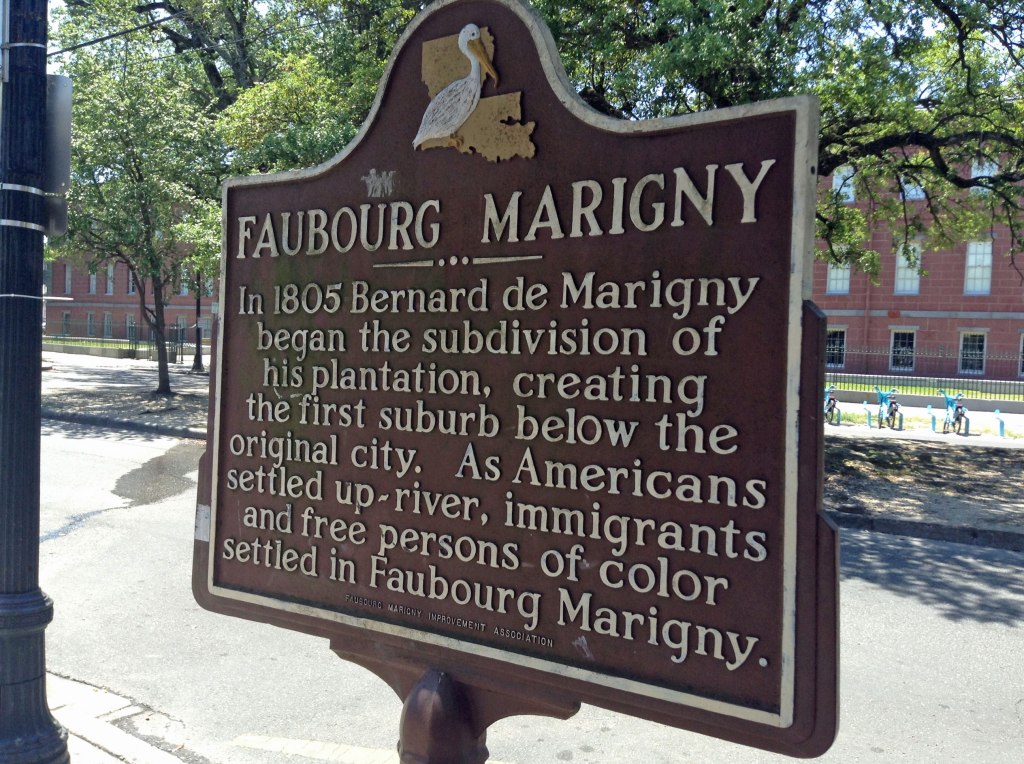
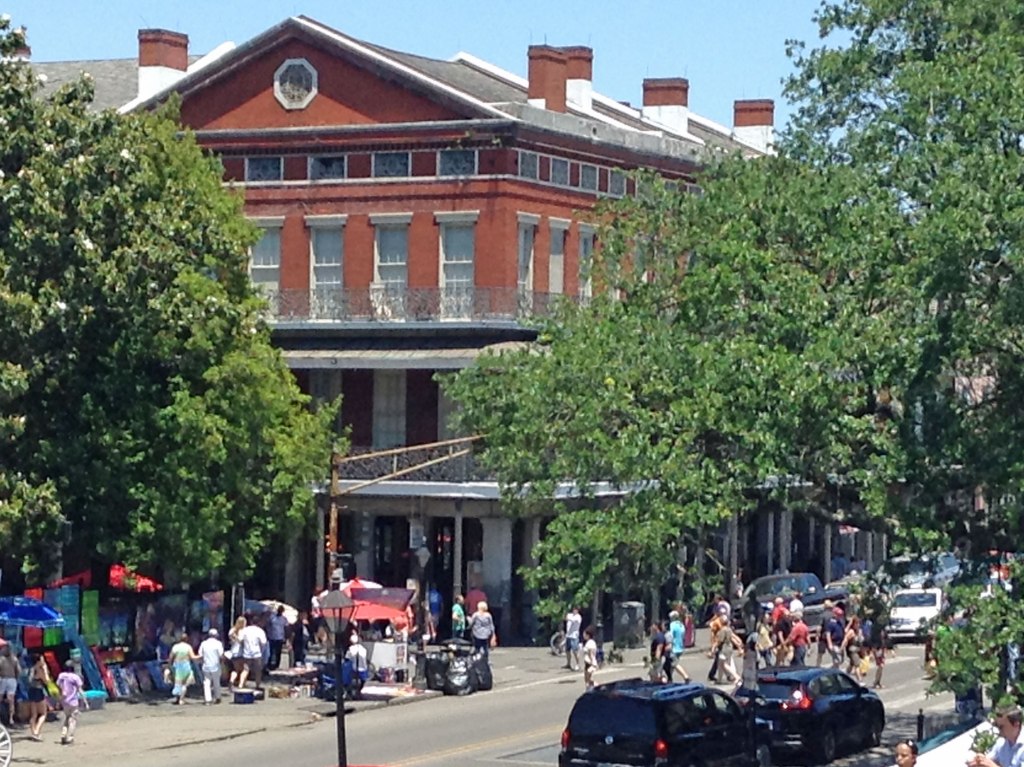
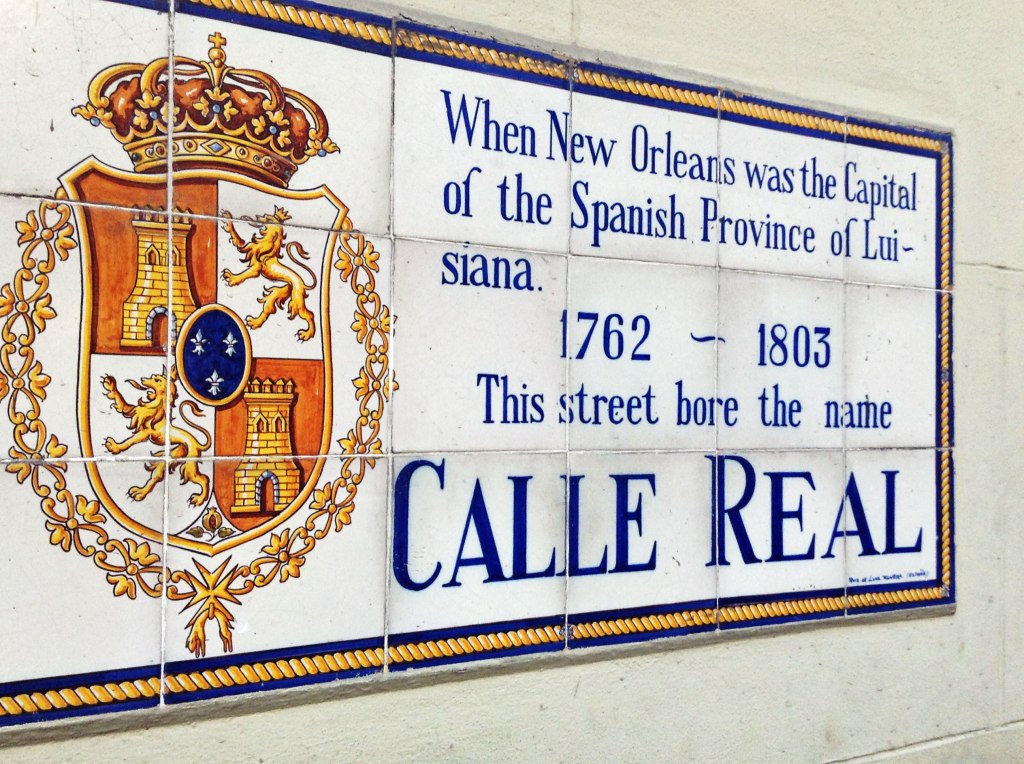
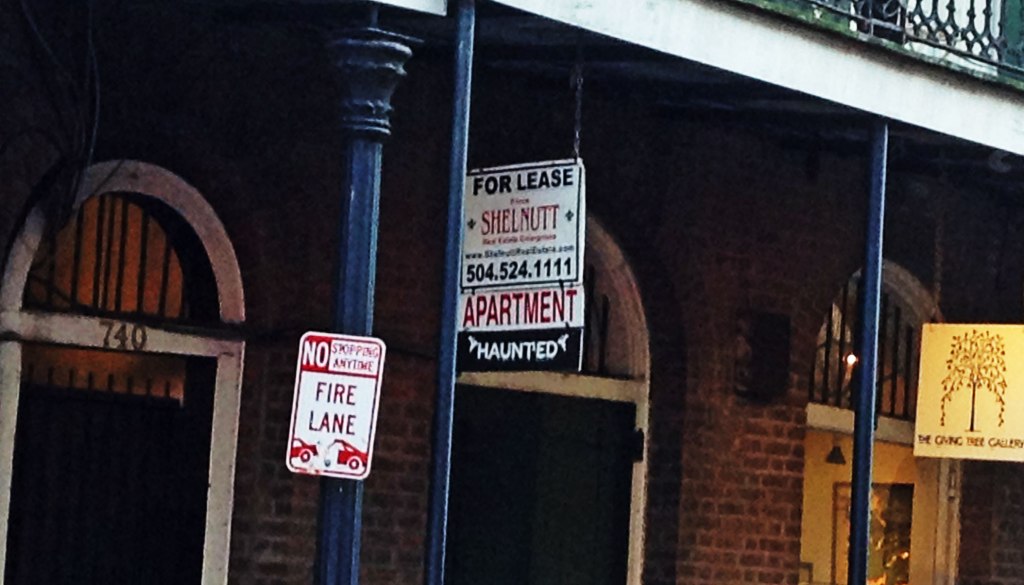
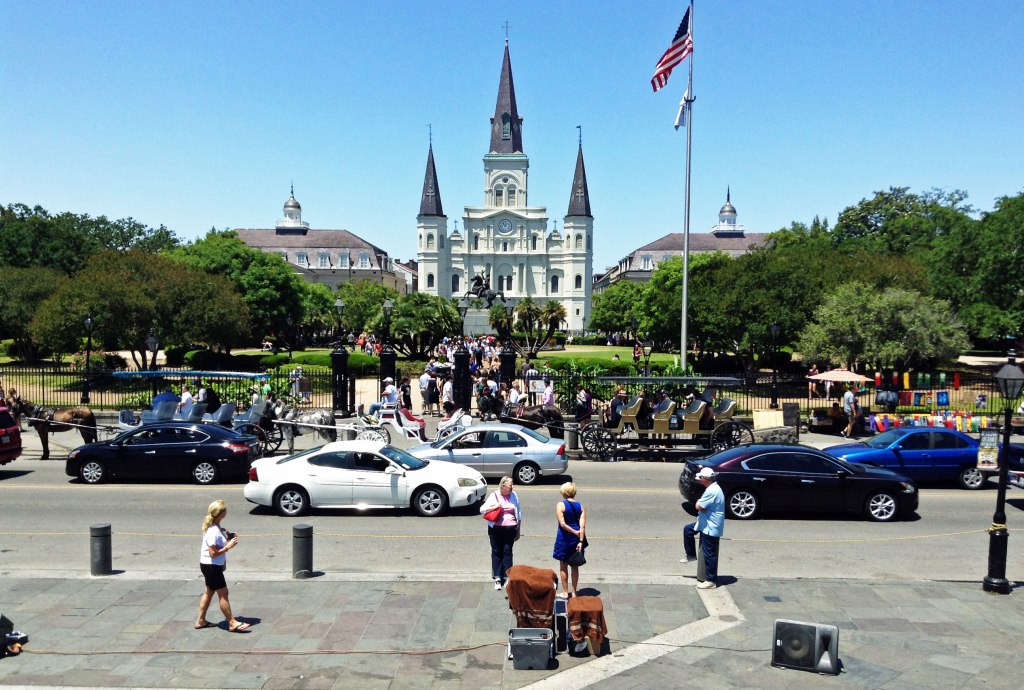
Jackson Square was designed after the famous 17th-century Place Des Vosges in Paris.
Jackson’s statue and the Cathedral-Basilica of Saint Louis, King of France
Preservation Hall
The story of Preservation Hall dates back to the 1950s at Associated Artists, a small art gallery at 726 St. Peter Street in New Orleans’ French Quarter. Upon opening the gallery the proprietor Larry Borenstein found that it curtailed his ability to attend the few remaining local jazz concerts, and began inviting these musicians to perform “rehearsal sessions” in the gallery itself. These sessions featured living legends of New Orleans Jazz – George Lewis, Punch Miller, Sweet Emma Barrett, Billie and De De Pierce, The Humphrey Brothers, and dozens more.
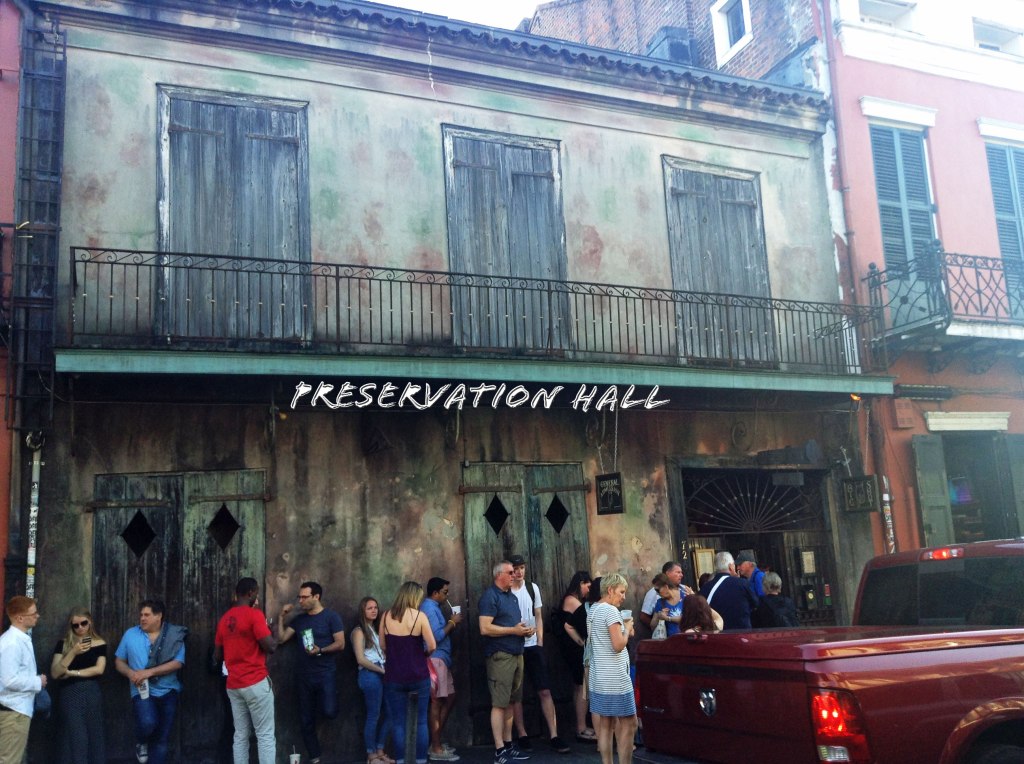
During this period, traditional jazz had taken a backseat in popularity to rock n’ roll and bebop, leaving many of these players to work odd jobs. Although concerted efforts by aficionados such as William “Bill” Russell succeeded in recording and documenting this fading artform during the “New Orleans Jazz Revival” of the 1940s, venues that offered live New Orleans jazz were few and far between. Before long, Borenstein’s sessions took on a life of their own; enthusiasts of the music gravitated toward the gallery, including a young couple from Pennsylvania named Allan and Sandra Jaffe.
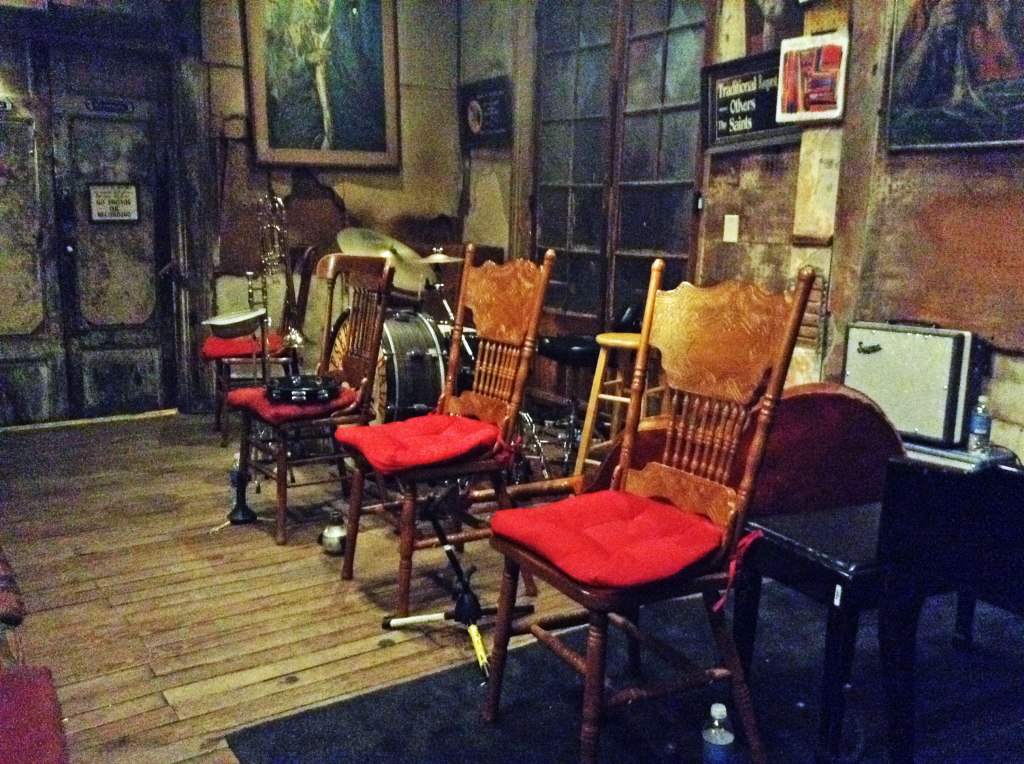
The Jaffes arrived in New Orleans in 1960, on an extended honeymoon from Mexico City. During their visit, they conversed with a few jazz musicians in Jackson Square who were on their way to “Mr. Larry’s Gallery.” As avid fans of New Orleans jazz, the honeymooners followed the musicians and were introduced to Borenstein along with a number of living jazz greats that had gathered that evening for a jam session. Needless to say, they were enraptured by what they saw and heard. The music was pure and unaffected by the swaying of popular music. Most of these musicians were elderly, many of whom were contemporaries of Buddy Bolden and other early jazz practitioners. The Jaffes knew they happened upon something special and soon after moved to New Orleans permanently.
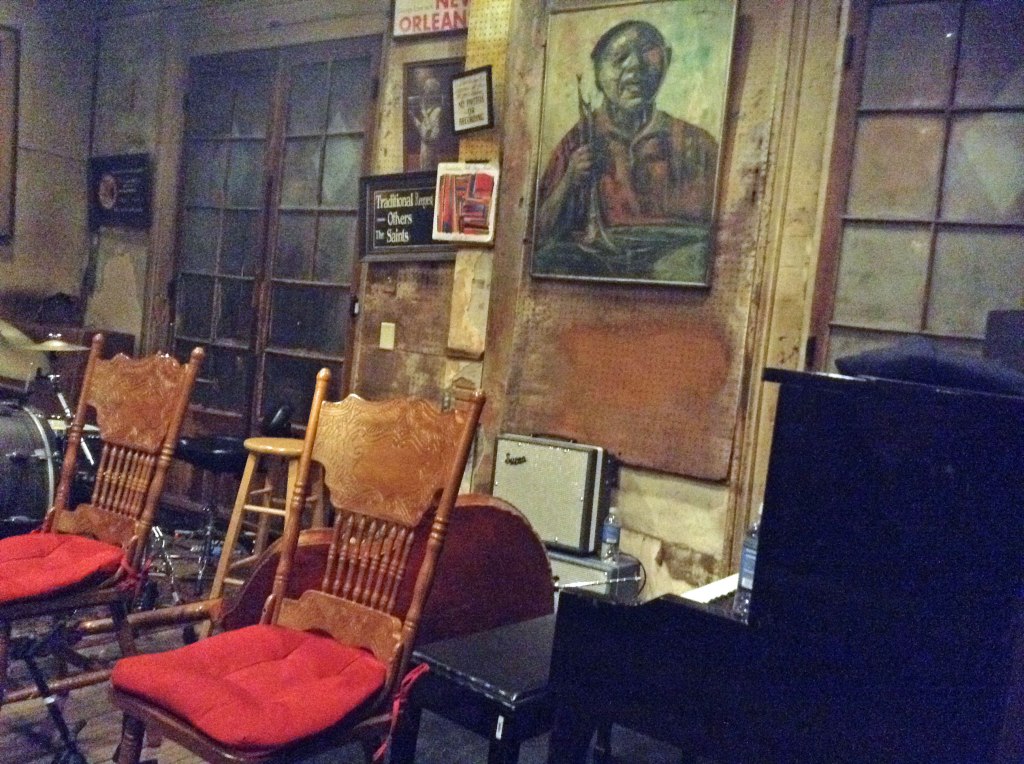
The jam sessions at 726 St. Peter became much more frequent, so much that Borenstein moved his gallery to the building next door. Performances were held nightly for donations and were organized by a short-lived not-for-profit organization, The New Orleans Society for The Preservation of Traditional Jazz. Shortly after the Jaffes returned to New Orleans, Borenstein passed the nightly operations of the hall to Allan Jaffe on a profit-or-loss basis, and Preservation Hall was born.
We enjoyed a spectacular concert at this venue.
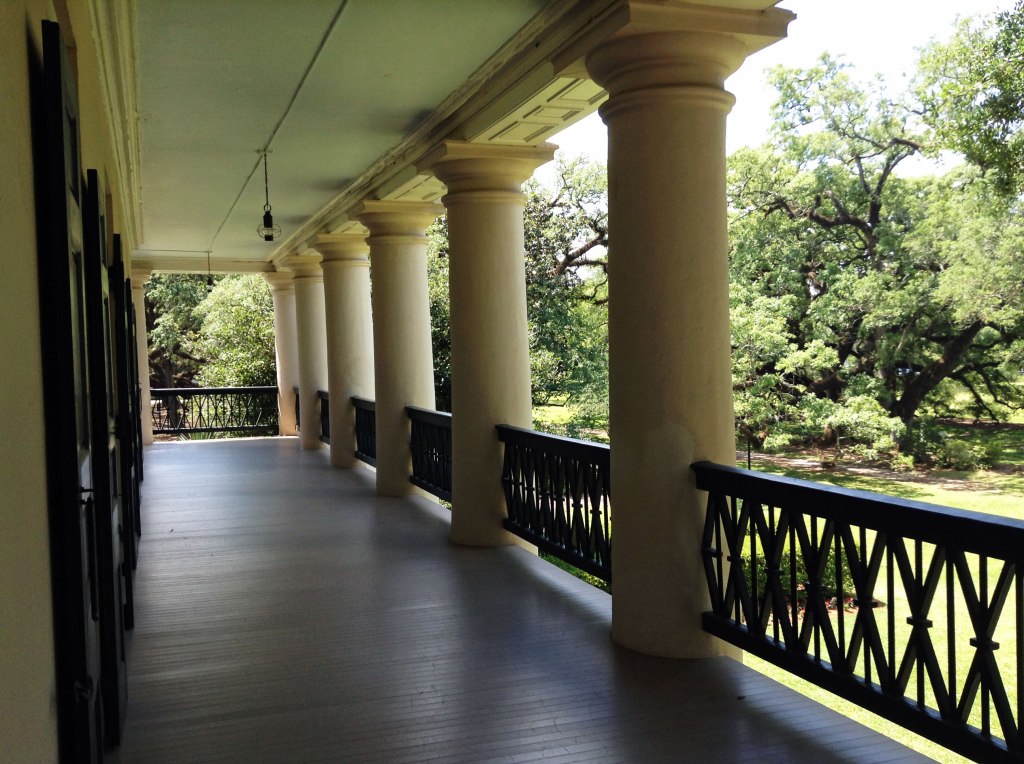
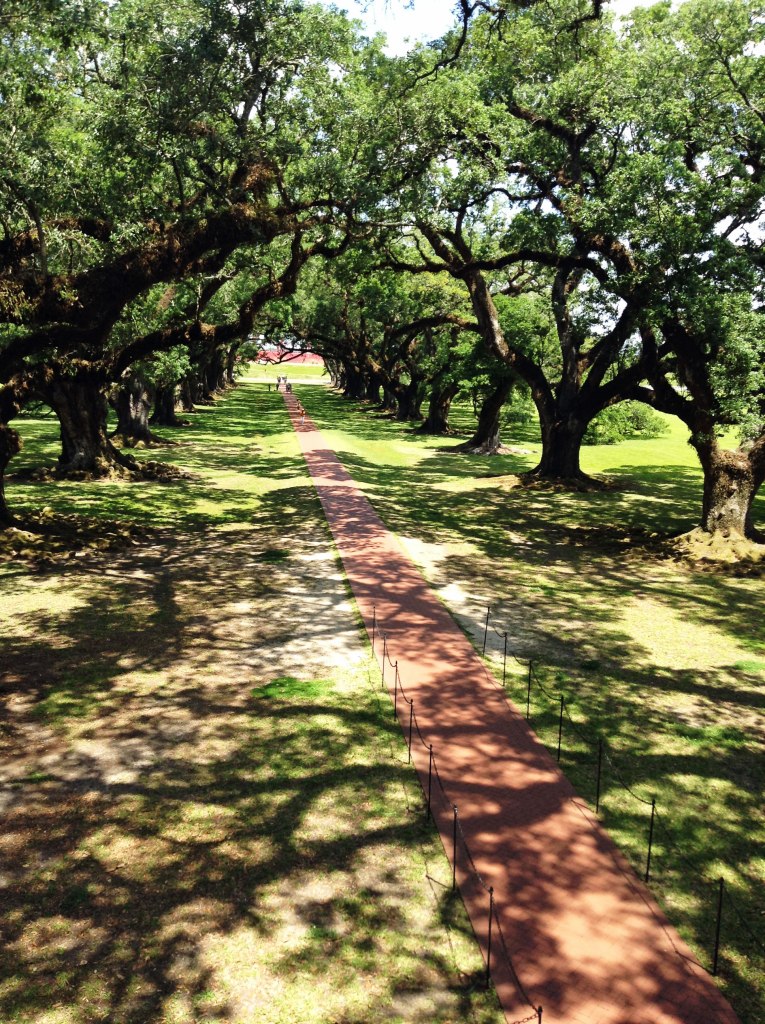
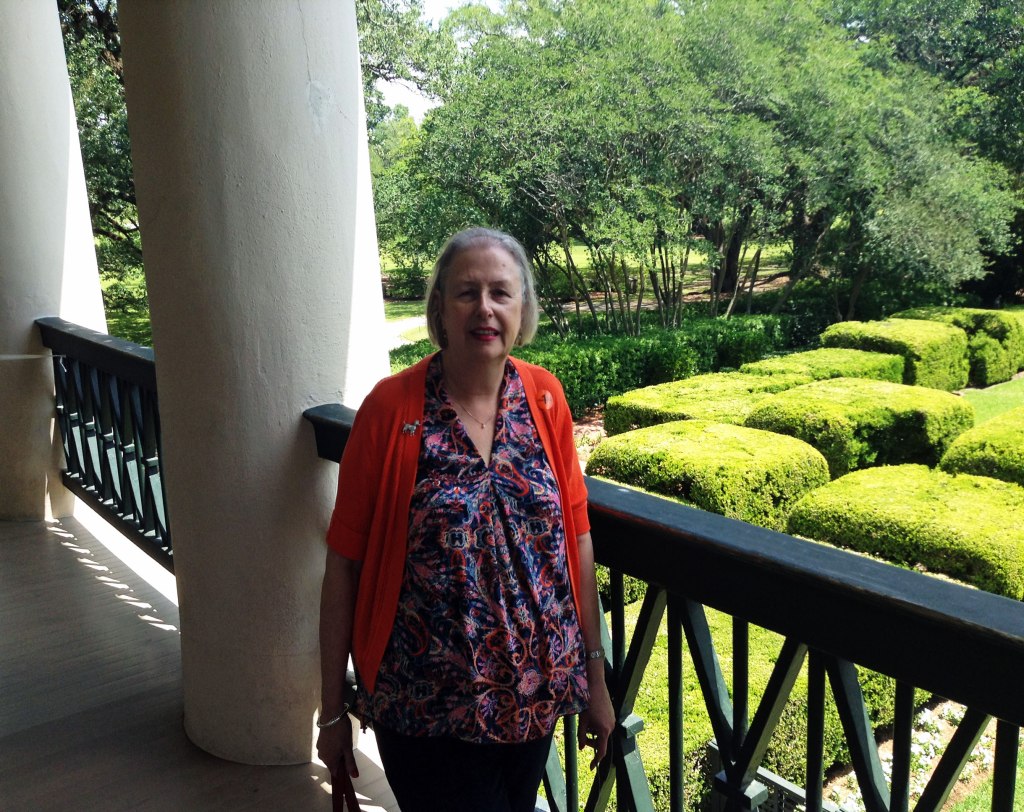
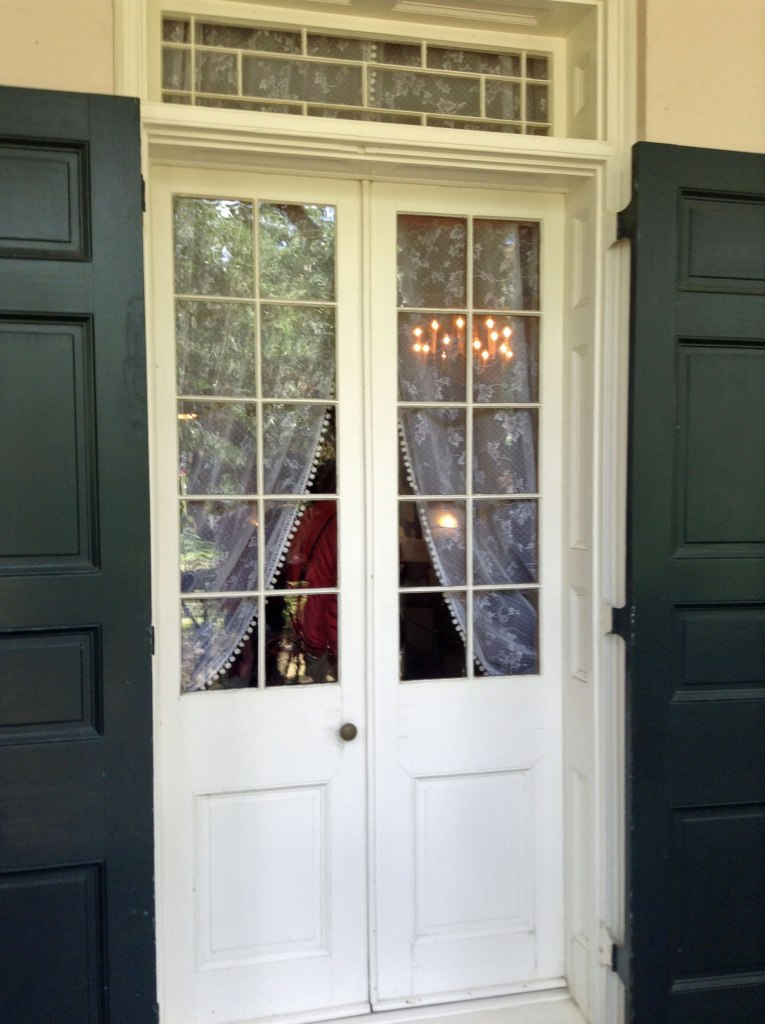
Oak Valley Plantation
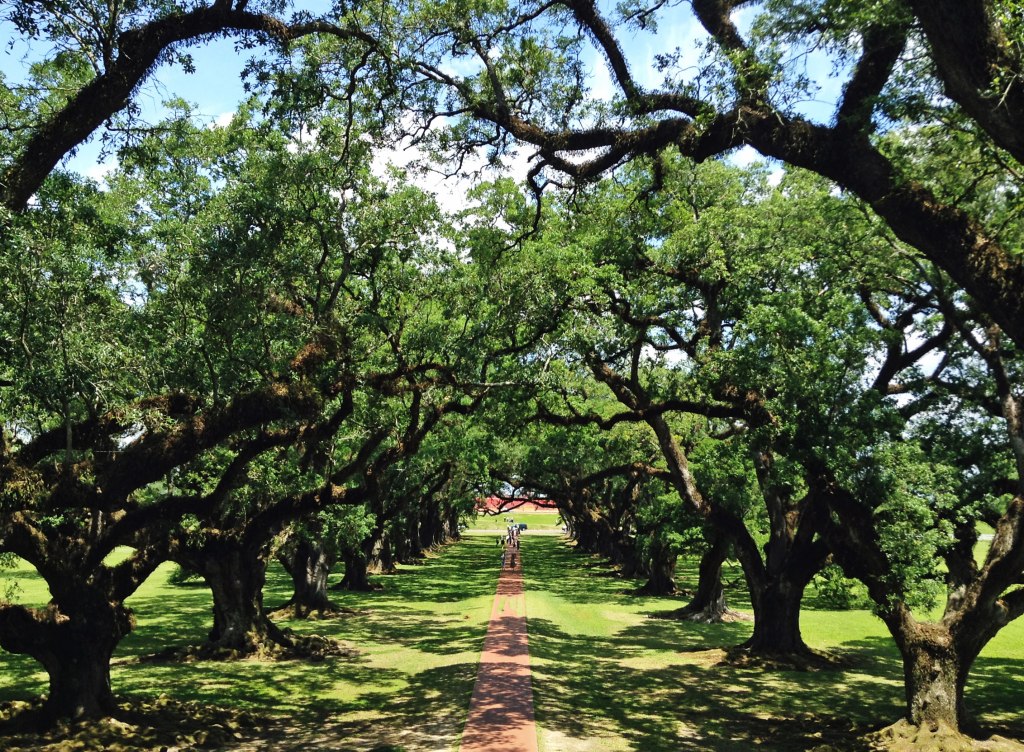
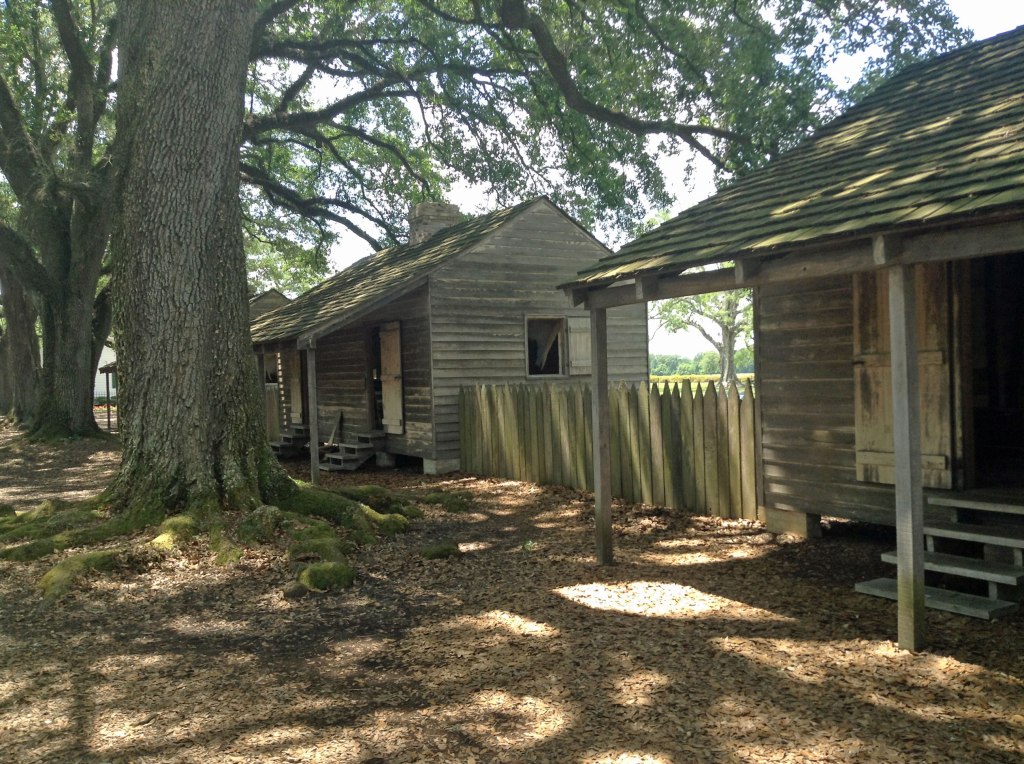
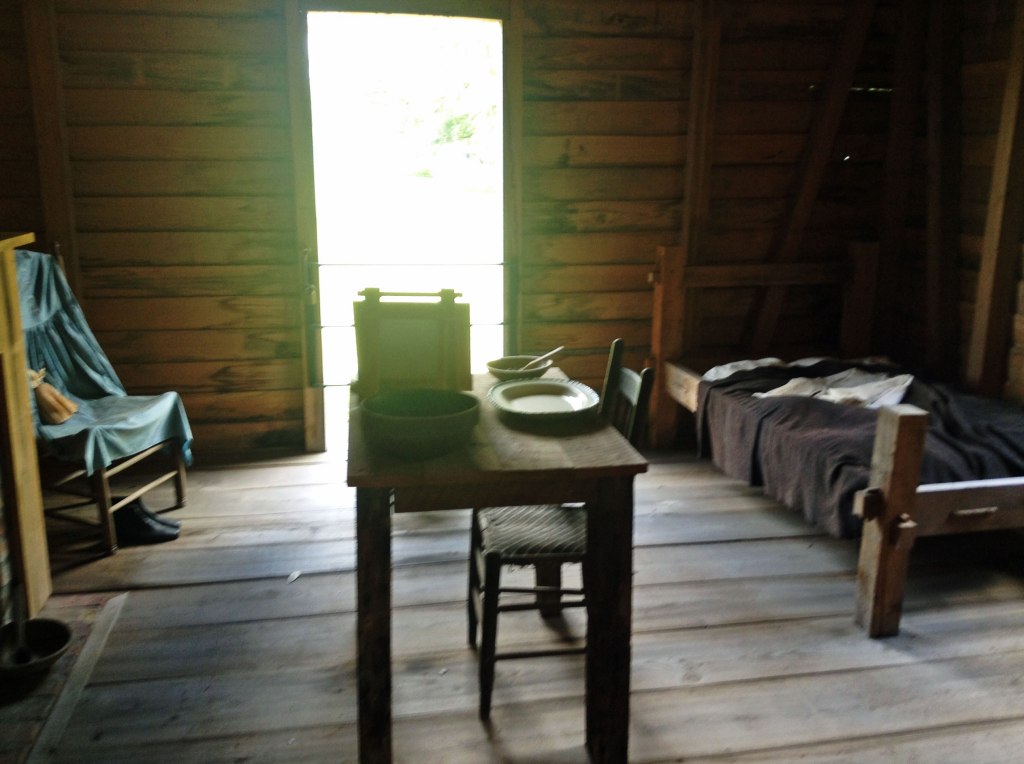
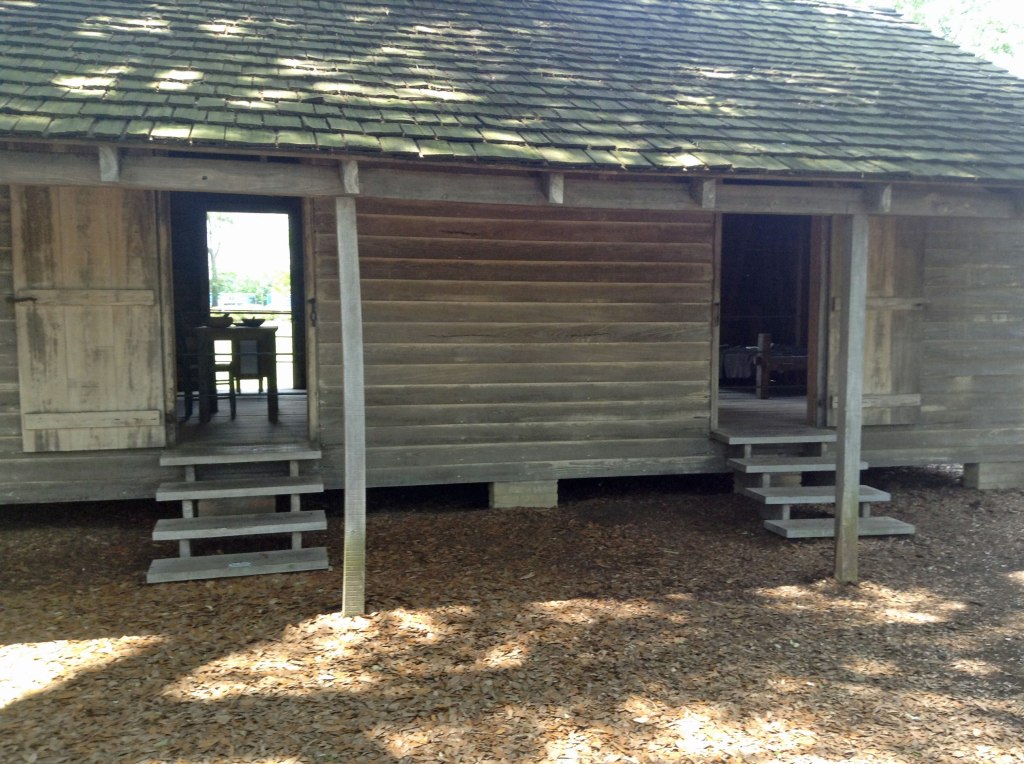
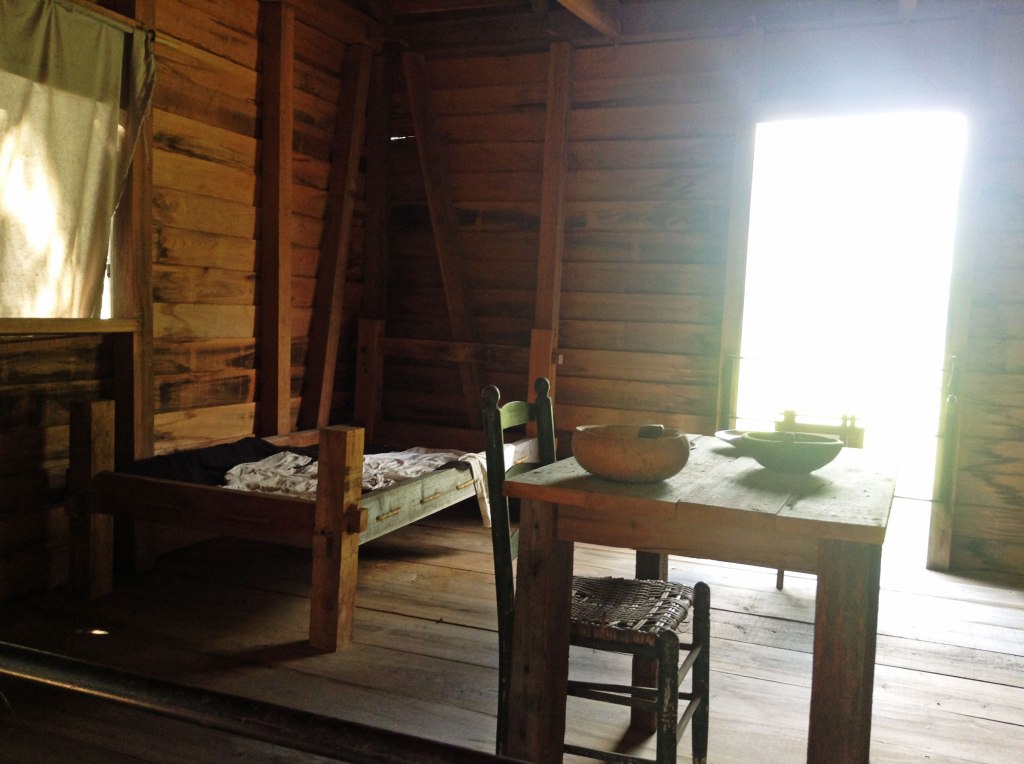
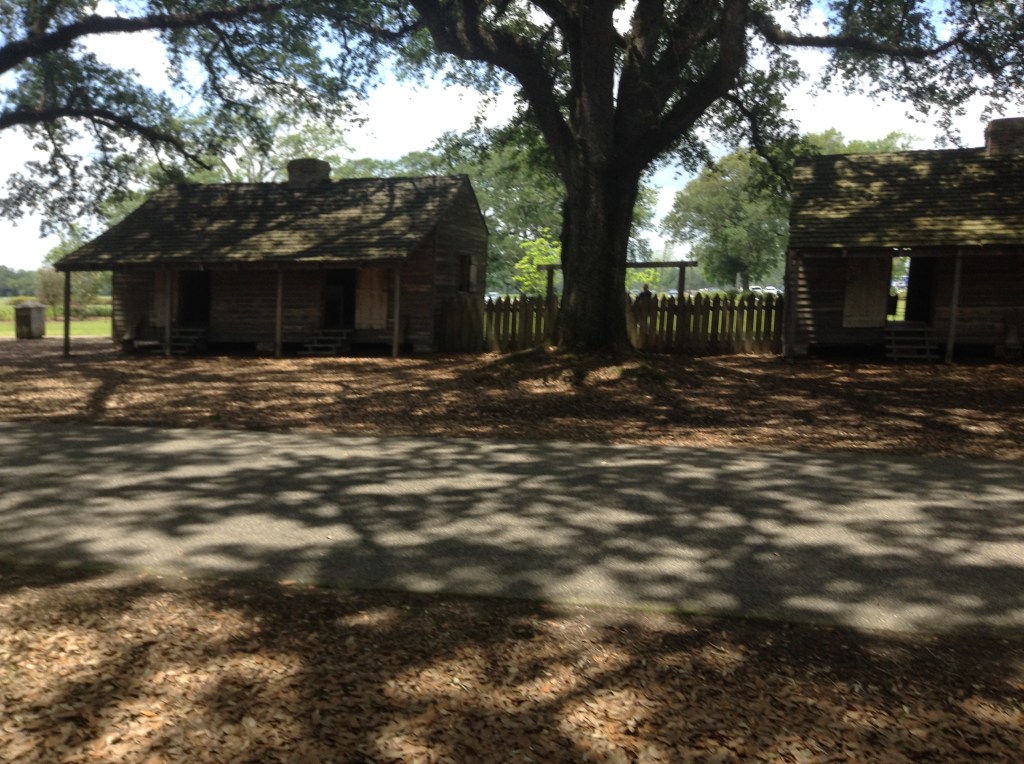
The most noted slave who lived at Oak Alley Plantation was named Antoine. He was listed as “Antoine, 38, Creole Negro gardener/expert grafter of pecan trees,” with a value of $1,000 in the inventory of the estate conducted upon J.T. Roman’s death. Antoine was a master of the techniques of grafting, and after trial with several trees, succeeded in the winter of 1846 in producing a variety of pecan that could be cracked with one’s bare hands; the shell was so thin it was dubbed the “paper shell” pecan.
The trees may be found throughout southern Louisiana, where the pecan was once a considerable cash crop. Although Antoine’s original trees were cleared for more sugar cane fields after the Civil War, a commercial grove had been planted at nearby Anita plantation. Unfortunately, the Anita Crevasse (river break) of 1990 washed away Anita Plantation and all remains of the original Centennial pecans.

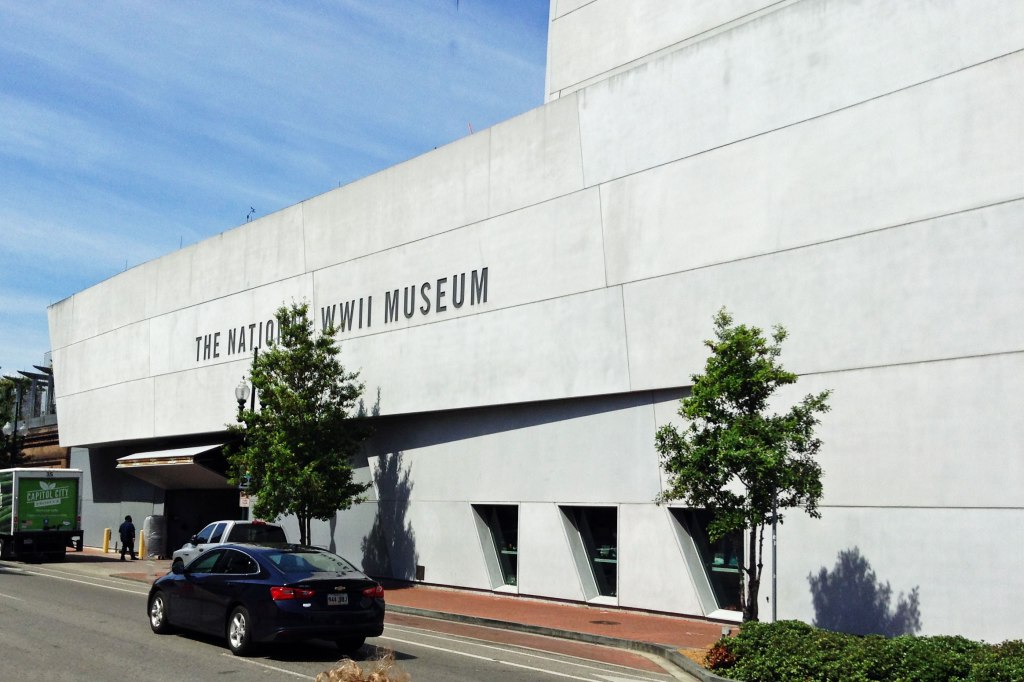
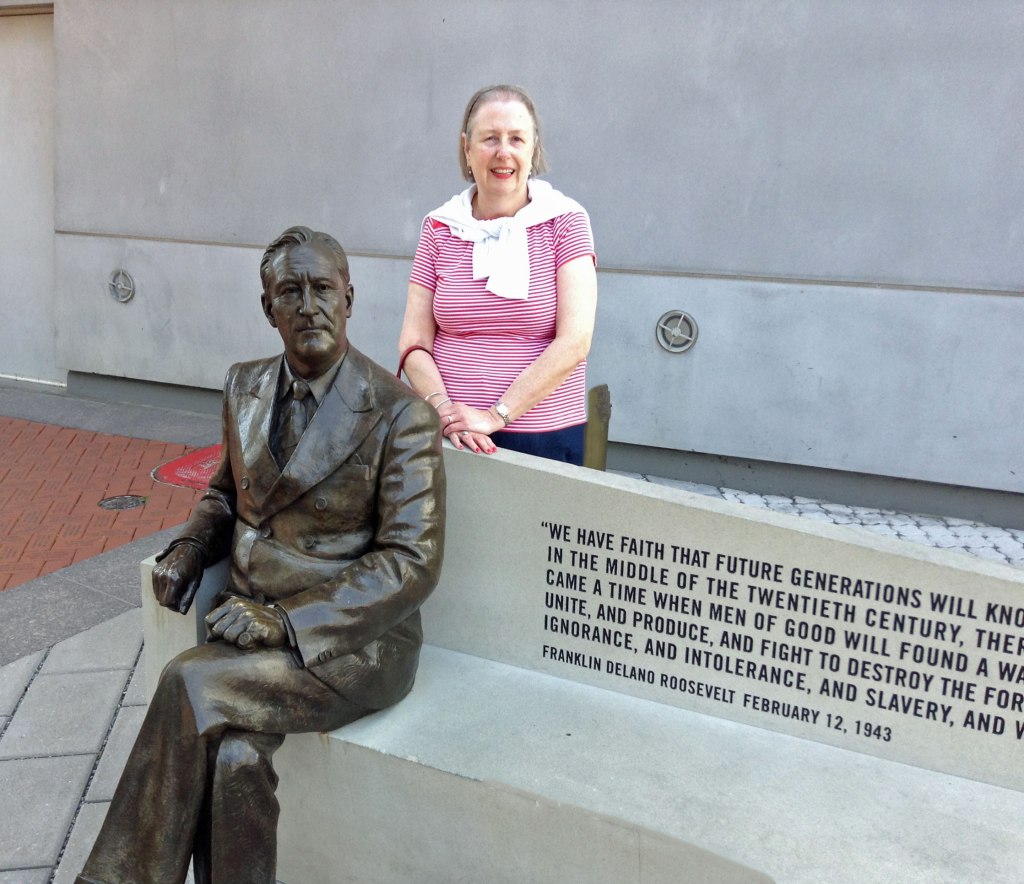
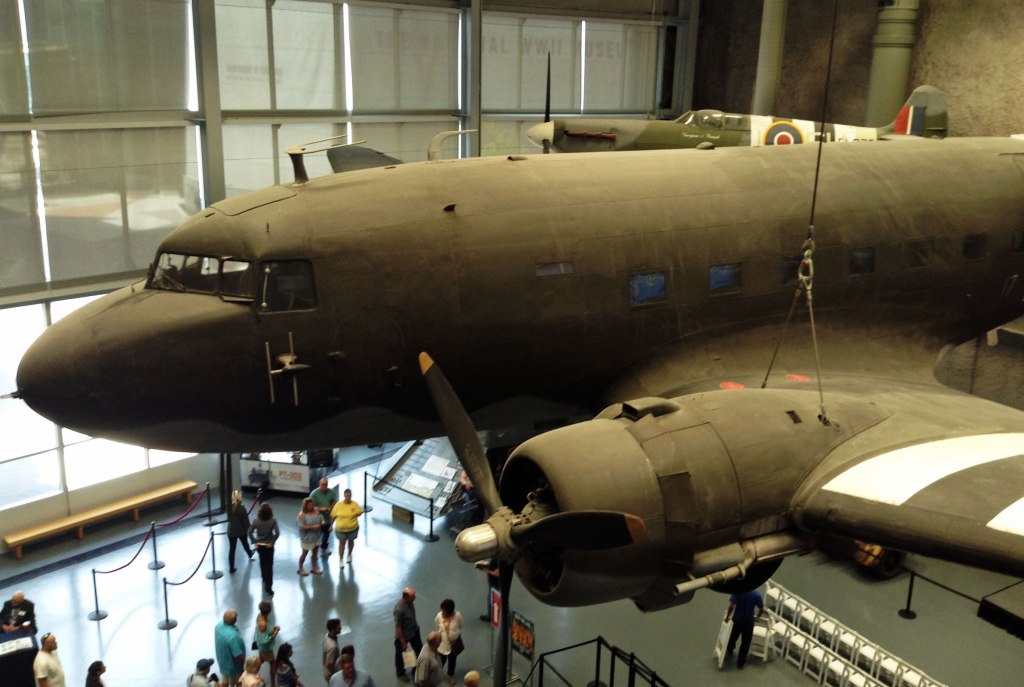
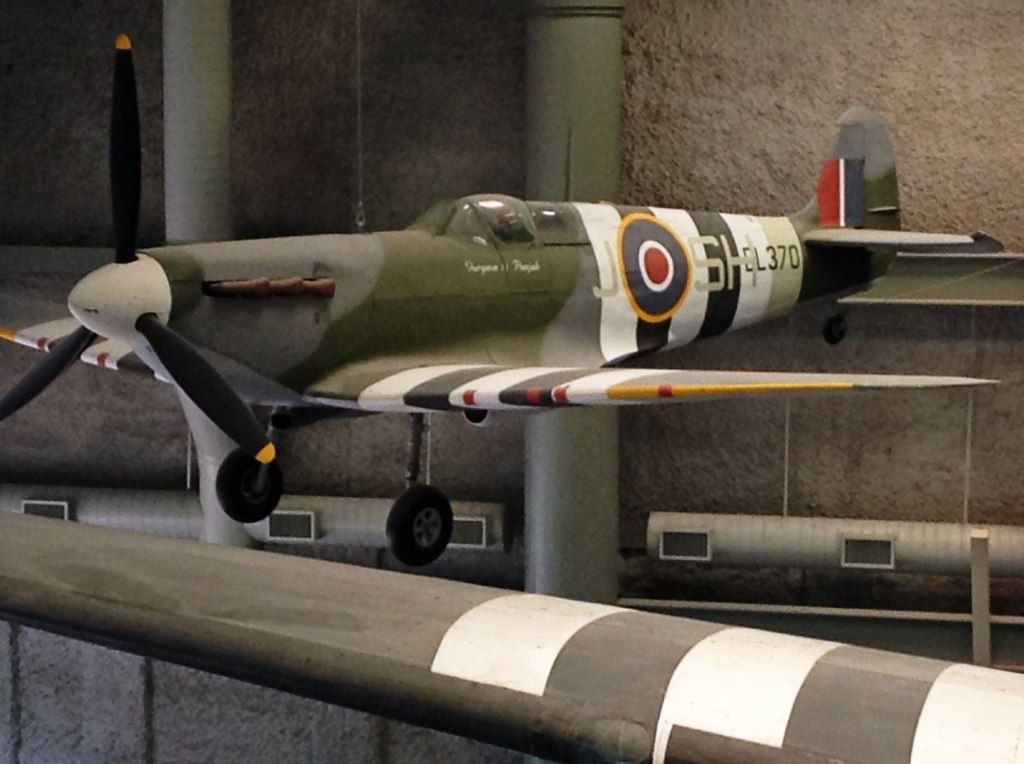
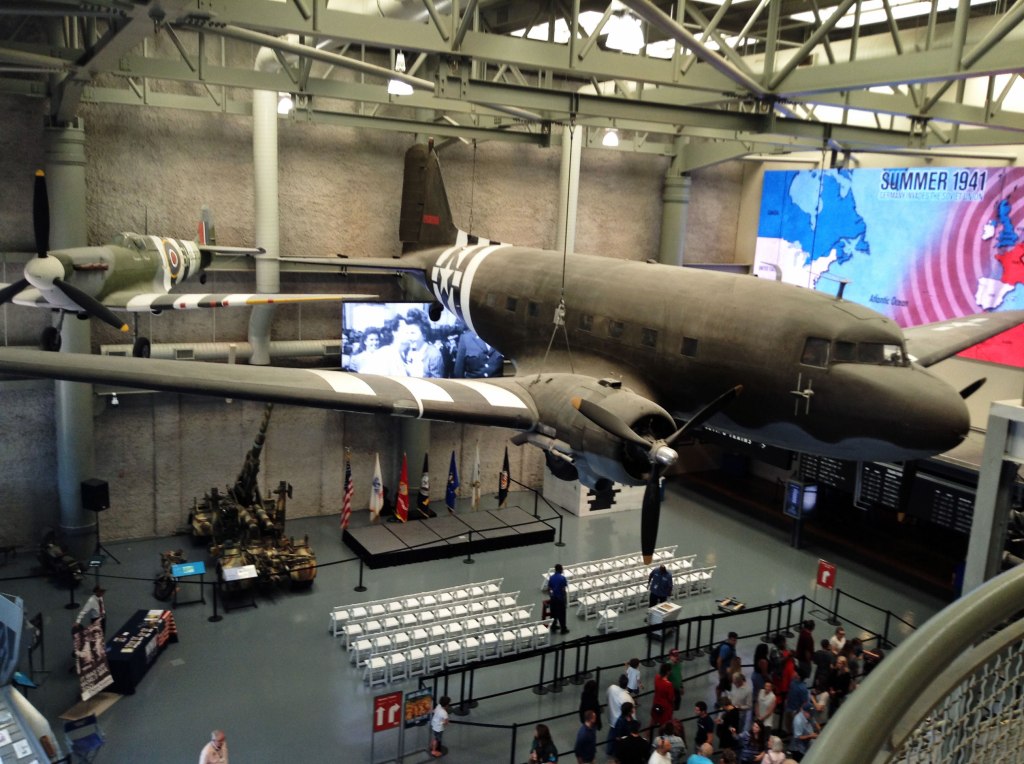
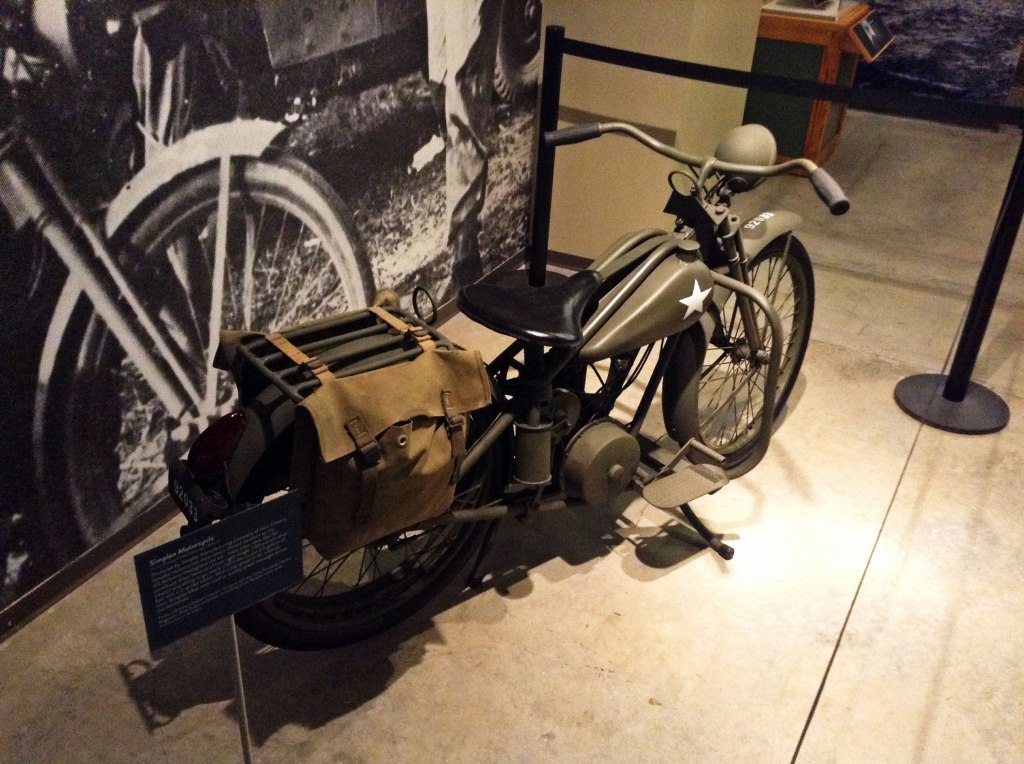
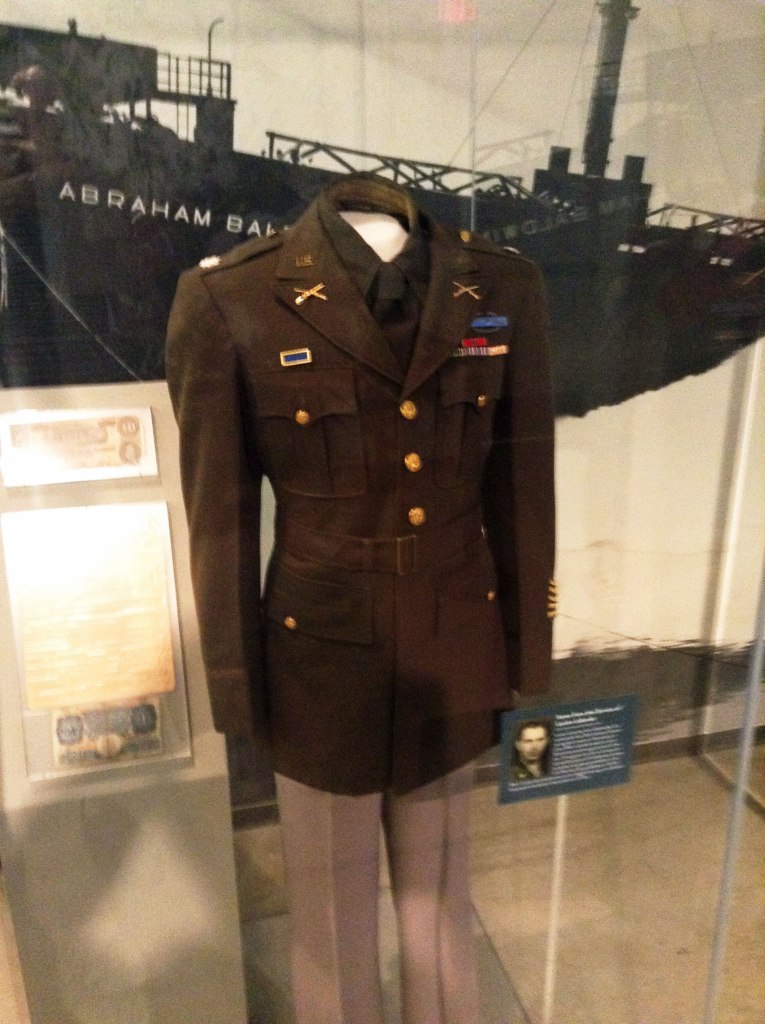
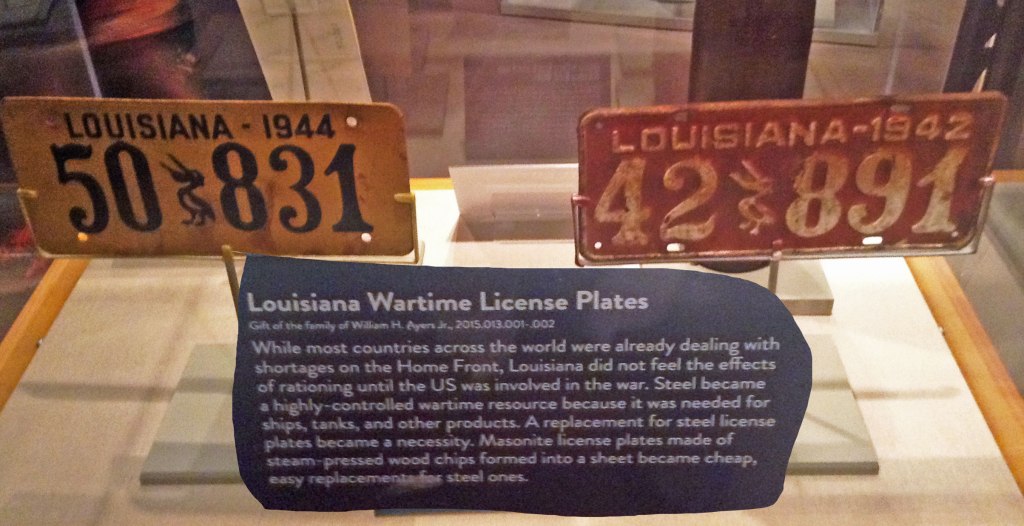
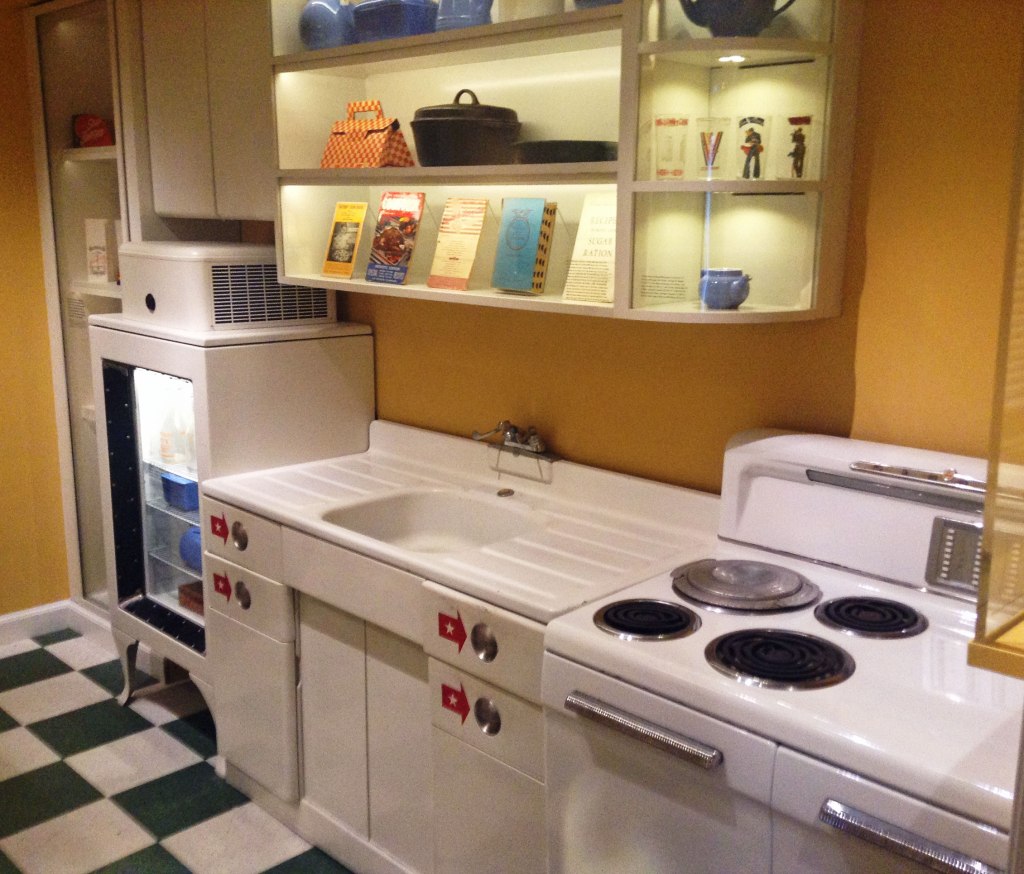
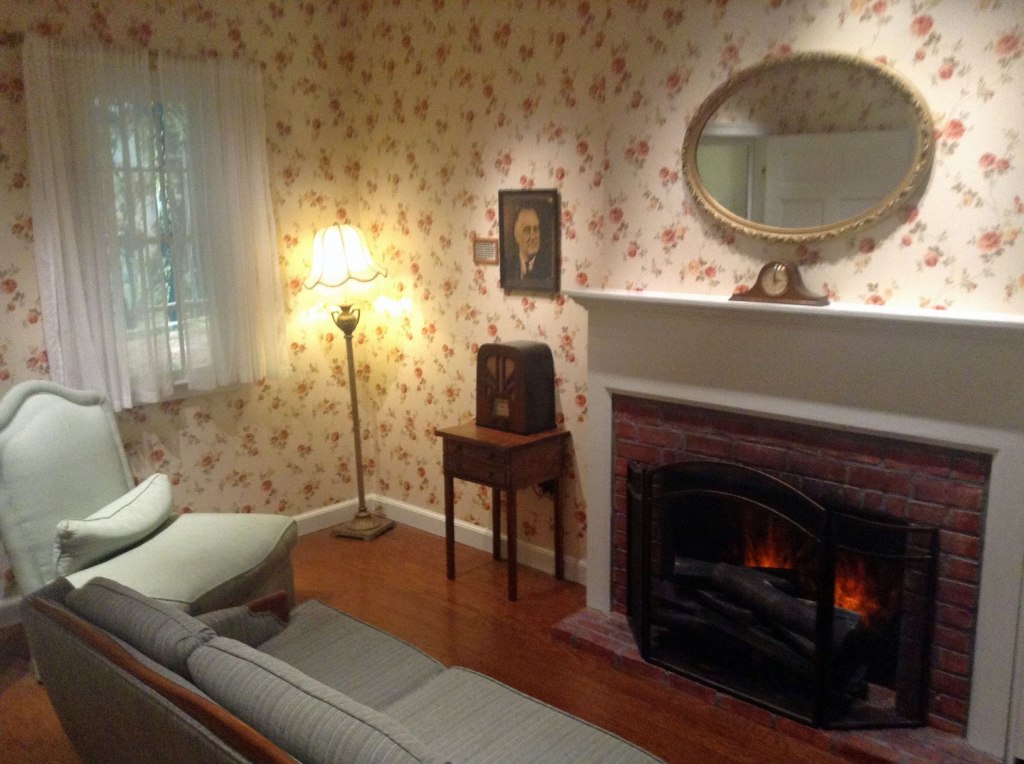
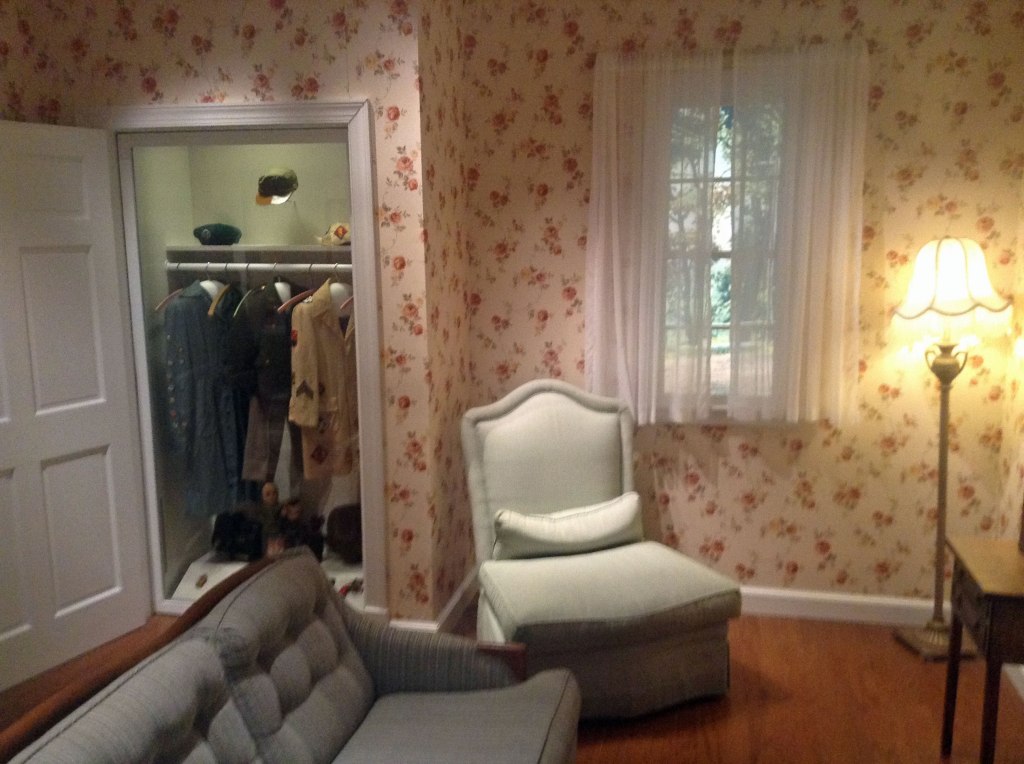
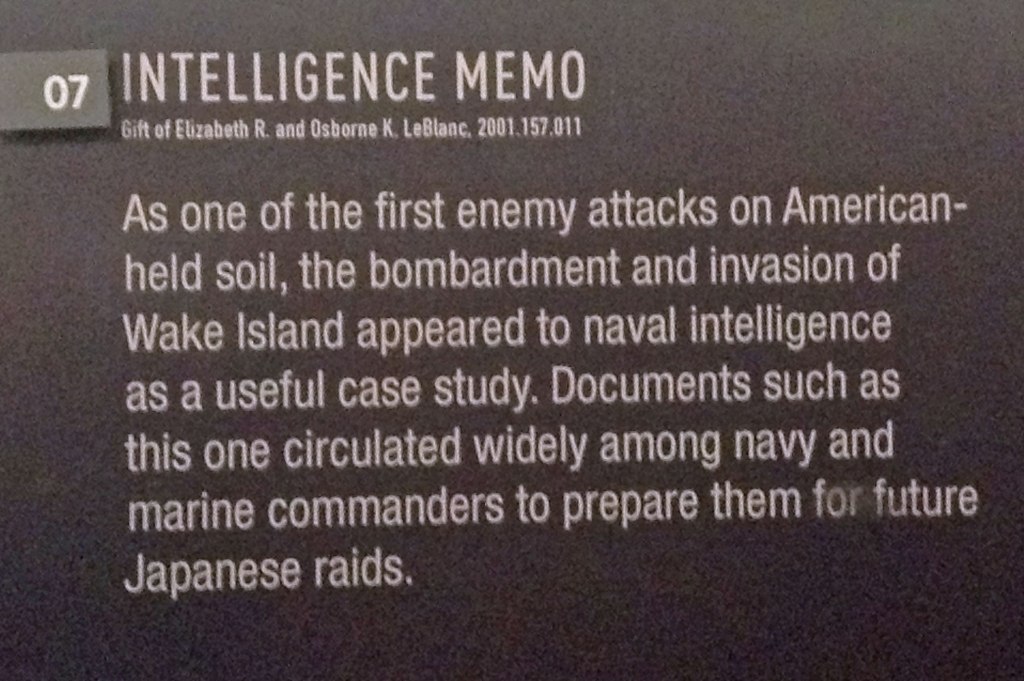
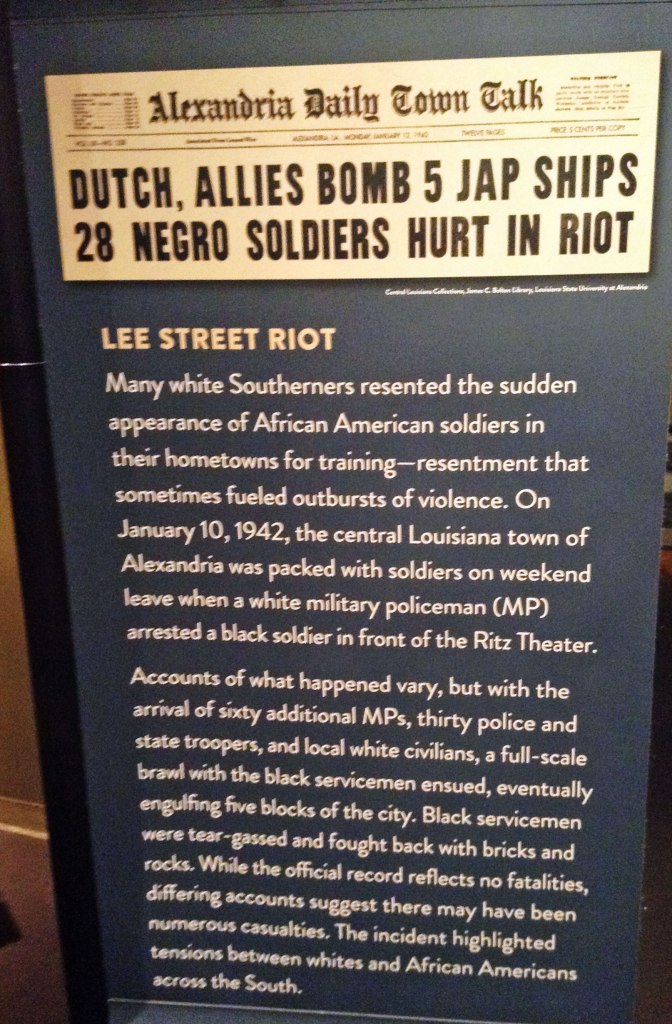
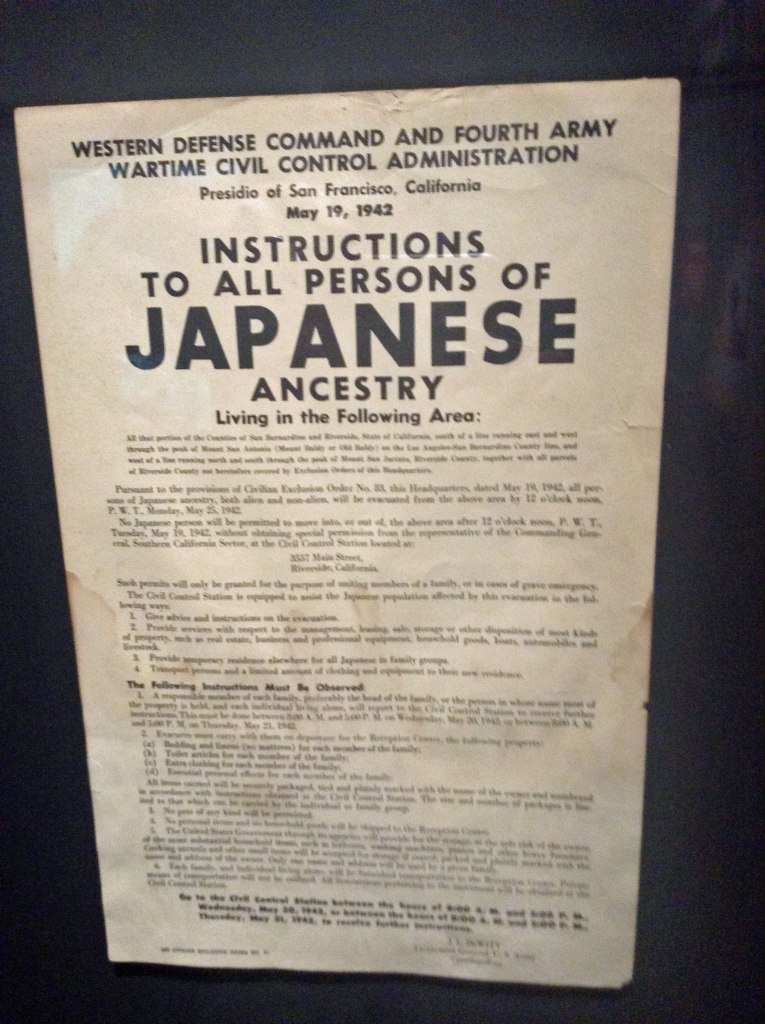
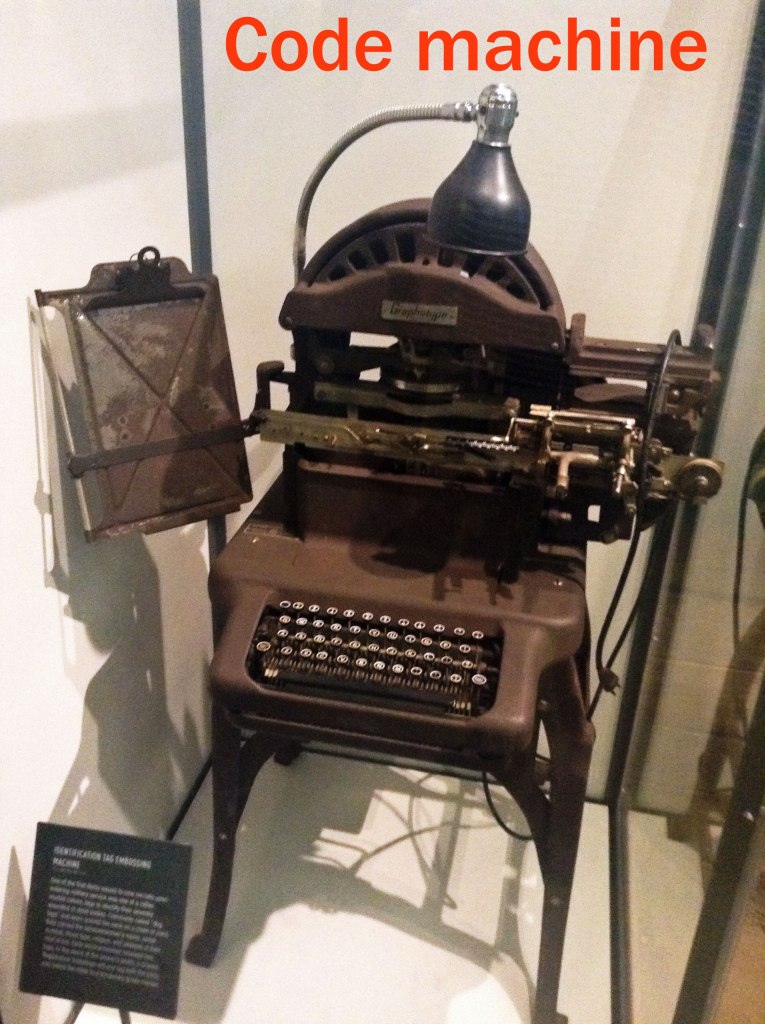
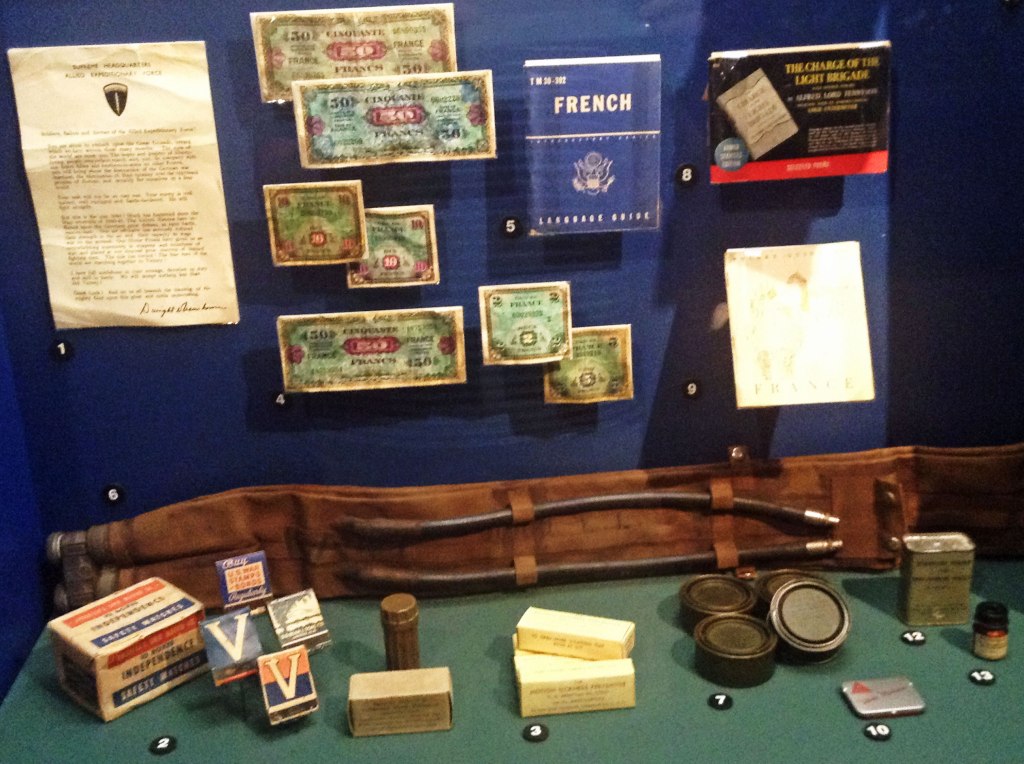
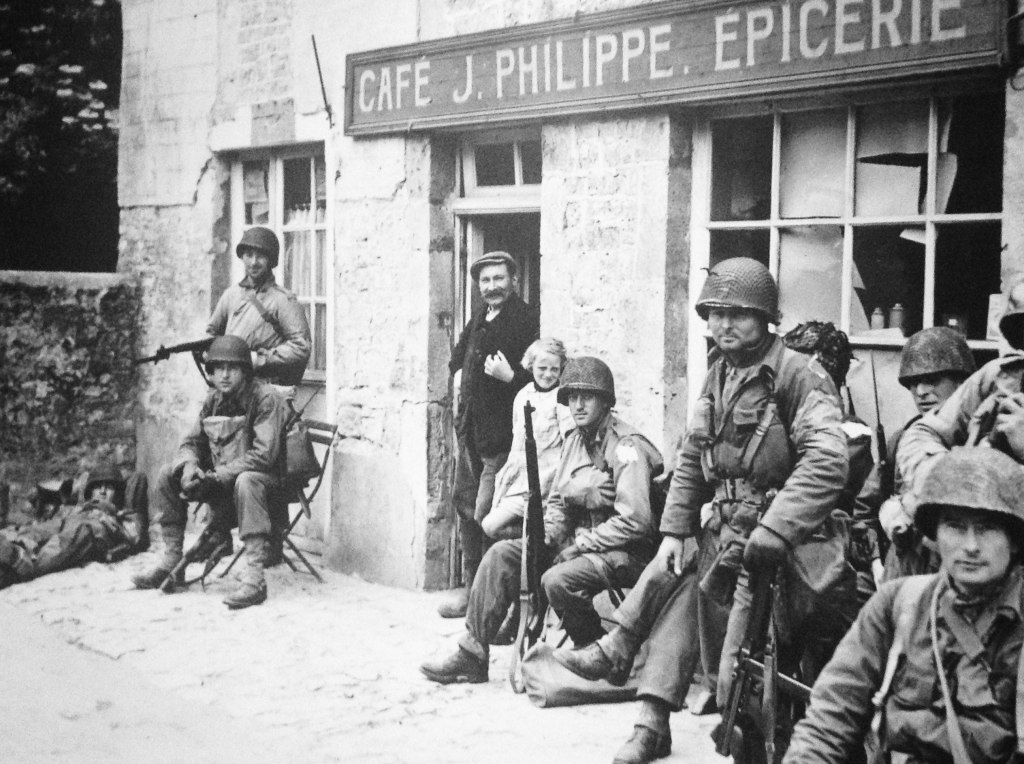
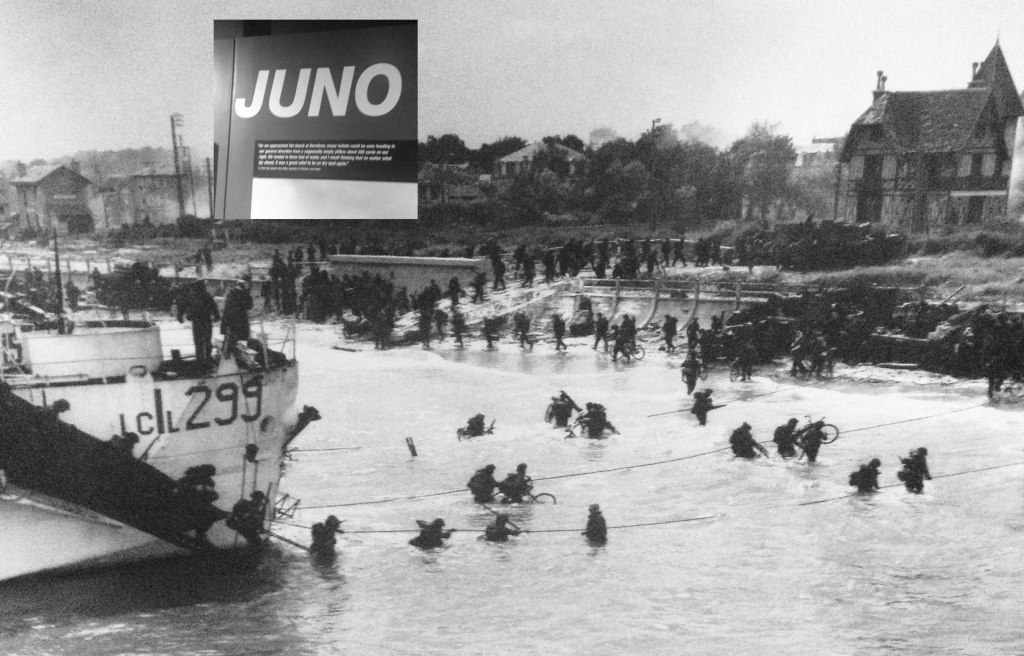
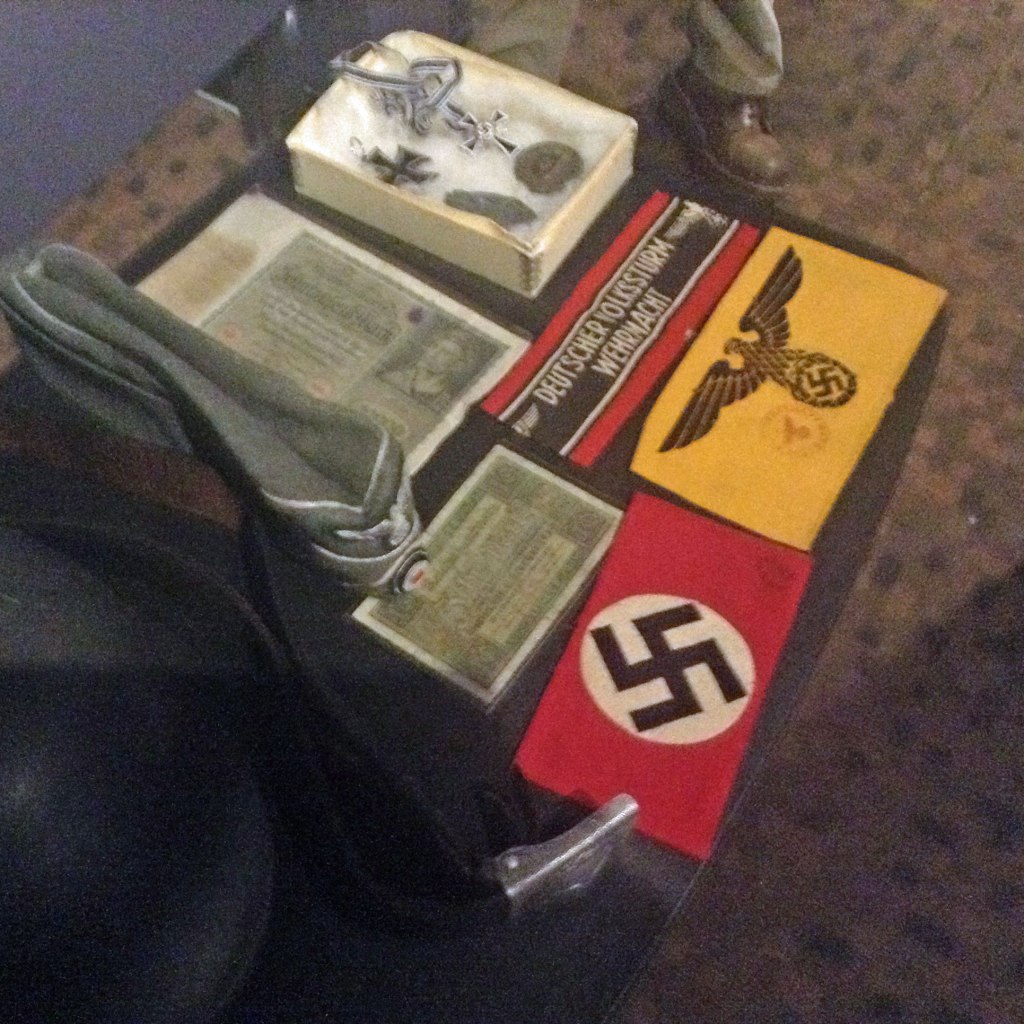
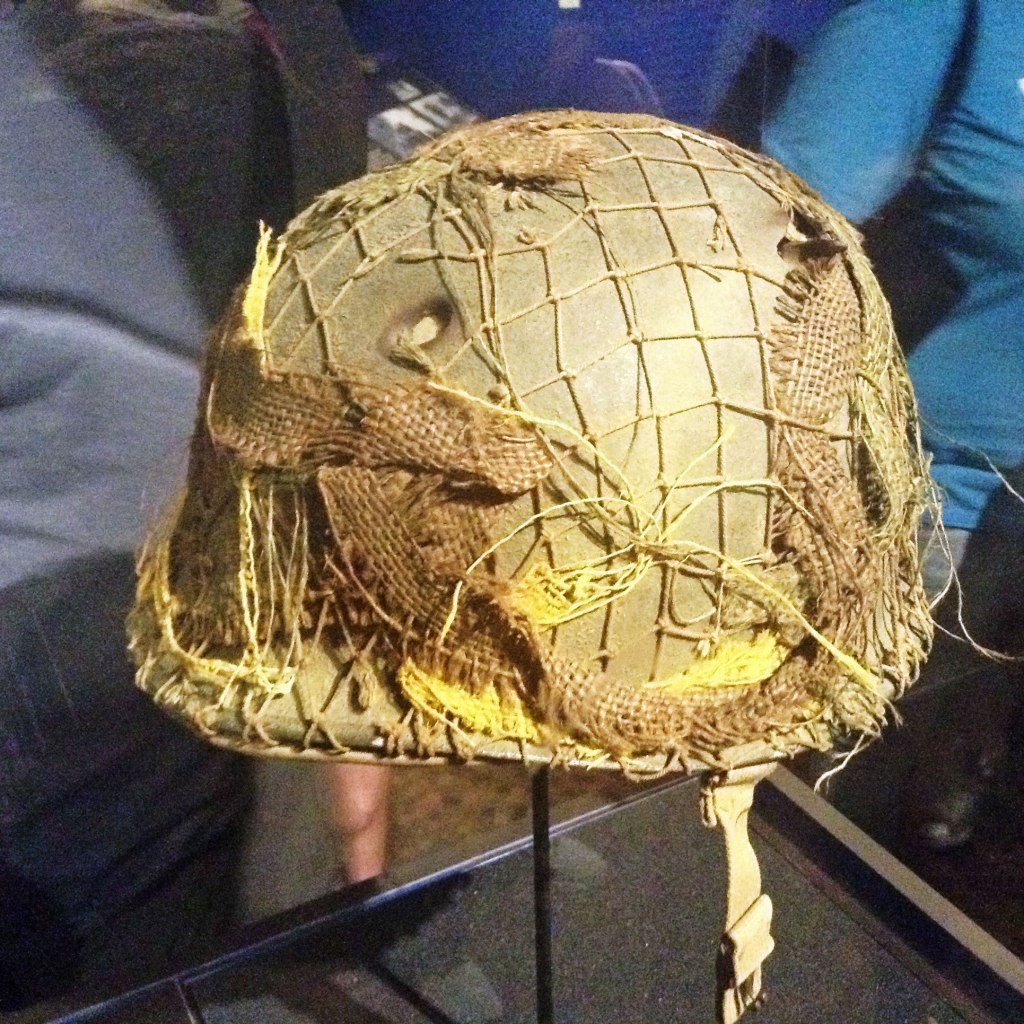
The National WWII Museum


 s
s 