




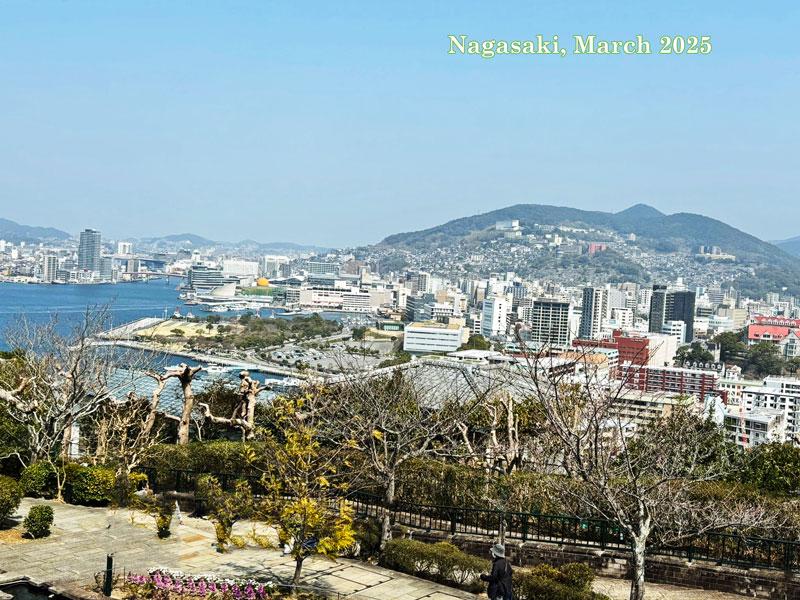
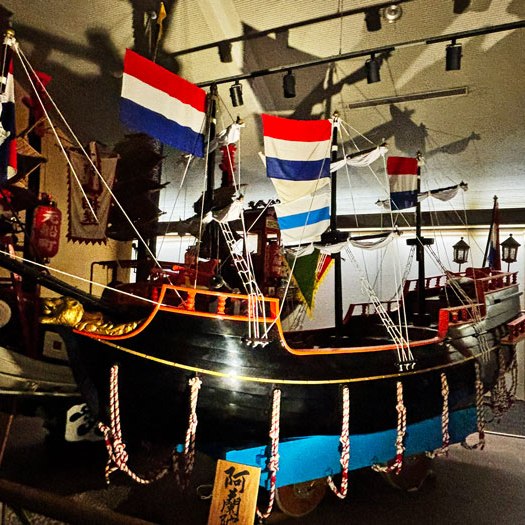
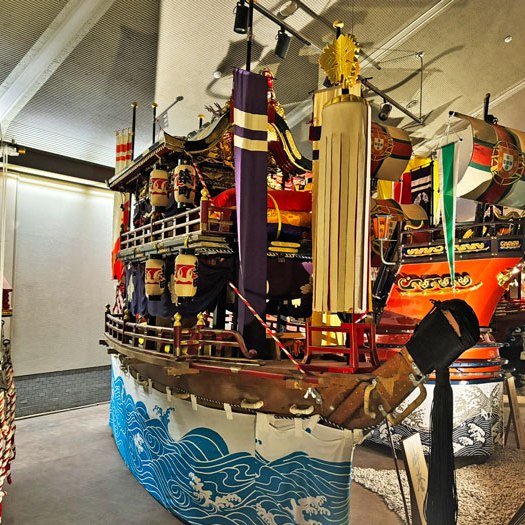
Founded by the Portuguese, the port of Nagasaki became the sole port used for trade with the Portuguese and Dutch during the 16th through 19th centuries. The Hidden Christian Sites have been recognized and included in the UNESCO World Heritage Sites list. Part of Nagasaki was home to a major Imperial Japanese Navy base during the First Sino-Japanese War and Russo-Japanese War. Near the end of WW II, the American atomic bombings of Hiroshima and Nagasaki made Nagasaki the second city in the world to experience a nuclear attack. The city was rebuilt.
The first contact with Portuguese explorers occurred in 1543. An early visitor was supposedly Fernao Mendes Pinto, who came from Sagres on a Portuguese ship which landed nearby in Tanegashima.
Catholicism’s last gasp as an open religion and the last major military action in Japan until the Meiji Restoration was the Shimabara Rebellion of 1637. While there is no evidence that Europeans directly incited the rebellion, Shimabara Domain had been a Christian han for several decades, and the rebels adopted many Portuguese motifs and Christian icons. Consequently, in Tokugawa society the word “Shimabara” solidified the connection between Christianity and disloyalty.
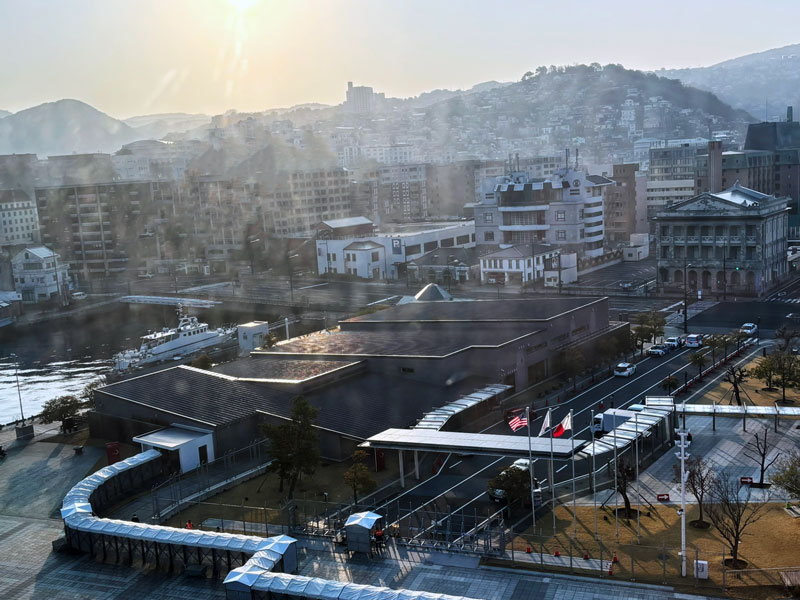
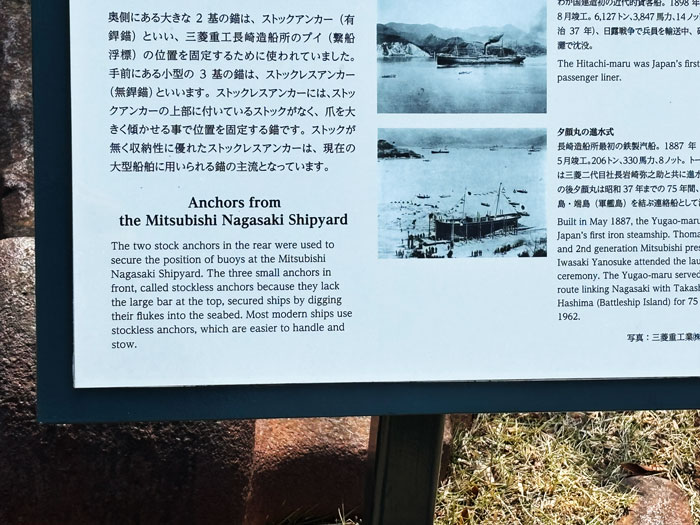
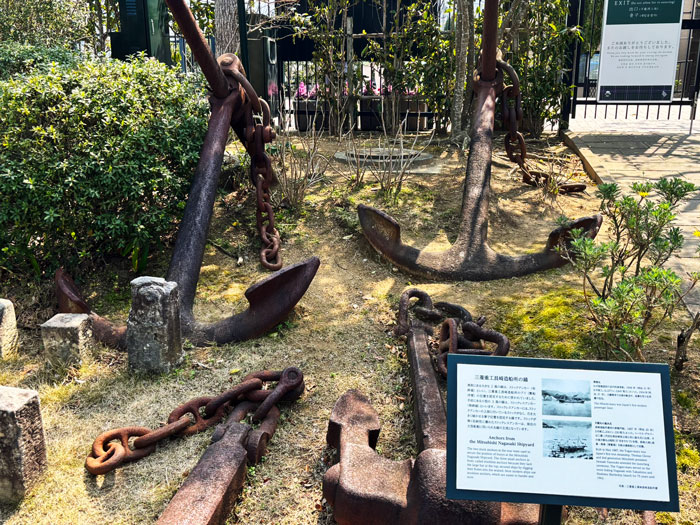
During the Meiji period, Nagasaki became a center of heavy industry. Its main industry was ship-building , with the dockyards under control of Mitsubishi Heavy Industries becoming one of the prime contractors for the Imperial Japanese Navy, and with Nagasaki harbor used as an anchorage under the control of nearby Sasebo Naval District.
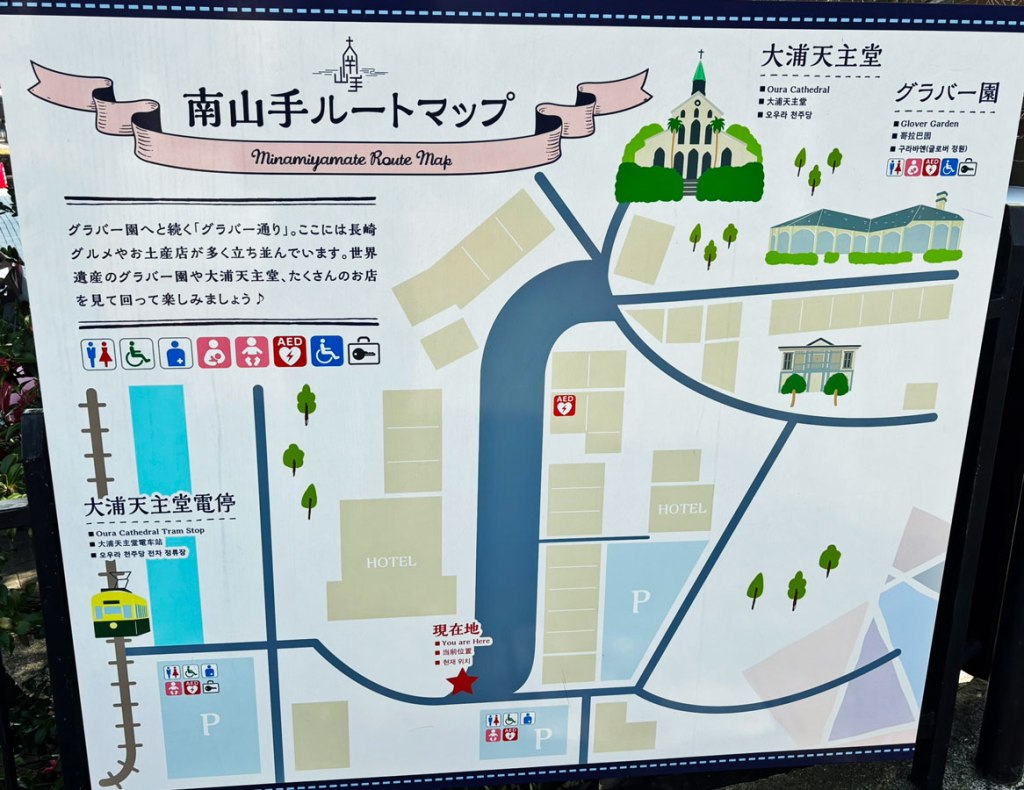
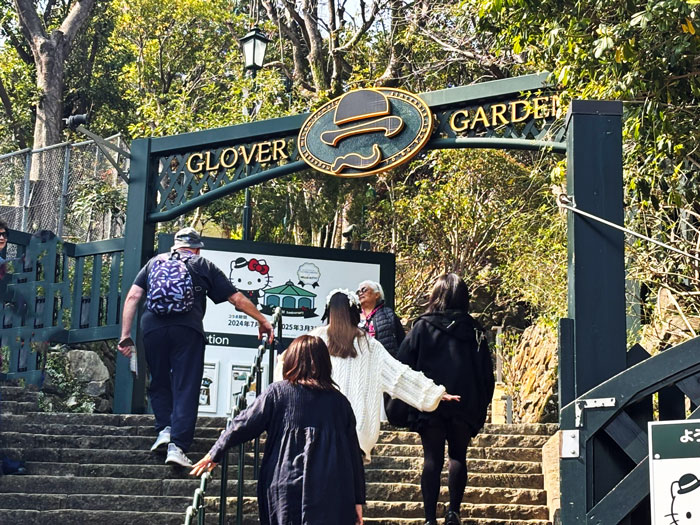
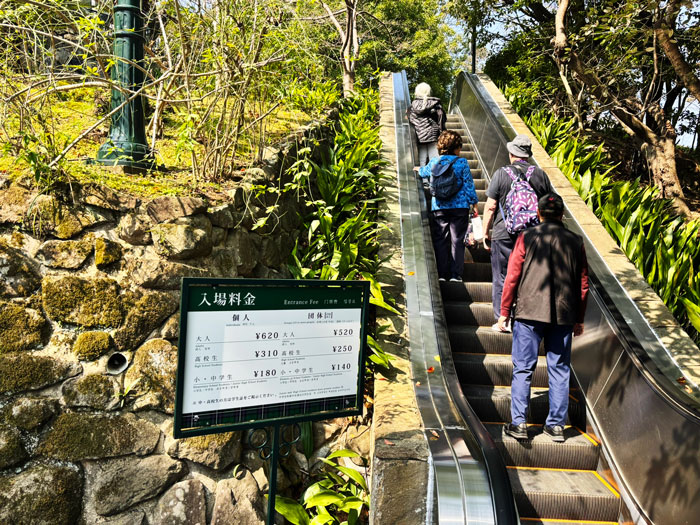
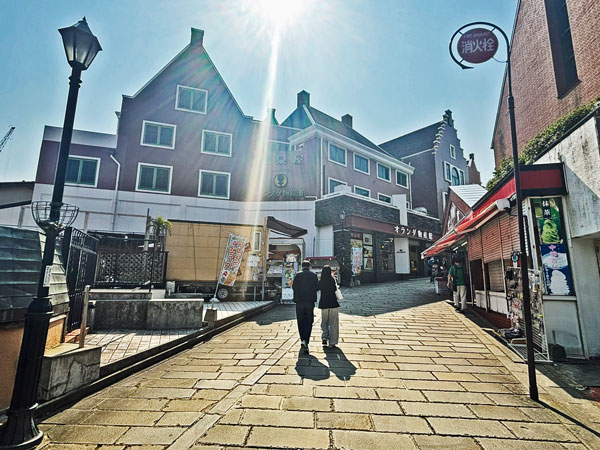
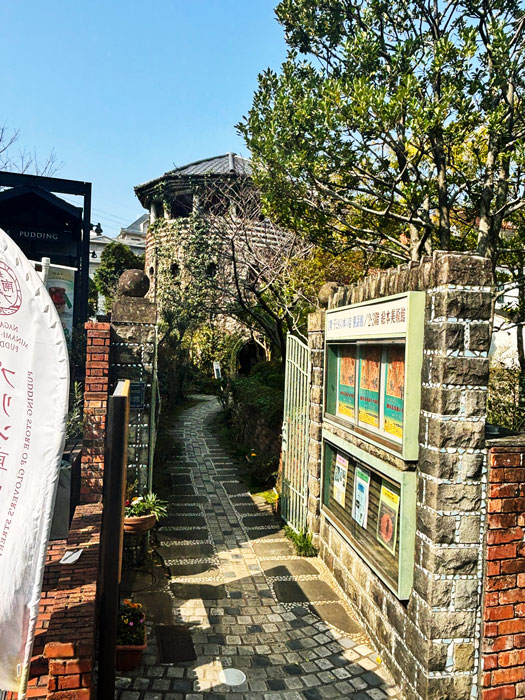
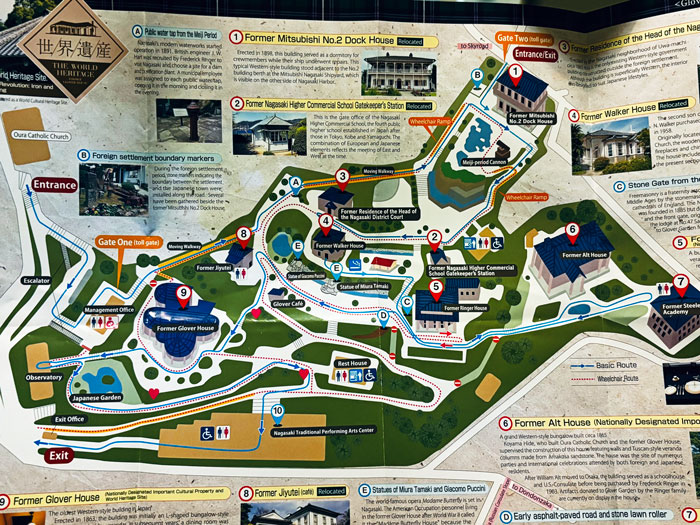
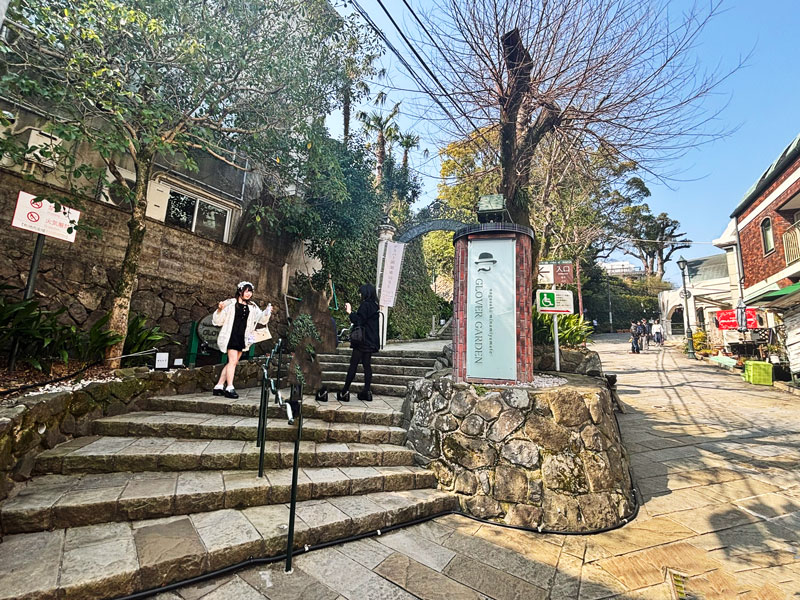
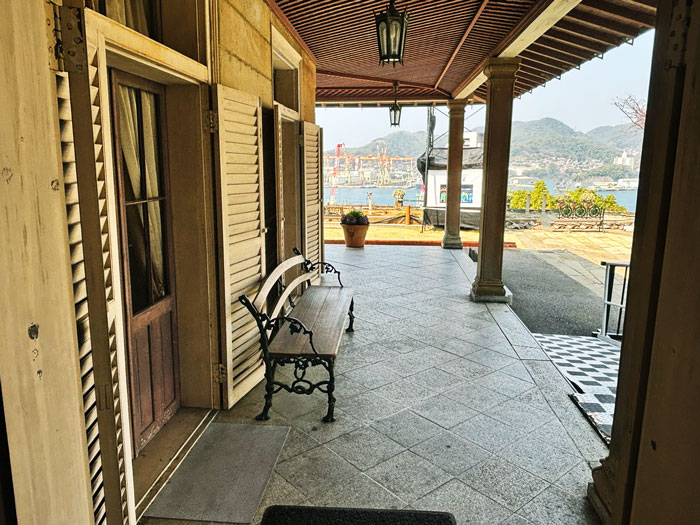
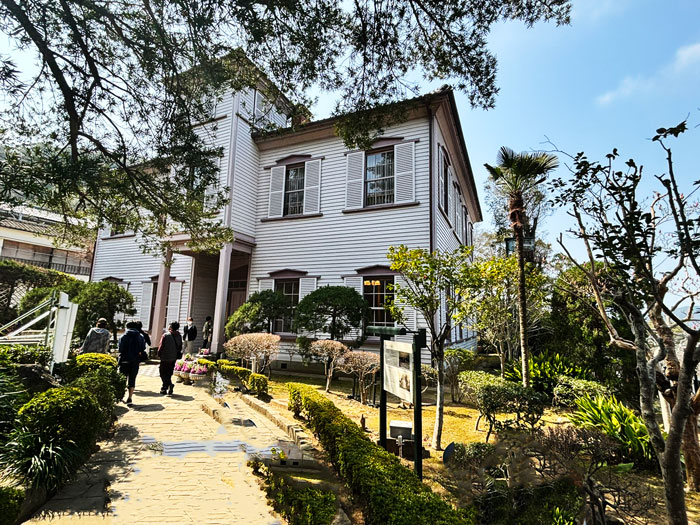
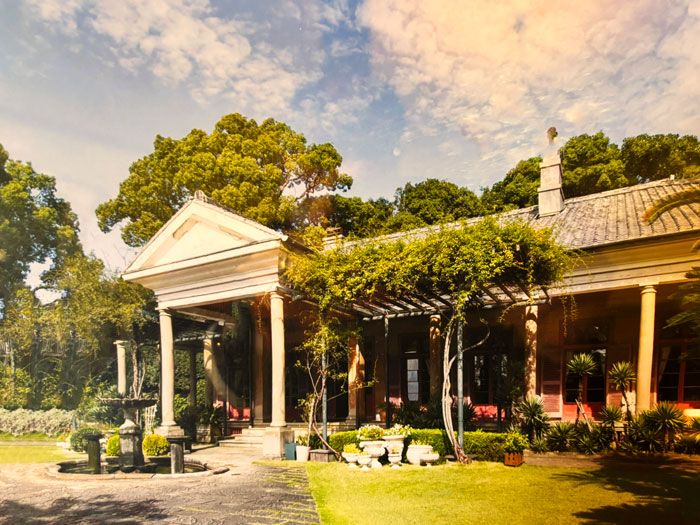
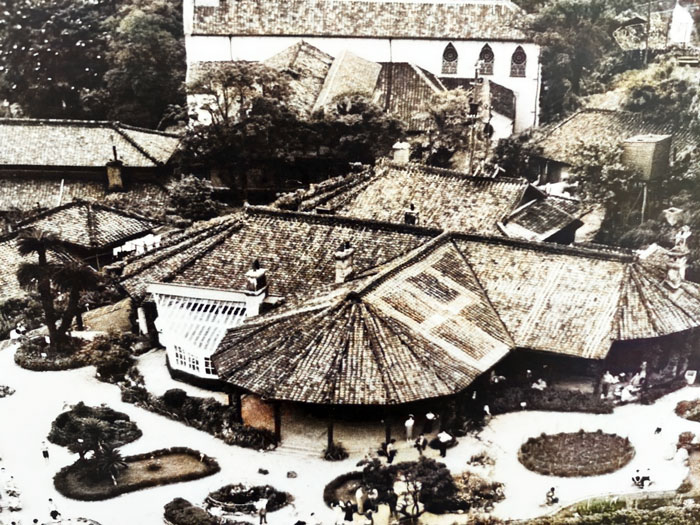
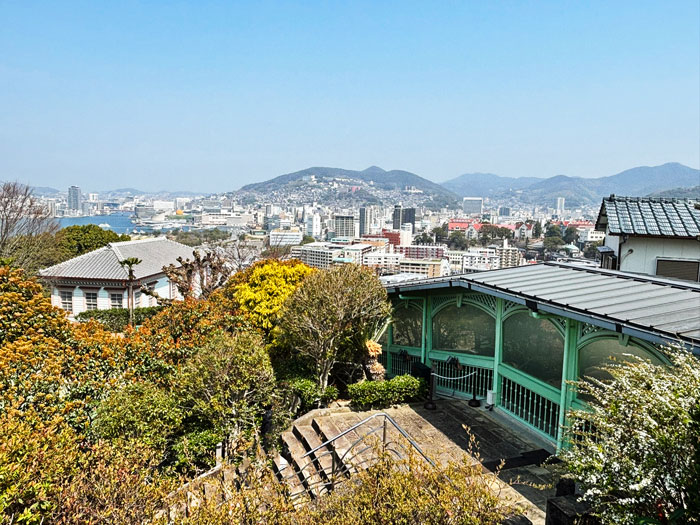
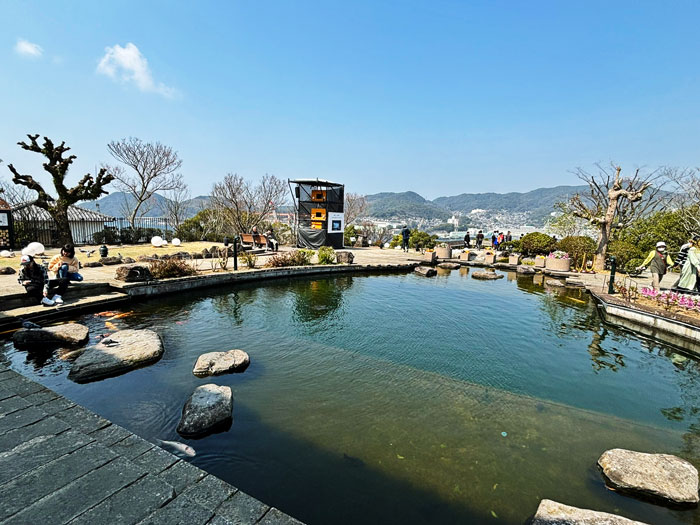
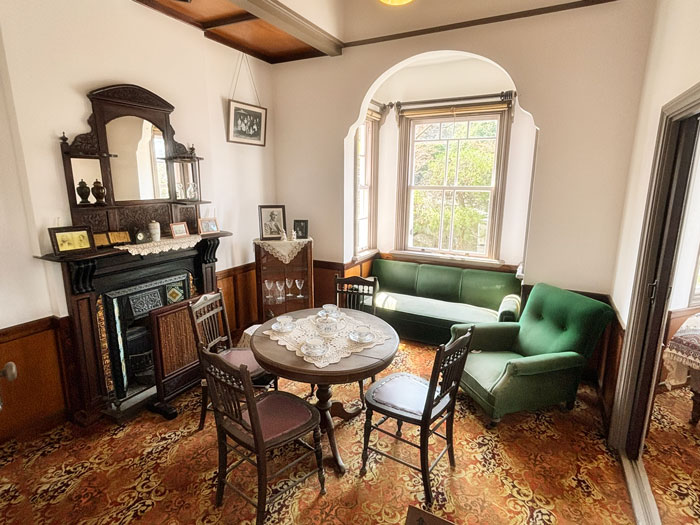
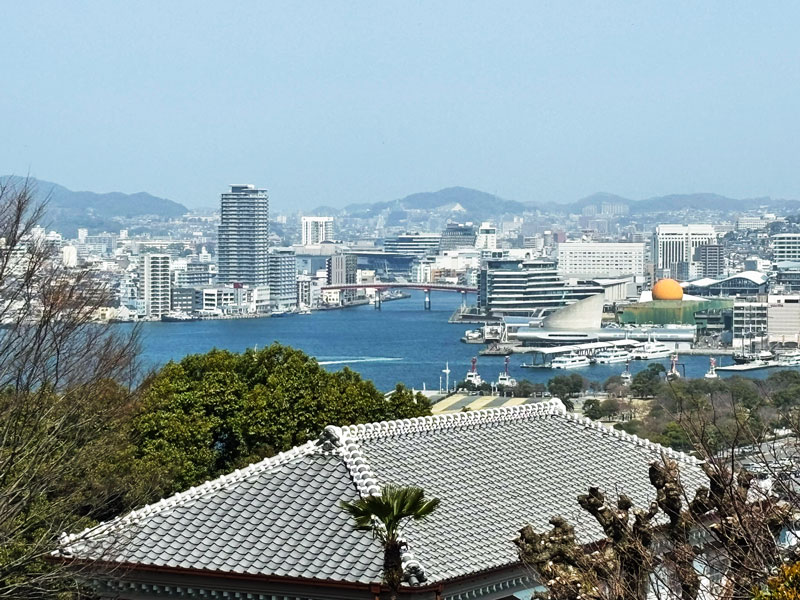
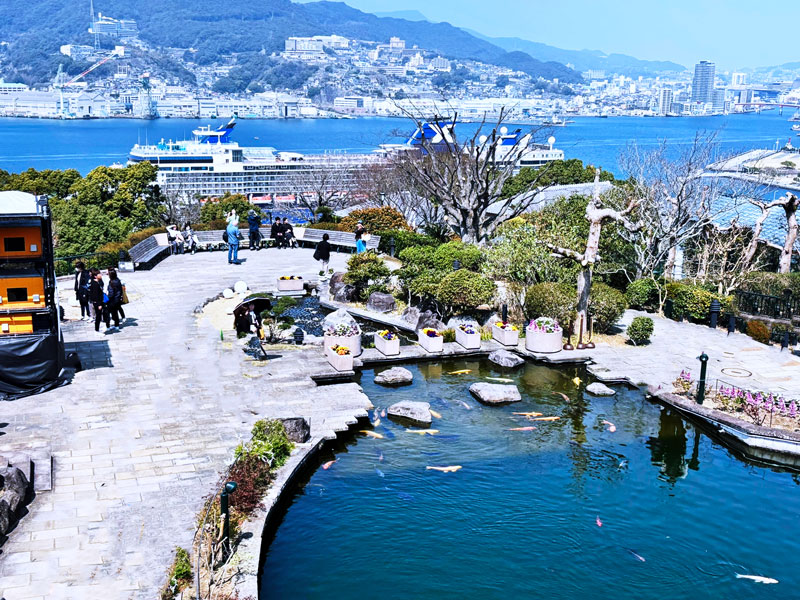
Glover Garden is an open-air museum that exhibits mansions of several of the city’s former foreign residents and related buildings. It is located on the hill where Western merchants settled down after the end of Japan’s era of seclusion in the second half of the 19th century.
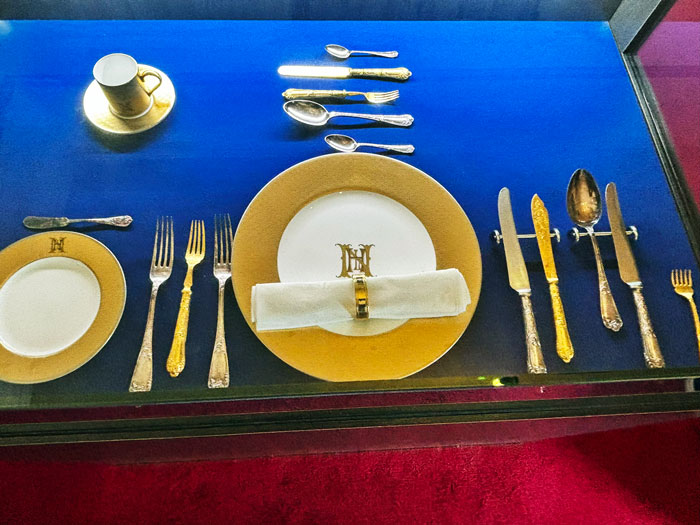
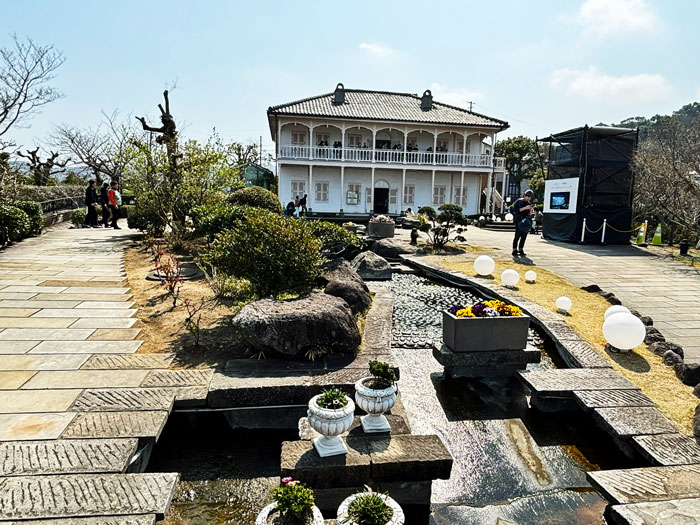
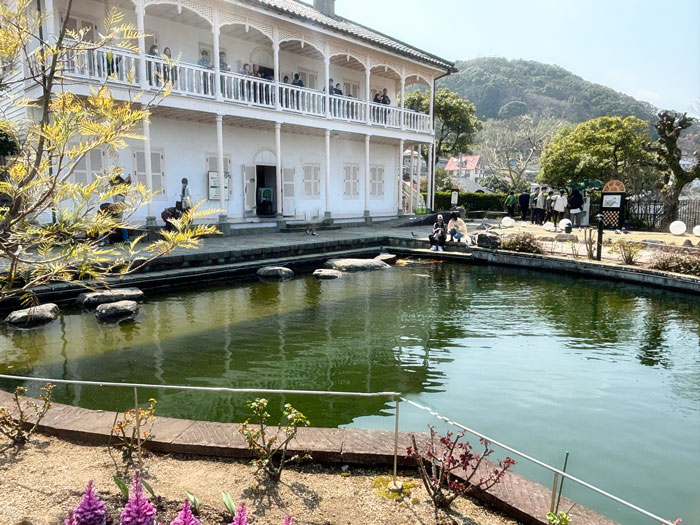
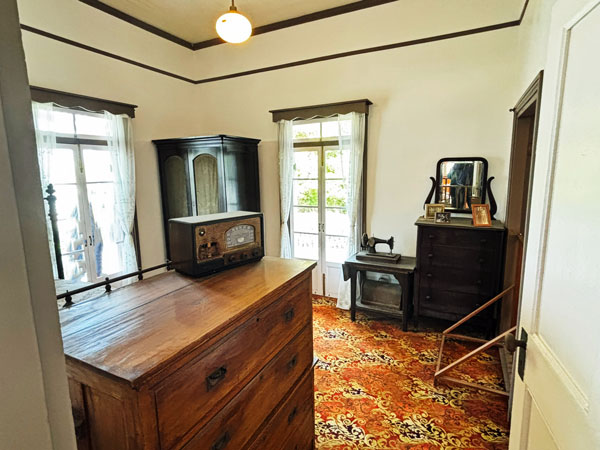
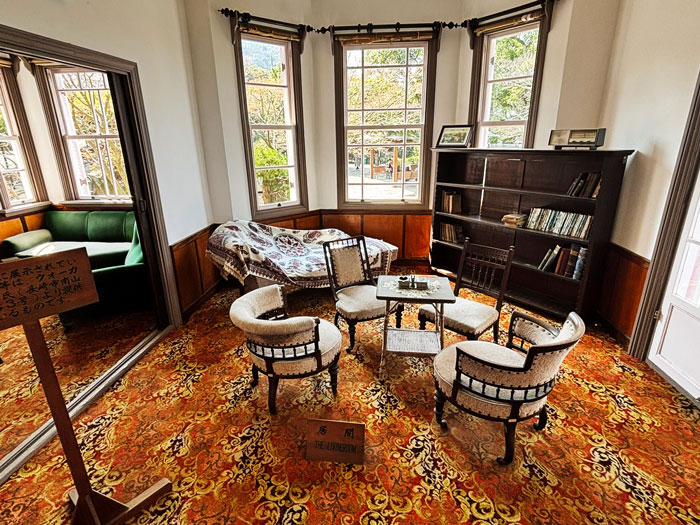
The main attraction of the garden is the Former Glover House, the oldest wooden Western-style building in Japan. Thomas Glover (1838-1911) was a Scottish merchant who moved to Nagasaki after the opening of its port to foreign trade in 1859. He later assisted some of the revolutionaries who would eventually overthrow the Tokugawa Shogunate in the Meiji Restoration. Active in various industries, including shipbuilding and mining, Glover features prominently in the early history of Japan’s industrialization.
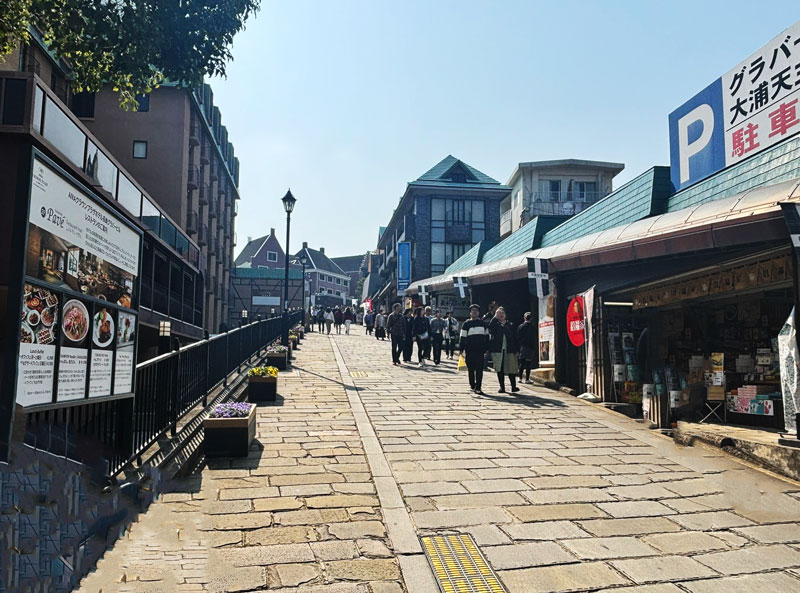
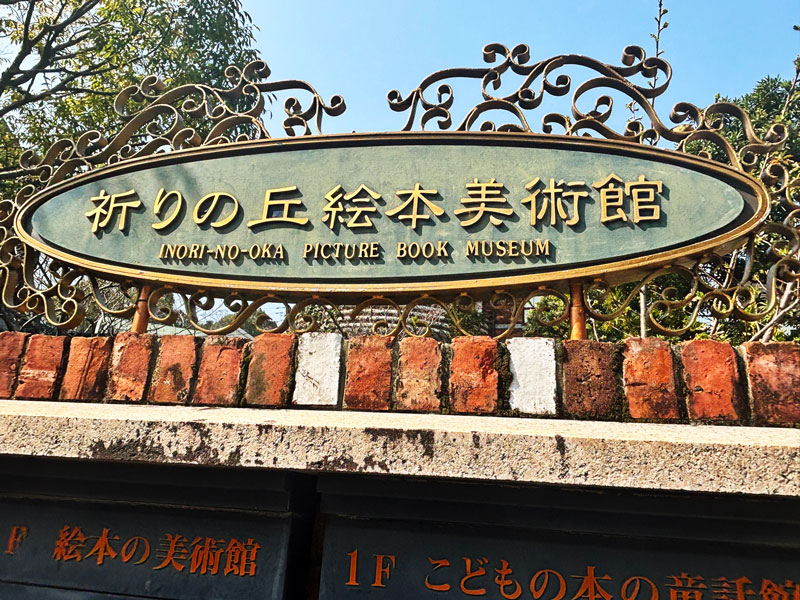
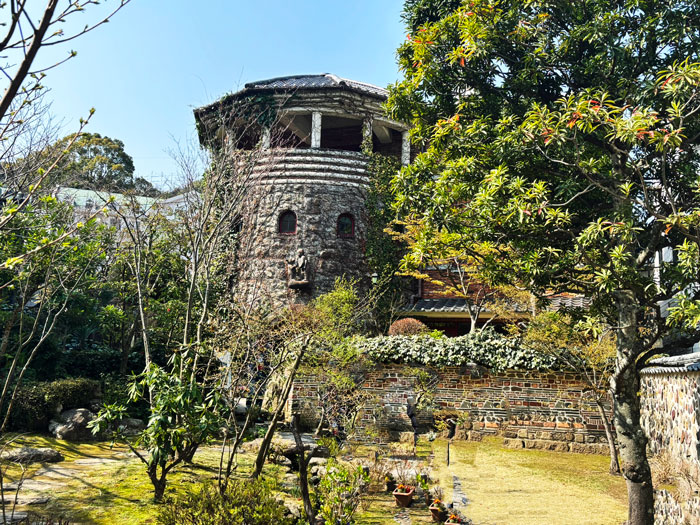
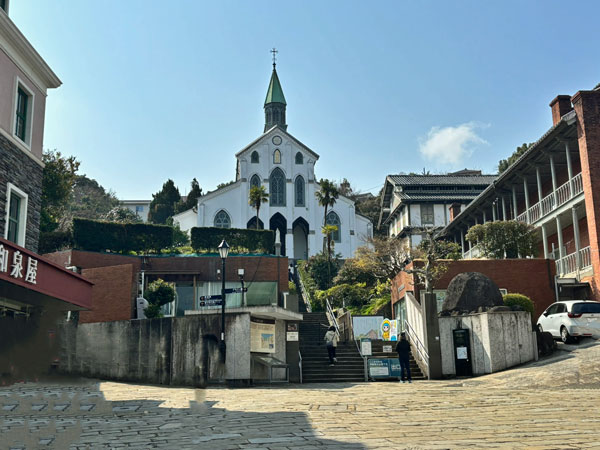
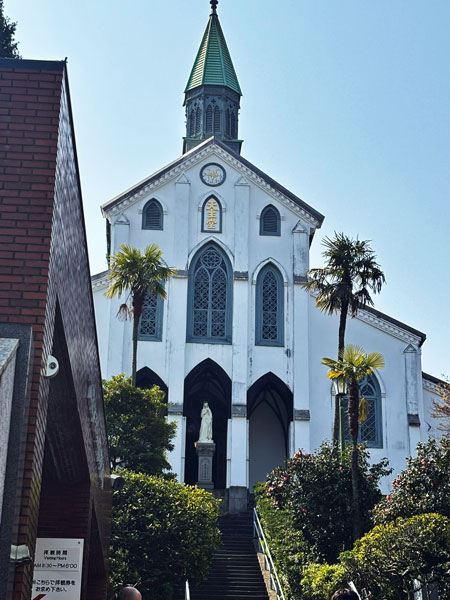
Oura Church is a Catholic church. Built towards the end of the Edo Period in 1864 by a French missionary for the growing community of foreign merchants in the city, it is considered the oldest standing Christian church in Japan.
Oura Church is dedicated to the memory of the 26 Christians who were executed in the city in 1597. Today, the working church stands as an attractive example of contemporary European architecture, drawing many visitors. The church was the first Western-style building in Japan to be designated as a national treasure.
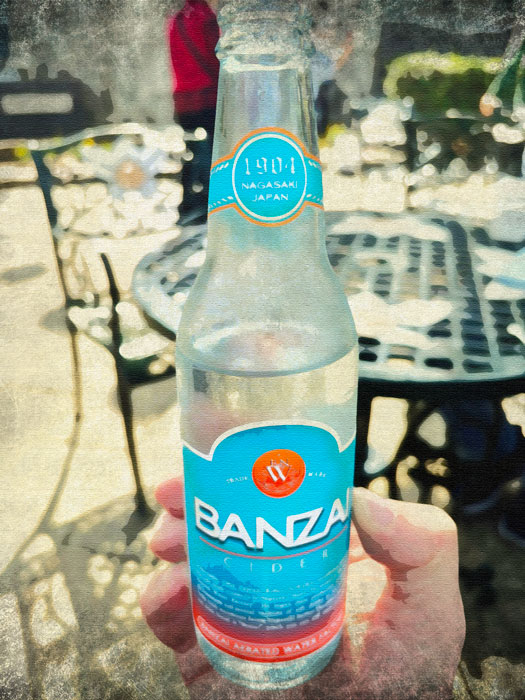
Banzai cider. Delicious. Refreshing..
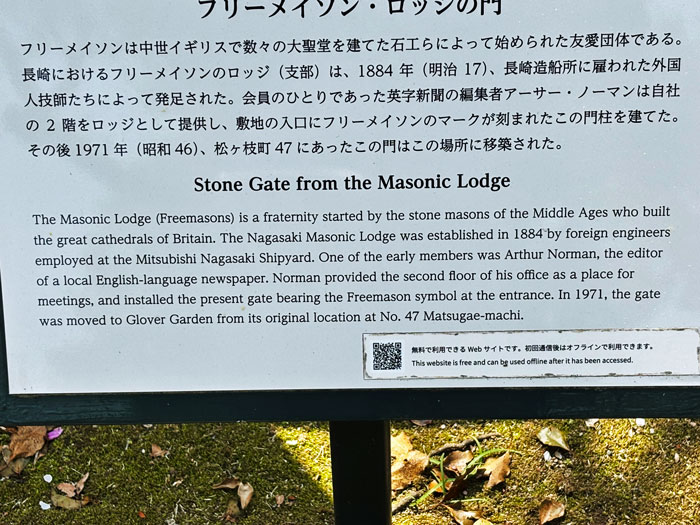
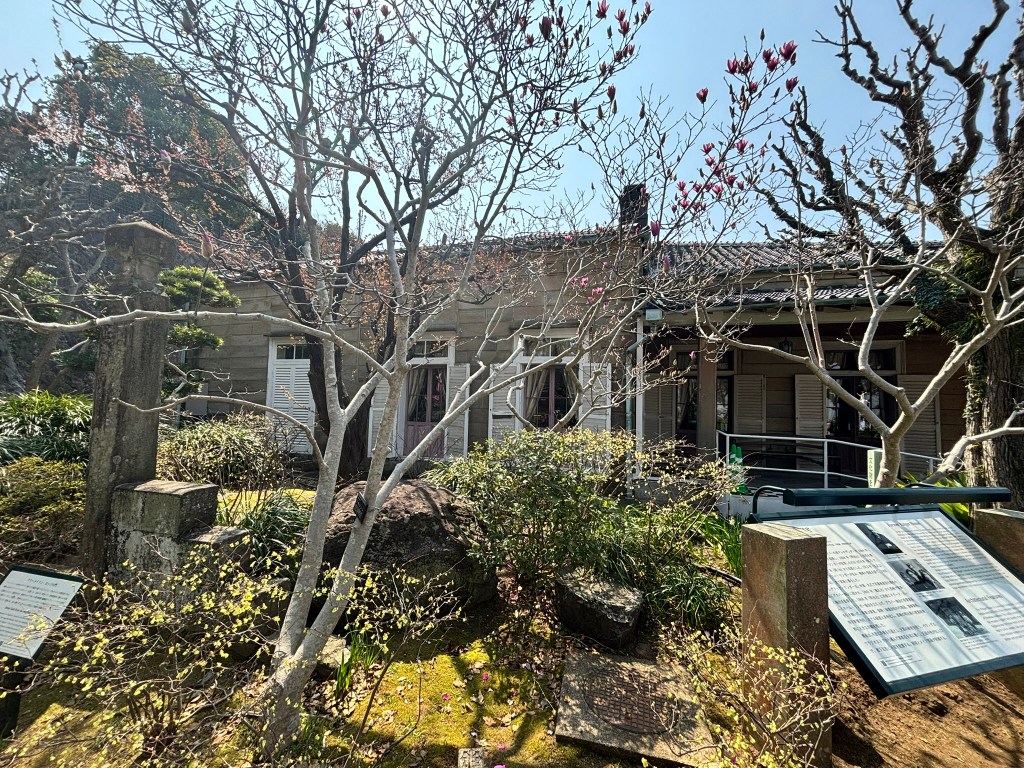
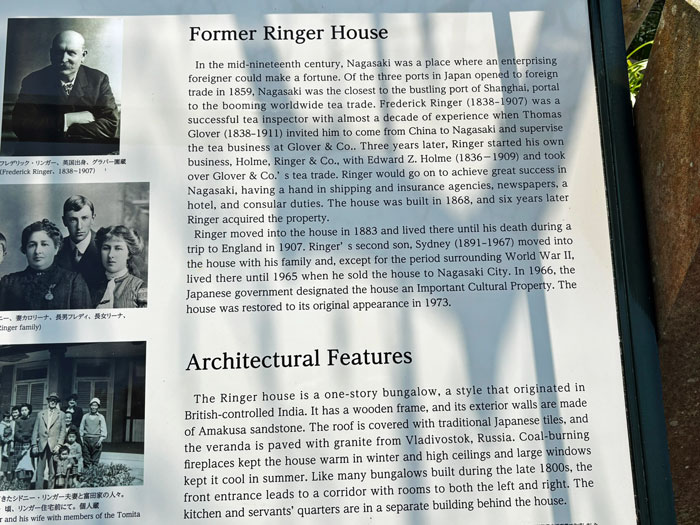
Former Glover House


 s
s 