



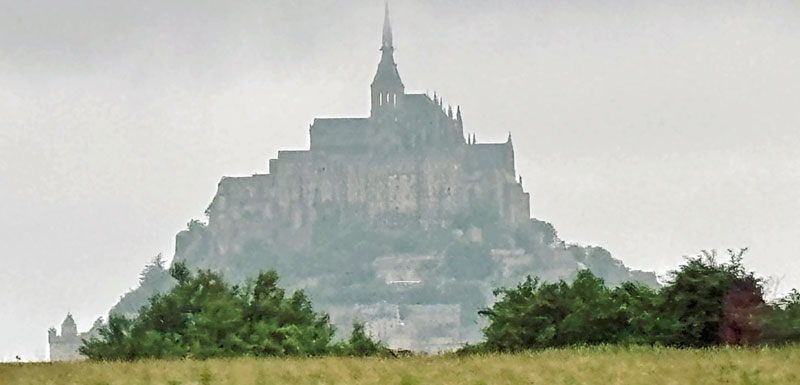
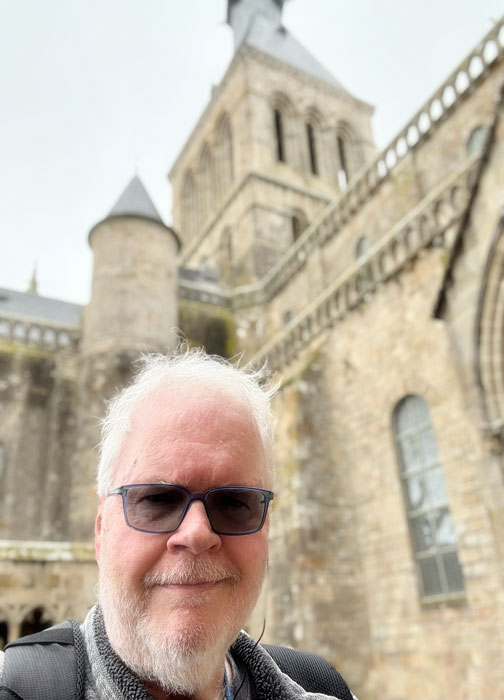
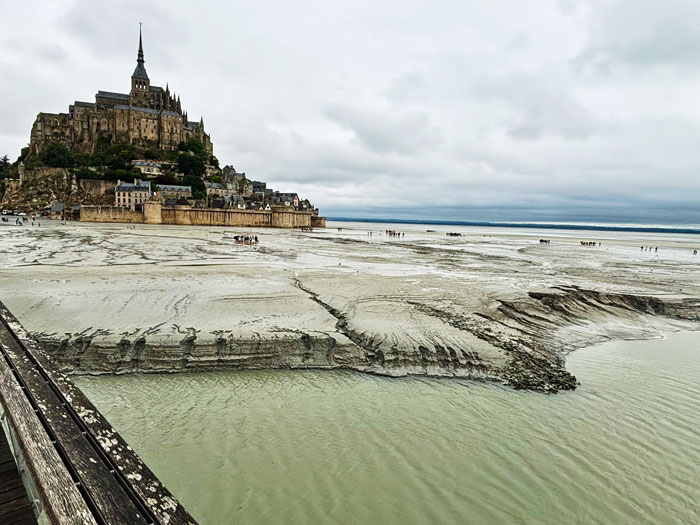
Mont-Saint-Michel is a tidal island and mainland commune in Normandy. Visited this wonder in July 2025,
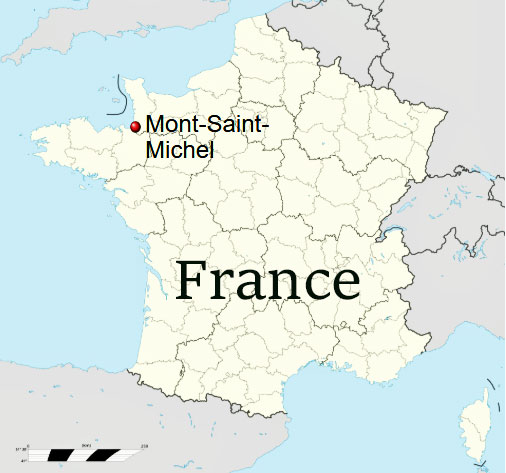
The island lies approximately one kilometre off France’s north-western coast, at the mouth of the Couesnon River near Avranches and is 7 hectares in area. The mainland part of the commune is 393 hectares in area so that the total surface of the commune is 400 hectares .
As of 2019, the island has a population of 29.
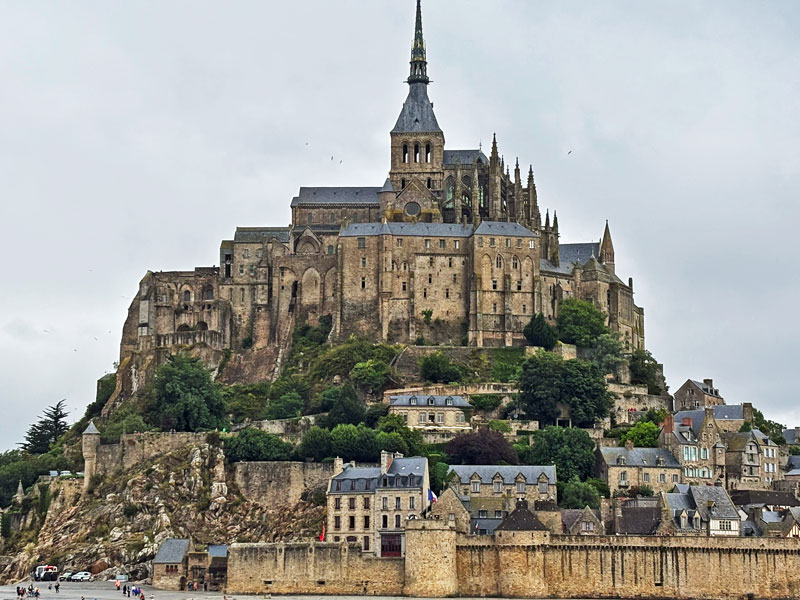
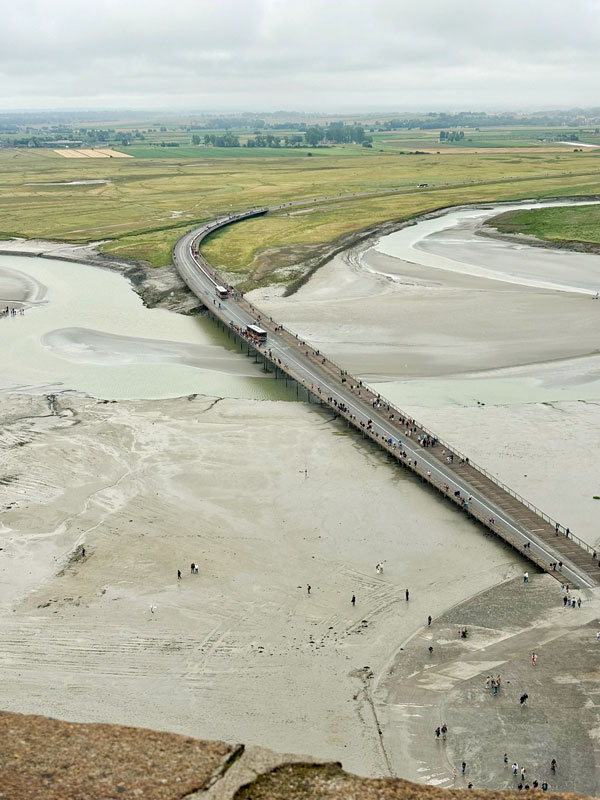
The commune’s position—on an island just a few hundred metres from land—made it accessible at low tide to the many pilgrims to its abbey, and defensible as the incoming tide stranded, drove off, or drowned threats on foot. The island remained unconquered during the Hundred Years’ War.
A small garrison fended off a full attack by the English in 1433. Louis XI recognised the benefits of its natural defence and turned it into a prison. The abbey was used regularly as a prison during the Ancien régime.


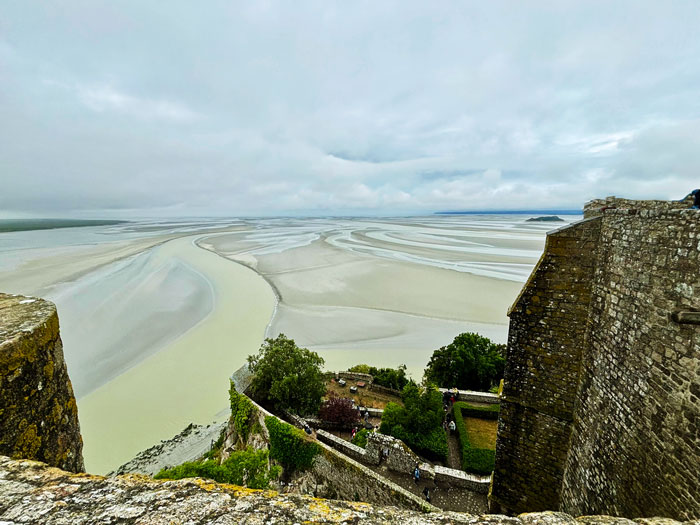


Before the construction of the first monastic establishment in the 8th century, the island was called Mont Tombe (Latin: tumba). According to a legend, the archangel Michel appeared in 708 to Aubert of Avranches, the bishop of Avranches, and instructed him to build a church on the rocky islet.
Unable to defend his kingdom against the assaults of the Vikings, the king of the Franks agreed to grant the Cotentin Peninsula and the Avranchin, including Mont-Saint-Michel traditionally linked to the city of Avranches, to the Bretons in the Treaty of Compiegne. This marked the beginning of a brief period of Breton possession of the Mont. In fact, these lands and Mont-Saint-Michel were never really included in the duchy of Brittany. Around 989–990 these traditional bishoprics, dependent of the archbishopric of Rouen and that had been left vacant during the time of the Viking raids, regained their bishops.
The mount gained strategic significance again in 933 when William I Longword annexed the Cotentin Peninsula from the weakened Dutchy of Britany. This made the mount definitively part of Normandy, and is depicted in the Bayeux Tapestry, which commemorates the Norman Conquest. Harold Godwinson is pictured on the tapestry rescuing two Norman knights from the quicksand in the tidal flats during the Breton-Norman war. Norman ducal patronage financed the spectacular Norman architecture of the abbey in subsequent centuries.
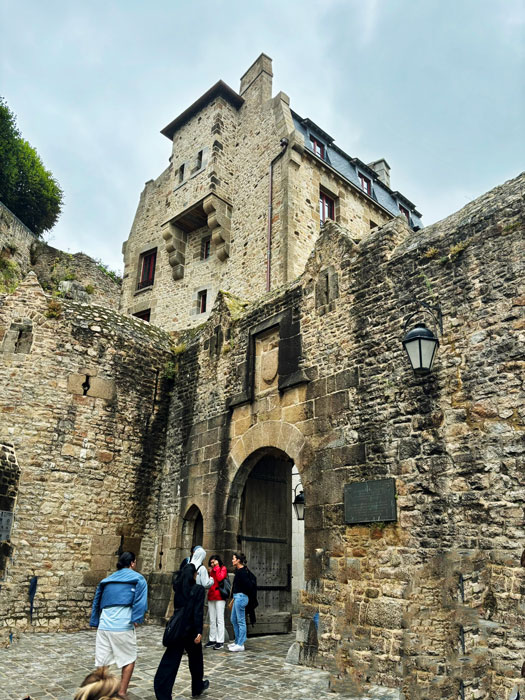
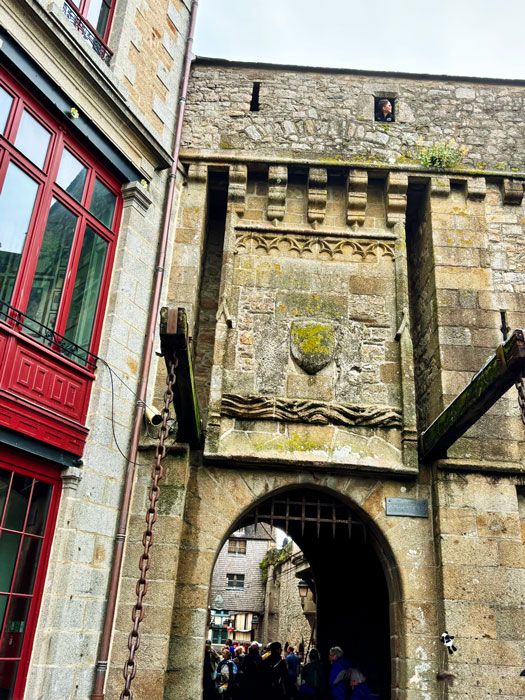
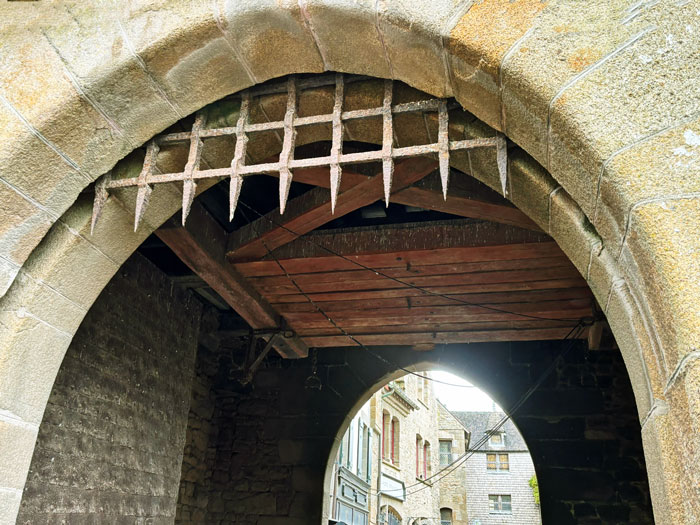
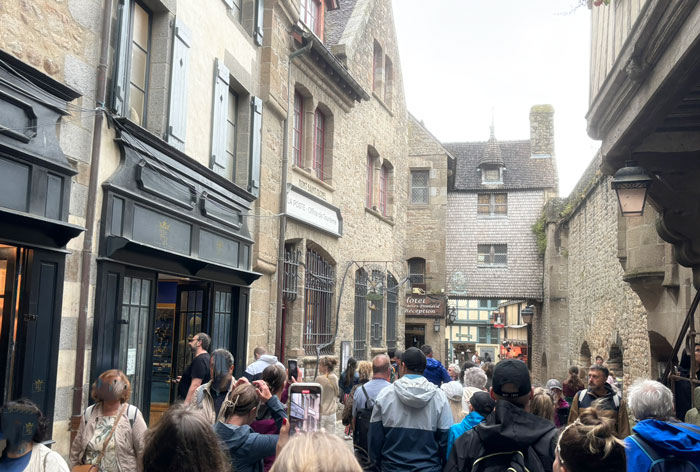


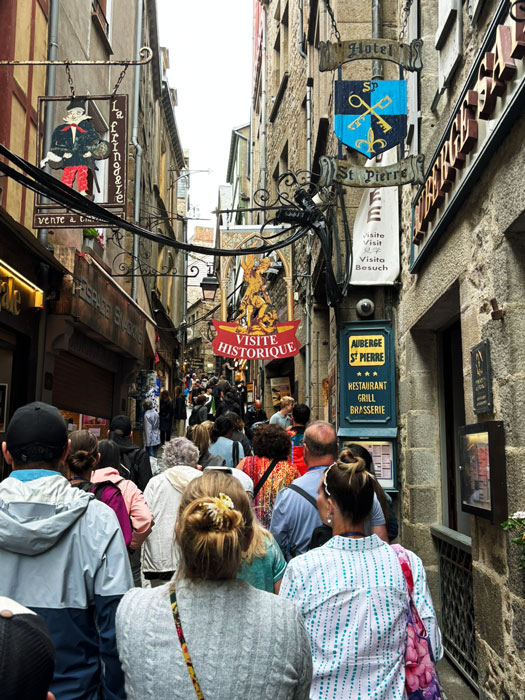


In 1067, the monastery of Mont-Saint-Michel gave its support to William the Conqueror in his claim to the English throne. This he rewarded with properties and grounds on the English side of the Channel, including a small island off the southwestern coast of Cornwall which was modelled after Mont-Saint-Michel and became a Norman priory named St-Michael’s Mount of Penzance.
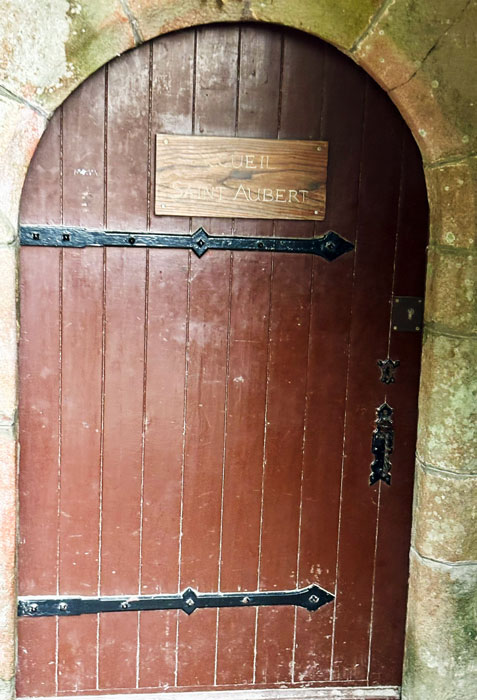

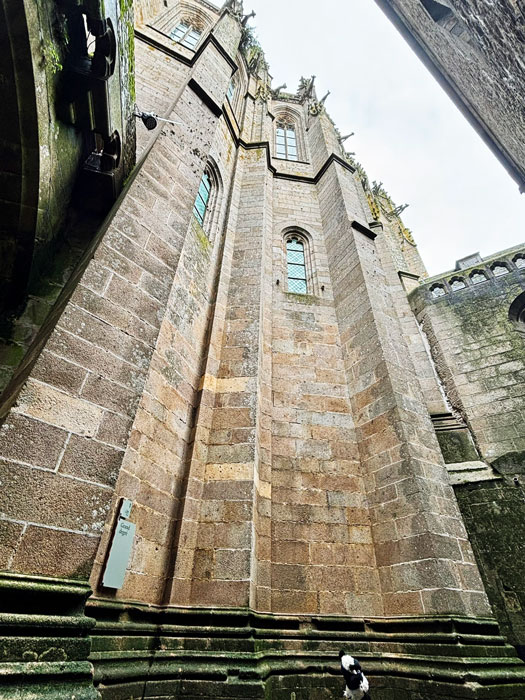
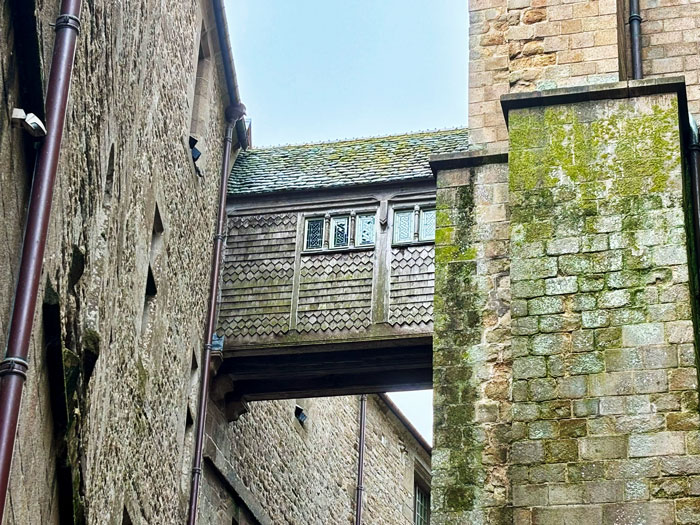


During the Hundred Year’s War, English forces unsuccessfully besieged Mont-Saint-Michel (which was under French control) twice. The first siege started in 1423, and was lifted the next year. In 1433, an English force equipped with wrought-iron bombards and under the command of Thomas Scales, 7th Baron Scales again besieged the island. It was likewise lifted the next year. Scales’s men abandoned two bombards they had used during the siege on 17 June 1434; they were recovered by the French and are currently on display.
When Louis XI of France founded the Order of Saint-Michel in 1469, he intended that the abbey church of Mont-Saint-Michel become the chapel for the order, but because of its great distance from Paris, his intention could never be realized.
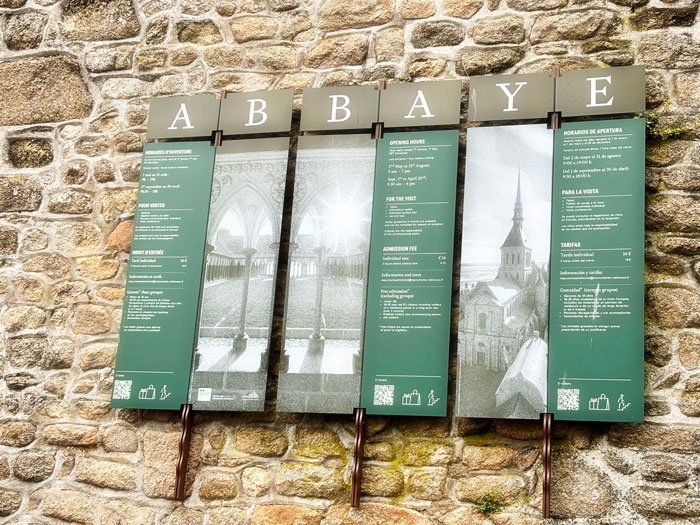


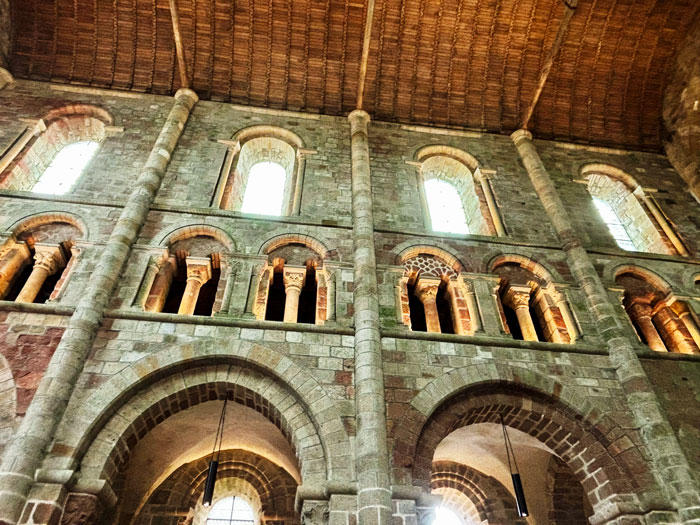
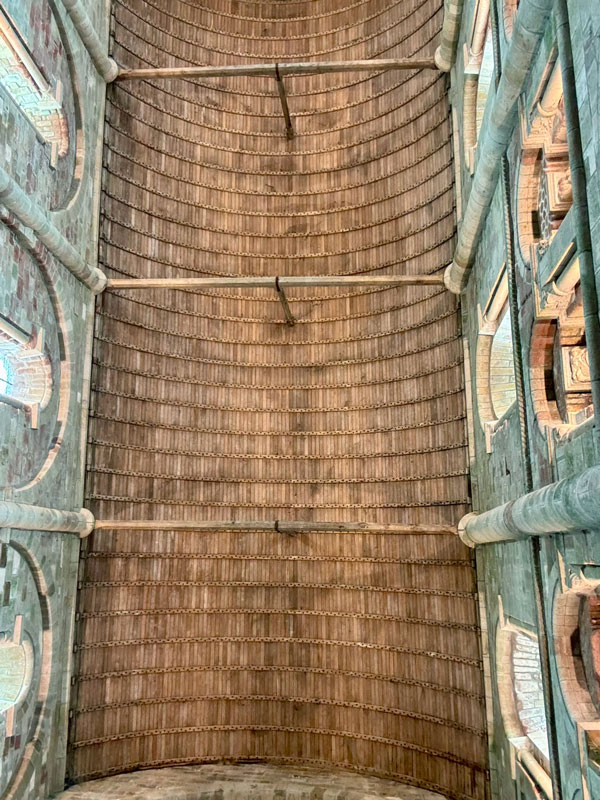
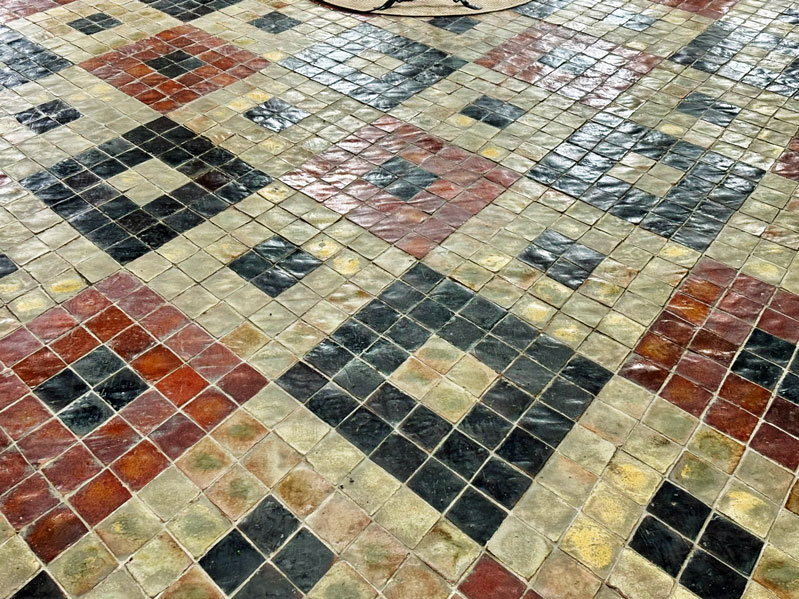

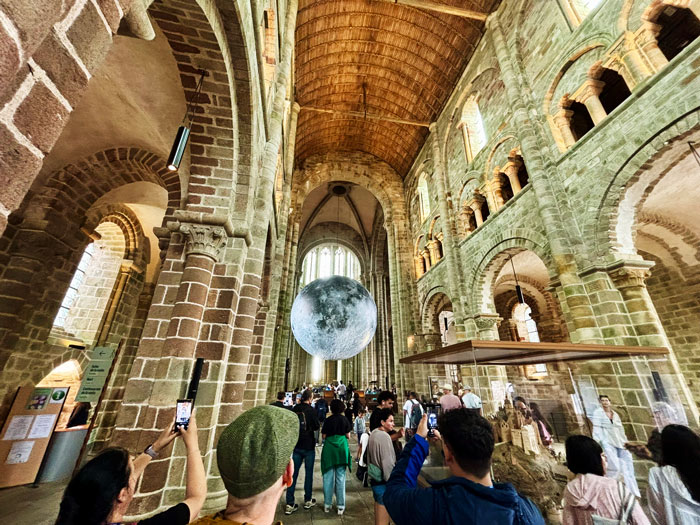
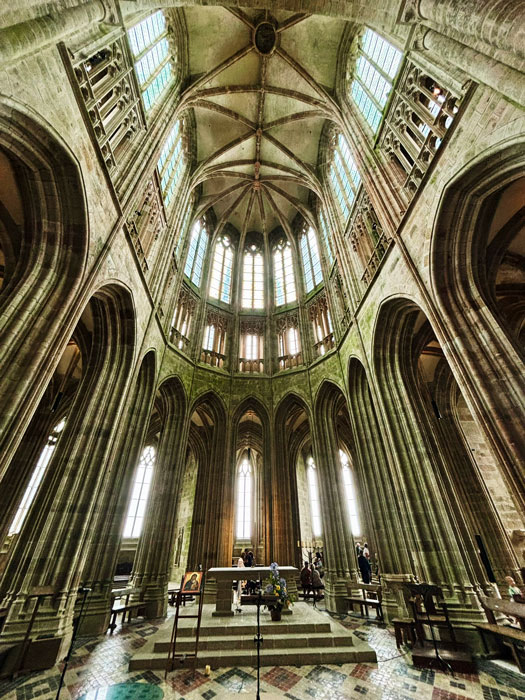
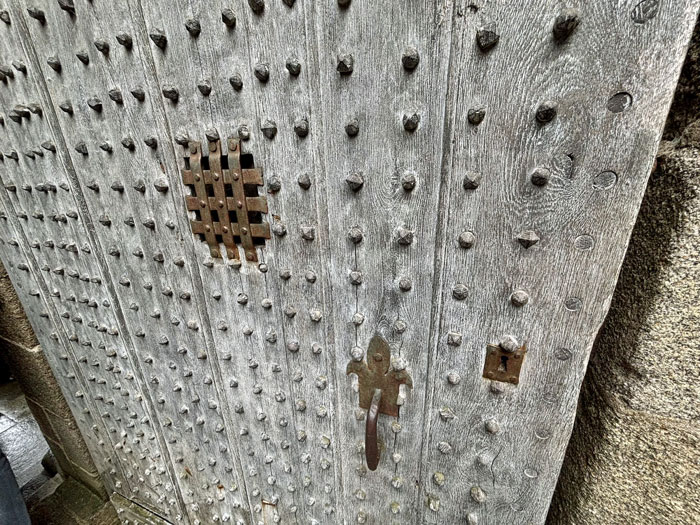
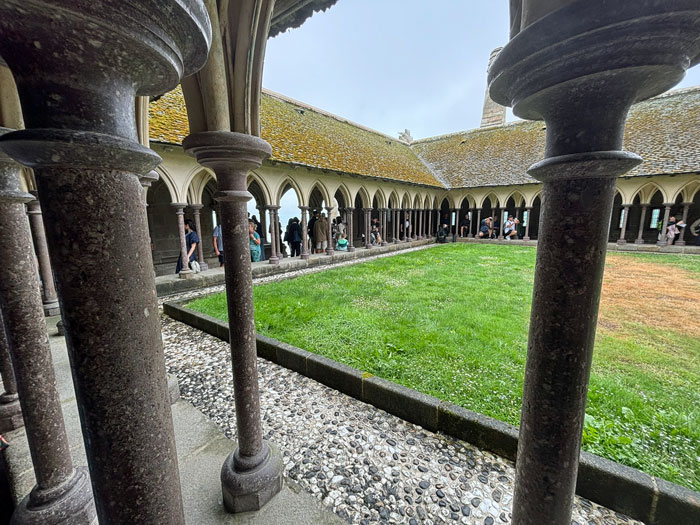
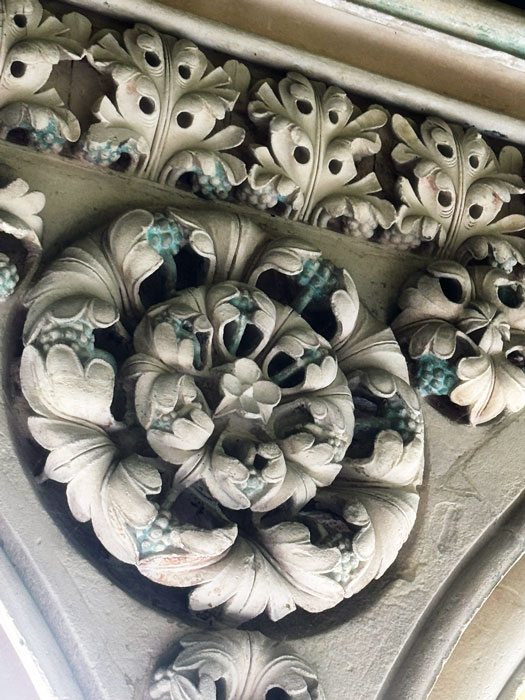
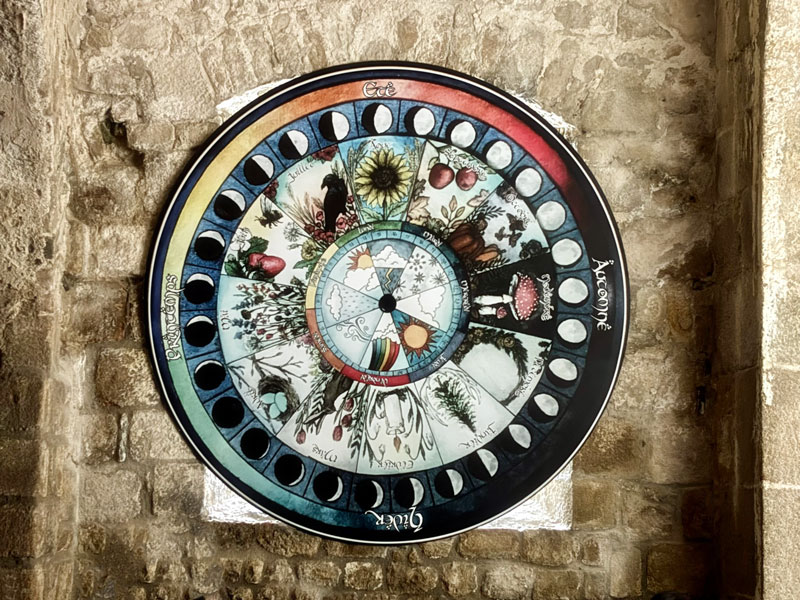
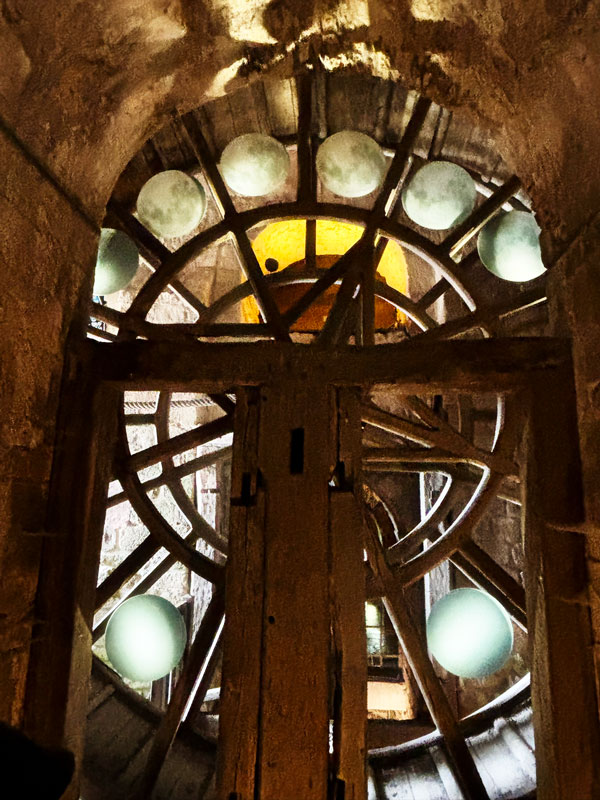
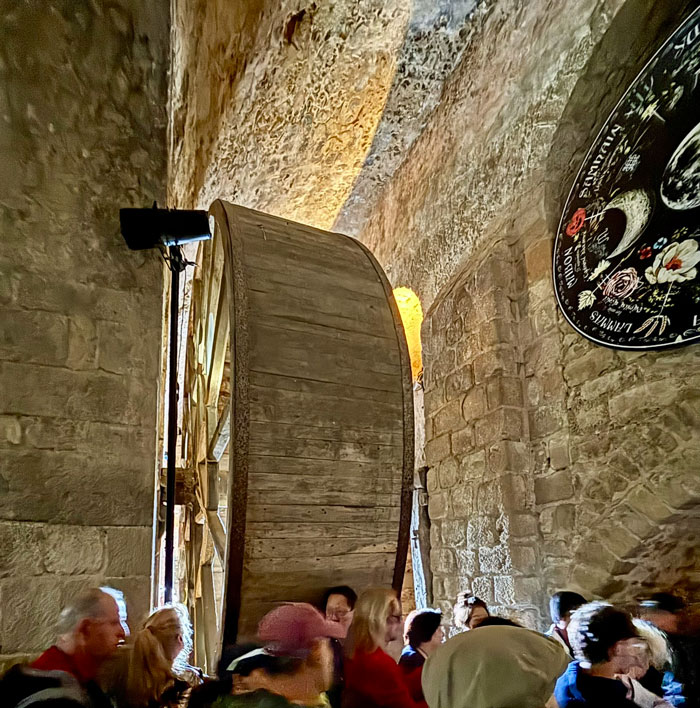
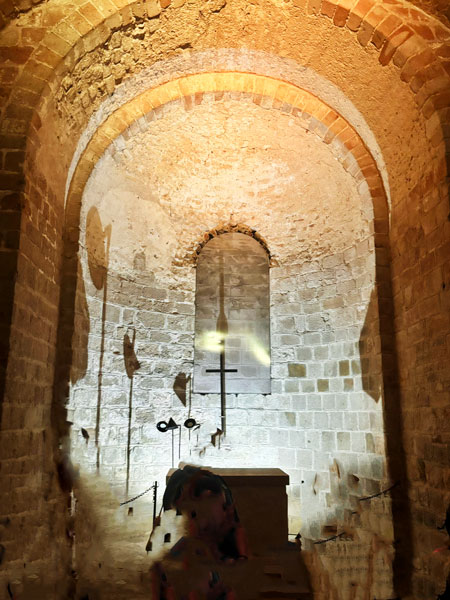
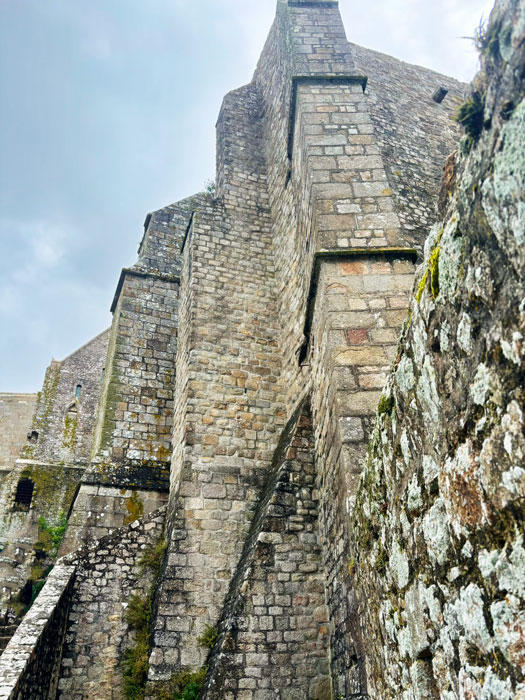
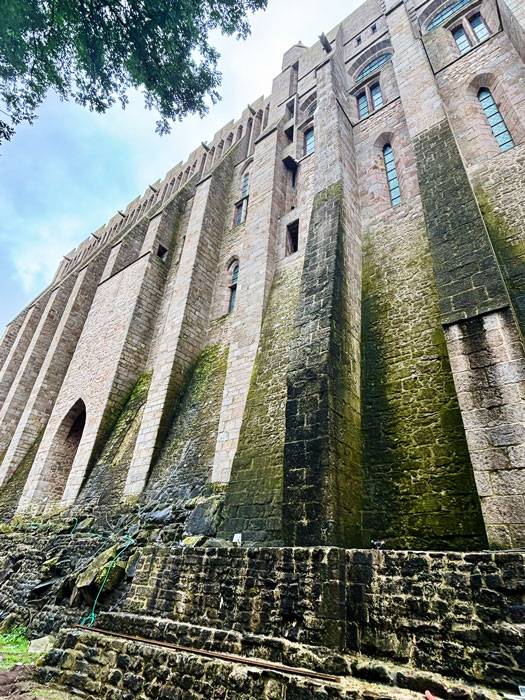
In 1872, French architect of historic monuments Edouard Corroyer was responsible for assessing the condition of Mont-Saint-Michel. It took him about two years to convince his minister to classify it as a historic monument, and it was officially declared as such in 1874. From then on Corroyer, a member of the Academi of Fine Arts , devoted fifteen years of his life to the restoration of “la Merveille“. Under his direction, gigantic works were undertaken, starting with the most urgent. He wrote four works on the building.
During the occupation of France in WW II, German soldiers occupied Mont-Saint-Michel, where they used St. Aubert church as a lookout post. The island was a major attraction for German tourists and soldiers, with around 325,000 German tourists from July 18, 1940, to the end of the occupation of France.

- France
 s
s 