




Visited in 2011
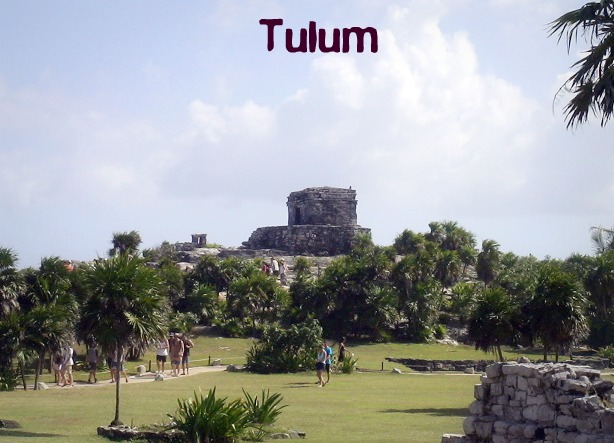
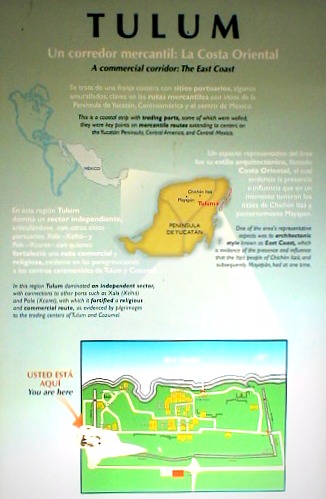
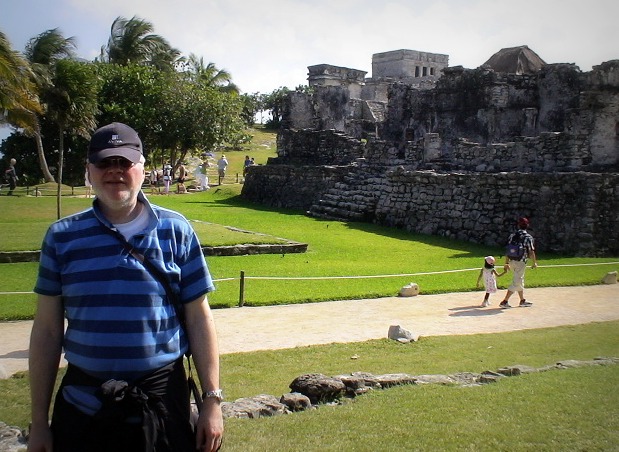
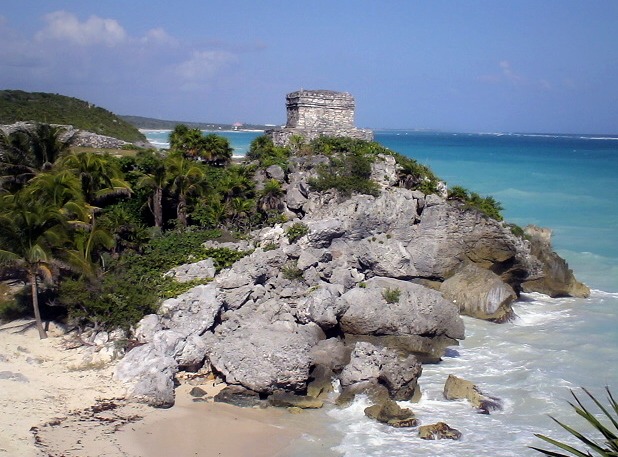
Tulum is a walled city serving as a major port for Coba. (in fact, in Maya “Tulum” means “Walled”). It was one of the last cities inhabited and built by the Mayans, it was at its height between the 13th and 15th centuries and managed to survive about 70 years after the Spanish began occupying Mexico. Old World diseases brought by the Spanish settlers appear to have been the major cause of its demise. One of the best-preserved coastal Maya sites. It is located about 50 minutes south of Playa del Carmen.
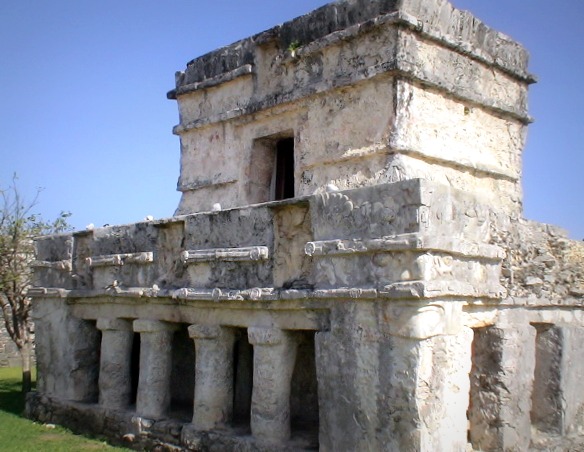
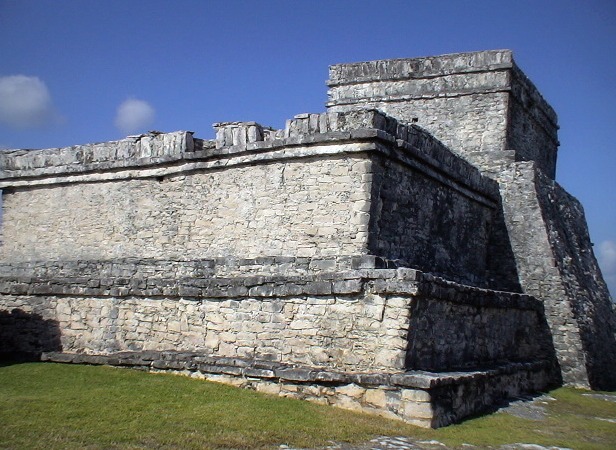
The Temple of the Frescoes
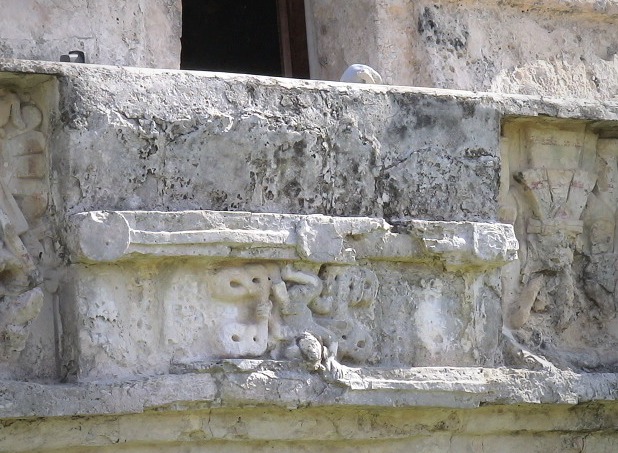
There are frescoes with typical Mayan motifs in the interior. Some of the original colors are relatively well preserved. Outside this building there are some statues, also with traces of paint. Carvings cover this interesting little temple. One image you’ll see on this building, and throughout Tulum, is the diving god. With his wings and his bird’s tail, he’s thought to be a symbol of Kukulkan, the feathered serpent god that played a big importance to many Mesoamerican cultures. He is also believed to be the symbol of the Venus morning star, which played an important role here at Tulum. Being the first city of the Mayan World to see the rising sun every day, Tulum is considered the Mayan ‘City of the Dawn.’ The Temple of the Frescoes is built in three levels, symbolizing the three realms of the Mayan universe – the dark underworld of the dead, the middle level of the living and finally heaven, where the gods lived.
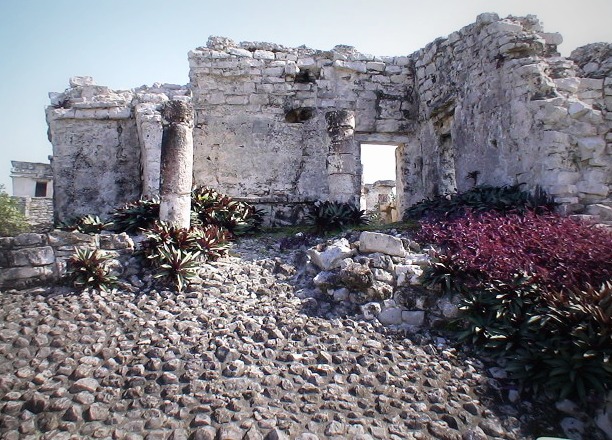
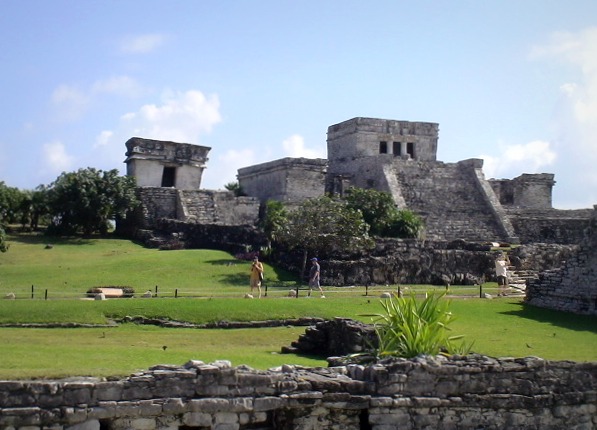
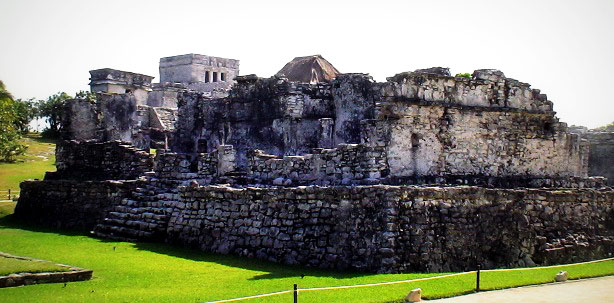
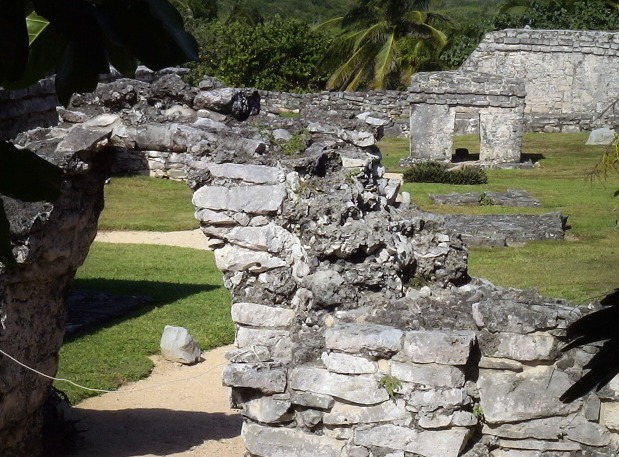
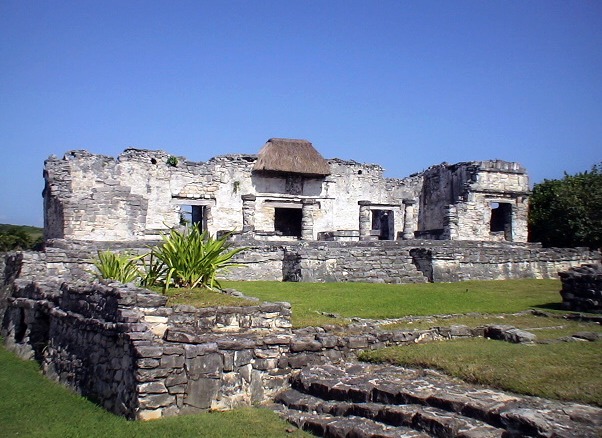
CITY SQUARE was probably once used for rituals or ceremonies.
Belize
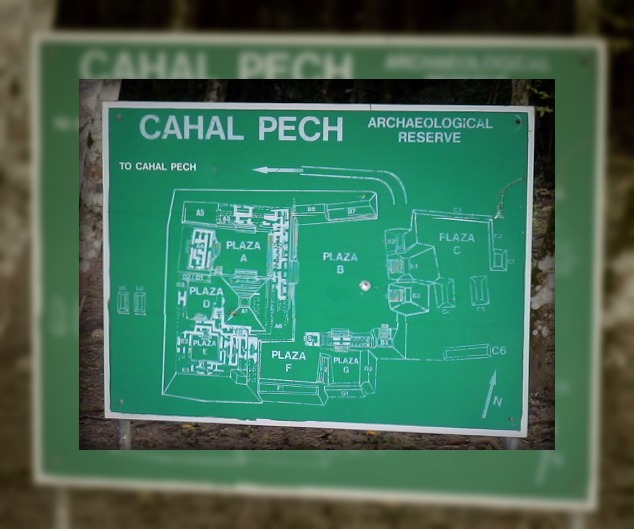
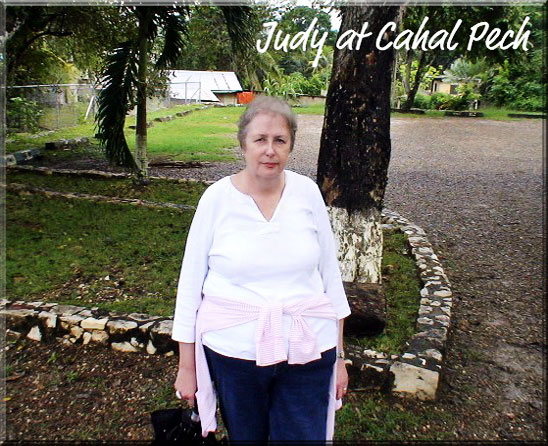
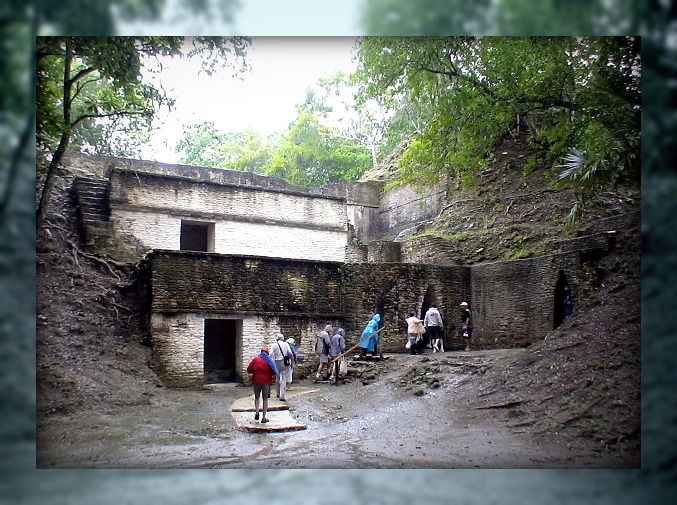
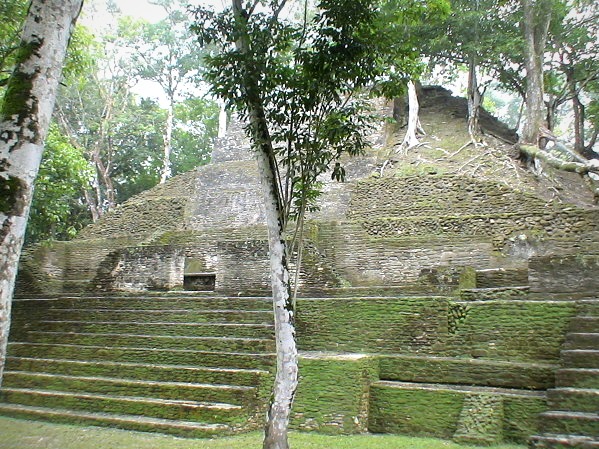
Cahal Pech is a Maya site located near the Town of San Ignacio in the Cayo District of Belize.
The site is a collection of 34 structures, with the tallest temple being about 25 meters in height, situated around a central acropolis. The site was abandoned in the 9th century CE for unknown reasons.
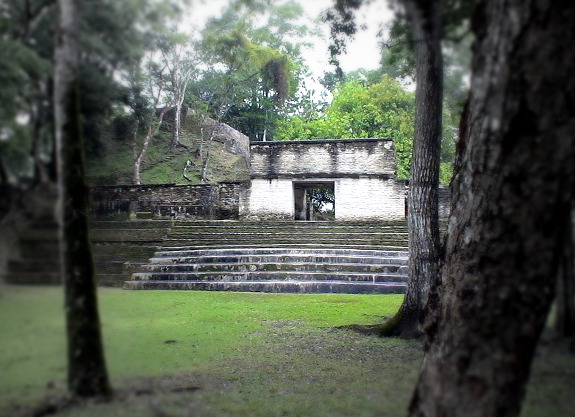
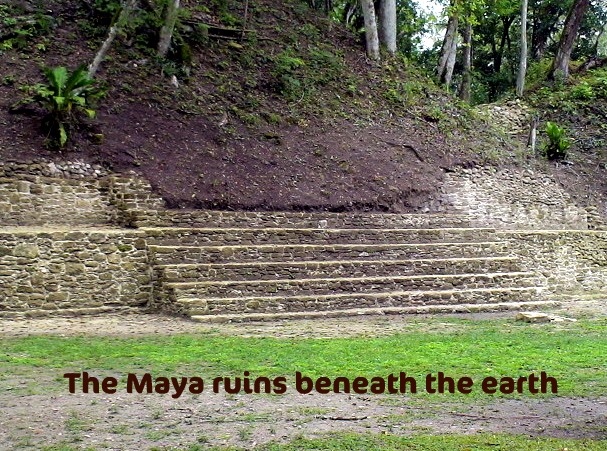
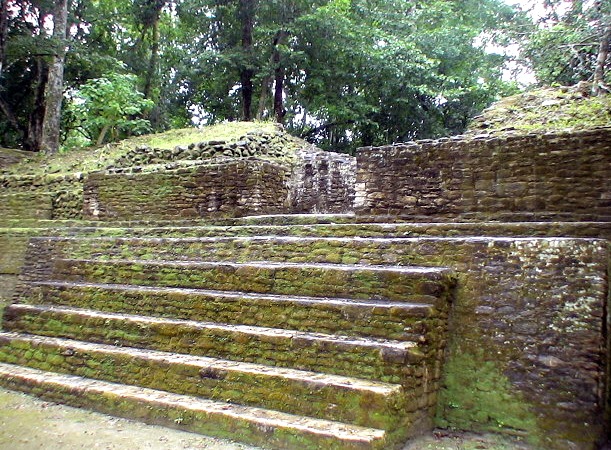
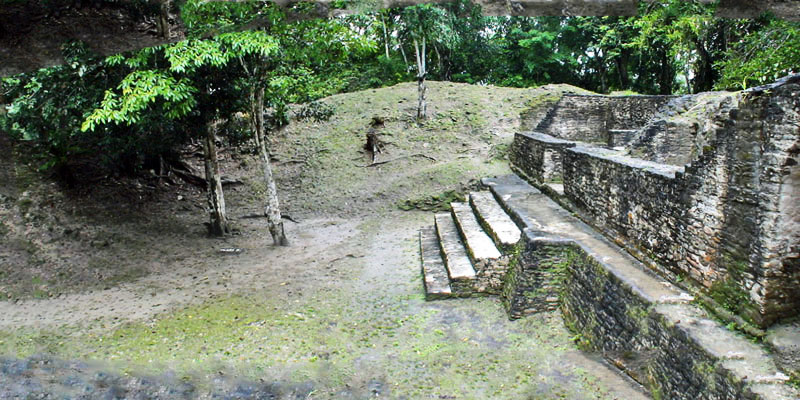

Remains of the ball court.
The loosing team would be put to death…
Honduras
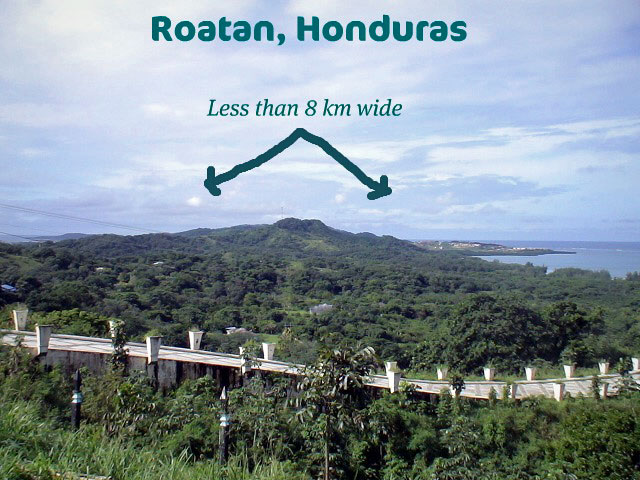
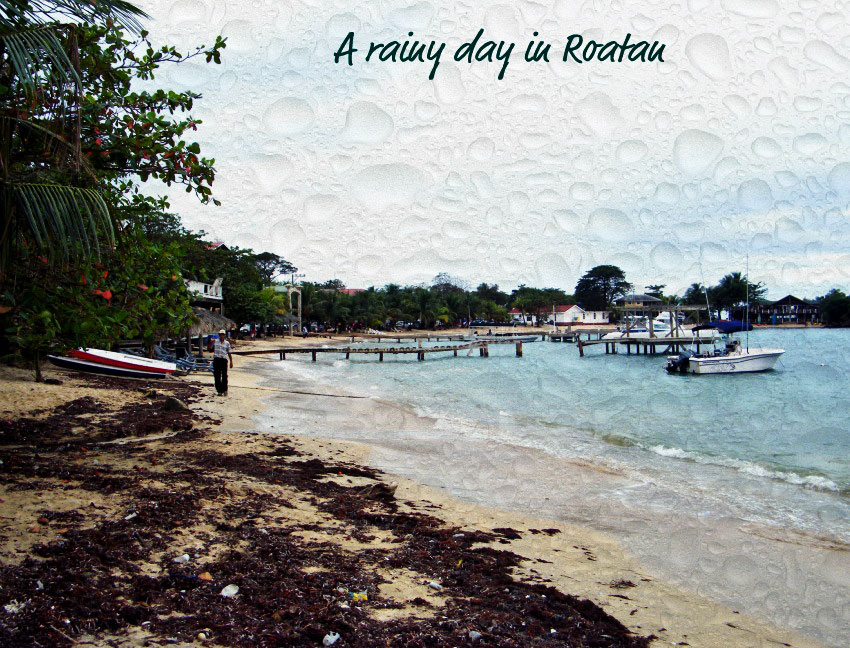
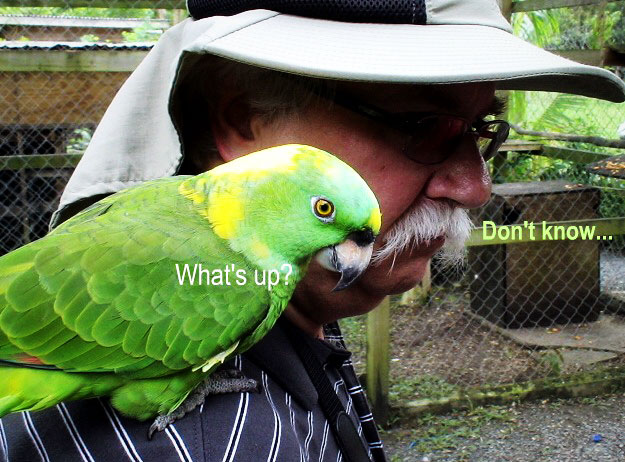
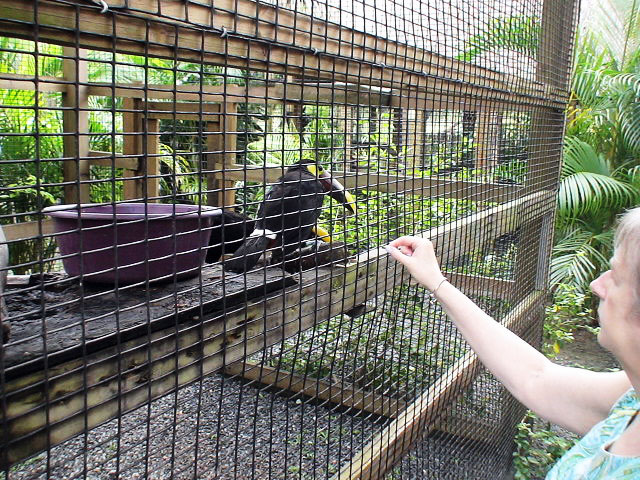
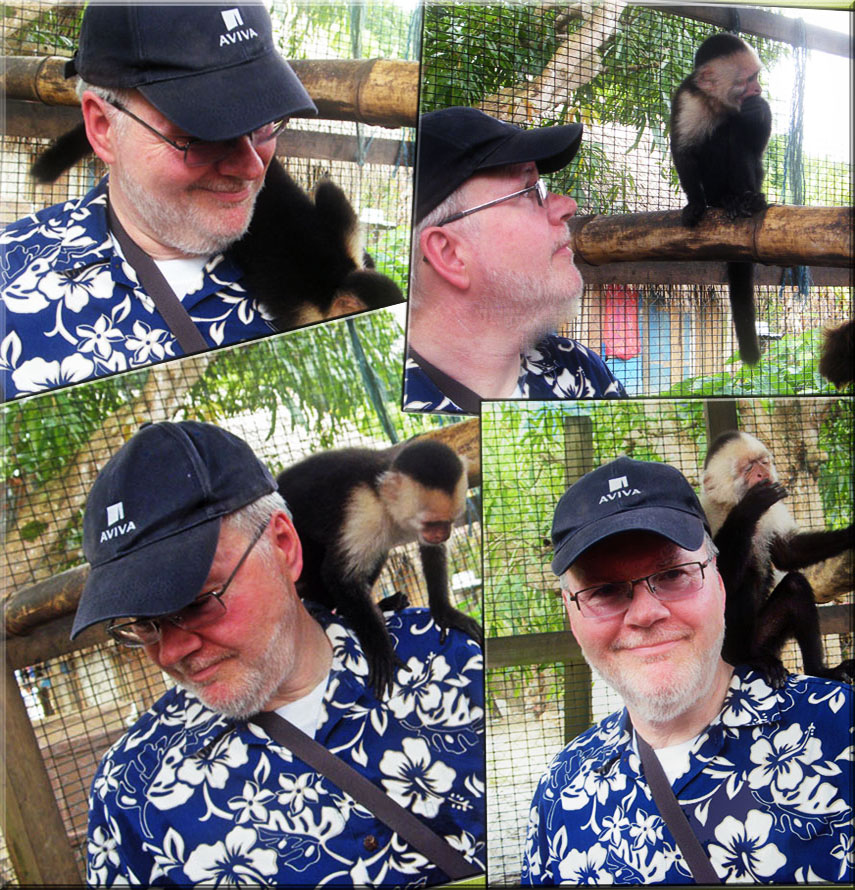
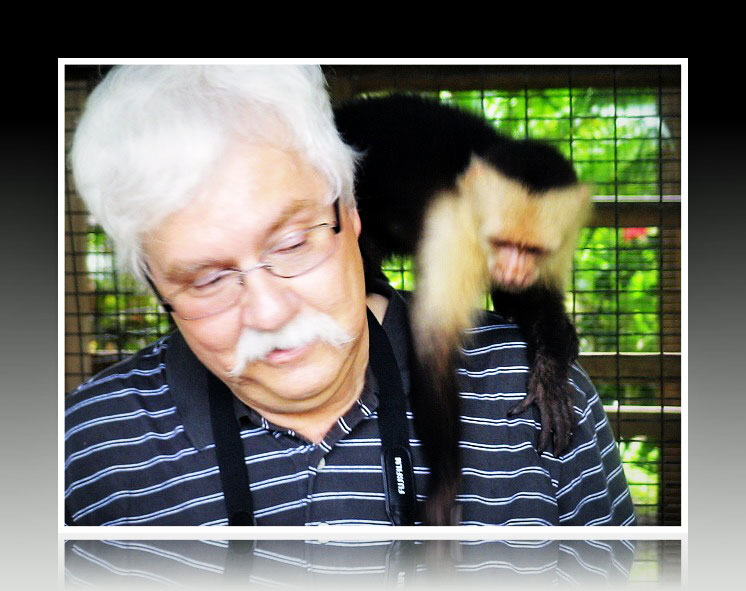
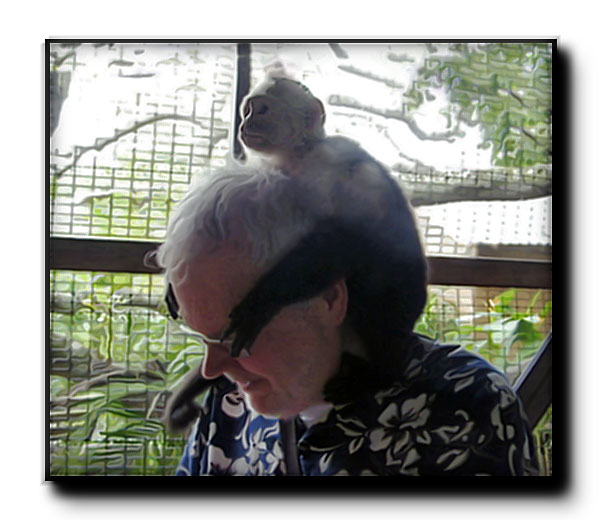
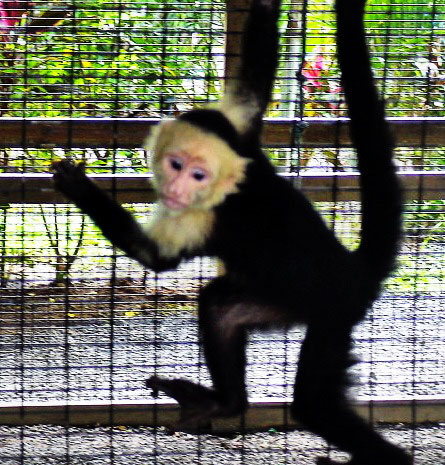
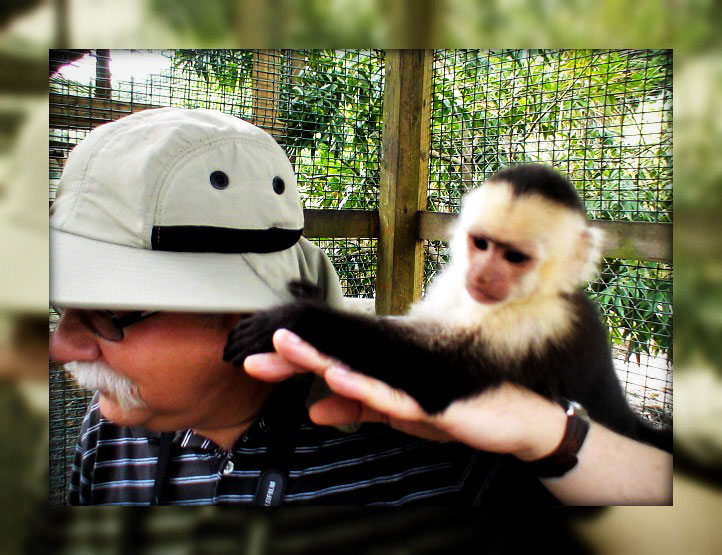
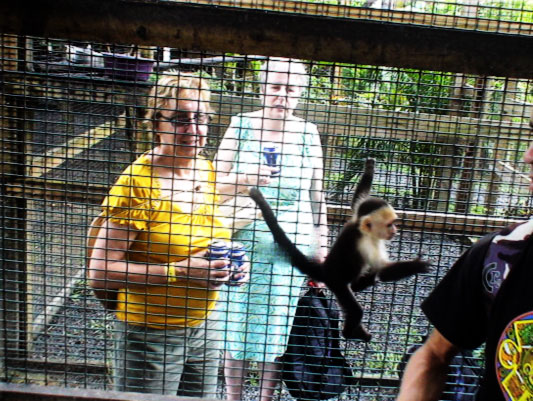
Roatán, located between the islands of Utia and Guanaja, is the largest of Hondoras’ Bay Islands. The island was formerly known as Ruatan and Rattan. It is approximately 60 kilometres long, and less than 8 kilometres across at its widest point.
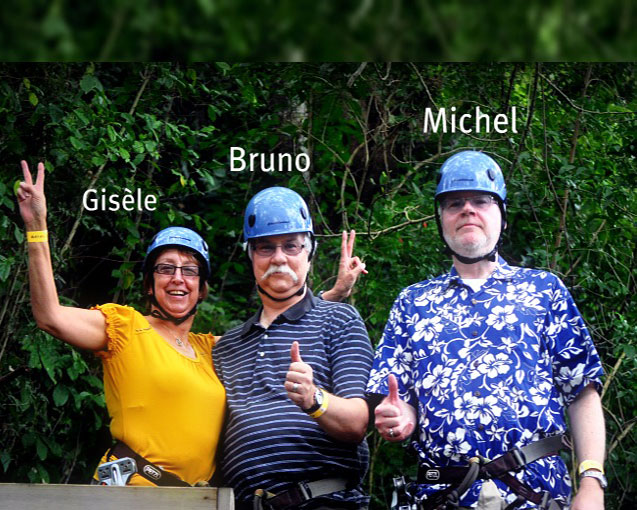
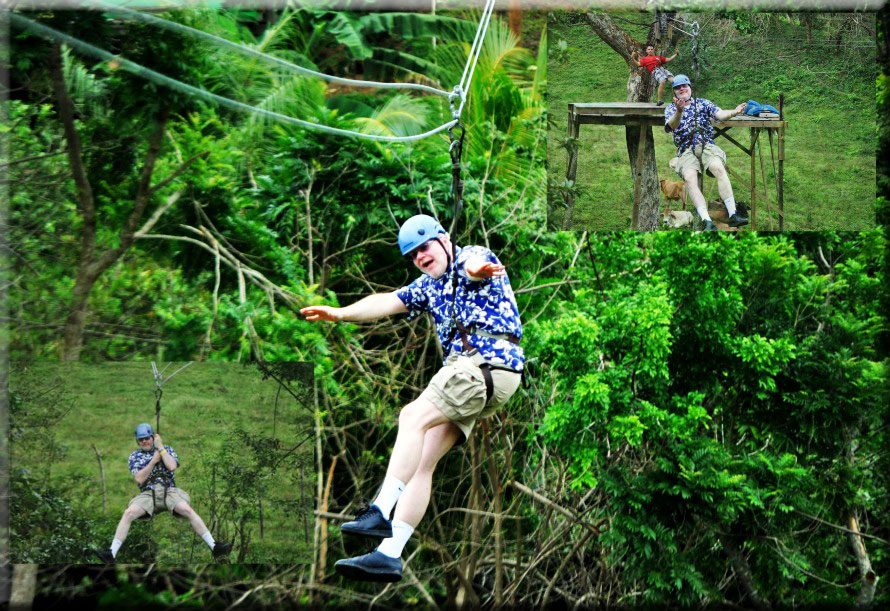
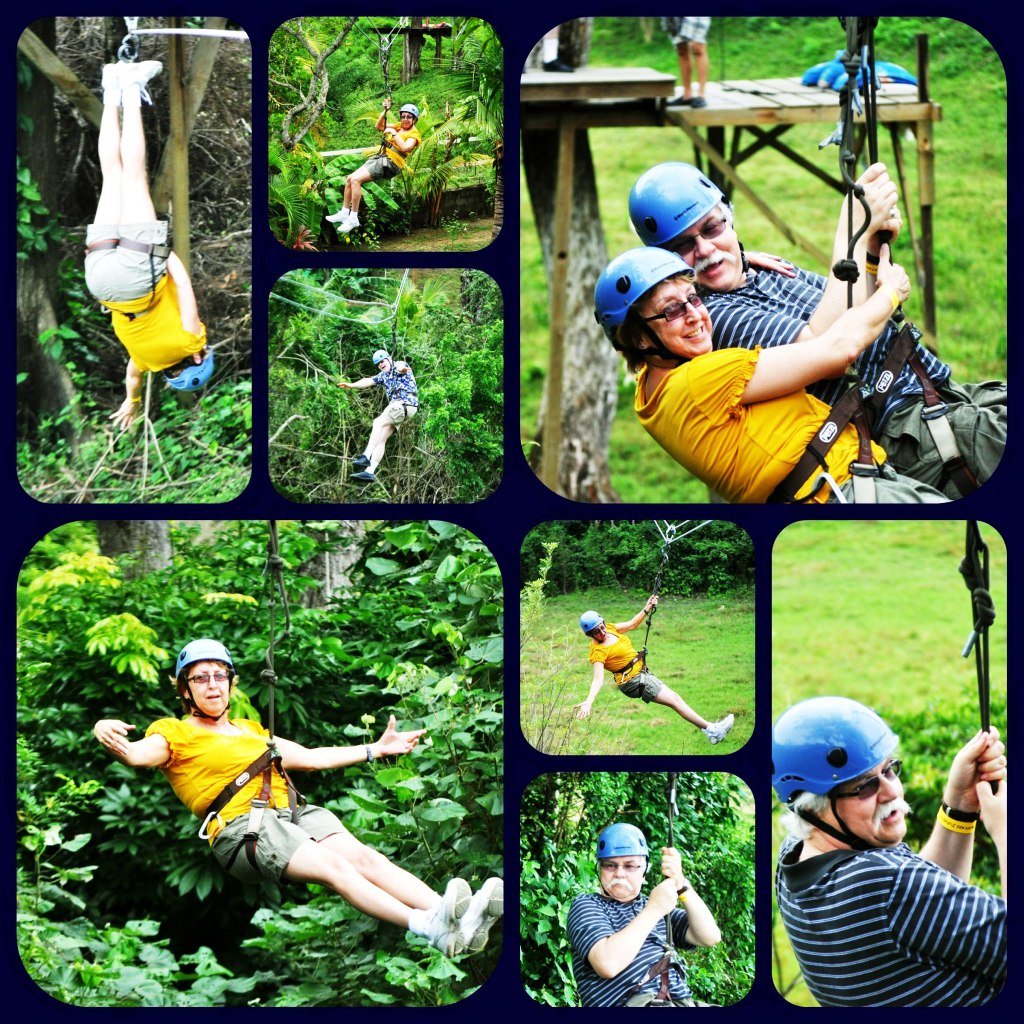
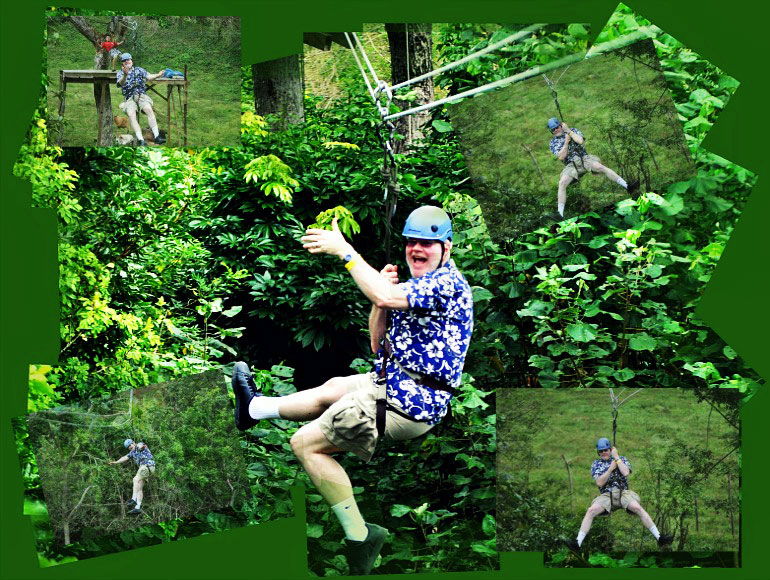

 s
s 