


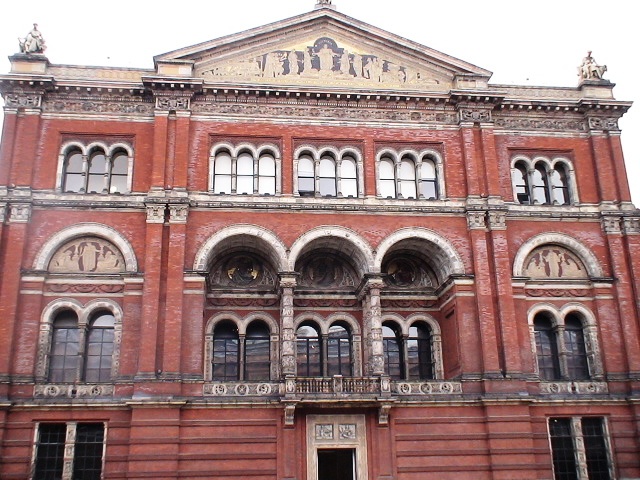
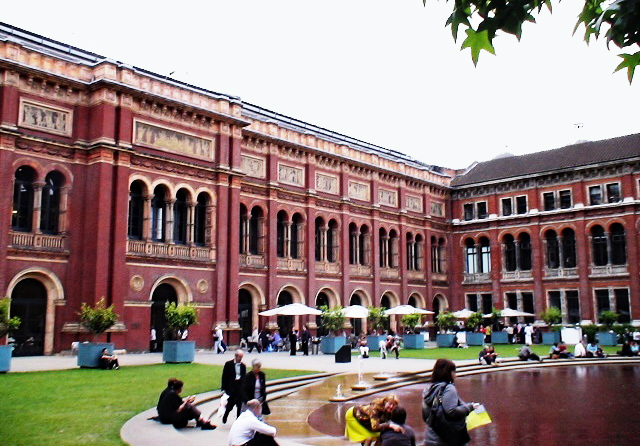
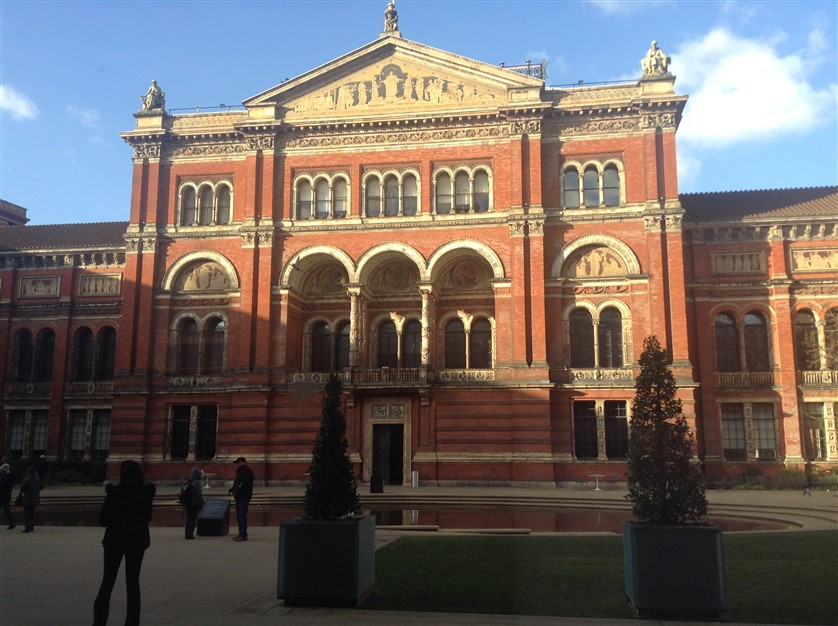
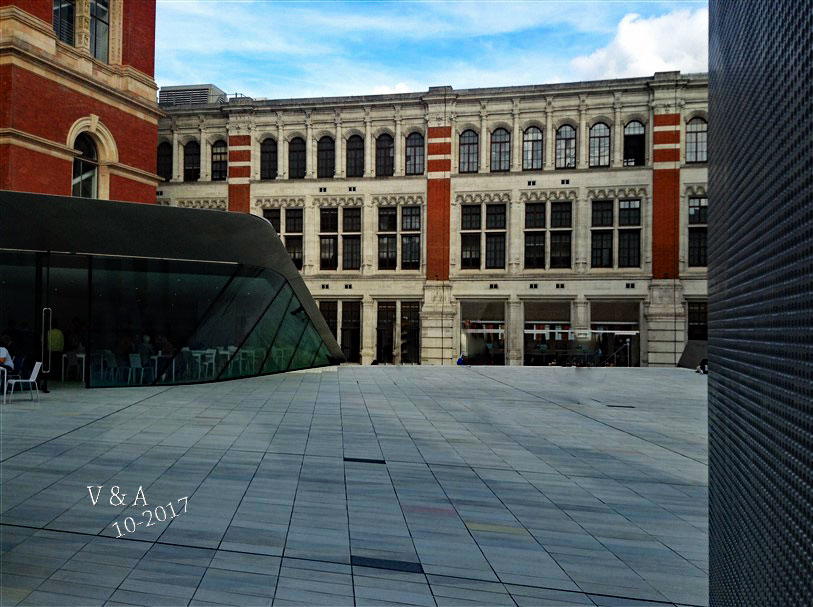
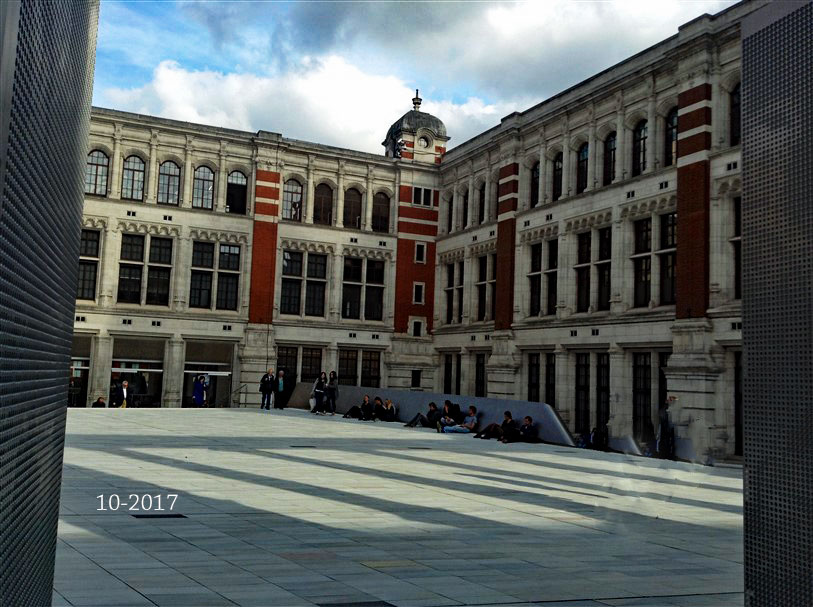
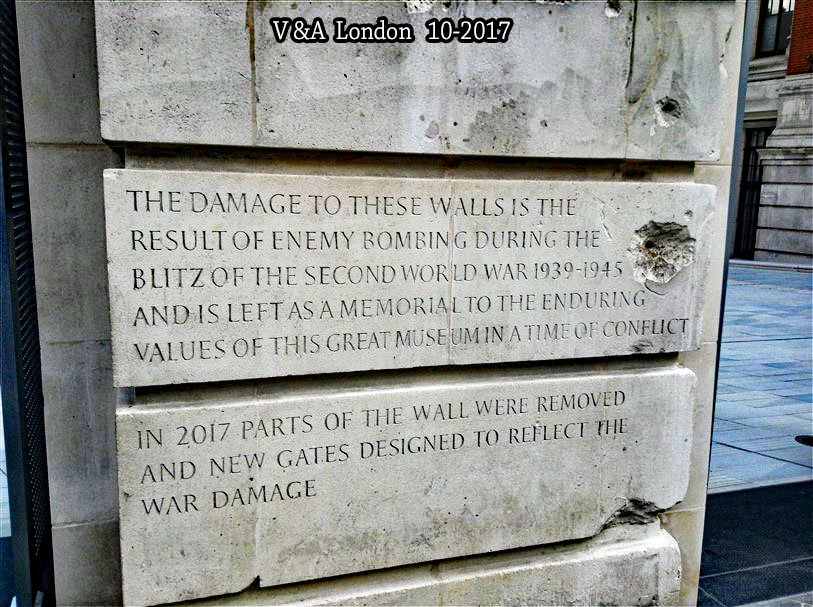
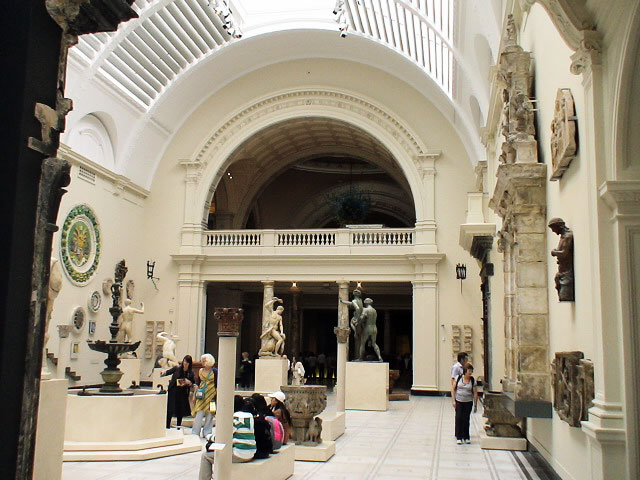
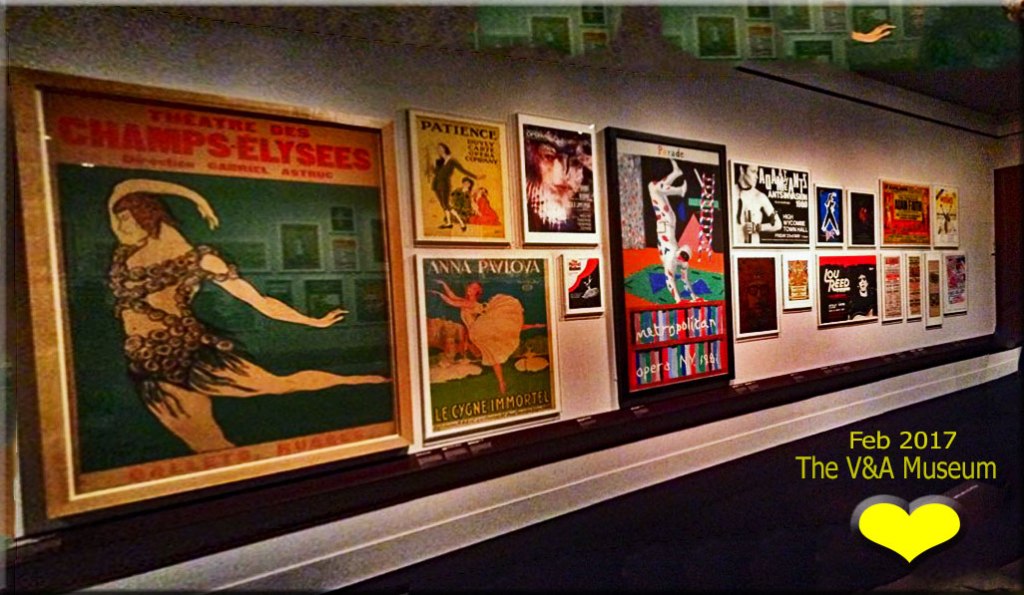
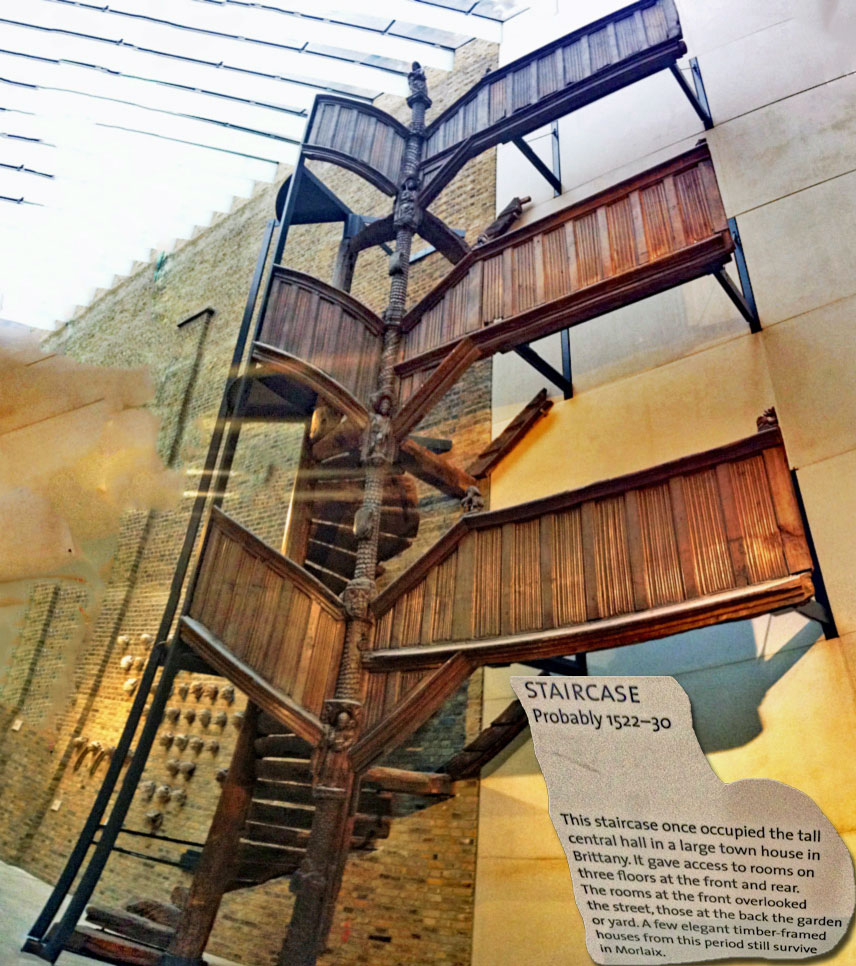
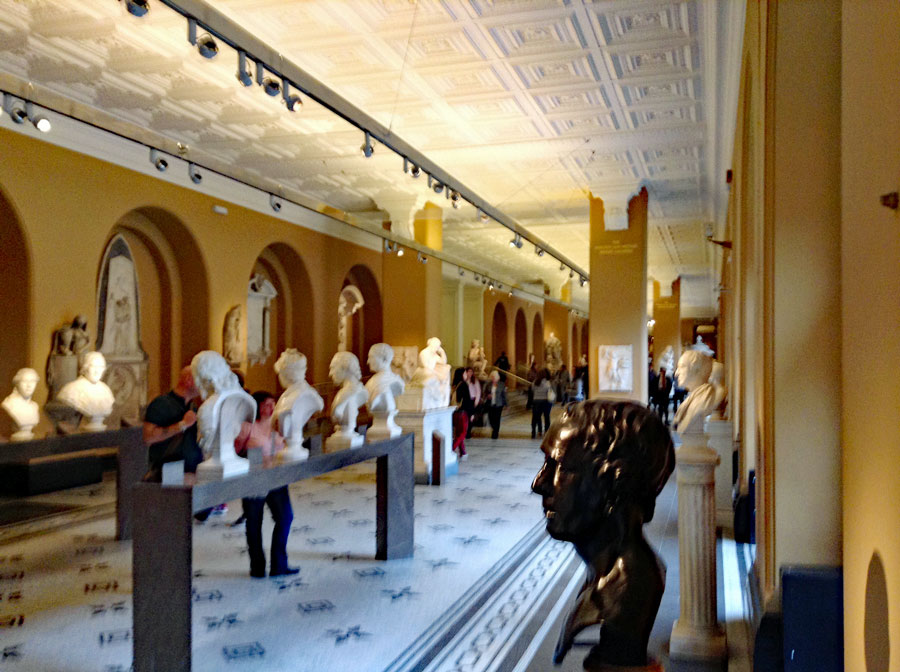
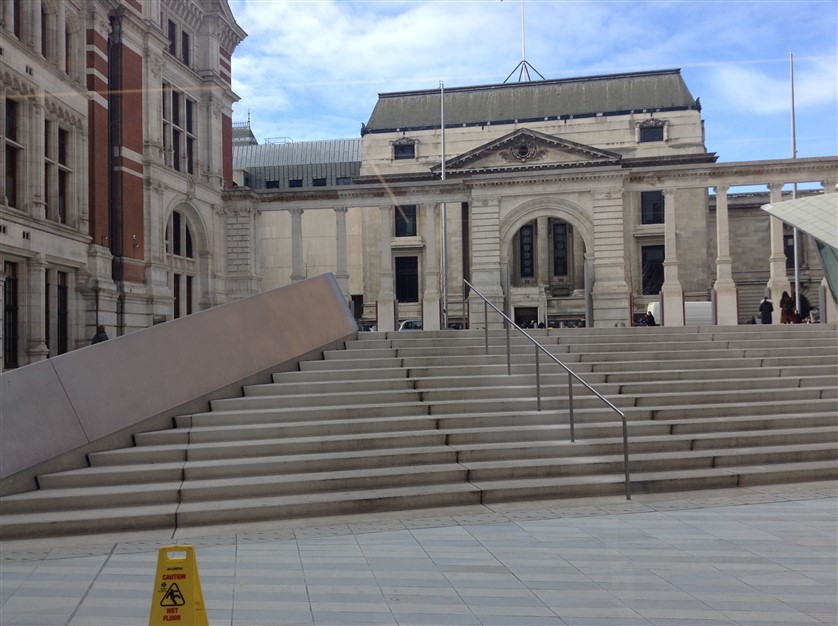
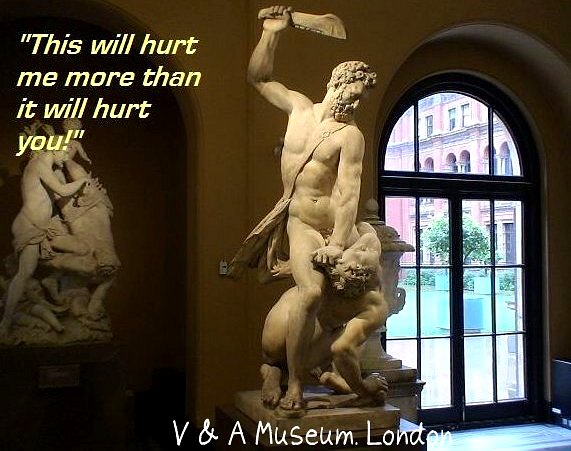
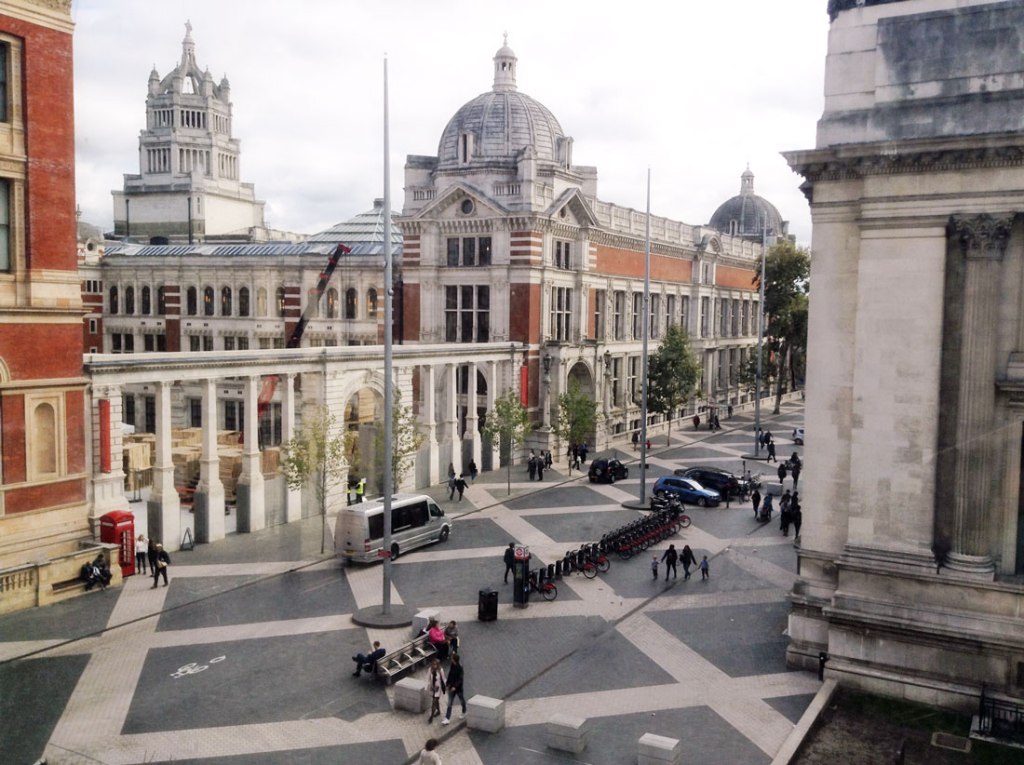
- The Victoria and Albert Museum
- Palace of Westminster (NEW– December 2025)
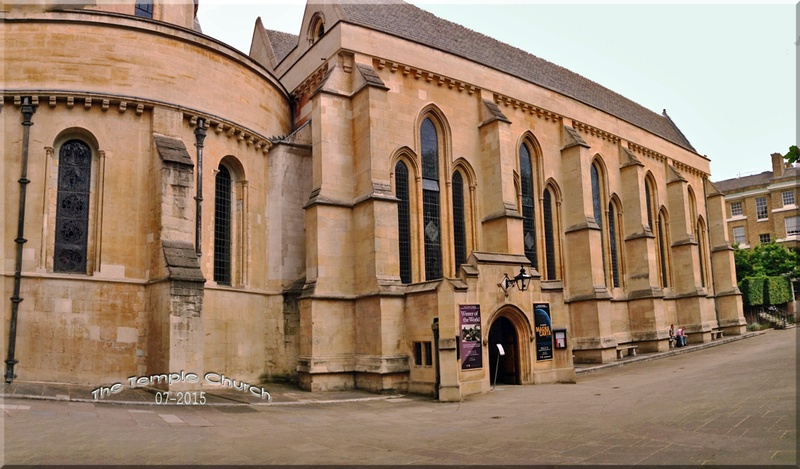
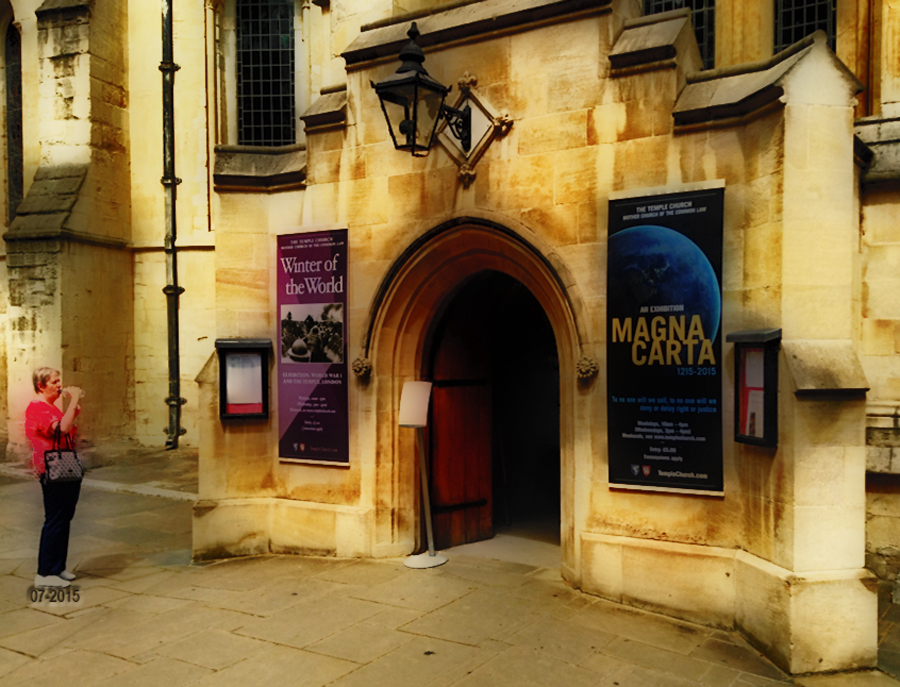
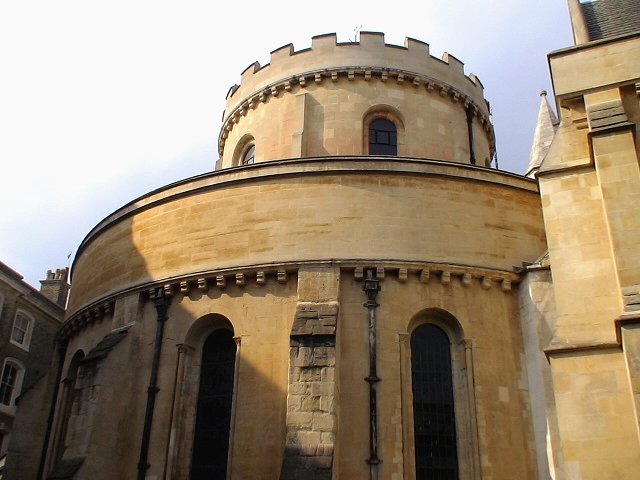
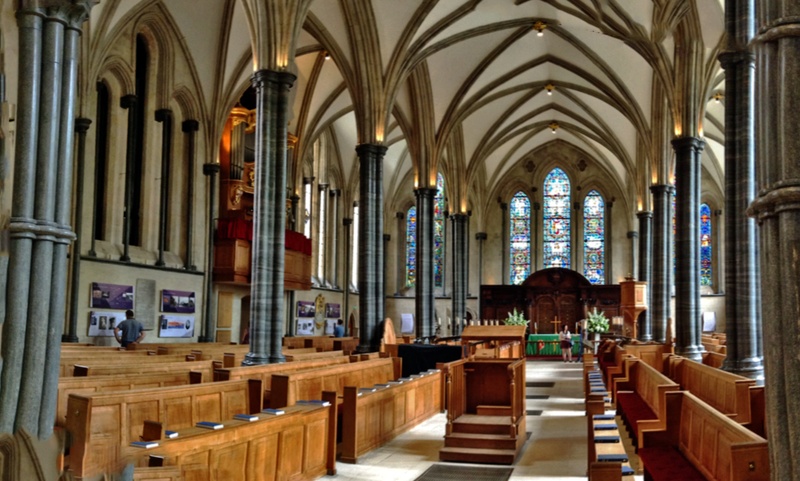
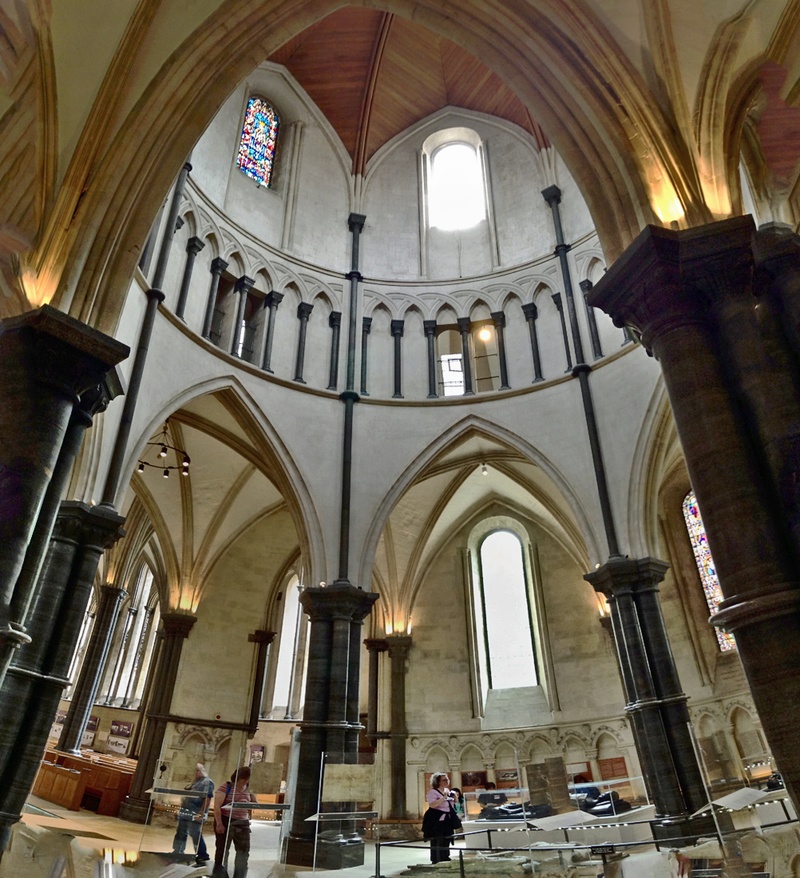
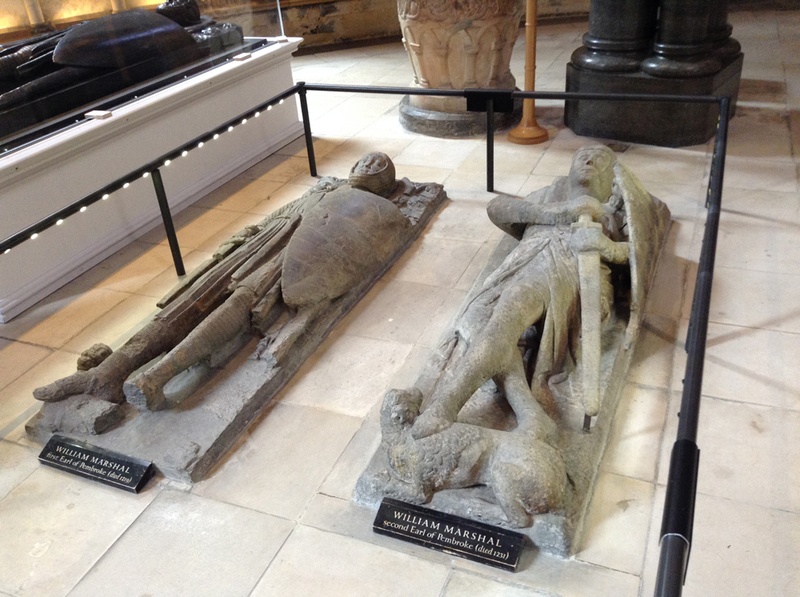
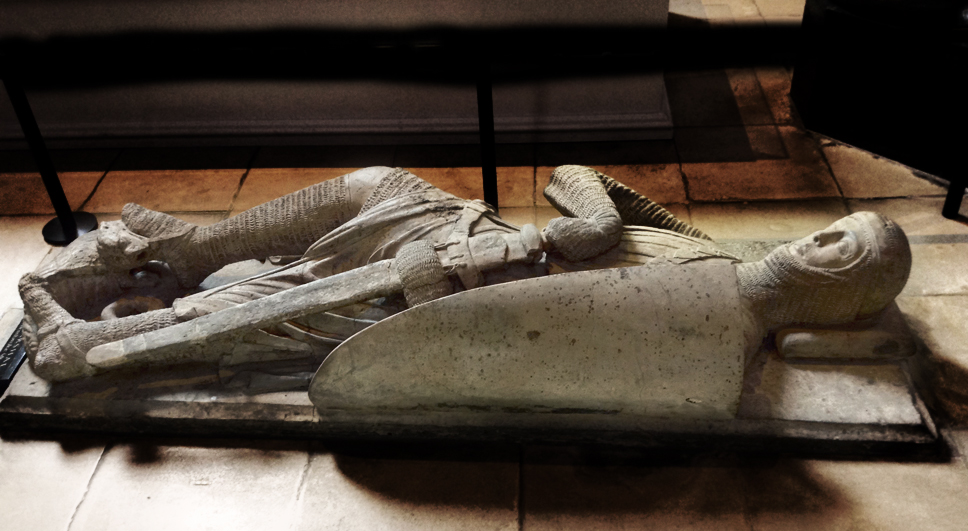
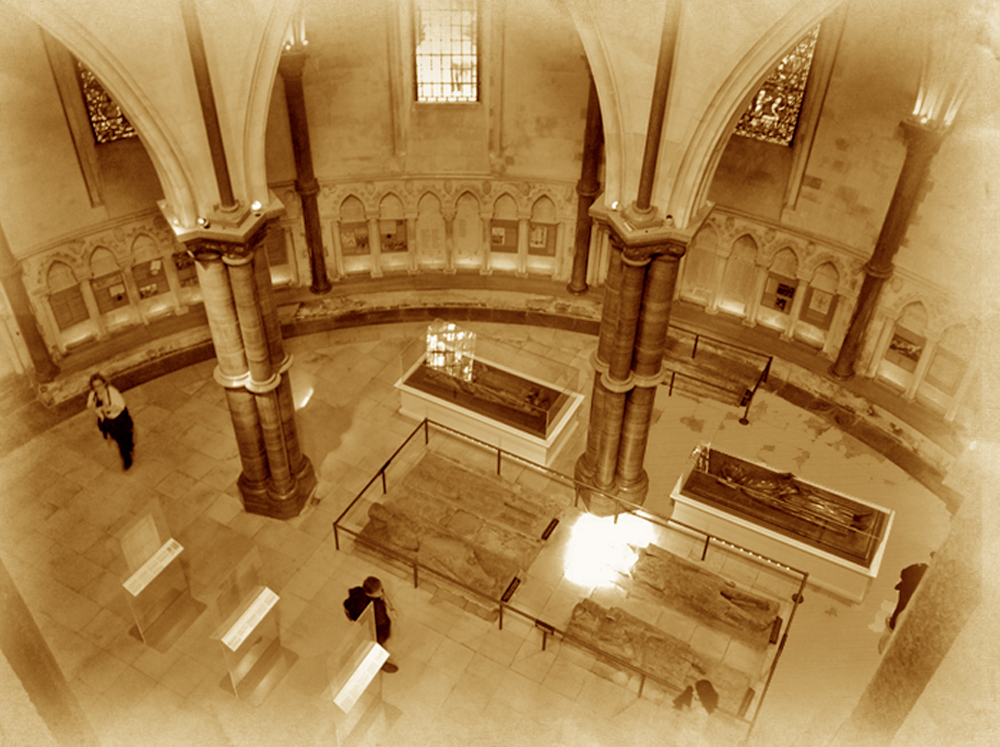
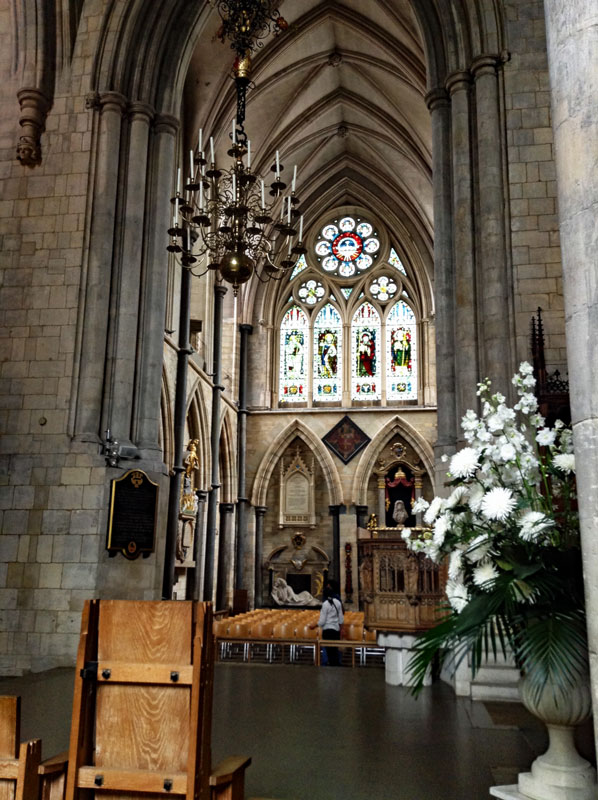
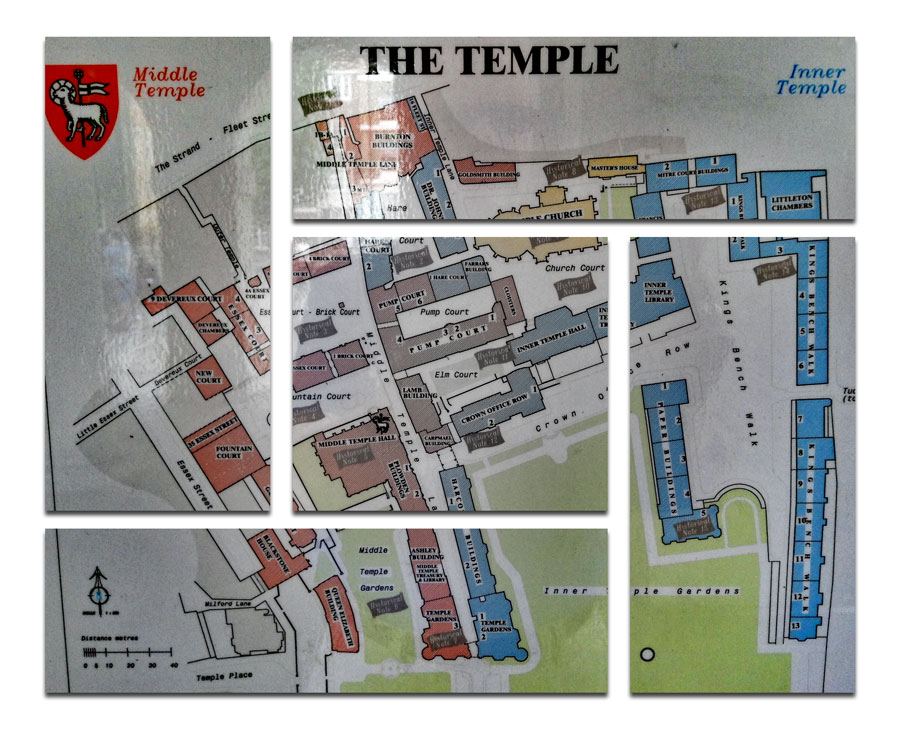
- The Temple Church
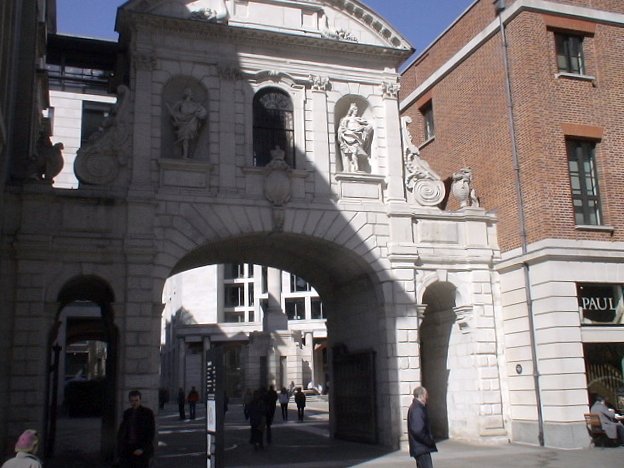
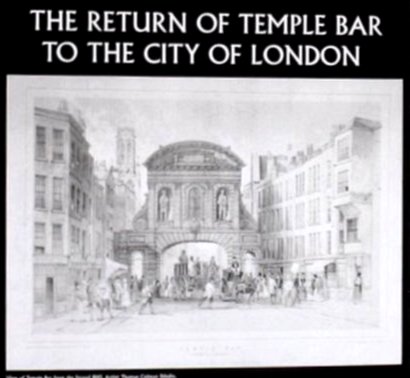
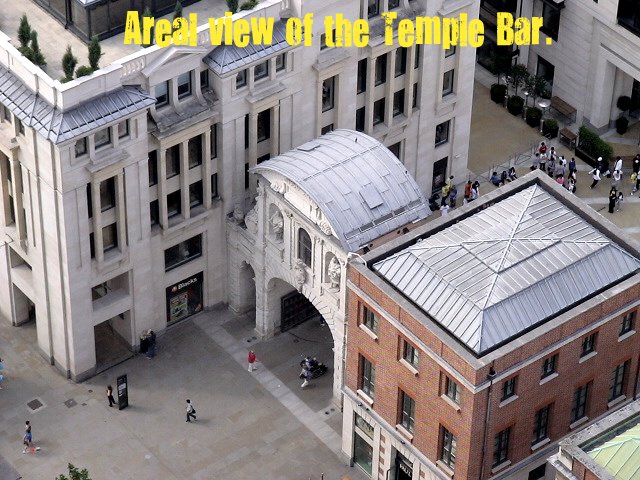
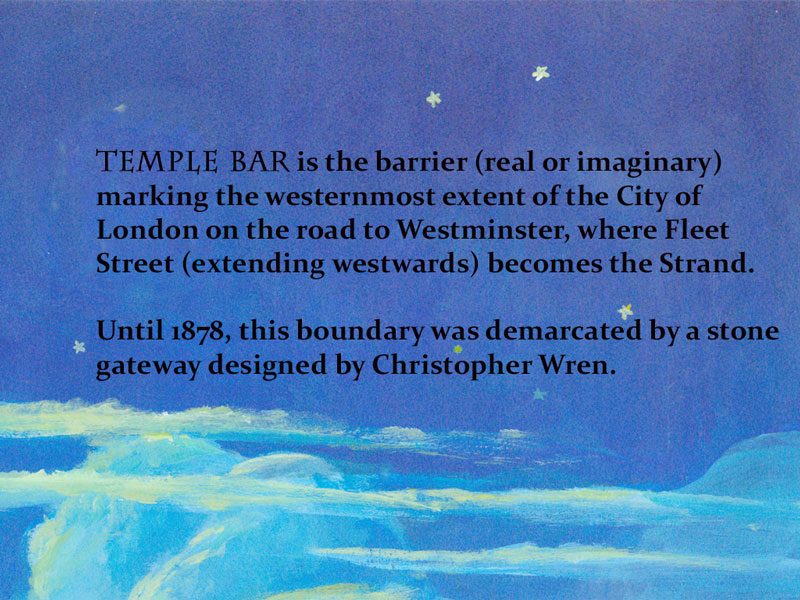
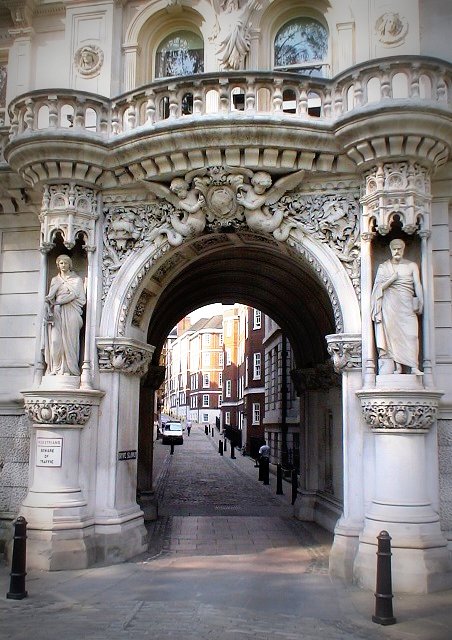
- The Temple Bar
- Samuel Johnson’s house
- The Foundling Hospital
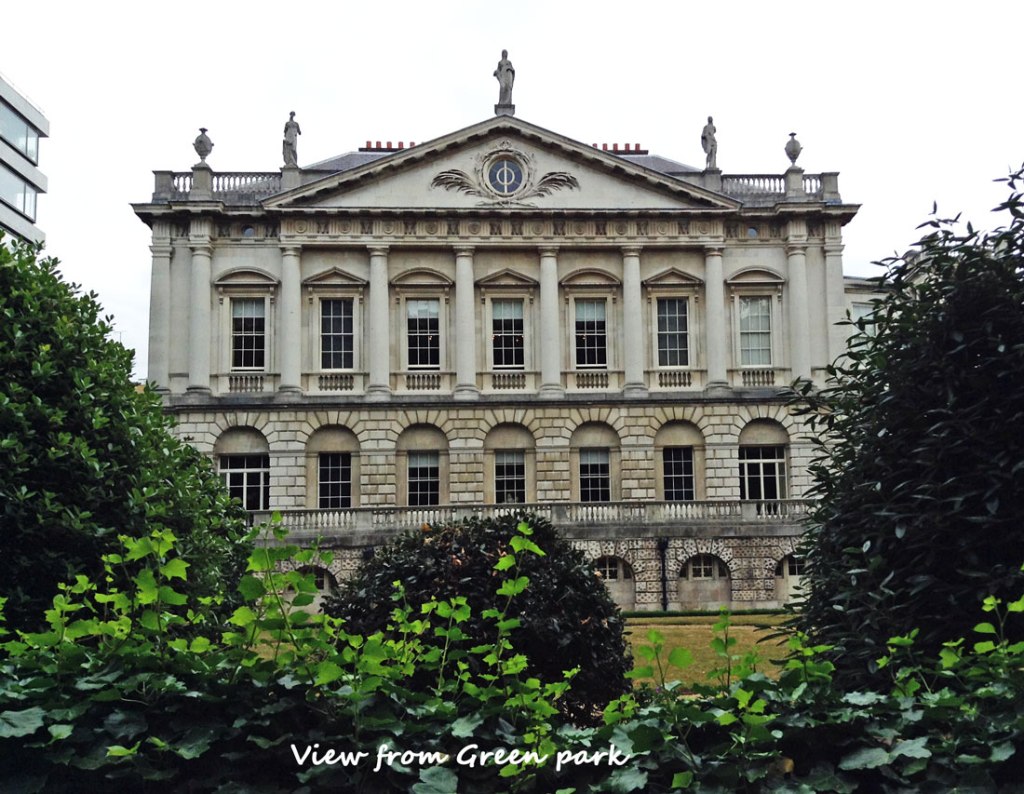
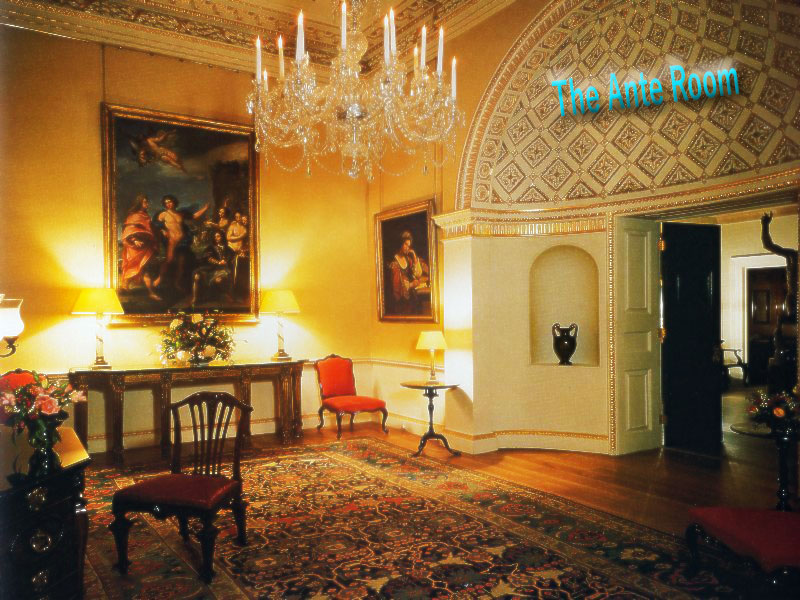
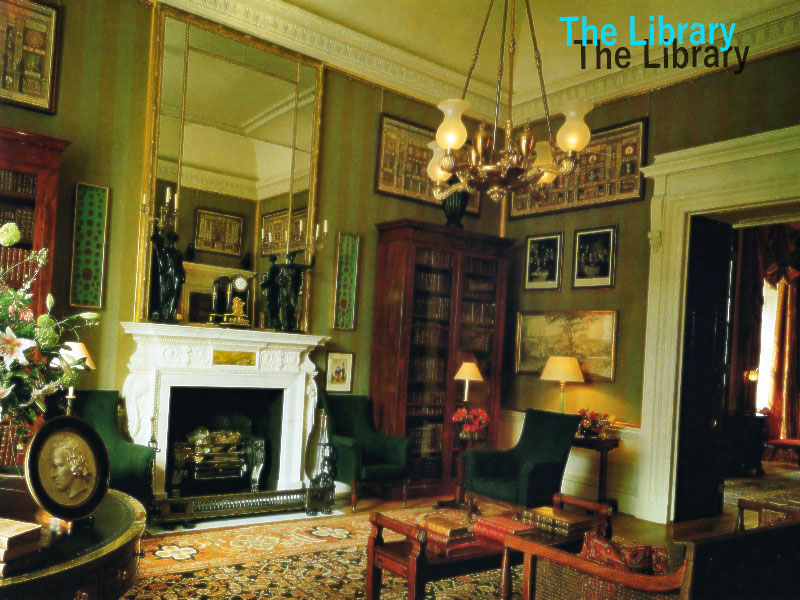
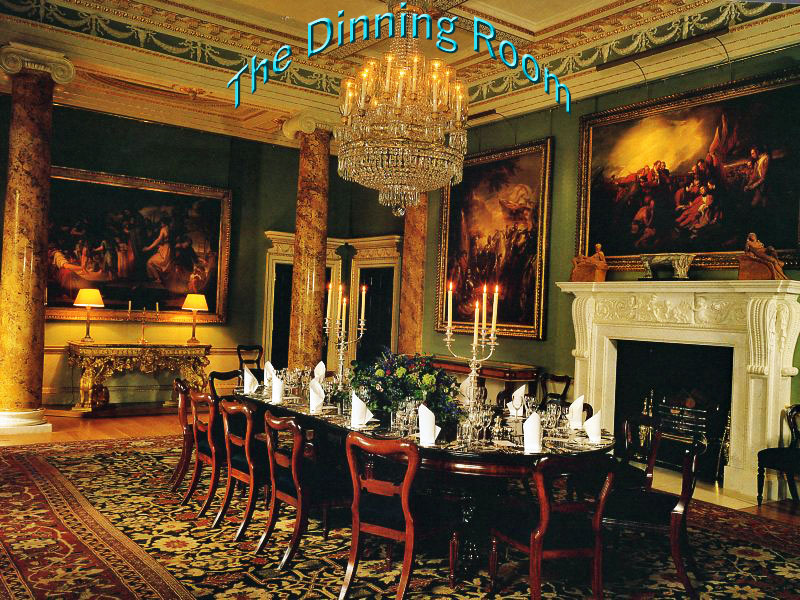
- Spencer House
- Burlington Arcade
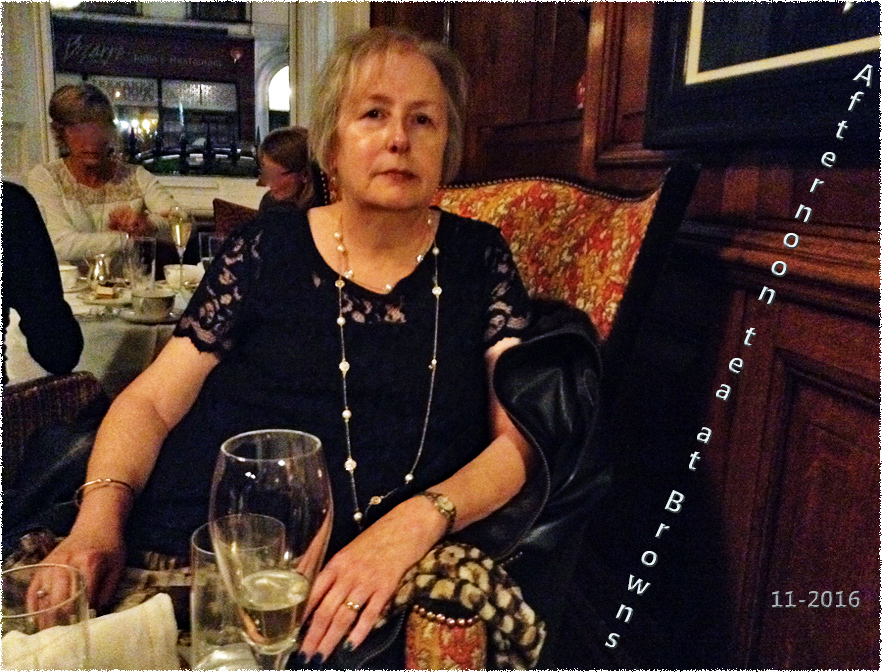
- Browns Hotel (Afternoon Tea)
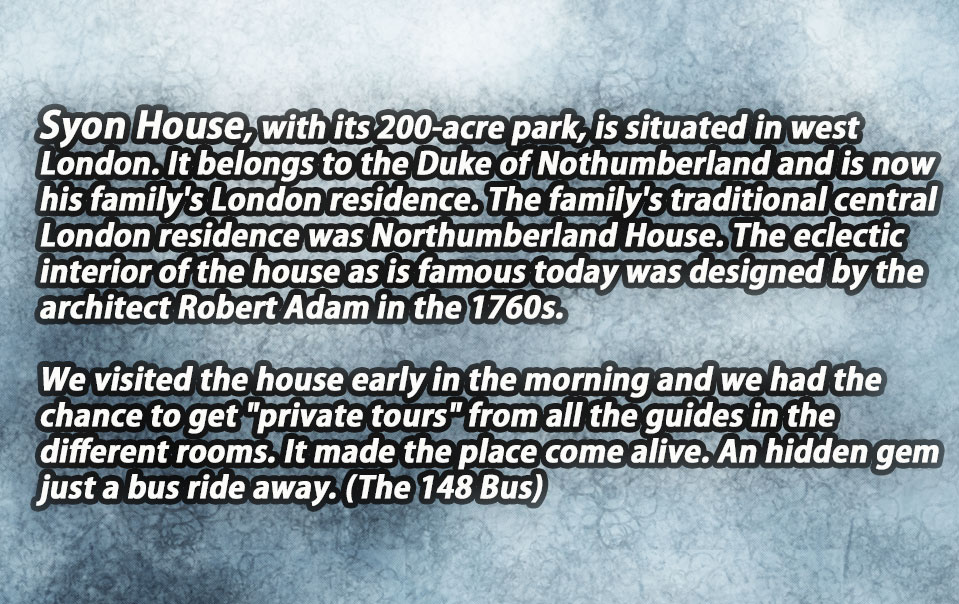
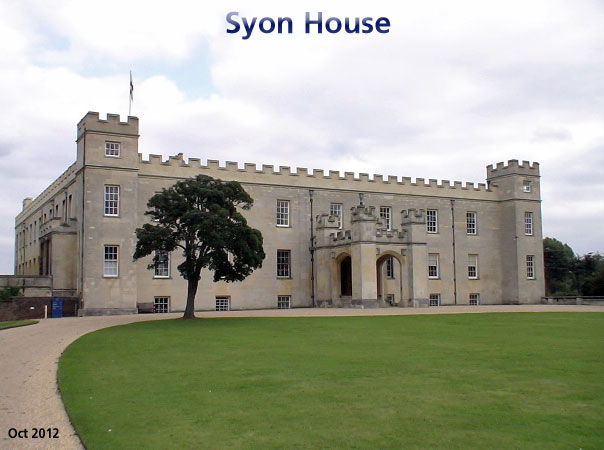
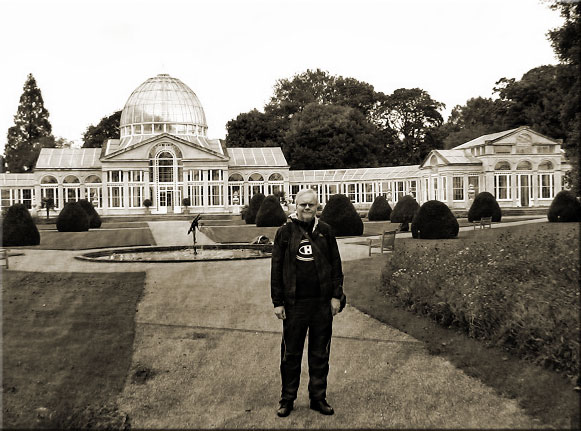
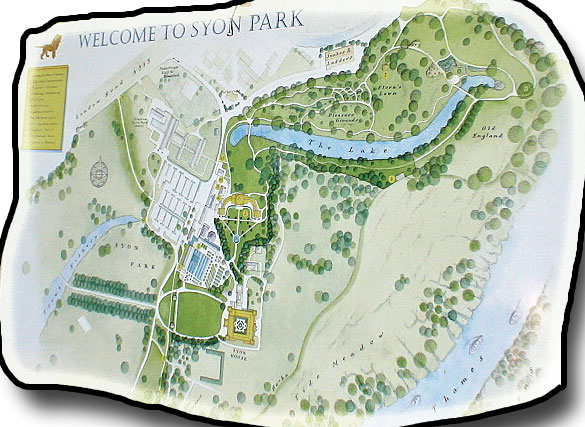
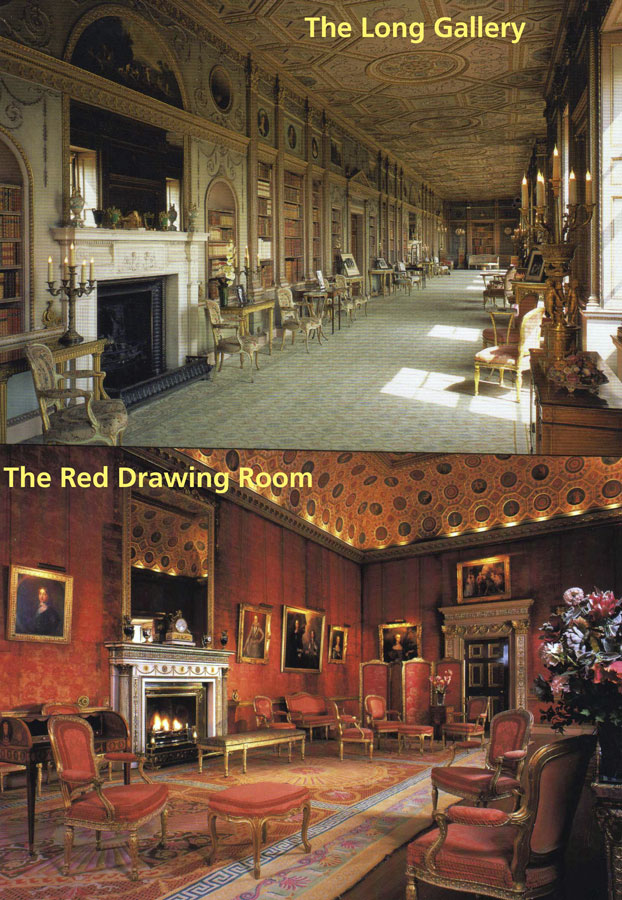
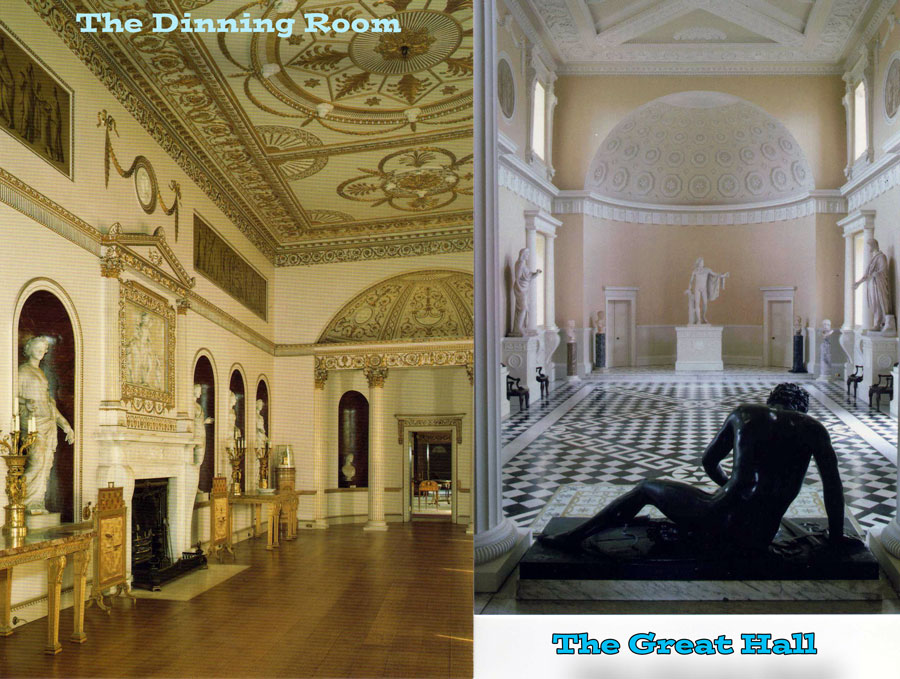
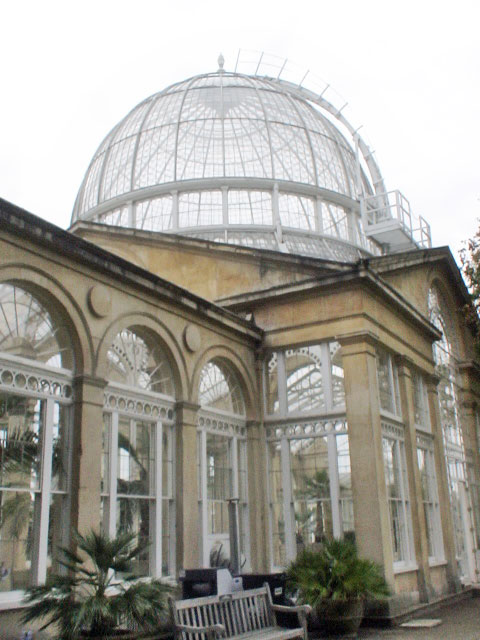
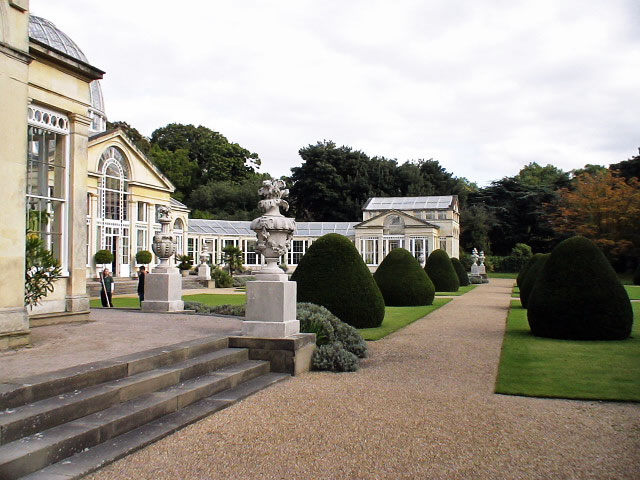
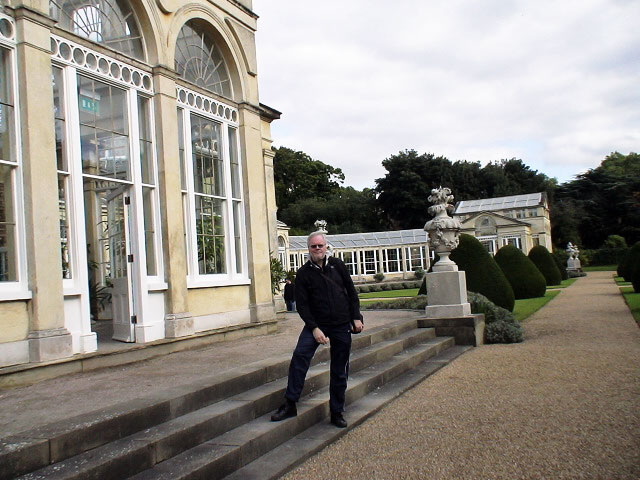
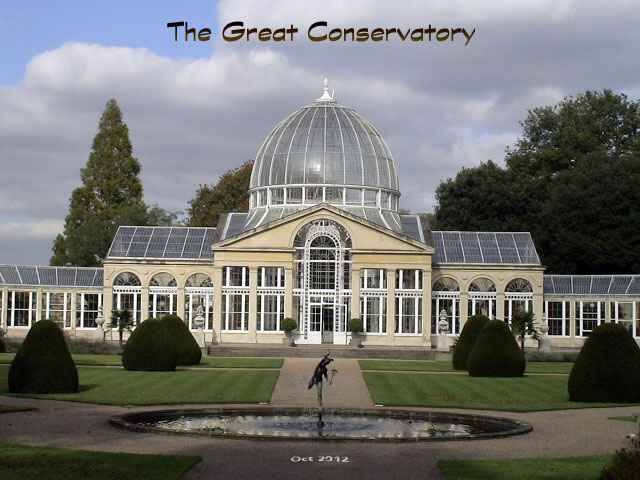
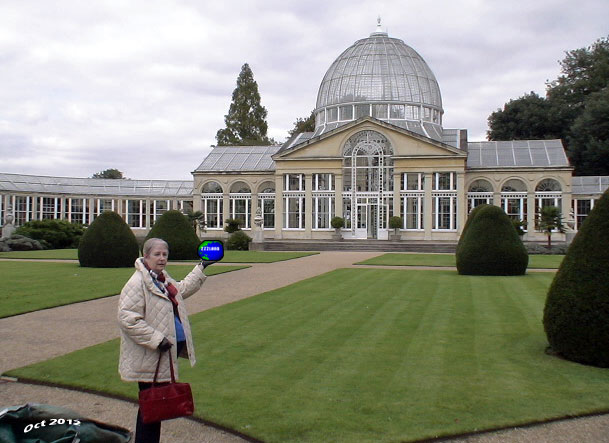
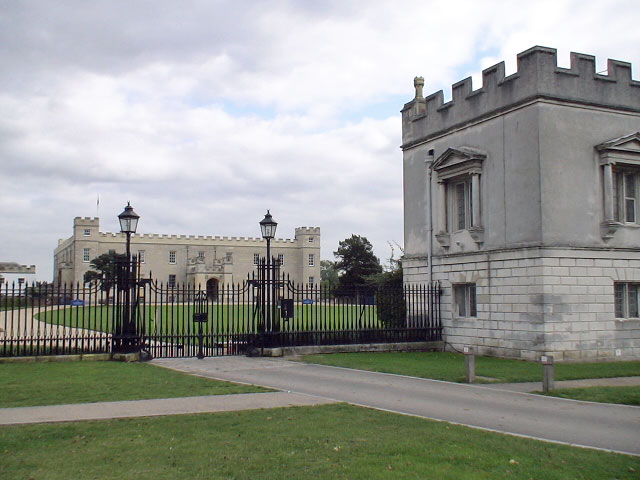
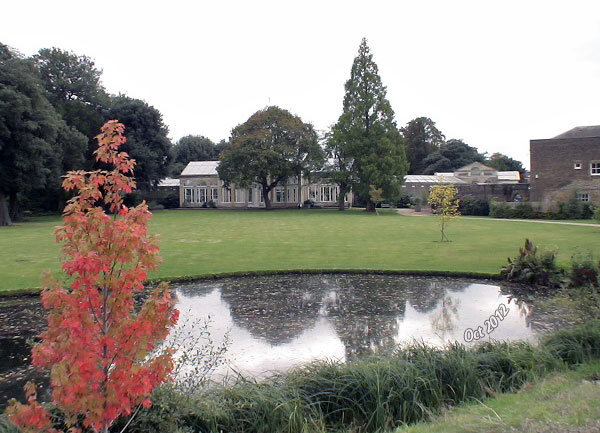
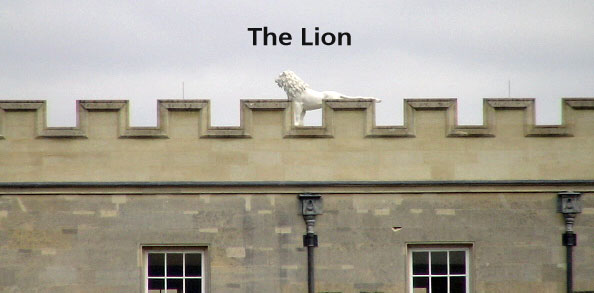
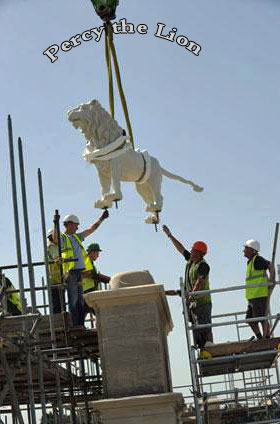
- Syon House
- Portobello Road
- Liberty’s
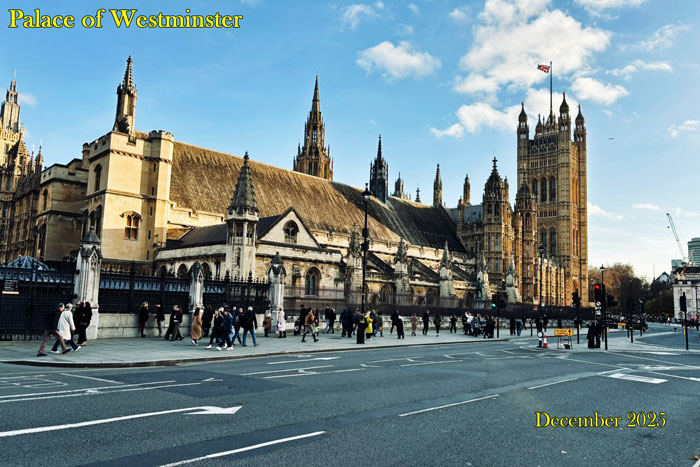
The Palace of Westminster is the meeting place of theParliament of the United Kingdom. It is commonly called the Houses of Parliament after the House of Commons and the House of Lords. the two legislative chambers which occupy the building.
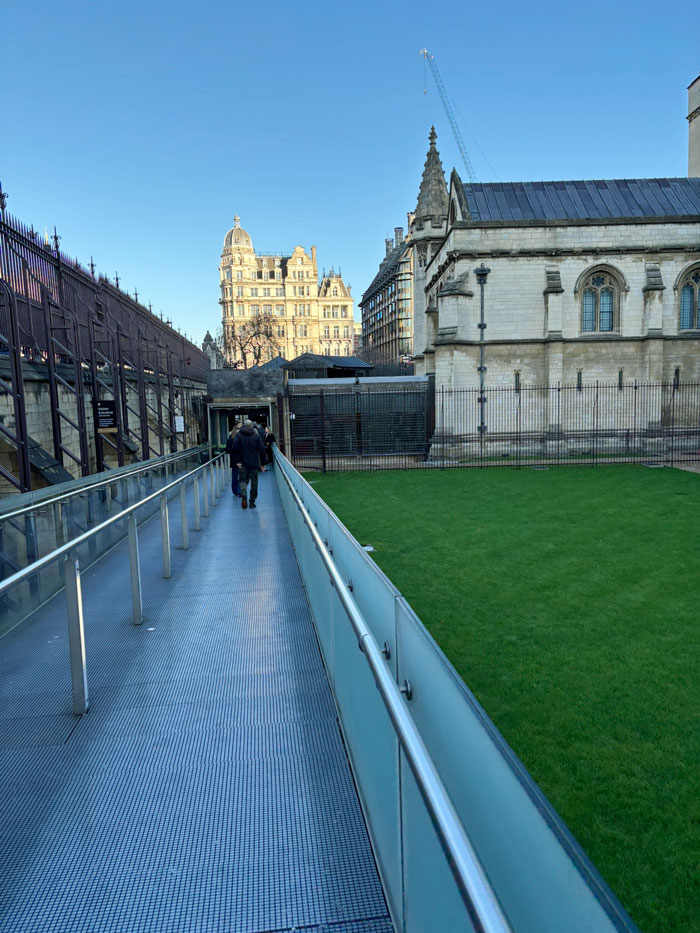
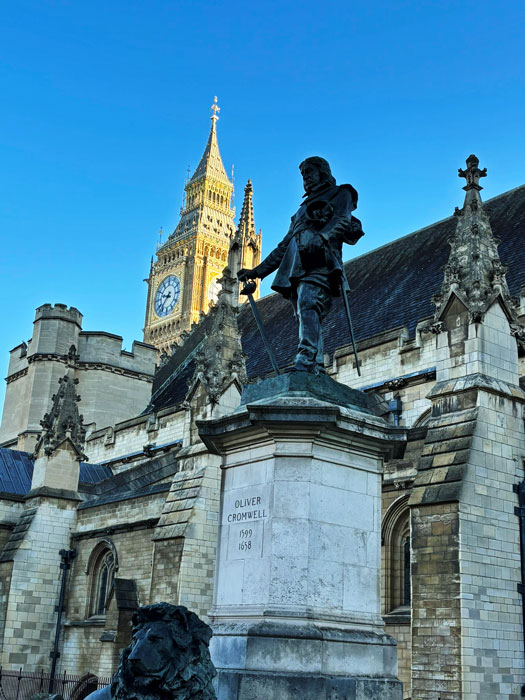
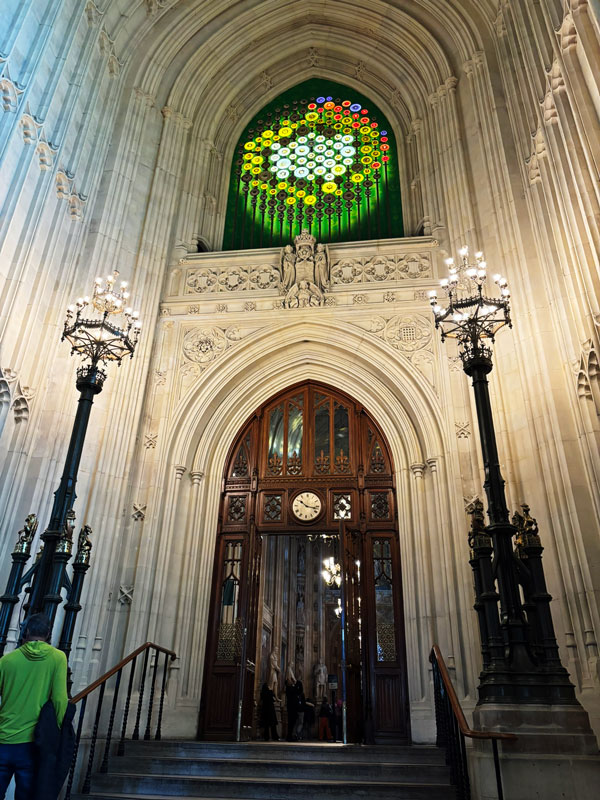
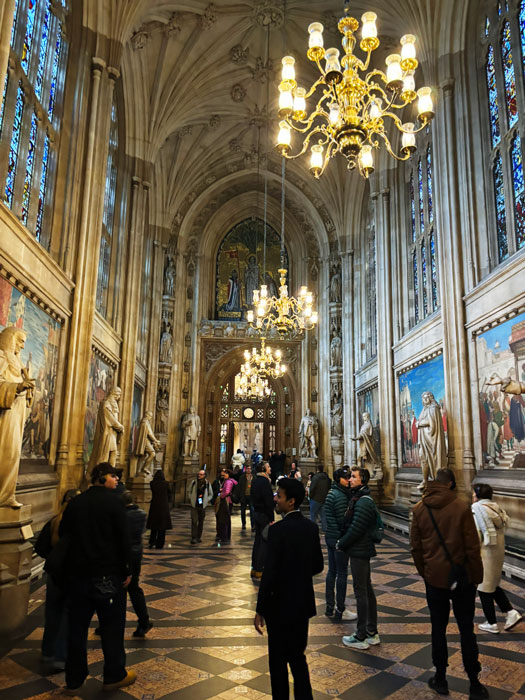
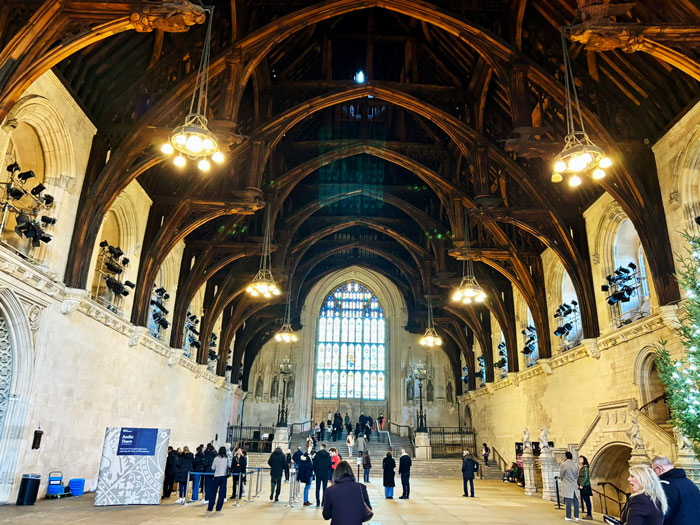
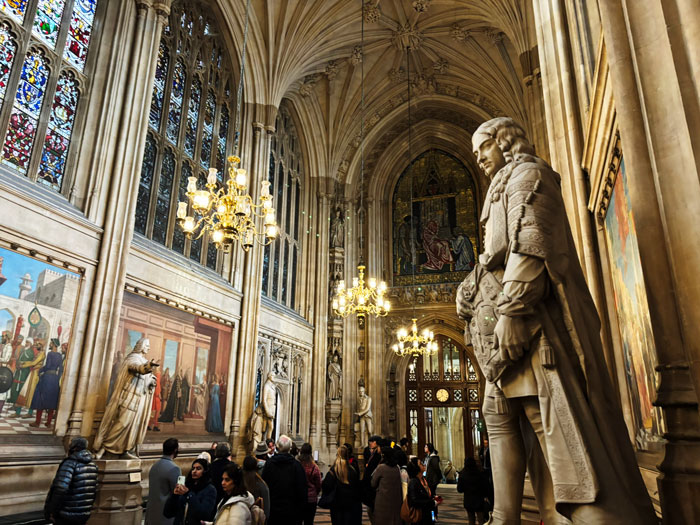
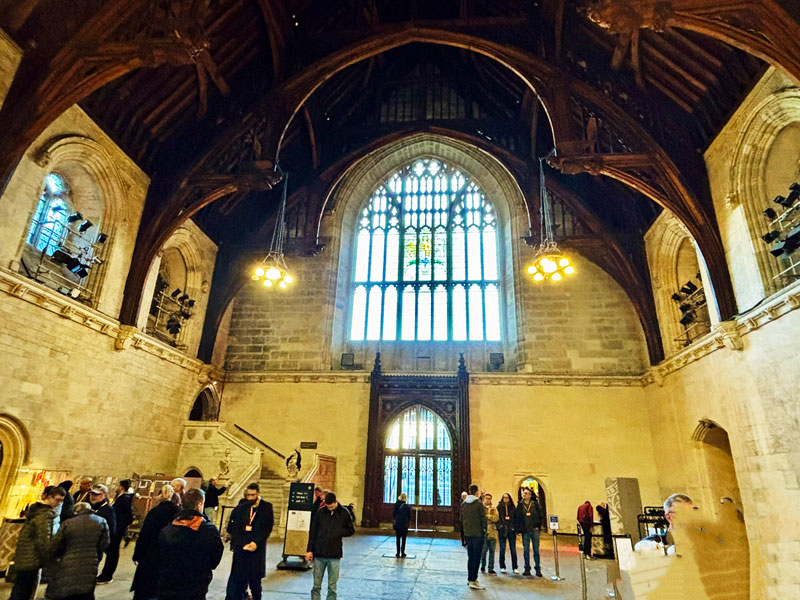
The building was originally constructed in the eleventh century as a royal palace and was the primary residence of the kings of England until 1512, when a fire destroyed the royal apartments. The monarch moved to the adjacent Palace of Whitehall, but the remainder of the palace continued to serve as the home of the Parliament of England, which had met there since the 13th century. In 1834 a second, larger fire destroyed the majority of the palace, but the twelfth century Westminster Hall was saved and incorporated into the replacement building.
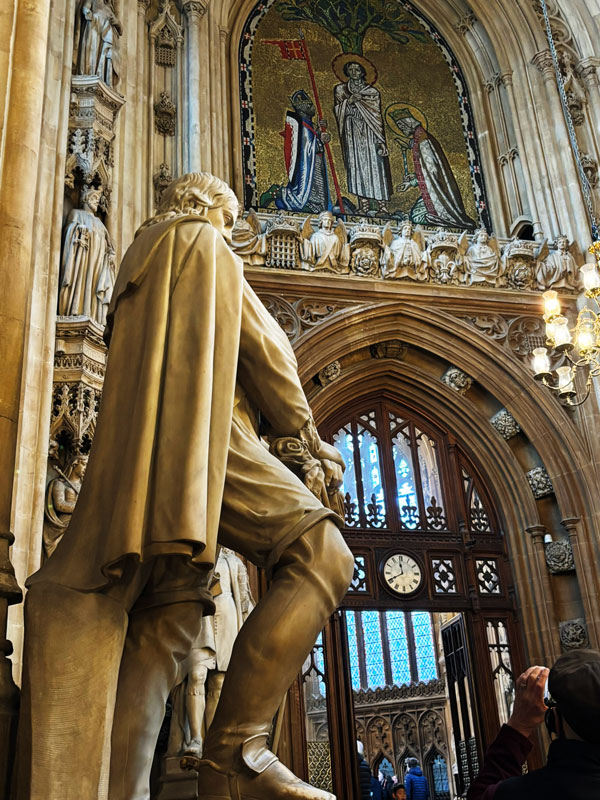
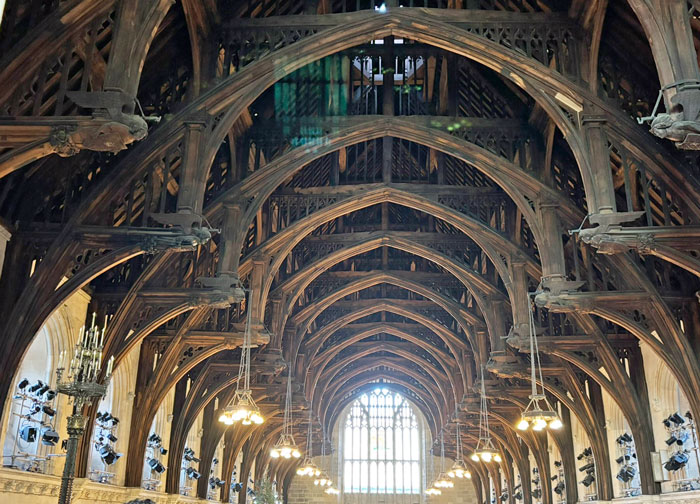
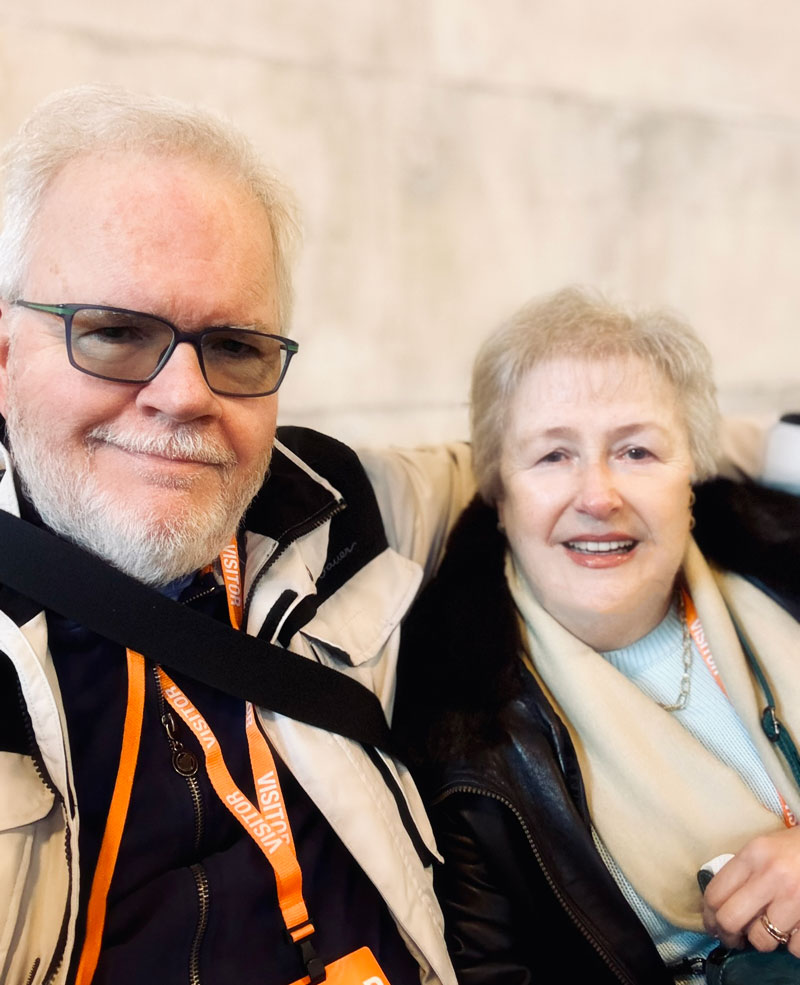
We had a marvelous guide tour of the Palace during our December 2025 visit to London. It was quite fascinating.



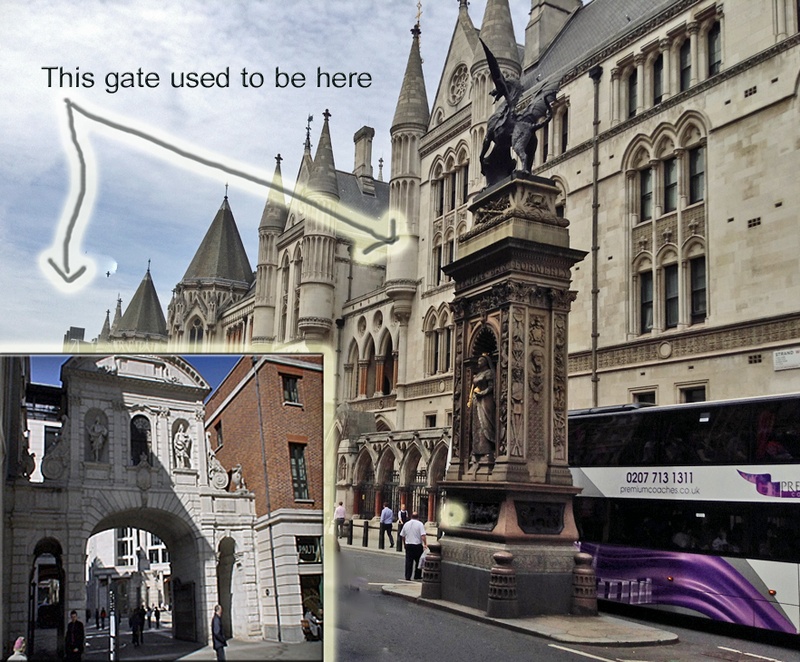
Temple Bar Gate in 1870, when it was still located to mark the Temple Bar

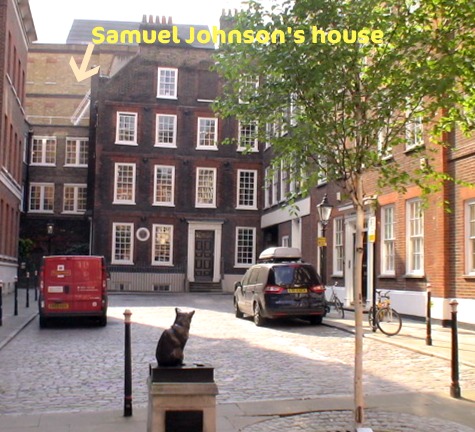
Hodge (fl. c.1769) was one of Samuel Johnson’s cats, immortalized in a characteristically whimsical passage in James Boswell’s Life of Johnson
Although there is little known about Hodge, such as his life, his death, or any other information, what is known is Johnson’s fondness for his cat, which separated Johnson from the views held by others of the eighteenth century.
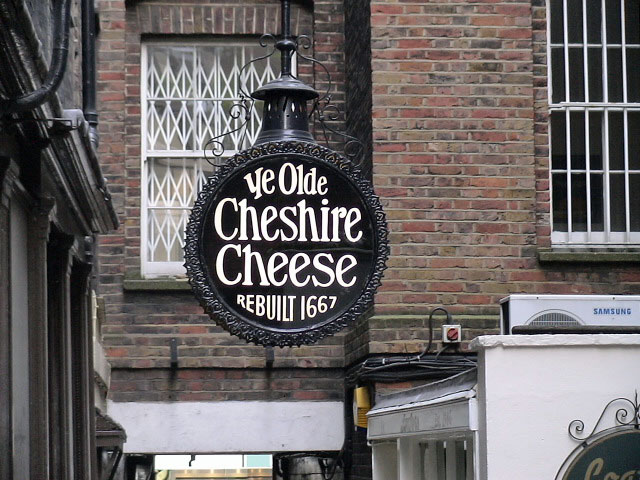
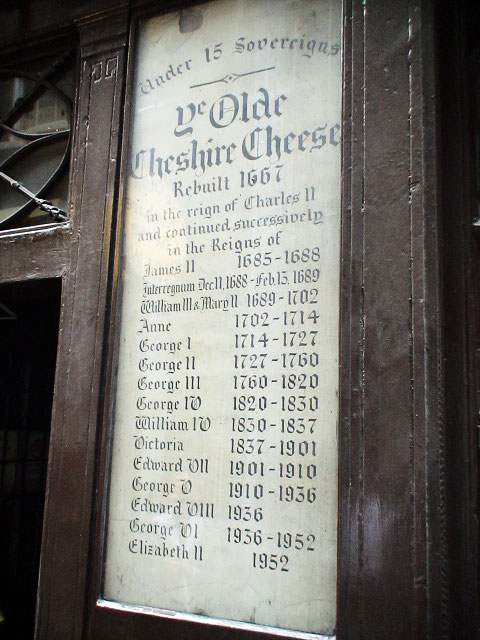
We visited the house in late September 2019. A fascinating place. We then went to have a pint and lunch at the Ye Olde Cheshire Cheese- the oldest pub in London (1667), located a few minutes’ walk from the house. Samuel Johnson also frequented this pub.
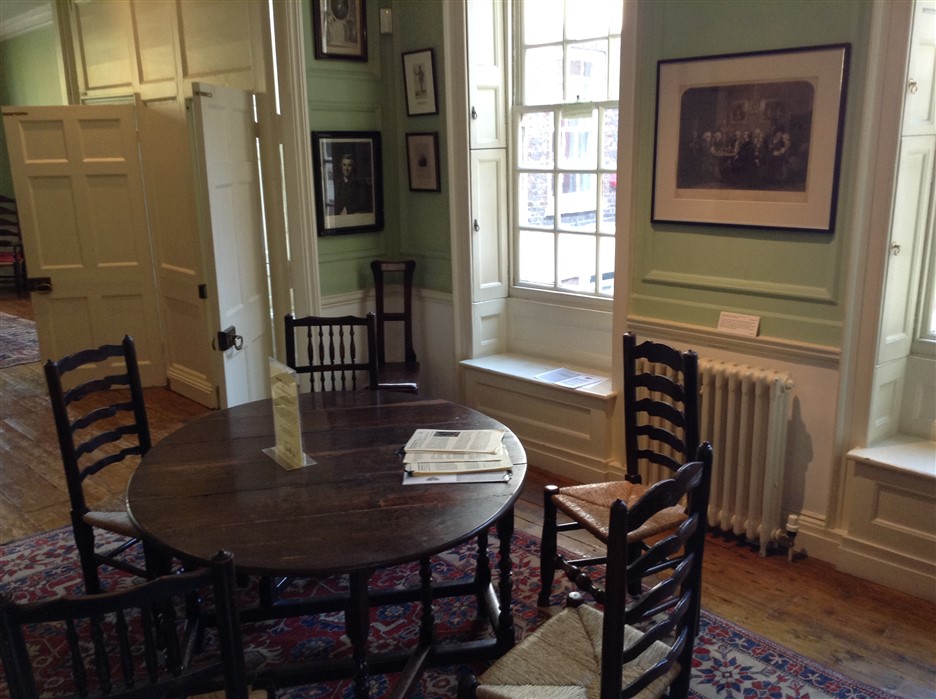
Built at the end of the seventeenth century by wool merchant it is a rare example of a house of its era which survives in the City of London (this refers only to the ‘Square Mile’ of the City area, as there are many other houses of this period elsewhere in Greater London) and is the only one of Johnson’s 18 residences in the City to survive.
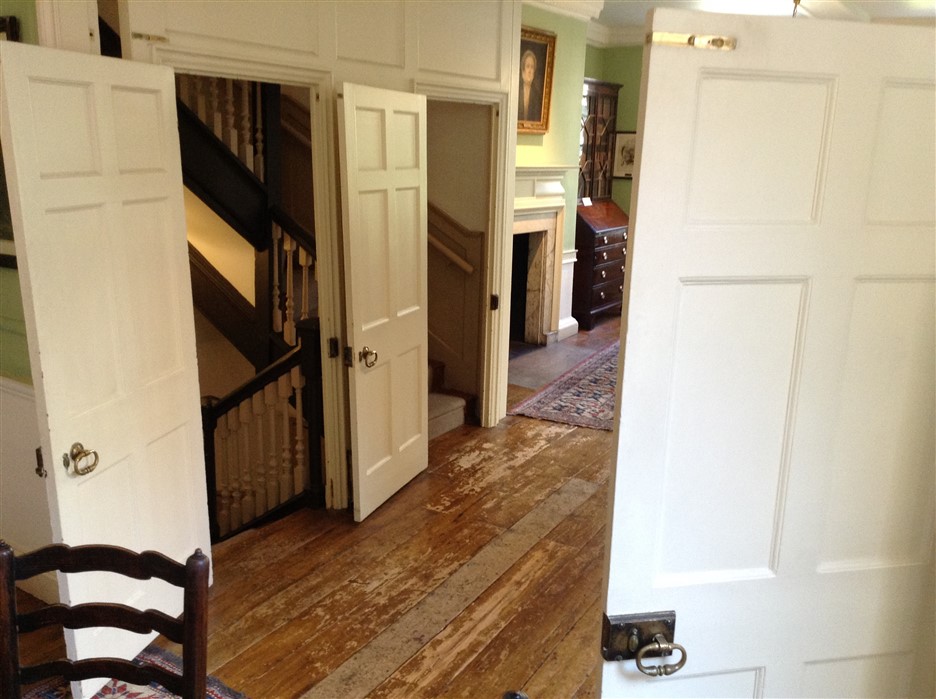
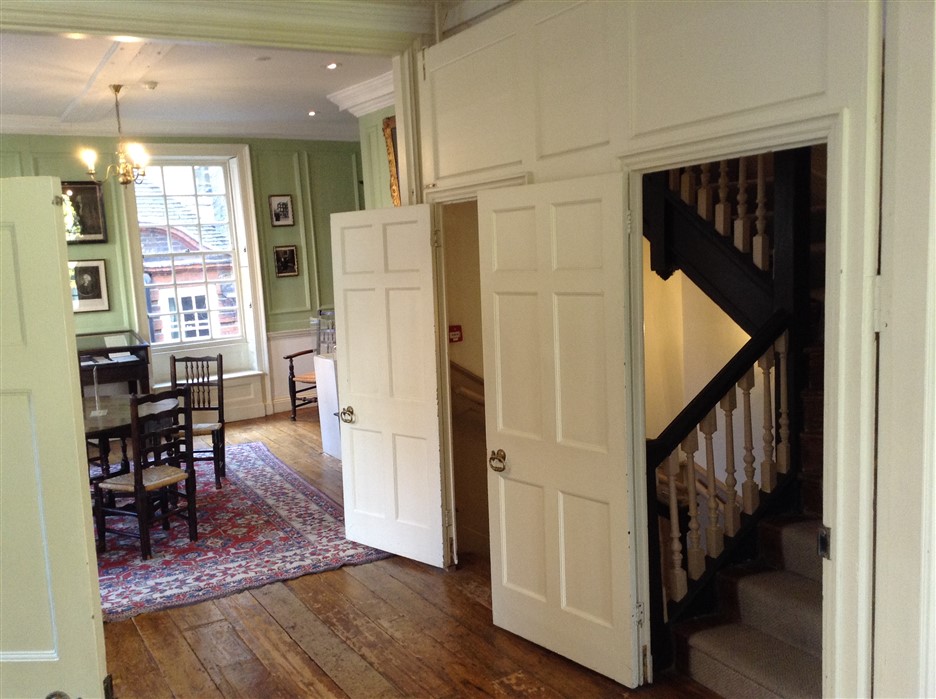
Four bays wide and five stories tall, it is located at No. 17, Gough Square, in a tangle of ancient alleyways just to the north of Fleet Street.
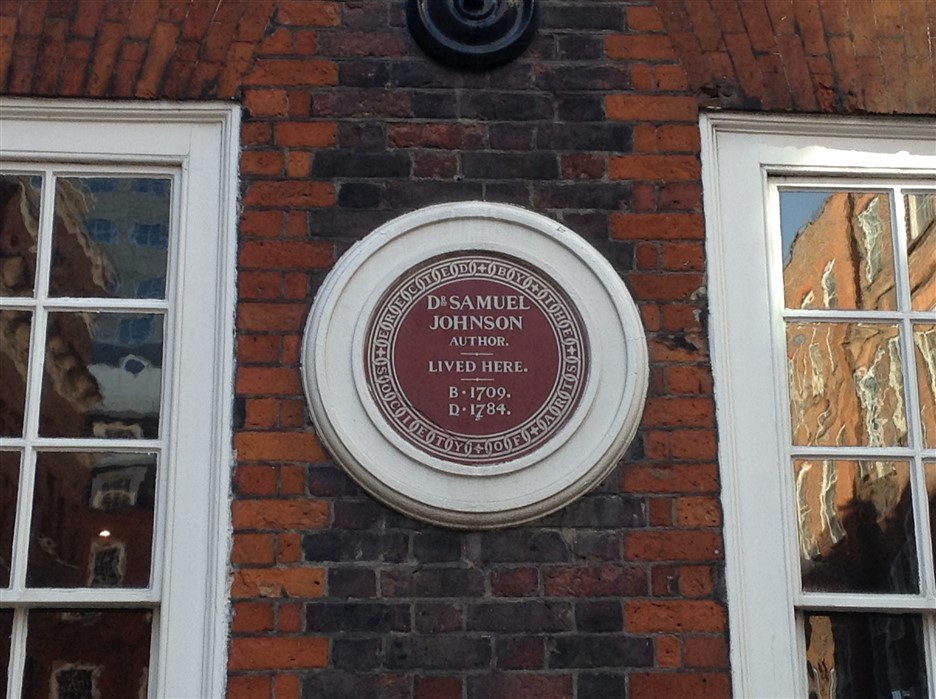
Dr. Johnson lived and worked in the house from 1748 to 1759, paying a rent of £30, and he compiled his famous A Dictionary of the English Language there.
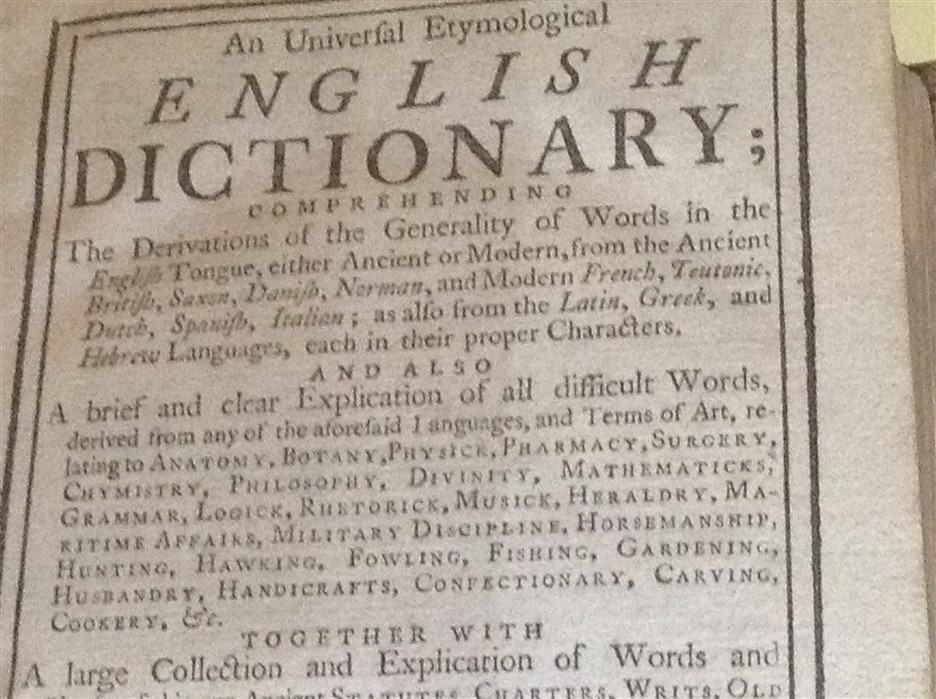
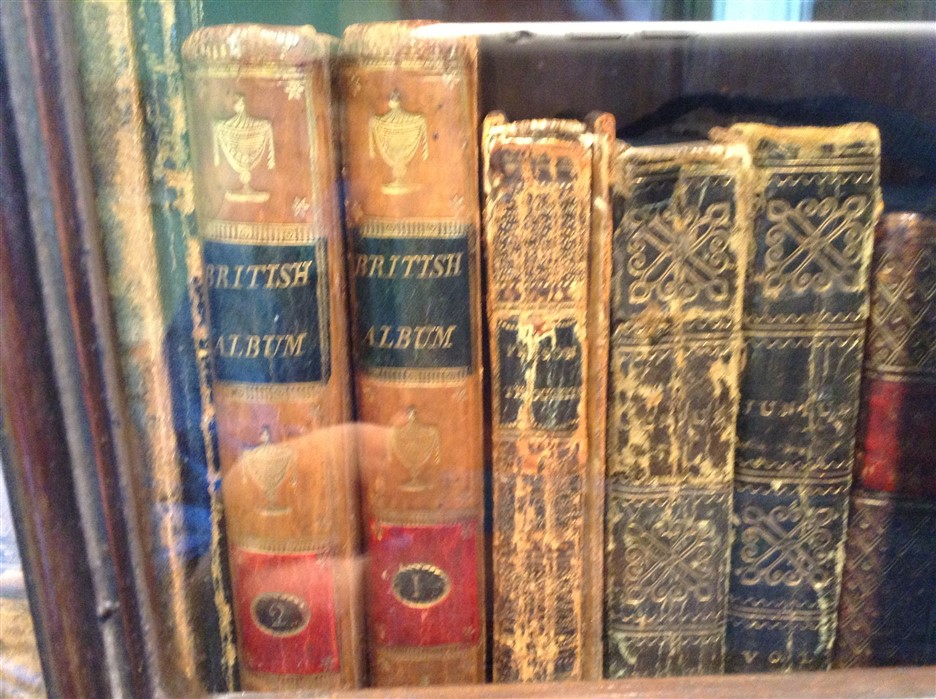
Samuel Johnson was born in 1709 in Lichfield, Staffordshire. The son of a bookseller, he rose to become one of the greatest literary figures of the eighteenth century, most famously compiling A Dictionary of the English Language.
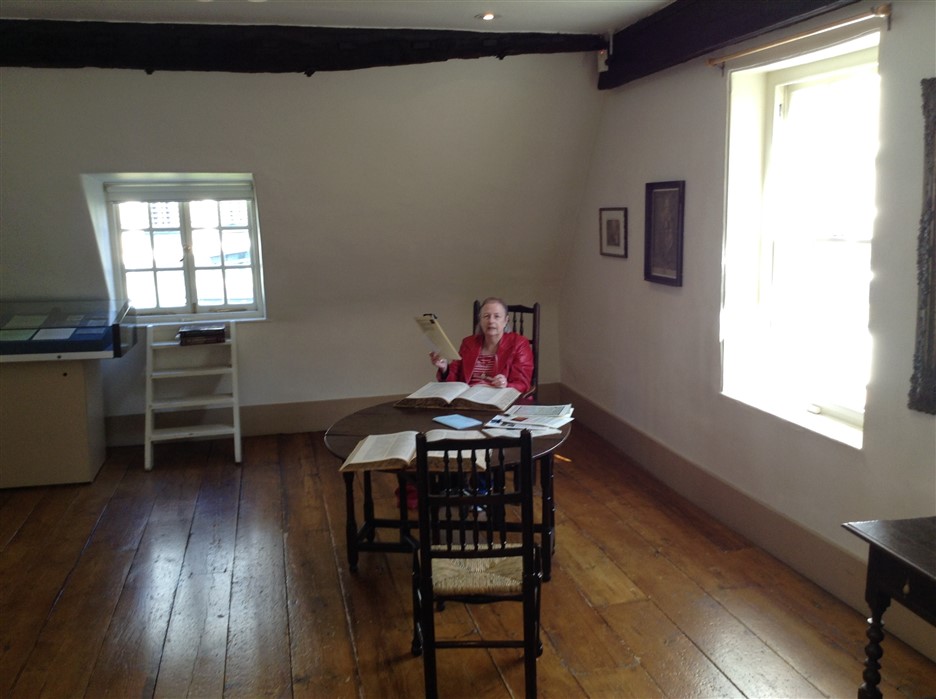
Poverty and illness followed Johnson for much of his life. He contracted scrofula (also known as the King’s Evil) as a baby, which resulted in poor hearing and eyesight and left him noticeably scarred.
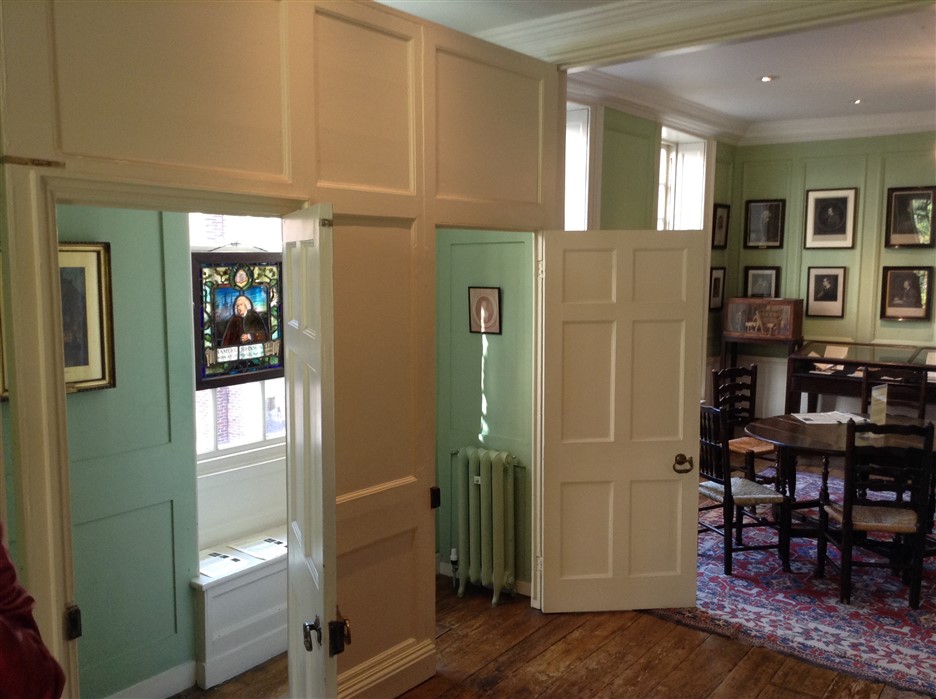
Johnson attended the local grammar school in Lichfield and went on to Pembroke College, Oxford. However, he was to leave after just 13 months as his parents could no longer afford the fees.
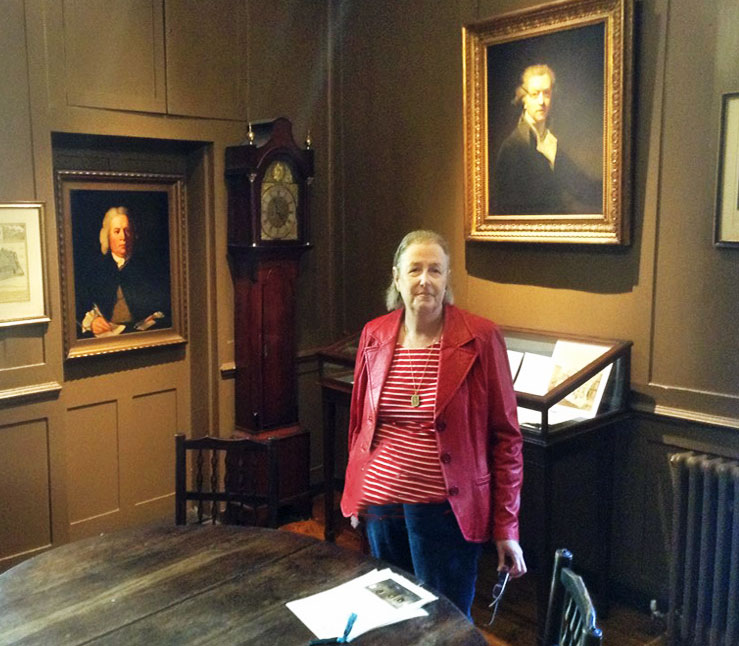
In 1735, he married a widow, Elizabeth Porter, and set up a school at Edial; it failed within months. With this behind him, Johnson took one of the few remaining pupils – the soon-to-be star of the London stage, David Garrick – and walked to the capital to seek fame and fortune.
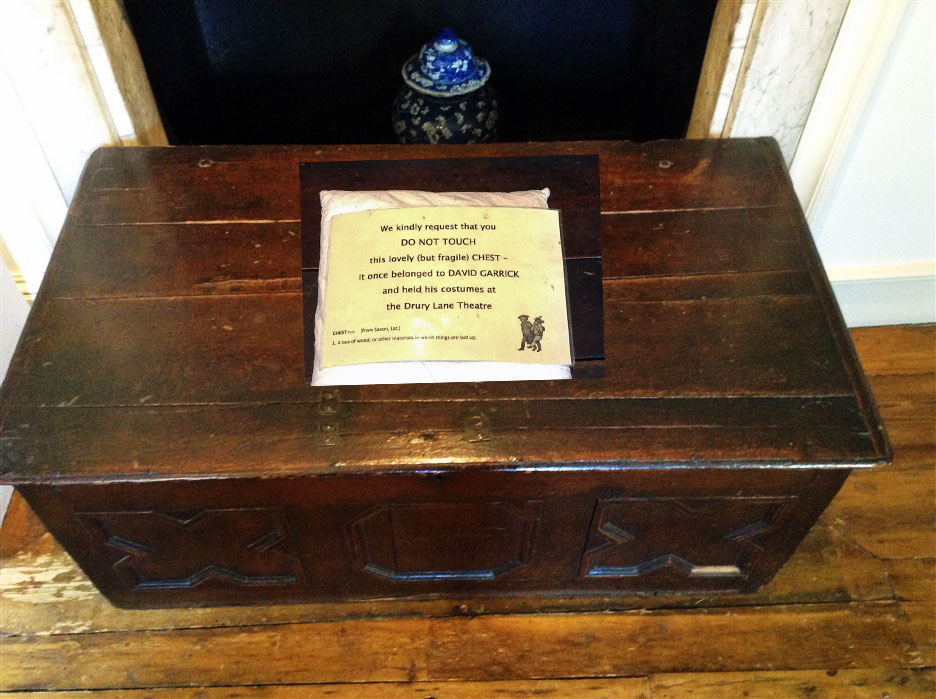
Johnson worked as a hack writer for many years, writing and editing articles for Edward Cave’s Gentleman’s Magazine. He received some critical success with his early poem London (1738) and his biography of the wayward poet, Richard Savage (1744) but Johnson’s big opportunity came in 1746 with the commission to write the Dictionary.
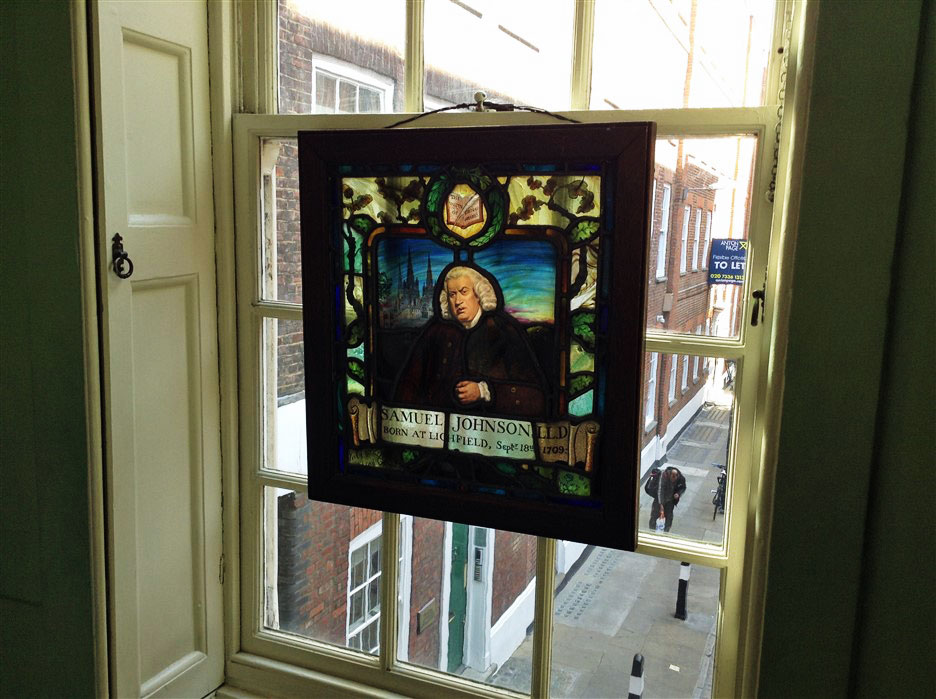
Johnson lived in 17 different places in London but moved to Gough Square in order to work on the Dictionary, which was finally published in 1755.
From then on Johnson’s fame was assured and he was known as ‘Dictionary Johnson’, although he still suffered some financial difficulty.
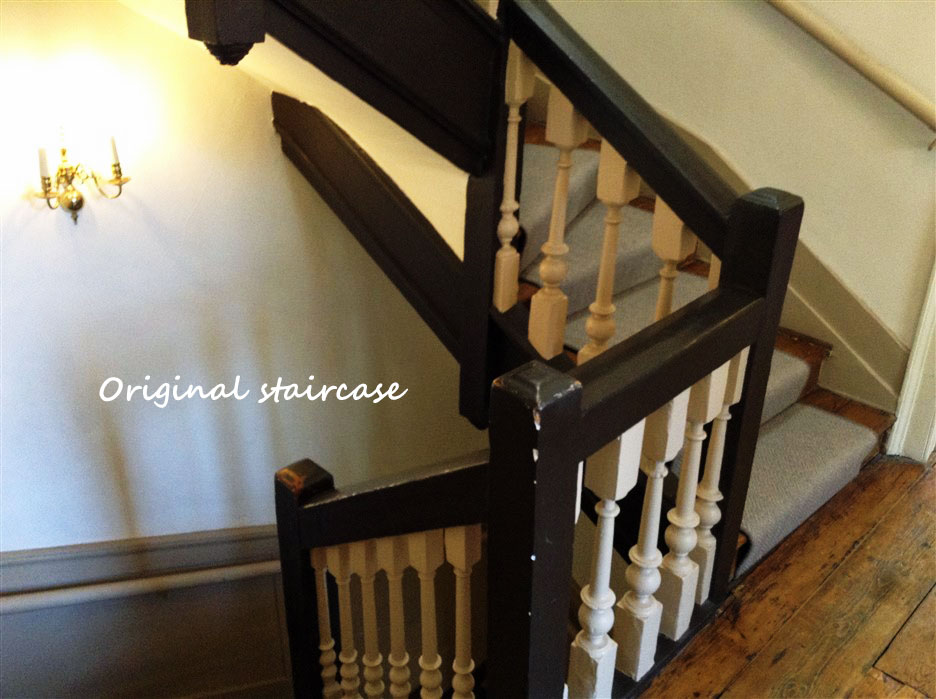
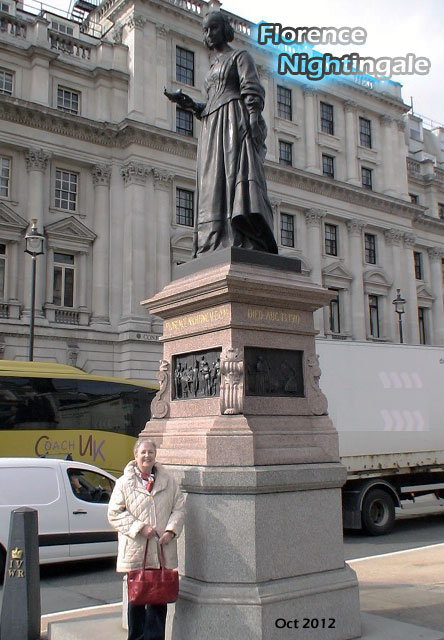
Florence Nightingale (12 May 1820 – 13 August 1910) was an English social reformer, statistician and the founder of modern nursing. Nightingale came to prominence while serving as a manager and trainer of nurses during the Crimean War, in which she organised care for wounded soldiers at Constantinople. She significantly reduced death rates by improving hygiene and living standards. Nightingale gave nursing a favourable reputation and became an icon of Victorian culture, especially in the persona of “The Lady with the Lamp” making rounds of wounded soldiers at night
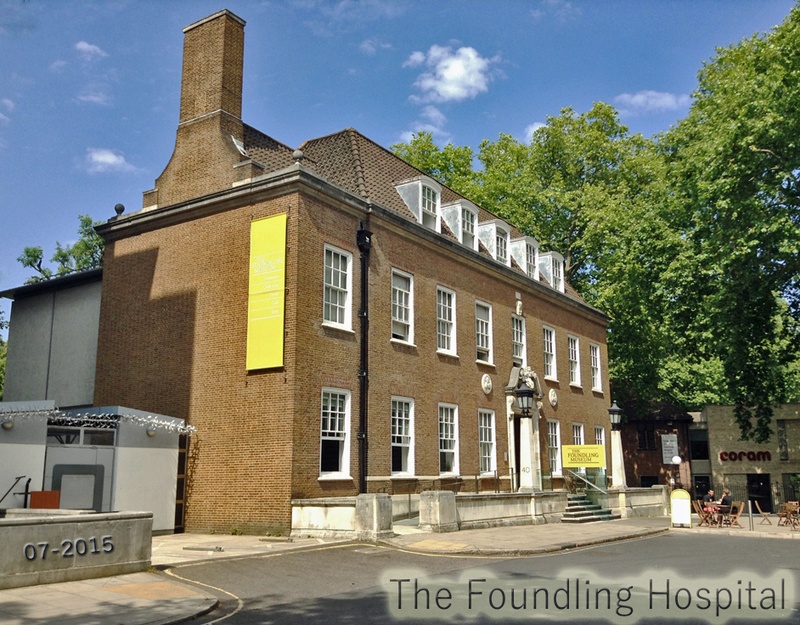
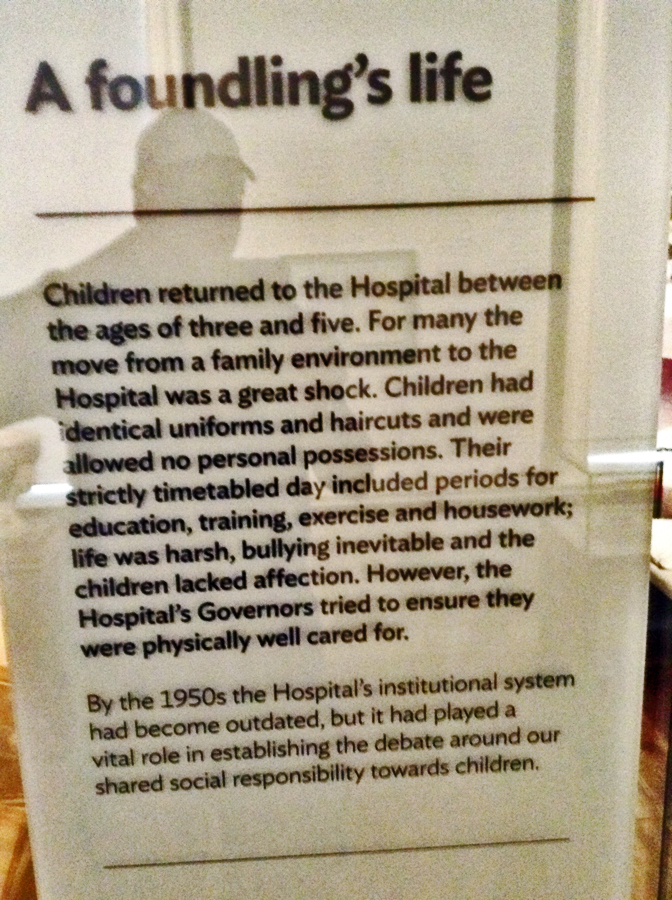

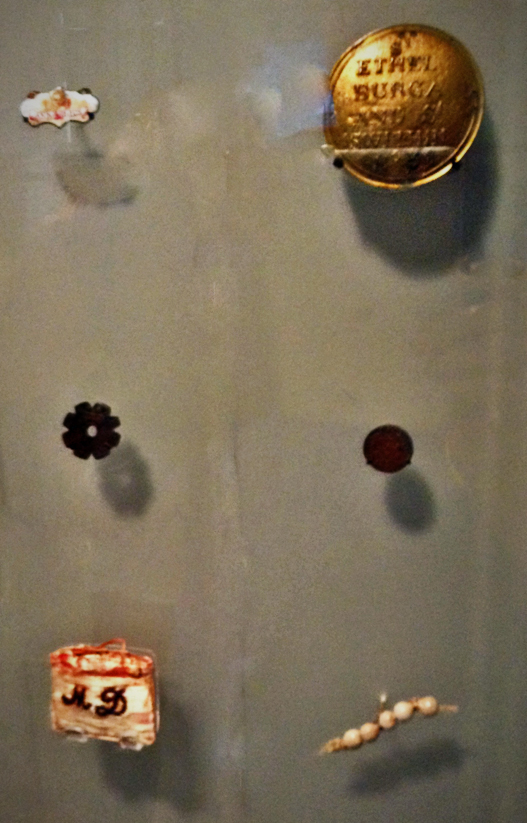
Some of the most moving objects are the Foundling Hospital tokens – including coins, buttons, jewellery and poems – left by mothers with their babies on admission, enabling the Foundling Hospital to match a mother with her child should she ever return to claim it. The overwhelming majority of the children never saw their mothers again and the tokens are in the care of the museum.



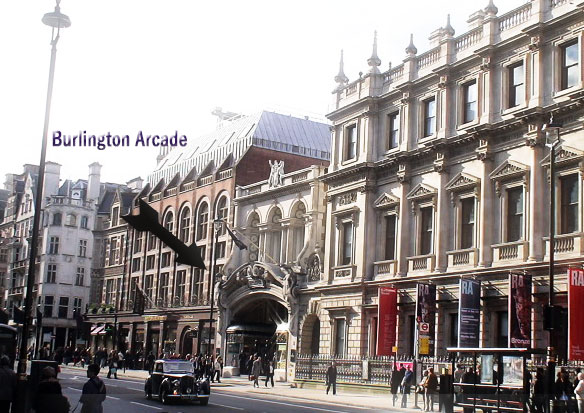
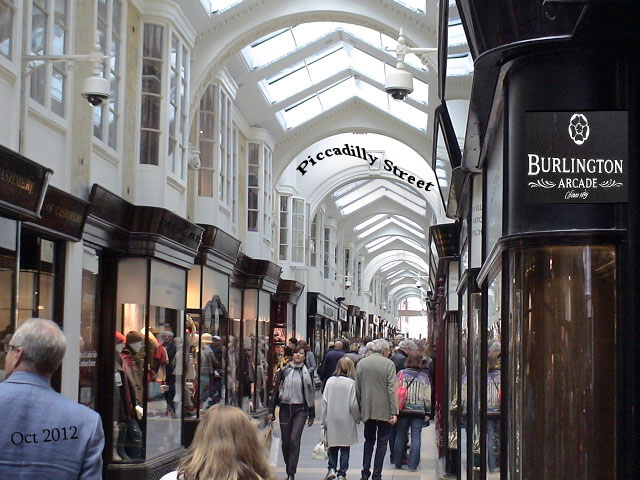
Burlington Arcade is a covered shopping arcade. It is 179 m long, parallel to and east of Bond Street from Piccadilly through to Burlington Gardens. It is one of the precursors of the mid-19th-century European shopping gallery and the world’s first modern shopping mall.
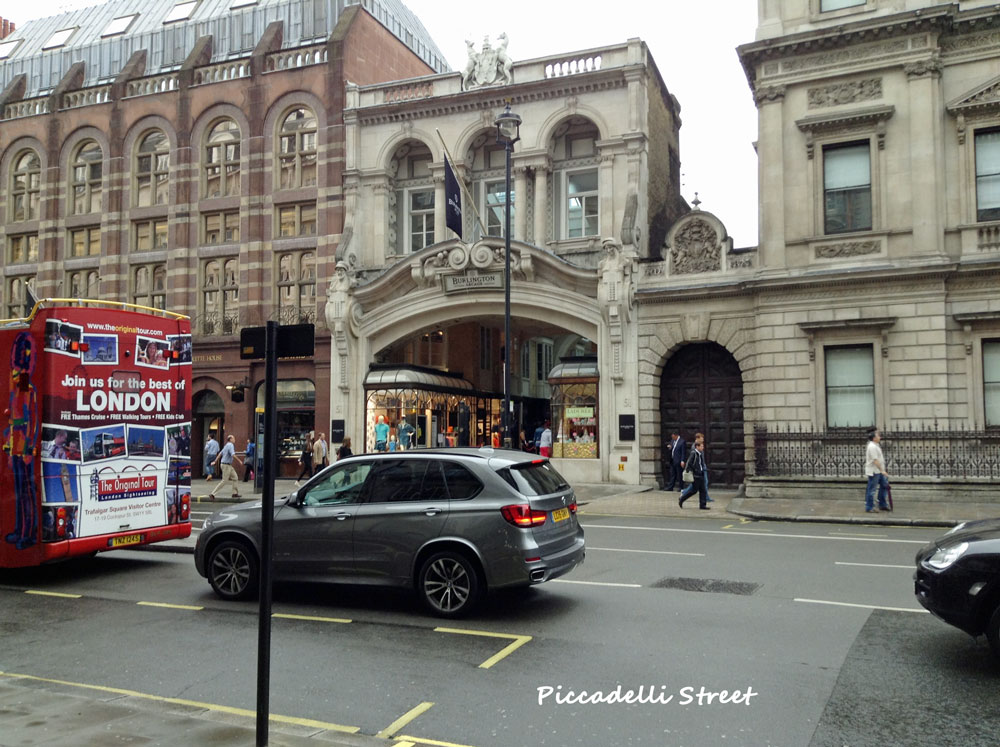
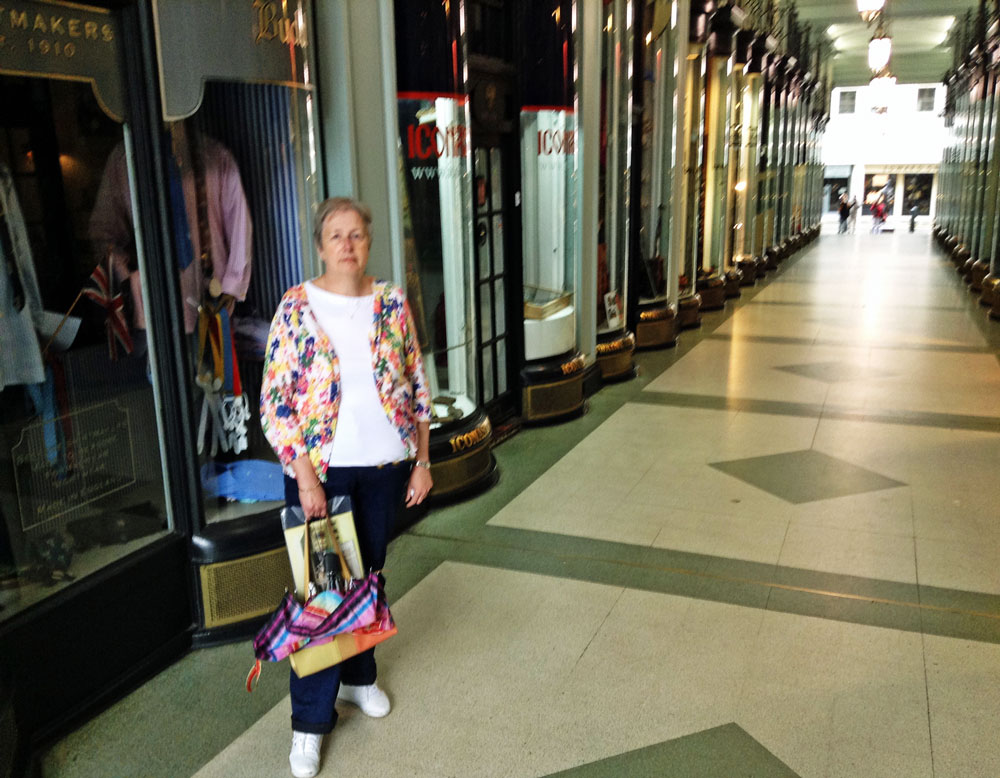
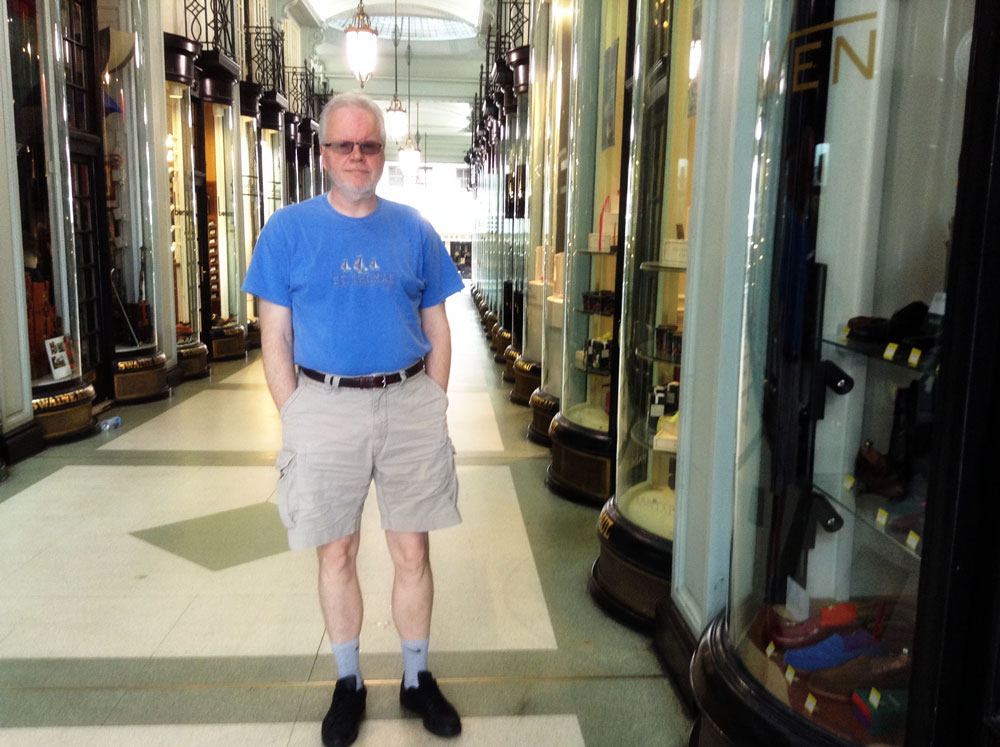
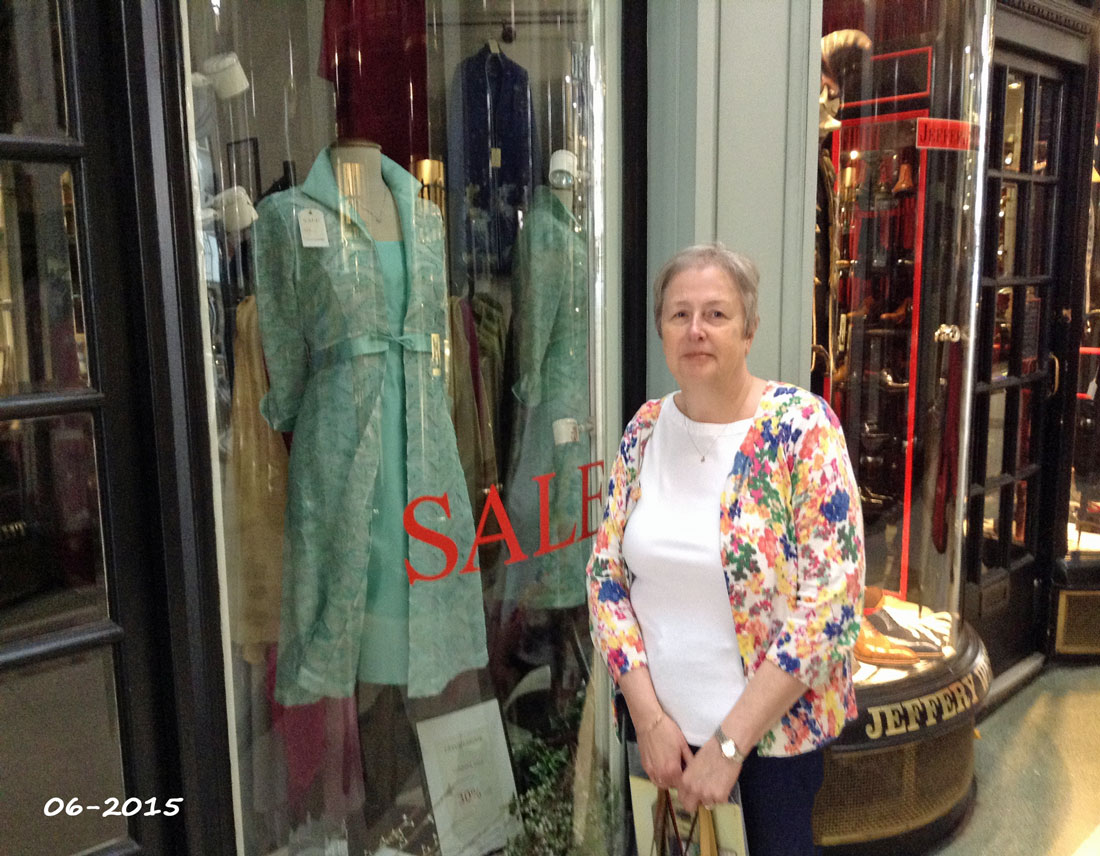
Burlington Arcade opened on 20 March 1819. From the outset, it positioned itself as an elegant and exclusive upmarket shopping venue, with shops offering luxury goods. It was one of London’s earliest covered shopping arcades and one of several such arcades constructed in Western Europe in the early 19th century.
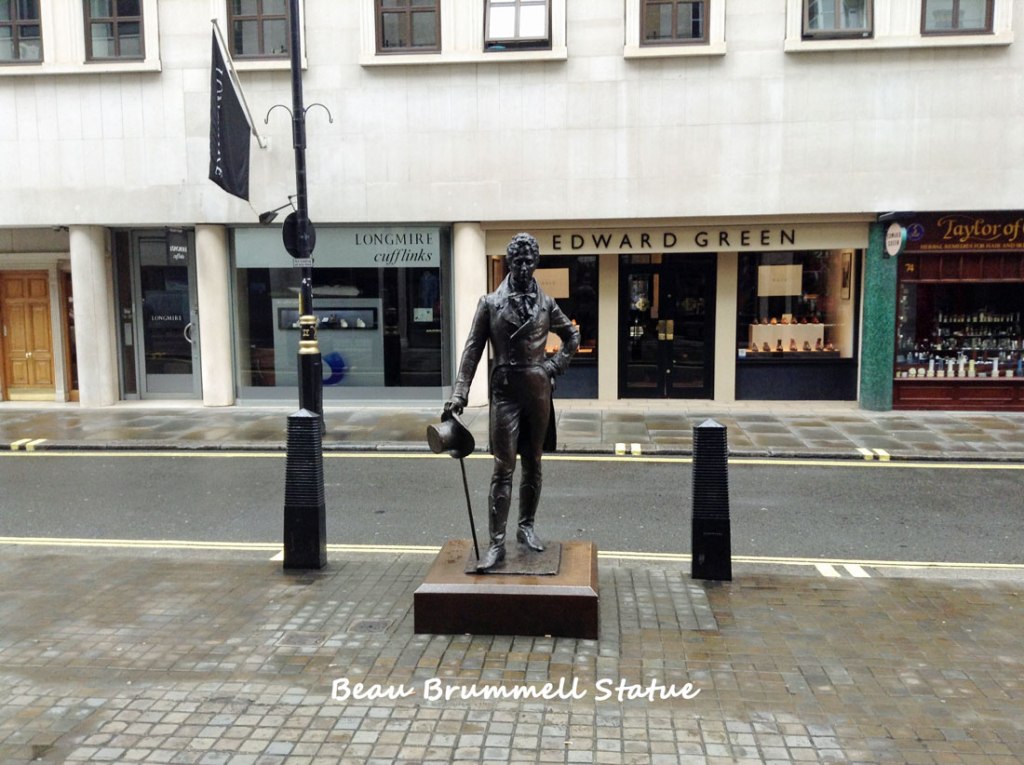
George ‘Beau’ Brummel was an important figure in Regency, England, and for many years he was the arbiter of British men’s fashion. At one time, he was a close friend of the Prince Regent, the future King George IV, but after the two quarrelled and Brummell got into debt, he had to take refuge in France. Eventually, he died shabby and insane in Caen.
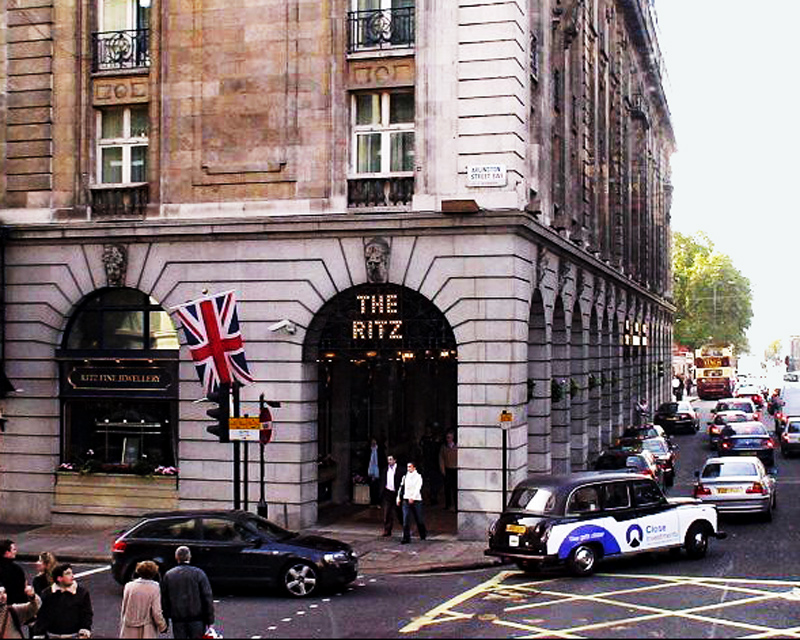

Afternoon Tea at Browns

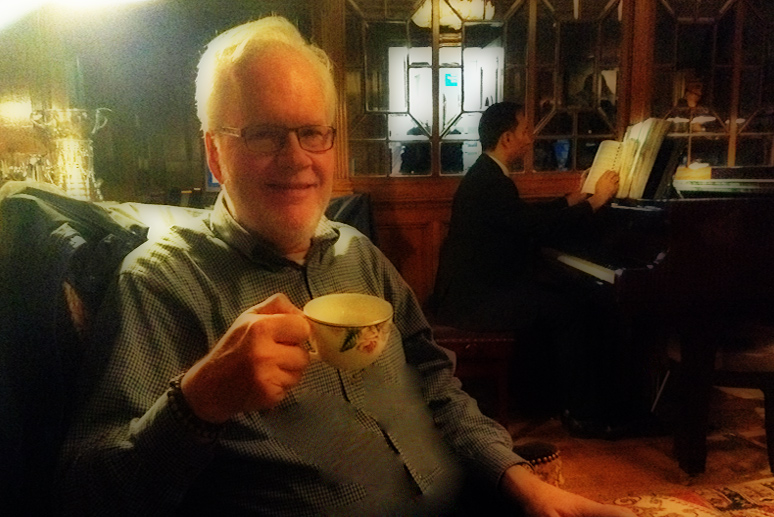
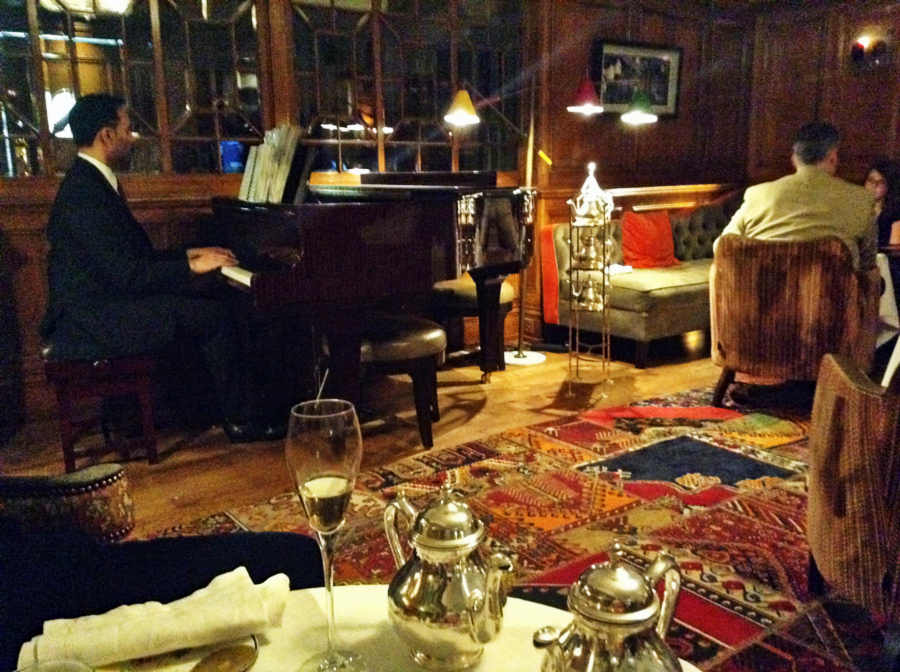
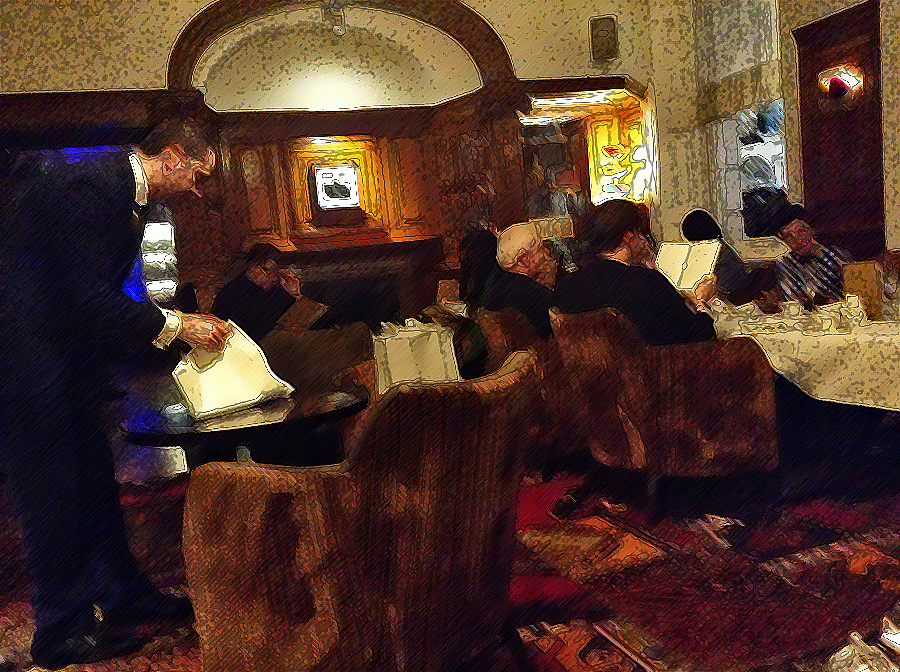

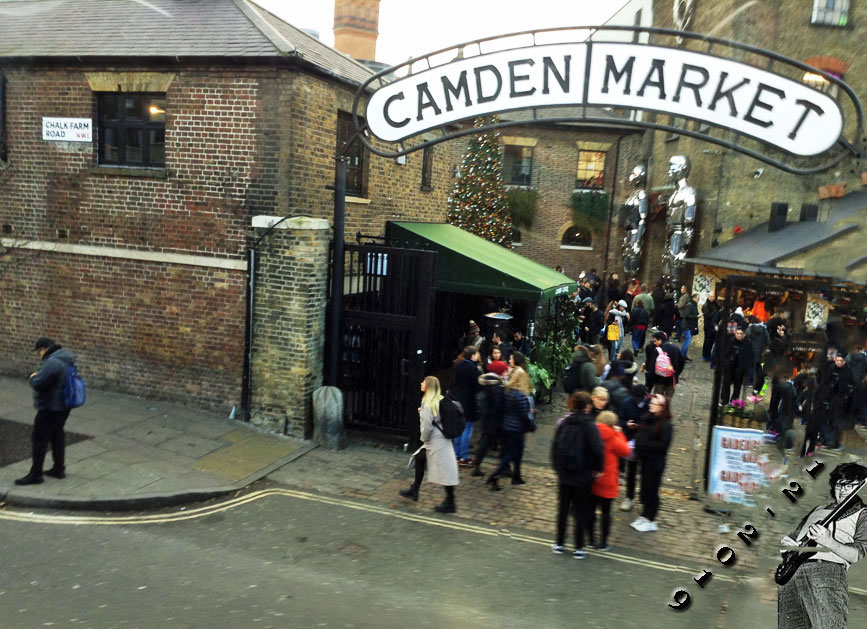
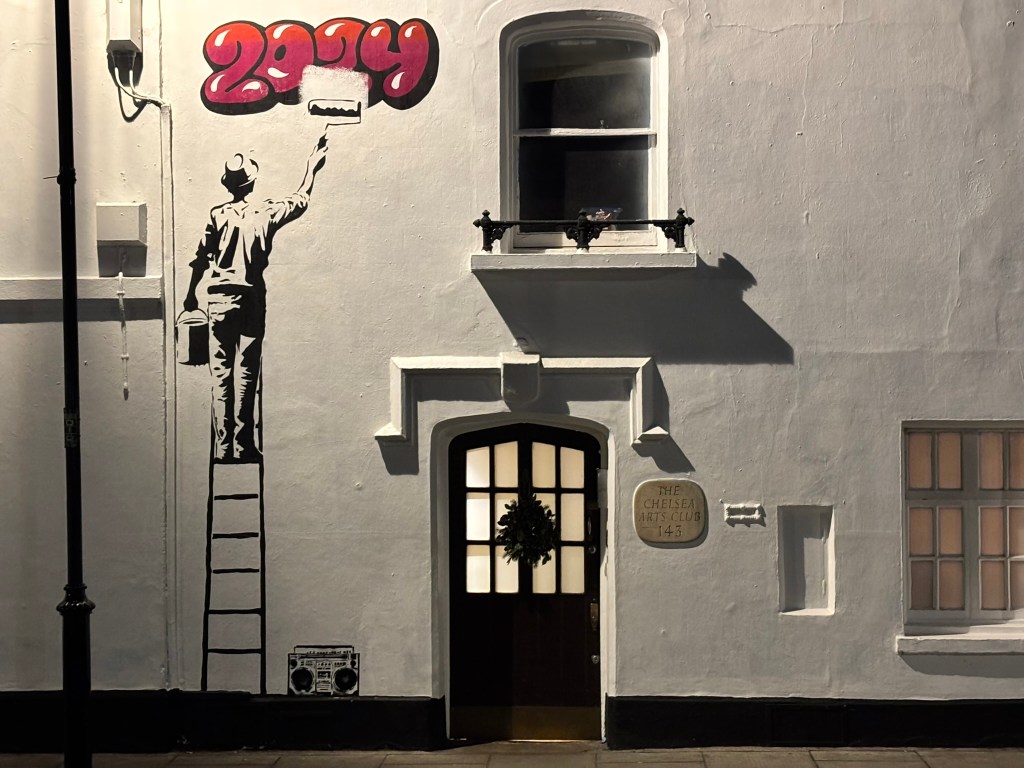
Chelsea Arts Club is a privatemember’s club at 143 Old Church Street in with a membership of over 3,800, including artists, sculptors, architects, writers, designers, actors, musicians, photographers, and filmakers. The club was established on 21 March 1891 (in Chelsea), as a rival to the older Arts Club in Mayfair, on the instigation of the artist James Abbott McNeill Whistler, who had been a (sometimes controversial) member of the older club.
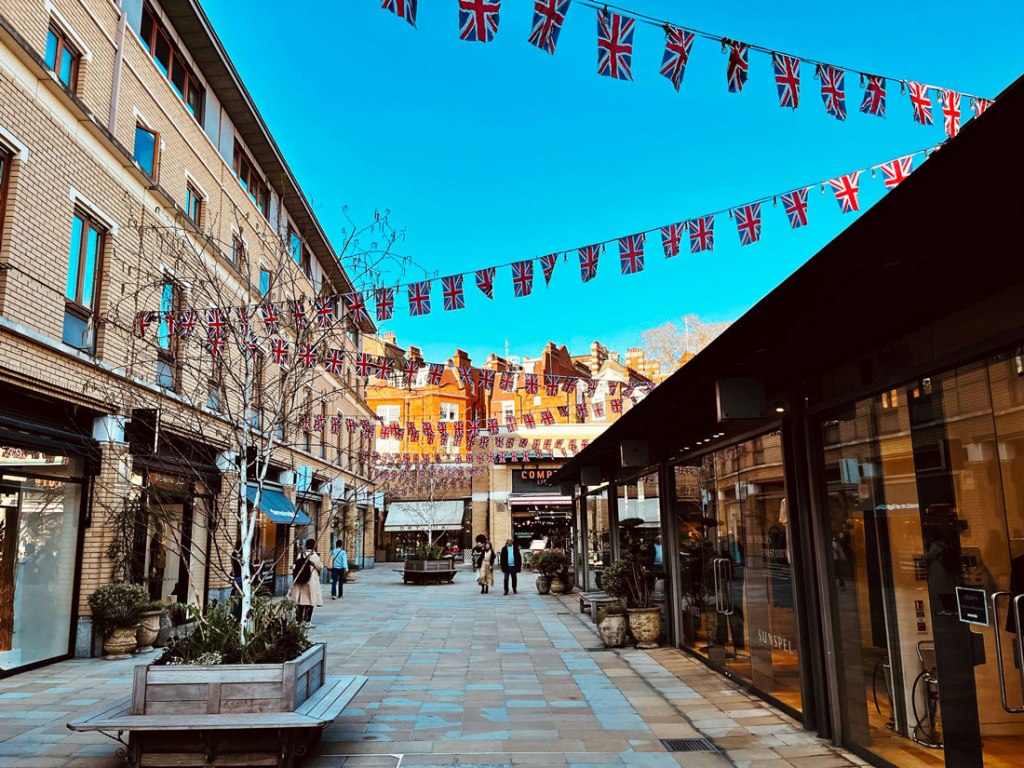

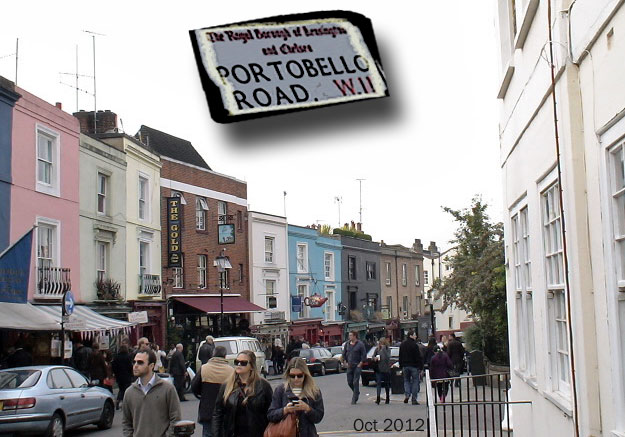
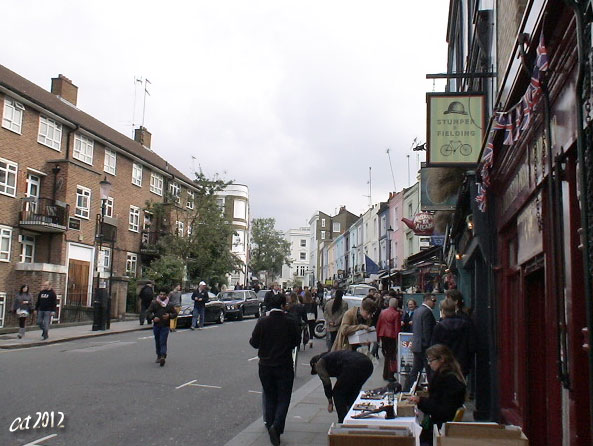
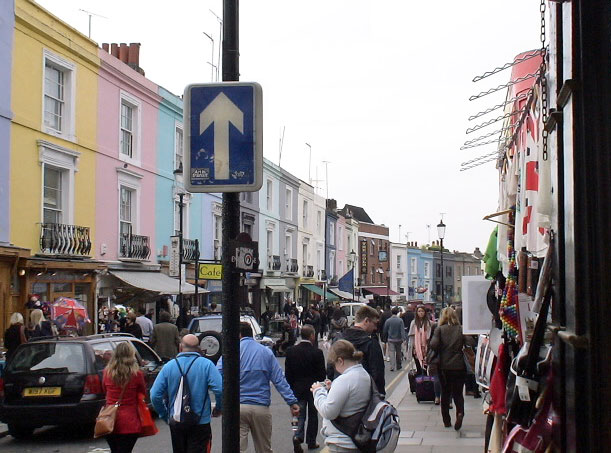
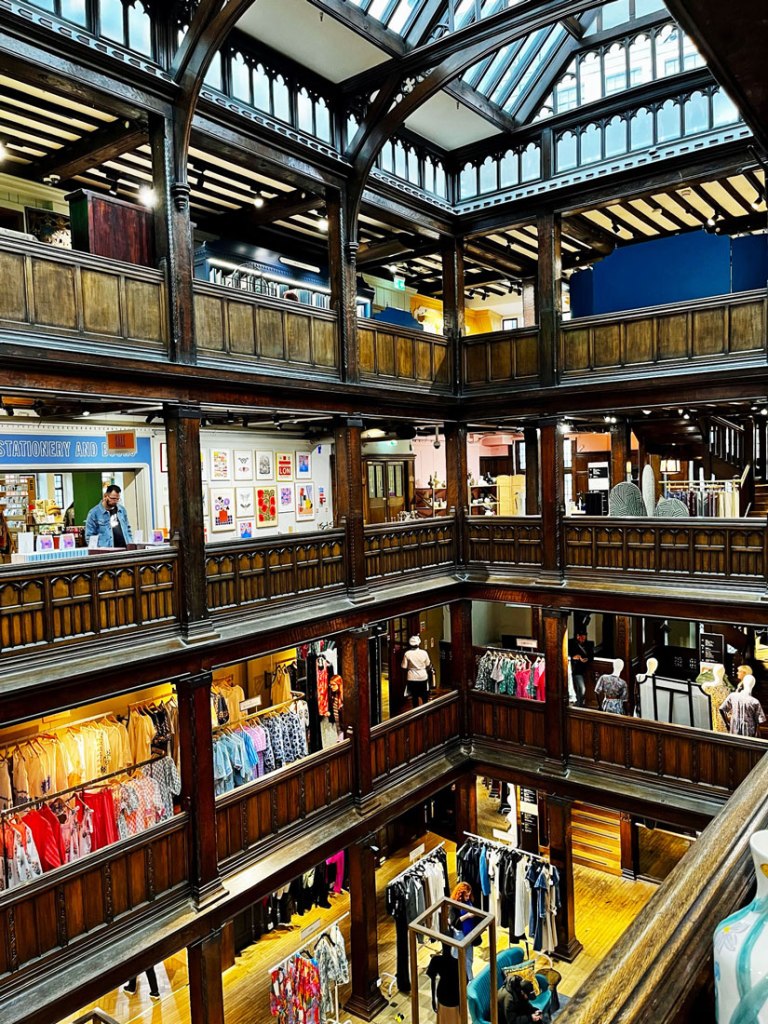
Liberty, commonly known as Liberty’s, is a luxury department store. It is located on great Marlborough Street in the West End. The building spans from Carnaby Street on the East to Kingley Street on the West, where it forms a three storey archway over the Northern entrance to the Kingly Street mall that houses the Liberty Clock in its centre. Liberty is known around the world for its close connection to art and culture, it is most famous for its bold and floral print fabrics. The vast mock-Tudor store also sells men’s, women’s and children’s fashion, beauty and homewares from a mix of high-end and emerging brands and labels.
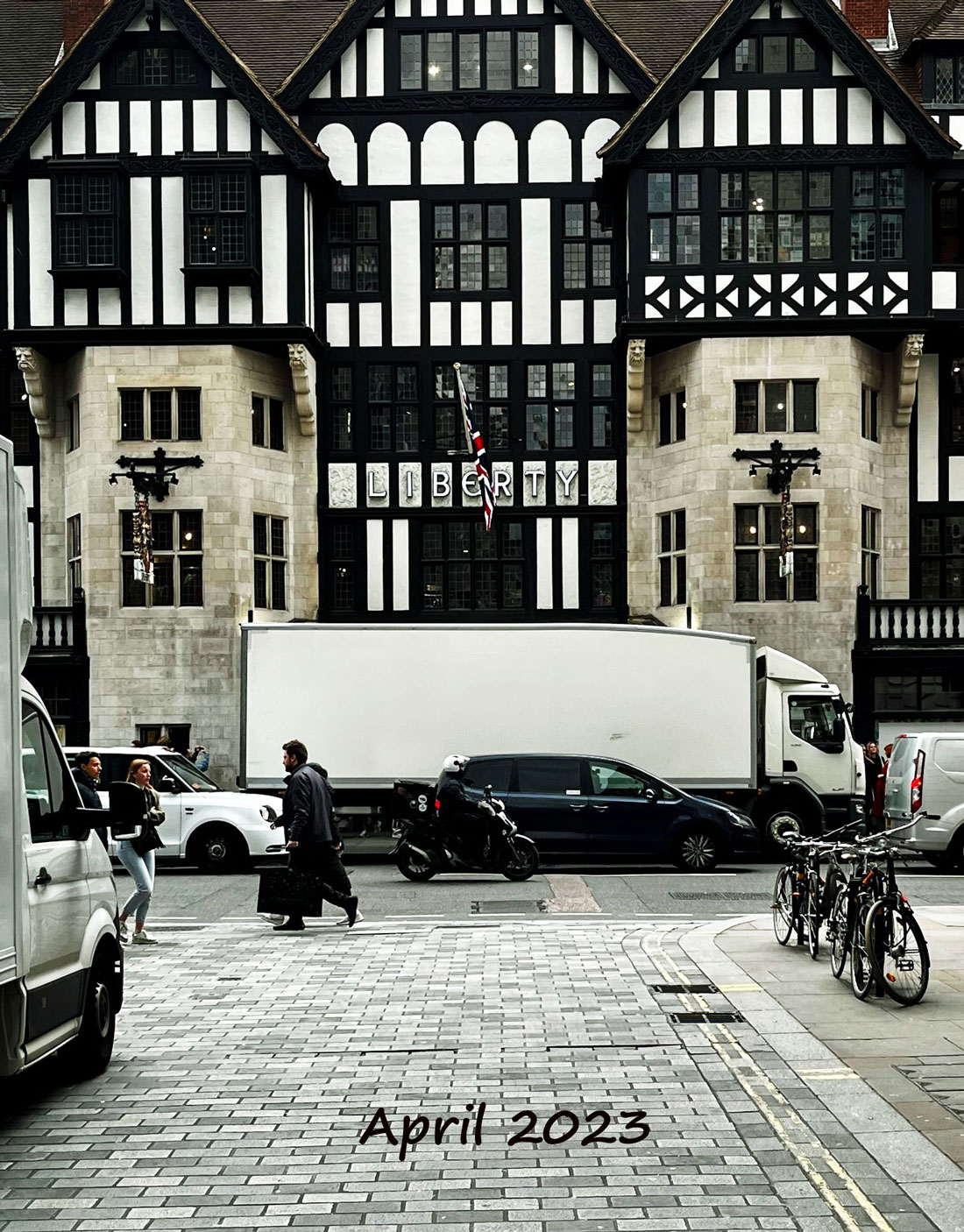
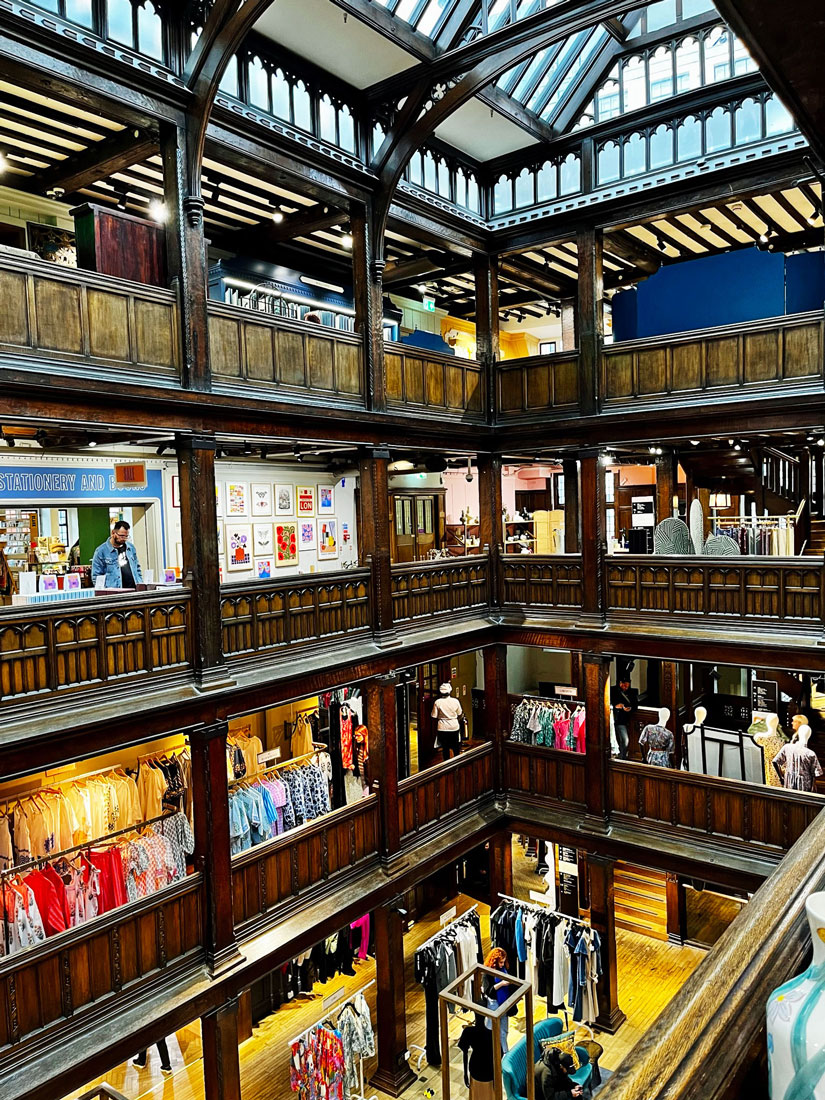
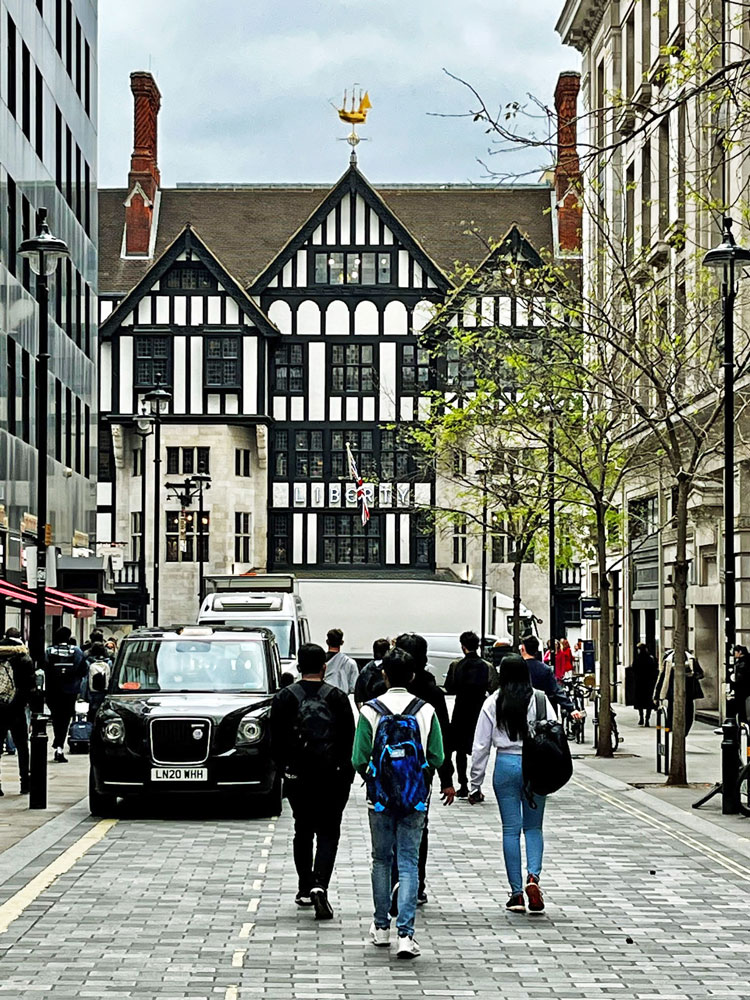
Aryhur Lasenby Liberty was born in 1843. He was employed by Messrs Farmer & Rogers in Regent Street in 1862, the year of the International Exhibition. By 1874, rejected for a partnership, and imbued by his 10 years experience, he decided to start a business of his own. With a £2,000 loan from his future father-in-law, in 1875, he accepted the lease of half a shop at 218a Regent Street with three staff members.

 s
s 