

- Tower Bridge
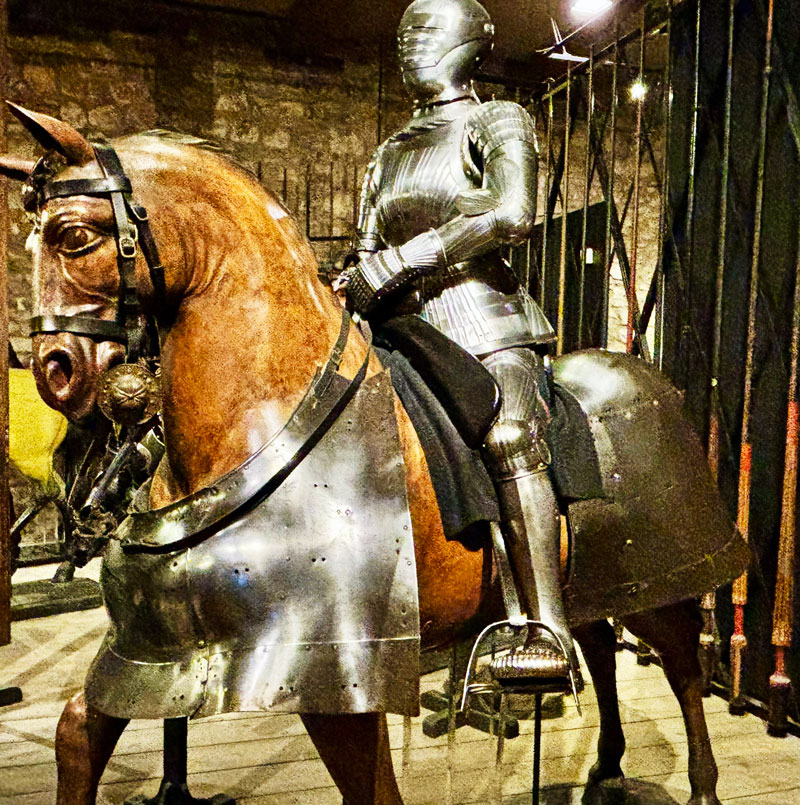
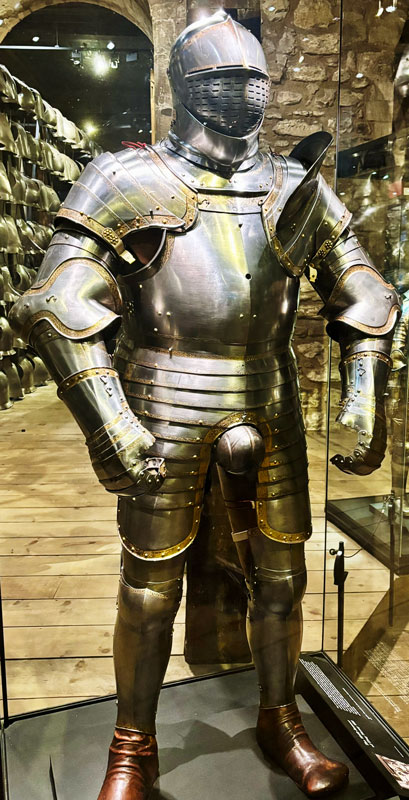
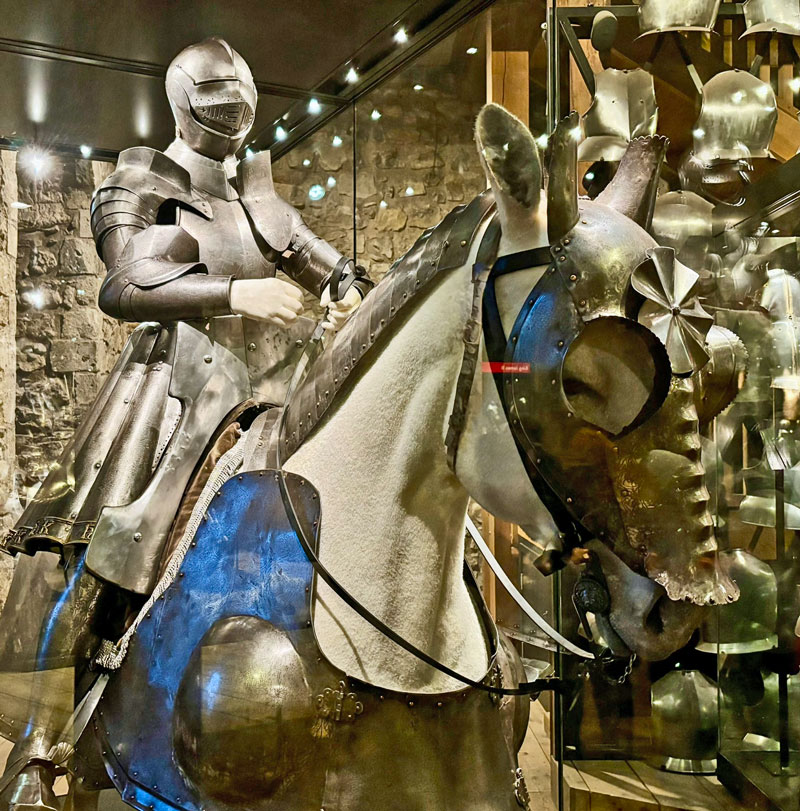
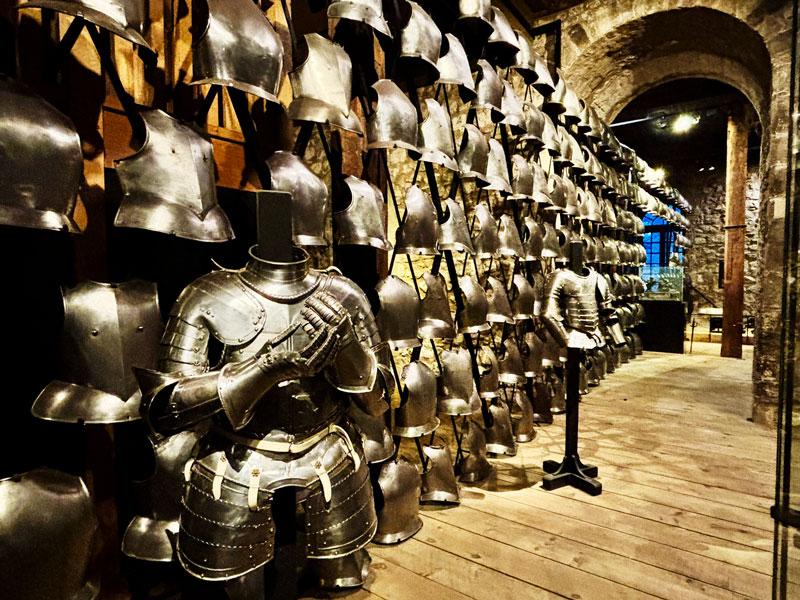
- The Tower of London (UPDATED -December 2024)
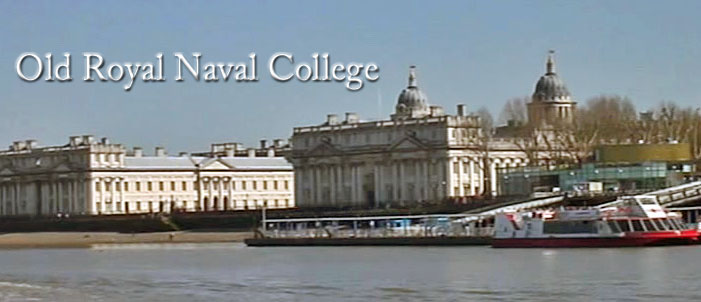
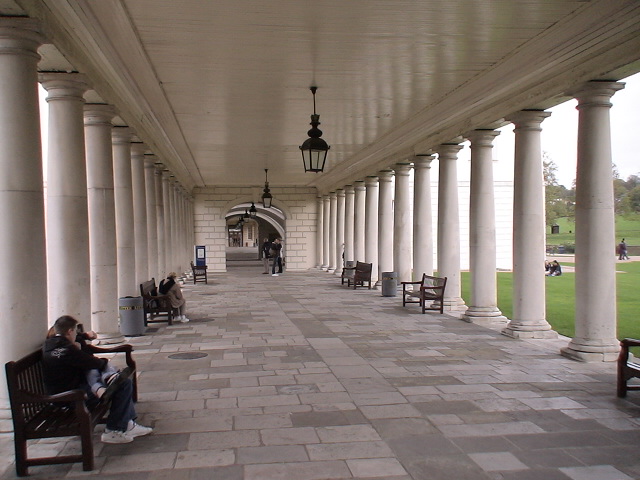
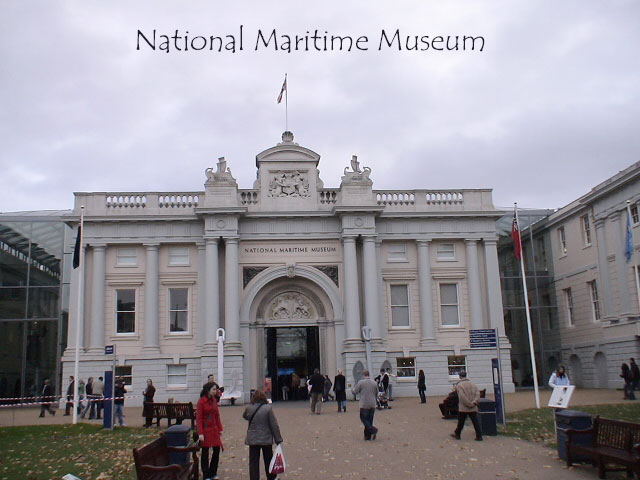
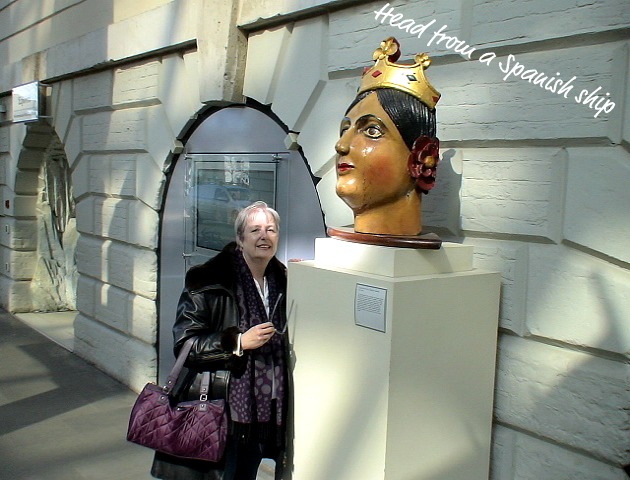
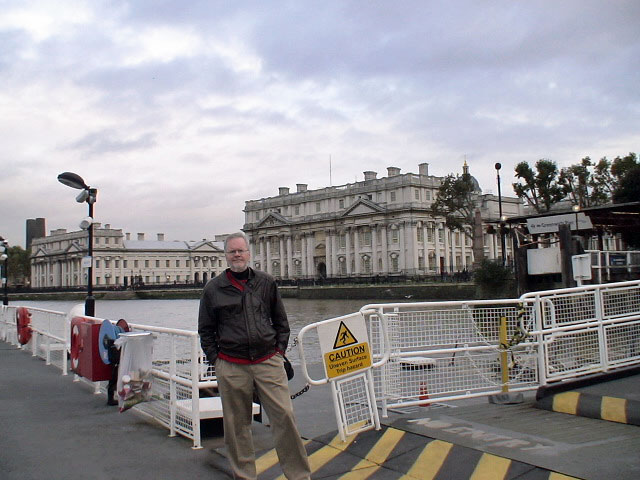
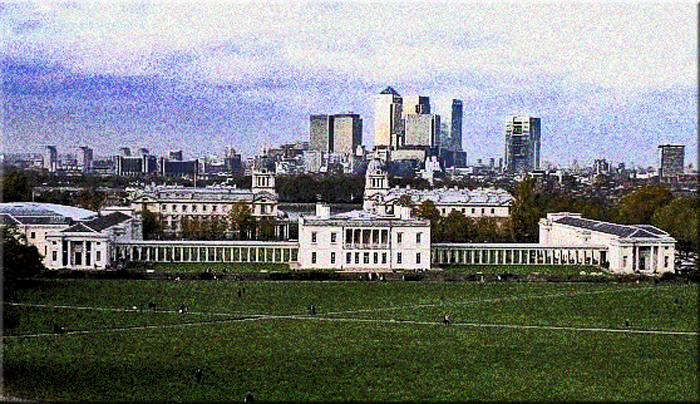
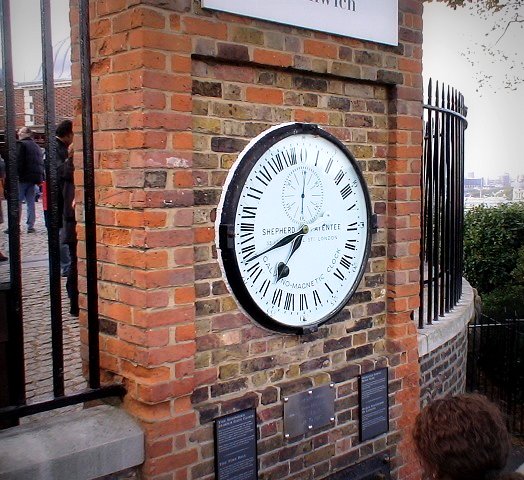
- Greenwich, the Old Royal Navy College and Museum
- Big Ben (UPDATED -December 2025)
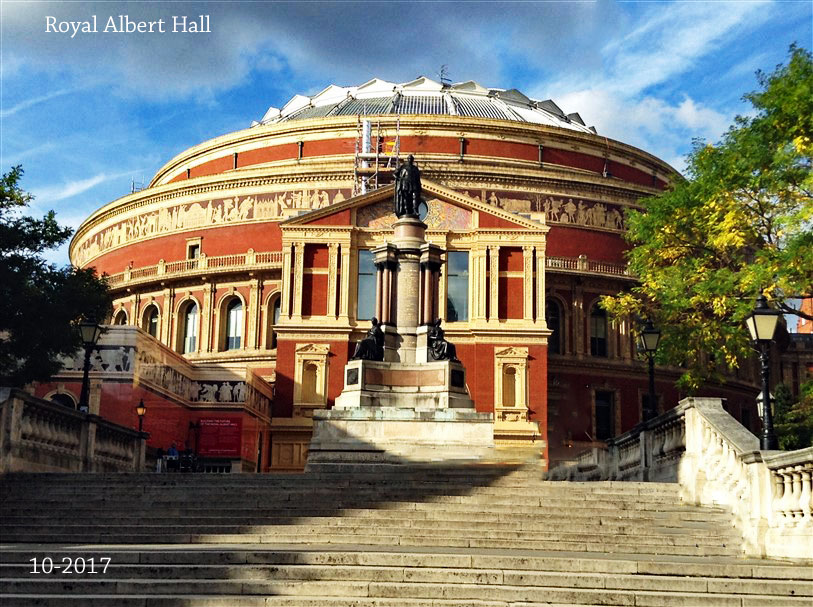
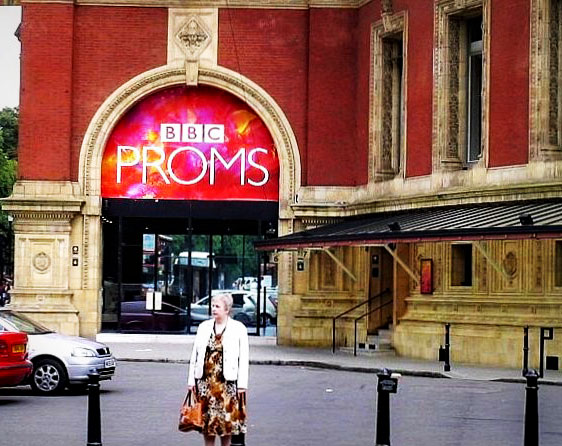
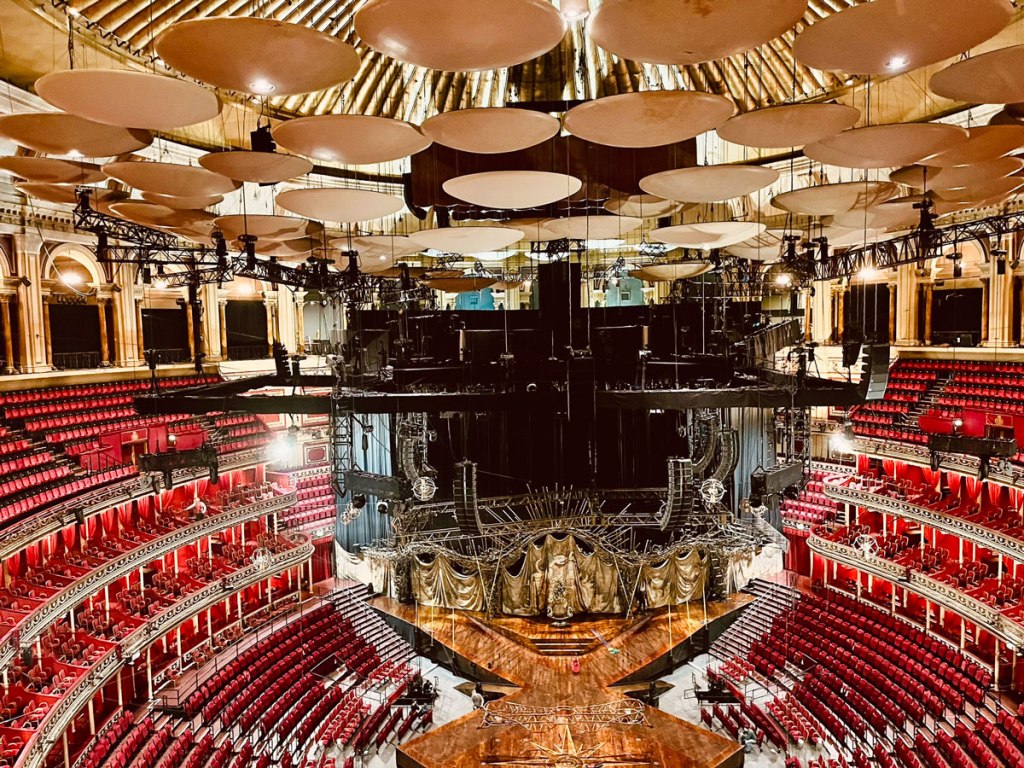
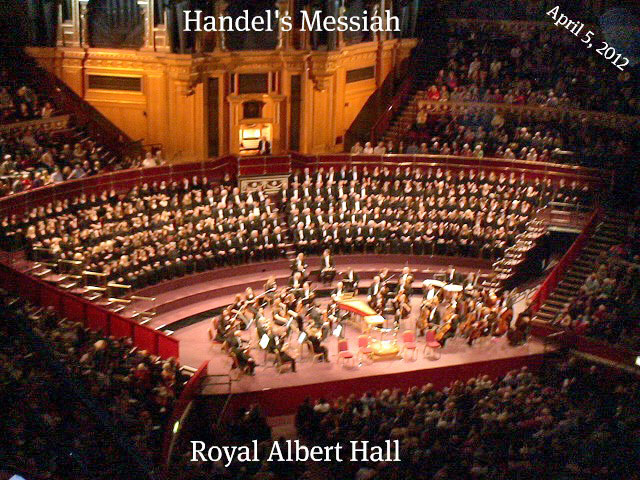
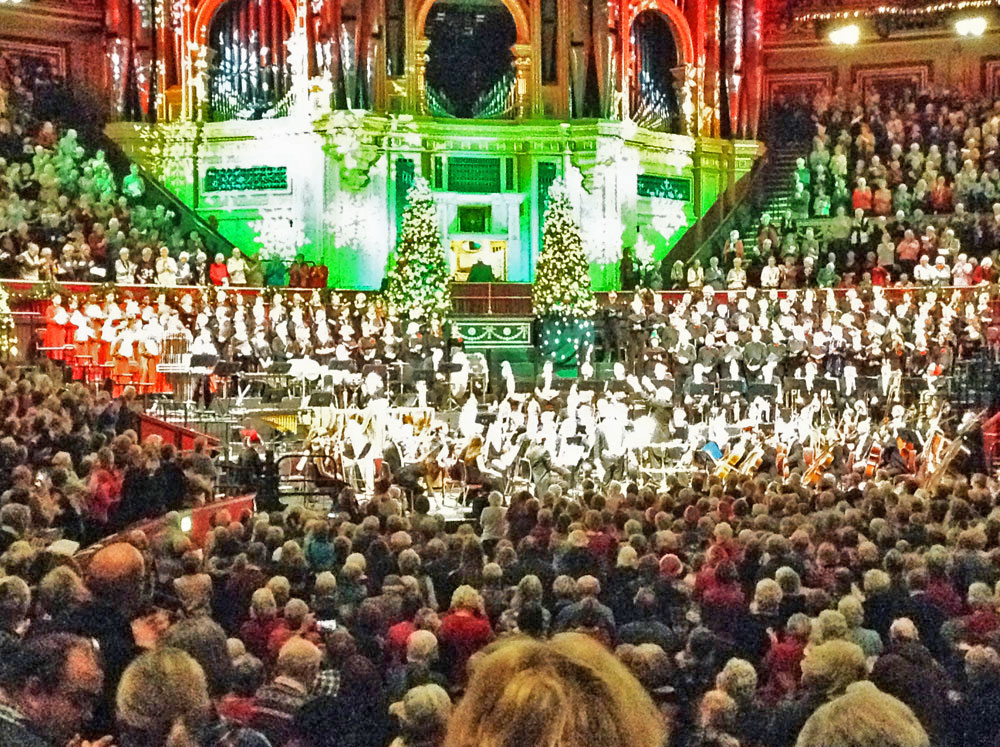
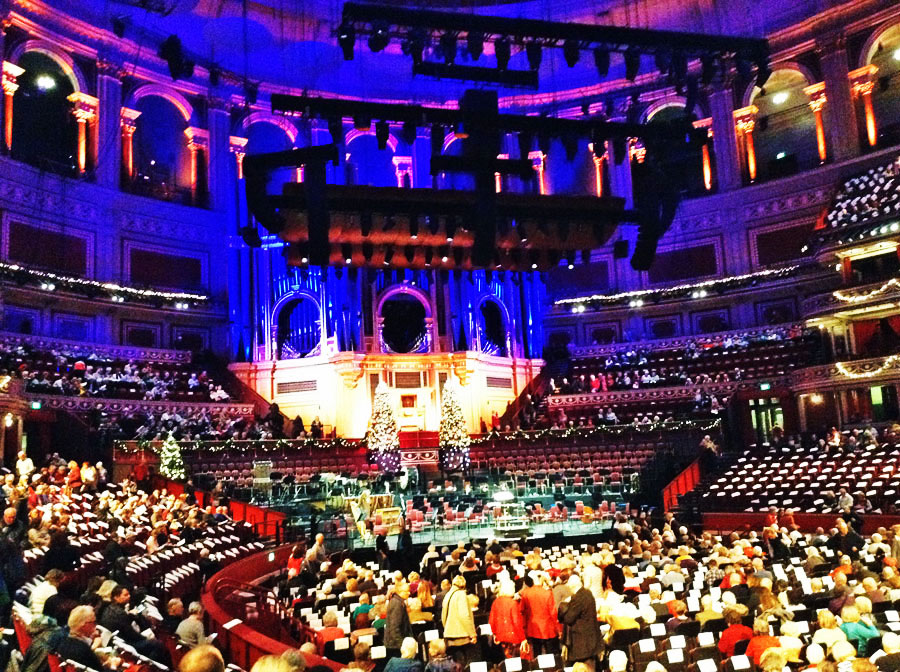
- Royal Albert Hall
- The British Museum
- Saint-Paul’s Cathedral
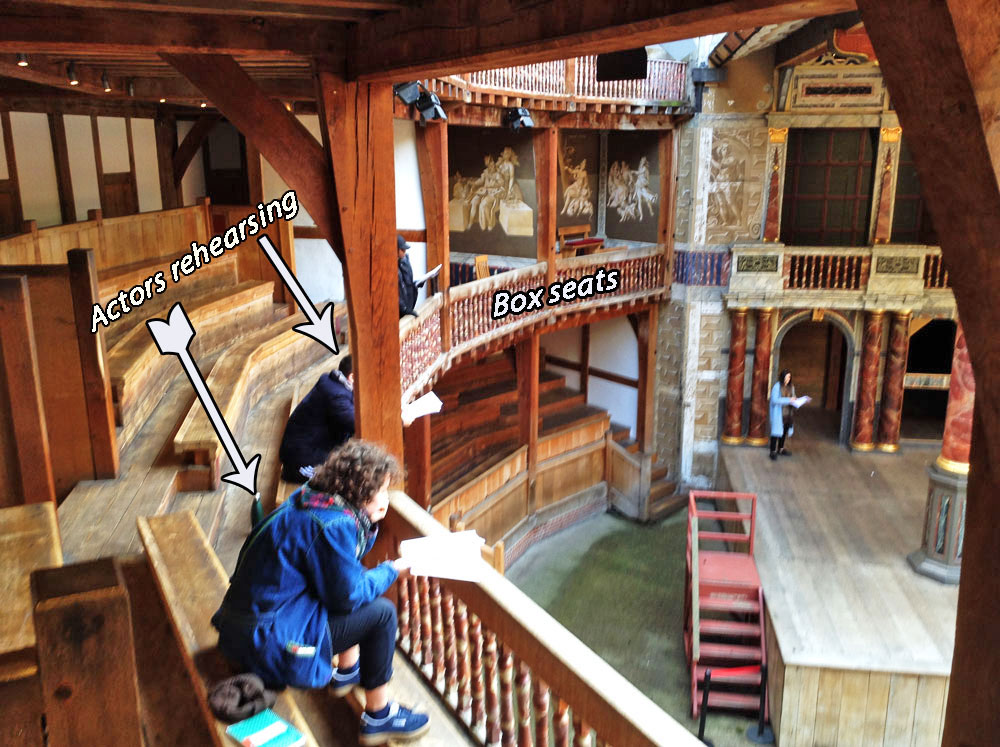
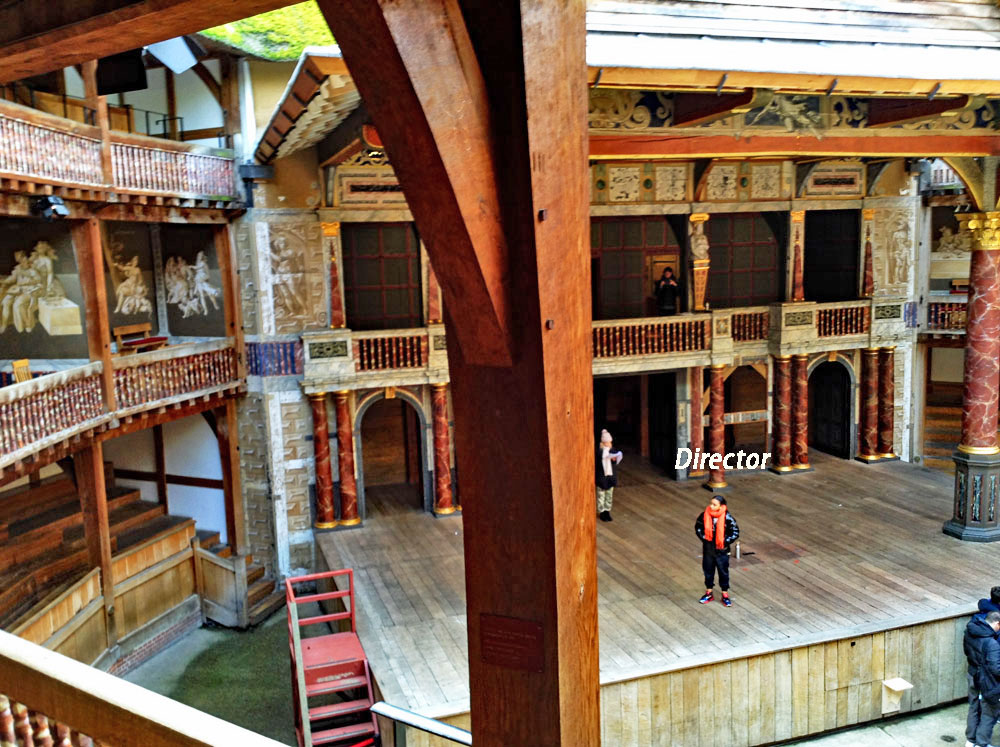
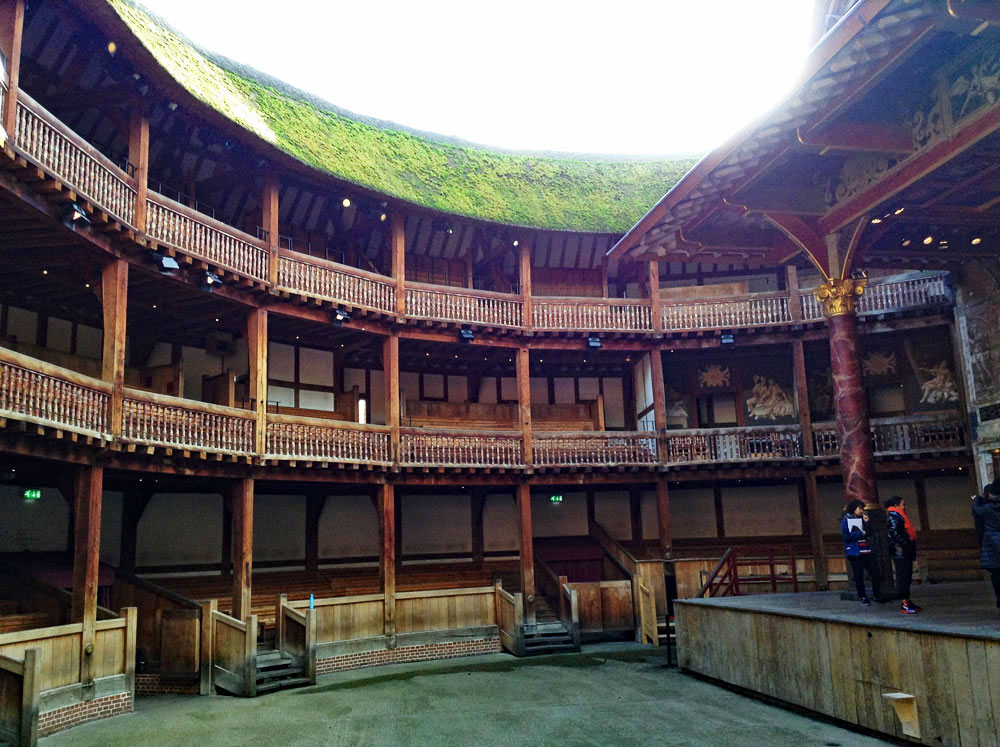
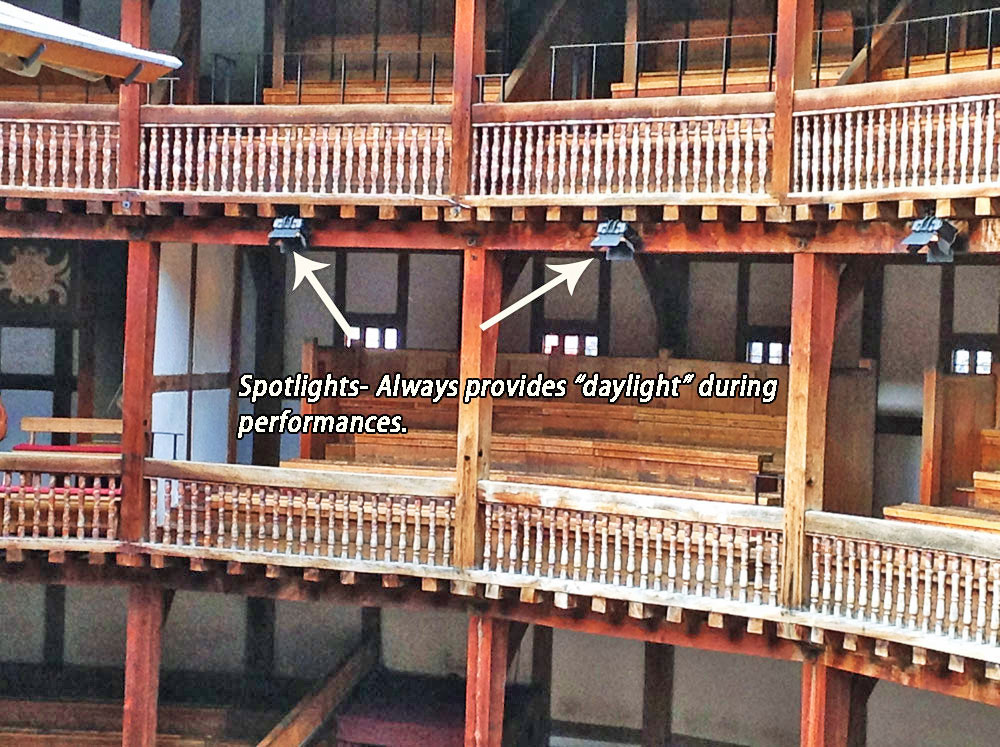
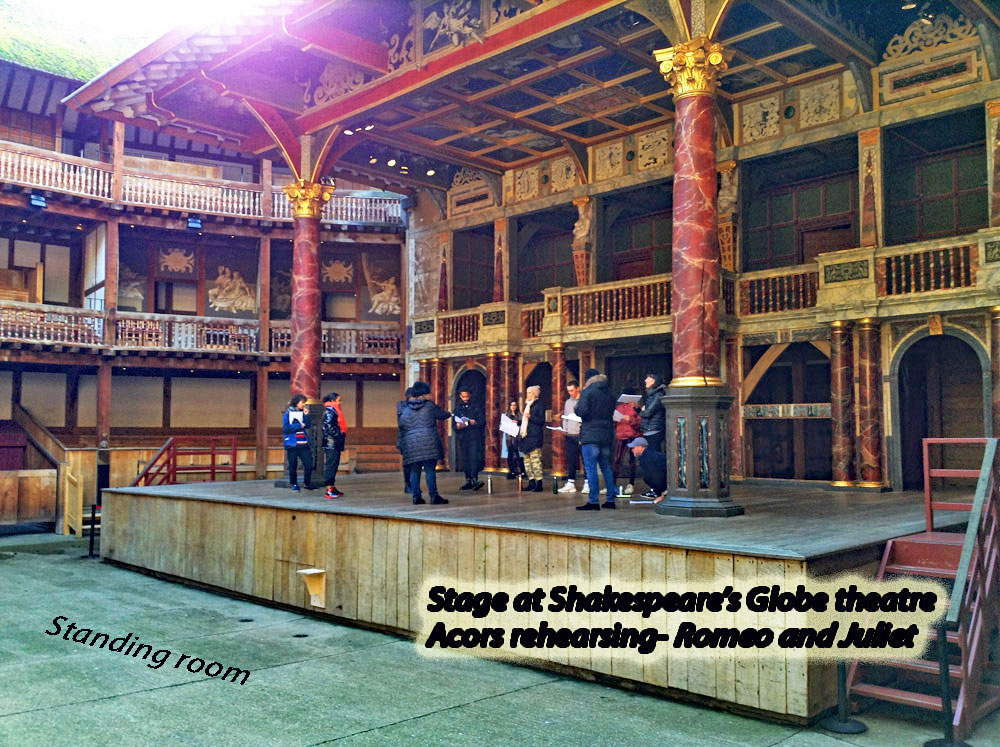
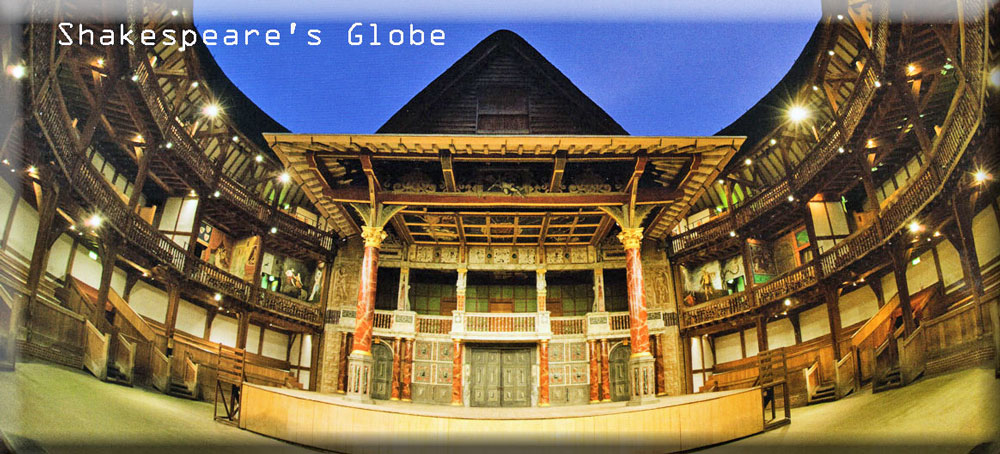
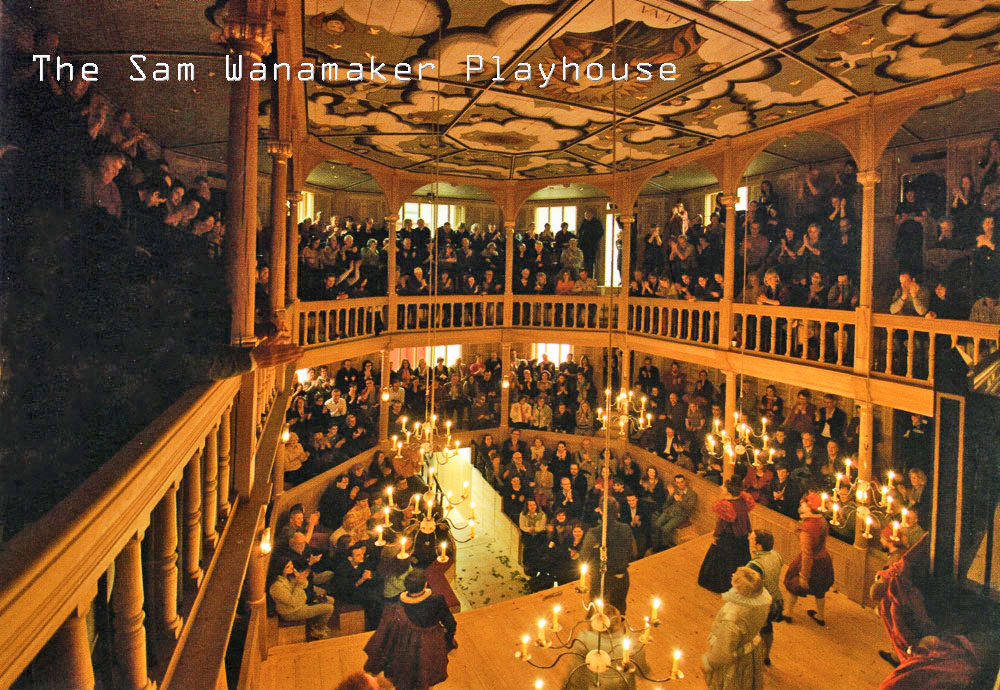
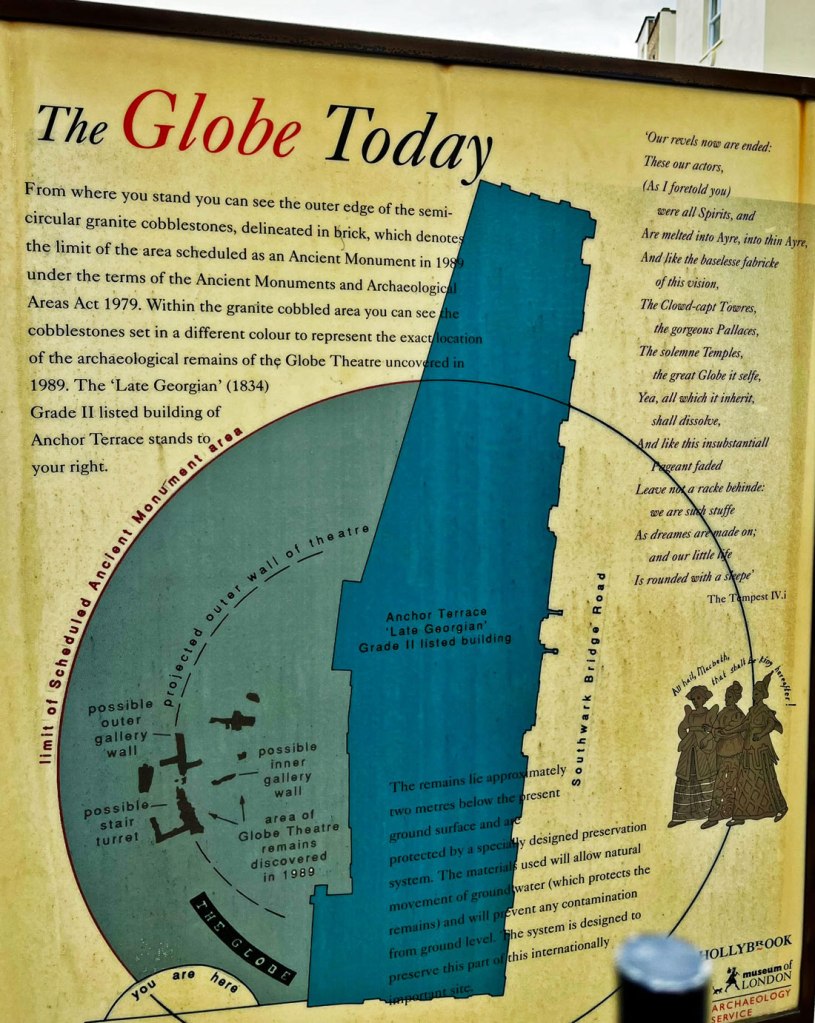
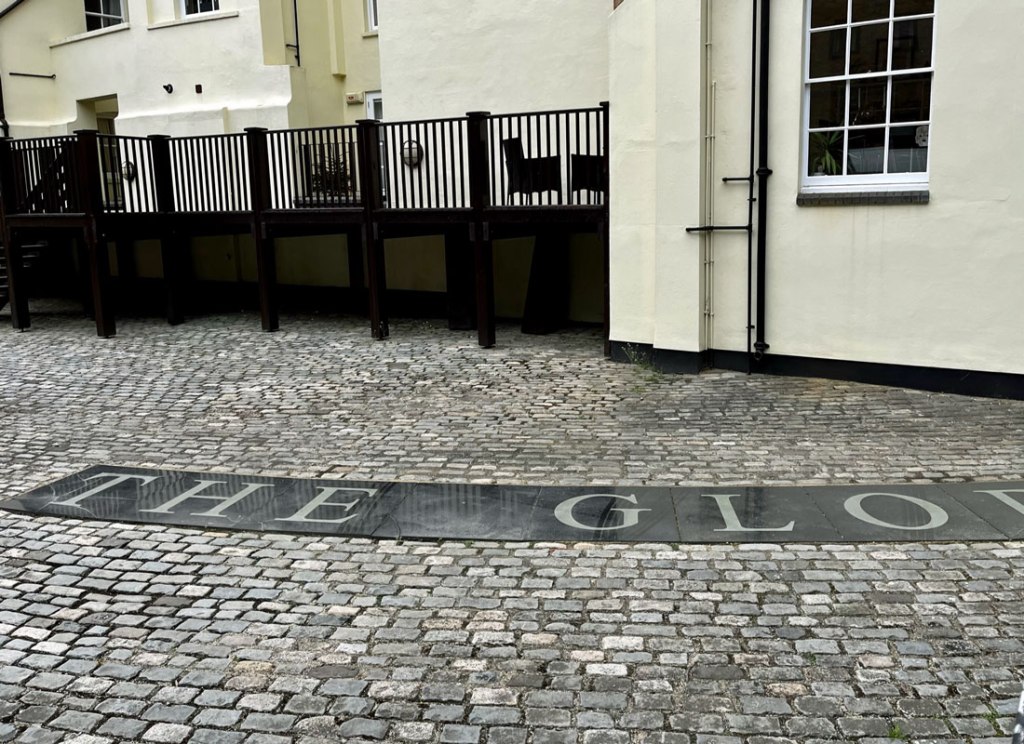
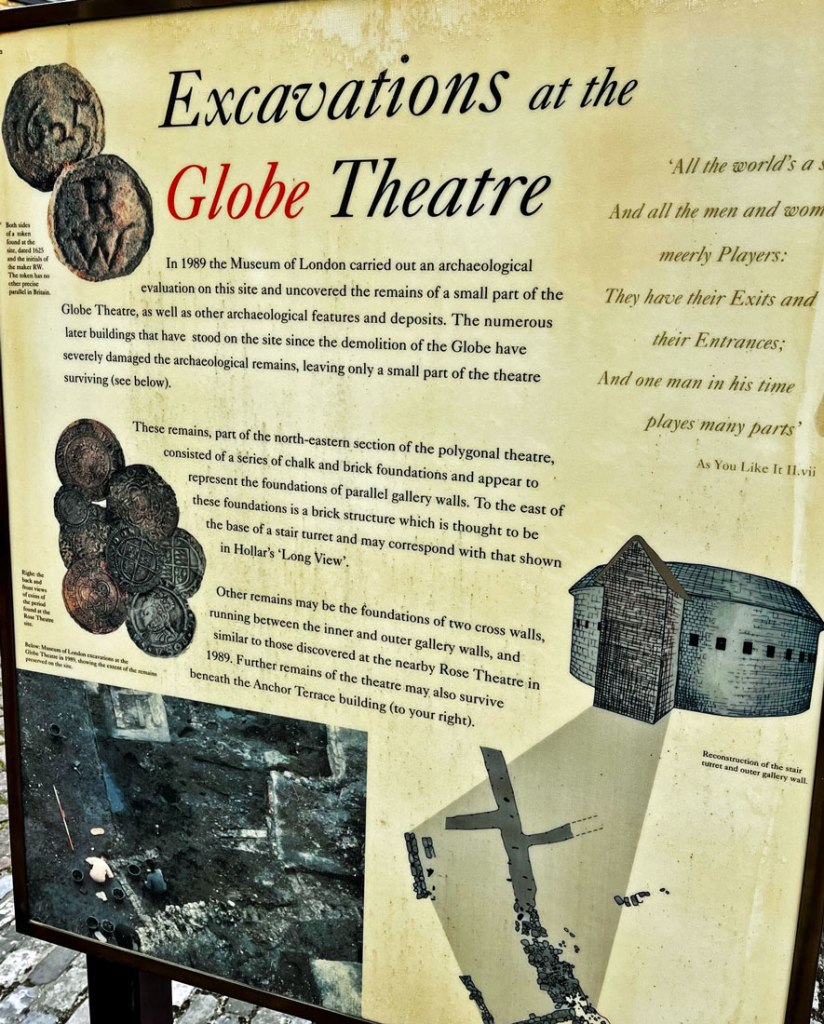
- The Globe Theatre
- Buckingham Palace
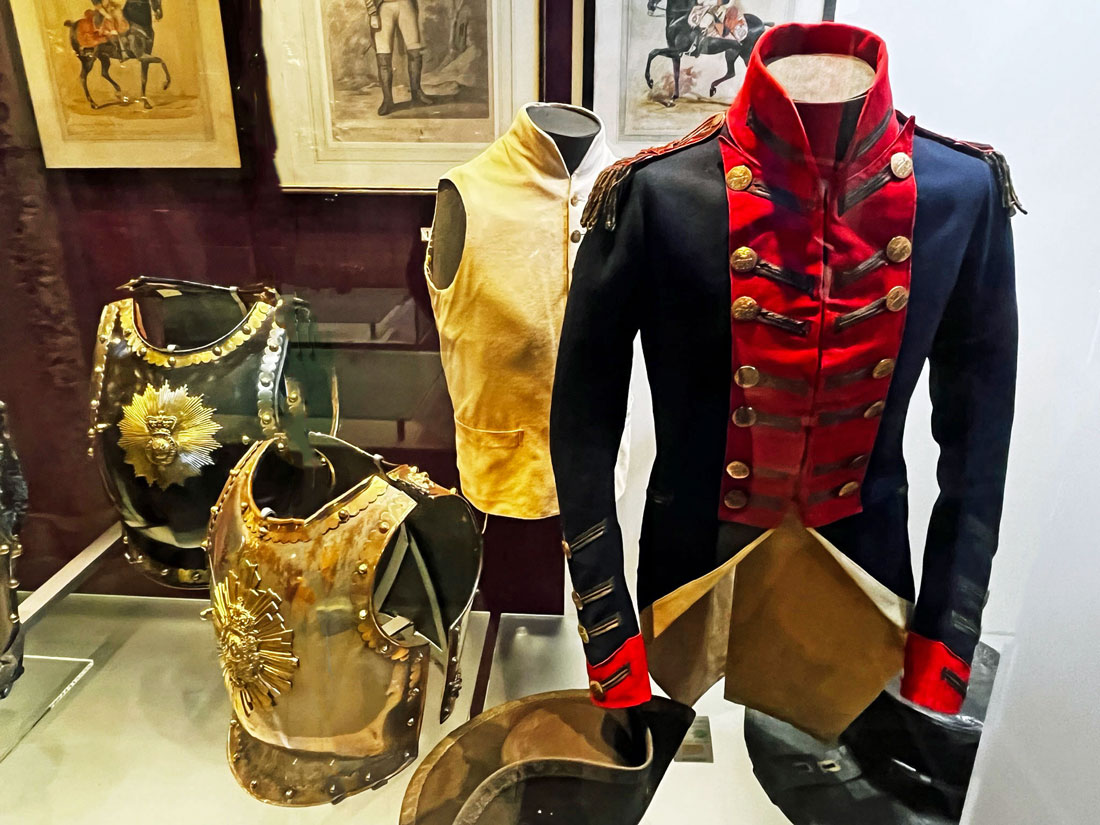
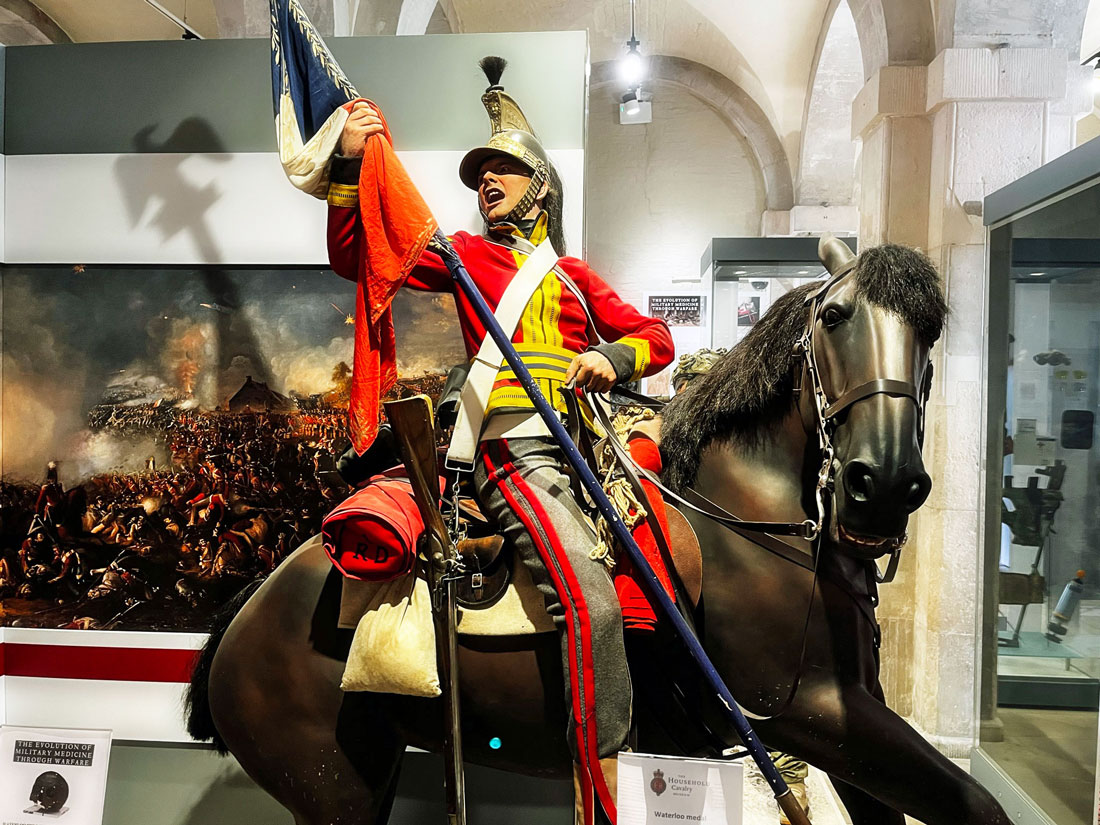
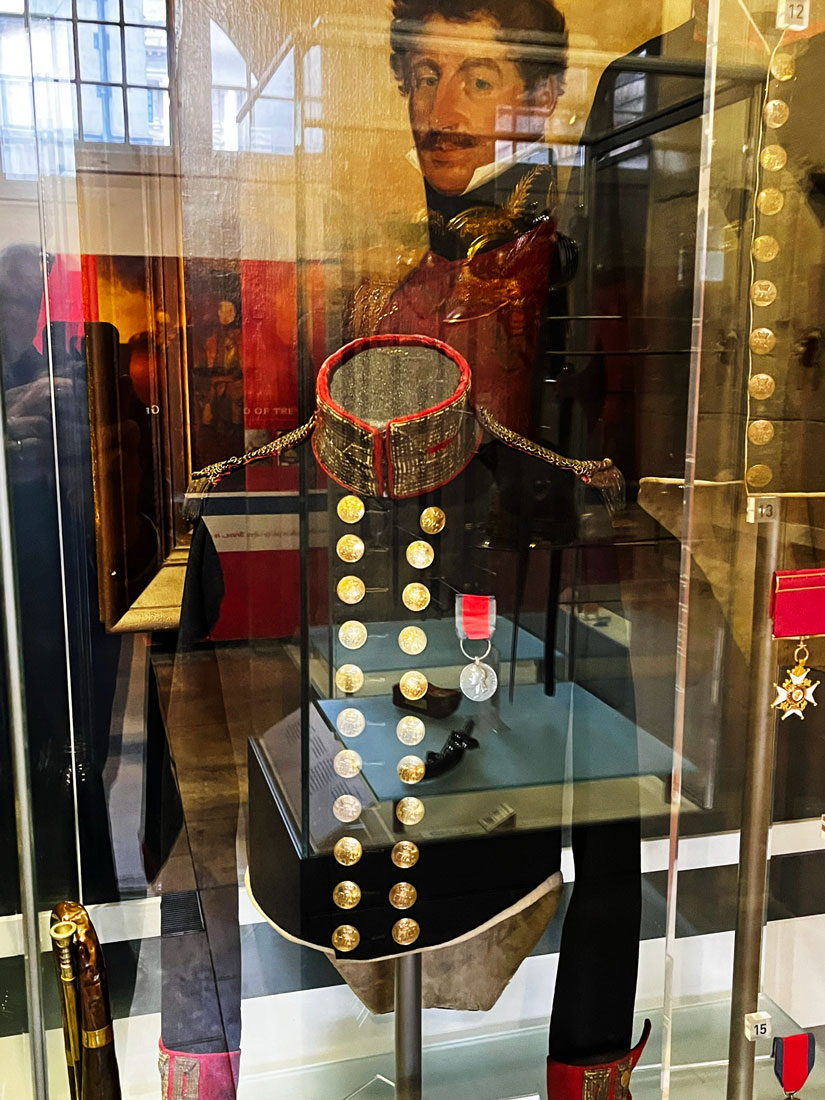
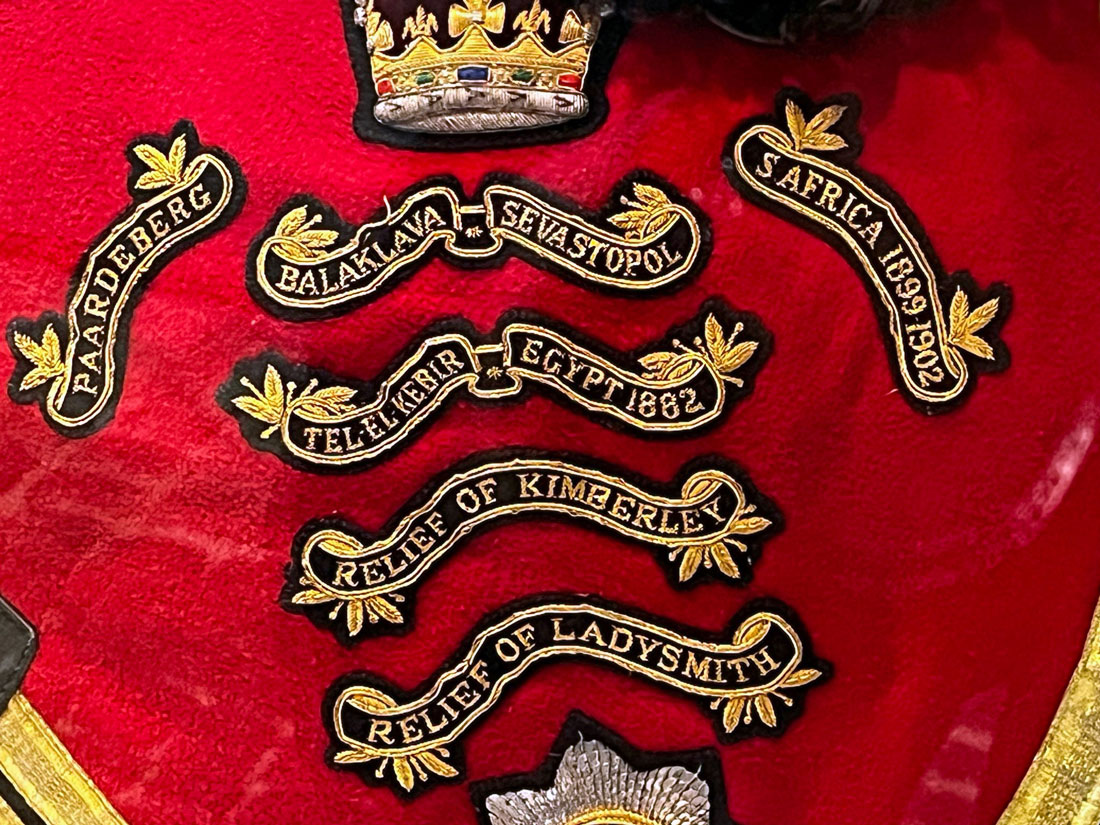
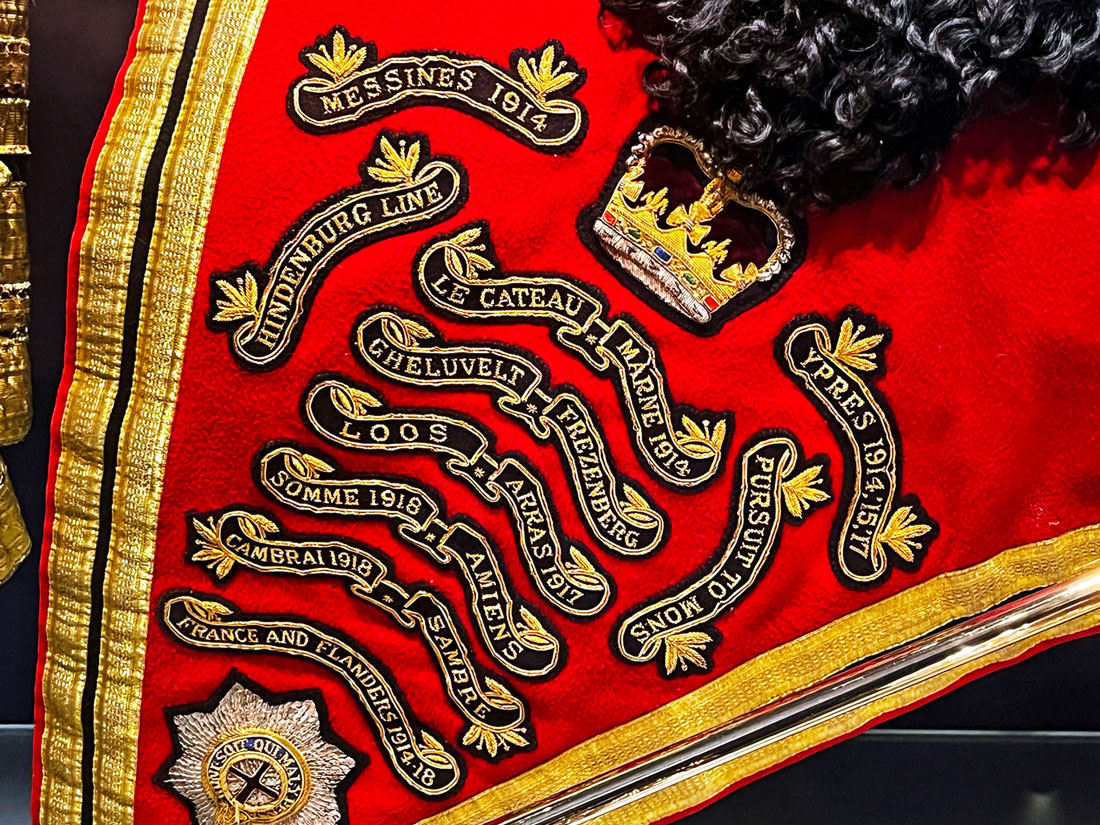
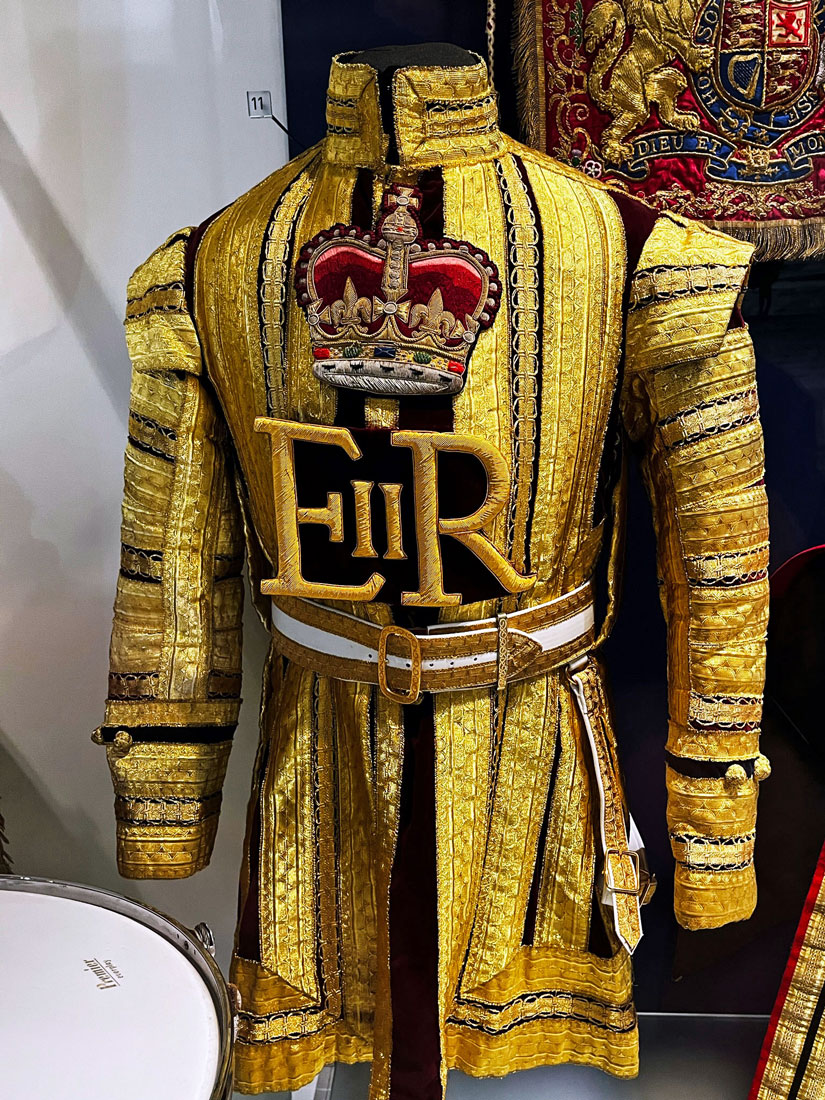
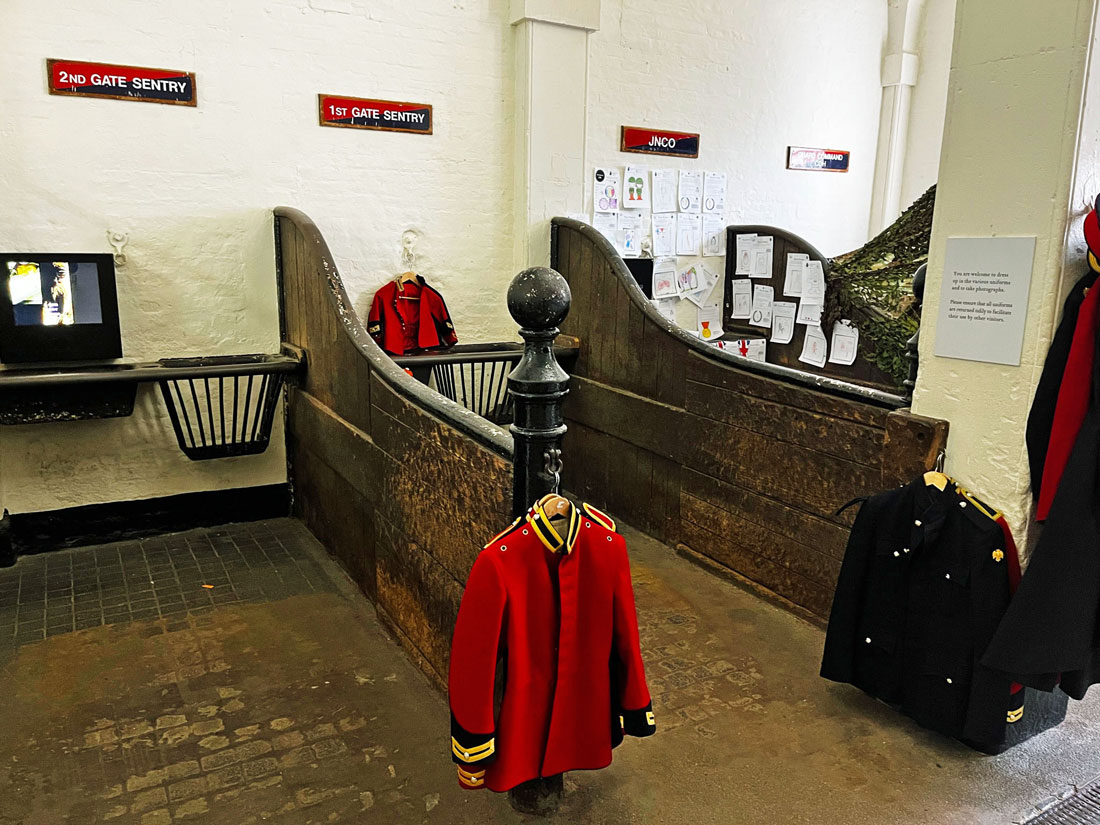
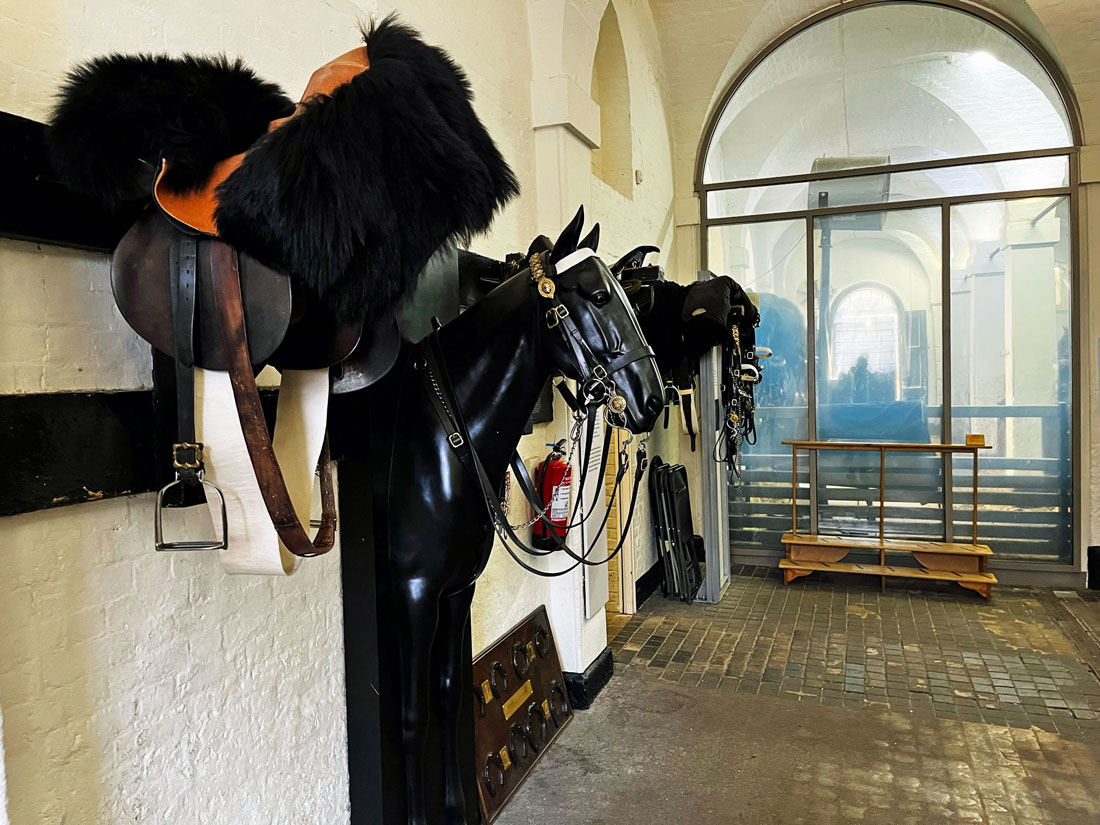
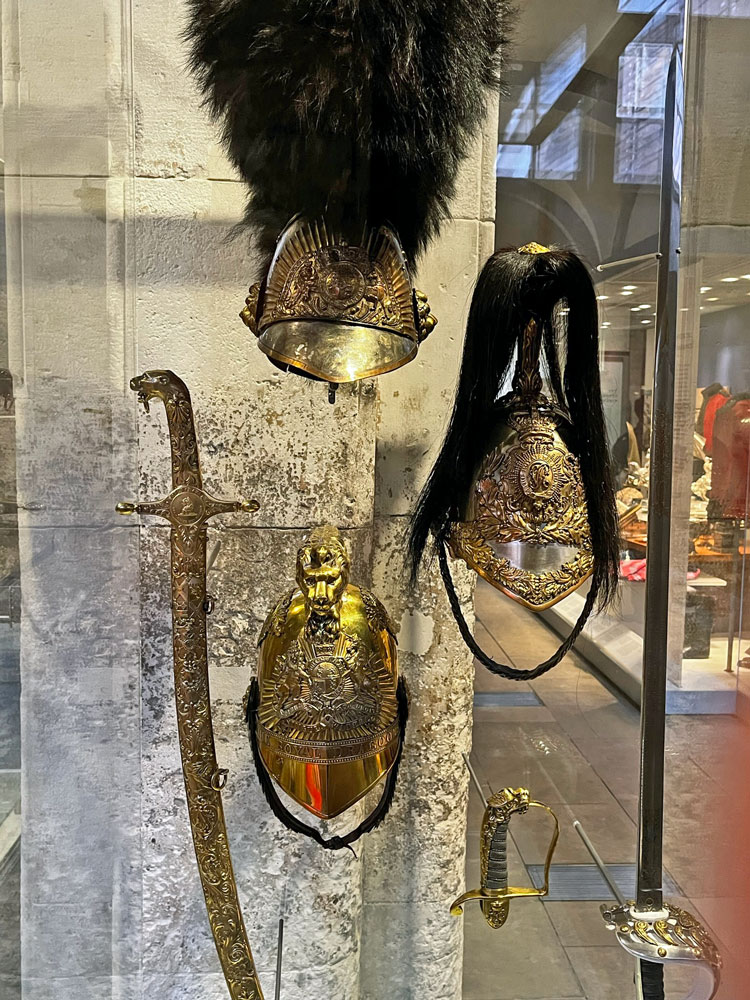
- The Household Cavalry Museum
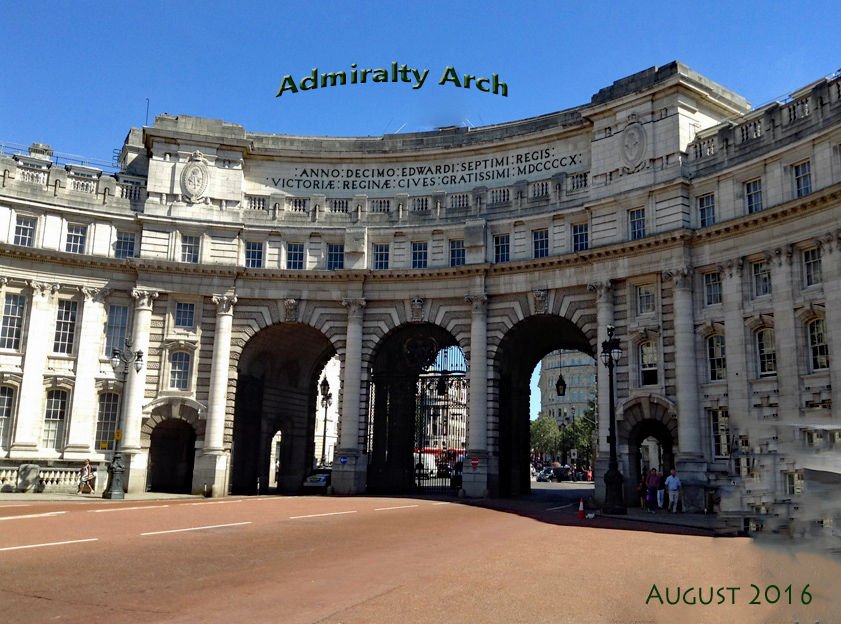
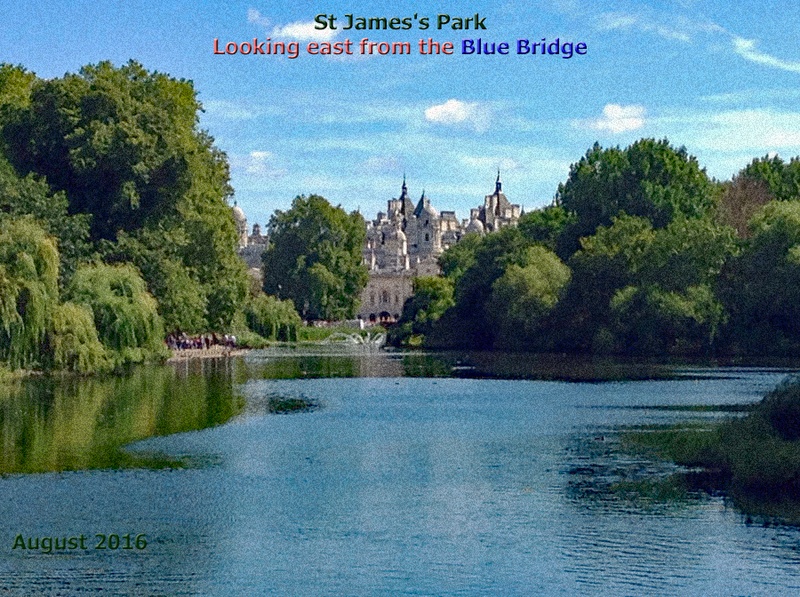
- Admiralty Arch and Saint-James park

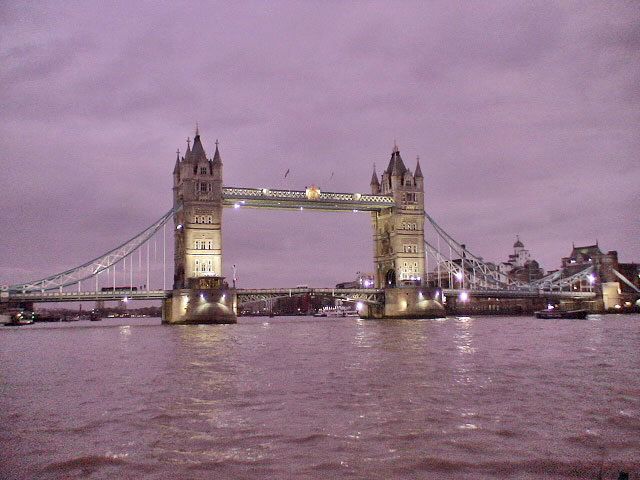
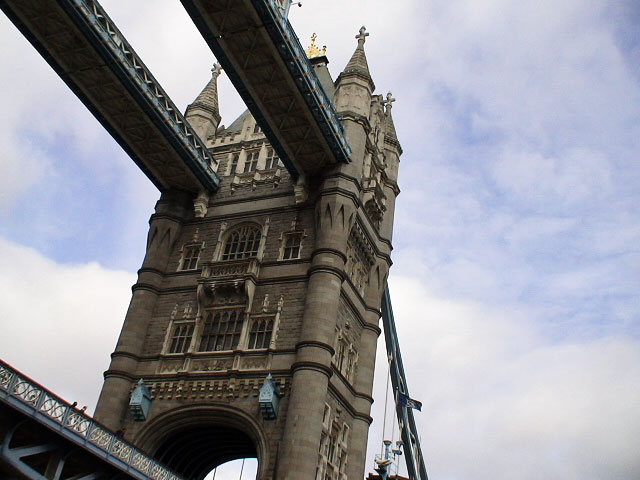
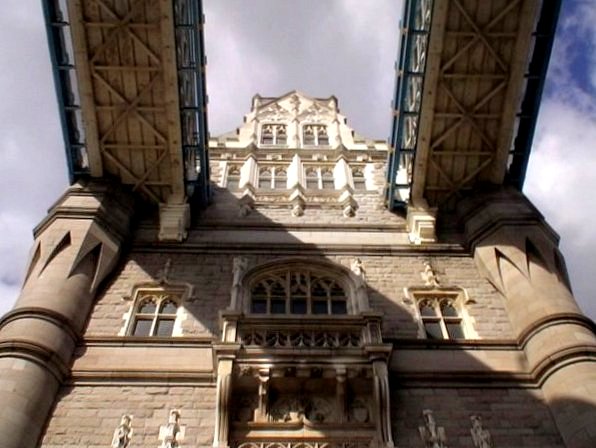
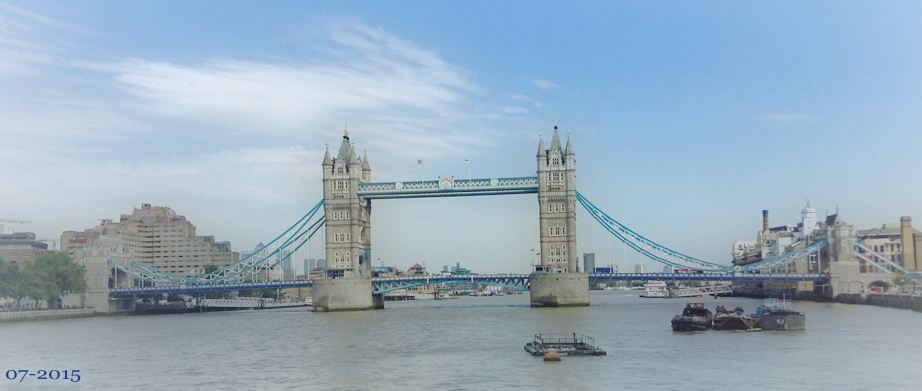
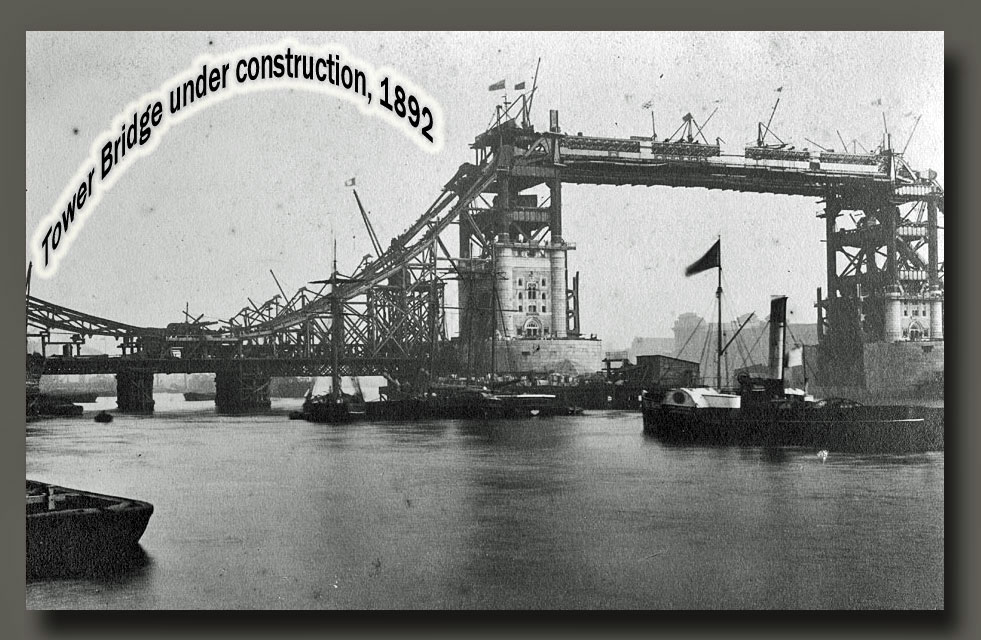
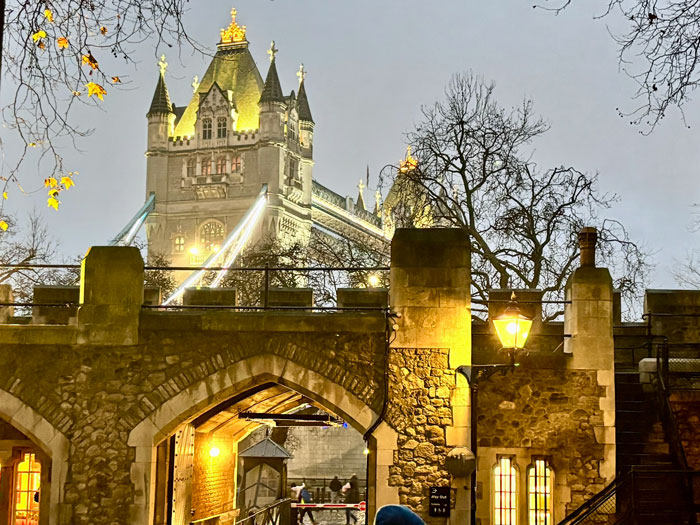
Tower Bridge is a combined bascule and suspension bridge over the River Thames. It is close to the Tower of London, which gives it its name. Construction started in 1886 and took eight years with five major contractors.
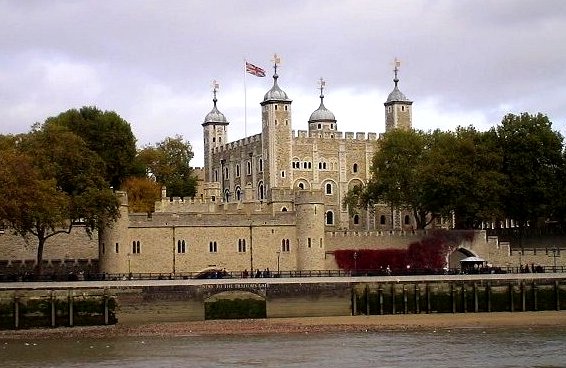
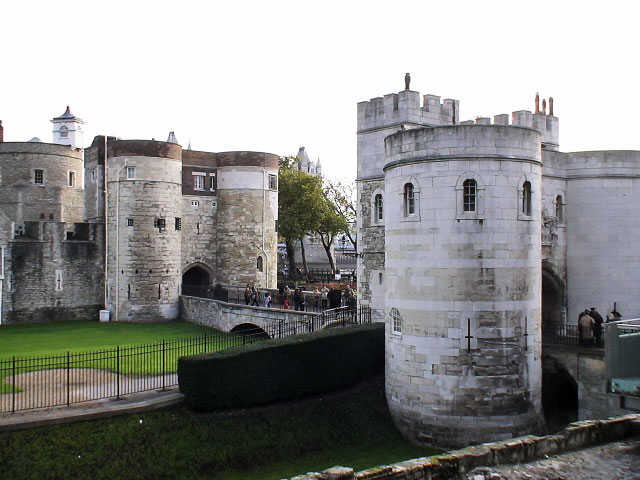
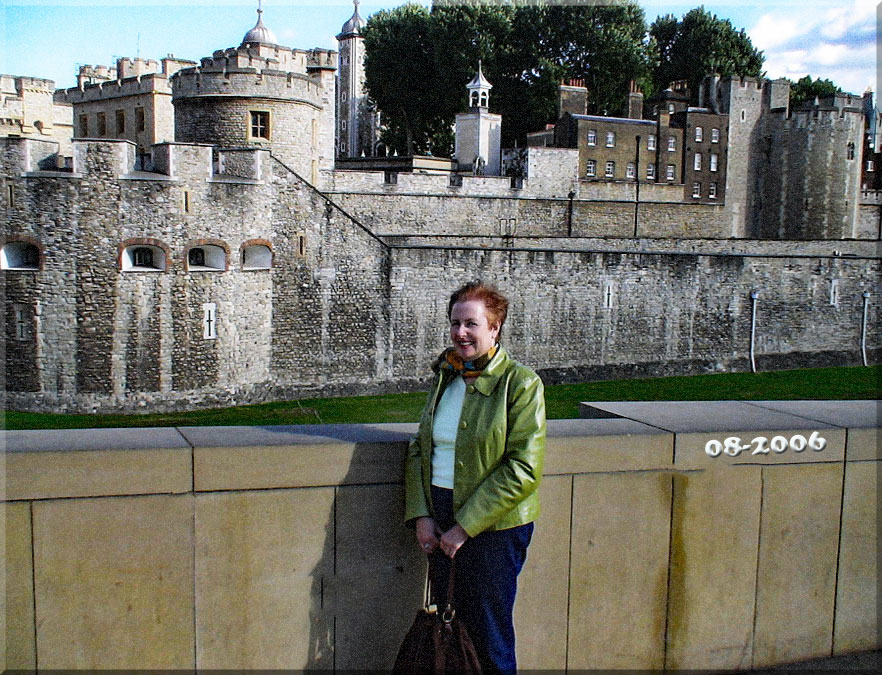
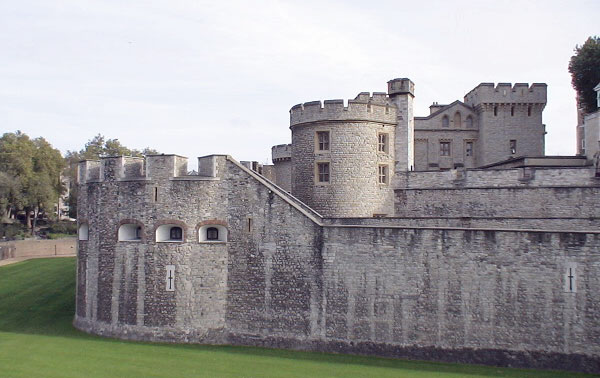
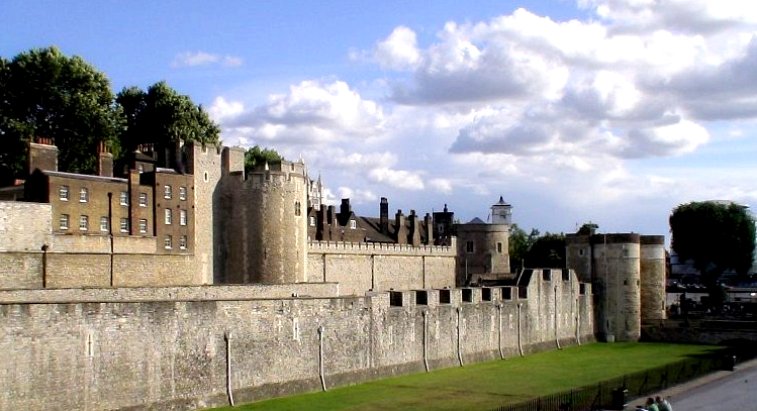
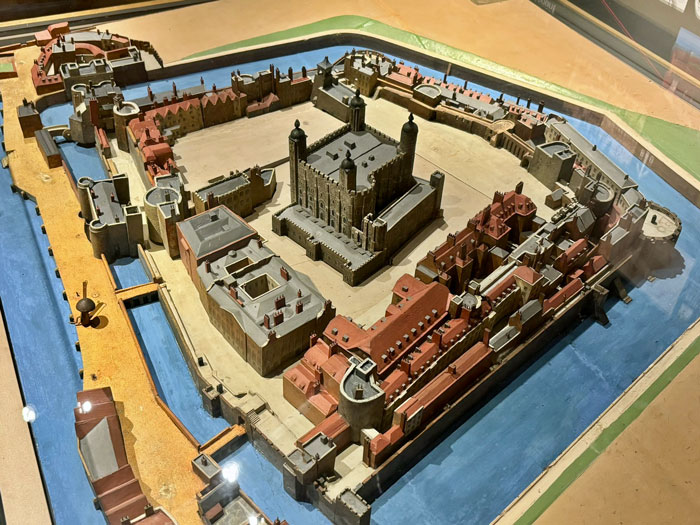
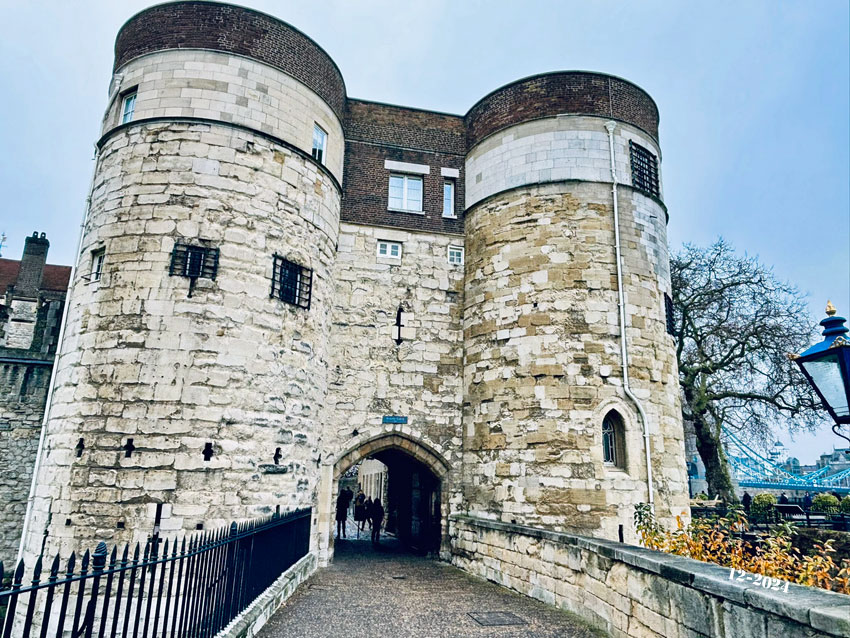
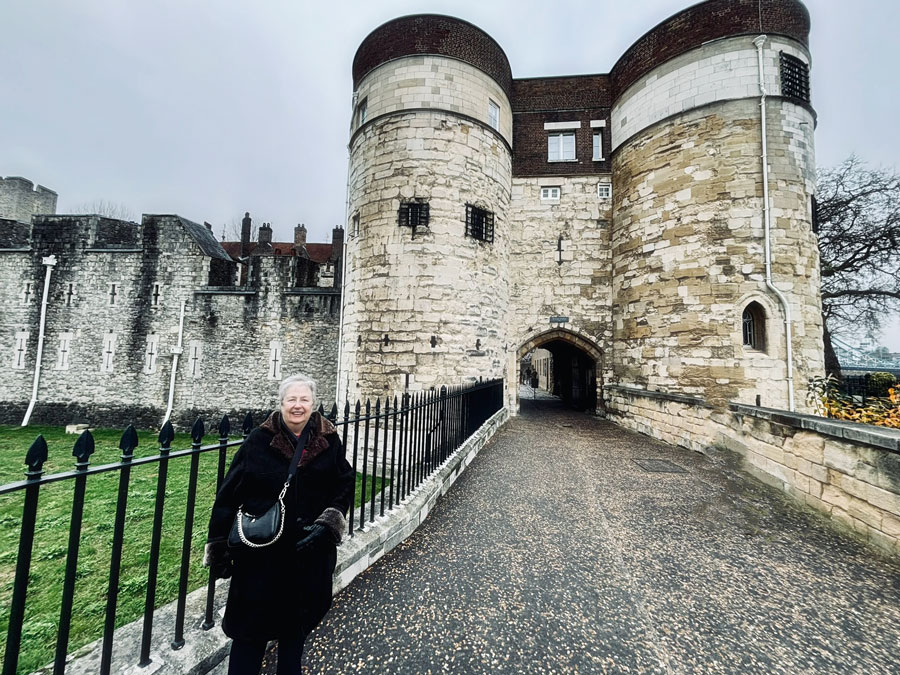
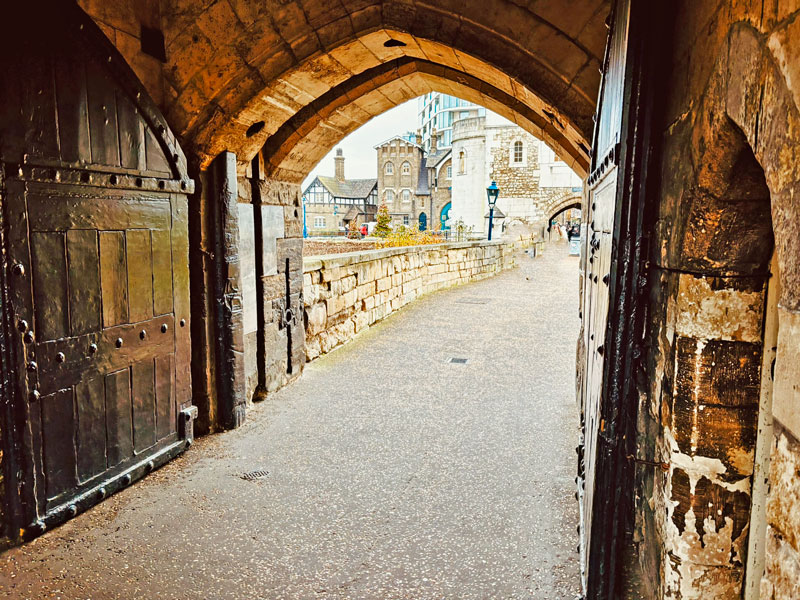
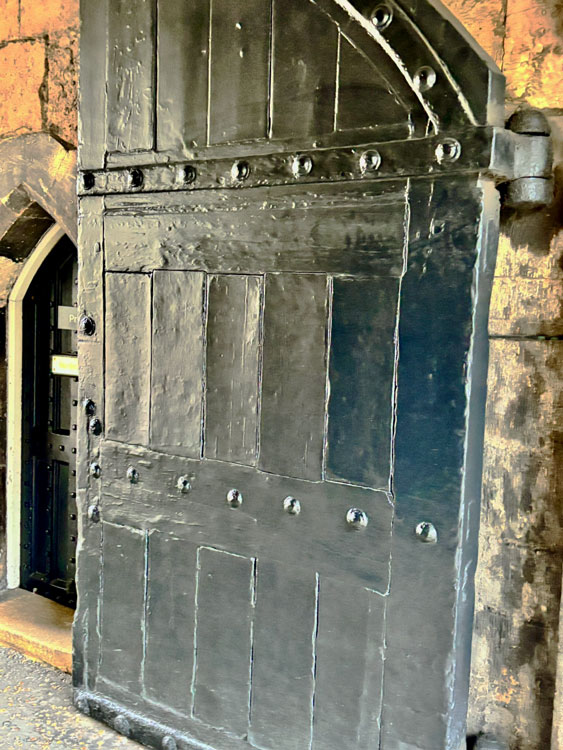
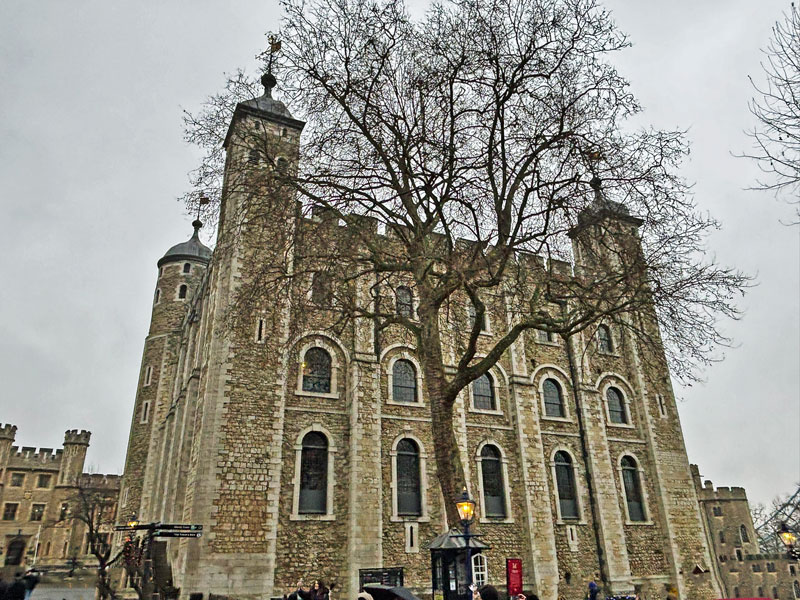
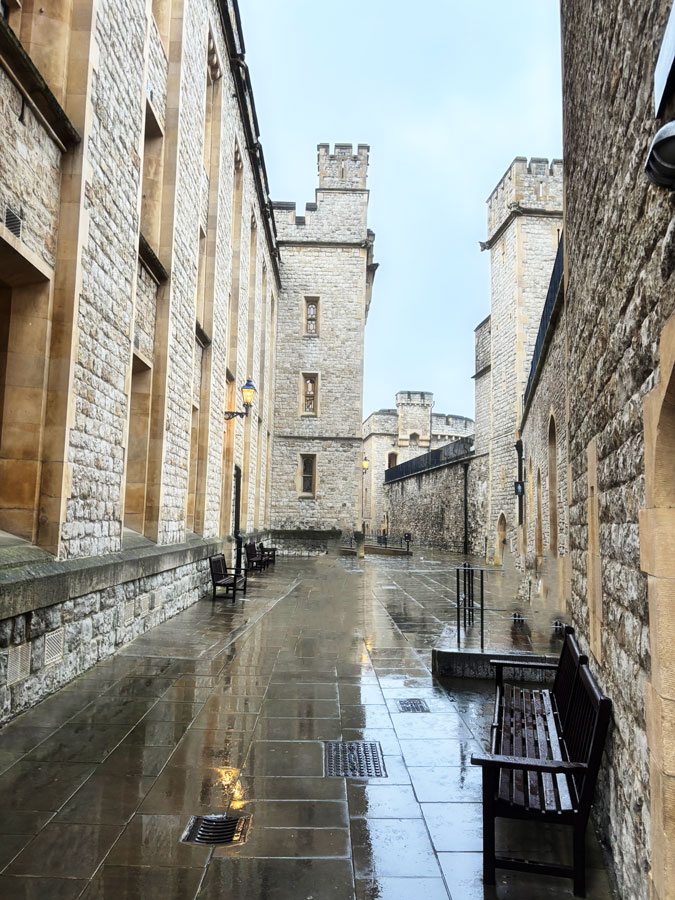
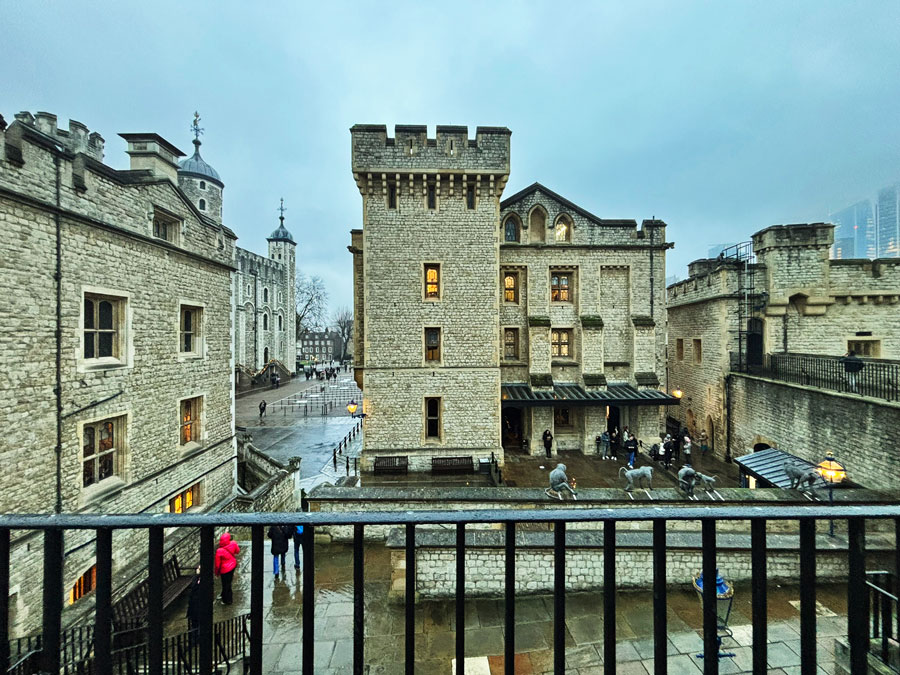
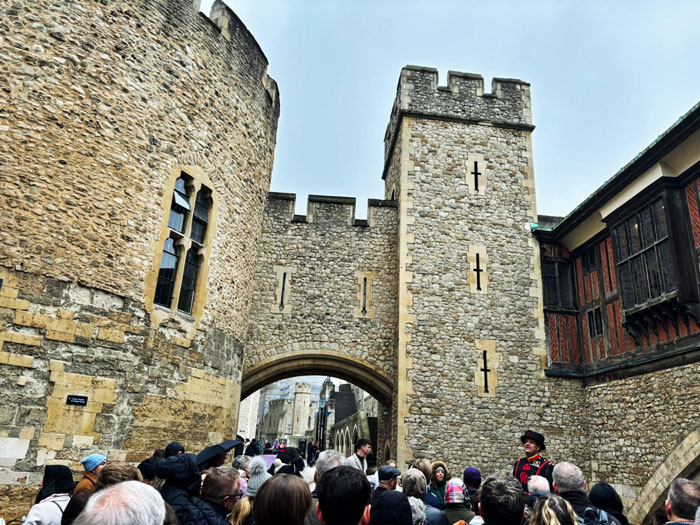
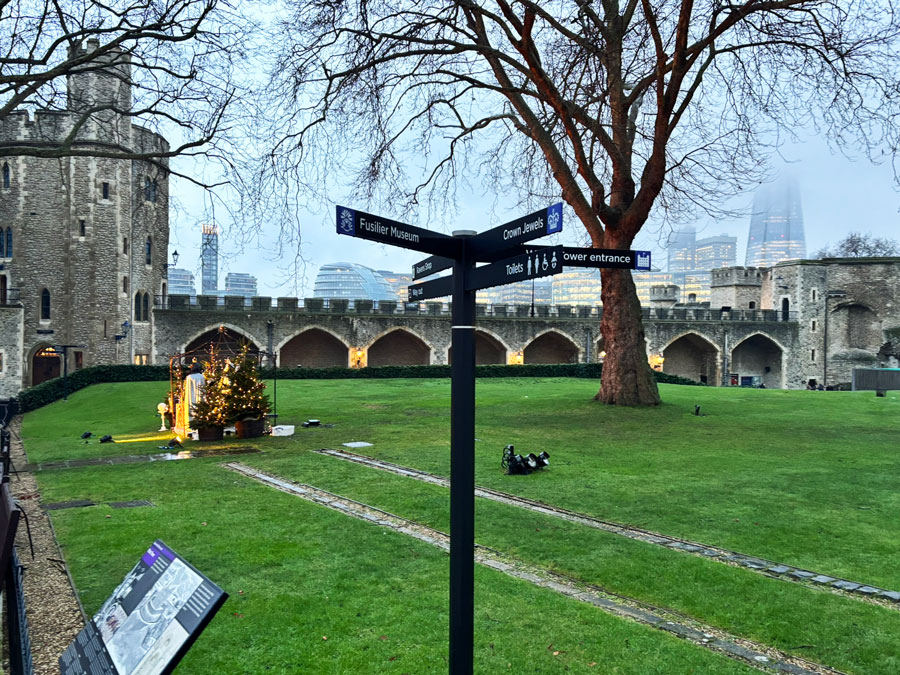
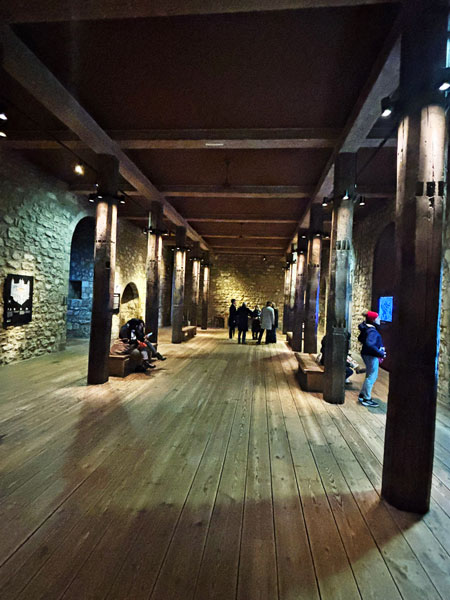
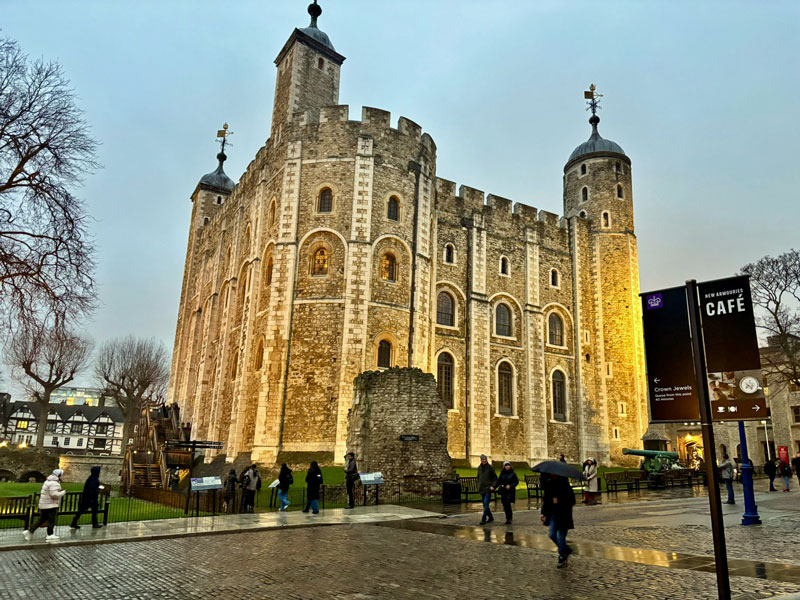
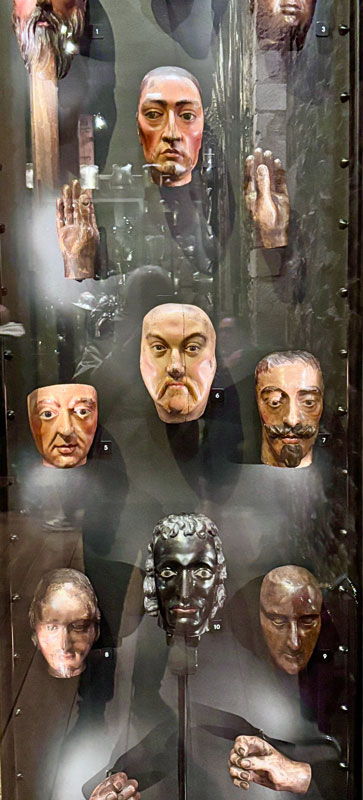
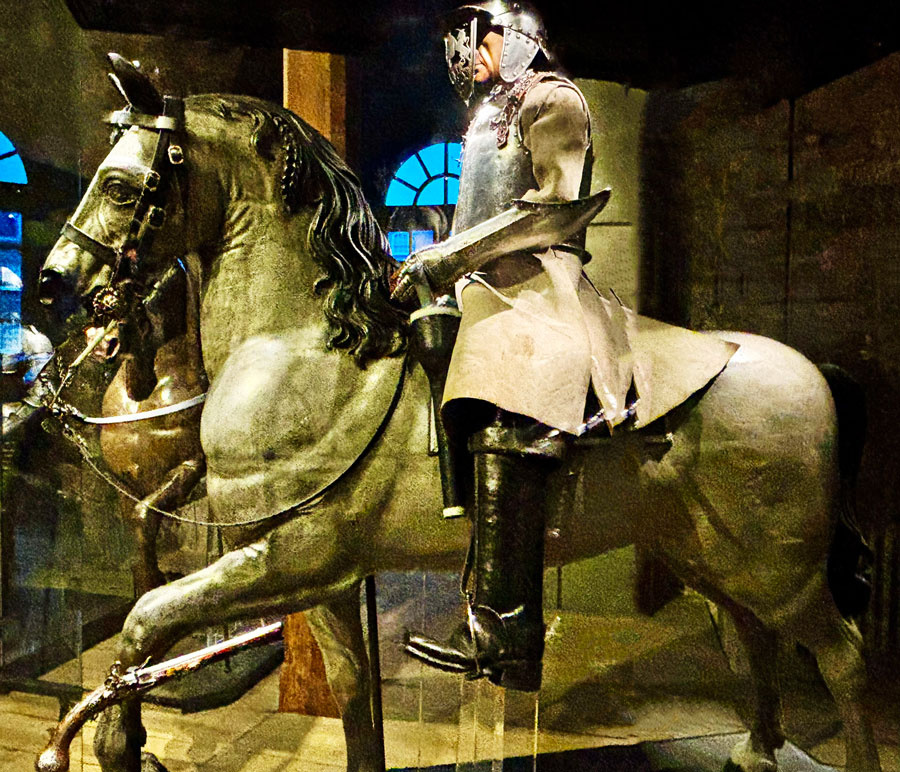
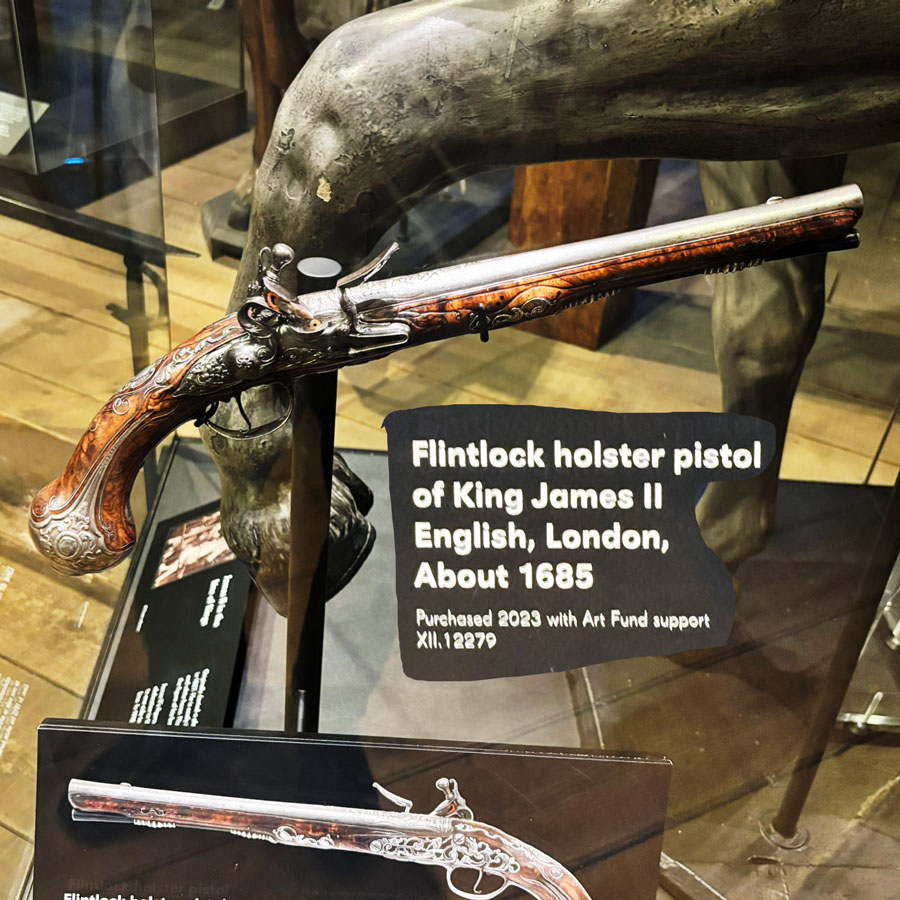
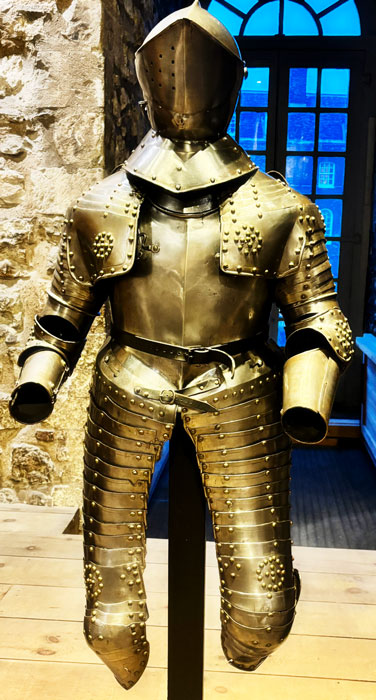
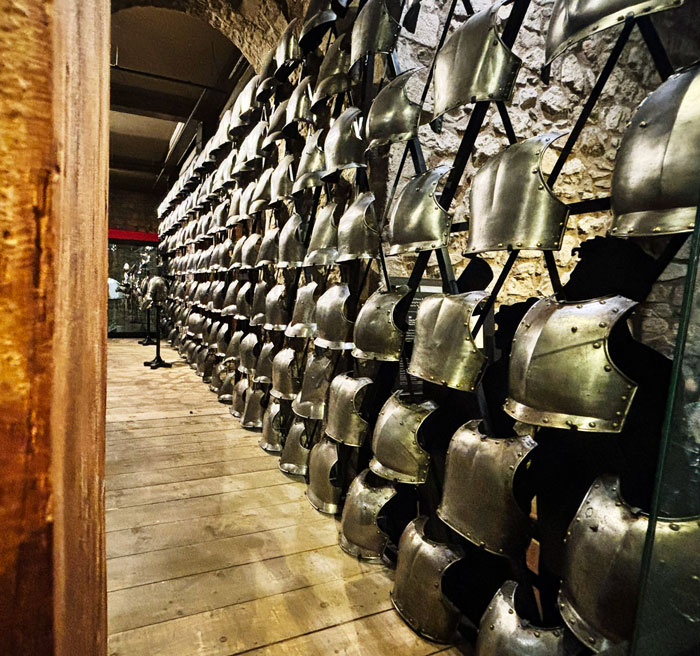
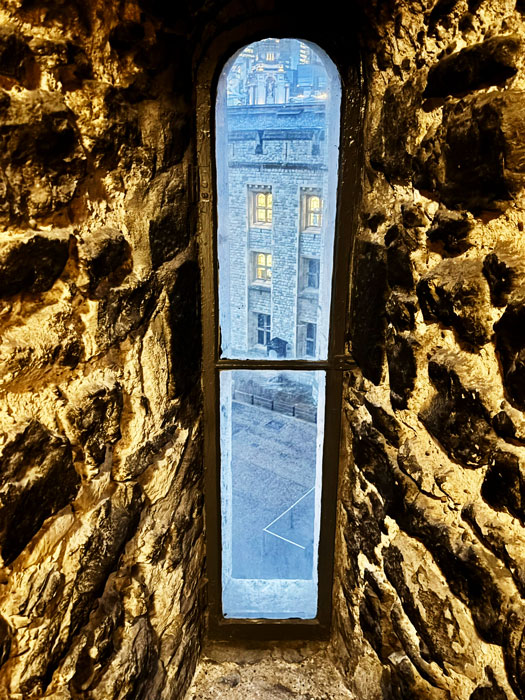
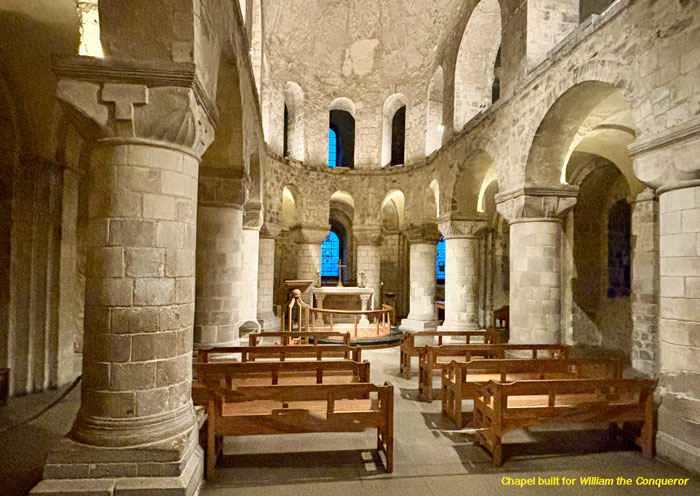
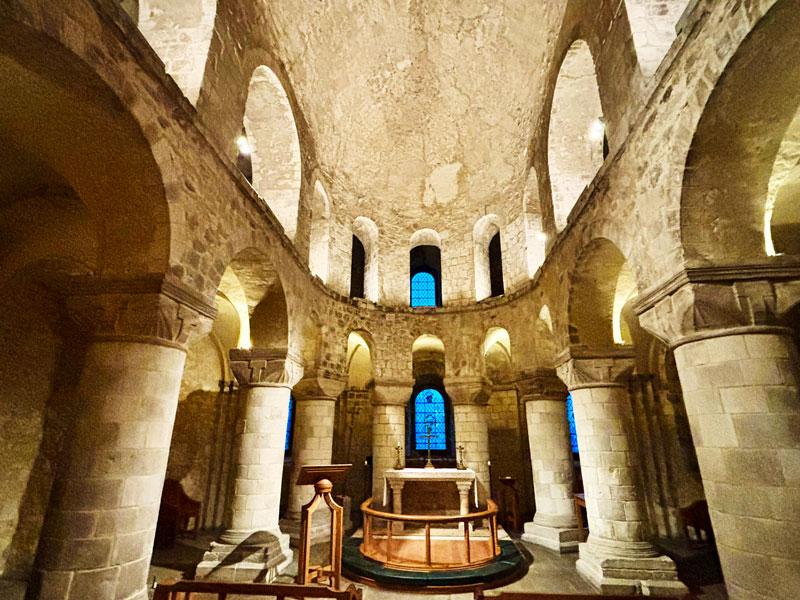
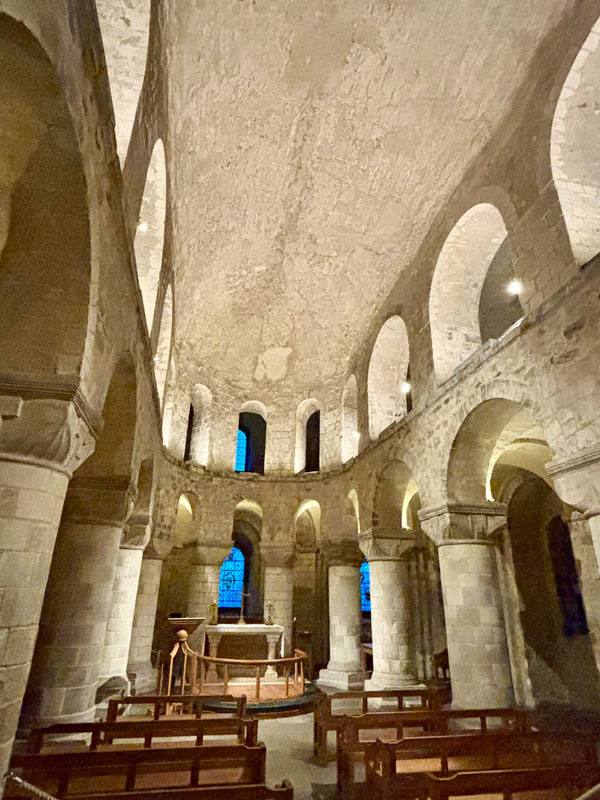
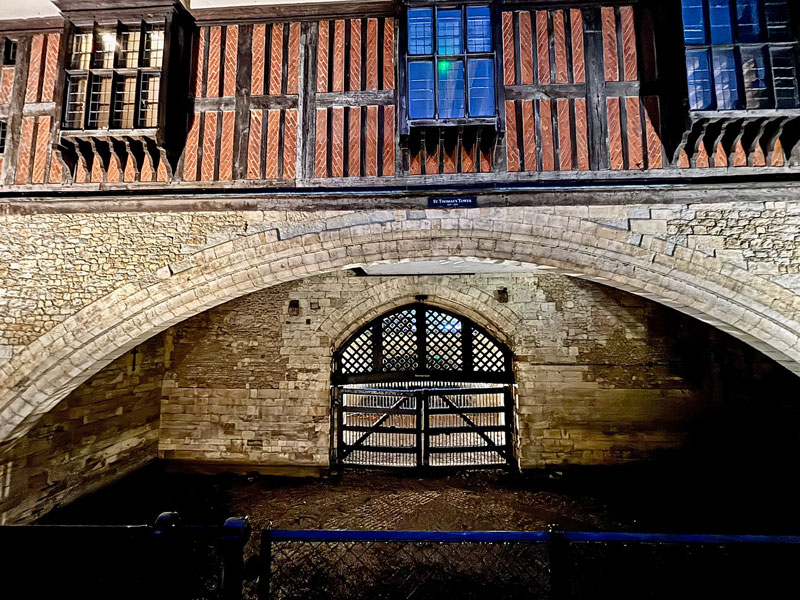
The Tower of London is often identified with the White Tower, the original stark square fortress built by William the Conqueror in 1078. However, the tower is a complex of several buildings set within two concentric rings of defensive walls and a moat.
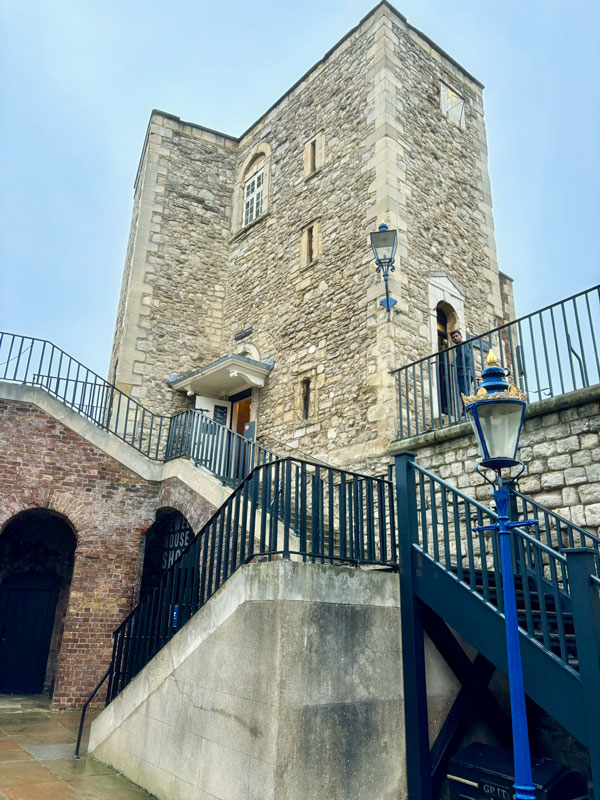
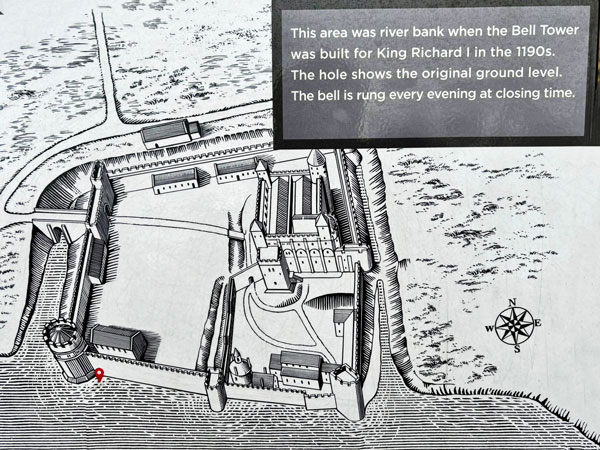
In the 1190s, King Richard the Lionheart (reigned 1189-99) enclosed the White Tower with a curtain wall, and had a moat dug around it filled with water from the Thames. Richard utilised the pre-existing Roman city wall, to the east, as part of the circuit. Part of the wall he built was incorporated into the later circuit wall of Henry III and is still extant, running between the Bloody Tower and the Bell Tower, the latter of which also dates to his reign. In 1240, on a sunny autumn day, Henry III had the exterior of the building whitewashed, which is how it got its name.
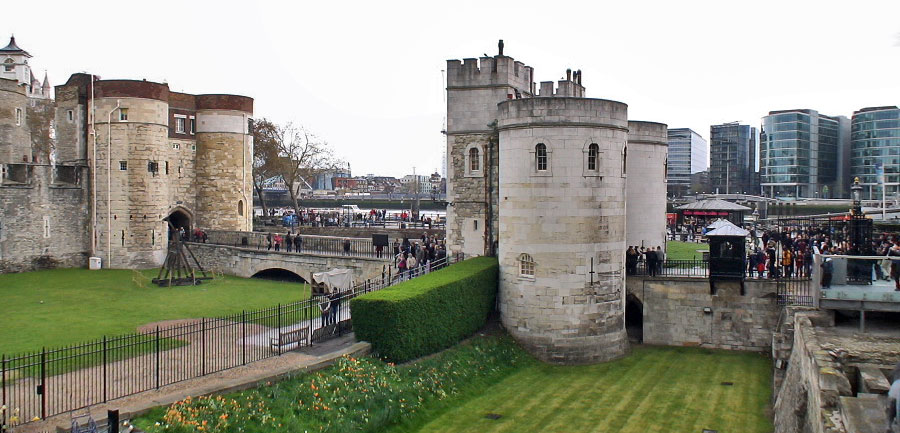
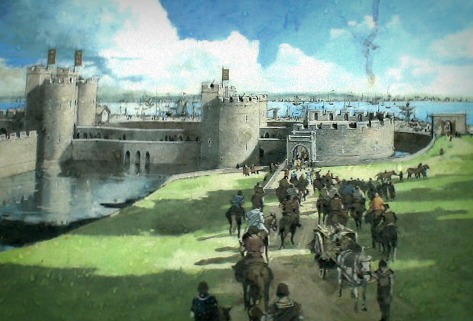
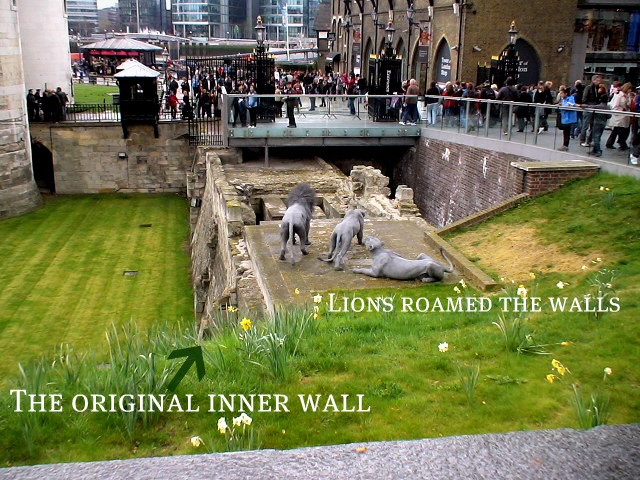
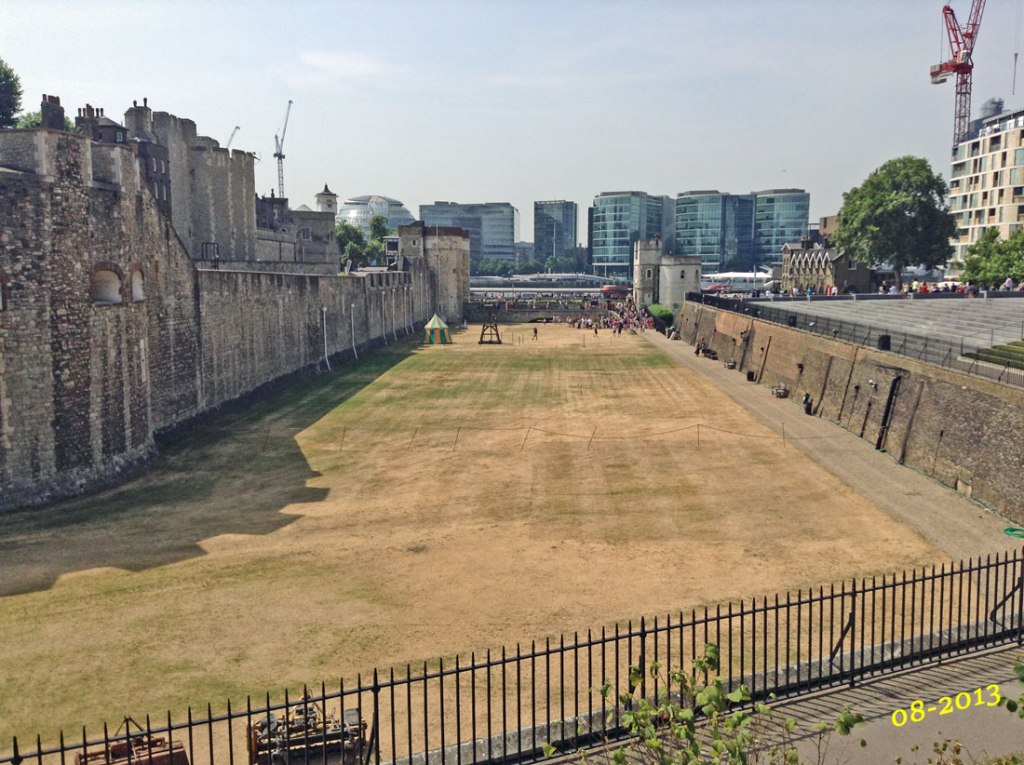
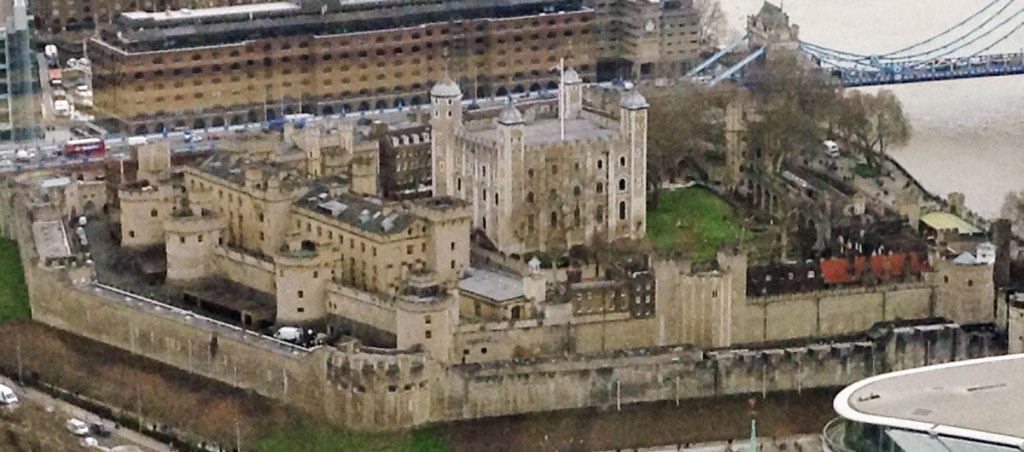
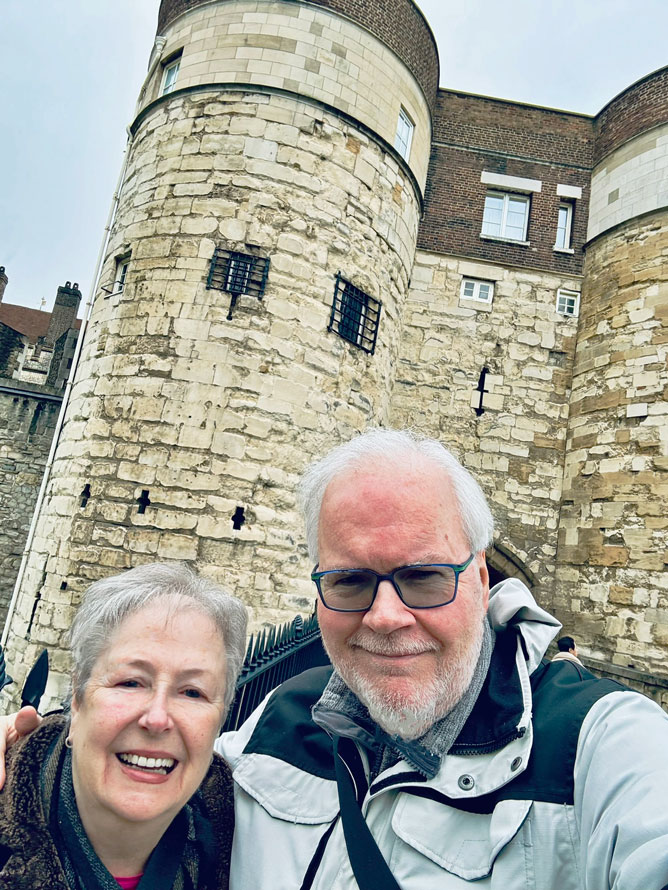
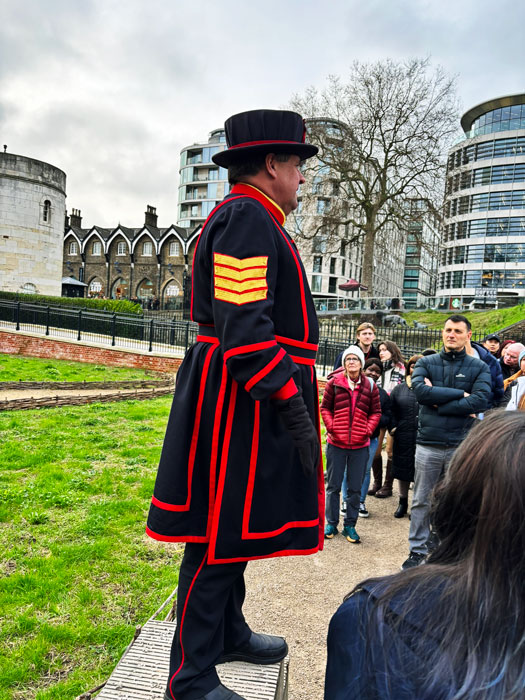
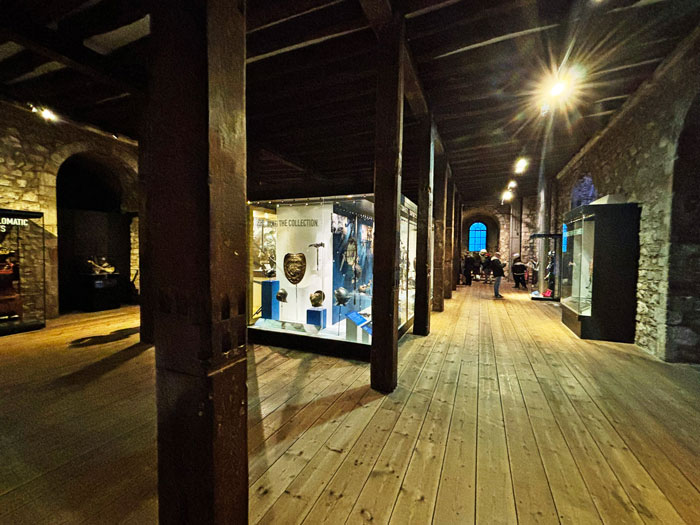
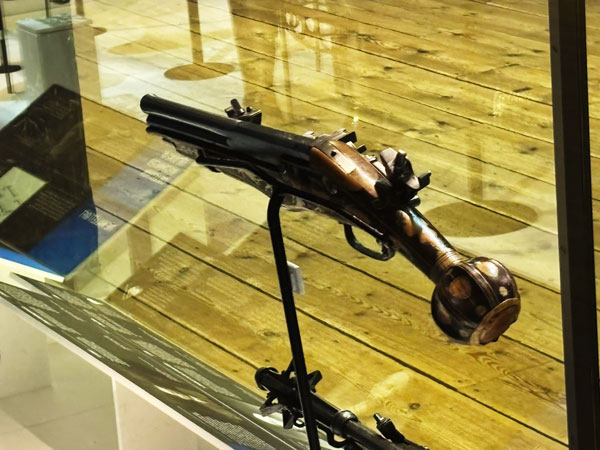
We finally visited the Tower in December 2024
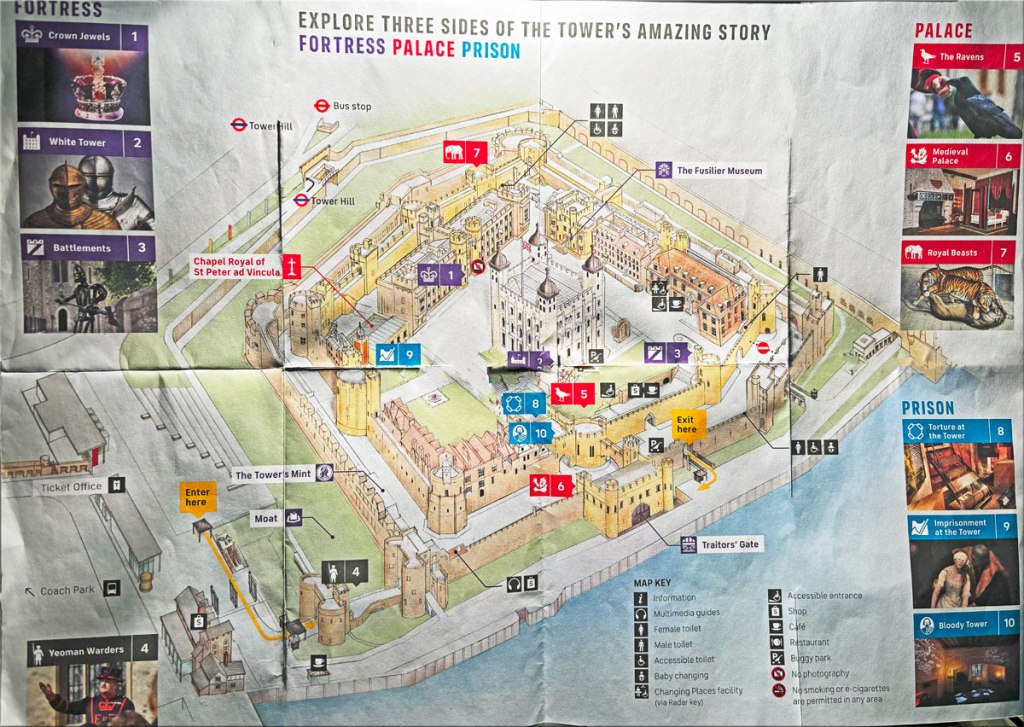
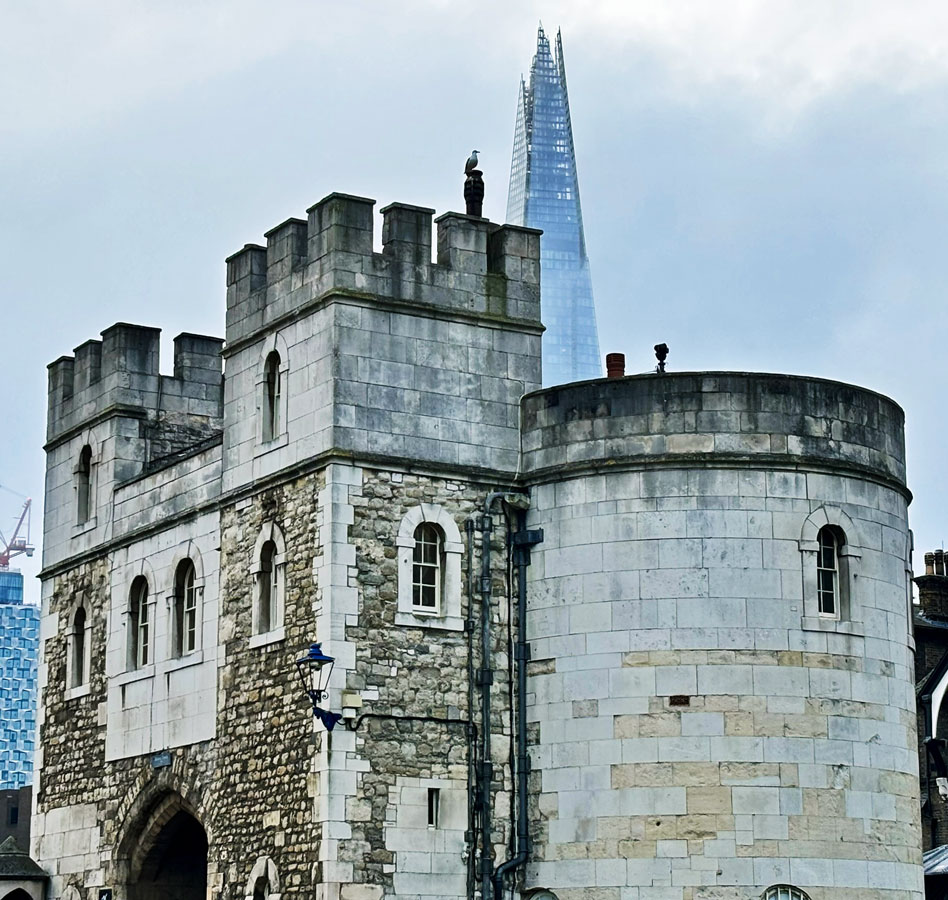
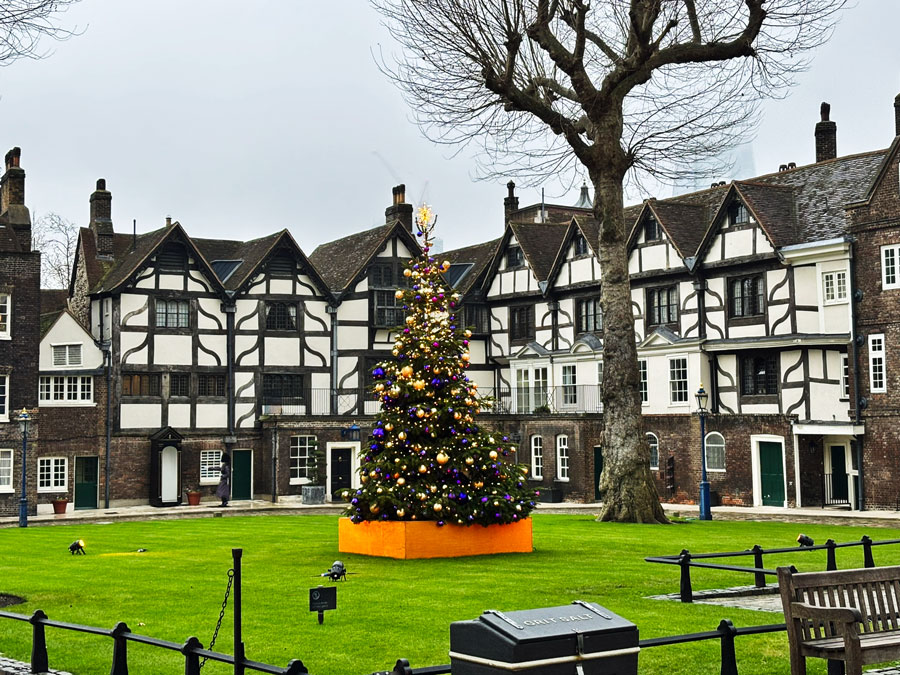
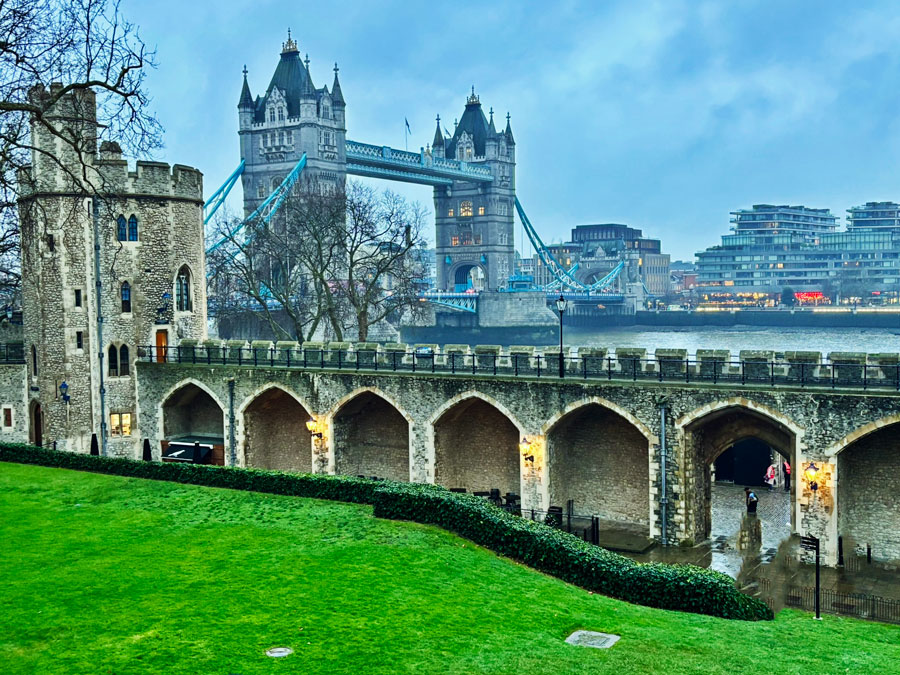
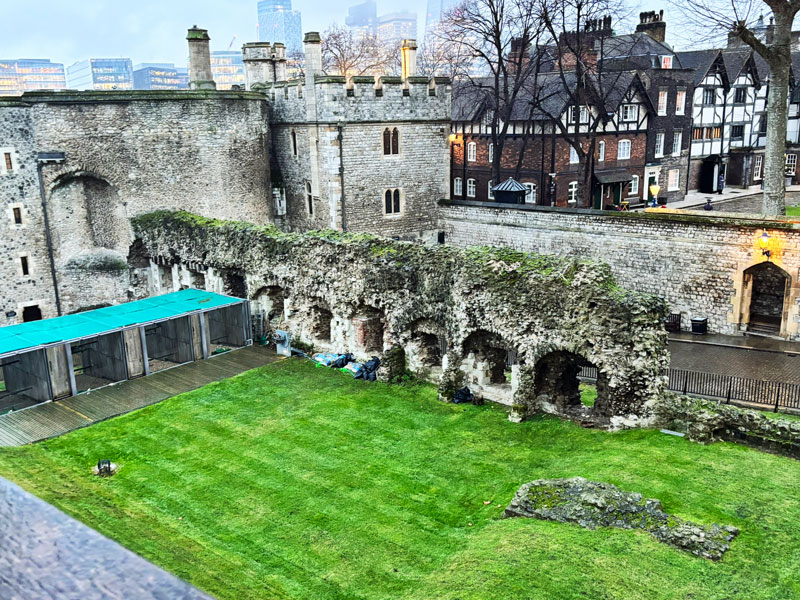
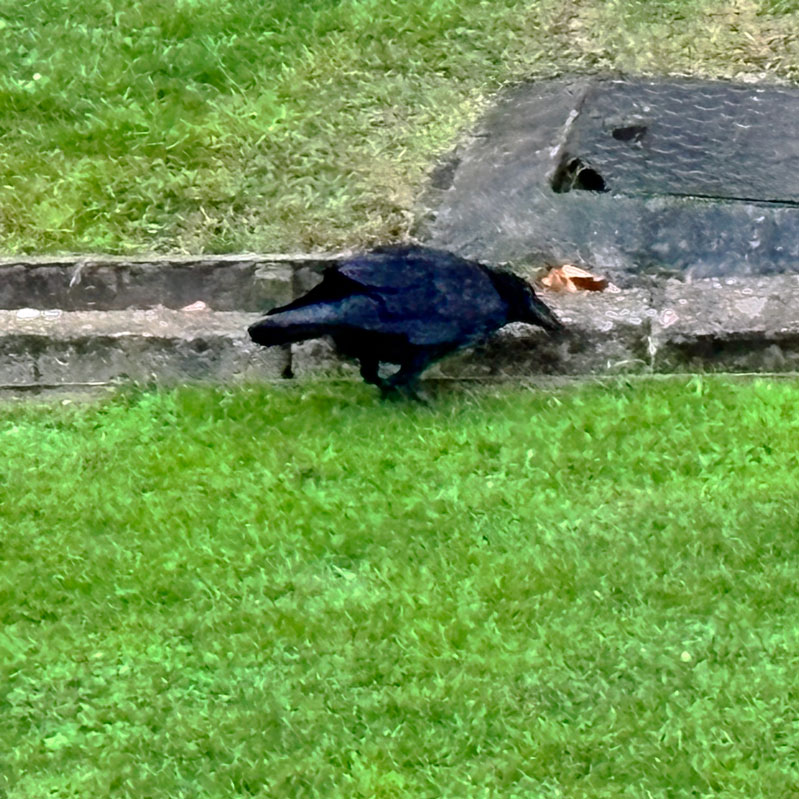
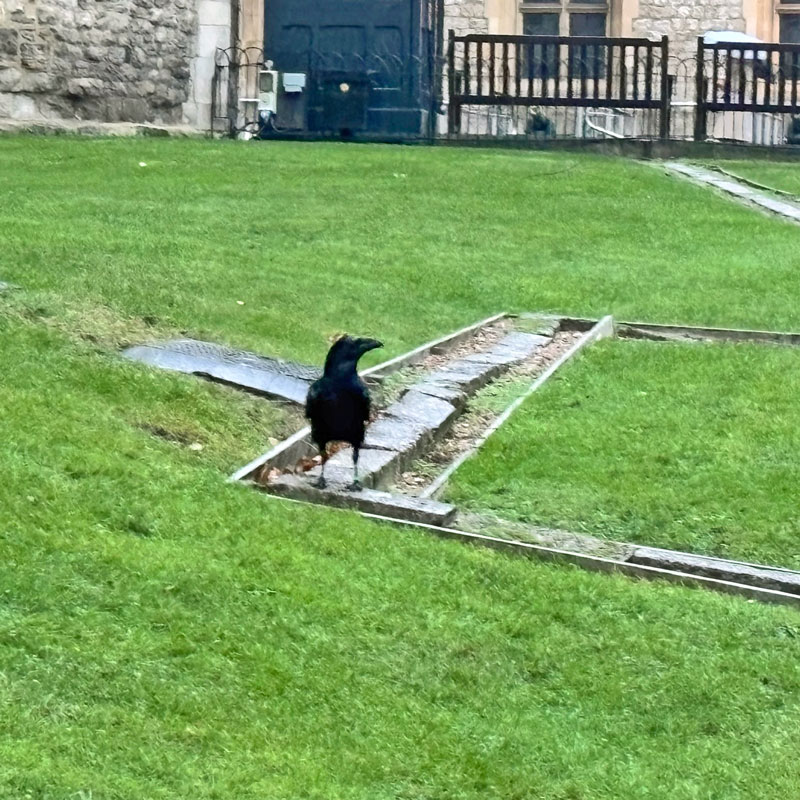
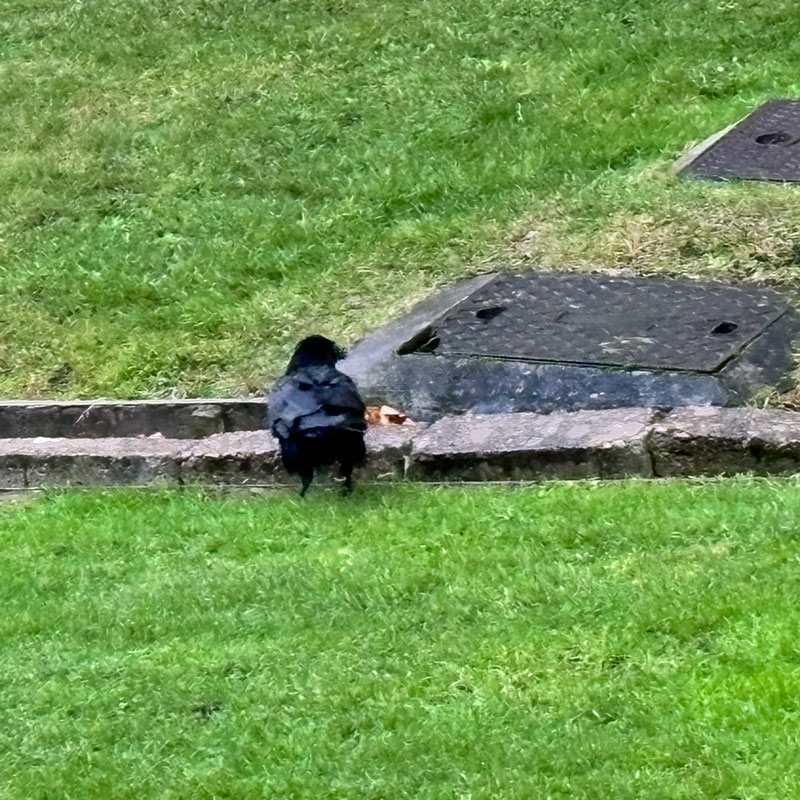
The Raven
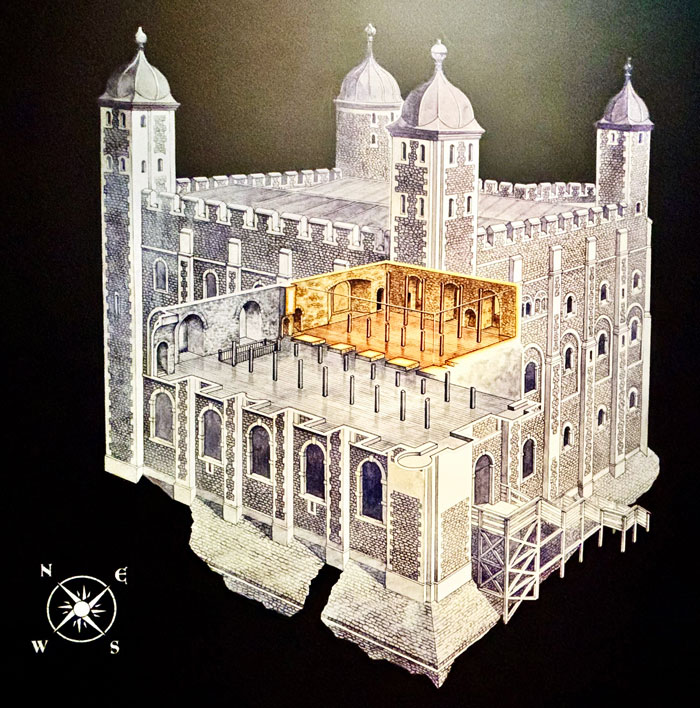
The White Tower
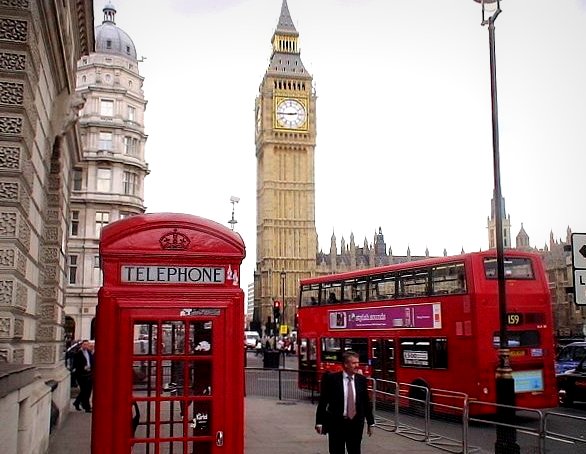

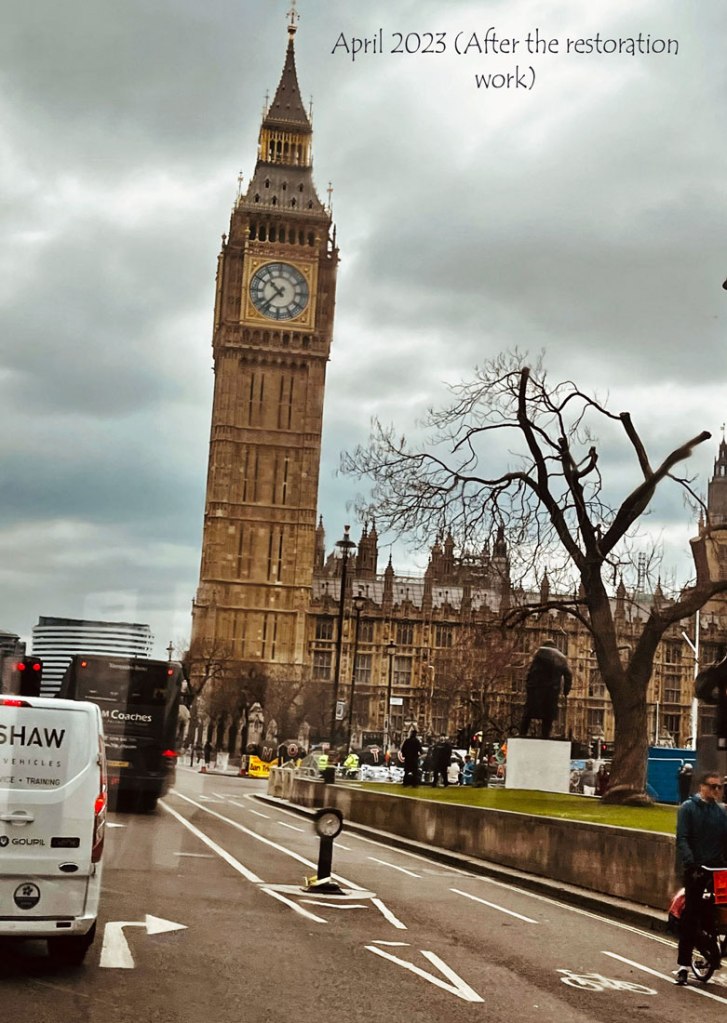
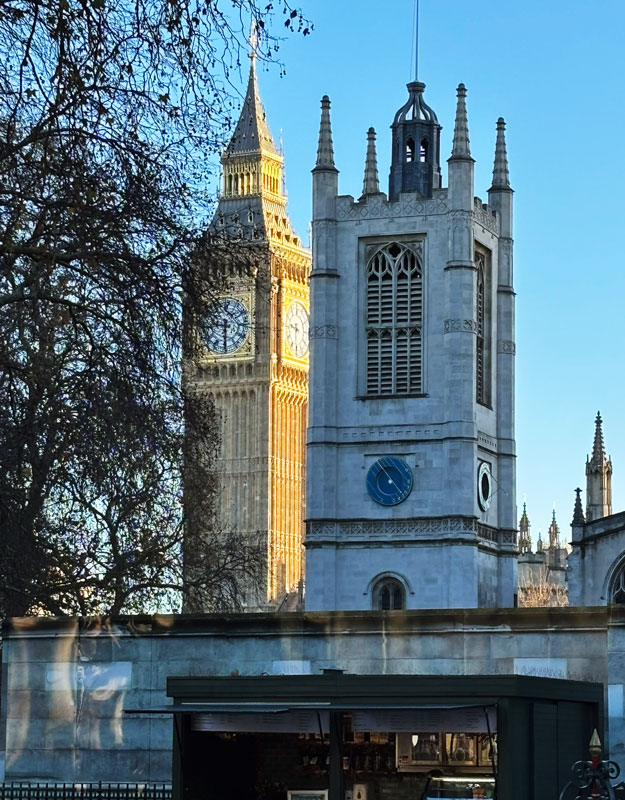
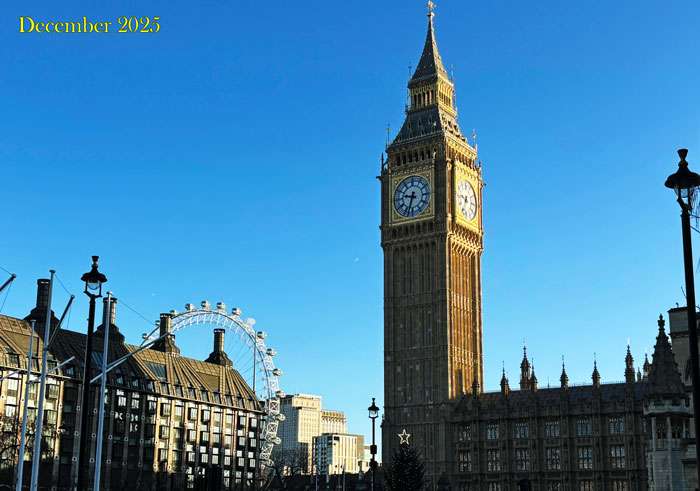
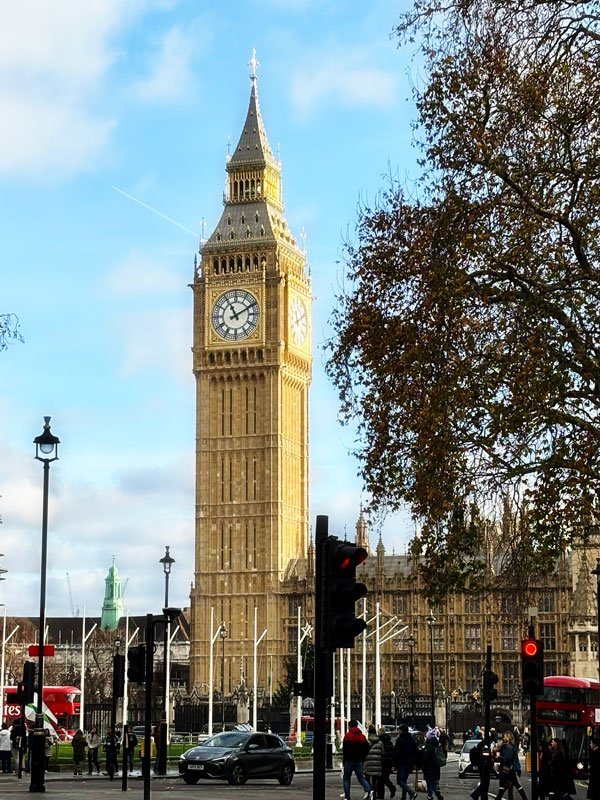
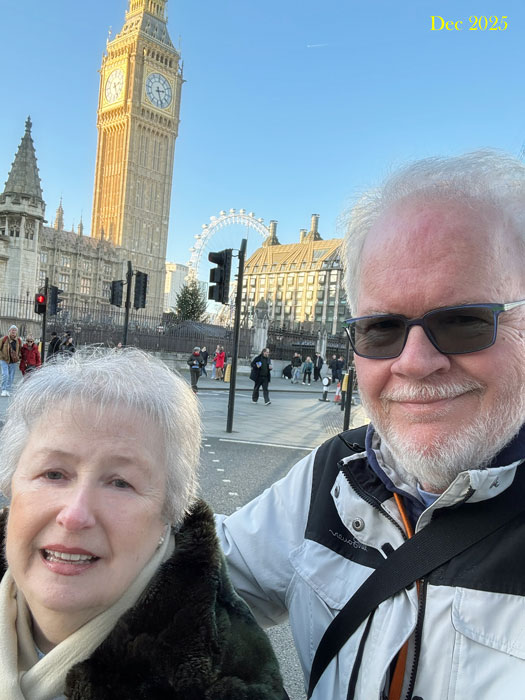
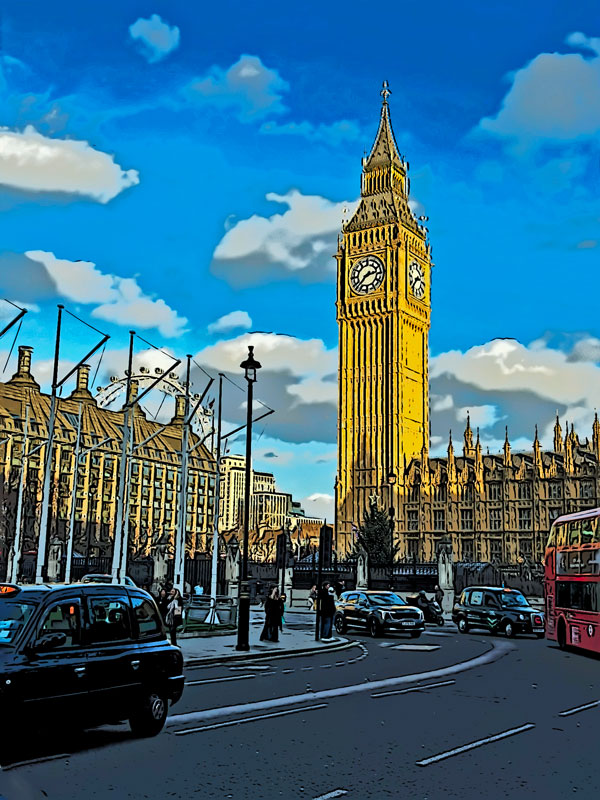
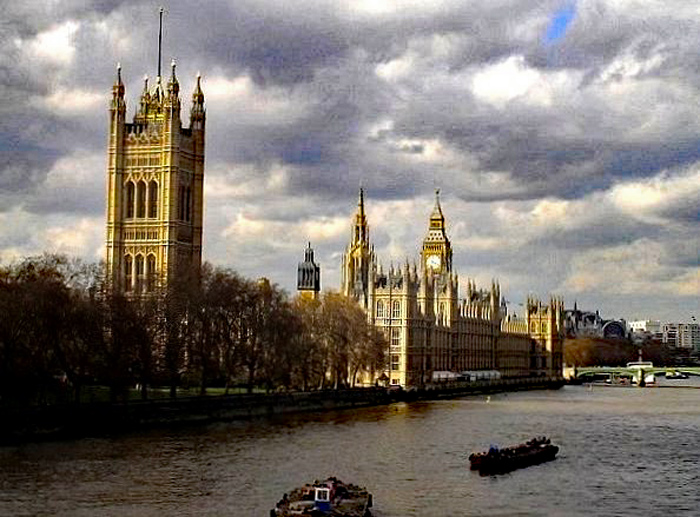
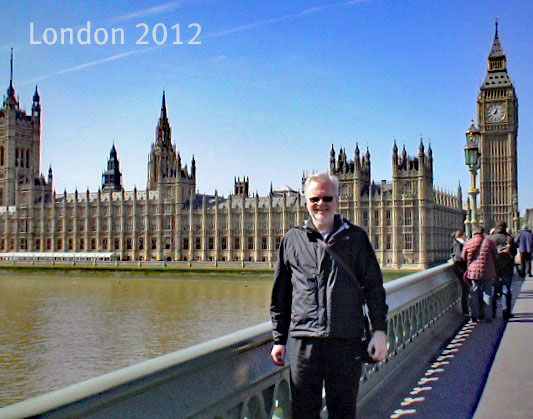
Big Ben is the nickname for the great bell of the clock at the north-eastern end of the Palace of Westminster and is often extended to refer to the clock or the clock tower as well. It celebrated its 150th anniversary in May 2009.
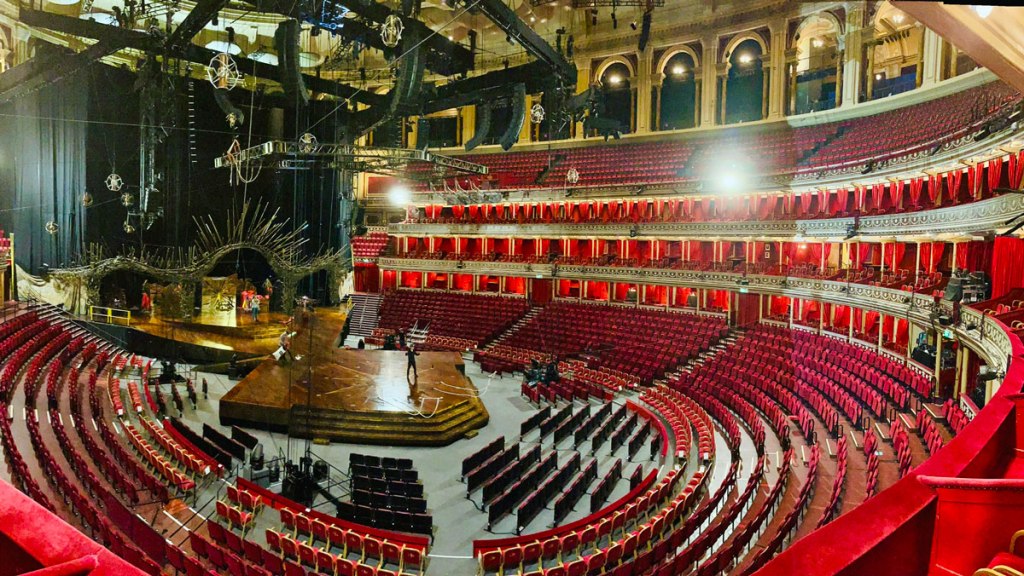
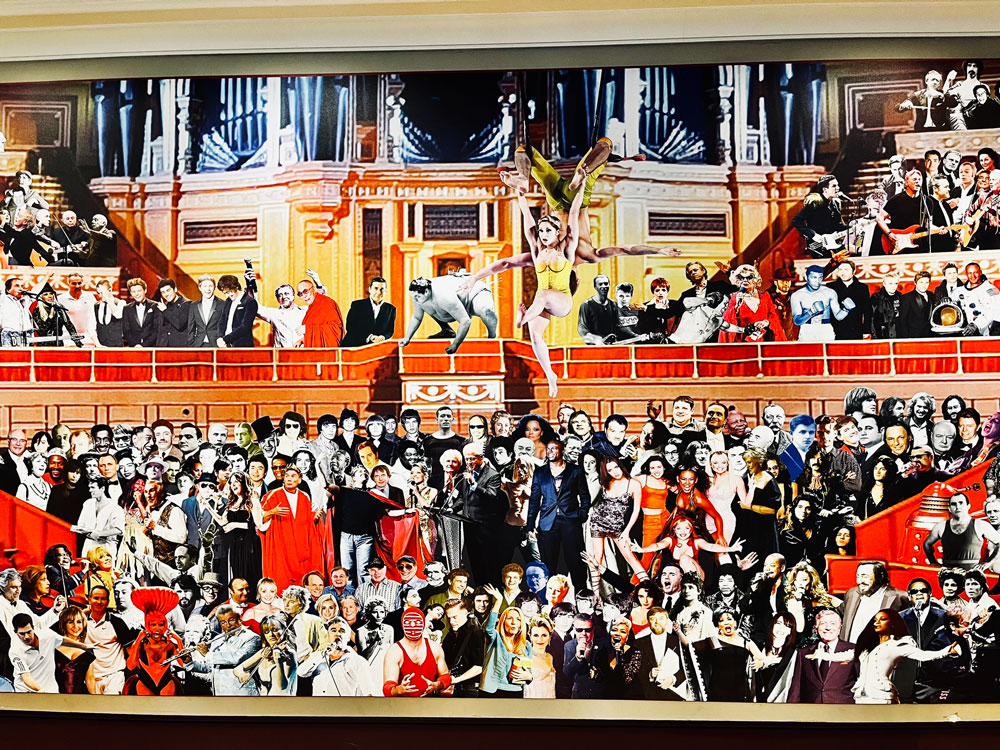
Same illustrator that created the iconic Sgt. Pepper’s Lonely Hearts Club Band album cover.
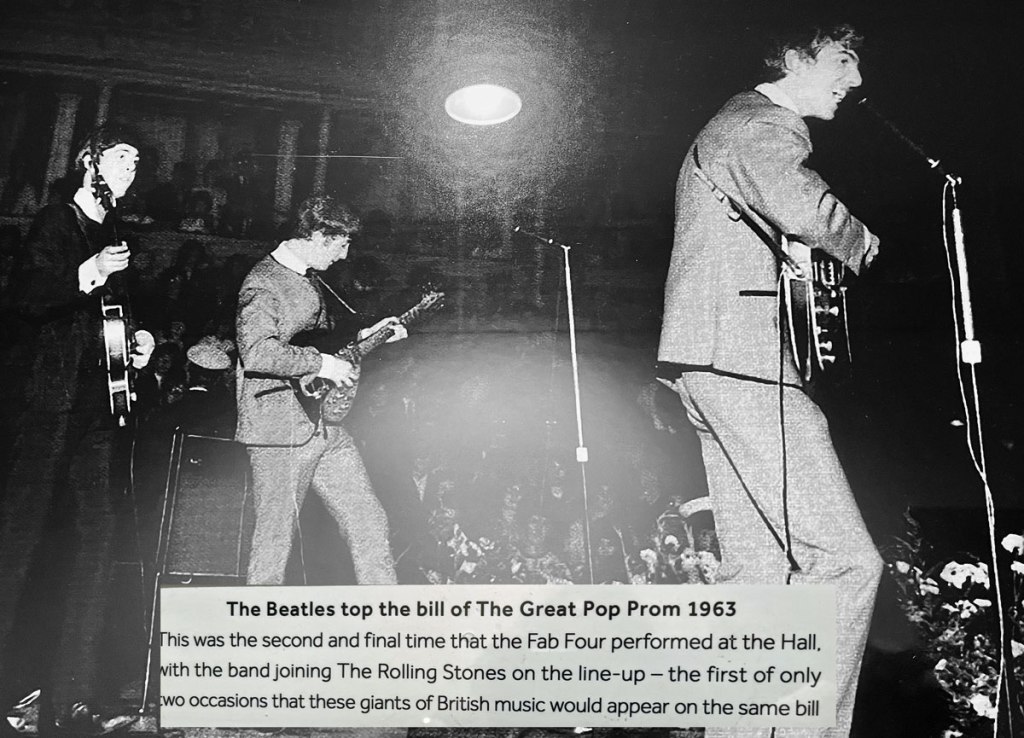
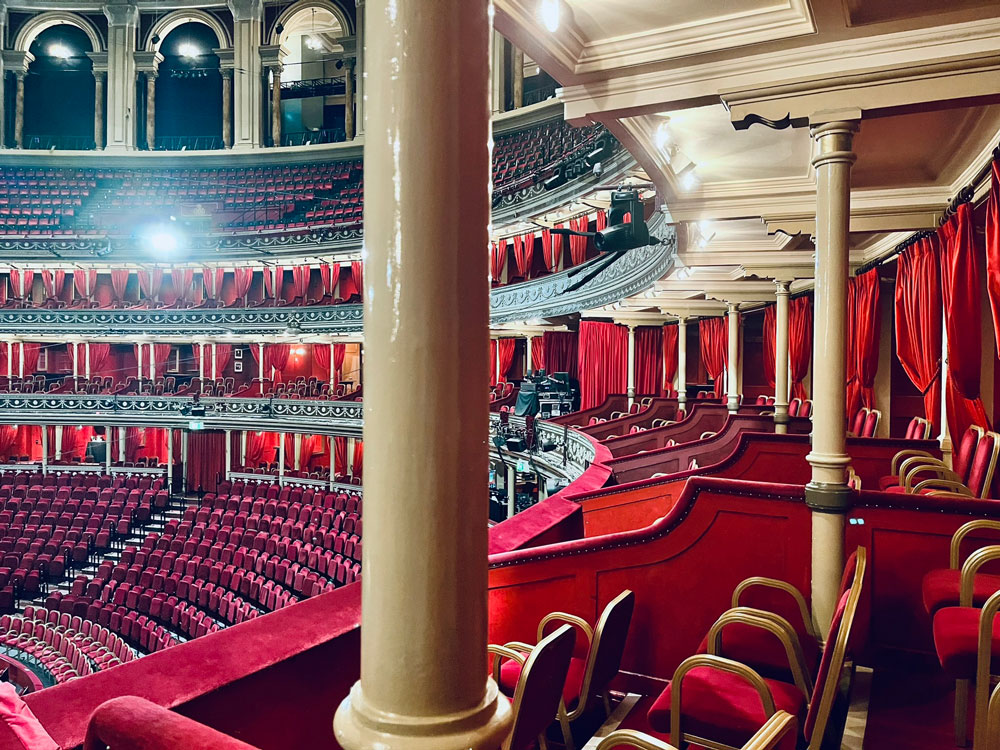
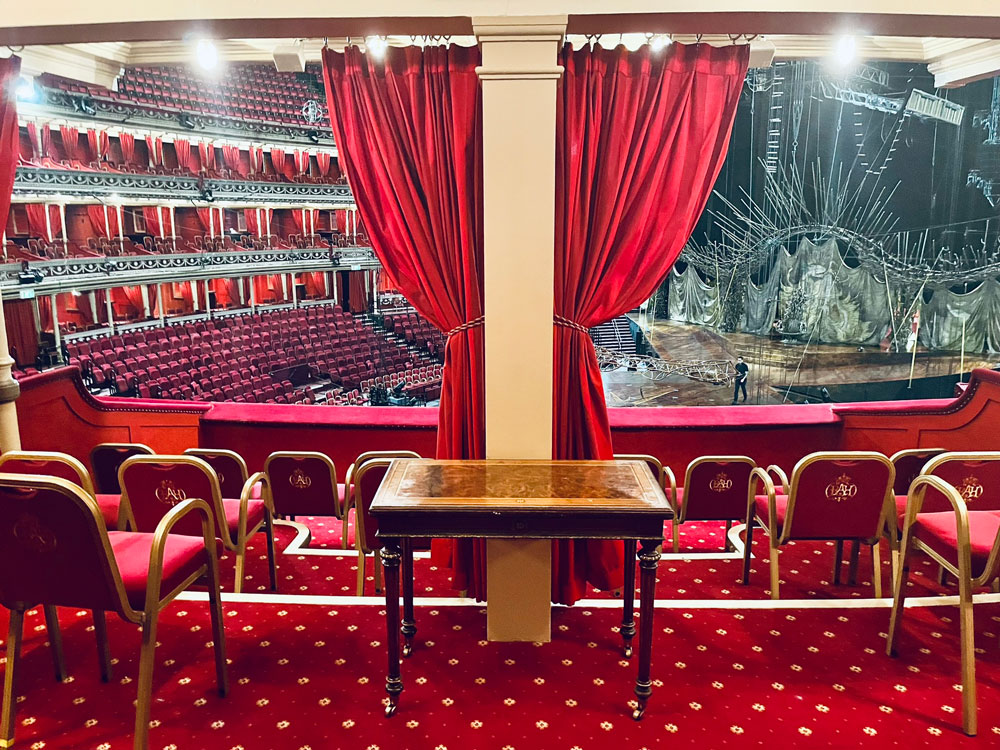
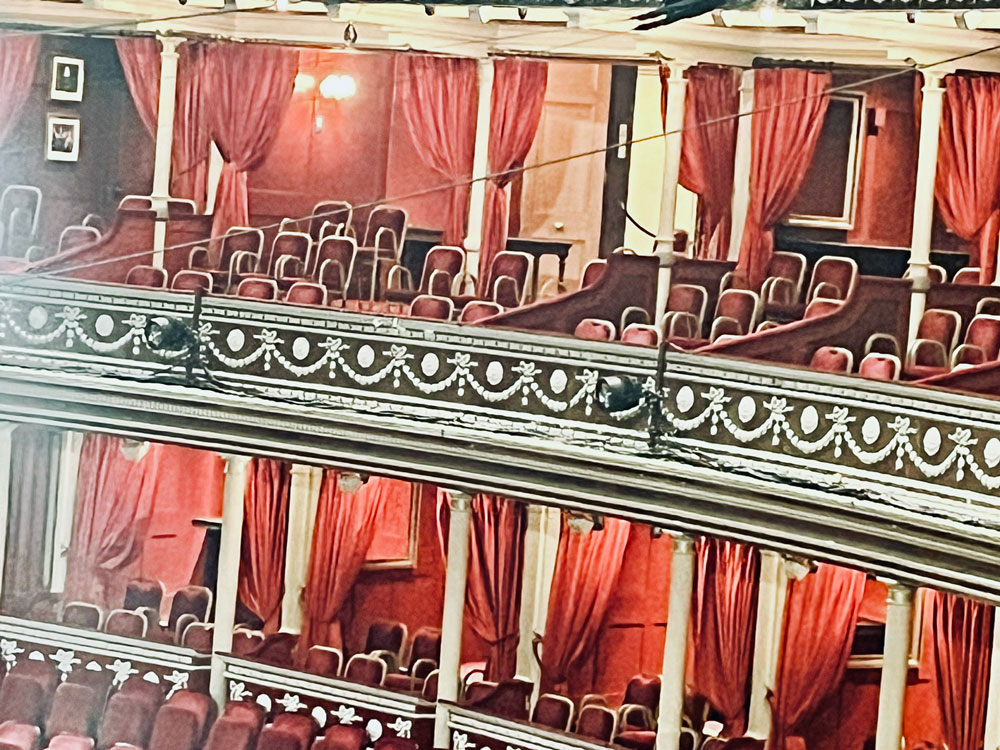
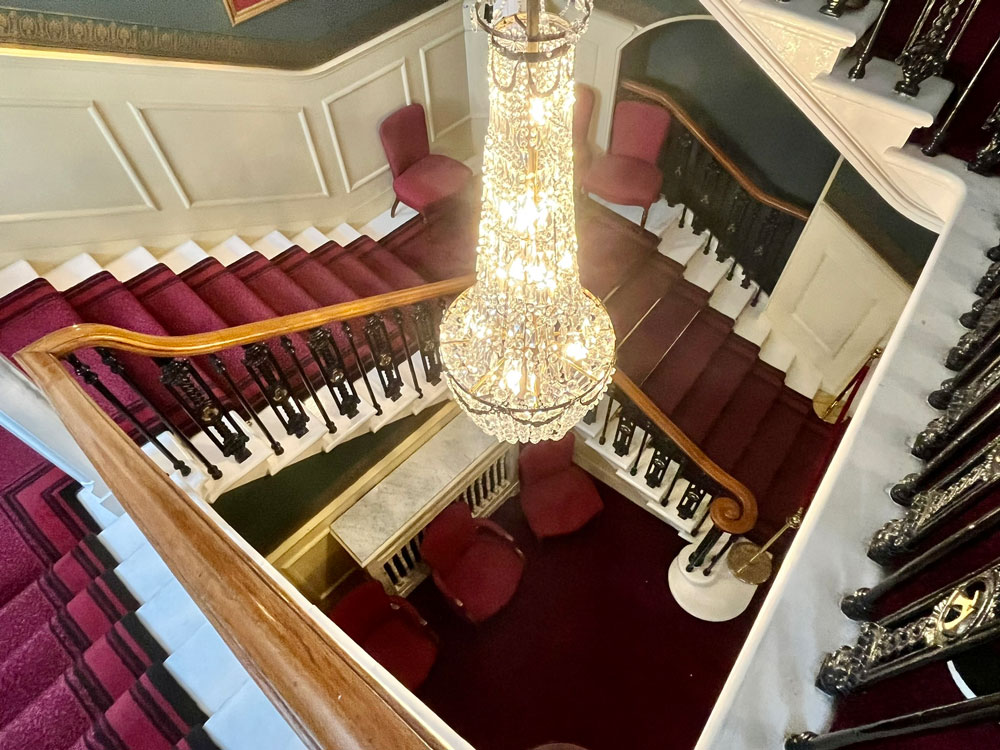
The Royal Box
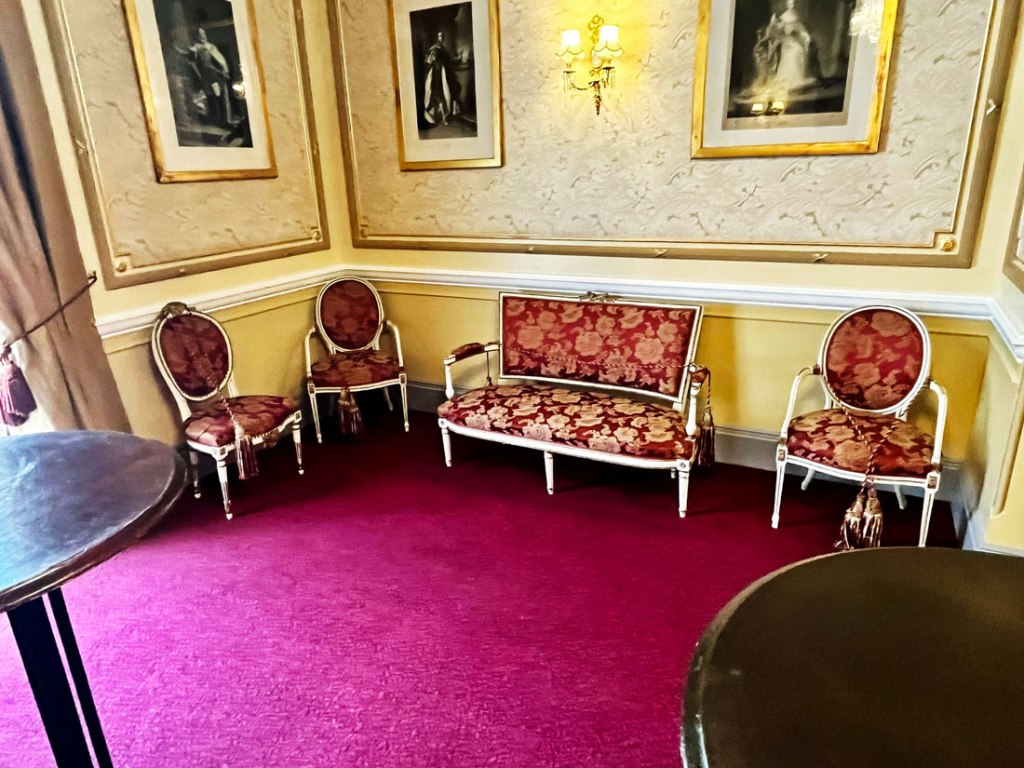
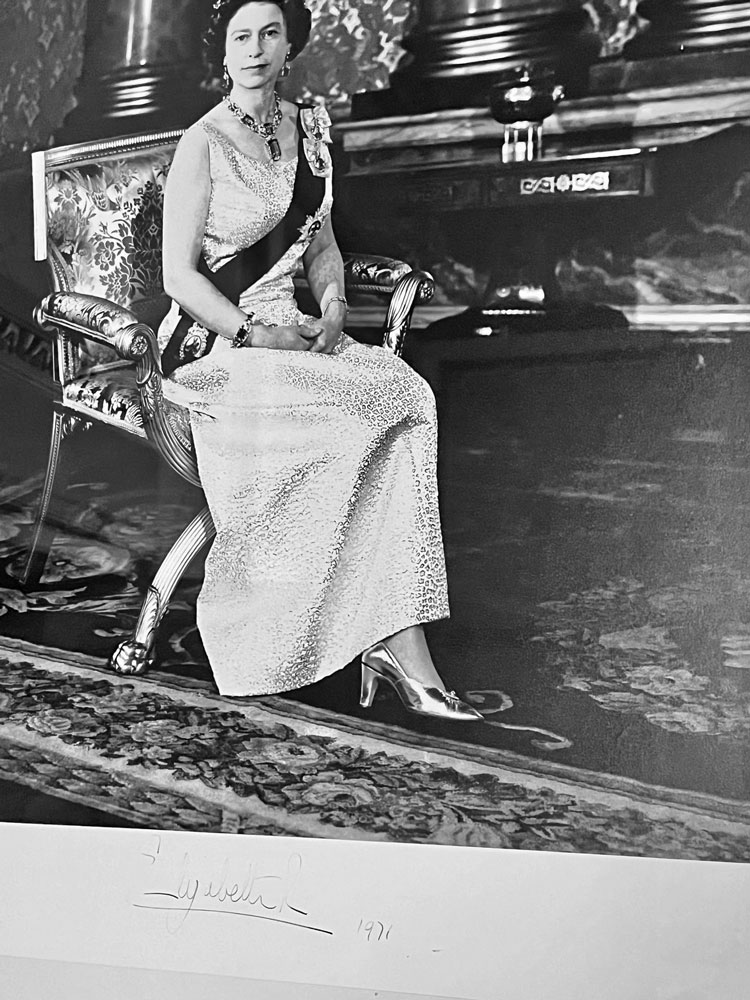
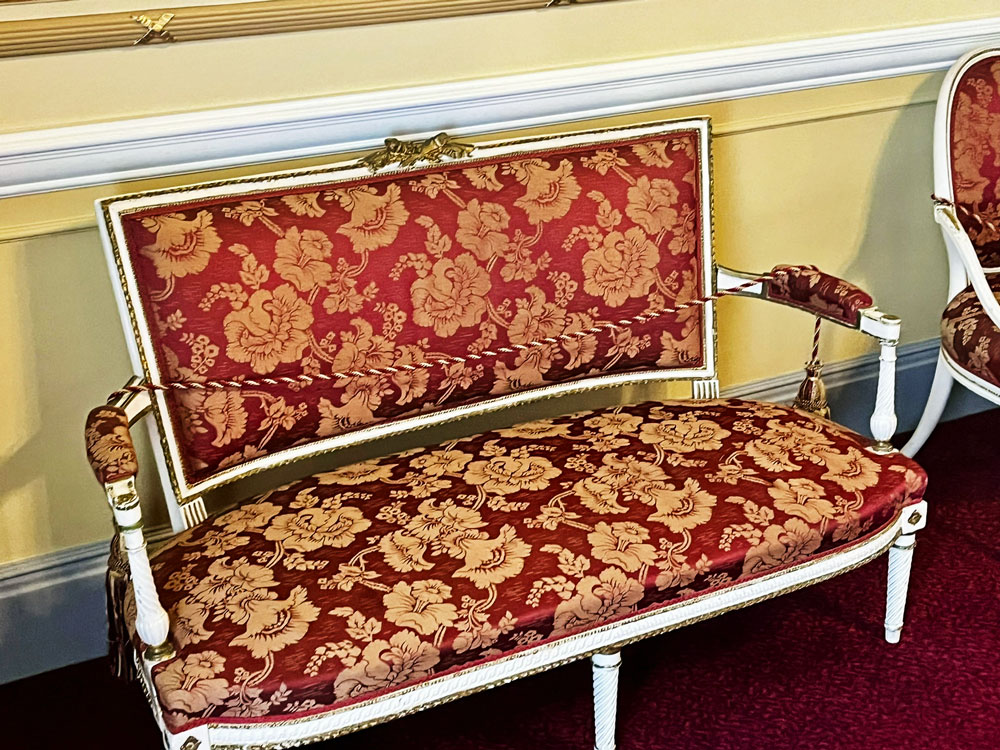
The only signed picture of Queen Elizabeth.
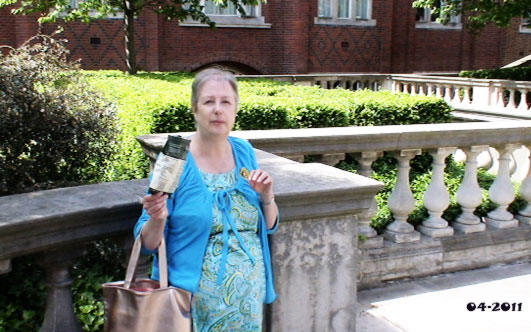
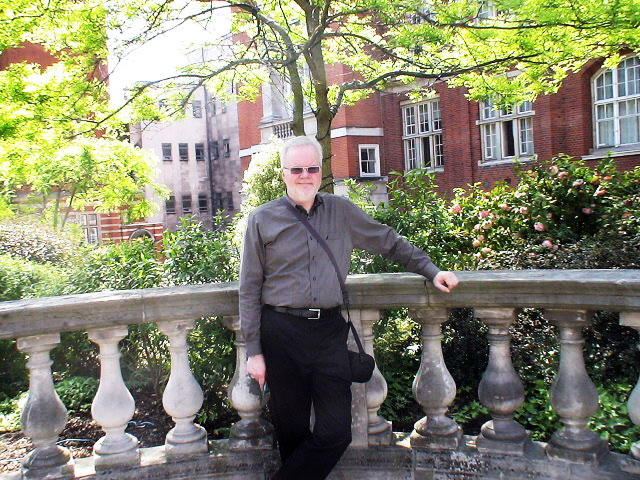

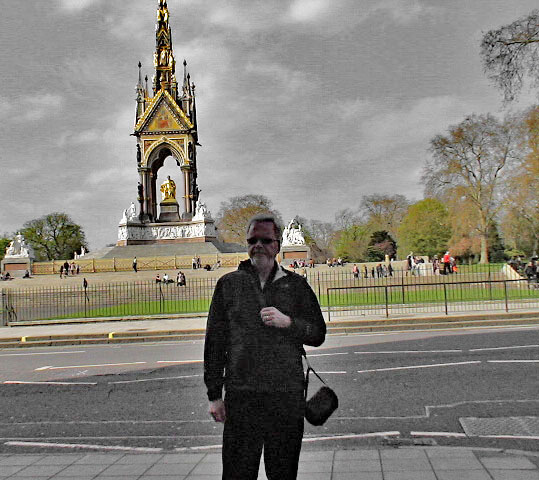
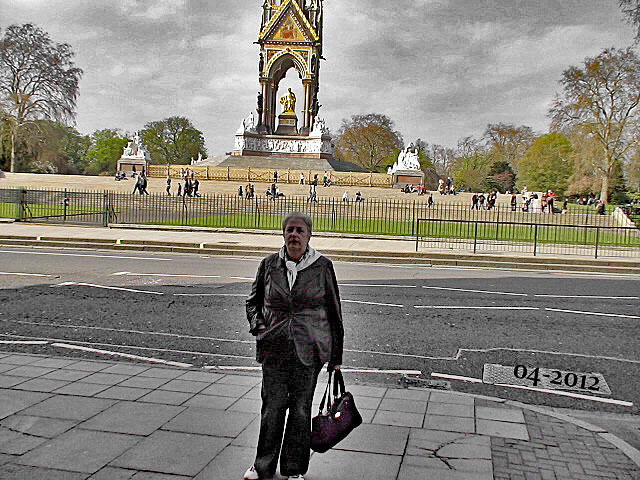

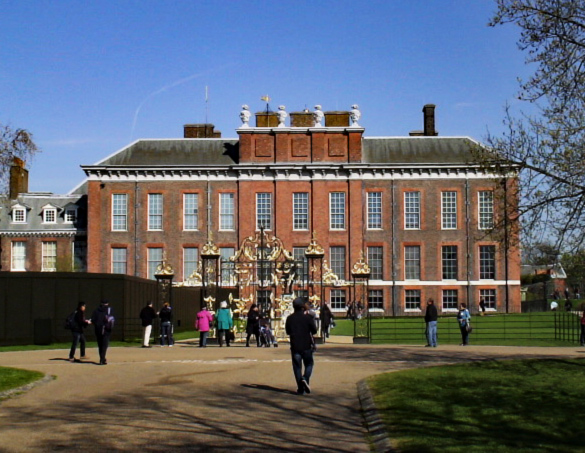
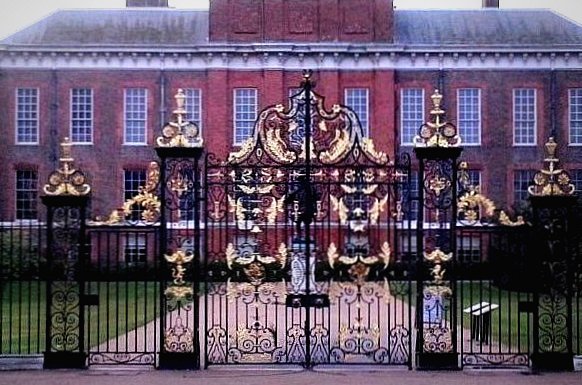
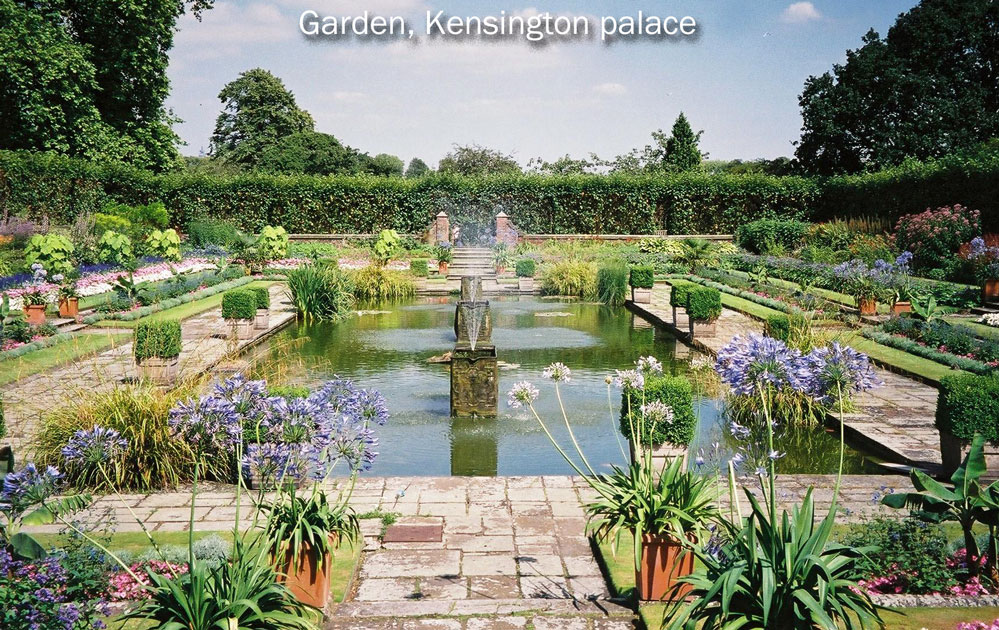
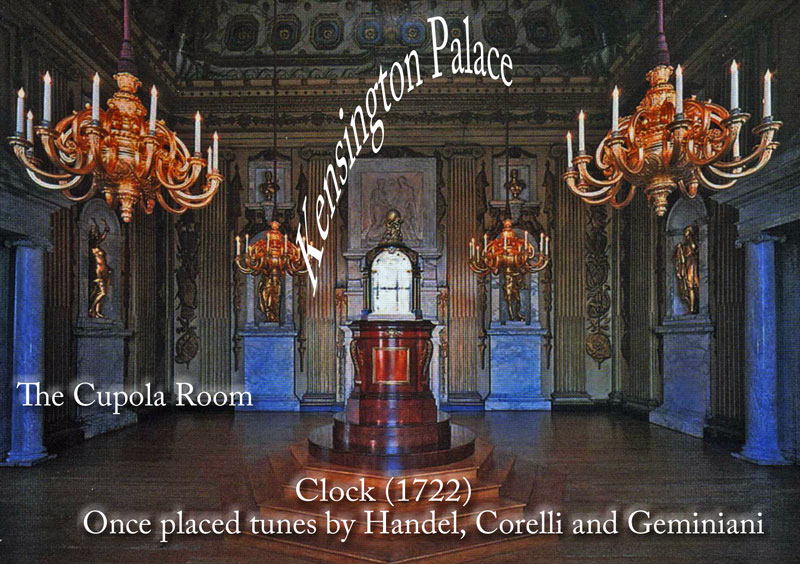
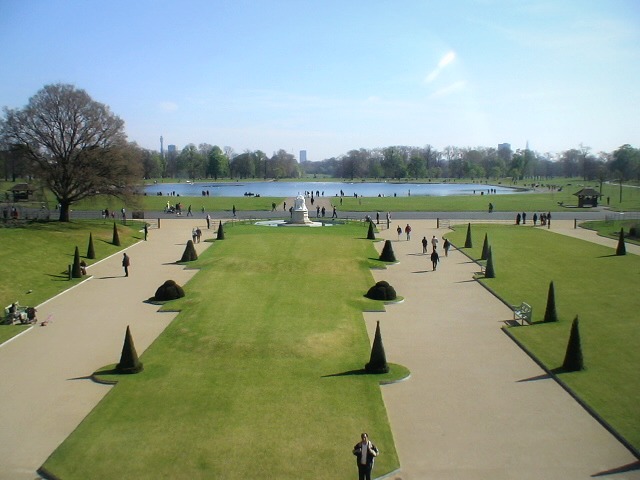
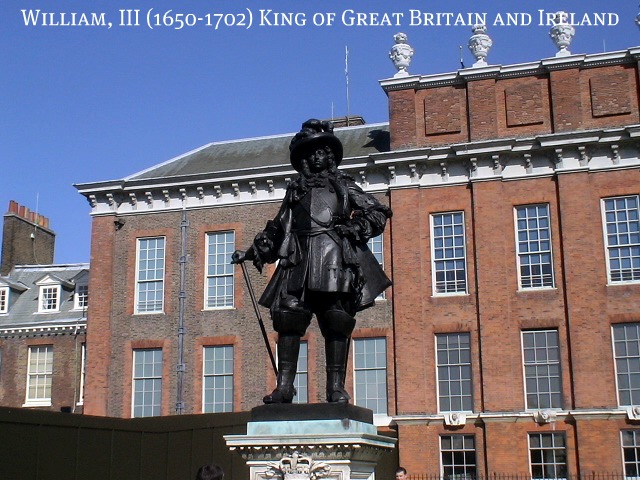
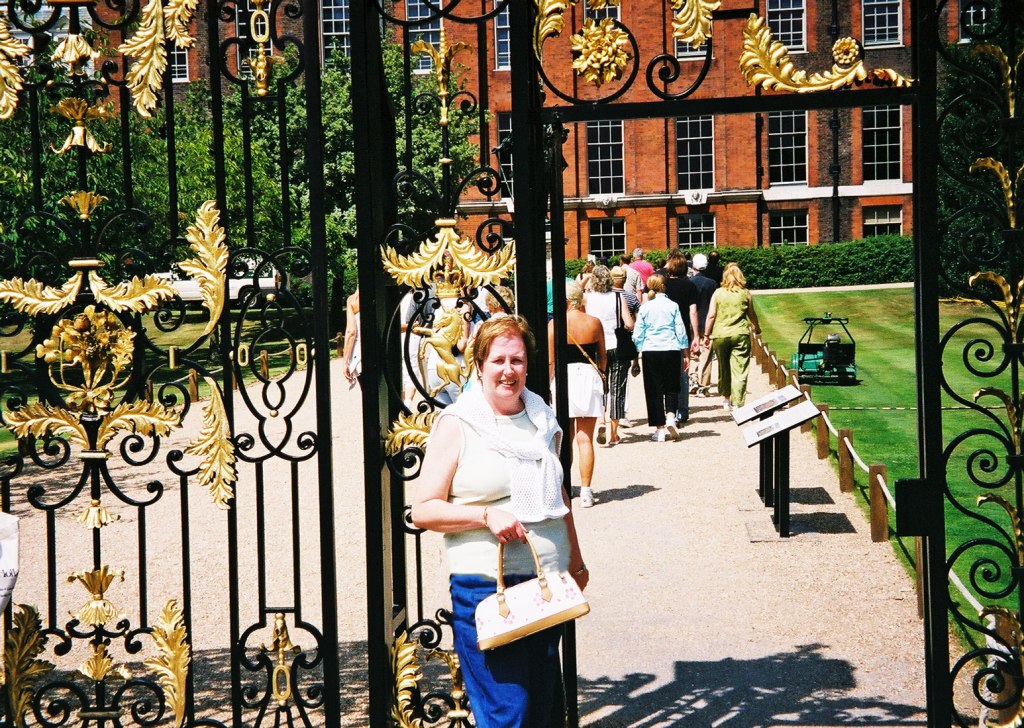
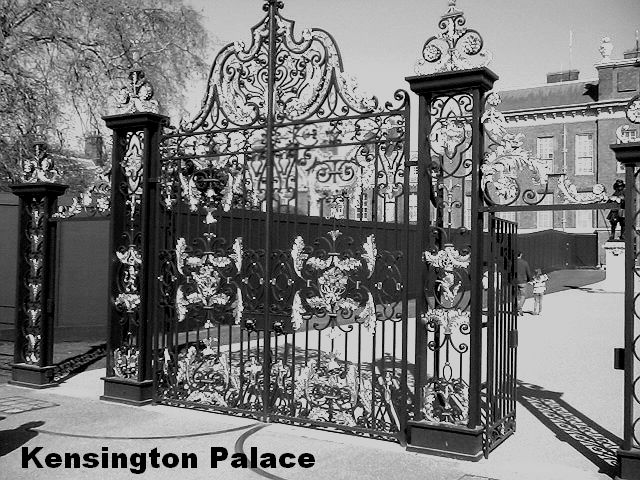
Kensington Palace is a royal residence set in Kensington Gardens. It has been a residence of the British Royal Family since the 17th century. Today it is the official residence of The Duke and Duchess of Gloucester; the Duke and Duchess of Kent; and Prince and Princess Michael of Kent.
It was the official residence of Diane, Princess of Wales (until 1997), of Princess Margaret (until 2002) and of princess Alice (until 2004).

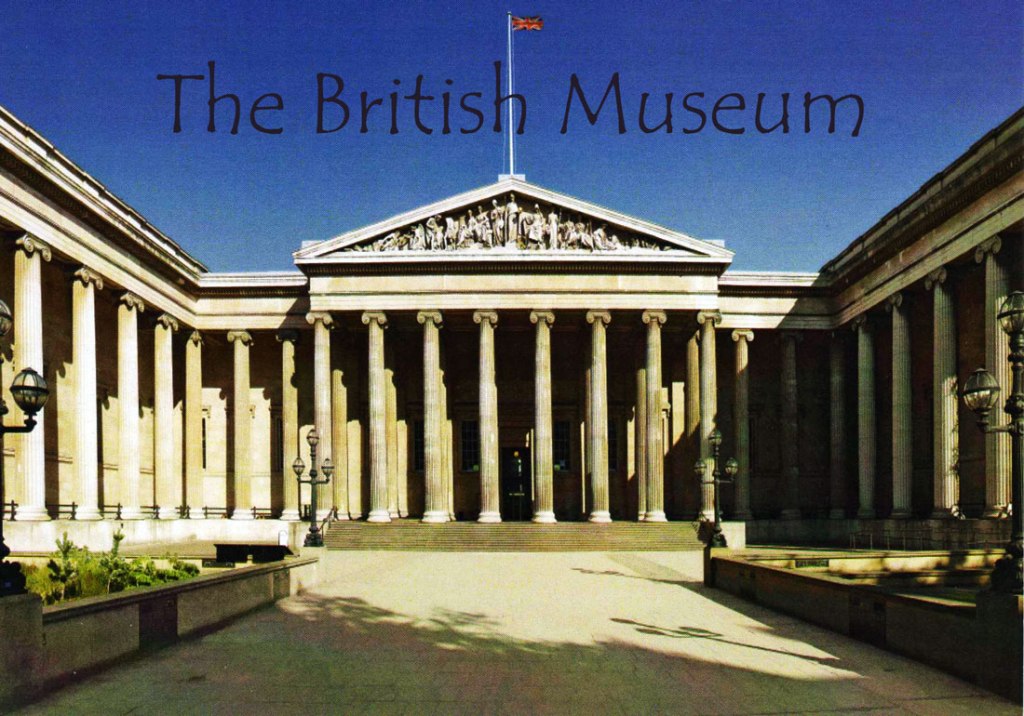
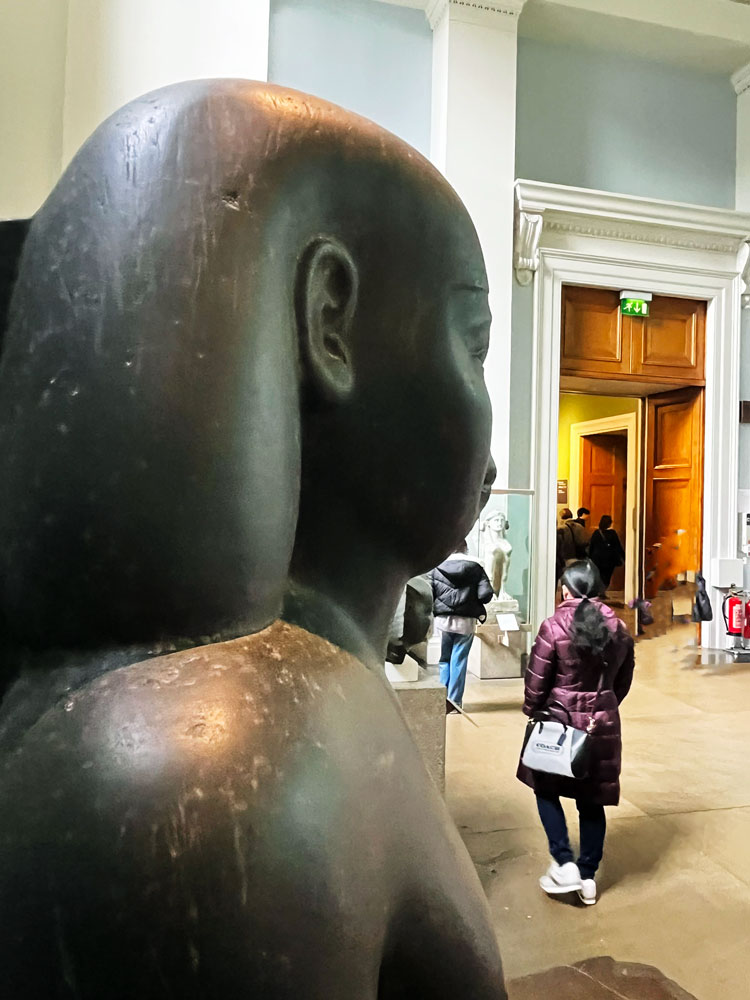
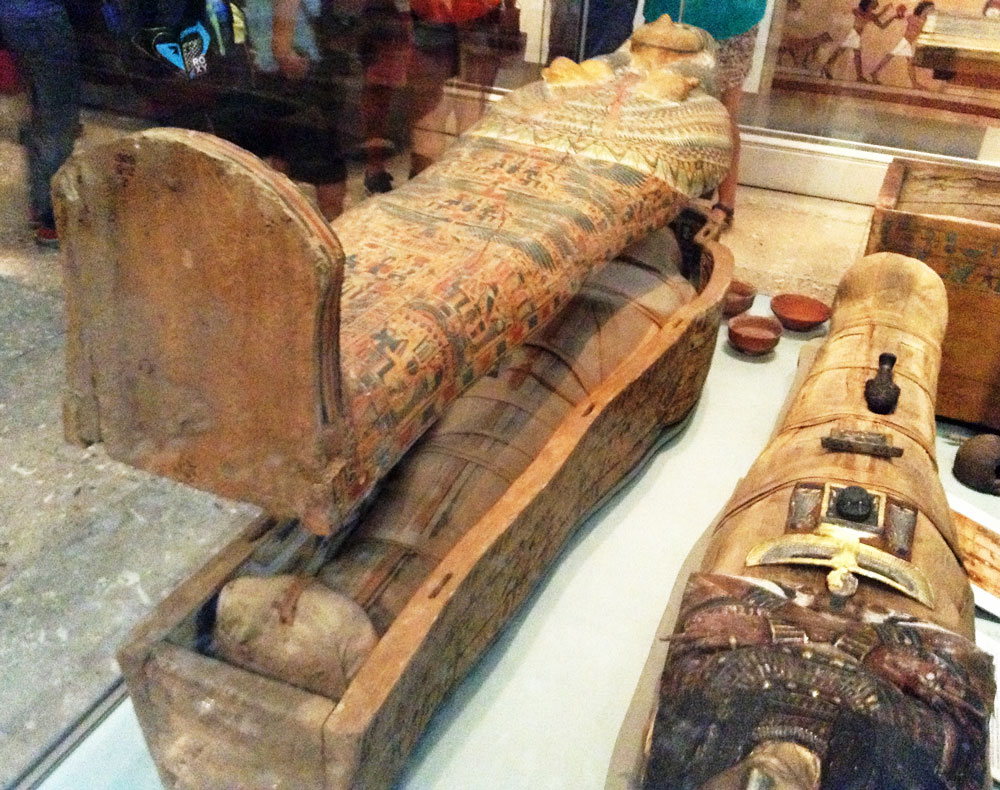
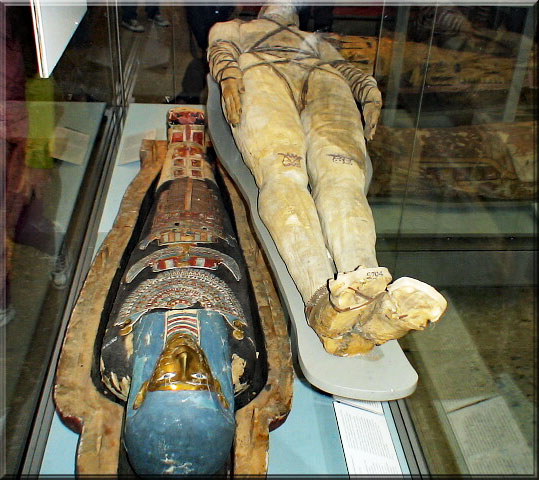
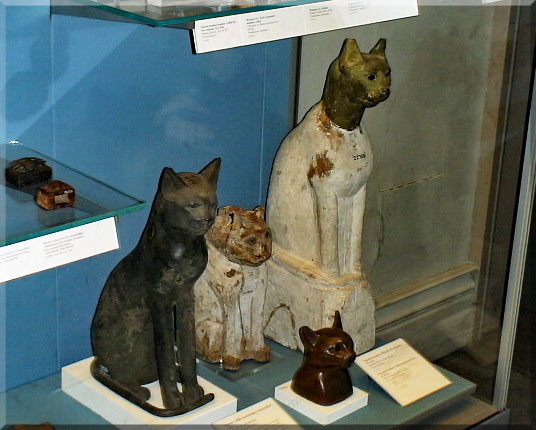
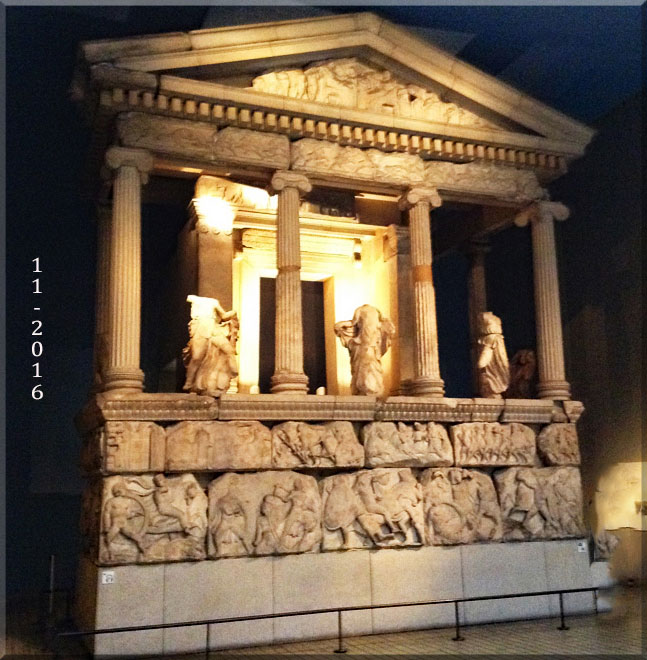
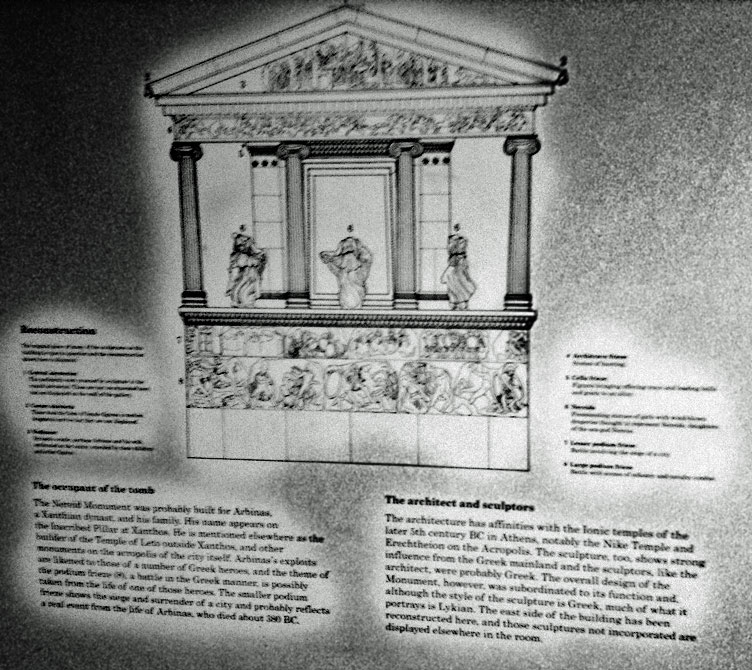
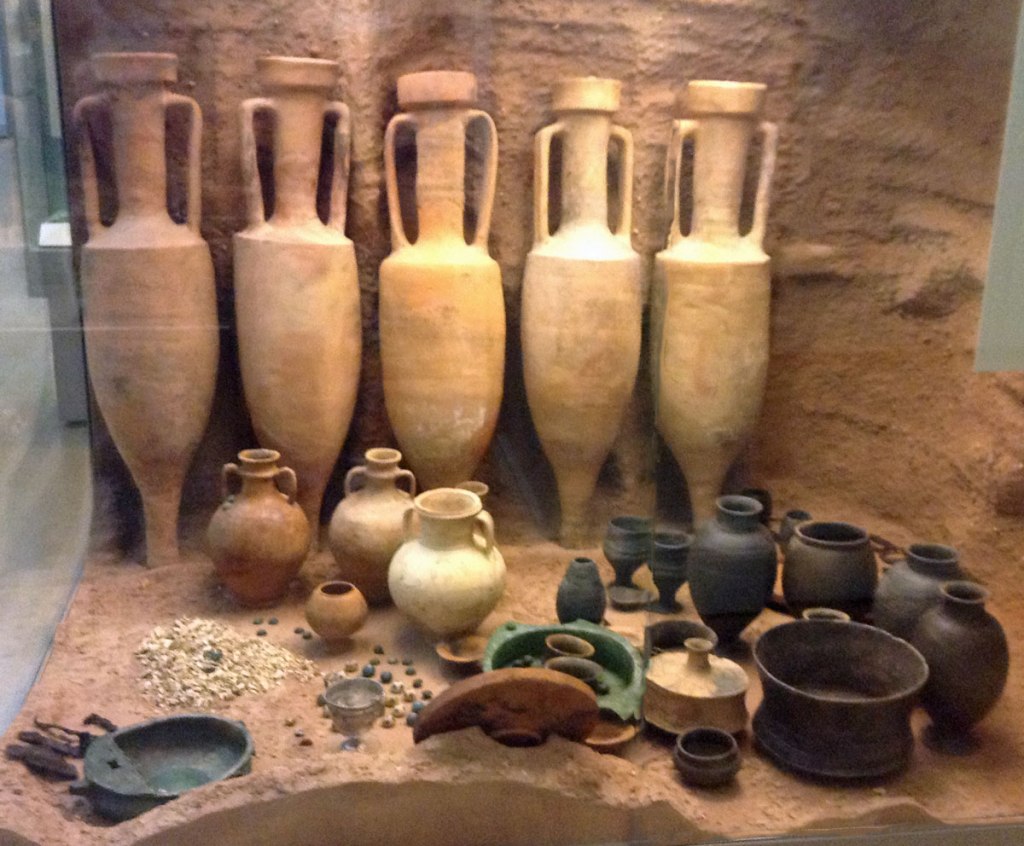
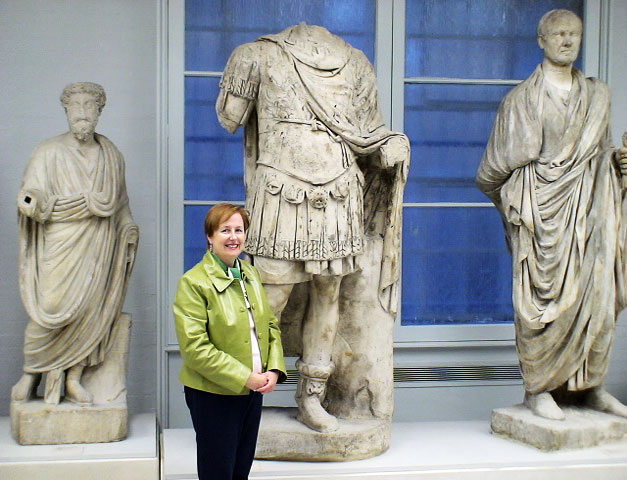
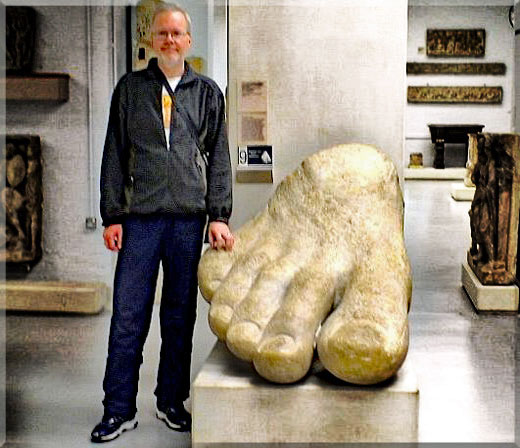
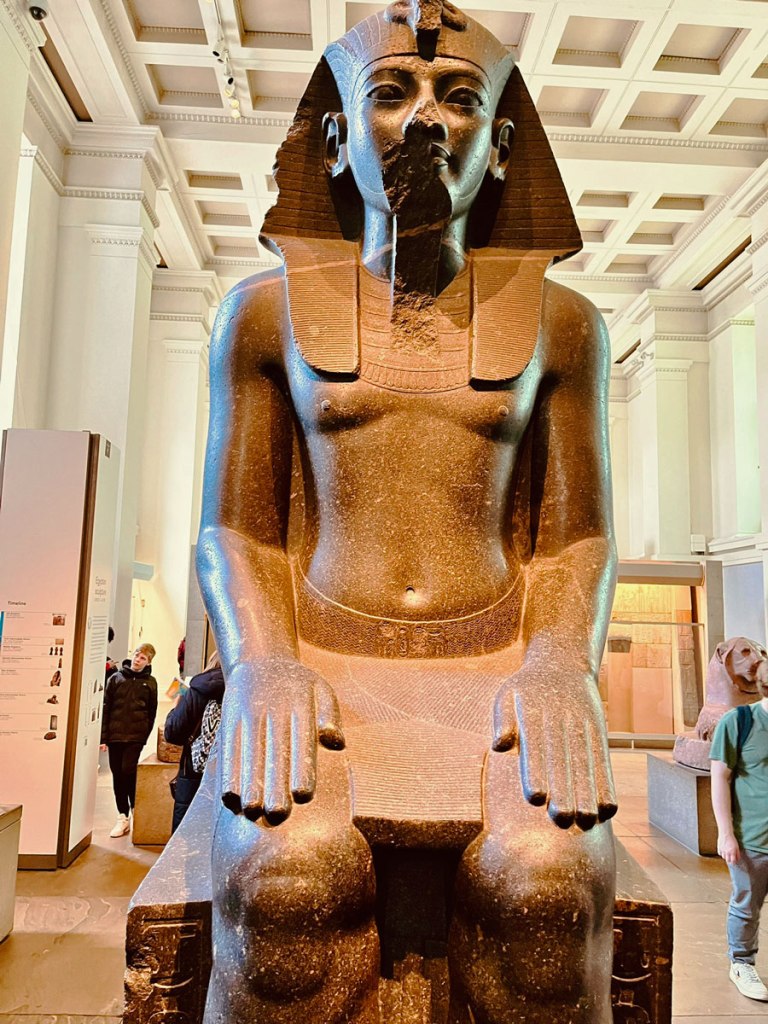
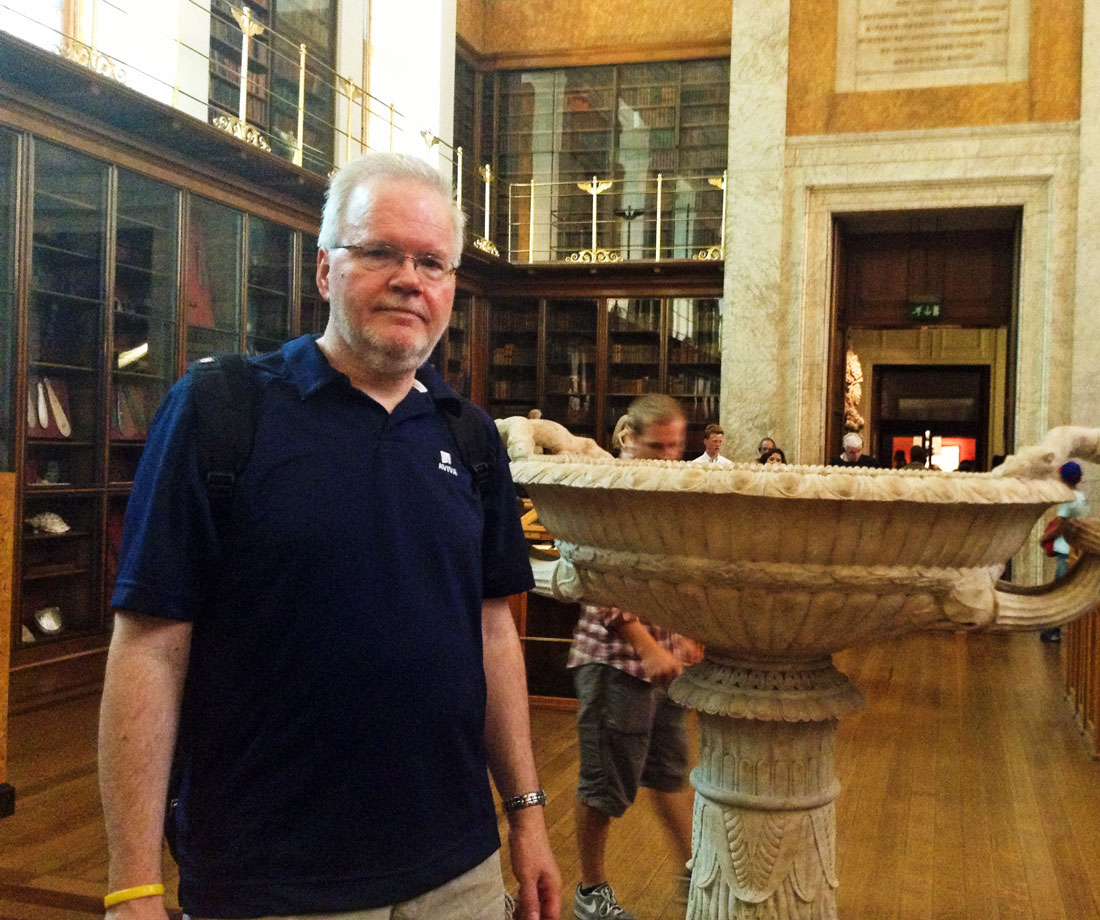
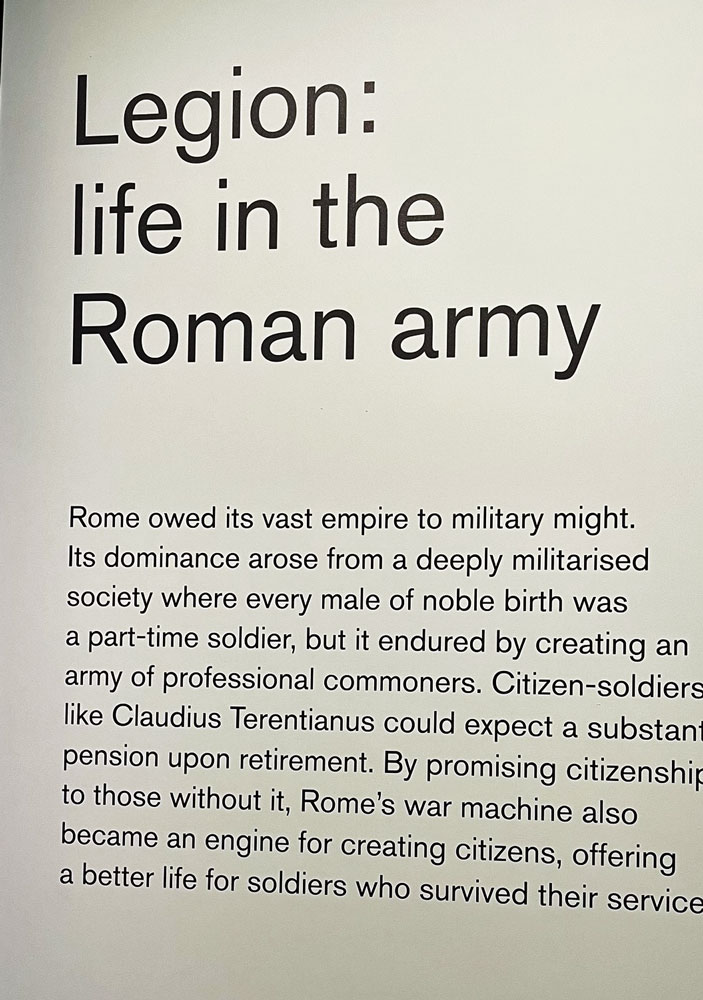
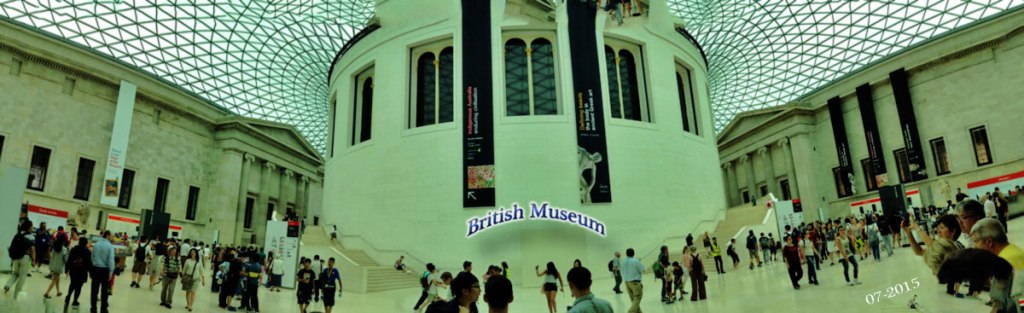
The British Museum was established in 1753, largely based on the collections of the physician and scientist Sir Hans Sloane and it is one of the great museums of the world, showing the works of man from prehistoric to modern times with collections drawn from the whole world. Famous objects include the Rosetta Stone, sculptures from the Parthenon, the Sutton Hoo and Mildenhall treasures and the Portland Vase. Quite an impressive place to visit.

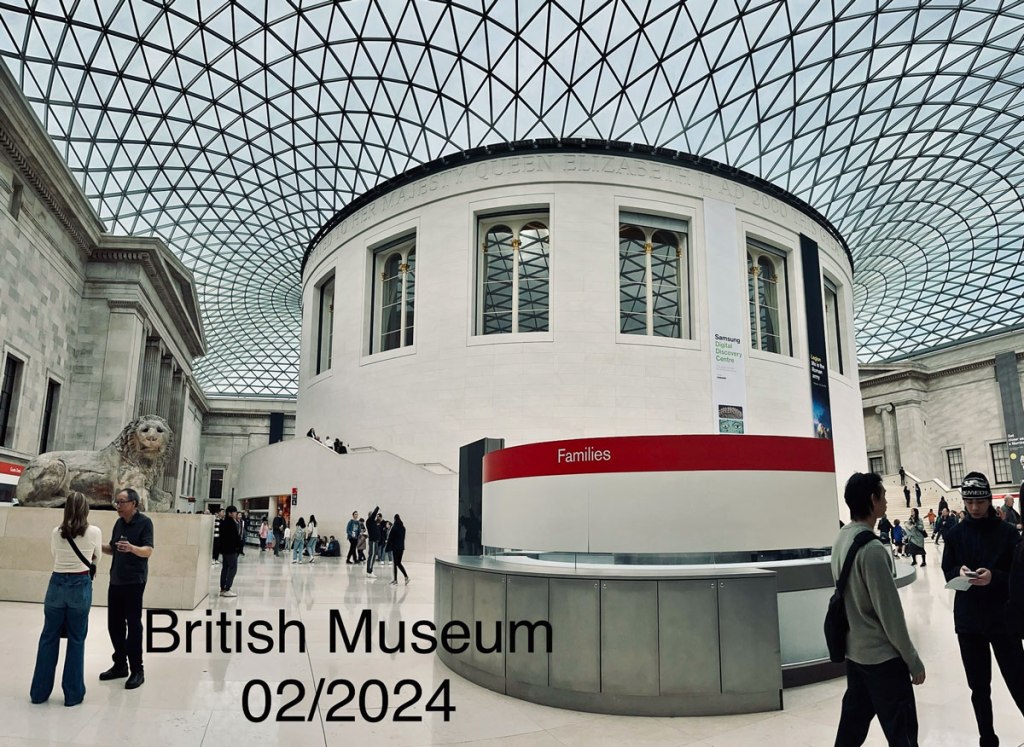
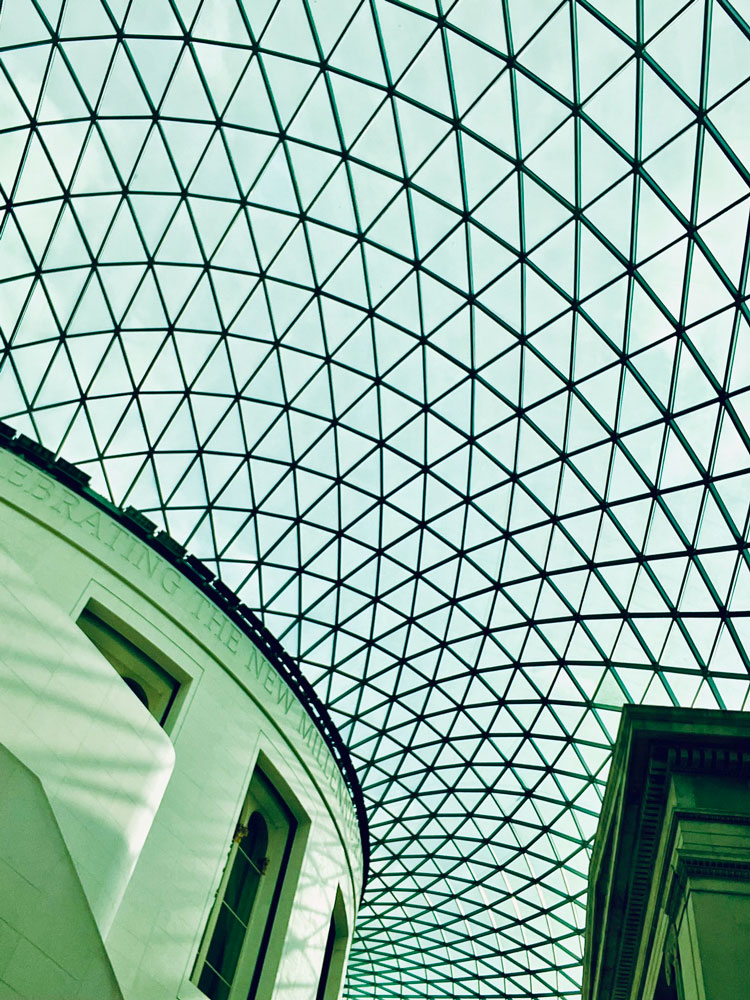
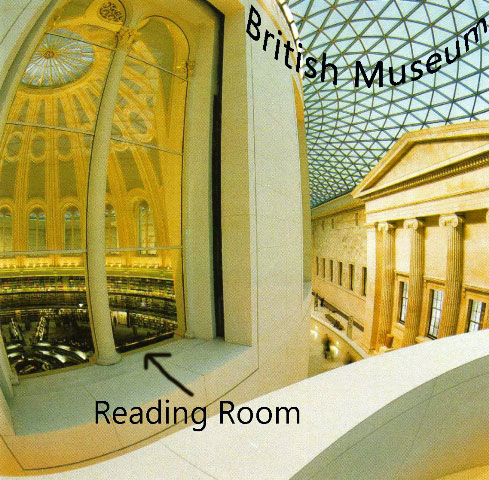
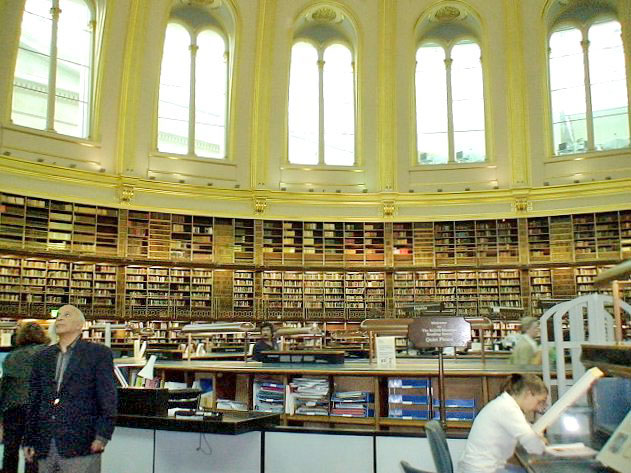
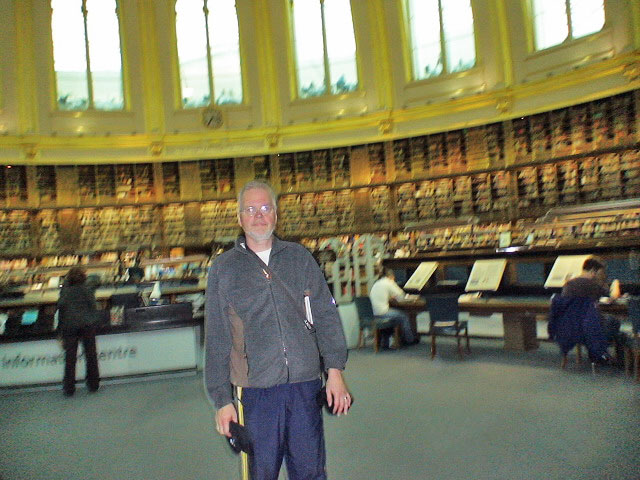
Update: The Reading Room was closed
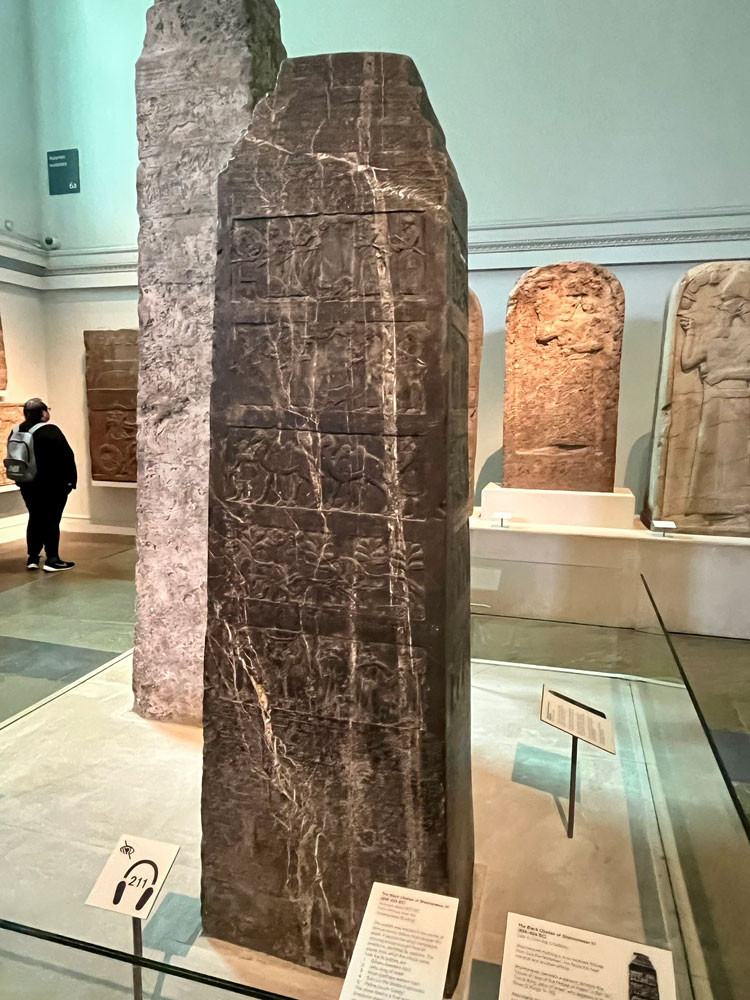
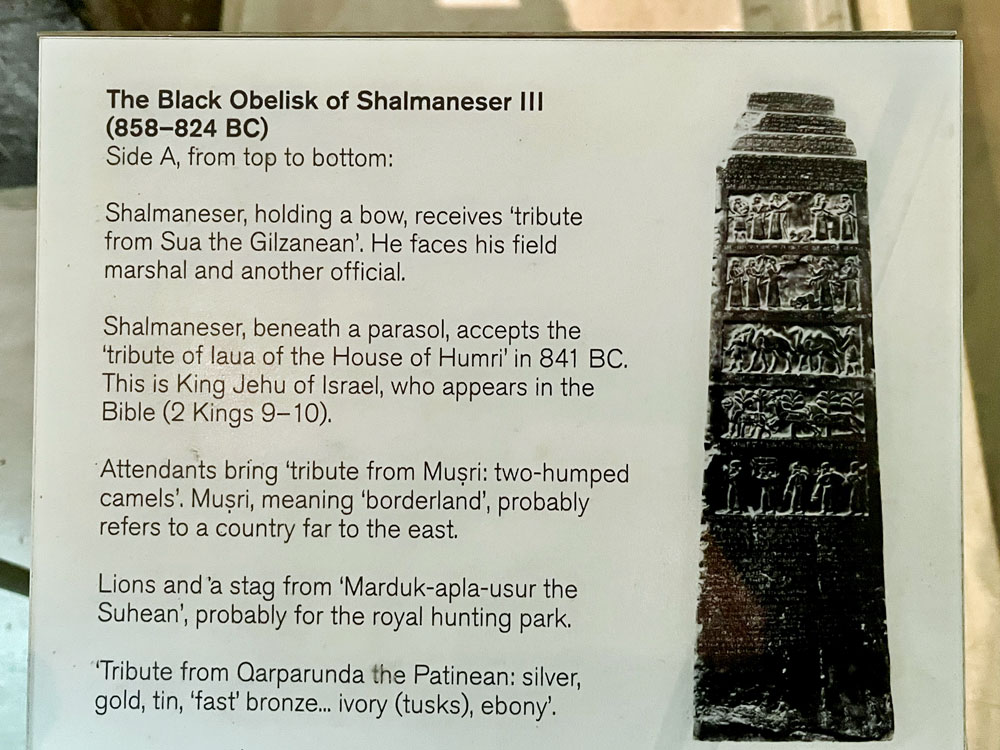
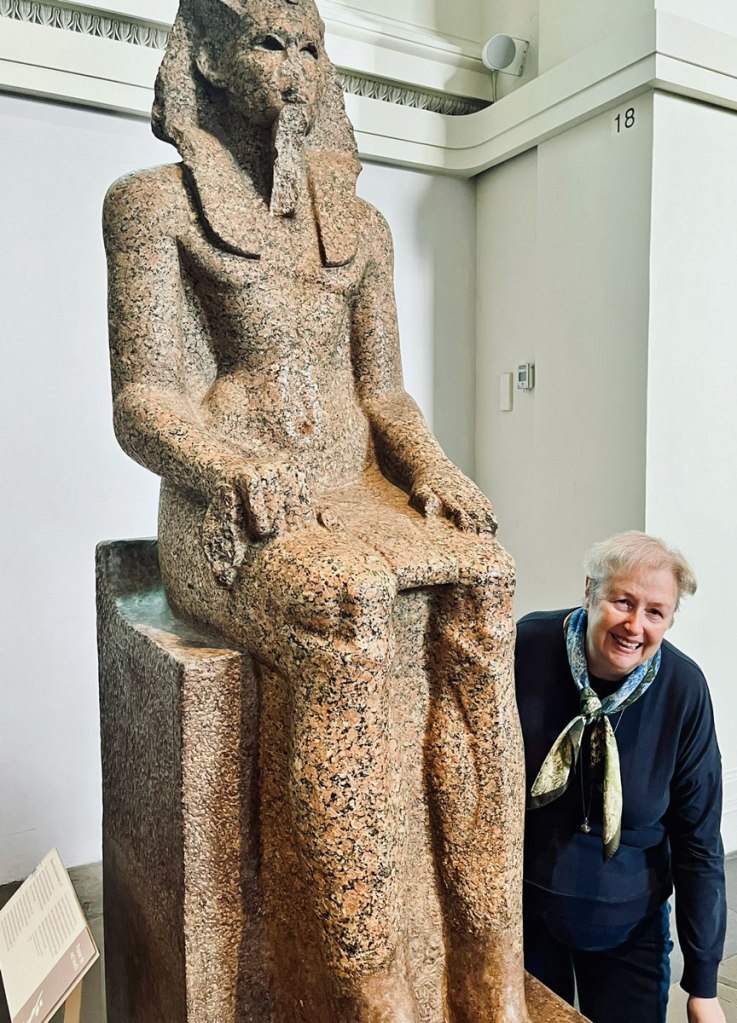
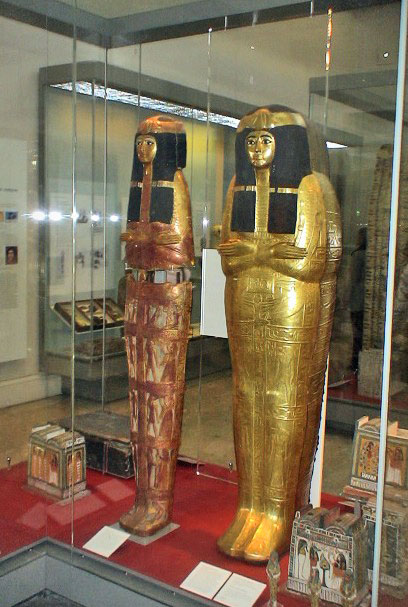
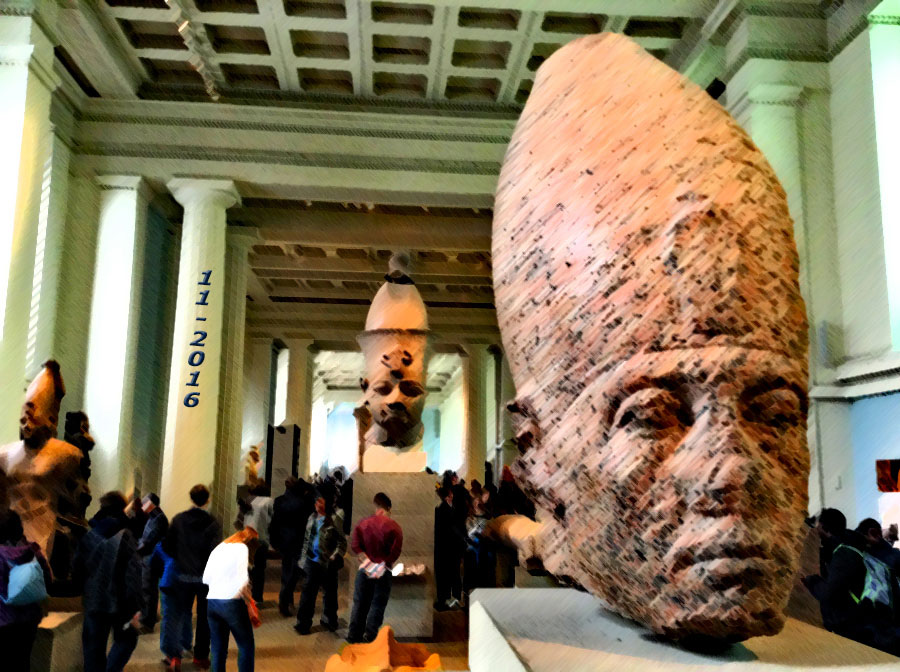
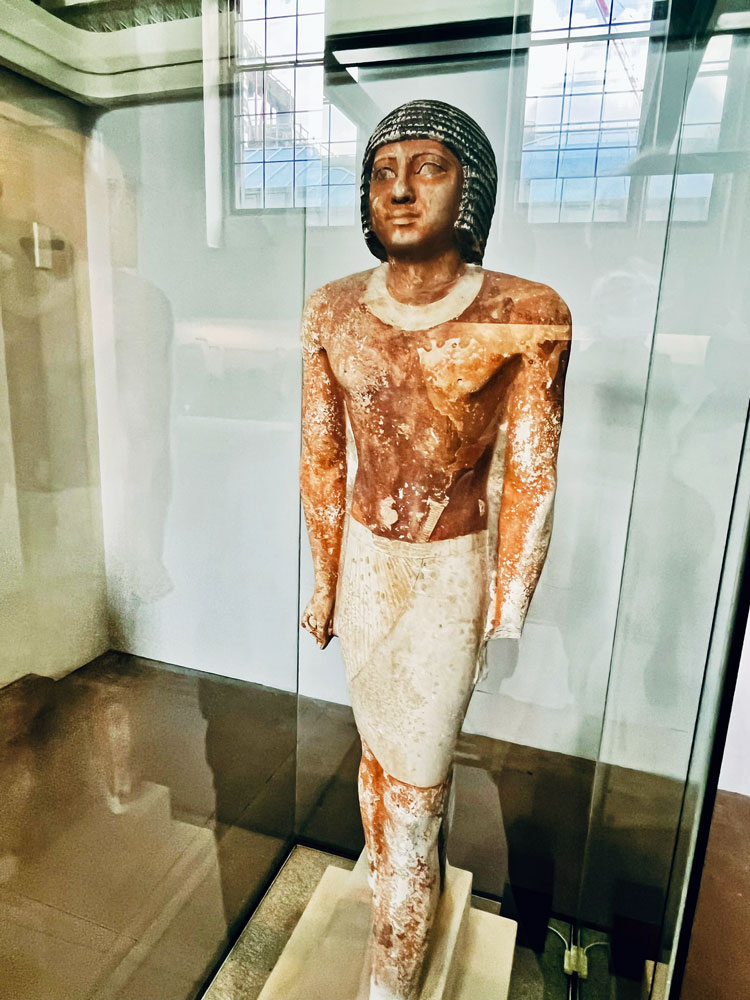
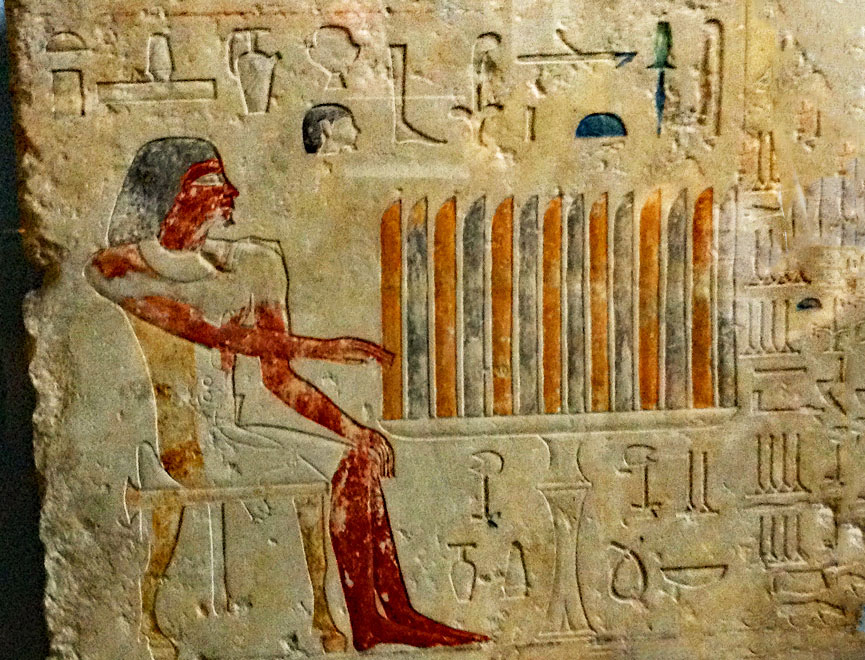
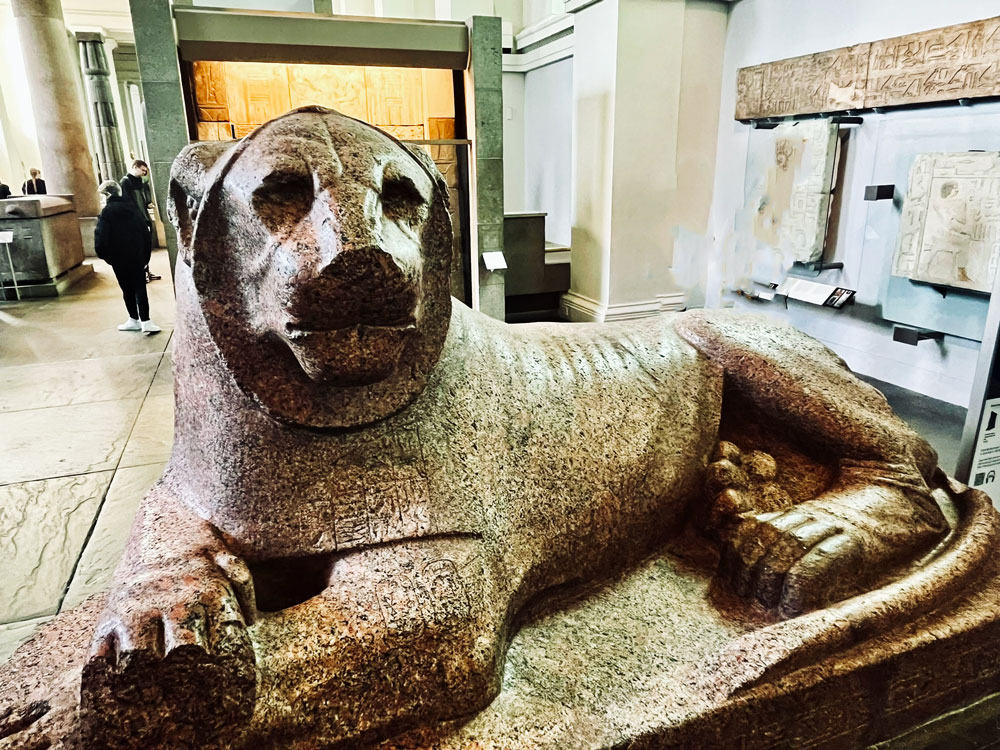
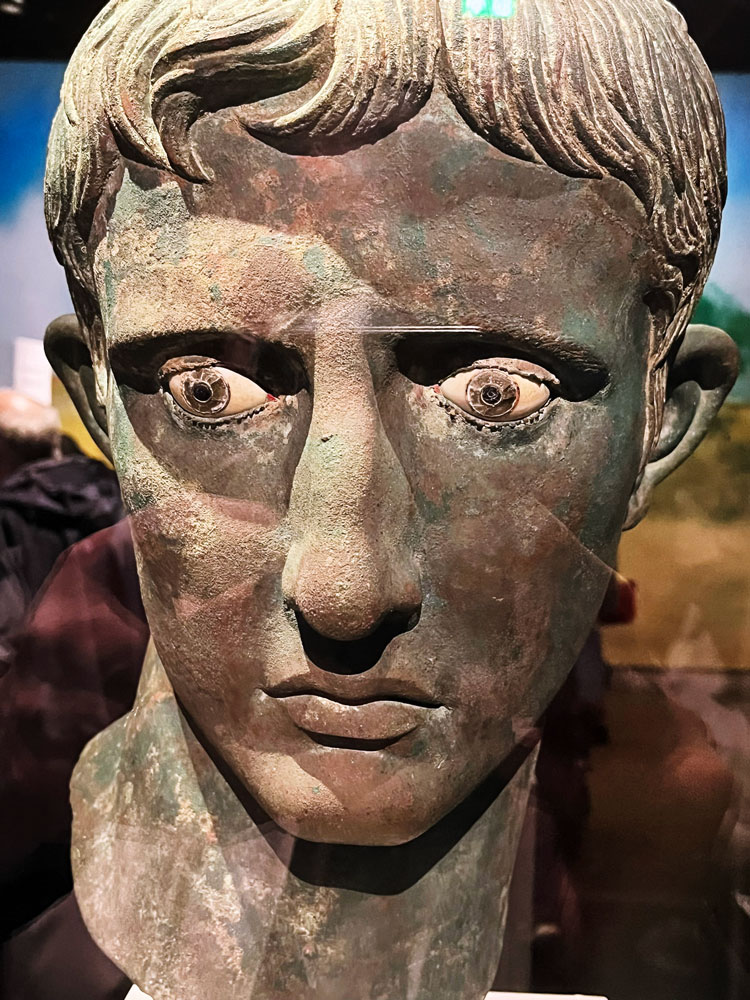
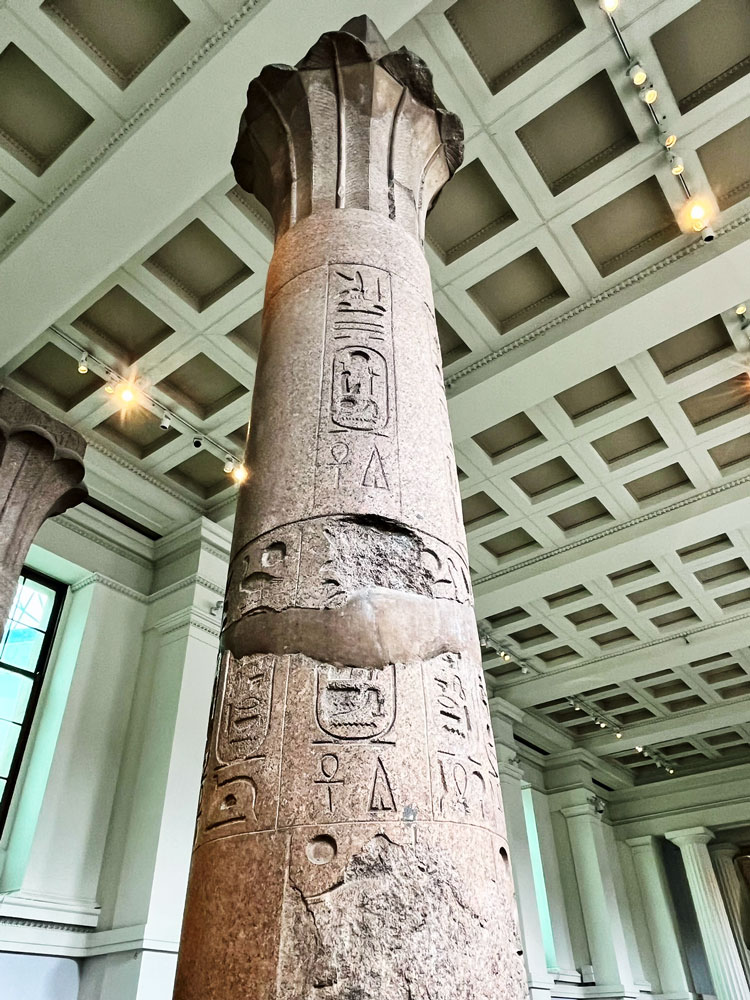
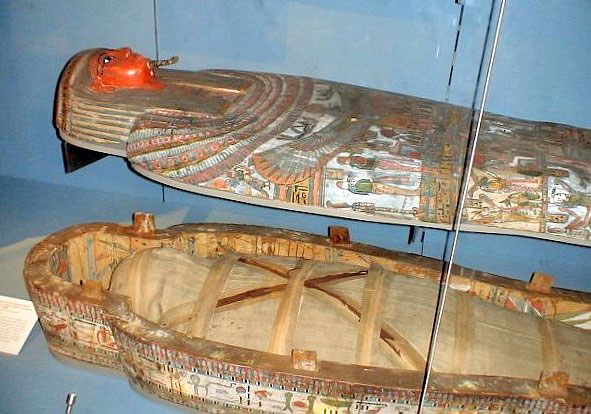
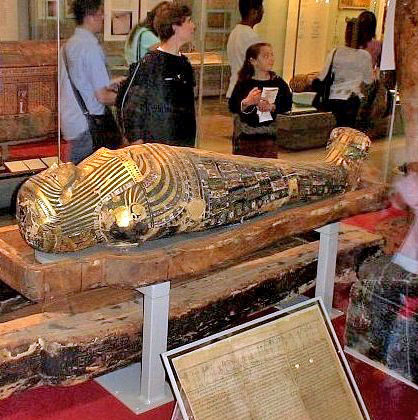
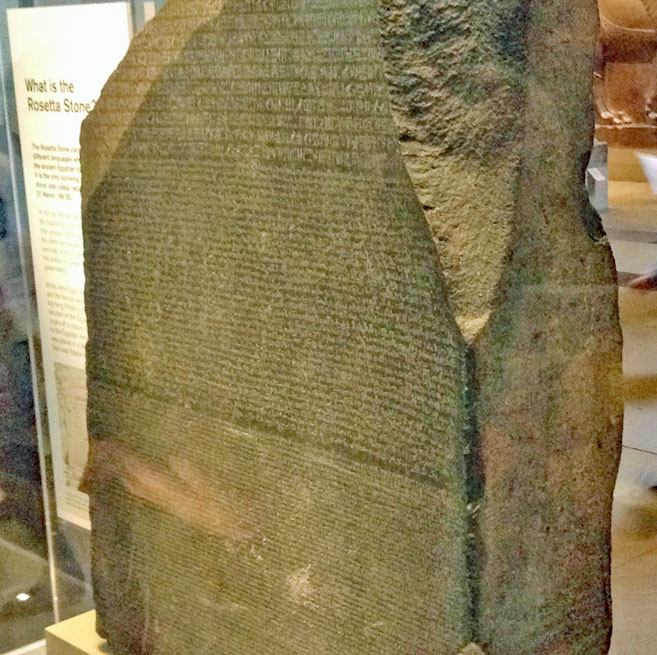
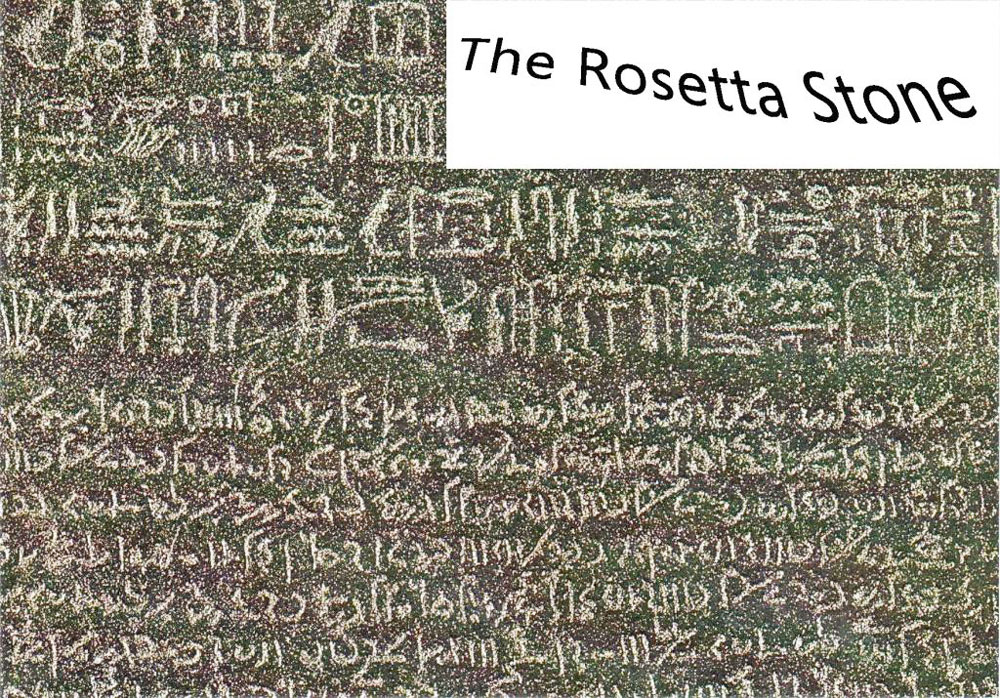
The Rosetta Stone which was instrumental in advancing modern understanding of hieroglyphic writing. The stone is a Ptolemaic era stele with carved text made up of three translations of a single passage: two in Egyptian language scripts (hieroglyphic and Demotic) and one in classical Greek. It was created in 196 BC, discovered by the French in 1799 at Rosetta, and contributed greatly to the deciphering of the principles of hieroglyph writing in 1822 by the British scientist Thomas Young and the French scholar Jean-Francois Champollion. Comparative translation of the stone assisted in understanding many previously undecipherable examples of hieroglyphic writing. The text on the stone is a decree from Ptolemy V, describing the repealing of various taxes and instructions to erect statues in temples.
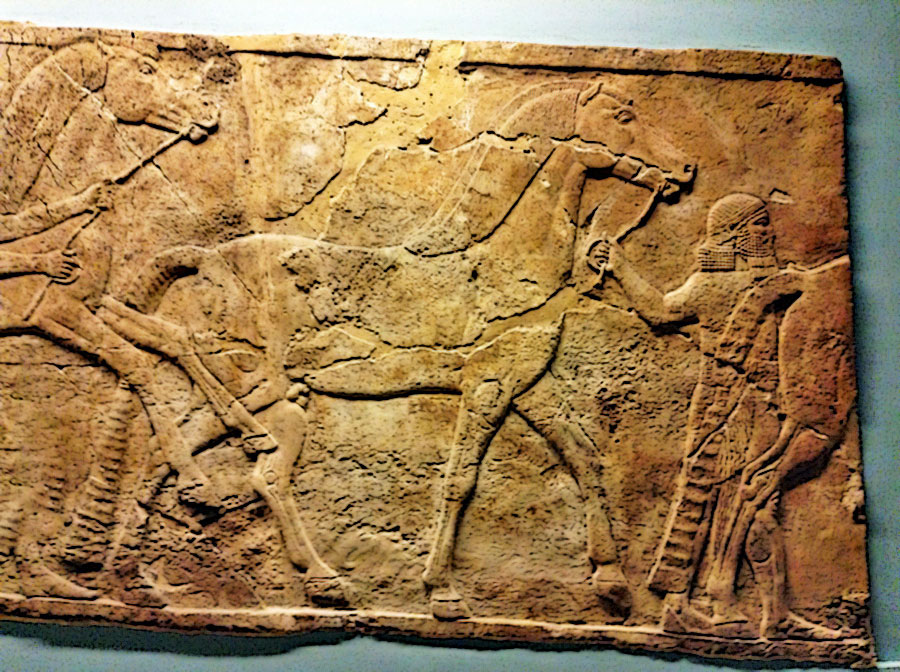
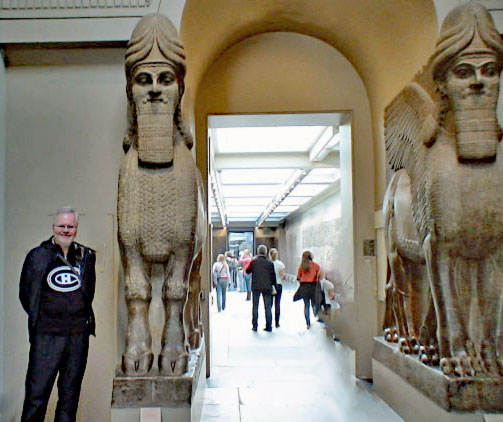
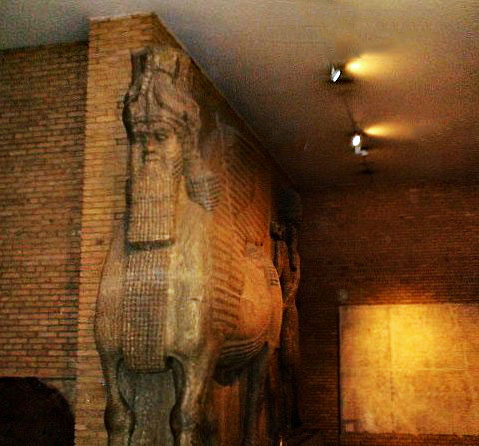
Dur-Sharrukin (“Fortress of Sargon“), present day Khorsabad, was the Assyrian capital in the time of Sargon II of Assyria. Khorsabad is a village in northern Iraq, 15 km northeast of Mosul, which is still today inhabited by Assyrians.

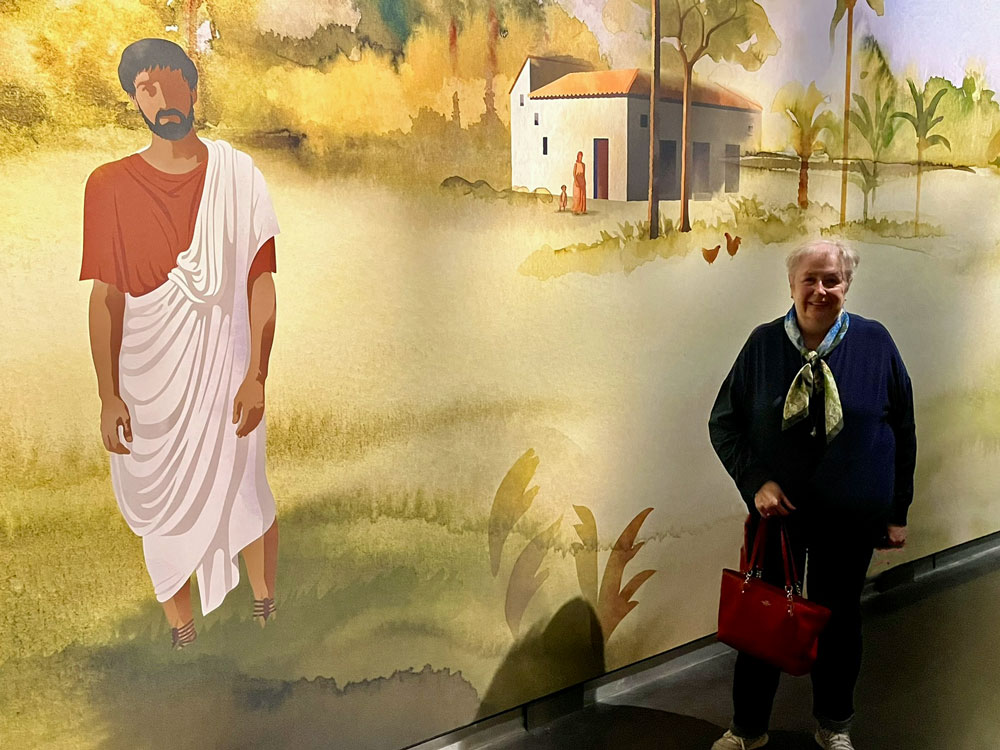
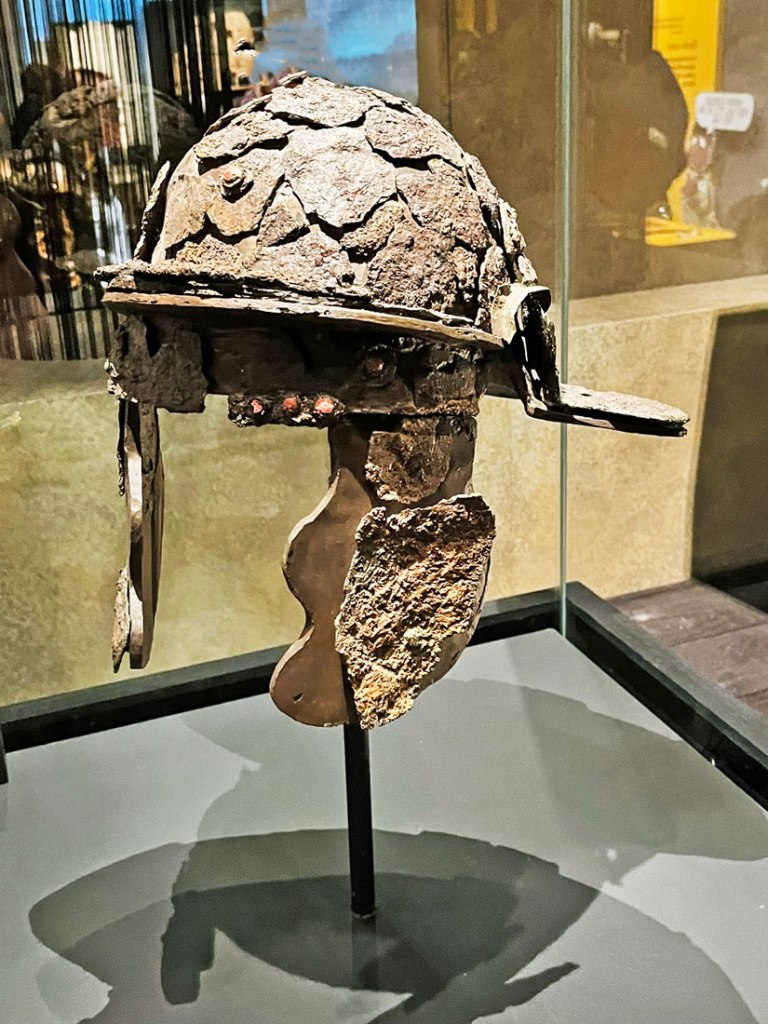
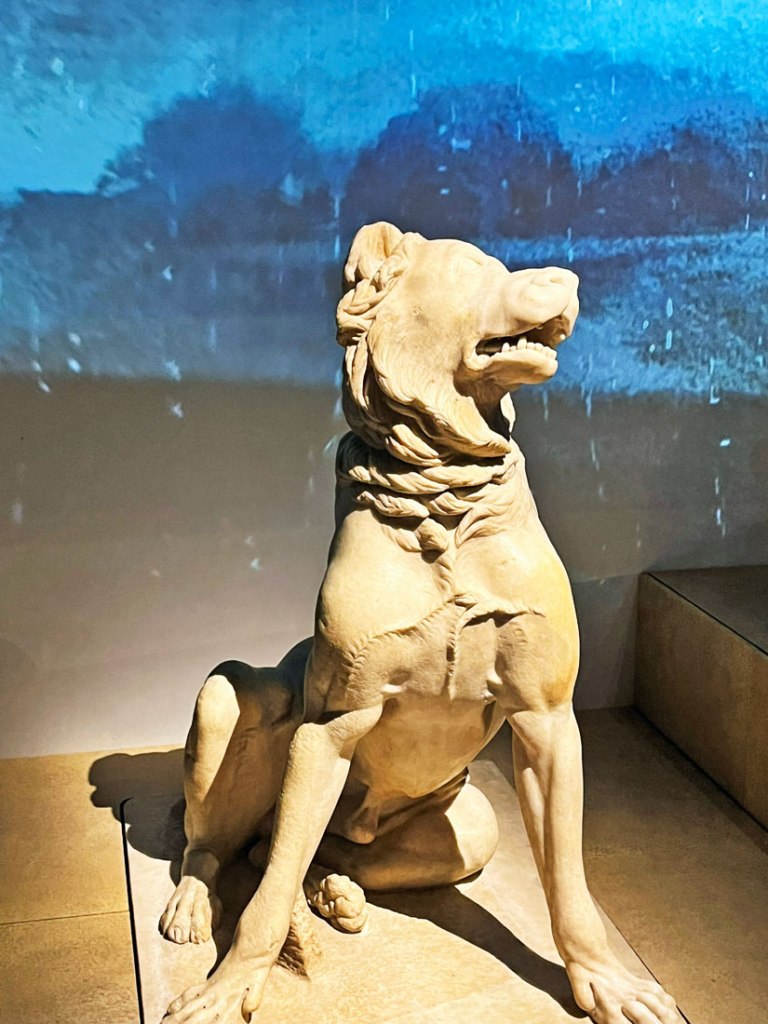
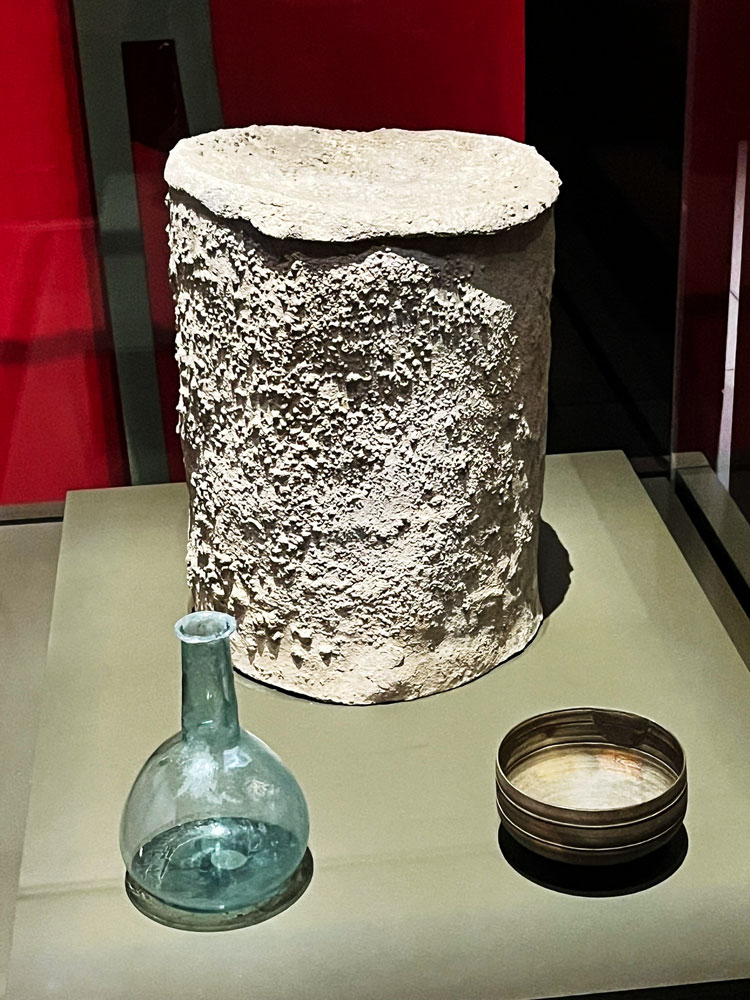
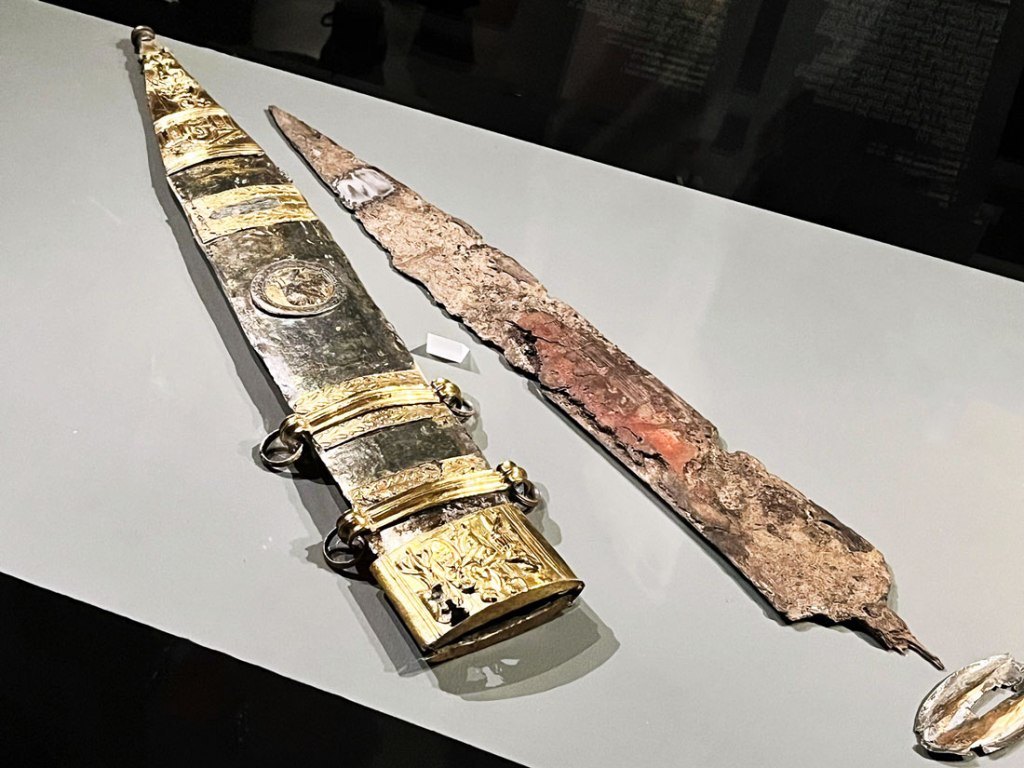
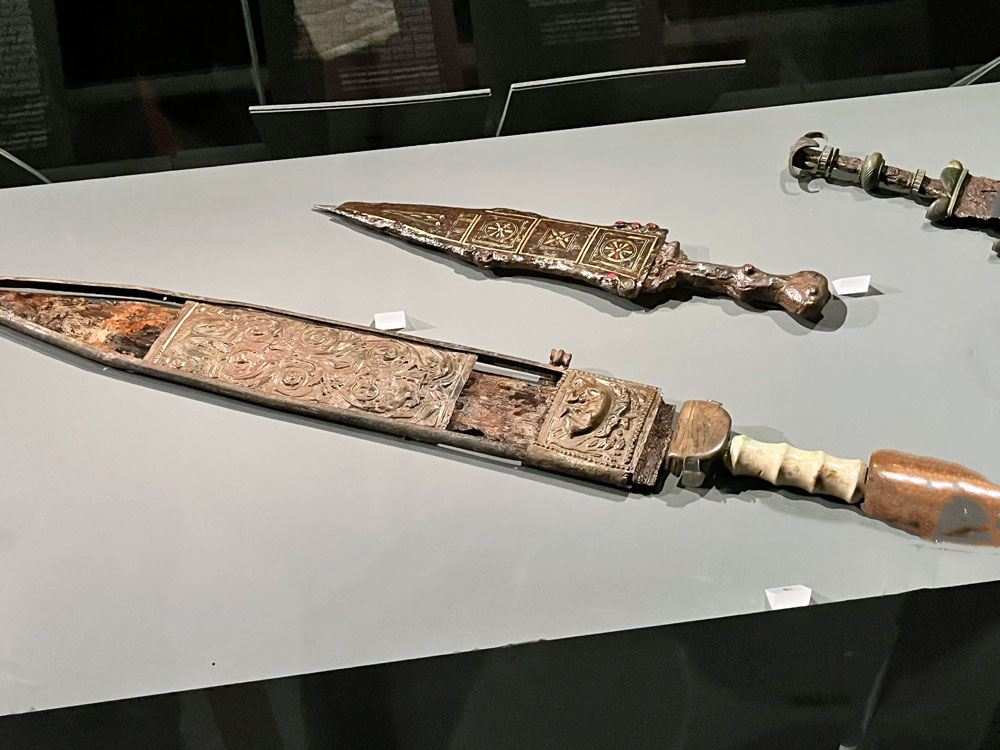
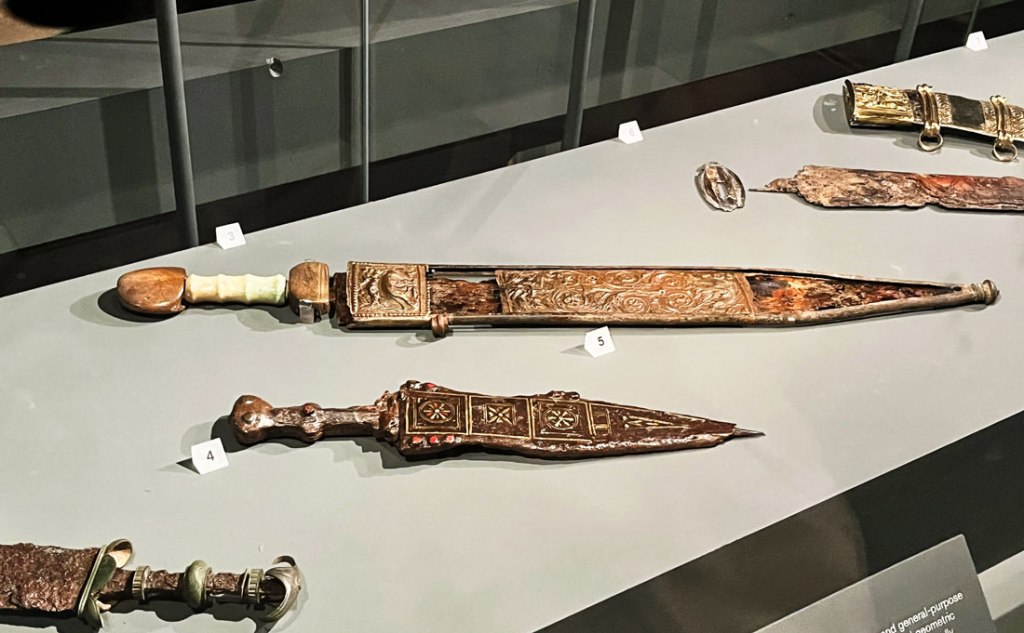
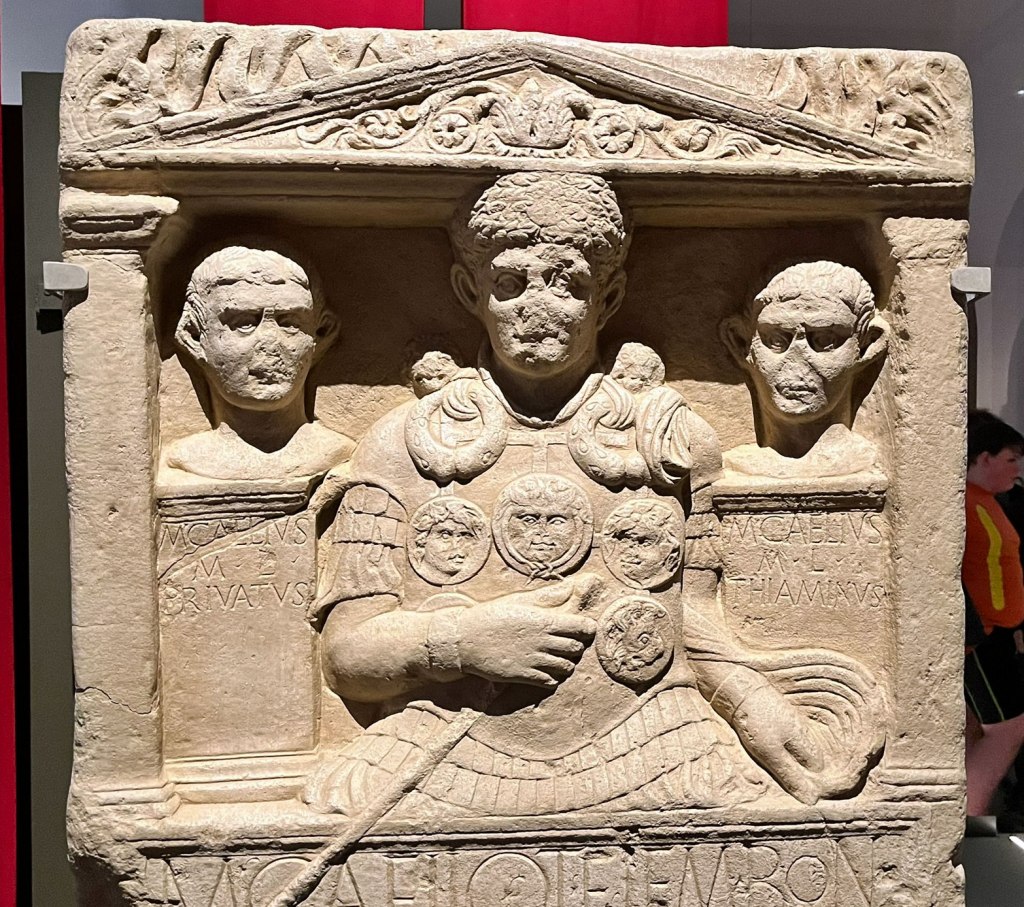
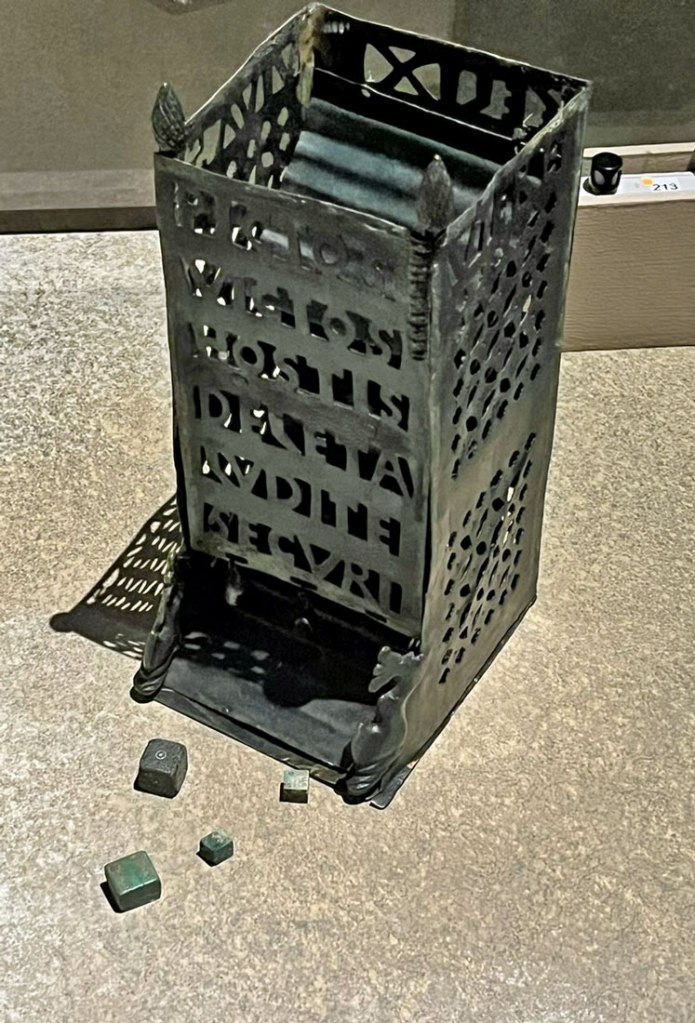
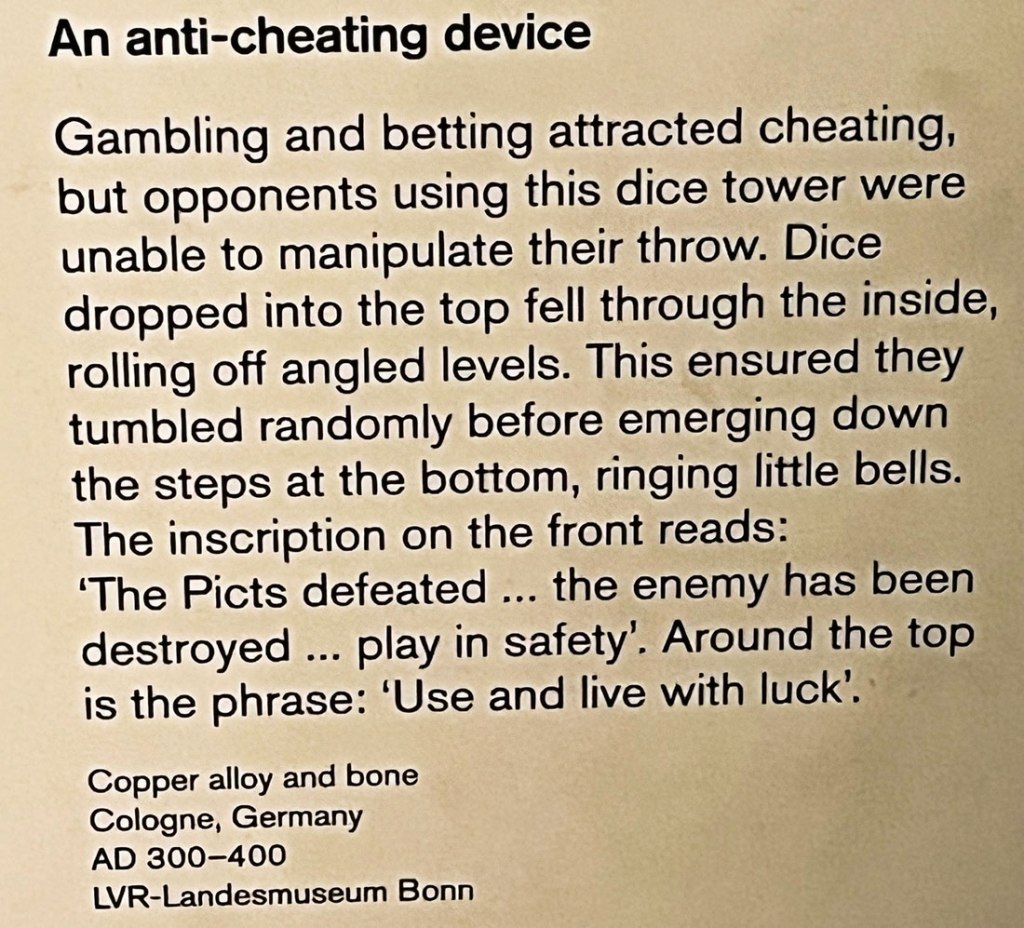
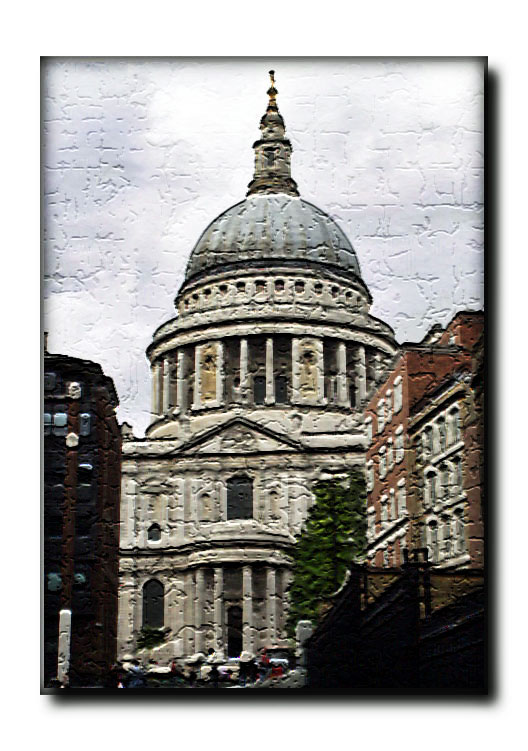
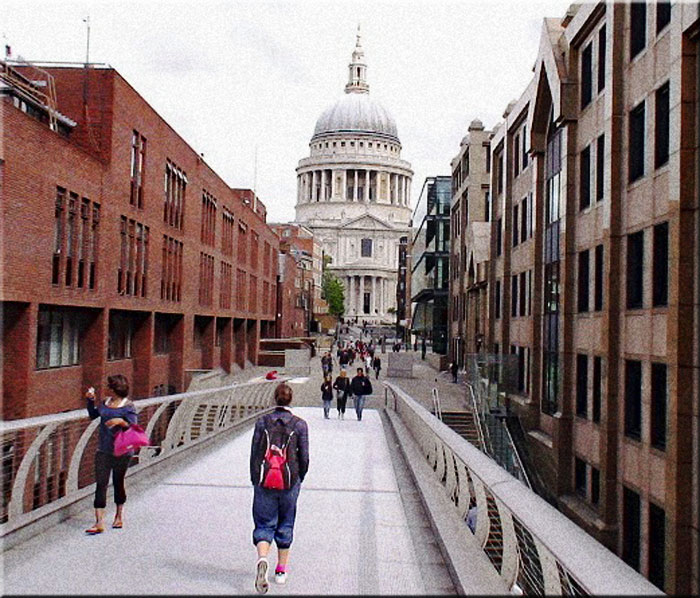
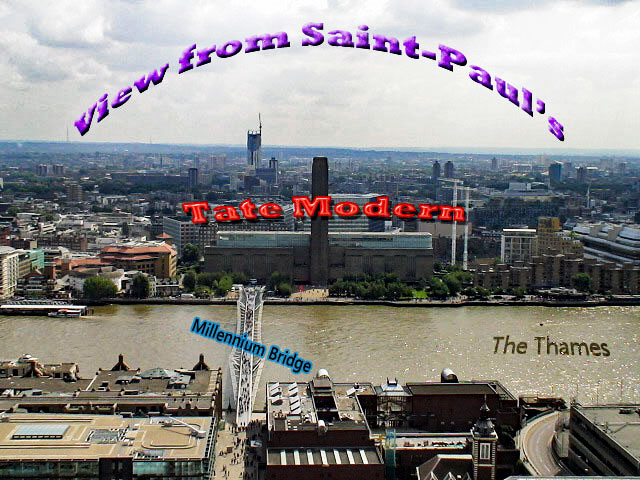
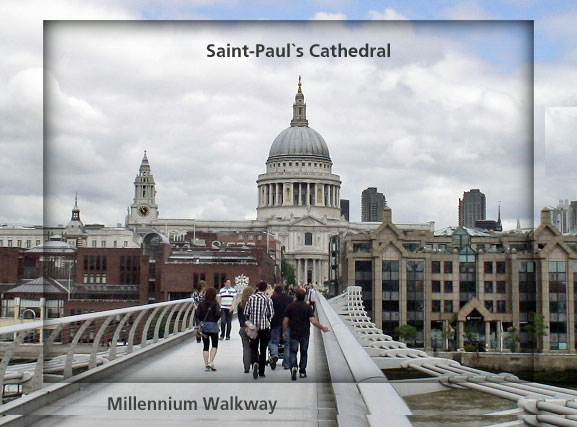
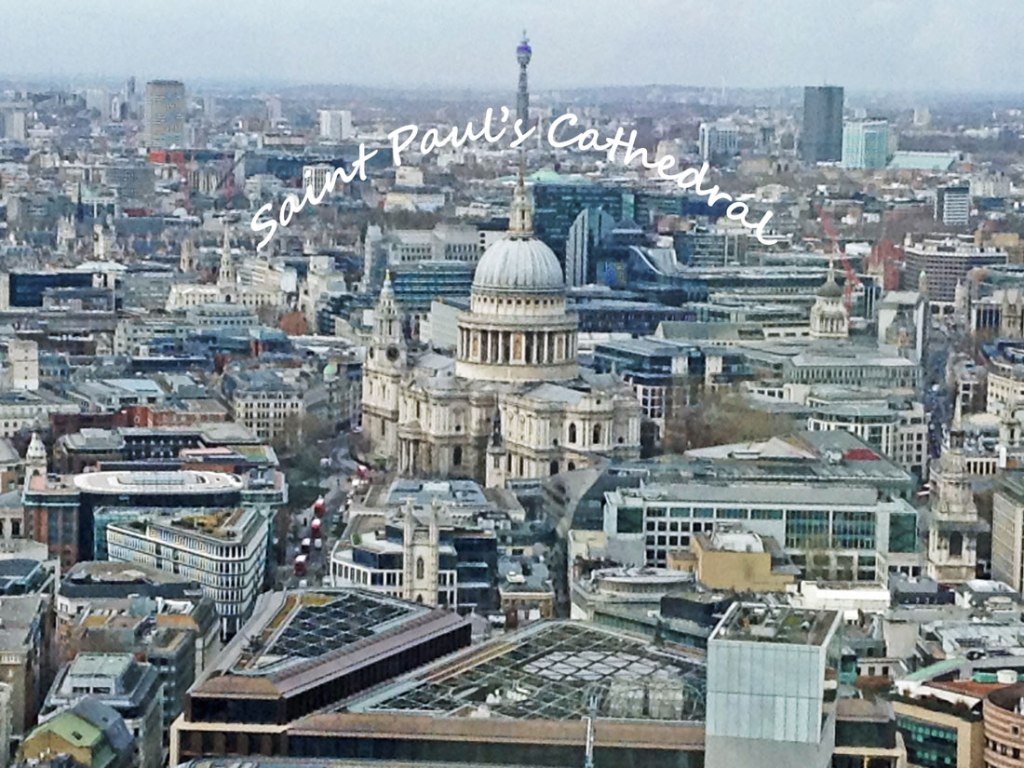
St Paul’s Cathedral is the Anglican Cathedral on Ludgate Hill, and the seat of the Bishop of London. The present building dates from the 17th century and is generally reckoned to be London’s fifth St Paul’s Cathedral, although the number is higher if every major medieval reconstruction is counted as a new cathedral.
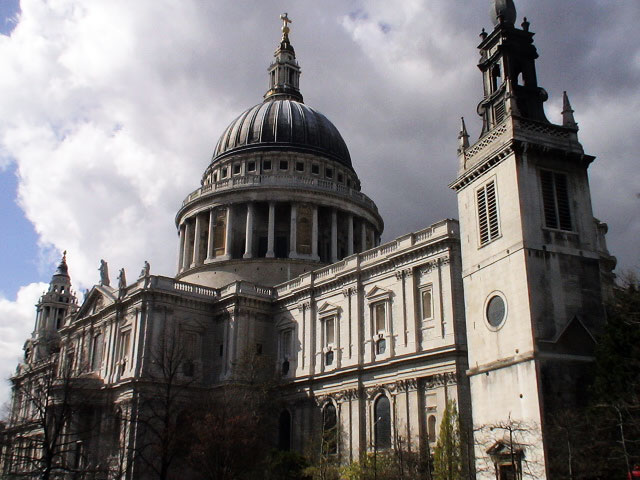
The Royal Family holds most of their important marriages, christenings and funerals at Westminster Abbey, but St Paul’s was used for the marriage of Charles and Diana.
The religious service for Queen Victoria’s Diamond Jubilee was also celebrated here.
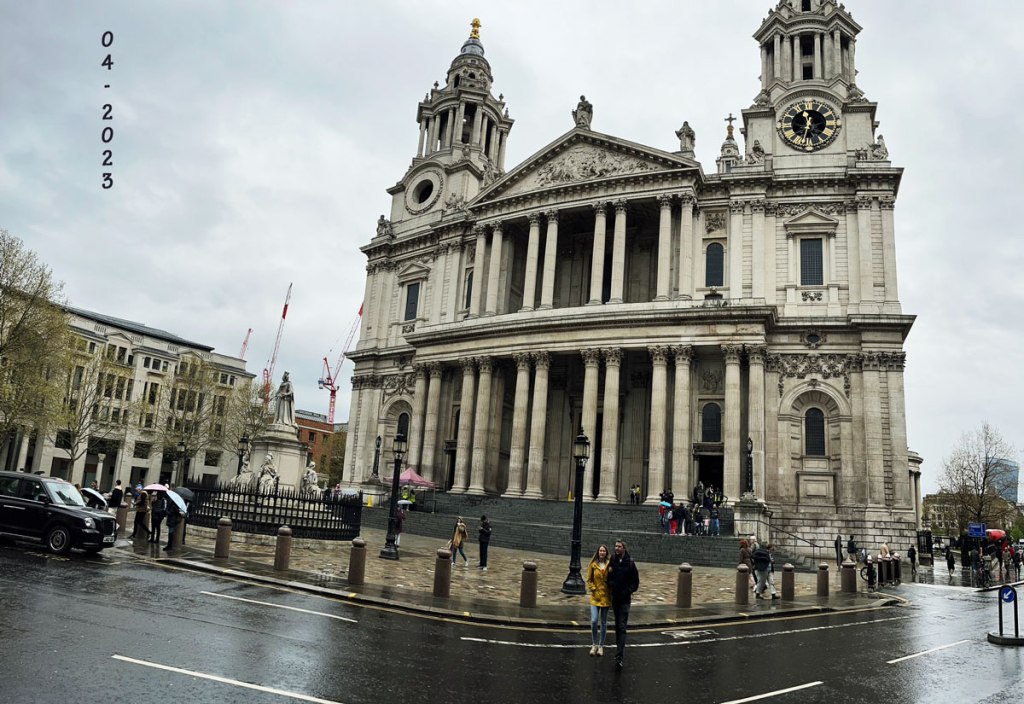
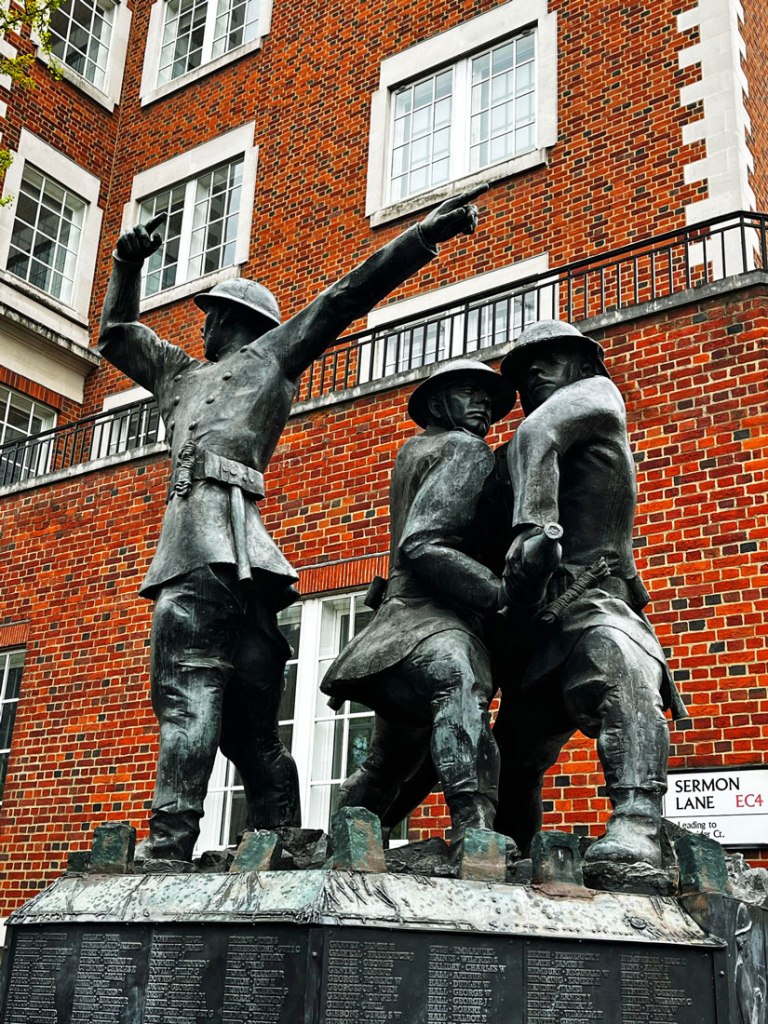
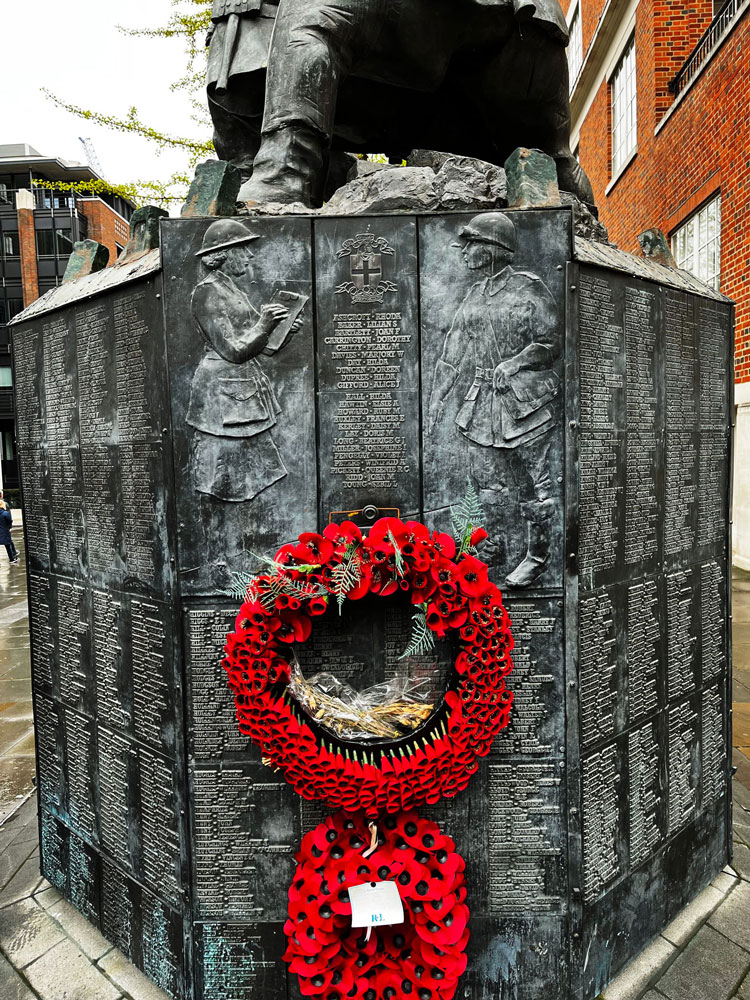
Memorial to the firefighters during the London Blitz in WW II. Located in proximity of Saint-Paul’s Cathedral where most of their fire fighting efforts were concentrated on.
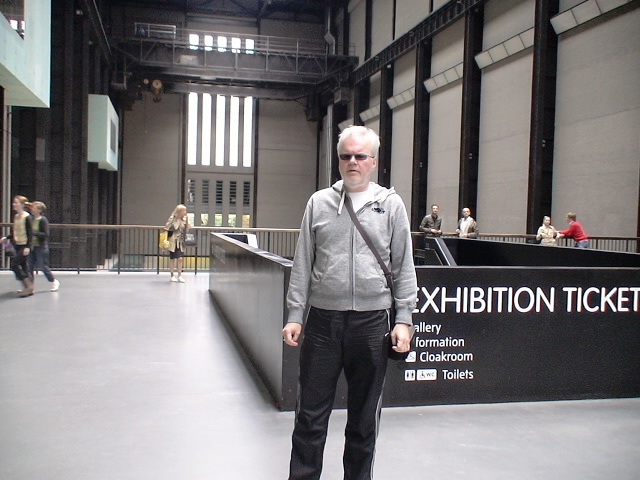
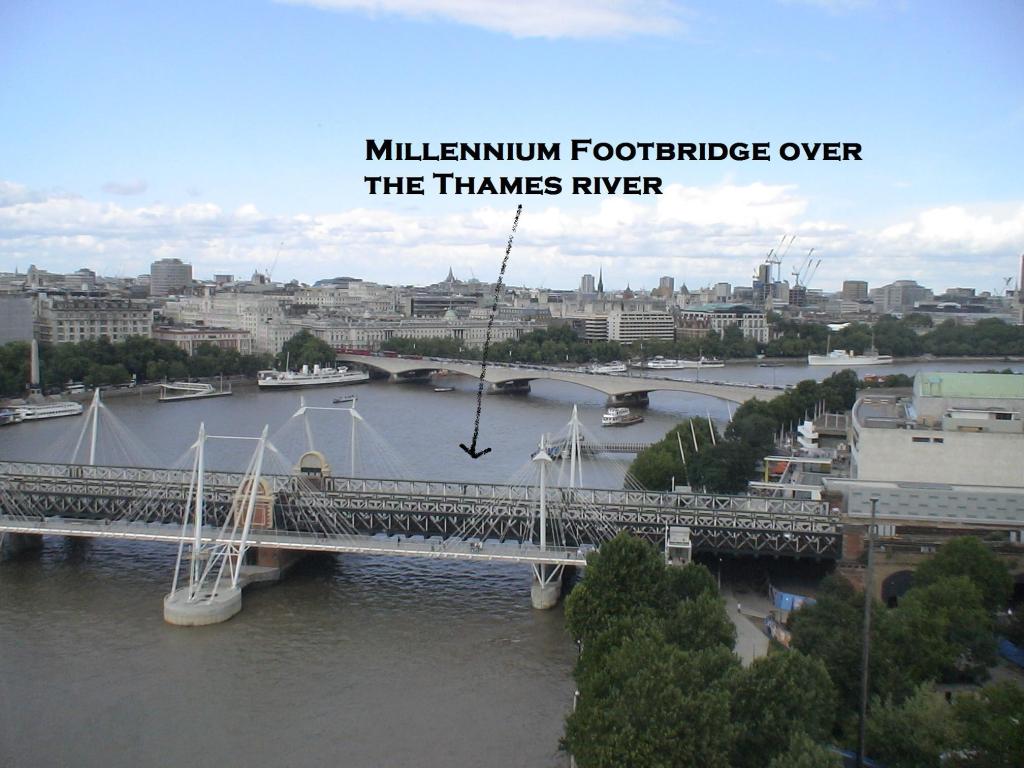
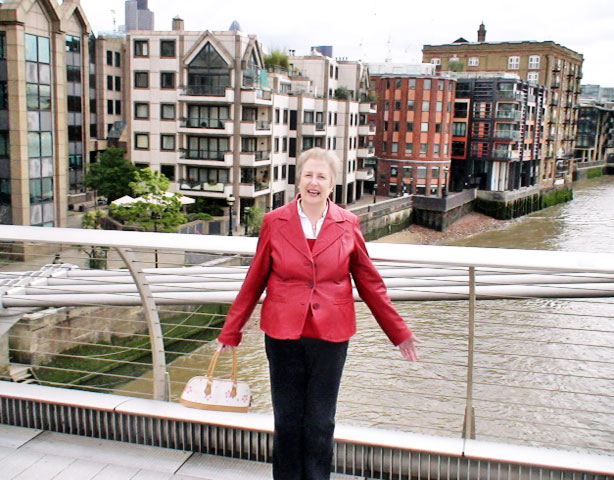
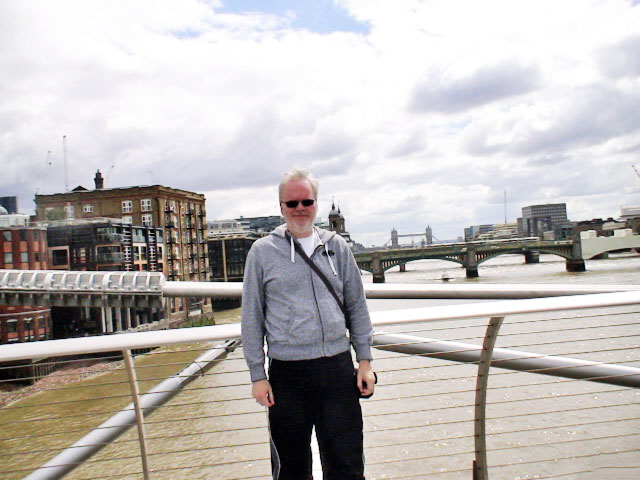
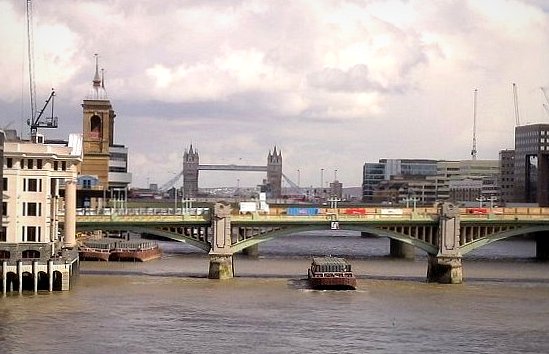
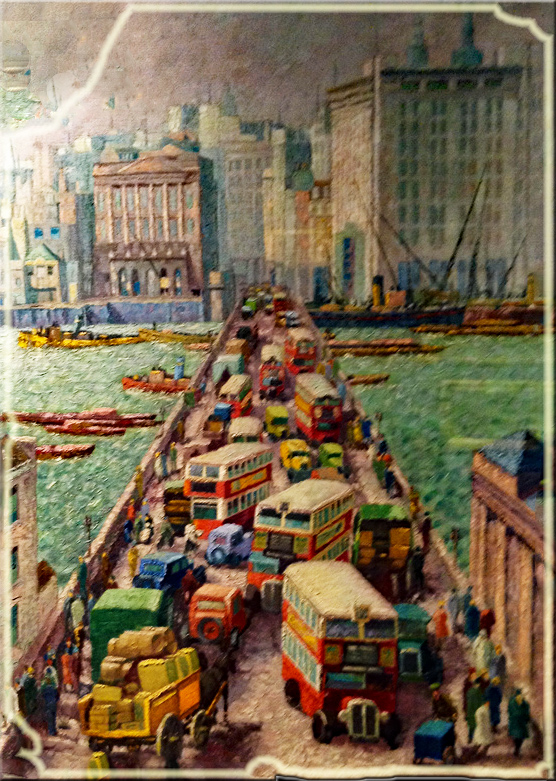
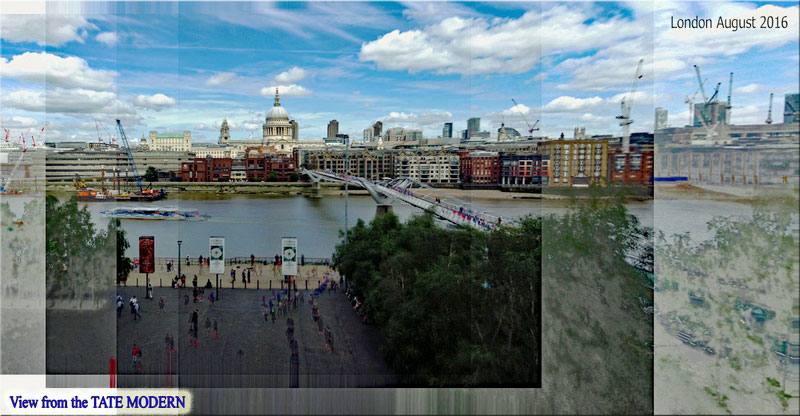
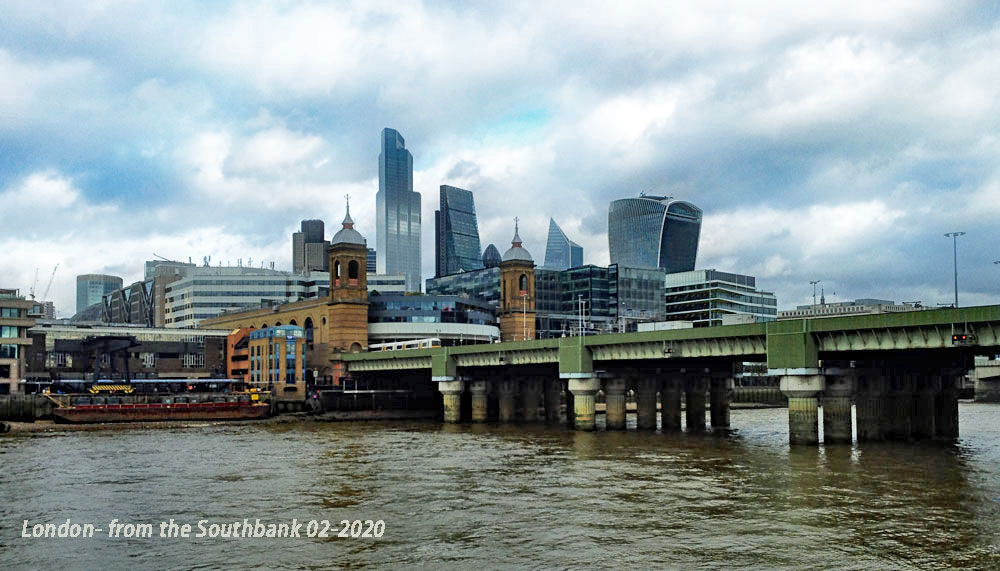
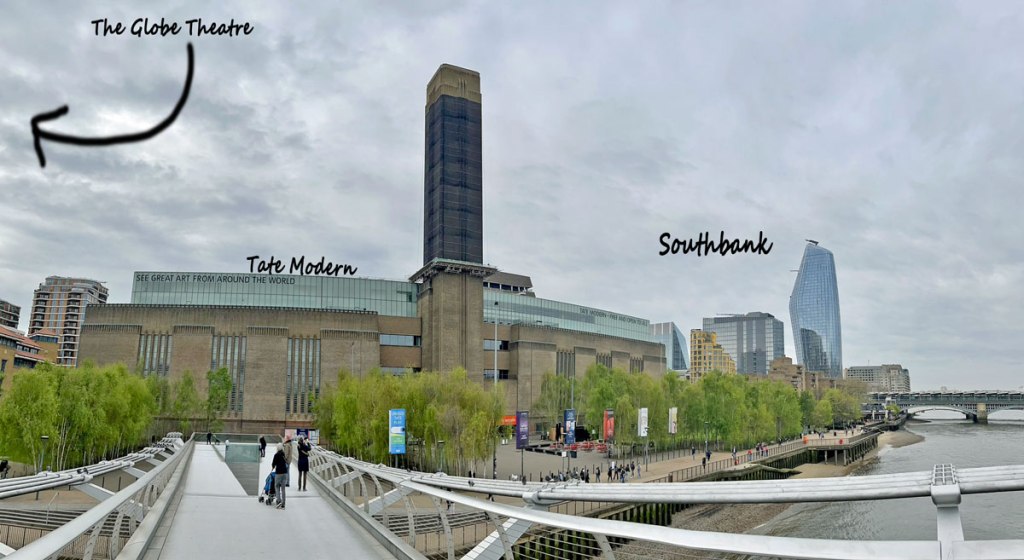
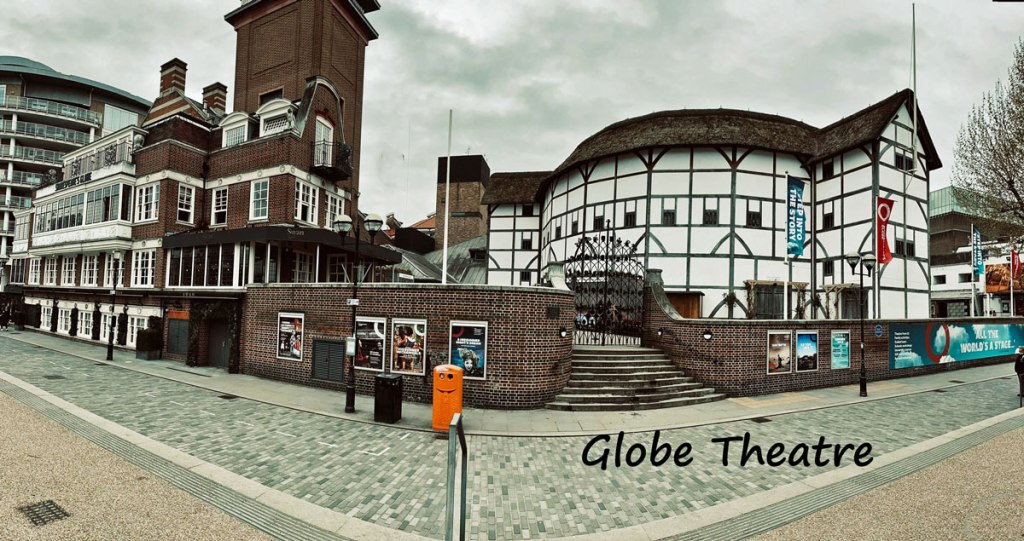
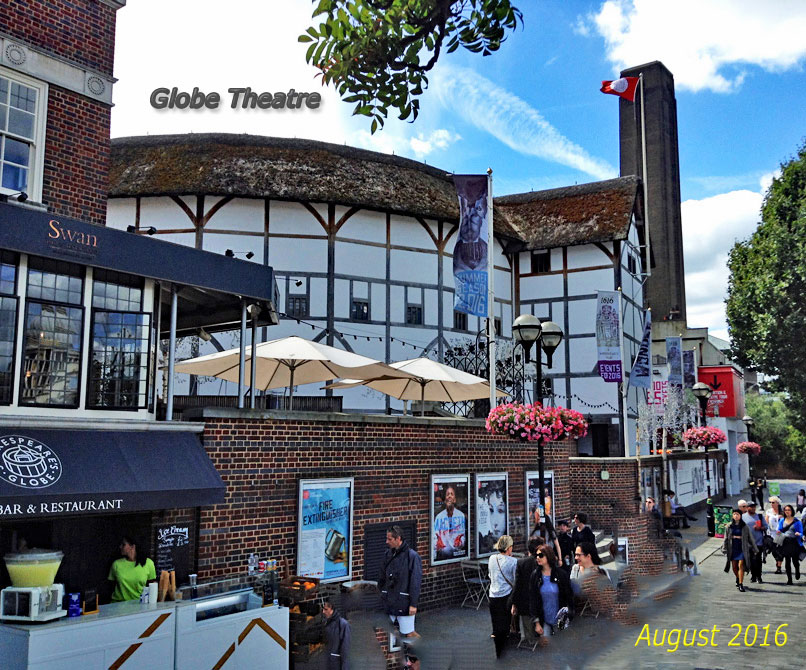
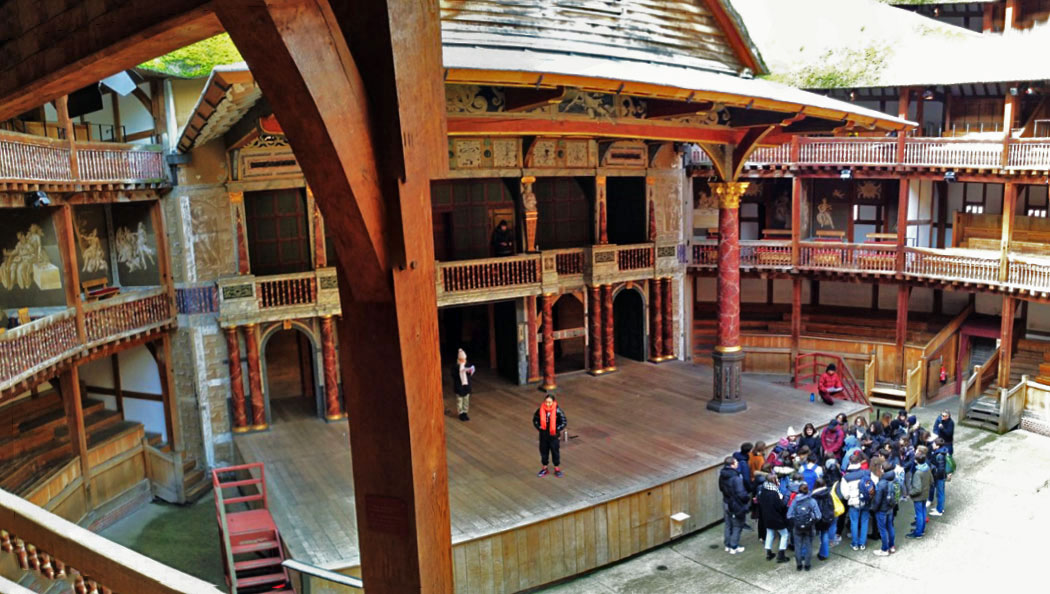
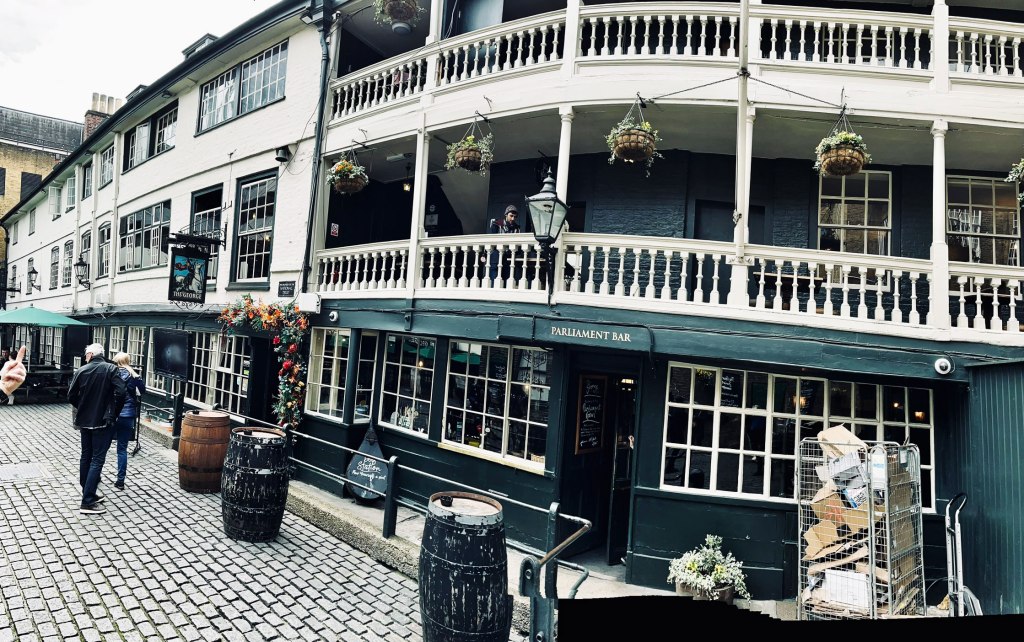
The pub was formerly known as the George and Dragon, named after the legend of Saint-George and the Dragon. It is possible that it was used for Elizabethan theatrical productions (Inn-yard productions), as other galleried inns were.
A pub has existed on the site since medieval times. In 1677, it was rebuilt after a serious fire destroyed most of Southwark. The medieval pub was situated next door to The Tabard Inn where Chaucer set the beginning of The Canterbury Tales.
Later, the greater Northern Railway used the George as a depot and pulled down two of its fronts to build warehousing. Now just the south face remains;
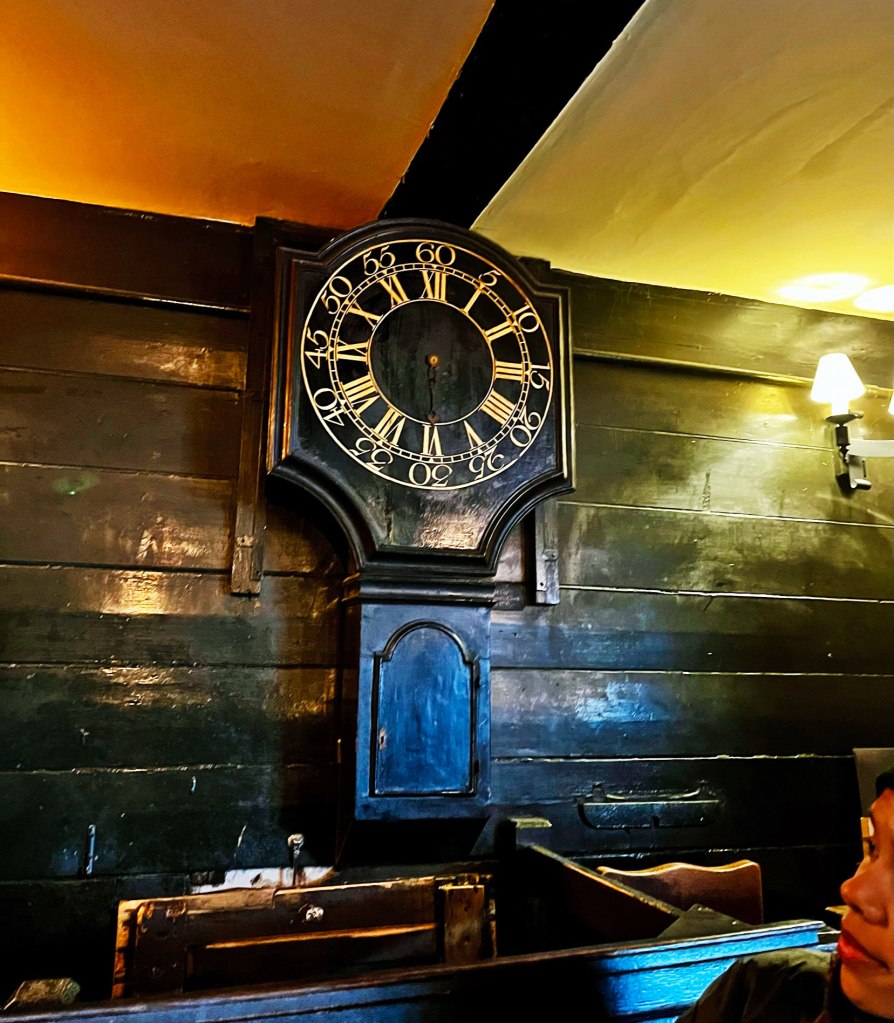
The Parliament Bar (named after the 18th century Parliament Clock ‘that still hangs in the room-see above). This is the old tap room of the pub, a dark panelled space (which used to have a fire burning in the grate, even in summer) where, according to a book on the inn written in 1918: “Here gathered in the old days the coachmen; the Tony Wellers of his day and before, with their long clay pipes and tankards of beer, met to discuss the events of the day and the road, whilst the ostlers saw to the watering and care of their horses further down the yard.”
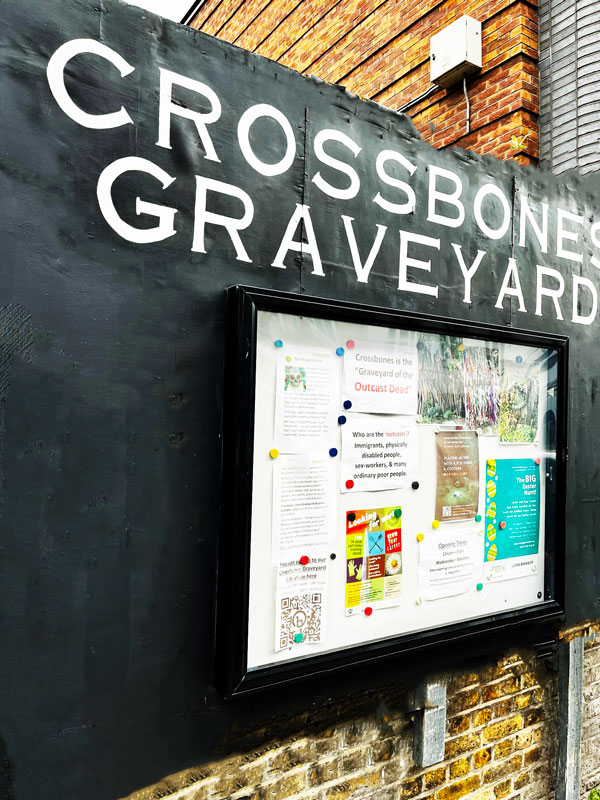
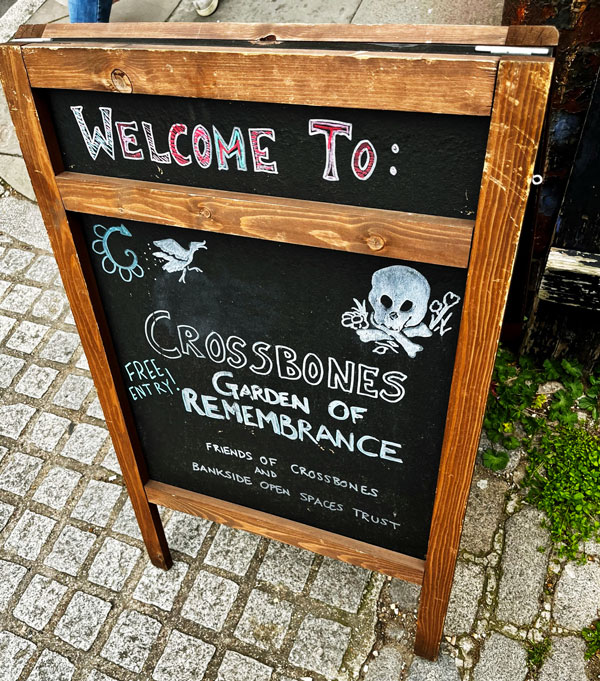
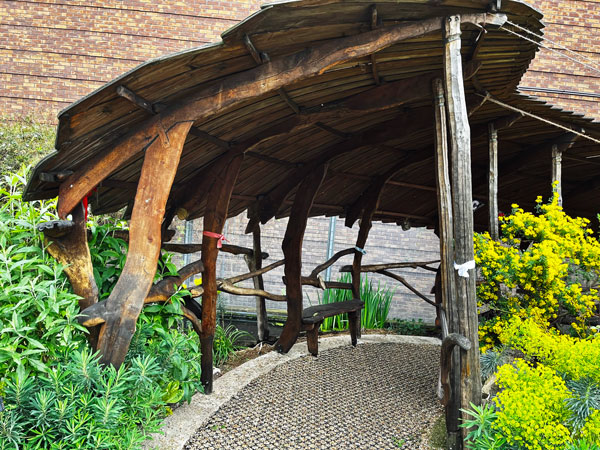
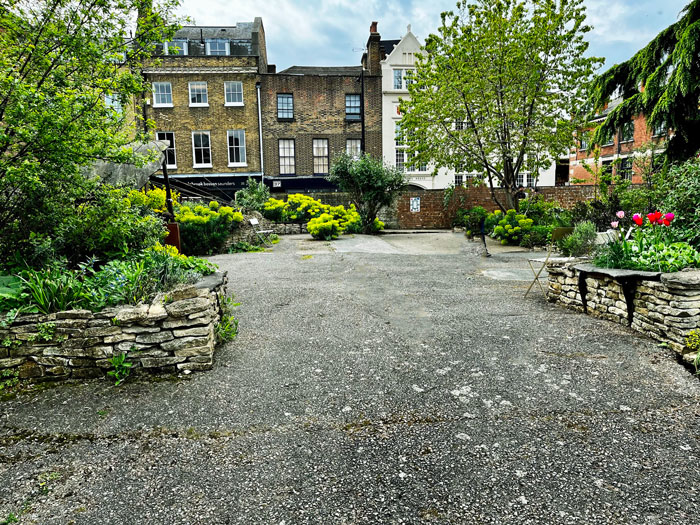
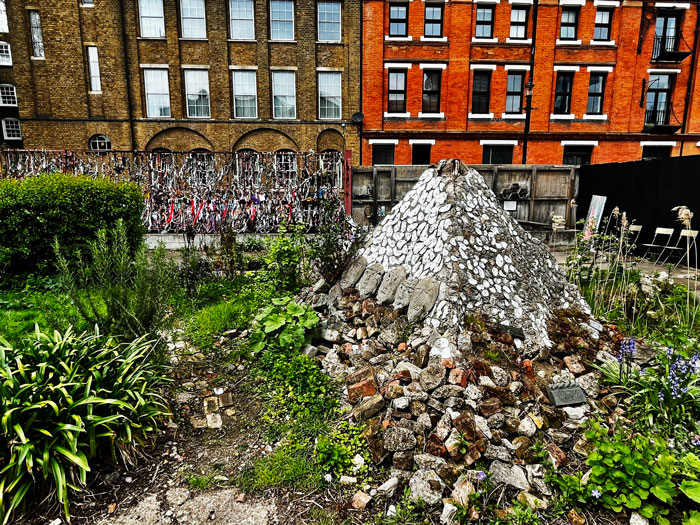
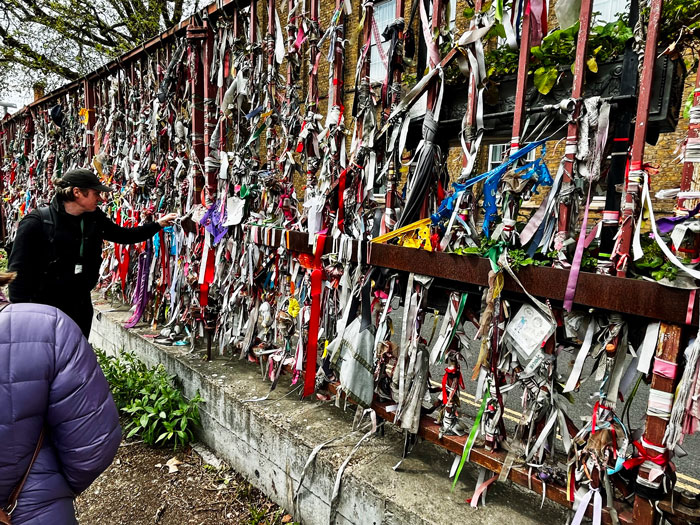
Cross Bones (also known as Crossbones) is a disused post-medieval burial ground on Redcross Way.
Excavation reports state that “the ground is thought to have originally been established at least as early as the 17th century, as a single women’s (prostitutes’) cemetery. By 1769, it had become a paupers cemetery and remained so until its closure in 1853.” These women were also known locally as “Winchester Geese” because they were licensed by the Bishop of Winchester to work within the Liberty of the Clink, an area outside the jurisdiction of the City of London where brothels, theatres, bull baiting, bear baiting, and other activities not permitted within the city could be found.
As many as 15,000 people are believed to have been buried there before its closure in 1853.
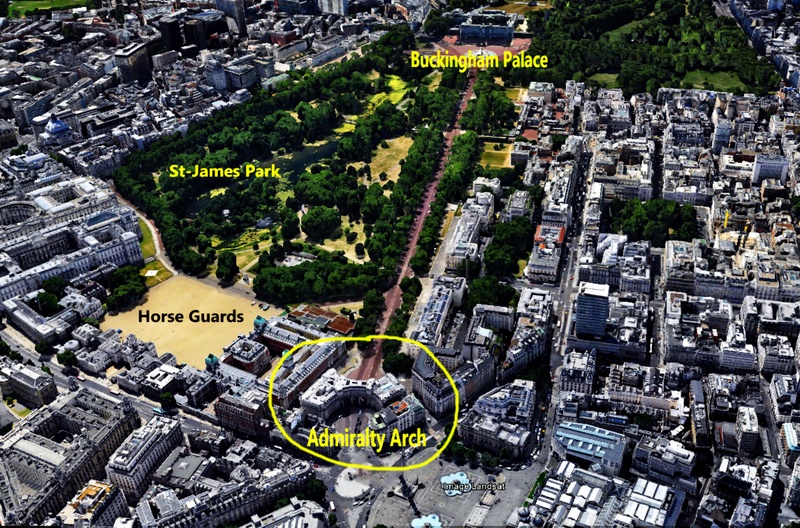
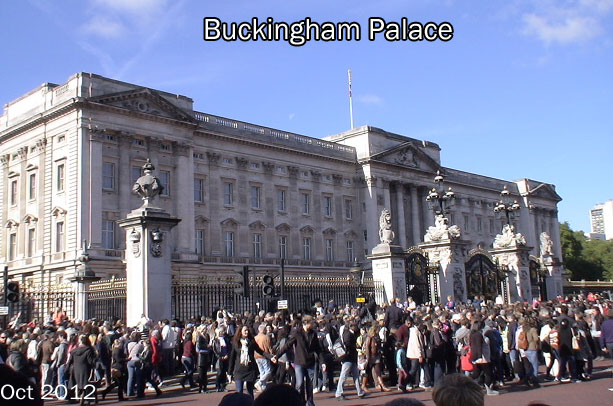
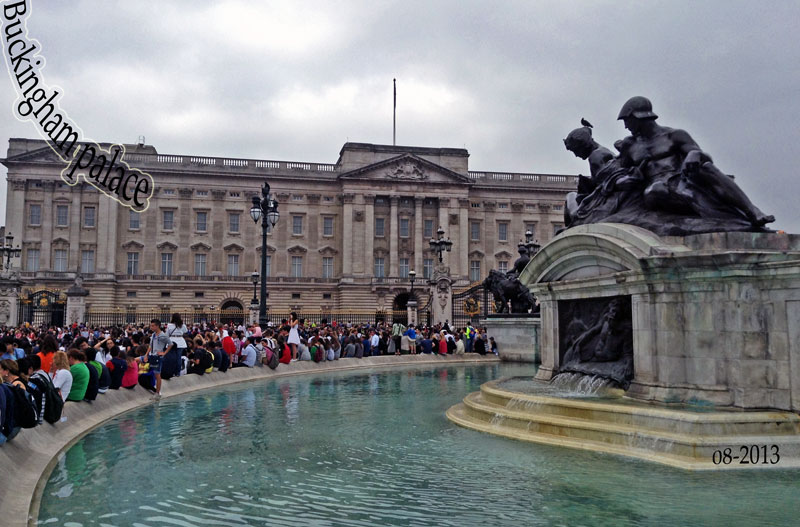
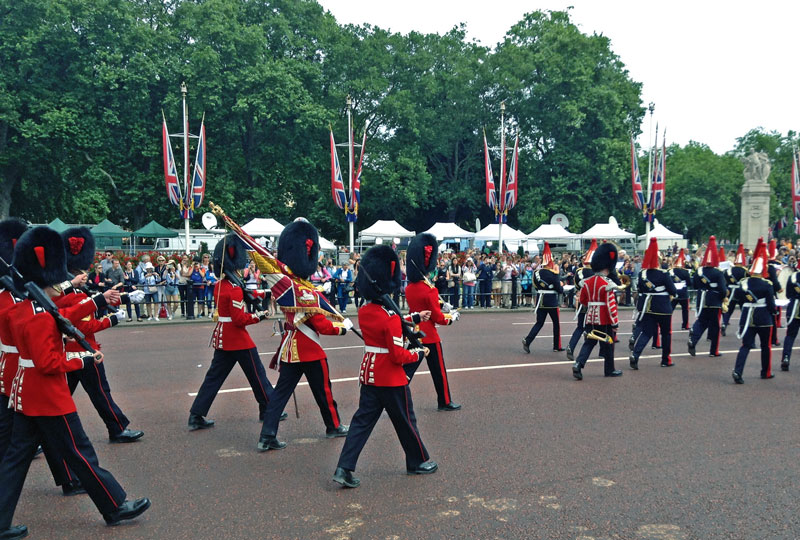
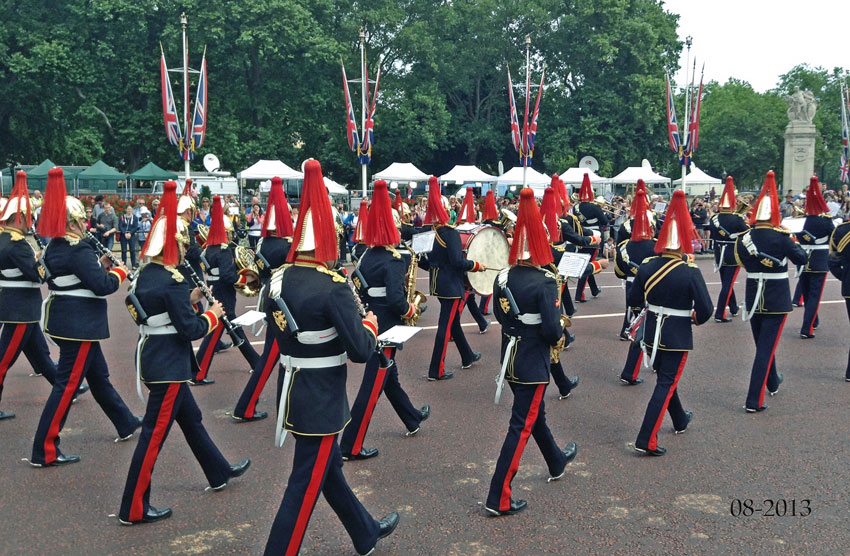
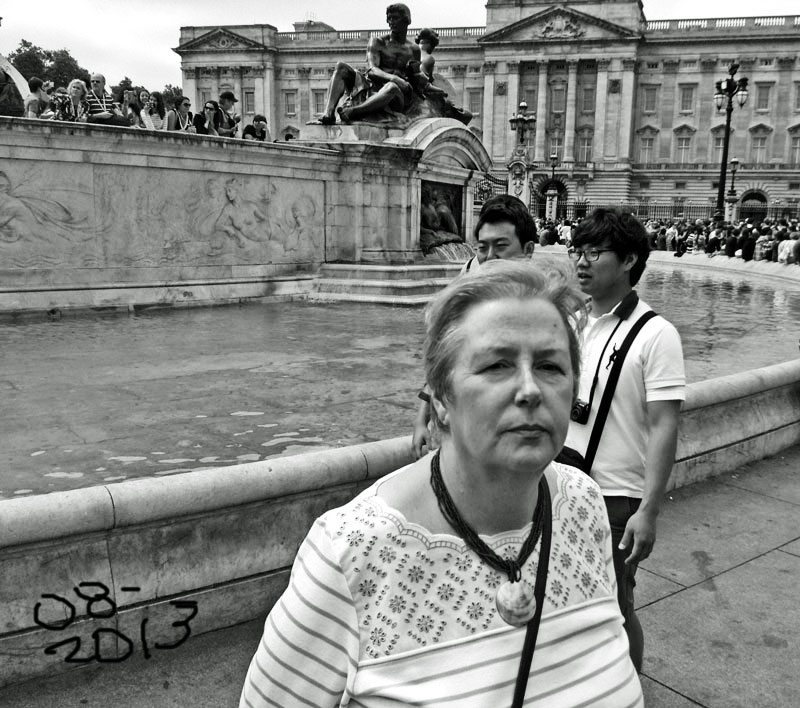
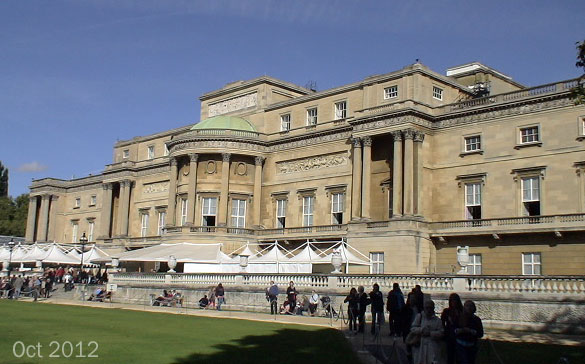
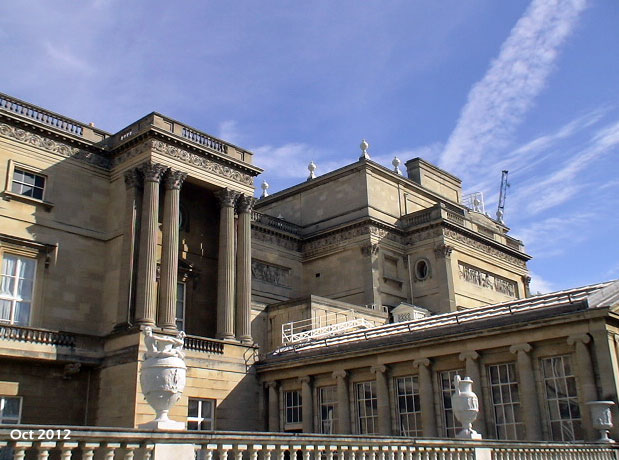
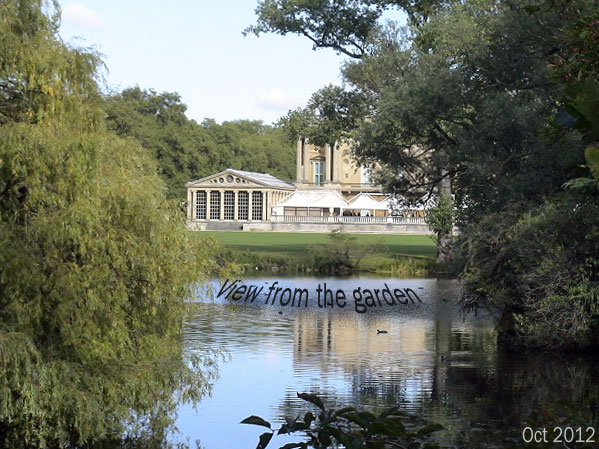
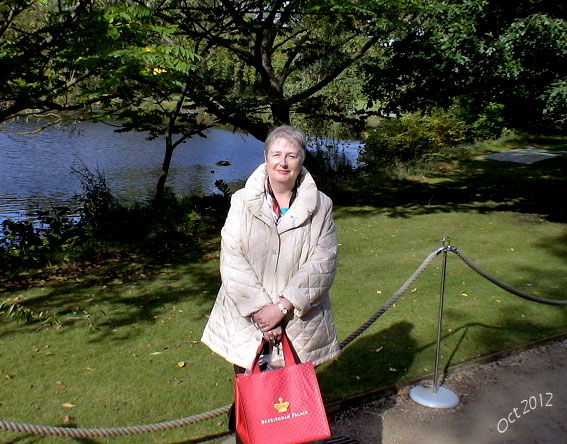
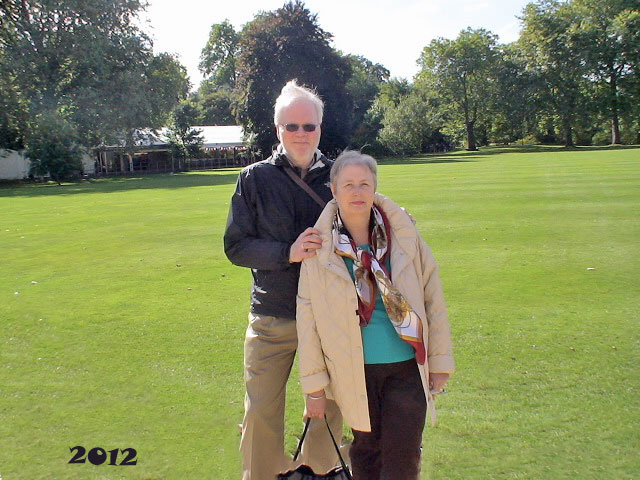
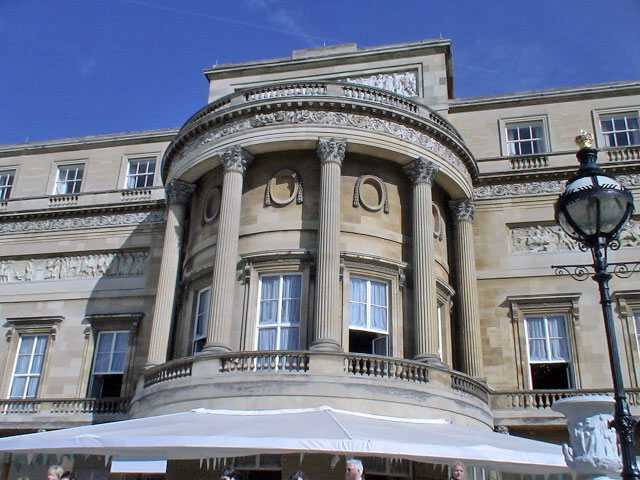
Buckingham Palace is a royal residence, and the administrative headquarters of the mornarch of the United kingdom. Located in the City of Westminster, the palace is often at the centre of state occasions and royal hospitality.
Originally known as Buckingham House, the building at the core of today’s palace was a large townhouse built for the Duke of Buckingham in 1703 on a site that had been in private ownership for at least 150 years. It was acquired by King George III in 1761 as a private residence for Queen Charlotte and became known as The Queen’s House. During the 19th century it was enlarged by architects John Nash and Edward Blore, who constructed three wings around a central courtyard. Buckingham Palace became the London residence of the British monarch on the accession of Queen Victoria in 1837.
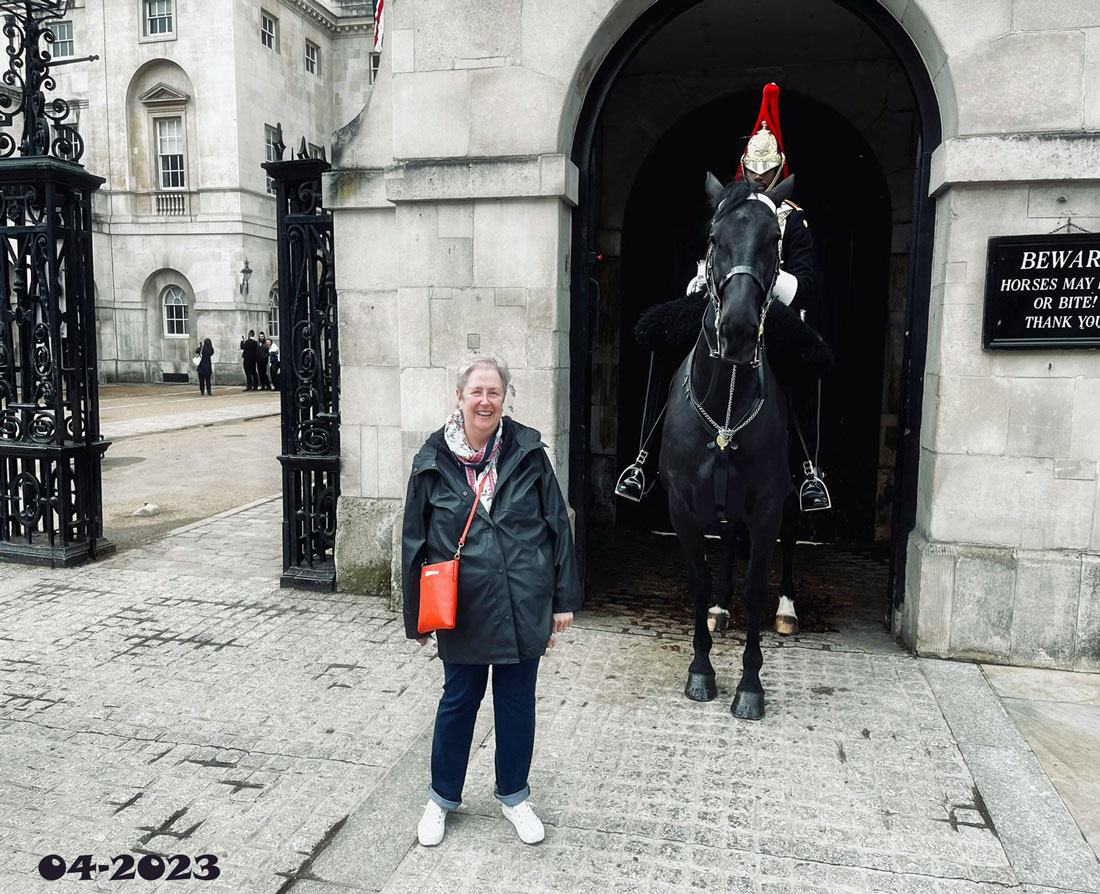
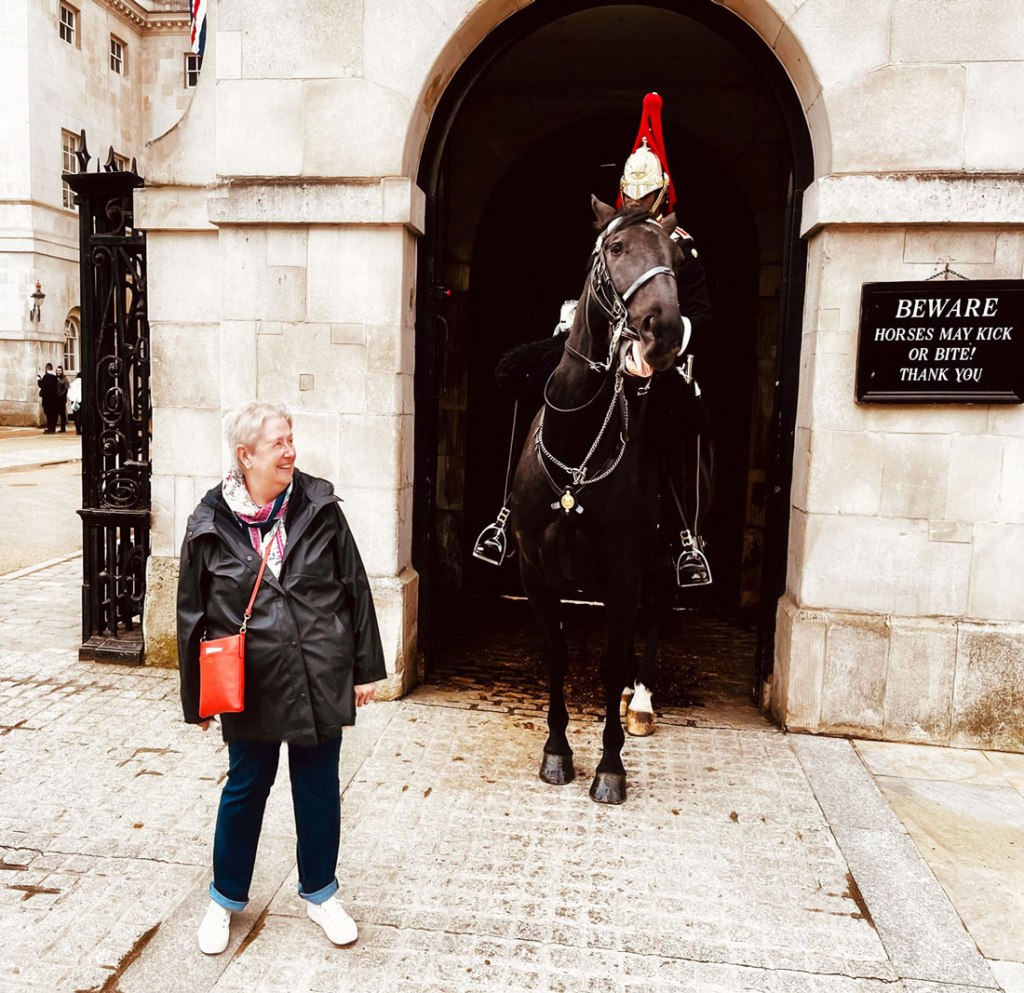
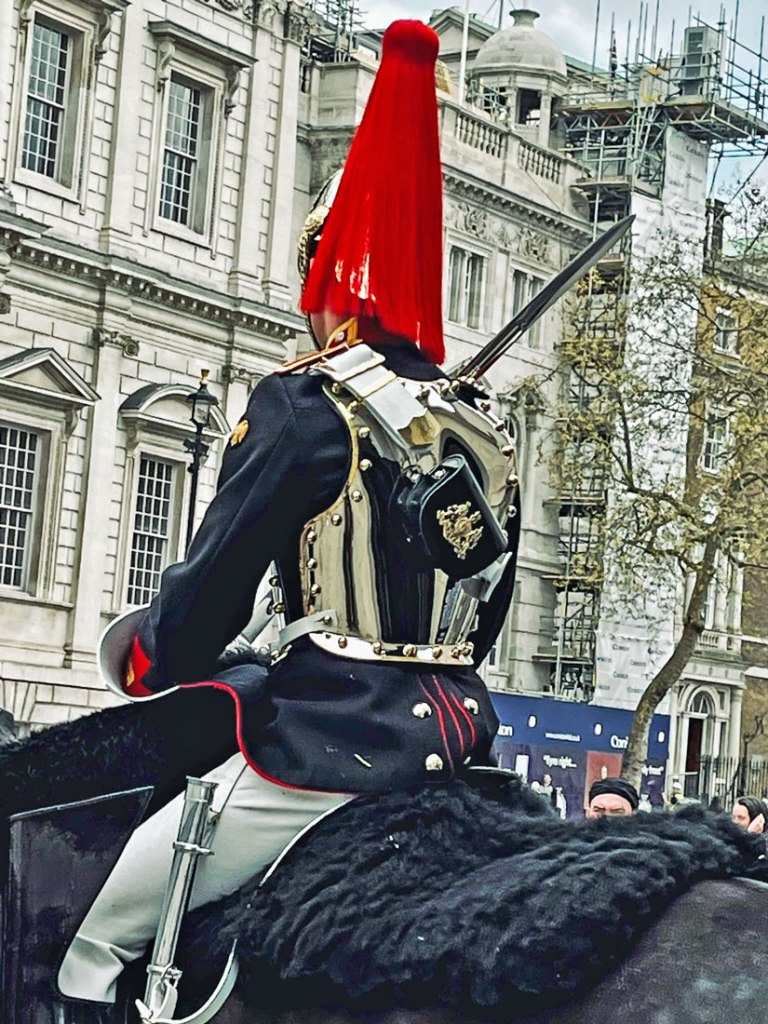
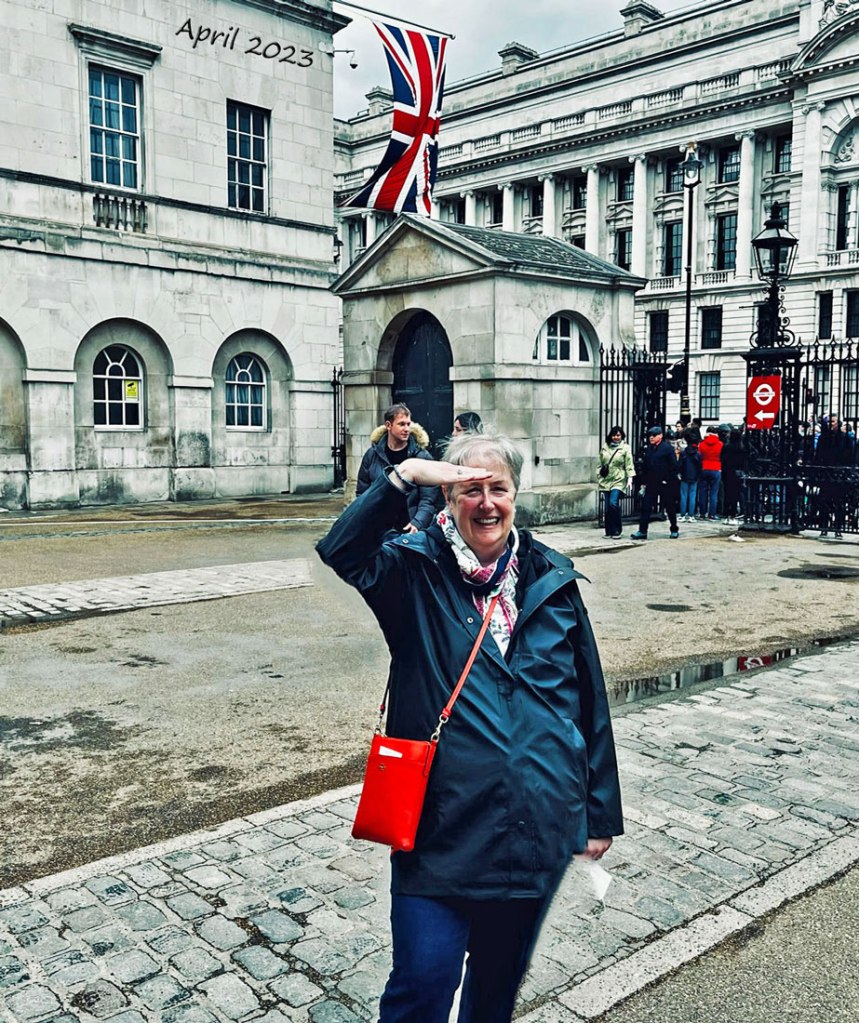
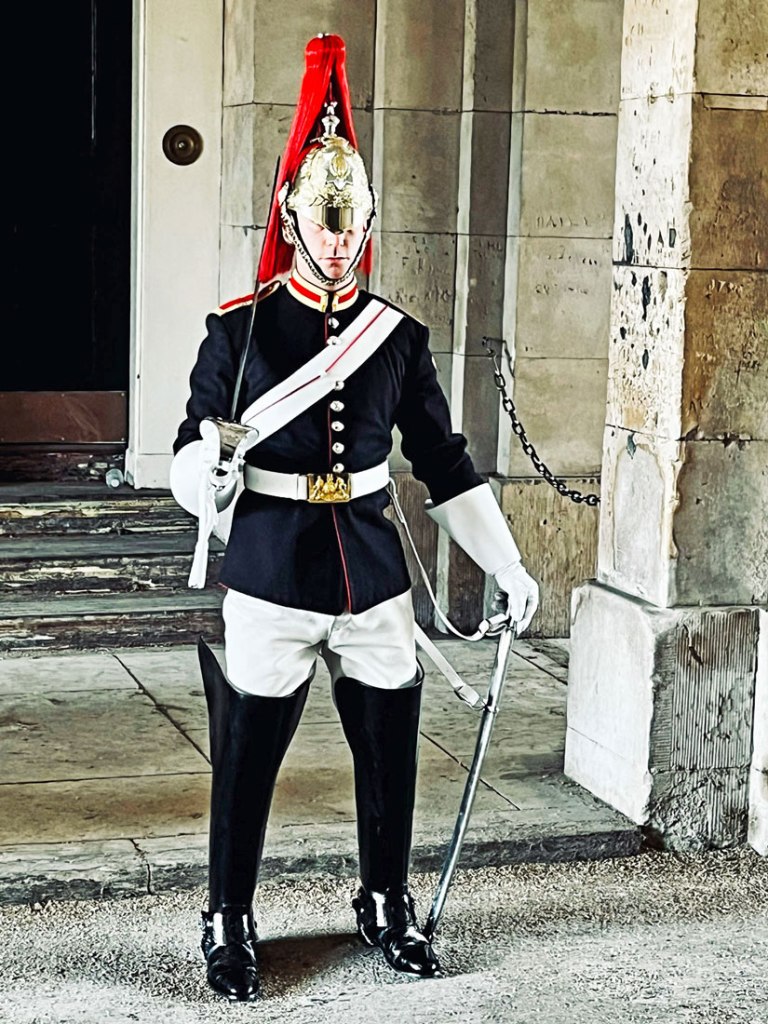
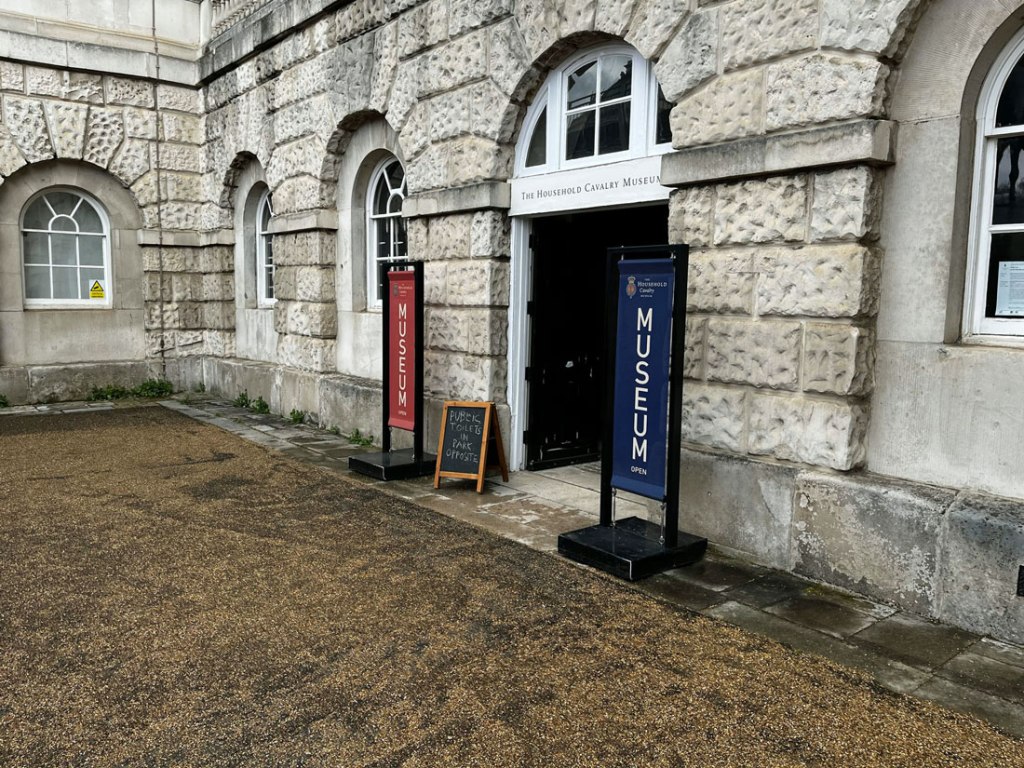
The Household Calvary Museum
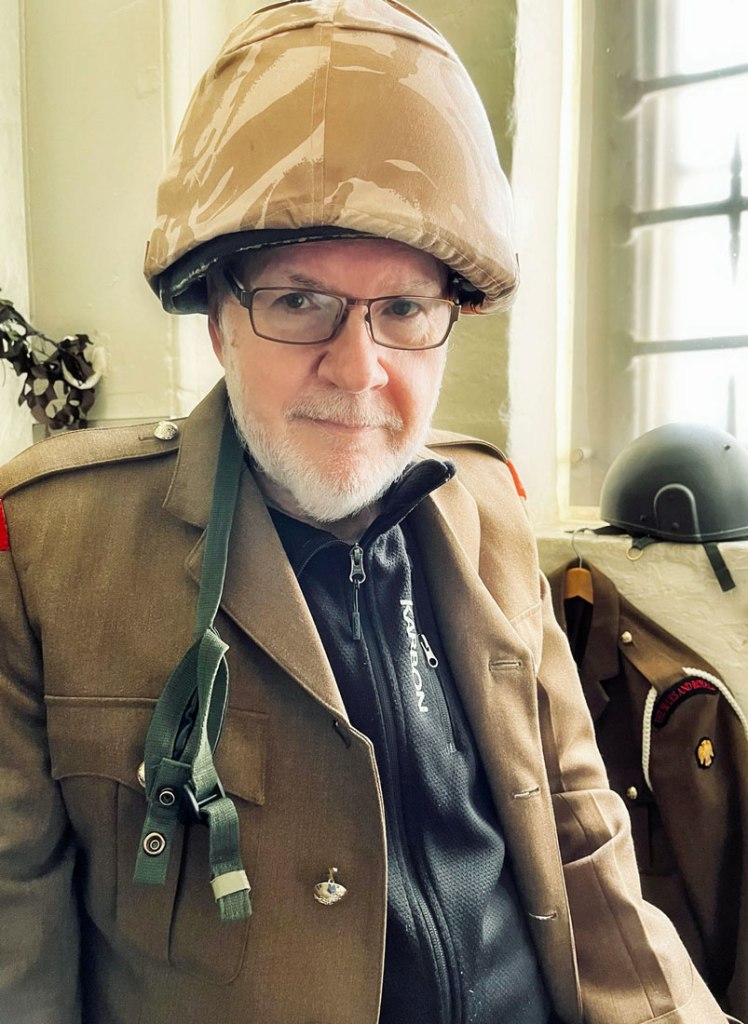
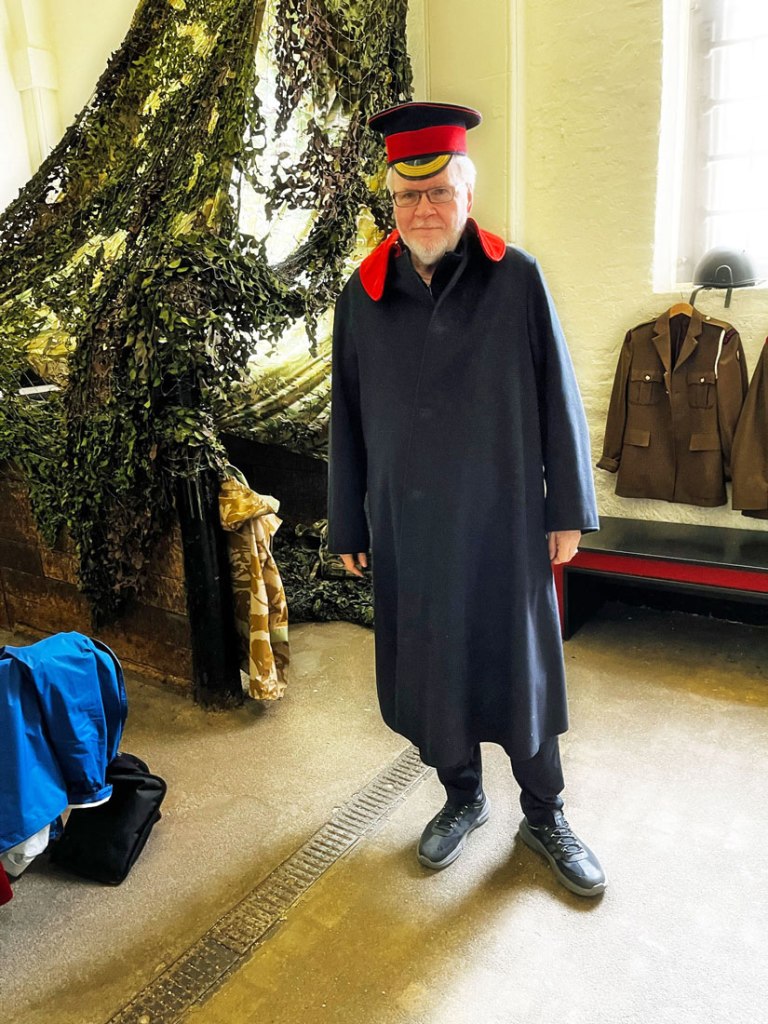
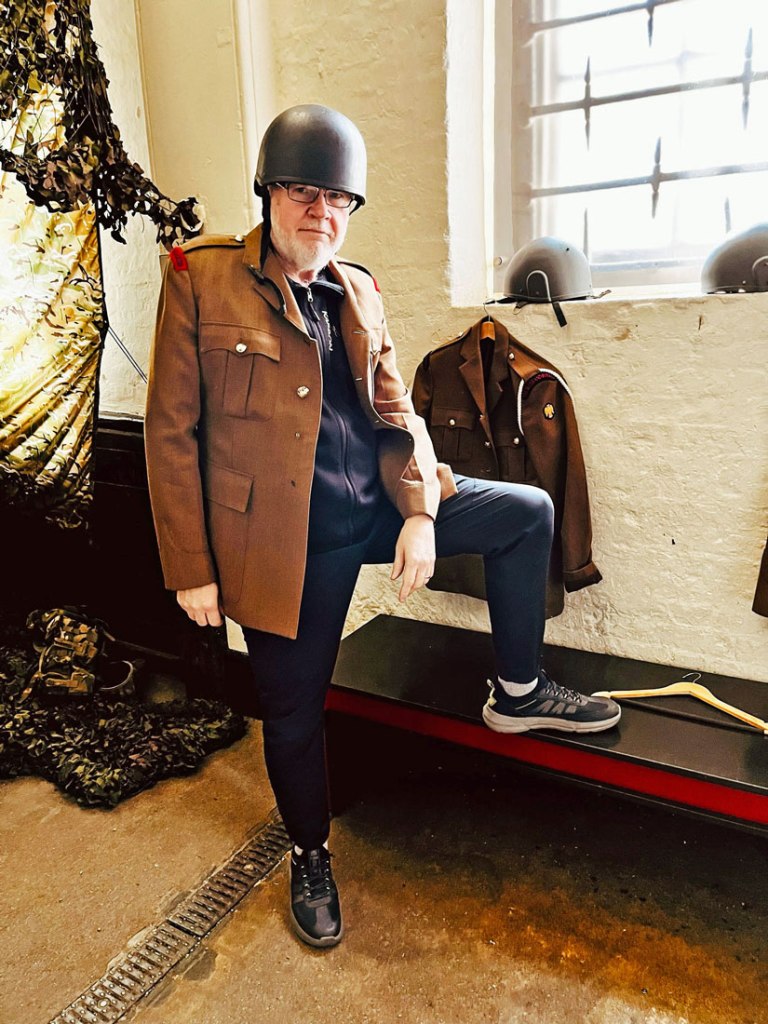
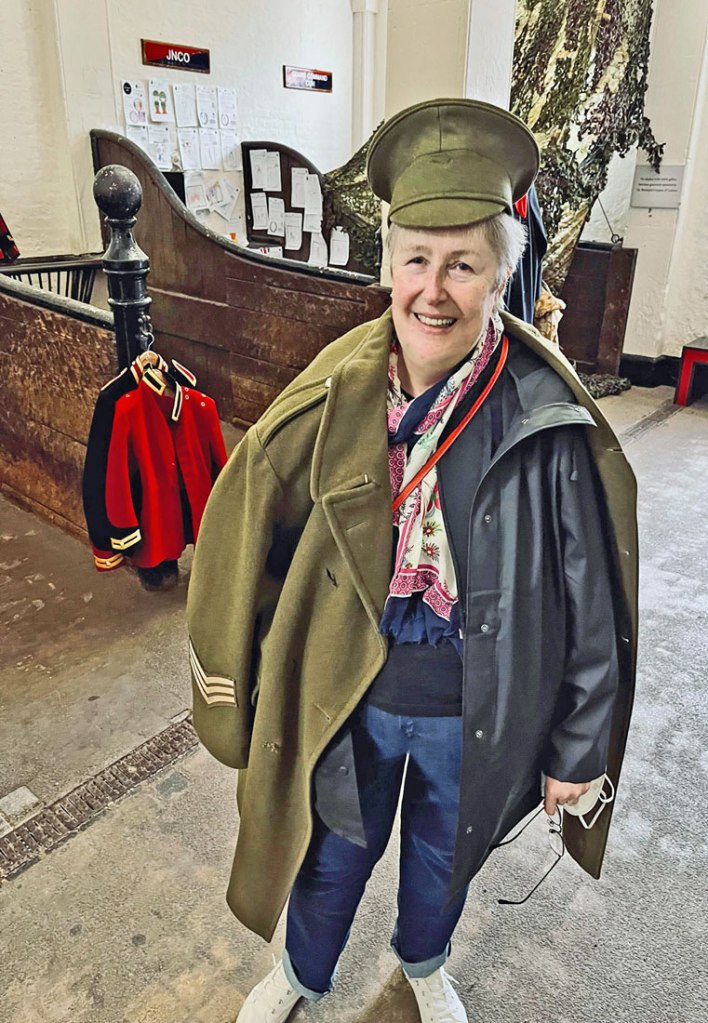
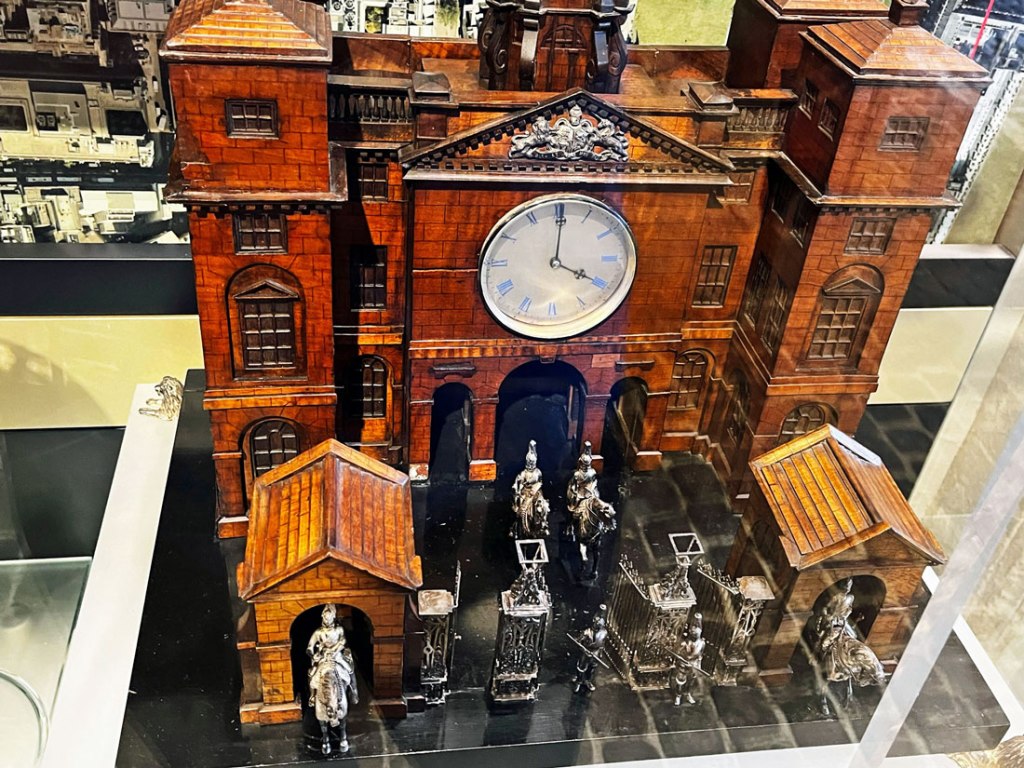
The House Guards (Museum)
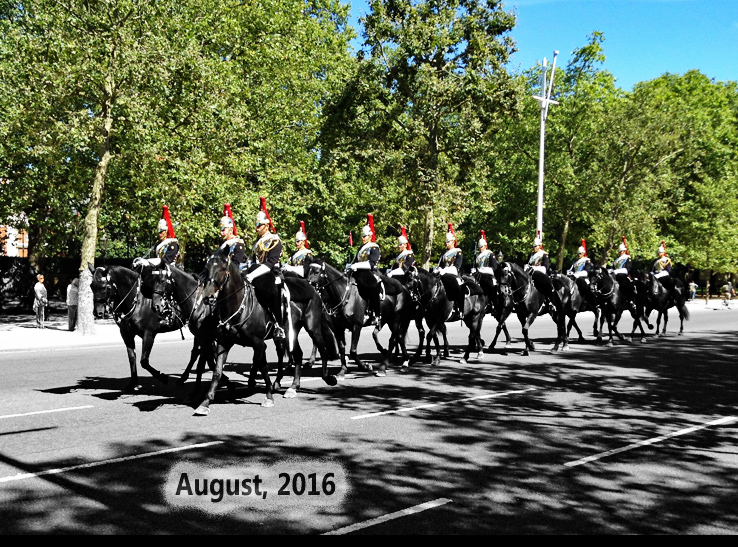
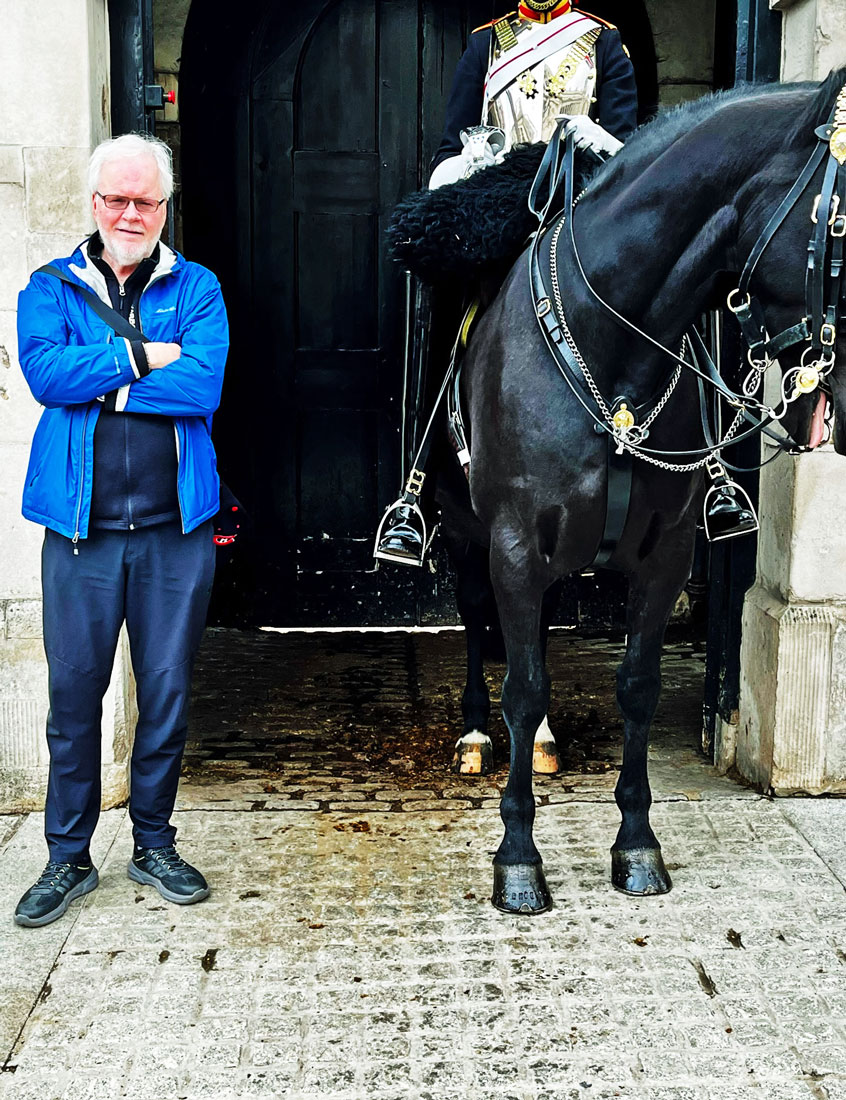
Horse Guards is a historic building located between Whitehall and the House Guards parade. It was built in the mid-18th century, replacing an earlier building, as a barracks and stables for the Household Cavalry. It was, between the early 18th century and 1858, the main military headquarters for the British Empire.
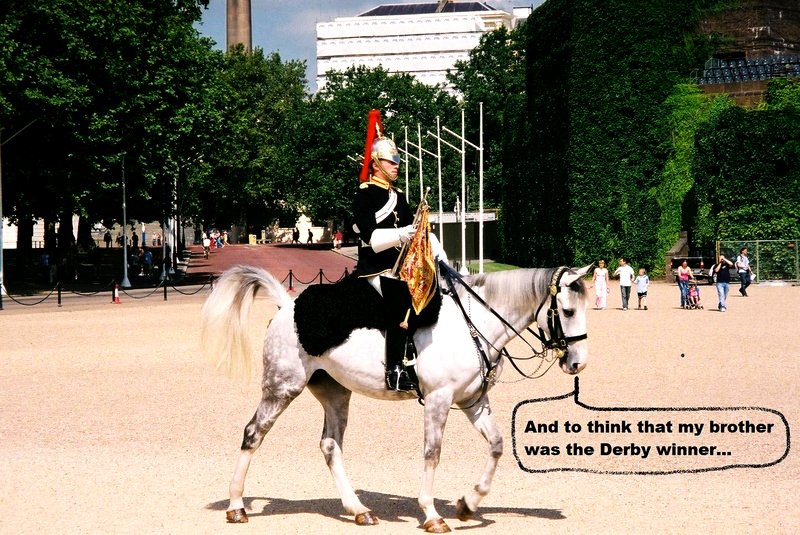
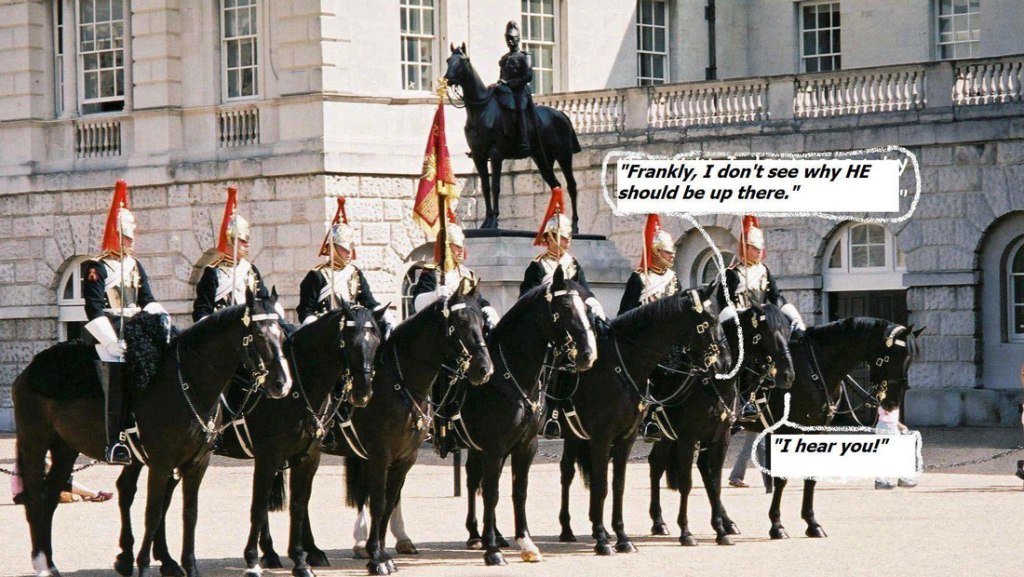
Horse Guards originally formed the entrance to the Palace of Whitehall and later Sat- James Palace; for that reason, it is still ceremonially defended by the King’s Life Guard.
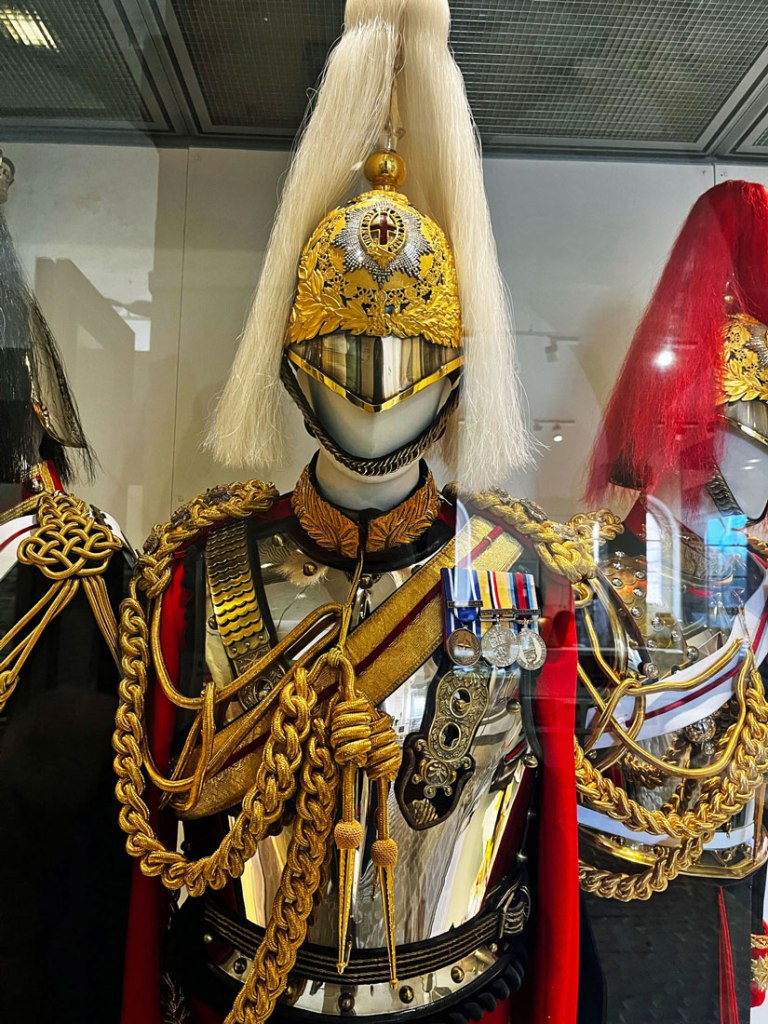
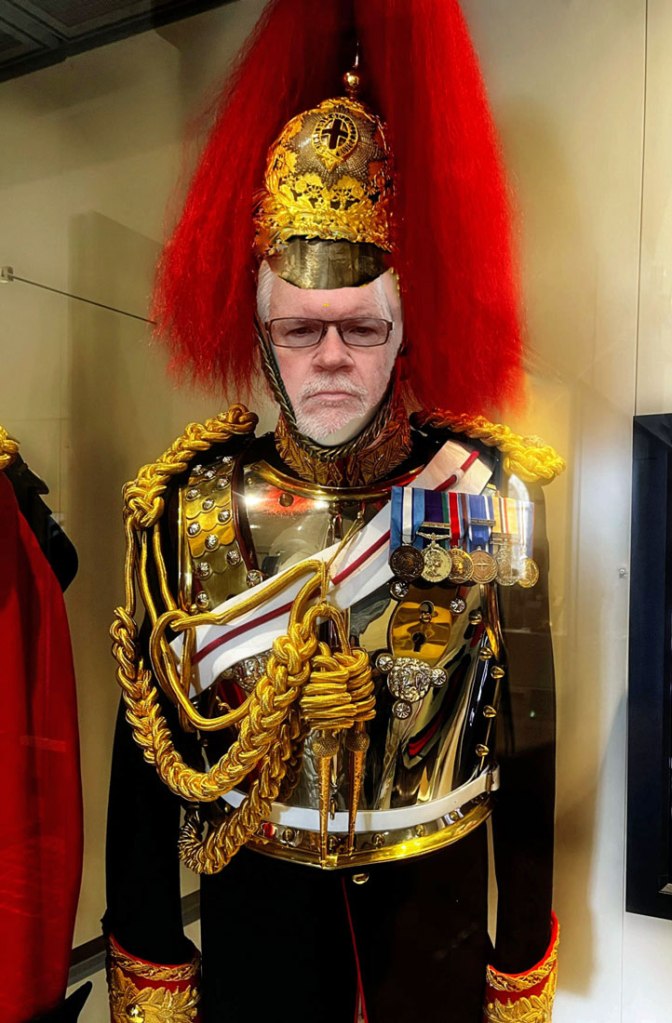
French (Bonaparte’s Cavalry)

 s
s 