



Kyoto is one of the oldest municipalities in Japan, having been chosen in 794 as the new seat of Japan’s imperial court by Emperor Kanmu. The original city, named Heian-kyo, was arranged in accordance with traditional Chinese feng shui following the model of some ancient Chinese capitals. The emperors of Japan ruled from Kyoto in the following eleven centuries until 1869.
Kyoto is considered the cultural capital of Japan.
It is home to numerous Buddhist temples, Shinto temples, palaces and gardens, some of which have been designated collectively as a World Heritage Site by UNESCO.
The internationally renowned video game company Nintendo is based in Kyoto.
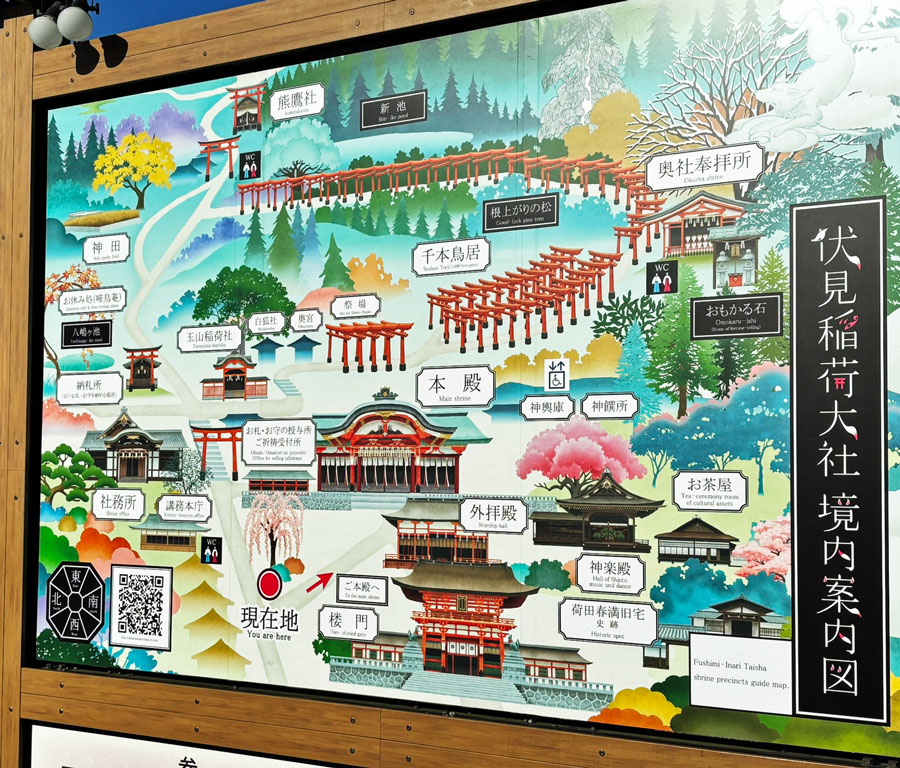
Fushimi Inari-taisha
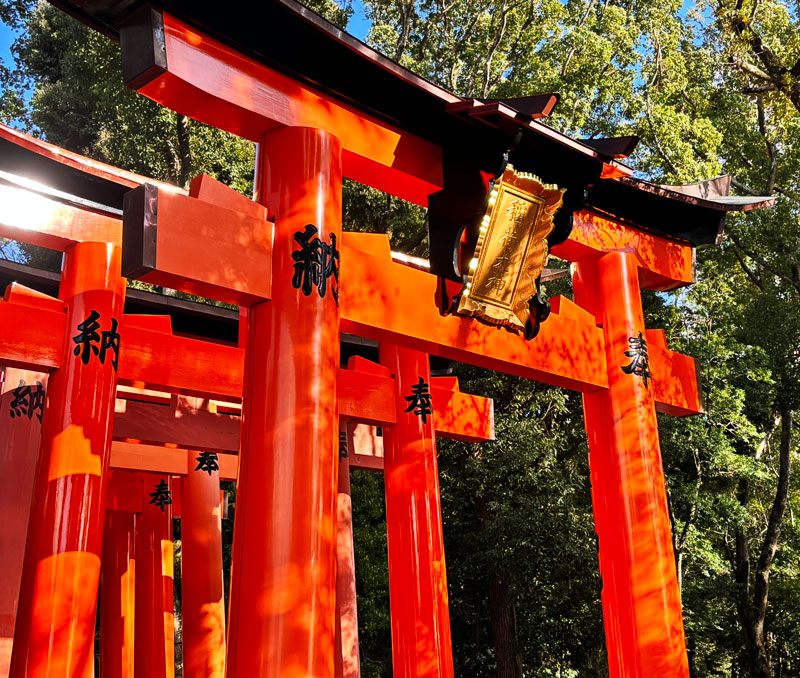
The shrine sits at the base of a mountain, also named Inari, which is 233 metres above sea level, and includes trails up the mountain to many smaller shrines which span 4 kilometres and take approximately 2 hours to walk up. It is unclear whether the mountain’s name, Inariyama, or the shrine’s name came first.
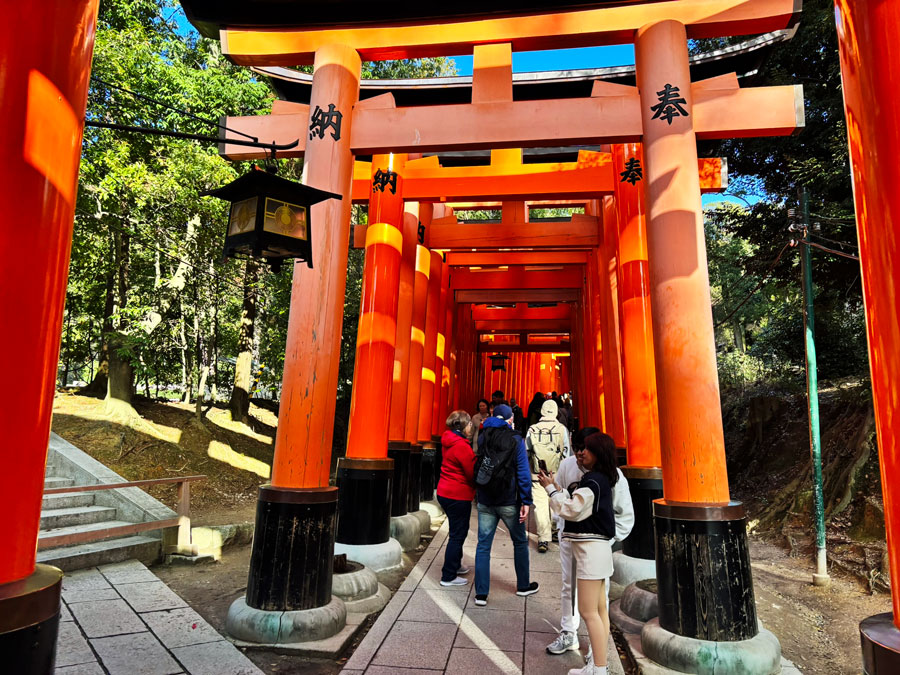
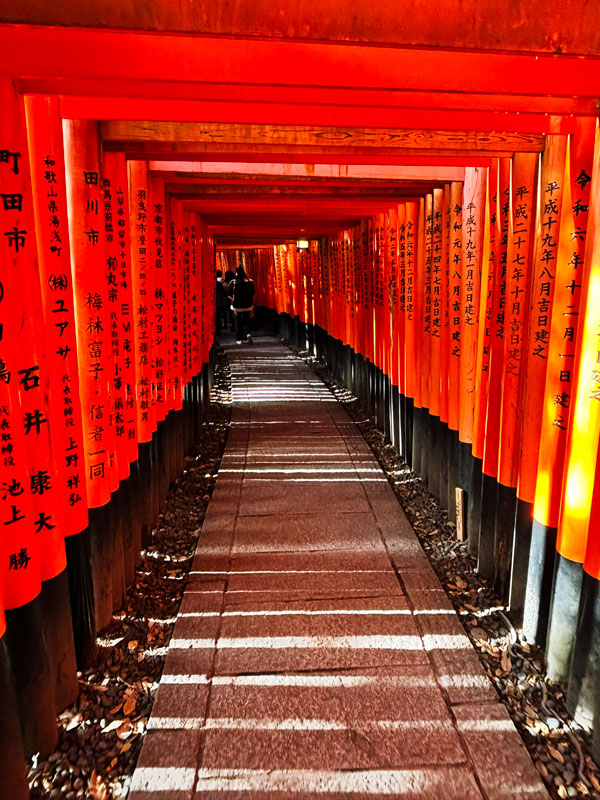
Each of Fushimi Inari-taisha’s roughly 10,000 torii were donated by a Japanese business, and approximately 800 of these are set in a row to form the Senbon Torii, creating the impression of a tunnel. The shrine is said to have ten thousand such gates in total that designate the entrance to the holy domain of kami and protect it against wicked forces.
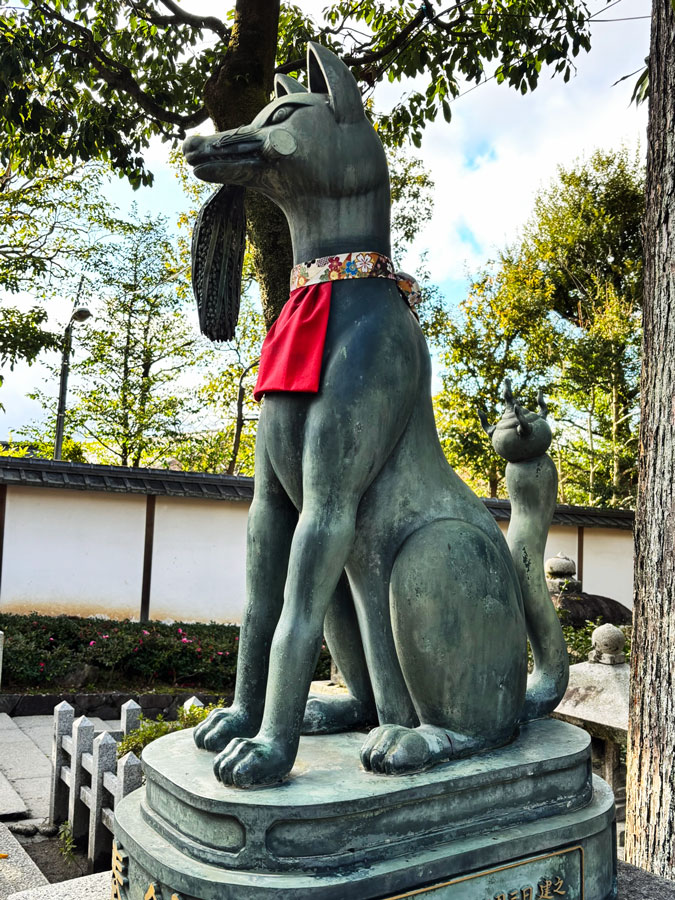
The shrine inspired Nintendo game designer, Shigeru Miyamoto, to create the series Star Fox. Miyamoto attributed these inspirations to the Fushimi Inari Shrine, which is within walking distance of the Nintendo Kyoto campus.
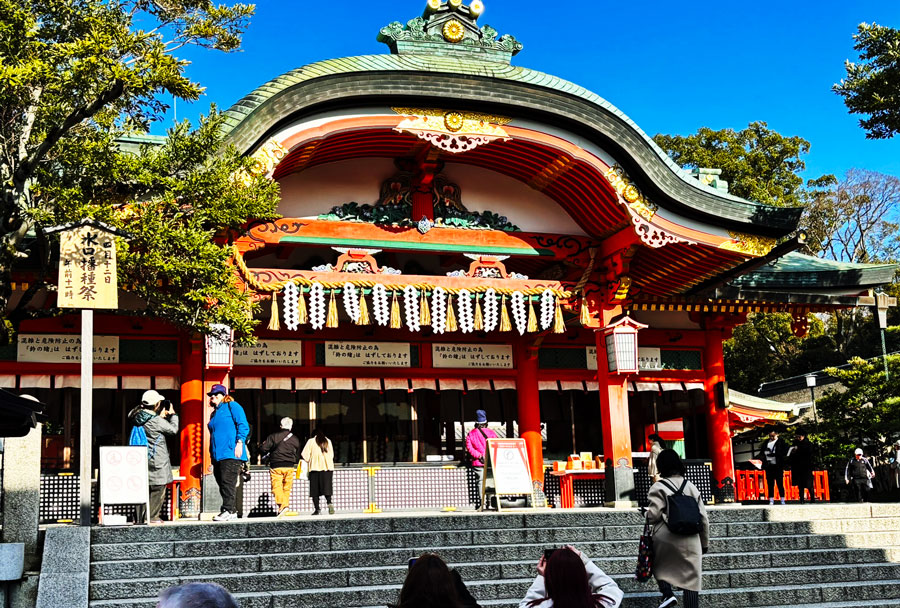
In Shinto Shrine architecture, the haiden is the hall of worship or oratory. It is generally placed in front of the shrine’s main sanctuary (honden) and often built on a larger scale than the latter. The haiden is often connected to the honden by a heiden , or hall of offerings. While the honden is the place for the enshrined kami and off-limits to the general public, the haiden provides a space for ceremonies and for worshiping the kami.
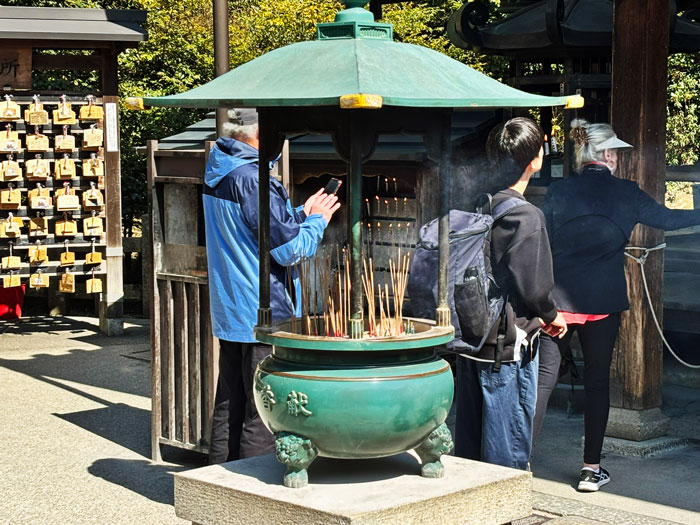
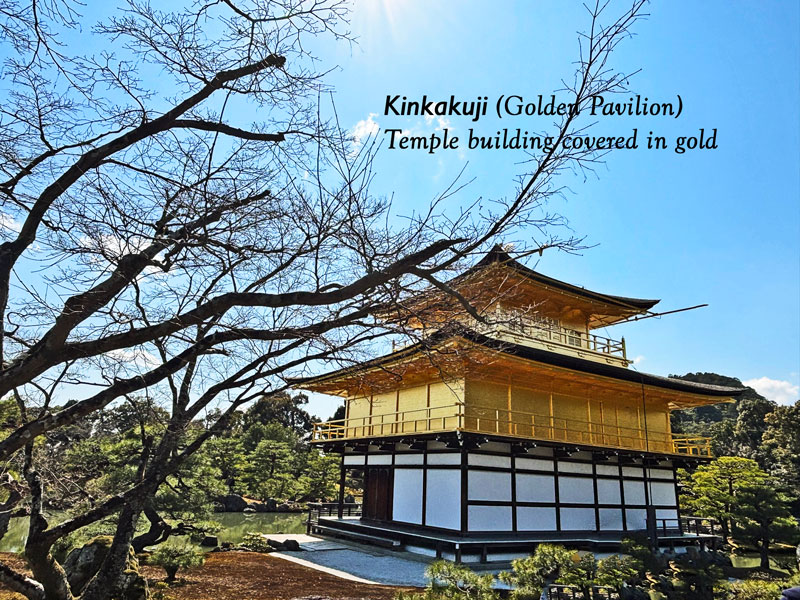
Kinkakuji (Golden Pavilion)
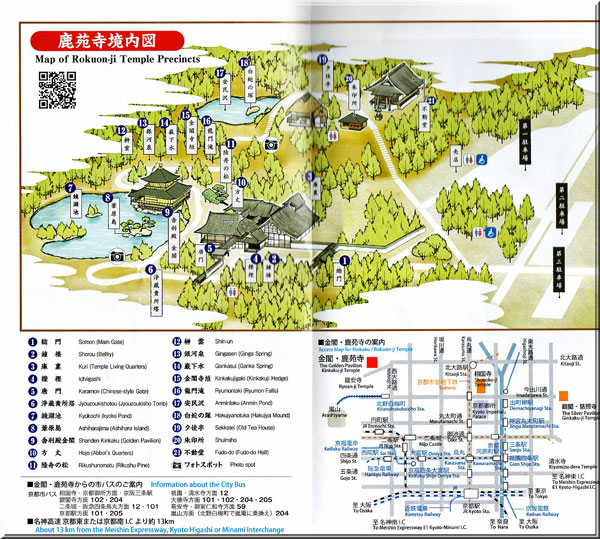
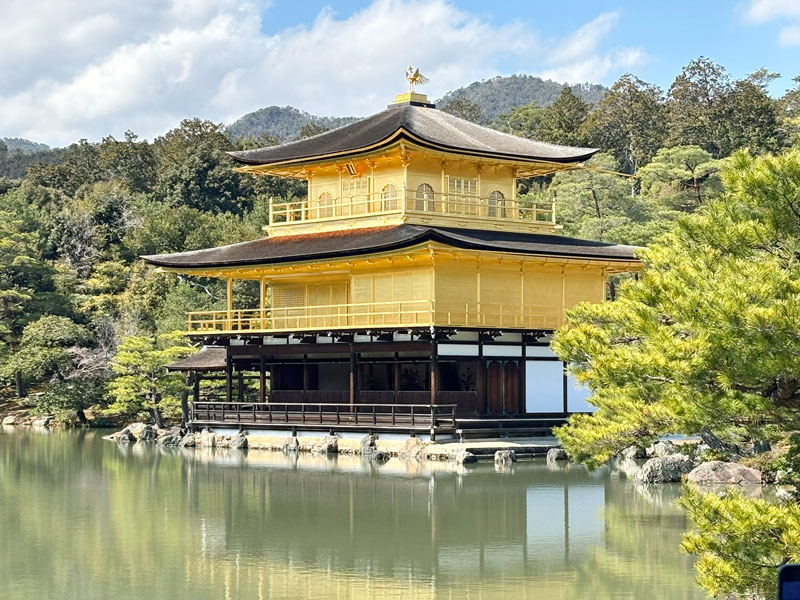
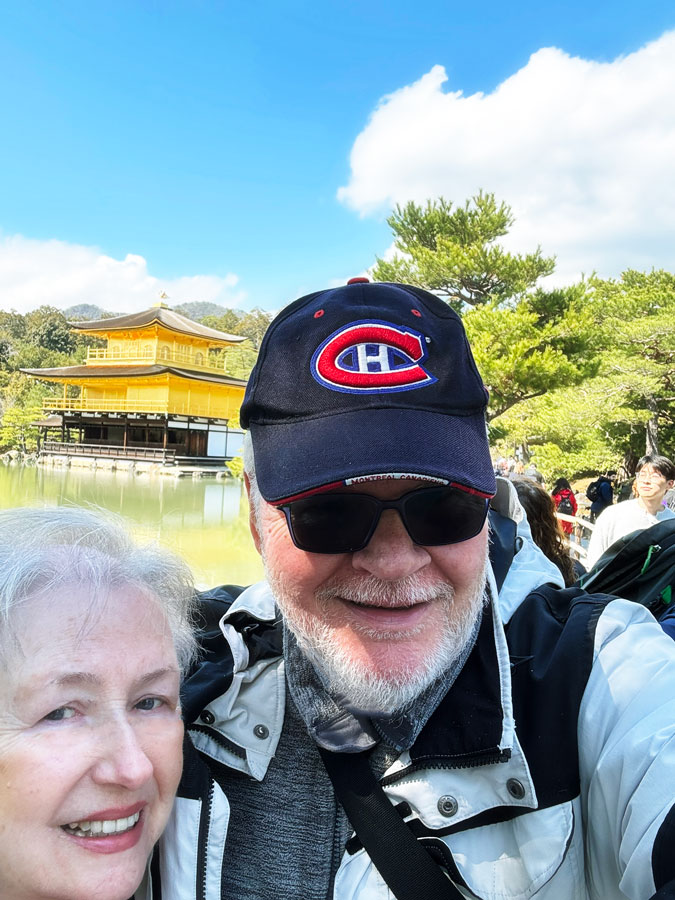
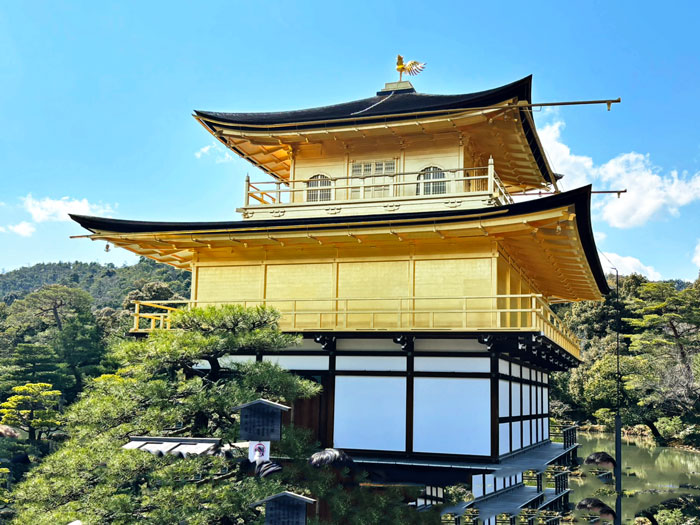
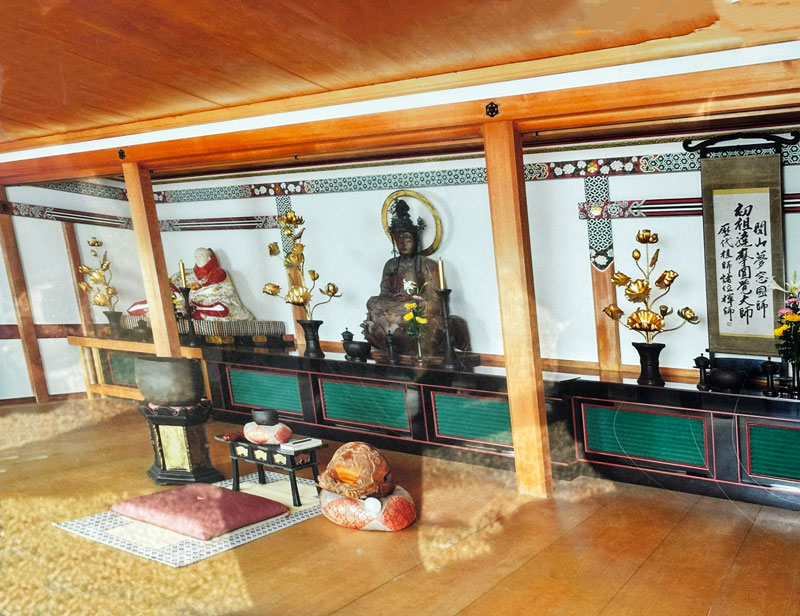
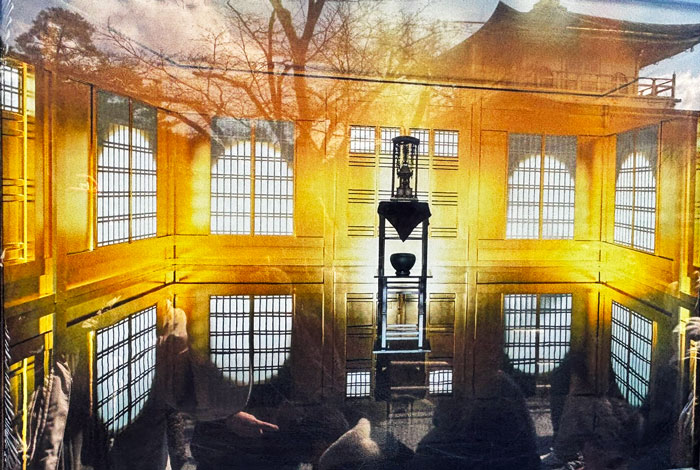
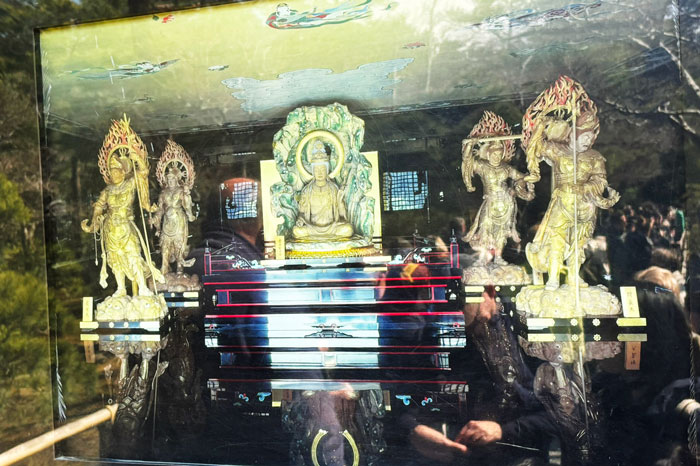
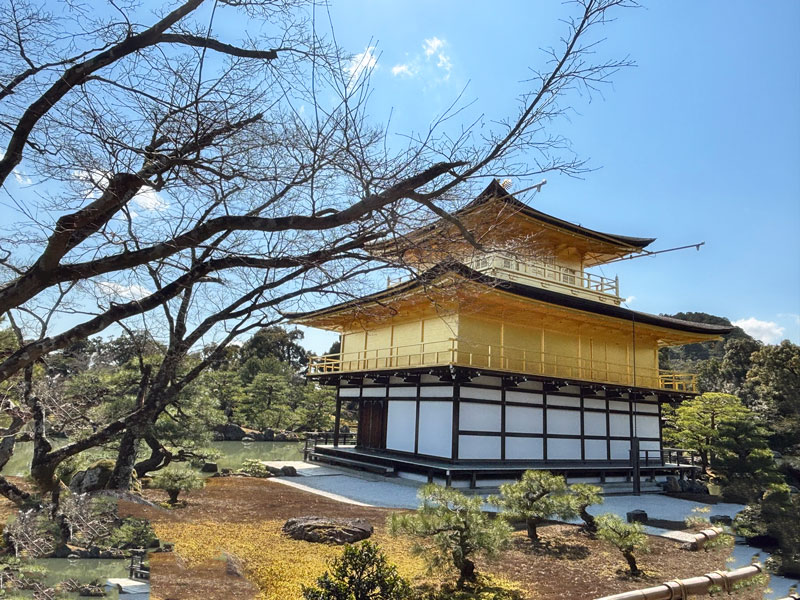
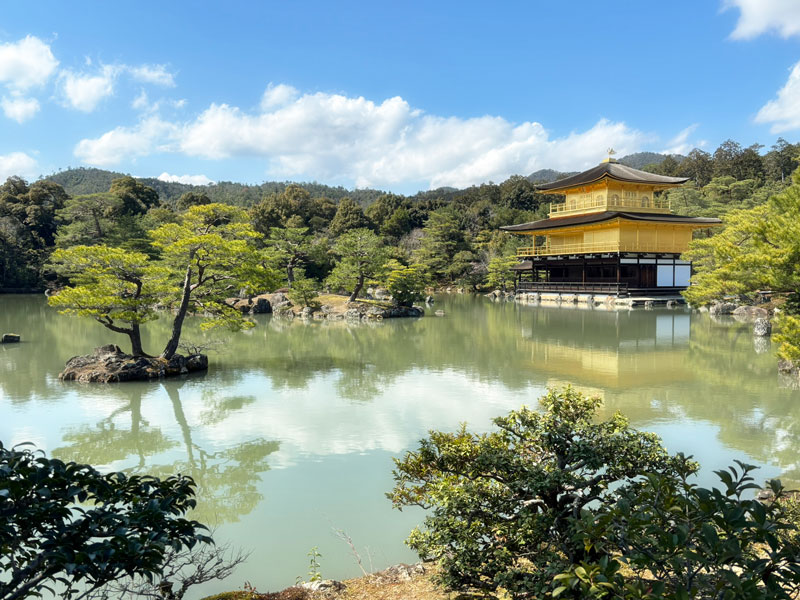
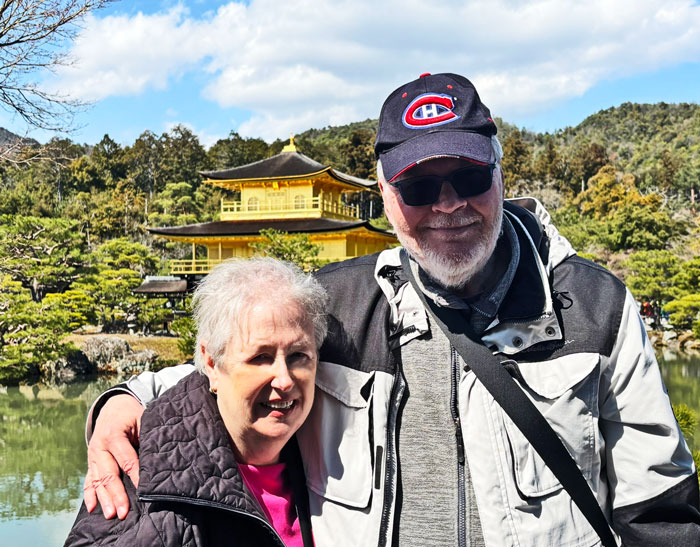
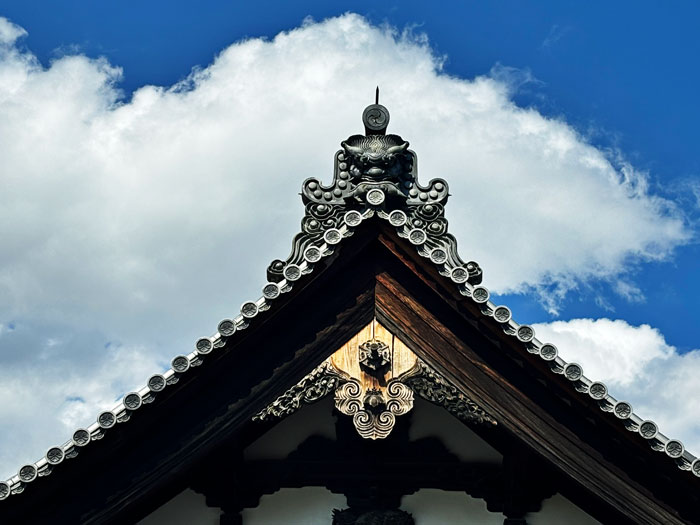
Kinkakuji is a Zen Temple in northern Kyoto whose top two floors are completely covered in gold leaf. Formally known as Rokuonji, the temple was the retirement villa of the shogun Ashikaga Yoshimitsu, and according to his will it became a Zen temple of the Rinzai sect after his death in 1408.
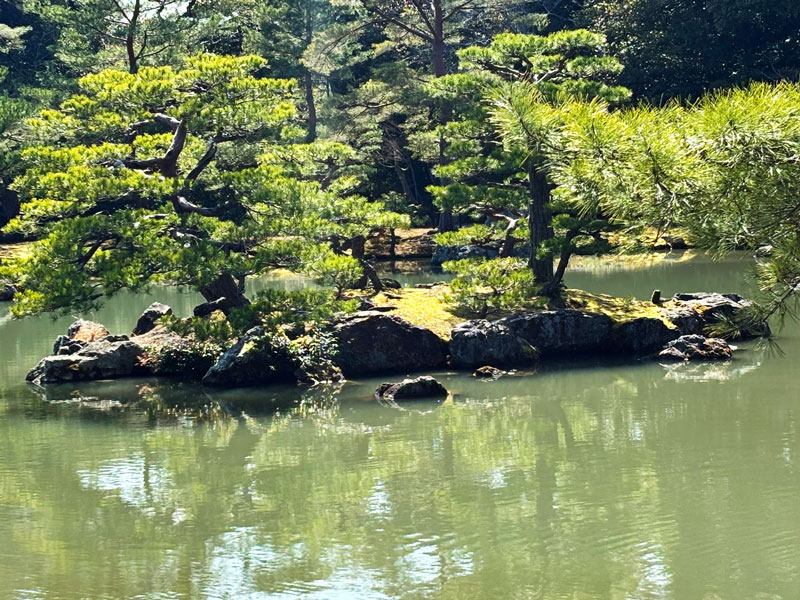
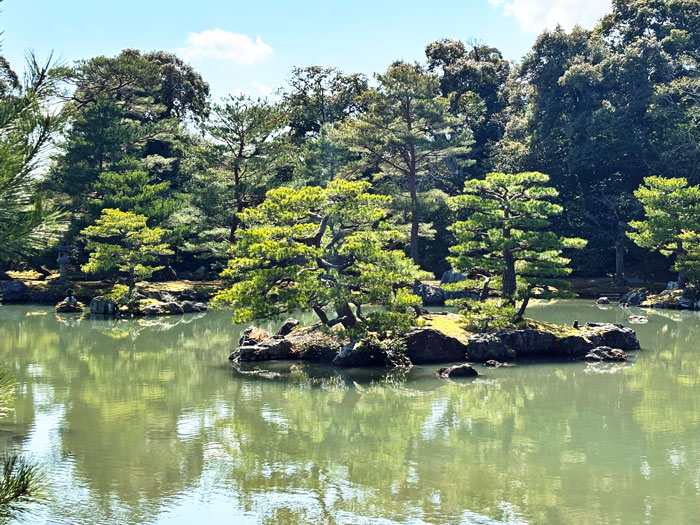
Kinkakuji is an impressive structure built overlooking a large pond, and is the only building left of Yoshimitsu’s former retirement complex. It has burned down numerous times throughout its history including twice during the Onin War, a civil war that destroyed much of Kyoto; and once again more recently in 1950 when it was set on fire by a fanatic monk. The present structure was rebuilt in 1955.

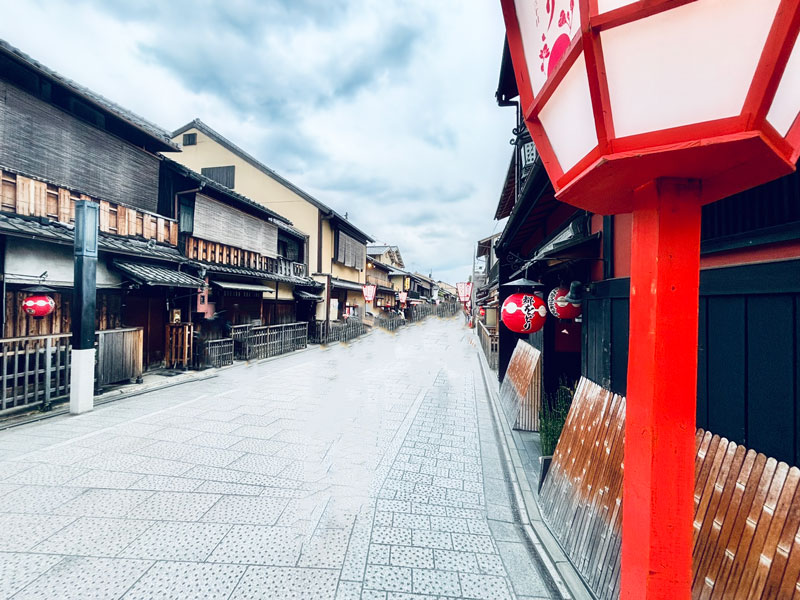
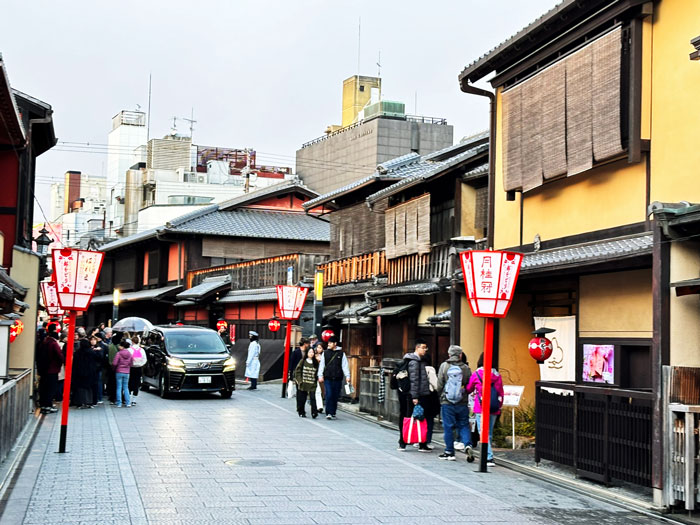
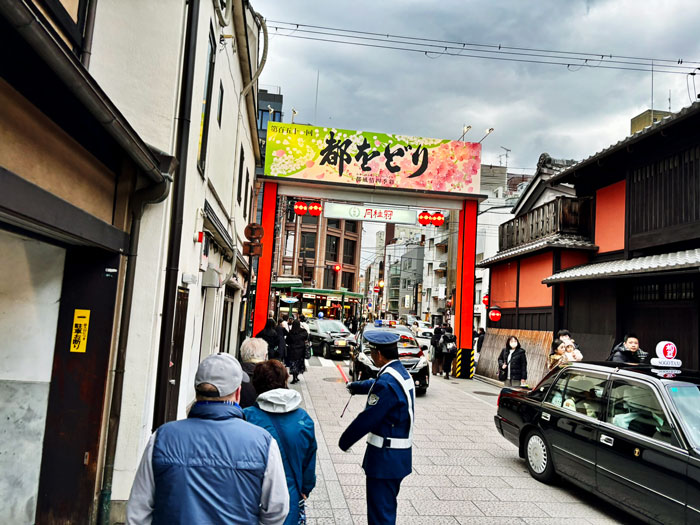
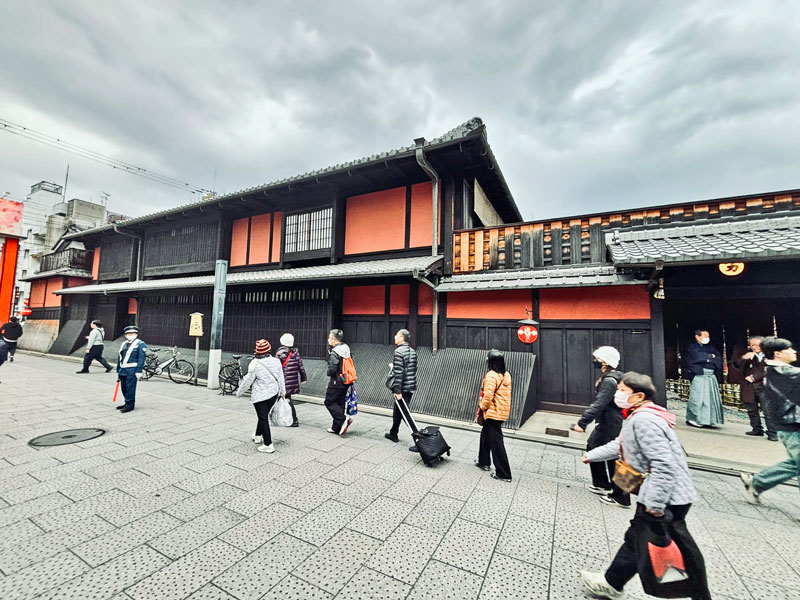
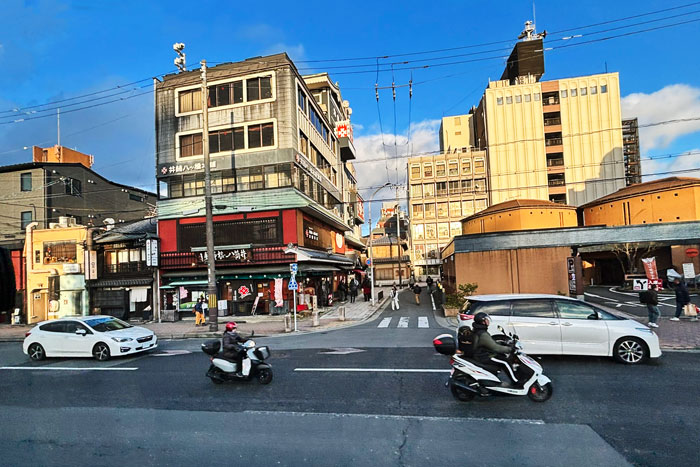
The most popular area of Gion is Hanami-koji Street. A nice (and expensive) place to dine, the street and its side alleys are lined with preserved machiya houses many of which now function as restaurants, serving Kyoto-style kaiseki ryori (Japanese haute cuisine) and other types of local and international meals.
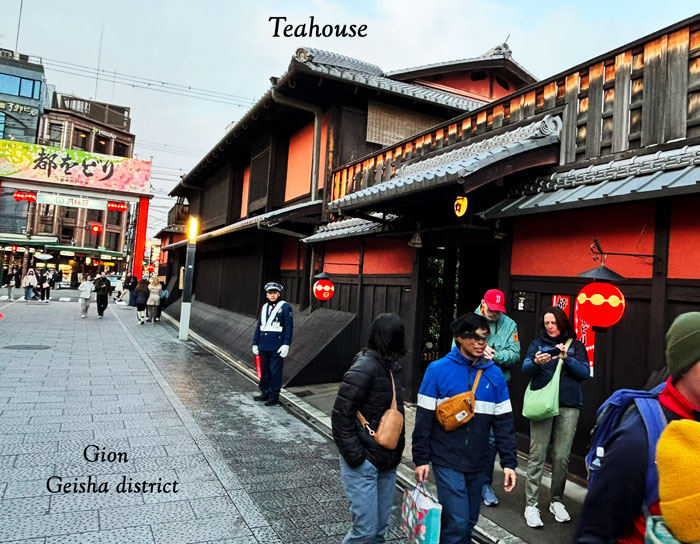
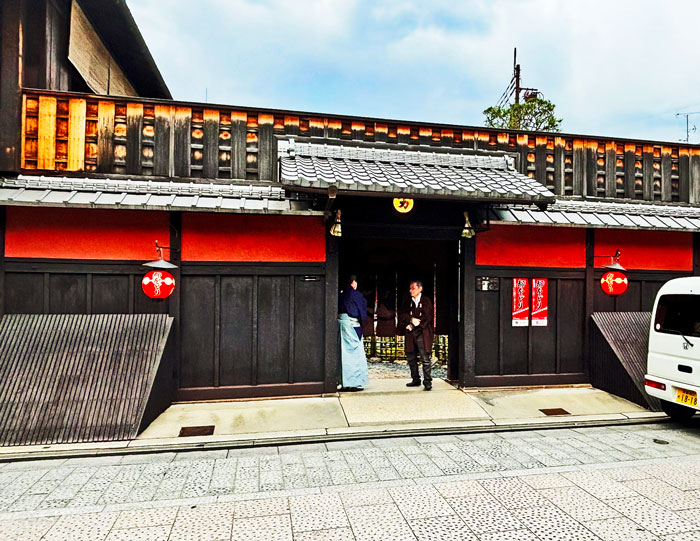
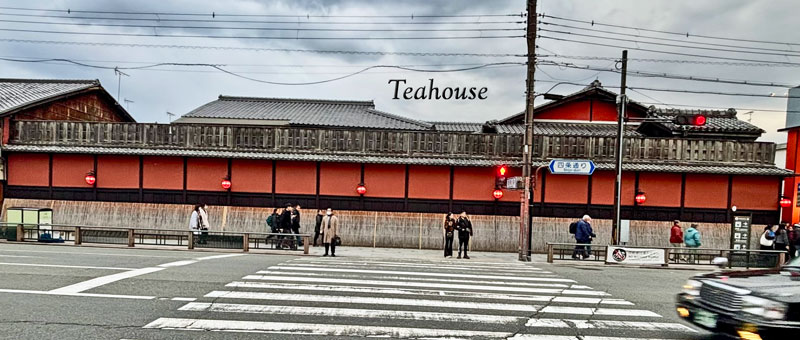
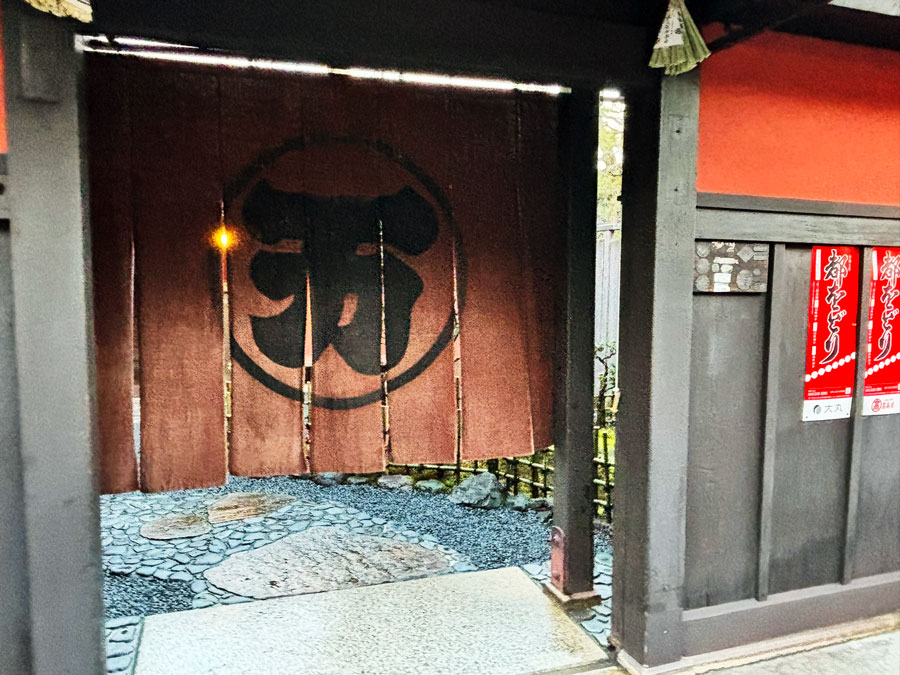
Interspersed among the restaurants are a number of ochaya (teahouses), exclusive and expensive of Kyoto’s dining establishments, where guests are entertained by maiko and geiko.

 s
s 