



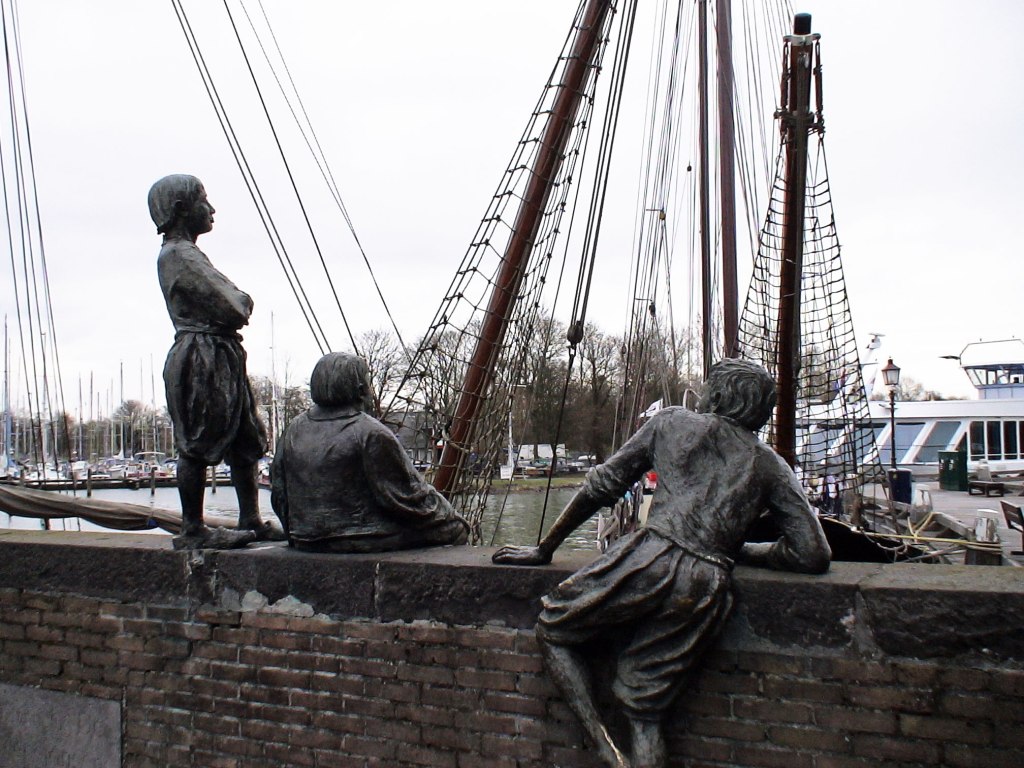
Hoorn is well known in the Netherlands for its rich history. The town acquired city rights in 1357 and flourished during the Dutch Golden Age. In this period, Hoorn developed into a prosperous port city, being home to one of the six chambers of the Dutch East India Company.
Its heyday was in the 16th century, when it was the leading port in the Zuiderzee. In 1573 a naval battle took place off the coast here between a Spanish fleet and the combined fleets of Enkhuizen, Edam, Monnickendam and Hoorn, in which the Spanish admiral was taken prisoner. In the 17th century the town began to decline, and many merchants moved to Amsterdam.
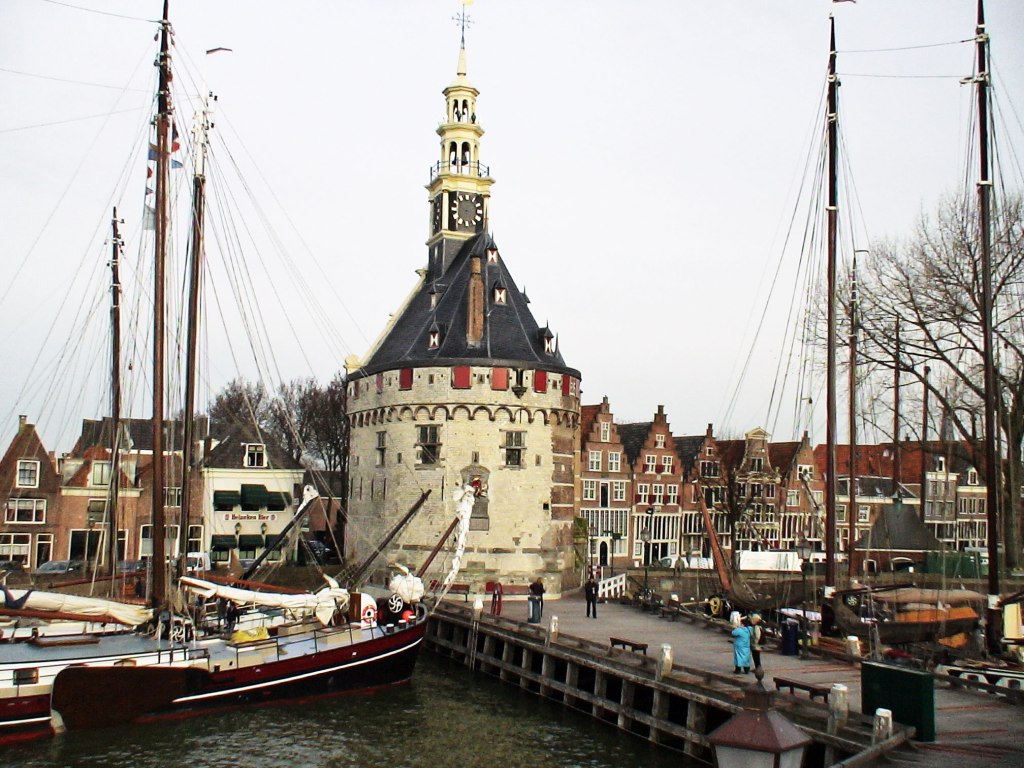
Towards the end of the eighteenth century, however, it started to become increasingly more difficult for Hoorn to keep competing with nearby Amsterdam. Ultimately, it lost its function as port city and became a regional center of trade, mainly serving the smaller villages of West Friesland.
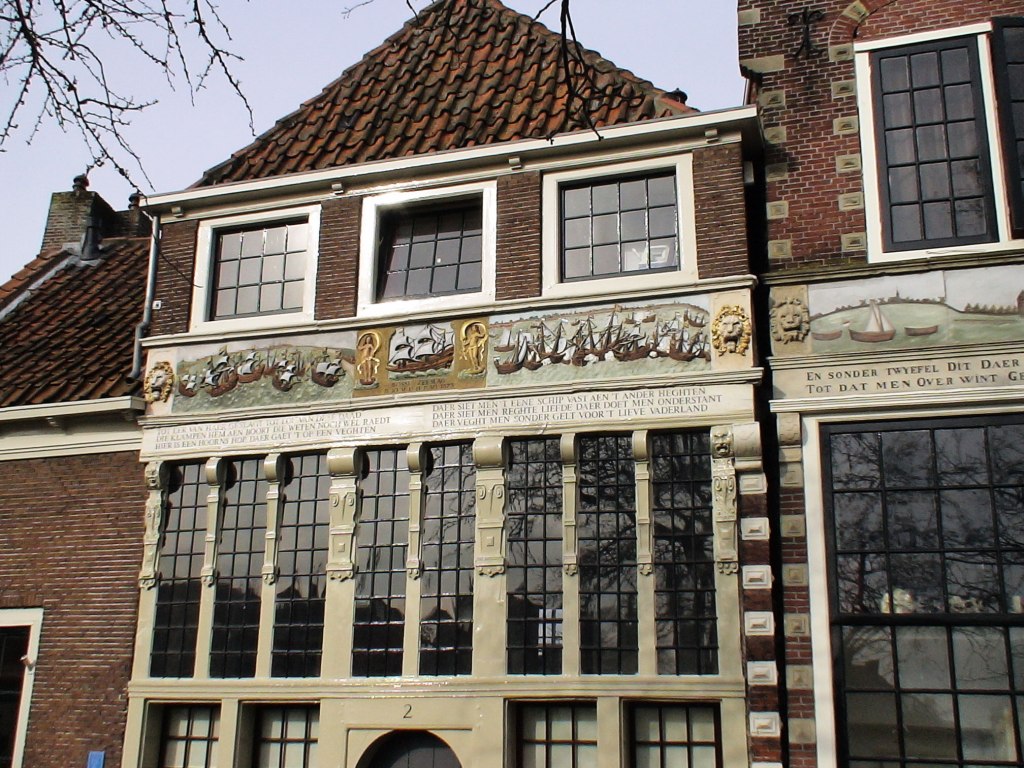
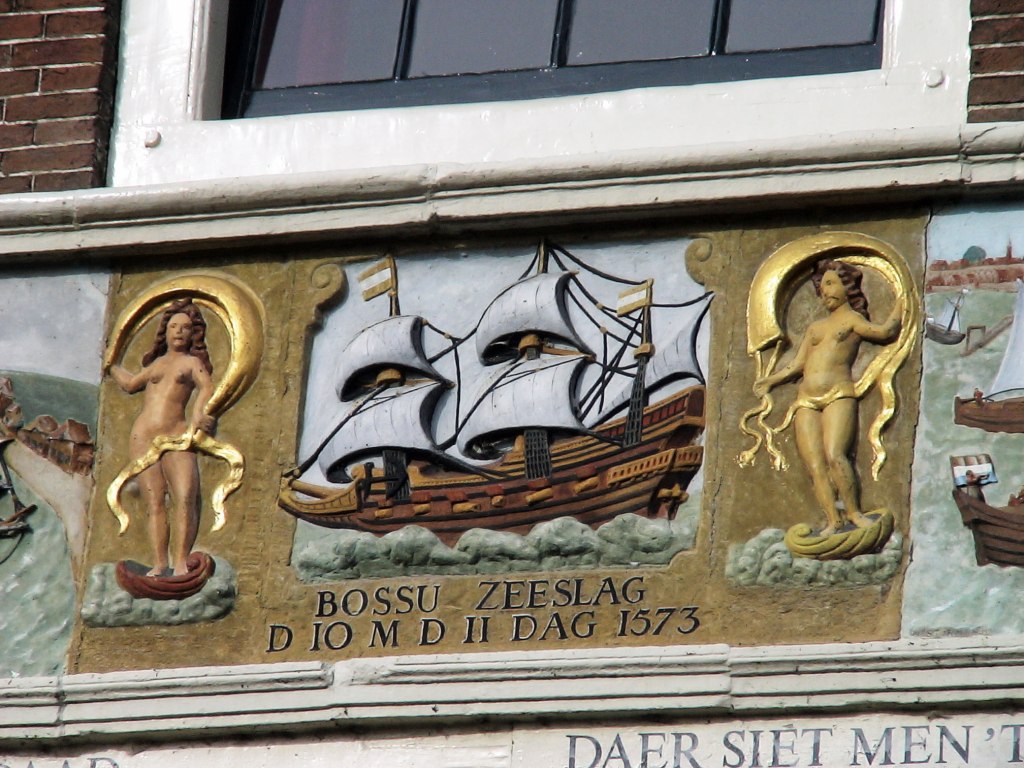
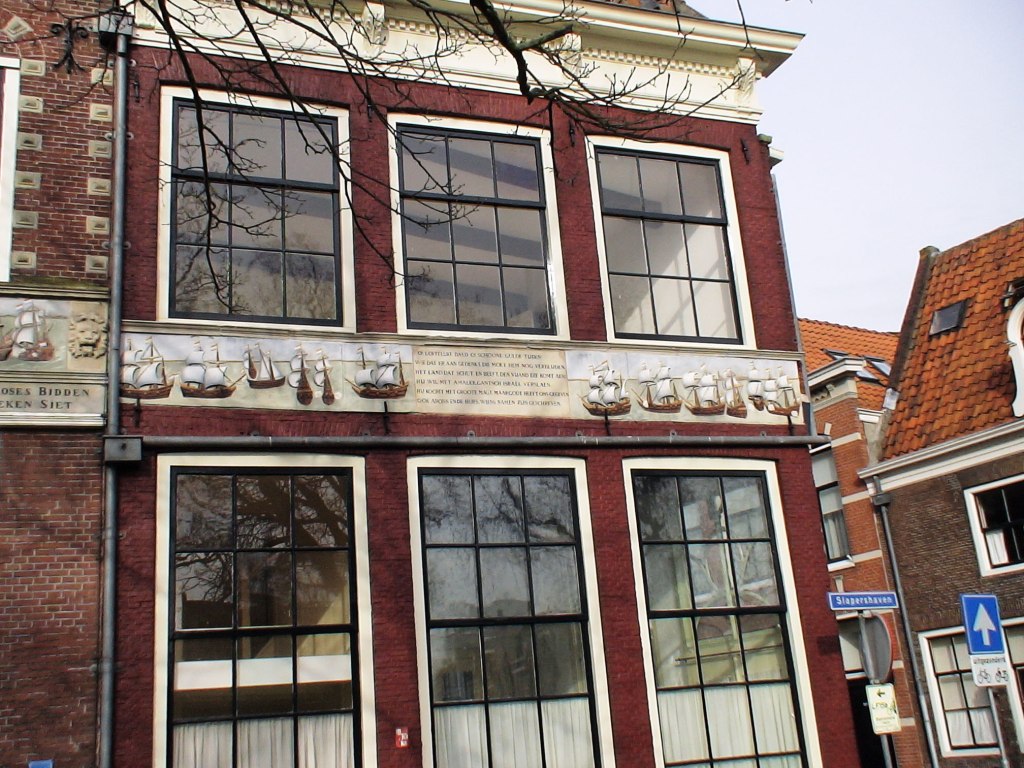
A navel battle told in pictures. In Hoorn, even buildings can tell tall tales!
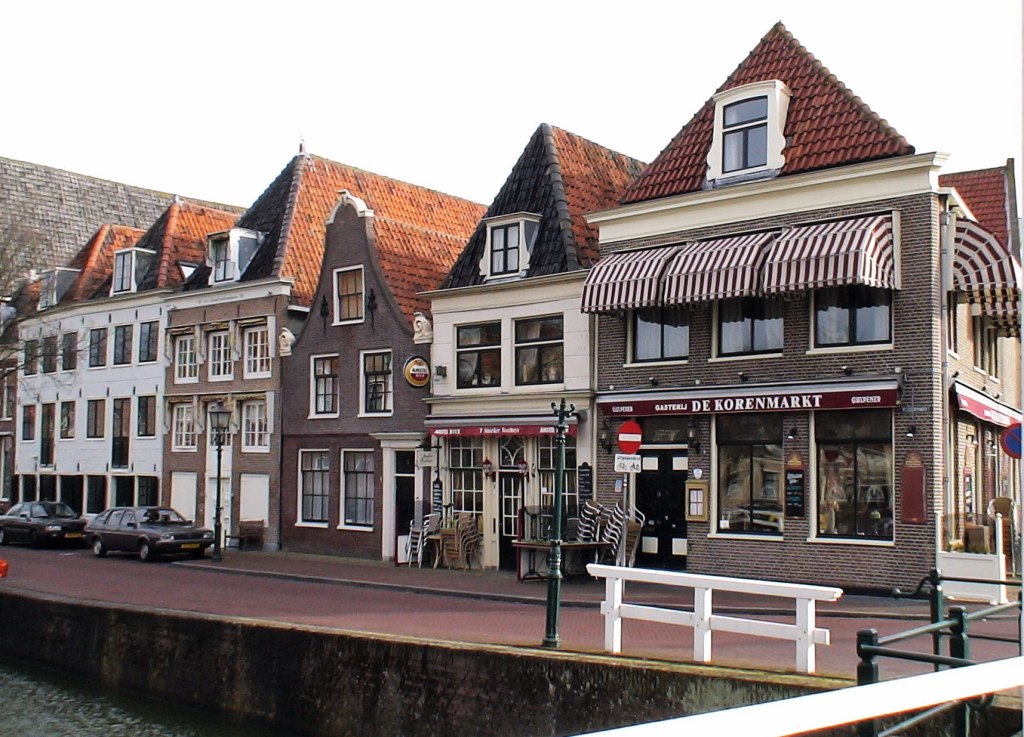
Nowadays, Hoorn is a city with modern residential areas and a historic city center that, due to its proximity to Amsterdam.
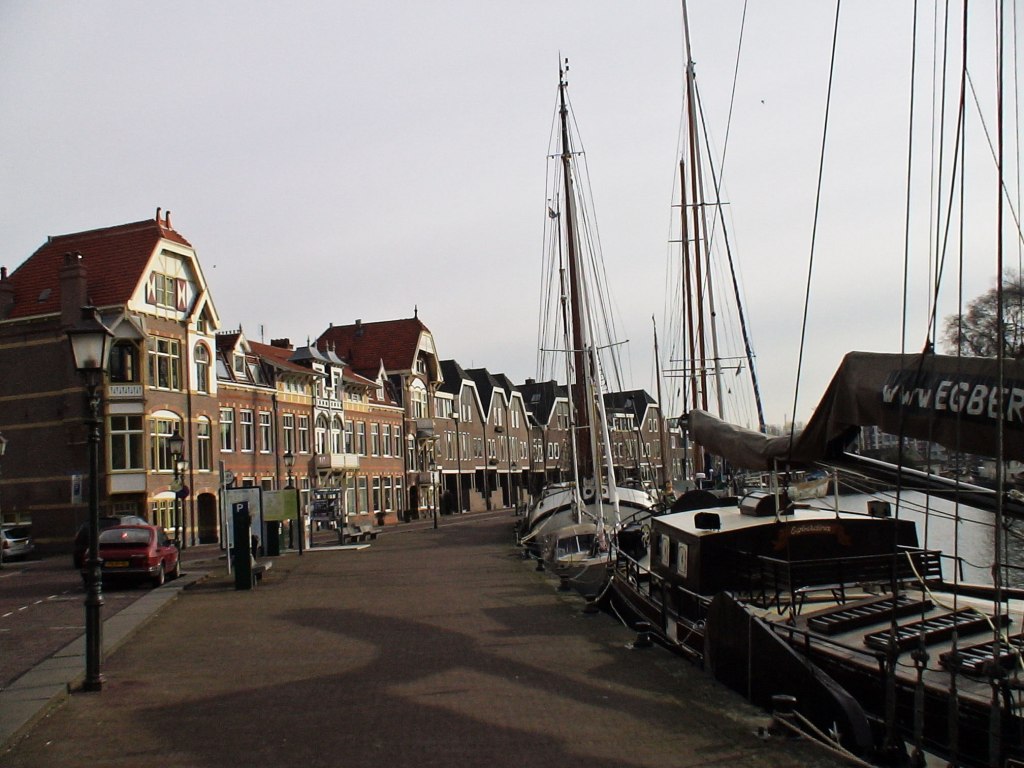
Hoorn is located in the northwest of the Netherlands, in the province of North Holland. It is the largest town and the traditional capital of the region of West Friesland.
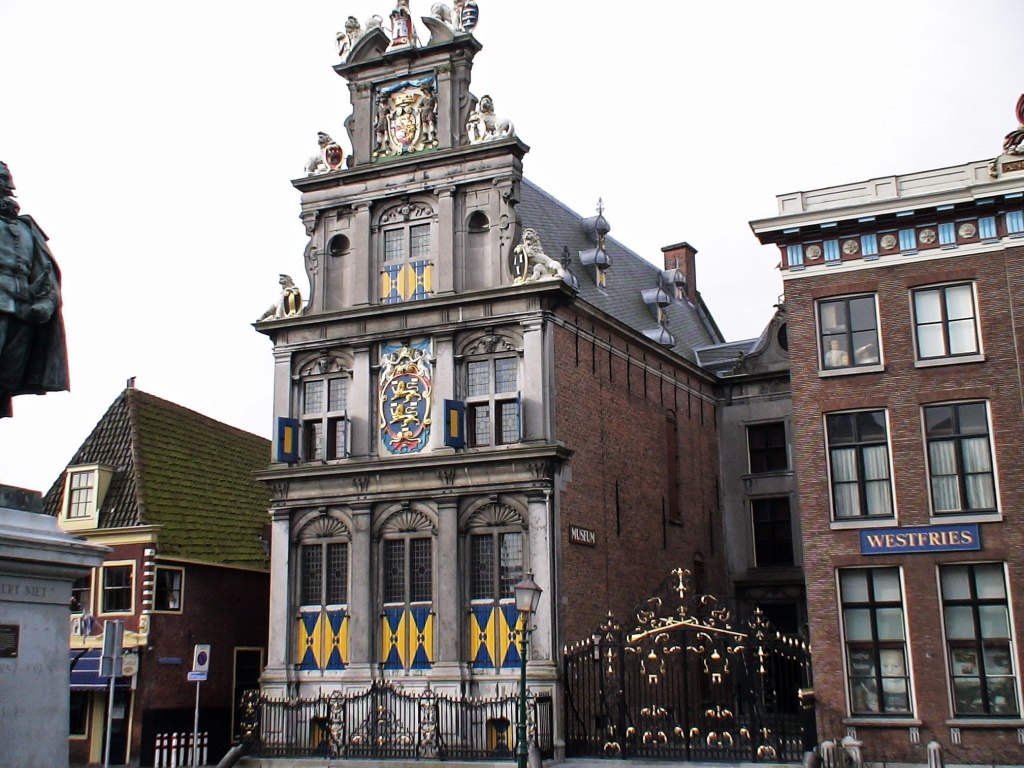
Hoorn is located on the Markermeer, 20 kilometers east of Alkmaar and 35 kilometers north of Amsterdam. The municipality has just over 73,000 inhabitants.
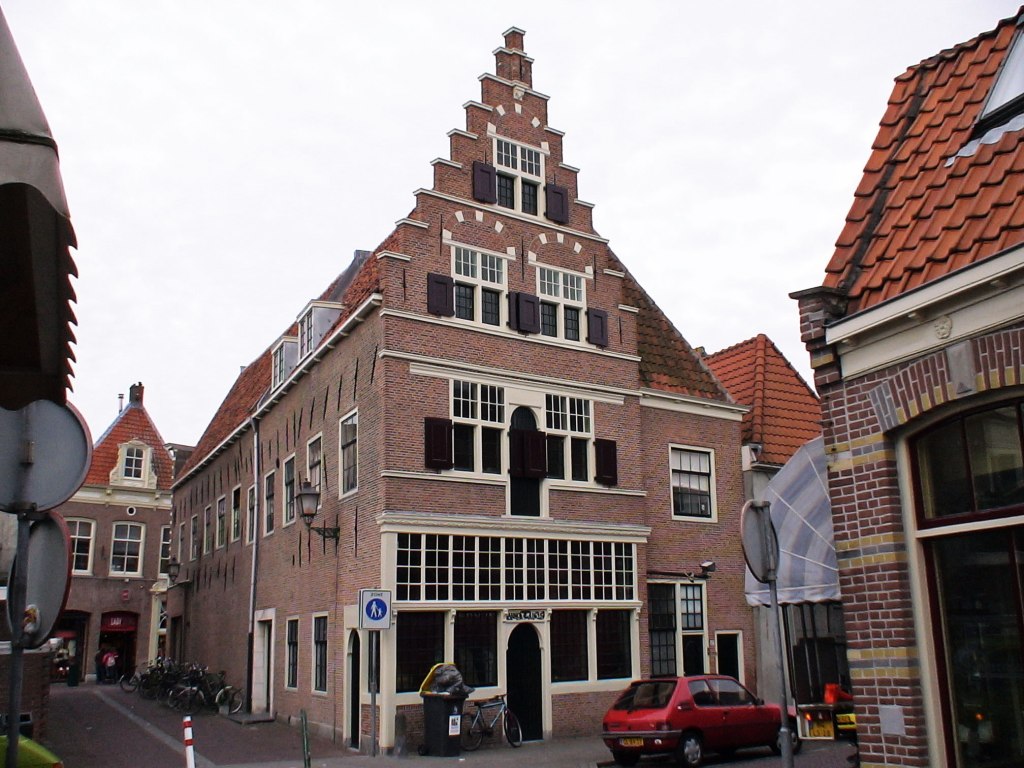
The construction of the Afsluitdijk cut its harbor off from the open sea. Hoorn was the birthplace of the navigator Willem Schouten (1580-1625), who in 1616 rounded the southern tip of America and gave the name of his hometown to Cape Horn. Other natives of the town were Jan Pieterszoon Coen (1587- 1629), who established Dutch colonial authority in the East Indies, and Abel Tasman (1603-59), discoverer of New Zealand and Tasmania.
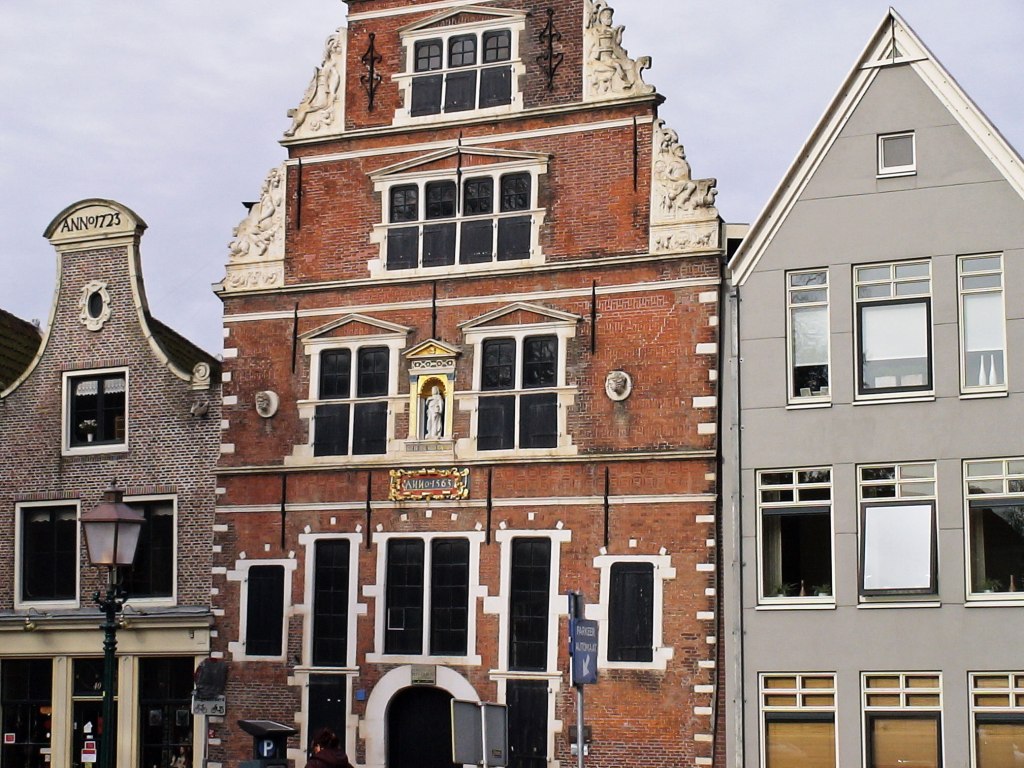
Notice the leaning house in the center. The building on the right is holding it up.

 s
s 