




Hamborg is the second largest city in Germany, after Berlin, and 8th largest in the European Union , with a population of over 1.9 million.
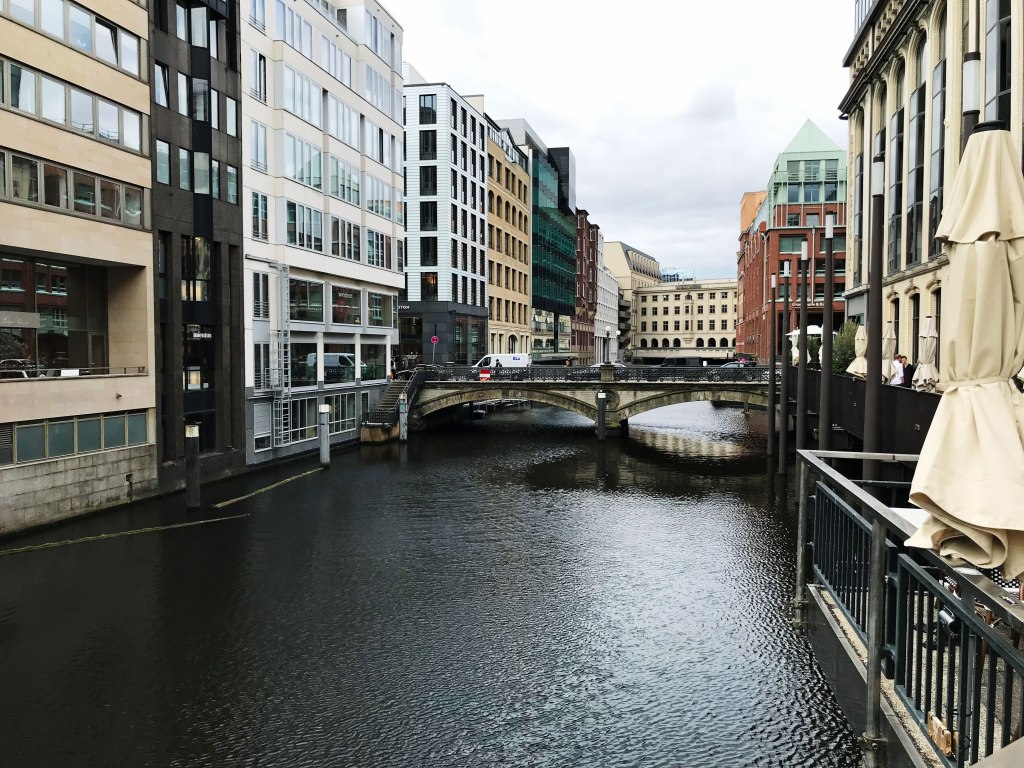
At the southern tip of the Jutland Peninsula, Hamburg stands on the branching River Elbe at the head of a 110 km estyary to the North sea, on the mouth of the Alster and Bille. Hamburg is one of Germany’s three city-states alongside Berlin and Bremen, and is surrounded bySchleswig-Holstein to the north and Lower Saxony to the south.
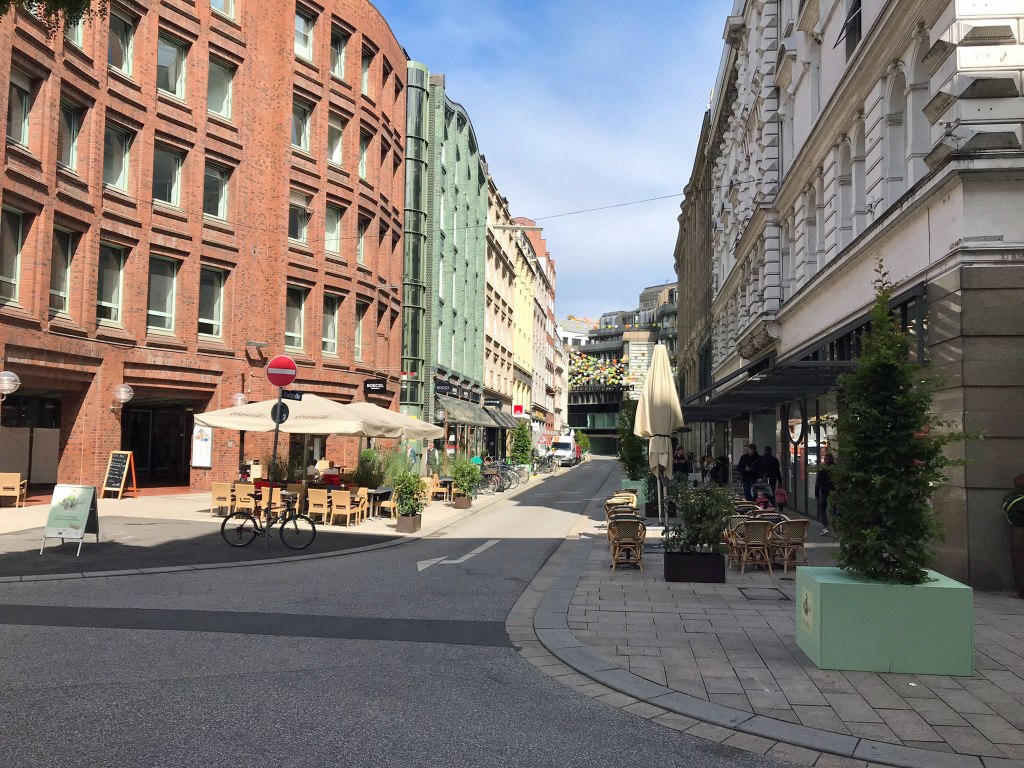
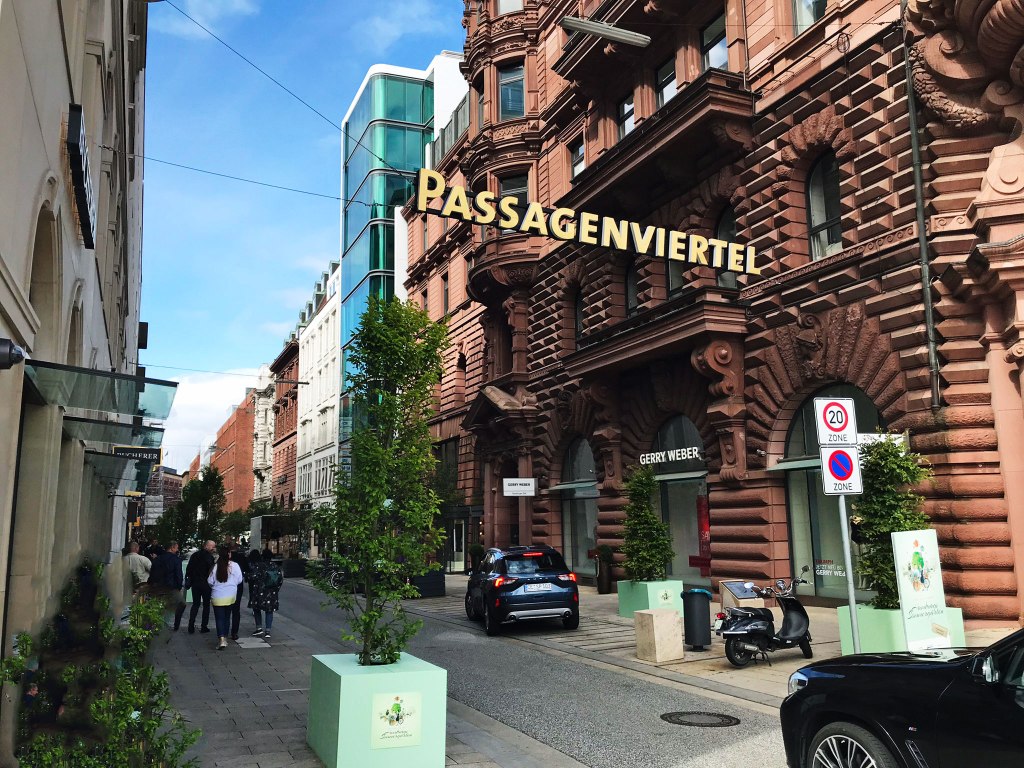
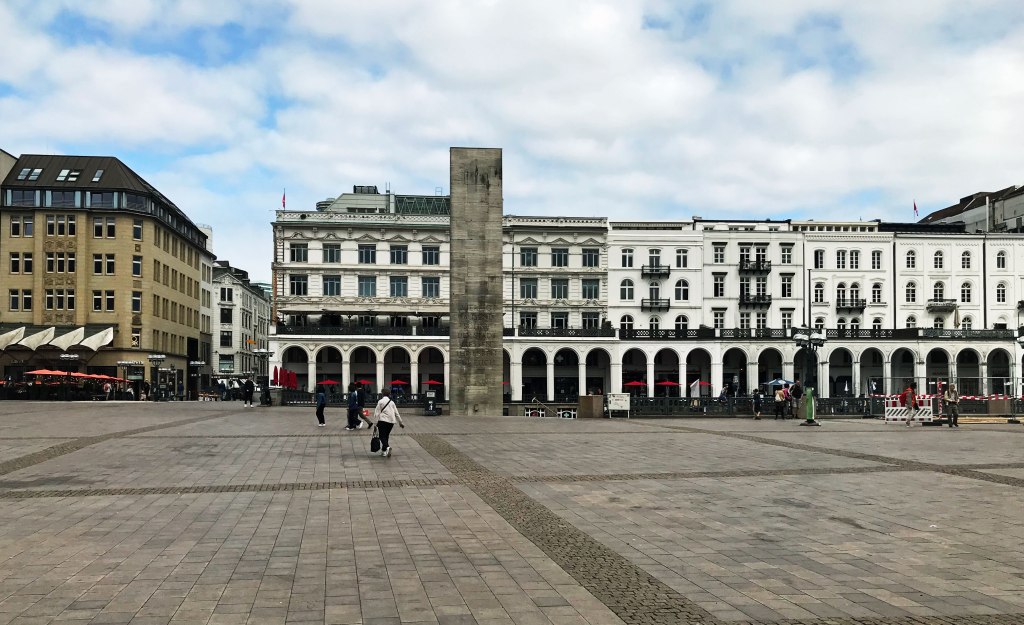
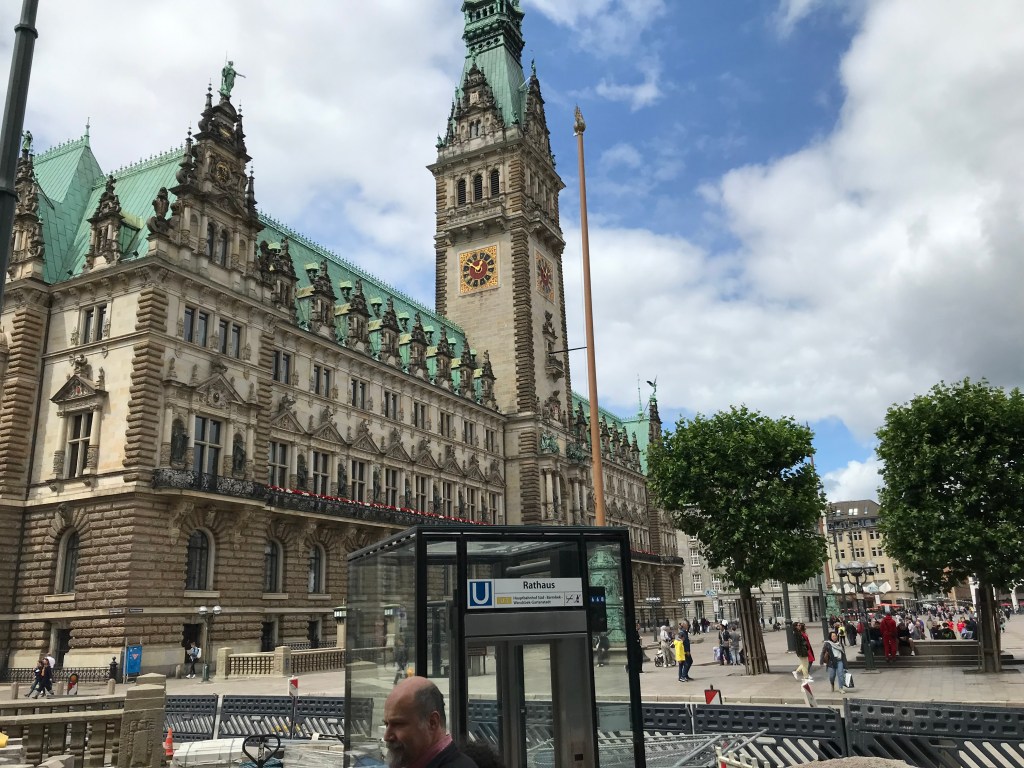
In 1189, by imperial charter, Frederick I “Barbarossa” granted Hamburg the status of a free Imperial City and tax-free access up the Lower Elbe into the North Sea. In 1265, an allegedly forged letter was presented to or by the Rath of Hamburg.
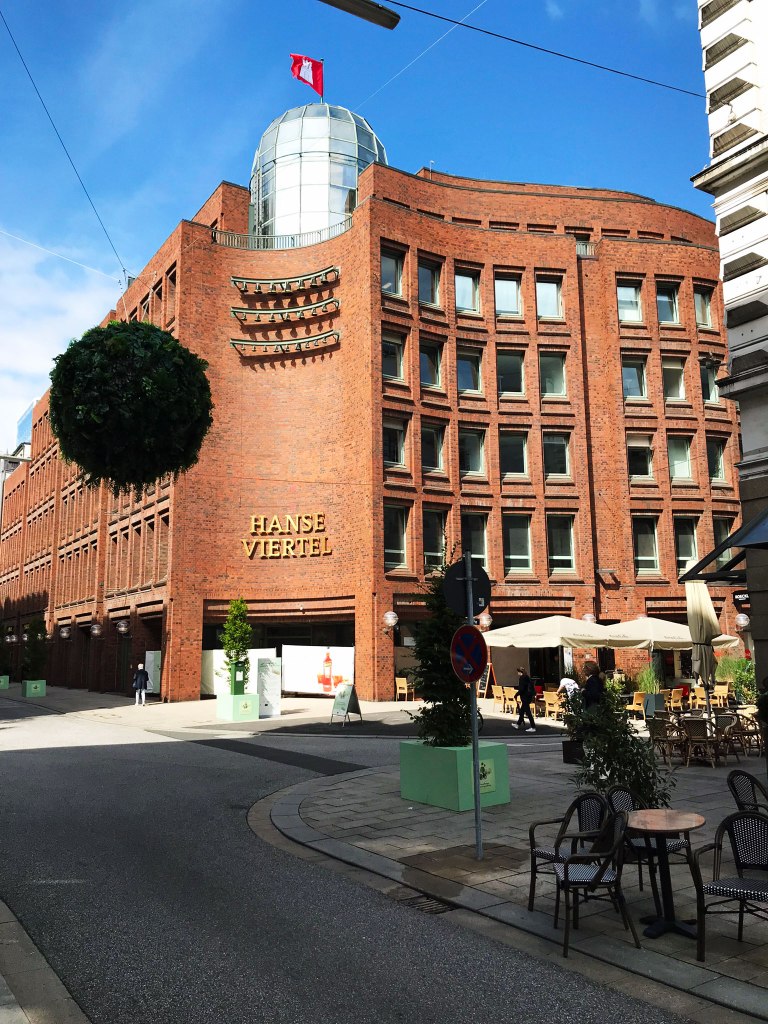
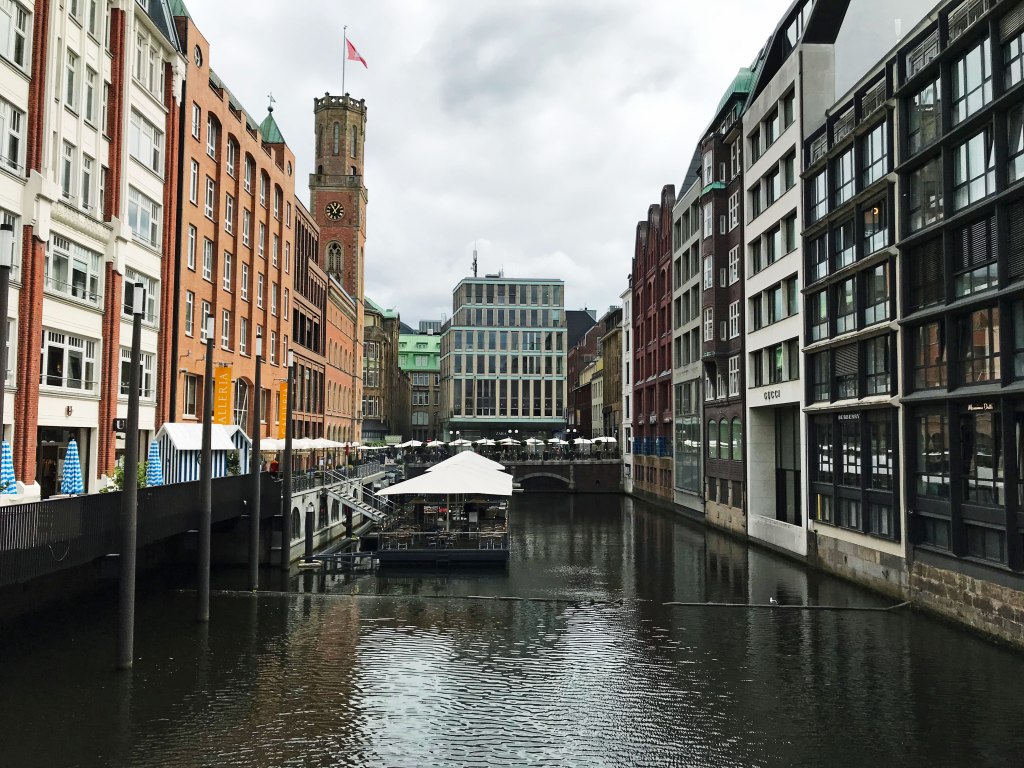
This charter, along with Hamburg’s proximity to the main trade routes of the North Sea and Barltic Sea, quickly made it a major port in Northern Europe. Its trade alliance with Lübeck in 1241 marks the origin and core of the powerful Hanseatic League of trading cities. On 8 November 1266, a contract between Henry III and Hamburg’s traders allowed them to establish a hanse in London. This was the first time in history that the word hanse was used for the trading guild of then Hanseatic League.

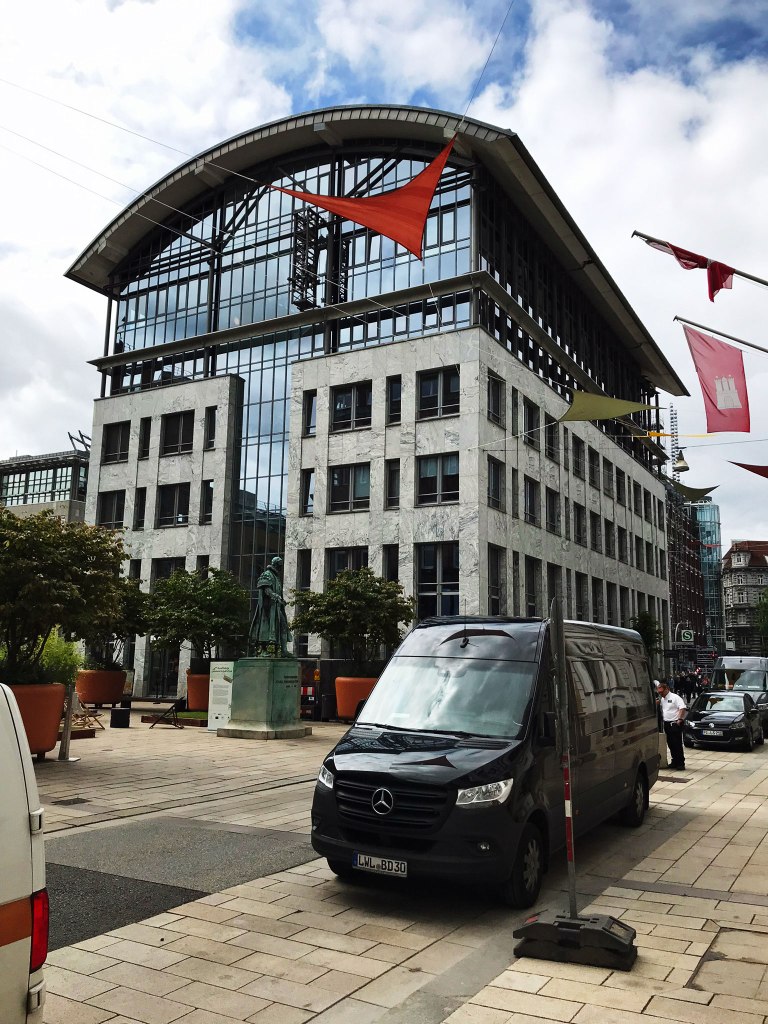
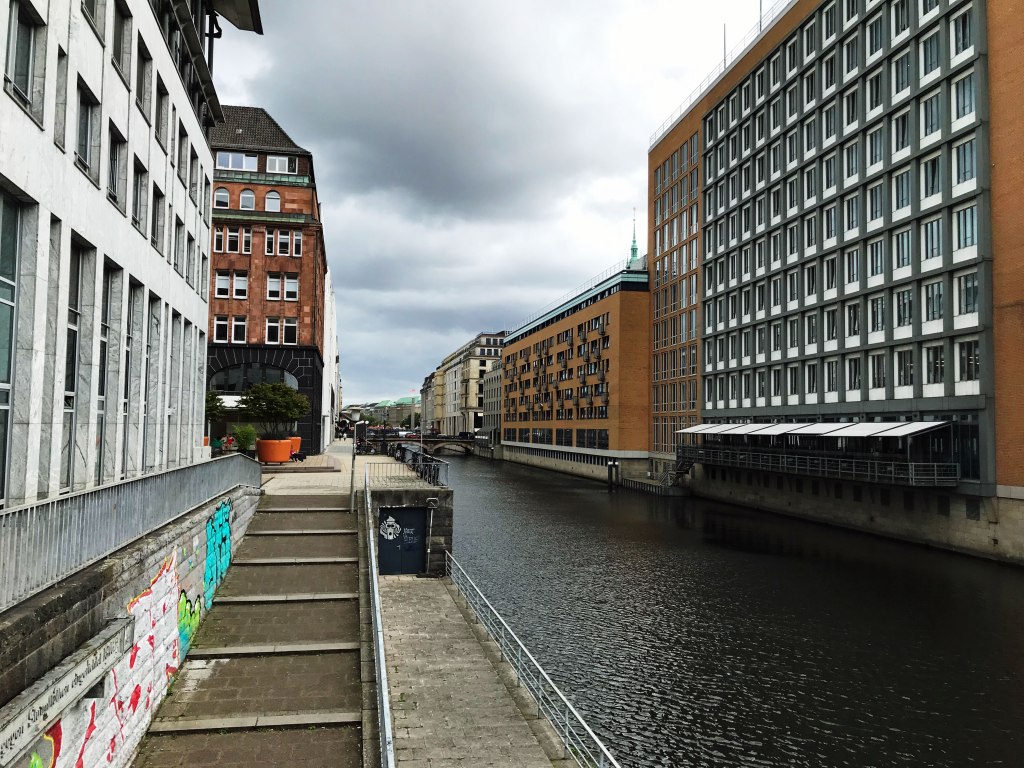
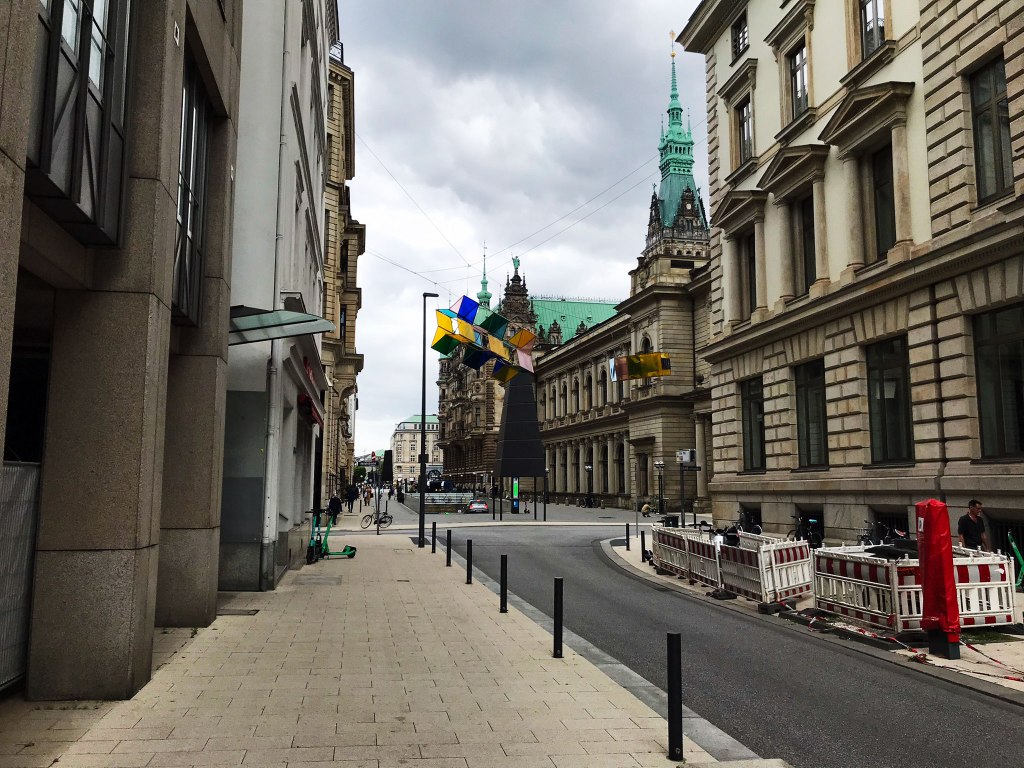
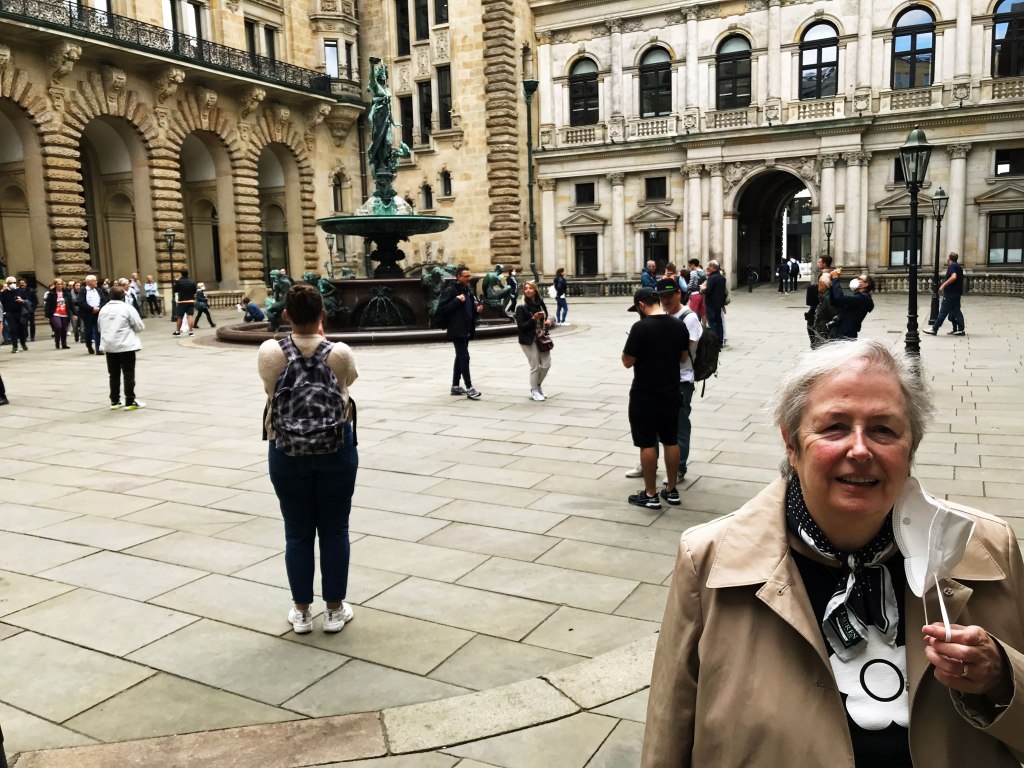
Hamburg was a Gau within the administration of Nazi Germany from 1934 until 1945. During the WW II , the Allied bombing of Hamburg devastated much of the city and the harbour. On 23 July 1943, the RAF and the U.S. Air Force firebombing created a firestorm which spread from the Hauptbahnhof (main railway station) and quickly moved south-east, completely destroying entire boroughs
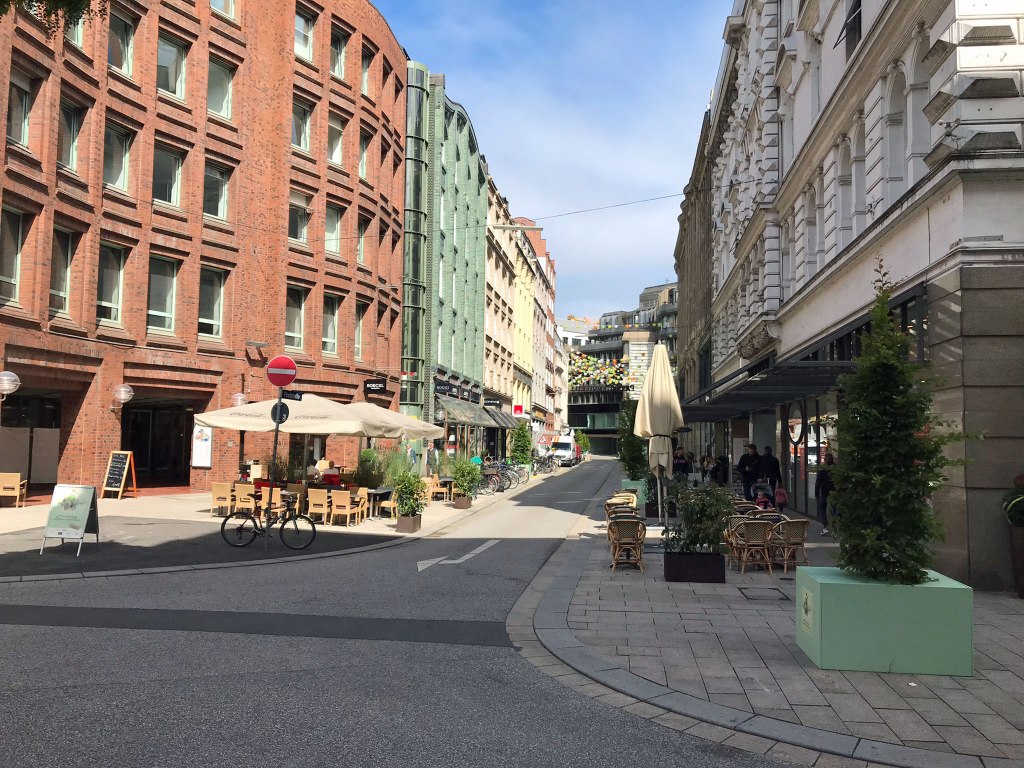
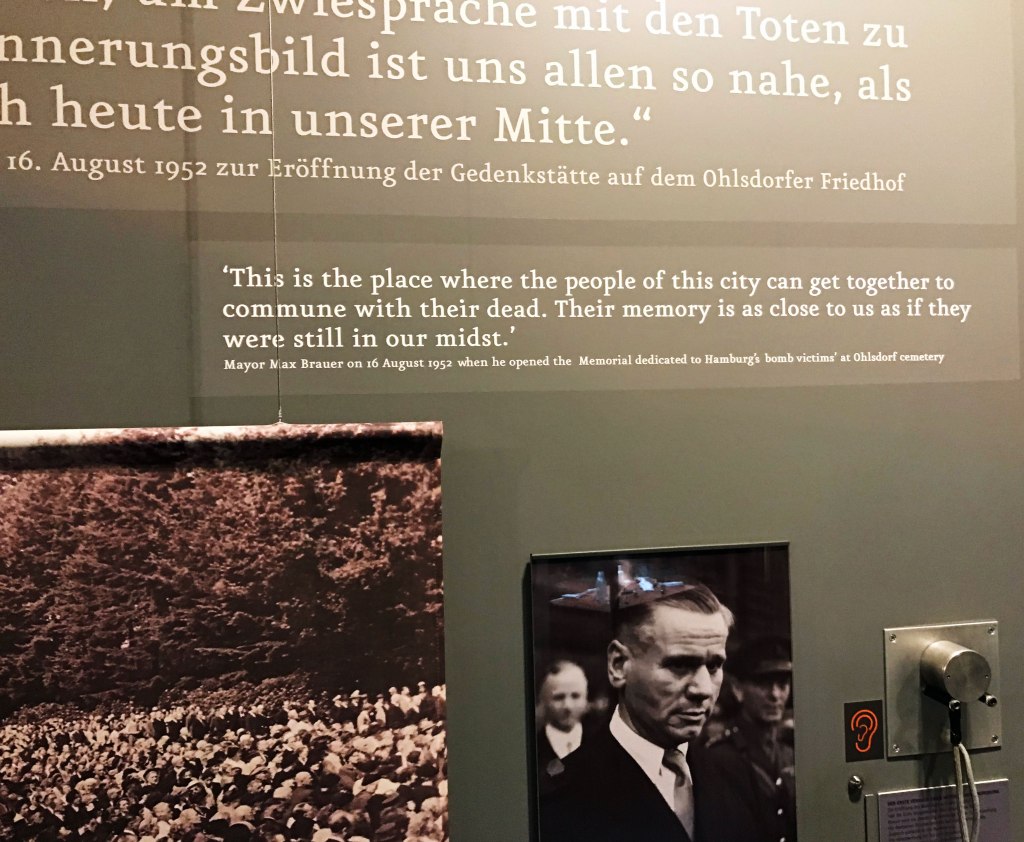
Thousands of people perished in these densely populated working class boroughs. The raids, codenamed Operation Gomorrah by the RAF, killed at least 42,600 civilians; the precise number is not known. About one million civilians were evacuated in the aftermath of the raids. While some of the boroughs destroyed were rebuilt as residential districts after the war, others such as Hammerbrook were entirely developed into office, retail and limited residential or industrial districts.
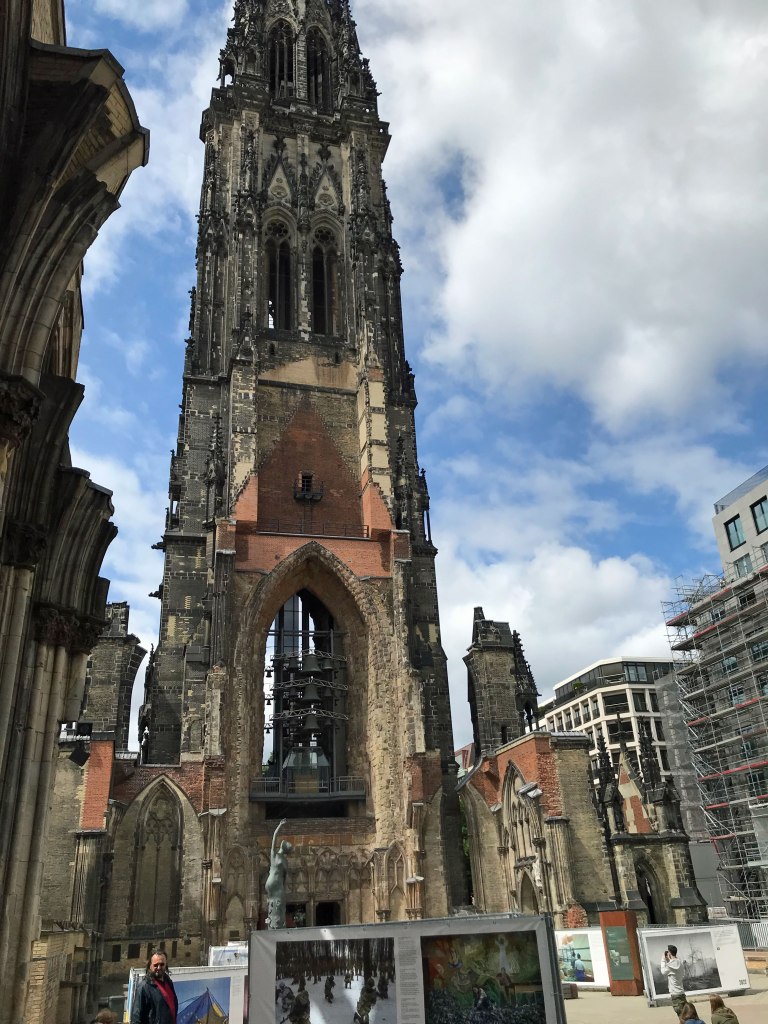
The Church of St. Nicholas (German: St.-Nikolai-Kirche) was a Gothic Revival cathedral that was formerly one of the five Lutheran Hauptkirchen (main churches) in the city.
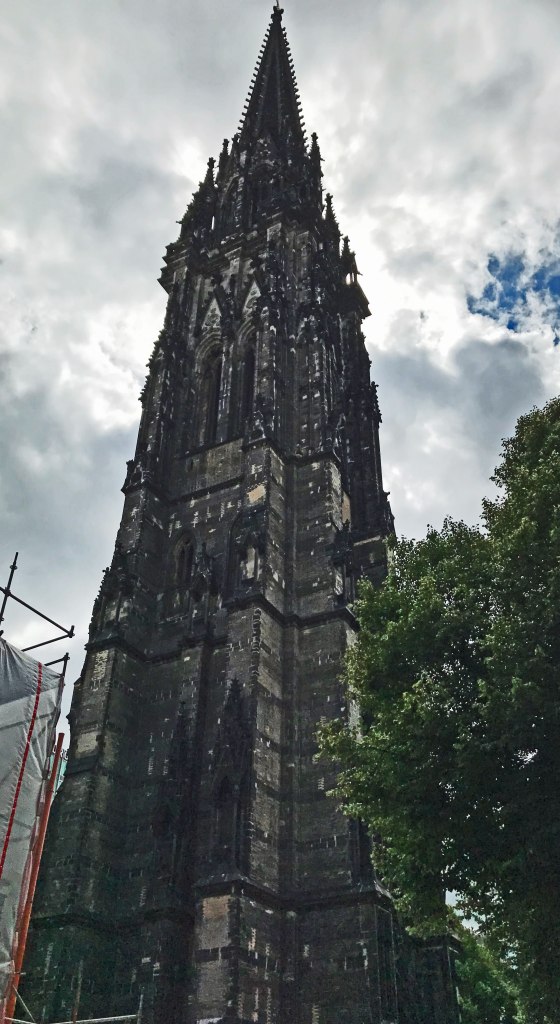
The original chapel, a wooden building, was completed in 1195. It was replaced by a brick church in the 14th century, which was eventually destroyed by fire in 1842. The church was completely rebuilt by 1874, and was the tallest building in the world from 1874 to 1876.
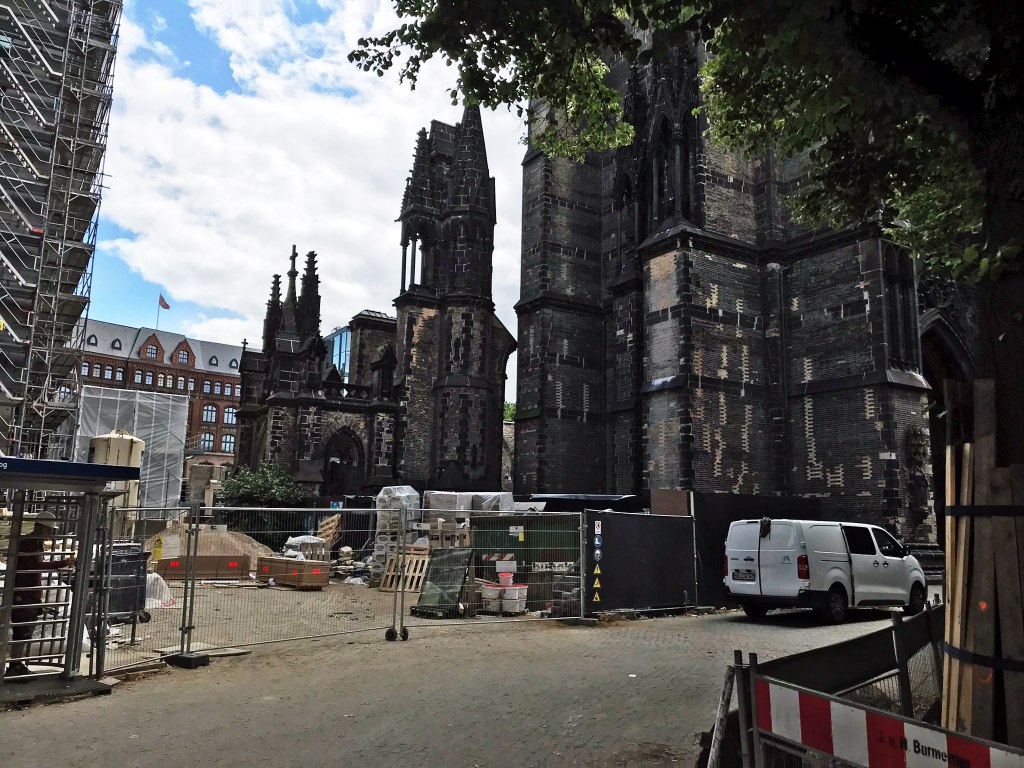
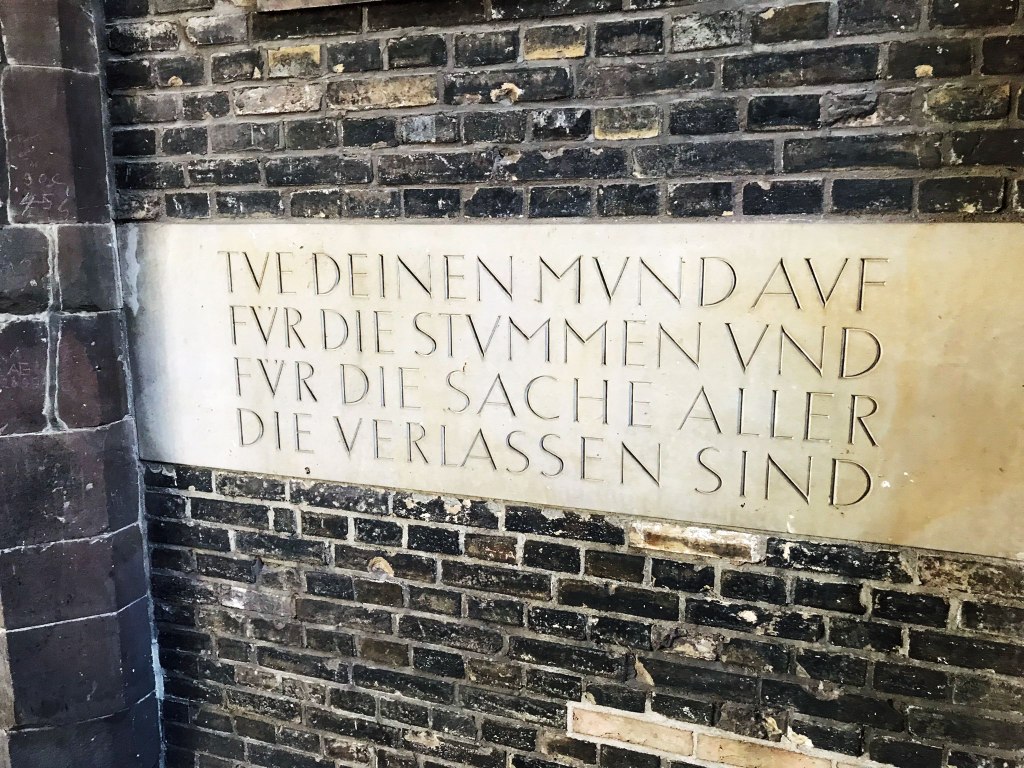
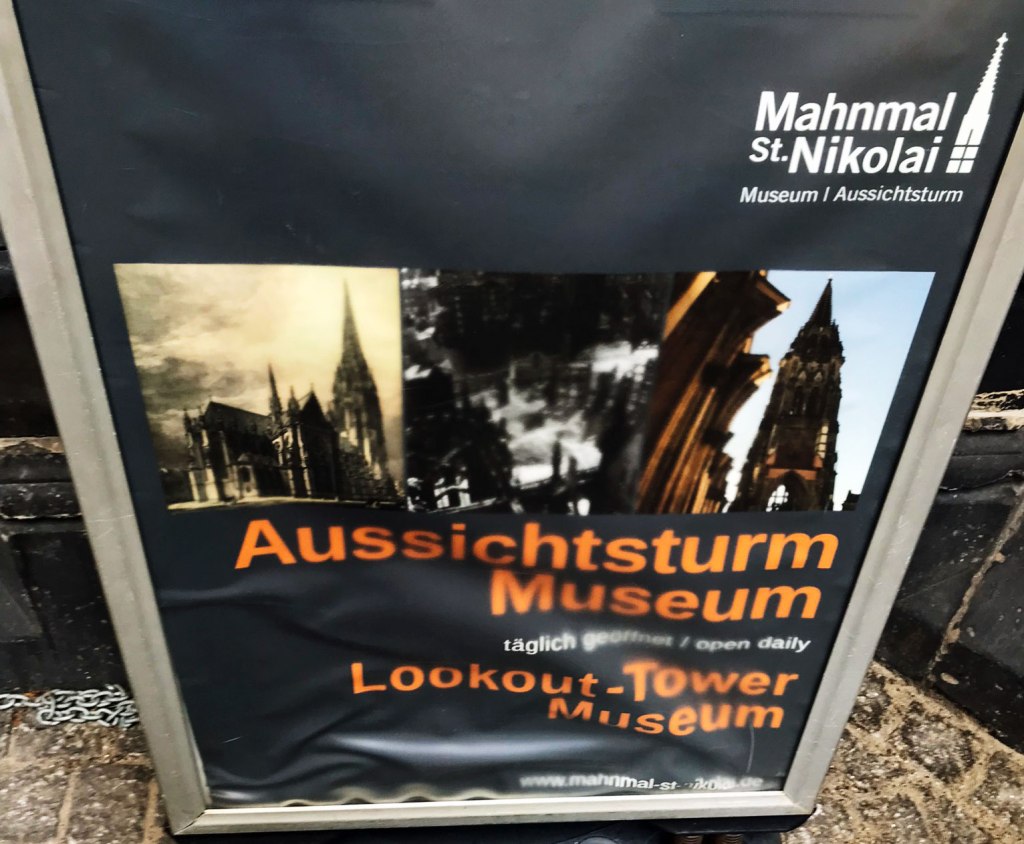
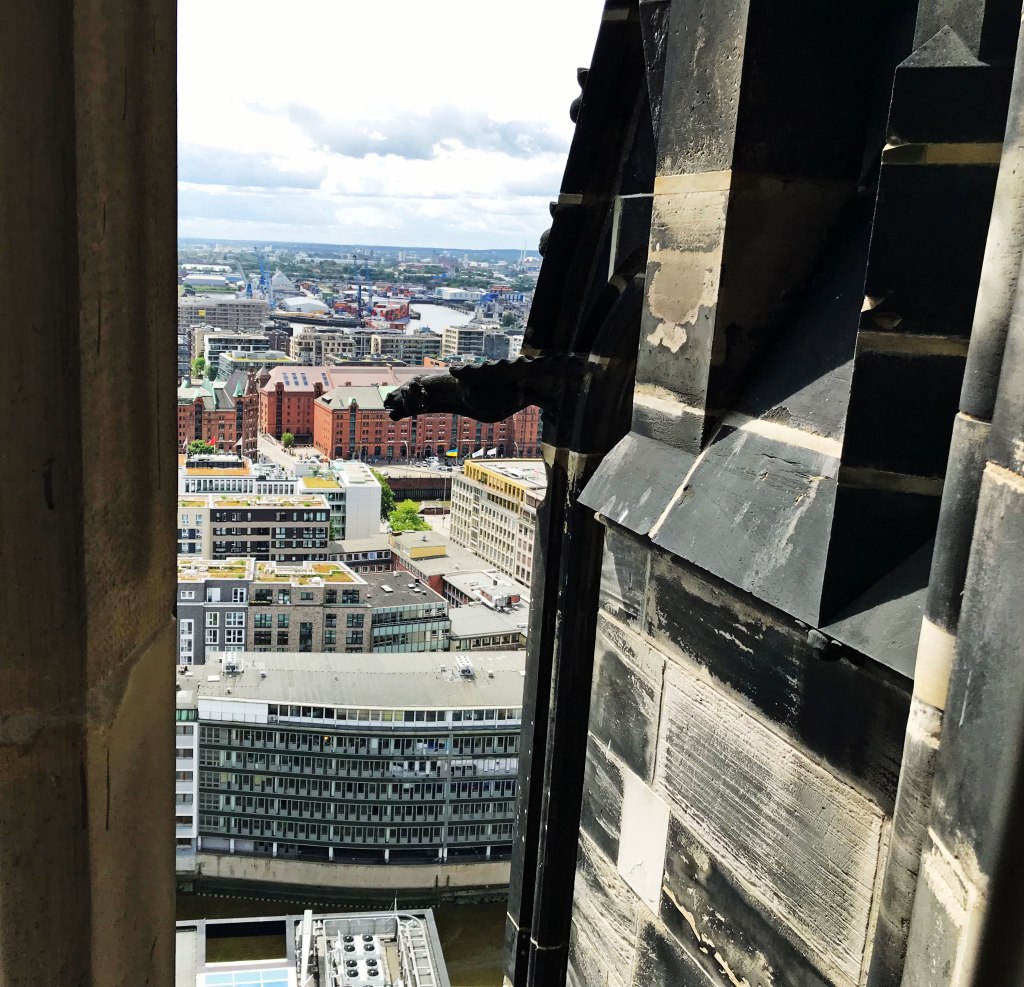
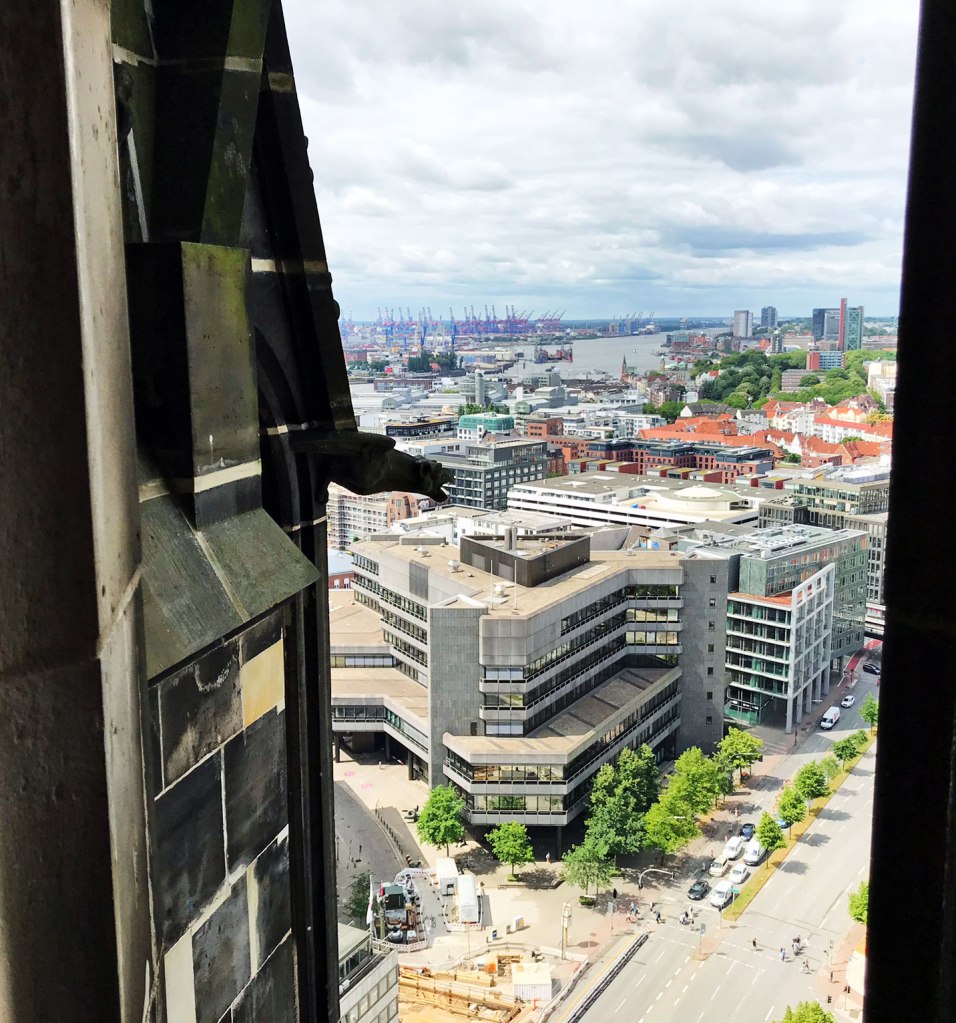
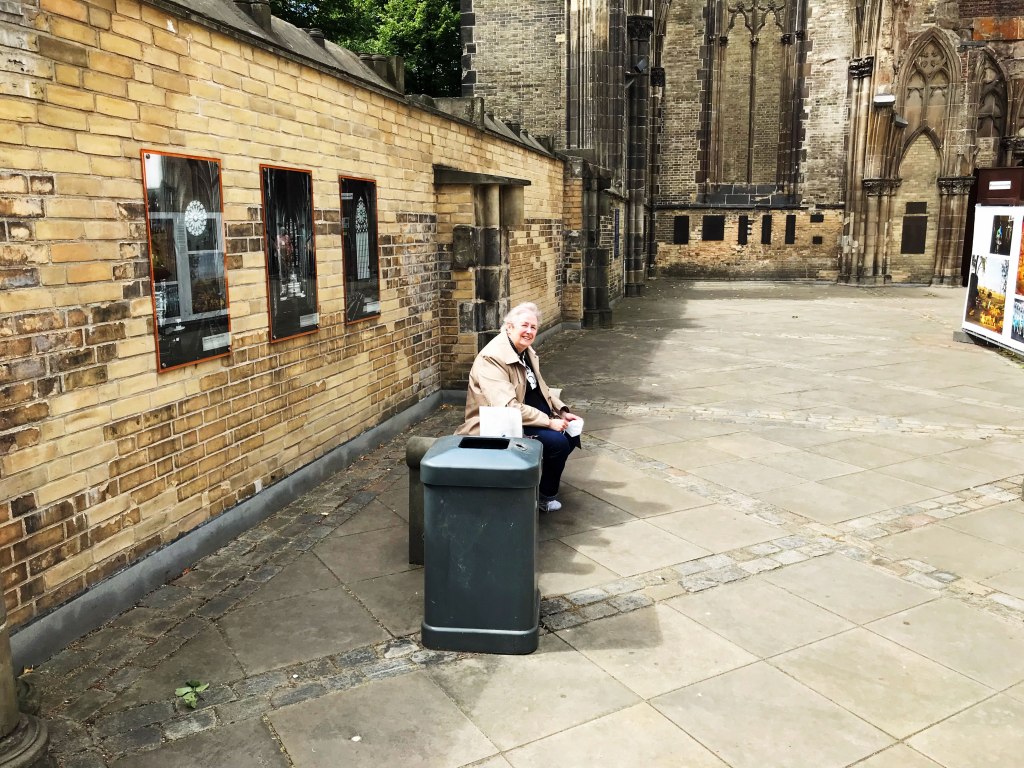
The bombing of Hamburg in WW II destroyed the bulk of the church. The removal of the rubble left only its crypt, its site and tall-spired tower, largely hollow save for a large set of bells. These ruins continue to serve as a memorial and an important architectural landmark. In 2005, an elevator was installed to a 75.3-metre-high (247 ft) platform. I did visit the museum and went up the elevator.
Prüfung (meaning TEST)—sculpture in the southern aisle


 s
s 