



In Flanders Fields
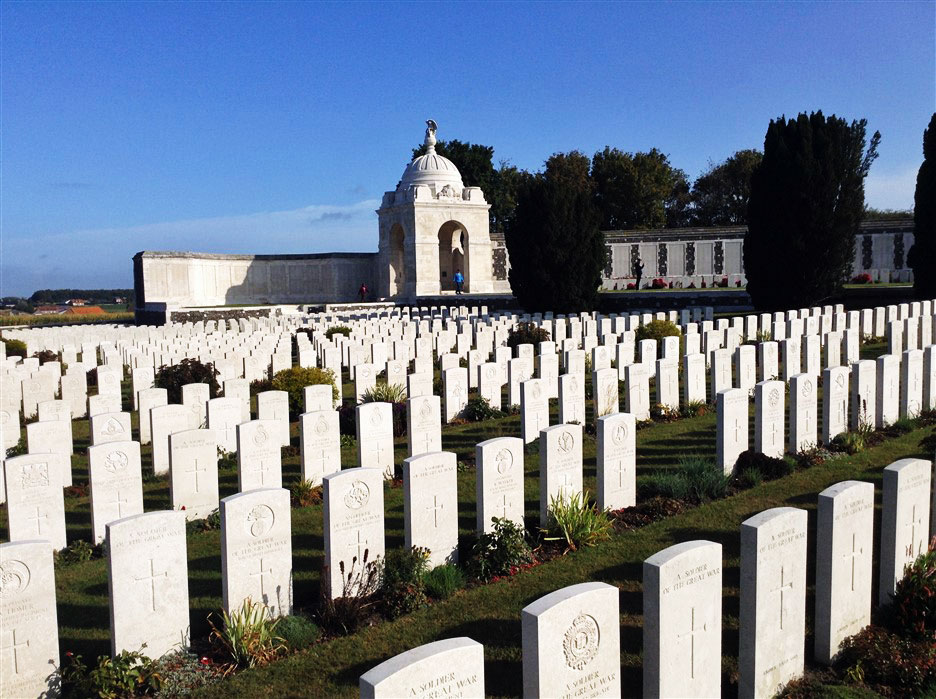
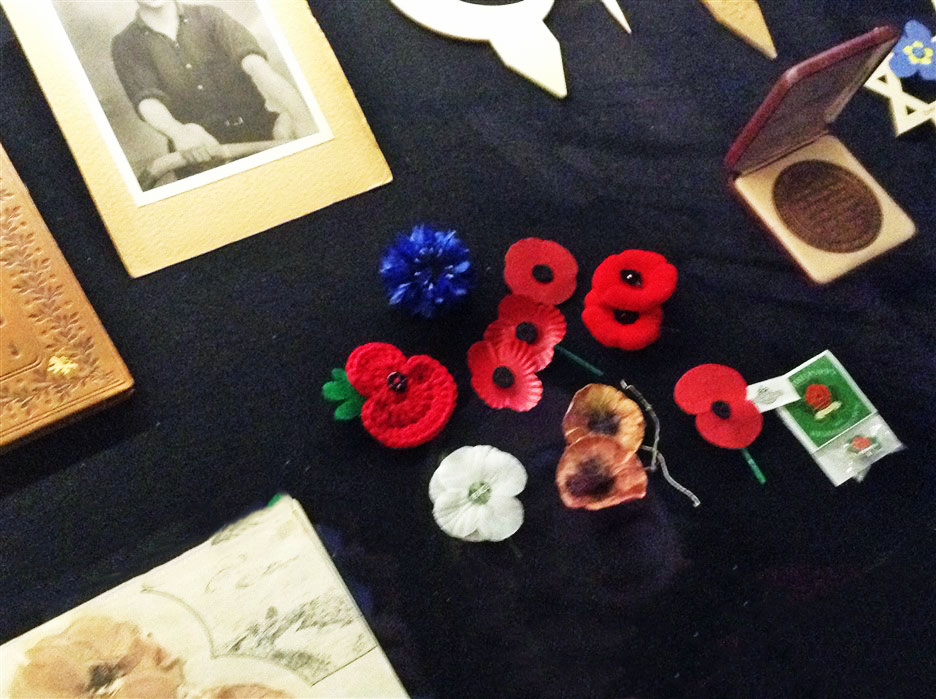
In Flanders Fields, the poppies blow
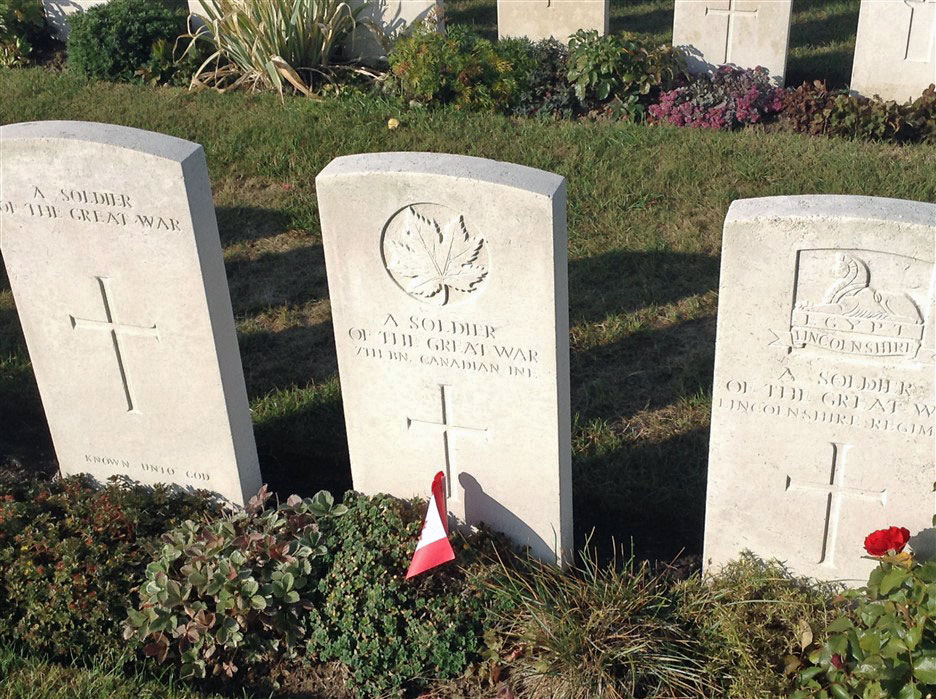
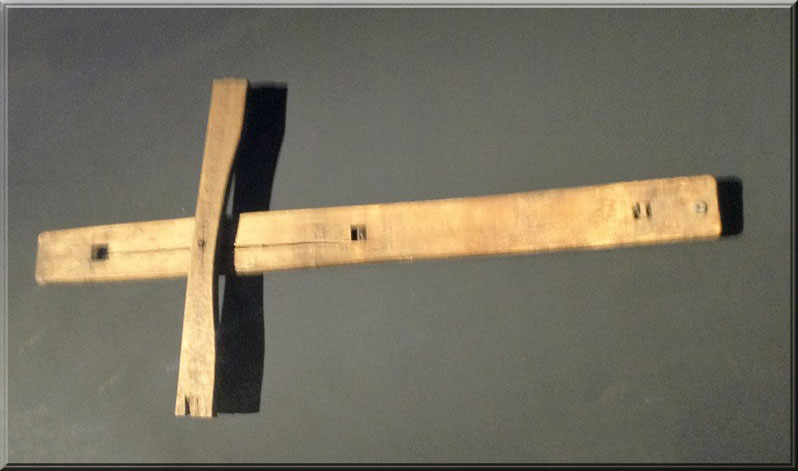
Between the crosses, row on row,
That mark our place; and in the sky
The larks, still bravely singing, fly
Scarce heard amid the guns below.
We are the dead. Short days ago
We lived, felt dawn, saw sunset glow,
Loved and were loved, and now we lie,
In Flanders fields.
Take up our quarrel with the foe:
To you from failing hands we throw
The torch; be yours to hold it high.
If ye break faith with us who die
We shall not sleep, though poppies grow
In Flanders fields.
(Written by Canadian physician Lieutenant-Colonel John McCrae)
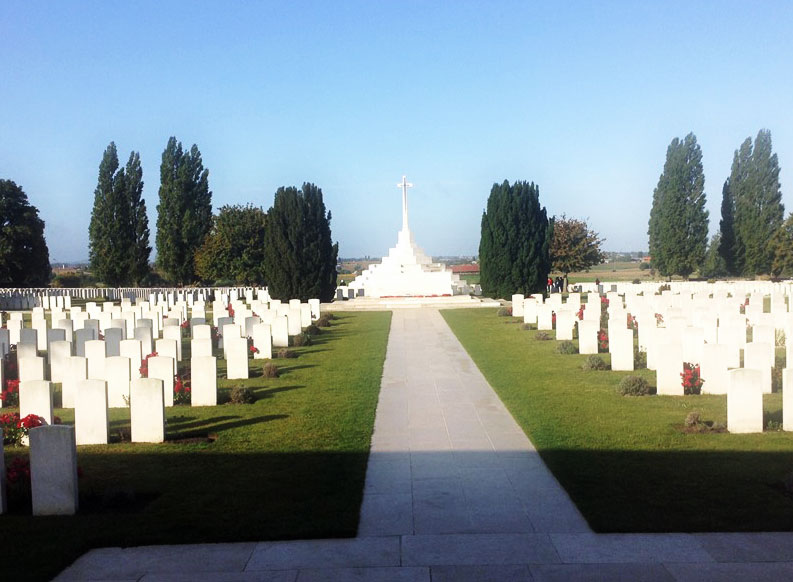
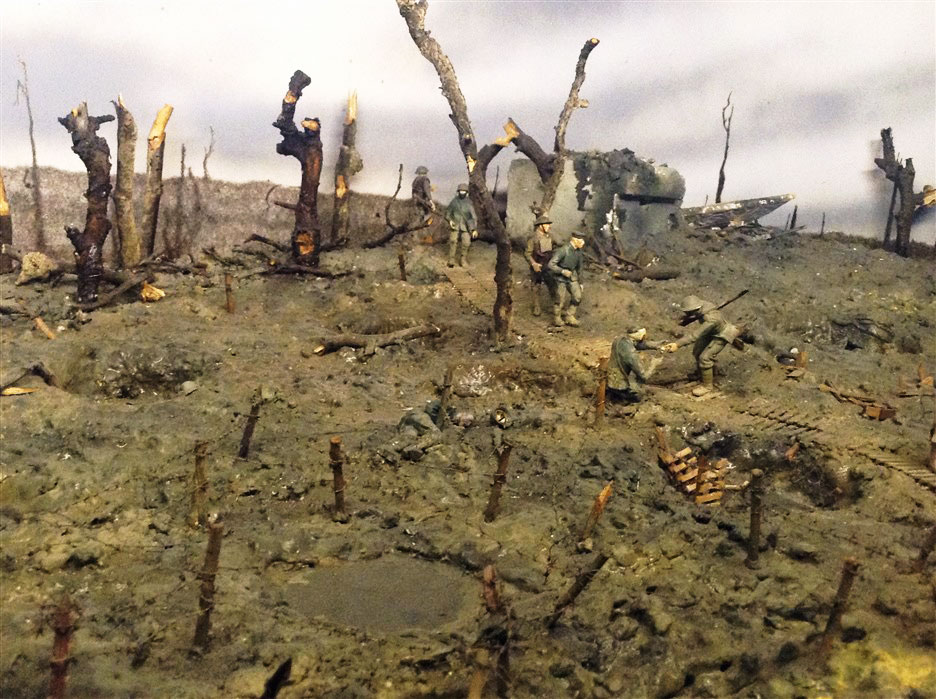
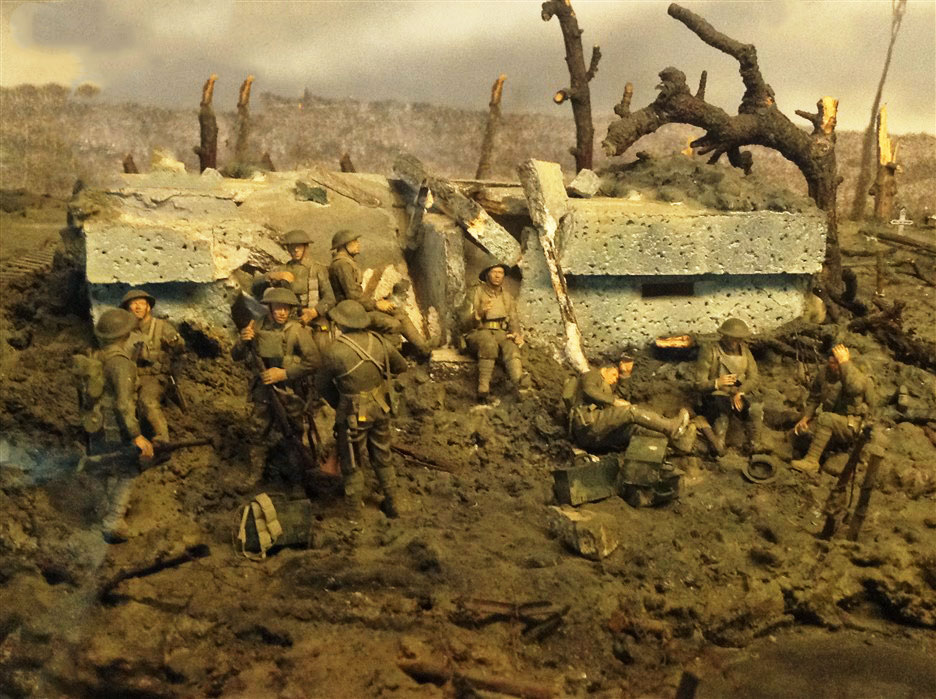
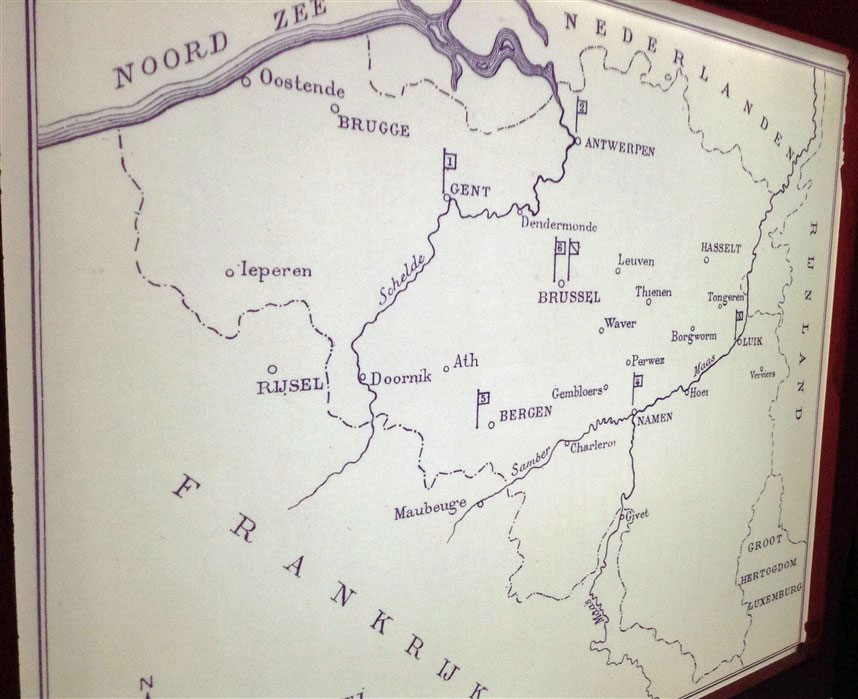
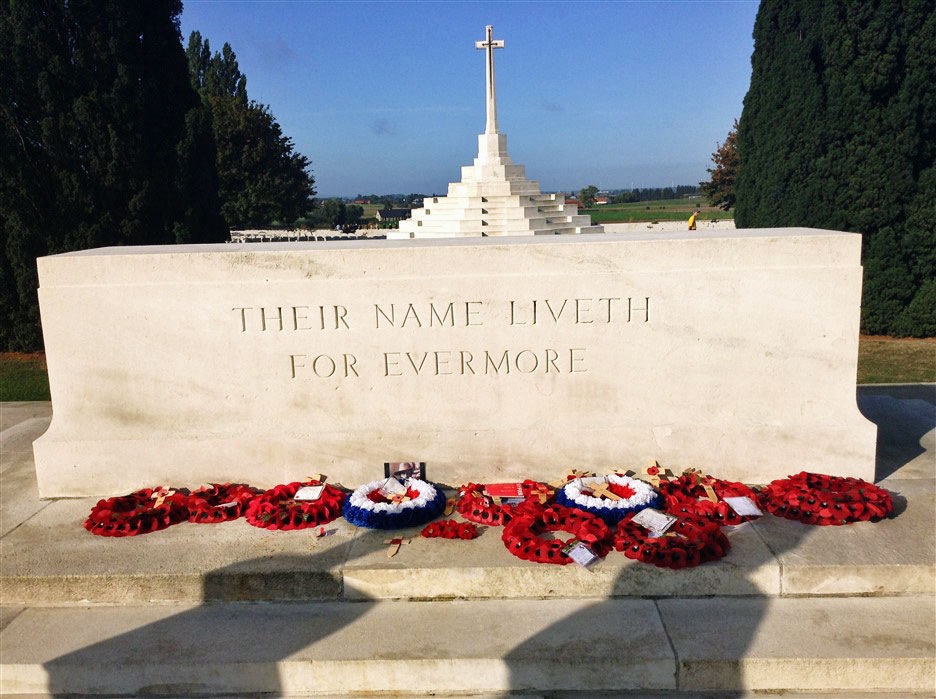
He was inspired to write it on May 3, 1915, after presiding over the funeral of friend and fellow soldier Lieutenant Alexis Helmer, who died in the Second Battle of Ypres. According to legend, fellow soldiers retrieved the poem after McCrae, initially dissatisfied with his work, discarded it. “In Flanders Fields” was first published on December 8 of that year in the London magazine PUNCH. Flanders Field is a common English name of the World War I battlefields in Belgium and France.
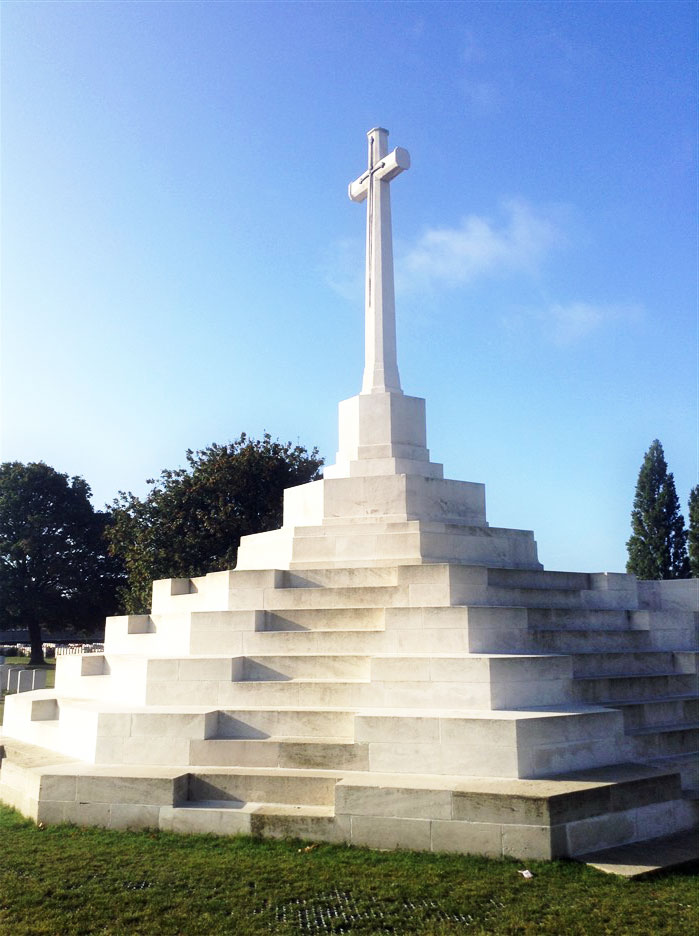
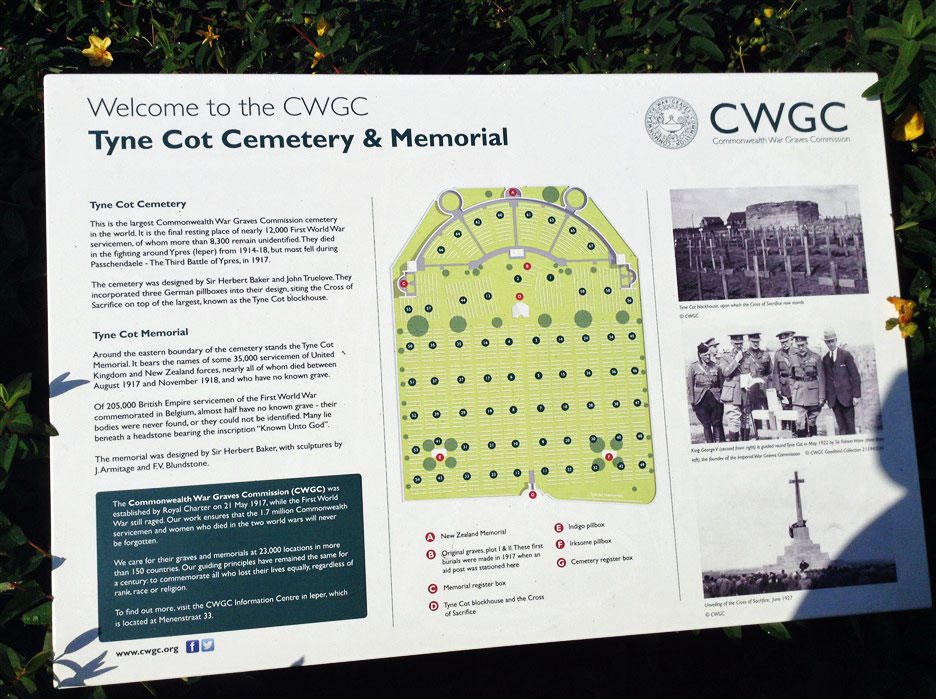
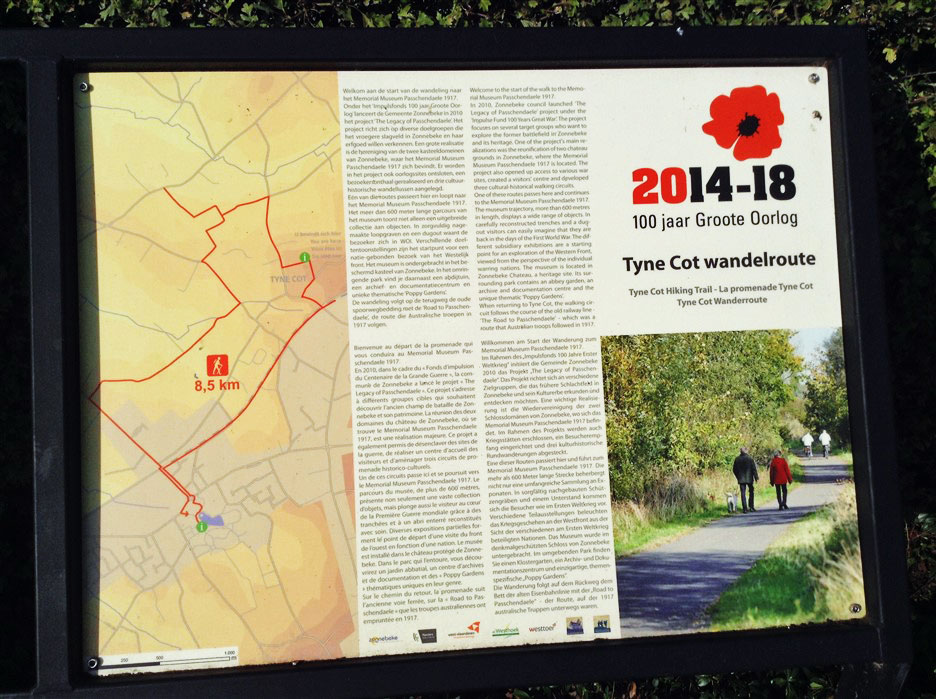
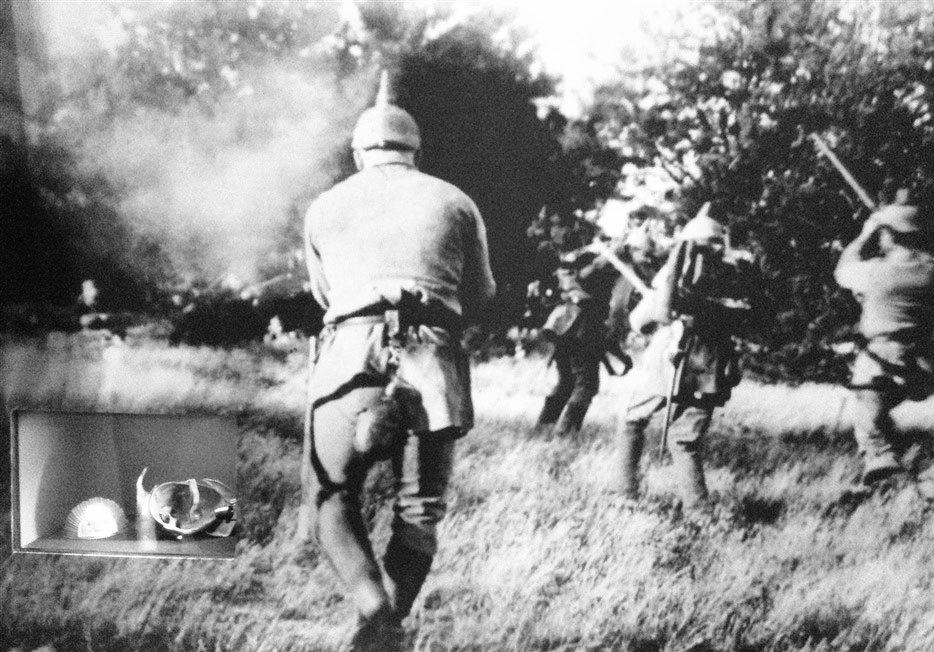
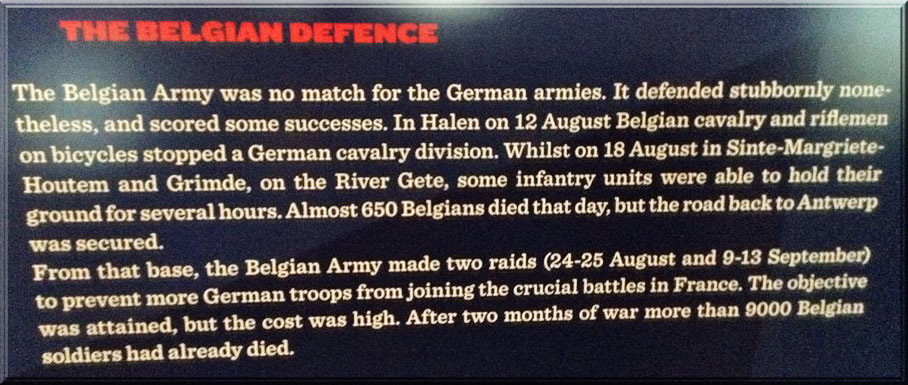
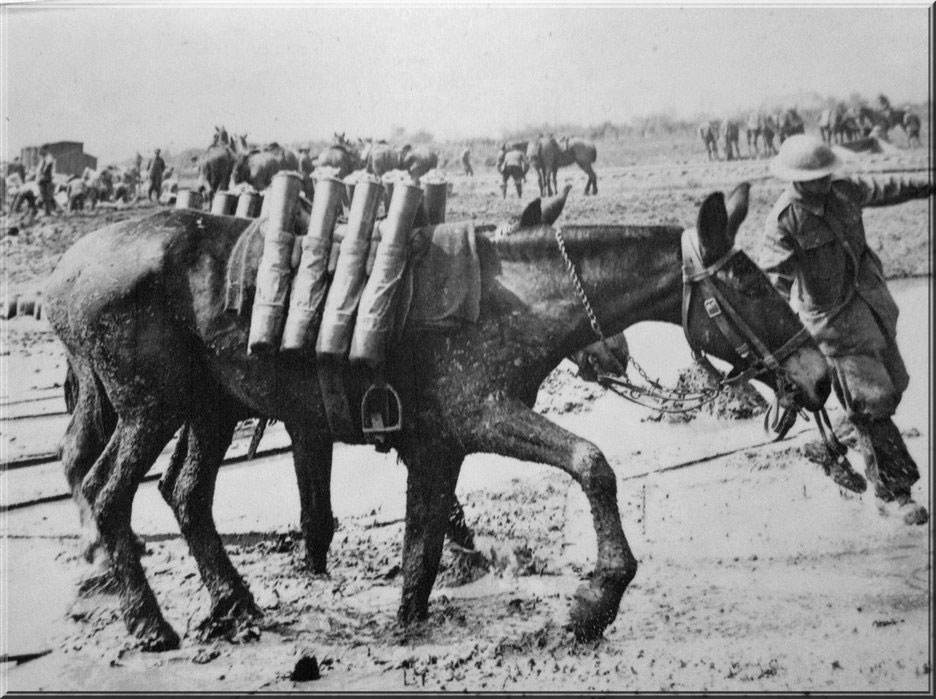
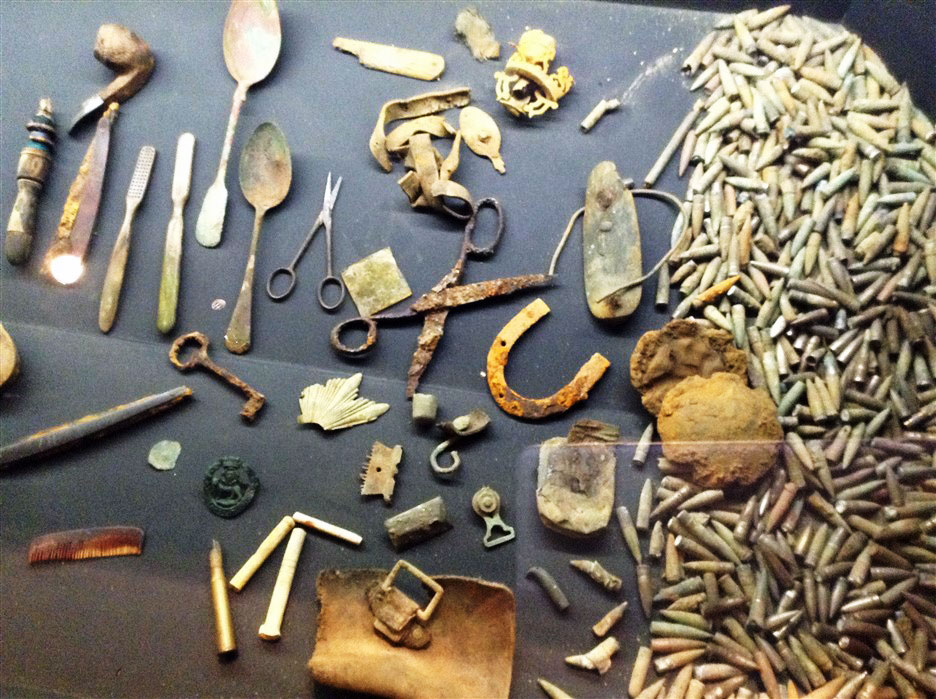
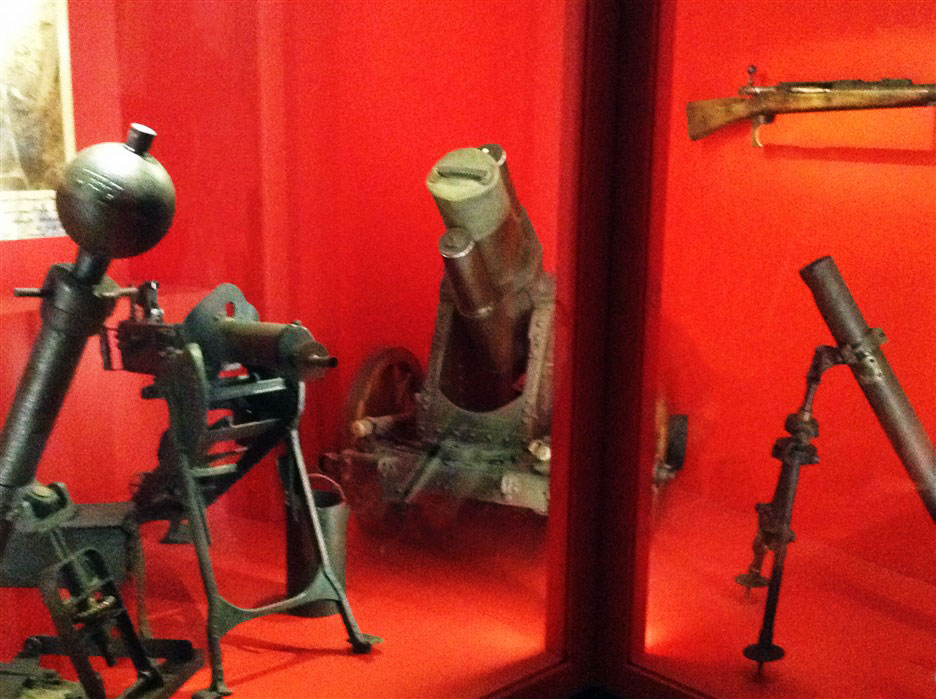
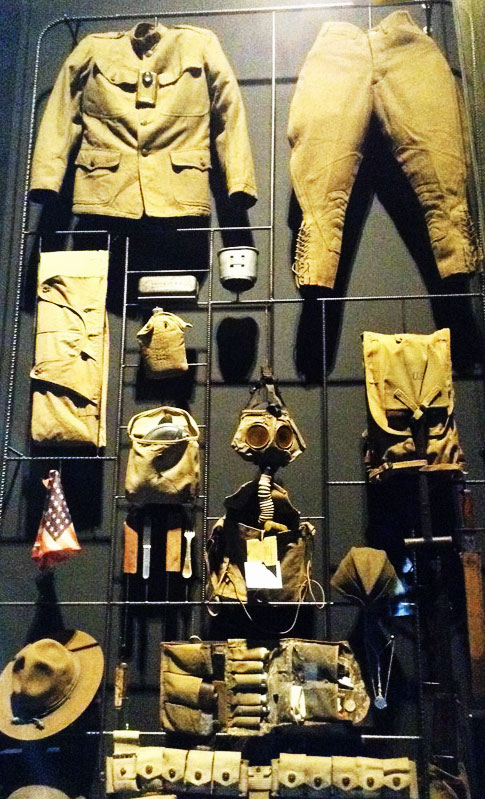
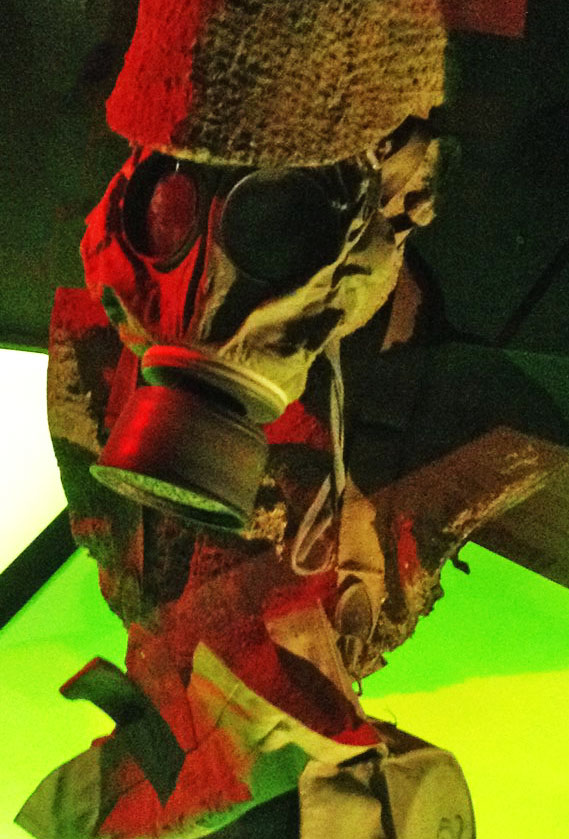
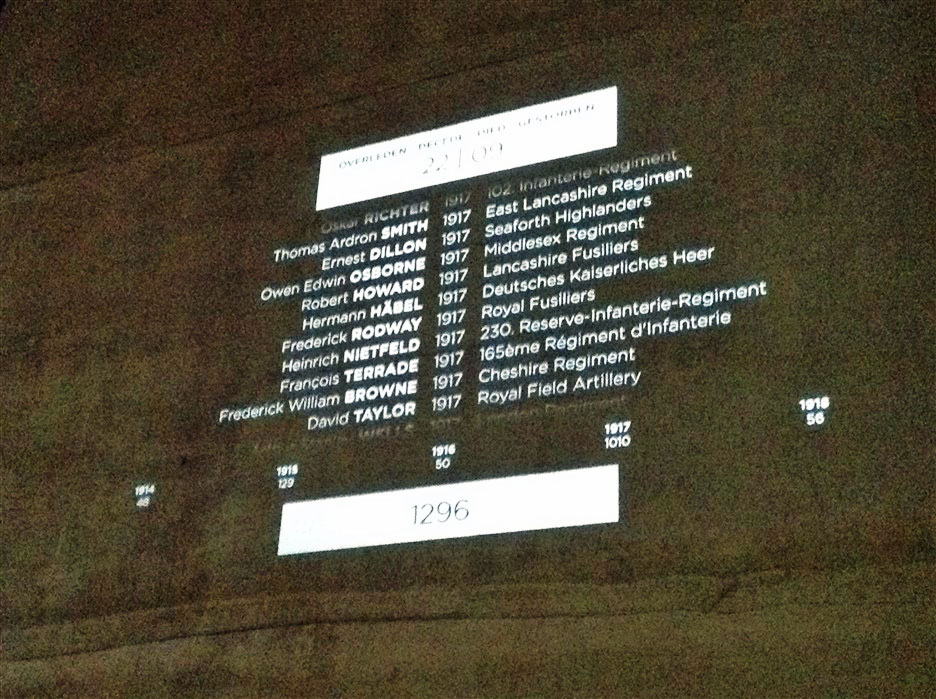
World War I or the First World War (28 July 1914 – 11 November 1918) was a global conflict fought between two coalitions: the Allies and the Central Powers. Battles took place throughout Europe , the Middle East, Africa, the Pacidic, and parts of Asia. One of the deadliest wars in history, it resulted in an estimated nine million soldiers dead and 23 million wounded, and over eight million civilian deaths from numerous causes including genocide. The war was a major factor in the 1918 Spanish Flu pandemic.



 s
s 