


Includes Stirling Castle, H.M.Y. Britannia and the Battle of Bannockburn (Robert the Bruce)

Updated -07-2024
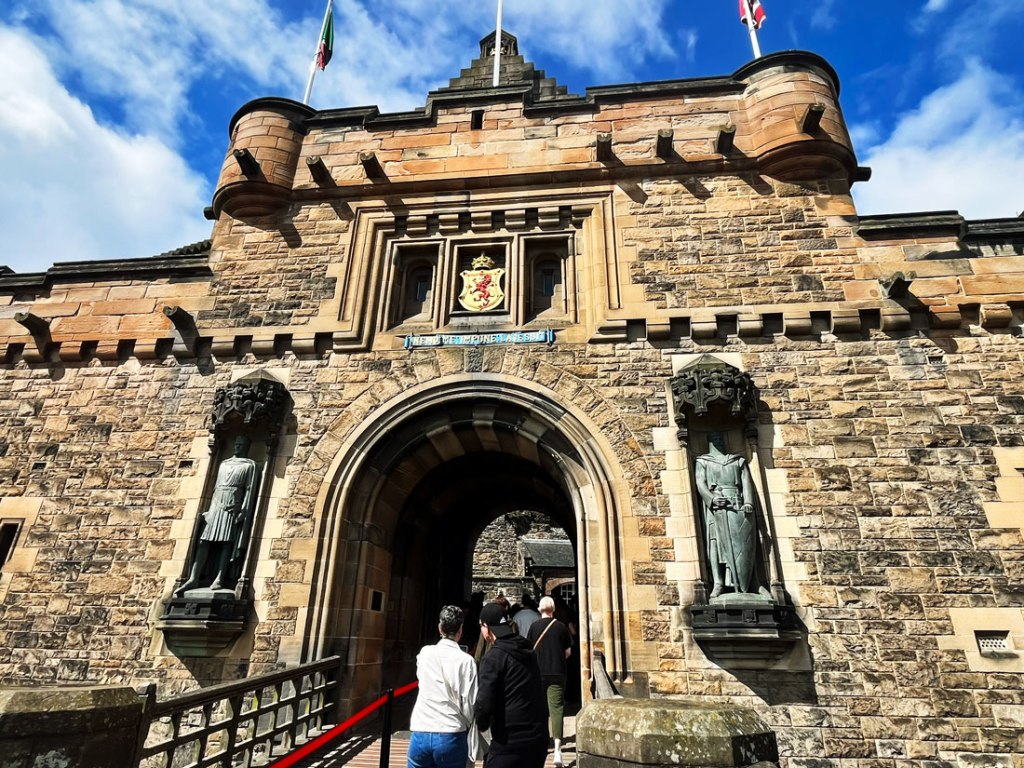
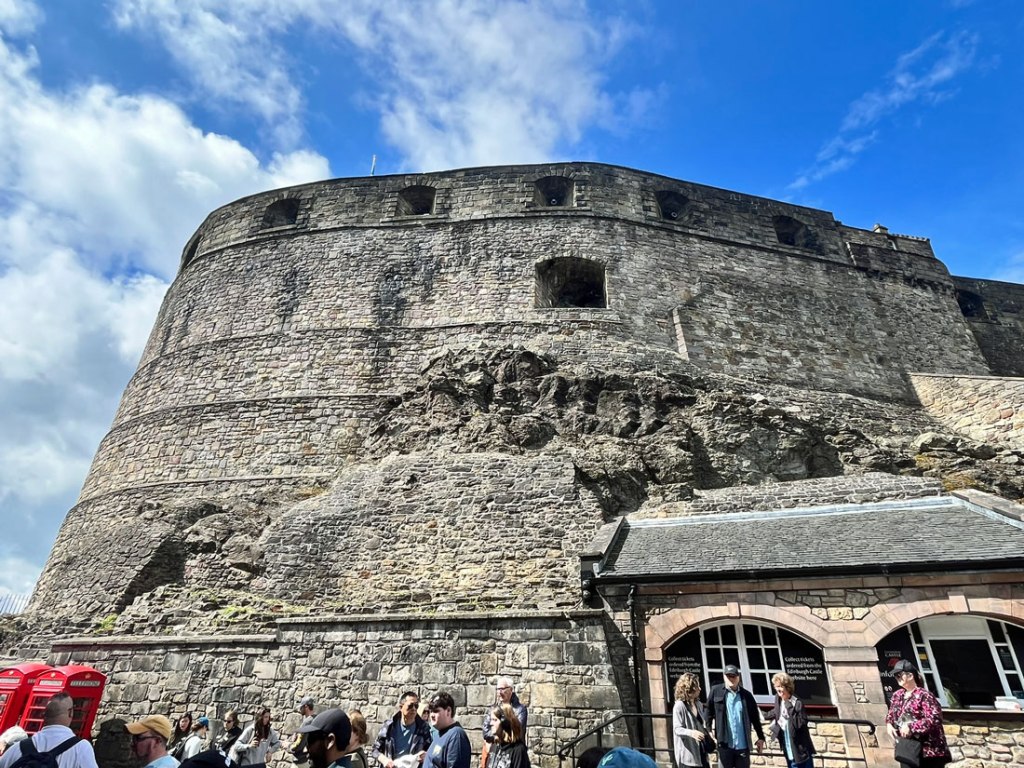
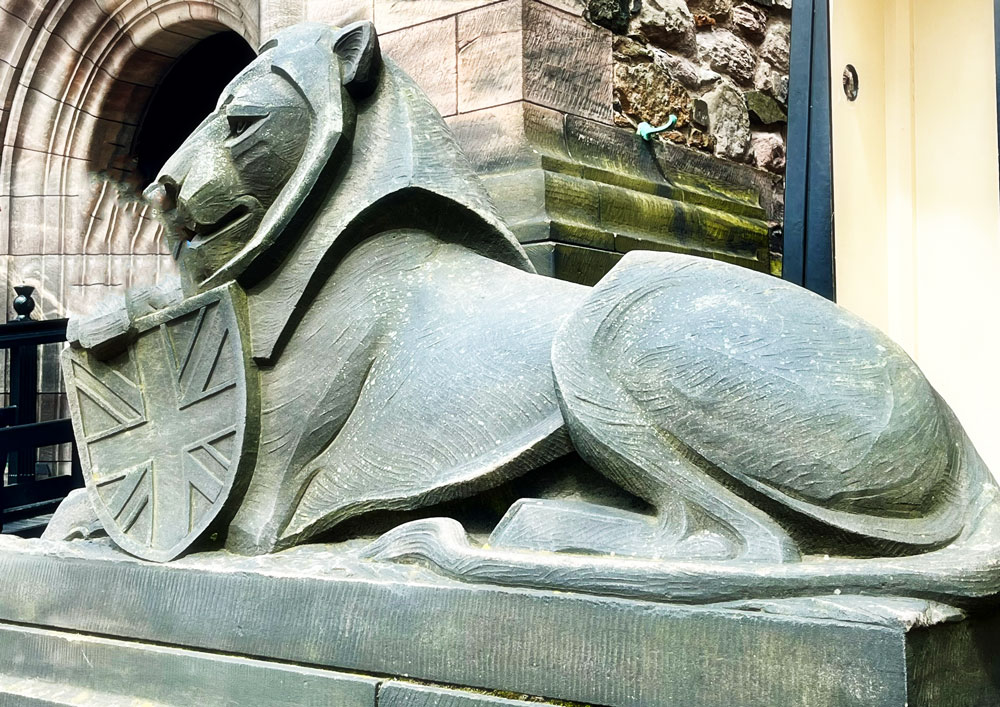
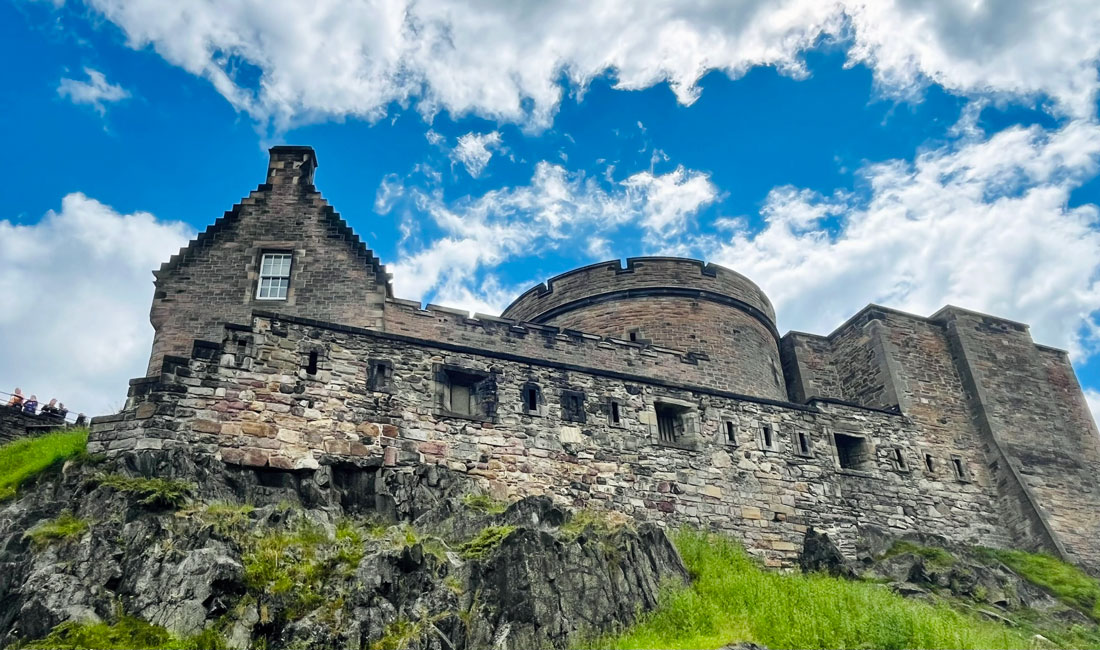
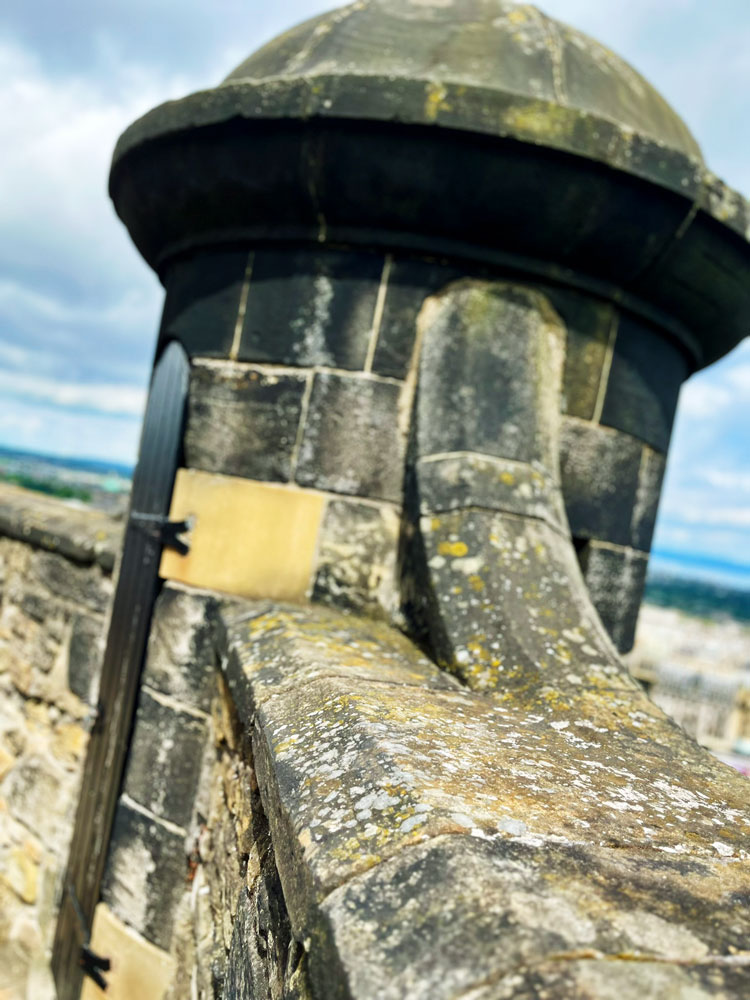
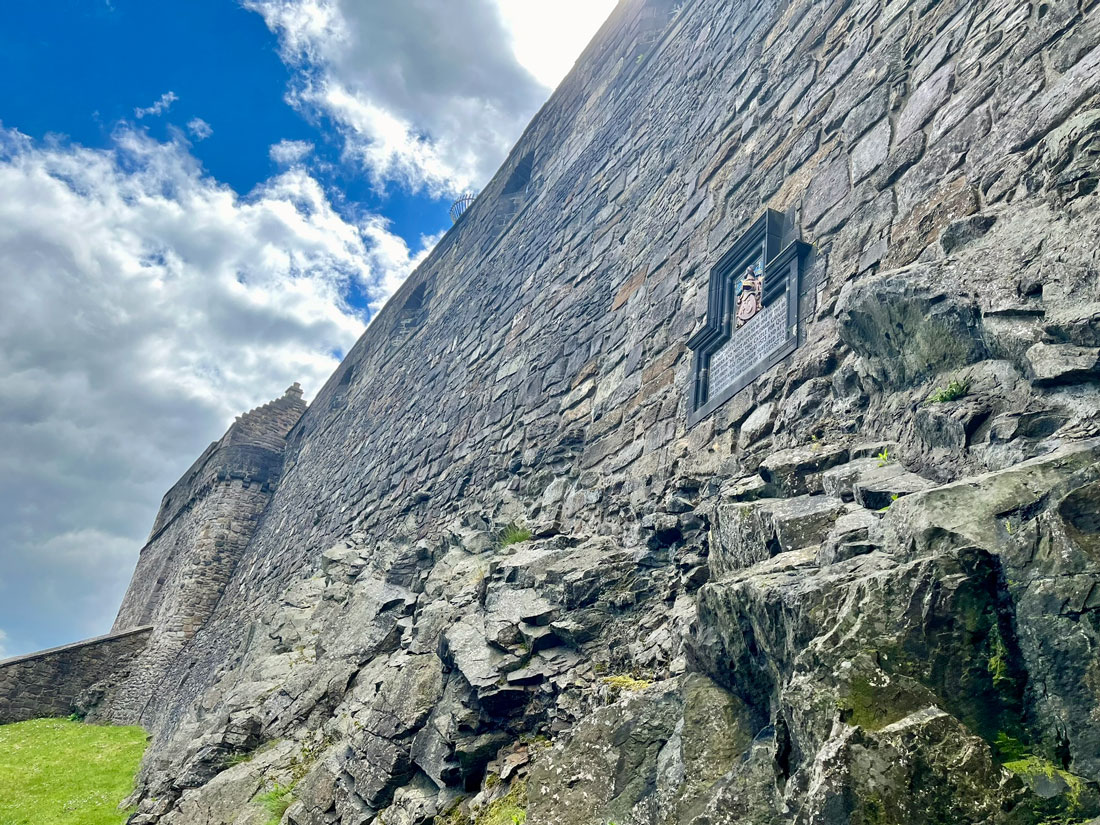
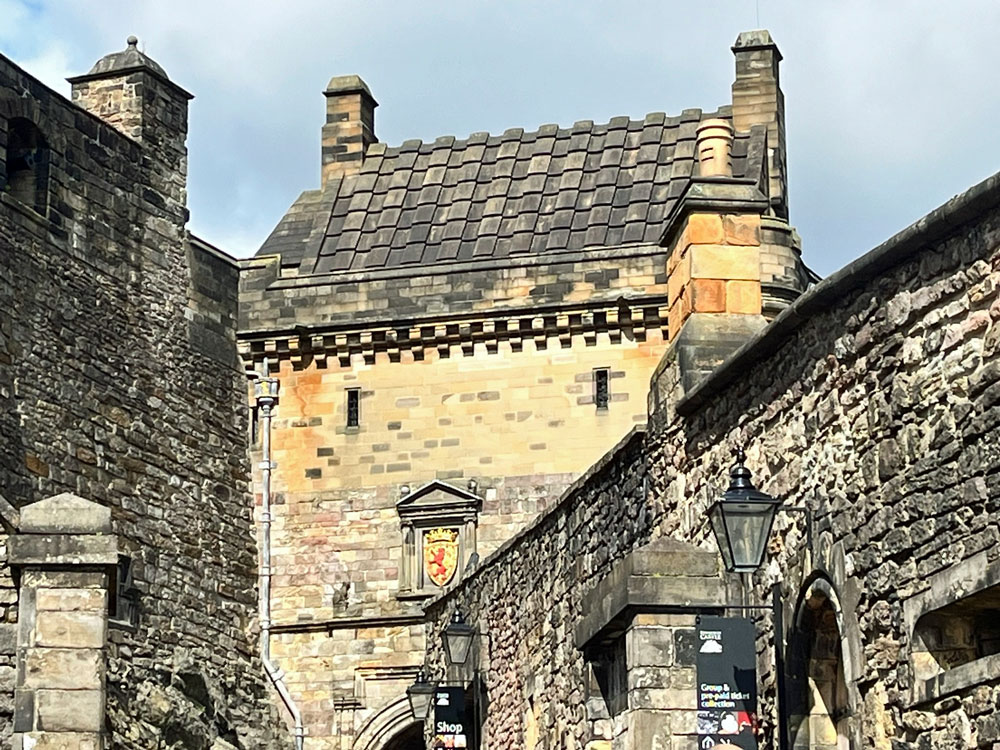
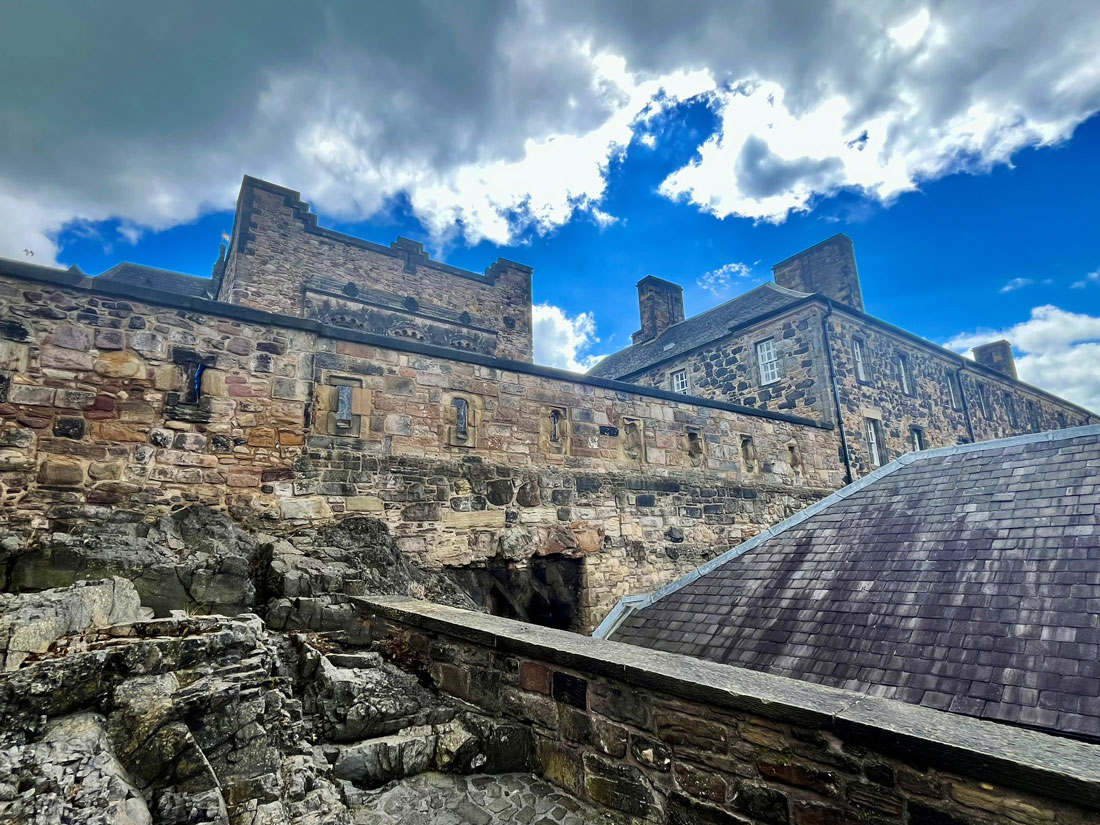
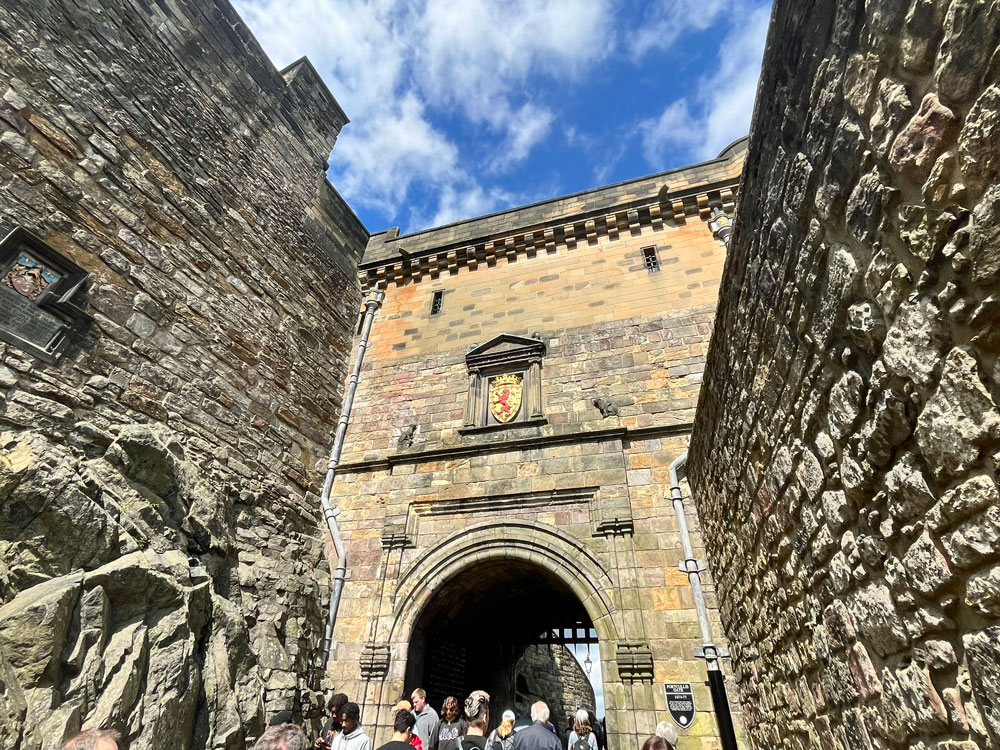
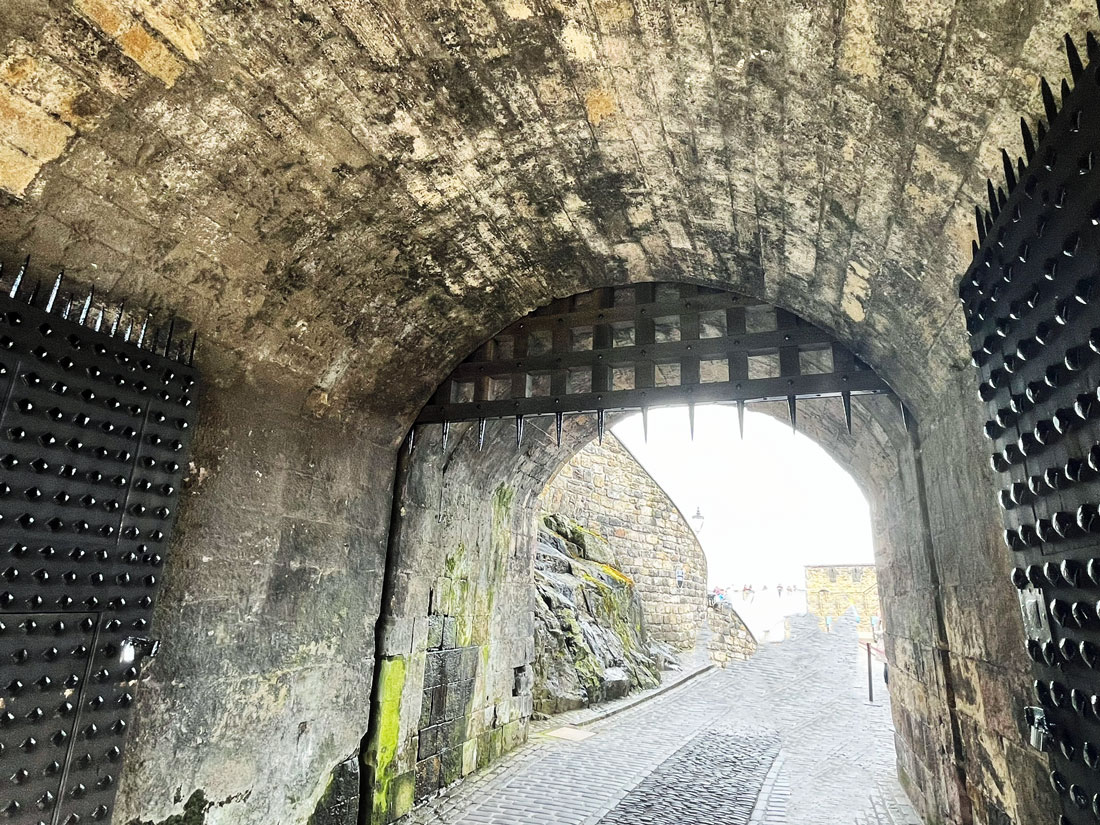
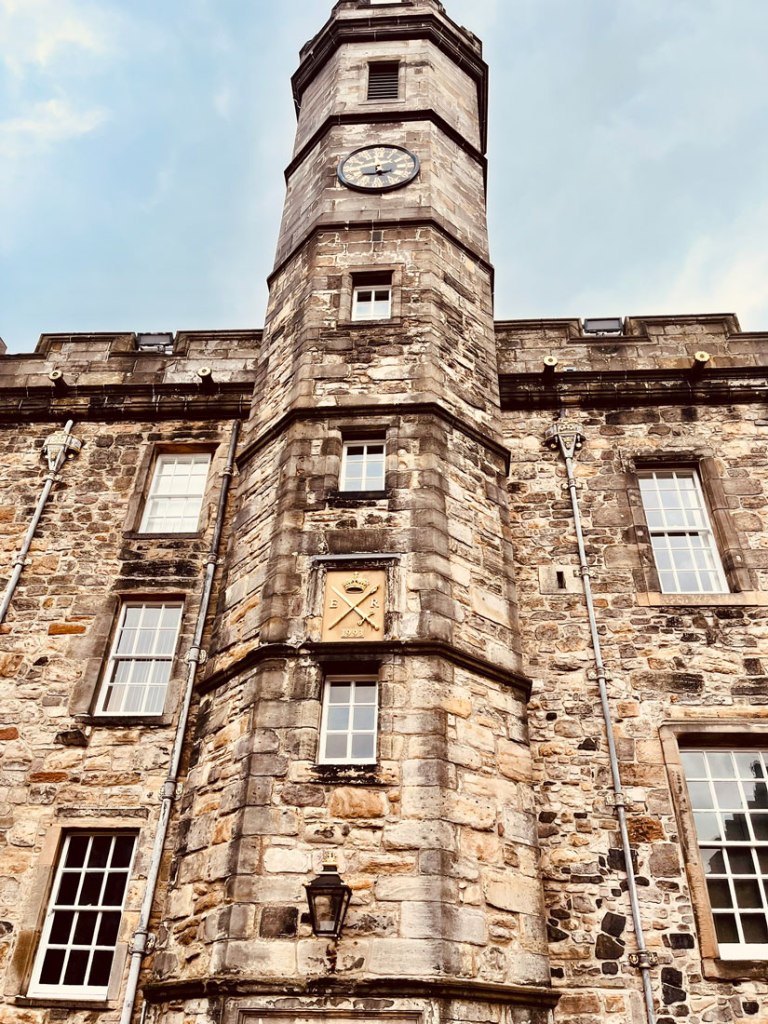
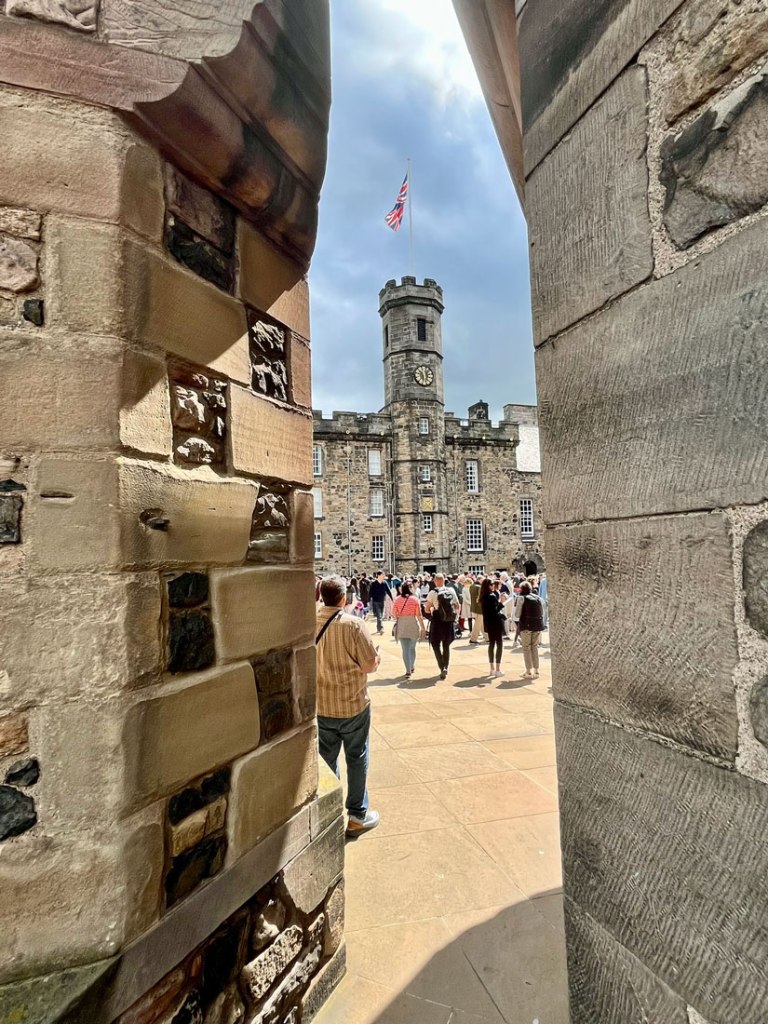
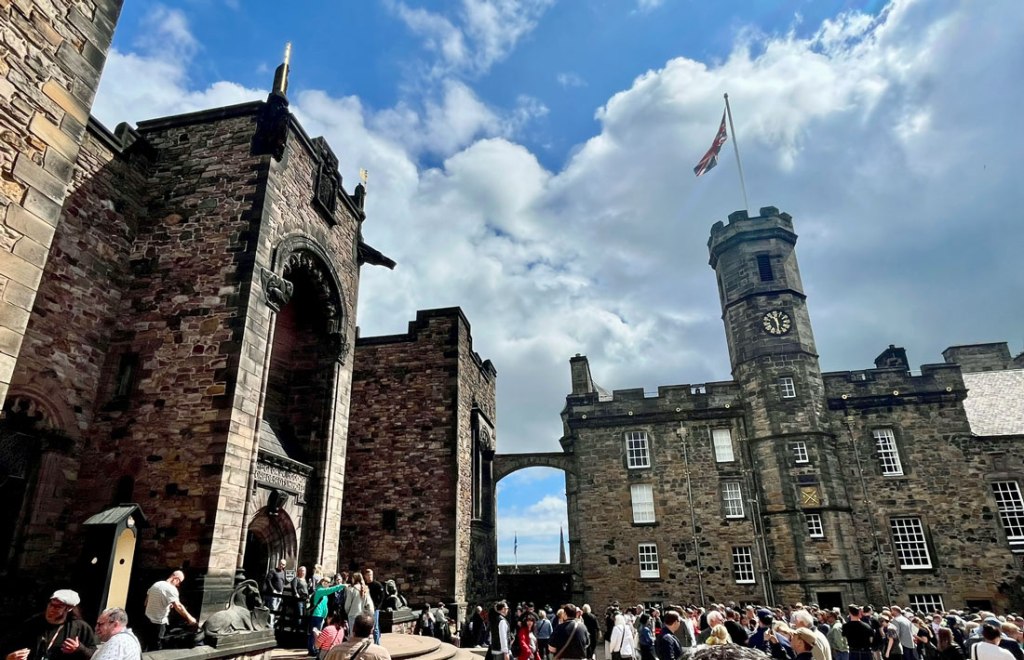
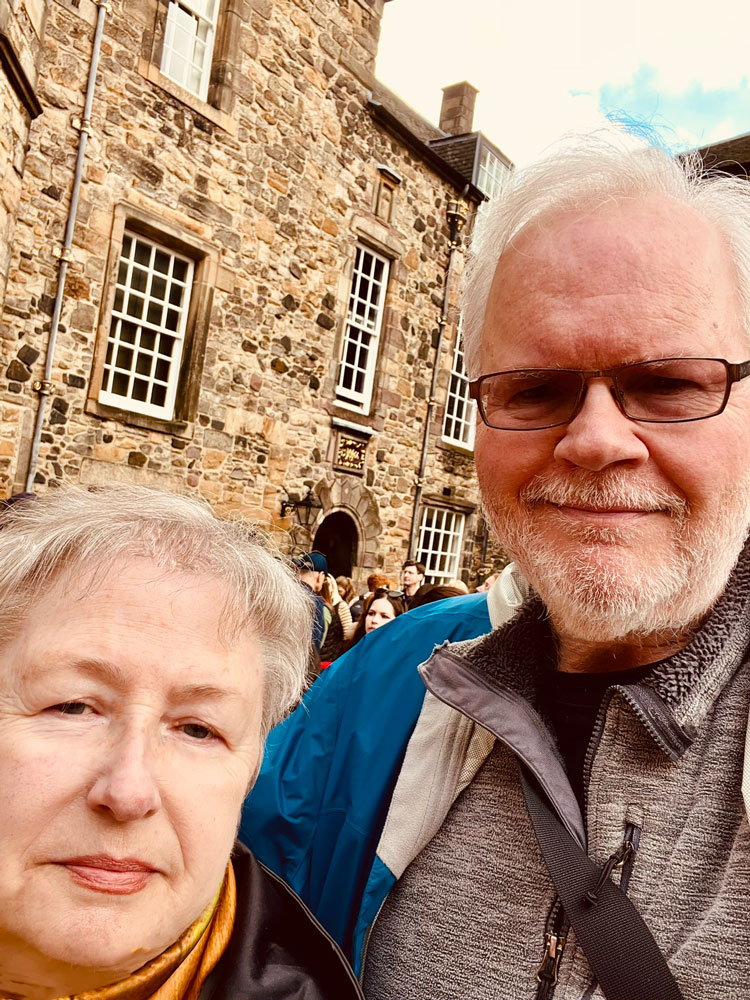
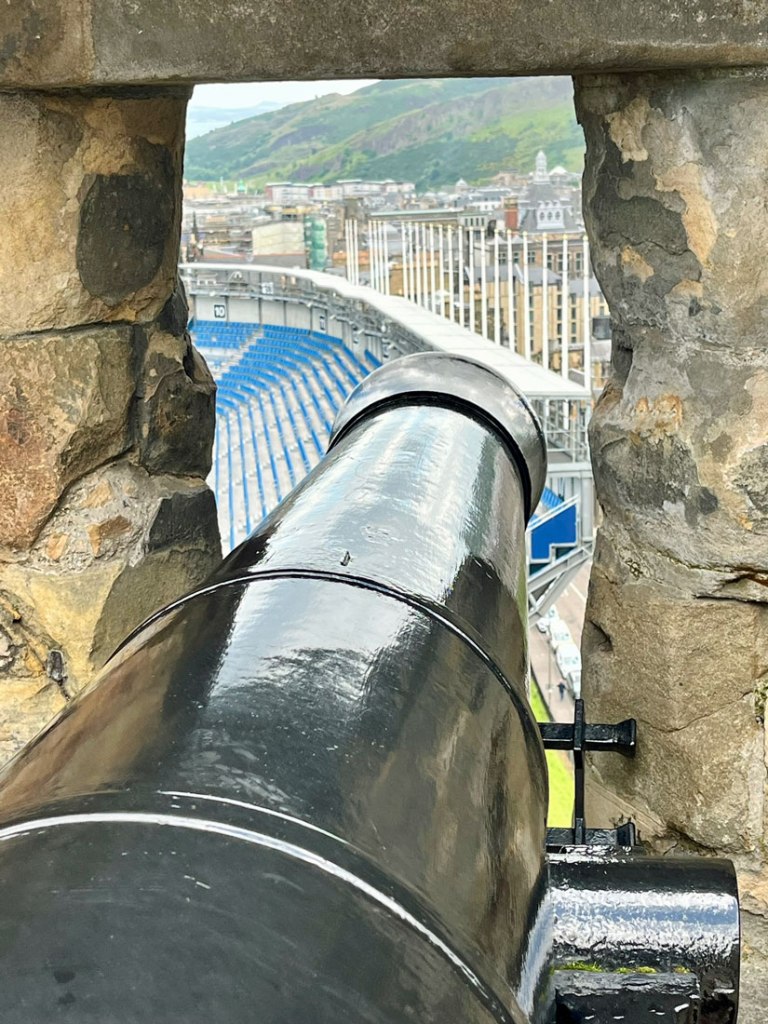
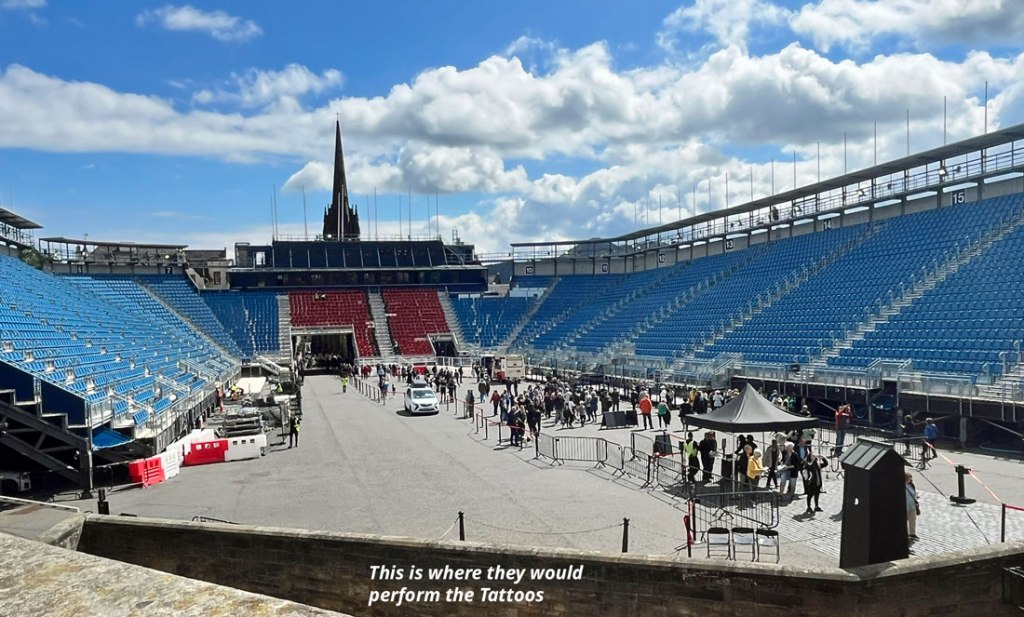
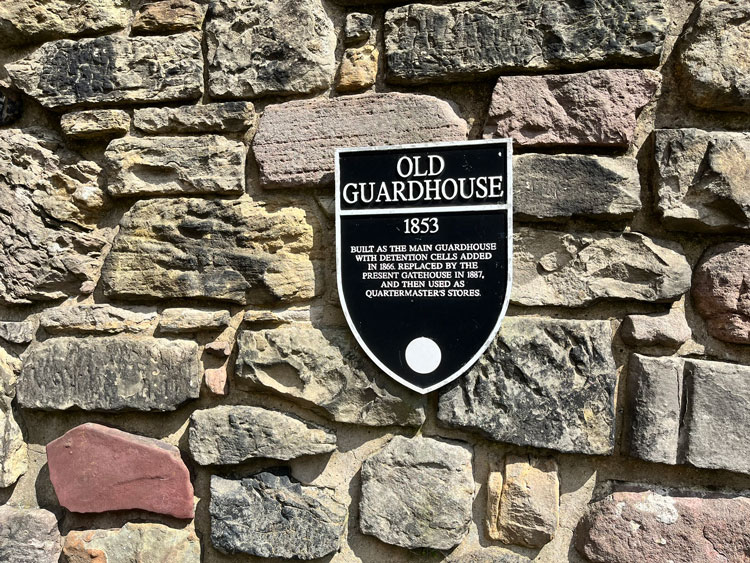
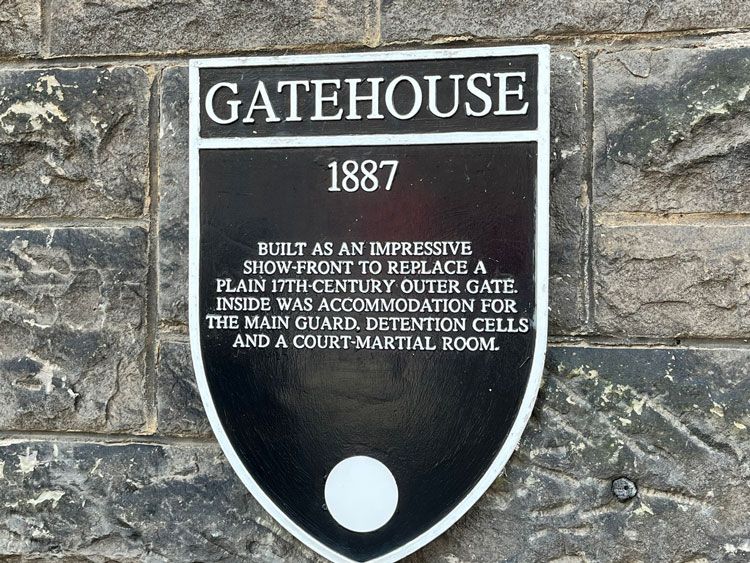
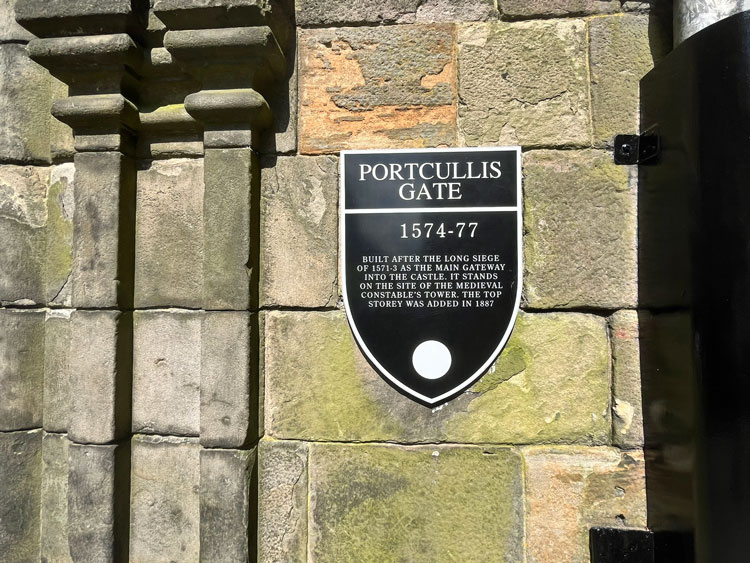
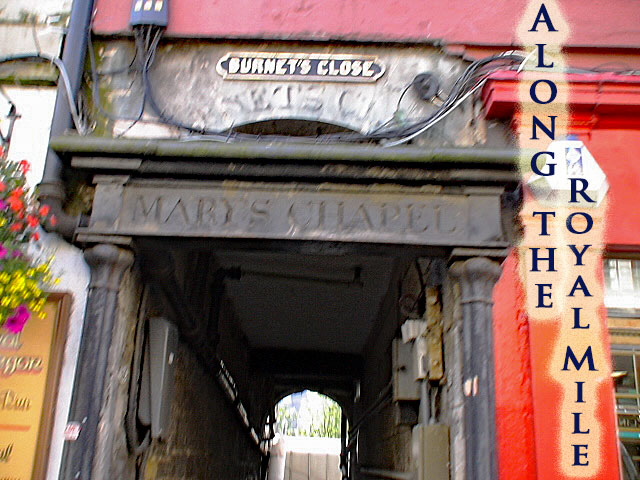
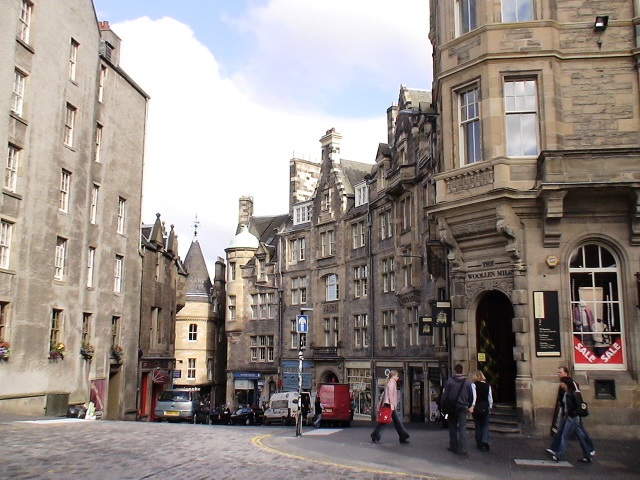
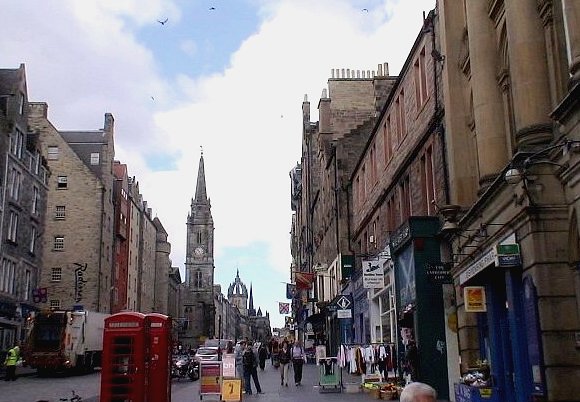
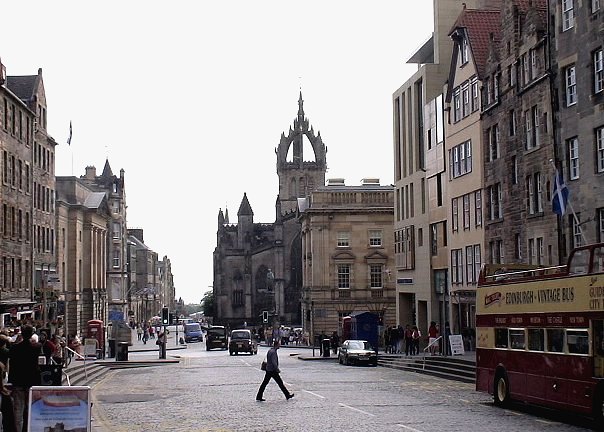
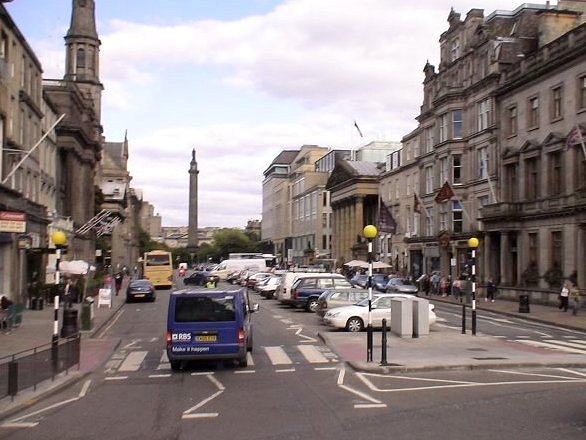
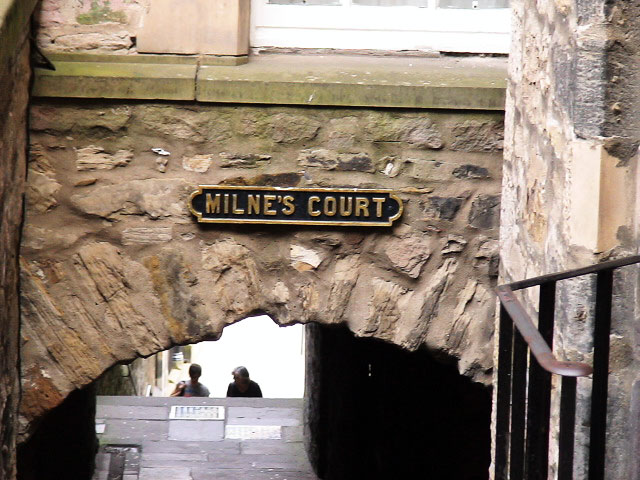
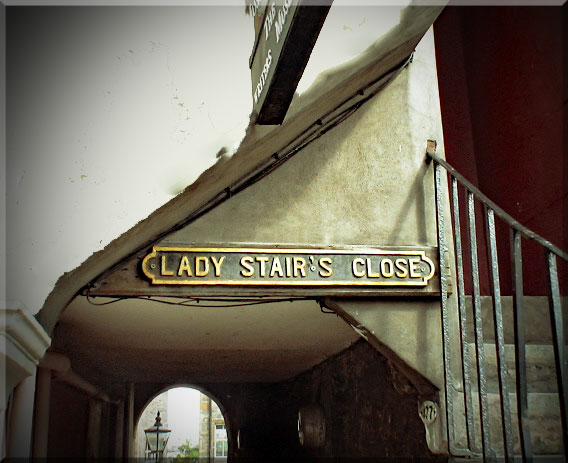
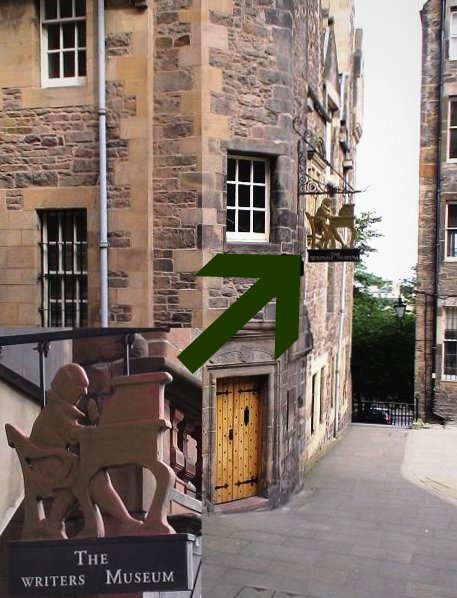
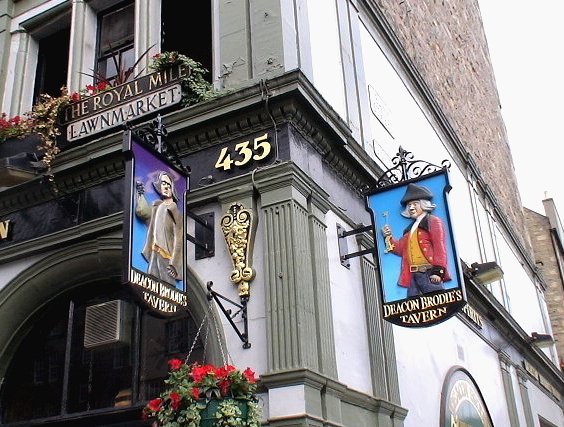
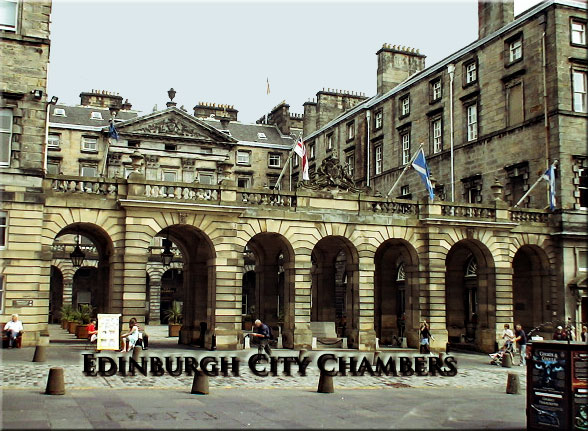
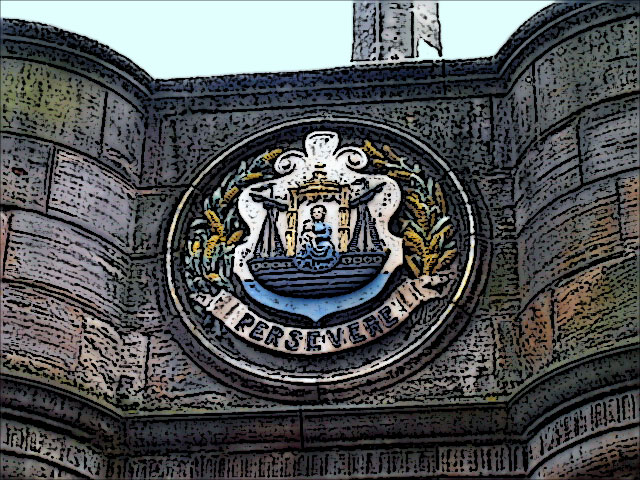
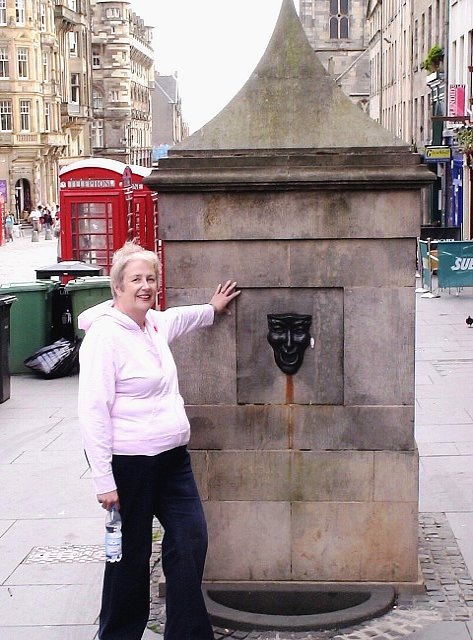
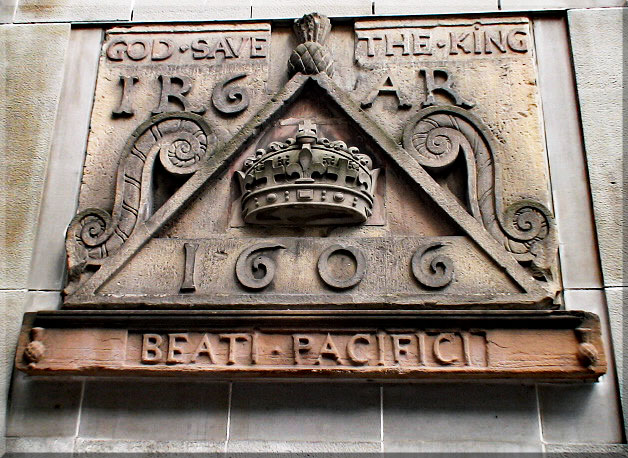
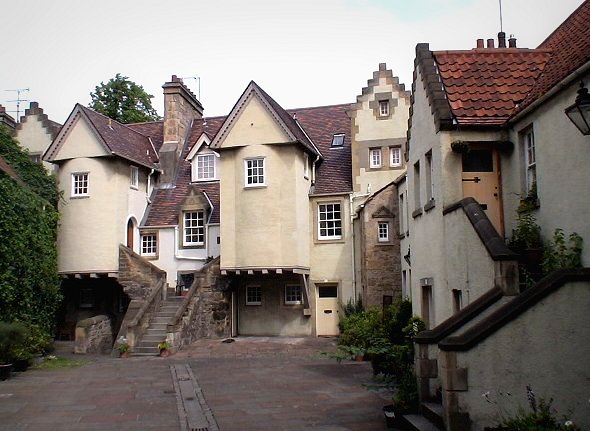
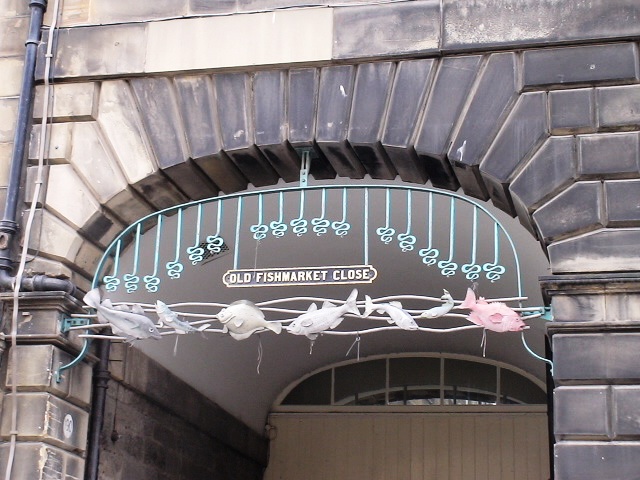
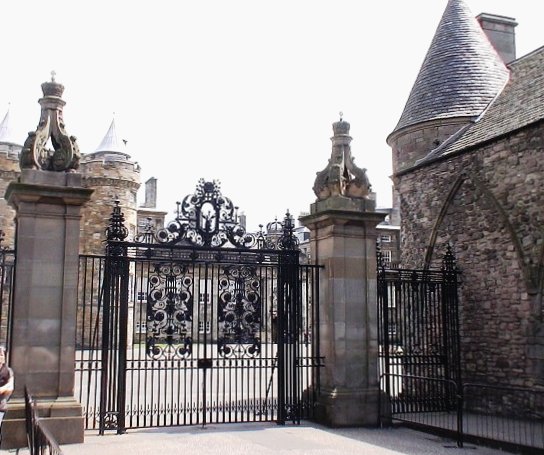
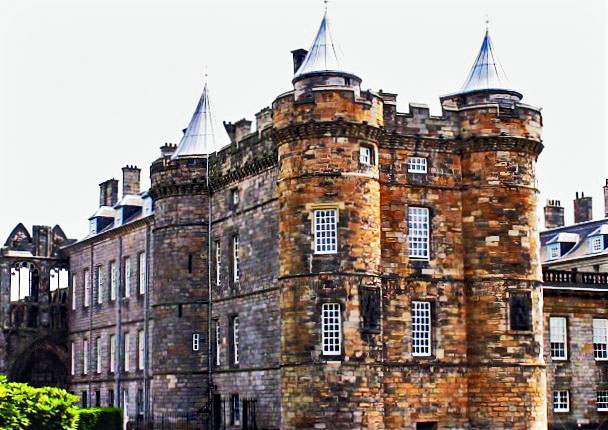
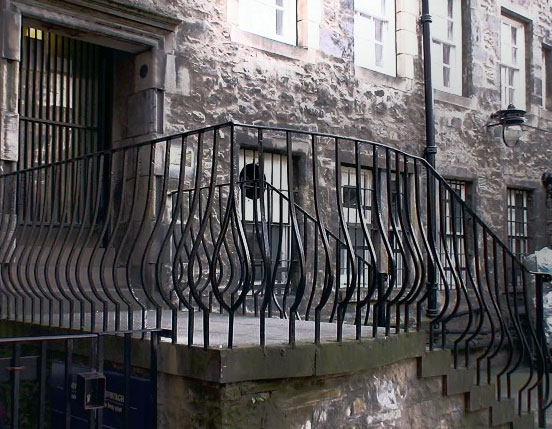
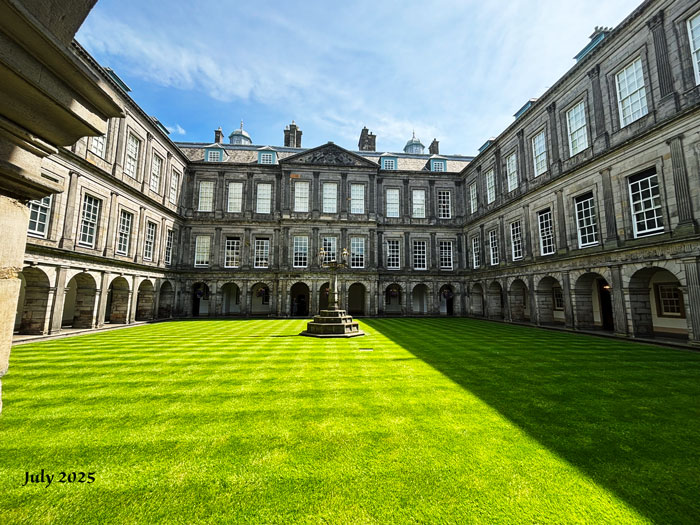
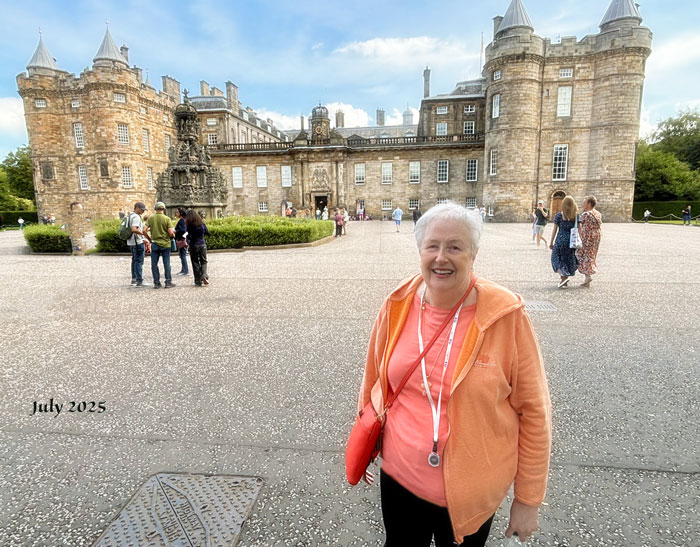
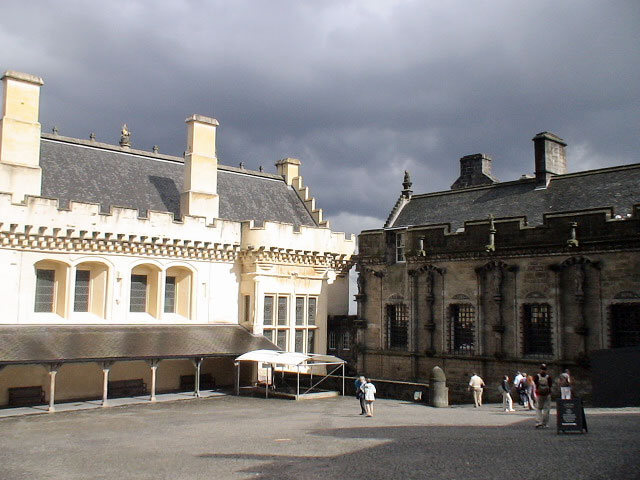
Courtyard…The wide berth was for lady dresses in the 19th century.
Updated 07-2024
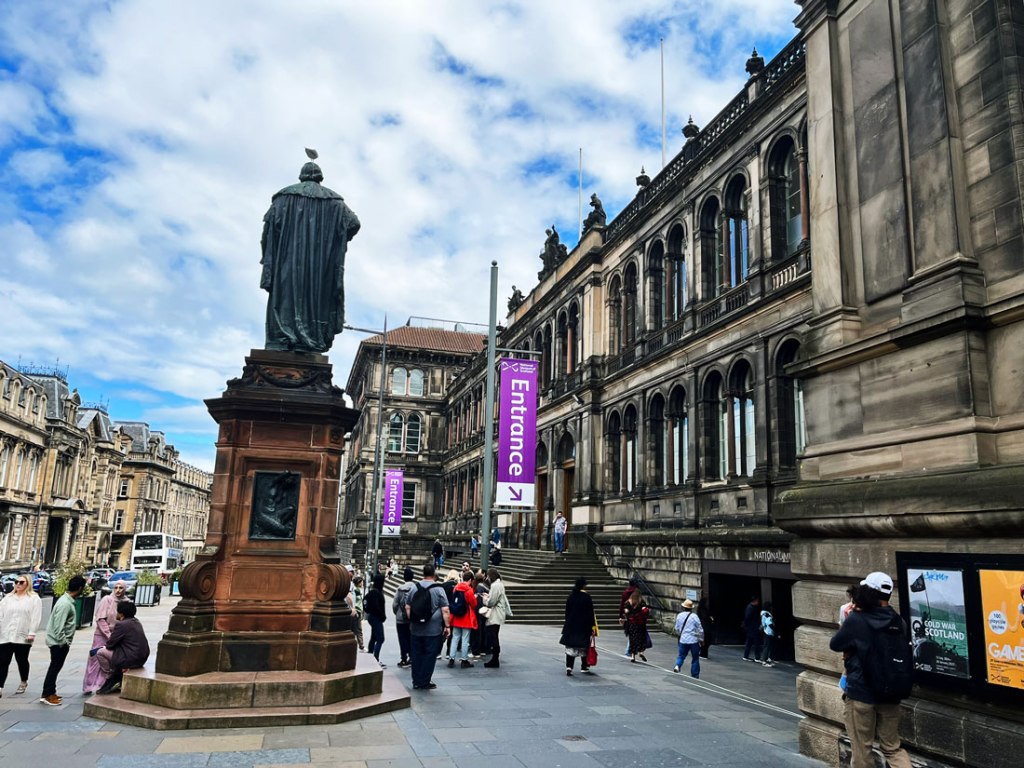
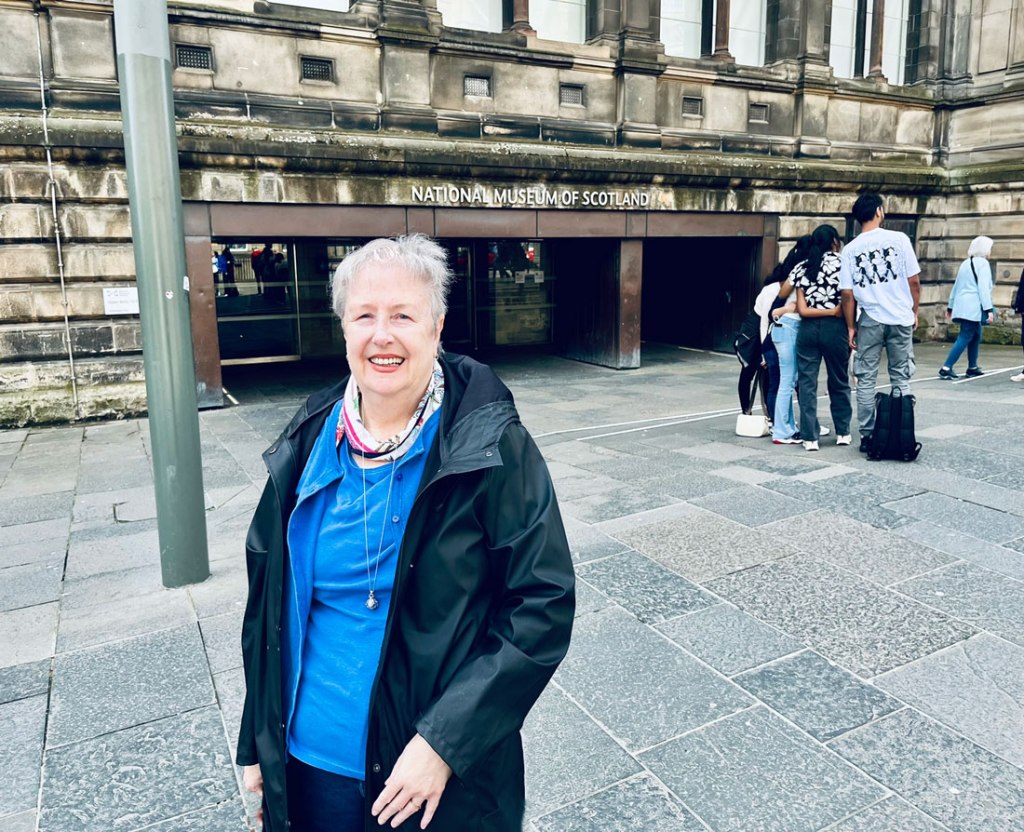
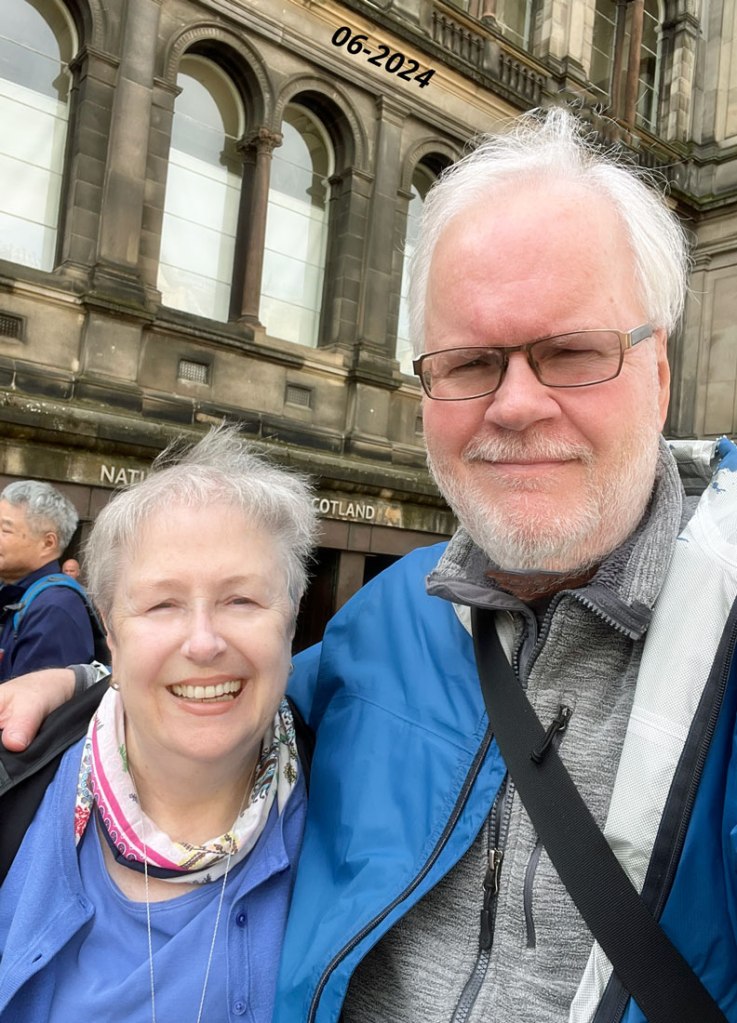
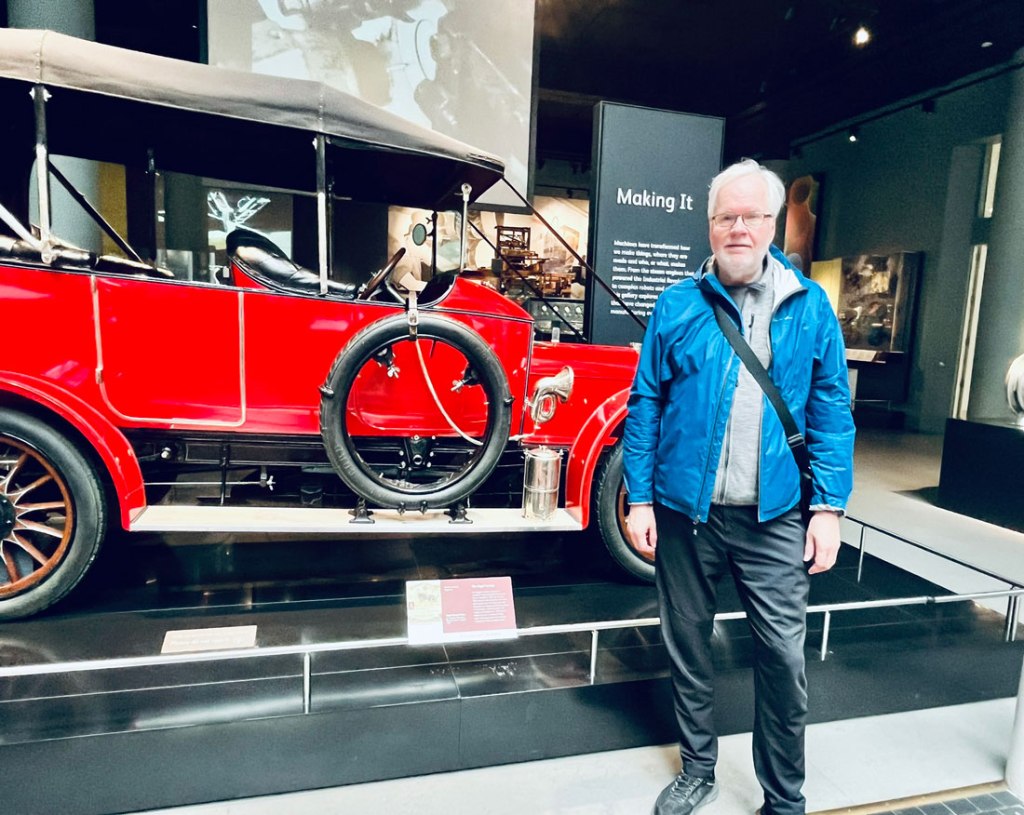
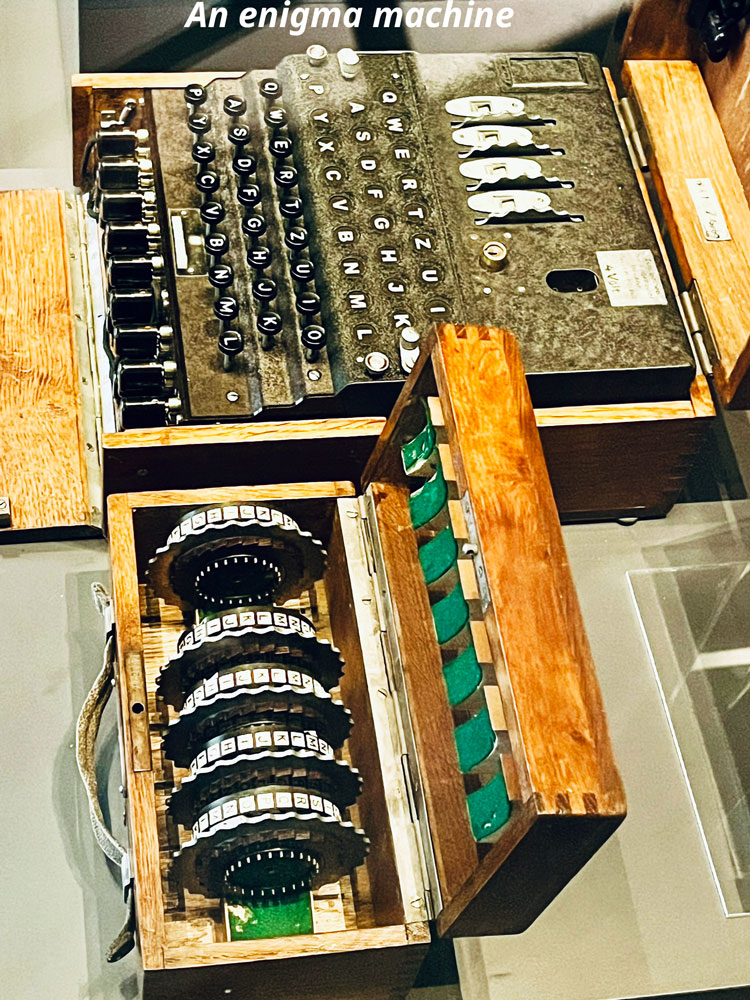
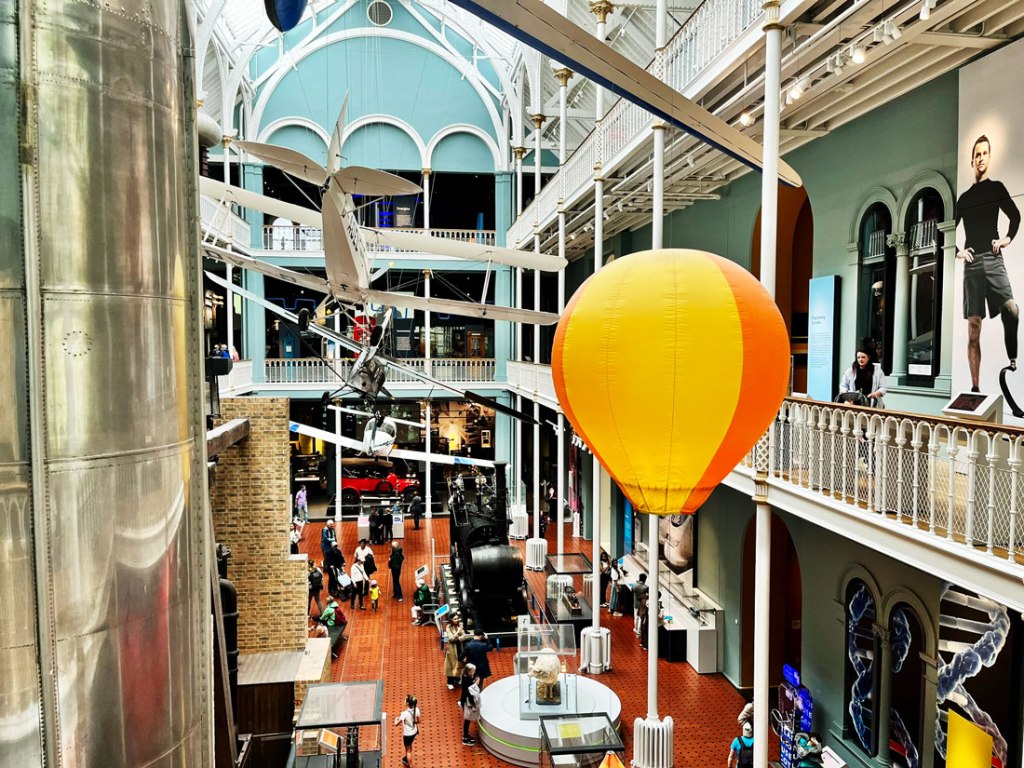
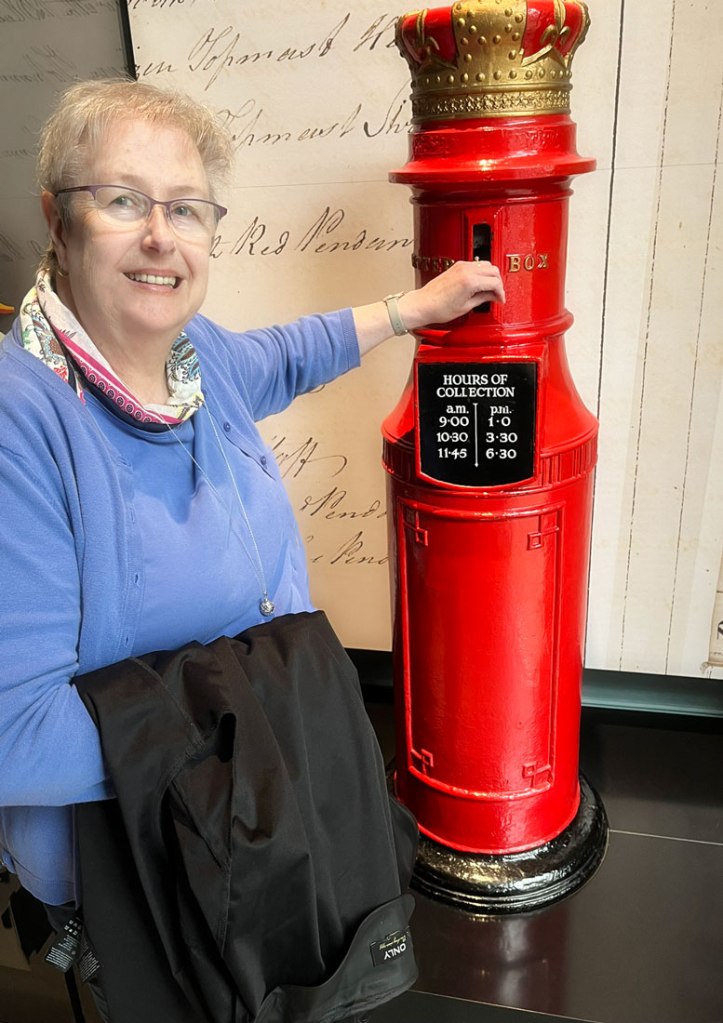
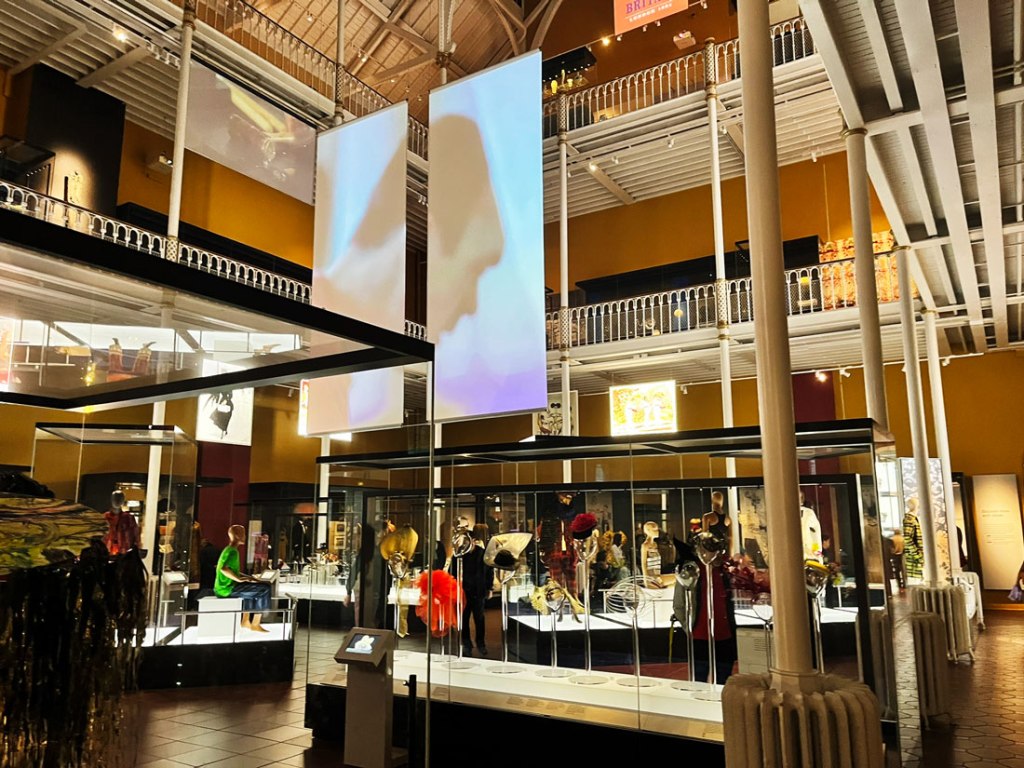
National Museum of Scotland
It was formed in 2006 with the merger of the new Museum of Scotland, with collections relating to Scottish antiquities, culture and history, and the adjacent Royal Scottish Museum (opened in 1866 as the Edinburgh Museum of Science and Art, renamed in 1904, and for the period between 1985 and the merger named the Royal Museum of Scotland or simply the Royal Museum), with international collections covering science and technology, natural history, and world cultures.
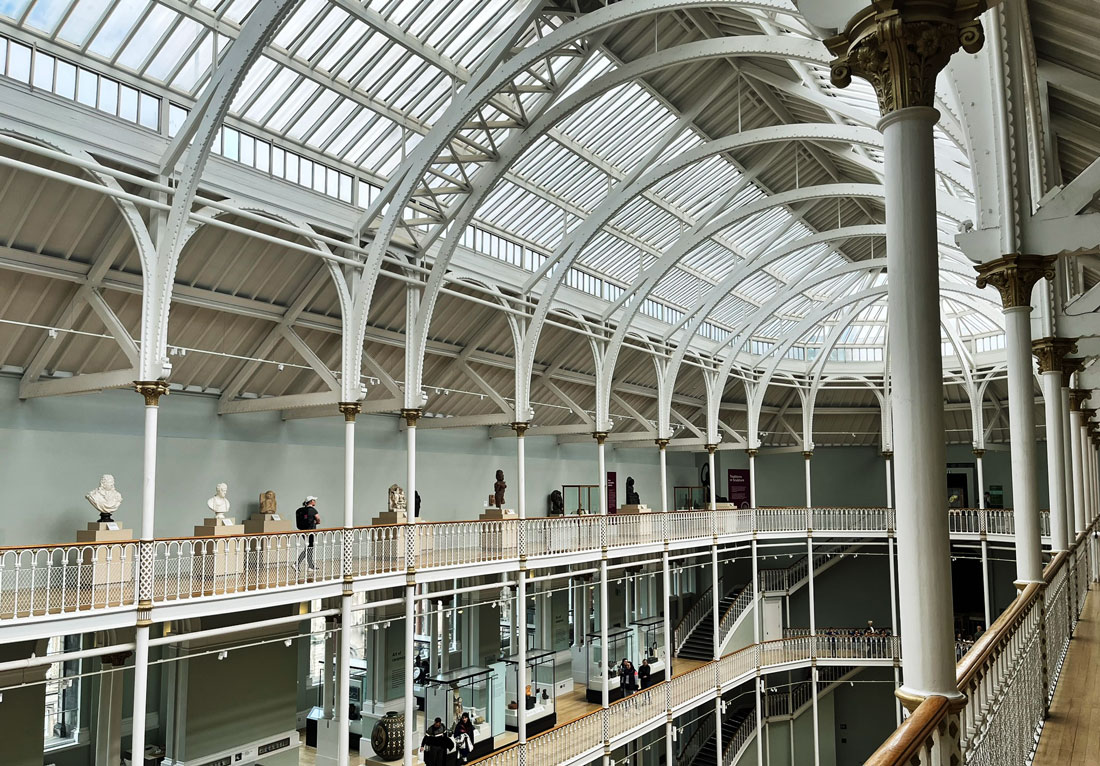
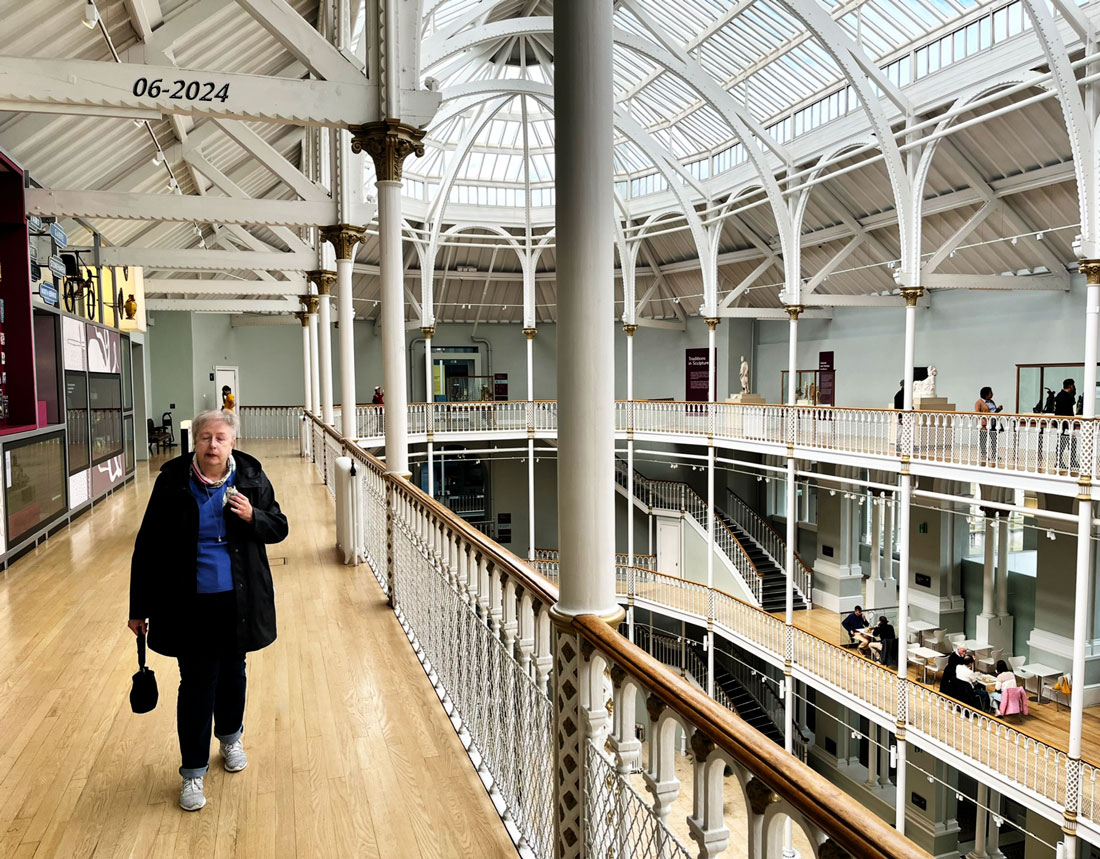
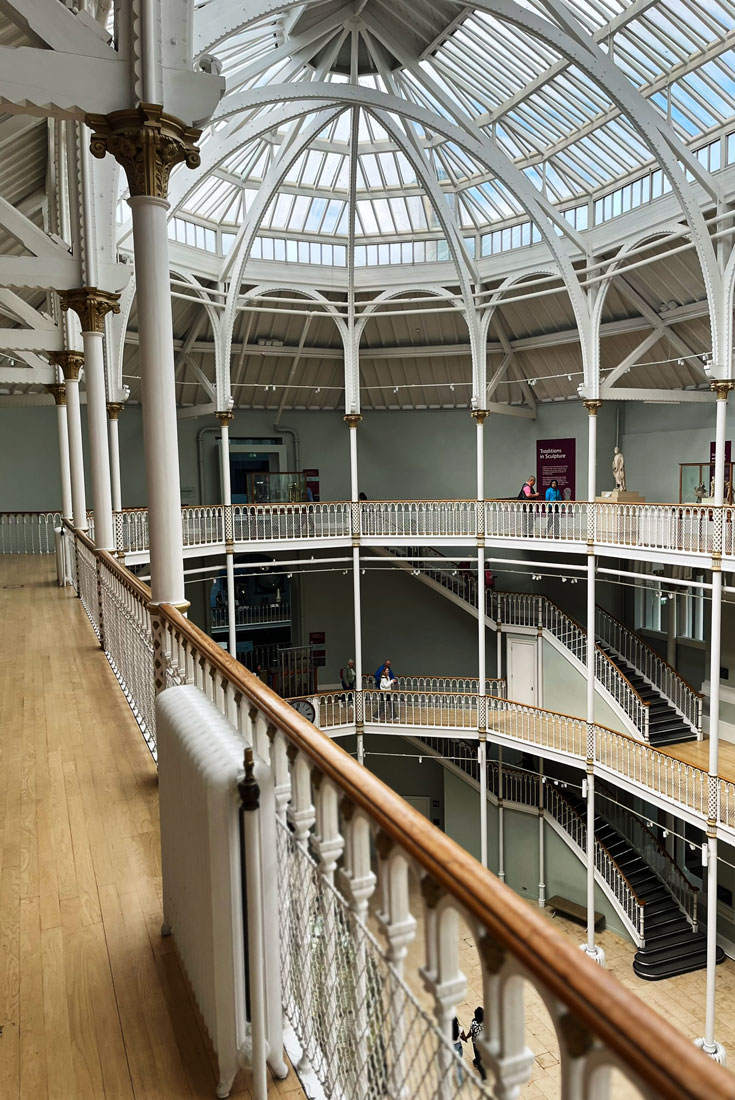
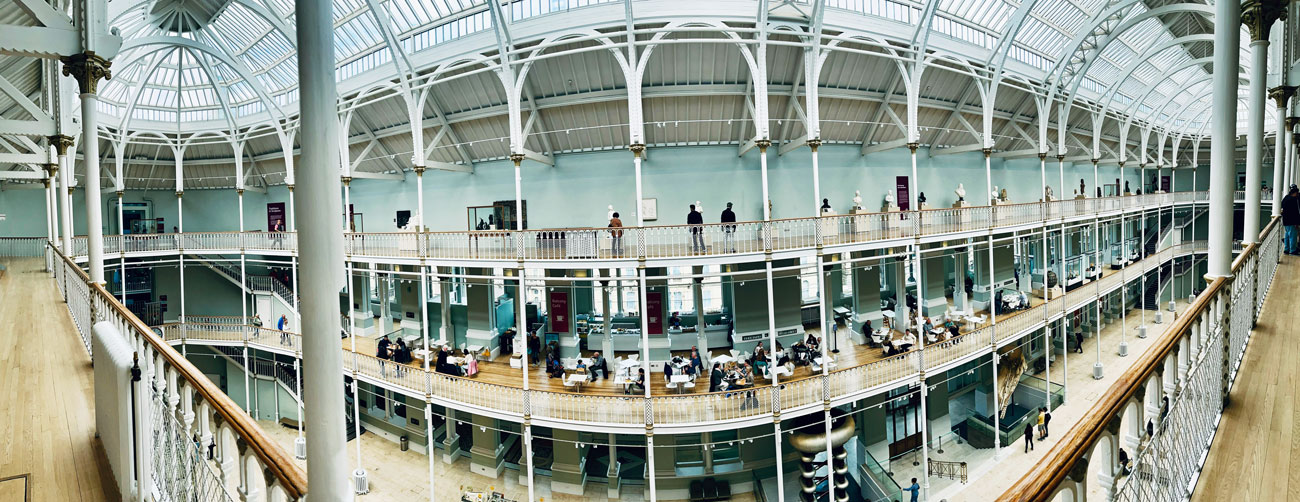
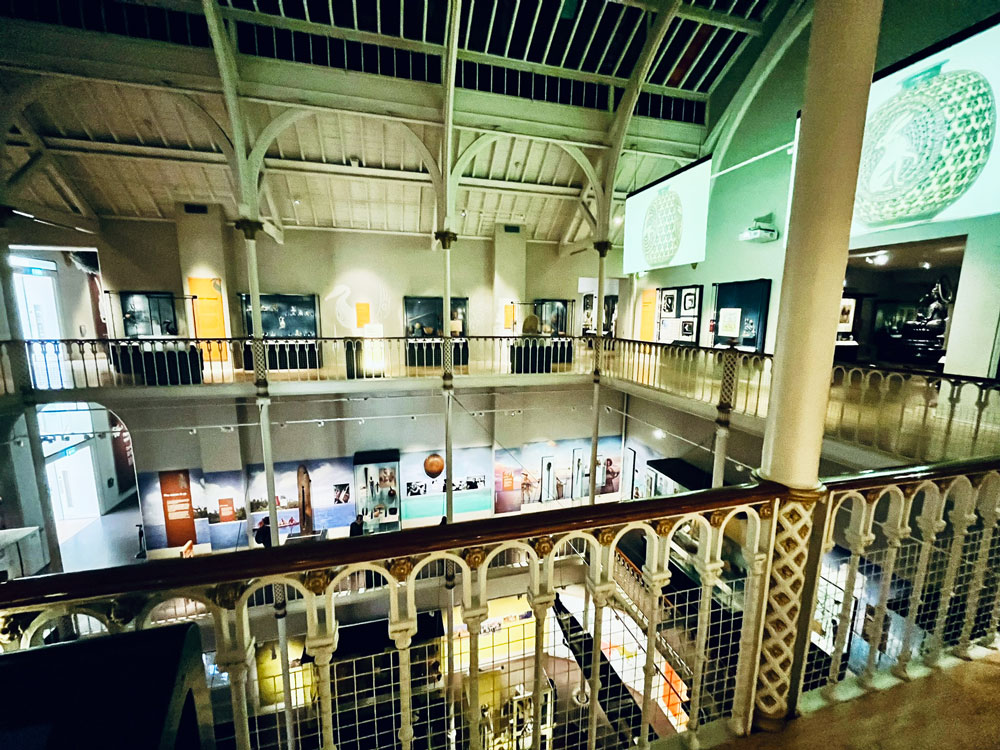
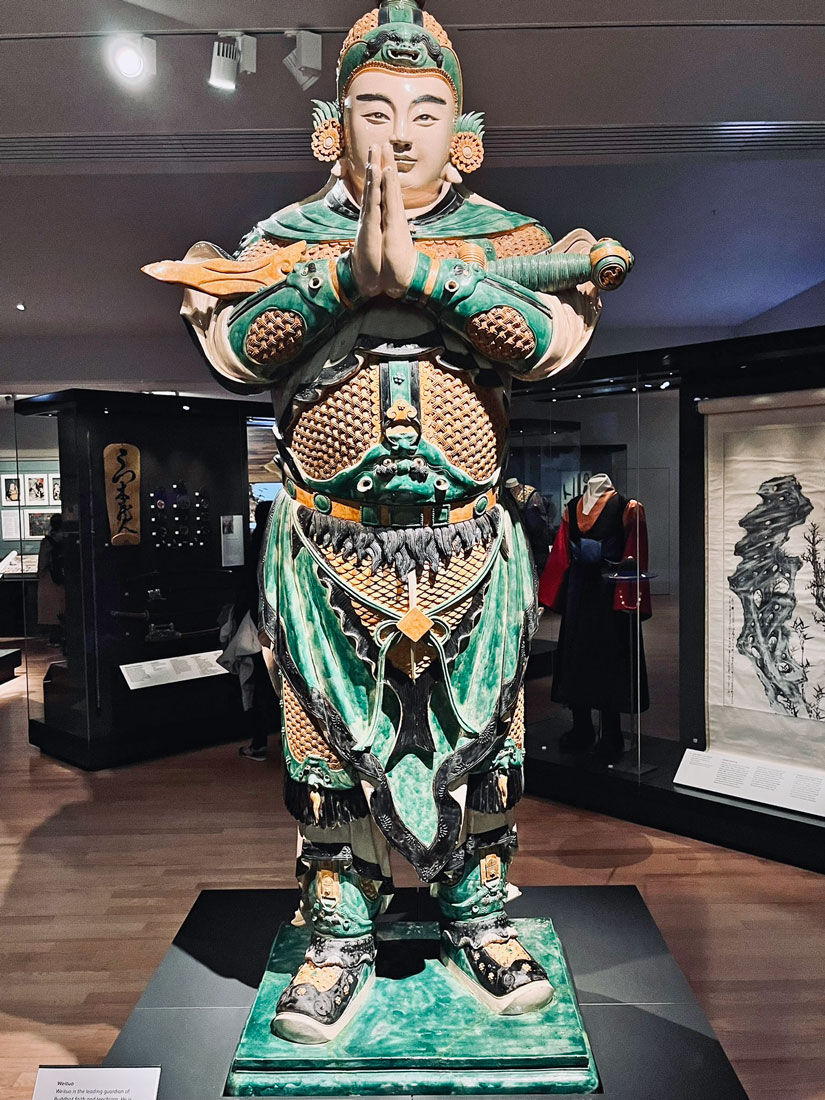
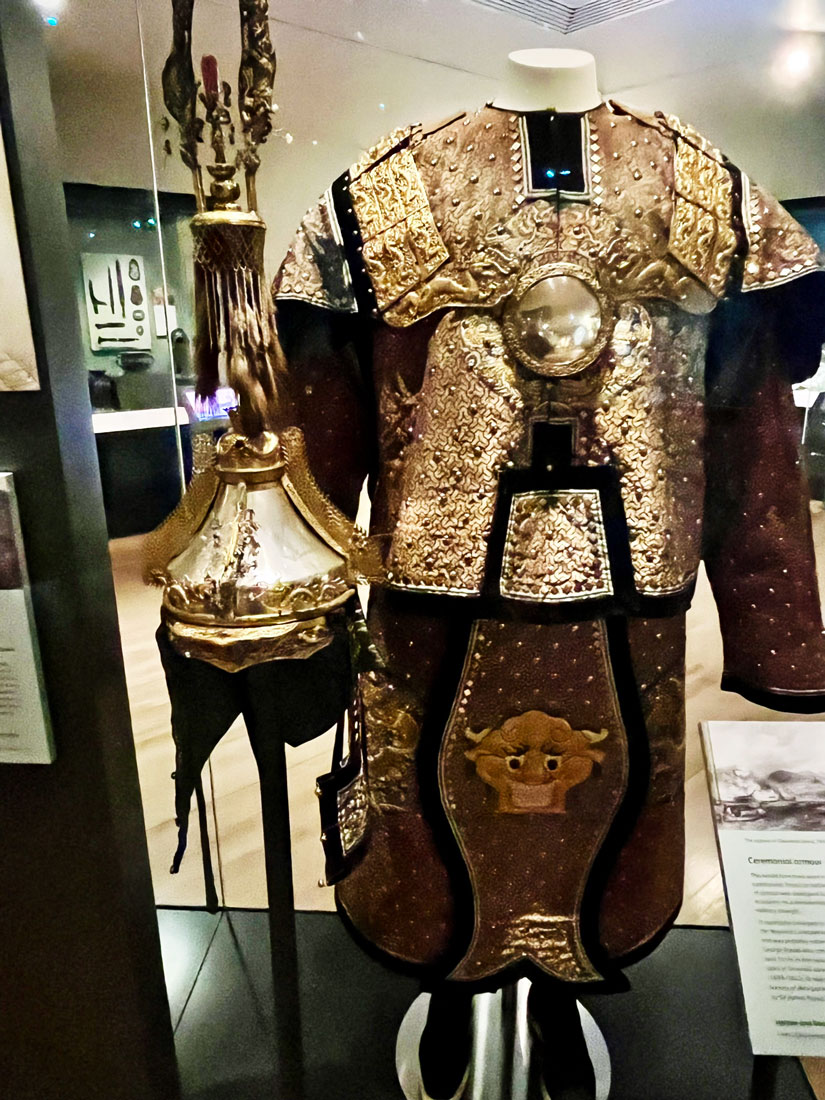
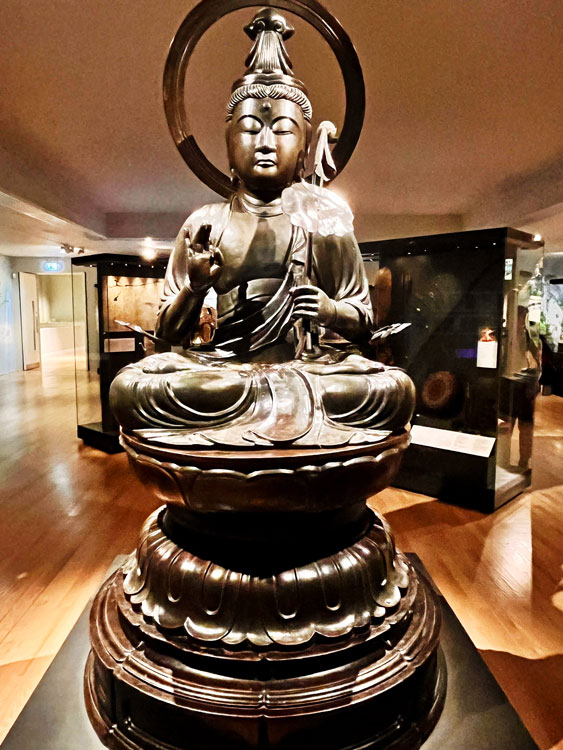
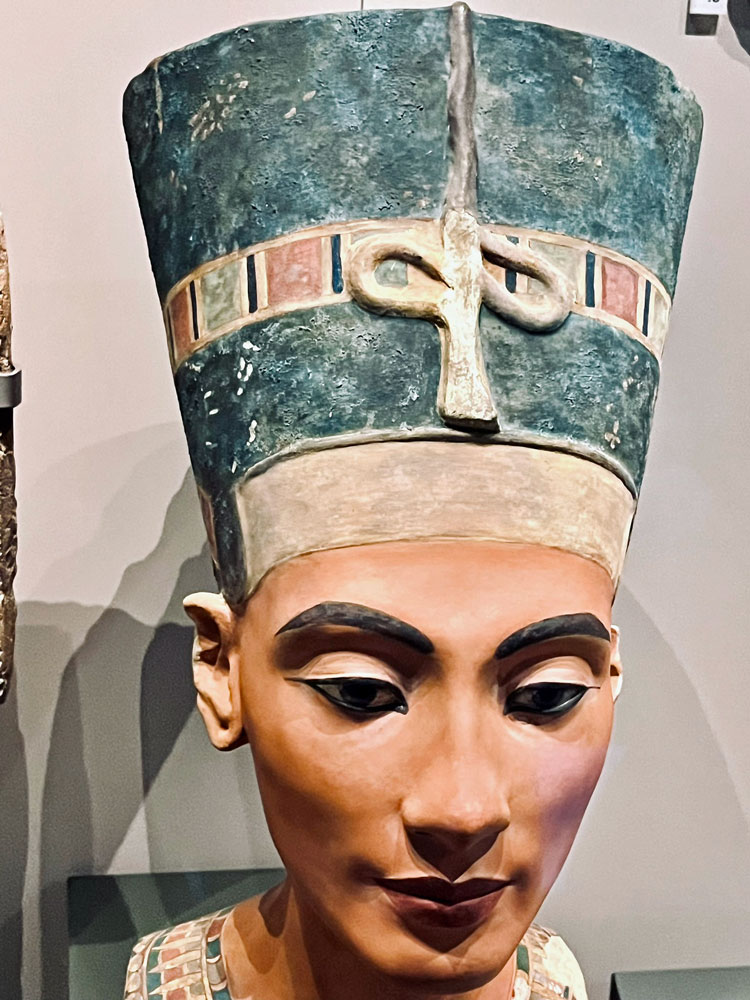
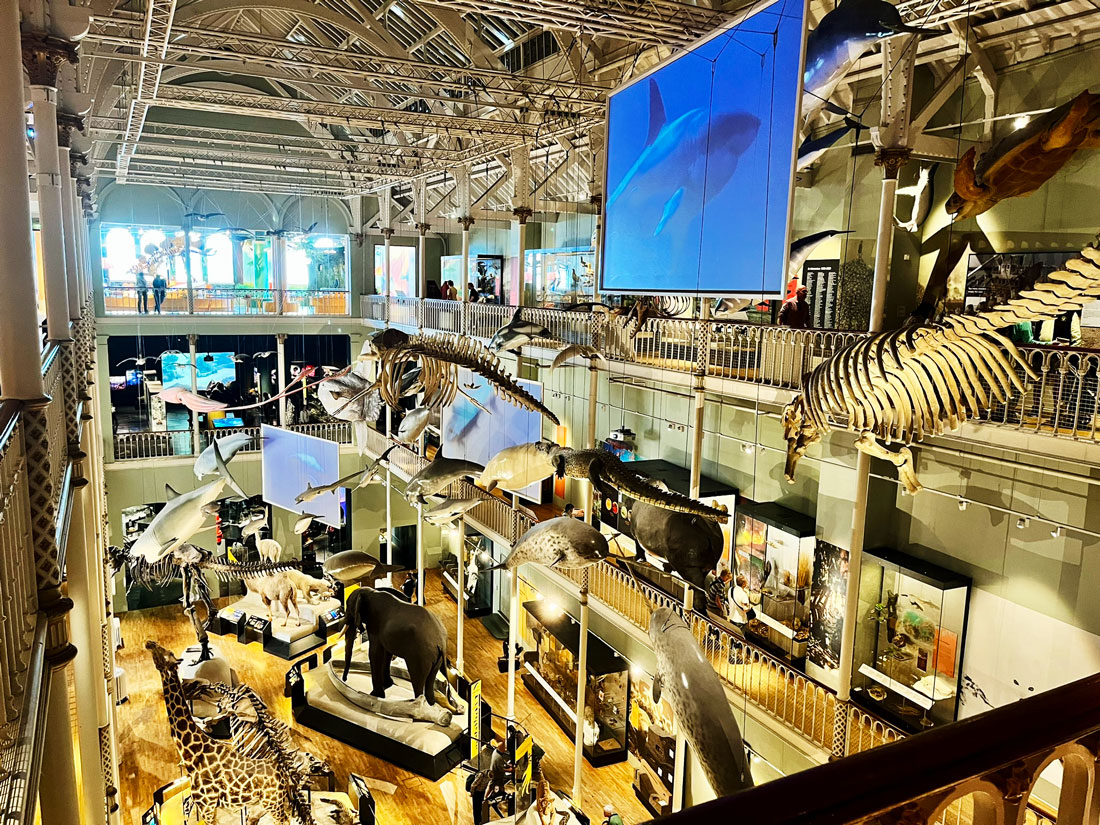
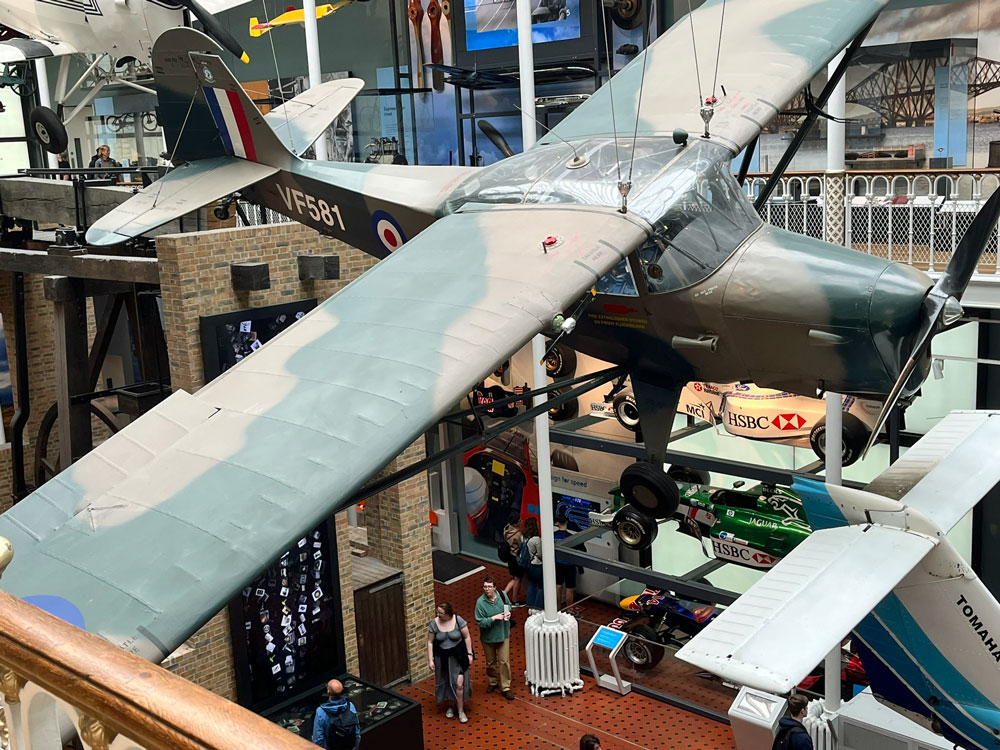
Construction was started in 1861 and proceeded in phases, the eastern sections opened in 1866 before others had even begun construction. The full extent of the original design was completed in 1888.
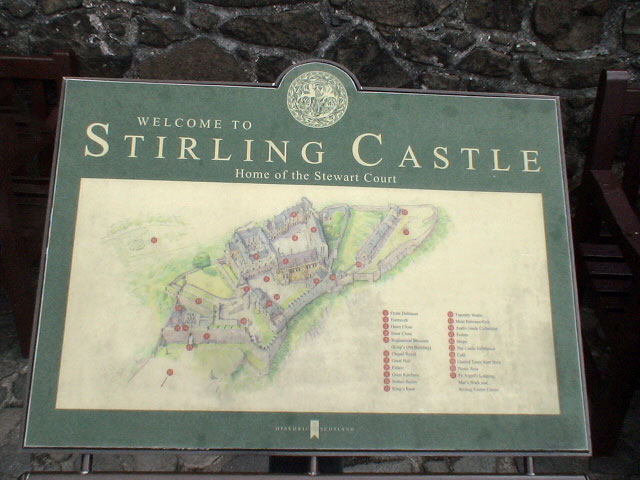
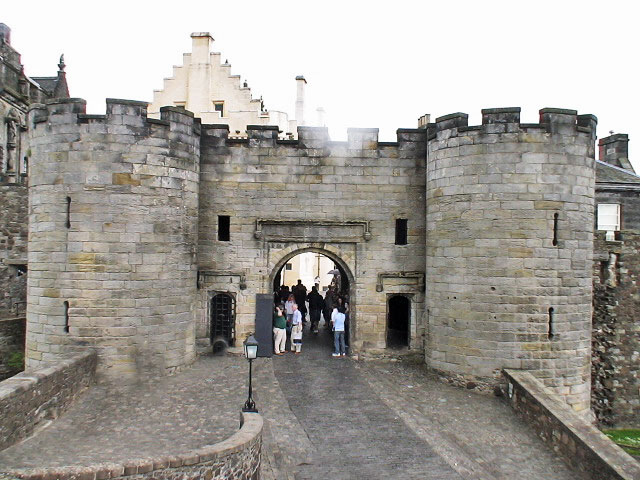
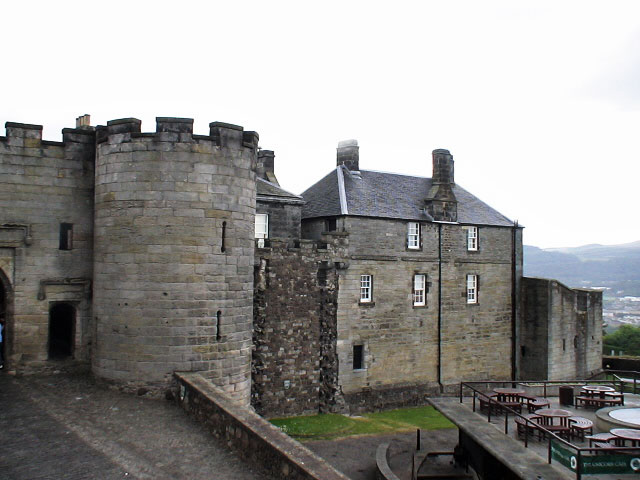
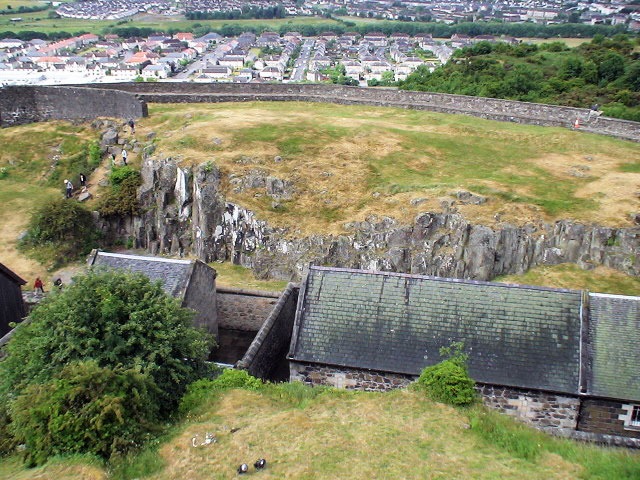
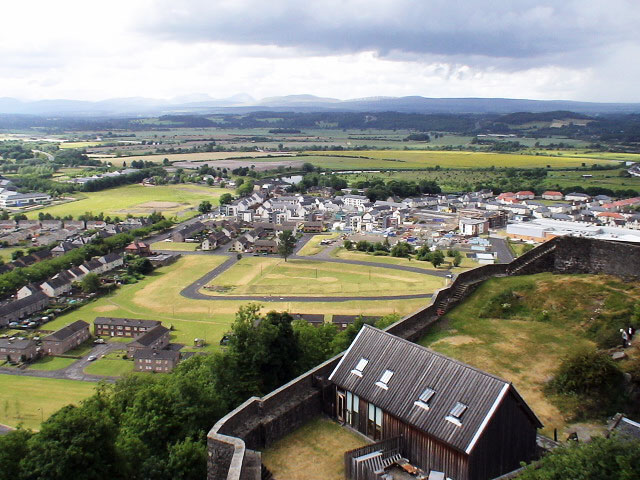
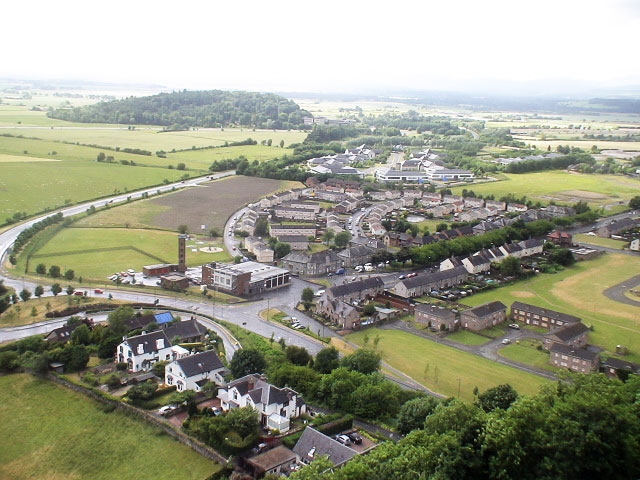
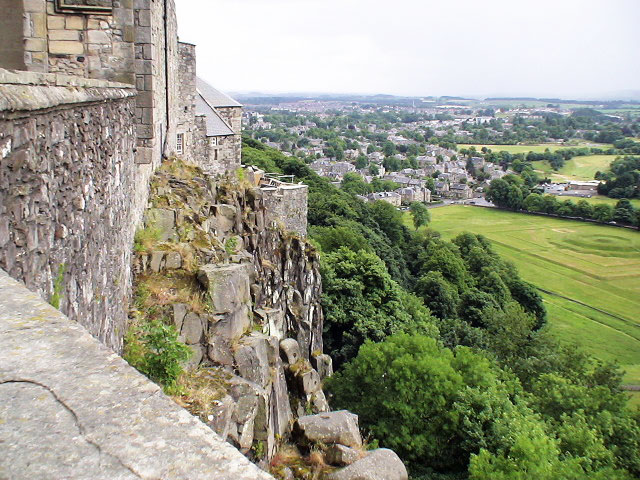
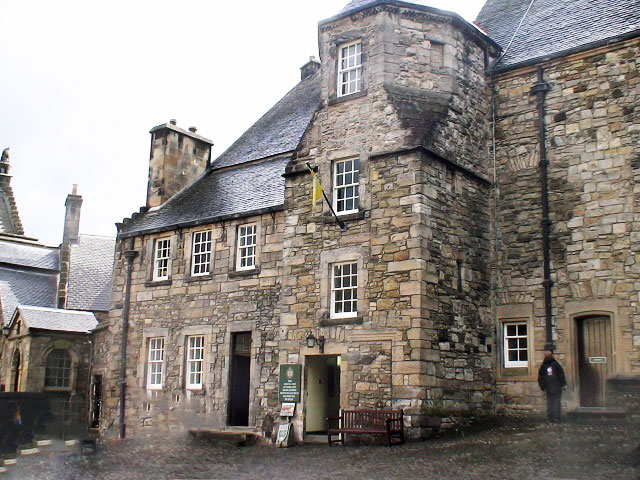
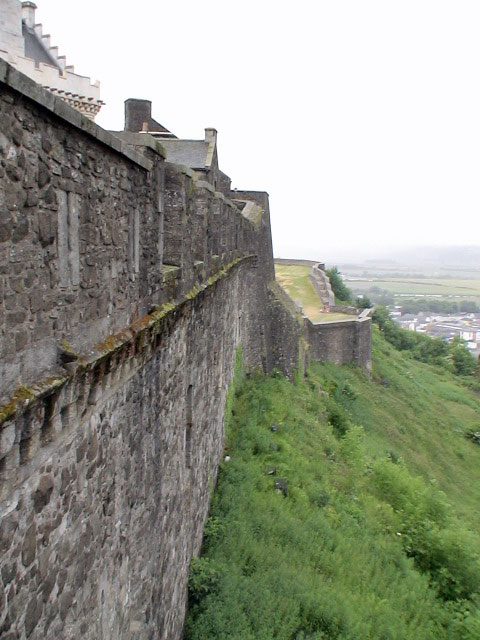
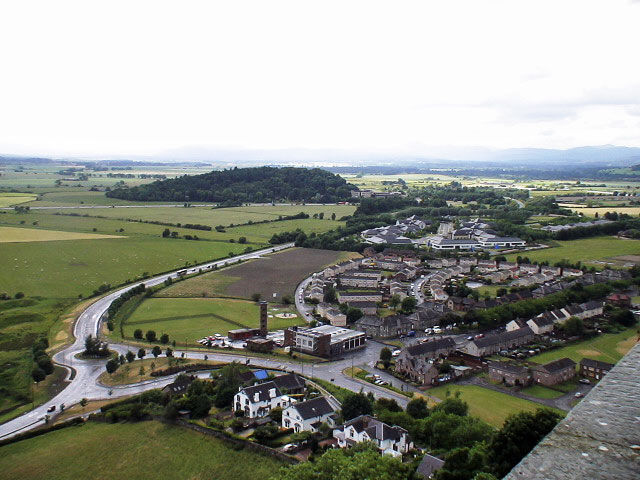
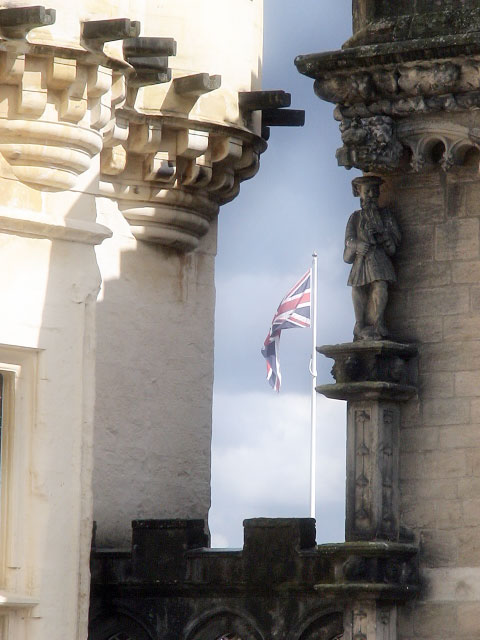
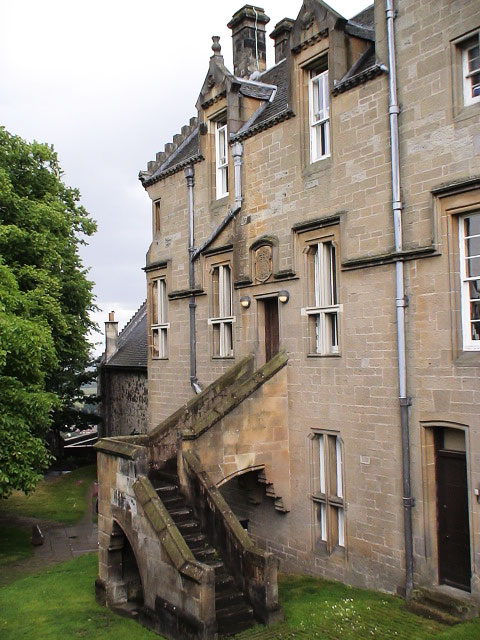
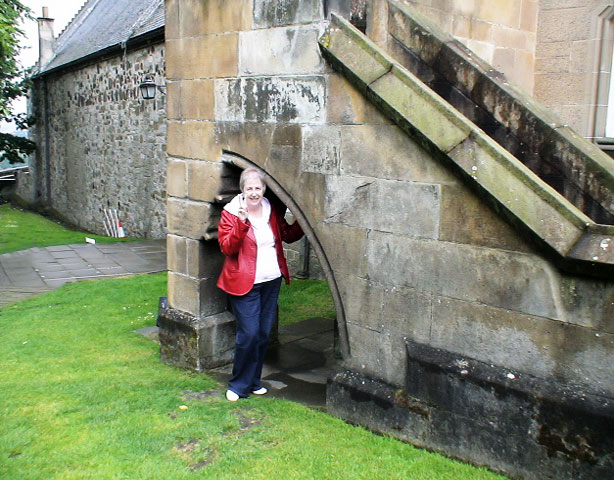
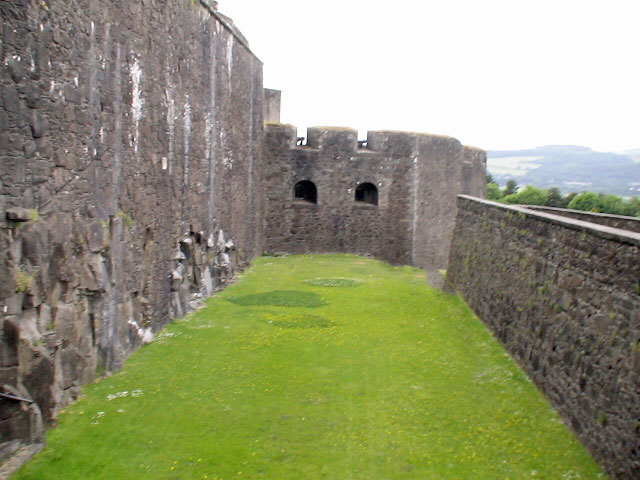
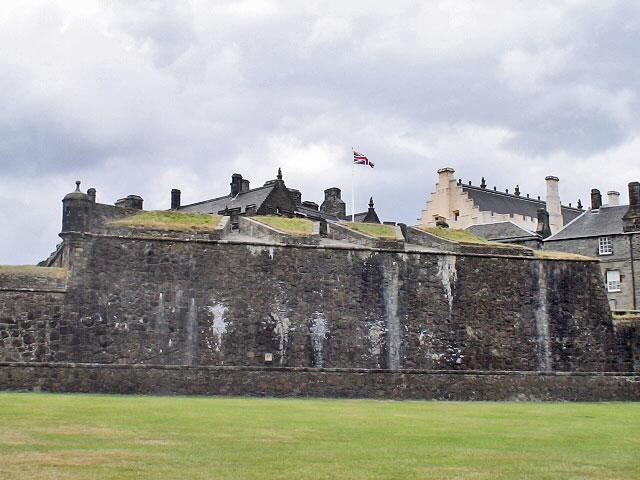
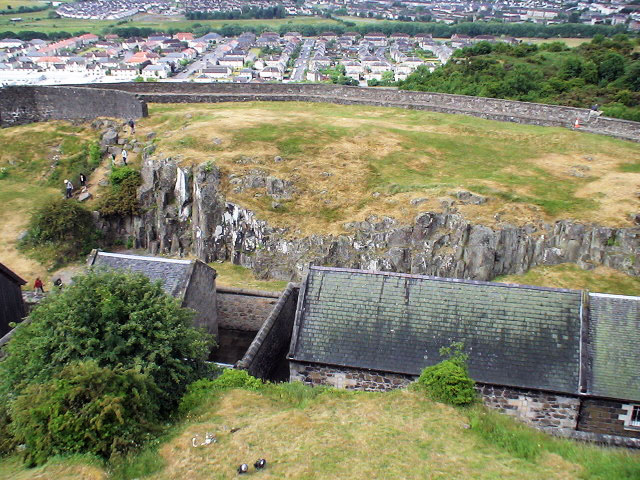
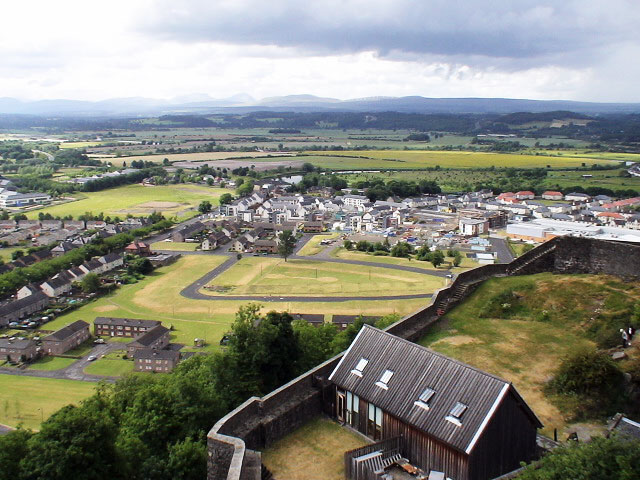
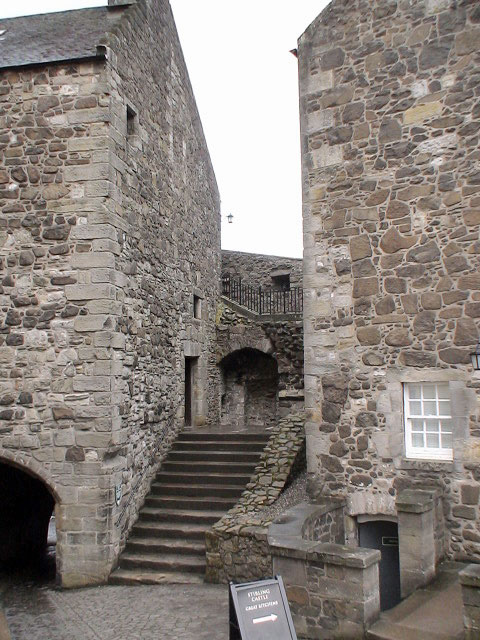
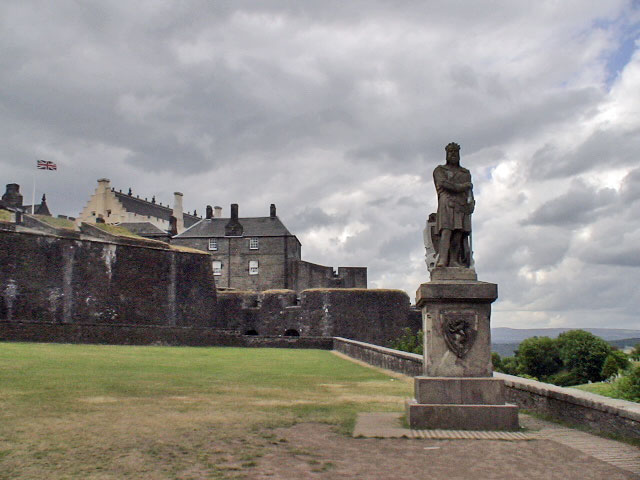
Stirling Castle is one of the largest and most important castles, both historically and architecturally, in Scotland. A few structures of the fourteenth century remain, while the outer defences fronting the town date from the early eighteenth century. Several Scottish Kings and Queens have been crowned at Stirling, including Mary Queen of Scots, in 1543. There have been at least eight sieges, including several during the Wars of Scottish Independence, with the last being in 1746, when Bonnie Prince Charles unsuccessfully tried to take the castle.
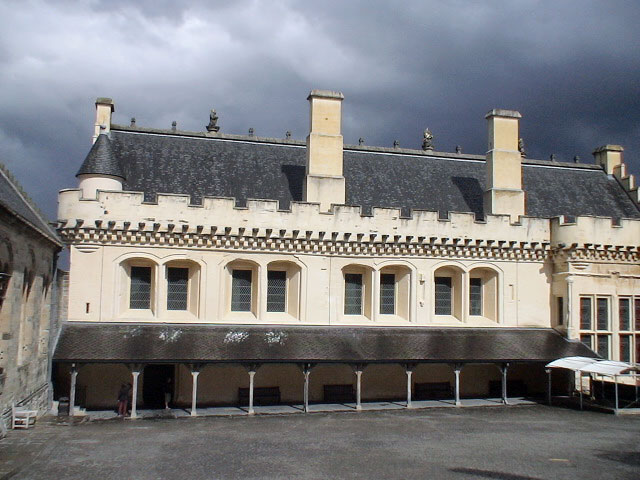
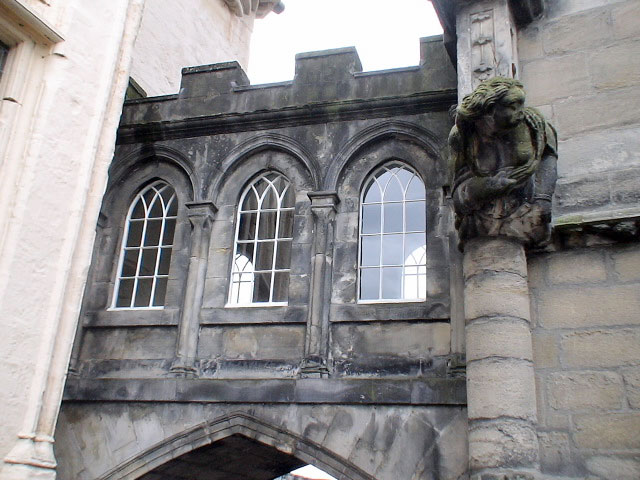
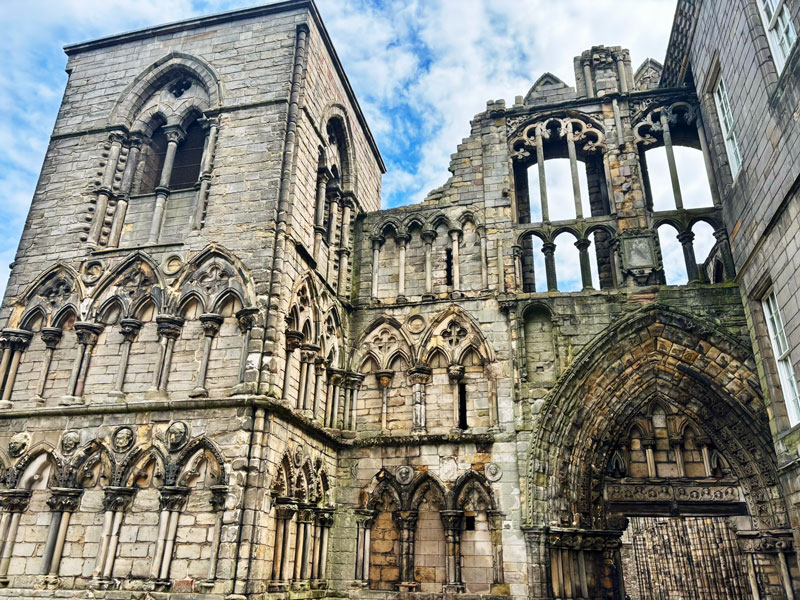
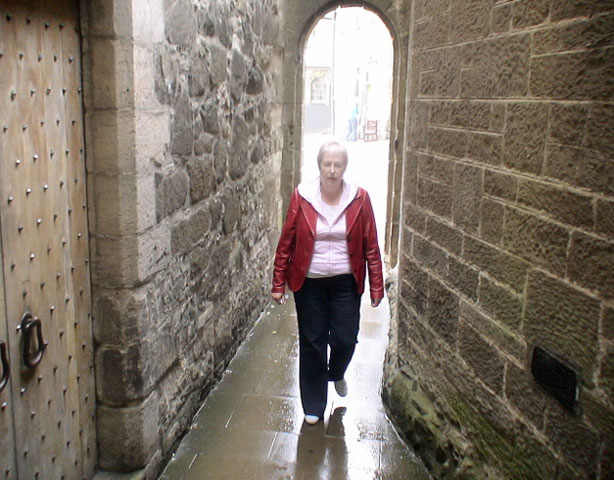
There’s a covered passeway between the two buildings. It was only used by Royalty to avoid getting wet going to and fro the Chapel Royal.
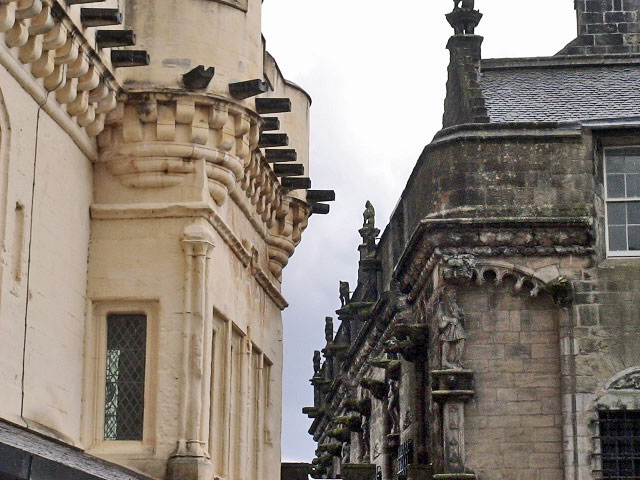
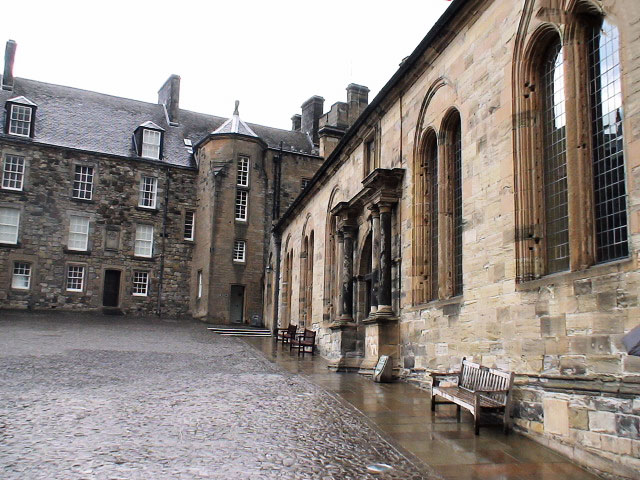
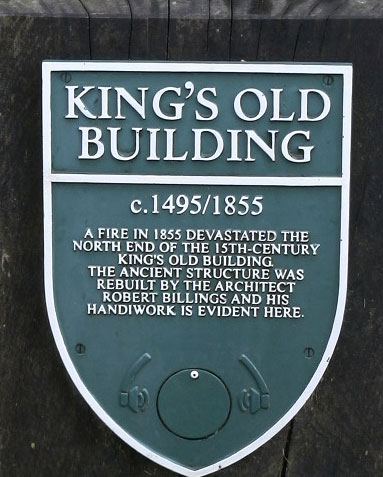
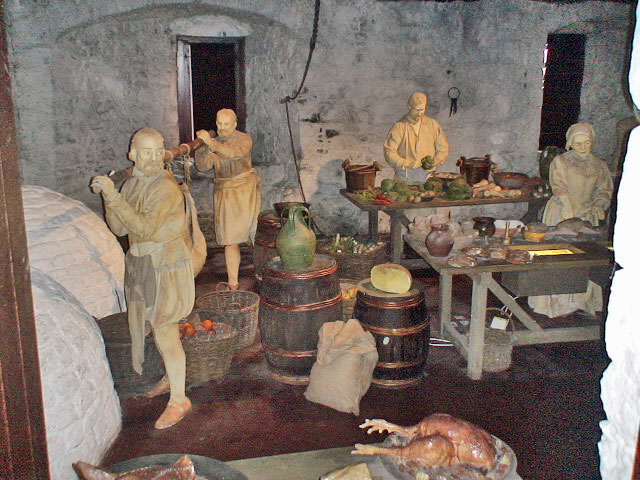
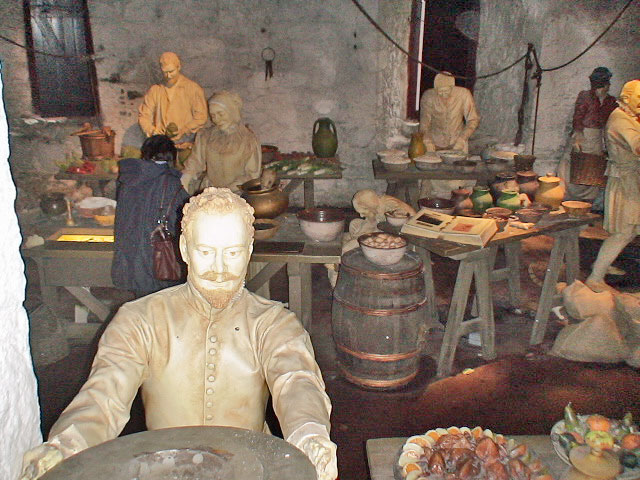
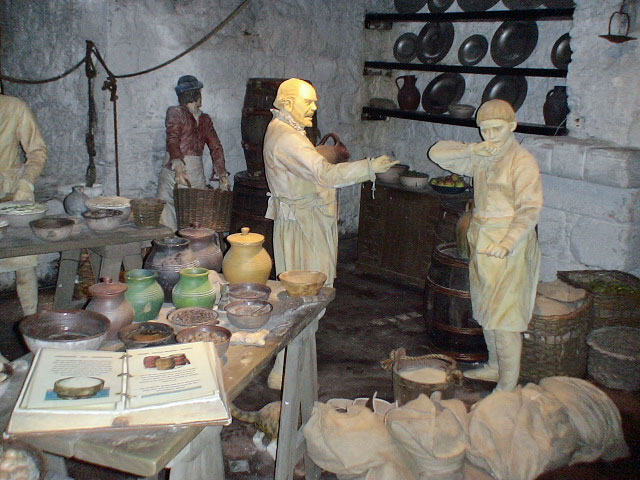
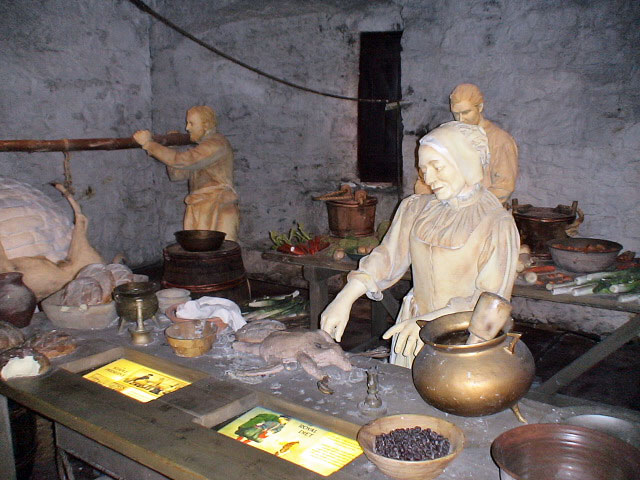
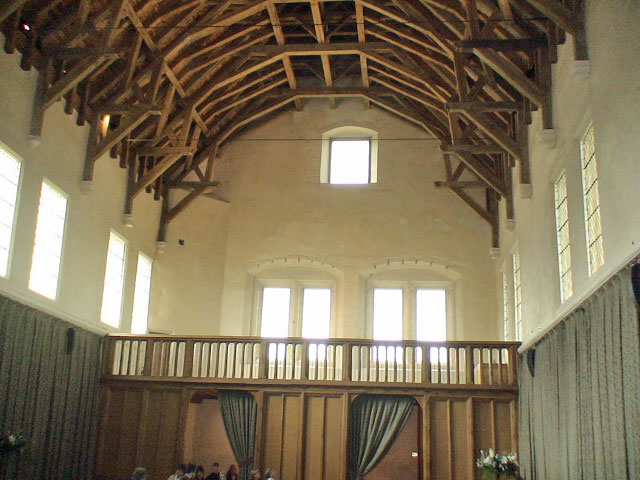
Gallery where the Minstrel would play.
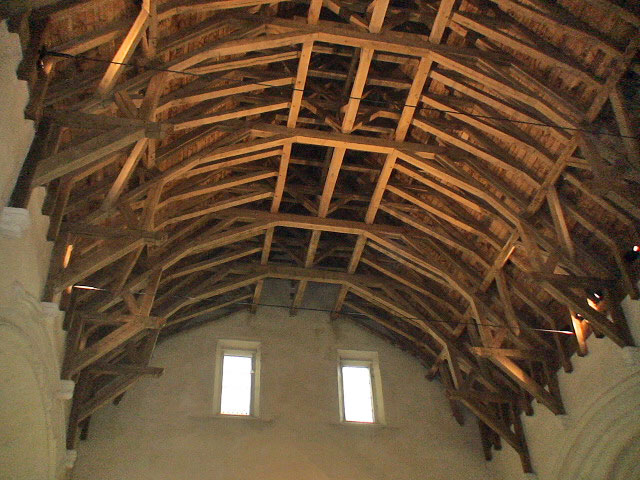
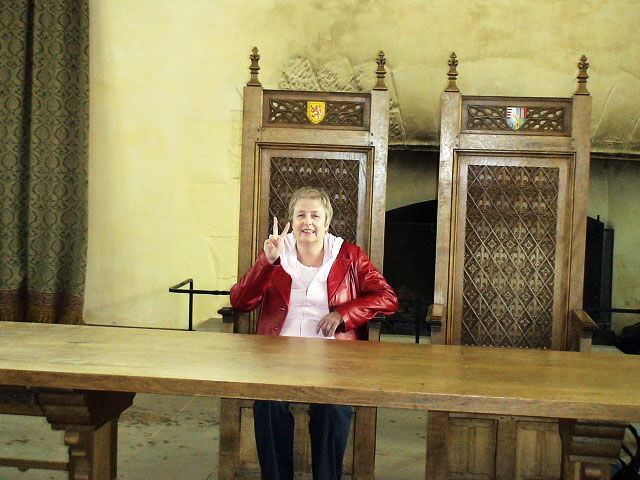
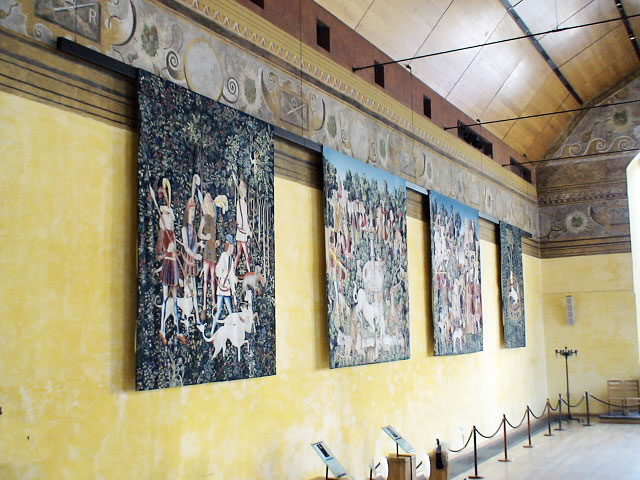
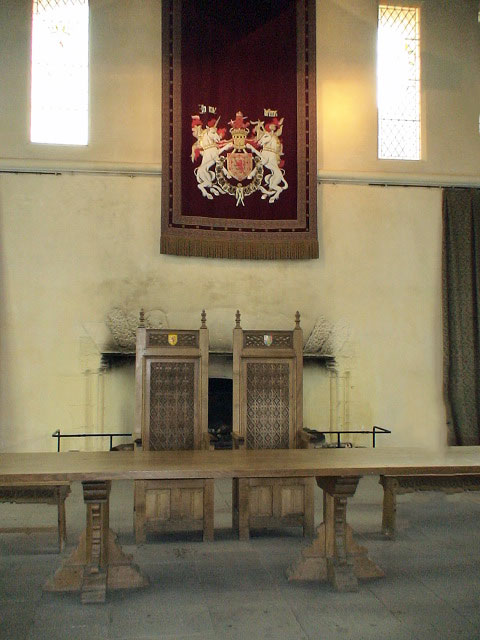
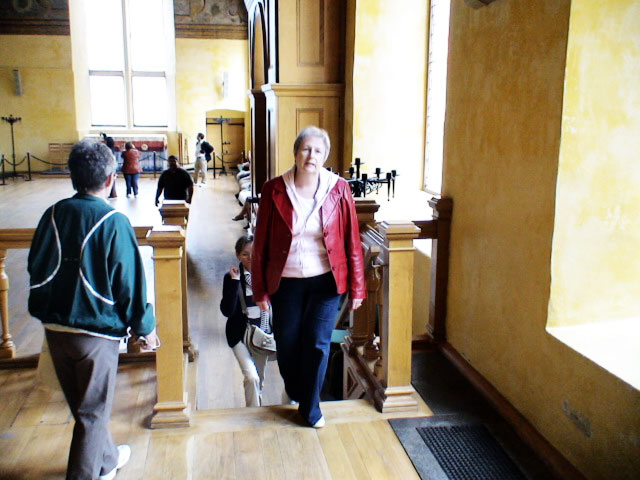
The Great Hall following restoration. The original hammerbeam roof was removed in 1800, along with the decorative crenellated parapet, when the hall was subdivided to form barracks. Two floors and five cross-walls were inserted, and the windows were altered accordingly. As early as 1893, calls were being made for the restoration of the Great Hall, but it was not until the army left in 1965 that the opportunity arose. It was agreed that a historically correct restoration could be achieved, and works began which were only completed in 1999. The hammerbeam roof and parapet were replaced, windows reinstated, and the outer walls were limewashed.
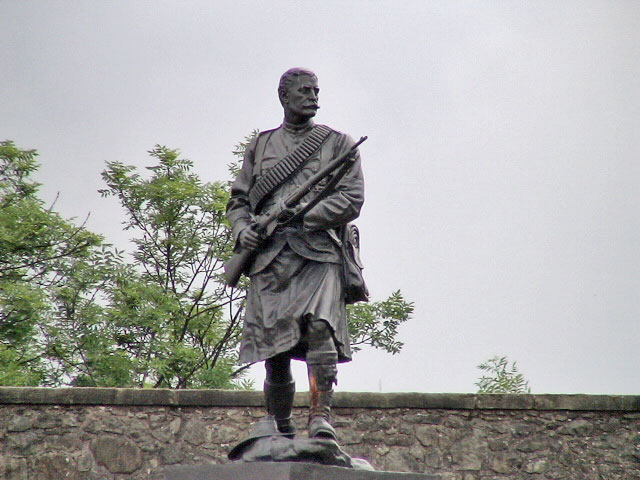
The Wallace Monument, near Stirling Castle, commemorates the actions of William Wallace during the Wars of Independence. (Braveheart)
A modern, abstract monument stands in a field above the battle site, where the warring parties are believed to have camped on the night before the battle. The monument consists of two hemi circular walls depicting the opposing parties.
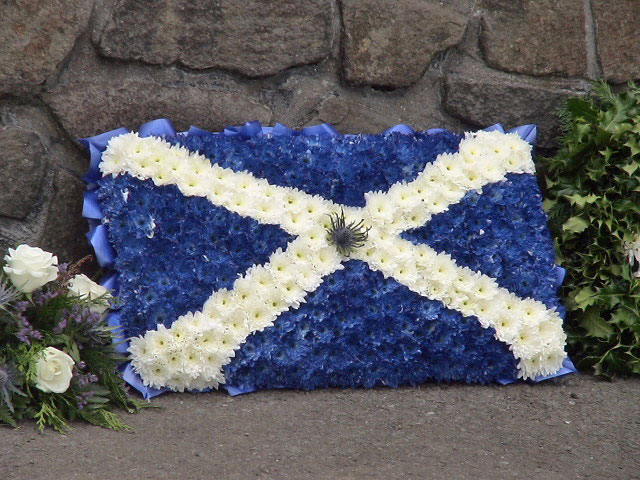
Wreath left at the site of the memorial to the Battle of Bannockburn June 24th. (We visited the site on June 26th, 2010)
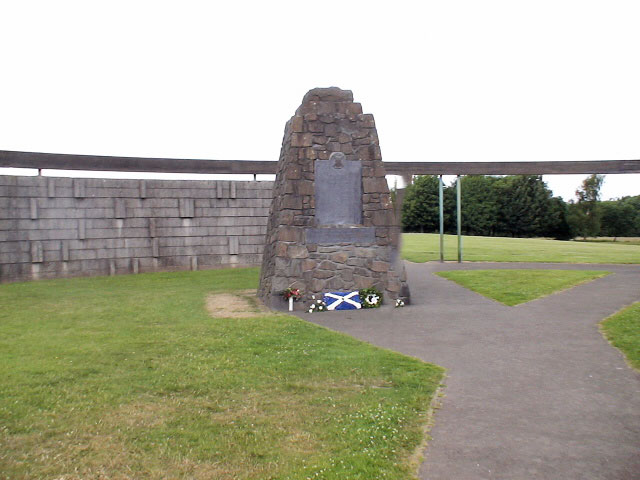
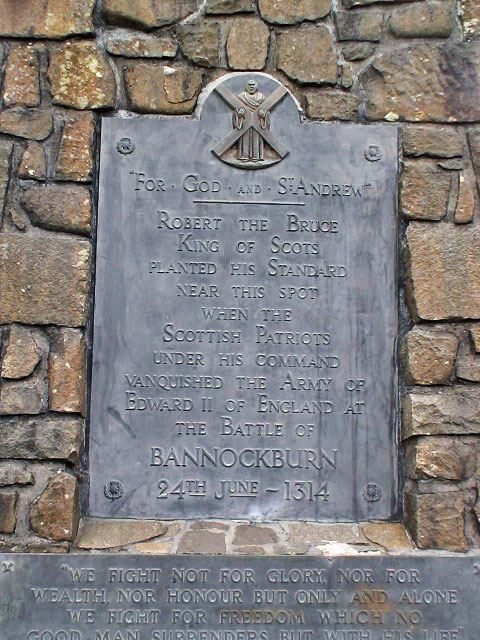
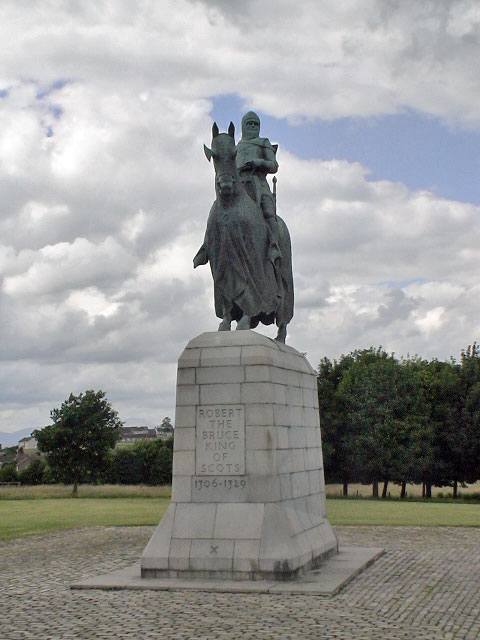
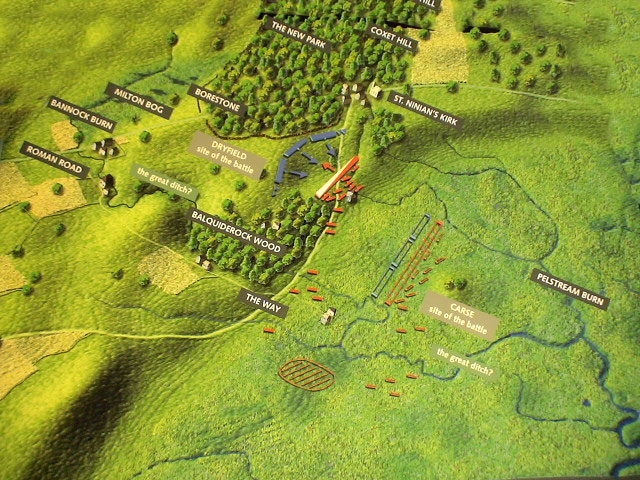
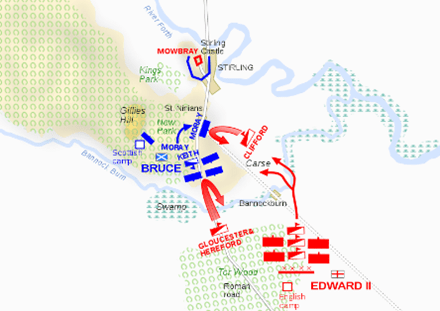
The Battle of Bannockburn (24 June 1314) was a significant Scottish victory in the Wars of Scottish Independence. It was the decisive battle in the First War of Scottish Independence.
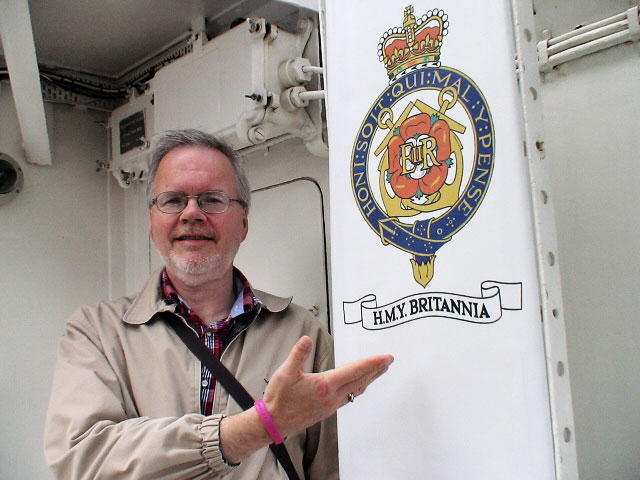
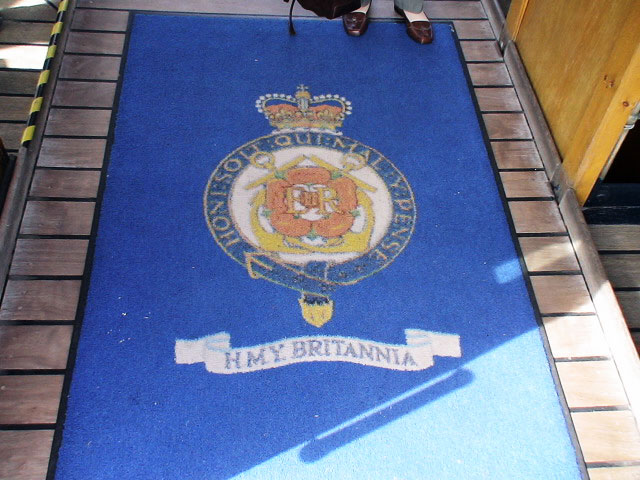
H.M.Y. Britannia
The H.M.Y. Britannia was built in 1953 and decommissioned in December 1997. It had a range of around 2,200 miles. She is now permanently moored as an exhibition ship at Ocean Terminal in Leith..
The Royal Yacht’s last foreign mission was to convey the last British governor of Hong Kong; Chris Patten (now the The Lord Patten of Barnes) and The Prince of Wales, away from Hong Kong after the handover of the British Colony to the People’s Republic of China on 1 July 1997.
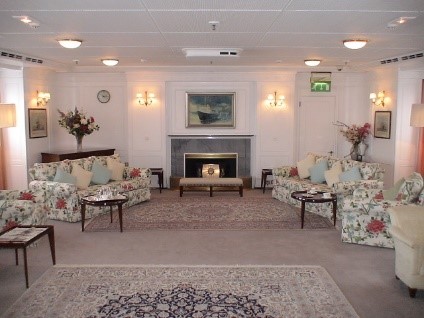
The main reception area where all the guests would meet for cocktails.
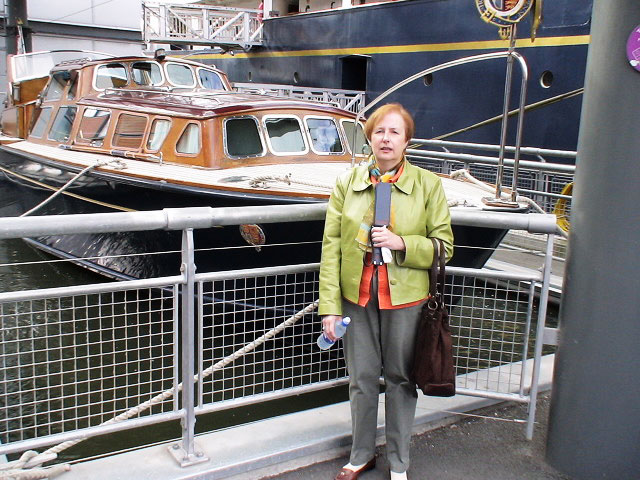
Judy posing in front of the Ship’s launch, “The Royal Barge“.

 s
s 