



Including Bad Schandau
The Dresden Frauenkirche survived the firebombing of Dresden during WWII, but was totally burned out and collapsed the next day. It has been reconstructed as a landmark symbol of reconciliation between former warring enemies. The reconstruction of its exterior was completed in 2004, its interior in 2005.
Views from the Frauenkirche tower
Down below… The Elbe and the “Old town”.
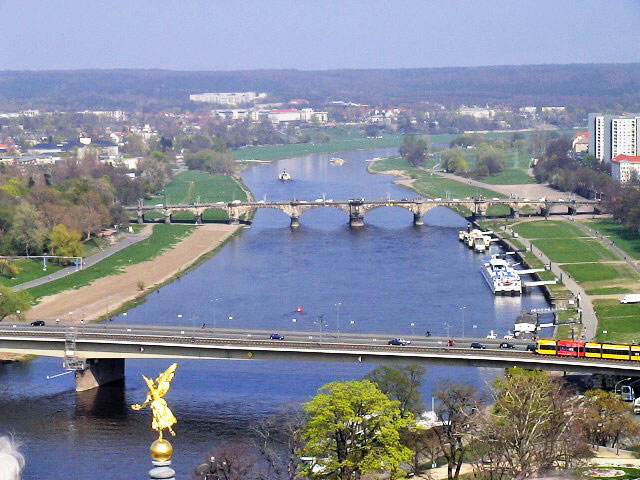
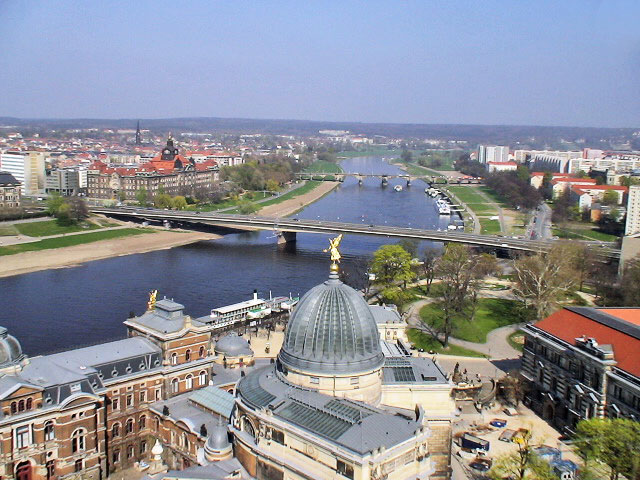
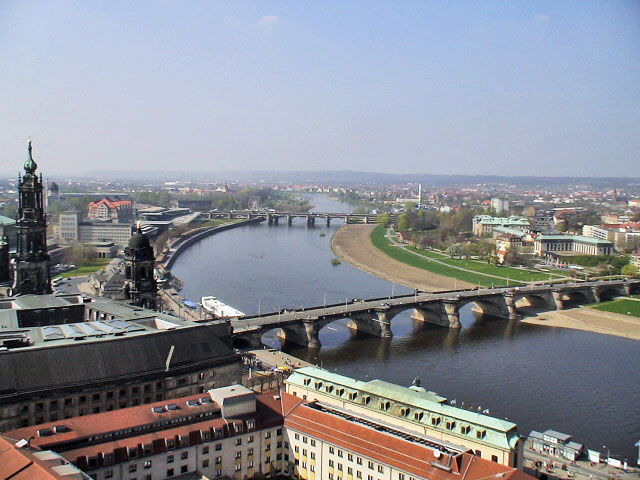
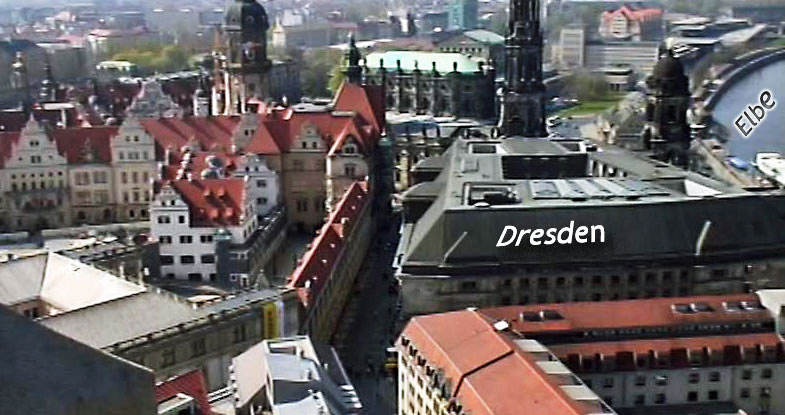
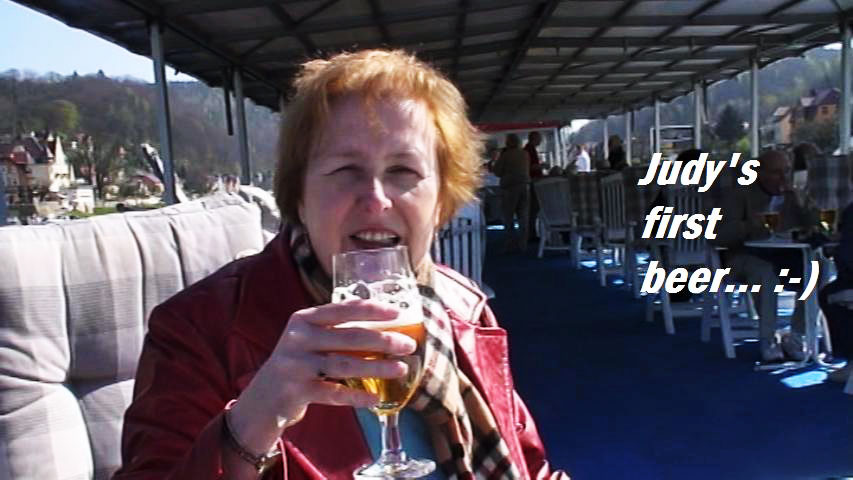
September 2007

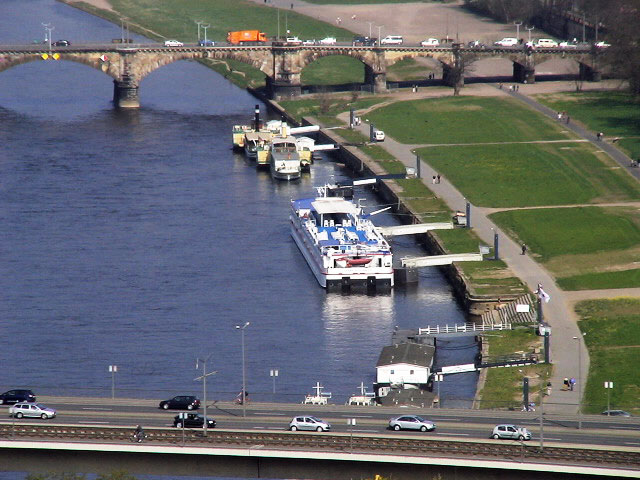
Where the Viking Schumann was docked in Dresden.
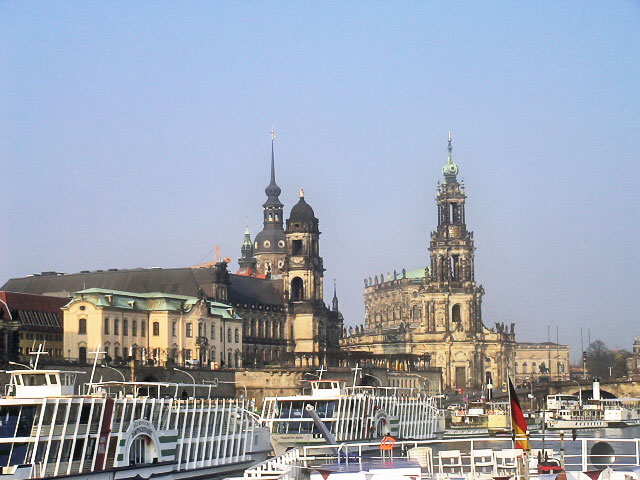
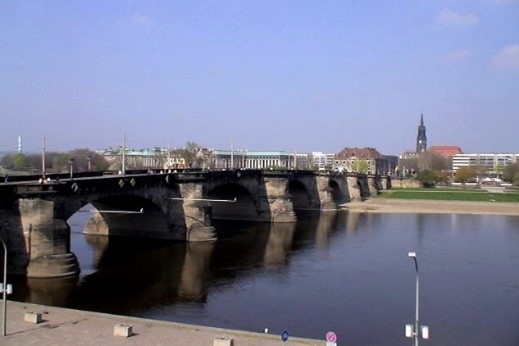
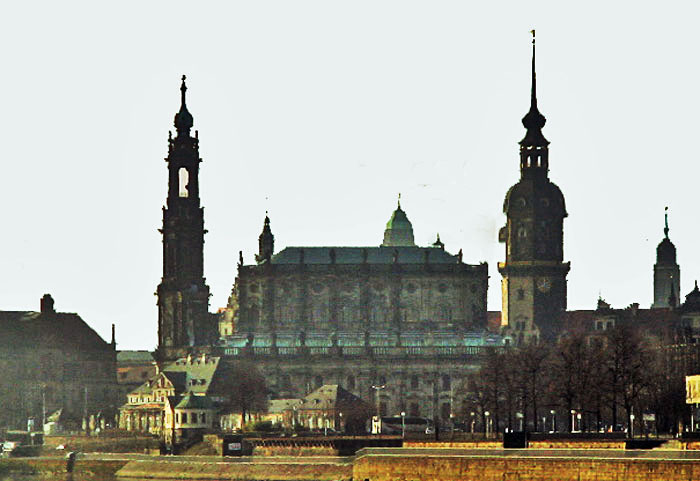
View from the ELBE of the old town. (Altstadt)
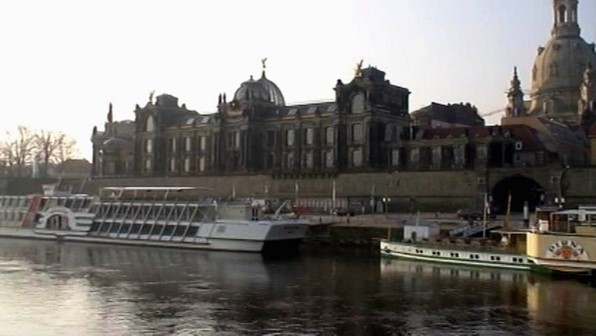
The Elbe is one of the major rivers of Central Europe. It originates in the northwestern Czech Republic before traversing much of Germany and flowing into the North Sea Its total length has been given as 1,091 kilometers or 678 miles.
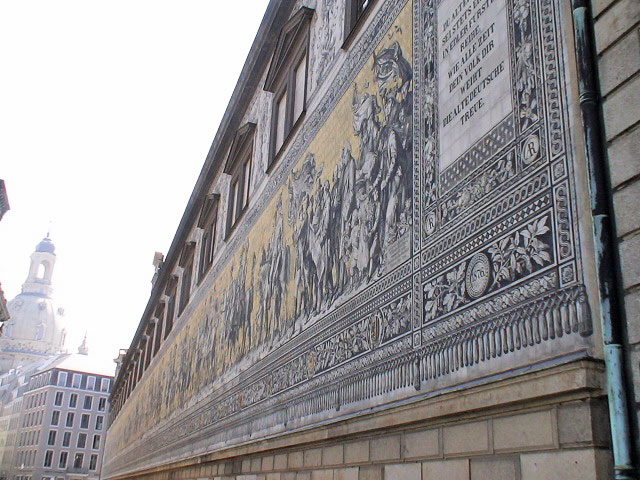
The Fürstenzug — the Saxon sovereigns
(The procession of the Dukes)
Dresden’s famous porcelain mural on the exterior of Residenzschloss palace is a feast for the eyes. The frieze is 102 metres long and 7 metres high, making it the largest porcelain picture in the world.
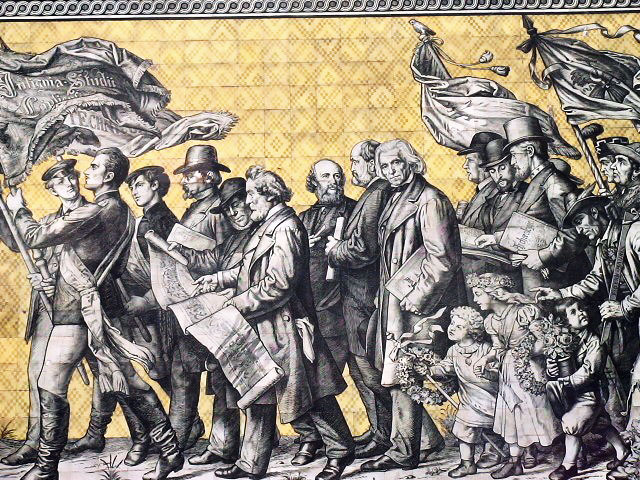
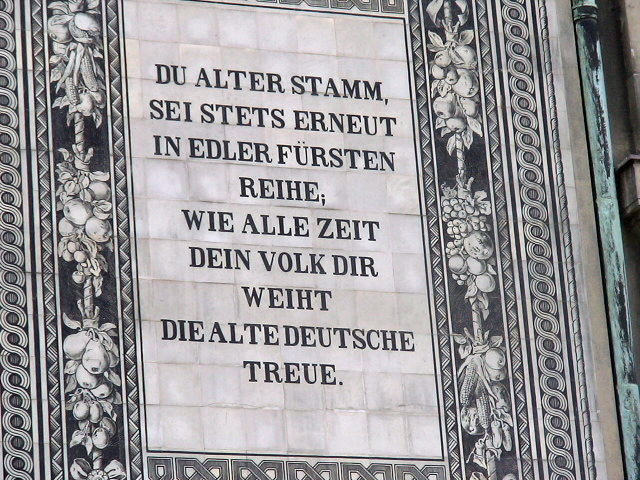
The wall was first painted at the end of the 19th century. However, due to rain, snow and other environmental influences the painting was hardly visible after a few years. Between 1904 and 1907 the tiles from Meissen were made of ceramic. There were no joints between the tiles, so the work of art looks like a picture. If you look closely you can see the individual tiles (see picture below).
Designed as a memorial to the Wettiner royal family, the mural depicts all the Saxon rulers between 1123-1904.
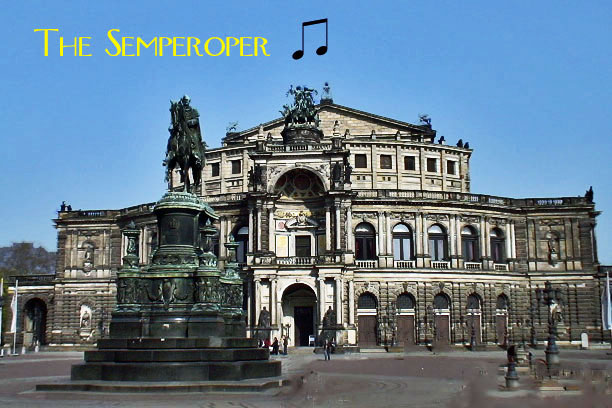
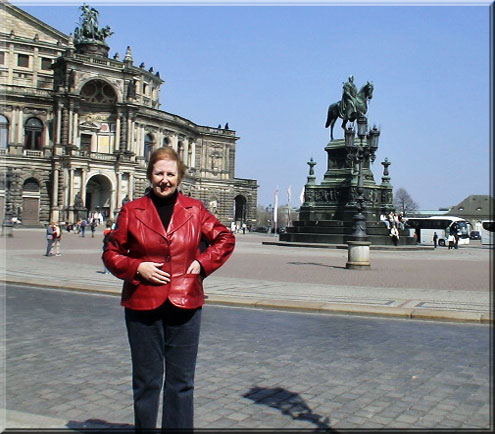
The Semperoper (Engl: Semper Opera House) or Saxon State Opera Dresden is an opera house and is one of the most famous in the world. It was first built in 1841 in the Early Renaissance style. It had to be rebuilt after a fire destroyed it in 1869.
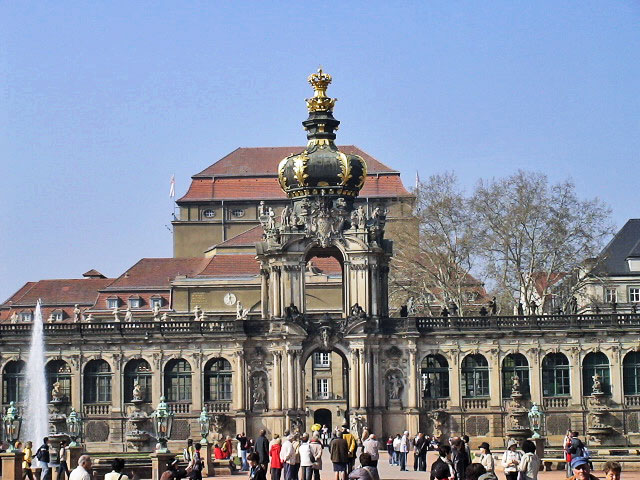
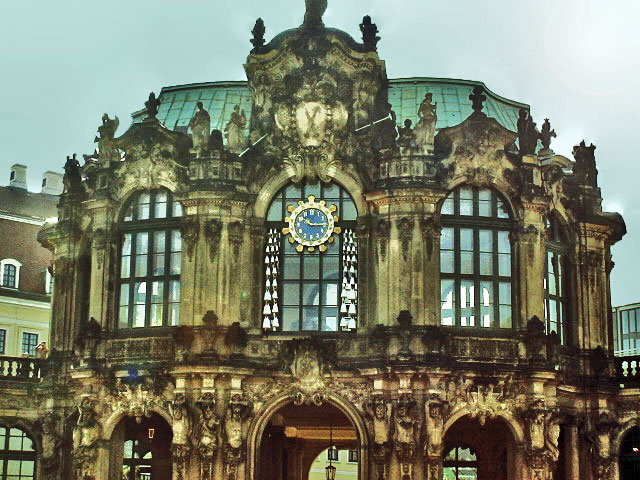
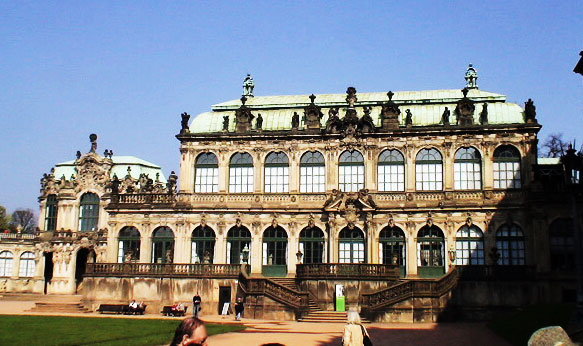
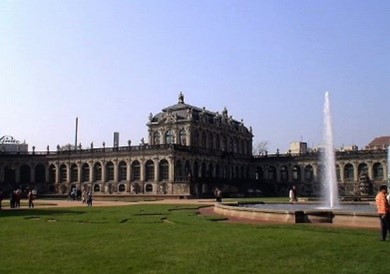
The Zwinger Palace is a major German landmark.The location was formerly part of the Dresden fortress of which the outer wall is conserved. The name derives from the German word Zwinger (outer ward of a concentric castle); it was for the cannons that were placed between the outer wall and the major wall.

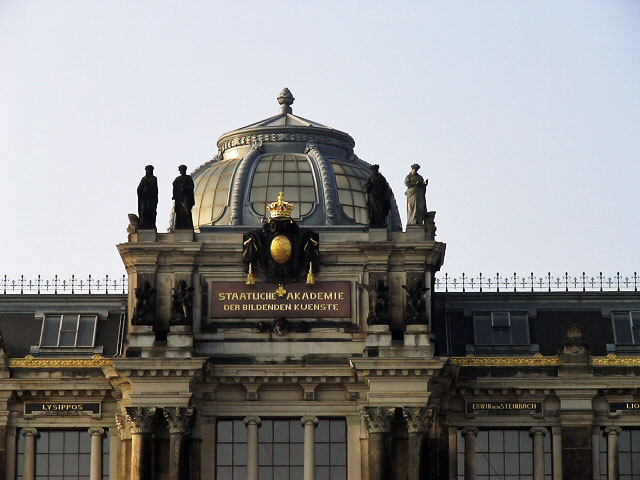
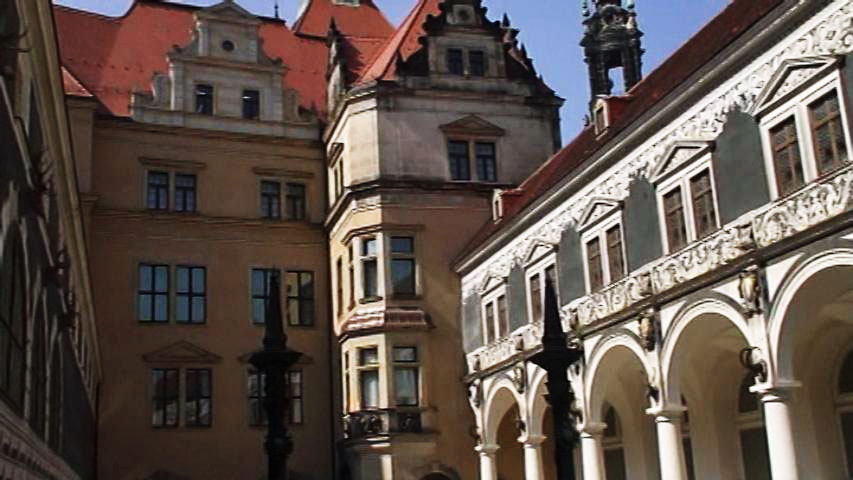
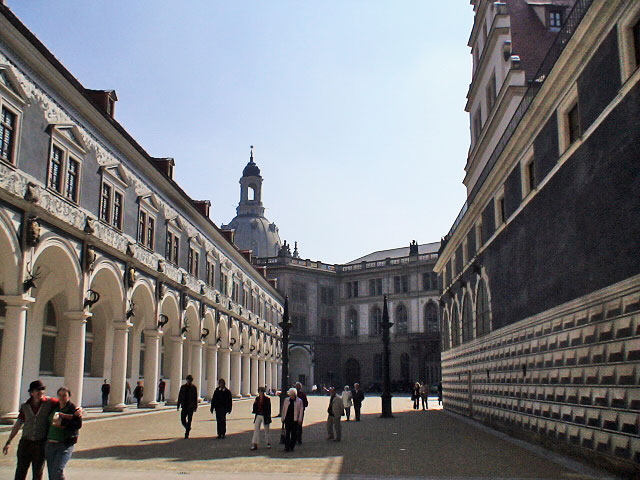
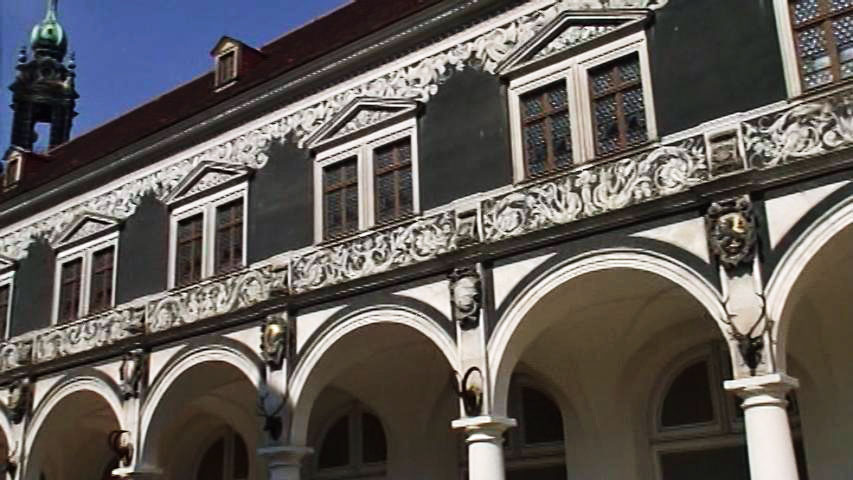
The Royal stables
In December this space is used for one of their Christmas markets
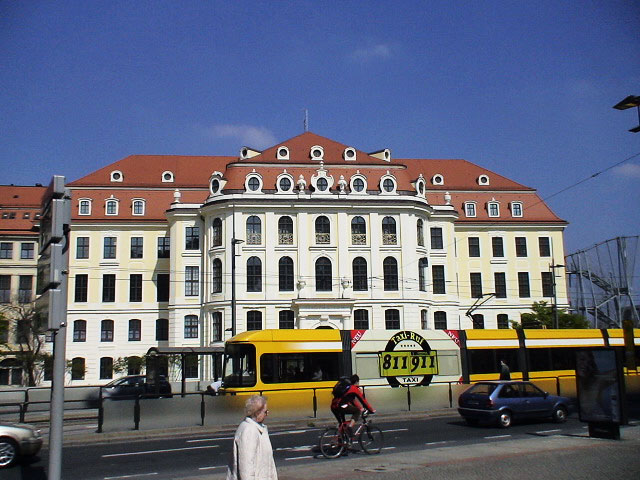
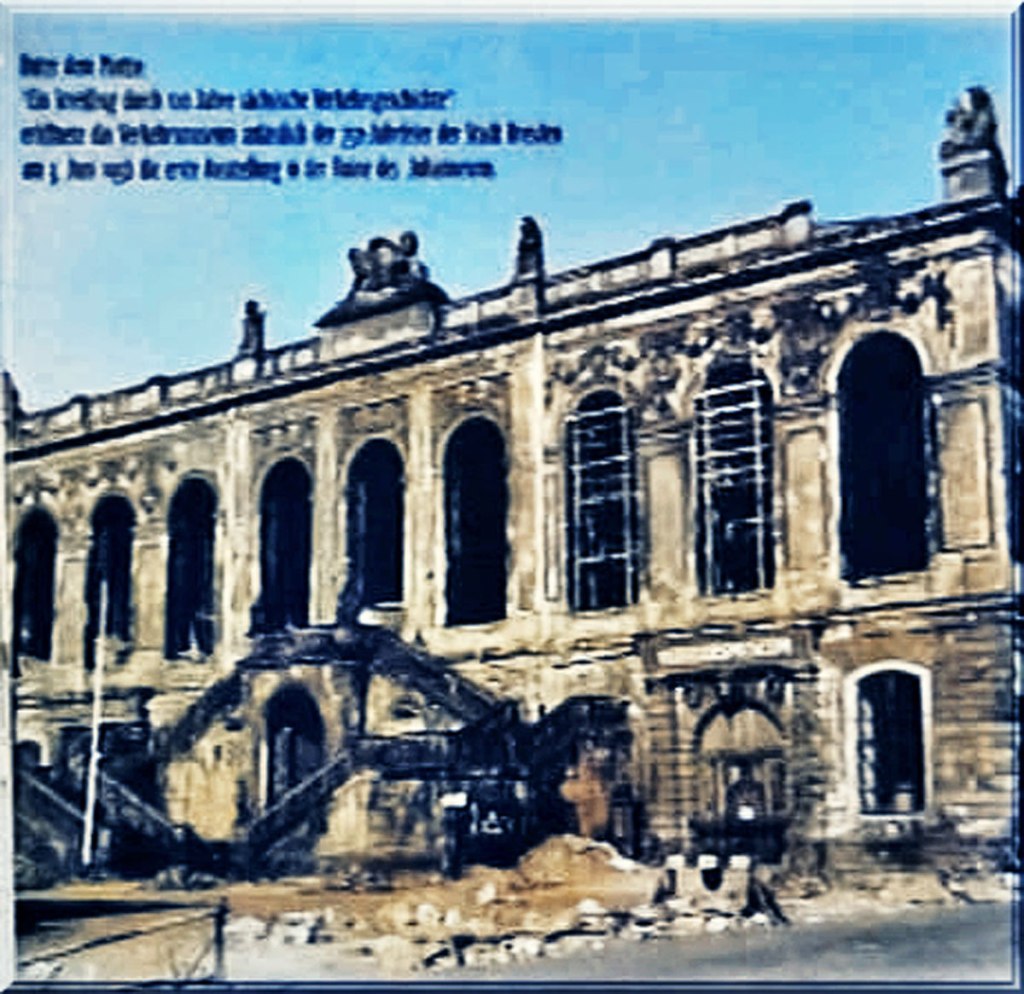
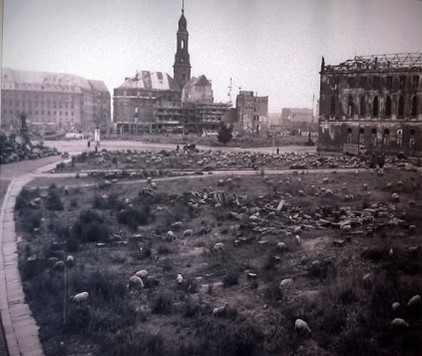
Dresden just after the 1945 bombing
A Dresden police report written shortly after the attacks stated that the old town and the inner eastern suburbs had been engulfed in a single fire which had destroyed almost 12,000 dwellings including residential barracks. The report also said that the raid had destroyed “24 banks; 26 insurance buildings; 31 stores and retail houses; 6470 shops; 640 warehouses; 256 market halls; 31 large hotels; 26 public houses; 63 administrative buildings; 3 theatres; 18 cinemas; 11 churches; 60 chapels; 50 cultural-historical buildings; 19 hospitals including auxiliary, overflow hospitals, and private clinics; 39 schools; 5 consulates; 1 zoological garden; 1 waterworks, 1 railway facility; 19 postal facilities; 4 tram facilities; 19 ships and barges.”
The report also mentioned that the Wehrmacht’s main command post in the Taschenberg Palais, 19 military hospitals and a number of less significant military facilities were destroyed. Almost 200 factories were damaged, 136 seriously (including several of the Zeiss Ikon precision optical engineering works), 28 with medium to serious damage, and 35 with light damage.

Along the ELBE
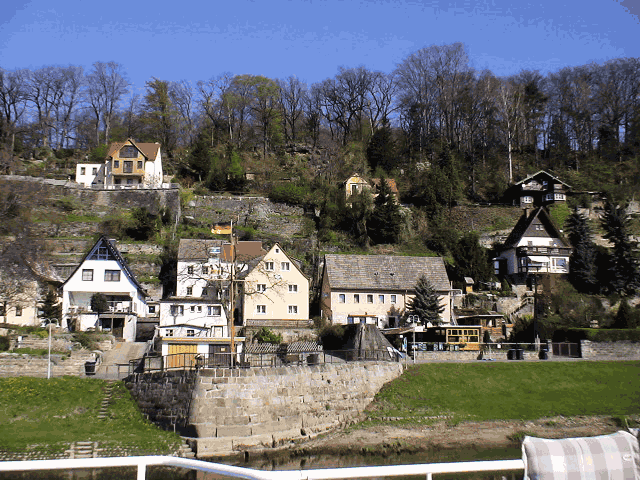
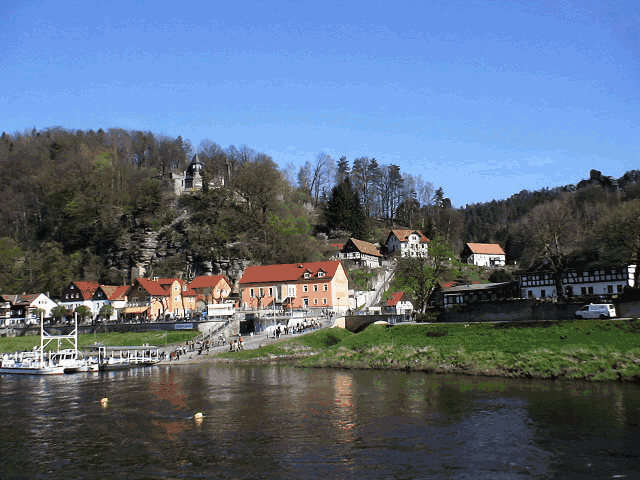
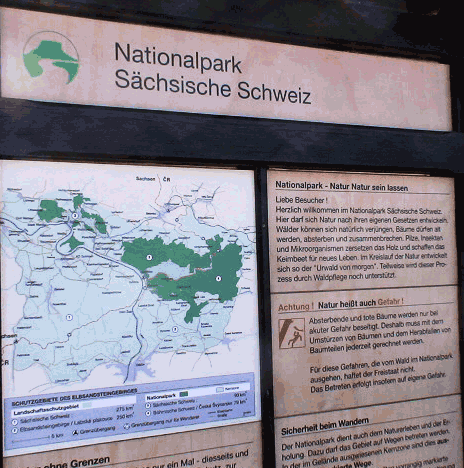
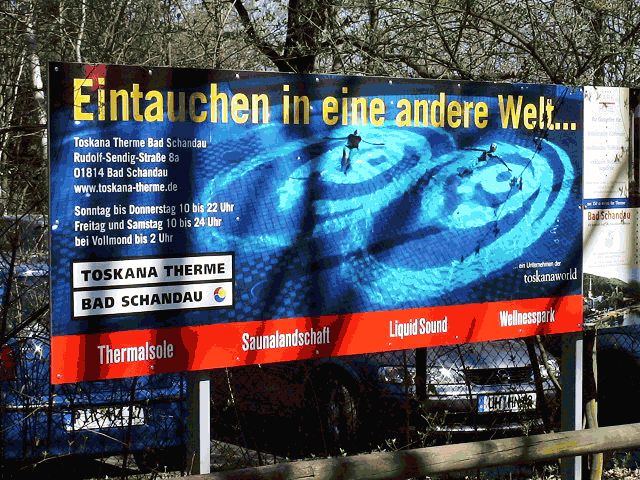
Bad Schandau, Germany
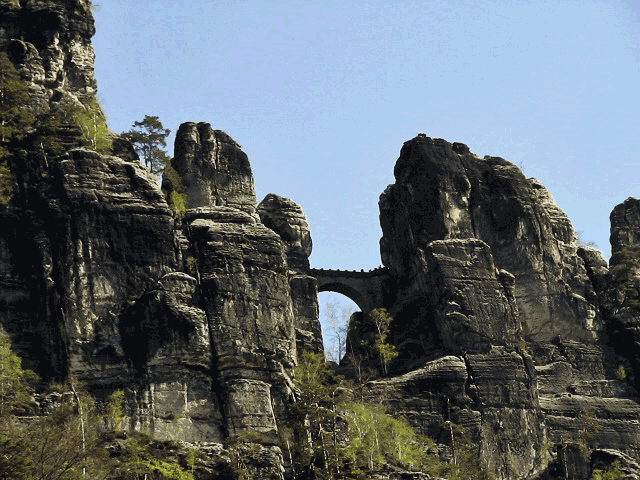
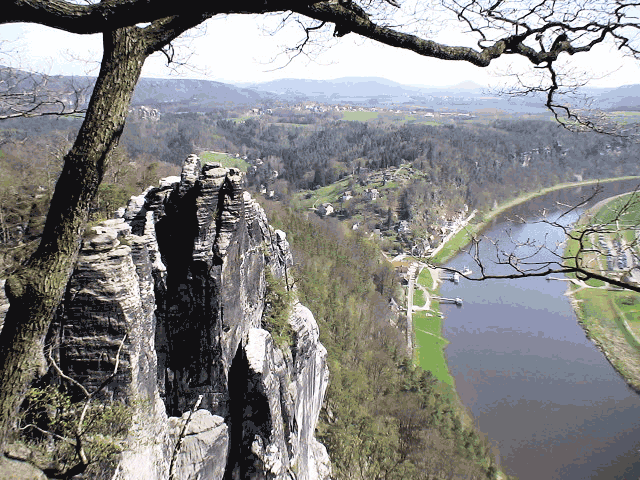
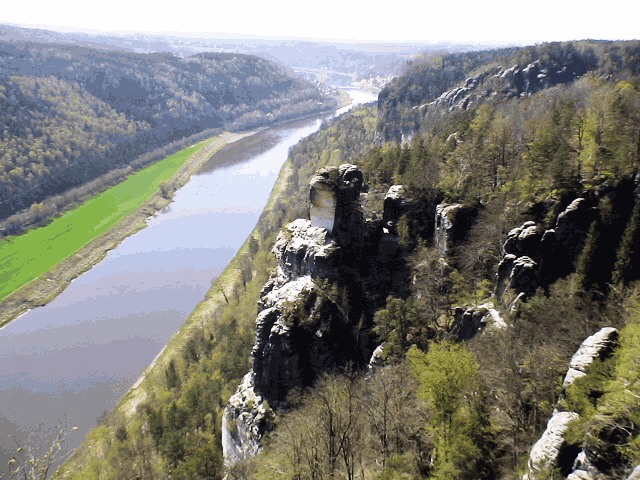
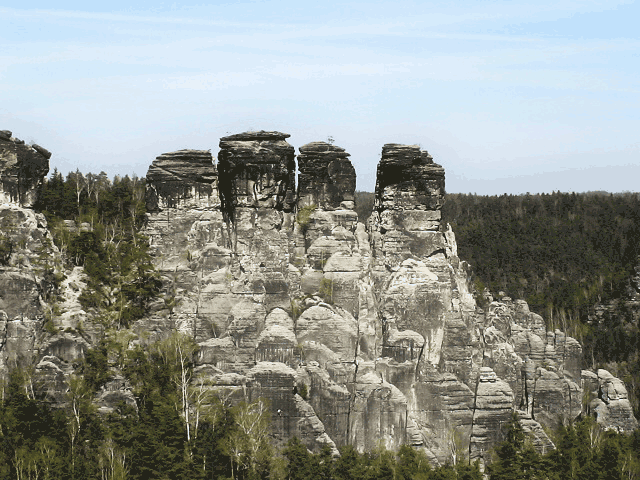
One of the oldest an most important spa resorts of the Saxon Switzerland region of Germany, this beautiful resort city lies nestled in a picturesque valley among lush hills and deep gorges. This port town is also the starting point for tours to the Saxon Switzerland region with its rugged dramatic sandstone cliff formations.
The city is located in the southern Free State of Saxony on the right bank of the Elbe, at the mouth of the little valley of the
Kirnitzsch.
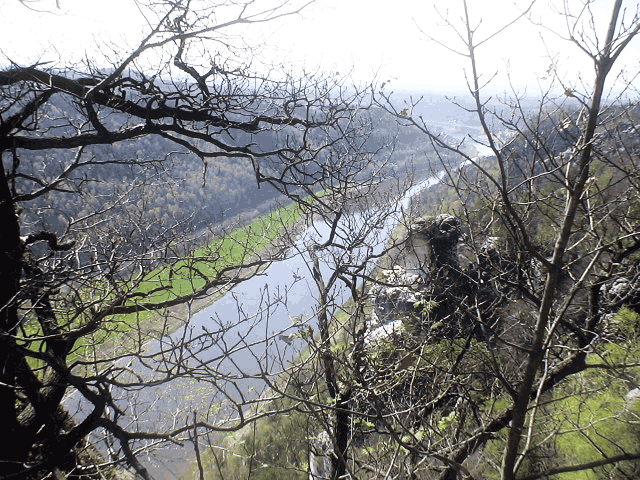
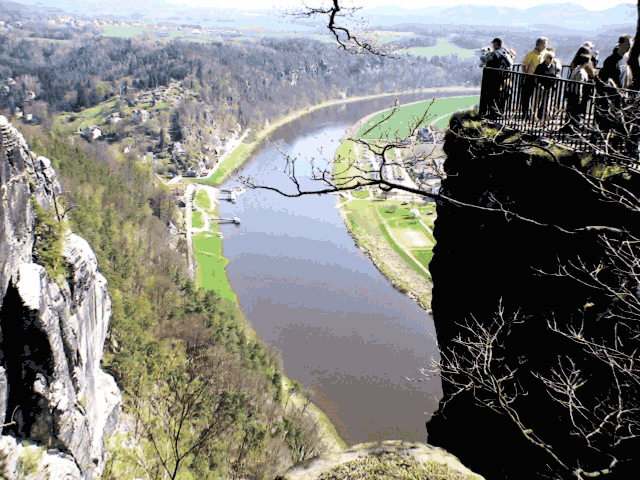


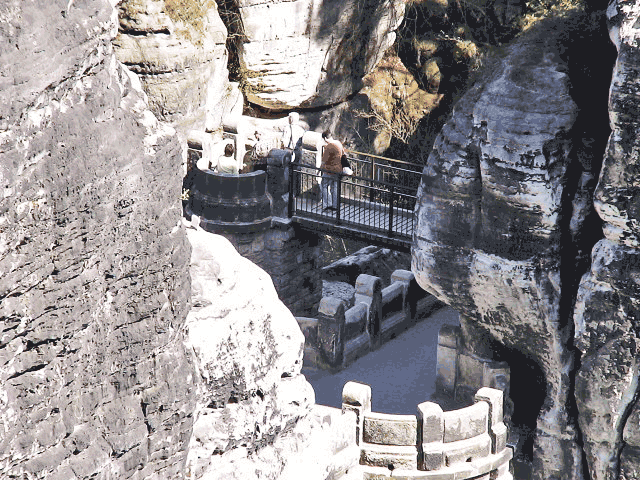
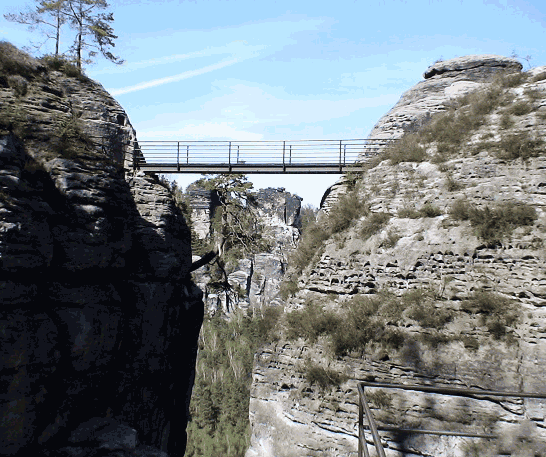
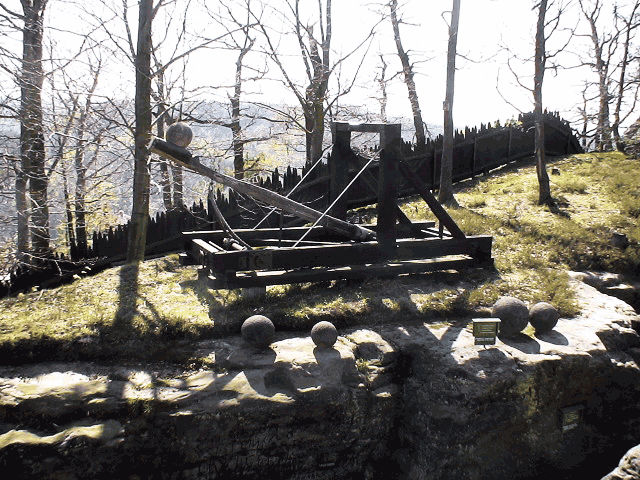
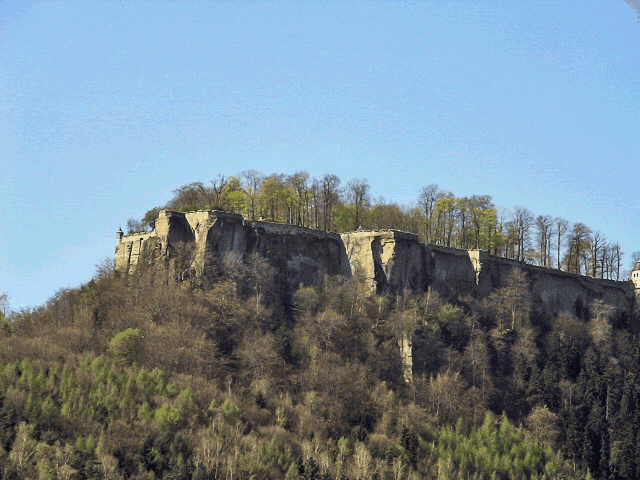
Catapults in the Königstein Fortress. It is a famous historic mountaintop fortress, which for centuries was used as a state prison and which is still intact, is one of Saxony’s foremost tourist attractions.

 s
s 