


Copenhagen

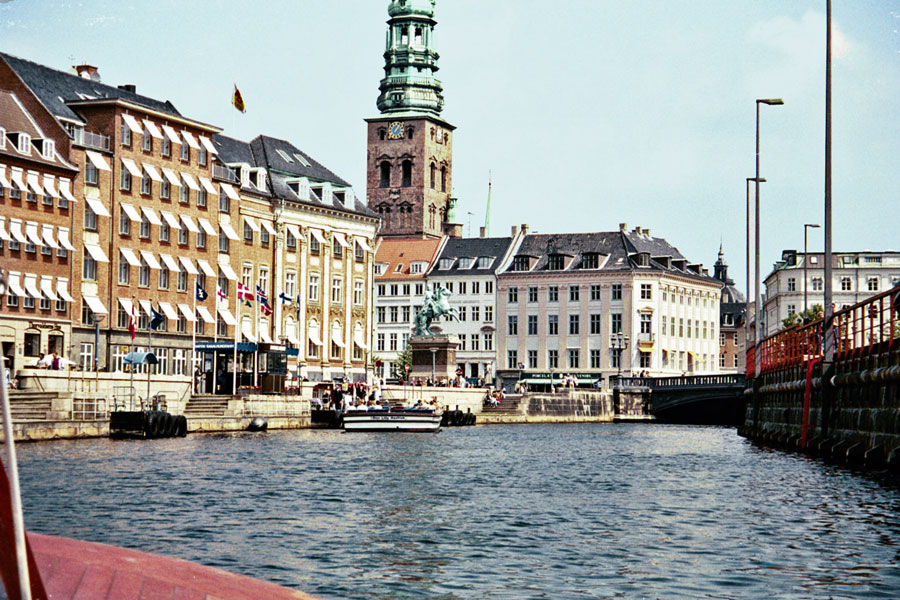
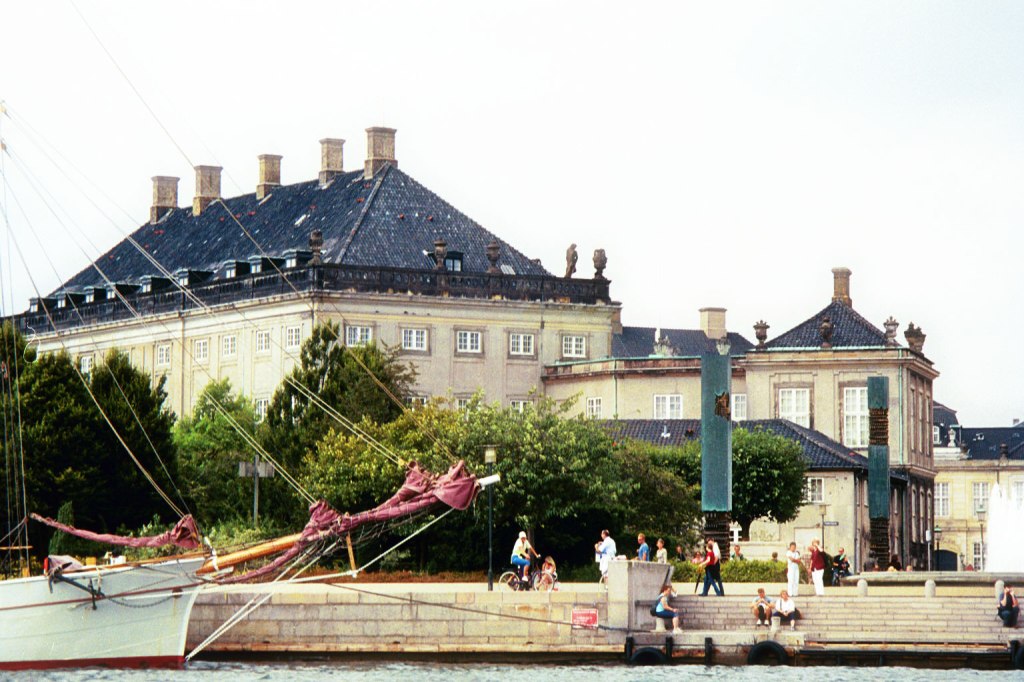
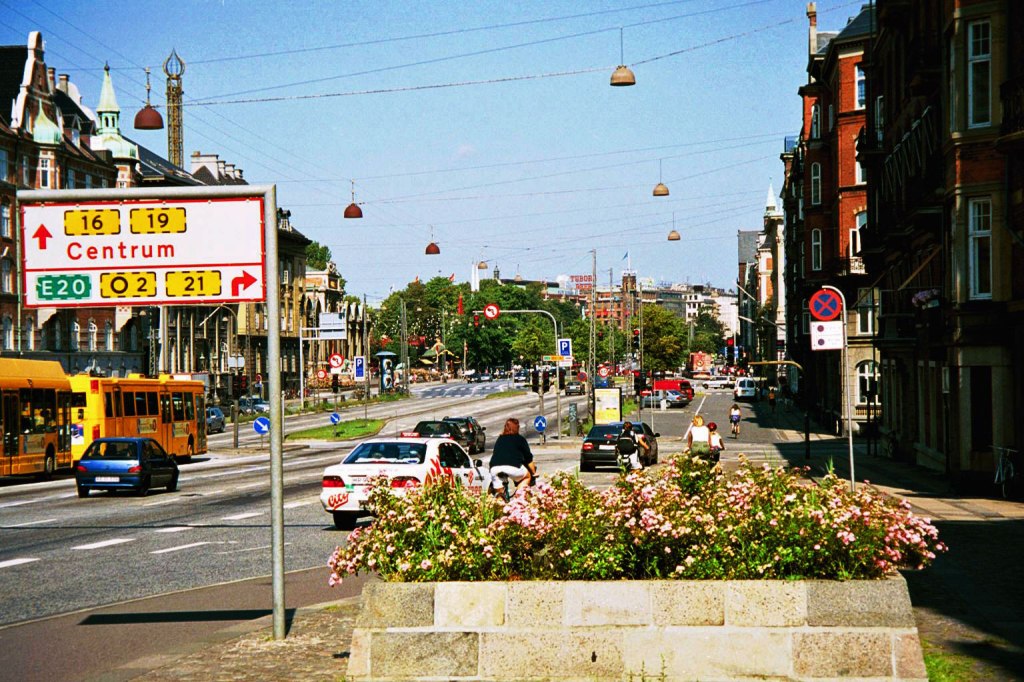
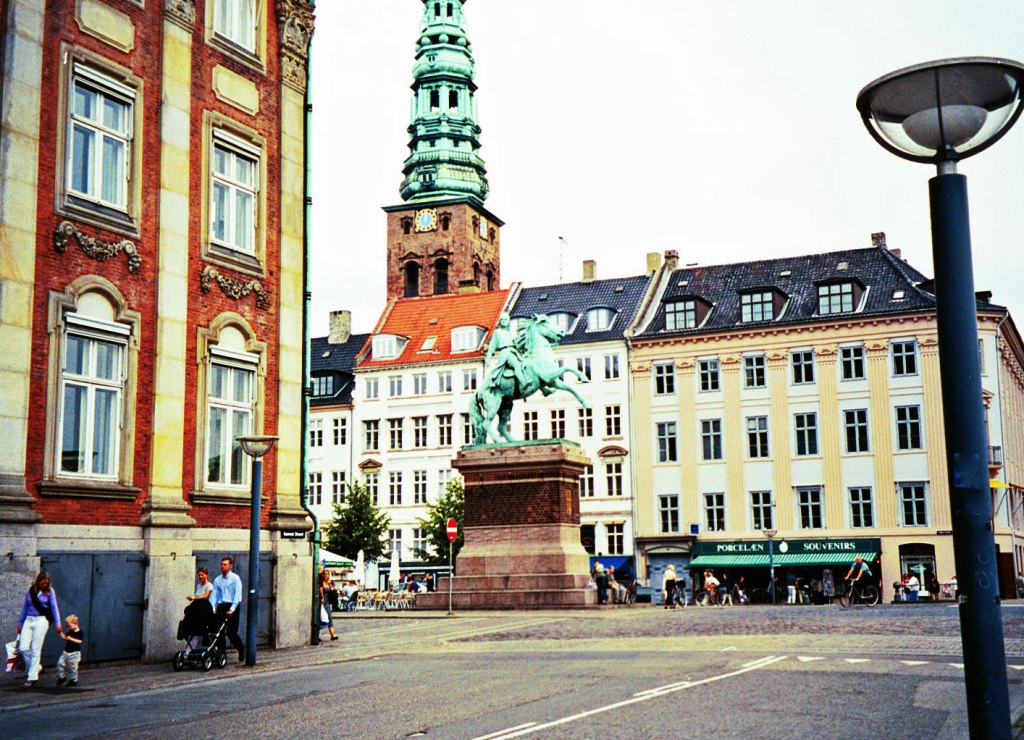
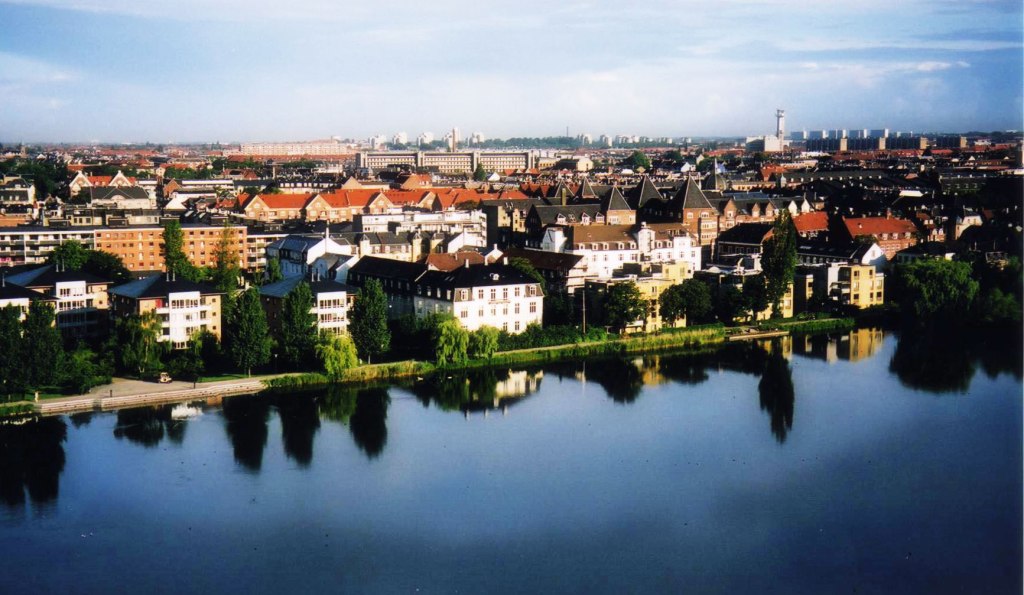
Copenhagen is an expensive city, but a wonderful one. So clean and fresh. The original designation for the city, from which the contemporary Danish name is derived, was Køpmannæhafn, “merchants’ harbor”.
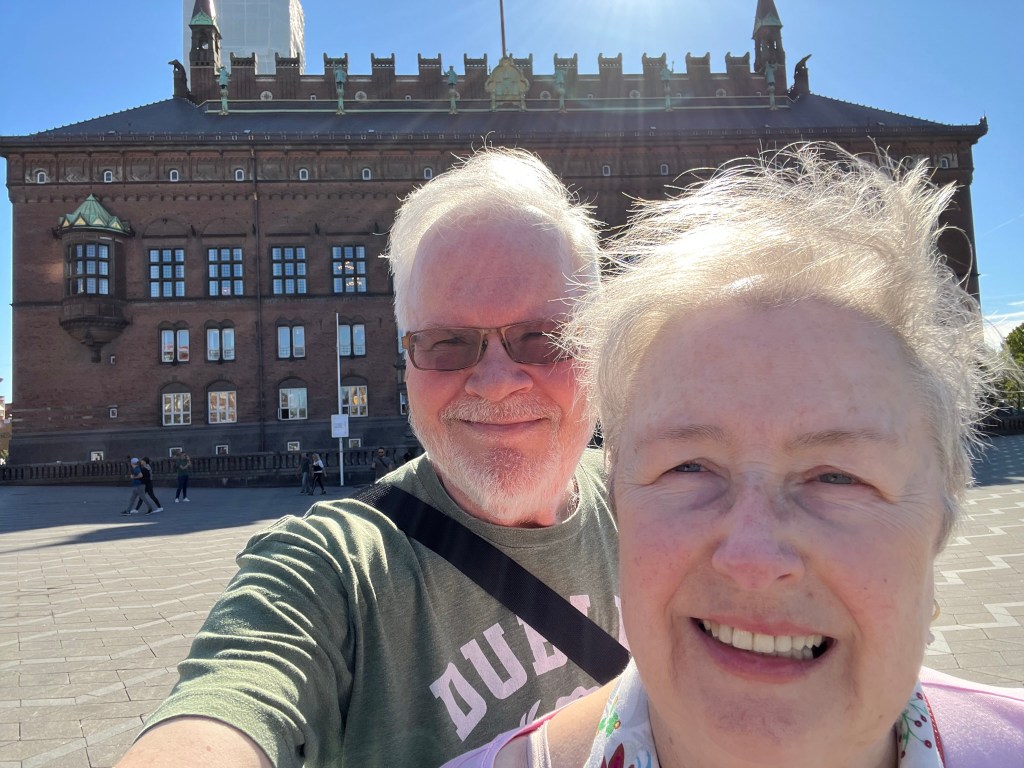
The English name for the city is derived from its Low German name, Kopenhagen. The element hafnium is also named for Copenhagen, whose Latin name is Hafnia.
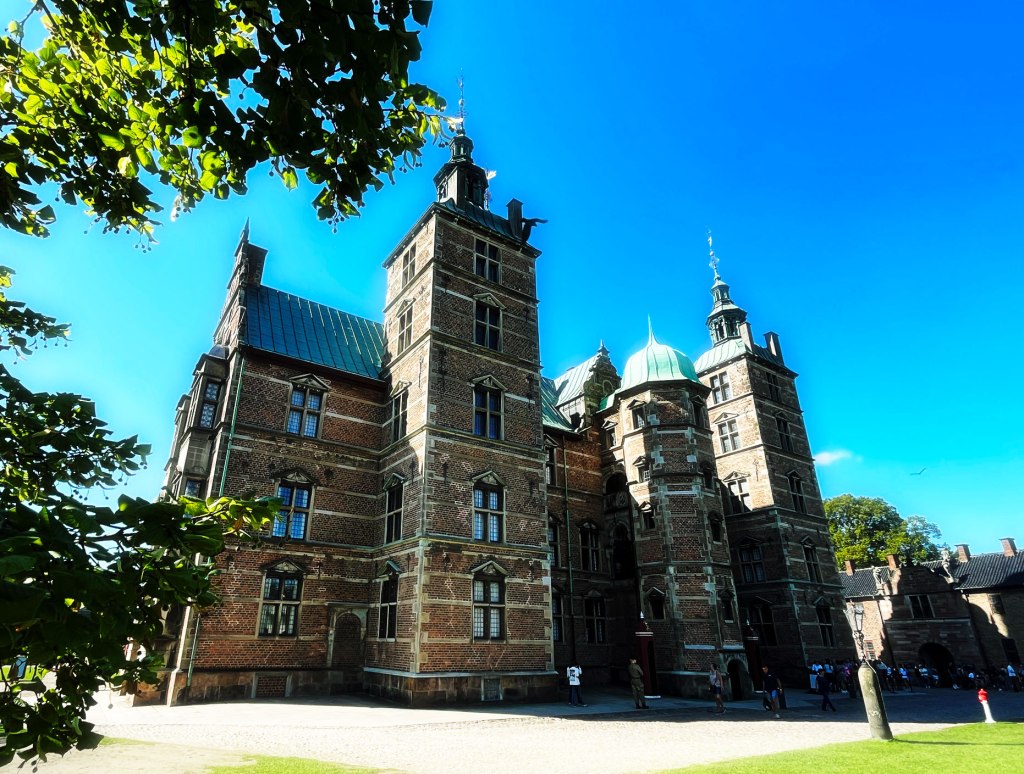
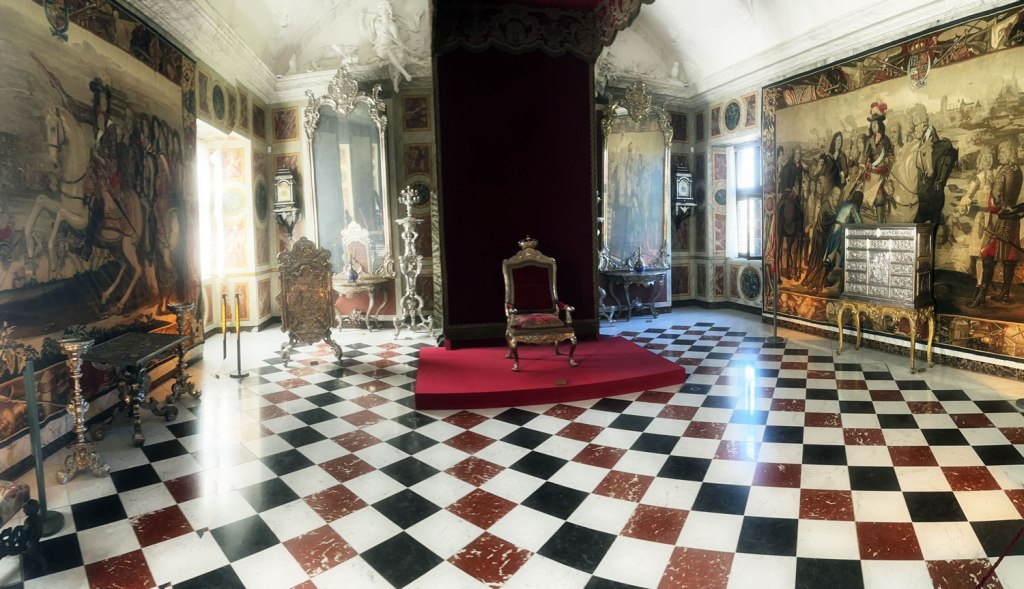
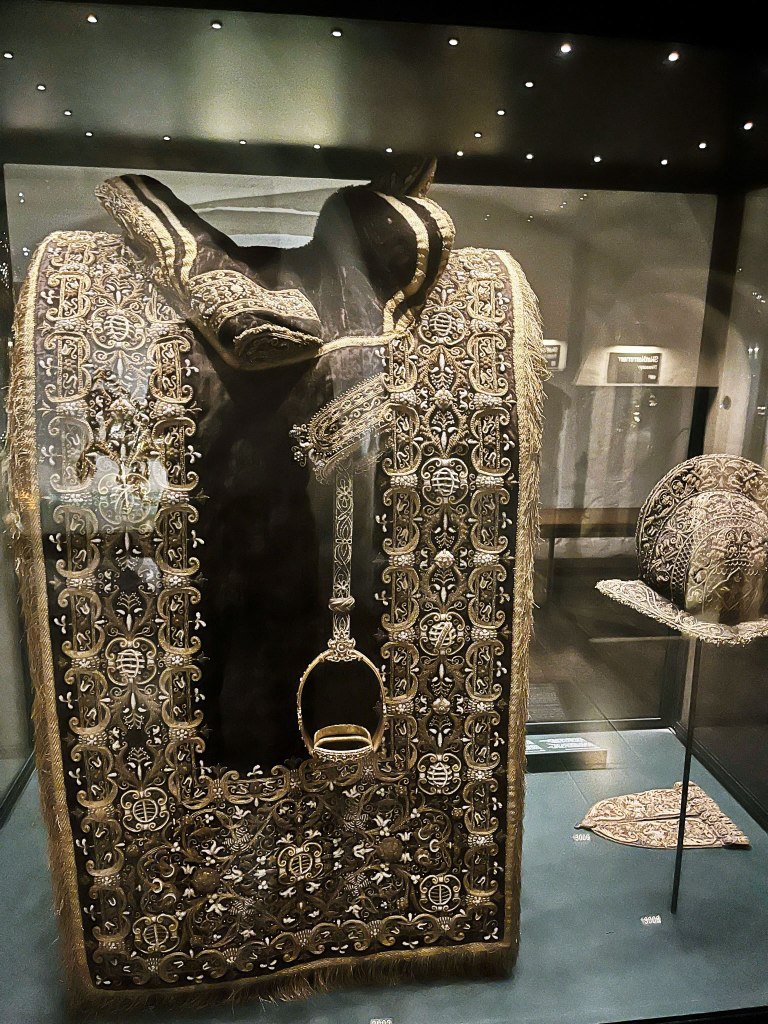
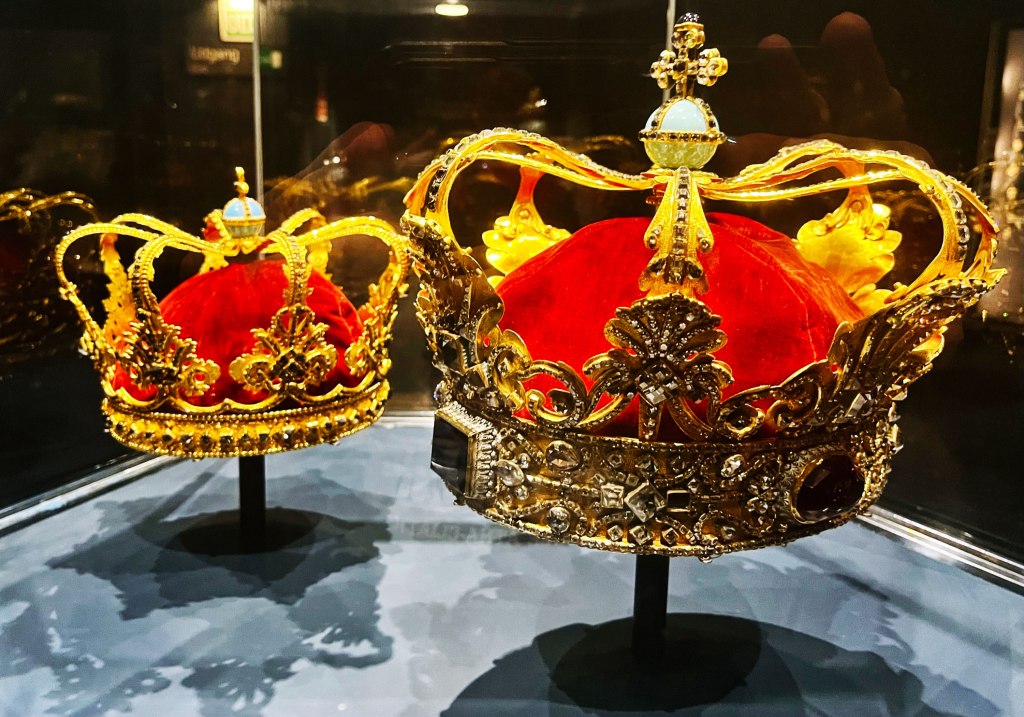
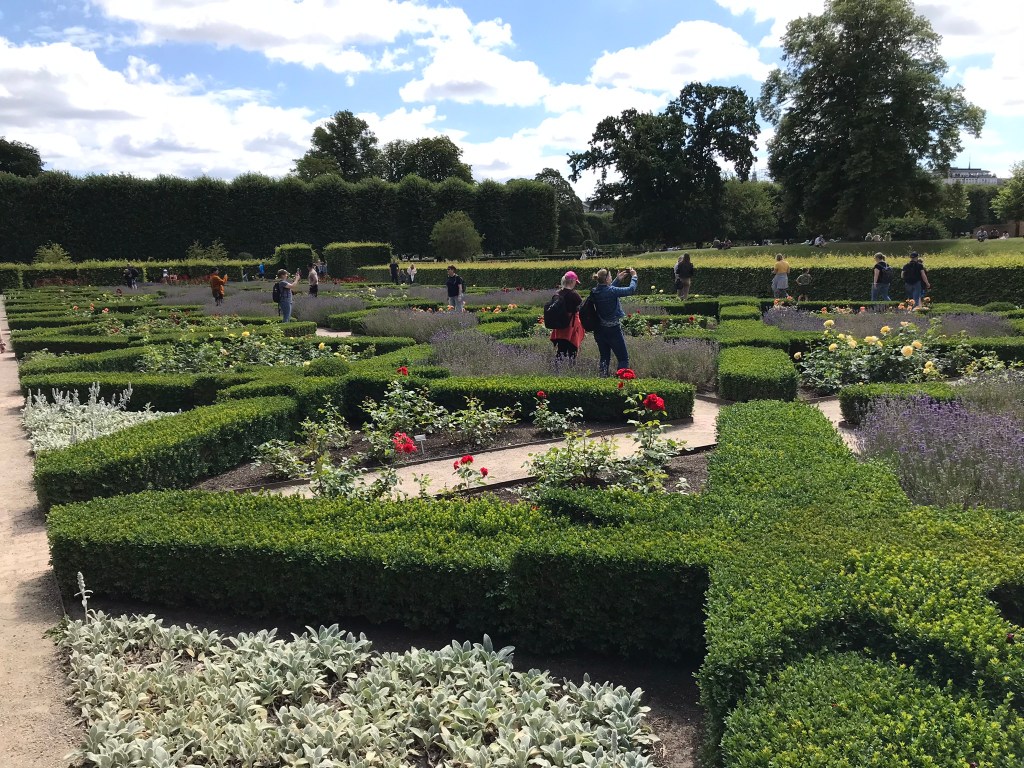
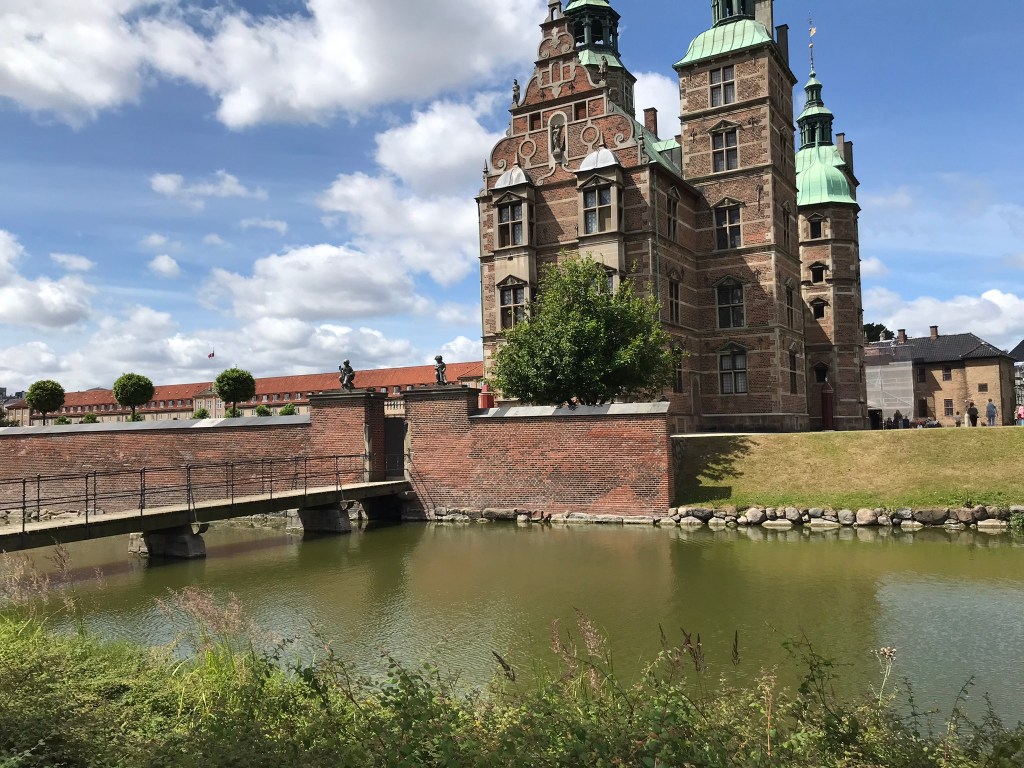
Rosenborg Castle. The castle was originally built as a country summerhouse in 1606 and is an example of Christian IV’s many architectural projects. It was built in the Dutch Renaissance style, typical of Danish buildings during this period, and has been expanded several times, finally evolving into its present condition by the year 1624.

Rosenborg castle was used by Danish regents as a royal residence until around 1710. After the reign of Frederik IV, Rosenborg was used as a royal residence only twice, and both these times were during emergencies. The first time was after Christiansborg Palace burned down in 1794, and the second time was during the British attack on Copenhagen in 1801.
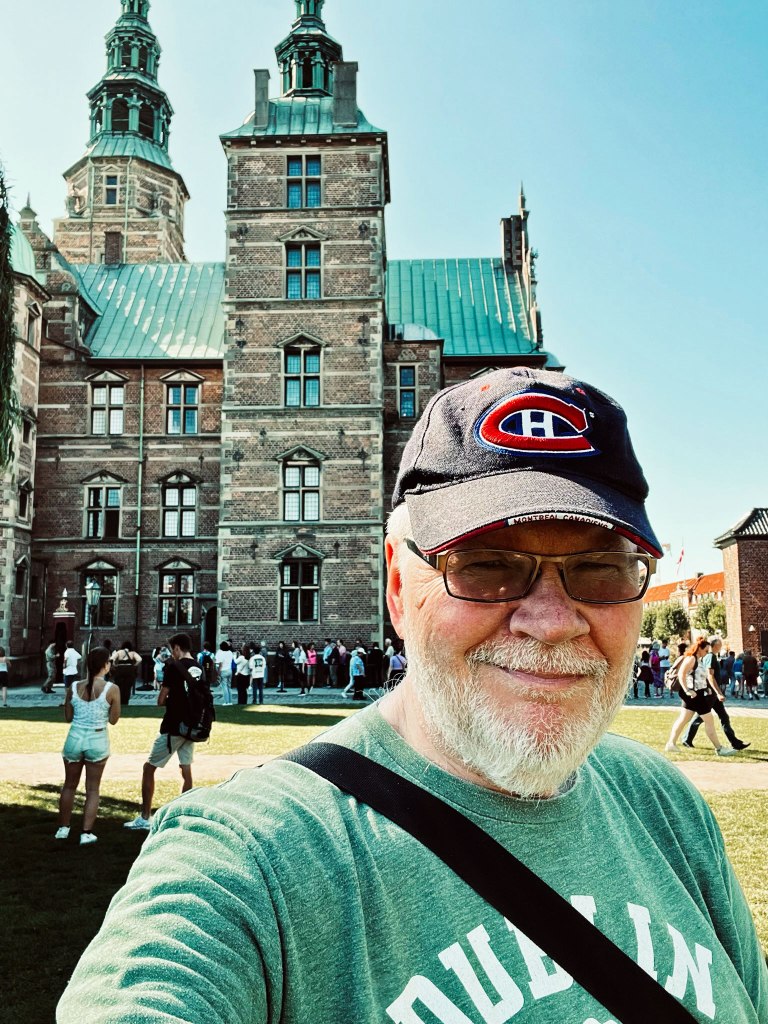
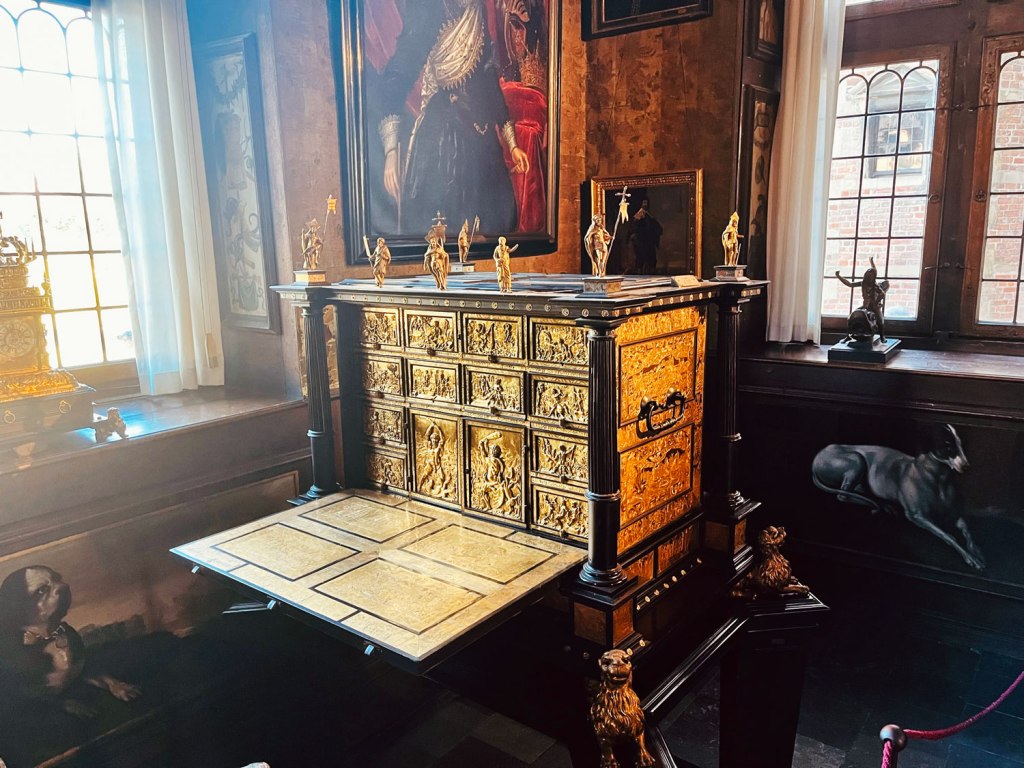
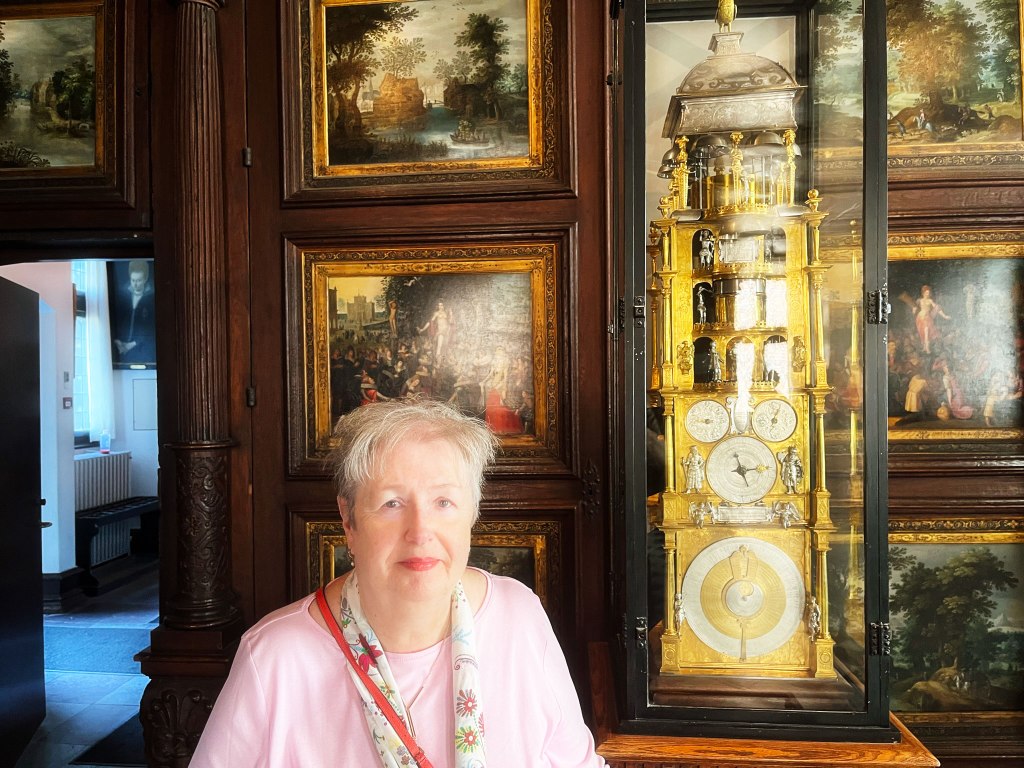
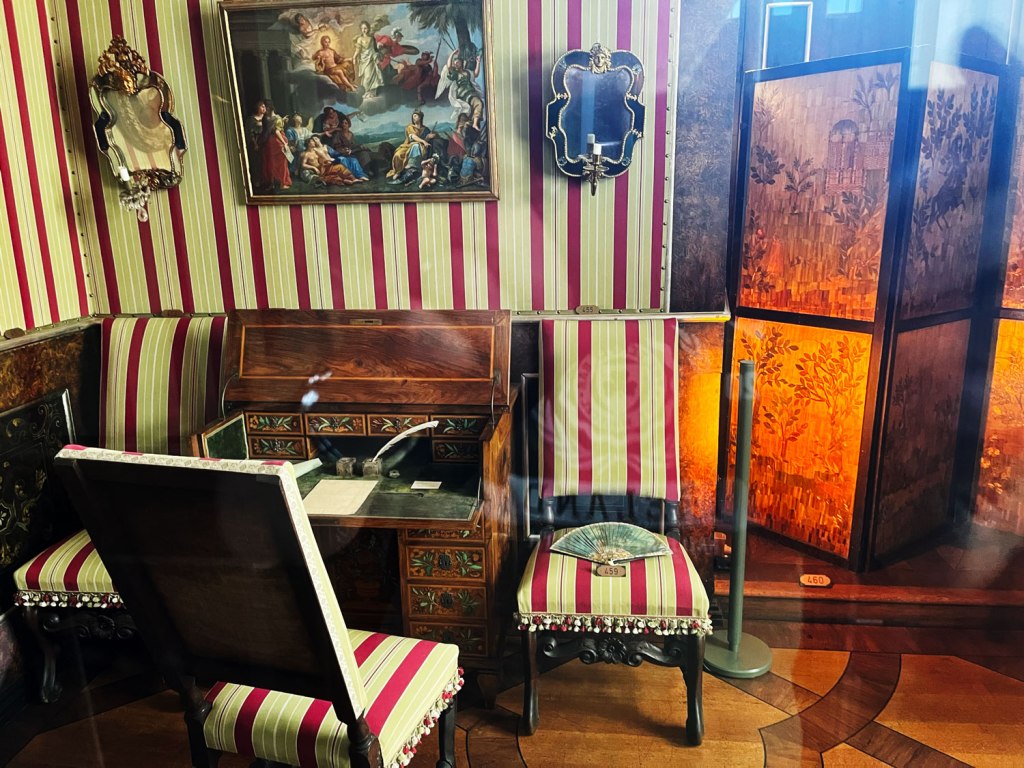
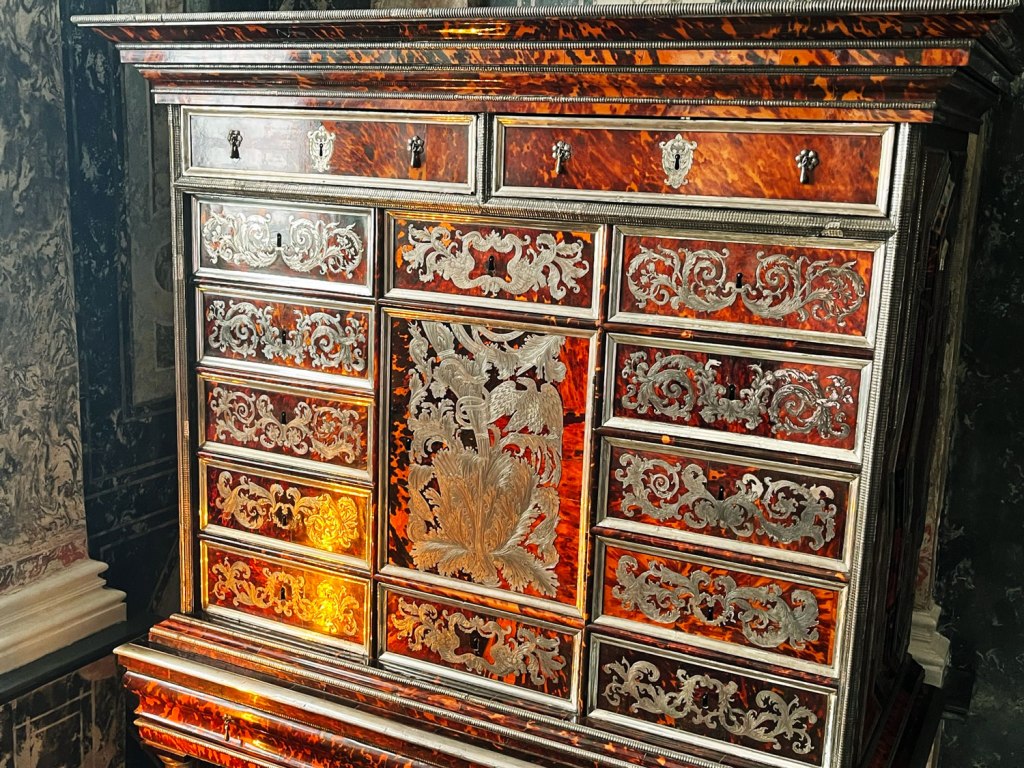
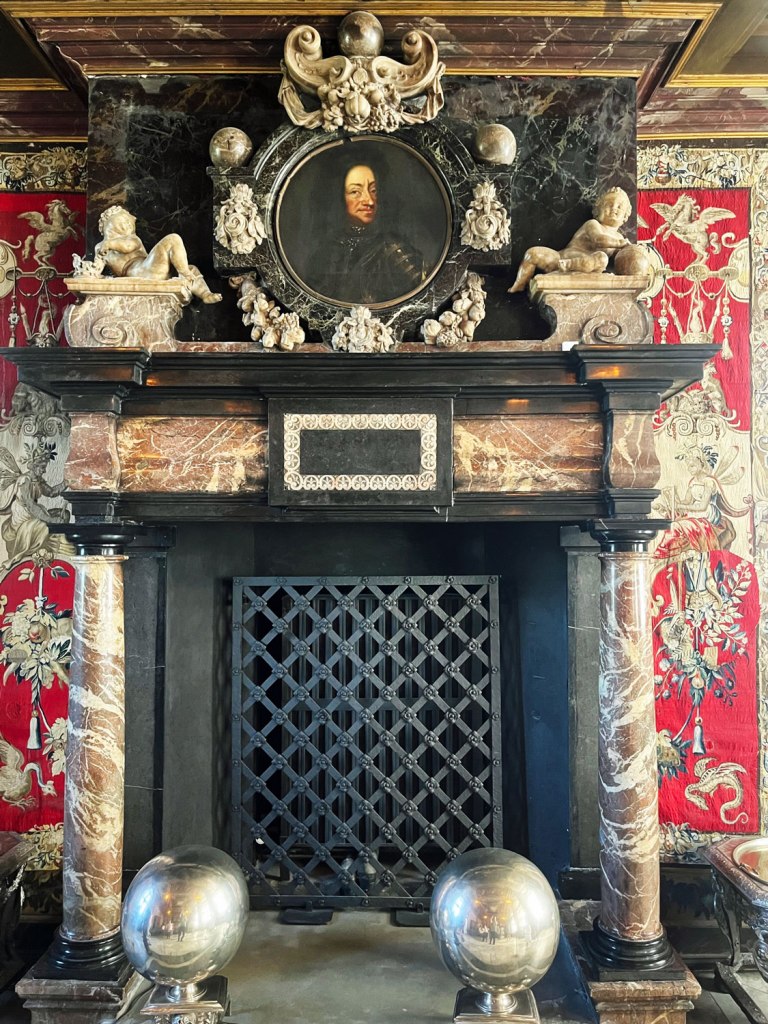
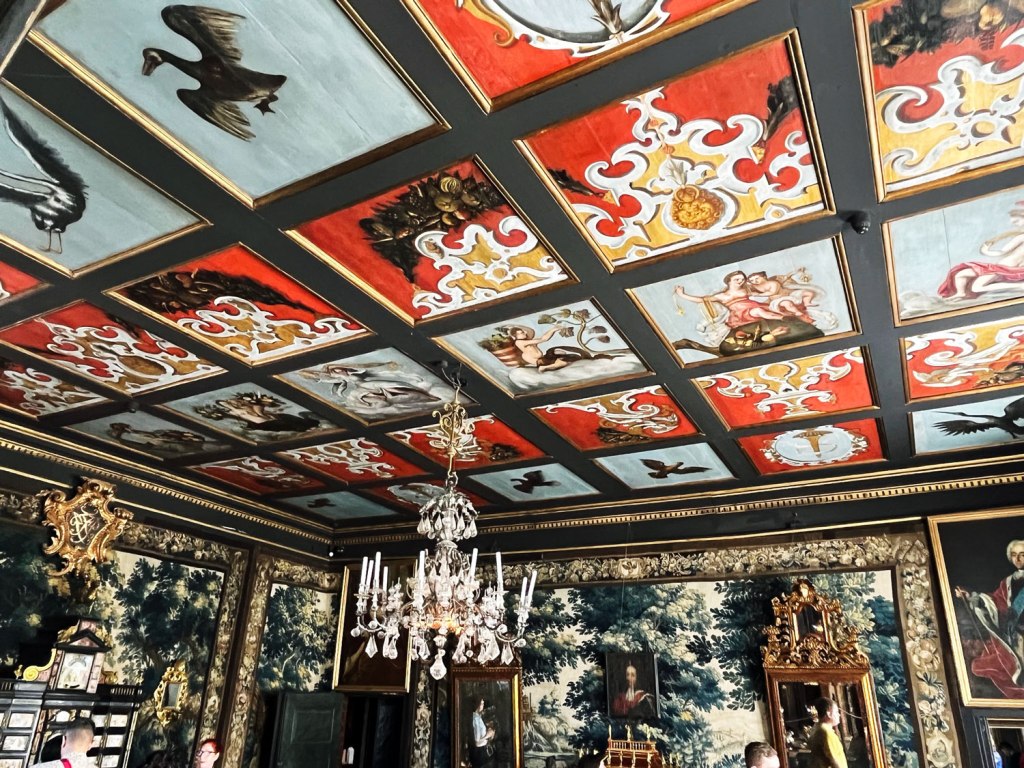
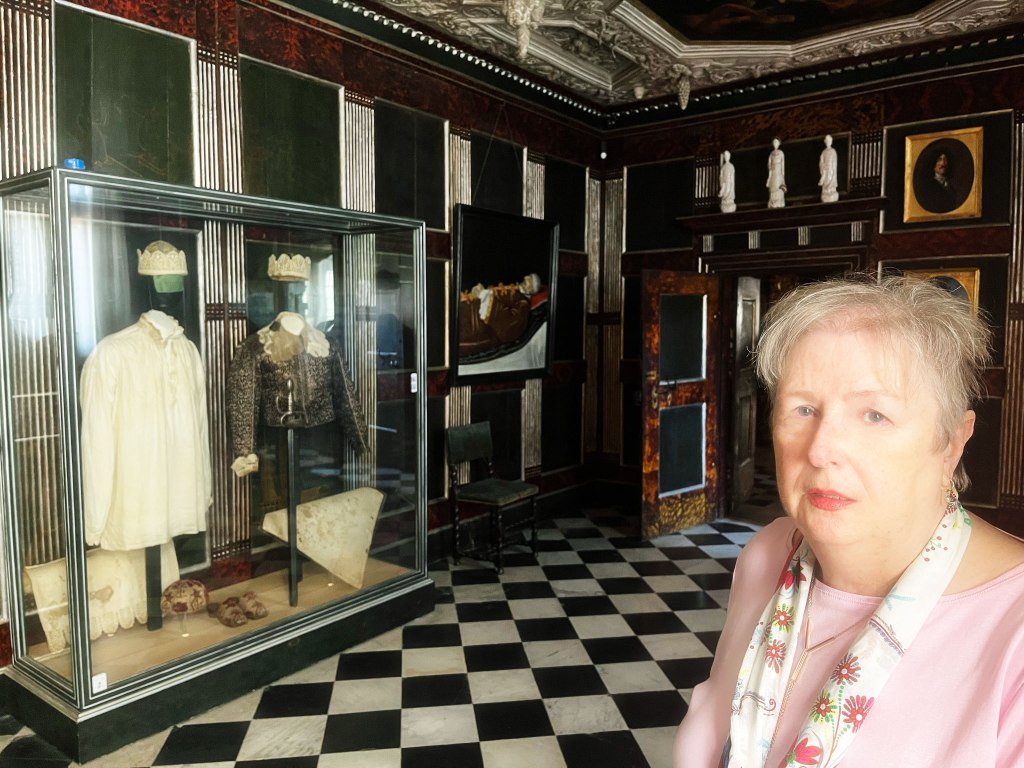
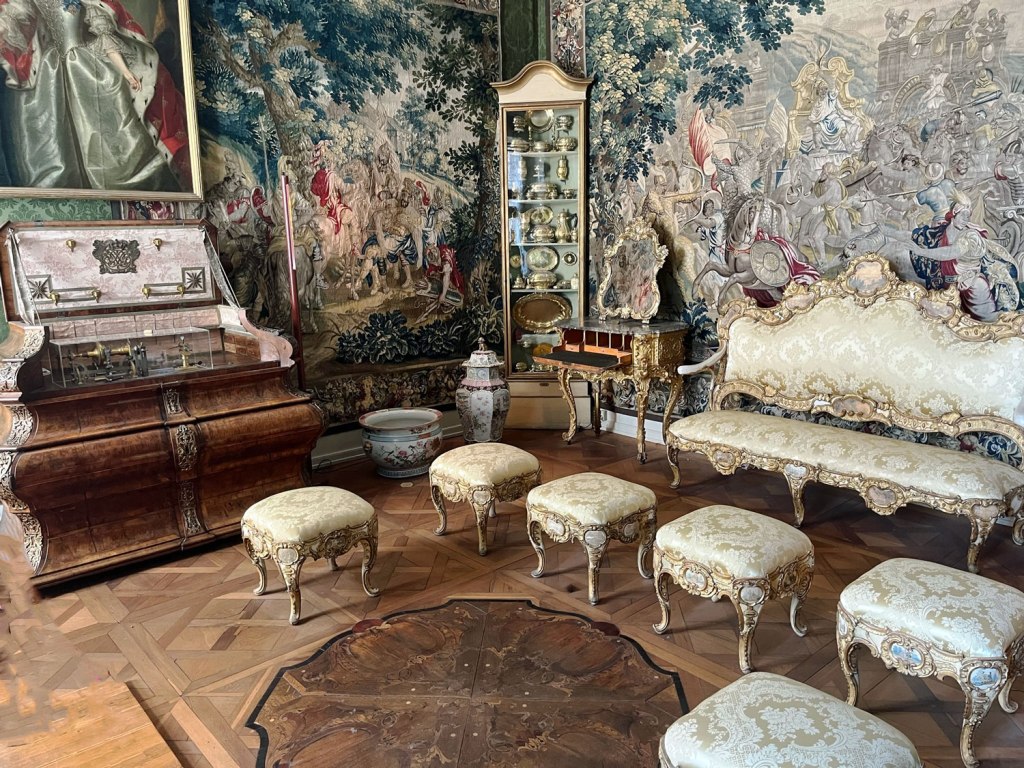

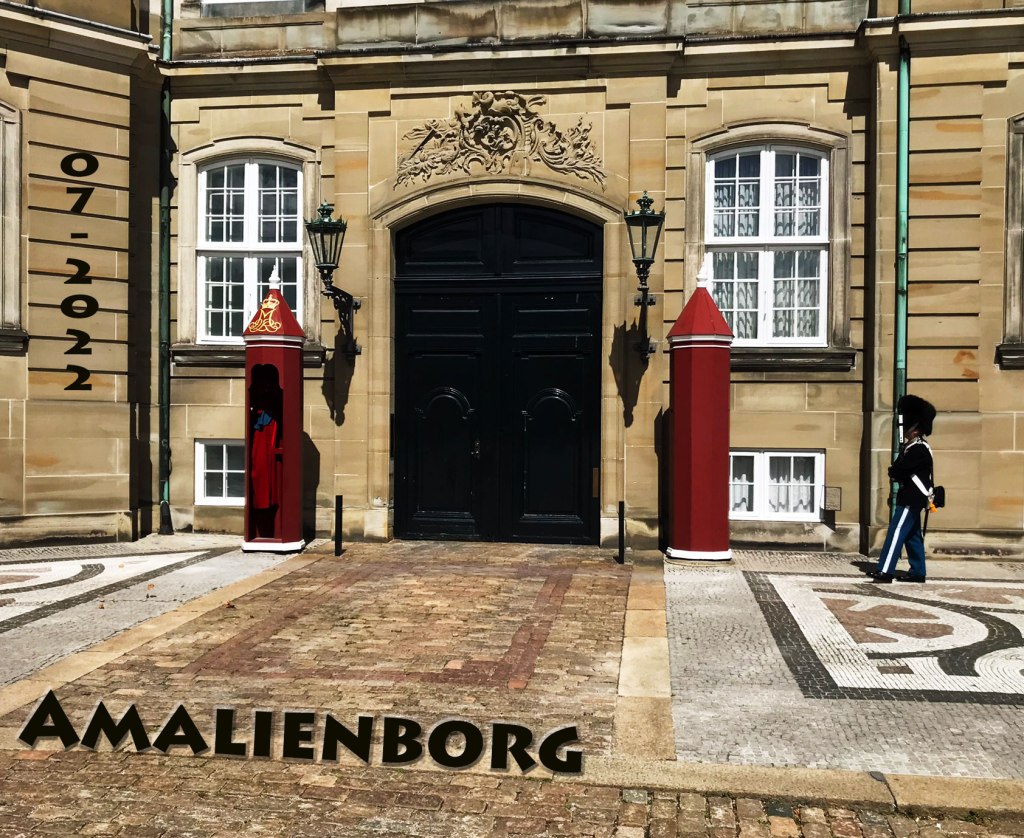
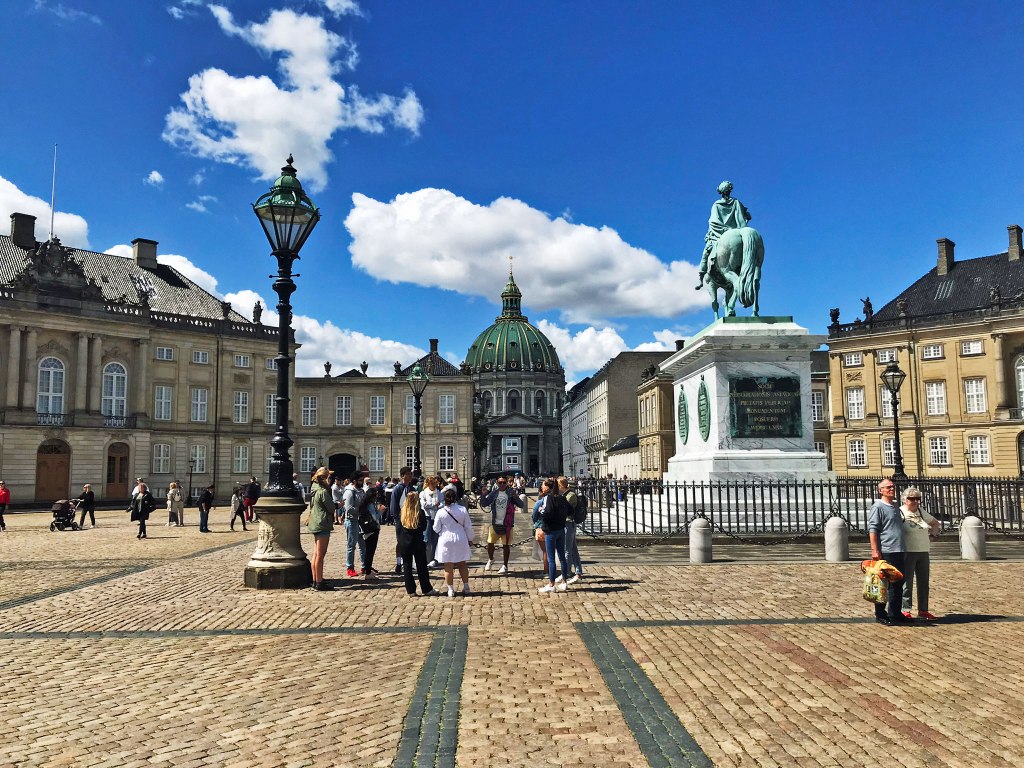
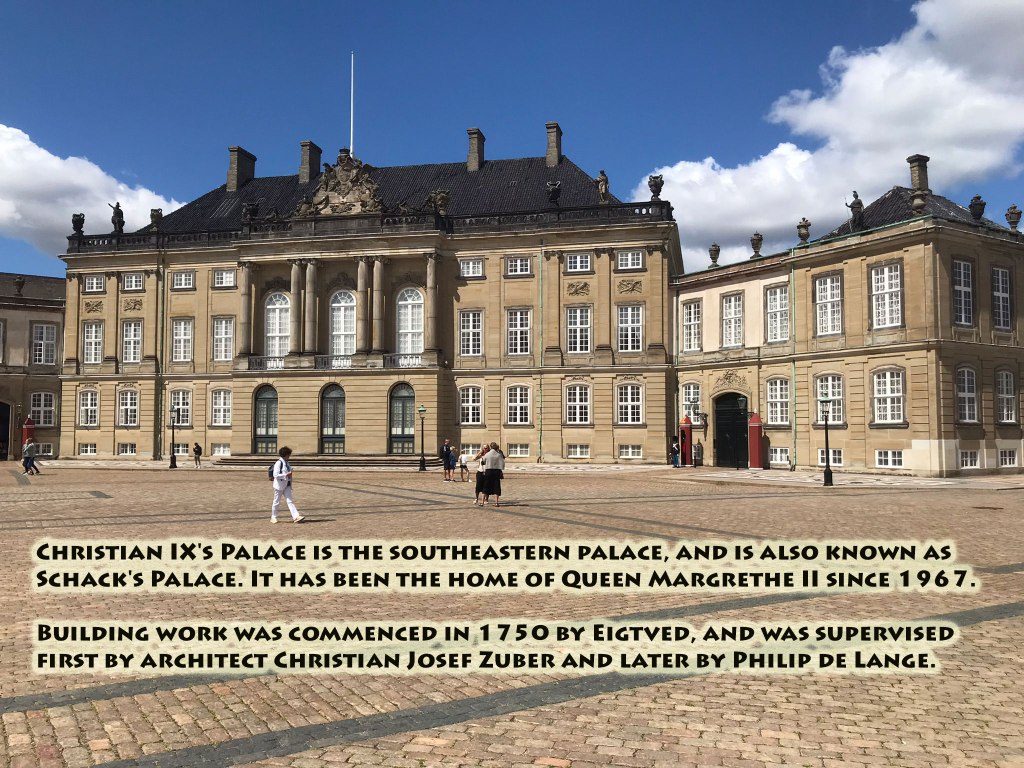
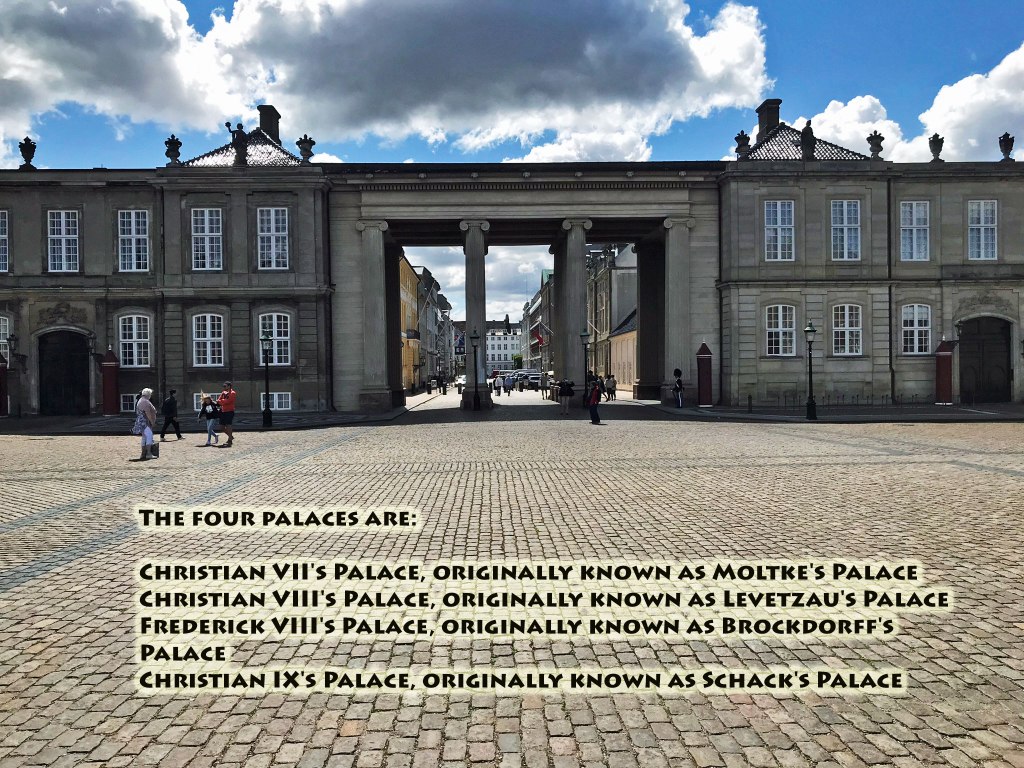




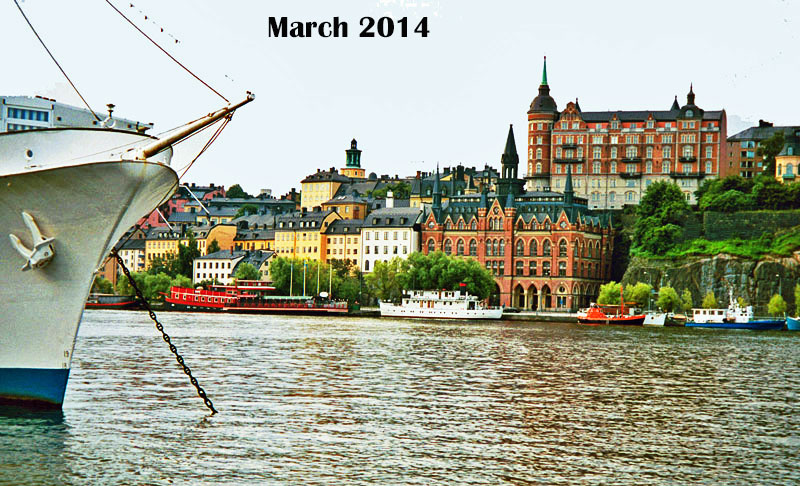
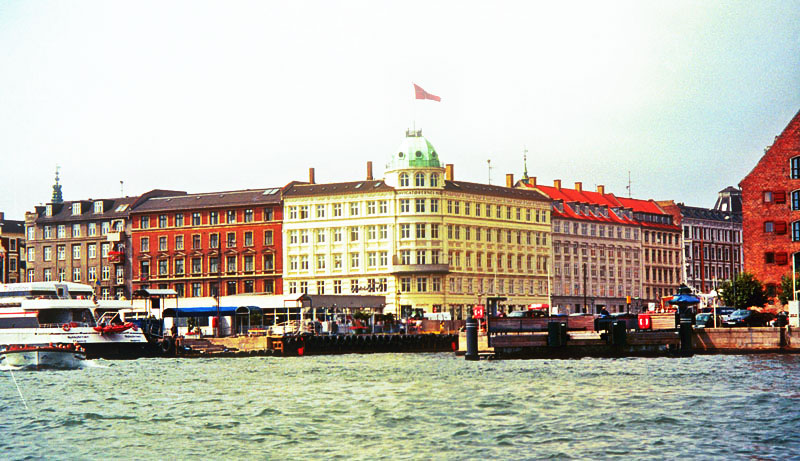
August 2001 and 2009
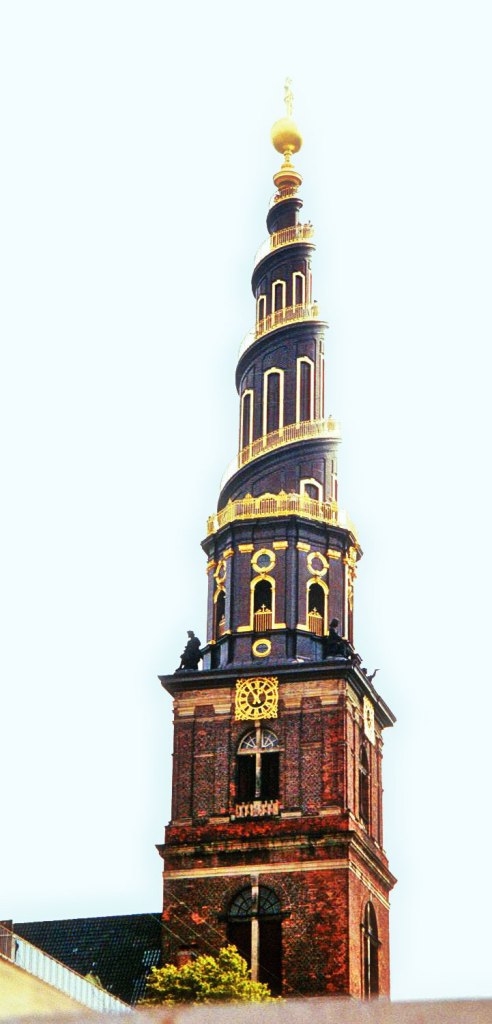
Church of our Saviour
Consecrated in 1696. The tower with its characteristic spiral steeple built by Laurits de Thurah was finished in 1752 when King Frederik V personally climbed up to the top of it. Remarkable baroque altar, designed by Nicodemus Tessin 1695 and organ from 1698-1705.
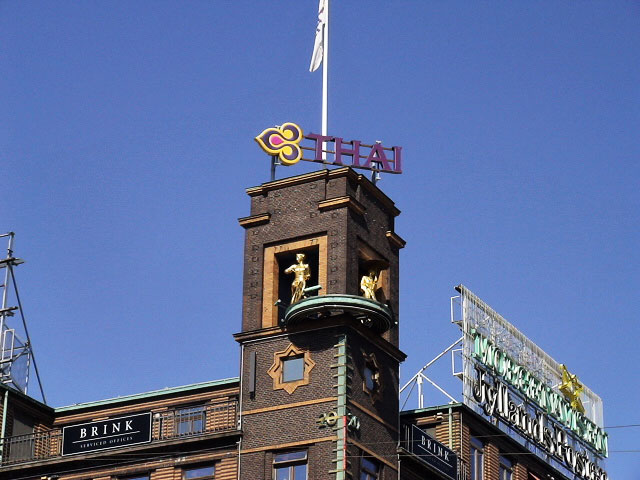
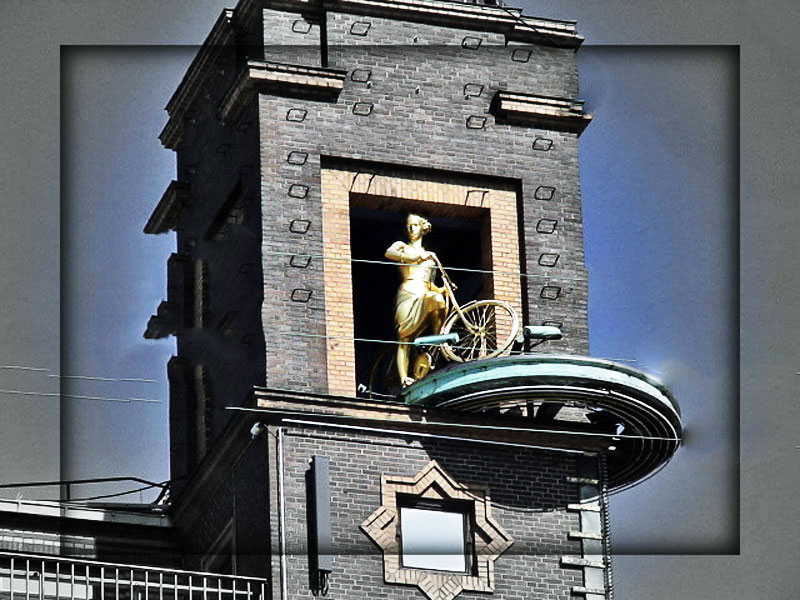
The weather cyclist… If it’s going to be a sunny day…the bicycle appears. On rainy days, guess what? The umbrella appears.
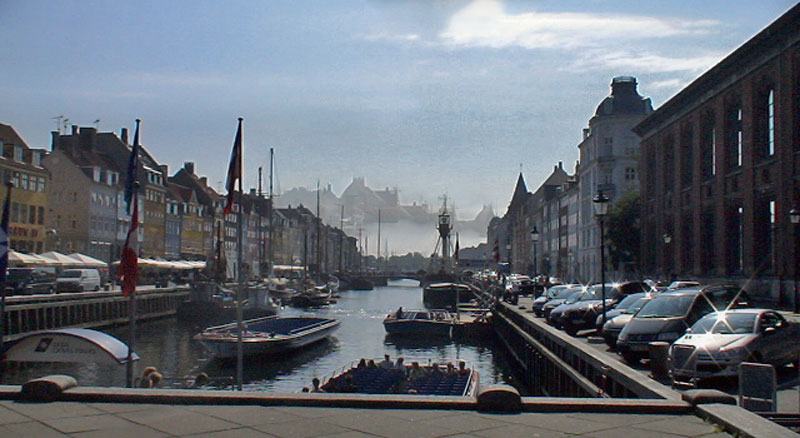
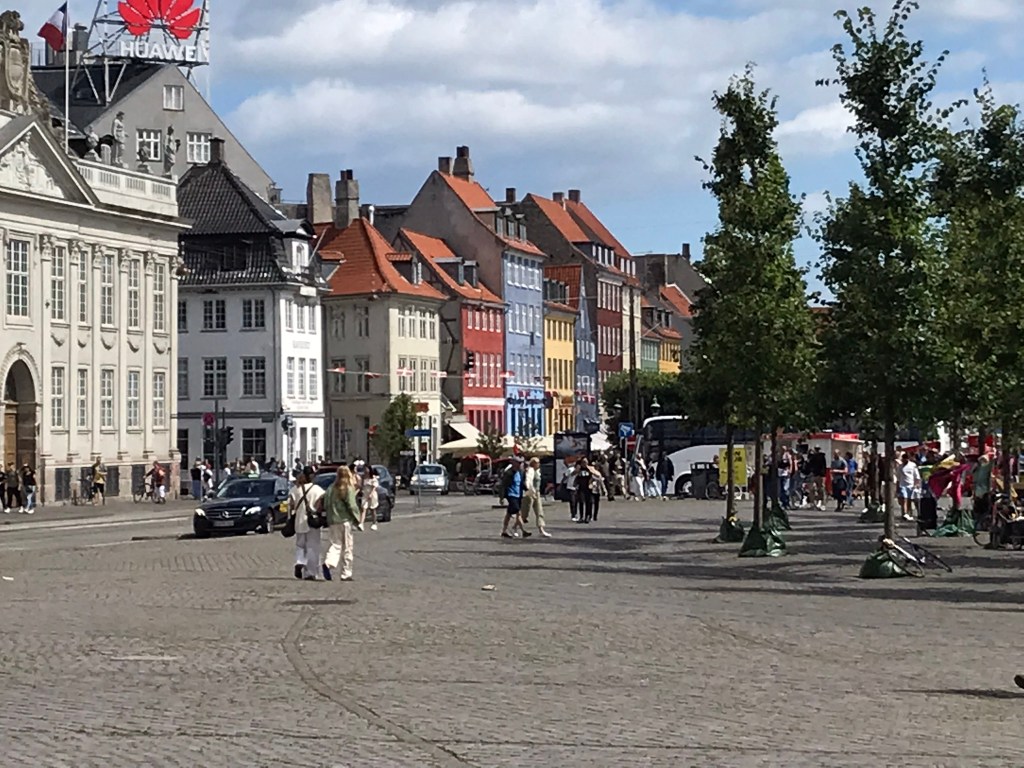
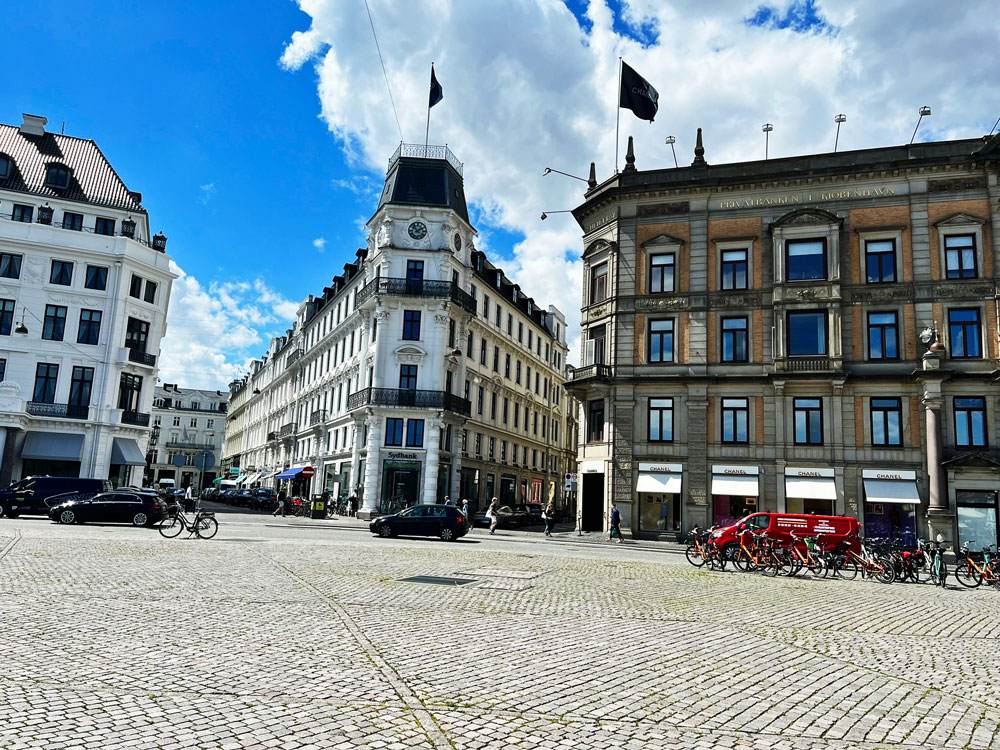
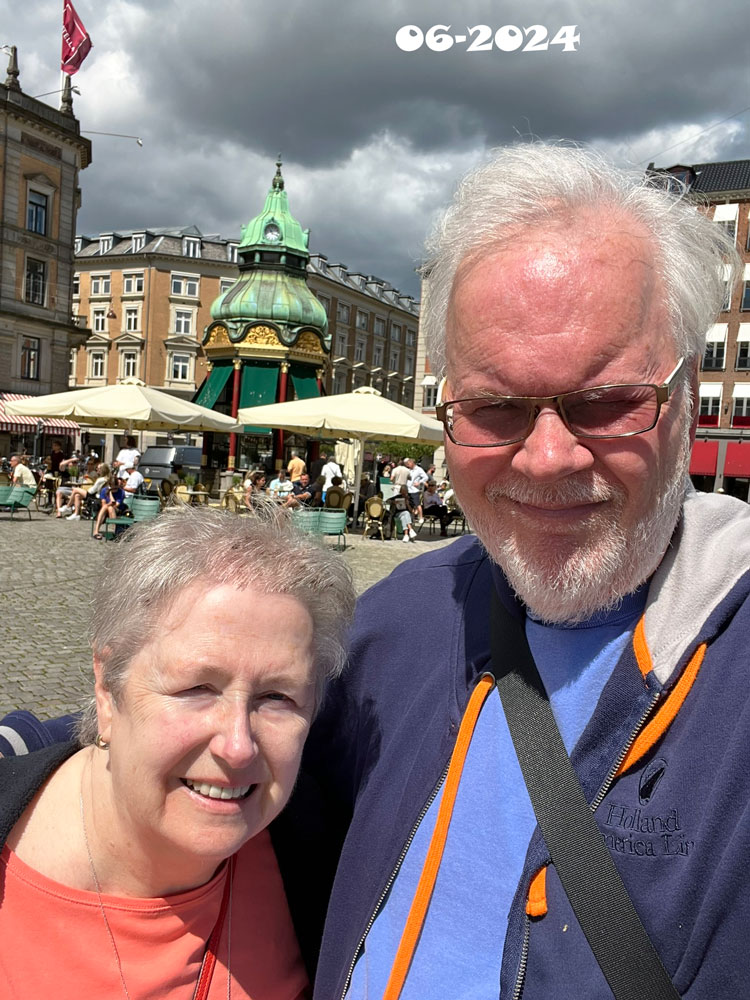
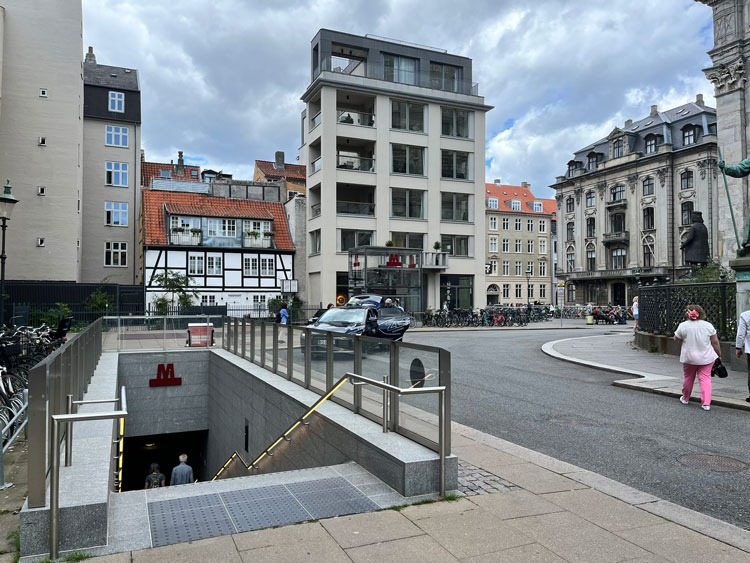
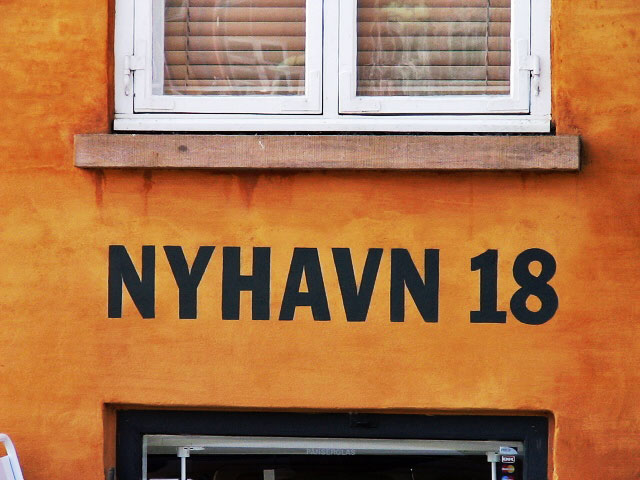
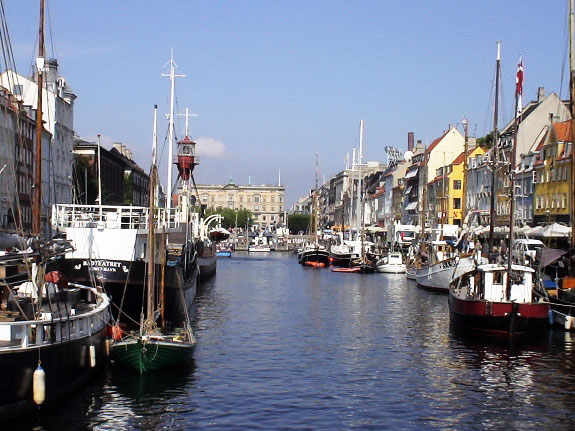
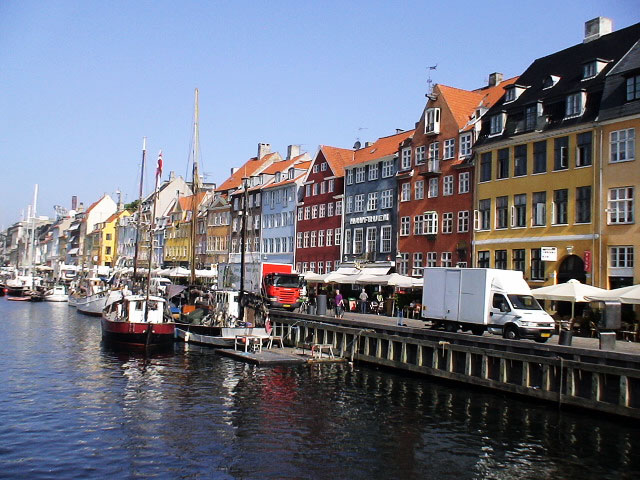
It once had a bad reputation on account of the concentration of sailors living in the neighborhood. The north side, where the bars are, is still known as “the naughty side”. The oldest building still standing is from 1681, at number 9.
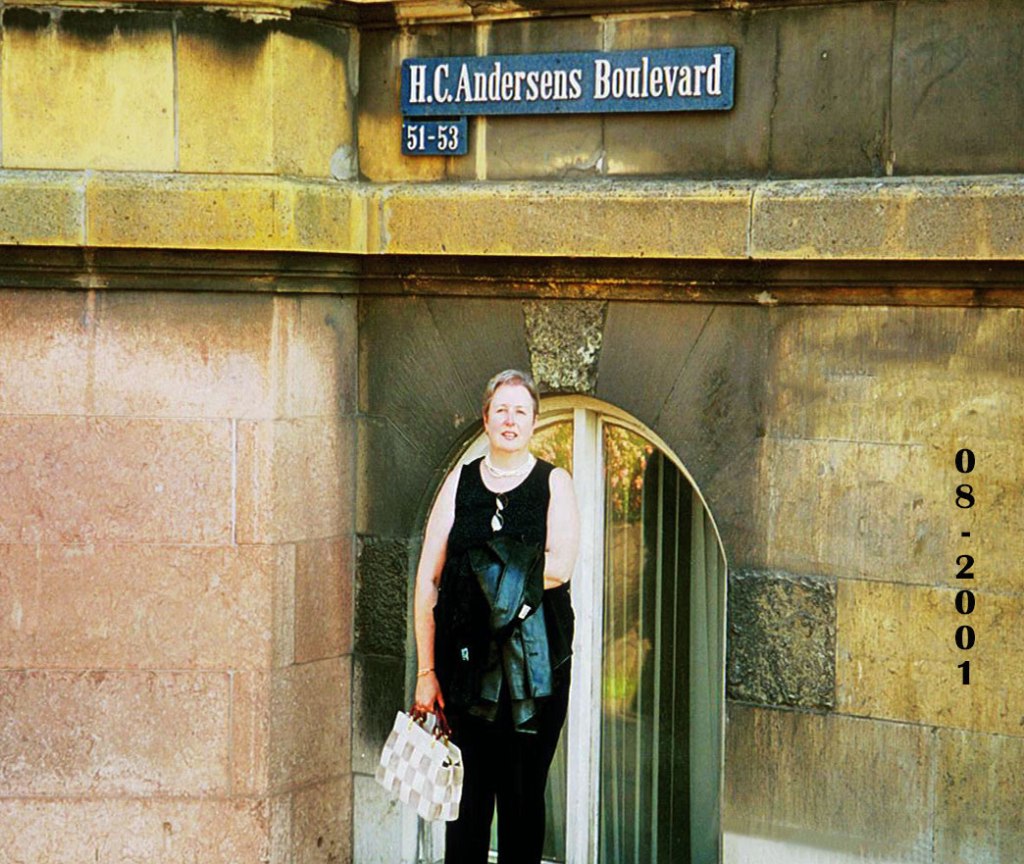
Danish author Hans Christian Andersen lived at Nyhavn 18 for some years.
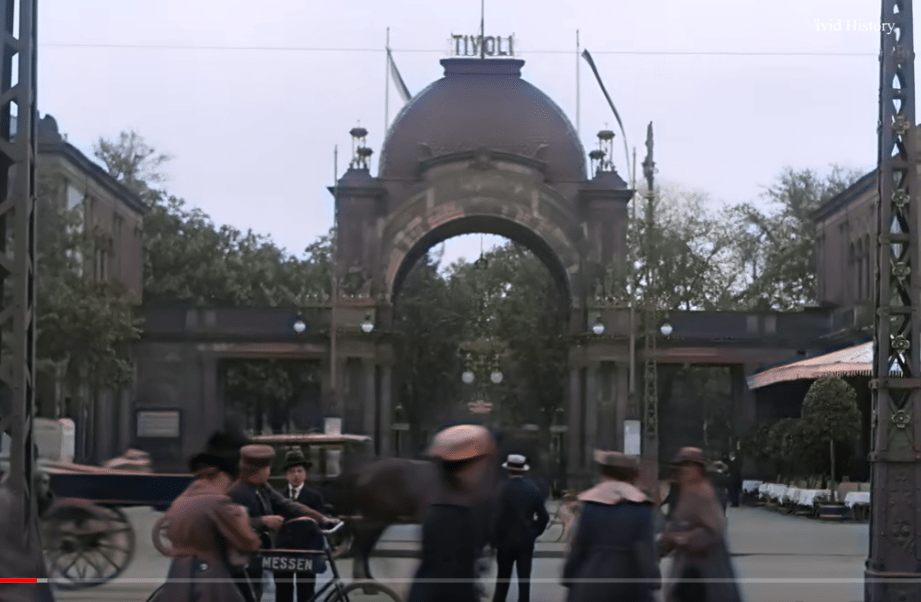
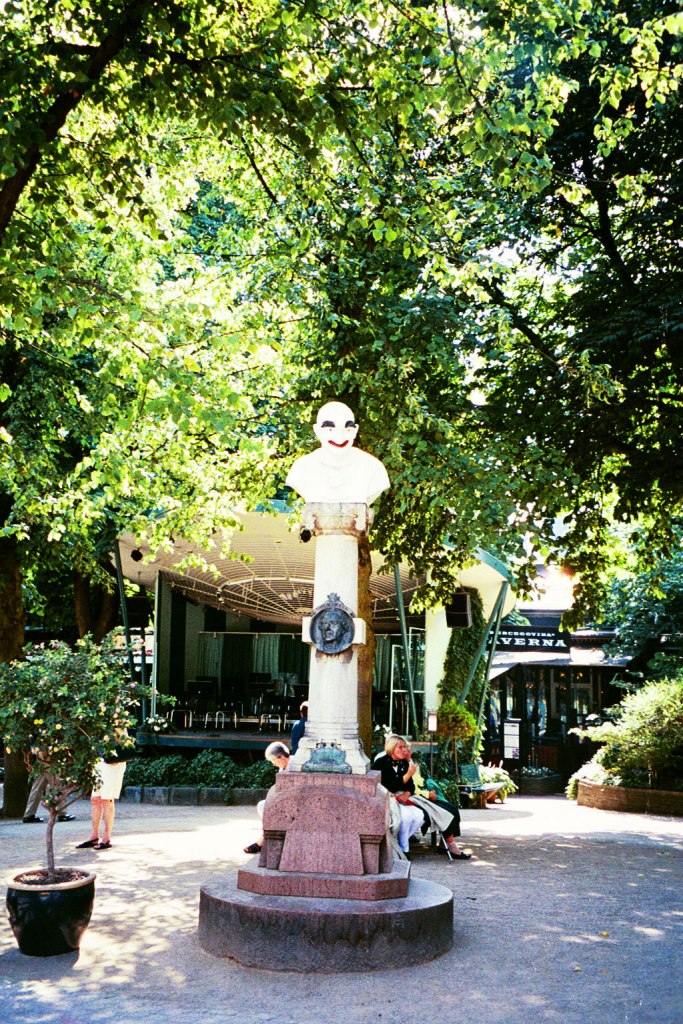
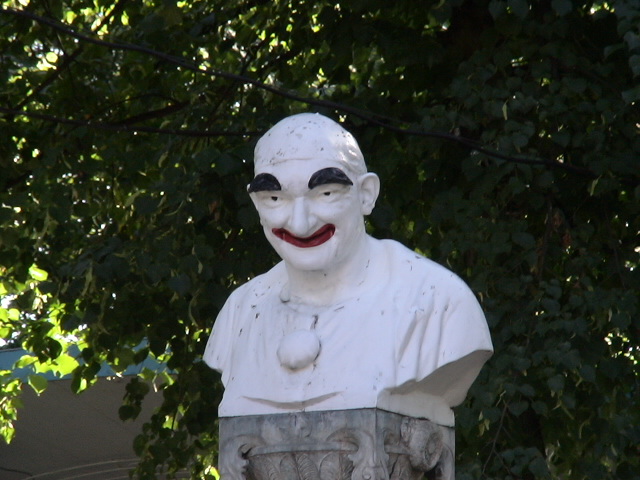
Niels Henrik Volkersen memorial
His father was from 1813 to 1824 a teacher at Stigsnæs School and a church singer in Magleby Church, after which the family moved back to Copenhagen. Where he and his brother were apprenticed as printers, a trade the brother continued, while Niels Henrik trained as an acrobat. Subsequently Pjerrot in Tivoli from 1843 until his death.
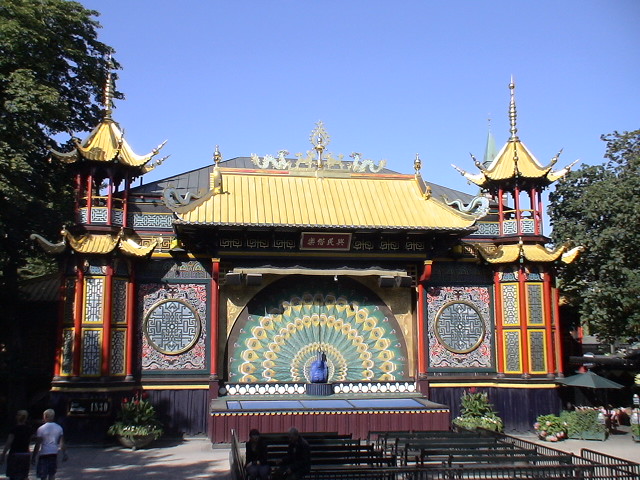
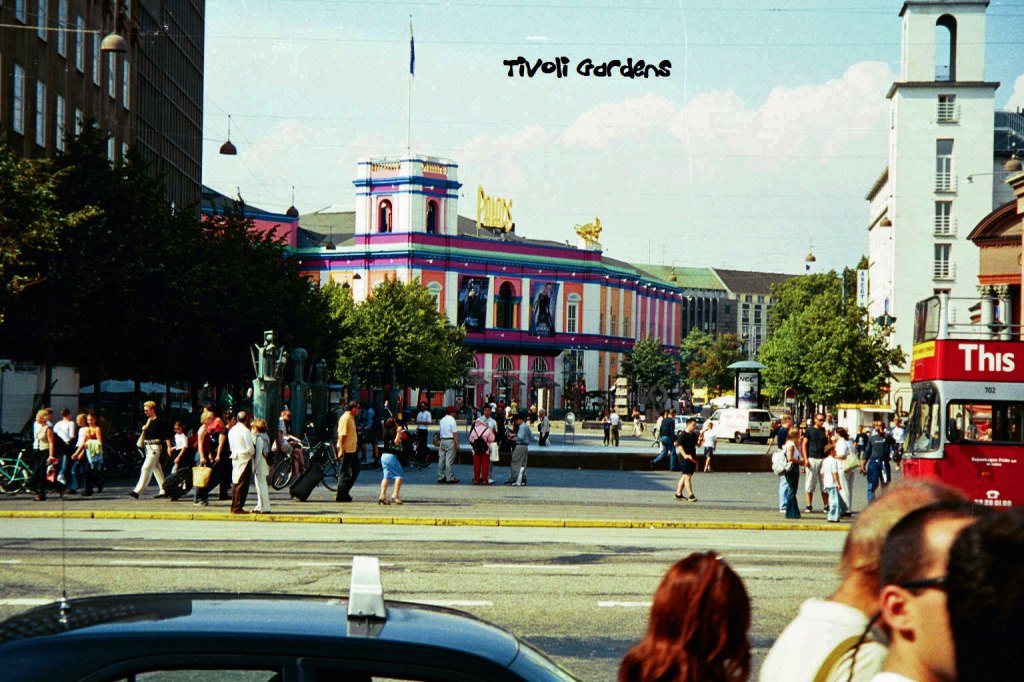
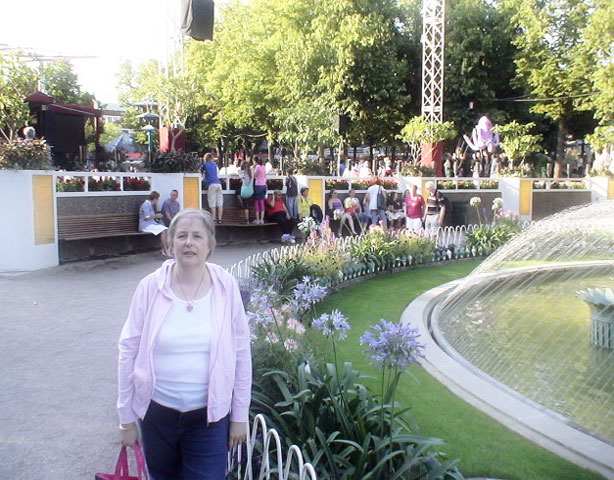
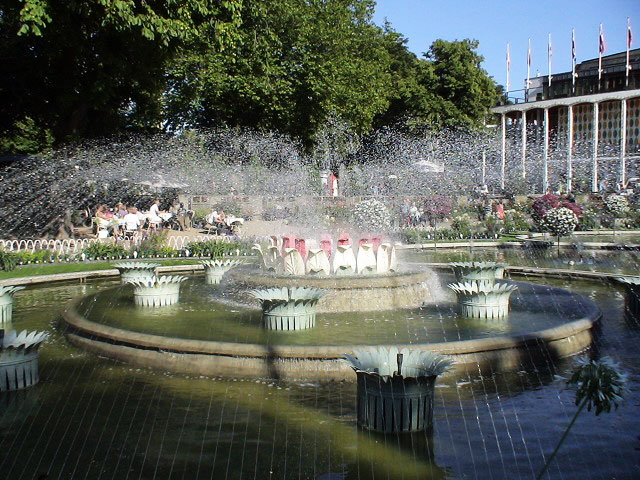
Tivoli Gardens
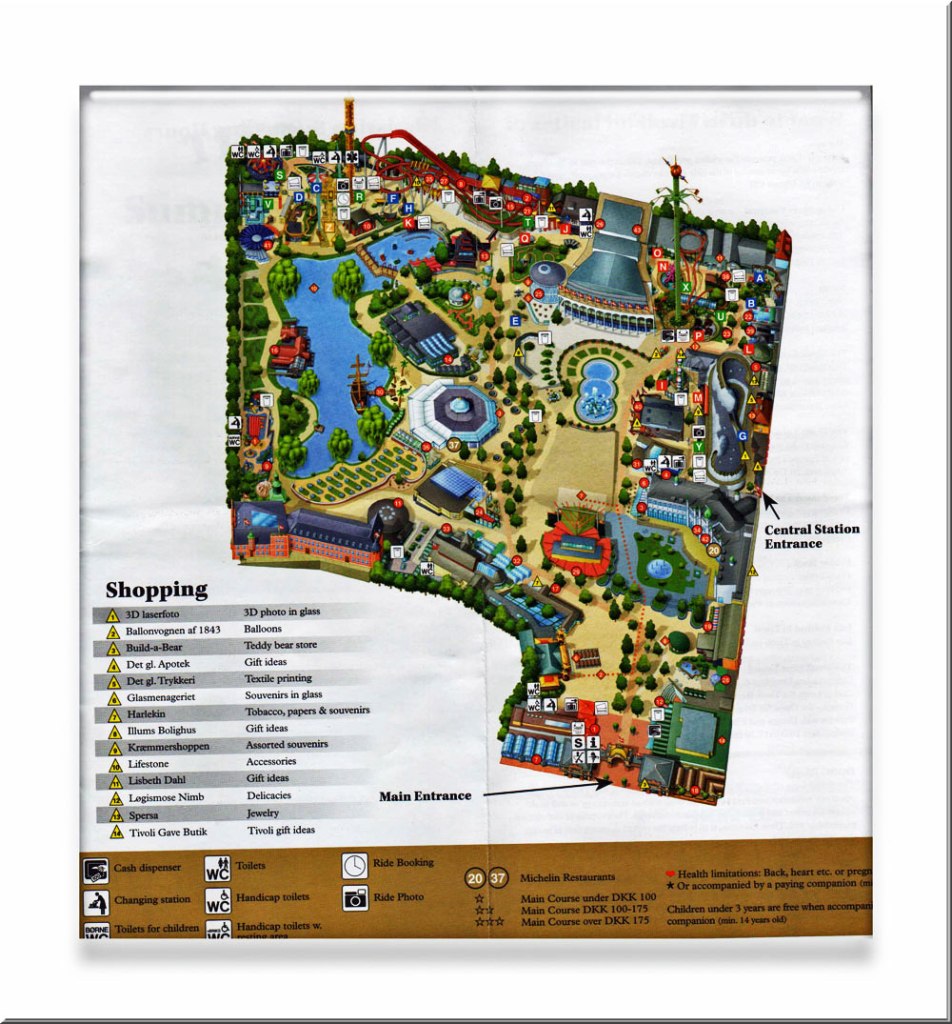
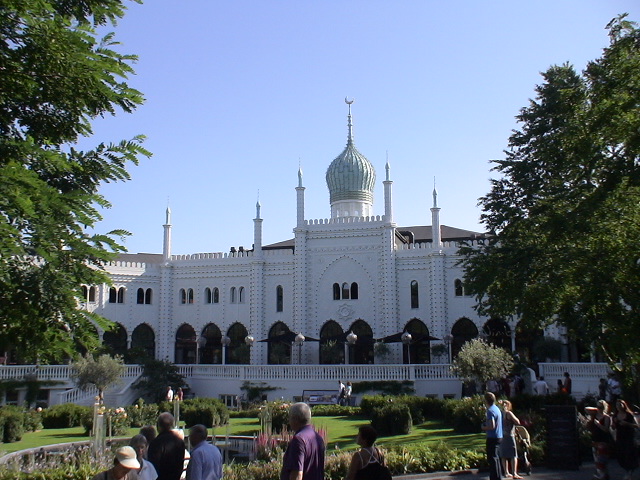
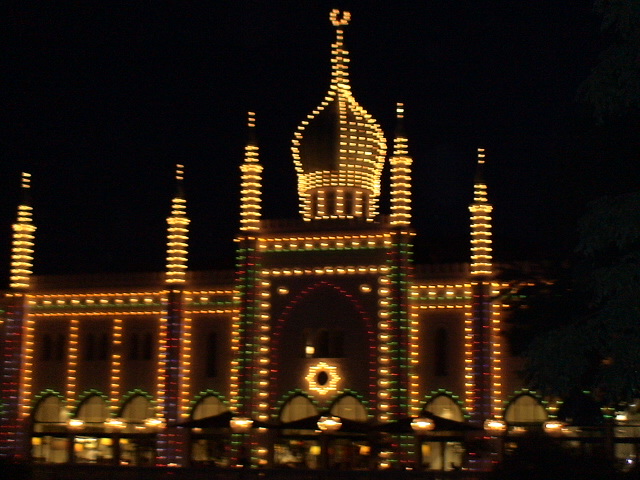
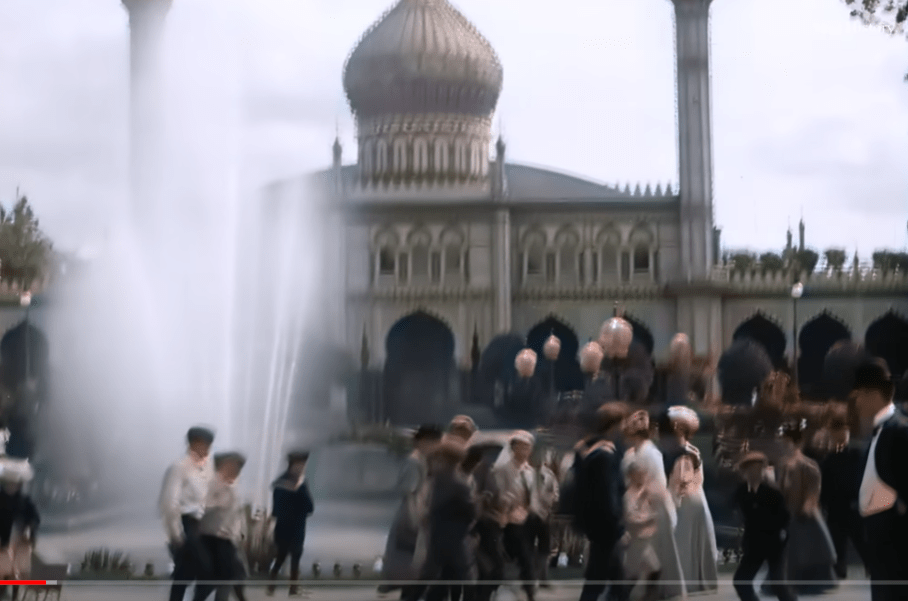
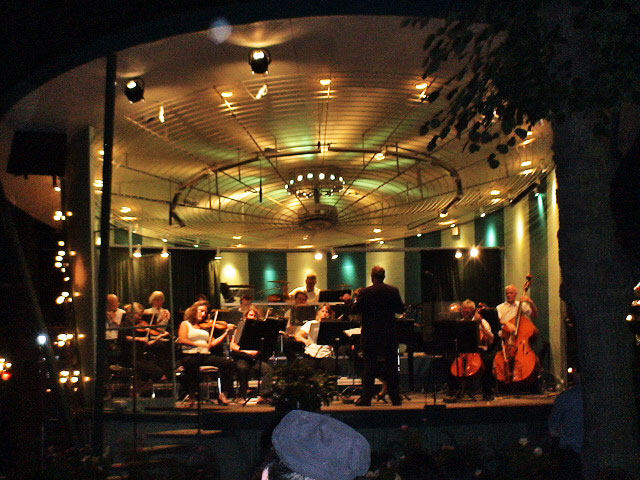
The popular amusement park is usually top of everyone’s list of places to visit. Founded in 1843 it is a beautiful park with lanterns in the trees that create a unique atmosphere. It has a wealth of high-class restaurants and stages for music and theatre. It is a walk back in time.
THE NIMB
The world-class Hotel in Tivoli Gardens.

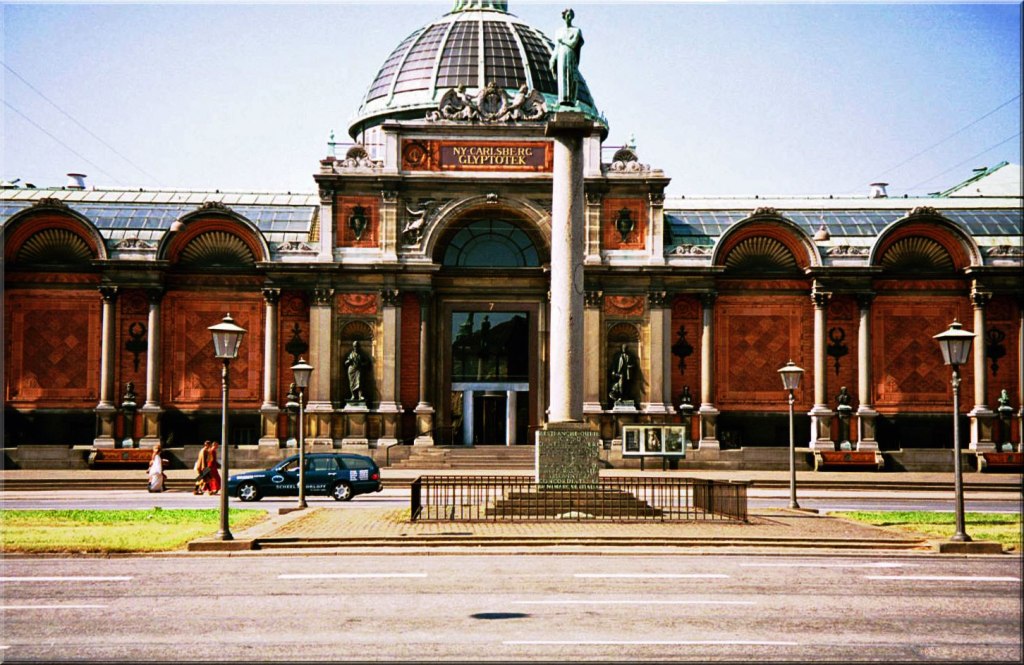
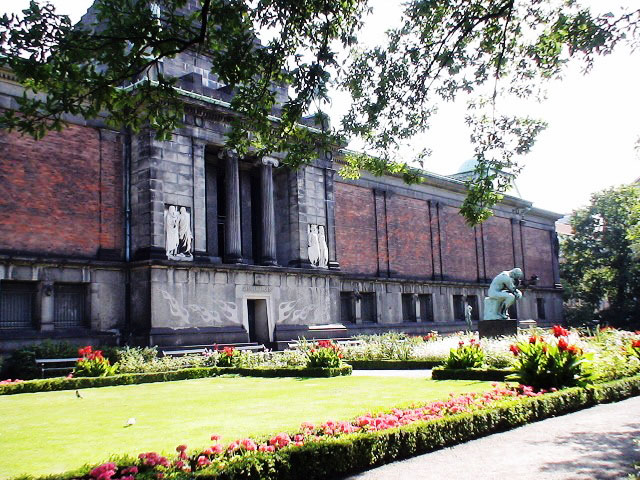
Founder of Ny Carlsberg Glyptoteket
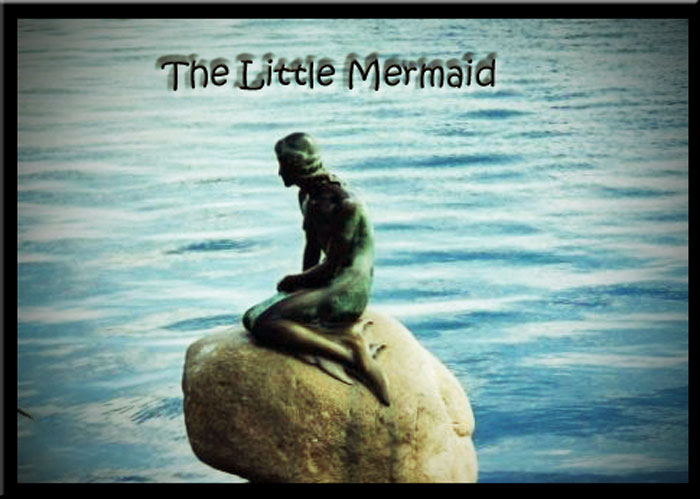
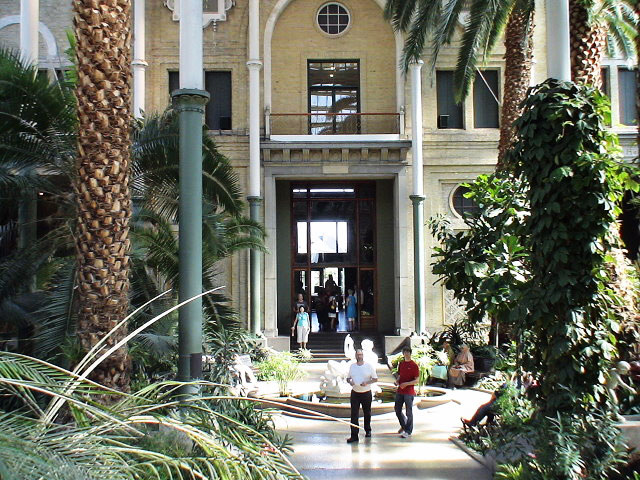
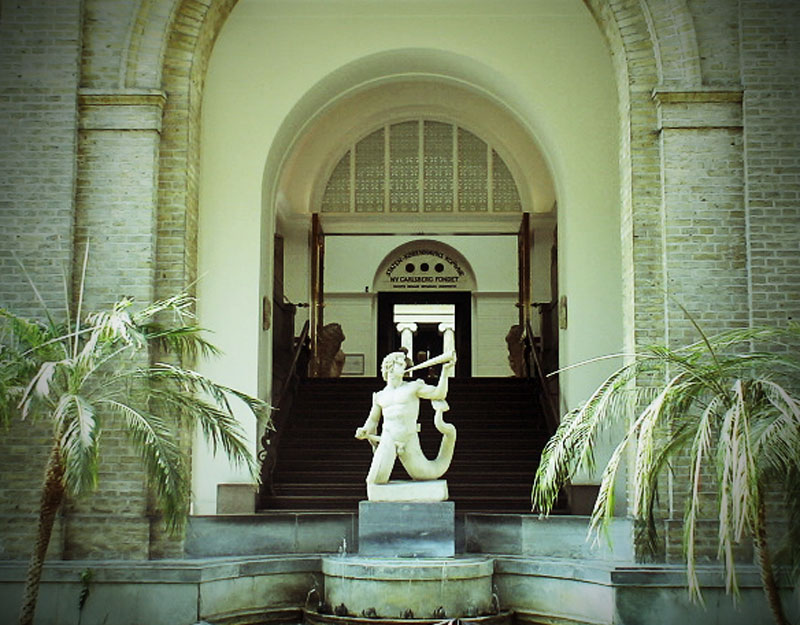
The son Carl Jacobsen, who was founder of the New Carlsberg Brewery, was a devoted patron of art. Carl Jacobsen not only donated The Little Mermaid to the city of Copenhagen in 1913, he also founded the Ny Carlsberg Glyptotek which is one of the finest museums in Denmark.
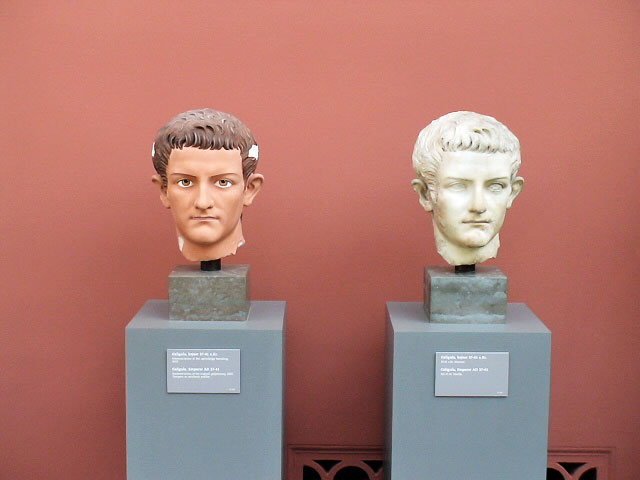
Bust of Gaius Julius Caesar Augustus Germanicus, more commonly known by his cognomen Caligula.
Updated 06-2024
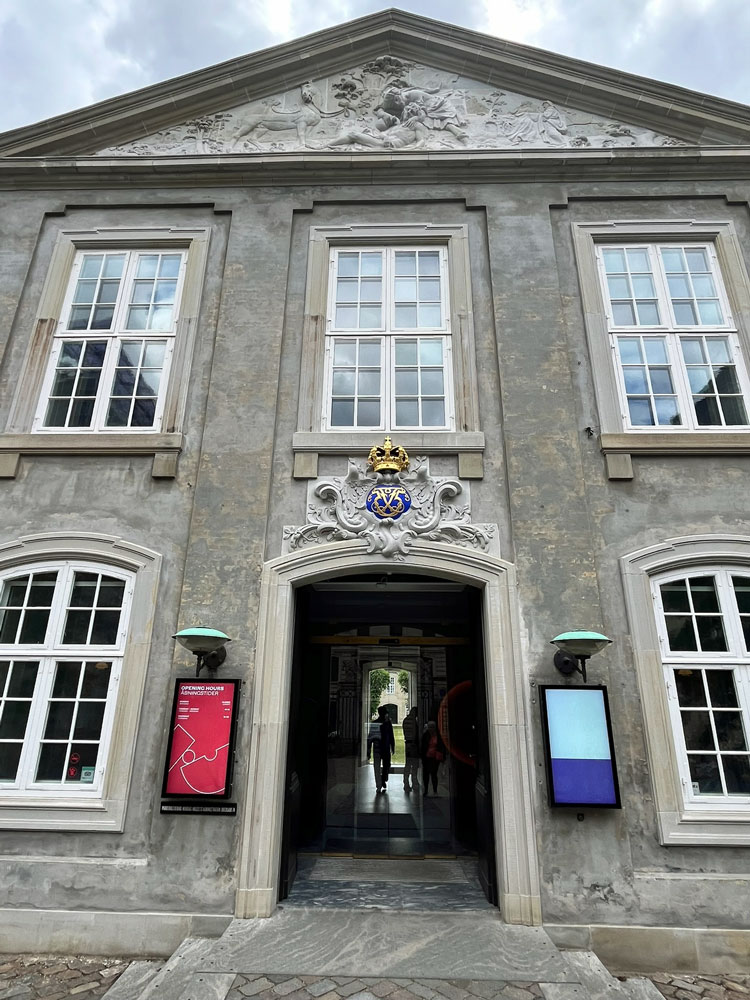
Designmuseum Danmark
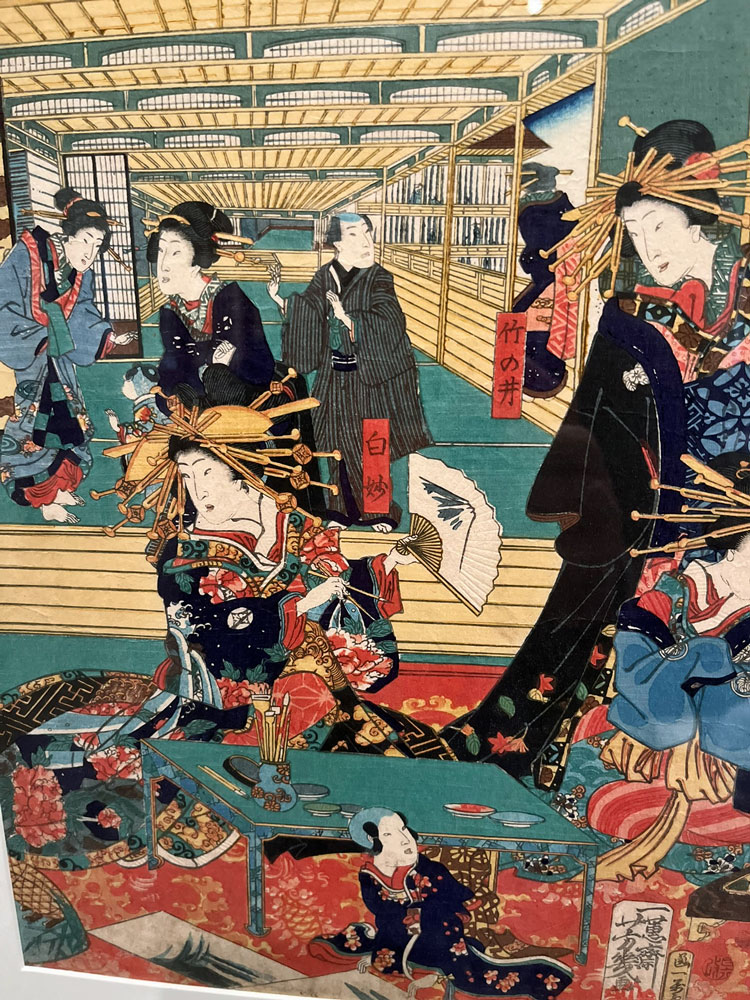
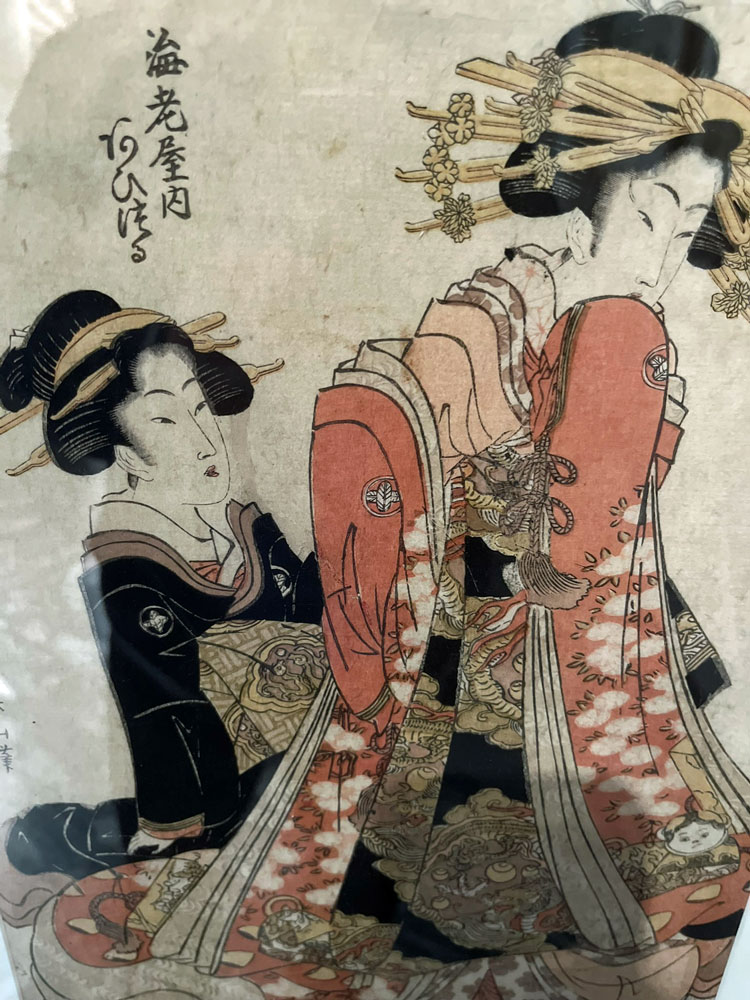
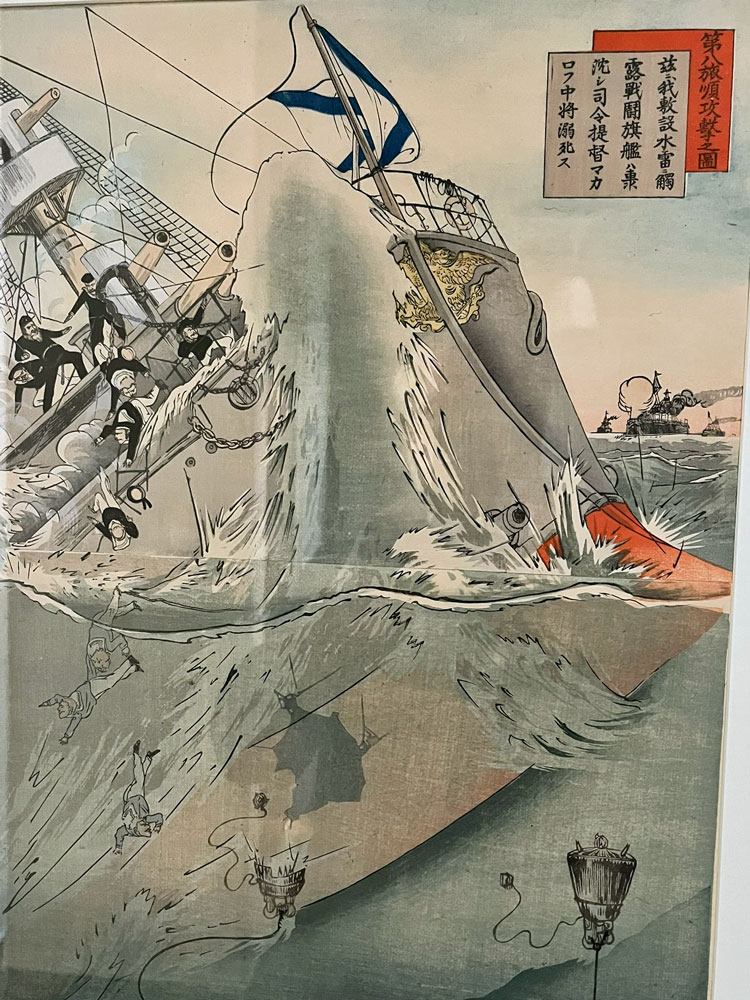

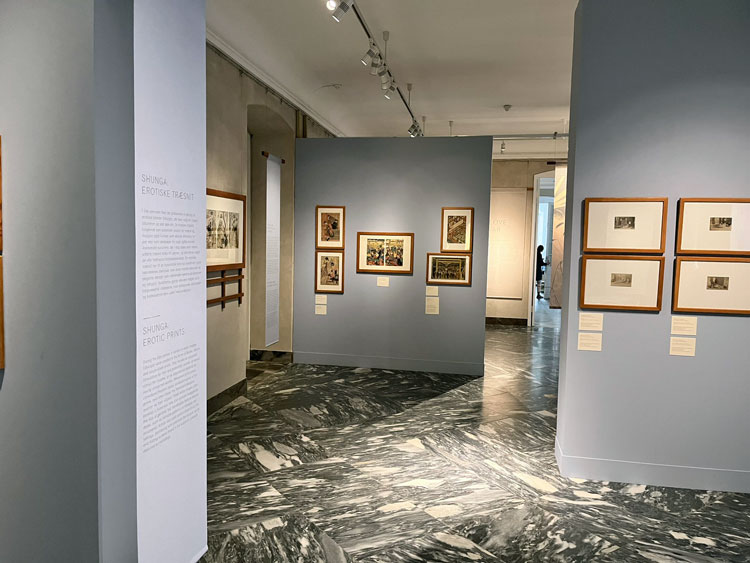
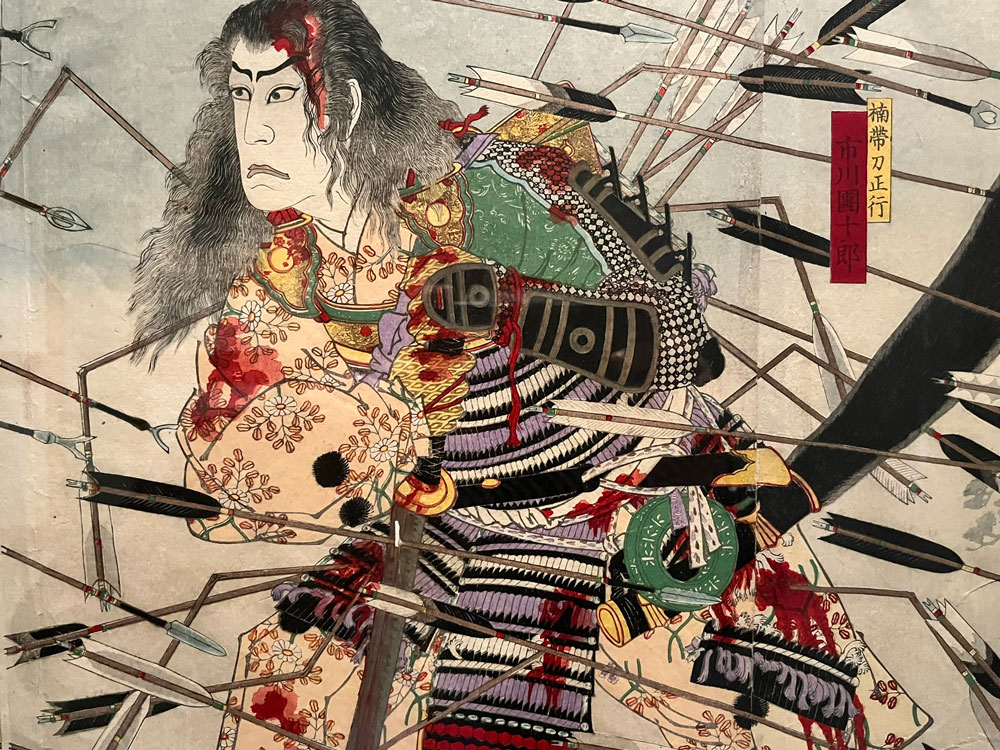
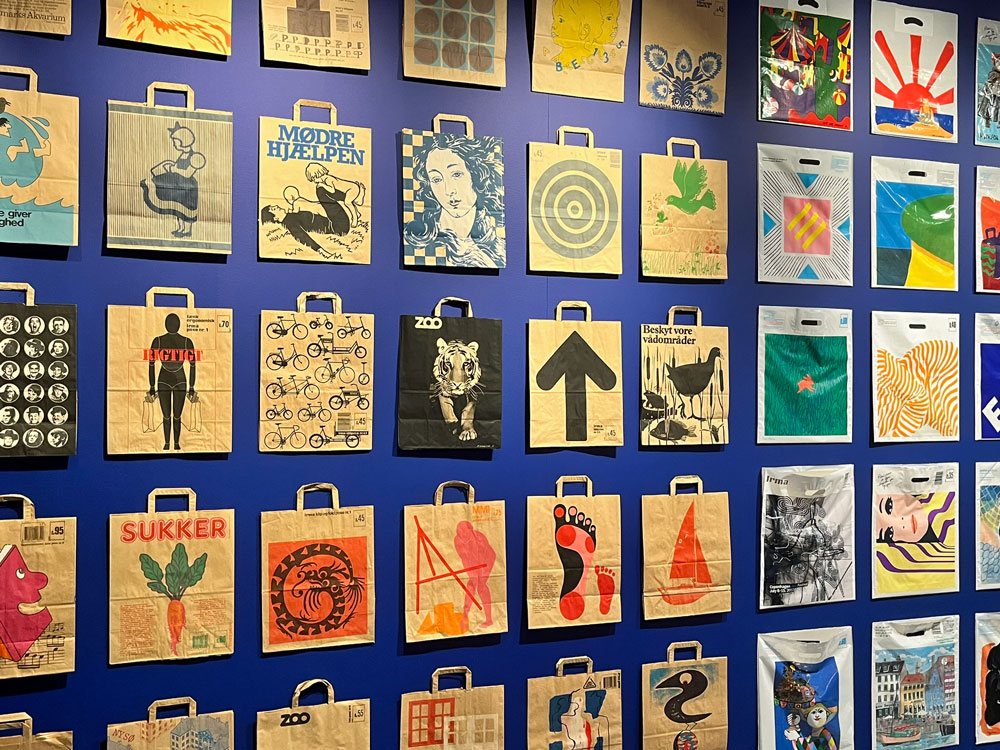

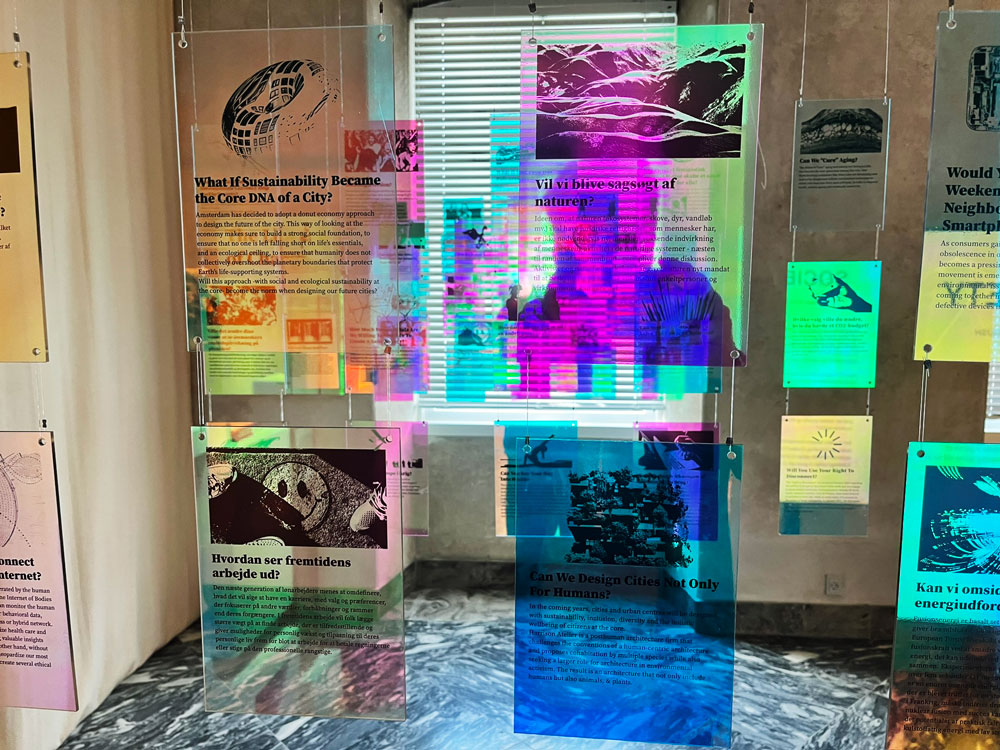
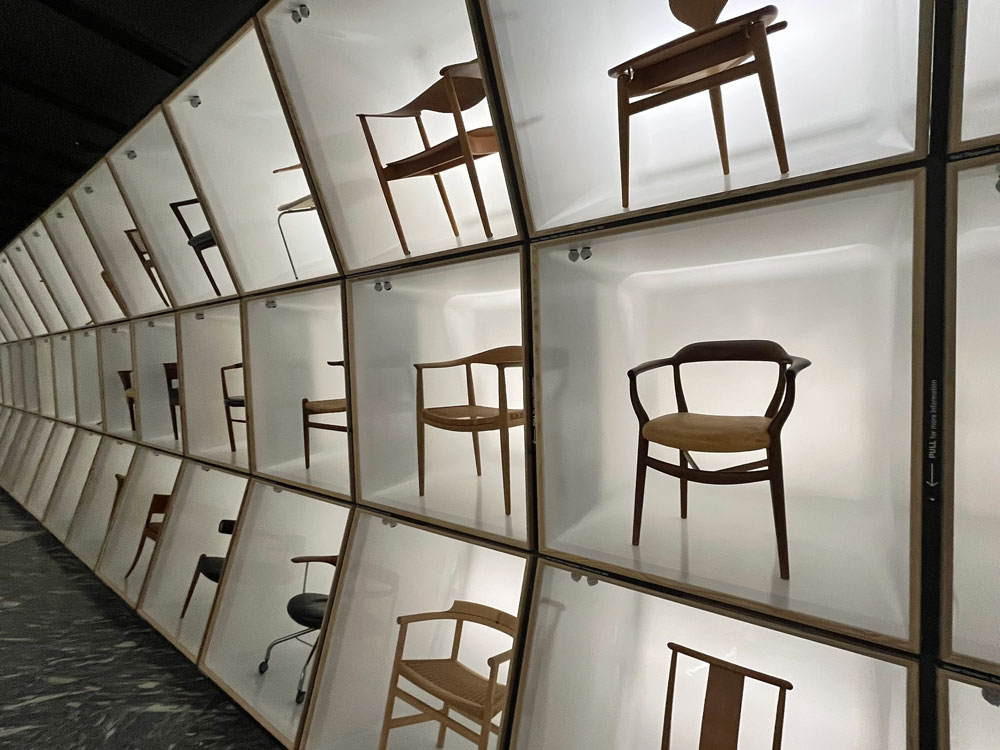
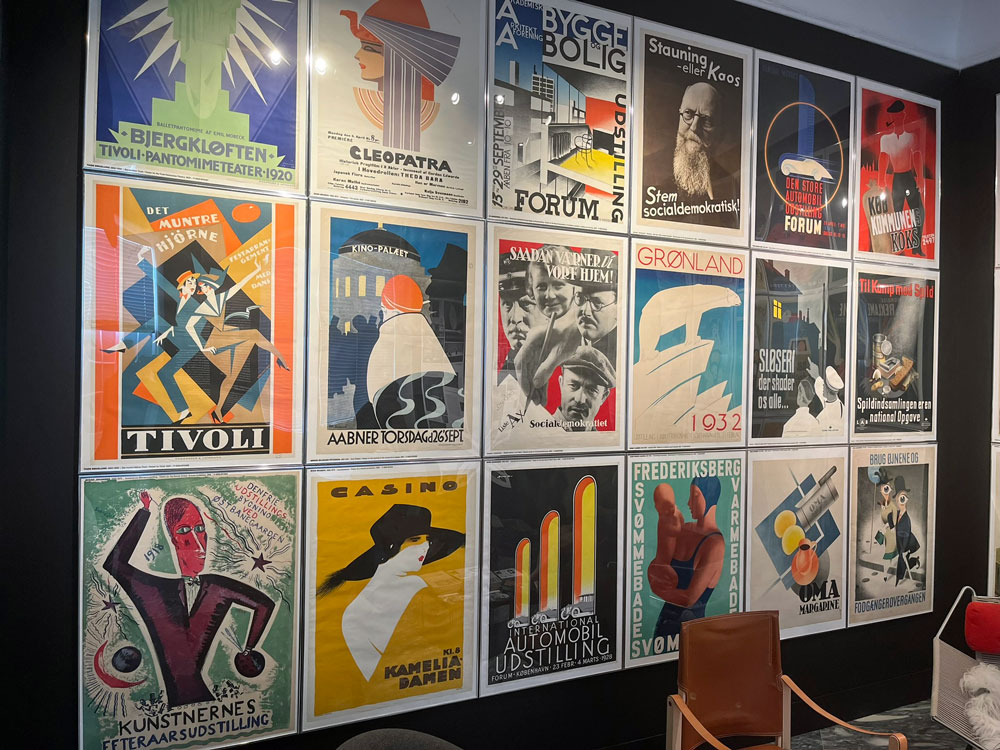
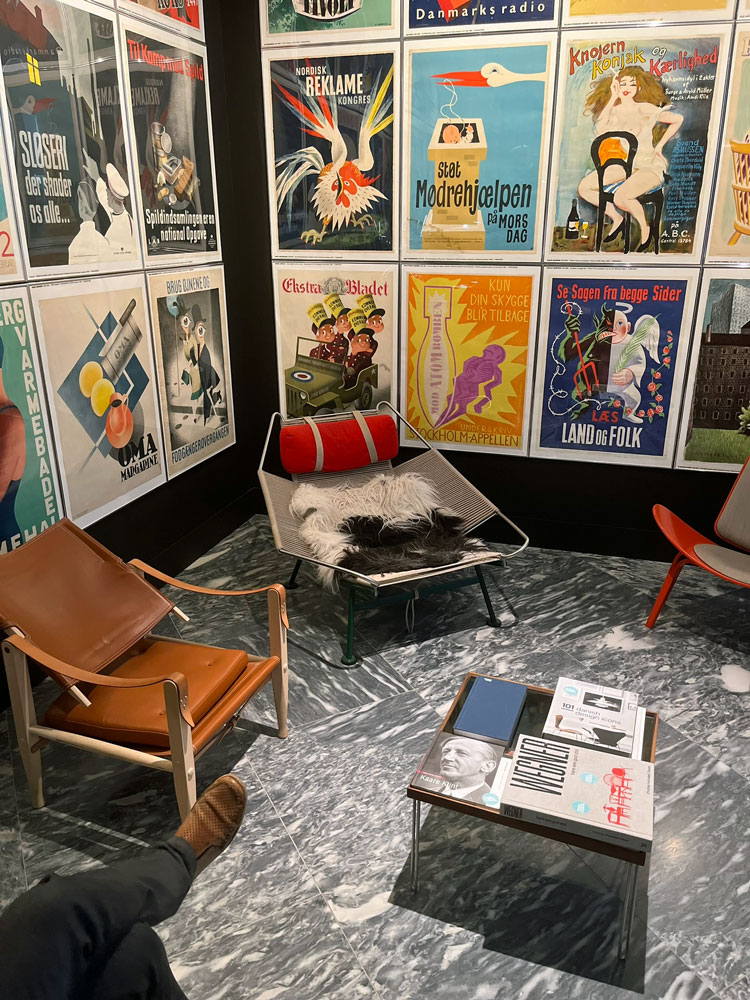
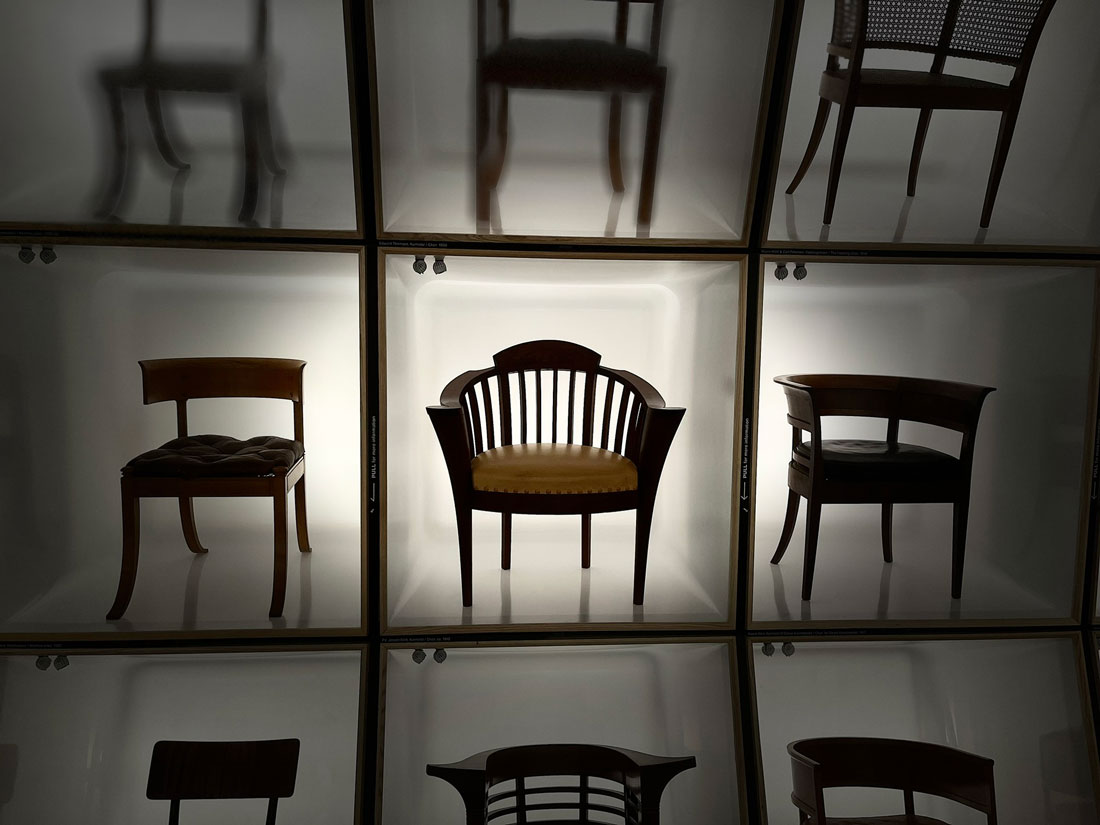

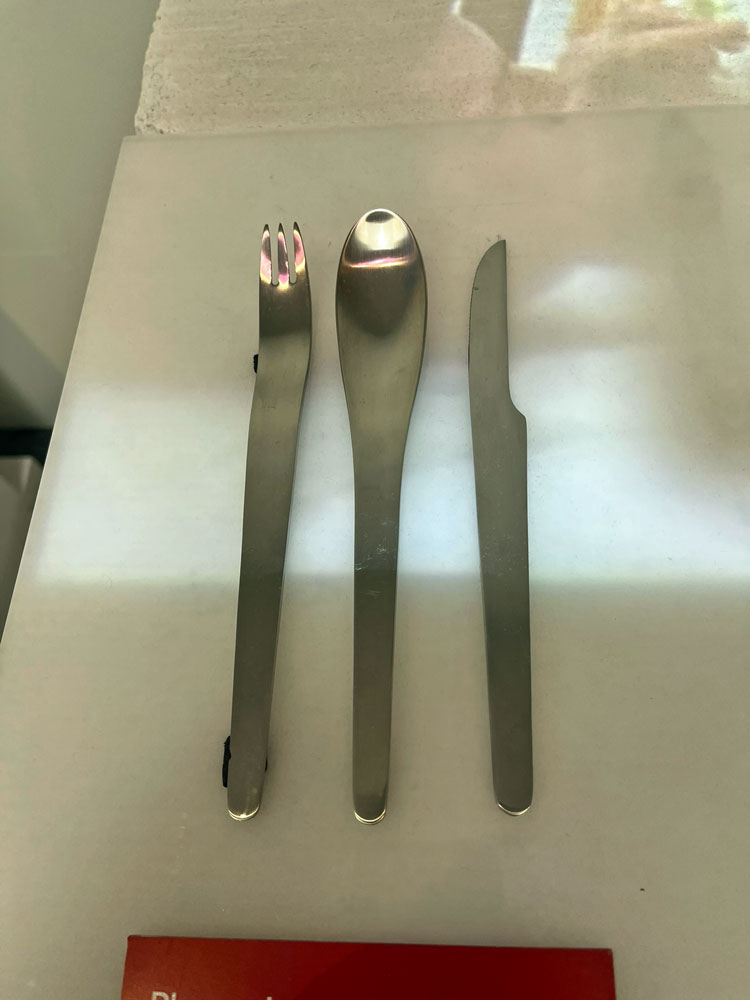
Cutlery- designed in the 60’s, but it did not catch on. They used this cutlery in the film: 2001, A space odyssey
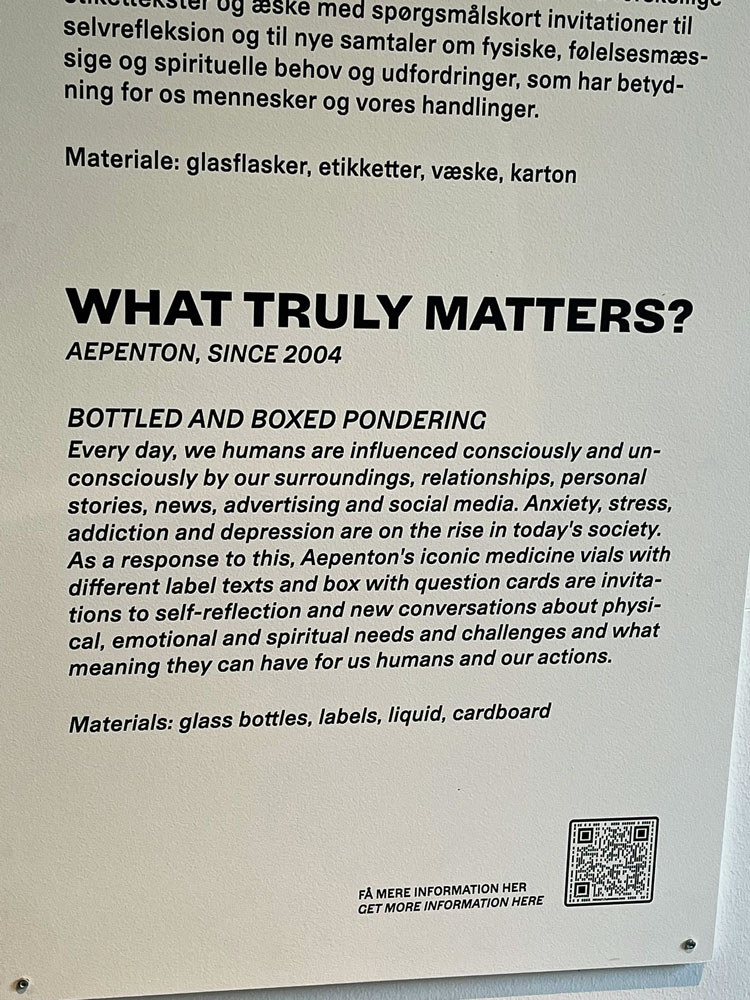
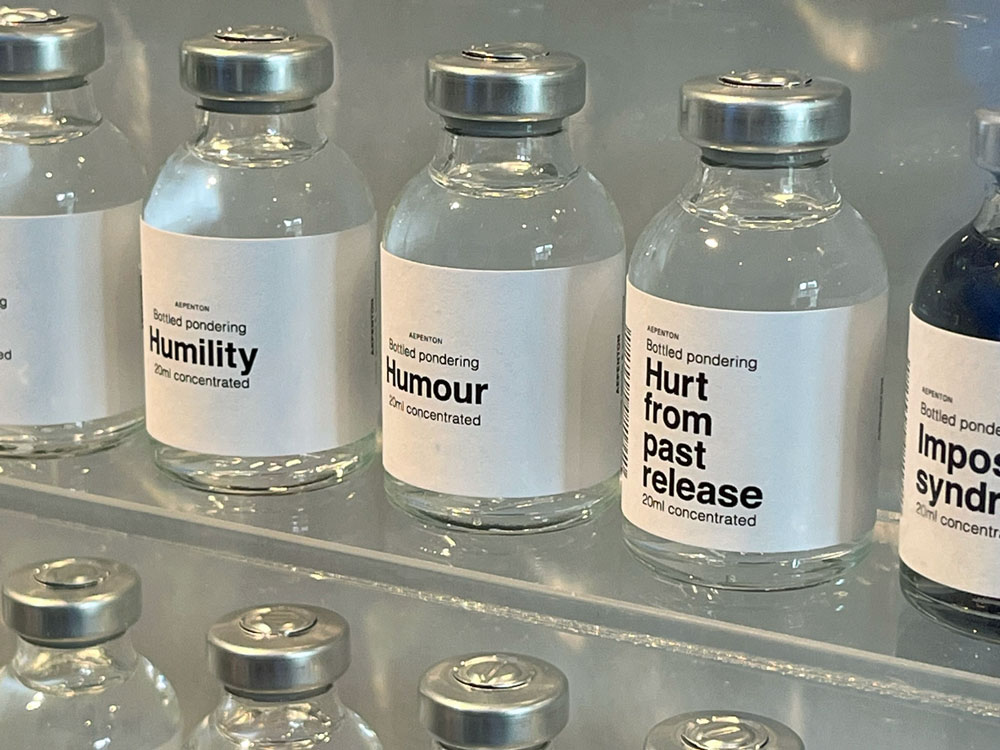
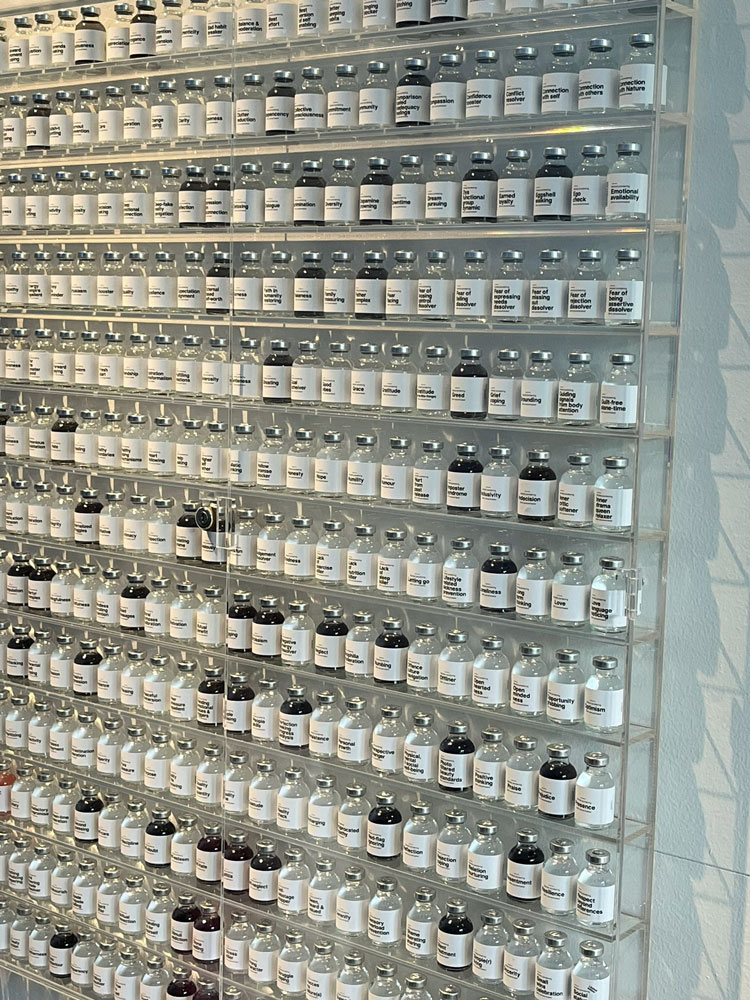
THE KAREN BLIXE MUSEUM, RUNGSTEDLUND, DENMARK
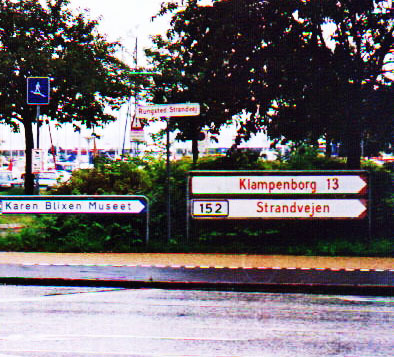
If you enjoyed the movie “Out of Africa”, this is a must on any trip to Copenhagen. A thirty minute train ride up the coast of Denmark will get to Karen Blixen’s birthplace and residence after returning from Africa.
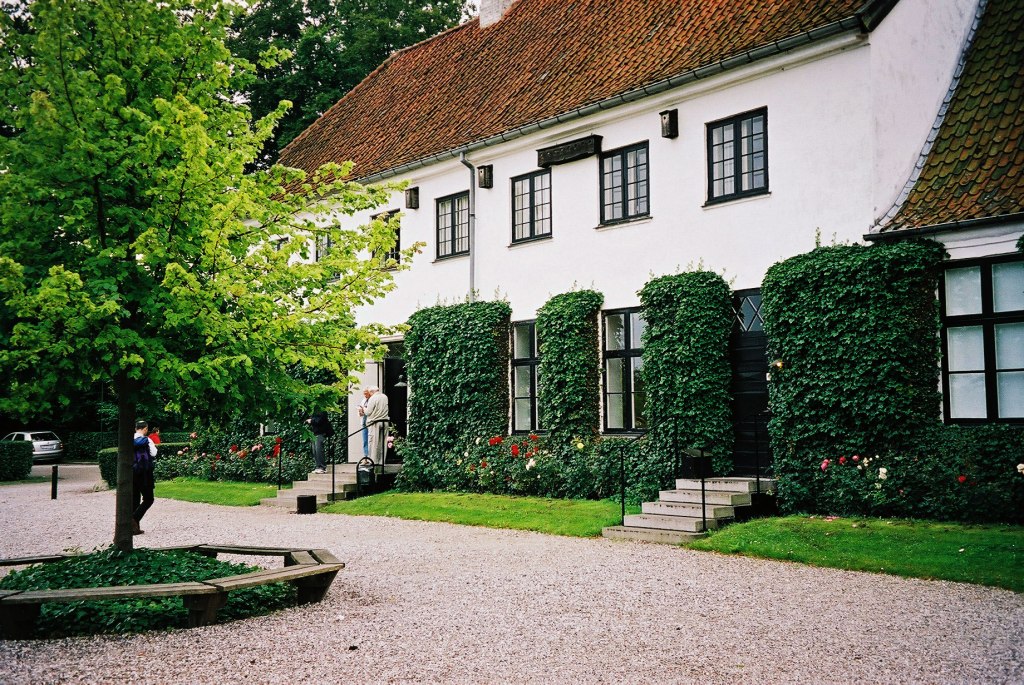
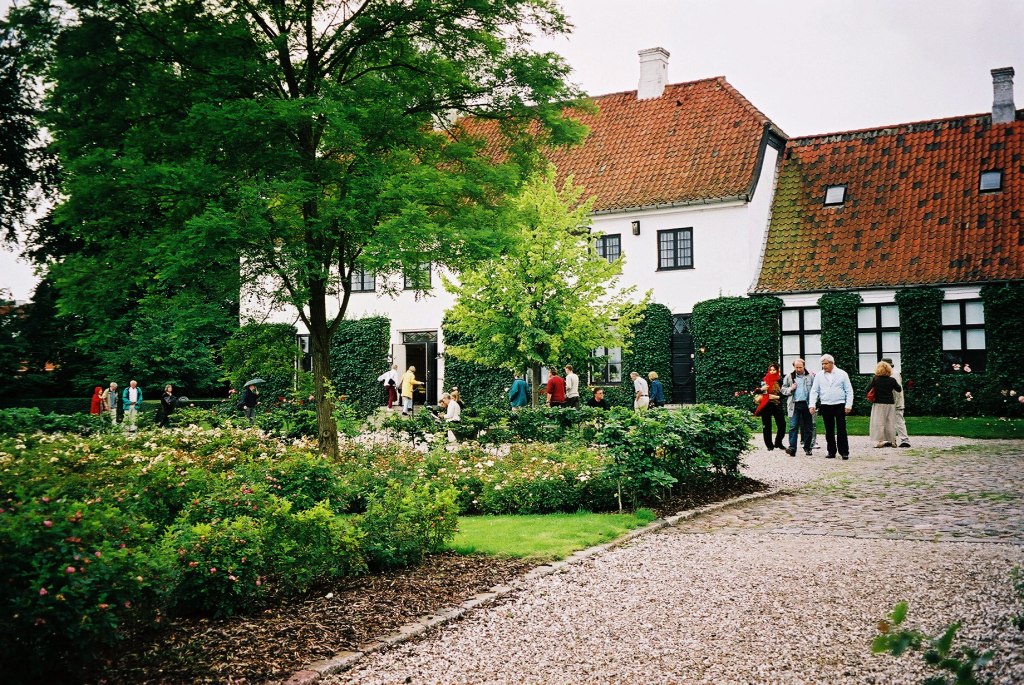
In the movie, Meryl Streep played the role of Karen and Robert Redford, her lover, Denys Finch-Hatton.
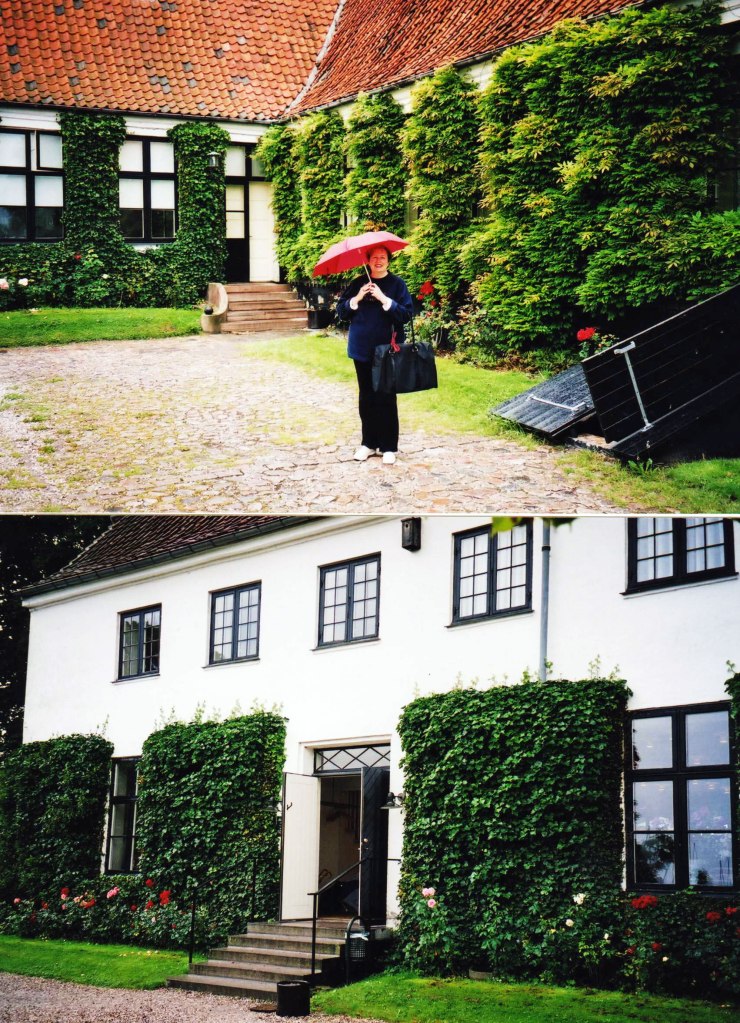
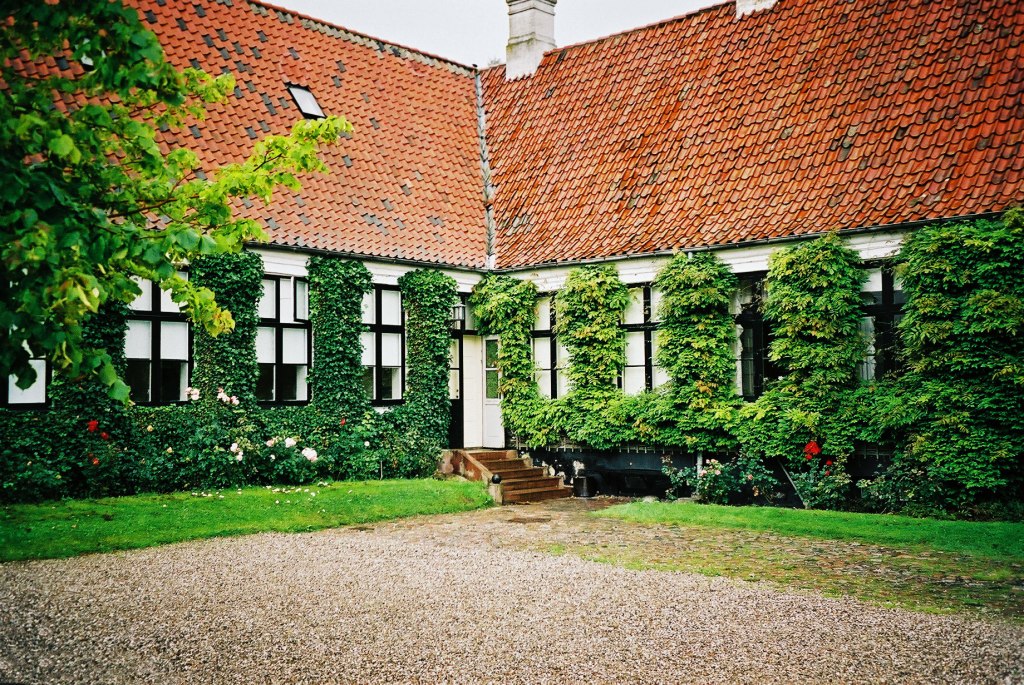
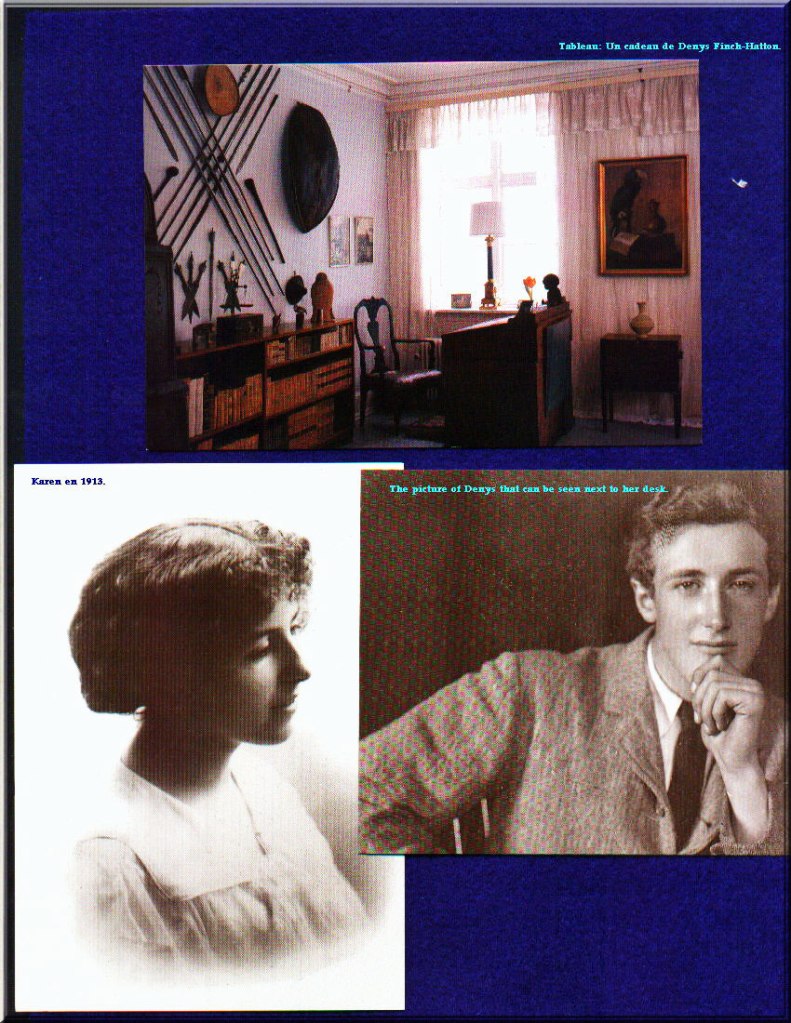
Every morning, Karen would look out the window (towards Africa) and call out to her beloved Denys…
There is a framed picture of her lover beside the lamp in front of the window and notice the various artifacts from Africa.
A picture of her house and the Ewald Room in which she wrote most of novels under her nom de plume Isak Dinesen
The painting was a gift from Denys.
Unable to eat, Blixen died in 1962 at Rungstedlund, her family’s estate, at the age of 77, apparently of malnutrition. Others attribute her weight loss and eventual death to anorexia nervosa. She is buried in the backyard.

 s
s 