


Updated July 2025

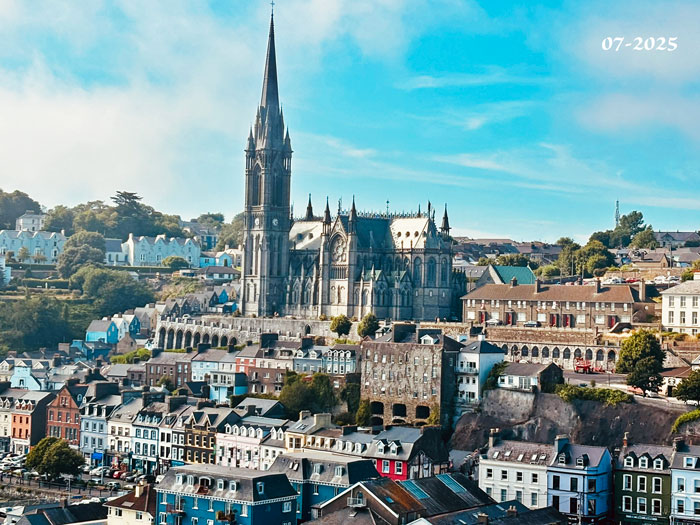
Cobh (pronounced “cove”) is a sheltered seaport town on the south coast of Ireland. The locality, which had had several different Irish-language names, was first referred to as Cove (“The Cove of Cork”) in 1750. It was renamed Queenstown in 1849 to commemorate a visit by Queen Victoria and so remained until the name Cobh (closer to the Irish spelling) was restored in 1922 with the foundation of the Irish Free State.
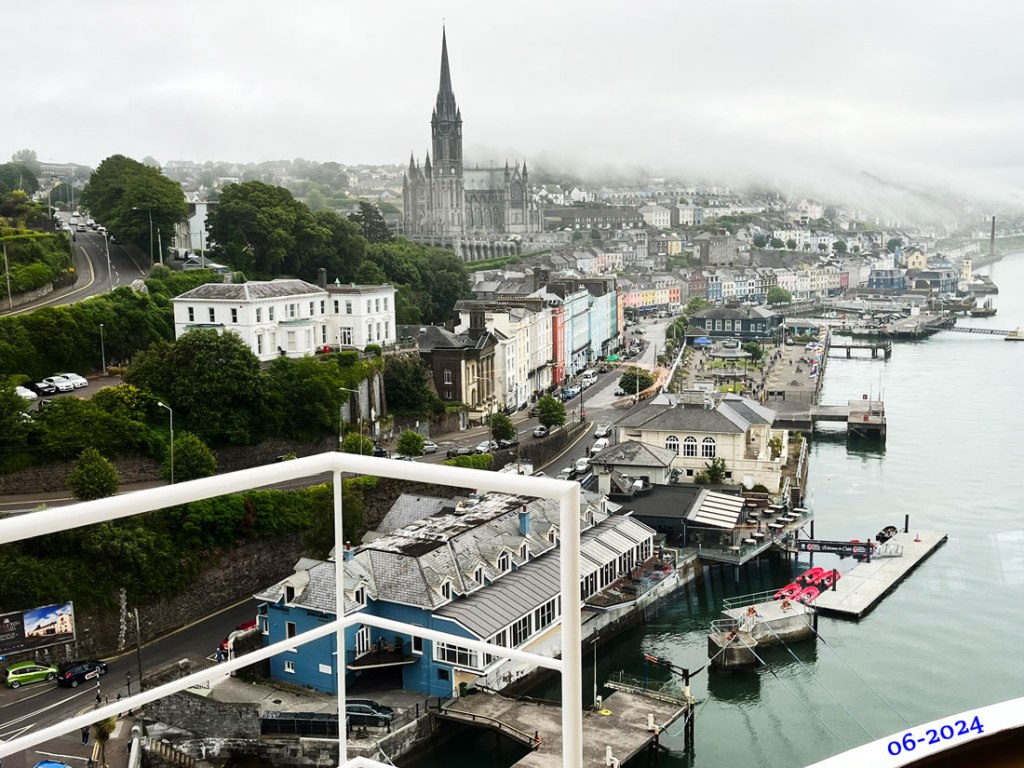
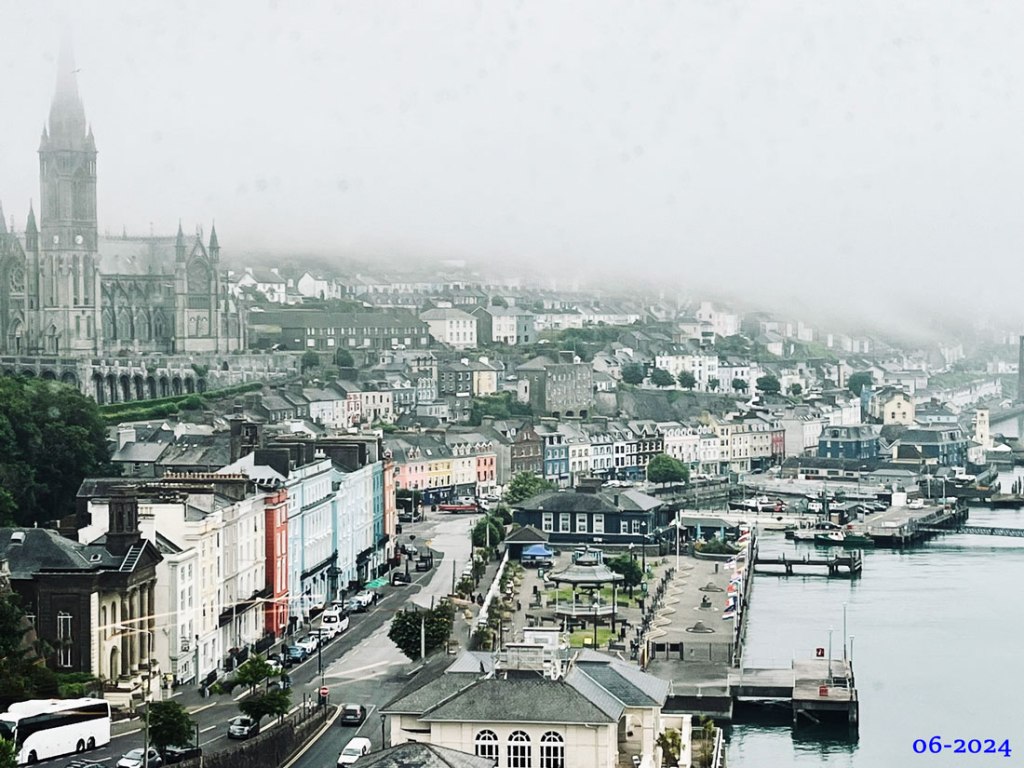
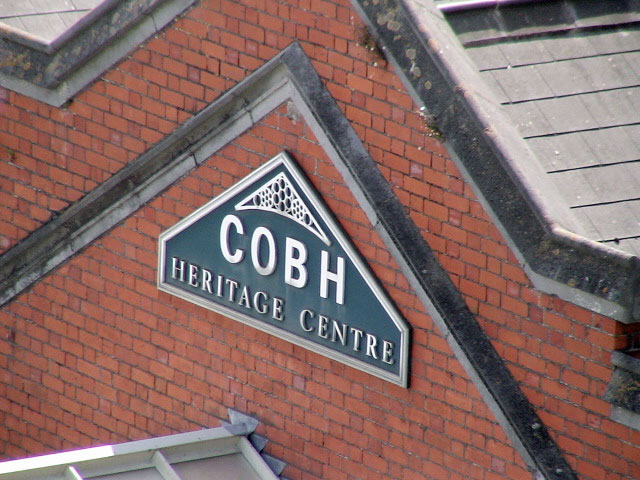
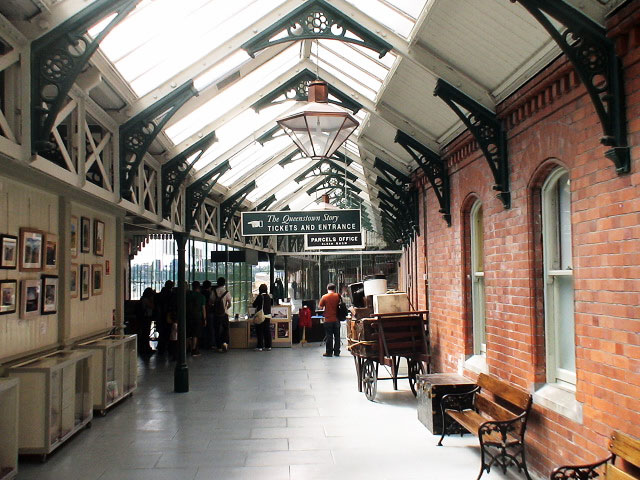
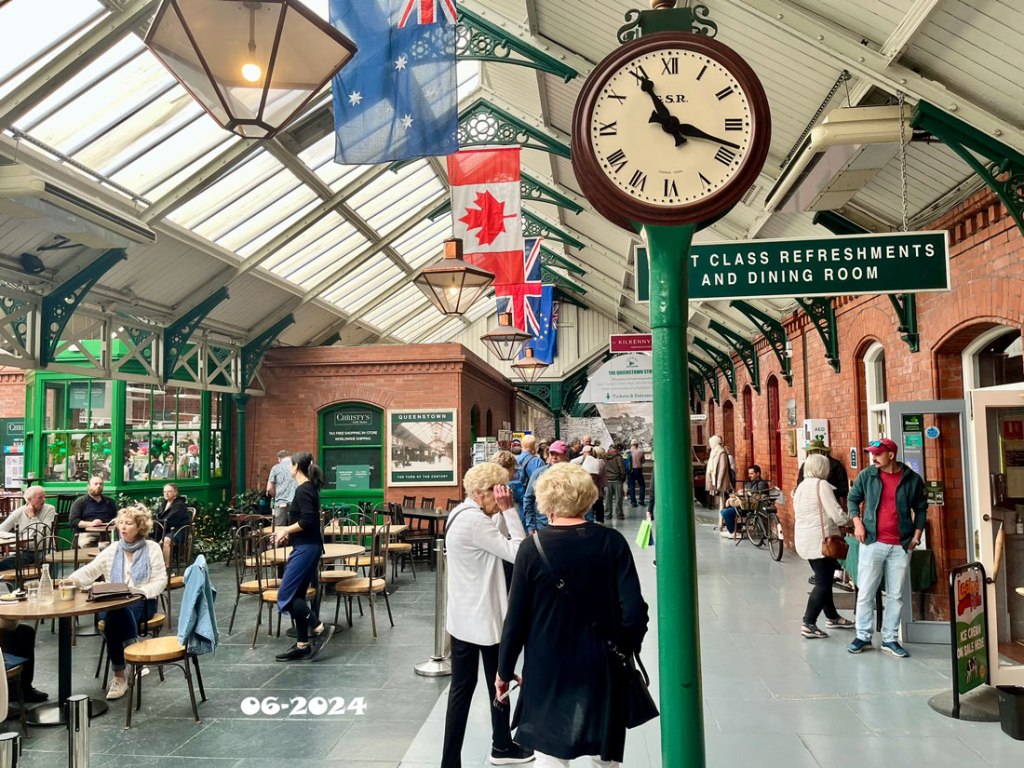
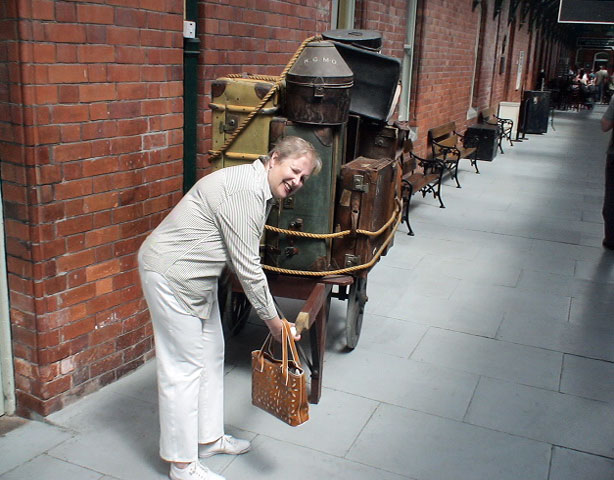
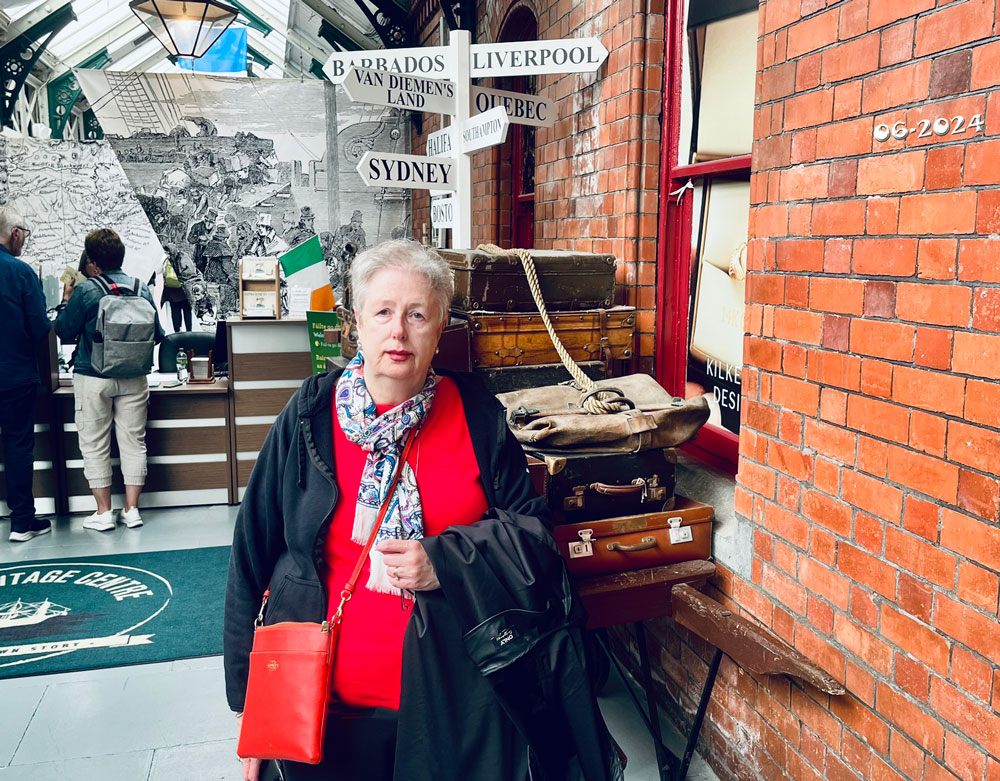
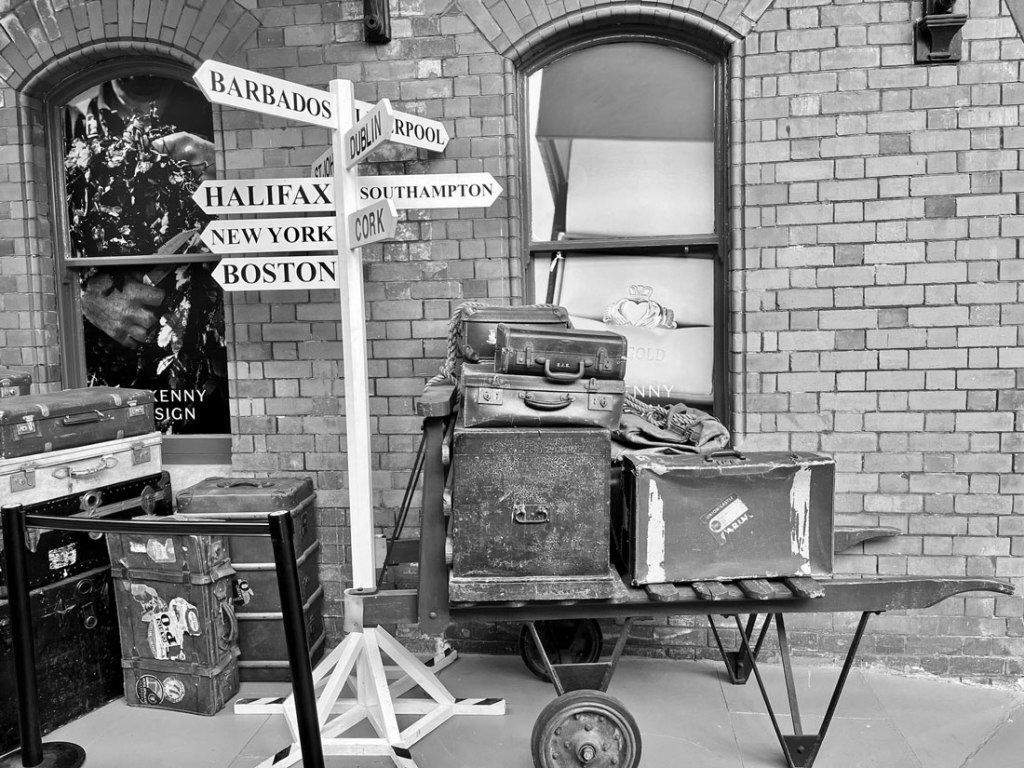

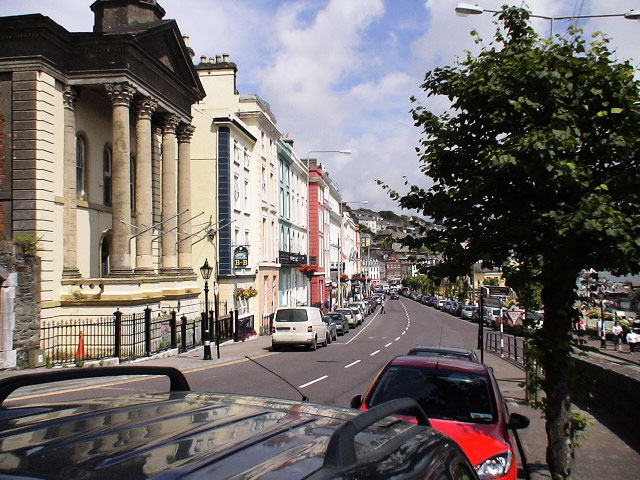
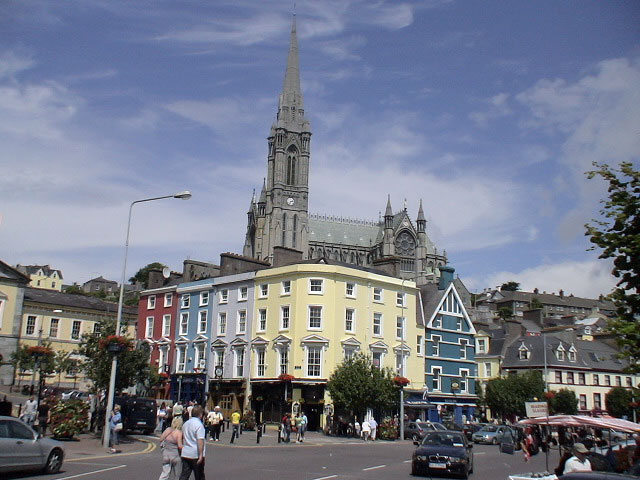
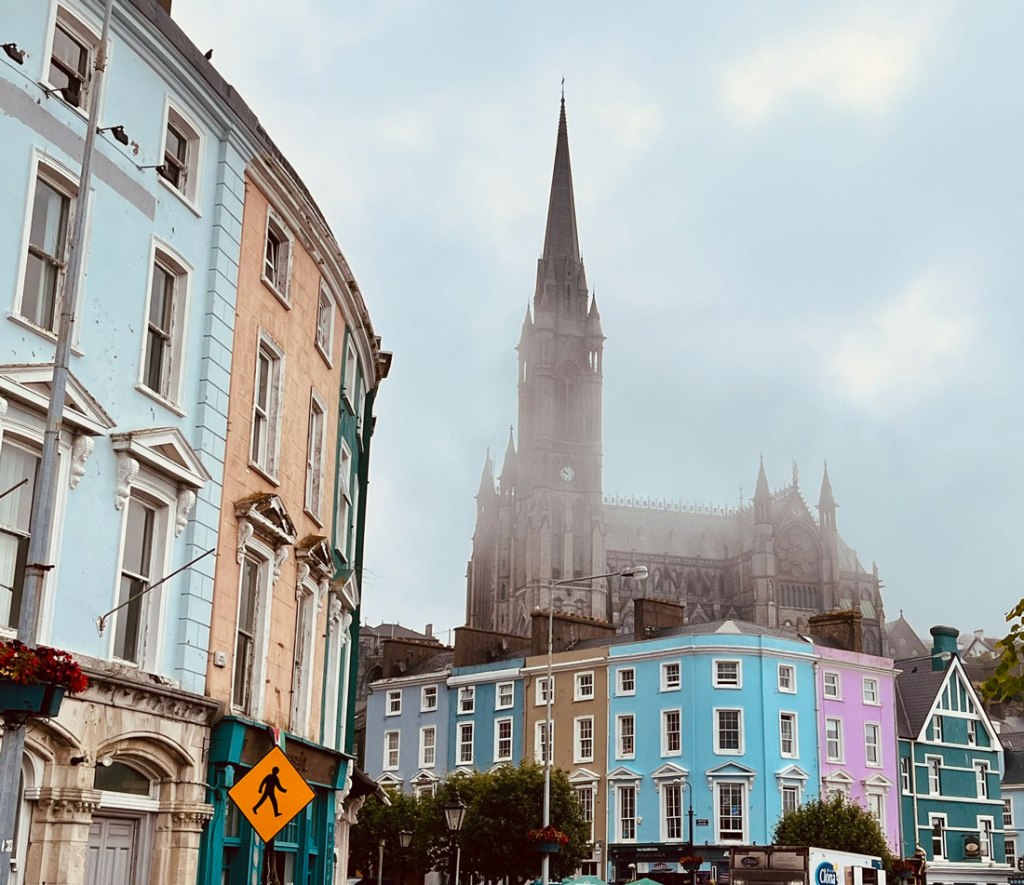
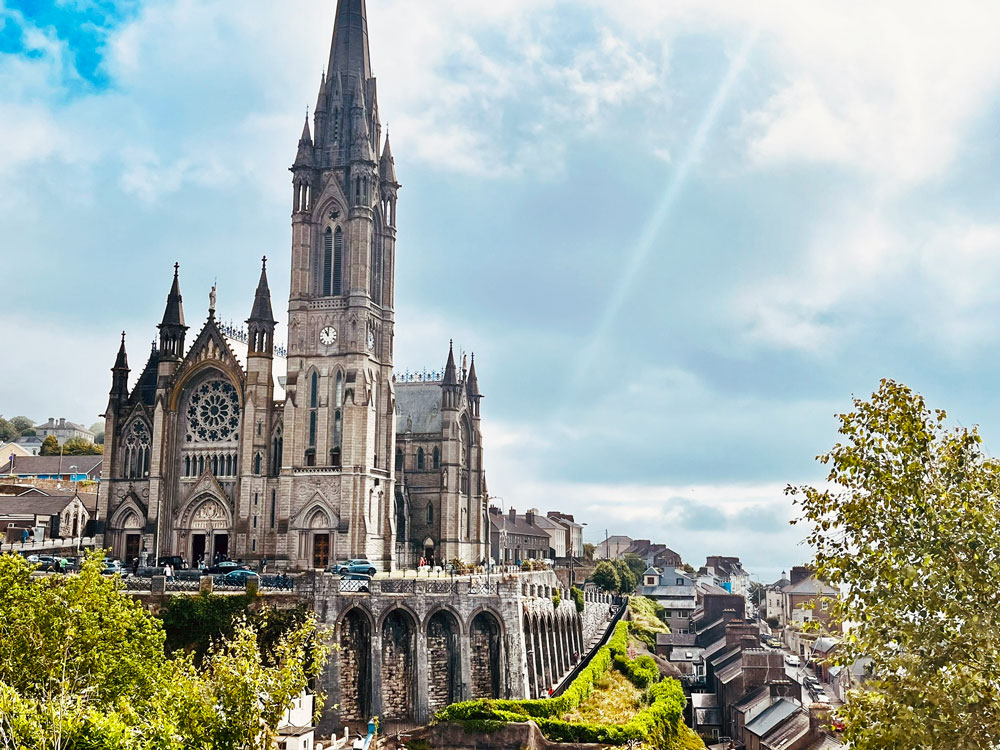


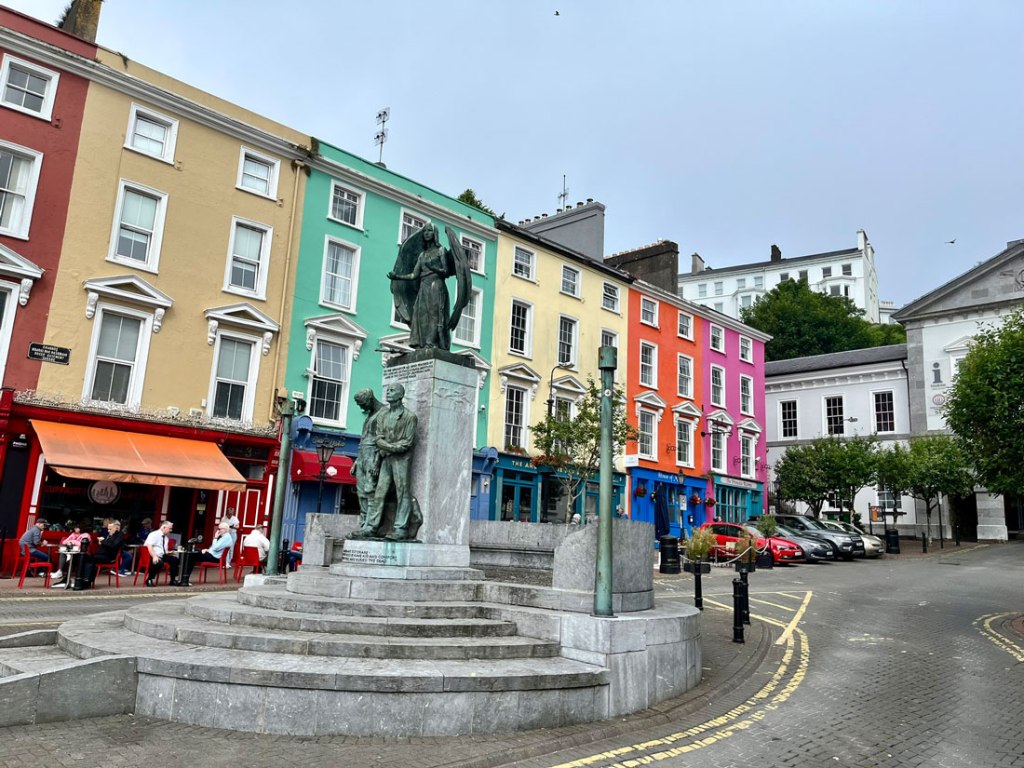
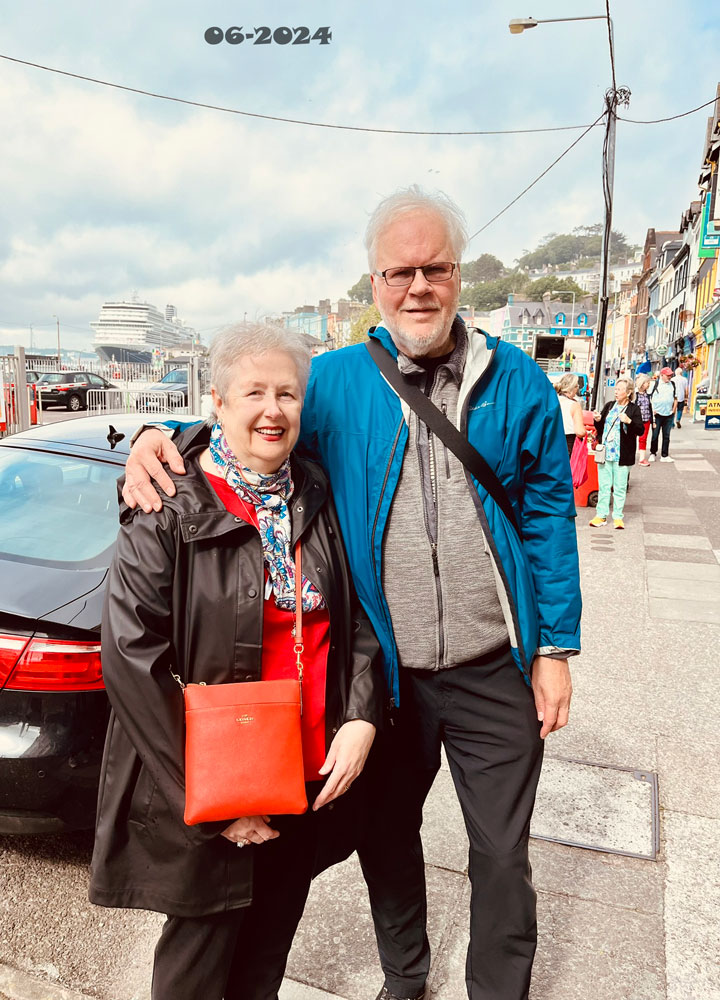
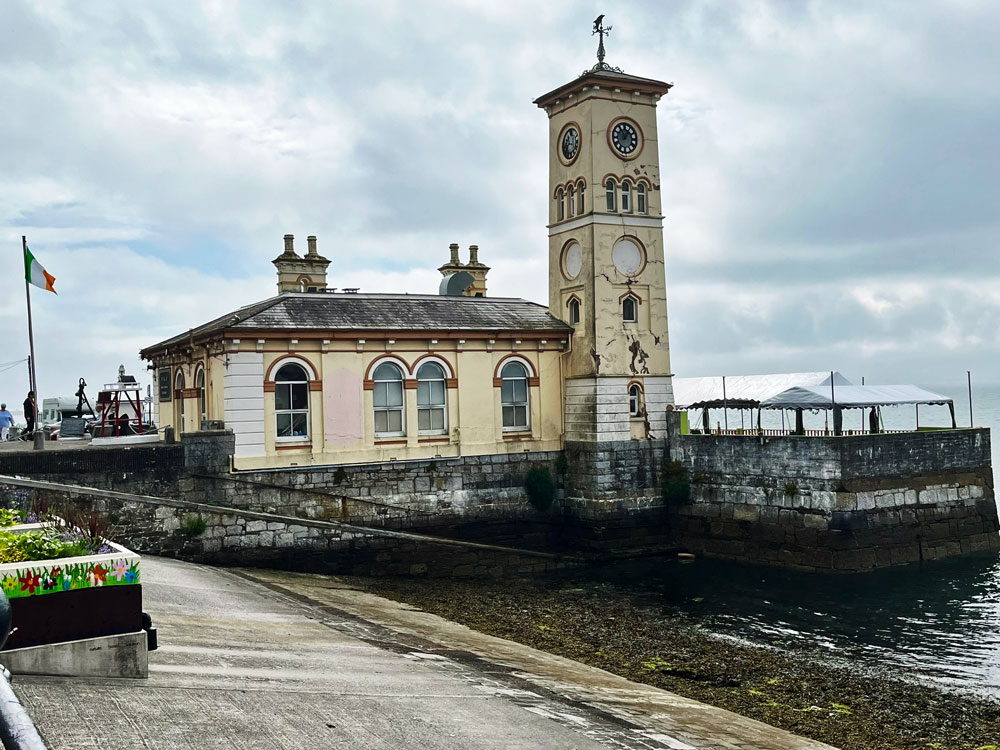
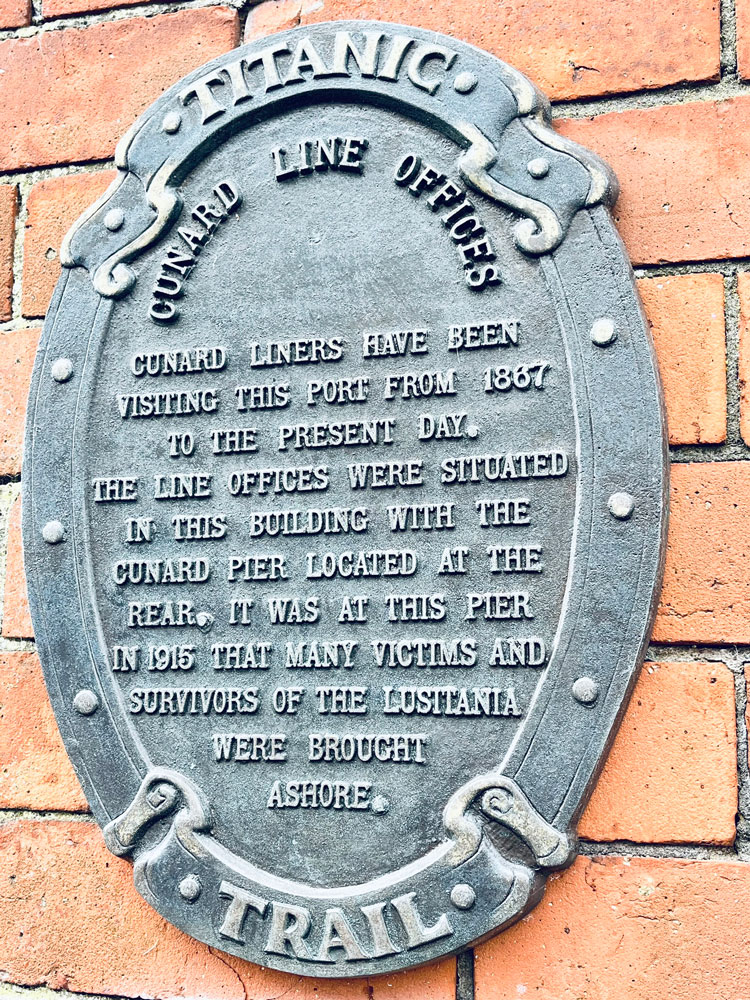
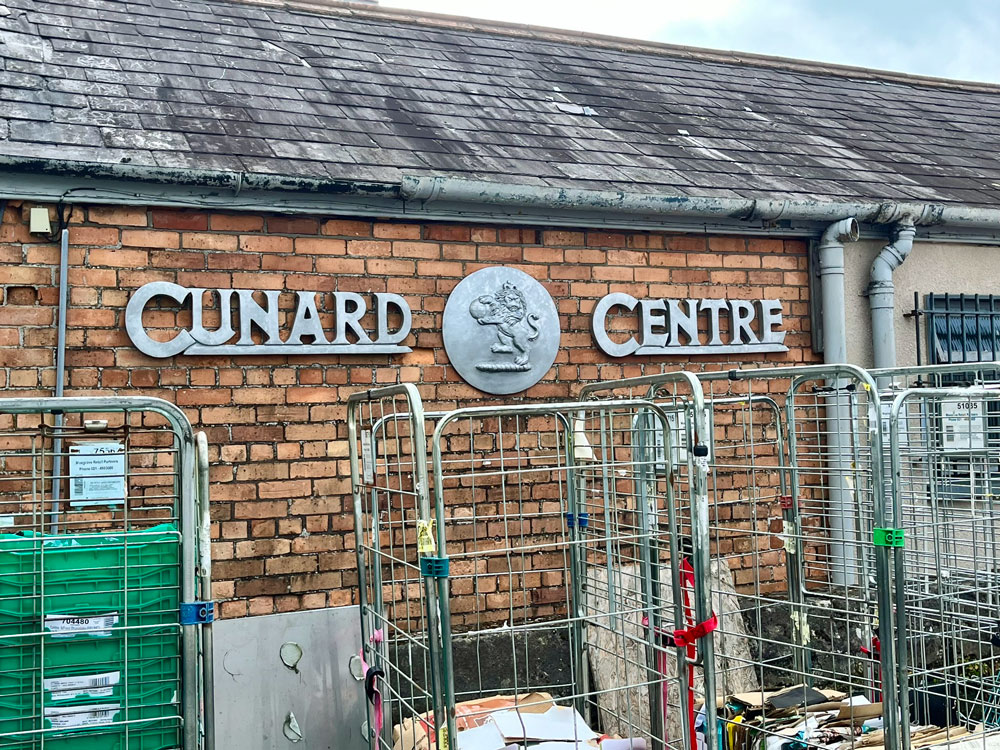
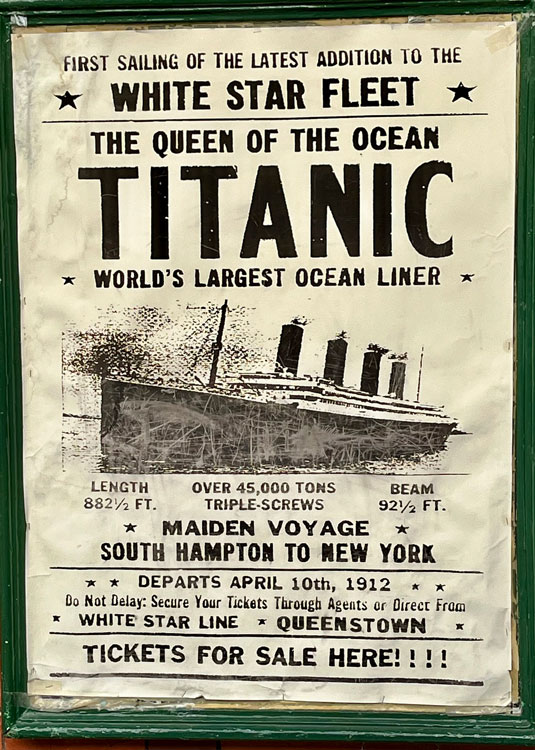
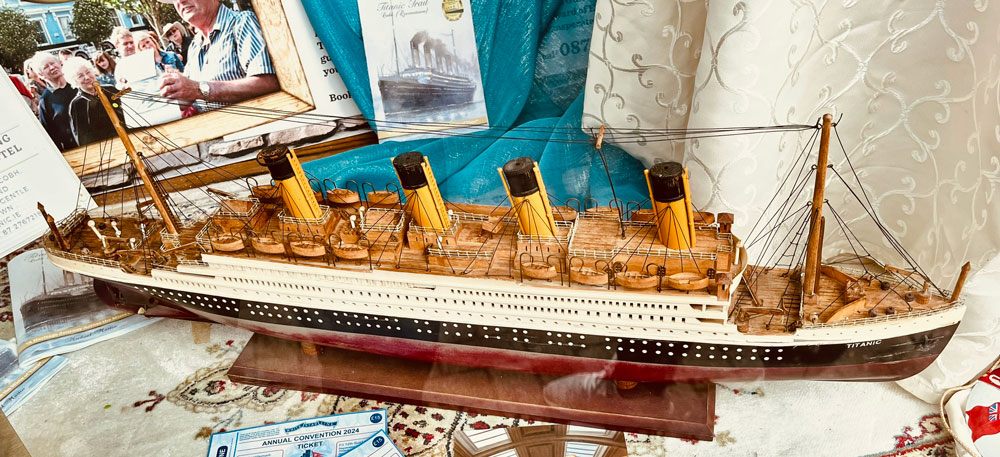
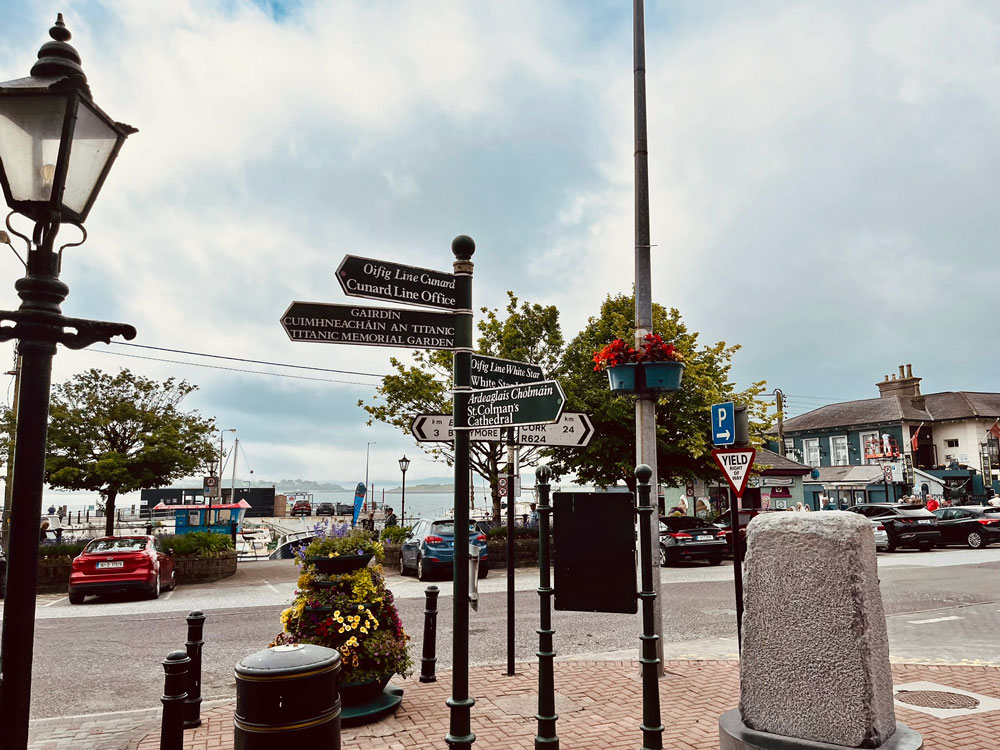
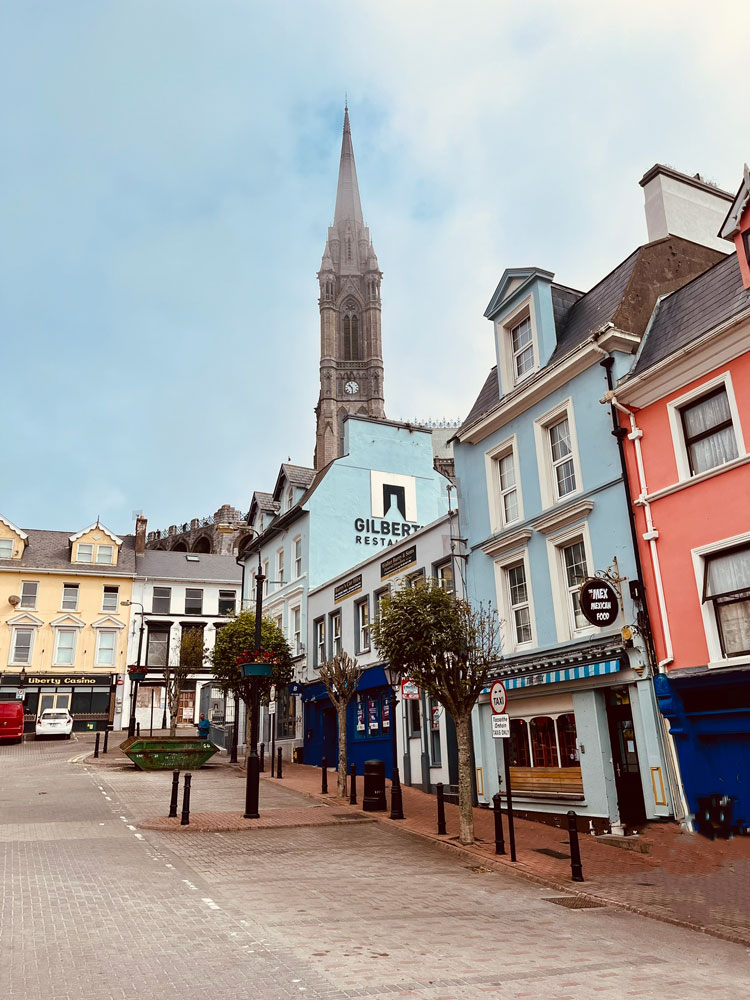

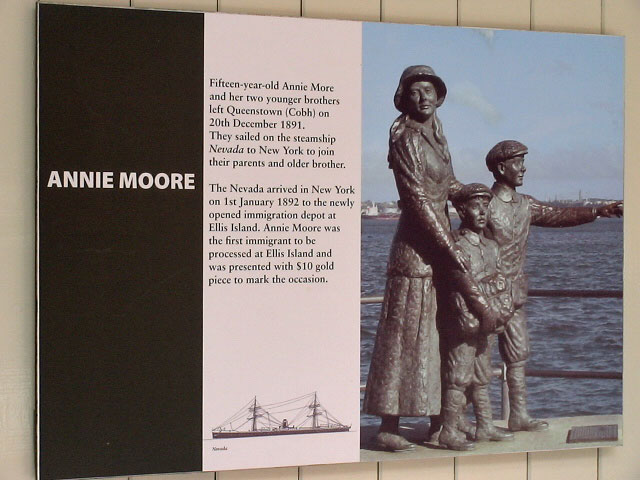
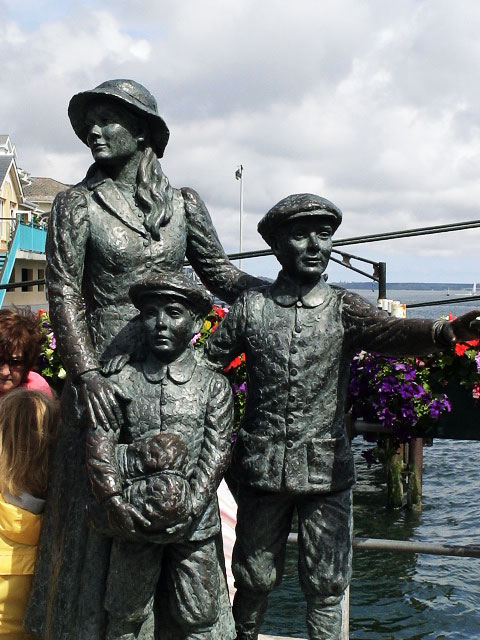
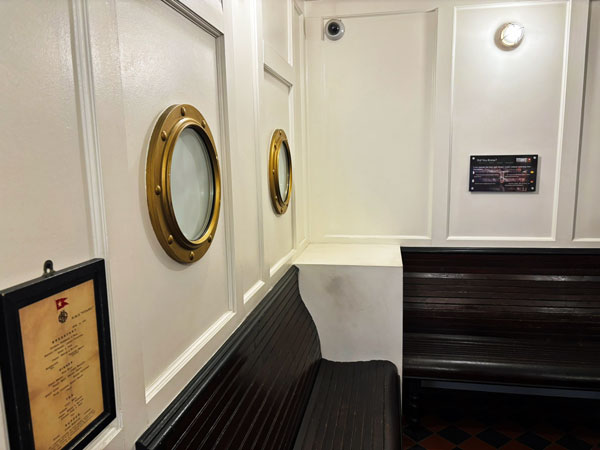
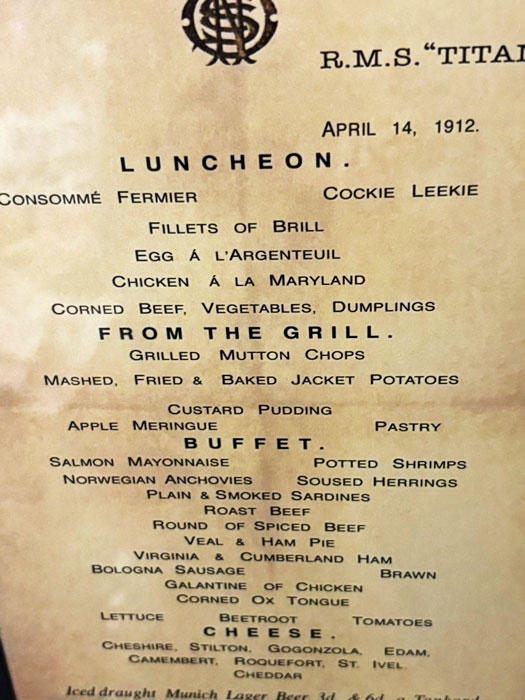
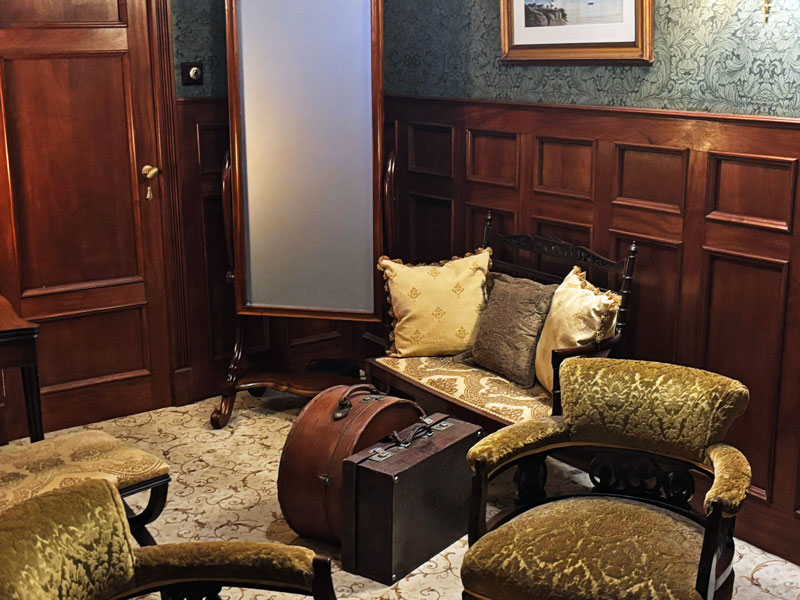
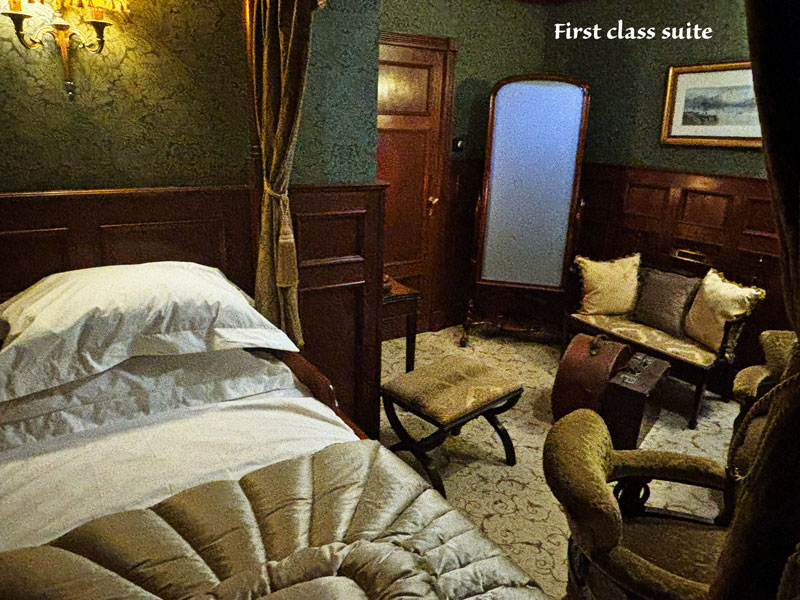
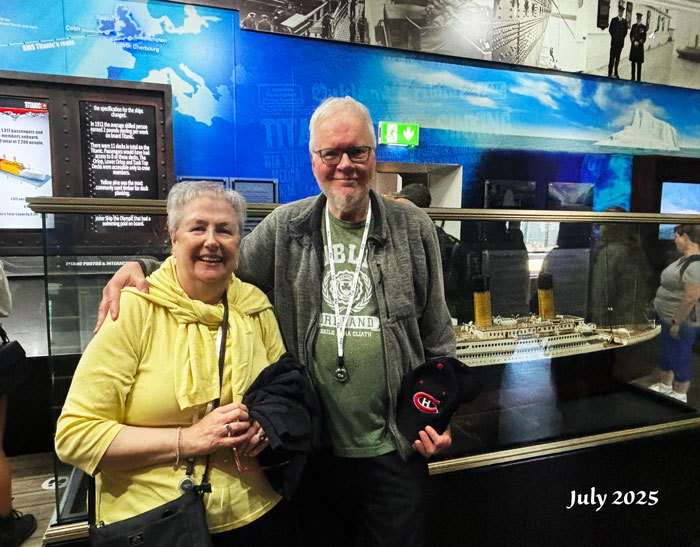
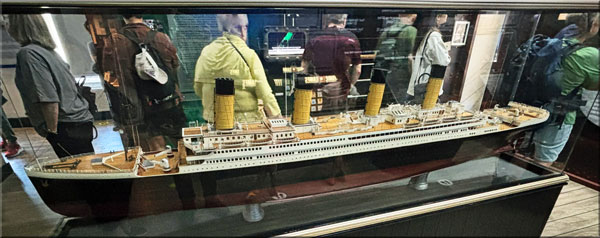
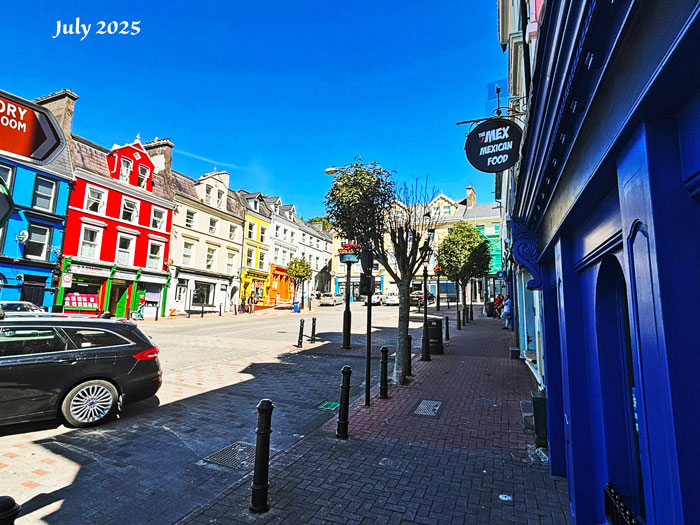
The Titanic ticket office Now it is a museum. We were finally able to visit it in July 2025
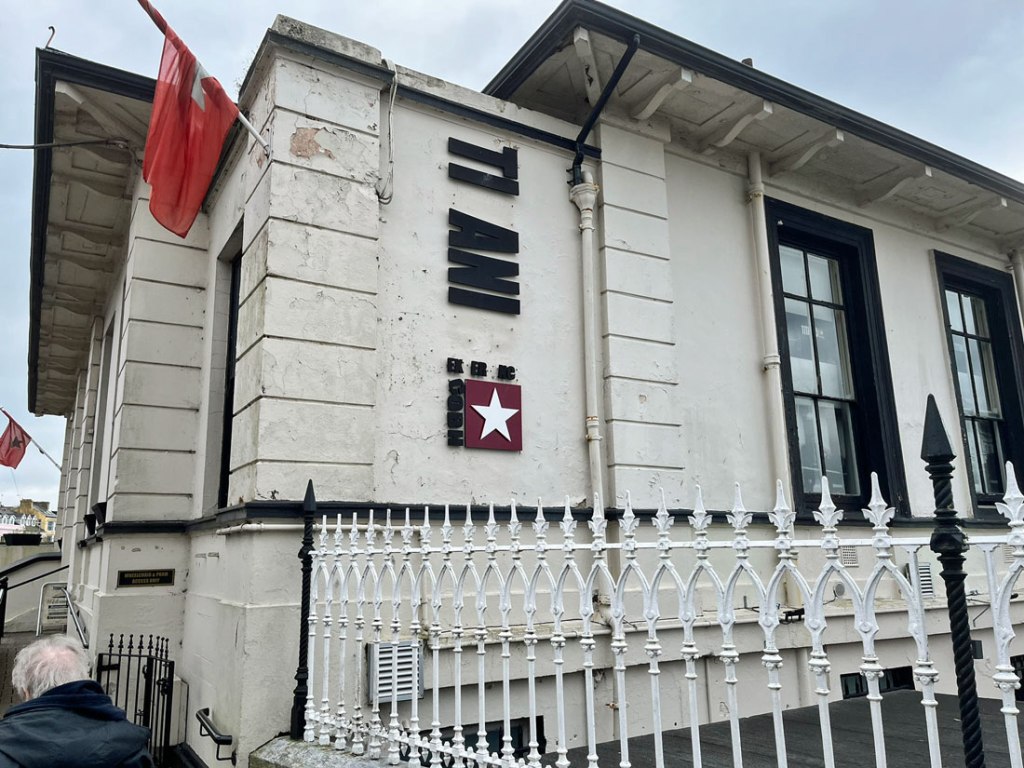
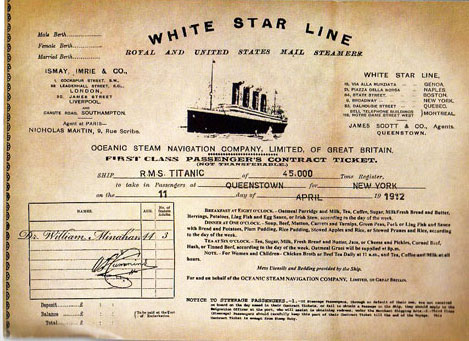
One of the major transatlantic Irish ports, Cobh was the departure point for 2.5 million of the six million Irish people who emigrated to North America between 1848 and 1950. On 11 April 1912 Queenstown was the final port of call for the RMS Titanic as she set out across the Atlantic on her ill-fated maiden voyage.
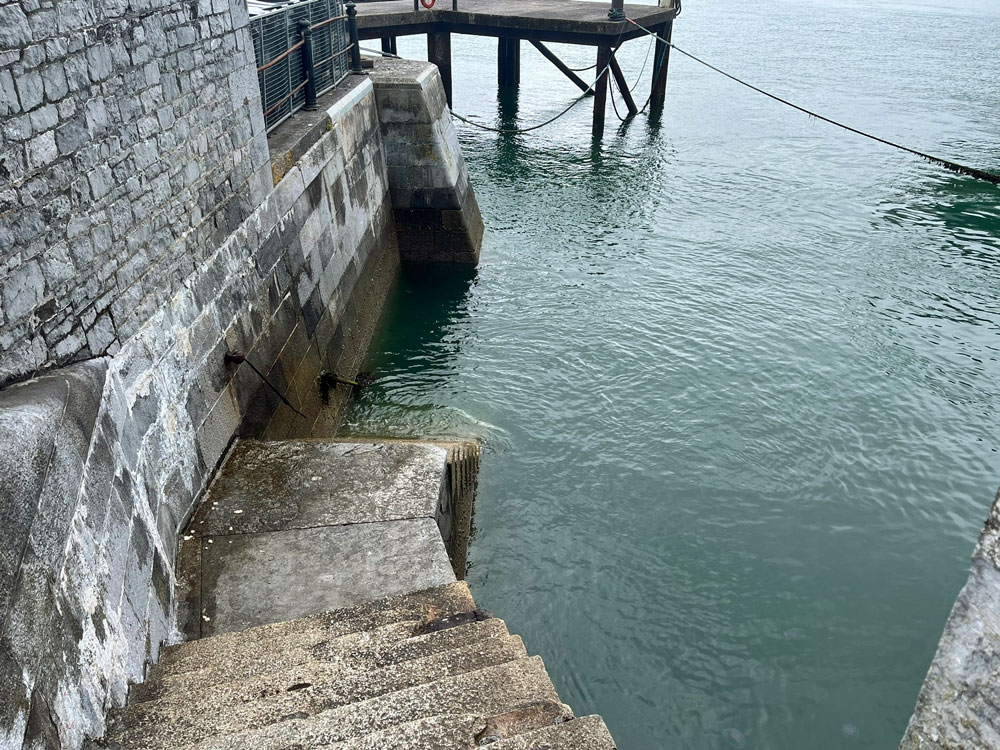
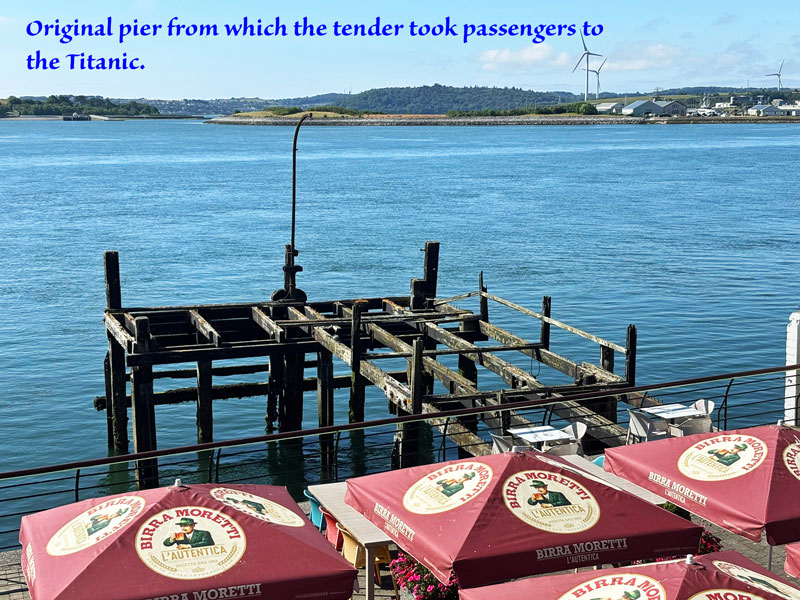
The White Steam Lines building. Passengers would board the tender at the back of the building to bring them to the Titanic which was anchored near the mouth of Cobh harbour.
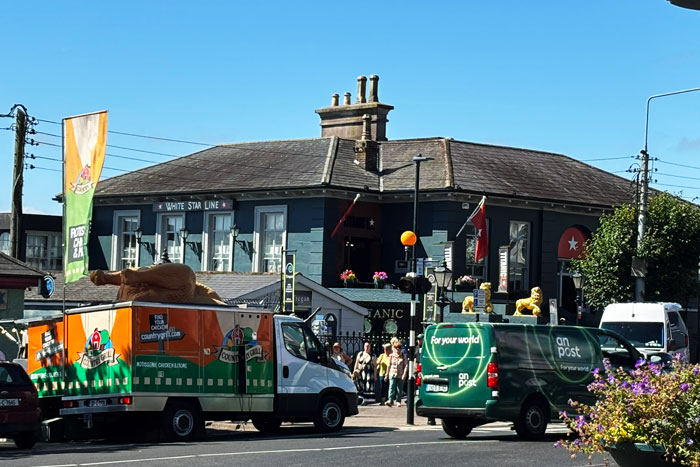
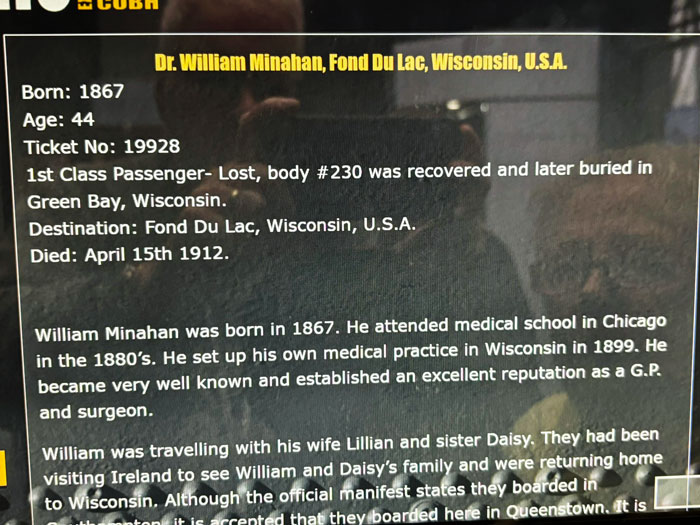
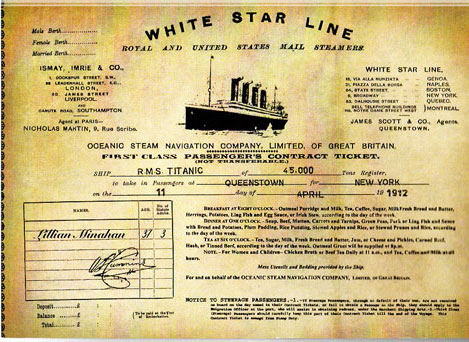
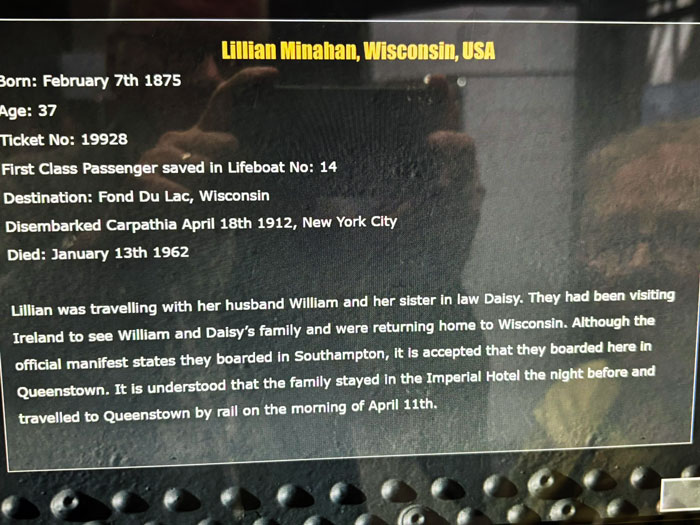
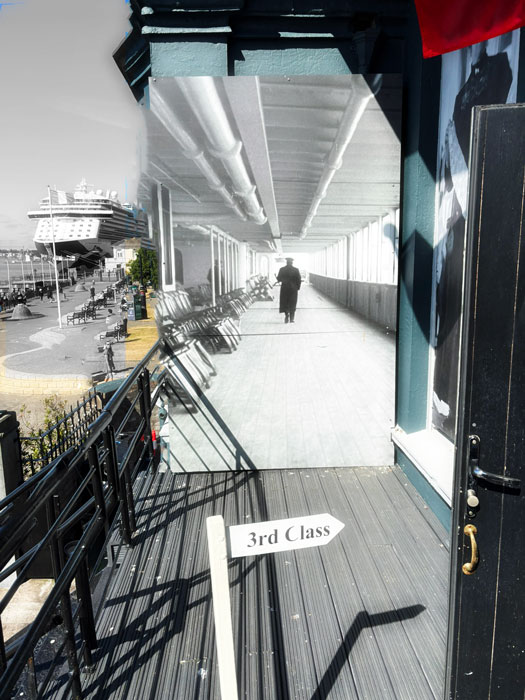

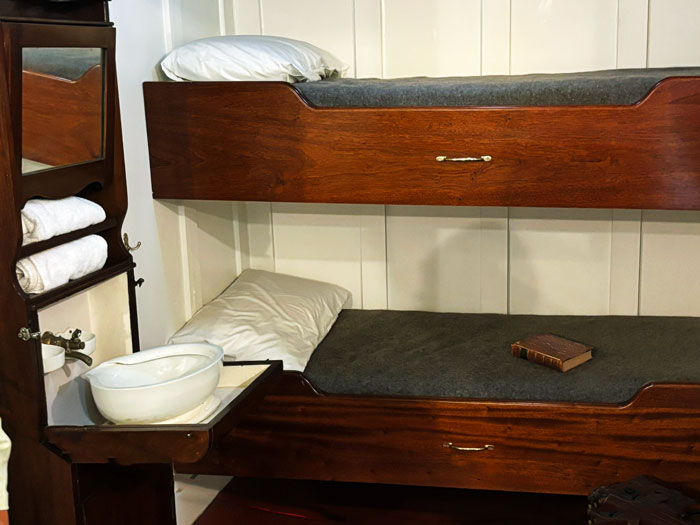
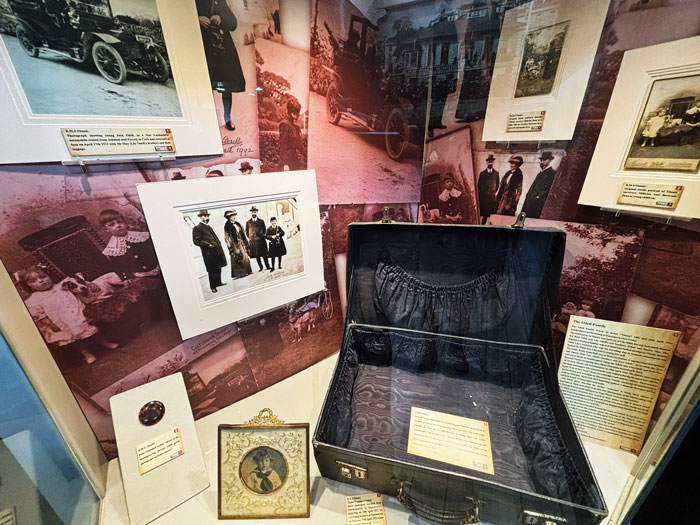
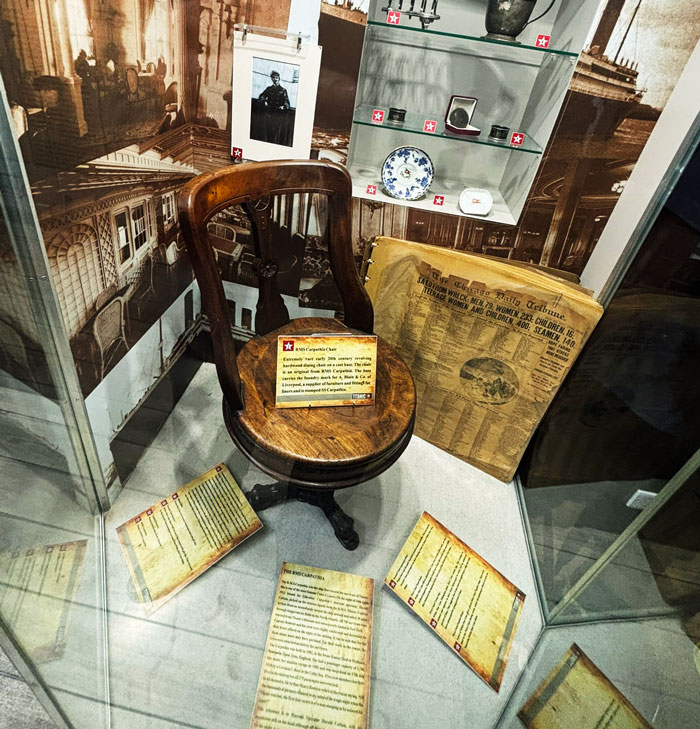
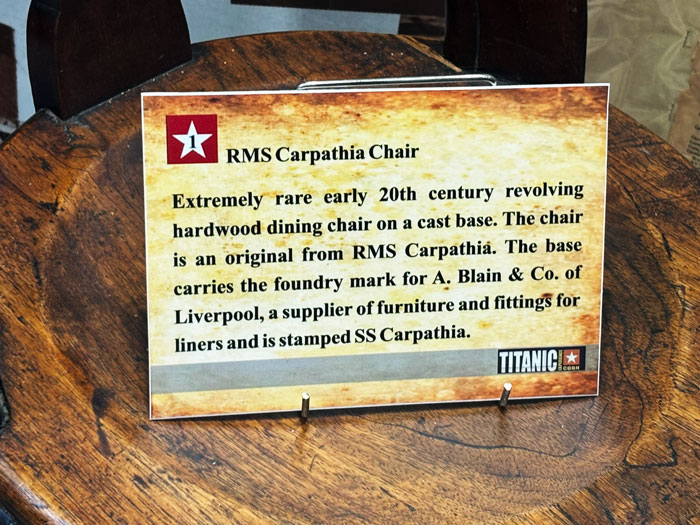
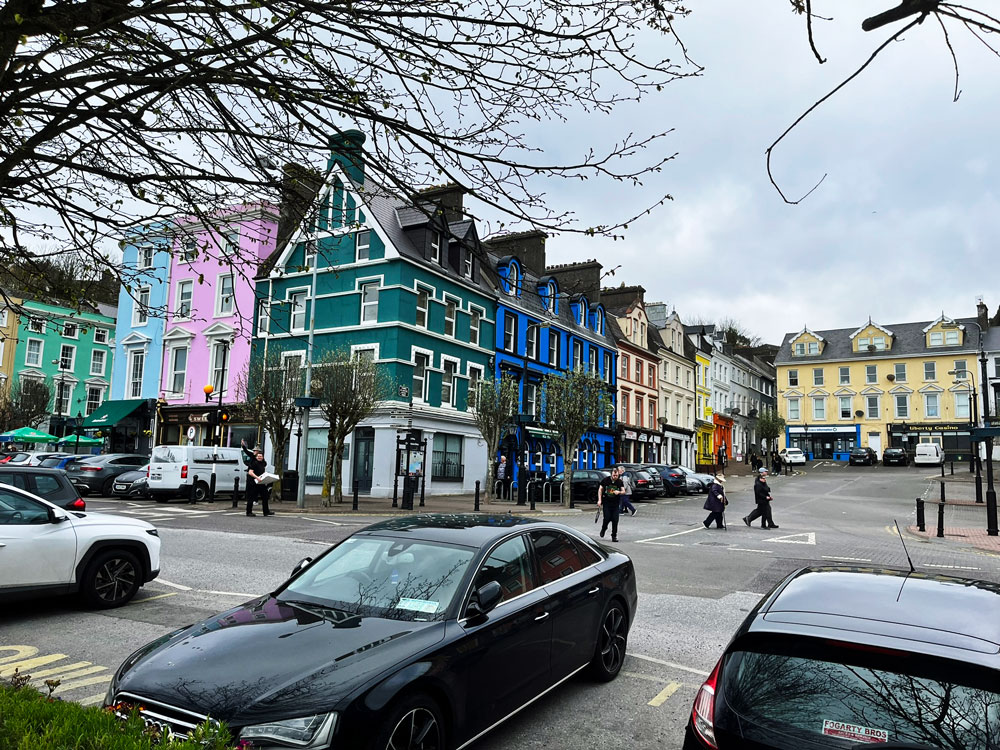
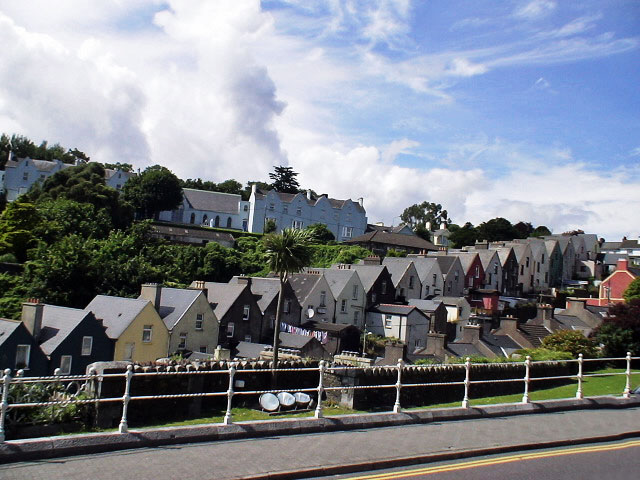
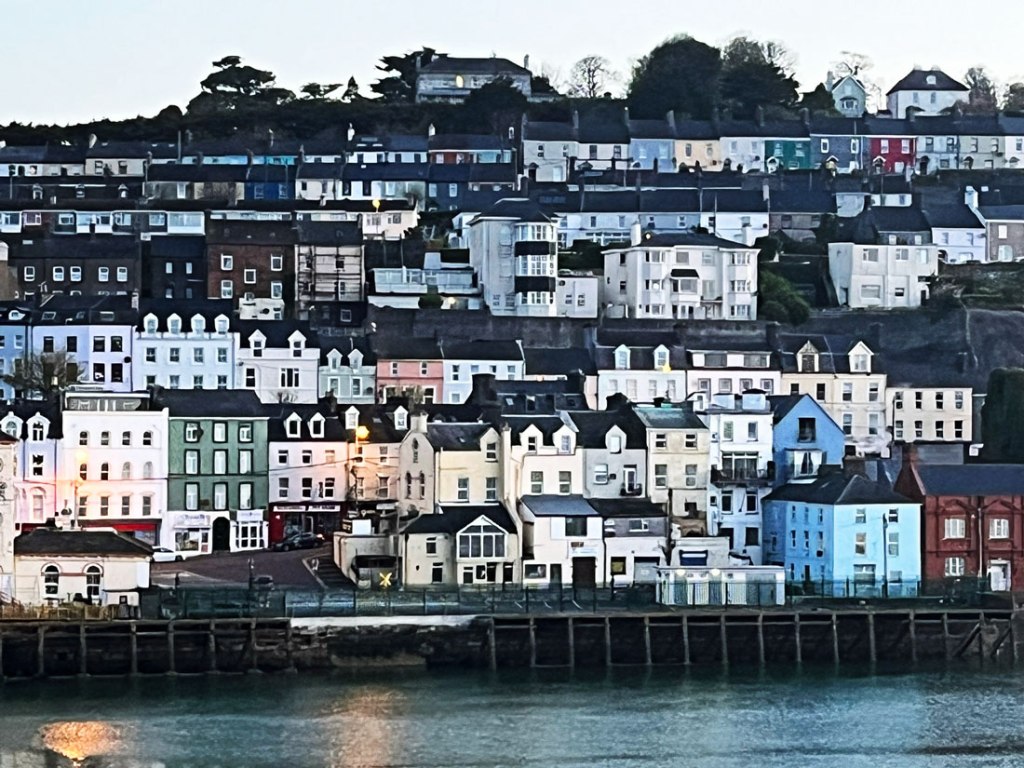
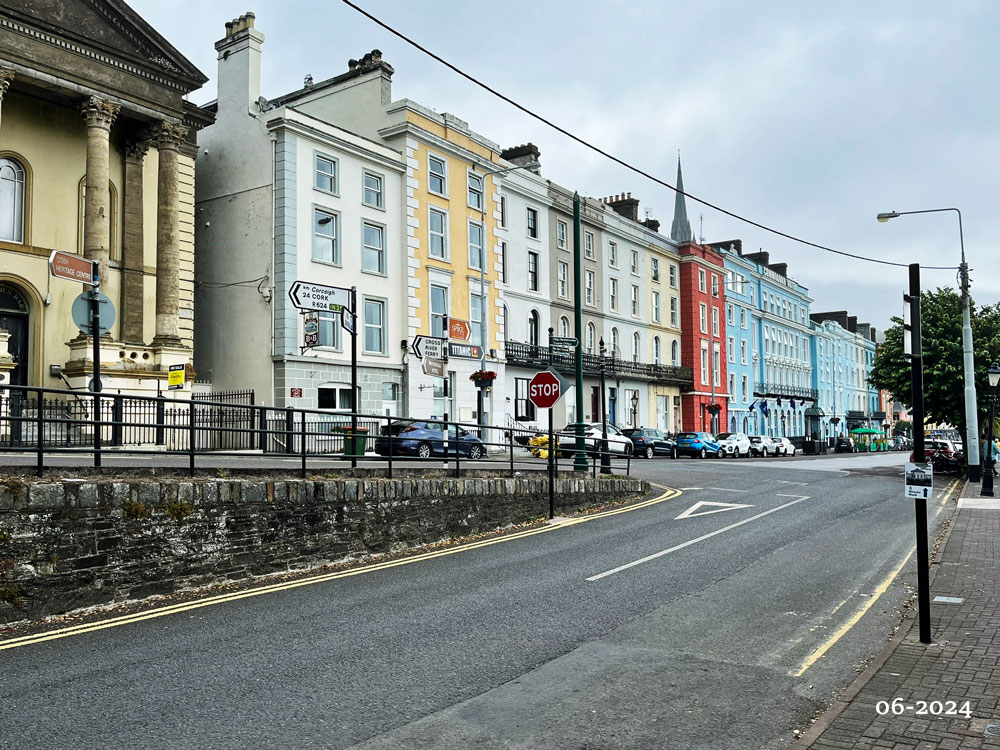
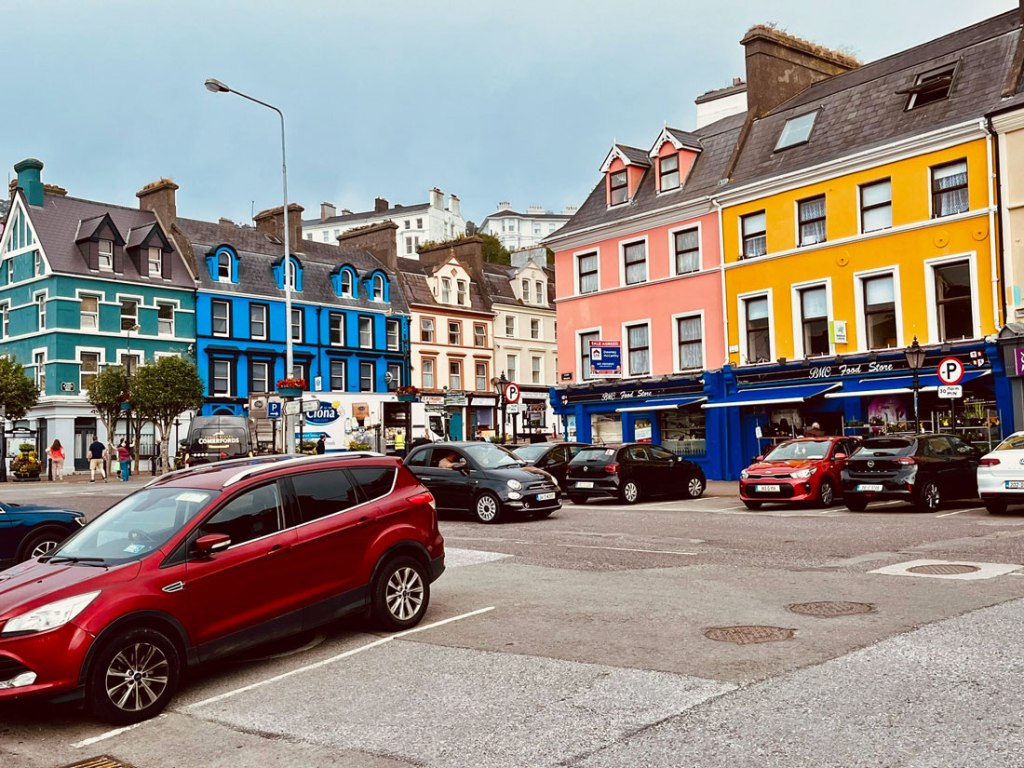
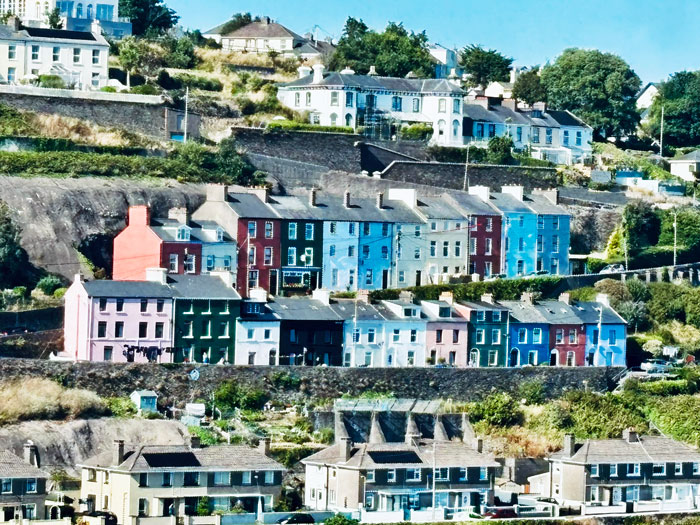
A row of houses. Just though it was an interesting picture.
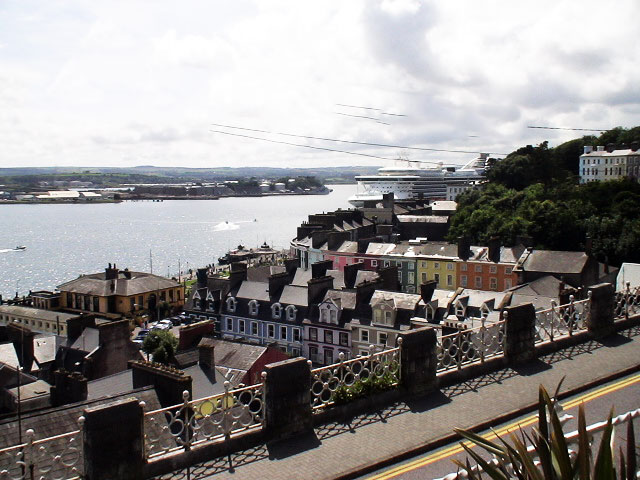
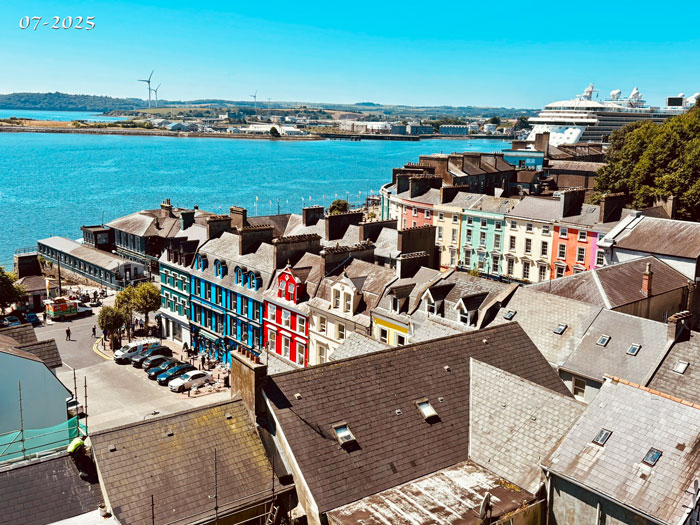
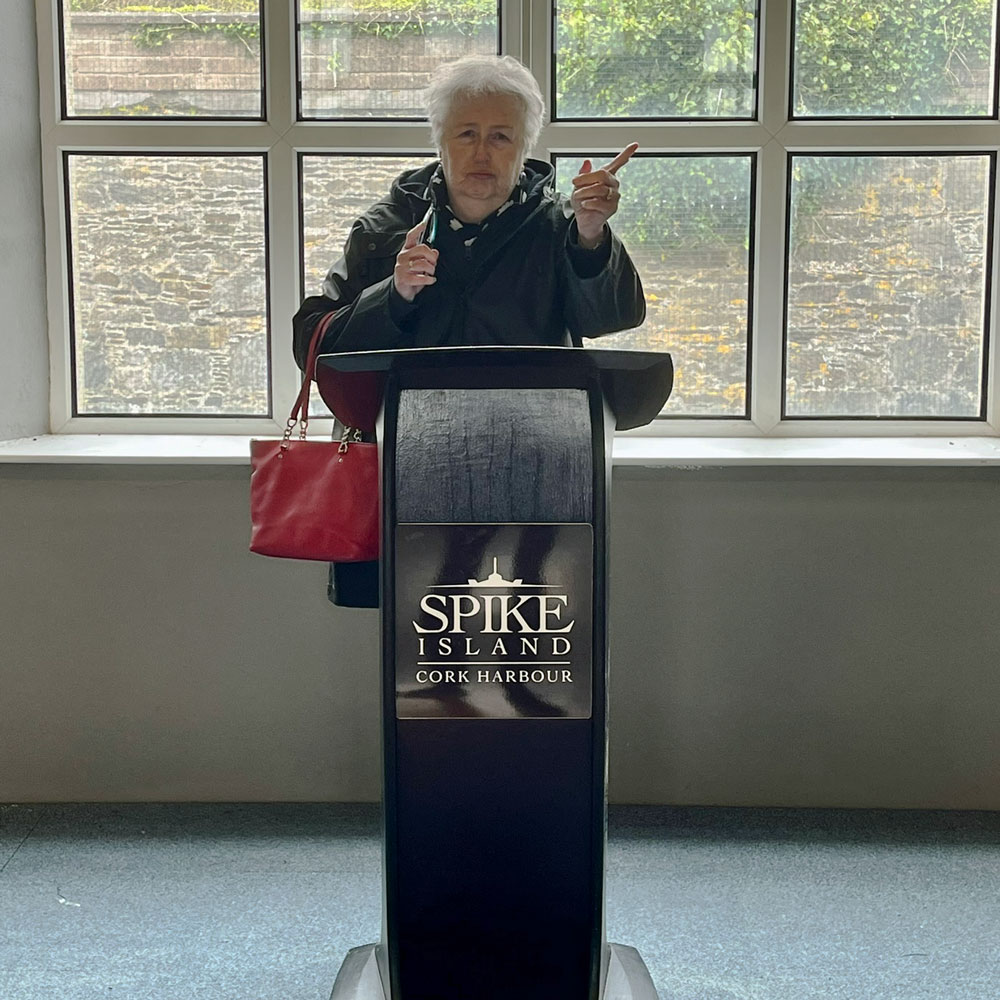
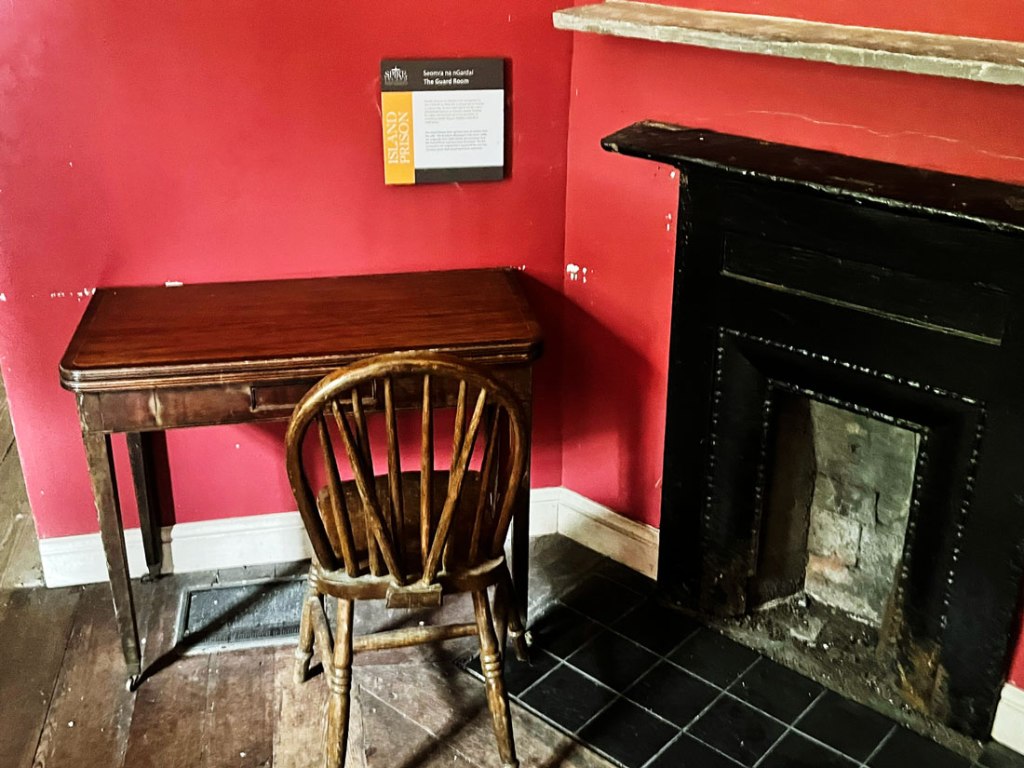
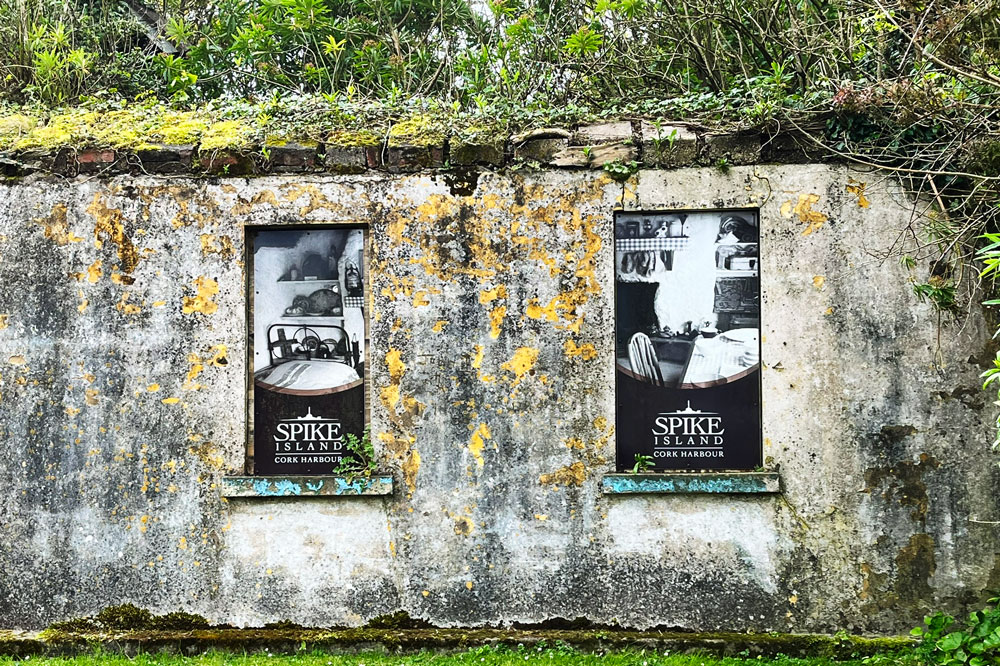
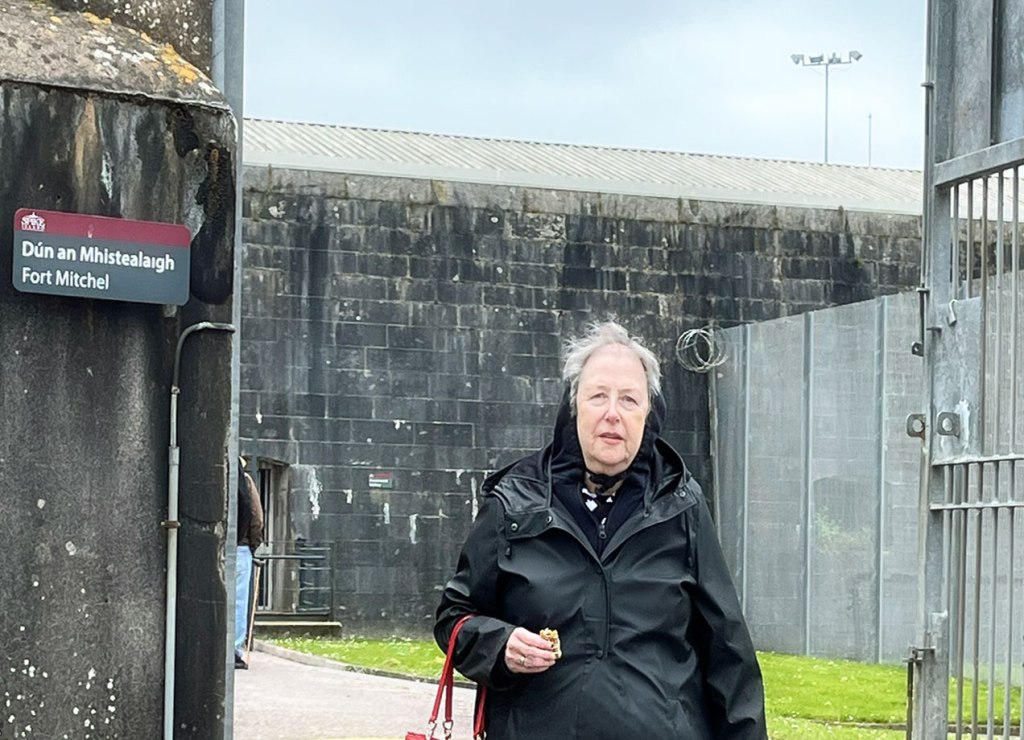
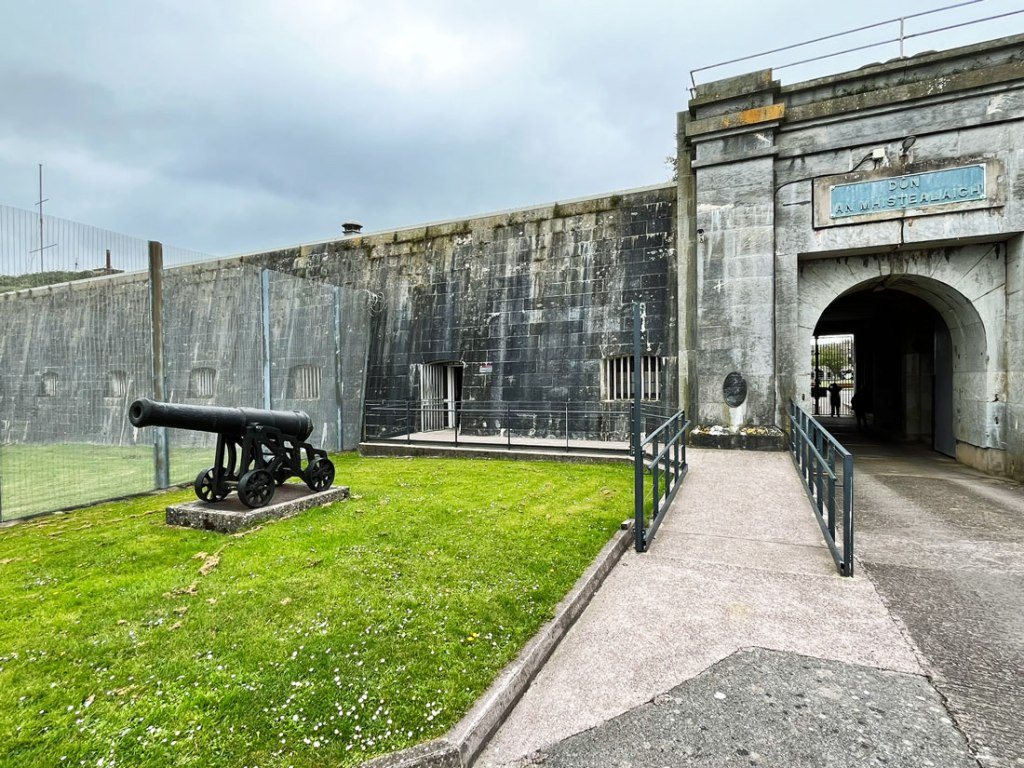
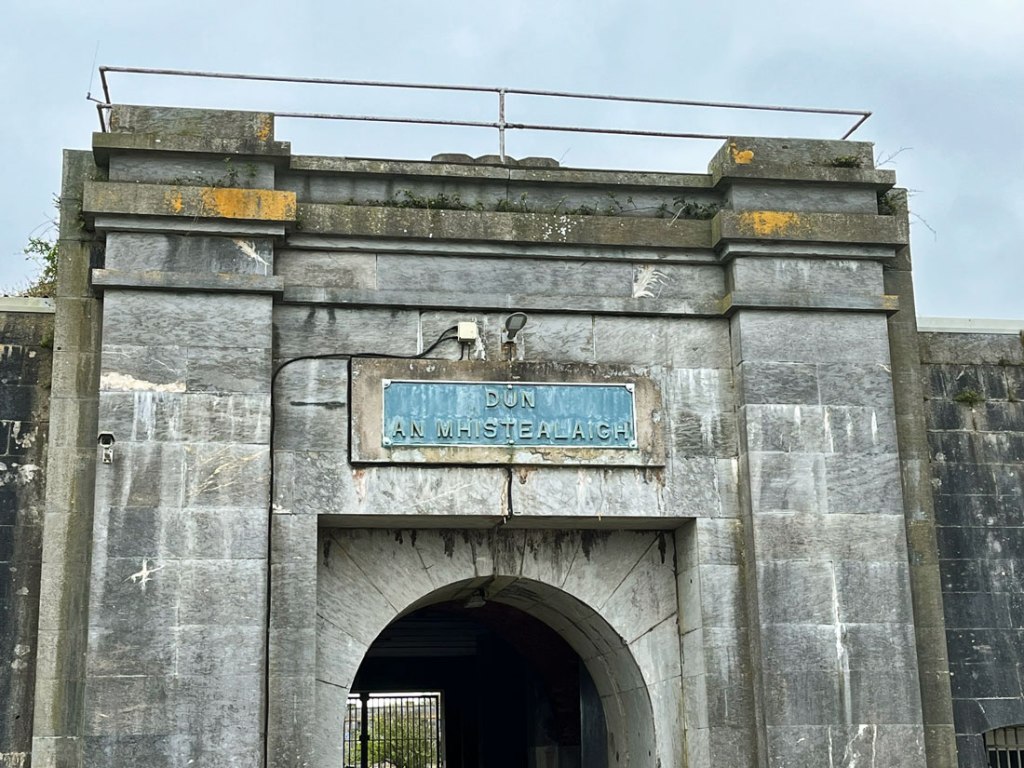
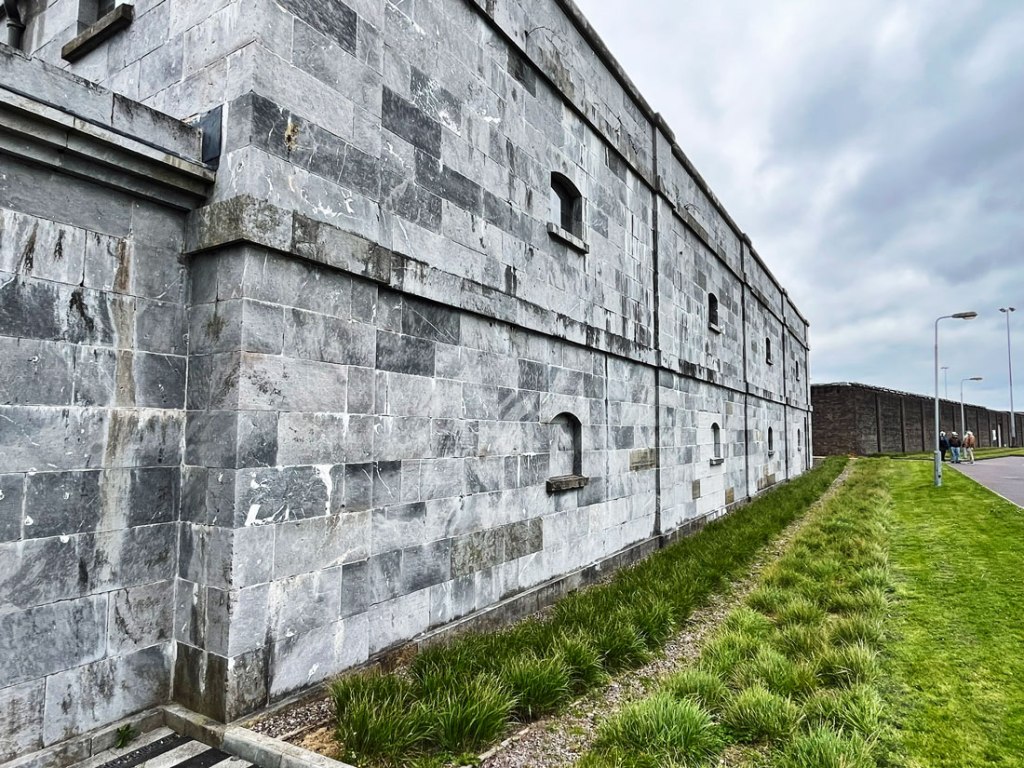
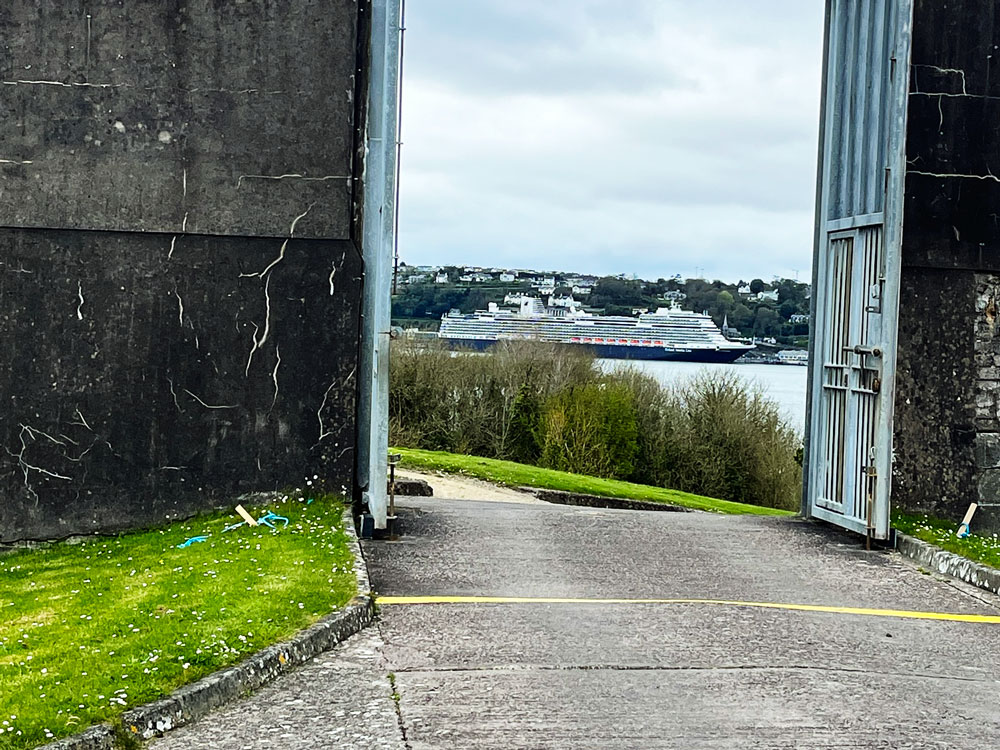
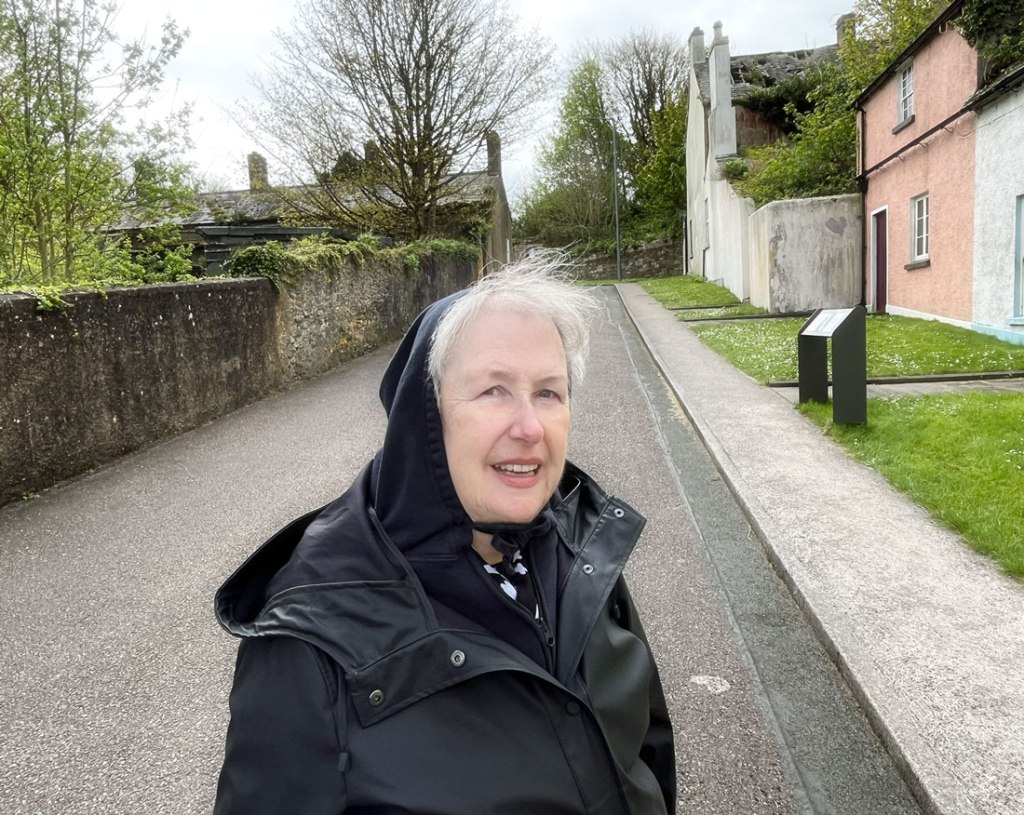
Spike Island is an island of 103 acres in Cork Harbour. Originally the site of a monastic settlement, the island is dominated by an 18th-century bastion now named Fort Mitchel.
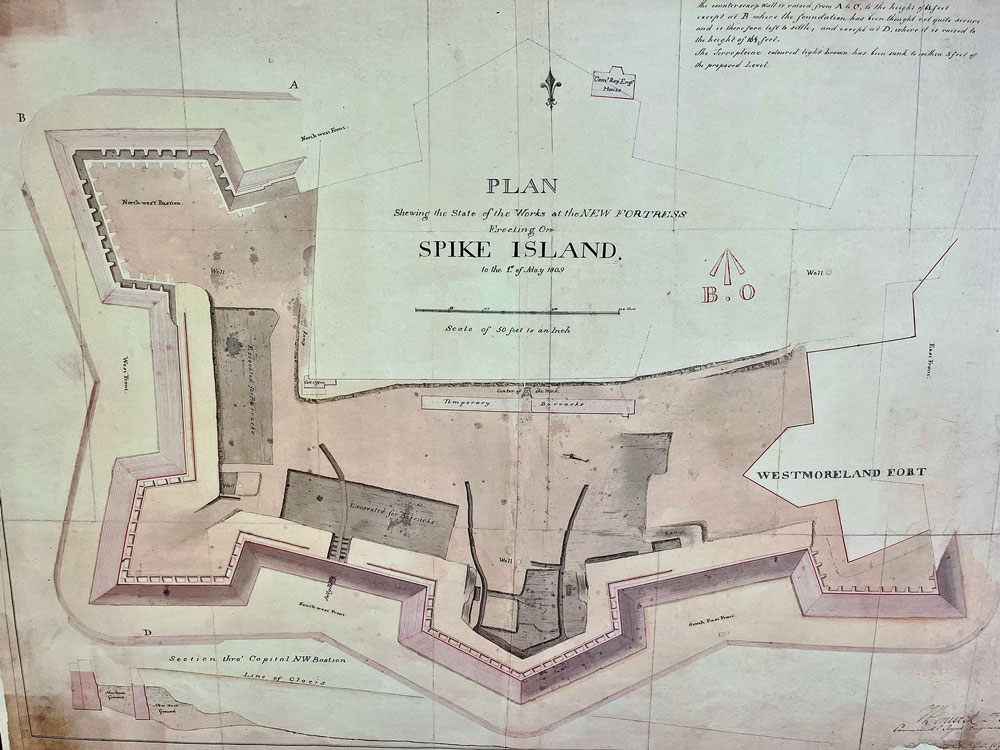
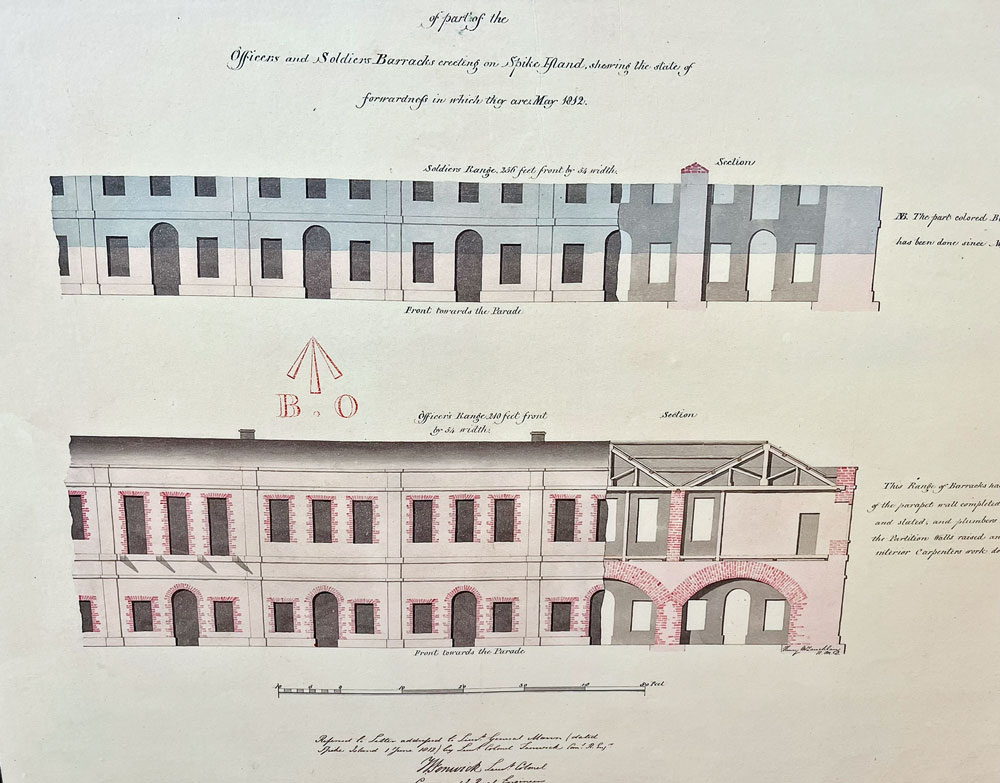
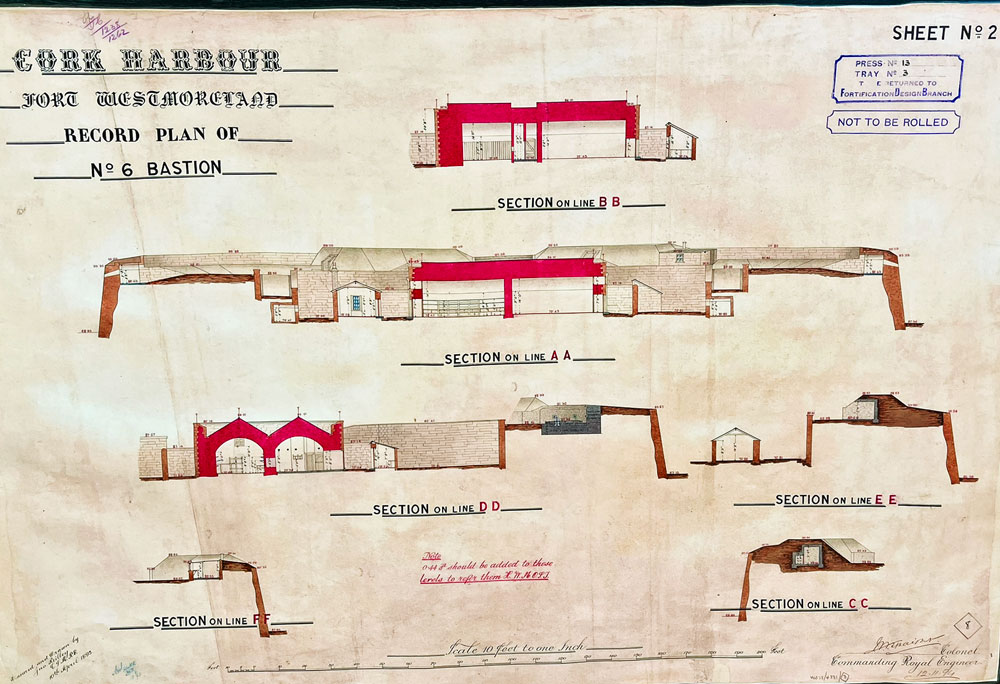
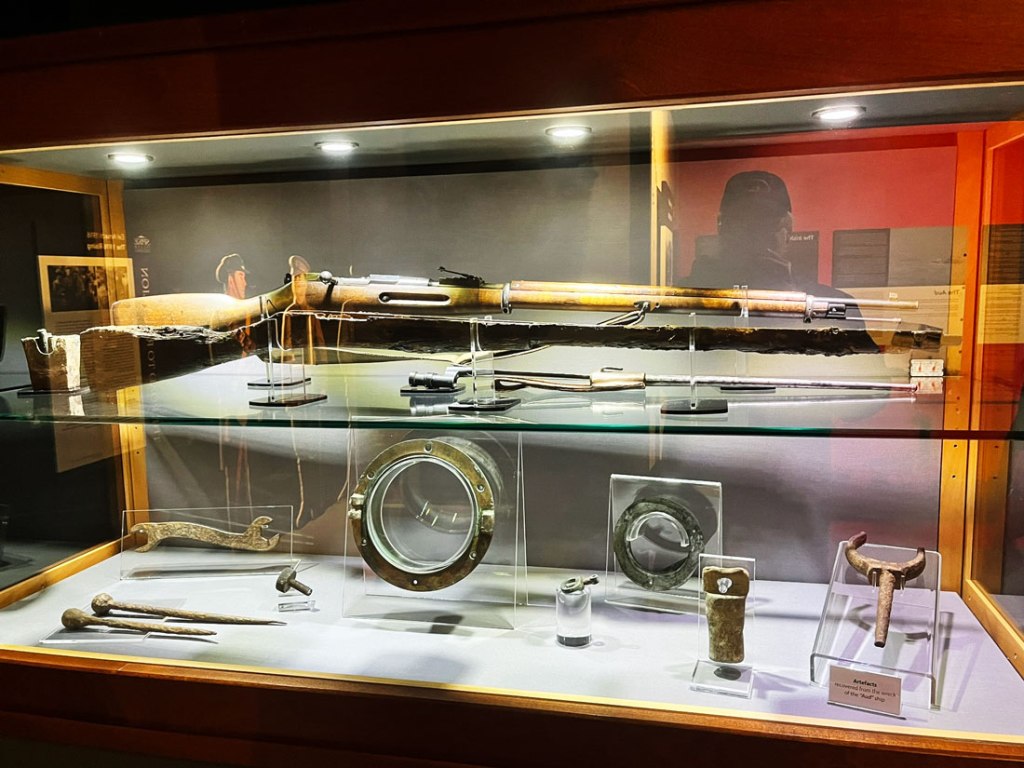
The first artillery fortification on the island was built in 1779. Its construction was prompted by the outbreak of the American revolution in 1775, and in particular by the entry of France (1778) and Spain (1779) into the war on the American side. Cork Harbour was used as an assembly point for convoys to the Americas and at one point more than 400 vessels were assembled in the harbour. Additionally, Cork was a source of supplies for the British forces operating in the West Indies and North America. There was, therefore, a need to protect the harbour from potential attackers. The Spike Island Battery was a temporary work and armed with eighteen 24 pounder cannon moved from Cobh Fort . After the Treaty of Paris ended the war in 1783, this temporary work was demolished.
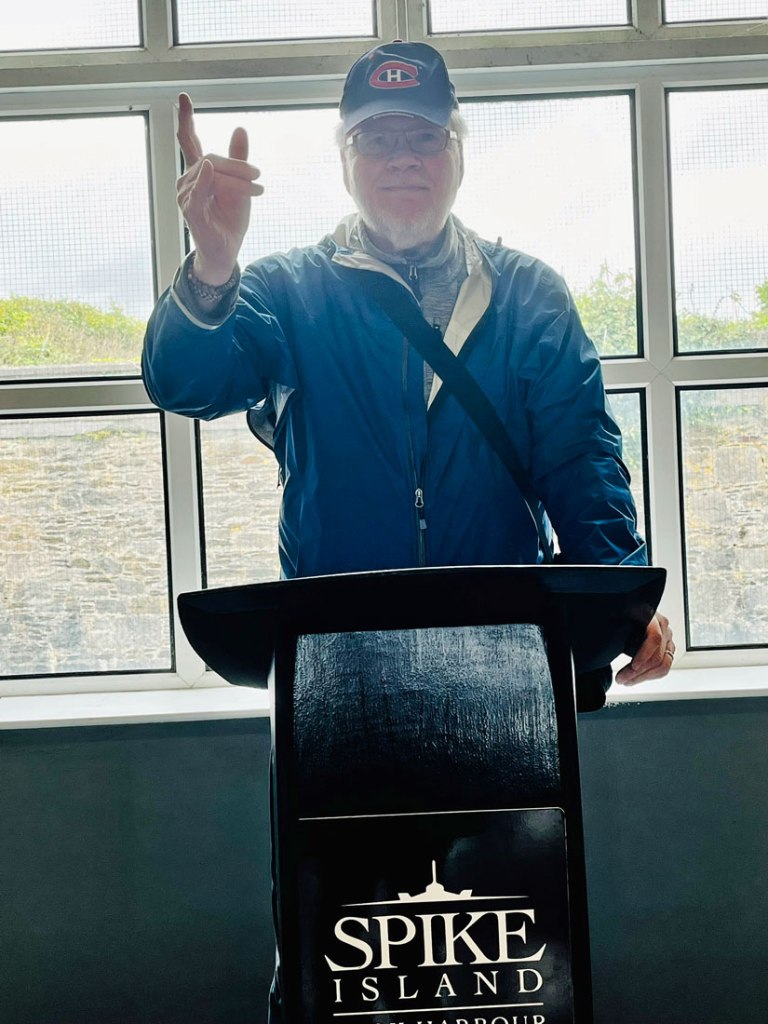
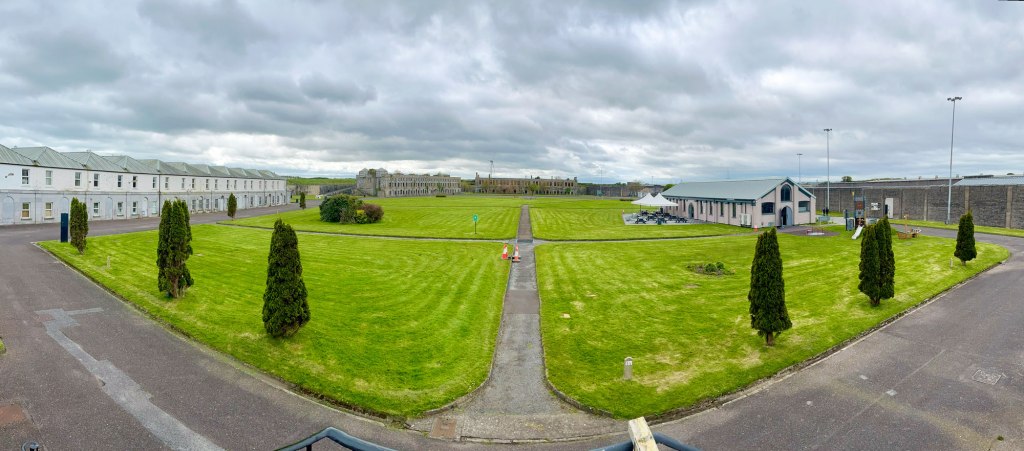

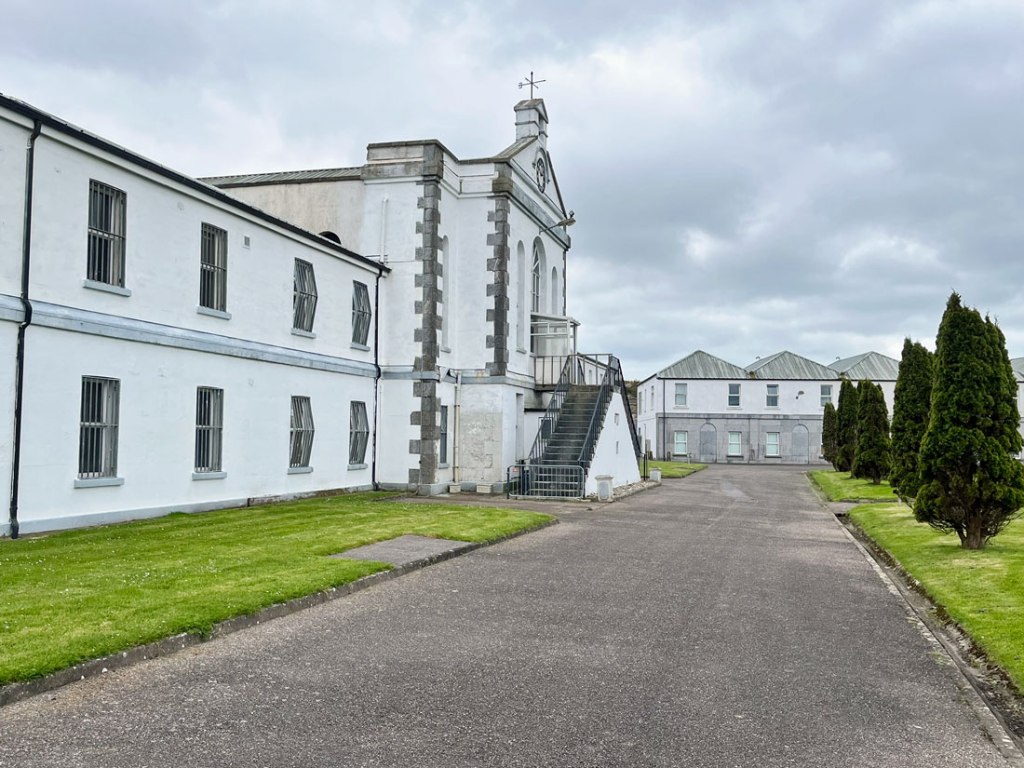
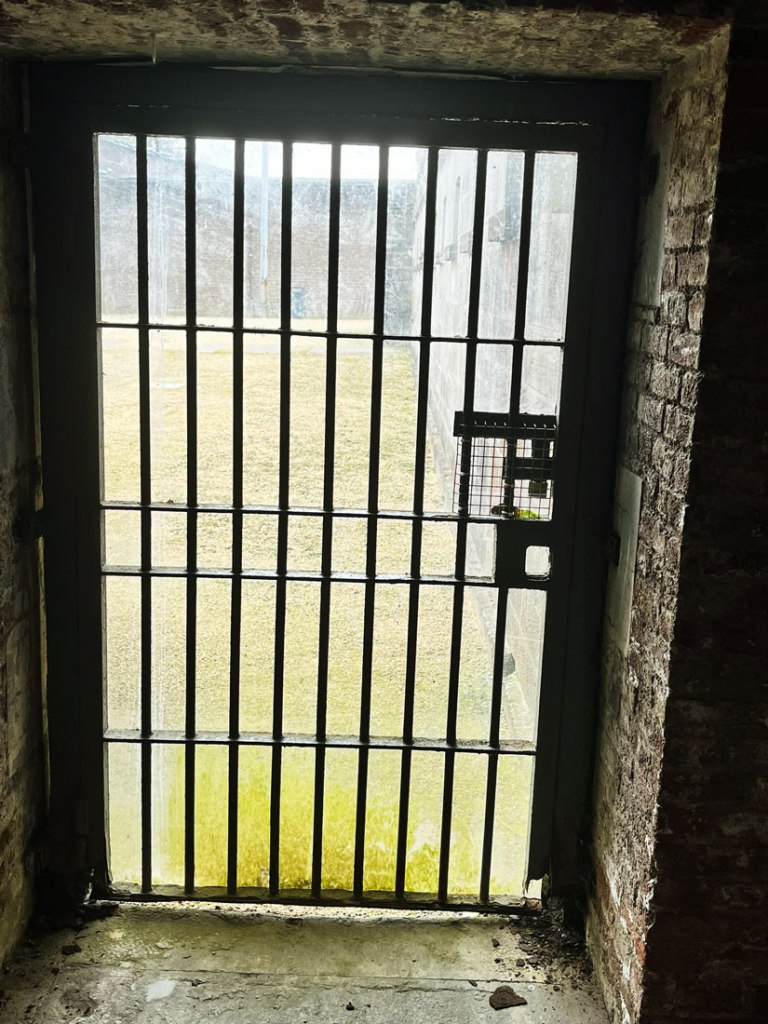
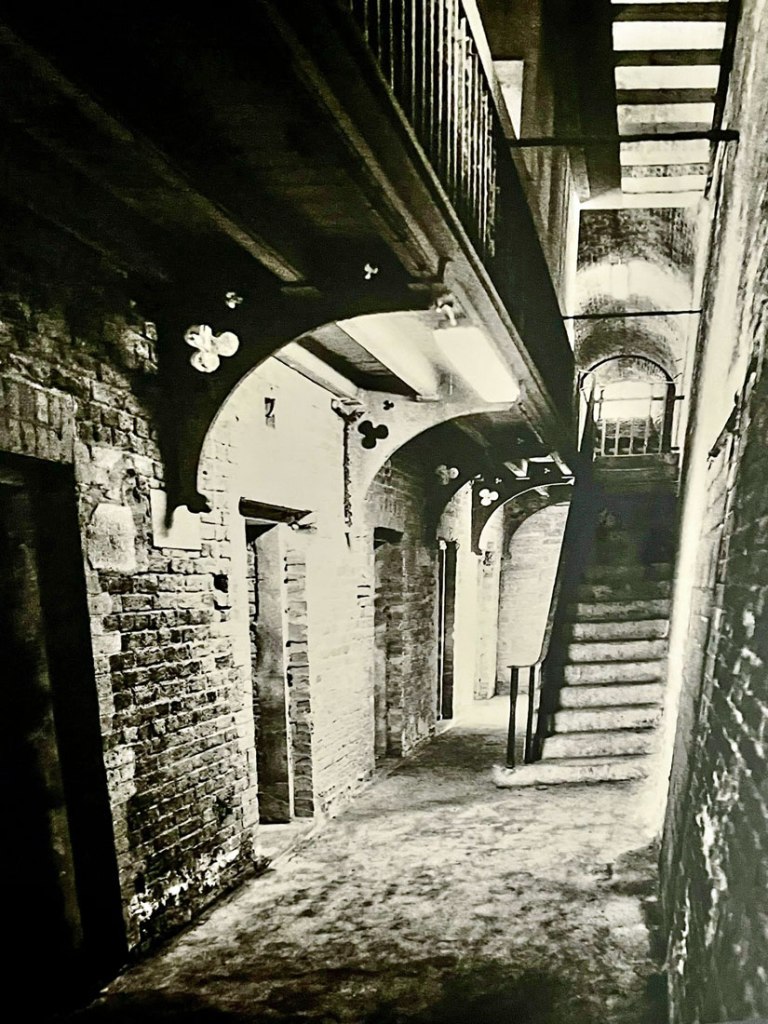
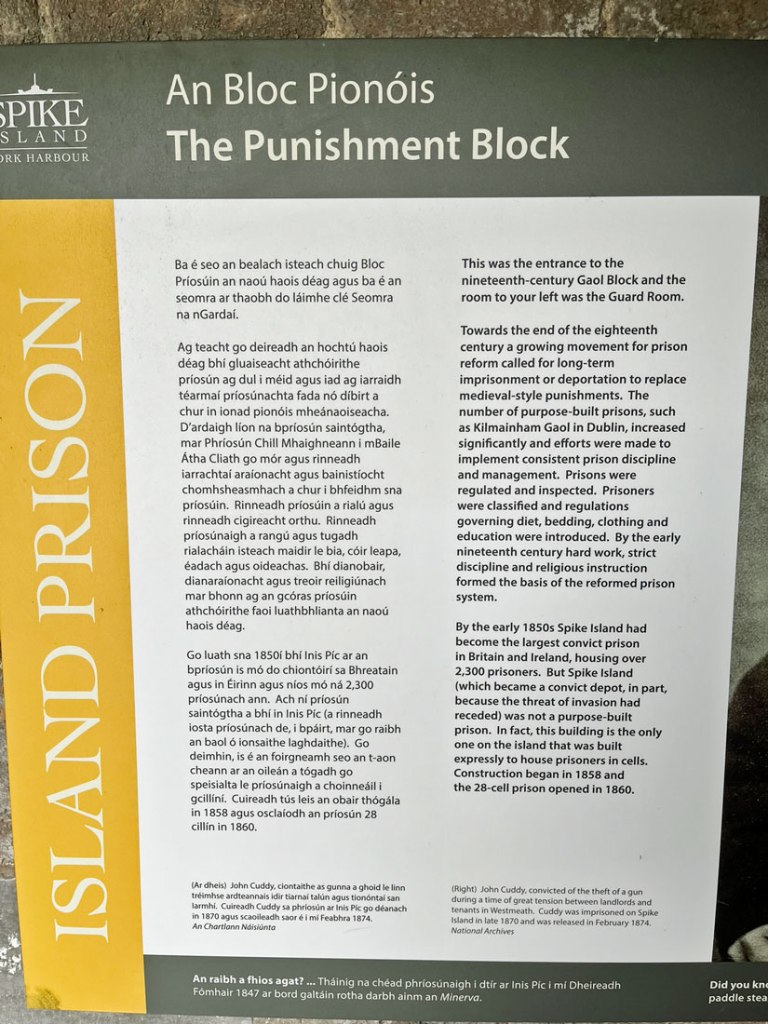
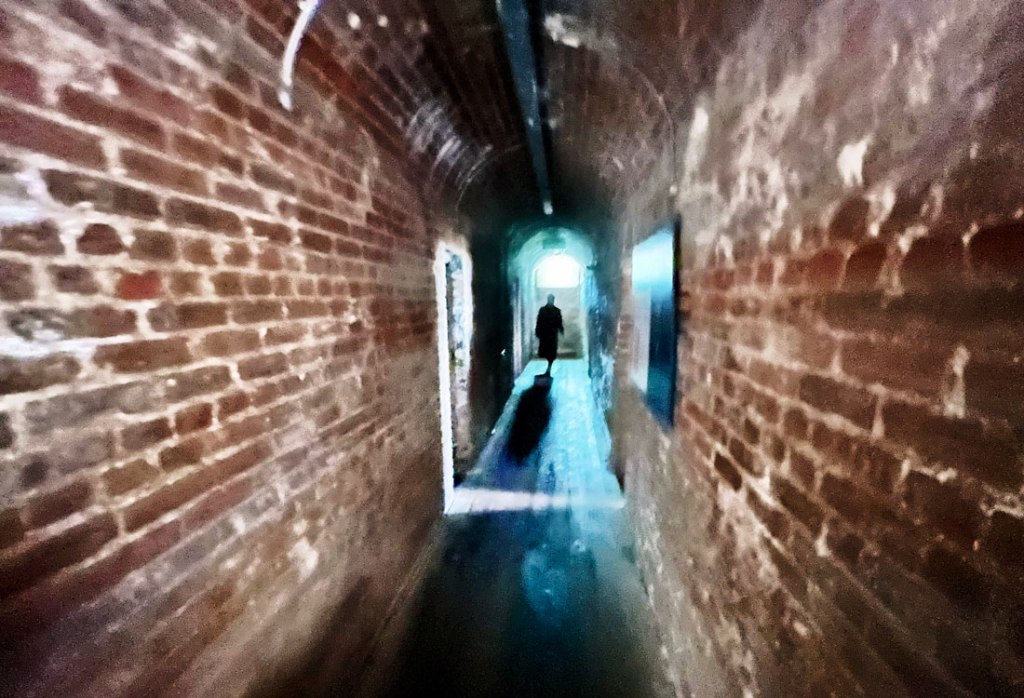
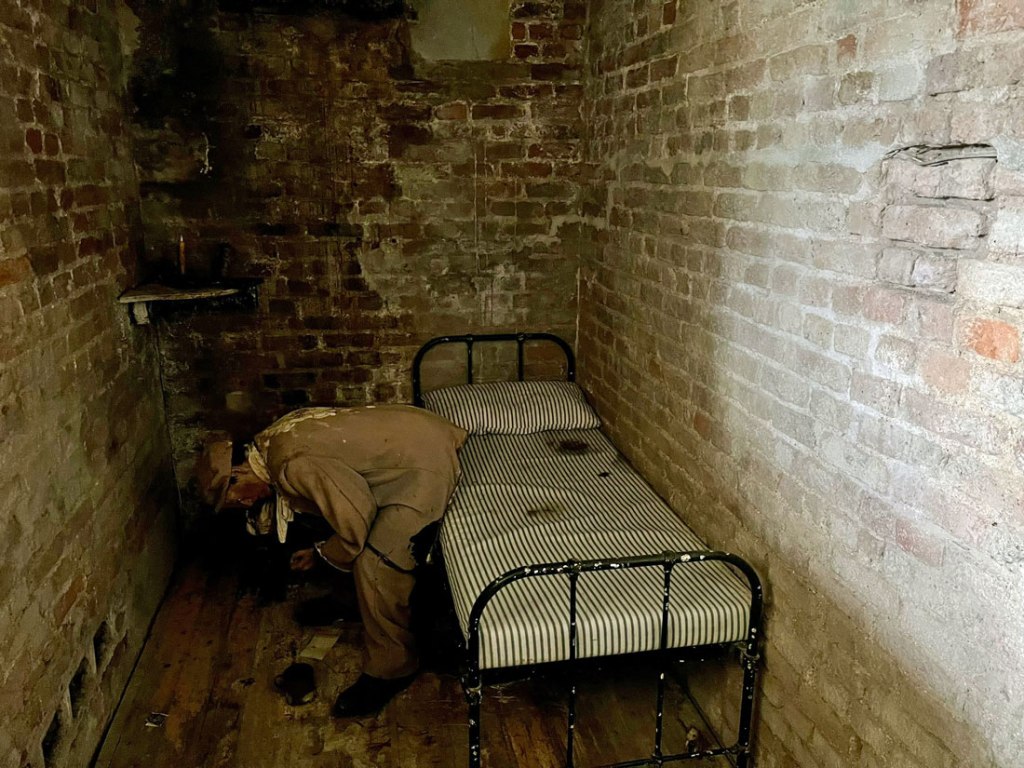
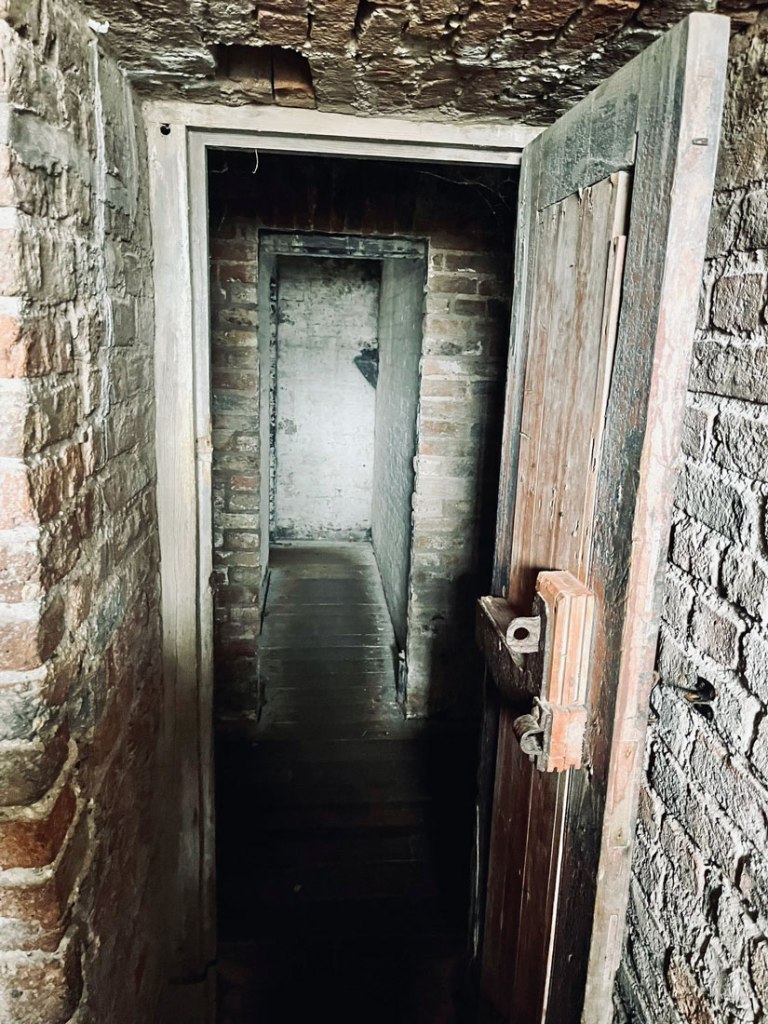
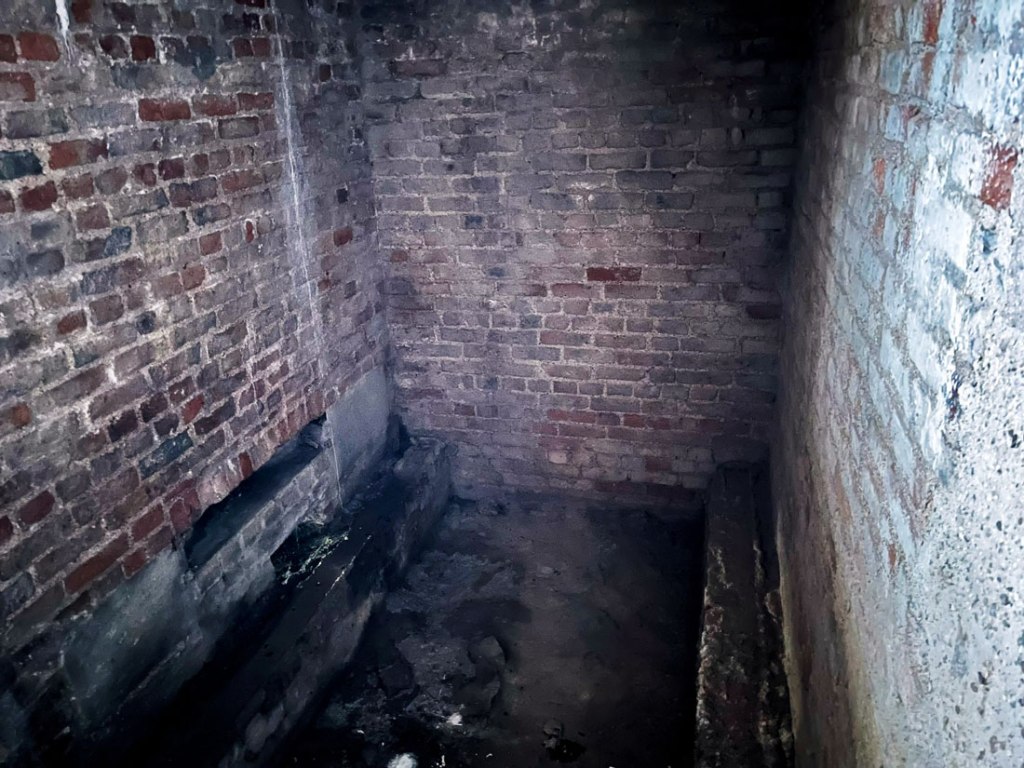
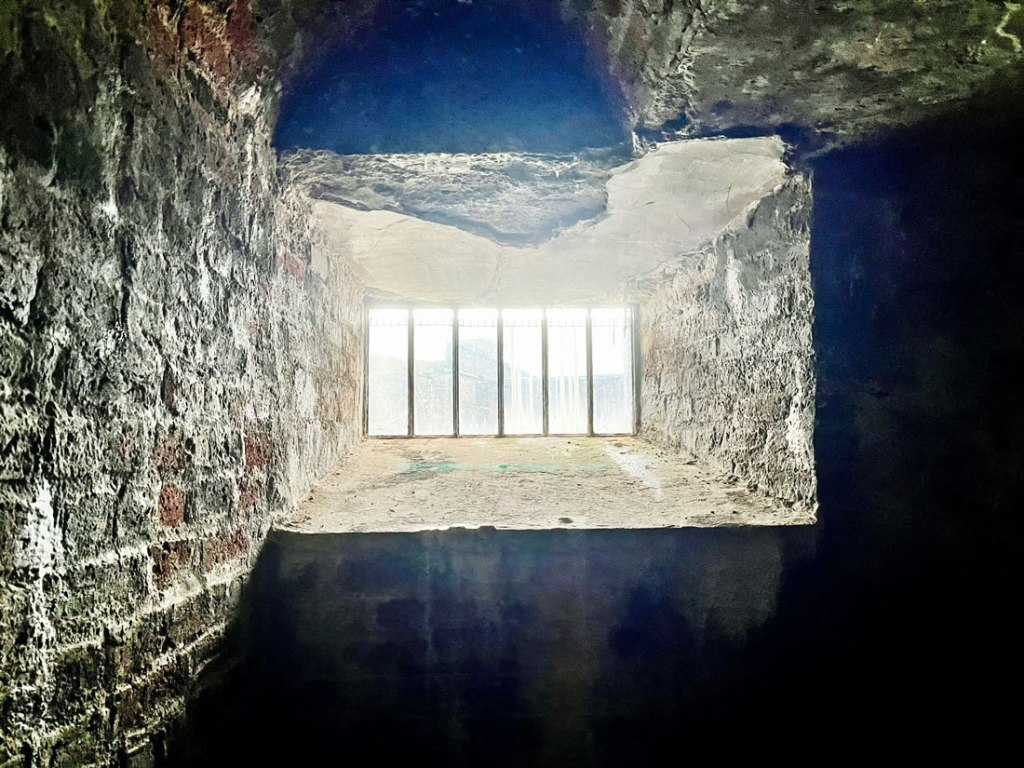
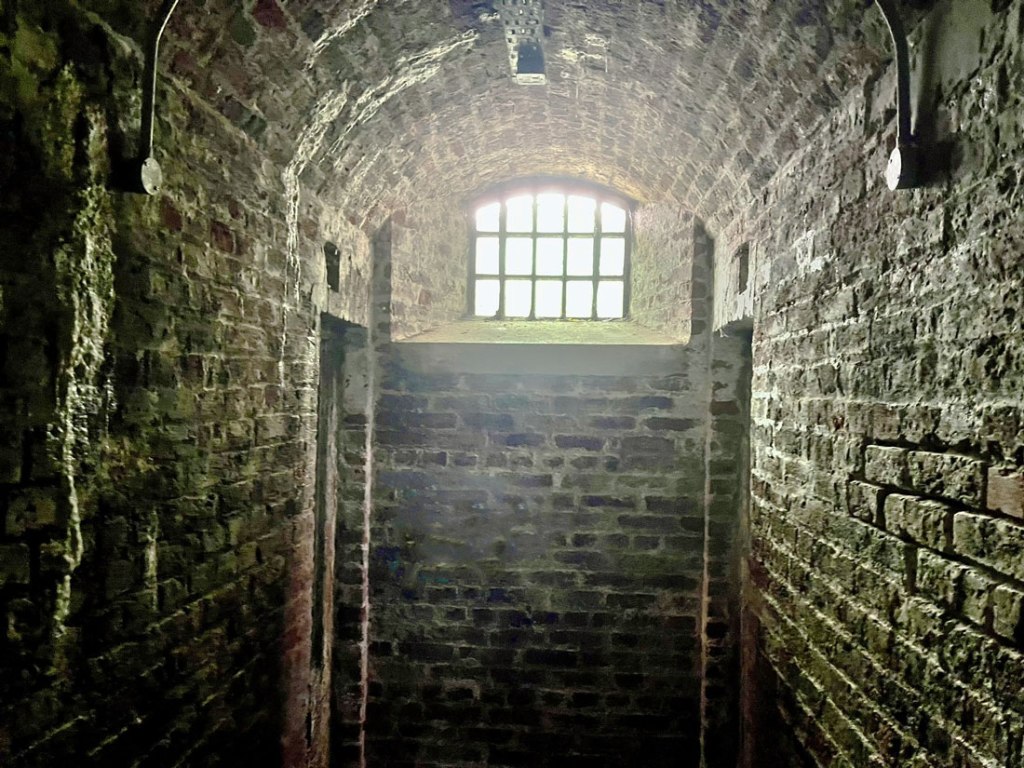
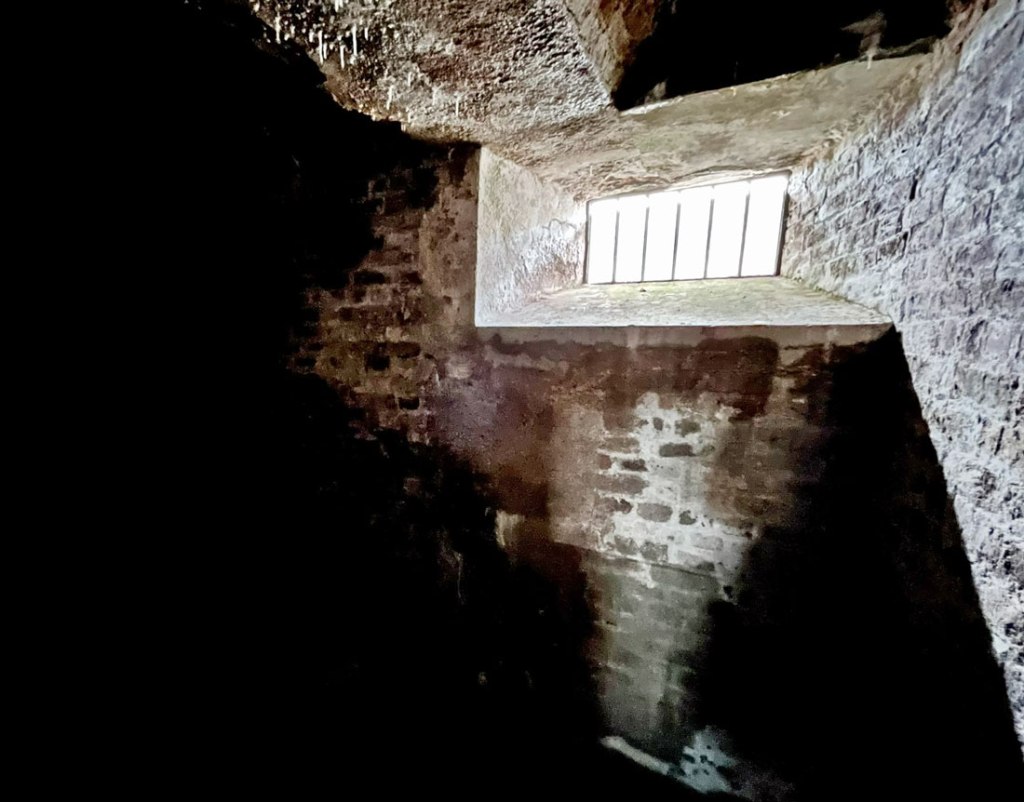
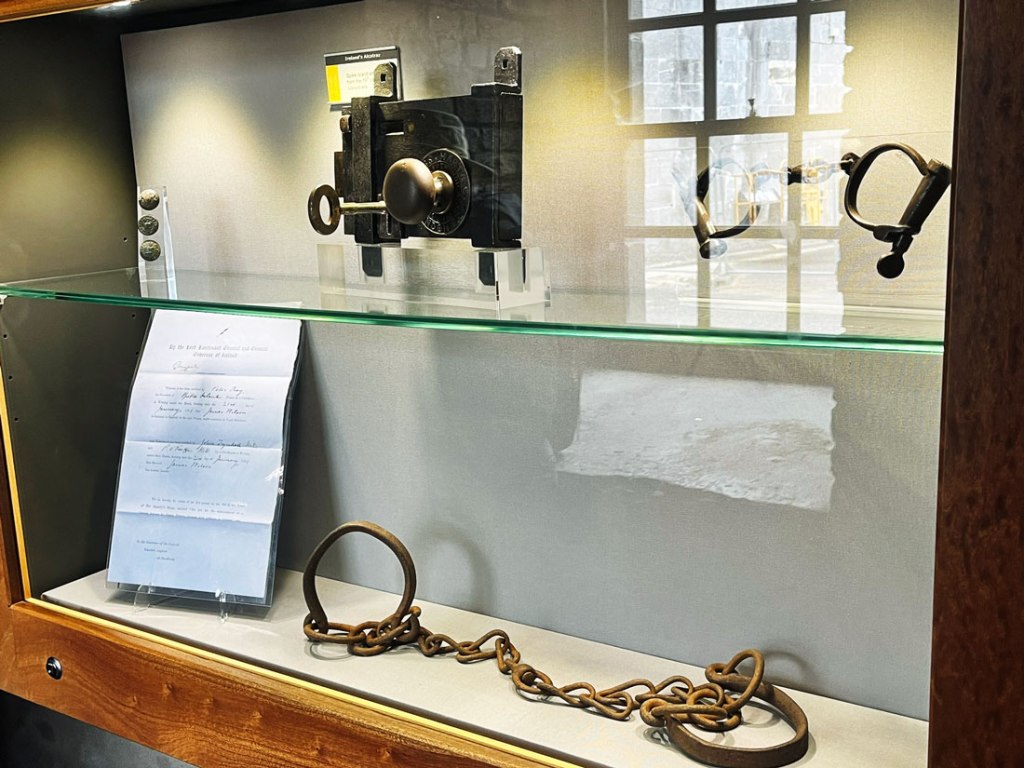
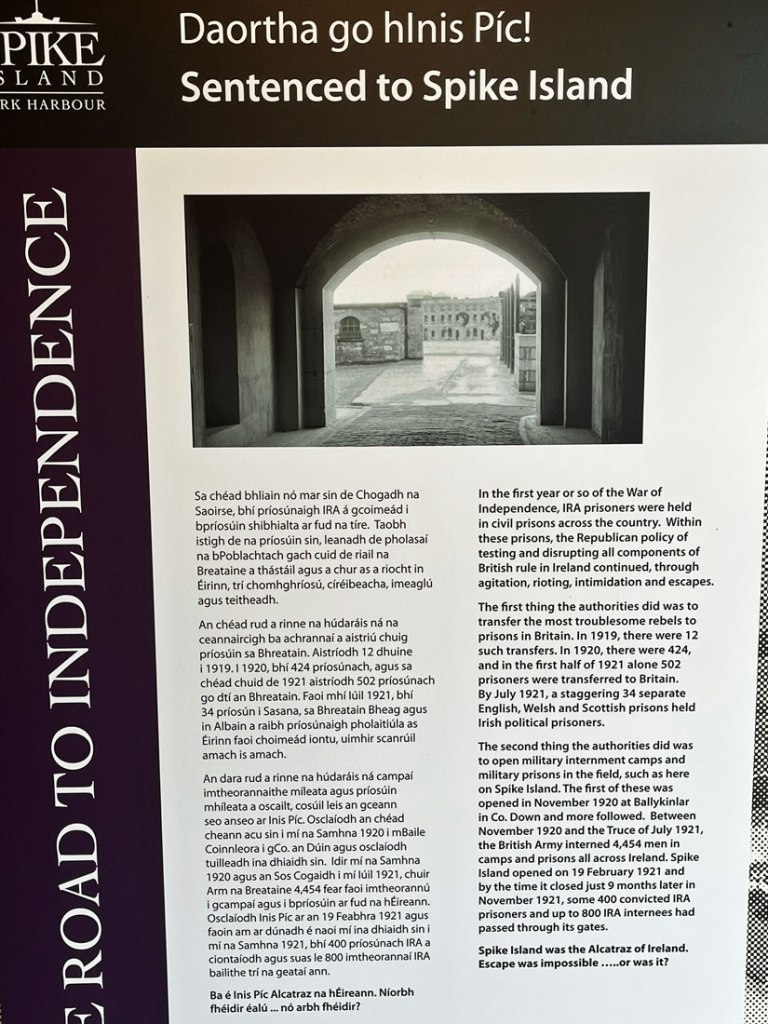
Later a prison and convict depot, the island was used to house convicts prior to penal transportation. Opened in 1847 to deal with growing number of convictions for theft during the great Famine, the prison grew into what “for a few years in the mid-19th century [..] was probably [..] the biggest prison in the British Empire”. It later gained a reputation as “Ireland’s Alcatraz”.
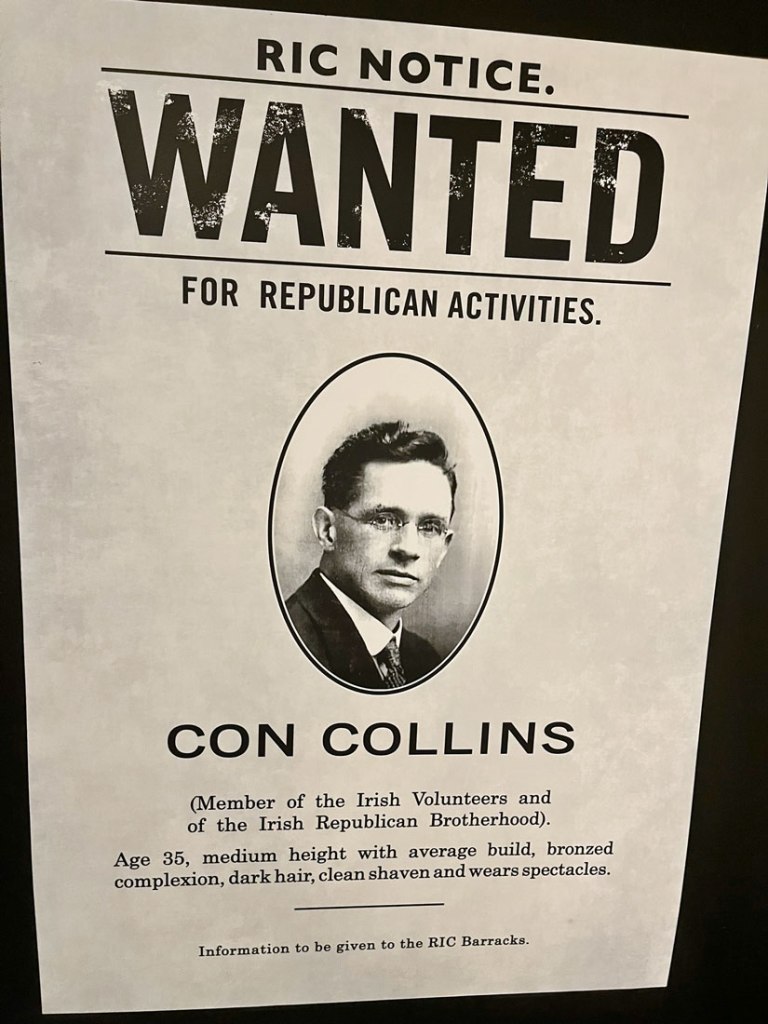
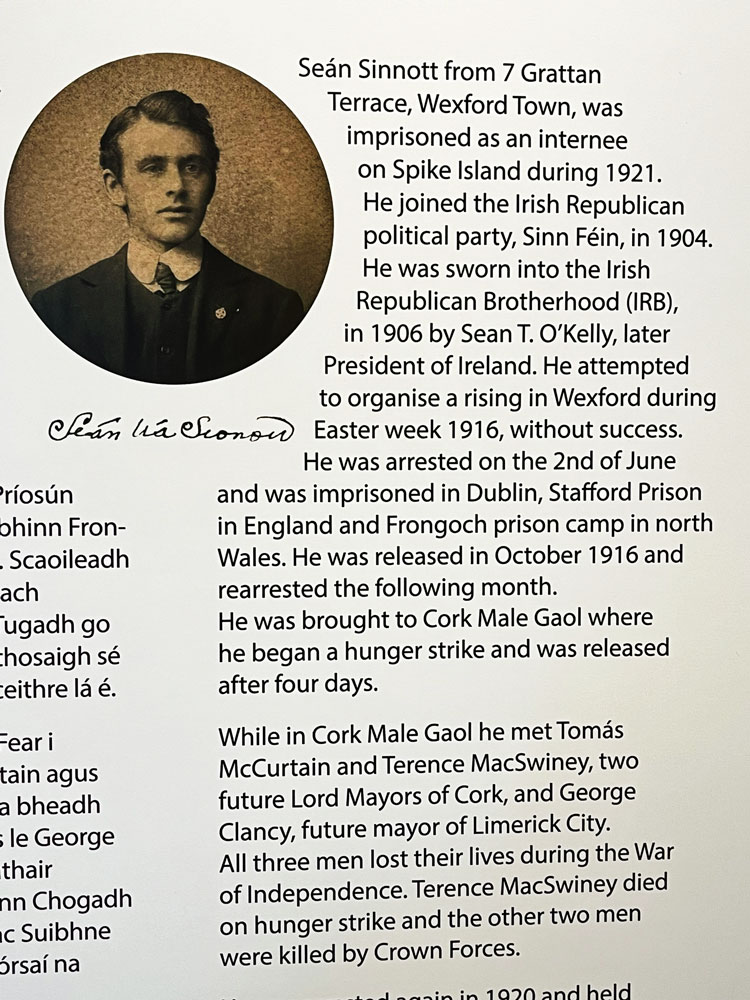
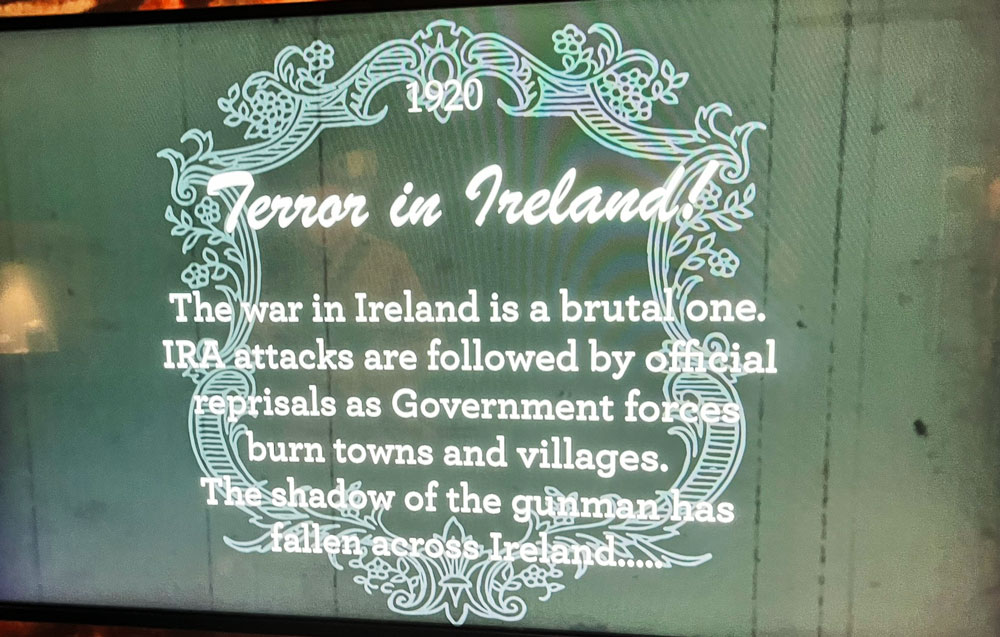
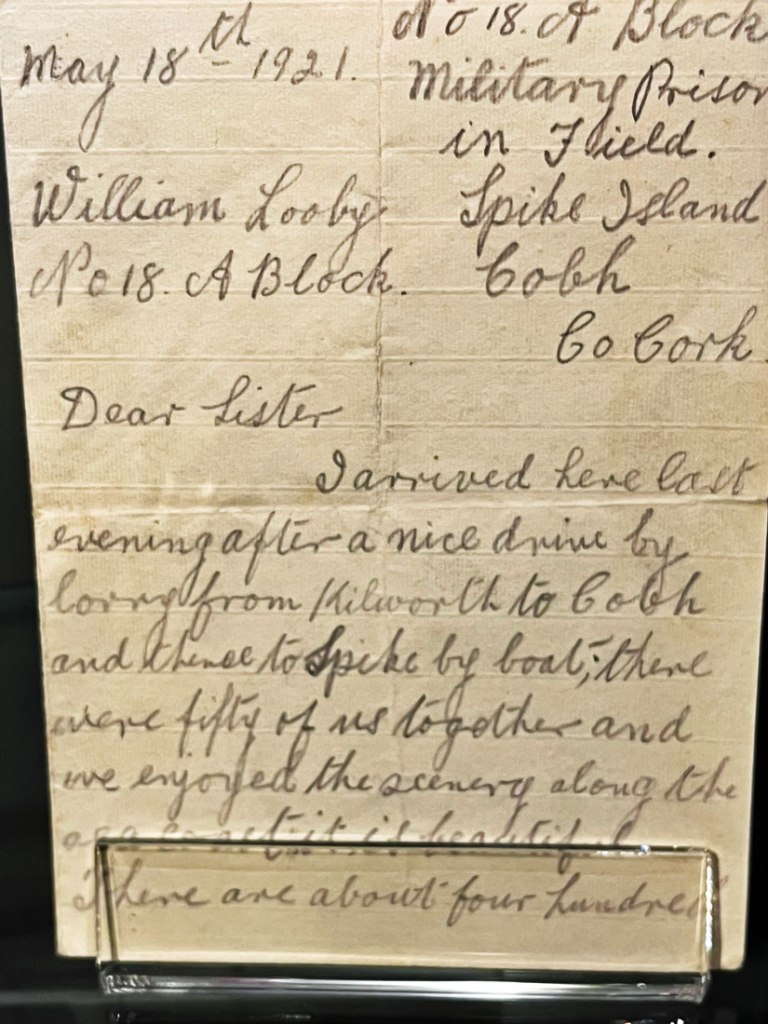
The island remained in use as a garrison and prison through the Irish War of Independence, when IRA prisoners were held there. Richard Barrett was among those detained there, but escaped during the truce of 1921. Over 1400 men were held on the island at its peak until the signing of the Anglo-Irish Treaty. On 6 December 1921, the Anglo-Irish Treaty was concluded. It provided for the establishment of the Irish free State which happened on 6 December 1922. The Treaty included provisions by which the British would retain sovereignty over three strategically important ports known as the treaty ports.
Accordingly, even after the establishment of the Irish Free State, the Royal Navy continued to maintain its presence at Spike Island. Spike Island remained under British sovereignty until 11 July 1938 when pursuant to the Anglo-Irish treaty Agreement of 25 April 1938, the territory was ceded to Ireland.


 s
s 