


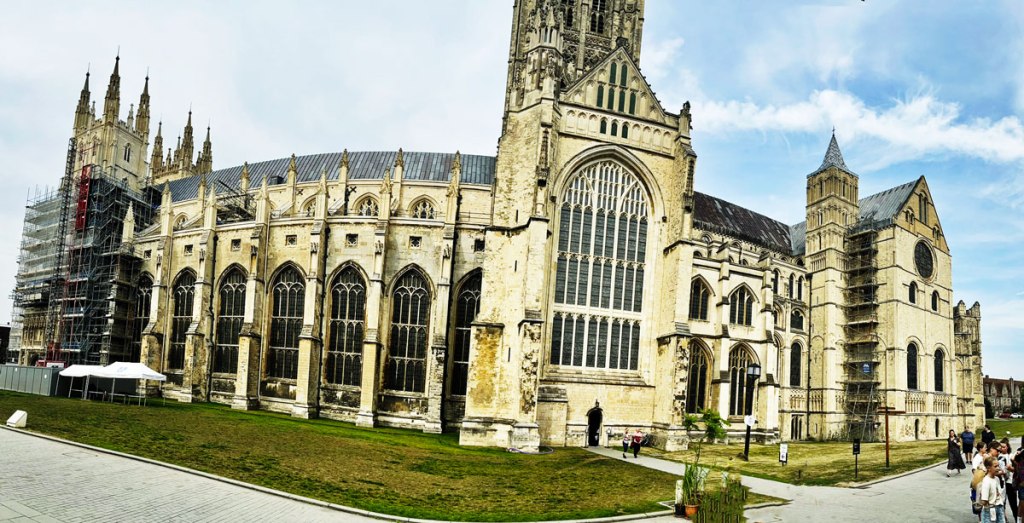
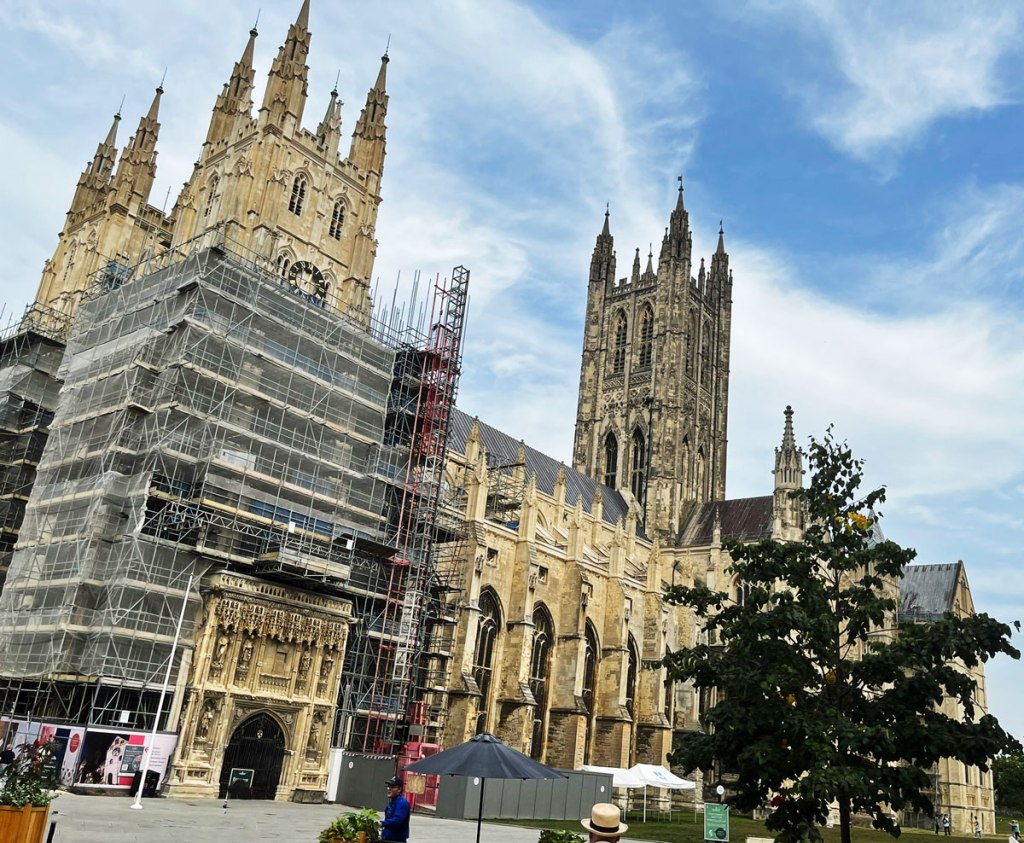
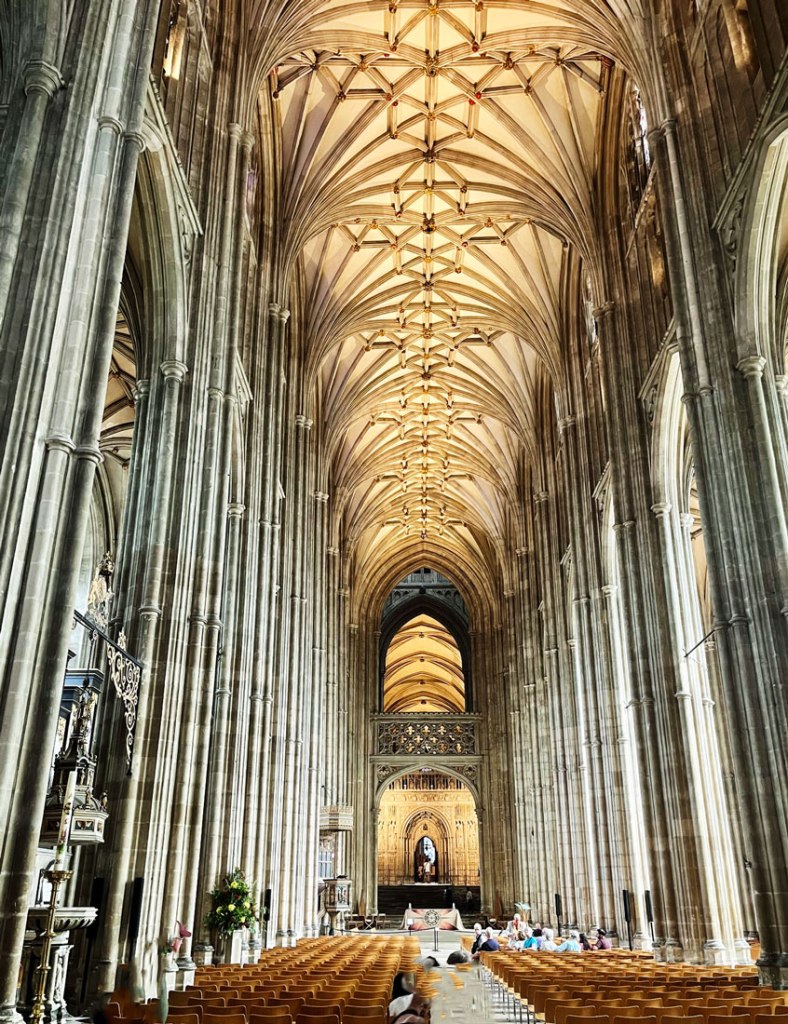
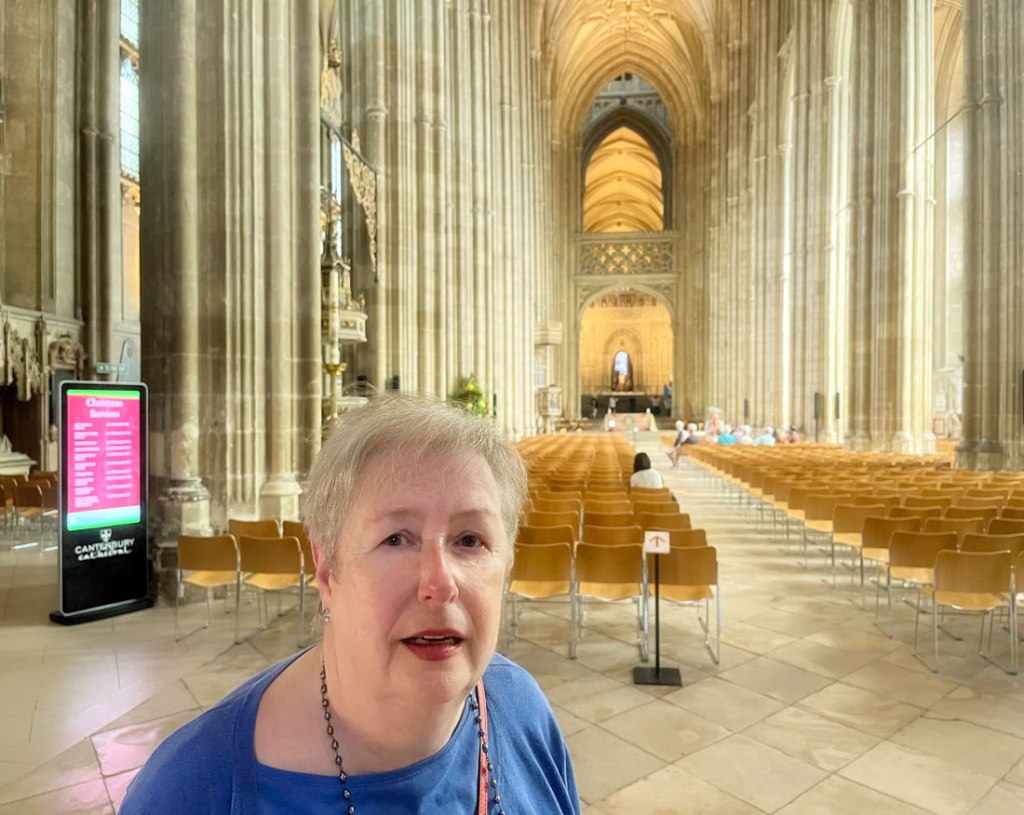
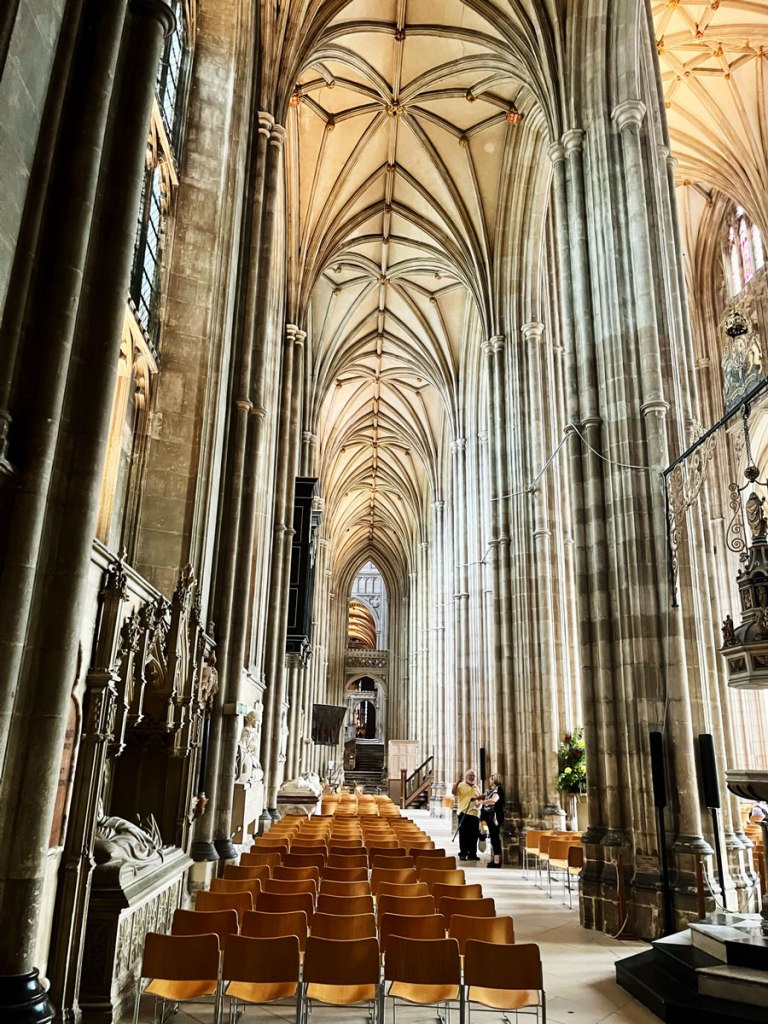
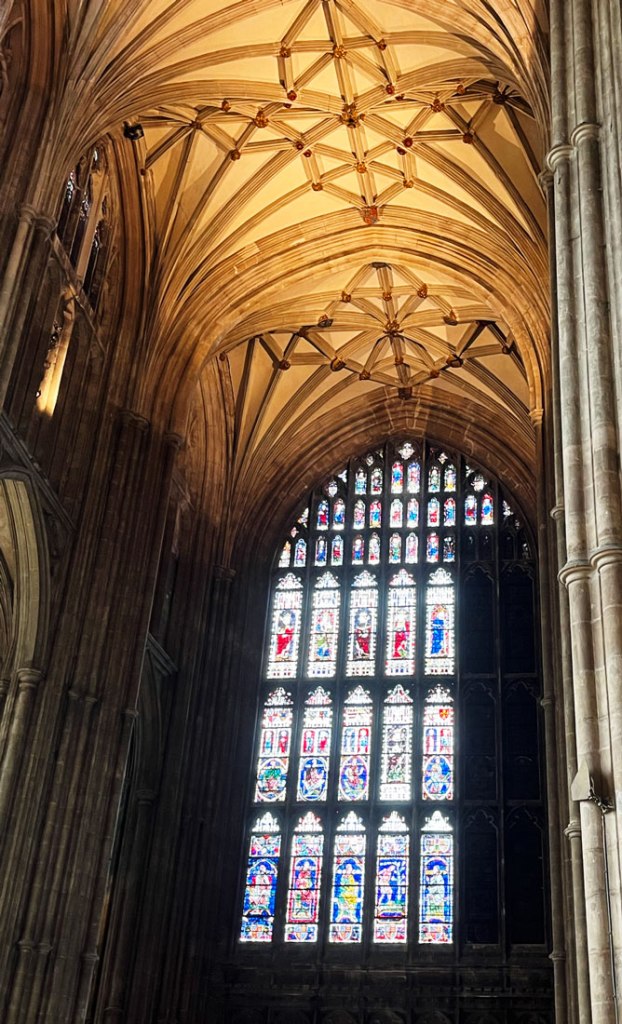
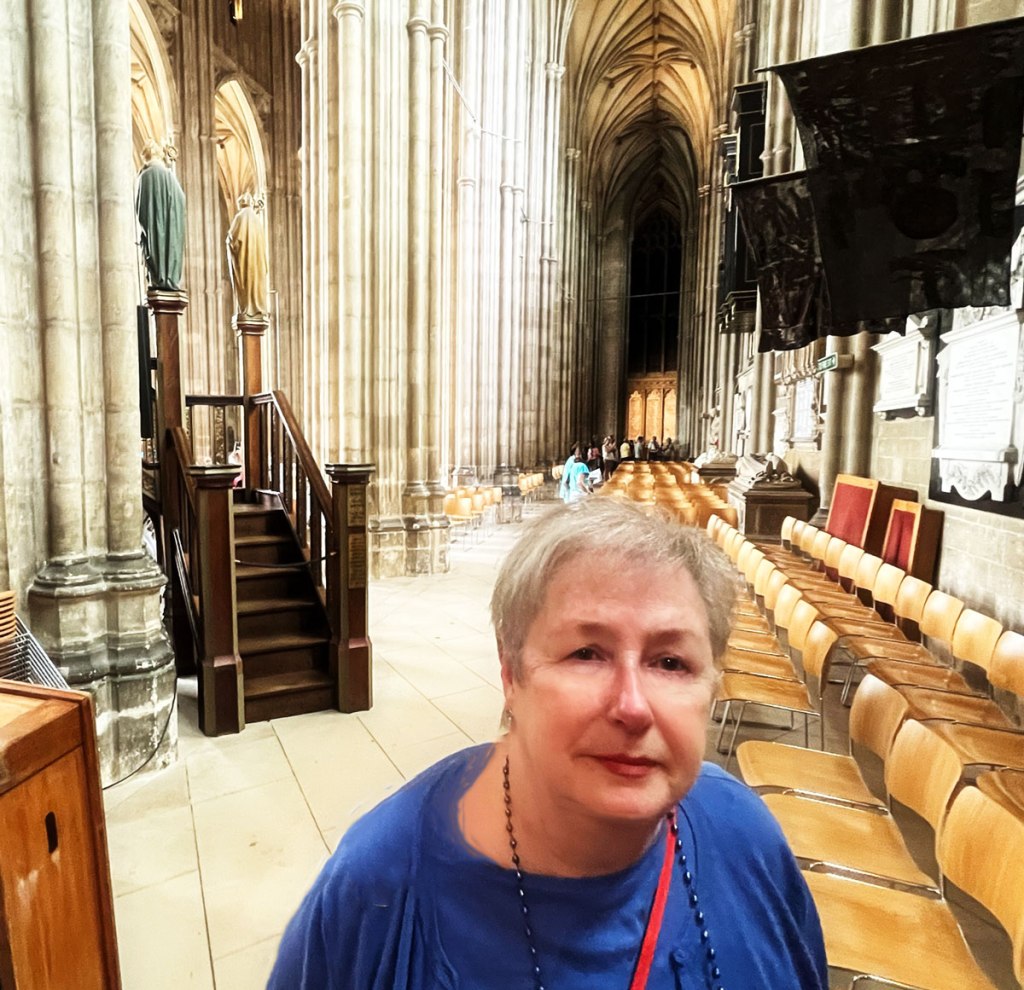
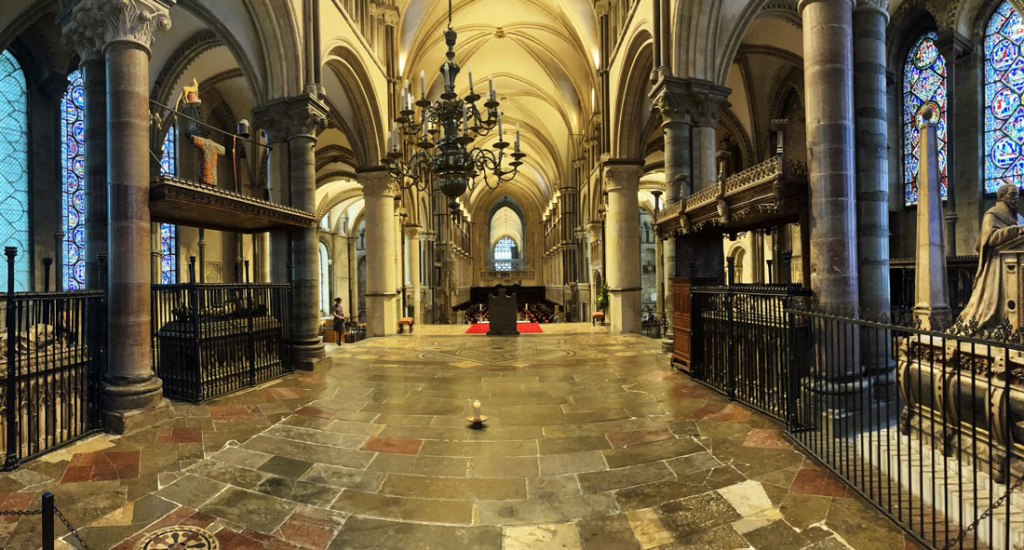
Founded in 597, Canterbury Cathedral was completely rebuilt between 1070 and 1077. The east end was greatly enlarged at the beginning of the 12th century, and largely rebuilt in the Gothic style following a fire in 1174, with significant eastward extensions to accommodate the flow of pilgrims visiting the shrine of Thomas Becket, the archbishop who was murdered in the cathedral in 1170. The Norman nave and transepts survived until the late 14th century, when they were demolished to make way for the present structures.
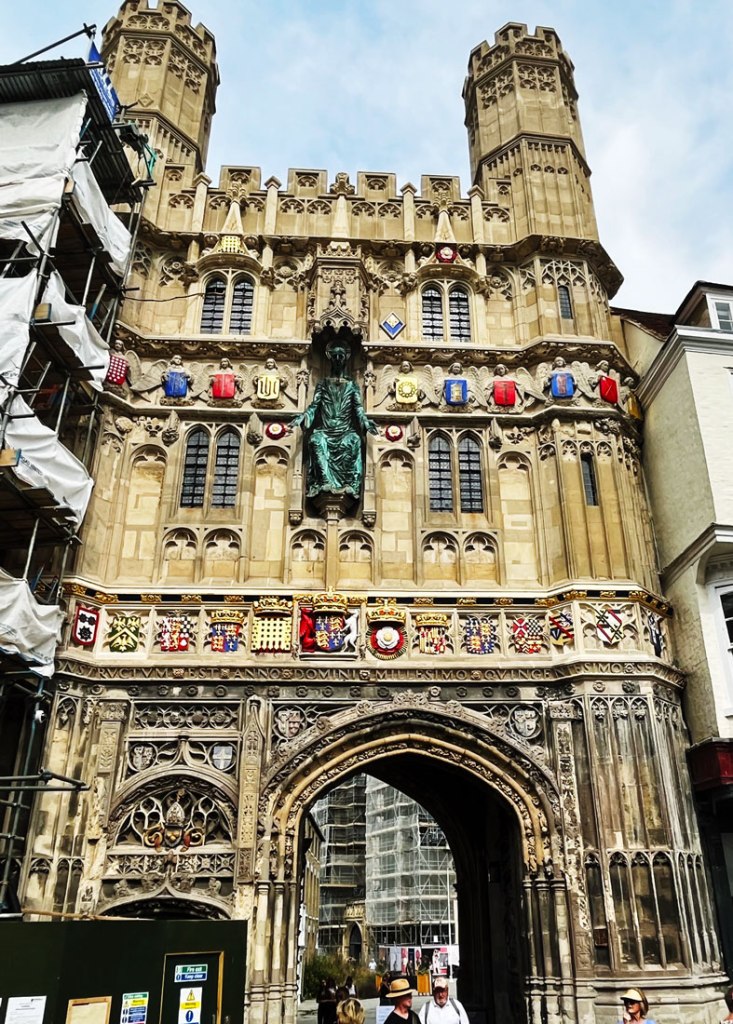
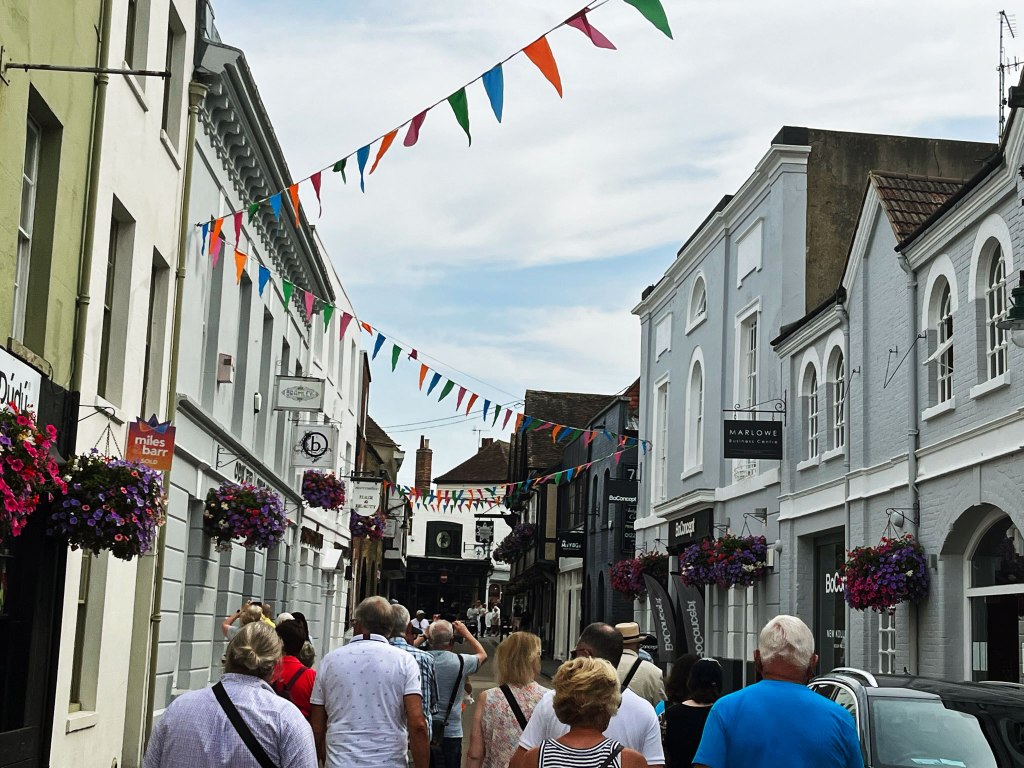
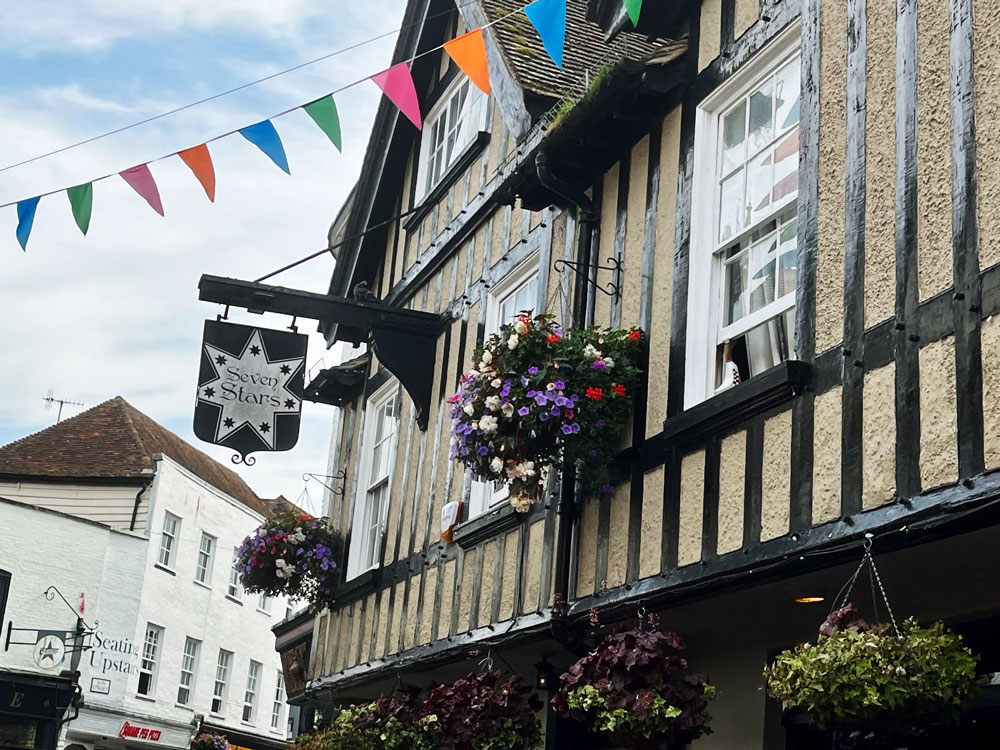
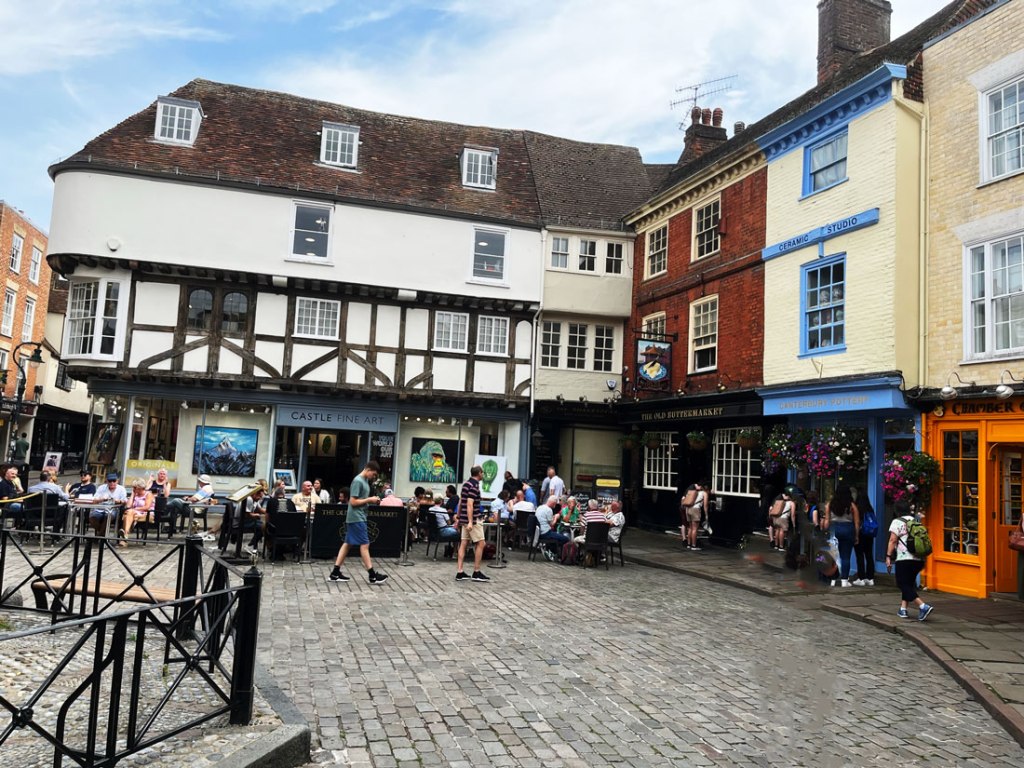
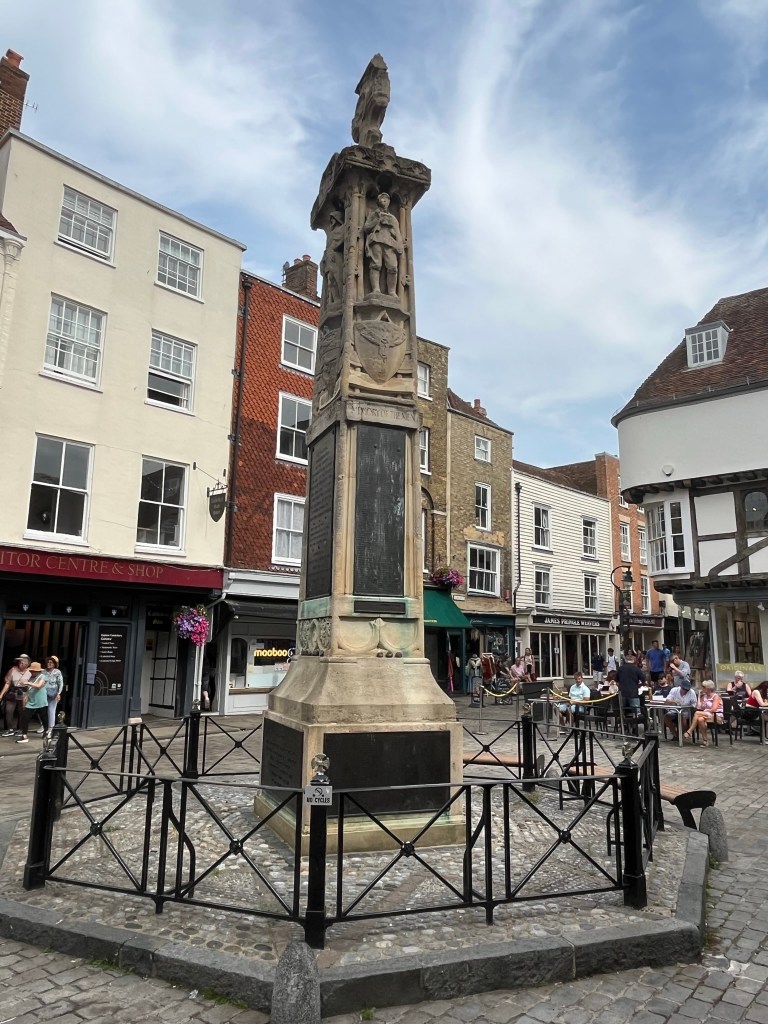
Butter Market square


The king had frequent conflicts with the strong-willed Becket and is said to have exclaimed in frustration, “Will no one rid me of this turbulent priest” Four knights took it literally and murdered Becket in his own cathedral. After the Anglo-Saxon AEheah in 1012, Becket was the second Archbishop of Canterbury to be murdered.
The posthumous veneration of Becket transformed the cathedral into a place of pilgrimage, necessitating both expansion of the building and an increase in wealth, via revenues from pilgrims, in order to make expansion possible.
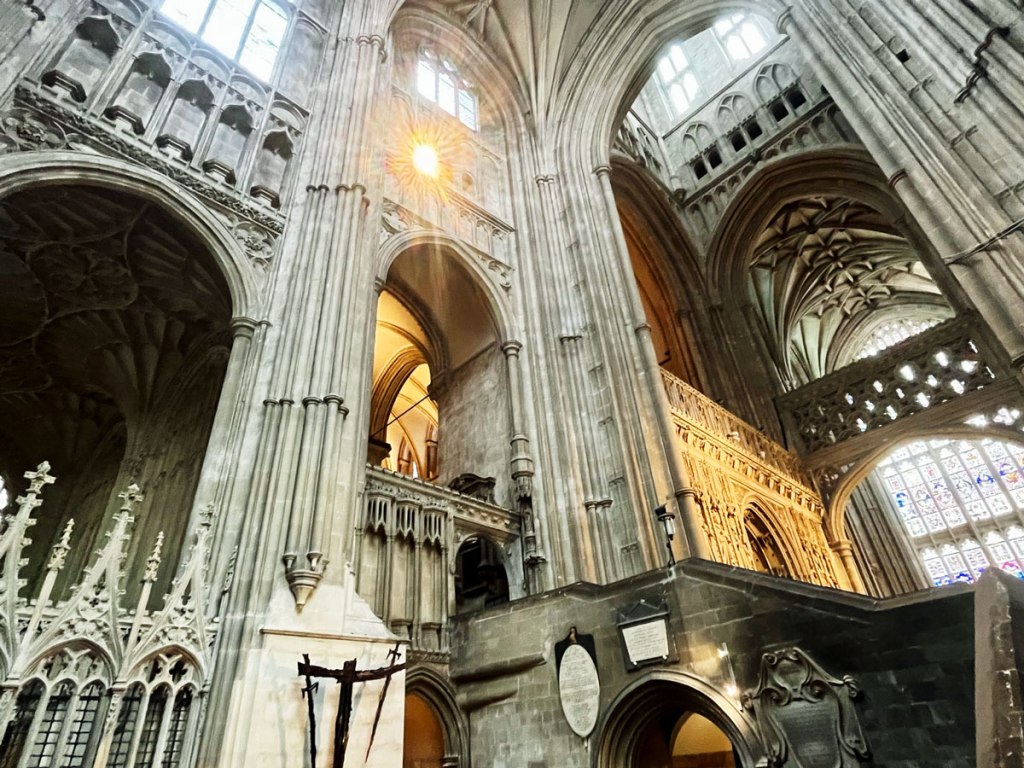
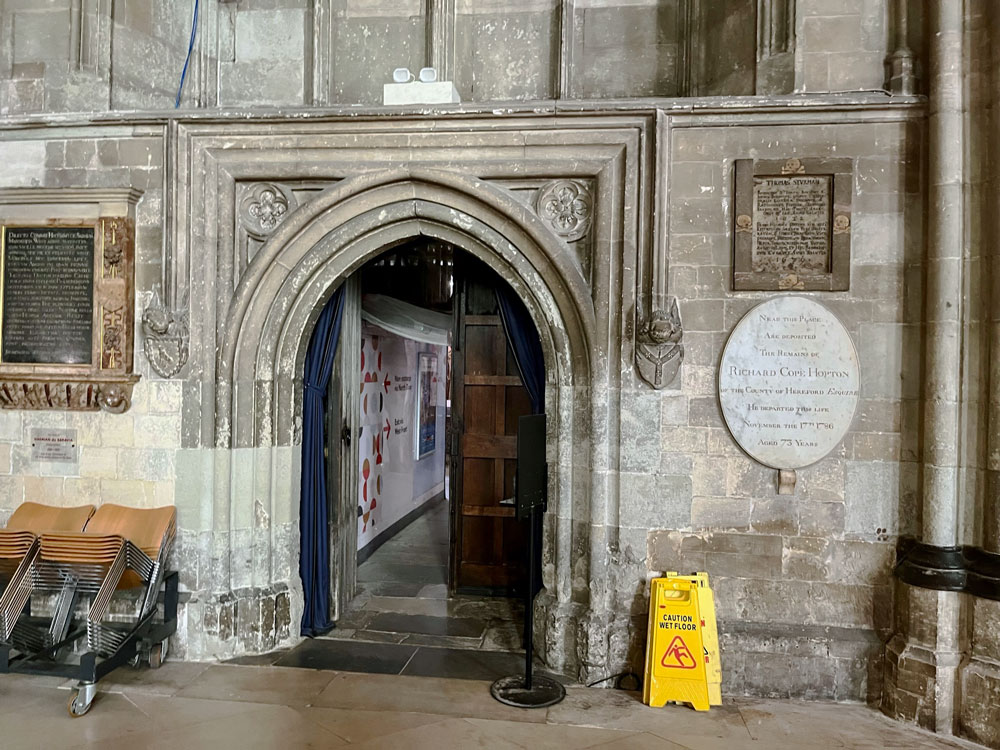
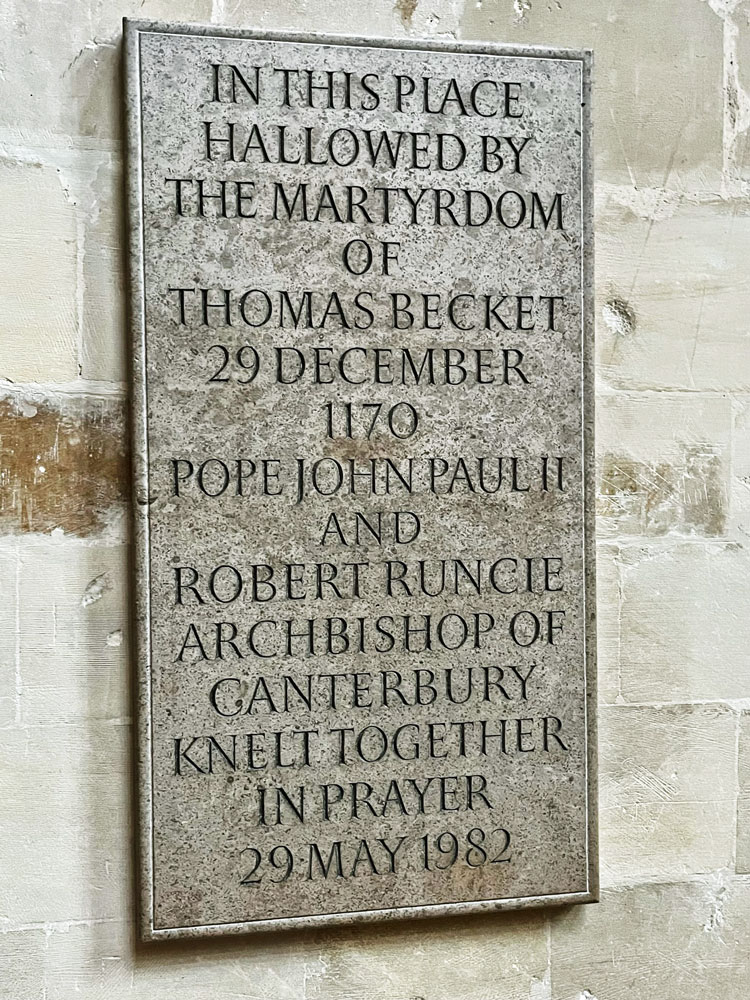
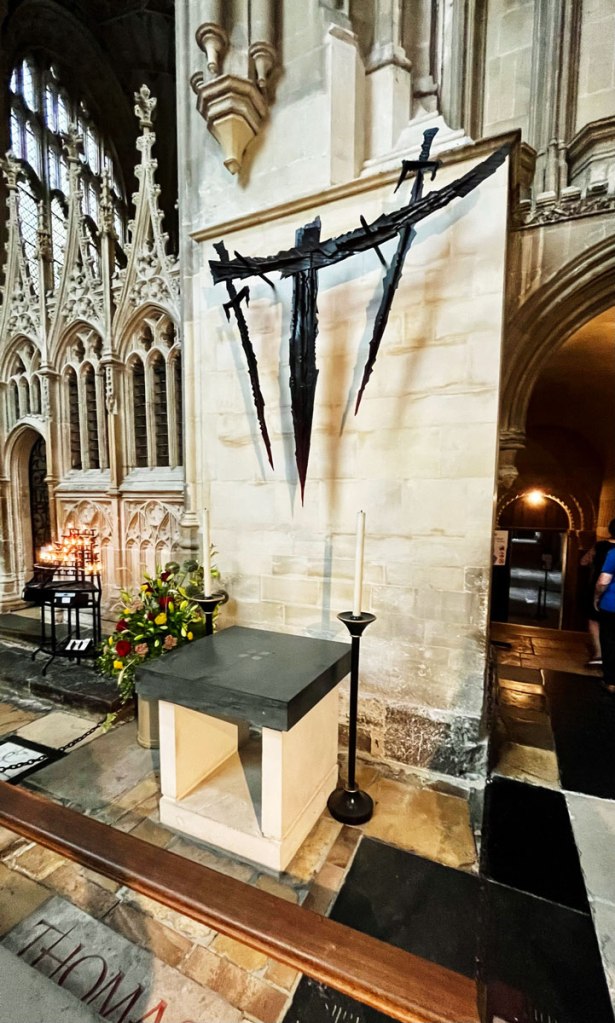
In 1986, a new Martyrdom Altar was installed in the northwest transept, on the spot where Thomas Becket was slain, the first new altar in the cathedral for 448 years. Mounted on the wall above it, there is a metal sculpture by Truro sculptor Giles Blomfield depicting a cross flanked by two bloodstained swords which, together with the shadows they cast, represent the four knights who killed Becket.
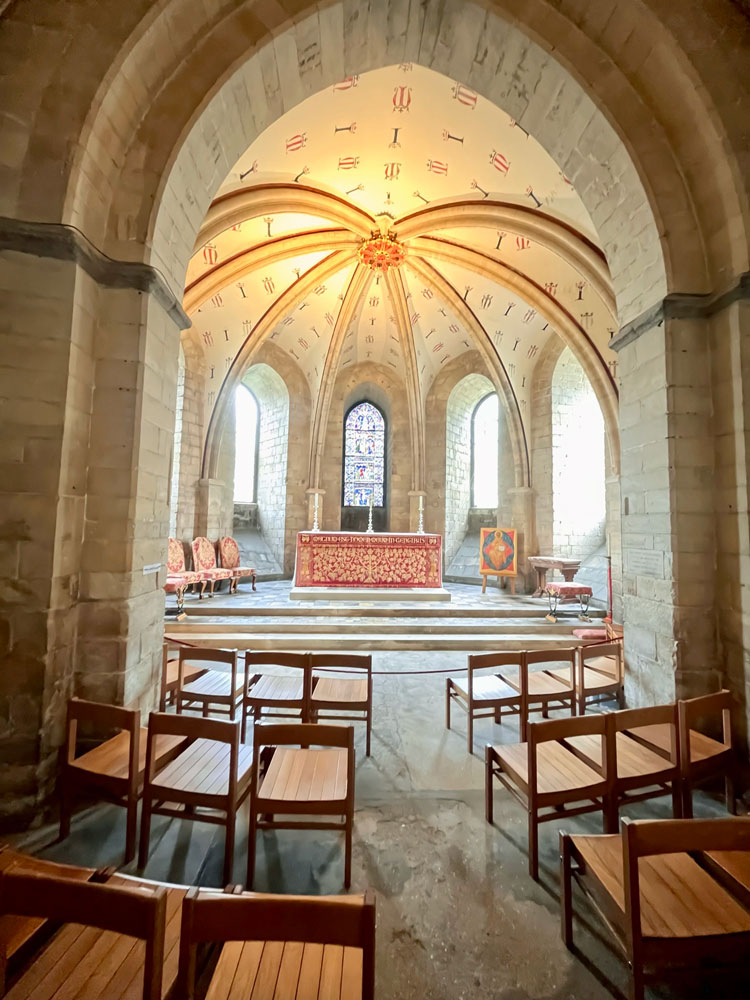
’Becket’s crown’ chapel at the far east end of the cathedral
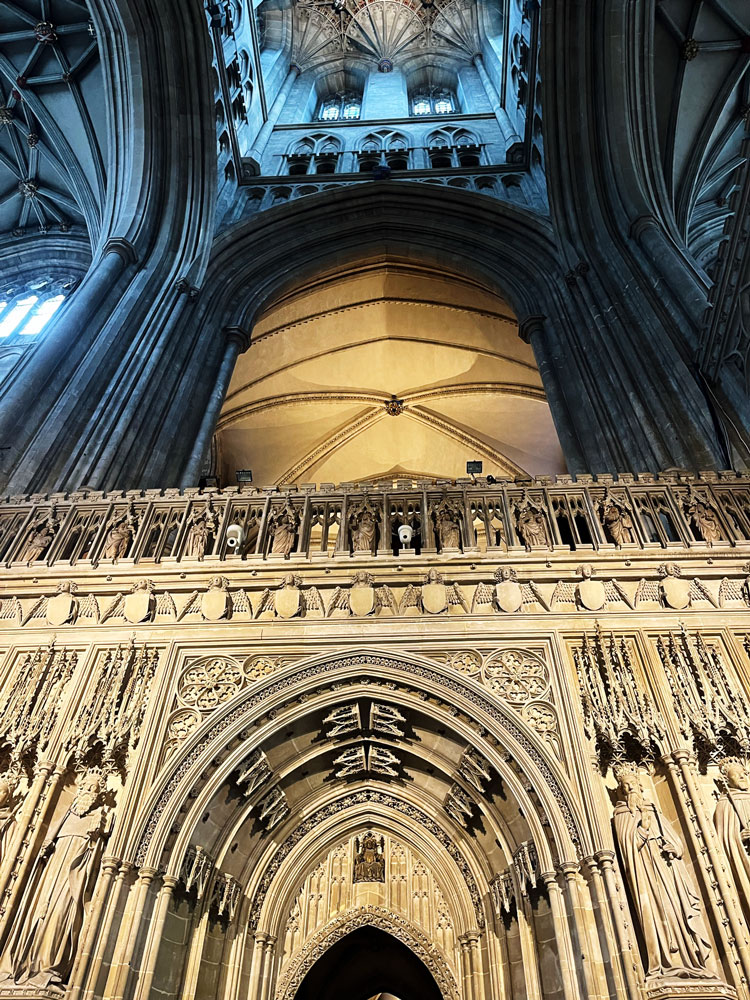
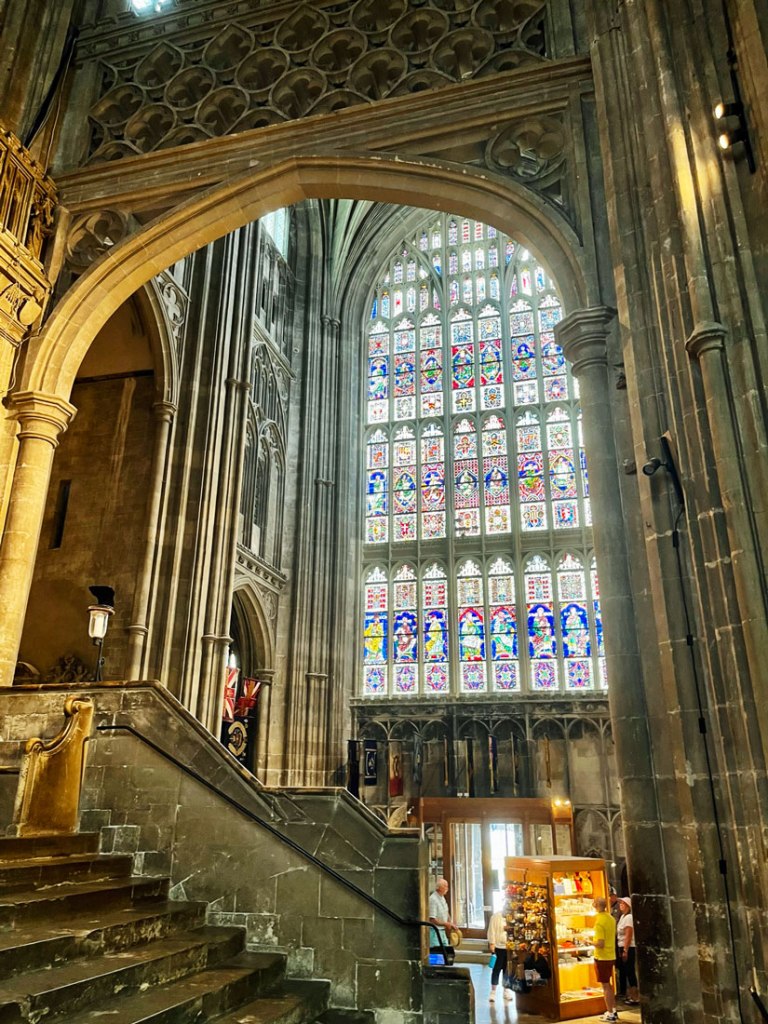
During the bombing raids of the WW II its library was destroyed, but the cathedral did not sustain extensive bomb damage; the local Fire Wardens doused any flames on the wooden roof.
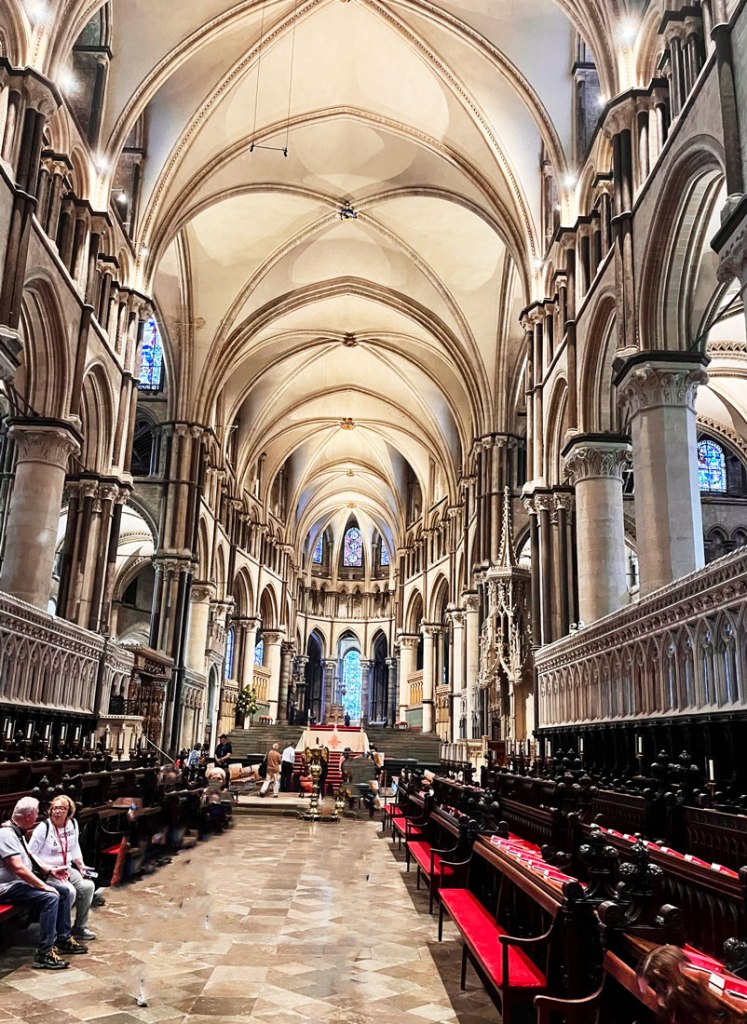
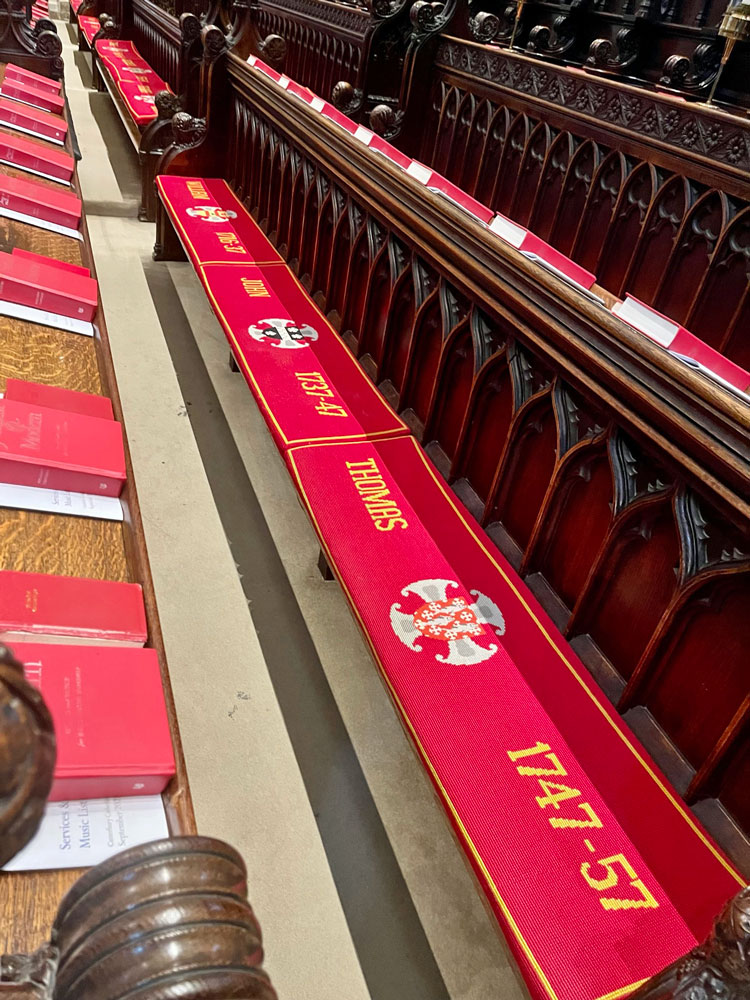
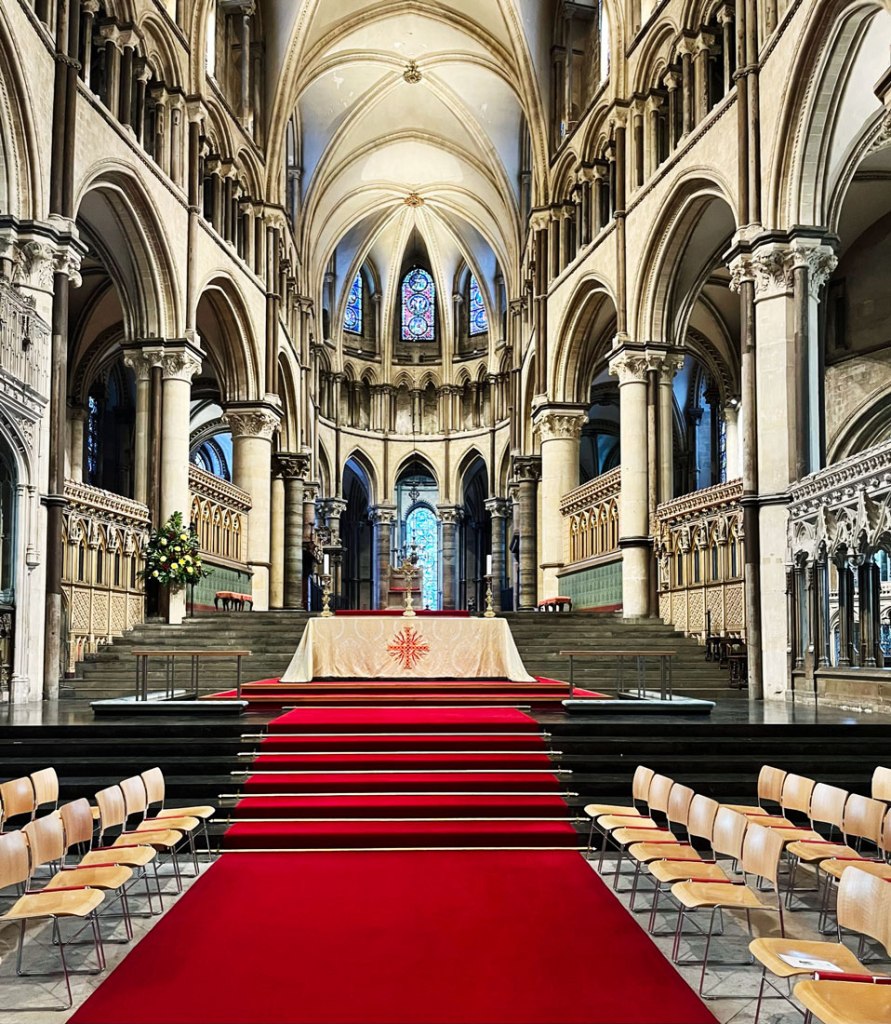
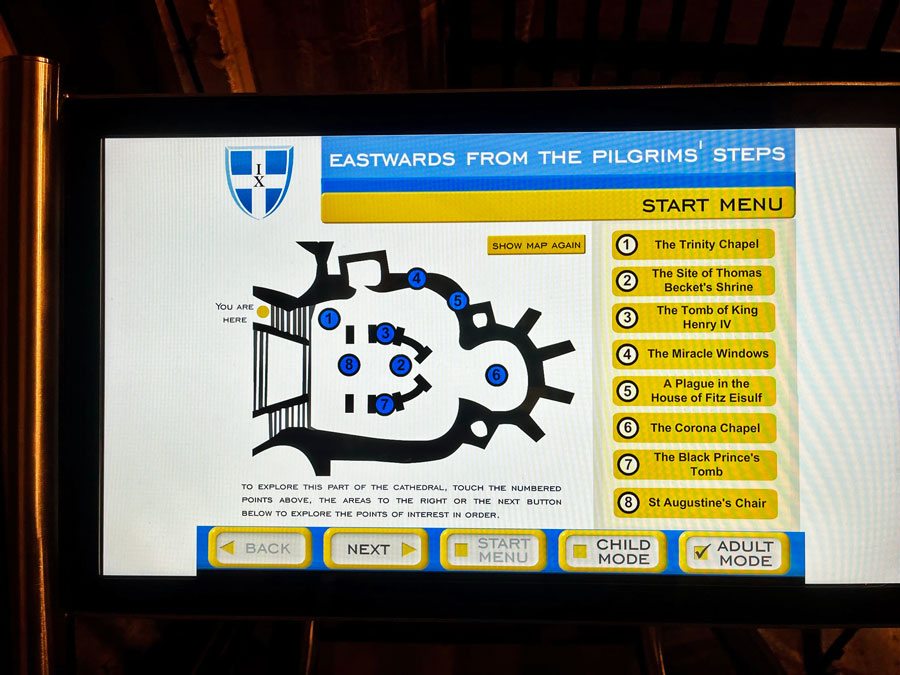
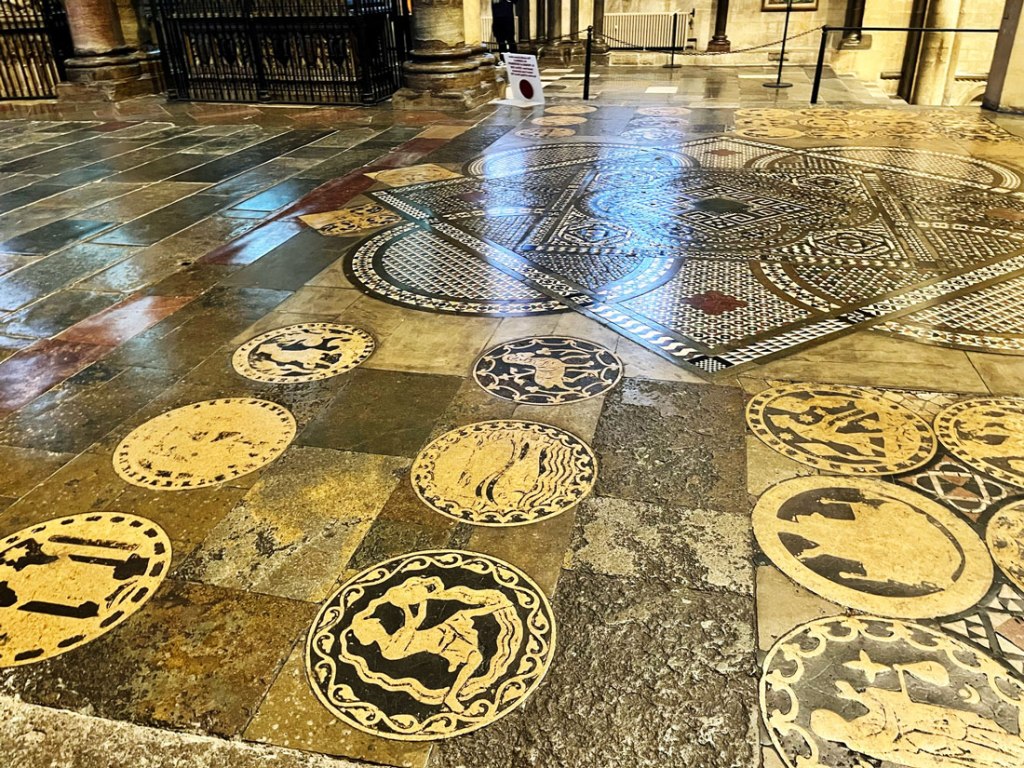

Former site of Thomas Becket’s shrine in Canterbury Cathedral

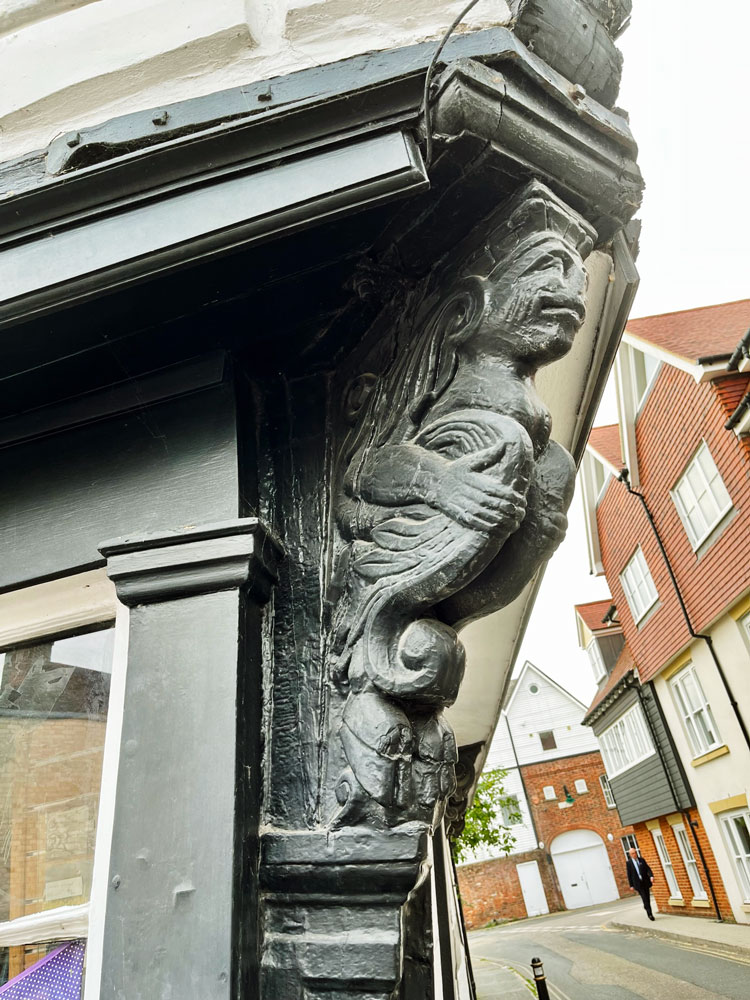
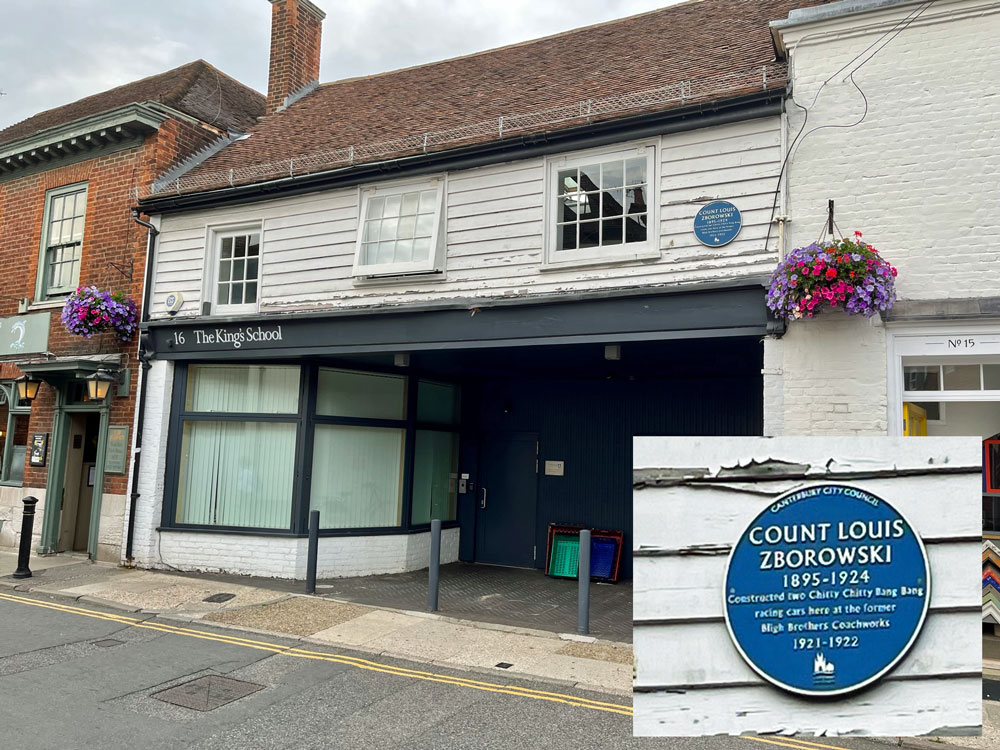
The garage
Louis Vorow Zborowski (20 February 1895 – 19 October 1924) was a British racing driver and automobile engineer, best known for creating a series of aero-engined racing cars known as the “Chitty-Bang-Bangs”, which provided the inspiration for Ian Fleming’s children’s story, Chitty, Chitty, Bang, Bang.
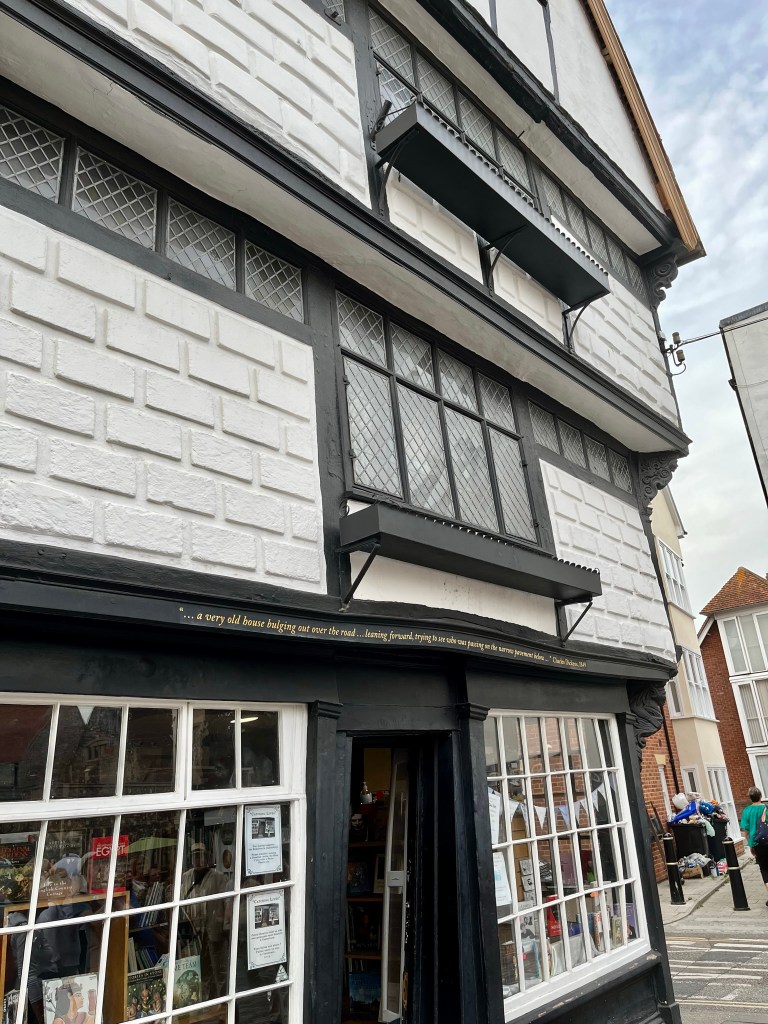
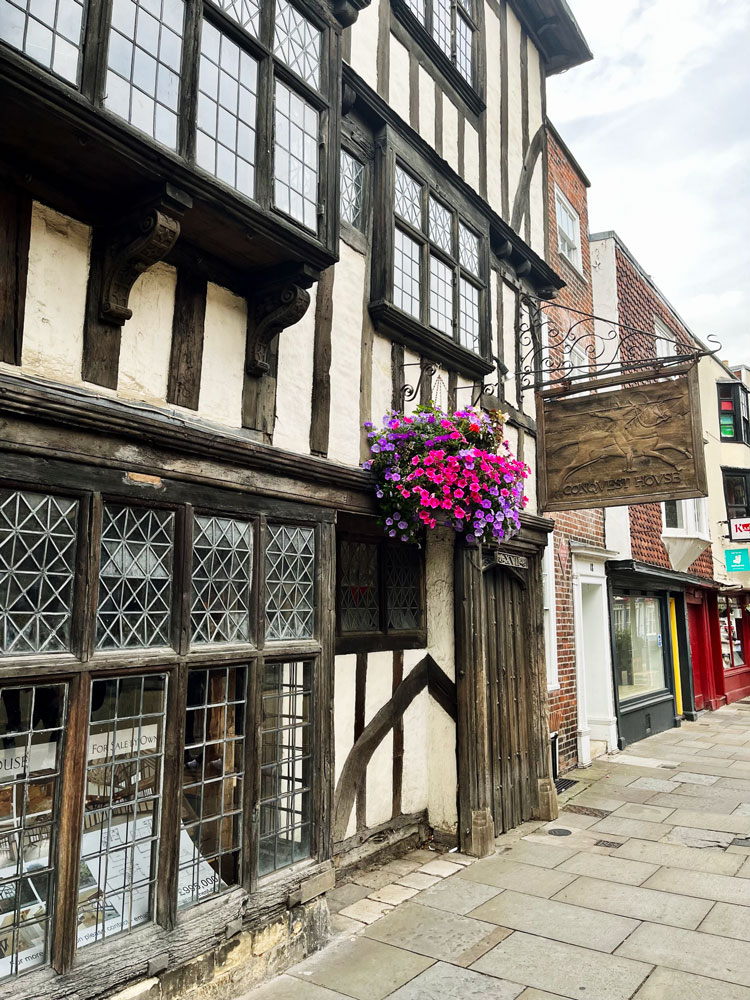
Catching Lives Bookshop is a volunteer run bookshop that helps to fund the charity. It operates from The Crooked House, also known as Sir John Boy’s House or the Old Dutch House, a quirky, skewed 17th century, double jettied, half-timbered building.

 s
s 