



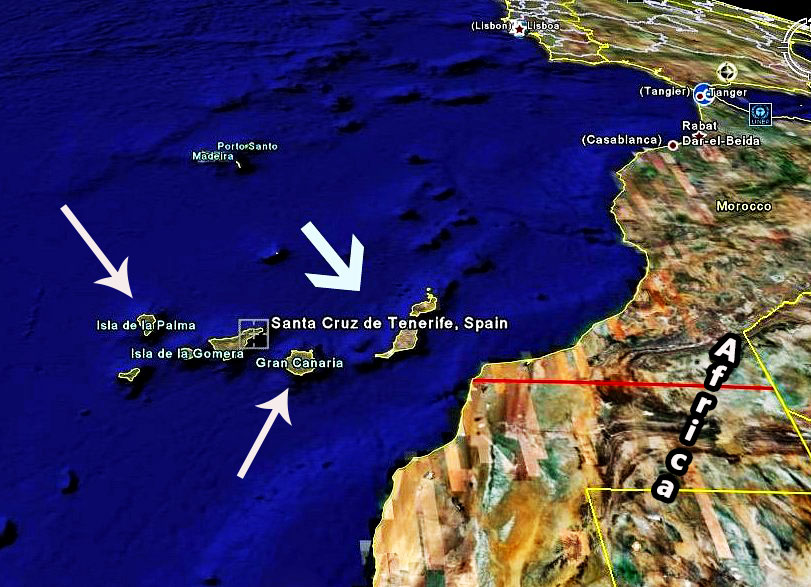
The seven main islands are (from largest to smallest in area) Tenerife, Fuerteventura, Gran Canaria, Lanzarote, La Palma, La Gomera and El Hierro.
In ancient times, the island chain was often referred to as “the Fortunate Isles”. The Canary Islands are the southernmost region of Spain, and the largest and most populous archipelago of Macaronesia. Because of their location, the Canary Islands have historically been considered a link between the four continents of Africa, North America. Sout America and Europe.
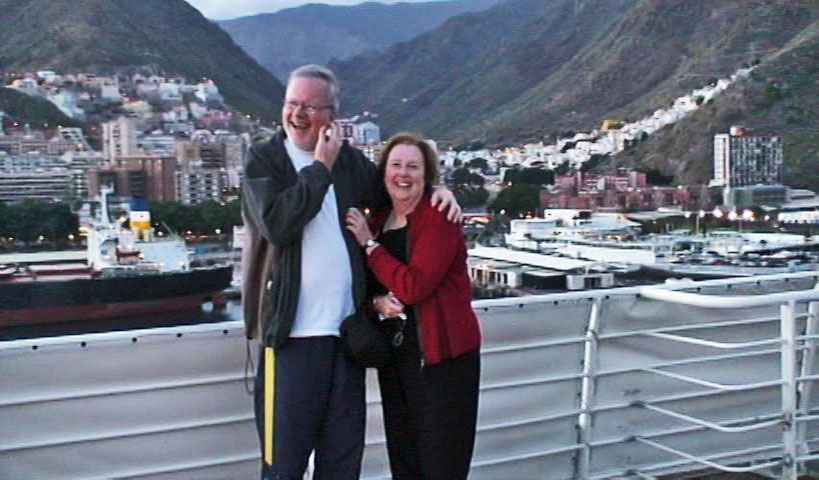
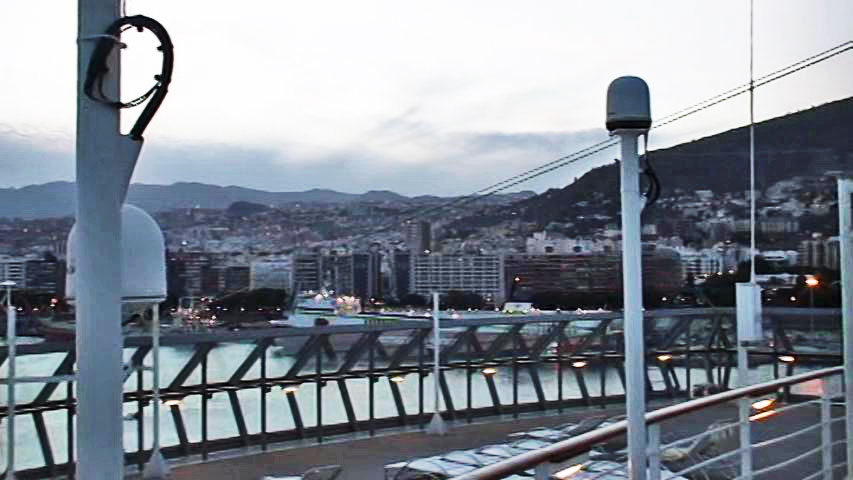
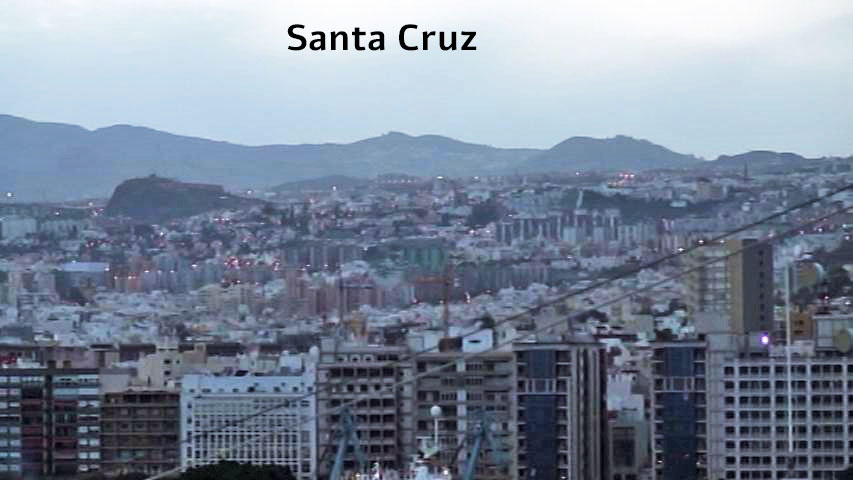

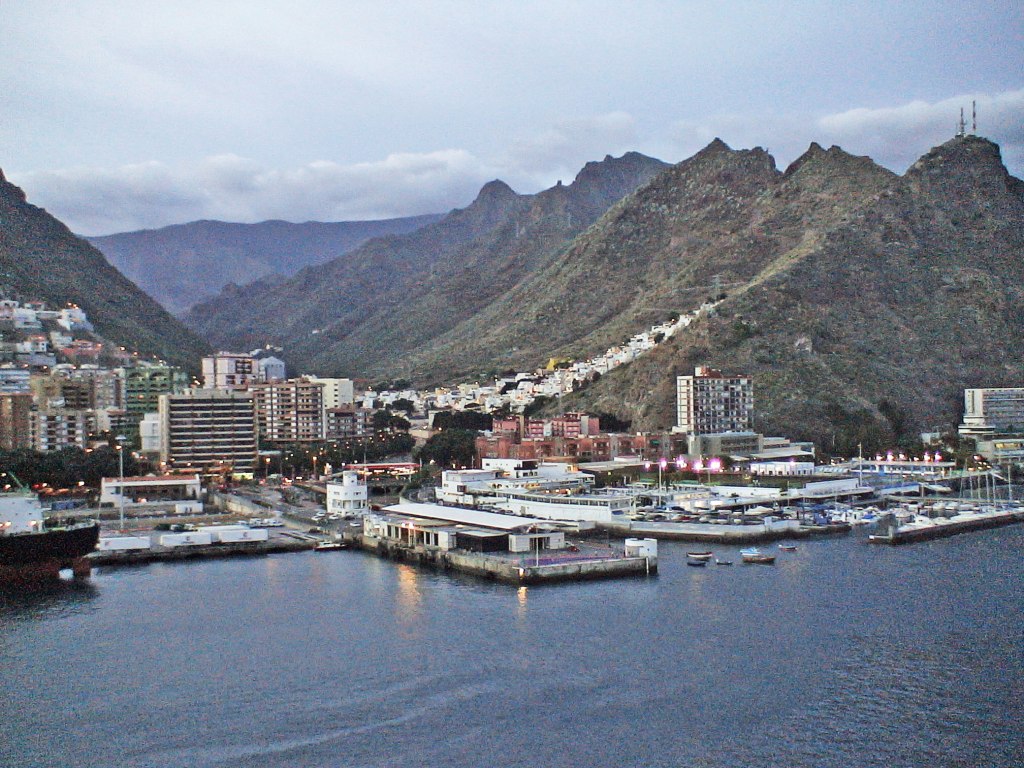
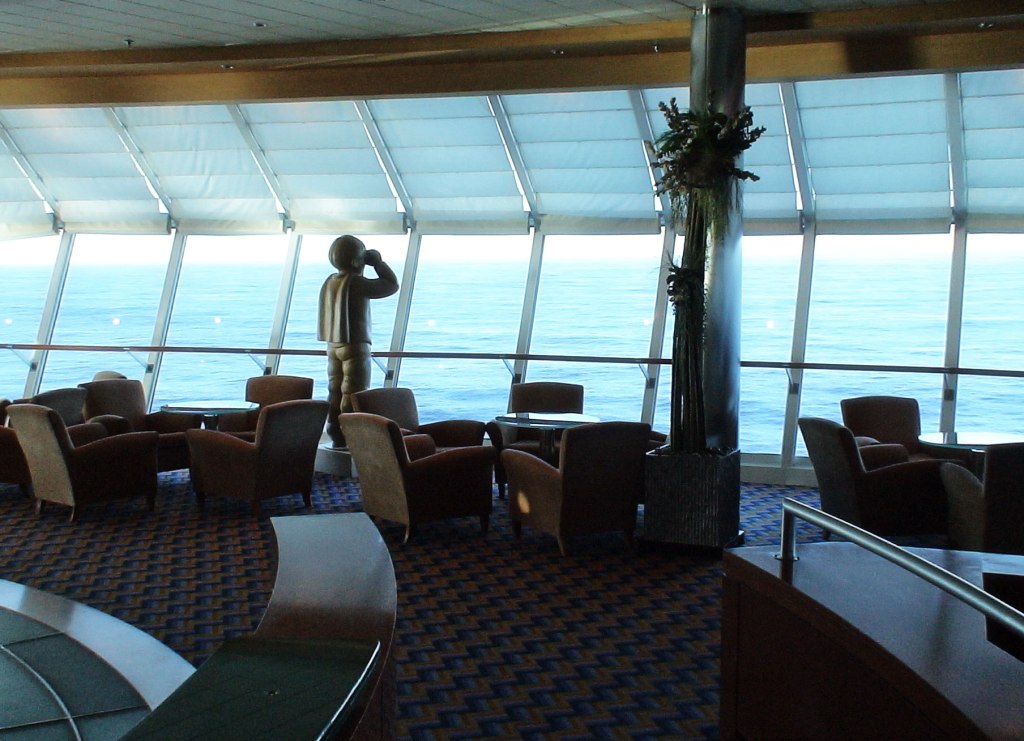
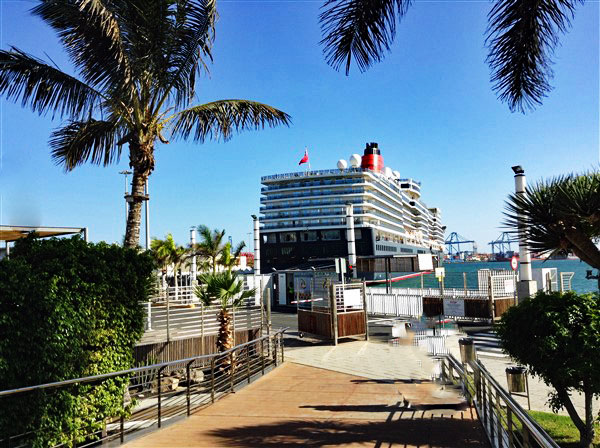
Celebrity Millennium

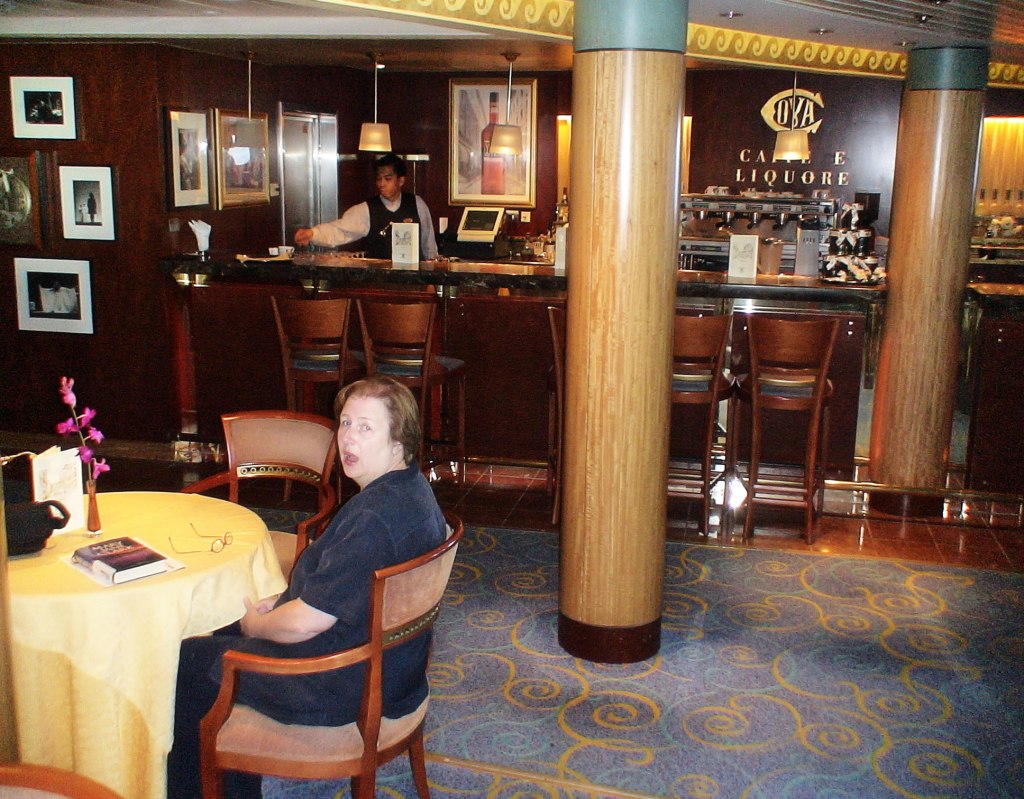
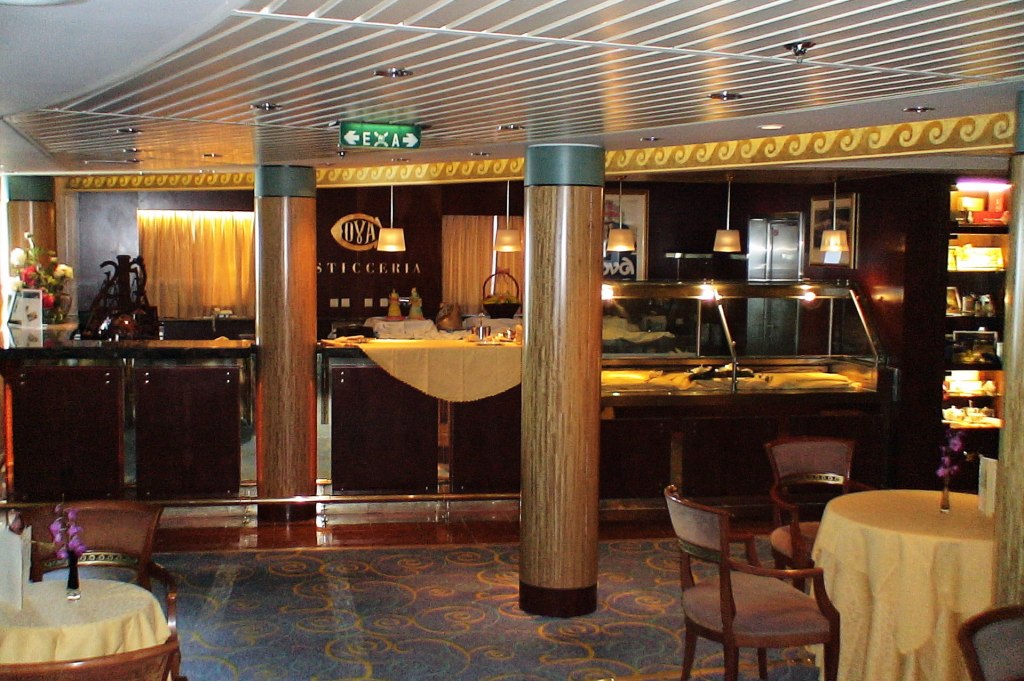
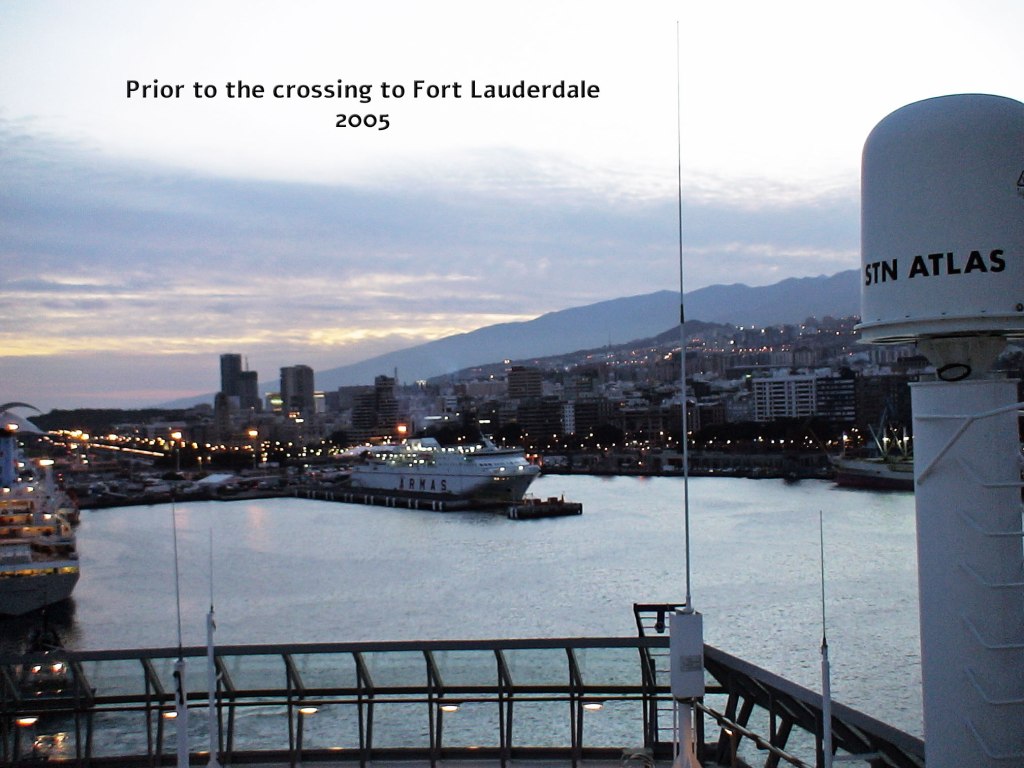
Las Cañadas del Teide (Tenerife)
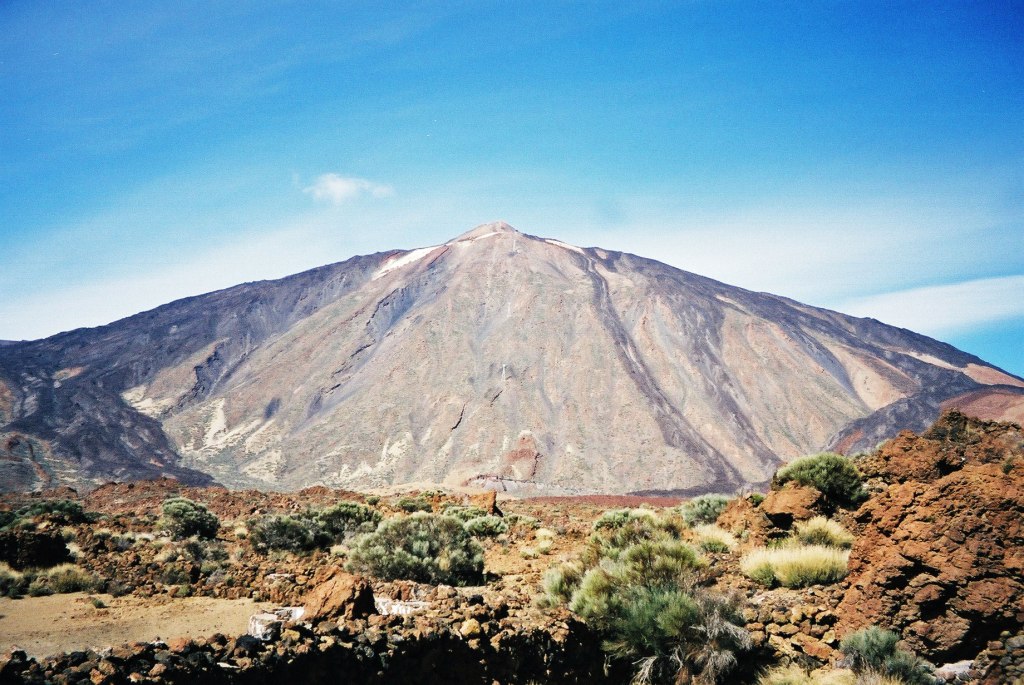
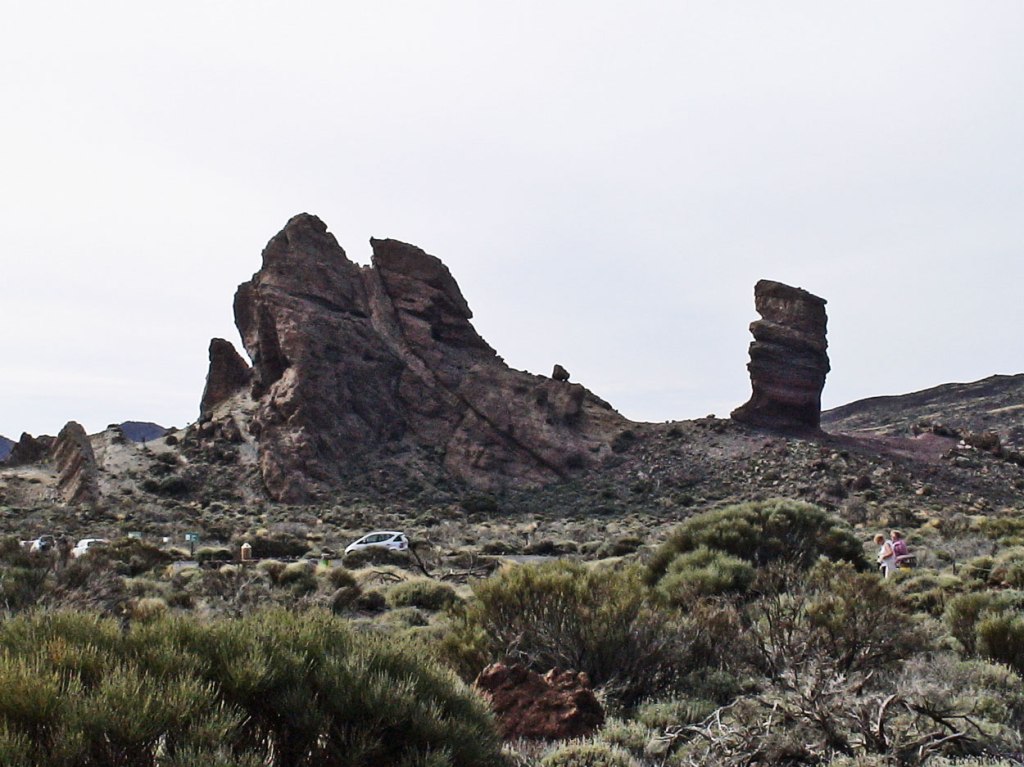
Teide National Park is on Tenerife, the largest of Spain’s Canary Islands. It’s named for Mount Teide, a towering volcano and the highest peak in Spain. Trails and the Teide Cable Car lead to the summit. To the west, Pico Viejo has crater views. The unusual rock formations of Roques de García include the iconic Roque Cinchado column. Southwest, a traditional shepherd’s home is now the Juan Évora Ethnographic Museum.
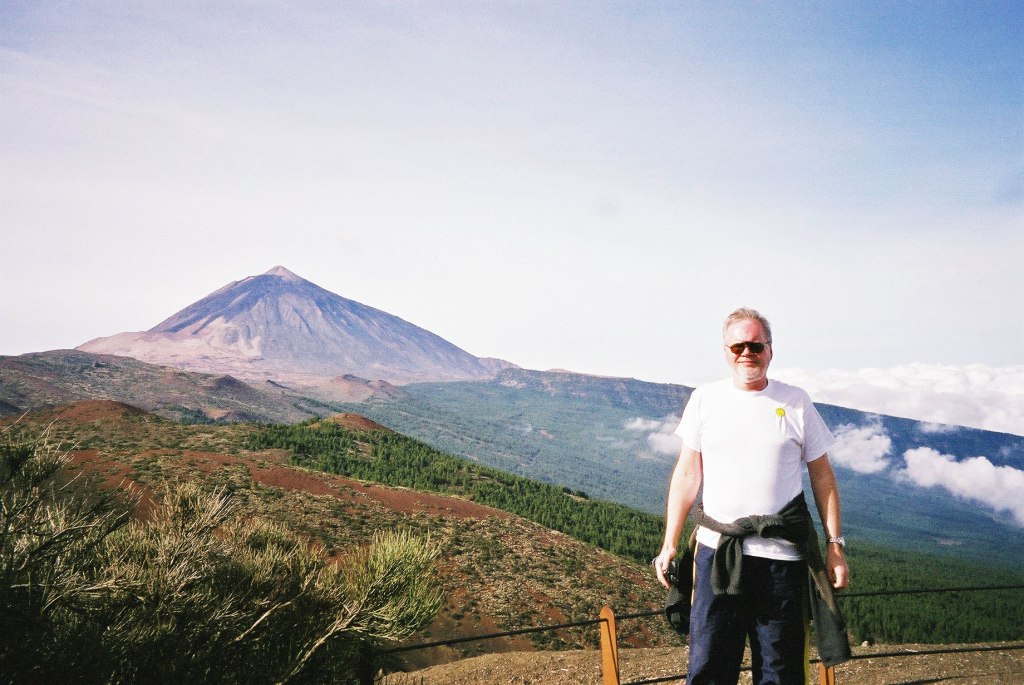
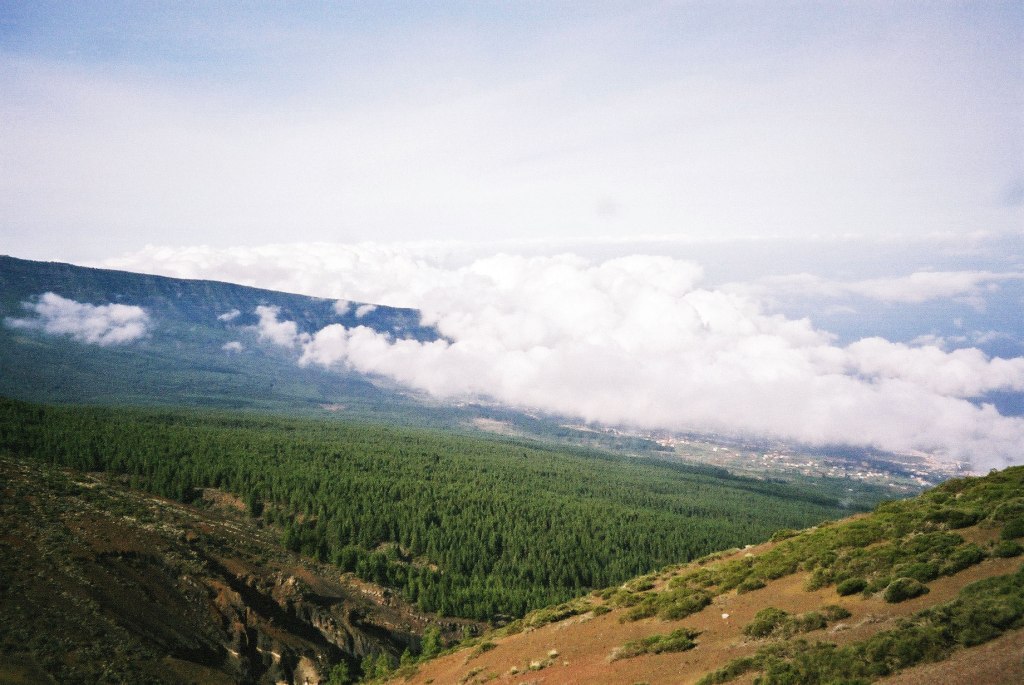
From this point on, the road starts to rise slowly through green countryside which then changes to a pinewood for almost all the way. The treetops of the Canary pines have a lot of foliage in La Esperanza where it is possible to take strolls along tracks and paths.
Going on towards Las Cañadas, impressive views are seen on both sides of the road. The best scenery of Valle de la Orotava and the Teide can be enjoyed here. The Teide is the highest peak in Europe. Going above 2,000 metres the pine trees disappear and the landscape becomes volcanic with colours of ochre, yellow, black and green.
Eventually one enters the National Park making a stop at the visitors centre El Portillo.
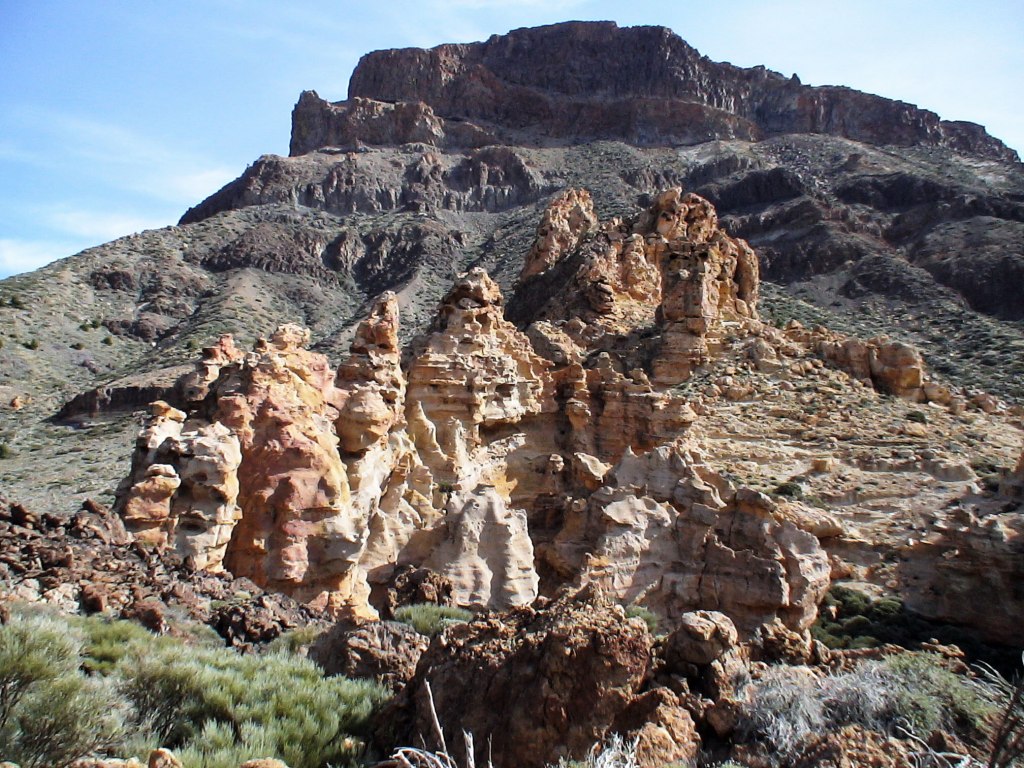
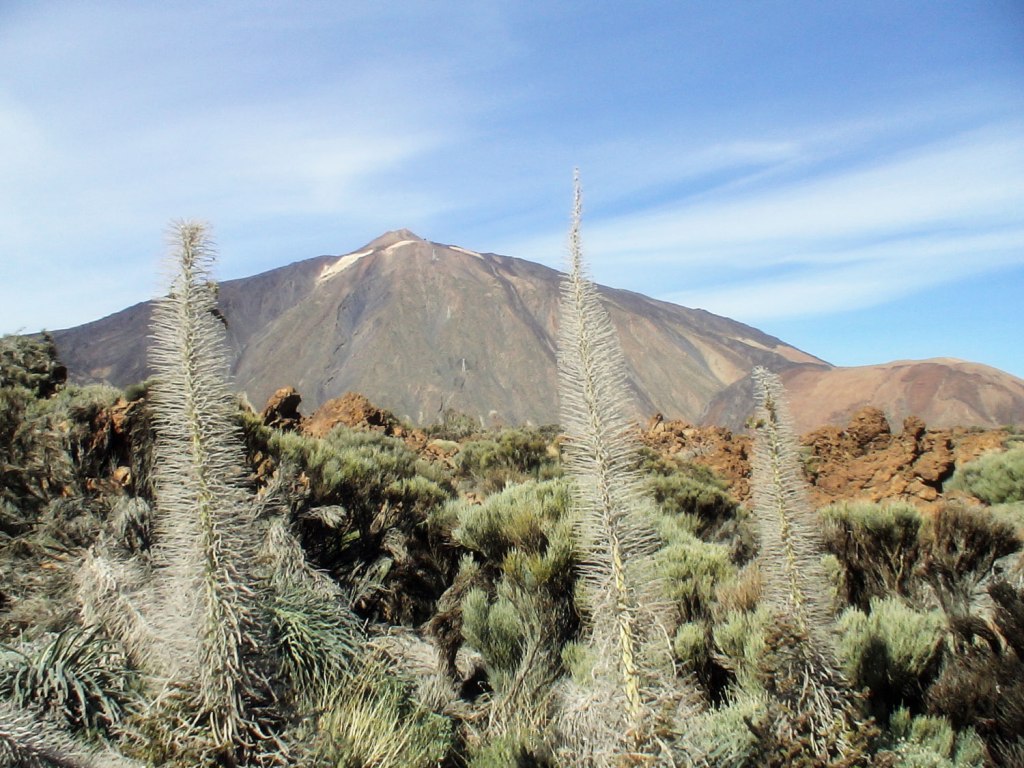
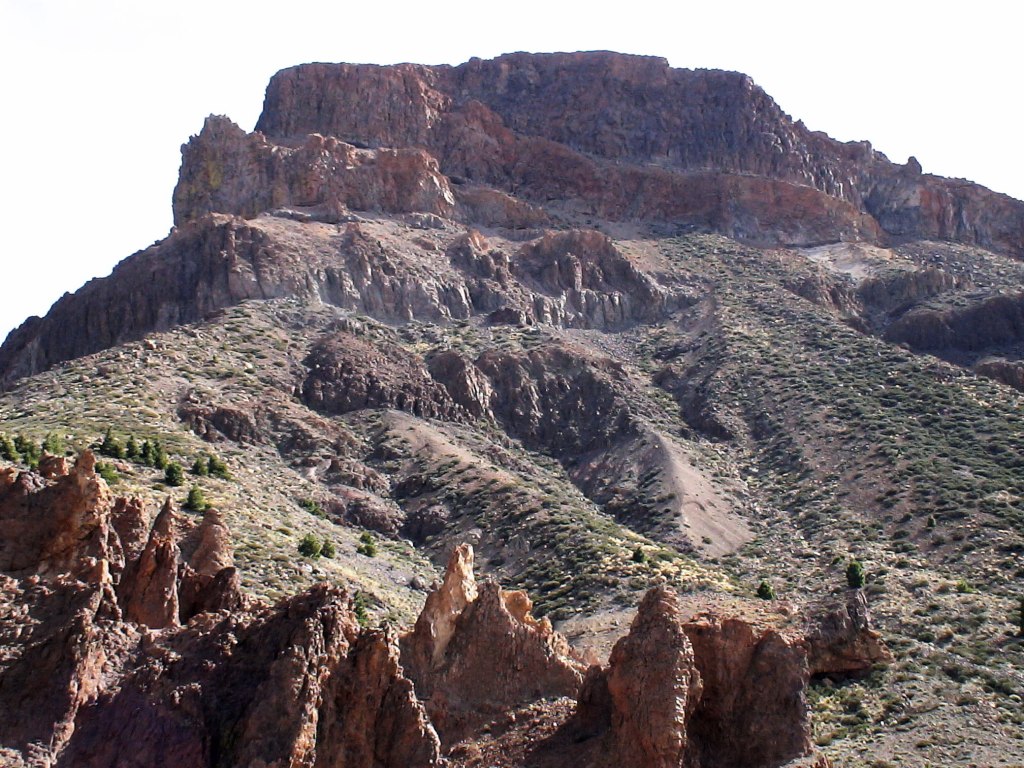
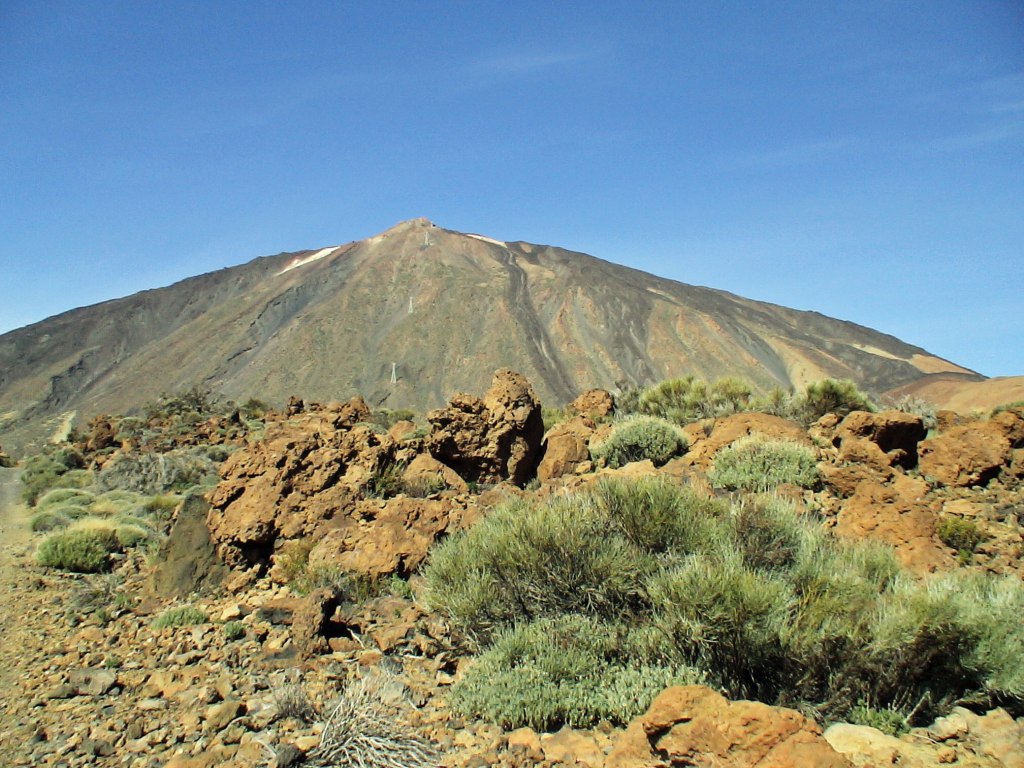
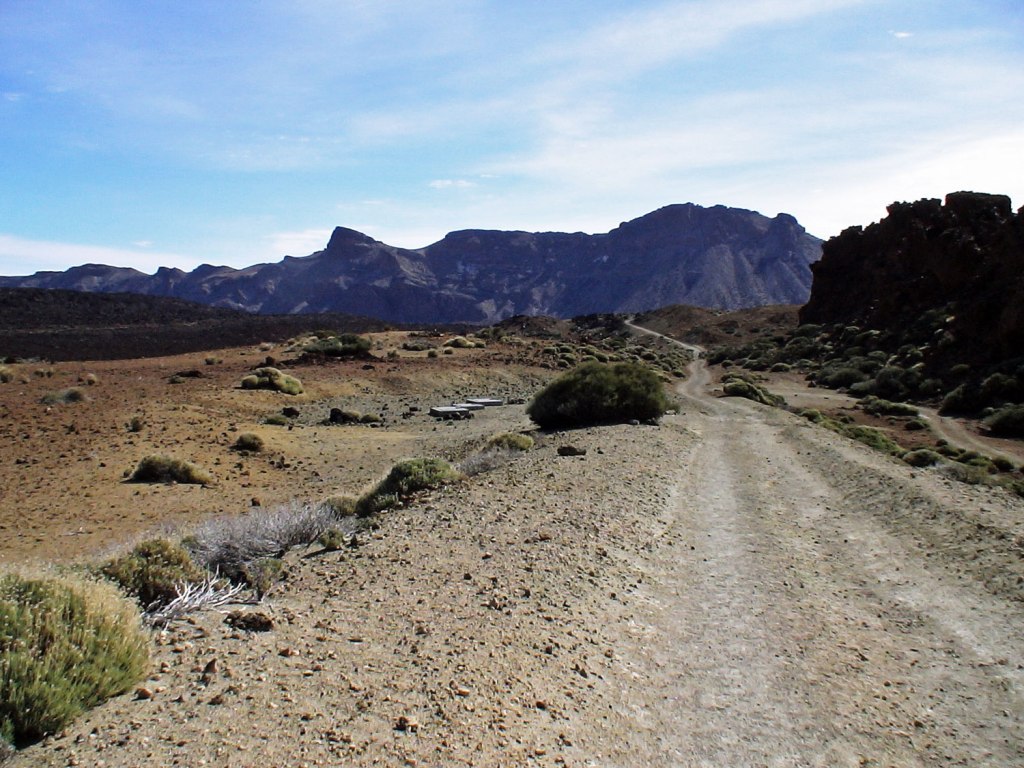
I enjoyed a great 4-hour hike in the volcanic landscape. Here are a few pics taken along the way. It felt like you were on another planet. It was one of the highlights of my December transatlantic cruise in 2005.
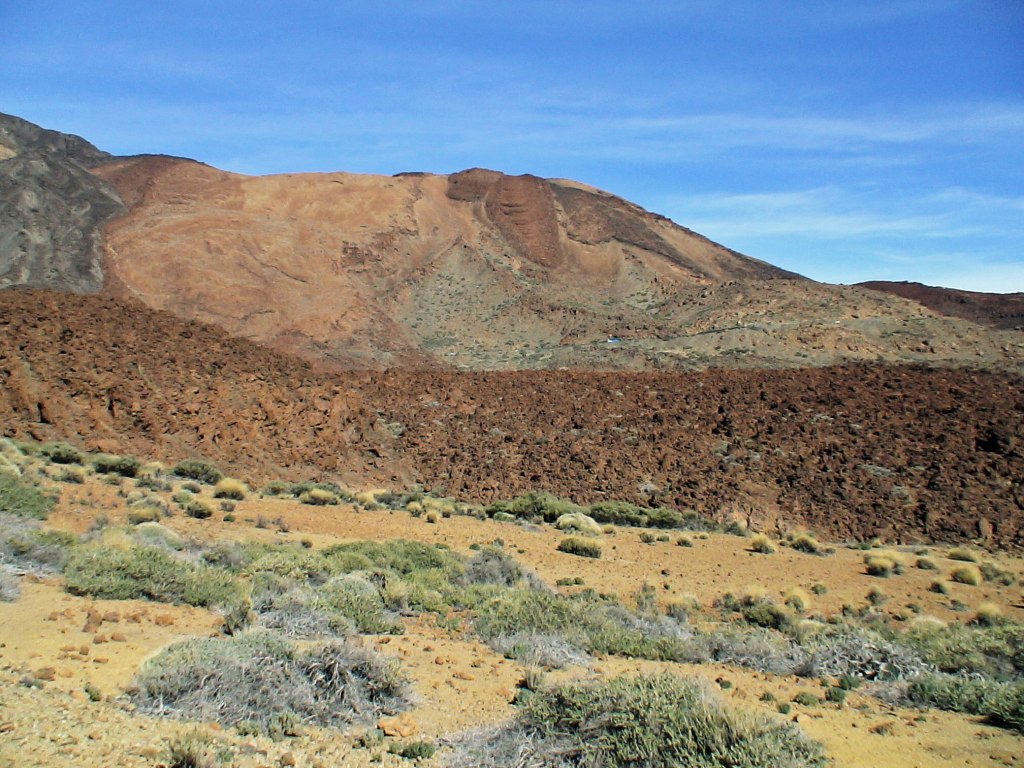
November 2017
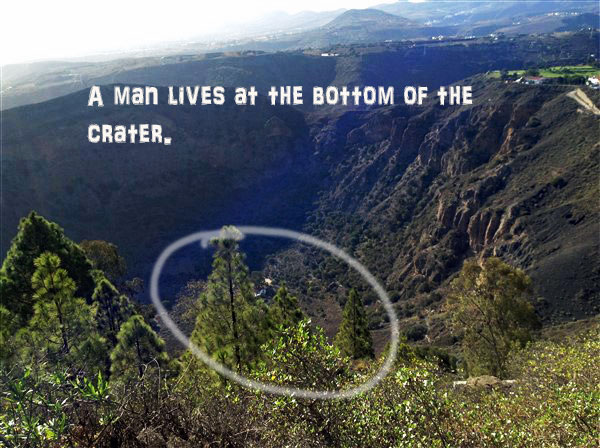
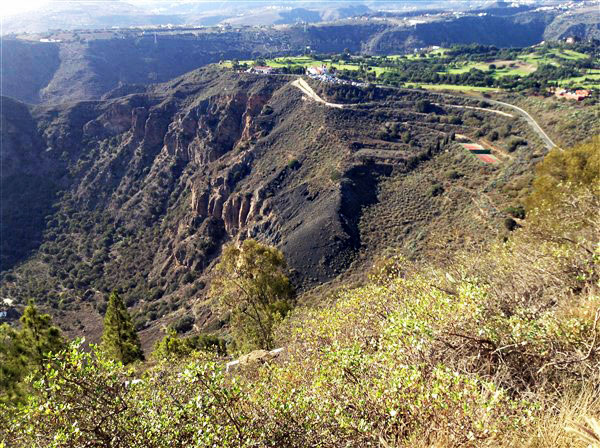
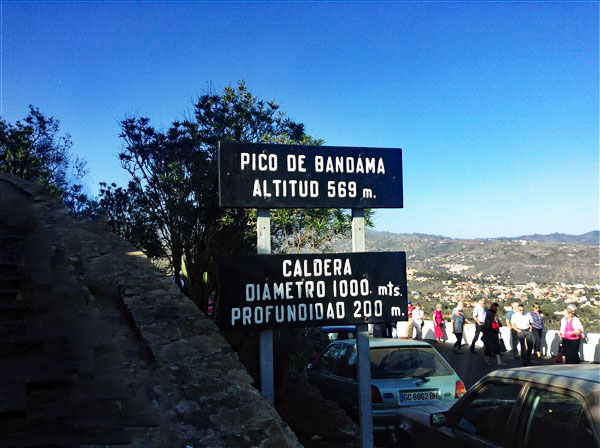
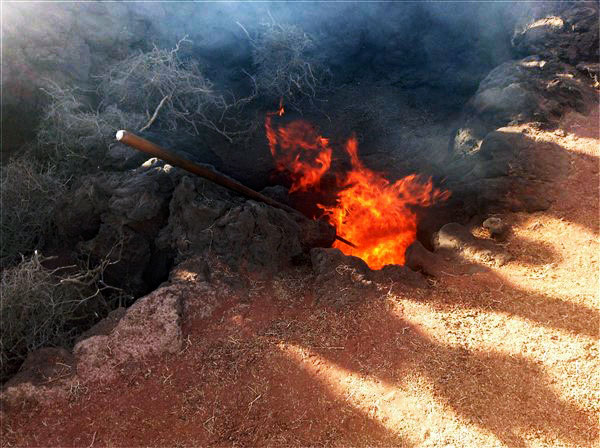

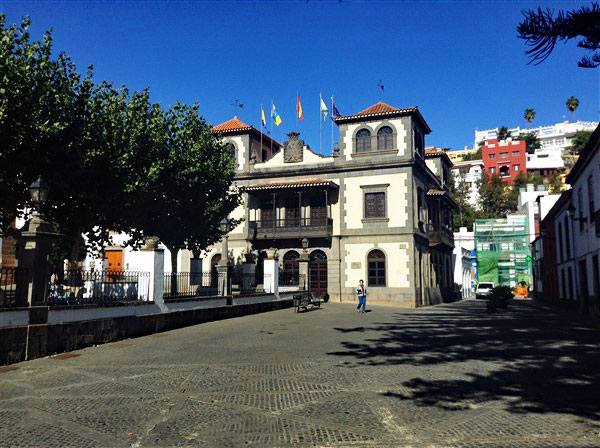
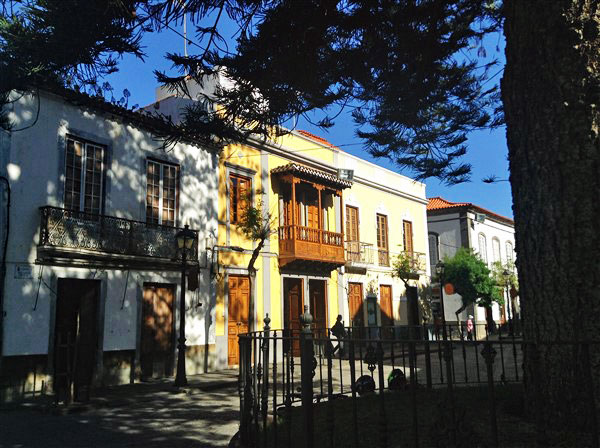
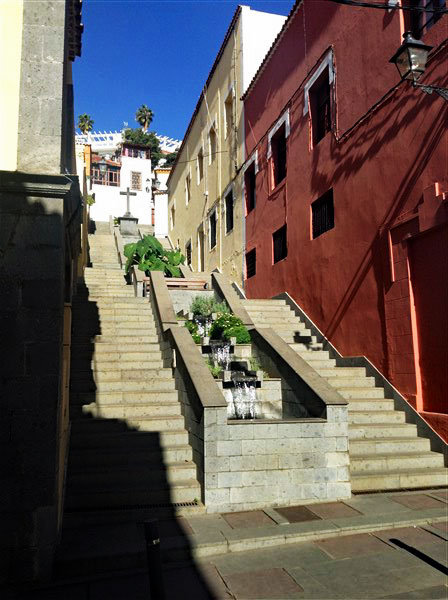
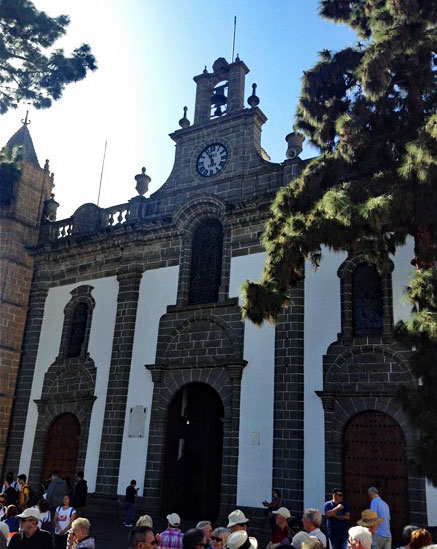
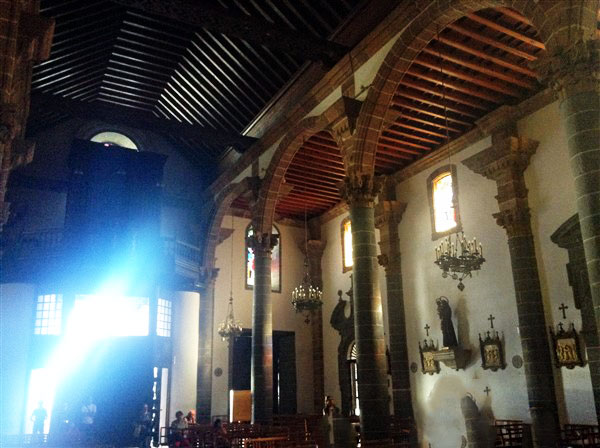
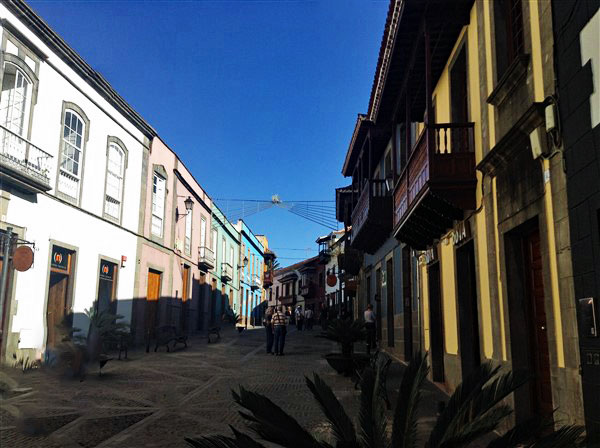
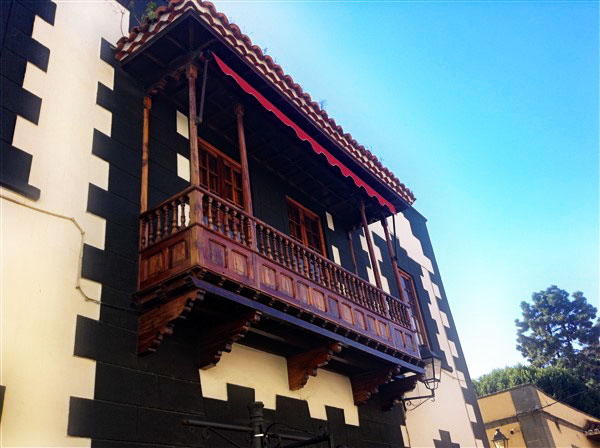
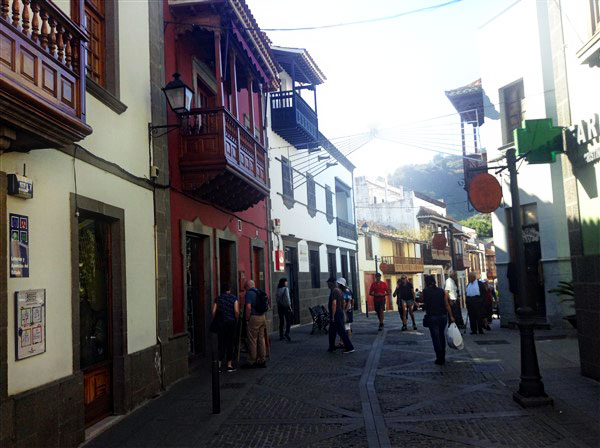
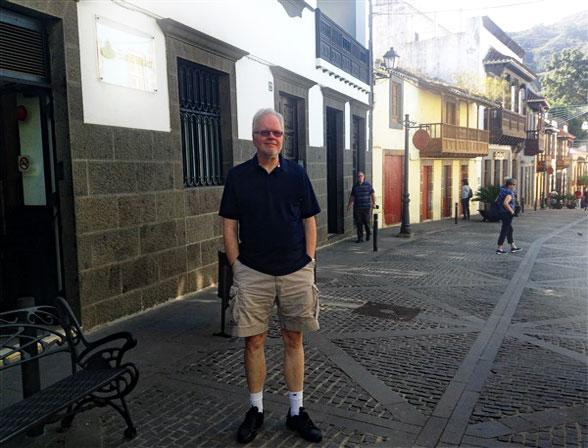
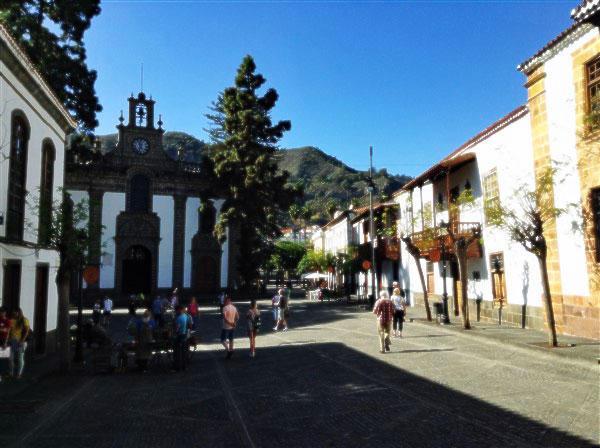
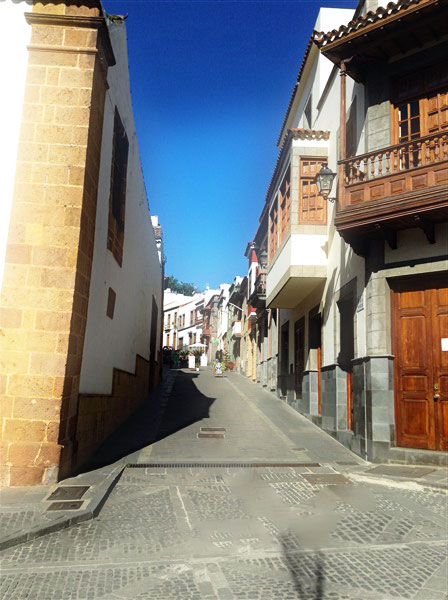
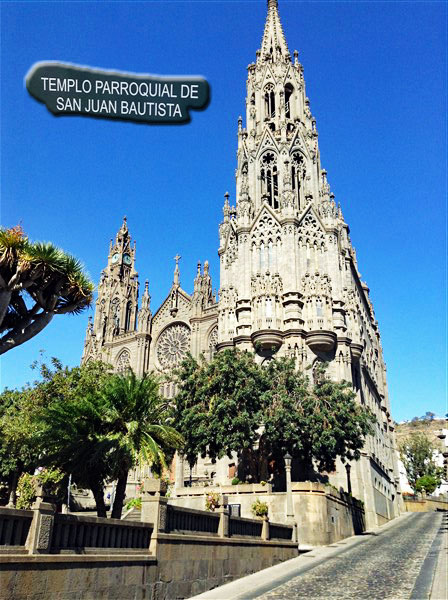
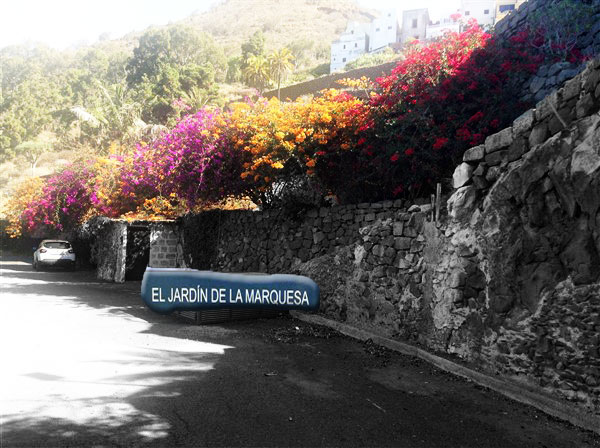
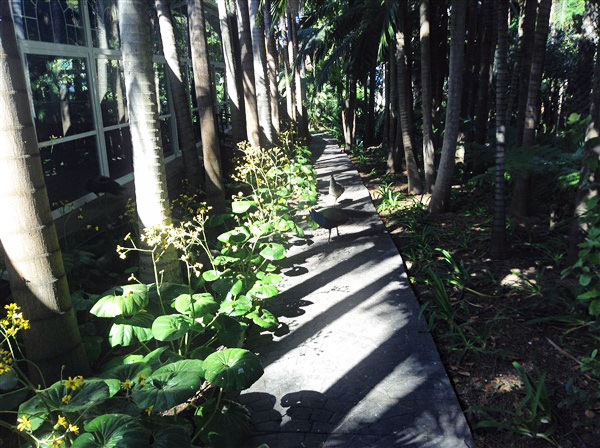
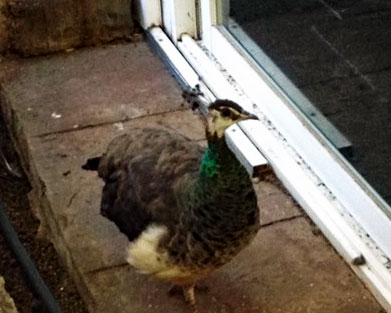
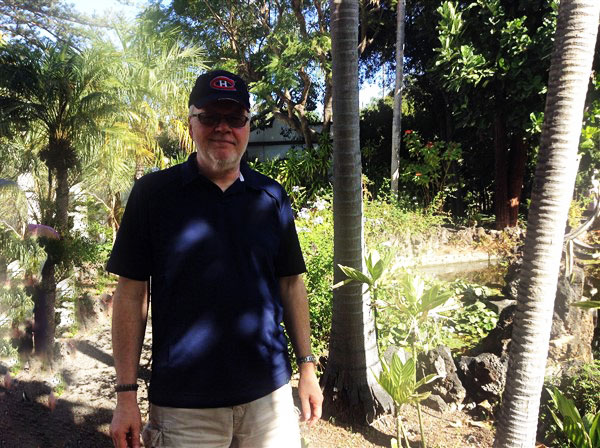
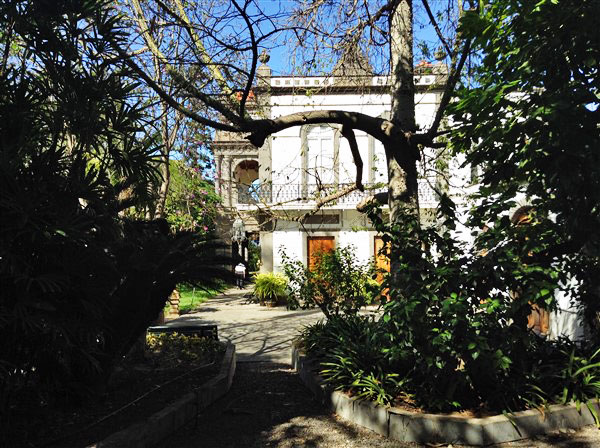
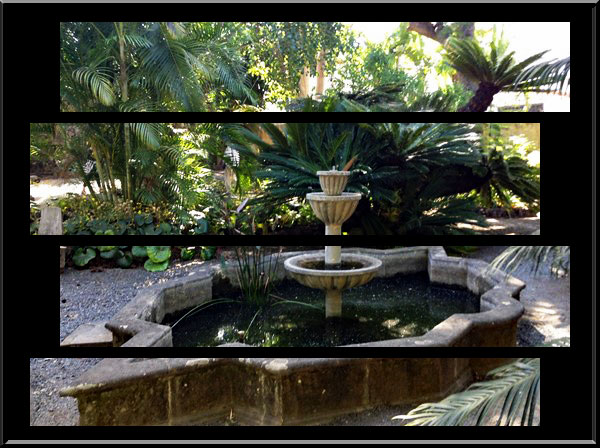
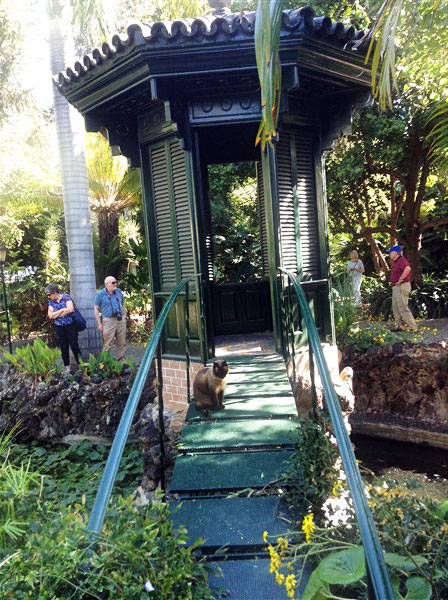
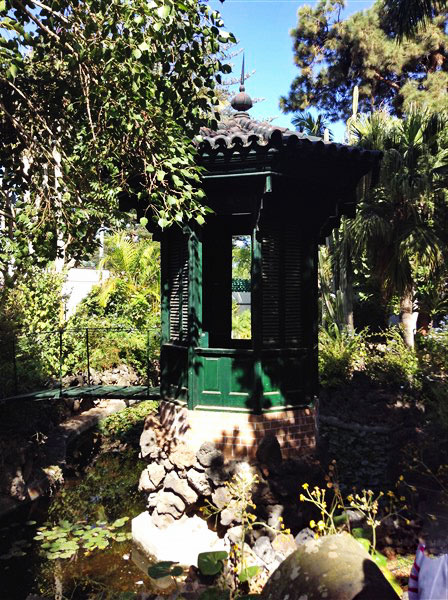
The Jardín de la Marquesa, located in Arucas, is a botanical garden of great variety, including vegetation from all over the world. It houses the Palacete, a family summer residence where the blue facade (covered with basalt stone) stands out, very characteristic of the town of Arucas.
Lanzarote
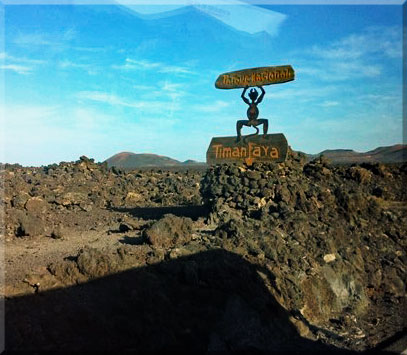
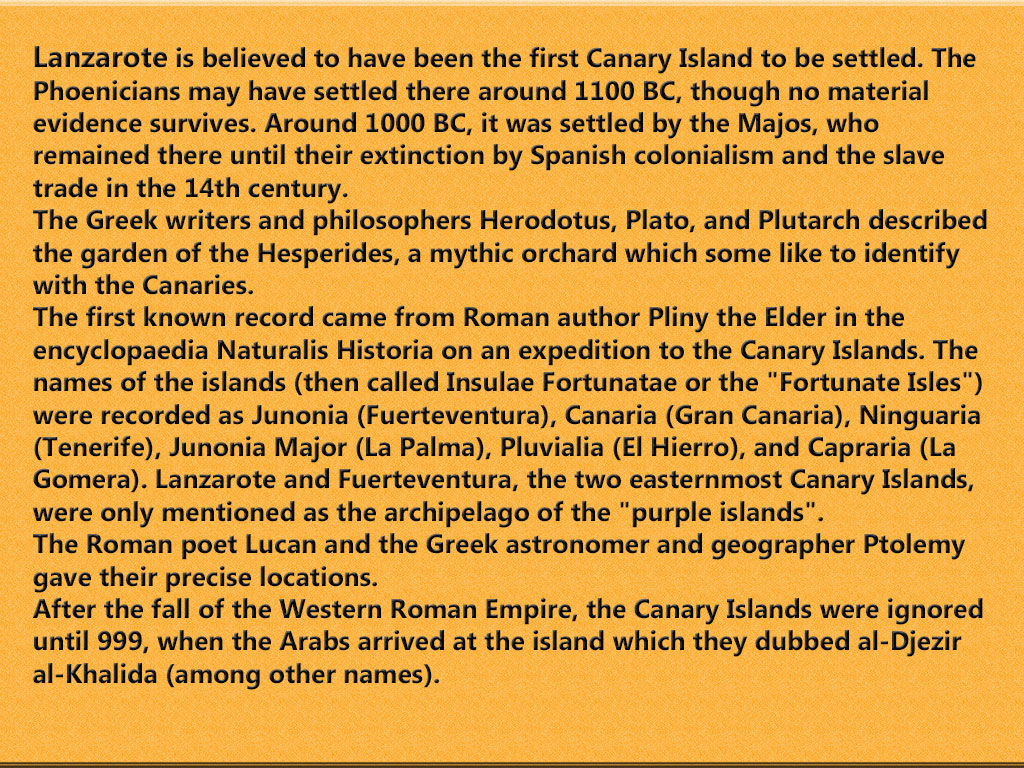

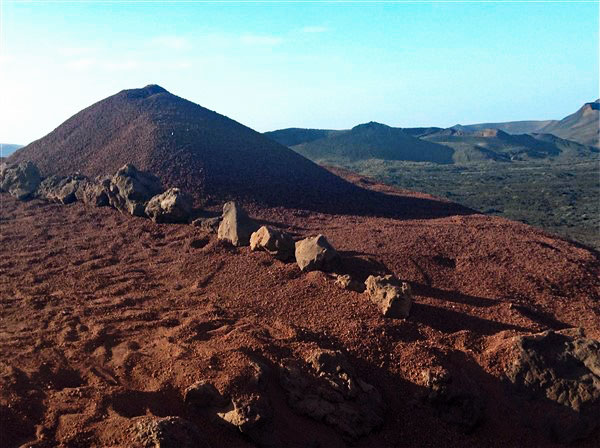

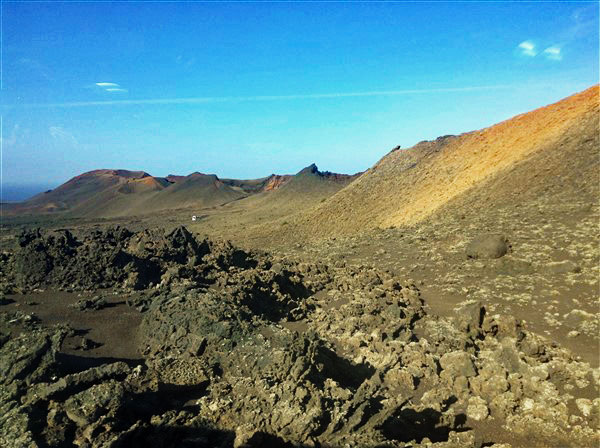
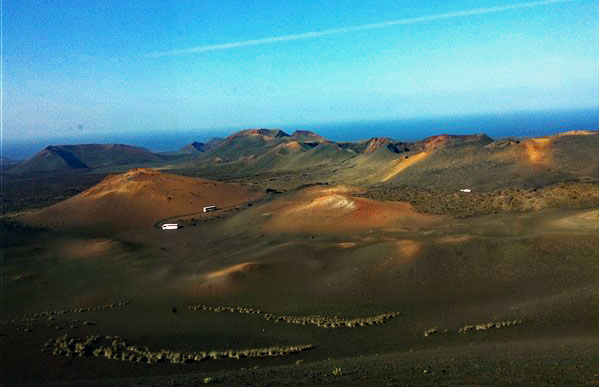
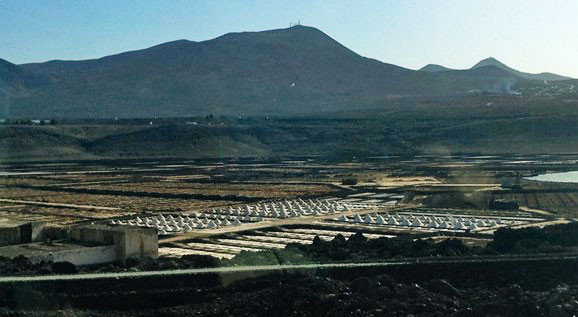
Salt flats of Lanzarote
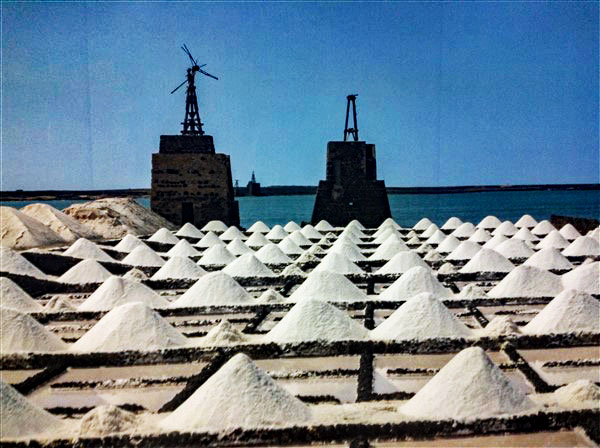
The salt flats of Lanzarote are rooted in the island and its evolution. For years the inhabitants of the island caught the salt directly from the puddles during the low tide, a process that is done today in many corners of the island. It was with the arrival of the Castilians when the first salt flats were built on the island of Lanzarote, a fact that was very important and that it was closely linked to the fishing industry since salt was used to conserve fish.
Today there are few salt flats that remain in operation, but for years it was a very important industry. There are some vestiges of the salt flats of Puerto Naos in Arrecife. These salt flats belonged to some families of the island during the 19th century. For years the workers (mostly women), worked tirelessly leaving their mark and sweat from the 20s until the 70s, building by hand both the cuts and the tanks on terraces, supplying salt to the fishermen and the canning industries.
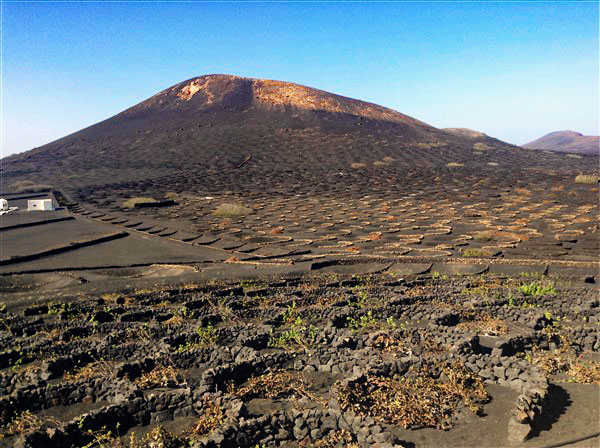
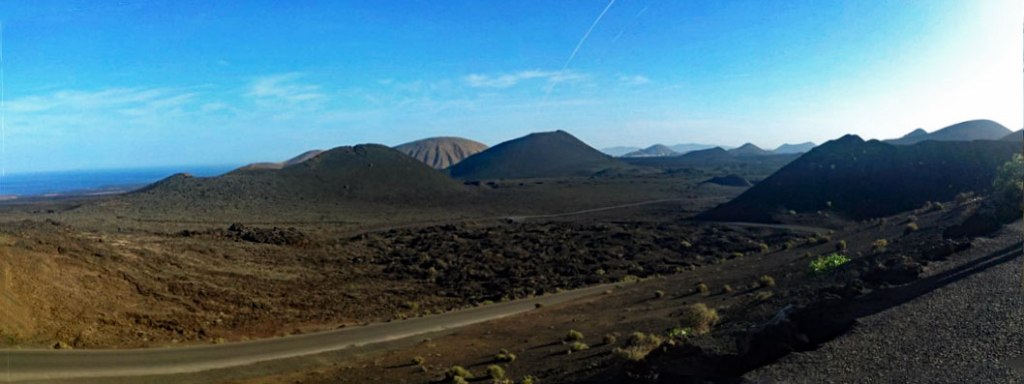
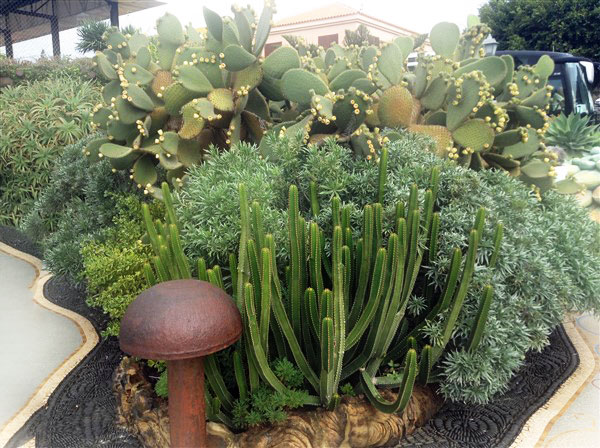
This is how they try to grow plants. What ittle vegetation they have on the island.
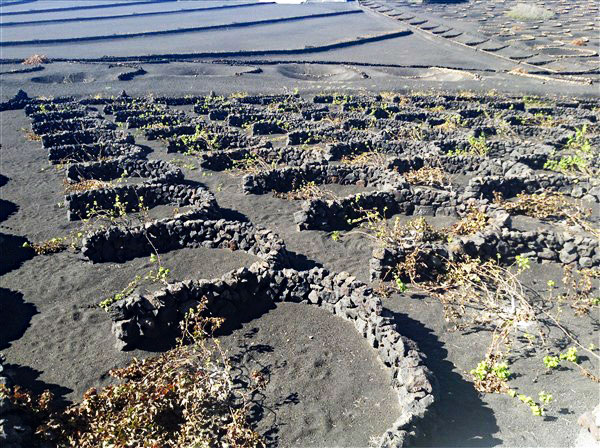


 s
s 