



October 2025
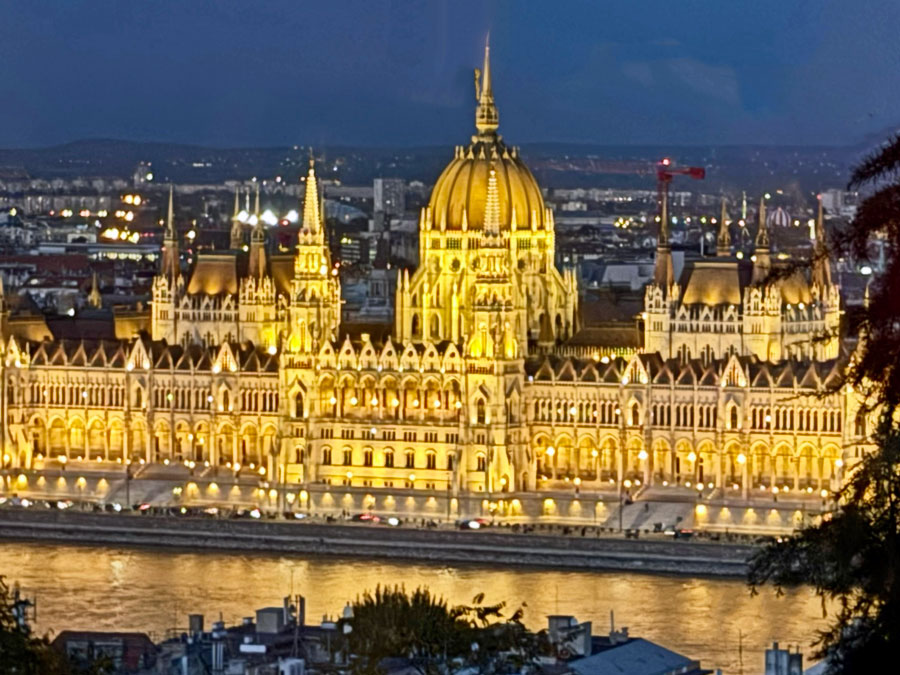
We took a River Cruise on the Danube. From Budapest to Passau/Nuremburg. We flew in to Budapest the day before our cruise and stayed one night at the The Hilton Budapest and then one night onboard the ship. Our hotel was actually a monastery. Our room overlooked the famous Hungarian Parliament Building. Fascinating city.
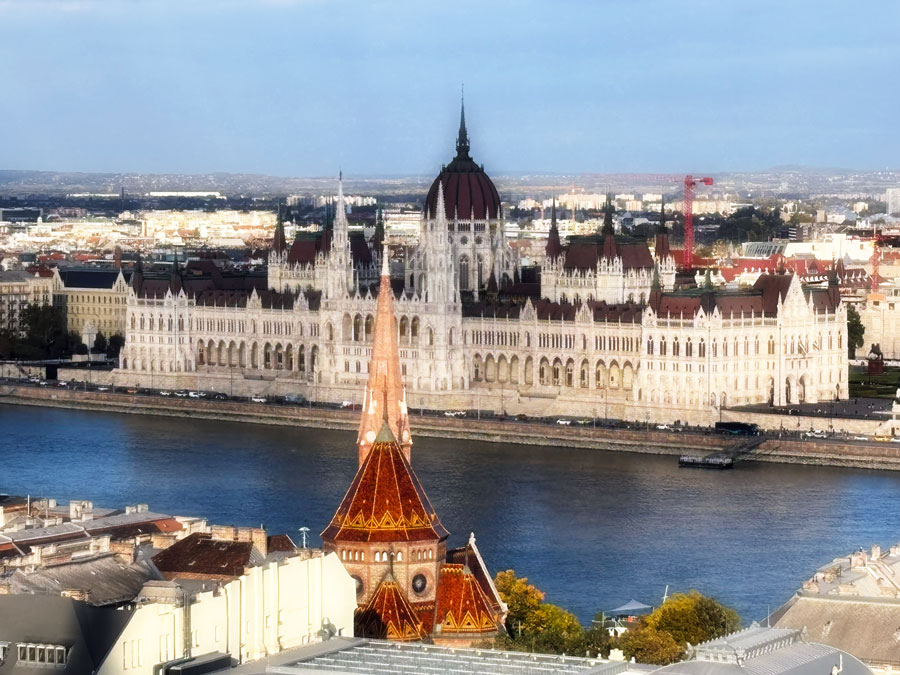
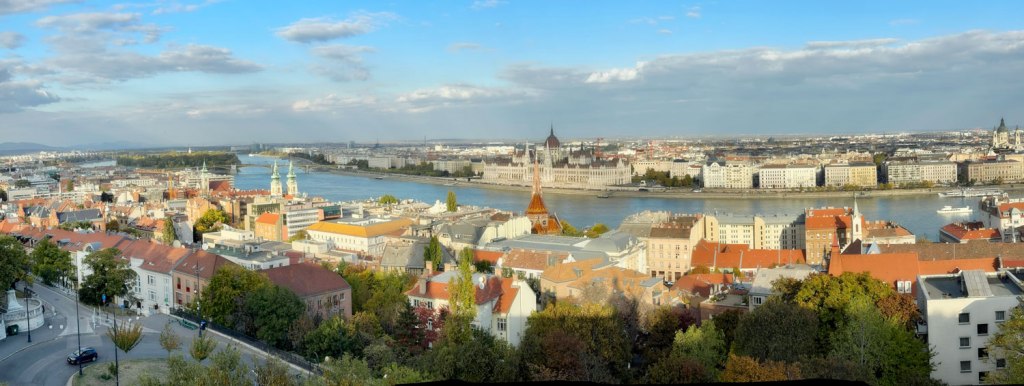
The Hungarian Parliament Building is situated in the Pest side of the city, on the eastern bank of the Danube.. It was designed by Hungarian in neo-gothic style and opened in 1902. It has been the largest building in Hungary since its completion. The architectural style of the Hungarian parliament building was influenced by the gothic Vienna City Hall, and the renaissance elements like the cupola was influenced by the Maria vom Siege church in Vienna.
Budapest was united from three cities in 1873, namely Buda, Obuda and Pest Seven years later, the Diet resolved to establish a new, representative parliament building, expressing the sovereignty of the nation.
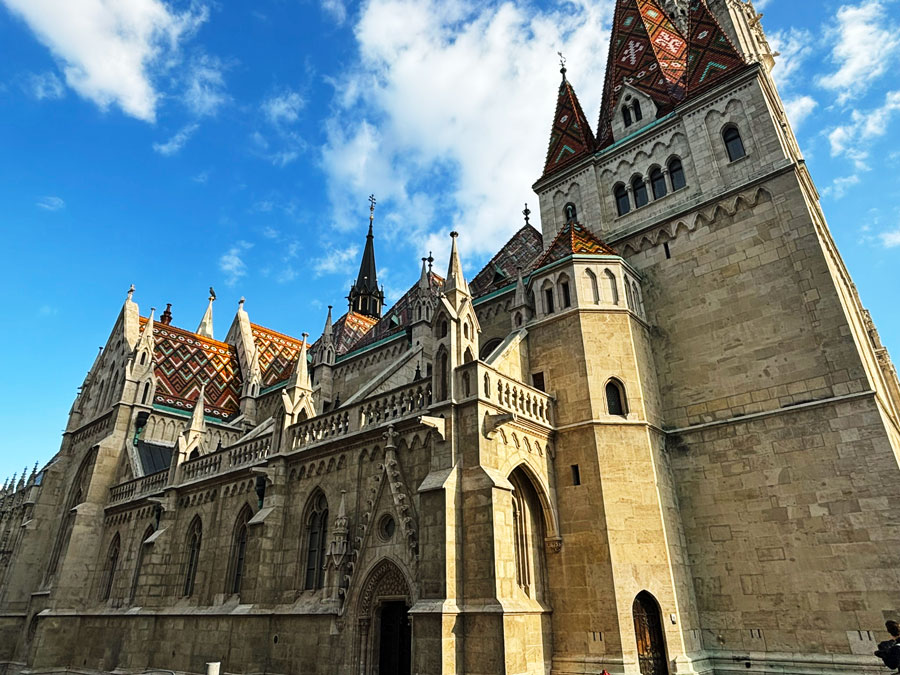
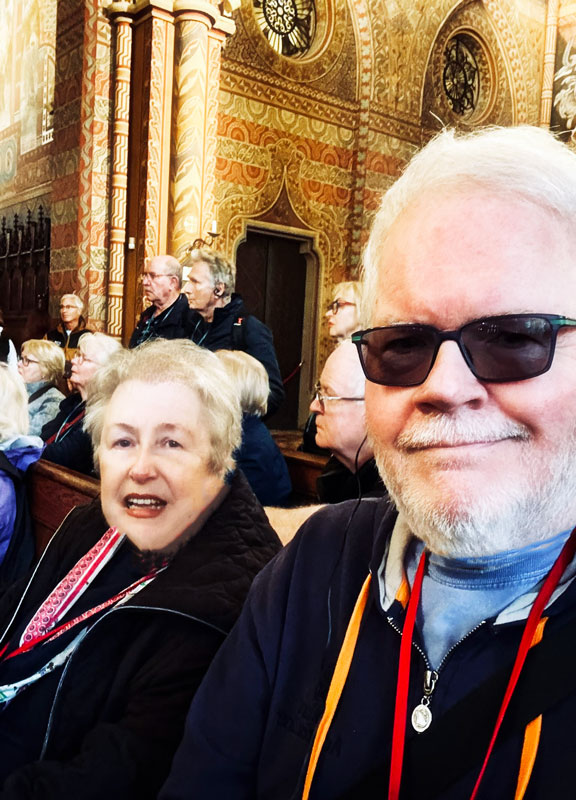
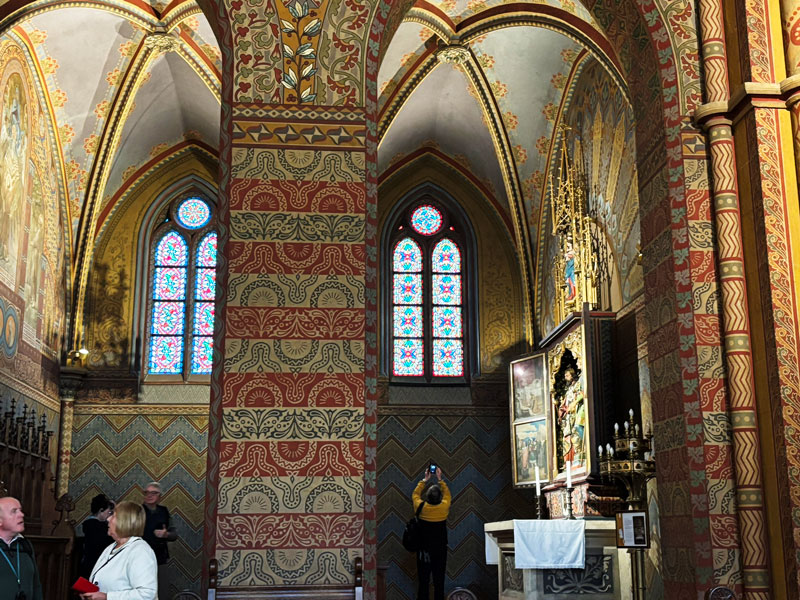
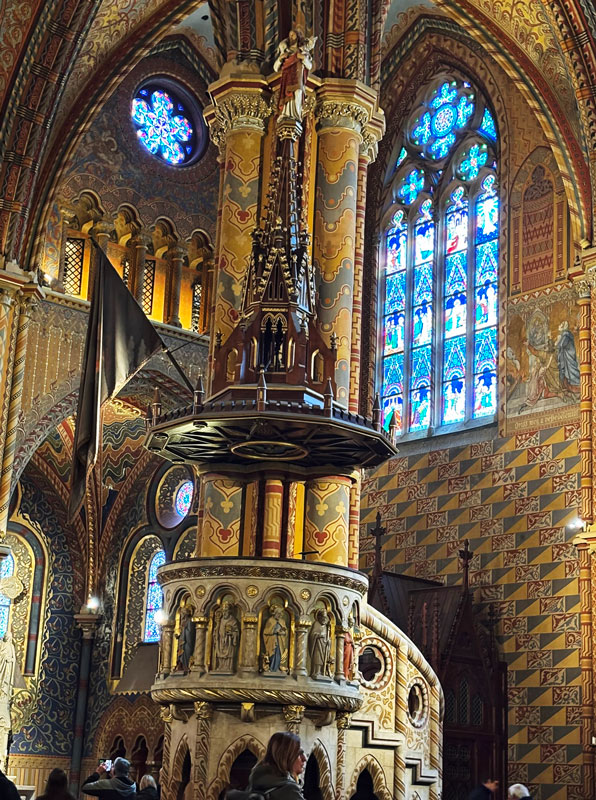
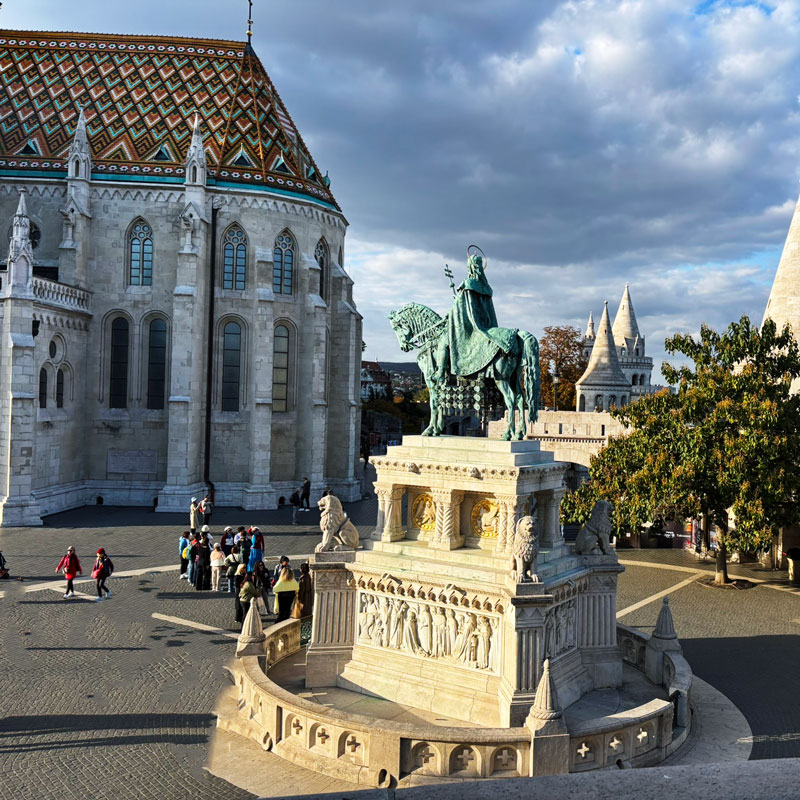
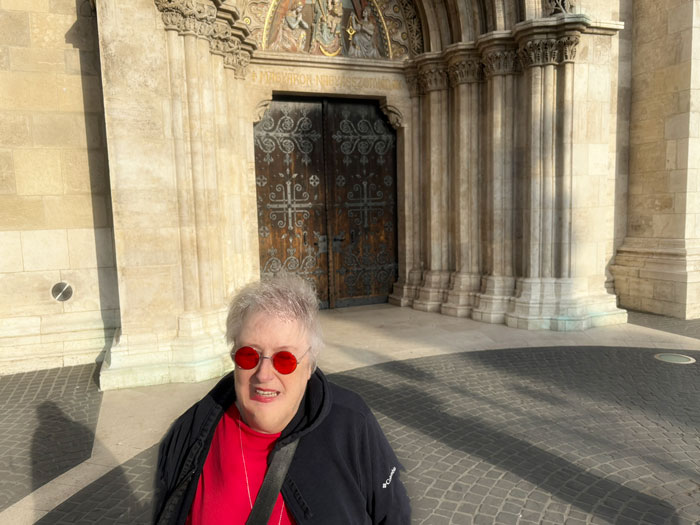
The Church of Our Lady of Buda Castle

A charter of the Cathedral Chapter of Veszprém is the first to mention the church under construction in 1247. This is why researchers assume that the date when the church was founded and constructions began was 1246 or 1247.
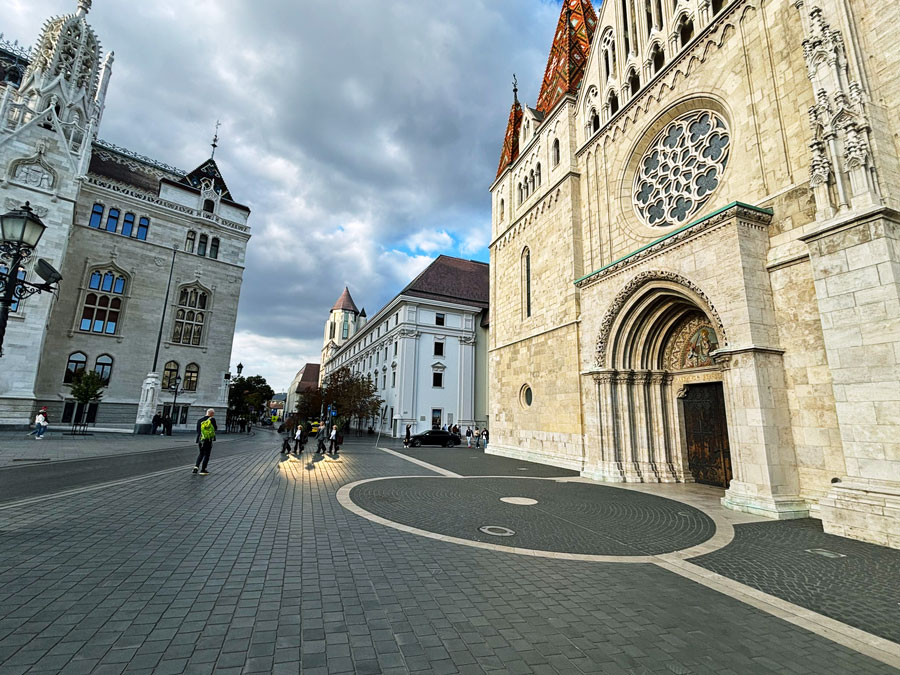
Charles I, also known as Charles Robert was crowned with a provisional crown in the church on 15 June 1309.
Starting at the end of the 14th century, the church was significantly renovated after the collapse of the tower. The construction works took a long time as a papal indulgence was issued to support them even in 1414. By lifting the vaults of the aisles a hall was created, and the sanctuaries of the aisles were extended and transformed into polygonal spaces.
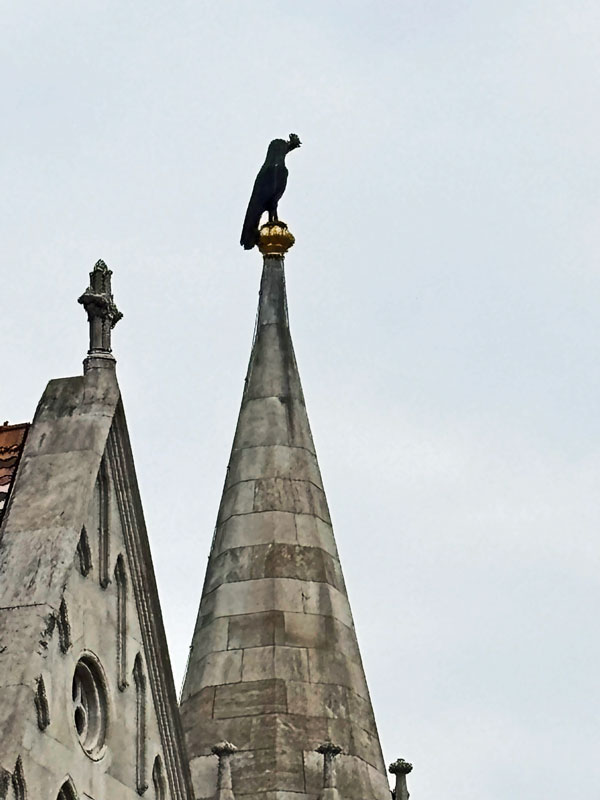
Suleiman the Magnificent occupied Buda. The Church of Our Lady, the city’s main church was turned into a mosque.
After signing the laws of the Austro-Hungarian Compromise, Franz Joseph Emperor of Austria and his wife Queen Elisabeth were crowned Hungarian king and queen in the church on 8 June 1867.
Blessed Charles IV and his wife, Zita of Bourbon-Parma, were crowned in the church on 30 December 1916. This was the coronation of the last king of Hungary.
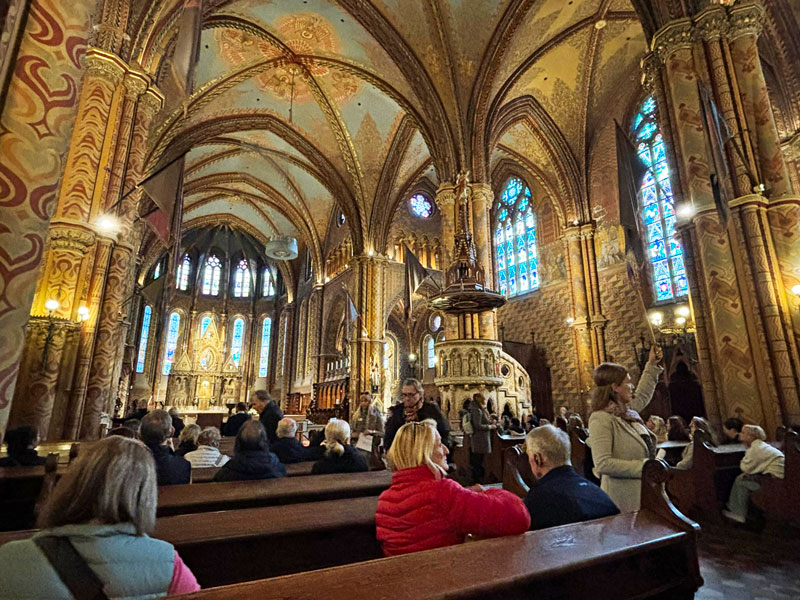
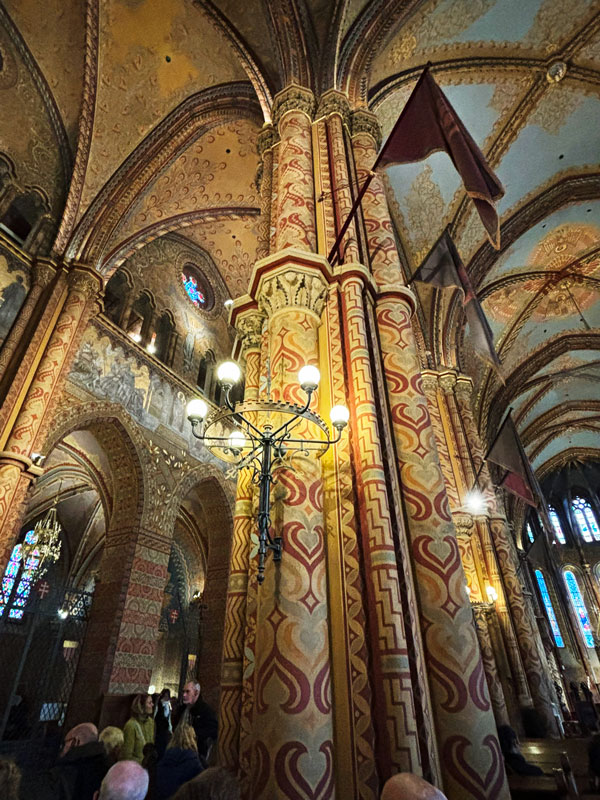
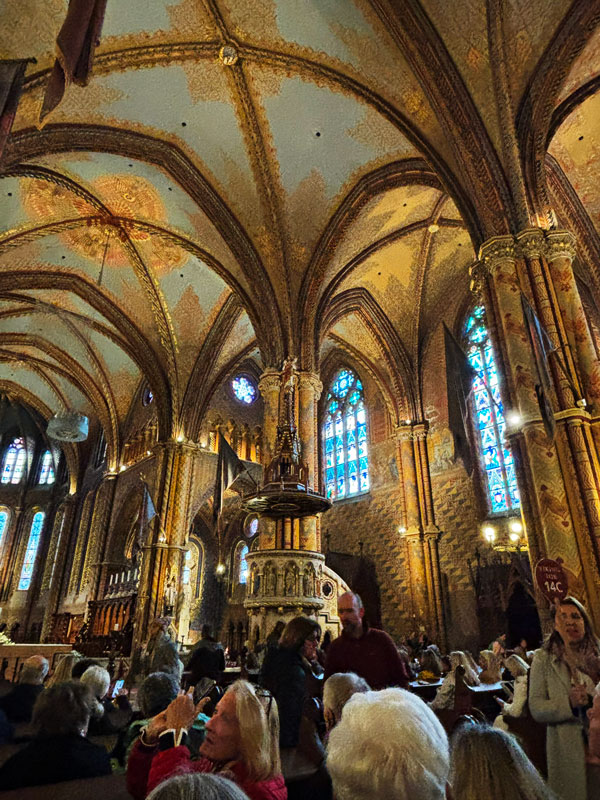
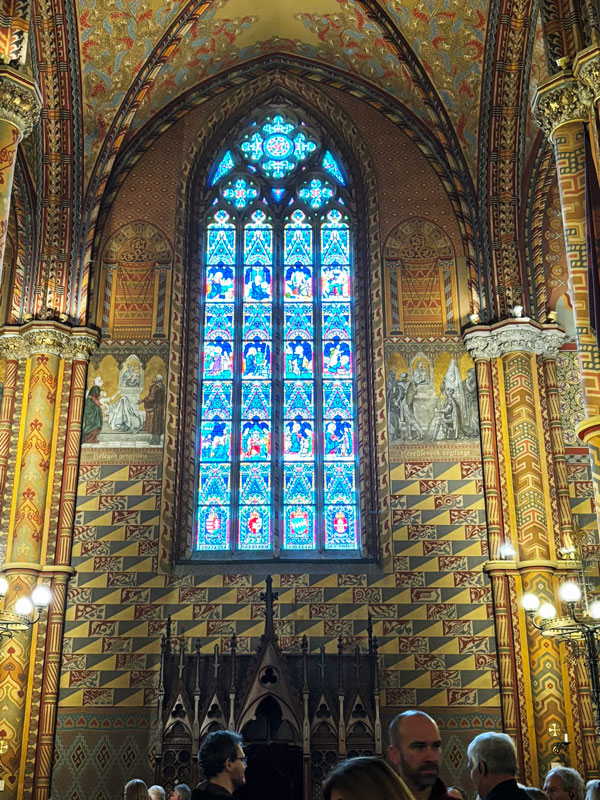
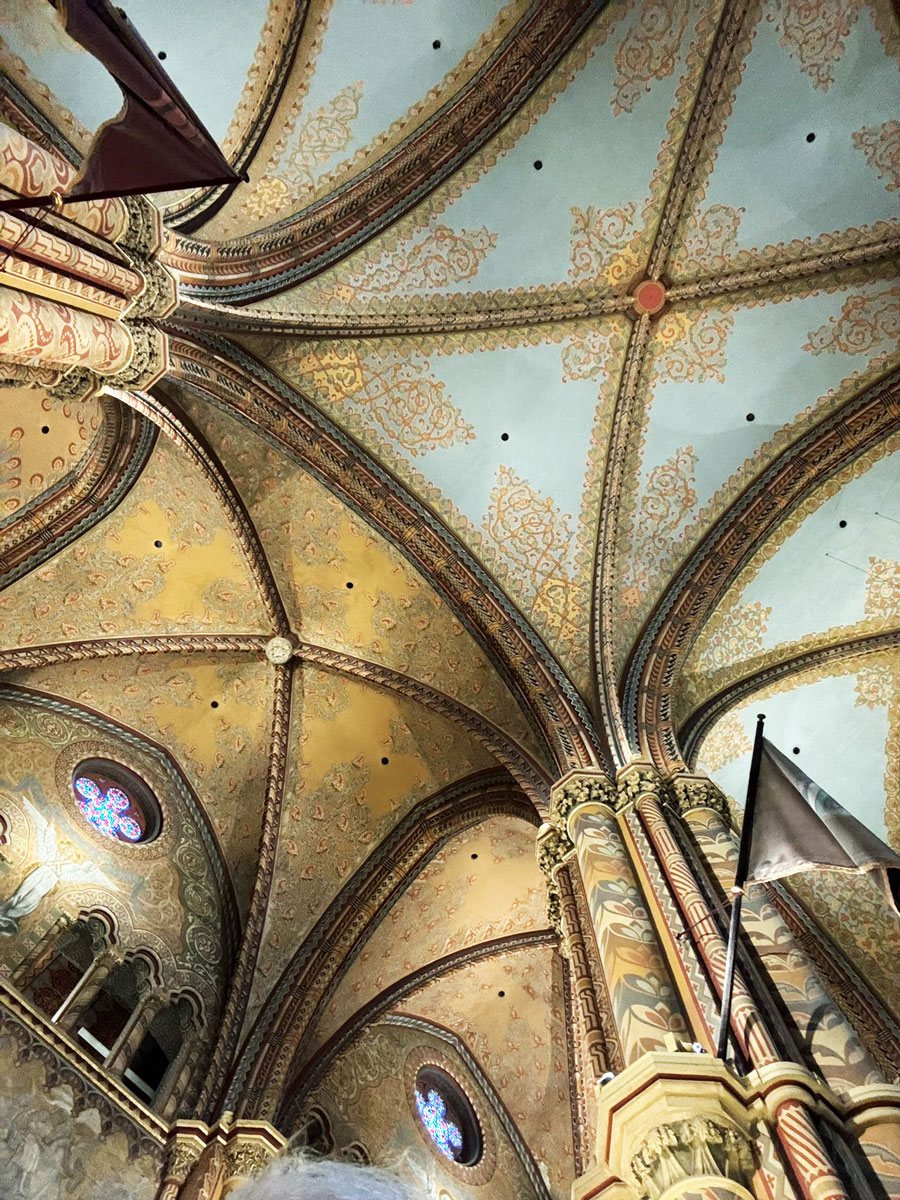
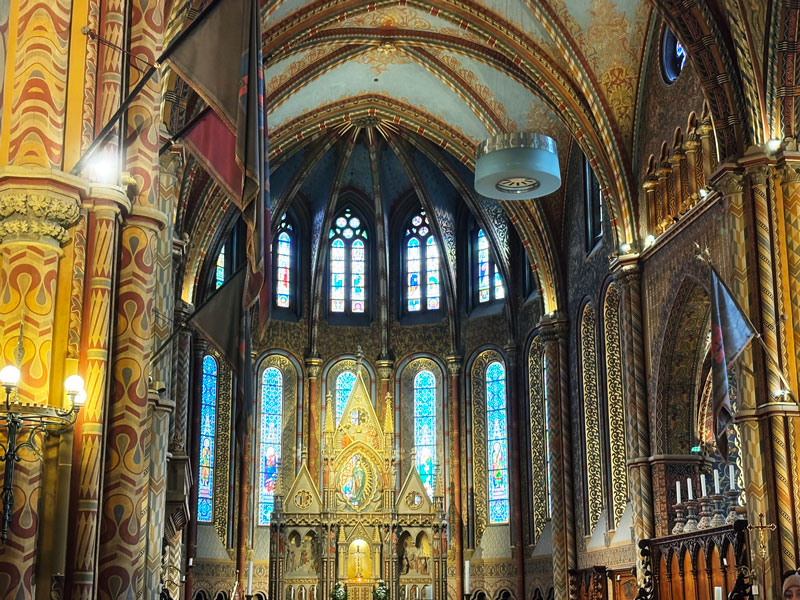

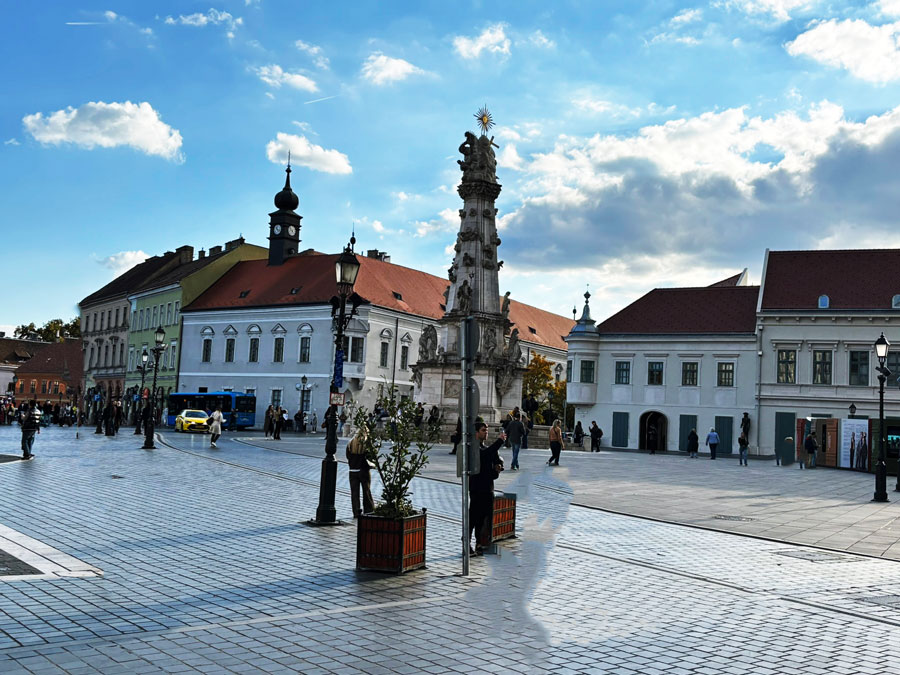

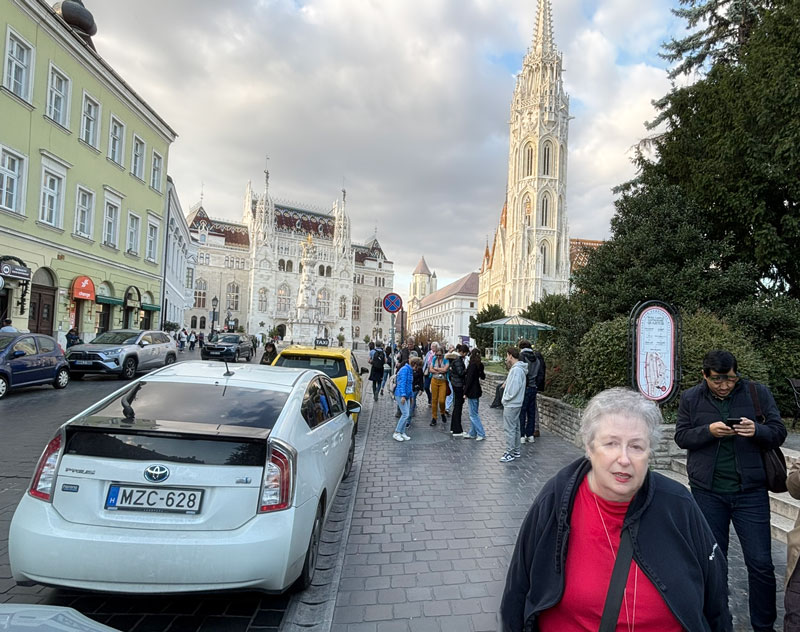
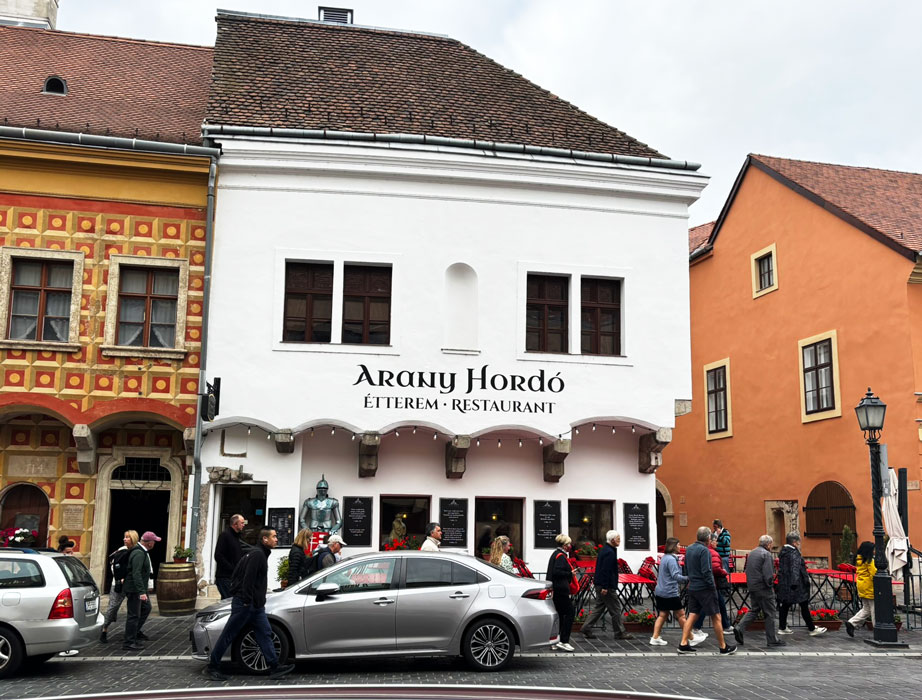

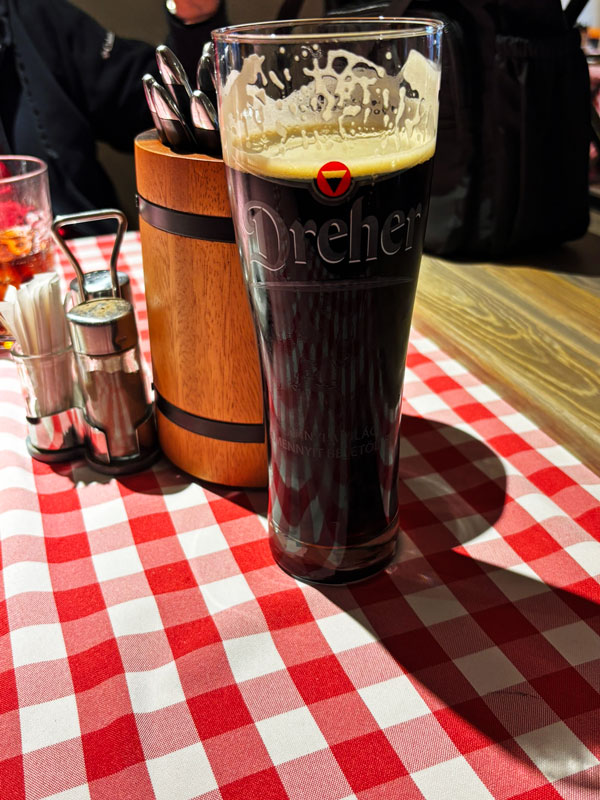
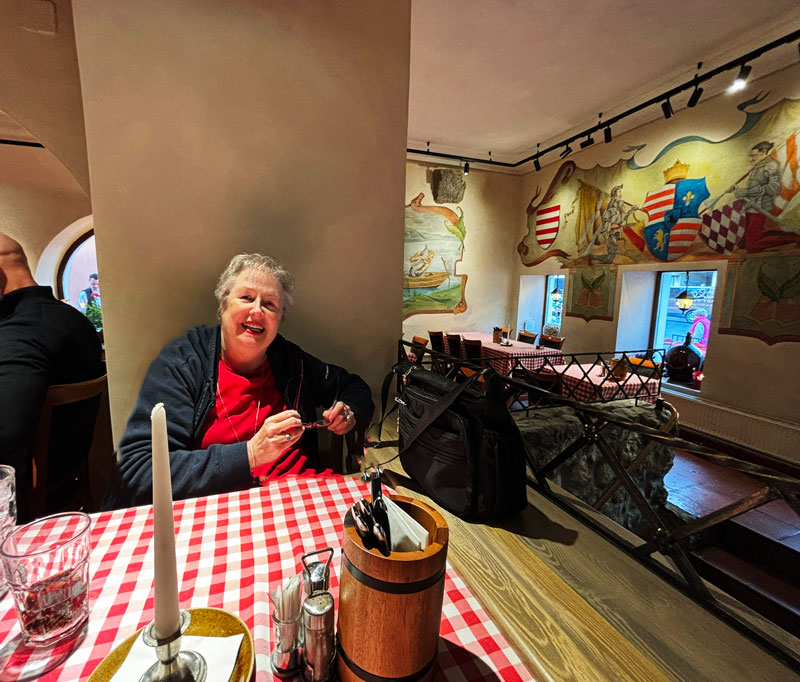
One of the oldest restaurant in Budapest.
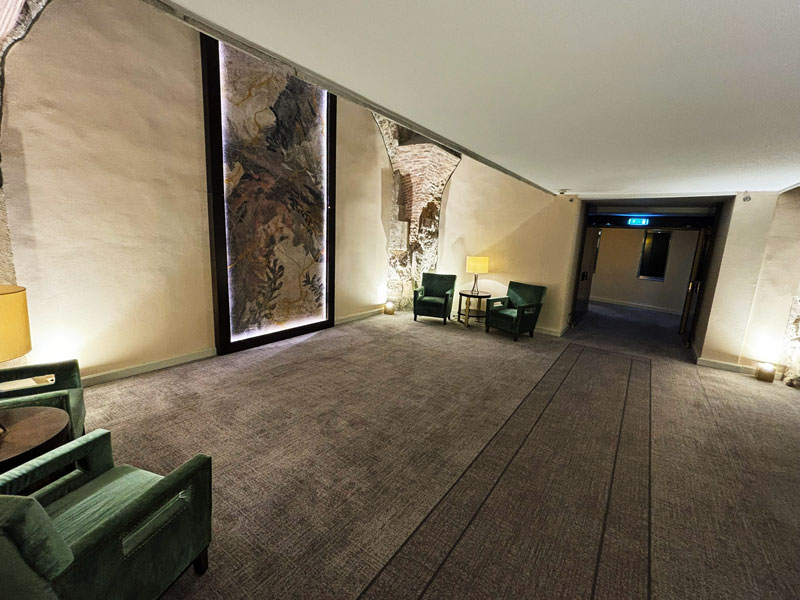
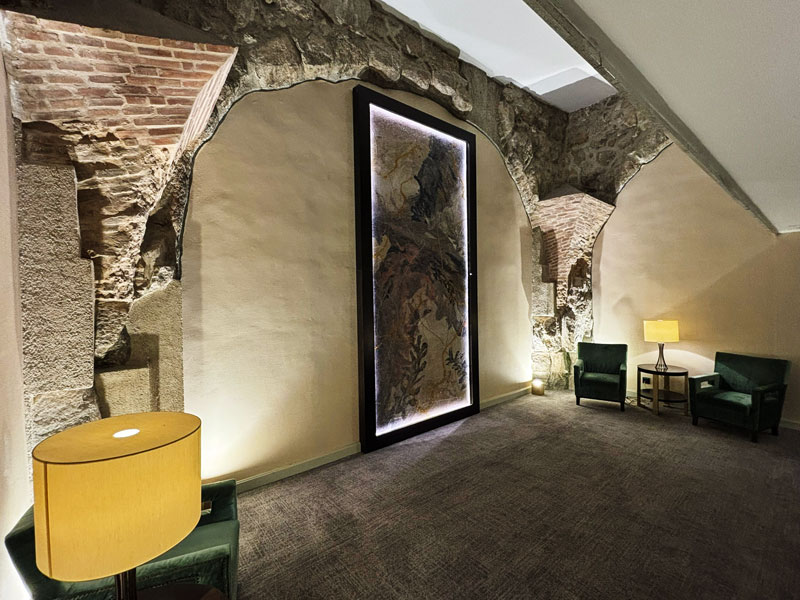
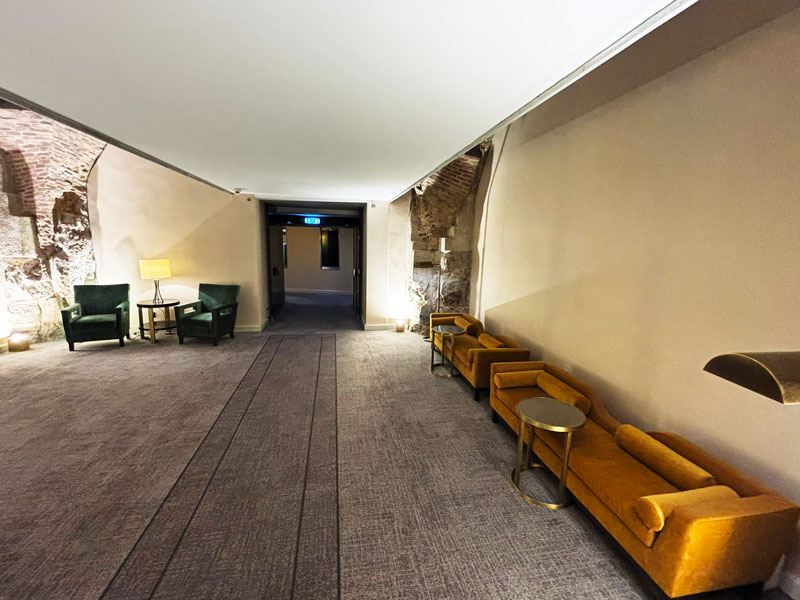
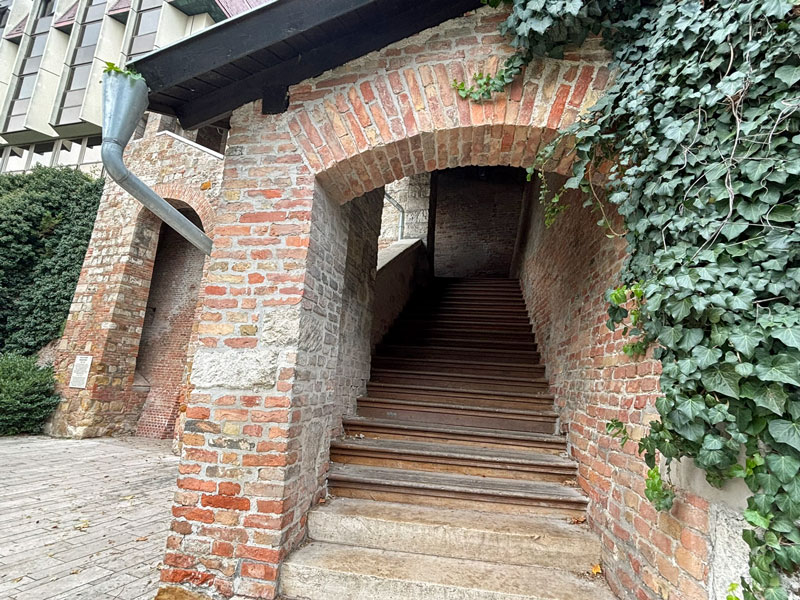

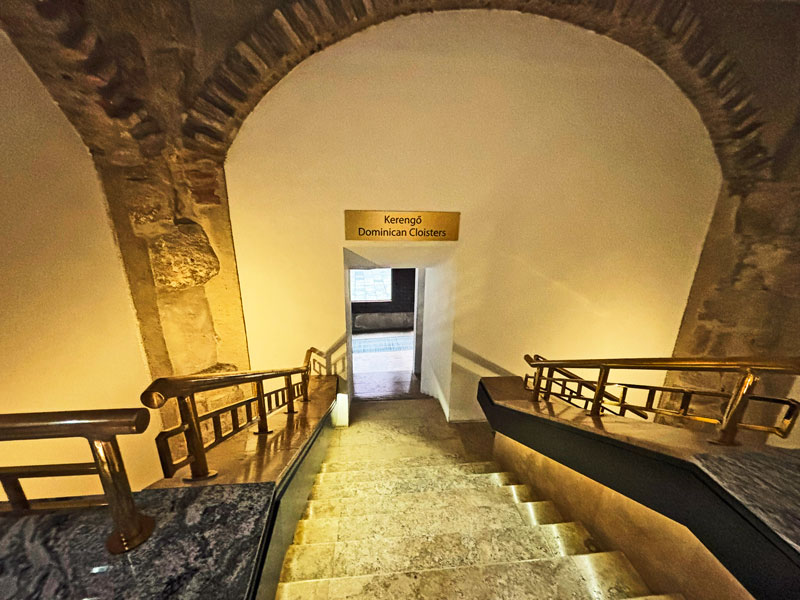

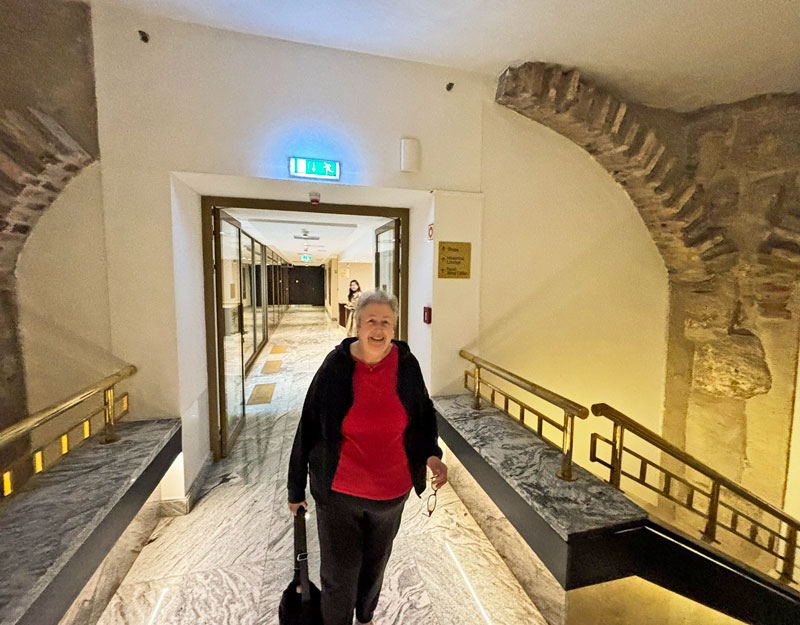
The Hilton Budapest Hotel (It was a former monastery)
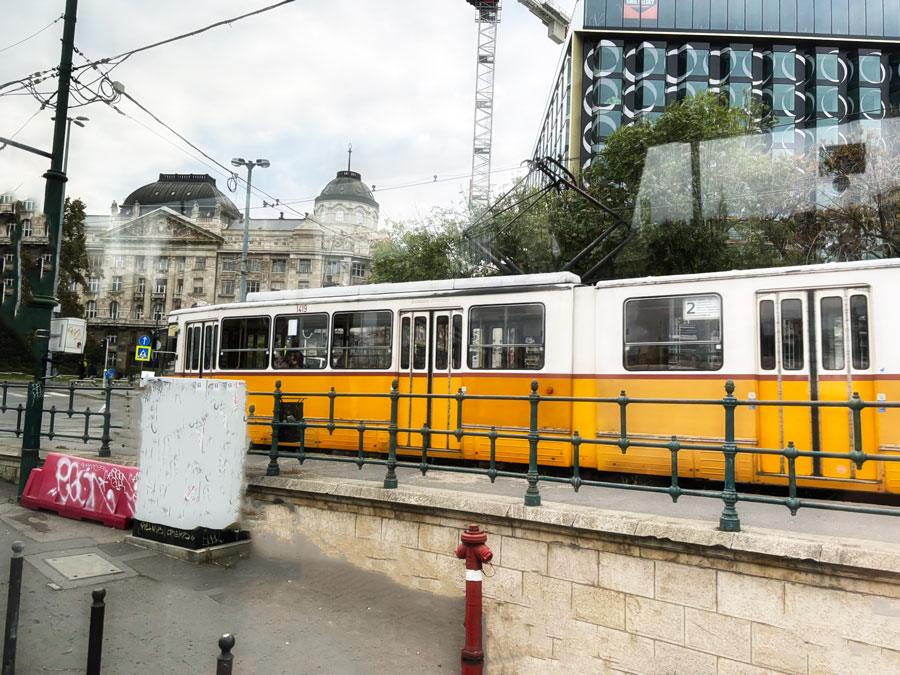
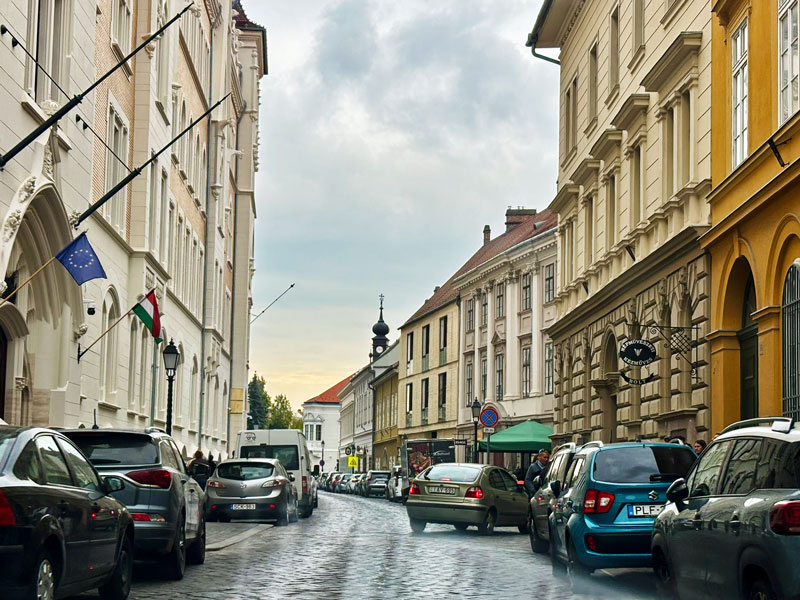
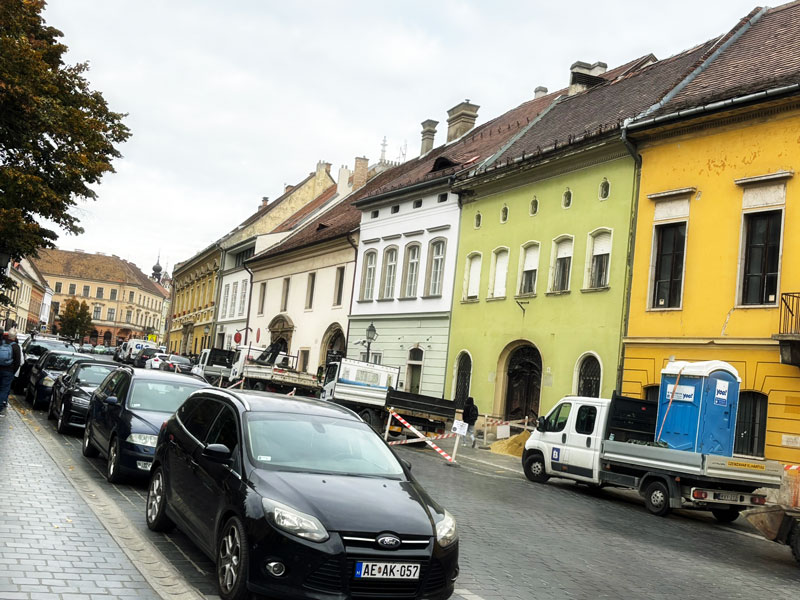
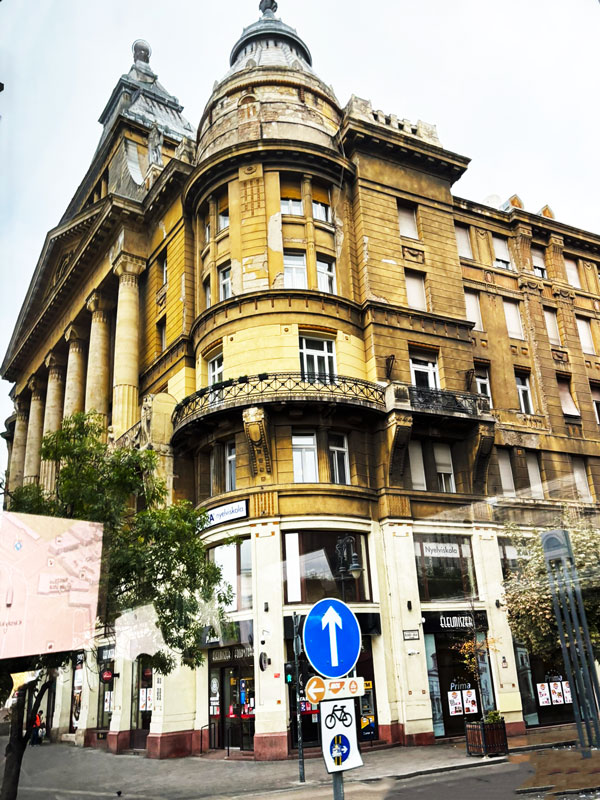
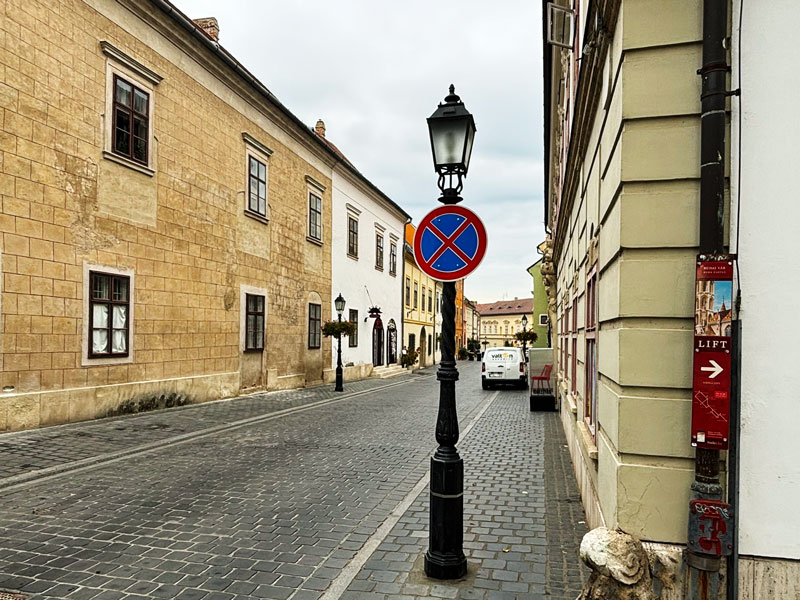
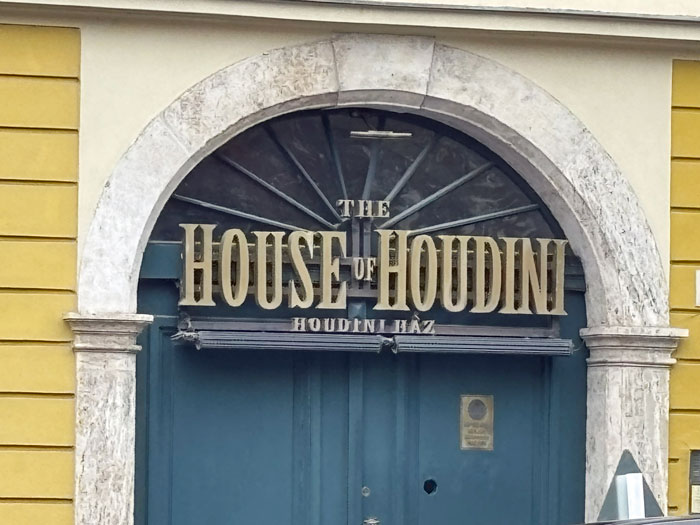
The House of Houdini is a private exhibit and performance venue located at 11, Dísz Square, within the walls of the Buda Castle. The building houses the only collection of original Houdini artifacts in Europe.
The owners’ private collection includes original Houdini memorabilia: e.g., handcuffs, personal correspondence, and “precious artifacts.” A Bible once owned by Houdini is part of the collection.
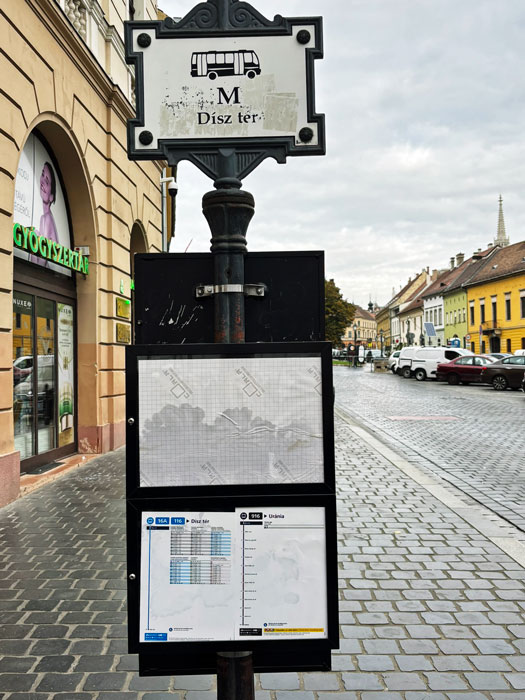
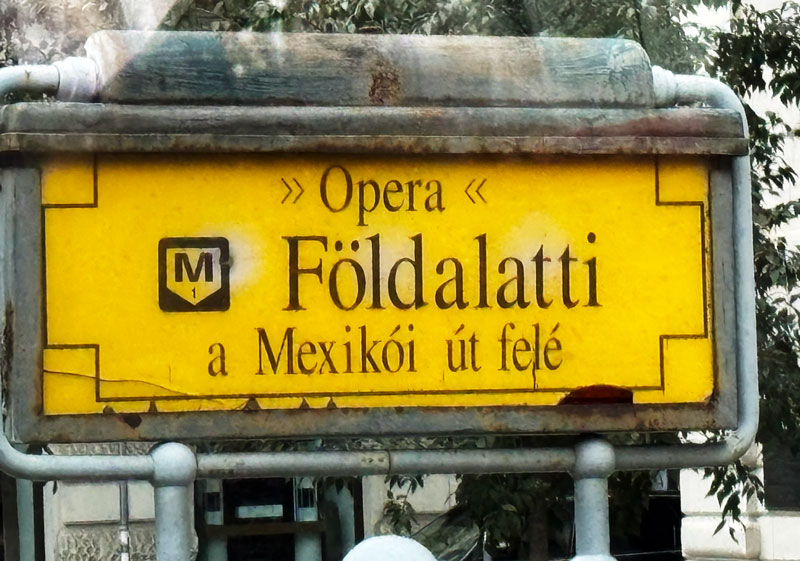


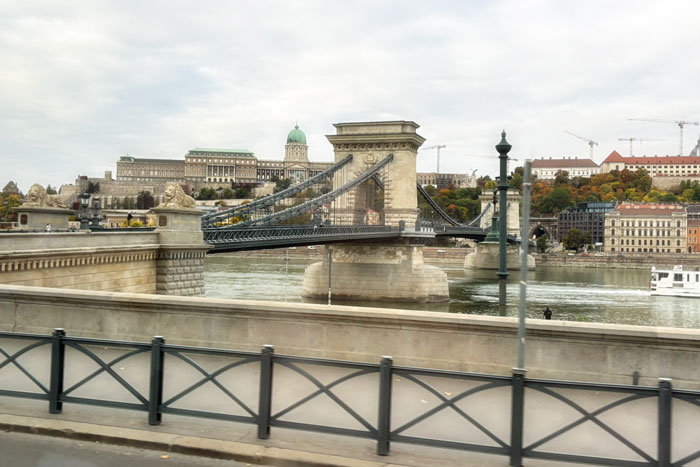
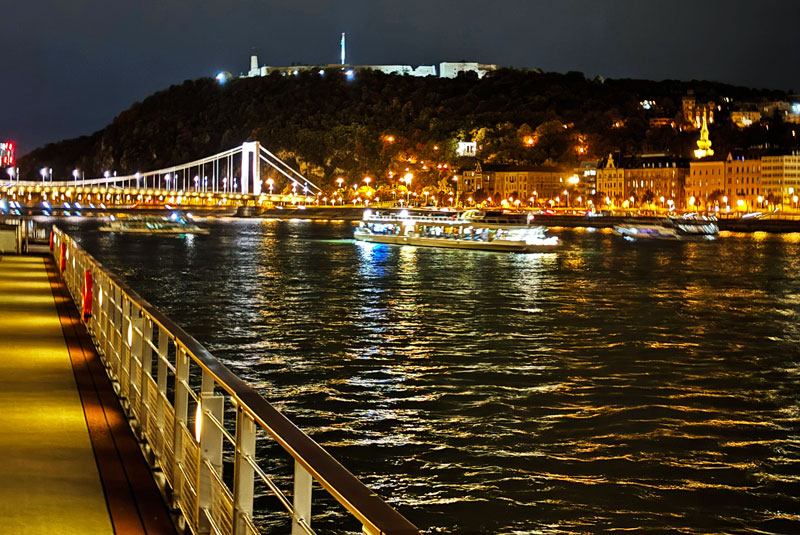
The Széchenyi Chain Bridge is a chain-bridge that spans the River Danube between Buda and Pest. Designed by English engineer William Tierney Clark and built by Scottish engineer Adam Clark, it was the first permanent bridge across the Danube in Hungary. It was opened in 1849.
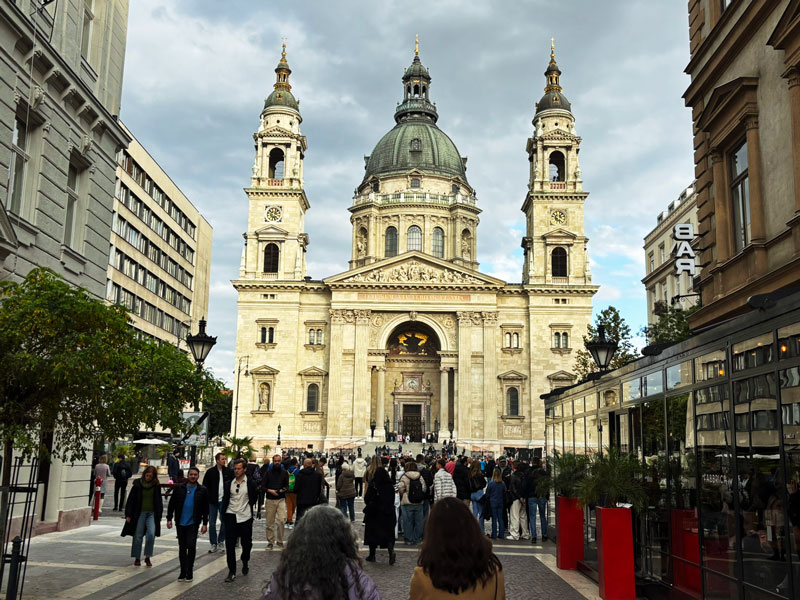
St. Stephen’s Basilica is named in honour of Stephen, the first King of Hungary (c. 975–1038), whose right hand is housed in the reliquary. Since the renaming of the primatial see, it has been the co-cathedral of the Roman Catholic Archdiocese of Budapest. Today, it is the third largest church building in present-day Hungary. It is the largest church in Budapest and a significant historical landmark within the city’s UNESCO World Heritage Site Buffer Zone.
It looks pretty clean. Well, they used a special (and expensive) coating to prevent dirt build-up.
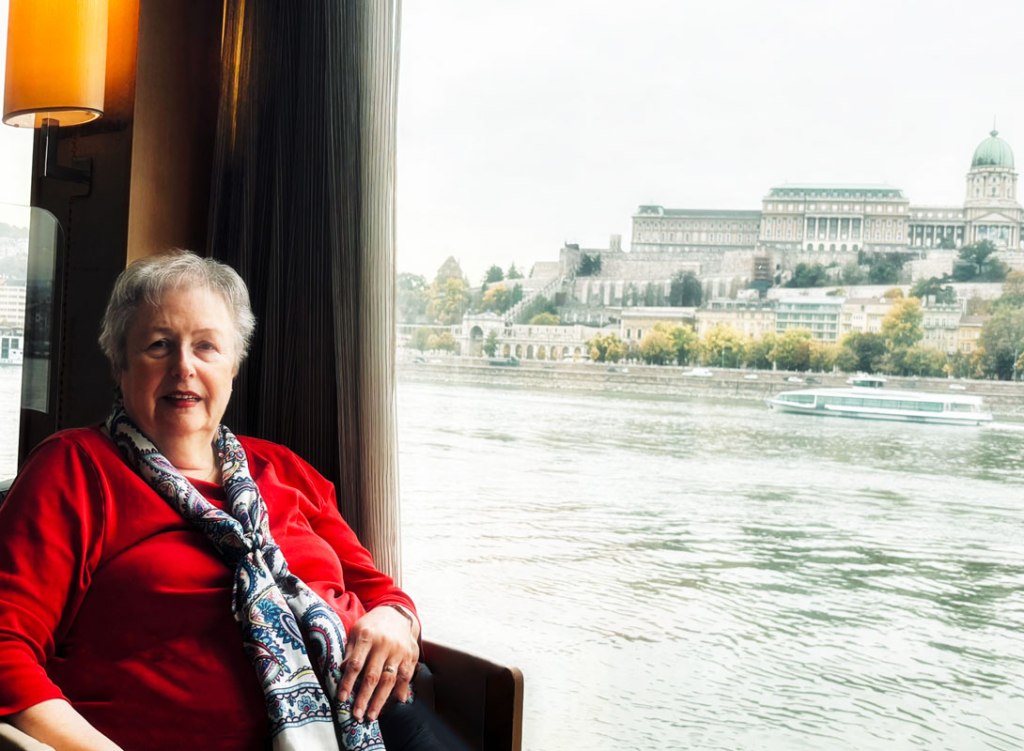
Judy relaxing on the Viking Tor

 s
s 