



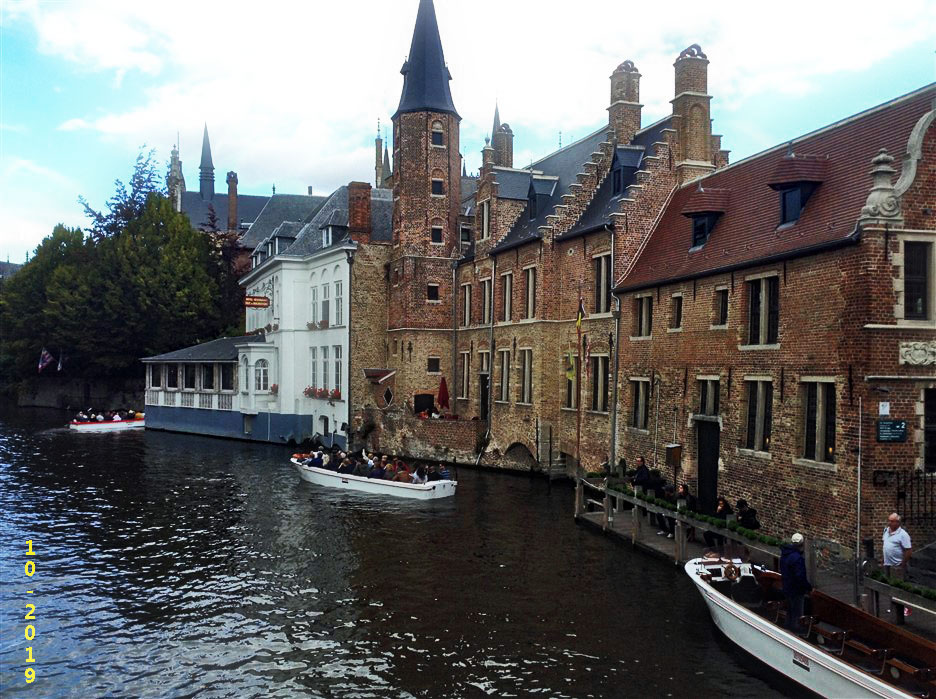
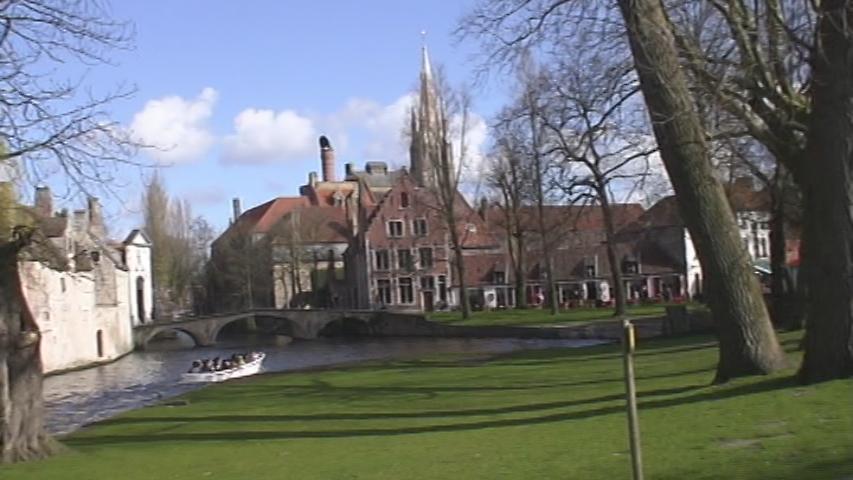
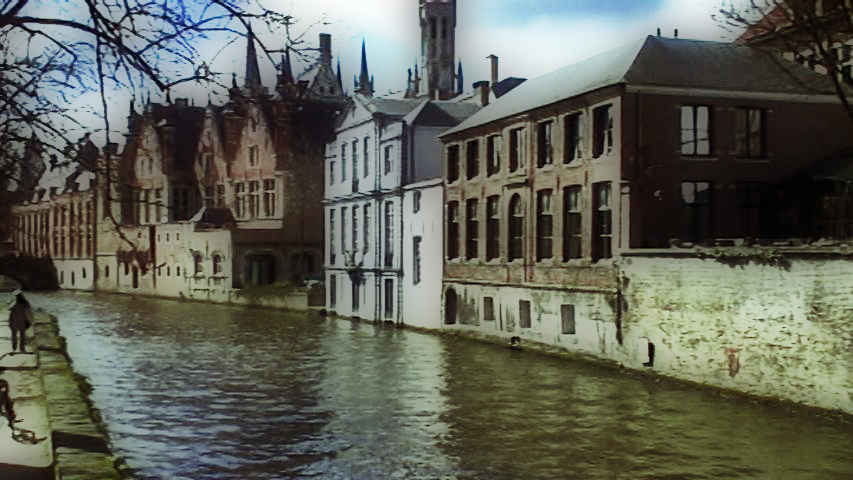
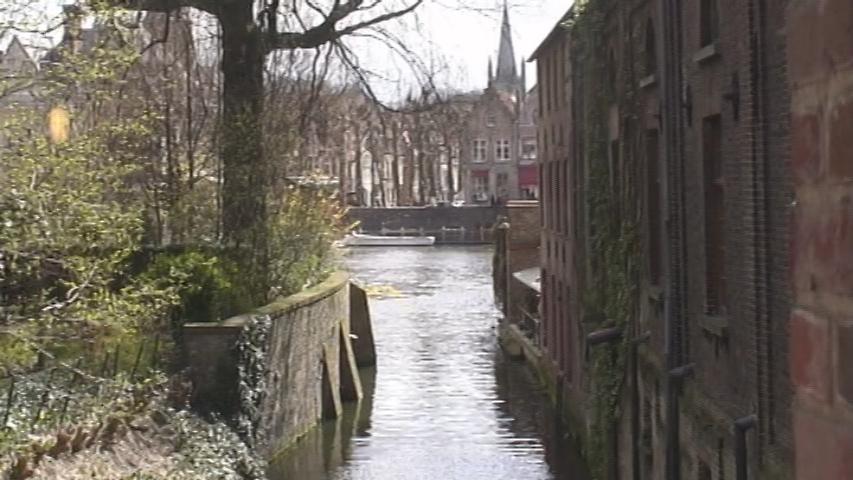
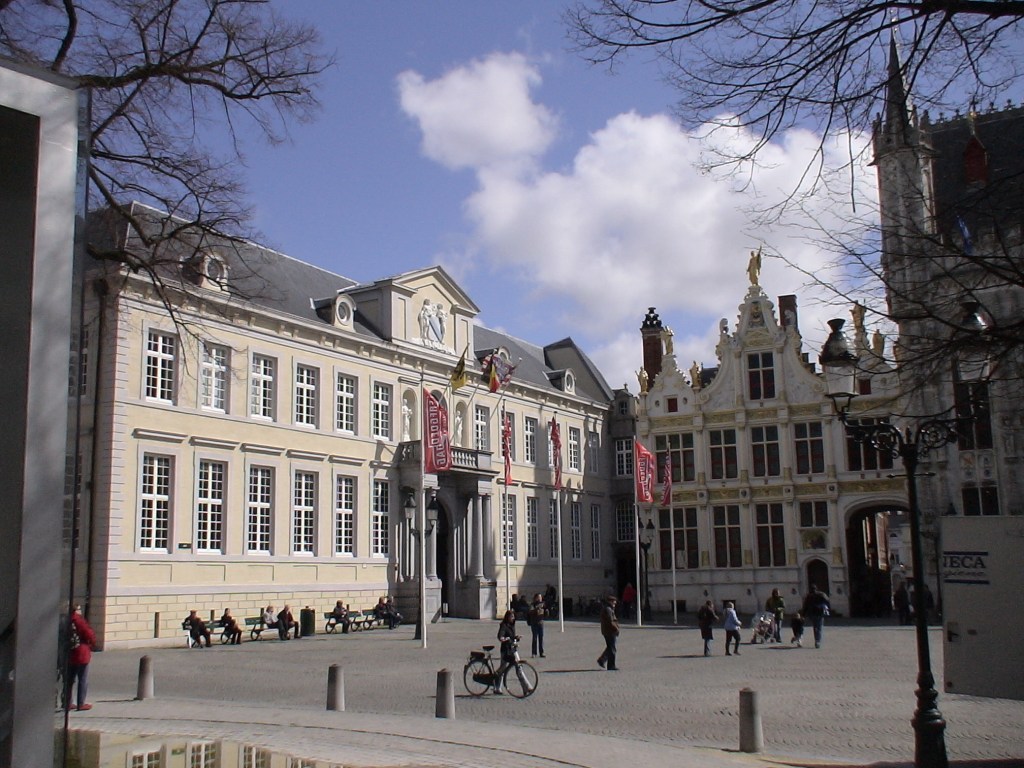
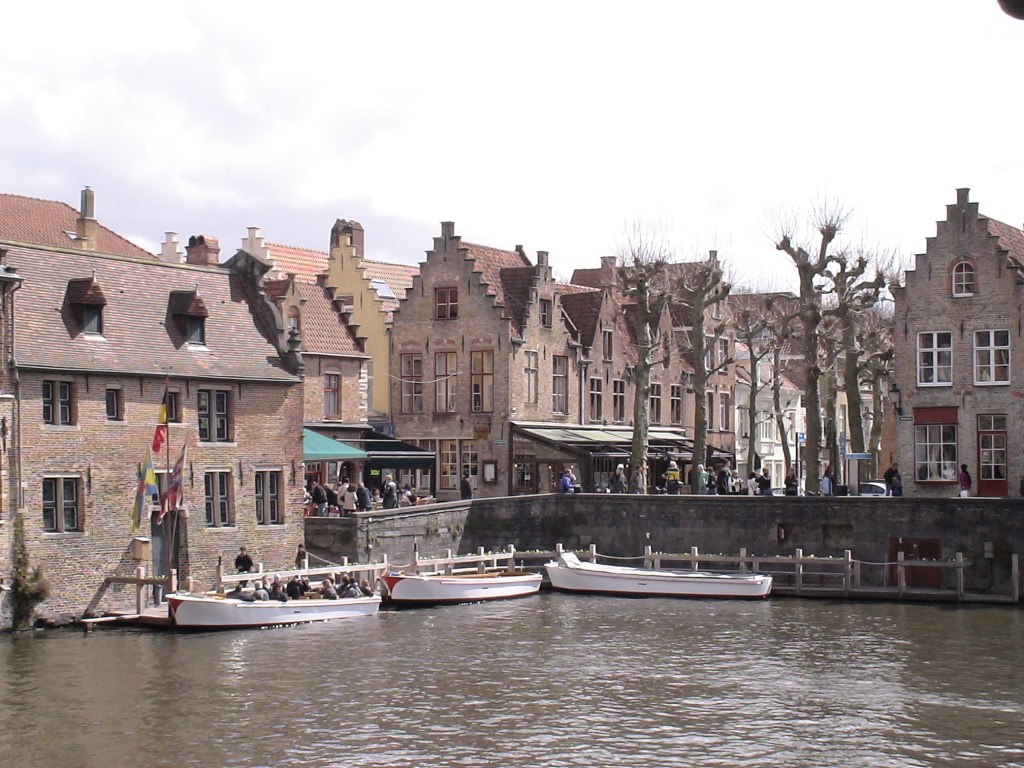
With the city center closed off to cars, all the stunning beauty and culture of this unforgettable city can be easily explored on foot, by boat ride along quiet canals, or by horse-drawn carriage among cobblestone streets. Although Bruges is a small city it will take more than one day to explore all the architectural and artistic treasures, folklore, chocolate shops and lace boutiques.
The historic center of the city is on the list of UNESCO World Heritage Sites.
Bruges was a location of coastal settlement during prehistory. This Bronze Age and Iron Age settlement are unrelated to medieval city development. In the Bruges area, the first fortifications were built after Julius Caesar’s conquest of the Menapii in the first century BC, to protect the coastal area against pirates.
The Franks took over the whole region from the Gallo-Romans around the fourth century and administered it as the Pagus Flandrensis. The Vikings incursions of the ninth century prompted Count Baldwin of Flanders to reinforce the Roman fortifications; trade soon resumed with England and Scandanavia. Early medieval habitation starts in the ninth and tenth centuries on the Burgh terrain, probably with a fortified settlement and church.
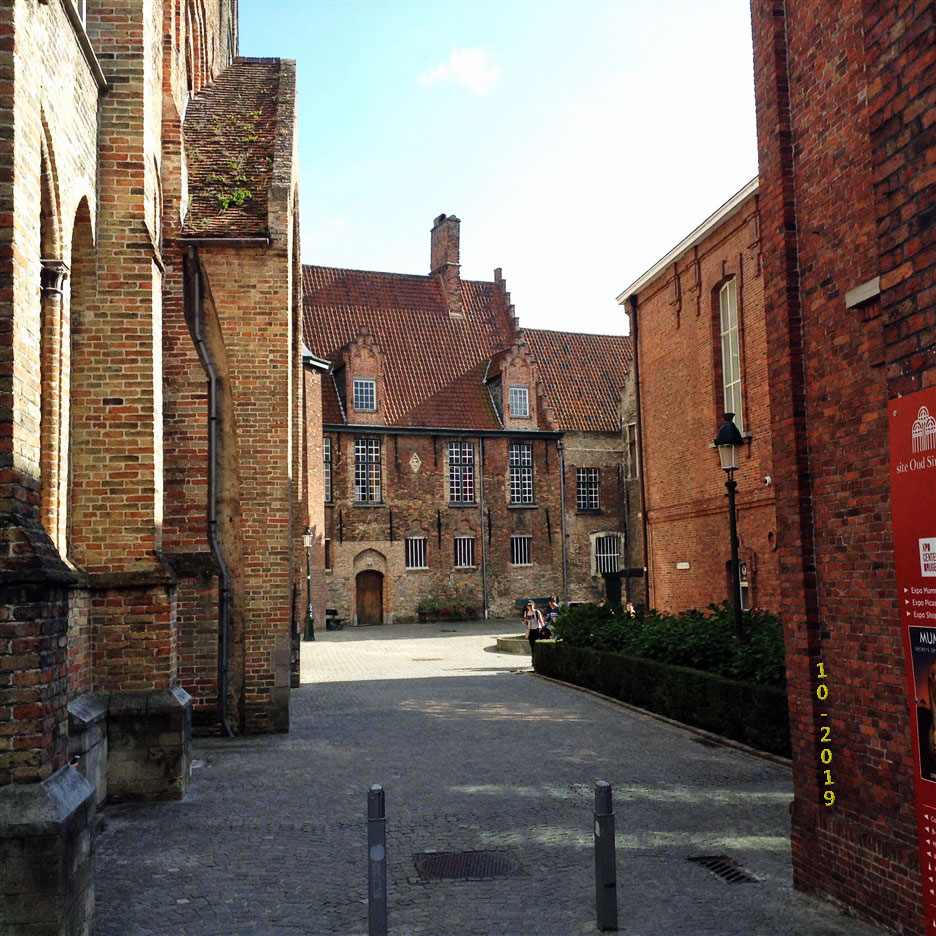
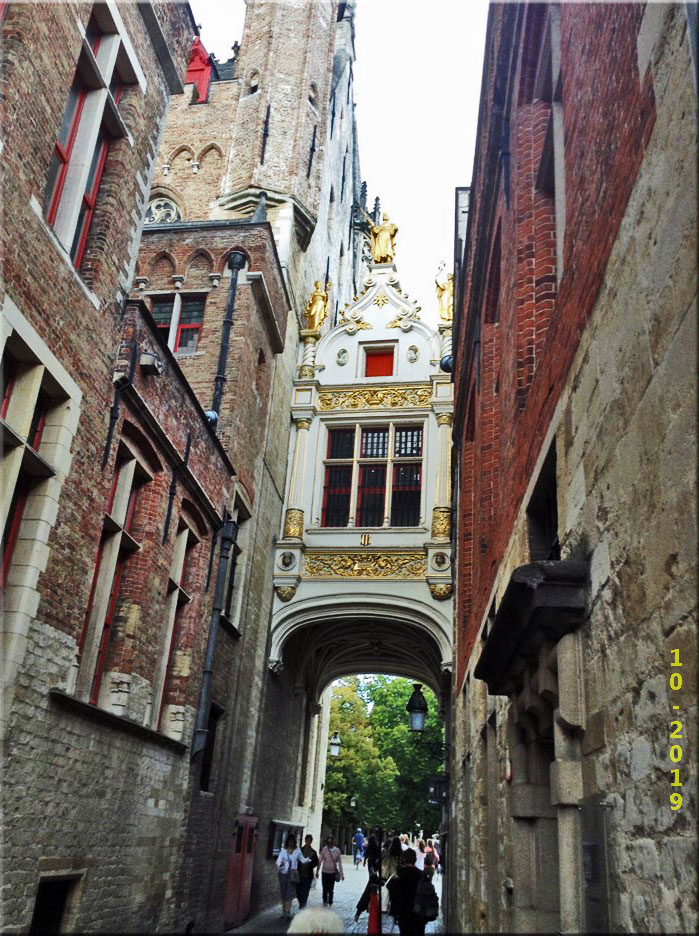
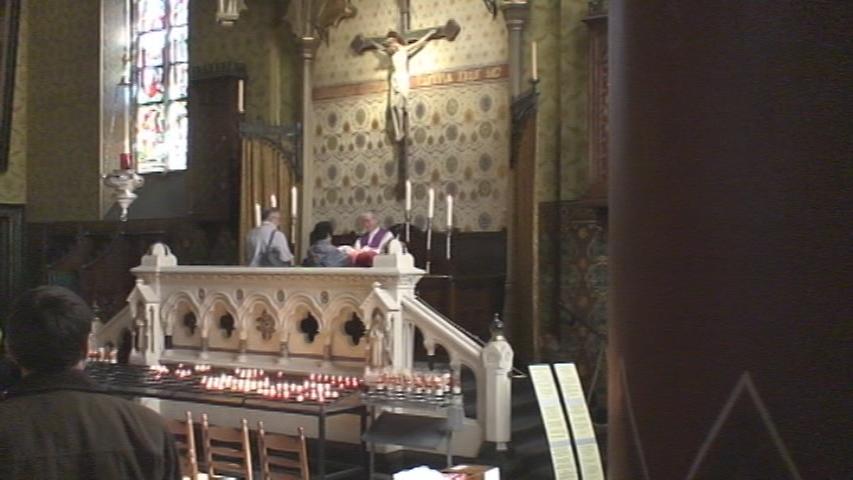
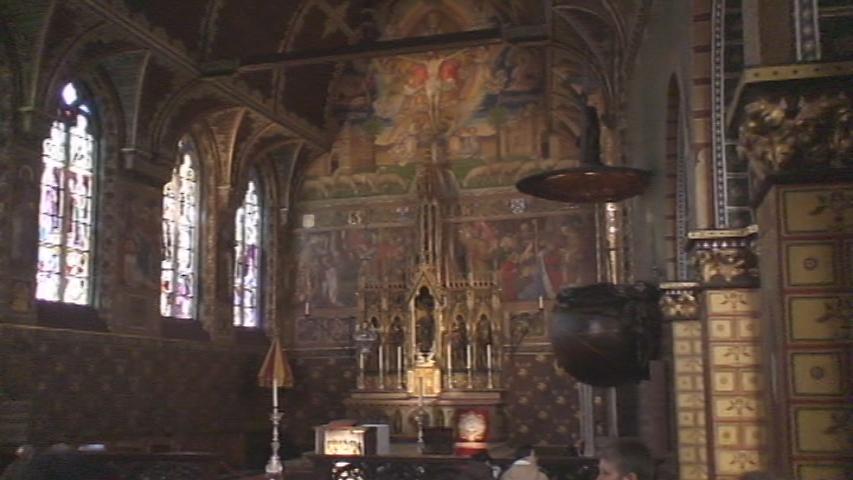
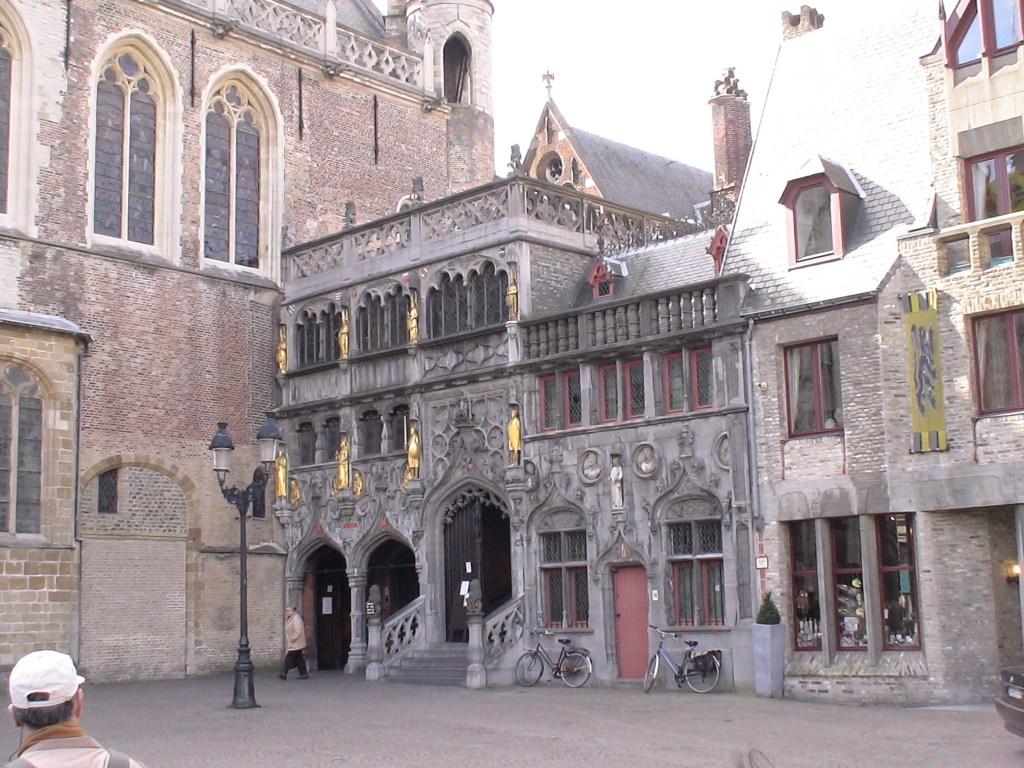
H.-Bloedbasiliek: Double chapel. On ground level : St. Basil’s Chapel (1139-1149) in roman style. The first floor chapel, converted into Gothic style in the 15th century, contains a.o. the famous Relic of the Holy Blood brought back by the Crusaders.
I actually touched the glass container.
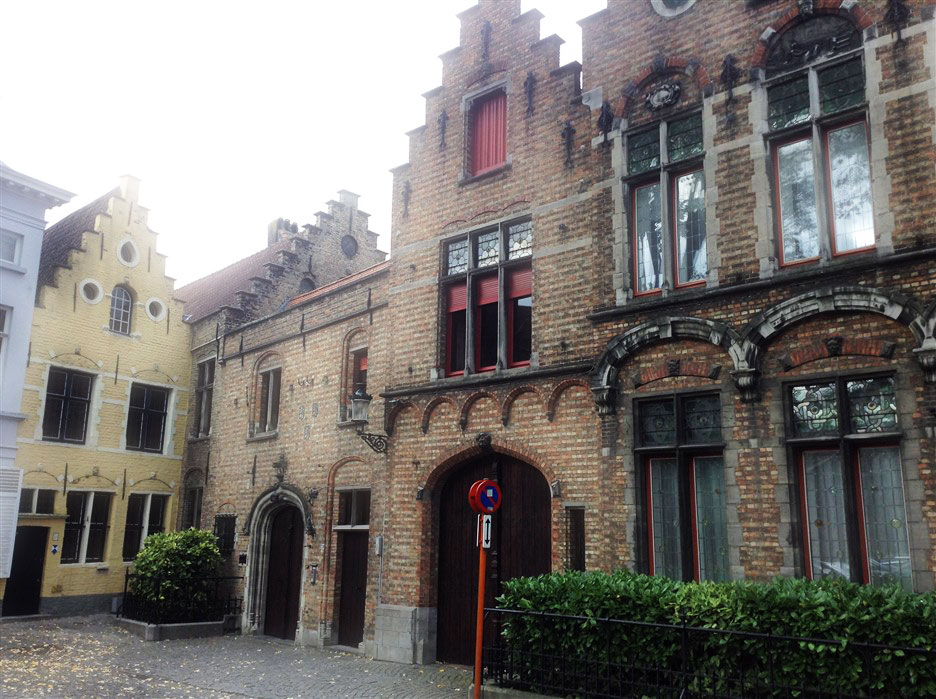
We also visited Bruges in 2006

 s
s 