


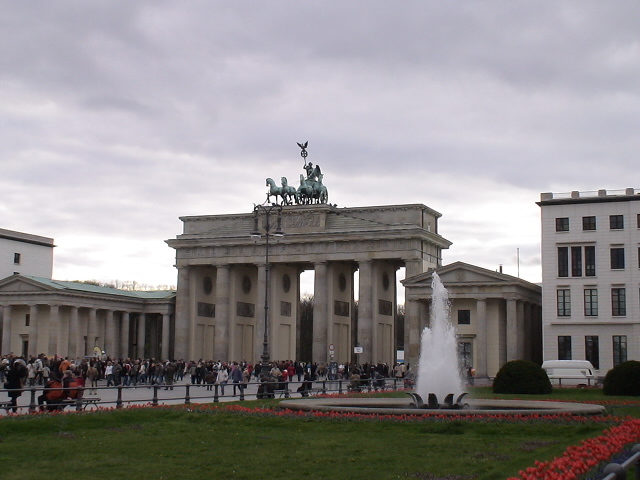
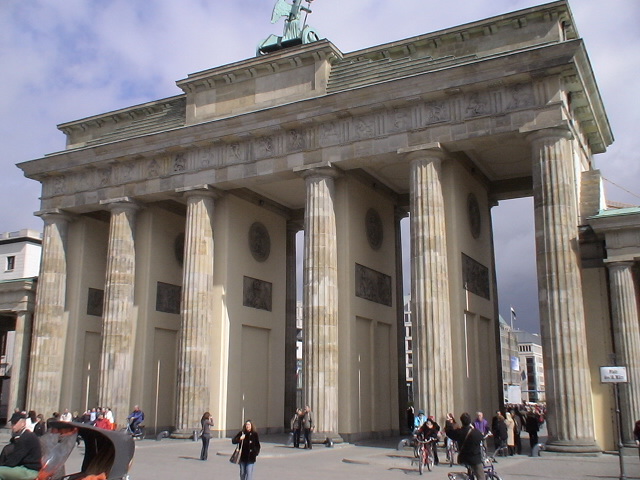
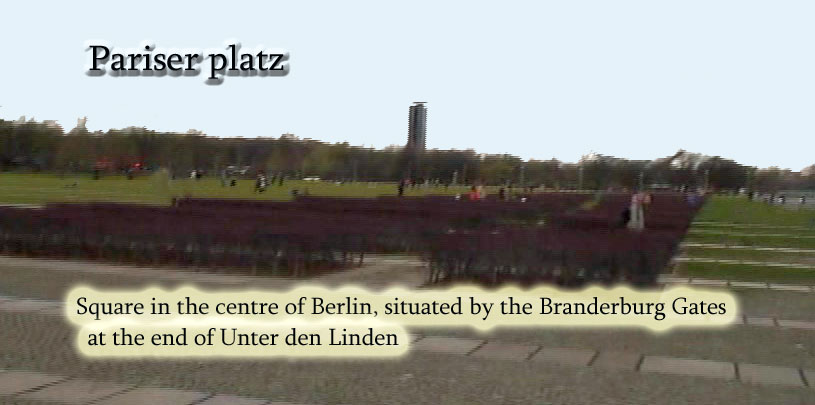
The Brandenburg Gate is a former city gate and the symbol of Berlin. It is located between the Pariser Platz and the Platz des 18. März and is the only remaining gate of a series through which one formerly entered Berlin. One block to its north lies the Reichstag. It constitutes the monumental termination of Unter den Linden, the renowned boulevard of Lime trees which led directly to the royal residence. Hitler had ordered the removal of all the Lime trees because he did not want anything obstructing the view of his military parades.
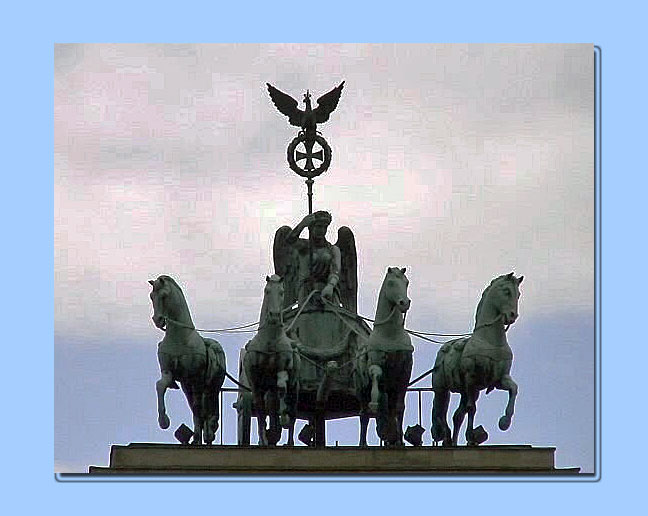
The Quadriga, consisting of the goddess of peace, who is driving it (the Quadriga) in triumph. Napoleon stole it in 1806 after conquering Berlin.
This is one fascinating city! One of my favorite destinations. This city sparks the imagination.
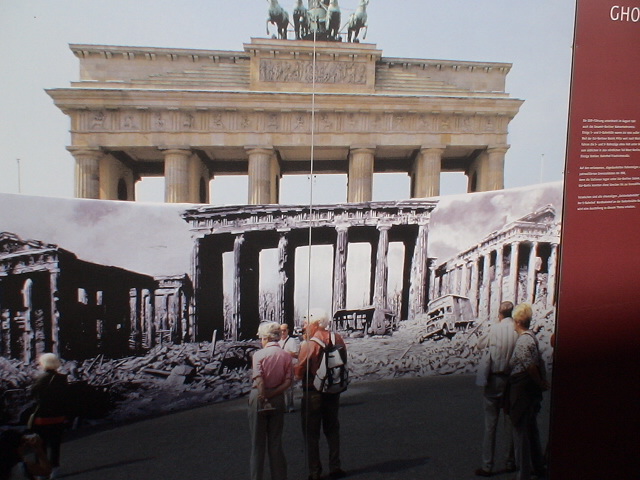
Picture of how the gates looked at the end of the second world war.
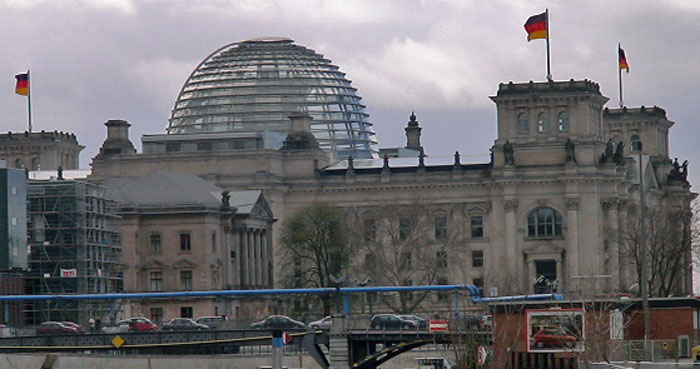
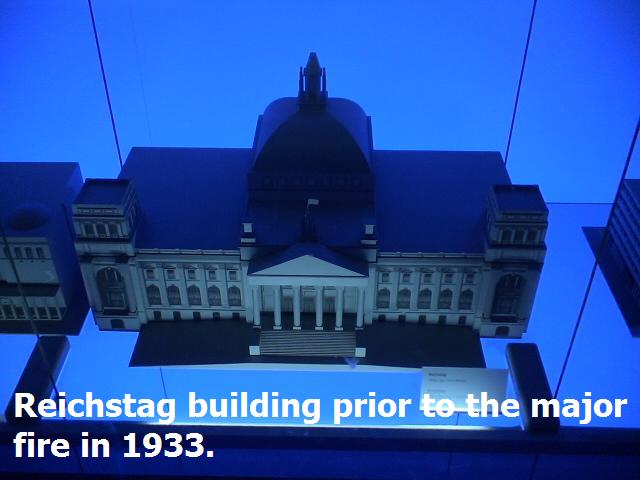
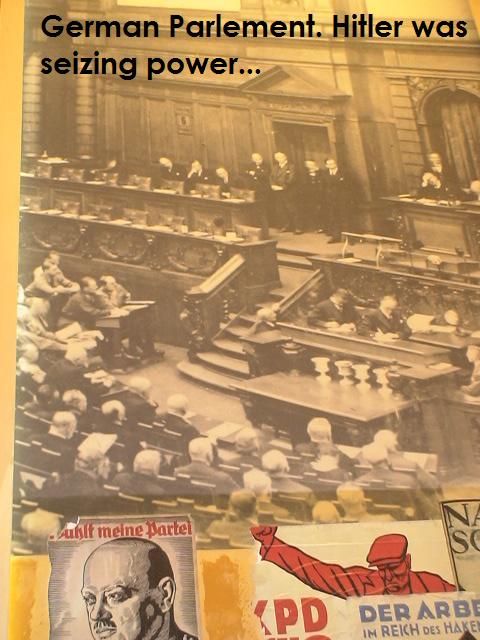
The Reichstag building was constructed to house the Reichstag, the original parliament of the German Empire. It was opened in 1894 and housed the Reichstag until 1933. It again became the seat of the German parliament in 1999 after a reconstruction led by internationally renowned architect Norman Forster.
The main hall of the parliament below can also be seen from the cupola, and natural light from above radiates down to the parliament floor. A large sun shield tracks the movement of the sun electronically and blocks direct sunlight which might blind those below. Due to time constraints, we were not able to enter the building and walk around in the dome. That will be for another visit.
By the way, the glass cupola symbolizes transparency.
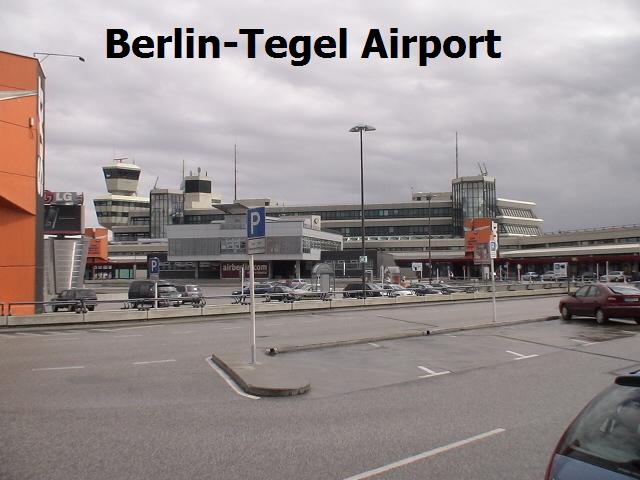
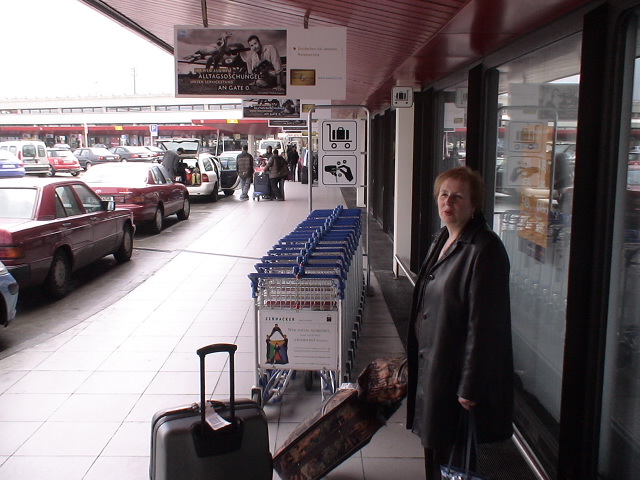
Here’s Judy at the Airport. A little weary from the flight, but happy to be in Berlin. (And at the start of our River Cruise). I was just as happy.
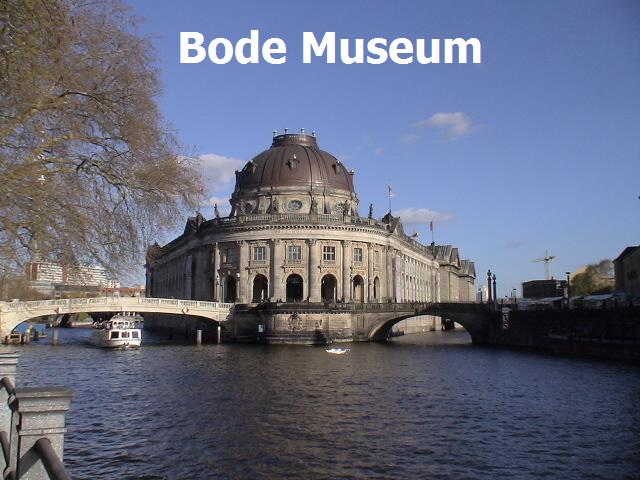
Took this picture of the Bode Museum on the banks of the Spree River.
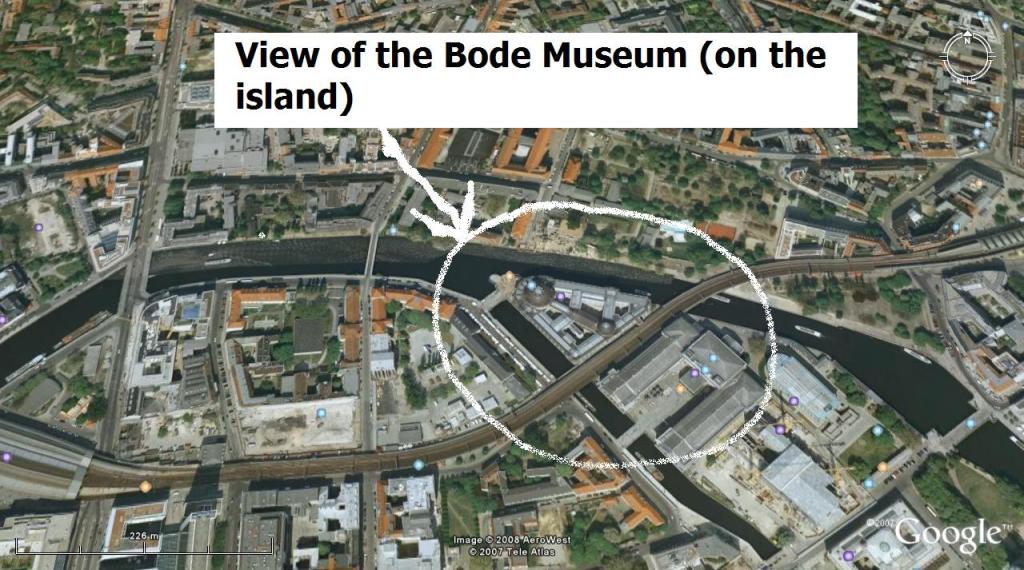
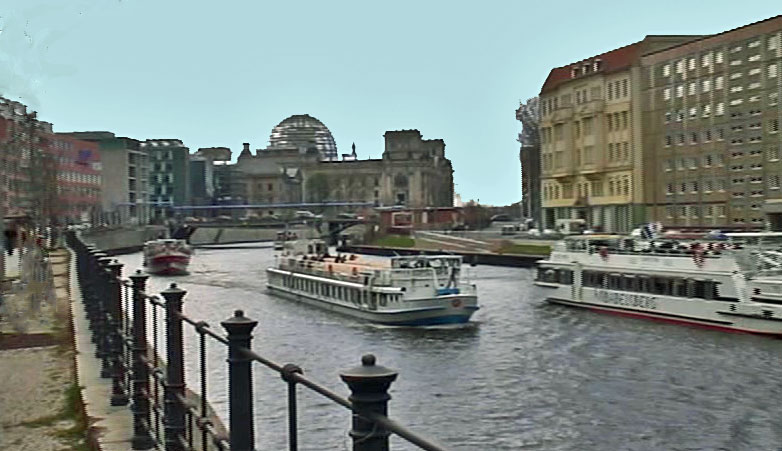
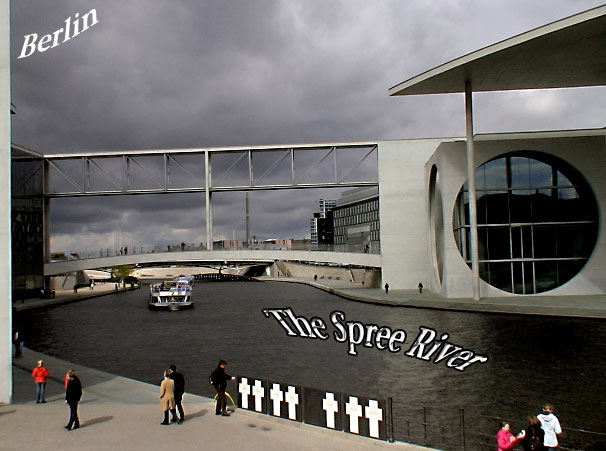
Photo taken from Museum Island along the River Spree
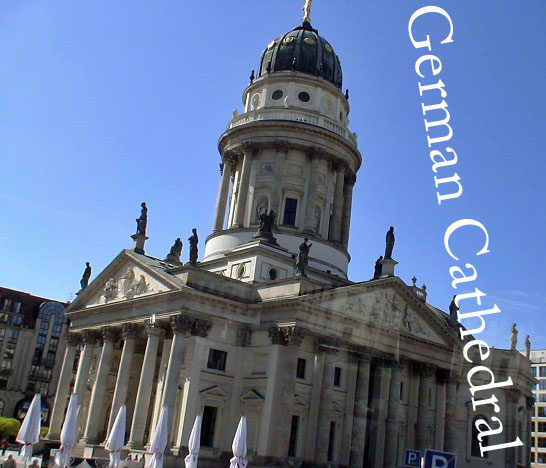
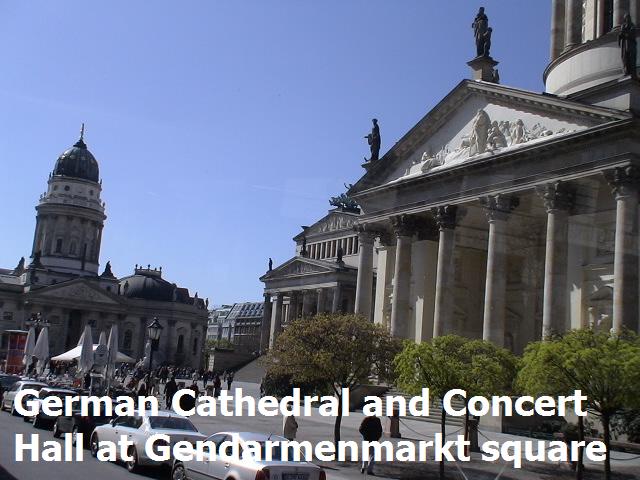
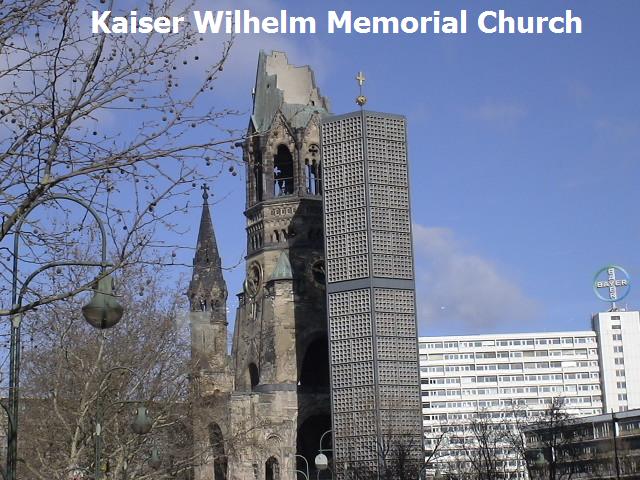
During World War II, the church was destroyed during a British RAF bombing raid in 1943. The only remainder of the old building is the ruin of the belfry, which are also referred to as “der Hohle Zahn” (“the hollow tooth”).
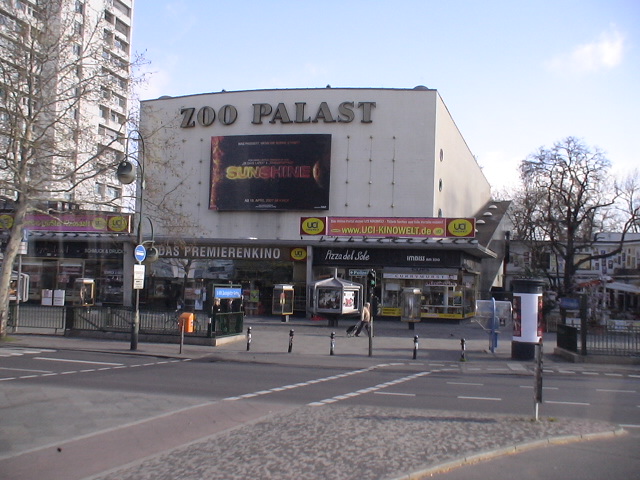
Berlin Zoologischer Garten station (German: Bahnhof Berlin Zoologischer Garten), shortened to Berlin Zoo was the central transport facility in West Berlin during the division of the city.
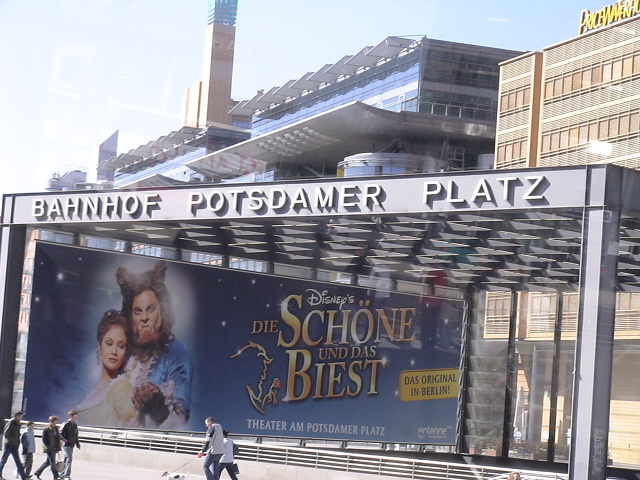
Advertisement in Potsdamer Platz
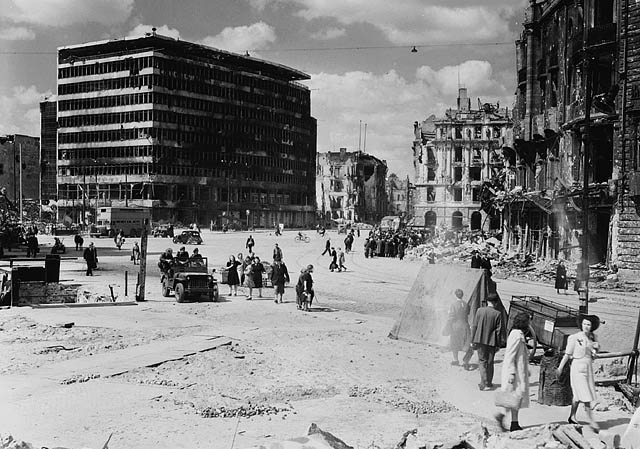
How it looked after the war.
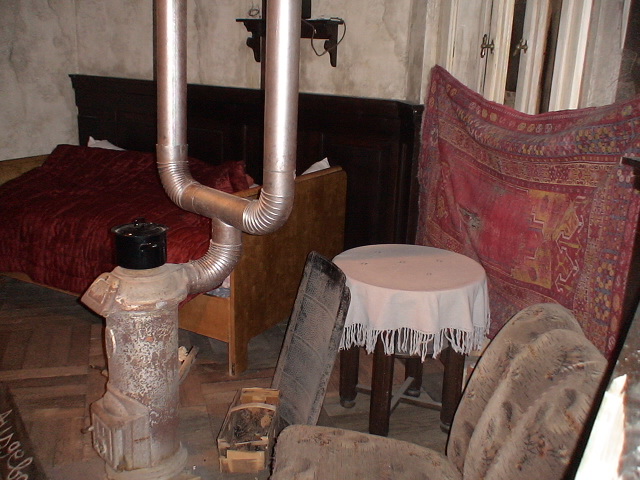
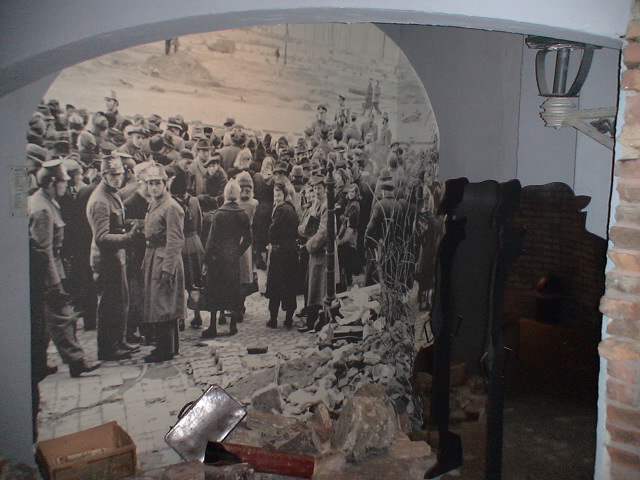
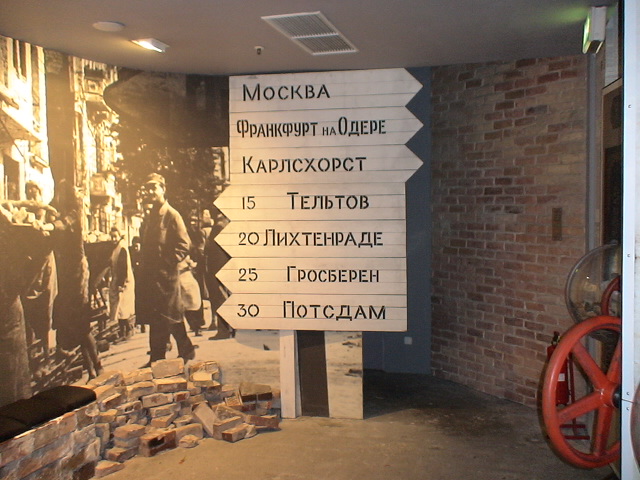
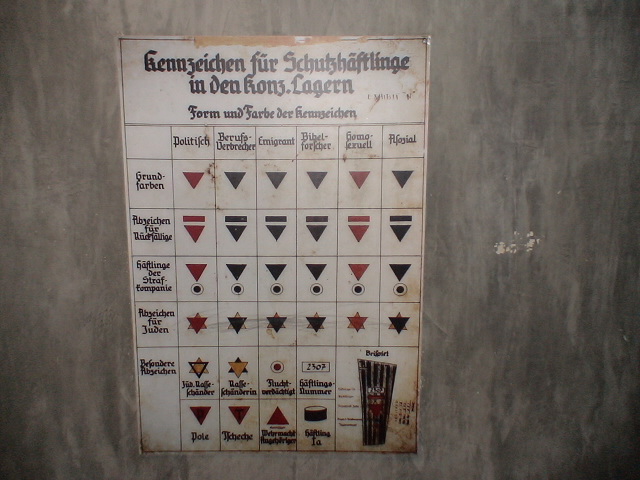
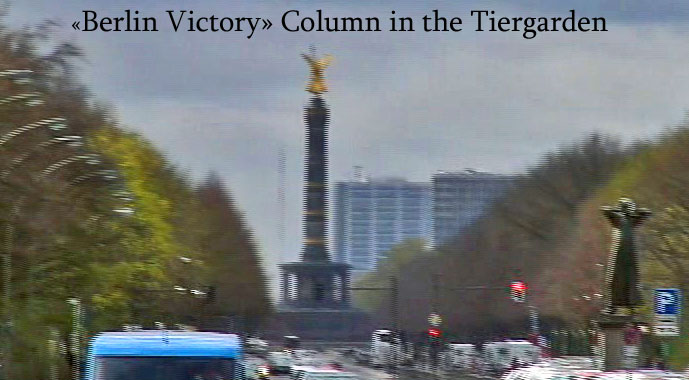
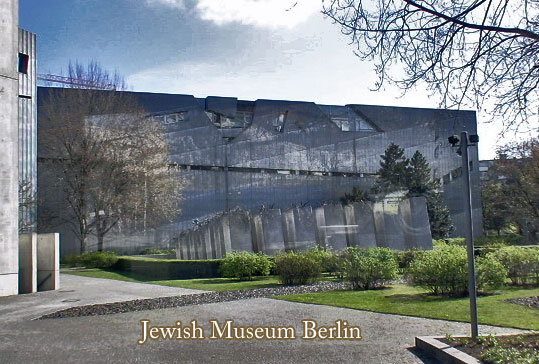
The Jewish Museum Berlin adjoins the old Berlin Museum and sits on land that was both East and West Berlin before the Berlin Wall fell. The Museum itself is a twisted zig-zag and is accessible only via an underground passage from the Berlin Museum’s baroque wing. Its shape is reminiscent of a warped Star of David.
The old one had been closed by the Nazis in 1933.
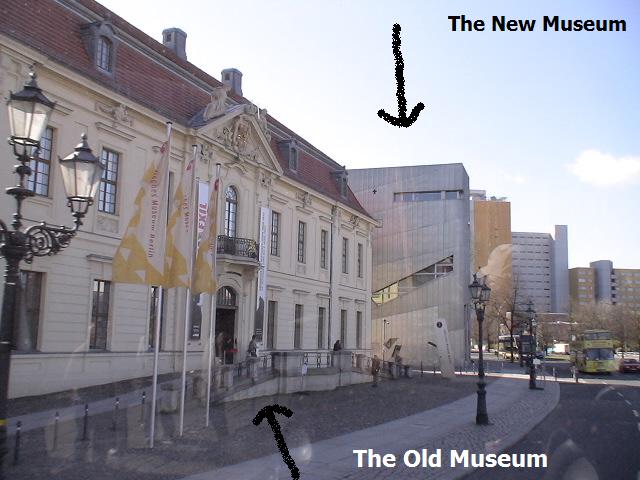
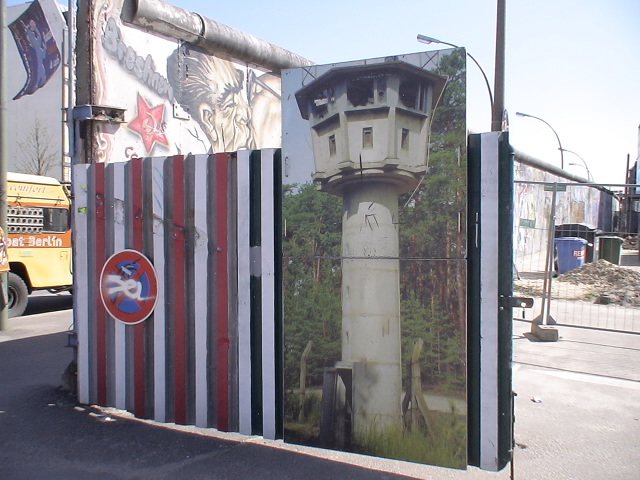
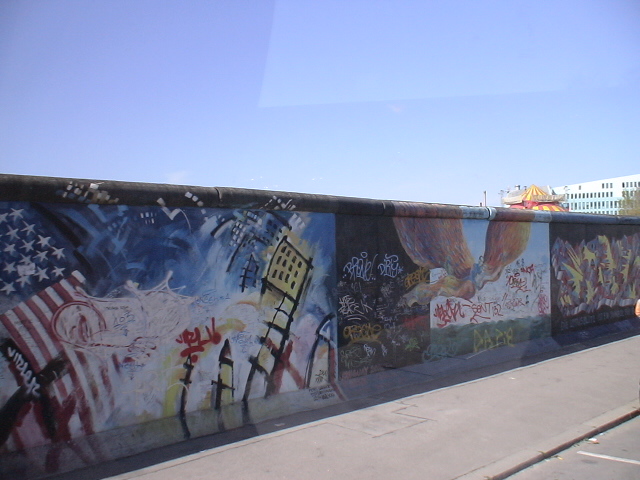
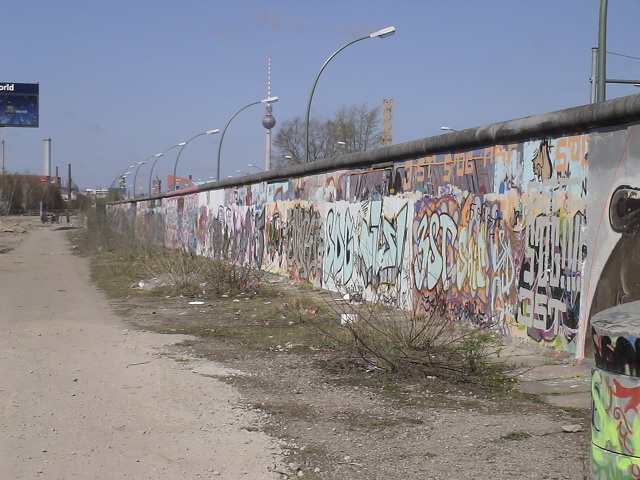
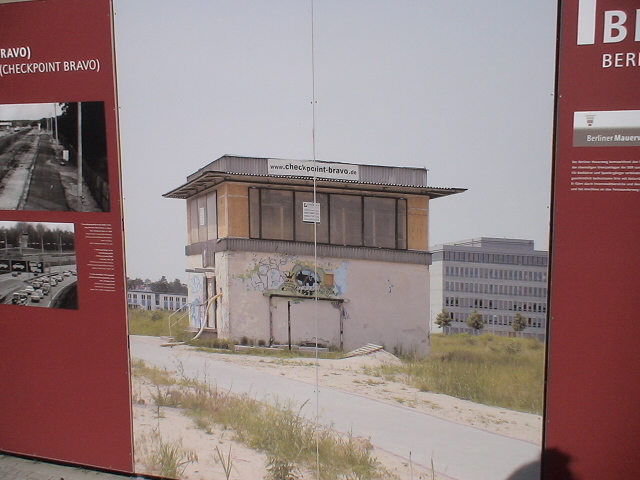
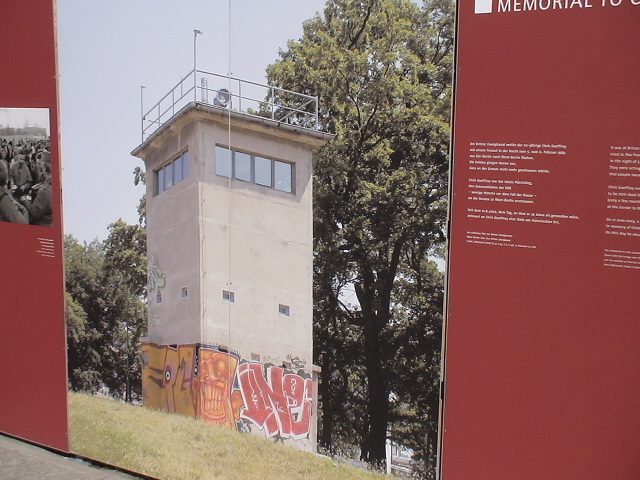
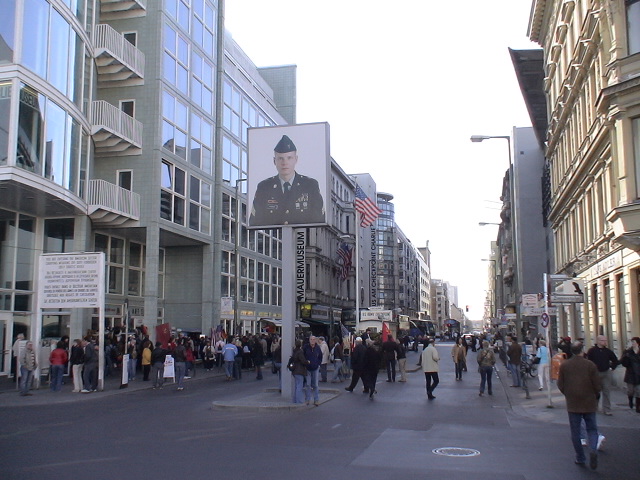
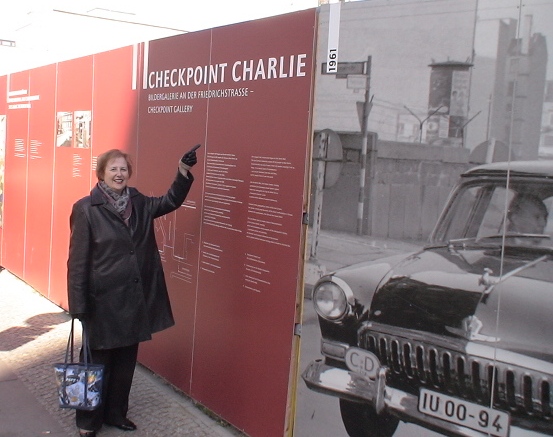
The cold war
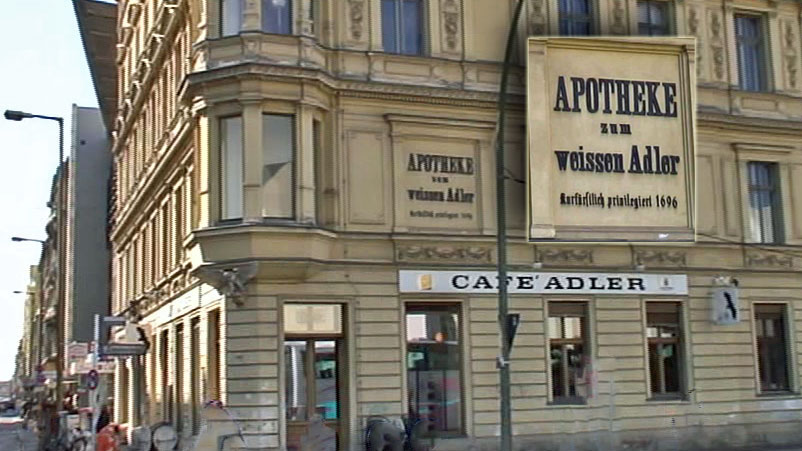
The Café is now closed. The building now houses a Starbucks. 🙂 (2013)
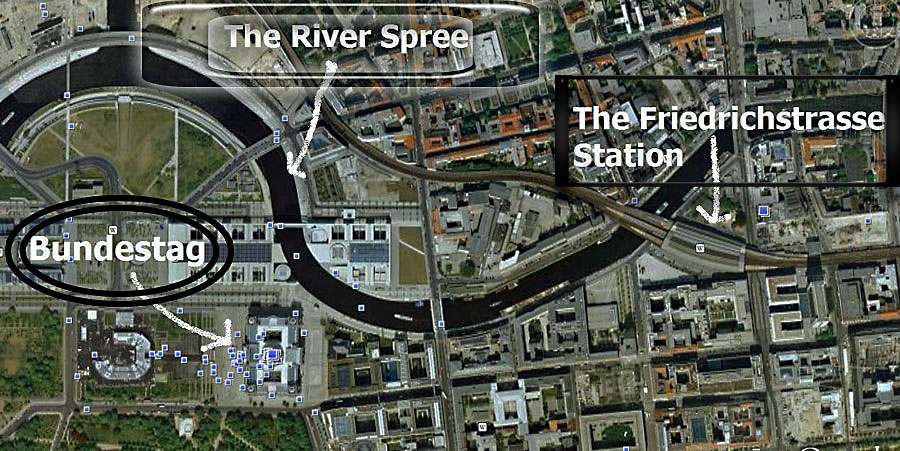
During the Cold War and the division of Berlin, the Friedrichstrasse station, despite being located in East Berlin, was utilized by two intersecting West Berlin- S Bahn-lines and the West Berlin subway line U6 The station served as a transfer point for these lines, and trains stopped there, although all of the other East Berlin stations on those lines (ghost station – Geisterbahnhöfe) were closed, where trains passed through without stopping under the watchful eyes of armed guards. At Friedrichstrasse station, West Berlin passengers could transfer from one platform to another (on the West Berlin lines) but could not cross into East Berlin without the appropriate papers.
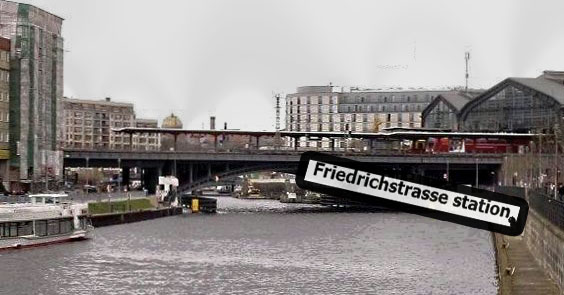
We took a train from this station (and ate some lunch) and it was a little eerie. This city so fascinates me. It’s a living museum.
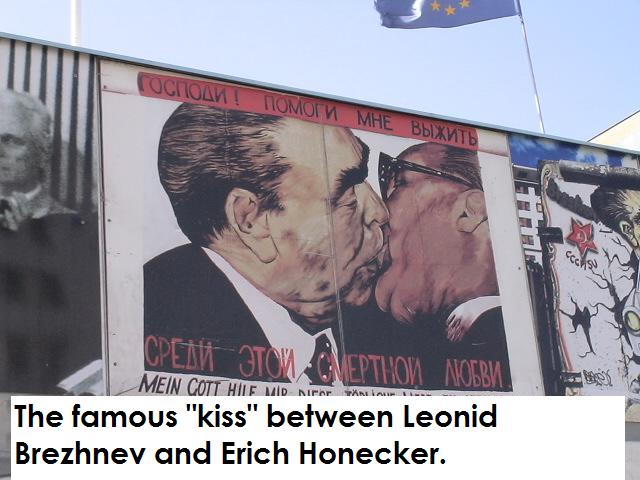
The famous virtual Kiss
Erich Honecker and Leonid Ilyich Brezhnev

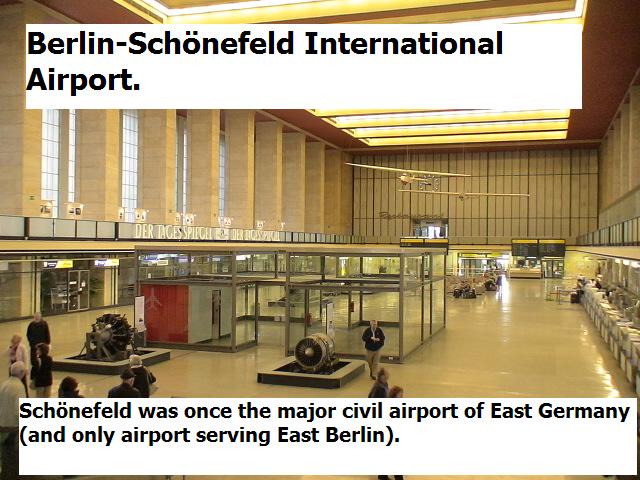
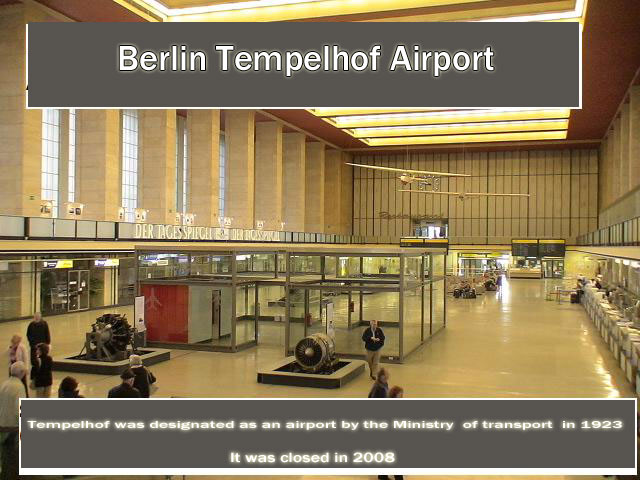
Tempelhof was one of Europe’s three iconic pre-WW II airports, the others being London’s now defunct Croydon Airport and the old Paris-Le Bourget Airport. In anticipation of increasing air traffic, the Nazi government began a massive reconstruction in the mid-1930s.
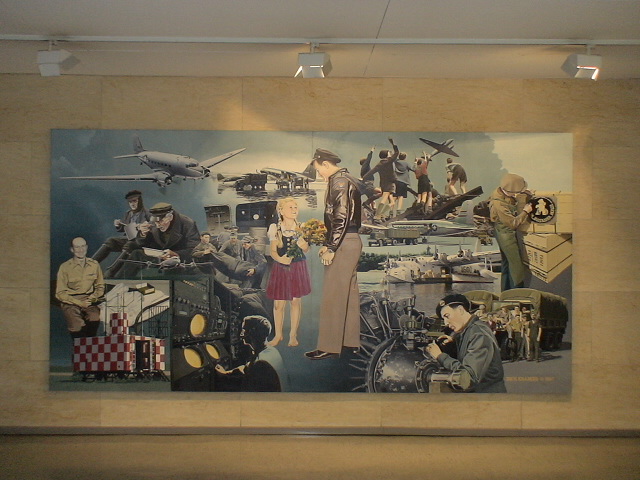
Mural depicting the air lift adorns of the airport’s walls.

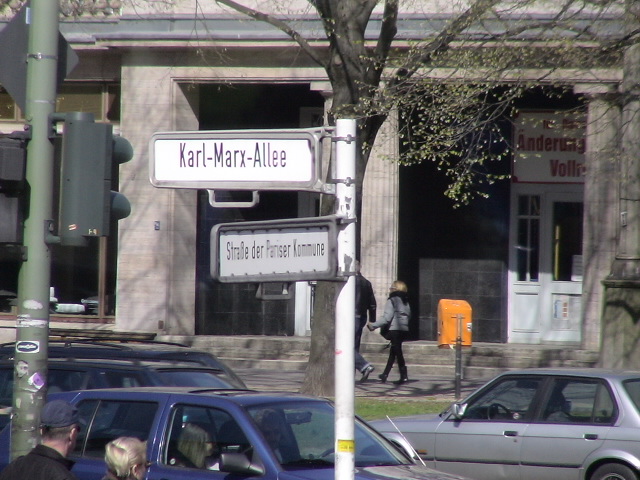
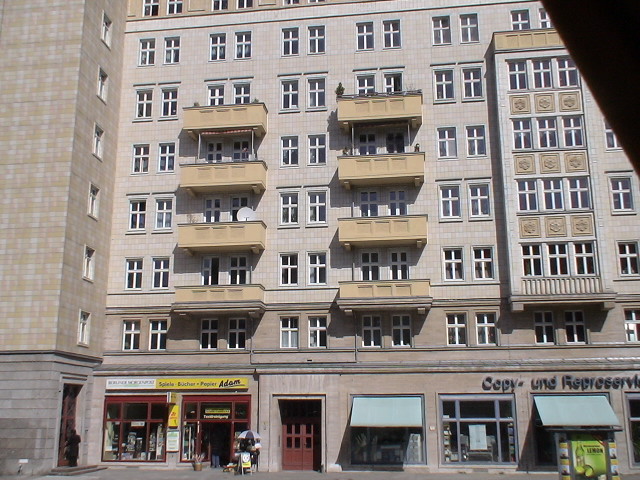
Karl-Marx-Allee is a boulevard built by the young GDR between 1952 and 1960 in Berlin Friedrichshain and Mitte.
Building built to house “workers” of East Berlin in the former German Democratic Republic. The use of “democratic” was in my opinion the height of cynicism.
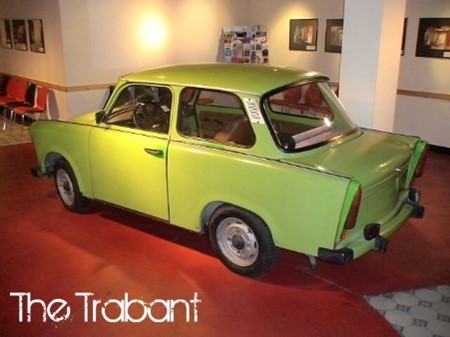
The famous East German car…It’s not produced since fall of the Berlin wall. It’s quite rare now and has almost become an art object.
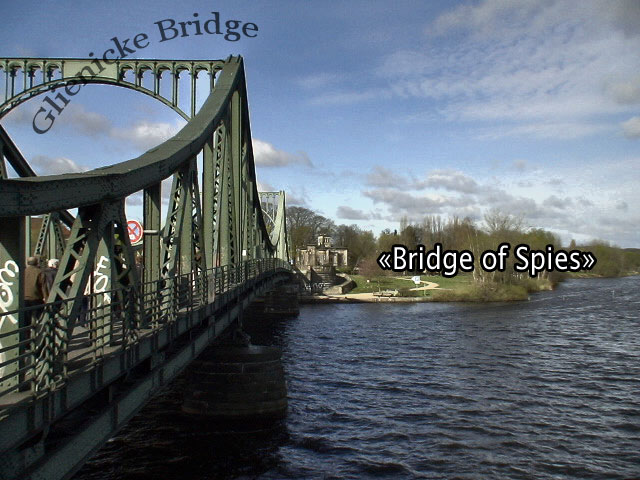
The Glienicke bridge spans the Havel River to connect the cities of Potsdam and Berlin near Klein Glienicke. It was completed in 1907.
The Soviet Union and the United States used it three times to exchange captured spies during the Cold War, and the Bridge was referred to as the Bridge of Spies by reporters.

 s
s 