


Computers are useless.
They can only give you answers.
—Pablo Picasso
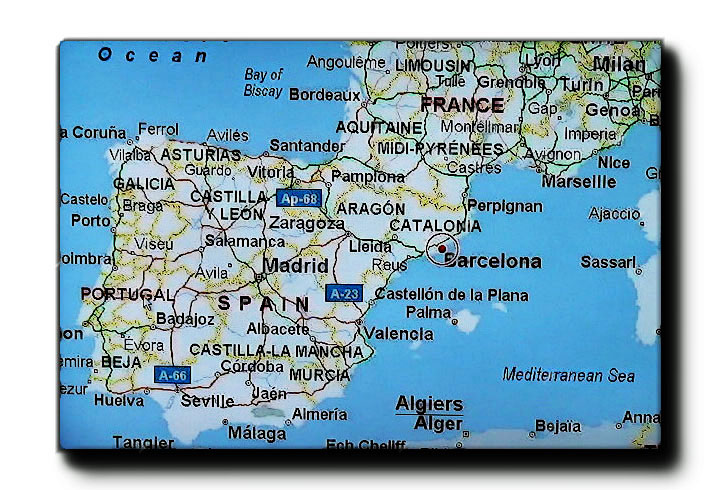
Founded as a Roman city, in the Middle Ages Barcelona became the capital of the County of Barcelona. After joining with the Kingdom of Aragon to form the confederation of the Crown of Aragon, Barcelona, which continued to be the capital of the Principality of Catalonia, became the most important city in the Crown of Aragon and the main economic and administrative centre of the Crown, only to be overtaken by Valencia, wrested from Moorish control by the Catalans, shortly before the dynastic union between the Crown of Castile and the Crown of Aragon in 1492.
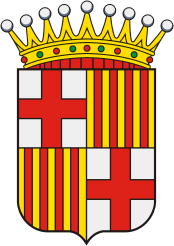
Barcelona became the centre of Catalan separatism, briefly becoming part of France during the 17th century Reaper’s War. It was the capital of Revolutionary Catalonia during the Spanish Revolution of 1936, and the seat of government of the Second Spanish Republic later in the Spanish Civil War, until its capture by the fascists in 1939. After the Spanish transition to democracy in the 1970s, Barcelona once again became the capital of an autonomous Catalonia.
2005
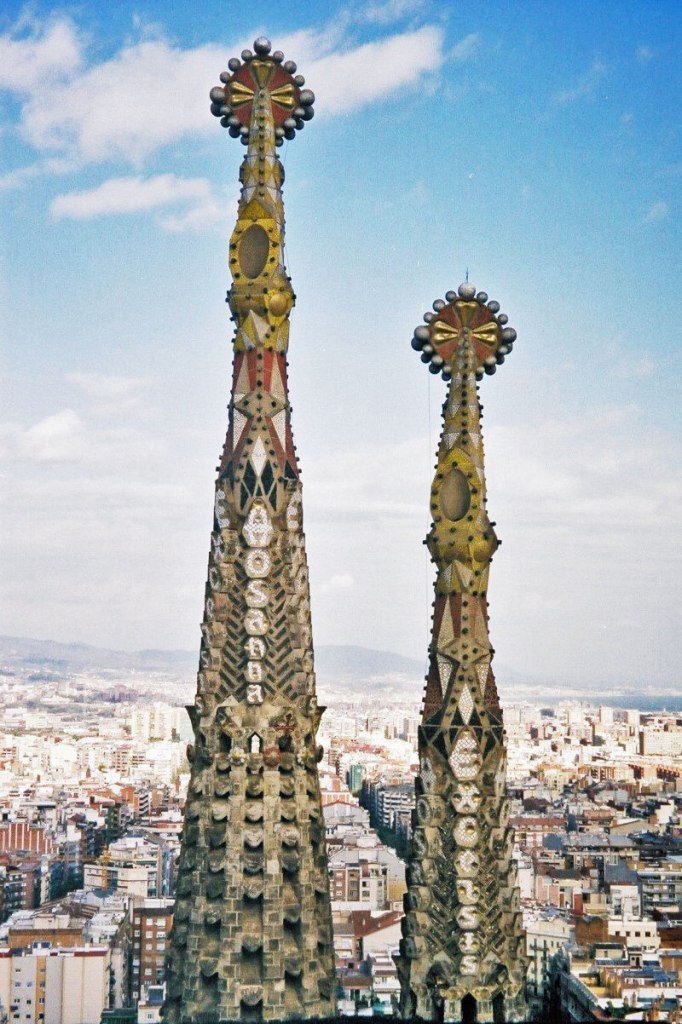
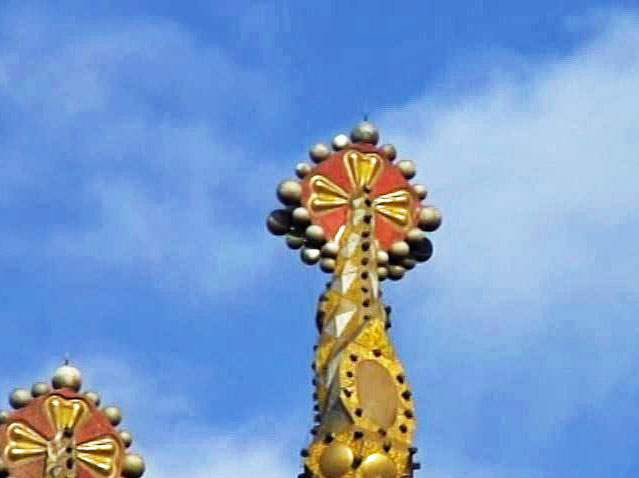
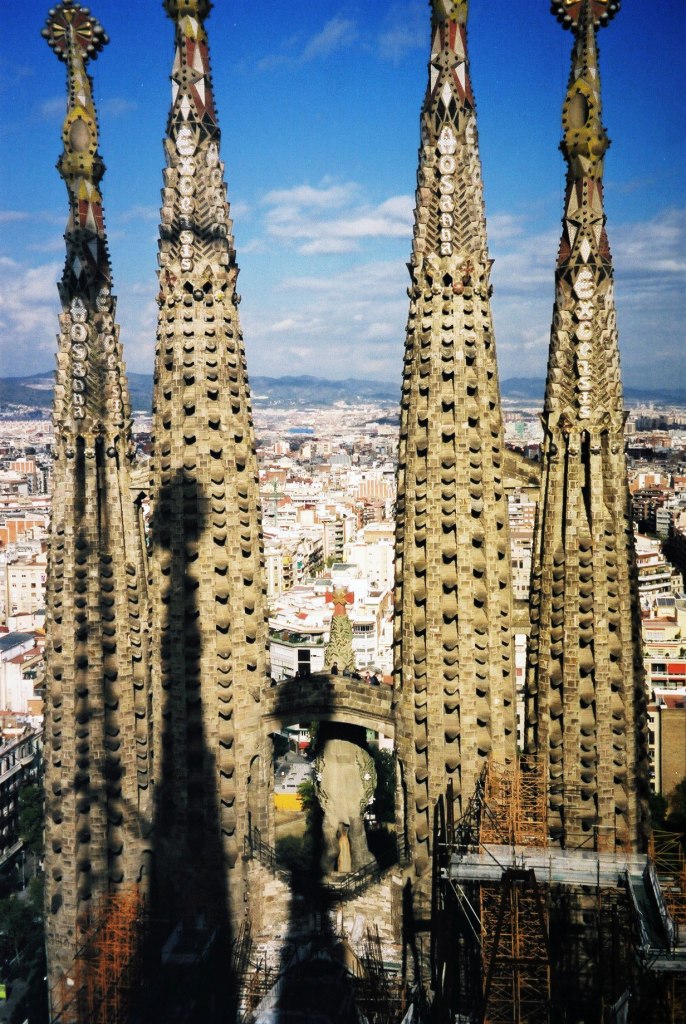
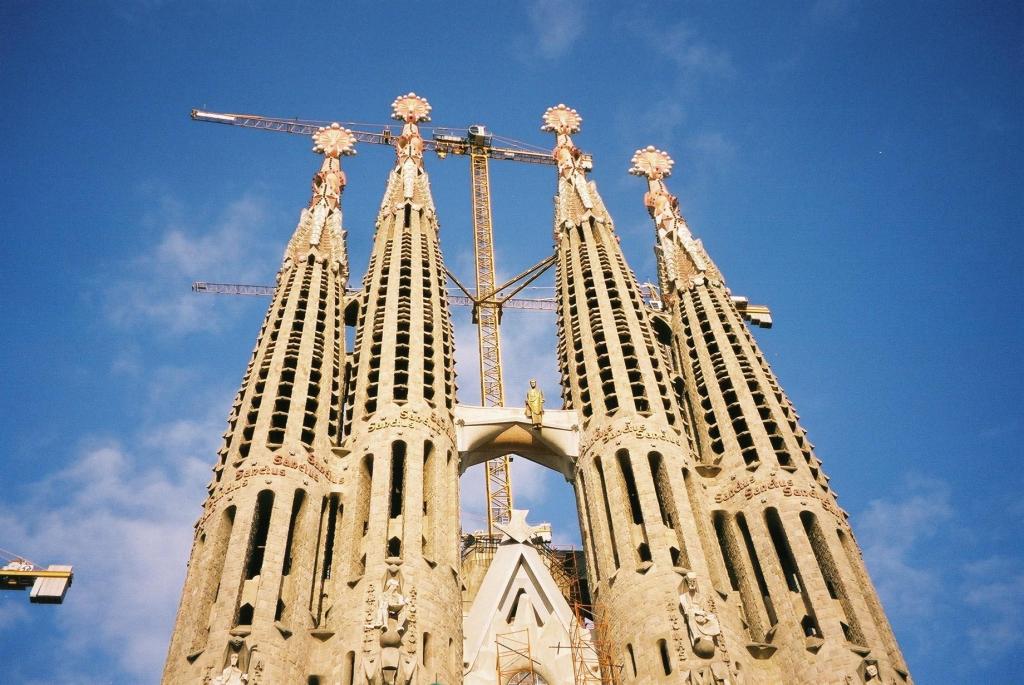
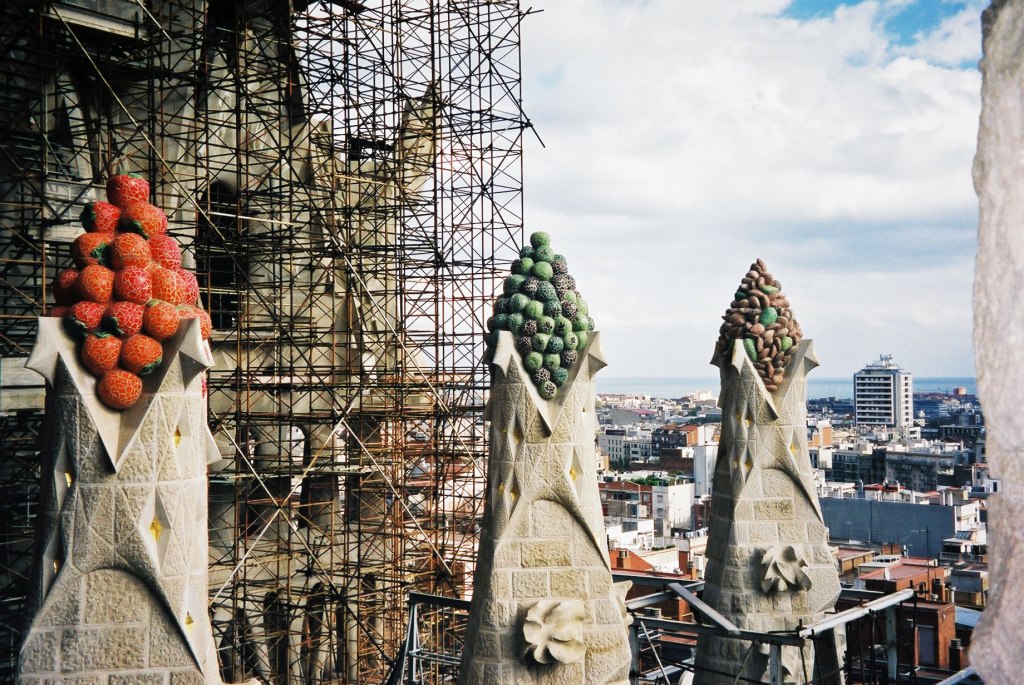
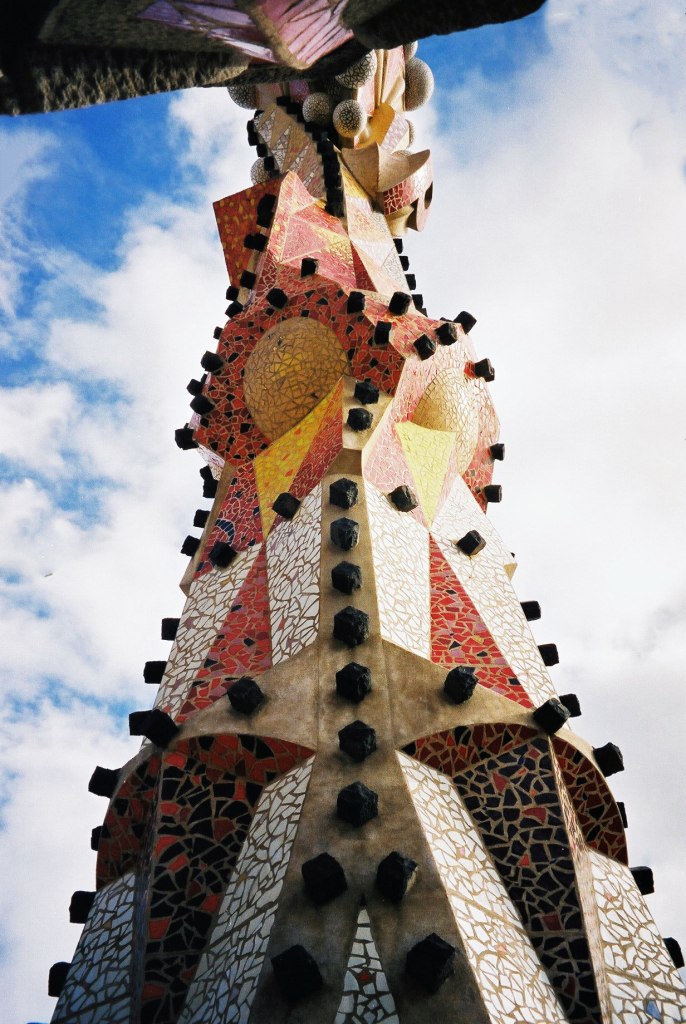
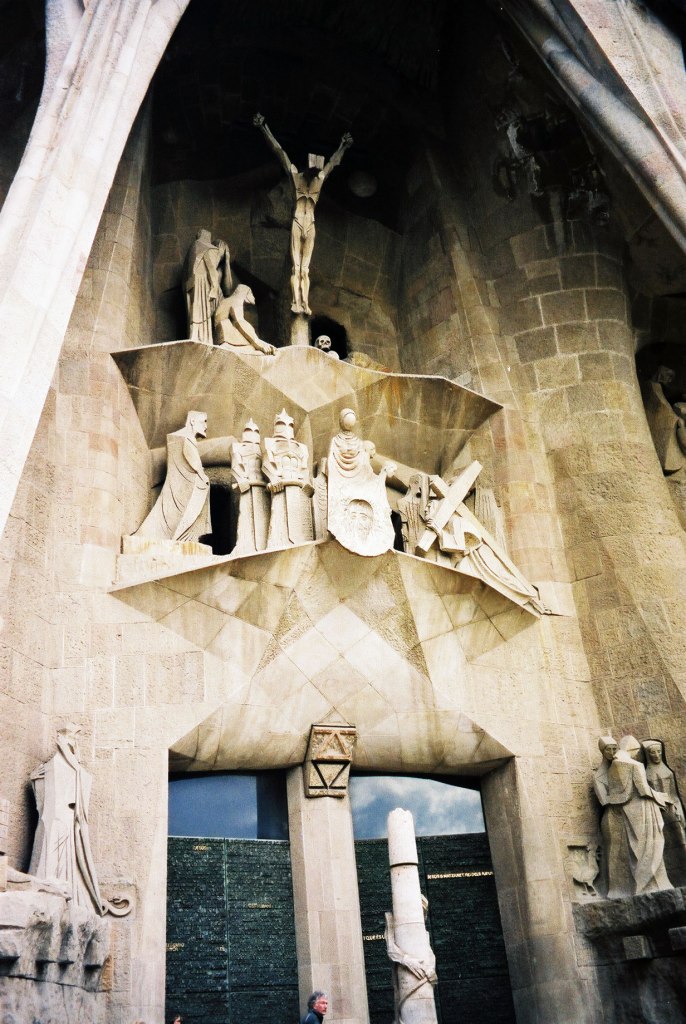
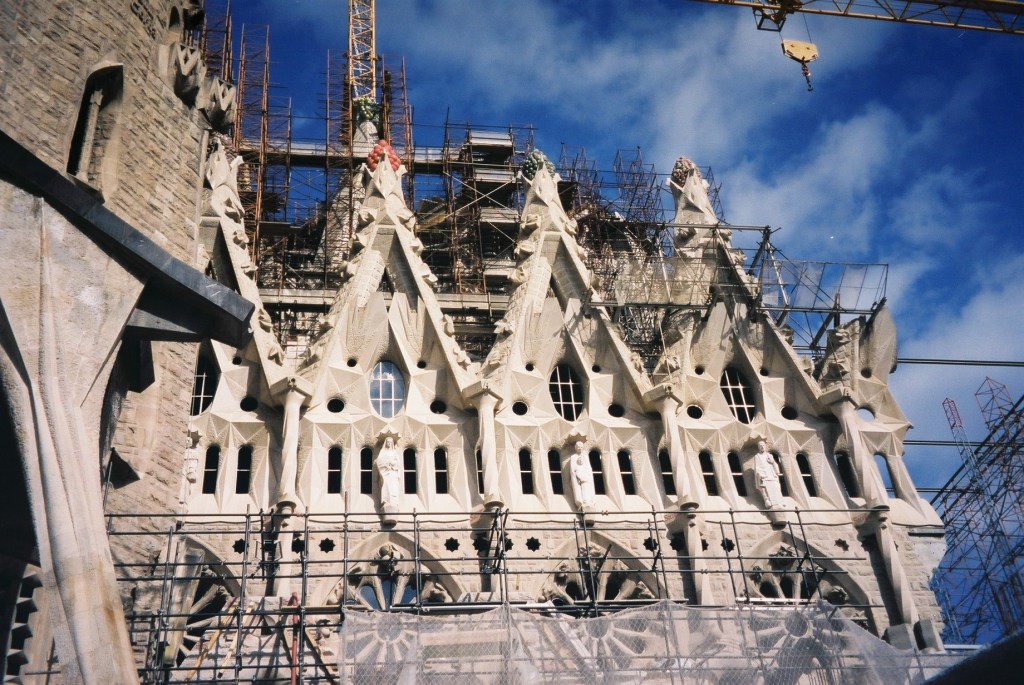
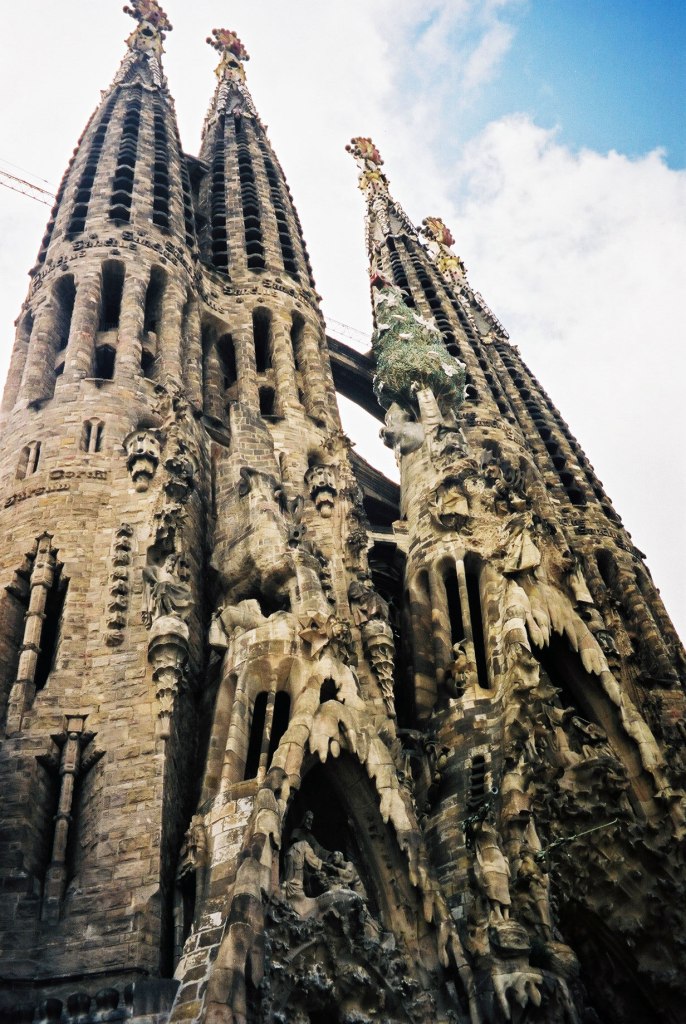
The unfinished church is Gaudi’s most famous example of his visionary genius. It is presently being painstakingly completed.
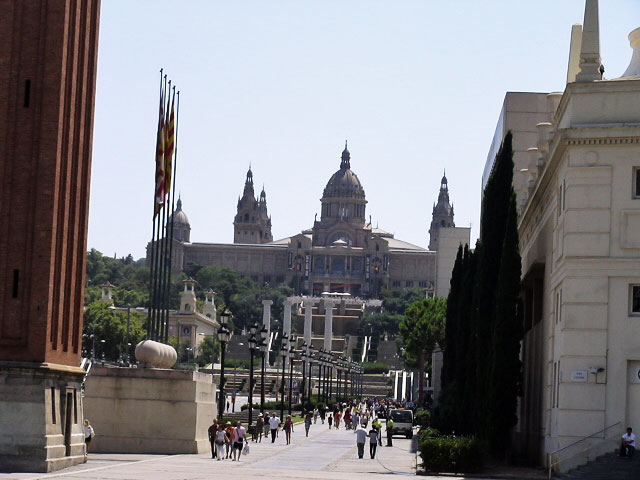
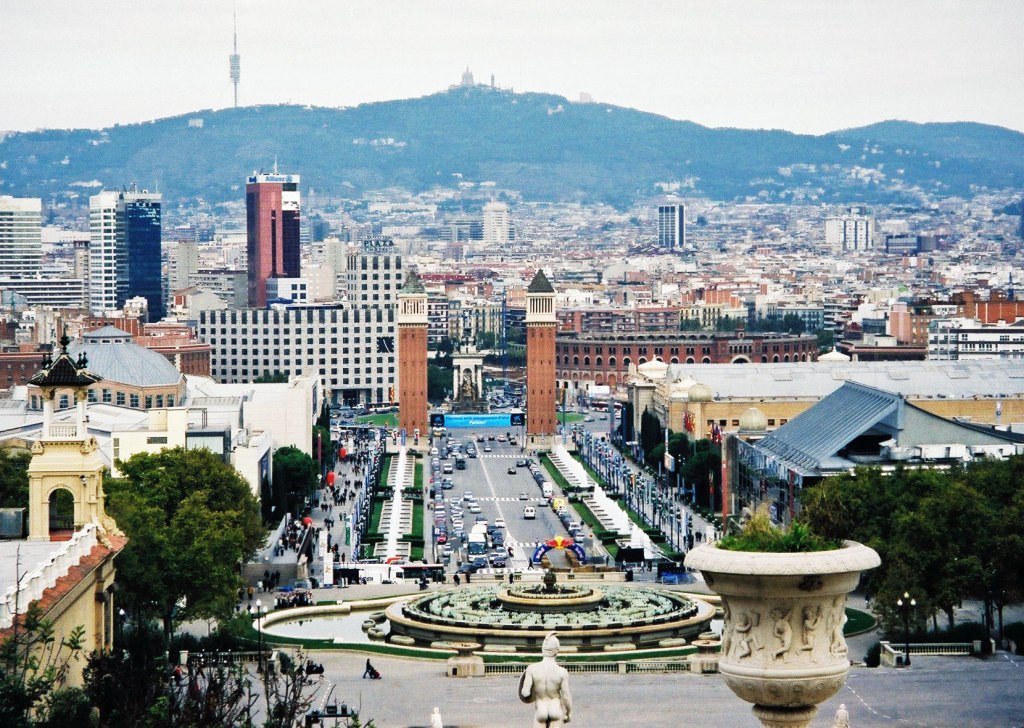
The Palau Nacional which houses the Museu Nacional d’Art de Catalunya.
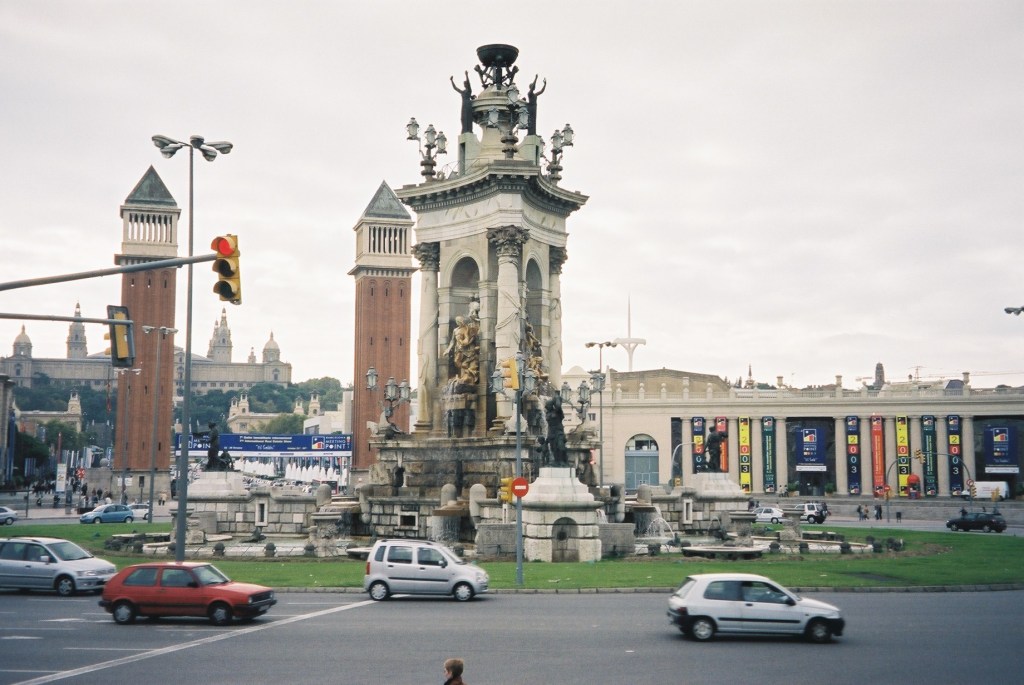
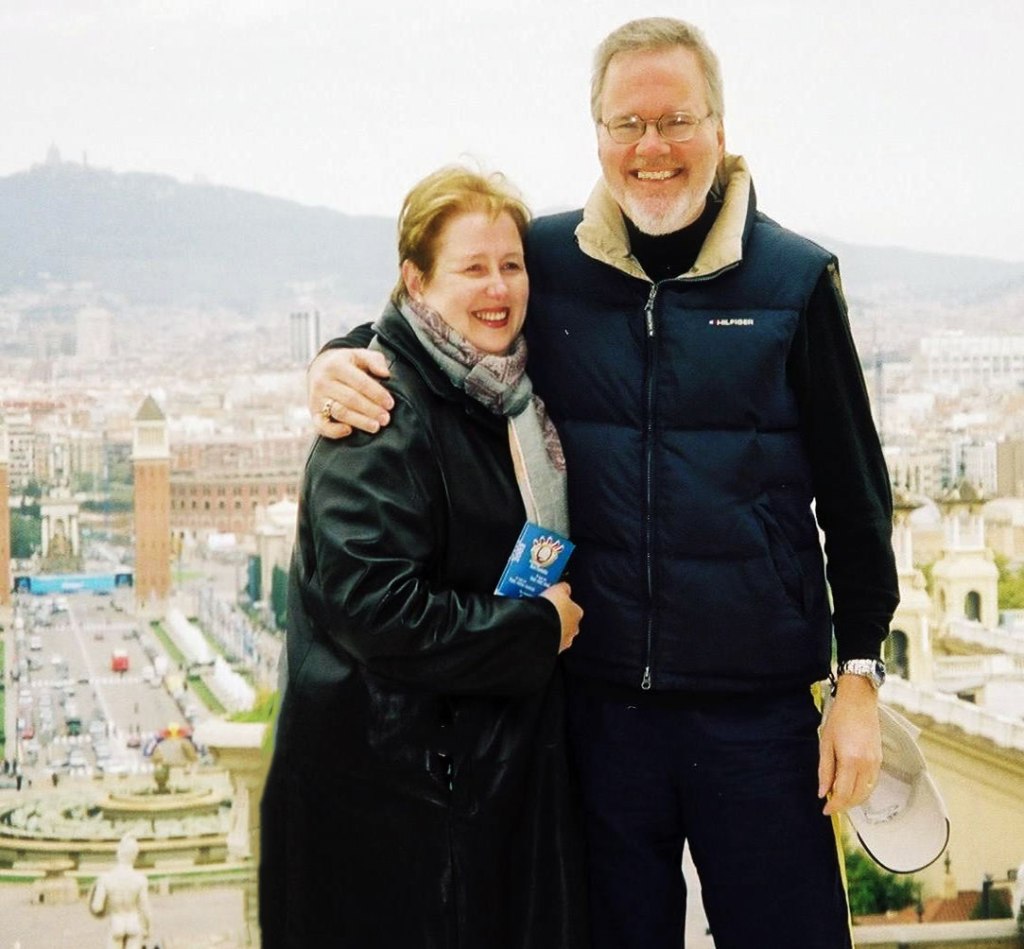
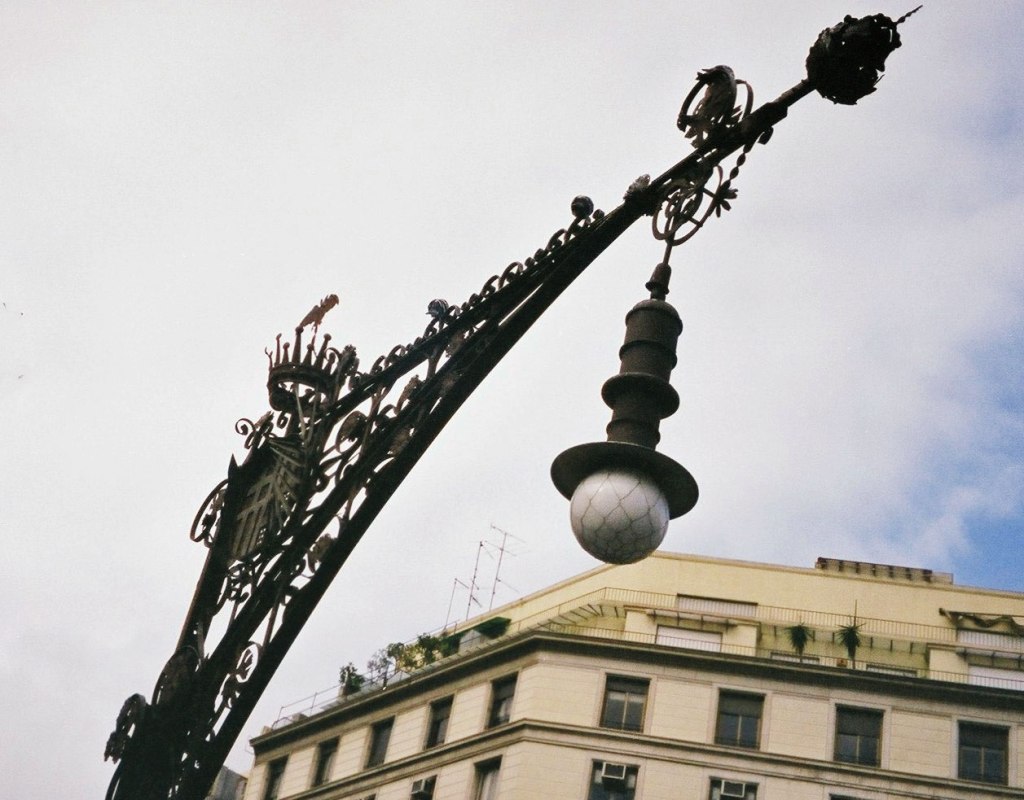
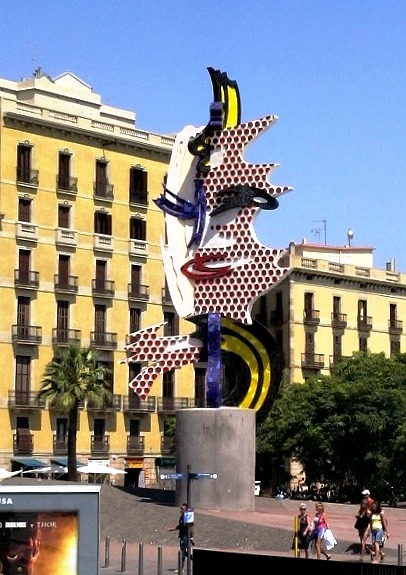
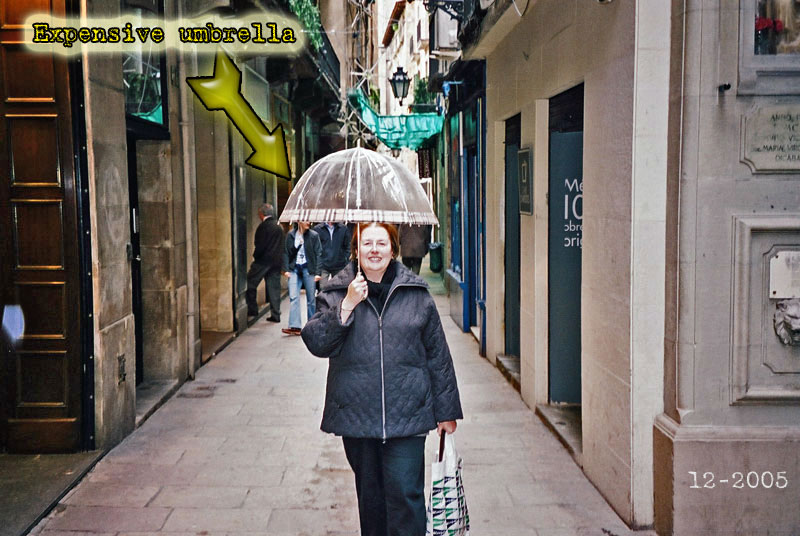
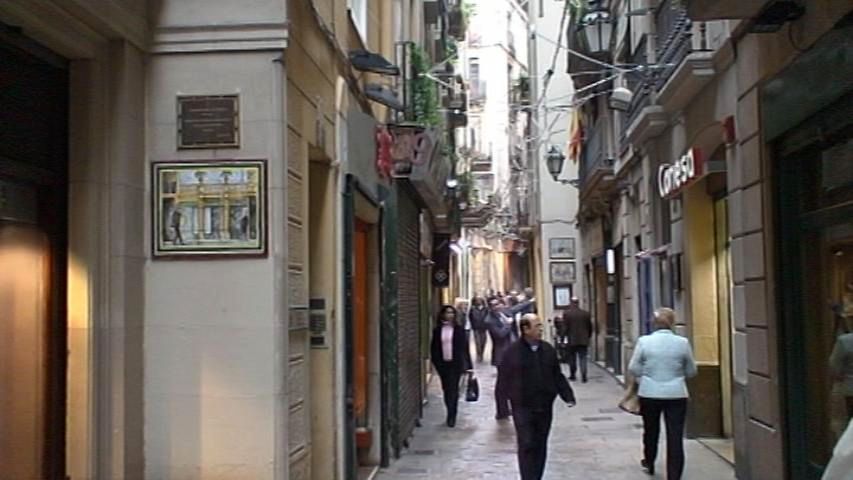
The Barri Gotic (“Gothic Quarter” in Catalan) is the centre of the old city of Barcelona. Many of the buildings date from medieval times, some from as far back as the Roman settlement of Barcelona
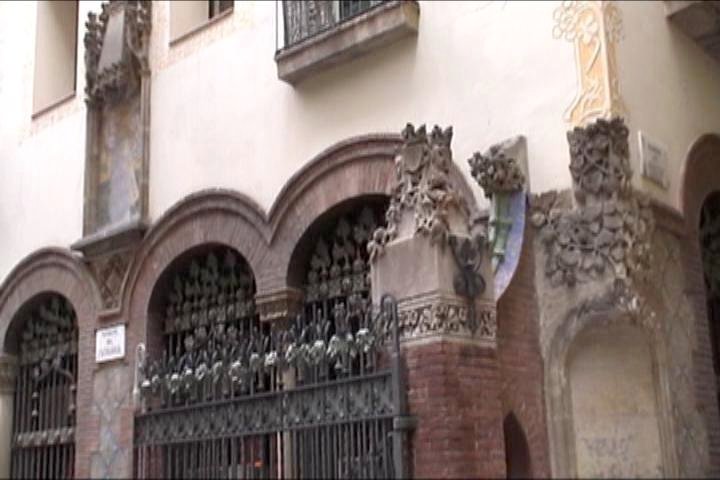
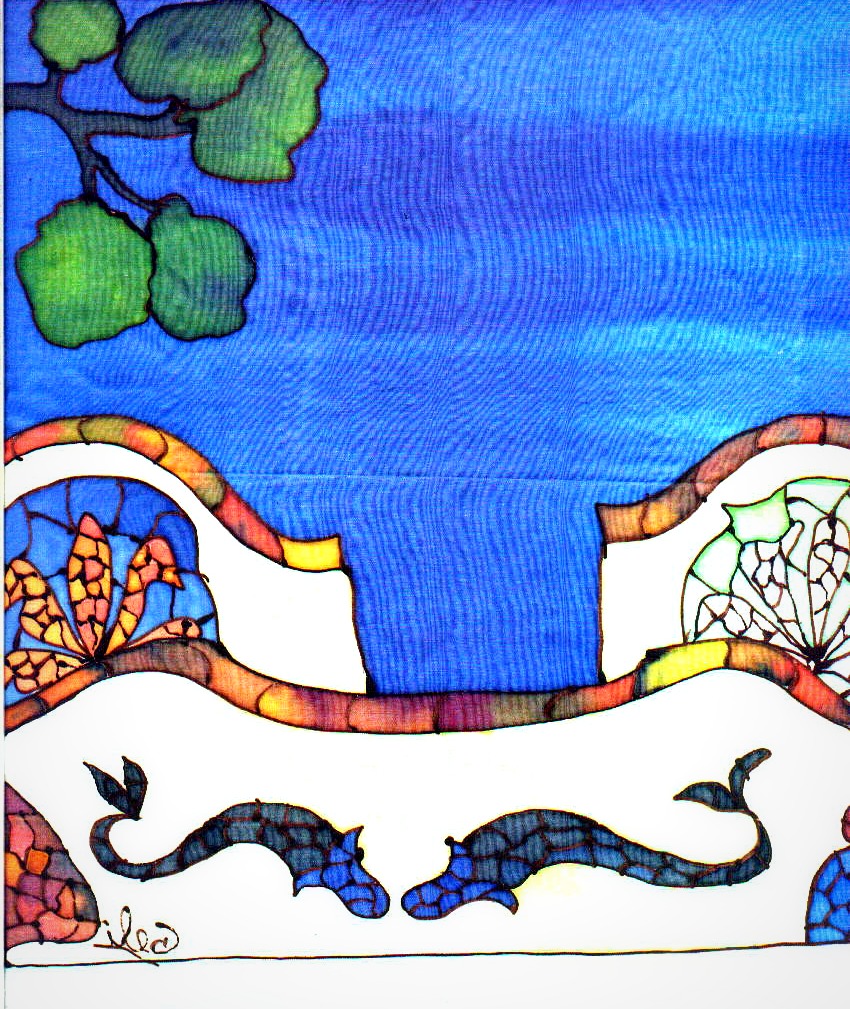
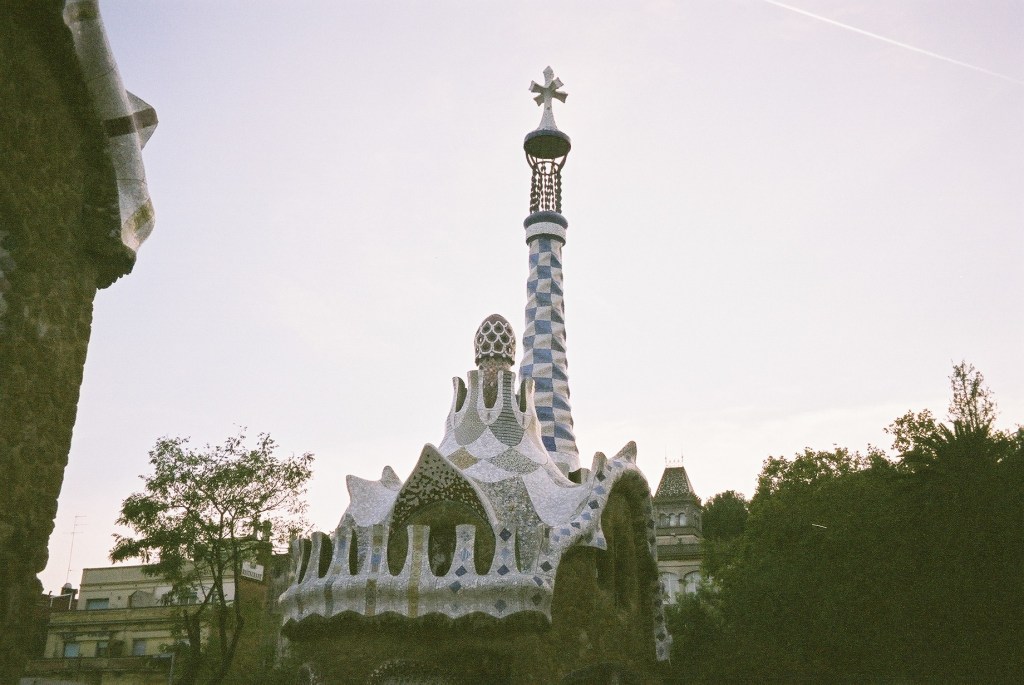
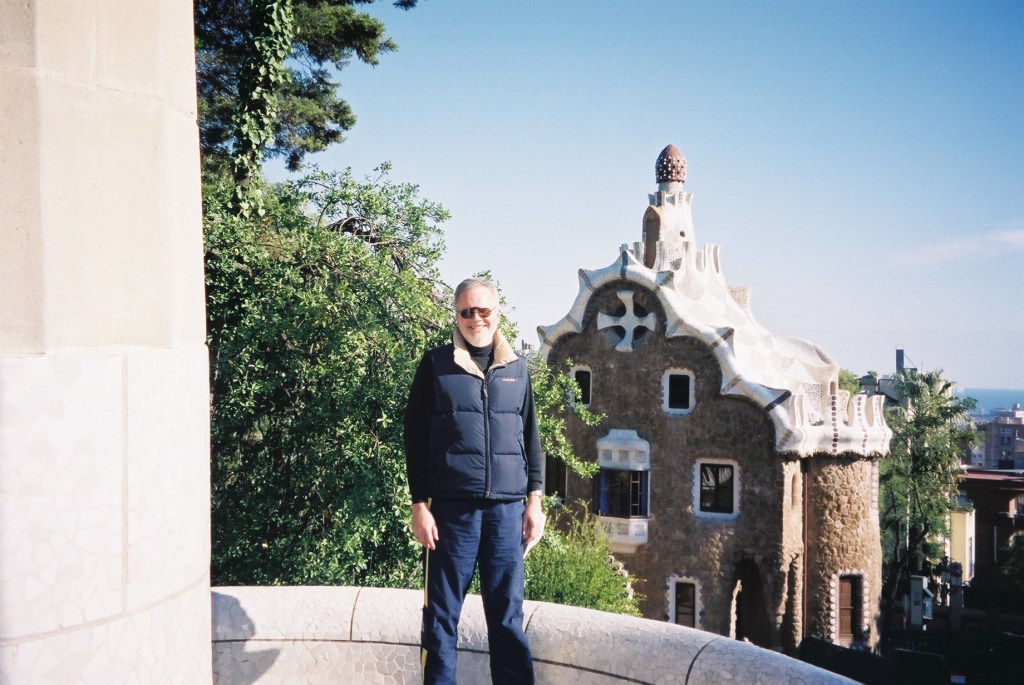
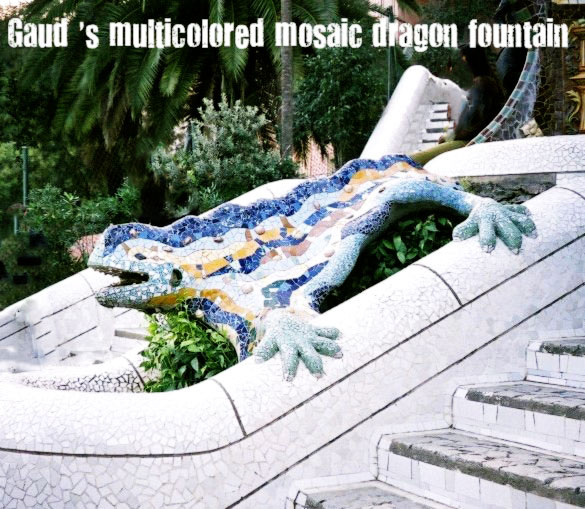
Park Güell
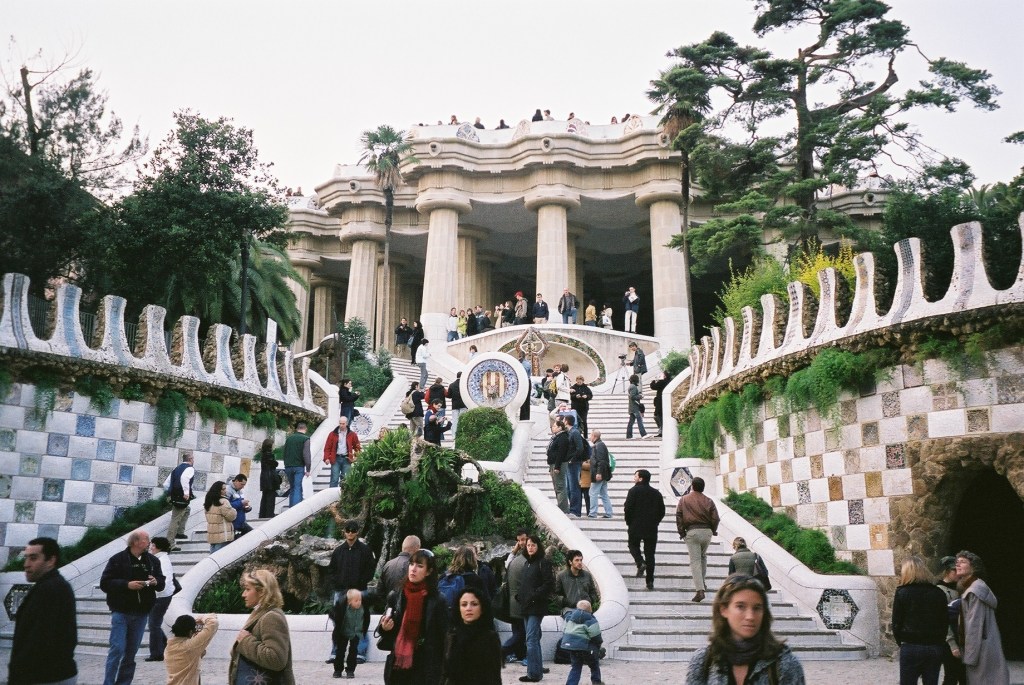
Park Güell is a wide garden complex with architectural elements situated on the hill of el Carmel in the Gràcia district of Barcelona. It was designed by the Antoni Gaudí and built in the years 1900 to 1914. It is part of the UNESCO World Heritage Site “Works of Antoni Gaudí”.It was planned as an upscale community, but those plans fell through.
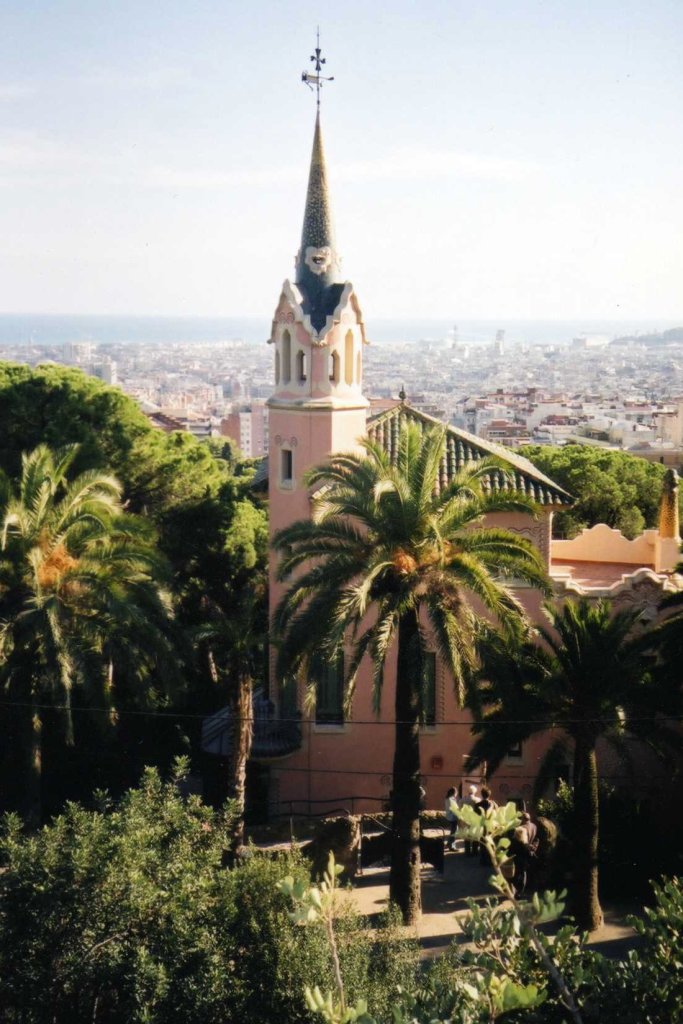
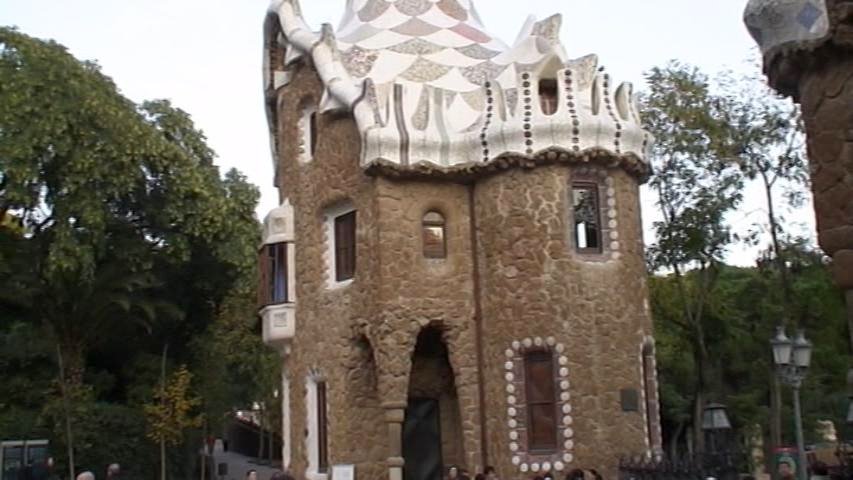
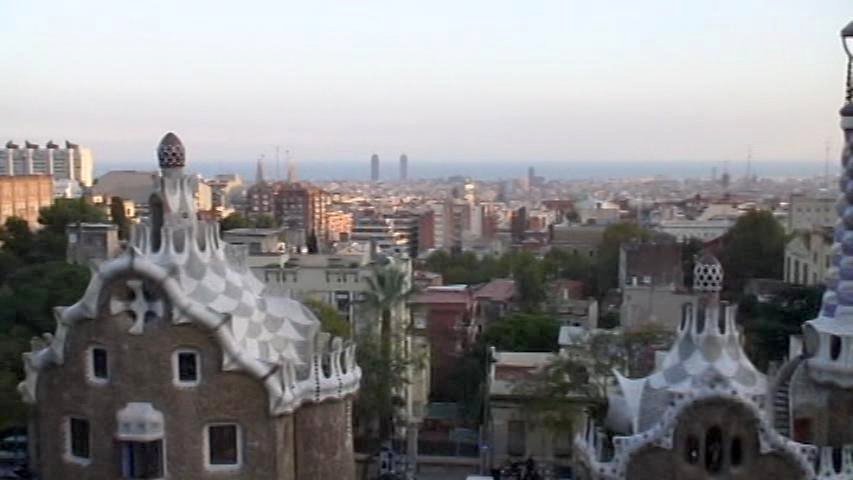
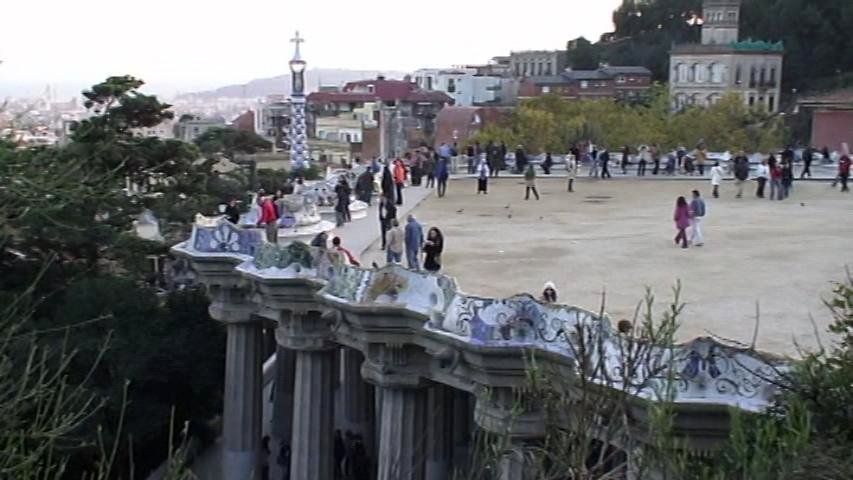
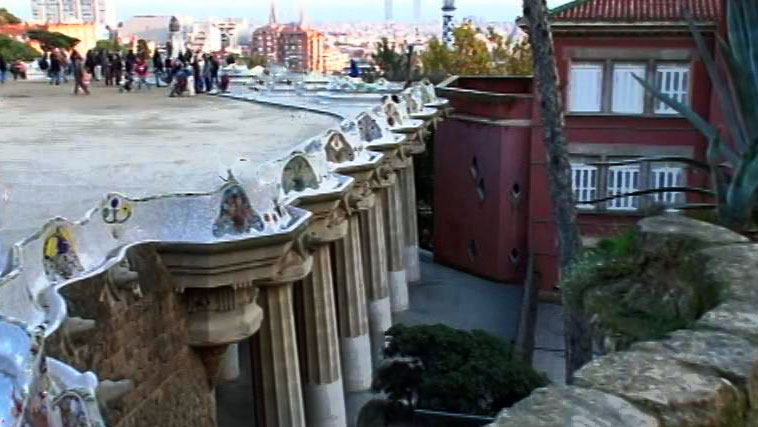
Doric columns support the roof of the lower court which forms the central terrace. This is where the “market” area for the upscale community was supposed to be located.

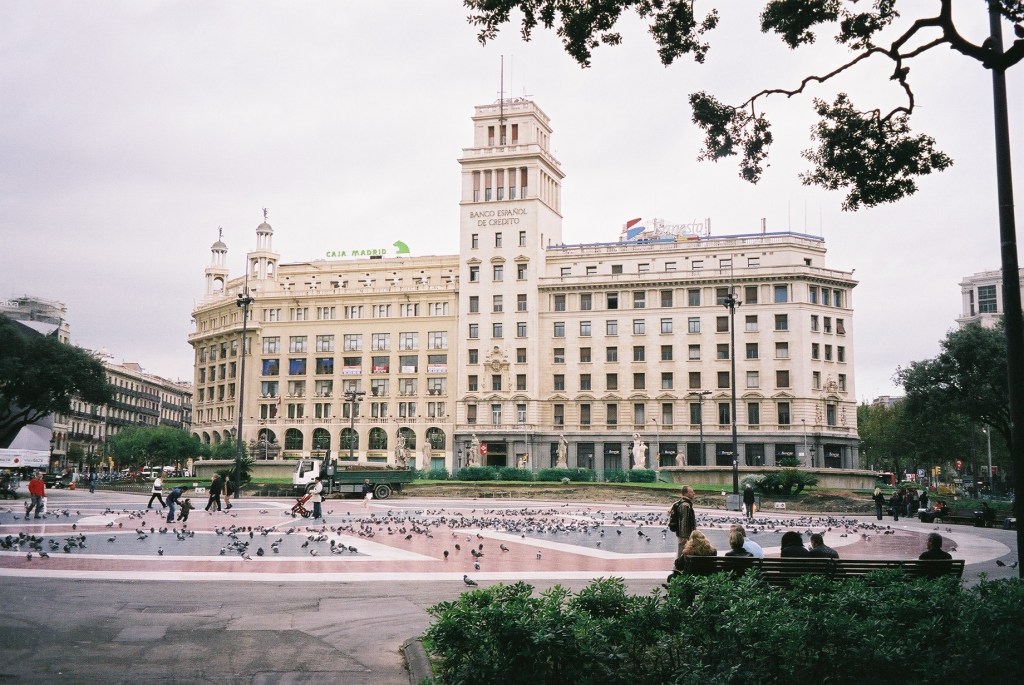
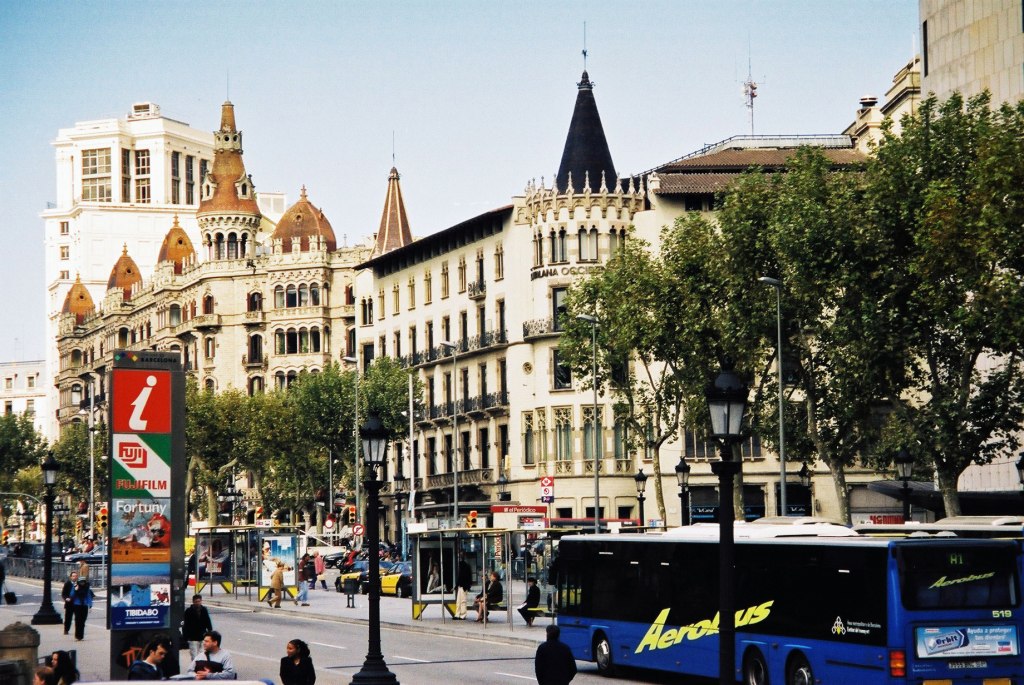
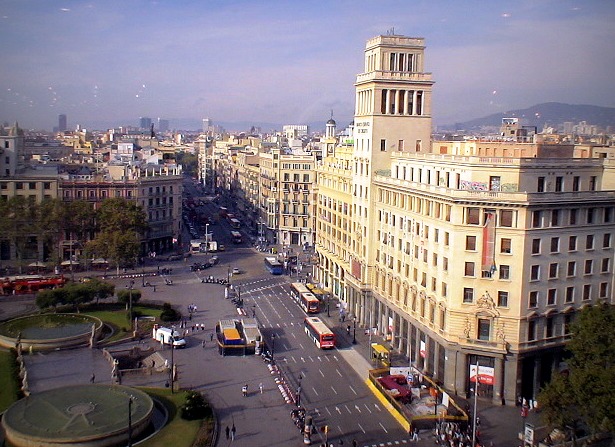
Plaça Catalunya (or Plaça de Catalunya, both being the official Catalan language names) is a large square that is generally considered to be both Barcelona’s city centre and the place where the old city (see Barri Gotic and Raval, in Ciutat Vella) and the 19th century built Eixample meet. It is also the place where people gather to express their joy, sadness, or defiance.
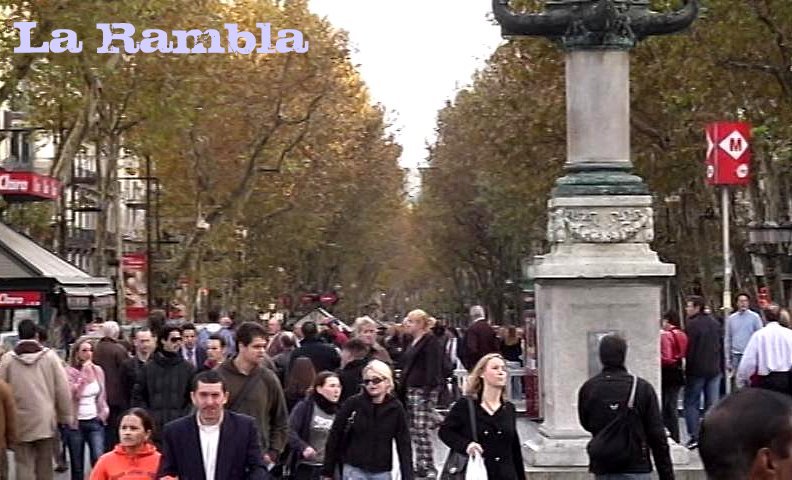
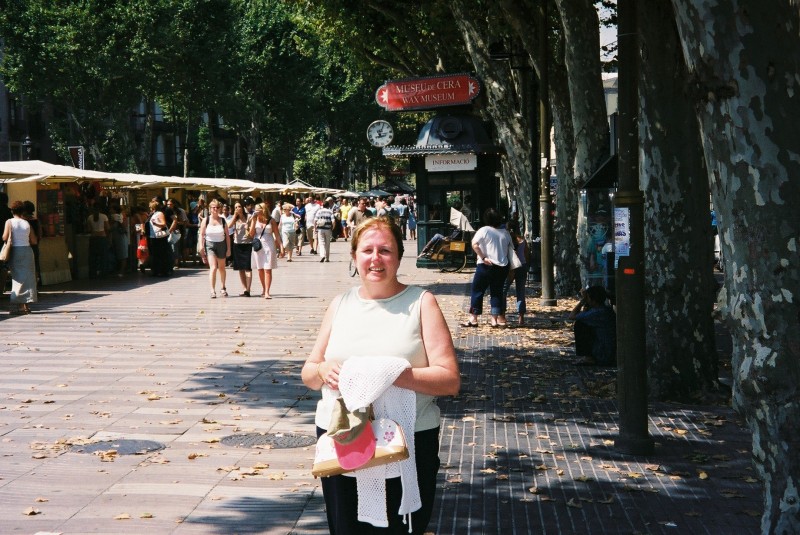

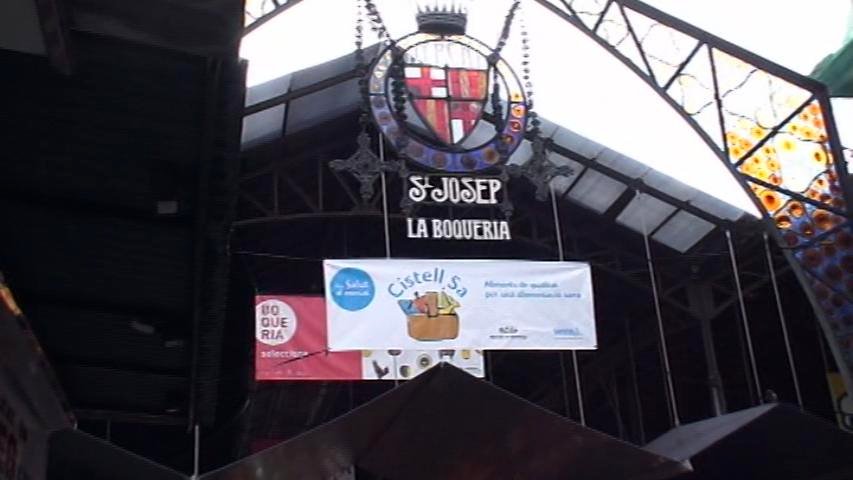
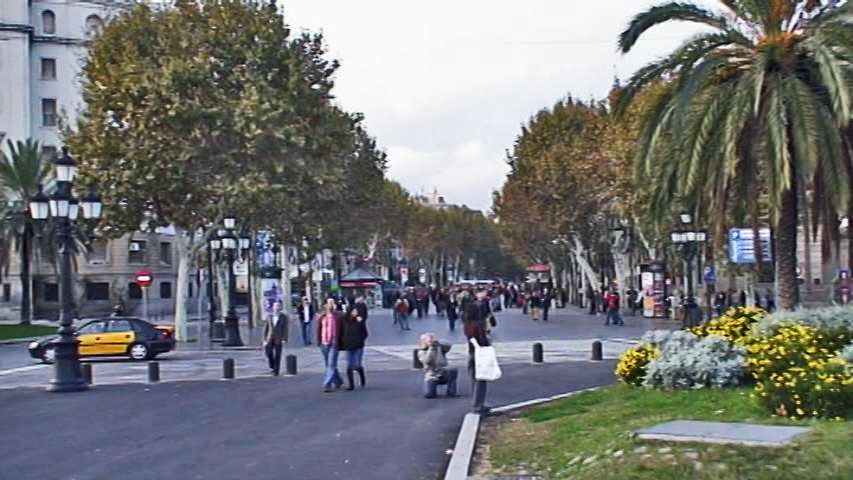
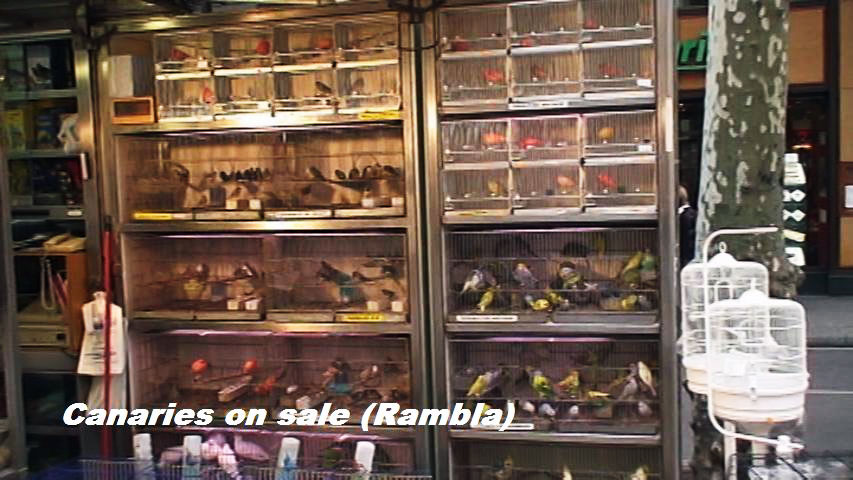
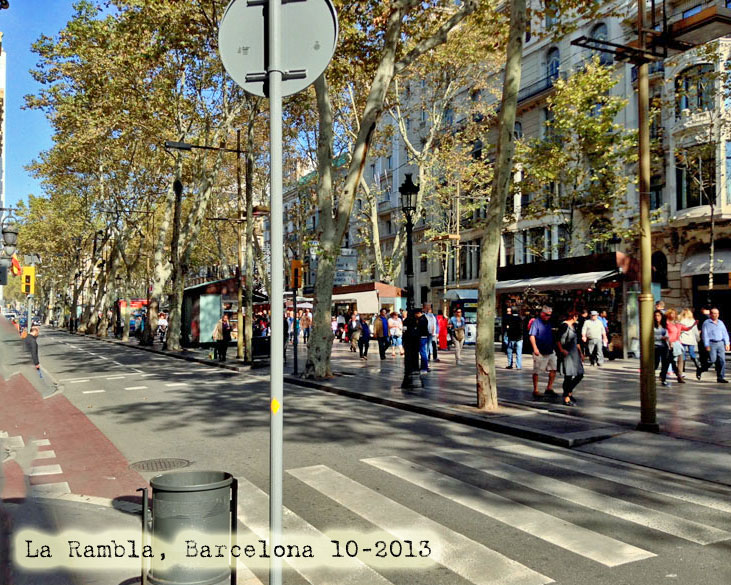
La Boqueria is the star among the Barcelona markets – if only due to it’s being located on La Rambla, the street that so many people have called the most beautiful in the world.
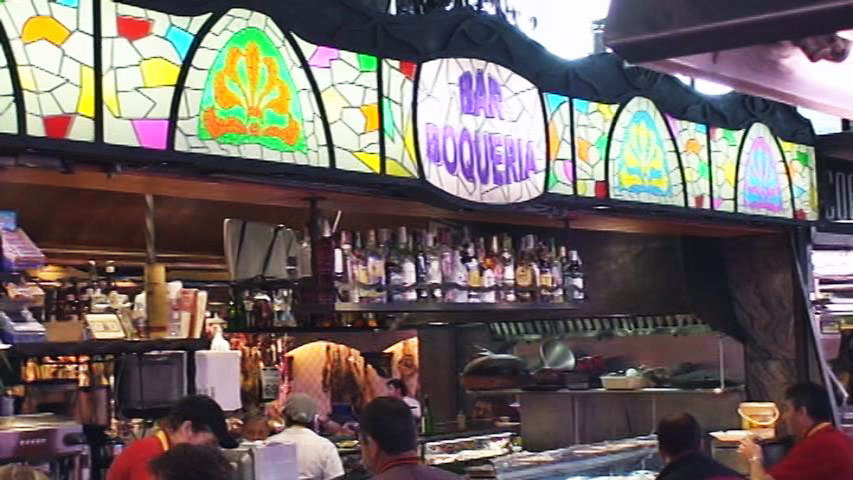
They say on La Rambla, and not beside it, because the flower and bird sellers along the promenade are part of the market too.
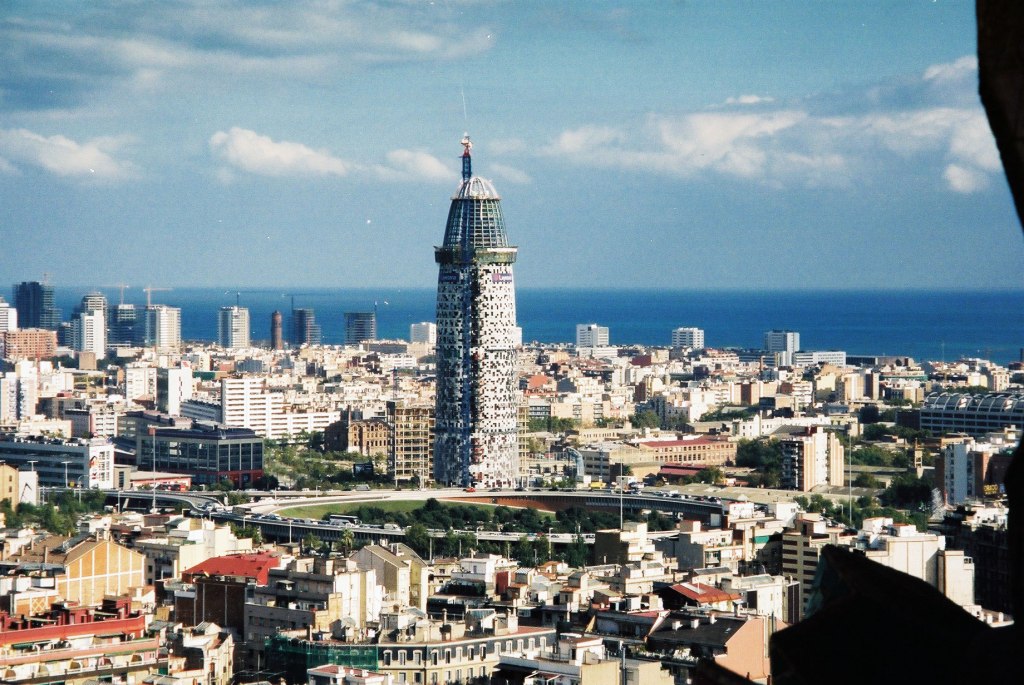
The Torre Agbar, or Agbar Tower, is a 21st-century skyscraper at Plaça de les Glores Catalanes. It was designed by French architect Jean Nouvel. It opened in June 2005 and was inaugurated officially by the King of Spain on 16-09-2005. The Torre Agbar is located in the Poblenou neighborhood of Barcelona and is named after its owners, the Agbar Group, a holding company whose interests include the Barcelona water company Aigues de Barcelona.
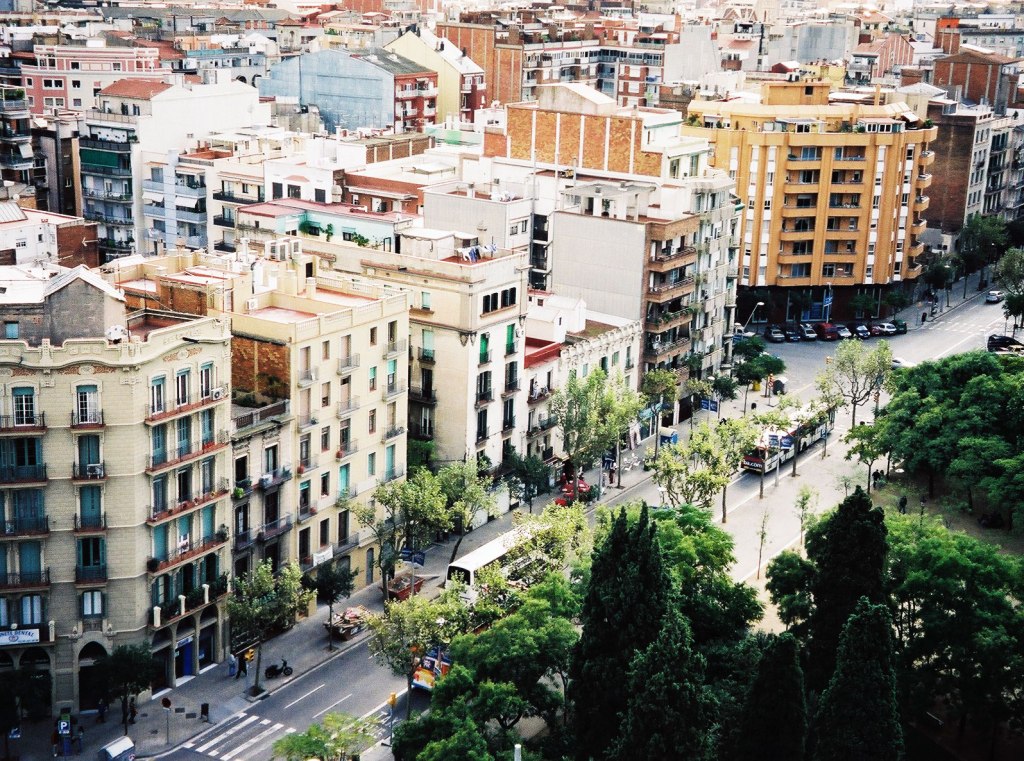
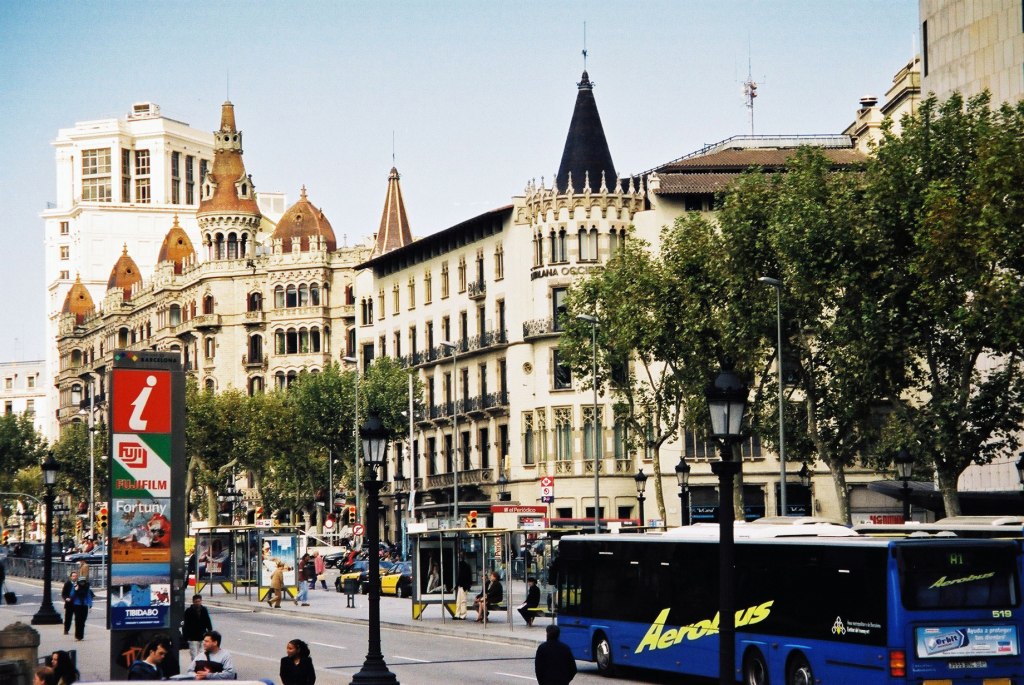
Casa Milà, better known as La Pedrera (Catalan for ‘The Quarry’), is a building designed by the Catalan architect, Antoni Gaudi, and built during the years 1906-1910, being considered officially completed in 1912.
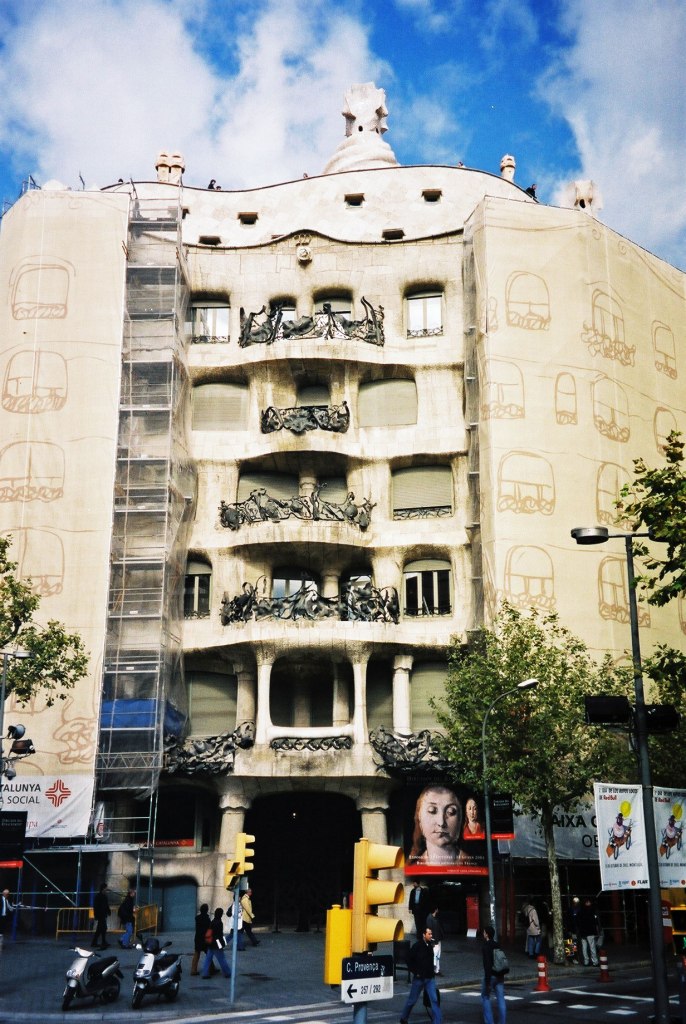
It is located at 92, Passeig de Gracia (‘passeig’ is Catalan for promenade or avenue) in the Eixample district of Barcelona.
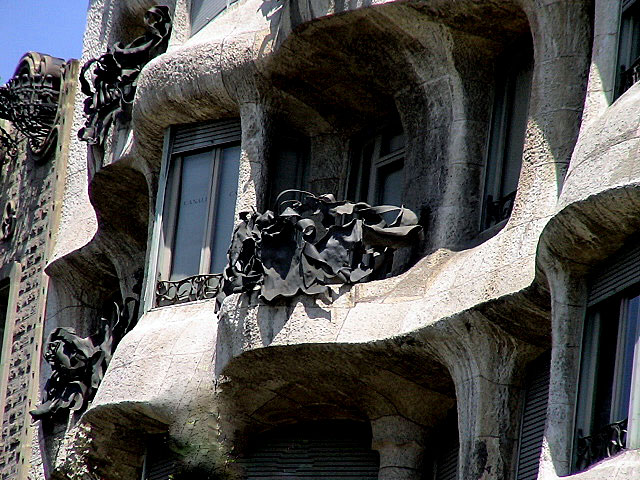
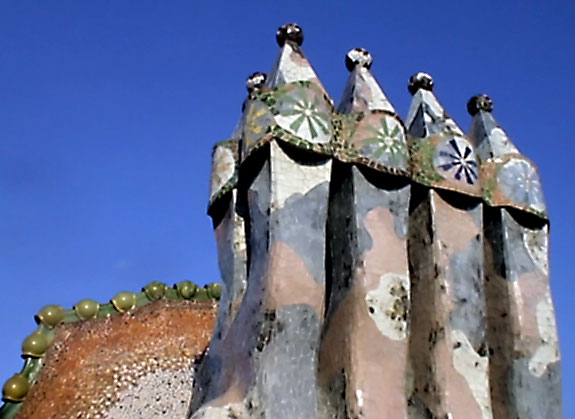
It has a unique rooftop, an icon of Barcelona, that bears no resemblance whatsoever to the architecture of Gaudi’s day. The main features—stairwells, ventilation towers and chimneys—are positioned in such a way that they follow the undulating shape and rhythm of the main façade. These elements rise up like telluric forces of nature—earth, water, fire and air—and call to mind the heads of knights.
With their intriguing dynamic and symbolic shapes, they serve the utilitarian purpose for which they were designed. Some of them are faced with trencadís made of ceramic to cover their curving surfaces; in other instances, the trencadís is made of stone, marble or glass. Another impressive feature of this spot is the spectacular views out over the city of Barcelona, 360º views.
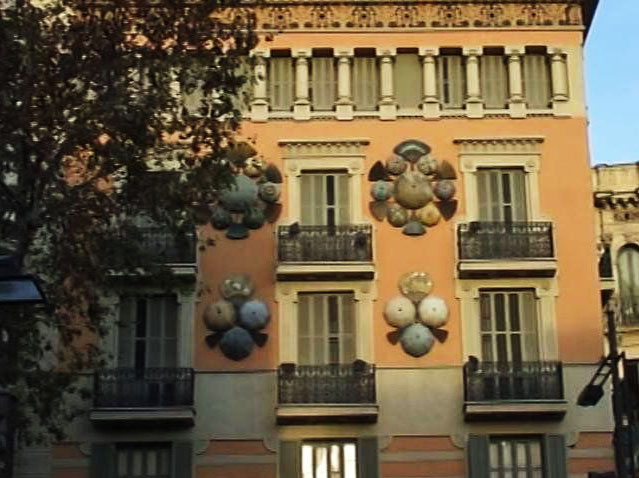

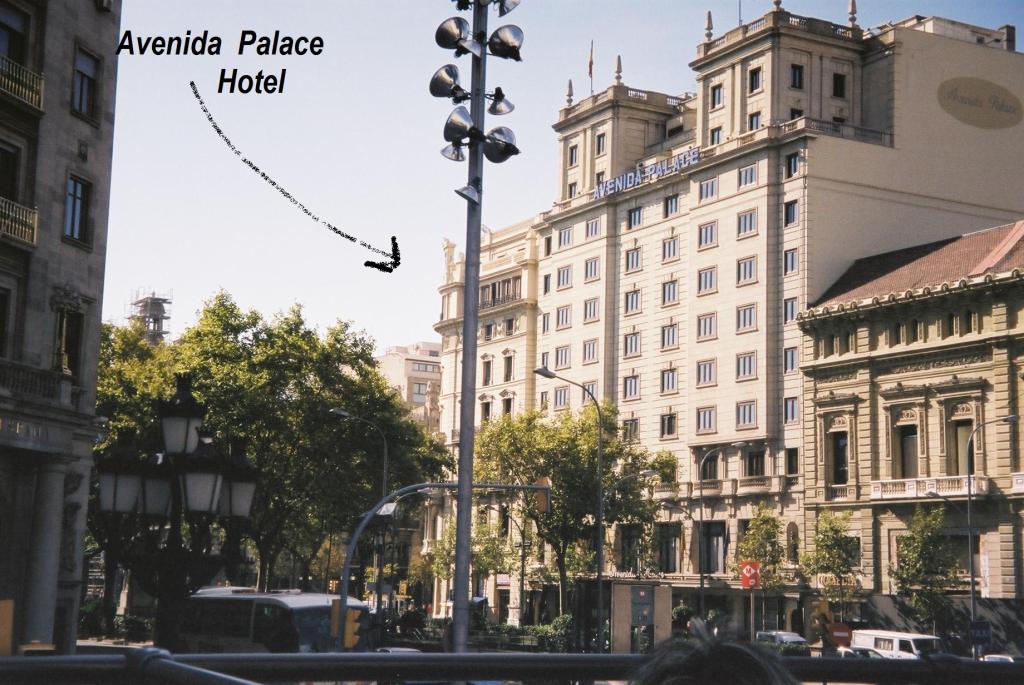
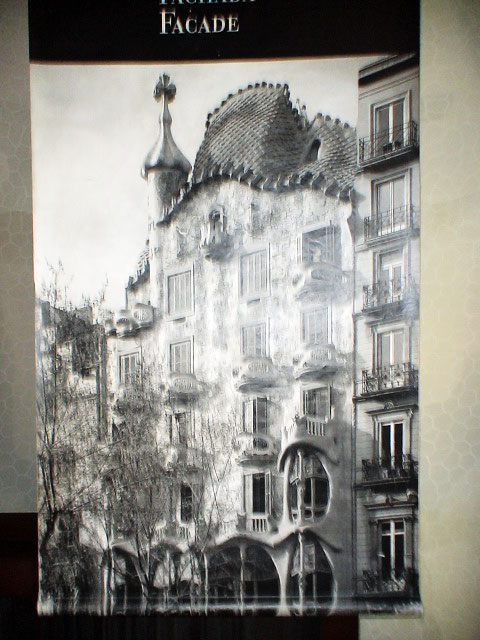
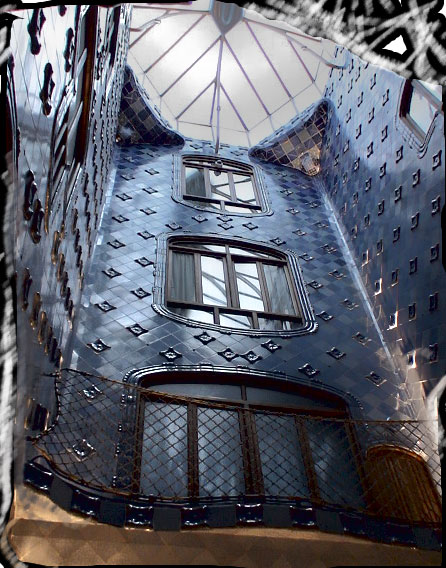
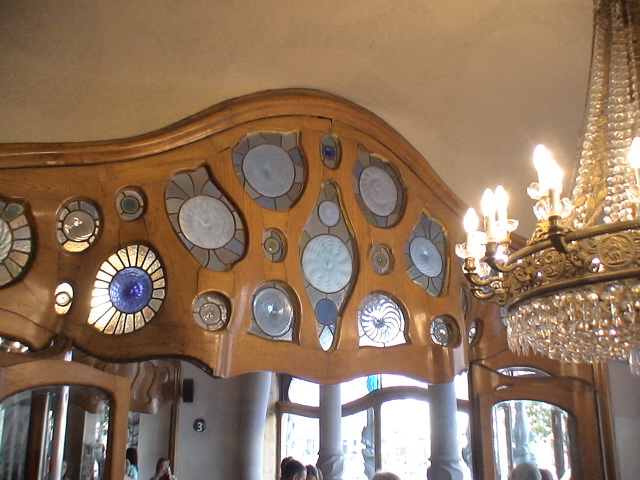
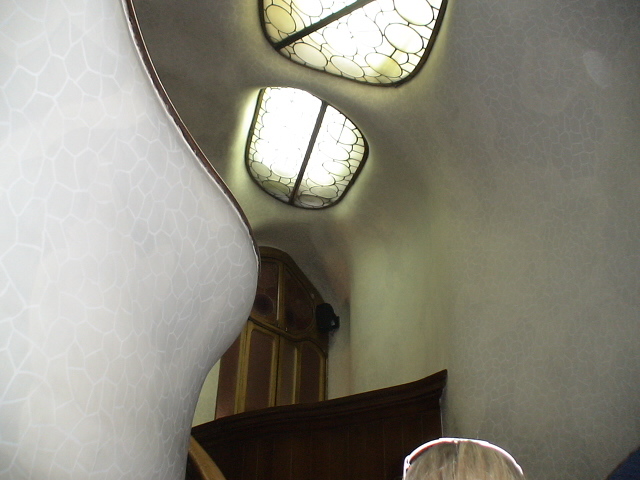
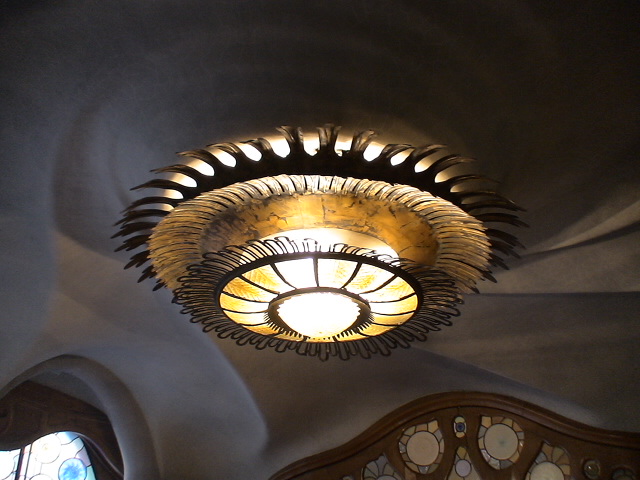
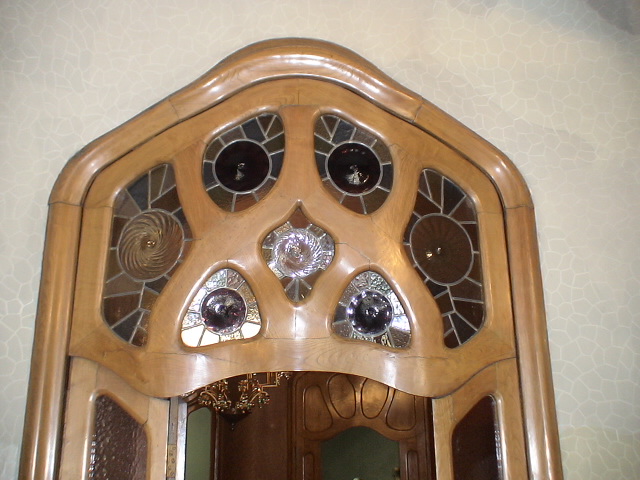
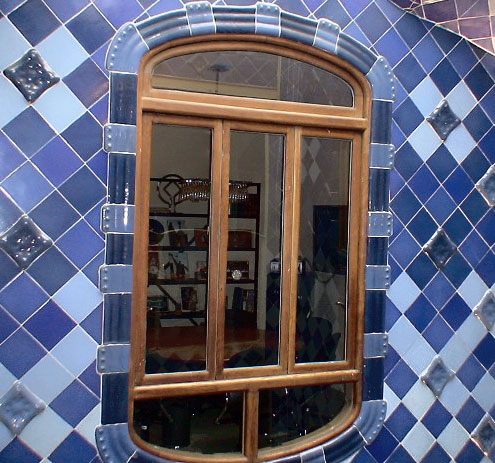
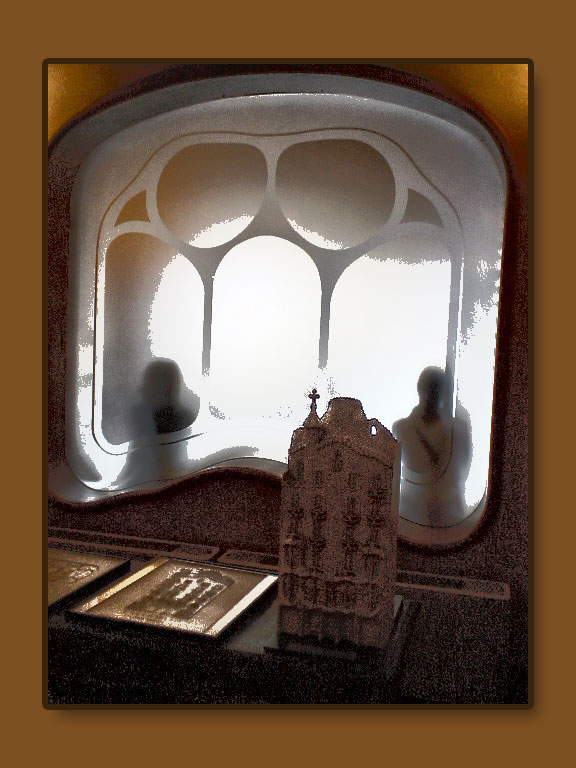
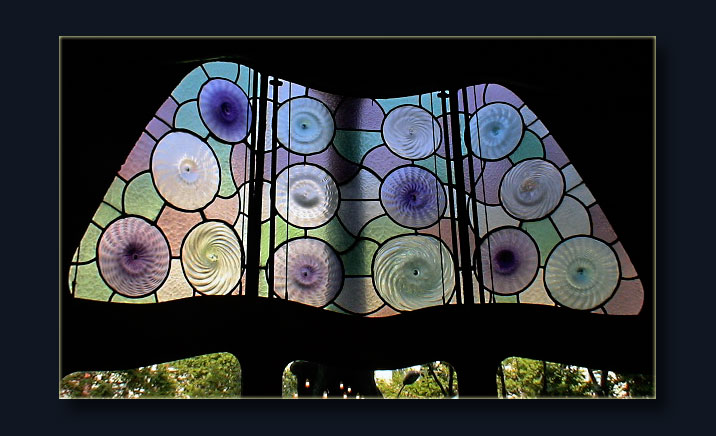
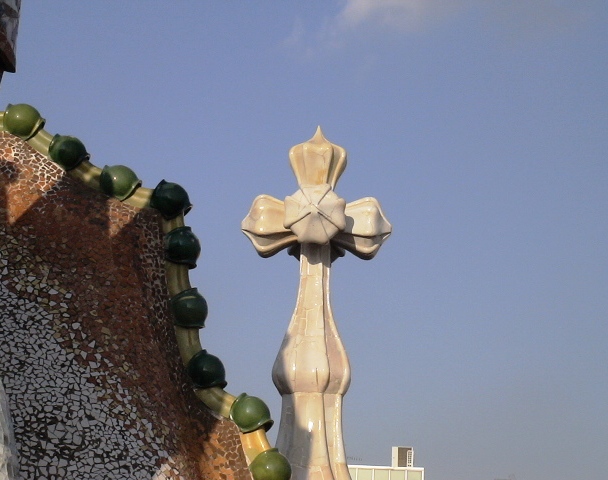
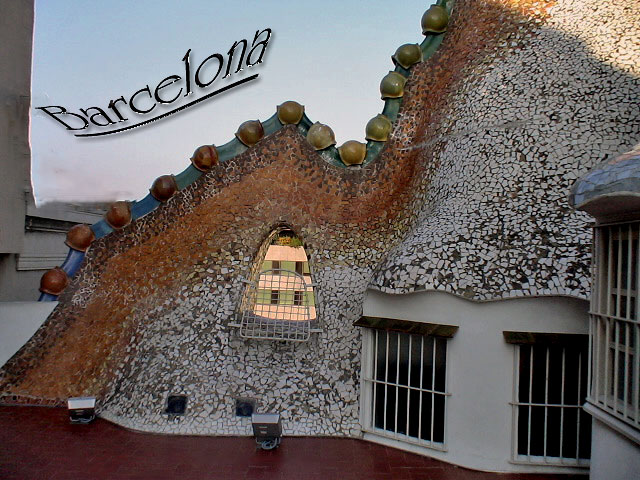
Casa Batlló is a building restored by Gaudi and Josep-Maria Jujoll, built in 1877 and remodelled in the years 1904?1906. Architectural Modernism at its best.
The local name for the building is Casa dels ossos (House of Bones), because it has a skeletal quality. It was originally designed for a middle-class family. The Entrance fee is a little steep at 18 Euros, but they receive no Government grants, so the fees they collect pay the upkeep/restauration. However, it is well worth it, especially for the rooftop views. Very few straight lines in this building…
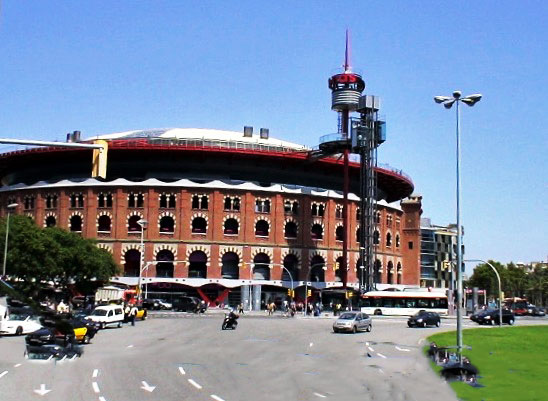
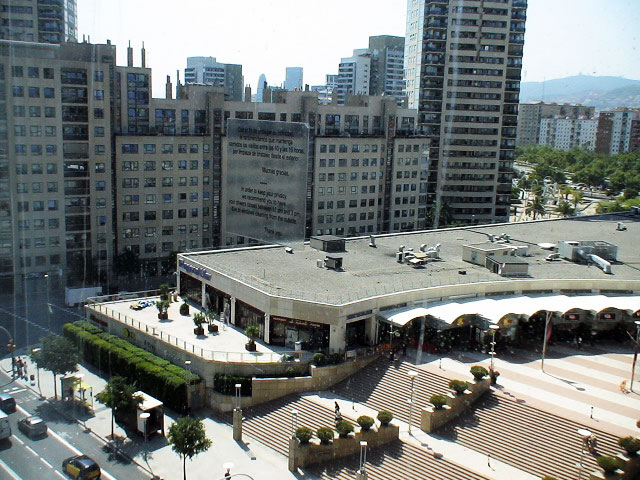
Former bullfighting ring transformed into an entertainment complex


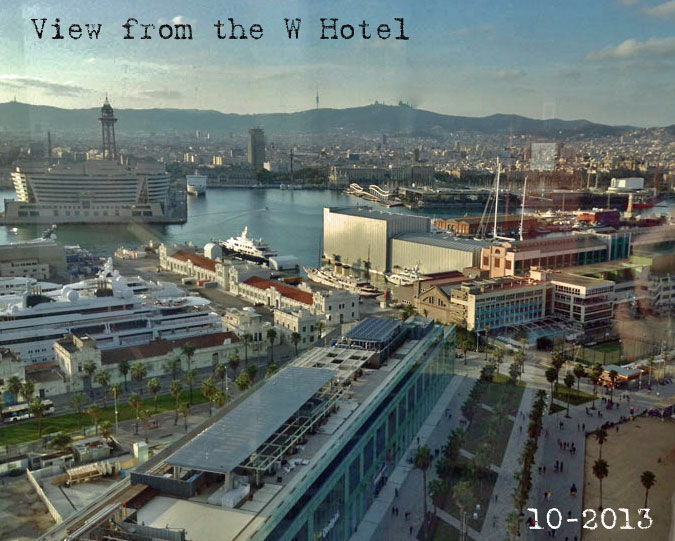
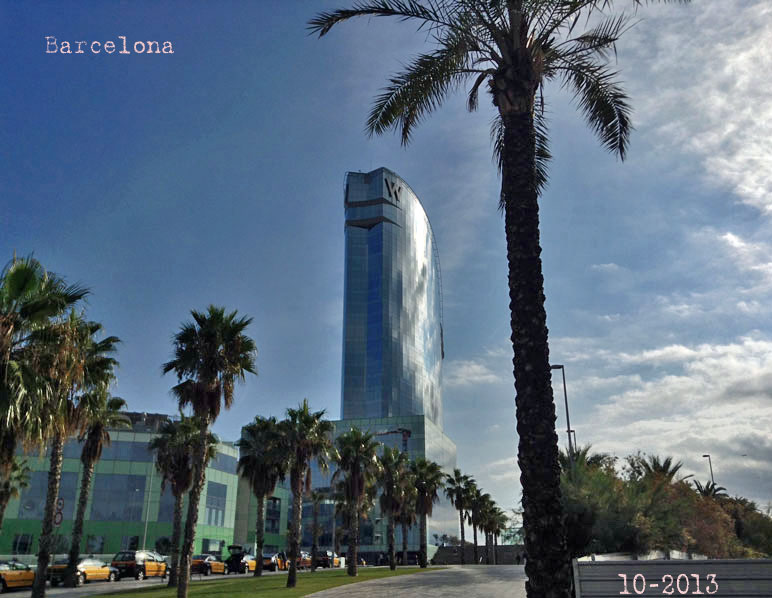
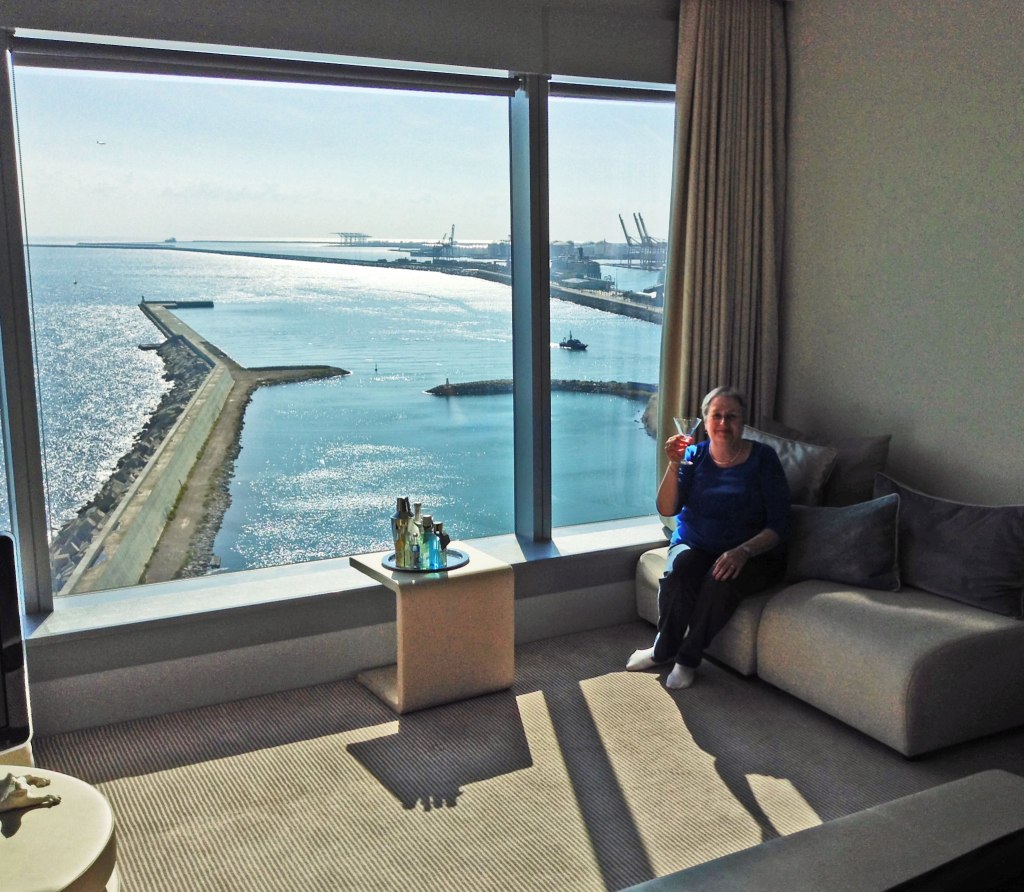
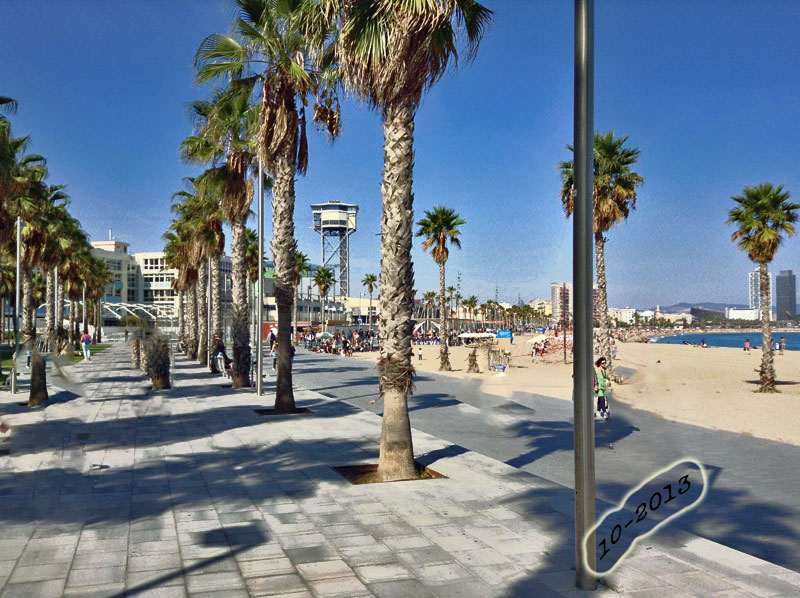
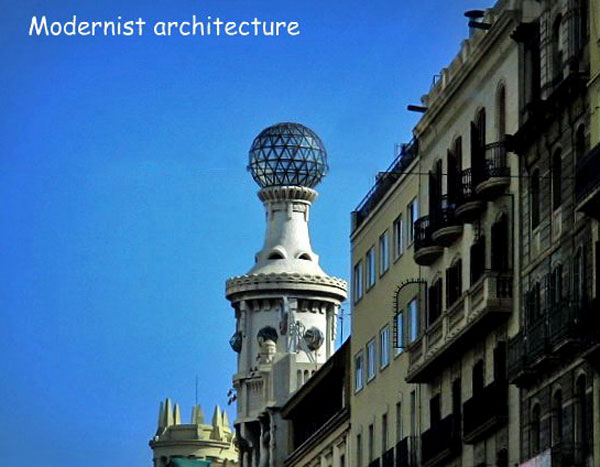
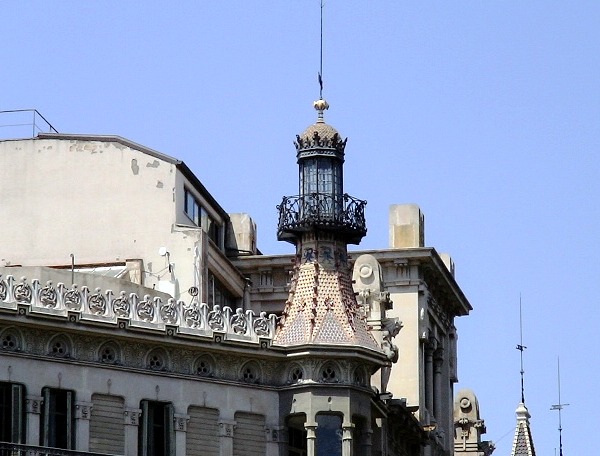
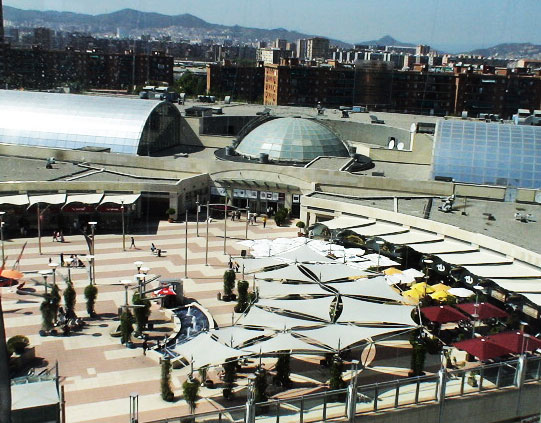
View from our hotel in 2012. A little from the city center, but it had a beach near by and this shopping mall across the city.

 s
s 