


Vienna
Updated November 2025
Visited in January 2016 and again in April 2016 and then in October 2025
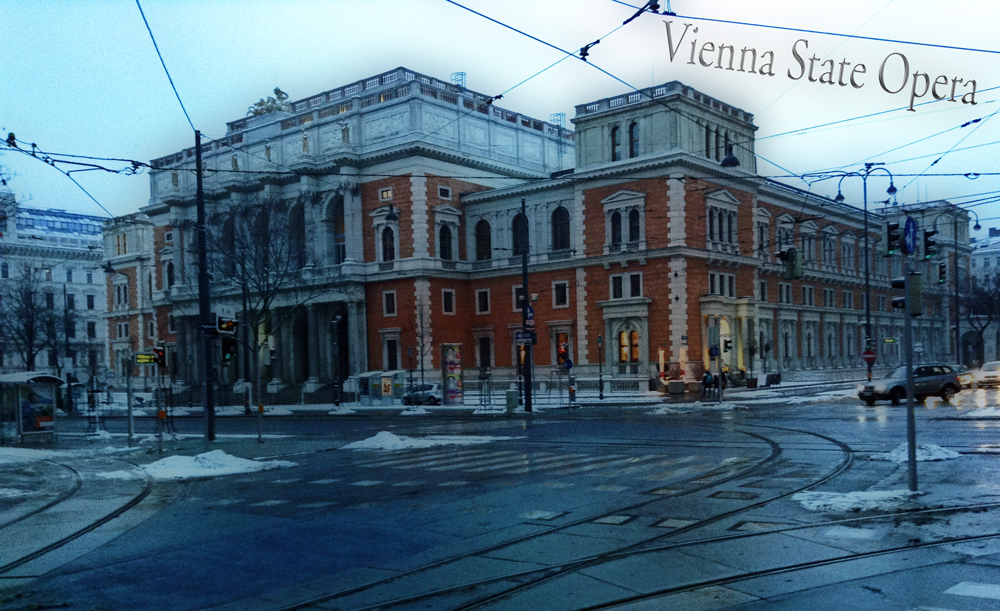
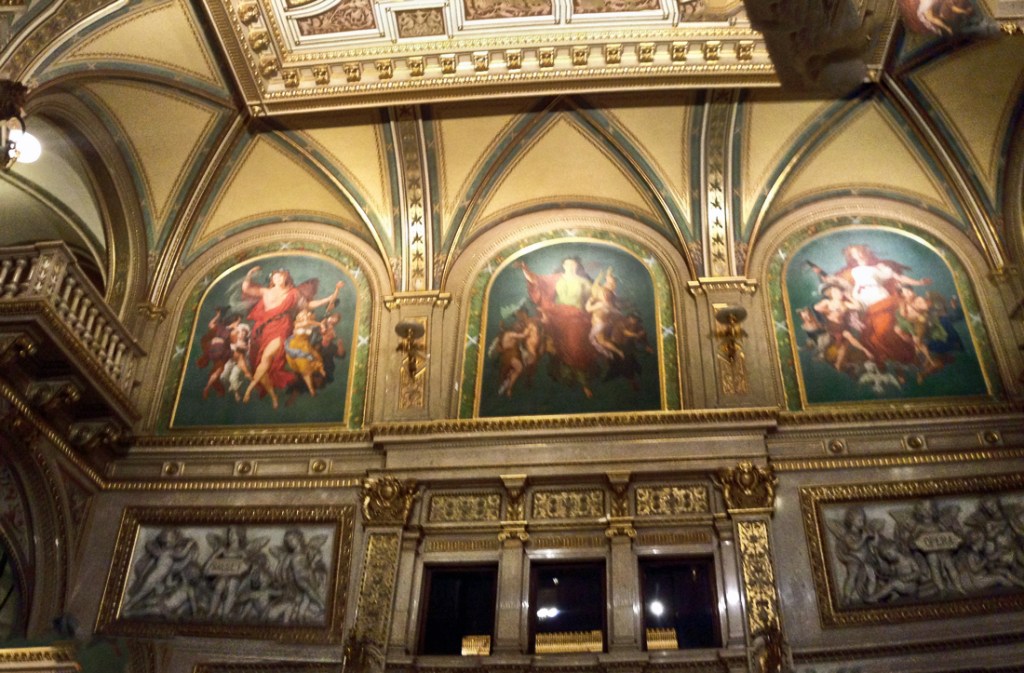
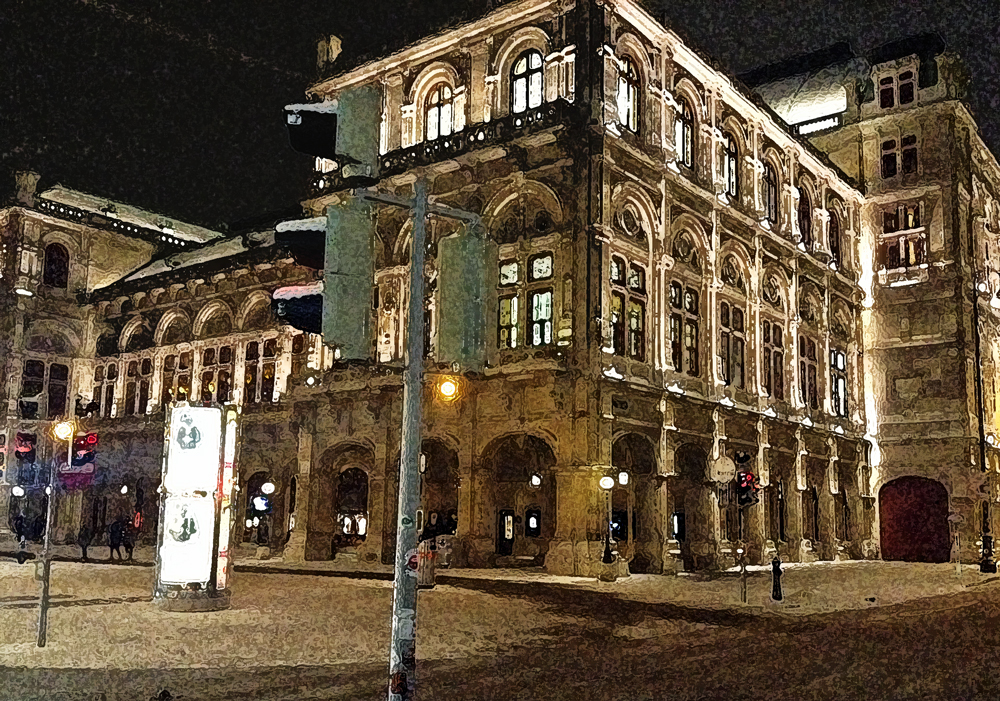
The Vienna State Opera is an opera house and opera company with a history dating back to the mid-19th century. It was originally called the Vienna Court Opera (Wiener Hofoper). In 1920, with the replacement of the Habsburg Monarchy by the First Republic of Austria, it was renamed the Vienna State Opera. The members of the Vienna Philharmonic are recruited from its orchestra.
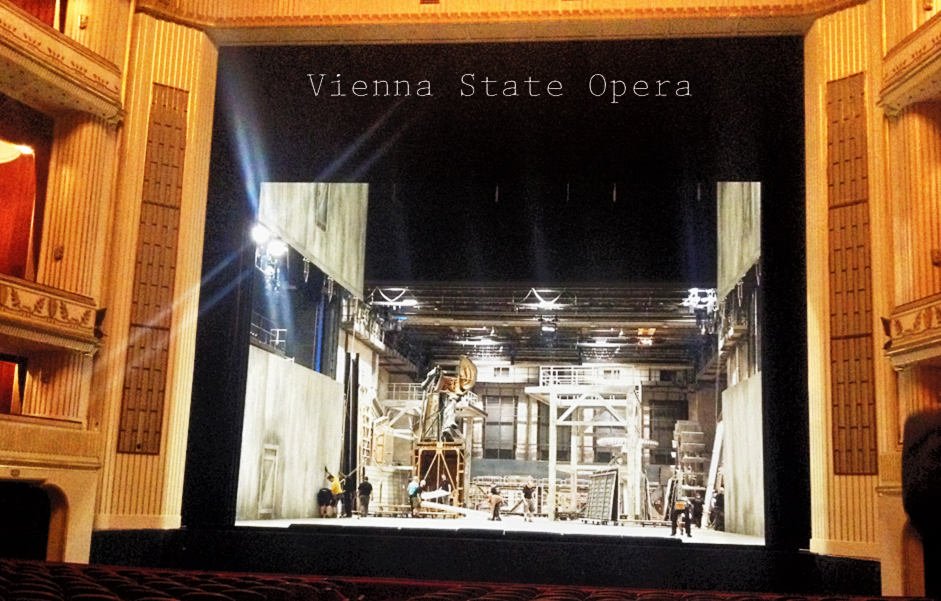
The opera house was the first major building on the Vienna Ringstrasse commissioned by the Viennese “city expansion fund”. Work commenced on the house in 1861 and was completed in 1869.

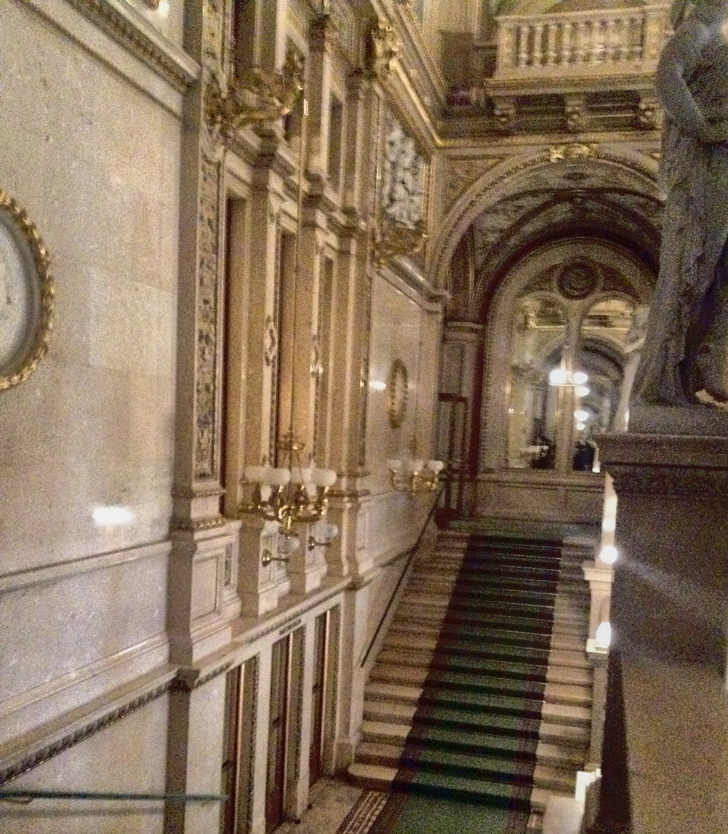
Gustav Mahler was one of the many conductors who have worked in Vienna. During his tenure (1897/1907), Mahler cultivated a new generation of singers and recruited a stage designer who replaced the lavish historical stage decors with sparse stage scenery corresponding to modernistic, Jugendstil tastes. Mahler also introduced the practice of dimming the lighting in the theatre during performances, which was initially not appreciated by the audience. However, Mahler’s reforms were maintained by his successors.
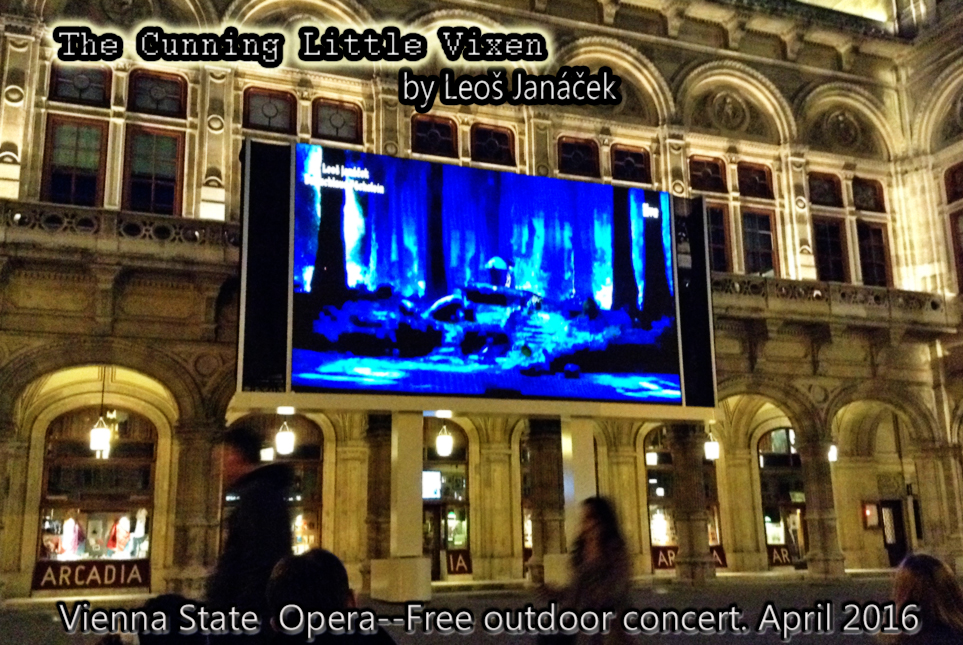
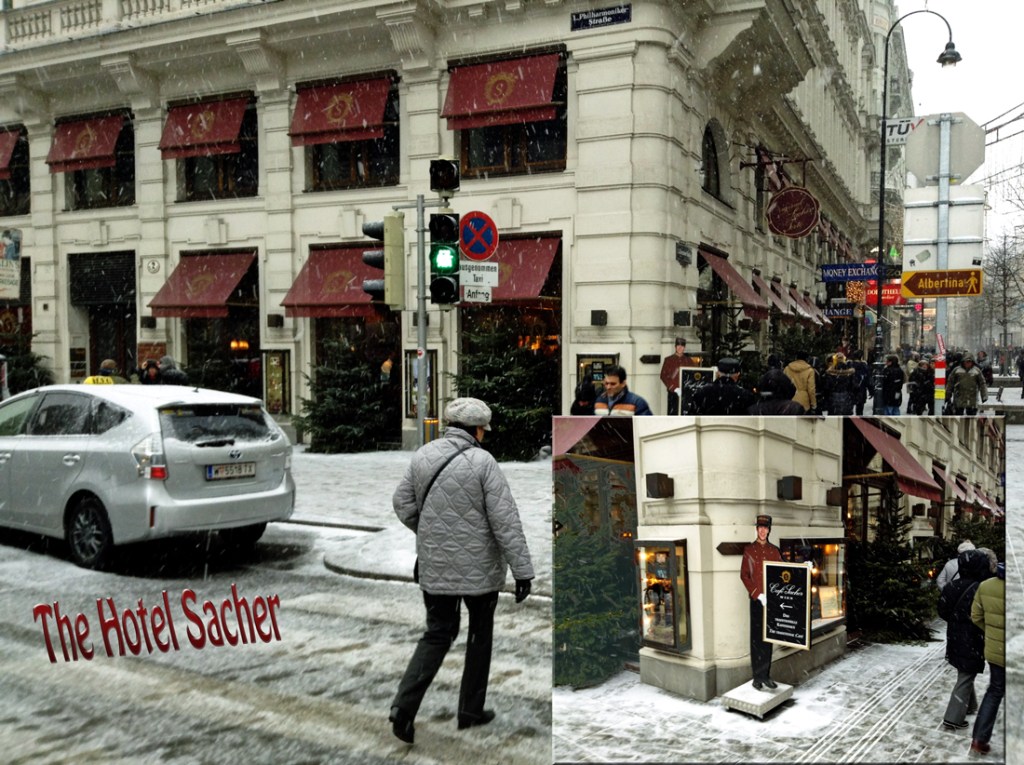
And across the street from the Vienna Opera is the world-famous Hotel Sacher and the equally famous Sacher Torte (that we tried-and, yes, it was delicious)




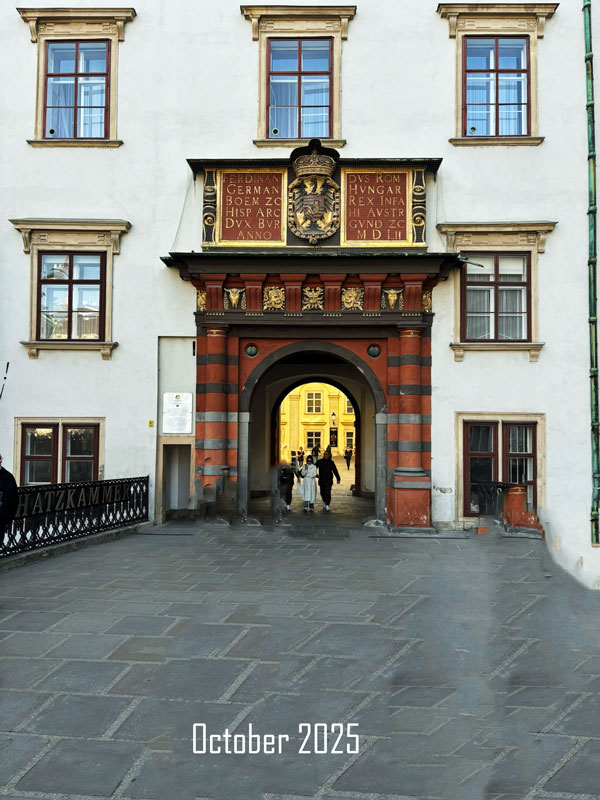
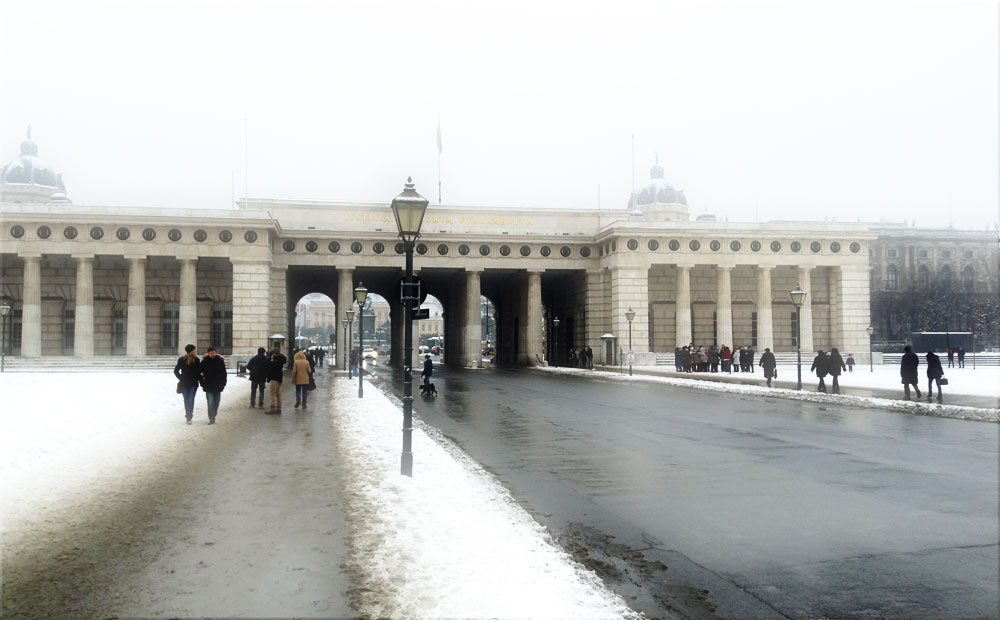
The Swiss Gate (Schweizertor), original main gate
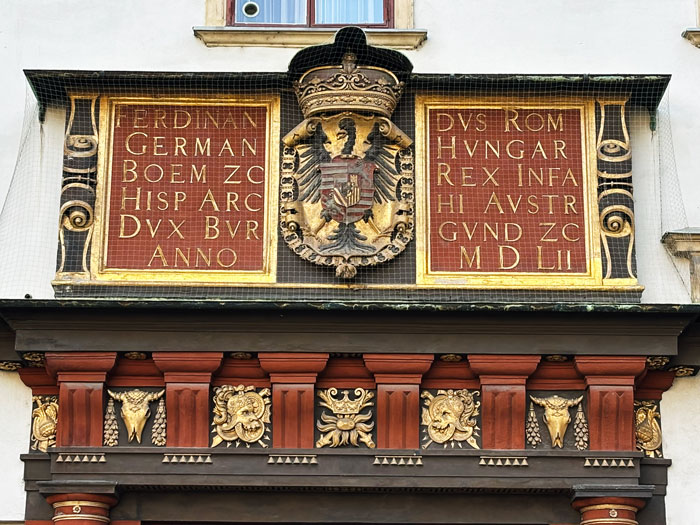
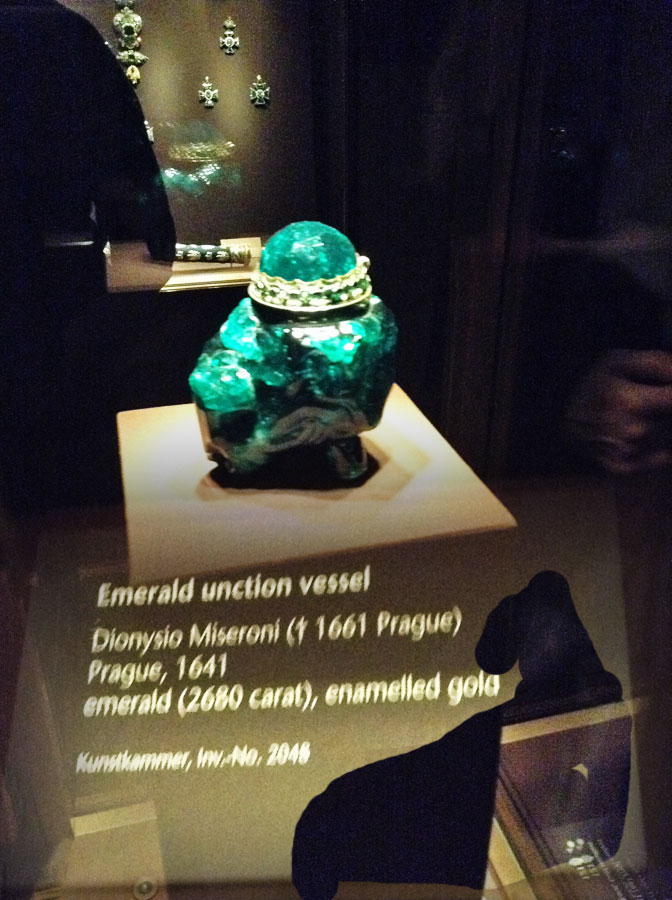
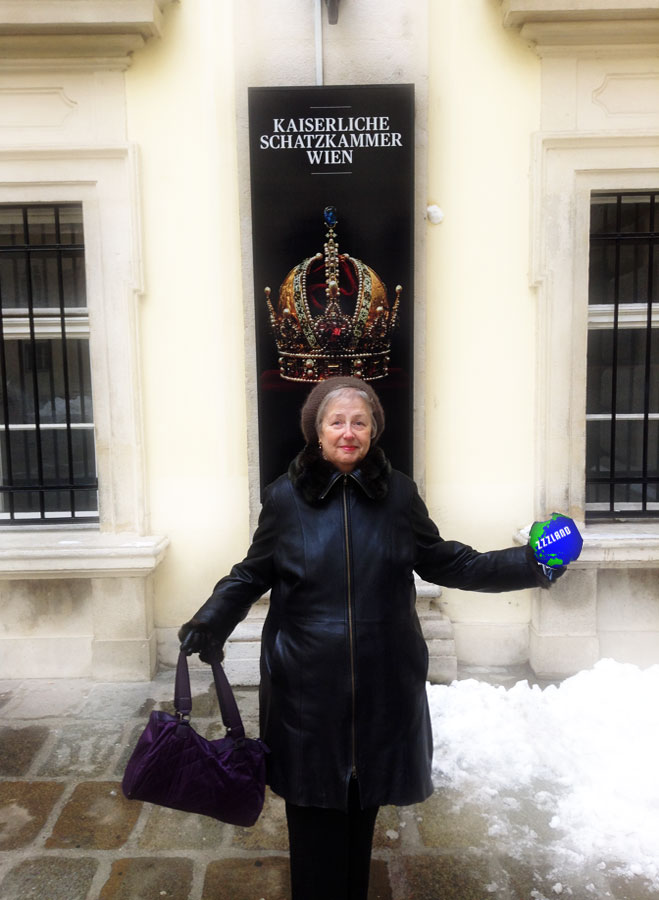
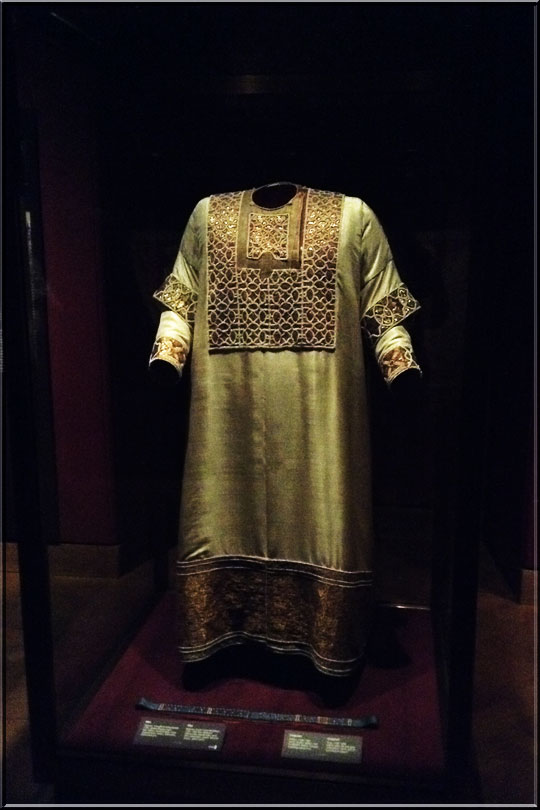
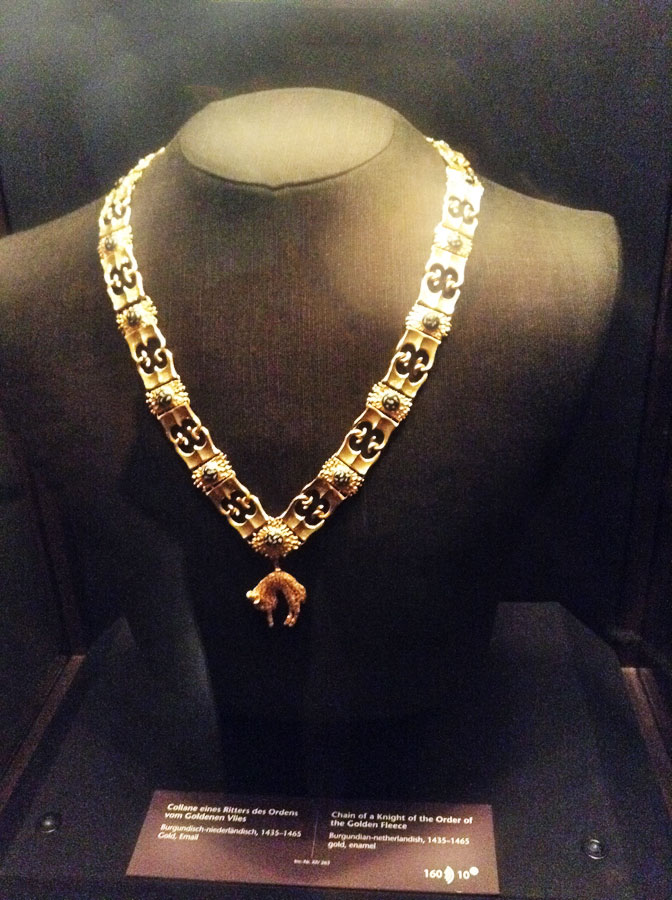
The Imperial Treasury is affiliated with the Kunsthistorisches Museumt , and houses in 21 rooms a collection of rare treasures that were compiled by the Imperial House of Habsburg over the course of centuries, including the Imperial Crown , Orb, and Sceptre of Austria, and the Imperial Regalia of the Emperors and Kings of the Holy Roman Empire including the Imperial Crown of the Holy Roman Empire. I
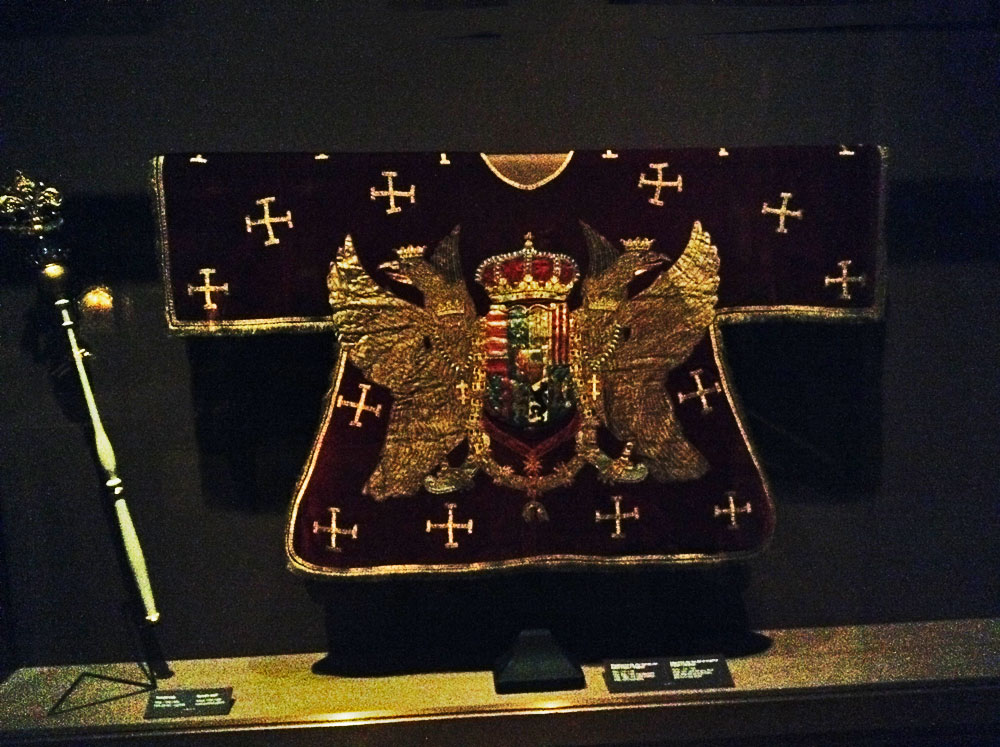
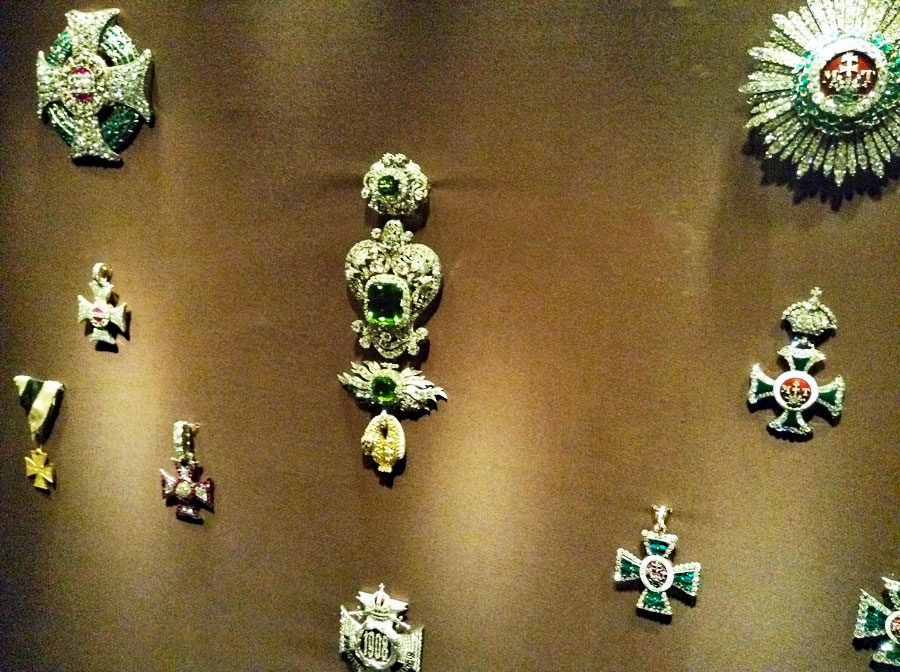
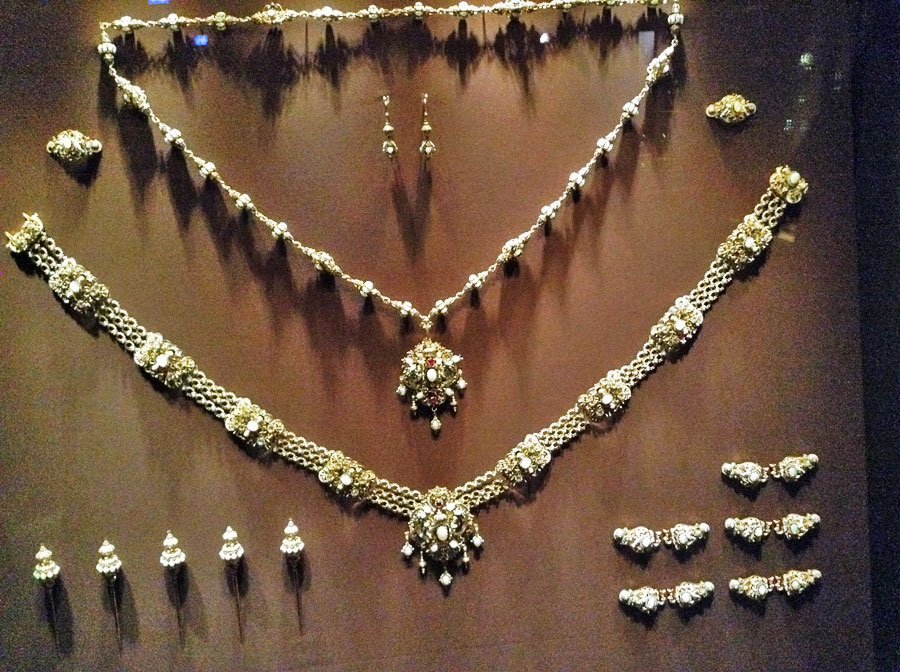
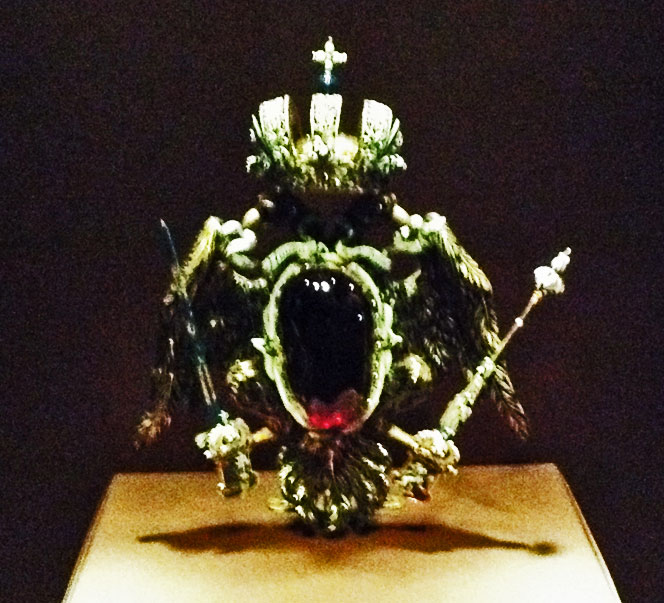
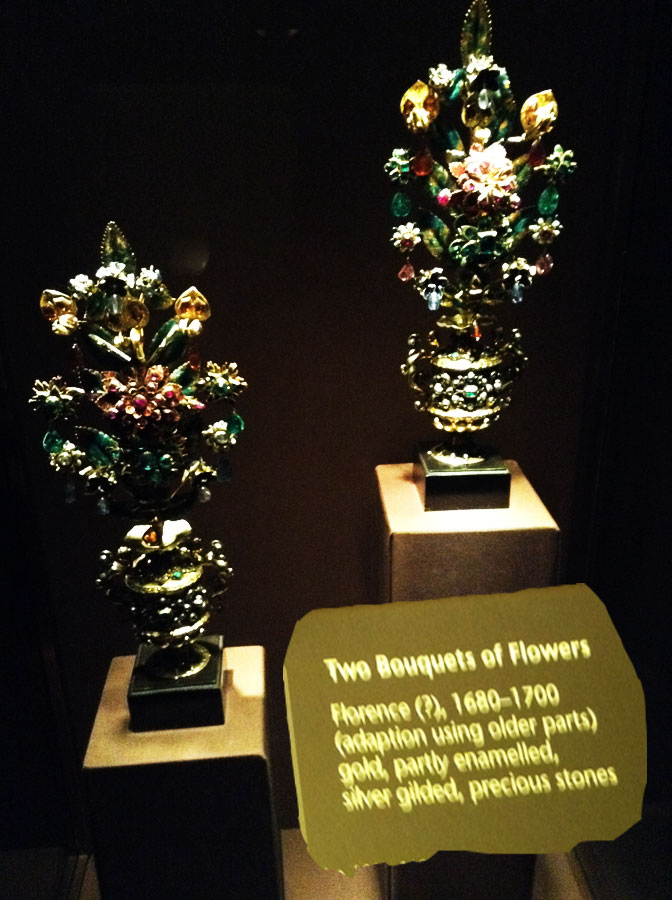
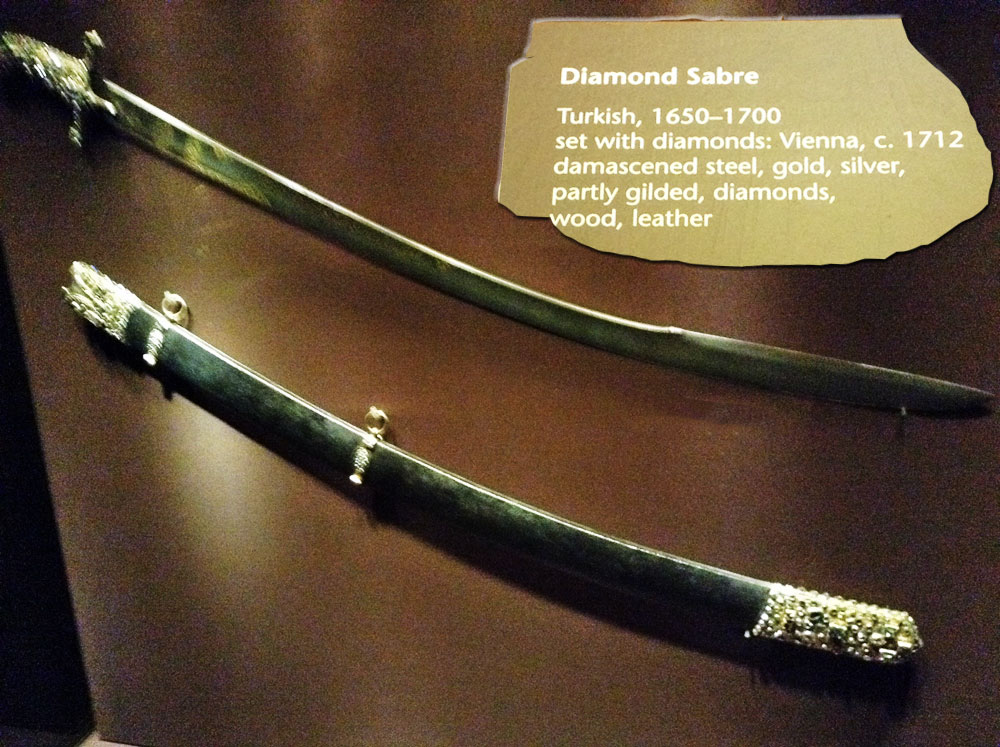
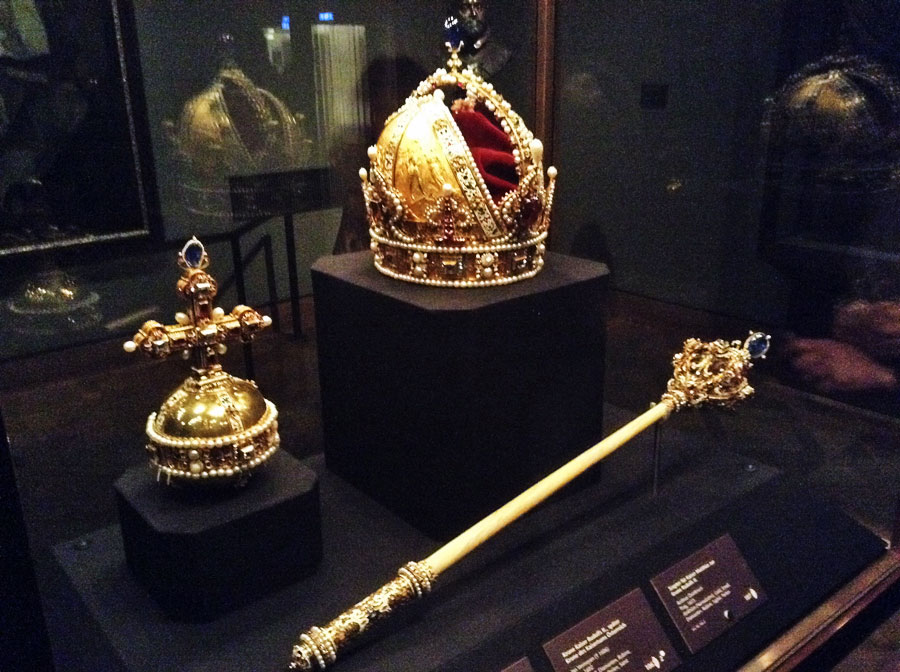
Imperial crown, Orb, and Sceptre of Austria.
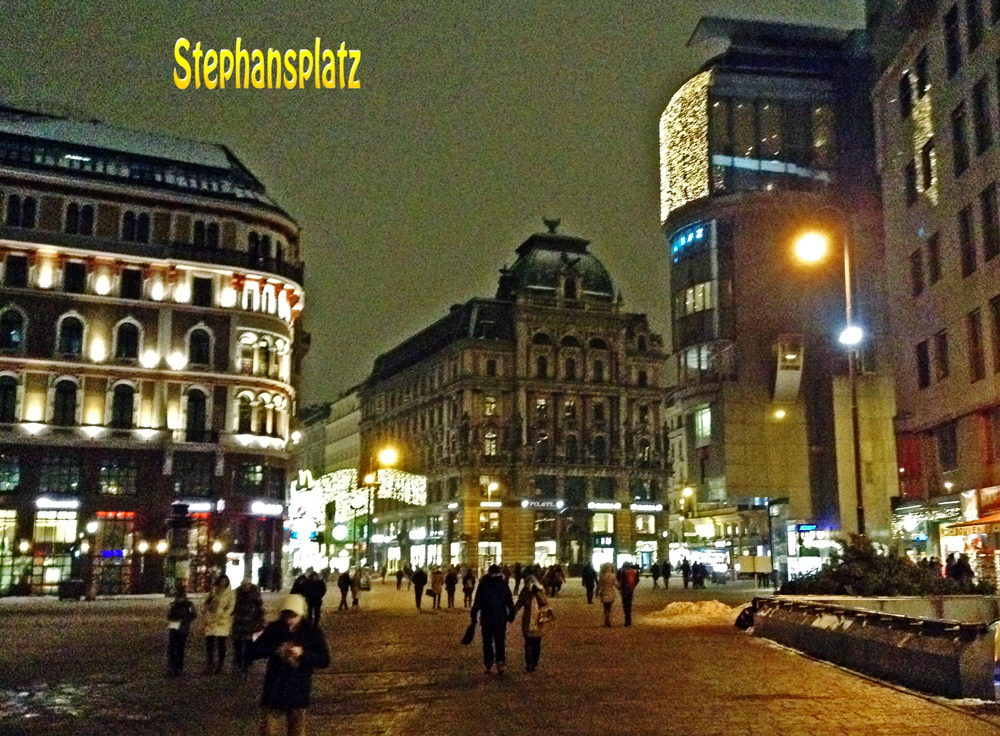
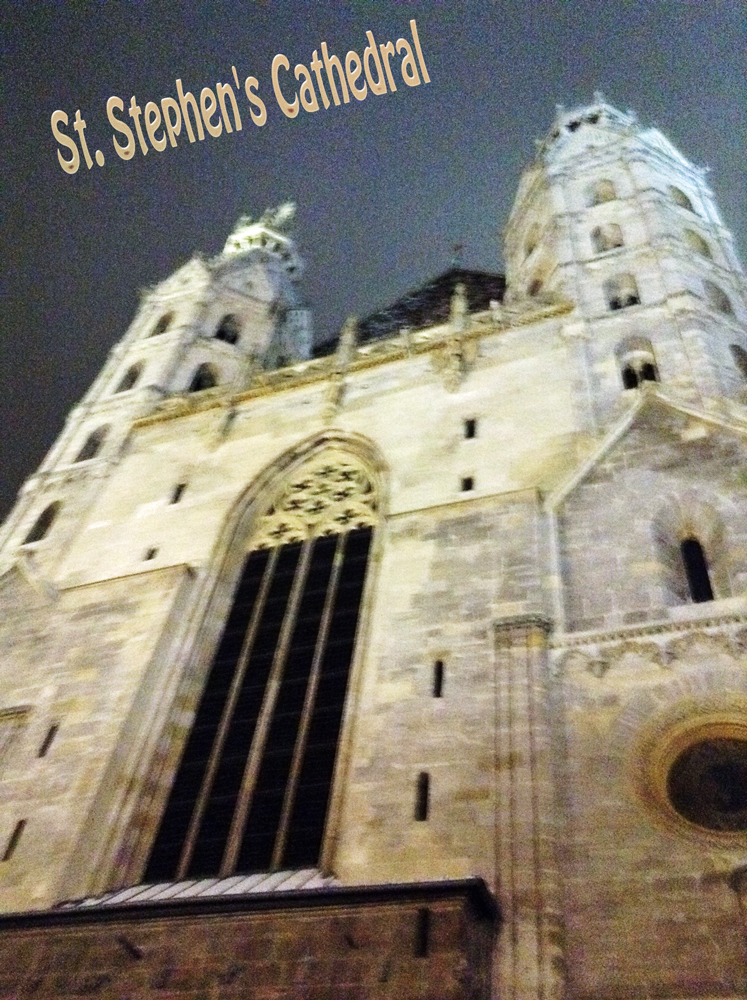
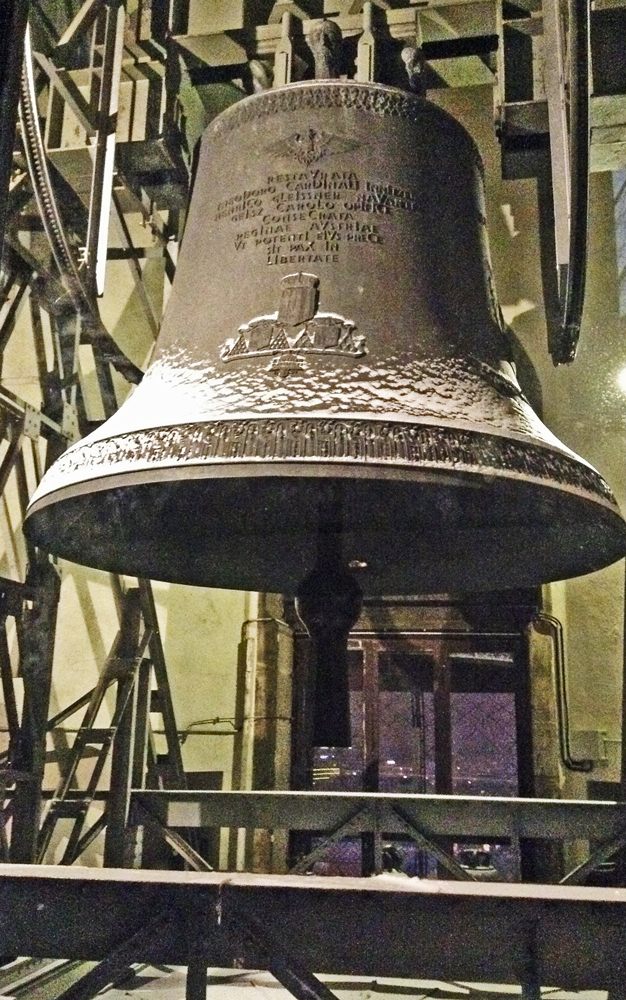
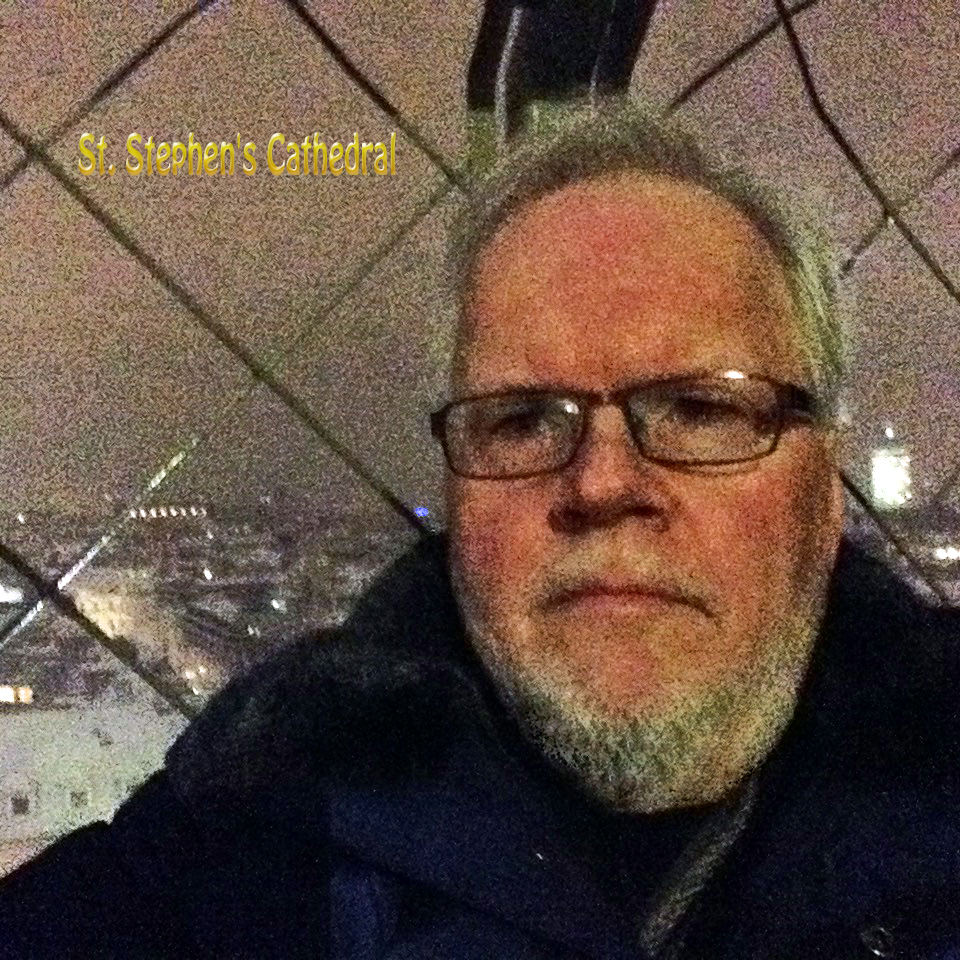
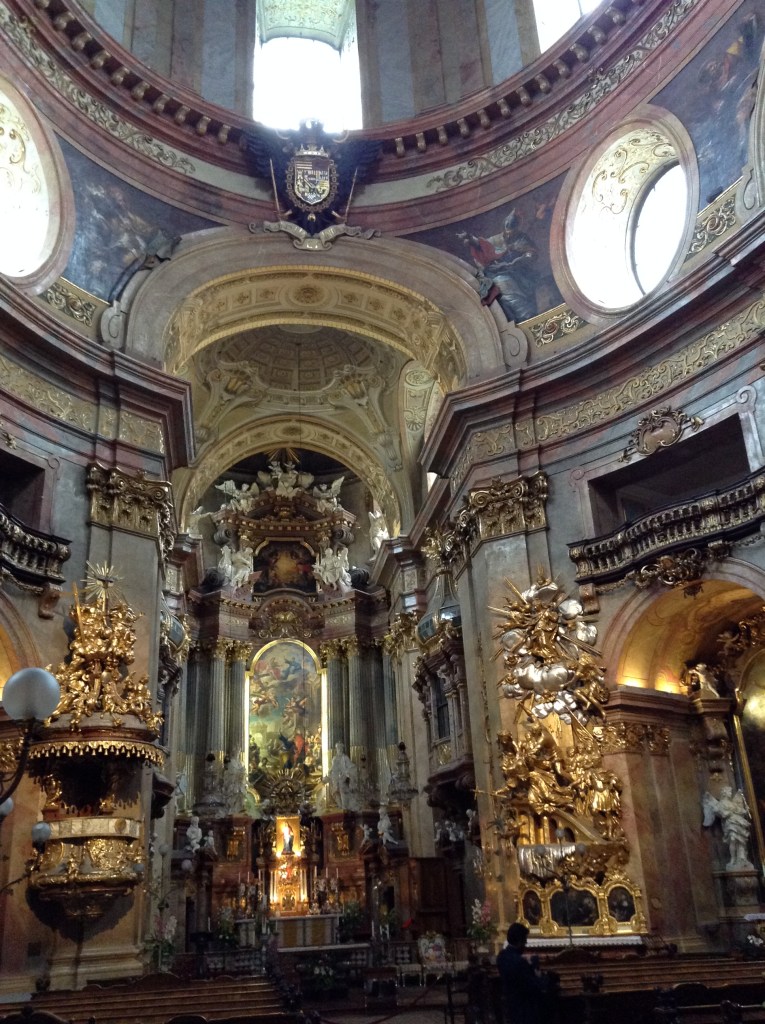
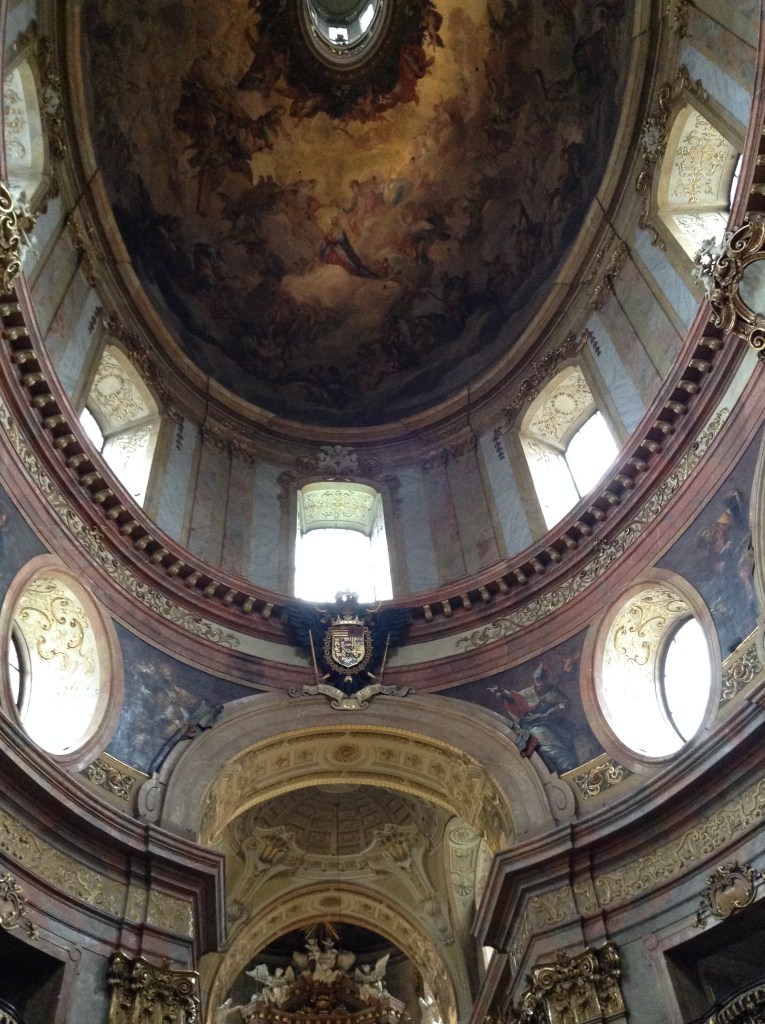
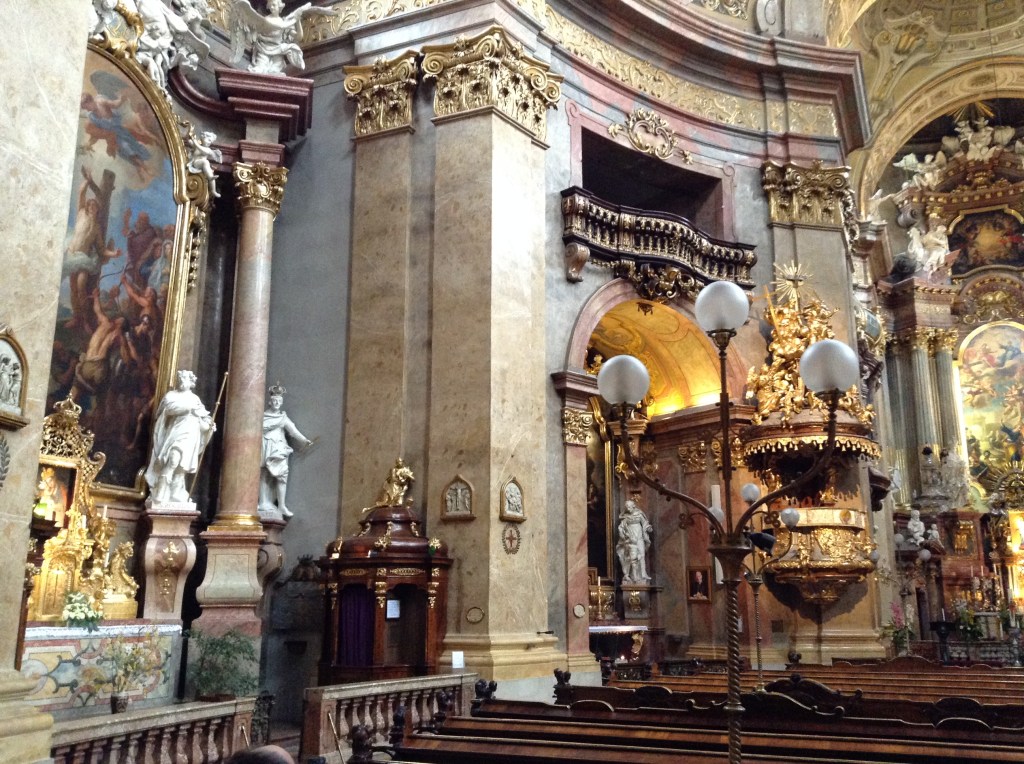
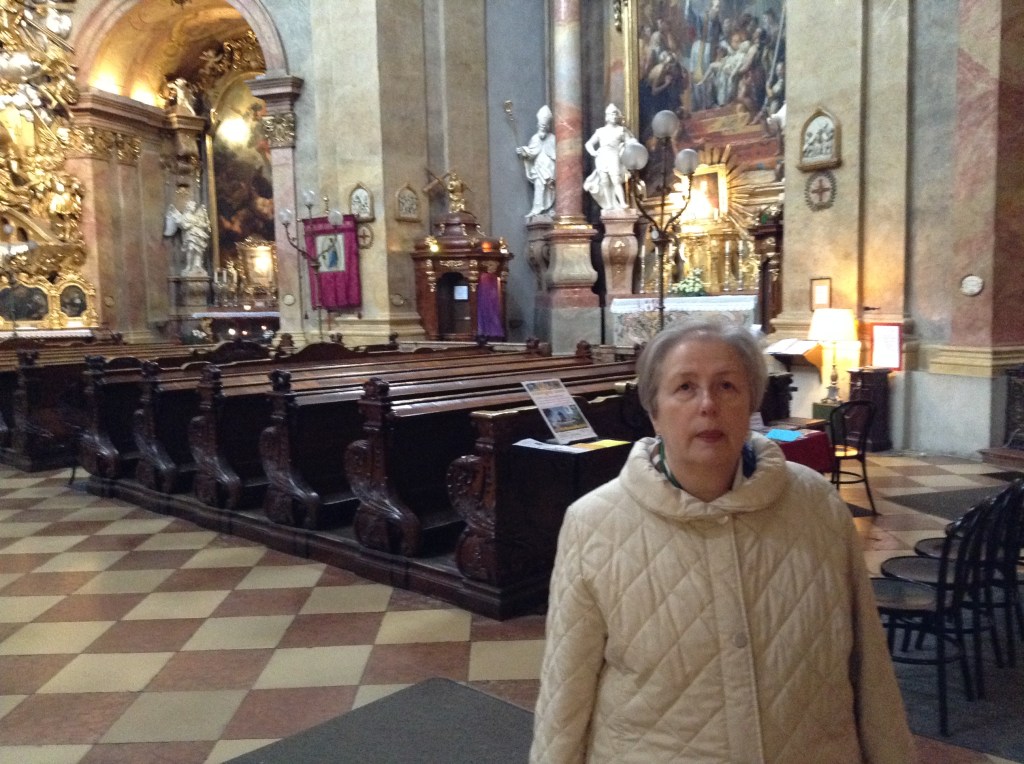
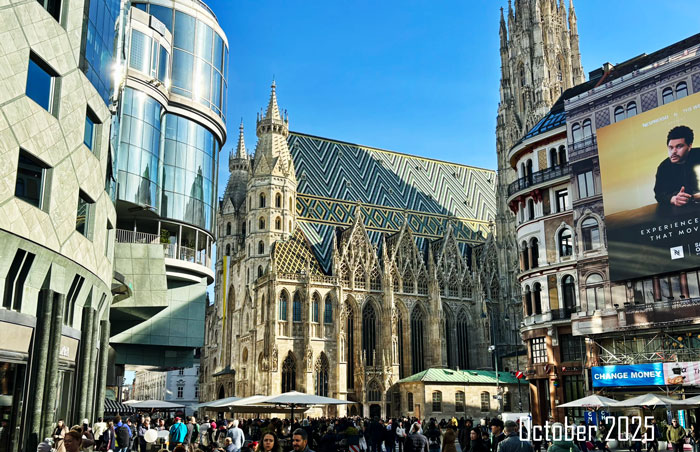
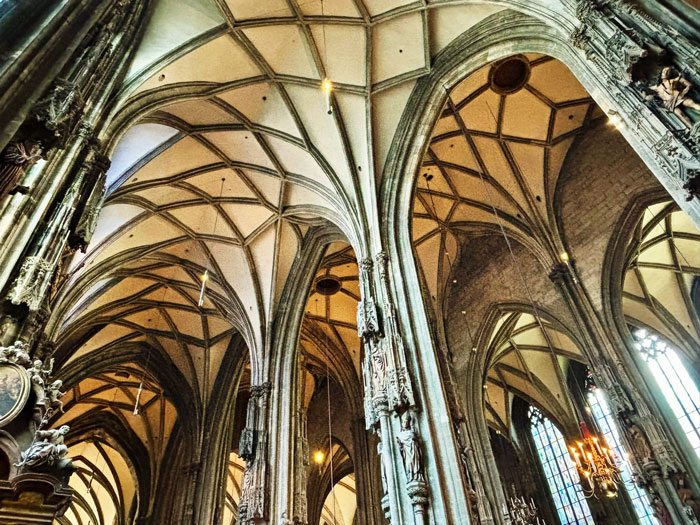
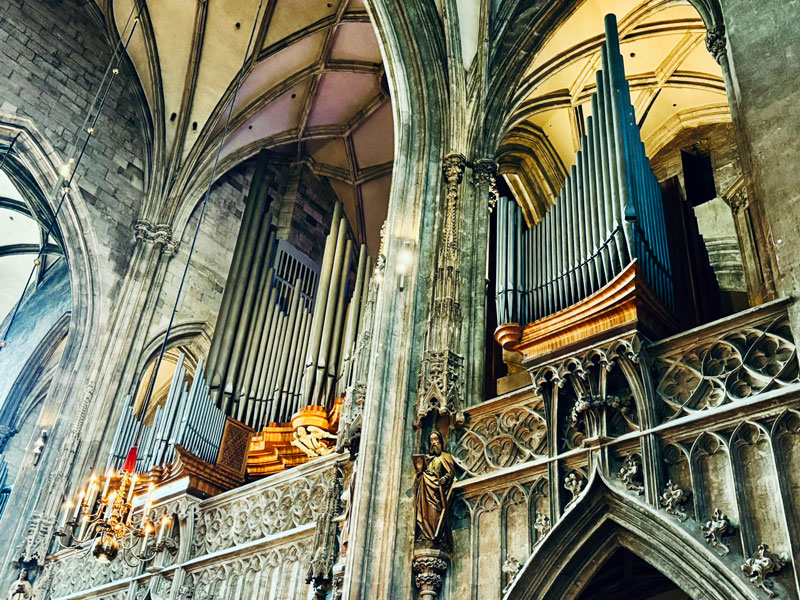
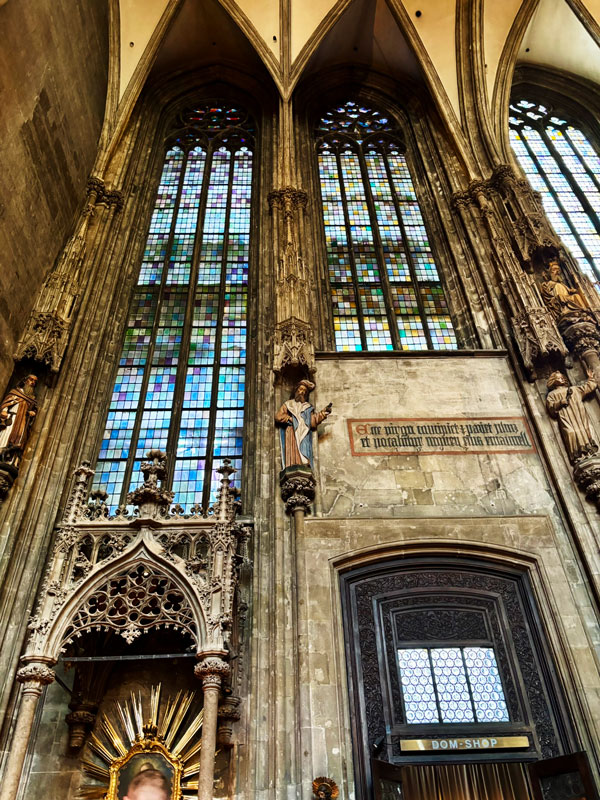
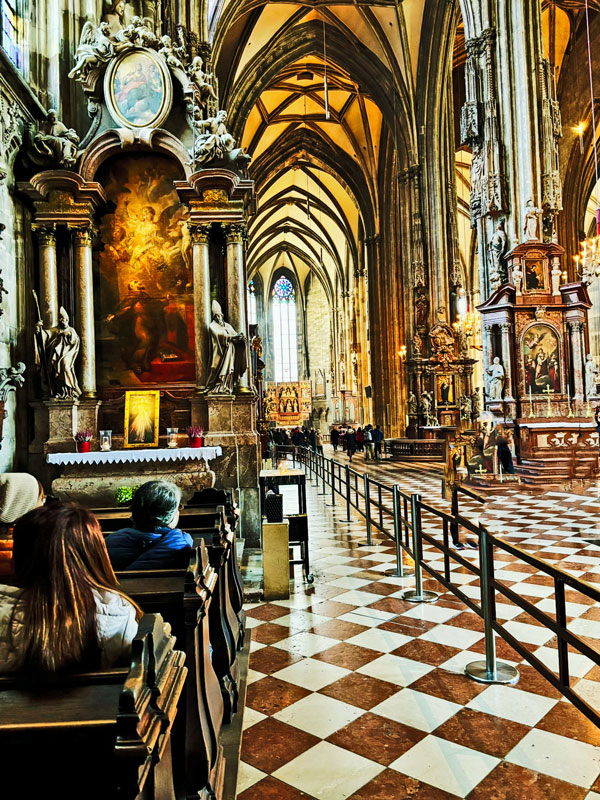
St. Stephen’s Cathedral
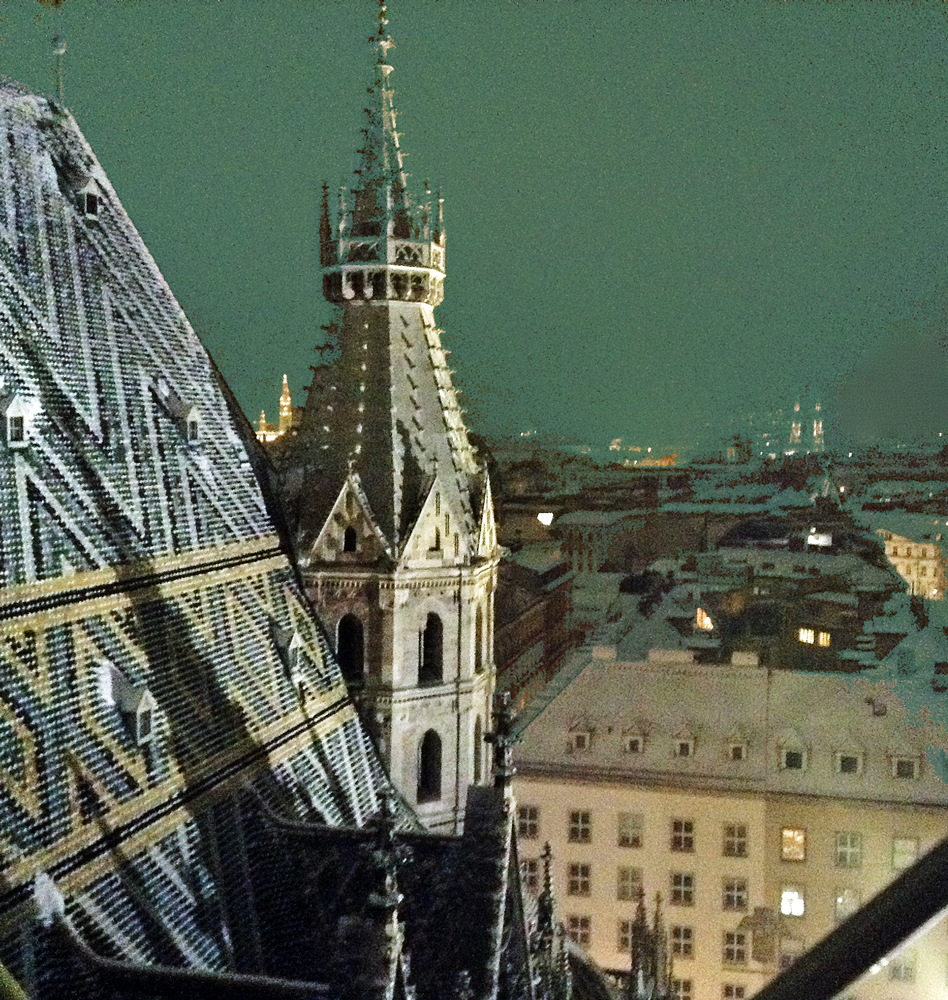
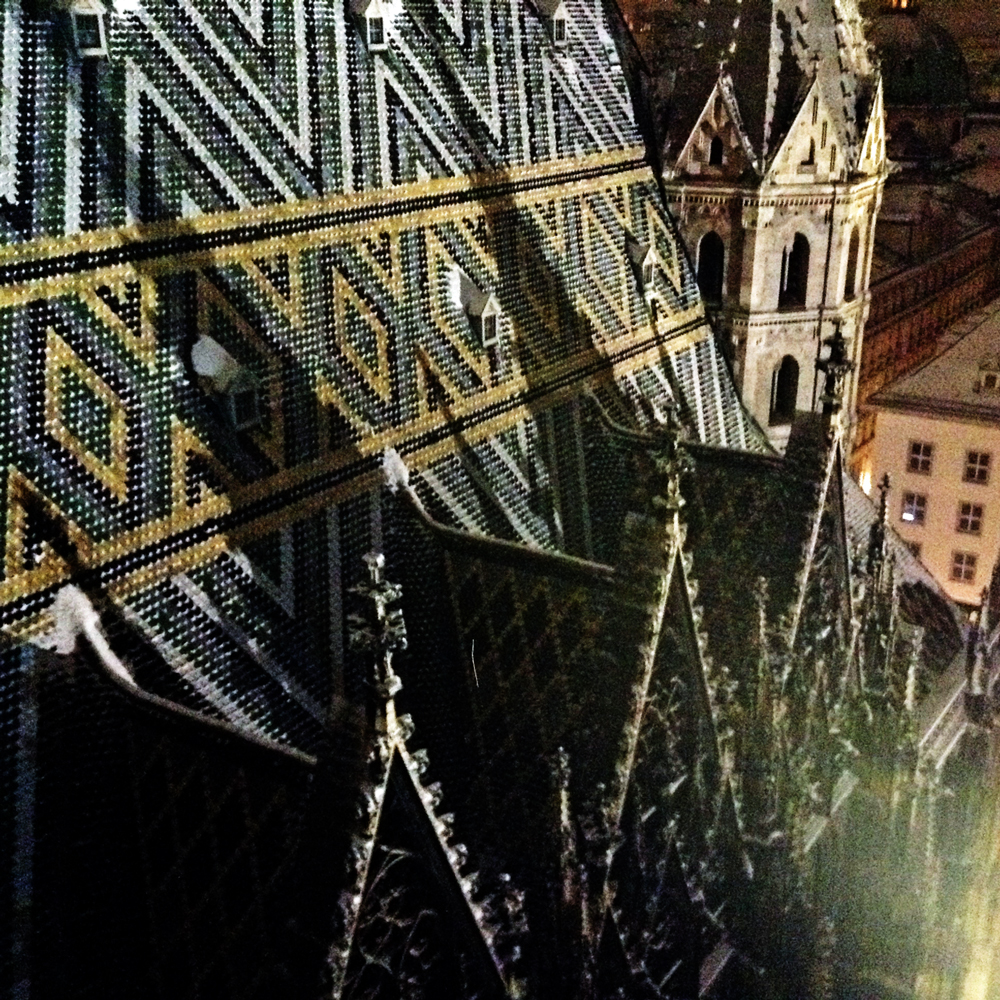
The current form of the cathedral was largely initiated by Duke Rudolf IV (1339/1365) and stands on the ruins of two earlier churches, the first a parish church consecrated in 1147. The most important religious building in Vienna, St. Stephen’s Cathedral has borne witness to many important events in Habsburg and Austrian history and has, with its multi-coloured tile roof, become one of the city’s most recognizable symbols in Vienna.
I went up to the top for bird’s eye view…


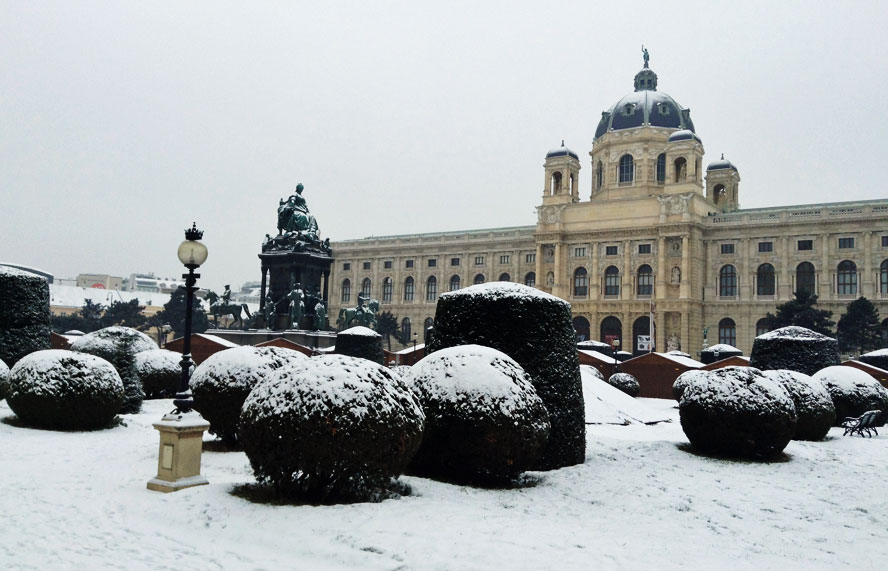
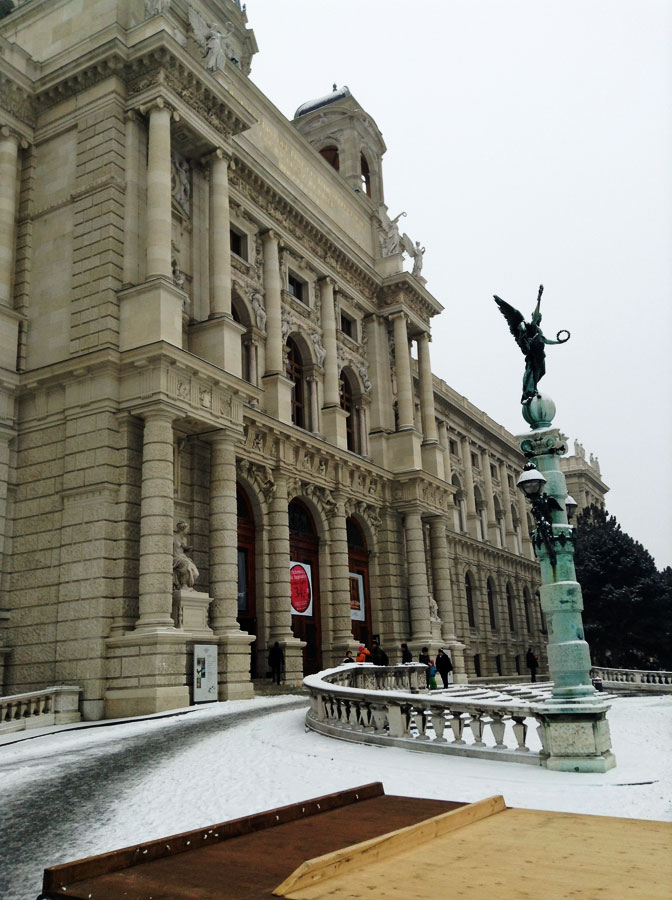
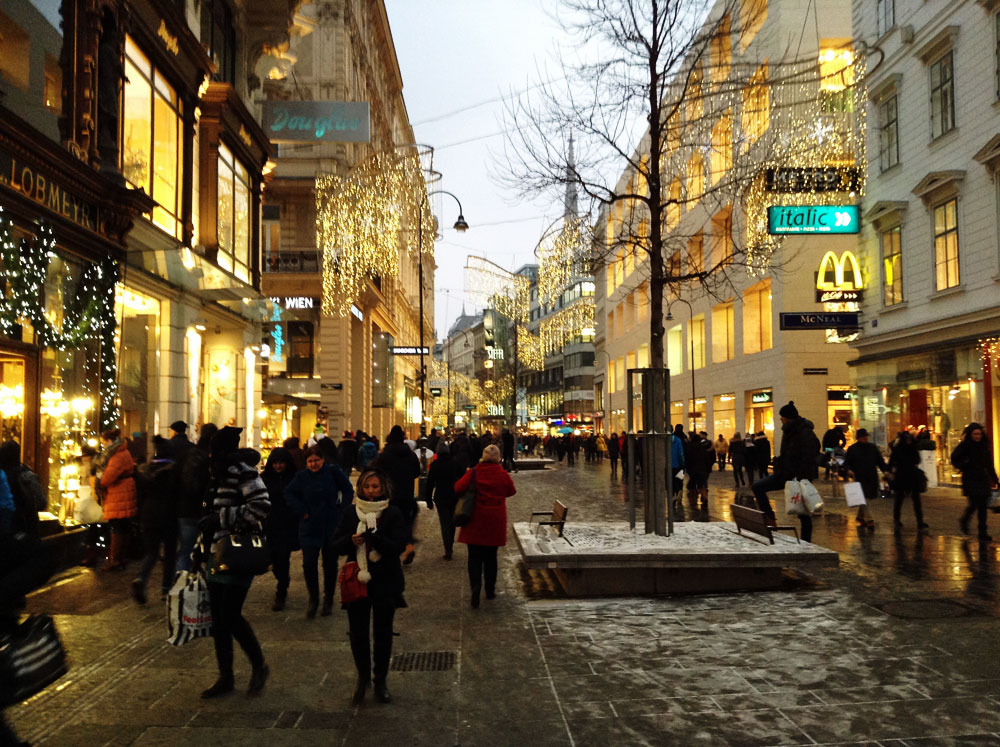
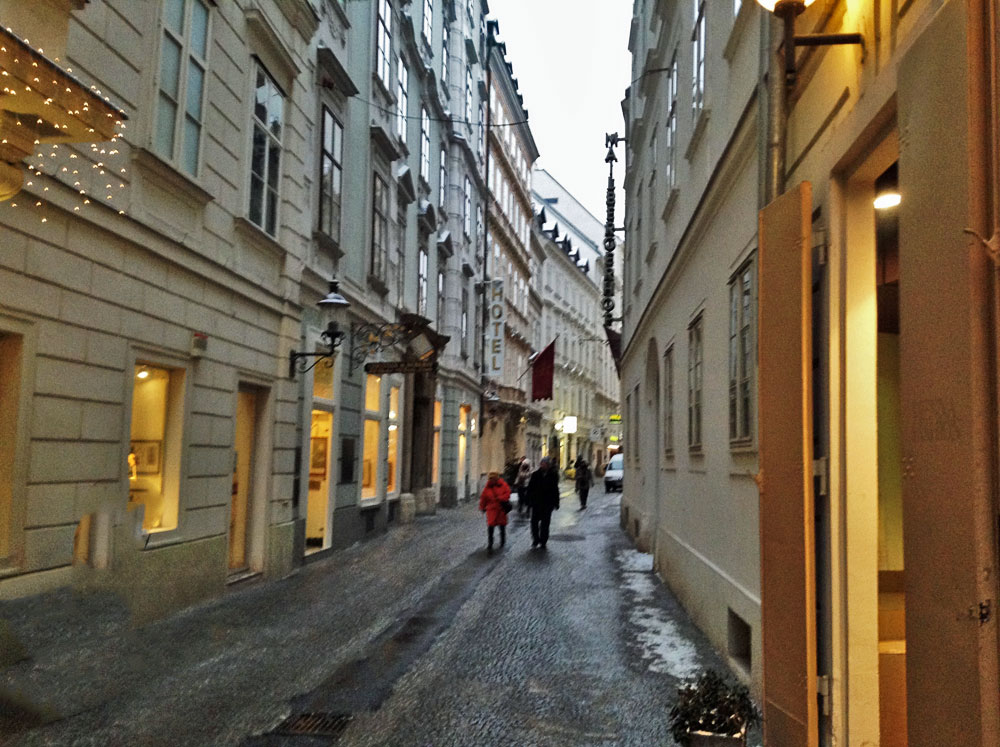
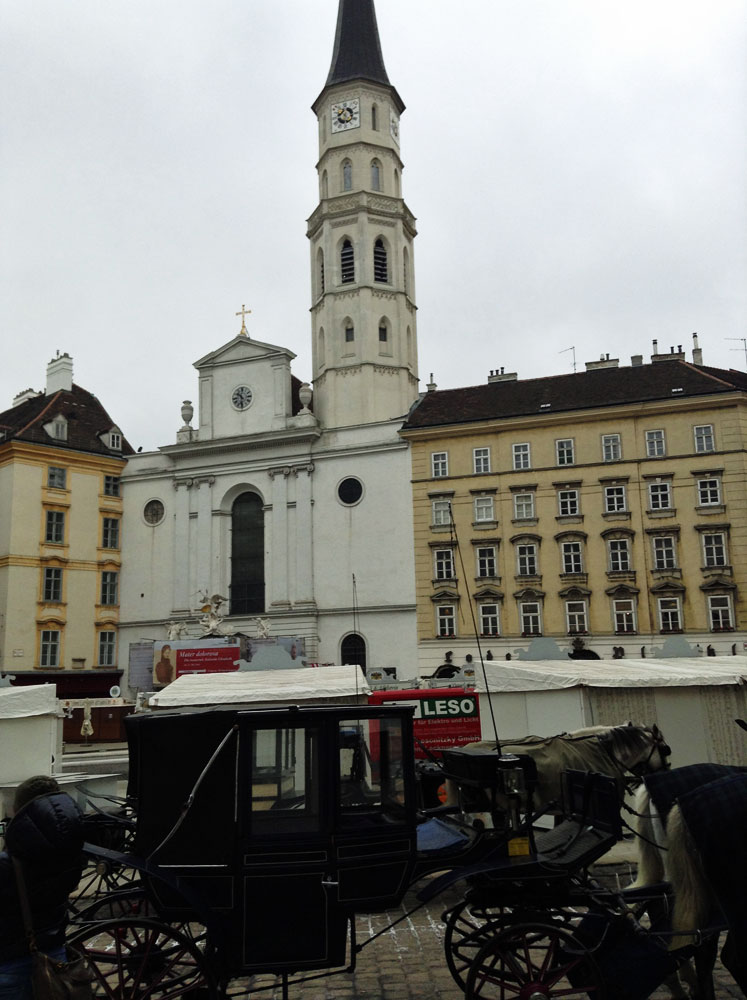
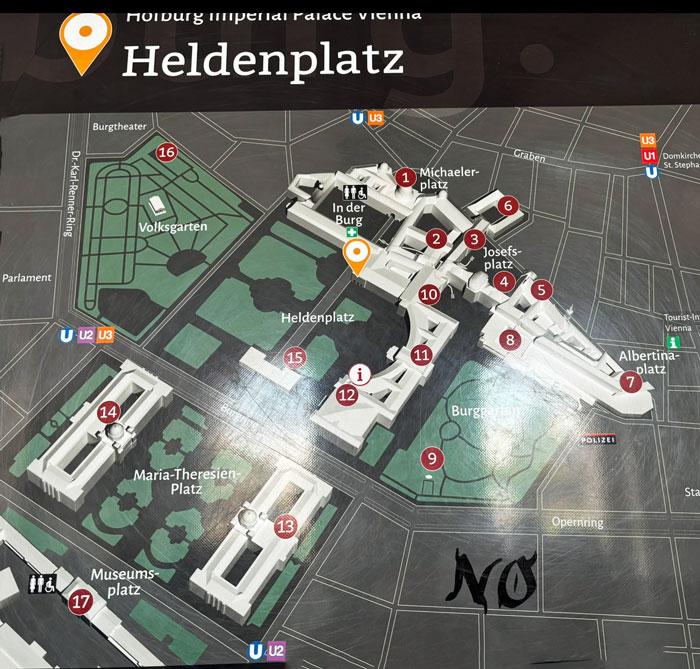
The Hofburg
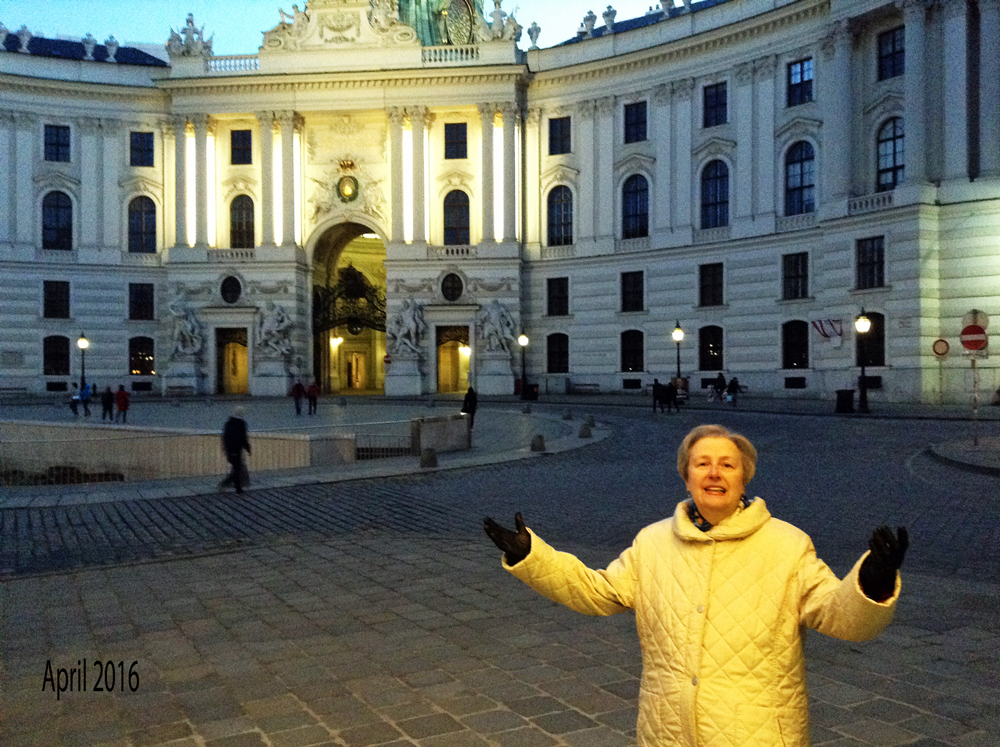
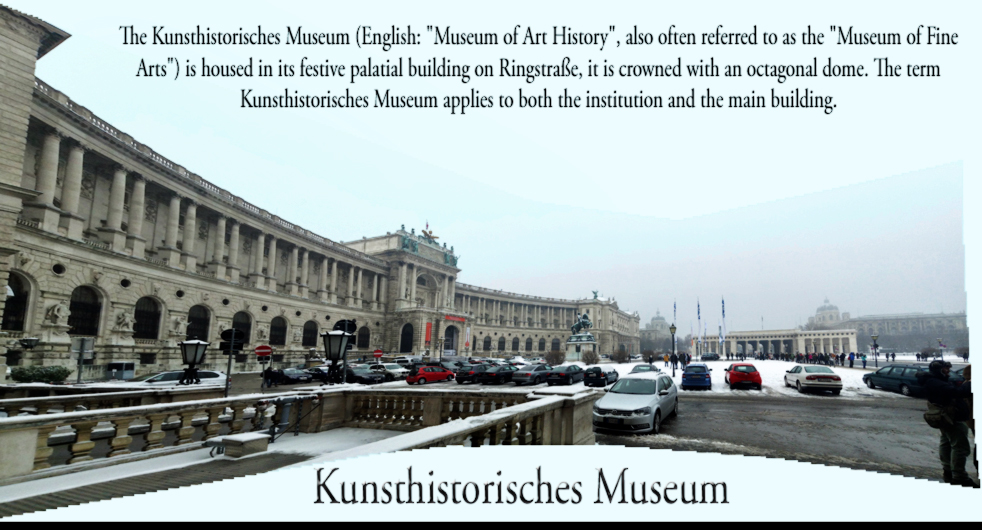
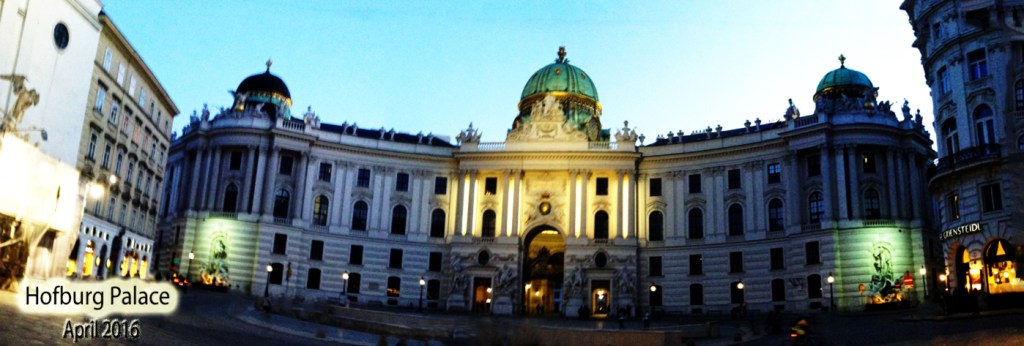
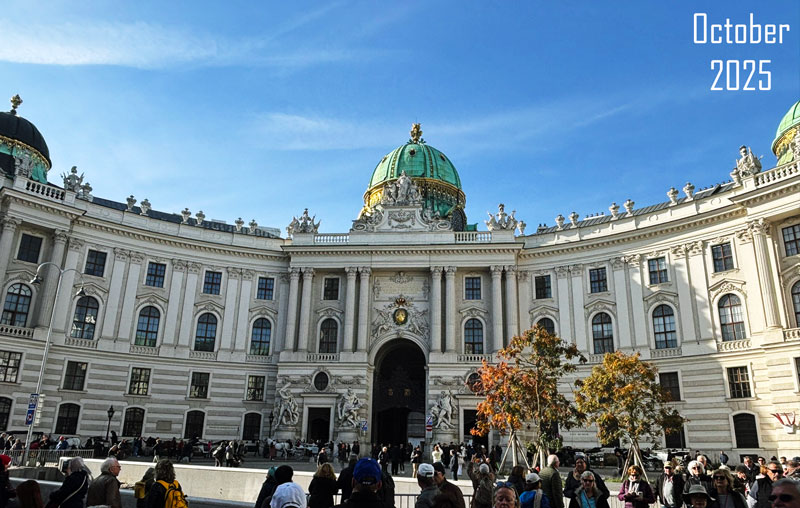
The Hofburg is the former principal imperial palace of the Habsburg dynasty. It was built in the 13th century and expanded several times afterwards. It also served as the imperial winter residence, as Schönbrunn Palace was the summer residence. Since 1946, it is the official residence and workplace of the president of Austria.
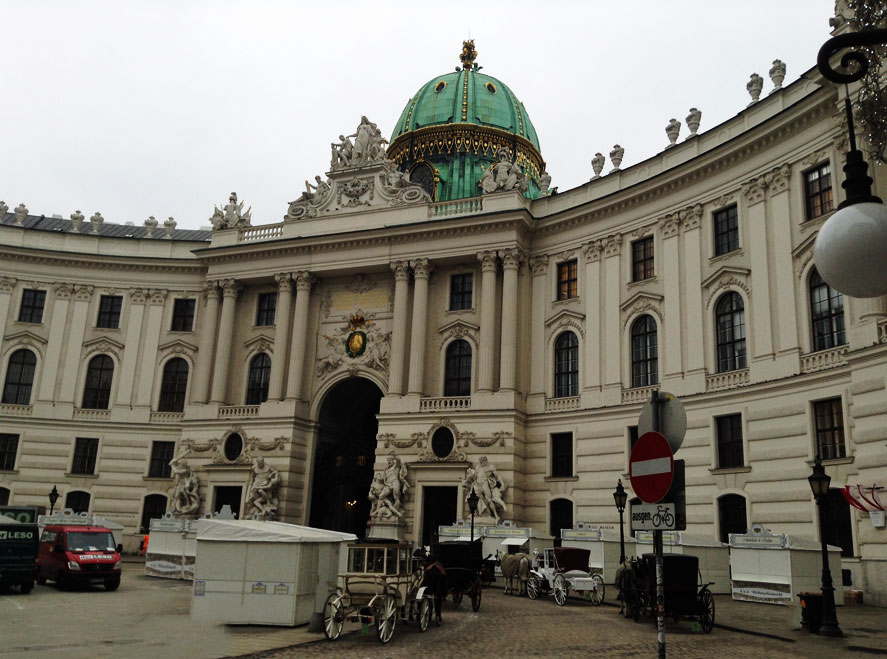
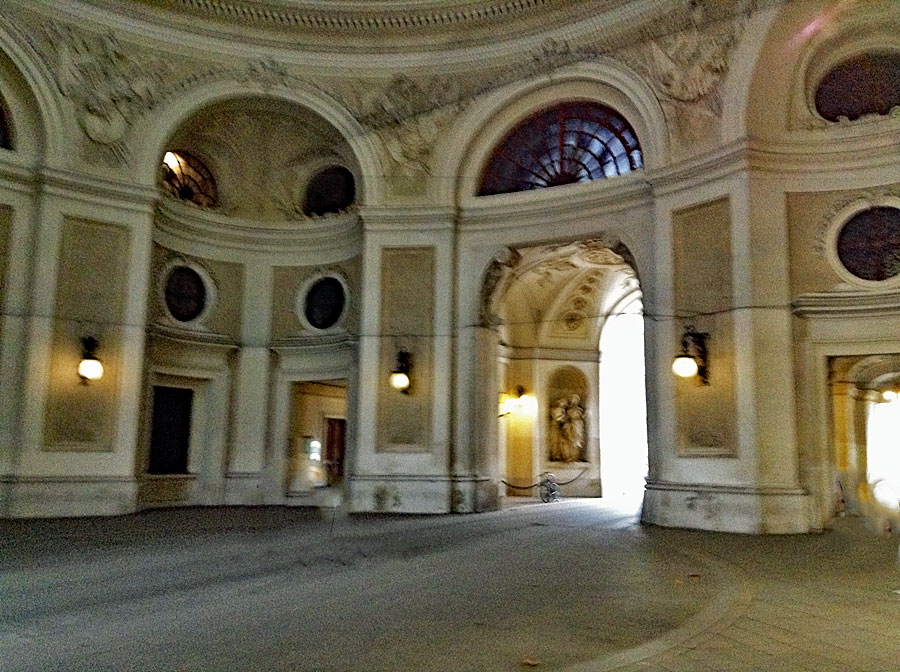
Since 1279, the Hofburg area has been the documented seat of government. The Hofburg has been expanded over the centuries to include various residences (with the Amalienburg and the Albertina), the imperial chapel (Hofkapelle or Burgkapelle), the imperial library (Hofbibliothek), the treasury (Schatzkammer), the Burgtheater, the Spanish Riding School (Hofreitschule), the imperial mews.


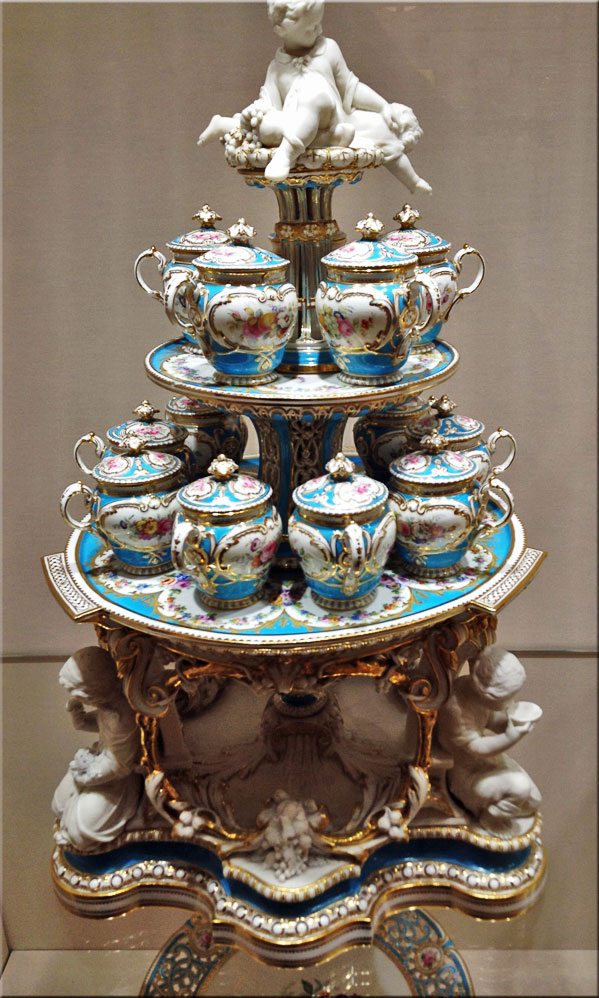
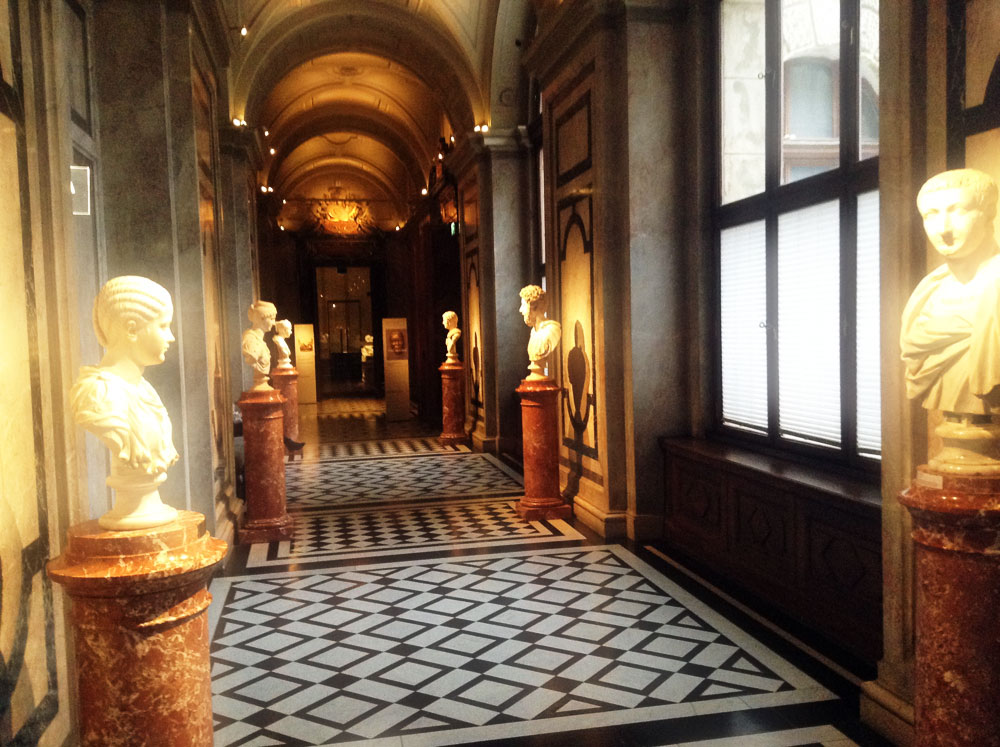
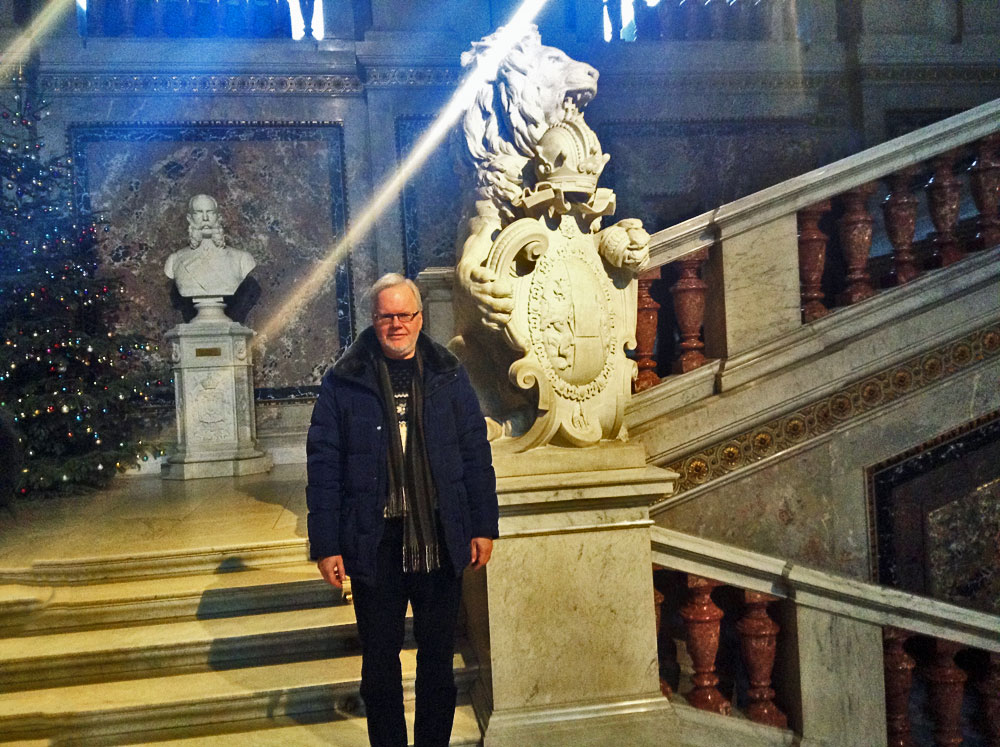
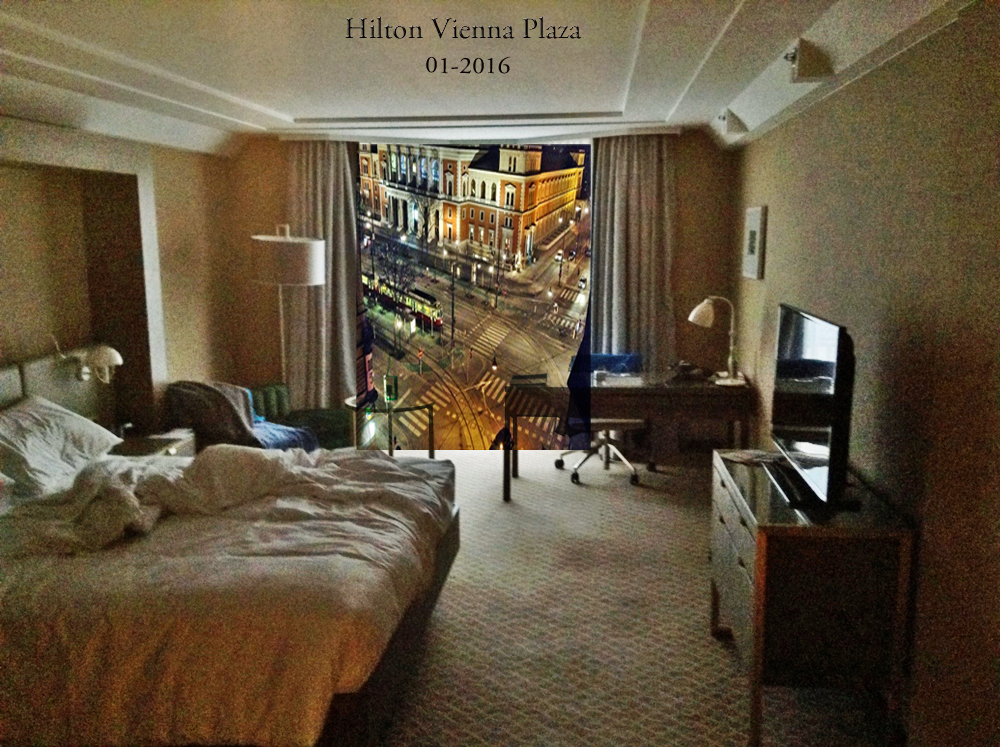
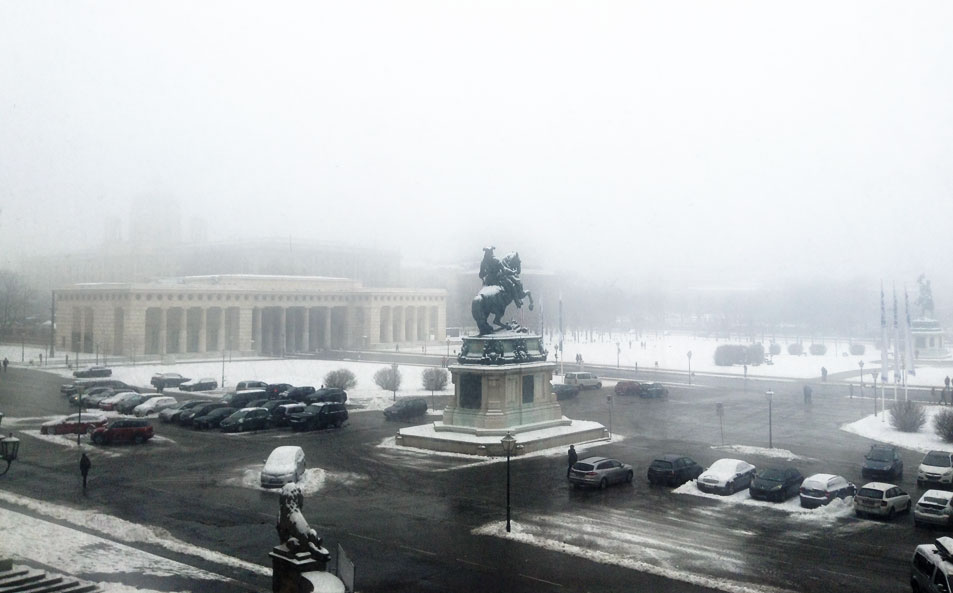
Our hotel room on the Executive floor at the Hilton Vienna Plaza. I’ve added the view from our room.
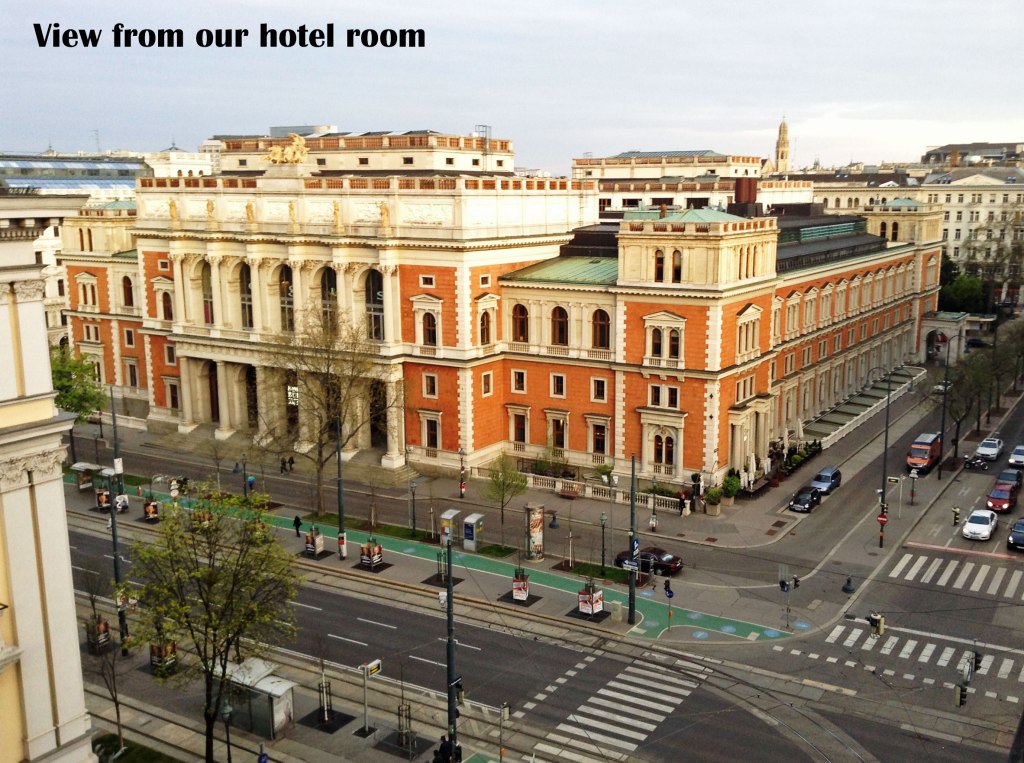
The building in the foreground is the BORSE. (Vienna Stock Exchange building). We stayed in the same room on both occasions.
The Albertina
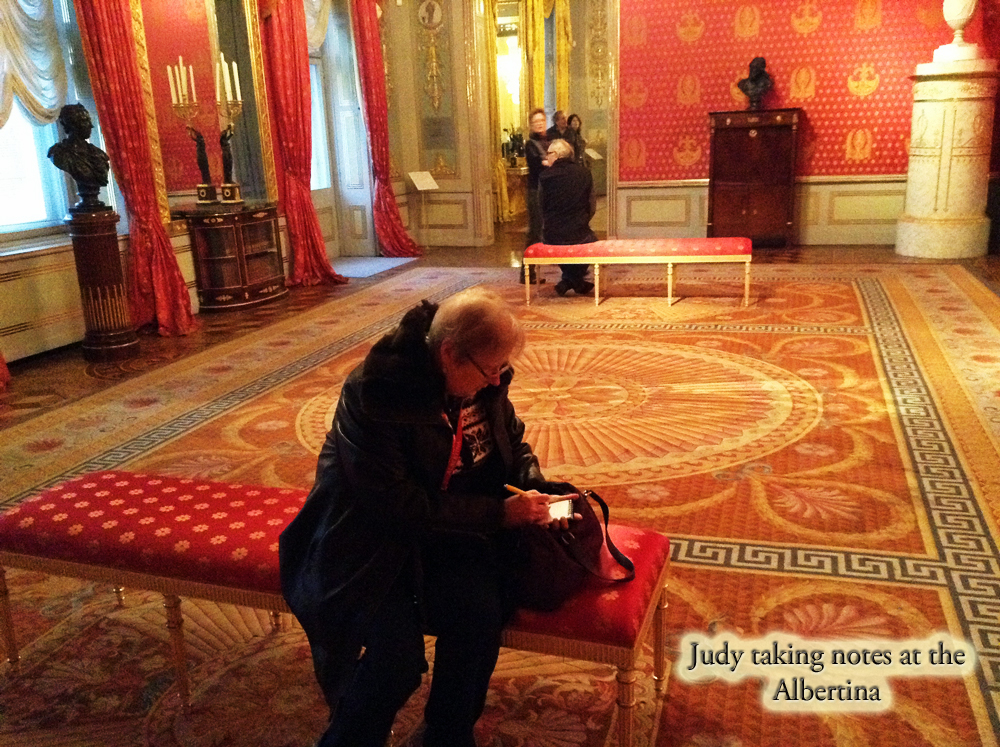
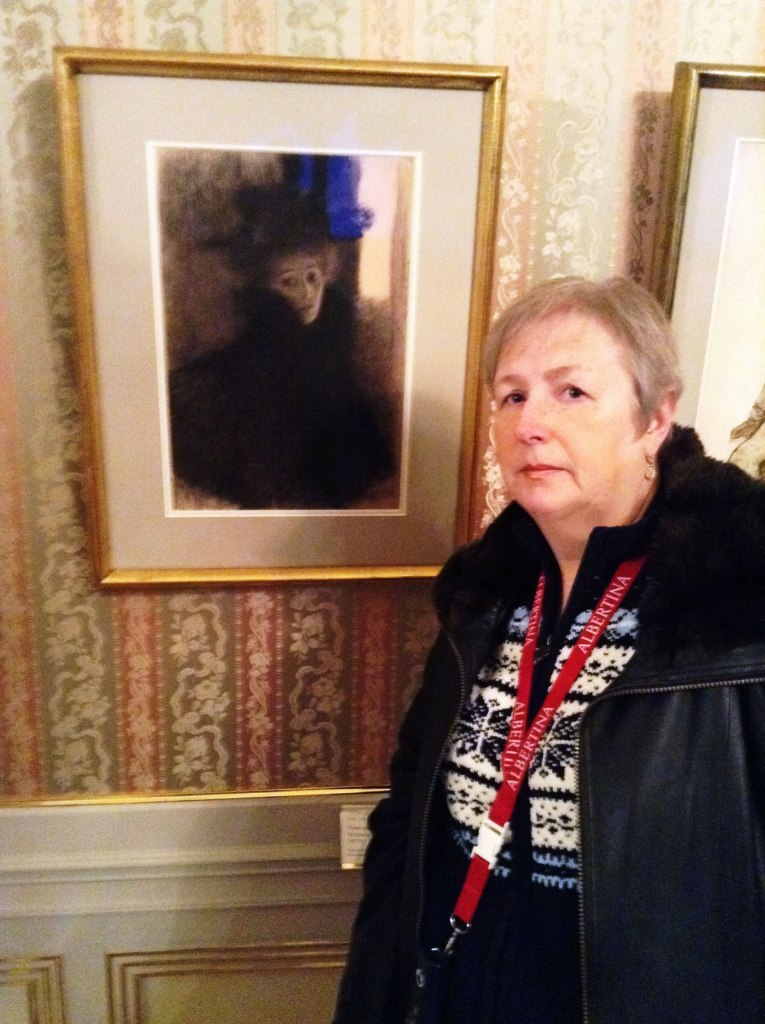
The Albertina is a museum in the First District. It houses one of the largest and most important print rooms in the world with approximately 65,000 drawings and approximately 1 million old master prints, as well as more modern graphic works, photographs and architectural drawings. Apart from the graphics collection the museum has recently acquired on permanent loan two significant collections of Impressionist and early 20th-century art, some of which will be on permanent display. The museum also houses temporary exhibitions.
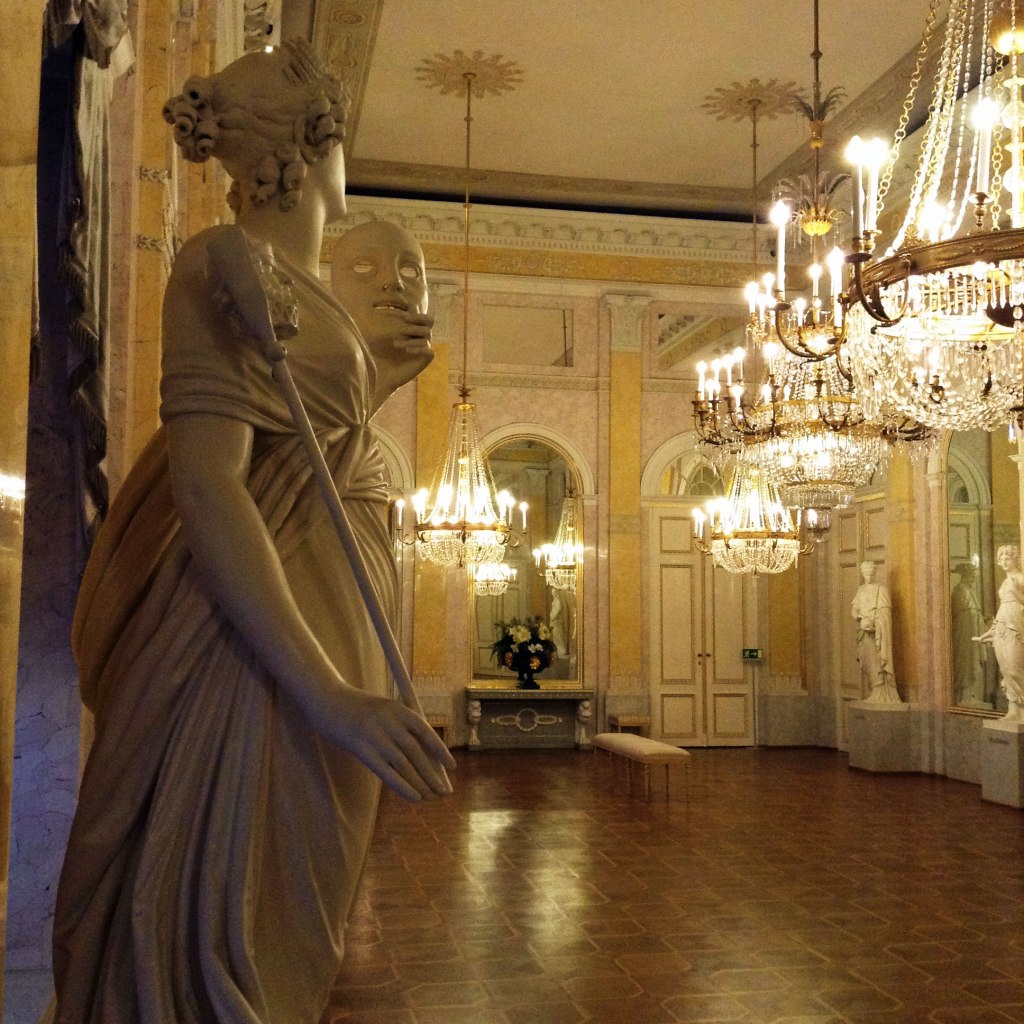
In early 1919, ownership of both the building and the collection passed from the Habsburgs to the newly founded Republic of Austria. In 1920 the collection of prints and drawings was united with the collection of the former imperial court library. The name Albertina was established in 1921.
In March 1945, the Albertina was heavily damaged by Allied bomb attacks. The building was rebuilt in the years after the war and was completely refurbished and modernized from 1998 to 2003. Modifications of the exterior entrance sequence, including a signature roof by Hans Hollein were completed 2008, when also the graphics collection finally reopened.
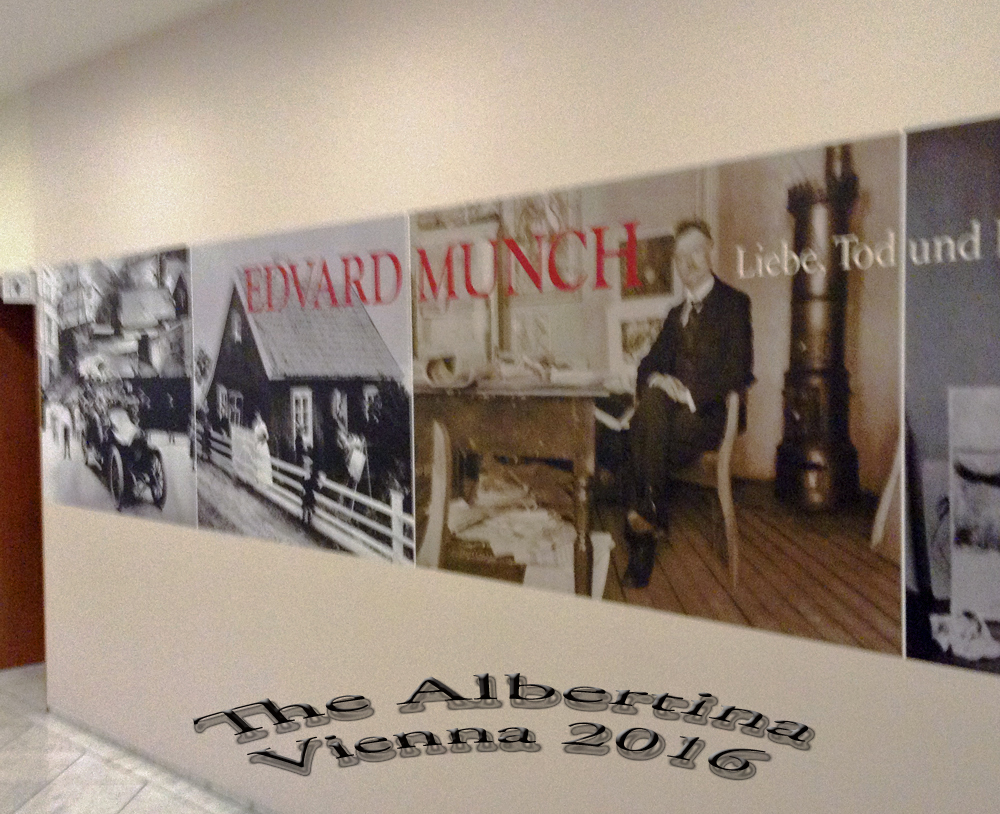
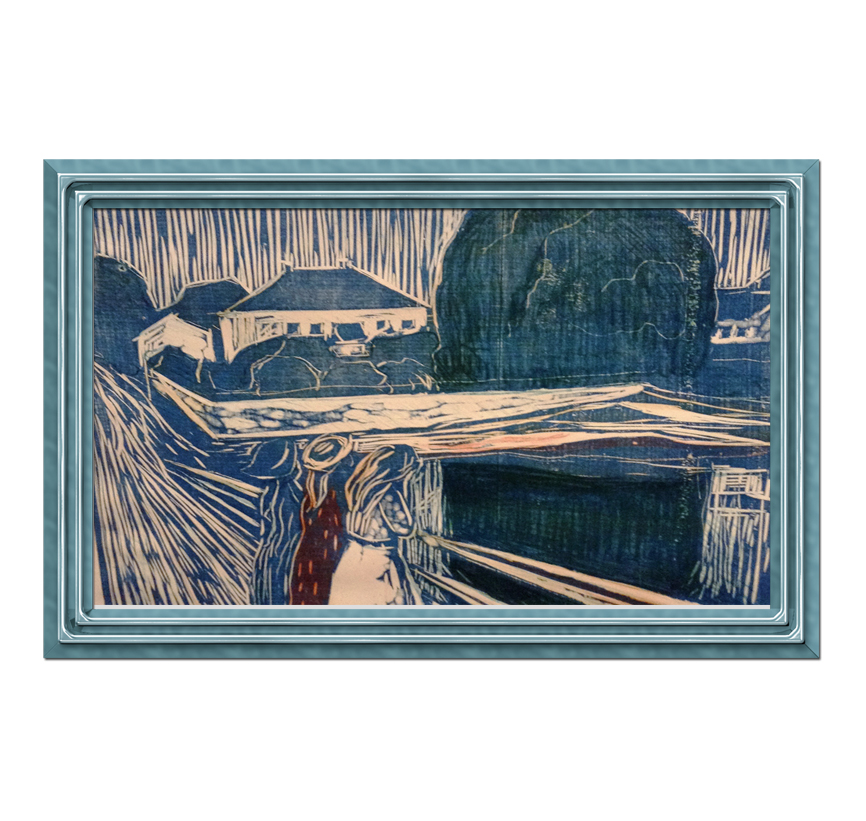
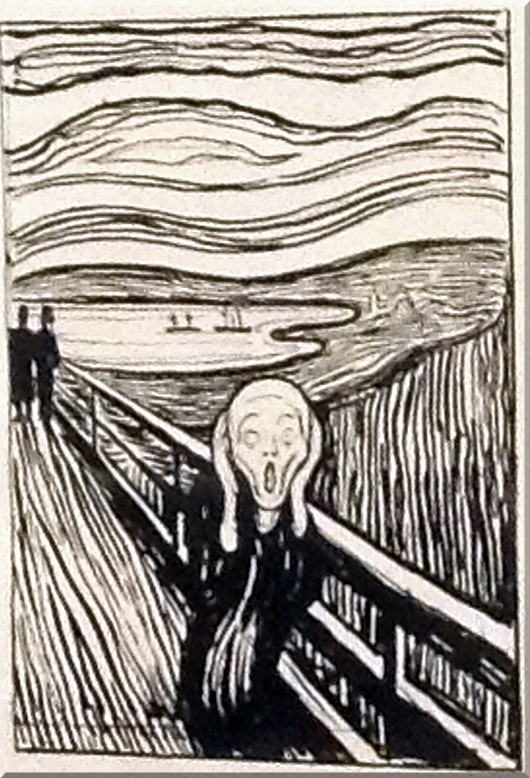
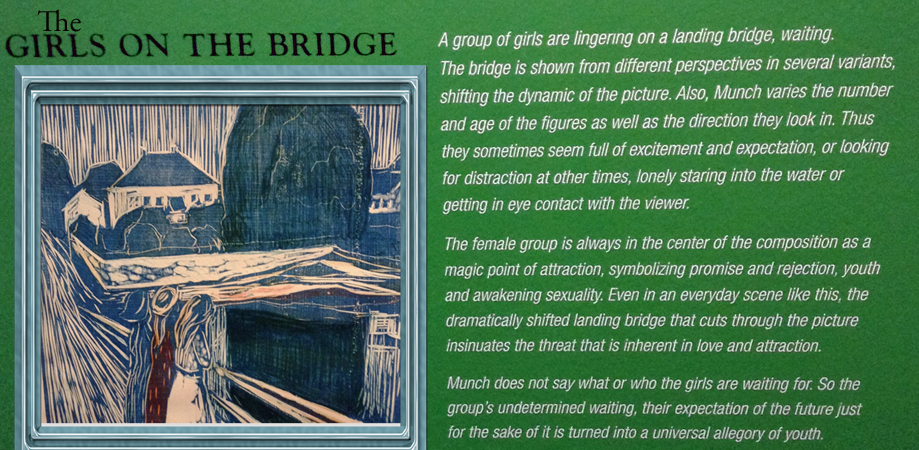

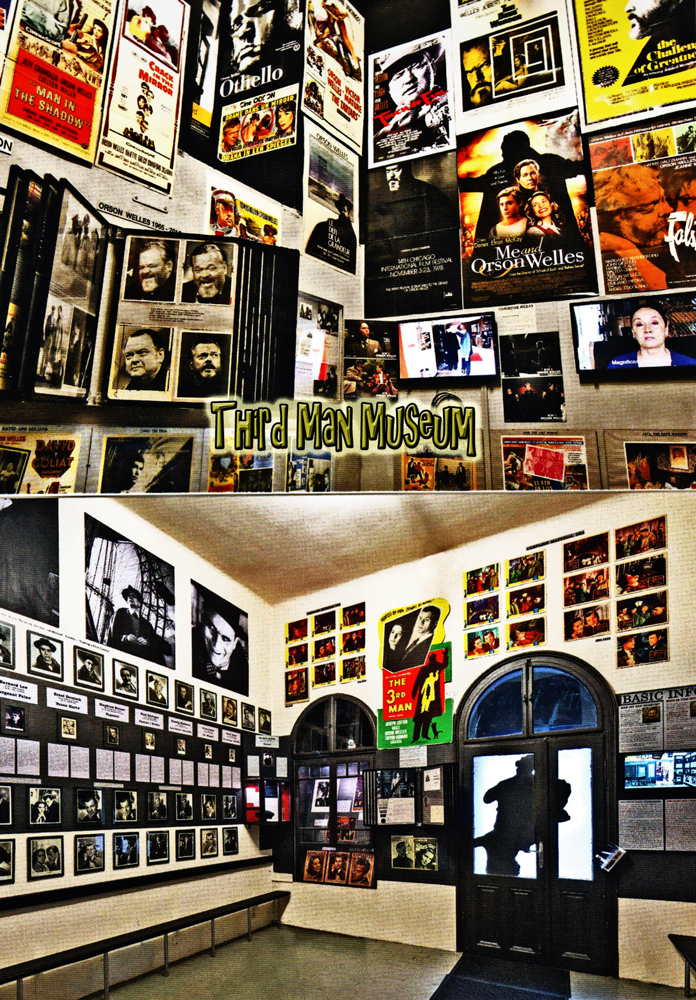
The Third Man Museum
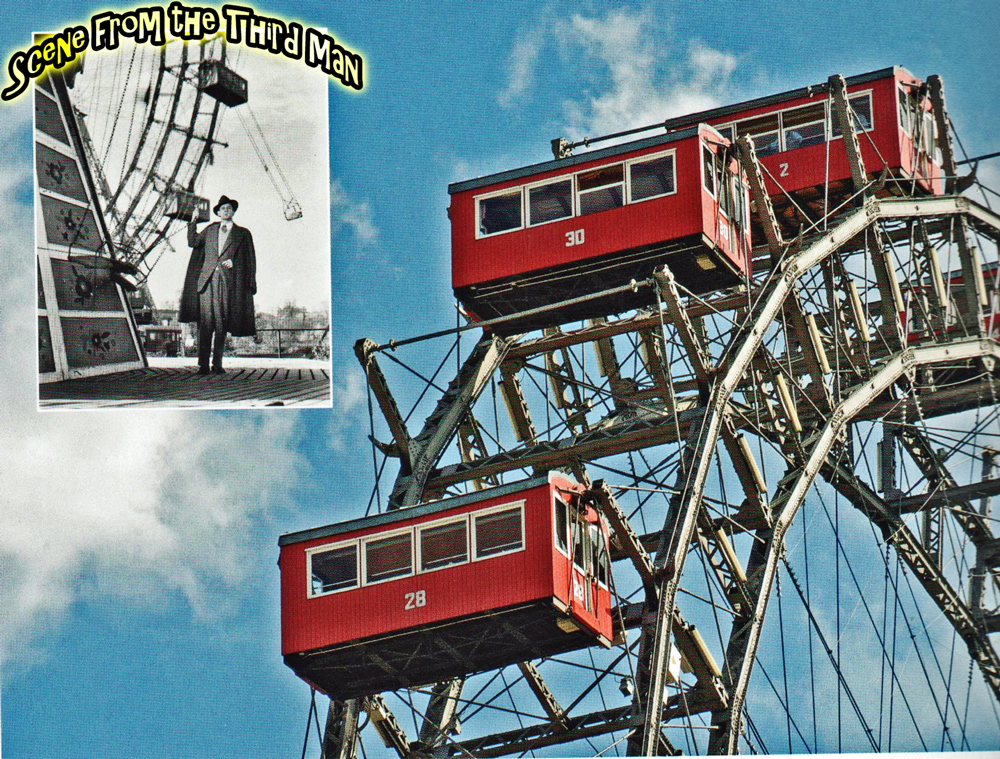
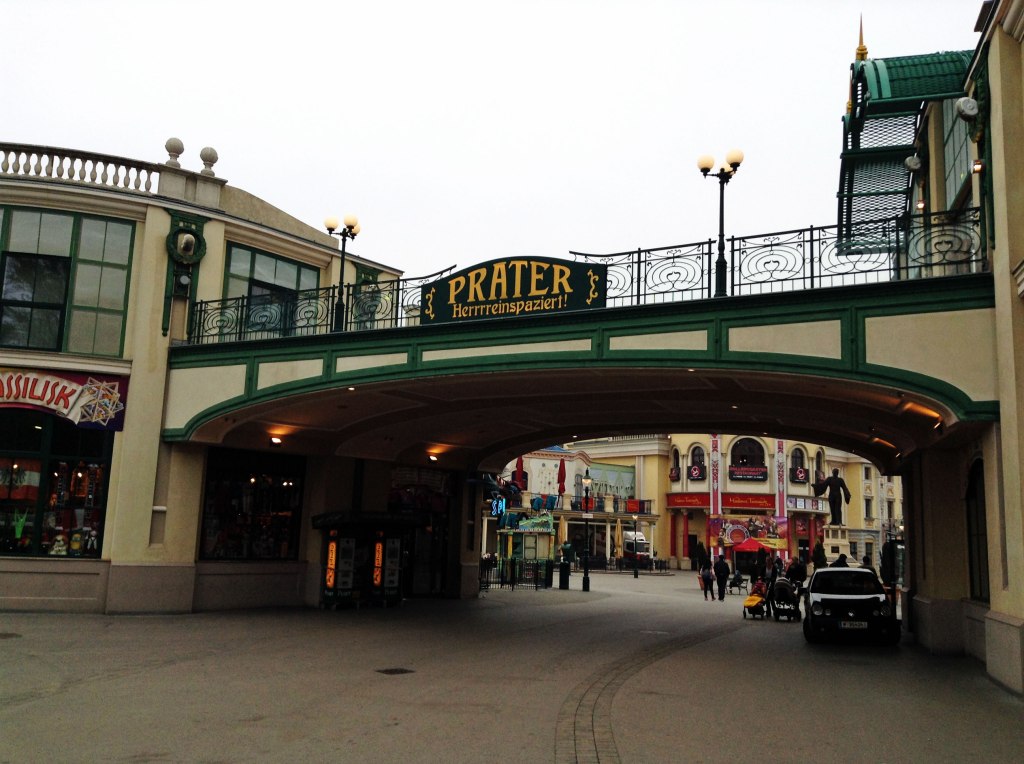
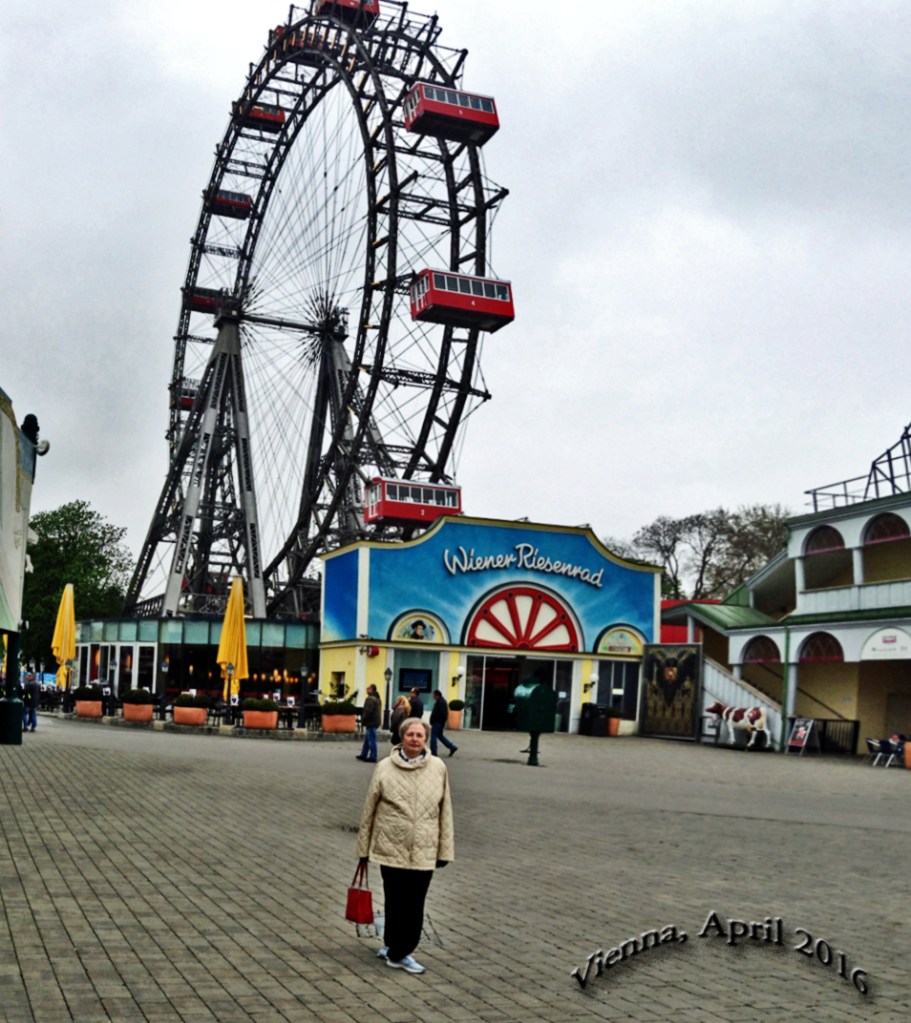
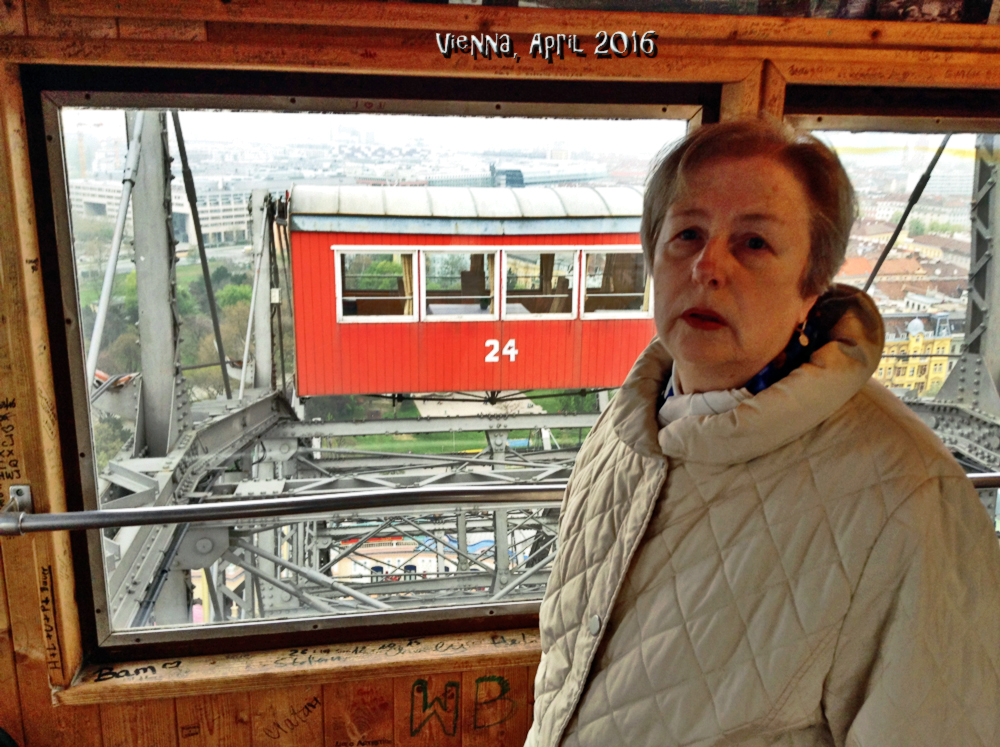
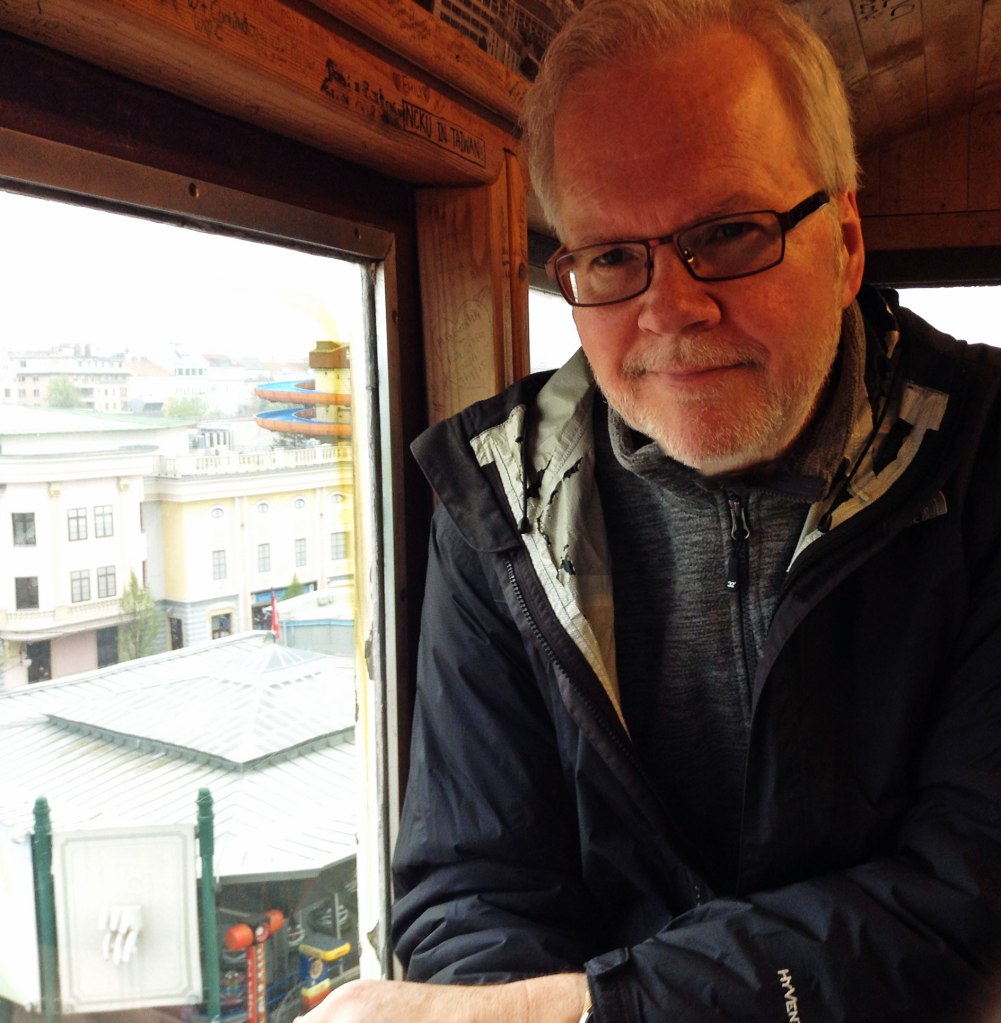
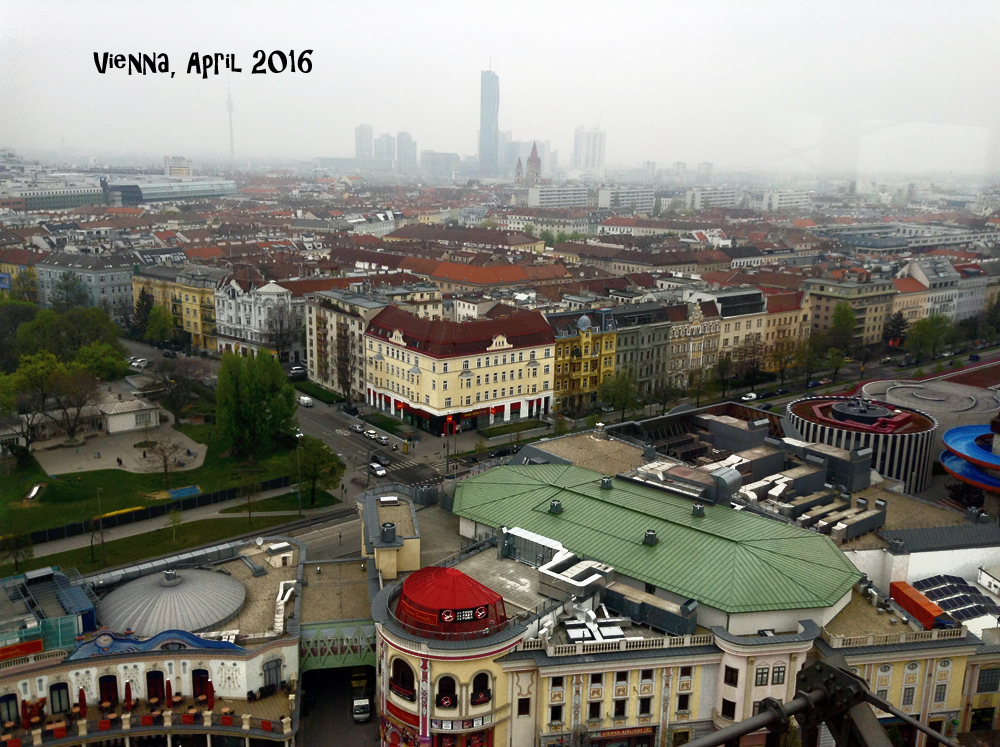
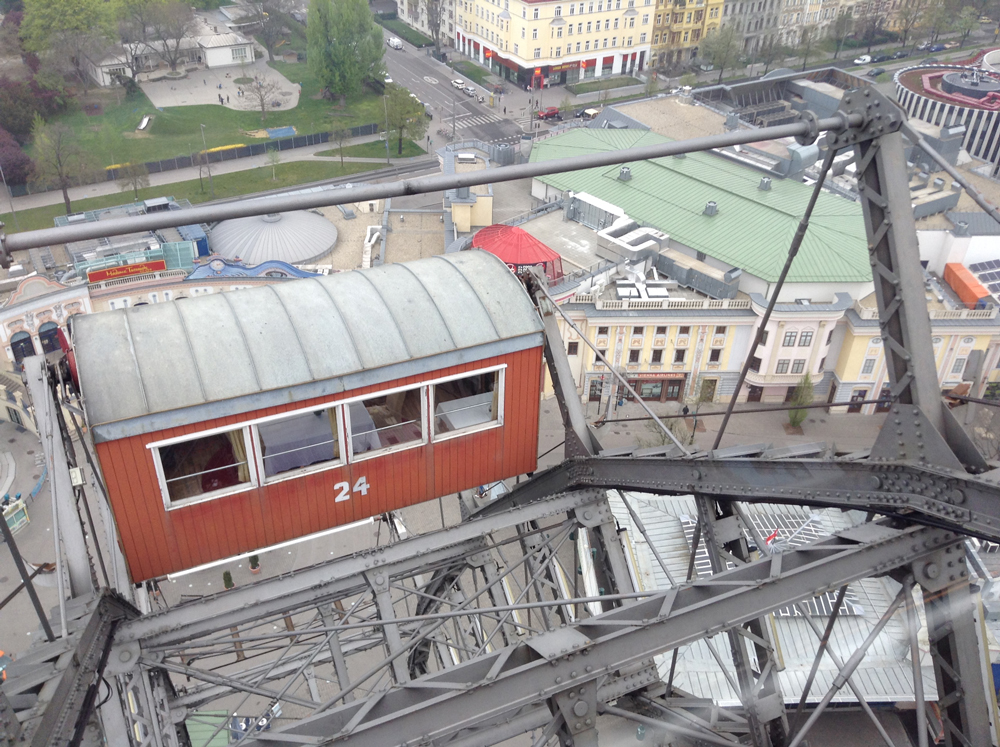
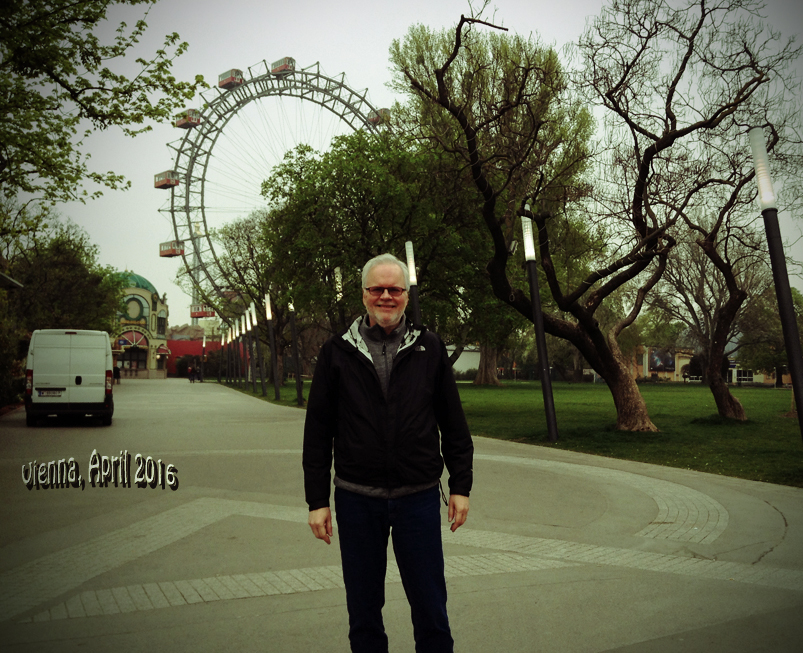
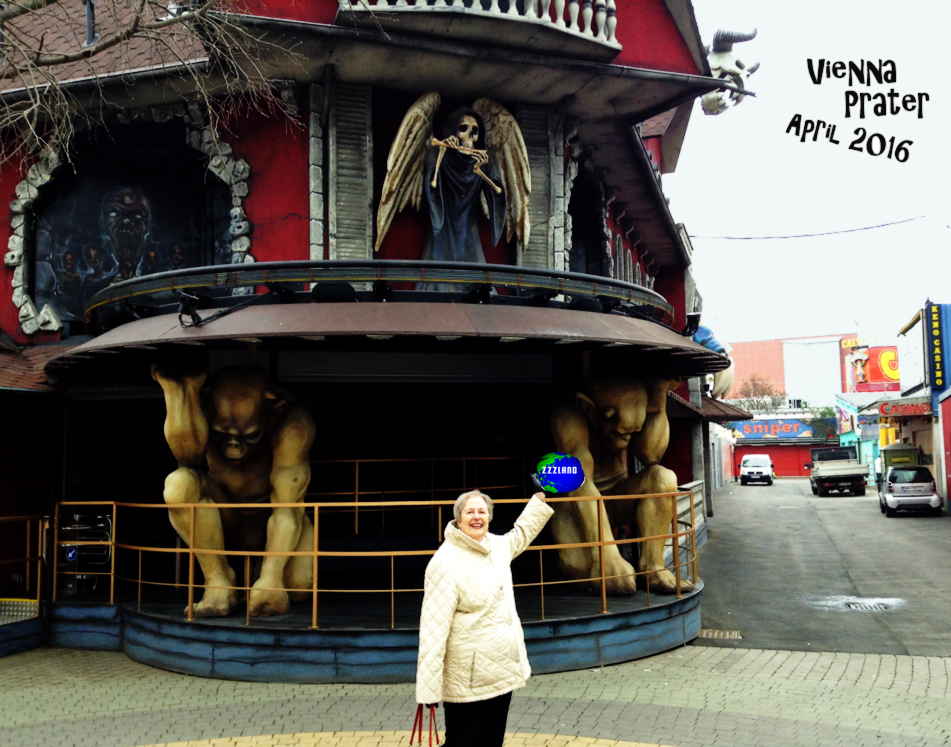
The Vienna Prater
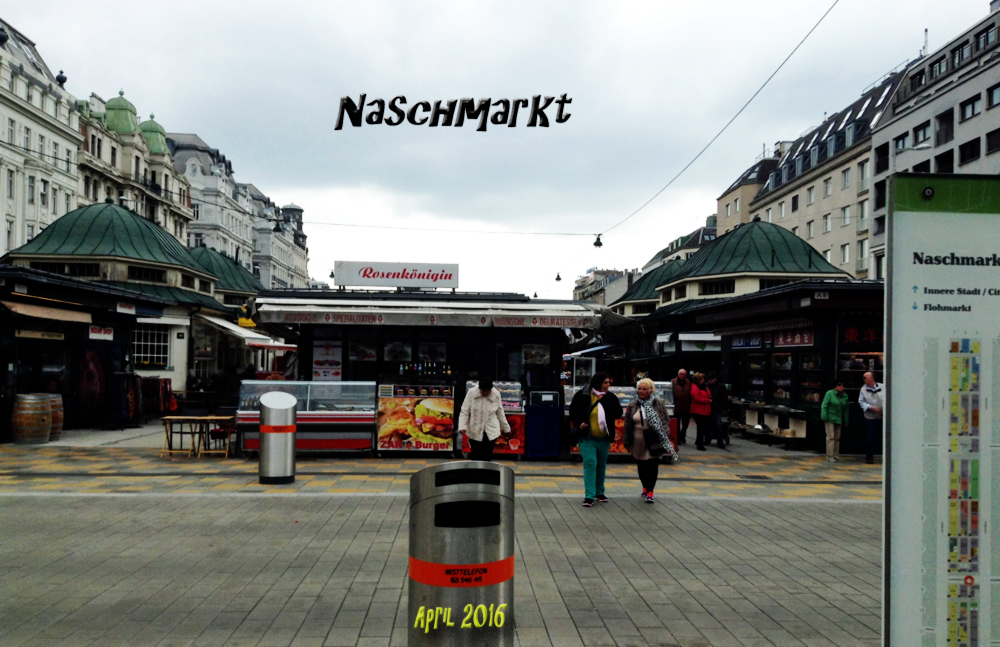
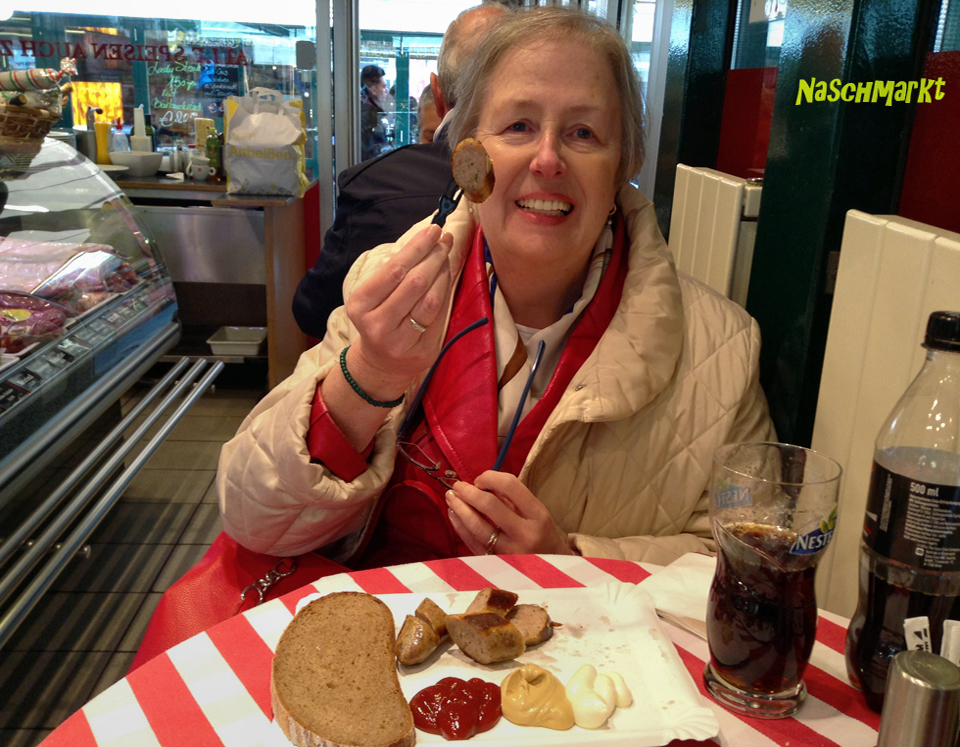
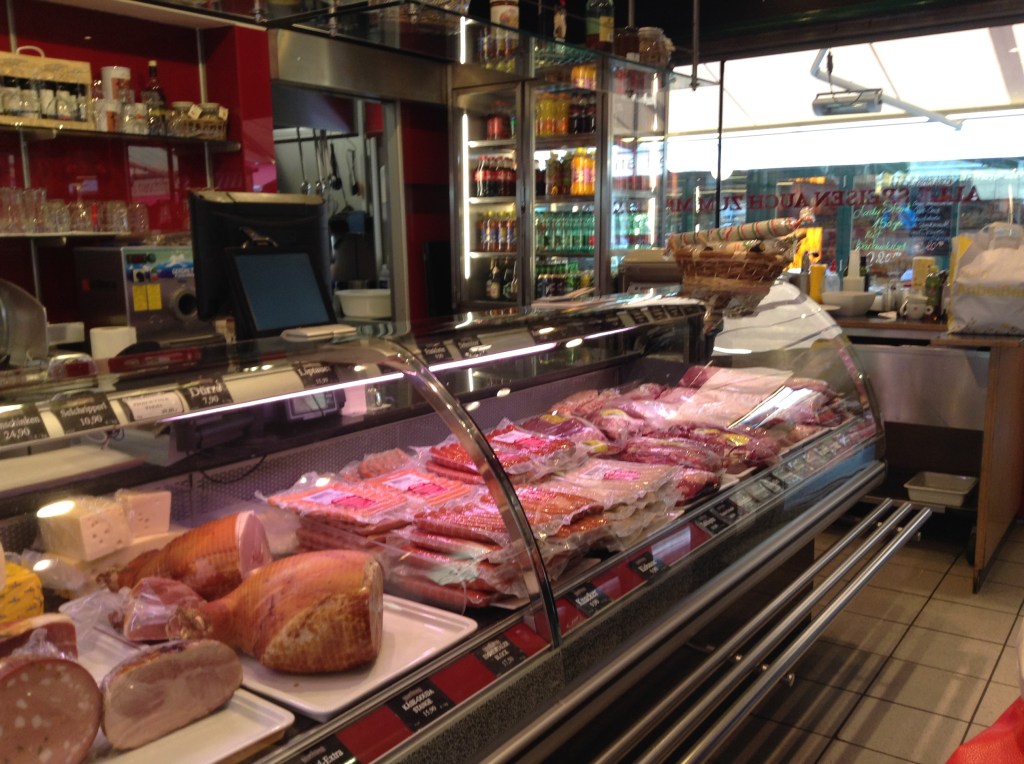
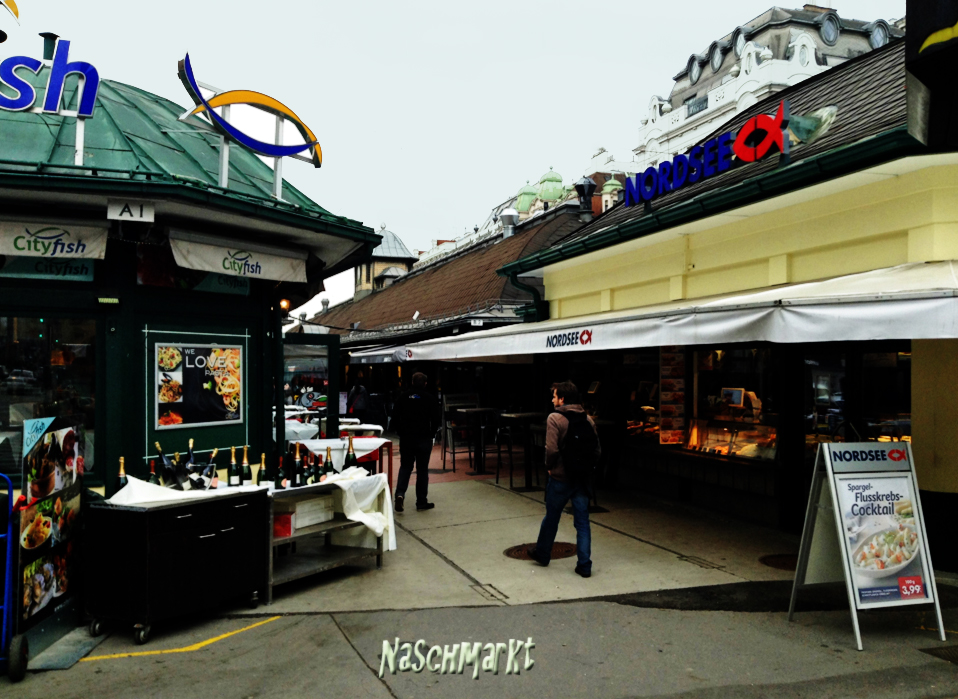
The Naschmarkt has existed since the 16th century when mainly milk bottles were sold (as milk bottles were made out of ash (wood from an ash tree), “Asch” (German for “ash”) led to the name “Aschenmarkt”). From 1793 onwards, all fruits and vegetables brought to Vienna with carts had to be sold there, while goods arriving on the Danube were sold elsewhere.We visited the market on numerous occasions and enjoyed the atmosphere and some of the food…
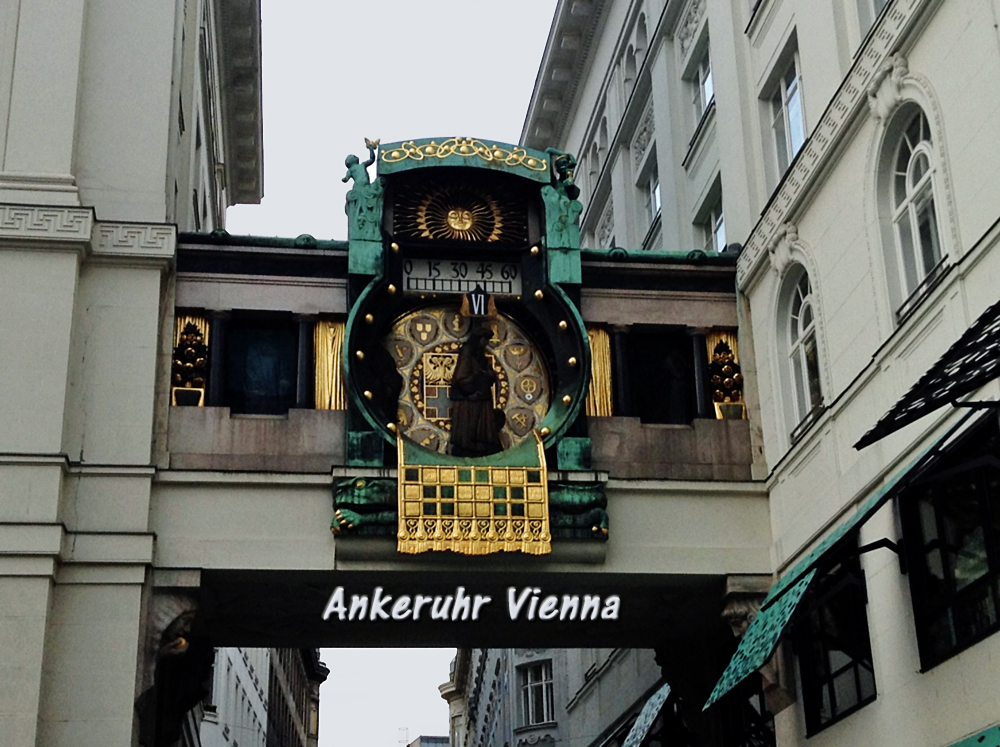
The Ankeruhr Vienna is a beautiful clock in the Hoher Markt. The origin of this name is based on the important rule which it plaid in the past. -Hoher Markt- means a high (important) market. The clock survived the bomb attacks of the war. This unusual Art Nouveau work was created by Franz von Matsch in the period between the years 1911 to 1914. The k&k court clockmaker Franz Morawetz had made the clockwork mechanism.
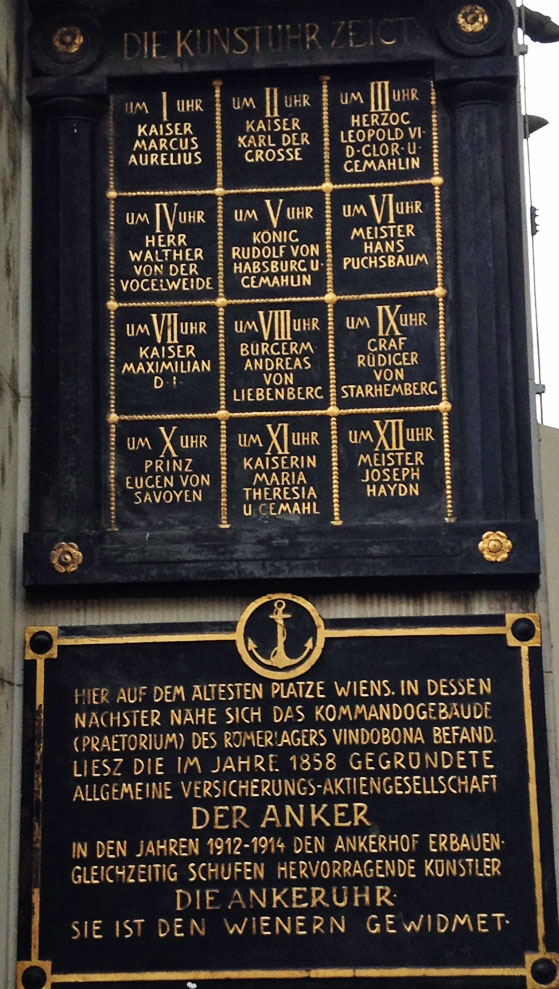
If you take a closer look you will recognize that the Ankeruhr is in fact an approx. 10 meter wide and approx. 7 meter high bridge. It connects the both parts of the Ankerhof buildings. The diameter of the clock itself is approx. 4 meter. As a tribute to popular historical personalities there are figures made of cooper in the clock.

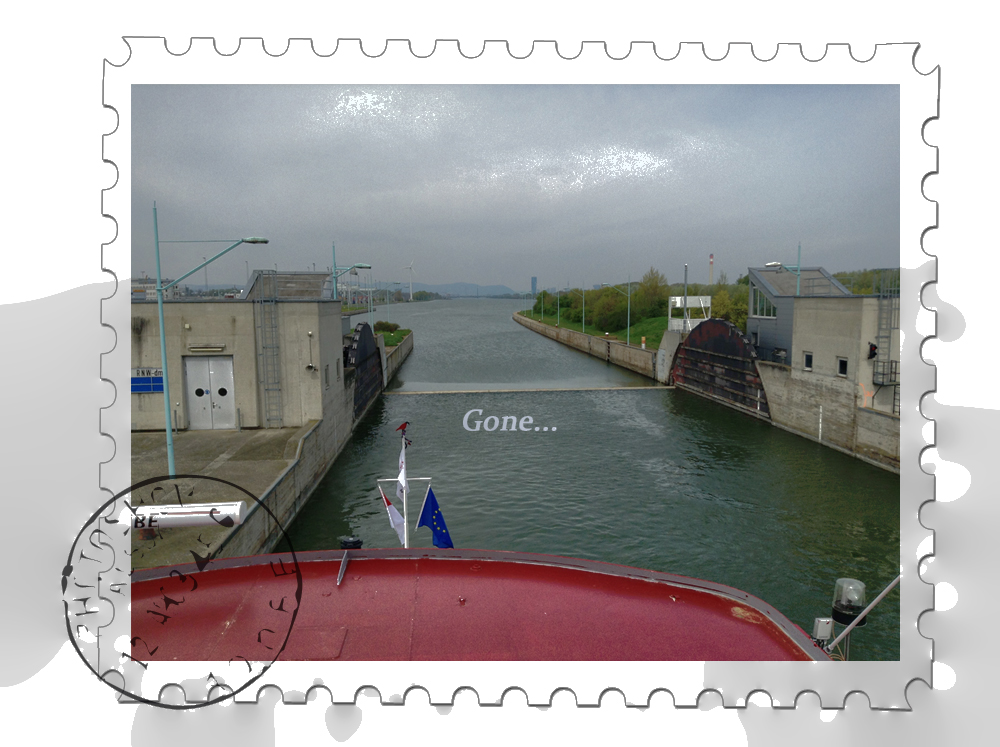
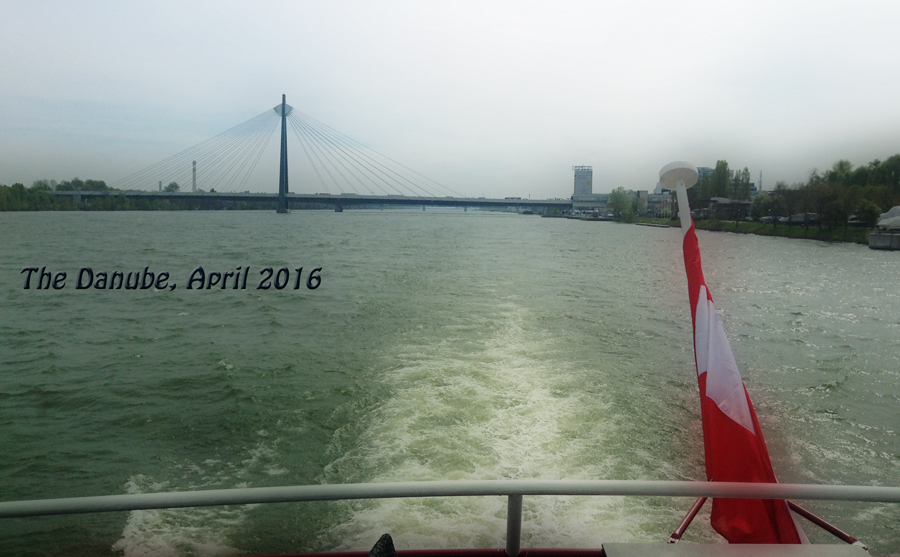
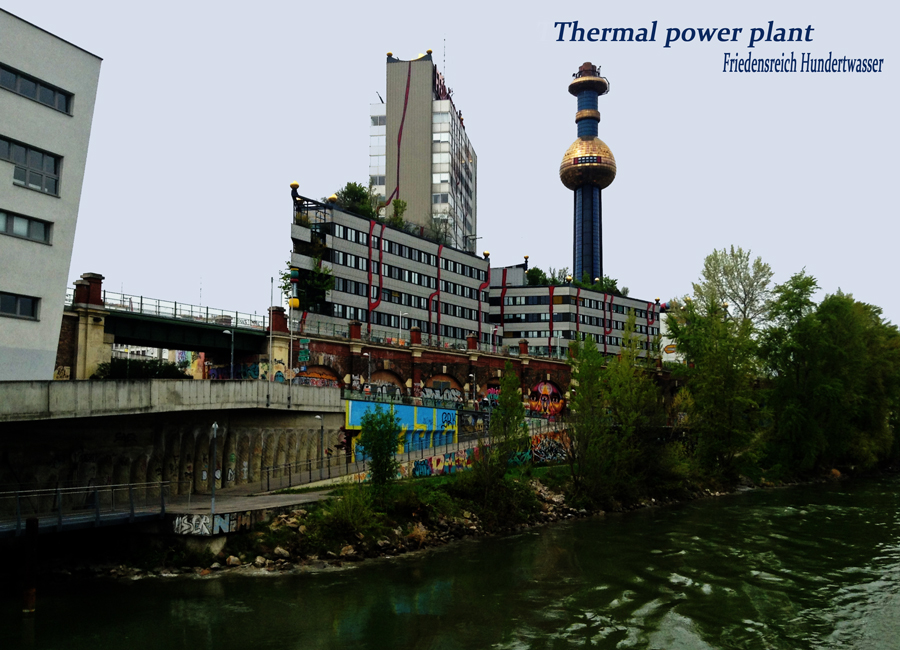

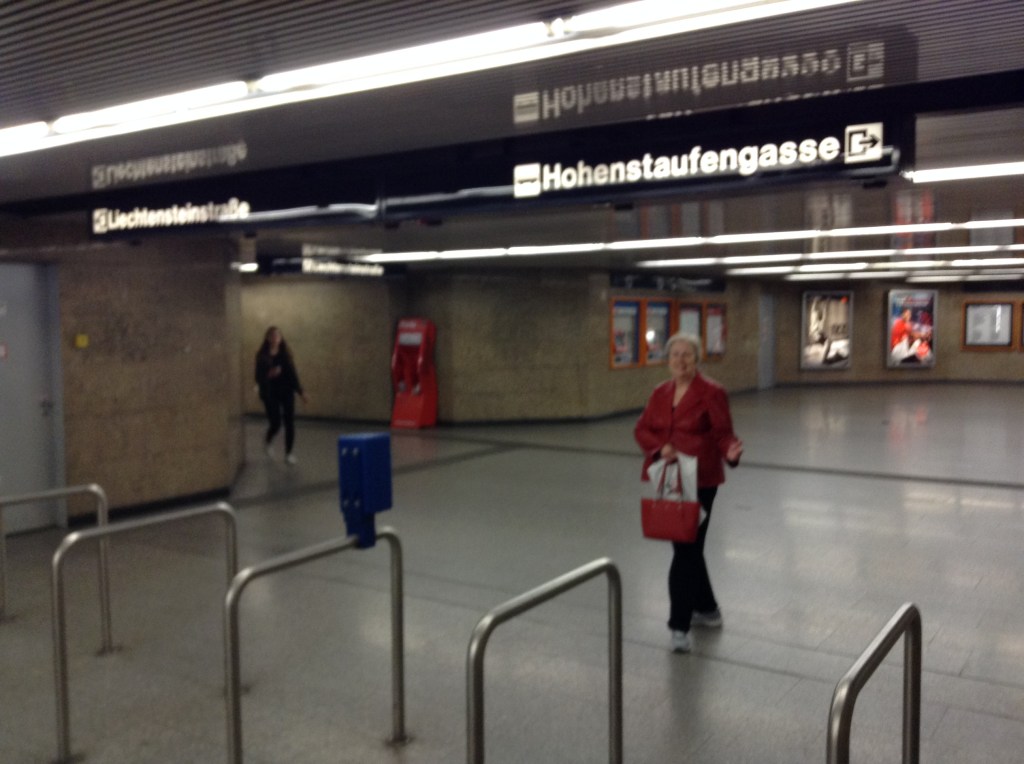

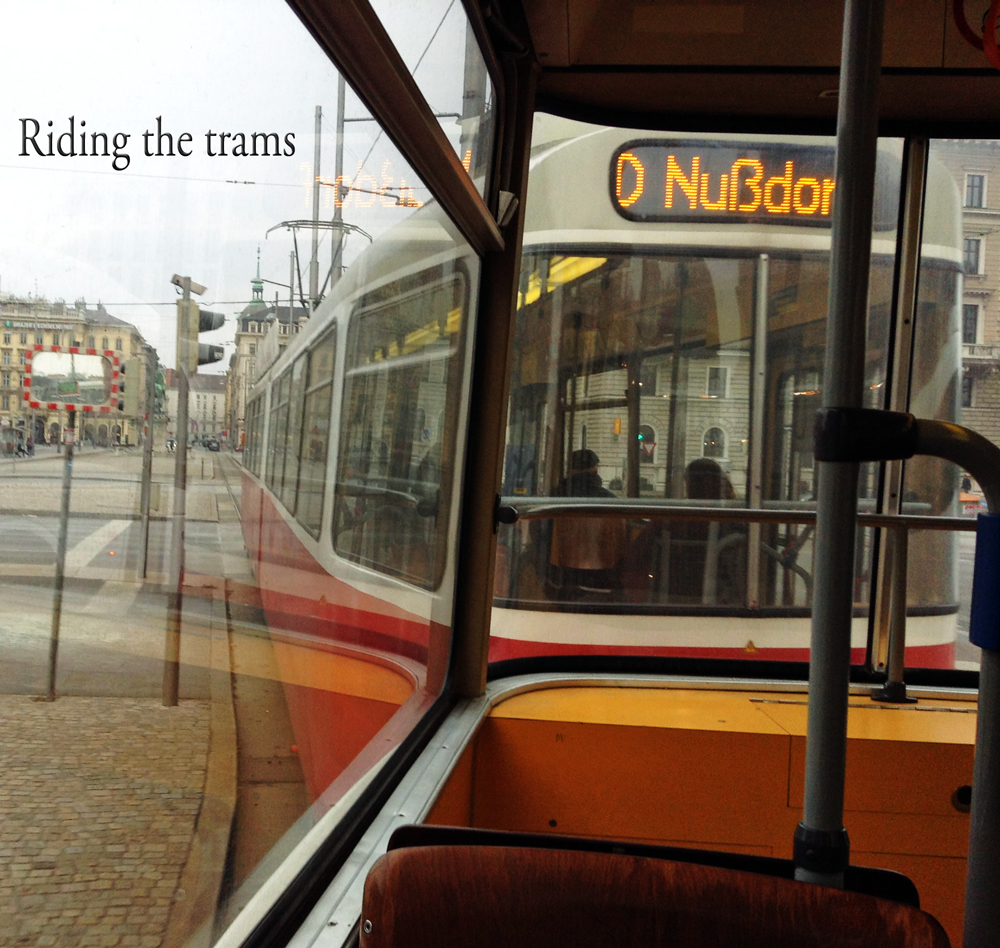
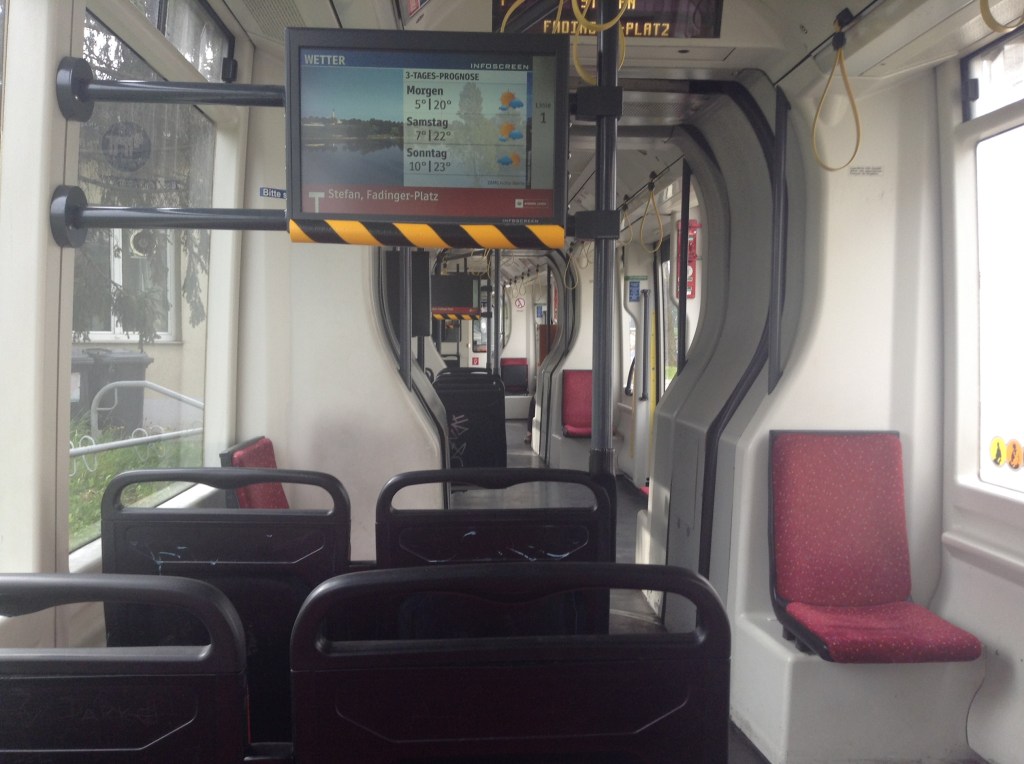
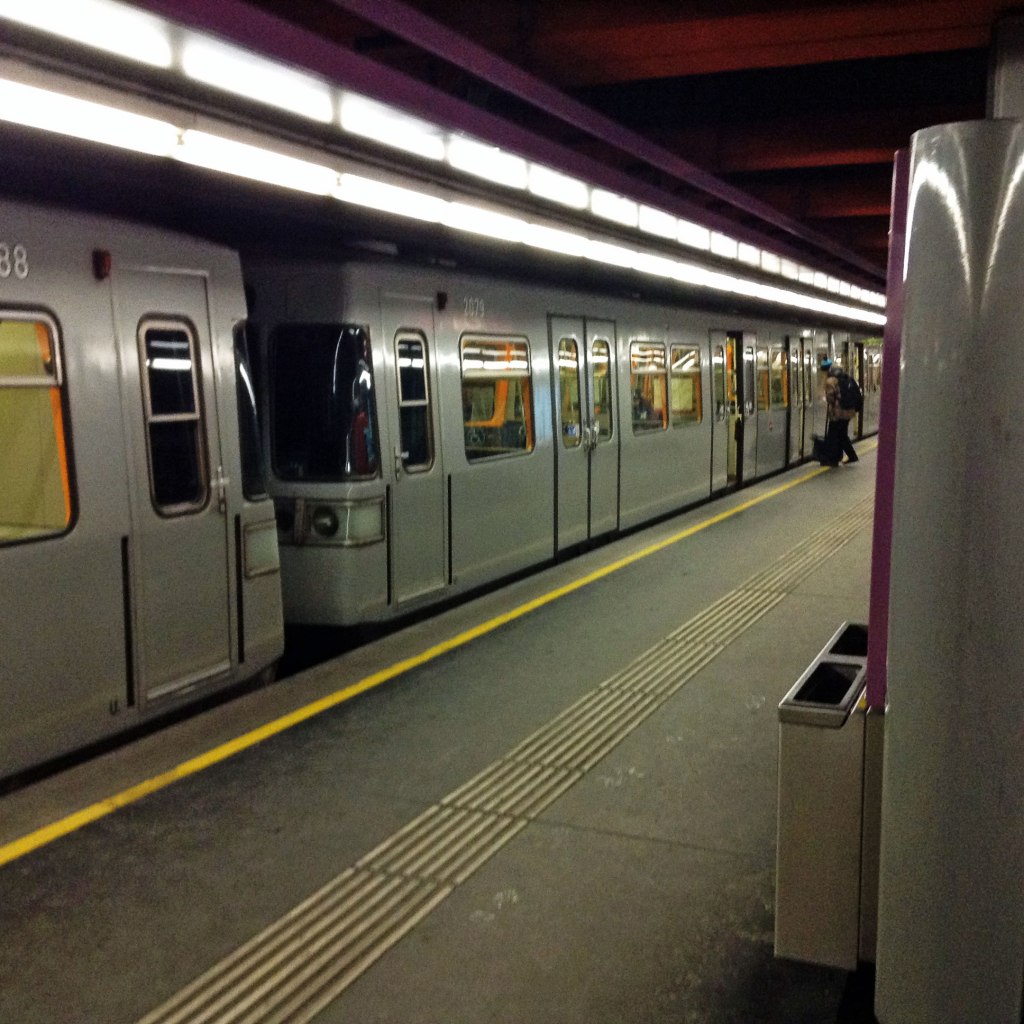
The Vienna Transit system is quite efficient. There are no turnstiles at the entrances to the subway. It is on the merit system. There are inspectors, and if you get caught riding the system without a ticket, there is a 90 Euro fine.
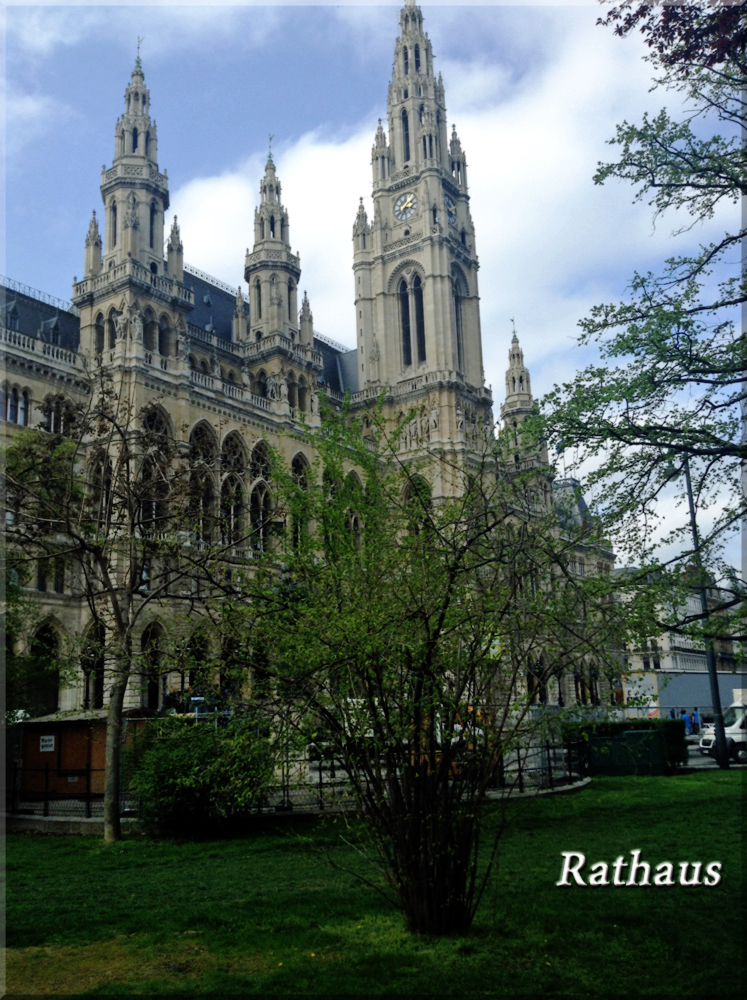
Wiener Rathaus is the city hall. It was Constructed from 1872 to 1883 and houses the office of the Mayor of Vienna as well as the chambers of the city council and Vienna diet.
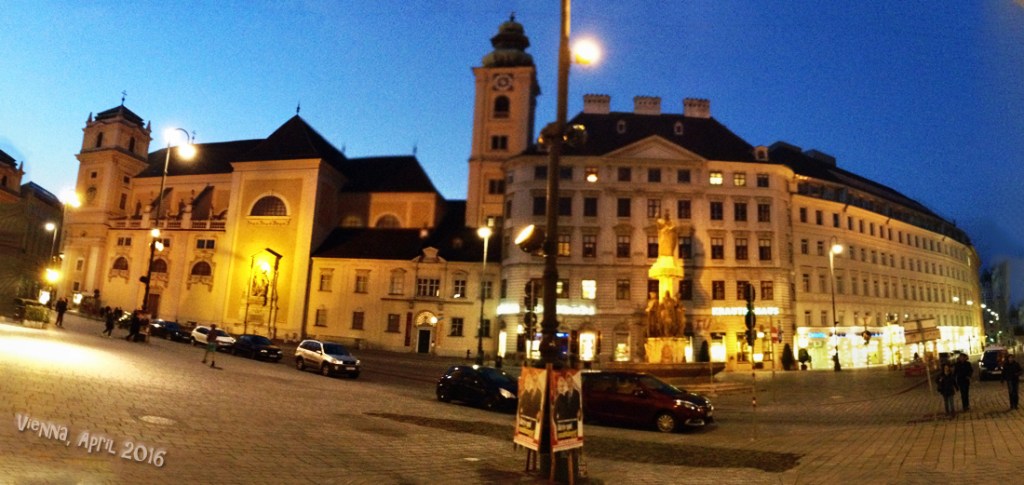
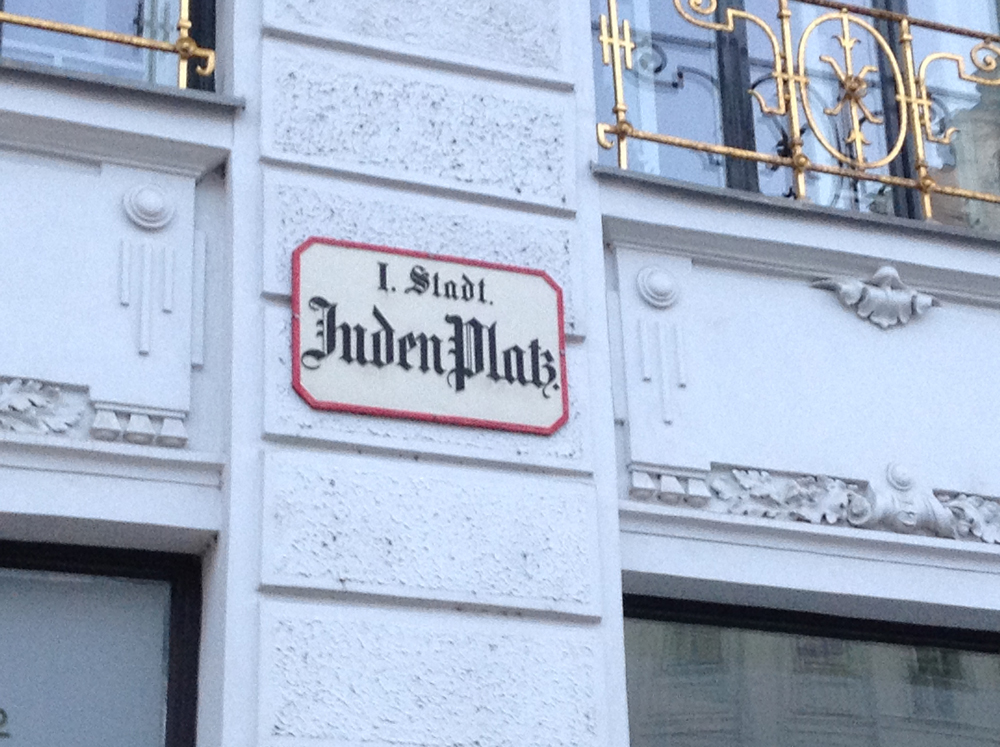
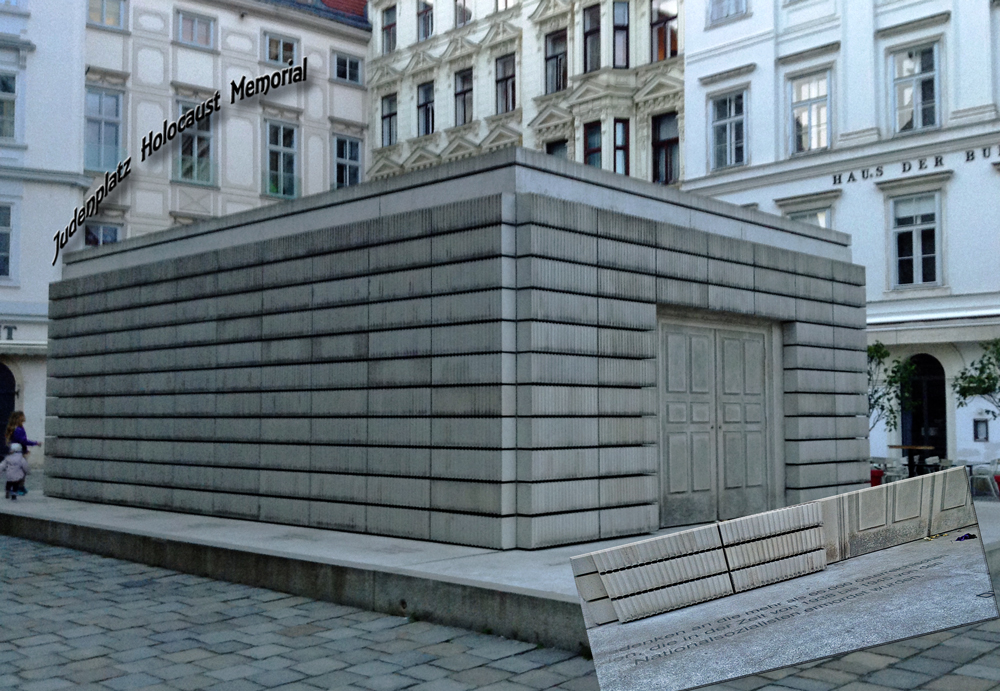
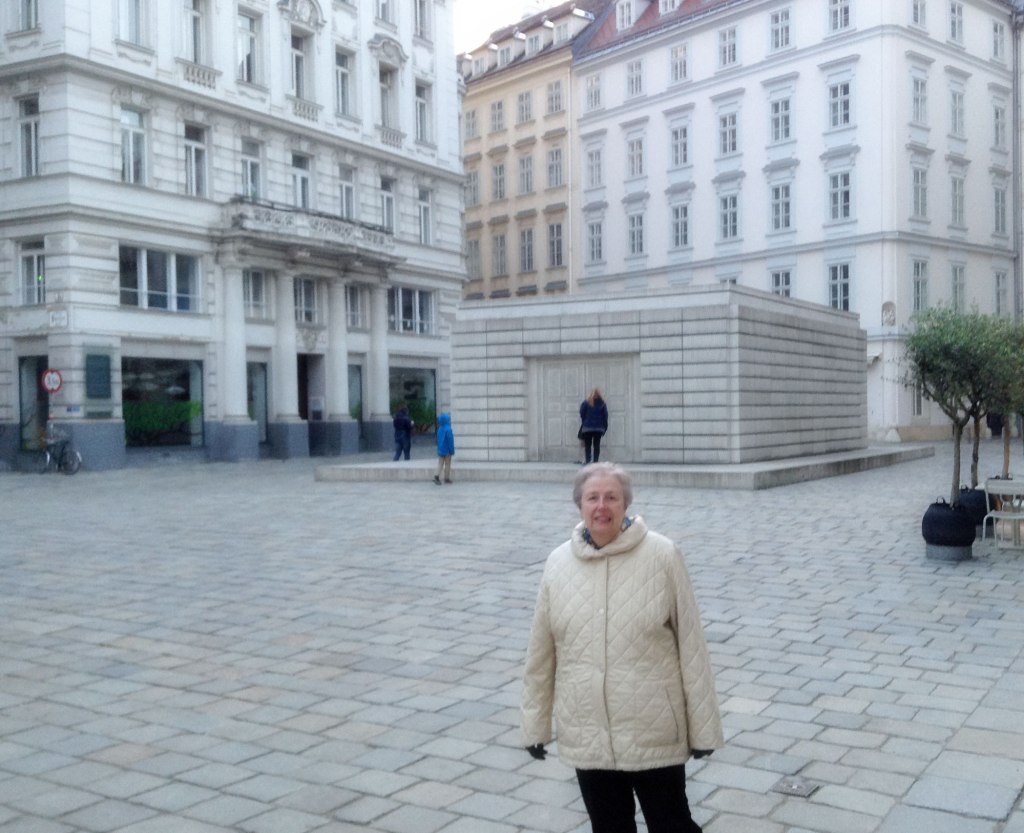
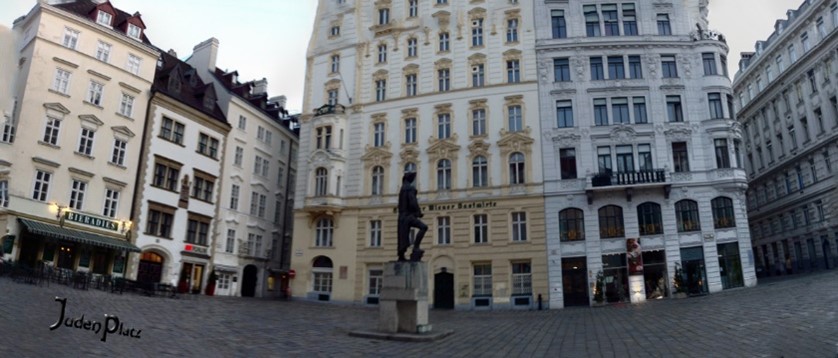
Judenplatz is a town square in Vienna’s Innere Stadt that was the center of Jewish life and the Viennese Jewish Community in the Middle Ages. It exemplifies the long and eventful history of the city and the Jewish community focused on this place.
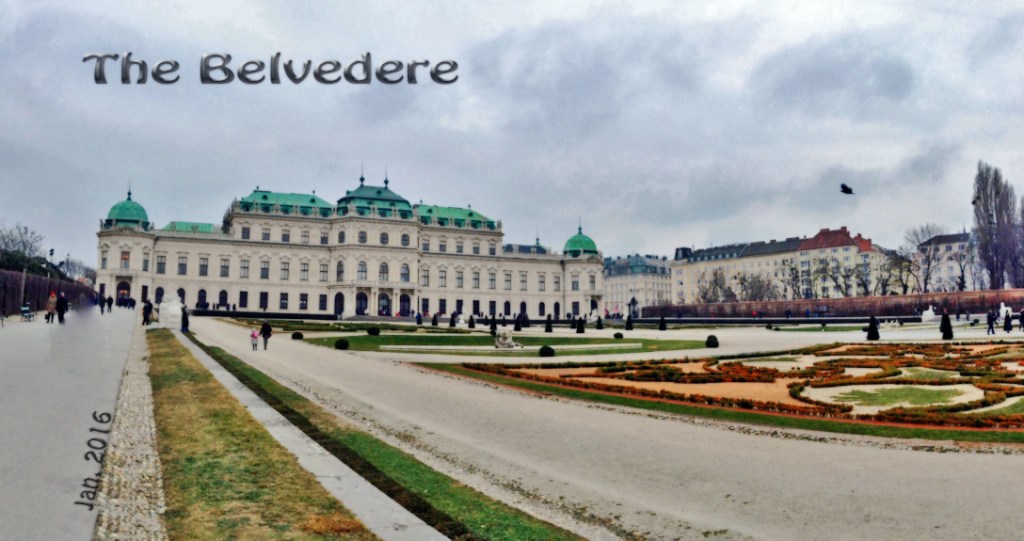
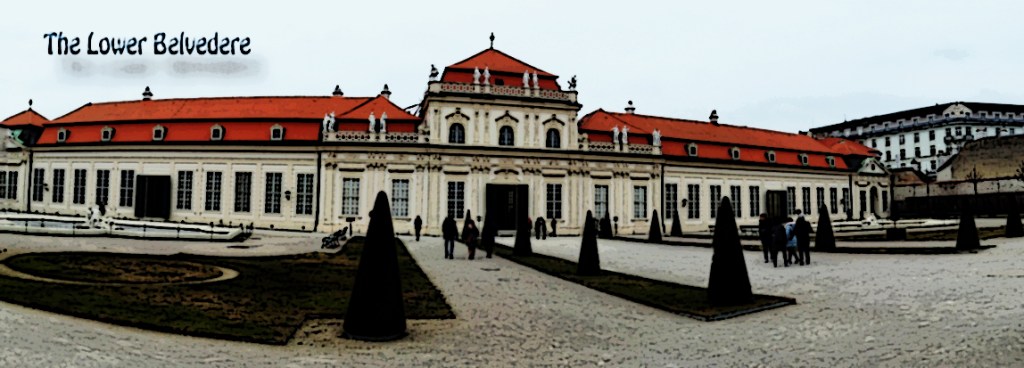
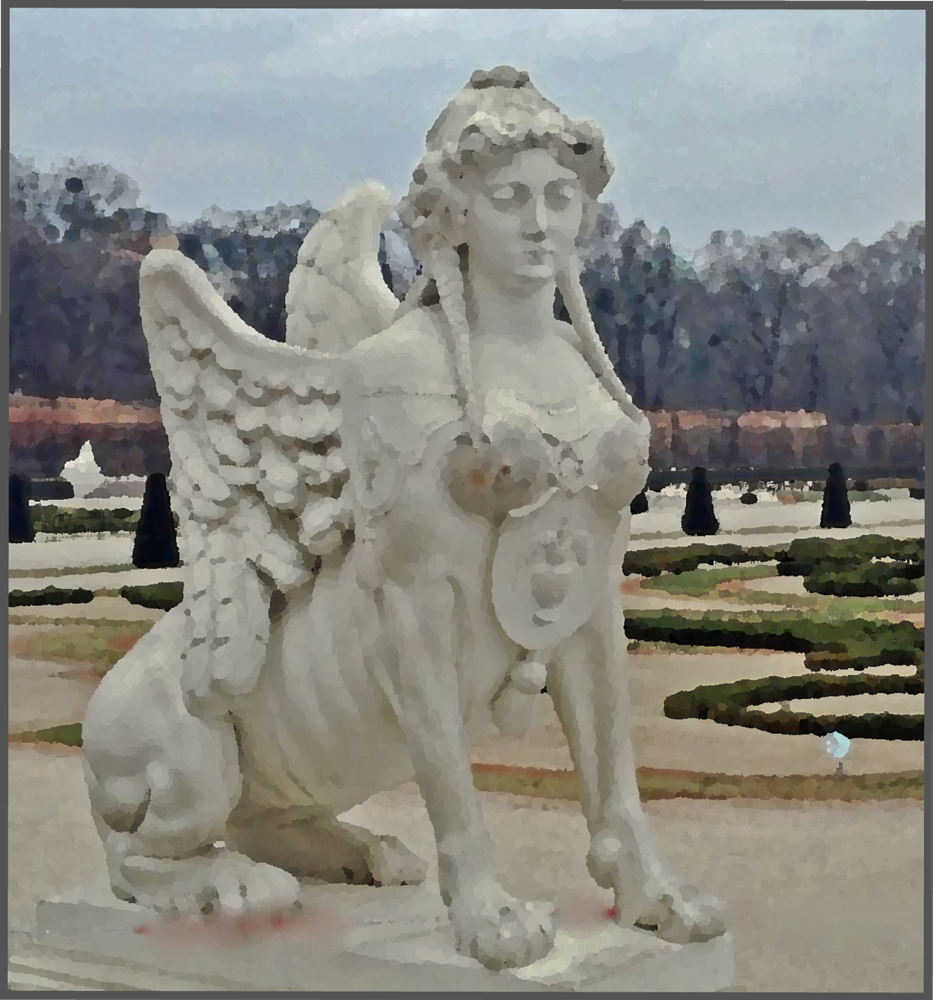
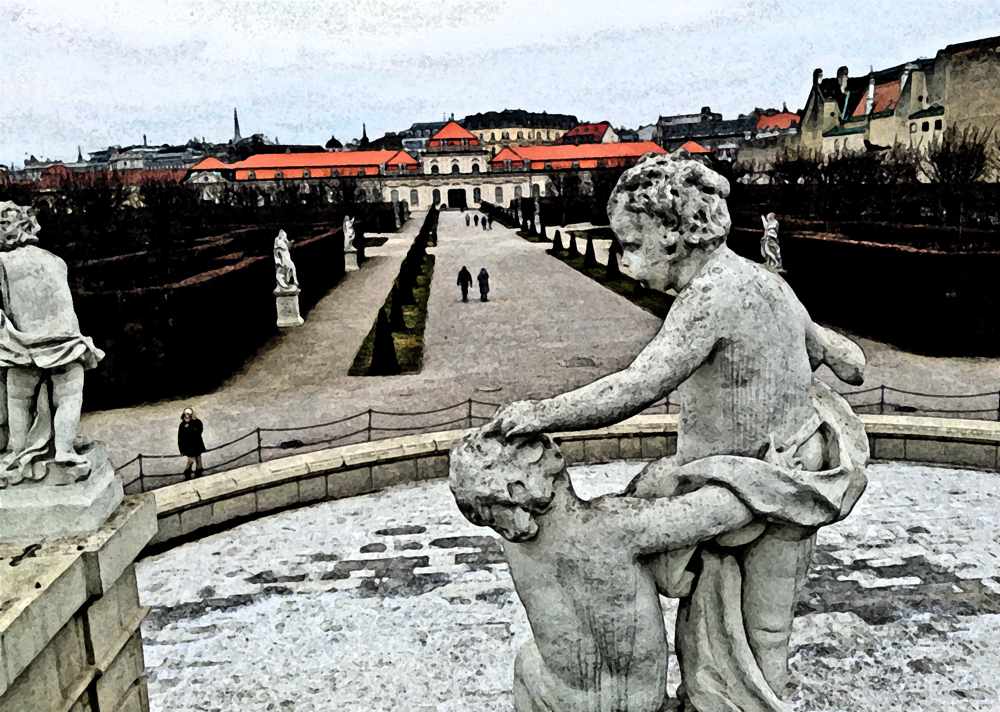
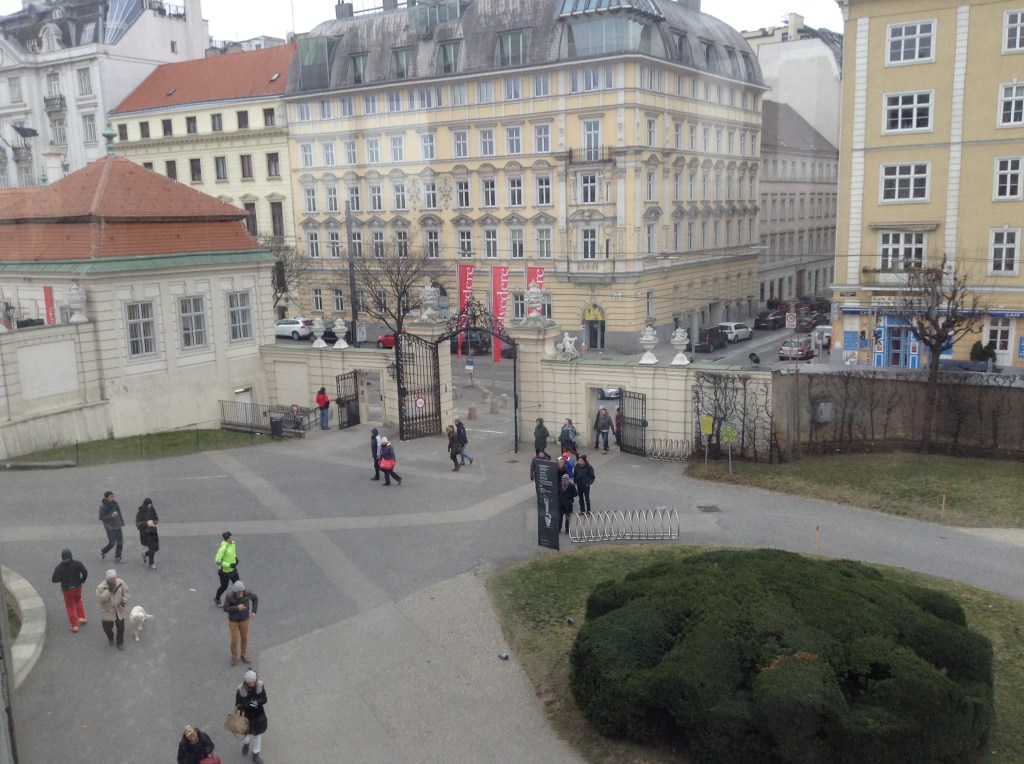
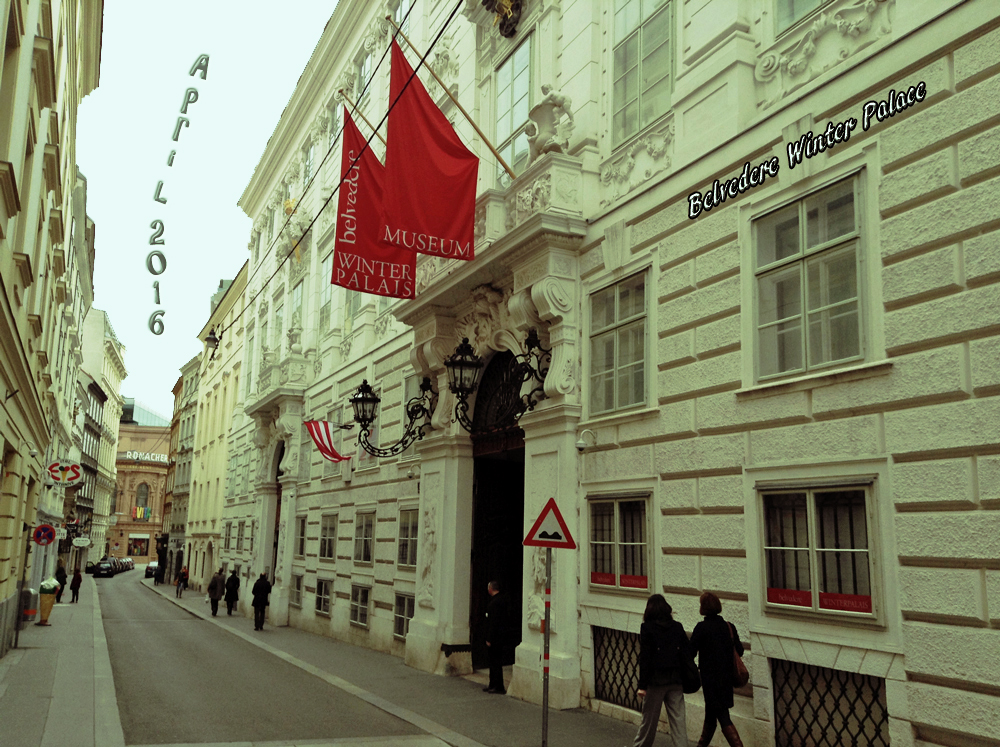
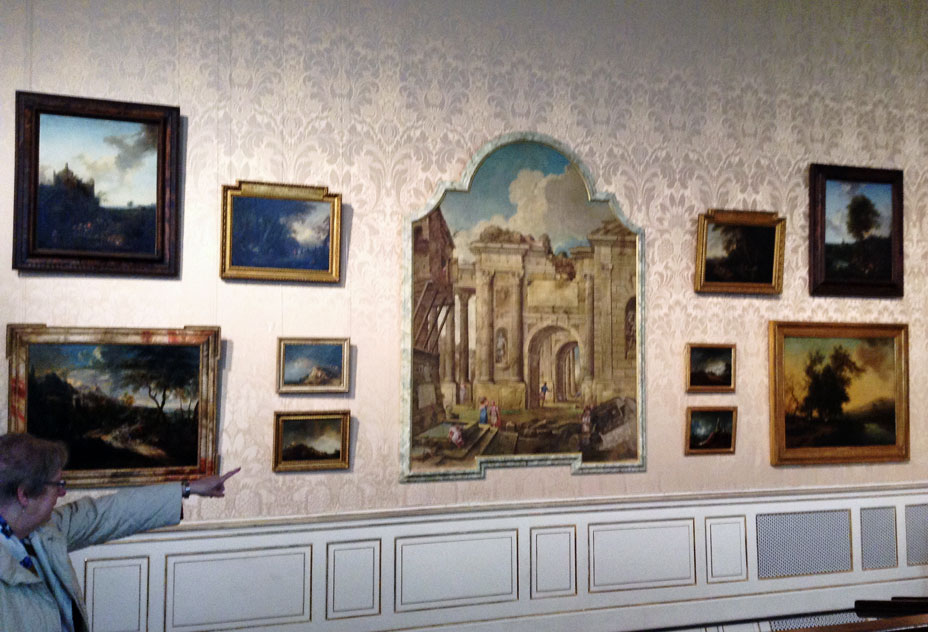
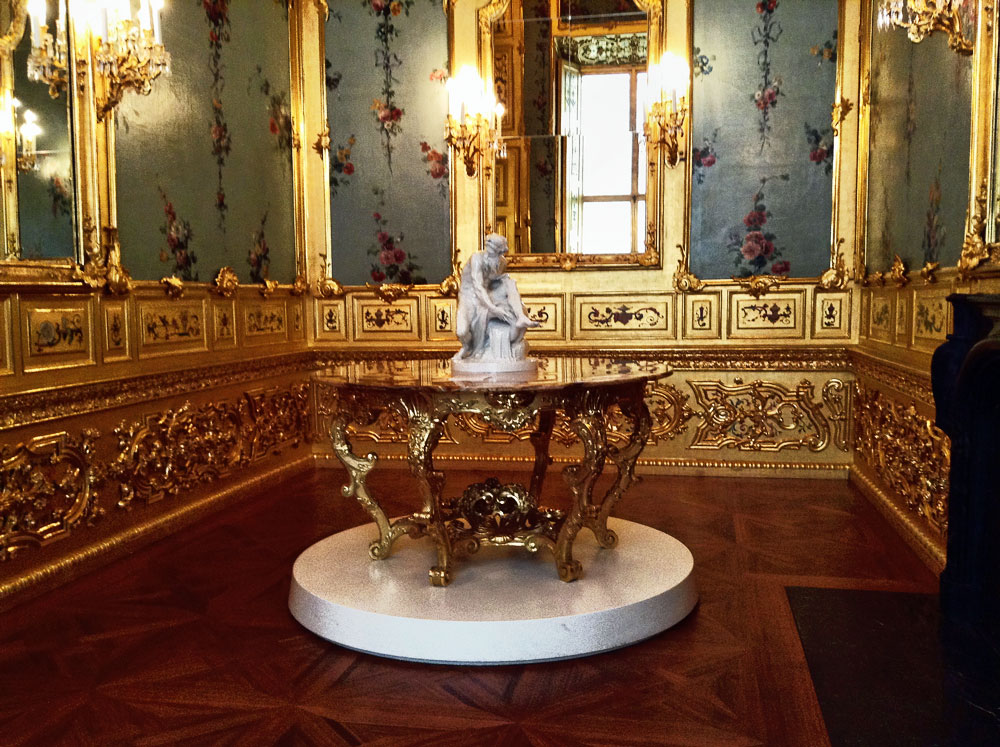
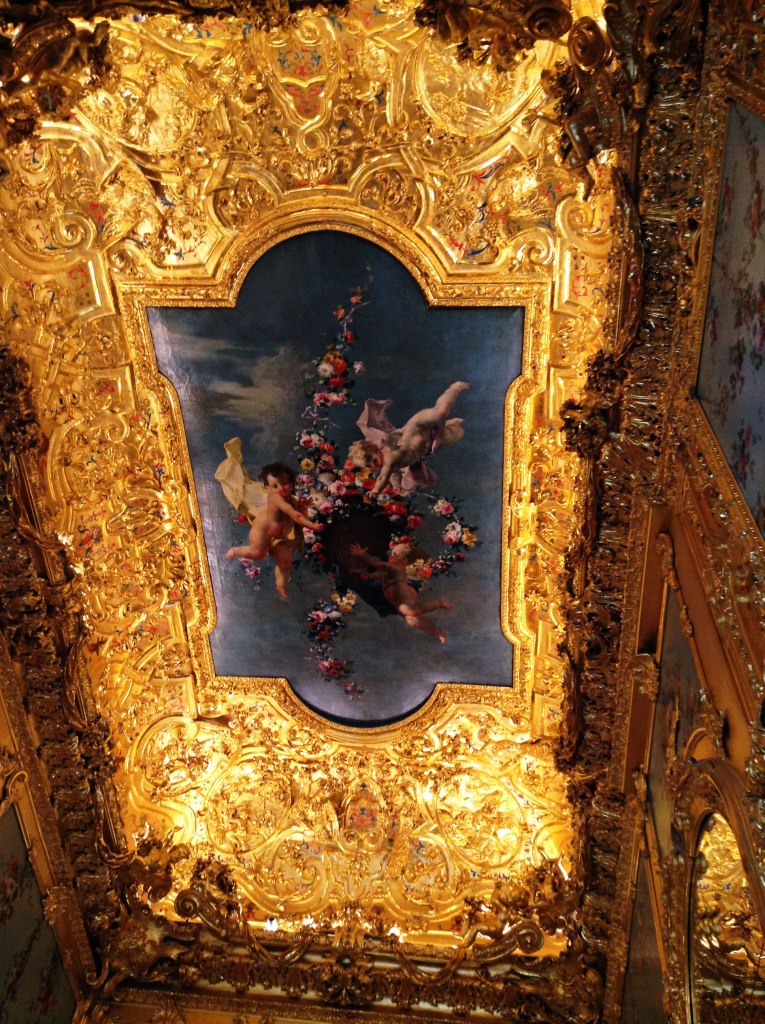
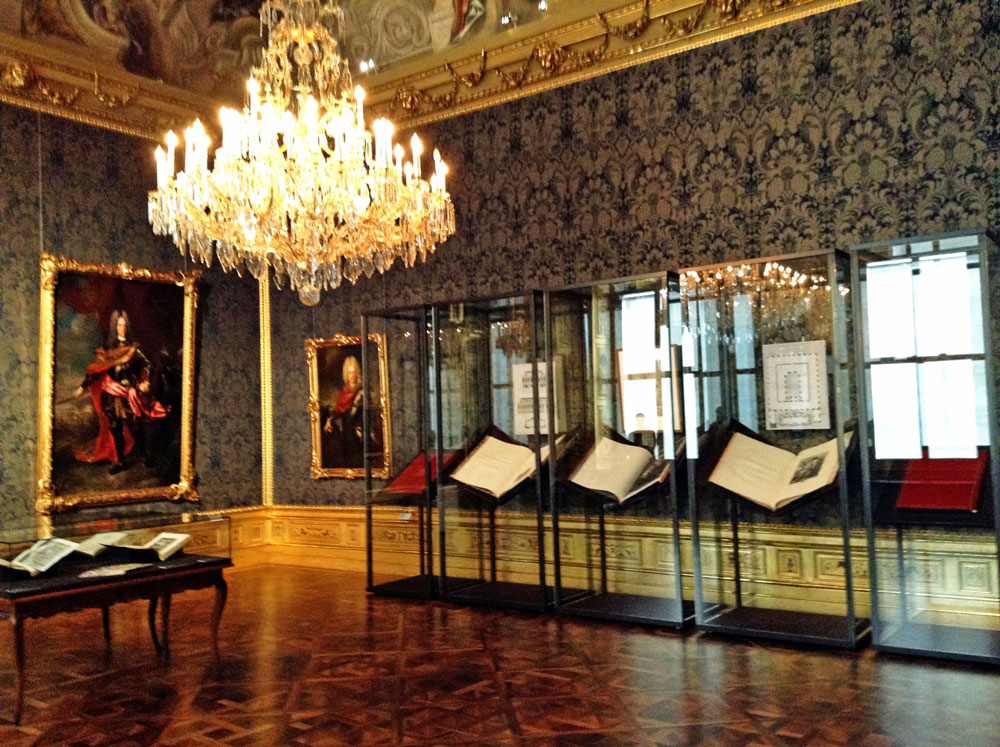
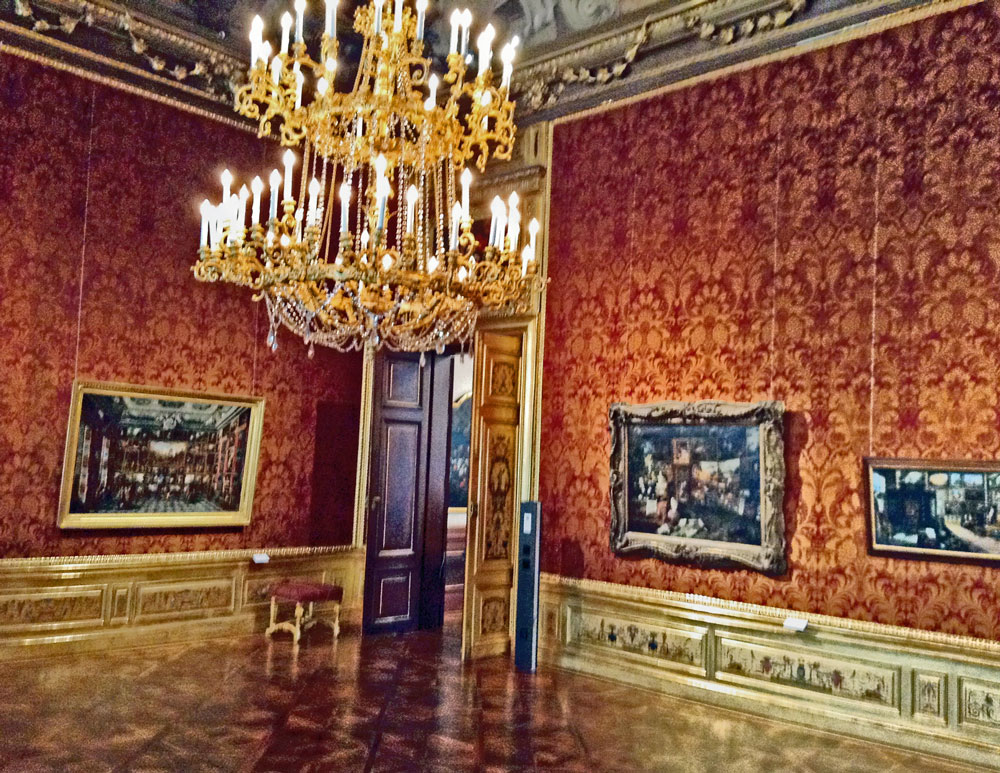
The Belvedere consists of two Baroque palaces (the Upper and Lower Belvedere), the Orangery, and the Palace Stables. The grounds are set on a gentle gradient and include decorative tiered fountains and cascades, Baroque sculptures, and majestic wrought iron gates. The Baroque palace complex was built as a summer residence for Prince Eugene de Savoy.
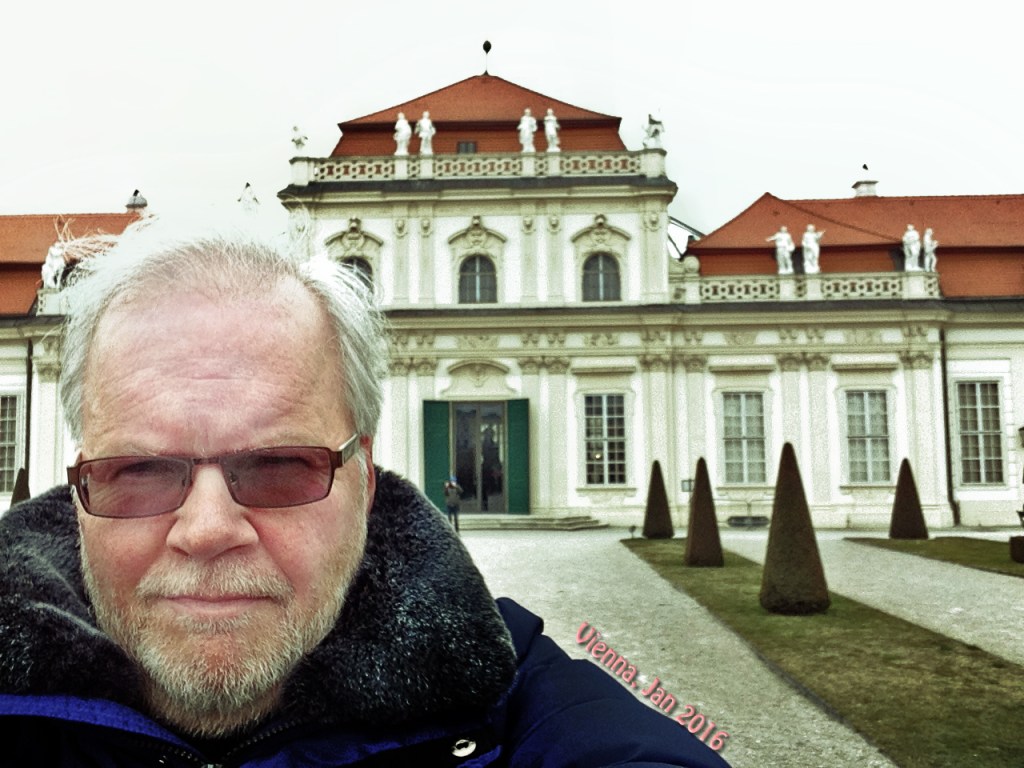
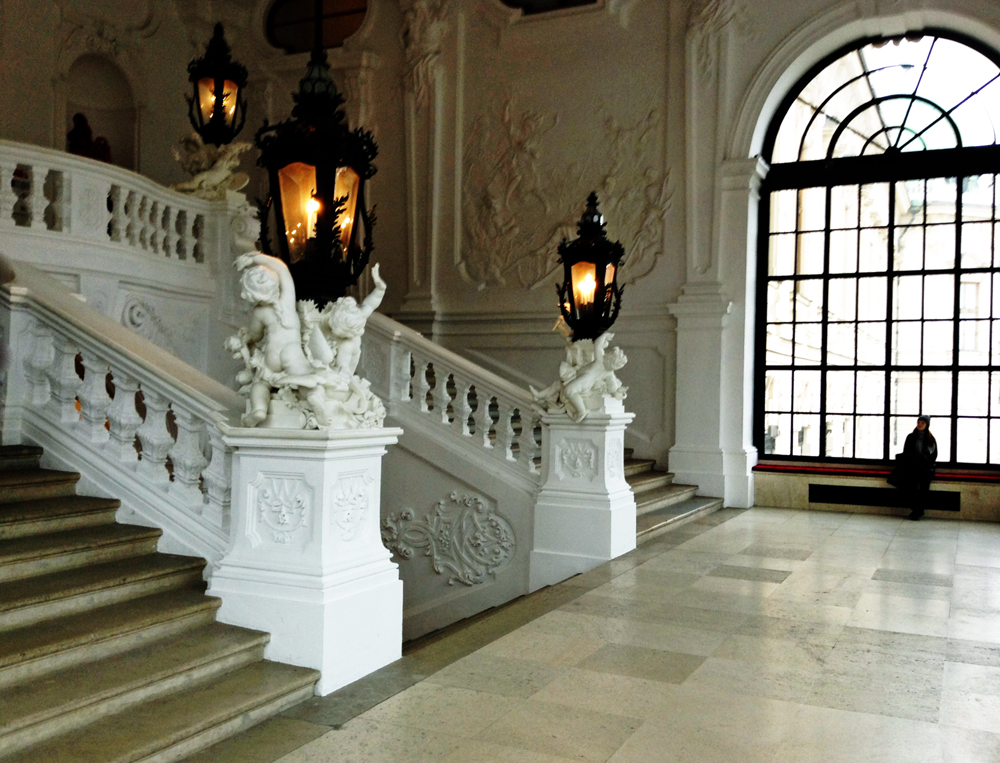
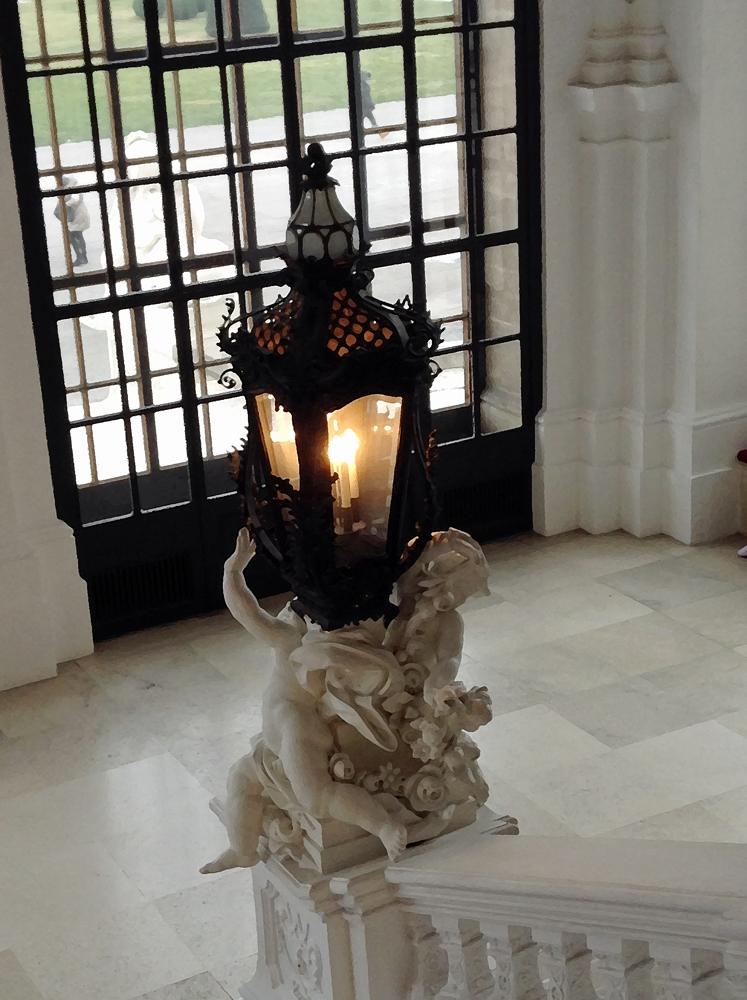
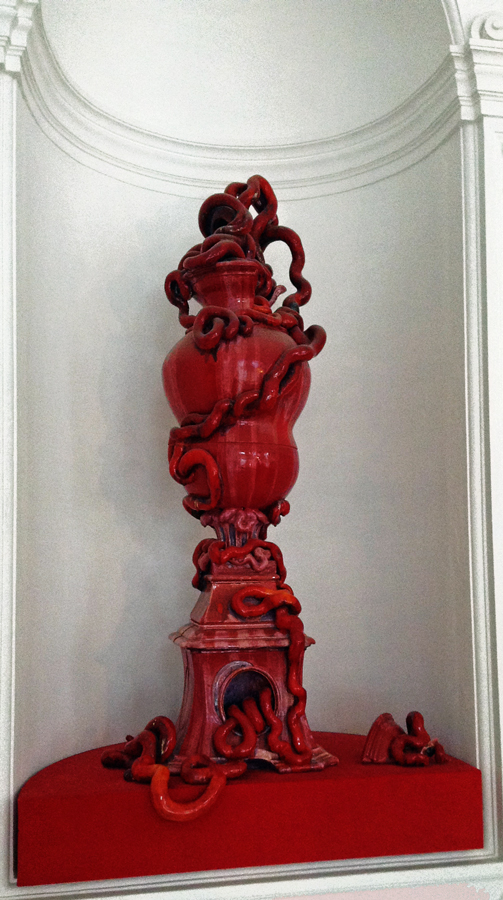
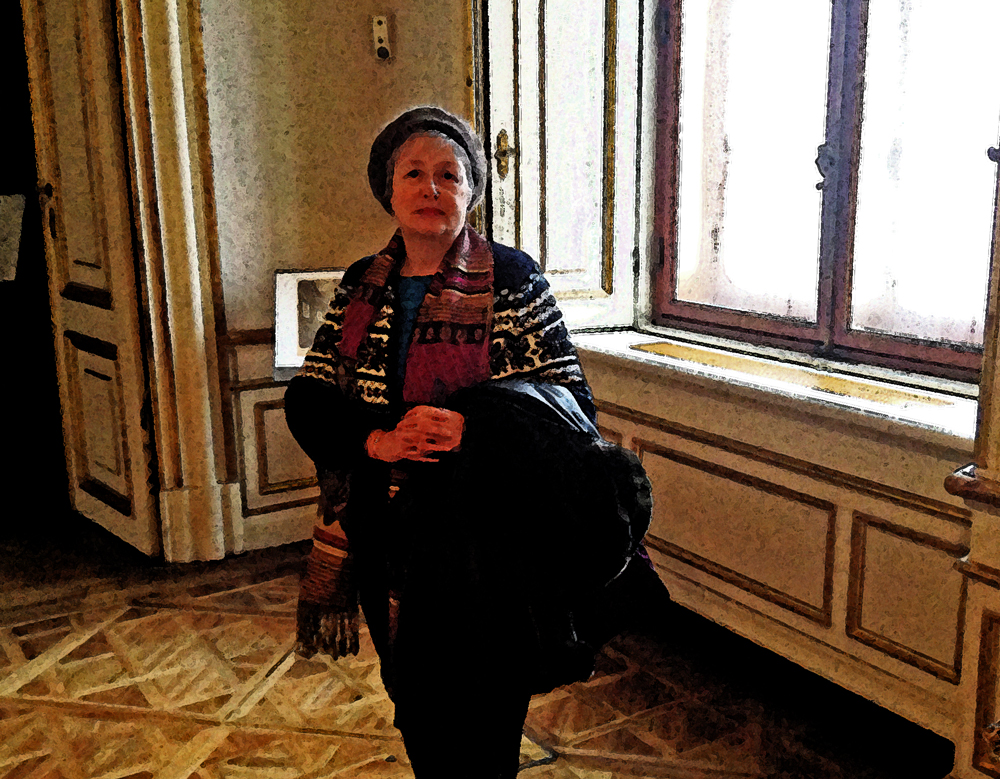
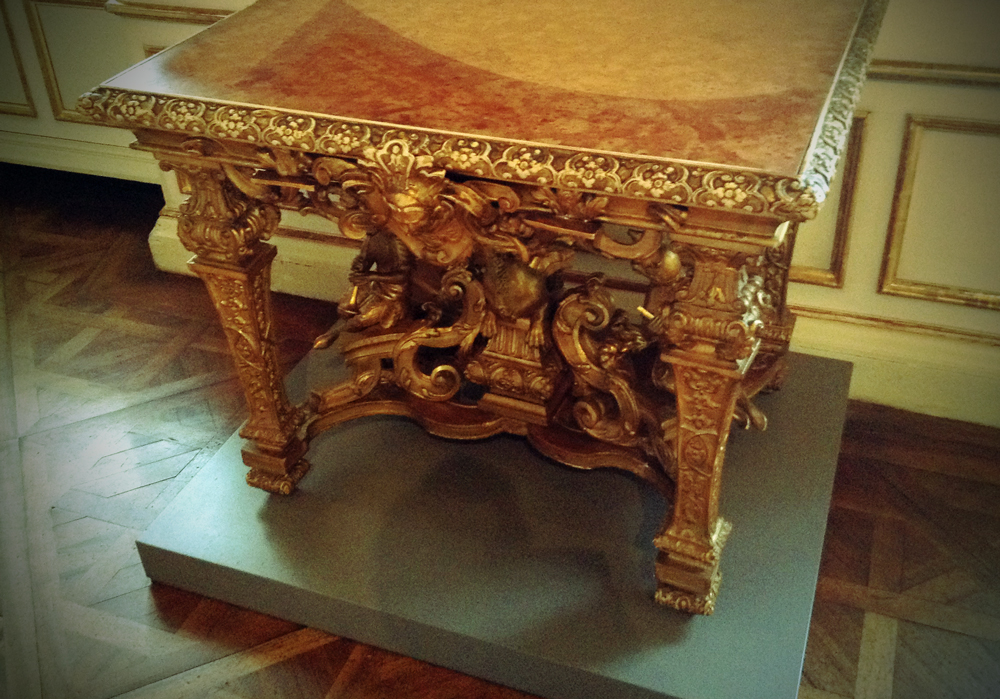
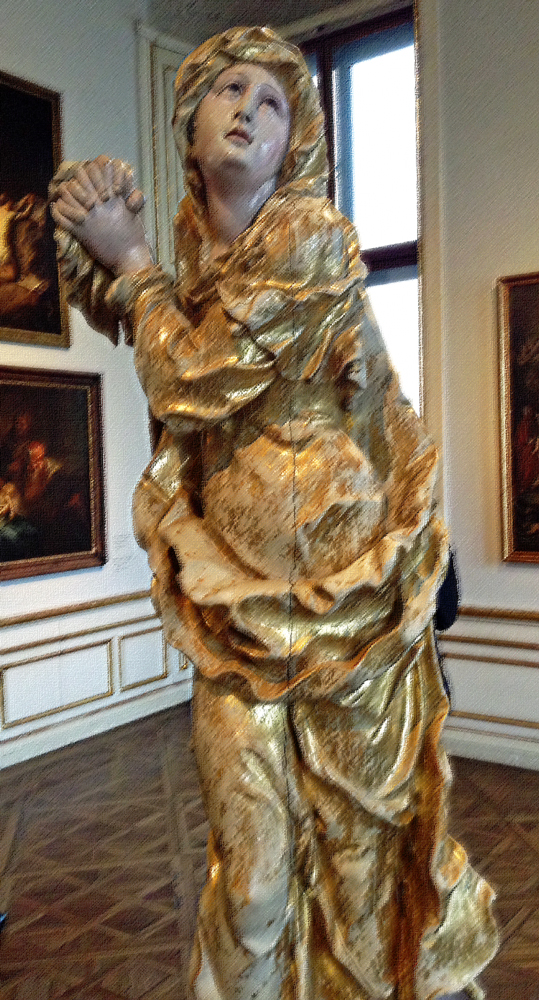
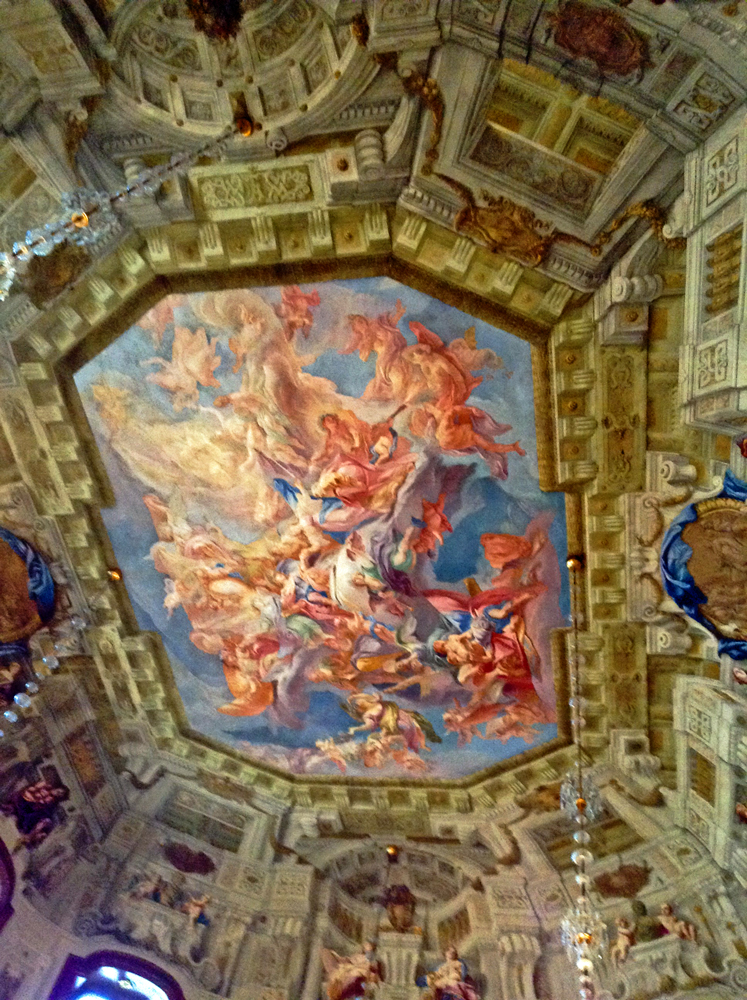
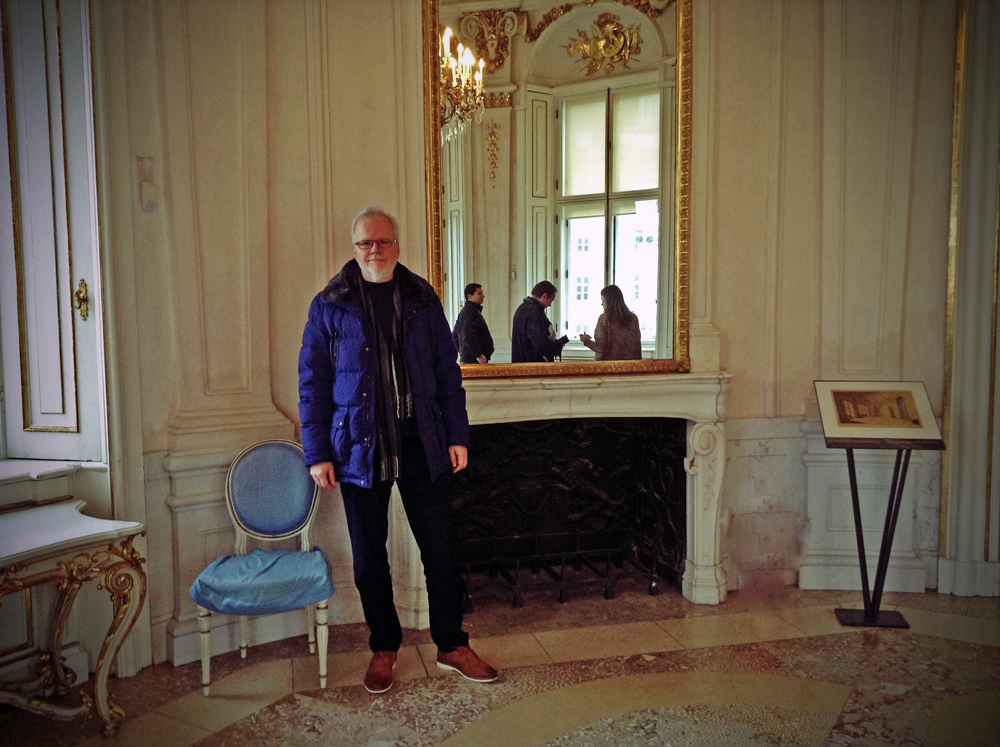
The Belvedere was built during a period of extensive construction in Vienna, which at the time was both the imperial capital and home to the ruling Habsburg dynasty. This period of prosperity followed on from the commander-in-chief Prince Eugene of Savoy’s successful conclusion of as series of wars against the Ottoman Empire.
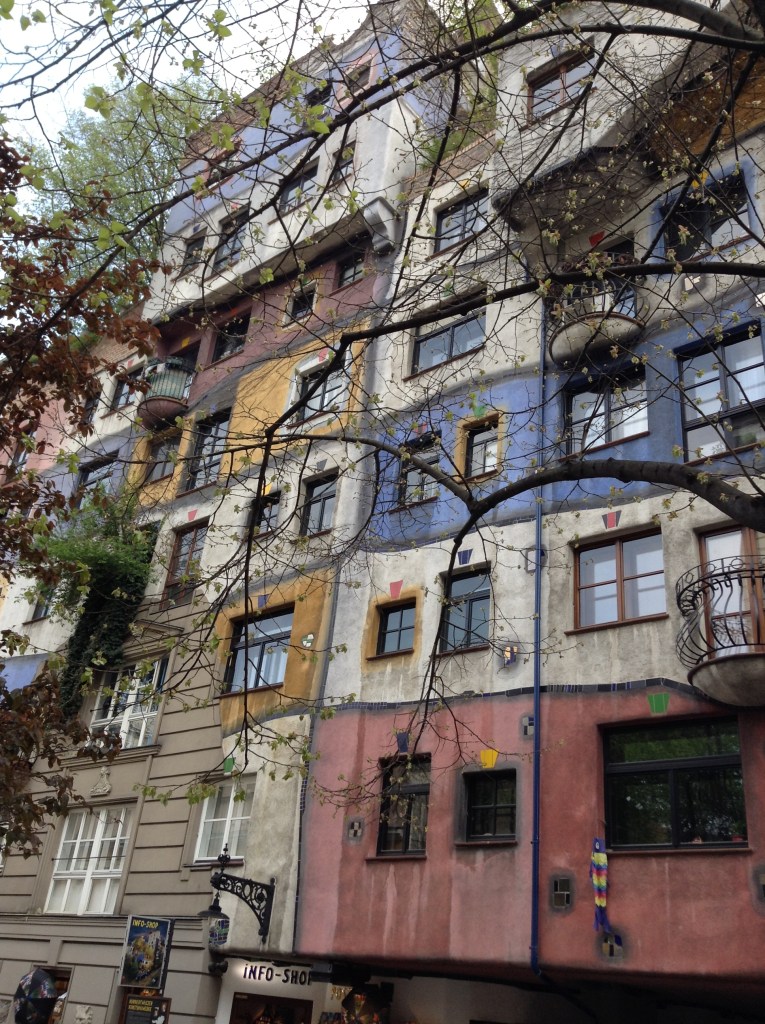
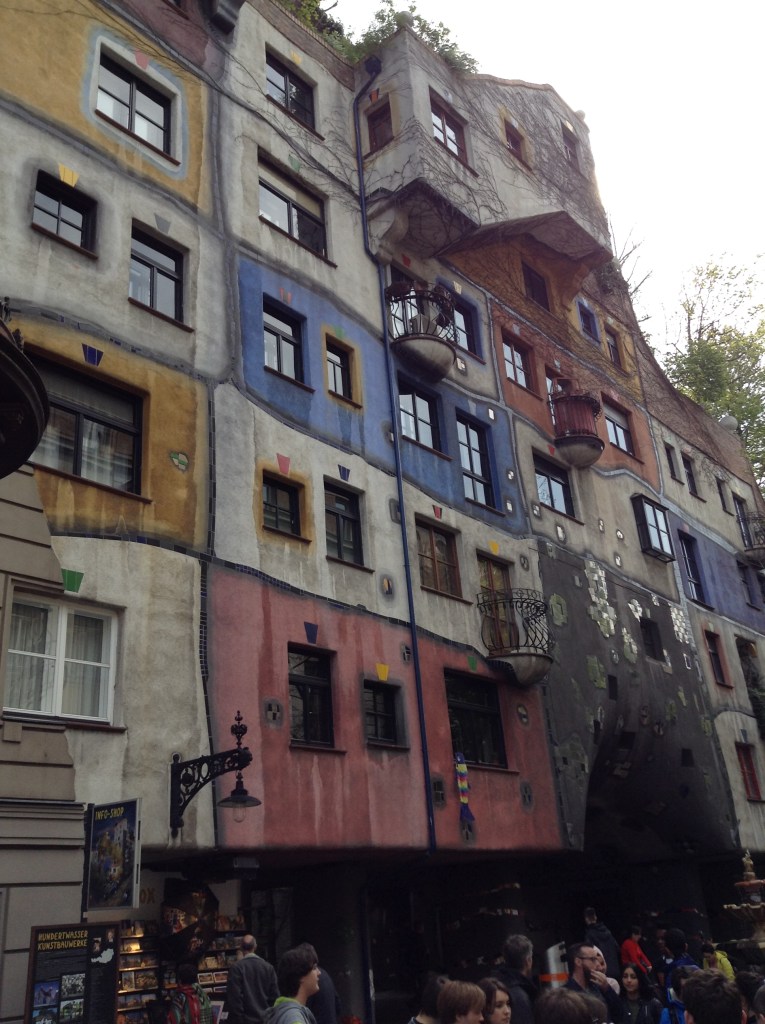
The Hundertwasserhausis an apartment house built after the idea and concept of Austrian artist Friedensreich Hundertwasser with architect Joseph Krawina as a co-author. This expressionist landmark of Vienna is located in the LandstaBe district on the corner of Kegelgasse and Löwengasse.
The Imperial Crypt
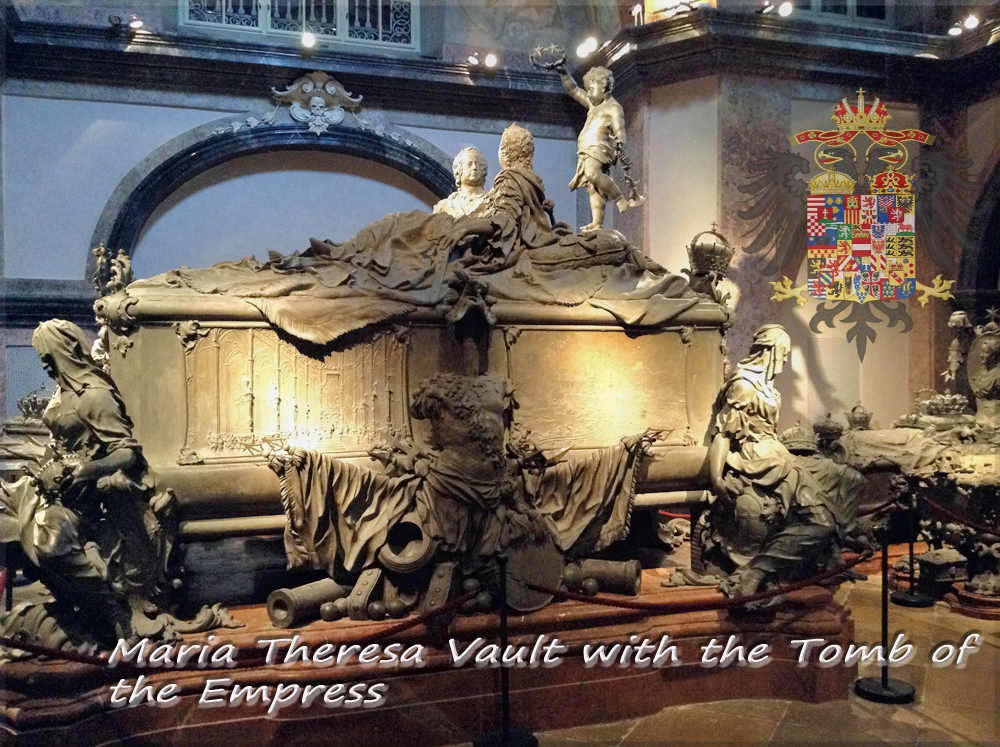
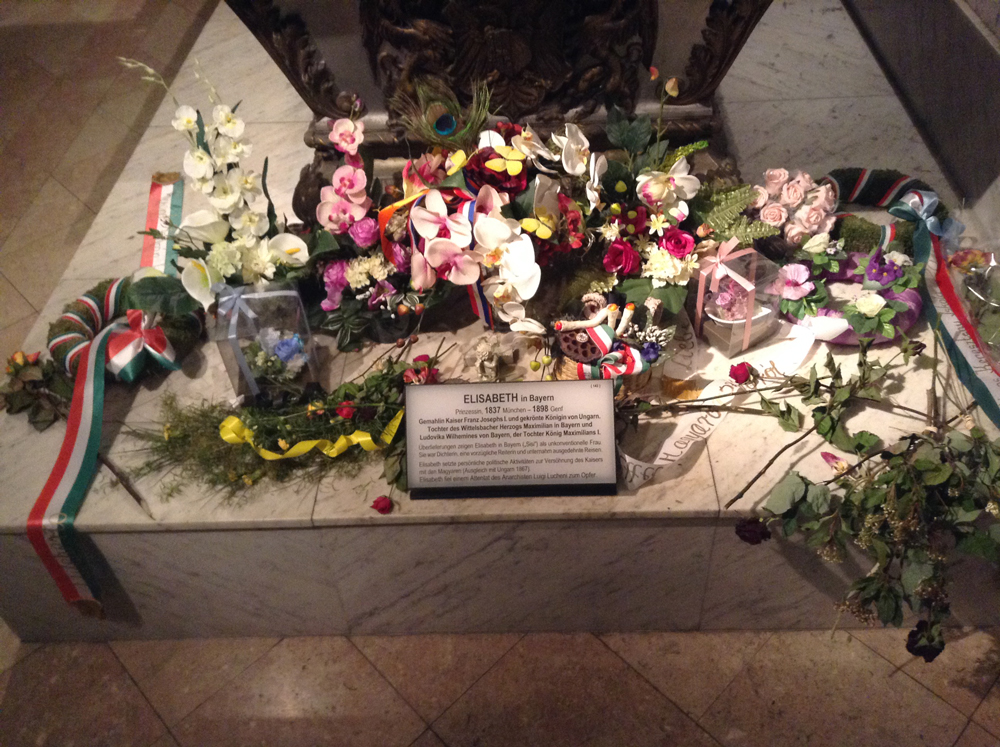
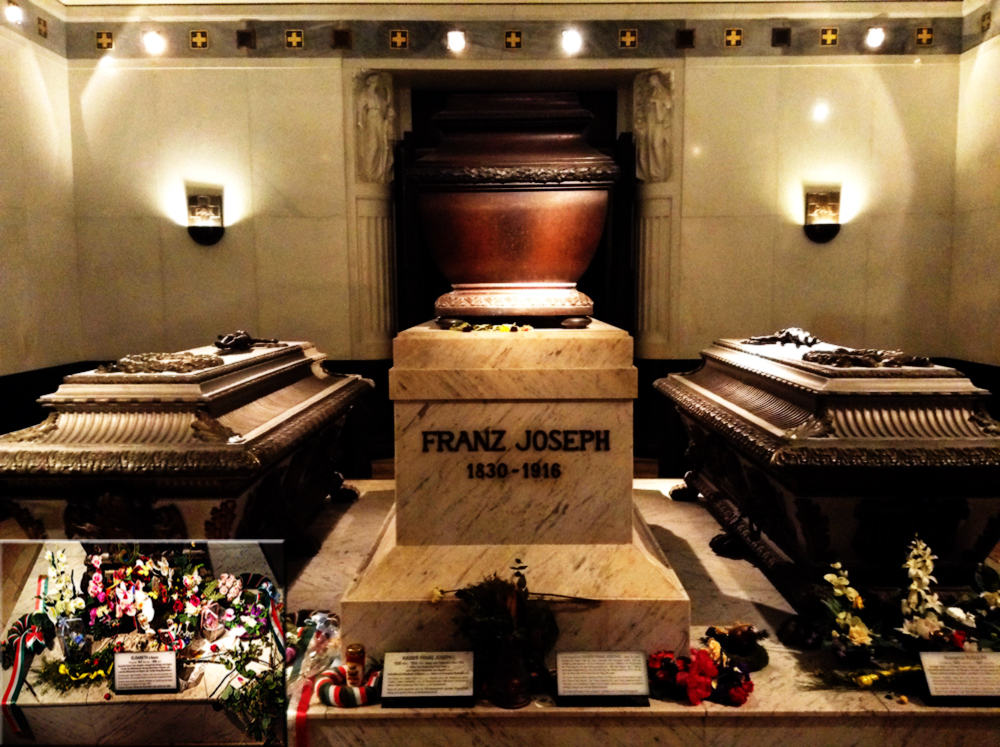
The Imperial Crypt, also called the Capuchin Crypt, is a burial chamber beneath the Capuchin Church and monastery, founded in 1618 and dedicated in 1632, and located on the Neuer Markt square of the Inere Stadt, near the Hofburg Palace. Since 1633, the Imperial Crypt has been the principal place of entombment for members of the House of Habsburg.
Judy in front of Empress Elisabeth of Austria’s coffin (also know as “Sisi”)

Marie-Theresa is buried in a coffin she had inscribed during her lifetime.
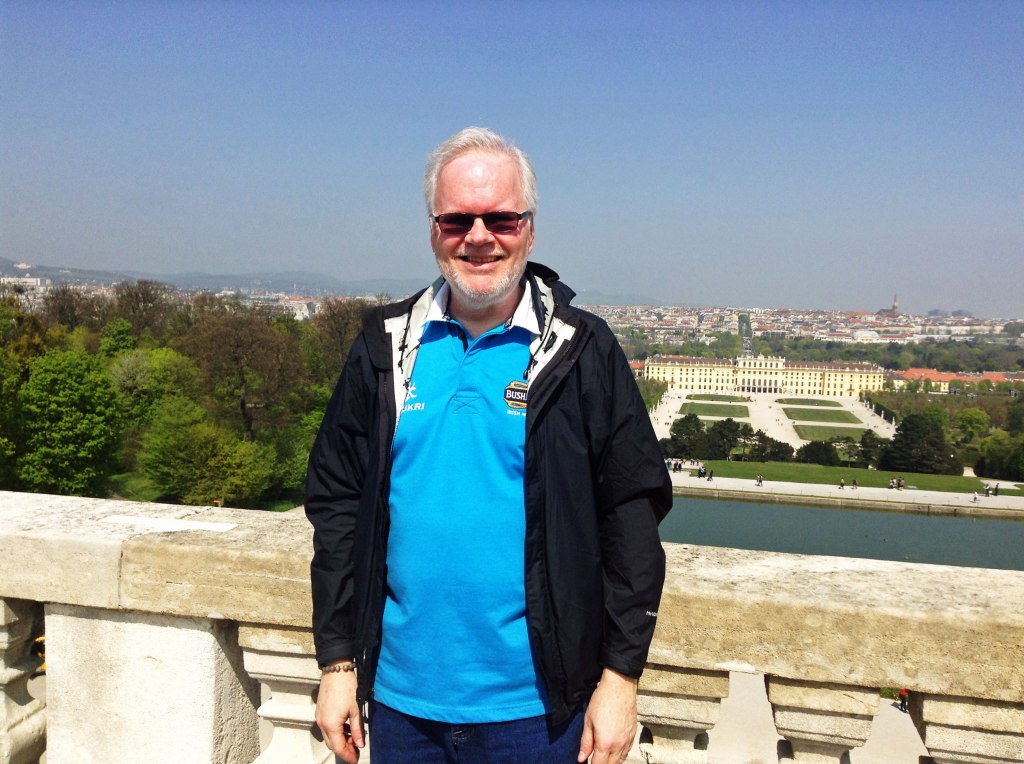
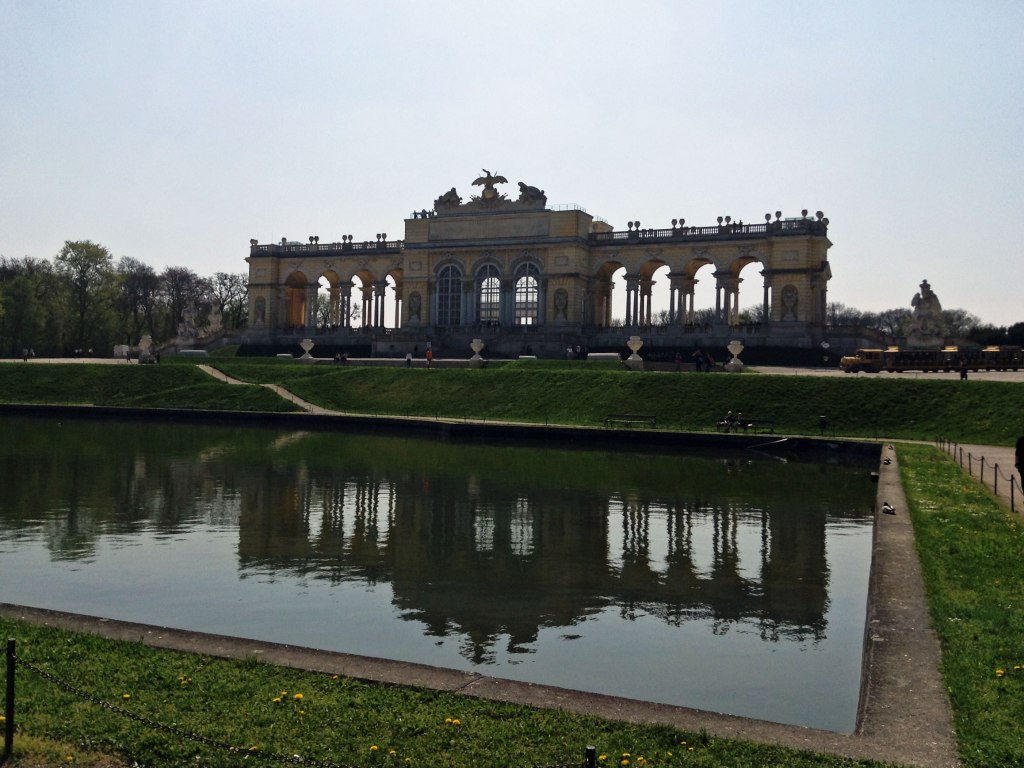
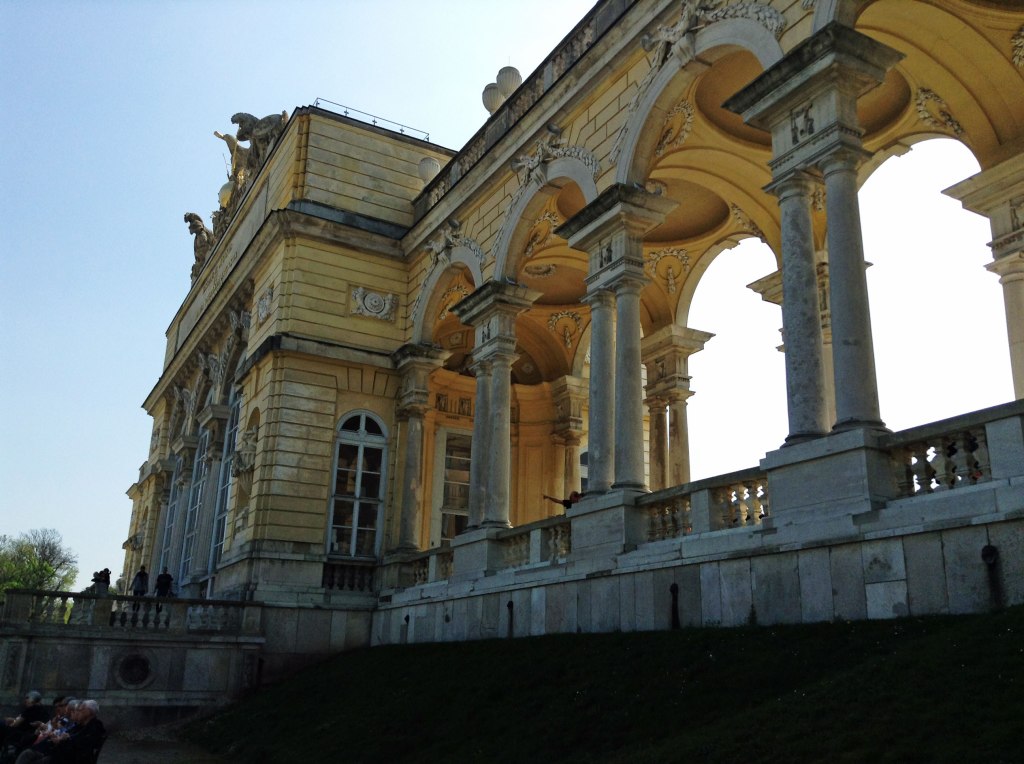
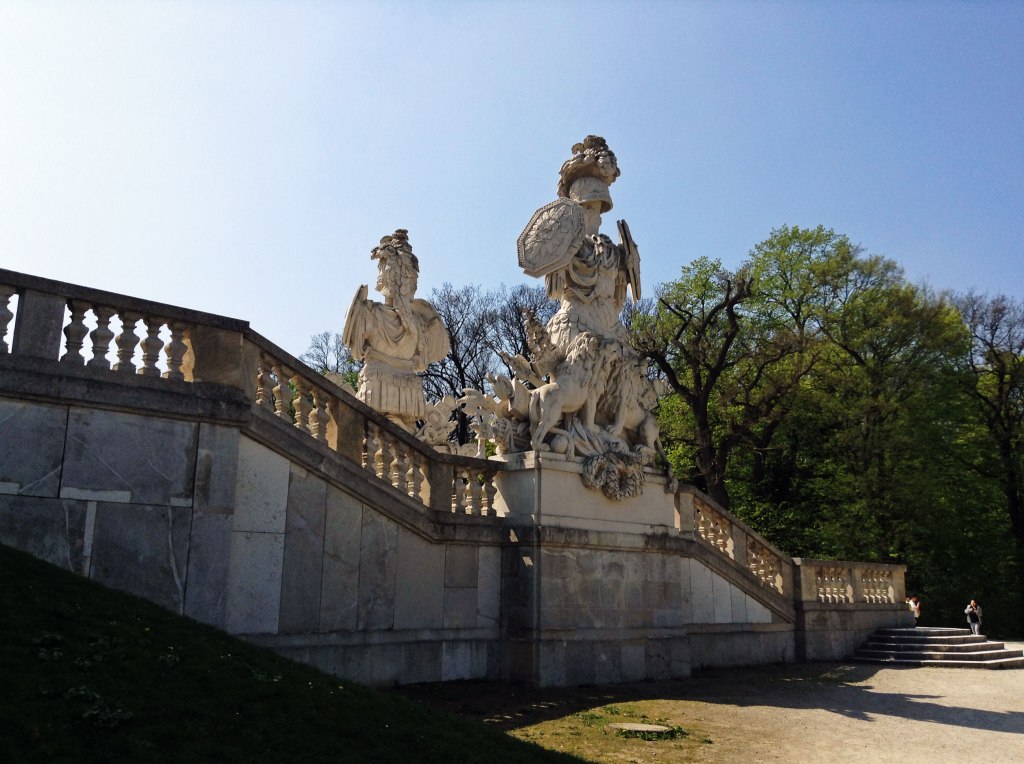
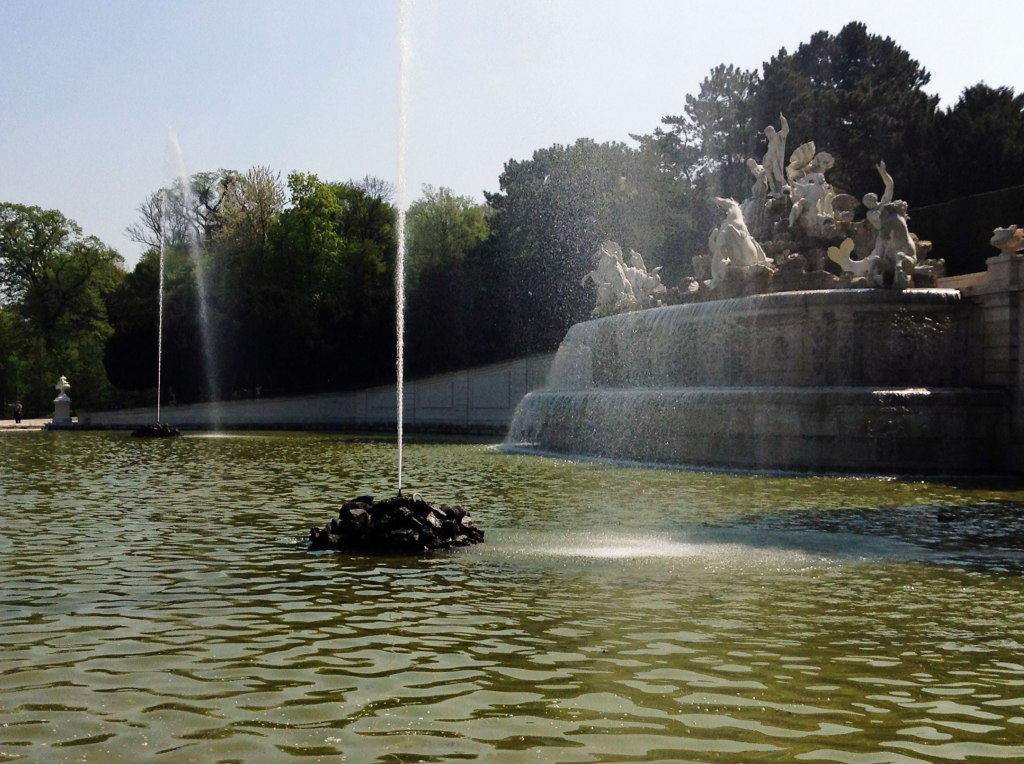
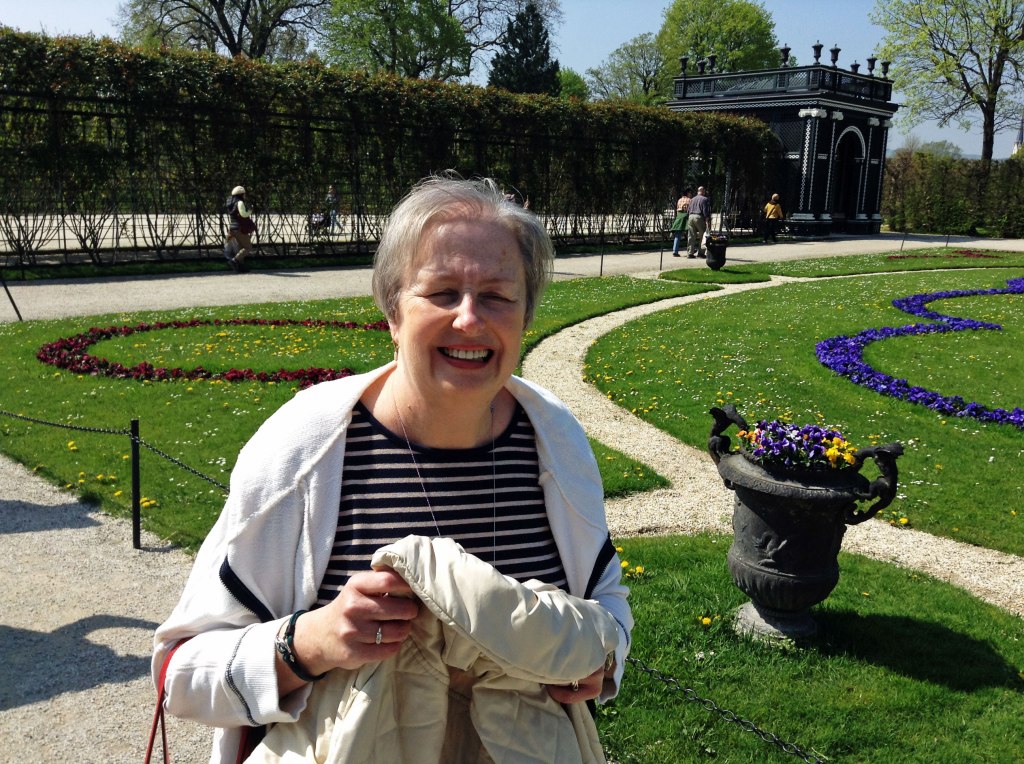
Schönbrunn Palace is a former imperial summer residence.
The Gloriette was destroyed in the Second World War, but had already been restored by 1947, and was restored again in 1995.

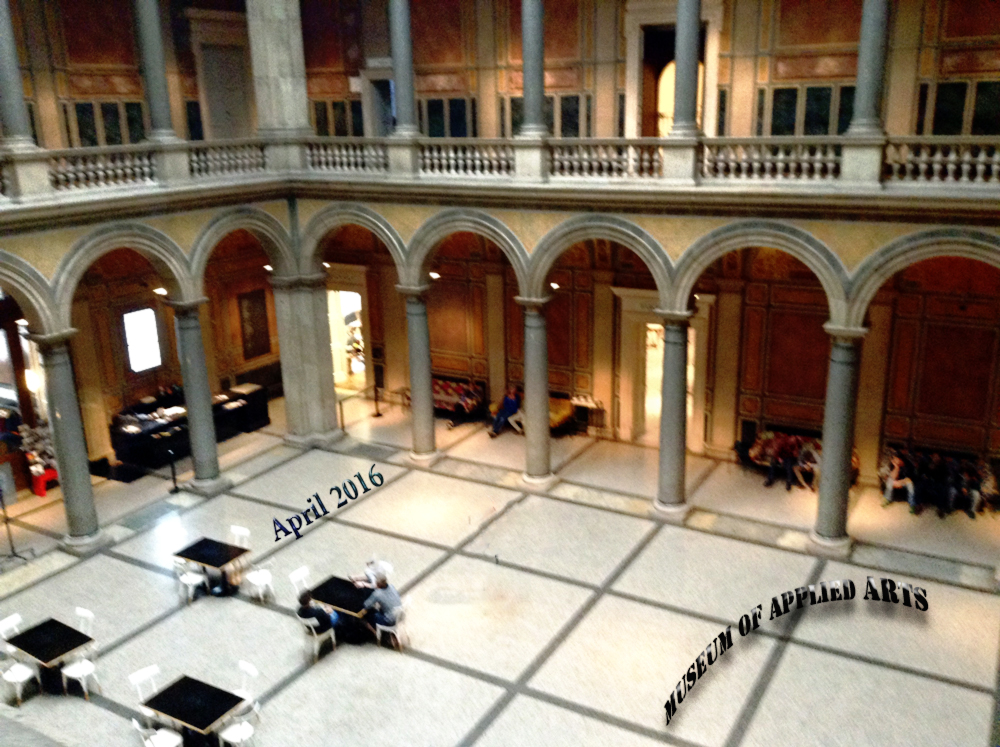
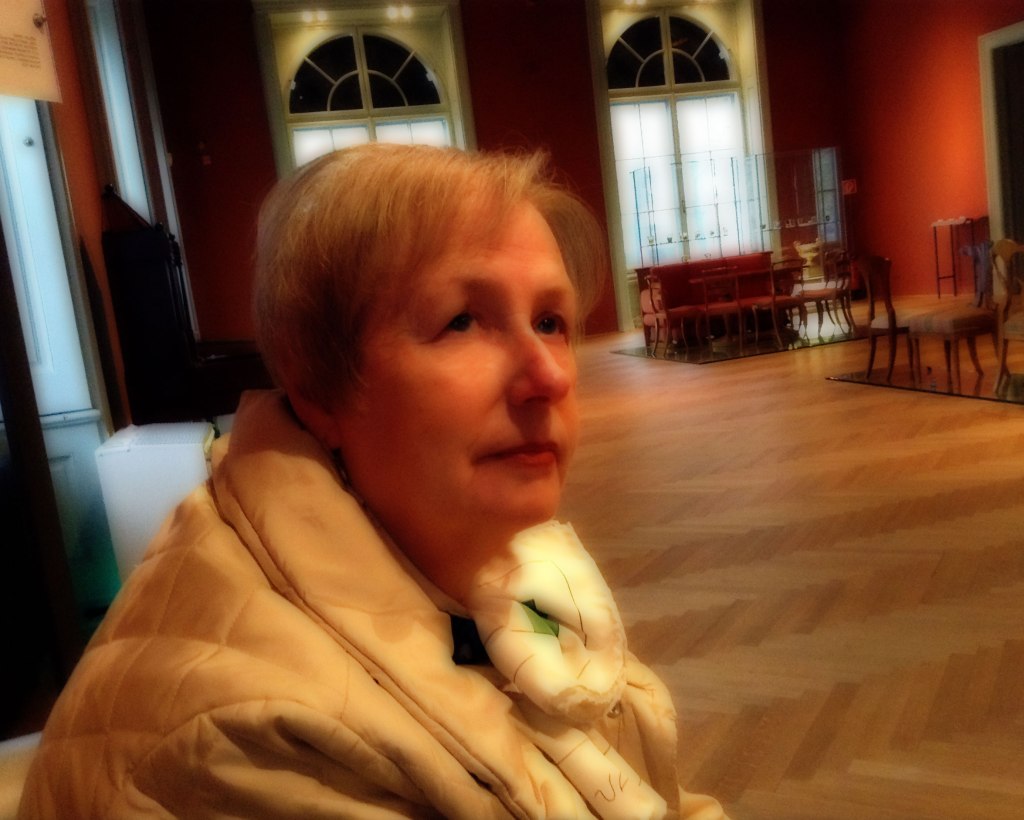
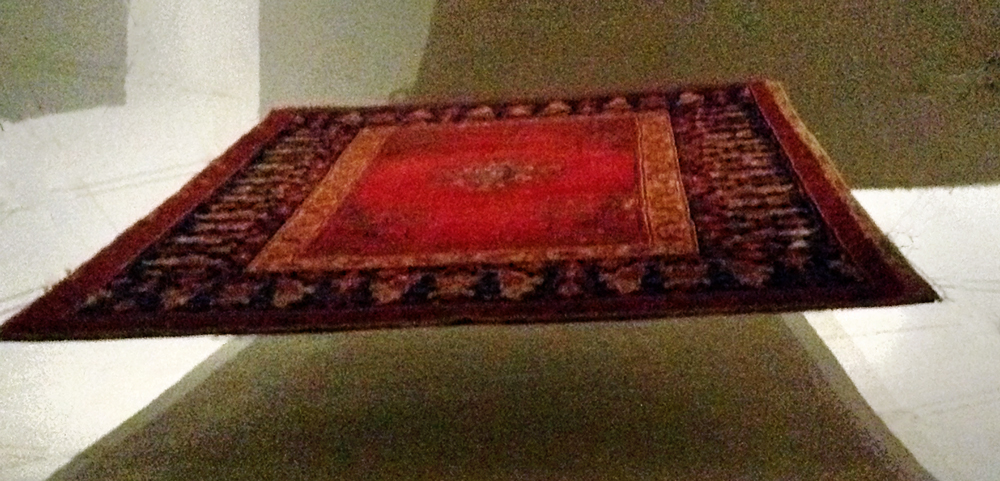
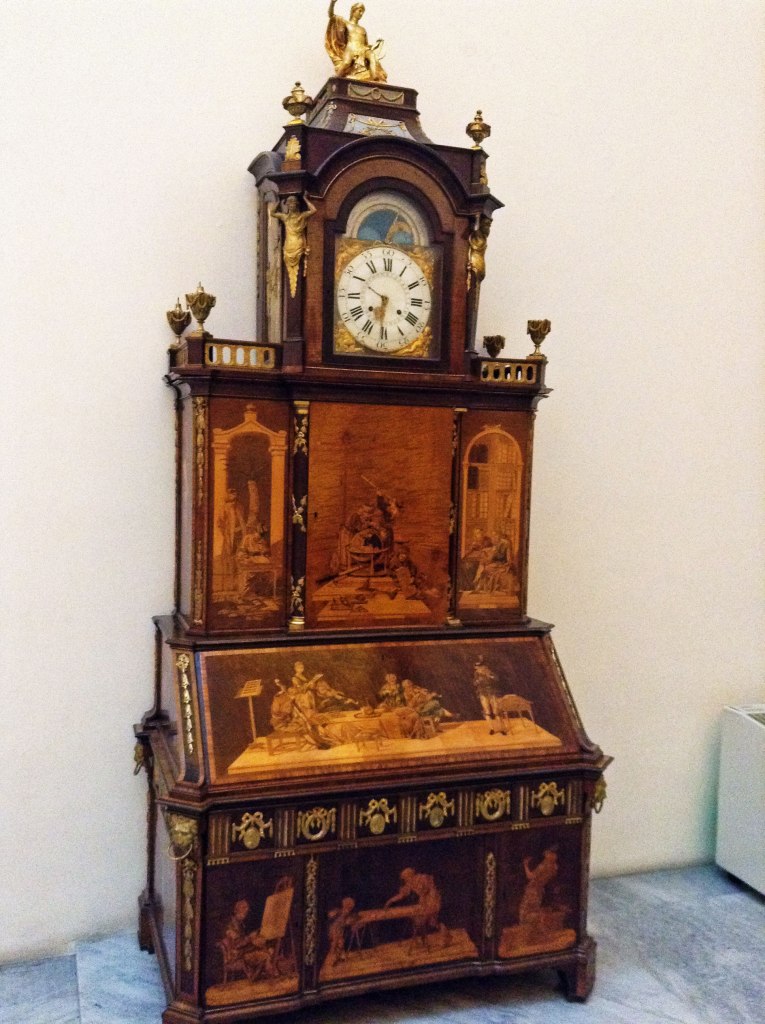
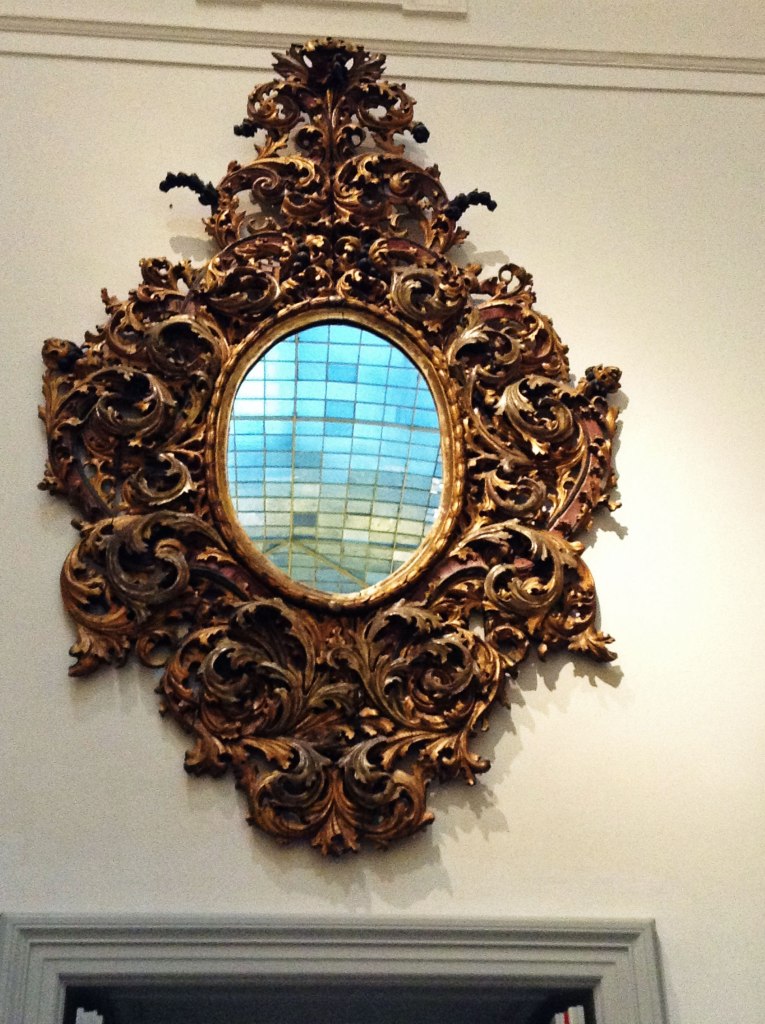
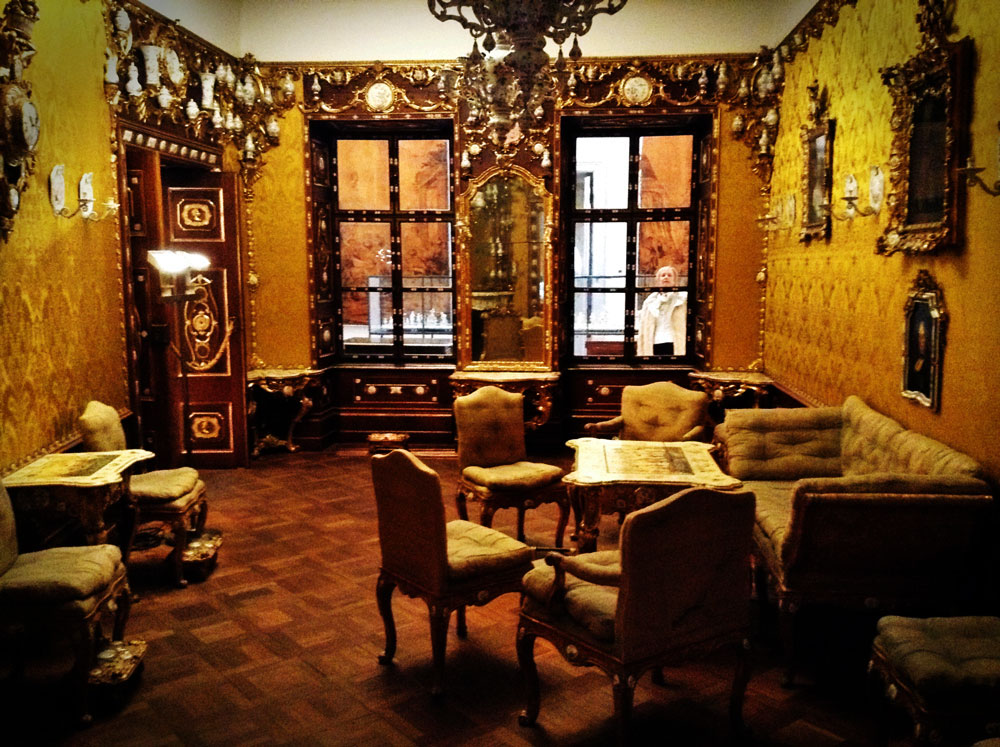
The Museum of Applied Arts, commonly called MAK, is a decorative arts museum located in the Innere Stadt 1st district of Vienna. In 2015, it was the first museum to acquire art work using the cryptocurrency bitcoin. We saw some beautiful furniture.
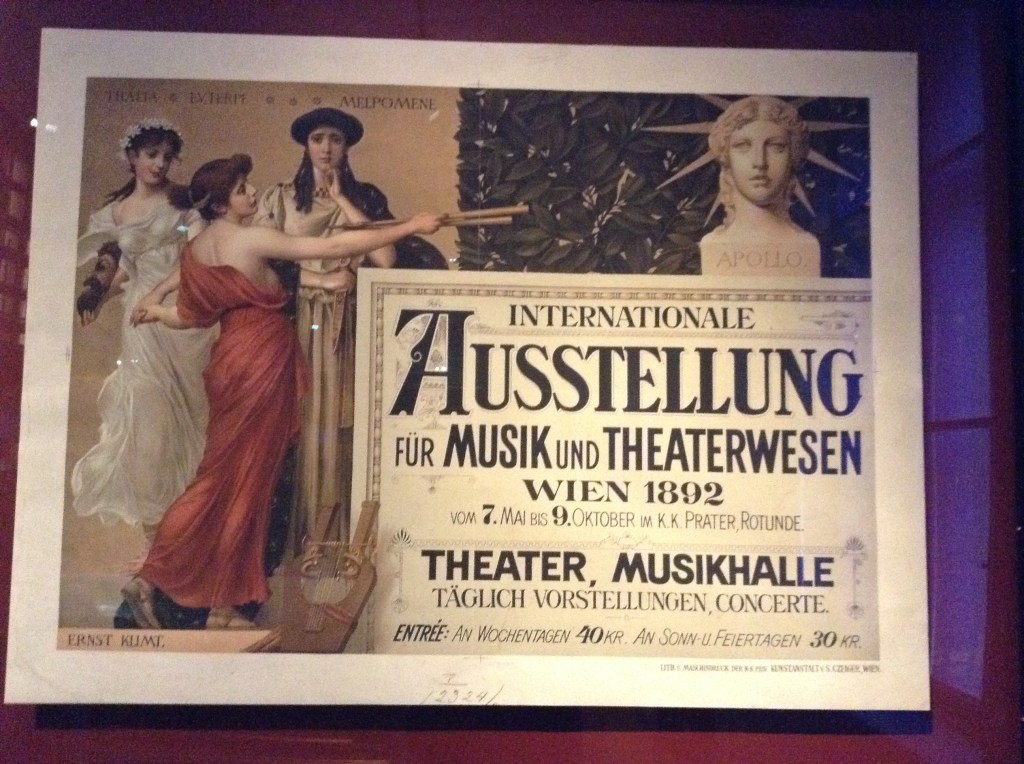
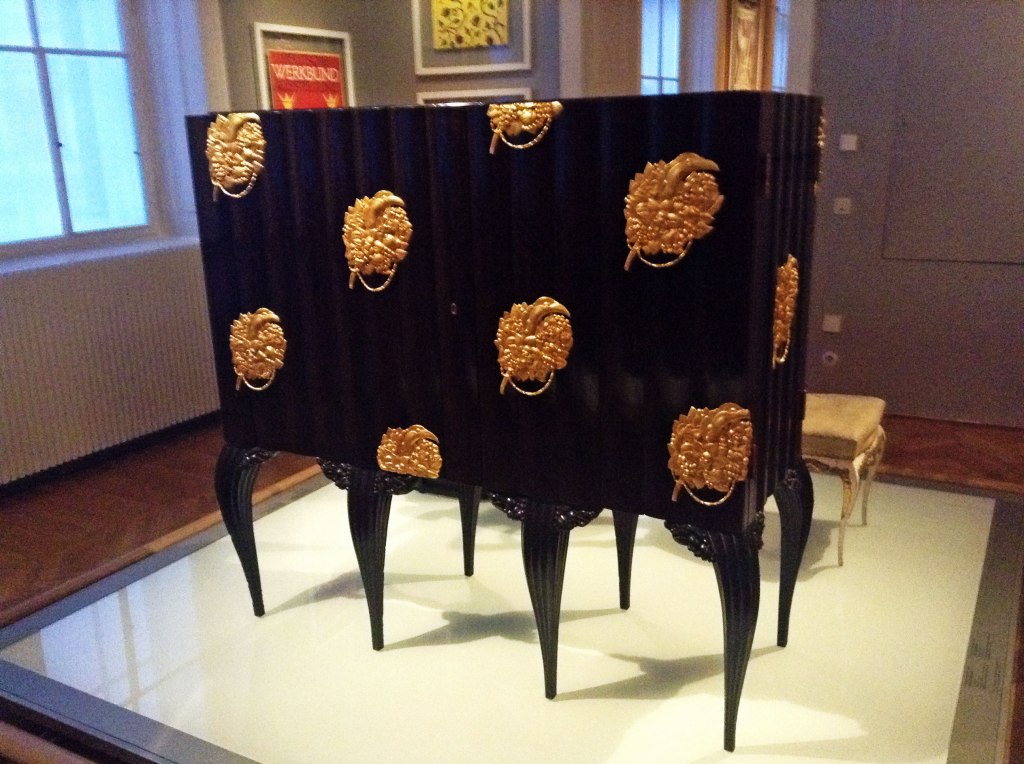
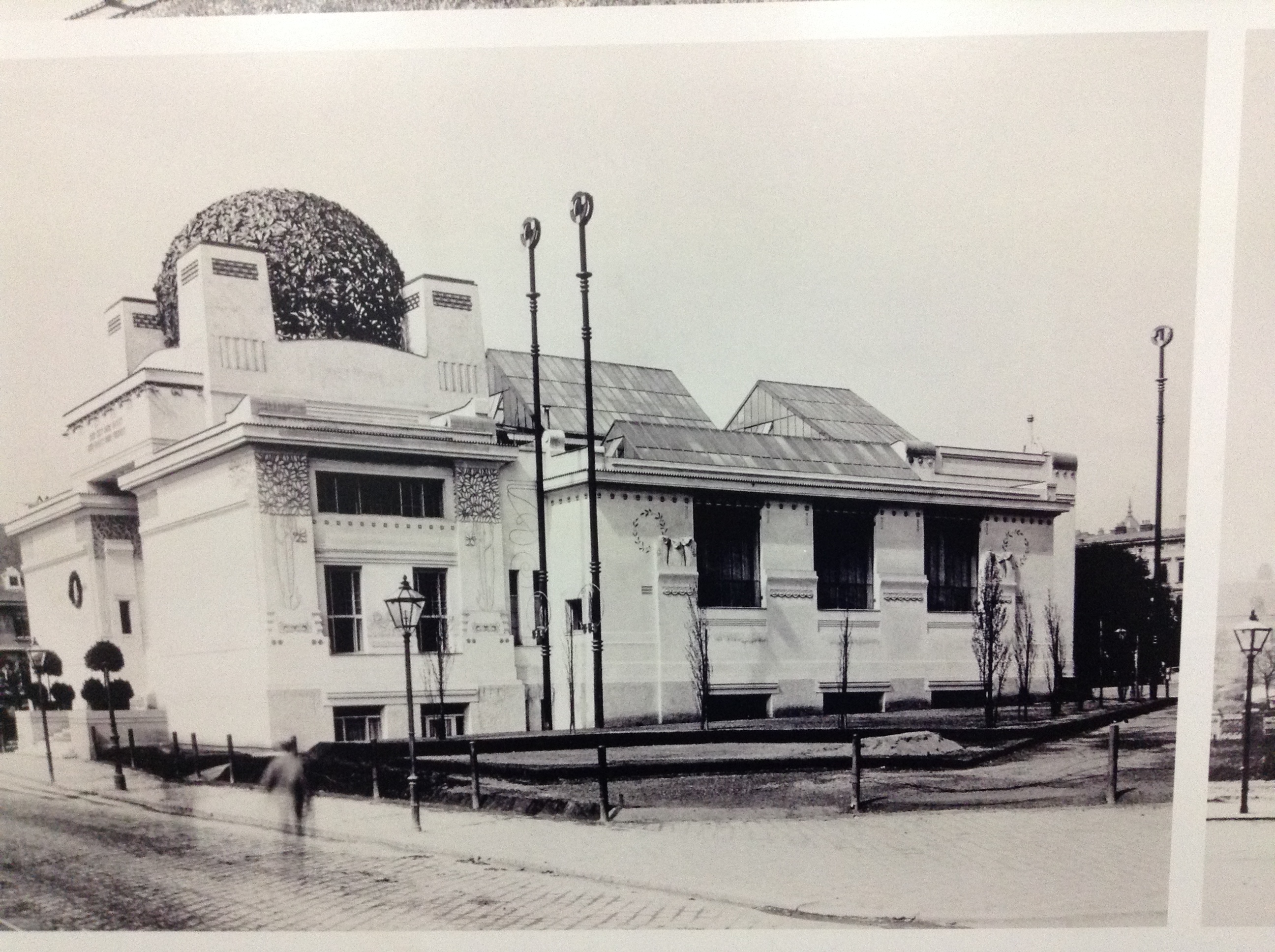
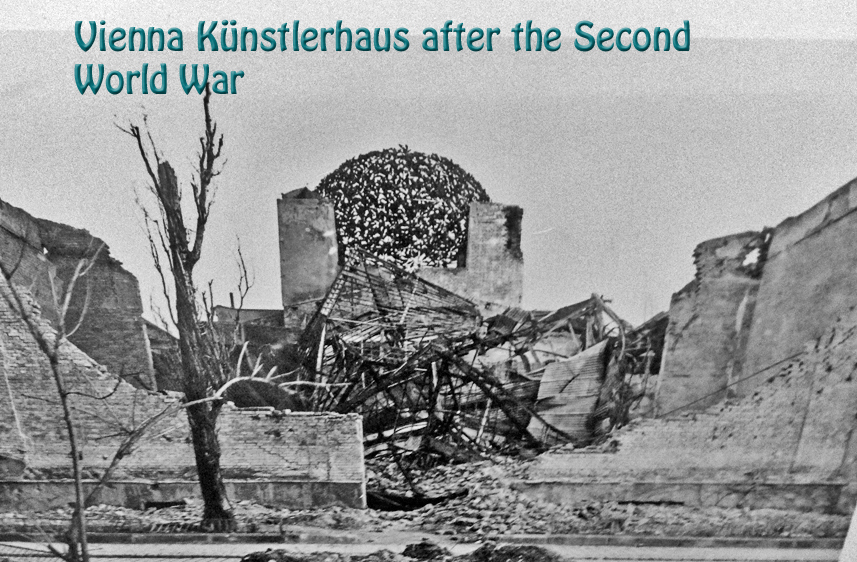
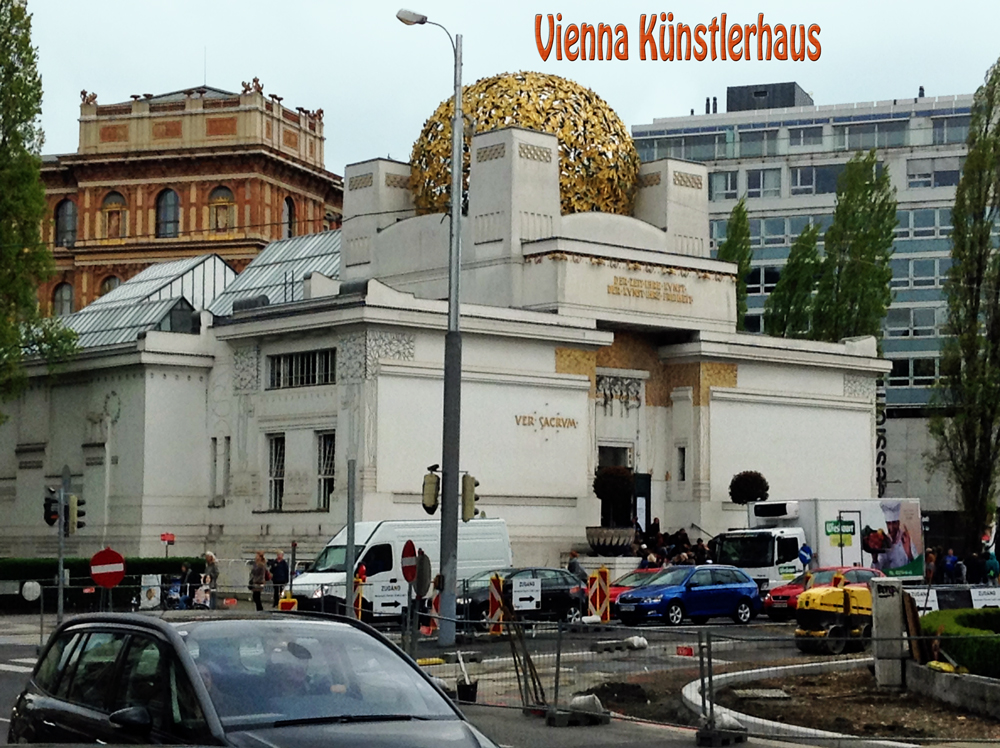
The Vienna Secession also known as the Union of Austrian Artists, or Vereinigung Bildender Künstler Österreichs) was formed in 1897 by a group of Austrian artists who had resigned from the Association of Austrian Artists, housed in the Vienna Kunstlerhaus. This movement included painters, sculptors, and architects. The first president of the Secession was Gustav Klimt. Its official magazine was called Ver Sacrum.


 s
s 