



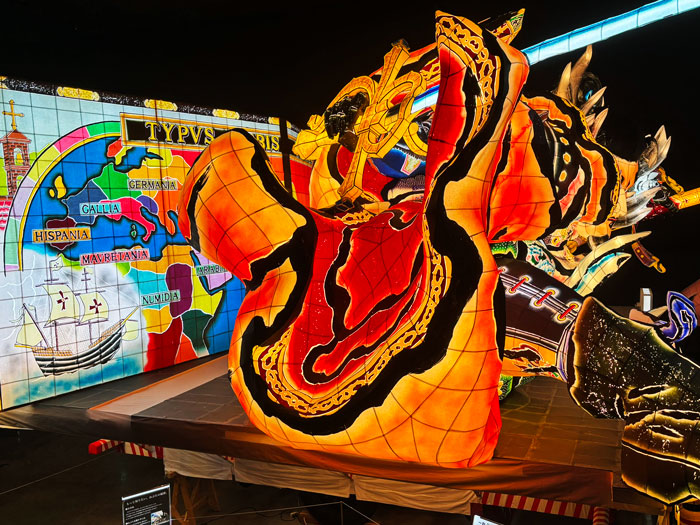
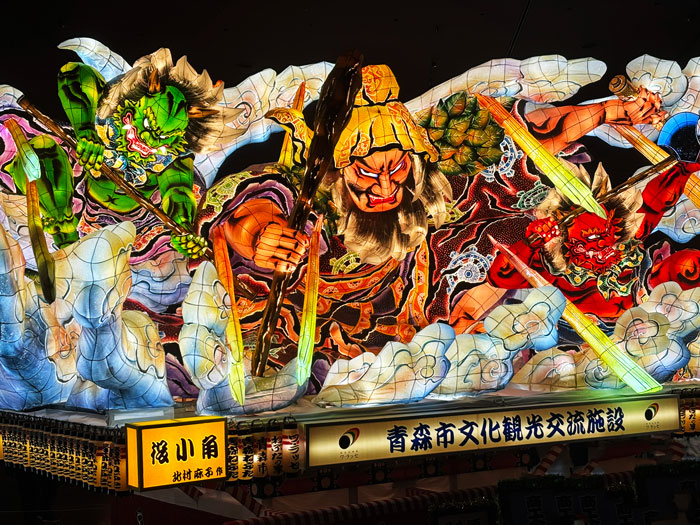
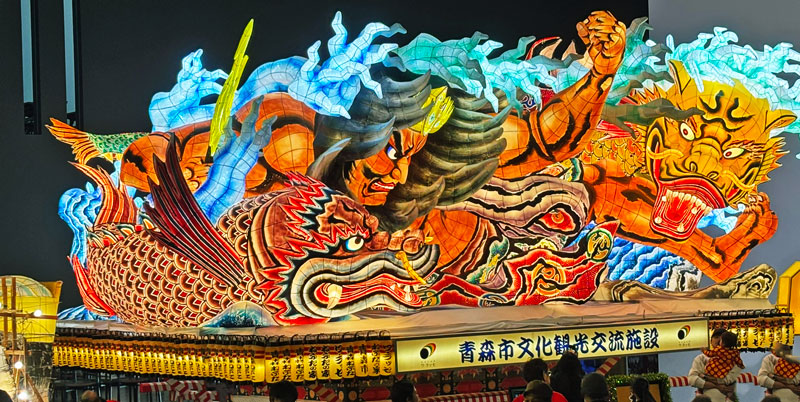
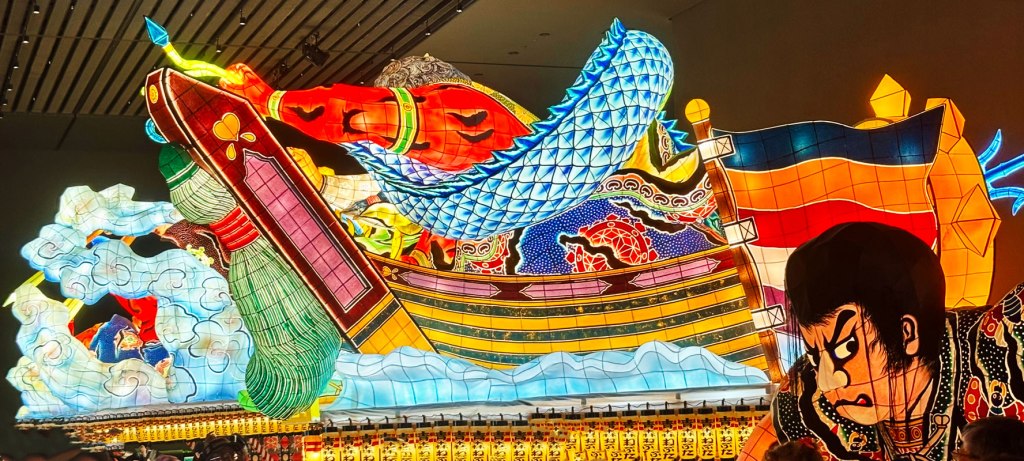
The Nebuta Museum Wa Rasse is a city-owned museum that displays a revolving exhibit of four Nebuta floats from the most recent Aomori Nebuta Matsuri summer festival, alongside media related to the festival.
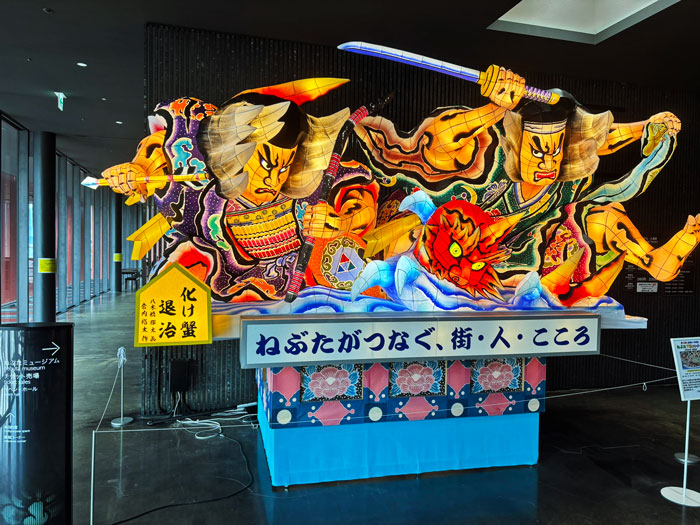
The museum contains two floors of displays. Visitors start the tour of the museum on the second floor. The first exhibition area contains photographs and videos of the history of the Aomori Nebuta Matsuri festival. Guests can also participate in interactive activities in this first exhibition area. The second floor leads to a balcony that overlooks the museum’s main exhibition area where large Nebuta floats are kept. Each year, four new Nebuta floats are selected for display in this exhibition area. Older floats are rotated out of the exhibit after the new ones are installed. The exhibition room is darkened so the floats can be lit to mimic their appearance during the festival. This was quite fascinating.
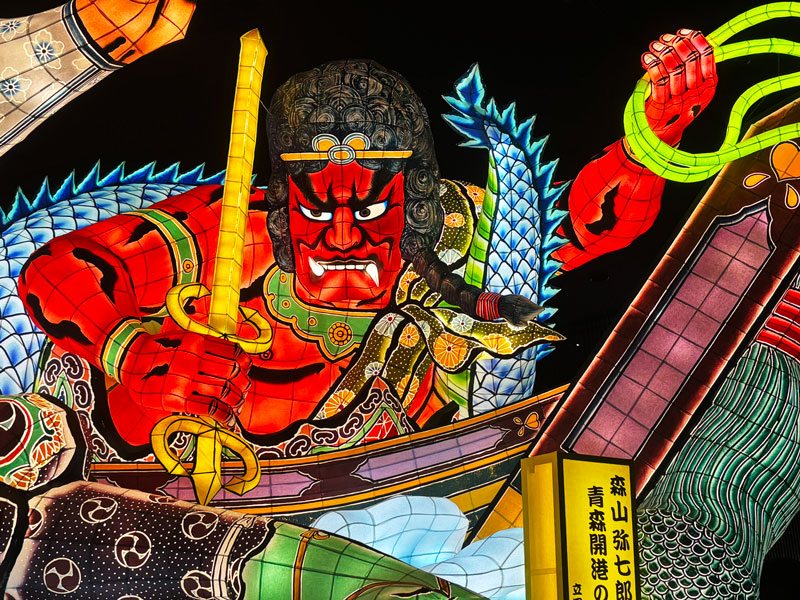
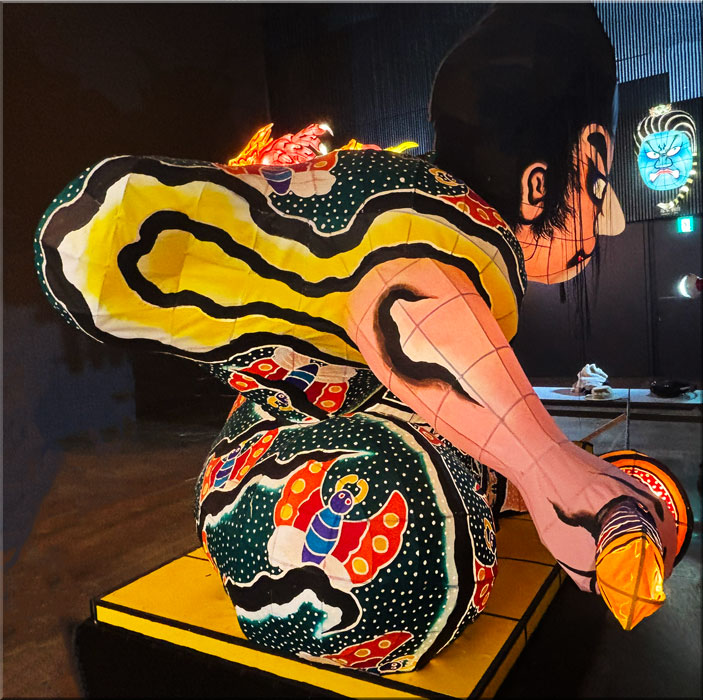
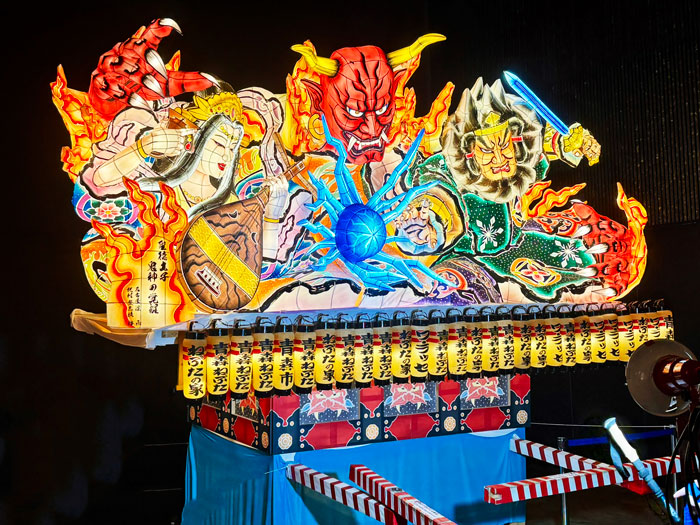
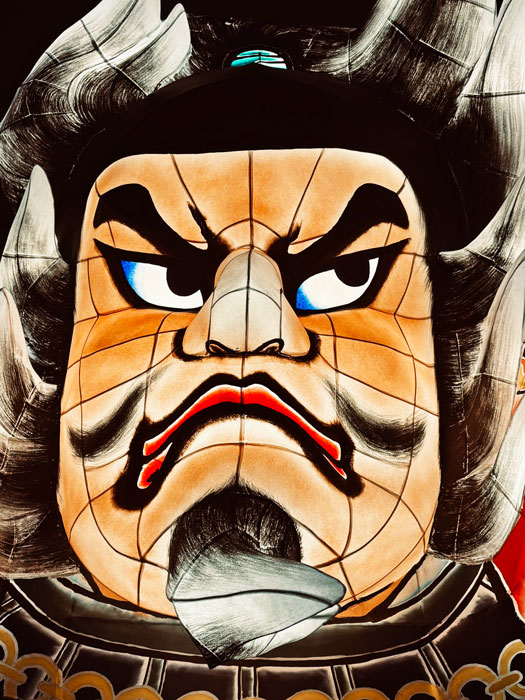
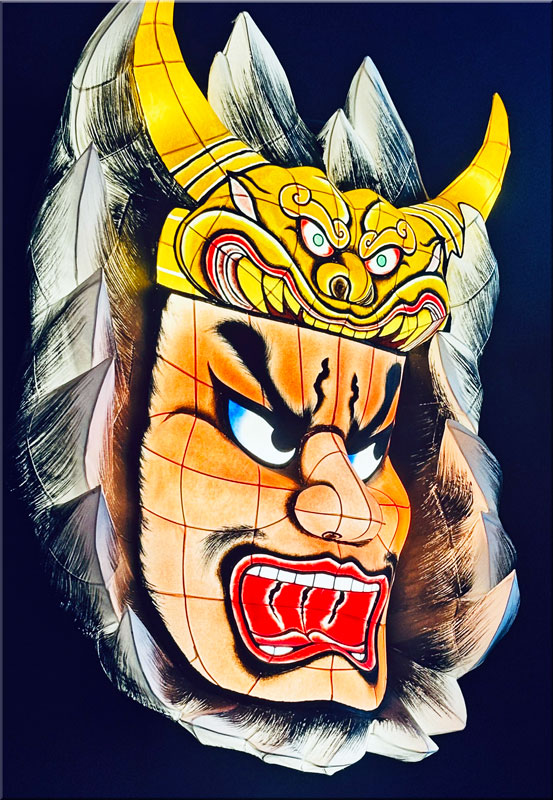
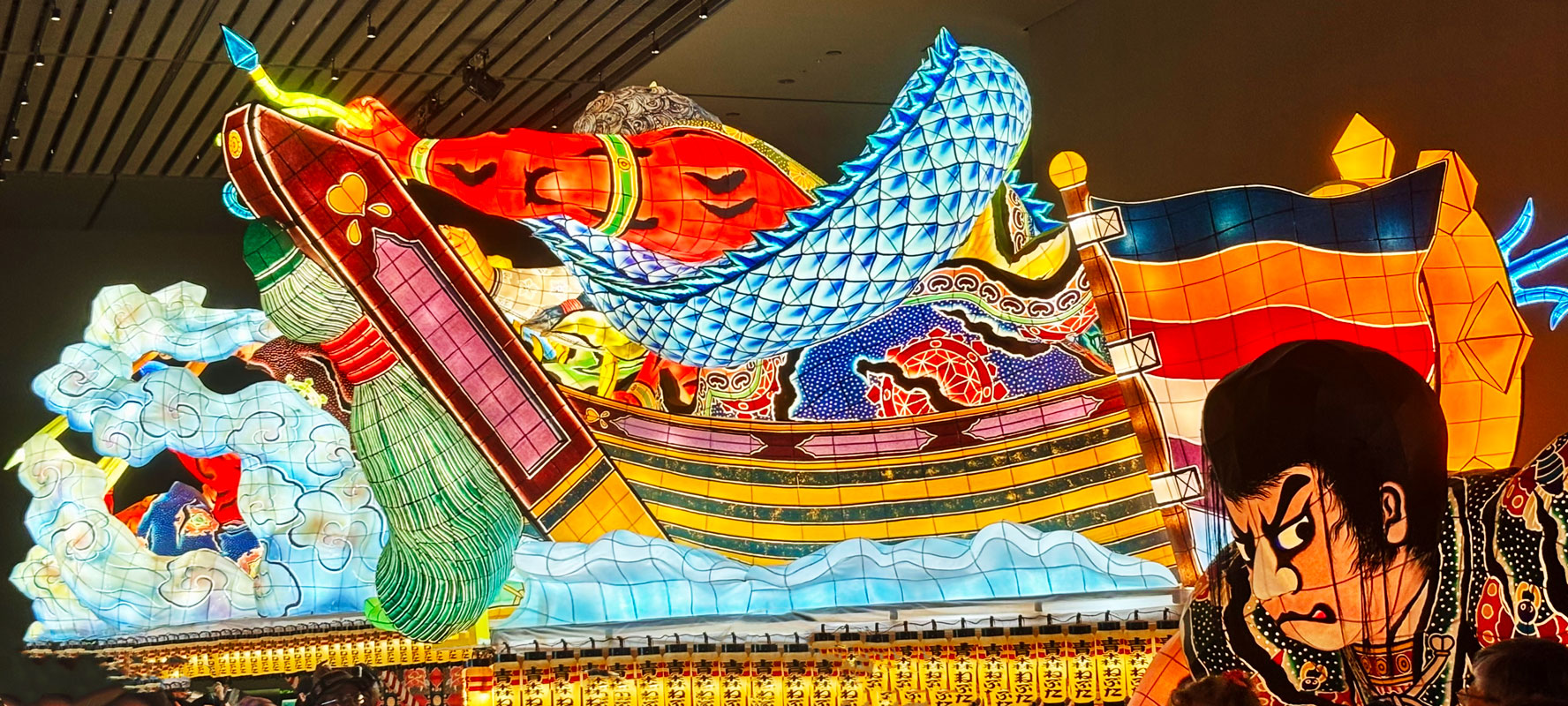
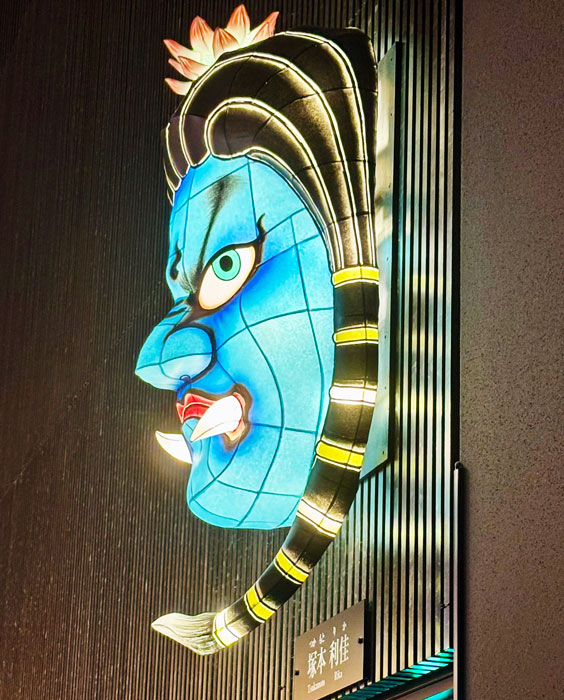
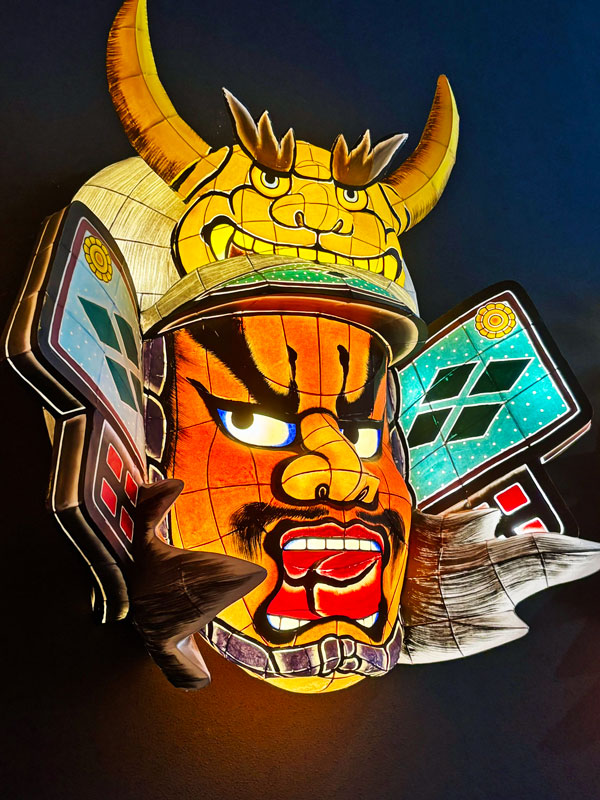
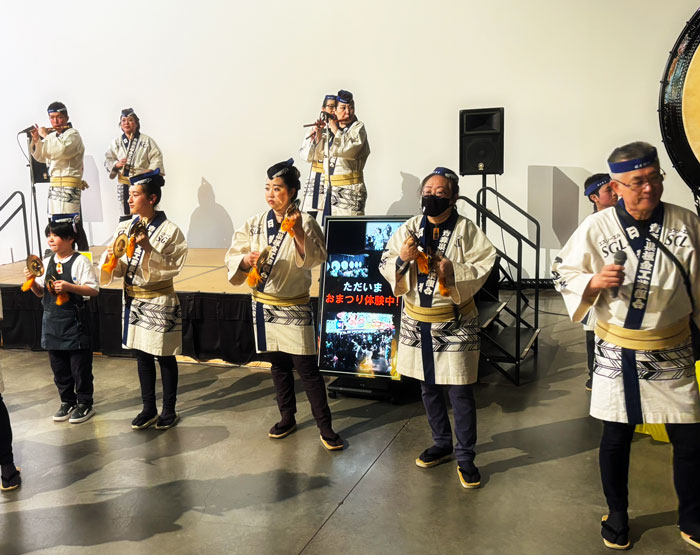
The museum also provides a 30-minute-long “Haneto” experience three times daily, where guests can experience various aspects of the Aomori Nebuta Matsuri festival in the large exhibition area among the four Nebuta floats. The experience emulates the festival. I got to bang those drums…

Sannai Maruyama Site
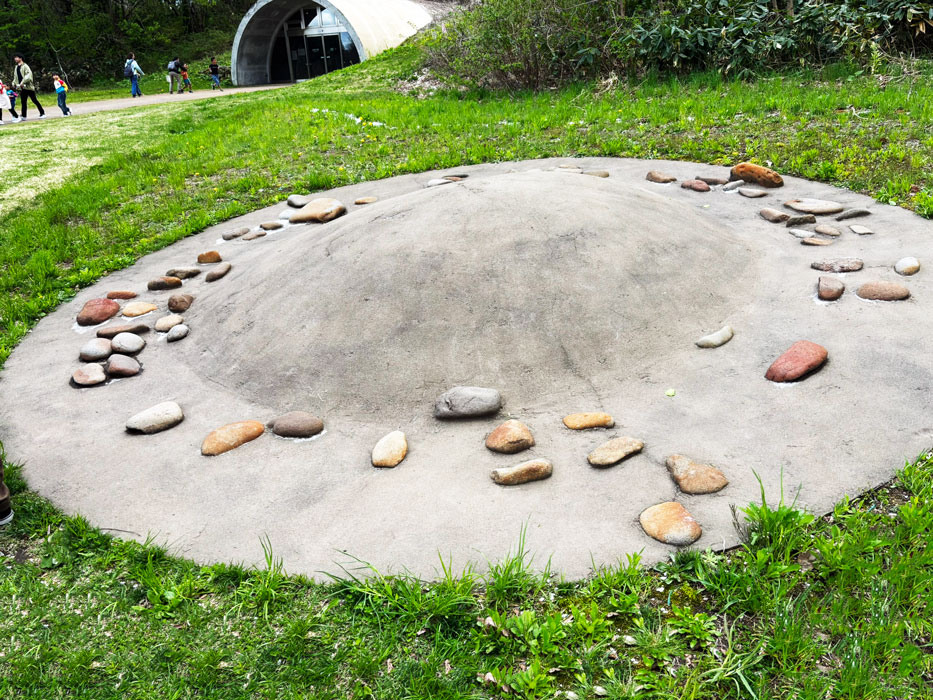
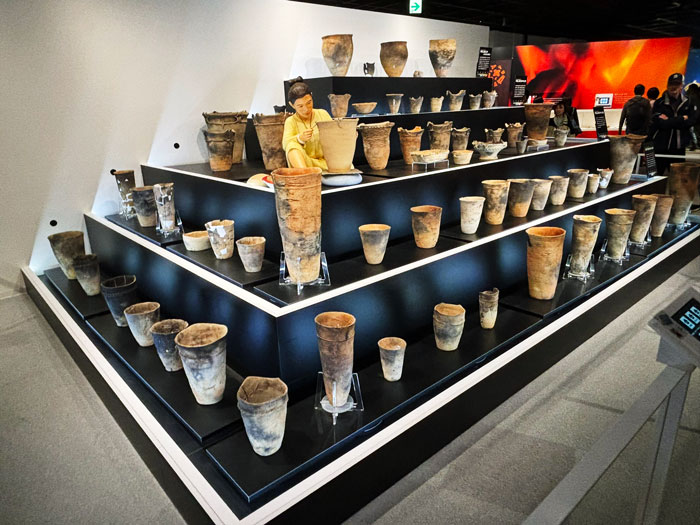
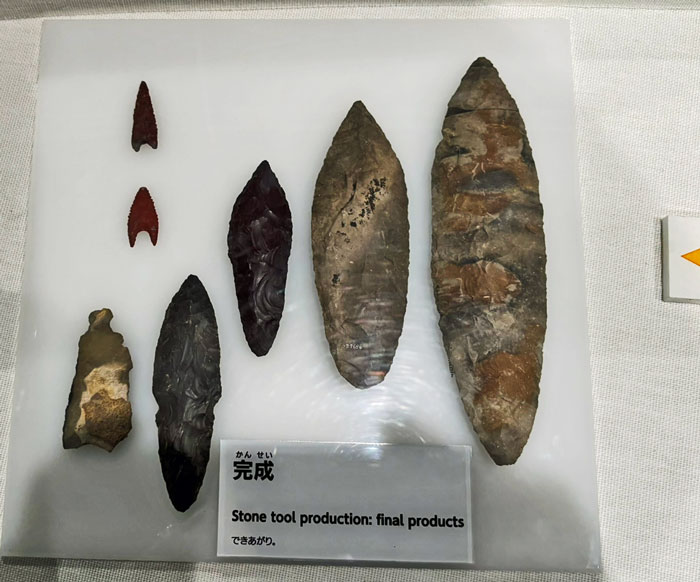
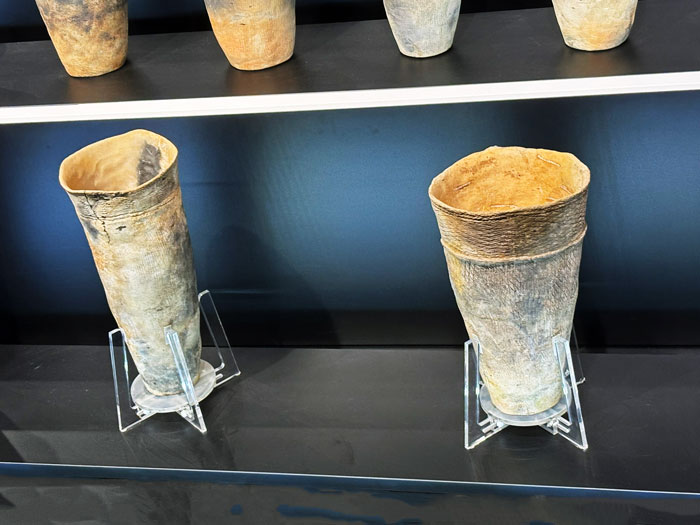
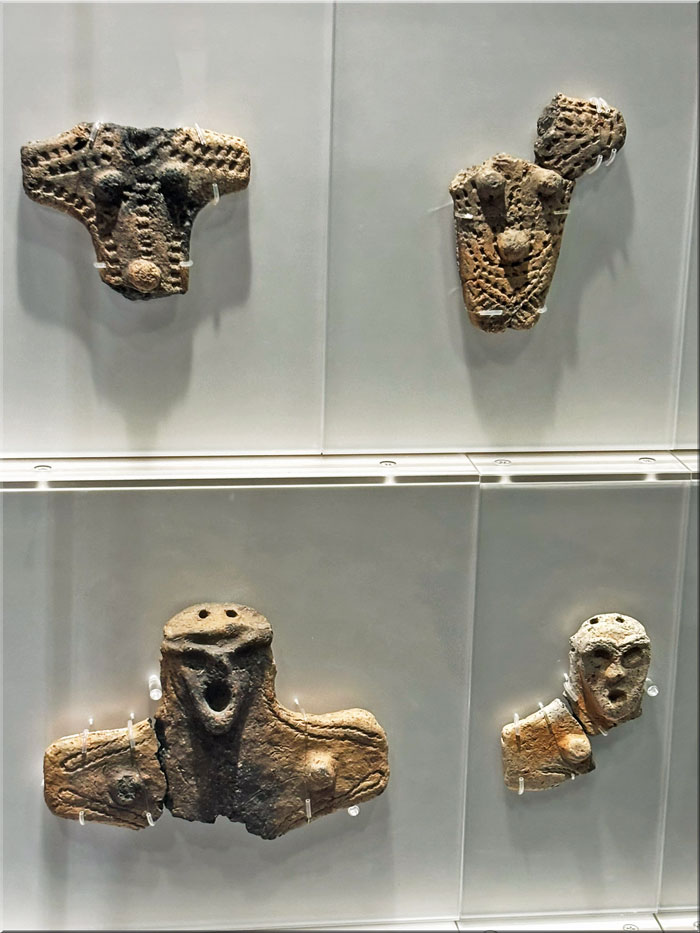
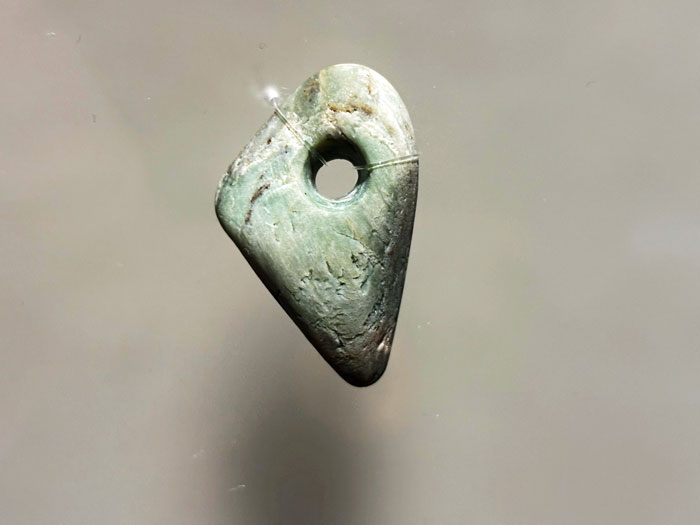
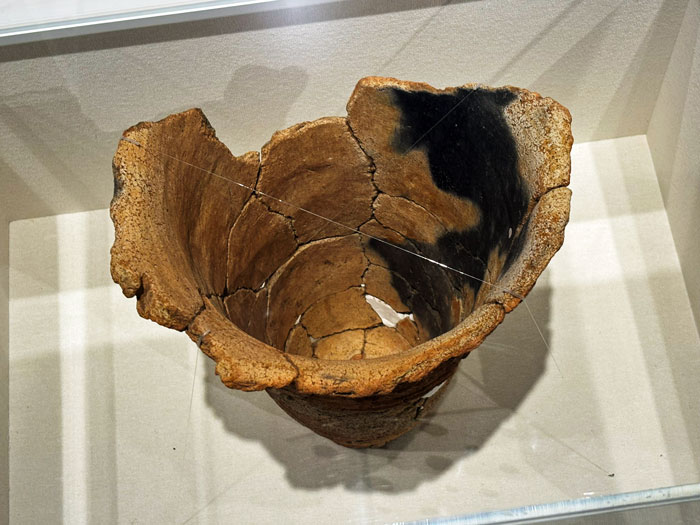
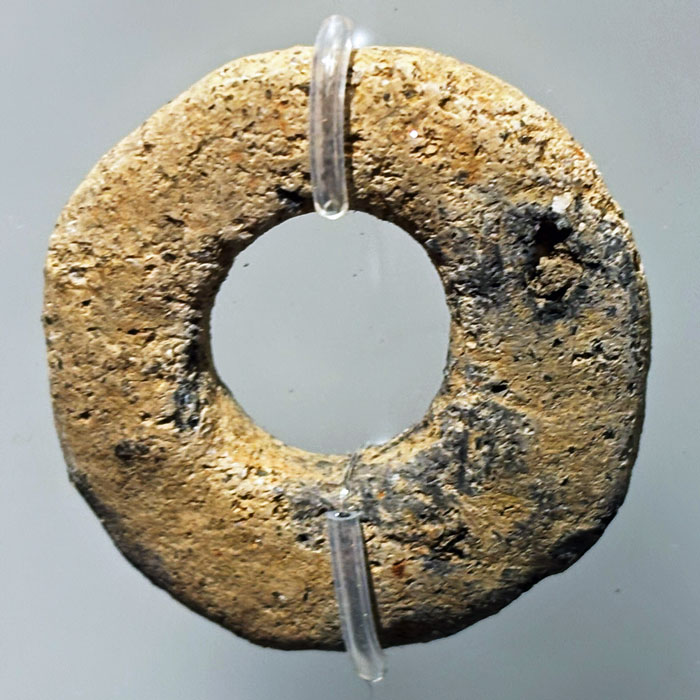
The Sannai-Maruyama Site is an archaeological site and museum located in the Maruyama and Yasuda neighborhoods to the southwest of central Aomori City containing the ruins of a very large Jomon period settlement. The ruins of a 40-hectare settlement were discovered in 1992, when Aomori Prefecture started surveying the area for a planned baseball stadium.
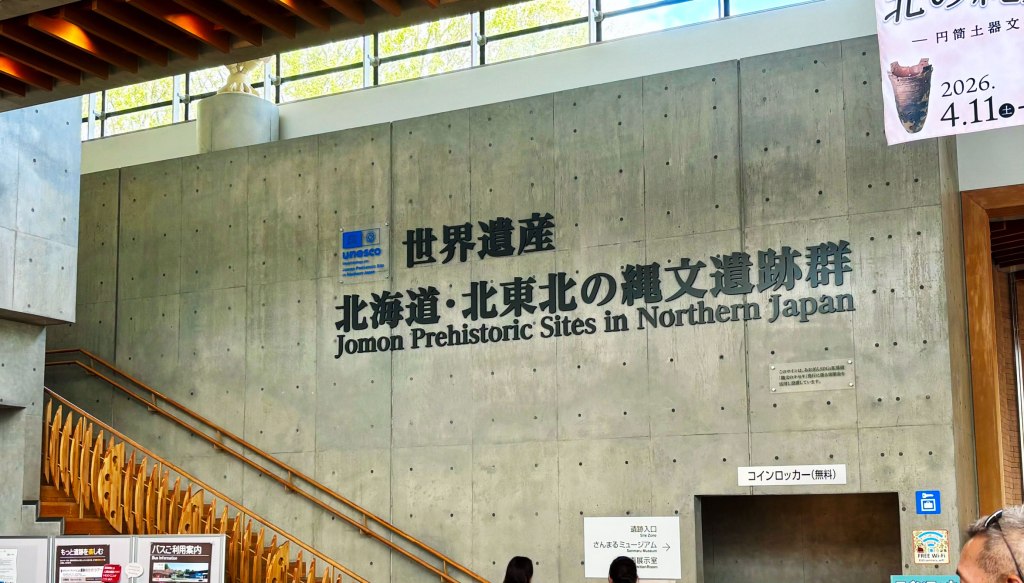
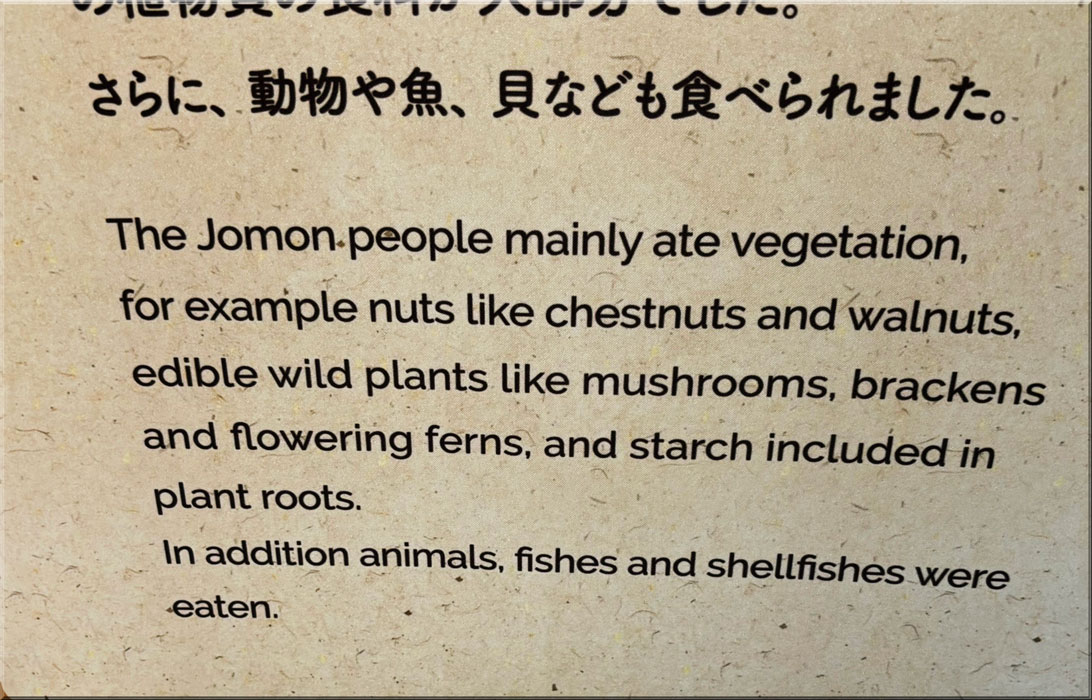
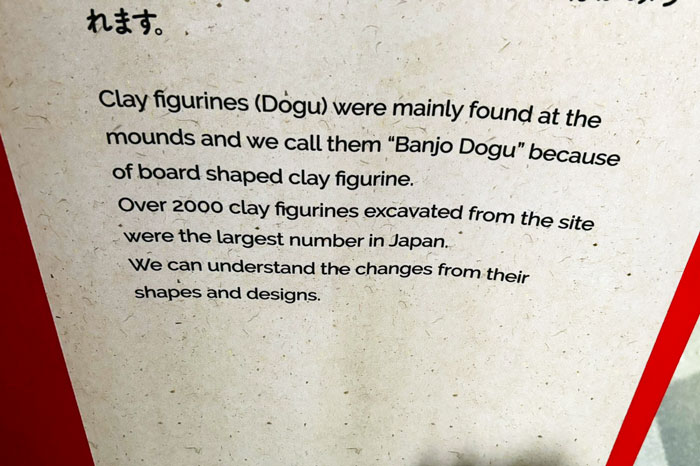
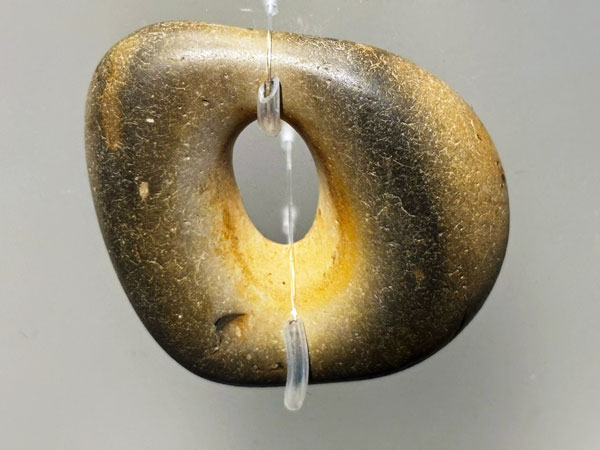
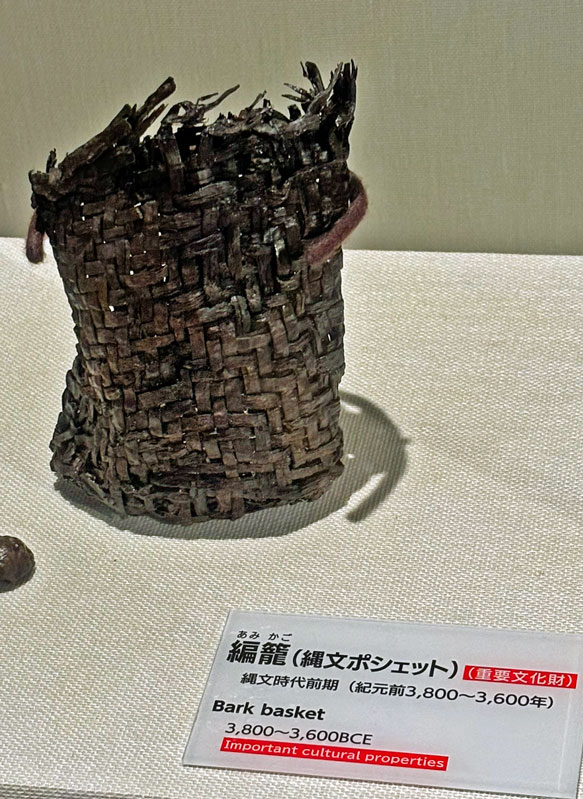
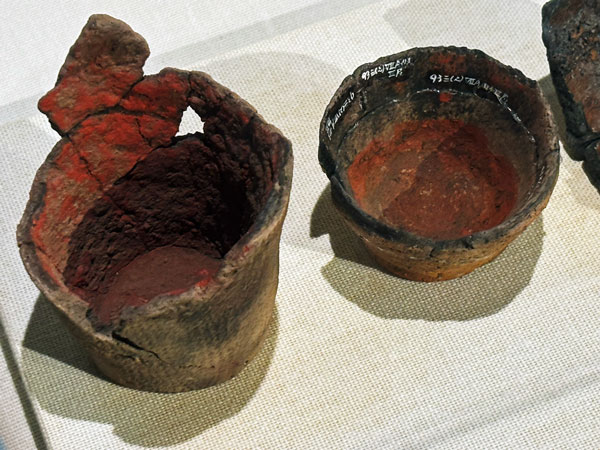
Archaeologists have used this site to further their understanding of the transition to sedentism and the life of the Jōmon people. Excavation has led to the discovery of storage pits, above ground storage, and long houses. These findings demonstrate a change in the structure of the community, architecture, and organizational behaviors of these people.
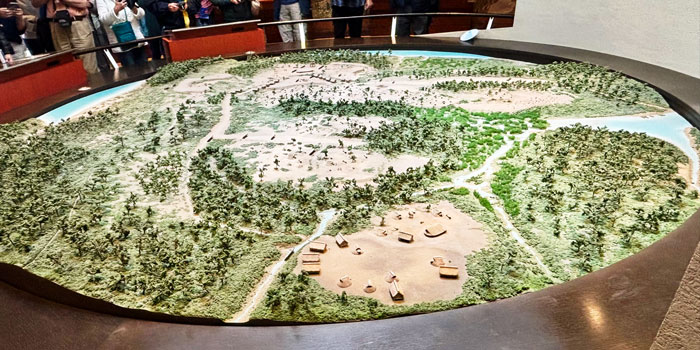
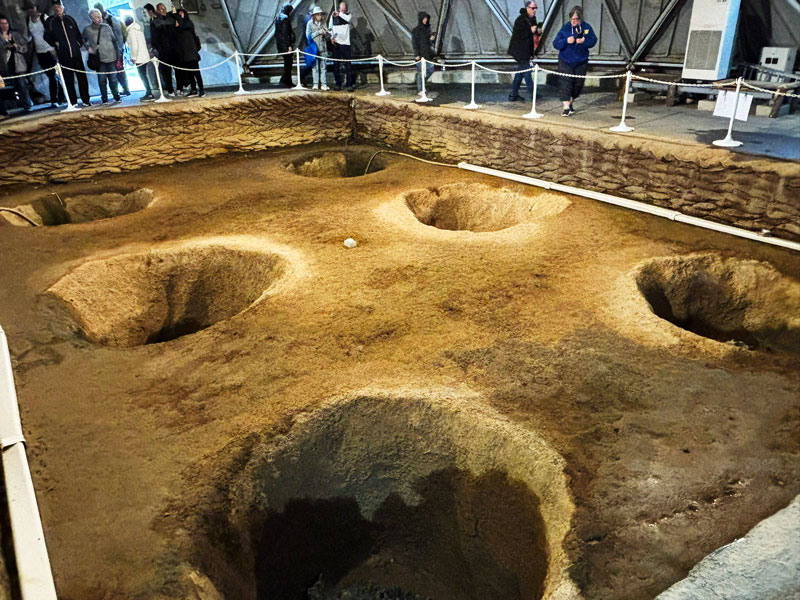
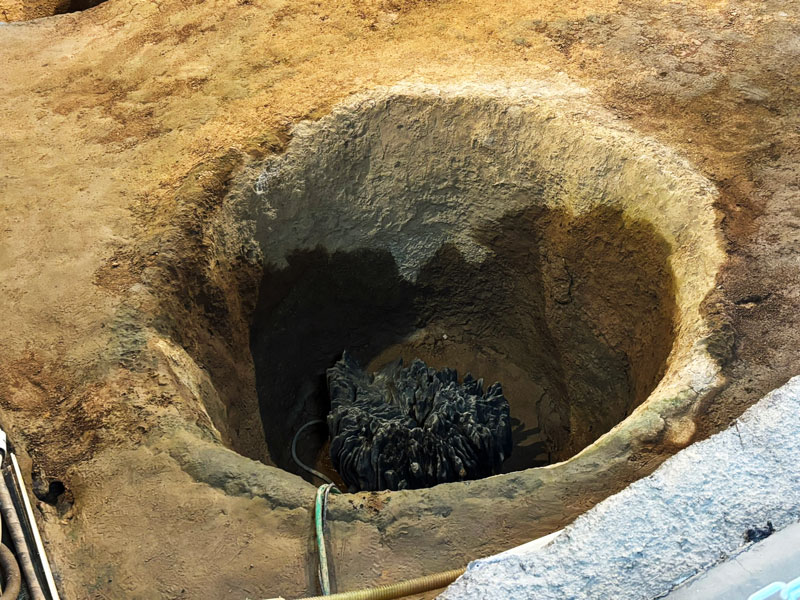
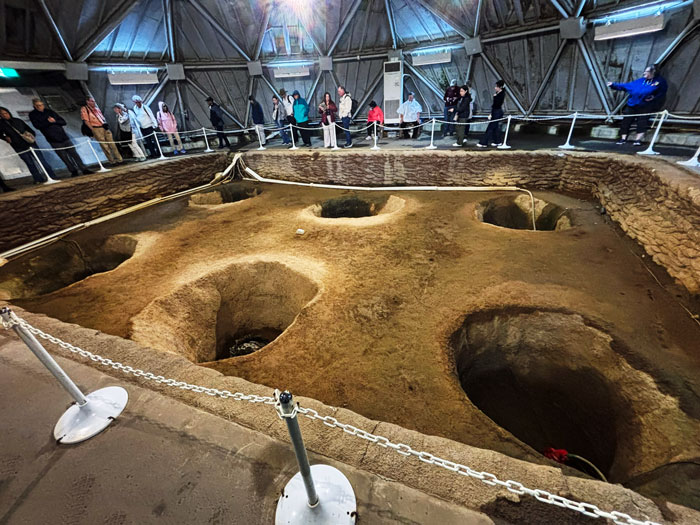
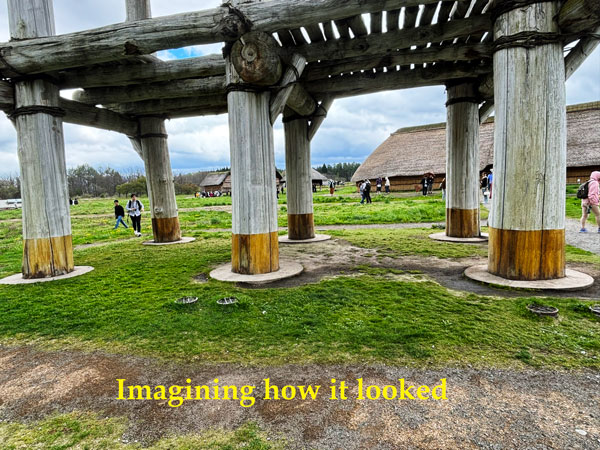
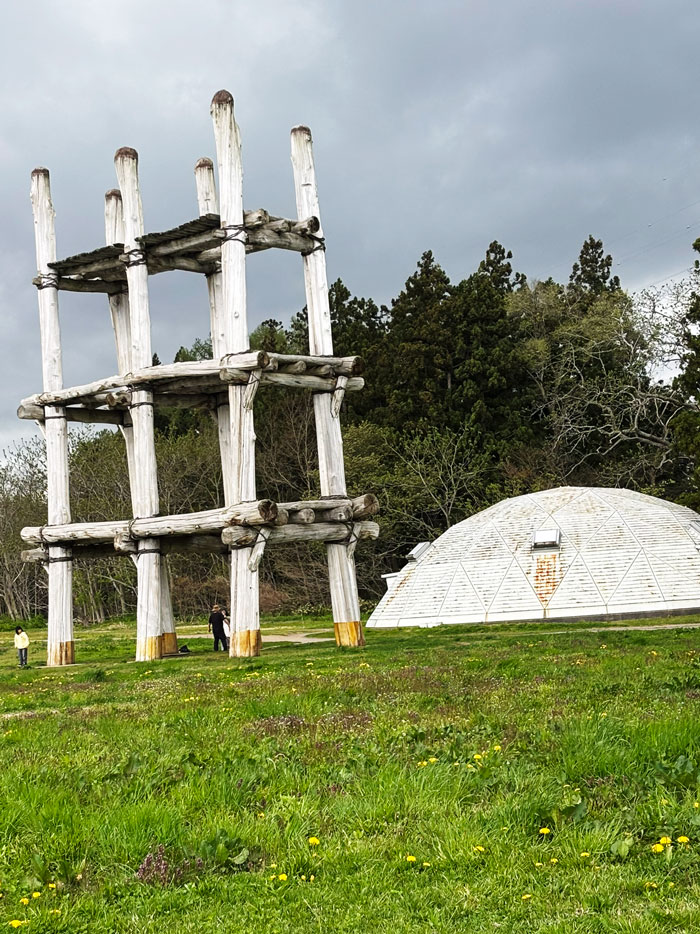
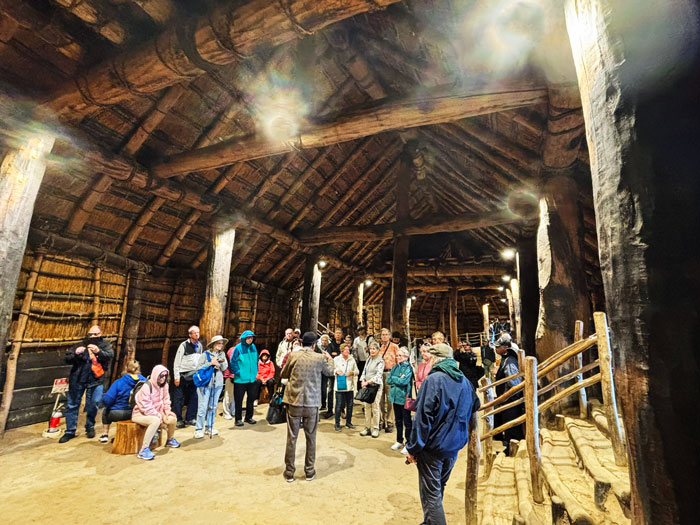
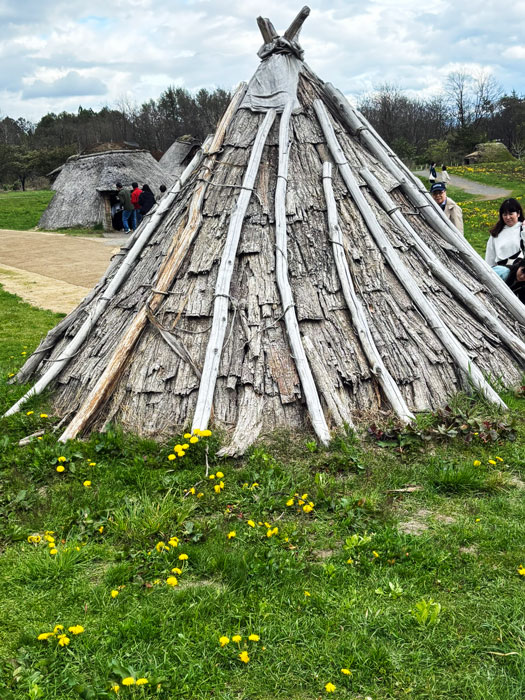
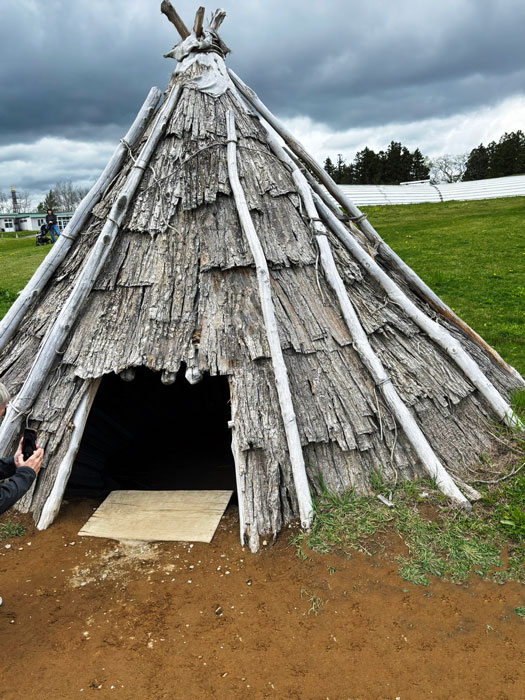
Imagining how it might have looked like

 Zland Times