



Orkney is an archipelago in the Northern Isles off the north coast of Scotland. Orkney is 16 km north of Caithness and has about 70 islands, of which 20 are inhabited. The largest island, the Mainland, has an area of 523 square kilometres, Orkney’s largest settlement, and also its administrative centre, is Kirkwall.
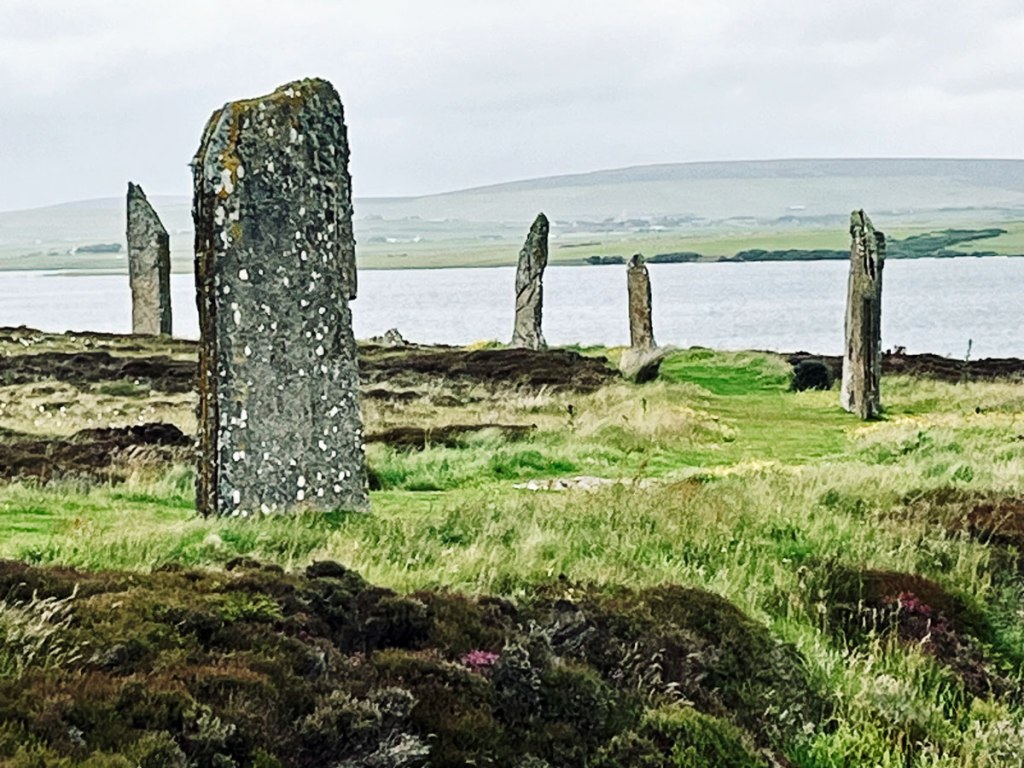
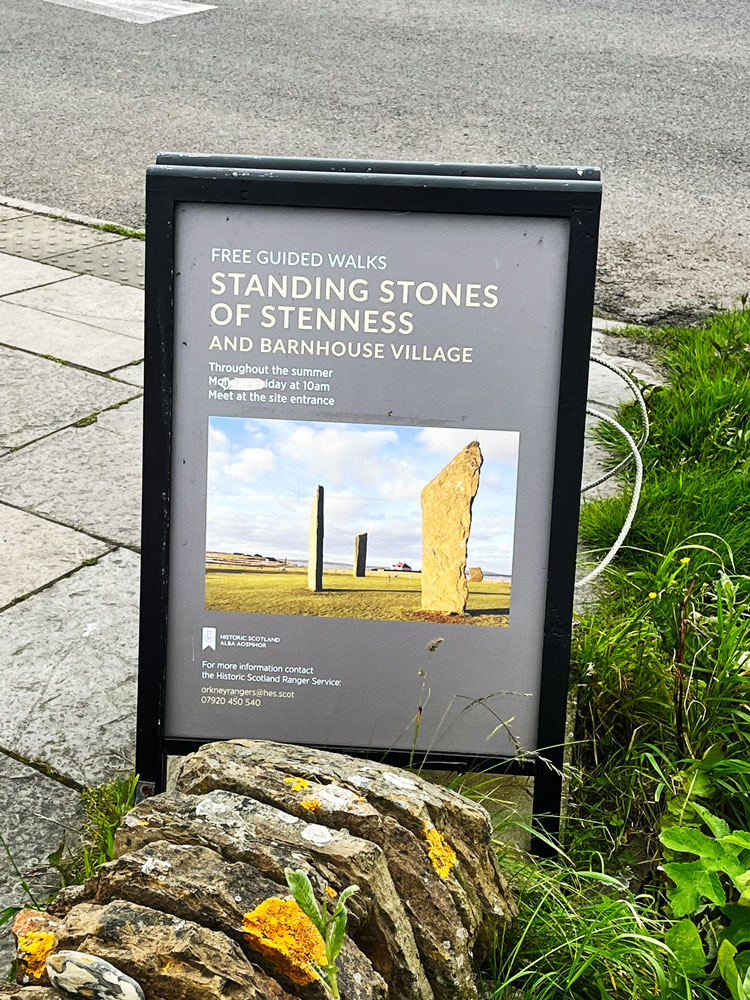
The islands have been inhabited for at least 8,500 years, originally occupied by Mesolithic and Neolithic and tribes and then by the Pics. Orkney was colonised and later annexed by the Kingdom of Norway in 875 and settled by the Noresemen. In 1472, the Parliament of Scotland absorbed the Earldom of Orkney into the Kingdom of Scotland, following failure to pay a dowry promised to James III of Scotland by the family of his bride, Margaret of Denmark.
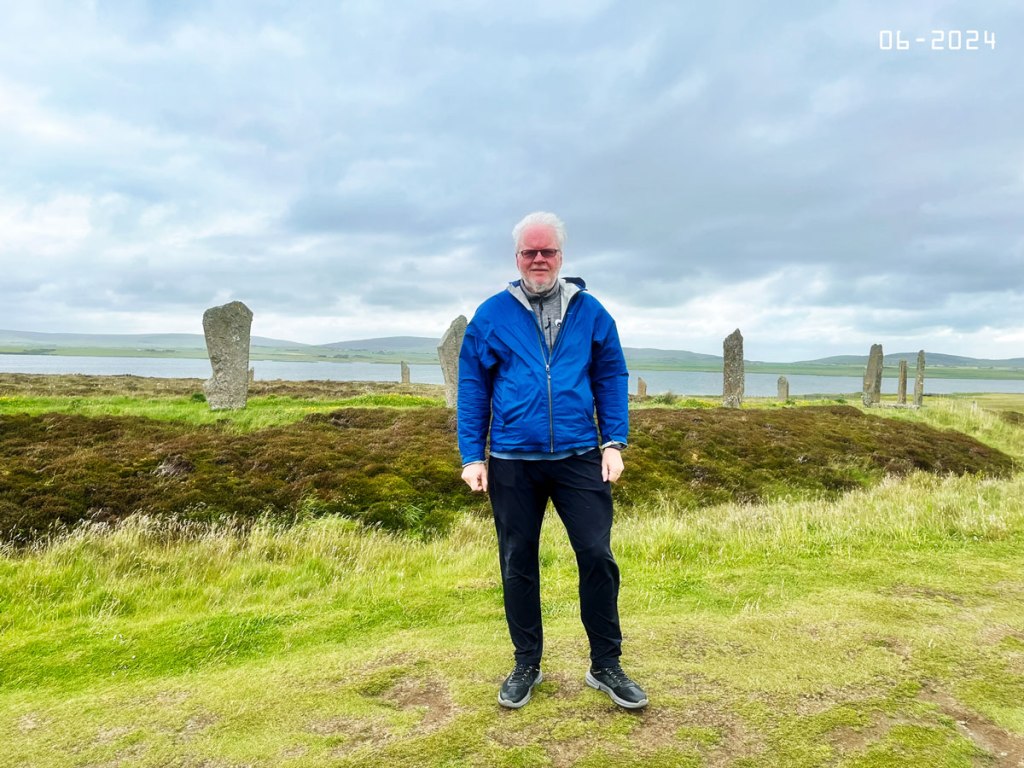
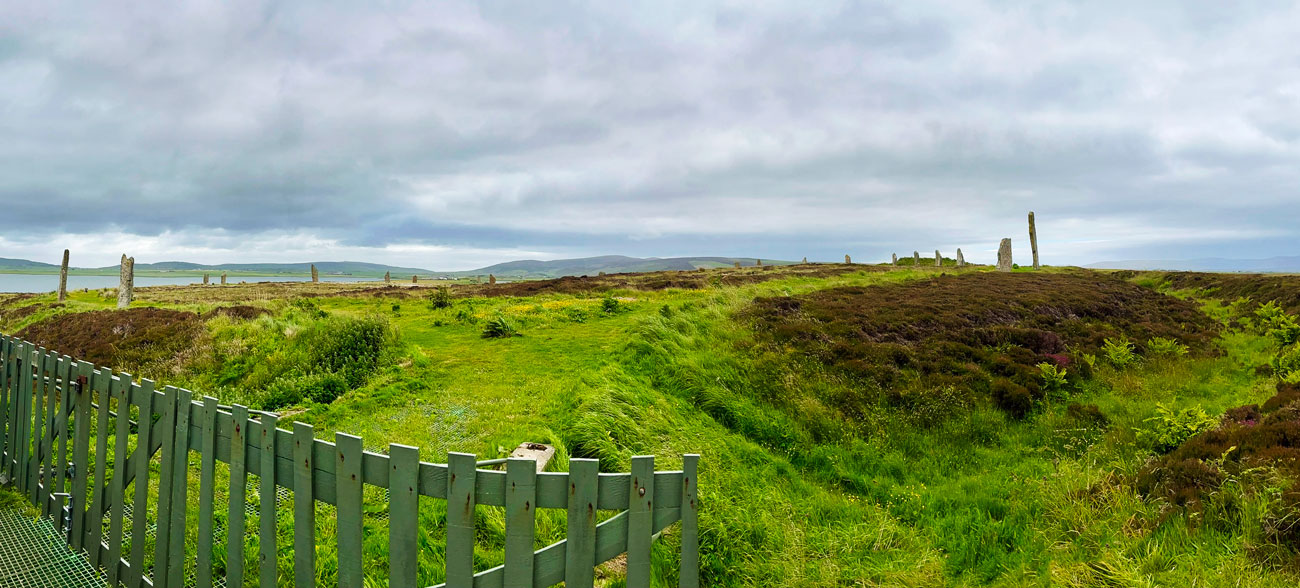
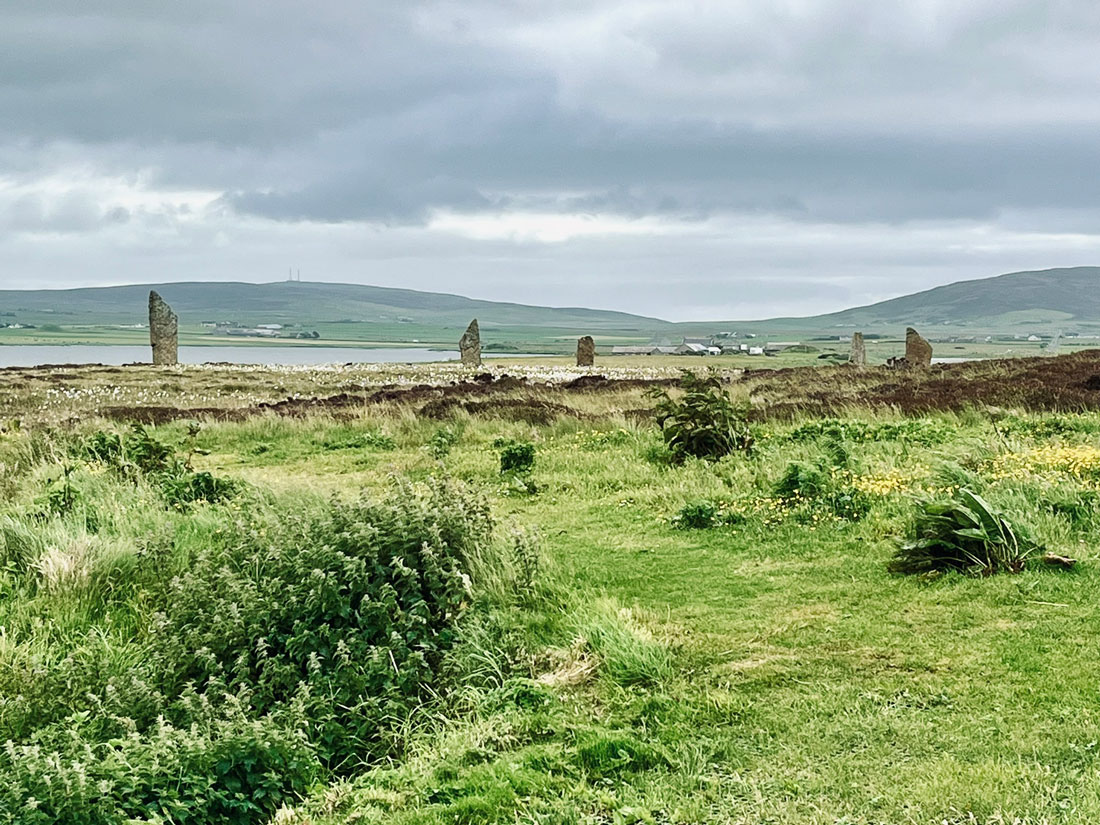
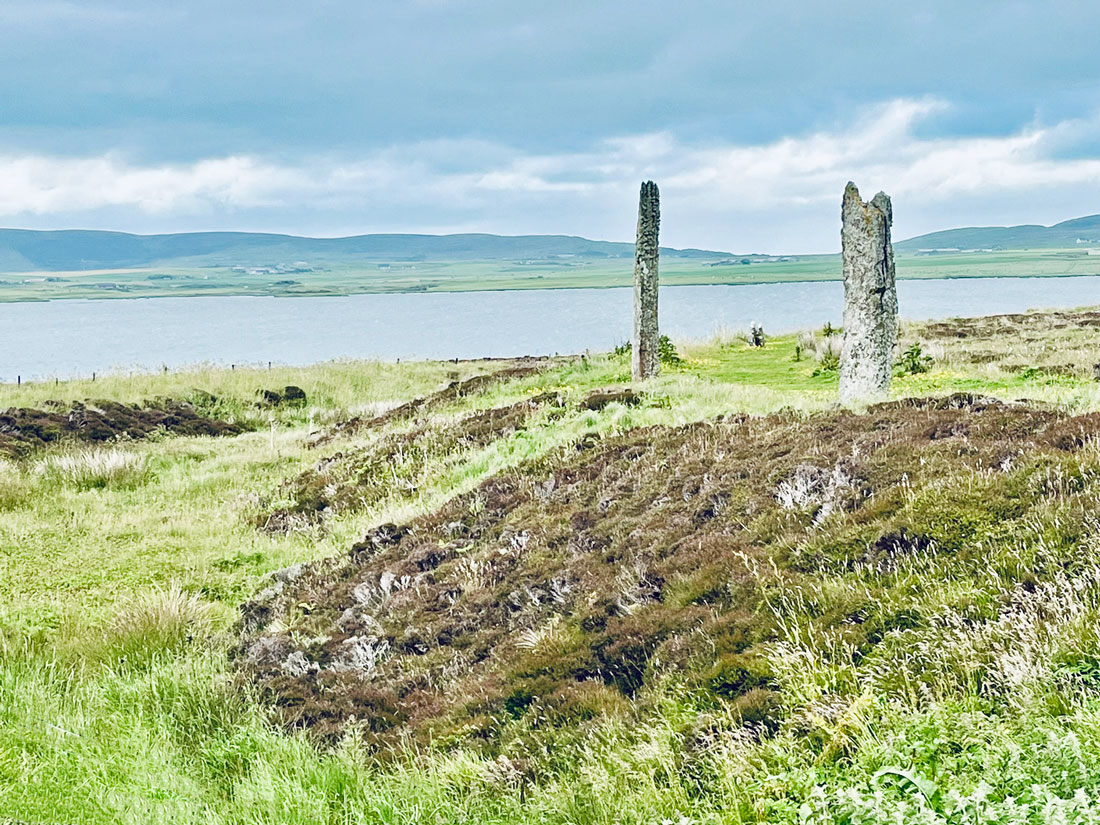
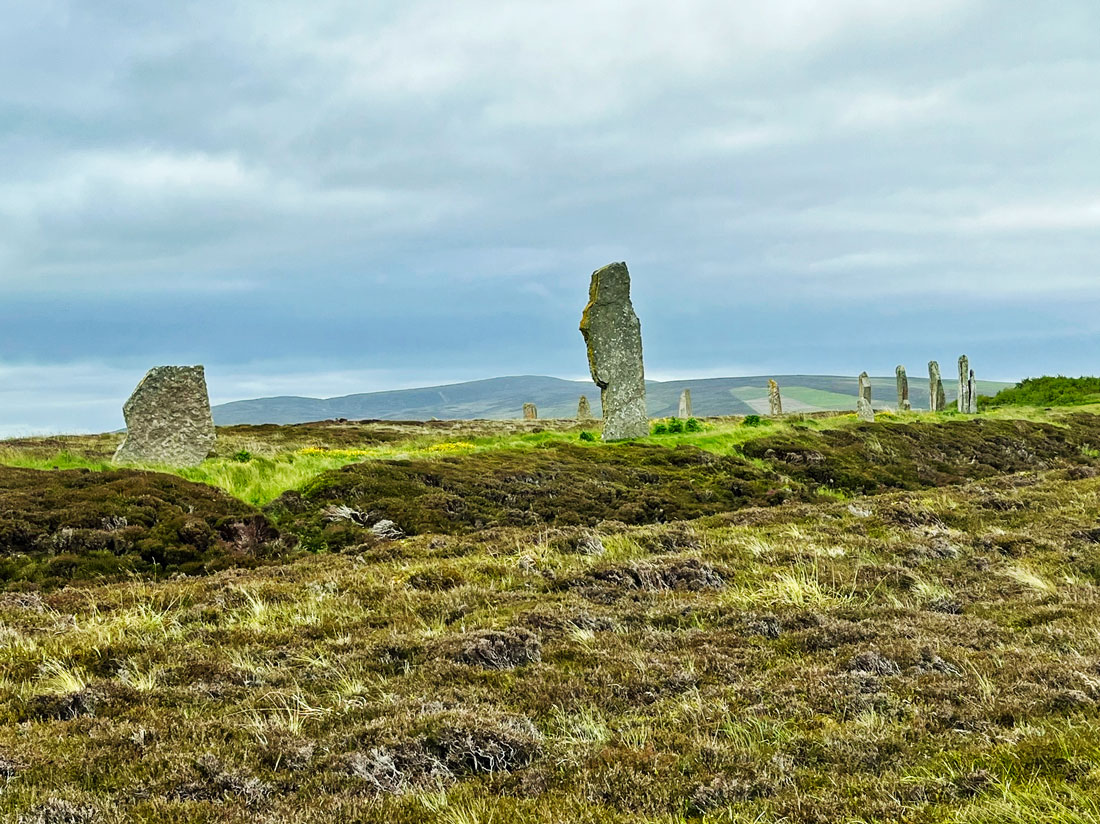
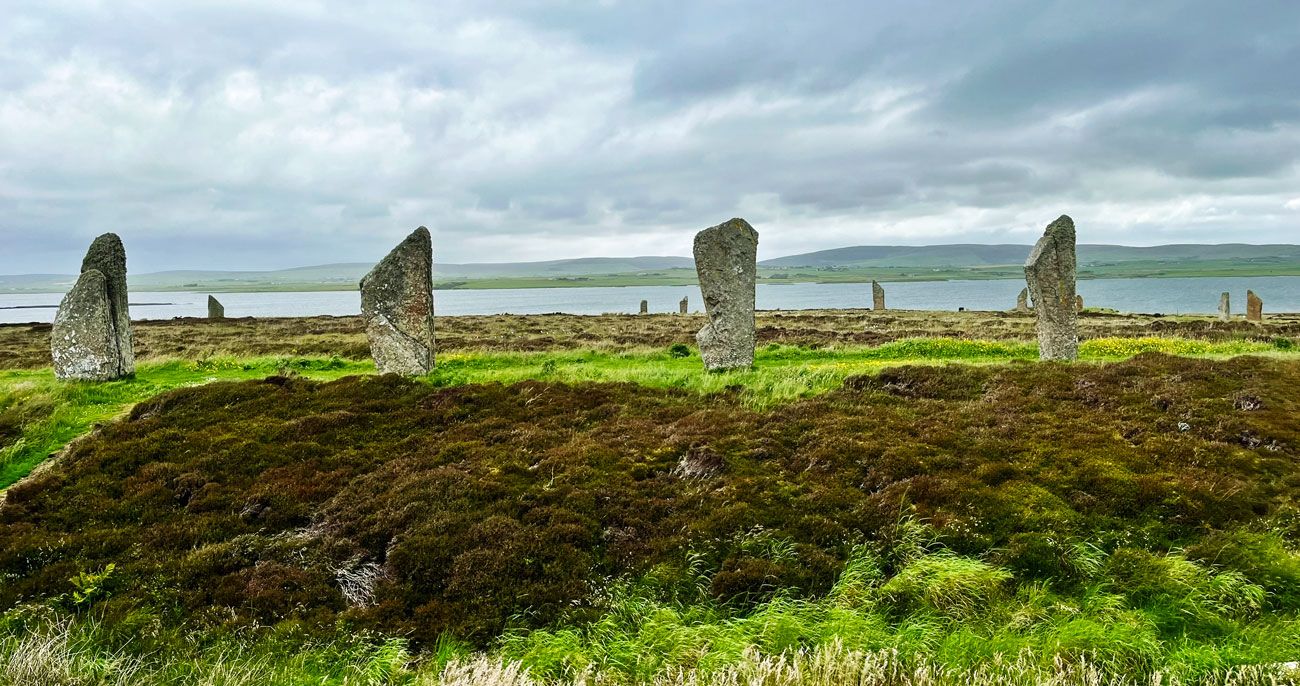
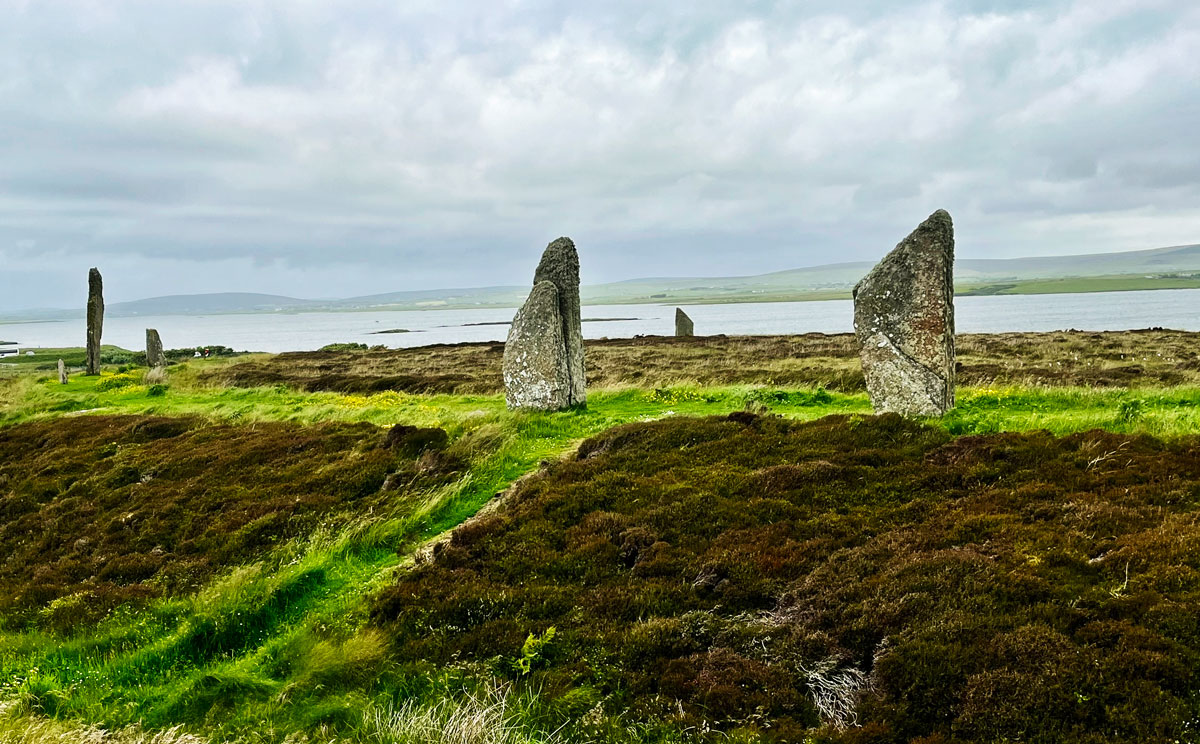
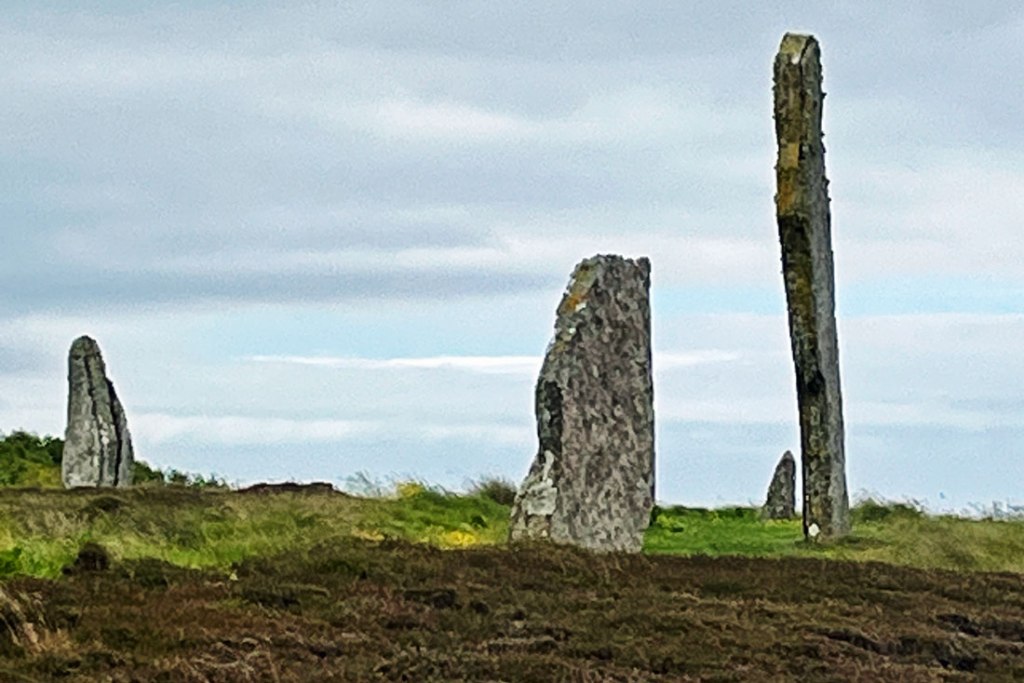
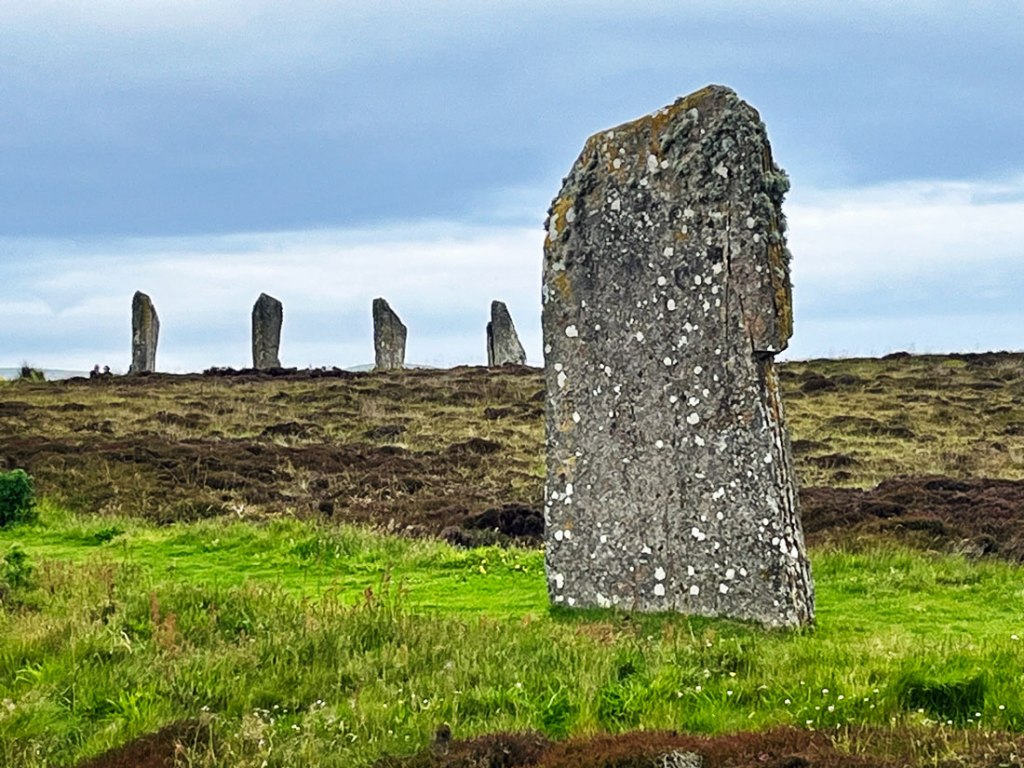
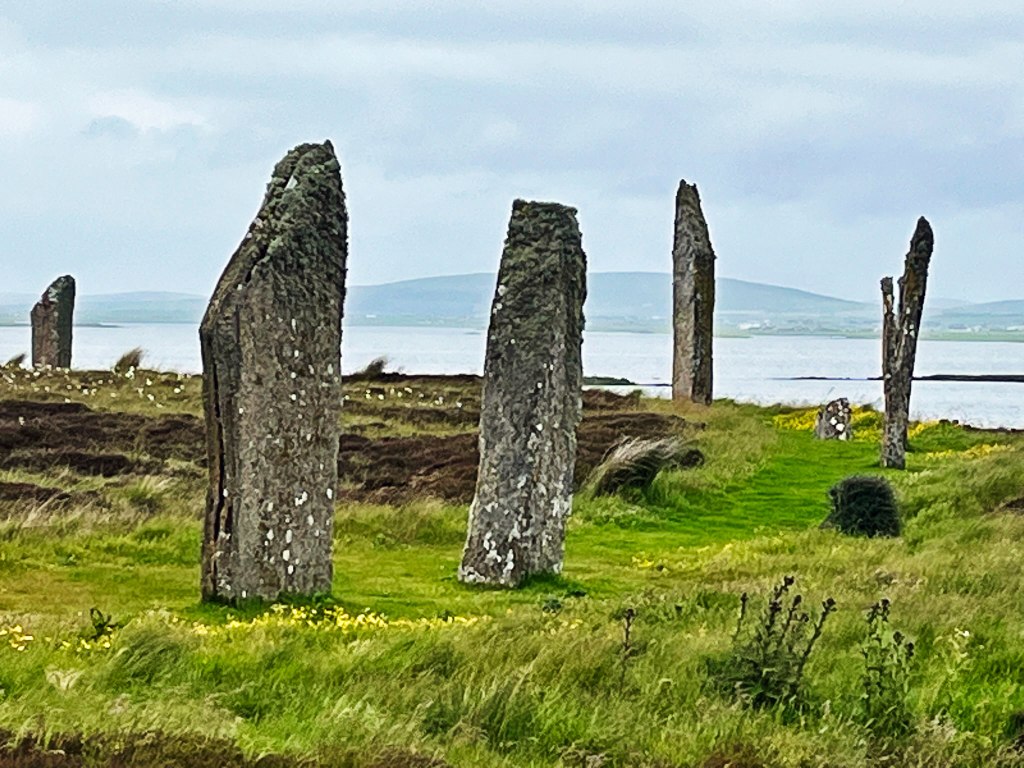
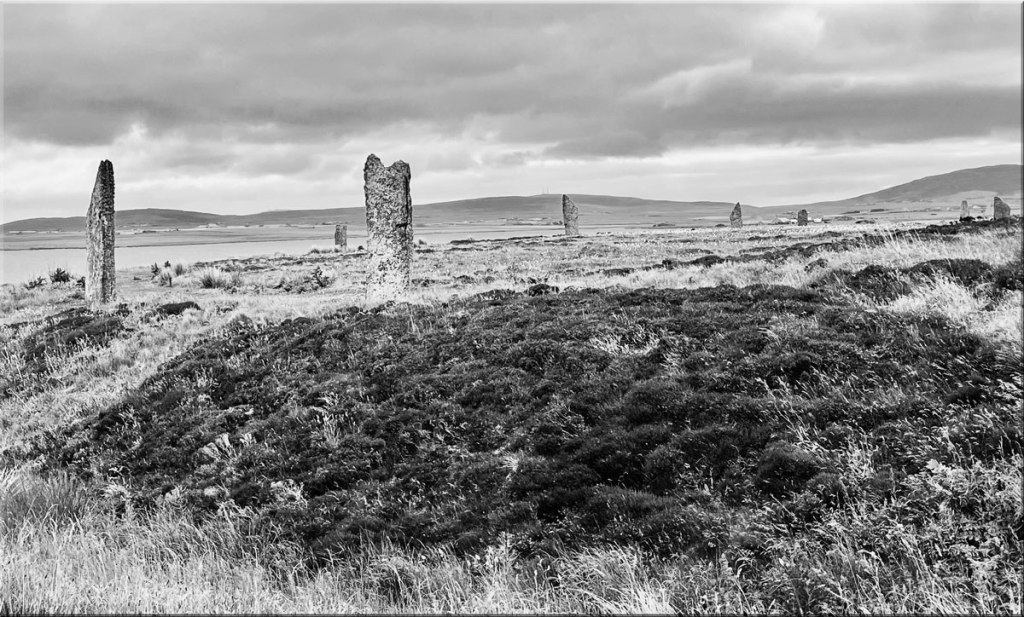
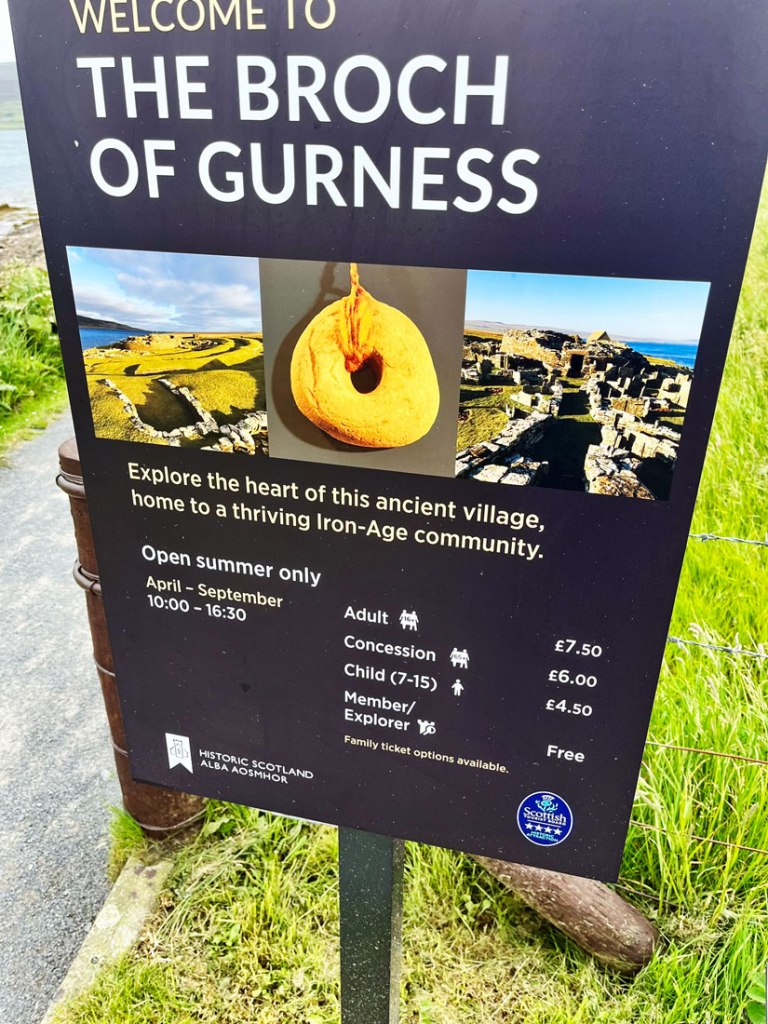
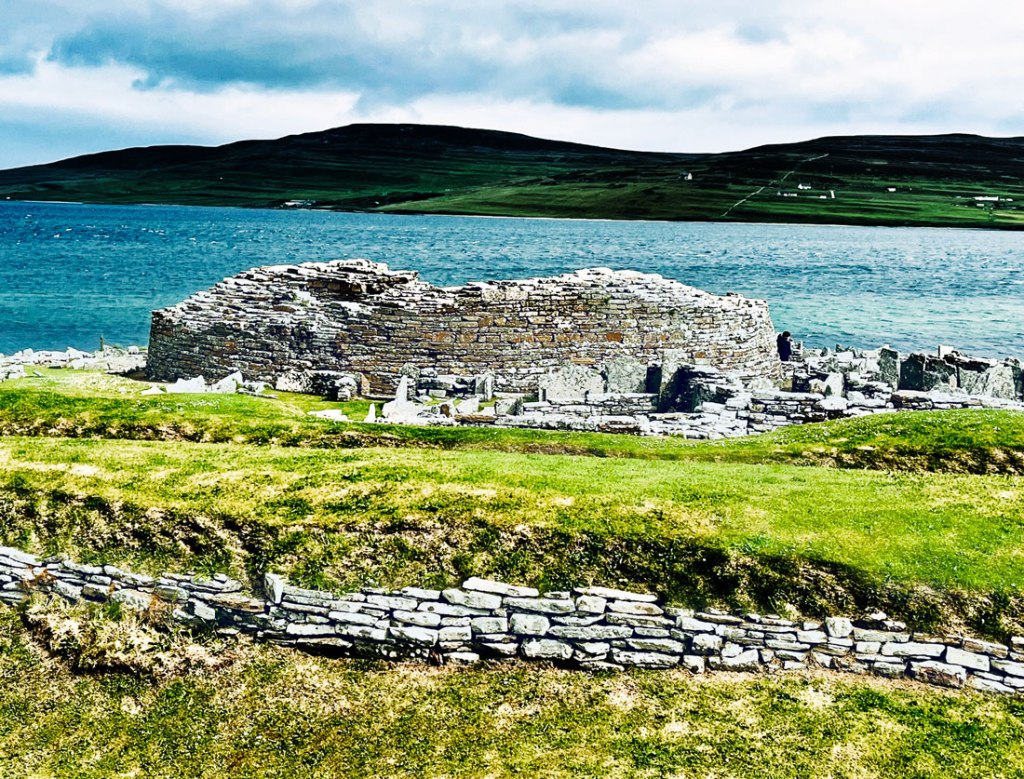
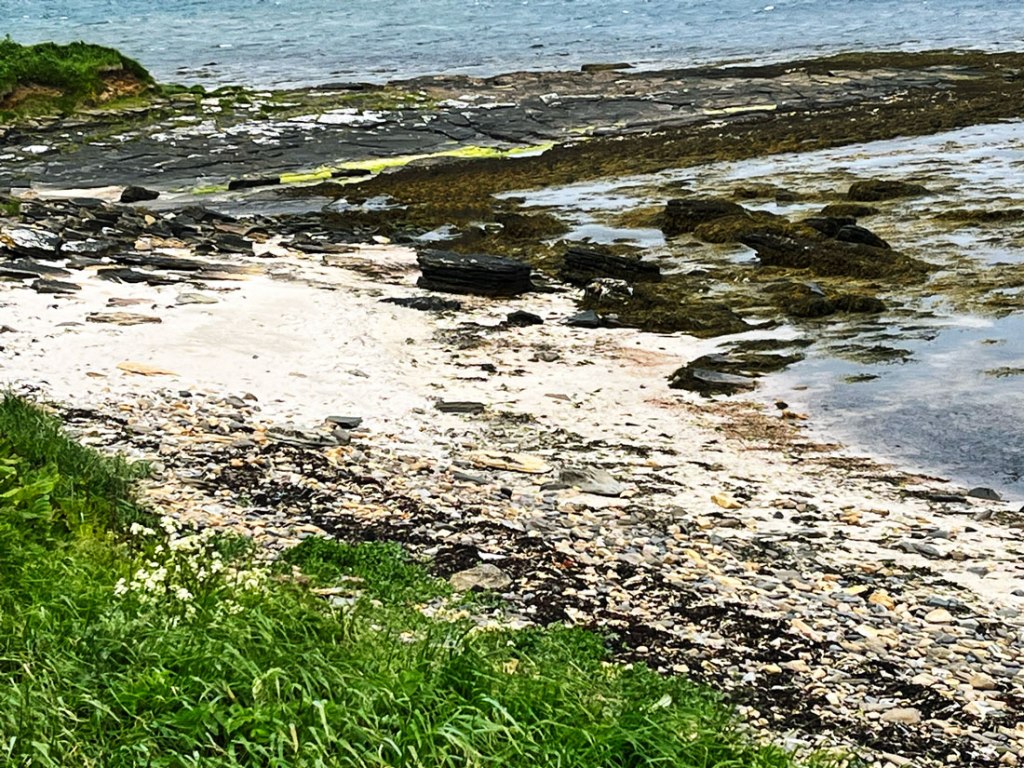
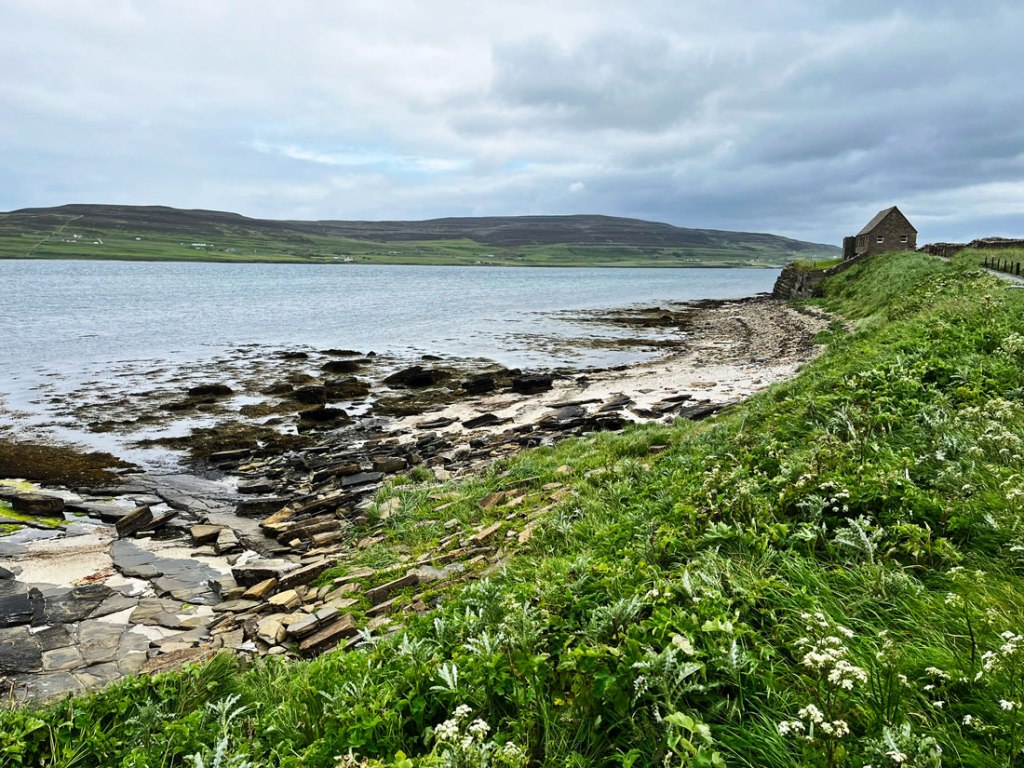
Broch of Gurness is an Iron Age broch village.
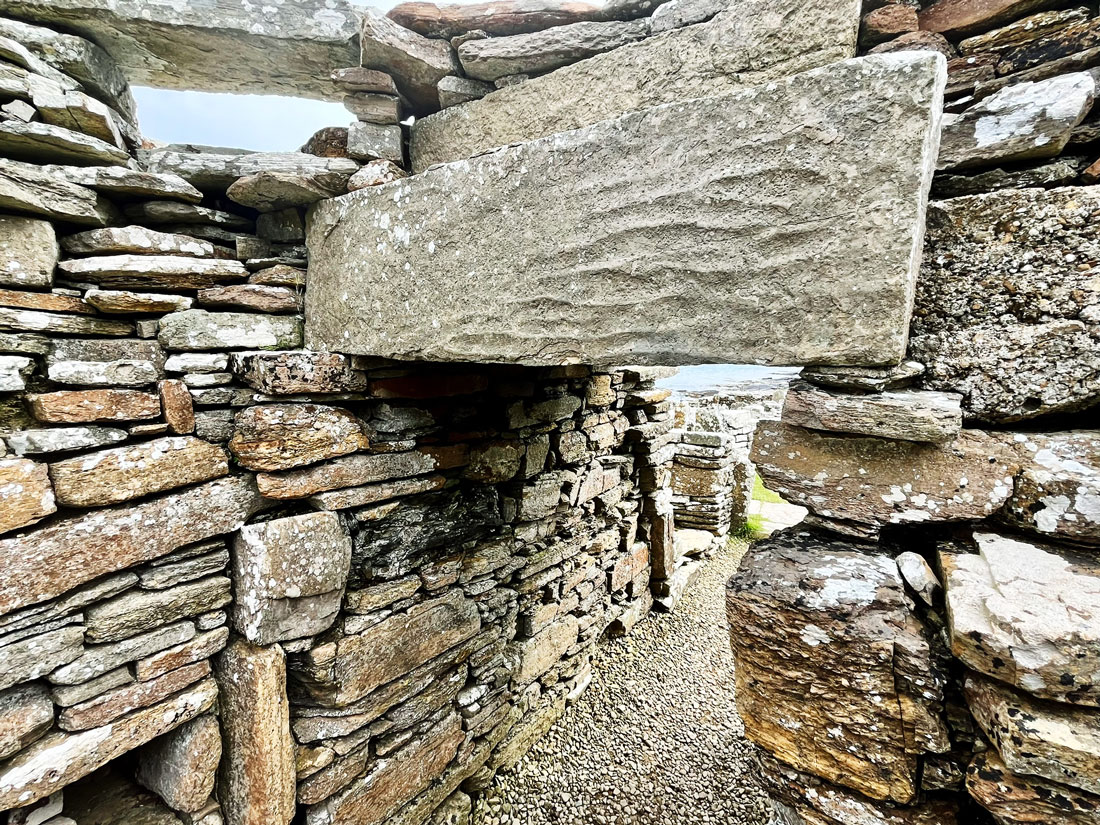
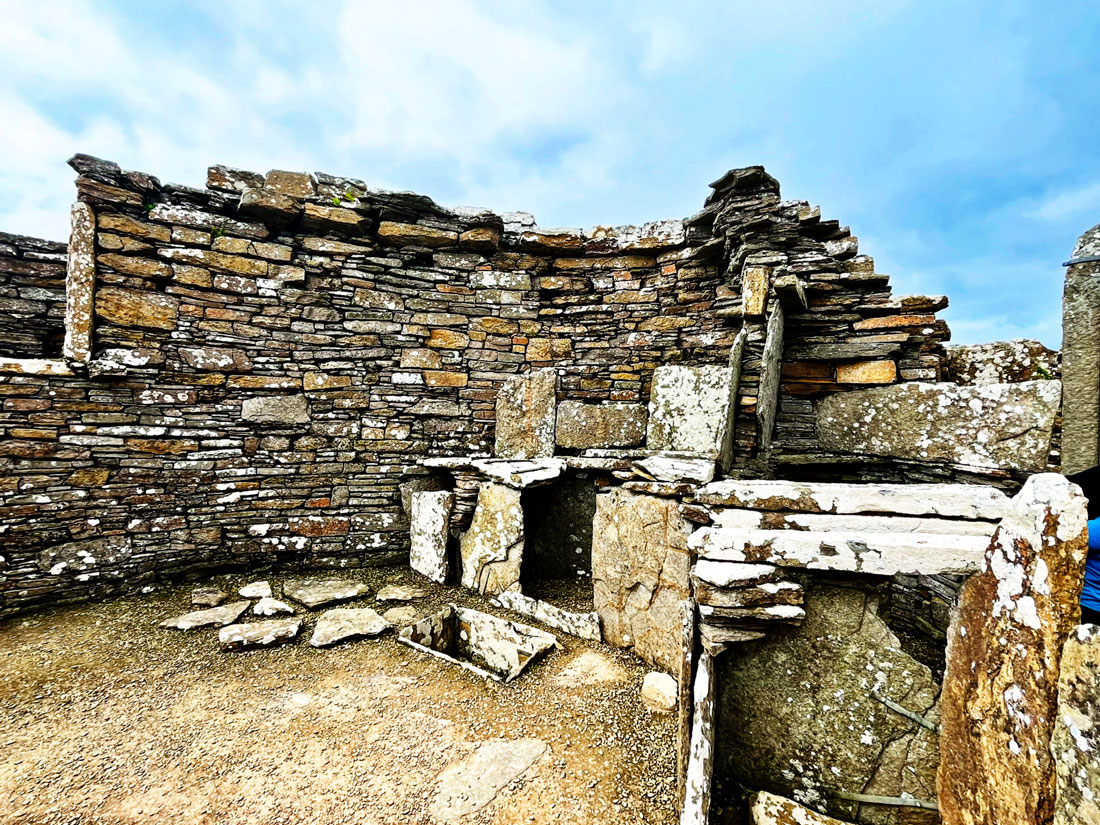
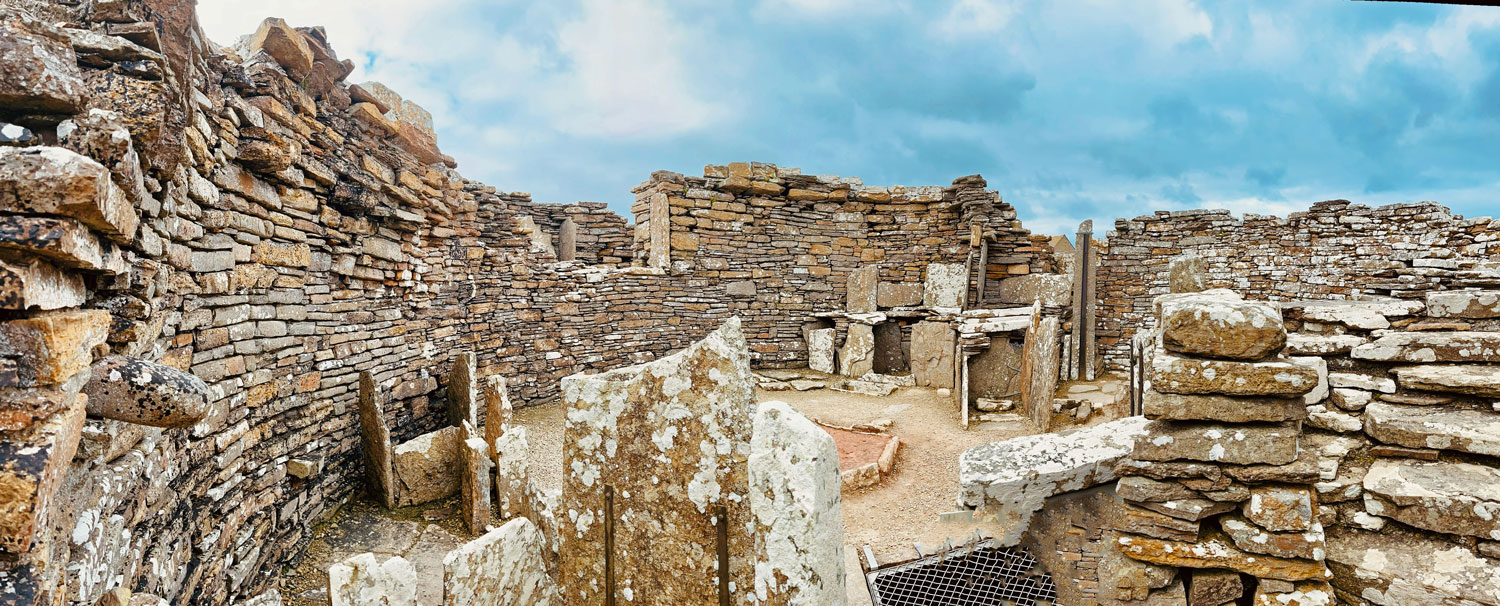
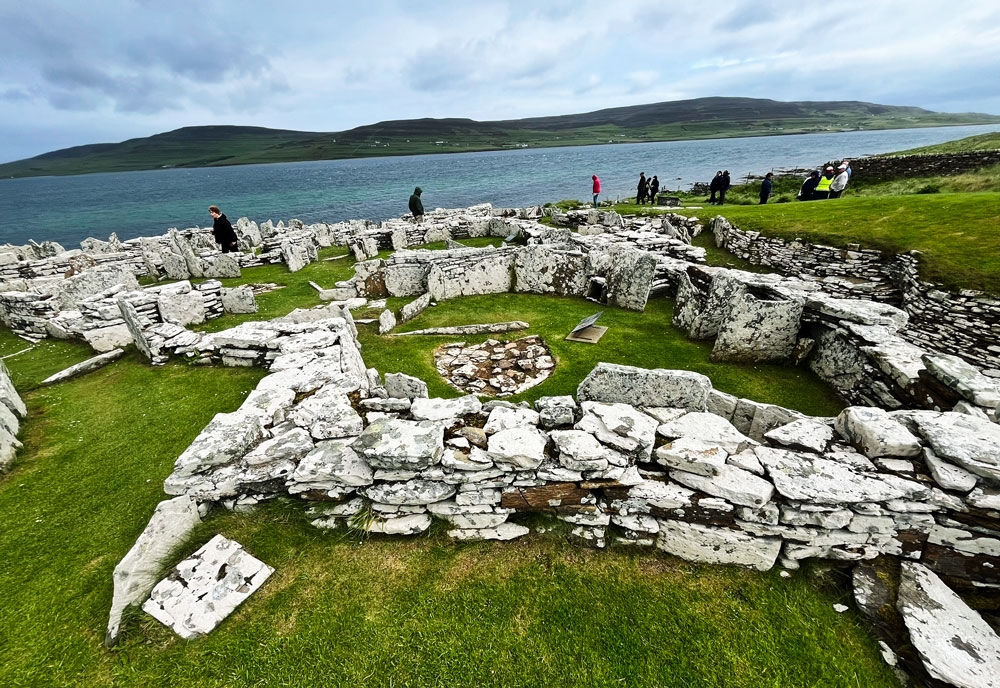
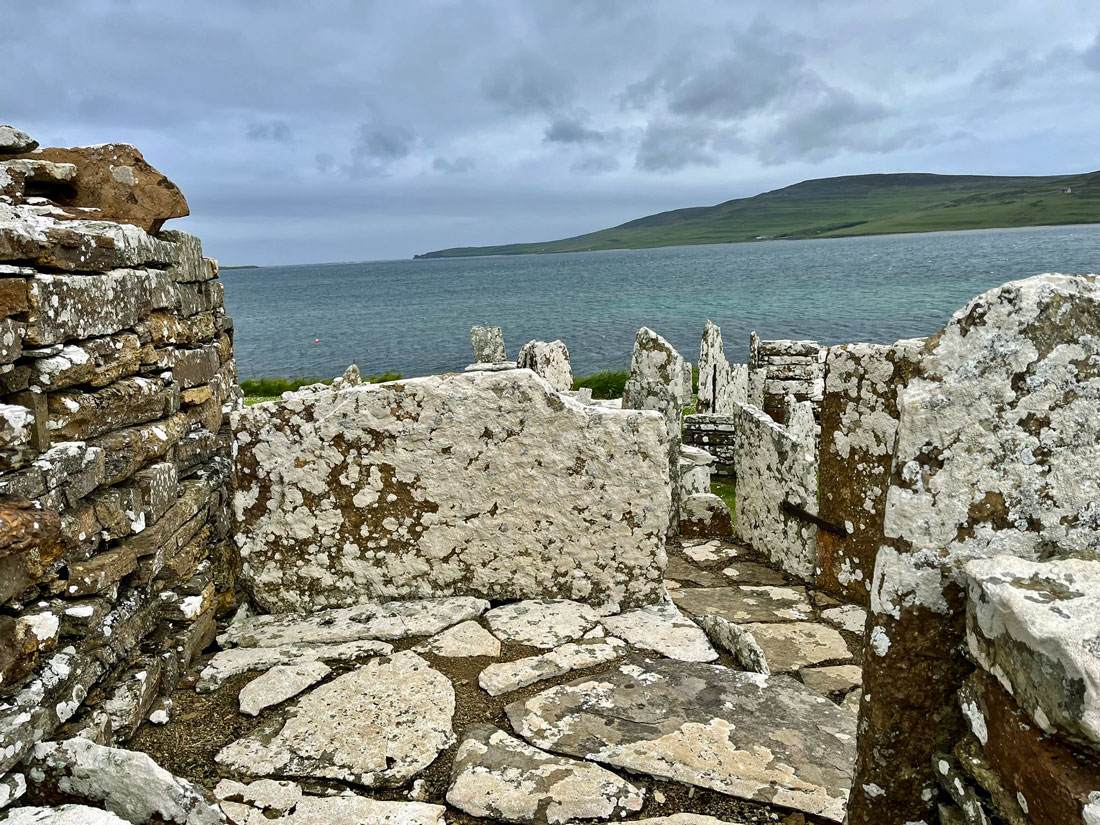
Settlement here began sometime between 500 and 200 BC. At the centre of the settlement is a stone tower or broch, which once probably reached a height of around 10 metres. Its interior is divided into sections by upright slabs.
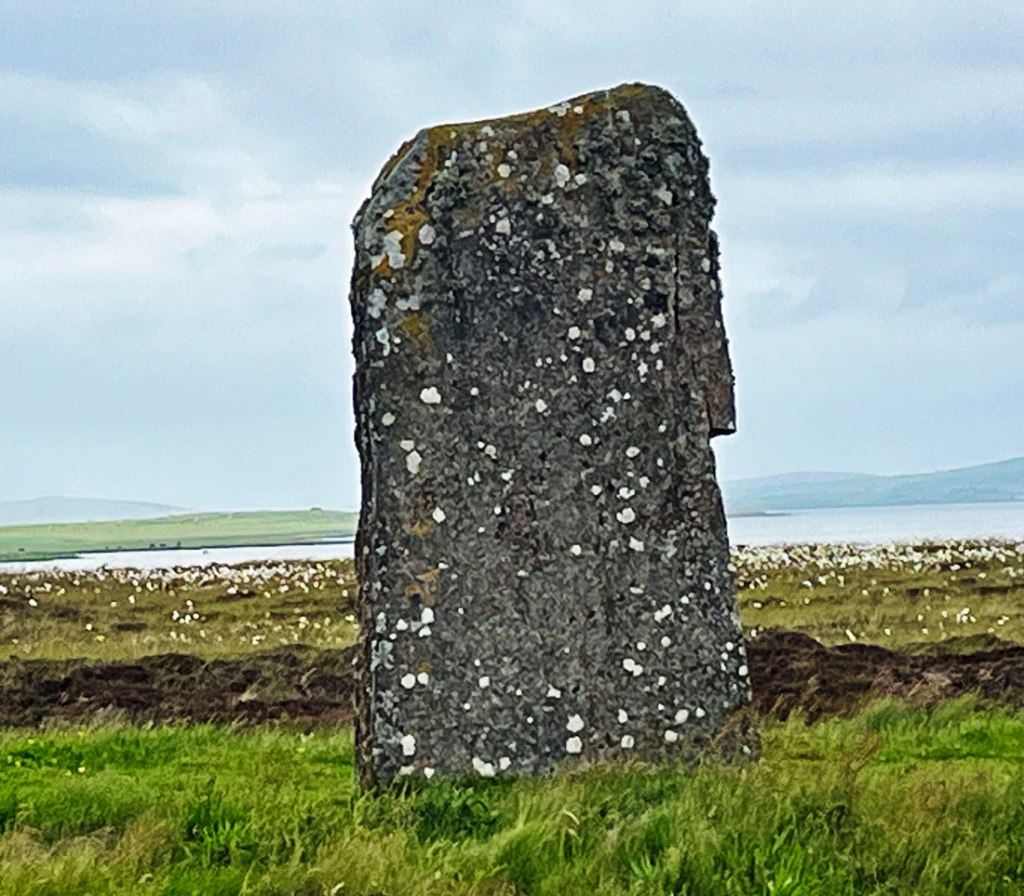
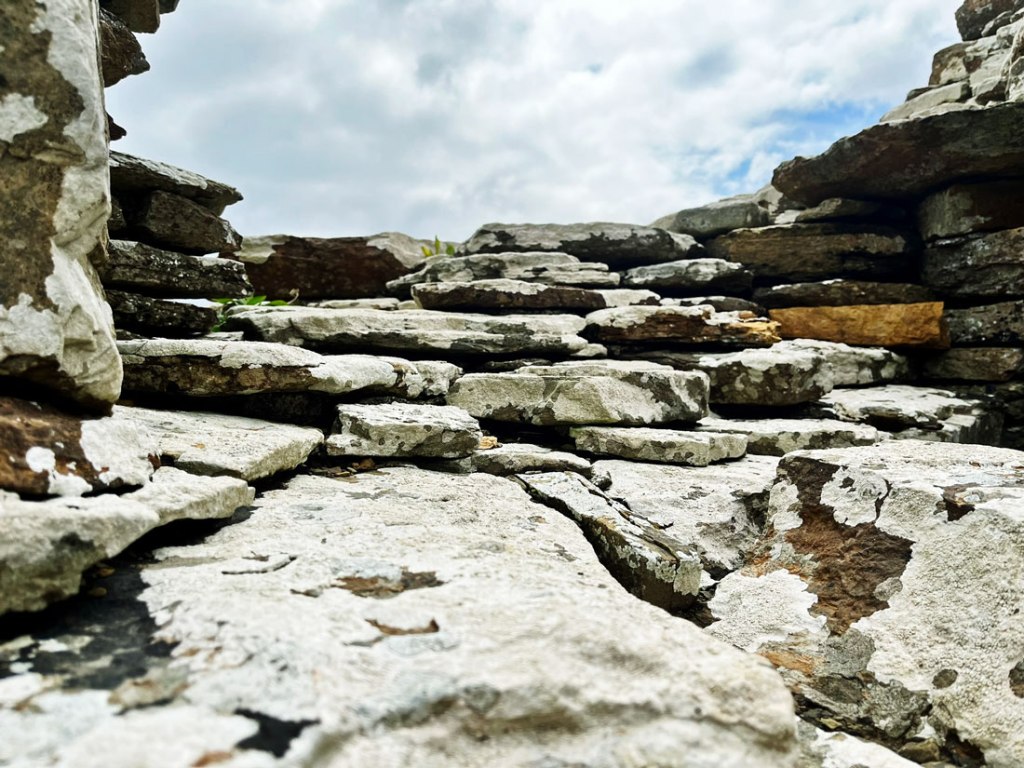
The tower features two skins of drystone walls, with stone-floored galleries in between. These are accessed by steps. Stone ledges suggest that there was once an upper storey with a timber floor.
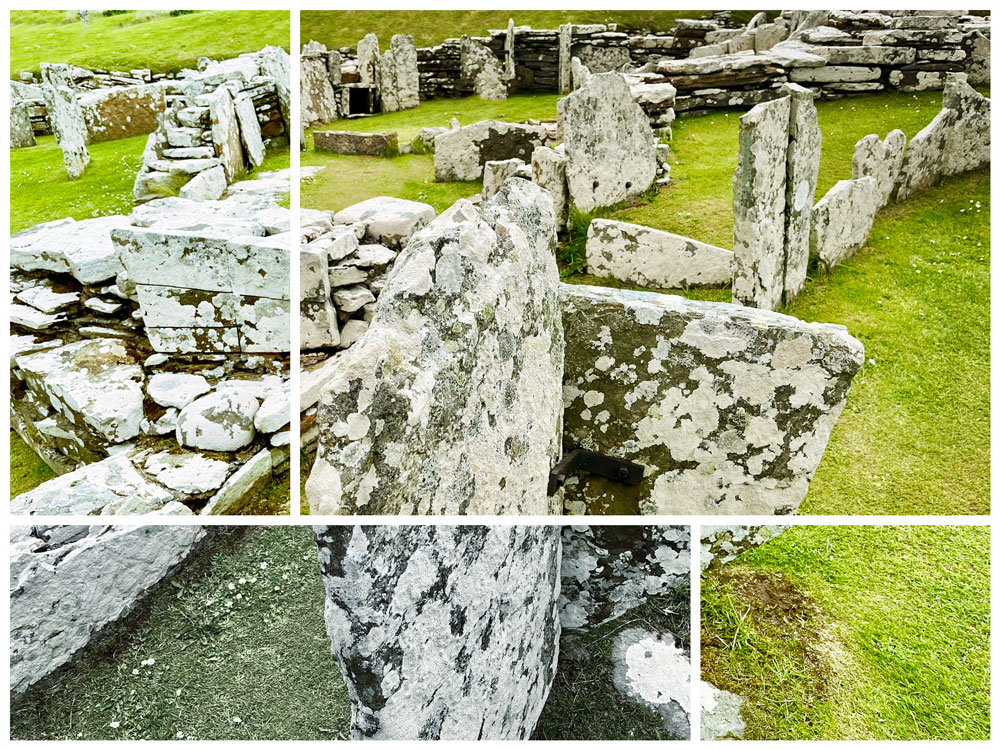
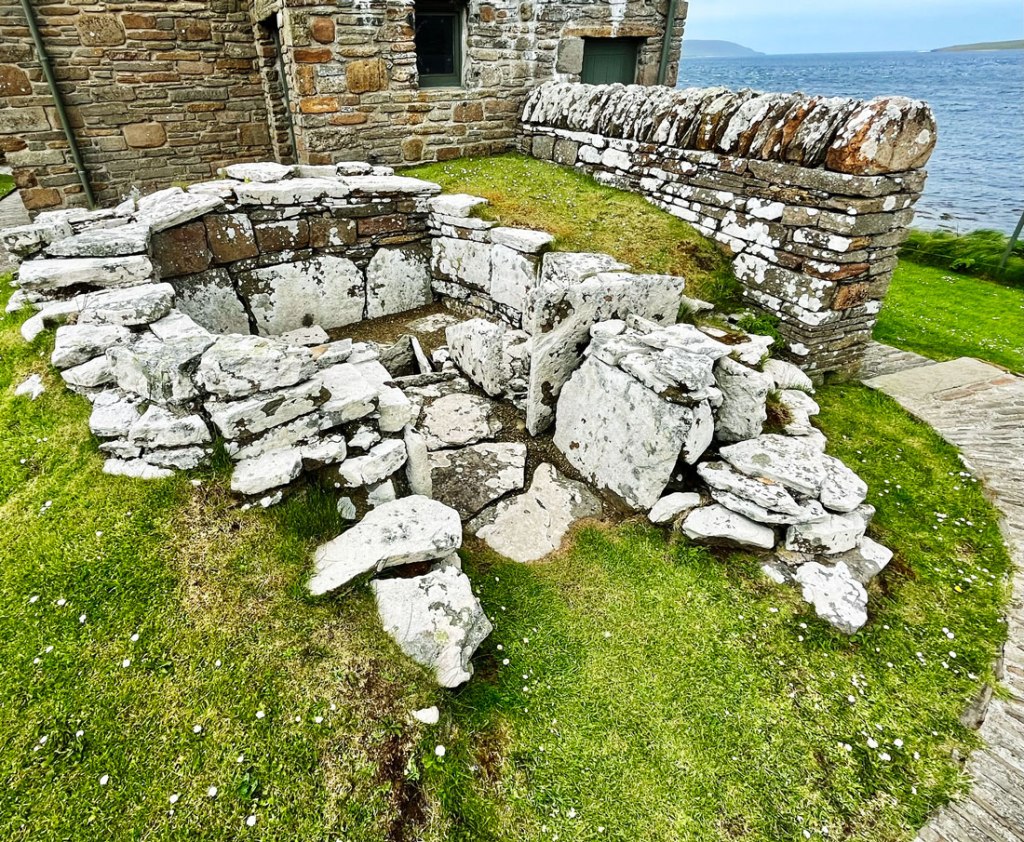
The roof would have been thatched, surrounded by a wall walk linked by stairs to the ground floor. The broch features two hearths and a subterranean stone cistern with steps leading down into it. It is thought to have some religious significance, relating to an Iron Age cult of the underground.
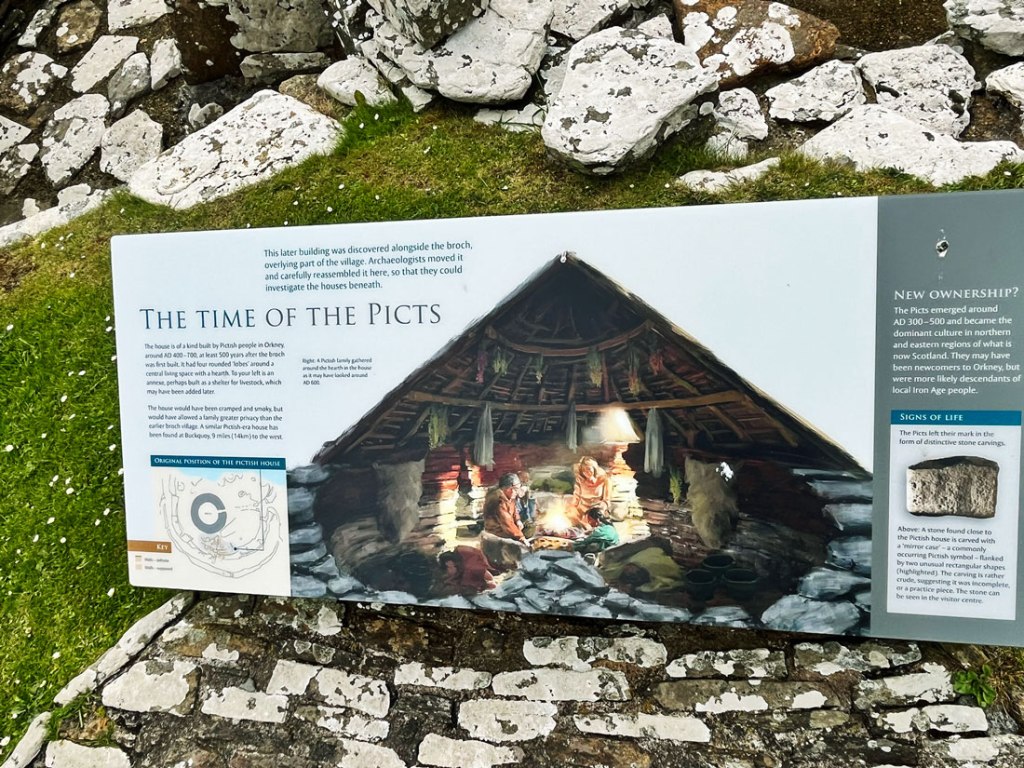
Stonehenge
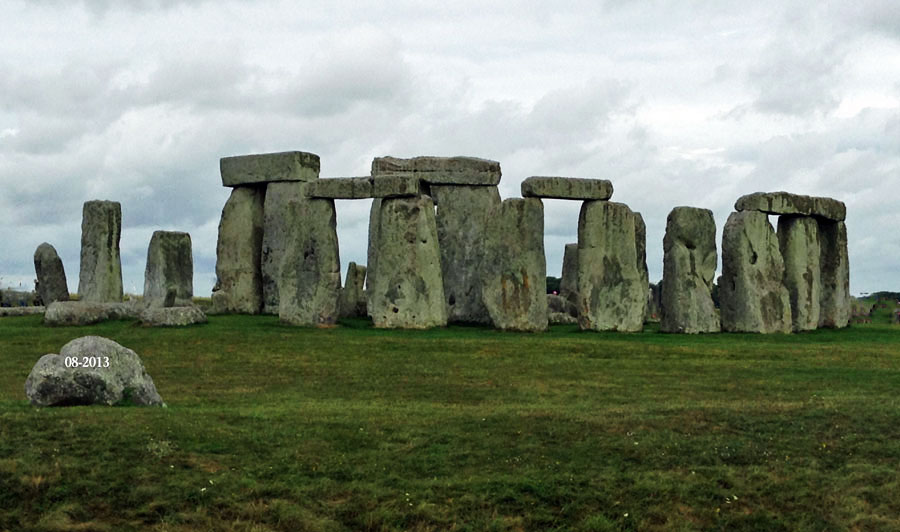
Stonehenge is a prehistoric megalithic structure on Salisbury plain in Wiltshire, 3 km west of Amesbur.
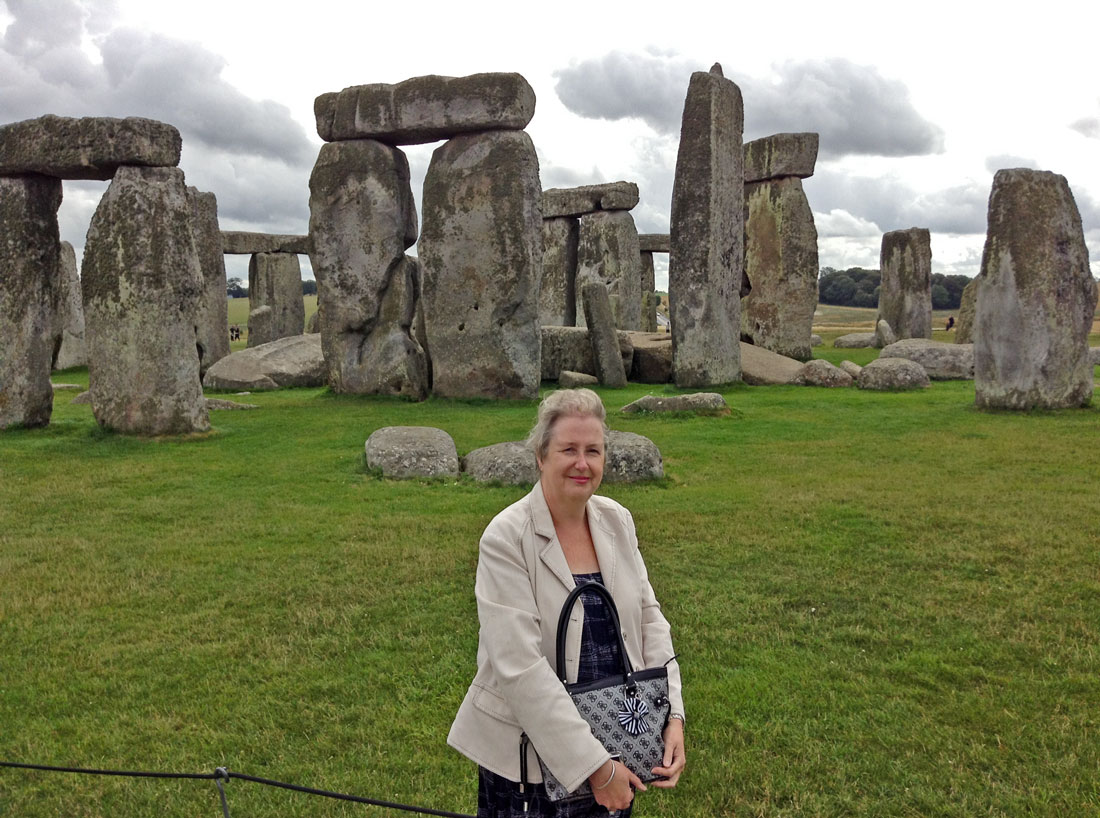
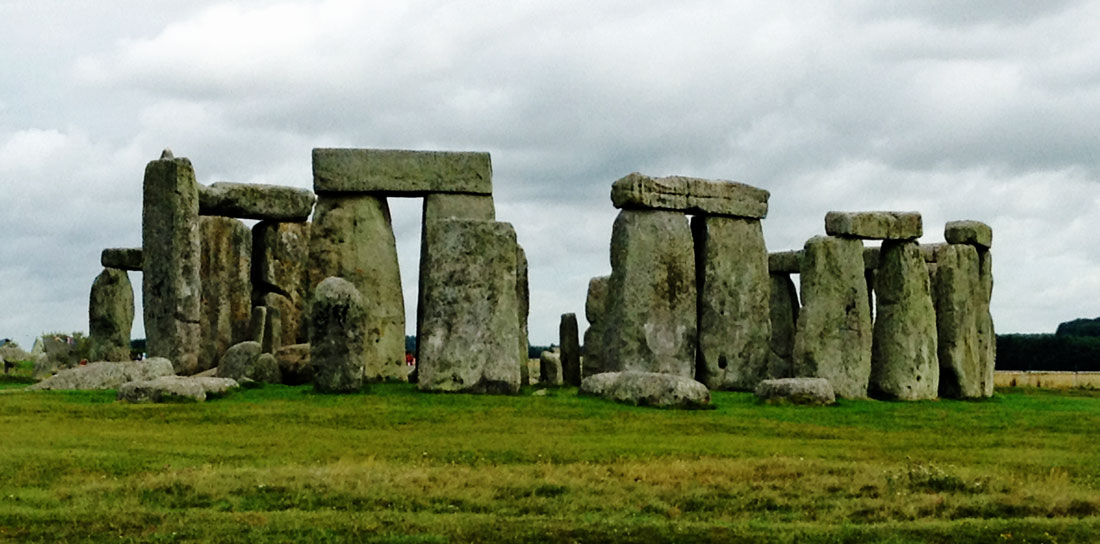
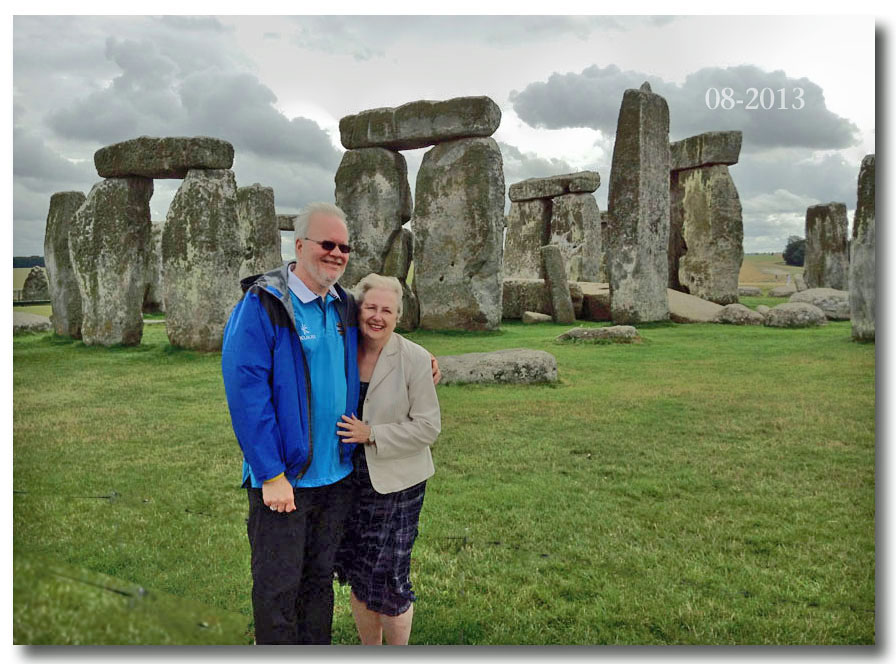
It consists of an outer ring of vertical sarsen standing stones , each around 4.0 m high, 2.1 m wide, and weighing around 25 tons, topped by connecting horizontal lintel stones. Inside is a ring of smaller bluesstones. Inside these are free-standing trilithons, two bulkier vertical sarsens joined by one lintel.

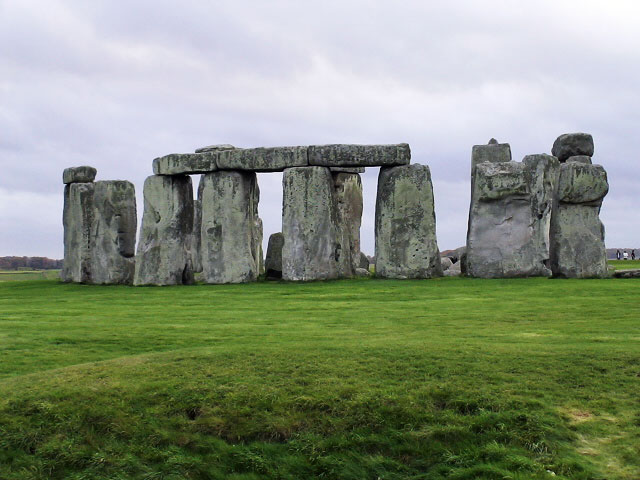
The whole monument, now ruinous, is aligned towards the sunrise on the summer solstice and sunset on the winter solstice. The stones are set within earthworks in the middle of the densest complex of Neolithic and Bronze Age monuments in England, including several hundred burial mounds.
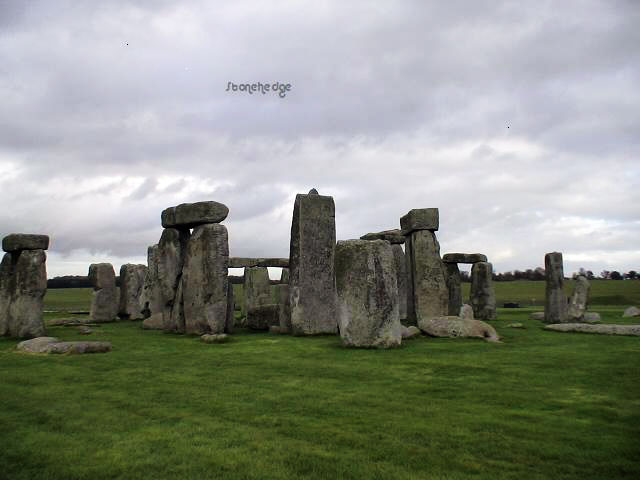
Archaeologists believe that Stonehenge was constructed in several phases from around 3100 BC to 1600 BC, with the circle of large sarsen stones placed between 2600 BC and 2400 BC. The surrounding circular earth bank and ditch, which constitute the earliest phase of the monument, have been dated to about 3100 BC. Radiocarbon suggests that the bluestones were given their current positions between 2400 and 2200 BC, although they may have been at the site as early as 3000 BC.


 s
s 