



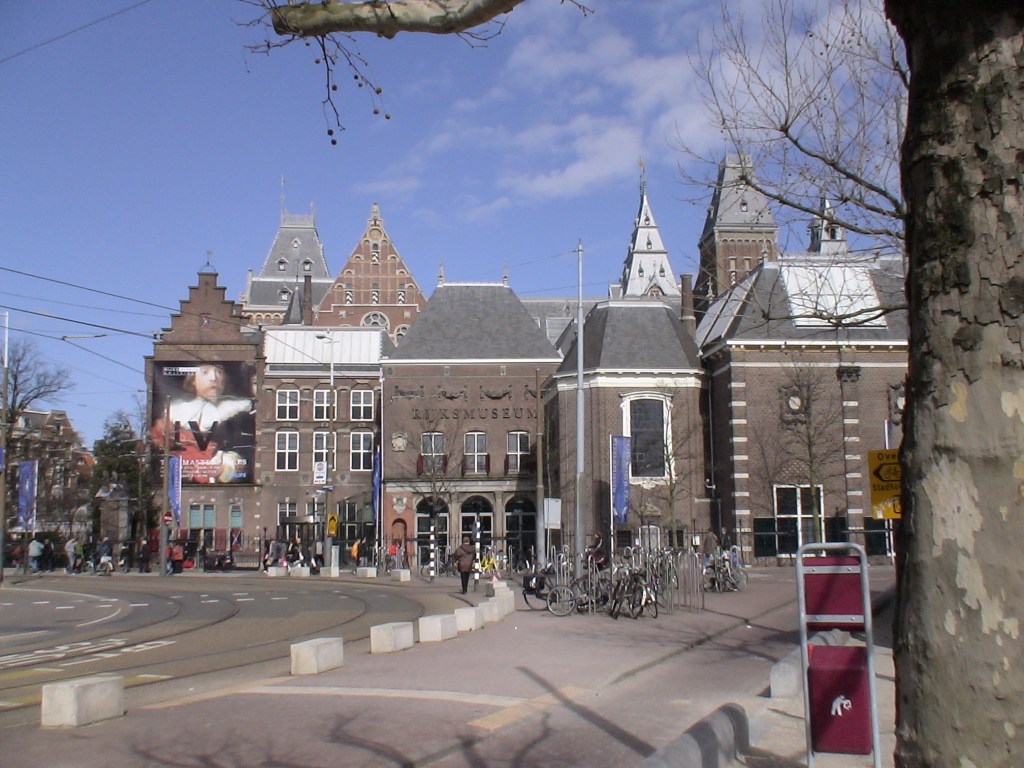
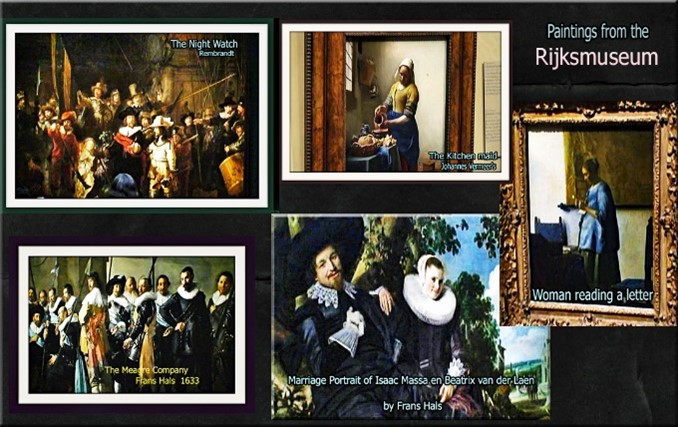
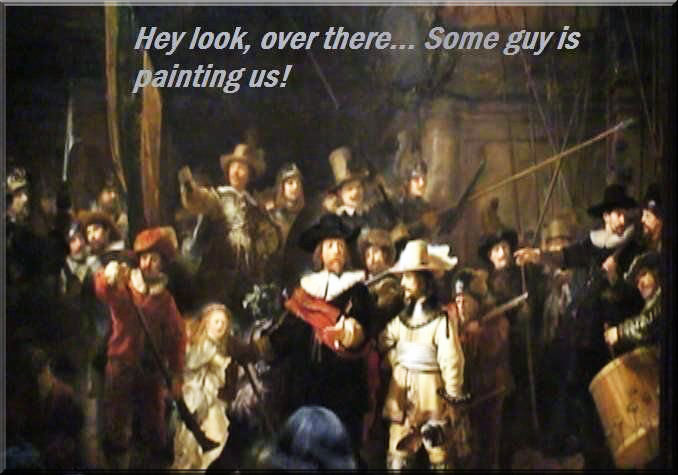
The Rijksmuseum was founded in 1800 in The Hague to exhibit the collections of the Dutch stadtholders, it was inspired by French example. By then it was known as the National Art Gallery. In 1808 the museum moved to Amsterdam on the orders of king Louis Napoleon, brother of Napoleon Bonaparte. The paintings owned by that city, such as The Night Watch by Rembrandt, became part of the collection.
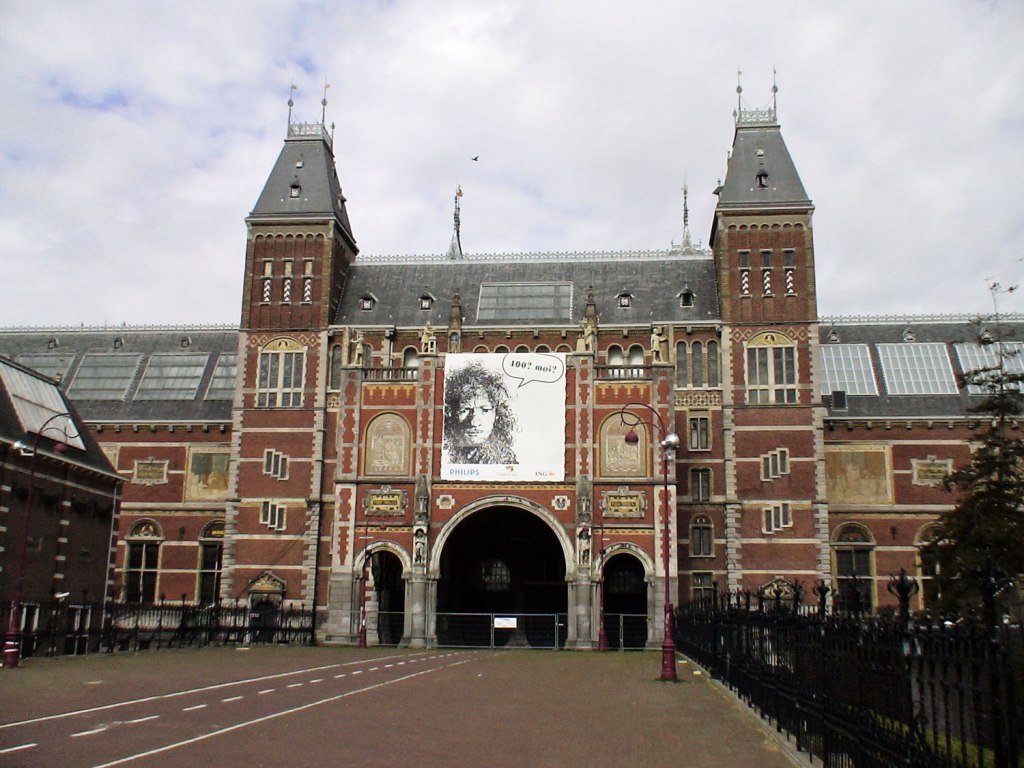
The 400th birthday celebrations of Rembrandt was in full swing
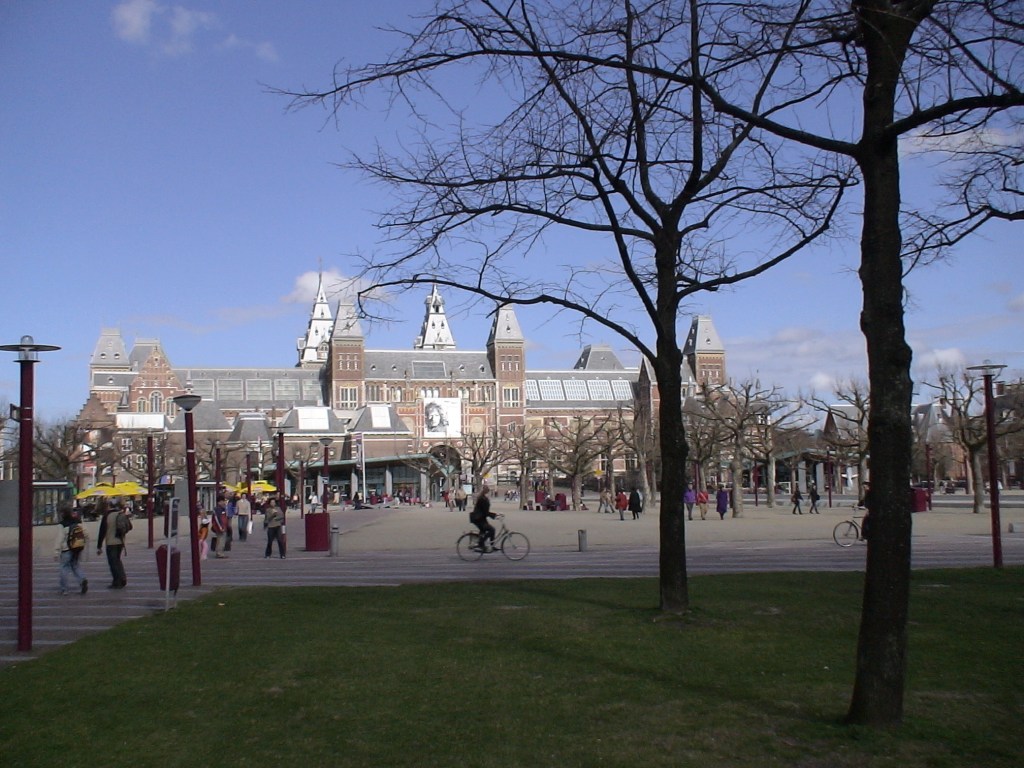
We enjoyed our tour of this great museum and discovered some great paintings. The museum is located in a nice area of town.
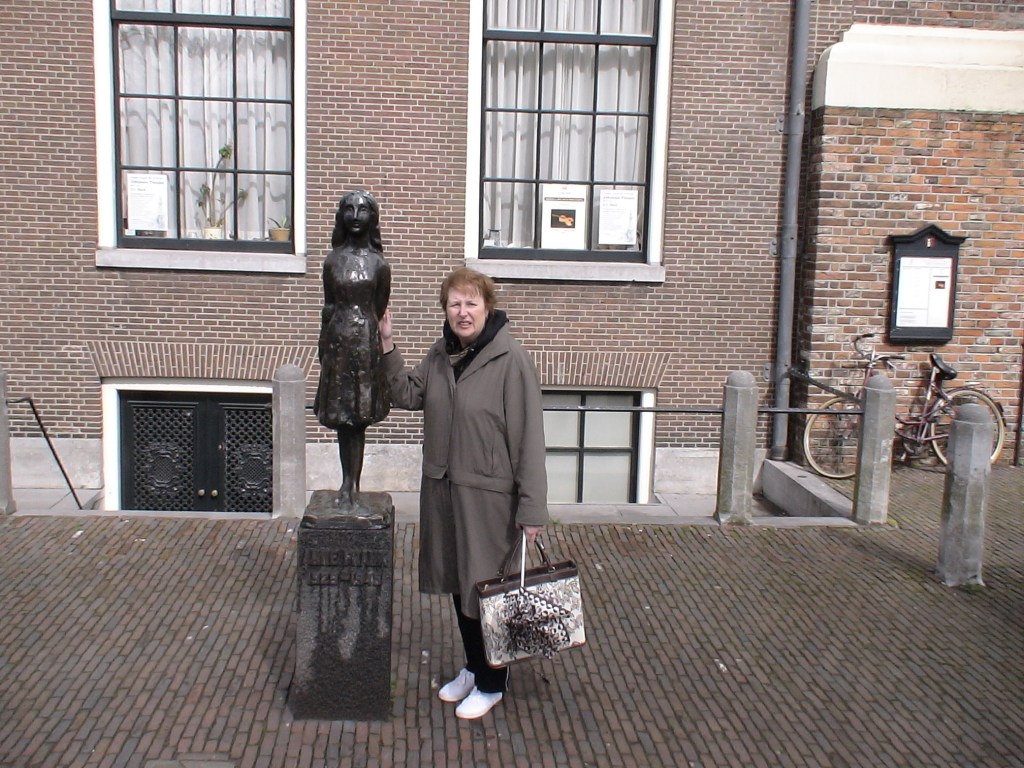
Annelies Marie “Anne” Frank (June 12, 1929/early March 1945) was a Jewish girl born in the city of Frankfurt am Main in Weimar Germany. She gained international fame posthumously following the publication of her diary which documents her experiences hiding during the German occupation of the Netherlands in WW II.
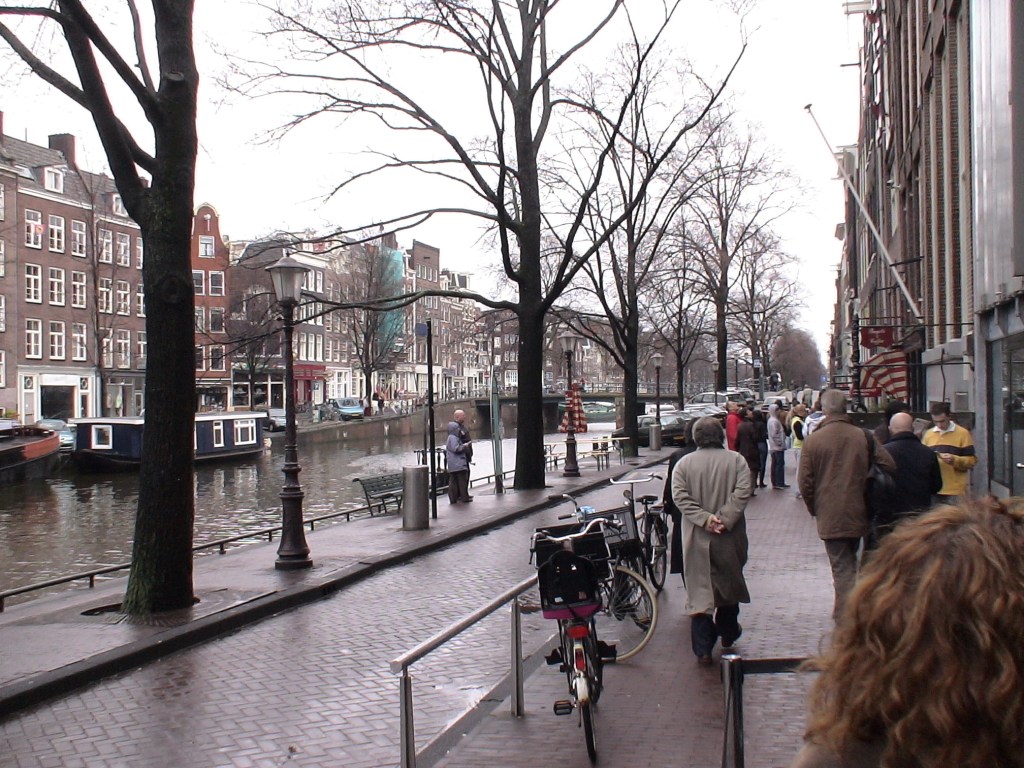
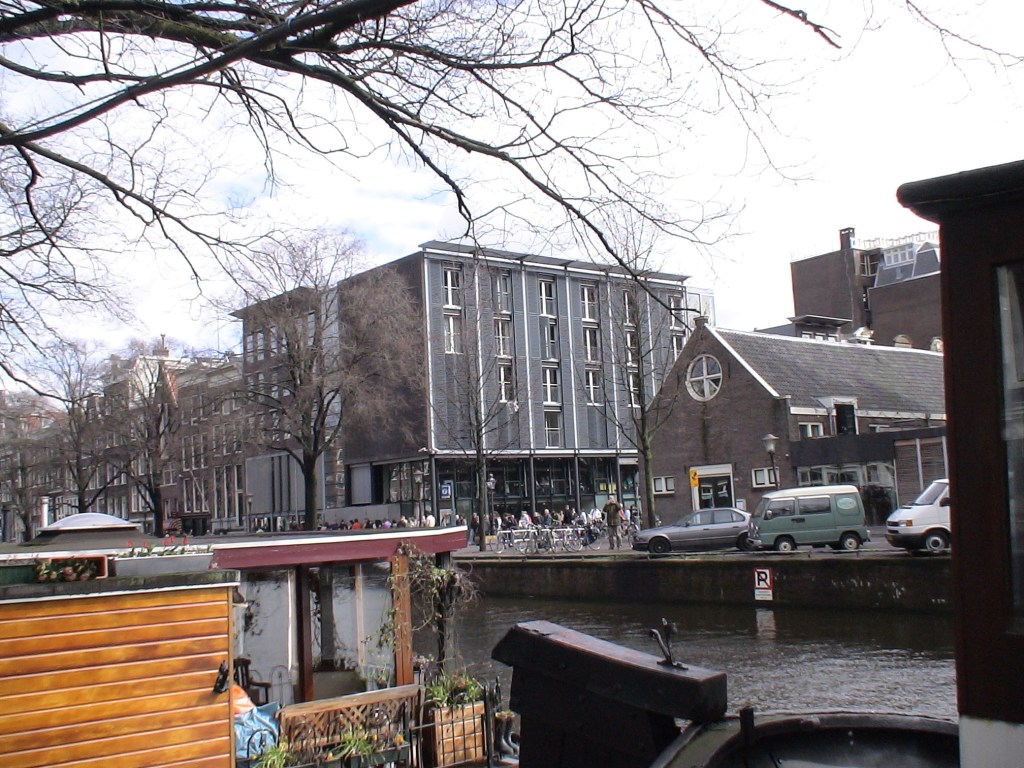
Anne Frank Museum across the canal. The original house is enclosed within.
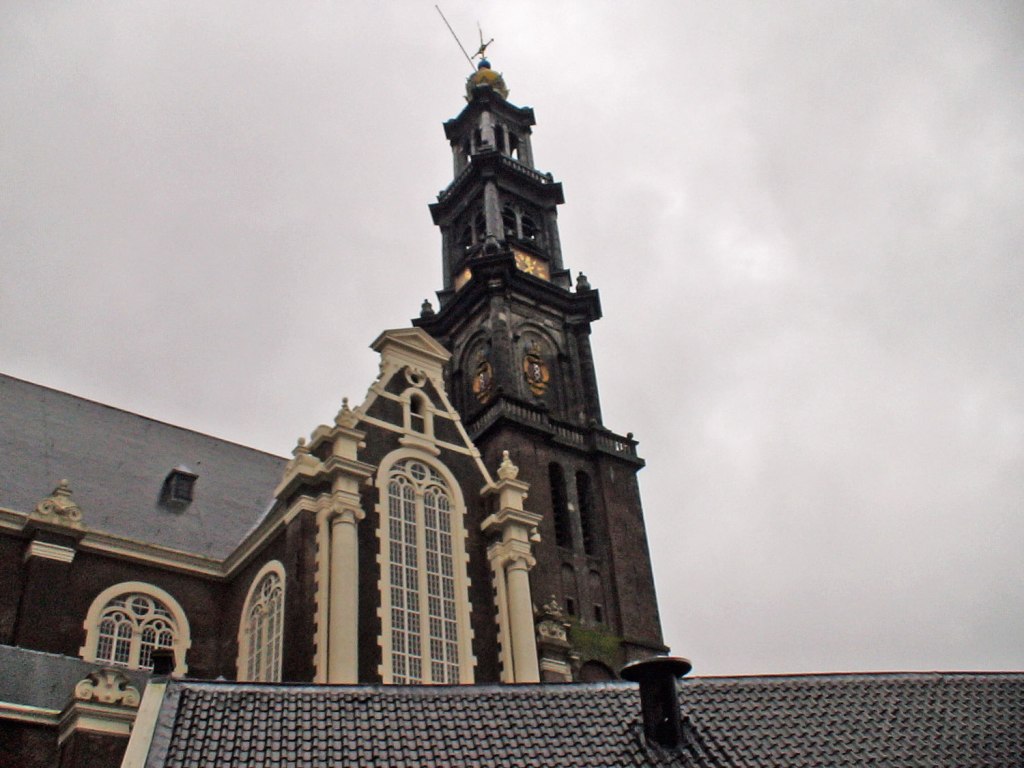
This church is located beside Anne Frank’s house. While in hiding she would hear the church bells chime. In fact, while visiting her room, we heard the bells chime just as she would have… It was one of THOSE moments.

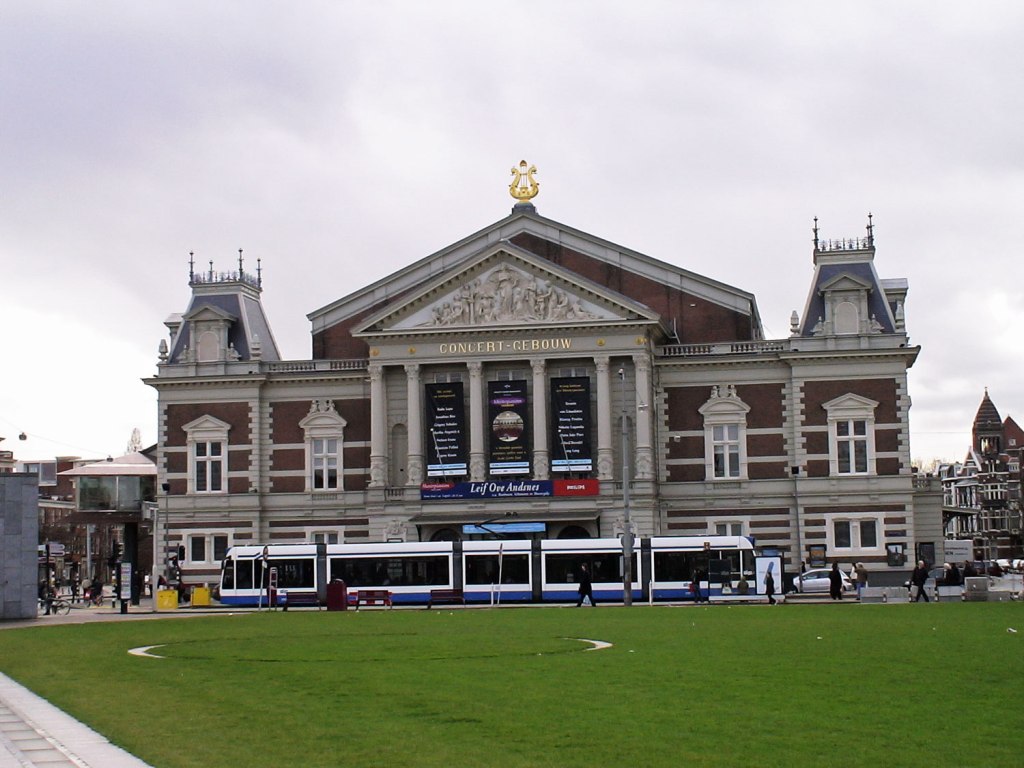
The hall opened on April 11, 1888, with an inaugural concert in which an orchestra of 120 musicians and a chorus of 500 singers participated, performing works of Wagner, Handel, Bach, and Beethoven.
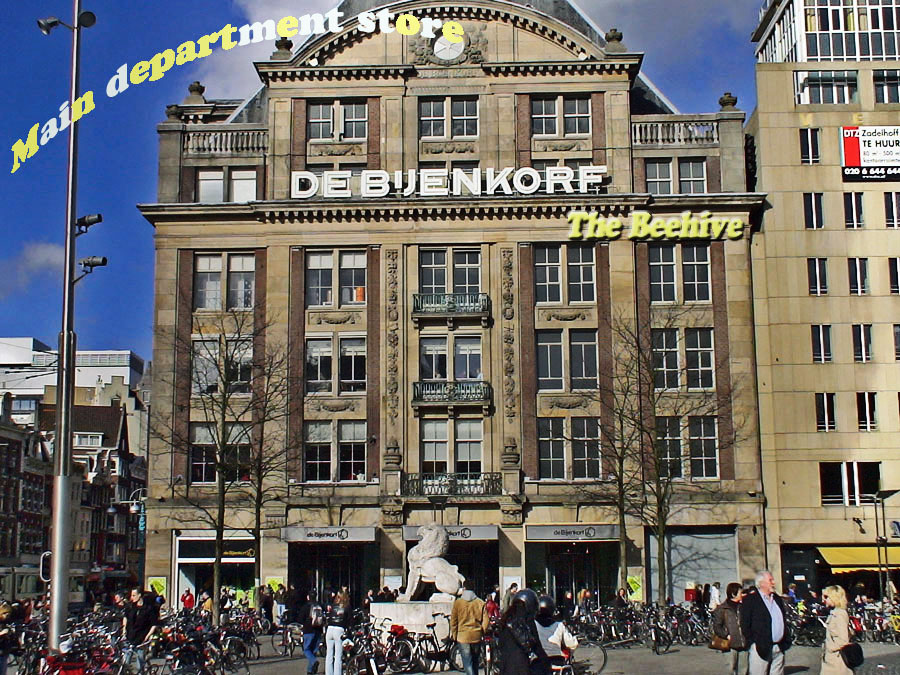
De Bijenkorf (literally: The Beehive) is a chain of upmarket department stores with its flagship store on Dam Square. Founded in 1870 as a small store along the Nieuwendik, it offers many prestigious brands in womenswear, menswear, accessories, beauty, food, and home. Judy enjoyed shopping there.
So did I!
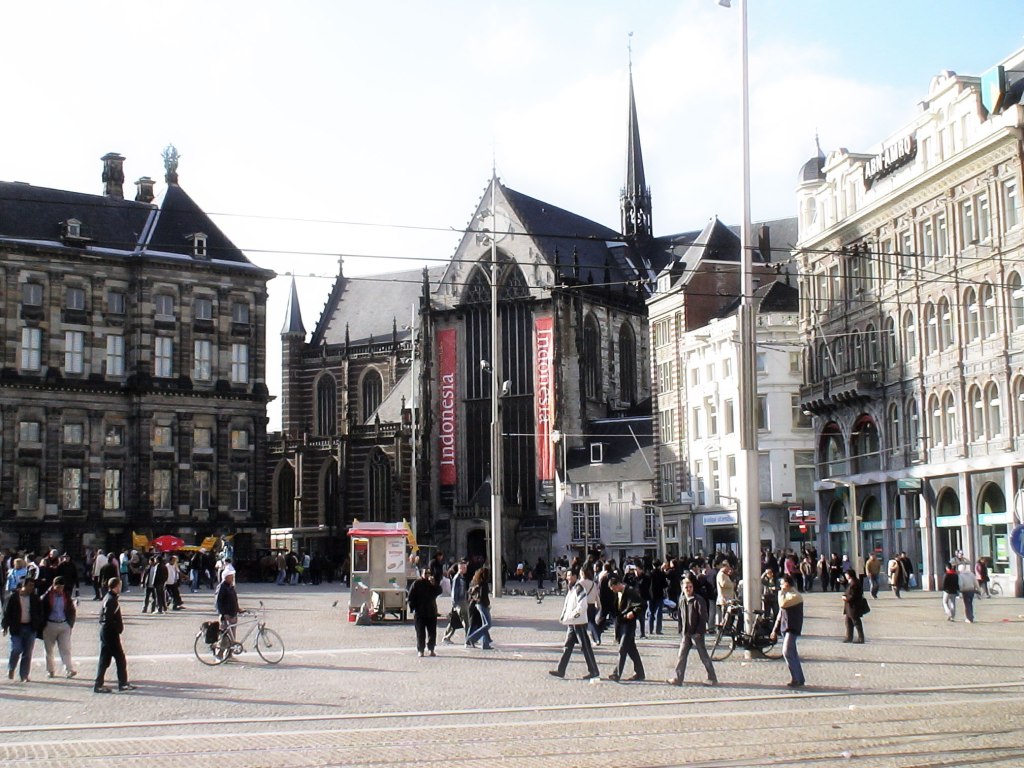
Dam Square lies in the historical center of Amsterdam, approximately 750 meters south of the main transportation hub, Centraal Station. It is roughly rectangular in shape, stretching about 200 meters from west to east and about 100 meters from north to south. It links the streets Damrak and Rokin, which run along the original course of the Amstel River from Centraal Station to Muntplein (Mint Square) and Munterren.
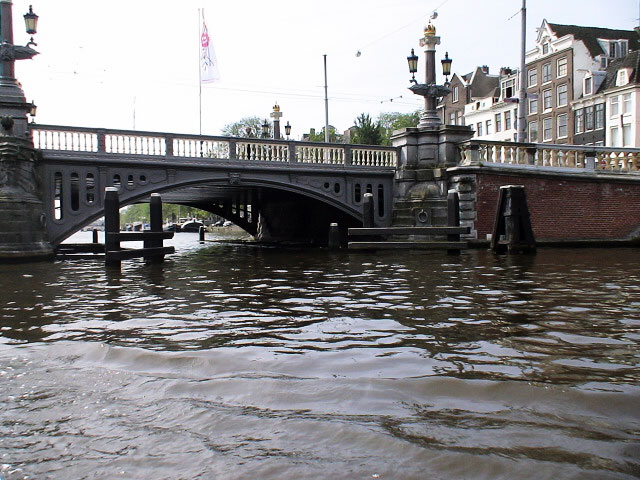
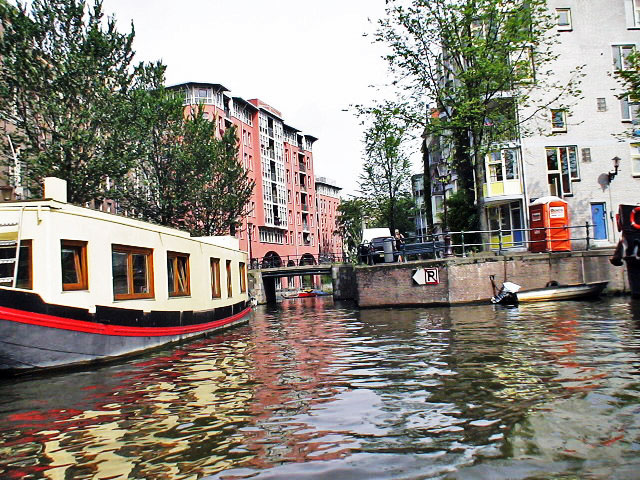
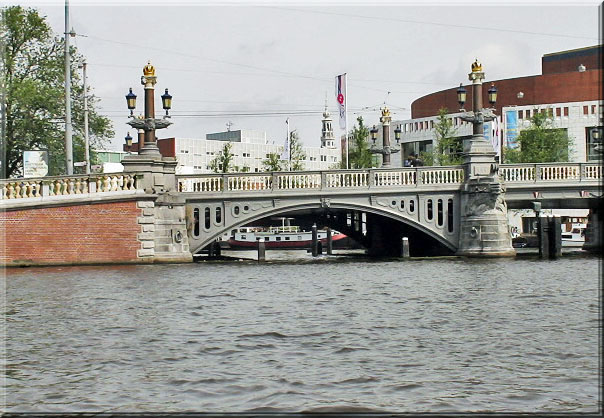
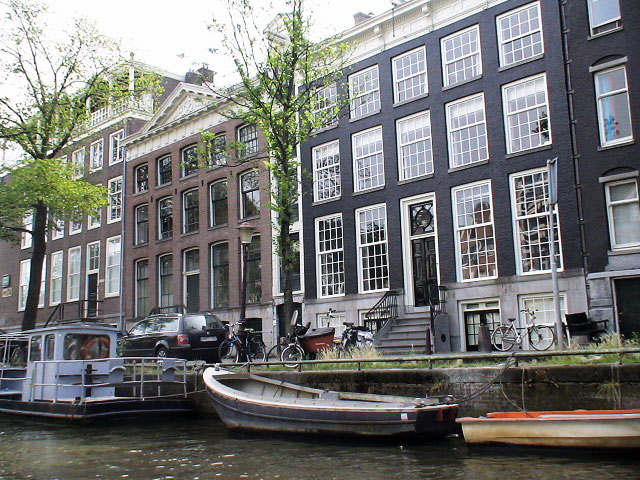
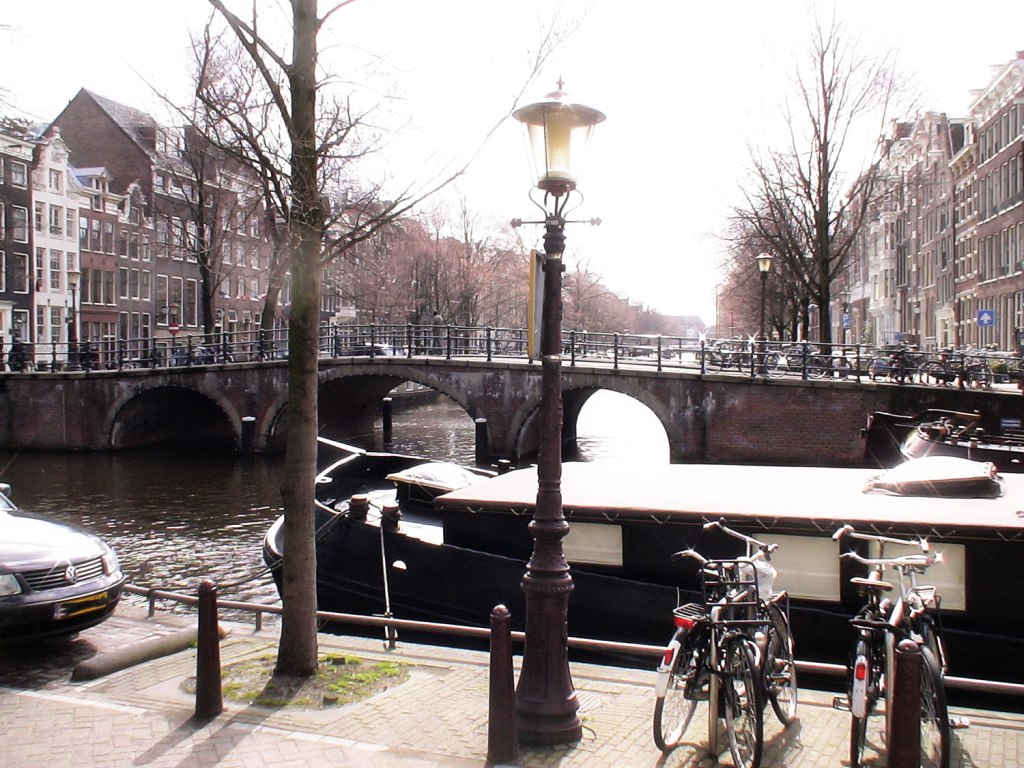
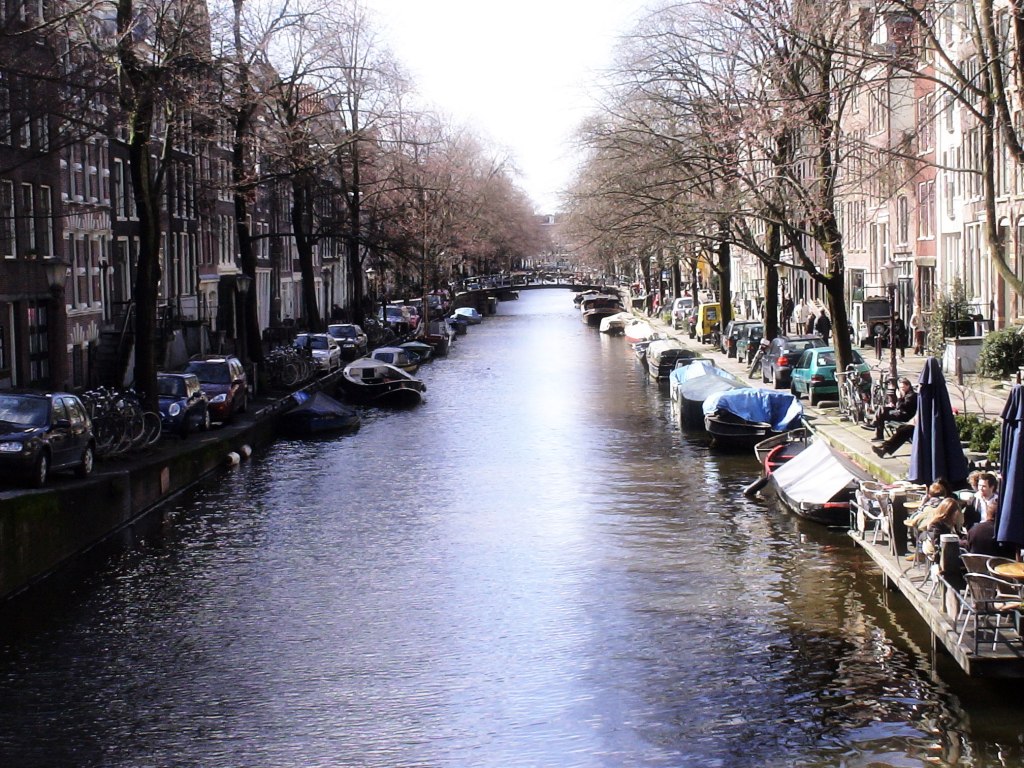
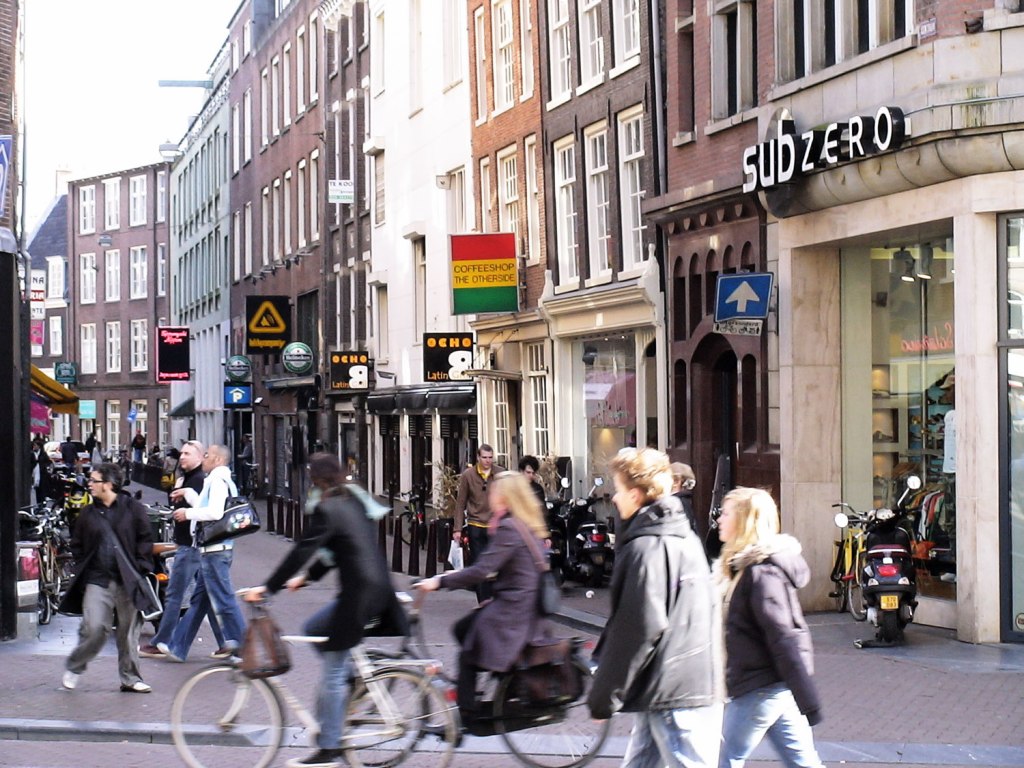
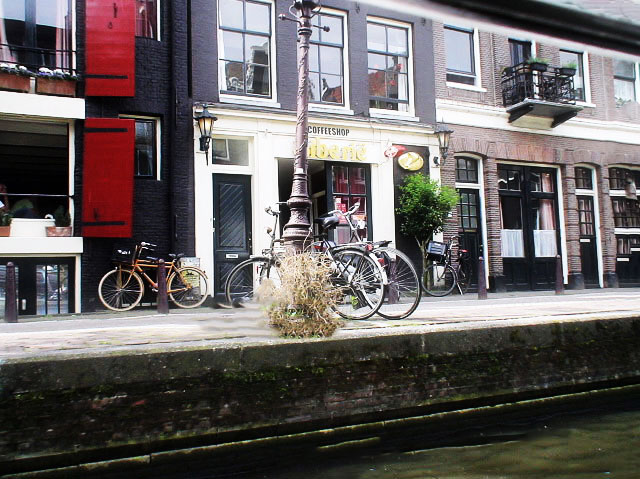
Brown cafés where you can smoke a joint… (the Red, yellow and green flag). They are now proposing outlawing them. (2009)
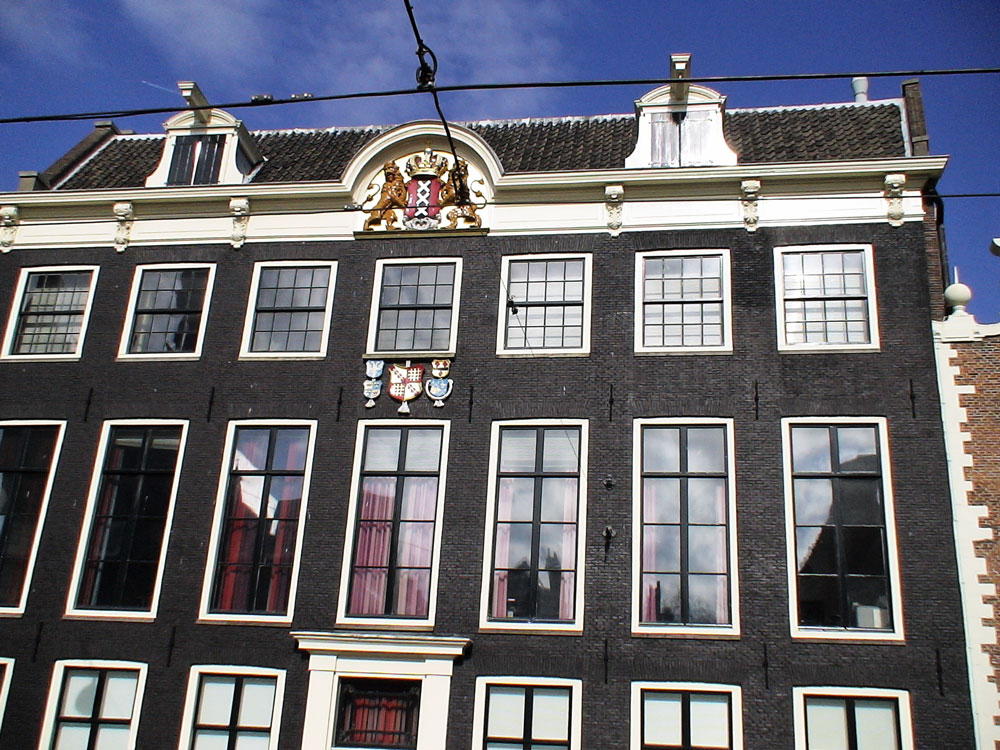
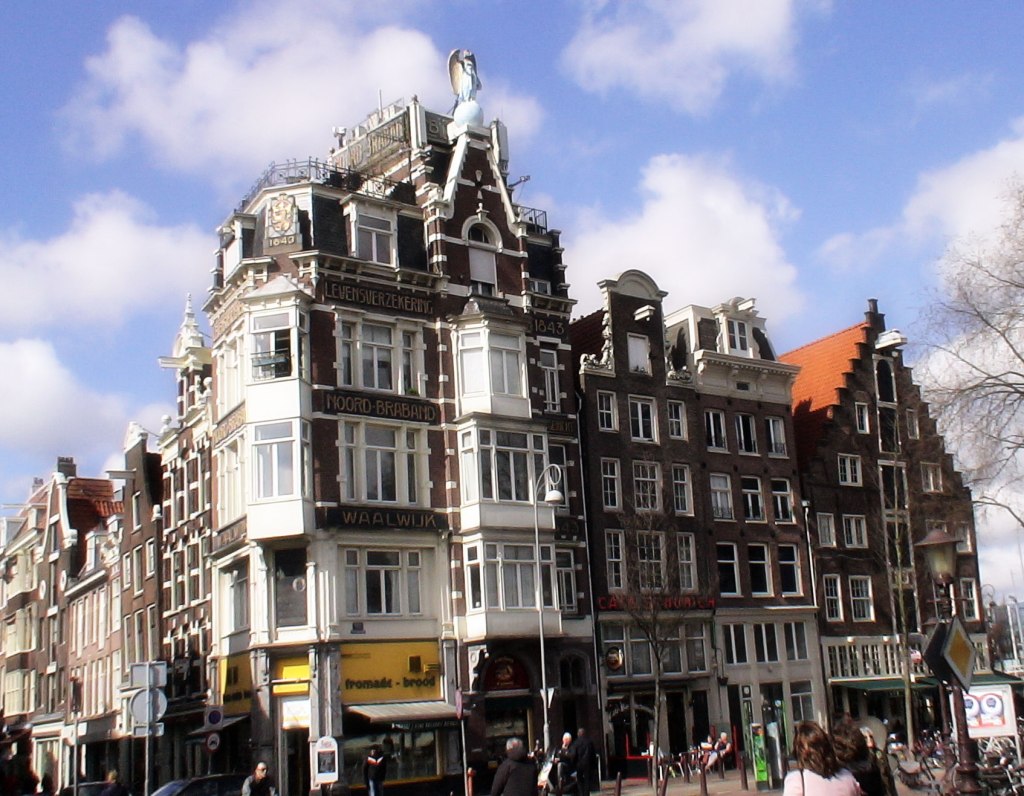
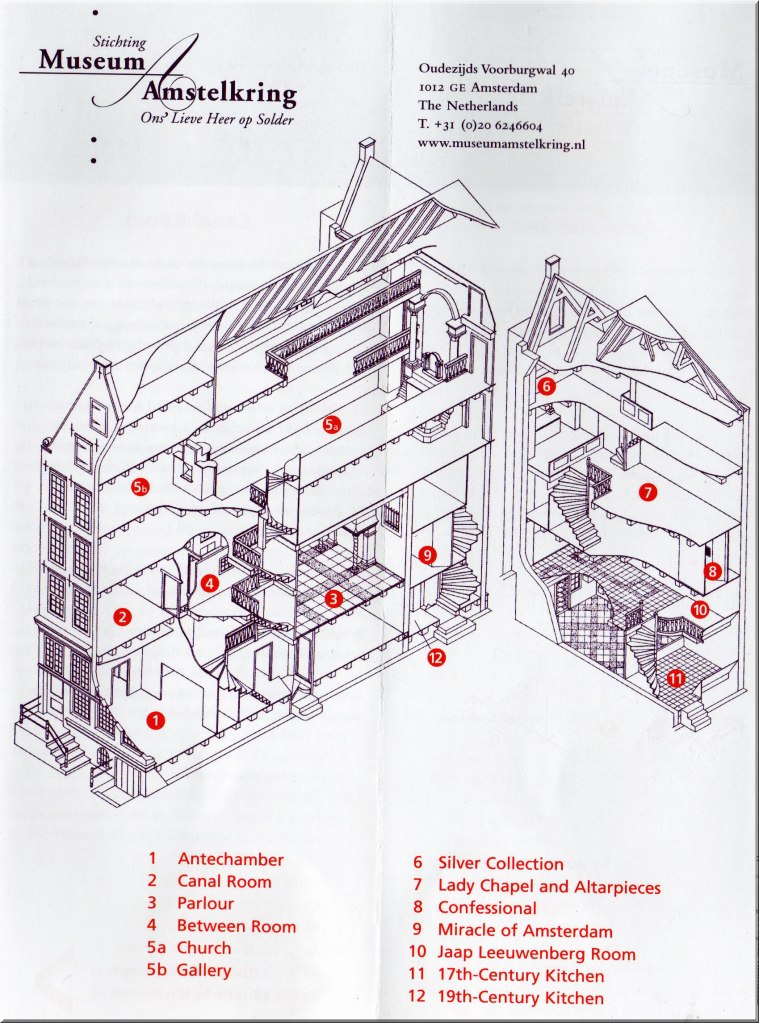
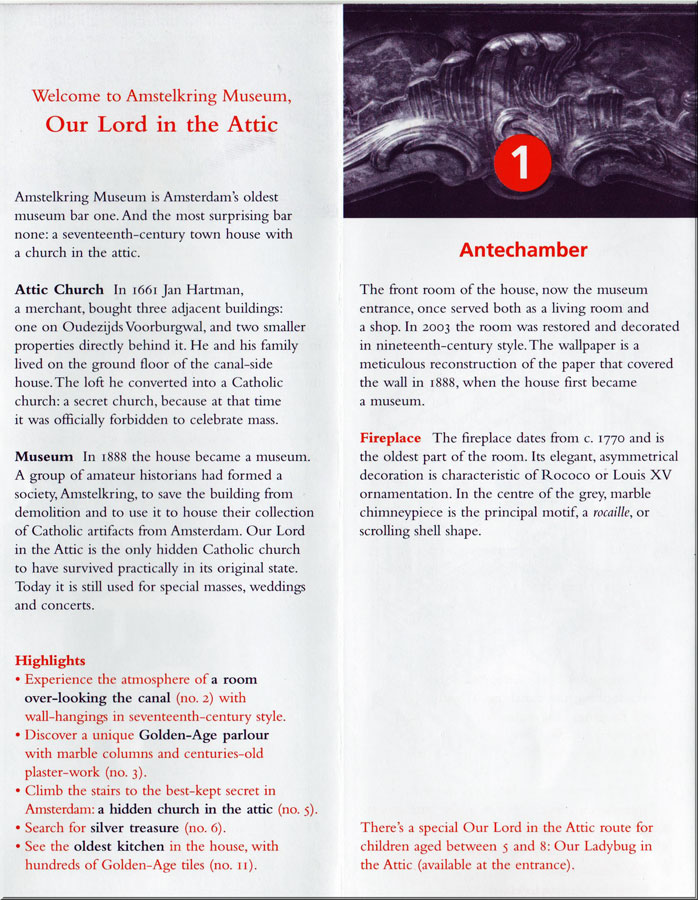
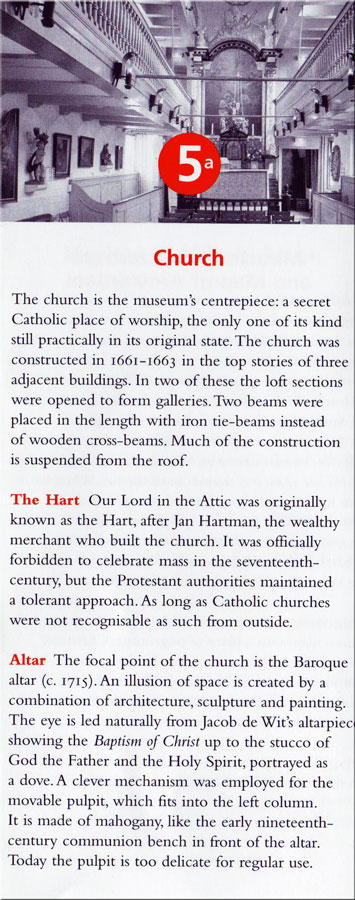
Our Lord in the Attic
The canal house was built in 1630. Between 1661 and 1663 the top three floors of the house were changed into a house church. The building was renovated in the 18th and 19th century.
After the Church of St Nicholas was opened, the house church was no longer in use as a church. On 28 April 1888 it opened its doors for the public as a museum. The museum was previously named Museum Amstelkring and is now called Museum Ons’ Lieve Heer op Solder (English: Museum Our Lord in the Attic)
The museum contains the front room, the between room, the hall, the church, the Lady chapel, the confessional, the Jaap Leeuwenberg hall, and the 17th-century kitchen.

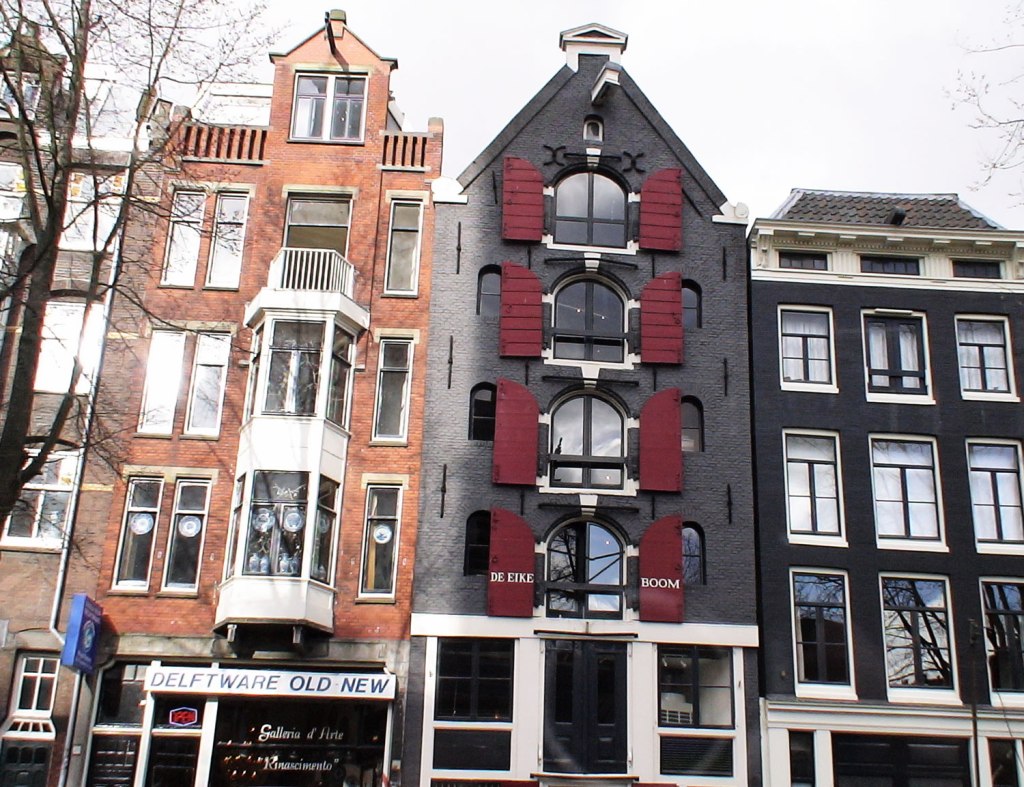
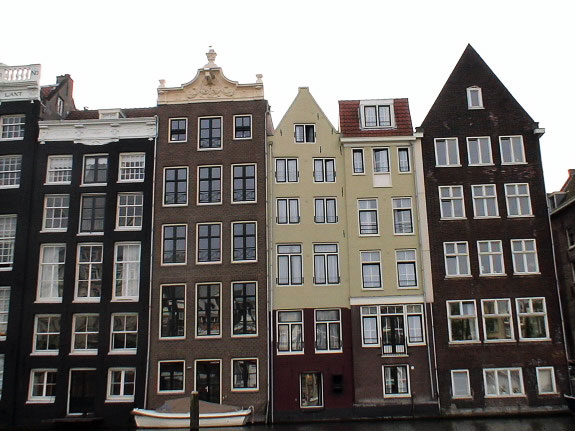
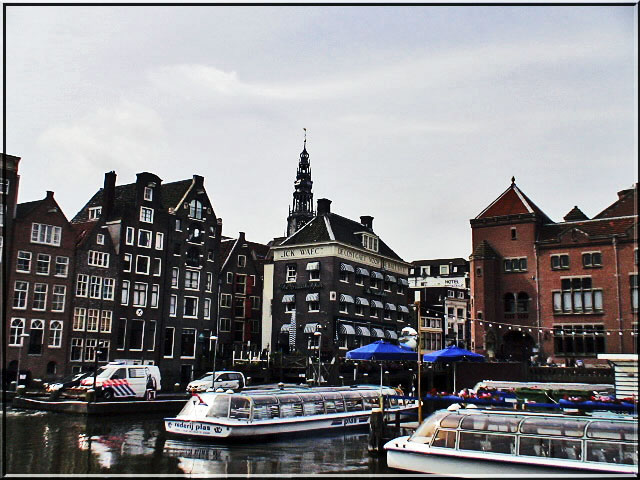
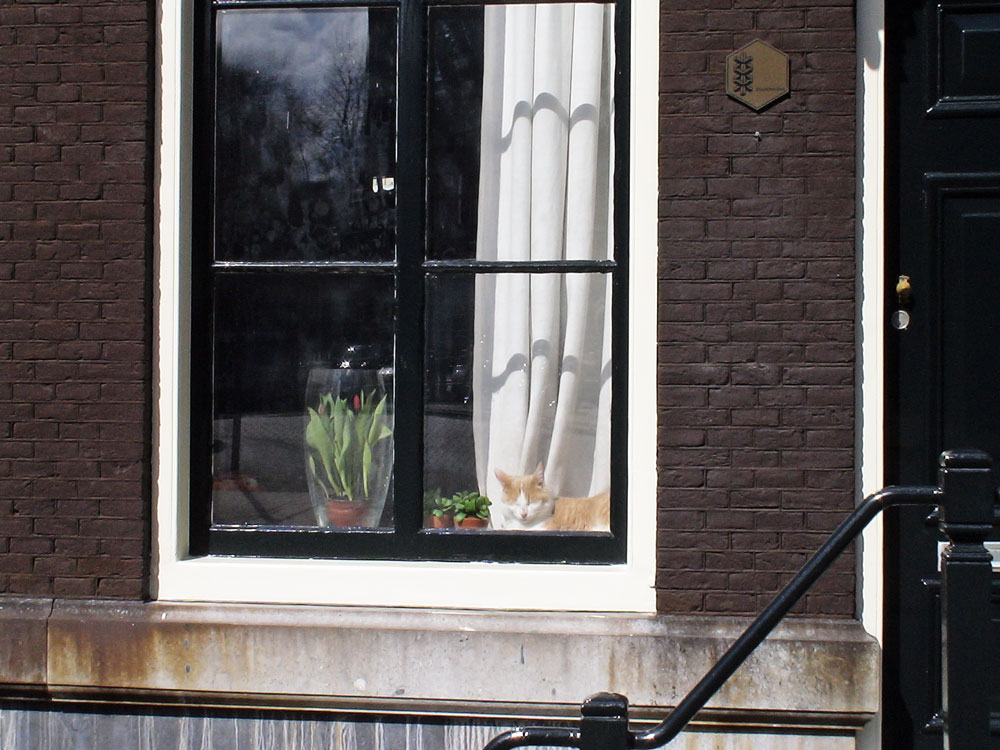
Cat in the window of a house in Amsterdam.
Just thought it was a cute picture.
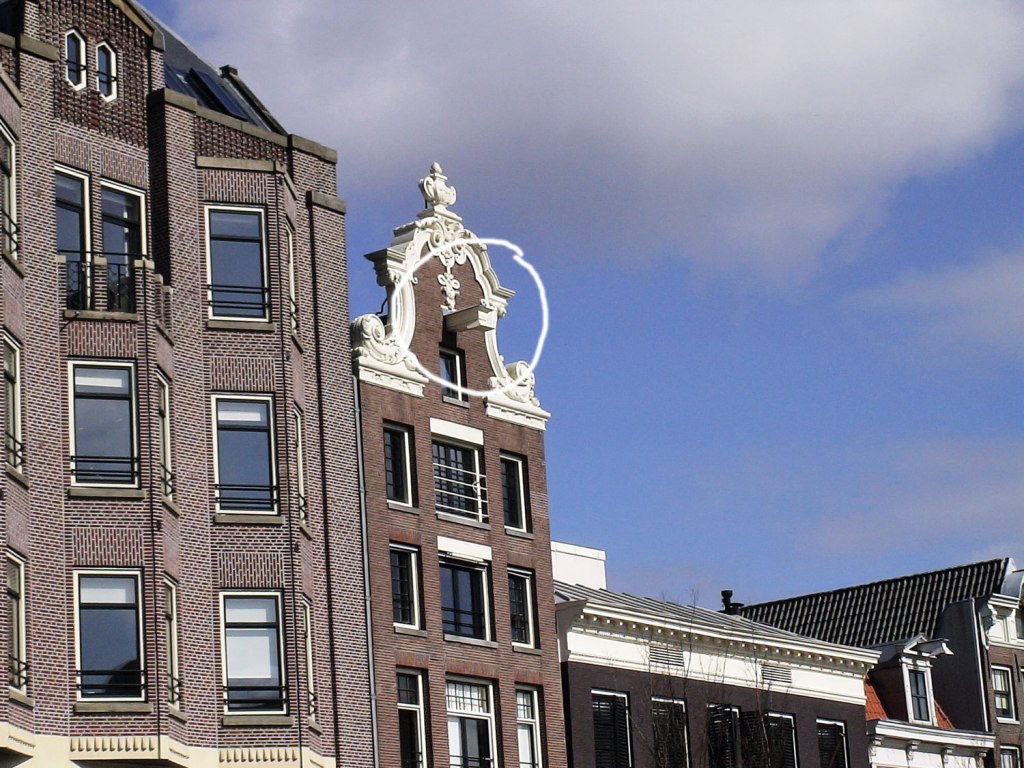
Hook to lift goods. (You can see it above the window of the top floor).
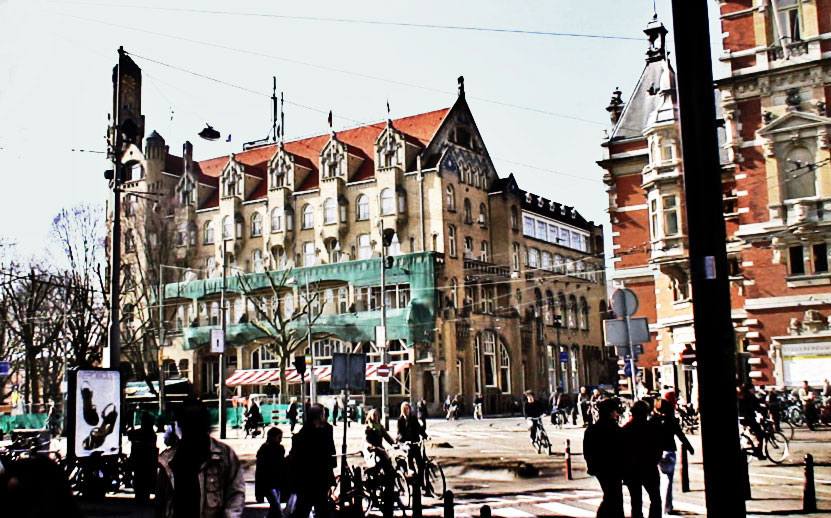
The House of Orange
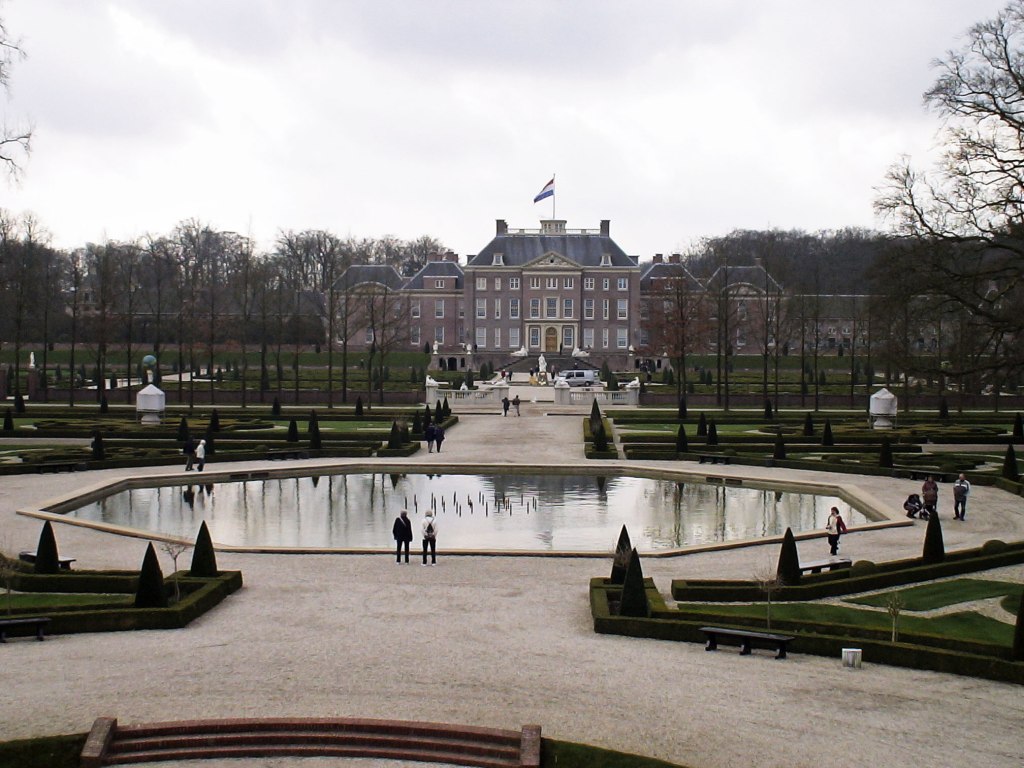
Het Loo Palace meaning “The Lea”) is located in Apeldoorn, Netherlands, built by the House of Orange -Nassau.
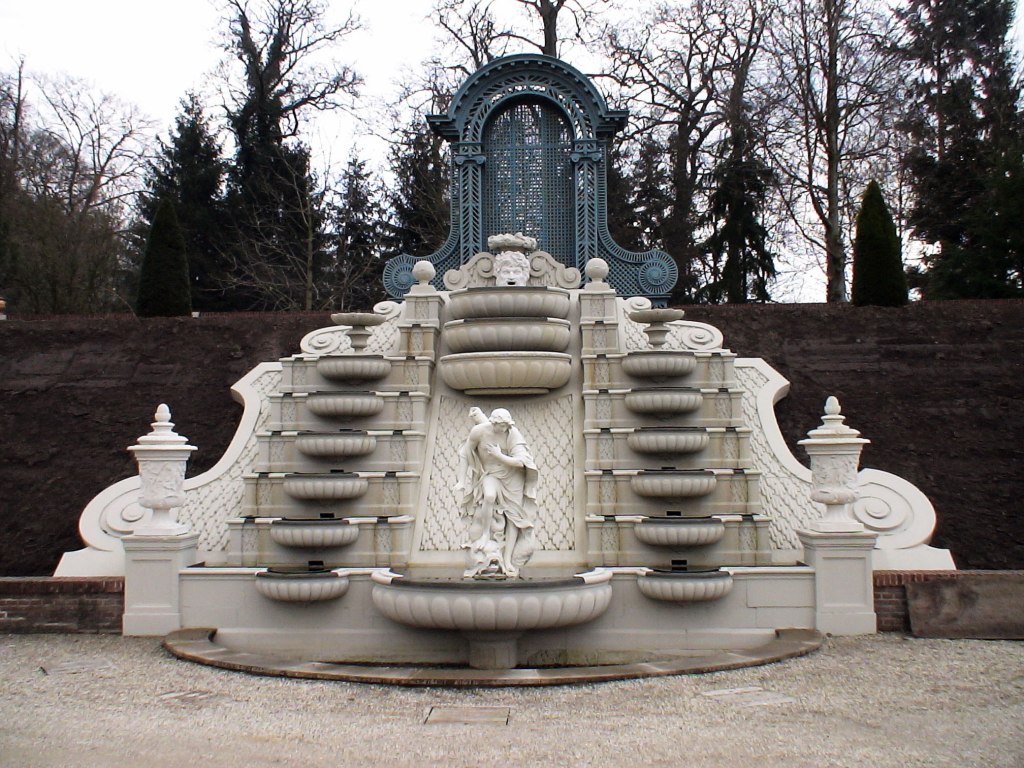
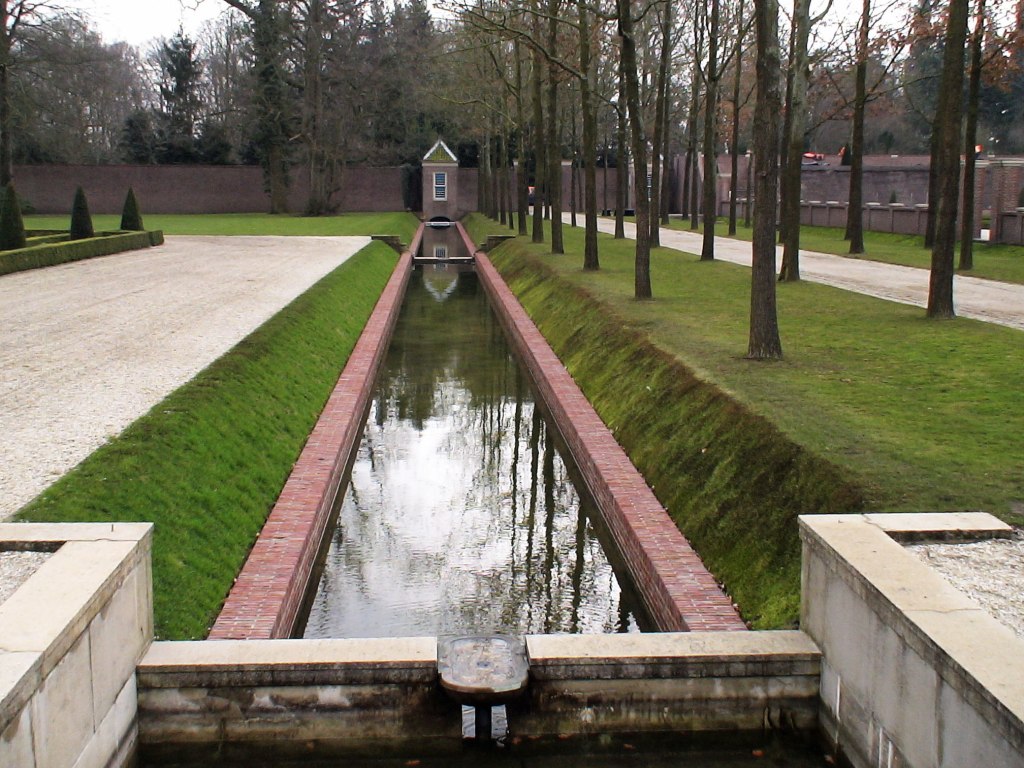
The past home of the Dutch Royal Family, the House of Orange, it is now a state museum. Its baroque garden is a reconstruction of when the palace was built in the late 17th century. The design reflects French and Dutch influences and is similar to the layout and ornamentation of the Vaux-le-Vicomte gardens in France. The mature copper beeches and tulip trees growing in the parterres around the King’s Fountain are the remains of Louis Napoleon’s landscape garden.
(NOTE: Not quite “Amsterdam”, but dam close enough… )
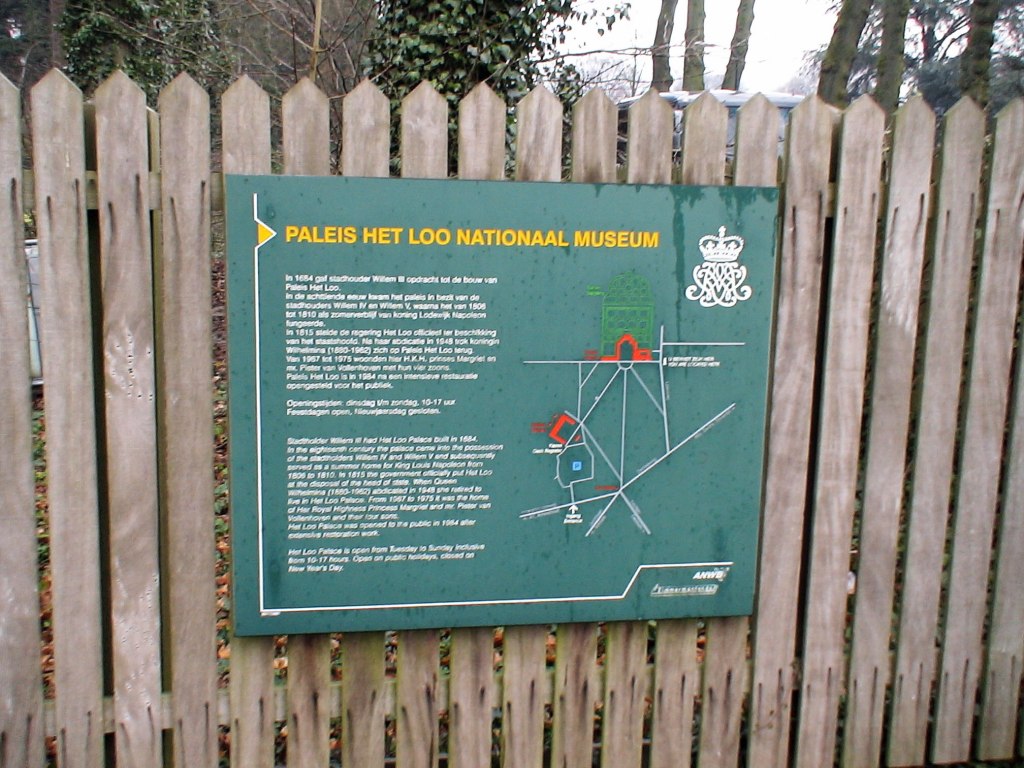
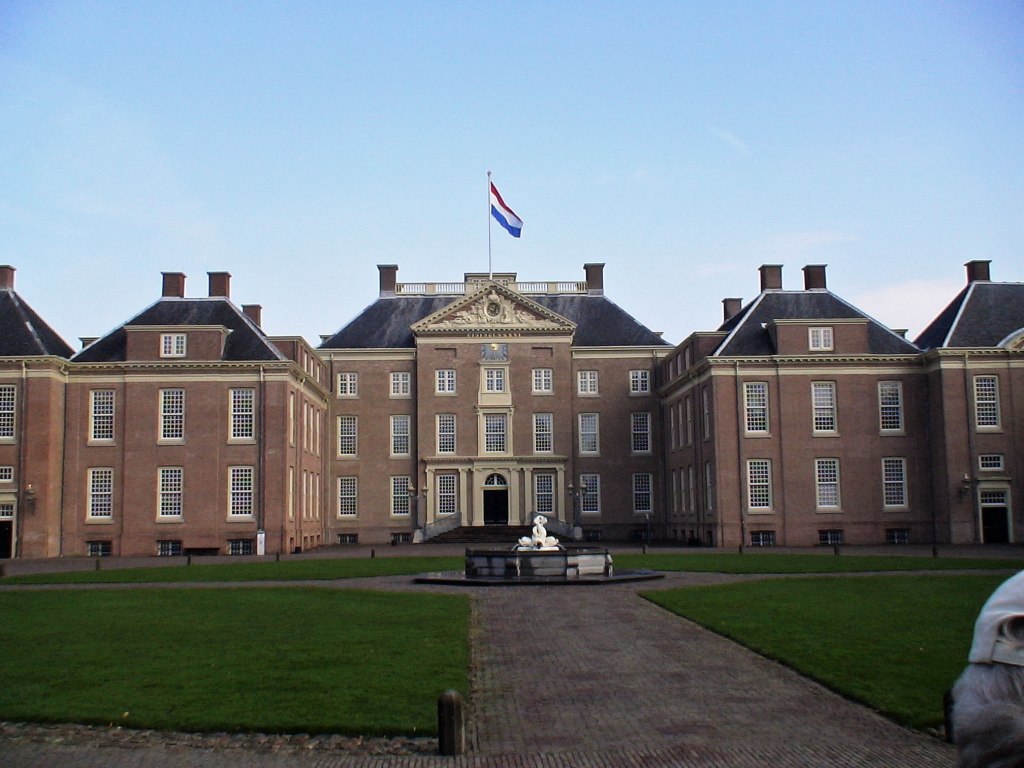
The Dutch Baroque architecture of Het Loo takes pains to minimize the grand stretch of its construction, so emphatic at Versailles, and present itself as just a fine gentleman’s residence. Het Loo is not a palace but a “Lust-hof” (a retreat, or “pleasure house”). Nevertheless, it is situated entre cour et jardin (“between courtyard and garden”) as Versailles and its imitators, and even as fine Parisian private houses are.


The Deltaworks are a series of constructions built between 1950 and 1997 in the southwest of the Netherlands to protect a large area of land around the Rhine-Meuse-Scheldt delta from the sea. The works consist of dams, sluices, locks, dikes and storm surge barriers.
The aim of the dams, sluices, and storm surge barriers was to shorten the Dutch coastline, thus reducing the number of dikes that had to be raised.
The Oosterscheldekering, between the islands Schouwen-Duiveland and Noord-Beveland, is the largest of the 13 ambitious Delta works series of dams, designed to protect the Netherlandsfrom flooding. The construction of the Delta Works was in response to the North Sea Flood of 1953.
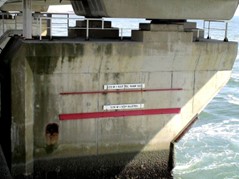
The second red line would be the water level that would trigger the dam to shut down. Only happened once in 50 years. It was a fascinating visit. A massive project.

 s
s 